


The commonwealth’s continued prosperity depends on the strength and reliability of its supply chains and nowhere is that more evident than in the progress now underway at the Port of Virginia. The port is nearing completion of its $1.4 billion Gateway Investment Program, which the General Assembly wisely invested in because of the economic returns it will deliver to the commonwealth.
This program includes dredging the harbor to 55 feet, making Virginia’s shipping channels the deepest on the East Coast. It also includes construction of a fourth berth capable of handling ultra large container vessels and the addition of four new Suez class ship to shore cranes, with a fifth berth on schedule for completion in 2027. These improvements strengthen Virginia’s competitiveness and enable growth for existing businesses, attract new investments, and support job creation — even beyond the more than 565,000 jobs throughout the commonwealth already supported by the Port of Virginia.
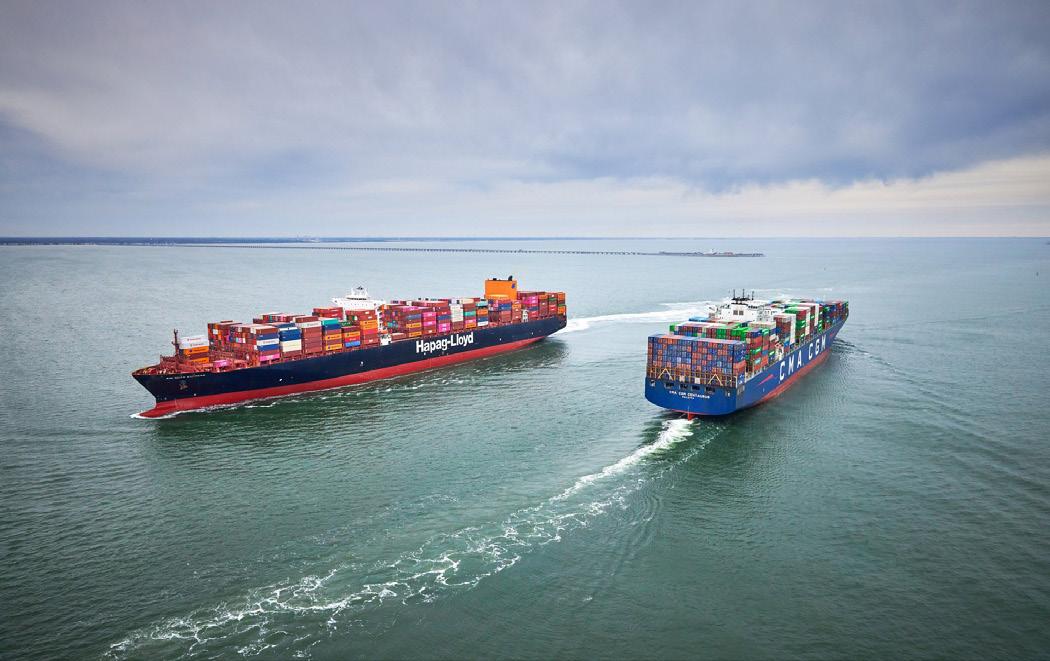
State leaders and regional partners have built on this momentum. Both the Hampton Roads Alliance and the Virginia Economic Development Partnership have made logistics a priority in their economic development strategies because the logistics sector is a powerful driver of job creation and long term business
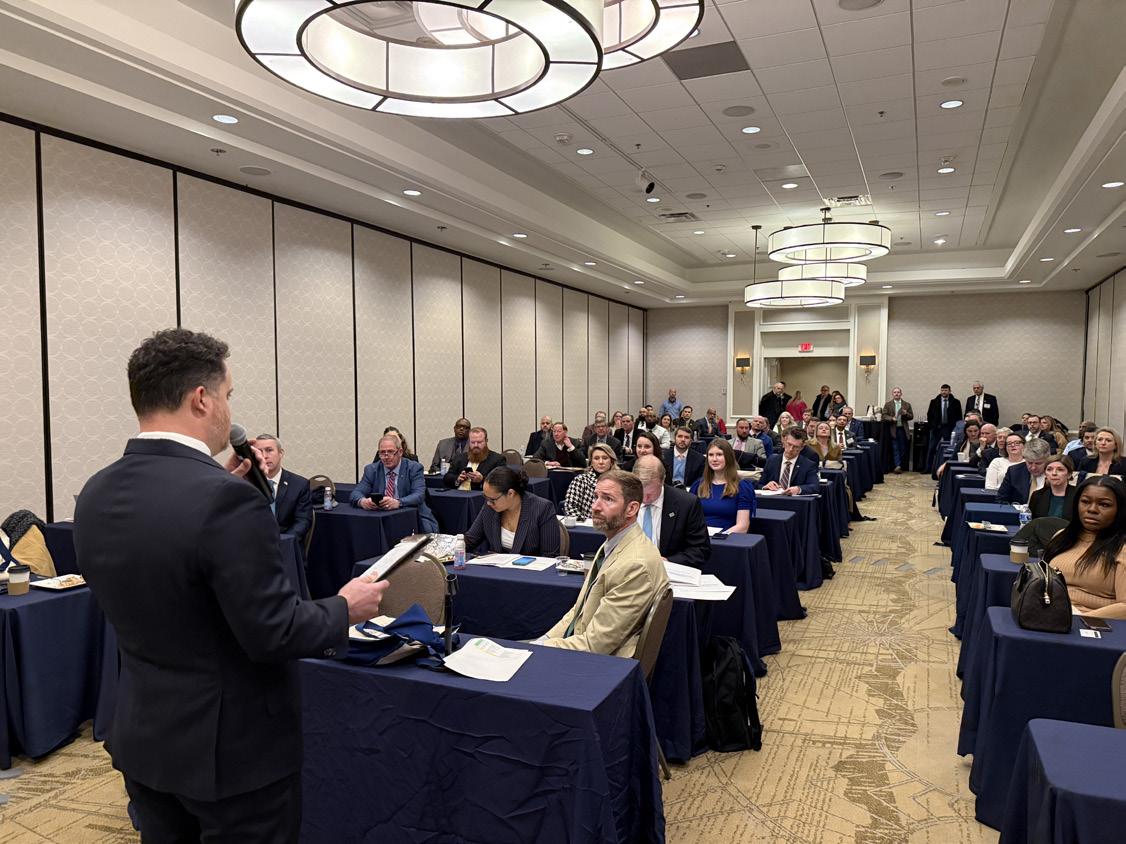
Virginia’s maritime industry had a strong presence in Richmond as the Virginia Maritime Association (VMA) hosted Maritime Day 2026, bringing together VMA members from across the Commonwealth to engage directly with state lawmakers.
On Wednesday, January 28, VMA hosted its Legislative Reception, welcoming 130+ attendees for an evening that brought industry and policymakers together ahead of Maritime Day. Those conversations carried into Thursday, January 29, as members gathered at the General Assembly for a full day of meetings with Virginia’s House and Senate.
This year’s Maritime Day brought together 20 teams of VMA members for more than 90 scheduled meetings with members of the Virginia House of Delegates and Senate, creating valuable
OFFICERS
Chair of the Board
Judy Barrett
President Lang Williams
Vice Presidents
Capt. Kenneth Flowers
Capt. Whiting Chisman
Camille Cherry
Executive Director & Secretary
David White
Treasurer Dana Truxell
Assistant Treasurer Clyde Clark
STAFF
Senior Vice President ................. Will Fediw
Vice President of Finance & Administration ....................... Sam Davis
Director of Membership
Development .......................... Kristen Greene
Workforce Development
Director................................... Shayla Prince
Executive Assistant ................... Chanel Bolling
Marketing Manager ................. Jennifer Deason
Event Manager & Accounting Assistant ............. Jennifer Parham
Membership Services
Manager ........................... Susan Wisniewski
For Questions about the Bulletin or Advertising jdeason@vamaritime.com - 757.628.2667 The MARITIME BULLETIN is

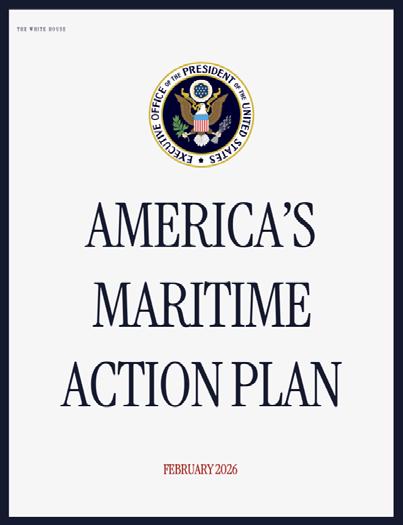
The White House has released its Maritime Action Plan, outlining proposals aimed at strengthening the U.S. maritime industry. The plan calls for renewed investment in domestic shipbuilding capacity, workforce development, and policies intended to support U.S.-flag operators and related supply chain industries. It reflects a broader focus on maritime security, economic competitiveness, and rebuilding the nation’s industrial base tied to ocean commerce. Stakeholders across ports, shipyards, carriers, and maritime service providers are reviewing the plan to better understand its potential impact on trade flows, infrastructure priorities, and the long-term direction of the U.S. maritime sector.
Read America’s Maritime Action Plan: whitehouse.gov/maritimemight/
Artificial intelligence (AI) is transforming supply chain management by enhancing speed, resilience, and cost efficiency. For supply chain management professionals, understanding how to leverage AI effectively is critical. This article highlights three areas: the role of AI agents in supply chain enhancement, practical guidance for deploying AI in Microsoft Dynamics 365 enterprise resource planning (ERP), and frontier insights for building an AI-ready supply chain.
AI agents are specialized applications that can connect to systems, apply reasoning, and execute processes, working alongside or on behalf of people and organizations. Three types of agents include:
• Task Agents: Platforms are increasingly embedding prebuilt task agents into its applications. A task agent can automate a defined business process, e.g., supplier communications, purchase order tracking, etc.
• RAG (Retrieval-Augmented Generation) Agents: Information retrieval can be a core component of AI agents. RAG agents can pull information from approved sources to provide grounded, cited answers, e.g., intranet or policy assistants.
• Autonomous Agents: Autonomous agents are designed to be contextual, adaptive, and goal oriented. These agents can orchestrate workflows across systems with minimal human
intervention, under governance guardrails.
AI agents are transforming supply chain management by automating complex, data-intensive processes. The ability to interpret vague or incomplete inputs, apply reasoning, and execute tasks dynamically is particularly valuable in supplier communication, demand planning, and inventory management.
The ultimate vision for AI in supply chain management is the development of autonomous agents capable of executing tasks with minimal human intervention. AI agents not only enhance operational efficiency but can also elevate decision making by delivering real-time insights across interconnected systems.
& Copilot: Practical AI Deployment
When thinking about AI in ERP, start with quick wins, like the built-in Copilot agents. These preconfigured capabilities reside inside Dynamics 365 applications and handle common tasks such as supplier communications or purchase order updates. They’re designed to accelerate adoption and build confidence by simplifying routine processes without requiring heavy customization.
From there, organizations can extend and tailor these experiences using Copilot Studio, Microsoft’s low-code platform for creating and modifying AI agents. This allows business users and citizen developers to incorporate organizational policies or workflows, helping align decisions with internal guardrails
For advanced needs, Azure AI Foundry provides a full-stack environment for building and deploying enterprise-grade AI applications. It supports highly customized solutions that go beyond ERP, enabling organizations to scale AI across the business.
Realizing the benefits of AI in supply chain management requires strategic preparation in three key areas:
Continue Reading on Page 9
Yet Virginia’s port, exporters, importers, trucking firms, warehouse operators and rail providers have been enduring an exceptionally challenging trade environment. These businesses, and the workers they support, are the backbone of Virginia’s supply chains. Their ability to operate efficiently affects every resident who buys, sells or depends on goods transported across our ports and highways. Above all, and especially now, they need stability and predictability from Richmond.
As this year’s legislative session progresses, bills with potential implications for port users and logistics providers are being introduced and debated. Many are well intentioned, aiming to address workplace standards, environmental concerns or regulatory questions. Even well meaning policies can have unintended consequences. The Virginia Maritime Association is closely monitoring legislation affecting port operations and supply chain businesses and has identified meaningful risks that could undermine prior public investments and weaken Virginia’s competitive standing.
The General Assembly has made affordability a central plank of its agenda this year. But placing new cost pressures on the businesses that anchor our supply chains risks undermining that very priority. When transportation, warehousing and port operations become more expensive, those increases ripple outward, ultimately affecting the affordability of groceries, household goods, building materials and virtually every product Virginians depend on. The economics of new regulations is like the economics of tariffs.
At the same time, legislators must consider the substantial public investments already made in the Port of Virginia. These
opportunities to build relationships and strengthen connections with policymakers. These conversations highlighted the statewide impact of Virginia’s maritime and supply chain industries and focused on the need for continued investment in port-related infrastructure, workforce development, and policies that support our maritime economy.
During meetings with legislators, VMA members focused on several key priorities:
• Sustained investment in port and freight infrastructure to maintain Virginia’s competitiveness and support economic growth across the Commonwealth
• Workforce development initiatives that strengthen the maritime talent pipeline and address long-term labor needs
• Policies that support efficient, safe, and reliable supply chain operations across all regions of Virginia
• Continued collaboration between industry and government
investments have positioned the commonwealth as a premier logistics hub on the East Coast and have helped secure major manufacturing, distribution and export oriented projects. Preserving the return on these investments requires a policy environment that does not impede but instead supports the businesses that rely on our ports. As lawmakers evaluate new bills, it is essential that they carefully weigh the implications for supply chain efficiency, cost of goods and long term economic growth.
Virginia’s competitive edge is the result of deliberate planning, sustained investment and a commitment by state leaders to foster a business friendly climate. To protect this progress, the General Assembly must take care not to enact policies that inadvertently weaken the commonwealth’s supply chains or diminish the economic promise of its world class port infrastructure.
The path ahead is clear: Safeguard the investments that have positioned Virginia as a logistics leader, support the industries that keep our goods moving, and ensure that affordability remains a defining feature of life in the commonwealth.
Source: The Virginian-Pilot, January 25, 2026
Contributor: Will Fediw Senior Vice President Virginia Maritime Association
to ensure Virginia’s ports remain a strategic asset for the state and the nation
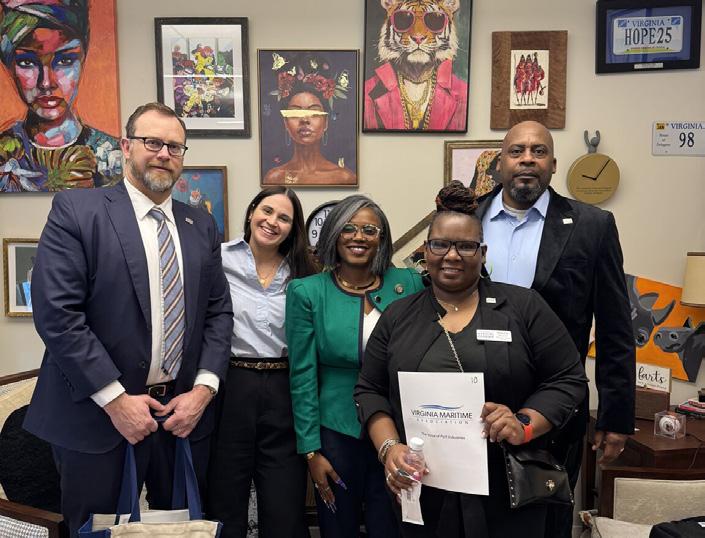
Maritime Day remains a cornerstone of VMA’s advocacy efforts, giving members a direct role in shaping conversations that affect the future of Virginia’s ports and supply chains. By showing up in Richmond and speaking with one voice, VMA members are better represented on the issues that matter most to their businesses and the broader maritime industry. Thank you to all our members who participated, shared their expertise, and represented the maritime and supply chain industry at the General Assembly.
Maritime Day at Virginia’s General Assembly unified 80 VMA representatives, organized into 20 teams, to highlight the importance of maritime across the Commonwealth. Alongside my team, I had the opportunity to meet with legislators and staff whose districts, backgrounds, and priorities varied widely. Each conversation reinforced that the impact of our industry extends far beyond the waterfront.
Our discussions centered on VMA’s 2026 legislative priorities:
• Safeguarding the citizens’ ROI on the $1.4 billion invested in the Port of Virginia
• Supporting VEDP’s focused efforts to expand the logistics sector
• Addressing how the Affordability Agenda is undermined when new costs are placed on supply chains
Our first meeting of the day was with Delegate McNamara, who serves on the Higher Education Board, making our workforce priorities especially relevant. We discussed the importance of internships and experiential learning, and the VMA Maritime Ambassador Program stood out as an initiative he believes can strengthen student pathways into the industry.
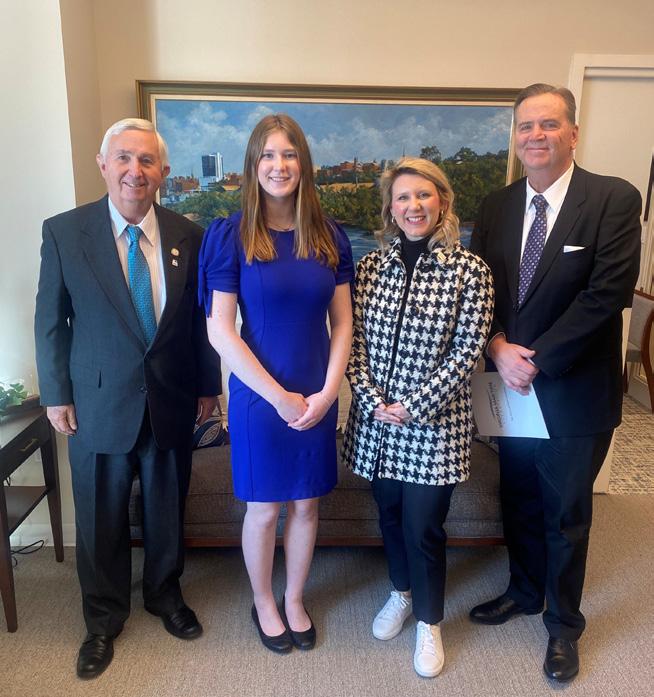
Next, Delegate Walker recognized the maritime industry’s impact across the Commonwealth and the nuclear energy presence in his district, describing nuclear energy as a sustainable resource tied to Virginia’s broader logistics and infrastructure network. As a former member of the Virginia Workforce Development Board, he supports initiatives that introduce maritime and supply chain careers in classrooms to strengthen talent pipelines. He emphasized aligning education with industry needs, highlighting programs like HR STRONG and workforce credentials as key to preparing students for careers in maritime, logistics, and emerging energy sectors.
He also expressed enthusiasm about returning to the Port of Virginia, noting that his previous tour deepened his appreciation for the scale and complexity of port operations. He connected that experience to his interest in Dominion Energy’s offshore wind project and its potential to strengthen both the maritime sector and Virginia’s energy portfolio. His engagement reflected a strong commitment to policies that support the state’s
competitiveness and create opportunities for future workers.
Although Delegate Hernandez was unavailable during our visit, Chief of Staff Dan Harner emphasized the importance of connecting with and representing the maritime industry. As a representative of Southeastern Virginia, Harner expressed strong interest in understanding the operational realities behind our legislative priorities. He also expressed interest in touring the Port and strengthening engagement with the Virginia Maritime Association and industry partners.
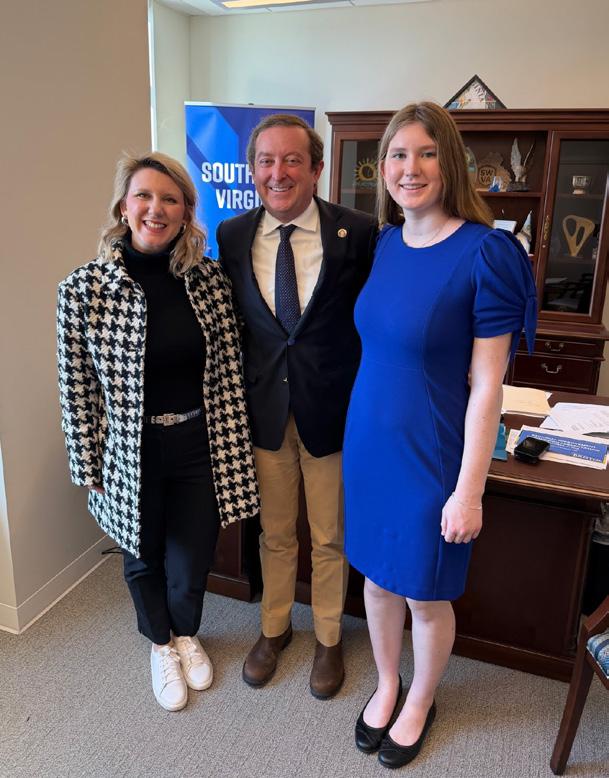
Senator Pillion closed our meetings with a strong sense of partnership and a clear understanding of how maritime drives economic opportunity far beyond the coast. Representing Southwest Virginia, he has long recognized the Port of Virginia as a statewide asset. He expressed strong support for the Washington County Inland Port, viewing the project as a catalyst for long-term regional growth, strengthening freight mobility and positioning local businesses for expanded investment.
Maritime Day provided a meaningful opportunity to strengthen relationships, clarify priorities, and demonstrate our industry’s collective commitment. Each meeting focused on workforce development, regional economic growth, and the operational realities of supply chains, reinforcing how deeply maritime is woven into the Commonwealth’s economy. With 80 representatives speaking as a unified voice, our presence made a lasting impression and underscored the value of continued engagement. As the legislative session moves forward, the conversations we began in Richmond will help inform thoughtful policy decisions that protect Virginia’s competitiveness and support the long-term success of the maritime community.

Contributor: Reilly Auld
High School Senior, Class of 2026
Maritime Ambassador
Virginia Maritime Association
DEC 3 Environmental Affairs USACE provided an update on Preconstruction Engineering and Design work for the Southern Branch of the Elizabeth River, noting the sampling contract was awarded in May 2026 with a final report expected in July 2027. An overview of the 2025 elections and the anticipated 2026 legislative environment was also shared, highlighting potential policy implications for the maritime industry. The group reviewed proposed EPA and USACE amendments to the definition of “Waters of the United States.”
JAN 7 Towing and Barge Operators Members received an OpSail 250 Harborfest 2026 update, including potential USCG safety zones, navigation restrictions, and possible channel closures tied to official attendees. The group reviewed waterways updates, including new CBBT and USCG Sector Virginia emergency contact information, an upcoming update to the Port of Hampton Roads Regulated Navigation Area, and concerns related to Southern Branch navigation impediments and local bridge repairs. Discussion also focused on aging infrastructure, the need to document financial impacts from bridge closures for advocacy purposes, and strengthening committee leadership and engagement.
JAN 8 Supply Chain Technology & Innovation The group discussed next steps for AI education following the recent Maritime Breakfast Briefing, including developing a focused webinar series on practical topics such as real-world AI use cases and identifying errors in AI-generated content, while also considering subjects like quantum computing. Members supported exploring a podcast format and launching a survey, potentially with an incentive, to gather input on priority topics. VMA also shared its 2026 AI Integration Plan, with the Committee offering to serve as a sounding board as implementation moves forward.
JAN 14 Membership The Committee reviewed the final phase of membership renewal implementation for March renewals, outlining the coordinated outreach process and reinforcing use of the Member Portal for engagement and resources. Discussion focused on increasing active participation by targeting less-engaged members, improving visibility of new members at events, strengthening collaboration with marketing, and proactively connecting members to committees and Young Maritime Professionals programming. Additional conversation covered retention and referral strategies, including incentive concepts and next steps, as VMA continues progress toward its “Road to 500” membership goal.
JAN 21 All Hazards Response The Committee reviewed regional security updates, including $3 million in Port Security Grant funding, recent marine incidents, and expanded marine firefighting and response coordination efforts. Members also discussed the new USCG Salvage & Marine Subcommittee, Virginia’s growing role as a port of refuge, and plans for a private-sector tabletop exercise.
4 Cargo Owners Discussions held on logistics and supply chain strategies heading into 2026, including ocean freight bids, rate negotiations, trucking lanes, container pricing, insurance coverage, and whether to work directly with carriers or through freight forwarders. Several companies are adjusting sourcing and manufacturing footprints, with shifts toward Southeast Asia and other international locations to manage tariffs, raw material costs, and bond requirements. Forecasts for 2026 remain mixed, with some projecting declines and others seeing stronger export demand, as many continue to monitor tariff policy and pending Supreme Court decisions.
FEB 5 Harbor-Anchorage Dredging and Navigation Rules
Capt. Rabena led a review of the newly consolidated Combined Container Ship Operating Guidelines, which merge several existing operational documents into one unified reference for Virginia port stakeholders. It was clarified that the Guidelines are not a VMA or regulatory document, but instead reflect agreedupon operating practices within the port, and will be reviewed by the Ship Operators and Agents Committee and the Virginia Harbor Safety Committee, with a recommendation to include them in the Coast Pilot. Following discussion and questions, the Guidelines were unanimously approved for recommendation to the Ship Owners and Operators Committee.
FEB 18 Ship Operators & Agents Capt. Whiting Chisman reviewed updates to the region’s ULCV Business Rules, introducing the new Combined Container Ship Operating Guidelines, which consolidate several existing documents into one streamlined reference while keeping current operating practices in place until the 55-foot dredging project is complete. The proposed Guidelines have been reviewed by the Harbor Anchorage, Dredging, and Navigation Rules Committee and will also be presented to the Virginia Harbor Safety Committee. Additional updates included a NOAA briefing on North Atlantic Right Whale migration and collision prevention measures, along with a USCG reminder about air draft limitations near Naval Air Station Chambers Field.
Submissions: Contact Jennifer Deason, jdeason@vamaritime.com
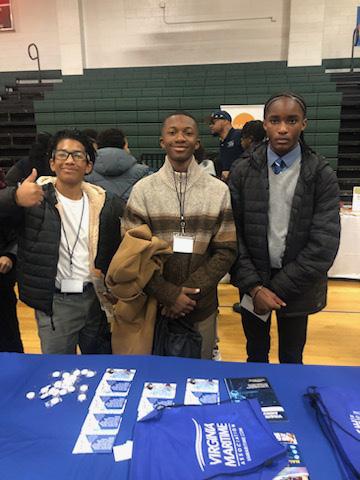
The VMA Education and Training Committee was represented at the 2026 African American Male Summit. Over 400 students and more than 30 parents attended the event on Saturday, January 24, at Green Run High School. The event was designed to introduce young African American students to the incredible range of opportunities available to them.
Ambitious middle and high school students visited the VMA table with varied interests, including military, business, law, media, and even meteorology. Each student was assured that the maritime industry offers opportunities for individuals with a wide range of interests.
More than 60 organizations filled the Green Run gym throughout the day as students and parents visited exhibition tables. In attendance along with the VMA were Huntington Ingalls Industries, Virginia Beach Police, the Hampton Roads Workforce Council, Old Dominion University, Virginia Wesleyan University, the U.S. Army and Air Force, WHRO, the Urban League of Hampton Roads, and many others. In addition to supporting this event, the VMA Education and Training Committee organizes annual maritime industry tours for Green Run Academy students, many of whom were also in attendance.
The Green Run High School administration expressed its appreciation for VMA’s support in making the event successful and engaging.
Contributor: Larry Belcher
Co-chair VMA Education & Training Committee Director of Innovative Partnerships & Virginia
A thriving maritime industry is essential for advancing the global economy, strengthening national security, and ensuring the sustainability of our coastal communities. Yet today’s maritime industry faces a convergence of challenges: rapidly advancing technologies, climate pressures, shifting trade patterns and a tightening labor market. Meeting these challenges requires a highly skilled workforce, advancing research, and innovation acceleration.
Why Education Matters Resilient maritime supply chains, port operations, shipbuilding, ship repair and defense readiness all depend on people who are prepared to meet these challenges. The industry continues to face workforce shortages, from licensed mariners, professional engineers and logistics specialists to skilled tradespeople. Preparing the next generation demands growing educational pathways at all levels. Academia, as well as industry and government must work together to build greater awareness of maritime careers and provide hands-on opportunities that directly connect present and future students to the industry. Early K-12 outreach is necessary to introduce young learners to maritime pathways and to spark interest in careers that they may not otherwise consider or be aware of. Structured internships, apprenticeships and co-op programs give college and university students real-world experience that is critically needed to succeed in this dynamic sector.
The Role of Research and Innovation The growth of emerging technologies such as autonomy, digital twins, artificial intelligence and alternative fuels, are reshaping global shipping
and operations. At the same time, maritime stakeholders must adapt to challenges with coastal flooding, changing tariffs and increasing regulations. Research institutions, innovation hubs, and industry partnerships are essential to developing solutions to keep ports competitive, strengthen cyber security, and ensure supply chain resiliency. Collaborative research will help the industry stay ahead of disruptions.
A Call for Collaboration The future of the maritime sector depends on strong collaboration between policymakers, educators, industry leaders, and community stakeholders. Expanding awareness and access to maritime education, investing in research, and fostering innovative ecosystems will ensure that our nation’s maritime industry remains competitive, resilient, and secure in the decades to come.
Old Dominion University (ODU), located in Norfolk, Virginia, is uniquely positioned to support many of these growing needs. As an R1 research institution, we are advancing innovation, strengthening maritime resilience and developing the next generation of leaders through cutting-edge research, interdisciplinary programs, and strong regional partnerships. But we don’t accomplish this alone. Working together, industry leaders, policymakers, educators, researchers, and community stakeholders ensure the continued growth of a vibrant and sustainable maritime future for Hampton Roads, the Commonwealth, and the nation.
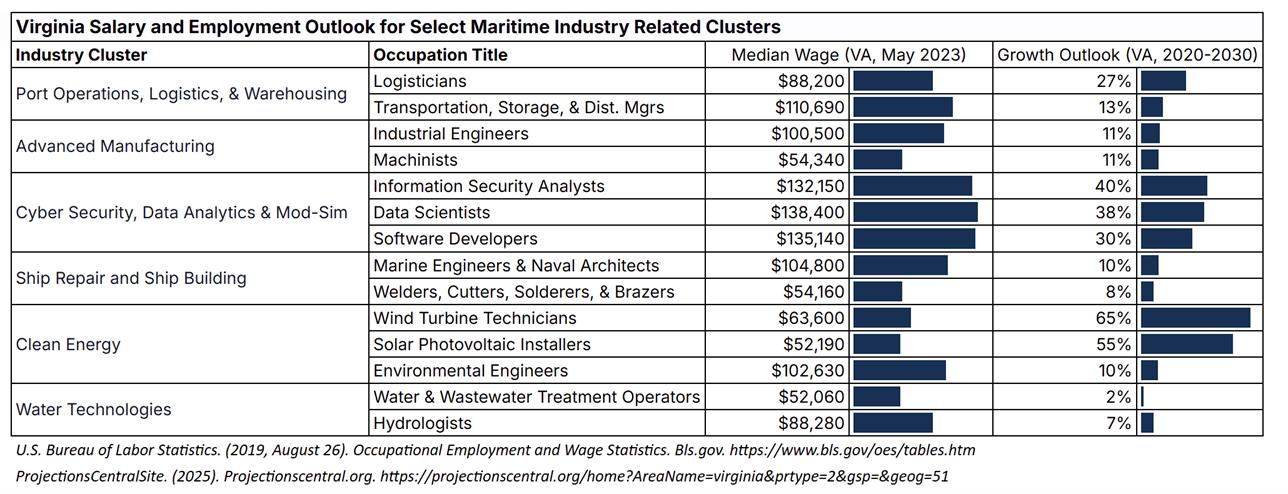
Below is a snapshot of wage and growth outlook for select maritime related industry clusters for Virginia.
To learn more about ODU’s Maritime Initiatives and to get involved, please visit odu.edu/maritime.
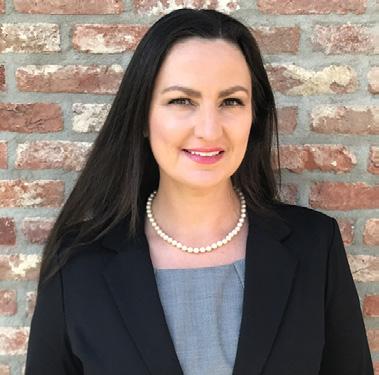
Contributor: Dr.
Elspeth McMahon Associate Vice President for Maritime Initiatives
Old Dominion University
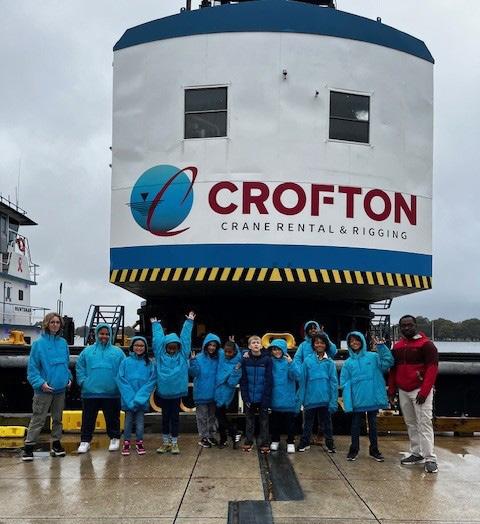
Recently, Sail Nauticus Academy students had an unforgettable opportunity to step aboard a very different type of vessel than they are used to. While they often see the vessels of Norfolk’s working waterfront from their sailboats, this time they got to explore them up close and speak to the crew.
Thanks to the kindness of SNAME (The International Community for Maritime and Ocean Professionals) and our incredible partners at Crofton and Moran, students toured a tugboat and crane barge, two essential assets in harbor operations. For every student, it was their first time aboard a working vessel, an experience that sparked curiosity, excitement, and countless questions (including ten about the stuffed pickle hanging in the wheelhouse!). Nothing compares to walking the decks, sitting in the galley, and feeling the hum of the engines to ignite that “I want to do this” moment. Crew members explained operations and answered a flood of questions, giving students a firsthand look at the teamwork and technical expertise required to keep global supply chains moving.
1. People: Building an AI-ready workforce involves upskilling employees to work alongside AI agents. This includes training on AI tools, fostering a culture of innovation, and redefining roles. AI readiness is not solely an IT responsibility; it represents a strategic organization-wide initiative.
2. Processes: Transitioning to an AI-driven supply chain necessitates a review of existing workflows. Organizationwide, you’ll need to re-envision how certain status quo business processes are executed and how AI can transform them.
3. Technology: Investing in scalable, integrated platforms like Microsoft Dynamics 365 is pivotal. Modern platforms provide the foundation for deploying AI agents and connecting disparate data sources, enabling a unified view of the supply chain.
AI is reshaping supply chain management, offering unprecedented opportunities for efficiency, agility, and innovation. By starting with prebuilt agents, leveraging tools like Copilot Studio, and
About Sail Nauticus Academy Sail Nauticus Academy is a tuition-free, after-school program serving 5th–8th grade students from Norfolk’s most underserved schools. The Academy combines hands-on sailing with maritime STEM education and career exploration. Students earn a Virginia Boating License along with First Aid/CPR and US Sailing certifications, while developing skills in navigation, aquaculture, marine engineering, boat design, and environmental stewardship
With over 100 program days and 200 hours of hands-on learning annually, Sail Nauticus Academy delivers measurable impact with 94% of students reporting improved confidence and teamwork, and 75% showing greater interest in maritime STEM subjects.
Getting these kids on the water and aboard working vessels brings classroom lessons to life and inspires the next generation of maritime professionals.
Interested in mentoring or hosting a field trip? Contact: Nate Sandel, nathan.sandel@norfolk.gov.

Contributor: Nate Sandle
Director
of
Education
& Community Engagement Nauticus
strategically preparing for the AI transformation, supply chain leaders can position their organizations at the forefront of this revolution and gain a competitive edge in the marketplace.

Simply stated, active VMA members are Better Connected, Better Informed, and Better Represented. This segment of the Bulletin aims to provide insights into some of the ways in which the interests of VMA members were Better Represented during the previous month.
Each January, the Association devotes much effort to representing the interests of the VMA membership during the legislative session of Virginia’s General Assembly. Priorities for VMA during the 2026 session emphasized Workforce Development, Freight Transportation, Business Ready Sites, and Economic Growth. VMA and its consultant, Kemper Consulting, considered the over 2,000 bills and budget proposals introduced at the start of the 2026 legislative session, identifying a focused list of bills to be monitored or for VMA’s possible supportive or defensive intervention on behalf of the association’s membership and mission.
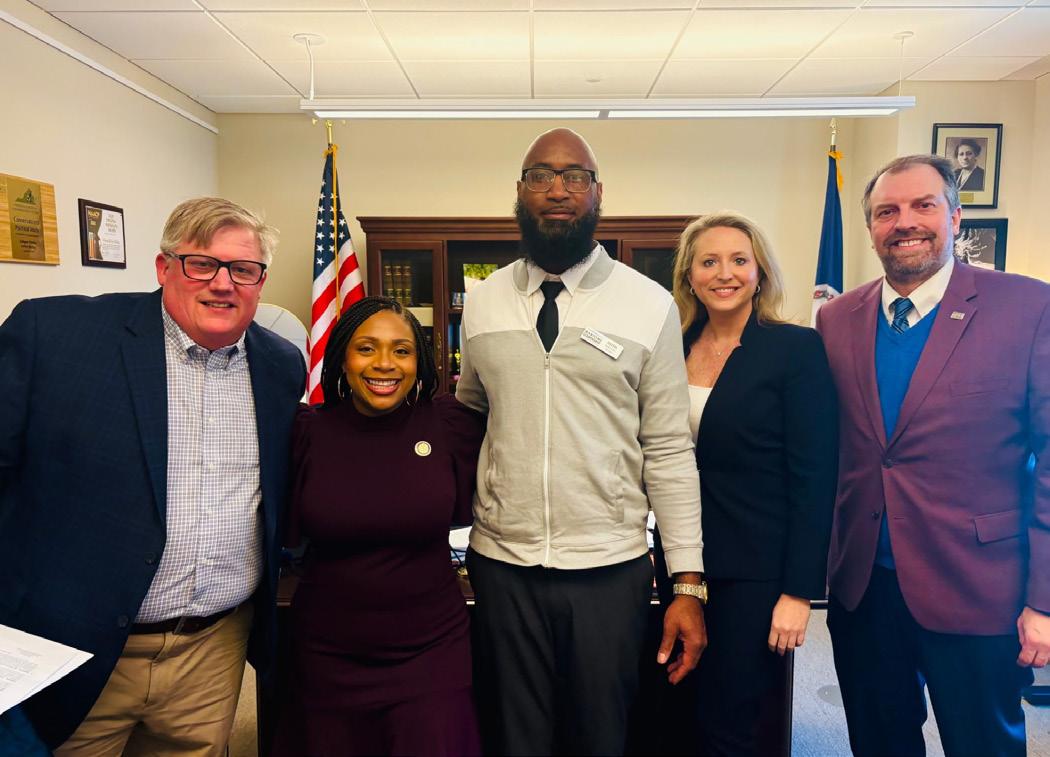
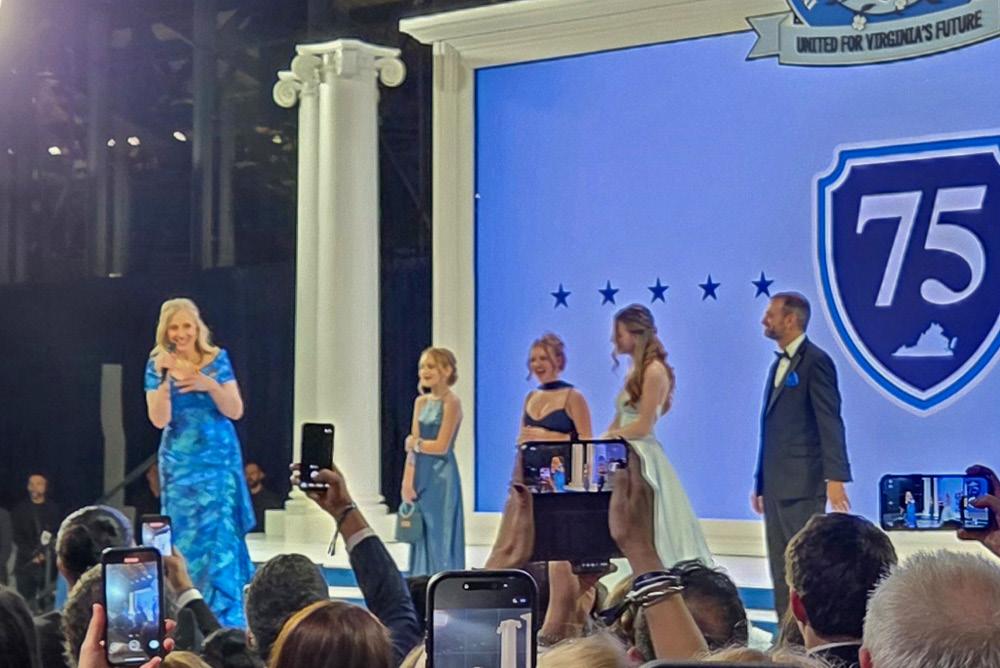
VMA was privileged to participate in the historic inauguration of Governor Abigail Spanberger, which afforded plenty of opportunities to connect with leaders in her incoming administration and lawmakers at the start of the legislative session. Nearly two weeks later, VMA hosted a successful Maritime Day at the General Assembly, bringing together over 80 VMA member representatives who engaged with more than 90 state delegates and senators. Organized into 20 teams, participants communicated how certain bills would be harmful and advocated for bills which would support VMA’s priorities. The day also provided an opportunity to introduce newly elected officials to the VMA while reinforcing relationships with longstanding legislative partners.
On the business and economic development front, the VMA supported a roundtable session with the foreign direct investment team from the Virginia Economic Development Partnership to better equip them to promote Virginia maritime industries to companies seeking growth opportunities in the U.S. VMA provided a letter of support to a member business applying to a federal grant program to support growth plans they are pursuing that would generate more cargo through the port.
With plans to build on the Maritime Ambassador pilot program initiated with Virginia Beach City Public Schools, preliminary discussions were held with leadership from other regional school divisions to assess their interest and willingness to support expanding the program to schools in other cities in Hampton Roads.
VMA is the primary organization addressing commercial navigational matters, with the mindset of having a port that operates with unrestricted navigation. A meeting was held with commercial operators and the U.S. Coast Guard to discuss some of the issues that arise when bridges have to open or close to support the needs of vehicles, trains, and vessels.
Other notable events and meetings in which VMA made presentations or represented the membership included:
• Hampton Roads Alliance Playbook Steering Committee
• WHRO Public Media Board of Directors
• Virginia Tech Corporate Research Center Advisory Council
• Urban League of Hampton Roads Martin Luther King Celebration
• Hampton Roads Federal Policy Coalition
• Elizabeth River Project Board of Directors
Henrico, VA
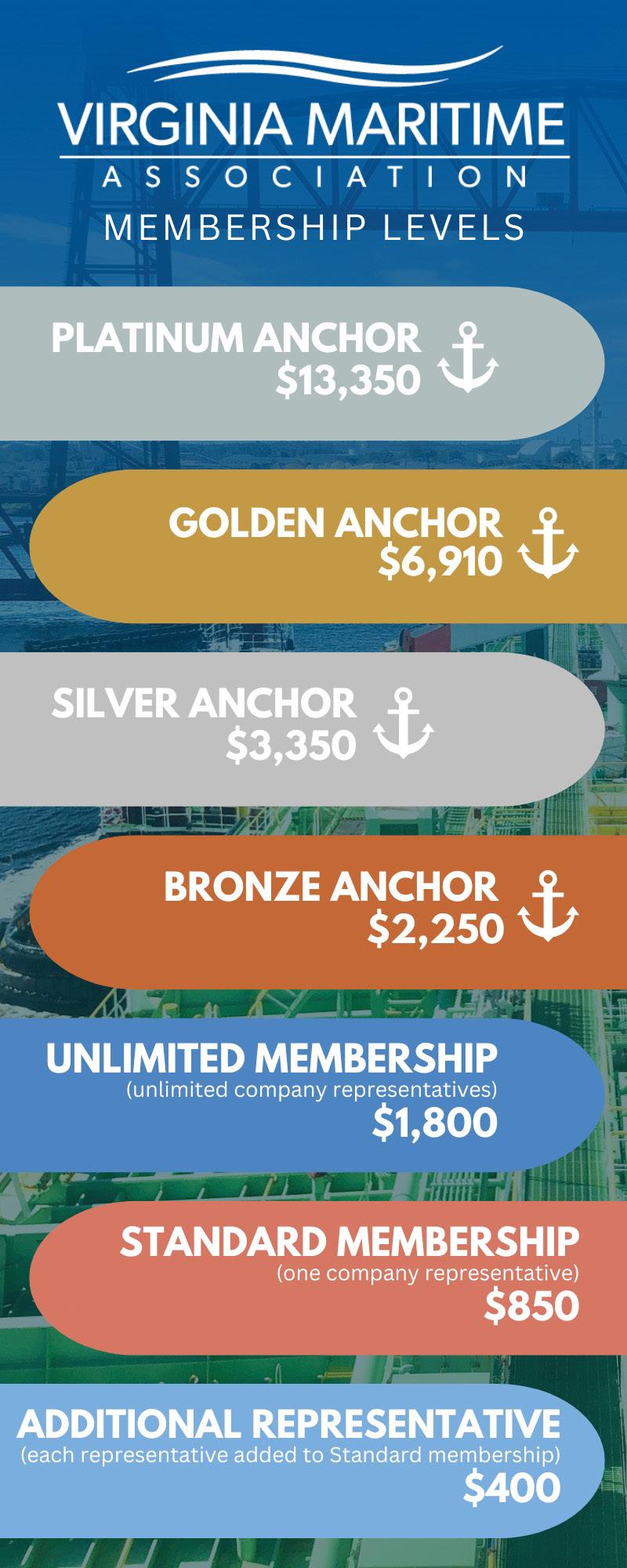
Silver Anchor
Columbus, OH
Silver Anchor
Virginia Beach, VA
Silver Anchor
WILLIAM &
Williamsburg, VA
Silver Anchor
Virginia Beach, VA
LTD
Bronze Anchor
Virginia Beach, VA
Bronze Anchor
Chesapeake, VA
Bronze Anchor
Louisville, KY BAY
Virginia Beach, VA WESTON
C.B.
Blackstone, VA
Portsmouth, VA
Norfolk, VA ALLIANT
P.O. Box 3487
Norfolk, Virginia 23510


Bay Power Solutions
Colliers
CV International
Excel Truck Group
AdvanSix
Alliant Insurance Services
Avoler Group
BAE Systems
Bay Crane
Capes Shipping Agencies
CMA CGM (America)
CMP Global
Coastal Design & Construction
DCLI
Ferguson Enterprises

Greater Richmond Partnership, Inc.
Host Agency LS Cable & System Ltd.
Ocean Network Express (North America)
FORVIS Mazars
Gentry Locke Attorneys
Givens Logistics
Great Lakes Dredge & Dock Co.
Hampton Roads Alliance
Kokosing Industrial
Kuehne + Nagel
Mid-Atlantic Leasing Corporation
Millwright Local 443
Perdue Agribusiness
Port City Transportation


VHB
Virginia Pilot Association
Woods Rogers
Port Equipment Specialists
Riverside Shipping
SeaGate Terminals
Tecnico Corporation
TMEIC Corporation
Truist
U.S. Port Services, Inc.
Virginia Business
Virginia Natural Gas
Virginia Tech Corporation Research Center
William & Mary Raymond A. Mason School