Bioengineering
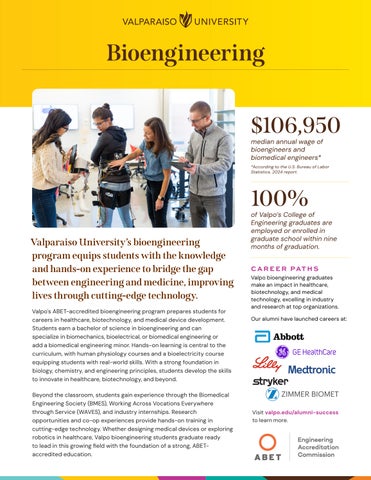
Valparaiso University’s bioengineering program equips students with the knowledge and hands-on experience to bridge the gap between engineering and medicine, improving lives through cutting-edge technology.
Valpo’s ABET-accredited bioengineering program prepares students for careers in healthcare, biotechnology, and medical device development. Students earn a bachelor of science in bioengineering and can specialize in biomechanics, bioelectrical, or biomedical engineering or add a biomedical engineering minor. Hands-on learning is central to the curriculum, with human physiology courses and a bioelectricity course equipping students with real-world skills. With a strong foundation in biology, chemistry, and engineering principles, students develop the skills to innovate in healthcare, biotechnology, and beyond.
Beyond the classroom, students gain experience through the Biomedical Engineering Society (BMES), Working Across Vocations Everywhere through Service (WAVES), and industry internships. Research opportunities and co-op experiences provide hands-on training in cutting-edge technology. Whether designing medical devices or exploring robotics in healthcare, Valpo bioengineering students graduate ready to lead in this growing field with the foundation of a strong, ABETaccredited education.
$106,950 median annual wage of bioengineers and biomedical engineers*
*According to the U.S. Bureau of Labor Statistics, 2024 report.
100% of Valpo’s College of Engineering graduates are employed or enrolled in graduate school within nine months of graduation.
CAREER PATHS
Valpo bioengineering graduates make an impact in healthcare, biotechnology, and medical technology, excelling in industry and research at top organizations.
Our alumni have launched careers at:






to learn more.
EXPERIENTIAL LEARNING
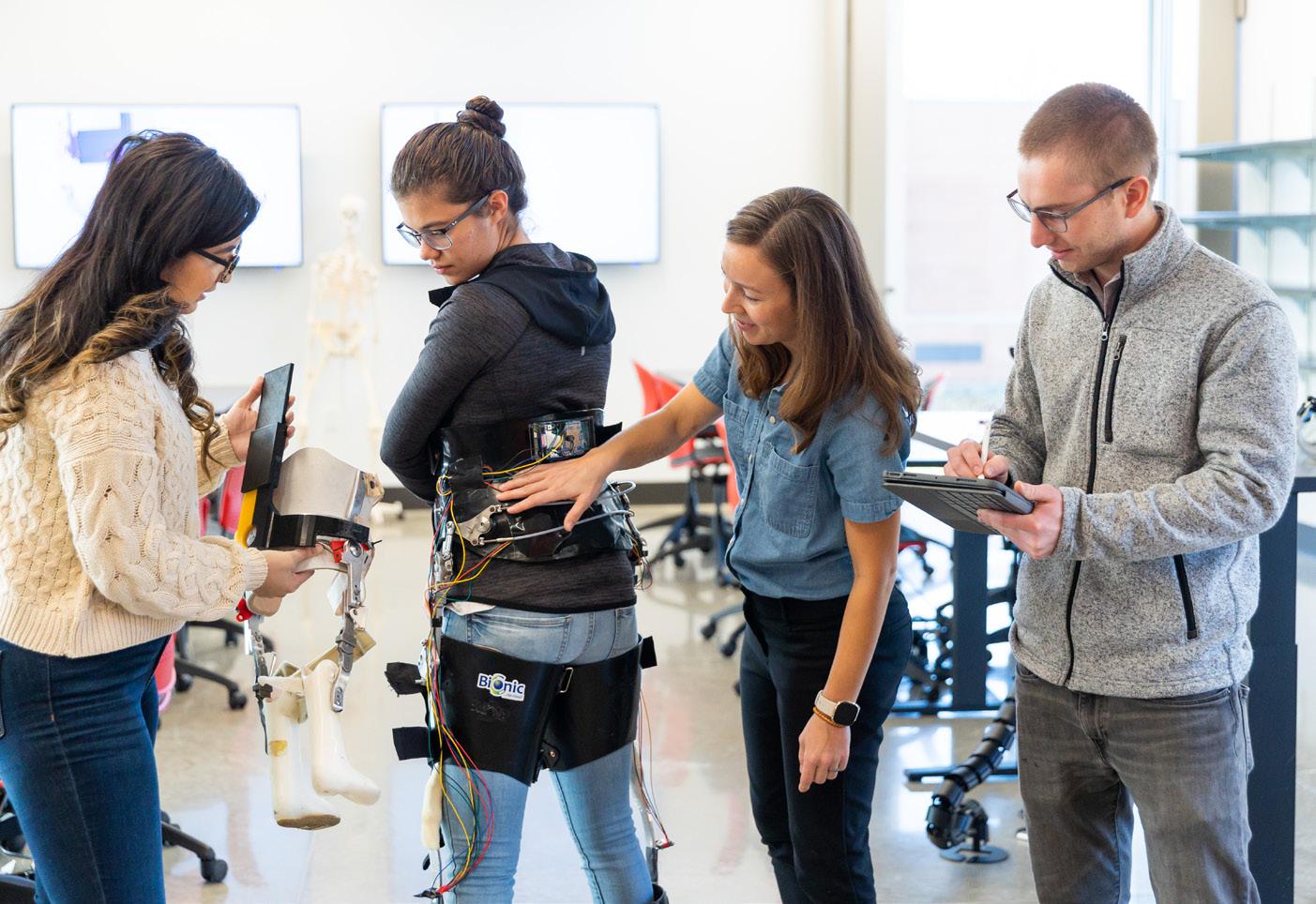
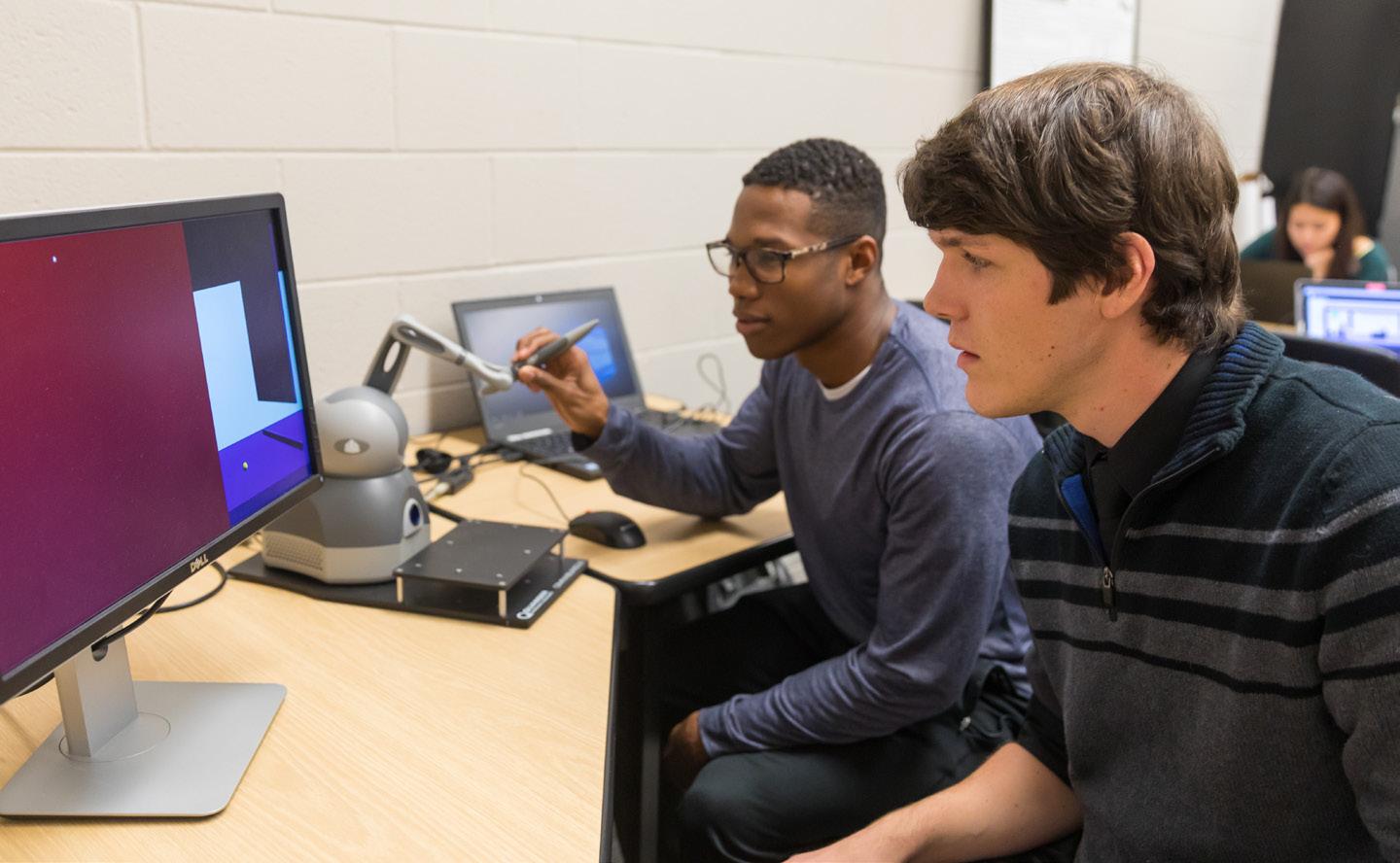
Hands-on learning is at the heart of Valpo’s bioengineering program, with state-of-the-art labs, real-world research, and industry partnerships shaping every student’s experience. From the first year, students engage in lab-based coursework and collaborative design projects, applying engineering principles to biological and medical challenges.
Opportunities extend beyond the classroom, with internships, co-ops, and funded undergraduate research providing professional experience. Students work alongside faculty on cutting-edge projects, gaining skills in medical device design, biomaterials, and biosignal processing. Whether in the lab or the field, Valpo bioengineering students graduate with practical experience and career-ready expertise.
EXPERT MENTORSHIP
At Valpo, bioengineering students receive personalized guidance from dedicated faculty in small, interactive classes. Professors bring industry experience and research expertise, mentoring students through design projects, internships, and career development. With close faculty support, students gain the confidence to tackle real-world challenges in healthcare and biotechnology. This strong mentorship ensures graduates are wellprepared to lead and innovate in their field.
Ready to learn more?
Valparaiso University admits students of any race, color, national or ethnic origin, age, gender, disability, sexual orientation, or religion. (For a full statement, see valpo.edu .)


“In bioengineering, my faith intertwines with my passion and learning more about God’s creation. I love learning about every little system and how every little thing in our bodies interacts with each other. There’s so much to discover.”
ASHLEY VELASQUEZ ’25
MAJOR: Bioengineering
Read more about Ashley’s story at bit.ly/ashley-velasquez.
SCHOLARSHIPS AND AWARDS
For more information on financial aid, visit valpo.edu/aid.
Take the next step toward your bright future by visiting valpo.edu/bioengineering, or by scanning the QR code.
Valparaiso University
Valparaiso, IN 46383
web: valpo.edu
email: undergrad.admission@valpo.edu