Vol. 22: #19 • Rolling Stone Magazine • (05-03-2026) Tidbits of Coachella Valley
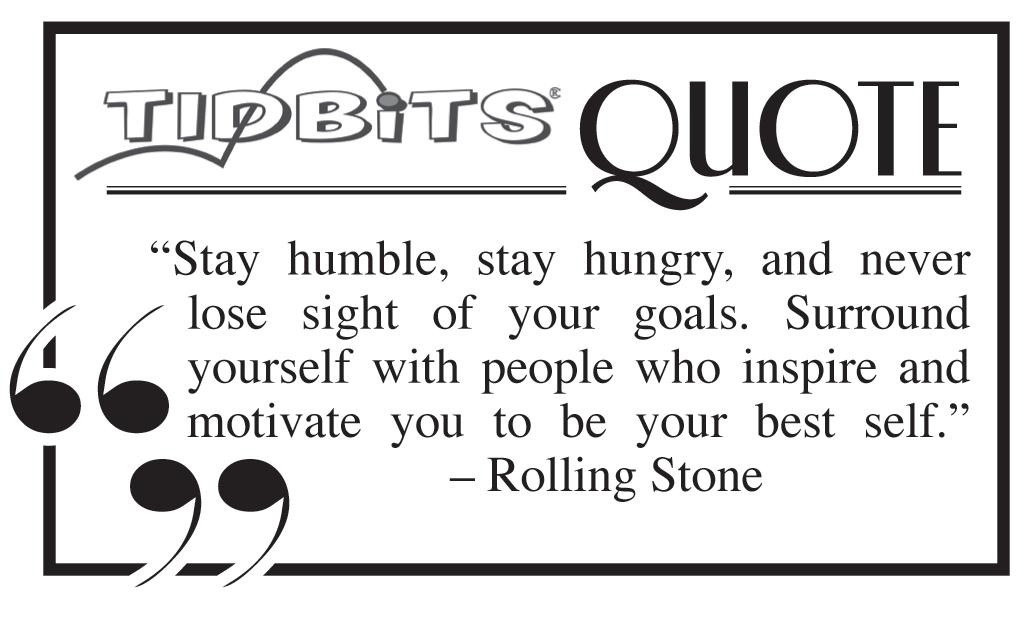
Rolling Stone magazine has been somewhat controversial since its 1967 inception, but its contribution to the music scene is beyond question. This week Tidbits feeds you the facts on this iconic publication that has had a remarkable influence on shaping our culture.
• While a student at the University of California at Berkeley, Jann Wenner had been a columnist in the student-run newspaper, The Daily Californian.
• Wenner borrowed $7,500 from his family and future in-laws to set up the magazine, and on November 9, 1967, 40,000 copies of the 24-page, tabloid-sized, pulp newsprint publication hit the newsstands at 25 cents per copy.
A COVETED COVER
• The first cover page featured John Lennon dressed in army fatigues, a photo taken while Lennon was acting in his recent film “How I Won the War.” The issue featured a lead article covering the Monterey International Pop Festival, with other
TRIV
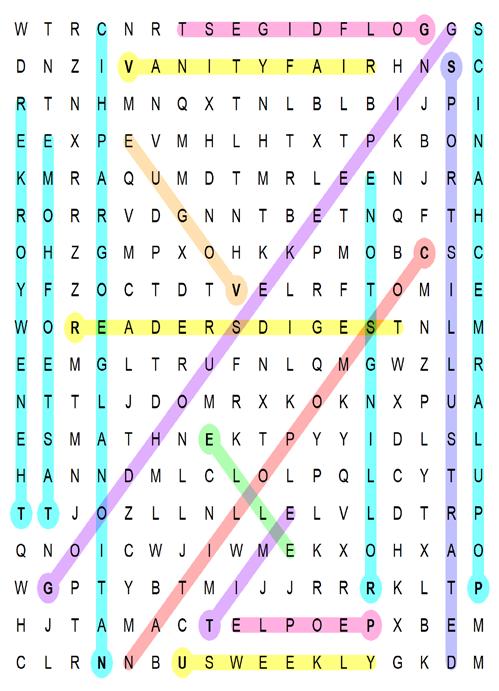
TRIVIA NEWSFRONTAIVIRT TNORFSWEN
(Answers on page 16)
My Little Pony has been a successful line for Hasbro since the early 1980s. This week, Tidbits zeroes in on one of the company’s most beloved toys.
• My Little Pony traces its origins to Japan, where a young girl lived with her Army Colonel father, who was a veterinarian. The family cared for quarantined animals entering and leaving the country, and young
• Bonnie Zacherle fell in love with a little Korean pony named Knicker. When the family left Japan, Knicker had to be left behind, but as a consolation, Bonnie’s father promised her that some she would have her very own pony. But as the years passed, and her father finally retired from the Army, Bonnie was a high school student, ready to embark on a college adventure.
1. MOVIES: What is Indiana Jones’ real first name in “Raiders of the Lost Ark”?
2. LITERATURE: What is Charlie’s last name in the children’s book “Charlie and the Chocolate Factory”?
3. GEOGRAPHY: What isthmus connects the Asian and African continents?
4. MATH: What is the first prime number to follow 19?
5. GEOLOGY: What type of rock is formed by cooled lava?
6. TELEVISION: What is the title character’s famous line in the TV detective show “Columbo”?
7. BUSINESS: What company’s stock ticker symbol is LUV?
8. ASTRONOMY: Which four planets in our solar system have rings?
9. HISTORY: About how many people worldwide were infected by the Spanish flu in the early part of the 20th century?
10. ANIMAL KINGDOM: If an animal eats only plants, what is it called?
• After earning a degree in illustration, Bonnie took a job at a greeting card company, with a side gig of freelance work for the Hasbro toy company. The card company was sold in the late 1970s, and Bonnie moved to Hasbro fulltime. Drawing from her childhood memories of Knicker in Japan, she designed a plush horse toy with a tail and mane that could be combed and braided. Rejected by management for three years, Bonnie abandoned the idea.
• A year later, her boss suggested a 10-inch-tall hard plastic pony with a mechanical lever that caused the pony’s ears to wiggle, an eye to wink, and a tail to wag back and forth. It debuted in 1981 as My Pretty Pony, a palomino, to moderate success.
• The boss’s wife suggested a smaller pony of softer vinyl with silky comb-able hair. Bonnie Zacherle designed the 6-inch ponies to look like the real thing with their real colors – appaloosas with the distinctive spotted coats, gold-andwhite palominos, patchy pintos, and dappled gray ponies. She was decisively against Hasbro’s marketing director’s suggestion of pink and purple ponies, but consumer testing proved that the bright colors were the way to go.
• In 1982, Snuzzle, Butterscotch, Blue Belle, Minty, Blossom, and Cotton Candy were introduced, each with a unique symbol on the flank. The first six were followed by a wide variety of new characters including unicorns,
Pegasus ponies, sparkly ponies, rainbow ponies, glow-in-the dark ponies, scented ponies, and even Drink ‘n Wet ponies that came equipped with diapers.
• In the second year, Hasbro began offering specialty My Little Pony figures via exclusive mail-order promotions. Much rarer than the ponies from the stores, the mail-order varieties were obtained through buyers submission of proof of purchase from other ponies and related merchandise. Dozens of varieties, including Birthflower Ponies, pearlized versions, and “sparkle stardancers” were released for nine years. A very popular pony, Rapunzel, introduced in 1991, often reaches $2,000 at current auctions.
• The toys were so popular that in 1984, a television special, “Rescue at Midnight Castle,” was produced, followed by “Escape from Catrina” in 1985. A full-length feature film was released in 1986, along with “My Little Pony ‘n Friends,” the toy’s first TV series.
• Not everyone was a fan of My Little Pony. A movie critic from a Los Angeles newspaper wrote that the movie was like “being immersed in cotton candy for an hour and a half. The sticky-sweet cuteness is piled on so thickly that adults leave the theater checking their teeth for new cavities.”
• Hasbro discontinued the line in 1992, despite sales of more than $1 billion in toys and accessories. It was revived in 1997, discontinued again in 1999, and revived yet again in 2003, only to be discontinued once more and revamped again. Hasbro continues to produce My Little Pony and plans for a live-action movie version have been announced.
Week of May 3, 2026
Rolling Stone (from page one)
material on David Crosby, The Grateful Dead, and Donovan.
• Also in the first edition, the 21-year-old Wenner stated his objective that Rolling Stone would be “not just about the music, but about the things and attitudes that music embraces.”
• The original logo was designed by a popular San Francisco comics and psychedelic posters artist, Rick Griffin, and is one of the publishing world’s most recognizable logos.
• Singer Tina Turner graced the cover of the magazine’s second edition, and went on to appear there nine more times. Yet she’s not the female with the most covers. That honor belongs to Madonna, who has appeared 23 times. The Beatles, either as individuals or as a band, have been on the cover more than 30 times. Mick Jagger, alone or with the Rolling Stones group, has appeared 33 times, while Bruce Springsteen’s number is 26.
MORE THAN MUSIC
• They then expanded their focus to beyond the music scene to include other stories of interest to readers, branching out to include social issues, pop culture, sports, and politics as well. Sports figure cover images have included Muhammad Ali five times, basketball greats Michael Jordan and Shaquille O’Neal, quarterback Russell Wilson, motorcycle daredevil Evel Knievel, and Olympic athletes, swimmer seven-gold medal winner Mark Spitz, and snowboarder Shaun White.
• In the political world, former presidents Bill Clinton and Richard Nixon have each appeared four times, while Barack Obama has had 12 covers. The three Kennedy brothers, John, Robert, and Ted, have all been on the front, along with Vice-Presidents Al Gore and Hubert
Humphrey, and civil rights leaders Martin Luther King, Jr. and Malcolm X. Pope Francis was honored on the cover in 2014.
• You don’t even have to be a human being to make the cover. Many fictional characters have been in the limelight including Darth Vader, Chewbacca, The Incredible Hulk, King Kong, Uncle Sam, and the Simpsons.
• When the magazine was five years old, it received a colossal boost in publicity when the American rock group Dr. Hook & the Medicine Show recorded the song, “The Cover of the Rolling Stone.” The piece was written by the best-selling author of the children’s anthology “Where the Sidewalk Ends,” Shel Silverstein. It lamented the band’s failure to achieve the honor of being featured on the cover. The success of the song, which peaked at No. 6 on the pop charts, led to their dream three months after its release. Caricatures of the band members were on the cover, with side text reading, “What’s Their Names Make the Cover.”
• The 27 Club is a list of prominent musicians who all died at age 27, and were all featured on the cover of Rolling Stone. The Doors’ Jim Morrison appeared seven times, as did Janis Joplin. Jimi Hendrix was highlighted 16 times, and Nirvana’s Kurt Cobain, 11. The most recent 27-year-old was Amy Winehouse.
REVIEWS & INTERVIEWS
• In addition to fame for its notable covers, Rolling Stone is well-known for its interviews with prominent individuals. Hundreds of entertainment celebrities have been interviewed, from musicians to actors and moviemakers, but there have been business and political figures as well. The magazine held conversations with both computer geniuses Steve Jobs and Bill Gates, and spiritual leaders Desmond Tutu and the Dalai Lama. Interviews were conducted with every U.S. President from Jimmy Carter through Barack Obama. Recent Olympic figure skating champion Alysa Liu was interviewed in March, 2026.
• Two famous kidnapping victims were the magazine’s focus in the mid-1970s. In 1973, John Paul Getty III was kidnapped by an Italian crime ring in Rome at age 16. More than five months later, Getty was found alive, although missing an ear, which had been mailed to a Rome newspaper along with a ransom note demanding $17 million from his oil magnate father. Rolling Stone interviewed the young man and put him on the cover in the May 9, 1974 issue.
• Patricia Hearst, granddaughter of publishing mogul William Randolph Hearst, was kidnapped in 1974 by the Symbionese Liberation Army, then became embroiled in the organization’s illegal activities. She was arrested 19 months after the kidnapping, in September, 1975. Rolling Stone
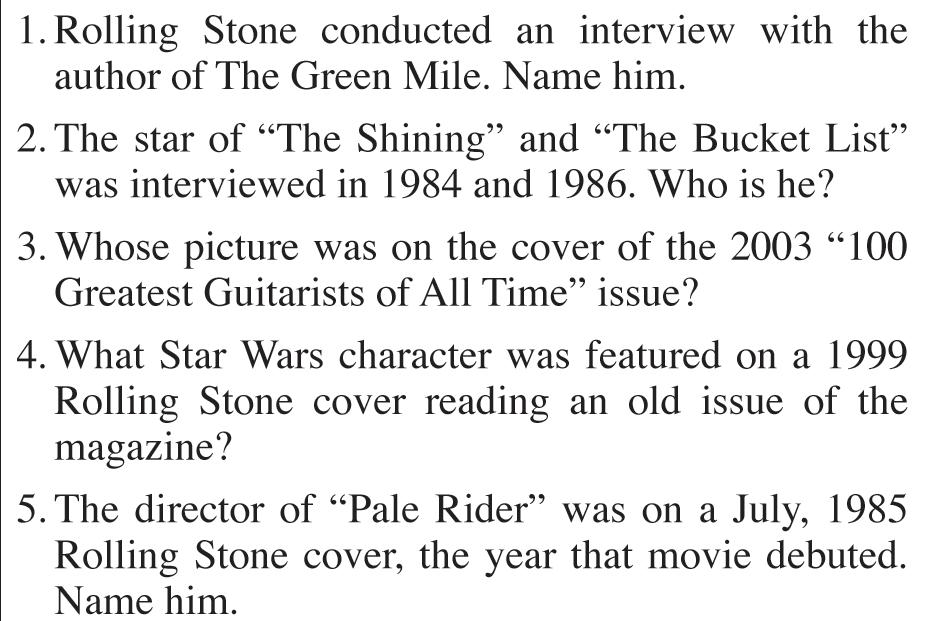
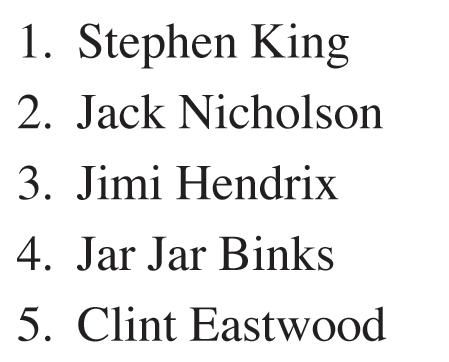
1. Aerosmith's front man was on the cover of the Rolling Stone six times. Who is he?
2. What infamous killer was featured in a controversial article in Rolling Stone in 1970?
Rolling Stone magazine has undergone many format changes since its inception in 1967. It began as a folded tabloid newspaper in black & white plus one color. It maintained that style until 1972, when it changed to a four-color design and a different size. In 1980 it was a large magazine printed on glossy stock, then reduced it's size again in 2008. It went back to the large 10x12 size in 2018.
By Lucie Winborne
* An 1898 book predicted the Titanic’s sinking 14 years before it happened.
* During the 1904 Tour de France, Maurice Garin jumped on a train and caught a ride between cities to get ahead of the other cyclists. His cheating was later found out and he was stripped of his title.
* Antarctica is the world’s largest desert, as it is a polar ice desert with almost zero precipitation.
* As a young, poor artist, Pablo Picasso once burned his own paintings to keep warm.
* The naked man orchid, aka the hanging man orchid, resembles -- yes, you guessed it -- a nude dude. Native to Mediterranean regions, it’s also classified as threatened, possibly due to its popularity as an antidiarrheal, antiflatulent and aphrodisiac.
* Pretzels were originally created by monks around 610 A.D. to reward children for learning prayers, with their shape designed to resemble arms crossed in prayer.
* Snake wine, a traditional alcoholic beverage found in Vietnam, China and Southeast Asia, is created by infusing whole, often venomous, snakes in rice wine or grain alcohol for months. The high alcohol content denatures the venom, making it safe for consumption, though the drink is banned in some areas.
* The dirt on Mars is made up of dust particles just 4% the width of a human hair and contains toxic metals and other harmful compounds that can cause hormonal imbalances and serious disease. ***
Thought for the Day: “You build on failure. You use it as a stepping stone. Close the door on the past. You don’t try to forget the mistakes, but you don’t dwell on it. You don’t let it have any of your energy, or any of your time, or any of your peace.” -- Johnny Cash
by Mary Hunt
How to Painlessly Declutter and Organize Your Home in 10 Minutes
by Mary Hunt
If you think organizing your home or getting your personal affairs in order requires a lot of time, you might be right. However, if you feel that you just don’t have enough time to spend on these tasks, then you’re probably wrong. All you have to do is recognize little chunks of free time throughout the day.
This is the best idea ever. OK, perhaps that’s extreme. But as I contemplate, that idea -- a simple tip shared by one of my dear EC readers -- has profoundly affected my life; I cannot help but define it as Best Ever.
I’ve taken her simple tip -- figure out all the things you can get done in the time it takes to brew your morning coffee -- and developed it into ways of organization that have genuinely changed my life.
CHUNKS
OF TIME
Instead of staring out the window or fiddling with my phone during the three minutes it takes coffee to brew, I pour myself into a nearby task. It’s like, 1-2-3 GO! -- me against Bunn.
The odds are always in my favor because I hate (read: refuse) to lose. Bunn? Could not care less! At first, I went easy on myself. I’d tidy up the coffee grinder or straighten the knives in the drawer. I could hear Bunn smirking because, of course, without defined parameters, I would get distracted and come in a distant second place. Losing is not my jam. Focus, you fool! Stop the nonsense and get with the game. (I’m laughing just telling you about this.)
Deciding to define every challenge in detail clearly is what gave me a fighting chance. For example: Empty, clean and organize the silverware drawer. Or clean and polish the sinks so they glisten.
I was pretty easy on myself with such simple challenges. I would keep an eye on the coffee pot to gauge my pace, effort and endurance. It didn’t take long until I was winning every race. That led to, “What more lofty challenges could you accomplish in three minutes?” Oh, let me tell you!
When I put my mind to it, I can empty and put away the clean contents of the dishwasher before the last gurgle. It’s close, but I load the dishwasher, including detergent, and press “Start” in a cool 180 seconds.
If I am 100% wide awake and in tip-top hustle mode, I can vacuum the entire kitchen floor, removing all crumbs and debris, while Bunn tries to beat me. Ha! Not a chance.
Once I realized what I could accomplish in three minutes, I expanded my mind and efforts to fill 10-minute chunks of time. This is amazing because I was definitely not born with this mindset. It’s something I have and continue to learn. It’s a forced attitude.
My natural self leans toward the philosophy that it takes at least a weekend to do anything of value. My weekends are all packed for the next few months, so that’s why the garage (closet, storage room, closet, you name it) is a mess. It’s not me; it’s time. I don’t have enough of it! And every time that attitude pops up, I have
to beat it into submission. Ten minutes, I yell to myself! That’s all you need to do something fabulous. Set the timer and get to it! It’s incredible how much I can accomplish in 10 minutes, mainly focusing on a tiny area. A drawer, a side table or a bathroom. And not only at home. I’m sure the car behind me at my grandsons’ school enjoys watching me clean all the flat surfaces inside my car as if I’m fighting a war or attempting to win a race. Well, yes! Consider how often you’re presented with a 10-minute interval during the week: at a doctor’s appointment, picking up your children from school or cooking dinner. Instead of wasting what can add up to hours every day, start using that time to become more organized in just 10 minutes.
Clean your makeup brushes. Wash them with soap. Disinfect with rubbing alcohol. Allow drying while lying flat on a washcloth. Create a spot for incoming mail. Make sure you have the tools in place to manage your mail when you walk in the door with it. What’s on your coffee table that needs to be put away? Find a storage place for it and then make a note.
Get the picture? There are so many things we can reasonably accomplish in only 10 minutes if we set our minds and attitudes to it. Soon, these projects will cease to feel like isolated incidents. One kitchen drawer leads to more. The cupboards on either side will soon join the one neat and tidy cupboard. The sparkling clean microwave will be joined by its beautifully clean refrigerator. Surely, all the other appliances will follow.
You can read more about how maximizing 10-minute chunks of time has changed my life at EverydayCheapskate.com/10minutes.
Mary invites you to visit her at EverydayCheapskate.com, where this column is archived complete with links and resources for all recommended products and services. Mary invites questions and comments at https://www.everydaycheapskate. com/contact/, “Ask Mary.” This column will answer questions of general interest, but letters cannot be answered individually. Mary Hunt is the founder of EverydayCheapskate.com, a frugal living blog, and the author of the book “Debt-Proof Living.” COPYRIGHT 2026 CREATORS.COM
WEIRD HOUSES
“Home Sweet Home” can certainly have a different meaning to different people. This week Tidbits tours some unusual dwellings -- the constructions of some creative individuals with unique ideas.
• Bruce Campbell is an Oregon former electrical engineer who chose an abandoned commercial airliner for his home. Campbell, who had been fascinated with airplanes since childhood, purchased a decommisioned Boeing 727-200 that had once reached heights of 30,000 feet in service for Olympic Airways in Greece.
• He spent $100,000 for the plane, adding another $120,000 to have it shipped to his 10acre property in the Oregon woods. Campbell began the transformation of the 153-ft.-long aircraft, keeping the cockpit intact along with other original features, including the overhead bins to use for storage. His kitchenette is fitted with a microwave, toaster, and refrigerator and his bed is a futon. The former lavatory area naturally became the bathroom and shower. The plane even has a washing machine nestled into one of the compartments. The former food carts were repurposed into shelving and storage. Solar panels provide the energy needed to run his unusual home. Campbell’s monthly living expenses are in the $375 range, which covers all of his utilities, taxes, and maintenance.
• In 1973, Dave Longaberger founded a company in Dresden, Ohio, that specialized in handcrafted maple wood baskets. By the year 2000, the company employed more than 8,200, not including their “home consultants,” who sold products directly to customers.
• After a move to Newark, Ohio, Dave designed
a new seven-story home and headquarters for the business, shaped like the company’s most popular item, the Medium Market Basket. Although no longer part of the Longaberger family, the building was on the market in 2021, seeking residents willing to pay the $6.5 million asking price.
***
• Another business owner also built his home in the shape of the subject of his trade. In 1949, shoe salesman Mahlon Haines wrapped up the construction of a five-storied house shaped like a work boot in York County, Pennsylvania. The cost of the 1500-square-foot abode was $26,000, and featured three bedrooms in the ankle of the boot, 2.5 bathrooms, a living room in the toe, a rec room, and a kitchen in the heel.
***
• In 1940, when John Milkovisch and his family moved into the house built by his father in Houston, Texas, He hadn’t planned on making any changes to the dwelling, and in fact, did not for almost 30 years. But in 1968, Milkovisch began a landscaping project that covered his yard and sidewalks with concrete entrenched with pieces of brass, marbles, rocks, buttons, and other shiny fragments.
• The house was next for this retired upholsterer when he grew tired of painting it. He began re-siding his house with flattened beer cans, creating a unique type of metal siding. Over the course of the next 18 years, more than 50,000 beer cans were added to the home’s exterior. Can tops, rims, and pull tabs were fashioned into
chimes around the property.
• Following Milkovisch’s death, the house fell into disrepair, but a Houston foundation purchased it from the family and began conservation efforts. It’s now open for tours to the public.
• The Swiss Family Robinson aren’t the only family to envision a home nestled in the trees. The Rondel family began construction on a fourlevel treehouse in the forests near Redmond, Washington, in 1980, with large windows to capture the stunning views of the woods and a moat surrounding the house. A spiral staircase to the top floor is wrapped around the trunk of the giant maple tree.
• Following some serious family illnesses, the treehouse was converted to an AirBnB, available for those desiring a peaceful spot to relax.
by Dana Jackson
Q: I saw that Alec Baldwin was back in court again for the unfortunate shooting on the set of his movie. I thought that all the charges against him were dismissed. -- C.W.
A: Alec Baldwin was charged with involuntary manslaughter for the accidental death of cinematographer Halyna Hutchins, but a judge dismissed the case with prejudice (meaning that it couldn’t be refiled) a year later. A settlement was reached between the movie’s (“Rust”) producers and Hutchins’ family. But now Baldwin is in civil court with a suit that was filed by gaffer Serge Svetnoy for emotional distress. This trial is set to begin in October 2026.
Q: When is “Dexter” coming back, and which show will it be? I remember there were two new ones. I want to catch up on the episodes. -- S.L.
A: “Dexter: Resurrection” stars Michael C. Hall in the titular role and continues the story
Mummy (R) Jack Reynor, Laia Costa 4. The Drama (R) Zendaya, Robert Pattinson 5. You, Me & Tuscany (PG-13) Halle Bailey, Regé-Jean
Hoppers (PG) Piper Curda, Bobby Moynihan
where the original “Dexter” series left off. They just began filming season two in April, so I’d expect it on Paramount+ sometime toward the end of 2026. (But don’t quote me on that!)
“Dexter: Original Sin” was a prequel series that starred Patrick Gibson in the title role 15 years before Hall played him. It had a loyal following, but unfortunately, its second season was scrapped. The reason for this is likely due to the emergence of “Dexter: Resurrection,” and Paramount probably only wanted one “Dexter” series at a time.
Brian Cox (“Succession”) will be joining the cast of season two of “Resurrection” as the serial killer known as the New York Ripper. Fans might recall that Cox played a younger Hannibal Lecktor in the 1986 film “Manhunter,” before Anthony Hopkins won an Oscar for the same role in “Silence of the Lambs.” Bokeem Woodbine (“Fargo”) and Nona Parker Johnson (“Mayor of Kingstown”) were recently added to the cast, and Uma Thurman (“Kill Bill”) will be back as special ops officer Charley.
“Dexter: New Blood” was a limited series about Dexter’s son, Harrison. Jack Alcott will be returning in the role for “Resurrection,” as he did in season one. This is a lot of “Dexter” to catch up on, so get busy streaming! ***
Q: What ever happened to the spin-off of “The Neighborhood” with the sons? I just realized it never popped up for the new fall season. -- H.C.
A: Unfortunately, the proposed spin-off about the Butler sons with Marcel Spears and Sheaun McKinney in their new neighborhood in Venice Beach, California, has been scrapped by CBS. According to TVLine, Justin Long (“Goosebumps”) and Hunter King (“The Young and the
Restless”), who appeared in the season seven finale of “The Neighborhood,” were also “part of a backdoor pilot for the spin-off” that never came to be.
“The Neighborhood” did have another spin-off, but it was short-lived. It starred Tracy Morgan as Calvin’s (Cedric the Entertainer) cousin and aired on Paramount+, but it was canceled after one season. Fortunately, for Morgan, he’s bounced back with a new hit sitcom -- “The Fall and Rise of Reggie Dinkins” on NBC.
* * * Send me your questions at NewCelebrityExtra@gmail.com.
(c) 2026 King Features Synd., Inc.
Want to Work for Tidbits?
Tidbits is in need of independent contractor help distributing our newspapers to businesses in the Coachella Valley. A retired husband/wife team is preferred, who wish to supplement their monthly income by driving and distributing to a specified delivery route in the Palm Desert area. Requires year-round commitment of one day per week, either Thursday or Friday, during regular business hours. One person needed to drive; the other to place copies at delivery locations.
Interested parties must posess a responsible work ethic, furnish their own vehicle and auto insurance, and have a friendly demeanor when dealing with the public. Interested couples call Erik at 760-320-0997 for more details.
Alec Baldwin (“Rust”)
Easy Grilled Ranch Potatoes
With just three ingredients, these grilled potatoes from Creme de la Crumb are quick and delicious, and make the perfect side dish for any summertime meal.
* 2 pounds baby red potatoes
* 3 tablespoons olive oil (or other oil)
* 1 packet ranch seasoning
1. Wash, pat dry and quarter potatoes (for larger ones you may need to chop into slightly smaller pieces, about 1 inch).
2. Place chopped potatoes in a large resealable bag. Drizzle olive oil into the bag, seal and toss to coat the potatoes.
3. Open the bag, sprinkle in half of the ranch seasoning, seal, toss to coat, then repeat with remaining seasoning.
4. Thread potatoes on skewers. Grill over low heat for 10-20 minutes (depending on your grill) turning throughout to ensure even cooking. When fork-tender, remove from grill and serve warm with cold ranch dressing, if desired. Serves 4.
NEVER
Recipe courtesy Creme de la Crumb (www.lecremedelacrumb.com).
Golden Butter Cupcakes
2 cups all-purpose flour
1 1/2 cups sugar
2 1/2 teaspoons baking powder
1 teaspoon salt
3/4 cup butter or margarine (1 1/2 sticks), softened
3/4 cup whole milk
1 1/2 teaspoons vanilla extract
3 large eggs
Frosting
1. Heat oven to 350 F. Line twenty-four 2 1/2-inch muffin-pan cups with fluted paper liners.
2. In large bowl, with mixer at low speed (with heavy-duty mixer, use whisk attachment or cupcakes will not rise properly), mix flour, sugar, baking powder and salt until combined. Add butter, milk, vanilla and eggs, and beat just until blended. Increase speed to high; beat 1 to 2 minutes or until creamy, occasionally scraping bowl with rubber spatula.
3. Spoon batter into muffin-pan cups. Bake 20 to 25 minutes or until cupcakes are golden brown and toothpick inserted in center comes out clean. Immediately remove cupcakes from pans and cool completely on wire rack.
4. When cupcakes are cool, prepare choice of frosting and frost cupcakes. Makes about 2 dozen cupcakes.
Each cupcake: About 155 calories, 7g total fat (4g saturated), 2g protein, 21g carbohydrate, 0g fiber, 4mg cholesterol, 210 mg sodium.
* * For thousands of triple-tested recipes, visit our website at www.goodhousekeeping.com/foodrecipes/
(c) 2026 Hearst Communications, Inc. All rights reserved
By John Allen
by Brett Koth
Holidays & Observances This Week
5/3 World Laughter Day
5/4 National Weather Observer's Day
5/5 Cinco de Mayo
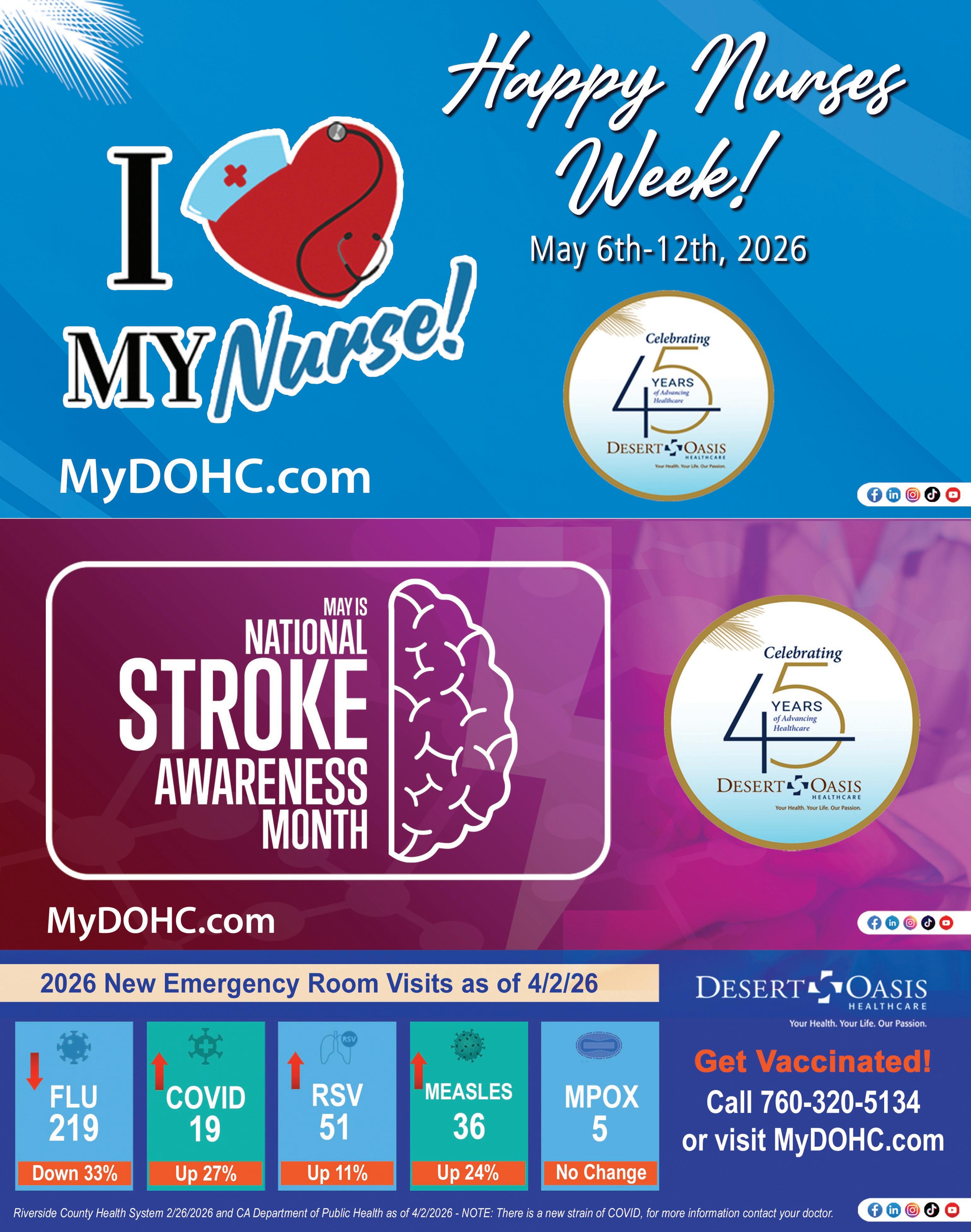
5/6 National Nurses Week begins
5//7 National Day of Prayer
5/8 V.E. Day
5/9 Letter Carrier's Day
Dog Talk with Uncle Matty
By Matthew Margolis
It’s a Quality of Life Thing
For centuries, man and dog have peacefully coexisted. It’s not clear who made the first move in the relationship -- primitive man or wolf. But there is no doubt that both parties were motivated by the two forces that drove everything at that point in our mutual history: food and shelter.
Man saw in wolf a protector of person and property. Wolf recognized in man a meal ticket and a warm corner in the cave. In some ways, things haven’t changed much since.
It is, however, important to keep in mind that the relationship in its purest form was born of a desire to improve upon the status quo, to better the quality of life for all concerned.
People today love their dogs more than ever -- whether or not the relationship represents an improvement in quality of life. But too many otherwise educated, ambitious and successful folks are willing to settle for less from the canines in their lives when confronted with the other option: working to build something better.
A woman called me recently to discuss her dog’s problem with excessive barking. When I returned her call, she answered with the standard “hello” and promptly began screaming “shut up.” Holding the phone at arm’s length from my ear, I said, “Are you talking to me?”
She wasn’t. She was “talking” to her dogs. Whether on the phone or with visitors at her house, her dogs bark to the point that she can’t even hear herself talk, much less her friends. A quality of life issue.
Another woman called to discuss her dog’s aversion to strangers. She was using a homegrown method of socialization: “When people come over, we encourage them to stick their hand out to him.”
“What does this do?” I said.
“It lets the dog know the person approaching him loves dogs.”
“How does he know this?” I challenged. At that point she conceded her method wasn’t always working. And in a country with more than 350 million strangers, a successful method of
Tejasvi Manoj, a 17-year-old from Texas, was named in 2025 as TIME magazine Kid of the Year. Her claim to fame? Teaching seniors how to avoid cyber scams.
Her reasoning for the task was personal -- her grandfather was nearly hit by a scammer who was pretending to be a relative demanding money. Thankfully the grandfather called another relative before he hit that “send” button.
This is one brilliant young lady. Not only does she teach cyber security at senior centers, but she developed an online teaching program called Shield Seniors (www.shieldseniors.com/ About-us). While the site isn’t fully up and running yet, it’s one we will need to keep an eye on when it does start.
Have you heard of TED Talks? TED is a platform where the best and the brightest among us give short talks on all types of topics.
Two Ideas Are Better Than One
What happens when you get a confidential call from a spouse professing genuine concern about their other half’s taste or lack thereof? Of course, designers and decorators work themselves into a tizzy worrying about whether to please the pleading spouse or the paying spouse. The fine art of diplomacy must be employed by the designer without the other spouse suspecting any collusion. I am always in favor of an initial meeting with both homeowners to get a clear picture of their needs and a feel for how involved or uninvolved both parties wish to be.
This is especially true when undertaking a major renovation such as a kitchen or bathroom remodel or a home addition. Both homeowners should be in sync with the project to avoid designer confusion and costly change orders. Some clients in the past have told me, “I just want my wife to be happy.” And yet others have pulled me aside and said, “There are to be no changes from the plan. Ignore anything she tells you!” This is why these initial meetings are such a good idea.
If you want to see this sharp young lady during her TED talk, go online to www.youtube.com/ watch?v=v3800D3xHQo. If you want to hear more from her while you’re on YouTube, put her name -- Tejasvi Manoj -- in the search box. You’ll be impressed.
Two years ago there were 860,000 scams reported by seniors and $4.8 billion was lost in one year alone. Why is it scammers come after seniors? They perceive that we have a lot of money (after all, we’re retired, so we must be rich, right?)
We didn’t grow up in the tech generations -- taught to handle digital devices by the age of 3 and able to easily spot scams.
We’re also, to our occasional detriment, too polite and trusting when we talk to others. And many of us are gullible, which makes it all too easy for a scammer to manipulate us.
To learn more about how to avoid scams, go online to the Federal Trade Commission website (ftc.gov) and put “scammers,” “scams against seniors” or “senior scams” in the search box.
Matilda Charles regrets that she cannot personally answer reader questions, but will incorporate them into her column whenever possible. Send email to columnreply2@gmail. com. (c) KingFeaturesSyndicate2026
act so that the project does not turn out “too feminine” or “too masculine,” but rather a blend of both wants and desires.
A “he said -- she said” scenario can be easy to fall into if the designer or just one homeowner is making all the decisions. Sometimes these differences can be resolved by dividing the house into sections over which one or the other will have more say in the design process. For example, one spouse may think their office and bathroom are areas in which they want to contribute more toward the design, while the other spouse might be better suited to orchestrate the renovations of a living room and dining room. Areas of expertise might be the way to go for the major decisions, all the while consulting each other in smaller decisions for those rooms.
In a roundabout way, the designer plays the role of a therapist, making sure all voices are heard. The result will be a design well received by both parties and accolades from their friends regarding the designer’s capabilities.
When decorating, things are not as crucial. Selections such as fabrics and paints are easier to change should one of the spouses be adamantly opposed to a choice. Still, the theme of the decor and the color scheme should be discussed with both parties to minimize unceremonious surprises. The designer has to play a delicate balancing
Designing for any two individuals is hard because opinions and tastes differ from one individual to another. Everyone’s ideas about what constitutes good taste vary because these concepts are generally formed from birth and develop with exposure to environments throughout their life. Because no two souls are exactly alike, there will always be differences of opinions. However, these can be minimized if we take the time to listen to each other. No one holds a monopoly on taste. Remember that two ideas are better than one. * * *
Cody’s Corner (from page 9)
socialization is key. In the meantime, she can’t have people over without enduring a scene from the dog. A quality of life issue.
And just the other day I got an e-mail from a woman whose dog has a nervous bladder. For the past three years, whenever the woman comes home, goes upstairs, comes back downstairs, gets up in the morning or has friends over, the dog urinates. Just a little. But three years’ worth of just a little urine makes for a stinking house -- a huge quality of life issue.
Perhaps these troubles sprouted when our list of priorities grew from two -- food and shelter -- to something longer than Rapunzel’s hair. Maybe it’s because our attention spans have shrunk to the size of a miniature Chihuahua. Whatever the reason, the good news is: Information is no longer limited to hieroglyphics on cave walls.
Not one of these problems is incurable. Not one even constitutes a tough fix. Basic training is all that’s required to eliminate the vast majority of dog behavioral issues that plague people for years and, consequently, destroy or severely impair the quality of their lives.
Not exactly what primitive man had in mind when he first said, “Here, boy.”
Woof!
Dog trainer Matthew “Uncle Matty” Margolis is the co-author of 18 books about dogs, a behaviorist, a popular radio and television guest, and the host of the PBS series “WOOF! It’s a Dog’s Life!” Read all of Uncle Matty’s columns at www.creators.com, and visit him at www.unclematty.com.
Joseph Pubillones is the owner of Joseph Pubillones Interiors, an award-winning interior design firm based in Palm Beach, Florida. To find out more about Joseph Pubillones, or to read features by other Creators Syndicate writers and cartoonists, visit the Creators Syndicate website at www. creators.com.
at least 12 months. Or you must have a condition that is terminal.
fore the aforementioned SSA judge. You don’t need legal help for this process.
YOUR SOCIAL SECURITY
by Tom Margenau
Lawyers and Social Security Disability
Q: You have written past columns in which you said it is very difficult to qualify for Social Security disability benefits. I think just the opposite is true. It is so easy to get on the government disability dole. After all, you see so many commercials on TV from lawyers who tell people that they can get anyone on Social Security disability. They must somehow be in cahoots with the government. I’ll bet they have their own doctors who automatically get people enrolled in the program. Isn’t that a big scam?
A: No, it’s not a big scam. And you are missing the point if you think that the fact that many law firms specialize in Social Security disability law proves I was wrong when I said it is very difficult to qualify for Social Security disability benefits. Just the opposite is true.
Why do you think an entire cottage industry of private legal specialists has grown up around the Social Security disability program? It’s because the Social Security disability eligibility rules are so stringent. Or, to put it another way, if it were easy to qualify for disability benefits, why would people need to hire lawyers to get them?
In the world of disability benefit programs, including those from other government agencies and the private sector, Social Security is known for having the strictest definition of disability. Essentially, the law says you must have an impairment that prevents you from doing ANY kind of work for
1. The book of Colossians is found in the a) Old Testament b) New Testament c) Neither
2. On which "Mount" did Moses receive the Ten Commandments? a) Zion b) Sinai c) Moriah d) Ararat
3. In Exodus 10, what was blown out of Egypt by a strong west wind? a) Flies b) Gnats c) Locust d) Lice
4. From 1 Chronicles, who killed a sevenand-a-half foot tall Egyptian giant? a) Beniah b) Gideon c) Baruch d) David
5. In Genesis 28, what city was the site of Jacob's famous ladder dream? a) Perga b) Lachish c) Haran d) Bethel
6. What was the name of John the Baptist's mother? a) Elisabeth b) Miriam c) Sarah d) Ruth
(Answers on page 16)
Despite this rather simple-sounding definition of “disability,” it can be such a complicated and such a personal issue. As I always point out, one person’s disabling condition may be another person’s minor inconvenience. For example, I have a friend who is a paraplegic and must use a wheelchair. If you were to see him, you would say, “There is a disabled guy.” Yet he works full-time and gets upset when people refer to him as disabled.
On the other hand, during my career with the Social Security Administration, I helped hundreds of people file for Social Security disability benefits because they had conditions as relatively minor as bad knees or a sore back.
That’s one of the reasons why it is so difficult to administer a disability program. Here is another. Think of the hundreds of different kinds of possible disabling conditions: heart trouble, kidney disease, brain damage, cancer, nervous disorders, muscular and skeletal issues, mental health problems, etc. The list goes on and on.
How do you decide how badly damaged a heart must be before someone can get disability? How dysfunctional must a kidney be to keep someone from working? How much pain must a person endure to make him or her unemployable and eligible for benefits? The SSA has established guidelines to help its disability claims evaluators make that decision for each potential condition. Yet no matter how much they try to objectify that process, the decision is still ultimately a subjective one.
And that’s what leads to so much disagreement. And that’s why sometimes lawyers get involved. But despite your allegations, the legal and other firms that specialize in disability law are definitely not “in cahoots” with the government. Instead, it is very much an adversarial relationship. And they certainly don’t “automatically get people on the program.”
Having said that, I will point out that they do have a high degree of success helping folks qualify for Social Security disability. Why is that? Remember those disability guidelines I mentioned earlier? The folks who work at these law firms have those guidelines memorized backwards and forwards. And when they are representing a disability claimant at a hearing before one of Social Security’s “administrative law judges,” they can “talk the talk” and “walk the walk.” They know exactly how to present a case convincingly.
That is not to say that lawyers or other specialists are always needed to help a disability claimant get his or her Social Security benefits. Let me back up a few steps.
No one needs a lawyer to file his or her first claim for disability benefits. That’s a relatively simple process of filling out a bunch of forms and then sitting back and waiting (usually about three to six months) for a decision. My book, “Social Security Simple and Smart,” has a chapter on filing for disability benefits with tips on getting a claim approved.
About 35% of first-time claims are approved. Of course, that means 65% are denied. The reason a high percentage of first-time claims are denied is that many folks file for disability benefits out of desperation. Most of them are simply unemployed and not really “disabled.”
But many people feel more comfortable having an attorney represent them at the hearing. And if you use such help, you’ve got about a 70% chance of getting your disability claim approved. That’s the good news. The bad news is that it will cost you. Most of these firms will take 25% of any back pay benefits you receive.
*
If you have a Social Security question, Tom Margenau has two books with all the answers. One is called “Social Security -- Simple and Smart: 10 Easyto-Understand Fact Sheets That Will Answer All Your Questions About Social Security.” The other is “Social Security: 100 Myths and 100 Facts.” You can find the books at Amazon.com or other book outlets. Or you can send him an email at thomas.margenau@comcast. net. To find out more about Tom Margenau and to read past columns and see features from other Creators Syndicate writers and cartoonists, visit the Creators Syndicate website at www.creators.com.
COPYRIGHT 2026 CREATORS.COM
If your disability claim is denied, the first appeal is what the SSA generally calls a “reconsideration.” And that is merely a matter of filling out a few more forms and waiting a couple more months for a decision. A reconsideration is just an internal review of the disability claim by SSA personnel. The last statistics I saw showed that between 10 and 20% of disability claims are approved at this level.
But if your claim is turned down again, then the next step in the appeals process is a hearing be-
A True Statement About Cancer Causes Reader Much Worry
DEAR DR. ROACH: I read your column every week. In a recent column, you wrote: “Since age is the major risk factor in getting cancer, it’s likely that some people who were cured of their original cancer will later succumb to a different one.”
This statement terrified me as I fall into this category. I had a lobectomy in 2009 to remove stage IA lung cancer that hadn’t spread and for which I wasn’t prescribed chemo or radiation. Annual CT scans since then have all been negative except for a pulmonary embolism in 2014, which resulted in a blood thinner prescription. I’m told that I will need to be on the blood thinner for the rest of my life.
Two years ago, my oncologist said that I could opt out of the scans and yearly visits since my chance of a recurrence was “less than 1%.” (I think this was the percentage, or maybe I’m confusing it with something else she said.) Nevertheless, I decided to continue the scans and visits just to be on the safe side.
I rarely think about this cancer until it’s time for a scan and a visit. However, your column shed new light on the situation, and as I said, now I’m scared to death. My first question is: Was it really necessary for you to include this statement since it was bound to frighten a great many people like me, who may not routinely worry about a 15-year-old cancer but will now most certainly worry?
My second question is: What can you say about my situation that may assuage my fears? -- J.G.
ANSWER: I’m sorry to scare you. Every cancer survivor does know that cancer can come back. However, this risk goes down over time. How much and how quickly the risk goes down depends on the type of cancer.
Your oncologist is right that for non-small cell lung cancer (I’m making an assumption), the risk is very low after 18 years. You should continue to follow her advice about follow-up scans. What I was really referring to is that a person who’s had cancer is more likely to get a new and separate cancer than the average person (who has about a 25% to 30% chance of dying from cancer). So, a cancer survivor should be diligent about following recommended screenings for other cancers, such as a mammogram, colonoscopy or PSA test (as appropriate for their
age and sex).
Not all people (especially women) with lung cancer are current or former smokers, but those who are or were smokers should have careful exams of their mouths and throats. Lifestyle changes can also make a big difference with cancer risk, especially diet. A mostly plantbased diet reduces the risk of many cancers, and regular exercise helps as well. This is good advice for everyone -- but especially those who have had cancer. Alcohol should be minimized or avoided entirely.
All of us live with the knowledge that we will die someday. Many people don’t like to think about it, but physicians need to so that we can give our patients the best advice on how we can help them. For cancer survivors, this means being diligent about living wisely and getting the appropriate screening. It doesn’t mean being obsessed with the possibility of an old cancer returning or a new cancer appearing.
Dr. Roach regrets that he is unable to answer individual questions, but will incorporate them in the column whenever possible. Readers may email questions to ToYourGoodHealth@med.cornell.edu.
(c) 2026 North America Synd., Inc.
All Rights Reserved
VETERANS POST
by Freddie Groves
Two VA Grants
Two of the grants recently announced by the VA will have wide-ranging benefits for veterans.
The first, a $16 million set of grants, supports organizations that provide adaptive sports programs for veterans and service members. Over time, the program has awarded $160 million in grants. Whether it’s for hunting, skiing, cycling or any of the dozens of sports and recreation activities (including art), the programs foster independence and a better quality of life.
The Adaptive Sports Grant Program (department.va.gov/veteran-sports/grant-program) provides the funding for non-federal entities who are experienced in running programs that include instruction and competition in adaptive sports, assistance to the coaches and recreation therapists, and so much more. Paralympic athletes can receive a monthly training allowance, and seniors have their own Golden Age games.
If your organization wants to apply for a grant, look for VA Form 10096 Adaptive Sports Grant Application and see the Grants.gov website. If you’re a veteran or service member who wants to participate in the sports or art, see department. va.gov/veteran-sports. Don’t wait too long -- many of the events take place in the summer.
Second, the Highly Rural Transportation Grants (HRTG) program gives free VA health care appointment rides to veterans who live in very rural areas with fewer than seven people per square mile. The VA has announced grants totaling $7 million for organizations (Veteran Service Organizations and State Veterans Service Agencies) who provide the transportation.
Seven people per square mile -- that’s extremely rural and sparsely inhabited. The areas served include portions of Alaska, Maine, Montana, Nevada, New Mexico, North Dakota, Oregon, South Dakota, Texas, Washington State and Wyoming.
If you’re a veteran who lives in the rural parts of those states and you need transportation to VA medical appointments, go online to www. va.gov/HEALTHBENEFITS/vtp/highly_rural_transportation_grants.asp and see the list of contacts for your state. There is no cost to you for the transportation.
If your organization wants to apply for grants to become a transportation provider in a rural area, see www.va.gov/HEALTHBENEFITS/ vtp/grant_applicants.asp
Freddy Groves regrets that he cannot personally answer reader questions, but will incorporate them into his column whenever possible. Send email to columnreply2@gmail.com.
(c) 2026 King Features Synd., Inc.
The Silent Warning: Understanding Prediabetes
DEAR SAVVY SENIOR: My 60-year-old brother was recently diagnosed with prediabetes, which surprised all of us because he’s fairly active and isn’t overweight. Now I’m wondering if I could be at risk too. Does prediabetes run in families, and what exactly does it mean? --Younger Sister
Dear Younger: Yes, you could be at risk. Having a close family member with diabetes increases your chances of developing it yourself, though family history is just one factor. Age, weight, lifestyle, blood pressure, cholesterol, and certain ethnic backgrounds also affect risk. Here’s a clearer look at prediabetes and what you should know.
What Is Prediabetes?
Prediabetes occurs when blood sugar
levels are higher than normal but not yet high enough to be diagnosed as type 2 diabetes. It is far more common than most people realize.
The Centers for Disease Control and Prevention estimates that about 115 million American adults have prediabetes, and the majority don’t know it. Without intervention, many will develop type 2 diabetes within 10 years.
Even before diabetes develops, elevated blood sugar can quietly damage blood vessels and raise the risk of heart disease, stroke, kidney disease, nerve damage, and vision problems. Once diabetes develops, daily blood sugar monitoring, medications or insulin, and lifestyle adjustments may become necessary, which can affect overall quality of life.
The good news is that prediabetes does not make diabetes inevitable. In many cases, it can be reversed. Modest weight loss, regular physical activity, and healthier eating habits can significantly reduce – or sometimes eliminate –the risk of progression. In some situations, medications may also be prescribed to help control blood sugar.
Who Should Get Tested?
Prediabetes usually causes no noticeable symptoms, so testing is the only reliable way to know if you have it.
Adults age 45 and older should be screened, particularly if overweight. Younger adults should also consider testing if they are overweight and have other risk factors such as high blood pressure, high cholesterol, a sedentary lifestyle, or a family history of diabetes. Certain ethnic groups – including Latino, Black, Asian, and Native American adults – have higher risk and may benefit from earlier screening.
To quickly assess your risk, take the free online screening test at DoIHavePrediabetes.org
How It’s Diagnosed
If you are at risk, your doctor can order one of three blood tests. The fasting plasma glucose test requires an eight-hour fast. The oral glucose tolerance test measures how your body processes sugar. The hemoglobin A1C test reflects your average blood sugar over two to three months and can be done at any time, regardless of when you last ate.
Most Medicare and private insurance plans generally cover diabetes screening tests at
little or no cost if you meet risk criteria such as being overweight, having high blood pressure, or having a family history of diabetes. Home glucose meters are not intended to diagnose prediabetes.
Take Action
If you are diagnosed with prediabetes, don’t panic. Many people restore healthy blood sugar with lifestyle changes alone. Losing 5 to 7 percent of your body weight, getting at least 150 minutes of moderate exercise per week, and reducing refined carbohydrates can make a meaningful difference.
For additional support, the Centers for Disease Control and Prevention sponsors the National Diabetes Prevention Program, which offers structured lifestyle-change classes in person and online across the U.S. (cdc.gov/ diabetes-prevention). Local hospitals, clinics, and community centers may also offer similar programs.
The most important step is awareness. A simple screening test can provide peace of mind or give you the opportunity to take action now and prevent diabetes in the future.
-- by Jim Miller
lors or lap robes. It wasn’t long before there were “crazy tea parties” and quilts used as fundraisers. The craze faded around 1910.
JUNQUE
by Anne McCollam Creators News Service
1876 World’s Fair
Inspired Crazy Quilt
Q: This is a photo of a handmade quilt that I have. It was made with geometric shaped pieces of velvet in a variety of colors and has a velvet border. Each piece is decorated with embroidered designs. It is signed on the back with the name and date “L.T. Barnara -- 1887.” There is some fraying on the back. I would like to know if the design might have a connection to the World’s Fair.
That is all the information I can provide, and I hope you can tell me more about my quilt.
A: You have a good example of a crazy quilt. The 1876 Philadelphia Centennial Exposition (World’s Fair) featured the very popular English embroidery and Japanese art exhibits. The beautiful English embroidery and Japanese crackle designs inspired Victorian women to create quilts with random shapes. Because of the irregular, random shapes, they became known as “crazy quilts.”
They used velvet and silk pieces of fabric to make asymmetrical designs arranged in abstract forms. The quilts were used to showcase their many decorative embroidery stitches that included flowers, animals, houses and verses. Most quilts measure around 72 inches by 72 inches. The quilts were usually decorative objects shown off in par-
Depending on the size and condition, crazy quilts sell in antiques shops for anywhere from $150to $400.
***
Q: I have enclosed a copy of the (blurry) mark that is on the back of a porcelain plate that I have. A family gave the plate to my mother to pass on to me when I grew up. By the time I received it, the family friend had passed away.
It is hard to read the mark, and only the word “Germany” is visible. They plate is about 8 inches in diameter and is decorated with pink and red roses, small white flowers and green leaves. The edge is scalloped, and the background is cream-colored. It is in perfect condition.
It would be greatly appreciated if you could give me some information on my plate.
A: The mark is a shield shape with the word “Weimar” across it. This mark was used by the C. and E. Carstens Porcelain Factory located in Blankenhain, Germany. They have made porcelain from 1918 to the present. The shield represents the shield of the Weimar dukes of Germany.
Your circa 1918 plate would probably be worth $25 to $40.
* * *
Antiques expert and columnist Anne McCollam has since retired and no longer receives inquiries nor answers reader letters. Due to the popularity of her column, this publication will continue to reprint previous columns of interest to our readers. To find out more about Anne McCollam and read features by other Creators Syndicate writers and cartoonists, visit the Creators Syndicate website at www.creators.com
* On May 4, 1929, Edda van Heemstra Hepburn-Ruston, the daughter of an English banker and a Dutch baroness who for decades has been better known to her many film fans as the actress Audrey Hepburn, was born near Brussels, Belgium.
* On May 5, 1809, Mary Kies became the first American woman to receive a patent, for her straw-and-silk weaving technique to create hats. The patent was signed by President James Madison.
* On May 6, 1994, former Arkansas state clerk Paula Jones filed suit against President Bill Clinton in the federal court in Little Rock, Arkansas, asking for $700,000 in damages. The case was just one of four major scandals that combined to threaten Clinton’s second term.
* On May 7, 1984, seven chemical companies, including Dow and Monsanto, agreed to pay $180 million to thousands of Vietnam veterans who’d been exposed to the chemical herbicide Agent Orange during the war. Lawyers for both sides announced the surprise out-of-court settlement on the day jury selection was set to begin.
* On May 8, 2010, “Golden Girl” Betty White became the oldest host of TV’s “Saturday Night Live.” She landed the job in part due to the hundreds of thousands of her fans signing on to a Facebook campaign rallying for the honor.
* On May 9, 1970, President Richard Nixon made an impromptu visit to a group of antiwar protesters at the Lincoln Memorial -- an event that his chief of staff, H.R. Haldeman, dubbed “the weirdest day so far” of Nixon’s presidency, going on to record in a diary entry, “I am concerned about his condition. ... He has had very little sleep for a long time and his judgment, temper and mood suffer badly as a result.”
* On May 10, 2002, former FBI agent Robert Hanssen, who intermittently sold state secrets to Russia over the course of two decades, received a sentence of life in prison without the possibility of parole for espionage. Hanssen apologized for his acts, describing himself as “shamed” by them and saying that he had “opened the door for calumny” against his innocent family.
(c) 2026 King Features Synd., Inc.
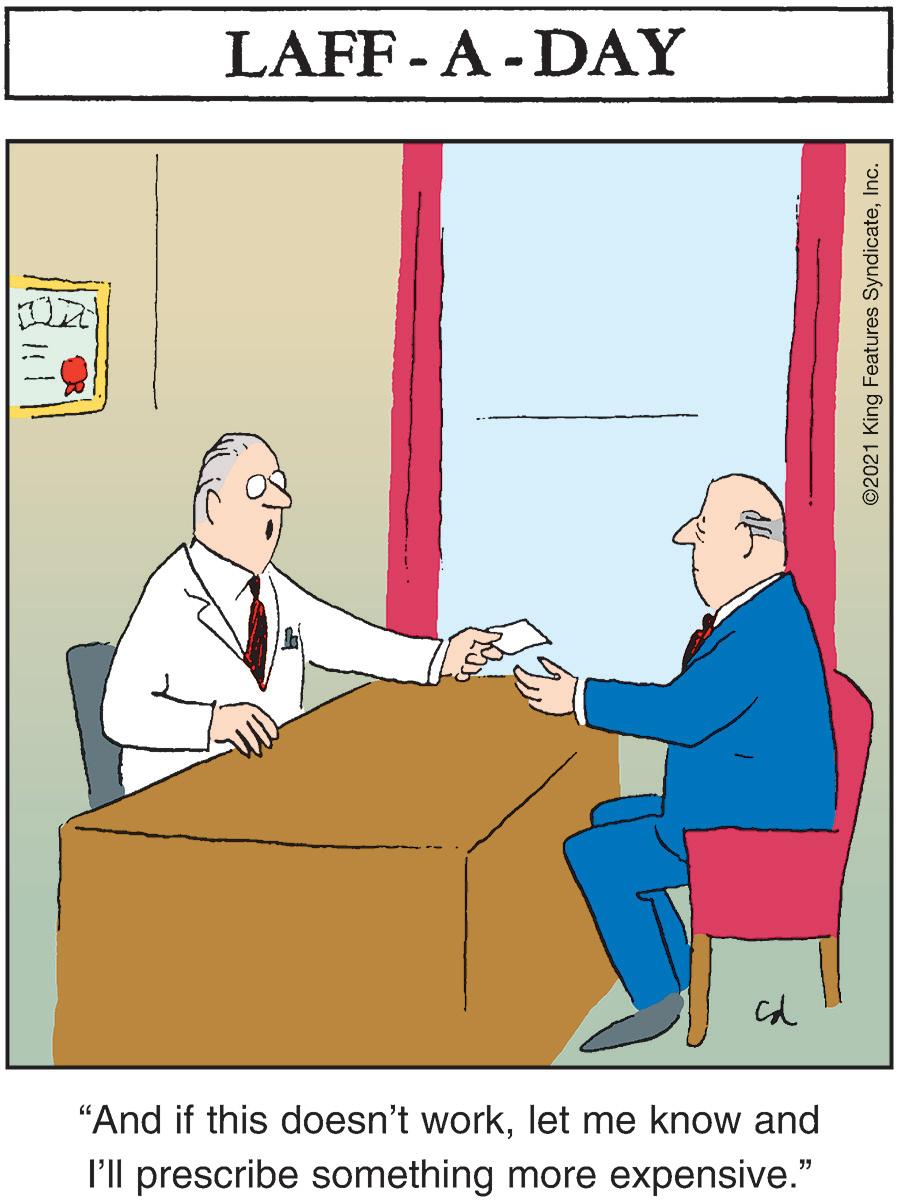
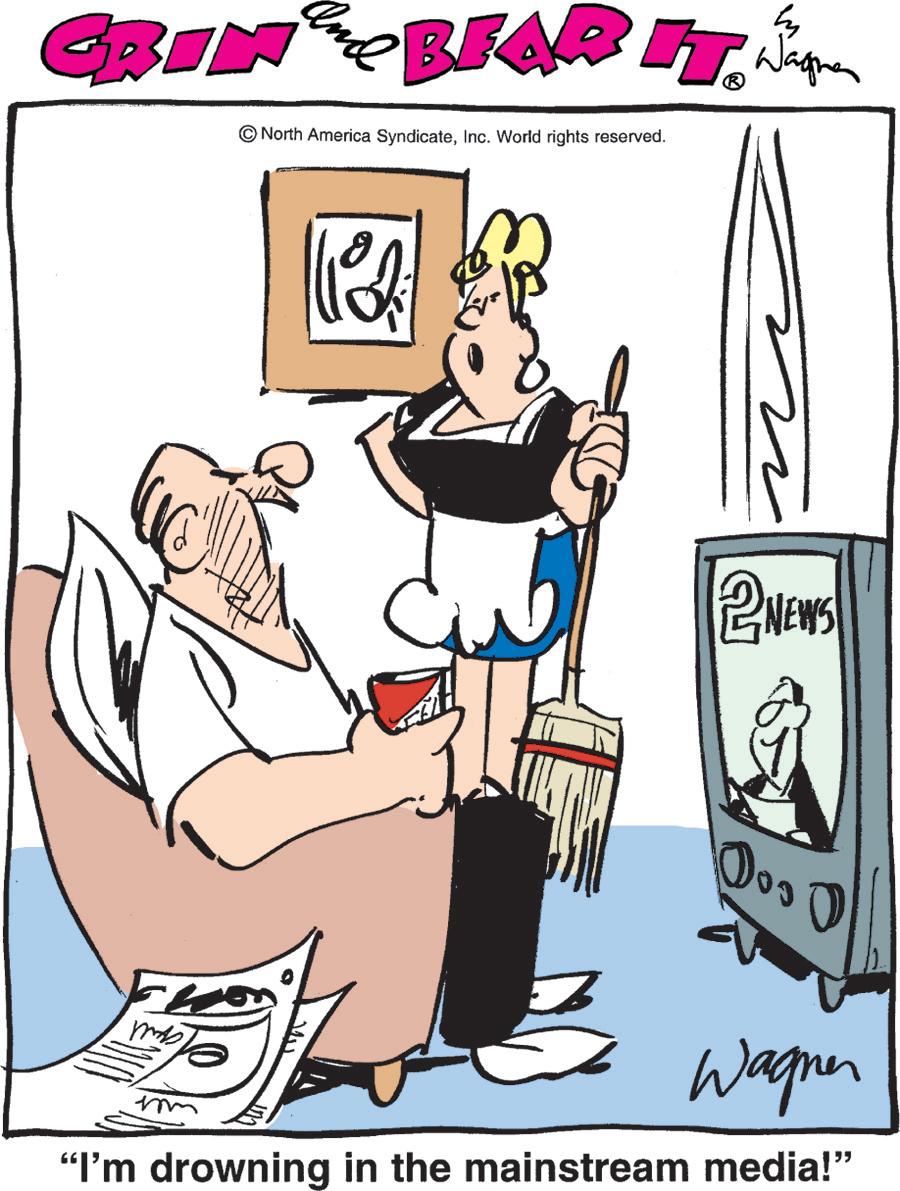
"The good news is that the hiring comittee liked the stationery and the font you used for your resumé. Do you really want to hear the bad news?"
Weimar mark was used by C. and E. Carstens Porcelain Factory.
Crazy Quilts were inspired by art from 1876 Philadelphia Centennial Exposition.
Rolling Stone: (from page 3)
featured the heiress in a two-part interview and two covers the following month.
• The magazine inaugurated their list of “500 Greatest Albums of All Time” in 2003, a list that has been updated several times. The latest edition’s Top Five lists Marvin Gaye in the #1 position, followed by The Beach Boys, Joni Mitchell, Stevie Wonder, The Beatles, Nirvana, and Fleetwood Mac.
• In 2004, they added the “500 Greatest Songs of All Time,” which has been revised three times. The first compilation listed the #1 song as none other than Bob Dylan’s “Like a Rolling Stone” and The Rolling Stones “I Can’t Get No Satisfaction.” John Lennon’s “Imagine” occupied the #3 spot. In the 2024 revision, Aretha Franklin’s “Respect,” (formerly #5) moved up to #1, followed by Public Enemy’s 1989 hit “Fight the Power” in the #2 spot, and Sam Cooke’s 1965 song “A Change is Gonna Come” at #3. Bob Dylan was bumped down to #5.
• The list of the “100 Greatest Singers of All Time” was launched in 2008, with Michael Jackson firmly in first place and Whitney Houston as #2.
• A bad review in Rolling Stone can make all the difference in record sales, as can a positive one. Reviews have had a substantial effect on an artist’s career, while negative criticism can be lethal.
• But sometimes, they get it wrong. Rod Stewart’s 2002 album, “It Had to Be You: The Great American Songbook” was panned by the magazine, with a meager 2 out of 10 rating. But despite the bad press the album actually took off in popularity and went two times platinum in the U.K., and three times platinum in the U.S.
Give your golf-related advertising message targeted visibility in full color in this weekly 2” x 6” fixed location $159 per insertion reaches 70,000+ readers each week at the low cost of only $2.27 per 1,000 reader impressions!
Game Changers
by Jason Jenkins
Soft Toe Spinner
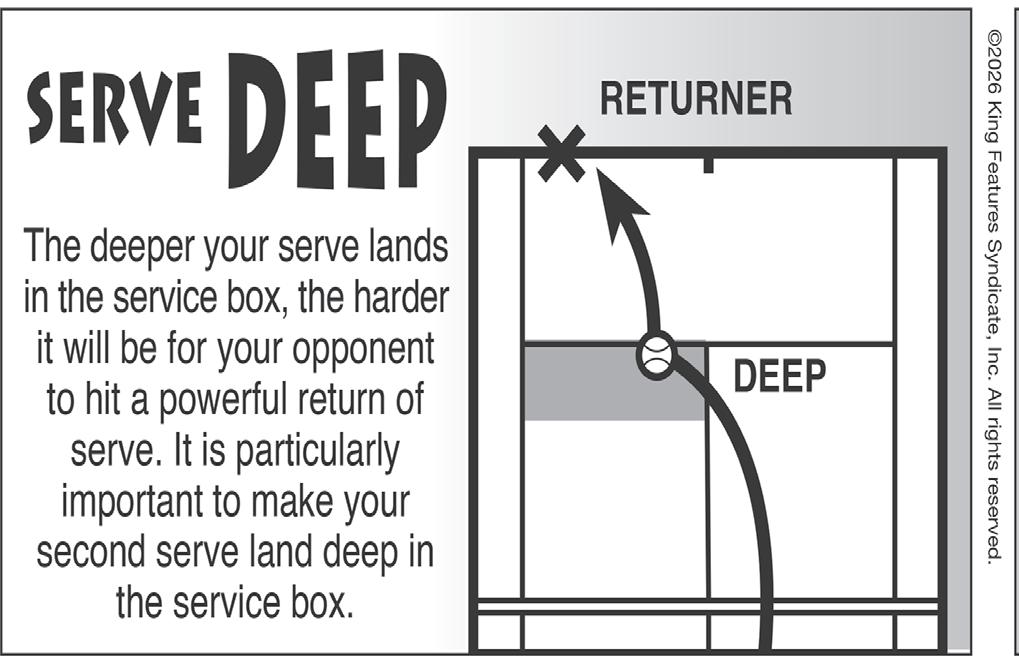
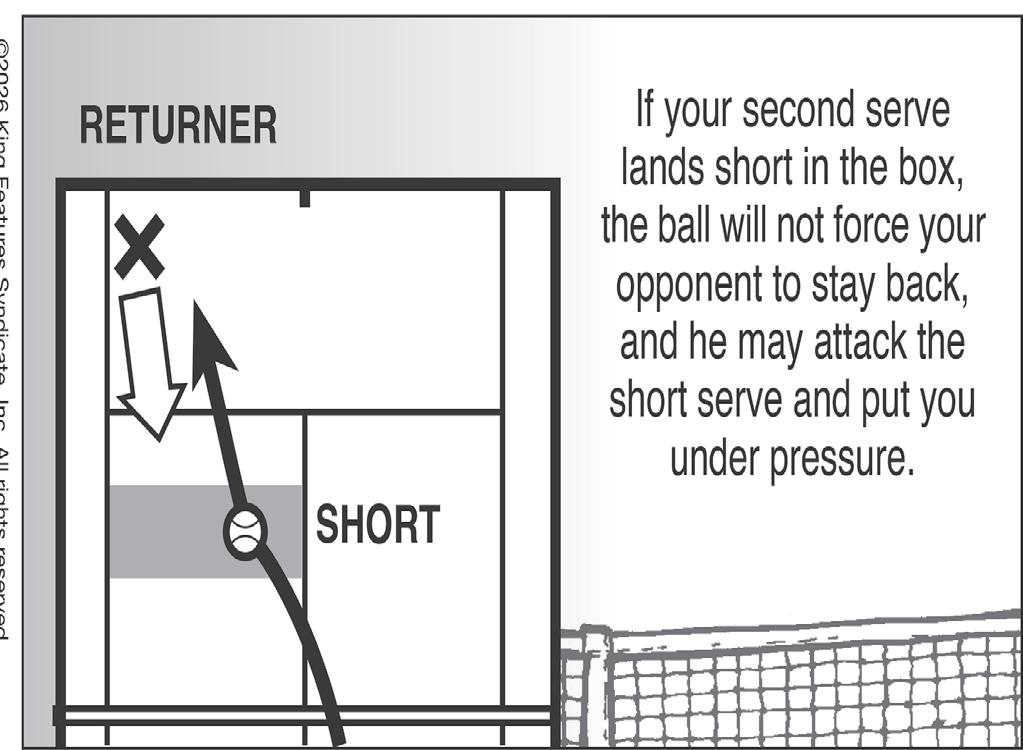
Watching televised golf, you may hear a commentator mention that a player has “short sided” themselves, meaning they’ve missed the green on the same side as the pin. This usually creates a difficult situation in the pitching game.
Yet, the player then plays a soft landing, spinning shot that finishes a few feet away. While this shot seems like only the kind that tour players can produce, there are a few simple keys that may allow you to produce effective shots when you’ve missed the green on the “short side.”
in the bag (typically a lob wedge), and allow the face to be opened slightly at address. Turn clubface then take a normal grip.
2. The real trick is to place the ball of the toe side of the club, and attempt to strike the grass slightly first so the ball will hit the toe area. By hitting the high, toe area of the clubface, you’ll be more apt to produce a spinning, softer soft.