Is this the best ramen shop in Warsaw?
Is this the best ramen shop in Warsaw?
Review: Limone – p. 21
Review: Bar Pacyfik – p. 24
Review: U Wieniawy – p. 26
Diana Błażewicz
Cocktail Culture: Estry – p. 28
Joseph Awuah-Darko for The Warsaw Insider: Macondo – p. 30
Review: Akademia – p. 32
Review: The Brunchery – p. 34
Review: Yuzu – p. 36
Publisher Morten Lindholm mlindholm@valkea.com
Creative Director Kevin Demaria kdemaria@valkea.com
Development Director Marta Wilk mwilk@valkea.com
New Business Manager Anna Czarnowska aczarnowska@valkea.com
Social Media Coordinator Zuzanna Wilk zwilk@valkea.com
Review: Buongiorno by Trufla – p. 38
Review: Nami Ramen – p. 40
Second Look: Rotisserie Bistro – p. 43
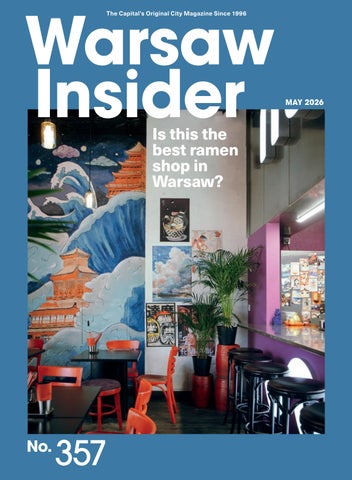
On the Cover:
Nami is the city's latest ramen obsession — and yes, it’s the best in town!
Photographed by Kevin Demaria
Distribution Manager Krzysztof Wiliński kwilinski@valkea.com
Subscription 12 editions of the Insider zł. 99 (inc. VAT) in Poland. Orders can be placed through: insider@warsawinsider.pl
VALKEA MEDIA S.A., ul. Ficowskiego 15/17, Warszawa, Poland; tel. (48 22) 639 8567; e-mail: insider@warsawinsider.pl All information ©2026 Warsaw Insider 14
16 36 28


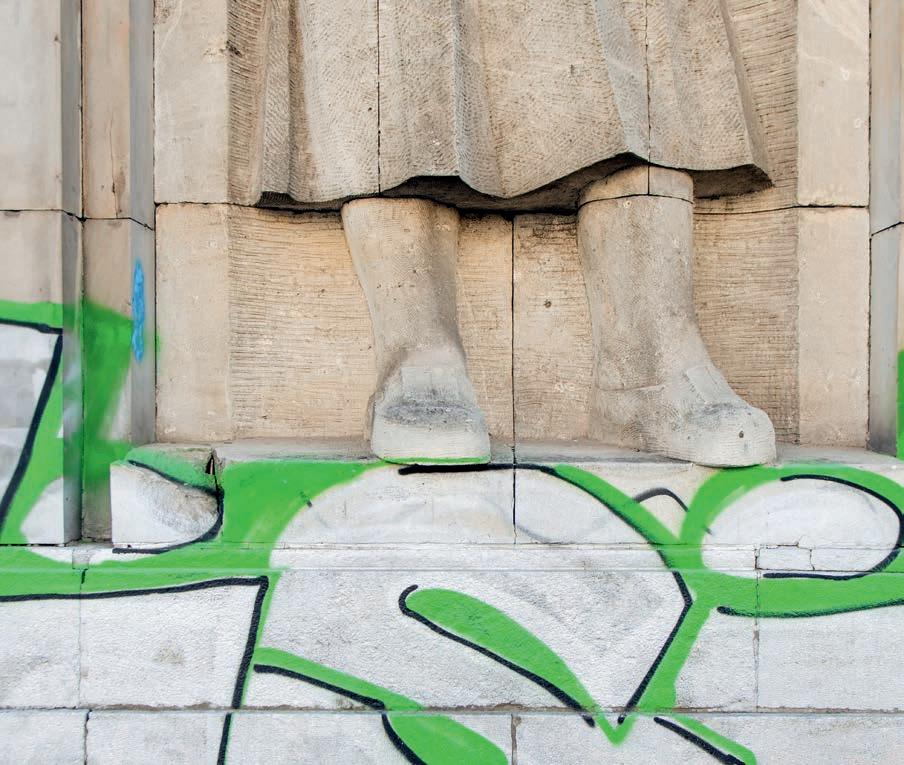
One of Warsaw’s most recognizable socialist realist tenements, at Marszałkowska 34/50 near Plac Konstytucji, has become a symbol of the city’s losing battle with graffiti. Covered in tags and vandalism, the landmark façade exposes a bureaucratic stalemate in which municipal authorities, conservators and housing bodies pass responsibility between themselves. As reported by Gazeta Wyborcza, renovation funds exist, yet delays, legal hurdles and weak enforcement leave historic architecture unprotected. If Warsaw cannot defend one of its signature streetscapes in the city center, what hope remains for lesser-known buildings beyond the spotlight?
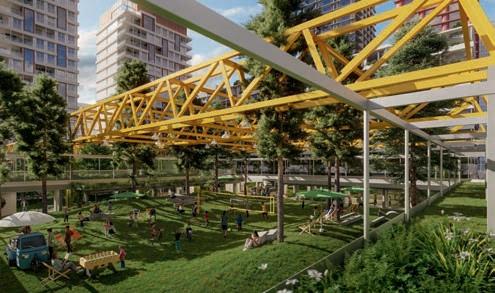
Wola’s Towarowa 22 development will open a public garden next spring, transforming part of the former Dom Słowa Polskiego site into a multi-level green space. Expect restored industrial structures, shaded walkways and much-needed greenery near Rondo Daszyńskiego.

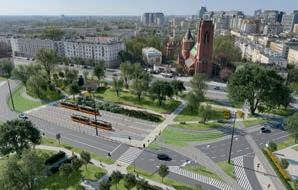
Long one of Warsaw’s scruffier and traffic-choked junctions, Narutowicz Square is heading for a long-awaited makeover. Works now underway will turn the Ochota landmark into a greener, calmer public space with new trees, pergolas, flower beds and sedum-covered tram tracks designed to reduce noise. Completion is scheduled for late 2026.


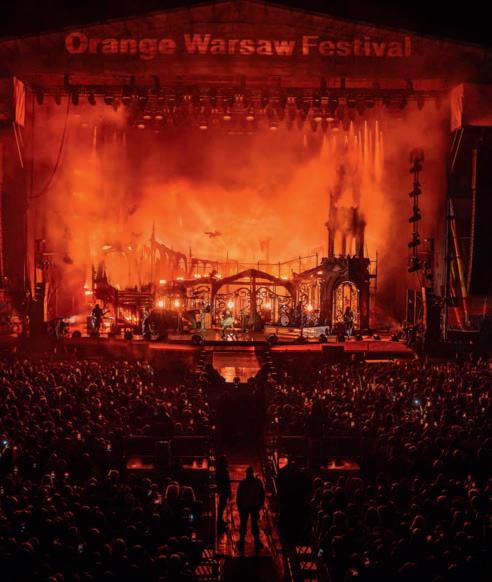
Warsaw’s flagship music festival returns to Służewiec with a heavyweight line-up led by Dominic Fike’s first-ever Polish show, plus Blood Orange, Loyle Carner, FKA twigs, Lewis Capaldi and more. Two days of global pop, rap and indie energy promise one of the city’s biggest summer kick-offs.
Where: Służewiec Horse Racing Track
When: May 29–30
Tickets: 2-day pass from 679 PLN; 1-day from 449 PLN (+ fees)
Info: orangewarsawfestival.pl

Warsaw’s most uplifting family attraction transforms EXPO XXI into a fantastical city of more than 100,000 balloons, spread across five immersive zones. Expect jungles, underwater kingdoms, space adventures and global landmarks, plus workshops, live demonstrations and family-friendly fun.
A playful, photogenic spectacle for all ages.
Where: EXPO XXI
When: Friday–Sunday, 09:00–20:00
Tickets: Paid entry; free for children under 3
Info: worldballoonfestival.pl
Warsaw’s sharpest publishing weekender returns to Ujazdowski Castle, gathering independent presses, designers and artists working in photobooks, zines and experimental print. Browse standout editions, meet international exhibitors and discover why the book remains one of contemporary art’s most exciting formats. Free entry.
Where: Ujazdowski Castle Center for Contemporary Art
When: May 22–24, 2026, 11:00–19:00
Tickets: Free admission
Info: u-jazdowski.pl
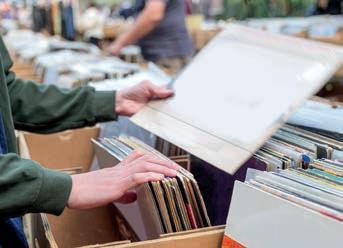
Warsaw’s crate-diggers should head to Bracka 25, where thousands of vinyl records and CDs land for a one-day music market inside the historic Dom Towarowy Bracia Jabłkowscy. Expect bargains, rarities and genre-spanning finds, plus vintage fashion, design stalls, workshops and a laid-back chillout zone.
Where: Dom Towarowy Bracia Jabłkowscy
When: May 9, 2026, 10:00–19:00
Tickets: Check organiser channels
Info: trzaski.pl
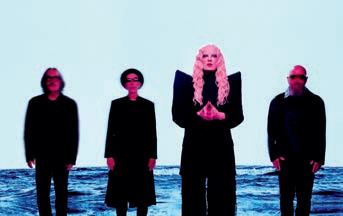
Alt-rock royalty arrive at Letnia Scena Progresji as Shirley Manson and company bring three decades of hits to town. Expect classics like Stupid Girl, Only Happy When It Rains and Bond theme The World Is Not Enough, alongside material from their new album.
Where: Letnia Scena Progresji
When: May 30, 2026
Tickets: Available via authorised sellers including Eventim, eBilet and Ticketmaster Info: winiarybookings.pl
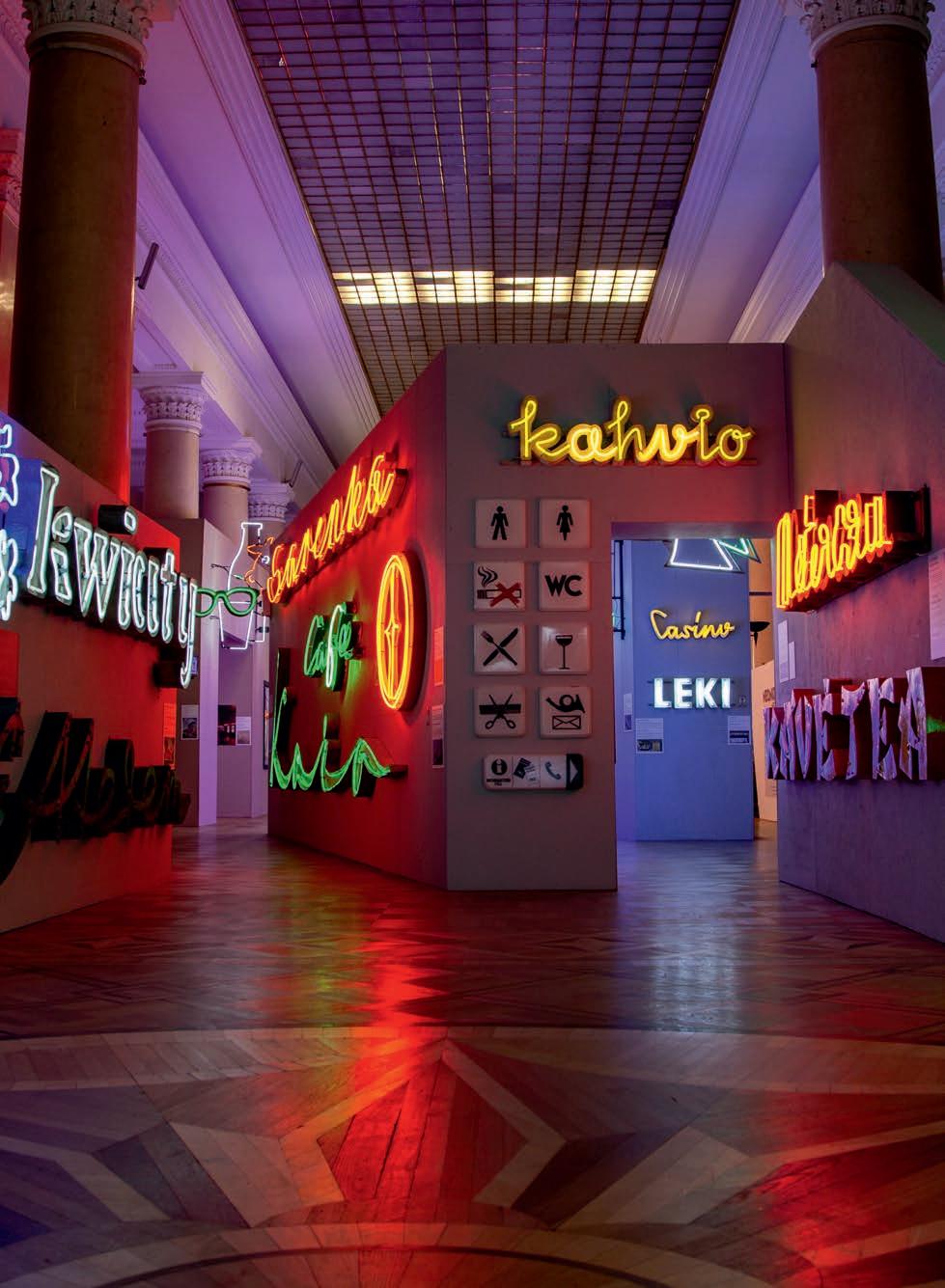
Back after six years — and debuting in its prestigious new home at Palace of Culture and Science.
From 8pm to midnight, step into glowing alleyways of restored neon signs and discover the vibrant story of Warsaw’s Cold War neon revolution. See iconic favourites like the Fox, the pink Warsaw Mermaid, and the beloved Milk Bar “Krówka.”
The only museum of its kind in Europe — and one of Warsaw’s most dazzling attractions. This Museum Night, it will shine brightest.
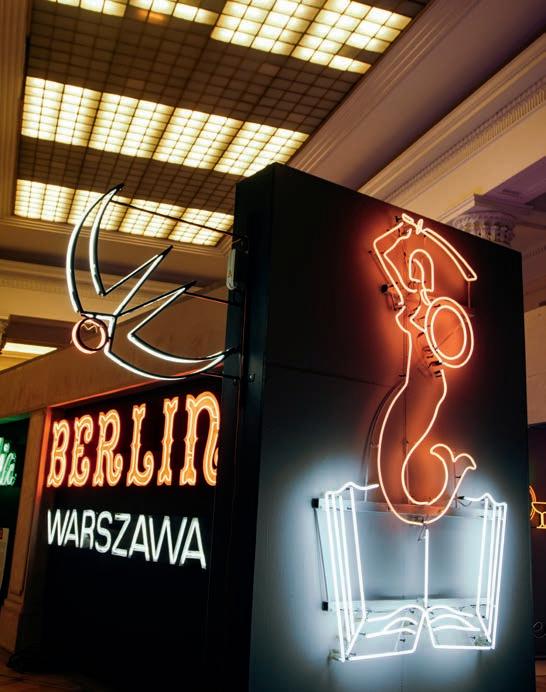
One of Warsaw’s cult attractions makes its first Night of Museums appearance inside the Palace of Culture and Science. Dedicated to preserving Cold War-era neon signs, it mixes design history with cinematic nostalgia.
Address: Special Noc Muzeów location in PKiN Best for: Photography, retro design, Instagram Tip: Excellent second stop after the viewing terrace.
Your Insider Guide to Warsaw’s Noc Muzeów 2026
On one of Warsaw’s most atmospheric nights of the year, museums, galleries and cultural institutions stay open late and welcome visitors free of charge. Noc Muzeów is less about ticking boxes and more about discovering the city after dark — whether through world-class collections, communist nostalgia, contemporary art or neon-lit design icons.
Use this recommended site to plan your evening of discovering the city’s museums
muzea.waw.pl
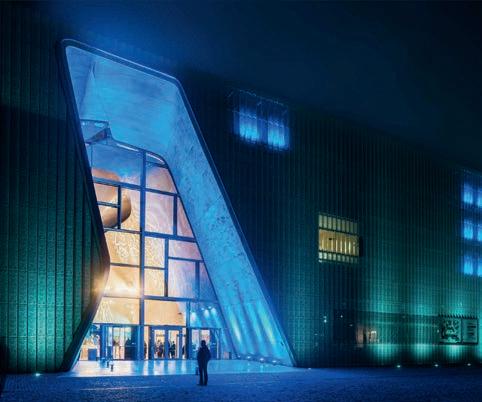
One of Europe’s most acclaimed museums, POLIN explores a thousand years of Jewish life in Poland through immersive galleries and superb design. This year’s Night of Museums theme, Words and Sounds, brings concerts, guided tours, tango performances and language-focused events to the museum’s spaces.
Address: ul. Mordechaja Anielewicza 6 (Muranów)
Best for: History, architecture and meaningful visits
Tip: Don’t miss the English-language guided tour at 20:15.
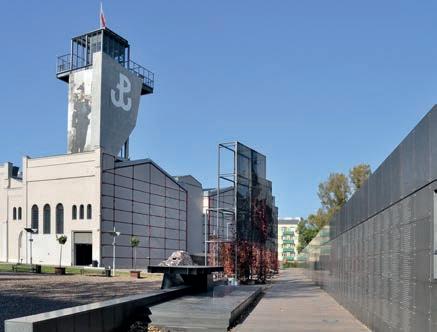
One of Warsaw’s most powerful and immersive museums, dedicated to the 1944 uprising against Nazi occupation. Through multimedia exhibitions, personal testimonies, photographs and original artefacts, it captures the courage, tragedy and spirit of the city during one of its defining moments. An essential visit for understanding modern Warsaw.
Address: ul. Grzybowska 79 (Wola)
Best for: History lovers, first-time visitors, meaningful experiences
Tip: Allow extra time — there is a lot to take in, and queues can be substantial.
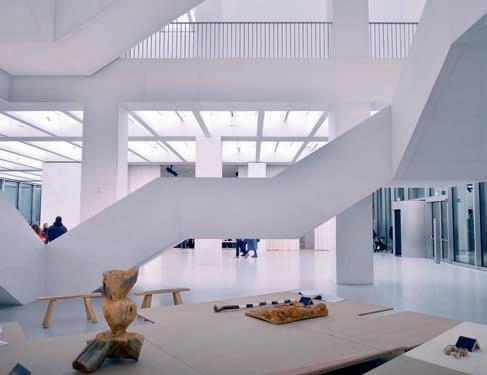
Museum of Modern Art in Warsaw
Warsaw’s flagship contemporary art institution is one of the city’s defining cultural projects. Known for ambitious exhibitions, cutting-edge installations and international programming, it captures the energy of a fast-changing capital. During Noc Muzeów, expect a fashionable crowd and some of the longest queues of the evening.
Address: ul. Marszałkowska 103 (City Center)
Best for: Contemporary culture lovers Tip: Arrive early or go after 22:00
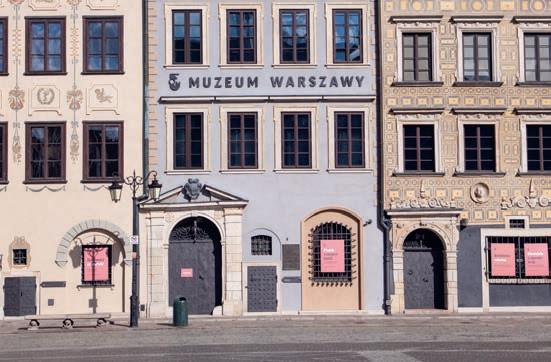
Spread across restored townhouses on the Old Town Market Square, this museum explores the identity of Warsaw through objects, photographs and stories. One of the city’s smartest museums in one of its busiest locations.
Address: Rynek Starego Miasta 28 (Old Town)
Best for: Understanding Warsaw Tip: Visit late evening when Old Town crowds thin slightly.
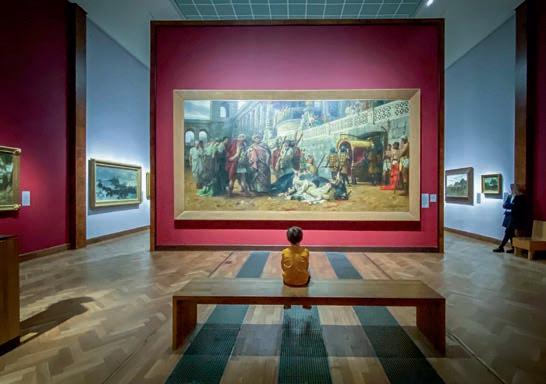
National Museum in Warsaw
A cornerstone of Polish culture, everything from ancient artefacts and decorative arts to iconic Polish paintings. Grand in scale and rich in treasures, it remains one of the city’s essential cultural institutions.
Address: al. Jerozolimskie 3 (City Center)
Best for: Fine art, history and major collections Tip: Head straight to the galleries you most want to see
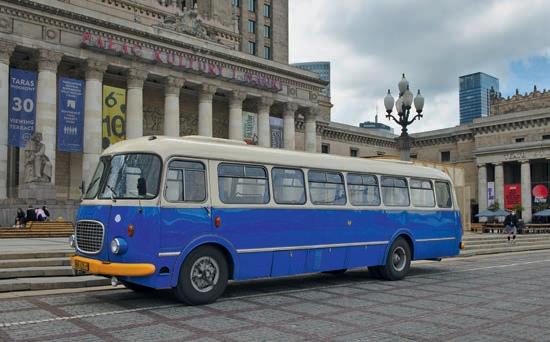
Though not strictly a museum, the Palace becomes a Noc Muzeów magnet thanks to exhibitions, events and the famous viewing terrace. Free nighttime skyline views make this a perennial favorite.
Address: Plac Defilad 1 (City Center)
Best for: First-time visitors Tip: Go near closing time for shorter waits
A witty, immersive look at everyday life in communist-era Poland. Expect recreated interiors, vintage household items, old advertisements and objects many locals still remember from childhood.
Address: ul. Piękna 28/34 (City Center)
Best for: Social history with personality Tip: Great for visitors wanting something different
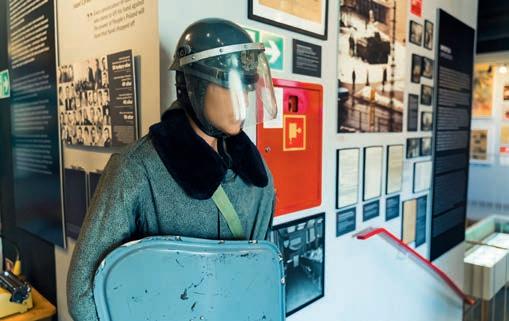
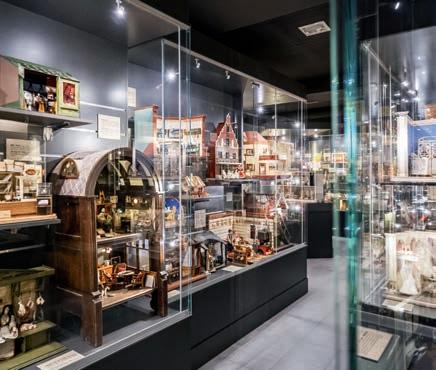
One of Warsaw’s most charming hidden cultural treasures, tucked away on Podwale Street in the Old Town. Far more than a nostalgic toy museum, it presents history, craftsmanship and everyday life through over 150 historic miniature interiors and a remarkable collection of dolls and games from around the world. Intimate, original and endlessly detailed, it appeals as much to adults as to children.
Address: ul. Podwale 15 (Old Town)
Best for: Families, design lovers, curious adults Tip: Book ahead for the flashlight tour

Spring arrives in full flavor at BioBazar in the Norblin Factory, where Warsaw shoppers hunt for nettles, radishes, asparagus, farmhouse cheeses and everything needed for the first great Majówka feast.
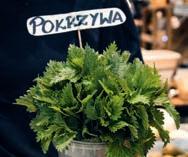
One of spring’s oldest Polish ingredients, nettles arrive with the first real warmth. Once foraged for health, now prized by chefs, they bring an earthy, spinach-like flavor to soups, herbal teas and rustic pancakes brightened with lemon or cream and pierofi filling.
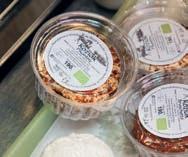
May is prime time for fresh goat cheeses, tangy and light after winter’s heavier fare. Search out flavored varieties such as pikanty, laced with herbs or spice, perfect crumbled over salads or spread onto warm bread.

Nothing says May like the snap of fresh radishes. Peppery, juicy and brilliantly pink, they appear sliced into salads, layered onto rye bread sandwiches or eaten the classic Polish way—whole, dipped in butter and sprinkled with salt.
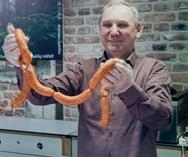
The May holiday weekend means smoke in the air and grills everywhere. Kiełbasa is mandatory, joined by karkówka, burgers and serious steaks ranging from dependable Hereford beef to indulgent Wagyu cuts for celebratory outdoor feasts to classic Polish cuts like złotnicka.
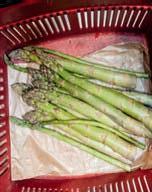
Asparagus season turns otherwise rational people obsessive. Green or white spears are traditionally served with breadcrumbs softened in butter, but keep an eye out for old-school surprises like galaretka ze szparagami—asparagus suspended in savory jelly at BioBazar.
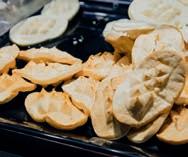
Two mountain classics, often confused. Oscypek is the famous smoked sheep’s cheese from Podhale, firm and salty. Ser góralski refers to rich highlander cheese traditions—creamier, sweeter and made for dessert rather than the frying pan.
BioBazar The Norblin Factory, Żelazna 51/53, biobazar.com.pl
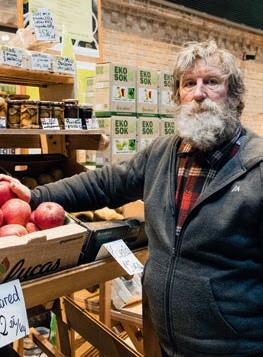
Fruit lovers should make a direct line for Eko Sad Broda, an organic orchard whose produce captures the best of the Polish countryside. Depending on the season, baskets fill with apples, pears, berries and preserves made from fruit picked at proper ripeness rather than for transport schedules. This matters: Polish fruit, when handled well, can be astonishingly aromatic, sharp, sweet and vivid. At BioBazar, Mr. Witold Rak (aka Pan Broda/Mr. Beard) brings that orchard freshness into central Warsaw, along with juices, jams and bottled sunshine for colder months. Their stall is especially popular with families who want trusted produce and cooks who understand that desserts, breakfasts and even savory dishes improve dramatically with real fruit. In a market full of tempting distractions, Eko Sad Broda offers something elegantly simple— nature, polished only by care and patience.
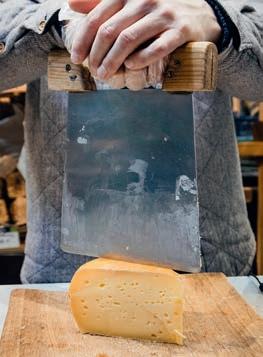
Among the most charming stories at BioBazar is that of Swiss cheesemaker Peter Stratenwerth, who arrived in Warsaw after the transformation years, fell for Poland, and stayed to craft Alpine-style cheeses with local organic milk. His signature cow’s milk Swissstyle wedges have a supple texture, nutty depth and the kind of clean finish that begs for good bread. Conveniently, the stall also offers exactly that: dense rye loaves made from flour type 1850 and 2000, fermented only with natural sourdough and baked in a wood-fired oven. With no yeast, preservatives or improvers, it is proper bread in the old sense of the word. The flour comes from certified Polish organic farms, making this one of the market’s finest pairings—honest cheese, serious bread, and centuries of tradition meeting in one basket.
(Mrzygłód Organic Farm)
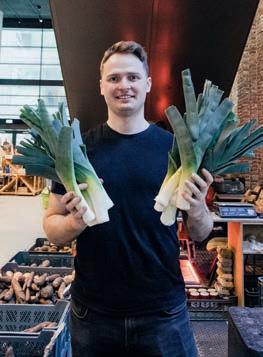
Ekologiczne Gospodarstwo Mrzygłód represents the kind of producer BioBazar was built for: family-scale, transparent and deeply rooted in sustainable farming. Their philosophy is refreshingly direct—grow food carefully, respect the land, and let flavor speak for itself. Expect seasonal vegetables, eggs and pantry staples raised without shortcuts, chemicals or industrial excess. What distinguishes stalls like this is not just certification, but taste: carrots that actually taste of carrot, eggs with rich golden yolks, and produce that changes naturally with the calendar. Shopping here is a reminder that the best cooking starts with ingredients that have been grown rather than manufactured. In a city increasingly alert to provenance, Ekologiczne Gospodarstwo Mrzygłód has become a trusted stop for those who want cleaner eating and stronger flavor. It is market shopping with conscience, and with character. Unlike conventional farms, where produce is often raised with chemicals, here everything is grown naturally, using only nature and heated tunnels.
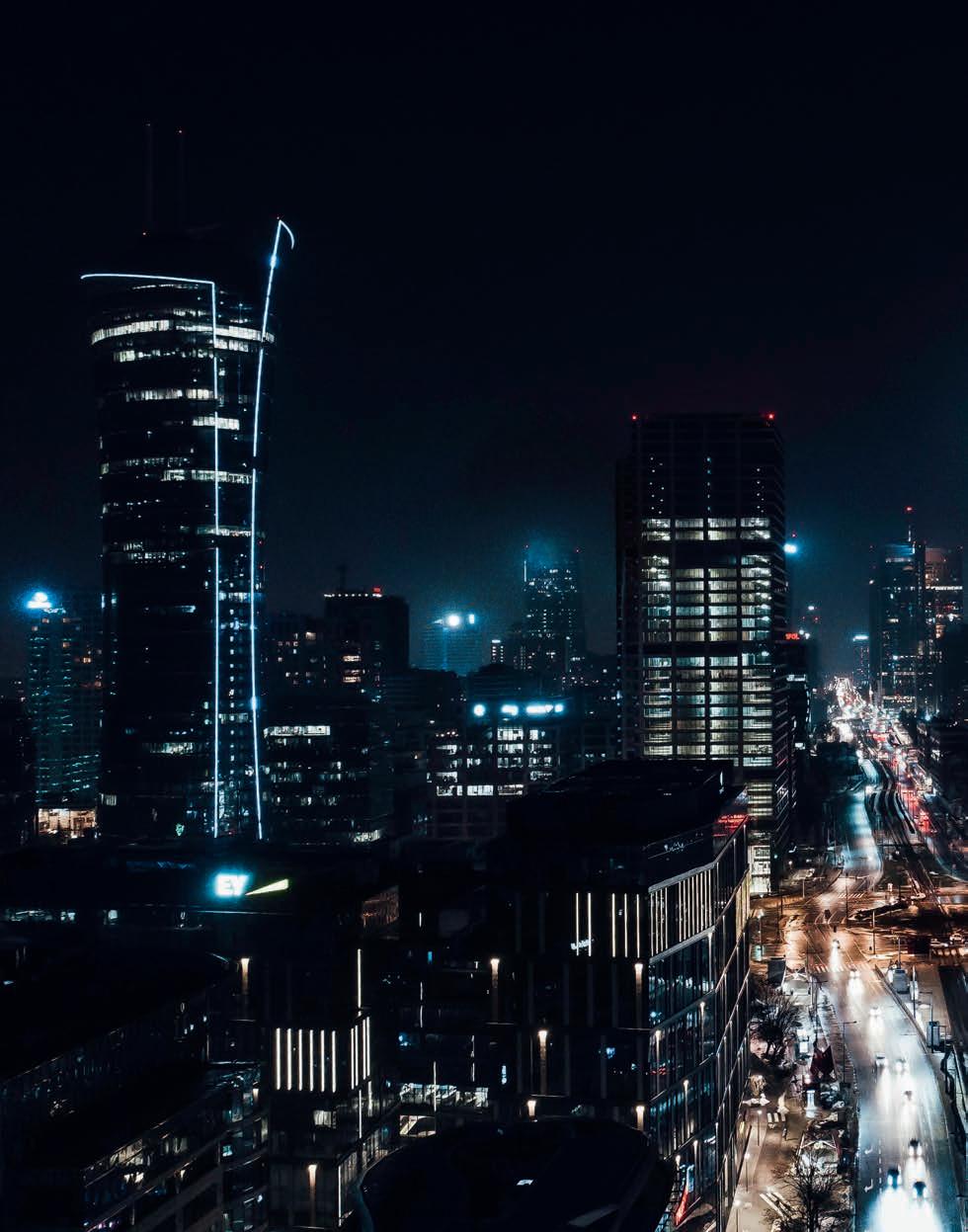
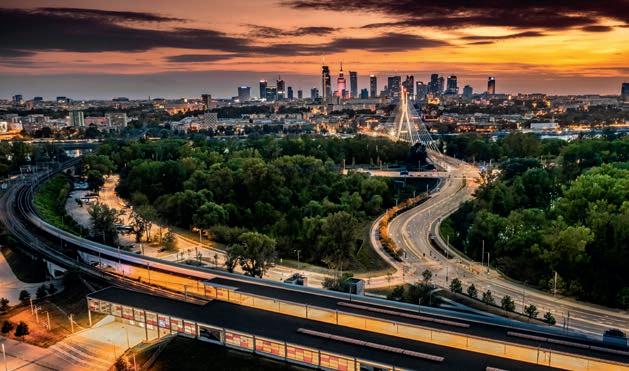
Michał Gąciarz captures Warsaw from above as it transforms into a cinematic landscape of light
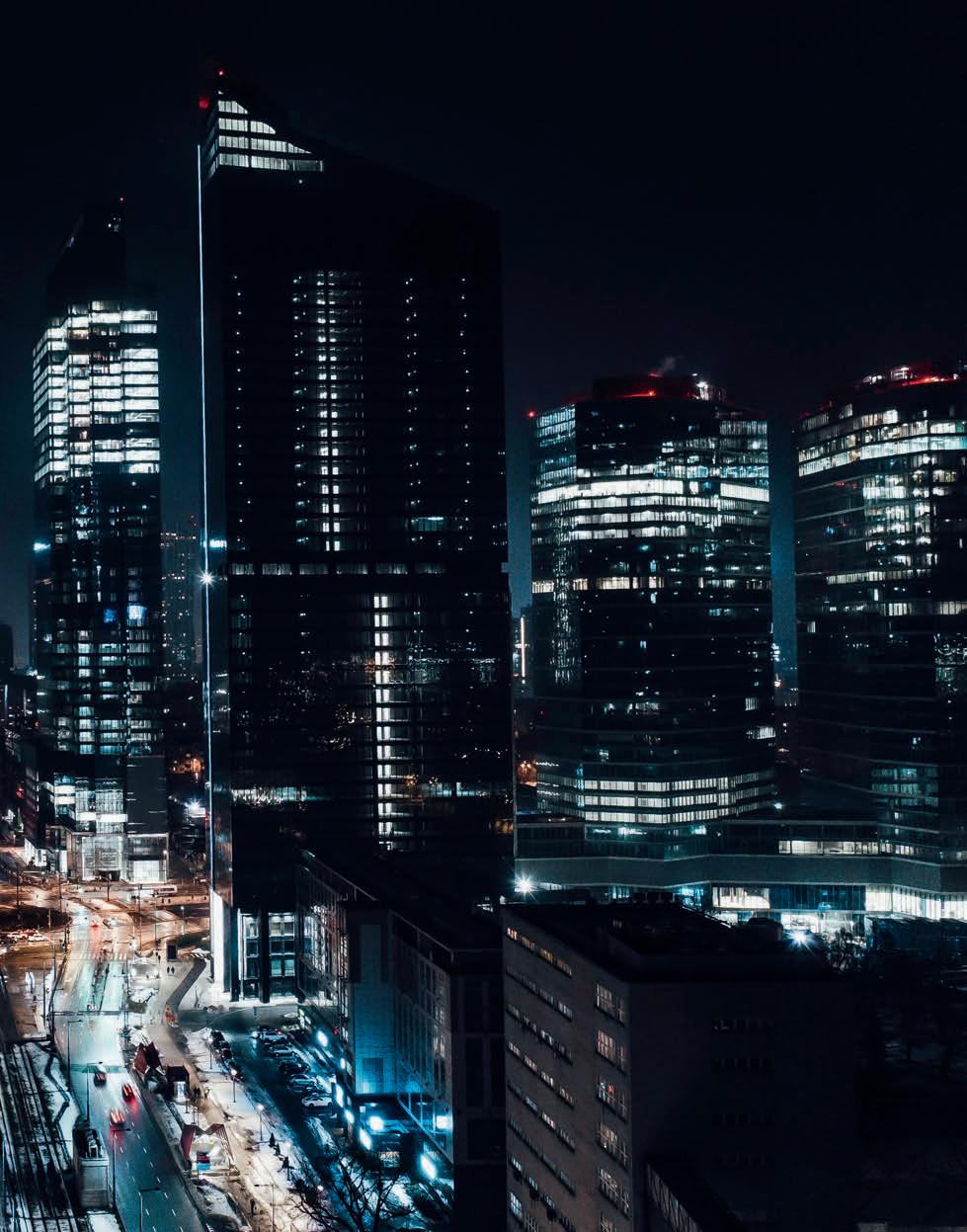
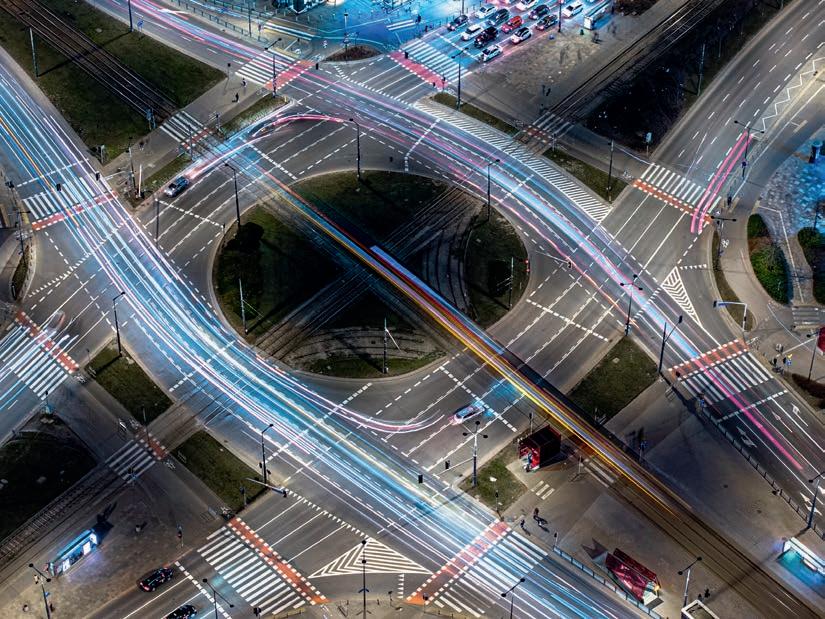
INSIDER: Warsaw changes character after dark. What surprised you most when you first started photographing it at night from above?
Michał Gąciarz: What struck me most was how much Warsaw loses its literalness at night. During the day, everything feels concrete, readable, sometimes even chaotic. After dark, the city becomes simpler—what remains is light, the rhythm of streets, and the silence between them. From above, it starts to feel more like the idea of a city than the city itself.
From the air, the city becomes a map of light. Where in Warsaw does the night feel most cinematic to you?
For me, it is where contrast is strongest—the dense grid of Śródmieście meeting the darkness of the Vistula River. Those two worlds exist side by side and create a powerful visual tension. The bridges connecting them feel especially cinematic, like lines carrying a story of movement and change.
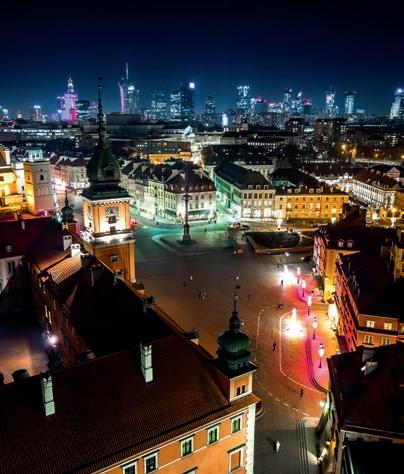
To see more of Michał's photographs scan here
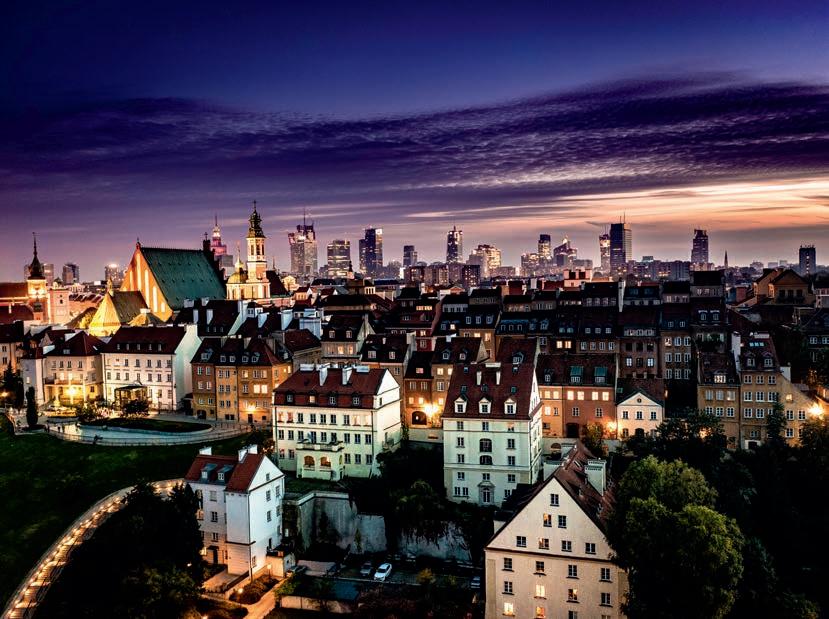
What role does darkness play in your compositions—are you photographing light, or the absence of it?
I think I photograph the relationship between the two. Light cannot exist without darkness—it is shadow that gives it meaning. Darkness simplifies reality, removes excess, and leaves only what matters. It creates space, tension and emotional depth.
Night photography often involves more unpredictability. What is the biggest challenge of shooting Warsaw after dark with a drone?
Balance—both technical and emotional. Night does not forgive mistakes. Light is demanding, contrasts are sharp, and every movement matters more than during the day. But the greater challenge is avoiding images that are simply beautiful. It is much harder to capture something true—a moment with silence, tension or emotion.
Are there parts of Warsaw that only truly reveal their beauty at night—and disappear
during the day?
Definitely. Especially places that seem ordinary or even chaotic in daylight. At night, light edits reality, revealing only fragments and leaving the rest in shadow. What remains illuminated gains meaning, while darkness leaves room for imagination.
What is one night shot you are still chasing in Warsaw?
I am still searching for an image that shows Warsaw as both dynamic and lonely. A city full of light, movement and energy, yet seen from a distance where a person begins to disappear inside it.
When viewers look at your night images of Warsaw, what feeling do you want to leave them with?
A moment of pause. In a world that is fast and loud, I want my photographs to offer a sense of silence. Not one fixed emotion, but space for reflection—perhaps calm, perhaps melancholy, perhaps simply a breath between moments.
“
A place that understands hunger in all its forms...
Some dining rooms feed you; others seduce you into staying longer than planned.
Limone does both with the easy confidence of a place that knows exactly what it is. Positioned on Plac Teatralny, it could coast on geography alone—catch the theater crowd, pour the wine, turn the tables. Instead, it aims higher. This is not merely a stop before curtain call. It is the evening.
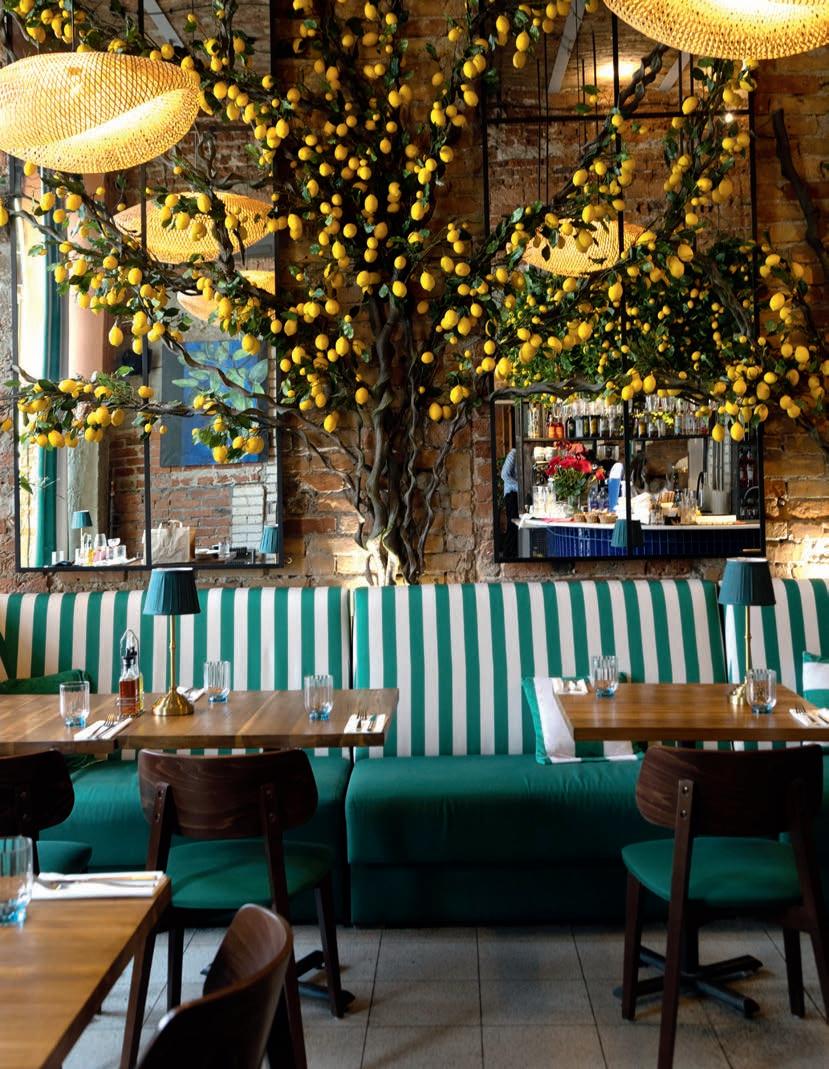
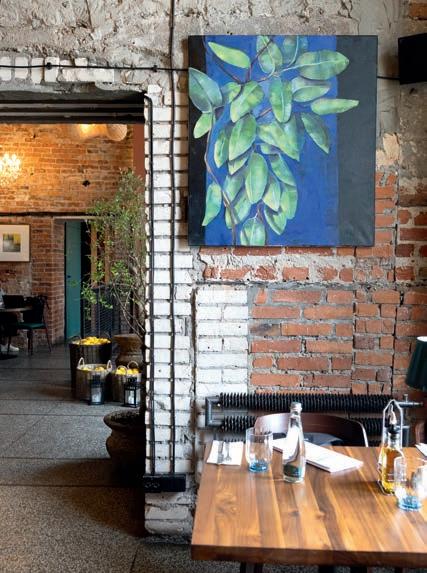
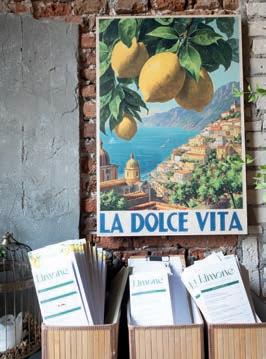
You enter through exposed brick and walls carrying works by Polish artists, the room humming with a loose bohemian charm sharpened by flashes of Italian sentiment. Then your eye catches the great lemon tree spreading across the main wall—bright, cinematic, a little mischievous. In lesser hands it might feel contrived. Here it feels like sunshine imported by truck.
The kitchen understands that pleasure should arrive in layers. Salmon carpaccio with freezedried pomelo and raspberry lands as a curiosity and leaves as a triumph. The bitterness of citrus, the saline silk of the fish, the sweet tart spark of berry—it keeps rearranging itself on the tongue. You take another bite just to make sense of it.
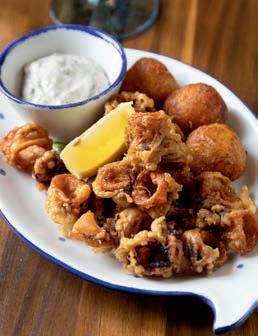
Then the calamari, that old test of whether a restaurant respects the basics. These pass with honors. Not the usual rubber rings entombed in dull breading, but fiercely crisp, almost as if double fried, shattering at first bite. Alongside come crunchy potato croquettes and truffle aioli rich enough to derail conversation.
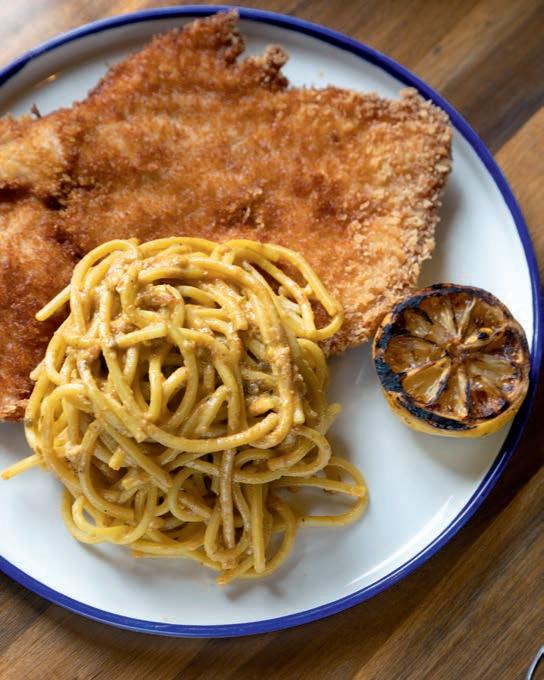
The sleeper hit, though, is the Piccata Milanese: a golden chicken schnitzel with a crack-
ling crust, swaggering onto the table beside lemon-cheese spaghetti. It is comfort food dressed for a night out, all crunch and citrus and indulgence. You order it once, then spend weeks thinking about it.
For elegance, the Polpo alla Griglia brings perfectly grilled octopus with asparagus, spinach, and a velvety crustacean cream that deepens every bite. Tender, charred, luxurious without becoming fussy.
And yes, you will eat too much. That is part of the contract. Fortunately, Saxon Garden and Krasiński Garden sit nearby, ready for the necessary constitutional afterward.
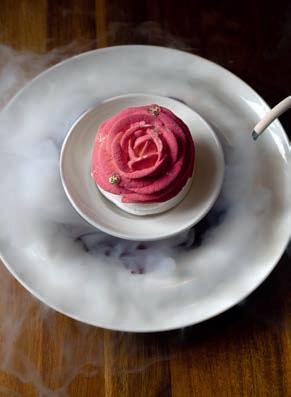
Then comes the Pavlova, a final flourish and a reminder that restraint was never really on the menu. Delicate as a rose petal, crisp at the shell and soft at the heart, it folds meringue into velvety cream, bright rhubarb jam, and the clean sweetness of fresh strawberries. Beautiful before the first spoonful, memorable long after the last. Limone understands an eternal truth: the best meals should end with a walk and a little regret.
Vibe: Bohemian brick-and-art room with Italian warmth and a showpiece lemon tree.
Best For: Date nights, pre-theater dinners, long lunches, celebratory carb loading.
Must Order: Piccata Milanese with lemon-cheese spaghetti.
After Dinner: Walk it off in Saxon Garden or Krasiński Garden.
Cocktails, tacos and street energy
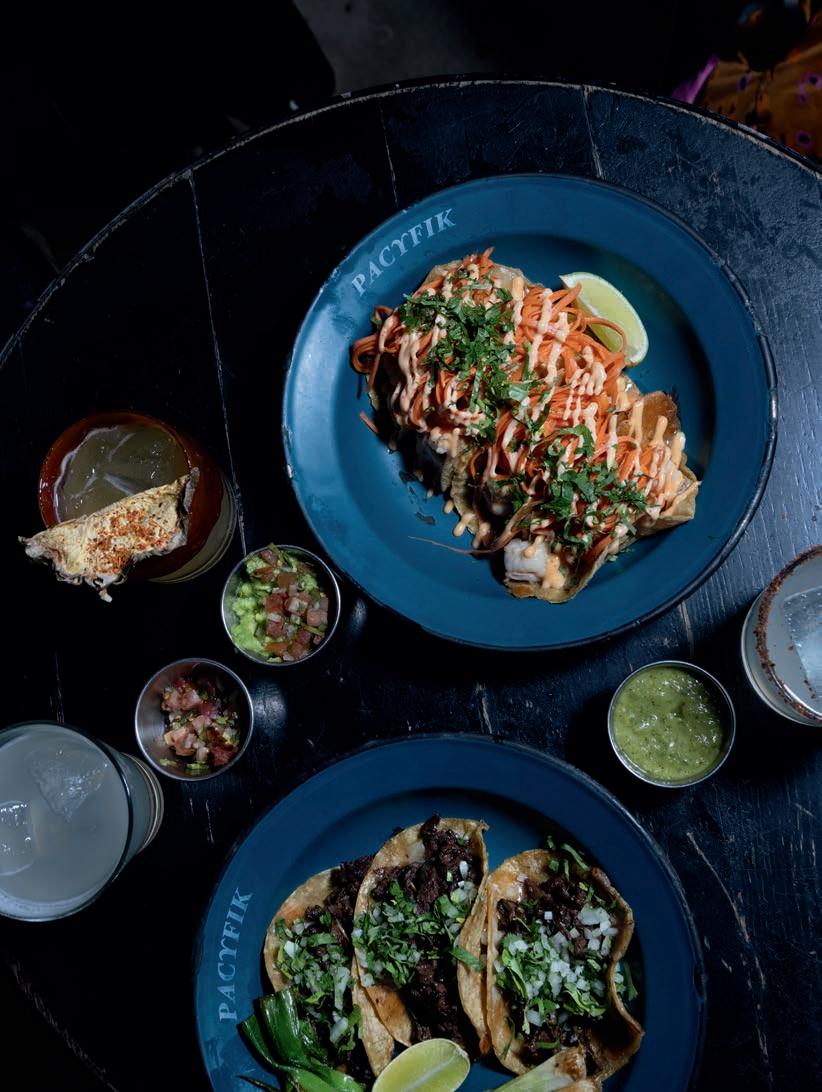
You don’t need a national holiday to justify a pilgrimage to Bar Pacyfik. Still, for the record: Cinco de Mayo is often mistaken for Mexican Independence Day. It isn’t. May 5 marks the Battle of Puebla in 1862, while September 16 commemorates the beginning of Mexico’s fight for independence. Useful knowledge, perhaps, but far less urgent than securing a table and getting something cold in your hand.
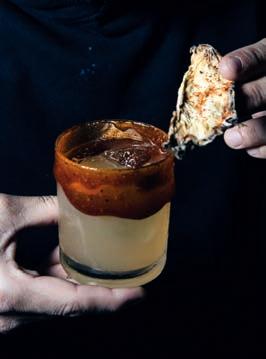
Because the drinks here don’t waste time. The mezcal negroni won our hearts so completely it helped crown Pacyfik Best Cocktail Bar of the last year—smoky, bitter, poised, and quietly lethal. Then there’s the Piña-Habanero, the sort of drink that arrives looking playful before showing teeth: sticky pineapple emulsion around the rim, perfume of ripe fruit, a measured sting of heat. It is a perfect companion to the menu’s parade of fat, char, citrus and acid.
And the food deserves your full attention. The essential taco is the gobernador: four tortillas loaded with shrimp cooked in butter, then dressed with pickled carrots, dynamite sauce, guacamole, cilantro and lime. It hits rich and bright at once, a glorious contradiction. If appetite outweighs restraint, go birria— beef and broth, dip and devour, all depth and indulgence. My own loyalty stays with the carne asada: marinated grilled beef, salsa verde sharp as broken glass, smoked scallions carrying the ghost of flame.
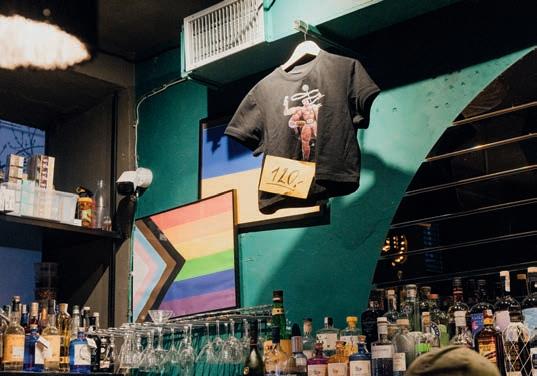
Inside, the room moves like tidewater. Crowds swell and recede in waves. Servers
“Order
weave through impossible gaps balancing trays overhead, bartenders working at such velocity it resembles an aerobic routine with bottles. Yet there is never any sense of panic. They’ll still pause to guide you through the better mezcals on the shelf, ask what mood you’re in, and recommend the right form of trouble.
Come summer, Pacyfik becomes something greater than a bar. Doors thrown open, glasses sweating in the dusk, clusters of friends colonising the pavement outside, strangers becoming temporary allies. People come to linger, to gossip, to flirt, to order one last round that becomes three. When warm weather returns, expect this address to feature heavily in the pages of Warsaw Insider.
Order First: Mezcal Negroni
Then: Piña-Habanero
Must Eat: Gobernador taco
Also Try: Birria with dipping broth
For Purists: Carne asada with salsa verde
Crowd: Young, buzzing, always growing
Insider Move: Ask for a topshelf mezcal recommendation
History, vodka legends, flawless pierogi
U Wieniawy
pl. Marszałka Józefa Piłsudskiego 9 (City Center), uwieniawy.pl
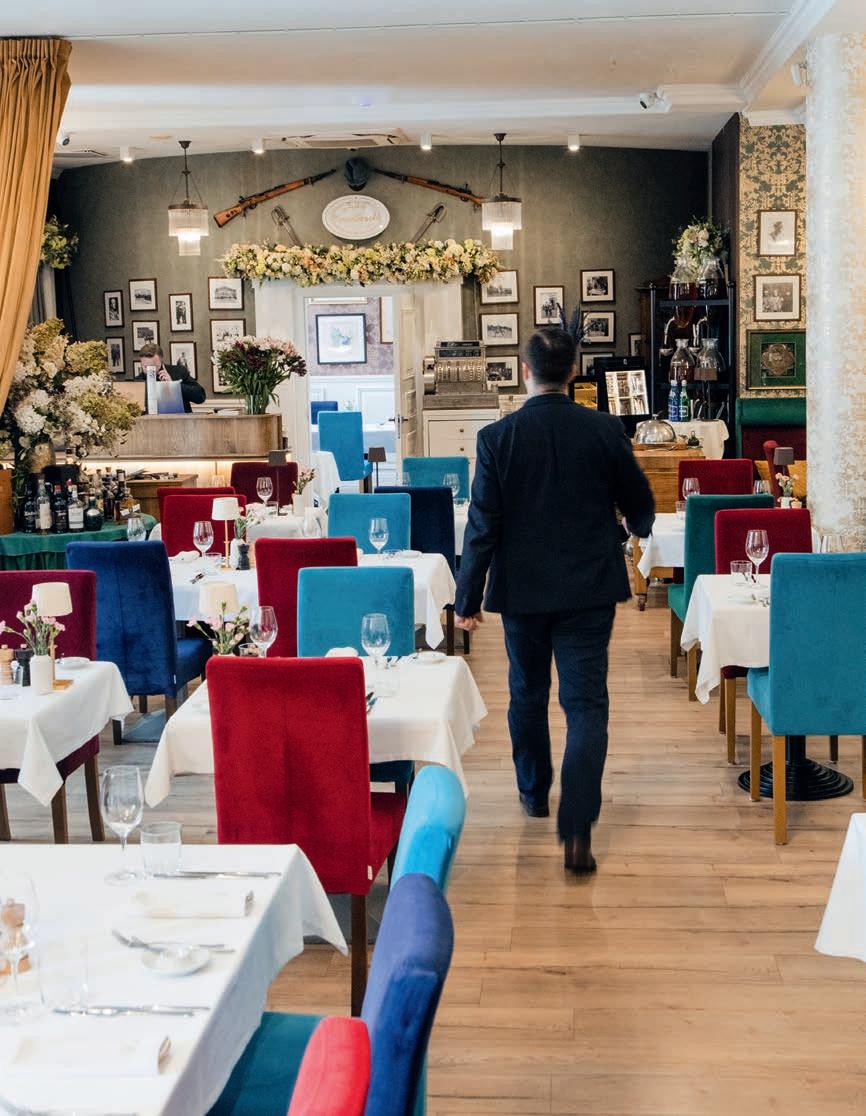
There are restaurants that serve dinner, and there are restaurants that stage a national myth. U Wieniawy belongs gloriously to the second category. A sword fixed to the front door, military memorabilia on the walls, old-world swagger in the air—it all suggests a call to arms. But after the first bite, you realize it’s really a call to knife and fork.
The martial décor makes sense once you know the name. “U Wieniawy” means “At Wieniawa’s,” a nod to Bolesław Wieniawa-Długoszowski: cavalryman, poet, diplomat, aide to Józef Piłsudski, and legendary bon vivant. He was said to drink oceans of vodka without ever seeming drunk—a patron saint, perhaps, for Warsaw nights that stretch into morning.
The waiters move with the confidence of parade officers— brisk, authoritative, fully briefed on every plate and bottle. They do not merely take orders; they command the room.
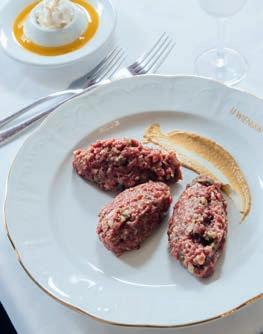
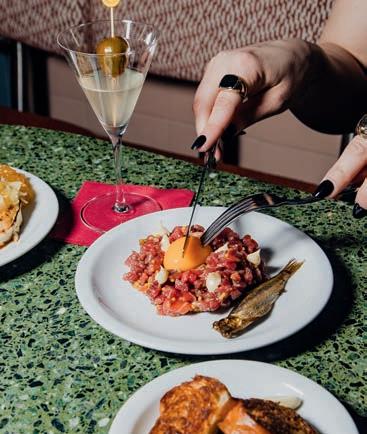
Start with the steak tartare, prepared tableside with the practiced flourish of a stage magician. For first-timers, it’s a memorable initiation into one of Poland’s great dishes: beef chopped fine, sharpened with mustard, onion, pickle, and yolk until it sings.
Then come the gołąbki, and suddenly you are somewhere deep in a Polish forest in autumn. The cabbage gives way to a filling rich and earthy, comforting in the way only old recipes can be. Seasonal asparagus showered in breadcrumbs and sautéed in butter opens another door entirely—the warm kitchen of some masterful babcia who
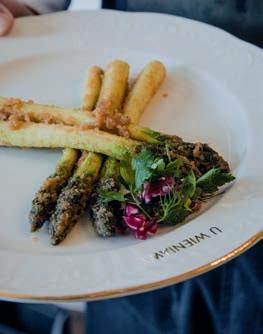
knows exactly when butter is ready and exactly how much salt matters.
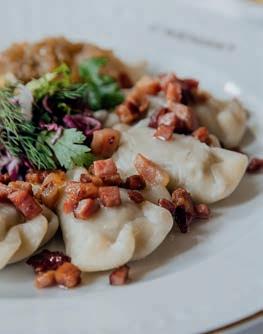
And the pierogi? Order the mixed plate. Two kinds, one decision avoided. They are the sort of dumplings that end arguments and begin pilgrimages. If anyone asks where to find the best pierogi in Warsaw, start here.
Before you leave, ask the floor manager if the VIP room is free. Behind the front desk waits a treasure: an extraordinary collection of Piłsudski-era posters, where history lingers long after dessert.
“ If anyone asks where to find the best pierogi in Warsaw, start here
Vibe: Cavalry club meets old Warsaw supper room
Order First: Tableside steak tartare
Don’t Miss: Mixed pierogi plate
Best For: Visiting guests, power lunches, nostalgic feasts
Insider Move: Ask to peek inside the VIP room
BY DIANA BŁAŻEWICZ FOR THE WARSAW INSIDER
The bartending community has been quietly buzzing for months about the newest cocktail-focused addition to Warsaw’s bar scene. Estry, tucked away on Żelazna Street between Fabryka Norblina and Browary Warszawskie, has been something of an insider conversation—until now.
Taking over the former Popolare space, Estry shifts from pizzeria casual to something far more deliberate. The room is warm, dimly lit, and intimate without ever feeling closed off. Details reveal themselves gradually: TinTin shaker lamps cast a soft, slightly industrial glow over the green marble bar, while a tightly curated backbar signals intent
over excess. Nothing here feels decorative for its own sake—it’s a space built by people who understand bars from the inside out.
Sitting at the bar, that intention becomes immediate. Estry feels exactly as it should—familiar from the moment you sit down. It’s intentionally bartender-led, full of energy, with a looseness that keeps the room feeling alive rather than staged. Homey, but operating at a serious cocktail level. The kind of place that moves easily between quiet dates and longer, late-night sessions.
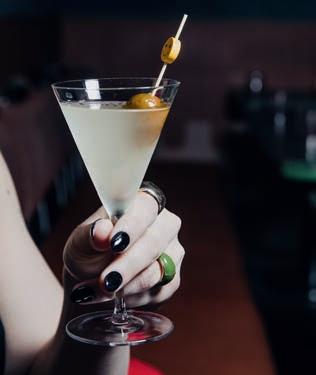
The drinks list sits comfortably between crowd-pleasing and a more refined kind of innovation. The Six Seven Martini is a standout: petite, freezer-cold, and sharply savoury, built on yoghurt clarification, gin, oolong, and tomato liqueur. It’s the kind of drink that briefly derails conversation—and pairs perfectly with the beef tartare.
The Estr Word pushes a familiar template further, with agricole rhum, overproof lift, and a banana and fennel combination that add depth without dominating the palate. Fresh, slightly unexpected, and easy to return to.
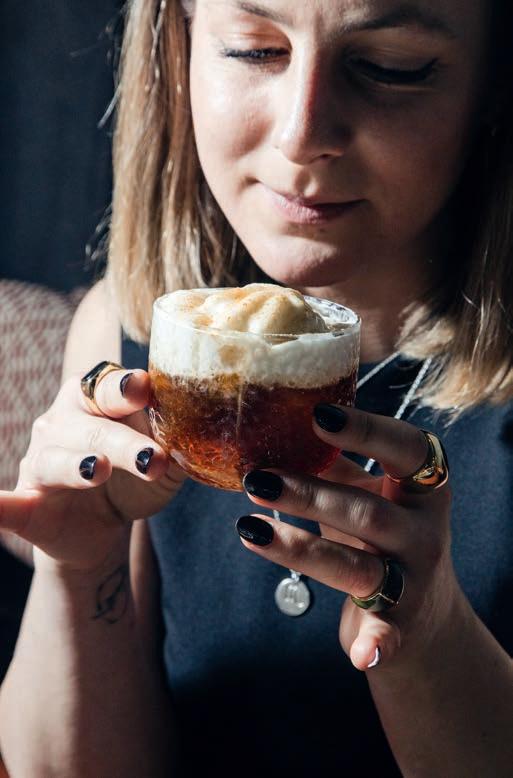
Then there’s the Good Morning Vietnam —Estry’s answer to the espresso martini. Built on a Woodford Reserve base and layered with coffee, cocoa, vanilla, and amari, it leans fully into dessert territory. Rich, dark, and addictive. Simply: sexy.
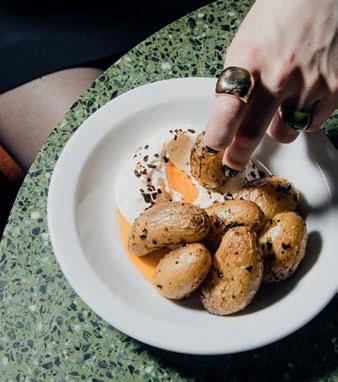
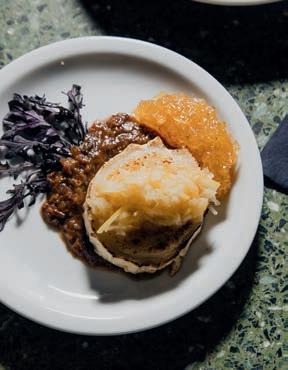
The kitchen holds its own, mirroring the bar’s approach—comforting, but considered. Dishes like baked goat with banana chutney and pineapple-lemon pickle or a refined take on Niçoise feel integrated rather than secondary. Behind the project is a group of friends—Michał Sumiński, Maciej Kiepurski, and Miłosz
Paszkowski—all deeply rooted in hospitality. With Miłosz also behind openings like Salto Bar and Mystic Pizza, there’s a clear weight of experience behind it.
Estry feels like a place built by people who know exactly what they’re doing. In a city that keeps raising the bar, it doesn’t just fit in—it nudges things forward.
“ In a city that keeps raising the bar, Estry doesn’t just fit in—it nudges things forward...
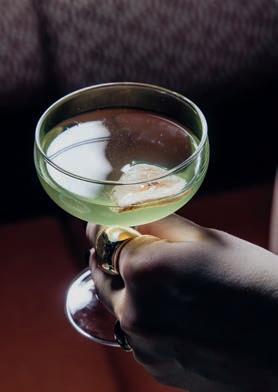
Order: Six Seven Martini
Also Try: Good Morning Vietnam
Eat This: Beef tartare
Crowd: Bartenders, cocktail fans, in-the-know locals
Perfect For: Date nights, after-dark catch-ups, long sessions
Price Point: Mid to premium
Why Go: One of Warsaw’s most exciting new bar openings
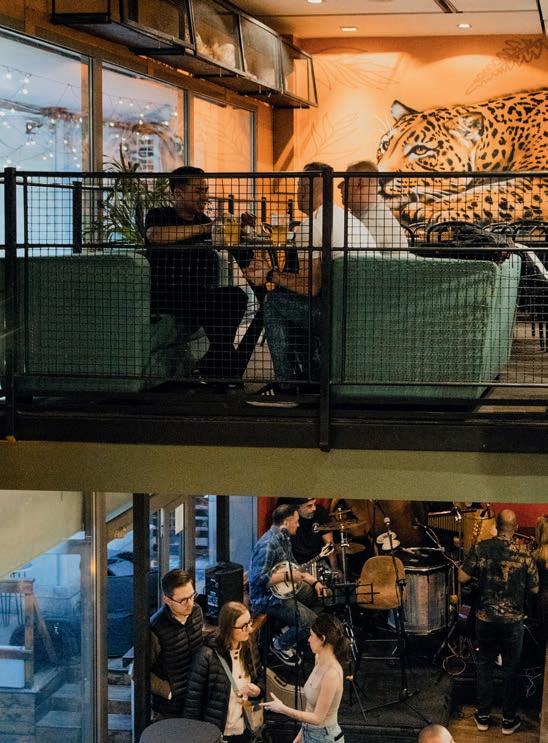
Colombian soul on Krucza
BY JOSEPH AWUAH-DARKO FOR THE WARSAW INSIDER
There have always been certain rooms in Warsaw that feel as though they are trying to convince you of something. Usually it's their relevance, their cleverness, their belonging to a city that is still deciding sort of what it wants to be. And then there is Macondo on Krucza, which seems, instead, to exist in quiet defiance of all that in its Colombian roots. My visit this weekend confirmed that.
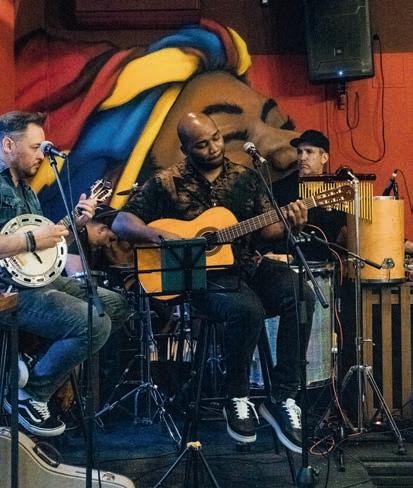
I went on a Saturday, when the light outside had already begun to thin into that particular blue that makes Warsaw feel briefly cinematic. Inside, the room was warmer than expected; thick with color, with bright mural walls and hanging greenery that softened the edges of the space. The bar with its chic Mediterranean raffia lamps hummed in a way that felt refreshingly non performative, as though the evening had started long before I arrived and would continue long after I left.
There is something intentional about the way Macondo occupies its new home. The space once held a tiki bar that burned brightly
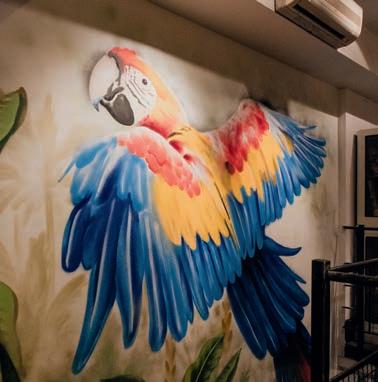
and then disappeared, the way certain ideas in this city tend to do. Macondo, having already lived other lives; first near the Poniatowski Bridge, then on Poznańska; now seems less interested in spectacle than in staying.
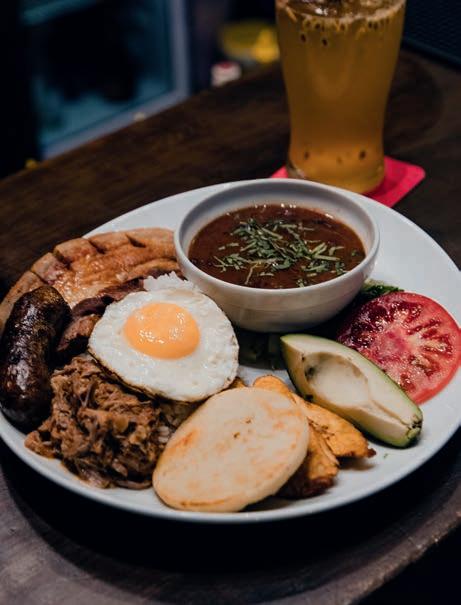
I ordered the bandeja paisa, not out of restraint but because it felt like the only honest choice. It arrived as a kind of argument against moderation with gloriously biodiverse flavour: red bean stew, rice, beef, chorizo, a fried egg resting with casual authority, avocado split cleanly, plantains and arepa anchoring the plate. It is, by design, excessive. But the excess is not indulgent so much as grounding. Each element holds its place, insisting on being tasted, not rushed.
I found myself slowing down in a way that felt unfamiliar. Warsaw often encourages a kind of forward motion; toward the next
“
I left full, but more than that, I left aware
of having been somewhere that did not
ask to be explained
place, the next drink, the next version of the night. Here, the rhythm shifted. A passion fruit michelada, sharp and slightly sweet, arrived sweating onto the table, and for a moment it was enough to sit, to watch the small choreography of the bar along with the live jazz band that played enchanting renditions of familiar tunes. It was a pleasure to listen without needing to interpret.
What Macondo offers is not escape, exactly. It is something quieter: a recalibration. A suggestion that a city can hold other tempos, other geographies, without needing to announce them. That a restaurant can be both arrival and pause.
I left full, but more than that, I left aware of having been somewhere that did not ask to be explained.
Polish classics, served with flourish
Some places earn their stripes the hard way—year after year, service after service—until they become part of the city’s fabric. Akademia is exactly that kind of institution. For over 15 years, it has understood how to take care of Warsaw’s more sophisticated clientele: the executives, the dealmakers, the well-travelled diners who expect things to simply work—and work well.
This is a restaurant that knows its audience. During the week, Akademia moves with purpose. Business lunches here aren’t rushed transactions but measured affairs, where conversation flows as smoothly as the service. The room adapts to the needs of the capital: intimate meetings in a six-seat mezzanine, presentations in a larger antresola, or fullscale gatherings that can stretch across the entire dining room. It’s polished without being stiff, efficient without losing warmth.
Look closer and you’ll notice the details that give the space its identity. The walls are adorned with limited edition prints by Andrzej Pągowski—bold, unmistakable works that lend the interior a cultured, distinctly Polish character. It’s a subtle signal: this is not just a place to eat, but a place that understands aesthetics, heritage, and mood.
And then there’s the food— confident, seasonal, and deeply satisfying.
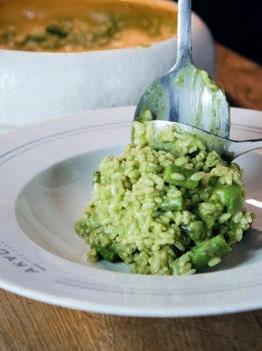
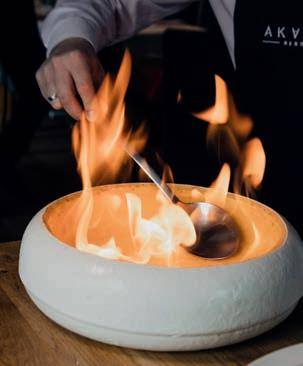
With asparagus season in full swing, the kitchen leans into spring. The pesto risotto, finished tableside in a wheel of cheese, is both performance and payoff: rich, vivid, indulgent in all the right ways. It’s the kind of dish that
ul. Różana 2 (Mokotów), restauracjaakademia.pl/en
turns heads—and justifies it.
The sandacz is handled with precision, its delicate flesh paired with impossibly soft potatoes that feel like comfort distilled. Polish classics hold their ground too: pierogi that respect tradition, and a de volaille of corn-fed chicken that delivers that essential crunch before giving way to molten butter.
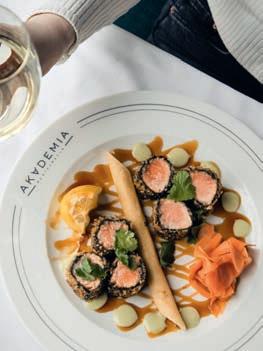
Then comes a surprise standout. Akademia’s nori salmon— an oversized, composed take on a sushi roll—wraps cooked salmon with homemade teriyaki and wasabi mayonnaise. It’s playful, slightly unexpected, and entirely addictive. One of those dishes you return for without hesitation.
Dessert seals the deal. A rhubarb tart with yogurt ice cream balances sweetness and sharpness, warmth and chill, in a way that feels both nostalgic and precise. It’s not built for sharing—and you won’t want to.
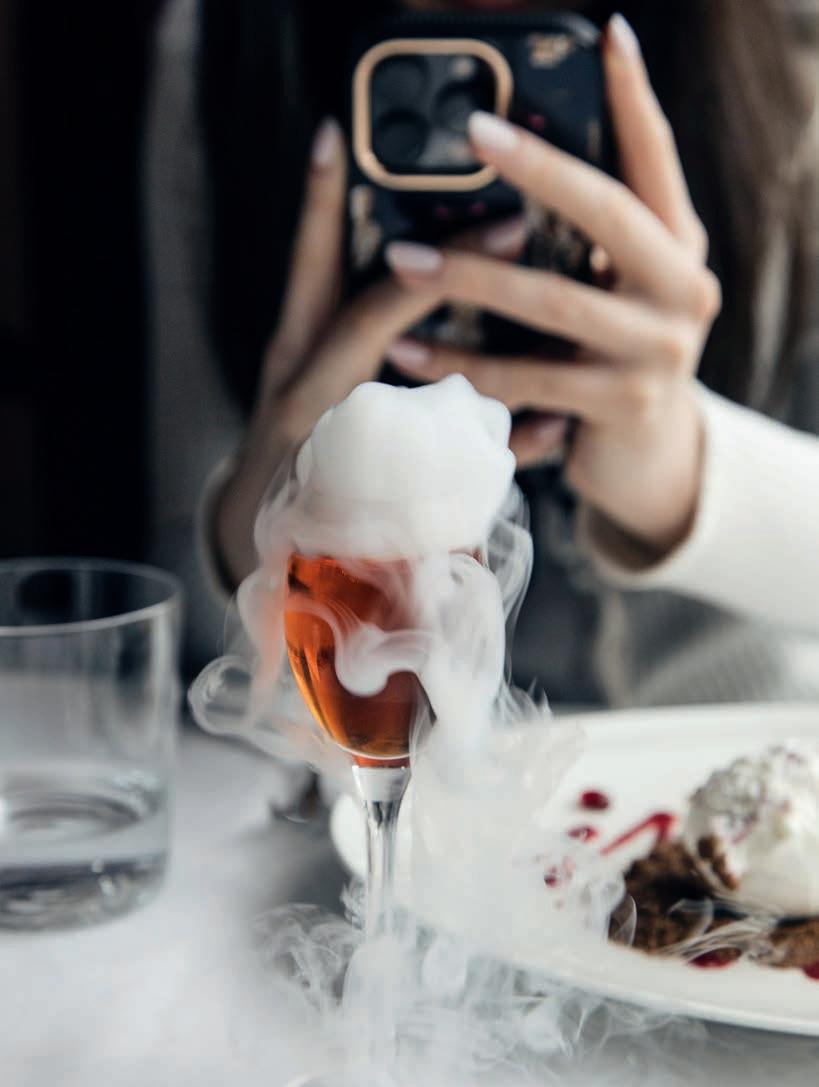
Even the glassware tells a story, with Polish sparkling wine from the Domianto winery— made in the traditional method—offering a gently sweet, clean finish that fits the room perfectly.
Come the weekend, Akademia shifts gears. The business crowd gives way to families, and the restaurant reveals its second nature. Children are looked after by dedicated animators—sometimes even guided by an artist—while parents reclaim the table.
Few places manage this duality. Fewer still make it look effortless. Akademia doesn’t chase trends; it sets a standard—and has been doing so, quietly and confidently, for years.
Looks sharp, tastes less so
“
A beautiful room can’t butter the toast
The buzz around The Brunchery started, understandably, with the design. And why not?
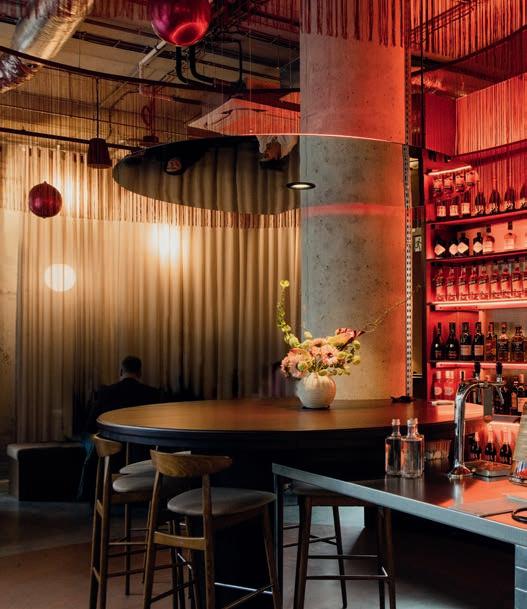
This is the sort of place developers dream about at night: polished but not sterile, industrial brick softened by warm fabrics, a central island of activity that says urban sophistication without screaming it. You walk in expecting the kind of meal that justifies the rent.
Instead, on a weekday afternoon, the room was doing brisk trade as something between corporate canteen and upscale hotel lounge. Tables filled with lunch-deal pragmatists dispatching soup and fish-and-chips while laptops glowed in the corners. Service, to their credit, was swift, cheerful, and admirably calm under pressure.
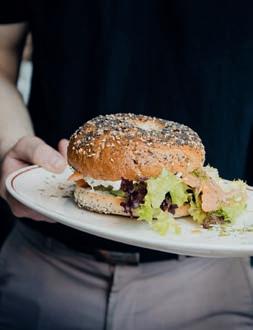
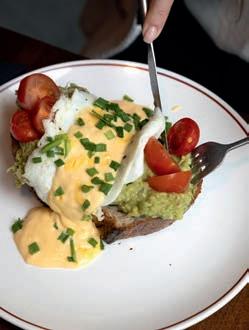
The food, however, lagged behind the architecture. Avocado toast with eggs and hollandaise arrived with guacamole so refrigerator-cold it felt scooped from an industrial tub moments earlier. The bagel with lox had all the soul of a convenience-store sandwich: assembled correctly, emotionally vacant.
Maybe evenings tell a different story, once the lights dim and cocktails begin to move. By day, though, The Brunchery is a handsome stage still waiting for a leading performance.
The Brunchery ul. Wronia 10, (Wola)
Where space is limited but expectations aren’t, Polish kitchens are learning a new kind of balance
There is a certain discipline to contemporary kitchens. Especially in cities like Warsaw, where space is not something you add, but something you curate. Every object has to earn its place. Every function has to justify itself. And increasingly, the way we cook is shaped as much by this reality as by taste. Because taste, of course, remains non-negotiable.
We still want our food to feel familiar, generous, rooted. Something warm, something crisp, something shared. At the same time, everyday cooking has become more fluid, less structured, more responsive to the rhythm of the day. A quick lunch alone. A proper dinner later. Something small, something indulgent, something just slightly better.
Interestingly, while air fryers have become almost universally recognised in Poland, they haven’t fully settled into our kitchens yet.
Not out of lack of interest, but hesitation. For many, it comes down to space, a quiet but decisive factor shaping what makes it onto the countertop. And yet, the appeal is clear.
The idea of achieving that perfect crisp, something we instinctively associate with comfort and indulgence, while using little to no oil speaks to a broader shift. Not towards restriction, but towards refinement. A lighter approach that doesn’t compromise on experience.
Even in the data, this balance is visible. Flavour continues to lead as the most important element of home cooking, but it now sits alongside convenience, a respect for traditional tastes, and a growing awareness of how we prepare food, not just what we prepare. It’s less about changing habits, and more about evolving them. Which is why the most interesting innovations are no longer the most complex ones, but the most
intuitive.
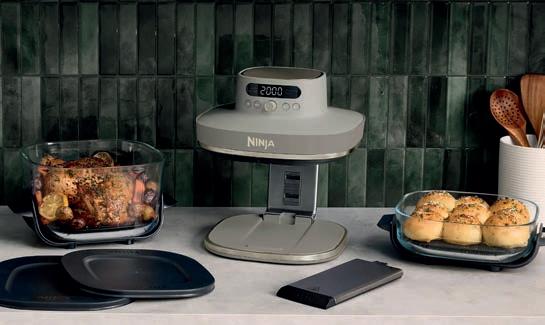
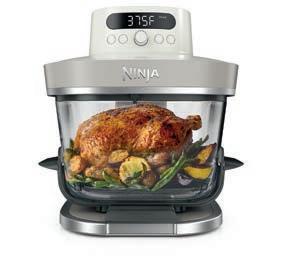
Take the Ninja CRISPi PRO. It doesn’t try to redefine cooking. Instead, it quietly adapts to it. The design feels considered rather than imposed. Lightweight, portable, easy to move, less a fixed appliance, more a flexible element of the kitchen. Its stackable, PFASfree glass containers double as cookware, serving dishes, and storage, eliminating the need for constant transferring, reducing both clutter and effort.
It’s a small shift, but a meaningful one. The dual-container system follows the same logic. A larger 5.7-litre capacity for full meals, when cooking becomes a moment to share. A smaller 2.3-litre option for everything in between, for sides, for quick dishes, for when less is exactly enough.
And then there is the result itself. CRISPi technology is designed around texture, that golden, crisp finish that defines so many of our favourite dishes. The difference is in how it’s achieved. With little to no oil, but without losing what makes the experience satisfying in the first place. Because increasingly, that is what we are looking for. Not a radical reinvention of how we eat, but a more intelligent version of it.
One that fits our spaces, our pace, and our expectations, without asking us to give anything up. That, perhaps, is the new definition of everyday luxury.
Marszałkowska’s hottest tables keep coming
There was a time when Marszałkowska felt like a road you crossed rather than a street you claimed. Now it’s become one of Warsaw’s most exciting dining strips, a place where serious kitchens are opening with swagger and purpose. Across the street, Nabe is already running on reservations for its hot pots alone. Mark the words now: YUZU Warsaw is heading the same way. Come summer, tables here will not be easy to find.
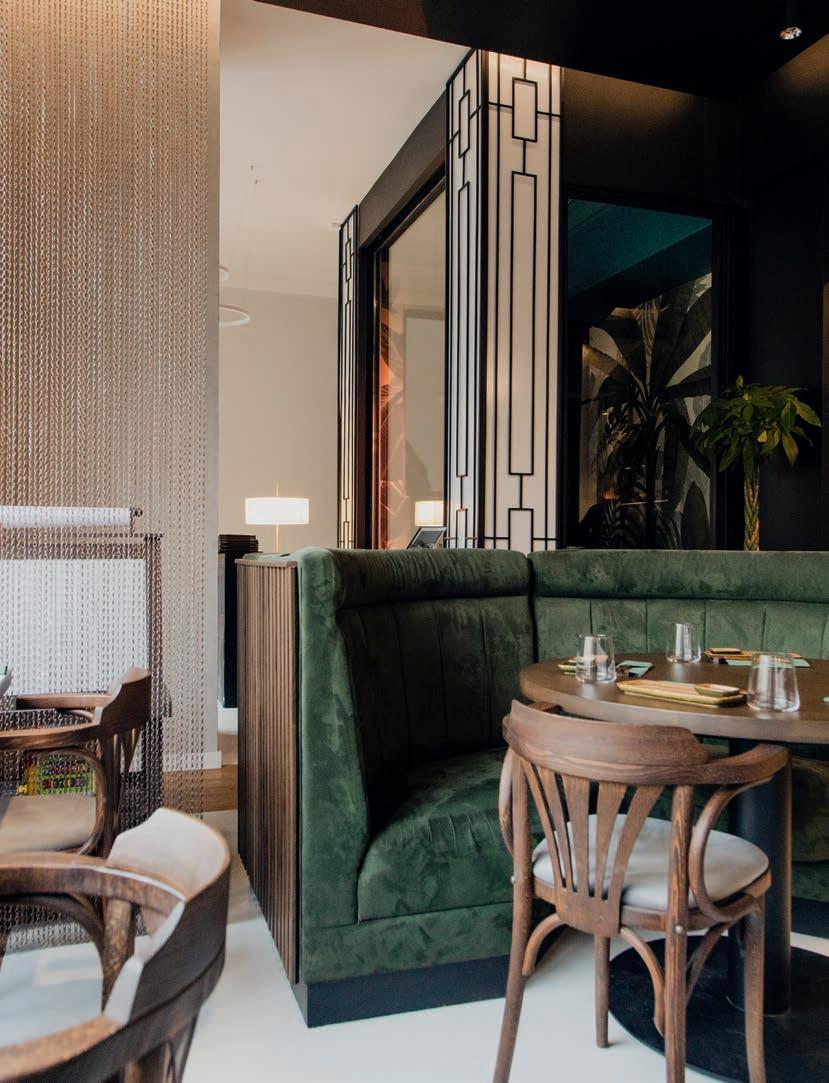
YUZU has understood something many places miss. People don’t just want dinner—they want lift-off. The room is open, bright and polished without feeling cold, the kind of space that catches late sunlight and invites one more round. The staff move with grace and confidence, present when needed, invisible when not.
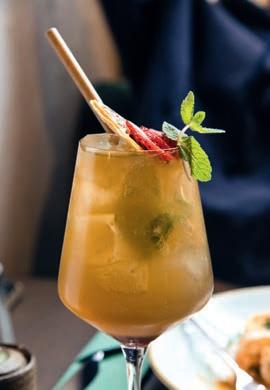
And the cocktails matter. The Passionfruit Spritzer arrives vivid and sharp, tropical fruit wrapped in sparkle, refreshing enough to make you order a second before the first is done.
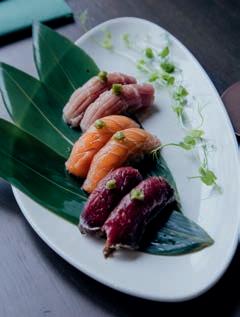
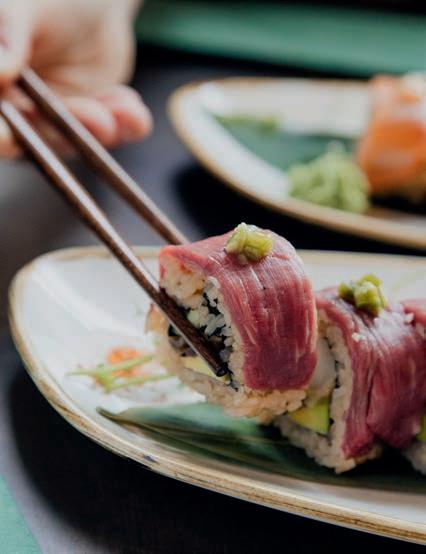
Then the food starts landing. Toro nigiri melted in my mouth, rich as butter and gone in seconds. Wagyu beef sushi, often a stunt elsewhere, was stellar here—lush, savory and beautifully judged. A shrimp dish with coconut foam and a sly Mexican flare brought sweetness, heat and brightness in equal measure, a playful detour that somehow made perfect sense.
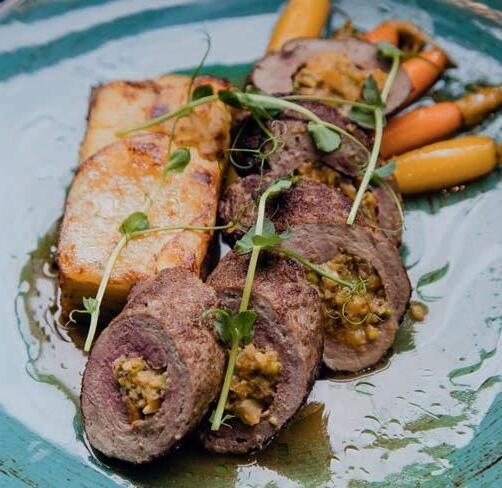
Then came the surprise knockout. My partner veered hard into duck—the rolled duck breast with apricot, pistachio, mint and orange sauce. It was elegant, fragrant and fully worth the trip on its own.
ul. Marszałkowska 55/73, (City Center), yuzuwarsaw.pl
“
Toro nigiri melted in my mouth, rich as butter and gone in seconds
Stylish Konstancin dining worth the drive
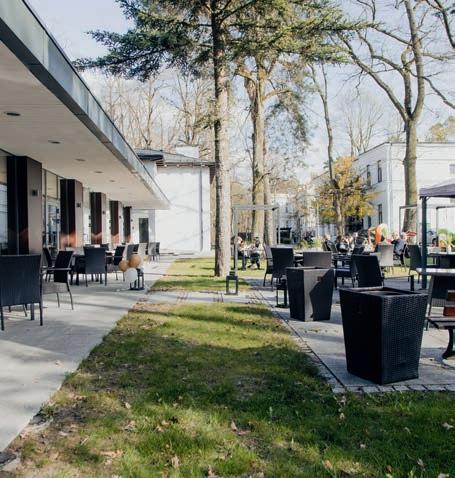
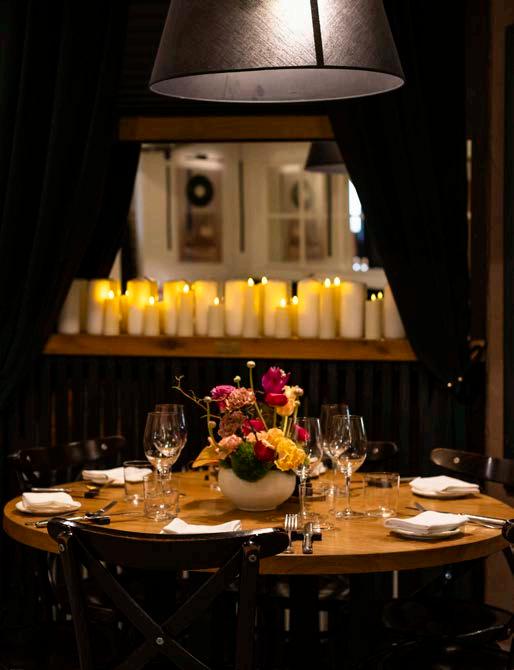
There is something deeply appealing about escaping the city and landing somewhere that instantly lowers your pulse. Buongiorno by Trufla, set in leafy Konstancin-Jeziorna, has exactly that effect. Tucked behind a pre-war villa on one of the area’s handsome tree-lined streets, this polished new opening
feels like a secret garden with very good taste. The setting is contemporary and beautifully resolved, but never cold: light pours through the space, greenery softens the edges, and there is an easy elegance that suits a lazy weekend lunch or a long spring afternoon with nowhere pressing to be.
The menu leans Italian in spirit, and on our visit began
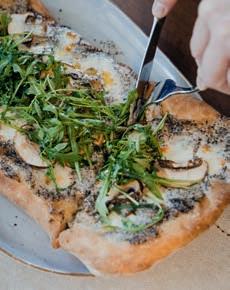
strongly with a pinsa crowned with truffle. Airy, crisp and lighter than conventional pizza, the base arrived blistered at the edges and generously scented. The aroma alone was enough to turn heads across the terrace: earthy, warm and unmistakably luxurious without becoming heavy. It was the kind of dish that makes conversation pause for a moment.
A chicken Caesar salad followed, and while this is often a menu afterthought elsewhere, here it was handled with care. The leaves were fresh and cold, the dressing balanced rather than overbearing, and the chicken properly juicy. Crunch, salt, creaminess and freshness all landed where they should.
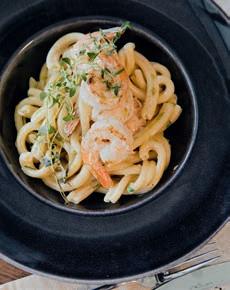
Then came pasta with shrimp, a plate that captured the kitchen’s strengths: confident seasoning, good produce and restraint. The shrimp were sweet and perfectly cooked, while the sauce clung to the pasta rather than drowning it. Simple pleasures, executed properly.
What makes Buongiorno by Trufla especially attractive is its mood. This is not somewhere to rush through a meal. It is somewhere to settle into the day: order another coffee, stretch lunch into late afternoon, and enjoy the feeling that spring has finally arrived. For Warsaw residents seeking a weekend reset beyond the city limits, Konstancin just gained a persuasive new reason to visit.
Buongiorno by Trufla ul. Henryka Sienkiewicza 11/13, (Konstancin)
Nami Ramen brings swagger to Praga
There was a time when crossing the river to Praga carried the faint whiff of expedition—an errand, a detour, a noble act of urban curiosity. That old cliché no longer survives contact with Nami Ramen. This is the kind of place that redraws your internal map of Warsaw. Suddenly Śródmieście feels like the outskirts. Suddenly Praga becomes the center of gravity.
“ Every detail suggests a team invested in creating an event, not just serving dinner...
And before a spoon even hits broth, you understand that something serious is happening here.
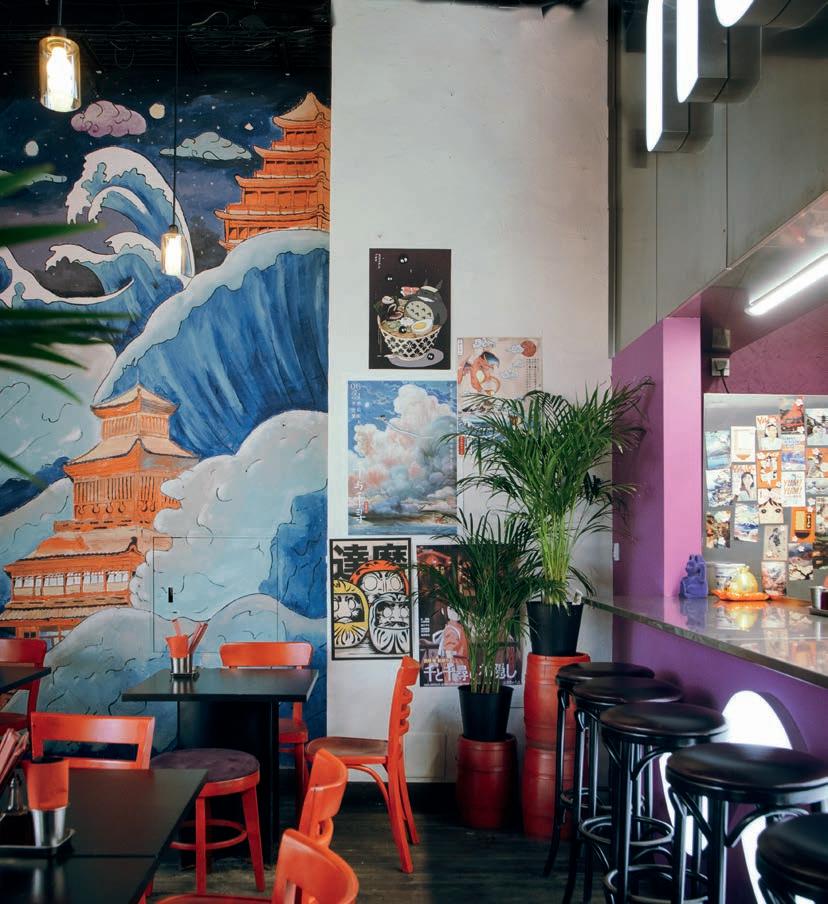
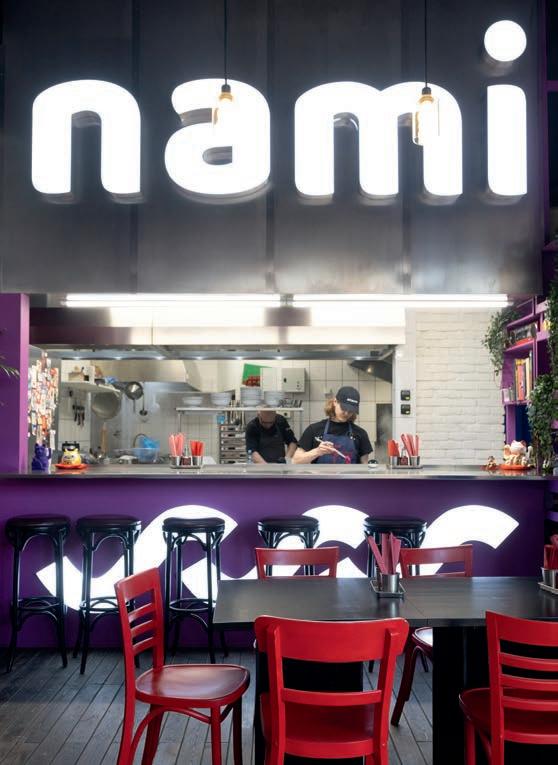
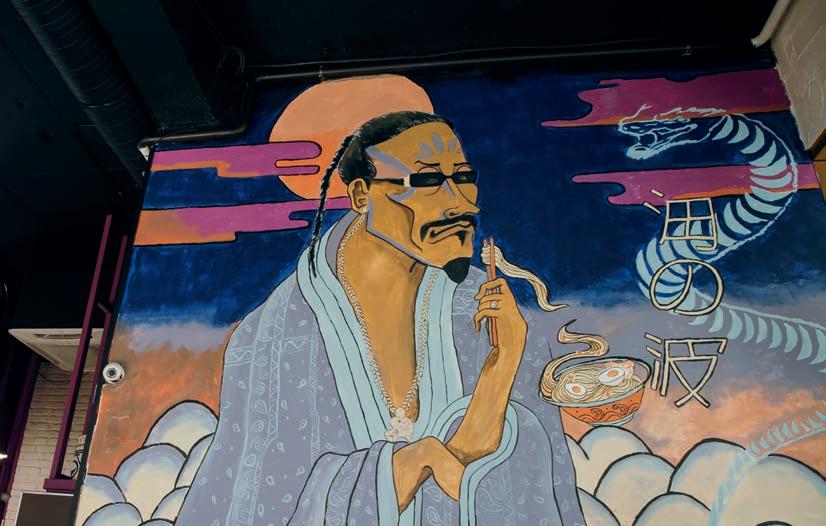
The interior is pure theater. Bold, playful, self-aware, and executed with the confidence of people who know they are building an experience rather than merely decorating a room. A giant NAMI sign commands the space like a neon declaration of intent. Across the wall, a mural appears to depict a figure sus-
Ramen ul. Ząbkowska 5, (Praga Północ)
piciously reminiscent of Snoop Dogg watching a serpent rise and morph from the steam of a ramen bowl—part fever dream, part pop-art hallucination, part late-night appetite fantasy. It is memorable, cheeky, and exactly right. Every detail suggests a team invested in creating an event, not just serving dinner. That same level of passion is stamped all over the food.
If any review of Nami must begin somewhere, it begins—
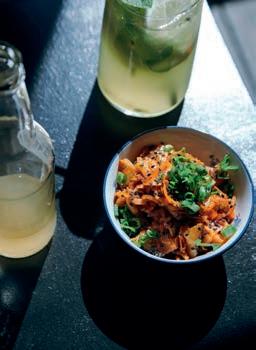
unsurprisingly—with the kimchi. Too often kimchi arrives as a blunt instrument: all acid, all heat, all noise. Here, it is composed like music. Brightness, funk, spice, crunch—each note landing in the right place. The bok choy brings freshness and a cooling green snap that keeps the heat lively rather than punishing. It’s a small plate with big intelligence behind it.
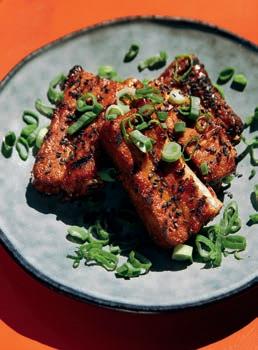
Then came the ribs—yes, ribs at a ramen shop, and perhaps
Why Go: Bold interiors, serious bowls, and enough flavor to move the city east
What we ate: Kimchi, Żeberka (ribs), Shoyu Ramen, Bulgogi Ramen
Vibe: Theatrical, neon-lit, energetic, playful
Best For: Ramen lovers, date nights, group feasts
Insider Tip: Follow the wave—come early or expect company
Verdict: A rising tide for Praga dining
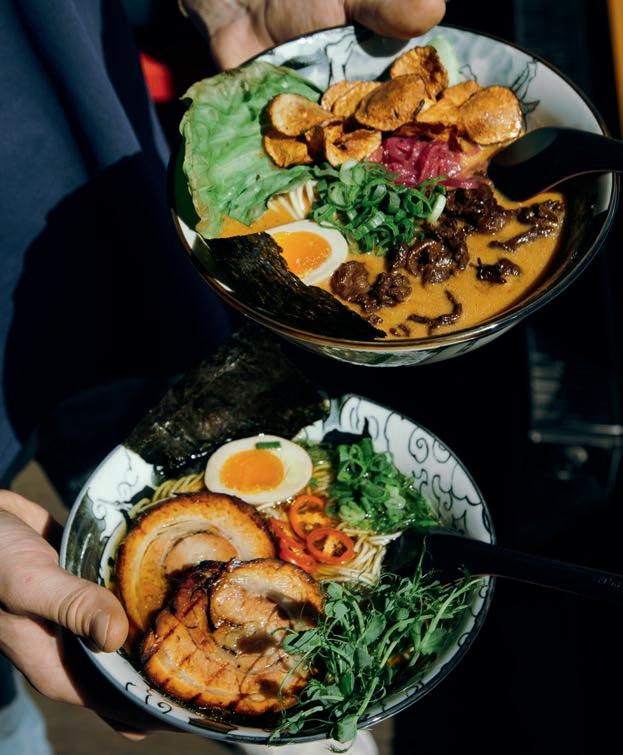
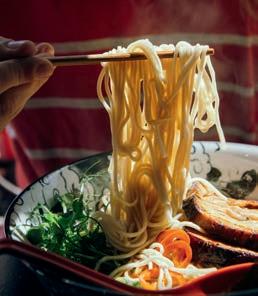
the best argument yet for abandoning preconceptions. These żeberka were outrageously good: fall-off-the-bone tender, sticky in all the right places, rich without becoming heavy, disappearing faster than polite table manners would advise. Little juicy parcels of joy. Five out of five, no committee required. We always judge a ramen house by its shoyu. It is the classic benchmark, the strippedback test of whether a kitchen
“
has true command or only cosmetic flair. Nami’s version is the real thing. A broth with depth and patience behind it, clean salinity, carefully chosen toppings, and presentation that flatters rather than distracts. No gimmicks. No shortcuts. Stellar.
Then another surprise: bulgogi, a dish still too rarely seen on ramen menus and too often mishandled elsewhere. Here it lands with swagger. Tender beef, heat in balance, fried Jerusalem artichoke slices adding crisp texture and earthy sweetness, all swimming in a beef broth so magnificent it deserves its own side hustle in bottles and cartons across the city. Phenomenal.
What makes Nami Ramen special is not simply that it serves excellent food—though it absolutely does. It is that the
...
a mural appears to depict a figure suspiciously reminiscent of Snoop Dogg watching a serpent rise and morph from the steam of a ramen bowl—part fever dream, part pop-art hallucination, part late-night appetite fantasy
place understands hospitality as atmosphere, appetite, memory, and occasion. You don’t just eat here; you arrive, you look around, you grin, you order too much, you promise yourself restraint next time, and then immediately break that promise.
For this Insider, Nami has awakened Praga as a destination not to visit once, but to return to repeatedly and hungrily. It has shifted the city’s axis one steaming bowl at a time.
Wilanów’s meat master still rules
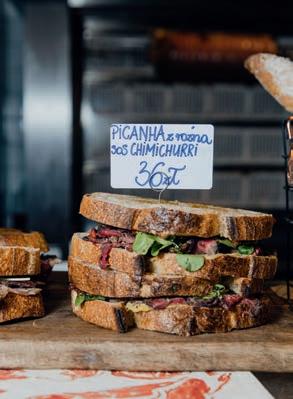
If you’re grabbing a takeaway sandwich, you’re already winning. If it’s roast chicken for dinner or prime cuts to cook at home, also smart. But the wiser move is to stay awhile. Sit down, order something substantial, and if fortune smiles, catch Grzegorz — known to regulars as Crazy Butcher.
We went back to Rotisserie Bistro to see how our 2025 Best Meat Lovers winner was holding up. The answer came quickly: not only is it living up to the title, it may be even better now that warmer weather has arrived.
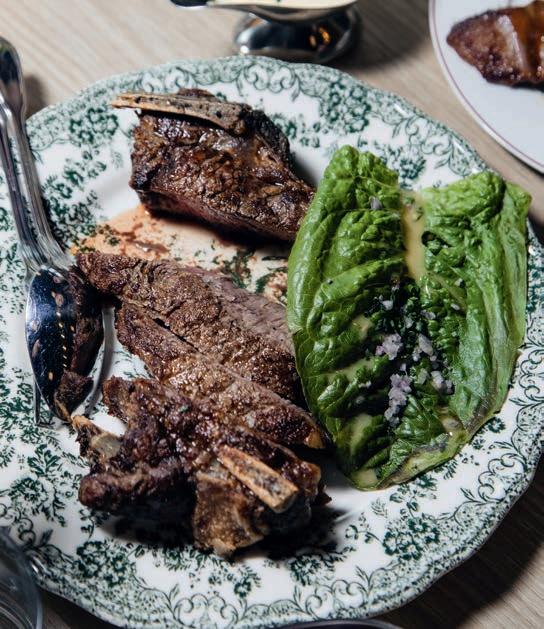
Rotisserie Bistro has always understood the timeless seductions of meat cooked properly — fire, smoke, crisp skin, rendered
fat, juices worth chasing with bread. But spring brings a fresh temptation. Their sister concept Mięsny is shifting into full sandwich mode, and that alone is reason to make the trip.
Step in from the galleria and you’ll see it: porchetta rotating in slow, hypnotic motion, bronze and glistening, perfuming the air with fennel, garlic and promise. It doesn’t just catch your eye, it hijacks your plans. Whatever errands brought you there can wait.
Grzegorz is one of those rare characters who turns a meal into a story. Ask for a wine recommendation and watch him work. I saw him narrow down the perfect bottle not by price or pedigree, but by asking one question: how do you like your steak cooked? From there he knew exactly where to go.
That’s the thing about Rotisserie Bistro. It isn’t just about meat, though the meat is magnificent. It’s about appetite, instinct and people who know exactly what they’re doing.
Rotisserie Bistro Wilanów al. Rzeczypospolitej 14, (Wilanów)
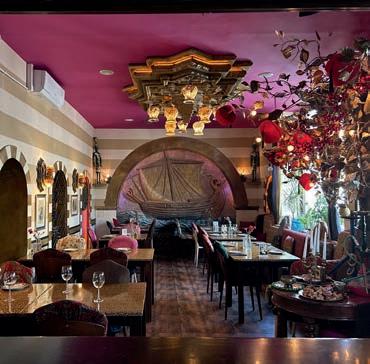
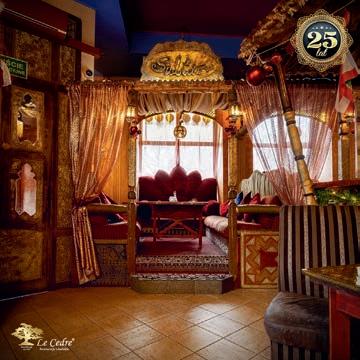
Le Cedre 61
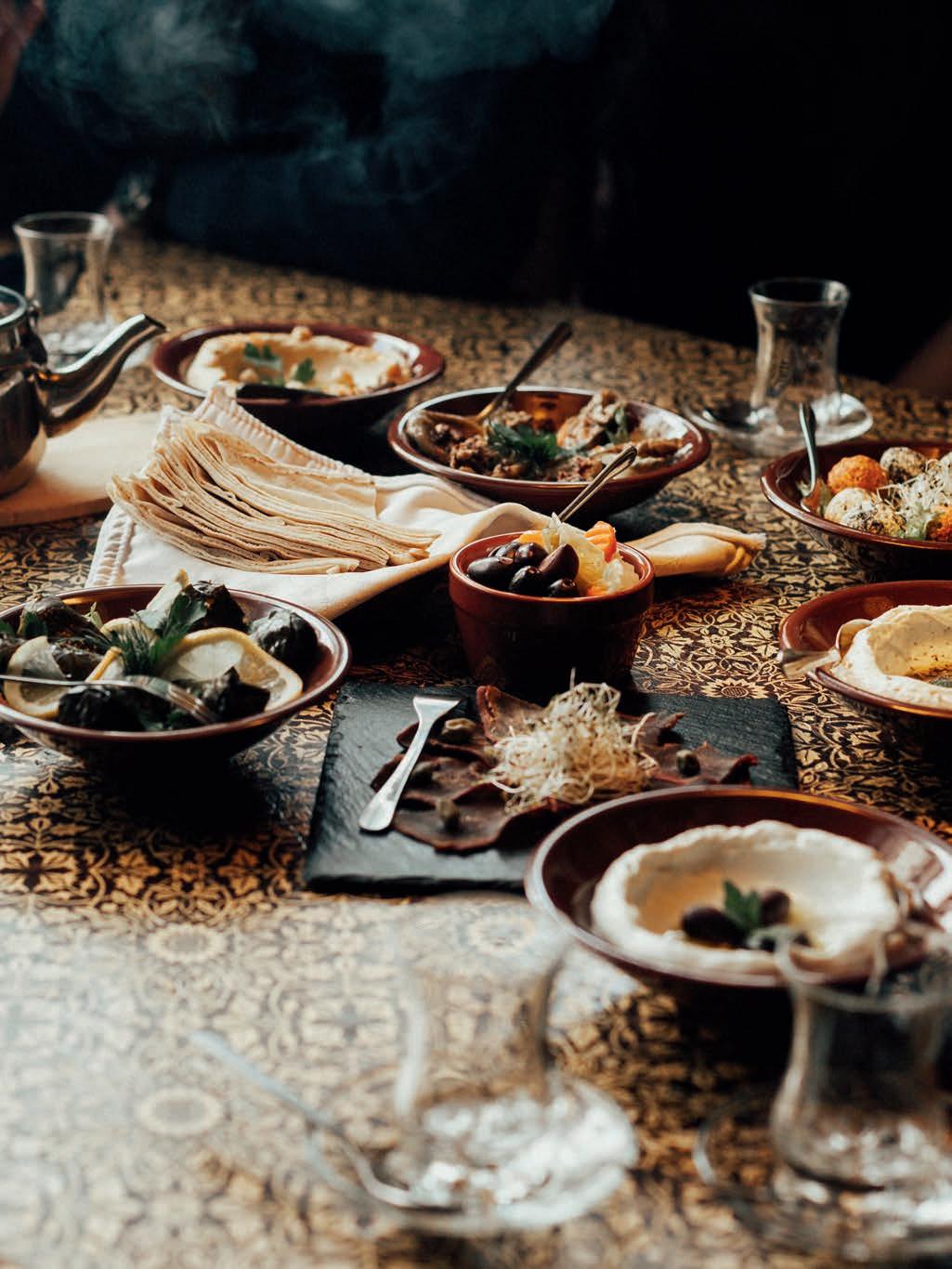

Presenting the city’s most talked about venues, join us on a whistle stop tour of the cafes, pubs and cocktail dens and wine bars that you can’t afford to miss…
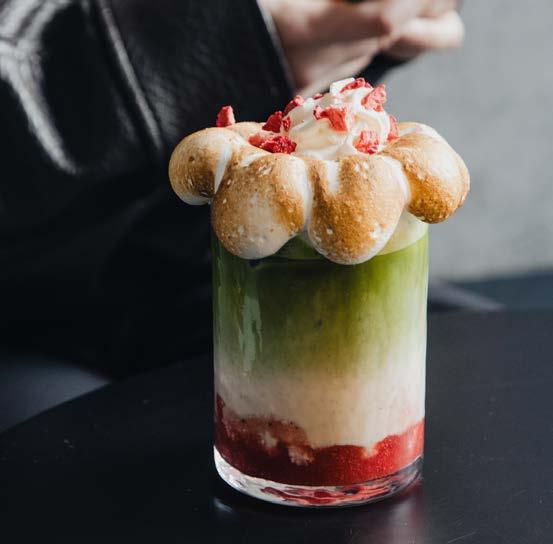
ul. Solec 111 (Powiśle), itsamatcha.pl
In Powiśle, It’s a Match(a) captures matcha’s shift from passing trend to daily ritual. The compact space pairs calm energy with a menu spanning ceremonial pours, iced blends and playful fruit-led creations, all handled with precision. Highlights include hot matcha topped with singed marshmallow, balancing bitterness with caramel sweetness and smoke, while soft mochi offers a gentle companion. In coffee-driven Warsaw, it provides a slower, more thoughtful pause.
Kontakt
Sandomierska 13
Weaknesses do not exist in Kontakt, and if they do, they have yet to be formally identified by any who visit. Looking glorious in its deep shades of blue, its look is complemented by a 400-strong wine list slanted towards natural, bio-dynamic and organic wines. The five-star experience is aided by wonderful food.
Brać
Nowowiejska 1 & Sierakowskiego 4A Resistant as traditionalists may be to the very notion of Polish wine, Brać have made it their mission to showcase its unknown quality. Presenting on-edge sips from niche domestic producers (including collabs with the Funky Fluid craft brewery!), all this is done in a stylish space that feels good to be in. From 2023, this was our favourite wine-related find!
Rascal
Moliera 6
Formerly a canteen for ballet dancers, this address now holds the largest bar in Europe specialising in natural wines – you weren’t expecting that! Entered past a lavish drape, this cool space has a suitably adventurous choice of rebel wines.
Jabeerwocky
Nowogrodzka 12
Good old Jabbers will never let you down. A Warsaw institution, the adventurous choice of beers gives nods to international pioneers, domestic talents as well
as their own house beers. Pre-war floors and the welcome smell of spillage give it a great atmosphere that becomes a boisterous babble of international voices the later it gets. For something quieter, take your pint next door to their sister bar, Jabeerwocky Junior.
Hopito Chmielna
Chmielna 24
Opened last year as the younger sister of Hopito’s Żurawia venture, this branch feels a little more mature in its target audience, though every bit as fun in its beer selection - radicalized drinkers will love Hopito’s own crazy brews.
Same Krafty vis-à-vis Nowomiejska 11/13
Jammed between the Barbican gateway and the Rynek, Same Krafty’s pair of Old Town drinkeries face opposite each other to offer their own mini-pub crawl. Appearing as raucous and rugged tavern-like bars, the experimental craft beers are a league ahead of the mainstream fizz peddled by the other nearby bars.
Ave Pegaz
Piłsudskiego 9
Inside a lively interior that doesn’t take itself too seriously (check the ‘ceiling garden’), swivel about to gawk at a mighty collection of corkscrews and drinking implements. In this alchemist’s workshop find yourself enjoying some of the most creative cocktails in Warsaw.
COCKTAIL PORN
VHS
Poznańska 7
The shoebox sized VHS pays tribute to the 80s and 90s and is a model for good times – boasting a flamingo and pictures of Mr T., the toilet says it all. The drinks are among the wackiest in Warsaw, and they’re as fun to drink as they are to photograph.
Beirut & Kraken
Poznańska 12
Somewhere, amid all the junk relating to the Lebanese conflict (sandbags, ammo boxes…), you’ll find the spirit of Poznańska contained within this long, skinny bar. As fashionable now as it was when it opened, finish the evening in their connecting venture, the Pirates of the Caribbean-style Kraken. Evenings dissolve into a wild, happy whirl of international voices.
Pardon, To Tu
Al. Armii Ludowej 14
Despite the upgrade in surrounds, they’ve retained the leftfield spirit of their old haunt thanks to flexi hours, a commitment to obscure sounds, and a well-spaced interior that references their former venue through its decadent colour scheme and wall of favoured musicians. The air of friendly, unforced cool is unmatched!
Młodsza Siostra
Dobra 14/16
Known for his ear for upcoming talent, the owner Michał isn’t averse to taking risks in order to broaden Warsaw’s musical palate. The scrappy backdrop of
bike repair garages give a vibe redolent of the shadowy courtyards of Berlin and Budapest, whilst inside it’s all creaking floorboards, mismatched furnishings and a clientele sourced from the local Academy of Fine Arts.
Chmury / Hydrozagadka 11 Listopada 22
Set in a fleapit courtyard, it’s hard to tell where one begins and the other ends, but both are spiritually cojoined by a devotion to eclectic live music. Tight and crowded, it’s a place where audience and band become one, feeding off each other to generate an electrifying atmosphere.
Foton
Wilcza 9A
You know it’s been an epic weekend when you wake up on Monday knowing that Foton was involved. Conversation with strangers is natural after a few of Foton’s cocktails, and these are enjoyed to a cool backdrop made up of fleet of tumbling plants perched on steel-framed irrigational contraptions.
Bar Pacyfik
Hoża 61
Based upon the kind of Tijuana dive bar you’d have happened upon during the Miami Vice era, Pacyfik is all candy floss pink and shades of teal: a raw-looking den that looks purposefully imperfect. Keeping the hip international crowd on the wrong side of drunk are kick-ass cocktails!
Republica de San Escobar Poznańska 7
Lacking airs and graces, it’s a place where fun rules the roost. Tiny in size, find an interior filled with corrugated iron sheets, zappy neons, chunky woods and bike pedals on the footrests. The fun-loving spirits is irresistible, and the tight dimensions mean the party often spills onto the terrace outside.
Nowy Świat ‘Pavilions’ ul. Nowy Świat 26
For the highest condensation of bars in the capital head to ‘the pavilions’, a collection of ramshackle drinking cabins, shot bars and sheesha lairs inside a tight grid of shadowy back alleys. Adding to the gentle sense of confusion comes the realization that so many bars look the same –accessed through clattery, barred doors, visitors walk into murk and chaos.
Worek Kości
Bagatela 10
There is nothing ordinary about Worek Kości and that’s underlined by its collection of 400 replica skulls. Known for its burlesque nights, this passionate celebration of the beautiful and bizarre also has a busy roster of lectures dedicated to criminal profiling, forensics and serial killers. Oh, and the cocktails are good.
Shamrock Sports Bar Krucza 51
At long last, Warsaw has the sports bar it deserves. Zapping in football, rugby and suchlike from around the world (but mainly Britain), this Irish-run spot is an offshoot of the atmospheric
Shamrock Irish Pub on Zgoda. Though a lot smarter than its sister, the raucous sense of fun has carried over – as has the quality Guinness.
Fabryka Norblina
Żelazna 51/53
Without fail, the big winner of 2023 was Norblin – hell, we even saw Kieran Culkin walk-
ing through over summer! In terms of nightlife, winners include the elite MOXO and the craft-minded Uwaga. Packed in the evening, the atmosphere is squared out perfectly by the live music that frequently escapes from the Piano Bar. The Insider fave though remains Piano Bar, a place with fancy cocktails, a 12-foot chande-
lier and a crowd that errs from late 20s upwards.
W Oparach Absurdu
Ząbkowska 6
Craft beers lurk within the fridge, but for the seminal Absurdu experience order a tray of vodka before bulldozing through the crowds that gather to listen to Balkan rock and Afro-Latin bands. Somewhere, hidden deep beneath the creaking antiques and moth-eaten Persian rugs, you might be lucky to find a wood-carved bar.
Havana
Słowackiego 16/18
Set on the first floor of a PRL era tower, the super cool interior offers up a coherent display of retro posters, luscious plants and light wood trimmings that are respectful of this space’s former life as a 1960s cafe. Perched among hip freelancers and theater types learning their lines, sip away on trendy bio wines, adventurous lemonades, craft swigs or specialty coffee sourced from local roasters.
Sen
Wioślarska 6
Some would say that Sen enjoys its heyday in the summer when the rooftop terrace opens to afford views of the illuminated bridges that span the river. But even outside these months it’s long enjoyed a reputation as Warsaw’s premier super-lux club. High class cocktails and a stringent door policy have helped maintain their name as the principal destination for glam, catwalk excess.
Café Pląs
Puławska 113A (Królikarnia)
Set inside the Króliarnia palace, it’s laidback and artsy-cool, something aided by the strategically placed plants, chillout beats and rare-find art books placed reverentially on the shelves. Specialty coffee, bio wines, alternative soft drinks and craft beer make it a highly versatile place to finish in after a brisk autumn walk around the palace grounds.
Stor
Tamka 33 / Bracka 18
For many there is no better café anywhere in Poland than Stor’s original on Tamka. When the sunlight slopes in through the window, there are few finer feelings than idling away in this plant festooned refuge. Famed for their glorious coffee and detail-driven approach, recognition should also be handed to their devotion to local causes and zero waste philosophy.
Hałas
Elsterska 10
Divide Hałas into two sections: first, a small chamber selling collectors classic vinyl and coffee sourced from some of Europe’s top roasters. Then, smuggled in the back, discover a Nordic-style living room arrangement that encourages afternoons spent sipping coffee whilst catching up on email.
Błysk
Słowackiego 22
Served over a PRL era counter, Błysk’s super-tight confines generate a natural air of familiarity. Often standing room only, the buzz and hubbub owes itself not just to the delicious espresso shots, but
also the homemade cookies and dog-loving owners that will spoil your pet.
El Cafatero
Marszałkowska 27/35 & (ul. Emilii Plater 8)
Tucked behind the patinated domes and intricate steeples of Zbawiciela, chilling in this little café has you thinking you’re somewhere cute and quaint like Vilnius or Lublin. Specialising in roasting their own African coffees, the super-hip vibe is highlighted by the wall of Polaroid snaps.
Forum
Elektoralna 11
Forum has it all: a fashionably frayed interior, a friendly dog nuzzling around (hi Apollo!), and a client base that expects nothing but the best – and at Forum, that’s exactly what they get. Marketing themselves as “the home of the Polish Aeropress and Polish Brewers’ Cup Champions”, these accolades say everything there is to know.
Ciacho
al. Niepodległości 80
In Mokotów, Ciacho stands apart as a true neighborhood institution — a bakery and breakfast spot that quietly draws locals back year-round. Hidden near Jordanowski Park, it shifts with the seasons: a lively family terrace in summer, a warm, oven-scented refuge in winter. Breakfast is the anchor, from creamy scrambled eggs on house sourdough to a cult-favourite kimchi brioche. Add excellent pastries and breads to take home, and Ciacho reveals itself as something rarer than a café: a steady, glowing hearth.
When only the best will do, we’ve cut through the chaff to present a curated choice of Warsaw’s top eateries –from ethnic comfort foods and under-the-radar gems all the way up to the city’s most exclusive dining rooms…
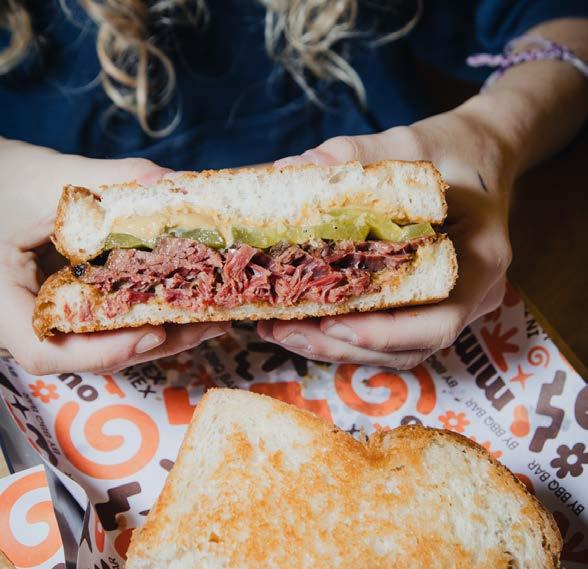
ul. Hoża 40, (City Center)
On Hoża Street, MIMO by BBQ Bar feels confidently different. Created by Marta Stoczewska and Michał Makowski, it swaps polish for personality with colorful container-style interiors and a playful attitude. Ignore the Mexican hints: these tacos are really about Texas barbecue. Smoked brisket is tender and peppery, pulled pork rich yet balanced. The short menu keeps execution sharp and focus tight, unmistakably meat-led, MIMO stands out in central Warsaw for casual dining with real swagger and charm today now here loudly.
Nuta
pl. Trzech Krzyży 10/14
Andrea Camastra’s restaurant is a magical enclave in which time stands still. Mixing his famed scientific techniques with artisanal processes, his tasting menu is expressive in its aesthetics and flavour, as if it were an extension of his own firecracker character. Even the cheeseboard is a mind-bender – on our April visit, jaws hit the floor as this arrived in the liquified form of a pear consommé topped with warm gorgonzola foam. A bold, world-class adventure, no other restaurant offers such a ride – a second Michelin star seems guaranteed.
Epoka
Ossolińskich 3
Nineteenth century cornices and baroque drapes lend an enveloping sense of luxury to this A-Class space. Epoka’s menu is based on Polish cookbooks from different epochs, with the dishes reconstructed in a way that’s innovative, unexpected and a roller coaster of thrills. La Liste officially rank it among the world’s Top 100 Restaurants.
Nolita
Wilcza 46
Winning our 2022 award last year for ‘Outstanding Achievement’, chef Jacek Grochowina’s enclave of class looks dashing with its monochrome colours and muted gunmetal shades, but it’s the food that has made it the place Warsaw heads to live the life of the 1%. Treasuring detail and finesse, Nolita demonstrates fine dining hasn’t died.
Dyletanci
Koszykowa 47
Subtle and stylish with its muted, neutral colours and pops of art, amid the light woods and sky-coloured walls, the assembled fine wines have been selected to dance in tandem with the cooking of Rafał Hreczaniuk. His cooking is elegant, eclectic and never short on sensational taste.
Rozbrat 20
Rozbrat 20
Fusing upmarket, casual styling with an exciting wine list, interactive service and the kind of atmosphere you can’t get enough of, Rozbrat 20 is a Warsaw gastro landmark. Under chef Bartosz Szymczak, the frequently changing menu has a real playful inventiveness to it.
alewino
Mokotowska 48
Regularly adjusted to utilize the best items the season has to offer, the menu is a triumph of expertly balanced tastes and is admired for some of the most interesting cooking in the city – think elegant with a localized twist. Rounding out the experience is an intimate, labyrinthine design that’s ideal for when it’s cold and grim, and a decked courtyard terrace for when it’s not.
hub.praga
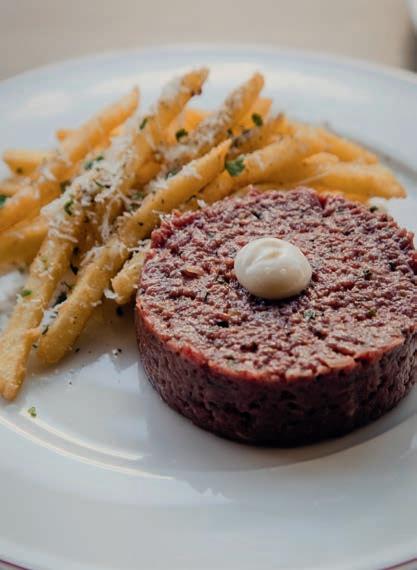
ROTISSERIE BISTRO al. Rzeczypospolitej 14 (Wilanów)
Jagiellońska 22/LU1
Heading the kitchen is Witek Iwański, a chef whose past accolades include our very own ‘Top Talent’ title at our Best of Warsaw awards. The tan, beige and white interior is embellished with moon-shaped mirrors and statement art, and is twinned with tiny a’la carte courses that appear like miniaturised works of art.
Bibenda
Nowogrodzka 10
With no reservations accepted, Bibenda’s enduring popularity ensures that queues often build at the entrance – even at the height of the Polish winter. Augmenting the warm interiors of raw red brick and dim yellow lighting, guests flock for a menu that celebrates the fields, forests and farmsteads of Poland. honey and peanut chili crisps.
The Eatery
Koszykowa 49A
This attractive off-street space comes swathed in
white-on-white colours –blissfully cocooned from the outside world, and decorated orb-like installations, this chic but casual space gives Polish food a modernised translation. Visiting for our May issue, we were bowled over by the pork cheeks served with a punchy demi-glace and whirls of liquified peas and red cabbage.
Źródło
Targowa 81
Hardwood floors, exposed pipes and a flurry of plants equip an open area decorated with blasts of contemporary art, recycled furnishings and extravagant light installations. Menu-wise, the food lights the soul. But more than just celebrating the power of local produce, there’s a refinement at play that speaks of a kitchen team that aims for magnificence.
Bez Gwiazdek
Wiślana 8
Regarded as one of Warsaw’s gastronomic treasures, each month sees Robert Trzópek design a tasting menu inspired by a specific region of Poland. His creative interpretations of the nation’s culinary traditions are delicate, nuanced and beautifully balanced. The chic but casual setting reflects the philosophy.
Pod Gigantami
al. Ujazdowskie 24
Once seen as a classic restaurant for ‘old people’, Pod Gigantami’s reinvention stretches to 3 a.m. finishes come the weekend. Marrying heritage with hip, during more normal hours enjoy thoughtfully cooked Polish classics
including an old school schabowy the size of a small planet.
Oma Radna 13
Stepping into Oma is like entering Babcia’s house for a holiday—a warm embrace of Polish tradition with a modern flair. Oma, named after the chef’s grandmother, exudes
Oma-goodness. Nestled in Powiśle, it charms with its vintage Polish decor and fresh flowers. The menu offers classic dishes with a twist: schabowy topped with Parmesan and zupa pomidorowa with garlic. Desserts like knedelki—a cottage cheese dumpling with apples and orange peel—are irresistible. The thoughtful vintage design and caricatures of Oma on the
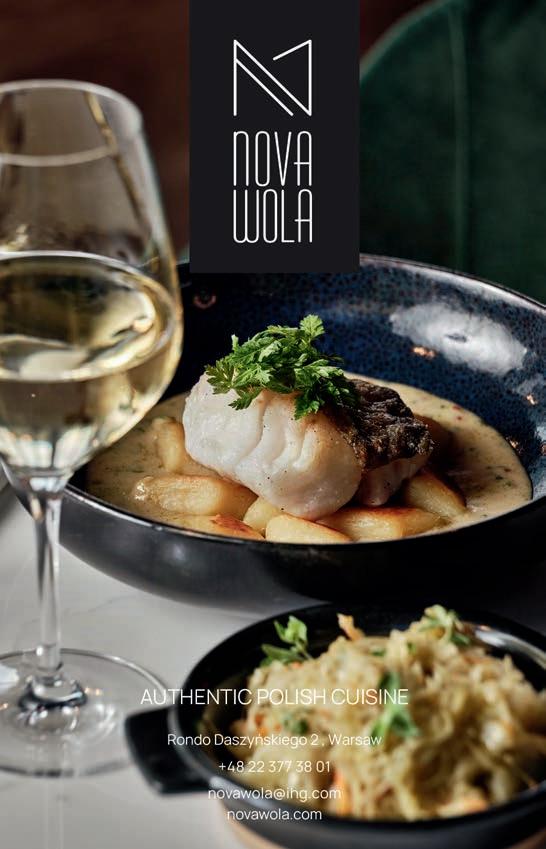
servers’ shirts add a personal touch. Make a reservation to avoid heartbreak, as Oma’s popularity often leads to a full house. Dive into this cozy haven and savor the best of Polish summer cuisine, where every bite feels like a warm hug from Babcia herself.
Mr. Greek Souvlaki
Londyńska 16
Festooned with potted shrubs, the outdoor wooden deck is one of Saska’s finest outdoor check-ins. If that’s packed – and it often is –head inside where an atmosphere of gentle chaos reigns in the noisy open kitchen. Eschewing warmth and authenticity, the atmosphere fits well with the meaty skewers.
Ceviche Bar
Twarda 4
With Argentine chef Martin Gimenez Castro injecting his passion and personality into the venue, this is an address that punches through the greyness of everyday Warsaw. Ceviche is naturally the default order, and here it’s served in around five different forms.
Tuna Elektryczna 2
Resembling the scales of a fish, Tuna’s core decorative element are 18,000 tuna cans that sheathe the walls. Smartly appointed in dark metallic colours, visit for an exhilarating menu that includes salmon jerky, tuna sausages, an elaborately reconstructed dorada tail and the best-selling chili con tuna.
Peaches Gastro Girls
Stalowa 36
Peaches, Warsaw's vibrant vegan hotspot, serves up seasonal dishes with finesse. From their umami-packed grilled mushrooms to inventive cocktails, every bite and sip delights. The minimalist interiors and open kitchen make it an experience for both eyes and palate.
Vegan Ramen Shop
Finlandzka 12 / Jana Pawła II 52/54 / Narabutta 43
Dubbed by some as “the best noodles in the world!” They’re definitely memorable, and the spicy miso ramen will for sure make new true believers.
Seagull
ul. Dobra 1, (Powiśle)
The menu carries a subtle Asian accent — eggs Benedict with yuzu hollandaise and shrimp, harissa-spiked chickpea toast, bright matcha and thoughtful non-alcoholic drinks alongside mimosas. It’s a neighbourhood spot for plans, conversation and clarity, where morning isn’t rushed through, but properly lived.
SUSHI LOVERS MUST
Misaki Kawasaki
Wybrzeże Kościuszkowskie 43B/3rd floor (Powiśle)
Paula Mycka cooks with global confidence, fusing Japanese precision, Thai vibrancy, Middle Eastern depth, and Peruvian playfulness. Highlights include bold vegetarian dishes, scallops in brown butter, a Wagyu Katsu Sando, and toro tartare on a sesame waffle with yuzu crème fraîche.

For authentic Greek food & hospitality, look no further than Mr. Greek Souvlaki!
Walecznych 68a/3 (Saska Kępa)

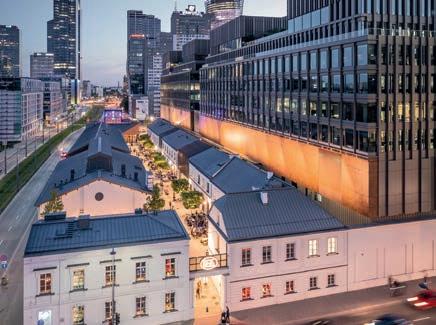
Plac Konesera 8, koneser.eu
Reopened in 2018 as a mixed-use project containing cultural sites, F&B outlets, A Class offices and loft-style apartments, no other investment has had a bigger impact on Praga’s overdue regeneration than Koneser. Culturally, it’s also done much thanks to the Polish Vodka Museum, the Museum of Fantastic Art and temporary exhibitions such as Banksy in 2021. For most though, the F&B lineup is the strongest attraction of all and this includes upmarket Indian from Bombaj Malasa, the casual eatery Spółdzielnia and the real feather in the cap, the Koneser Grill – a meat-centric venue of high sophistication.
Grzybowska 58, browarywarszawskie.com.pl
Utilising elements of a historic brewery and setting them against an upmarket backdrop of freshly mapped streets and immaculate new build that feels contextually suited to the district, Features include a premium food hall, Robert Lewandowski’s Nine’s sports bar, the ever-popular Balkan eatery Munja, and Baila – a stunning live entertainment emporium.
Żelazna 51/53, fabrykanorblina.pl
Representing 200-years of history, the two hectare site is riddled with over 50 leftovers from the Industrial Revolution and these are set against attractions such as the luxury Kinogram cinema (champagne vending machines!), the immersive Art Box Experience, a factory museum and the Smart Kids Planet –a 1,600 sq/m project with nine zones that aim to promote logical thinking, healthy eating, motor functions, perception and creative thinking.
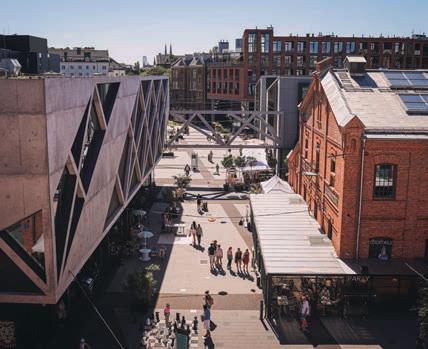
Koszykowa 63, koszyki.com
Considered the grande dame of food halls, the brick and wrought iron interiors of this spot look beautiful with the F&B offer split between standalone restaurants such as the fancy Warszawski Sen to vendors like the fist-bumping, burrito boys at Gringo. For craft beer and grilled sausages then Kiełba w Gębie doesn't put a foot wrong, whilst the open-all-hours ĆMA is a legend in its own lifetime.
Dobra 42, elektrowniapowisle.com
Elektrownia’s blended approach includes an exclusive top floor beauty hall filled with cutting edge beauty solutions and a retail offer than tends to shirk the mainstream to instead slant in on contemporary Polish design, upscale vintage, niche brands and established local talent. The food and drink has also been a major plus, with most attention going to a food hall that appears in an energetic sea of neon.
Historic Służewiec Racecourse hits full stride in May, with seven race days bringing sporting tradition, open-air glamour and one of spring’s smartest days out in Warsaw
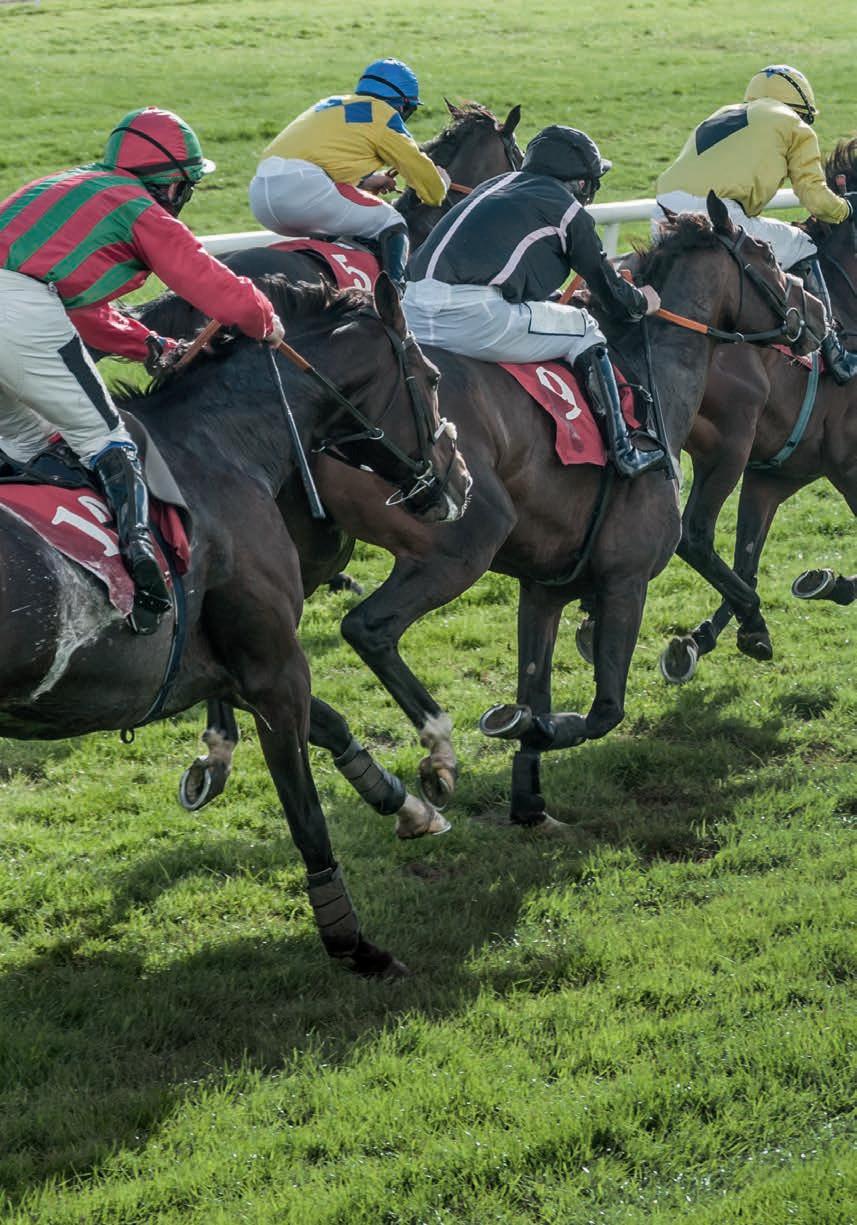
Opened in 1939 and still one of Europe’s most atmospheric racing venues, the complex blends sporting heritage with a lively social scene. This season will feature 45 race days and 370 contests, with total prize money topping PLN 8.3 million. Opening weekend paired thoroughbred action with pony races, retro entertainment, family attractions and a best-hat competition. For many Varsovians, Służewiec remains one of the city’s most elegant ways to spend a Sunday afternoon outdoors.
1939 – First races held at Służewiec
45 – Race days scheduled in 2026
370 – Total races this season
PLN 8.3m – Prize money pool
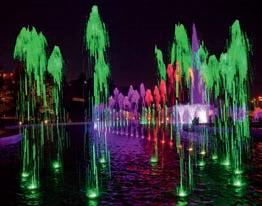
Warsaw’s Multimedia Fountain Park launches its new season over the Majówka long weekend with Great Hearts, a dazzling 30-minute show of choreographed water jets, lasers, light and giant-screen projections. Celebrating kindness, community and Warsaw spirit, it’s one of the city’s classic open-air spring traditions.
Where: Multimedia Fountain Park When: Season opens May 1–3, 9:30 pm (continuing through the summer season)

Immersive VR journeys through history arrive
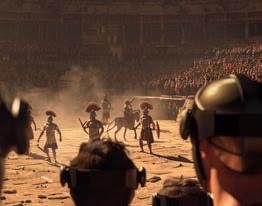
Warsaw’s Art Box Metaverse at The Norblin Factory launched two blockbuster virtual reality experiences this April, bringing globally acclaimed productions Titanic – Echoes of the Past and Gladiator – Legendary Arena to Poland for the first time. Created by French
studio Eclipso, the multi-user VR spectacles have already wowed audiences from London to Shanghai, and now dock at the capital’s newest immersive venue from April 10.
Timed to coincide with both the anniversary of the Titanic disaster and Rome’s traditional birthday celebrations, the twin experiences plunge visitors into
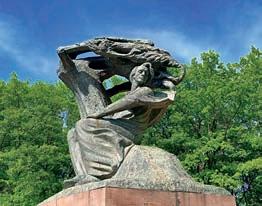
Warsaw’s most elegant summer tradition returns in May as free open-air piano recitals celebrate Frédéric Chopin beside his monument in the gardens of Łazienki Królewskie. Expect acclaimed pianists, timeless masterpieces and a wonderfully relaxed Sunday atmosphere in one of the city’s loveliest settings.
Where: Łazienki Królewskie, Chopin Monument
When: Sundays from May, 12:00 & 16:00 (through summer)
Tickets: Free admission
meticulously recreated worlds of historical drama. Titanic takes guests from the wreck site 3,800 meters beneath the Atlantic to the ship’s opulent interiors and final moments on deck, while Gladiator transports participants to imperial Rome, culminating in the thunderous spectacle of the Colosseum.
Each experience lasts around 45 minutes, accommodates up to 24 participants at once, and blends entertainment with education in a richly cinematic format that promises history lessons with blockbuster flair.
Art Box Metaverse Titanic – Echoes of the Past / Gladiator – Legendary Arena
The Norblin Factory, ul. Żelazna 51/53


Students aged 3-5 are encouraged to try new things, ask questions, and take risks in a nurturing environment in which they learn life skills alongside academics. Following the Primary Years Programme (PYP), our young students become caring, active participants in a lifelong journey of learning. Contact admissions@ aswarsaw.org

A values-driven school offering a world-class education based on the best of British Education. BSW is the first school in Poland to be accredited as Compliant by the Council of British International Schools (COBIS). Based in a purpose built premises in Wilanow BSW is accepting applications from Nursery to Year 9. Please email admissions@bswilanow.org to organise a visit.
Our Early Years Foundation Stage provides a play-based learning curriculum full of curiosity, wonder and discovery – the perfect springboard into Primary education. ul.
Dąbrowskiego 84, tel. 22 646 77 77, thebritishschool.pl
– Natalia Chrzanowska
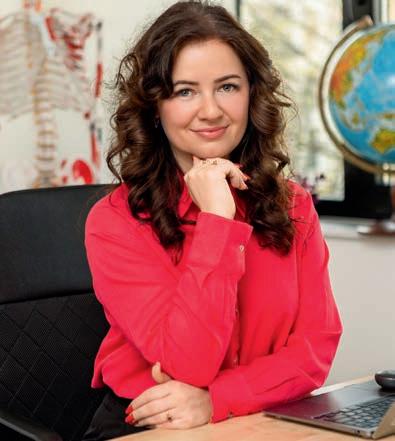
Vice Principal of Benjamin Franklin Elementary School Number One and Certified Trainer
of Effective Learning Techniques
The school's task is to present, impart knowledge, and explain phenomena and issues. It is also essential to encourage children to actively participate in lessons, enabling research and experimentation. Then, the student returns home, tasked with learning the content presented earlier. This is where the heart of effective education emerges. To achieve academic success and benefit from what school offers, a young person needs the fundamental skill of independent learning.
This seems clear and obvious, yet unfortunately, it is often overlooked. And here, it is pertinent to ask: why do schools so rarely rely on neurodidactics?
In many cases, children return home, open a book, and wait for direction. The task of the modern school is to provide students with tools that facilitate and clearly define the individual steps in the learning process. This skill is the foundation of success for students, teachers, and the entire education system.
Neurodidactics is a science based on knowledge of human neurobiology, pedagogy, and psychology. He points out that
information about the brain supports the selection of appropriate learning methods for a child's needs. Yet, each brain learns differently. This is where individualization in the teaching process comes in. At school, we present various delivery methods, diverse learning formats, and supportive exercises. This allows children to choose the method that best suits their predispositions. Student tests, the results of which indicate their learning style, are helpful in making this choice. Knowing which channel (sight, hearing, touch/ action) helps us absorb knowledge the fastest is half the battle.
If we say during a lesson: "I know a way to memorize texts twice as fast and spend half as much time on a book," then students' attention is guaranteed. Why shouldn't we show them how to learn faster by mapping their bodies, how to use associations or movement? After all, learning isn't synonymous with hard, arduous work. We, as teachers, should be the guardians of children's needs. We should help not only by explaining the material, but also by showing how to learn it with less effort, and above all, with pleasure.
Finally, I'll cite another argument provided by neurodidactics: a friendly combined with a culture of atmosphere error. Research clearly shows that making mistakes activates the brain and encourages it to search for further, often better, solutions. It is precisely the error that stimulates the areas in the brain that focus on analysis, correcting actions, and developing new, effective strategies. How can we prevent errors from working this way? We need to create an atmosphere of understanding, support, and space for making these mistakes in the classroom. Only a relaxed brain can function efficiently. And challenges stimulate it – because an error treated as a challenge, not a failure, is a guarantee of success.
In summary, schools that introduce neurodidactics training and employ teachers with a basic understanding of learning strategies, brain function, and neuropathy double the chances of success. And most importantly, they allow students to believe that learning can be enjoyable.

Szkoła Podstawowa Numer Jeden
im. Benjamina Franklina Al. Rzeczypospolitej 33/U3 ul. Branickiego 17

Welcoming students from the ages of 2.5 to 6 years old, currently 45% of their admissions are international students. The dedicated, IB-trained teachers deliver an innovative program (PYP) in English designed for modern world needs. The program offers a combination of Literacy, Maths, Science, Physical Education, Arts & Culture, French and Polish classes. ul. Ignacego Krasickiego 53, tel. 697 979 100, canadian-school.pl

With three green and harmonious locations in Mokotów and Izabelin. The school in Izabelin is set in the quiet of the Kampinos Forest just outside the city. Teachers are fully trained in early-childhood education in English according to the Montessori philosophy. Registration open to children 12 months to 6 years of age. ul. Badowska 19, ul. Tatrzańska 5a (Mokotów), ul. Szkolna 16, (Izabelin), tel. 692 099 134, wmf.edu.pl
Established in 1994, offering nursery, primary, and pre-school education with an international curriculum for children aged from one to 15. The full immersion trilingual setting allows for the choice between English, Polish, Spanish or Chinese, French or Japanese. Teachers are highly-qualified native speakers. ul. Nobla 16 (tel. 501 036 637), ul. Karowa 14/16 (tel. 503 072 119), ul. Królowej Aldony (tel. 533 321 084), office@3languages.pl, itsw.edu.pl

An academically selective international school in Warsaw, offering iGCSEs and A Levels whilst preparing students for the best universities in the world. The staff body consists of alumni of the world’s best universities, whilst facilities at what has become Poland’s most prestigious school include an art studio, auditorium, sports hall and roof garden. ul. Ledóchowskiej 2, akademeia.edu.pl
With over 50 nationalities, ASW has been welcoming students from around the world since 1953. As an IB Continuum school, our students follow the PYP, MYP and DP throughout their learner journey. Students graduate with either the IB diploma or an American high school diploma. All programs are conducted in English, with integrated EAL support for non-native speakers. Contact: admissions@aswarsaw.org or 22 702 85 00, ul. Warszawska 202 (Konstancin-Jeziorna), aswarsaw. org

A values-driven school offering a world-class education based on the best of British Education. BSW is the first school in Poland to be accredited as Compliant by the Council of British International Schools (COBIS). Based in a purpose built premises in Wilanow BSW is accepting applications from Nursery to Year 9. Please email admissions@bswilanow.org to organise a visit
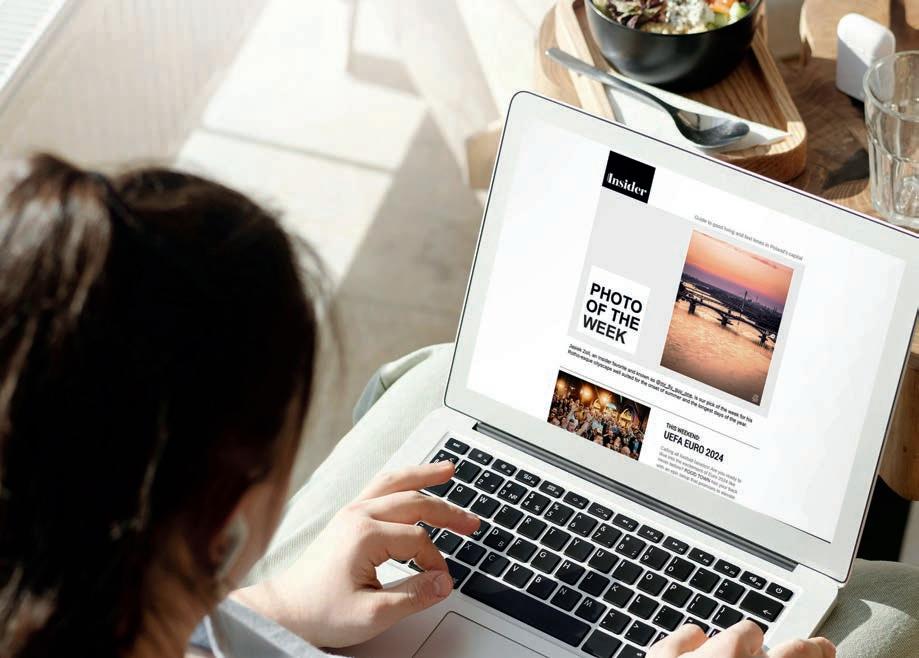
warsaw montessori family
Warsaw
Montessori Schools accepting applications for our programs and locations:
Infant & Toddler
Tatrzańska 5a
Badowska 19
Casa dei Bambini
Badowska 19
Szkolna 16, Hornówek
Elementary
Szwoleżerów 4
"Erdkinder"
Middle School
Tatrzańska 5a
Montessori
High School
Pytlasińskiego 13a
Montessori Farm School
Białka 155, koło Radzynia Podlaskiego
Contact Office: 692 099 134 office@warsawmontessori.edu.pl
www.wmf.edu.pl
The mission of TBS is to balance academic success with character building and well-being. Students at The British School Warsaw learn an internationally respected curriculum, based on the best of British academics. They take pride in their excellent results at both International Baccalaureate Diploma Programme (IBDP) and IGCSE level, which are well above the global average. ul. Limanowskiego 15, tel. 22 842 3281, thebritishschool.pl
The English Primary is designed specifically for children in the primary education ages, just as children experience in England but in an international community. Pupils are taken through the key learning stages so that they can achieve to the best of their ability through a fun learning experience. The Core Curriculum subjects include English, Phonics, Science, Mathematics, French, PE and Swimming, Music, Personal, Social and Health Education. ul. Rzodkiewki 18, tel. 784 037 808, tep.edu.pl

Located on two campuses in the Mokotów this is the only authorized IB School with PYP programs taught in English and Polish. French is taught as a third language. International staff, cultural events and challenging student initiatives create the perfect learning environment. ul. Bełska 7, tel. 692 411 573 / 885 420 044, secretary@canadian-school.pl or secretary. olimpijska@canadian-school.pl
Established in 1994, offering nursery, primary, and pre-school education with an international curriculum for children aged from one to 15. The full immersion trilingual setting allows for the choice between English, Polish, Spanish or Chinese, French or Japanese. Teachers are highly-qualified native speakers from the US, France, Spain, China and Japan. ul. Nobla 16 (tel. 501 036 637), ul. Karowa 14/16 (tel. 503 072 119), ul. Krolowej Aldony (tel. 533 321 084), office@3languages.pl, itsw.edu.pl
Treating pupils with mutual respect but not at the expense of being demanding, the methods used are hard on the problem but soft on the person. Taking into account what students think, feel, learn and want for themselves and their world, Joy Primary teaches important life skills as well as respect, care for others, problem solving and co-operation. Here, children are challenged to discover their abilities and competences, while encouraged to explore personal strength and autonomy. ul. Syta 131A, tel. 722 305 333, sekretariat@joyprimaryschool.pl

Located in Mokotów, the Monnett is the only school in Poland that implements the International Baccalaureate Program from kindergarten level all the way through to secondary school. The fully-qualified staff are committed to delivering only the highest standards of education. ul. Stępińska 13, tel. 22 852 06 08, maturamiedzynarodowa.pl

leader in the field of Montessori education, well-trained teachers guide students to independent and successful learning with both English and bilingual classroom provided. Located just steps from Łazienki Park the school resides in vibrant surroundings near to museums, embassies and natural settings which provide students with learning outside the classroom. ul. Szwoleżerów 4 (grades 0-4), tel. 608 488 420, wmf.edu.pl A
Guided by trained specialists, students are responsible for managing their household, operating small businesses, caring for local flora and fauna as well as domesticated animals, taking charge of the younger children and much more. “Adolescence Program” activities, integrated with academic studies, help students discover their inner strength to meet real life challenges. ul. Tatrzańska 5A (grades 5-8), tel. 604 137 826, wmf.edu.pl
Warsaw Montessori High School aims to teach students the values which Maria Montessori outlined in her educational philosophy such as: responsibility for one’s own development, care for others, honesty, empathy, and service. The school continues to meet the principles of Maria Montessori through implementing the IB Diploma Program principles and practices. Warsaw Montessori High School is an authorized IB World School for the Diploma Programme – code 061201. ul. Pytlasińskiego 13A, tel. 787 095 835, wmf.edu.pl
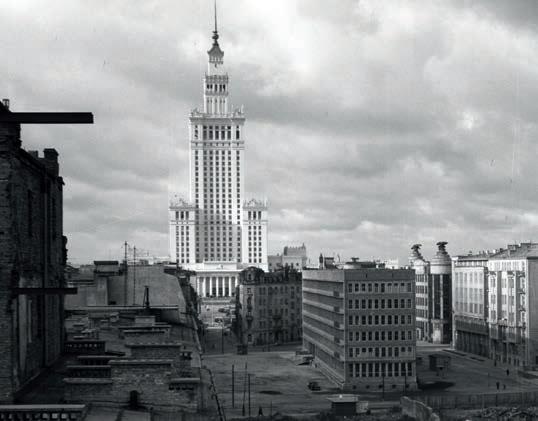
Warsaw landmark marks May milestone
Ionce heard a joke passed down through generations of Varsovians: what is the best view of the Palace of Culture and Science? Looking out of it. Cruel, perhaps—but telling. Love it or hate it, the Palace remains Warsaw’s most recognizable landmark: an unapologetically phallic giant from the communist era that still exerts an irresistible pull on residents and visitors alike.
This May marks the anniversary of the moment construction began. On May 2, 1952, workers from Poland and the USSR broke ground on what was officially presented as a “gift from the Soviet people to Poland.” After 1,176 days of labor, the building was completed in July 1955 and unveiled as a monument to eternal Polish-Soviet friendship. Built from 40 million bricks and 26,000 tons of steel, and designed by Soviet architect Lev Rudnev, it towered over the ruined post-war capital as both engineering marvel and political message.
Warsaw, however, has always had a talent for reclaiming symbols imposed upon it. What began as propaganda slowly became something far more complicated—and more human. Generations of locals have passed through its doors to learn to swim, see their first films, attend theater performances, browse exhibitions, or simply meet friends beneath the clock. Nights have started in the beloved Kulturalna and stretched late into Studio Bar, where the city’s creative crowd has gathered for years.
Its stages have hosted global legends too. In 1967, The Rolling Stones played Sala Kongresowa, sending shockwaves through behindthe-Iron-Curtain Poland. Over the decades, everyone from Ella Fitzgerald to Leonard Cohen performed under its chandeliers.
Today, once ringed by empty socialist space, the Palace stands amid glass towers and modern Warsaw bustle. Its meaning has changed with every decade: hated monument, useful civic center, nostalgic oddity, stubborn icon. The joke still survives—but so does the building. And perhaps that says everything about Warsaw itself.
NOWY ŚWIAT 55