Warsaw Insider February 2025 #354

Page 1


EAT & DRINK

Rounup: Tłusty Czartek – p. 21

Review: Mimosa – p. 24

Review: Wandal – p. 26

Review: Padron – p. 28

Second Look: Órale22 – p. 30

Joseph Awuah-Darko for The Warsaw Insider: Monkey Love – p. 32

Head to Head Hotpot: Gulu Gulu & Nabe – p. 34

Review: Mała Pot – p. 36

Review: Kubuś – p. 38

Review: Rozdział – p. 40

INSIDER TEAM

Publisher Morten Lindholm mlindholm@valkea.com

Creative Director Kevin Demaria kdemaria@valkea.com

Development Director Marta Wilk mwilk@valkea.com

New Business Manager Anna Czarnowska aczarnowska@valkea.com

Social Media Coordinator Zuzanna Wilk

Distribution Manager Krzysztof Wiliński kwilinski@valkea.com

Subscription 12 editions of the Insider zł. 99 (inc. VAT) in Poland. Orders can be placed through: insider@warsawinsider.pl

VALKEA MEDIA S.A., ul. Ficowskiego 15/17, Warszawa, Poland; tel. (48 22) 639 8567; e-mail: insider@warsawinsider.pl All information ©2026 Warsaw Insider

On the Cover & left: Kukułka, one of Warsaw’s pączek masters. Photographed by Viktoria Adamova

Intel

Warsaw Ranked

Warsaw has been named the No. 2 destination on The New York Times’ “52 Places to Go in 2026,” placing ahead of major travel hubs like Bangkok, Barcelona, and Melbourne. The recognition highlights the capital’s dynamic cultural transformation, from the striking new Museum of Modern Art and its landmark exhibition “The Woman Question 1550–2025” to the redesign of Plac Defilad into a green, pedestrian-friendly hub. The paper praises Warsaw as a modern European metropolis where history, creativity, and urban energy converge.

PARKS

Żerański Park Wins Top Public Space Prize

Barely a year after opening, Żerański Park has scooped first prize in the Public Space category at the 2026 Property Design Awards—chosen by residents. The 13-hectare waterfront project, stretching along the Żerań Canal, blends promenade piers with meadows, rope parks, and bike paths, while preserving the site’s industrial character and biodiversity. With more amenities— including a café pavilion and water playground—due this year, the city’s newest green showpiece is already shaping Warsaw’s leisure map.

CULTURE

Tchorek Studio opens to the public

Once the creative engine of sculptor Karol Tchorek, the studio at Smolna 36 has reopened with its original tools, works, and archives intact. Long protected as a historical art studio—and now overseen by the Museum of Warsaw—it offers a rare glimpse into the making of mid-century Warsaw monuments, including Tchorek’s famed execution plaques. Open Tuesdays and Saturdays, with guided Saturday tours included, the space adds fresh momentum to the city’s growing constellation of historic ateliers.

Short-Term Rentals Face Clampdown

With an estimated 14,000 Warsaw flats listed on platforms like Airbnb, looming regulations could soon shake up the city’s housing market. Government plans would classify short stays as hotel services, introduce a national register, and let councils designate no-rental zones—potentially pushing units back into the long-term pool. Supporters hope the move curbs nuisance tourism and restores city-centre living; critics warn of uncertainty as parliament hammers out competing proposals ahead of spring.

PARKS

Skaryszewski bandstand back again

After years of silence, music is poised to return to Skaryszewski Park. The long-shuttered 1930s bandstand is set for a PLN 6 million overhaul, including a roofed auditorium and café-ready service space. With backing from Praga Południe and approval from the city’s monument conservator, a tender for construction plans is expected this quarter. Once restored, the park’s historic stage—idle since 2018—aims to reclaim its role as a cultural anchor on Warsaw’s right bank.

Fangor’s mosaics face slow decay

For more than six decades, Wojciech Fangor’s iconic mosaics have colored the underbelly of Warszawa Śródmieście station. Today, they’re crumbling. Despite heritage status and calls from activists, PKP has stalled on repairs, seeking delays while a planned overhaul of the cross-city line languishes in the next decade. Conservators warn of damp, chips, and vandalism, with a court hearing now looming. Until action comes, one of Warsaw’s great mid-century artworks remains stuck in limbo—fading tile by tile.

Boar Wars

Wild boars are fast becoming Warsaw’s most unruly residents. Drawn by easy food and overflowing bins, they’re roaming districts from Wawer to Wilanów—and getting bolder. Recent weeks saw reports of torn-up lawns, blocked school exits, and even injuries, with one Wilanów visitor sent to hospital after a run-in. Experts warn the population is booming, while residents swap stories of dogs and children chased from the streets. For now, the capital’s porcine problem shows no sign of retreat.

URBAN ART
WILDLIFE

What's in for February

Warsaw Coffee Festival

Coffee takes center stage as the Warsaw Coffee Festival returns to PGE Narodowy for its 11th edition. Expect over 200 exhibitors, nonstop cuppings, workshops, lectures, and a chill zone with food. A must for caffeine enthusiasts, gear obsessives, and curious newcomers alike.

Where: PGE Narodowy Stadium

When: 7–8 February 2026 (Sat 10:00–19:00; Sun 10:00–18:00)

Tickets: 20 PLN presale + fee / 25 PLN on-site (under 12 free

Miłość do Warszawy/ A Carnival of Warsaw Love

Sakura Festival at the Palace of Culture

The Palace of Culture transforms into a Japanese-themed food and culture fair, with sushi, ramen, and sweet treats alongside manga booths, calligraphy workshops, and jujutsu demos. A lively weekend escape for fans of Japan — from gourmets to pop-culture devotees.

Where: Palace of Culture and Science, Warsaw

When: 3–4 February 2024 (Sat 12:00–20:00; Sun 12:00–18:00)

Miasto Jest Nasze and DZIK return with a Valentine-Carnival bash celebrating all the things Warsaw lovers adore — from buses and buildings to colors and characters. Expect costumes, surprises, and a contest for the most inspired look. A joyful evening that toasts the city and its people.

Where: DZIK, ul. Belwederska 44A

When: 14 February, from 19:00 (Kapral Zajączek 20:00; Party 21:30)

Who: Miasto Jest Nasze + DZIK; DJs HeighBeats & I Say

Mikey

Entry: 30 PLN (free in costume before 22:00)

JAZZ PO POLSKU: Warsaw Live Sessions

The New Face of Polish Wine

Polish wine has quietly gone from curiosity to serious contender, earning praise from leading critics and finding its place on the country’s top tables. To mark the moment, Marcin Tytus Grabski of Łaskawość Tytusa hosts an intimate tasting featuring rare bottles, private selections, and standout producers shaping the country’s viticultural future. Conducted in English, the evening promises ten wines, thoughtful commentary, and Polish snacks — a compelling snapshot of where the nation’s wine is headed.

When: March 18 @ 19:00

Where: Łaskawość Tytusa, Piękna 49

Price: 250 zł

Includes: 10 wines, Polish snacks, water

Host: Marcin Tytus Grabski (English)

Tickets: Order number only (no physical ticket)

Now in its fourth year, the JAZZ PO POLSKU “Warsaw Live Sessions” returns to Jassmine for a run of Sunday-night concerts showcasing Polish jazz talent. This year’s program opens on February 1, with the Lemańczyk/Golicki/Sarnecki Trio presenting their new album New York Sessions, recorded with legendary American guitarist Mike Stern. On February 8, debut outfit Rebirth takes the stage, featuring a special appearance by Jan Ptaszyn Wróblewski. The month closes on February 22, with vibraphone virtuoso Marcin Pater and his trio joined by guest guitarist Jakub Mizeracki.

Across the year, the series will host more than 30 performances, continuing its mission to spotlight homegrown jazz while capturing live audio-video recordings for posterity — a formula that has made Warsaw Live Sessions one of the scene’s most in-demand tickets.

Where: Jassmine, Nobu Hotel, ul. Wilcza 73

When: Selected Sundays, Feb 1–22

valentine's day

SENSES Aroused

Indulge the senses through MYSENSE’s perfume-grade candle craft and CookUp’s Italian kitchen sessions, then explore a curated lineup of summer fragrances from Mood, Osme, and Jan Barba for both him and her

Italian Valentine’s Day – Cooking for Couples

CookUp, ul. Hoża 51 on13 February 2026, 18:00; duration approx. 3–4 hours; price 690 PLN per couple.

FEW CUISINES SPEAK the language of pleasure quite like Italy’s. This Valentine’s, chef Piotr Bruś-Klepacki invites couples to roll up their sleeves for a joyful, sundrenched culinary workshop on Hoża, where cooking becomes a celebration of intimacy and taste. Working side-by-side, participants learn the secrets behind simple, high-quality ingredients that Italians transform into dishes that warm the senses. The menu is pure romance: gamberoni al vino bianco with peperoncino; homemade stracciatella from burrata with tomato-kissed olive oil; silky rigatoni all’amatriciana; and the grand finale — almond-liqueur tiramisu crowned with salted pistachios.

Candle-Making Workshops

mysense.pl, ul. Bracka 20

STILL SEARCHING for a Valentine’s idea that feels personal? Candle-making workshops offer a sensory escape where couples, friends, or even co-workers slow down, create, and reconnect. In a cozy studio setting, guests design their own candle and scented disc—choosing fragrances, decorating, and setting a small intention.

For couples, it’s a ritual of closeness; for friends, it’s laughter and creativity; and for companies, a surprisingly mindful form of team-building that encourages collaboration and reduces stress.

Everyone leaves with more than a handmade candle: empowerment, inspiration, and shared energy. Served with coffee, tea, and healthy snacks, it’s a gift or group experience that lingers—beautifully and fragrantly.

OSME

ul. Wilcza 69 (City Center), osme.pl

For Her – Meus (Maison Evandie)

A manifesto of independence built on contrasts: bergamot meets roasted coffee and pistachio, while magnolia and dark rum introduce a sensual, boozy warmth. Amberwood, vanilla, and tonka settle into a long-lasting, skin-hugging signature.

For Him – AmbeRum (Bruno Perrucci)

Predatory and magnetic, opening with rum and burning roots. Vanilla and tobacco melt into a dense, velvety accord before settling into amber, labdanum, and patchouli.

MoodScent

ul. bracka 3 (City Center), ul. Tamka 33 (Powiśle), moodscentbar.com

For

Her

– Impadia (BDK Parfums)

A luminous Parisian moment bottled — when the sky turns pink-orange and the city becomes an abstract painting. Bergamot dazzles at the opening before soft florals and warm woods wrap the skin in a sensual, addictive aura.

For Him – Monsieur (Bienaimé 1935)

A tribute to Parisian chic — fresh, sincere, and refined. Bergamot and ginger open bright and lively before verbena and nutmeg add nuance. Cedar and vetiver bring a warm, discreet elegance that seduces without effort.

JAN BARBA

ul. Kopernika 25 (City Center), janbarba.com

For Her – Fortuna

A floral-amber eau de toilette inspired by mimosa in Sicilian light. Bergamot and bitter orange open onto a sunny heart of mimosa, set against warm sandalwood and benzoin. Light, transparent, and quietly joyful.

For Him – Aiyoku

Citrusy-woody and sensual, evoking Japanese cedar houses, damp earth, and vetiver. Notes of lemon verbena, patchouli, and oakmoss create a deep, mossy calm.

CITY IN MOTION

Łukasz Kruszewski, captures Warsaw’s moods in a cinematic quiet and motion

INSIDER: Your photographs often capture Warsaw through the shifting moods of the seasons — fog, snow, rain, and warm evening light. What draws you to these atmospheric conditions?

Łukasz Kruszewski: Atmospheric conditions strip the city of its obviousness, routine, and grey monotony. Fog, snow, and rain have the power to transform streets and buildings everyone knows into something entirely new, giving them fresh meaning and creating new stories. That, to me, is incredible.

Falling snow beautifies the urban landscape, giving it an almost fairy-tale quality. Rain turns streets and sidewalks into mirrors, reflecting buildings, people, and lights — something like urban stained glass. Sunsets, especially along the Vistula River, invite a moment of pause and quiet reflection.

And the fog… I love fog. It wraps every corner in mystery and uncertainty, turning familiar streets into completely new spaces. The city loses its sharp edges but gains mood; it becomes quieter, more intimate, as if it briefly belongs only to those who are truly paying attention. In the fog, Warsaw stops being obvious and allows itself to be discovered slowly, frame by frame.

Trams appear again and again in your work. What do they represent to you — a symbol of the city, a compositional anchor, or something more personal?

Trams appear in my photographs quite often. Sometimes it’s pure coincidence — they’re an inseparable part of Warsaw’s everyday infrastructure. More often, though, they become a conscious element of the frame, a symbol of a city that never truly stops moving.

At the beginning of 2025, one of my long-exposure photographs was presented as the only work from Poland at an exhibition in Spain, in the City Lights category. Created using a long-exposure effect, the image captures Warsaw pulsing with life and contrasts: two streams of light — tram and car traffic — leading toward Varso Tower, rising like a beacon of modernity.

It’s more than a play with light and space. It’s a story about people — those heading to work, returning from it, or simply caught in the city’s endless rush. Warsaw is captured in a moment that continues to exist despite the passage of time.

Many of your shots feel cinematic, as if paused mid-scene. Are you consciously storytelling in your images, or is that a byproduct of how you see the city?

That’s a difficult question to answer clearly. I photograph what hypnotizes me, what goes beyond everyday reality and leaves space for interpretation. I show Warsaw through my own eyes and freeze moments that can never be repeated — that’s what street photography is about: spontaneity and uniqueness.

Although I love street photography, I rarely photograph people directly. Instead, I focus on urban landscapes, which also tell the story of the city’s life. A tram disappearing into the snow or light reflecting off wet asphalt becomes a fragment of a larger narrative that the viewer completes on their own.

If my images feel cinematic, it’s because I look at the city the way I watch films — paying attention to tension, silence, and what happens just before or just after the frame.

The the full interview and to see more of Łukasz's photographs scan here

The

ART FOR PASSING STRANGERS

Insider visits BerriBlue's studio to talk tiles, street art, and her upcoming Warsaw show
PHOTOGRAPHS AND INTERVIEW BY KEVIN DEMARIA
(Map

INSIDER: You grew up between Poland, Ireland, and Portugal. How have these different cultural landscapes shaped your visual language?

BerriBlue: Growing up in different countries naturally shaped both me and my work. Each place had its own light, atmosphere, and way of looking at the world. All of that influenced me.

Portugal brought colour and confidence into my visual language. The light there is bright and unapologetic; colours behave differently, and so do people. There’s a sense of freedom and individuality that made me comfortable being expressive with scale, colour, and form. It allowed me to be visually louder. Ireland gave me a sense of

“A passerby isn’t choosing to experience art; they’re on their way somewhere”

humour and distance that I really value. Irish culture has a strong aversion to taking yourself too seriously, and I absorbed that. My work deals with heavy themes, but there’s always a slight remove—not exactly humour, but a kind of self-distance. Visually, Ireland also shaped me: the grey light, the rain, the austere Catholic imagery at school. All of that fed directly into my early work.

Poland shaped me twice—once as a child, and again now as an adult. The Poland I left at thirteen became wrapped in nostalgia, a bit romanticised in memory. Polish visual culture is naturally comfortable with darker themes—mortality, conflict, loss. These never felt shocking to me, just honest.

Now that I live in Poland again, I see the country with different eyes, and my work continues to shift. Polish audiences take art seriously, which I find grounding and generous.

Your formal training was in Dublin. How did that academic foundation influence your approach to street art and azulejos?

My time at NCAD (the National College of Art and Design) was formative because it gave me space to experiment and figure out how I naturally wanted to work. The most important part wasn’t the conceptual side, but access to traditional printmaking. I was drawn to intaglio, lithography, and all these slow analogue techniques

of tiles in Warsaw on page 19)

street art

that demand patience and accept that some things will always be unpredictable.

Before that, I worked toward a clear final image. I knew what I wanted something to look like, and I tried to execute it. Printmaking taught me to trust the process rather than control everything. A stray fingerprint, a chemical reaction— these stopped being mistakes and became welcome surprises. That way of working made its way into everything I do now.

It fits especially well with street art and ceramics. Azulejos require surrender: pigments look similar before firing, glazes misbehave, kilns have their own opinions. When colours melt or blur or bubble unexpectedly,

“In the studio, I treat the material like a partner— ideas emerge from the dialogue, not the plan...”

that’s exciting. It makes the piece feel alive.

When I’m working on a piece, I treat it like a partner rather than an object. I come in with an idea or feeling, but the material, technique, drying time, and firing all shape the outcome. There’s a dialogue. Instead of forcing a vision, I respond to what the medium offers back. The goal is that the final piece feels genuine, like something that grew out of that back-and-forth.

You work both on canvas and with azulejos. What draws you to the traditional Portuguese tile form, and how does the urban context transform its meaning? I don’t really separate canvas and tile in my mind—a surface is a sur-

face. I approach ceramic tiles with the same instinct I bring to drawing or painting. I come at azulejos as a painter more than as a ceramic artist, which gives me freedom to treat them my own way.

In Porto, azulejos are everywhere. Moving into that medium felt natural because I was surrounded by them daily. And the urban context doesn’t transform them— it’s their natural environment. They sit quietly on the skin of the city: glossy, flamboyant, decorative, yet utilitarian.

When I place tiles outside Portugal—in Warsaw, Athens, Paris, wherever—their impact shifts. In Lisbon, tiles are expected. In Warsaw, a tile becomes unusual, something that makes people pause.

BerriBlue will exhibit at Jednostka Gallery in Muranów from May 8th

In that sense, the city becomes part of the medium. Azulejos in Portugal are part of the city’s rhythm; elsewhere, they become a gentle disruption. They change how people look at their surroundings, and that shift becomes part of the work.

Do you plan pieces differently when they’re destined for the street versus the gallery?

Absolutely. Context dictates everything.

Gallery work allows for subtlety. You can build a narrative within a controlled space. It’s like composing an album: a body of work can breathe together and form a coherent experience.

Street pieces are more like live performances. They have to stand

alone, survive visually amidst noise, and remain legible to people who aren’t in “art-viewing mode.”

A passerby isn’t choosing to experience art; they’re on their way somewhere. Street work has to be bolder, louder, more immediate.

I work very contextually. On the street, I think about surfaces, corners, rhythms of architecture. In the gallery, I think about flow and narrative. Both environments have distinct demands and freedoms.

Your work deals openly with mental health and mortality. How do these themes connect with figures like St. Sebastian—a symbol historically tied to suffering and transcendence?

I’ve always been drawn to medieval

and religious imagery—not because I want to comment directly on those narratives, but because they’re deeply embedded in Western visual culture. They’re part of our shared vocabulary. Arrows, wounds, hands, exposed flesh—people recognise these symbols instinctively.

I’m not trying to recreate St. Sebastian, but I use a similar vocabulary: the pierced torso, the suspended body, the mixture of pain and serenity. They’re universal expressions of vulnerability, endurance, and the strange beauty of being mortal.

My work connects mental health and mortality through the physical reality of being human. My intrusive thoughts are bodily: bones, blood, skin, the fact that we are vulnerable flesh. Drawing and painting these things helps me regain control over them, the way speaking fears aloud helps in therapy. To me these images feel natural, not dramatic, but outside religious contexts people often find them extreme. Context shapes emotional reactions.

Can you talk about some of the recurring symbols in your work?

I build visual narratives using symbols that have personal meaning. It’s intuitive rather than systematic. Certain flowers represent specific people. Animals bring life and warmth. Hands, eyes, skulls, figures, decorative motifs—they form a vocabulary for expressing internal states.

There’s usually something living in my compositions. I like the tension between living and inert. A flower with veins becomes a character; a body part becomes a metaphor. These combinations let me tell complex emotional stories without literal explanation. I refuse to explicitly explain meaning. The moment I dictate what a work “means,” I cut off its future. Viewers should bring their own interpretations; their associ-

street art

ations become part of the work’s life. Fixing the meaning makes it static—like cutting a flower and putting it in a vase. Beautiful, but no longer alive.

You’ve placed work on the streets of Warsaw, Porto, Paris, and London. How do audiences in different cities respond to your pieces?

Reactions vary because each city has its own street-art culture.

In Porto, street art was treated as a net positive. Municipal workers who repaint walls would leave pieces they considered good, which was personal and flattering.

In Paris, people are used to ceramics being glued to walls. You can install pieces during the day without much concern. They read them more as mosaics, so the azulejo medium still feels slightly alien.

London is competitive, more territorial. In places like Brick Lane, everything gets tagged. Ceramic pieces survive underneath layers, so when I’m back I can give them a quick clean. Work there feels more ephemeral.

In Warsaw, there’s less familiarity with this kind of street art. People treat the tiles with surprising respect and often clean or maintain them. The care I put into them seems to come across. Maybe it sounds pretentious, but in an age of fast everything, something handmade with painstaking care is almost radical.

For the full interview with BerriBlue scan below

AlejeJerozolimskie

BERRIBLUE STREET ART MAP IN WARSAW

BerriBlue’s favorite Warsaw tiles form a kind of urban treasure hunt — a geo-cache of symbols, saints, cats, and secrets. Scattered through courtyards, facades, and architectural niches, each piece marks a point on her personal mind-map. Here, BerriBlue shares a few words on nine pieces, and where to find them.

1. Żałoba On a wall by Schodki, overlooking the river. A very personal, meaningful piece. There's a pot (under the snow in the image above) based on one in the Cemetery of Prado do Repouso in Porto.

2. Dignity On ul. Dobra. The gold tiles reflecting passing headlights make for good viewing in the evening.

3 Mogę pogłaskać? On the corner of Mokotowska and Wilcza - at sniffing height.

4. Bat Under Most Poniatowskiego. Often cited as a local favourite.

5. Motyl This one is well-hidden, so you might need to search around a bit.

6. Kasztany Wrapped around a corner on ul Dobra. The motif is a nod to my favourite facade in Porto.

7. Cięte Kwiaty / Cut Flowers On the wall of Karma Crew, one of BerriBlue's regular haunts.

8. Wazon Painted on a particularly warm August afternoon.

9. Inferno. Neatly fitted into a plinth at the top of the stairs in Park im. Marszałka Edwarda Rydza-Śmigłego

WORTH THE WAIT

A shortlist of Warsaw’s pączek masters

FOUR-HOUR LEGEND

Pracownia Cukiernicza "Zagoździński" ul. Górczewska 15, (Wola)

If Warsaw’s pączki canon had a venerable sage, it’d be Zagoździński — frying classics the old-school way since 1925. They still use animal fat, a grandfathered touch that whispers of richer, deeper flavour and tradition. When I first landed in Warsaw, insiders told me these were the city’s best; I queued for four hours, clutching a paper-wrapped box tied with string like treasure. That ritual alone feels like Tłusty Czwartek.

Roundup

PLANT-POWERED INDULGENCE

BAJA Vegan Patisserie ul. Solec 85, (Powiśle)

Baja has quietly become Powiśle’s favorite vegan pączek lab — where plant-based indulgence isn’t a compromise but a revelation. Founded by long-time friends Hania and Krysia out of a shared craving for truly joyful baked goods, Baja’s vegan pączki are seductively soft and lush, charming vegans and omnivores alike. They constantly tweak, taste and test, rooting each seasonal twist in real pleasure — the kind you savor bite by glorious bite.

NEIGHBORHOOD SWEETHEART

Kukułka

Mokotowska 52 (City Center), ul. Francuska 10A (Saska Kępa), ul. Zygmunta Krasińskiego 10 (Żoliborz

Kukułka wears its sweetness lightly — airy dough, thoughtful fillings and a sense of seasonal whimsy that feels right for Tłusty Czwartek without tipping into saccharine excess. Part of a small, neighbourhood-first confectionery crew spread across Mokotowska, Pl. Wilsona, Burakowska and Francuska, Kukułka marries classic Polish sentiment with contemporary polish, making it the perfect stop for those who like their pączki bright, balanced and just a touch clever.

CLASSIC WITH CLASS LUKULLUS | Chmielna

ul. Chmielna 32 (City Center), ul. Mokotowska 52A (City Center), ul. Rozbrat 22/24 (Powiśle), ul. Walecznych 29, ul. Walecznych 29 (Saska Kępa)

Lukullus is the nearly universal answer when Varsovians are asked where to find classic pączki that feel like Warsaw itself. With round, generous dough stuffed with rose or plum jam and kissed by a delicate glaze, these are the understated heroes of Chaos Thursday. There’s something reassuringly consistent about them — conservative in sweetness, confident in quality — and always worth the stop on a chilly February morning.

OLD-SCHOOL COMFORT

Cukiernia Pawłowicz

Chmielna 13, (City Center)

Cukiernia Pawłowicz’s “Chmielna classics” are a go-to for purists who want their Tłusty Czwartek pączki warm, sweet and unapologetically old-school. Think fluff that’s tender straight off the counter with plum or rose jam oozing like a good memory. Locals have sworn by them for years — I recommend grabbing one hot and eating it while the city hums around you.

DONUT DISRUPTORS

MOD Donuts

ul. Oleandrów 8 (City Center), Gen. Józefa Zajączka 15 (Żoliborz) ul. Paryska 37 (Saska Kępa)

Tłusty Czwartek gets a cheeky spin at MOD. These aren’t classic pączki but irresistibly playful donuty — fluffy, often filled, always too pretty to ignore. With branches on Żoliborzu and Saska Kępa (and donuts also at MOD spots including Paryska), MOD’s creations are as Instagram-ready as they are delicious. Think unexpected glazes (matcha, mango, salted caramel) that deliver levity without losing sight of deep, doughy joy.

RUSTIC & REFINED

Pizza pizazz, Italian staples & classic cocktails at Chmielna’s buzziest newcomer

M“ This is a place to recharge your mind, not just your phone

imosa Brooklyn Pizza feels like a slice of Brooklyn set down on Chmielna — the city’s newly revived artery where serious openings are beginning to cluster. Here, wood-fired pizzas arrive with exhilarating crusts and inventive toppings — from lamb polpette to Parma with cherries in porto and cheese-laden pies drizzled with spicy honey — each supported by a trio of dipping sauces (truffle aioli, ancho-boosted cream, chile-kissed honey) that make even questionable decisions taste brilliant.

Walking in off Chmielna, you’re greeted by a bright, open room that feels like a grownup friend’s dining room: warm woods, plants in sun-soaked corners and chatter that never quite rises above “fun night out.” The effect is unmistakably townhouse — not ostentatious, but assembled with care and that slightly gentrified Brooklyn sensibility. In a city where pizza proliferates, Mimosa’s blend of comfort and polish stands out. Seating is relaxed without being sloppy, ideal for dates, afternoon lunches or cocktails that stretch into evening. The fact that it’s lively from midday on weekends — and gets busy by early

evening — makes it feel less like a stop on Chmielna and more like a destination worth planning around, turning the whole street into a dining stretch rather than just a casual walk.

Starters are clever without being showy. Octopus carpaccio arrives nearly translucent, treated simply with lemon, olive oil and herbs. Burrata meets roasted peppers and oregano oil, nodding to summer. Pastas are homemade and generous, with the carbonara landing in that pocket between indulgence and restraint; tagliatelle al limone adds brightness and keeps appetites engaged.

Pizzas remain the main event. The dough shows confidence: blistered at the edges, soft in the center, rewarding the fold. Toppings skew seasonal and slightly off-center without losing the plot. The trio of sauces — playful, never disrespectful — underscores the kitchen’s sense of fun.

Cocktails are solid, with a textbook Negroni and a grapefruit-vermouth spritz that suits Mimosa’s townhouse fantasy. Wines lean Italian and pair well with tomato-forward sauces and richer mains alike.

Dessert leans Italianate with a local wink. The beza z maliną — crisp meringue with tart raspberries — walks the line between nostalgic and grownup, the fruit’s acidity taming the sugar. It’s a finish that makes you wish the evening lasted longer.

Service threads the sweet spot between friendly and informed, reinforcing the sense that Mimosa isn’t just a place to eat but a place to linger: a townhouse on Chmielna where another round always feels justified.

ul. Chmielna 28, (City Center) instagram.com/mimosa_warsaw

AT A GLANCE

Vibe: Cozy townhouse-meets-modern pizzeria

Must-Try: Polpette pizza, carbonara, octopus carpaccio

Cocktails: Negroni & other classics

Location: Chmielna — perfect for pre- or post-barscene dinners

Extras: Trio of dipping sauces with pizza; lively yet relaxed service Mimosa

Review

WANDAL WITH A HEART

Playful nostalgia, bold bites & chef-driven homestyle polish fare

Ever flick through Where Chefs Eat or wonder where cooks, after pouring themselves into their own menus, actually choose to dine? The answer right now is WANDAL. On Pańska 97, it has become the unofficial cafeteria of Warsaw’s culinary class — a place chefs slip into on offnights, after service, or between menu tests. Part tavern, part atelier, it’s helmed by Adrian Bęben with wines from Piotr Pietras, and together they’re rewriting Polish nostalgia in a modern, clear-eyed dialect.

“Nostalgia, edited — and served warm

Slip past the restrained, industrial-elegant interior and you’ll spot a small symbolic marker set into the floor — a point from which the kitchen’s philosophy is said to “radiate.” It’s more than ornament: a neat metaphor for Wandal’s approach of rooting dishes in heritage before flinging them outward with wit and precision. Bites — Wandal’s preferred term for starters — make the philosophy legible. Case in point: herring with potato rösti. The fish leads, not lurks, braced against a crisp rösti that holds its form. A watercress emulsion adds green freshness and peppery lift, turning what could have been a nostalgic postcard into something consciously balanced between home and now. It doesn’t “fix” a classic; it carries it forward.

Sides echo that equilibrium. The potato purée with egg yolk — an unashamedly sentimental touch — arrives silky and warm, the yolk folding in like a childhood memory retold by someone with a very sharp palate. Pair with new potatoes in butter and herbs for a study in Polish modesty elevated.

Mains lean decisive and regional. Pyzy brushed with cream and truffle feel decadent without losing their Slavic sturdiness; kopytka in burnt butter with blackberries read like a forest walk rendered in starch and fruit; and Śląskie Niebo — pork loin with apricot and sunflower seeds — shows how

sweetness can sharpen rather than soften.

Desserts are treated as punctuation rather than afterthought. A Polish cheesecake with quince and saffron lands bright and fragrant, while karpatka with pear and porcini toys with earthiness in ways that should feel odd but don’t. Throughout, Pietras’s wine curation — polished, Polish and precise — makes a persuasive case for local bottles at the table.

AT A GLANCE

Vibe: Industrial elegance meets modern Polish tavern

Chef: Adrian Bęben; wine by Piotr Pietras

Must-Try Bite: Herring with potato rösti, watercress

Standouts: Potato purée with egg yolk; pyzy with truffle; Śląskie Niebo

Desserts: Cheesecake (quince & saffron); karpatka (pear & porcini)

SPANISH SPARK

Paella power, cocktails that zing, and momentos worth savouring.

Padron ul. Grzybowska 37, (Wola) Instagram.com/padron.warsaw

Padron on Grzybowska has quickly become one of Warsaw’s most chattered-about Spanish arrivals. Inside, Mediterranean warmth collides with city energy: timber textures and a suspended, alien-like light installation glow from the center of the dining room, acting as a beacon for passersby, while the open kitchen hums with saffron and spice. Think warm Madrid bustle with a Warsaw nighttime edge.

WHAT TO ORDER

If you’re here for anything short of a long, delicious evening, you’re missing the point. Start with bites that define Spanish flair: crisp papryczki padron with romesco, zesty tuna ceviche that’s fresh enough to make you hum, and patatas bravas with just the right balance of heat and aioli.

The paella — perhaps their most anticipated dish — arrives aromatic, vibrant and generously portioned, a communal centrepiece that tastes of saffron-kissed sunlit coasts. It’s a dish that makes you slow down, share plates and talk. Reviews from diners single it out as one of the essential experiences here.

DRINKS THAT MATTER

The cocktails here deserve a chapter of their own. Bright, bold and built with personality, they’re crafted to dance alongside whatever you order — whether that’s ceviche brightness or smoky paella richness. Patrons regularly tip their hats to the inventive list.

SWEET FINISH

Don’t skip dessert. The Basque cheesecake — creamy, whisper-light and just a touch caramelized — is a graceful finale after buzzing flavours and lively conversation.

THE VIBE

This feels like a Spanish night out — amiable, loud in the best way, and eager to keep you there. Diners regularly compliment the attentive service and the setting, which hits lively without feeling frantic.

Second Look

MEXICAN HEARTBEAT

Truly punchy tacos and blissful margaritas

At Órale22 on Kopernika, Warsaw’s Mexican game is spirited and soulful—a tequila and mezcal-forward cantina where big flavours and simple execution count. This isn’t polished fine dining, it’s good-time food with real personality and an unapologetic focus on punchy tastes and fun eats.

Tacos here come stacked and juicy, the sort that make you think about lime, char and smoke long after you’ve wiped your fingers. The burrito—stuffed tight and clocking in with a memorable cinnamon whisper in its spiced core—is a highlight that sets this place apart from more pedestrian renditions. Sauces matter here: smoky salsa roja, tangy verde, rich queso and sharp pico de gallo all work to seal the Mexican deal on every forkful.

The shrimp quesadilla turns a classic into something flirty and fun, big prawns meeting gooey cheese and just enough heat for a happy buzz. Meanwhile, happy crowds swear by the Jarritos that wash down nachos, and the margaritas—classic, frozen or bright with citrus—are among the more memorable in town.

Finish strong with churros dusted to order: crisp, cinnamon-sweet sticks that feel like the perfect encore to the savoury parade. Órale22 Kopernika 25, (City Center), orale22.com

Review

than declaration of intent. Music matters here.

Located slightly out of central Warsaw at Bulwar Flotylli Pińskiej 1a, along the now snowy Vistula River boulevards, Monkey Love is an Asian-fusion restaurant set against the calm of a now-frozen river. The location lends the restaurant a casual, almost cinematic atmosphere. It's removed enough to feel intentional, close enough to feel in-the-know.

MONKEY LOVE

The glorified listening bar that knows how to feed you

Monkey Love announces itself quietly, with confidence rather than choreography. You feel it immediately upon entering: the uncalculated cool of a bachelor’s loft that somehow knows exactly what it’s doing. Before a menu is even opened, your eye is drawn to an impeccably designed tan wooded vinyl deck display; less decorative flourish

Inside, the lighting is dim but deliberate. Rustic candle-lit wooden tables sit alongside dark leather chairs, interior ferns soften the space, and contemporary art punctuates the walls. Nothing feels overdesigned, yet everything feels considered. It’s the kind of room that invites you to stay longer than planned.

When I spoke with owner Max Skoneczy, a charismatic restaurateur and quintessential Polish raver, explained that Monkey Love was inspired by the culture of listening bars, where sound is not background but backbone. In collaboration with Vvosk Records, the restaurant’s sound system is taken seriously, forming the emotional spine of the space. Opened in

Bulwar Flotylii Pińskiej 1a, (City Center) tel. 573 670 601, monkeylove.me

Music isn’t the backdrop here — it’s the backbone..

2024, Monkey Love also doubles as a summer destination, with Max proudly noting that some of the city’s best warm-weather parties unfold here.

The drinks lean playful but precise. The standout is the Monkey Sling, first presented with an ice cube sculpted into a finely detailed primate before a mysterious concoction is poured over it. Creamy, acidic, and surprisingly balanced, it’s as memorable as it is drinkable.

The food is refreshingly uncomplicated. I began with Padron peppers with teriyaki mayo, a restrained opener that set the tone. The menu comfortably oscillates between Polish classic; like beef

tartare with smoked mayo, shallot, pickled mushrooms, Jerusalem artichoke, and lovage, and more adventurous offerings, such as roasted cauliflower with labneh, “Bursztyn” cheese, lemon panko, pomegranate, and chili.

Watching chef Marcin Molik and his team work behind the counter that evening was its own quiet pleasure. But the most memorable dish was the Thai basil chicken with egg, herbs, and Thai basil (also available with tofu). Served with perfectly textured fluffy white rice, it was an exercise in balance and restraint; culinary clarity at its best.

We ended the night with a pistachio crème brûlée, understated and satisfying. Monkey Love is a place where music, atmosphere, and food are authentically in conversation; where none of them are competing for attention.

Monkey Love

THE HOT POT MATCH-UP

Gulu Gulu and Nabe go spoon-to-spoon

Gulu Gulu

Drawska 29A/lok. 89 (Ochota)

HOT POT THRIVES on abundance and playfulness, and Gulu Gulu delivers both with real charm. The room is lively without feeling chaotic, with a swift rhythm of bubbling broths, shared plates, and tables happily negotiating what to cook next. Its signature proposition—the allyou-can-eat format (149 PLN)—is a winning invitation to explore widely. Instead of worrying about portions or price math, diners can relax into the pleasure of discovery, sampling proteins, vegetables, and broths as the meal unfolds.

One of the great joys here is the freshly made noodles, kneaded and pulled by hand in the window—an irresistible bit of culinary theater that feels like stumbling into a Chinatown storefront in New York. Drop them into a simmering pot and they spring to life, chewy and exuberant, ideal for soaking up spice and umami.

The Sichuan broth brings gentle warmth and numbing spice, while the tomato broth offers an unexpectedly cozy counterpoint—bright, sweet, and deeply savory. Beef, pork, shrimp, fish, and vegetables all shine, reinforcing hot pot’s delight in texture and contrast. Service remains quick and efficient, keeping the pace fluid. Gulu Gulu succeeds by making hot pot feel inclusive, generous, and fun—an evening spent in communal, bubbling pleasure.

Nabe

Marszałkowska 62 (City Center)

WHERE GULU GULU leans exuberant, Nabe offers refinement. Situated on Marszałkowska, the dining room is designed for a slower, more deliberate form of hot pot enjoyment—quiet lighting, calm pacing, and attentive staff who seem genuinely invested in guiding diners through broths, cuts, and combinations. The Japanese-leaning shabu-shabu influence is unmistakable, with broths that foreground clarity rather than maximalism. The kombu dashi emerges as the standout, a clean, sea-scented canvas that allows high-quality meat and vegetables to assert themselves.

Ingredients justify the premium: wagyu slices melt rather than cook, and the pork belly carries

enough sweetness to hold its own without dipping sauces. Seafood is particularly strong, with scallops and shrimp that feel thoughtfully sourced. The vegetable platters impress through balance—watercress, tofu, and shiitake mushrooms that speak to a kitchen that respects subtle flavor.

The dipping sauces are restrained—ponzu for brightness, sesame for roundness—encouraging contrast rather than overload. Prices skew higher, and the meal’s tempo is slower, making Nabe less suited for large groups seeking a boisterous night out. But for diners who value precision over spectacle, Nabe delivers one of Warsaw’s most elegant interpretations of hot pot, proving that the category can be as refined as it is communal.

THE NO-STRESS HOT POT

Bespoke broth bowls without table fuss

Mała Pot Oboźna 9 (City Center)

MAŁA POT DELIVERS an unexpectedly modern spin on hot pot—one that keeps the thrill of personalization while sparing diners the awkward choreography of cooking at the table. The experience begins at the ingredient station: diners work their way along a neat, color-bursting procession of vegetables, mushrooms, herbs, tofu, noodles, and sliced proteins, picking exactly what they fancy before the bowl is weighed. From there, a choice of broths—ranging from clean and comforting to properly aromatic—sets the tone. Then you hand everything over, take your seat, and let the kitchen do the work.

That small shift—outsourcing the simmering and tending— changes the social dynamic. Instead of worrying about when the beef is done or who’s hogging the ladle, you simply chat, sip something cold, and wait for a steaming bowl to arrive. It’s hot pot reimagined as a hybrid: participatory but restful, bespoke but unfussy.

Flavors lean bright and honest, with clear broths that let the market-fresh vegetables shine. Tender pork and beef and broth-hungry noodles round things out. The weighand-pay system keeps portions flexible, though piling on ingredients can send prices soaring.

For a casual date, a midweek warm-up, or a social meal without the pressure of DIY cooking, Mała Pot feels like the sort of small idea Warsaw could use more of.

Review

Review

KUBIS MAGIC

Chill vibes, pillowy omlets, bakery bliss

Kubuś Piekarenka is the kind of place you come for the vibe and end up staying for breakfast, coffee, second breakfast, and a bag full of goodies for later. This isn’t just a piekarnia — it’s a bakery-brunch hybrid that Warsaw’s early-morn crowd has embraced with joyful zeal, reflected in its strong Google reviews and long

lines at weekend brunch hours.

Inside, pastel walls and artsy touches set a warm, inviting tone that makes you pull out your phone before you even order. Sit at a small wooden table, sip a top-notch coffee, and watch the rhythm of this thoroughly modern taverna-meets-bakery take shape.

The best of the lot? A fluffy rosette omelet nestled almost

like a dream on their toasted bread — airy, custardy and just substantial enough to pair with a creamy latte. It’s the kind of item that feels both comforting and thoughtfully composed, the sort of breakfast moment worth lingering over. Come with friends and stay for the bread (there are great loaves and drożdżówki here), or grab patry to take home and make tomorrow morning even better.

Review

ELEGANCE AT EASE

Chef Kowalski’s Rozdział finds its rhythm

Ihad been told — by people who tend to know — that Rozdział had just switched to a new menu and that it might be their best yet. The same sources suggested that an early Saturday seating came with a secondary advantage: a slim chance to speak with chef Konrad Kowalski before service snapped into its usual momentum. It sounded like the sort of tip worth testing. So I booked early, ate early, and then waited to see whether Kowalski would surface.

He did — relaxed, with that post-prep calm that briefly precedes the storm — and we found a moment to talk. What emerges over conversation is that Kowalski did not follow the usual pipeline into fine dining. His route involved cardboard cut-outs, a Stilton factory, and the growing suspicion that life should amount to something more than punching a clock in the East Midlands. Cooking, it turned out, was the answer hidden in plain sight: the one place where chaos channels into order, and where fairness — that rare commodity — is measured in skill, stamina, and how fast you learn under pressure.

England gave him his culinary education, not through nostalgia but through multicultural collision. Pub kitchens led to Michelin kitchens; washing pots led to plating menus; ego gave way to mentorship. At John’s House, under John Duffin, Kowalski discovered that imagination could be structured, and that plating was equal parts choreography and engineering. More importantly, he realised that rules exist

“ Rules exist to be bent...

mostly so they can be bent gracefully.

When he came back to Warsaw nearly six years ago, the city was still figuring out how serious it wanted to be about fine dining. Today, the answer appears to be: serious enough. Warsaw now has the customers, the curiosity, and the stamina for tasting menus that don’t apologise for ambition. A small circle of chefs keeps the whole thing afloat — part support group, part competitive ecosystem — and Kowalski fits neatly into its rhythm: allergic to heaviness, in thrall to flavour.

At Rozdział, his cooking feels both disciplined and

playful. Healthy but not joyless. Boundaryless without being messy about it. He runs to think — literally — so the food is often light on its feet, guided by ingredients he’d happily feed himself. “Fine dining is a mental illness,” he jokes, which might explain why he treats dishes as small adventures rather than monuments. If something surprises you, mission accomplished.

What I ate that afternoon deserves its own space — the dishes reveal as much about Kowalski as the conversation did. Whatever Rozdział is doing with this new menu, it’s worth paying attention to. >>

Rozdział opens its menu with a trio of amuse-bouches that behave like a thesis statement: foie gras tucked into a crisp tartlet; eel and chive emulsion on toast; and, in the most playful stroke of all, tiny pączki filled with beef tail and mustard. It’s an amuse that refuses to choose between elegance, humor, and umami — a promising sign that the kitchen is not here to posture.

The mackerel that follows is raw and delicate, shimmering in the light like something recently convinced to leave the sea. Kohlrabi, horseradish, dill, apple, and

a spoon of Antonius Siberian caviar create a composition that feels both clean and slyly nostalgic. There’s a cucumber-and-dill sea-sense to it — cool, saline, and almost architectural — but without the heaviness that marinated Northern fish can sometimes carry.

Beef with rosemary and olives is more muscular: brisk, herbal, and faintly Mediterranean, but executed with restraint. It’s a smart palate pivot — grounding after the brightness of the mackerel without tripping into winter-quarry territory.

The pasta course — ravioli with mushrooms, béchamel, and white truffle — arrives mostly hidden beneath a soft, foamy cap. At the centre, the mushrooms and cheese emerge like Warsaw coming into view through winter fog. Rozdział makes no attempt to reinvent pasta; it simply sharpens the details and lets the truffle carry the aroma. Rich, calm, and confidently restrained.

Rozdział

Wybrzeże Kościuszkowskie 43, (Powiśle)

Composed contrast that rewards attention...

Turbot arrives with spaetzle, nduja, avocado, parsley, pak choi, and bisque — a mouthful to describe, and yet on the plate it behaves with logic. The nduja heat lifts the richness of the fish; the bisque binds; the greens prevent collapse. It’s the sort of composed contrast that rewards attention.

The lamb, paired with potato, fig, licorice, goat cheese, mint, and anchovy, is the clearest window into Kowalski’s brain. Here the kitchen commits to complexity, and it works. A detail worth pausing on: the lamb was poured with a white wine — a mineral, flinty Chenin Blanc — which at first felt counterintuitive and quickly made perfect sense. The acidity and minerality cut through the fat; the anise and quince notes linked to the fig and licorice; the goat cheese

found a chalky affinity. It’s the sort of pairing that requires confidence rather than ego, and Rozdział has the former in healthy supply.

Desserts swing bright before they go deep. Sea buckthorn with carrot, sour cream, and ginger arrives like citrus in another language — tart, brisk, and serotonin-efficient. Then chocolate with oolong tea, orange, and buckwheat ice cream brings dusk: nutty, fragrant, and more textural than sweet. Petit fours close the menu with a wink, not a bow.

If Rozdział’s previous menu felt promising, this one feels complete — not in the sense that it cannot change, but that it has finally found its center of gravity. There is confidence but not arrogance, precision but not dogma. The adventure

here is measured, never chaotic, and the surprises arrive politely rather than showily.

And then — as if to confirm that this is the direction the restaurant intends to keep pushing — service restarts, the pass glows, and the dining room fills. Warsaw, one suspects, will be glad of it.

AT A GLANCE

Chef: Konrad Kowalski

Mode: Tasting menu / Fine dining

Style: Disciplined, playful, light on its feet

Best for: Curious diners; flavour maximalists; weekend splurges

Menu mood: Confident, structured, quietly adventurous

Signature ideas: Lamb + white wine pairing; truffled ravioli; pączki amuse

Takeaway: Warsaw’s fine dining scene grows sharper — and Rozdział sets the tempo.

The Buzz

Presenting the city’s most talked about venues, join us on a whistle stop tour of the cafes, pubs and cocktail dens and wine bars that you can’t afford to miss…

Septem of Swords

Al. 3 Maja 15 (Above Karma Crew Bar)

Hidden above Karma Bar, Septem of Swords is one of Warsaw’s most discreetly confident drinking rooms. With no sign or fanfare, it unfolds in low light: abstract art, velvet against brutalism, and the hum of shakers under tramlines. Owner Gleb Kovalev’s story lingers in the atmosphere—unspoken but present. Cocktails bend rules without breaking them (a coconut Negroni among the standouts). Introspective rather than performative, it offers shelter from the city below—quiet, curated, and entirely on its own terms.

WINE & DINE

Kontakt

Sandomierska 13

Weaknesses do not exist in Kontakt, and if they do, they have yet to be formally identified by any who visit. Looking glorious in its deep shades of blue, its look is complemented by a 400-strong wine list slanted towards natural, bio-dynamic and organic wines. The five-star experience is aided by wonderful food.

LOCAL WINES

Brać

Zgoda 3 & Sierakowskiego 4A

Resistant as traditionalists may be to the very notion of Polish wine, Brać have made it their mission to showcase its unknown quality. Presenting on-edge sips from niche domestic producers (including collabs with the Funky Fluid craft brewery!), all this is done in a stylish space that feels good to be in. From 2023, this was our favourite wine-related find!

NATURAL WINE

Rascal

Moliera 6

Formerly a canteen for ballet dancers, this address now holds the largest bar in Europe specialising in natural wines – you weren’t expecting that! Entered past a lavish drape, this cool space has a suitably adventurous choice of rebel wines.

BEER GEEKS

Jabeerwocky

Nowogrodzka 12

Good old Jabbers will never let you down. A Warsaw institution, the adventurous choice of beers gives nods to international pioneers, domestic talents as well

The Buzz

as their own house beers. Pre-war floors and the welcome smell of spillage give it a great atmosphere that becomes a boisterous babble of international voices the later it gets. For something quieter, take your pint next door to their sister bar, Jabeerwocky Junior.

CUTTING EDGE CRAFT

Hopito Chmielna

Chmielna 24

Opened last year as the younger sister of Hopito’s Żurawia venture, this branch feels a little more mature in its target audience, though every bit as fun in its beer selection - radicalized drinkers will love Hopito’s own crazy brews.

OLD TOWN PINTS

Same Krafty vis-à-vis Nowomiejska 11/13

Jammed between the Barbican gateway and the Rynek, Same Krafty’s pair of Old Town drinkeries face opposite each other to offer their own mini-pub crawl. Appearing as raucous and rugged tavern-like bars, the experimental craft beers are a league ahead of the mainstream fizz peddled by the other nearby bars.

CREATIVE COCKTAILS

Ave Pegaz

Piłsudskiego 9

Inside a lively interior that doesn’t take itself too seriously (check the ‘ceiling garden’), swivel about to gawk at a mighty collection of corkscrews and drinking implements. In this alchemist’s workshop find yourself enjoying some of the most creative cocktails in Warsaw.

COCKTAIL PORN

VHS

Poznańska 7

The shoebox sized VHS pays tribute to the 80s and 90s and is a model for good times – boasting a flamingo and pictures of Mr T., the toilet says it all. The drinks are among the wackiest in Warsaw, and they’re as fun to drink as they are to photograph.

THE ATMOSPHERE

Beirut & Kraken

Poznańska 12

Somewhere, amid all the junk relating to the Lebanese conflict (sandbags, ammo boxes…), you’ll find the spirit of Poznańska contained within this long, skinny bar. As fashionable now as it was when it opened, finish the evening in their connecting venture, the Pirates of the Caribbean-style Kraken. Evenings dissolve into a wild, happy whirl of international voices.

INSIDER CLASSIC

Pardon, To Tu

Al. Armii Ludowej 14

Despite the upgrade in surrounds, they’ve retained the leftfield spirit of their old haunt thanks to flexi hours, a commitment to obscure sounds, and a well-spaced interior that references their former venue through its decadent colour scheme and wall of favoured musicians. The air of friendly, unforced cool is unmatched!

FOR THE MUSIC

Młodsza Siostra

Dobra 14/16

Known for his ear for upcoming talent, the owner Michał isn’t averse to taking risks in order to broaden Warsaw’s musical palate. The scrappy backdrop of

bike repair garages give a vibe redolent of the shadowy courtyards of Berlin and Budapest, whilst inside it’s all creaking floorboards, mismatched furnishings and a clientele sourced from the local Academy of Fine Arts.

REBEL SOUNDS

Chmury / Hydrozagadka 11 Listopada 22

Set in a fleapit courtyard, it’s hard to tell where one begins and the other ends, but both are spiritually cojoined by a devotion to eclectic live music. Tight and crowded, it’s a place where audience and band become one, feeding off each other to generate an electrifying atmosphere.

A BIT OF EVERYTHING

Foton

Wilcza 9A

You know it’s been an epic weekend when you wake up on Monday knowing that Foton was involved. Conversation with strangers is natural after a few of Foton’s cocktails, and these are enjoyed to a cool backdrop made up of fleet of tumbling plants perched on steel-framed irrigational contraptions.

PRE-CLUB DRINKS

Bar Pacyfik

Hoża 61

Based upon the kind of Tijuana dive bar you’d have happened upon during the Miami Vice era, Pacyfik is all candy floss pink and shades of teal: a raw-looking den that looks purposefully imperfect. Keeping the hip international crowd on the wrong side of drunk are kick-ass cocktails!

LATE NIGHTER

Republica de San Escobar Poznańska 7

Lacking airs and graces, it’s a place where fun rules the roost. Tiny in size, find an interior filled with corrugated iron sheets, zappy neons, chunky woods and bike pedals on the footrests. The fun-loving spirits is irresistible, and the tight dimensions mean the party often spills onto the terrace outside.

STUDENT CARNAGE

Nowy Świat ‘Pavilions’

Nowy Świat 26

For the highest condensation of bars in the capital head to ‘the pavilions’, a collection of ramshackle drinking cabins, shot bars and sheesha lairs inside a tight grid of shadowy back alleys. Adding to the gentle sense of confusion comes the realization that so many bars look the same –accessed through clattery, barred doors, visitors walk into murk and chaos.

ALT. ENTERTAINMENT

Worek Kości

Bagatela 10

Shamrock Irish Pub on Zgoda. Though a lot smarter than its sister, the raucous sense of fun has carried over – as has the quality Guinness.

ESSENTIAL CHECK-IN

Fabryka Norblina

Żelazna 51/53

Without fail, the big winner of 2023 was Norblin – hell, we even saw Kieran Culkin walk-

ing through over summer! In terms of nightlife, winners include the elite MOXO and the craft-minded Uwaga. Packed in the evening, the atmosphere is squared out perfectly by the live music that frequently escapes from the Piano Bar. The Insider fave though remains Piano Bar, a place with fancy cocktails, a 12-foot chande-

There is nothing ordinary about Worek Kości and that’s underlined by its collection of 400 replica skulls. Known for its burlesque nights, this passionate celebration of the beautiful and bizarre also has a busy roster of lectures dedicated to criminal profiling, forensics and serial killers. Oh, and the cocktails are good.

LIVE SPORTS

Shamrock Sports Bar

Krucza 51

At long last, Warsaw has the sports bar it deserves. Zapping in football, rugby and suchlike from around the world (but mainly Britain), this Irish-run spot is an offshoot of the atmospheric

A modern hotel in the heart of Warsaw

Welcome to Warsaw’s newly emerging business district. Crowne Plaza@ Warsaw - The HUB hotel offers modern accommodation, award - winning conference space and superb food and beverage services.

Join IHG@ One Rewards and get instant access to benefits and exclusive Loyalty Member deals at 6000 destinations globally.

cpwarsawthehub.com | +48 22 377 37 37 | ihg.com/one

lier and a crowd that errs from late 20s upwards.

THE PRAGA VIBE

W Oparach Absurdu

Ząbkowska 6

Craft beers lurk within the fridge, but for the seminal Absurdu experience order a tray of vodka before bulldozing through the crowds that gather to listen to Balkan rock and Afro-Latin bands. Somewhere, hidden deep beneath the creaking antiques and moth-eaten Persian rugs, you might be lucky to find a wood-carved bar.

NORTHERN NIGHTS

Havana

Słowackiego 16/18

Set on the first floor of a PRL era tower, the super cool interior offers up a coherent display of retro posters, luscious plants and light wood trimmings that are respectful of this space’s former life as a 1960s cafe. Perched among hip freelancers and theatre types learning their lines, sip away on trendy bio wines, adventurous lemonades, craft swigs or specialty coffee sourced from local roasters.

UPMARKET CLUBBING

Sen

Wioślarska 6

Some would say that Sen enjoys its heyday in the summer when the rooftop terrace opens to afford views of the illuminated bridges that span the river. But even outside these months it’s long enjoyed a reputation as Warsaw’s premier super-lux club. High class cocktails and a stringent door policy have helped maintain their name as the principal destination for glam, catwalk excess.

DESTINATION COFFEE

Café Pląs

Puławska 113A (Królikarnia)

Set inside the Króliarnia palace, it’s laidback and artsy-cool, something aided by the strategically placed plants, chillout beats and rare-find art books placed reverentially on the shelves. Specialty coffee, bio wines, alternative soft drinks and craft beer make it a highly versatile place to finish in after a brisk autumn walk around the palace grounds.

COFFEE OF LEGEND

Stor

Tamka 33 / Bracka 18

For many there is no better café anywhere in Poland than Stor’s original on Tamka. When the sunlight slopes in through the window, there are few finer feelings than idling away in this plant festooned refuge. Famed for their glorious coffee and detail-driven approach, recognition should also be handed to their devotion to local causes and zero waste philosophy.

FOR VINYL CHILLOUT

Hałas

Elsterska 10

Divide Hałas into two sections: first, a small chamber selling collectors classic vinyl and coffee sourced from some of Europe’s top roasters. Then, smuggled in the back, discover a Nordic-style living room arrangement that encourages afternoons spent sipping coffee whilst catching up on email.

FOR QUICK ESPRESSO

Błysk

Słowackiego 22

Served over a PRL era counter, Błysk’s super-tight confines generate a natural air of familiarity. Often standing room only, the buzz and hubbub owes itself not just to the delicious

espresso shots, but also the homemade cookies and dog-loving owners that will spoil your pet.

HIDDEN STAR

El Cafatero

Marszałkowska 27/35

Tucked behind the patinated domes and intricate steeples of Zbawiciela, chilling in this little café has you thinking you’re somewhere cute and quaint like Vilnius or Lublin. Specialising in roasting their own African coffees, the super-hip vibe is highlighted by the wall of Polaroid snaps.

CHAMPION BREWS

Forum

Elektoralna 11

Forum has it all: a fashionably frayed interior, a friendly dog nuzzling around (hi Apollo!), and a client base that expects nothing but the best – and at Forum, that’s exactly what they get. Marketing themselves as “the home of the Polish Aeropress and Polish Brewers’ Cup Champions”, these accolades say everything there is to know.

NEIGHBORHOOD FAV

Ciacho

al. Niepodległości 80

In Mokotów, Ciacho stands apart as a true neighborhood institution — a bakery and breakfast spot that quietly draws locals back year-round. Hidden near Jordanowski Park, it shifts with the seasons: a lively family terrace in summer, a warm, oven-scented refuge in winter. Breakfast is the anchor, from creamy scrambled eggs on house sourdough to a cult-favourite kimchi brioche. Add excellent pastries and breads to take home, and Ciacho reveals itself as something rarer than a café: a steady, glowing hearth.

Dine & Delight

When only the best will do, we’ve cut through the chaff to present a curated choice of Warsaw’s top eateries –from ethnic comfort foods and under-the-radar gems all the way up to the city’s most exclusive dining rooms…

Iki Izakaya

ul. Nowogrodzka 44, (City Center)

On a quiet stretch of Nowogrodzka, Iki Izakaya has become a new point of gravity. A few steps below street level, the sleek, cellar-like space feels calm and attentive, inviting conversation over commotion. The kitchen shows discipline and respect for ingredients, from precisely seared tuna tataki with black dashi to elegant salmon tartare accented with yuzu caviar and black garlic. Cocktails follow suit—balanced and unfussy. With its focus on quality and restraint, Iki Izakaya rewards those who prefer subtlety to spectacle.

THE MICHELIN STAR

pl. Trzech Krzyży 10/14

Andrea Camastra’s restaurant is a magical enclave in which time stands still. Mixing his famed scientific techniques with artisanal processes, his tasting menu is expressive in its aesthetics and flavour, as if it were an extension of his own firecracker character. Even the cheeseboard is a mind-bender – on our April visit, jaws hit the floor as this arrived in the liquified form of a pear consommé topped with warm gorgonzola foam. A bold, world-class adventure, no other restaurant offers such a ride – a second Michelin star seems guaranteed.

FORMAL & EXTRAORDINARY

Ossolińskich 3

Nineteenth century cornices and baroque drapes lend an enveloping sense of luxury to this A-Class space. Epoka’s menu is based on Polish cookbooks from different epochs, with the dishes reconstructed in a way that’s innovative, unexpected and a roller coaster of thrills. La Liste officially rank it among the world’s Top 100 Restaurants.

EXQUISITE

Wilcza 46

Winning our 2022 award last year for ‘Outstanding Achievement’, chef Jacek Grochowina’s enclave of class looks dashing with its monochrome colours and muted gunmetal shades, but it’s the food that has made it the place Warsaw heads to live the life of the 1%. Treasuring detail and finesse, Nolita demonstrates fine dining hasn’t died.

Dine & Delight

ECLECTIC & UPMARKET

Dyletanci

Koszykowa 47

Subtle and stylish with its muted, neutral colours and pops of art, amid the light woods and sky-coloured walls, the assembled fine wines have been selected to dance in tandem with the cooking of Rafał Hreczaniuk. His cooking is elegant, eclectic and never short on sensational taste.

FOR THE TASTING MENU

Rozbrat 20

Rozbrat 20

Fusing upmarket, casual styling with an exciting wine list, interactive service and the kind of atmosphere you can’t get enough of, Rozbrat 20 is a Warsaw gastro landmark. Under chef Bartosz Szymczak, the frequently changing menu has a real playful inventiveness to it.

Rotisserie Bistro

Aleja Rzeczypospolitej 14 (Wilanów), rotisseriebistro.pl

Rotisserie Bistro marks the moment Wilanów’s dining scene finally matures. Mięsny’s new venture arrives with quiet confidence, fitting its history-laden space like a tailored jacket. Chef Mateusz Wichrowski (ex-Brasserie Warszawska, Magari) delivers a European, carnivorous menu with standout hits: duck-stuffed zeppoli, properly seasoned tartare with perfect fries, feather-light calamari, and a truffle-kissed carpaccio. Dessert shines via a refined, Ducasse-honed szarlotka. With a Mięsny deli corner for takeaway pleasures, Rotisserie seduces Wilanów at last has a destination worth dressing for.

DATE NIGHT

alewino

Mokotowska 48

Regularly adjusted to utilize the best items the season has to offer, the menu is a triumph of expertly balanced tastes and is admired for some of the most interesting cooking in the city – think elegant with a localized twist. Rounding out the experience is an intimate, labyrinthine design that’s ideal for when it’s cold and grim, and a decked courtyard terrace for when it’s not.

NEW WAVE

hub.praga

Jagiellońska 22/LU1

Heading the kitchen is Witek Iwański, a chef whose past accolades include our very own ‘Top Talent’ title at our Best of Warsaw awards. The tan, beige and white interior is embellished with moon-shaped mirrors and statement art, and is twinned with tiny a’la carte courses that appear like miniaturised works of art.

CASUAL SCENE

Bibenda

Nowogrodzka 10

With no reservations accepted, Bibenda’s enduring popularity ensures that queues often build at the entrance – even at the height of the Polish winter. Augmenting the warm interiors of raw red brick and dim yellow lighting, guests flock for a menu that celebrates the fields, forests and farmsteads of Poland. honey and peanut chili crisps.

THE NEED TO KNOW

The Eatery Koszykowa 49A

This attractive off-street space comes swathed in

white-on-white colours –blissfully cocooned from the outside world, and decorated orb-like installations, this chic but casual space gives Polish food a modernised translation. Visiting for our May issue, we were bowled over by the pork cheeks served with a punchy demi-glace and whirls of liquified peas and red cabbage.

NEW POLISH

Źródło

Targowa 81

Hardwood floors, exposed pipes and a flurry of plants equip an open area decorated with blasts of contemporary art, recycled furnishings and extravagant light installations. Menu-wise, the food lights the soul. But more than just celebrating the power of local produce, there’s a refinement at play that speaks of a kitchen team that aims for magnificence.

POLAND REIMAGINED

Bez Gwiazdek

Wiślana 8

Regarded as one of Warsaw’s gastronomic treasures, each month sees Robert Trzópek design a tasting menu inspired by a specific region of Poland. His creative interpretations of the nation’s culinary traditions are delicate, nuanced and beautifully balanced. The chic but casual setting reflects the philosophy.

TRENDING POLISH

Pod Gigantami

al. Ujazdowskie 24

Once seen as a classic restaurant for ‘old people’, Pod Gigantami’s reinvention stretches to 3 a.m. finishes come the weekend. Marrying heritage with hip, during more normal hours enjoy thoughtfully cooked Polish classics

including an old school schabowy the size of a small planet.

POLAND FOR INSIDERS

Oma Radna 13

Stepping into Oma is like entering Babcia’s house for a holiday—a warm embrace of Polish tradition with a modern flair. Oma, named after the chef’s grandmother, exudes

Oma-goodness. Nestled in Powiśle, it charms with its vintage Polish decor and fresh flowers. The menu offers classic dishes with a twist: schabowy topped with Parmesan and zupa pomidorowa with garlic. Desserts like knedelki—a cottage cheese dumpling with apples and orange peel—are irresistible. The thoughtful vintage design and caricatures of Oma on the

AUTHENTIC POLISH CUISINE

Rondo Daszyńskiego 2 , Warsaw

+48 22 377 38 01 novawola@ihg.com novawola.com

Dine & Delight

servers’ shirts add a personal touch. Make a reservation to avoid heartbreak, as Oma’s popularity often leads to a full house. Dive into this cozy haven and savor the best of Polish summer cuisine, where every bite feels like a warm hug from Babcia herself.

NEIGHBOURHOOD GREEK

Mr. Greek Souvlaki

Londyńska 16

Festooned with potted shrubs, the outdoor wooden deck is one of Saska’s finest outdoor check-ins. If that’s packed – and it often is –head inside where an atmosphere of gentle chaos reigns in the noisy open kitchen. Eschewing warmth and authenticity, the atmosphere fits well with the meaty skewers.

SOUTH AMERICAN FLAIR

Ceviche Bar

Twarda 4

With Argentine chef Martin Gimenez Castro injecting his passion and personality into the venue, this is an address that punches through the greyness of everyday Warsaw. Ceviche is naturally the default order, and here it’s served in around five different forms.

Tuna Elektryczna 2

Resembling the scales of a fish, Tuna’s core decorative element are 18,000 tuna cans that sheathe the walls. Smartly appointed in dark metallic colours, visit for an exhilarating menu that includes salmon jerky, tuna sausages, an elaborately reconstructed dorada tail and the best-selling chili con tuna. It’s an ecstasy of tastes.

CITY CENTRE VEGAN

Peaches Gastro Girls

Stalowa 36

Peaches, Warsaw's vibrant vegan hotspot, serves up seasonal dishes with finesse. From their umami-packed grilled mushrooms to inventive cocktails, every bite and sip delights. The minimalist interiors and open kitchen make it an experience for both eyes and palate.

VEGAN NOODLES

Vegan Ramen Shop

Finlandzka 12 / Jana Pawła II 52/54 / Narabutta 43

Dubbed by some as “the best noodles in the world!” They’re definitely memorable, and the spicy miso ramen will for sure make new true believers.

BRUNCH ANYONE?

Seagull

ul. Dobra 1, (Powiśle)

The menu carries a subtle Asian accent — eggs Benedict with yuzu hollandaise and shrimp, harissa-spiked chickpea toast, bright matcha and thoughtful non-alcoholic drinks alongside mimosas. It’s a neighbourhood spot for plans, conversation and clarity, where morning isn’t rushed through, but properly lived.

SUSHI LOVERS MUST

Misaki Kawasaki

Wybrzeże Kościuszkowskie 43B/3rd floor (Powiśle)

Paula Mycka cooks with global confidence, fusing Japanese precision, Thai vibrancy, Middle Eastern depth, and Peruvian playfulness. Highlights include bold vegetarian dishes, scallops in brown butter, a Wagyu Katsu Sando, and toro tartare on a sesame waffle with yuzu crème fraîche.

WELCOME TO GREECE!

For authentic Greek food & hospitality, look no further than Mr. Greek Souvlaki!

ul. Londyńska 16 (Saska Kępa)

COMMUNITY HUBS & FOOD HALLS

CENTRUM PRASKIE KONESER

Plac Konesera 8, koneser.eu

Reopened in 2018 as a mixed-use project containing cultural sites, F&B outlets, A Class offices and loft-style apartments, no other investment has had a bigger impact on Praga’s overdue regeneration than Koneser. Culturally, it’s also done much thanks to the Polish Vodka Museum, the Museum of Fantastic Art and temporary exhibitions such as Banksy in 2021. For most though, the F&B lineup is the strongest attraction of all and this includes upmarket Indian from Bombaj Malasa, the casual eatery Spółdzielnia and the real feather in the cap, the Koneser Grill – a meat-centric venue of high sophistication.

BROWARY WARSZAWSKIE

Grzybowska 58, browarywarszawskie.com.pl

Utilising elements of a historic brewery and setting them against an upmarket backdrop of freshly mapped streets and immaculate new build that feels contextually suited to the district, Features include a premium food hall, Robert Lewandowski’s Nine’s sports bar, the ever-popular Balkan eatery Munja, and Baila – a stunning live entertainment emporium.

FABRYKA NORBLINA

Żelazna 51/53, fabrykanorblina.pl

Representing 200-years of history, the two hectare site is riddled with over 50 leftovers from the Industrial Revolution and these are set against attractions such as the luxury Kinogram cinema (champagne vending machines!), the immersive Art Box Experience, a factory museum and the Smart Kids Planet –a 1,600 sq/m project with nine zones that aim to promote logical thinking, healthy eating, motor functions, perception and creative thinking.

HALA KOSZYKI

Koszykowa 63, koszyki.com

Considered the grande dame of food halls, the brick and wrought iron interiors of this spot look beautiful with the F&B offer split between standalone restaurants such as the fancy Warszawski Sen to vendors like the fist-bumping, burrito boys at Gringo. For craft beer and grilled sausages then Kiełba w Gębie doesn't put a foot wrong, whilst the open-all-hours ĆMA is a legend in its own lifetime.

ELEKTROWNIA POWIŚLE

Dobra 42, elektrowniapowisle.com

Elektrownia’s blended approach includes an exclusive top floor beauty hall filled with cutting edge beauty solutions and a retail offer than tends to shirk the mainstream to instead slant in on contemporary Polish design, upscale vintage, niche brands and established local talent. The food and drink has also been a major plus, with most attention going to a food hall that appears in an energetic sea of neon.

Two Vintage Gems on Tamka

Curated finds for the discerning dresser

CULTURE

Vintage Space (ul.

Tamka 45)

TOWARDS THE TOP of Tamka Past the Chopin Museum, Vintage Space is a collaborative haven crafted by two sisters behind Twins Pick and Vilana Vintage. Here, vintage gets a dual-toned approach: Twins Pick embraces playful, functional garments hand-selected for daily wear and standout retro flair, while Vilana Vintage elevates the mix with luxury vintage jewelry and high-end accessories sourced from across Europe. Together the sisters curate a boutique that feels like a wardrobe of discoveries—effortlessly blending utility with glamour. Expect to find timeless silk scarves, iconic statement brooches, embellished pieces and wardrobe anchors that bridge eras and aesthetics. Their shared passion for stories behind the clothes turns every visit into a treasure hunt, making Vintage Space a must-stop for anyone seeking personalized vintage style in Warsaw.

VNTG Studio (ul.

Tamka 33)

TOWARDS THE BOTOM of of Tamka near Stor Cafe, Rafał’s VNTG Studio channels a deep appreciation for authentic vintage with an expertly honed edit of pieces from the 1970s through the 1990s. This isn’t your average second-hand rack: every item has been meticulously selected for quality, wearability and character, from rugged leather biker jackets and classic denim to preppy rugby sweaters and tailored shirts with timeless appeal. What sets the boutique apart is Rafał’s keen eye for both everyday staples and standout pieces—think singular silhouettes you won’t find twice. Community-minded at heart, the shop’s club membership rewards regulars with early access to drops and insider perks, reinforcing its status as a destination for Warsaw’s vintage aficionados. Visitors consistently praise the breadth of fabrics, eras and styles on offer in this Powiśle favorite.

Poster Shop

Wintering in design mode

On Kopernika 32, winter belongs to the posters. While the warmer months see the address taken over by the cycling crowd at Bike Embassy, the colder season slows the space down into something more intimate and more visual: a temporary atelier for graphic art, soft furnishings,

and Warsaw-centric design objects. The concept is simple but effective — a joint winter venture between Poster Gallery and the textile label Szmat Skład — yet the experience feels richly curated. For the Warsaw Insider, it ticks a useful seasonal box: gifts that are personal without being sentimental, decor that changes a room without requiring renovation, and objects that reflect the

city back to itself with style.

Poster Gallery’s contribution is the walls. Graphic designer Michał (also behind Seia graphic apparel) approaches the poster as a medium with both collectible ambition and dayto-day usability. His Warsaw-focused visuals — architectural fragments, cinematic street views, and modernist linework — satisfy a current appetite for contemporary souvenirs that feel neither touristy nor ironic. The gallery’s broader selection leans into illustration, bold graphic layouts, and European poster traditions, creating the sense of stepping into a mini design studio rather than a conventional print shop. It’s serious graphic culture, but accessible in scale, price, and spirit.

Szmat Skład brings the warmth. Designer and illustrator Zaria Mielińska translates her drawings into jacquard textiles woven in Poland: blankets, throws, and rugs that read like tapestries, alternating between dreamlike whimsy and nocturnal city narratives. Hung on the wall, they behave like soft posters. Draped on the sofa, they become instant interior mood. In a small space, the dialogue between the prints and textiles becomes the point — Warsaw framed, Warsaw woven, Warsaw made giftable.

For locals, Kopernika 32 is worth a winter detour. For visitors, it’s the rare souvenir shop that doubles as an introduction to the city’s graphic imagination.

Poster Gallery ul.kopernika 32, postergallery.pl

preschools

AMERICAN SCHOOL OF WARSAW

Students aged 3-5 are encouraged to try new things, ask questions, and take risks in a nurturing environment in which they learn life skills alongside academics. Following the Primary Years Programme (PYP), our young students become caring, active participants in a lifelong journey of learning. Contact admissions@ aswarsaw.org

BRITISH PRIMARY SCHOOL OF WILANOW

A values-driven school offering a world-class education based on the best of British Education. BSW is the first school in Poland to be accredited as Compliant by the Council of British International Schools (COBIS). Based in a purpose built premises in Wilanow BSW is accepting applications from Nursery to Year 9. Please email admissions@bswilanow.org to organise a visit.

THE BRITISH SCHOOL WARSAW – EARLY YEARS CENTRE

Our Early Years Foundation Stage provides a play-based learning curriculum full of curiosity, wonder and discovery – the perfect springboard into Primary education. ul.

Dąbrowskiego 84, tel. 22 646 77 77, thebritishschool.pl

Investing in a Good Start

How early learning shapes future confidence, curiosity, and resilience

Investing in a good start means recognizing that the earliest years of childhood are not simply preparation for the school system, but the period in which the foundations of a person’s life are formed. Before a child learns to read or count, they learn how to understand their own emotions, how to approach other people, how to explore the world, and how to trust their own curiosity. This is also the time when the brain develops at a pace unmatched later in life, creating the neural connections that support language, self-regulation, problem-solving, social understanding, and long-term learning. For this reason, high-quality preschool education has a much broader purpose than delivering activities. It is about shaping an environment that offers a sense of safety, encourag-

es exploration, and allows children to discover their own motivations without being constrained by adult expectations.

At the heart of this environment are the daily interactions between teachers, caregivers, and children. The way adults respond — with attention, calmness, empathy, and patience — models a world in which it is natural to ask questions, make mistakes, and learn from them. It also forms the basis for cognitive and emotional development in the years ahead. While curricula and classroom design matter, their effectiveness depends on whether they reflect how children learn best: through natural communication, play, movement, art, and experimentation. These experiences not only build skills but also shape confidence, resilience, and openness to new challenges.

This is why choosing a preschool is ultimately about choosing a philosophy. A good preschool prepares a child not for exams, but for life — by helping them make sense of themselves and the world in a supportive, enriching environment. The benefits of such an investment extend far beyond the preschool years, influencing how a child will learn, relate, and thrive throughout their education and into adulthood.

BROUGHT TO YOU BY PRZEDSZKOLE NUMER JEDEN

Przedszkole Numer Jeden ul. Aleja Rzeczypospolitej 31/Au1 przedszkolenumerjeden.pl tel. 780 116 115

EDUCATION

THE CANADIAN SCHOOL OF WARSAW PRESCHOOL

Welcoming students from the ages of 2.5 to 6 years old, currently 45% of their admissions are international students. The dedicated, IB-trained teachers deliver an innovative program (PYP) in English designed for modern world needs. The program offers a combination of Literacy, Maths, Science, Physical Education, Arts & Culture, French and Polish classes. ul. Ignacego Krasickiego 53, tel. 697 979 100, canadian-school.pl

schools

AMERICAN SCHOOL OF WARSAW

AKADEMEIA HIGH SCHOOL

An academically selective international school in Warsaw, offering iGCSEs and A Levels whilst preparing students for the best universities in the world. The staff body consists of alumni of the world’s best universities, whilst facilities at what has become Poland’s most prestigious school include an art studio, auditorium, sports hall and roof garden. ul. Ledóchowskiej 2, akademeia.edu.pl

With over 50 nationalities, ASW has been welcoming students from around the world since 1953. As an IB Continuum school, our students follow the PYP, MYP and DP throughout their learner journey. Students graduate with either the IB diploma or an American high school diploma. All programs are conducted in English, with integrated EAL support for non-native speakers. Contact: admissions@aswarsaw.org or 22 702 85 00, ul. Warszawska 202 (Konstancin-Jeziorna), aswarsaw. org

BRITISH PRIMARY SCHOOL OF WILANOW

A values-driven school offering a world-class education based on the best of British Education. BSW is the first school in Poland to be accredited as Compliant by the Council of British International Schools (COBIS). Based in a purpose built premises in Wilanow BSW is accepting applications from Nursery to Year 9. Please email admissions@bswilanow.org to organise a visit

warsaw montessori family

Warsaw

Montessori Schools accepting applications for our programs and locations:

Infant & Toddler

Tatrzańska 5a

Badowska 19

Casa dei Bambini

Badowska 19

Szkolna 16, Hornówek

Elementary

Szwoleżerów 4

"Erdkinder"

Middle School

Tatrzańska 5a

Montessori

High School

Pytlasińskiego 13a

Montessori Farm School

Białka 155, koło Radzynia Podlaskiego

Contact Office: 692 099 134 office@warsawmontessori.edu.pl

www.wmf.edu.pl

EDUCATION

THE BRITISH SCHOOL WARSAW

The mission of TBS is to balance academic success with character building and well-being. Students at The British School Warsaw learn an internationally respected curriculum, based on the best of British academics. They take pride in their excellent results at both International Baccalaureate Diploma Programme (IBDP) and IGCSE level, which are well above the global average. ul. Limanowskiego 15, tel. 22 842 3281, thebritishschool.pl

THE ENGLISH PRIMARY

The English Primary is designed specifically for children in the primary education ages, just as children experience in England but in an international community. Pupils are taken through the key learning stages so that they can achieve to the best of their ability through a fun learning experience. The Core Curriculum subjects include English, Phonics, Science, Mathematics, French, PE and Swimming, Music, Personal, Social and Health Education. ul. Rzodkiewki 18, tel. 784 037 808, tep.edu.pl

THE CANADIAN SCHOOL OF WARSAW INTERNATIONAL ELEMENTARY AND MIDDLE SCHOOL

Located on two campuses in the Mokotów this is the only authorized IB School with PYP programs taught in English and Polish. French is taught as a third language. International staff, cultural events and challenging student initiatives create the perfect learning environment. ul. Bełska 7, tel. 692 411 573 / 885 420 044, secretary@canadian-school.pl or secretary. olimpijska@canadian-school.pl

THE INTERNATIONAL TRILINGUAL SCHOOL OF WARSAW

Established in 1994, offering nursery, primary, and pre-school education with an international curriculum for children aged from one to 15. The full immersion trilingual setting allows for the choice between English, Polish, Spanish or Chinese, French or Japanese. Teachers are highly-qualified native speakers from the US, France, Spain, China and Japan. ul. Nobla 16 (tel. 501 036 637), ul. Karowa 14/16 (tel. 503 072 119), ul. Krolowej Aldony (tel. 533 321 084), office@3languages.pl, itsw.edu.pl

schools

JOY PRIMARY SCHOOL

Treating pupils with mutual respect but not at the expense of being demanding, the methods used are hard on the problem but soft on the person. Taking into account what students think, feel, learn and want for themselves and their world, Joy Primary teaches important life skills as well as respect, care for others, problem solving and co-operation. Here, children are challenged to discover their abilities and competences, while encouraged to explore personal strength and autonomy. ul. Syta 131A, tel. 722 305 333, sekretariat@joyprimaryschool.pl

MONNET INTERNATIONAL SCHOOL

Located in Mokotów, the Monnett is the only school in Poland that implements the International Baccalaureate Program from kindergarten level all the way through to secondary school. The fully-qualified staff are committed to delivering only the highest standards of education. ul. Stępińska 13, tel. 22 852 06 08, maturamiedzynarodowa.pl

WARSAW MONTESSORI SCHOOL

leader in the field of Montessori education, well-trained teachers guide students to independent and successful learning with both English and bilingual classroom provided. Located just steps from Łazienki Park the school resides in vibrant surroundings near to museums, embassies and natural settings which provide students with learning outside the classroom. ul. Szwoleżerów 4 (grades 0-4), tel. 608 488 420, wmf.edu.pl A

WARSAW MONTESSORI MIDDLE SCHOOL

Guided by trained specialists, students are responsible for managing their household, operating small businesses, caring for local flora and fauna as well as domesticated animals, taking charge of the younger children and much more. “Adolescence Program” activities, integrated with academic studies, help students discover their inner strength to meet real life challenges. ul. Tatrzańska 5A (grades 5-8), tel. 604 137 826, wmf.edu.pl

WARSAW MONTESSORI HIGH SCHOOL

Warsaw Montessori High School aims to teach students the values which Maria Montessori outlined in her educational philosophy such as: responsibility for one’s own development, care for others, honesty, empathy, and service. The school continues to meet the principles of Maria Montessori through implementing the IB Diploma Program principles and practices. Warsaw Montessori High School is an authorized IB World School for the Diploma Programme – code 061201. ul. Pytlasińskiego 13A, tel. 787 095 835, wmf.edu.pl

LOOKING BACK

FIRES & MEMORY

Warsaw’s winters and shared warmth

January in Warsaw: the kind of cold that slaps. Minus ten on your mobile app, minus twenty-five on your face. Winters like this were once the norm in Poland—long, sharp, and bone-deep. During the communist era, city authorities rolled out braziers across open public spaces around Warsaw—squares, junctions, and transport stops—to keep people from freezing while they waited for trams and buses.

These heavy iron braziers, known in Polish as koksowniki, looked almost cinematic, something between The Witcher and a low-budget Tarkovsky knockoff. Yet there was warmth there—real warmth. People drawn to the same fire, talking to strangers they’d never otherwise speak to. Stories passed back and forth. Smiles thawing in the smoke. For

a moment, politics and the era didn’t matter. Cold made everyone equal, and the flames made everyone human.

Fast-forward to this year. Waiting for my daughter’s bus returning from her basketball camp at Plac Defilad. Same kind of freeze. The wind bulldozed the space between the Palace and the open parking lot where the bus pulls into. I caught myself scanning for those braziers. Nothing. Instead: a heated tent with tea and coffee. Civilized. Hygienic.

A few other parents found the same solution when arriving early and a conversation started when I mentioned how I missed the koksowniki around town like back in the day and why they do not do them anymore. A dad from the basketball group filled in the blank why: the city may have retired koksowniki because of the bad associations. Martial law winters. He mentioned Chris Niedenthal’s latest book which had photos of soldiers huddled around braziers. But he reminded me of Niedenthal’s iconic Apocalypse Nowgot baked into the Polish memory—equal parts fear, defiance, and absurdity.

And so that bit of street history slipped offstage. People freeze more quietly now, waiting in lines, scrolling phones.

But on this late afternoon, sipping hot tea inside the tent, we compared vacation plans and waiting for our daughters returning from basketball camp. Wondering which one would remember to text that she was only minutes away. The cold still bit, but it felt less lonely. Malta seems nice.

Turn static files into dynamic content formats.
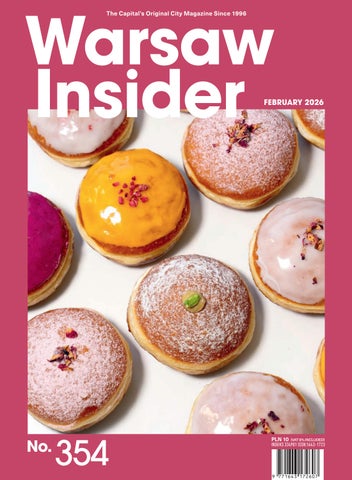
Create a flipbook
Issuu converts static files into: digital portfolios, online yearbooks, online catalogs, digital photo albums and more. Sign up and create your flipbook.