

• CURRENTLY ENROLLED AT CALIFORNIA POLYTECHNIC STATE UNIVERSITY, POMONA
• THIRD YEAR, INTENDED GRADUATION MAY 2028
• B.ARCH
• RHINOCEROUS 3D
• ADOBE SUITE (PHOTOSHOP, ILLUSTRATOR, INDESIGN)
• TWINMOTION
• V-RAY
• REVIT
PHYSICAL MEDIA
• MODEL MAKING
• LASER CUTTING
• 3D PRINTING
• CNC MACHINE
• SHOP CERTIFIED


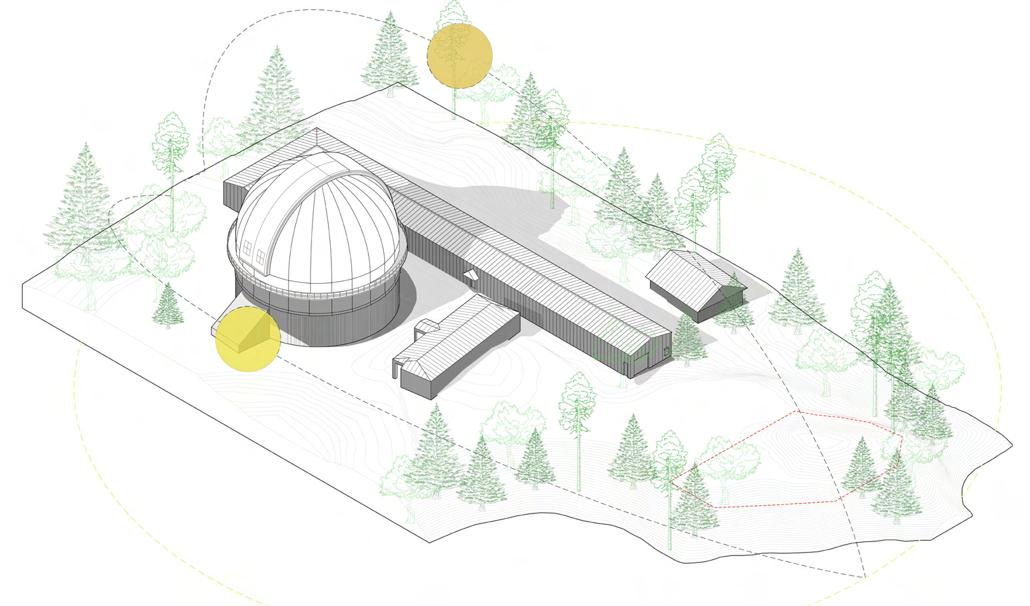




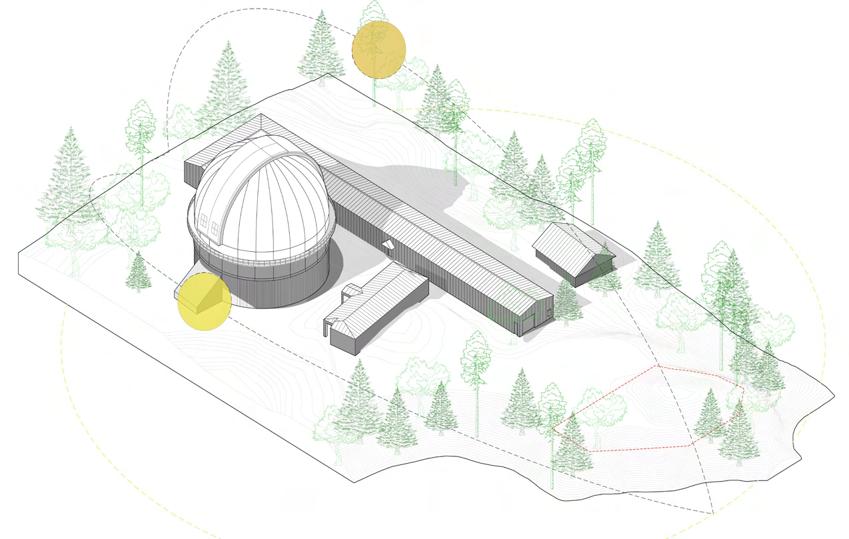

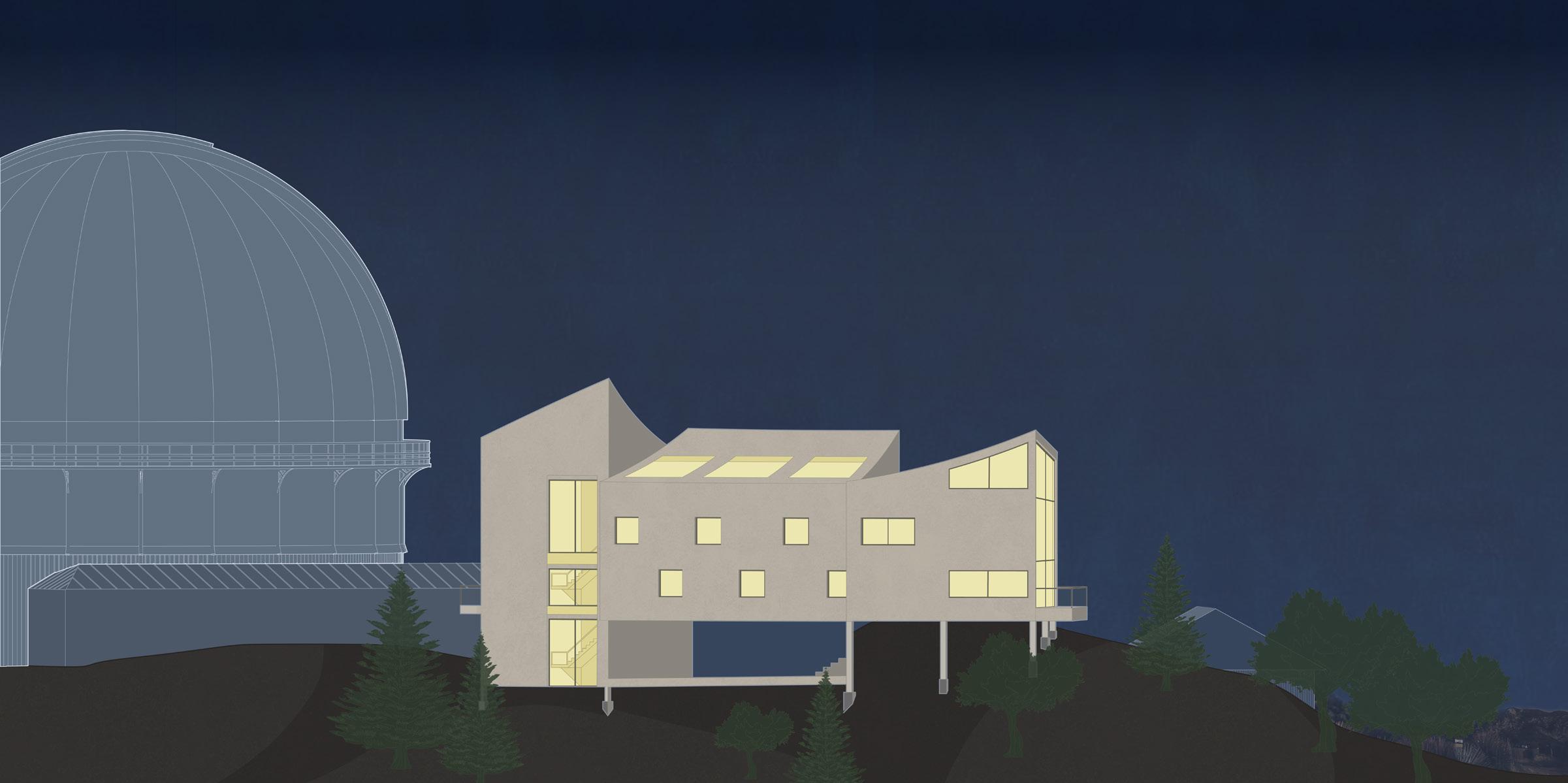
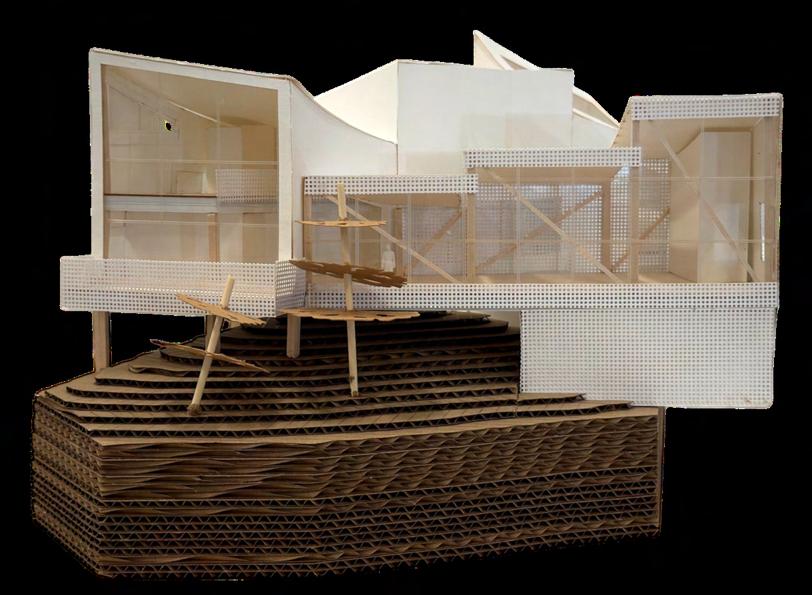
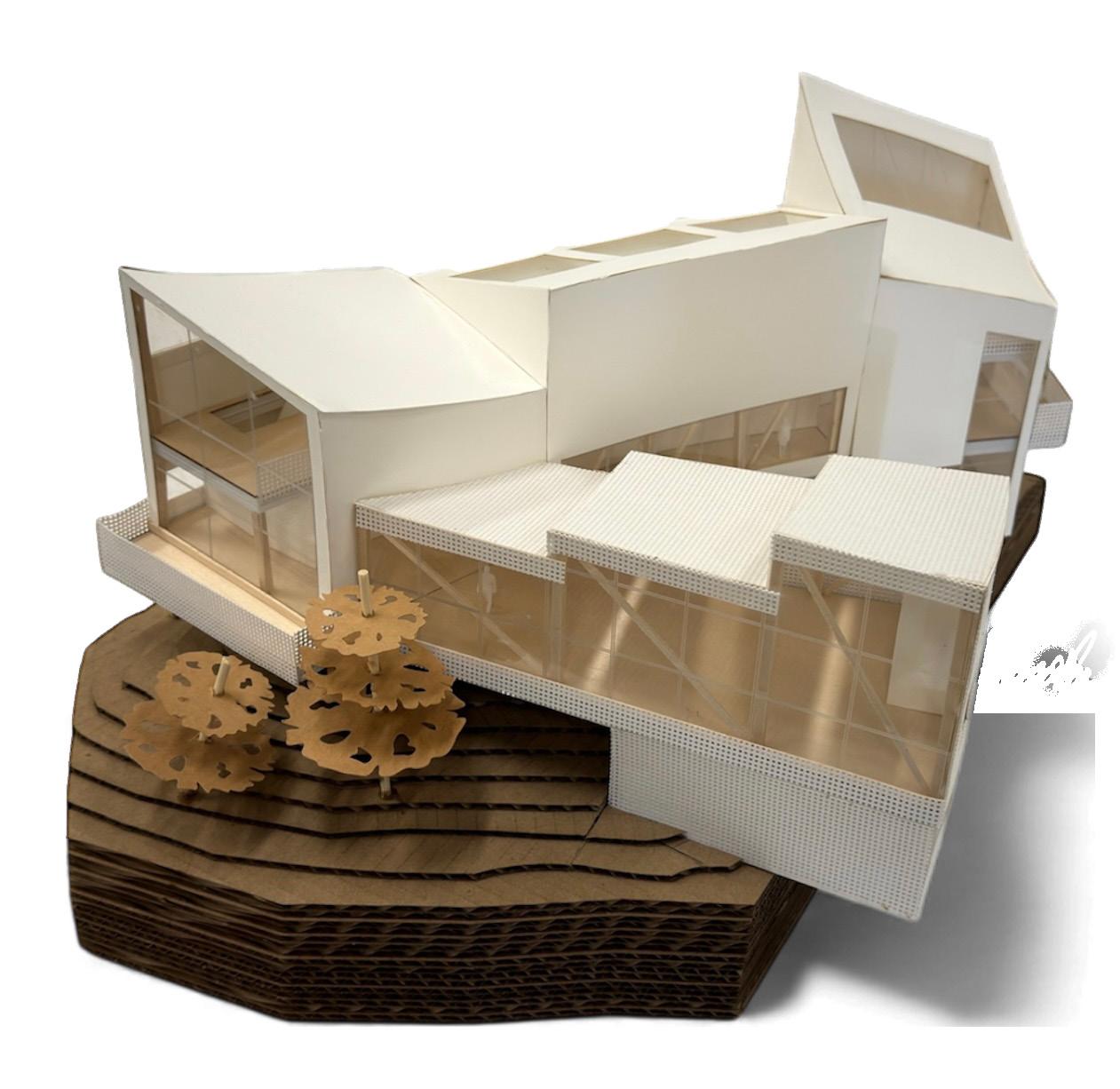
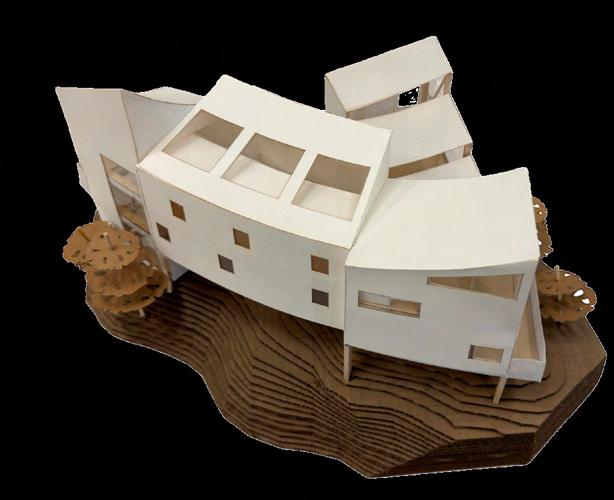
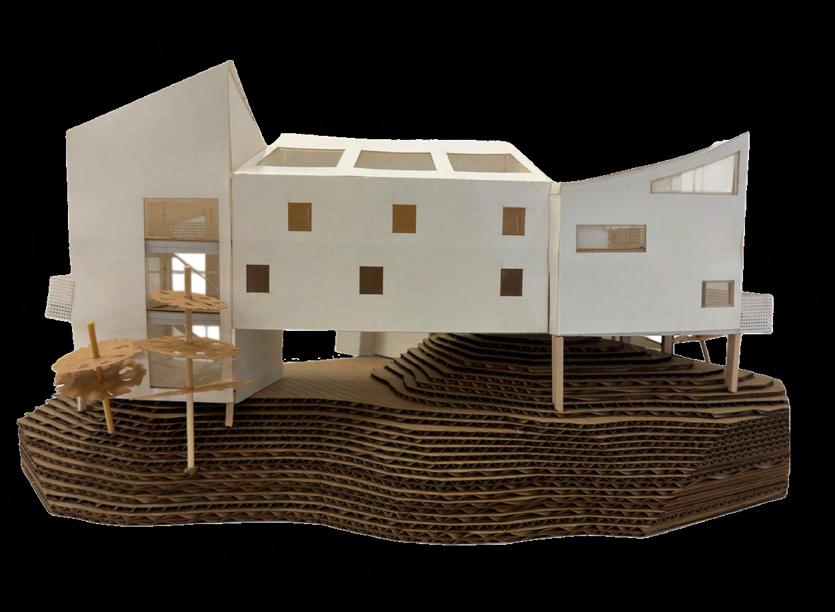
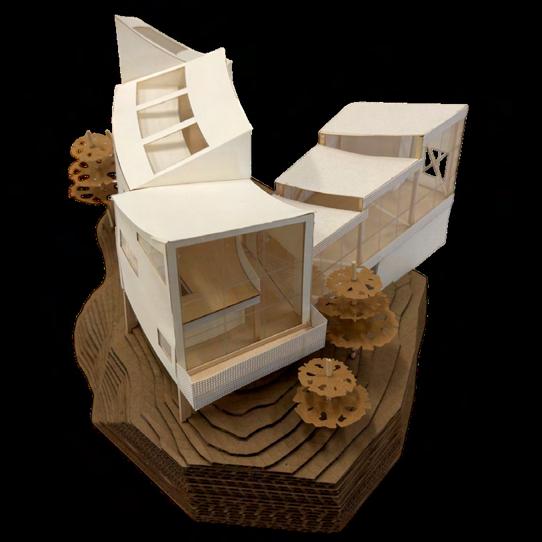
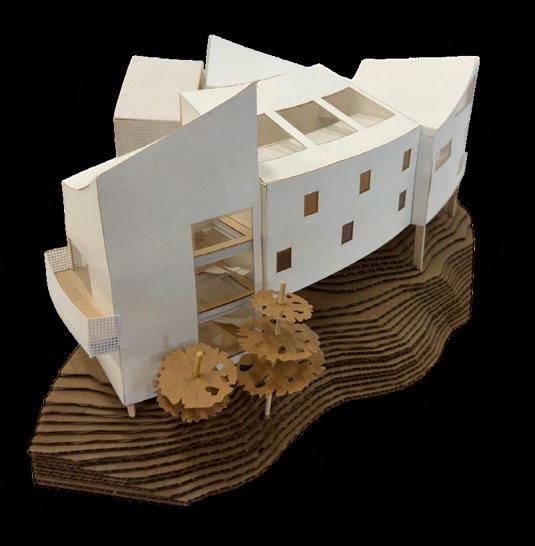
The program is organized using solar position, and how it relates to the activity happening in certain spaces. For example, the office and labs are north facing, using indirect sunlight and large curtain walls to create a more enjoyable workspace. The scupltural roof shapes are informed by solar angles, with skylights that “scoop” and diffuse light into the building.













Ground floor plan































Third floor plan

































































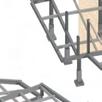
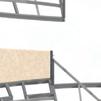
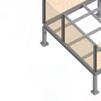
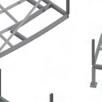
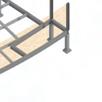
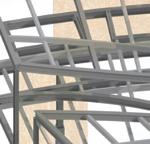
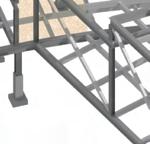













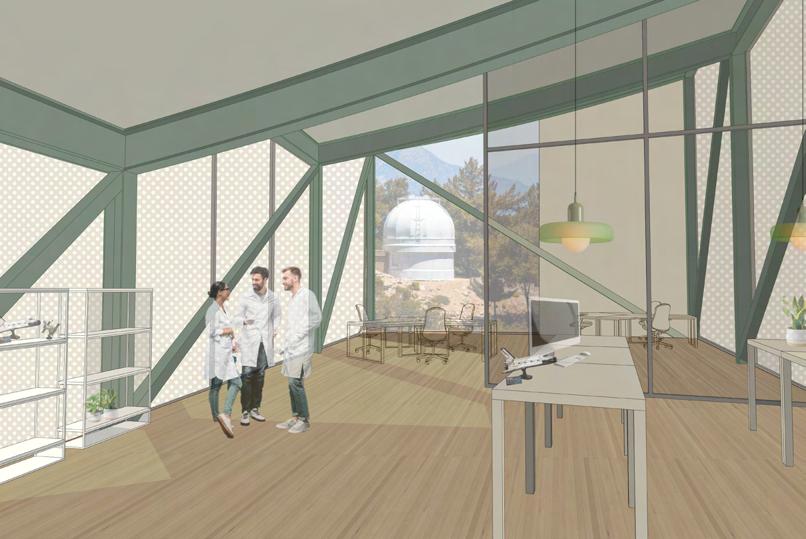
Interior perspective: Laboratory

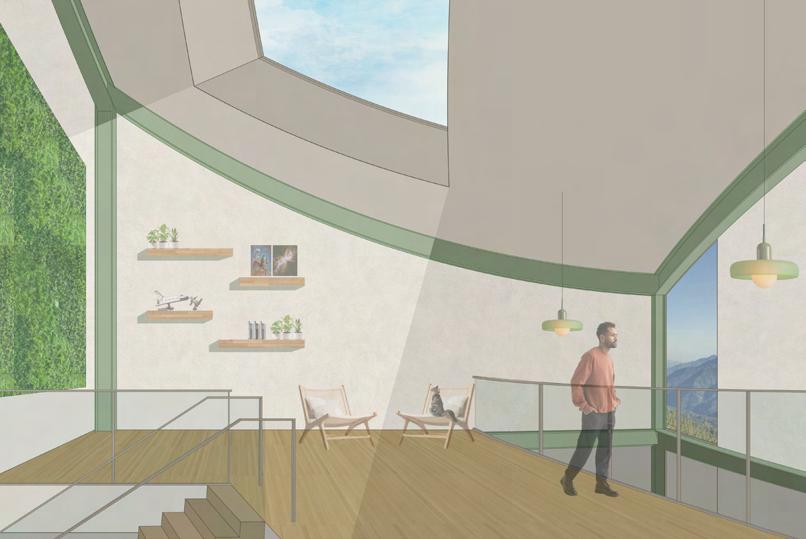
Interior perspective: Lobby/ atrium
Experientially, the scoops work to define the boundaries and unique qualities of each room. This takes the user on a journey, as they discover the various methods in which natural light enters; whether it be through scoops, small openings, or large ribbon windows. At night, the skylights become portals for views of the stars above, giving users a totally different experience than in the daytime.
SPRING 2025
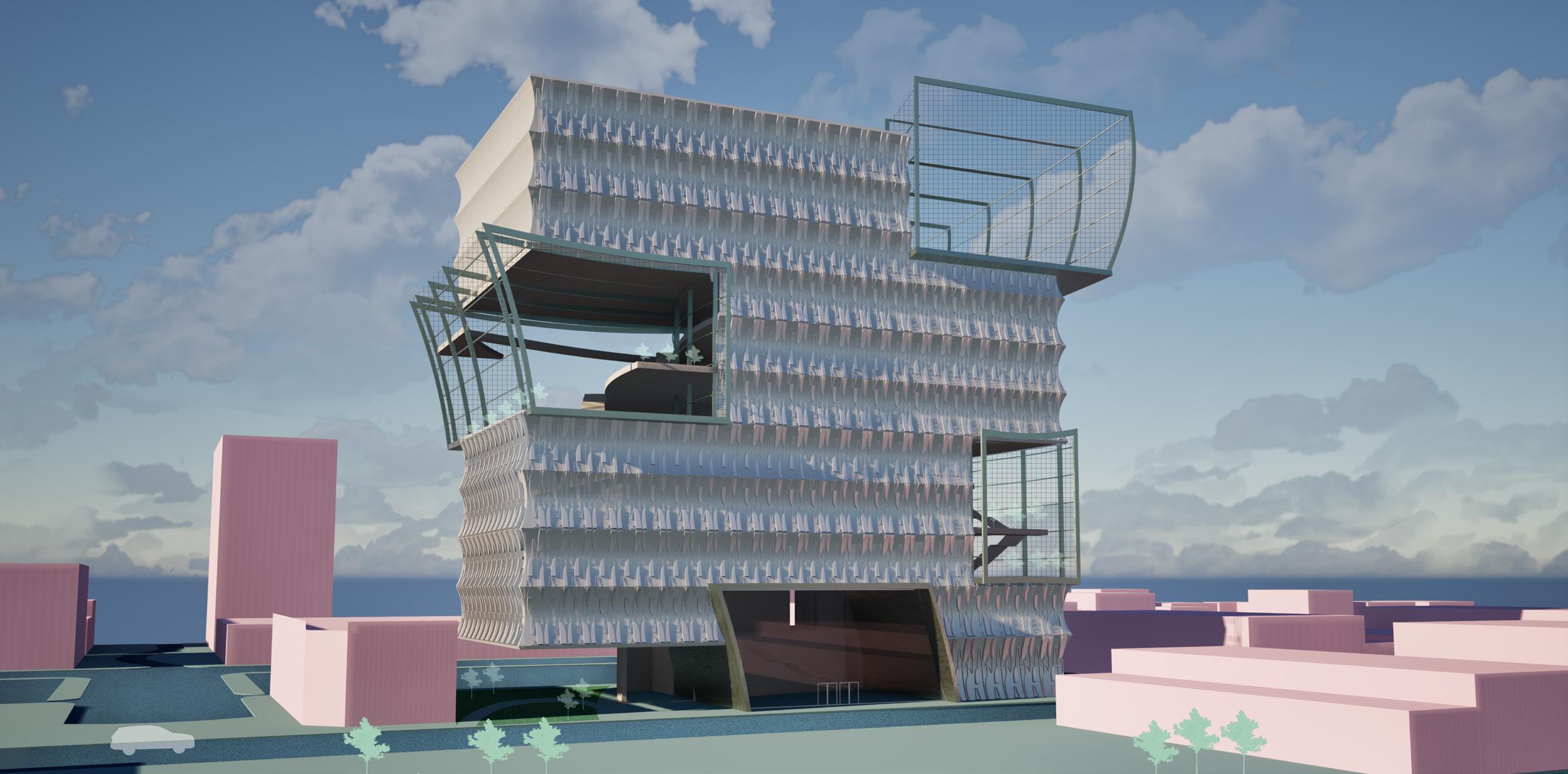
This project aims to revitalize downtown Pomona, through a pedestrian-oriented site response, with ammenities such as a cafe, gallery, and lecture halls open for public use.
Exterior perspective
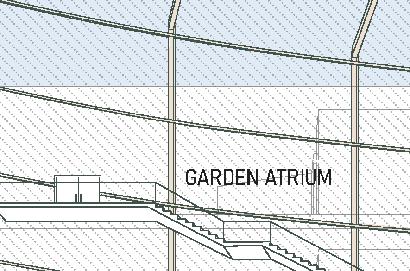
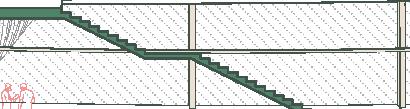
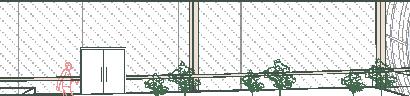
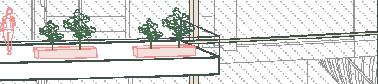
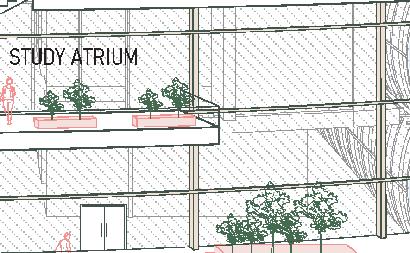
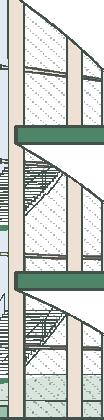
The geometries and overall strategy were derived from an exercise where extruded shapes clashed into a normative tower model, resulting in voids that would later become atriums. The tower is organized by programmatic “chunks” with atriums corresponding to its neighboring uses. The bottom two floors and atrium are public facing; the next three are for admin, classrooms, and makerspaces, therefore, the atrium is intended for studying and is at a smaller scale; and the upper six floors are studios, so their respective atriums encourage interaction and are a space to disconnect from the studio.
Program Diagram Circulation Diagram

















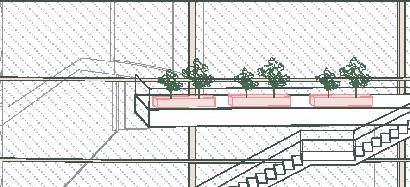

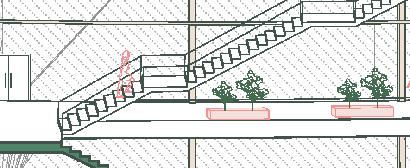







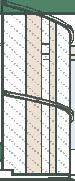


TERRACED
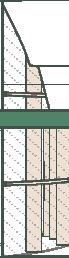
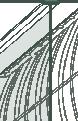


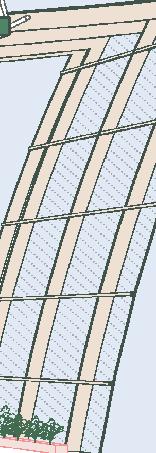

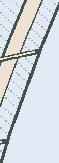


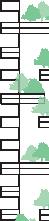


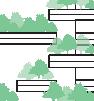
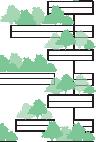






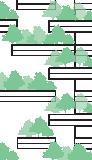
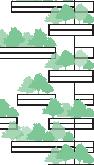
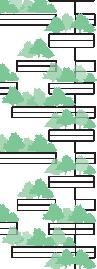


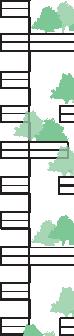


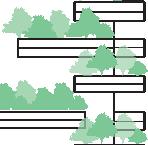
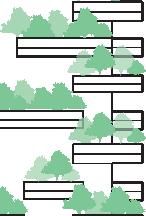
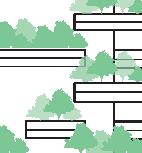
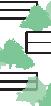
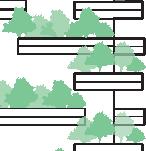
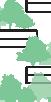
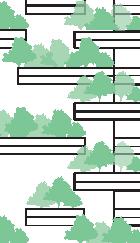
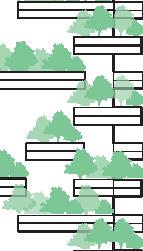
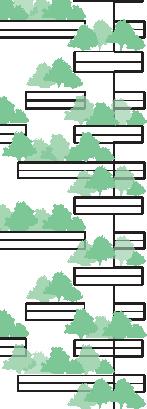
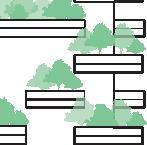
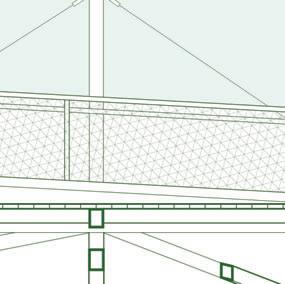
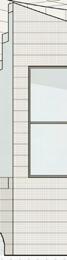
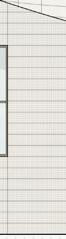
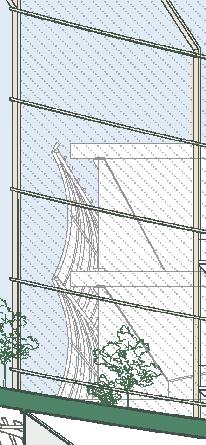
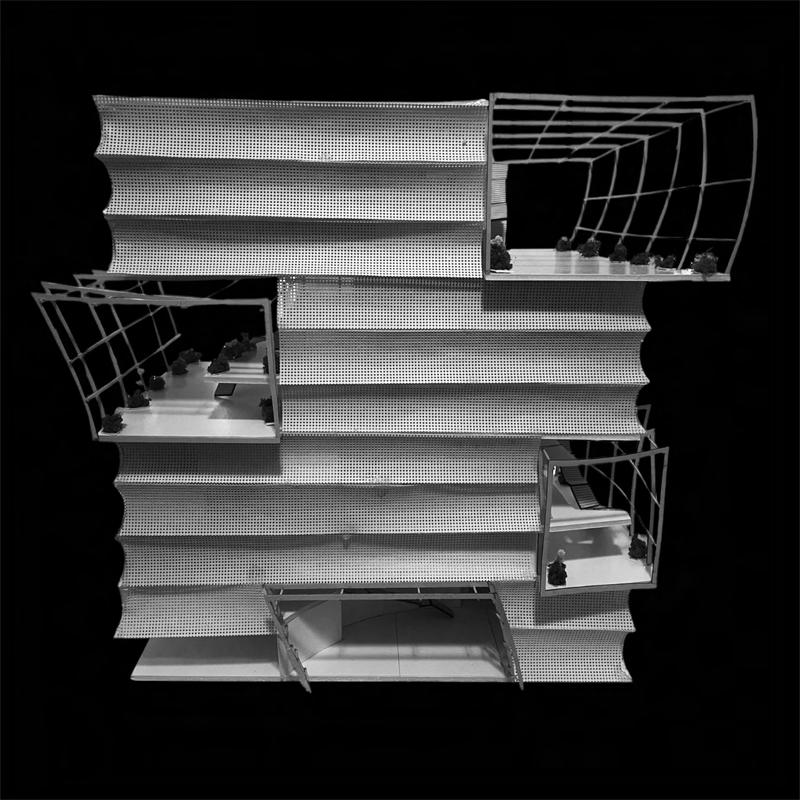
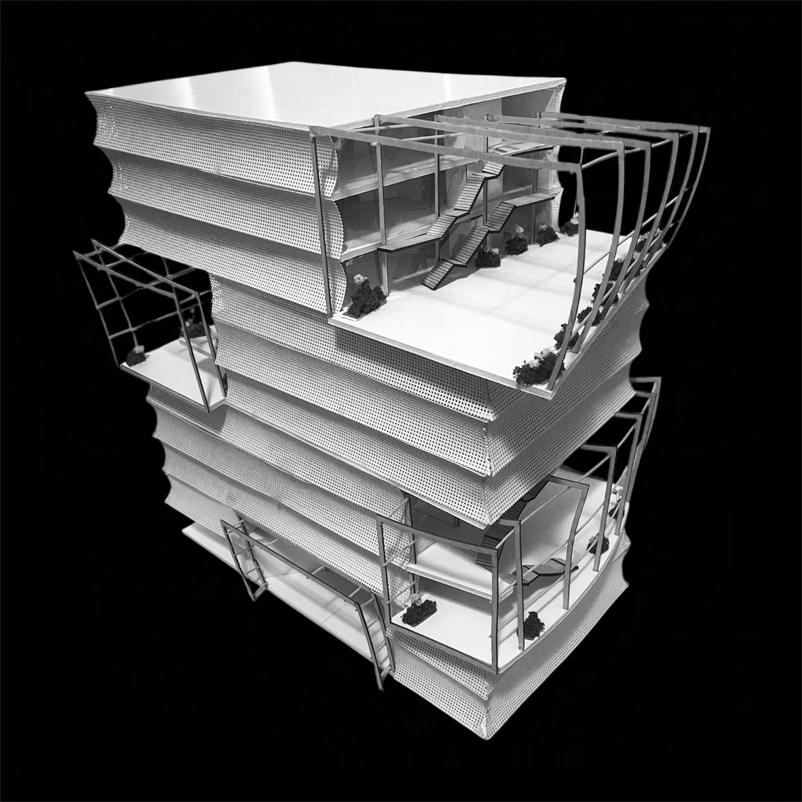
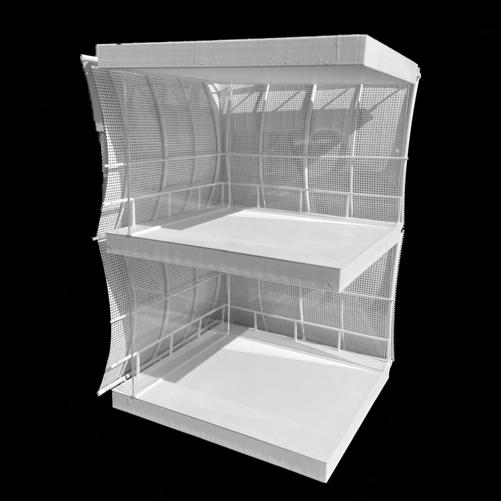
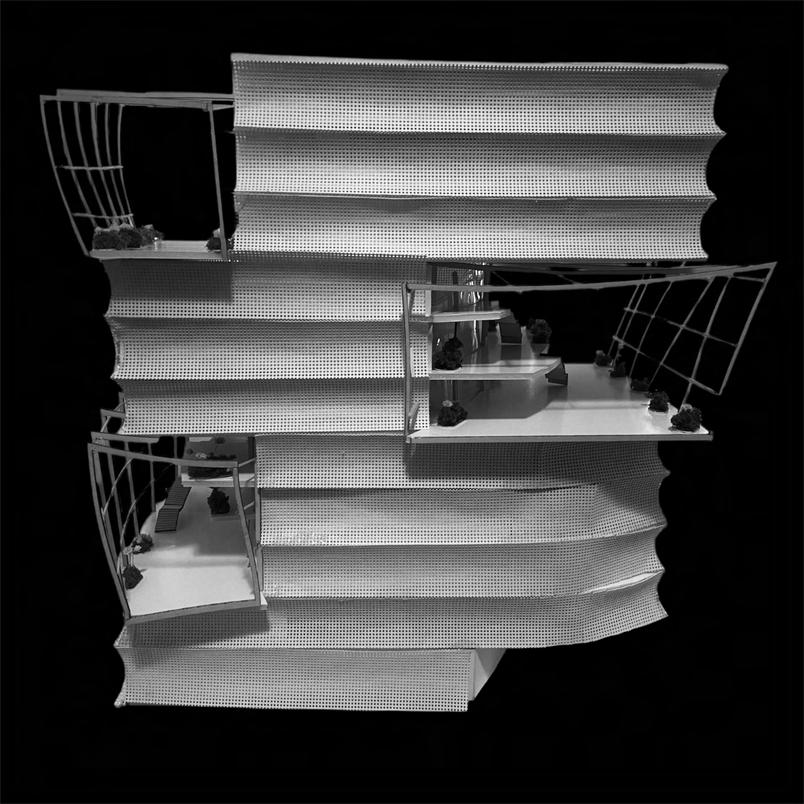
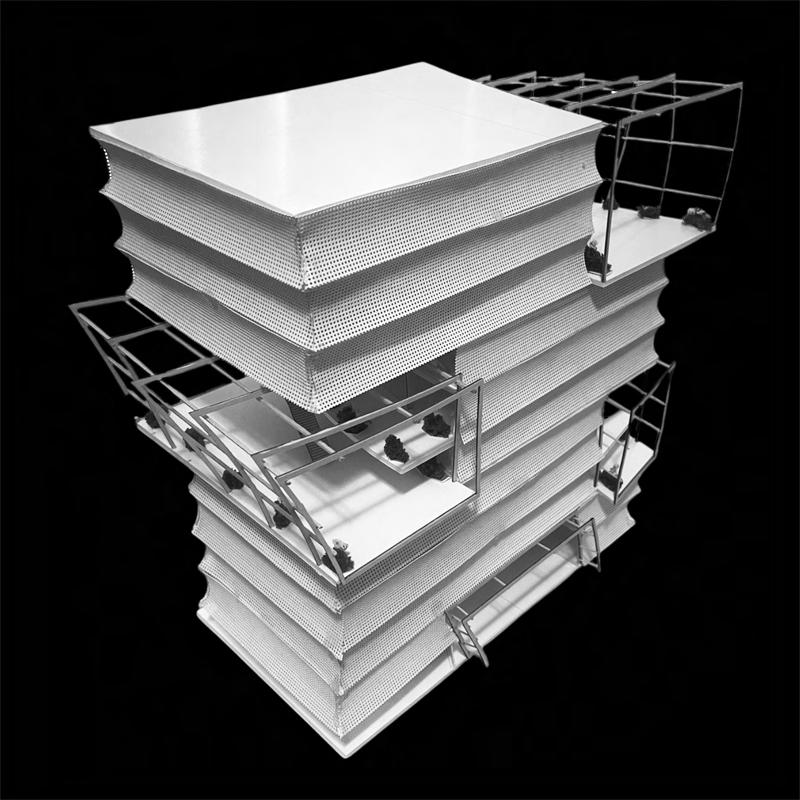
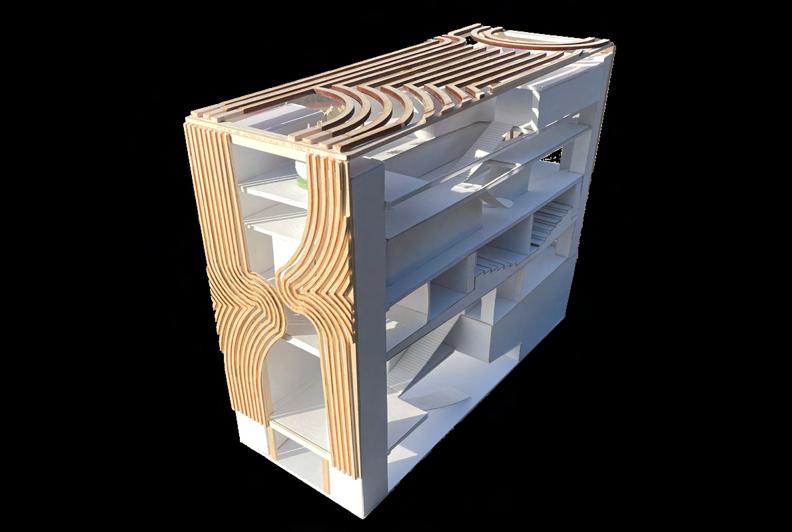
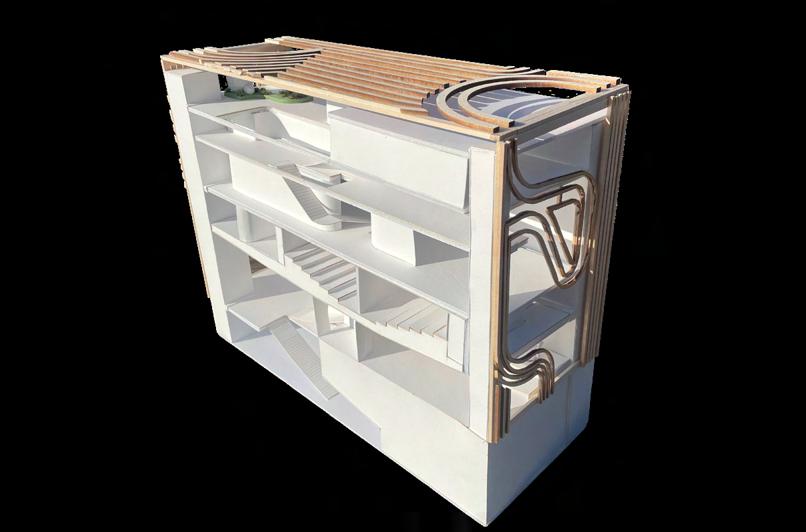
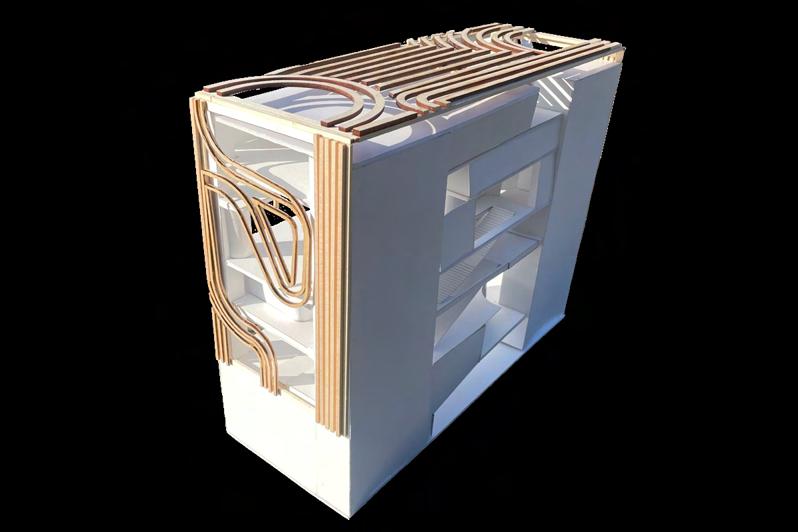
Facade exploration began through precedent studies, where each “layer” was analyzed to reveal its underlying geometries, alignments, and systems. From there, these geometries were kitbashed to create a geometric expression for my facade. Elevation studies were done in tandem to define the relationship between “building” and “atrium” as a contrast between a mesh facade and skeleton-like atriums.
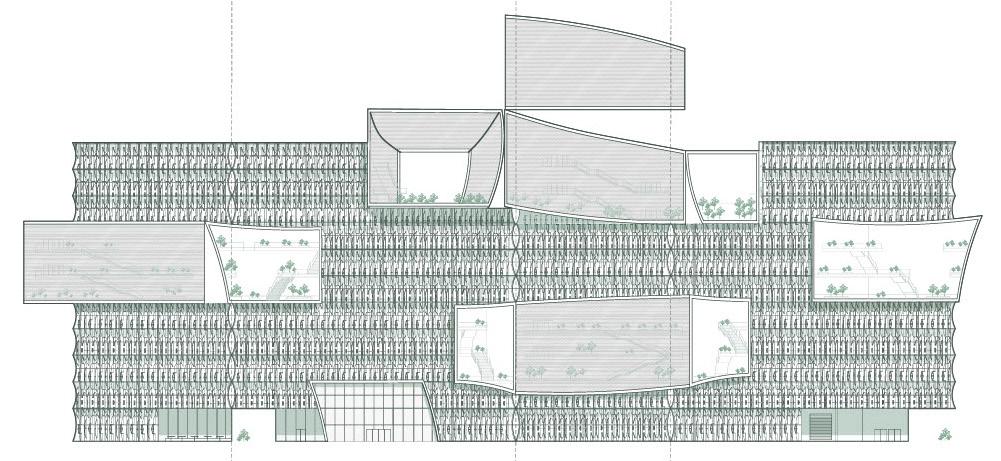
Unrolled elevation
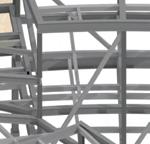
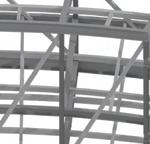
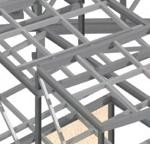
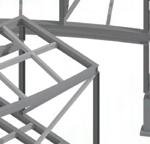
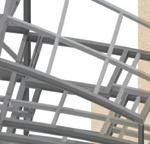
The facade of this project took the geometries from the kitbash exercise, where each geometry was made either solid, frame, or void to provide solar shading. The atriums were covered in a wire mesh, with visible steel frames to further emphasize the contrast between the building and voids.
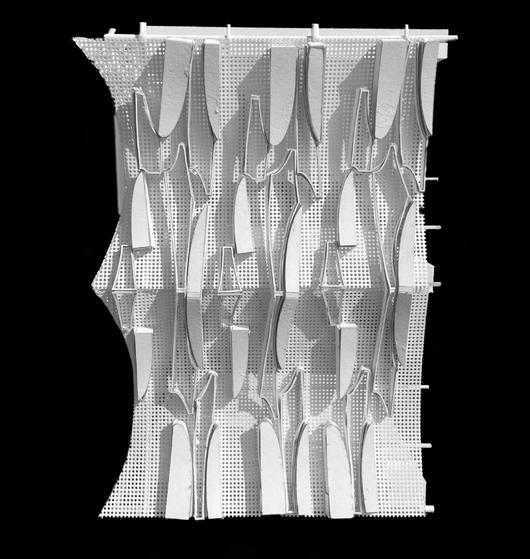
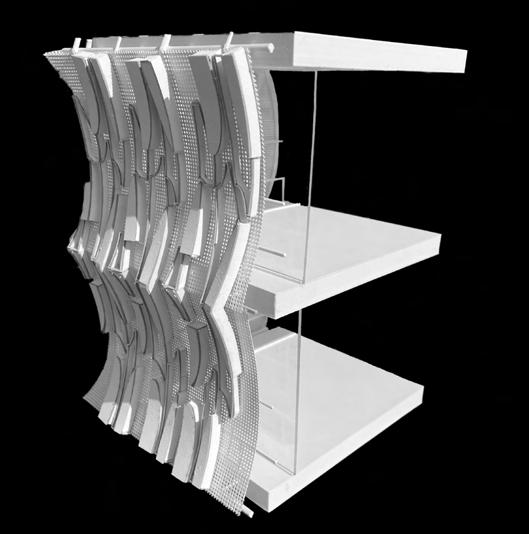
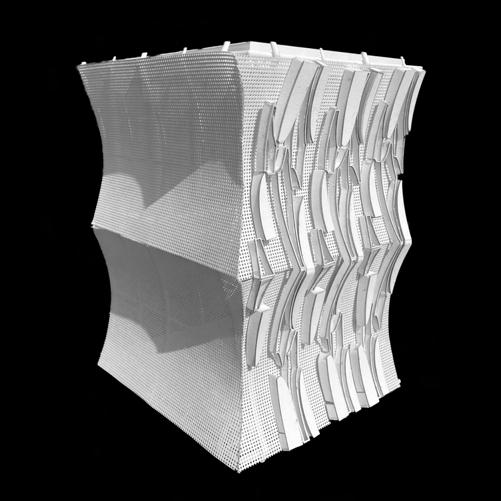
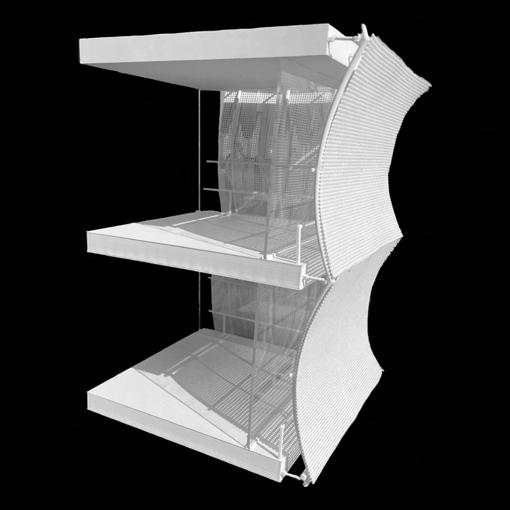
The Fuji-Kan Cinematheque is a public center that celebrates cinema and educates patrons through regular showings, galleries, and libraries. Wedged in the middle of Little Tokyo, the bottom, two floors engage the public and connect 1st street to the Japanese Village Plaza on the back entrance.
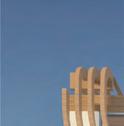
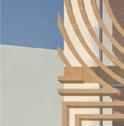
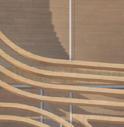
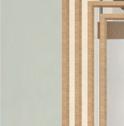
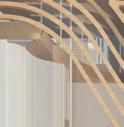
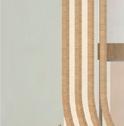
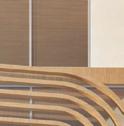
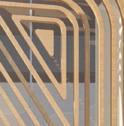
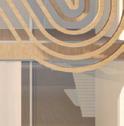
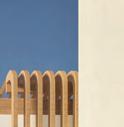





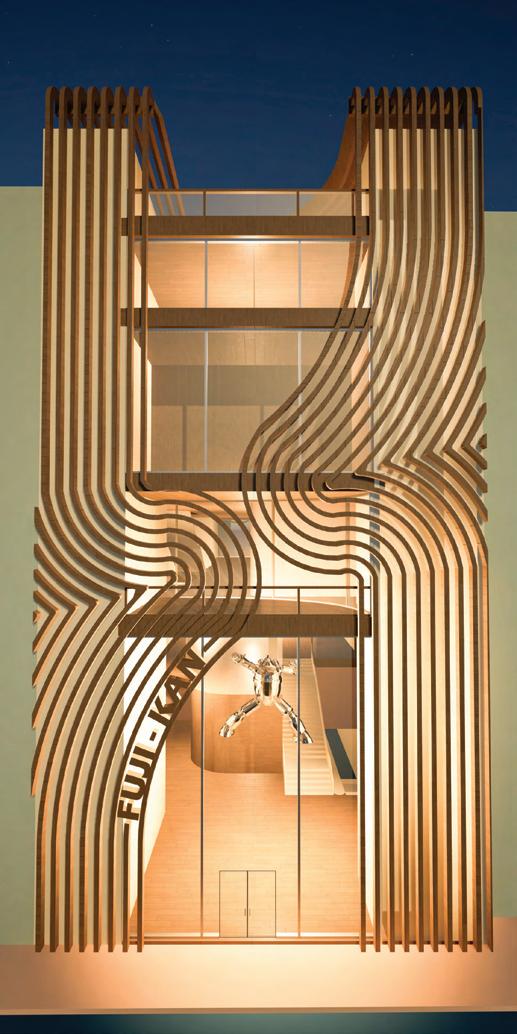





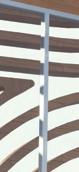





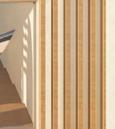


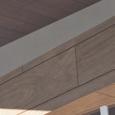
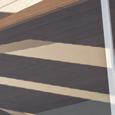


















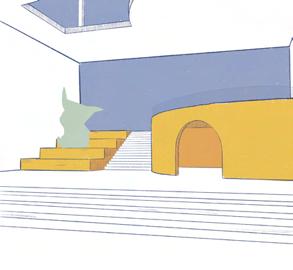
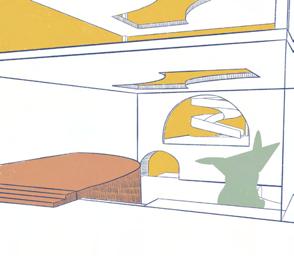
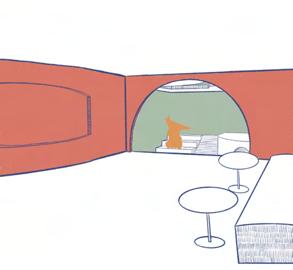
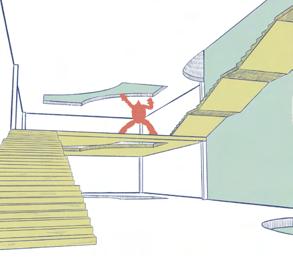
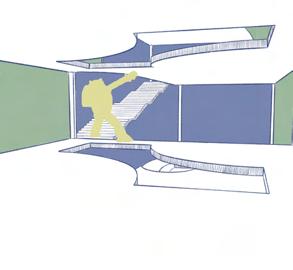
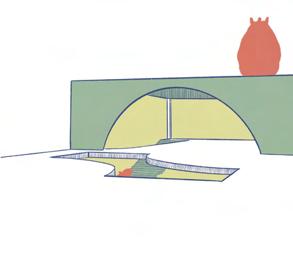
Inspired by movie scores, the plan mimics soundwaves, with undulating walls, allowing for a unique experience, giving the user a sense of discovery as they round each corner. The facade continues this, and through its fins, diffuses sunlight into spaces.

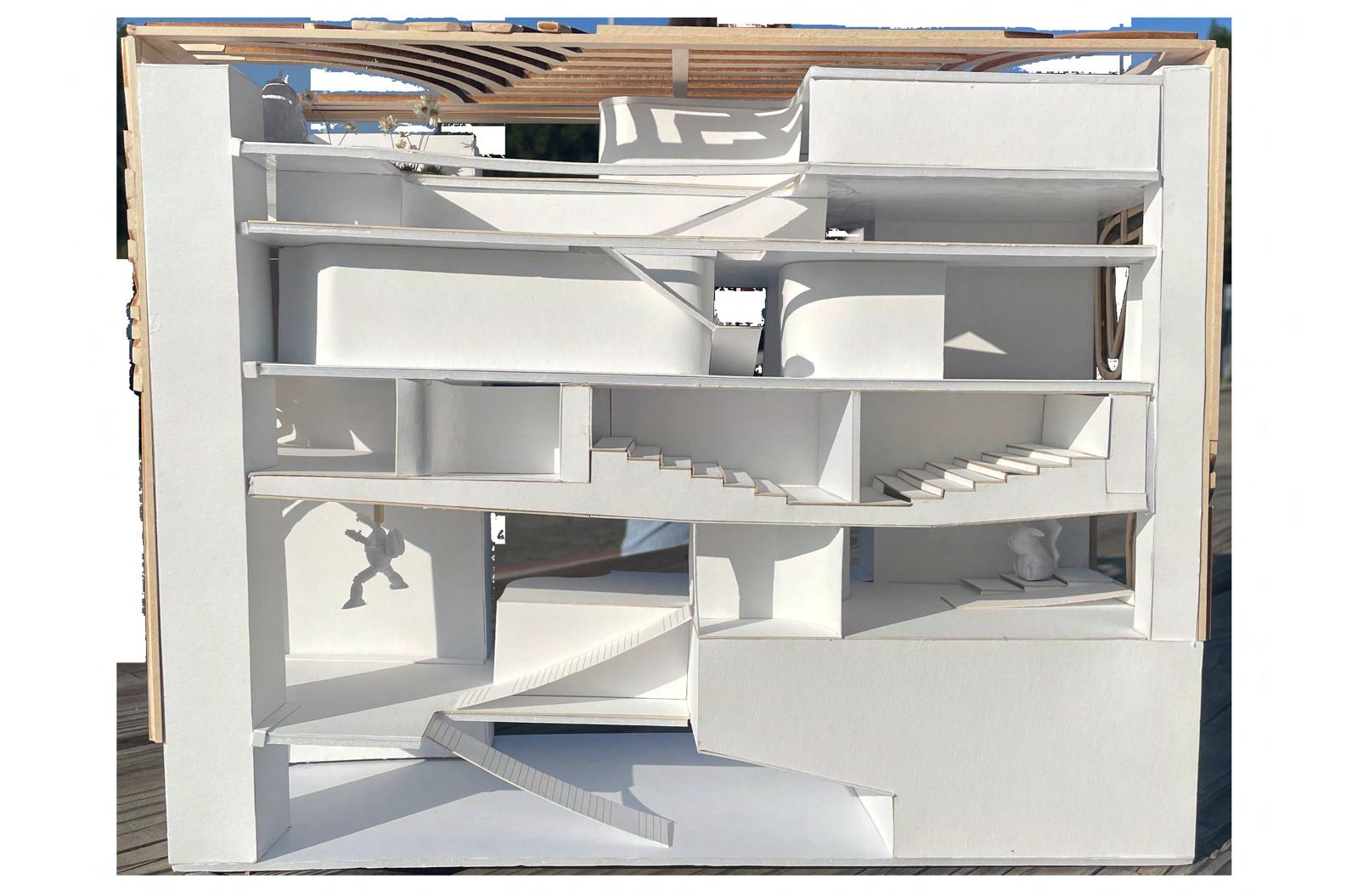
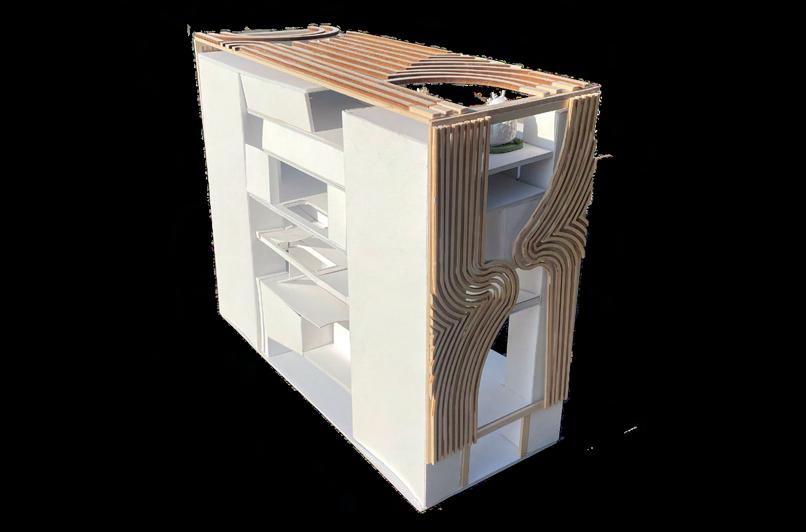
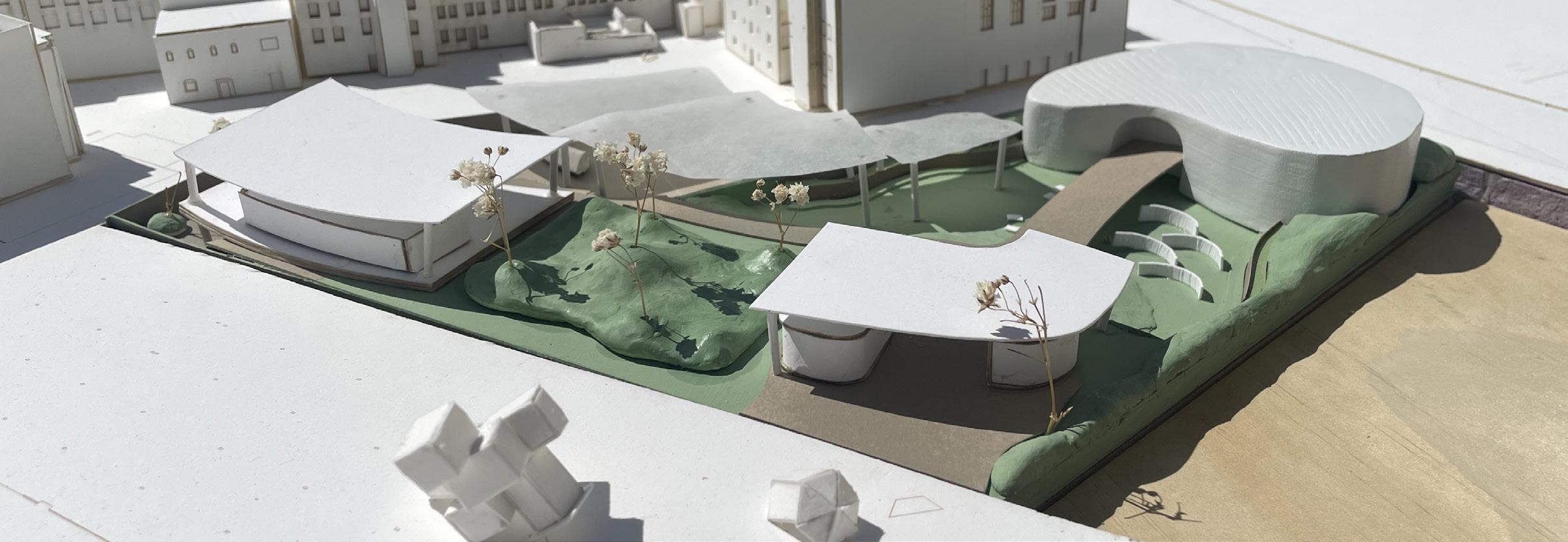
Little Tokyo has a prevalent art scene, however it is usually only accessible through a paywall. This project responds to that and makes a public art space that features murals and sculptures made by locals, engaging the community and all demographics.
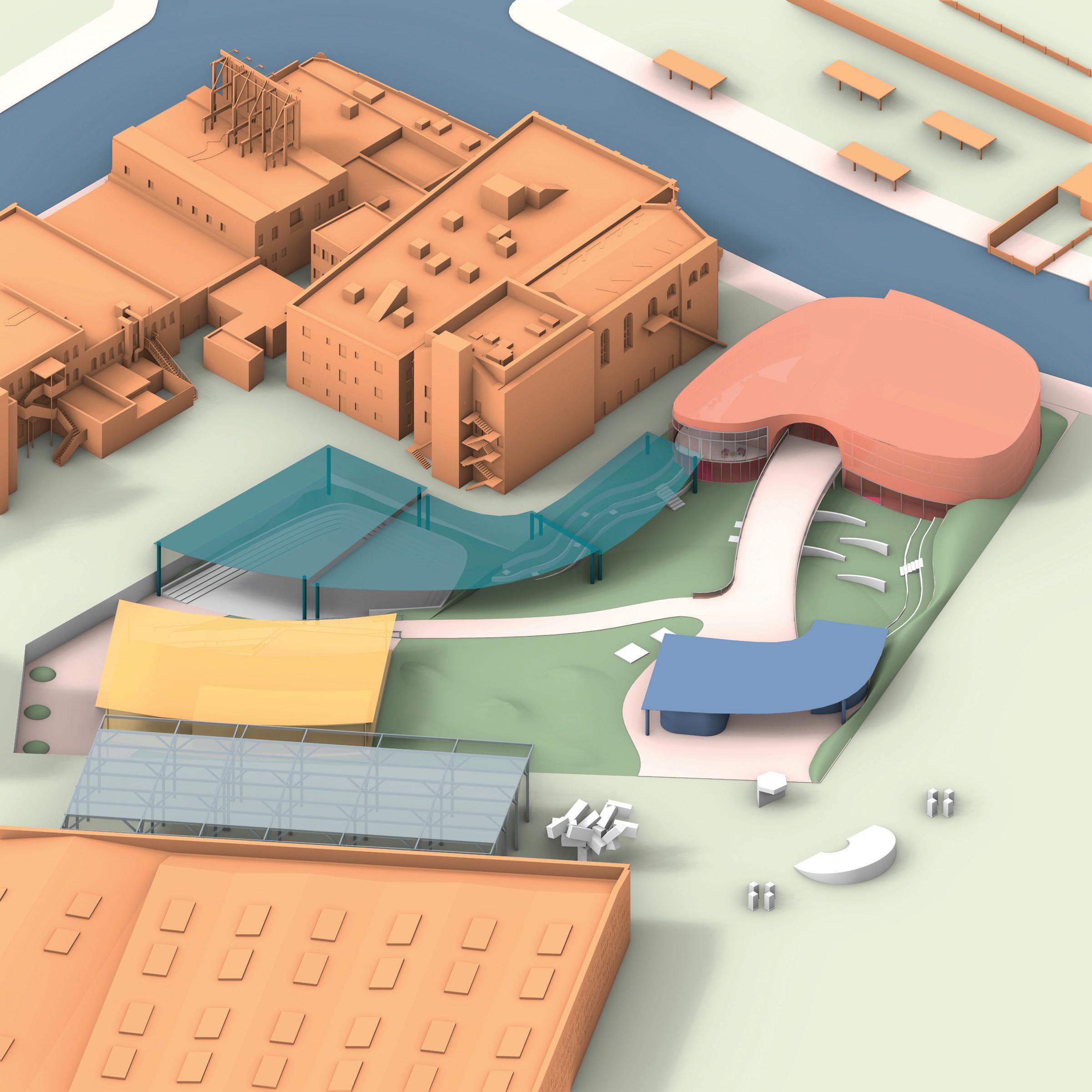



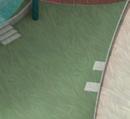








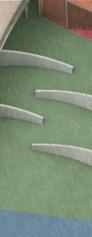


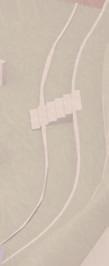
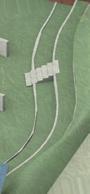







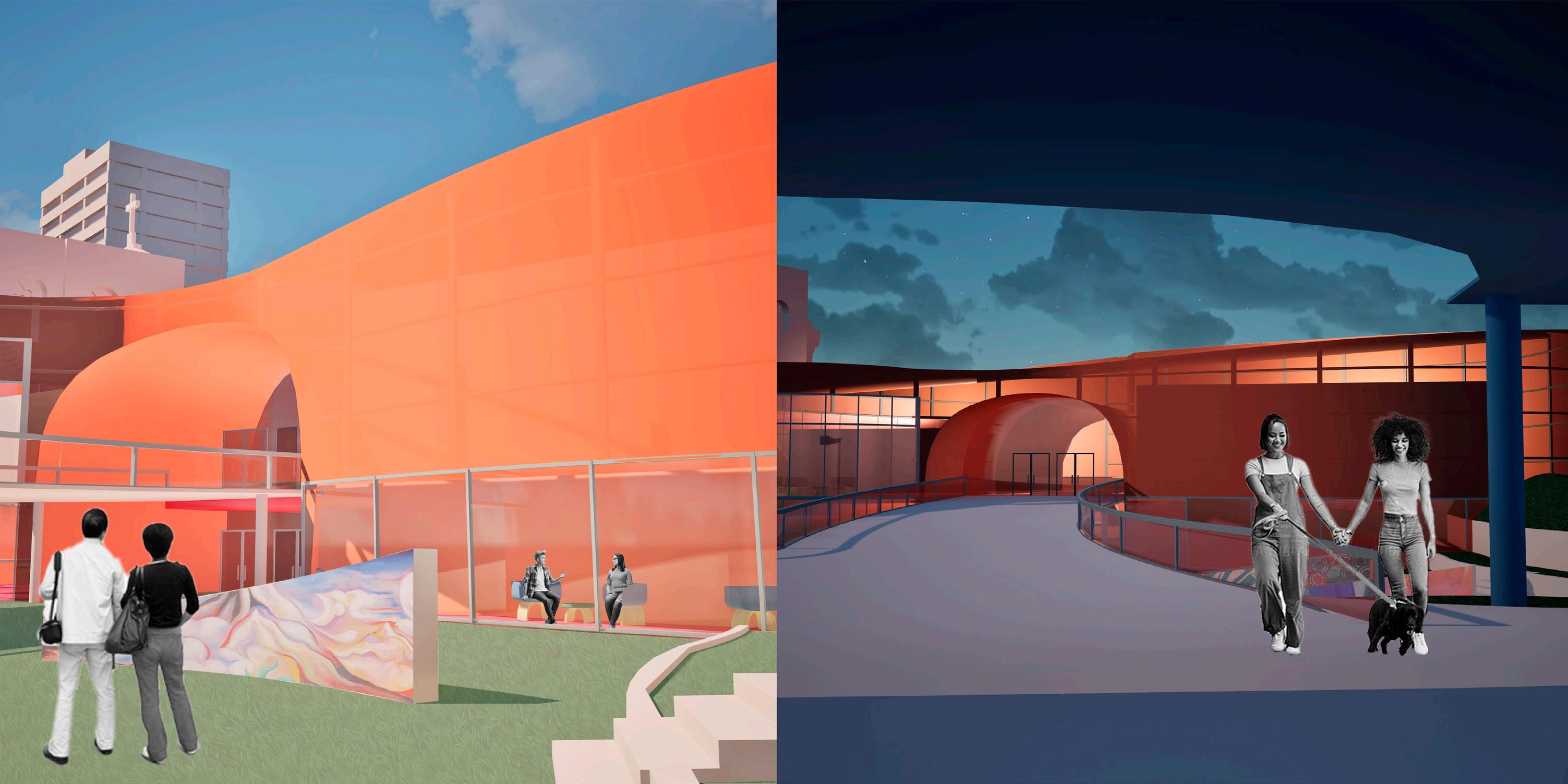
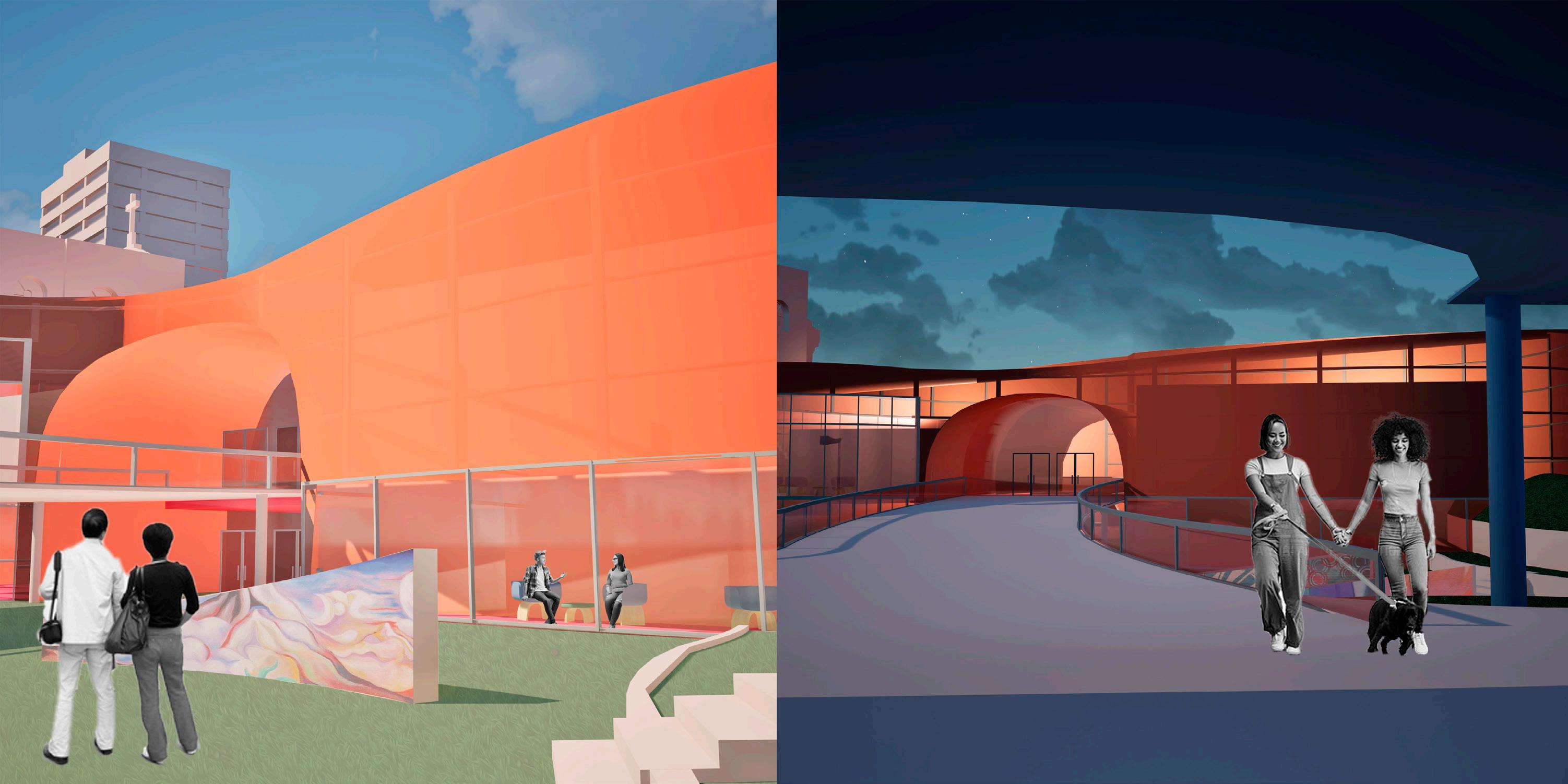
Exterior Perspectives
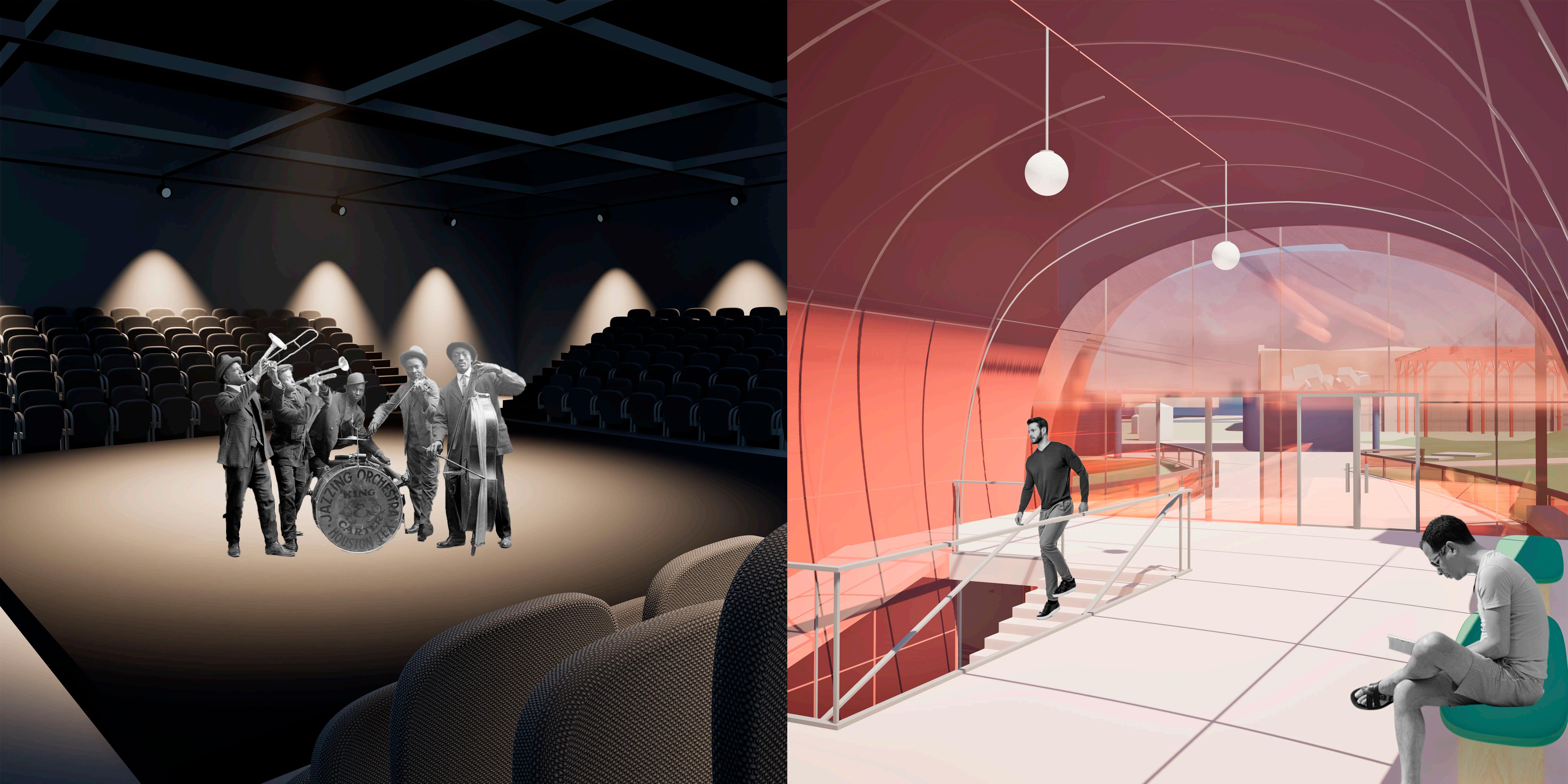
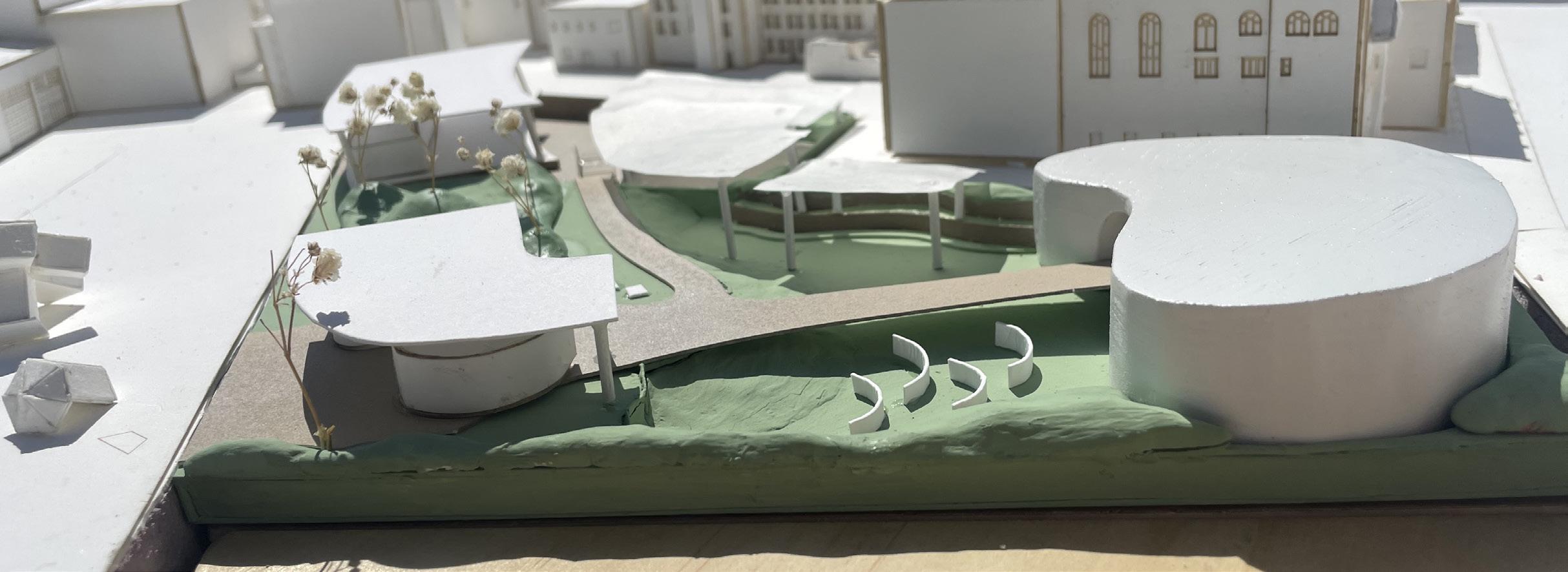
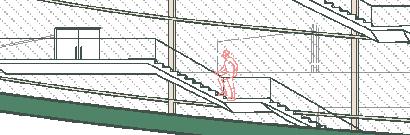
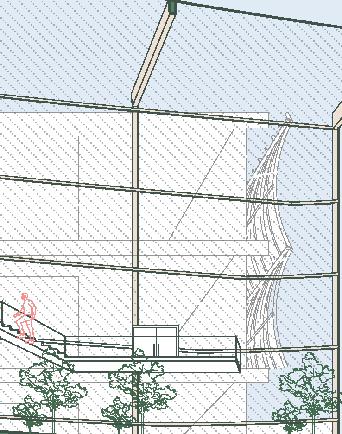
The parti of the theater building is shown as orthogonal program blocks in an organically-shaped shell. The residual space is for visitors to enjoy and gather in. The void in the center is where the lobby and primary circulation occurs. The shell “peels” in certain areas to reveal new spaces inbetween the program and shell.
Parti Diagram
ORGANIC-SHAPED SHELL
ORTHOGONAL PROGRAM
CIRCULATION + UNPROGRAMMED PUBLIC AREAS

SCULPTURE GARDEN
Sub-ground foor plan
The site is defined by four canopied areas, with geometries inspired by paint on a palette. In creating a public art space, the boundaries of each place are loosely defined, using overhead canopies to inform where certain activity takes place. Additoinally, parts of the project sink below ground, giving users a more cozy and intimate experience as opposed to other bustling plazas in the area.