Sami Götze
ABOUT ME
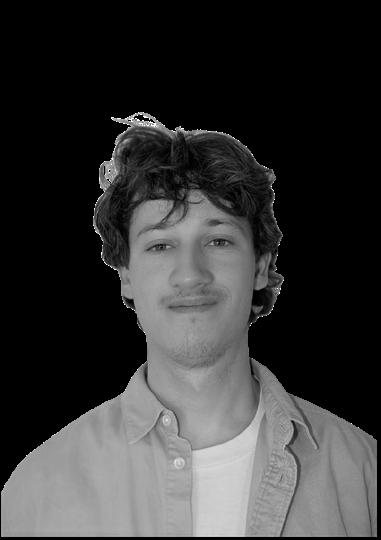
I am an urban designer with a genuinely international perspective shaped by living across three continents. Raised partly in the Dominican Republic, I completed high school and an associate degree in Chicago, then a hands-on internship with GIZ and Stubenrauch Planning Consultants in Windhoek, Namibia.
These experiences taught me to navigate cultural contexts and collaborate with diverse backgrounds to create practical, livable urban solutions. In group projects I seek international teammates for their sharp ideas—many have become lasting collaborators.
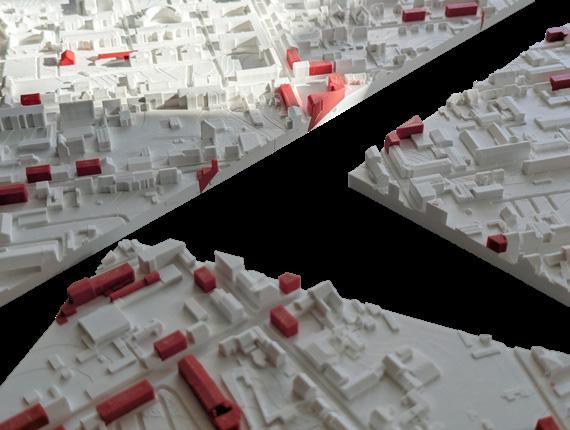
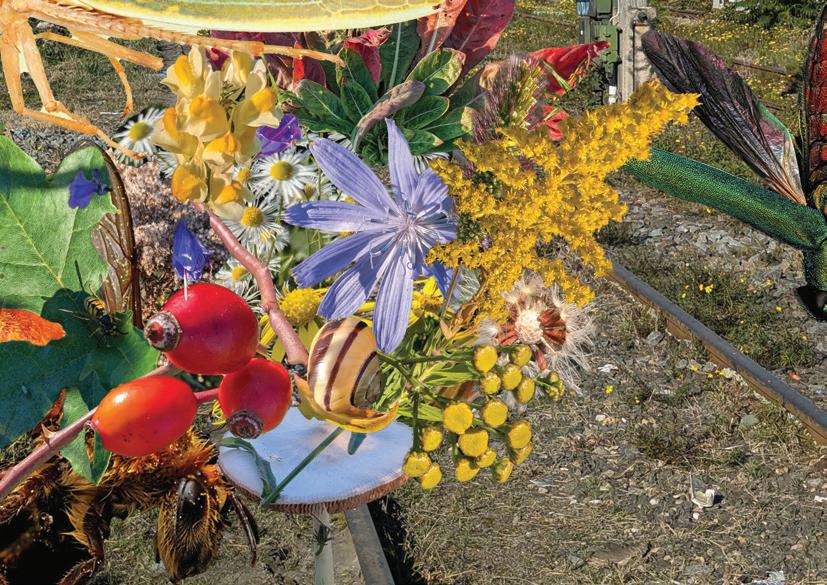
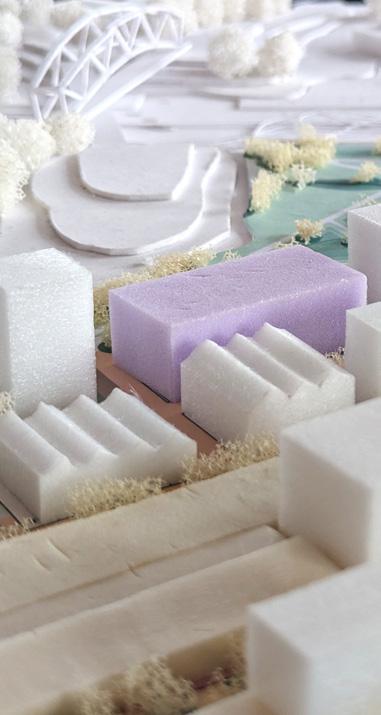
Passionate about technological innovation in design, I integrate AI visualization tools and 3D printing. A critical thinker, my work is grounded in a strong understanding of place, policy, and people, driven by social sustainability and a passion for inclusive, forward-thinking cities.
Contact valentin.goetzeOl@Iive.com +49 1522 6287366 Portfolio LinkedIn born 2001 in Berlin
CV experience
2025Cottbus, GER
2024-2025 Cottbus, GER
2024 Windhoek, NAM
education
2024Cottbus, GER
2021-2024 Cottbus, GER
2019-2021 Chicago, USA
2017-2019 Chicago, USA
Work Student (at Economic Development Agency Cottbus)
Work Student/TA (at Department of Landscape Architecture)
INTERN
(at GIZ & Stubenrauch Planning Consultants)
M.Sc. Urban Planning and Urban Design (at Brandenburg University of Technology)
B.Sc. Urban Planning and Urban Design (at Brandenburg University of Technology)
Associate Degree (Focus on Urban Studies) (at Loyola University Chicago)
High School Diploma (study abroad) (at New Trier High School)
Deutsch English Español
competitions
languages skills
Schinkel-Wettbewerb 2026: „Luckenwalde“
Moritz-Ziller-Preis für Stadtgestaltung 2026
strengths
spatial analysis team collaboration visual communication
Rhino ArcGIS Adobe Suite Vectorworks
AI visualization 3D printing
LEIPZIG
Freiladebahnhof Ost
Frankfurter Allee Süd
Internship in Namibia
3
WINDHOEK 2
BERLIN
*Bonus
1 Freiladebahnhof Ost
Type: Urban Design
Location: Leipzig
Course: Design Studio WiSe 2024/25
// Prof. Verena Schmidt (teleinternetcafe)
Collaborators: Swaleha Fatima, Sheraz Muhammad
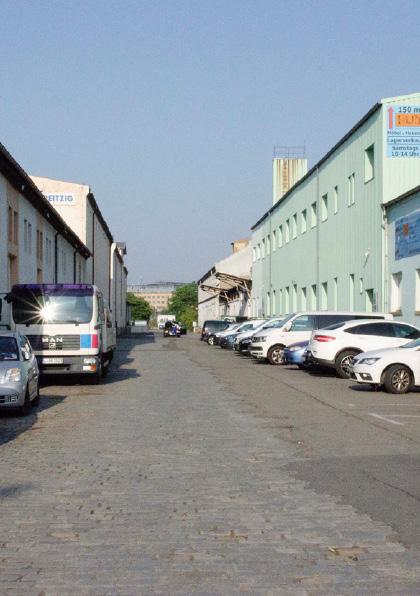
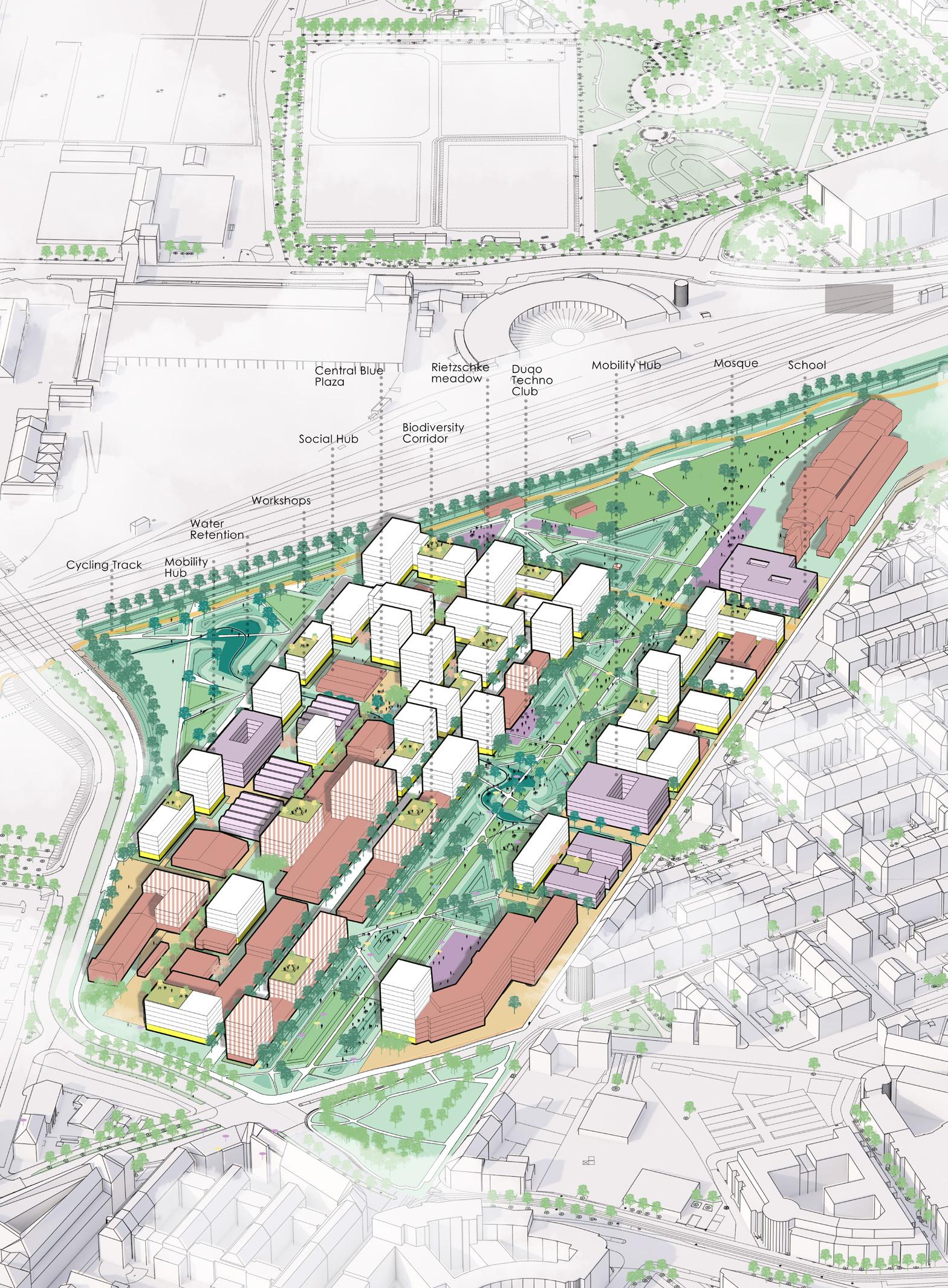
Introduction: The former Freiladebahnhof Ost in Leipzig already blends commercial and subcultural uses. Amid ongoing urban growth, the site will densify into a vibrant mixed-use district. Key influences include the planned park arch and local trends along Eisenbahnstraße. The challenge: preserve its unique character while creating an inclusive place for long-term residents, newcomers, migrant and middle-class groups, squatters, creatives, and workers. We explored how to maintain club culture and production spaces alongside new housing, social interaction, and ecological green areas.
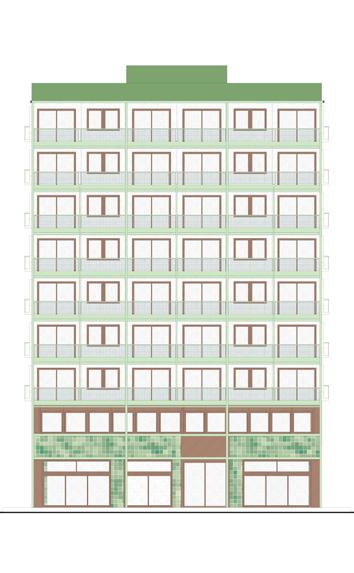
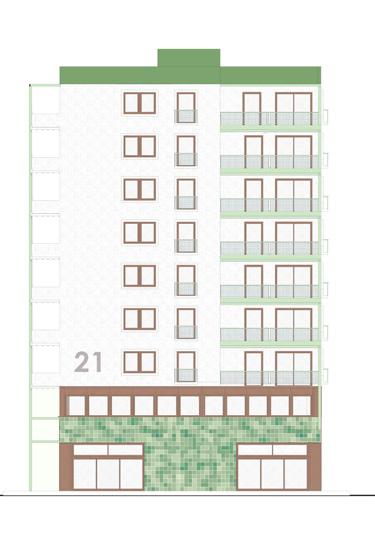
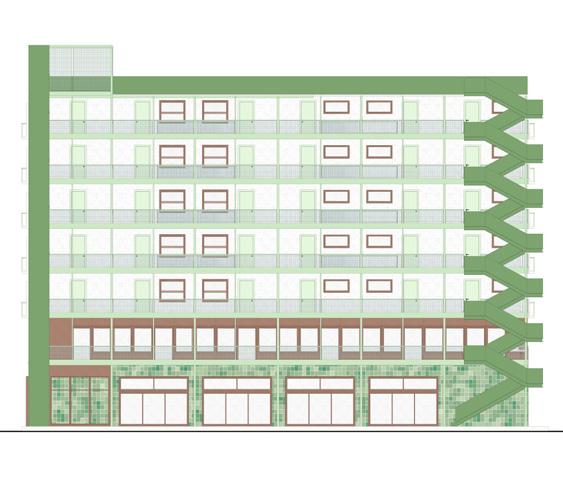
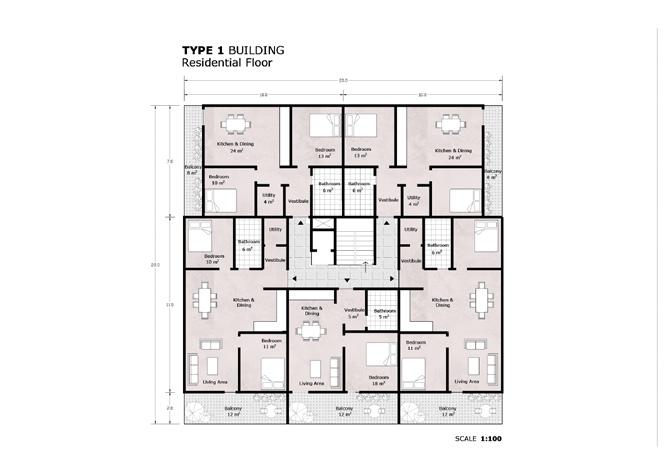
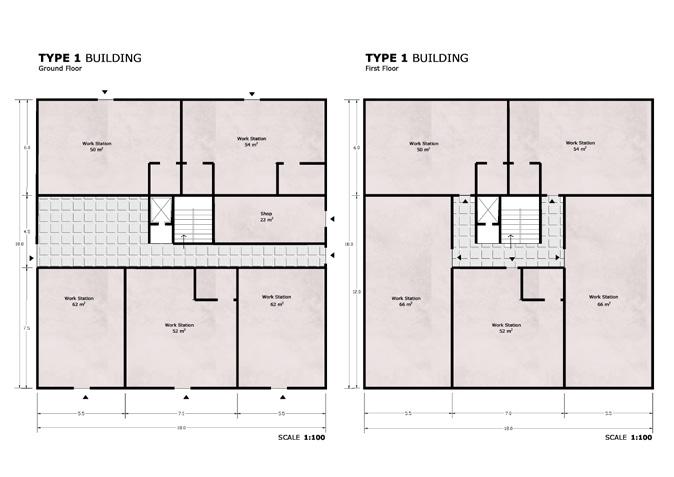
Goal of the project: Develop a forward-thinking urban design concept at neighborhood scale and design a mixed-use building typology.
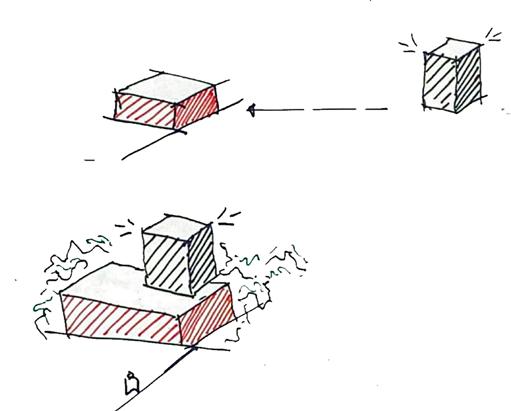
„building on the built“
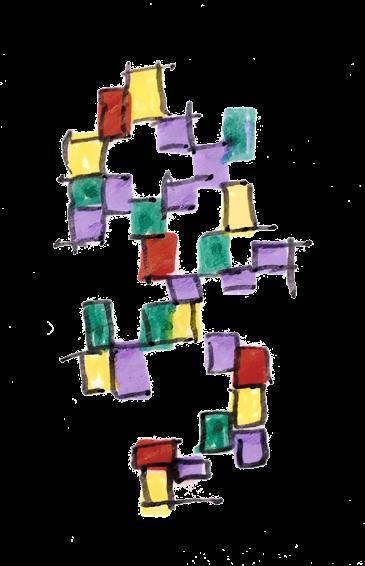
„decentralized & flexible ecosystem“
Design Concept:
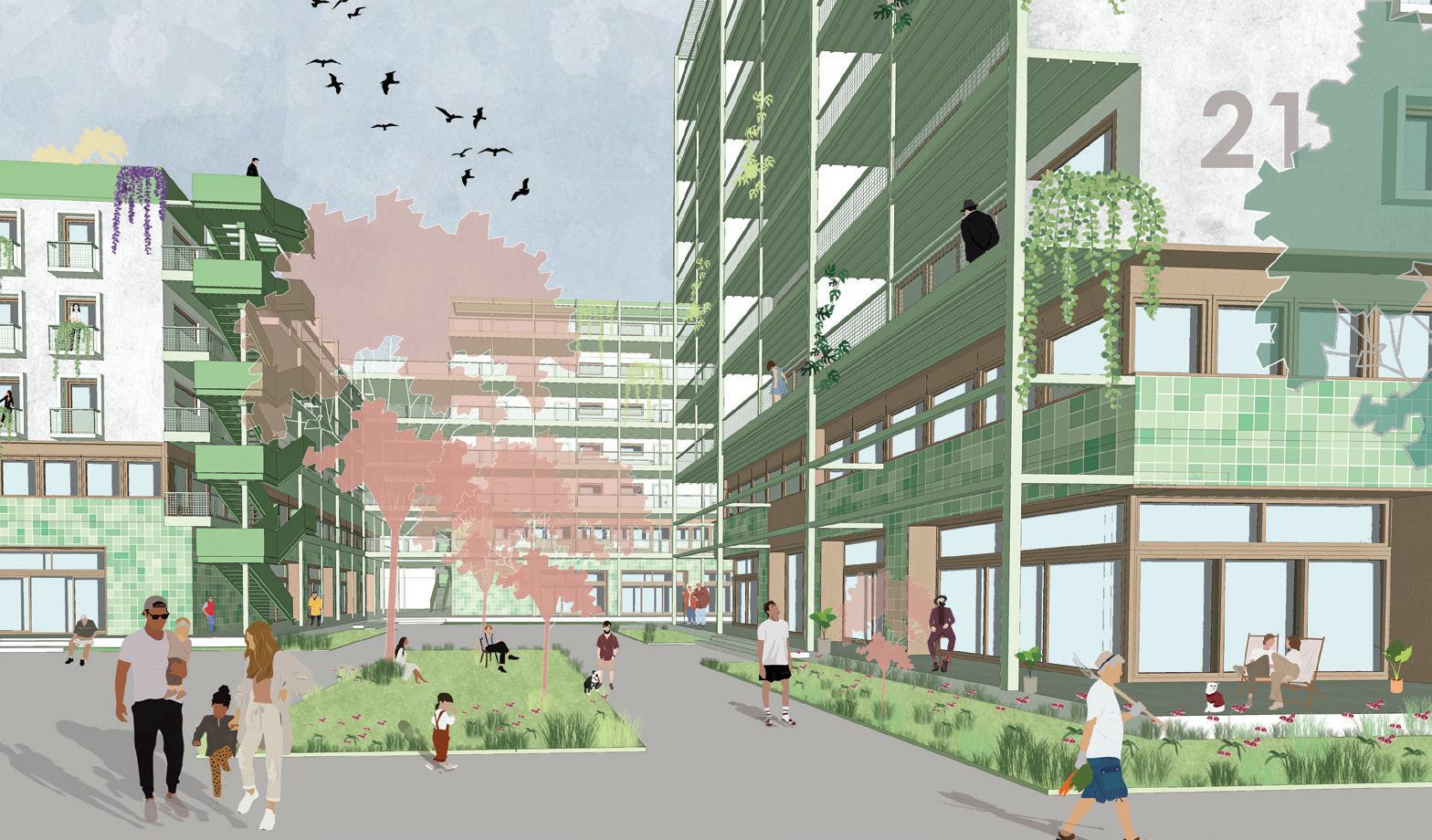
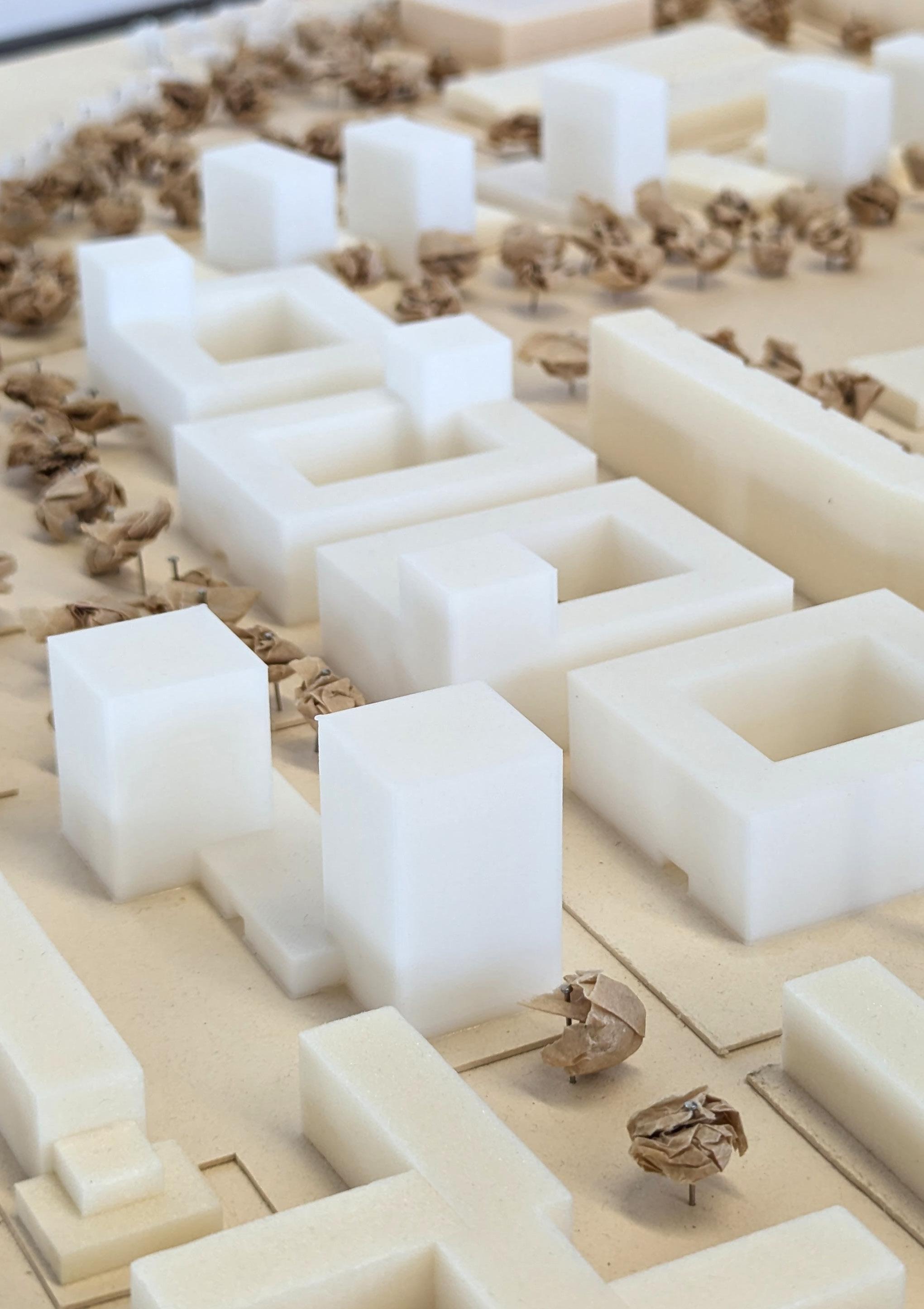
Our proposal evolves the site through a critical blend of historical reverence and modern innovation. We revive hidden biodiversity and transform the area into a creative urban hub. The concept densifies with multi-story housing, shared green spaces, and corridors while promoting sustainable shared mobility.
We repurpose older buildings as workspaces for artists, designers, and entrepreneurs — embracing history instead of erasing it. Visible historic elements combine with sustainable design to meet today’s needs.
Diverse green typologies range from large parks to small alley pockets. A central plaza anchors the site, featuring a renaturalized creek basin with steps for cooling. Rooftop gardens and green facades soften the industrial character and reconnect residents to nature.


Frankfurter Allee Süd
Type: Urban Design
Location: Berlin
Course: Design Studio SoSe 2024
// Prof. Verena Schmidt (teleinternetcafe)
Collaborators: Phillip Vogt
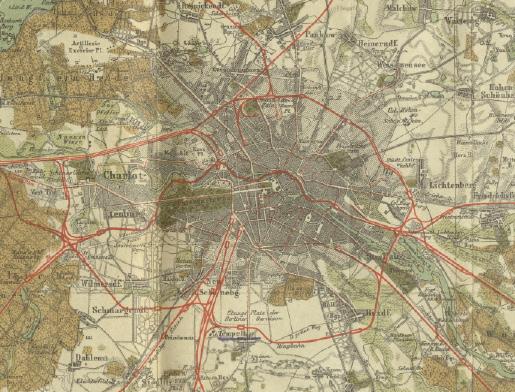
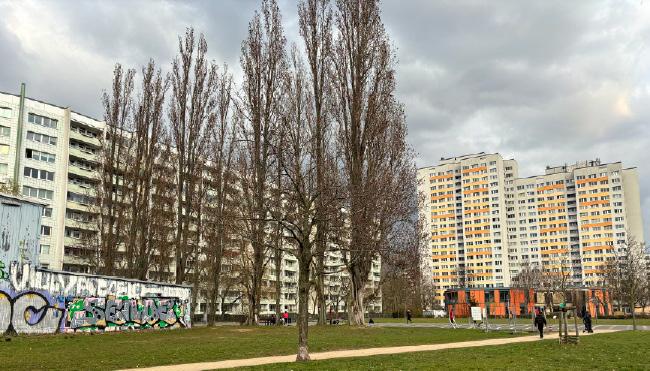
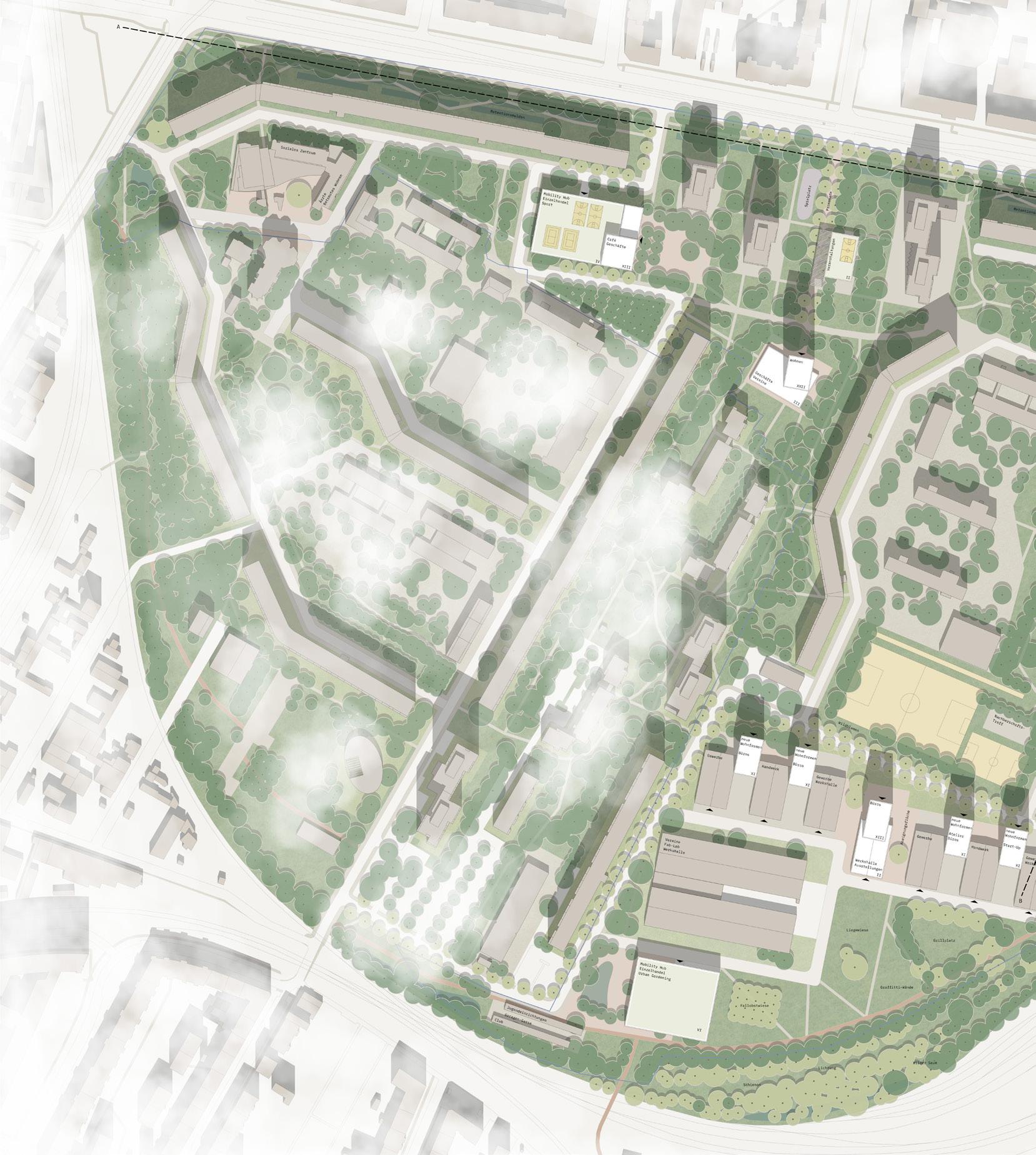
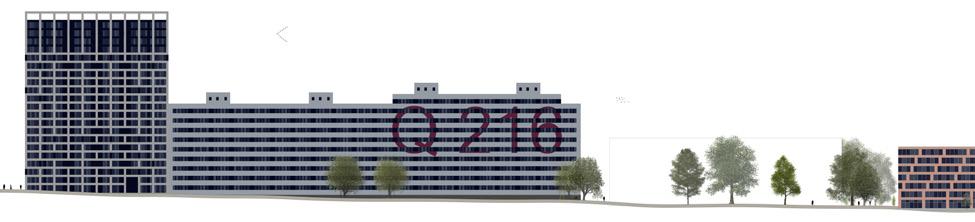
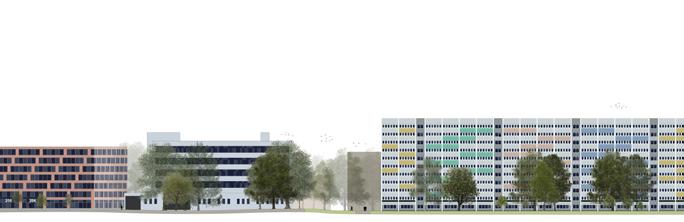
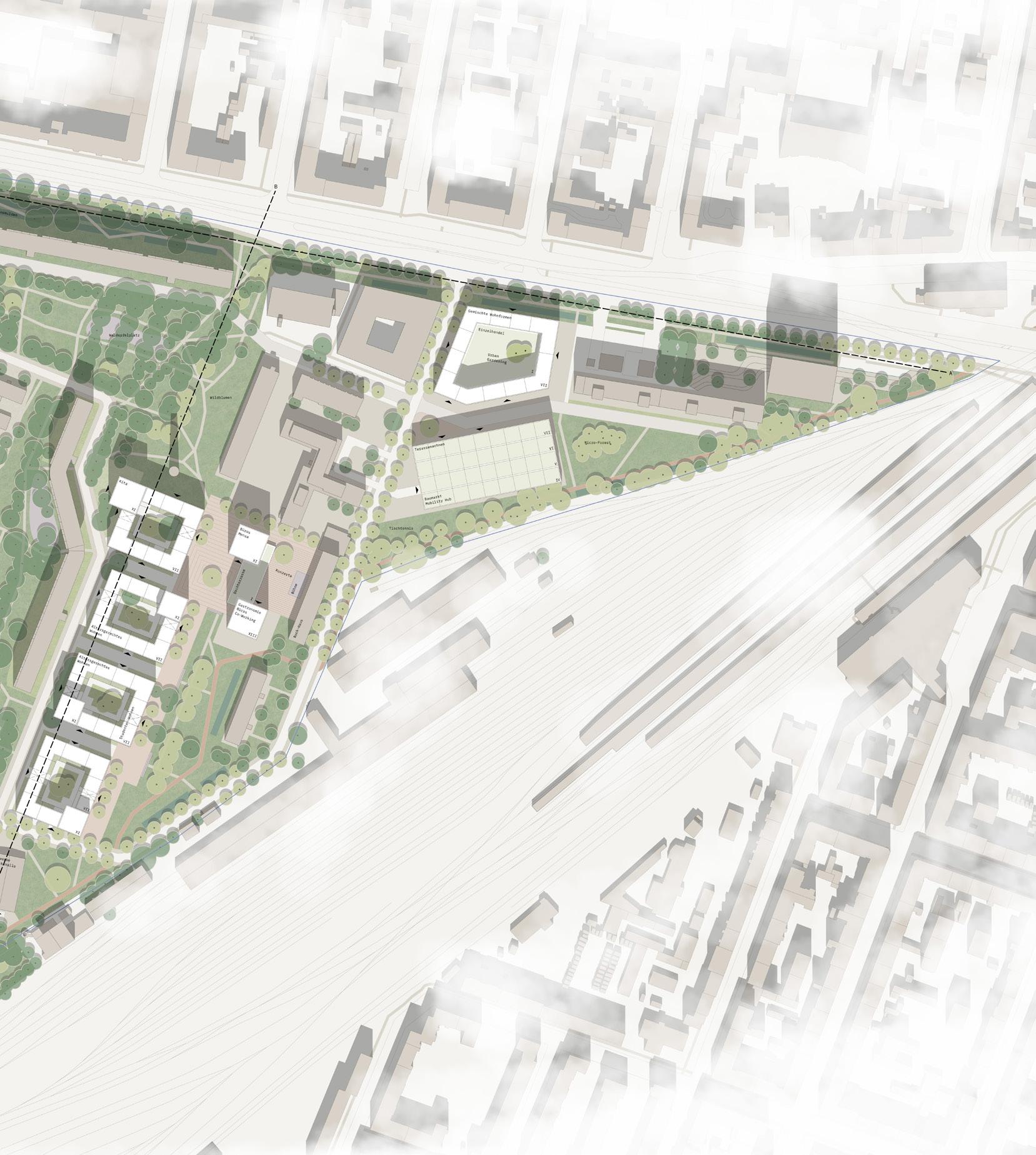
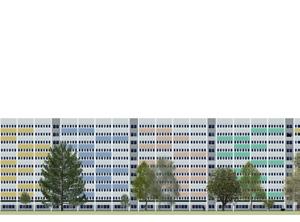
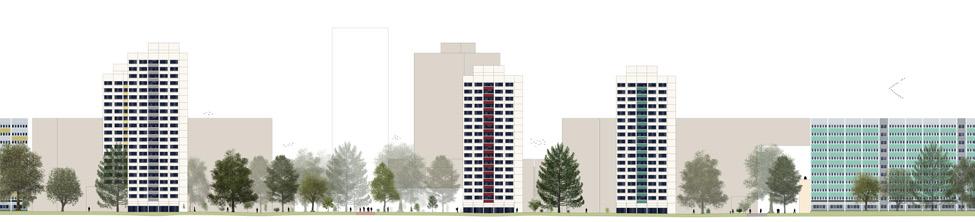
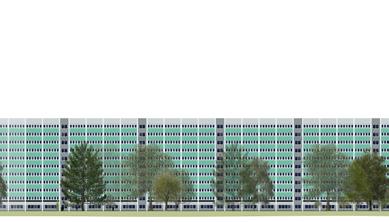
Goal of the project: In line with current sustainable urban development topics, we designed a forward-thinking urban quarter that integrates into its context and connects with surrounding open spaces.
We considered the site’s specifics, existing structures, and history. This led to innovative typologies for living and working, programmed public spaces, traffic solutions, and high-quality built and open spaces — all grounded in place, policy, and people.
Design Concept:
Repeated flooding from heavy rainfall demands a new approach to rainwater management. We strengthened greenblue infrastructure to build climate resilience.
Water is collected along natural flow paths in northern retention basins before it floods. Planted species benefit from the water, creating habitats for endangered wildlife and aesthetic value for people. Excess runoff feeds into near-natural infiltration ditches with native plants.
Extensive roof and façade greening cool the microclimate and reduce heat islands. Lowered open spaces and squares absorb rainwater. The result is a coherent, inclusive rainwater network.


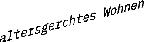

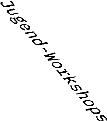

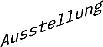
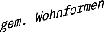

isometry: urban plaza
isometry: co-design garages
isometry: entrance node
diagram: green space
Retentionsmulden Retentionsmulden
Urban Planning Internship Namibia
Type: Urban Planning / Urban Design
Location: Windhoek, Namibia
Internship: GIZ (ISUD II Project) & SPC (Stubenrauch Planning Consultants)
internship description: I completed a crosscultural internship in Windhoek, Namibia, through a collaboration between Stubenrauch Planning Consultants (SPC) and GIZ’s ISUD II project (Inclusive and Sustainable Urban Development). Based at SPC, I gained direct insight into both offices’ work on current urban planning challenges.
The experience sharpened my critical mindset in participatory and integrated development. I learned that community-driven urbanization requires patience, persuasion, and strong collaboration — skills I now apply daily in multidisciplinary teams.
Project I: Urban PlanningInformal Settlement
Agricultural
Recreational
Commercial
Mixed Use
Institutional
Cultural
Sports
Settlement outline
Important Node
Informal trade
Flood protection
Containing sprawl
Type: Urban Planning
Location: Windhoek/Opuwo, Namibia
Internship: GIZ (ISUD II Project)
Collaborators: Martin Namupala, Thomas Haenert, Gerald Titus
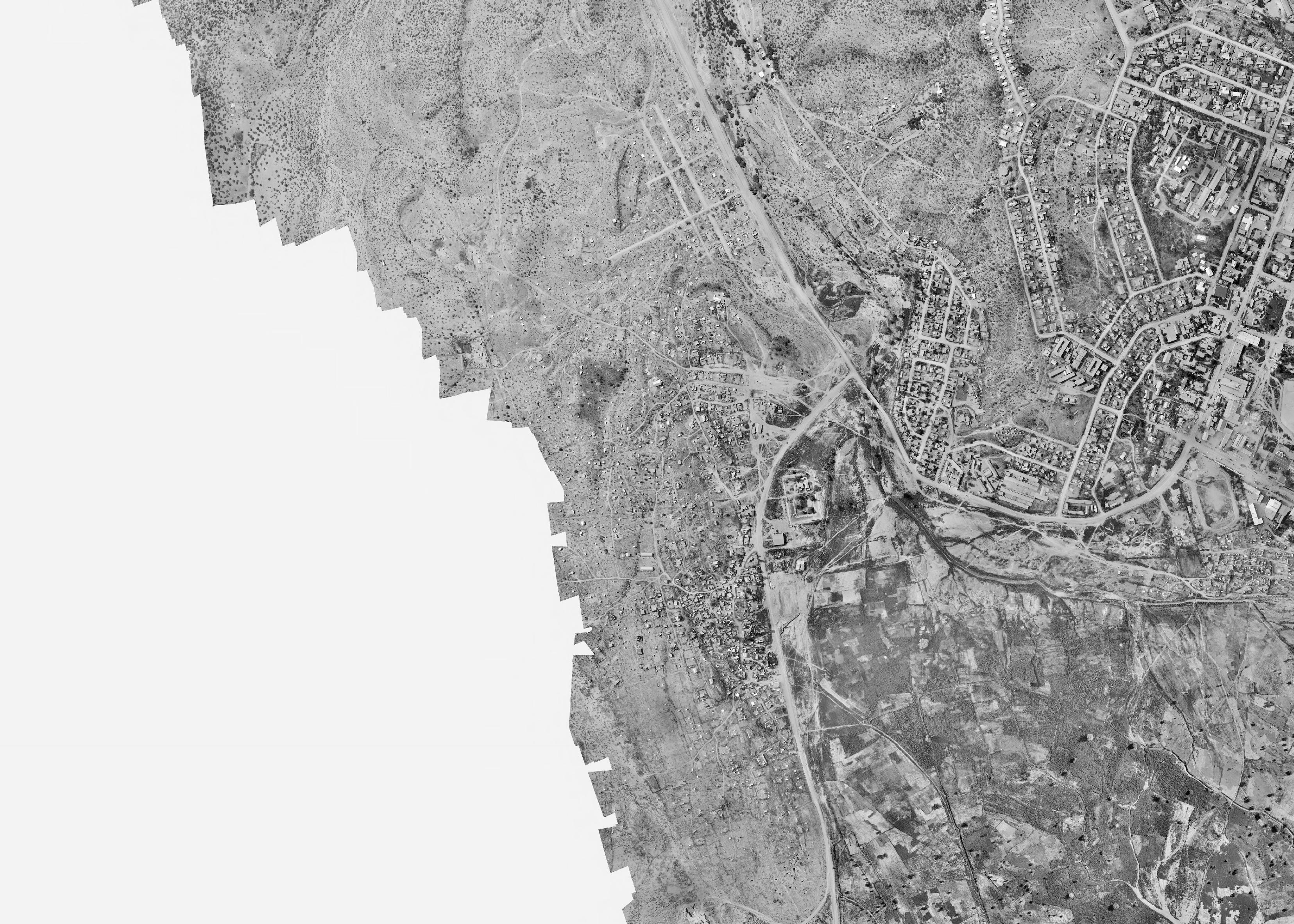
Goal of the project: In Namibia, rapid urbanization creates facts before planning can respond. Public services and infrastructure can‘t keep up with the current population growth. Occupants of the settlements lack secure land rights and live in poor conditions. The ISUD II project supports partners with participatory, integrated urban development.
My main task was preparing the economic sector framework for Opuwo’s integrated urban development concept.
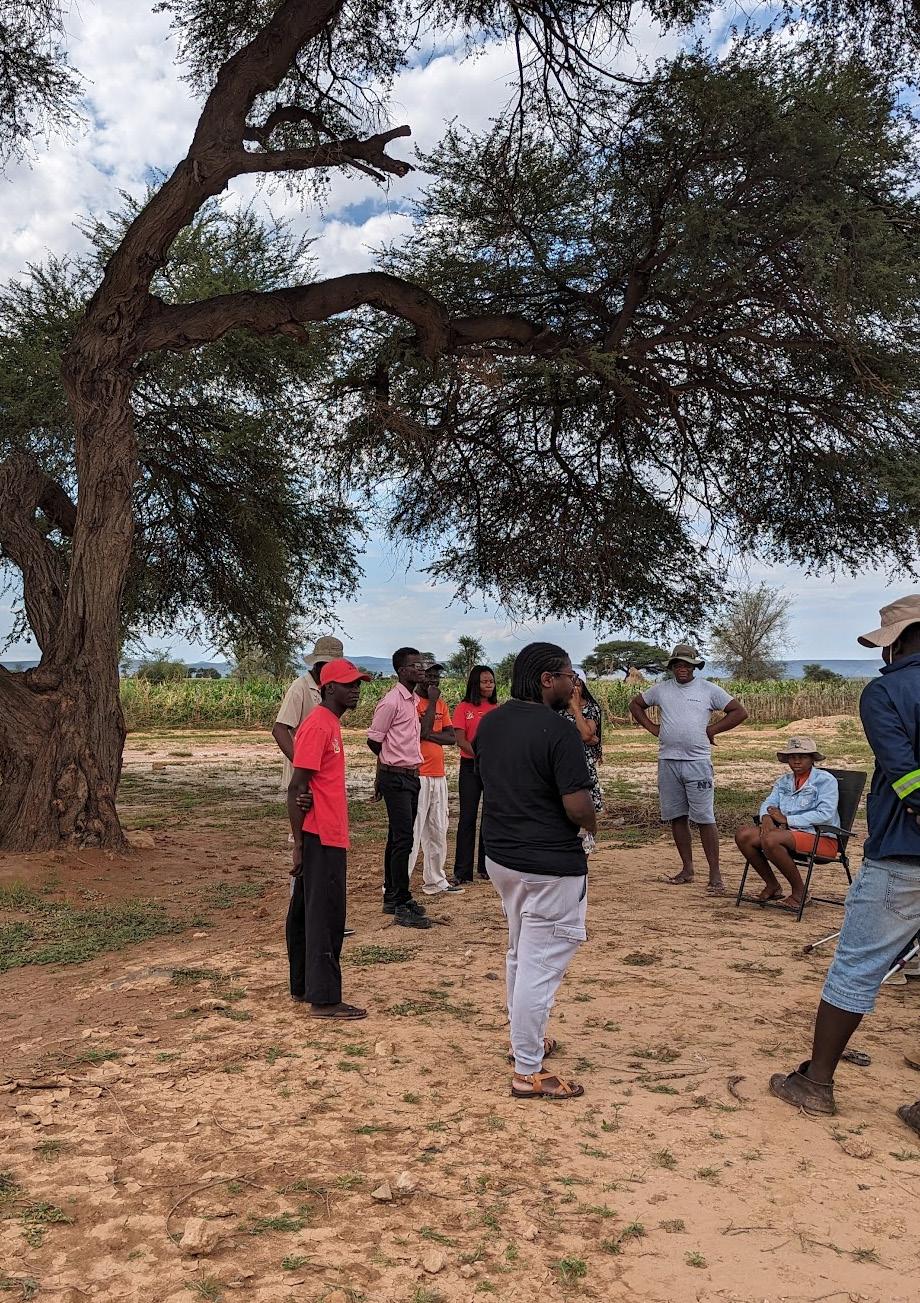
A four-day work trip to Helao Nafidi and Opuwo revealed: participation and integrated urban development have yet to be implemented – interaction, accessibility, and operator concepts determine success. Walks, mappings, and conversations with residents and local planning stakeholders opened my eyes to precarious living conditions and the need to maintain knowledge networks to ensure long-term participation.
Project II:
Urban PlanningBeach Town Community
Stage 1:
•
Type: Urban Planning
Location: Windhoek, Namibia
Internship: SPC (Stubenrauch Planning Consultants)
Collaborators: Günther Stubenrauch, Ancke Van Staden, Pombili Iipumbu
At SPC I developed two precinct maps for Henties Bay as part of an integrated urban development concept. My proposals were presented to the municipal planning commission.
I applied sustainable and functional principles from my studies to the local context. Close exchanges with colleagues gave fresh insights into residents’ needs. We proposed a “shophouse” concept to secure land rights, create income opportunities, and strengthen public space — deepening my understanding of cross-cultural, people-centered urban planning.
Stage 2:
•
•
•
•
Stage 3:
Omdel
Omdel
Omdel
Bonus
sketching photography
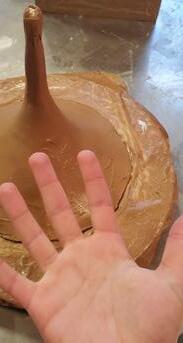
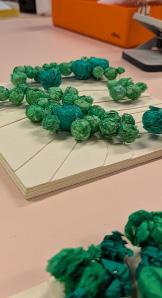
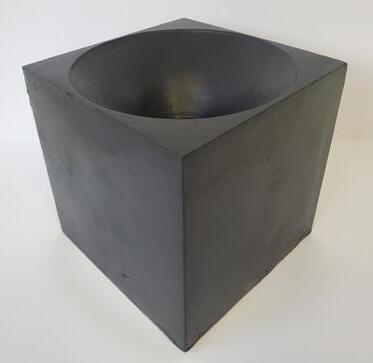
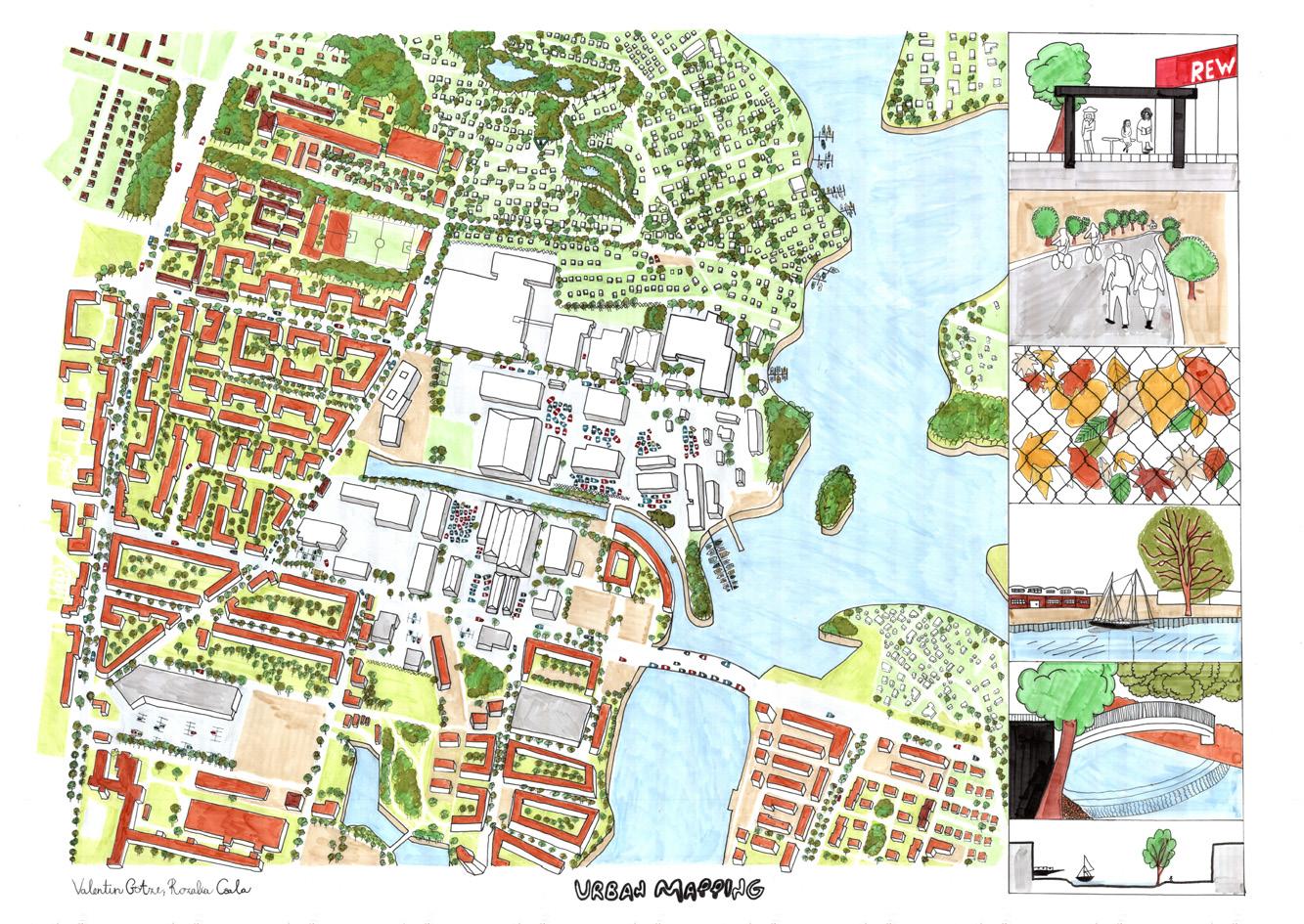
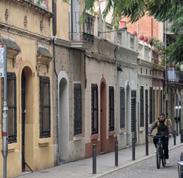
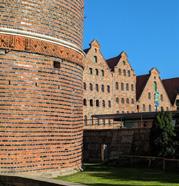
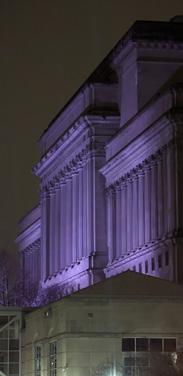
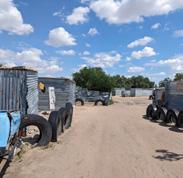
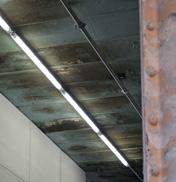
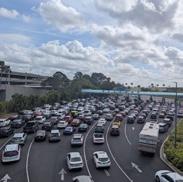
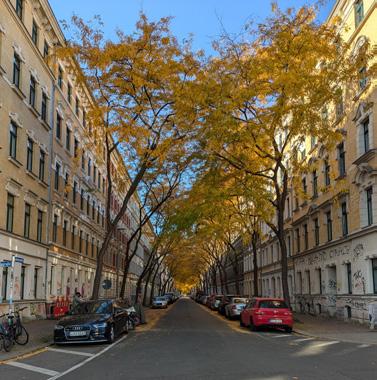
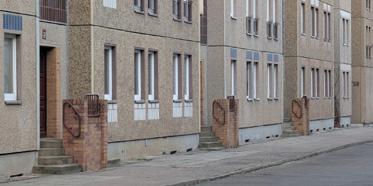
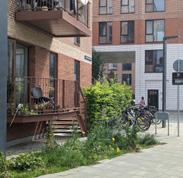
Whether it‘s exploring cities during my travels and capturing interesting situations through my lens, or building projects with my handsI am interested in a range of skills and hobbies, all of which inspire me in my work.


ai visualization model making