This edition celebrates the people, businesses and achievements that continue to move our industry forward. At the centre of this issue are the 2026 Automotive Industry Awards, recognising the outstanding skill, dedication and professionalism found across Victoria and Tasmania. We also highlight the opening of TasTAFE’s new automotive training facility in Cambridge, introduce VACC’s newly elected divisional committees and celebrate the enduring contribution of longstanding member businesses.
Alongside these stories, we examine the policy, technology and workforce changes shaping the sector — from automotive advocacy and workplace reform to emerging vehicle brands and the transition to new technologies. Thank you to the members, apprentices, industry leaders and businesses who have shared their stories with us.
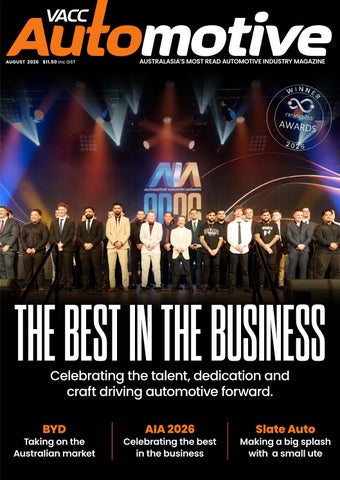
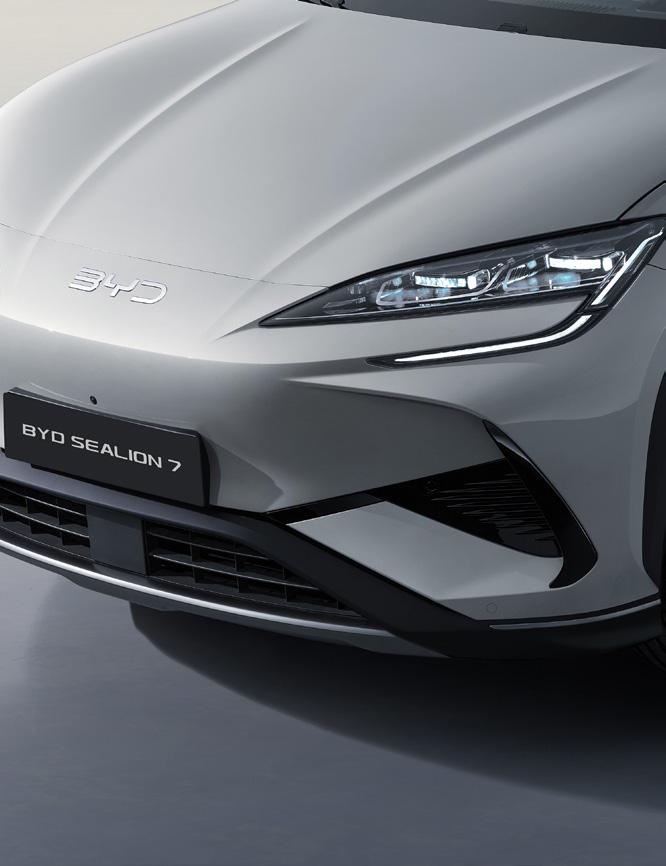
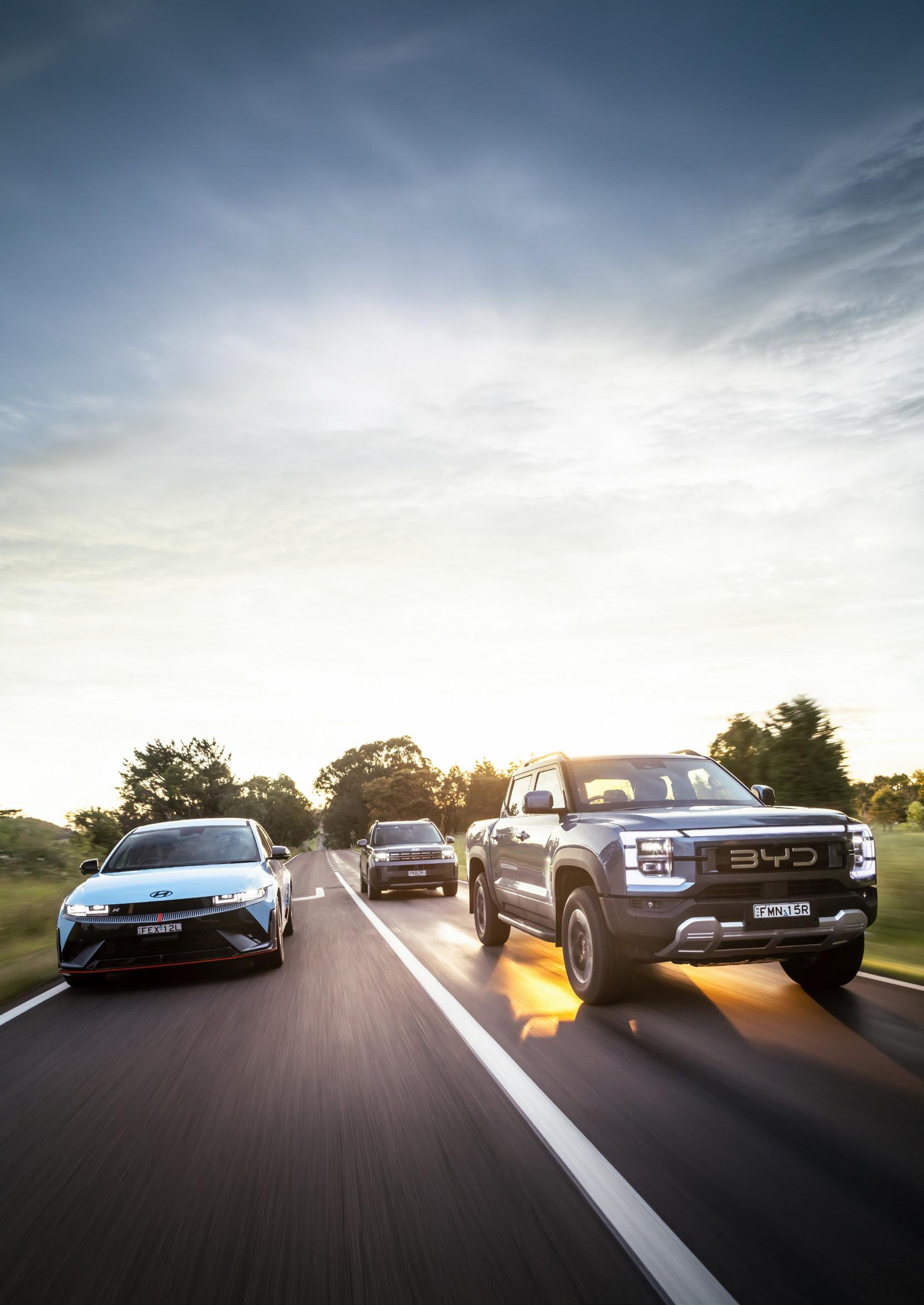
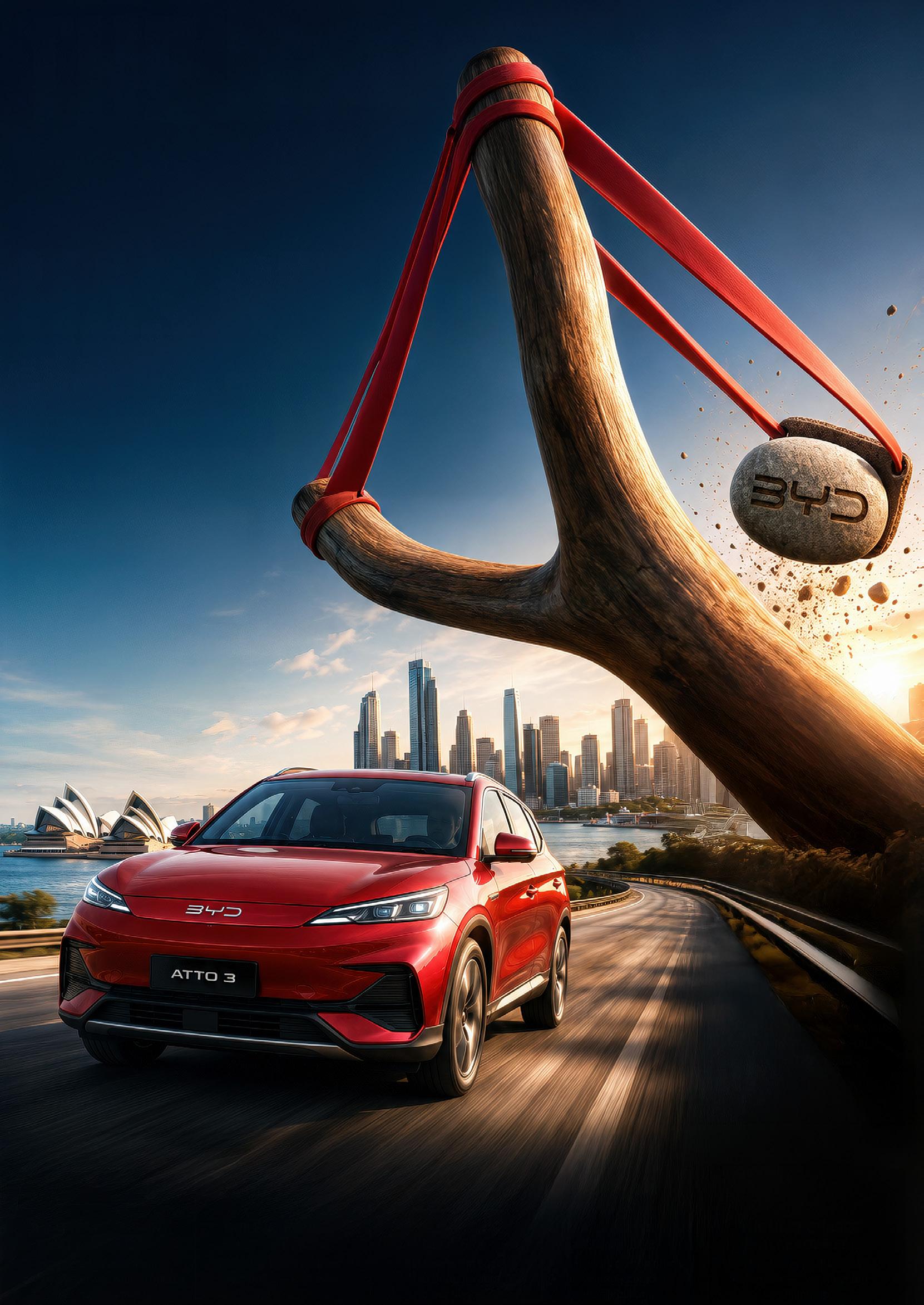
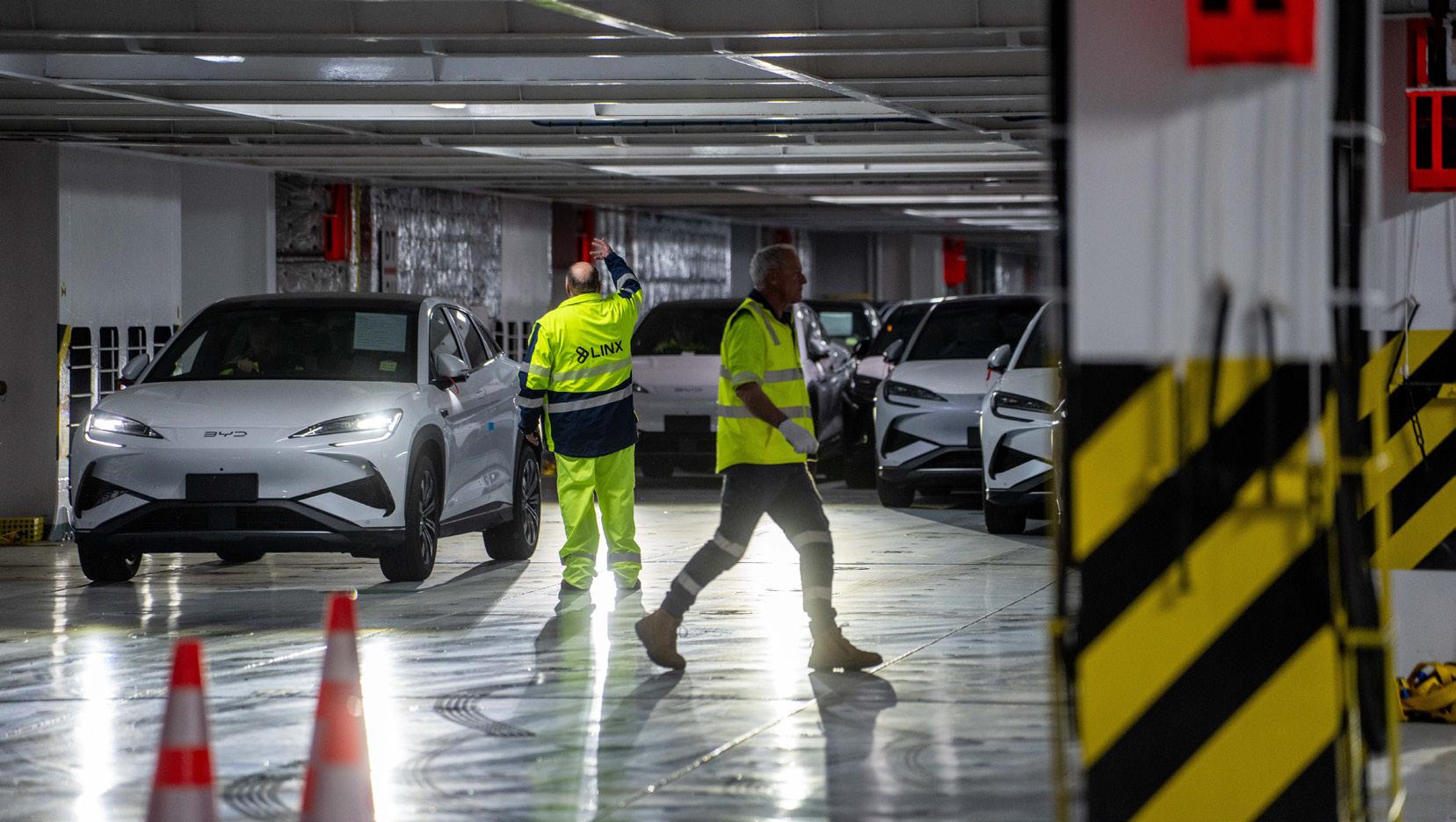
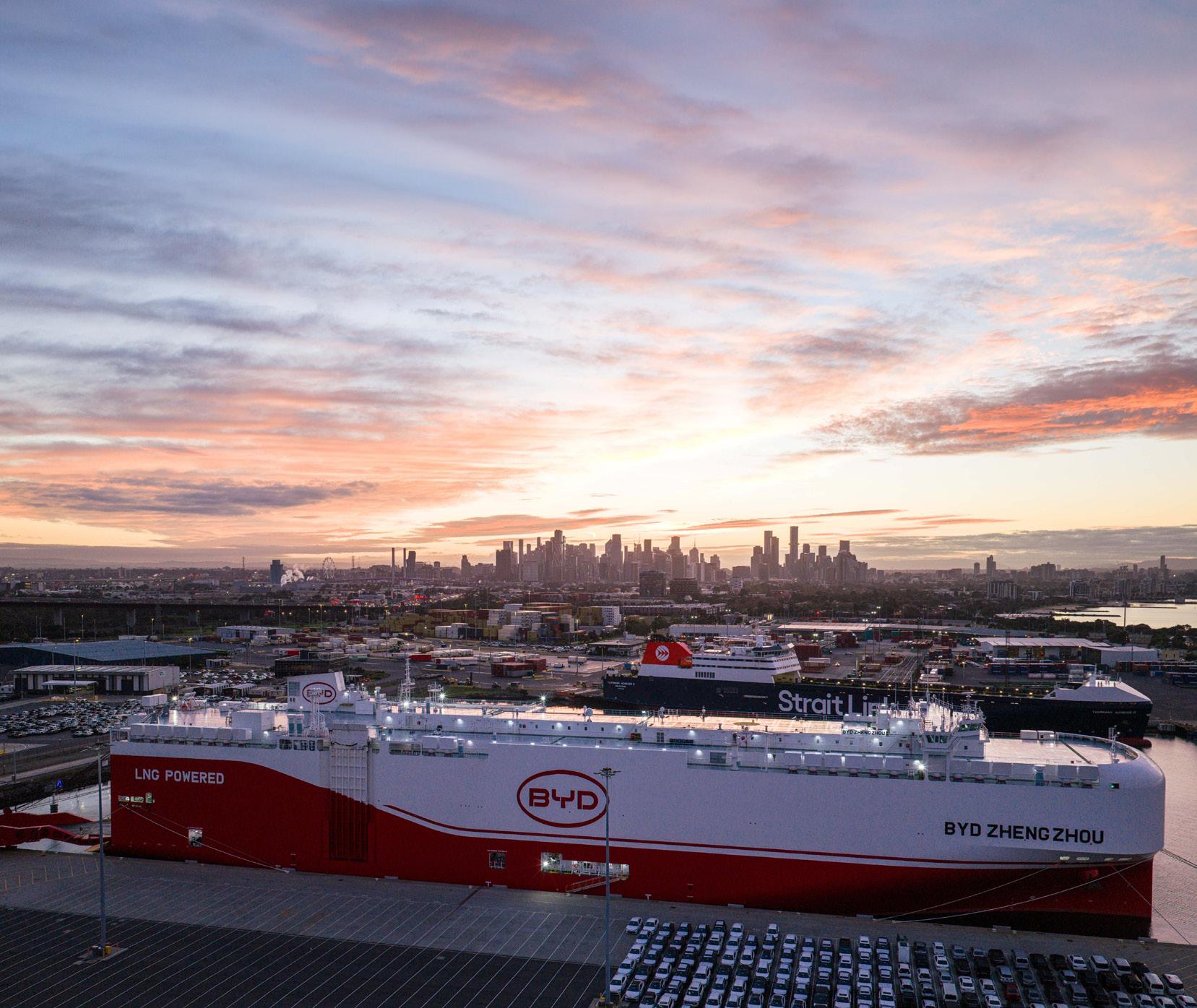
BYD didn’t sneak up on the Australian market. It stretched, took aim, and let go. 20 Best in the Business Inside the 2026 Automotive Industry Awards.
As always, we welcome your feedback and story ideas. Contact us at editor@vacc.com.au and help us continue showcasing the people and issues that matter to our automotive community.
New Cambridge training facility strengthens Tasmania’s automotive skills pipeline.
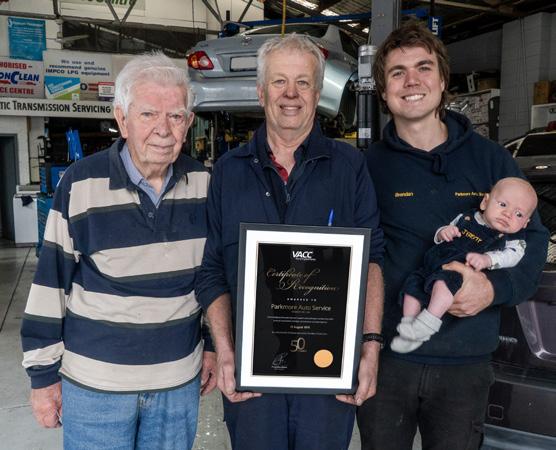
26 Parkmore Auto Service Three generations of dedication.
The year the old order cracked.
Slate Auto US start-up Slate Auto is building a business on a back-to-basics electric ute.
40 Des Brown’s Half a century of automotive service and leadership.
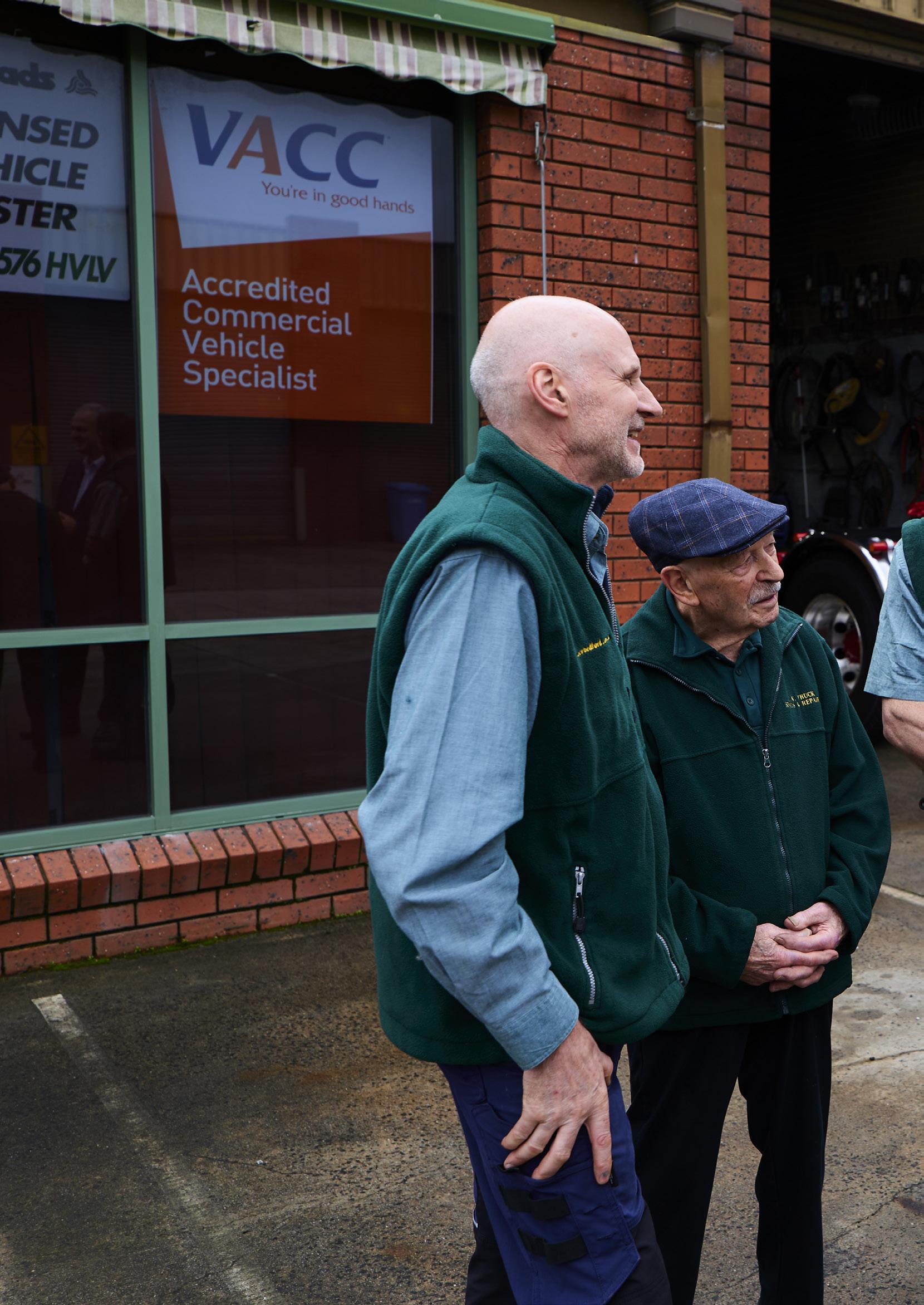
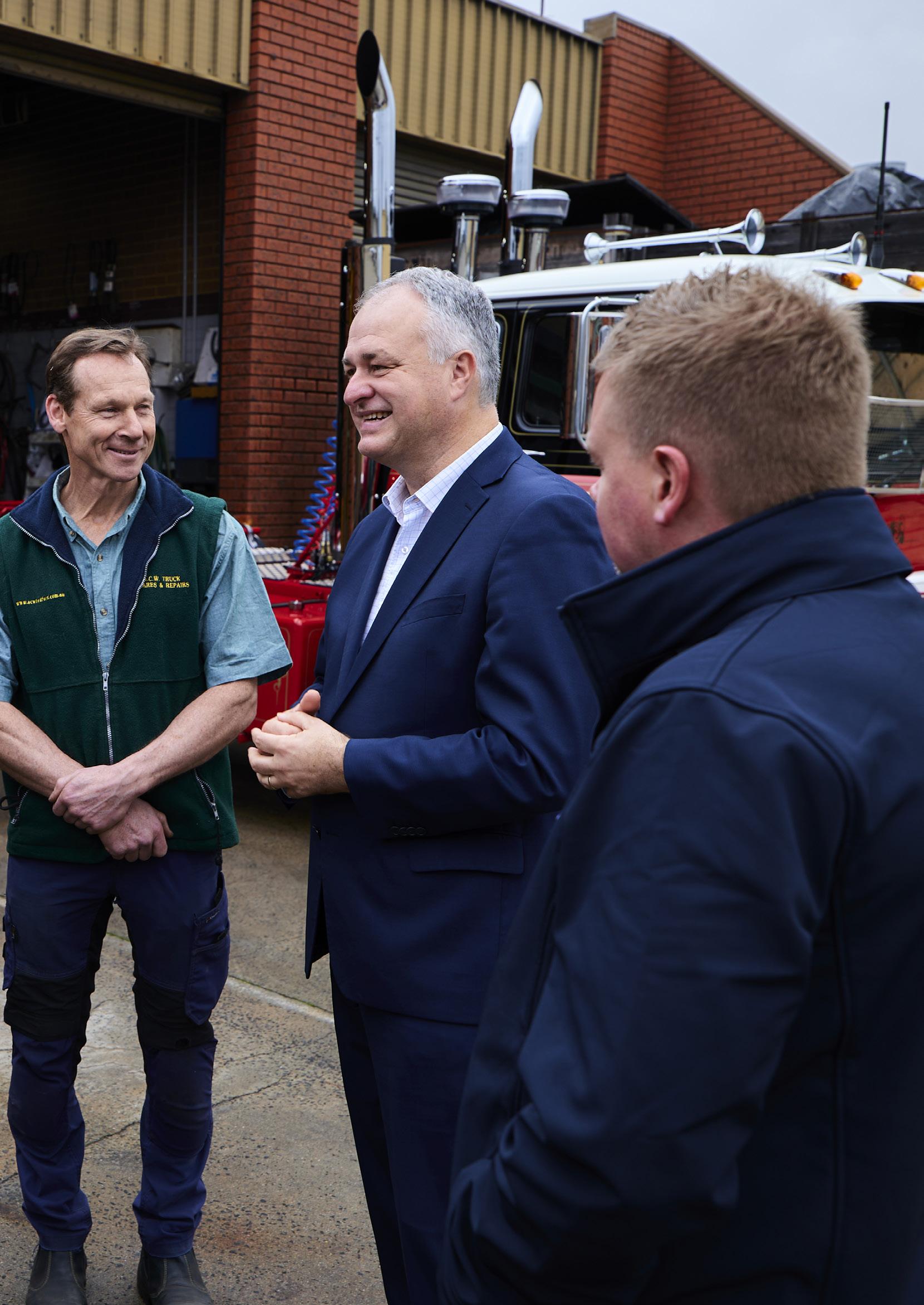
43 A.C.W. Truck Spares and Repairs Celebrating 50 years of membership.
48 BYD Australia BYD didn’t sneak up on the Australian market.
MANAGING EDITOR
Karla Leach | 03 9829 1247 vaccautomotive@vacc.com.au
SUB-EDITOR Andrew Molloy
DESIGNERS Faith Perrett | Gavin van Langenberg creativeservices@vacc.com.au
57, 672 READERSHIP
CONTRIBUTORS
John Caine, Andrew Molloy, Mike Sinclair, John Khoury, Bruce McIntosh, Daniel Hodges, Nigel Muller
CORPORATE PARTNERSHIPS
John Eaton | 0407 344 433 jeaton@vacc.com.au
PRESIDENT
Craig Beruldsen
CHIEF EXECUTIVE OFFICER
Peter A. Jones
Official publication of the Victorian and Tasmanian Automotive Chambers of Commerce 650 Victoria Street, North Melbourne VIC 3051 03 9829 1111 ABN 63 009 478 209
Stronger
Thank you for your continued support
One of the great privileges of leading the VACC is the opportunity to meet members from every corner of Victoria and Tasmania. Whether I am visiting a family-owned workshop in regional Victoria, attending an industry event in Tasmania, or meeting apprentices beginning their careers, I am constantly reminded that the strength of our organisation comes from our members. As another membership renewal period is being completed, I wanted to take a moment to simply say thank you. Thank you for your continued support of VACC. Thank you for placing your trust in us. And thank you for being part of a community that continues to make the automotive industry stronger, more professional and better connected.
For many members, VACC has been part of their business journey for decades. Some businesses have maintained membership across multiple generations, while others have joined more recently as they seek support navigating an increasingly complex operating environment. Regardless of how long you have been a member,
your commitment helps ensure that VACC remains a strong and influential voice for our industry. Every membership renewal is more than just an annual transaction. It is an investment in the future of the automotive sector. It allows us to advocate on your behalf to governments, regulators and policymakers. It helps us tackle the issues that matter most to automotive businesses, from workforce shortages and apprenticeship support to regulatory reform, right-to-repair initiatives, accident towing, taxation, environmental compliance and the many other challenges facing our industry. Importantly, it also enables us to provide the practical day-to-day support that members rely on. Our Workplace Relations team continues to assist members with employment matters, award interpretation and compliance obligations. Our technical experts help businesses navigate rapidly changing vehicle technologies. Our training and apprenticeship teams support the next generation of automotive professionals.
together
Across the organisation, our people are focused on helping members succeed.
While these services are important, membership is about more than support. It is about belonging to a community of automotive professionals who share common challenges, opportunities and ambitions. Through our industry divisions, events, committees and engagement activities, members can contribute directly to shaping the future of the industry. The insights, expertise and experience shared by members help guide our advocacy priorities and strengthen our ability to represent the sector effectively.
I am continually impressed by the willingness of members to contribute their time, knowledge and leadership for the benefit of the broader industry. Whether serving on a divisional committee, mentoring an apprentice, participating in a consultation process or simply sharing valuable feedback, members play a vital role in ensuring our industry remains strong and resilient. There is no doubt that the automotive sector will
continue to evolve. New vehicle technologies, changing consumer expectations, skills shortages, regulatory reforms and emerging business models will create both opportunities and challenges. Navigating this change will require strong advocacy, practical support and a united industry voice. That is exactly what VACC exists to provide. We remain committed to delivering value for members, strengthening industry capability, supporting businesses through change and ensuring the automotive sector continues to thrive.
On behalf of all VACC staff, thank you for your ongoing membership and support. Thank you for the work you do every day to keep Australians moving. Thank you for supporting the next generation of automotive professionals. And thank you for helping build a stronger automotive industry for today, tomorrow and the generations that follow. Together, we are stronger.
"Every membership renewal is more than just an annual transaction. It is an investment in the future of the automotive sector."
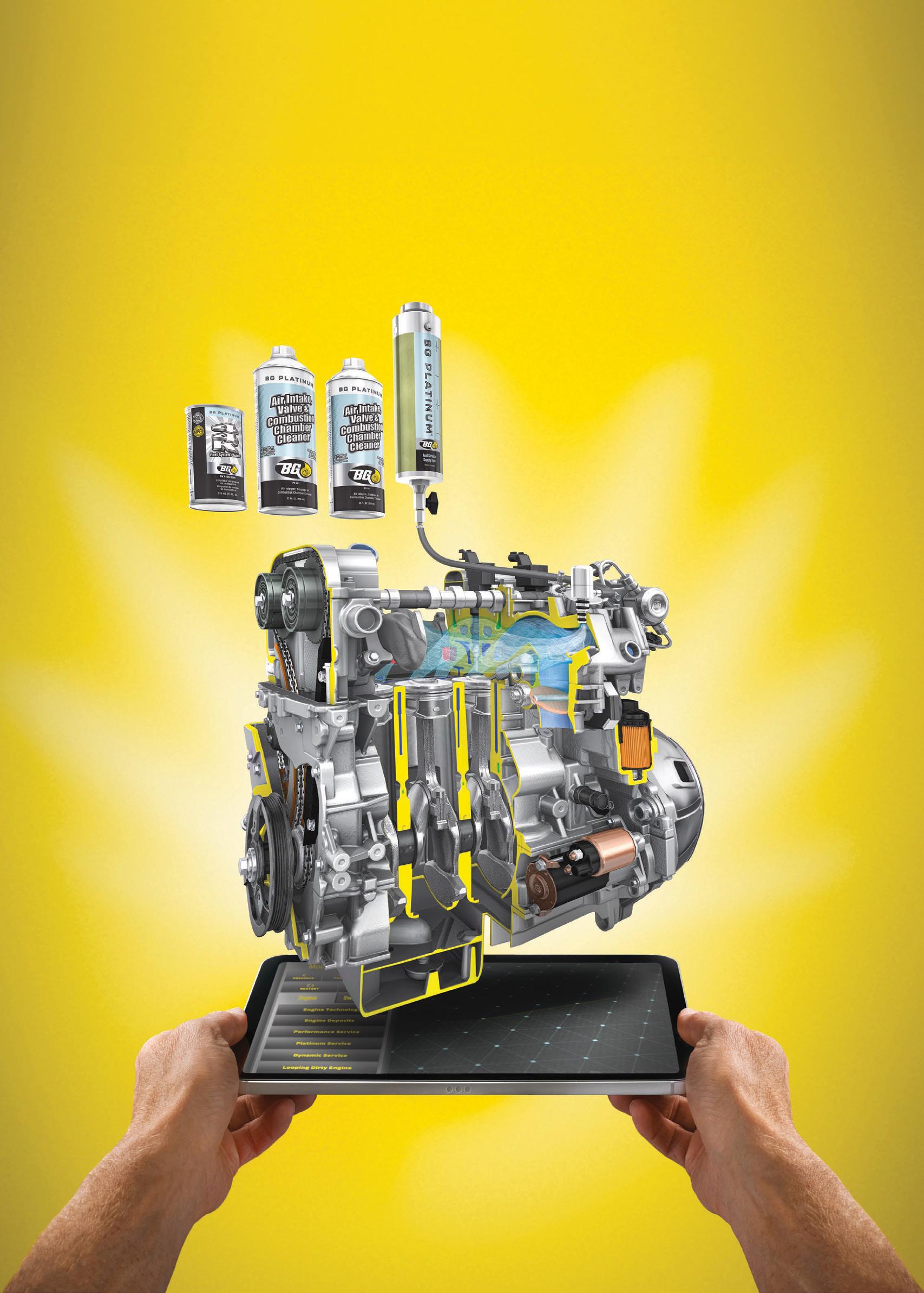
GRAB THE FUTURE WITH AUGMENTED REALITY
THE BG EXPERIENCE APP
Right to work from home Bill raises concern
A new Victorian Bill proposing a legal right for eligible employees to work from home for up to two days a week has raised serious concerns for automotive businesses, particularly those managing a mix of workshop, customer-facing and office-based roles. Unlike existing flexible work arrangements, the proposal would create an enforceable right rather than simply allowing employees to make a request. If passed, decisions about where work is performed could be challenged through Victoria’s anti-discrimination framework, changing the way employers manage workplace attendance. Put simply, routine decisions about where work is performed may become subject to external review.
The Bill would apply to all Victorian employers, including small businesses. It would exclude some employees, including those on probation, nonregular casuals and workers already eligible to seek flexible arrangements under Commonwealth laws.
Employers may also be required to meet reasonable costs associated with working from home.
The proposed commencement date is 1 September 2026 for employers with 15 or more employees, followed by 1 July 2027 for smaller businesses. VACC is also concerned that the Bill has been introduced without any publicly available assessment of its likely economic, regulatory or compliance impacts on Victorian businesses. Disputes would first be referred to the Victorian Equal Opportunity and Human Rights Commission for conciliation. Unresolved matters could then proceed to the Victorian Civil and Administrative Tribunal for a binding determination.
Employers would only be able to refuse a work from home arrangement on prescribed grounds.
These include workplace safety requirements, supervision needs, access to equipment or facilities, face-to-face customer interaction, or other inherent requirements requiring physical attendance.
A refusal may also be justified where an employer can demonstrate a significant adverse impact on the business. This could include reduced productivity or efficiency, impacts on training and employee development, poorer customer service, cybersecurity or confidentiality risks, or excessive costs and impractical operational changes.
For automotive businesses, the proposed laws are likely to create particular challenges. Many roles, including technicians, mechanics, workshop staff, parts interpreters and customer-facing employees, must be performed on site. By contrast, some office-based roles may be suitable for remote work.
This could create a two-tier workforce, with different workplace arrangements applying to employees within the same business. It may also create difficulties for hybrid roles that combine administration, customer contact and operational responsibilities.
Employers may need to review job descriptions, supervision practices, performance management, training, workplace health and safety, cybersecurity, privacy and confidential information procedures. Decisions to refuse an arrangement would need to be role-specific, supported by evidence and carefully documented. VACC is concerned the legislation may increase legal disputes and expose ordinary management decisions to external review. It also raises questions
Daniel Hodges
Workplace
Relations
about how the proposed Victorian entitlement would interact with the national workplace relations system under the Fair Work Act, creating a credible prospect of a constitutional challenge in the High Court.
VACC remains firmly opposed to the Bill. The proposed framework risks undermining employers’ ability to manage their businesses, increasing compliance costs and creating inequity between industries and occupations that can work remotely and those that cannot.
VACC is also concerned the Bill moves beyond supporting employees with recognised needs for flexibility. These workers, including carers, older employees, people with disability, pregnant employees and those affected by family violence, already have rights under federal workplace laws. The Victorian proposal would primarily create a new entitlement for employees seeking remote work as a preference rather than addressing identified needs for workplace flexibility. In VACC's view, the central issue is not whether workplace flexibility should be supported, but whether ordinary operational decisions about where work is performed should become subject to statutory review through Victoria's anti-discrimination system.
The Bill will now proceed through the Victorian Parliament. VACC will continue to advocate for members, monitor developments and provide further updates.
Members seeking advice or further information can contact the VACC Industrial Relations Team on 03 9829 1123 or ir@vacc.com.au.
Contact ir@vacc.com.au for more information.
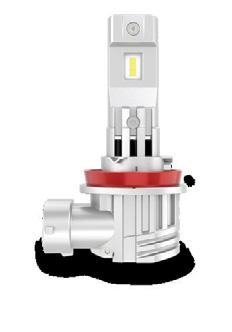
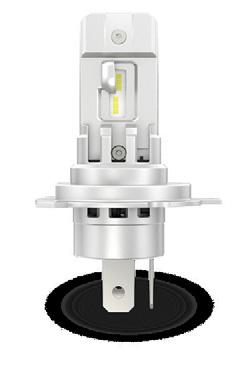
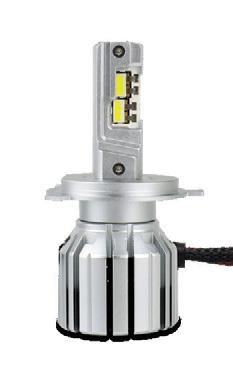
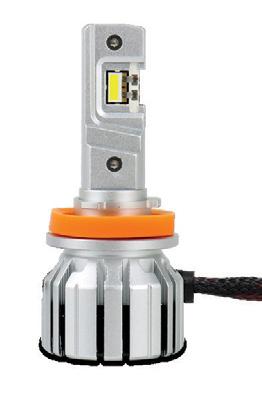
The ultimate in LED
replacement
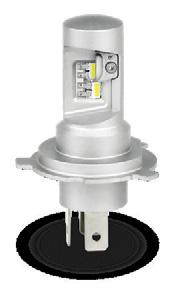
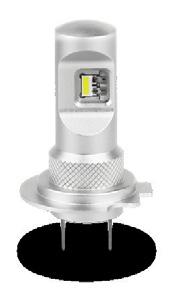
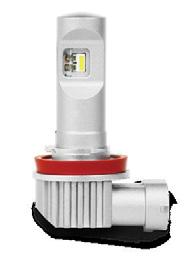
The identical connection system to halogen bulbs
Direct Fit is the ultimate way to upgrade your old halogen headlights to the power of LED.
5700K White Light IP65 Waterproof 2 Year Limited Warranty
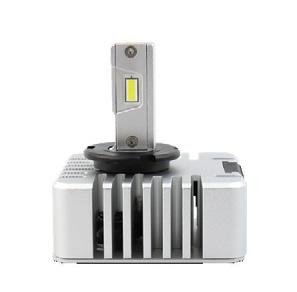
Available in: D1S/R, D2S/R, D3S/R, D4S/R, D5S/R & D8S/R
Performance Upgrade with Built-in CANbus
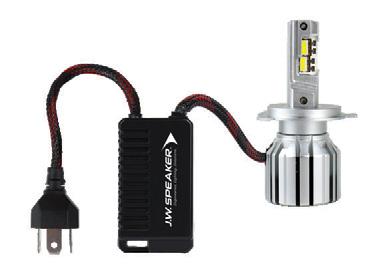
Powered by an external driver module with built-in CANbus, the EVO10K range is ready to light up the night.
2000 Lumens per bulb 12V
Bulb Kit 5000 Lumens per bulb
Replacement
Available in:
H4, H7, H11, HB3
For further details contact Invision Sales:
Ph: (03) 9336 2066 www.invisionsales.com
strength
&
POWERING THE EVO10K
An external power module was required to achieve a stable, high output beam pattern. This module also contains CANbus support which will allow these bulbs to function to their full ability in known problematic vehicles.
Retain, renew, remain
Why Hobart's automotive heart should stay put
it. We're talking about 92,800 vehicles serviced every year, keeping Hobart moving. And we're talking about more than $41 million in committed site investment, money that businesses have already put into the ground here because they believe in staying. That last figure matters more than any other because it shows what the operators themselves think about the future. You don't sink that kind of capital into a precinct you're planning to abandon. You do it because you're modernising — adapting to EVs, to new diagnostic technology, to the way people buy and own cars now. The trade in this precinct isn't standing still, waiting to be zoned out. It's renewing itself in place.
shoulder to shoulder, and the independent economic impact assessment commissioned in March put some hard numbers to what most of us saw anecdotally. We're talking about 554 direct jobs and 53 apprentices — young Tasmanians learning a trade in the middle of their own city, not commuting to an industrial estate to do
And that's the whole point. The campaign the Tasmanian Automotive Chamber of Commerce is running rests on three words: Retain. Renew. Remain. Retain the industry the city already has. Let it renew and evolve where it stands. And allow it to remain part of the CBD it has served for generations. It's a constructive position, and deliberately so. Let's be clear about something the TACC has been careful to say at every turn. This is not a fight against
Bruce McIntosh TACC Manager
housing. Hobart needs more homes, and nobody in the trade is pretending otherwise. The argument is simply that you don't have to hollow out a working, investing, apprentice-training industry to build them. A city can be ambitious about housing and still value the businesses that employ its people. Those two things were never actually in conflict — the planning proposal just assumes they are. What the TACC is doing, and doing properly, is putting the evidence in front of the people who make these decisions. Local councillors, state members and federal representatives are all being shown the same independently assessed facts, scoped carefully and stated plainly so that the conversation can happen on the numbers rather than on assumptions. That's how an industry body earns its keep — by turning up before the decisions are locked in, with data that stands up to scrutiny.
For everyone working in and around this precinct, that's worth paying attention to. The case for automotive in the Hobart CBD has never been stronger, and for once, it's being made properly.
You can contact Bruce at enquiries@tacc.com.au
WIN A VIP TRIP
TO THE GC500
with
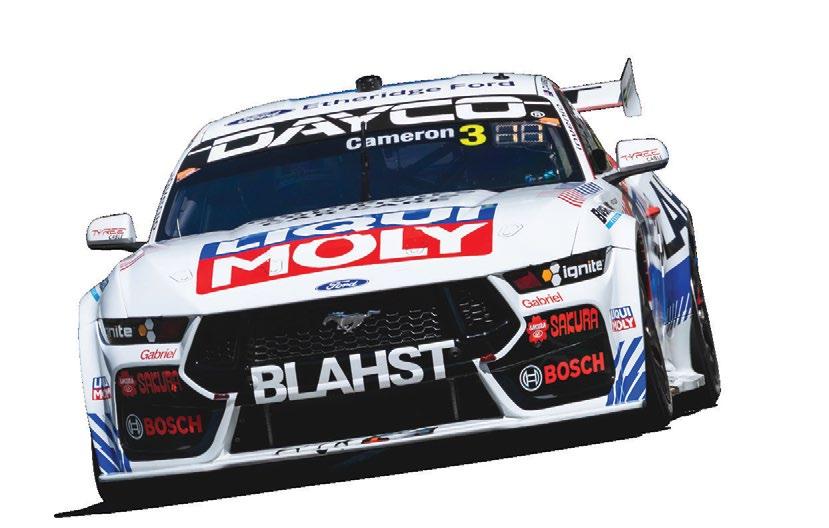
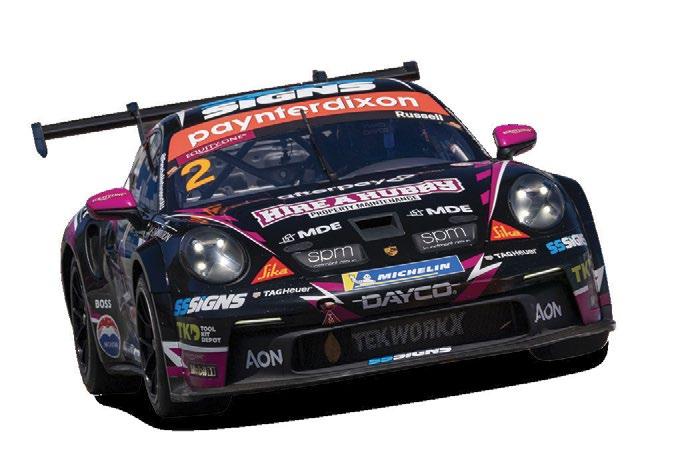
Dayco is making four trade account customers and their partners the company’s VIP Guests at one of the nation’s most spectacular motor racing events, the 2026 Boost Mobile Gold Coast 500 held on the streets of Surfers Paradise from October 23 to 25.
Winners will travel to the GC500, enjoy corporate hospitality at the event and take part in Supercar and Porsche Carrera Cup team pit tours at this exciting beachside Supercar event.
Scan the QR Code, upload an image of your Dayco, Powerbond or Nuline parts purchase invoice from your Dayco distributor to the value of $500 or more and tell us in 25 words or less why you want to be a Dayco VIP at the spectacular Gold Coast 500.
You can also send your proof of purchase and 25 words or less to Dayco.GC500@dayco.com
Entries for this game of skill are open from June 15, 2026 to October 1, 2026 and multiple entries are permitted.
Terms and Conditions
Dayco Australia employees, distributors and agencies are not eligible to enter. All Australian Dayco Australia trade account holders are eligible to enter, from all Dayco Australia trade suppliers / distributors. Multiple entries are permitted - each entry must include single transaction proof of purchase of $500 (or more) of Dayco, Powerbond or Nuline parts. This game of skill competition is open from June 15, 2026 to October 1, 2026. Winners will be notified directly by Dayco Australia and must be available from Oct 23 to 25 to take part, along with travel time to and from the event. Winners will be selected at Dayco Australia’s head office on October 2, 2026 - all results will be final with no correspondence entered into. In the event where a winner cannot take part for any reason, a replacement winner will be selected - prizes cannot be redeemed for cash. Each of the Four (4) major prizes include one partner (two people) with airfares, shared accommodation, corporate hospitality, pit tours and event tickets included. The cost for flights from major capital cities only are included. Any extra hotel or event costs incurred by winners prior to or during the event are their own responsibility.
VACC Alumni Keeping our graduates connected
One of the great privileges of working with VACC and TACC Auto Apprenticeships is seeing young people start their journey in automotive and develop into capable, confident tradespeople.
For many, an apprenticeship is much more than a qualification. It is a few years of hard work, learning, challenges, achievements and support from host employers, field managers, trainers, family and workmates.
Reaching the end of an apprenticeship is a significant milestone — and one that deserves to be recognised.
That is why we are pleased to announce the launch of VACC Alumni.
VACC Alumni is a new association created for people who have successfully completed an apprenticeship through the VACC or TACC Auto Apprenticeships program.
The idea behind Alumni is simple: once you have been part of VACC or TACC Auto Apprenticeships, that connection should not end at graduation.
We want our graduates to continue to feel part of the VACC community as they build their careers, take on new opportunities, develop their skills and contribute to the future of our industry.
For members, this is also something worth celebrating. Many VACC
and TACC members have played an important role in training and supporting apprentices over many years. You have opened your workshops, shared your knowledge, mentored young people and helped shape the next generation of automotive professionals.
Those apprentices often go on to become valued employees, business owners and advocates for the trade. VACC Alumni gives us a practical way to keep that connection going.
Alumni members will have access to a range of benefits, including regular industry updates from VACC, exclusive SP Tools discounts, professional development and training offers, VACC magazine, Tech Talk and a MotorTech subscription. They will also receive invitations to special Alumni events and activities designed to help them stay connected, informed and involved. These benefits are designed to support graduates as they continue building their careers — whether they are newly qualified, developing specialist skills, moving into
Nigel Muller
Membership and Training
leadership roles or considering business ownership in the future.
At its heart, VACC Alumni is about people. It is about recognising the effort it takes to complete an apprenticeship, acknowledging the role our members play in developing skilled tradespeople, and keeping graduates connected to an industry community that wants to see them succeed.
I encourage members to share the VACC Alumni programme with eligible staff, former apprentices and graduates who may wish to join. It is a great opportunity for them to stay connected with VACC, access practical support and remain part of the broader automotive network.
To apply for membership or learn more, please connect with our membership team on vaccalumni@vacc.com.au.
We look forward to welcoming our graduates into the VACC Alumni community and continuing to support them as they take the next steps in their automotive careers.
Contact autoapprenticeships@vacc.com.au for more information.
Premium beam blades engineered for superior windshield contact and high performance in all weather.
Advanced frameless design for superior performance in all conditions.
Weather-resistant hybrid wipers for Japanese and Korean vehicles.
Tailored wipers that ensure a perfect match for your vehicle, maximising ease of installation.
Budget-friendly conventional blade made from strong galvanised steel and 100% natural UV treated rubber.
Premium conventional blade that offers flawless performance and exceeds OE standards.
Ask any workshop owner who's been dragged into a dispute with a customer, and they'll tell you the same thing: the argument is rarely about the work itself. It's about who said what, when they said it, and what was agreed before the spanners came out. And when memories differ — as they always do — the business that can prove its version of events is the business that walks away in one piece. That, in a nutshell, is why recordkeeping matters. Not because it's glamorous, and certainly not because anyone enjoys it, but because in 2026 we're operating in an increasingly litigious environment. Customers are more aware of their rights, suppliers are quicker to chase, and the goodwill handshake that once settled a disagreement is a rarer thing than it used to be. The burden falls on you
Here's the part that catches a lot of operators off guard. Under the Australian Consumer Law, when a dispute lands on your desk, the burden of proof frequently sits with the business — not the customer. It's on you to demonstrate what was quoted, what was authorised, what was communicated, and what was ultimately delivered. If you can't produce that proof, you're arguing from the back foot, and no amount of “but I'm certain I told them” will carry the day.
Proof of transactions is your first line of defence. A clear record of
If it isn't written down, it didn't happen
what changed hands, when, and on what terms turns a he-said-shesaid standoff into a straightforward matter of fact. It protects you against the customer who claims they never approved the additional repair, and it protects you against the supplier who insists an invoice was never paid.
What good records actually look like
The good news is that solid recordkeeping doesn't require a law degree or a fortune in software. It requires consistency. The records worth keeping include:
• Emails. File them, don't delete them. Written confirmation of a quote, an approval or a variation is worth its weight in gold.
• Phone calls. This is the one businesses most often neglect. Note the date and time you spoke, who you spoke to, and a brief synopsis of the conversation. A two-line summary jotted down straight after the call can save you an enormous headache six months later.
• Authorisations and quotes. Any point where a customer says yes to work — or a price — deserves a paper trail. The tool you use matters far less than the habit. A diary works. A dedicated phone log works. A proper CRM system works beautifully and will
John Caine Business and Consumer Affairs
pull it all together in one searchable place. Whatever you choose, the goal is the same: capture as much of your interaction with customers and suppliers as you reasonably can, and do it as it happens rather than from memory afterwards. Don't forget the other side of the ledger
It's easy to think of recordkeeping purely as customer protection, but your relationships with suppliers and contractors deserve exactly the same discipline. Delivery disputes, pricing changes, warranty claims and unpaid accounts all hinge on the same question: can you prove what was agreed? Keep those records with the same care, and you'll rarely be caught short.
Yes, the process can feel like a chore. Nobody got into the automotive trade because they love filing. But if you keep proper records, it massively helps the business the day something goes wrong — and in the current climate, it's less a question of if than when.
If you'd like advice on getting your recordkeeping practices in order, or you find yourself facing a dispute, reach out to the VACC. It's exactly the sort of thing we're here to help our members navigate.
Email jcaine@vacc.com.au for consumer affairs guidance.
Advocacy in Action: VACC and MTAA's 2026 fight for a fairer automotive future
In 2026, the Victorian Automotive Chamber of Commerce (VACC) and the Motor Trades Association of Australia (MTAA) stood at the centre of one of the most consequential advocacy years for Australia's automotive industry. Across Canberra, Spring Street and the national regulatory landscape, both bodies have carried a clear message to government: automotive businesses are not passive observers of change — they are the businesses expected to deliver it. If policy is to succeed, it must be built around the practical realities of workshops, dealerships, recyclers, dismantlers, service stations, specialist repairers and regional operators. Through submissions, member evidence, public hearings and Hansard appearances, that voice has been put where it matters most — in front of decision-makers.
Front-line evidence
VACC represents more than 5,000 automotive businesses across Victoria and Tasmania. Through MTAA, that evidence is elevated into a national voice for tens of thousands of small and family-owned operators — giving government something theory alone cannot provide.
The pressures facing the industry are no longer isolated: electrification, data access, battery safety, insurer conduct and workforce shortages are converging against a volatile global backdrop of fuel supply pressures and higher energy costs. For service stations, transport operators and regional repairers, transition policy must strengthen resilience while accelerating change.
Right to Repair
A defining issue of the year, Right to Repair moved forward after the review of the Motor Vehicle Service and Repair Information Sharing Scheme (MVIS), with the Federal Government proposing improvements
to the scheme and an expansion to agricultural machinery.
For VACC and MTAA, this is no abstract competition debate. It is about whether independent repairers can access the information, tools, software and data they need; whether consumers have genuine choice; and whether farmers can repair machinery when the season demands it, not when restricted access allows. They gathered evidence from machinery repairers, contractors and farmers, aiming to cut downtime, protect independent repair and keep the law in step with modern machinery. From submission to final report Electrification has been another major front. VACC's evidence to the Victorian Parliament's inquiry into electricity supply for electric vehicles progressed from submission to public hearing, Hansard and final report.
On 27 February 2026, VACC appeared before the Legislative Council's Economy and Infrastructure Committee to explain what the EV transition means for business: success requires more than vehicles and chargers, demanding investment in workshop tooling, high-voltage training and battery handling. The Committee's final report, tabled on 2 June 2026, recorded VACC's contribution within the evidence base informing recommendations on charging, grid readiness, battery reuse and the EV supply chain.
A fairer, more sustainable industry
The same practical lens shaped work across several fronts. On the Motor Vehicle Insurance and
John Khoury Industry Policy
Repair Industry Code of Conduct, the industry highlighted imbalances in repair authorisation, assessment and dispute resolution that decide whether a repairer is paid fairly and operates safely. In the tyre inquiry, MTAA pressed for mandatory national product stewardship and stronger enforcement against illegal dumping, so responsible operators are not undercut by those shifting environmental costs onto the community. End-of-life lithium-ion batteries drew the same call for clear, safe rules that reward compliance. On skills and migration, both bodies warned that shortages are not a background issue but a brake on productivity and safety, pressing for recognition of automotive occupations and stronger support for a training pipeline spanning diagnostics, ADAS, connected vehicles and high-voltage platforms. In the unfair trading review, they argued reform must protect small businesses bargaining with far larger insurers, manufacturers and platforms — not only in theory.
Why 2026 matters
The value of this work is not measured by submissions lodged, but by whether government understands the consequences of its decisions before they reach the workshop floor, the dealership office, the farm gate or the customer counter. In 2026, VACC and MTAA made that connection visible, arguing for fair competition, practical regulation and a more sustainable future. The industry, they reminded government, is not asking to be shielded from change — it is asking for the tools, fairness and policy settings needed to lead it.
Reach out to policy@vacc.com.au for more detail.
Your industry. Your voice. Your committee.
The VACC biennial committee election process has now concluded, marking an important moment for members across every division of the Chamber.
VACC’s Divisional Executive Committees play a vital role in ensuring the views, priorities and everyday experiences of members are heard, understood and represented. These committees bring together members from across the automotive industry who understand the opportunities and challenges facing businesses on the ground — because
they are living them too.
The newly elected committee members will help guide industry discussion, raise issues of importance, provide practical insights, and support our ongoing advocacy on behalf of members across Victoria and Tasmania.
Members are encouraged to take the time to familiarise themselves with their new committee representatives. These are the people who help connect VACC’s policy, advocacy, services and support with the real-world
needs of automotive businesses. Their input helps ensure VACC remains focused on the issues that matter most to members — from workforce challenges and regulation to technology change, business conditions, skills, compliance and the future direction of the industry.
Committee meetings also provide an important opportunity for members to be involved more directly in the conversation. By attending meetings, sharing personal insights and contributing to discussion,
members can help shape a stronger, more connected industry. Every business has a different story. A workshop in regional Victoria may face different pressures to a dealership in metropolitan Melbourne. That diversity of experience is exactly what makes committee discussion so valuable. We encourage members to get involved, ask questions, raise issues and connect with like-minded business operators who are equally committed to supporting the future of the automotive industry.
Strong committees help build strong divisions. Strong divisions help build a stronger Chamber. And a strong Chamber ensures members have a clear, credible and united voice when it matters most.
Whether you are a long-standing or new member, the committee network provides a practical way to stay informed, build relationships, and contribute to the issues shaping your business and your industry.
Details of the new committee members are available via the QR code in the corner of this article. Members are encouraged to scan the code, see who is representing their division, and
"Strong committees help build strong divisions. Strong divisions help build a stronger Chamber. "
consider how they can take part in future meetings and discussions. Your committee is there to represent your industry. Your participation helps make that representation even stronger.
New Cambridge training facility strengthens Tasmania’s automotive skills pipeline
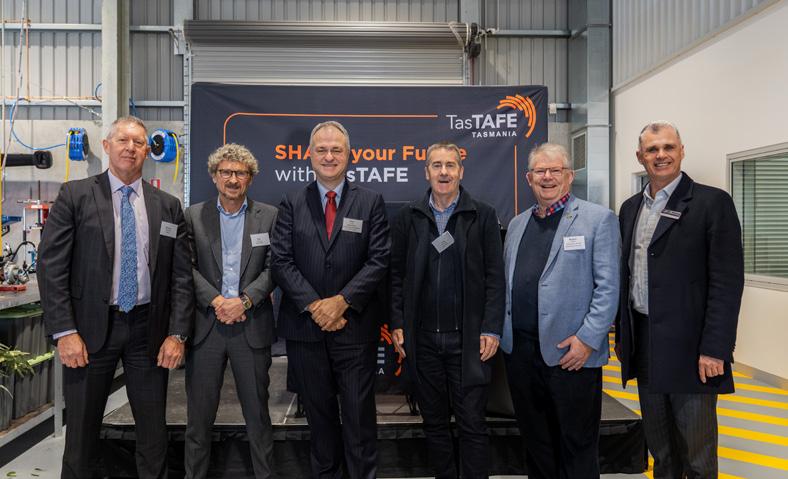
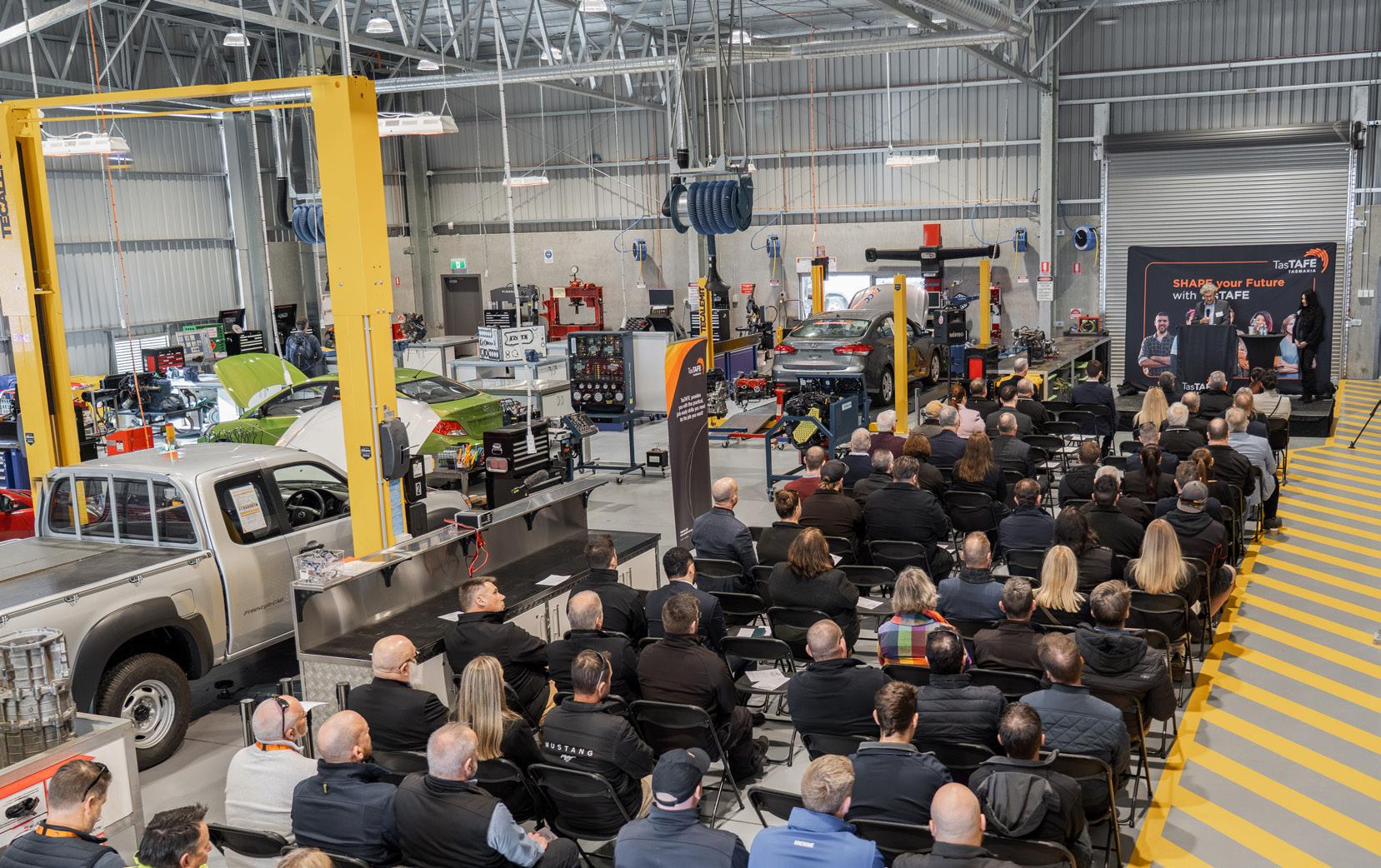
Tasmania’s automotive industry has received an important boost, with TasTAFE officially opening its new Automotive Training Facility at Cambridge Industrial Park on 24 June 2026.
The purpose-built facility marks a significant investment in the future of Tasmania’s automotive workforce and will deliver modern, industryaligned training for apprentices and technicians. The site has been secured through collaboration between TasTAFE and the Tasmanian Automotive Chamber of Commerce (TACC), with funding support from the Tasmanian Government.
For TACC members, host businesses and apprentices, the facility represents a practical and positive step forward. It gives apprentices access to hands-on training in an environment that reflects the workshops and service centres they are preparing to work in, while helping host employers build the skilled workforce their businesses need.
The new facility includes an automotive workshop with six hoists, tyre fitting and balancing areas, and a layout that mirrors professional service
centres. It also features three flexible teaching spaces equipped with audiovisual and virtual reality technology, modern amenities for learners and staff, dedicated breakout areas, and shared spaces for industryled events, forums and training.
TasTAFE is now delivering Certificate III in Light Vehicle Mechanical Technology at the Cambridge site, with further short-course training in Vehicle Inspection and Automotive Air Conditioning to follow. From 2027, training will expand to include Certificate III in Automotive Electrical Technology, along with EV and hybrid skill set training.
That future focus is particularly important as Tasmania’s vehicle fleet continues to evolve. Workshops are increasingly servicing a mix of traditional internal combustion engine vehicles, more complex electrical systems, and new hybrid and electric vehicle technologies. Ensuring apprentices are trained across these areas will be critical to supporting local businesses and keeping motorists safely on the road.
L-R: Bruce McIntosh (TACC), TasTAFE Board Chair Tim Gardner, Peter Jones (VACC) TasTAFE Board member Lee Whiteley, Robert Mallett Tasmanian Small Business Council, TasTAFE CEO Dr Norman Baker.
Tasmania’s automotive sector remains an important part of the state’s economy, contributing nearly $300 million each year and employing more than 7,500 people. With Tasmania also having the oldest vehicle fleet in the country, the need for well-trained technicians is especially important — not only in metropolitan areas, but across regional and rural communities that rely heavily on safe, reliable transport.
For host businesses, the facility will help strengthen the local training pipeline and support apprentices as they build the skills, confidence and technical capability needed in modern workshops. For apprentices, it provides access to contemporary equipment, practical learning spaces and training that is closely connected to the needs of industry.
TACC welcomes this important investment in Tasmania’s automotive future. Strong training facilities, industry partnerships and committed host employers all play a role in developing the next generation of skilled technicians — and this new Cambridge facility is a strong example of what can be achieved when industry, training providers and government work together.
Best in the business Inside the 2026
Awards
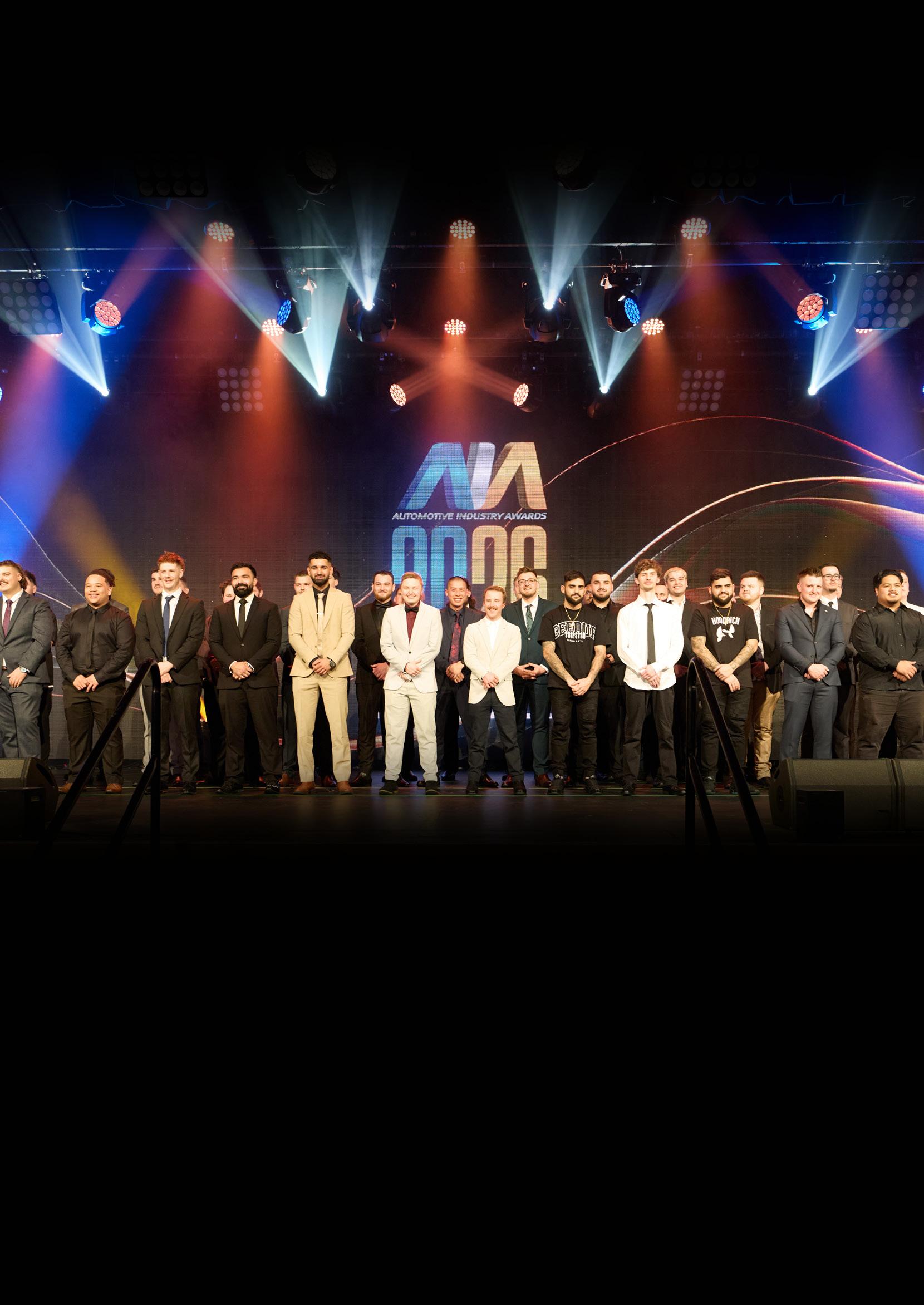
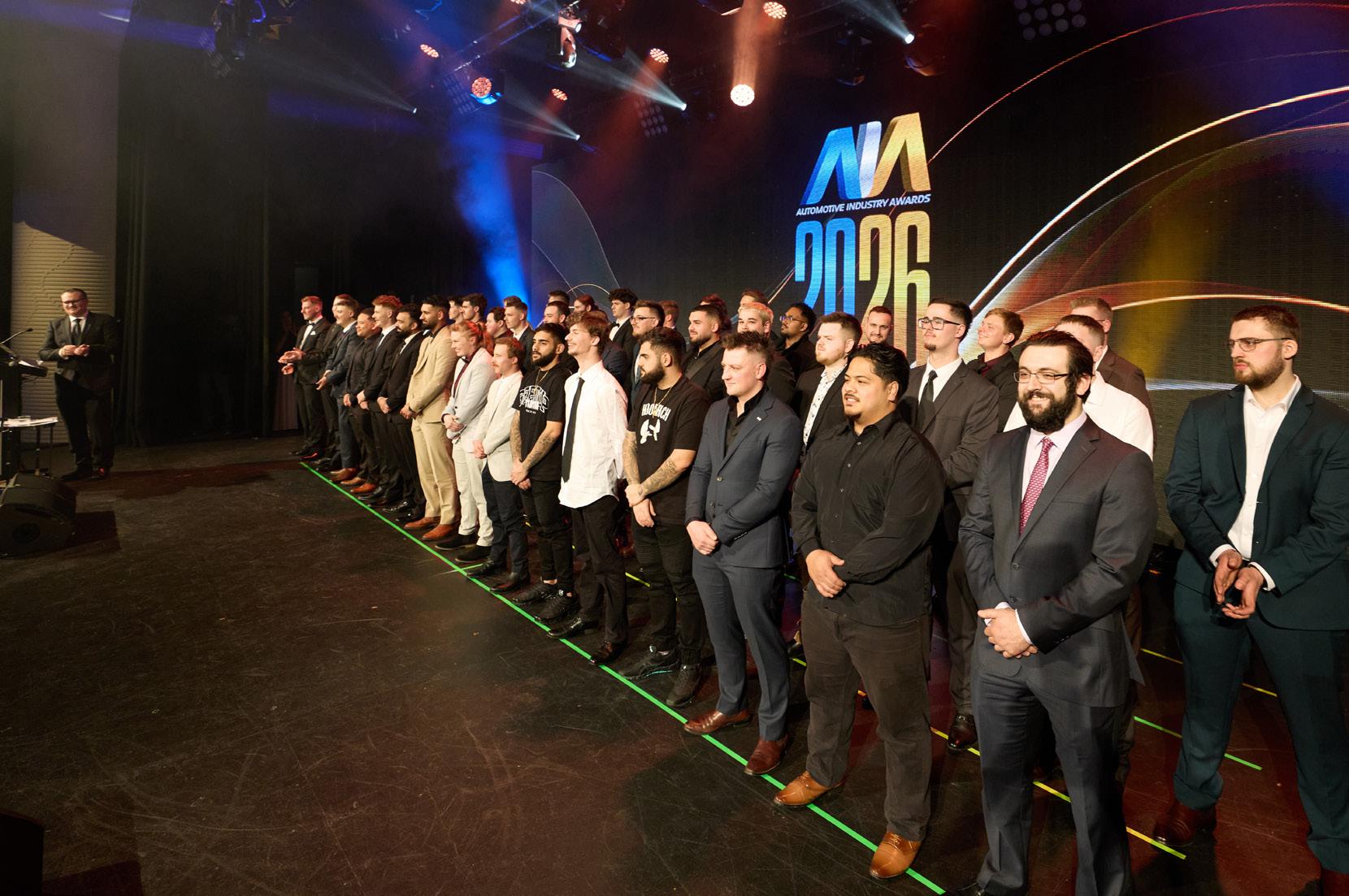
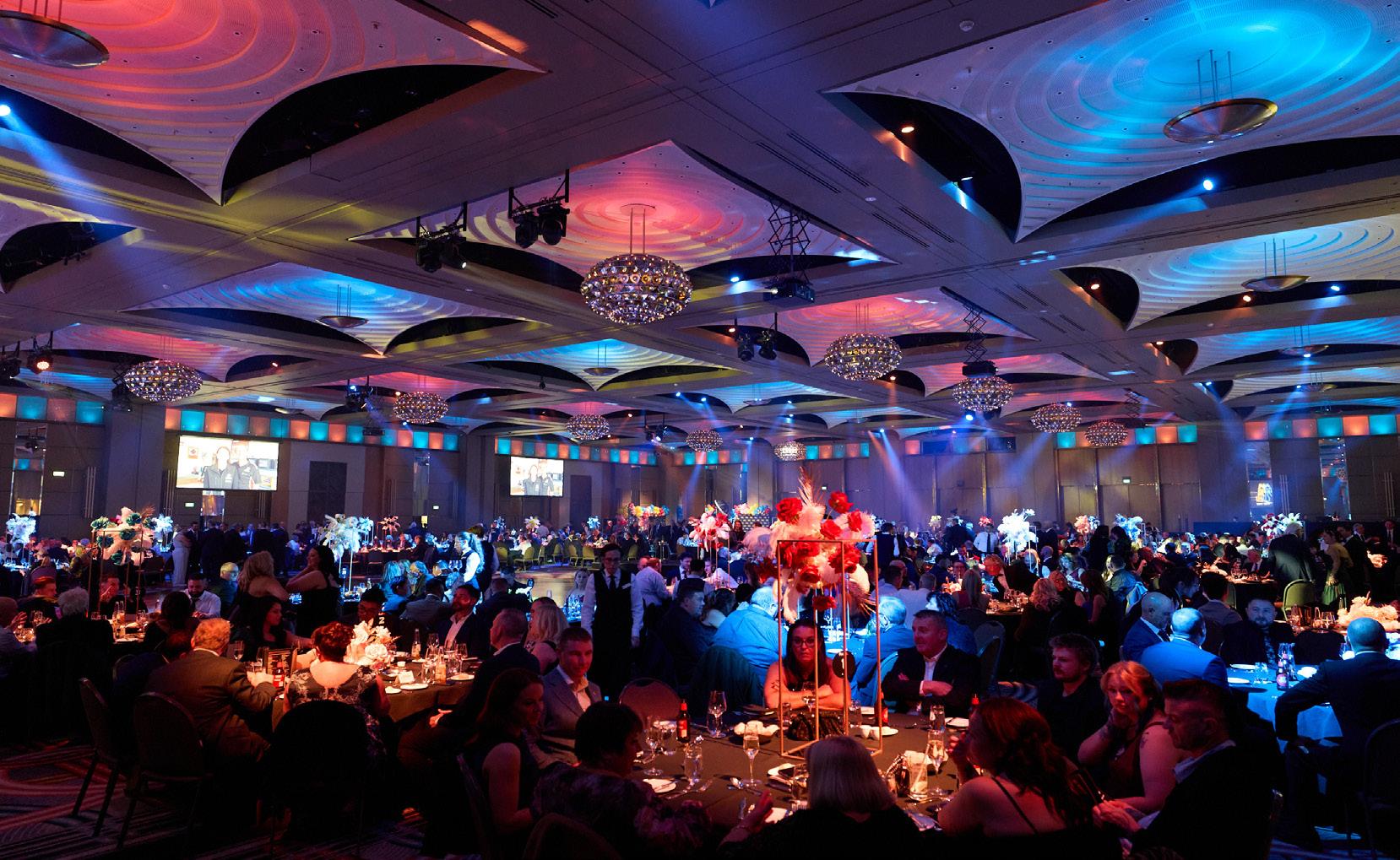
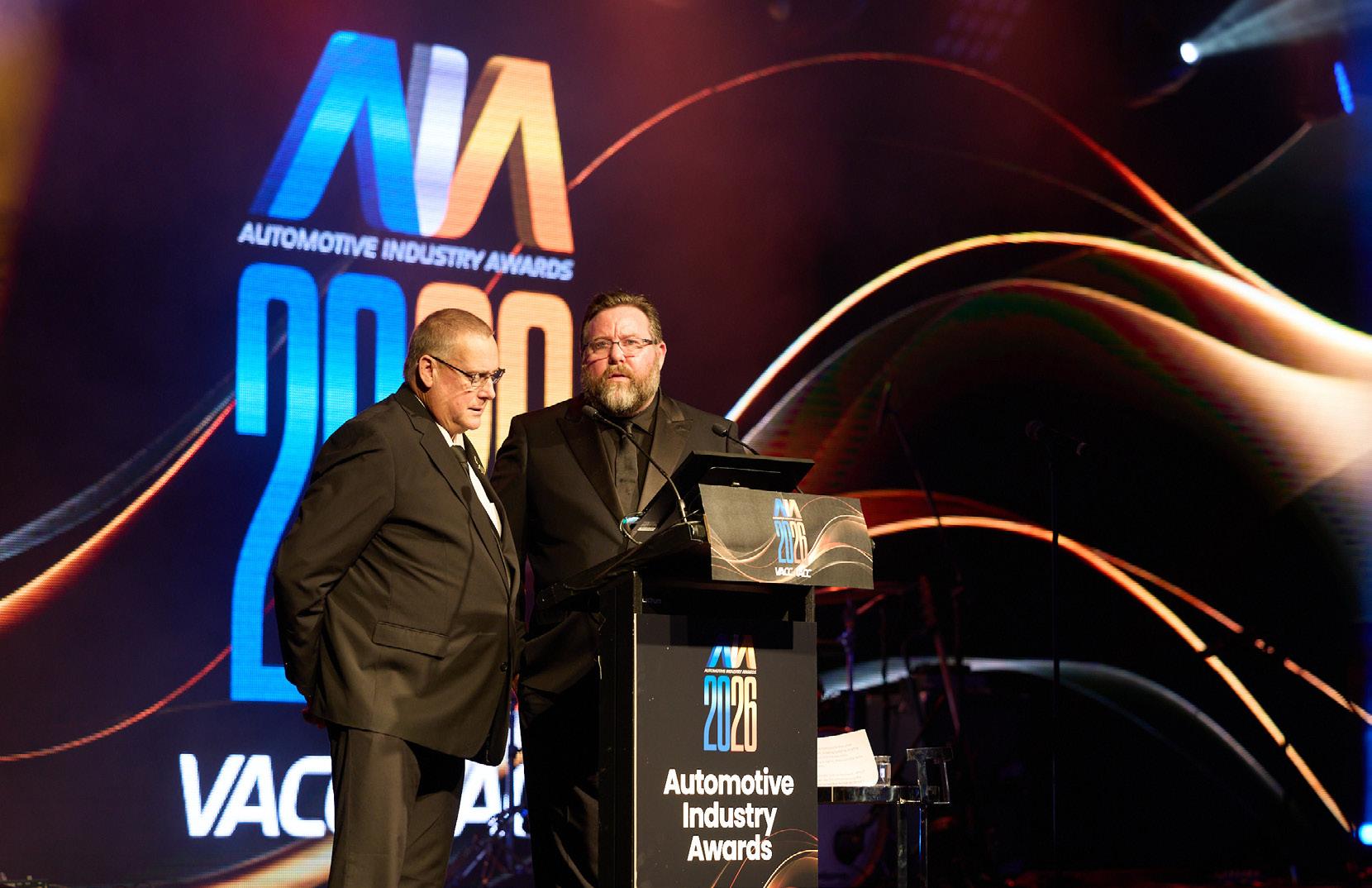
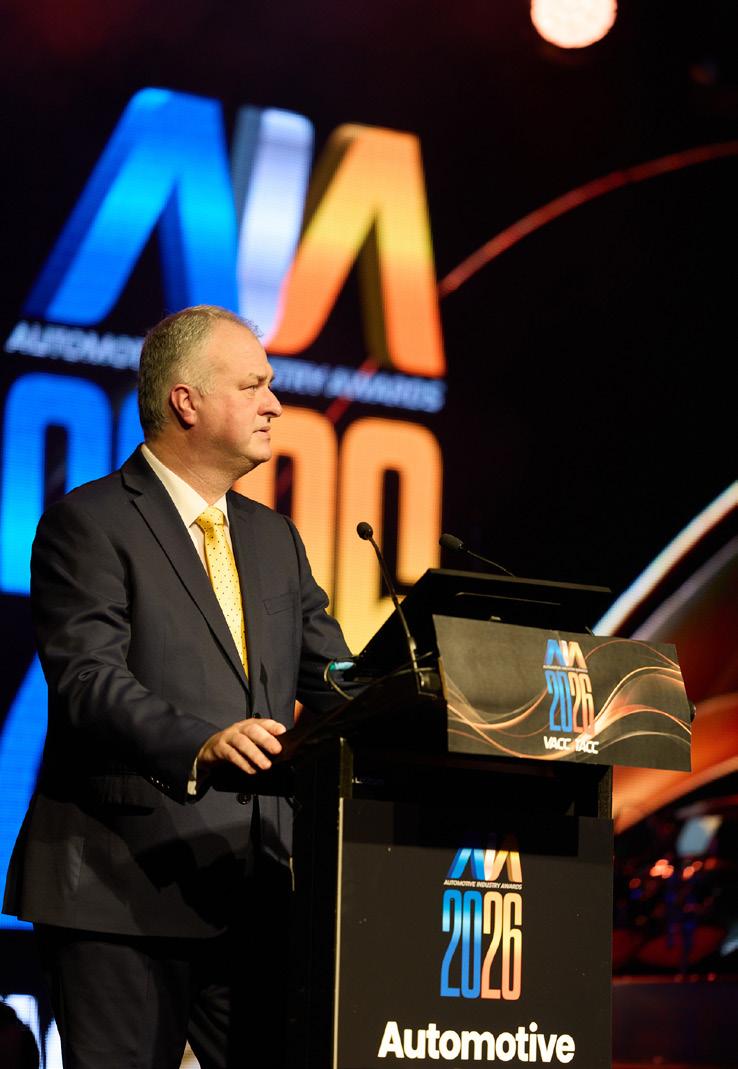
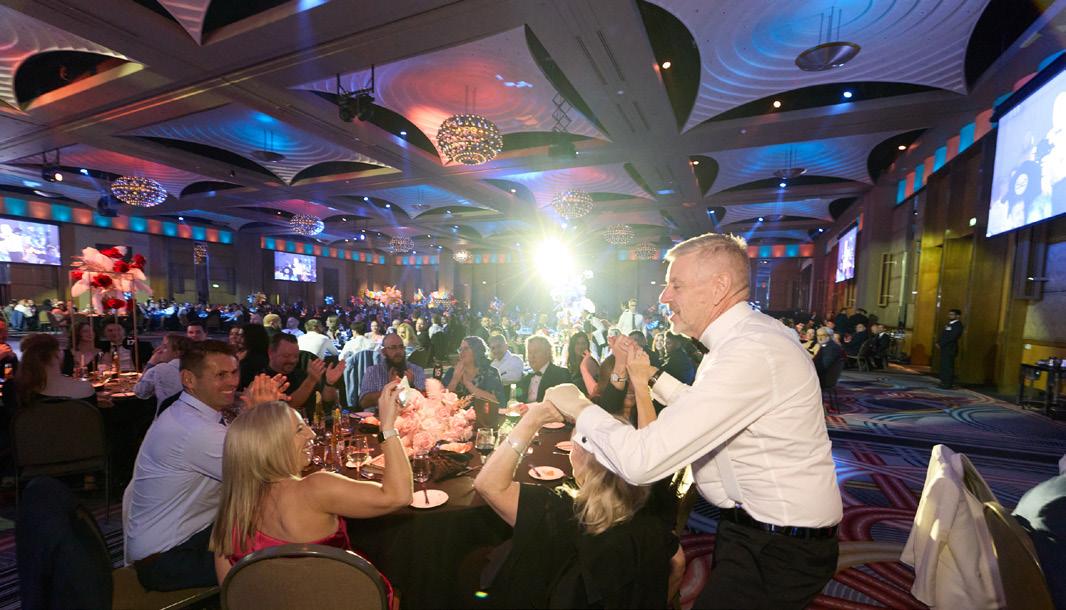
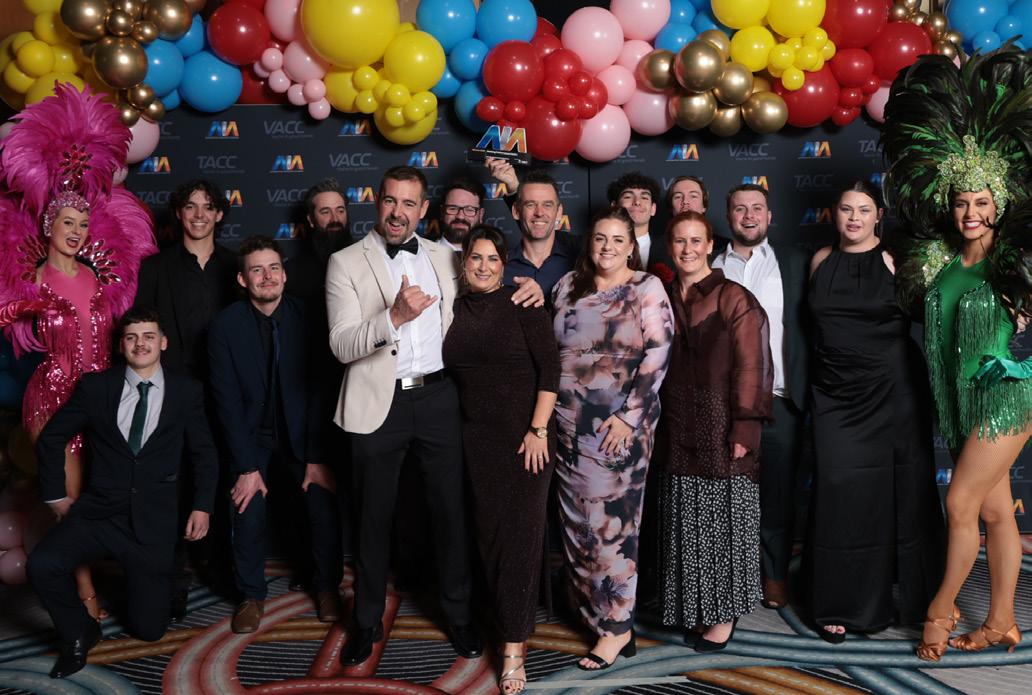
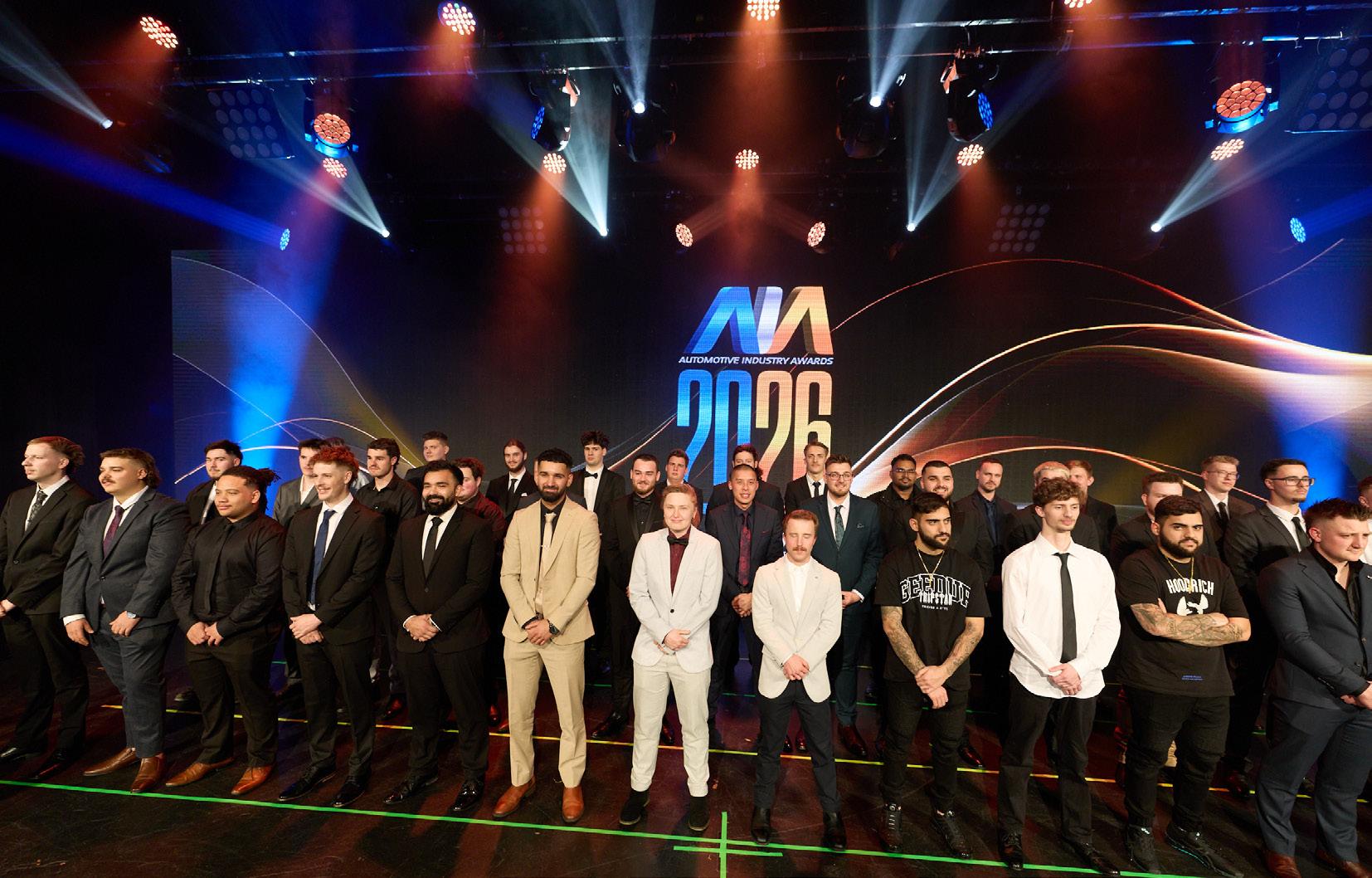
There's a particular kind of electricity in a room full of people who fix, sell and service cars for a living when the lights go down, and the awards come out. On Saturday 27 June, over 900 of them packed the Palladium at Crown Melbourne, with Shane Jacobson working the microphone, The Voices Supergroup belting out chart-toppers and a high-octane Elvis tribute show lighting up the stage. But for all the spectacle, the real stories of the night were the 2026 AIA Award winners. This was a record-breaking year for the Automotive Industry Awards (AIA). More businesses, owners and employees put their names forward than ever before — and that surge tells you something about where the
trade is right now. It's confident, it's ambitious, and it's not shy about backing itself. The apprentice and trainee nominees, meanwhile, were handpicked by VACC and TACC's apprenticeships team — the best of the best, identified from within the industry rather than self-selected. It also made the judging brutal.
"This year we received a record number of entries, which made the competition fiercer and the standard higher than we've ever seen," said VACC CEO Peter Jones. "To win an award in 2026 is no small achievement — these are genuinely the best of the best in Victorian and Tasmanian automotive."
The AIA exist to recognise excellence
in business and apprenticeships across Victoria and Tasmania — from one-bay suburban workshops to major metropolitan dealer groups. On the evidence of this year's field, there was no shortage of either.
The marquee names
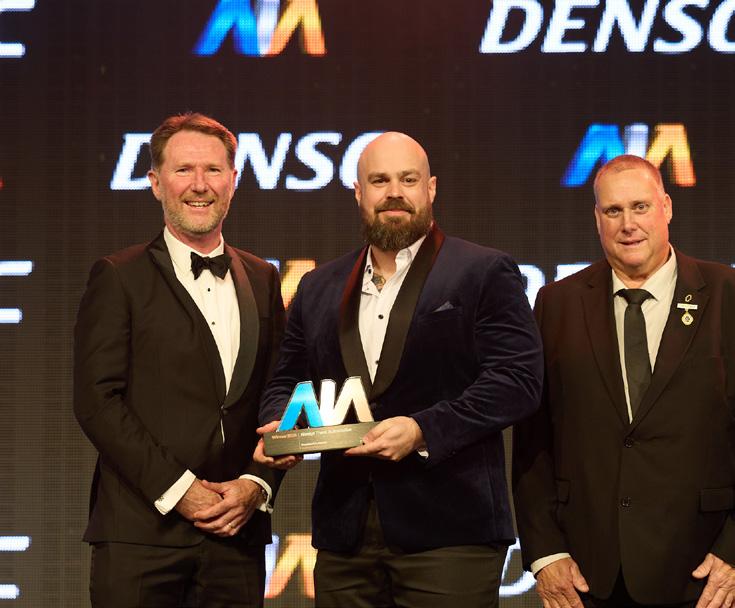
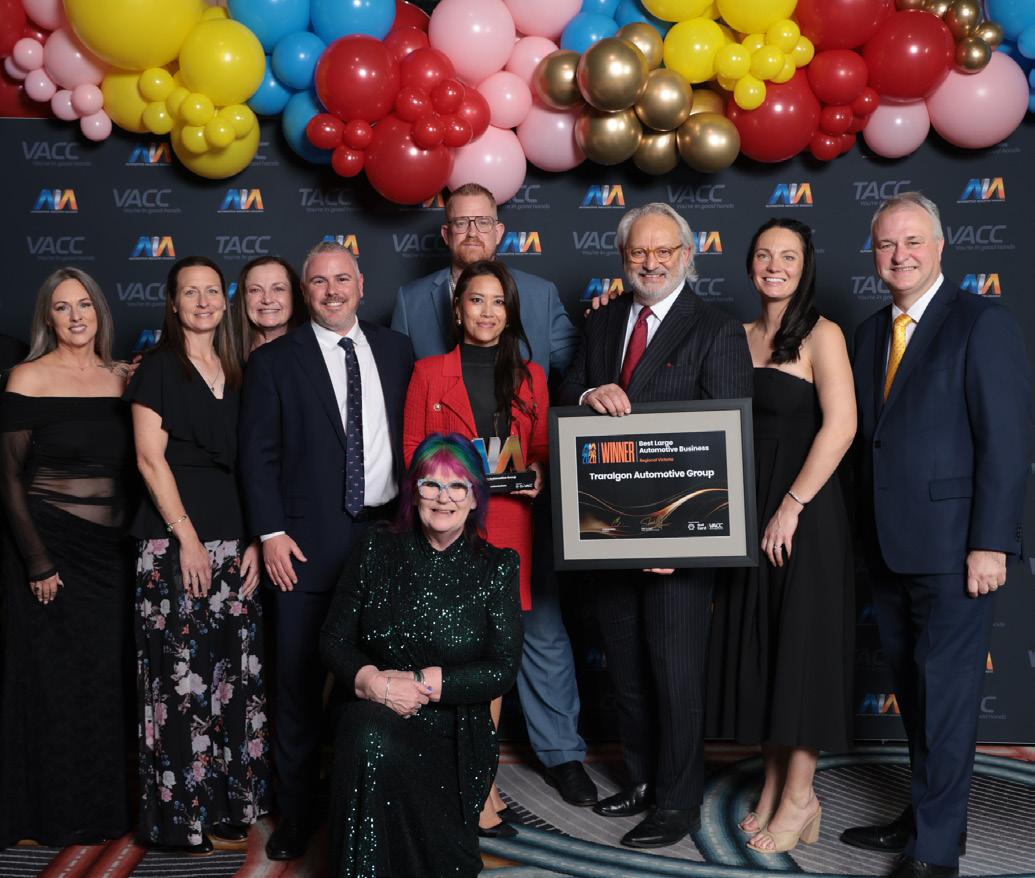
The night's most prestigious business honours, the President's Awards, went to two very different operators. Always There Automotive took out Employer of the Year, a nod to the kind of workplace culture that keeps good people in the trade. Hayley Barber of Ballarat Performance Auto Wreckers was named Employee of the Year — proof that standout talent can come from any corner of the industry.
"This year we received a record number of entries, which made the competition fiercer and the standard higher than we've ever seen,"
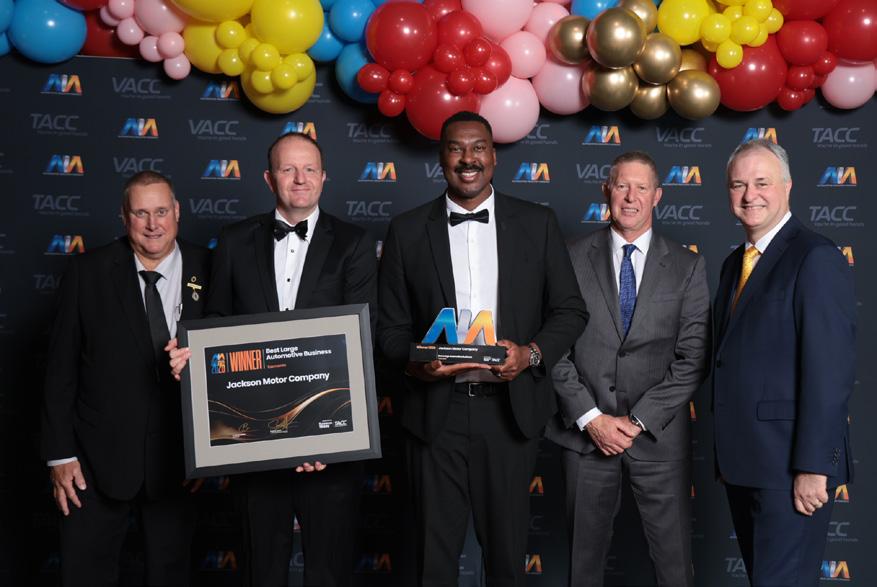
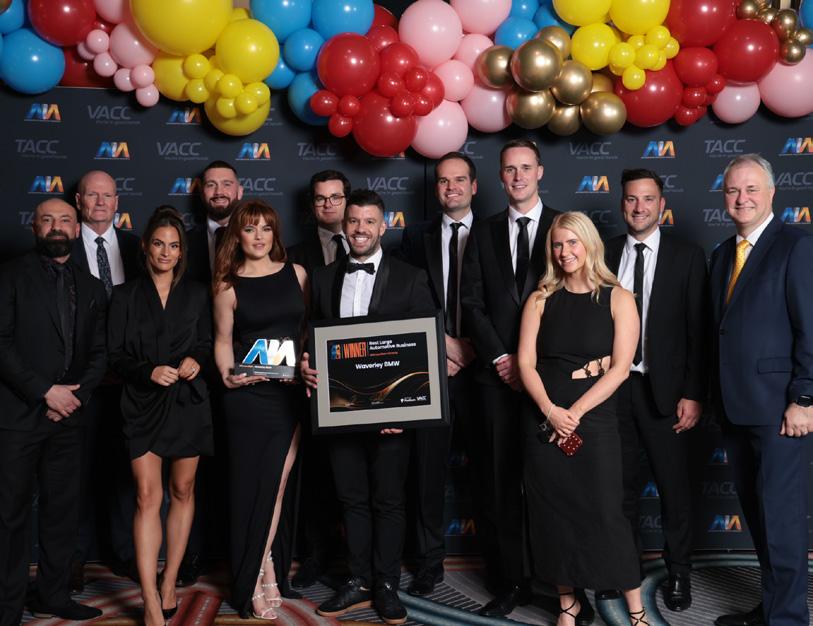
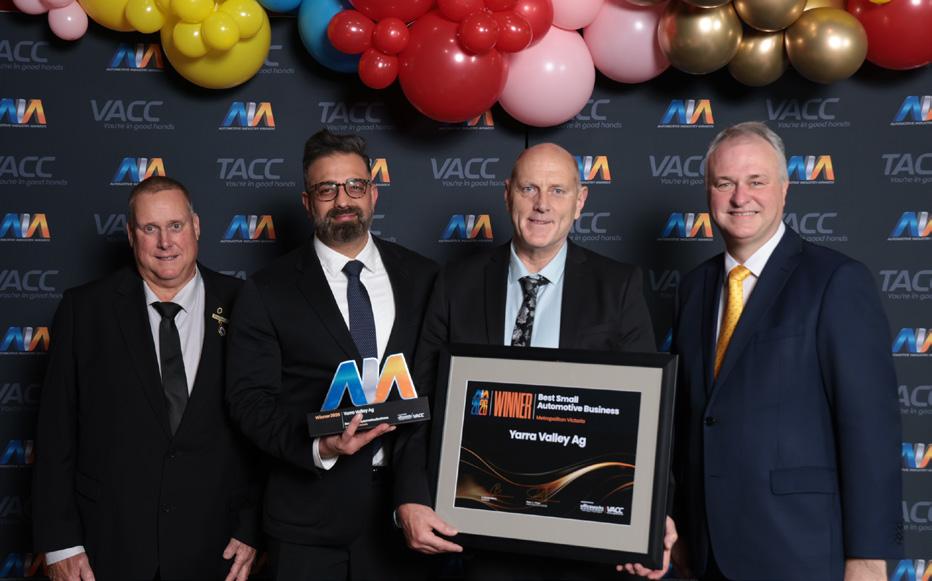
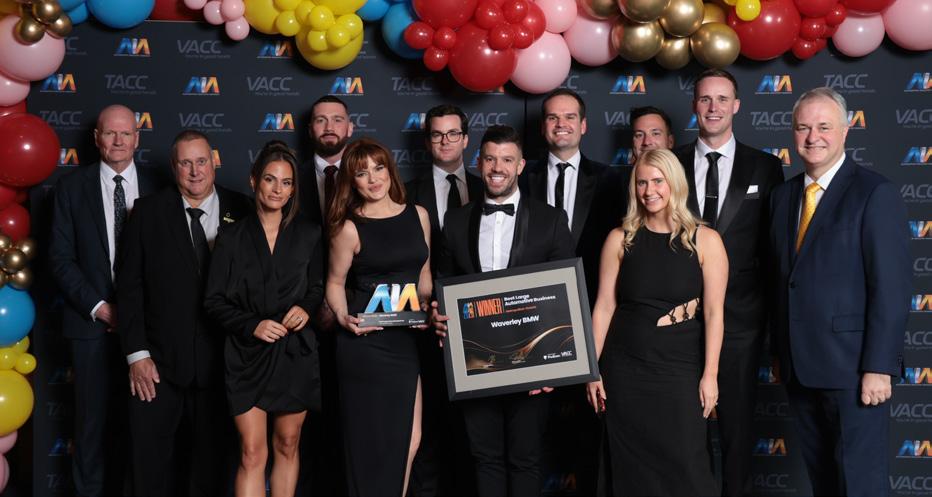
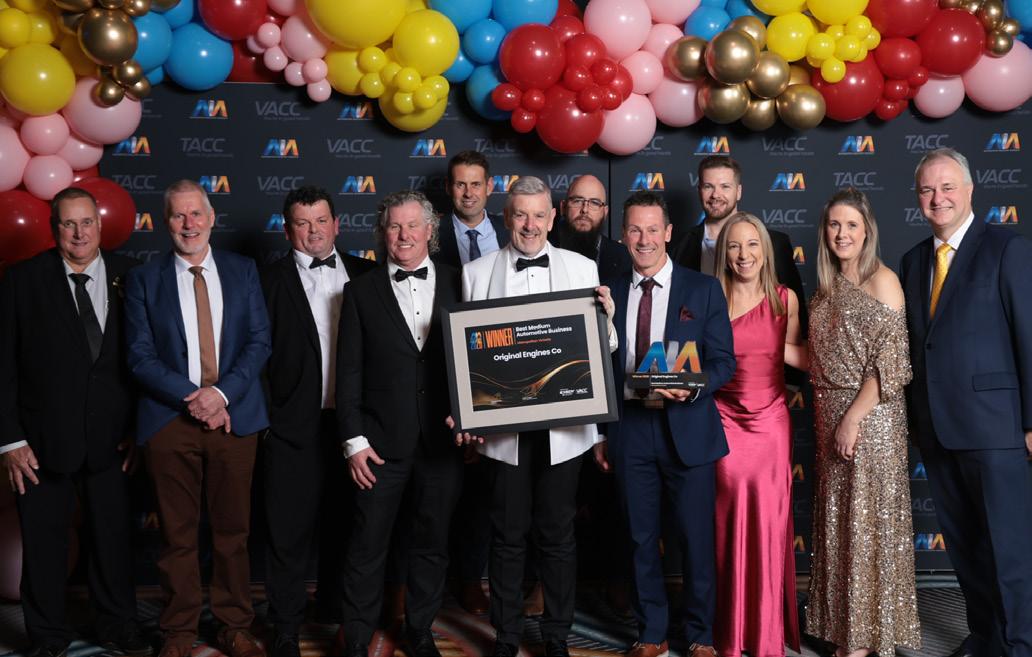
From there the business categories sprawled across the map. Waverley BMW claimed Best Large Automotive Business for metropolitan Victoria, while Traralgon Automotive Group flew the flag for the regions. Original Engines Co was recognised as the best medium business in metro Melbourne — and in a moment that brought the room to its feet, was inducted into the AIA Hall of Fame after claiming the title for the third consecutive year. Yarra Valley Ag took the small-business honours — a welcome reminder that agricultural machinery is every bit a part of this industry. Down the highway, Geelong Performance Centre was named the best small business in regional Victoria. What strikes you reading down the list is the sheer
breadth. Dealer groups and engine specialists, ag machinery and performance shops, metro and regional — all under one roof, all judged against a benchmark that climbed higher this year than ever.
The next generation
If the business awards are the headline, the apprentice and trainee categories are the heart. Against a backdrop of persistent skills shortages, these are the awards that say the most about the industry's future — and the room knew it.
Joshua Hubble of Langwarrin Auto Care was crowned VACC Apprentice of the Year, the kind of recognition that can shape a young career. Tasmania's Ben Moore, from Tilford, took the equivalent TACC honour. The
year-by-year awards went to Tate Rankine (Auto Brake Service Ringwood) as the standout first-year, Joshua Jenner (Waverley Motor Group) in his second year and Courtney Lacey (Essendon Nissan) in her third, while Jaylen Camilleri of Essendon Mazda was named Outstanding Trainee of the Year. Crucially, the awards also recognised the businesses doing the developing — Mornington Hyundai MG and Howell Automotive in Moonah (TAS) among them. Because behind every gifted apprentice is an employer prepared to invest the time.
"The future of our industry is in good hands," Jones said. "Behind every outstanding apprentice is an employer prepared to back young talent and pass on a lifetime of skill. With record interest in this year's awards, it's clear our sector is not just performing today — it's building for the years ahead."
Tasmania holds its own
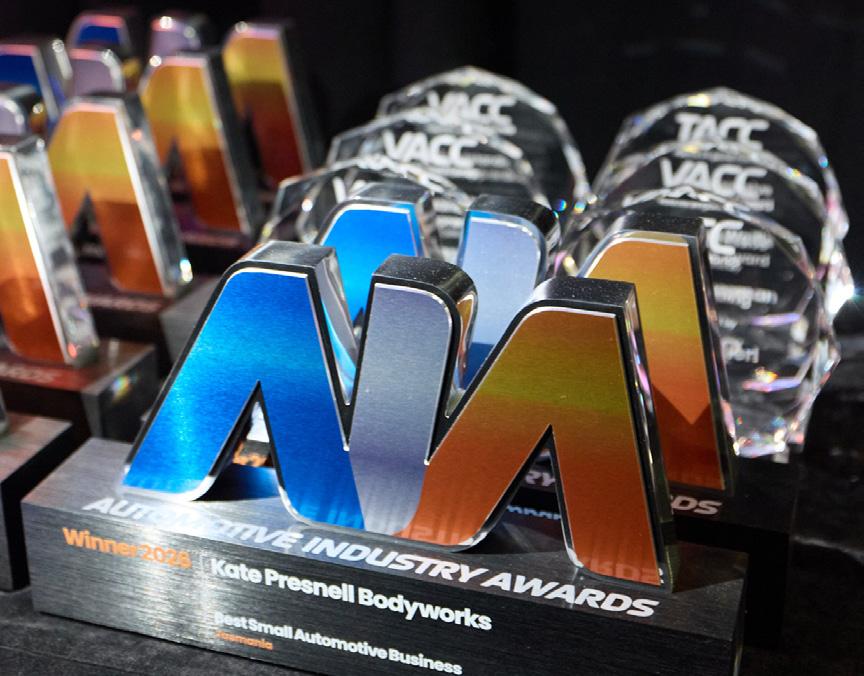
For an event staged in Melbourne, the Tasmanian contingent made plenty of noise. Jackson Motor Company took out Best Large Automotive Business Tasmania, while Kate Presnell Bodyworks claimed Best Small Automotive Business Tasmania — both earning their awards on merit in a year when the entry standard across the board had never been higher. Jackson Wallis of Hobart Performance Autos earned the state's Progressive Excellence Award, and the Apprentice development gong went to Howell
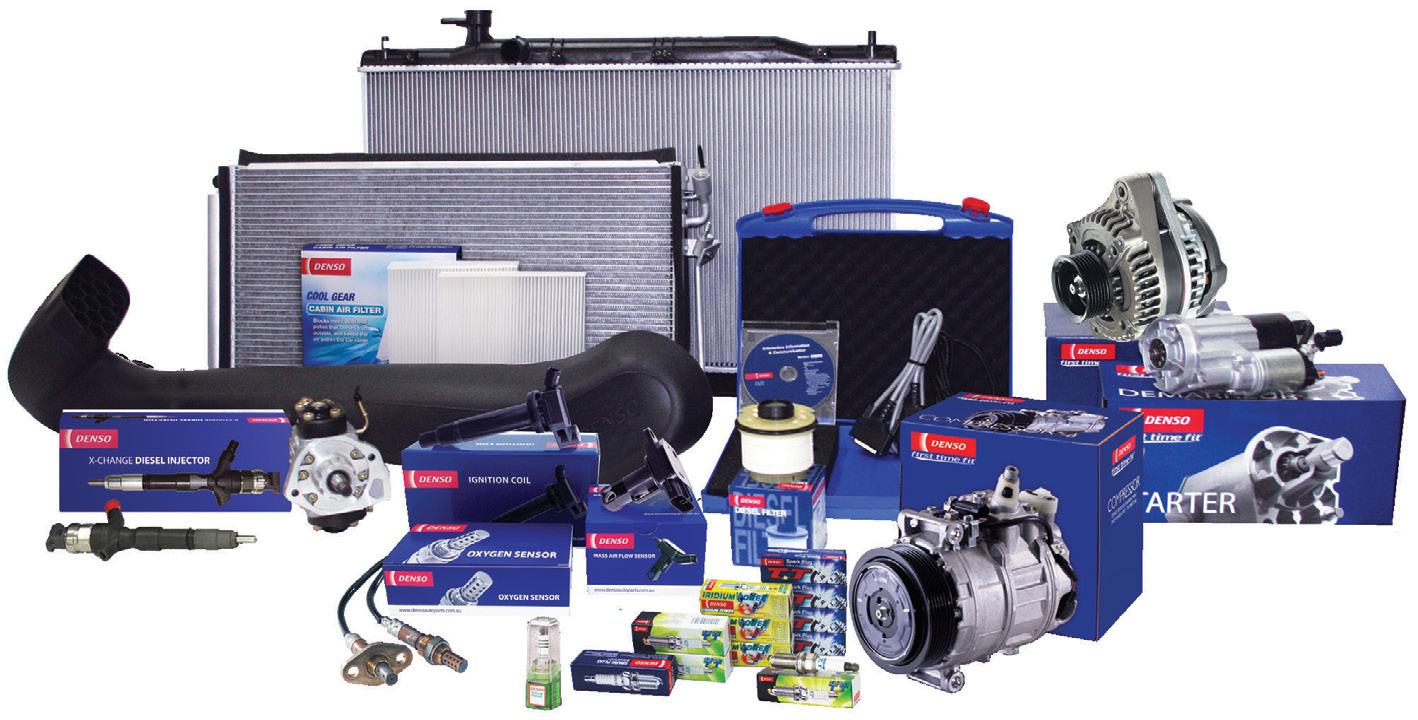
Automotive. A strong night for the island state by any measure. As the dancing wound up and the last of the guests spilled out into the Melbourne night, the message was hard to miss. A trade often defined by its challenges had spent an evening defined by its strengths. None of it happens in a vacuum. The night was made possible by gold sponsor DENSO, silver sponsor CareSuper, and bronze sponsors Officeworks, Podium, Apprenticeship Support Australia, Apprenticeships Victoria, SIXFAM, BG Products, Marsh, Tecalemit, Bendix, EXEDY, Commonwealth Bank, Bunnings Trade, TRICO, SP Tools and Shell Card — with table sponsor FedEx completing the lineup. Together they continue to put their weight behind the people keeping the wheels of Victoria and Tasmania turning. On this evidence, they're backing a winner.
"Behind every outstanding apprentice is an employer prepared to back young talent and pass on a lifetime of skill."
THREE GENERATIONS OF DEDICATION AT PARKMORE AUTO SERVICE
In an automotive industry shaped by constant change, some things still endure — family, craftsmanship and the trust built over generations.
At Parkmore Auto Service, that legacy now spans three generations of the de Boer family, with the possibility of a fourth already waiting quietly in the wings.
As the business celebrates 50 years of VACC membership, the milestone represents far more than longevity. It is a story built on hard work, adaptability and a connection to the local community — values that have remained constant even as the automotive industry transformed around it.
What began in 1972 when Gerry de Boer established Parkmore Auto Service has evolved into one of those increasingly rare family-run automotive businesses where knowledge, values and passion have been passed from father to son across generations.
Today, third-generation operator Brendan de Boer leads the workshop, continuing a family tradition that stretches back more than half a century. Located in Melbourne’s eastern suburbs, Parkmore Auto Service has become far more than simply a mechanical workshop. For many customers, the business has become part of family history itself, with multiple generations returning for trusted advice, servicing and repairs.
The story began when Dutch migrant Gerry de Boer arrived in Australia as a teenager and built a future in the automotive trade. After completing his apprenticeship and earning his A-grade qualification through VACC, he established Parkmore Auto Service in 1972 and began building a reputation for quality workmanship and honest service. This was an era when automotive technology looked vastly different to today. Seatbelts were still being introduced, vehicle systems were largely mechanical, and workshops relied heavily on hands-on experience, practical skill and problem-solving rather than computers and diagnostic software.
Through hard work, long hours and a reputation for honest workmanship, Gerry steadily built Parkmore Auto Service into a respected local business, eventually purchasing and expanding the workshop site as demand grew.
Over the decades, the business evolved alongside both the automotive industry and Melbourne’s growing eastern suburbs community. The workshop also established a strong reputation in LPG conversions during the early 1980s, carrying out gas conversions and repairs well before alternative fuels became part of mainstream automotive discussion. That willingness to embrace changing
"It's a story built on hard work, adaptability and a connection to the local community."
vehicle technology would become a defining characteristic of the business.
The second generation began in 1979 when Gerry’s son Ray de Boer commenced his apprenticeship under his father’s guidance. Working sideby-side with Gerry, Ray developed the skills, values and customer-first approach that would later define his own leadership of the business.
In 1995, Ray took over the workshop and would go on to lead Parkmore Auto Service for the next 31 years. During that time, he successfully guided the business through one of the most significant periods of automotive change the industry has ever experienced.
Under Ray’s leadership, the workshop witnessed the transition from carburettors and manual tuning through to fuel injection, onboard computers, sophisticated electronic systems and modern diagnostic technology. As vehicles became increasingly complex, the business continued investing in training, equipment and technical knowledge while maintaining the personalised service customers had come to expect.
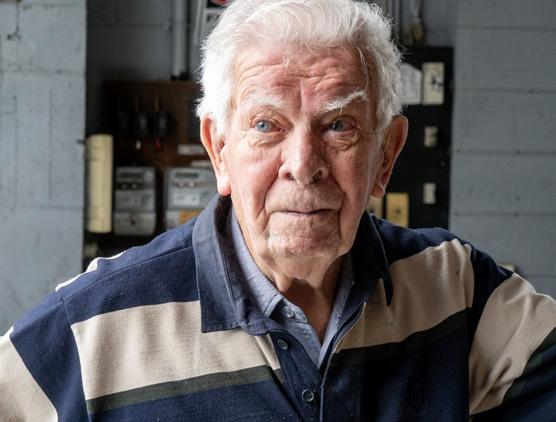
Earlier this year, Brendan de Boer officially took over running the business as Ray transitioned towards semiretirement after 31 years leading the workshop. While stepping back from the day-to-day responsibilities of running the business, Ray remains closely connected to Parkmore Auto Service, continuing to share his knowledge, experience and guidance with the next generation.
Having spent more than four decades in the workshop — first as an apprentice, then owner and operator — Ray’s influence remains embedded in the culture of the business and the strong customer relationships built over many years. While the leadership transition may now be formal, Brendan has effectively spent his entire life around workshops, tools and motorcycles. Before returning to the family business full-time, he built valuable experience working within the motorcycle industry,
combining his passion for motorbikes with hands-on technical expertise.
His transition into leading the workshop became a natural progression, particularly after stepping into day-to-day management responsibilities during periods when Ray was away from the business. The experience further reinforced both his capability and his commitment to continuing the family legacy.
Today, Brendan is guiding the business through yet another major period of transformation for the automotive industry, with modern vehicles becoming increasingly reliant on software, electronics and advanced driver assistance systems.
Like many independent workshops, Parkmore Auto Service continues adapting to technological change while maintaining the personalised service and strong community connection that has defined the business for generations.
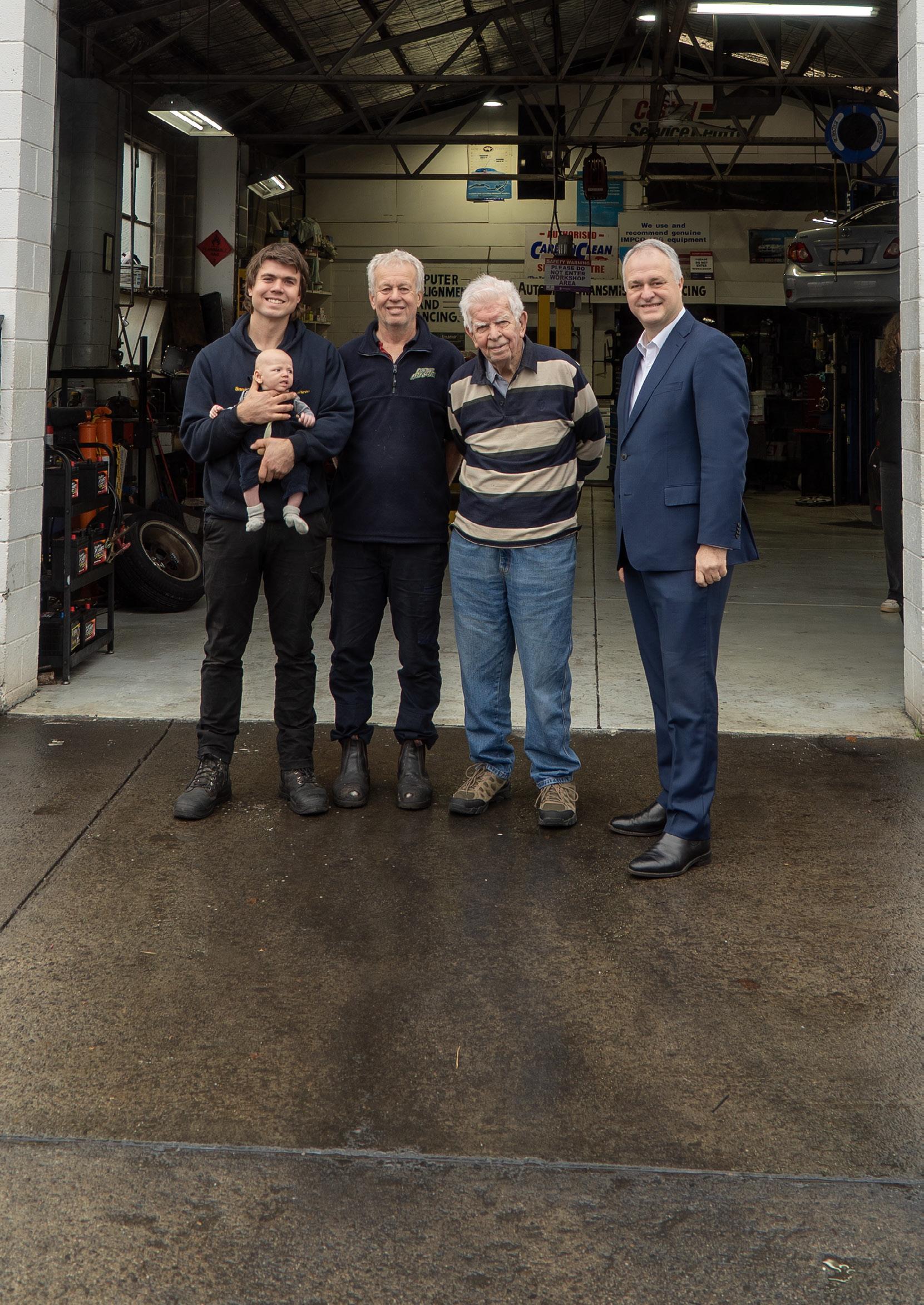
Perhaps the clearest symbol of the workshop’s future came during VACC’s recent visit to recognise the family’s 50 years of membership. As four generations of the de Boer family gathered together for photographs — including Brendan’s young son proudly dressed in miniature workshop overalls — the moment captured far more than a business milestone.
At only a few months old, the youngest member of the family may not yet understand the significance of workshops, tools or the automotive trade. But within the walls of Parkmore Auto Service, the foundations for a fourth generation have already quietly begun. And after more than 50 years serving the local community, the story of Parkmore Auto Service appears far from over.
The year the old order cracked
And why what happens on the showroom floor lands in your workshop three years later
On the last day of June, Australia sold 140,058 new vehicles. It was the biggest month in the country's history, clearing the old June 2017 record of 134,171 and capping a financial year that finished somewhere around 1.24 to 1.25 million units — roughly flat, on the face of it. But the volume isn't the story.
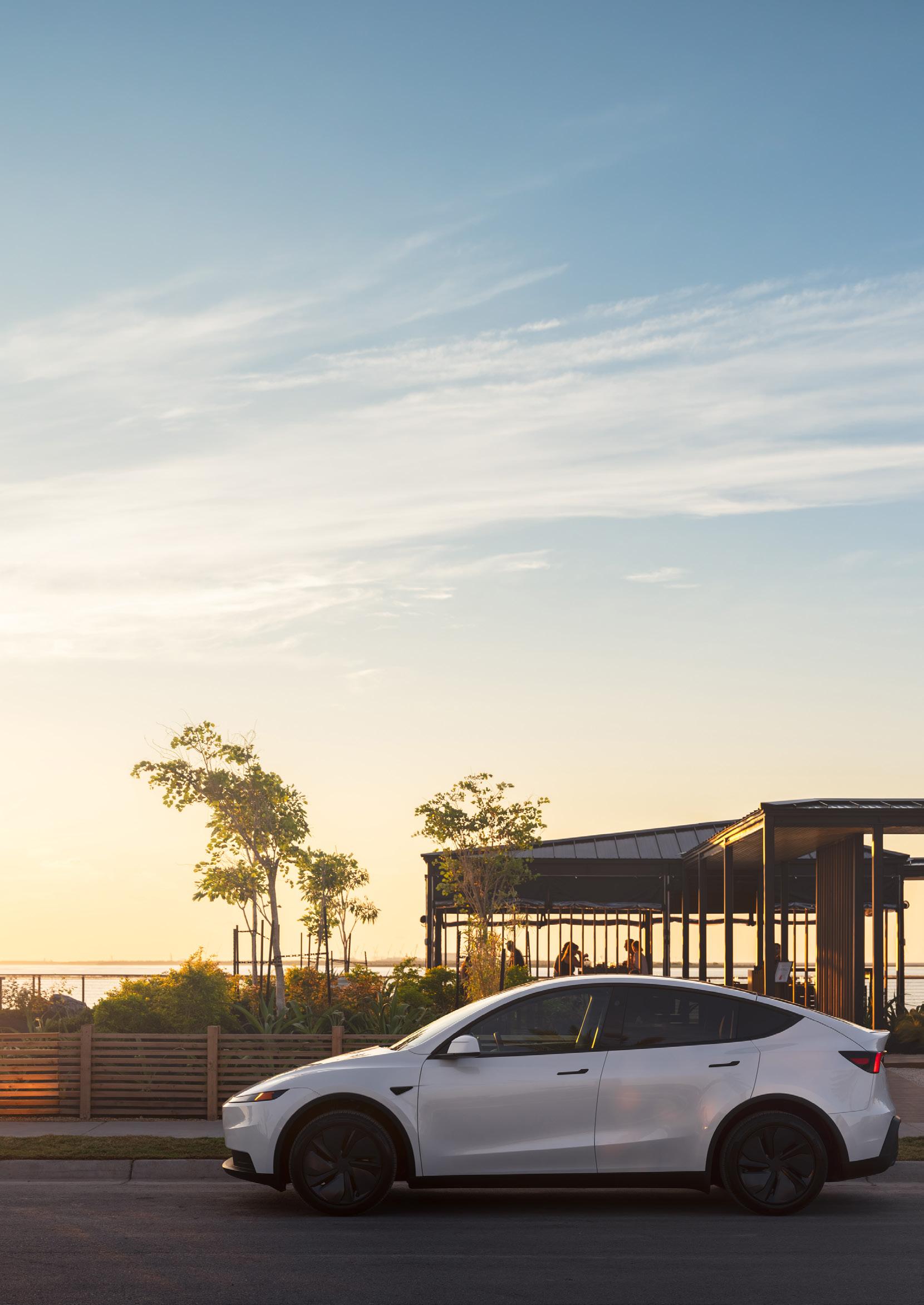
Three things happened inside that number that had never happened before. Electric vehicles outsold diesel and hybrids. A Tesla Model Y was the outright best-selling vehicle in the country. And BYD finished 243 units behind Toyota. Two hundred and forty-three cars.
That's the margin by which Toyota kept a title it has held for 23 years. This wasn't a good month. It was a hinge.
The numbers that matter Battery-electric share didn't creep up in 2025-26 — it climbed a staircase. It was 8.4 per cent
in January, 14.6 in March, 19.9 in May, and 23.3 in June. Petrol volumes fell about 29 per cent year-on-year in June. Diesel dropped 18.4 per cent and, for the first time, sat below EVs. Across the first half of 2026, hybrids and plug-in hybrids combined for 159,120 sales — level-pegging with diesel to within 40 units. By June, roughly half of every new vehicle sold in Australia carried either a plug or a hybrid system. A note on the numbers: there's no official July-to-June tally in this country. The FCAI reports by calendar month. Tesla and Polestar left the FCAI in 2024 and report only to the EV Council, so "VFACTS" figures run below "all
sources" figures by around 31,000 units a year. The direction is unambiguous; the decimal places are contested.
Why it happened
Three forces converged, and it's worth understanding each one, because they'll keep operating long after the headlines fade.
NVES started biting. The New Vehicle Efficiency Standard became law in January 2025, but its credit-andpenalty regime commenced on 1 July 2025 — the first day of the financial year we're discussing. It sets a fleetaverage CO2 target for each brand: 141g/ km for passenger vehicles in 2025,
tightening to 117 in 2026 and 58 by 2029. Beat it, bank credits. Miss it, pay. Here's the part that matters: NVES changed what brands bring in, not what buyers want. Nissan lifted Patrol pricing by around $5,000 and named the standard. Kia dropped V6 Carnival and Sorento variants. Ford and Isuzu culled 4×2 SUVs. The first reporting period showed BYD banking roughly 4.2 million surplus units and Toyota nearly 2.9 million on hybrid volume, while Mazda carried the largest deficit at over 508,000. Tony Weber spent 2025 warning that NVES had boosted electric supply far more than demand — and he was right, until he wasn't. Then the fuel shock hit. Disruption around the Strait of Hormuz pushed diesel past $3.00 a litre and petrol beyond $2.50. Australia imports more than 90 per cent of its refined fuel; reserves fell to about 30 days of diesel. The government halved the excise for three months from 1 April. The Commonwealth Bank reported new BEV loans up 161.5 per cent on February's weekly average. The crisis didn't create the shift. The vehicles were already on the boat, the price floor had already collapsed, and the model count had already passed 100. What the bowser did was compress five years of consideration into five months. It
was an accelerant, not an ignition. And the PHEV surprise. Everyone predicted the end of the FBT exemption on 1 April 2025 would kill plug-in hybrids. Instead they grew 111.8 per cent in the first half of 2026. Running costs beat tax breaks. Remember that one. Weber called BEV growth "anaemic" in January. By July he said the market had "shifted on its axis". Both statements were true when he made them. That's how fast this moved. So what?
Here's the part the new-car pages don't cover. A vehicle sold in June 2026 rolls into an independent workshop around 2029. Today's sales mix is tomorrow's service mix. Everything above is a forward order book.
Mechanical repair doesn't collapse — it changes shape. Fewer oil services. No exhaust or fuel-system work. Regenerative braking stretching pad life. But heavier vehicles chew tyres faster, suspension and steering still fail, and thermal management and 12V systems become the new fault frontier. Hybrids and PHEVs are the harder job, not the easier one: two powertrains in one engine bay. And the existing ICE parc will be on the road for another 15 years.
"Get your people accredited before you need it. High-voltage competency takes time to build. The first Sealion 7 on your hoist is the wrong moment to start."
Body repair faces a structural problem, literally. Higher-strength steels, aluminium, cast structures, battery packs sitting near crash zones. Writeoff thresholds shift. De-energisation and quarantine space stop being optional. OEM procedures and ADAS calibration become non-negotiable. Auto electrical goes from support act to headline.
Parts and supply is the sleeper issue. Chinese-built vehicles were 35.5 per cent of June sales. Catalogue depth, availability and technical data access are live commercial questions right now — not future ones. Which is precisely why right-to-repair and the MVIS scheme matter more, not less, when a third of the parc is brands that were rounding errors five years ago.
The honest caveat
Was June structural or a sugar hit? Weber says part of it is permanent. BYD conceded its record month — helped by a one-off 5,000-unit shipment — was unlikely to repeat soon.
The tell will come in the second half. If BEV share holds above 18-20 per cent now that the excise cut has lapsed and pump prices have eased, it's real. If it slides back to 12-14, the
bowser was doing the talking. Either way, the direction is one-way. What to do about it
Audit your parc. Pull twelve months of job cards. What's coming through the door now — and what does that curve look like in three years?
Get your people accredited before you need it. High-voltage competency takes time to build. The first Sealion 7 on your hoist is the wrong moment to start.
Cost the equipment. Insulated tooling, quarantine space, calibration capability. Know the number before you're forced to find it.
Pick your lane. Not every workshop needs to be an EV workshop. Plenty of money will be made servicing internal combustion for another decade. But every workshop needs to decide — drifting is the only strategy guaranteed to fail.
Lean on your association.
Training, technical data and advocacy exist for exactly this.
The gap between first and second place last month was 243 cars. The gap between a business that's ready and one that isn't will be measured in years — and it's opening right now.
The start-up’s bare-bones ute –and the question it asks of Australia
US start-up Slate Auto is building a business on a cheap electric ute. Australia invented the ute, so we asked the obvious question – is it time to build one Down Under again?
Mike Sinclair
Slate Auto is making a big splash with a small ute.
The 2026 Newsweek World’s Greatest Auto Disruptors awards handed three of its ten categories to the company, a startup yet to deliver a single vehicle.
In other words, on the strength of a promise, upstart Slate Auto finished ahead of MercedesBenz, BMW, chipmaker NVIDIA, and EV off-road brand Rivian. Each of them has a name, factories, dealer networks, and, between them (Germans especially), centuries of production history.
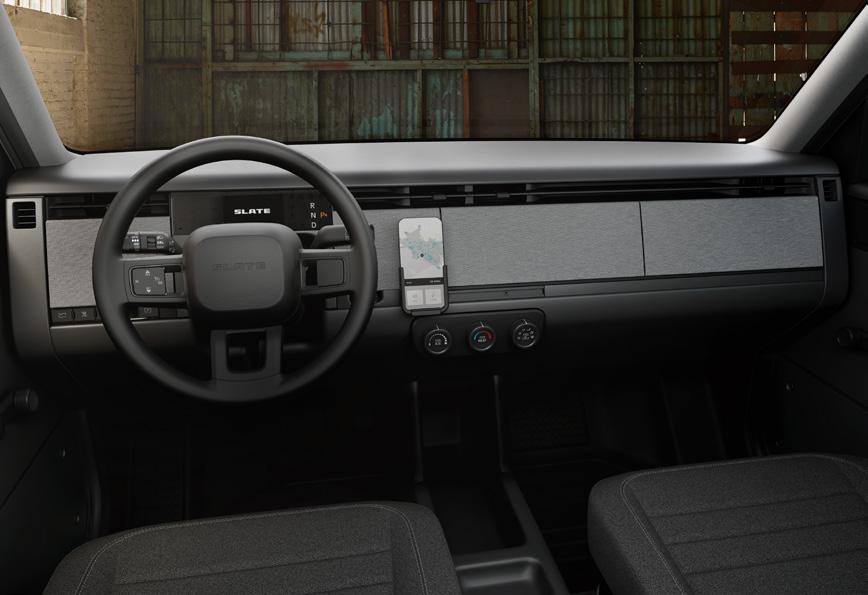
Slate Auto’s promise is deliberately plain – a subUS$30,000 electric pickup with no paint, no touchscreen, and wind-up windows. The vehicle features modular thermoplastic panels that the owner can unbolt and swap, plus the ability to convert the two-seat ute into a five-seat SUV via a factory kit (see breakout). The recipe must be attractive to some – more than 150,000 people have lodged a reservation. The hole we dug ourselves
Parts of the Australian auto landscape are watching Slate with interest – after all, we invented the ute. The story goes that Ford Australia built the world’s first coupe utility in Geelong in 1934 after a farmer’s wife wrote, asking for a vehicle that could take the pigs to market on Saturday and the family to church on Sunday.
Ninety years on, we have watched the compact, affordable end of the ute market die. There is no Falcon ute, no Holden one-tonner, no modern equivalents sold here. The body-onframe dual-cab four-wheel drives now own the category from roughly $45,000 to $90,000.
Slate is proof that someone thinks that a buyer exists in North America. What about locally?
We asked three people who should know. Will anyone buy it?
Sid Cetindag, a VACC board member and franchised dealer, does not dismiss the idea. In fact, he believes there is a market for a small, sub-$40,000, twoseat ute, and that the urban tradie is the obvious customer. And it’s a buyer nobody is serving today. Indeed, he notes that Ford is weighing a return for exactly this kind of vehicle – stopping short of naming it. Ford Australia’s recent trademarking of the Maverick name should be all the clue you need…
But looking at Slate’s offering, Cetindag draws a hard line on how basic that vehicle can be. A small ute can work,
he says, only if it keeps its “modern creature comforts”.
“It has to be good-looking, sharply priced and properly equipped,” he says.
The Slate recipe of wind-up windows, unpainted plastic and no screen runs straight into that roadblock.
“If you brought in a ute with no spec, then you will fail,” he says, noting that even a base-grade USmarket Maverick arrives reasonably well equipped.
He is just as blunt on Slate’s direct-to-consumer model: “Without dealers, you will struggle.”
Tesla aside, every manufacturer that has tried to sell around a dealer network in Australia, he argues, has failed.
Could we build it?
While Cetindag weighs the showroom appeal, Bernie Quinn is ideally placed to assess the potential to build a Slate-style vehicle here.
Quinn runs Premcar, the Melbourne engineering firm behind the Nissan Navara and Patrol Warrior programs, as well as a range of OEM development projects.
Drawing on decades of experience, including a long stint at Ford Australia, Quinn treats Slate as a serious piece of engineering rather than a stunt.
“A full normal vehicle development program, just with a different, let’s call it innovative, approach,” he explains.
Slate’s approach, he says, is precisely what makes local manufacture more plausible than it has been in years. Removing the body weld shop and the paint shop – the two most capital-hungry stations in any plant – strips out some of the capital costs that helped sink volume car-making here.
Quinn goes further, suggesting even a conventional separate-chassis ute would suit a semi-knock-down build.
On the numbers, he is bullish: a business case “around 20k per annum” is achievable, he says, noting the
“It has to be goodlooking, sharply priced and properly equipped.”
Ford Territory was built at roughly 25,000 units a year.
Pointedly, Quinn comments that the Pilbara region alone runs around 20,000 dual-cab utes. Add in even modest take-up across the whole country, and the Territory volume could easily be exceeded.
Quinn references Roev, the local electric-ute venture that folded with a production-ready vehicle and orders on the books. His read is that it stalled on core investor appetite rather than on any failure of the market, production nous, or end-user suitability. Capital not cost saw the project shelved.
The fleet gate
Then there is the buyer group Slate’s pitch seems built for – fleets. Marc Sibbald, who runs Fleet News Group and works closely with government fleets, is arguably the most sceptical of our three commentators, and his reason is specific. Safety is the key.
Sibbald says a five-star ANCAP rating is the ticket to ride in the fleet space. Although some corporates eschew the requirement, Commonwealth and state government fleet policies generally mandate a current five-star rating, in many cases for both light commercial vehicles and passenger cars.
Slate is chasing a five-star US rating, but that won’t necessarily translate. A vehicle can be perfectly legal to sell here on Australian Design Rules alone and still be shut out of every government tender for want of a local five-star rating – and a stripped-back design is exactly the kind that struggles to earn one.
Sibbald adds a wrinkle that runs counter to the whole premise. Most council and government fleets, he says, do not actually need a ute, and the switch to electric is increasingly becoming the moment they realise it. With no load to carry, they are moving to passenger vehicles instead.
A small ABN segment might be tempted by price, he allows, but the majority of ute buyers want comfort and brand recognition. And an Australian-made badge? He says flatly, it would change nothing.
The question, unanswered
So, the question Slate poses lands differently depending on who holds it. The dealer sees a real buyer, but a product too plain to sell. The engineer sees a vehicle we could genuinely build and a volume case sufficient to build it. The fleet specialist sees a safety barrier and a use case that electrification is quietly eroding.
Slate itself, approached several times for this piece, did not respond. Australia, for now, seems to be a bridge too far…
What’s hard to dispute is that the niche and potential are real. What can fill it – and whether that vehicle could be made here – are conversations worth having.
"Slate Auto is making a big splash with a small ute."
Clean Slate
Slate Auto is a Michigan start-up, revealed in April 2025 and backed by Jeff Bezos, with former Amazon executive Jeff Wilke among its founders. It has raised more than US$650 million and gathered north of 150,000 refundable reservations, each held with a US$50 deposit.
The company has yet to build a customer vehicle; production is due to begin at a refurbished plant in Warsaw, Indiana, late in 2026. It sells direct, with no franchised dealers.
Slate’s first product, a small two-door pickup, is an exercise in subtraction. A single rear motor sends 150kW to the back wheels, fed by a 52.7kWh battery good for a claimed 240km, or an optional 84.3kWh pack stretching that to 390km; a 120kW DC fast charger covers 20-80 per cent in under half an hour.
A unique aspect of the design is that there is no paint –the panels are grey composite, bolted on and intended to be swapped by the owner with basic tools. Inside, there is no touchscreen and no power windows. The driver’s smartphone is the infotainment system.
Slate says it is aiming for a five-star US safety rating, with autonomous emergency braking standard.
The key to Slate’s pitch is modularity. The two-seat pickup converts to a five-seat SUV through factory kits, and an accessories marketplace is built in from launch, aimed squarely at the aftermarket. One basic vehicle, the customer adds accessories as required.
Price is both the headline and the uncertainty. Originally floated under US$20,000 with the nowscrapped federal EV tax credit, the base figure now sits in the mid-to-high US$20,000s, to be confirmed when order books open mid-2026.
Strong national voice as Bruce Billson takes MTAA helm
The Motor Trades Association of Australia (MTAA) has welcomed the Hon Bruce Billson as its new Executive Director, bringing a highly experienced national advocate into one of the automotive industry’s most important leadership roles.
For VACC and TACC members, the appointment is significant. MTAA is the national peak body representing the automotive retail sector and its state and territory member associations, including VACC and TACC. It provides a united voice in Canberra on the issues that matter to automotive businesses, from skills and training, regulation and competition policy, through to consumer affairs, business conditions and the future shape of the industry.
Mr Billson brings a strong mix of public policy, small business and industry experience to the role. A former Federal Member for the Victorian seat of Dunkley, he represented the area for seven terms between 1996 and 2016. The electorate has long had links to automotive manufacturing and component production, giving Mr Billson a practical understanding of the contribution the motor trades make to local jobs, communities
and the broader economy.
During his parliamentary career, Mr Billson served as Cabinet Minister for Small Business from 2013 to 2015, with responsibilities including competition policy and consumer affairs. He also served as Minister for Veterans’ Affairs, Minister Assisting the Minister for Defence, and Parliamentary Secretary for Foreign Affairs and Trade.
Most recently, Mr Billson completed a five-year term as the Australian Small Business and Family Enterprise Ombudsman, where he championed the interests of Australia’s small and family businesses. The Ombudsman’s office has responded to more than 60,000 requests for assistance across its first decade, supporting businesses with dispute resolution, policy advocacy and practical help during challenging trading conditions.
VACC CEO and former MTAA Interim Executive Director Peter Jones has welcomed the appointment, noting Mr Billson’s strong understanding of the challenges and opportunities facing small and family businesses across the motor trades. His practical, collaborative
approach to leadership is expected to strengthen MTAA’s national voice at a time of significant industry change.
Mr Billson has also made clear his commitment to working closely with MTAA’s member associations, industry partners and government stakeholders to deliver real outcomes for the sector. His focus will be on ensuring automotive businesses have a strong, united voice in Canberra and beyond.
His appointment comes at a critical time for the industry, as automotive businesses navigate rapid technological change, workforce pressures, new regulation, changing consumer expectations and the transition to low and zero-emission vehicles.
For VACC and TACC members, Mr Billson’s leadership is expected to further strengthen national advocacy and help ensure the practical realities of running an automotive business are heard clearly by government.
As the sector continues to evolve, MTAA’s role in bringing together industry voices has never been more important.
Half a century of automotive service and leadership
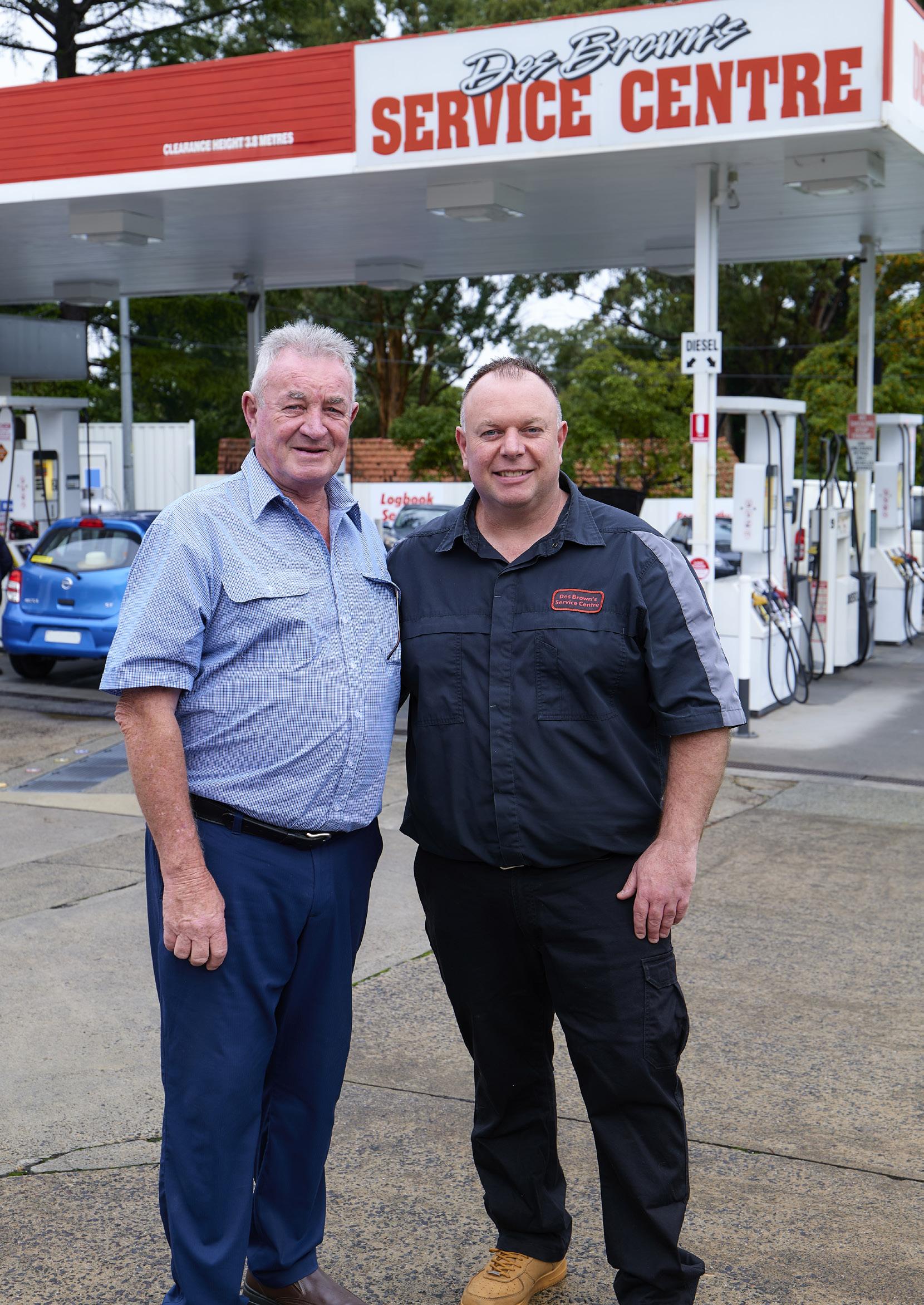
For more than 50 years, Des Brown has been a familiar and respected figure in Melbourne’s automotive industry. From humble beginnings as a young business owner, Des has built a business that has stood the test of time — adapting to industry change, navigating fuel market shifts and building strong relationships with customers and the local community along the way.
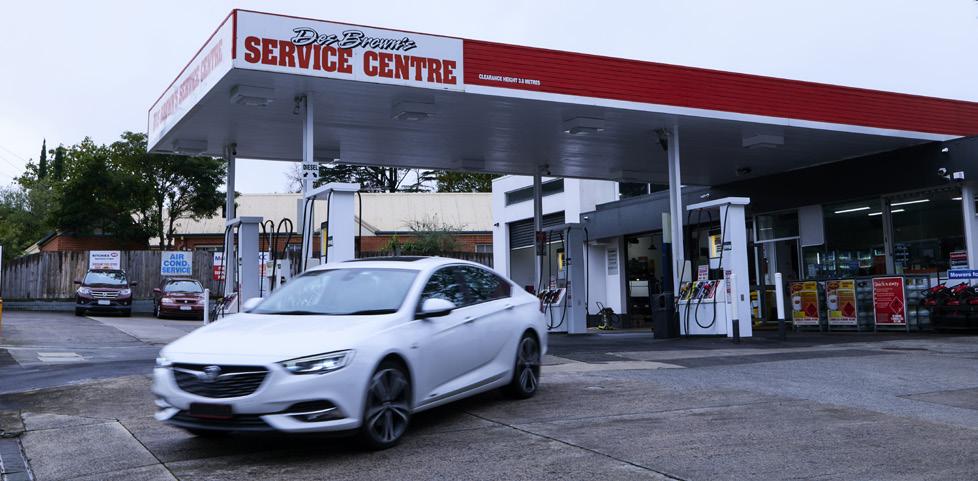
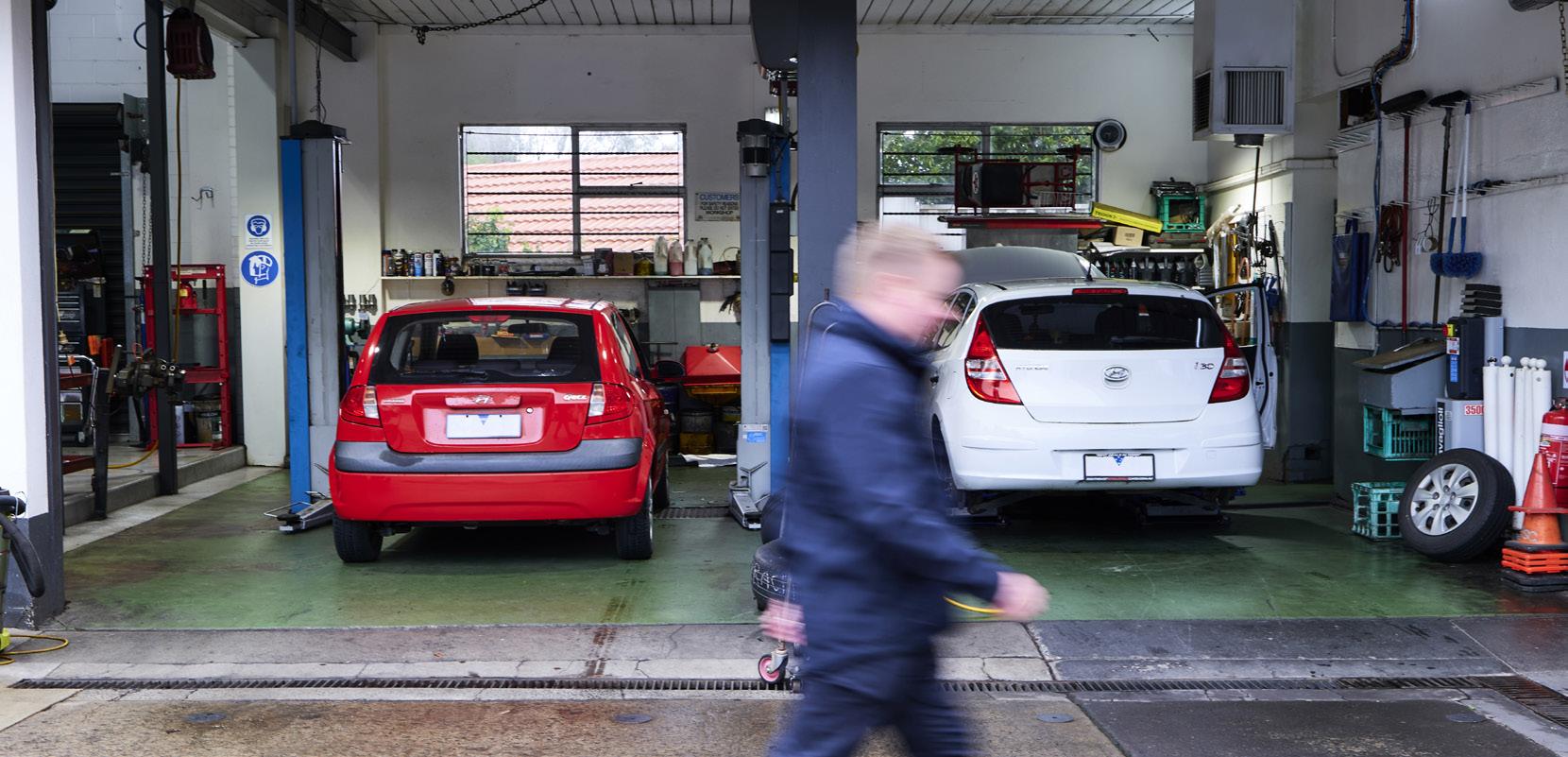
Located on Loughnan Road in the Melbourne suburb of Ringwood, the mechanical workshop and service station has served generations of local motorists from the same location for 54 years — a remarkable achievement for any small business. Over that time, Des Brown Service Centre has become a trusted fixture within the local community, with many customers returning across multiple generations. The Brown family remains firmly embedded in the business’ day-to-day operations. Son Travis has worked in the business for 29 years and now leads workshop operations as Workshop Manager, bringing decades of hands-on experience and continuity to the family business. Daughter Donna also joined Des Brown Service Centre this year, supporting the business through office administration and customer service. The milestone also marks more than 50 years of VACC membership, with the business first joining in March 1973. Des took over the business at just 22 years of age, bringing with him a strong
work ethic and practical business acumen that would shape the operation for decades to come. During that time, he has witnessed enormous change across the automotive industry — from the evolution of fuel retailing and workshop technology through to shifting consumer expectations and increasing regulation.
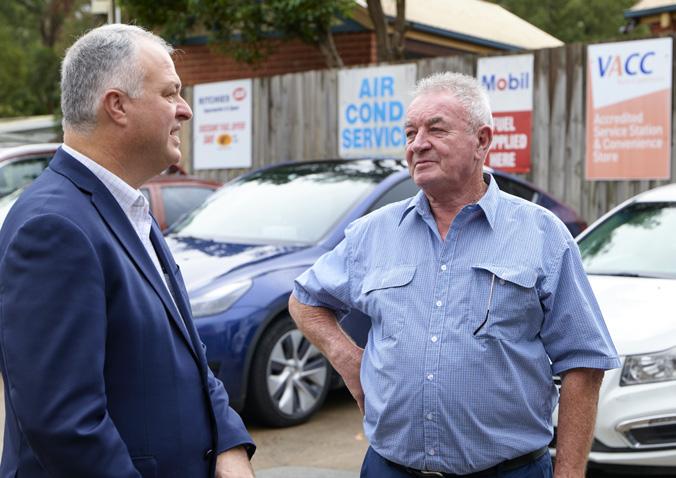
As the business grew, so too did its footprint, with Des operating multiple service stations and car washes throughout different stages of his career. Despite the expansion and industry change, the focus has remained consistent: trusted local service, strong customer relationships and a commitment to the community. Des’ contribution to the industry has also extended well beyond his own business. A passionate and longstanding supporter of the VACC, he has dedicated significant time to helping strengthen and represent the fuel retail and service station sector across Victoria.
An active member of the VACC Service Station and Convenience Store Division (SSCSD) Committee since 2002, Des served as Vice Chair from 2011 to 2018 before taking on the role of Chair in 2018. During that time, he has helped guide the industry through a range of significant issues affecting fuel retailers and service station operators.
His involvement has included oversight and advocacy relating to fuel theft, consultations with the EPA regarding
Underground Petroleum Storage Systems, the development of the Fuel Manager program, and industry discussions surrounding fair fuel pricing schemes. His practical experience as an operator, combined with a deep understanding of the challenges facing small business, has made him a respected and valued voice within the sector. That contribution reflects the same qualities that have underpinned the Brown family business for more than five decades — adaptability, hard work and a genuine commitment to supporting both customers and the broader automotive industry. Despite the many changes the industry has faced, Des continues to maintain a keen interest in the future of automotive retail and service operations, particularly around fuel supply, logistics and the ongoing pressures facing independent operators. Today, with son Travis continuing to lead workshop operations and daughter Donna on the team this year, the Brown family legacy continues to evolve while remaining firmly connected to the local community and the automotive industry it has supported for more than half a century. Reaching 50 years of VACC membership is a significant milestone and fitting recognition of the longstanding contribution Des Brown and his family have made to Victoria’s automotive sector. Congratulations.
"...he has helped guide the industry through a range of significant issues affecting fuel retailers and service station operators."
Celebrating 50 years of VACC membership for A.C.W. Truck Spares & Repairs
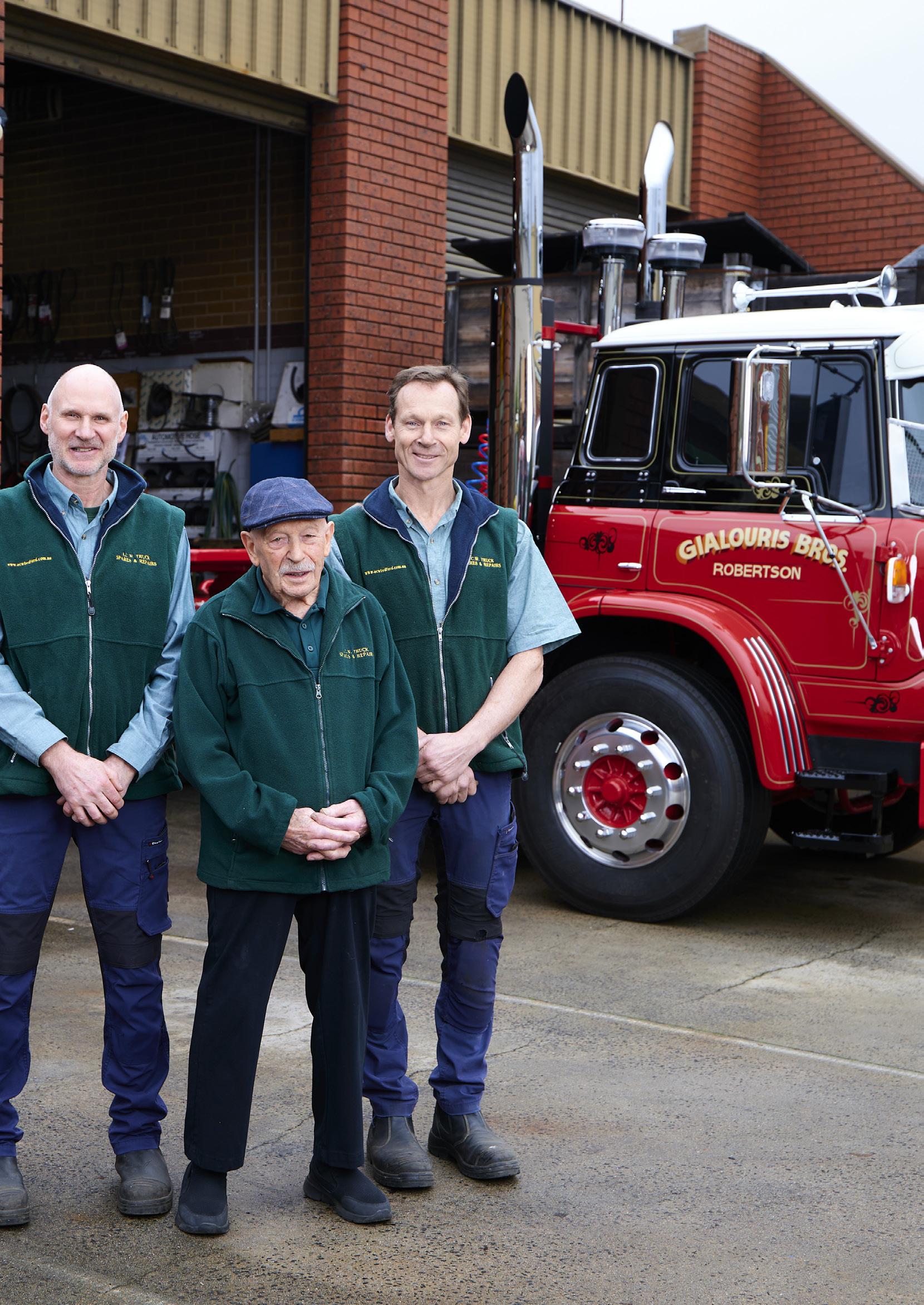
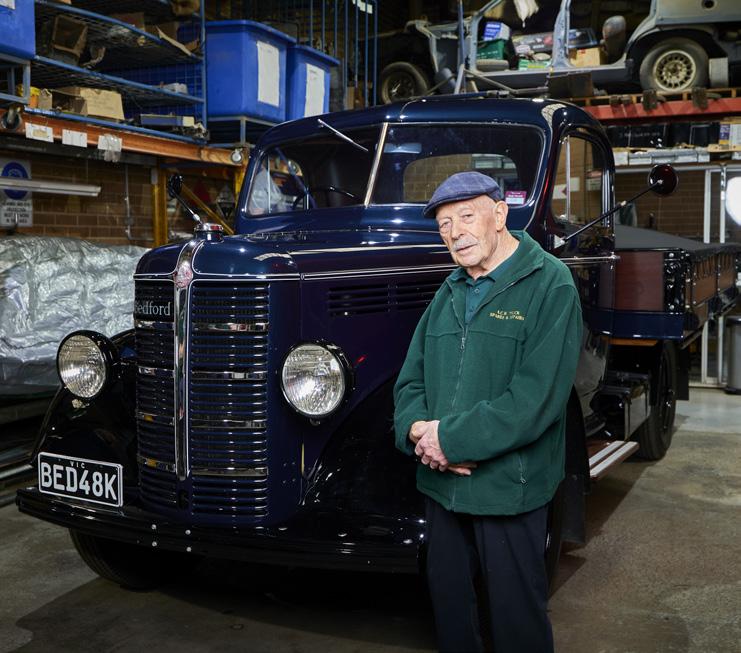
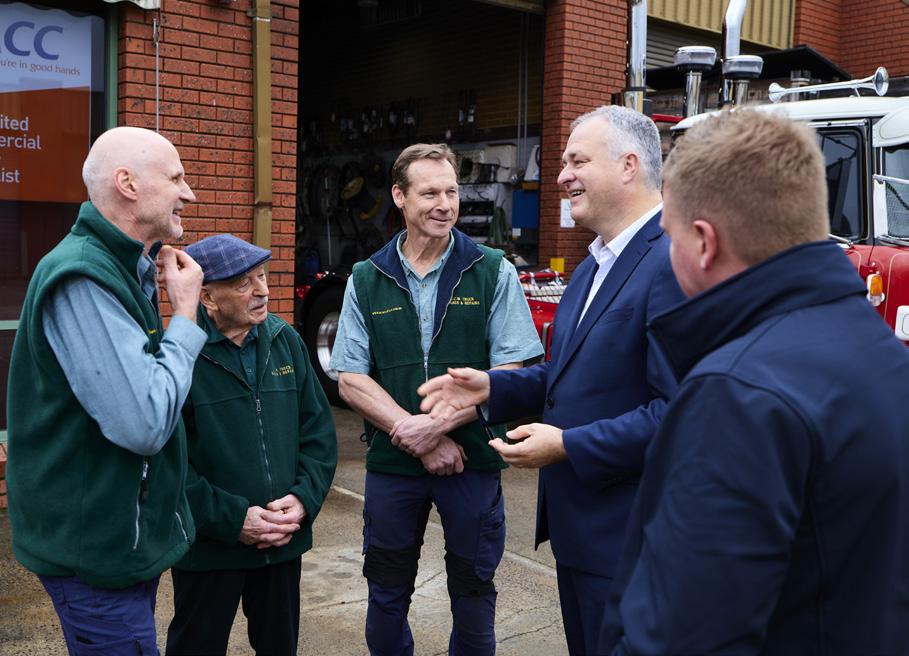
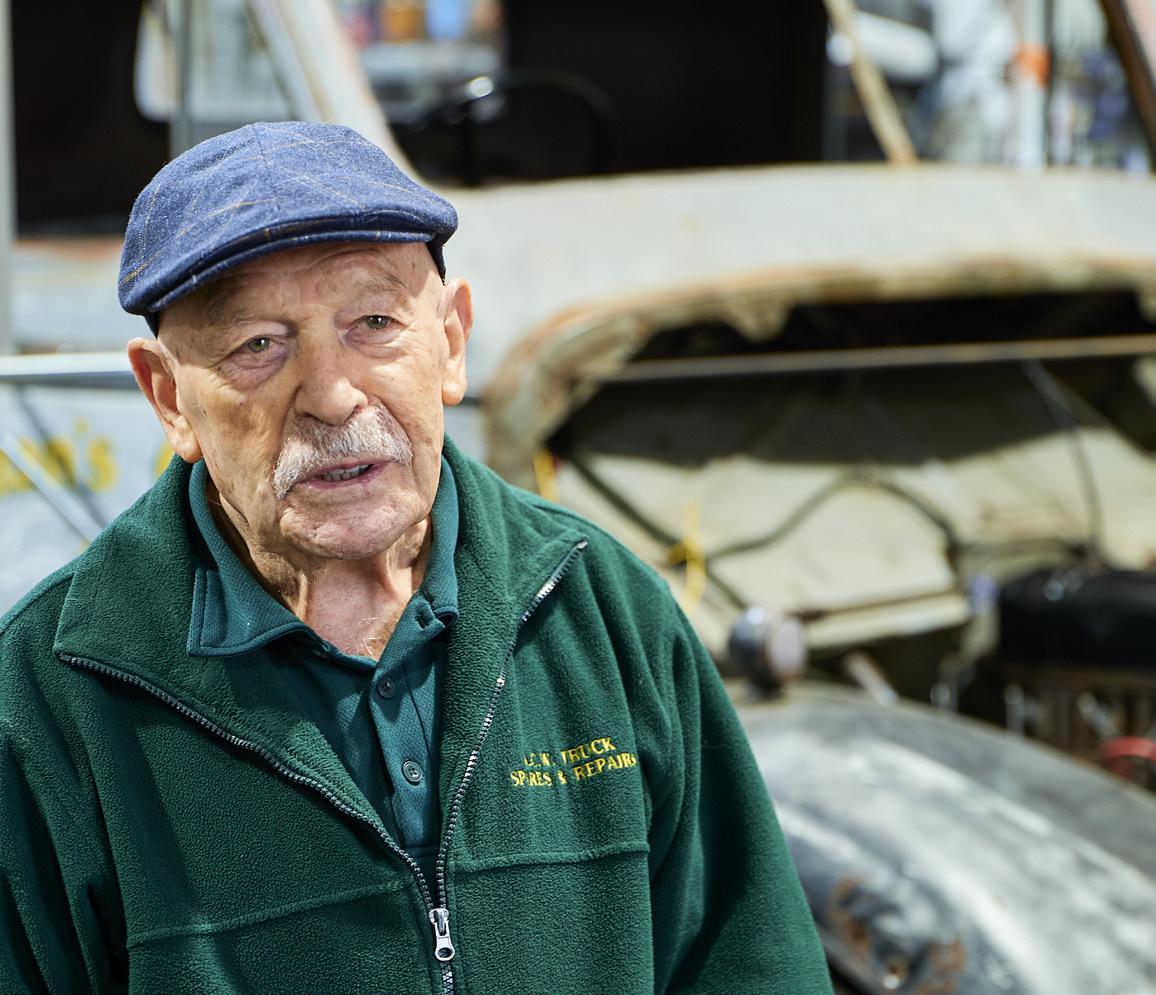
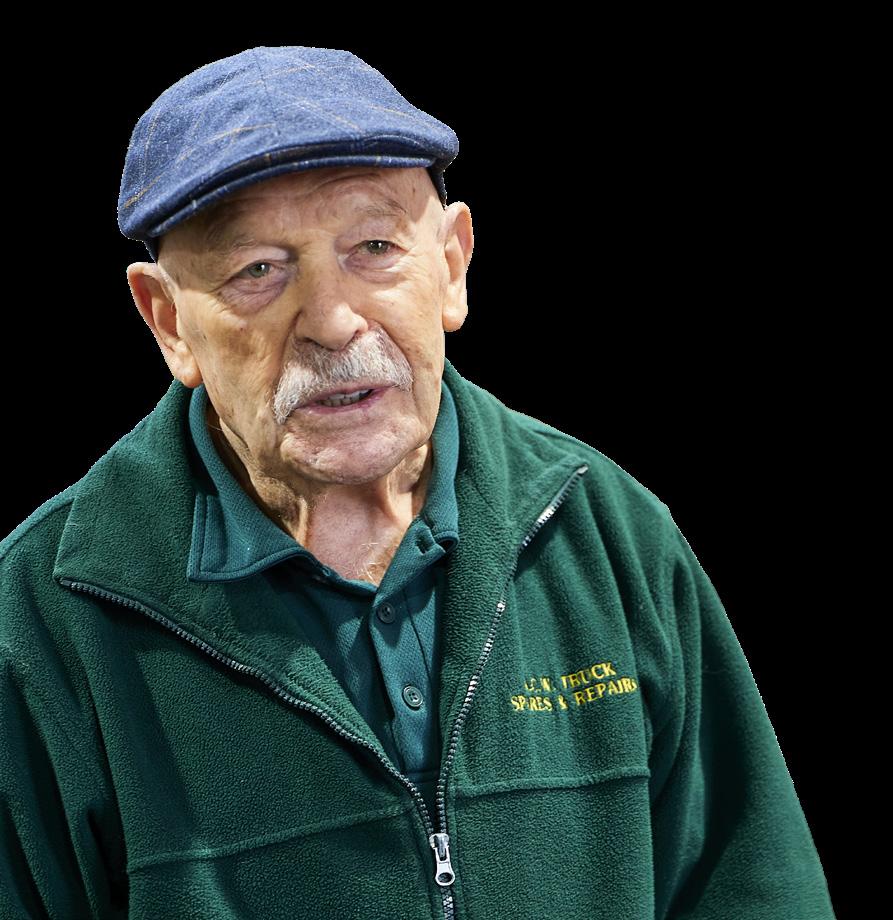
For more than 70 years, Warren Dodd has lived and breathed trucks. From the moment he left school at just 14 years of age to begin a motor mechanic apprenticeship in Melbourne in December 1956, Warren knew exactly what he wanted to do with his life. Today, just shy of his 85th birthday, he still walks the workshop floor at A.C.W. Truck Spares & Repairs, a business that has become one of Australia’s best-known names in Bedford truck restoration, servicing and preservation. It is a remarkable story of dedication, craftsmanship and family commitment. It is also a story deeply connected to Victoria’s automotive industry and to the Victorian Automotive Chamber of Commerce (VACC), with the business celebrating 50 years of membership in 2024.
Warren completed his apprenticeship in December 1961 after training with G.V. Clarke Motors in Elizabeth Street,
drawn carts still occasionally shared city streets with trucks and buses. The automotive industry was vastly different then, but Warren’s fascination with mechanical systems, engines and trucks was immediate and enduring. That passion was nurtured from a young age. Warren’s father taught him basic mechanical skills in the family backyard, removing cylinder heads and hand-lapping valves long before formal training began. Those early lessons laid the foundation for what would become a lifetime devoted to automotive repair and engineering.
In June 1968, alongside his wife Marlene, Warren established W. & M. Dodd Auto Services, just ten months after the birth of their first child. Like many small automotive businesses of the era, success did not come easily.
The long hours were relentless, with Warren regularly working nights and weekends to ensure customer vehicles stayed on the road. Reliability
and workmanship quickly became hallmarks of the business, helping build a loyal customer base and a strong reputation within the transport industry.
In May 1974, Warren partnered with John Holland and William Patiniott to establish AAA Truck Repairs in West Melbourne, specialising in spare parts sales, truck and car servicing and repairs. Just months later, on 10 July 1974, the business joined VACC — beginning a relationship that has now spanned five decades.
By 1983, Warren became sole owner and the business evolved into A.C.W. Truck Spares & Repairs, operated by Warren and Marlene as partners. Over the decades, the business carved out a unique reputation for its expertise in Bedford trucks — iconic British-built commercial vehicles once common on Australian roads. While many workshops moved away from older heavy vehicles, ACW leaned into the niche, becoming recognised nationally and internationally for its specialist knowledge, restoration capability and ability to source or remanufacture difficult-to-find parts.
"Family has always sat at the centre of the business."
Today, Bedford restoration is a major focus of the business, with enthusiasts and collectors engaging them from across Australia to have work done by the team.
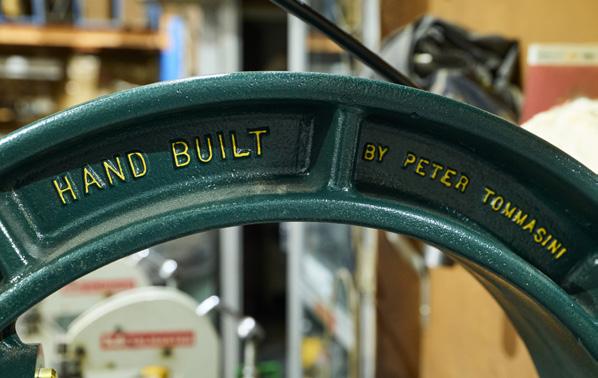
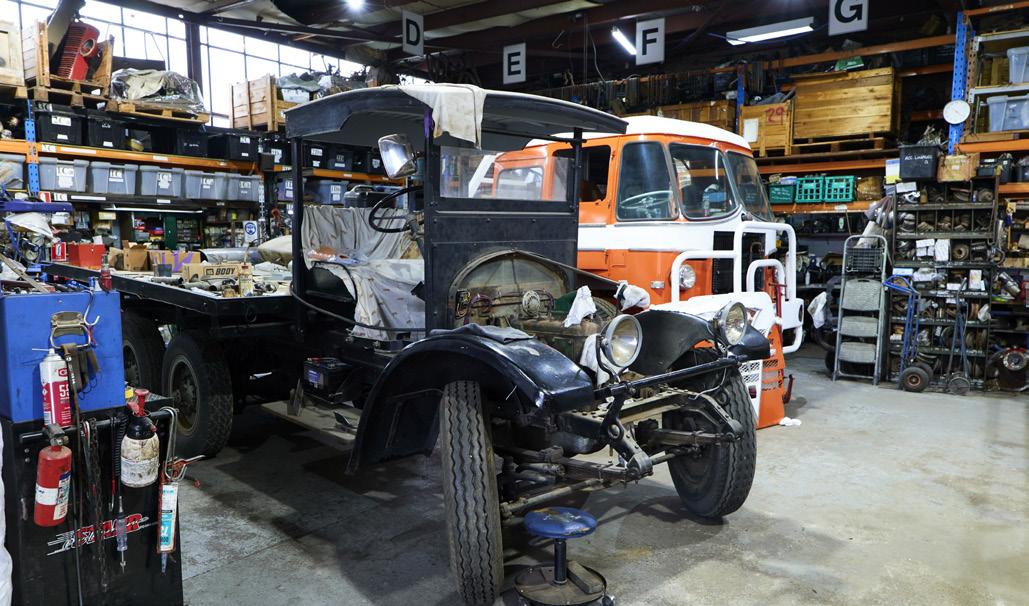
Walking through the ACW workshop feels more like stepping into a working automotive museum than a traditional repair business. Historic Bedfords, Fodens and rare commercial vehicles sit alongside specialised tools, and restoration projects in various stages of completion.
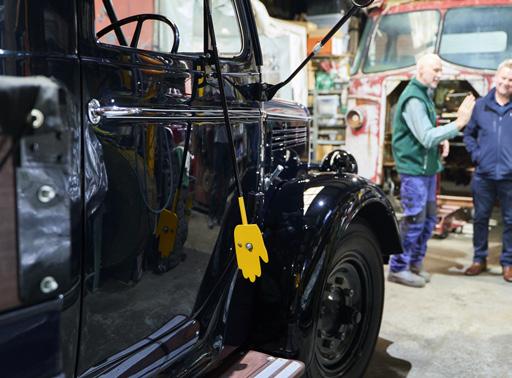
Some restorations take years to complete and involve painstaking attention to authenticity, from original paint colours and pinstriping through to timber tray work and handcrafted components. One restored Bedford truck finished in its original “Mariner Blue Metallic” paint demonstrates the level of detail and authenticity the business strives for in every restoration. Another rare 1927 Thornycroft restoration has attracted international interest from collectors in the United Kingdom.
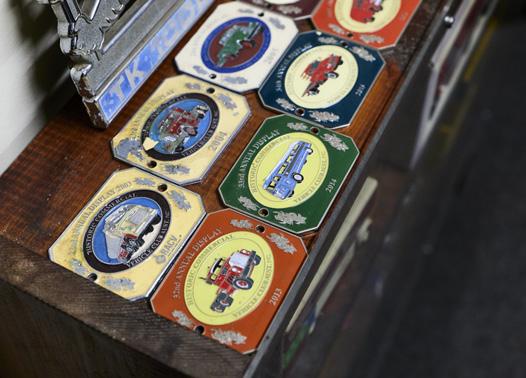
At historic truck shows around Victoria, restored ACW vehicles regularly attract strong interest from enthusiasts and collectors keen to learn more about the vehicles and the family behind their restoration. One Bedford restoration was awarded both “Best Commercial Vehicle” and “Best Rigid” at a major historic truck event, reflecting the quality and authenticity of the work undertaken by the ACW team.
The business has also built strong relationships with specialist tradespeople who help preserve traditional automotive skills. The ACW team regularly collaborates with experienced painters, pinstripers, auto electricians and metal fabricators who continue to practise crafts that are increasingly rare in the modern automotive repair industry. Family has always sat at the centre of the business.
In 1999, ownership transitioned to Warren and Marlene’s sons, Anthony and Craig, ensuring the next generation would continue the legacy their parents built. Under their leadership, the business has continued to evolve while maintaining the quality workmanship, technical expertise and customer focus that have long defined ACW
The brothers have expanded the restoration and certified modification side of the business while continuing mechanical servicing and repairs, building a strong reputation within the historic truck community for their craftsmanship and attention to detail. Warren remains actively involved in the workshop, continuing to pass on decades of hands-on knowledge and specialist Bedford expertise developed over a lifetime in the industry.
The ACW name itself reflects the strong family connection behind the business, representing Anthony, Craig and Warren, two generations linked by a shared passion for automotive engineering. Equally significant to the success of the business has been Marlene.
For more than five decades, Marlene has worked tirelessly behind the scenes handling bookkeeping, administration, promotional material and countless day-to-day responsibilities that keep a family business operating smoothly. Her support has been
unwavering since the business first opened in 1968 and has played a critical role in helping the business grow and evolve across generations.
The Dodd family story is also a reminder of how much the automotive industry has changed over the past 70 years.
Warren began his career in an era of carburettors, hand signals and basic workshop tools. Today, the business blends old-world mechanical expertise with modern engineering practices and certified vehicle modifications.
Yet despite enormous technological change, some things remain constant — pride in workmanship, trust with customers and a willingness to solve problems others cannot. The workshop itself reflects the meticulous standards
Warren established decades ago. Tools, parts and equipment remain carefully organised and labelled, while many specialised tools used in Bedford repairs have been custom-built or modified in-house over the years to support restoration work no longer catered for by mainstream suppliers.
For VACC, businesses like A.C.W. Truck Spares & Repairs represent the very best of the automotive industry, skilled family businesses that preserve automotive heritage while continuing to support customers and future generations.
Fifty years of VACC membership is a significant milestone. Seventy years working on trucks is something even rarer. And for Warren Dodd and the Dodd family, the passion for the automotive industry remains as strong as ever.
Is your super due for a service?
In an industry often defined by incremental change, some businesses stand out for their ability to pivot, evolve and reimagine what they can be. In Launceston, Tasmania, TACC member Josh Statton is doing exactly that—transforming a traditional mechanical service operation into a globally focused manufacturing and e-coontinues to grow, one thing is clear: the future of automotive businesses isn’t just about keeping vehicles moving—it’s about building something entirely new.
At CareSuper, we can help you:
Review your super balance and contributions Find lost or unclaimed super
Check your investment strategy
Understand your retirement transition options
Review your beneficiary nominations
Explore your insurance options
Refer you to a financial adviser (if needed)
1800 005 166 | caresuper.com.au
The slingshot has been released
BYD didn’t sneak up on the Australian market. It stretched, took aim, and let go.
For three years, BYD looked like just another new badge on the lot. In June 2026, it came within a couple of hundred cars of toppling Toyota in the sales charts, and won four states and territories outright. The stone has landed. There is a particular sound a slingshot makes. Not the release. The stretch — that long, quiet creak of tension building while nothing appears to be happening.
Build Your Dreams arrived here in November 2022 with a single model and a name most people had to read twice. For a good while, that was the story. A curiosity. Another Chinese brand having a crack, filed mentally alongside the ones that came and went in the 2010s. Dealers watched. Workshops shrugged.
The band stretched. Then it let go.
In June, BYD finished second on the national sales chart, behind Toyota by 243 units. Not 243 thousand. Two hundred and forty-three. A single good day’s trading separated the brand that has owned this market for
a generation from one that sold its first car here less than four years ago. And in Victoria, Queensland, Tasmania and the ACT, second wasn’t the finish at all. BYD won them outright in sales. Here is the line that should stop anyone in this industry mid-coffee: BYD has already sold as many cars in the first half of this year as it did in the whole of last year. A full twelve months of work, done by June. Read the fine print, though Credit to BYD’s own people, who called June’s record “a feat unlikely to be repeated for some time.” That is honest and worth repeating. June was a surge, not a settled pace. Orders had more than doubled as fuel prices spiked and cost-of-living pressure bit. BYD spent the next few months clearing the backlog — extra factory output, dealerships making deliveries into the evenings and on weekends, even a special shipment of vehicles brought in to meet the customer demand. That shipment is worth a moment. It
arrived on a BYD ship. Not chartered — owned. When a carmaker can conjure its own boat to clear its own order bank, you are not looking at a distributor with an allocation problem. You are looking at something else.
A battery company that makes cars
Here is what reframes everything else. BYD does not behave like a car company. It behaves like an engineering firm that has worked out that cars are a good place to put its engineering. It was founded in Shenzhen thirty years ago by Wang Chuanfu, an orphan from rural China with a background in chemistry. It made batteries. Then batteries for phones. Then it decided the most valuable thing in a car would one day be the battery, and set about building the car around it. That instinct now shows up on the balance sheet in a way few rivals can match. BYD spends more on research and development than Tesla does, and
“Where most carmakers assemble parts bought from a web of suppliers, BYD makes its own. The batteries, the motors, the power electronics, increasingly the computer chips...”
it has quietly chosen to put technology ahead of profit for the best part of fifteen years. Spend like that, for that long, and you accumulate something that never appears on a sales chart. The quiet asset
What it accumulates is ownership. BYD holds a vast library of patents, filed at a pace of dozens a day, and in the technology that matters most — batteries, its lead over Tesla is not measured in a few percentage points. It is a gap of better than ten to one. The reason is a philosophy as much as a chequebook. Where most carmakers assemble parts bought from a web of suppliers, BYD makes its own. The batteries, the motors, the power electronics, increasingly the computer chips — and, as we have seen, the ships that carry the finished cars. When it wanted a new highvoltage system a few years ago and found nobody made the components it needed, it simply built them itself.
That habit is about to dock in Australia. BYD’s luxury off-road brand, DENZA, only launched here in February, and its next model will be the first car sold locally with
the company’s newest battery and ultra-fast charging technology BYD reckons will change what “filling up” means for an electric car.
The revenue you cannot see on the windscreen
Now, the part that ought to make every dealer principal and workshop owner sit up, because it changes the competitive maths regardless of how good the cars are.
Since the middle of last year, Australia has quietly been minting a kind of carbon currency. Under the New Vehicle Efficiency Standard, a carmaker whose range falls below a national emissions target earns credits; one that exceeds the target racks up a bill. Those credits can be banked or sold to rivals who need them.
Guess who is sitting on the biggest pile? BYD’s low-emission range has earned it far more credits than anyone else, while the makers still leaning on thirsty utes and large petrol SUVs are building the opposite, a liability that only grows as the targets tighten. What is that stockpile worth? Nobody can say precisely; the trading is done privately, and the first reckoning is
still a couple of years off. But this is not theoretical money. In Europe, Nissan has already agreed to pool emissions with BYD to help avoid fines — a legacy giant, in effect, paying an electric upstart to cover for it.
For Tesla, selling regulatory credits has been a genuine profit line for years. BYD is now positioned to do the same, in market after market.
So the business isn’t only the cars. It is the technology beneath them and the credits they emit simply by existing. What it looks like from the workshop floor
None of which means the map has been repainted overnight. Out in the Northern Territory, Toyota still rules and BYD sits well down the order — distance, charging gaps and the sheer gravity of the four-wheel-drive and ute market still hold. For now, this is a city-and-near-regional story.
But Tasmania has just fallen, and the one BYD model going backwards is, tellingly, its ute. The resistance is exactly where you’d expect it.
Step back, though, and the shape is clear. Here is a carmaker that out-invests Tesla, owns its supply
chain from the battery cell to the boat, and earns a tradeable asset every time it lands a car on the dock. For dealers, the rival is not a cheap import. It is a technology company that can afford to sharpen its prices in ways a traditional brand cannot. For mechanics, metro or regional,
the mix of cars rolling towards the hoist is changing faster than any shift in living memory. Highvoltage training, diagnostic access, parts channels, and the right to repair are not future problems. They are this month’s problems. China now trails only Japan as a
source of our new cars, and others are loading up right behind BYD. Two hundred and forty-three cars. That is all that stood between Toyota and the top of the sales chart. The only question left is whether the industry is watching the stone or still staring at the empty slingshot.
“When a carmaker can conjure its own boat to clear its own order bank, you are not looking at a distributor with an allocation problem. You are looking at something else.“
Free money? Not quite. But there is support available
Government grants aren’t a silver bullet, but they may help automotive businesses reduce costs, invest in new equipment, improve efficiency and support growth. Take a look at some of the funding opportunities currently available and where to start your search.
Running an automotive business has never been more demanding. Between rising operating costs, workforce challenges, changing technology, compliance requirements and ongoing investment in equipment and facilities, business owners are constantly balancing competing priorities.
In that environment, it can be easy to overlook one potentially valuable source of financial support: government grants, rebates and business assistance programs.
Across Victoria, Tasmania and nationally, there are a significant number of funding opportunities available to help businesses invest in growth, improve productivity, reduce operating costs, adopt new technologies and strengthen long-term sustainability.
Often, the biggest challenge is finding the time to identify opportunities that are relevant to your business.
As part of our commitment to supporting members, we regularly monitor government programs, funding announcements and industry support initiatives that may benefit automotive businesses. While not every grant will be suitable for every business, opportunities are
available that can help offset the cost of investments businesses are already planning to make.
Importantly, grants are not just for large organisations. Many programs are specifically designed for small and medium-sized businesses, including family-owned workshops, dealerships, collision repair businesses, service stations, parts suppliers and specialist automotive operators.
One of the most practical examples currently available to Victorian automotive businesses is the Victorian Energy Upgrades (VEU) Program.
The program provides discounts on approved energy-efficient equipment and upgrades through accredited providers, helping businesses reduce upfront costs while lowering ongoing energy bills. Eligible upgrades can include lighting, heating and cooling systems, hot water systems and a range of commercial energy-saving technologies. Businesses can access discounts through approved providers rather than navigating a traditional grant reimbursement process.
Tasmanian members also have access to practical support through the PowerSmart for Small Business program. The Tasmanian Government is providing grants of up to $1,000 for eligible small businesses to undertake professional energy efficiency audits. These audits help identify where energy is being used, opportunities to reduce consumption and practical ways to lower operating costs. Eligible businesses generally
employ between one and 19 fulltime equivalent employees and operate primarily in Tasmania.
At a time when many businesses are looking for ways to improve efficiency and manage rising costs, programs like these can deliver benefits that continue long after the initial investment has been made.
Beyond energy efficiency initiatives, governments at all levels regularly release programs aimed at supporting business growth, innovation, digital capability, export development, sustainability and regional investment.
The Australian Government’s Grants and Programs Finder remains one of the most useful starting points for businesses looking to explore available opportunities.
The key is to start with your business objectives rather than the grant itself.
Ask yourself:
Are we planning to upgrade equipment?
Can we reduce operating costs?
Are we looking to improve productivity?
Do we want to invest in sustainability initiatives?
Are there opportunities to grow or diversify the business?
Once you have identified a business goal, it becomes much easier to determine whether a funding opportunity may help to achieve your business objectives.
The most successful grant applications
are therefore typically linked to projects that businesses already intend to undertake. Funding then becomes an enabler, helping bring those plans forward or reducing the financial burden of implementation.
In the changing automotive industry, every advantage matters. Taking just a small amount of time each month to review available funding opportunities could uncover support that helps strengthen your business, improve competitiveness and create new opportunities for growth.
As always, VACC and TACC will continue to keep members informed of initiatives that may benefit their businesses and the broader automotive industry. Members seeking further assistance are encouraged to contact the VACC Policy team.
Current opportunities
Victoria: Victorian Energy Upgrades (VEU)
The Victorian Energy Upgrades Program helps businesses reduce energy costs through discounts on approved energy-efficient products and services through an accredited provider. Eligible upgrades can include:
• LED workshop and showroom lighting
• Energy-efficient heating and cooling systems
• Hot water system upgrades
• Refrigeration equipment
• Workshop compressors and motors
• Selected electrification and EV charging infrastructure projects
Small businesses may save hundreds of dollars annually, while larger businesses can achieve significantly greater savings.
Tasmania: PowerSmart for Small Business
Tasmanian small businesses can access grants of up to $1,000 to undertake professional energy efficiency audits.
The audits help identify:
• Opportunities to reduce energy consumption
• Potential cost savings
• Equipment and operational efficiencies
• Future energy-saving investment opportunities
We service and repair for the general public, workshops and dealerships
The program is designed for smaller businesses and provides a practical starting point for reducing operating costs.
Useful funding resources
Australian Government Grants and Programs Finder
Search hundreds of grants, rebates, loans and support programs available to Australian businesses. business.gov.au/grants-and-programs
Business Victoria Grants and Programs
Funding opportunities covering business growth, digital capability, sustainability and regional development. business.vic.gov.au
Victorian Government Grants Portal
A central directory of Victorian Government funding opportunities. vic.gov.au/grants-and-programs
Tasmanian Government
Business Funding Programs
Information on grants, support programs and business assistance available in Tasmania. business.tas.gov.au
Global Victoria
Support for Victorian businesses looking to expand into international markets. global.vic.gov.au
www.agdiesel.com.au
“AG DIESEL have specialised in Diesel Fuel Systems and turbochargers for nearly 40 years”
AG Diesel has the latest diagnostic equipment, state of art testing and repairing facility with the highest level of qualified technicians to meet your requirements.
• Cars, 4WD, Trucks & Marine
• Agricultural Equipment
• Earthmoving Equipment
• EFI Testing
• Dyno Testing
• Inhouse Turbo Balancing
• Turbocharger Overhauls & Parts
• New & Exchange Components
• Comprehensive Spare Parts Sales
John Deere lifts the power benchmark
John Deere’s high-horsepower 9RX tractor range highlights just how quickly agricultural machinery is becoming larger, smarter and more technology-driven.
The 9RX line-up is designed for large-scale farming operations that need more power, traction and productivity across demanding seeding, tillage and scraper applications.
The range includes the 9RX 710, 9RX 770 and 9RX 830, with the flagship 9RX 830 offering up to 830 rated horsepower and 913 maximum horsepower. All models use an 18-litre engine and e21™ PowerShift transmission.
John Deere says the 9RX range is built to help operators cover more ground, pull wider implements and maintain productivity in challenging conditions. The company highlights the ability to seed with heavier cart loads in hills, travel faster while doing so, and complete more hectares per day during tillage operations.
Technology is also central to the range. The tractors feature integrated precision agriculture capability, including G5 Plus display technology, G5 Advanced Package options and StarFire™ receiver integration. Selected models are also listed as autonomy-ready, reflecting the direction of modern agricultural equipment.
BMW sharpens the M 1000 RR
BMW Motorrad’s 2027 model-year updates are largely focused on colours, packages and equipment changes, but the M 1000 RR receives a more substantial engineering update.
The headline change is a new third-generation M Motorsport frame, now standard on the M 1000 RR. BMW says the new frame has improved flex characteristics, around 1.3 kilograms less weight and a wall thickness reduction of around 30 per cent. The aim is to improve chassis performance and grip, particularly for riders using the bike in high-performance road or track settings.
While many annual motorcycle updates are cosmetic, this change gives the 2027 M 1000 RR a more meaningful technical story. For dealers, technicians and performancefocused riders, chassis development remains a key point of differentiation in the superbike segment.
BMW has also restructured its M package offering across the M 1000 RR, M 1000 R and M 1000 XR. The previous M Competition Package has been replaced by new M Track and M Track II packages. The changes reinforce the importance of product knowledge at retail level. As manufacturers continue to refine package structures, wheel options and performance upgrades, clear customer explanation will be vital.
Segway Powersports expands off-road options
Segway Powersports has entered the Australian and New Zealand market with a range of off-road vehicles aimed at recreational riders, rural users and the broader powersports sector.
Best known globally as a technology brand, Segway’s move into powersports brings together petrol-powered and hybrid platforms across ATV, UTV and sports side-by-side models. The local range includes quad bikes, utility side-by-sides and sport SXS vehicles, supported by a national dealer network.
Urban Moto Imports was appointed as the official distributor for Australia and New Zealand, adding Segway Powersports to a portfolio that already spans road, off-road, electric and lifestyle mobility brands.
The range places a strong emphasis on technology, including mobile phone integration, SOS alerts, remote control functionality, drive settings, real-time data and smart electronic power steering. These features reflect a broader shift across the powersports market, where customers increasingly expect vehicles to offer not only capability, but connectivity and safety-focused features.
Segway Powersports has also highlighted its compliance with Australian roll-over safety requirements.
Ferrari Luce signals a new electric chapter
Ferrari has unveiled the Ferrari Luce, a new allelectric sports car that marks a significant step in the Maranello marque’s long-term product strategy.
Rather than positioning the model simply as an “electric Ferrari”, the company has presented Luce as a new kind of Ferrari, designed to sit alongside its existing combustion and hybrid models. It reflects Ferrari’s ongoing commitment to technological neutrality, where electrification becomes another pathway to performance, design freedom and driver engagement.
The Luce is built on a dedicated electric platform and uses four electric engines, one for each wheel. Ferrari says this architecture allows precise torque control, active suspension, four-wheel steering and advanced vehicle dynamics to work together in real time. Performance figures are striking. The Luce produces up to 772 kW, reaches 0–100 km/h in 2.5 seconds and has an estimated driving range of more than 530 kilometres.
For the automotive industry, the Luce is another clear signal that high-performance manufacturers are not stepping away from brand identity as electrification grows. Instead, they are using electric architecture to rethink what performance, comfort and customer experience can look like.
Includes advanced brake pads, disc brake rotors, braided lines and more.
Improves performance of 4WDs towing or carrying heavy loads. Firm brake pedal that won’t over expand under pressure.
Expanded Bendix General CT™ range showcases industryfirst wear indicator feature
Bendix’s popular General CT™ range has expanded with the addition of new Bendix Disc Brake Rotors which introduce industry-first technology for Australian and New Zealand markets.
The new Bendix General CT™ rotors are designed to provide reliable, durable and confidence inspiring braking performance for ‘everyday’ passenger vehicles, and debut Bendix’s new SwiftCheck™ innovation, a market first innovation.
SwiftCheck™ provides a fast and convenient visual indicator of rotor wear, letting motor trade professionals estimate remaining rotor life without the need to measure rotor thickness, allowing them to decide on part replacement. The feature also provides added convenience and peace of mind for vehicle owners, who can inspect the rotors themselves and take appropriate action if needed, such as when preparing for an extended driving holiday or similar.
SwiftCheck™ is a machined feature that creates circular grooves on the rotor surface that narrow and disappear progressively as the rotor wears. Once the wear indicator displays a singular dot in the centre, this indicates it’s time for the rotor to be changed. Along with providing this time-saving
feature, General CT™ Disc Brake Rotors excel when it comes to braking performance. The range features high quality metallurgy that’s designed for longevity and improved heat dissipation.
The range also delivers an ‘E+ Original Equipment Fit’ that’s designed to be a direct replacement for OE rotors – they meet or exceed OE specifications and deliver confidence for both workshops and vehicle owners. General CT™ Disc Brake Rotors were developed to provide great results with all disc brake pad formulations, but for optimum performance, they’re best matched with the Bendix range of brake pads.
As with Bendix’s other disc brake rotor product lines, General CT™ rotors feature SwiftFit™ surface protection. SwiftFit™ is a coating that allows the rotor to be fitted without needing to remove oils. SwiftFit™ also helps prevent corrosion of the rotor resulting in an almost unlimited shelf life and a rust-free rotor.
Clever new packaging
Bendix’s strong focus on sustainability sees the General CT™ Disc Brake Rotor range adopt FSC™ Certified exterior packaging, which is suitable for curbside recycling.
For the first time on any Bendix packaging, the General CT™ Disc Brake Rotor box also contains fitting instructions in the form of an illustrative guide, which should be uses along with vehicle specific information provided by the OE manufacturer during installation. Another new feature of the packaging on most rotors within the General CT™ range, is the introduction of ‘Easy Lift’ finger holes. These are pre-punctured holes that allow each box to be picked up and handled more ergonomically and easily.
Bendix’s new General CT™ Disc Brake Rotor range is available to suit a wide selection of both late and early model passenger cars, four-wheel drives and light commercial vehicles. For a full overview of compatible vehicles, visit: www.bendix.com.au
To view this media release online: www. bendix.com.au/news-events/expandedbendix-general-ct-range-showcasesindustry-first-wear-indicator-feature For more information free call the Bendix Brake Advice Centre on 1800 819 666 or +61 3 5327 0211 from overseas (8am-5pm Monday to Friday EST), e-mail us at: brakeadvicecentre@bendix.com.au or visit our website www.bendix.com.au
Bosch Automotive Technical Training
Bosch offers training courses tailored to all levels of knowledge and experience. With the support of one of the world’s leading automotive innovators and manufacturers, Bosch Technical Training will provide you with the competitive edge. Experience Bosch Automotive Technical Training, the highly recommended program, where technicians can master new technologies and systems by learning from global industry experts.
■ Learn specialised industry-derived knowledge from a leading OEM partner.
■ Gain the competitive advantage with Bosch technical knowledge.
■ Reduce the safety risk, increase efficiency with Bosch training.
Scan the QR code to book from all Bosch training courses
Future-proof your workshop Bosch Technical Training
In today’s rapidly evolving automotive landscape, the traditional workshop faces a stark choice: adapt or be left behind. Vehicles are no longer purely mechanical; they are sophisticated networks of electronics, software, and advanced propulsion systems. For mechanical automotive workshops, this evolution presents both challenges and unparalleled opportunities. To thrive, indeed to survive, investing in cuttingedge technical training isn’t just an advantage – it’s an absolute necessity. Bosch Automotive Technical Training offers precisely this vital competitive edge. For over 30 years in Australia, Bosch, a global leader in automotive innovation, has been empowering technicians to master new technologies and systems. Their highly recommended program isn’t about mere theoretical knowledge; it’s a crafted curriculum designed to make your workshop future-ready.
Consider the diverse array of courses on offer. From intricate Internal Combustion Engine Systems like Gasoline Direct Injection to Common Rail Diagnosis, Bosch covers the spectrum of modern automotive technology.
What sets Bosch apart is its practical approach. Small group settings, highly-skilled industry-experienced trainers, and a perfect balance between classroom theory and hands-on workshop application ensure technicians don’t just learn, they master. This results in more efficient problem-solving, reduced time, and ultimately, increased productivity and customer satisfaction. Don’t let your workshop fall behind the curve. Equip your team with the specialized, industry-derived knowledge from a leading OEM partner.
• Gain the competitive advantage: Stay ahead of the curve with Bosch technical knowledge.
• Boost efficiency and productivity: Learn to repair vehicles more efficiently.
• Master new technologies: Prepare for the vehicles of today and tomorrow.
• Reduce safety risks: Proper training for complex systems.
• Experience hands-on learning: A perfect balance of classroom theory and practical workshop application. Enrol your technicians in Bosch Automotive Technical Training today and secure your workshop’s prosperous future. Visit https://www.boschtraining-solutions.com to find the right course for you.
VACC’s new online store, designed for automotive businesses to purchase the products they need to operate.
solutions you need, giving you more control, time and security. With 24/7 Australian call centre support, local business specialists nationwide and a range of flexible business solutions, Commonwealth Bank is available to help you focus on what really matters, your business.
Compare your merchant service today.
With Commonwealth Bank, VACC members can receive special discounts on our Smart terminal range of EFTPOS solutions.
We can also offer a customised comparison2 of your current merchant service to Commonwealth Bank’s merchant solutions, to help you discover which product is right for you. We have flexible terminal and pricing options to suit your needs today and that can change with you in the future.
To find out how much you could save with Commonwealth Bank, contact VACC on 1300 013 341 or email membership@vacc.com.au and they’ll put you in touch with a Commonwealth Bank Relationship Manager.
Things you should know: As this information has been prepared without considering your objectives, financial situation or needs, you should, before acting on the information, consider its appropriateness to your circumstances.
10.24% is the merchant service fee rate which does not include the Mastercard and Visa Interchange rates. Interchange fees are set by card schemes such as Mastercard and Visa for processing transactions between Commonwealth Bank and the cardholder’s bank and is subject to change, therefore, savings may vary.
2Commonwealth Bank merchant cost comparison is available to compare all fee types & competitors. Different assumptions and estimates could result in materially different results. On this basis, no representation or warranty, expressed or implied, is made as to the accuracy of the information or projections contained in this example. Fees, charges, terms and conditions apply. Please view our Merchant Agreement, Financial Services Guide and Operator and User Guides at commbank.com.au/merchantsupport VACC may receive a referral fee from Commonwealth Bank for each successful referral (excludes existing customers) on eligible Business Banking products and services. Commonwealth Bank of Australia ABN 48 123 123 124 AFSL and Australian credit licence 234945.
Access to multiple online technical information systems, including the all-new Rego Look-up feature
Access to VACC’s Melbourne-based TechAdvisory Service