DRIVING CHANGE

EV chargers
Navigating charging infrastructure for your business
AIA
As political winds shift, the industry faces its biggest test yet VACC Industrial Relations team We’ve got your back Autonomous vehicles
The industry’s night of nights
Will the road be smooth?
Access to multiple online technical information systems, including the all-new Rego Look-up feature
Access to VACC’s Melbourne-based TechAdvisory Service
Access to VACC’s TechTalk magazine

VACC’s Policy Blueprint
Our roadmap for Victoria’s automotive future
16 VACC’s Policy Blueprint
Our roadmap for Victoria’s automotive future, we examine what’s at stake for the sector and the motorists it serves.
24
Albion Motors
In Kyabram, Albion Motors is more than a car dealership, it’s part of the town’s identity.
This edition of Australian Automotive highlights the expertise and support that help VACC members run stronger businesses every day.
Our feature story looks at VACC’s Industrial Relations team. They are one of the Chamber’s most valued member services, and share how their advice and support help members navigate workplace compliance, manage staff issues and avoid costly disputes.
We also include an explainer on electric vehicle chargers, outlining the different technologies and what workshops need to know as EV adoption grows. In addition, we break down the latest Federal Government subsidies available to support businesses investing in EV charging infrastructure.
As always, we welcome your feedback, story ideas and suggestions. Share your thoughts with us at editor@vacc.com.au as we continue delivering important information about our industry and keeping you connected to the automotive sector.
28
Grealy Motors
Three generations, one yard. Celebrating 50 years with VACC.
34
Making sense of EV chargers
Mike Sinclair navigates charging infrastructure for your business.
40
Complete Body Craft
Turning a small-town dream into one of Victoria’s most celebrated automotive businesses.
44 We’ve got your back VACC Industrial Relations team provides invaluable service to members big and small
51
Autonomous vehicles
Will the road to autonomy be smooth?
59
Driving change
A national push to support women in the automotive industry
Some more reading...
04 Peter A. Jones | 07 Nigel Muller | 08 Daniel Hodges | 11 John Caine 13 John Khoury | 15 Bruce McIntosh | 30 AIA 2026 | 62 On This Day
57, 672 READERSHIP
MANAGING EDITOR
Karla Leach | 03 9829 1247 vaccautomotive@vacc.com.au
SUB-EDITOR
Andrew Molloy
DESIGNERS
Faith Perrett | Gavin van Langenberg creativeservices@vacc.com.au
CONTRIBUTORS
John Caine, Andrew Molloy, Mike Sinclair, John Khoury, Bruce McIntosh, Daniel Hodges, Nigel Muller, Stephen Corby
CORPORATE PARTNERSHIPS
John Eaton | 0407 344 433 jeaton@vacc.com.au
PRESIDENT
Craig Beruldsen
CHIEF EXECUTIVE OFFICER
Peter A. Jones
Official publication of the Victorian and Tasmanian Automotive Chambers of Commerce 650 Victoria Street, North Melbourne VIC 3051 03 9829 1111 ABN 63 009 478 209
Stepping up for your industry
Peter A. Jones Chief Executive Officer, VACC
The strength of the Victorian Automotive Chamber of Commerce has always come from one place, our members.
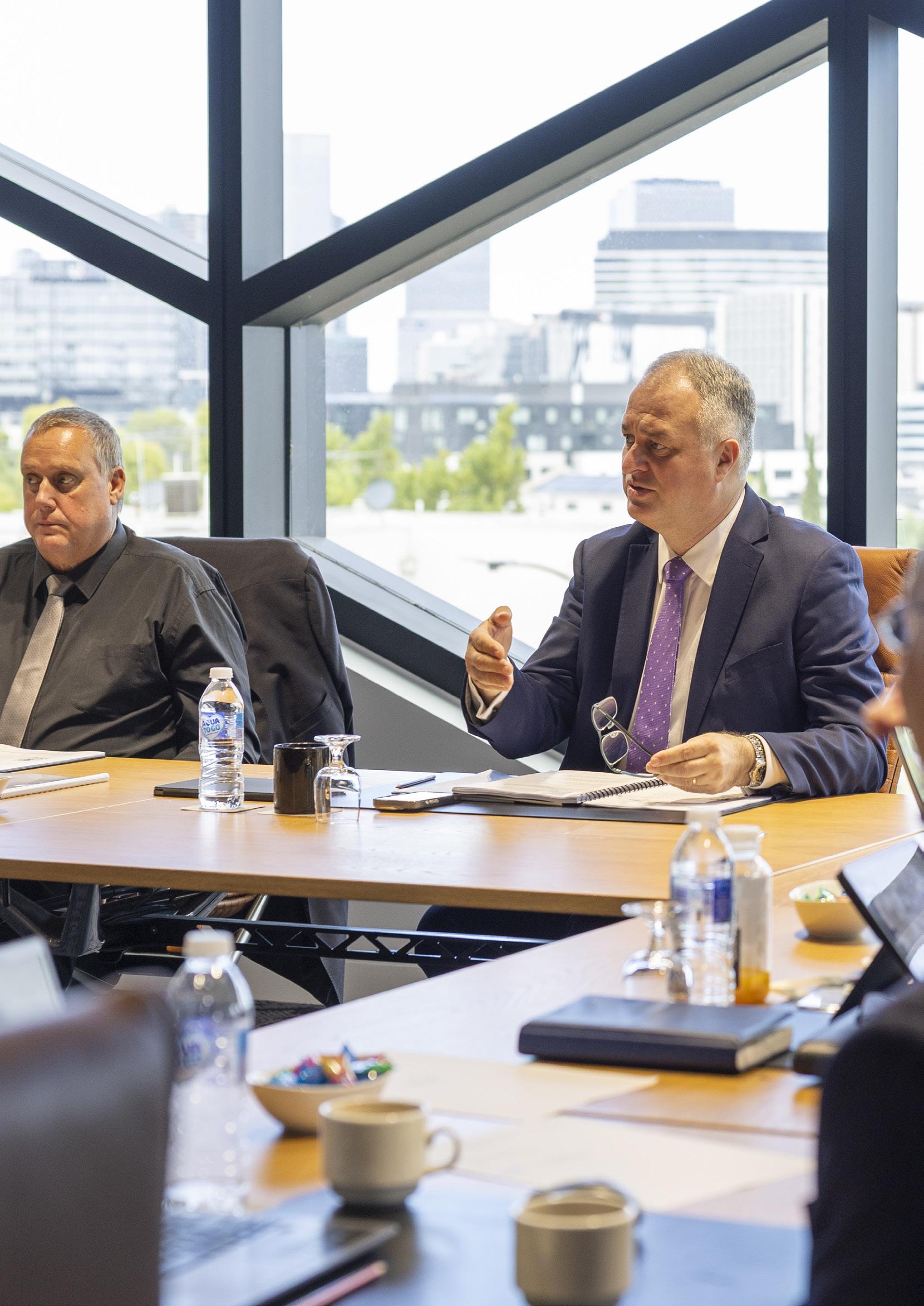
For more than a century, VACC has been the trusted voice of automotive businesses across Victoria and Tasmania. That voice is only credible because it is informed by real-world experience — workshop owners, dealers, service stations, parts specialists and body repairers who understand the pressures and opportunities facing our industry. One of the most powerful ways you can contribute to that voice is by volunteering your time to serve on a VACC committee. Our committees are not symbolic. They are working forums that help shape policy
positions, test advocacy strategies and identify emerging threats before they become major challenges. When members bring their lived business experience to the table, it sharpens our submissions to government, strengthens our media commentary and ensures our advocacy is grounded in operational reality. Whether it’s skills shortages, regulatory reform, training standards, workplace relations, consumer law or new technology, committee members play a critical role in shaping the positions we take on behalf of more than 5,000 automotive businesses. Your insight helps us advocate for meaningful change, and just as importantly, to push back on proposals that could harm our sector.
The benefits of involvement extend well beyond the Chamber.
Why serving on a VACC Committee matters
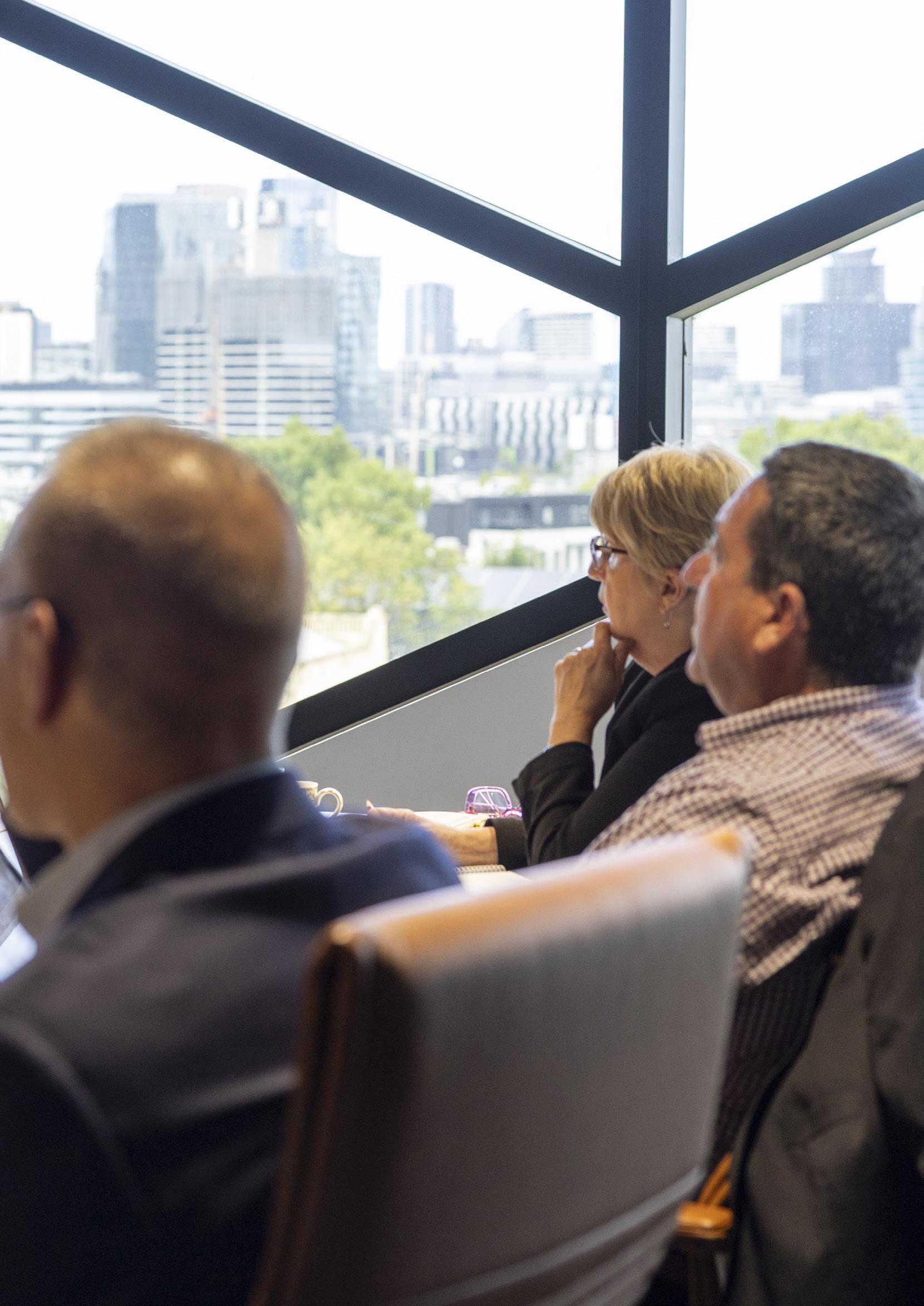
Committee participation allows you to make a tangible impact on the future of your industry. It connects you with like-minded automotive professionals who are equally committed to raising standards and protecting business viability. The discussions are practical, strategic and often ahead of the curve, giving you insights you can bring back to your own workplace. Many members tell me that committee involvement sharpens their strategic thinking. It broadens their understanding of the policy landscape. It builds professional networks that last decades. And it provides a genuine sense of contribution to something larger than their individual business.
In the year ahead, the Chamber will hold committee elections as part of our
governance cycle. It is an ideal time to reflect on how you might contribute. Our committee structure feeds into the broader leadership framework of VACC, including our Executive Board. It is a pathway for members who want to play an active role in shaping the direction of our organisation and strengthening the automotive industry for the long term. Progress doesn’t happen by accident. It happens when experienced professionals step forward. As elections approach, consider putting your hand up. Your contribution could help strengthen our industry’s future, and bring valuable perspective and opportunity back to your own business.
"Progress doesn’t happen by accident. It happens when experienced professionals step forward."

More than a pair of hands
How to become the workshop where apprentices thrive
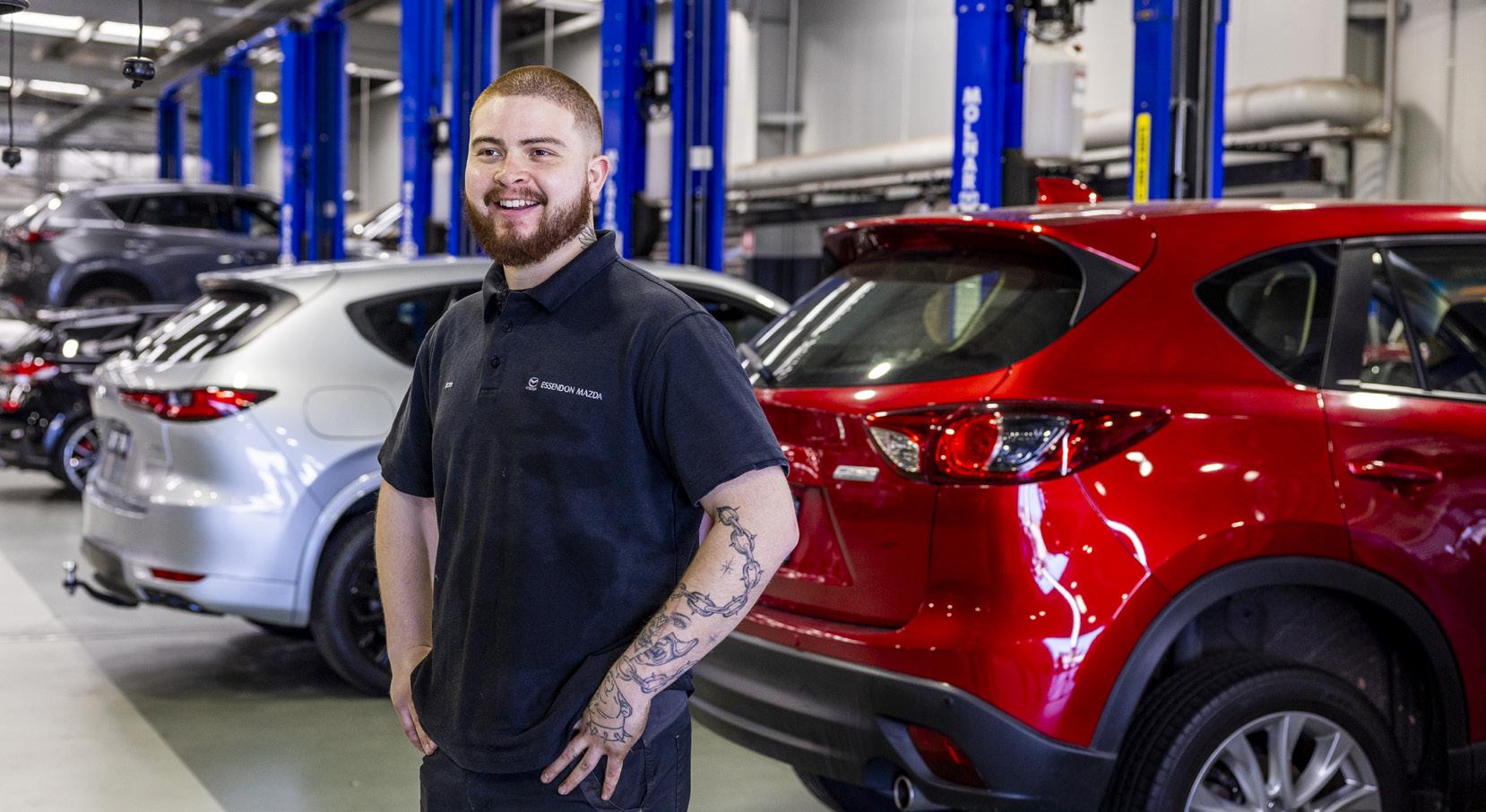
In an industry facing a mounting skills gap, the workshops that will win tomorrow are those that invest in people today.
Ask any workshop owner what keeps them up at night and, sooner or later, the conversation turns to the same thing: finding good people. The vehicles coming through the workshop doors are more technically complex than ever before, and the demand for skilled technicians is only growing. Yet the pipeline of new talent into the trade remains frustratingly narrow.
The irony is that many businesses feeling that pinch most acutely are the same ones who've never quite figured out how to hold onto the apprentices they do take on. The revolving door of young people who start a apprenticeship only to leave before completion isn't just a workforce statistic — it's a strategic failure.
But there's a flipside to that story. Across the country, there are workshops where apprentices stay, grow, qualify, and go on to become the senior technicians and workshop managers of the future. These are the employers of choice — and the gap between them and the rest isn't as wide as you might think. It starts with how apprentices are actually brought into the business. One of the most common reasons they disengage is the feeling that they're not learning — that they've become a convenient pair of hands rather than a developing tradesperson. The best employers take a structured approach, rotating apprentices through
different aspects of the business with purpose, so they're building a broad skill base from the ground up. Pairing them with a dedicated mentor, not just a supervisor, makes an enormous difference. So does a simple monthly check-in: not a formal appraisal, just an honest conversation about how things are going and where they're headed. Culture plays an equally important role. Apprentices need to feel they belong — feeling empowered and comfortable enough to ask questions without feeling foolish, and confident that mistakes are learning opportunities rather than reasons to be humiliated in front of the team.
That kind of environment doesn't happen by accident; it's set from the top. The workshops that get this right include apprentices in team meetings, seek their input on everyday processes, and introduce them to customers. These small acts of inclusion go a long way toward building loyalty and commitment that keep good people around.
The best employers also refuse to leave an apprentice's development entirely in the hands of their RTO. Sending a thirdyear to a manufacturer training day, investing in access to a quality technical database, or simply encouraging attendance at industry events all send the same message: that you're invested in this person's future, not
just their output this week. It costs relatively little, but the return — in engagement, in confidence, in retention — is significant. Recognition matters too, more than many employers realise. A genuine acknowledgement of a job well done, whether publicly in front of the team or quietly one-on-one, has a disproportionate impact on motivation for younger workers still finding their feet. People work harder for employers who notice their efforts. That's not unique to apprentices, but it is particularly powerful during the formative years of a apprenticeship.
Underpinning all of it is a simple shift in perspective. The apprentice you take on today is, with the right investment and support, your senior diagnostic specialist in eight years. Stop thinking about apprentices as a short-term resource and start thinking about them as the long-term future of your business — because that's exactly what they are. The workshops that understand this aren't just solving their own workforce problem. They're playing a part in solving the industry's. The trade needs good people. Good people need the right environment to grow. The workshops that understand both will never struggle to find talent.
Nigel Muller Membership and Training Contact autoapprenticeships@vacc.com.au for more information.


New Workplace Exposure Limits proposed to commence 1 December 2026
From 1 December 2026, the Workplace Exposure Standards (WES) for airborne contaminants will be renamed Workplace Exposure Limits (WEL) for airborne contaminants. This subtle change has been made to communicate that the values are limits not to be exceeded and are intended to align Australia with language used internationally. This WEL will be adopted nationally.
More significantly, while most exposure limits remained unchanged, the WES Review resulted in in a number of reductions in limits for certain chemicals and the introduction of new limits for others such as diesel particulate matter, that previously did not have an exposure standard. Following a request from Australia’s state and territory OHS/WHS ministers, an additional impact analysis on the proposed changes to the exposure standards for 9 chemicals/substances has been undertaken prior to a final decision on the WEL limit. This was due to concerns expressed by industry groups, including VACC, as well as a number of OHS/WHS regulators, regarding both the financial impact and measurability of the proposed new WELs for:
• respirable crystalline silica
• formaldehyde
• benzene
• chlorine
• copper (fumes, dusts and mists)
• hydrogen cyanide
• hydrogen sulphide
• nitrogen dioxide
• titanium dioxide
VACC has raised concerns regarding the impact of the proposed new WELS
VACC has provided feedback to this process, expressing its support for the retention of the current WES for Nitrogen Dioxide and Benzene. In particular, VACC has raised serious concerns regarding Nitrogen Dioxide (a chemical formed through motor vehicle emissions), noting that the Draft Regulatory Impact Statement (DRIS) had failed to provide any compelling justification for the dramatic reduction in the proposed WEL and the removal of the short-term exposure limit entirely, whilst also failing to adequately canvas the impact to the automotive industry.
VACC has subsequently written to the Victorian and Tasmanian OHS/WHS Ministers, as well as to the Federal Minister on behalf of the Motor Trades Association
of Australia (MTAA), to further articulate these concerns, including the significant negative impact on the productivity – and in many cases, viability – of automotive businesses (e.g. service and repair) that will result from the adoption of the new proposed WELs.
In doing so, VACC highlighted the fact that the recommendation to accept the proposed WEL for nitrogen dioxide comes despite the cost–benefit analysis undertaken as part of the Draft Regulatory Impact Statement process confirming that it would come at a significant financial cost of $2.7 billion over 10 years, without any corresponding quantifiable benefit. Accordingly, VACC reiterated the importance that automotive businesses expend their limited financial resources on OHS/ WHS measures that materially improve health and safety outcomes in their workplaces, rather than on those that do not.
VACC continues to work closely with the Australian Chamber of Commerce and Industry (ACCI) and a number of other industry groups on the issue, including participating in roundtable meetings between industry representatives and Victorian and Tasmanian government representatives.

VACC Submission to Victorian Regulatory Impact Statement (RIS) on the Adoption of Safe Work Australia’s Workplace Exposure Limits for airborne contaminants (WEL list)
VACC has also provided detailed feedback to the separate Victorian process currently underway in regard to the remainder of the agreed WEL (i.e. excluding the 9 chemicals discussed above). A number of the concerns raised by VACC relating to the impact on automotive industry, and small businesses in particular, were referenced in the Victorian RIS. VACC also provided further submissions following the release of the Victorian RIS, highlighting significant concerns regarding both the methodology and assumptions made. Of most relevance to members, was the RIS support for the introduction of a WEL for diesel particulate matter that is significantly lower than the level recommended by the Australian Institute of Occupational Hygienists – as well as the retention of the 1 December 2026 commencement date and the lack of financial support recommended for small businesses.
It is important to note in this regard however, that unlike the
aforementioned 9 chemicals, these WELs have already been agreed by state and territory OHS/WHS Ministers.
Preparing for the new WEL
Whilst VACC continues to engage with government and regulators, it is important that members start to prepare for the additional risk controls potentially required to ensure exposure limits to these airborne contaminants are not exceeded in their workplace.
Employers / PCBUs should therefore begin preparing for the adoption of the WEL by:
1. Consulting with affected workers
2. Identifying the hazard/s –Consult the WEL list to see what airborne contaminants are used or generated in the workplace and the new limits that apply.
3. Assess the hazard – Ensure that no workers are exposed to an airborne concentration of a contaminant that is higher than the WEL. If you are unsure about whether you exceed the WEL, air monitoring is required to determine exposure levels.
Daniel Hodges
Workplace Relations
4. Control the hazard – Identify and implement appropriate risk controls to ensure that your workplace does not exceed the WEL. When controlling risk, regard must be given to the hierarchy of controls.
5. Review risk controls for effectiveness.
Safe Work Australia (SWA) is currently developing guidance and other material to support the transition to the WEL which will be published on their website during the transitional period. VACC will also be preparing specific guidance material for members.
In the interim, for more information on the WEL, please visit https://www. safeworkaustralia.gov.au/safetytopic/managing-health-andsafety/workplace-exposurelimits-airborne-contaminants/ changes-between-wes-and-wel?.
Members seeking further advice or assistance regarding health and safety in their business are encouraged to contact the OHSE Unit on 03 9289 1265 or email ohs@vacc.com.au
Contact ir@vacc.com.au for more information.


Two-Way SMS Great for business and customers
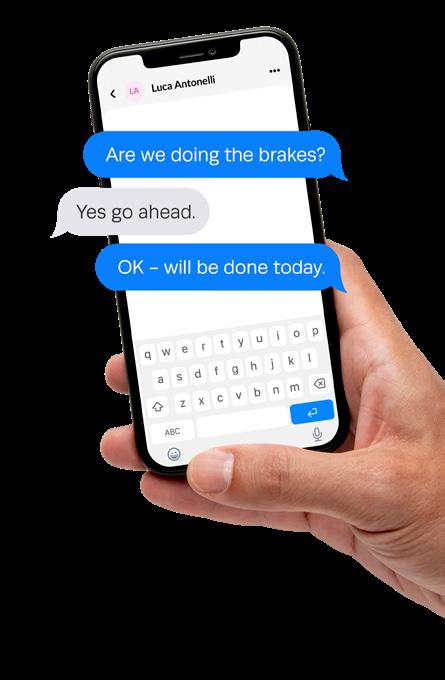
Now with Two-Way SMS, customers can reply instantly, approve work faster, and stay updated without the back-and-forth calls.
With Two-Way SMS for Workshop Software, you’ll send texts that invite replies, delivered from a dedicated phone number, making customer communication effortless and personal—without juggling phones or separate apps.
Smarter tools, better results
Run your workshop
Job Cards & Workflow
Digital Vehicle Inspections
Time Tracking & Job Costing
Reporting & Job Histor
Get paid faster
Fast Quotes & Invoicing
Customer Portal
Online Payments
Approvals Made Easy
Keep customer updated
Two-Way SMS Messaging
Automatic SMS & Email Reminders
Online Bookings from Your Website
Full Workflow on Mobile

Sign up for a FREE TRIAL to Workshop Software for this and many other incredible features and integrations.
3 Months Free Coupon Code VACC26
* Conditions apply

Copy, paste, complain
How AI is reshaping customer disputes
The rise of AI-generated complaints is changing the game for automotive businesses — and the risks cut both ways.
If you've noticed that customer complaints landing on your desk have started reading like they were drafted by a barrister with a degree in consumer law, you're not imagining things. Across the automotive industry, businesses are seeing a sharp uptick in complaints that are clearly being written — or at the very least heavily assisted — by artificial intelligence tools such as ChatGPT.
These aren't your typical "the car has a rattle, and I'm not happy" emails. They're detailed, highly structured documents that cite legislation, reference statutory rights, and often read more like legal correspondence than a frustrated customer putting pen to paper. And while there's nothing inherently wrong with consumers seeking help articulating their concerns, the reality is that AI-generated complaints are making disputes significantly more complex for businesses on the receiving end. The language is often polished to the point of being impersonal. Claims can be inflated or misframed because the AI doesn't understand the specific circumstances of the transaction; it simply generates what sounds authoritative. For workshop owners, dealers, and service managers already stretched thin, responding to these complaints demands more time, more care, and often more professional advice than would otherwise be necessary.
But here's where it gets really interesting, and where businesses need to tread carefully.
It's tempting, when faced with a lengthy AI-generated complaint, to fight fire with fire and use ChatGPT to draft your response. We're certainly seeing that happen more frequently. And on the surface, it makes sense: if the customer is using AI, why shouldn't the business?
The answer comes down to one critical issue: accuracy.
Large language models like ChatGPT are well known for producing content that sounds convincing but is factually unreliable. They can fabricate case law, invent statutory references, and present made-up information with the same confident tone as verified facts. In the AI industry, this is known as "hallucination," and it's not a minor glitch — it's a fundamental characteristic of how these models work.
For a business, relying on an AIgenerated response without thoroughly checking every claim, every legal reference, and every factual assertion is a genuinely dangerous practice. If your response to a customer contains fabricated information or incorrect legal citations, you're not just undermining your credibility, you could be exposing your business to serious
legal and regulatory risk. A dispute that might have been resolved with a straightforward conversation can quickly escalate when both parties are armed with AI-generated documents that neither has properly verified. So what's our advice? If a complaint comes through that's clearly been drafted by AI, don't panic. Read it carefully and identify the actual issue behind the polished language. More often than not, the core concern is simpler than the AIgenerated letter makes it appear. If you do choose to use AI tools to help draft a response, treat the output as a starting point, never a finished product. Every fact must be checked. Every legal reference must be verified. Every claim about your obligations must be confirmed against the actual legislation and the specifics of the transaction. If you're unsure, seek professional advice before hitting send.
The rise of AI in consumer affairs is here to stay. It's changing the way disputes are initiated, documented, and escalated. For automotive businesses, the smartest approach is to stay informed, stay measured, and above all, make sure that whatever leaves your desk — whether written by a human or polished by a machine — is something you can stand behind.
John Caine Business and Consumer Affairs Email jcaine@vacc.com.au for consumer affairs guidance.





While you were working, so were we
The automotive industry never stops moving — and neither does the VACC policy team. Behind the scenes, there is a constant presence at the national level, where the laws that govern your business are being spoken about.
Right now, the VACC is embedded in federal policy debates that will have real consequences for how you run your business, and they are doing it as part of the Motor Trades Association of Australia, the national body that puts the automotive industry at the table when it matters. It has been a busy few months. Three significant pieces of federal policy have landed in quick succession, each touching a different part of the industry and requiring the kind of detailed, technical response that only comes from people who actually know how a workshop, a dealership, or a service business operates day to day.
The first concerns the direction consumer law is taking. The federal government has proposed sweeping changes to the Australian Consumer Law, including a broad new prohibition on unfair trading practices and tighter rules around how fees are disclosed to customers. On the surface, it sounds straightforward, of course, businesses should trade fairly. But buried in the drafting are provisions that, without the right carve-outs, could easily snare automotive businesses for doing nothing wrong. When a customer buys a car, the final price includes registration, stamp duty and CTP insurance, charges set by the government,
not the dealer. MTAA's submission calls for guidance that reflects how automotive transactions actually work, rather than how a Treasury policy writer might imagine they do.
Then there is the work-from-home debate, which has been running hot in the media and in parliament. The Fair Work Amendment (Right to Work from Home) Bill 2025 is built on the premise that remote work has fundamentally changed the way Australians work. For many industries, that is true. In automotive, it largely is not, and that is not a criticism; it is simply the reality of a sector where the work is physical, the customers are present, and the tools are bolted to the floor. MTAA put that case directly to the Senate committee considering the Bill, backed by survey data showing that more than 86 per cent of member businesses have no employees working from home. The submission also points out that the Bill's drafting could backfire, stripping away considerations that currently allow employers to prioritise flexibility for workers with genuine personal needs, carers, and people with disabilities, in favor of a blanket entitlement that does not reflect how small businesses actually function.
The electric vehicle conversation has been equally active. MTAA's response to the federal government's review
John Khoury Industry Policy
of the Electric Car Discount welcomed the role the FBT exemption has played in getting more zero-emissions vehicles onto Australian roads, while pushing back on the removal of plug-in hybrids from its scope. For members in regional areas or running trade vehicles, a PHEV is not a compromise, it is often the only option that works. Cutting them out mid-transition creates exactly the kind of uncertainty that makes businesses reluctant to invest in EV training and equipment. What connects all three of these issues is that they require someone to show up, read the fine print, and make the argument on behalf of businesses that are too busy keeping the industry running to do it themselves.
The momentum continues, with additional government inquiries already in motion, including the annual occupation skills shortage list consultation, making the coming months a pivotal period for the direction of our industry.
That is what the VACC policy and IR teams do, not just in Victoria and Tasmania, but nationally, every time a Bill is tabled or a review is opened. Your membership is part of what makes that possible, and the work continues whether or not it makes the front page.
Reach out to policy@vacc.com.au for more detail.


DISCOVER MORE
Explore our range of products or contact us to discuss how we can assist with your workshop. Free call 1800 685 577.
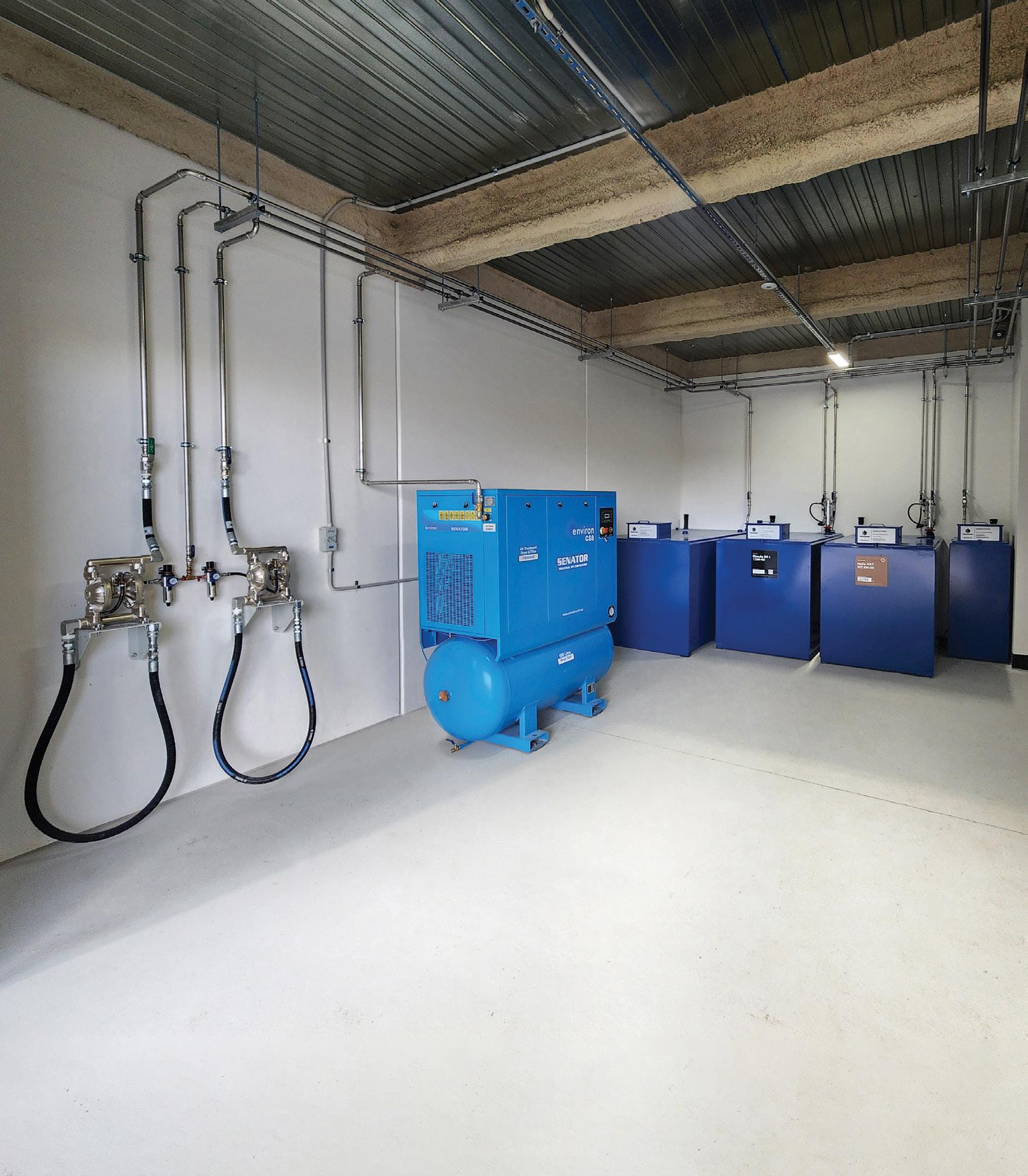
FLUID PUMPS
RAASM pumps have been an industry favourite for over 20 years. Ensuring performance and reliable flow throughout a workshop.
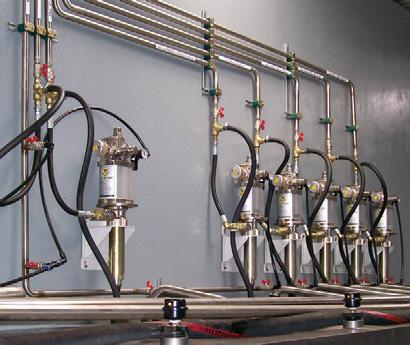
VEHICLE HOISTS
Space, operator experience and vehicles being lifted all contribute to selecting the right mix of 2 post and 4 post hoists for your workshop.
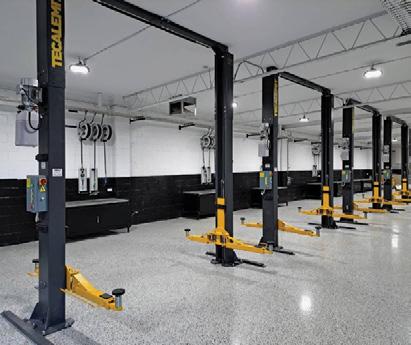
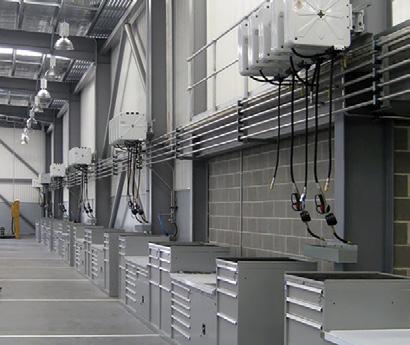
PIPE WORK & HOSE REELS
Stainless steel pipework for air, water and oil all help ensure product integrity and distribution throughout the largest of workshops.
The quiet fight
Why being part of something bigger matters

Running an automotive business is no small feat. Between managing staff, navigating supply chains, keeping pace with the rapid shift to electric vehicles, and simply keeping the doors open in a tough economic climate, most business owners have enough on their plates without having to track every policy proposal, planning scheme amendment, or council motion that could affect their livelihood. That's the reality that shapes much of the work the Chamber does across Victoria and Tasmania every single day — and it's work that, by its very nature, often goes unnoticed by the very people it's designed to protect. Much of it happens away from the showroom floor and the service bay. It happens in council chambers, in correspondence with government ministers, in meetings with regulatory bodies, and sometimes in media releases fired off before a damaging proposal can gather momentum. It is the unseen layer of a collective — the quiet work that most business owners never need to think about, because someone else is already thinking about it for them. That's the real meaning of being part of something bigger. No individual business can simultaneously monitor federal policy, state legislation, and local council decisions while also running a workshop or dealership. But collectively, the industry can. A unified, organised voice
carries weight that no single operator ever could, and it's that weight which opens doors, commands attention, and ensures the automotive industry has a seat at the table when decisions are being made that affect it.
Two recent examples from Tasmania illustrate just how far that reach extends, and how quickly things can move when industry isn't watching.
Late last year, a motion came before Hobart City Council seeking to ban broad-acre automotive retail from the CBD and coordinate the removal of dealerships from the city centre. For many in the industry, it arrived almost without warning — a local council motion that could have fundamentally reshaped where automotive businesses are permitted to operate in the capital.
The Chamber moved quickly, highlighting hundreds of jobs at stake, long-term investments made under existing planning provisions, and the counterproductive timing of restricting largefootprint automotive sites just as governments actively encourage EV uptake. The Chamber got on the front foot and ensured the conversation didn't take place without industry representation.
More recently, the City of Launceston proposed moving
Bruce McIntosh TACC Manager
approximately 600 council employees to a four-day working week. On the surface, it is an internal employment matter. In practice, the implications for the business community were immediate and real. Automotive businesses depend on timely access to council services — planning permits, development approvals, regulatory compliance, and business licensing. When those services slow down, the consequences are commercial. Delays cost money, stall investment, and put jobs at risk. The Chamber raised those concerns clearly and publicly, on behalf of an industry that individually could never have commanded the same attention. These aren't isolated incidents. They're a window into the kind of work that gets done constantly, quietly, and consistently — across two states, at every level of government, on issues that range from the sweeping to the seemingly mundane. Some battles produce quick results. Others are long games. But the strength of a collective voice is that it doesn't stop.
And in an industry navigating skills shortages, rising costs, and an accelerating technology transition, that sustained, organised presence matters more than ever.
You can contact Bruce at tacc@tacc.com.au


Our roadmap for Victoria's automotive future VACC's Policy Blueprint
"...it’s also an industry under pressure—from regulatory complexity, workforce shortages, rising costs, and the rapid technological shift towards electric vehicles."
As Victoria heads towards the November 2026 state election, the automotive industry has laid out its vision for reform. The Victorian Automotive Chamber of Commerce’s comprehensive Policy Blueprint presents 25 recommendations spanning regulation, workforce development, and taxation. We examine what’s at stake for the sector and the motorists it serves.
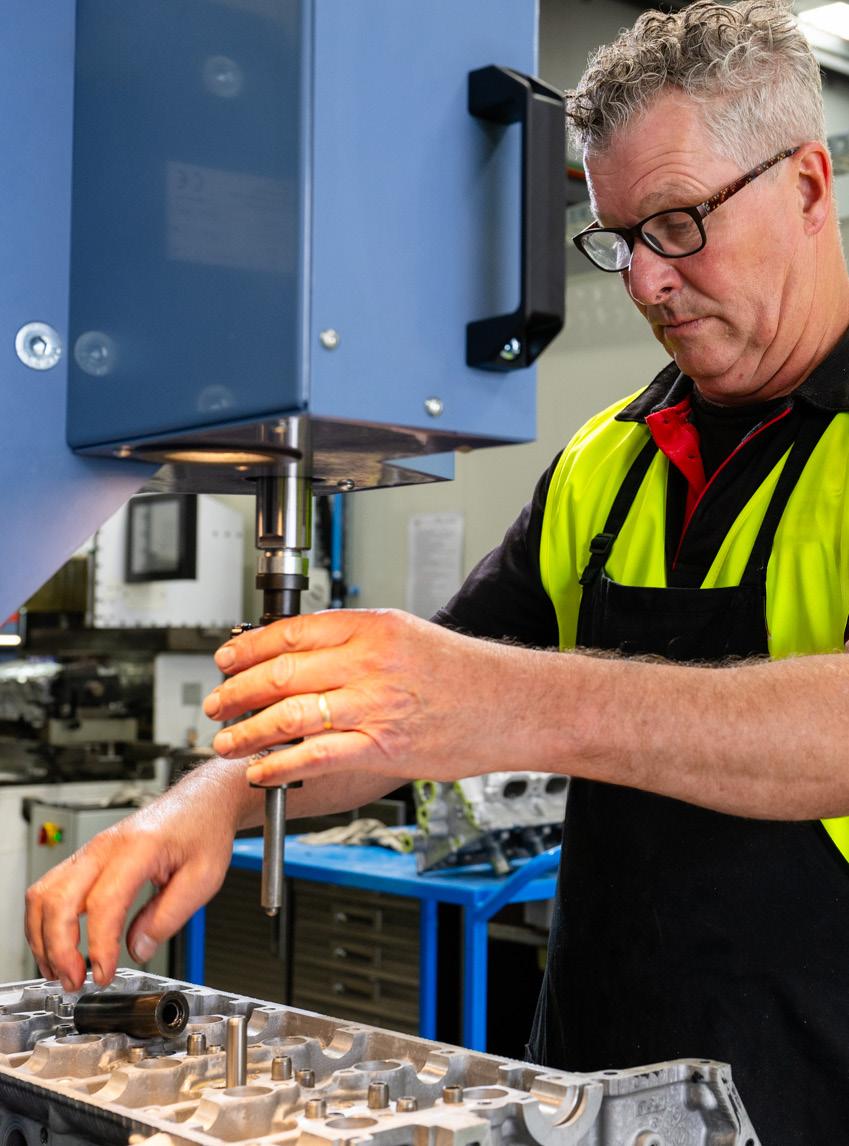
The Victorian automotive industry stands at a crossroads. With over 5,000 businesses employing more than 50,000 Victorians, the sector underpins both the state’s economy and its road safety framework. Yet it’s also an industry under pressure—from regulatory complexity, workforce shortages, rising costs, and the rapid technological shift towards electric vehicles.
Enter the Victorian Automotive Chamber of Commerce’s Policy Blueprint, a 25-point reform agenda that doesn’t pull punches about the challenges ahead or the solutions required. Released ahead of the November 2026 state election, it’s a document that demands attention from anyone interested in the future of motoring in Victoria.
The regulatory tightrope
At the heart of the Blueprint lies a fundamental tension: how do you regulate an industry sufficiently to protect consumers and road safety, without strangling it with red tape?
VACC’s answer is clear—Victoria has tipped too far towards over-regulation, often without proper industry consultation or evidence of genuine need.
Take the proposed electrical licensing requirement for EV de-energisation, a recommendation VACC vigorously opposes. The Chamber argues that de-energising an electric vehicle’s high-voltage system is fundamentally an automotive safety function, not an electrical one. Vehicle manufacturers deliberately design these systems to be handled by trained automotive technicians following OEM procedures and Australian Standard AS 5732:2022.
“Introducing an external electrical licensing requirement would duplicate existing safeguards, create new safety risks through skills mismatch, increase costs and delays for consumers, and undermine nationally harmonised regulation,” the Blueprint states.
It’s a position that reflects broader frustration with regulatory creep. VACC points to a pattern of new requirements being layered onto businesses already operating under extensive compliance frameworks, often without a proper assessment of whether existing laws already cover the ground. The Chamber is calling for “a more rigorous and
evidence-based approach to the assessment and making of regulations,” including a positive onus to ensure no existing law coverage before introducing new requirements.
The accident towing conundrum
Few issues better illustrate the sector’s challenges than accident towing—a service that’s simultaneously vital to road safety and financially unsustainable under current regulation.
Industry stakeholders argue that regulated accident towing fees have become severely misaligned with actual operating costs. While storage fees have been adjusted periodically, accident towing fees themselves have seen negligible increases since 2009. The result? Many operators now rely on supplementary business activities to cross-subsidise their regulated towing operations.
The Essential Services Commission’s recent recommendation to maintain current fee levels—subject only to annual CPI adjustments—has deepened industry concerns. VACC maintains that this overlooks genuine cost pressures, including rising labour costs, increased truck maintenance expenses, and escalating rents, land tax, and insurance premiums.
“The accident towing industry plays a critical role in supporting Victoria’s road safety framework,” the Blueprint emphasises. “The timely and efficient removal of damaged vehicles
from roadways not only mitigates the risk of secondary accidents but also helps to reduce traffic congestion, collectively delivering substantial economic and public safety benefits to the community.”
Without fee adjustments that reflect actual operating costs— including removal of the productivity adjustment factor and realignment of the CPI measure—the longterm viability of accident towing services in Victoria is at risk.
The apprenticeship challenge No challenge looms larger than the workforce shortage facing the automotive sector. The statistics paint a concerning picture: apprenticeship commencements are declining just as vehicles are becoming more technologically complex.
VACC is particularly critical of the Victorian Government’s Apprenticeships Taskforce proposal to introduce an employer registration scheme as a prerequisite for hiring apprentices. The Chamber calls it “unnecessary, unsupported by evidence, administratively burdensome, and actively undermining apprenticeship participation.”
At a time when employers are struggling to attract apprentices, the proposal would add another layer of licensing, mandatory training, reporting obligations, and regulatory intervention. For small and medium
automotive operators already facing extreme cost pressures and rapidly escalating technical demands, it’s precisely the wrong medicine.
“Employers need less red tape, not more, to build apprentice numbers,” VACC argues, recommending instead that government focus on financial incentives, targeted retention support, supervisory mentoring programmes, and training quality improvements.
The Federal Government’s decision to halve employer incentives for priority apprenticeships from $5,000 to $2,500 from January 2026 compounds the problem. VACC is urging the Victorian Government to apply “strong pressure” on Canberra to reconsider these cuts.
“The automotive industry is experiencing a severe skills shortage, and any reduction in incentives will further reduce apprentice numbers and undermine Victoria’s future workforce,” the Blueprint warns. “Industry needs more support, not less.”
The electric vehicle transition
The shift to electric vehicles presents both opportunity and risk for the automotive sector. Whilst government
targets are accelerating EV uptake, the businesses responsible for selling, repairing, recovering, and maintaining these vehicles face substantial upfront costs for new tools, infrastructure, and training.
VACC is calling for a dedicated EV Transition Support Fund providing direct financial assistance to automotive retail businesses and accident towing operators. This would include subsidies for EV-specific tools, diagnostic equipment, hoists, insulated PPE, and high-voltage safety infrastructure.
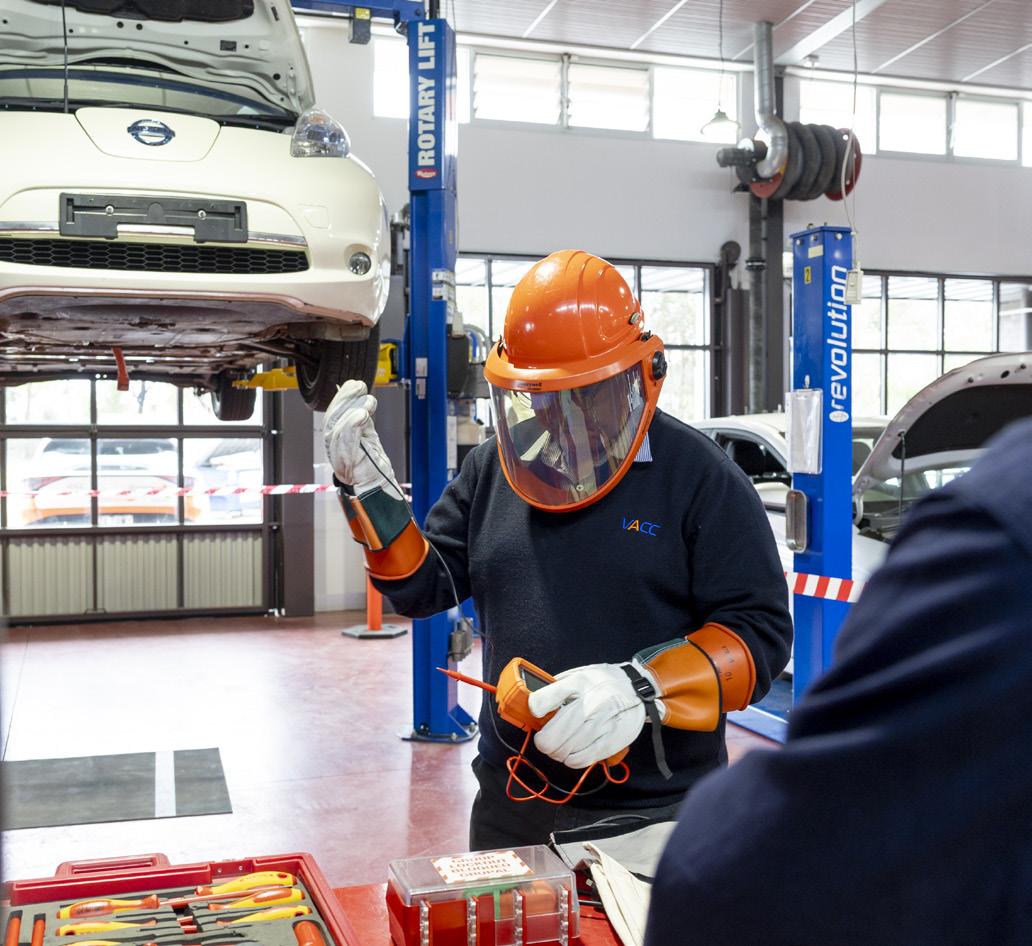
Crucially, the Chamber is also seeking support for non-accredited EV training programmes, particularly for frontline operators such as towing and roadside assistance providers. Many of these workers are first on site at serious collisions where battery integrity may be compromised, creating significant safety risks if they haven’t received appropriate EV preparedness training.
“Without targeted support, many small and medium automotive businesses risk being left behind,
"VACC’s answer is clear— Victoria has tipped too far towards over-regulation, often without proper industry consultation or evidence of genuine need."

reducing service capacity and creating safety risks,” the Blueprint states.
The document also addresses the consumer side of the EV equation, recommending that Victoria reduce or remove stamp duty on electric vehicle sales to accelerate uptake. With EVs still making up less than 1 per cent of the total Victorian motor vehicle fleet as of January 2025, additional incentives are needed if the government’s target of 50 per cent EV sales by 2030 is to be met. Fairness and consumer protection
Several recommendations in the Blueprint focus on strengthening fairness, transparency, and consumer protection across the automotive ecosystem.
On registration plate cloning, VACC reports a growing number of cases where offenders replicate legitimate plate details from online listings, applying them to similar-looking vehicles to evade detection. The cloned vehicles then accumulate toll charges, parking fines, and speeding infringements wrongly attributed to the legitimate registered owner.
“The current dispute and appeal process is slow, resource-intensive, and costly, often forcing dealers to pay penalties simply to avoid administrative burden,” the Blueprint notes.
VACC is calling for a fast-tracked, nocost appeal process, tighter controls over public display of registration details on online sales platforms, and a vehicle identity monitoring
service for registered businesses.
On written-off vehicles, the Chamber argues that Section 16 of the Road Safety Act 1986 vests insurers with unilateral discretion over vehicle classification, with minimal oversight and limited transparency. This can lead to over-classification, resulting in financial loss for consumers and diminished economic activity within the repair sector.
“Write-off decisions should be founded upon objective, qualified, and independently verifiable assessments rather than insurer discretion,” VACC recommends, calling for reform to establish an independent, transparent, and accountable determination process.
The taxation burden
The Blueprint’s taxation recommendations reflect the cumulative weight of state-level charges on automotive businesses.
On payroll tax, Victoria continues to have the lowest annual threshold in the country at $1 million, creating a competitive disadvantage compared to interstate counterparts. VACC recommends lifting the threshold to $1.2 million per annum, aligning more closely with New South Wales.
The Super Luxury Duty receives particular criticism. When combined with the federal Luxury Car Tax, it creates double taxation on vehicles exceeding $100,000 in value. Victorian dealerships find themselves at a distinct disadvantage when advertising drive-
"Frontline operators such as towing and roadside assistance providers are first on site at serious collisions where battery integrity may be compromised, creating significant safety risks if they haven’t received appropriate EV preparedness training."
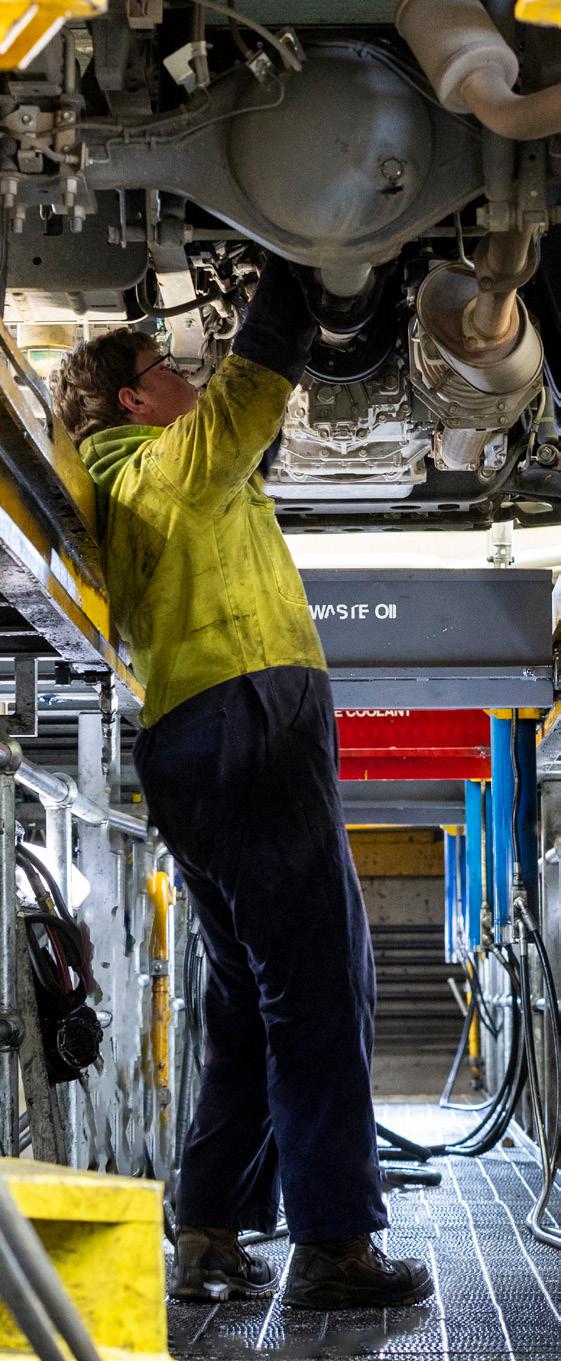
“The automotive industry is experiencing a severe skills shortage, and any reduction in incentives will further reduce apprentice numbers and undermine Victoria’s future workforce, industry needs more support, not less.”
away prices on national platforms, as neighbouring states like South Australia and New South Wales don’t impose an equivalent state-level luxury tax.
“This taxation environment has led consumers to buy and sell luxury vehicles across state borders, resulting in a loss of tax revenue and associated economic activity for the Victorian Government,” the Blueprint observes.
Land tax has emerged as a mounting concern, with some VACC members reporting increases of 224 per cent since 2018 despite operating from the same property. For propertyintensive businesses like automotive retail and service operations, such dramatic rises strain cash flow, limit operational and investment funds, and create a competitive disadvantage.
The path forward
What’s striking about the VACC Policy
Blueprint is its integrated vision. Rather than a wish list of disconnected asks, it presents a coherent narrative about an industry facing multiple, interconnected pressures.
Regulatory complexity is deterring apprenticeship take-up just as the skills shortage intensifies. Inadequate accident towing fees are undermining a service critical to road safety. The EV transition demands investment that many small operators can’t afford without support. Taxation settings designed for a different era are hampering competitiveness.
The recommendations span better regulation, investing in the future, and fairer taxation—but they all point towards a common goal: ensuring the automotive sector remains viable, competitive, and capable of serving Victorian motorists through a period of unprecedented technological change.
As VACC Chief Executive Officer
Peter A. Jones frames it: “By adopting the measures outlined in this Policy Blueprint, the Victorian Government will be well-positioned to support the ongoing prosperity, adaptability, and global competitiveness of Victoria’s automotive sector.”
With the November 2026 state election on the horizon, political parties now face a choice about how seriously they take these recommendations. For an industry that keeps Victoria moving—literally— the stakes couldn’t be higher.
Whether the next government embraces this roadmap or charts a different course will shape not just the fortunes of 5,000 automotive businesses, but the daily experience of every Victorian motorist for years to come.

Indian celebrates 125 years with limited-edition models
Indian Motorcycle is marking a remarkable milestone in 2026, unveiling a special 125th Anniversary Collection to celebrate more than a century of motorcycling heritage.
Founded in 1901, Indian is one of the world’s oldest motorcycle brands, and the anniversary range pays tribute to that legacy with four limited-edition models: the Chief Vintage, Scout Bobber, Challenger and Roadmaster.
Each model features a distinctive hand-painted “125th Anniversary Red with Black Crystal” finish, highlighted by metallic micro-flakes, anniversary pinstriping and commemorative badging. The bikes are individually numbered and include premium touches such as custom-stitched seats and Indian’s Ride Command connected infotainment system. Production numbers are strictly limited globally, with some variants capped at just a few hundred units, making them highly collectible for enthusiasts.
The anniversary collection is expected to arrive in Australia and New Zealand during the second half of 2026, celebrating one of motorcycling’s most enduring names.
Tractor sales make subdued start to 2026
Australia’s tractor market has begun 2026 on a cautious note, with early sales figures showing a modest decline compared with the previous year.
According to the Tractor and Machinery Association of Australia (TMA), around 500 tractors were sold nationally in January, down seven per cent compared with the same month in 2025. Despite the overall decline, the larger tractor segments provided some positive momentum for the market.
Sales of tractors in the 100–200hp category increased by 8.4 per cent, while the 200hp-plus segment surged by more than 40 per cent. This contrasted sharply with the smaller categories, with tractors under 40hp falling by almost 29 per cent and the 40–100hp range down 14 per cent.
Regionally, only Tasmania, the Northern Territory and Western Australia recorded sales growth compared with the same period last year.
Industry observers believe the market may have reached the bottom of the cycle, with gradual improvement expected as the year progresses.






















Early NVES results reveal industry
winners and losers
The first results from Australia’s New Vehicle Efficiency Standard (NVES) have highlighted a clear divide between brands leading the transition to lower-emissions vehicles and those facing growing compliance pressures.
Data from the NVES Regulator covering the first reporting period – July to December 2025 – shows that 40 of the 58 regulated vehicle suppliers met the emissions targets for the year. In total, more than 620,000 vehicles were recorded during the period, generating over 17 million NVES credits that can be traded between manufacturers.
Chinese electric-vehicle manufacturer BYD, along with Toyota and Tesla, emerged as the strongest performers, generating the largest number of credits thanks to their lower-emission vehicle line-ups.
At the other end of the scale, Mazda, Nissan and Subaru recorded the largest liabilities after exceeding fleet emissions targets.
While the early results suggest the industry has broadly met its first-year targets, the NVES limits tighten each year to 2029, meaning manufacturers will need to further expand electrified and low-emissions vehicle offerings to remain compliant.

Celebrating 60 years of Jack Brabham’s historic Formula One triumph
Motorsport fans around the world are celebrating throughout 2026 to mark 60 years since one of the sport’s most remarkable achievements – Sir Jack Brabham’s historic Formula One World Championship victory.
In 1966, the Australian racing legend secured his third world title driving the Brabham BT19, a car built by his own team and carrying his name. The feat remains unique in Formula One history, making Brabham the only driver to win the championship in a car he constructed himself.

Known for his practical engineering approach as much as his driving skill, Brabham played a hands-on role in the design and development of his cars. The result was a machine renowned for its durability, performance and innovation. Across 2026, events, tributes and historic celebrations will highlight Brabham’s legacy as both a racing champion and engineering pioneer – recognising the Australian whose ingenuity and determination helped shape modern Formula One.

MAJOR SPONSOR
75 years of loyalty
Leadership and Kyabram pride
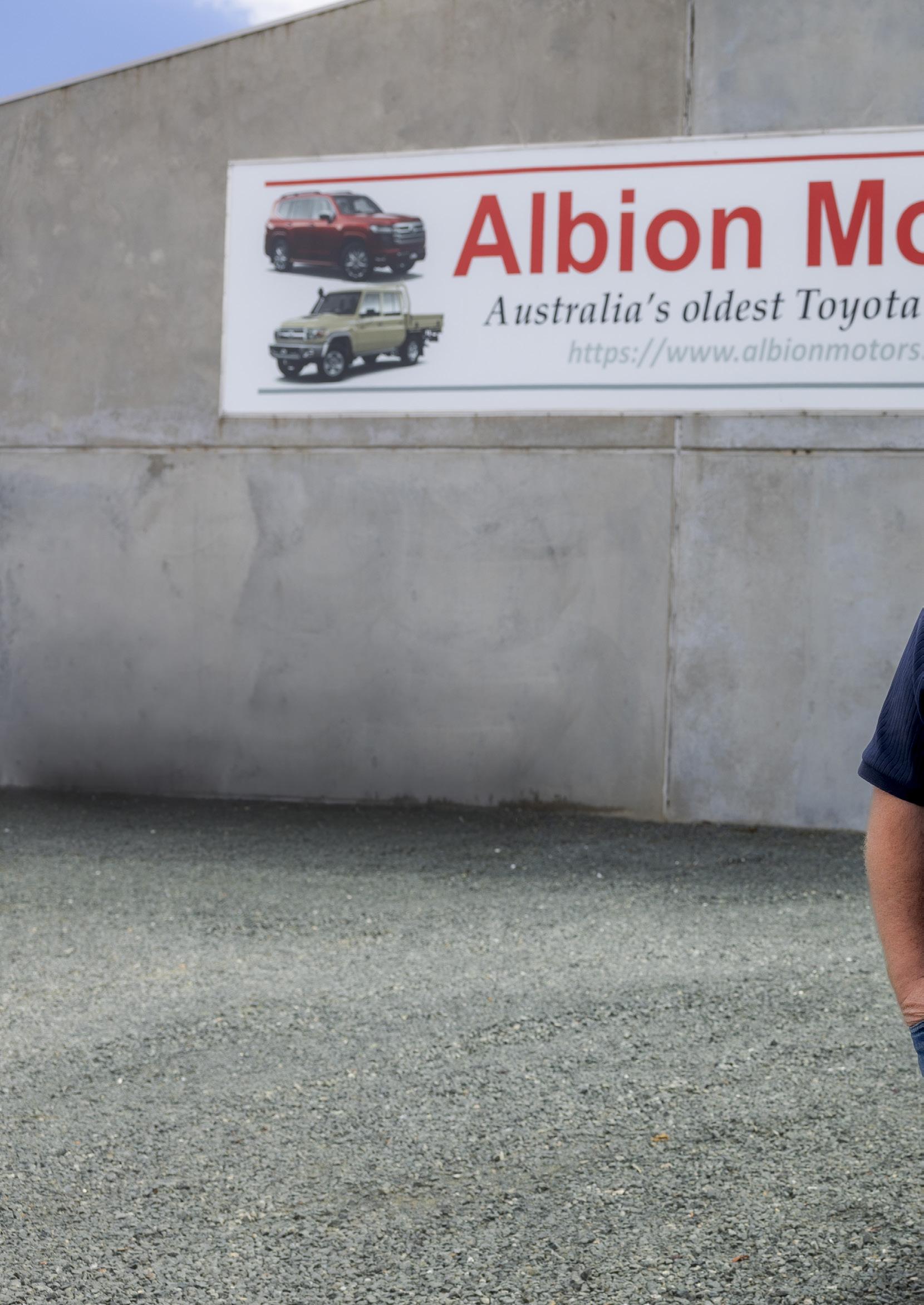
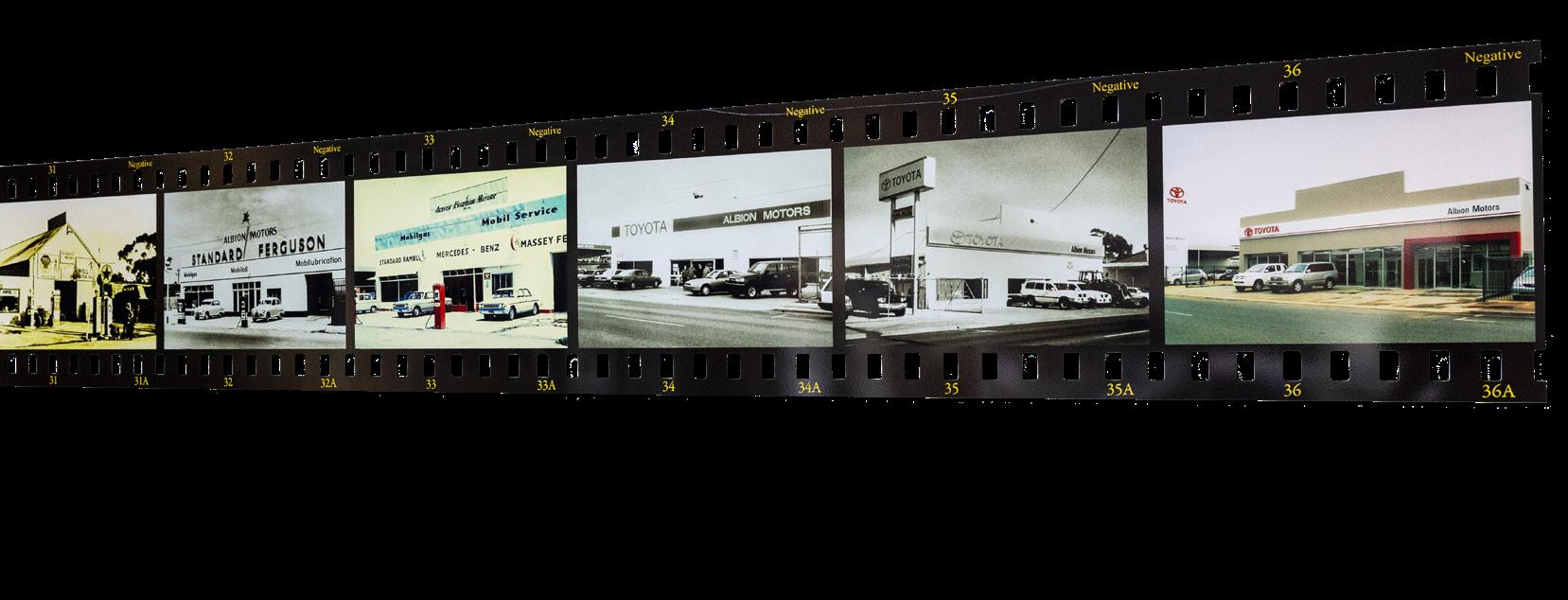
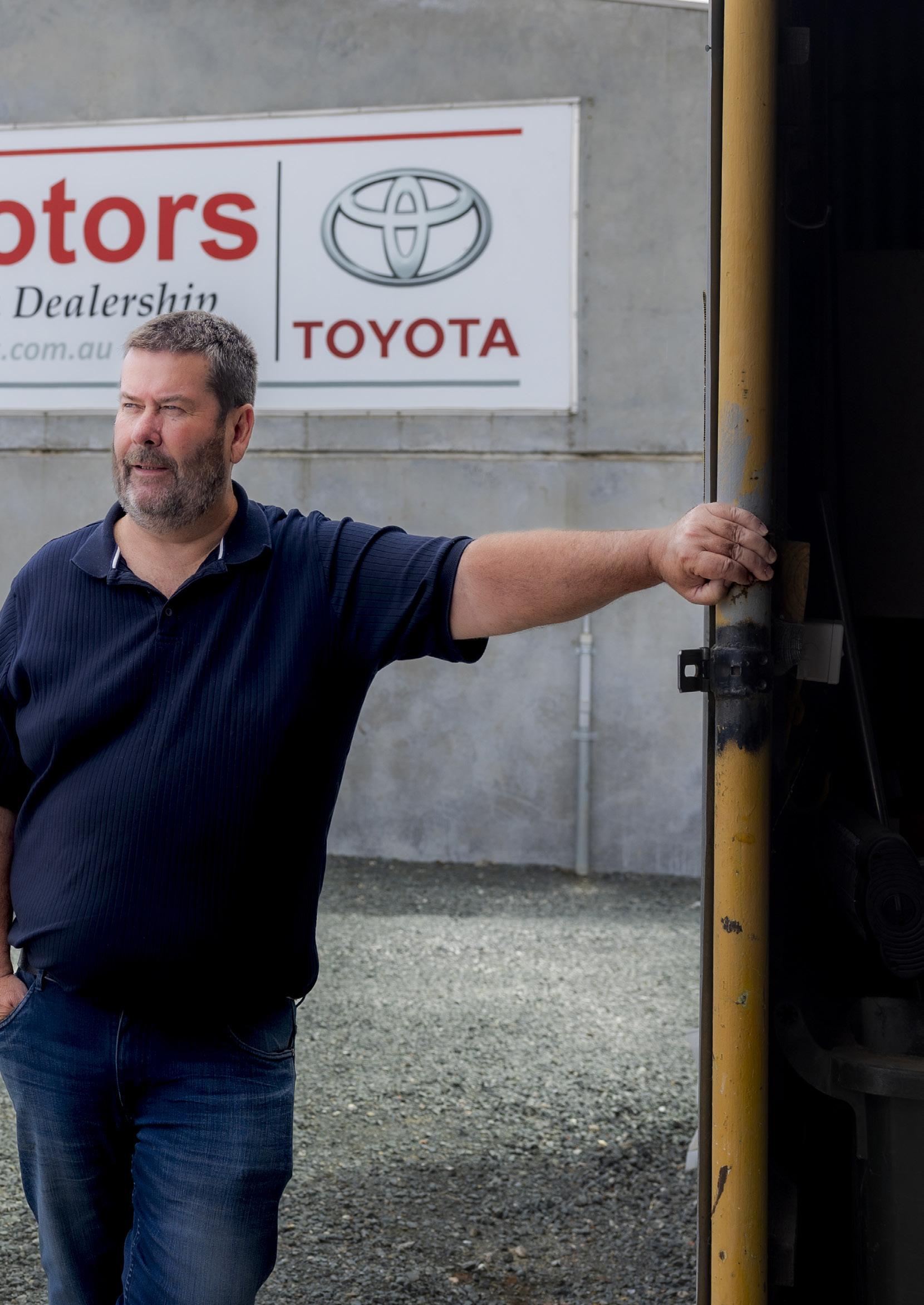
In Kyabram, Albion Motors is more than a car dealership, it’s part of the town’s identity. This year, the business marks an extraordinary milestone: 75 years of VACC membership, and more than seven decades serving generations of local families.
Recognised as Australia’s oldest Toyota dealership, Albion Motors carries a legacy that spans three generations of the Isaac family.
The story begins with Ian’s grandfather, Dick Isaac, and his mate Perc Walton, who established the foundations of the business in the early 1950s. Operating with Australian Motor Industries (AMI), the dealership sold everything from Triumphs and Ramblers to MercedesBenz and Fiat tractors, supplying the vehicles and machinery that powered the district’s farms and families.
Toyota joined the fold in the early 1960s, at a time when Japanese vehicles were still met with some scepticism. But the product proved itself. As customer confidence grew, so too did the dealership’s longstanding partnership with the brand. Dick Isaac served as Dealer Principal for 18 years before handing over to his son, Richard Isaac, who led the business from 1969 until 2005. When Richard passed the reins to Ian, it marked not just a leadership transition, but the continuation of a family philosophy grounded in integrity and deep community connection.
That connection extends beyond customers; it also defines the culture inside the entire business.
“We’ve got people here who’ve been with us 20 years, 15 years, 10 years — and some who’ve left and come back. That tells you everything about the culture.”
In an industry often marked by high turnover, that kind of longevity is rare. Ian still catches up for lunch, and even the occasional fishing trip, with retired employees. Albion Motors is not simply a workplace; it is a professional home built on loyalty and respect.
Apprenticeship has always been part of the story. While recruitment has changed, “in the good old days” a small newspaper advertisement would bring forty applicants, Albion Motors continues to invest in local apprentices, currently training two. In a regional town, nurturing young talent is both a responsibility and a necessity.
Community involvement remains central to the dealership’s identity.
Ian has been heavily involved with the Kyabram Football Club for more than two decades, serving as treasurer and long-time sponsor. In 2025, the connection became even more personal when his 17-year-old son played six games in the senior team. That side went on to win the premiership — a moment he still speaks about with pride. The celebrations were unforgettable, shared with the community that has supported Albion Motors for generations.
Kyabram itself, Ian believes, is well positioned for the future. Situated between Shepparton and Echuca, the town continues to evolve while retaining its close-knit character. Whether it is new commercial development, shifts in farming and irrigation practices, or the rapid advancement of automotive technology, change is constant, and Albion Motors has never shied away from adapting.
Reflecting on the dealership’s journey, Ian is both pragmatic and optimistic.
“It’s been an amazing ride. Thirty years ago, no one would have predicted where Toyota would be today, and we’ve been lucky enough to grow with it.”
Seventy-five years of VACC membership mirrors that same sense of continuity. A commitment to professional standards and staying connected to the broader automotive industry.
From Dick Isaac and Perc Walton’s early vision, through Richard Isaac’s long stewardship, to Ian’s leadership today, Albion Motors remains proudly family-owned, proudly communityfocused, and proudly Kyabram.
Seventy-five years of VACC membership is an extraordinary achievement, a testament to resilience and unwavering commitment to both industry and community. Congratulations to Ian Isaac and the Albion Motors team on this remarkable milestone, and on a legacy that continues to drive Kyabram forward.
“It’s been an amazing ride. Thirty years ago, no one would have predicted where Toyota would be today, and we’ve been lucky enough to grow with it.”


Three decades of change
What Deloitte’s “30 years of auto” report means for the industry
Over the past three decades, Australia’s automotive sector has undergone a transformation few industries can match. Deloitte’s 30 Years of Auto report traces that evolution using dealership performance data and industry insights collected over three decades, highlighting how the sector has adapted to economic shocks, technological disruption and shifting consumer expectations.
For VACC members working across vehicle sales, servicing, repair and parts supply, the report offers a valuable perspective on how the industry has evolved—and what may lie ahead.
A tough business built on tight margins
One of the report’s most striking observations is how consistently challenging the automotive retail sector has been. Across three decades of data, the “average” dealership bottom-line profit has remained around 1.5 per cent. That figure highlights a reality well understood by automotive businesses: the industry operates on tight margins and requires disciplined management to remain profitable. However, the data also shows that dealership operations have become significantly more efficient. Selling gross margins—the revenue generated from vehicle sales before operating costs— have grown considerably over time. Dealers today generate roughly 70 per cent more selling gross than they did in 2000, and about 35 per cent more than before the COVID-19 pandemic. Yet these improvements have largely been offset by rising operating costs. Fixed expenses—including wages, facilities, compliance and technology— have risen sharply, particularly in recent years. In fact, operating costs have increased by around one-third since just before the pandemic, placing additional pressure on business profitability.
For many automotive operators, this explains why profitability can feel harder to achieve even as vehicle values and transaction prices rise.
A widening performance gap Another important trend identified
in the report is the growing gap between high-performing businesses and those struggling to keep pace.
The top tier of dealers are currently delivering more than four per cent bottom-line profit, while some operators remain in loss-making territory. Deloitte describes this as an increasingly “two-speed market”, where the strongest operators continue to perform well while others face mounting pressure.
The lesson is clear: operational excellence matters more than ever.

digitalisation of the retail experience, and the supply chain disruptions seen during the COVID-19 pandemic.
High-performing dealerships consistently demonstrate strong financial discipline, effective inventory management, and wellrun sales and service operations. The report suggests that the difference between success and struggle is often determined by management capability rather than business size. Aftersales remains the foundation While new vehicle sales tend to dominate industry headlines, the Deloitte analysis reinforces a long-standing industry truth— aftersales remains the backbone of automotive profitability.
Parts and servicing operations provide steady revenue streams and typically deliver stronger margins than vehicle sales alone. For VACC members across the repair and service sectors, this reinforces the critical role independent workshops and specialist technicians play within the broader automotive ecosystem.
As vehicles become more technologically advanced— incorporating driver assistance systems, complex electronics and electrified drivetrains—the importance of skilled technicians and professional servicing is only expected to increase.
An industry shaped by disruption
The report also reflects on the many major disruptions the industry has experienced over the past 30 years. These include the end of local vehicle manufacturing, the Global Financial Crisis, rapid
Despite these shocks, the automotive sector has repeatedly adapted. Many businesses improved operational efficiency during the pandemic years, responding quickly to inventory shortages, fluctuating demand and shifting customer expectations. This adaptability has been a defining characteristic of the industry’s resilience. The next wave of transformation
Looking ahead, Deloitte identifies another major period of change on the horizon.
Electrification, connected vehicle technology and software-driven vehicle systems are transforming what a modern car is—and how it is maintained and serviced. Consumers are increasingly interested in advanced technology features, connectivity and digital services integrated into vehicles.
At the same time, evolving ownership models and digital retailing are reshaping how consumers research, purchase and interact with automotive brands.
For automotive businesses, these changes highlight the growing importance of investing in skills, diagnostic capability and advanced workshop technologies to keep pace with the next generation of vehicles.
A resilient industry
If Deloitte’s three-decade review tells us anything, it is that the automotive sector has always been defined by resilience and adaptability.
The businesses that succeed are those that continually refine their operations, invest in people and technology, and stay closely connected to their customers. For VACC members, the message is clear: while the industry continues to evolve, the fundamentals remain unchanged. Strong management, technical expertise and customer service remain the foundation of long-term success.
Fifty years with VACC
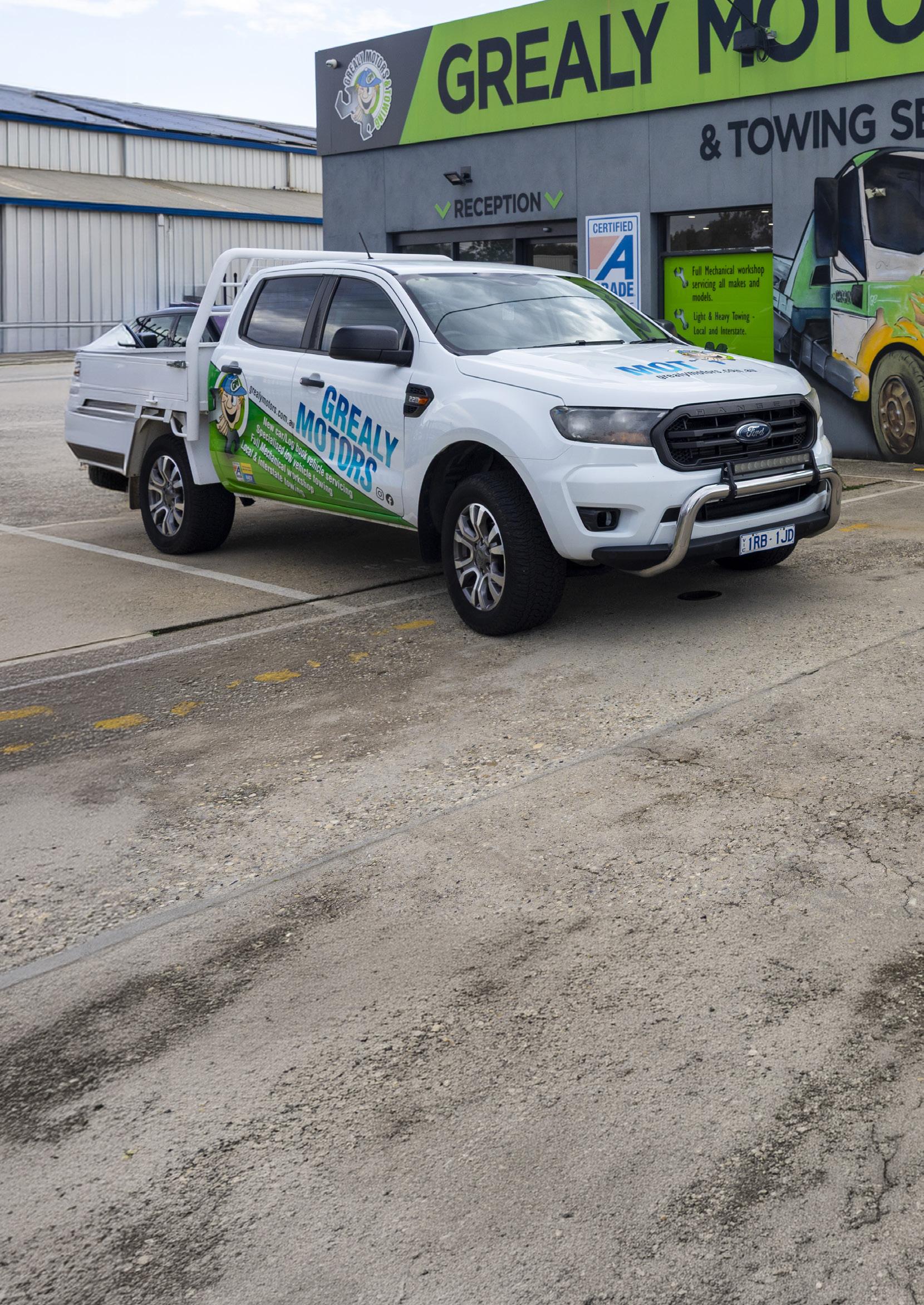
A Wodonga family business that began with night repairs and handshake deals is celebrating half a century of VACC membership — and nearly 60 years serving the Border community.
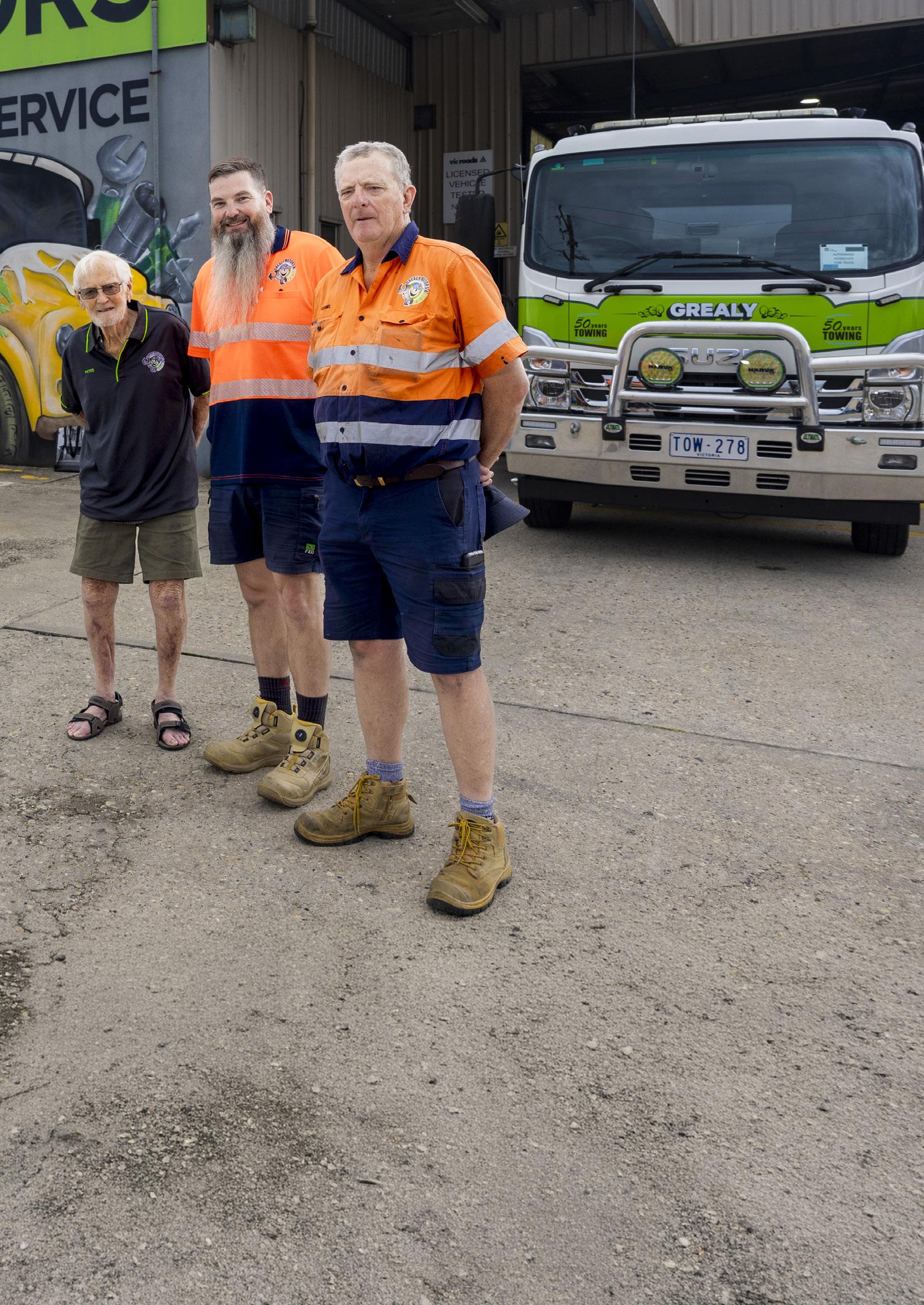
In 2026, Grealy Motors marks 50 years of membership with the Victorian Automotive Chamber of Commerce (VACC). It is a milestone that mirrors the evolution of the business itself: from a one-truck operation built after hours to a multi-depot towing and mechanical enterprise operating across regional Victoria and southern New South Wales — and one that has passed through three generations of the Grealy family. Built after hours
Founder Brian Grealy did not inherit a workshop. He built one.
For 14½ years, he drove a bus by day and repaired vehicles at night. In an era when vehicles were fixed rather than written off, the work did not stop at closing time. If it broke down, you repaired it. That was simply the job.
The business began in Hovell Street before moving to a derelict Melbourne Road site, where the Grealy family lived behind the workshop while rebuilding it. Later came the purchase of what was then swampland — the site that would become today’s headquarters. Brian’s son Lionel purchased the land while he was still an apprentice. There was not much money, but the family made it work.
The original two-bay shed still forms part of the current structure,
expanded over time as the business grew. Much of the early steelwork was erected by hand. Every addition reflected confidence — and risk.
As Lionel stepped into the business alongside his father, Grealy Motors began the steady transition from a small mechanical workshop into a broader roadside and recovery operation. In the early decades, mechanical repair was the core of the business. Breakdowns were brought back to the workshop and fixed, no matter the time. Under Lionel’s leadership, the towing side of the business expanded significantly.
Heavy towing became a major part of operations for nearly three decades, including the introduction of the first regional underlift tow truck, a technology Lionel sourced overseas. When the truck first arrived, many people in the region had never seen anything like it.
Today, Grealy Motors runs a fleet of 14 trucks servicing Wodonga, Wagga, Yarrawonga and Cobram, with operations continuing to expand across southern New South Wales.
Modern equipment now includes tilt trays, bogie-drive units and a tilt-slide semi rated to 24 tonnes.
But the customer mindset has also changed. Years ago, vehicles were
brought back to the workshop and repaired. Today, most customers simply want to get home.
A changing industry
Technology has transformed the job. Diagnostics, electronics and electrification have replaced carburettors and mechanical simplicity. EV recoveries now require specialised handling, with lithium battery risks, exclusion zones and storage requirements adding new layers of complexity.
Caravan weights and long-distance recoveries present their own challenges. Back then, you fixed everything. Now you manage risk. Insurance processes, cross-border accreditation and compliance obligations have increased. So too has scrutiny. The biggest change?
Social media. One photo, one comment — and it can travel fast.
Adapting has meant continual investment in equipment, training and infrastructure, particularly in a regional environment where distances are long and regulations differ across state lines.
The third generation
In October 2022, the business entered its third generation when Peter Grealy, Lionel’s son, formally purchased the company. Peter came to the role with
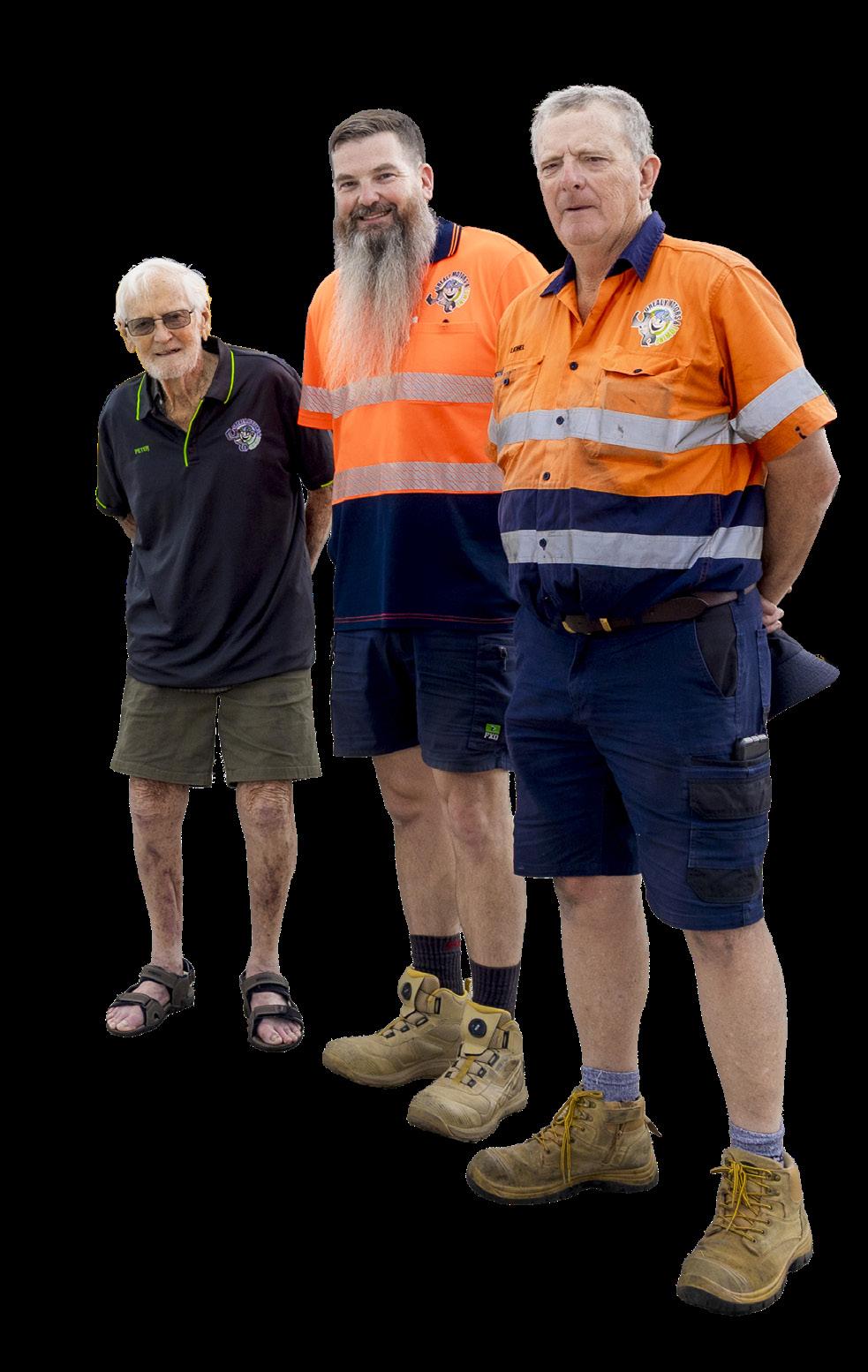
A new fleet of trucks is already on the ground, and Peter has a keen eye on where the next opportunities lie.
Strategic expansion both sides of the border moving up the highway into New South Wales & regionally into Victoria is firmly on the agenda, building on the cross-border foundations the family has laid over decades.
Lionel still remains close to the operation, joking that he now works “part-time — seven days a week.”
Built on people
The work has never been without cost. Both Brian and Lionel experienced serious workplace injuries over
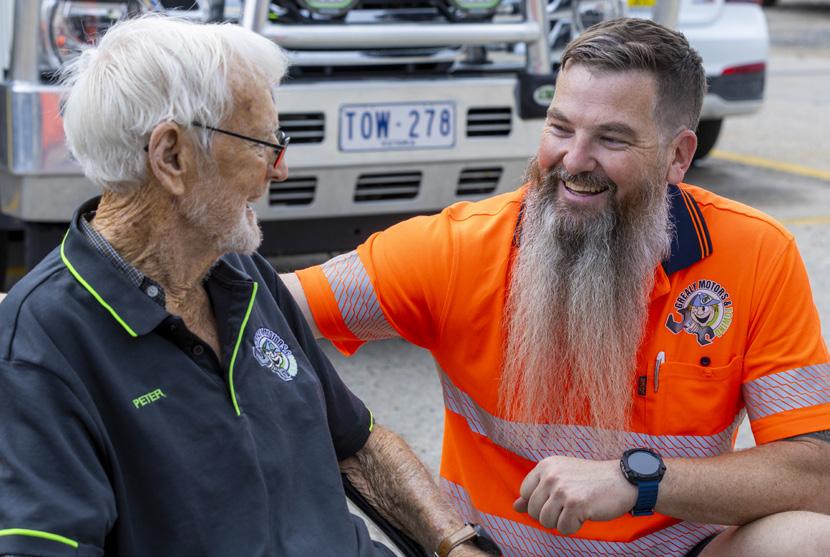
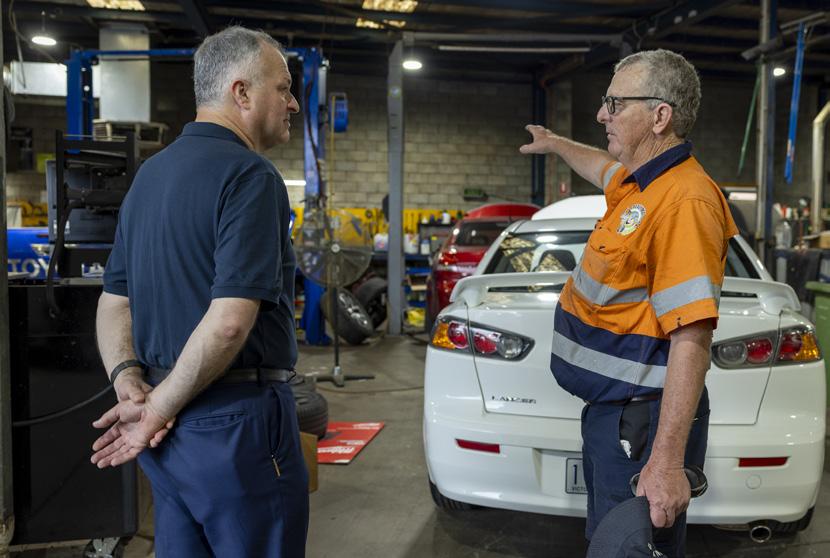
Brian would sell vehicles on handshake terms — accepting instalments and helping families establish themselves. Decades later, those families have returned to the business, successful, simply to say thank you. Regional automotive businesses often serve as quiet pillars of their communities. The Grealy story reflects that role.
50 years with VACC
Grealy Motors’ 50year VACC membership has run parallel with this journey of growth and change. Across workplace relations reform, technical evolution, heavy vehicle compliance and industry advocacy, the Chamber has provided representation and practical support.
physical demands of towing.
Yet the culture of the business remains constant: wages paid on time every week, and long-term staff valued and retained. Several employees have spent decades with the company, leaving and returning — a testament to stability in a sector not always known for it.
Community roots
Gealy Motors has always been more than a workshop.
In the post-war years, migrants arriving through the nearby Bonegilla reception centre often needed transport to secure employment.
For a regional operator managing cross-border accreditation, emerging EV protocols and an increasingly complex regulatory environment, that backing remains important.
Fifty years of membership signals consistency, a commitment to standards, professionalism and engagement with the broader industry. From Brian’s night repairs to Lionel’s expansion of the towing fleet and now Peter’s next chapter, Grealy Motors has navigated every shift the industry has delivered. Three generations. One yard. And 50 years standing alongside VACC.

Automotive Industry Awards 2026:
The Night of Night awaits 2026
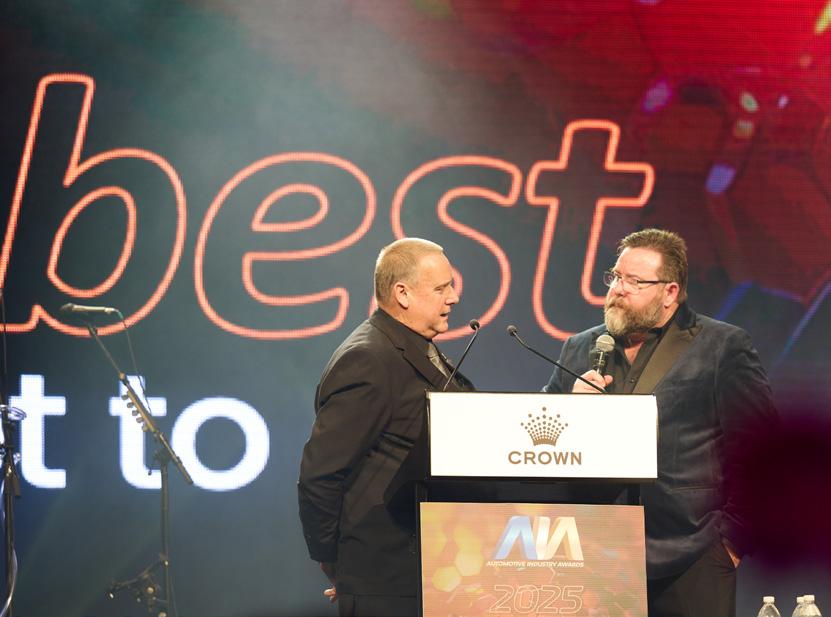
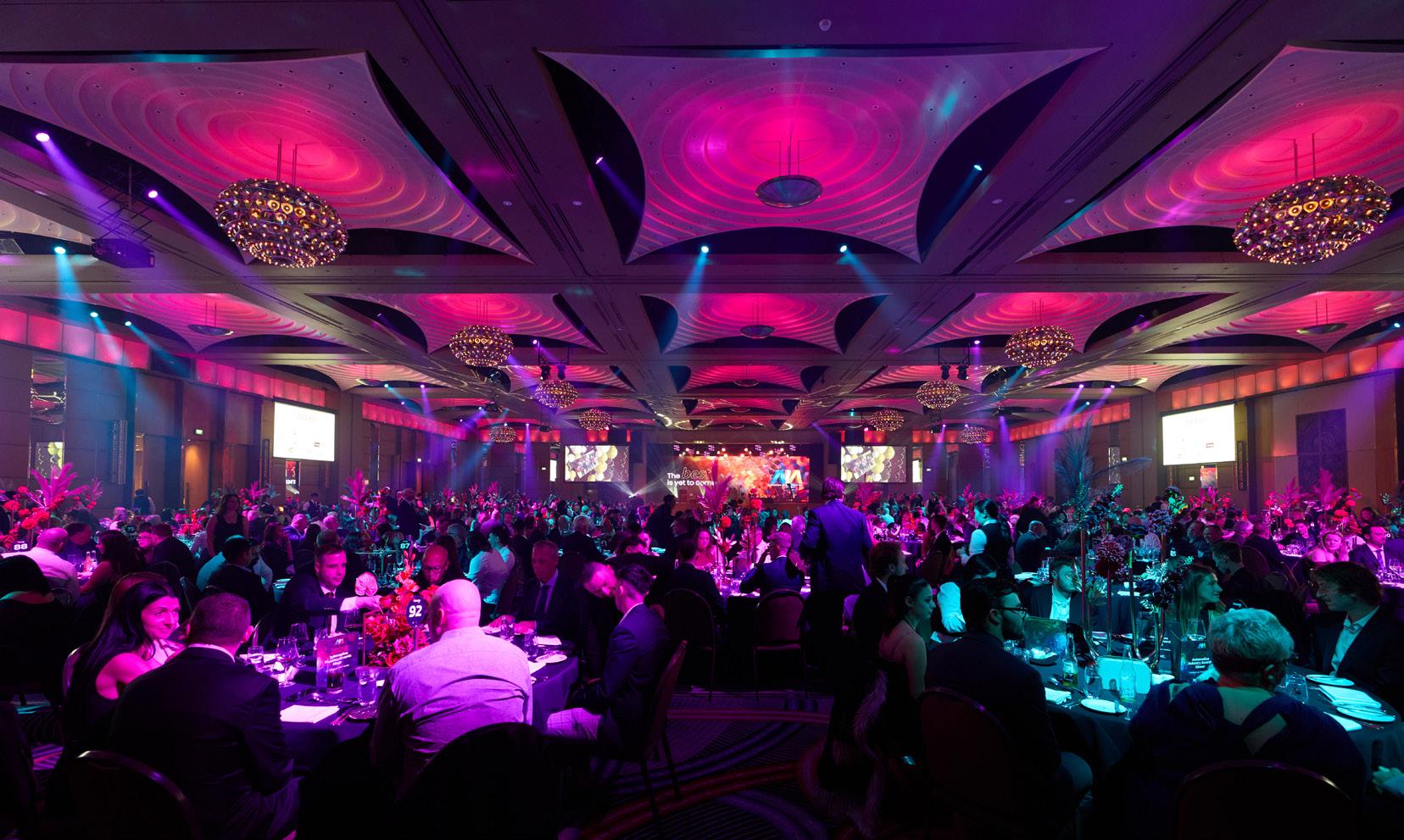
Applications have now closed for the 2026 Automotive Industry Awards, and what a response — entries this year reached a record high, reflecting the outstanding depth of talent and excellence across Victoria and Tasmania's automotive sector.
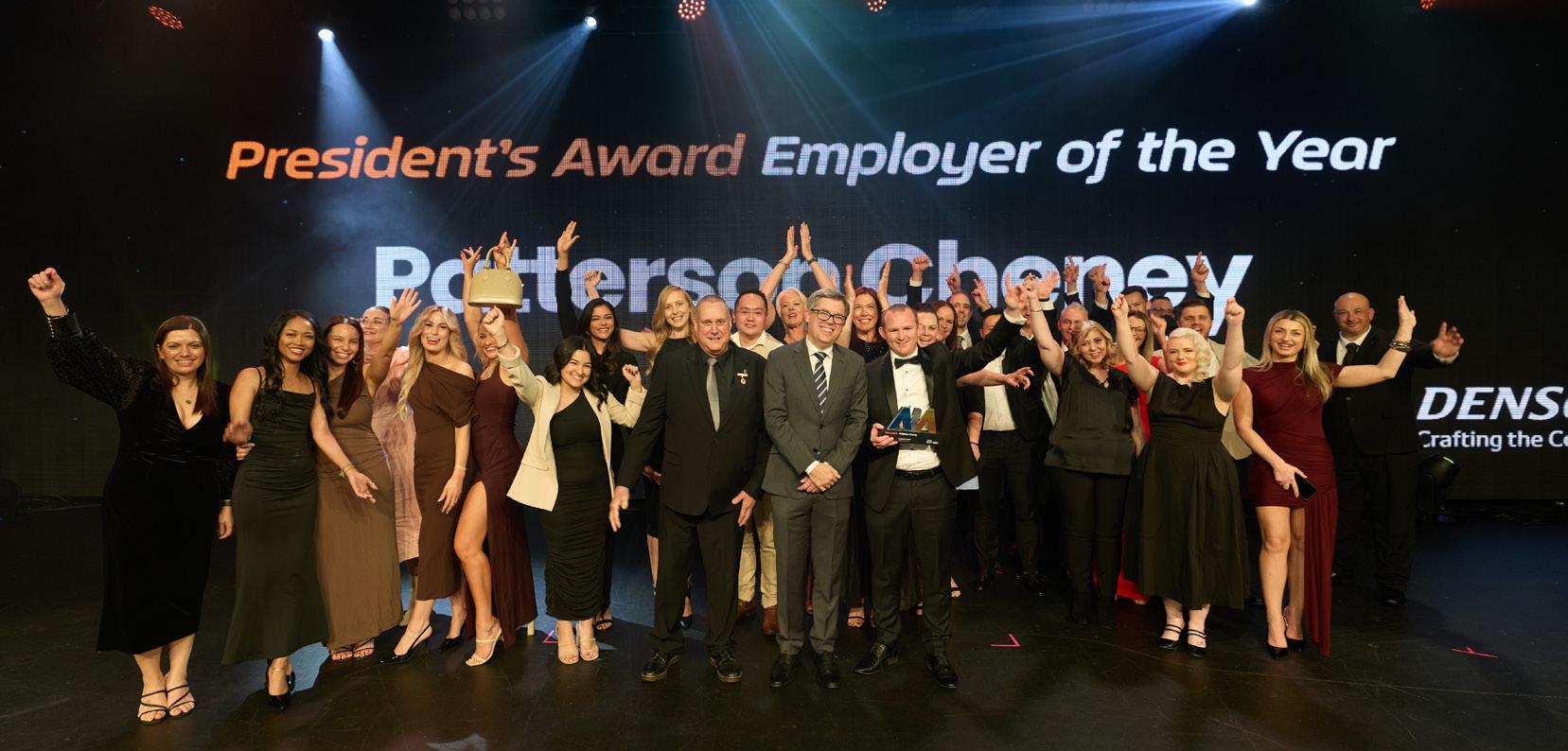
Now, attention turns to the most anticipated evening on the industry calendar. The 2026 Automotive Industry Awards will be held at the Palladium at Crown Melbourne on Saturday, 27 June 2026 — and it promises to be an unforgettable night. On the evening, winners across all award categories will be revealed, celebrating the finest businesses and professionals the industry has to offer.
The night will also shine a spotlight on the next generation, with VACC and TACC Automotive Apprenticeships
presenting awards to outstanding apprentices and recognising graduating cohorts. VACC President Craig Beruldsen will present two prestigious honours: the President's Award Employer of the Year and the President's Award Employee of the Year — awards that recognise people as the most valuable asset in any business.
Put on your Blue Suede Shoes and get All Shook Up! FX Entertainment Australia brings the sensational feature show Viva, Las Vegas Baby to the Palladium stage. This high-octane spectacular is based on Baz Luhrmann's film ELVIS, featuring the best of the King's iconic music. Expect whirlwind costume changes, jaw-dropping lifts, tricks, feathers, and vivacious Vegas Showgirls — professional performers delivering the magical music of Elvis in an experience
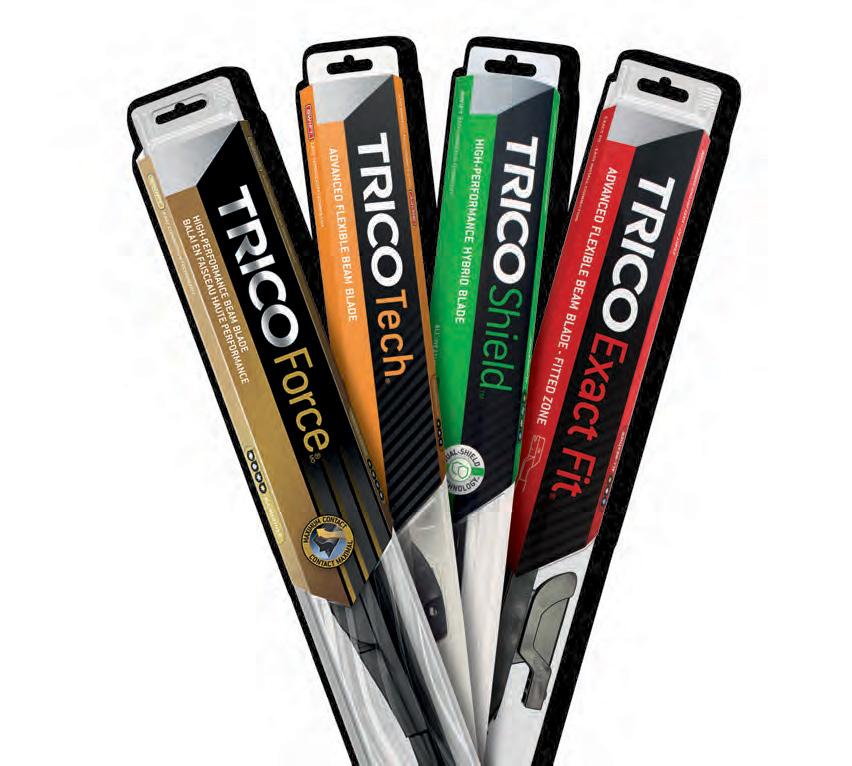
you won't forget. The beloved Voices Supergroup also returns, ensuring plenty of opportunity to celebrate and dance the night away. None of this would be possible without the generous support of our sponsors. Denso joins the evening as Gold Sponsor, with CareSuper as Silver Sponsor. Bronze Sponsors include Officeworks, Podium, Apprenticeship Support Australia, Apprenticeships Victoria, Exedy, Commonwealth Bank, Bunnings Trade, Trico, SP Tools, SixFam, Bendix, Shell Card, BG Products, and Marsh Insurance.
Congratulations to all VACC and TACC member entrants — and fingers crossed for the big night. For tickets and further information, visit automotiveindustryawards.com.au









Making Sense of EV Chargers
Mike Sinclair
For most of the past decade, EV chargers at dealerships were marketing tools. A sleek unit in the showroom demonstrated the future to curious customers, charged the occasional demo vehicle, and ticked a box on the brand’s compliance checklist. That era is over.
According to Tim Washington, cofounder and CEO of JET Charge, Australia’s leading EV charging infrastructure provider, charging has become a genuine operational bottleneck for automotive businesses.
“People are calling us out of need quite literally,” he says. “Dealers are actually identifying charging as starting to be a choke point for delivery of vehicles.”
The maths is straightforward.
When electric vehicles are shipped to Australia, batteries must be depleted to around 0.1 per cent for maritime safety. They’re charged at 60–70 per cent at pre-delivery centres, then need to reach 100 per cent before handover to customers. Multiply that across every EV delivery, and the demand on the charging infrastructure becomes substantial.
For VACC members – whether you’re a dealer, independent workshop, auto electrician, or fuel retailer –understanding this infrastructure is no longer optional. The good news is it’s more accessible than you might think, and there’s significant government funding available right now to help offset the cost.
Separating AC (Alternating Current) and DC (Direct Current) chargers is the most basic categorisation. In this case, as with most discussions about charging, Washington prefers to sidestep technical details and focus on outcomes.
“You buy an AC charger, which is cheaper, if you have time to charge for over four hours. A DC charger is what you need if you want to charge faster.”
That’s a useful distinction. AC chargers are the workhorses of home and overnight charging – affordable units that cost anywhere from $800–$2000. They’re fine if a vehicle can sit plugged in overnight or during a full workday.
On the other hand, DC chargers bypass the vehicle’s onboard charging system and send power directly to the battery, dramatically increasing speed. For most automotive businesses, Washington recommends a 30–50kW DC charger.
“For that charger, you’re going to be paying anywhere between $13,000 to about $35,000, depending on the brand and before [government] subsidies,” he says.
As for connector types, there’s no decision to make. CCS2 for DC charging and Type 2 for AC are the Australian standards.
“There are no vehicles really that take any other plugs,” Washington confirms.
Note: Costs are for hardware only, before installation and subsidies.
Quick reference: Charger types
What charging looks like for dealers
The dealership landscape has shifted dramatically. Four years ago, having a DC charger on site was rare. Now, Washington says, it’s standard fare.
“Dealers selling full battery electric vehicles need a 50–60kW or larger DC charger in their dealership. You need this level of charging so you can keep the ‘train’ of cars going.”
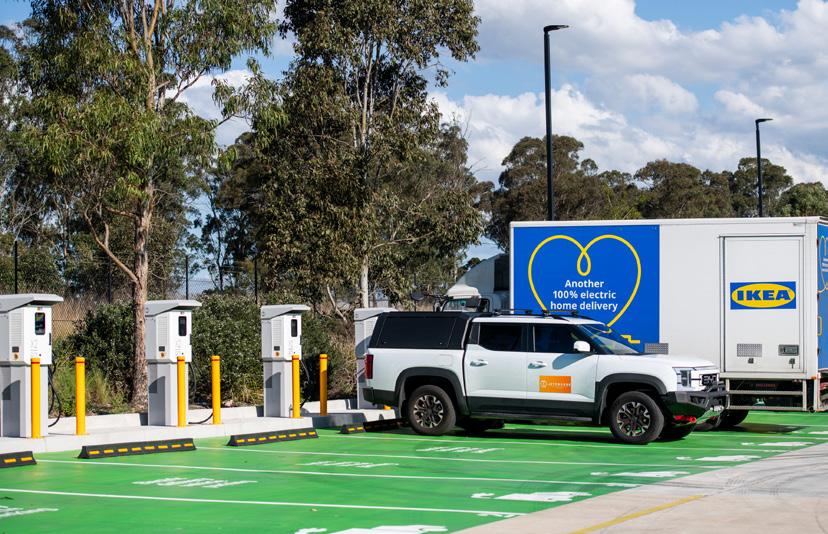
At the ambitious end, some dealers are investing in high-power charging – 350kW and above – and treating it as a revenue stream.
“We’ve got customers at the moment in Sydney, for example, who are in good

Tim Washington is co-founder and CEO of JET Charge, Australia’s leading EV charging infrastructure provider.
Cutting through the jargon
The charging conversation can be cluttered with technical specifications that obscure rather than clarify.
Artists impression of the new facility.
“You buy an AC charger, which is cheaper, if you have time to charge for over four hours. A DC charger is what you need if you want to charge faster.”
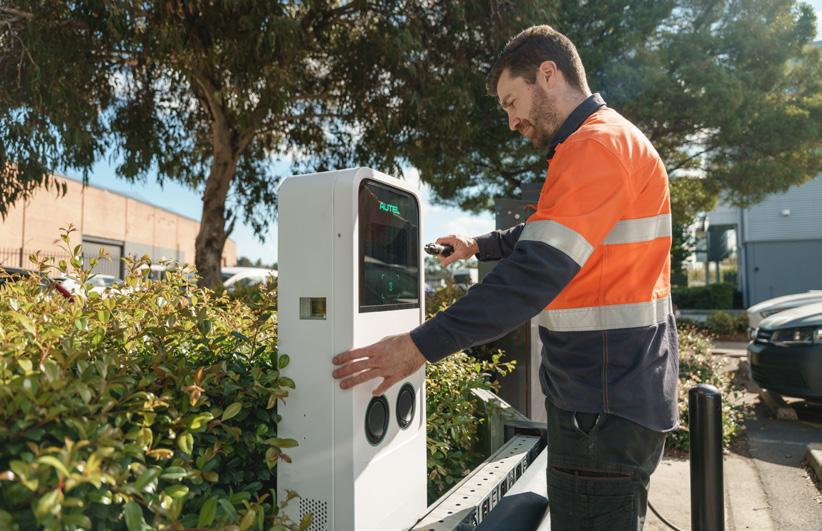
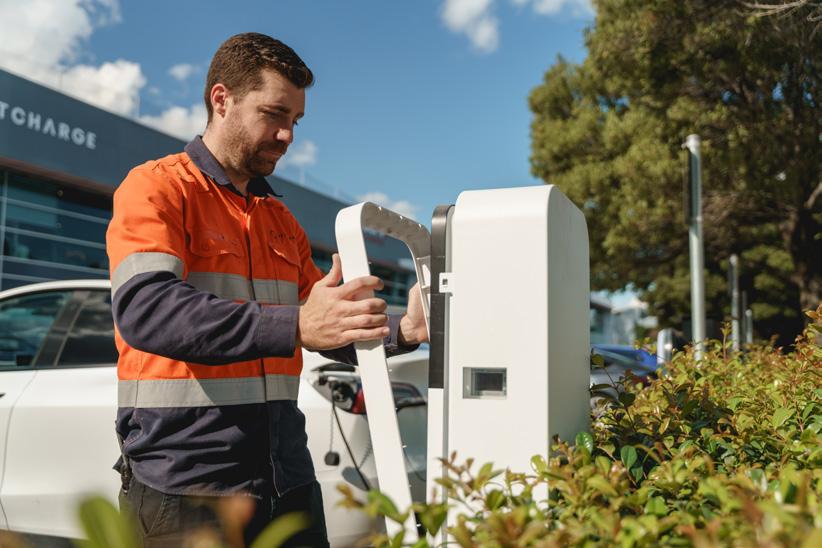
A practical introduction for VACC business members navigating charging infrastructure
Funding you should know about
The Federal Government's Dealership and Repairer Initiative for Vehicle Electrification Nationally (DRIVEN) provides funding towards the purchase and installation of eligible fixed and portable DC EV chargers at dealerships and EV repairers.
Part of the broader $60 million Driving the Nation Fund supporting the Australian automotive sector to sell, service and repair more EVs, the program offers up to $3000 per eligible fixed smart EV charging plug or portable DC EV charger, with a maximum rebate of $21,000 per eligible site. Portable units must cost at least $2500 to qualify.
Applications for the current round close soon, but the program runs until April 2028, so there's a defined window for VACC members to take advantage of a significant reduction in upfront costs.
For a business installing a dualplug 30kW DC charger, the $6000 rebate can offset close to half the hardware cost.
Washington’s advice re DRIVEN is unambiguous: “I highly recommend people take advantage of it.”
For businesses that have been weighing up the investment, the combination of current subsidies and the operational necessity of charging capability makes this an opportune moment to act.
For more information on the DRIVEN program, visit business.gov.au/ grants-and-programs.
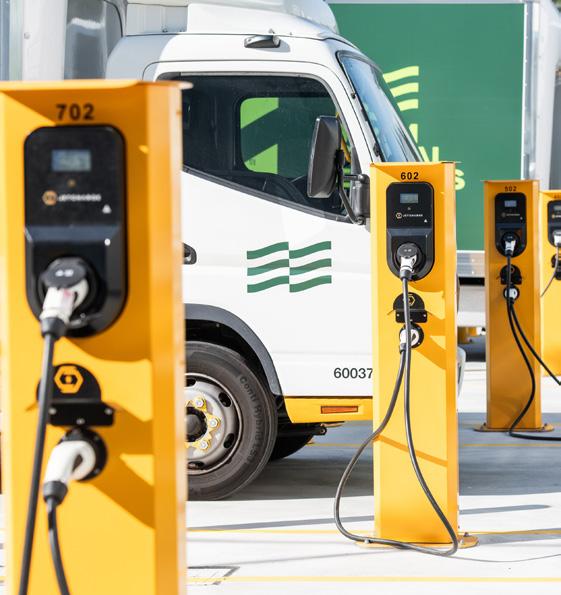
locations earning up to $60,000 per car bay annually just on selling electricity,” Washington says.
That’s not universal, but it illustrates the potential for dealers in high-traffic locations.
The competitive dynamics are also shifting. With brands fighting for dealer representation, charging infrastructure has become part of the pitch.
“Some brands are using charging infrastructure, often free charging infrastructure, for the dealer, to entice them as a sweetener to go to the new brand,” Washington observes.
For dealers who own their land, free infrastructure upgrades may be difficult to refuse.
As for which brands are doing it best, Washington sees a clear evolution: German manufacturers were first to install high-power charging, followed by Korean and Japanese brands. Now, he says, Chinese manufacturers are leading – partly because a higher percentage of their sales are battery electric, and partly because of the high expectations they have learned from the mature Chinese home market.
Leveraging home charging:
A missed opportunity?
One area where dealers could do better is the home charging conversation. Washington notes that most dealers either recommend that customers charge from a standard power outlet –which delivers a poor first experience – or, in the case of new-car brands, defer to whatever arrangement their franchise brand has made.
“I think there’s a big opportunity for dealers to earn some extra revenue through an official partnership,” he says. JET Charge works with several multi-
franchise dealer groups on exactly this, handling customer referrals across different vehicle brands.
For used-car dealers not affiliated with a brand, a partnership with a charging provider can offer the dual benefits of a ready solution for used EV purchasers and additional revenue opportunities.
What charging looks like for workshops
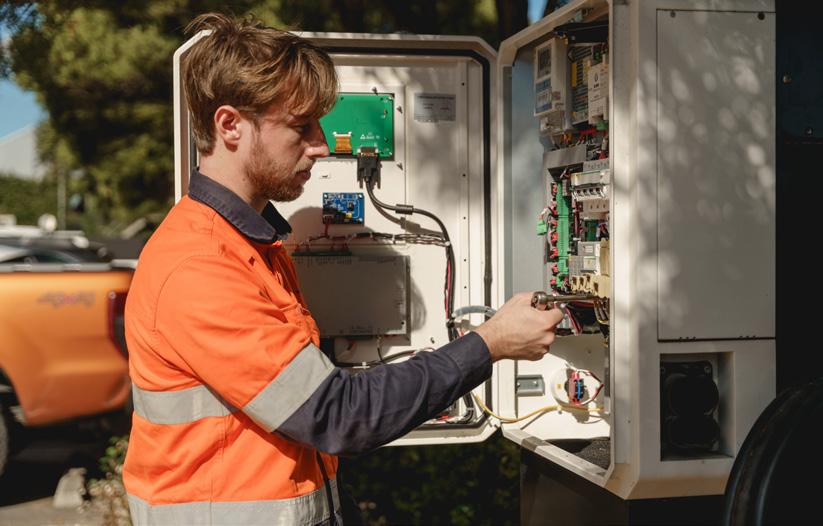
For independent workshops, Washington’s recommendation is clear: a 30kW DC charger on a trolley is the minimum viable setup. The trolley element is important – it addresses the reality of cramped workshop spaces.
“One of the objections we heard is that workshop spaces are really cramped, and they don’t want to have a zone just for charging,” he explains.
“The good news is that a lot of the options come on trolleys. You can wheel it around your workshop and plug it into industrial powerpoints. Zero space or installation issues.”
But the business case goes beyond customer convenience. Washington makes a point that will resonate with repairers: you need DC charging capability to diagnose faults.
“If you don’t have any charging facilities and a customer comes to you and says, ‘I can't charge my car, I think my charger is broken,’ even if you have the skills to fix it, you can’t actually replicate the problem.”
AC charging faults can be diagnosed with the basic home charging cable that comes with most EVs; however, DC charging faults require DC charging equipment. For workshops positioning themselves to service the growing EV parc, this is a fundamental diagnostic capability – as essential as any other piece of workshop equipment.

“If you don’t have any charging facilities and a customer comes to you and says, ‘I think my charger is broken,’ even if you have the skills to fix it, you can’t actually replicate the problem.”
What charging looks like for fuel retailers
JET Charge hasn’t focused heavily on the service station market – the major chains have been transforming their own networks – but Washington sees real opportunity for independents.
“The independent chains have been left behind,” he says. “They don’t have access to information. They go, ‘There’s this many EVs on the road, but is my site going to be profitable?’”
JET Charge has extensive data on charger utilisation and site profitability. Washington says his team is pivoting to use this to assess opportunities for charger installations with independent fuel retailers.
“We can tell them pretty quickly whether their site is going to be profitable, and it’s mostly just about timing. We can probably also tell them when it’s going to be profitable, and therefore when they should start.”
His realistic assessment: “The days of ripping out all the fuel pumps and putting in charging stations are still a long way away, but the days of putting in one or two are close for a lot of people.”
And there’s an often-overlooked benefit: EV drivers still visit service stations for tyre pumps, car washes, and convenience store purchases.
“Offering charging gives them another reason to choose your site,” Washington offers.
The cost and installation reality
For a workshop or small dealer considering Washington’s recommended 30kW DC charger, the hardware costs around $13,000. If you already have an industrial power outlet in the right location, installation is moot.
On the other hand, if you need electrical upgrades or civil works, costs can escalate.
Where installations get complicated, Washington says, is when businesses don’t do proper power analysis. The solution isn’t necessarily more power from the grid – it’s energy management systems that coordinate charging with other site loads.
“There’s almost no circumstance in which a commercial business can’t handle a 30kW charger with an energy management system.”
Battery buffering, where energy stored in a battery is used to reduce the load on the local grid, is a growing trend for 200kW-plus fast charger installations, Washington says.
The timeline from enquiry to operational is typically a few weeks for straightforward installations. More complex
Key business charging takeaways
• A 30kW DC charger on a trolley is the minimum viable setup for workshops servicing EVs
• The DRIVEN funding program offers up to $21,000 per site – but applications for the current round close soon.
• DC charging capability is essential for diagnosing charging faults – you can’t fix what you can’t replicate.
• Energy management systems can solve most power capacity constraints.
• Solar integration makes commercial sense –peak charging demand is midday, not evening.
• Secure more electrical capacity than you need now – it’s becoming a scarce commodity.
setups involving battery storage can take four to five months, mostly due to equipment lead times.
An alternative: Charging as a service
For businesses reluctant to make a significant capital outlay – or those who simply don’t want the hassle of maintaining another piece of equipment – there’s an emerging alternative: Charging as a Service (CaaS).
The model works like a subscription. Rather than purchasing hardware outright, the business pays a monthly fee that covers the charger, installation, software, 24-hour support, and warranty for the duration of the subscription. If the charger breaks, it’s the provider’s problem, not yours.
Washington says this approach is gaining traction: “At the end of the day, charging is not their core business, so they don’t want to worry about it – they just need the thing to work.”
The appeal is straightforward. Like any sophisticated equipment, chargers require firmware updates, software maintenance, and occasional service to run reliably. Businesses that skip annual servicing to save money often face frustration when equipment fails after the warranty period. CaaS shifts that risk and responsibility to the provider.

Energy management and solar
For dealerships with predelivery holding yards, smart charging scheduling can make a meaningful difference in electricity costs.
“You want to charge the vehicles during off-peak, and they’ll cost you a lot less,” Washington says. “We always recommend you set it so that it only starts charging at 11pm at night.” Solar integration is even more compelling. Washington points to an interesting pattern in charging data: “If you look at the charging graph across
all charging stations in Australia, the peak is not 5pm – it’s 12pm, because we have so much solar and people want to charge for free.”
For any automotive business with substantial roof space, the combination of solar and EV charging creates a virtuous cycle. The solar reduces overall site electricity costs while providing low-cost charging.
Washington’s view: “Businesses should absolutely do solar. Solar’s at a point in Australia where it definitely pays itself back.”
Future-proofing your investment
For businesses building new facilities or undertaking major renovations, Washington’s advice is emphatic: secure more electrical capacity than you think you need.
“The number one thing you must do is secure an abundant electricity supply from your network. Go to your services engineers and say, ‘I want double or triple the amount,’ because you’re going to have more charging in the future.”
The reason is structural. Distribution networks have limited capacity per suburb/area, and once it’s allocated, the next business seeking more power will likely face long waits and substantial costs. The proliferation of data centres is an additional load factor on grids. On vehicle-to-grid (V2G) technology, Washington counsels patience. While it will become important within five years, he advises holding off on V2G-specific equipment purchases for now: “The picture will become a lot clearer by the middle of 2027.”
The customer conversation Infrastructure is only part of the charging equation for VACC members. There’s another dimension to getting EV charging right: equipping staff to have informed conversations with customers
“Businesses should absolutely do solar. Solar’s at a point in Australia where it definitely pays itself back.”
who are often navigating electric vehicle ownership for the first time.
Washington fields questions from automotive businesses regularly about what their teams should know, and he’s clear on where most get it wrong.
“The most common question when a customer is picking up a new or second-hand EV is ‘Where do I charge?’ Most salesmen will pull out an app and say, ‘You can charge everywhere.’ But actually the right answer is: you charge it at home.”
It sounds simple, but getting this right shapes the customer’s entire ownership experience. Too often, staff advise customers they can charge from a standard power outlet, which leads to disappointment when the buyer wakes up with only 90km added overnight. A better conversation explains that a dedicated home AC charger costs less than $2000 fully installed and delivers a full battery overnight. That’s the difference between a frustrated customer and an advocate.
But Washington’s single best piece of advice for building credibility with EV customers is experiential: “Everyone who works in the dealership that sells EVs should at least live with an EV for a month, just so they know what it’s like.”
The same goes for workshops that seek to specialise in EV service and repair. Staff who’ve lived with an EV can speak from experience rather than spec sheets. They know what range anxiety feels like, how charging fits into daily life, and
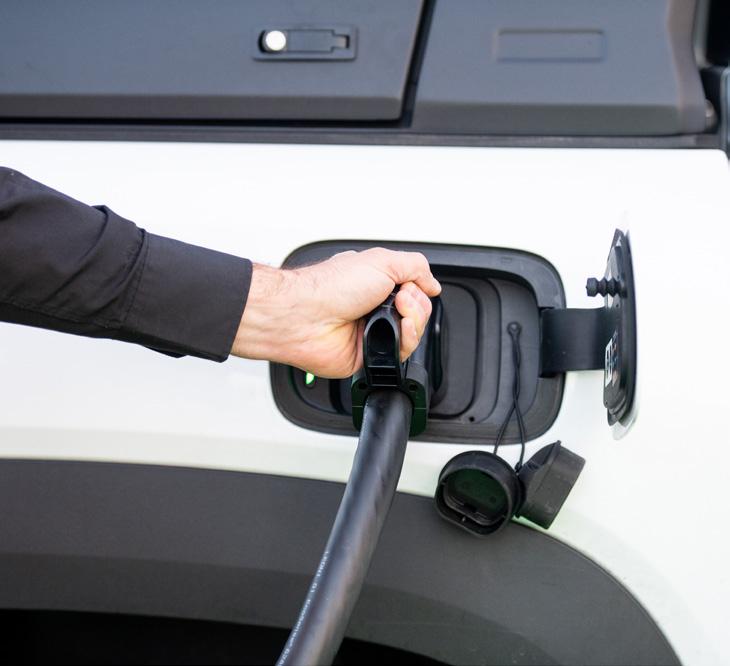
why a home charger matters. That authenticity is hard to fake – and customers can tell the difference.
Where to start
For VACC members who haven’t yet engaged with EV charging infrastructure, Washington suggests asking a few simple questions.
First, am I selling or repairing EVs – or do I want to? For most automotive businesses, the answer is yes, or it will be soon.
Second, what level of service do I want to offer? Do I need to charge customer vehicles before delivery? Do I need to diagnose DC charging faults? If yes, you need equipment –just like any other diagnostic tool.
Third, is my location favourable for public charging revenue? If you’re in a metro area or a high-traffic regional location, it’s worth assessing whether charging could generate income while also serving your operations. With answers, the next step is to speak with a charging infrastructure specialist, such as JET Charge.
And the immediate action for those ready to move: explore the DRIVEN program funding before it expires, and get a site assessment from a specialist provider who can evaluate your power capacity and recommend the right setup for your needs.
The need for charging infrastructure isn’t coming to the automotive industry – it’s already here. The question for each business is whether to get ahead of demand or be caught playing catch-up.
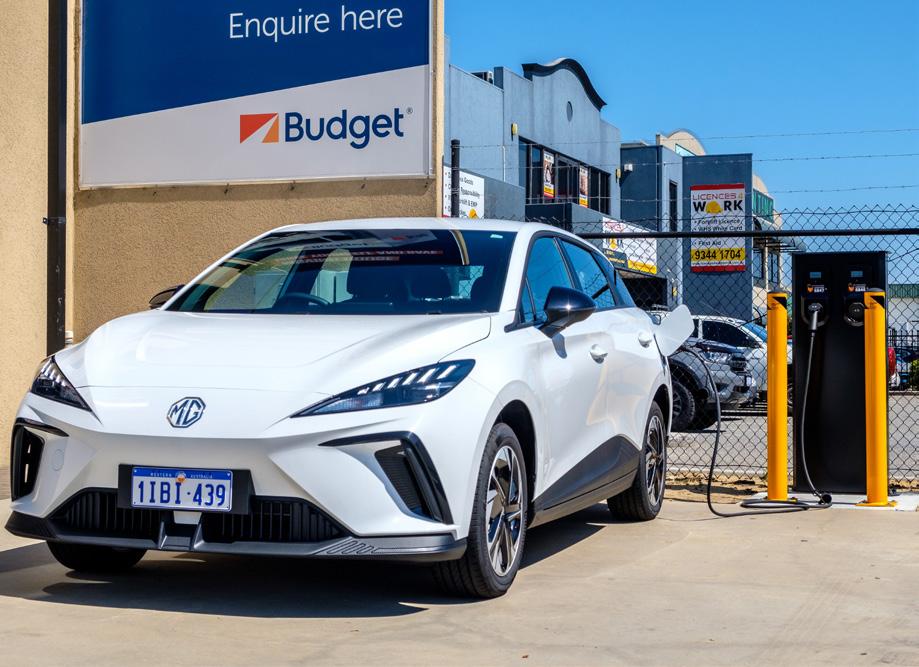
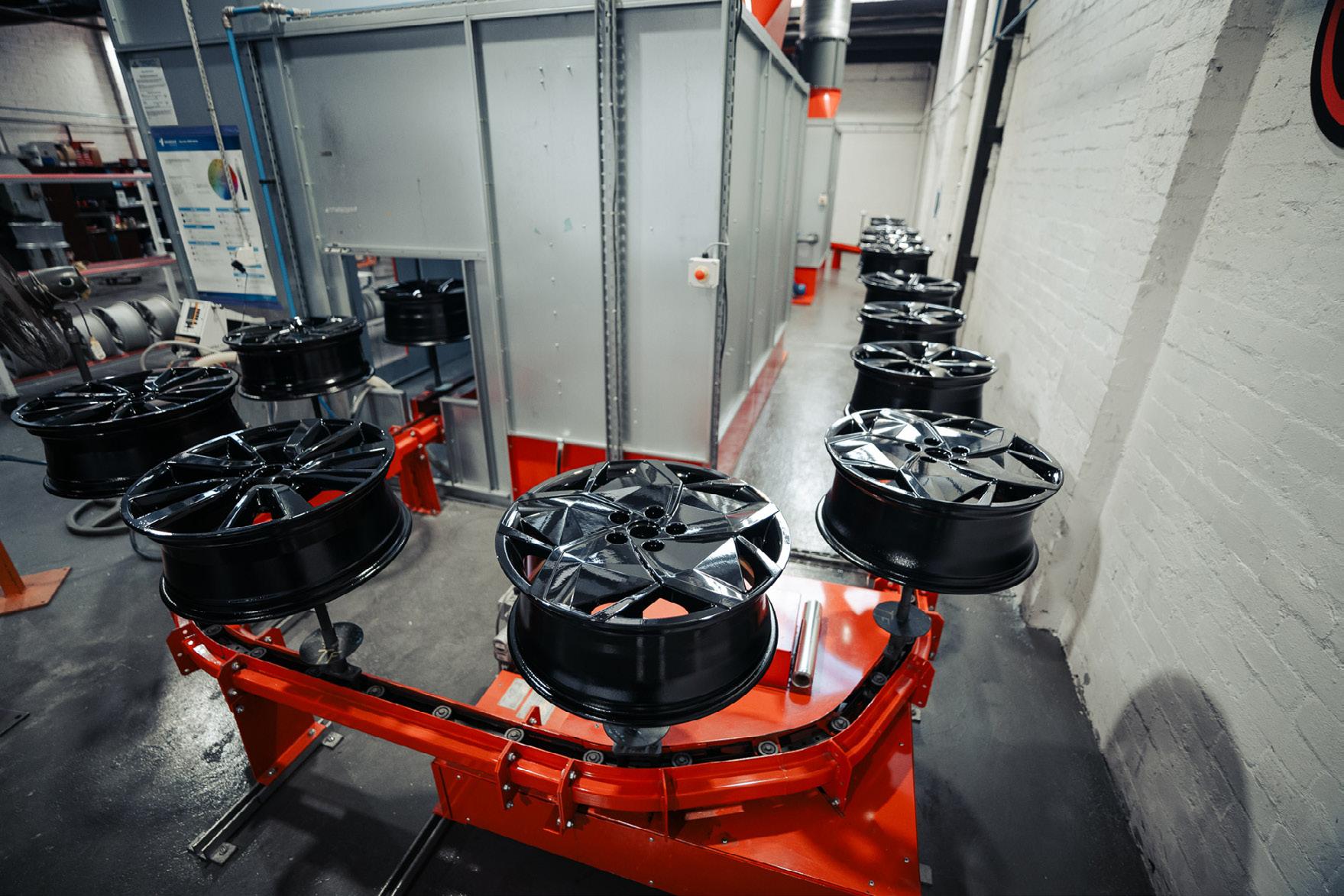
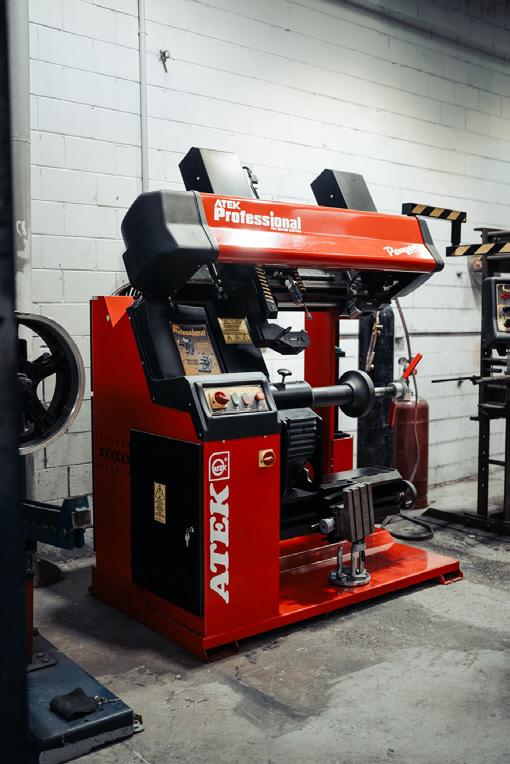
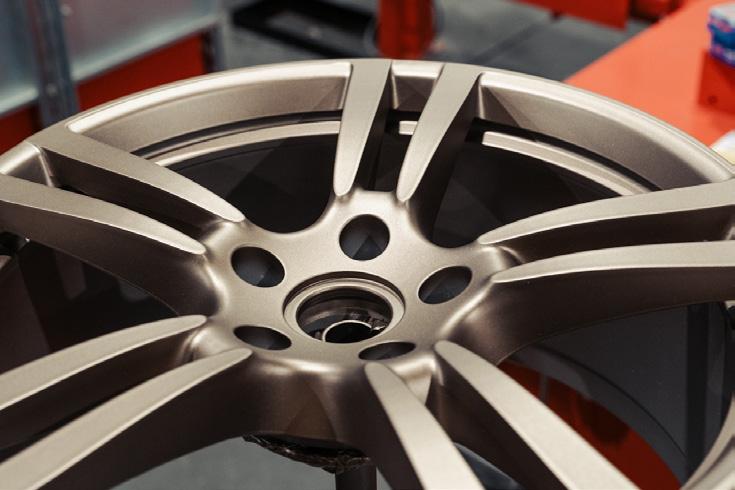

Neway Wheel Repairs is a family owned-and-operated company spanning three generations of knowledge and class-leading experience, servicing the automotive industry with trusted craftsmanship since 1950. We use state of the art equipment to remanufacture your wheels back to OM standard.
Built where
THEY BELONG
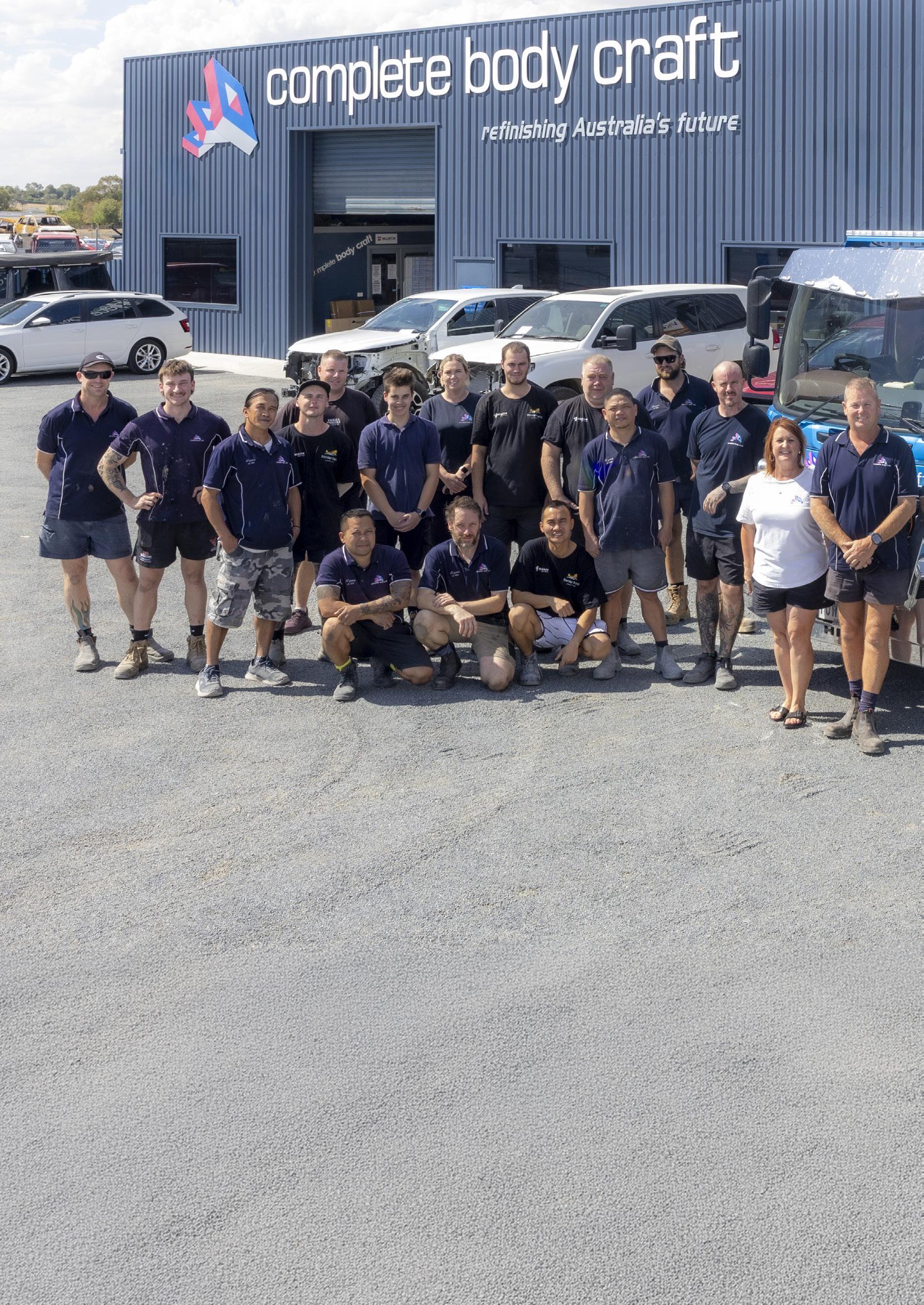
There's a particular kind of pride that comes with deep roots in a community. In Rutherglen — the quiet, wine-country town in North East Victoria — few families are woven into the fabric of the place quite like the Bourkes. Fiona and Chris come from Rutherglen generational local roots. When they founded Complete Body Craft in 2000, it wasn't just a business decision. It was, in many ways, an act of belonging. Twenty-five years on, that sense of belonging hasn't faded — it's grown. Complete Body Craft is now one of the most respected automotive businesses in the region, serving clients from Rutherglen, Corowa, and Albury-Wodonga, running a fleet of tow trucks around the clock, and tackling everything from a scratched bumper to a full heavy-truck refurbishment. And in 2025, the industry yet again formally recognised what the community has long known: the business took home the Automotive Industry Award for Best Large Regional Business. Starting with spanners
Chris's story in the trade started the way a lot of good ones do: with a
toolbox, an apprenticeship, and a genuine love for the work. He came up through Jasper Bros Holden, where he served his apprenticeship as a Panel Beater and Spray Painter. When he finished, he had what he describes simply as "a need to look for more."
That itch took him to Wodonga for a few years, commuting and learning more of the industry. Then, like a lot of people who grow up in agricultural country, he found himself drawn away from the workshop entirely — spending time working on farms, getting his hands dirty in a different way. It was a detour, but not a departure. The industry, he'll tell you, was always at the back of his mind. Eventually, he made his way back — this time to a body shop in Corowa. He was good at it, and he knew he could run his own operation. But working for someone else, even a good employer, has its ceiling. Chris had a vision for how things should be done, a standard he wanted to set and a culture he wanted to build. After eight years working in the trade for others, he decided it was time. At thirty years old, Chris Bourke took the plunge — and he didn't do it alone.
Fiona was right there with him from day one, and that partnership has been central to everything Complete Body Craft has become. While Chris drives the workshop side of the operation, Fiona keeps the business running. She's across the admin and operations, and you'll often find her out in the yard herself, making sure vehicles are moving in and out efficiently and nothing is sitting around longer than it should. It's that kind of hands-on ownership that sets the tone for how the whole team operates. Rutherglen, first and always
There was never really a question about where the business would be based. Rutherglen was home, and keeping Complete Body Craft anchored in the town has always been at the heart of what Chris and Fiona do. It would have been easy enough to move operations to a larger centre — more foot traffic, bigger commercial catchment — but that was never the point. The point was to build something here, for here.
Over the past 25 years, the business has grown steadily and deliberately. What began as a smash repair and panel
Turning a small-town dream into one of Victoria's most celebrated automotive businesses.
beating operation has expanded into a full-service automotive offering. The team now handles insurance repairs, private smash repairs, complete auto body restoration, truck refinishing, cab stripping and rebuilding, alloy polishing, fleet repainting, and fabrication. They've added a towing arm to the business, too — three light tow trucks running 24/7, plus a Kenworth heavytowing and salvage unit available nationwide. It's a serious operation. Through it all, the workforce has remained resolutely local. Chris and Fiona have mentored tradespeople, shaped careers, and provided steady employment for residents across the region. But what stands out as much as the headcount is the culture. The team at Complete Body Craft are known for genuinely caring about the work and about the business — not just clocking in and out. It's the kind of company culture that doesn't happen by accident; it's modelled from the top, by owners who are present, hands-on, and clearly invested. Ask anyone on the team and the same themes emerge: high standards,
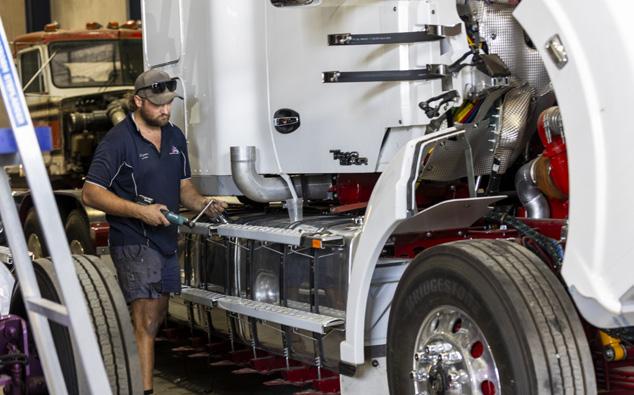
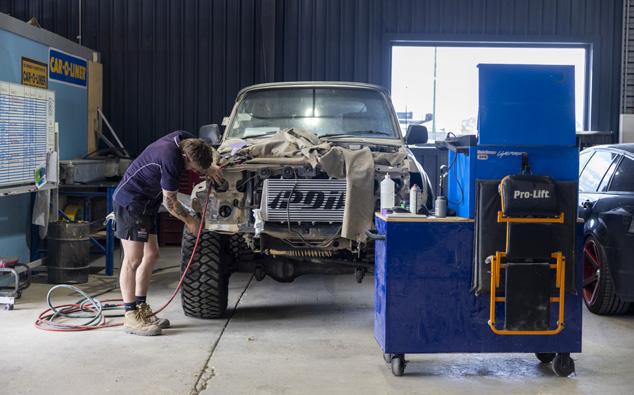
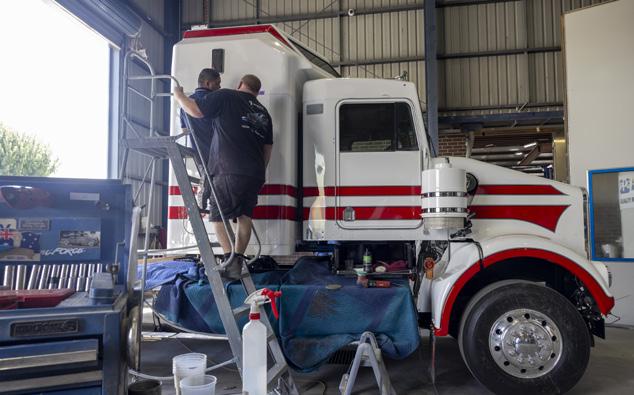
mutual respect, and a workplace where people feel like they're part of something worth showing up for.
Recognition that resonates
Winning the 2025 Automotive Industry Award for Best Large Regional Business wasn't just a trophy for the shelf.
For Chris and Fiona, it represented something more tangible: formal industry recognition that carries real weight when building credibility with insurers, clients, and the broader trade. It's the kind of validation that's hard to manufacture and impossible to fake, and the Bourkes have used the recognition wisely to raise the business's profile across the region.
Being a VACC member has been part of that story too. The collective voice of industry representation matters in ways that individual businesses can't replicate on their own — whether it's navigating insurance repairer relationships, staying across regulatory change, or benchmarking against the best in the business. For a regional operator like Complete Body Craft, that connection to the broader industry is a genuine competitive advantage.
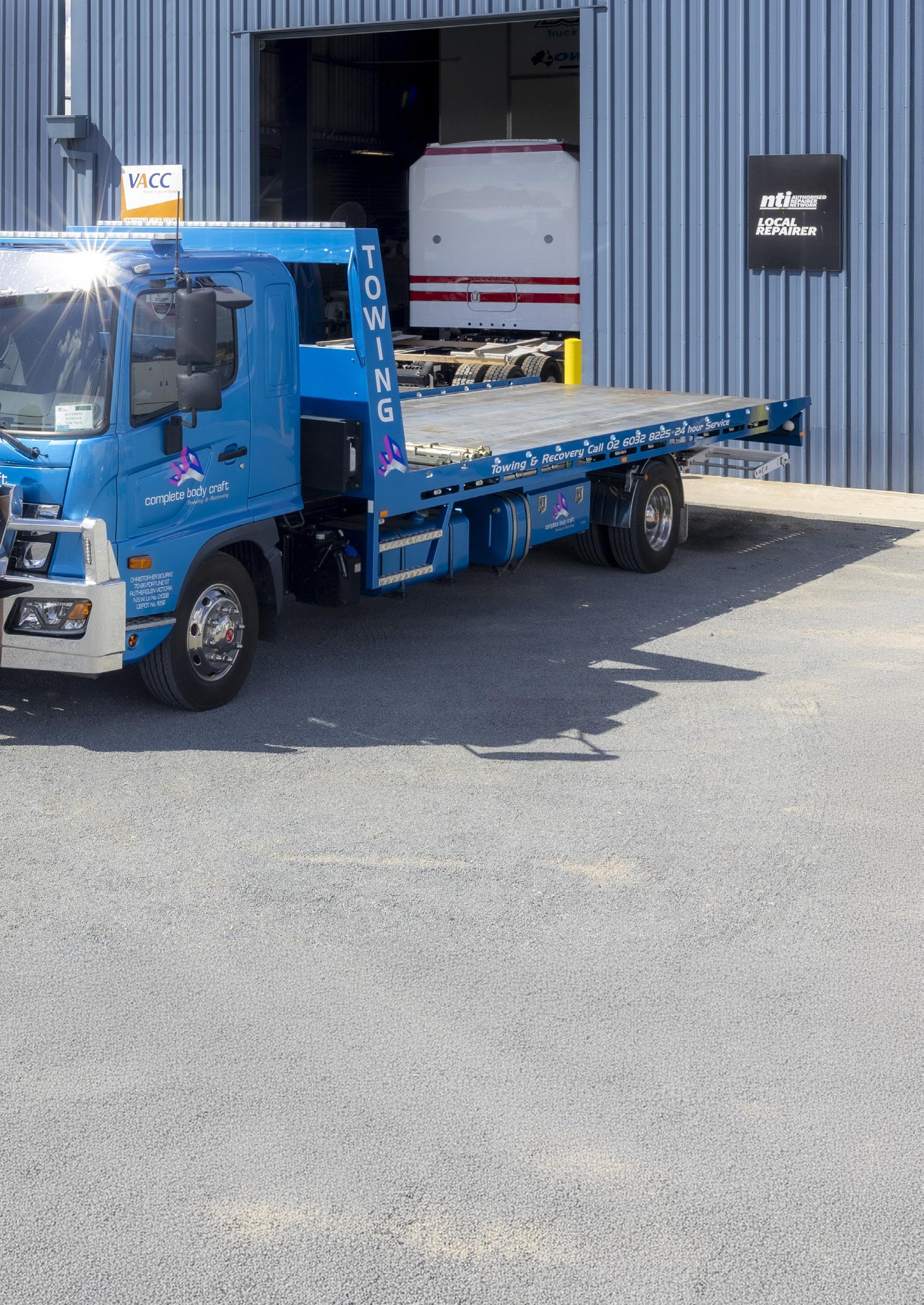
Community is the business. Walk around Rutherglen and the Complete Body Craft name isn't hard to find. The business is a major sponsor of the Rutherglen Cats Football and Netball Club, supports local schools, the agricultural society, the golf and bowls clubs, RSL Victoria, the SES, and a raft of local motorsport competitors. From the Lions Club to the Corowa Roos Football and Netball Club, Chris and Fiona have made it a point to give back to the community that gave them their start.
It's not a marketing strategy, or at least it doesn't feel like one. It's the natural expression of a business that genuinely sees itself as part of something larger. "Strong communities build strong businesses," is how they put it — and 25 years of growth in a small regional town suggests they're onto something.
As for what's next, Chris isn't slowing down — and neither is Fiona. A quarter century in, with an award-winning business, a tight-knit team, and deep roots in the community they've always called home, the Bourkes are still very much building. In Rutherglen, that probably comes as no surprise... watch this space.
Bunnings Trade has VACC Members covered .

Bunnings Trade has the VACC members covered with a new range of Automotive products coming soon in Bunnings stores from May. The range will include maintenance and cleaning products, including some of the industry leading brands such as Nulon, Meguiars, Turtle Wax, Bars Bugs, Mobil, Bosch, Exide, and many more!
Business Solutions
From build and fit out, to maintenance and cleaning – we’ve got you covered. And if we don’t stock it, we’ll do our best to find it.
Account Management
Tools
Manage quotes, invoicing and trransactions online through our PowerPass portal app.

Customised Pricing
Through PowerPass, we’ll add you to your organisation’s price list that’s better than the bassline.
Quick, Easy & Flexible Fulfilment
With locations near you, we offer convenient payment, pick-up and delivery options.
To sign up, or to link your PowerPass account scan the QR code or email OrganisationsVIC@bunnings.com.au


WE’VE GOT YOUR BACK

VACC Industrial Relations team provides invaluable service to members big and small
Mike Sinclair

Workshop owner Bob lets go of a technician who’s been arriving late and cutting corners. He had the conversations, but not the paperwork. Verbal warnings, but nothing in writing. No formal process. Bob’s a mechanic and small business operator, not a lawyer.
The letter from the Fair Work Commission arrives on a Tuesday morning. Unfair dismissal claim from a no-win, no-fee agent. A case number and a hearing date. Bob has no idea what to do next. He’s a VACC member, however, and knows he can call 03 9829 1123. The voices on the line
That number connects to VACC’s Industrial Relations team – a small, specialist group within the broader Workplace Relations division whose role is to help members navigate employment law, award interpretation, Fair Work Commission proceedings and the specific realities of running an automotive business in Australia.
The team is led by Daniel Hodges, Executive Manager of Workplace Relations and Industry Policy, and includes senior workplace lawyer Gabriella Marton, senior workplace relations advisor Rob Martin, and IR advisors Toula Papadopoulos and Rebecca Holland. Collectively, the team brings more than a century of industrial relations experience – and more than 40 years at VACC itself. They don’t just know employment law. They know the automotive industry.
For the 97 per cent of VACC’s membership that qualifies as small business, the IR team is effectively their entire human resources department, their employment lawyer, their payroll advisor and their compliance function – all accessed through a single phone call with most costs included in their membership.
For larger members – dealer groups with hundreds of employees and in-house capability – the team serves a different but equally valuable function: a second opinion on complex award interpretation, the option of representation in Commission matters, and a depth of automotive industry knowledge that outside law firms simply don’t possess.
The way the service works is disarmingly simple.
A member calls. Whoever is available picks up – the team operates a tandem phone system where calls cascade until someone answers, whether that’s the senior workplace lawyer or another team member. And they talk it through.
“We’ve heard most of it, if not all,” says Rob Martin, who spent years with the Victorian Farmers Federation before joining VACC eight years ago.
“It’s a bit like going to the doctor about something. You probably want to know where you stand. And we’re pretty good at telling you in plain language”
Sometimes the fix is a five-minute phone call confirming what a member already suspected.
Sometimes it’s a tailored employment contract, a stepby-step disciplinary process, or representation through Commission proceedings. But the consistent message from every team member is the same: call early.
A more complex world
There has arguably never been a more important time to have the VACC IR team’s number in your
“For a lot of our members, we’re their IR, their HR, their payroll advice, their OHS, their compliance –their everything.”
Daniel Hodges, Executive Manager, Workplace Relations
phone. Australian workplace law has undergone more reform in the past three years than in the previous decade, and the cumulative weight of those changes falls disproportionately on the small businesses that make up the vast majority of VACC’s membership.
Wage theft became a criminal offence in January 2025 – and the legislation is framed more broadly than many employers realise.
As Daniel explains, even a one-off late payment caused by an employee submitting a timesheet after the payroll deadline could technically constitute an intentional wage underpayment, now a criminal offence under the Act.
“They’re not policing it that way at the moment,” he says, “but it’s there, and it can be used as a big stick over the heads of people.”
The right to disconnect, casual conversion reforms, new definitions of ‘employee’ versus ‘contractor’ and psychosocial hazard obligations – each of these changes adds compliance requirements for businesses whose owners are, by training and temperament, mechanics, panel beaters or parts specialists. Not lawyers.
And then there’s the issue Daniel says is keeping the team busiest of all: the explosion of general protections claims. Unlike unfair dismissal, which requires a minimum employment period, general protections claims can be lodged from day one and carry a reverse onus of proof. What’s more, they often cost the employee nothing to file.
“Currently there’s little downside to the employee making this sort of claim,” Daniel says.
“Some employees, because they’ve been terminated, sometimes due to quite serious misconduct, will make a claim as a bit of payback. There’s no requirement to actually justify the basis of the claim – it’s just made, and then it has to be followed through.”
For a workshop owner who’s done everything by the book, that’s confronting. For one who hasn’t had proper processes in place, it can be devastating. The IR team sits squarely in that gap – helping the first group prove their case and helping the second group build the systems that prevent the problem from arising in the first place.
More than answering phones
The VACC IR phone line is the front door, but behind it sits a comprehensive service that covers the full employment lifecycle.
That means employment contracts tailored to automotive businesses. An employee handbook –regularly updated to reflect legislative changes – that gives small businesses a ready-made set of policies and procedures they can roll out immediately. Fact sheets
MEET THE TEAM
One direct phone line. Five IR professionals. And the promise that when a member calls, someone who understands their industry, their pressures and their obligations will be on the other end.
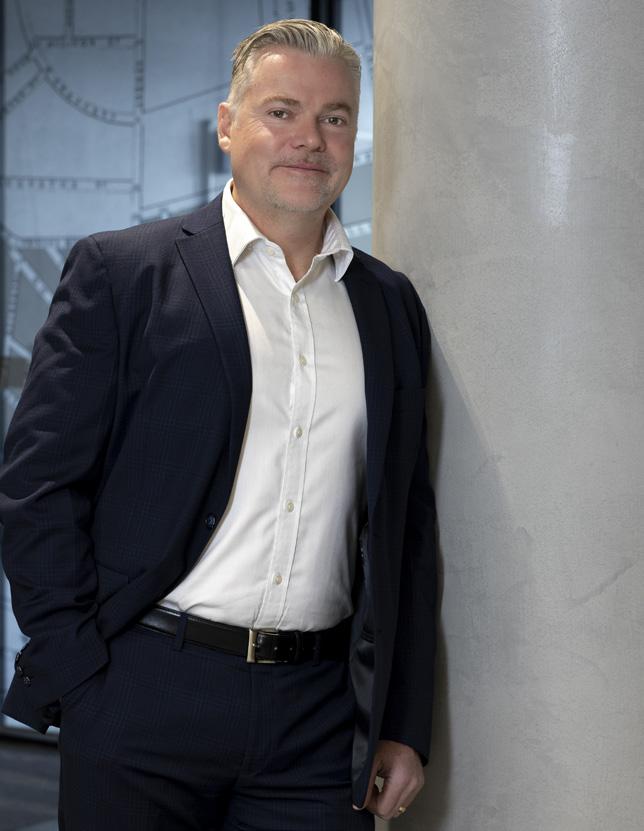
Daniel Hodges Executive Manager, Workplace Relations & Industry Policy
Daniel arrived at VACC just as COVID hit – and immediately saw the value the team delivers.
“We still have members to this day who say, ‘You guys saved us during COVID.’” he says. “That’s not me. That’s the team.”
His career spans the Office of Workplace Services (now the Fair Work Ombudsman), 17 years at Master Builders Association Victoria navigating construction industry disputes, and independent consultancy before joining VACC.
“Our members often don’t know what they don’t know. The question they haven’t asked is often the one they actually need the answer to.”
Gabriella Marton Senior Workplace Lawyer
Gabriella grew up watching her parents run their own business in post-war Hungary – her father was president of the Hungarian Textile Association.
“I know the joy and the hardship of running a small business,” she says. “I’m very happy if I can make other people’s life easier.”
That empathy drives an approach that goes well beyond legal advice. Gabriella writes scripts for members who need to have difficult conversations – performance discussions, disciplinary meetings, terminations – because in an environment where how you say something matters as much as what you say, the right words can be the difference between a resolution and a Commission claim. She’s not the kind of lawyer who stays behind a desk. She visits workshops, attends member nights,
That breadth of experience taught him something that stuck: “The vast majority of employers and employees are trying to do the right thing. There’s a small percentage of both that are just trying to game the system.”
Daniel leads the team’s advocacy work, including submissions to government through the Motor Trades Association of Australia and the Australian Chamber of Commerce and Industry.
He grew up in a small business family and has watched the regulatory burden grow. “Small businesses are the engine room of the economy,” he says. “We just want to help them do what they do so well.”
and has built relationships with businesses she’s supported for decades.
“There is no stupid question. Come in as early as possible,” she advises.
“If they go to another lawyer or another firm to run a case, by the time somebody gets familiar with how the business runs, they’ve already spent more than our entire fee.”
“If you buy a car for $70,000, wouldn’t you spend money on insuring it? An employee these days costs a minimum $70,000 to $80,000 a year. An employment contract is cheap insurance. That’s how you should look at your membership.”
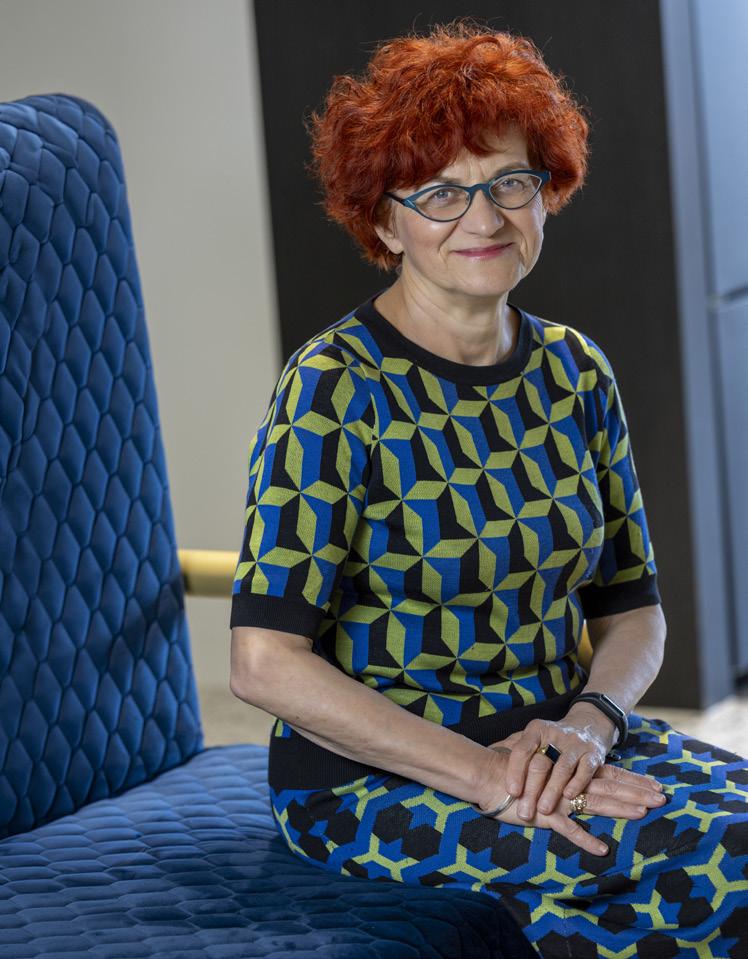
Rob Martin Senior Workplace Relations Advisor
Rob is a self-described “industrial relations nerd” who came to VACC from the Victorian Farmers Federation and has spent his career in employer associations. He’s seen the shift from disputes that could be resolved with a handshake to an environment where things can escalate quickly.
“That conciliatory approach of getting it back to the enterprise level – that line’s been struck through,” he says. What Rob values most about his role at VACC is the connection to members. The phone line, he says, is
the team’s direct line to the industry.
“When we pick up the phone, we’re connected. We know what’s happening at the grassroots and business levels. That’s something others don’t have.”
His advice to members is straightforward: don’t sit on a problem, and don’t fear the unknown.
“We often find that there’s more than one solution. Members come in thinking there’s only one path, and they’re quite relieved when there are actually other options on the table.”

“Some members just need reassurance. Others need assistance. Either way, the phone call is where it starts.”
Toula Papadopoulos IR Advisor
Before joining VACC, Toula spent 20 years at the Australian Chamber of Commerce and Industry in health and safety policy.
The move to IR was a natural transition, and a decade in, she’s still energised by the work.
“I enjoy assisting members with any query, both large and small.”
Toula’s days are anchored by the IR team phone line –anything from assisting members with a wage-related queries, providing advice and assistance on counselling and disciplining challenging employees or drafting employment contracts for new and existing employees. Spending time with members and walking them through issues is essential. There are many examples, one recent query was with a member who needed help navigating a long service leave question for a long-term employee. The member felt she “should have known how to do it,” but was reassured that it can be a complex area. Together, they worked through it step by step. “We just did it together.”
It perfectly captures what the team does every day: taking something overwhelming and making it manageable.
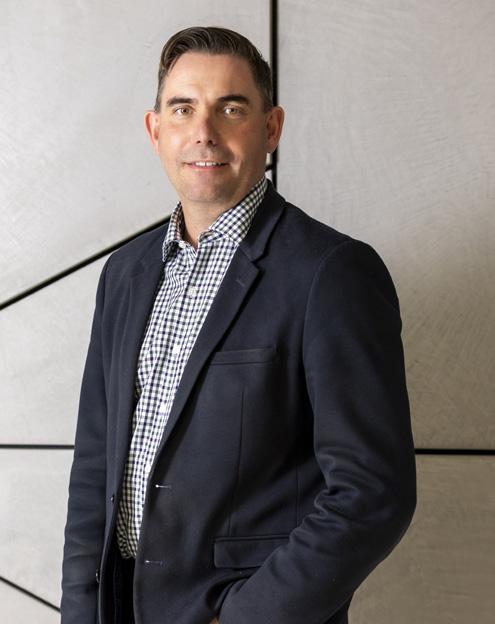
Rebecca Holland IR Advisor
“Don’t worry about the legalese. ‘This’ is the problem. ‘This’ is how we’re going to fix it.”
Rebecca is the newest member of the VACC IR team but brings a sharp legal mind honed through a law degree, practical legal training and a paralegal role at an employment law firm. She came to VACC because she wanted to help the people who get overlooked.
“It’s really about helping the little guy,” she says. “That’s why I got into law in the first place.”
Bec’s particularly attuned to the burden on businesses that sit just above the 15-employee threshold – the point at which employment legislation treats operations fundamentally differently, despite the fact that they have no greater capability to manage compliance.
“Some of them have stifled their own growth to avoid the burden. They sit on 14 employees so they don’t cross that line. I’d like to see changes in this threshold. It’d be better for all,” she says.

The members who get the most value, Bec says, are the ones who call before making decisions.
“It’s far easier for us to get the outcome they want, as opposed to coming in at the end and trying to find a solution when they haven’t taken the steps that would’ve helped.”
“If you’re thinking that you may one day need to make a decision about an employee, give us a call so we can start prepping now.”
WHEN SHOULD YOU CALL?
• Before you hire. Get the employment contract right from the start.
• Before you fire. Know the process. Every time.
• Before you respond. Got a letter from Fair Work? Call before you write back.
• When you’re not sure. About a pay rate, a leave entitlement, an award clause. That’s what the team is there for.
• When something feels off. A pattern of absence. A workplace conflict. A second-job issue. Better to ask early.
• When you’re growing. That 15th employee changes your obligations. Plan for it.
business tens of thousands of dollars before you account for the time and stress. For VACC members, access to expert, industry-specific IR advice isn’t a nice-to-have. It’s essential protection. But Jones sees the team’s value extending beyond individual member matters. The thousands of calls the team fields each year create a direct line between the shop floor and VACC’s policy and advocacy work. Every conversation about a wage compliance question, a difficult termination, or a confusing legislative change feeds intelligence back into the submissions and government
“The IR team sits at the heart of VACC’s member promise – protecting businesses today and shaping better policy for tomorrow.” Peter Jones, CEO, VACC
on everything from personal leave entitlements to redundancy processes. Bulletins on urgent legislative changes. And a workplace update publication that goes deeper on emerging issues every two to three months. When things go wrong, the team handles unfair dismissal defence, general protections matters, workplace investigations into bullying or harassment allegations, assistance navigating Fair Work Ombudsman compliance processes and formal representation at the Fair Work Commission.
Many of the services are covered in VACC membership. Representation and running a case usually incurs a charge but, says Daniel, using the VACC resources can save members “at least a zero off the bill” compared to engaging external counsel.
But perhaps the most valuable thing the team provides isn’t a product or a procedure. It’s understanding.
Think of the IR team’s support as pastoral care. When a member calls with a Fair Work claim, they’re not just dealing with a legal problem – they’re dealing with a sense of betrayal, frustration and pressure that may have no other outlet.
“Sometimes they just need someone they can unload to,” Daniel says, “because there’s no one else they can really have those discussions with.”
Gabriella Marton, the team’s senior workplace lawyer and a VACC stalwart, puts it more directly. A member once told her: “You’re not just sorting out the
problem. You’re sorting me out as well.”
The view from the top
Ask VACC CEO Peter Jones what he hears most from members about the IR team and the answer comes back without hesitation: it is critical to their business. For many, he says, it’s the reason they joined VACC –and one of the reasons they stay. What sets the team apart, in Jones’ view, is focus.
“Automotive is all they do,” he says. “They are specialists who deal exclusively with the workforce challenges faced by workshops, dealerships and repairers. They understand the pressures and realities of running an automotive business because they work in this space every day.”
That specialisation matters because the stakes are high. A single unfair dismissal claim or a misstep in a disciplinary process can cost a
engagement that shape the regulatory environment for the entire industry. The call that changes everything Back in Bob’s workshop, the Fair Work letter is no longer sitting on the bench like a ticking time bomb. He made the call and the VACC IR team answered. They knew his industry, they understood his situation, and they told him what to do next – in language he could understand, at a cost he could afford.
Bob’s not a real person, of course. He’s a composite of thousands of calls the IR team takes every year. The names change. The issues change. But the outcome is the same: a member who was out of their depth found someone who had their back.
One team. One phone number.
Your IR resource…
If you’re a VACC member and you’ve got an employment question – big or small, simple or complicated, proactive or on fire – the only mistake is not making the call.
RECENT KEY EMPLOYMENT LAW CHANGES
• Wage theft criminalisation (Jan 2025): Deliberate underpayment is now a criminal offence. Up to ten years imprisonment.
• Right to disconnect (Aug 2024/2025): Employees can refuse unreasonable out-of-hours contact.
• Casual conversion (Aug 2024): Employees now initiate conversion requests. Employers have 21 days to respond in writing.
• Employee vs contractor definition: New multi-factorial test looks at the ‘real substance’ of the arrangement, not just the contract.
• Psychosocial hazards: Employers must identify and manage risks including bullying, workload stress and poor support.
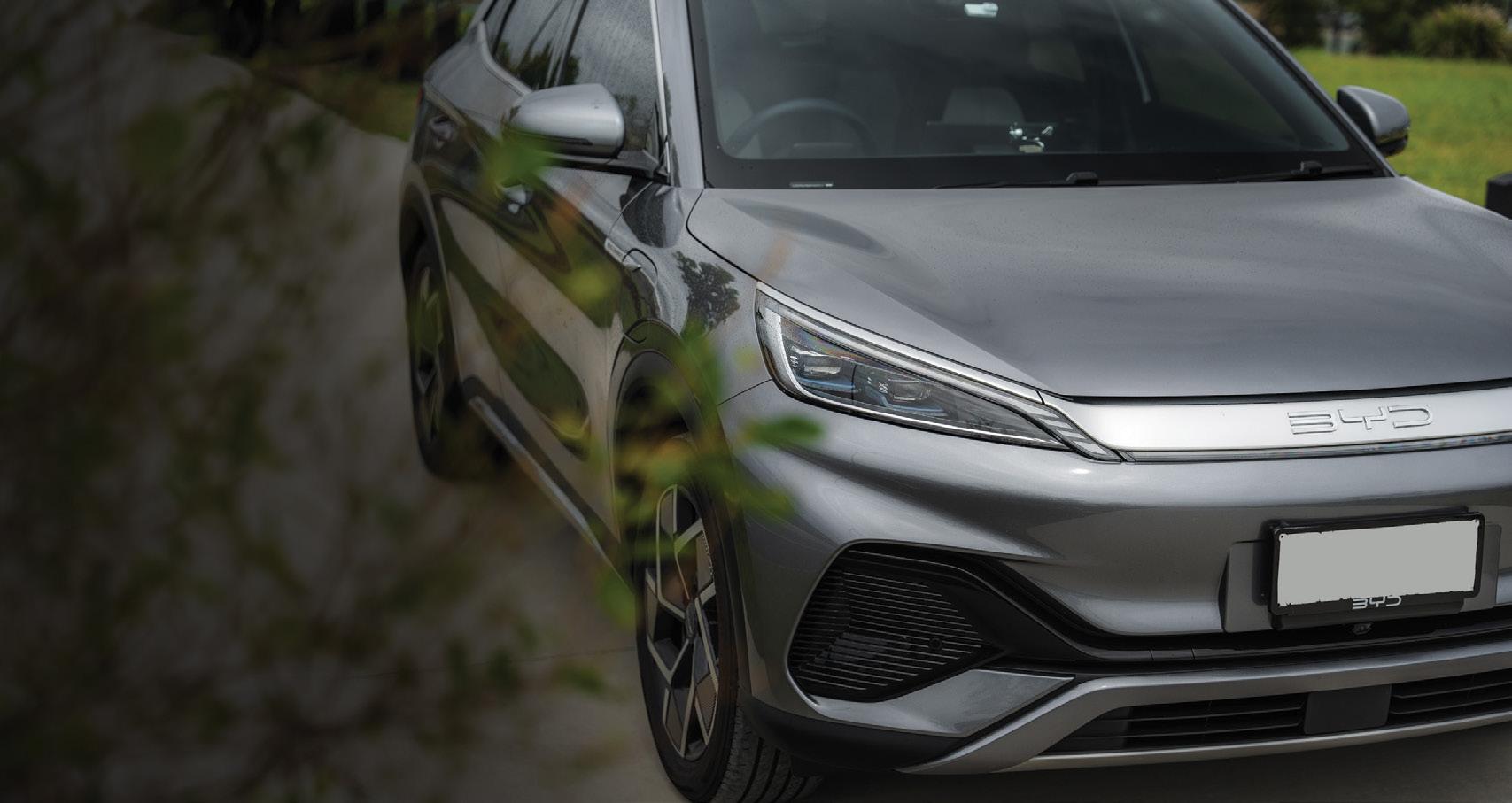
BENDIX LEADS THE WAY
WITH EXPANDED BRAKE PAD COVERAGE FOR POPULAR CHINESE VEHICLES
Chinese brands are becoming prominent on new car sales charts, and Bendix is continually expanding its friction solutions for these vehicles, giving mechanics and owners a cost effective and high performing alternative to genuine pads.
Features Include:
Superior stopping power that’s whisper quiet with less dust.


DISC BRAKE PADS
Formulated for EVs and Hybrids. Smoother, Quieter & Cleaner Braking.
Features Include:
Low Environmental Impact. Low Dust, Low Noise.
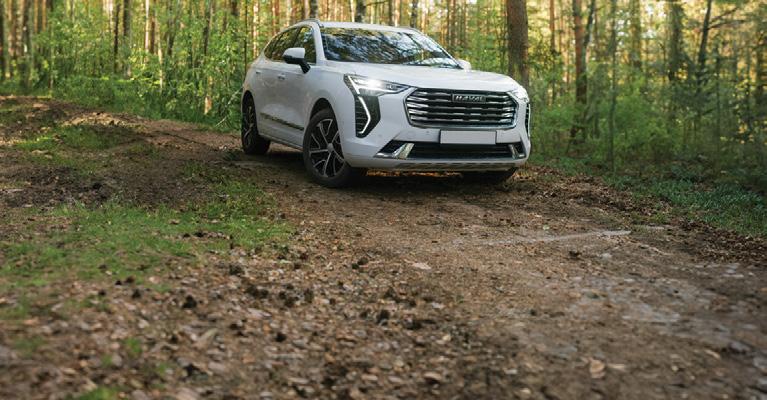

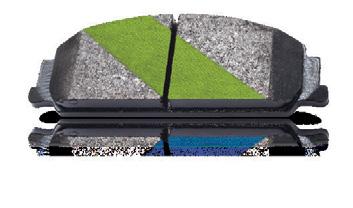
APPLICATIONS


Features Include:
Longer


LIGHTING Technology ADVANCED
Invision represents the world’s leading manufacturers















J.W. Speaker is a world leader in the development and manufacturing of high-quality LED lighting products. Providing lighting solutions for many of the world’s OE manufacturers.
Whether you are looking for better visibility or a stylish appearance for your car, Tungsram Automotive offers you a wide range of high-quality globes.

Noxsolis is an Australian brand specialising in premium quality LED lighting. Products are rigorously tested to ensure they meet the toughest conditions worldwide.
For more information and all sales enquiries contact:
Ph: (03) 9336 2066 Email: enquiries@invisionsales.com www.invisionsales.com


The Invision Headlight restoration system restores headlights back to ‘as new’ condition. It’s easy to apply and delivers amazing results.

Invision Sales combines leading technology brands with innovative thinking to drive market growth. Invision is the exclusive distributor of Tungsram Automotive Lighting, J.W. Speaker, Invision Headlight Restoration and Noxsolis.

The road to autonomy won’t be smooth
Stephen Corby
Driving a car is one of the few and fabulously glorious times in life when we feel totally in control - as opposed to soaring through the air in planes, bumping and clattering in buses and trains or closing our eyes in fear in the back of yet another ropey Uber.
Sitting fear-filled and forlorn in the driver’s seat of a motor vehicle while a computer does the driving for you is, as a result, deeply discombobulating - a bit like finding yourself at 30,000 feet and hearing an announcement that the pilot didn’t make it in today, so ChatGPT is taking over.
I was recently “fortunate” enough to try out autonomous driving on the busy freeways outside Michigan, USA, in a Cadillac Vistiq SUV fitted with “Super Cruise”.
This self-driving suite - which utilises a combination of radars, cameras, software, hardware and detailed mapping information - is already being used by more than

450,000 Americans and is logging more than 45 million hands-free kilometres every month across the US. Just let those numbers sink in. The majority of Super Cruise users surveyed say it makes the driving experience “more relaxing”, which means I’m in the muttering minority, because I found it mildly terrifying, particularly when the system failed to notice a large truck attempting to merge with me at 100km/h and I had to snatch the wheel to avoid a huge accident it was driving obliviously into. (An engineer later admitted I had discovered the system’s “blind spot” and that the car’s various safety systems would eventually have tried to “minimise” the impact if I’d not prevented it.)
Cadillac’s parent company GM plans to roll out Super Cruise around the world, although doing so involves constructing detailed maps of the countries where it is used, and considering the size and potential market of Australia, you can be sure we’re a fair way down that list.
We do, however, already have Teslas - which don’t bother with the extra levels of safety provided by mapping or radar systems and simply rely on cameras (or “Tesla Vision”) and Elon Musk’s genius - equipped with Full Self Driving on the roads in this country.
The problem, as my experience showed, is that sometimes the human behind the wheel does need to take over, which means they should be paying attention all the time, but human nature being what it is (some of my colleagues reported scrolling through their socials at the wheel within minutes of trying Super Cruise because they felt so comfortable with it), most people will not.
Those in the repair industry should expect a lot more work to come their way as a result, particularly of the Tesla variety (self-driving cars are also far more likely to damage wheels in potholes). And, of course, cars fitted with more and more expensive to replace cameras and radars are going to seriously lift the cost of collision repairs.
“The problem, as my experience showed, is that sometimes the human behind the wheel does need to take over, which means they should be paying attention all the time.”

As alarming as my Cadillac experience was, I’ve also managed to take a ride in an even more futuristic, and notionally clever, autonomous vehicle - one of the several thousand self-driving taxis already operating across America. While I was able to wrestle back control from Super Cruise, in the case of my nonhuman taxi experience in San Francisco I felt entirely powerless; belted into the back seat and watching helplessly as the steering wheel turned itself in the front, with no-one at all in the driver’s seat.
Several times the autonomous taxi I was in made a manoeuvre that caused me to shout out in fright, only to realise that this was pointless, as no-one was listening. Unlike Super Cruise, these self-driving taxis are going to invade Australia’s roads,

anonymous sources: “Waymo has already begun searching for office space in Sydney and held discussions about driverless car testing services with a number of electric vehicle makers”.
Other reports suggest that Waymo has been in discussions with both the NSW and Federal Governments to begin trials Down Under.
While the Waymos you can catch today in the US are Jaguar I-Paces covered in weird-looking sensors, production of that vehicle has now ended and Waymo has signed a deal with Chinese EV giant Geely for its next generations of autonomous vehicles. Incredibly, Tesla is set to take the idea of self-driving taxis even further with the launch of its Robotaxi
service, which has been offering rides in Texas since June last year.
Musk’s plan is to eventually sell what he calls a Cybercab to the public; a vehicle that would drive you around during the day and then go out and make you money by working as an autonomous Uber while you sleep (just look out for the kebab wrappers the next morning).
While Waymo cabs have been reported doing alarming and strange things on American streets - performing a U-turn in front of police, hitting dogs and cats, and a cyclist and even parking some paying customers in the middle of a shootout in San Francisco - its stats are quite impressive.
Waymo data covering around 160 million driverless kilometres across four different


point, the drive by organisations like Victoria’s TAC to take Australia’s road toll “Towards Zero”, and the longterm future of driving, or rather not driving, definitely looks set to change. Or this quote, from neurosurgeon Dr Jonathon Slotkin in The New York Times.
“If Waymo’s results are indicative of the broader future of autonomous vehicles, we may be on the path to eliminating traffic deaths as a leading cause of mortality,” he writes. “While many see this as a tech story, I view it as a public health breakthrough.”
Just one cautionary comparison, however. Tesla’s Robotaxi service in Texas has been operating, so far, with a Safety Officer in the driver’s seat, who can take over at any time. Despite that precaution, Tesla’s Robotaxis are reportedly crashing at a rate nine times higher than the average human driver.
So, when it comes to autonomous vehicles, the question is much like the one you no doubt asked your parents in a car 10,000 times while growing up - are we there yet?
Well, not in Australia, or not yet, anyway. Senior people within German car companies have been telling me for more than five years that their cars are already clever enough to run autonomously, but that governments around the world are unwilling to licence them to do so.
That’s been very much the case in Australia, although Tesla’s so-called “semi” autonomous Full Self Driving system (despite the name, it does require active human supervision at all times) might be the first chink in that legislative boiler plate.
Indeed, the Australian Government is scheduled to announce a new Automated Vehicle Safety Law (AVSL) in 2027,
which will set out to provide a national framework for autonomous vehicles.
Having seen how well autonomous taxis were working in San Francisco when I tried one two years ago, I predicted that we’d all be zipping around Sydney and Melbourne in them well before 2030, and I still believe that will happen.
At the same time, my alarming and cautionary experience in that Cadillac Vistiq suggests that there are going to be teething problems as this technology arrives on and then expands across Australian roads, and those issues will be challenging, expensive and, unfortunately, in some cases deadly.
For the driving enthusiasts among us, however, perhaps the scariest thing is the loss we will face as autonomous vehicles are rolled out and “driving” a car is no longer the one place we feel completely in control.
Tesla is set to take the idea of self-driving taxis even further with the launch of its
Robotaxi service.

“Musk’s plan is to eventually sell what he calls a Cybercab to the public; a vehicle that would drive you around during the day and then go out and make you money by working as an autonomous Uber while you sleep.”
Countdown to Payday Super
What does this mean for you?
You’ll need to ensure your business is ready to process super contributions each time you pay wages, in line with the new requirements.
How we can help
To make this transition as simple and stress-free as possible, you can make CareSuper your default fund and take advantage of our clearing house service at no extra cost. We have a long-standing partnership with Westpac’s leading clearing house platform, QuickSuper, which provides a secure, compliant, and easy-to-use solution for managing super payments.
QuickSuper will be fully prepared for Payday Super, so you can continue managing contributions with confidence. Together, we can make this a smooth transition and ensure your employees’ super contributions are processed accurately and on time with confidence.
How social engineering opens the door to invoice fraud
The average cost of a cyberattack is $56,600 for small businesses and $97,200 for medium businesses in Australia1. These figures include direct financial loss, disruption to operations and recovery costs. For many SMEs, a single fraudulent payment can disrupt supplier relationships, delay projects and place pressure on working capital.
Social engineering rarely looks dramatic. There is no flashing warning or obvious system breach. Instead, it shows up as a normal request that feels legitimate and often urgent. It relies on human behavious rather than technical vulnerabilities, using trust, familiarity and timing to influence someone into action. Examples include:
• Phishing: Fake emails or texts posing as legitimate companies or entities, tricking staff into handing over or providing access to information. Spear phishing: Targeted version of phishing, with customised messages aimed directly at individuals or teams.
• Vishing: Voice phishing uses phone calls or automated messages that sound official but want staff to disclose personal or sensitive information.
But the common thread is manipulation
The attacker does not always need to break into your accounting system or banking platform. The attack may begin with a simple message, but the financial impact can be significant if the right checks are not in place. Invoice fraud is one of the most common and costly outcomes of social engineering. It works because it blends neatly into everyday operations. Invoices are processed daily. Bank details occasionally change. Payment approvals are handled quickly, especially when teams get busy. When a request looks familiar, it often passes through without scrutiny.
Research from CyberWarden in 2025 found that one-third of Australian small businesses report being ‘unaware or inactive’ in their approach to cybersecurity2. This lack of preparedness makes it easier for invoice fraud to slip through unnoticed. An example of how trust can lead to financial loss
A midsize automotive workshop regularly orders parts and services from local suppliers and pays invoices electronically as part of its day-today operations. Staff communicate with trusted suppliers by email and forward received invoices straight to their accounts team for payment.
One day an employee opened an email that looked like a routine software update notification from a well-known provider used across the business.
The message prompted them to confirm their email credentials. The request appeared legitimate and was actioned without pause. Shortly after, the attacker gained access to the employee’s inbox and quietly observed incoming correspondence. When a genuine parts supplier sent an invoice, the attacker saw the thread and stepped in with an email address that appeared nearly identical to the supplier’s real one. That email included an updated invoice with new bank details, styled and worded exactly like previous invoices. Without hesitation, the usual process was followed and the payment was made to the fraudulent account.
Source: ACCC, https://www.accc.gov.au/ media-release/beware-of-fake-invoicesfrom-scammers-impersonatingbusinesses [Accessed 05/02/2026]
The deception was only uncovered weeks later when the real supplier chased payment. By that point, the funds were no longer recoverable, and the business had to settle the invoice again to maintain supply.
There was no system failure and no technical warning. The incident relied entirely on trust, familiarity, and routine. That is why social engineering attacks are so difficult to spot while they are happening.
Why prevention is not always enough
While it’s impossible to eliminate all risk, there are steps SMEs can take to help reduce the risk of being caught out:
1. Clear payment-change protocols: Ensure that clear protocols are established if a request to change payment methods are made. For example, add a step in your accounts payable process for staff to call a trusted phone number from your existing records to confirm the change.
Do not accept changes by email alone.
2. Employee training: Between January and June 2025, 37% of all reported data breaches in Australia were caused by human error , highlighting the need for all businesses to consider implementing ongoing employee cybersecurity training and awareness. Consider government-supported programs such as Cyber Wardens which is a complimentary online cybersecurity training program designed to support Australian small businesses.
3. Test and review internal controls: Strong IT security and controls, like multi-factor authentication or turning on automatic software updates, help close the gaps scammers try to exploit. Businesses should carry out regular reviews to make sure their security controls are robust.
Where cyber insurance fits into risk planning
Cyber insurance does not replace good cyber practices. It sits alongside
1 Australian Signals Directorate: https://www.cyber.gov.au/sites/default/files/2025-10/Annual%20Cyber%20 Threat%20Report%202024-25%20factsheet%20for%20businesses%20and%20organisations.pdf
2 Cyber Wardens, an initiative through the Council of Small Business Organisations of Australia, https:// cyberwardens.com.au/research-report/small-business-cyber-security-pulse-check-report/ [Accessed 5/02/2026]
controls such as staff awareness, secure systems and clear processes to protect your business should the worst happen.
Marsh cyber cover for auto trades businesses at a glance:
Limit of $100,000.
Cyber Crime Sub-Limit is $50,000.
Nil Deductible.
Prices start from $550, with other fees and charges to apply*.
*Please refer to the policy wording, terms and conditions, limitations and our detailed quote and/ or invoice to be provided to you for pricing information
Get a quote from OurAuto Insurance to protect your business today.



You could save on merchant fees^.
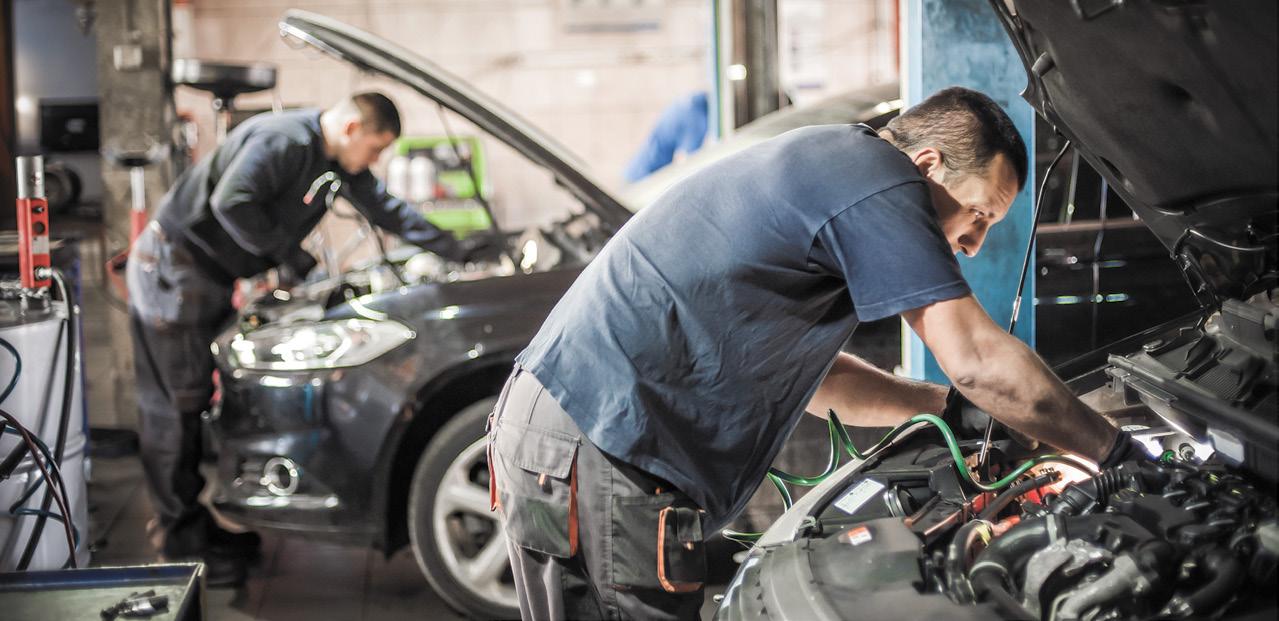
With Commonwealth Bank, VACC members can take advantage of preferential rates on credit and debit card merchant fees. Whether you’re a small or large business, the savings you could be making in merchant fees could be invested in other areas of your business, like purchasing equipment, employing staff or online marketing.
How much could you save?
When comparing credit and debit card merchant fee charges for VACC members versus non-members, the savings can be surprising. We have reviewed our merchant base^ for the industry and found that on average, members processing less than $500,000 could save up to 23%.^
We can easily create a customised comparison for your business, by simply providing us your Merchant statement for one whole month.
With Commonwealth Bank, VACC can also take advantage of our latest technology with either an Essential Lite or Essential Plus device, no contracts and 24/7 support.
Here for you, for however you do business. To find out how much you could save with Commonwealth Bank, contact VACC on 1300 013 341 or email membership@vacc.com.au and they’ll put you in touch with a Commonwealth Bank Relationship Manager.

Driving Change A National Push to Support Women in the Automotive Industry
Australia’s automotive industry is shifting gears, not just in technology but in culture.
A powerful national collaboration is now underway to strengthen support, connection, and career progression for women across every part of the automotive sector. What began as a Queensland initiative has grown into a united effort spanning multiple states, creating new opportunities for women in technical roles, apprenticeships, leadership, and business ownership.
At the heart of this movement is Auto Women, established by the Motor Trades Association of Queensland and now expanding nationally through collaboration with the Victorian Automotive Chamber of Commerce (VACC), and other state MTA’s. Together, these leading automotive industry bodies are building a unified national platform to support and progress women in automotive.
From state initiative to national movement
Auto Women was founded to address the longstanding gender imbalance in automotive trades and technical roles. Through mentoring programs, industry events, career workshops, and peer networking, it has helped women gain confidence, strengthen skills, and build meaningful industry connections.
Now, through national collaboration, members across multiple states can access:
Cross-jurisdiction mentoring and networking opportunities
Shared resources and bestpractice programs
Greater visibility of female leaders in automotive
• A stronger, unified voice advocating for inclusive workforce policies
This expansion recognises that workforce challenges are not
confined by state borders. Skills shortages, emerging vehicle technologies, and evolving workplace expectations require coordinated national responses.
By working together, the MTAs are ensuring that women entering or progressing within automotive have access to broader networks, consistent support structures, and visible career pathways.
Strengthening the industry’s future
As automotive businesses navigate rapid technological transformation — from electrification to advanced diagnostics — attracting and retaining diverse talent has never been more critical.
Supporting women aross automotive is not simply about representation. It is about strengthening businesses, expanding the talent pool, and building resilient workplaces equipped for the future.
This national collaboration sends a clear message: the industry is committed to creating environments where women can connect, thrive and lead.
Get involved – it’s free VACC members are encouraged to learn more about Auto Women and become part of this growing national network.
Membership is free, and participation offers access to events, mentoring opportunities, professional development, and a supportive community of industry peers.
If you are a business owner looking to support female staff, a leader seeking connection, or a womanworking in automotive ready toexpand your network, this initiative is for you.

Find out more at autowomen.com.au and become part of the national movement supporting women in automotive.












Acenturyago,theChamberwasalready motoradvocatingforVictoria’semerging trade — pushing for better roads, fair regulation and stronger industry standards. While today’s workshops look very different, the mission remains the same: supporting automotive businesses and ensuring the voice of the industry is heard.