

Chery Tiggo 9 PHEV SUPER







TechTalk is published by: Victorian Automotive Chamber of Commerce - Technical Services. VACC House 650 Victoria Street, North Melbourne VIC 3051
ABN: 63 009 478 209 03 9829 1111 | vacc.com.au
TechTalk Technical Editor Rodney Lofts 03 9829 1292 | techtalk@vacc.com.au
Technical Contributors
Matthew Corney, Matthew Tan, Michael Massey, Michael Wakefield and the feedback of VACC members and MotorTech subscribers.
Disclaimer This publication is distributed with the understanding that the authors, editors and publishers are not responsible for the results of any actions or works of whatsoever kind based on the information contained in this publication, nor for any errors or omissions contained herein. The publishers, authors and editors expressly disclaim all and any liability to any person whomsoever whether a purchaser of this publication or not in respect of anything and of the consequences of anything done or omitted to be done by any such person in reliance, whether whole or partial upon the whole or any part of the contents of this publication.
Information on products and services contained in this magazine is published as a service. It does not imply the endorsement of any product or service by the Chamber.
Copyright Tech Talk is copyright and no part may be reproduced without the written permission of VACC.
Subscriptions VACC adheres to its obligations under National Privacy Principles legislation.
Advertising Advertising accepted for publication in Tech Talk is subject to the conditions set out in the Tech Talk rate card, and the rules applicable to advertising.

Chinese vehicles are making a splash in the Australian market, with many new models released at attractive prices compared to more established brands. The Chery Tiggo 9 CSH offers many features commonly found in a high-end luxury vehicle, along with performance that will surprise you. From a workshop point of view, it seems ok to work on once you know where the service points are and the specifications.
Chery Automobile Co. Ltd., trading as Chery, was founded in 1997 and has grown to become the third-largest automobile manufacturing group in China. Since 2006, the company has developed and produced its own engines under the ACTECO brand, which are also supplied to other manufacturers. Chery also operates a joint venture with Jaguar Land Rover (JLR) to manufacture Jaguar and Land Rover vehicles for the Chinese market.
From 2024 onwards, Chery has expanded its global footprint by establishing multiple brands to serve different market segments, including its core Chery brand alongside Omoda, Jaecoo, Lepas, Exlantix, and Aiqar for export markets. The Chery Tiggo range comprises of a series of crossover SUVs in various sizes and driveline
configurations, designed to address a wide range of customer needs and price points.
The Tiggo 9 PHEV (Plug-in Hybrid Electric Vehicle) we are covering has a model code of T28, as other Tiggo 9 variants do not share this platform. In Australia, this is called the Tiggo 9 Chery Super Hybrid (CSH is marketing term for a PHEV), which is a seven-seat, AWD,
luxury family vehicle with all the modern features you would expect. I especially liked the massage functions on the two front seats.
The PHEV System
Plug-in Hybrid systems have evolved significantly over the last few years. Other manufacturers have produced vehicles that could only provide a minimal pure EV range, such as approximately 50km.
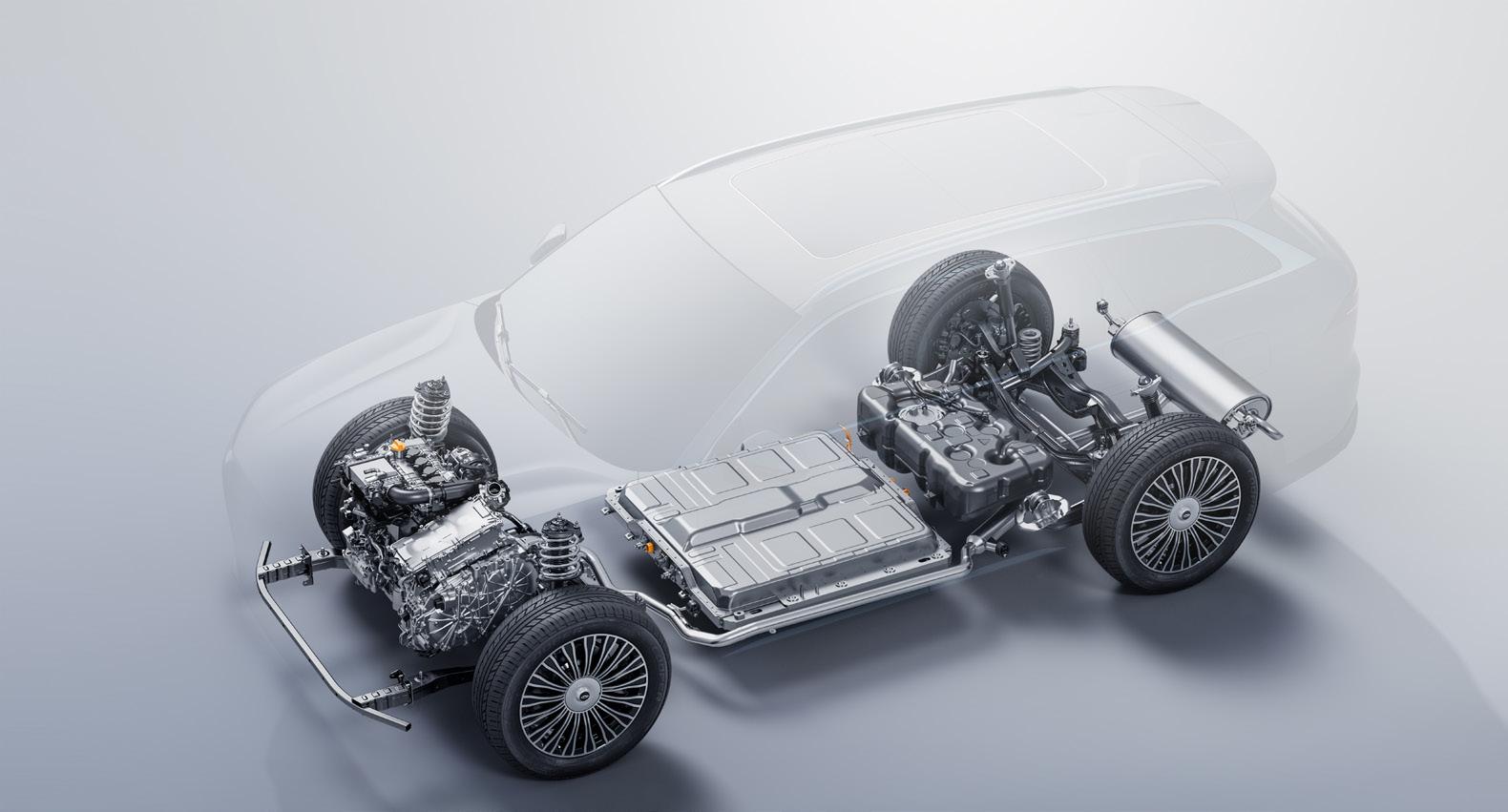
DIAGRAM 1 Chery Super Hybrid System Components
drive unit not shown in this image
Chery Tiggo
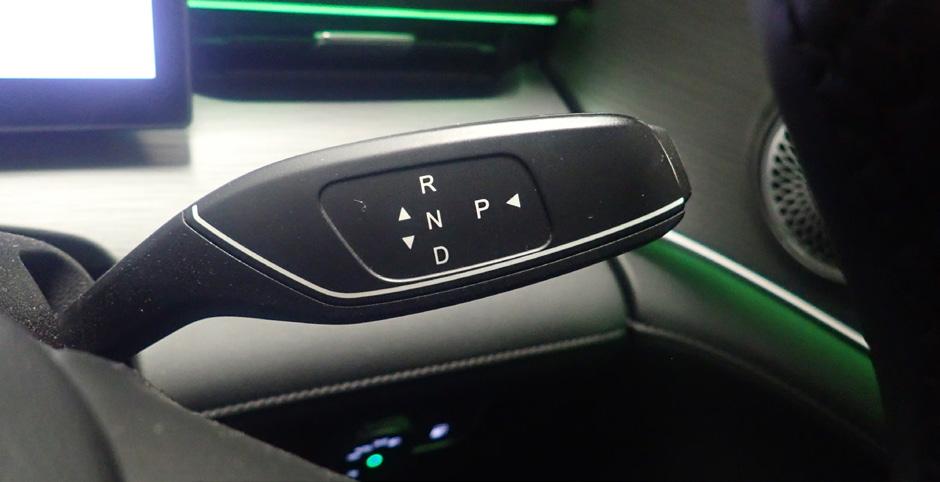
2 Don’t mistake the transmission selector for the indicators
Once the battery was depleted, the internal combustion engine (ICE) would have to drag around this large, flat battery, which would reduce fuel efficiency. Chery has developed their own PHEV system to ensure that the full performance and advantages of the electric drive train are always available. Chery likes to describe its vehicles and features with its own acronyms, such as CDM (Chery Dual Mode), which refers to Chery’s plug-in hybrid electric vehicle (PHEV) technology capable of operating in multiple
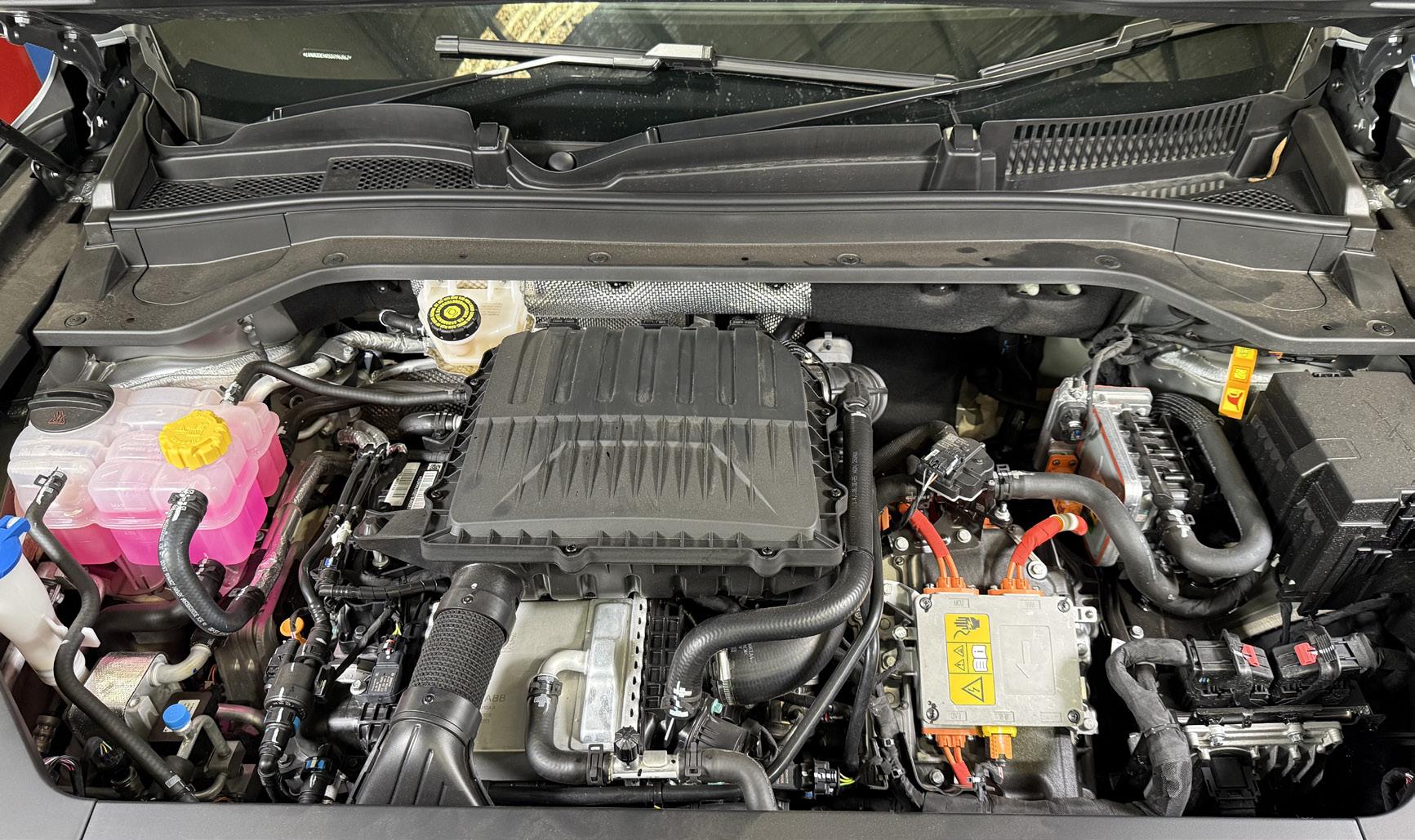
4 Under bonnet locations
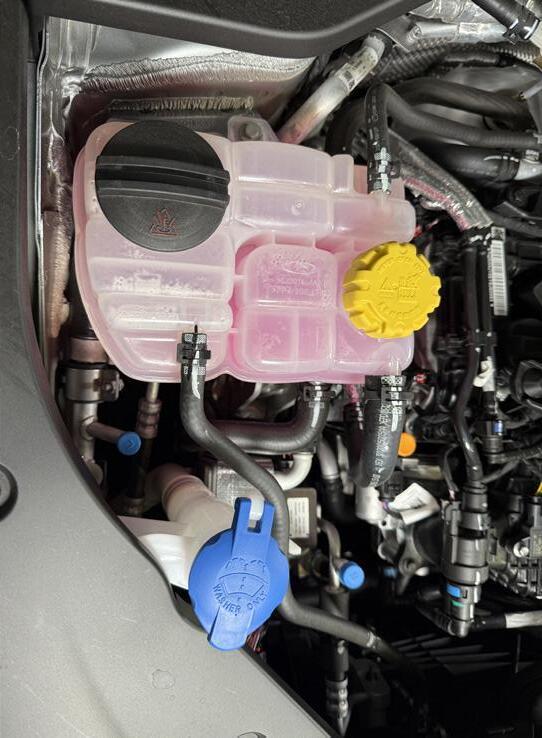
service points
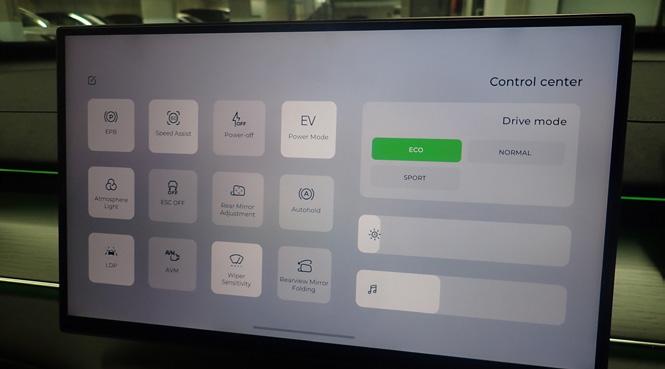
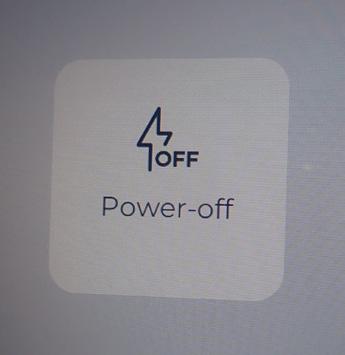
3 How to power off the vehicle
If you swipe down on the screen you will find the control centre with many options
modes – typically pure electric and various hybrid configurations. The Tiggo 9 CSH uses a transmission linked to the engine, which has two electric motors, each optimised for different operational speeds and then a third electric motor in the rear drive unit for AWD. The combination of the battery, transmission and control systems allows approximately 170km of claimed pure EV driving. While the engine and control systems manage the battery capacity to ensure at least 20% charge is always available for performance when you need it.
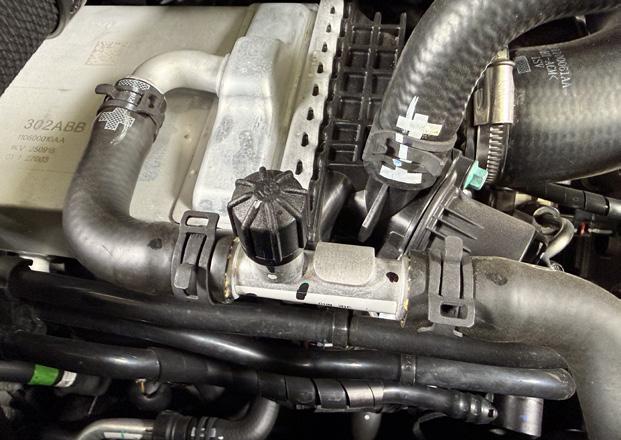
High temperature coolant - engine
Low temperature coolant - HV Systems
What is it like to drive
What I really like was the unexpected acceleration this family wagon will unleash. The 1.5L turbocharged petrol engine in combination with the electric driveline can, propel you and six of your family from 0-100 in approximately 5 to 6 seconds depending on which source you believe. This type of performance was once gushed over by motoring journalists when discussing the Ford Falcon XR6 Sprint FG X, HSV
Coolant bleeding points
This button will allow you to turn the vehicle off.
DIAGRAM
DIAGRAM
DIAGRAM
Brake fluid
VIN location - also stamped into the floor in front of the driver seat.
AC
DIAGRAM 5 Service points under the front of the vehicle
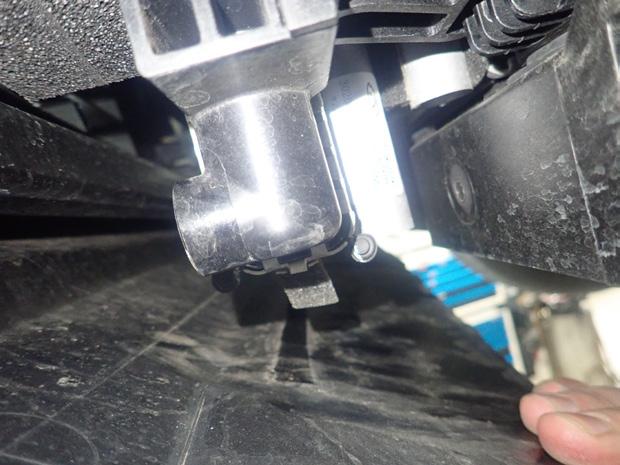
HV System Low Temperature Radiator drain plug. This is hard to access and may require the removal of the bumper.
Engine oil filter
Engine radiator drain plug
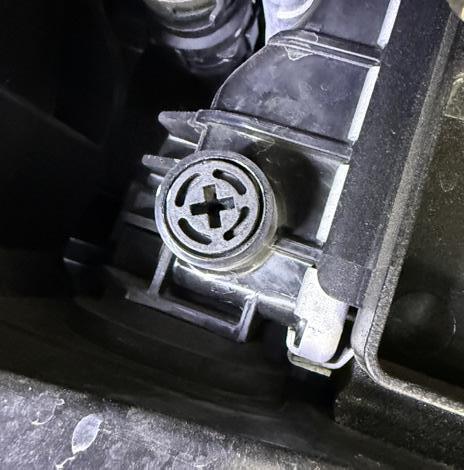
Transmission drain plug
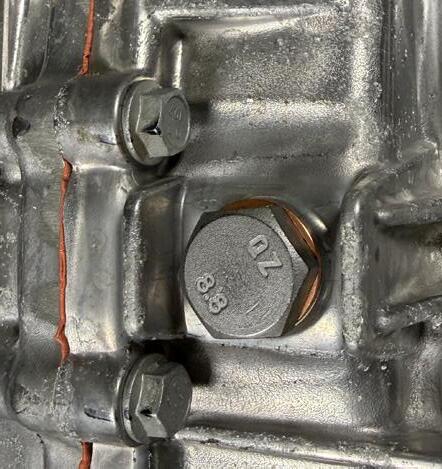
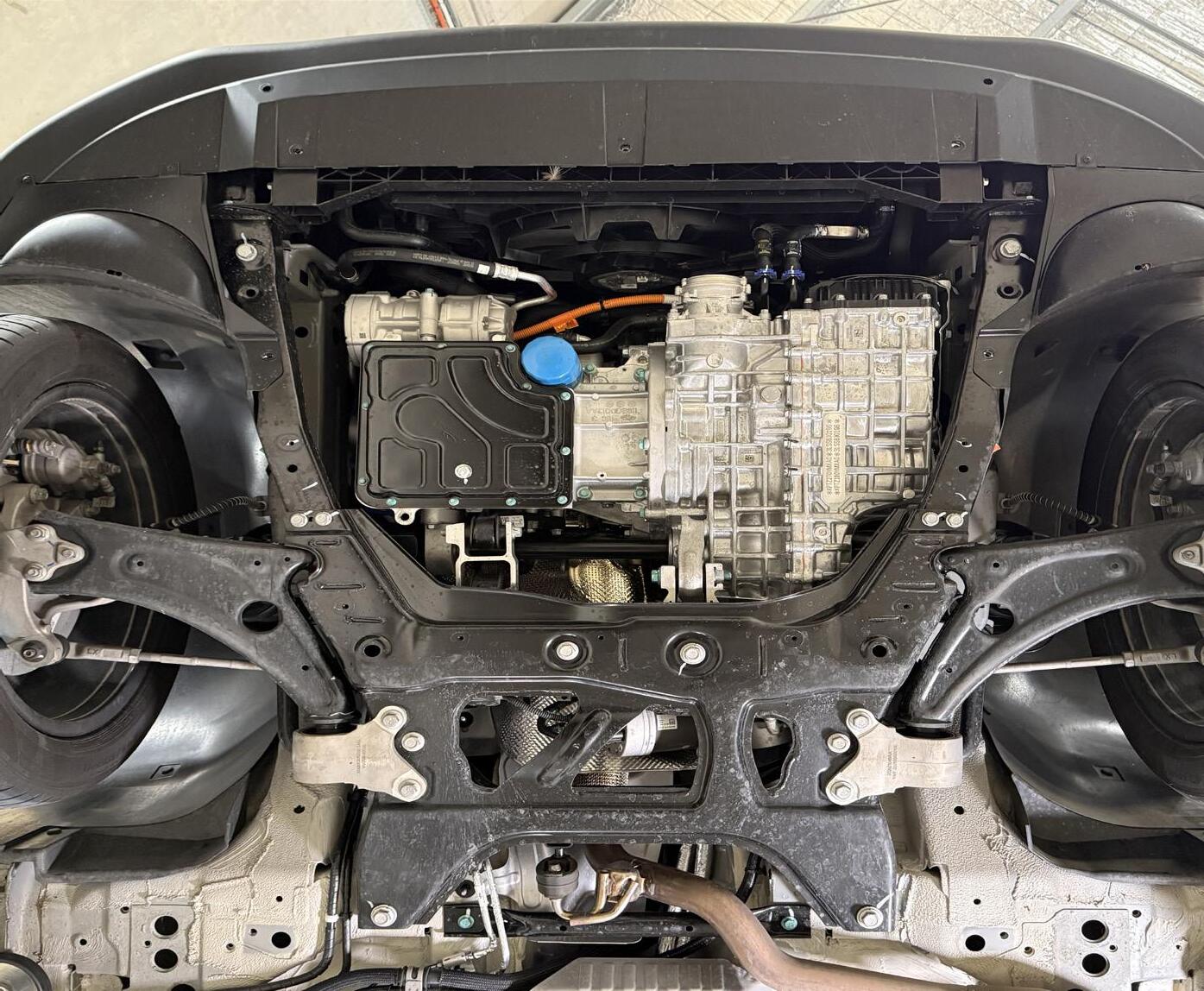
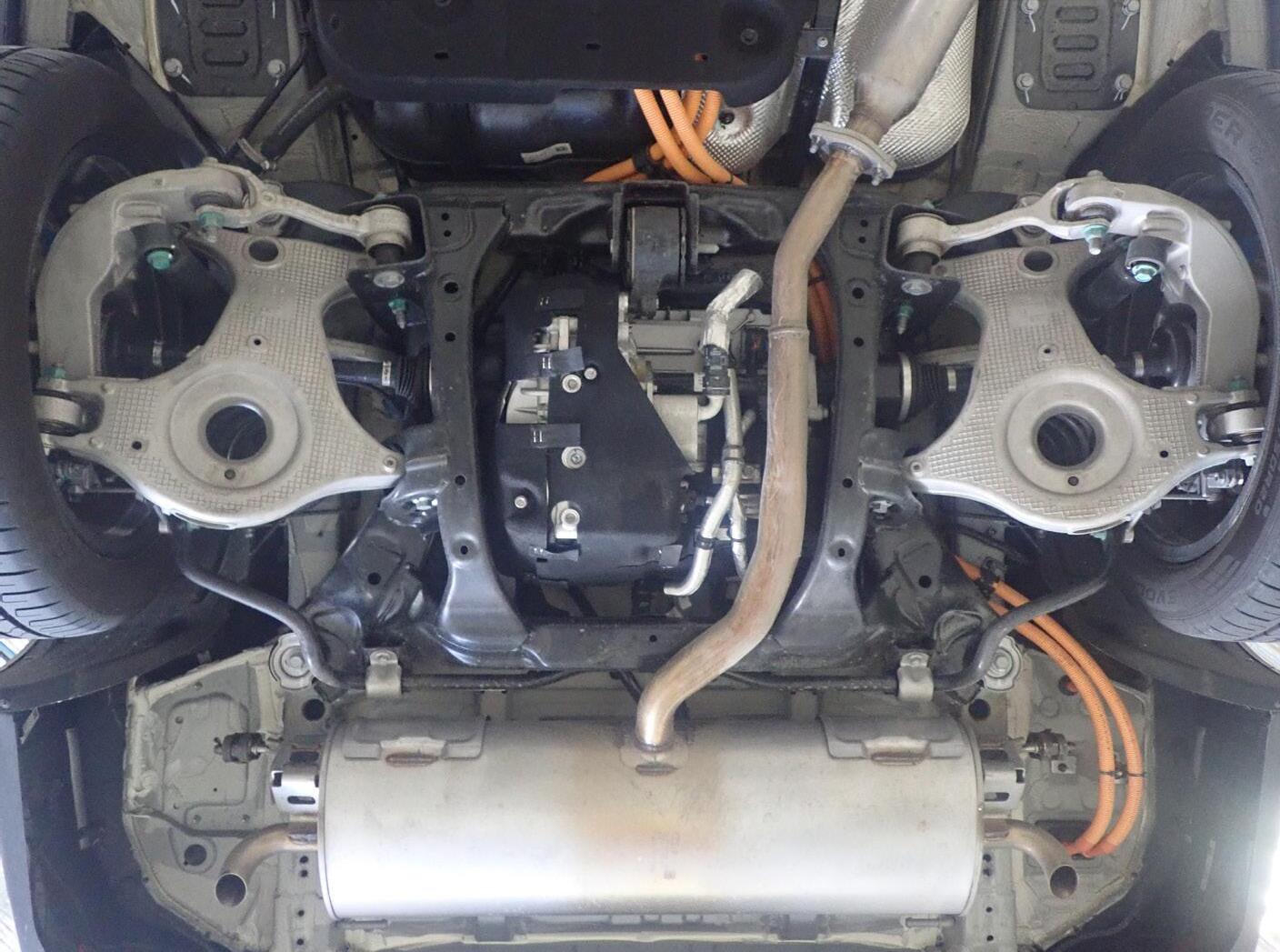
DIAGRAM 6 Service points at the rear of the vehicle Engine sump plug
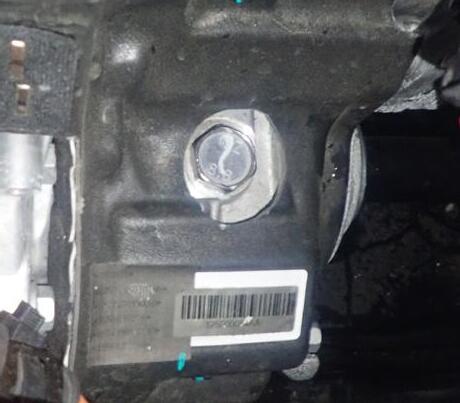
Transmission level plug
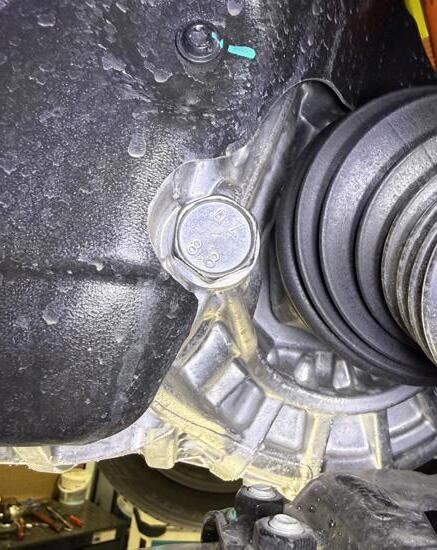
Transmission refill plug is on top of the differential housing and is best seen from the engine bay.
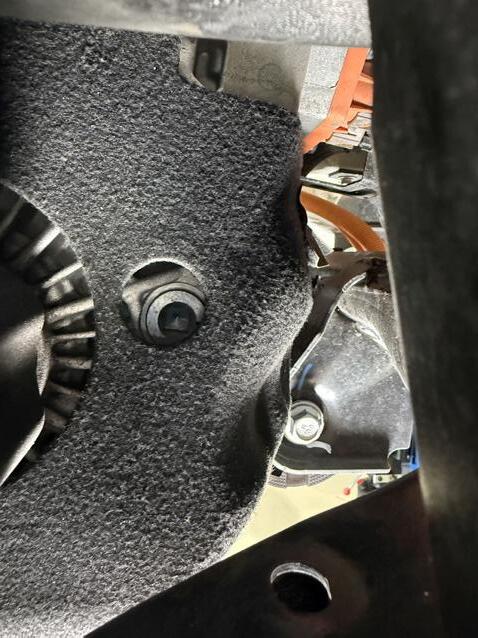
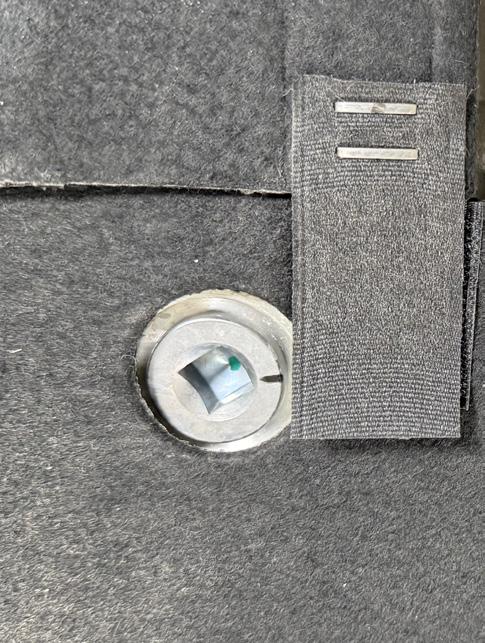
Rear motor unit drain plug
Rear motor unit filler plug
Fluid specifications
Engine Oil Specification
Chery SQRH4J15
FUCH C5 0W-20
Engine Oil Capacity 4.5L with filter
Coolant Specification OAT
High Temp Coolant Capacity
Low Temp Coolant Capacity
8.5L±0.5L
7.0L ± 0.5L Short range
8.0L ± 0.5L Long range
6.0L ± 0.5L 4WD
Transmission Oil Specification FUCH DHT5105
Transmission Oil Capacity 5.0L ± 0.1L
Rear Drive Oil Specification Castrol 805C EV
Rear Drive Oil Capacity
1.85L ± 0.05L
Refrigerant Type R134a
Refrigerant Capacity (Single Evap) 700 ± 15g
Refrigerant Capacity (Dual Evap) 1150 ± 15g
A/C Oil Type
A/C Oil Capacity
*PAG or PVE
*180 ± 10g / 220 ± 10g
Brake Fluid DOT 4
*Part No. dependant
Wheel Alignment
Front Toe Individual
Engine Sump Plug
Engine Oil Filter
Spark Plugs
Transmission Drain Plug
Transmission
Transmission
Transmission
GTS Commodores, and similar performance cars of that era. However, there are a few quirks.
• The traction control lacks some refinement as you can break traction on launch and the car gets loose for a second or two, which is fun.
• The transmission selector is on the right-hand side of the steering column, and if you are not careful, it could be mistaken for the indicators, which are on the left. See Diagram 2
• There is no Start or On/Off button for the vehicle; it will detect the key, and if a driver is in the driver’s seat with a seat belt on, the vehicle will turn on, as indicated by the “Ready” light on the instrument cluster.
• The car will turn off once you leave the vehicle, and after a
Rear Toe Individual
Rear Camber 2WD
Rear Camber 4WD
Toe Lock Nut
Front Lower Control Arm Bolts / Nuts
Rear Lower Control Arm Bolts / Nuts
Front Driveshaft Nuts
Wheel Nuts
Brake Specification
Front Brake Rotor Min. Thickness
Rear Brake Rotor Min. Thickness
Caliper Bolt
Caliper Bolt
Nm
set time has elapsed. You can also swipe down on the centre screen, and there is a power off option if you wish to work on the car. See Diagram 3
• From a workshop perspective you will need to put on a seat belt to release the park brake.
• If the battery in the key fob goes flat, place the key on the bottom of the cup holder of the centre console. The vehicle should power up.
Acoustic glass
Acoustic glass in cars is specialised laminated glass featuring a sound-dampening acoustic PVB (polyvinyl butyral) interlayer between two sheets of glass. It is designed to significantly reduce outside noise such as wind, road, and engine sounds. The Tiggo 9 uses acoustic glass in
Nm
Nm
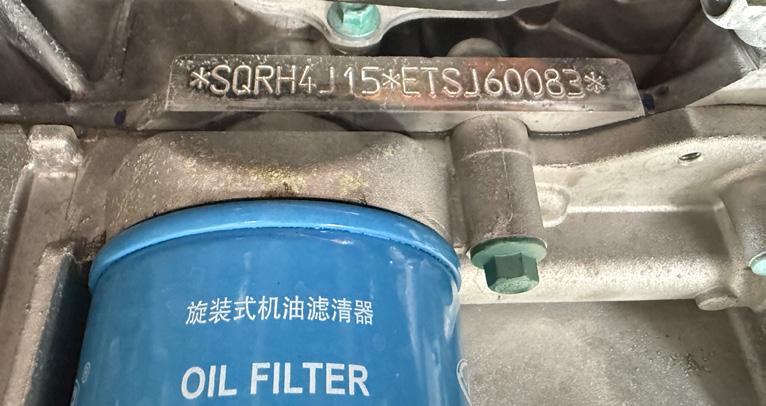
the oil filter.
the windscreen and front doors as well as improved sound deadening around the vehicle to improve cabin quietness and comfort.
High and Low temperature cooling systems
As with many other hybrid vehicles there are two separate cooling systems, and Chery has an interesting naming convention. The engine cooling system is called the High Temperature Cooling System, while the HV inverter and battery is called the Low Temperature Cooling System which has its own smaller radiator mounted in front of the engine radiator. See Diagrams 4 & 5 Over the hoist
Once we raised the vehicle on the hoist and removed some covers, all of the service points could be identified and reached without too much trouble. There seems to
DIAGRAM 7 Engine number location
Front of engine, above
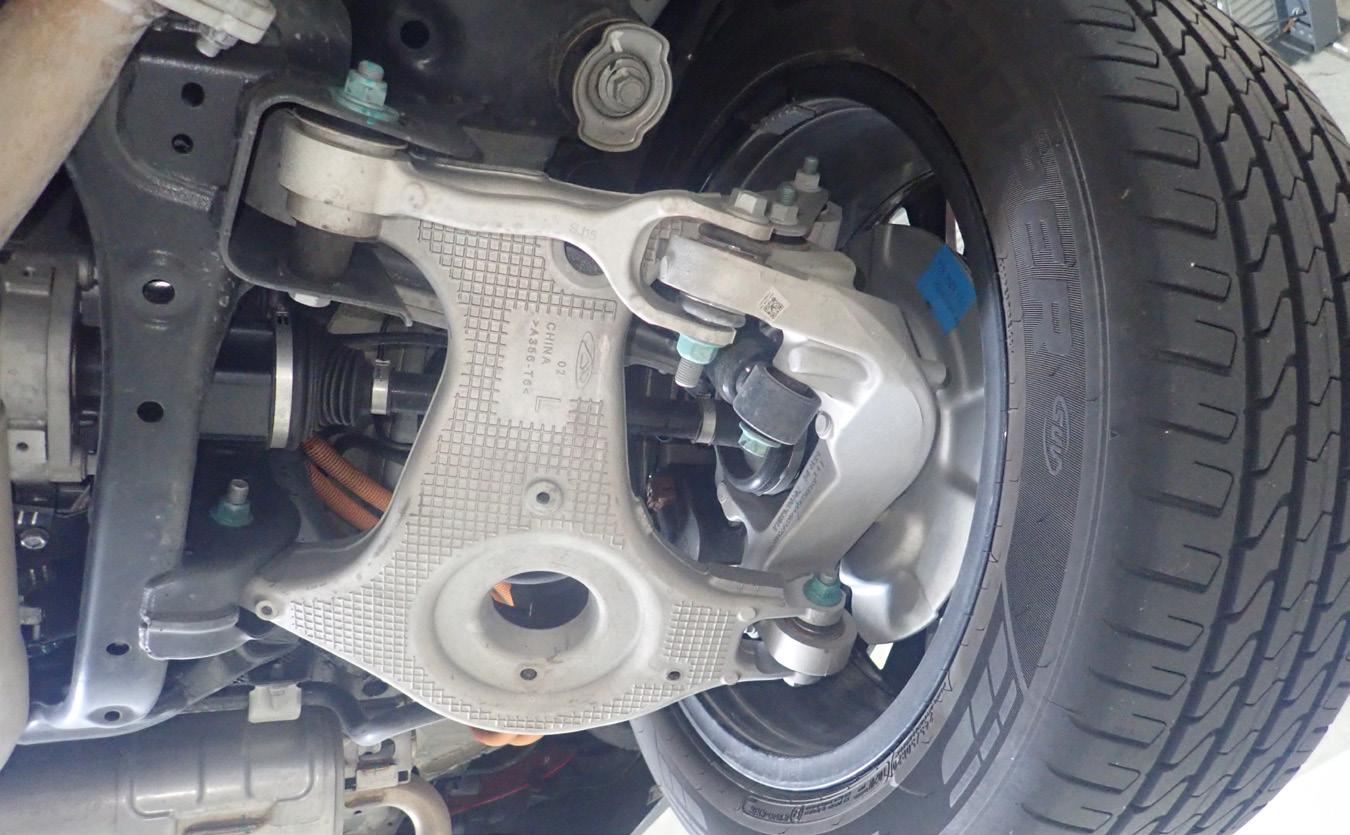
be plenty of room around most components for an average-sized human hand. The front and rear brakes are conventional, and the front suspension and steering are very standard. The rear suspension looks very robust, with some complex-looking cast-alloy control arms. See Diagram 9 The fuel filter and fuel pump inside the tank are in one assembly, and conveniently,
there is an access panel under the rear seat so these can be replaced without removing the fuel tank.
Under the bonnet
Again, all of the service points are easy enough to identify. There are no drive belts, as all components are electrically driven. For cooling system bleeding, there are two black caps on the metal coolant pipes: one in front of the air cleaner and the other near the firewall. See Diagram 4

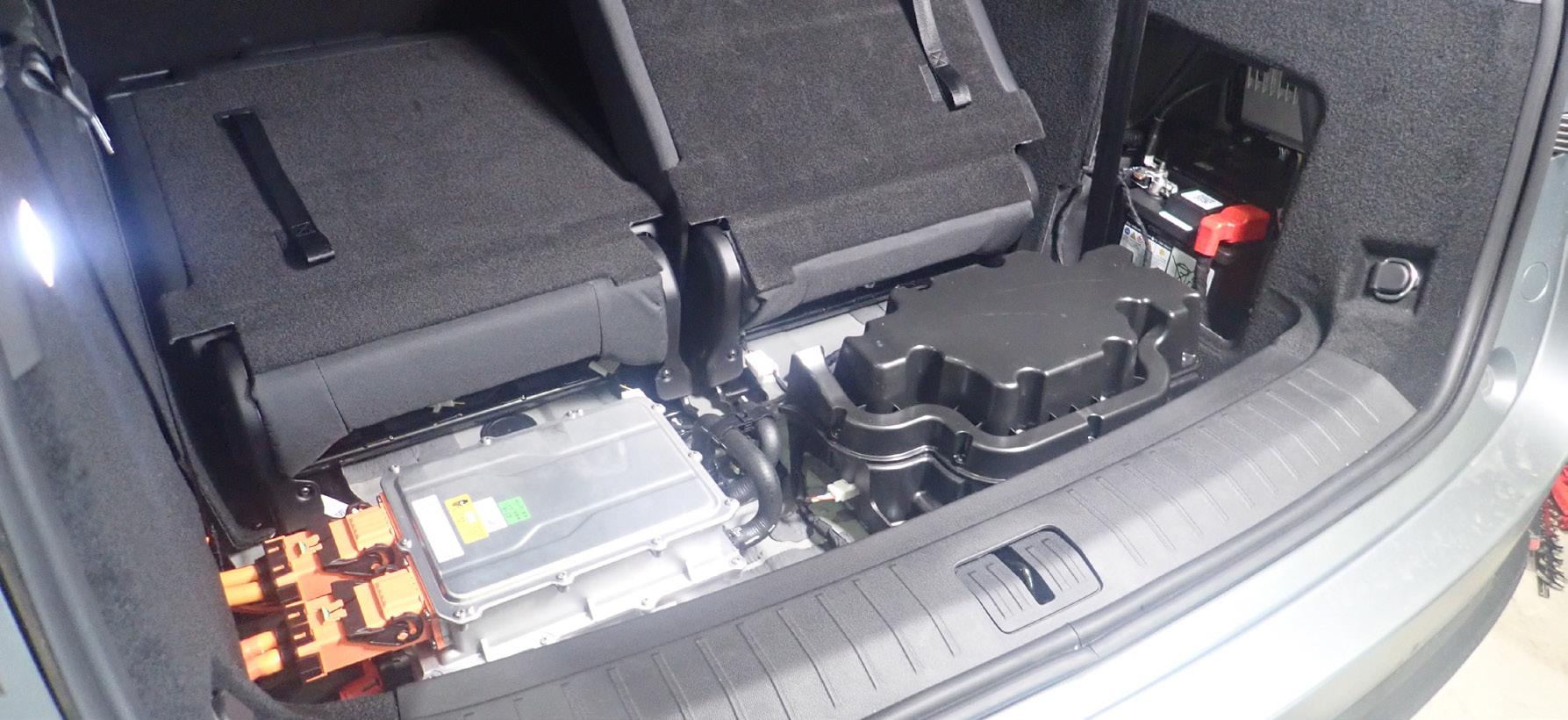
If you are looking for the battery for the 12-volt system, it is located in the boot, under a cover on the right-hand side. There is no special procedure for jump-starting. See Diagram 8
Conclusion
Overall, the Chery Tiggo9 CSH is a nice car to drive with good fit and finish to its components. There are no obvious issues that could cause technicians any drama for general servicing. But time will tell whether any issues surface.
In general, VACC’s Technical Department has not heard of any major problems with cars from China, as they seem no worse than cars from other well-established brands.
The luxury features, fuel efficiency, affordable price and blistering performance will be attractive to the motoring public, so you might be seeing the Chery Tiggo9 or other Chinese PHEVs in your workshop soon.
For more information on the Chery Tiggo 9 and other Chinese vehicles, log on to VACC MotorTech or call VACC’s TechAdvisory Service.
DIAGRAM 8 Component locations in the boot
DIAGRAM 9 Rear suspension
12 V Battery
The rear suspension has some complex looking lower control arms.
Subwoofer
What are the options? Headlight restoration

A new customer arrives at your workshop for service, and one of the first things you notice is the cloudy, discoloured headlights on an otherwise well-kept car. This is a common issue with modern polycarbonate headlight lenses. There are many options to restore them to near-new condition, but which are best for you and your customer?
Automotive headlights have improved since the late 1880s, from acetylene and oil lamps that were not much better than moonlight. Then the first reliable electric lights appeared in the early 1900s, and sealed-beam headlights with an
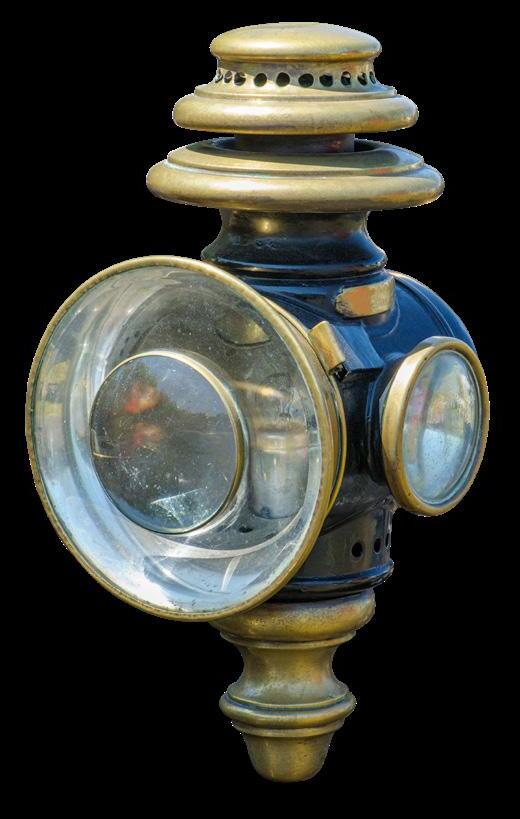
The earliest automotive headlights used acetylene or oil and had to be lit with a match.
integrated reflector, filament, and glass lens were common from the 1930s to the 1960s. See Diagram 1
The 1960s saw the introduction of halogen bulbs, which provided brighter, more durable illumination. Up to this point, all headlights used glass lenses because they offered high clarity and resistance to scratches and heat. Unfortunately, they limited designers to simple shapes from this heavy and breakable material. Polycarbonate lenses
Polycarbonate (PC) is a highperformance, amorphous engineering thermoplastic known
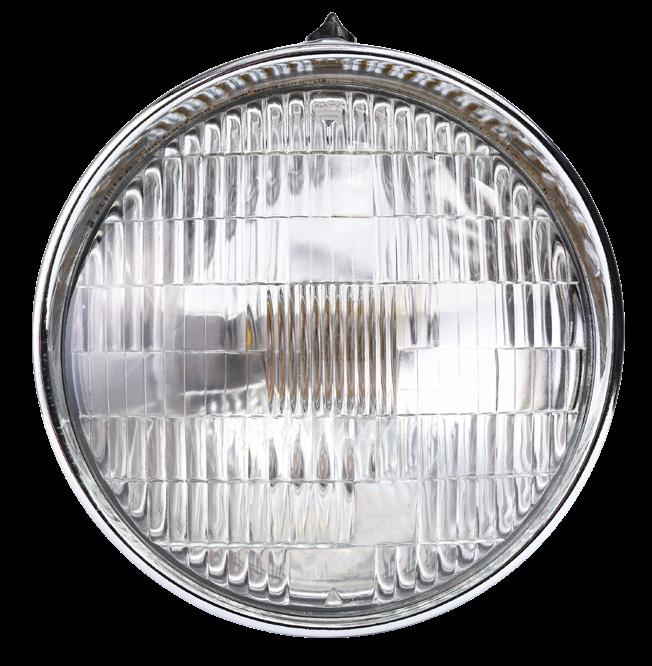
Once electricity was adopted, the sealed beam unit was used for decades. But it was heavy, breakable and had limited options for shapes.
for its exceptional impact resistance, high optical transparency, and heat resistance. By the 1980s, the first polycarbonate lenses began replacing glass headlight lenses because they are approximately 250 times stronger and impact-resistant than glass, weigh half as much, and can be moulded into complex aerodynamic shapes. Since the mid-1990s, most vehicles on the road have used polycarbonate headlight lenses. See Diagram 1 Ultraviolet light (UV)
Ultraviolet (UV) light lies outside the visible spectrum (meaning the human eye can’t see it), with
Polycarbonate headlights have become more advanced and complex over time, and offer better performance and styling options
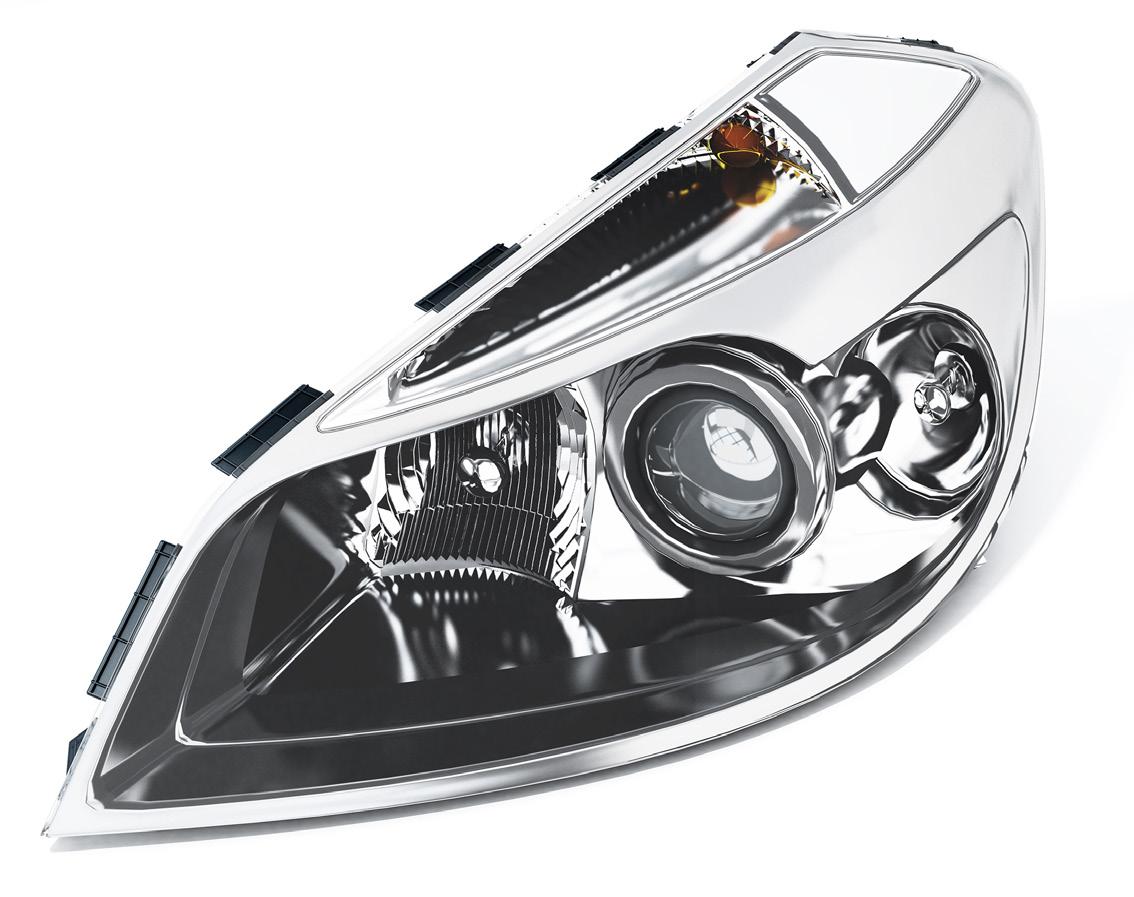
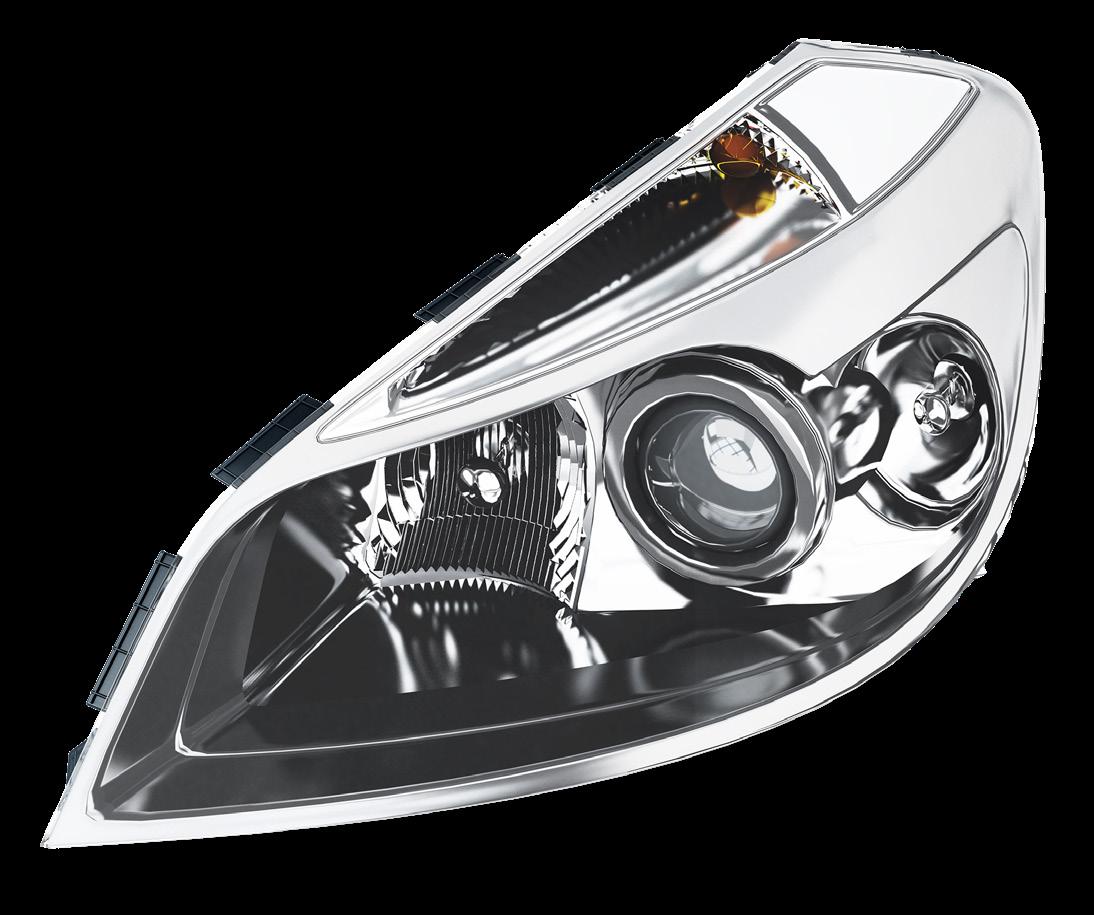
DIAGRAM 1 Evolution of vehicle headlights
The electromagnetic spectrum is the full range of light and energy waves. From harmless low-energy radio waves to dangerous highenergy gamma rays that travel through space. Ultraviolet light is just outside the range of the human eye and can cause sunburn and damage polycarbonate headlights.
Visible Spectrum
Over time, this layer breaks down due to continuous exposure to sunlight, physical abrasion, and chemical degradation. Once this DIAGRAM 2 Electromagnectic spectrum and ultraviolet light
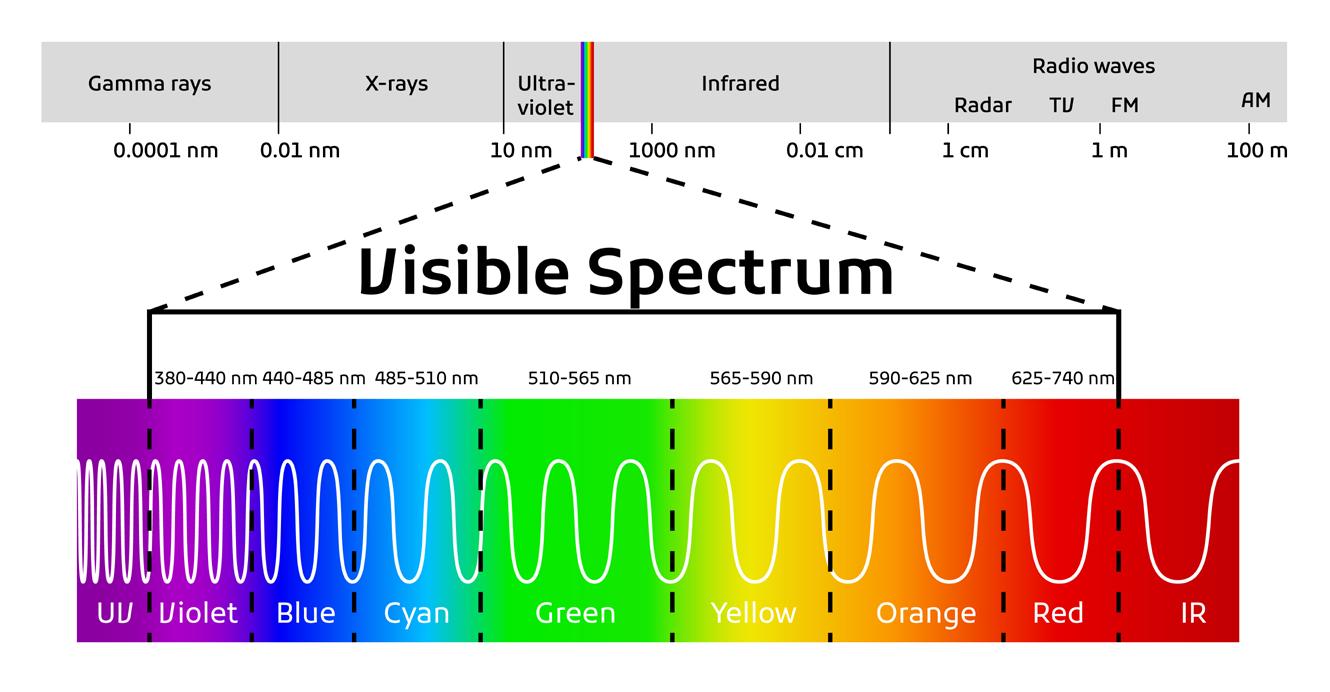
wavelengths ranging from 100 to 400 nanometers. UV light can be subdivided into three categories: UVA, UVB and UVC. The Earth’s ozone layer absorbs all UVC radiation and most UVB radiation. The wavelengths of UVB and UVA light that make it through are what cause sunburn for people and damage to vehicles, including
the deterioration of headlight lenses. See Diagram 2 & 3
The trouble
Polycarbonate is not inherently UV-resistant, but when coated with a UV protection layer, it can withstand years of prolonged outdoor exposure without yellowing or degrading. The UV
DIAGRAM 3 UV protection lay on polycarbonate headlight lenses
are
protection layer on polycarbonate headlights fails because it is a thin, specialised coating designed to act as a sacrificial barrier against environmental damage. See Diagram 3

headlight
with a
4 Failure of the UV protection layer and lens damage
UV protection layer has failed and is discoloured
Polycarbonate lens substrate is damaged and discoloured
Undamaged lens substrate
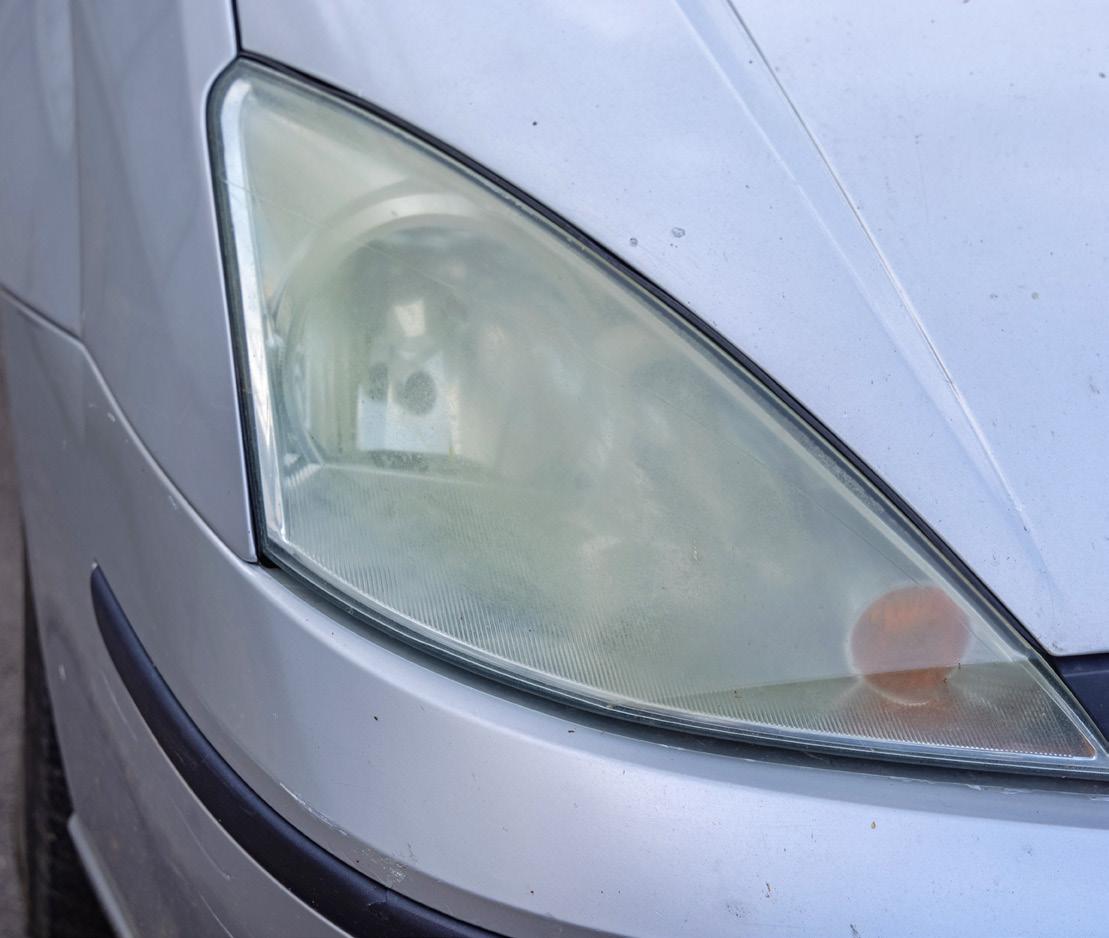
Once the UV layer has been degraded or damaged by scratches or road grime, it allows UV rays to penetrate the top layers of the polycarbonate lens, reducing the light emitted by the headlight assembly as the lens becomes cloudy.
protective layer wears away, the underlying polycarbonate is directly exposed to oxygen and UV radiation, leading to oxidation, yellowing, and hazing. See Diagram 4 Lenses can start to discolour between 4 and 6 years, depending on factors such as where the vehicle is garaged and its usage. Mild decolourisation can reduce light output up to 30%. In extreme cases, light output can be reduced to as low as 10%. This situation is
incredibly dangerous from a driver safety perspective and will not pass a roadworthiness inspection. Reasons for UV layer damage.
• UV: Sunlight breaks down the molecular structure of the protective layer.
• UV is also generated from poor-quality hard glass globes and can impact the polycarbonate lens from the inside See Diagram 8
DIAGRAM 5 Removing the damaged layers
• Once the coating fades, UV rays from the sun cause the polycarbonate to become porous, turning yellow/brown and causing “crazing” (micro-cracks).
• Heat: Intense heat from the sun and from the headlight bulbs themselves accelerates this chemical breakdown.
• Road Debris and Abrasion: Sand, gravel, dirt, and dust act as a constant “sandblast” on
DIAGRAM
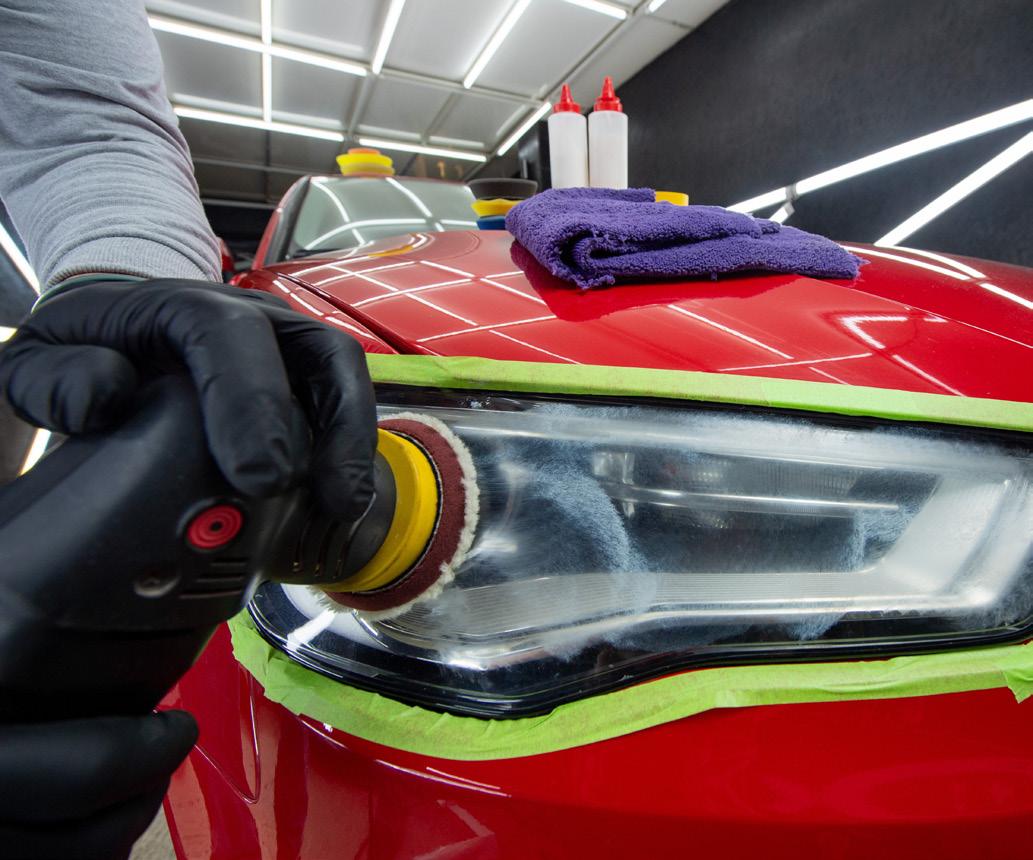
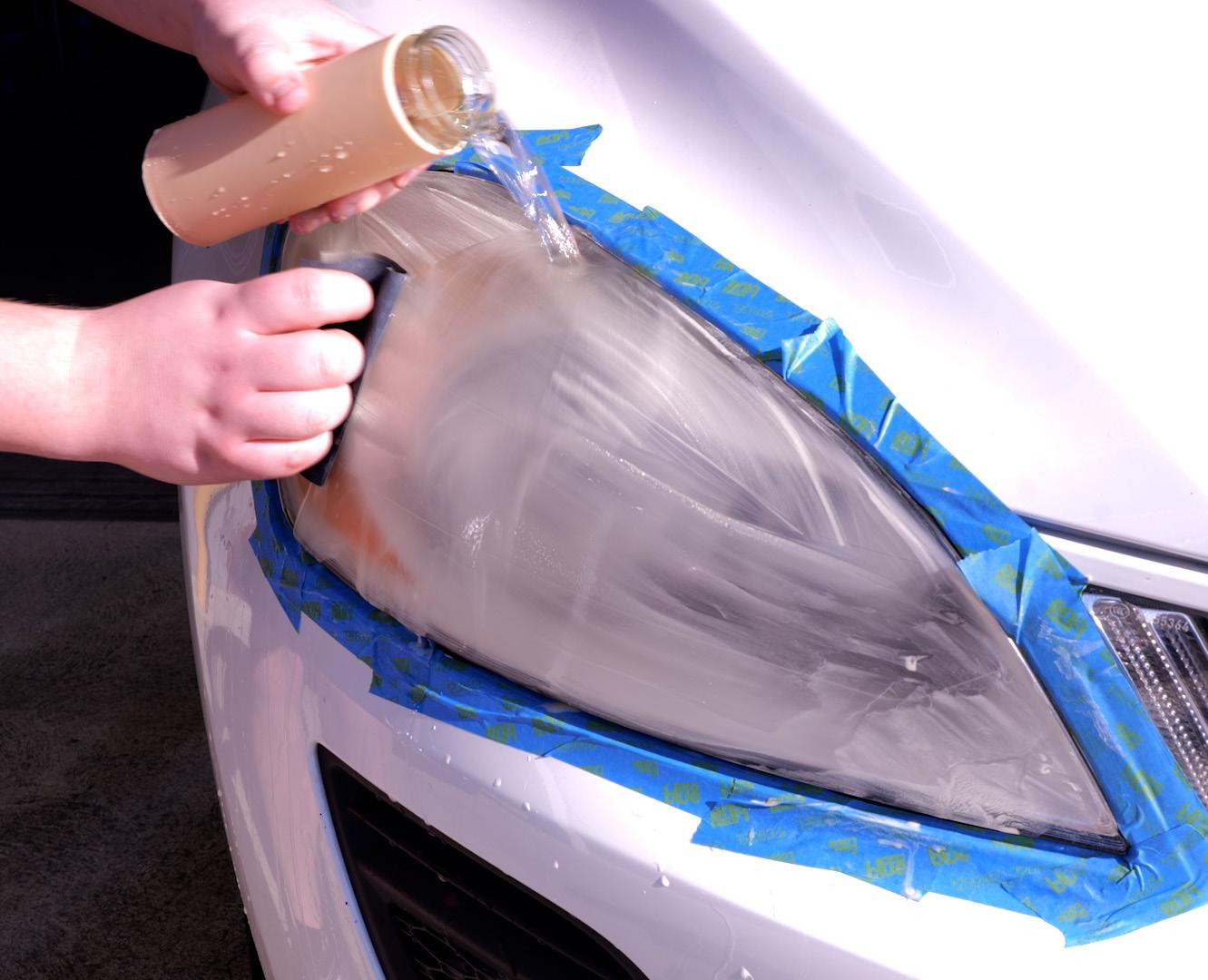
The damaged UV layer and the cloudy top layer of the lens can be gently removed with polishing pads or fine sandpaper. You should use the recommended materials from your restoration kit and follow the instructions. Masking around the headlight with tape will protect the paintwork.
the headlights while driving, creating micro-scratches that strip away the UV coating.
• Harsh Chemicals and Car Washes: Acidic environmental contaminants, harsh cleaning detergents, and automatic car-wash brushes can degrade or scratch the coating.
• Extreme Weather: Rapid, extreme changes in temperature and humidity can cause the plastic to

Once the lens has had the damaged layers removed and polished, it is essential that a new UV protective layer is applied. There are various kits available, some with wipes, others with spray methods.
expand and contract, causing stress fractures (crazing) in the coating.
How to fix cloudy or yellow lenses
In a good polycarbonate headlight lens, the factory UV protective clear coat is approximately 0.02 mm thick, while the polycarbonate substrate is approximately 2.0 mm thick. In most cases, the cloudiness of the discolouration may only extend to the failed UV
protective clear coat and possibly 0.10 mm of near-surface oxidation and possibly 0.10 mm beneath that of deeper degraded/crazed polycarbonate. See Diagram 4 Almost all restoration methods require removing these damaged layers to expose the clear, undamaged polycarbonate substrate. There are many methods and products that people claim are the best for polishing headlight lenses. Some less professional suggestions include using toothpaste, baking soda, vinegar, and rubbing alcohol.
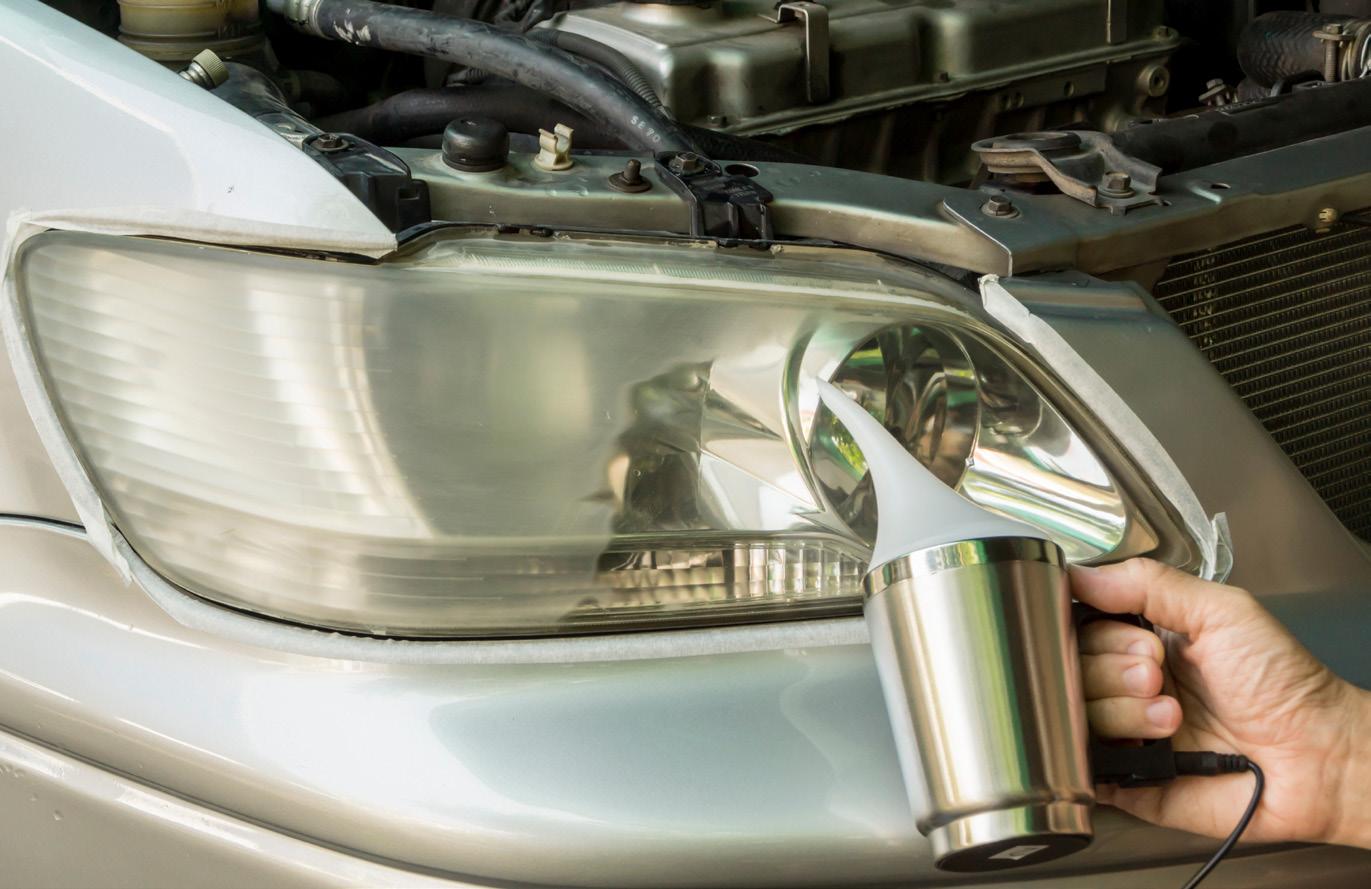
Better and faster results are achieved by sanding with finer-grit sandpaper (600>1000>2000>3000) or by using finer cutting compounds and polishing pads on each pass. There are also kits that use acetone vapour to melt the lens’s top layer and restore a clear finish after initial sanding. See Diagrams 5 & 6
No matter how you remove the damaged layers and achieve a clear lens, you still need the next step for longlasting, professional results.
UV protective clear coat
Many in the automotive industry, car detailers, and do-it-yourself car owners sand and polish the lenses and call the job done, as everything looks brand new. Unfortunately, they have removed only the failed
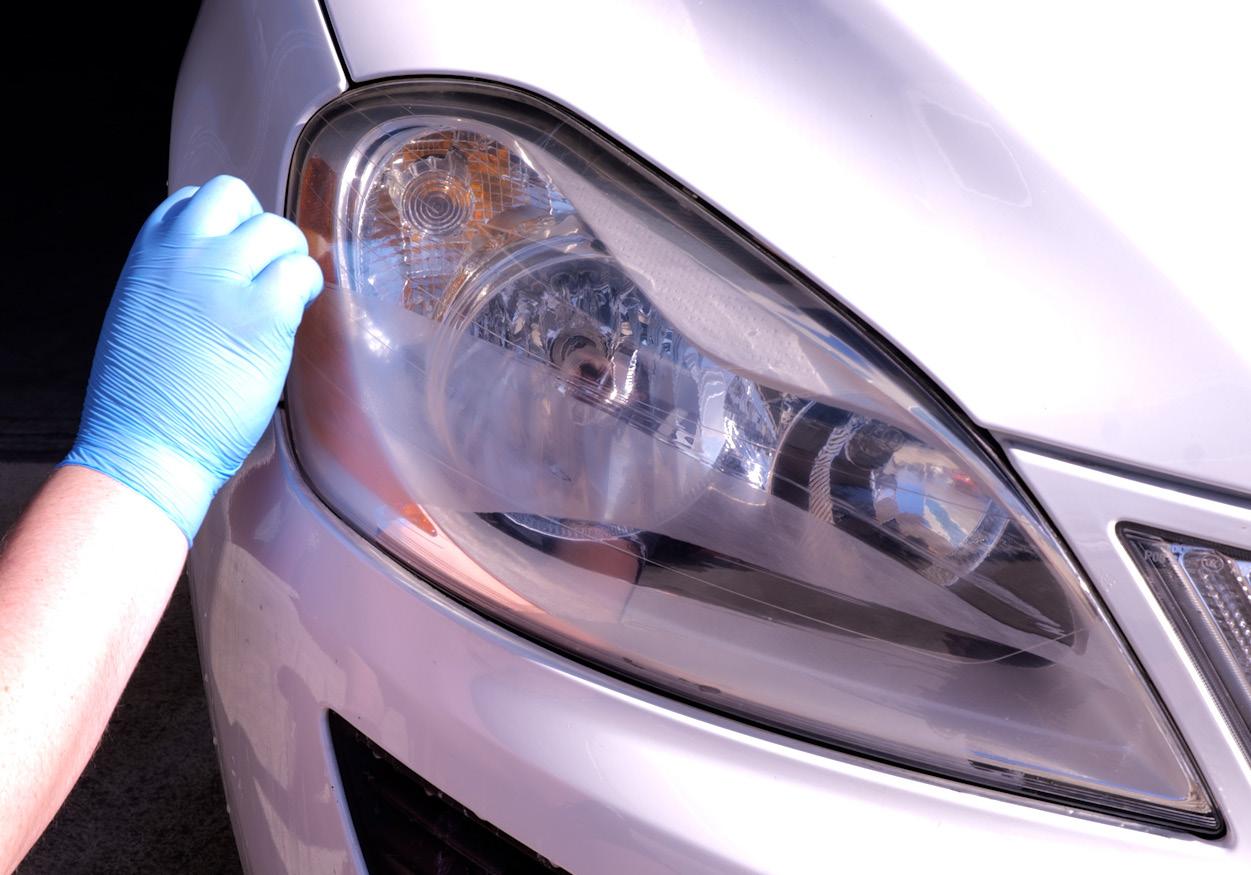
for

DIAGRAM 6 Acetone vapour method
DIAGRAM 7 UV protective coating application
There are kits available that use a heated mug with an acetone mixture. The acetone vapours from this mug are directed onto the previously sanded lens, which then melts the polycarbonate top layer, exposing the undamaged lens below. Follow the instructions that come with these kits.
Scan code
detailed demo of headlight restoration kit.
UV protective coating and a small amount of the lens material, leaving the polycarbonate exposed to the elements. The discolouration and damage that once took years to take hold will now take only months. Most reliable restoration kits offer a wipe-on or spray method for applying a new layer of UV-protective clear coating to the freshly polished lens. This might not be as good as the factory coating, but it should provide years, not months, of protection. See Diagram 7
Some in the industry are applying a two-part (2K) polyurethane clear coat that combines a resin and an activator (hardener) to create a durable, UV-stable coating on
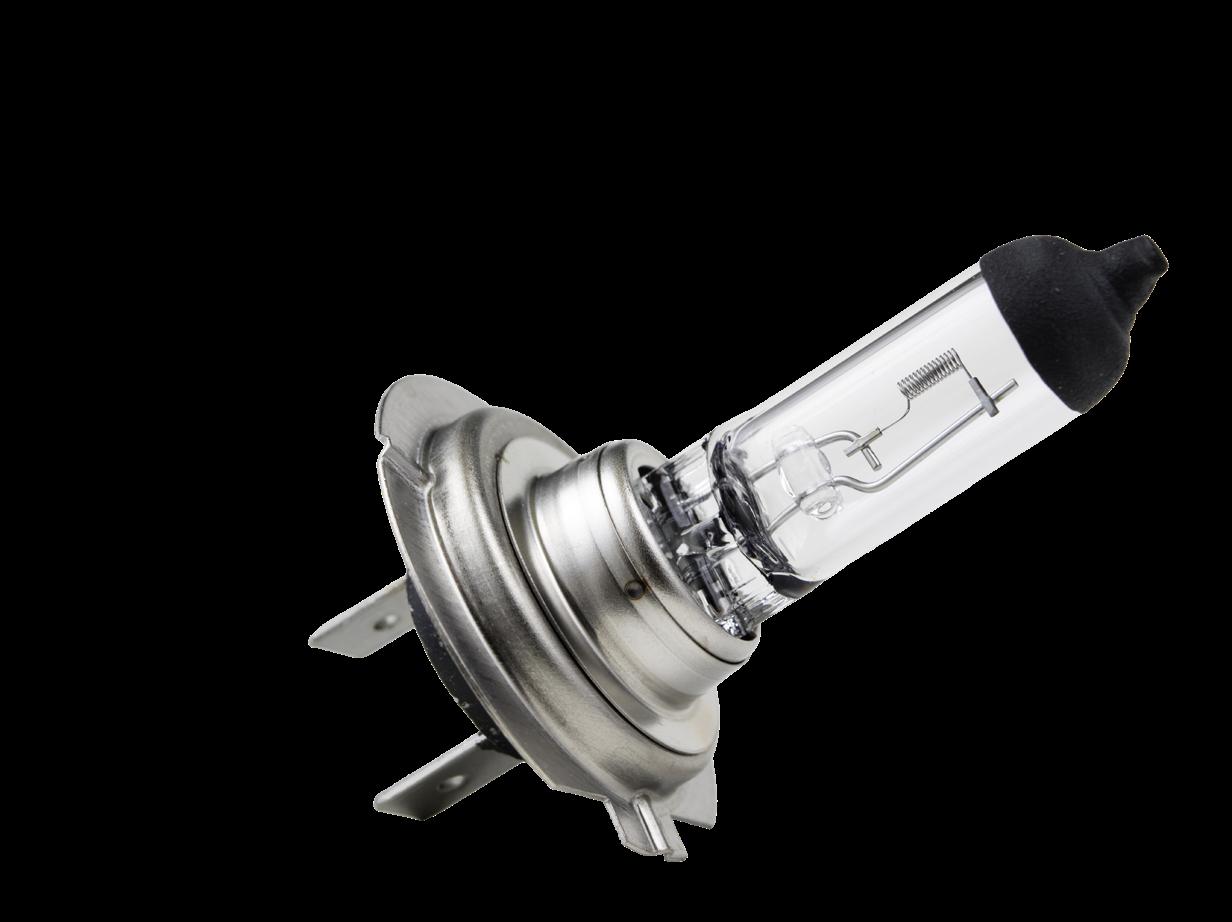
High-quality globes will block the UV rays that they emit. However, there are globes on the market that don’t have this feature, and the UV they emit can slowly damage the inside of the polycarbonate lens, requiring replacement of the lens or the headlight
the headlight. This will provide the longest-lasting finish, but it is the most labour-intensive and time-consuming. No matter which method or kit you use, for the best results, reapply a UVprotective coating to the lenses.
Lens replacement
In some cases, the lenses are too damaged to be restored. There are companies that can dismantle the headlight, fit new lenses, and recondition the headlight assembly. Common reasons include deep scratches or UV damage that can’t be sanded or polished out, as well as other physical damage to the lens. You will need to research which companies in your area offer this service.
Globes - the enemy within
Not all globes are created equal; depending on their quality, they may expose the polycarbonate lens to harmful UV radiation. Most globes from reputable manufacturers are made with UV-Blocked Quartz Glass that protects against UVA, UV-B, and UV-C radiation. Unfortunately, some globes are made with only UV-Cut Hard Glass, which does not provide effective protection against the damaging UV-A radiation over extended periods. These types of globes will eventually degrade the lens from the inside, and only a replacement lens or headlight assembly will resolve the issue. See Diagram 8 Headlight damage prevention There are ways to reduce UV exposure, heat, and physical damage to headlights; some will require educating your customers, and others will require educating your staff.
• When washing the vehicle, ensure that no harsh solvents or cutting compounds are used, as they can prematurely wear away the UV protective layer.
• Ensure the globes are UVBlocked and meet the vehicle’s specification. Increased wattage could melt the lens. LED globes are now available for many vehicles, with increased light output, lower heat output, and no UV emissions.
• Fitting headlight covers to reduce UV exposure on the headlight lenses and protect the clear
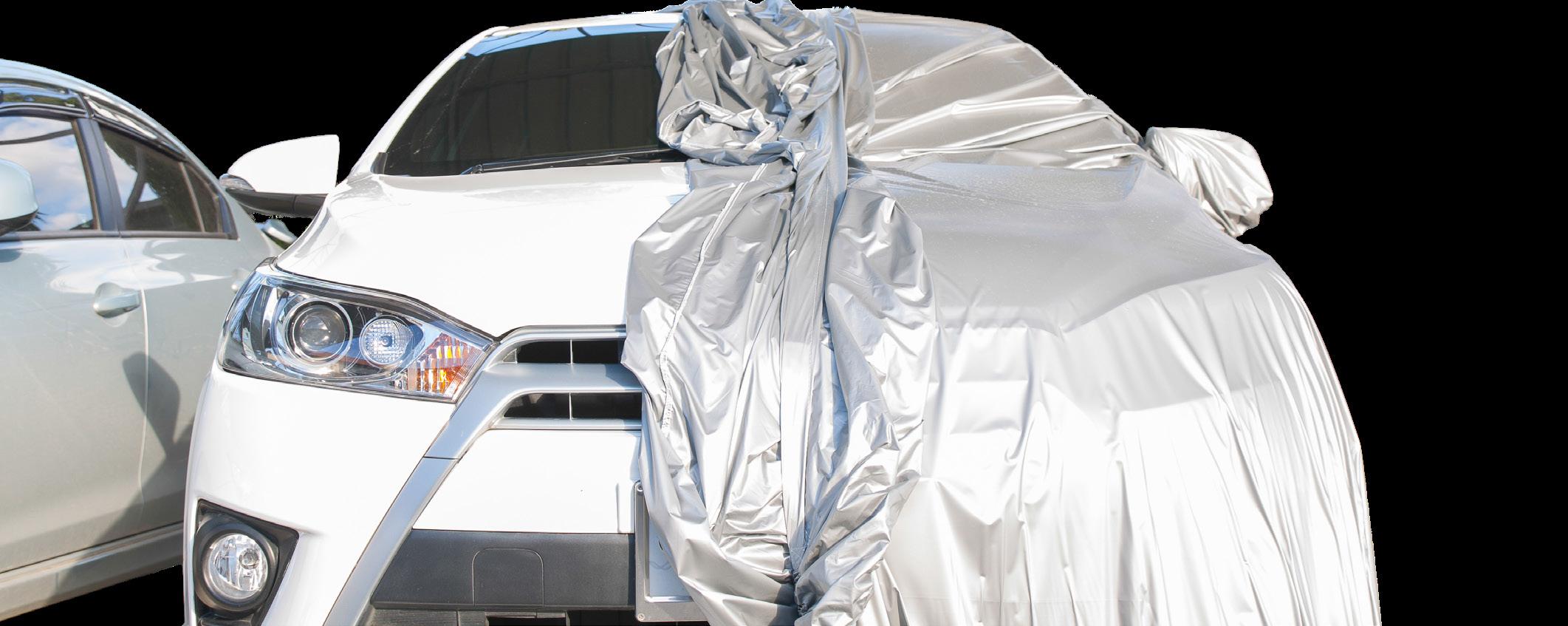
Advising your customers to keep their car garaged out of the elements and direct sunlight will prolong the headlights’ UV protection. Alternatively, a car cover will do the job.
DIAGRAM 9 Preventing UV damage to headlights
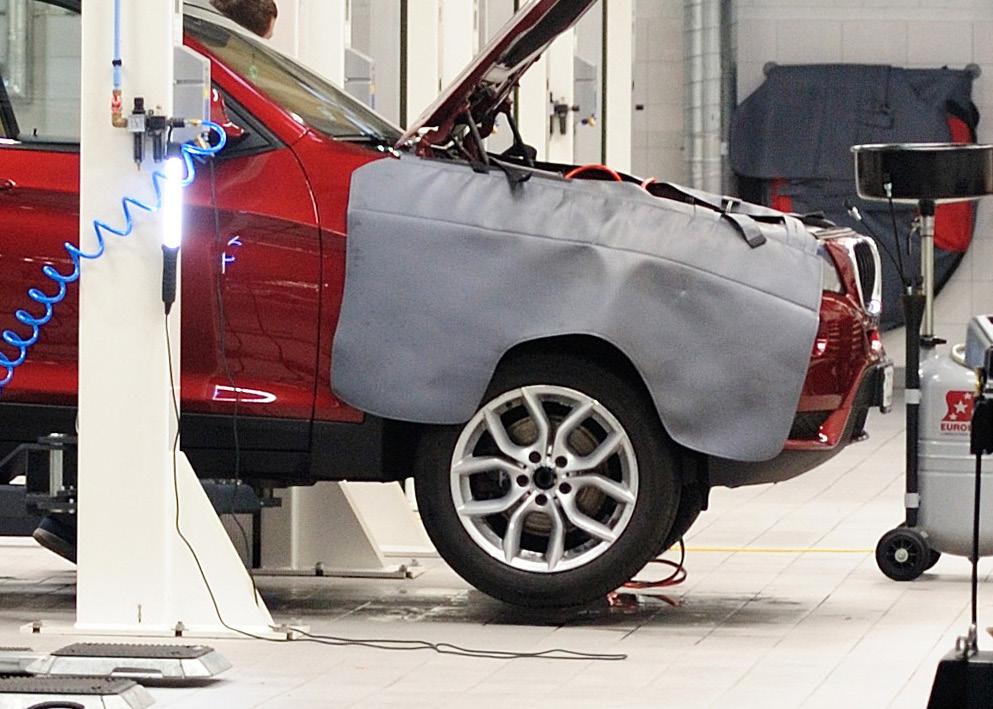
There
coat from physical damage. It is recommended that customers conduct their own research on the headlight covers to ensure the lenses do not overheat or rub against the clear coat.
• You should encourage the customer to park in the shade or cover the vehicle when not in use. See Diagram 9 Restoring polycarbonate headlight lenses is a relatively quick and simple task if you have the right equipment or kits, and it is an easy upsell to the customer when you point out that it ensures RWC compliance and can quickly improve the car’s appearance and safety for a fraction of the cost of replacement lenses or headlight assemblies. For more information on headlights and wiring diagrams for wide range makes and models, log onto VACC MotorTech or call VACC’s TechAdvisory Service.


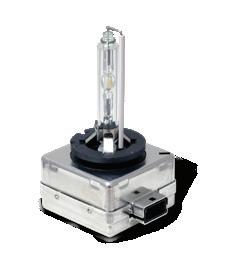

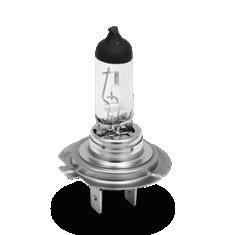
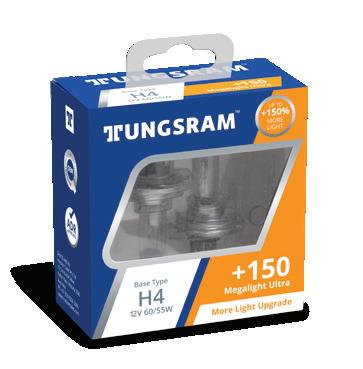
E10:
You might have noticed that fuel prices have been on the rise lately, which has put the squeeze on many drivers’ running costs, and some are looking at cheaper options to refill with. E10 is the cheapest option at the service station, but there are some things your customers should be aware of, as well as issues technicians should keep in mind when diagnosing fuel supply trouble.
What is E10 petrol?
Precautions for Australia’s Cheapest Petrol
E10 compatibility
The “E” in E10 stands for ethanol, an alcohol-based renewable, nonfossil fuel commonly produced from sugarcane in Australia. The “10” represents the percentage of ethanol blended with regular unleaded. The addition of 10% ethanol raises the Research Octane Number (RON) of regular unleaded fuel from 91 to approximately 94. Ethanol contains roughly 35% oxygen, which helps the fuel burn cleaner, reducing greenhouse gas emissions by up to 5% and particle emissions by 20–30%. E10 was first introduced in Australia in stages, starting in 2003, with the goal of using domestically produced renewable fuel to reduce Australia’s heavy reliance on imported fossil fuels, which, considering recent international events, seems like a good idea. Even though it is cheaper at the pump and has a higher octane rating, E10 has a lower energy density than regular unleaded, so you will need to burn more to go the same distance, which may offset the lower price.
Most newer cars from approximately 2000 onwards are compatible with E10 fuel, as are most motorcycles from 2011, but it is up to the driver to confirm. If the vehicle is not designed to use E10, the ethanol in the fuel can damage rubber seals and gaskets, causing them to swell or degrade and potentially blocking fuel flow or causing leaks. Fuel compatibility can be checked on the fuel flaps or in the owner’s manual. Time is a problem for E10. If you fill up a car or other equipment, such as lawn mowers, generators, or pumps, that is not used regularly, over time, the E10 can cause issues. Ethanol is hygroscopic, meaning it absorbs moisture from the air. As water is heavier than petrol, the ethanol-water mixture will settle to the bottom of the tank. This water contamination leads to rust and corrosion inside the fuel system, regardless of whether the vehicle is E10-compatible. This is not a problem if you regularly consume and replace it with fresh E10.
Dissolving the settlements
We have heard reports that drivers who have only used regular unleaded in their vehicles and are switching to E10 may start having fuel system problems. If petrol is left to sit in the tank, its lightest, most volatile components
evaporate, leaving behind heavier, unstable hydrocarbon compounds that react with oxygen (oxidation) to form a sticky, tar-like residue. This can stick to the inside of the tank, fuel lines and other fuel system components and may look like a layer of varnish.
In some cases, the first dose of E10 will start to loosen sediment buildup at the bottom of the tanks and dissolve the varnish, with these contaminants hopefully only blocking the fuel filter, but could impact fuel pump or injector operation. Once all of these deposits are cleared and any blocked components repaired or replaced, there should be no reason the vehicle cannot continue to use E10 if it is compatible. There are many ways drivers can destroy their engines by filling up with the wrong fuel at the service station, such as petrol in a diesel vehicle, or AdBlue where it shoudn’t go. But making them aware of the impacts of choosing cheaper options could also help them avoid some avoidable repairs.




VACC’s TechTalk magazine has previously produced articles on E10 when it was first released.
To find these articles, log onto VACC MotorTech and click on the TechTalk icon, then use the index to find the articles. Or call VACC’s TechAdvisory Service.
Toyota 1VD-FTV additional DPF injectors:
Overview and diagnostics
Diesel Particulate Filters (DPF) have been a good source of work for the automotive repair industry, and since 2016, the Toyota Land Cruiser has used them to comply with the Euro 5 emissions regulations. The DPF they use is
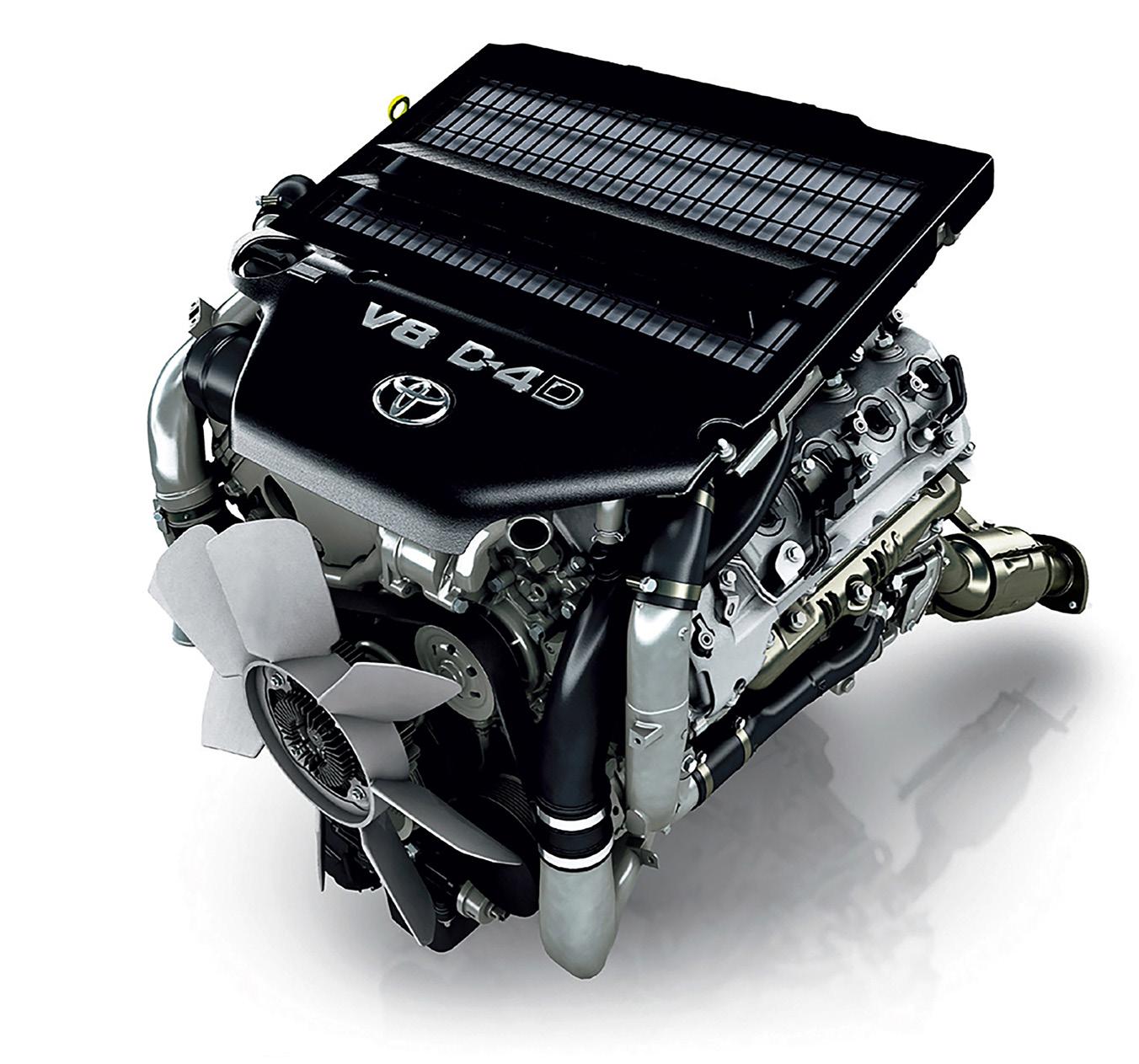
similar to other manufacturers’, but the way the 1VD-FTV engine goes about regeneration can cause some trouble, which is tricky to diagnose and timeconsuming to repair if you don’t know how the system works.
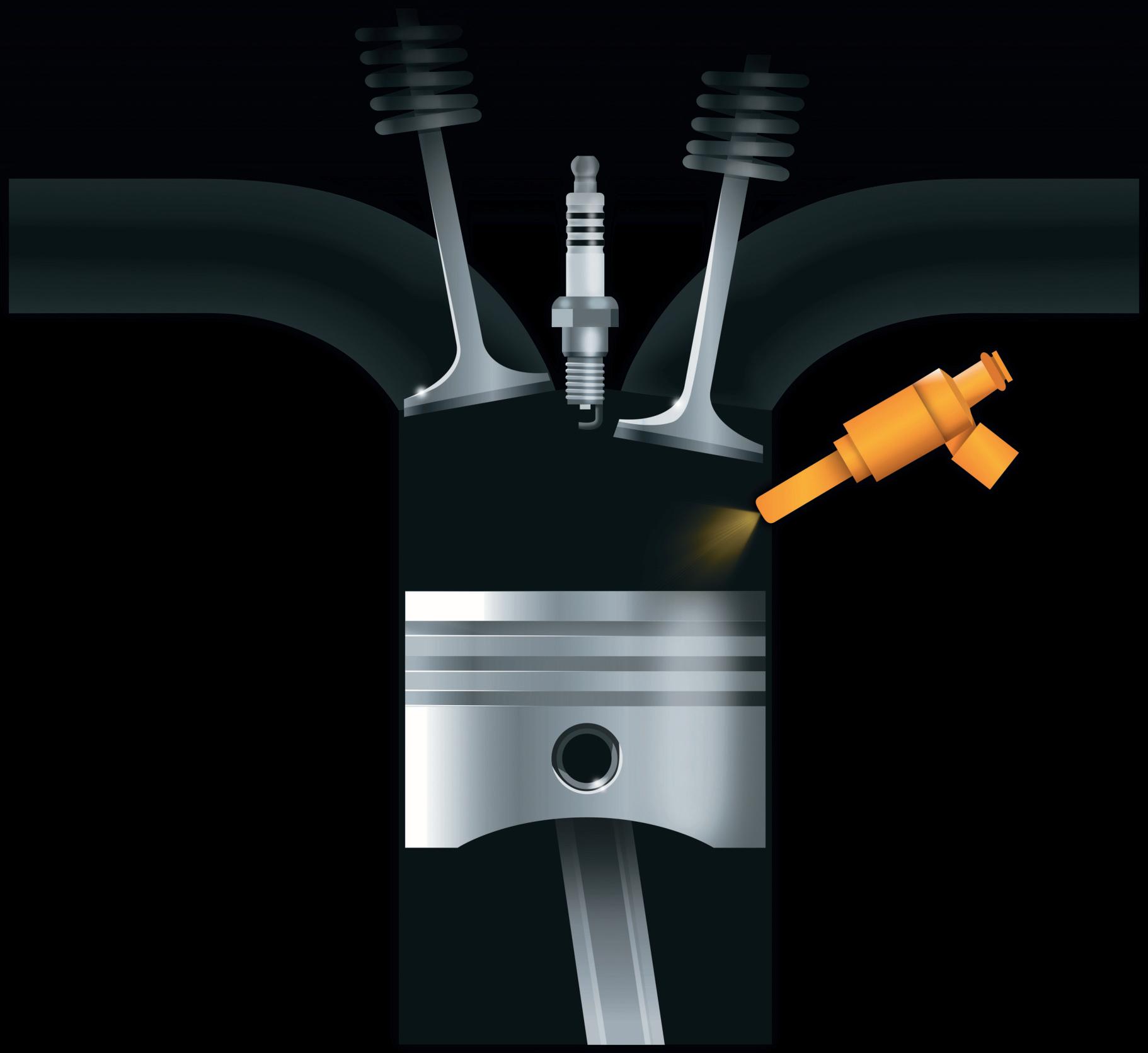
DIAGRAM 1 Simpified view of an additional injector and port on a 1VD-FTV
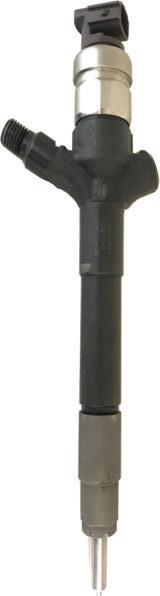
High-pressure injector
Additional Fuel injector
Diesel sprayed into exhaust port.
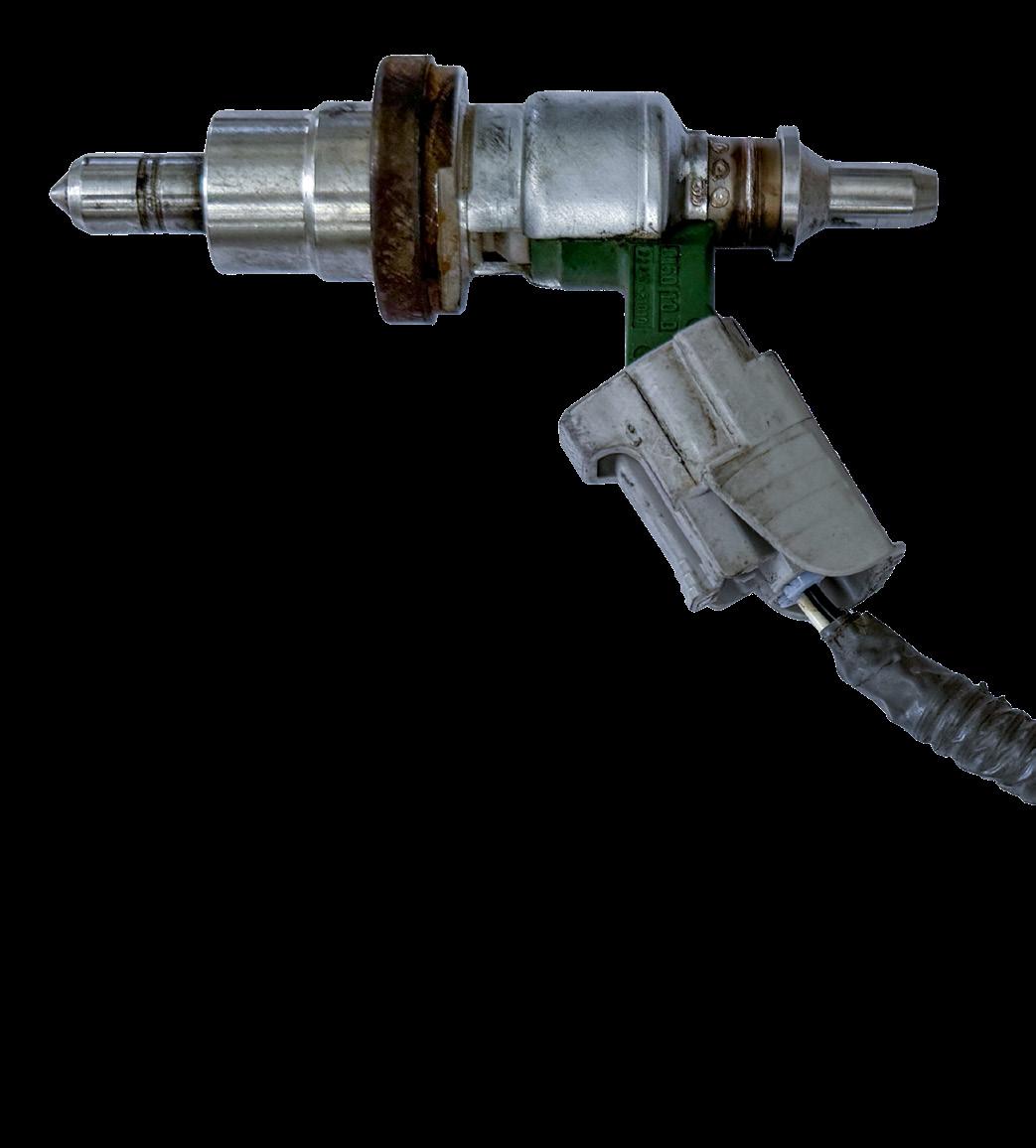
To unblock the DPF, the ECU will command the additional fuel injector to spray diesel into the rear exhaust port of the cylinder head. This unburned fuel will be ignited in the catalytic converter, where it then ignites and burns the soot in the DPF, reducing it to ash that unblocks the DPF.
means the addition of DPFs, two for the 200 Series and a single unit for the 70 Series.
Like all DPF units, they collect the Particulate Matter (PM or soot), preventing it from entering the atmosphere. Once the soot builds up to a set level in the DPF, as measured by the Engine Control Unit (ECU) via a Differential Pressure Sensor, extra fuel is added to the exhaust, which ignites the soot, reducing it to ash with a smaller volume. This effectively unblocks the filter. This process is called regeneration. See Diagram 1 For more information on DPF operation, see the following articles.
DPF for Dummies
TechTalk April 2015, page 3964
DPF regeneration systems
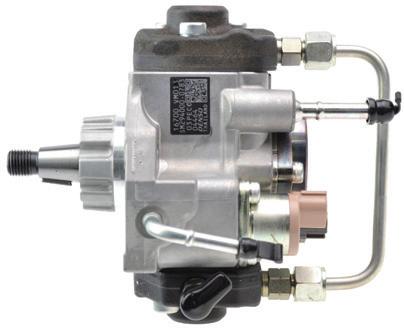
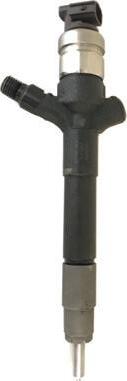
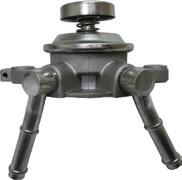
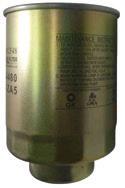
There are two common ways for fuel to be introduced to the exhaust for DPF regeneration. The easiest way that many manufacturers use is to have the engine control unit open the high-pressure fuel injectors in the combustion chamber on the exhaust stroke, allowing unburnt fuel to enter the exhaust. This method works, but it often allows fuel to run down the cylinder walls into the sump, over time diluting the engine oil and potentially impacting the engine’s reliability. The second way is to inject the fuel directly into the exhaust, bypassing the engine and any oil dilution problems. This commonly requires additional injectors, as with the Toyota GD family of engines, which have a fifth injector in the exhaust manifold. This has had some issues, and updated parts may have fixed them, as the following article describes.
Toyota 1GD-FTV / 2GD-FTV: 5th
Injector Trouble
TechTalk September 2021, page 5102
Ford has a similar system used on the Mondeo, Kuga and Focus, and Mazda has a similar system used on the BT50 (but not the similar Ford Ranger), which has a fuel vapouriser in the exhaust and a lowpressure electric pump. For more details see the following article.
Diesel Fuel Vaporisers: DPF Regeneration System
TechTalk Jan/Feb 2019, page 4637
The 1VD-FTV DPF regeneration system
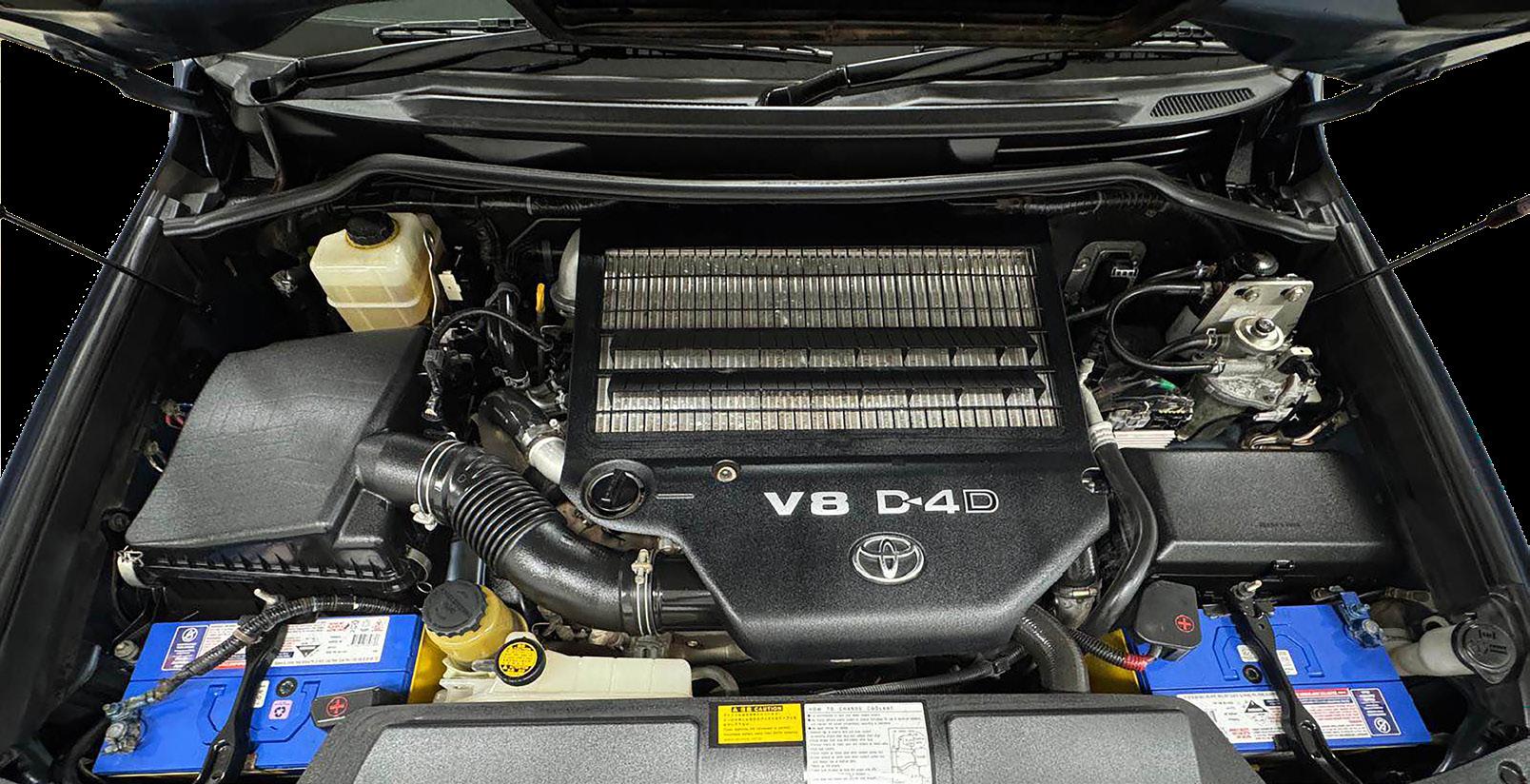
As Toyota has a reputation for reliability, it is easy to see why it would avoid anything that would dilute the engine oil, so it has used a system similar to the GD engine family. They are using the return line pressure from the common rail diesel injection system to provide fuel under pressure to the additional injectors, which are mounted at the rear of each cylinder head on the 200 series and only the left cylinder head on the 70 series. See Diagrams 2 & 3
Where the GD engines have an easyto-access housing on the exhaust manifold, the 1VD-FTV engine has
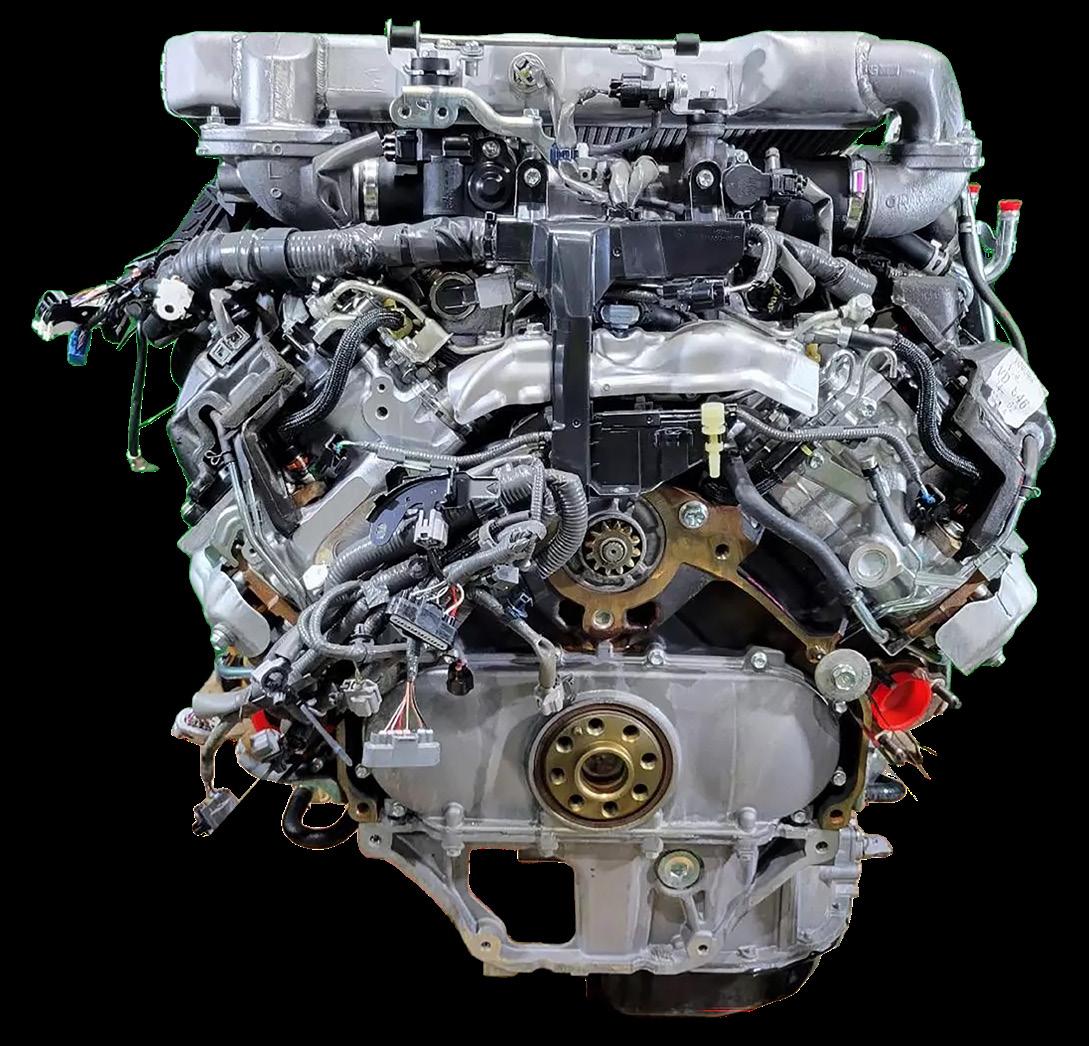
the injectors mounted so that fuel is injected into the exhaust ports of the rear cylinders, which is hard to see and even harder to access. See Diagrams 1 & 5
The Trouble
VACC’s TechAdvisory Service has been receiving calls from members with these vehicles with a range of different symptoms. Some have black smoke and soot coming from the exhaust. Some have no codes stored, but the DPF light is on. Others have the DPF light on and the following codes.
P2463 – Soot Over Accumulation
P244B -Diesel Particulate Filter (DPF) differential pressure is too high (Bank 1)
Diagnostics
The above conditions and codes indicate that the DPF is overfilled with soot and that the conditions for engine regeneration have not been met, with many possible root causes. For the 1VD-FTV engines, this is the procedure to check the DPF temperatures and confirm regeneration is taking place.
Fuel tank (sub tank not shown)
Fuel filter
Additional Injector Port Inspection
1. Connect a compatible diagnostic tool. NOTE: The following instructions are for the OE tool; they may or may not work with aftermarket tools.
2. Select engine and ECT / Active Test.
3. Select “Activate the DPF Rejuvenate (PM)”, then press OK.
4. Select the record (for 10 minutes), then activate the “DPF
Rejuvenate” via the red button at the bottom right of the screen.
5. Monitor the exhaust gas temperatures of the EGT sensors B1S2 and B2S2. The temperatures must be over 500°C to be considered OK.
6. If the temperatures are below 500°C, it is recommended to check the ports in the cylinder head of the Additional Injectors for carbon buildup and blockage.
Exhaust gas temperature sensors
The above test assumes that the exhaust gas temperature sensors are functioning correctly. It is recommended that you double-check the readings with an IR thermometer to ensure that the diagnostic tool and the EGTs are reading the same or close to it. For more information, see the following article.
Exhaust Gas Temperature Sensors: Operation and Diagnostics
TechTalk April 2022, page 5193
The exhaust gas temperature sensors have a range of -40°C to 1000°C and during DPF regeneration should read between 500°C to 700°C. If there is an open circuit in one of the exhaust gas temperature sensors, the diagnostic tool live data will read -40°C. If there is a short circuit the live data will read 1000°C. Resistance across the terminals should be 42 -68 kΩ at 50°C.
Check and replace the sensors as required and retest. If the DPF temperatures remain low, it indicates that no additional fuel is entering the exhaust.
Additional injector testing
There could be a problem with the additional injector, which can be checked for correct resistance across the terminals, which should be 7.1 -7.9 Ω at 20°C. If it is possible to activate the injectors via the diagnostic tool, you should hear the injector click. If you have an oscilloscope and an amp clamp, you could check the current waveform to see if the pintle is moving and the current draw is not excessive (no specifications or patterns are currently available for a known-good baseline).
Also removing the fuel lines to the injectors, then connect them to a container, and check for an appropriate fuel supply (no specification available).
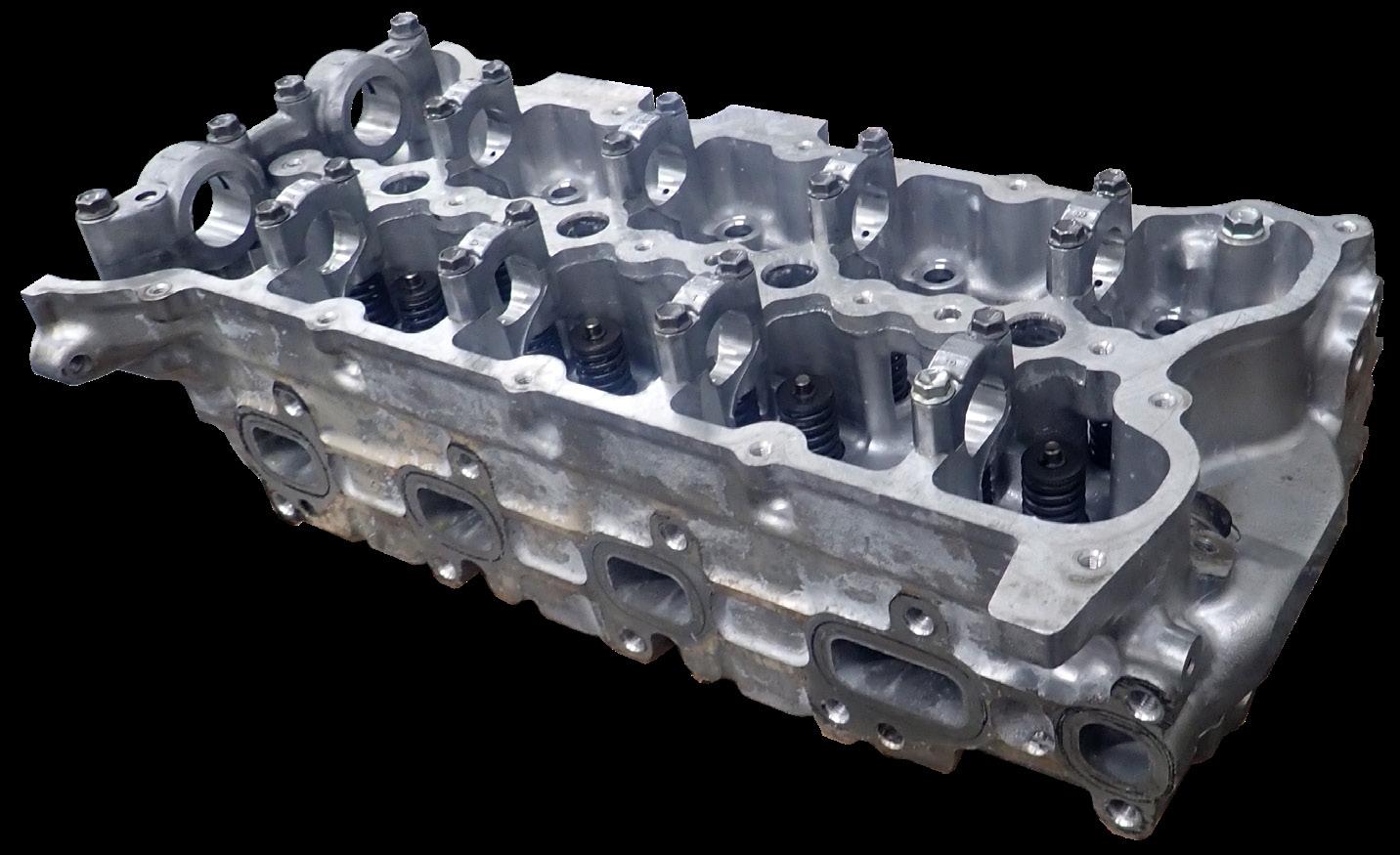
If the above tests don’t reveal any problems, the additional injector ports in the cylinder head may be blocked by carbon buildup, preventing fuel from entering the exhaust. Unfortunately, there doesn’t seem to be any convenient O2 or temperature sensors to remove, so a borescope can be inserted to check.
DIAGRAM 4 70 Series Exhaust Manifold and Turbo View
DIAGRAM
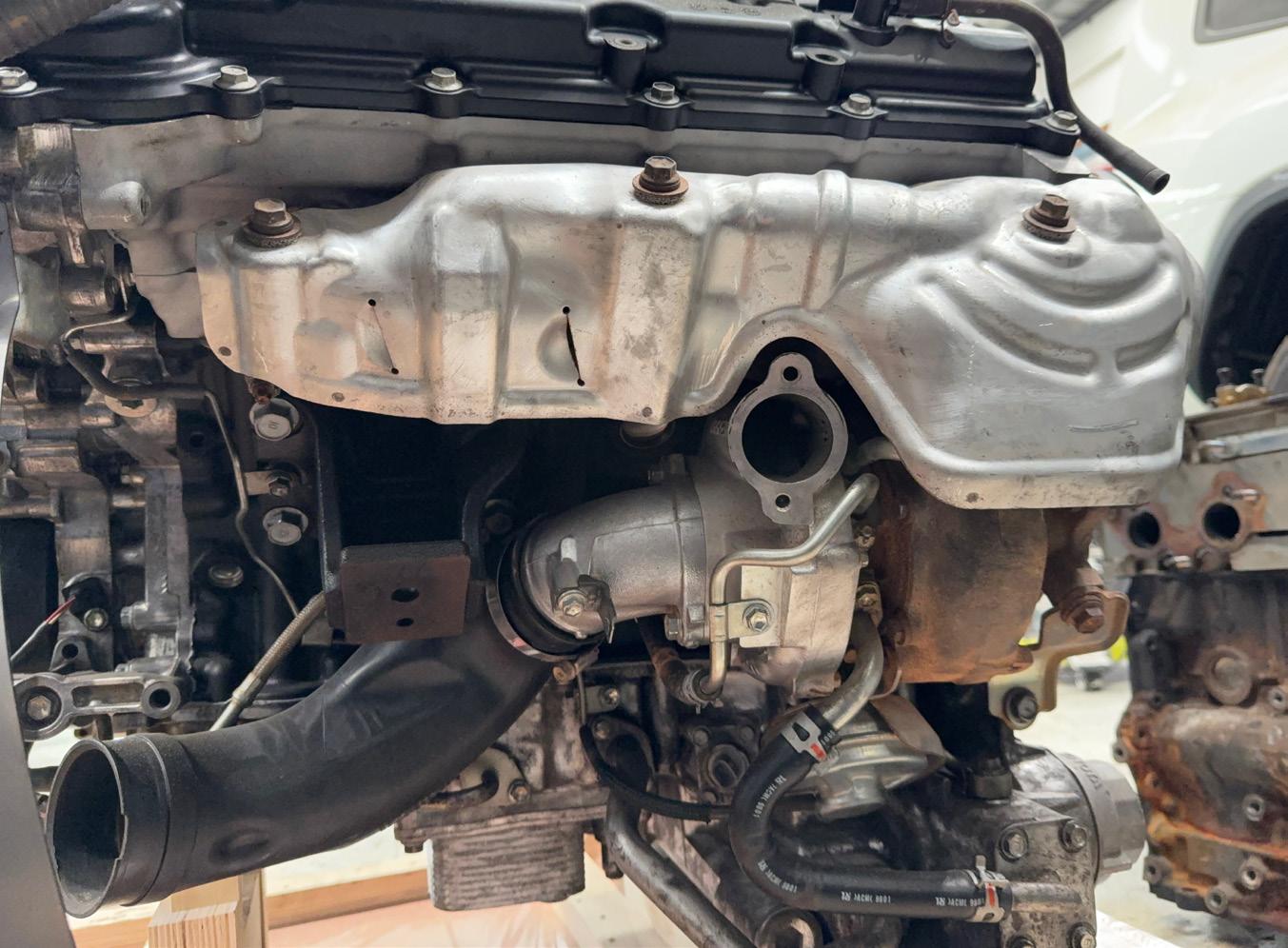
Removing the turbocharger and exhaust manifolds to access the additional injector ports to check if they are blocked is a time consuming task on both variants.
It is easy to access the injectors with the engine removed.
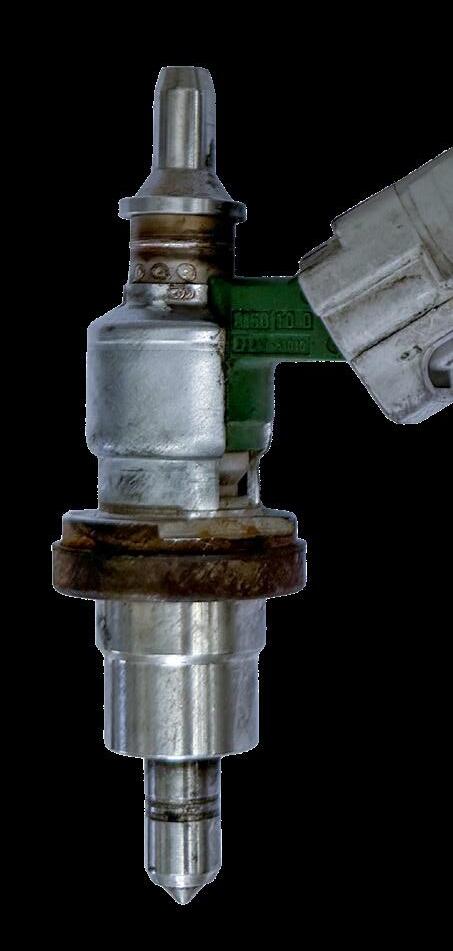
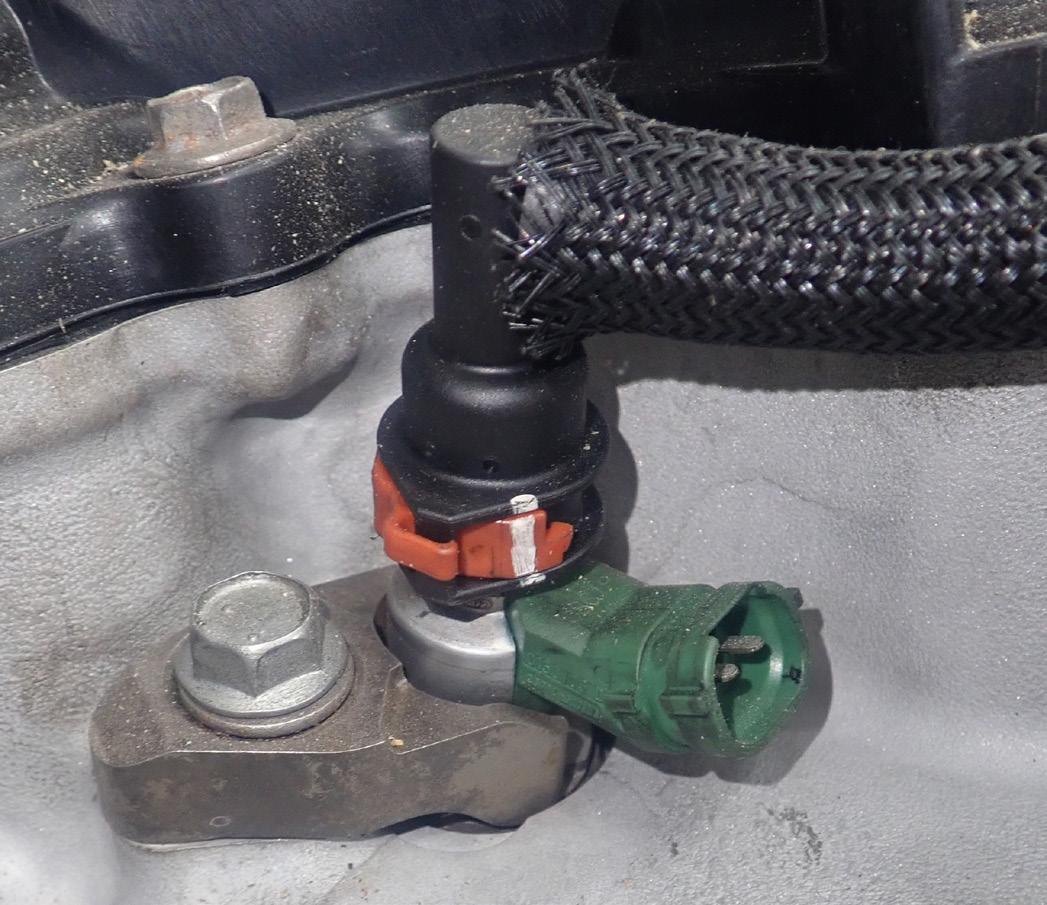
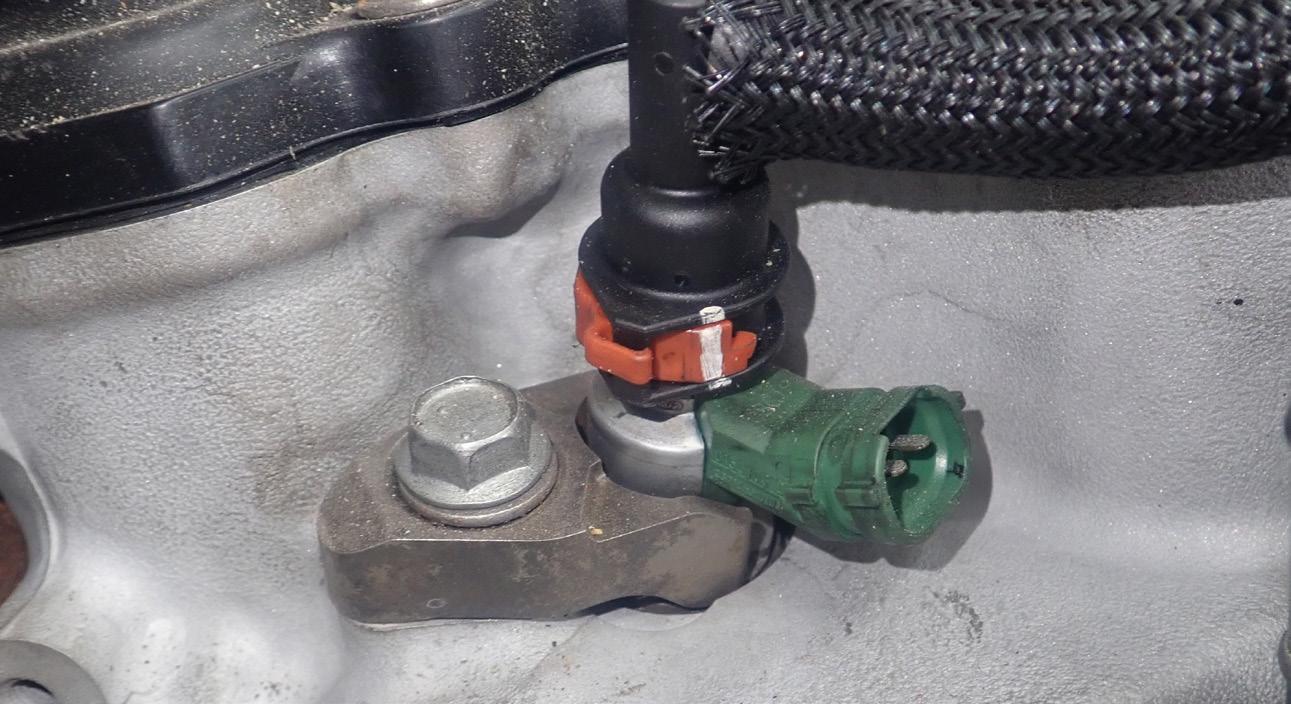
To remove the fuel line connector, unclip the hook then rotate it out all the way. The fuel line connector should now pull up and off the injector.
So, the turbocharger and exhaust manifolds need to be removed to inspect the ports. The first step of the OE procedure for the 200 series states to remove the engine. The 70 series OE procedure states that the turbo and manifold can be removed in the vehicle if you remove many components, including the transmission and transfer case.
See Diagram 4
Port Inspection Procedure
This procedure requires the injector and the exhaust manifold for the impacted bank to be removed
1. Disconnect the negative battery terminal
2. Remove covers from under the engine.
Additional Injector
Mounting Bolt
28 Nm.
3. Remove the inner guard covers.
4. Remove the exhaust manifold and turbocharger assembly for the required bank. This will be different depending on the model. See Diagram 3 &4
5. Look into the rear exhaust port and inspect the additional injector port, it could be blocked with carbon deposits. See Diagram 6
6. Remove the intercooler.
7. Remove the air cleaner assembly and hose.
8. Remove the dip stick and dipstick tube.
9. Remove both throttle bodies.
10. Remove coolant hoses.
11. Remove the cylinder head cover silencer. This is the sound-insulation material.
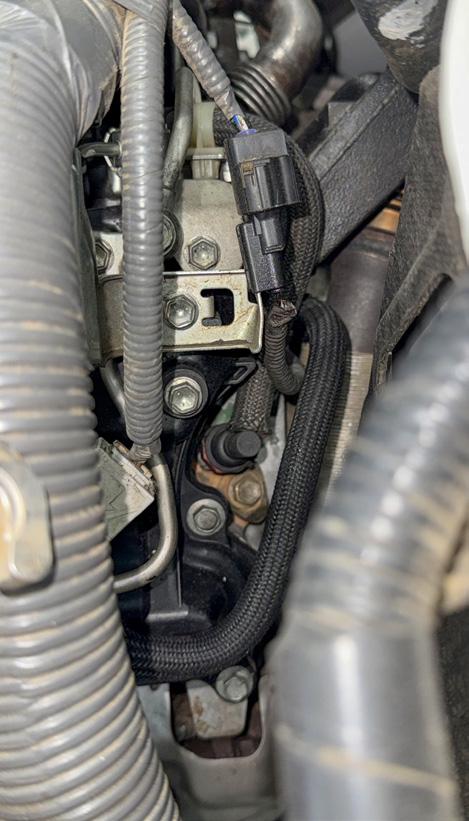
12. Remove the cover over the DPF injector.
13. Disconnect the wiring to the DPF injectors.
14. Remove the DPF injector mounting bolts. See Diagram 5
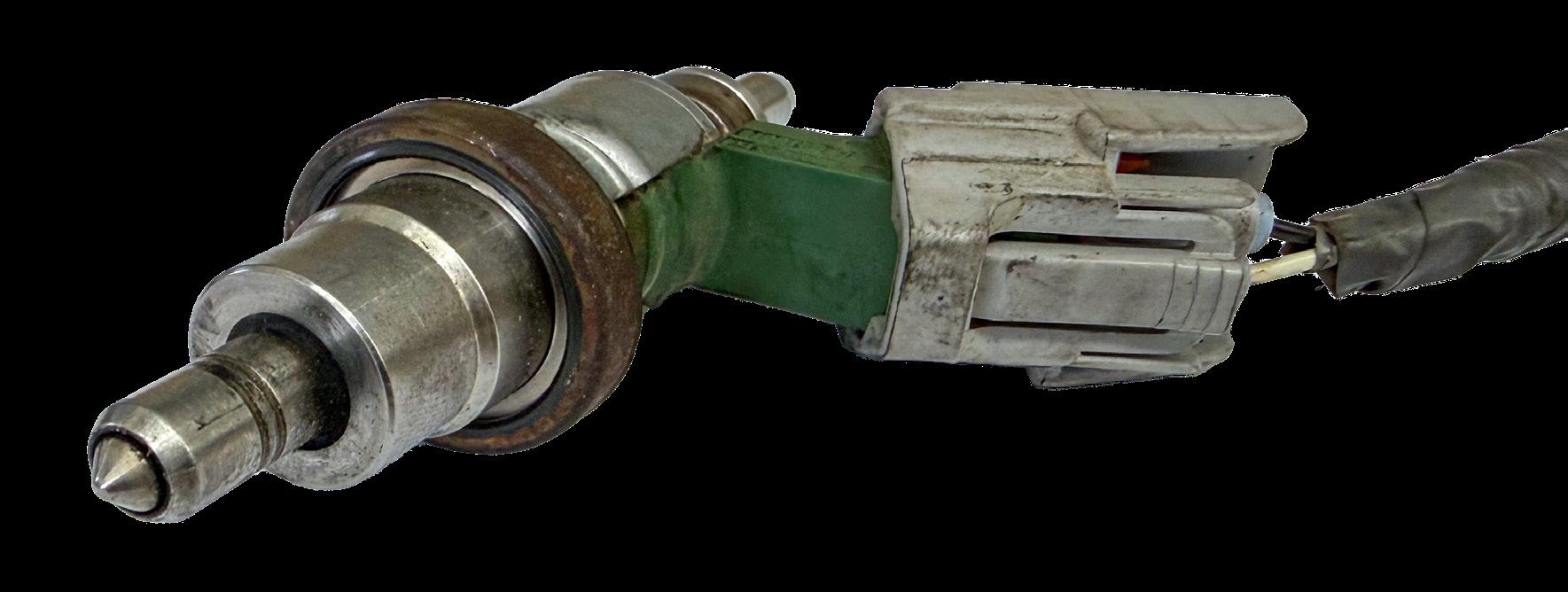
15. Remove the DPF injectors and their seals and gaskets, and discard.
16. Disconnect the fuel supply hose by pulling and rotating the clip out of the housing, then pulling the hose up and off the injector. See Diagram 5
17. Plug all openings to the fuel system to prevent leaks
There is one injector on each bank for the 200 Series. Only on left bank for 70 series. Space is tight up against the fire wall.
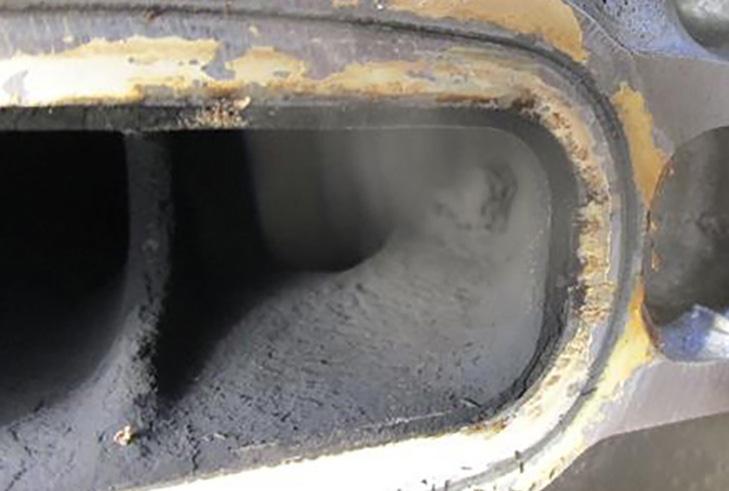
Once the exhaust manifold is removed you can look into the rear exhaust port. If the additional fuel port is blocked as shown, you might have found your problem
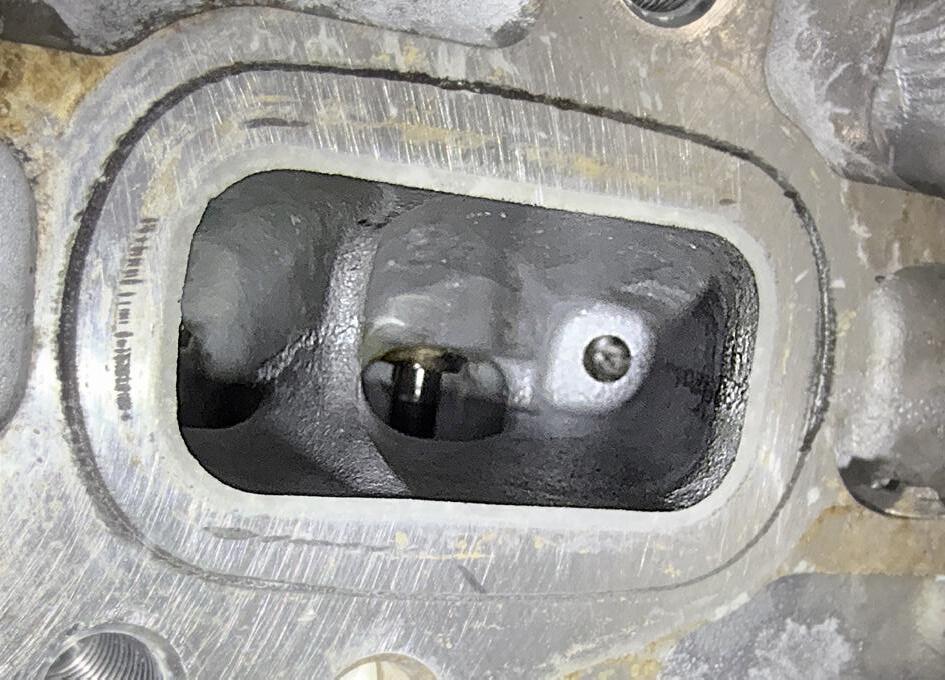
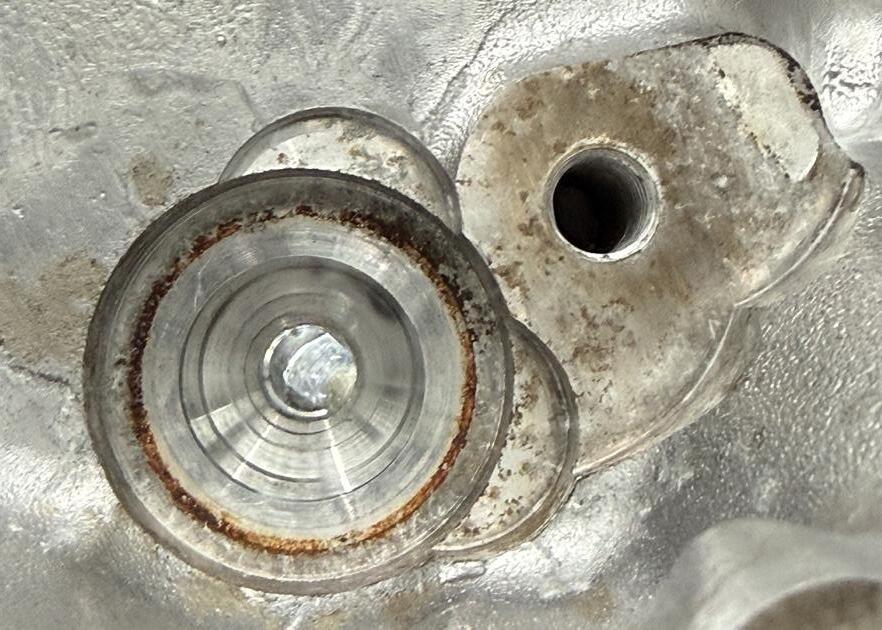
Using the appropriate tools and cleaning products reomove the carbon buildup from the exhaust port. Then cleanout the additional fuel port.
Once the additional injector has been removed you can ensure that the port into the exhaust port is clear all the way, so fuel can spray in without any obstructions.

and foreign matter from entering the fuel system.
18. Rotate the engine to ensure that the exhaust valves for the rear cylinder are closed, or use other methods to prevent foreign material from entering the engine.
19. Remove the carbon deposits with appropriate picks until the port opens up. Then use small brass wire brushes to clean the port. NOTE: Carbon-removing products may loosen or dissolve the buildup. You will need to use your professional judgment to determine whether this is appropriate for this task. See Diagram 6
It is recommended to have the injectors tested for the correct spray patterns before reassembly. NOTE: They spray side ways. See Diagram 1
Reassembly
Once the ports are clear from the injector mounting hole to the exhaust port, you can reassemble the engine in reverse order.
1. Ensure that all components and ports are clean and open before installation.
2. Fit new injector seals.
3. Fit the injectors into the engine with new washers and tighten the clamp bolt to 28 Nm See Diagram 7
The following are the same for
Using a brass wire brush such as this is recommended to be used to clean the additional injector port. Various gun cleaning kits have similar brushes.
70 and 200 series engines
• Exhaust manifold bolt 36 Nm use new nuts
• Turbo to manifold 69 Nm use new nuts and bolts
Is the DPF too blocked for the engine to run?
The original reason you went through this process was a possible blocked DPF, and it could still be blocked, preventing you from performing a manual regeneration. There are companies that offer DPF cleaning services, and there are some ways to backflush a DPF at your workshop to clean it out enough for a regeneration to occur.
What is the root cause?
If you have gone through this testing, found that the additional fuel injector port was blocked, cleaned it out, and reassembled the engine, and it is hopefully running well. Now is the time to continue your diagnostics to determine why the port was blocked in the first place. There is a long list of possible causes and conditions that must be met for regeneration to occur automatically,
or via the cabin button the driver can use when the DPF light comes on. It could be operator error, or various mechanical or electrical problems. But if regeneration doesn’t happen when it needs to, soot will back up in the exhaust and will begin to block the additional fuel injector port again.
We have written the following article, which goes into more

Thank you to Gabriel and the Team at ToyLexRus for their help with this article. toylexrus.com.au
detail on the numerous things that can go wrong with a DPF system and should help you find the root cause.
P2463 – DPF Soot Accumulation: Diagnostic Tips
TechTalk June 2023, page 5400
For more information on the Toyota Land Cruiser 200 and 70 series with DPFs, log onto VACC MotorTech and check out our HaynesPro guided diagnostics or call VACC’s TechAdvisory Service for guidance.
techtalk@vacc.com.au 03 9829 1292

Replace the seal under this flange which seals against the cylinder head.
Replace the O-ring inside the fuel line connector.