LEGACY
CONGRATULATIONS,
DOCTORS!
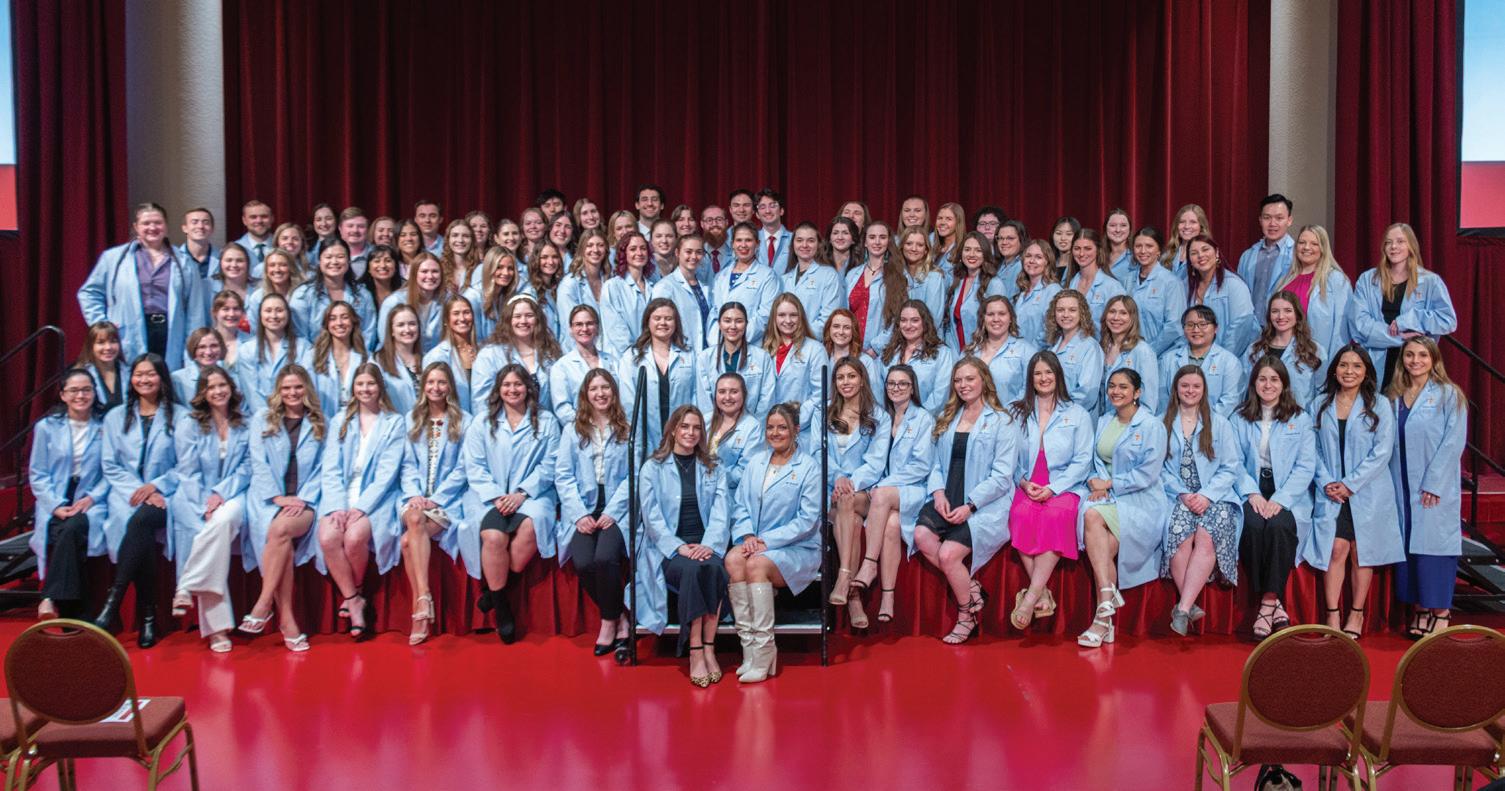
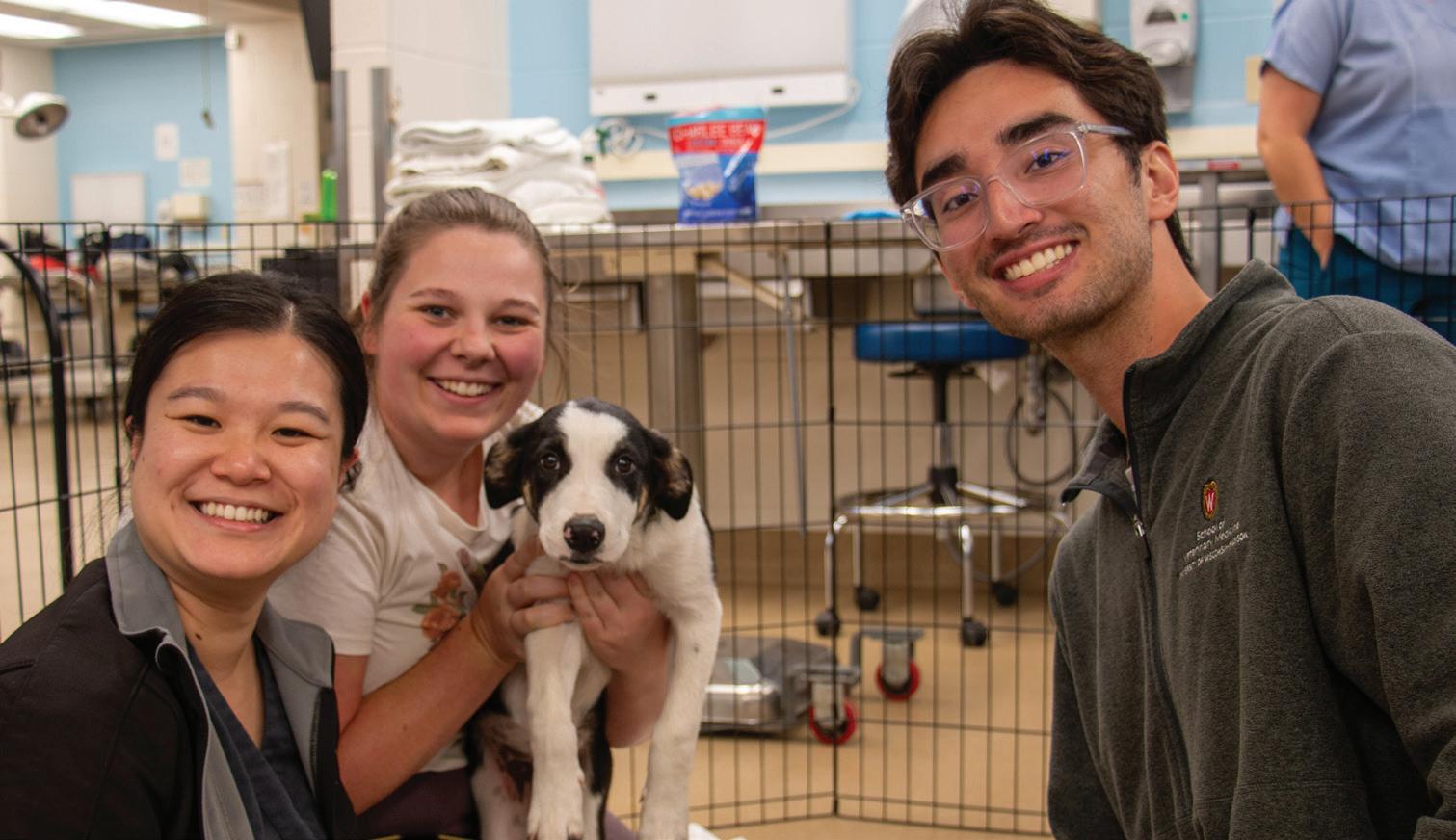
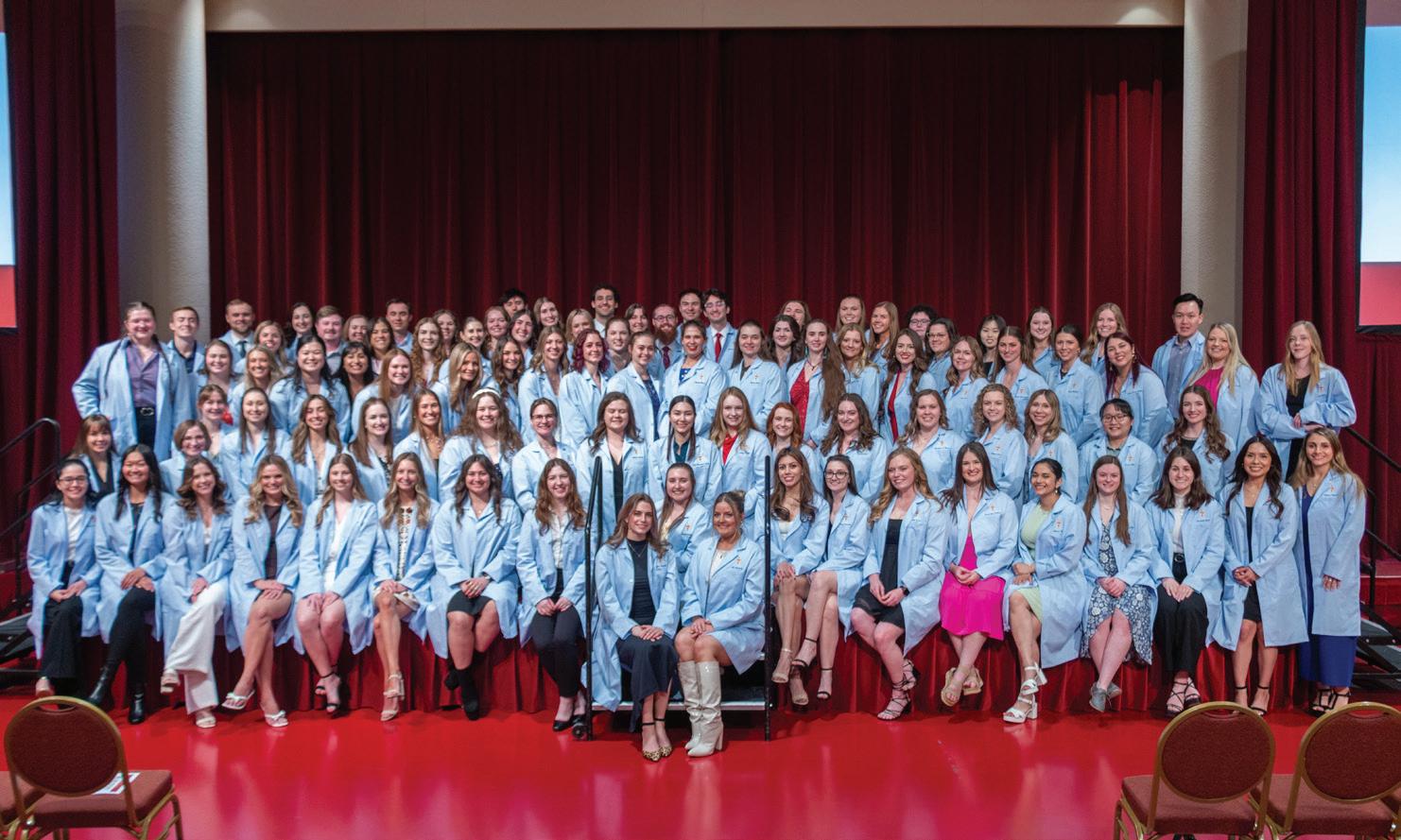
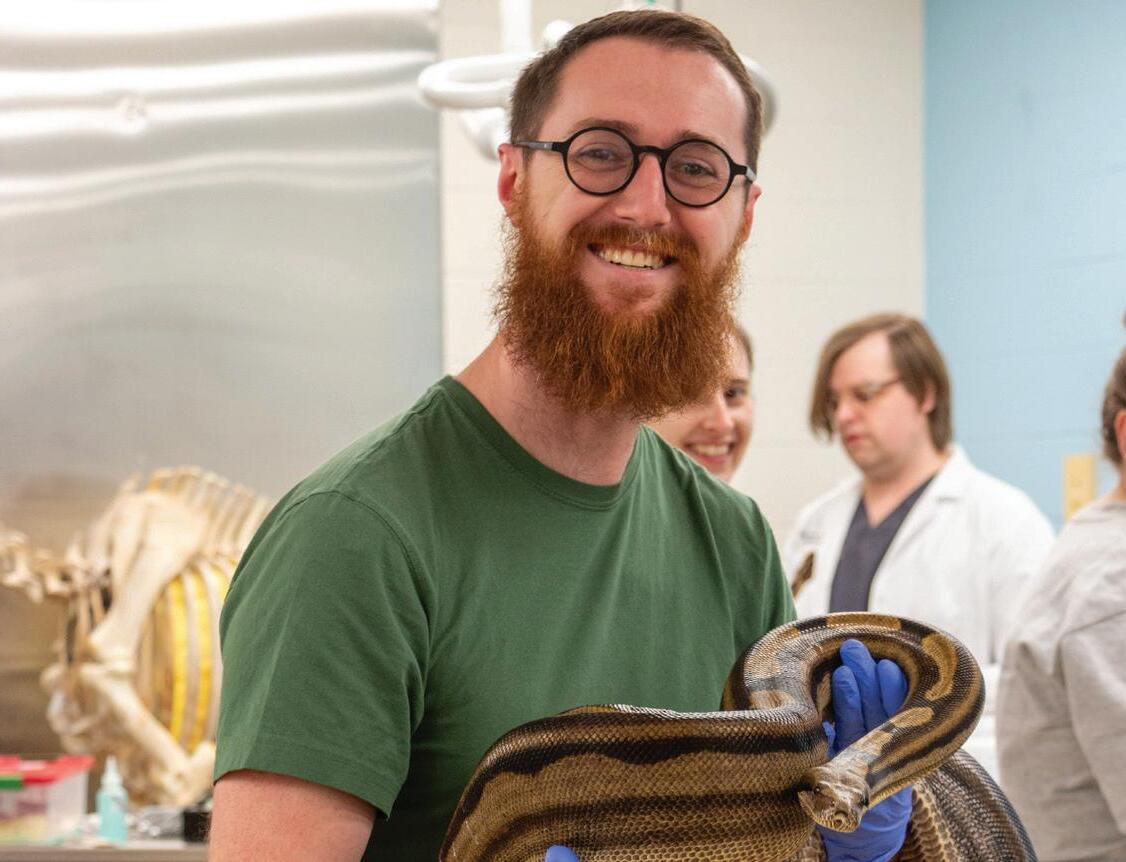
Welcome to the most amazing profession. The School of Veterinary Medicine’s faculty, staff, and alumni are truly impressed by your dedication, integrity, and tenacity as you worked toward your dream of earning a Doctor of Veterinary Medicine degree. Congratulations, Class of 2026 — we are so proud of you!
Keya Allred
Mai Anais*
Caroline Andrews
Rhoada Balmilero-Unciano*
Melanie Barnes*
Sowmiya Baskar*
Bridget Bazile
Evan Bennett
Madelynn Bernau
Megan Bixby
Shimana Bose
Kaylee Bradberry*
Nicola Brown
Dai Bui
Ariela Burk
Rachel Burno
Rachel Burns
Hannah Carlson
Juliette Casal-Mori
Nandita Chittajallu
Hannah Clark
Brianna Clifton
Michaela Cody
Elijah Collins
Claire Conwell*
Olivia Coppola*
Tehya Crego
Megan Cunningham-Lock
Sophia De Felice*
Jessica Dean
Olivia DeBuhr
Carolina Delgado-Cabrera
Sarah DeWeese
Rebecca Duke
Nicole Dureiko
Julia Eastham
Ethan Elazegui
Justine Finerty
Audra Fisher
Olivia Fox
Sierra Furger
Alicia Gehlhoff
Serena George Himashi Goonesekera*
Alexander Goskowicz
Hunter Grams
Cindy Guzman Rojas*
Brian Hansford
Aspen Hatzenbeller
Hannah Heikkinen
Eddie Henderson
Karina Herrera
Kristen Holland*
Annabelle Honet
Ellyn Hugus
Maggie Jesse
Brynna Jovanovich
Brooke Kabara
Kailee Kaiser
Caleb Keen
Erin King*
Montana Kleinschmidt
Nyah Kohler
Rose Koster
Maegan Kreuscher
Allyssah Lanza
Courtney Lease
Lillian Ledvina
Olivia Lee
Allison Leschke
Hannah Lillesand
Deborah Liu
Claire Loethen*
Xuejiao Lou
Hunter Lynch
Alison McGrath*
Isabella Minacapilli*
Ayla Mollen
Arianna Mormino
May Murakami-Smith
Carly Olsen
Linnea O’Neil
Taylor Paye
Maria Peralta
Makala Perkins*
Madison Perry*
Alexander Petruso
Natalia Pomphrey
Rachel Potyen
Rachel Przybyla
Maya Rangel
Ali Rashid*
Micaela Reichert
Olivia Roeske-Kretzer
Blythe Salamone
Cyrus Salvani*
Lindsey Samuelsen
Autumn Schenzel
Andrea Shih
Mary Siemers
Zoe Snyder
Haliey Starr
Hannah Stocklein
Olivia Stupp
Ali Sturtecky
Isabella Susi
Hallie Tranel
Ashley Tuszka
Josie Uram
Sophia Valeo*
Yaquira Velazquez-Llanos*
Haley Watters
Emily Welsh
Priscilla Wilbur*
Elizabeth Williams*
Elisabeth Winter*
Alyssa Wolf*
Ashley Zimonick
Ashley Zuzick

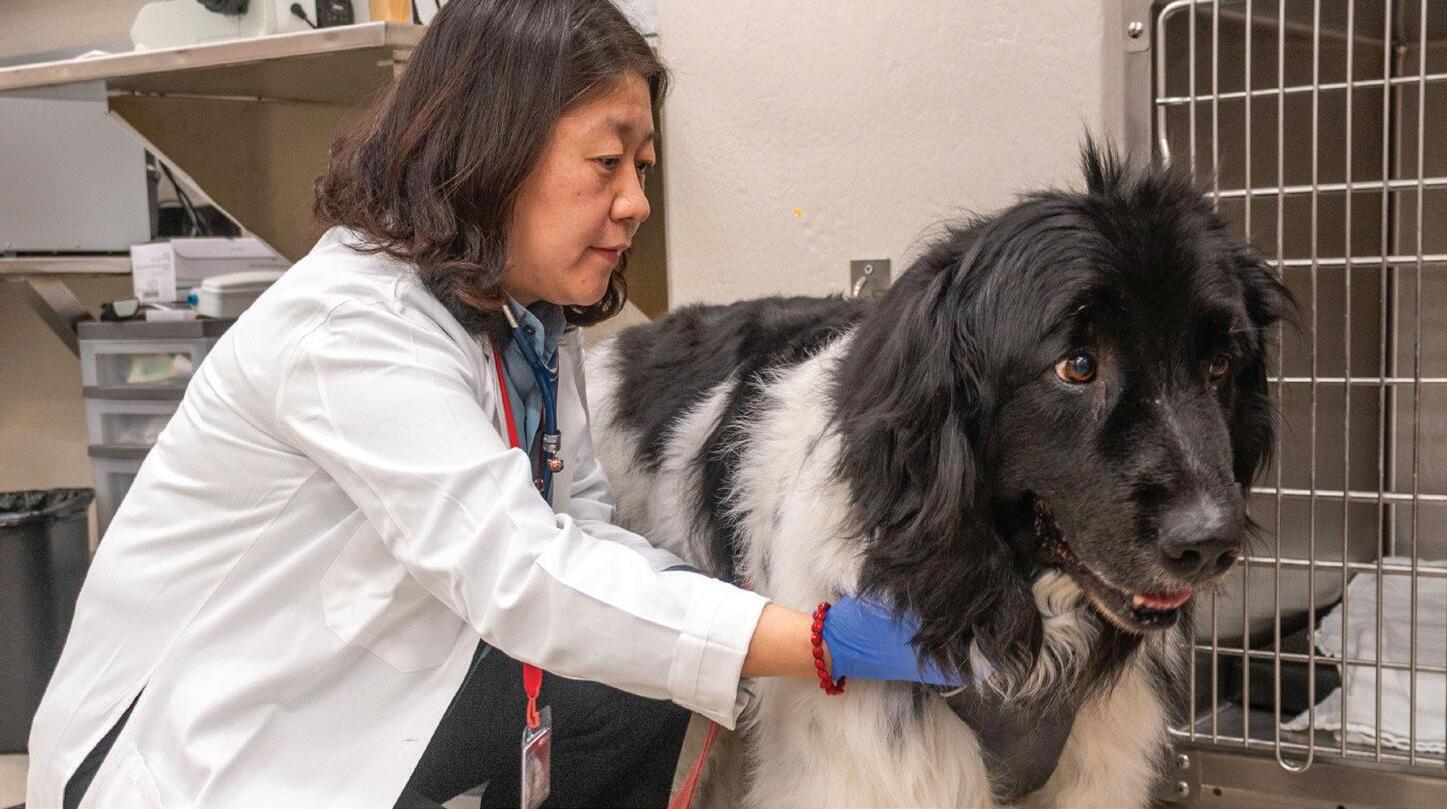
Legacy fuels UWVC leadership in comprehensive cancer care
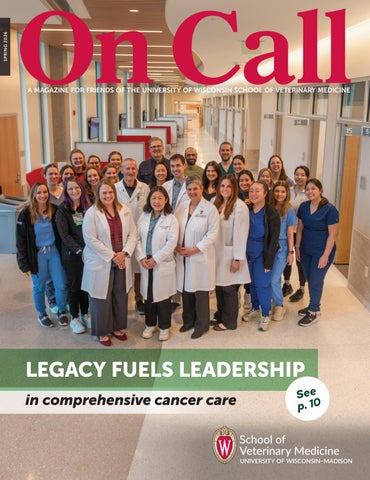
For 40 years, UW Vet Med has been a leader in veterinary oncology. Today, the school continues to build on that legacy, bringing together medical, radiation, and surgical oncologists to form a comprehensive oncology service to provide cancer care that is unmatched in Wisconsin and the upper Midwest. Page 10
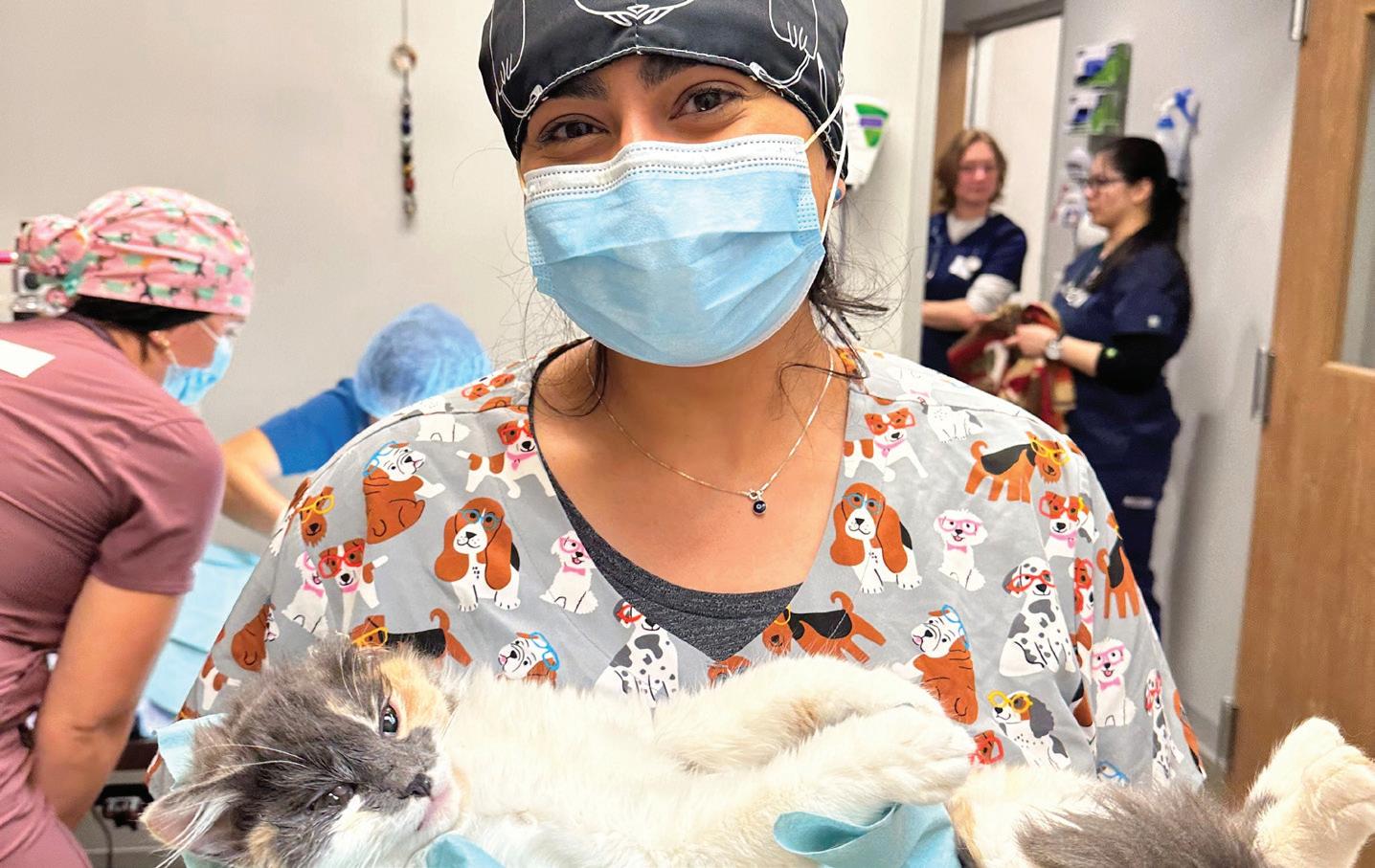
Community, collaboration, and partnership bolster Program for Shelter Medicine
A collaborative care team from UW Vet Med, the Dane County Humane Society, and the Lac du Flambeau Tribal Pets for Life program are working together to provide free spay/neuter surgeries, preventative care, and follow-up care to local pets. Their community-guided partnership ensures that animals like Kipper — a senior dog deeply bonded with his owner — can receive needed veterinary support close to home.
14
Legacy and leadership in veterinary oncology 14 Community and collaboration bolster care
16 Emphasizing hands-on learning with early clinical experiences 18 Comparatively Speaking A special section for alumni of the Veterinary Science and Comparative Biomedical Sciences graduate programs
DVM Badger Den News for and about SVM alumni
Patient Profile
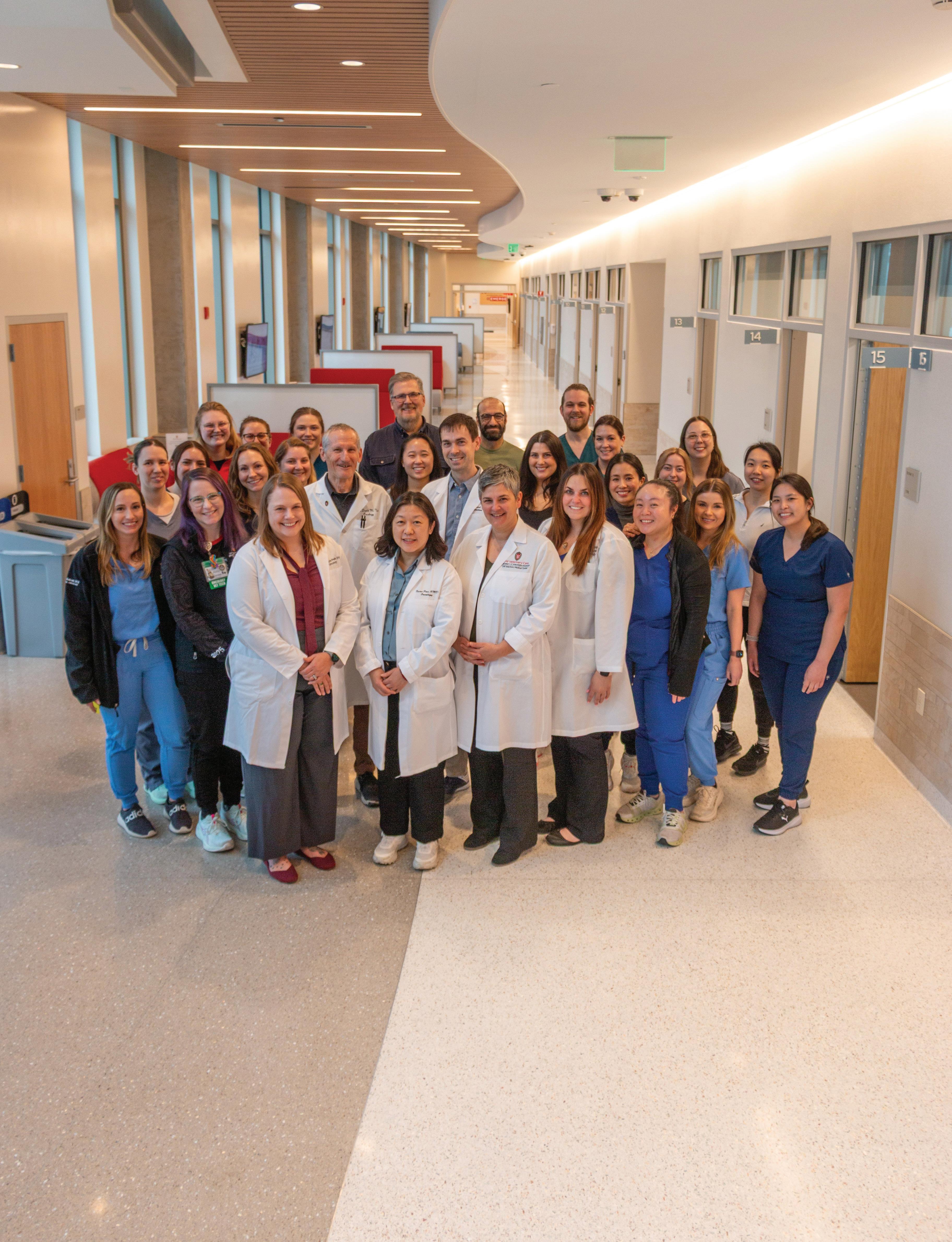
the Cover Faculty members, house officers, veterinary technicians, and support staff of UW Veterinary Care’s comprehensive oncology service are transforming the way cancer is treated.
Message from the Dean
The first few months of 2026 have only reinforced what I have felt since I arrived here nearly two years ago: It’s a very exciting time to be part of the UW Vet Med community.
Our new five-year strategic plan charts an exciting path for the next era of this great institution; the work our team put into the plan is the foundation from which we continue to create the future of veterinary medicine.
Our school and hospital are in demand. This cycle, the UW School of Veterinary Medicine (SVM) received another wave of incredible applicants. In total, 2,523 prospective students (including 262 from Wisconsin) applied for 100 spots. We also have a great pool of applicants for two PhD/DVM student slots for students who will receive scholarship support and stipends.
Our exceptional team of faculty and staff is also expanding. Through the RISE initiative — a campus-wide effort to address significant, complex challenges — we’re excited to be recruiting three foundational scientists, a clinician scientist, and another AI-focused faculty member. The SVM is also pursuing an additional clinician-educator, who will focus on working with first- and second-year students, as well as a clinical instructor in internal medicine and an instructional specialist.
Meanwhile, UW Veterinary Care (UWVC) is treating patients of all shapes and sizes from all over the country. In 2025, 30,000 patients came here — from 34 states and Washington, D.C. — to see our world-class veterinarians and our team is growing: to help redefine cancer care, for example, we’re recruiting a medical oncologist and adding a second surgical oncologist to our team (read more about UWVC’s tradition of transformative cancer care on pages 10-13).
Finally, with generous support from donors and friends, we’re making key investments to advance groundbreaking research and discovery. The school recently secured a gift to support collaborative translational research, which brings together clinicians and foundational scientists, and is accepting corresponding proposals. Two additional gifts to the Ryley Clinical Innovation Fund will support leading-edge clinical care at UWVC by funding learning opportunities for our clinicians and covering the costs of new procedures. To date, the fund has supported six innovative projects.
With all of this in mind, one thing is clear: working together, we are creating the future of veterinary medicine right here at UW-Madison.
Until next time ... On, Wisconsin!


Jonathan Levine, Dean @uwvetmeddean @uwvetmeddean.bsky.social
Administrative Advisory Committee
Jonathan Levine , Dean
Nigel Cook, Chair, Department of Medical Sciences
Fariba Kiani , Chief Financial Officer
Gillian McLellan , Chair, Department of Surgical Sciences
Jessica Pritchard, Interim Associate Dean for Professional Programs
Suzana Salcedo , Chair, Department of Pathobiological Sciences
Calico Schmidt , Interim Associate Dean for Student Academic Affairs
Chris Snyder , Associate Dean for Clinical Affairs and Director, UW Veterinary Care
M. Suresh , Associate Dean for Research and Graduate Training
Kristi V. Thorson , Associate Dean for Advancement, Strategy, and Operations and Chief of Staff
Chad Vezina , Chair, Department of Comparative Biosciences
Editorial
Editor : Maggie Baum
Lead Writer : Jack Kelly
Contributing Writers: Simran Khanuja, Grace Bathery, Katie Ginder-Vogel
Photography : Seth Moffitt, Jack Kelly
Design : Lexi Swain
Connect with Us
Please send your feedback and comments to oncall@vetmed.wisc.edu, 608-263-6914, or On Call Editor, 2015 Linden Drive, Madison, WI 53706. www.vetmed.wisc.edu www.uwveterinarycare.wisc.edu
facebook.com/uwvetmed
facebook.com/uwveterinarycare
x.com/uwvetmed
x.com/uwvetmeddean
youtube.com/uwvetmed
instagram.com/uwvetmed

linkedin.com/school/uwvetmed

bsky.app/profile/uwvetmed.bsky.social bsky.app/profile/uwvetmeddean.bsky.social
On Call is also available online at: www.vetmed.wisc.edu/on-call
The printing and distribution of this magazine were funded by donations to the school. To make a gift, contact Heidi Kramer at 608-327-9136 or heidi.kramer@supportuw.org.
Ask a UW Veterinarian
ISTOCKPHOTO:JOSSDIM

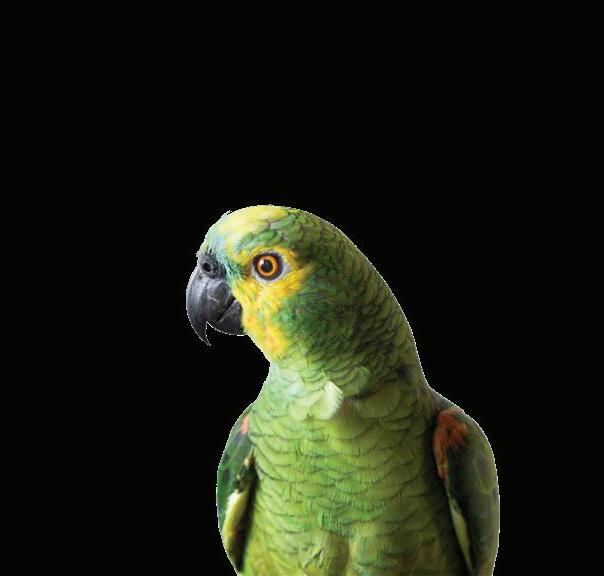
Avian answers: What your bird’s behavior says about its health
Understanding the behavior of pets can lead to happier, healthier lives for our furry friends and even prevent medical emergencies. Just like other animals indicate emotional states and health issues through their behavior, birds communicate their wellbeing through different actions and sounds, says Grayson Doss, a clinical associate professor of zoological medicine at the UW School of Veterinary Medicine.
Doss, who serves as section head of UW Veterinary Care’s Special Species Health Service, shares common behaviors that can be a cause for concern and how to encourage positive bird behavior.
What bird behavior should be concerning to pet owners?
Any behaviors that are out of the ordinary are worth consulting a veterinarian about. A common one would be featherdestructive behavior, where birds begin damaging or pulling out their feathers. Lethargy, which can look like excessive sleepiness or a fluffed appearance, is an emergency in pet birds.
What do these behaviors mean?
Feather-destructive behavior can be related to underlying discomfort or can signal boredom or stress. Lethargy often indicates significant illness.
What can be done to address these behaviors?
A thorough exam with a veterinarian can help identify issues and some diagnostic tests can help look for an underlying medical condition that could be causing
the abnormal behavior. Lethargic birds should be evaluated by a veterinarian immediately.
What behaviors should pet owners not worry about?
Behaviors like beak wiping, vocalizing, head bowing, chewing or destroying toys, or occasional wing flapping are normal behaviors in parrots. Some behaviors are species-specific, so educating yourself on what behaviors you can expect to see in your species of pet bird is very helpful. Birds can also regurgitate as a sign of affection, which can be alarming, and some parrots can rapidly constrict and dilate their pupils – which is called pinning and is completely normal.
How can positive behaviors be encouraged?
Operant conditioning focused on positive reinforcement goes a long way to help pet birds learn new skills. For example, offering a favorite treat after a bird steps up onto a perch to get a body weight reinforces that useful behavior.
UWVC’s expert clinicians, including our special species team, are here to help keep your animals happy and healthy. To schedule an appointment, call 608-263-7600.
Socializing with the SVM
To see more inspiring animals, student experiences, and behind-the-scenes UW Vet Med content, follow @uwvetmed on your favorite platforms and stay in touch!
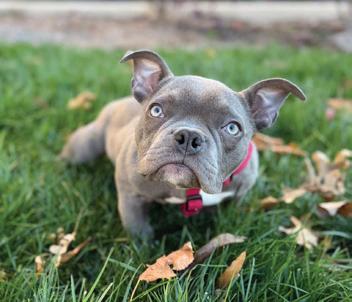
Today we made the trek to UW Veterinary Care to see the neurology department. While they aren’t able to diagnose (Stitch) with anything specific, they did determine that his abnormal gait is a neurological deficit. They performed some pain testing and were happy to report that he doesn’t seem painful whatsoever!
Yesterday was a very eventful day for my sweet, sweet little furball. We had an early morning appointment @uwvetmed. In their very capable hands, Gerald had SOOOO many tests done and an ultrasound to figure out what’s going on with his kidneys.
Do you have a question you’d like to see answered in an upcoming issue?
Send it to news@vetmed.wisc.edu. For health concerns needing immediate attention, please contact your veterinarian directly.
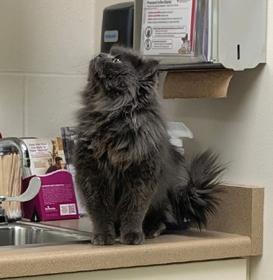
Unfortunately, he has Stage 2 kidney disease. Fortunately, we have a plan moving forward to make sure it doesn’t progress.
– @geraldspurrsiansnuggletooth via Instagram
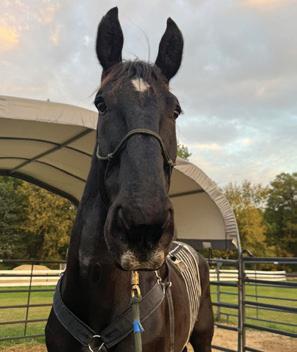
– Thrifted Kittens Animal Rescue via Facebook Cooper spent nearly two full weeks in the care of UW Veterinary Care. ... We are so grateful for each of (the) surgeons, doctors, techs, students, and so many more who helped care for Cooper.
– Friends of Madison Mounted Horse Patrol via Facebook
Three transformative SVM research projects funded by WARF,
Zoetis
The Wisconsin Alumni Research Foundation (WARF) and Zoetis recently selected three School of Veterinary Medicine (SVM) researchers for funding to support projects aimed at improving the health of livestock and companion animals.
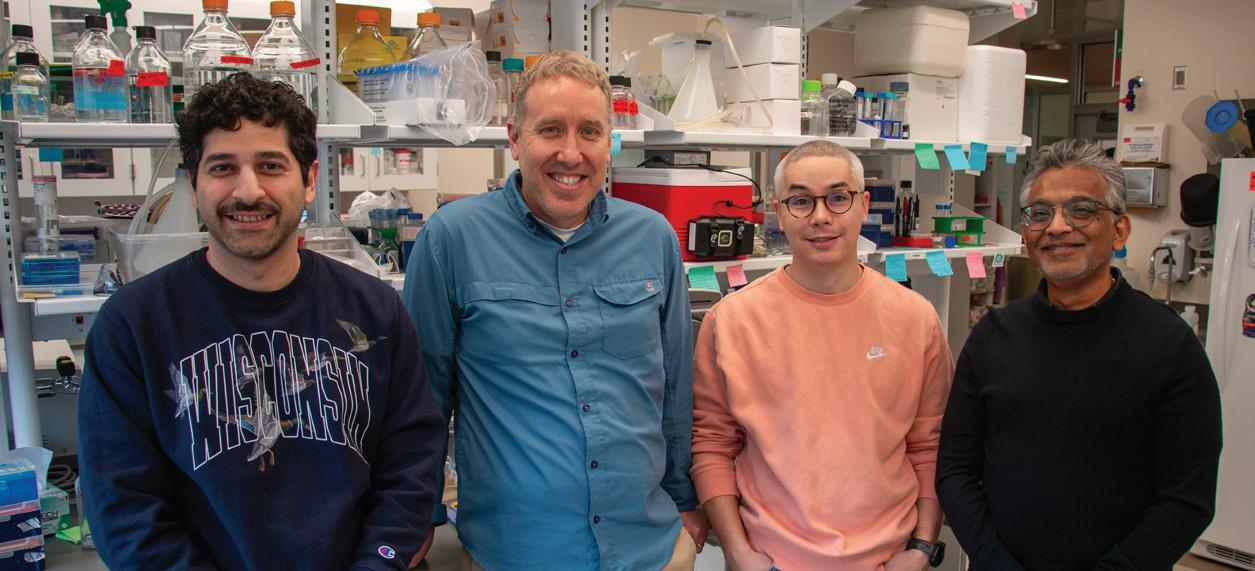
SVM Associate Dean for Research and Graduate Education and John E. Butler Professor in Comparative and Mucosal Immunology Marulasiddappa Suresh, Matt Reynolds (’98 PhD’06), John Chan, and Mostafa Zamanian (all of the Dept. of Pathobiological Sciences) are leading or working on projects that received a share of the funding.
Suresh’s work focuses on developing a universal influenza vaccine designed to combat H5N1 avian flu in multiple species. The Reynolds lab, meanwhile, is taking advantage of a unique feature of cow antibodies to create new medicines that can reach and attack parts of viruses and tumors that normal antibodies can’t access. Chan, who is also affiliated with UW-Madison’s Global Health Institute, is working to identify new medicines to combat canine heartworm, a parasitic infection that is fatal if left untreated. Zamanian is supporting Chan’s work, as well as the work of a team at the School of Pharmacy.
“This support confirms something I’ve long known to be true: UW Vet Med scientists are at the forefront of transformative research,” says Dean Jon Levine. “These projects represent the spirit of innovation that is deeply embedded in the SVM and I look forward to hearing about their progress in the coming months.”
New chair selected for Dept. of Pathobiological Sciences
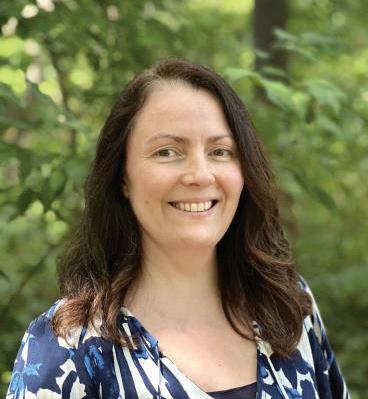
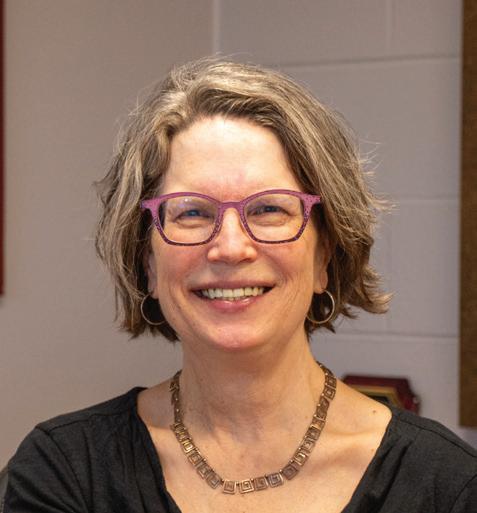
Suzana Salcedo has been appointed to serve as the next chair of the Dept. of Pathobiological Sciences, effective April 10.
Salcedo joined the SVM faculty in 2024 after a two-decade career journey that took her to Portugal, the UK, and France.
“Suzana is a brilliant scientist, academician, educator, and leader who is keenly focused on supporting and elevating our mission and people,” says Dean Jon Levine. “I look forward to working together as we create the future of veterinary medicine.”
Salcedo succeeds Kristen Bernard (MS’92 PhD’95), who served as department chair for five years. Bernard is retiring after an illustrious career, including 17 years as an SVM faculty member.
“I want to extend a heartfelt thanks to Kristen for her many years of service,” Levine says. “I’ve enjoyed getting to know her since I arrived in Madison, and I’ve always admired how deeply she cares about the people who make up this community.”
Suzana Salcedo Kristen Bernard
From left to right: Zamanian, Reynolds, Chan, and Suresh
Going global with the Wisconsin Idea
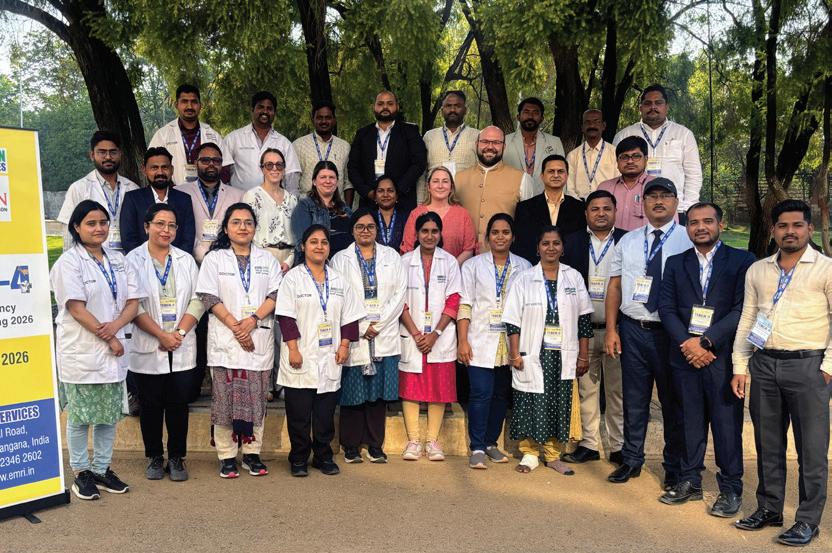
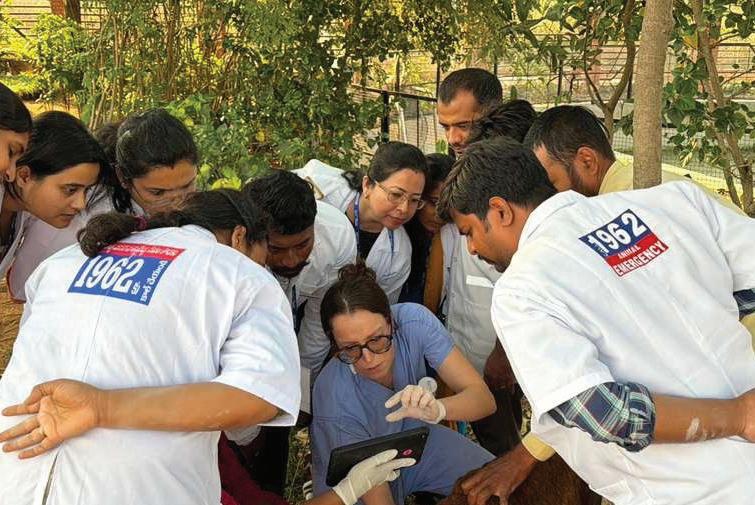
In February 2026, a group from the School of Veterinary Medicine (SVM) returned to Hyderabad, India, to deliver the fourth installment of the TEACH (Training in Emergency Animal Care and Handling) program for veterinarians with EMRI Green Health Services (India’s largest provider of pre-hospital medical services, serving more than 800 million people through its emergency response system).
The visit continued a growing international collaboration focused on strengthening veterinary clinical skills through a train-the-veterinary-trainer program, advancing One Health awareness and expanding global educational partnerships. Representatives from the UW Vet Med team included Ryan Breuer (DVM’12, Dept. of Medical Sciences), Alex Powers (DVM’17, Dept. of Medical Sciences), Katie Harmelink, CVT (lead instructional specialist), and Lacey Goetz, CVT (instructional specialist), along with alumnae Jane Renee ‘J.R.’ Lund (MS’07 DVM’07) and Melissa Beyer (DVM’13).
The TEACH program builds on a longstanding collaboration between UW–Madison and EMRI, originally developed through the work of Ann Evensen, professor in Family Medicine and Community Health, who partnered with EMRI to provide Basic and Advanced Life Support in Obstetrics (BLSO and ALSO®) training to physicians and emergency medical technicians. Inspired by this successful model, SVM faculty developed TEACH to provide similar structured training for veterinarians.
Prior to the four-day training program, the group led a day-long workshop for India government veterinarians emphasizing the importance of maximizing the physical examination in bovine and other large animal species, highlighting practical diagnostic approaches that can be used in both field and clinical settings. The workshop also included a One Health lecture discussing Highly Pathogenic Avian Influenza in cattle in the United States, emerging disease threats, and the importance of coordinated animal and public health responses. Participants also received hands-on instruction in thoracic and abdominal ultrasound techniques for large animals.
In addition, participants completed hands-on clinical skills training, including physical examination techniques, suturing practice, and bandaging and casting procedures. Participants demonstrated their competency through a structured clinical assessment in which learners rotate through stations to demonstrate specific practical skills under direct observation and evaluation. The partnership exemplifies the principle and the reach of the Wisconsin Idea — that education should influence people’s lives beyond the boundaries of the classroom.
UW Vet Med students earn national recognition
Two School of Veterinary Medicine (SVM) students recently received national recognition for their leadership potential and commitment to advancing the profession. Maria Rivera (DVMx’28) was selected for the Chewy Veterinary Leaders Program, and Abbey Williams (PhD’24, DVMx’28) was named a 2026 Merck Animal Health Diversity Leadership Scholarship recipient. The SVM is proud to see the work and impact of these students recognized at this level.
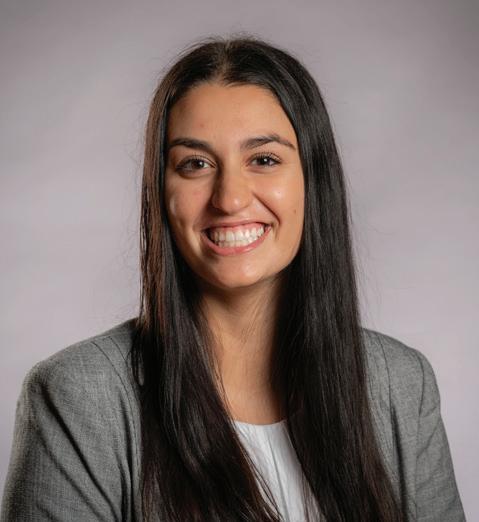
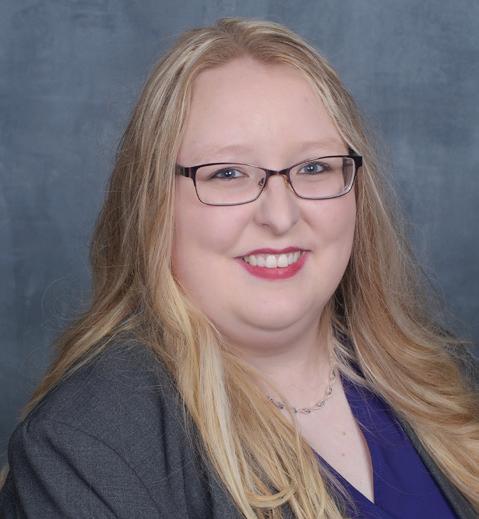
Maria Rivera Abbey Williams
News Briefs
Supporting pet owners, improving at-home care
The Client Learning and Lending Center (CLLC) is a new program designed to support UW Veterinary Care (UWVC) clients beyond the exam room and improve at-home care.
Even after in-depth conversations during appointments, questions can arise once clients are trying new care routines at home. The CLLC helps bridge that gap by giving pet owners extra guidance, practice, and reassurance.
“We were inspired by hands-on learning centers in human healthcare where families can practice care skills before heading home,” says Amy Nichelason (Dept. of Medical Sciences), a UWVC primary care veterinarian and founder of the CLLC. “We saw an opportunity to offer that same kind of support in veterinary medicine.”
Each month, UWVC clinicians and educators host interactive, hands-on classes for current clients so they can learn and practice essential care skills in a relaxed, supportive setting before trying them with their own pets. Topics include giving medications, dental care, mobility support, and enrichment activities, among others. These sessions are designed to build confidence, strengthen the human–animal bond, and support better outcomes for patients.
In the future, the CLLC plans to offer a lending library of at-home equipment and an online resource hub, making helpful information available 24/7.


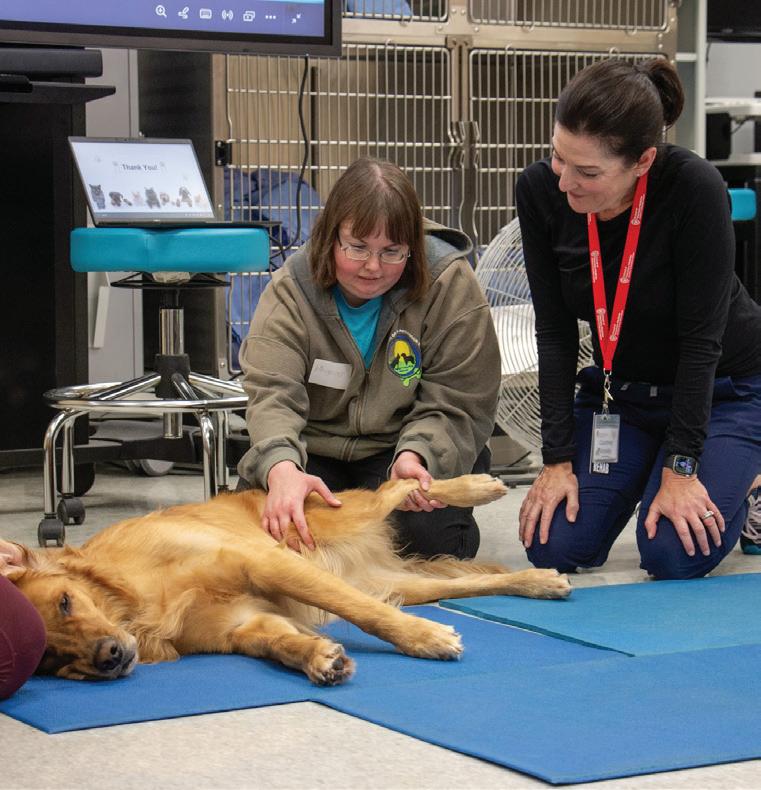
Top: Dr. Courtney Arnoldy (‘94) works with a client during a monthly CLLC event.
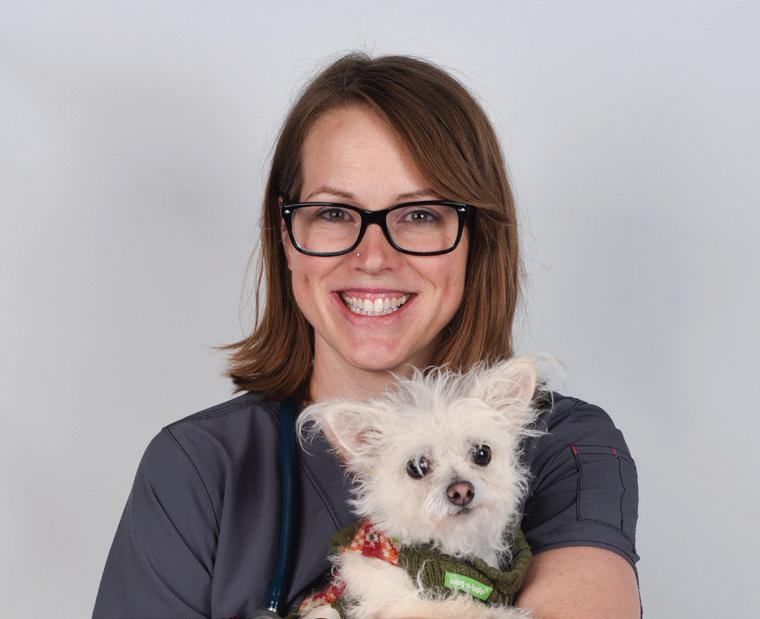
Bottom: CLLC founder Amy Nichelason with her dog, Vanilla Bean.
Enhancing veterinary care using AI
David Brundage (Dept. of Surgical Sciences) joined the UW School of Veterinary Medicine (SVM) in November 2025, bringing his expertise in biomedical informatics and AI to the veterinary medical field.
Brundage’s background is primarily in human medicine, where he integrated AI into clinical care and healthcare operations. He joins the school through UW-Madison’s RISE initiative, which was launched two years ago by Chancellor Jennifer Mnookin and is focused on addressing significant, complex challenges facing
Wisconsin and the world. Recruitment for a second AI-focused faculty member through RISE is ongoing.
His current research focuses on building AI tools to help bolster the work of veterinarians. “AI is not there to replace clinicians,” Brundage says. “It’s meant to elevate clinical care delivery while allowing veterinarians to drive treatment decisions.”
He is particularly interested in building small language models — as opposed to large language models like ChatGPT — that can be used
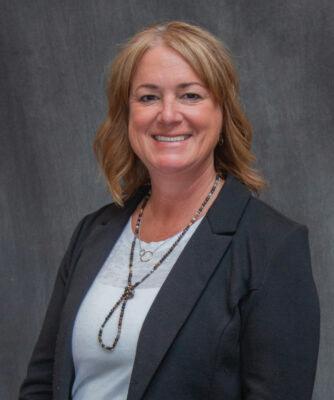
A note from Communications Director Maggie Baum
One of the best things about leading our communications team is getting to share incredible stories about how we’re creating the future of veterinary medicine right here at UW–Madison. Over the 30 years I’ve worked in communications, much has changed — and continues to evolve — about how we produce and consume media. As I reflect on this ever-changing communications landscape, there are a few updates I’d like to share with you:
• Publishing two print issues per year. With our commitment to human storytelling and increasing production and mailing costs, we’ve made the decision to shift from three to two issues of On Call each calendar year, one in spring and one in fall. Some resources will be reinvested in improving the news section of our website, as well as efforts for our stories to be as interactive and in-depth as possible. We promise you won’t miss anything!
• AI and storytelling. While we are exploring some ways to use AI as a communications tool — data analysis, organization, and tactical execution — we remain steadfastly committed to a human approach. Our communications team has seen an increase in stories from other sources that include false or misleading information. In some cases, we see signs that stories have been artificially generated. We encourage our readers to be considerate consumers and to go directly to the source: it’s best to get news about us directly from us.
• We’d love to hear from you. As always, we welcome your feedback and input. Email news@vetmed.wisc.edu with questions, comments, and story ideas.
We appreciate that you share our mission to advance animal and human health with science and compassion. Many thanks for your engagement and support!
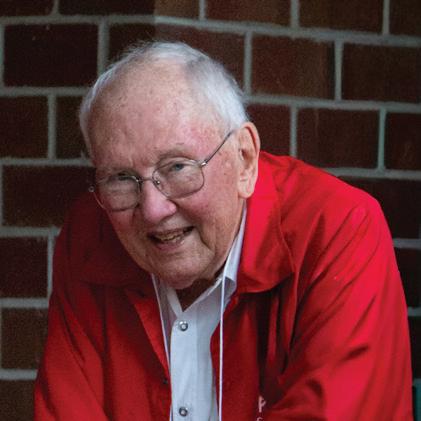
Remembering Bernard Easterday
As we sent this issue to press, we sadly learned that Dr. Bernard Easterday (MS’58 PhD’61), founding dean of the School of Veterinary Medicine, passed away. Additional coverage about Dr. Easterday’s work and the impact of his legacy on the UW Vet Med community will be coming in our fall issue of On Call. In the meantime, scan the QR code for more information.
to augment care while keeping costs low. These more narrowly focused tools could be especially important to smaller veterinary clinics that have more limited resources.
Brundage is also interested in exploring other uses for AI in veterinary medicine, such as whether an AI tool could review diagnostic images and rank them from most to least urgent for veterinarian review.
Other SVM faculty members, including Doerte Doepfer (Dept. of Medical Sciences), are also pursuing AI-related work. Doepfer is overseeing projects training AI models to recognize lameness in cattle and to help address resistance to antibiotics. She also teaches a summer course for veterinary medical students focused on AI.

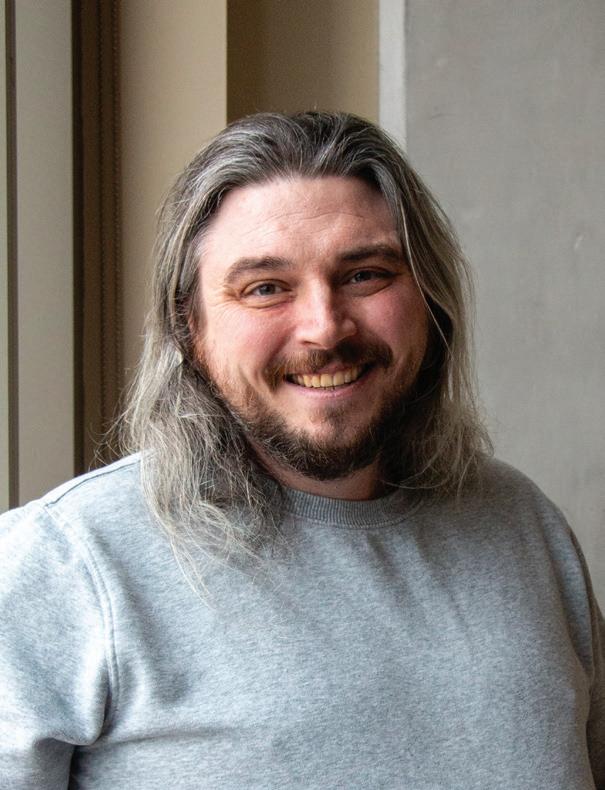
David Brundage
Legacy fuels UWVC leadership in comprehensive cancer care
UW
Vet Med clinicians continue to redefine how cancer is treated
by Katie Ginder-Vogel
For 40 years, the School of Veterinary Medicine (SVM) and UW Veterinary Care (UWVC) have been leaders in veterinary oncology. From the development of advanced radiation treatments to testing anti-cancer vaccines, UW Vet Med clinicians have long been on the front lines of redefining how cancer is treated.
Today, the school continues to build on that legacy, bringing together medical, radiation, and surgical oncologists to form a
comprehensive oncology service providing cancer care that is unmatched in Wisconsin and the upper Midwest.
“Our drive to revolutionize cancer care is unwavering,” says Dean Jon Levine. “By bringing exceptional veterinarians and scientists together, we’re creating new possibilities for patients through cutting-edge clinical trials and treatments — momentum we will build on for years to come.”
Three specialties, one team
UWVC is one of just a handful of animal hospitals in the United States that is home to medical, radiation, and surgical oncologists, which means patients and their families have access to a wider range of treatment information and options than if they were being seen by a single specialty. And there is a pressing need for care — roughly 25% of dogs and 20% of cats will be diagnosed with cancer in their lifetimes.
The hospital’s comprehensive approach to cancer care — and its culture of collaboration across services — augments the ability of UWVC clinicians to treat the disease, says medical oncologist MacKenzie Pellin (’06 DVM’11; Dept. of Medical Sciences). Traditionally the entry point for most patients at UWVC, medical oncology is one pillar in the full spectrum of care from a unified, comprehensive care team.
“Now, radiation and surgical oncology see cases with us,” Pellin says. “We all work together, and our integrated approach provides the best care possible for patients.”
The importance of collaboration is underscored by earlier successes: the team made pioneering breakthroughs in radiation oncology, such as a now-widely used protocol for cardiac hemangiosarcoma — an aggressive cancer of blood vessels that affects the heart.
“It hadn’t been commonplace to use radiation for that, but we created a safe protocol and combined it with novel chemotherapy,” says radiation oncologist Michelle Turek (Dept. of Surgical Sciences). “We were the first people to come up with this protocol.”
“The imaging we can do to make sure the patient is positioned precisely for radiation delivery is better now than it’s ever been,” Turek adds.
The recent return of alumna and surgical oncologist Megan Mickelson (’09 DVM’13; Dept. of Surgical Sciences), one of just 71 fellows in surgical oncology recognized by the American College of Veterinary Surgeons, completes the comprehensive model.
“Returning to Madison feels like returning to home,” Mickelson says. “It’s a dream come true to work at an institution that I care for so deeply, and I’m honored to work on an oncology team that’s transforming how we treat cancer in both people and their pets.”
Her expertise allows for faster access to oncological surgery, which can be lifesaving. It also allows for the use of advanced techniques like microwave ablation, which allow for more effective treatment of tumors that can’t be fully removed or have already spread. By integrating surgical oncology into the fold, UWVC ensures that every angle of the disease — from diagnosis to complex removal — is managed under one roof.
Pushing boundaries of what’s possible
The SVM has been at the forefront of creating innovative technologies and administering groundbreaking clinical trials since the school was founded. Greg MacEwen, a founding faculty member at the SVM, created gene therapies that helped dogs with melanoma live longer.
Rock Mackie, emeritus professor of medical physics, in collaboration with SVM scientists invented TomoTherapy® in the late 1980s. TomoTherapy® has transformed how cancer is treated by delivering precise radiation to tumors while avoiding normal tissues. A subsequent clinical trial in the 2000s led by Emeritus Professor Lisa Forrest (Dept. of Surgical Sciences) led to its now widespread use in human medicine.
David Vail (Dept. of Medical Sciences) continues to design and implement clinical trials for canine cancer patients that, along with other clinical studies, have yielded new and more effective gene therapy, immunotherapy, chemotherapy, and radiotherapy treatments while reducing side effects.
Nate Van Asselt (Dept. of Surgical Sciences) is collaborating with UW Medical Physics researchers to test a new radiation technique, known as FLASH, to reduce side effects for cancer patients receiving treatment. Xuan Pan (Dept. of Medical Sciences), in collaboration with UW-Madison’s Center for Precision Medicine, has developed a new blood-based cancer detection platform that has led to intellectual property filings by the Wisconsin Alumni Research Foundation.
Pan, Turek, Van Asselt, and Vail all have ongoing projects in collaboration with researchers at UW-Madison’s Carbone Cancer Center.
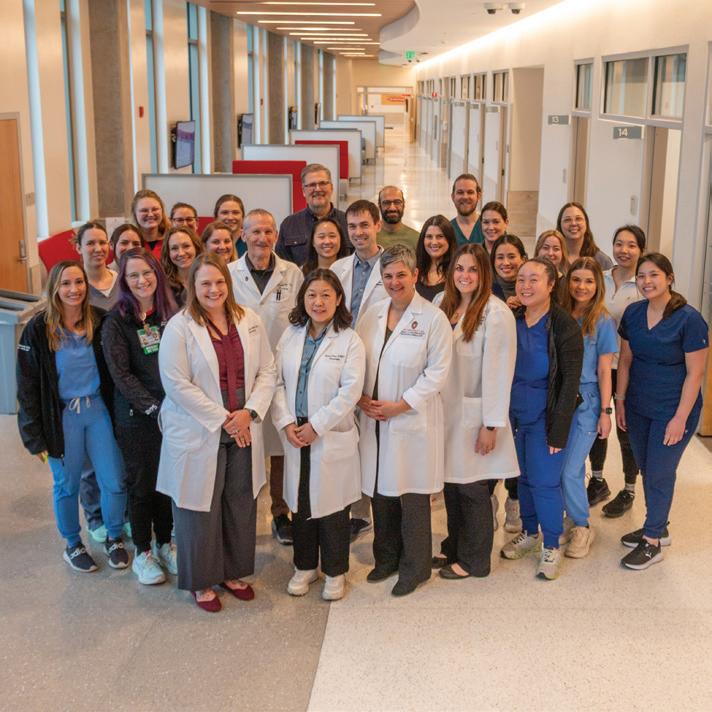
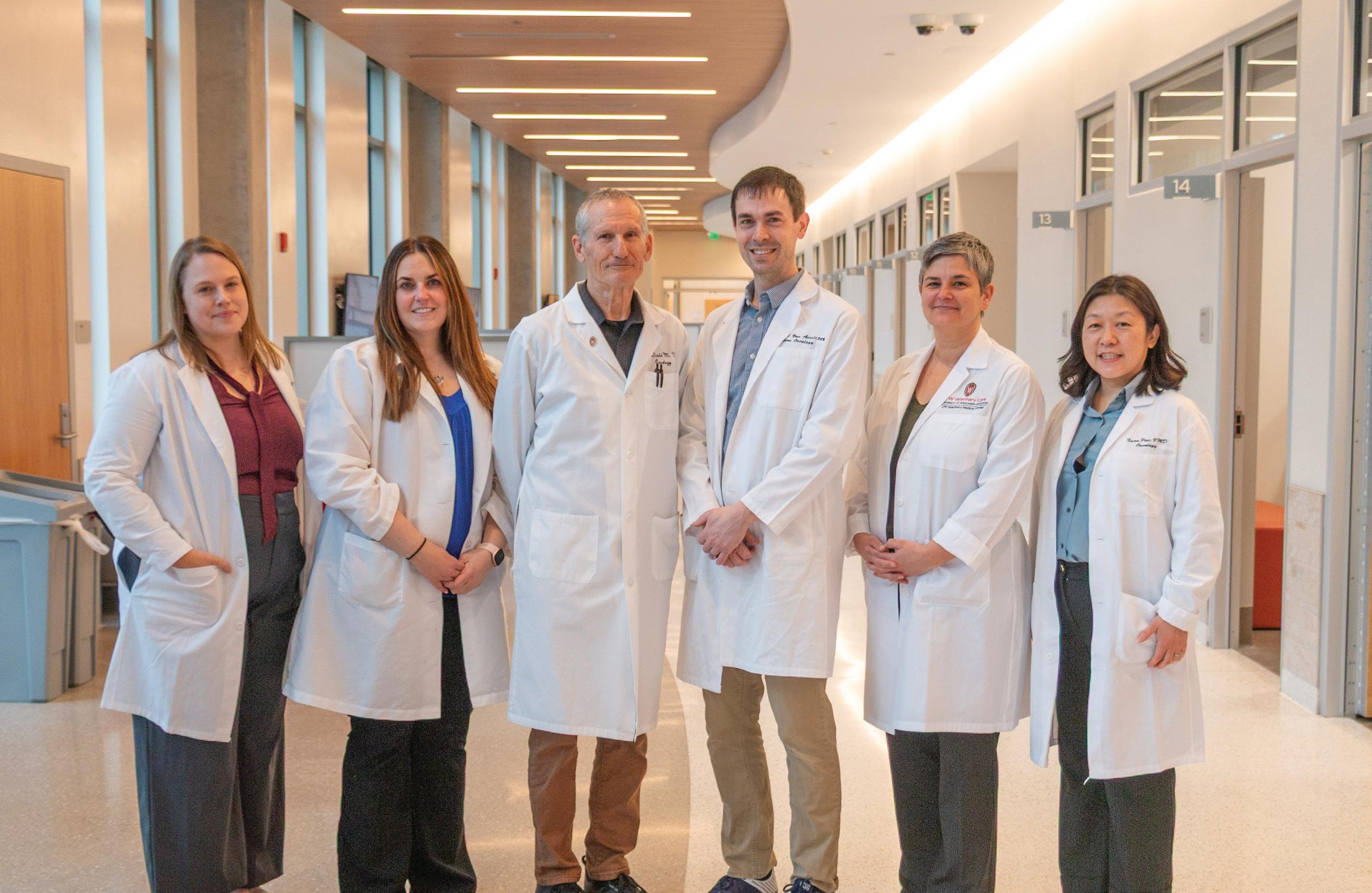
Faculty members, house officers, veterinary technicians, and support staff of UW Veterinary Care’s comprehensive oncology service are transforming the way cancer is treated.
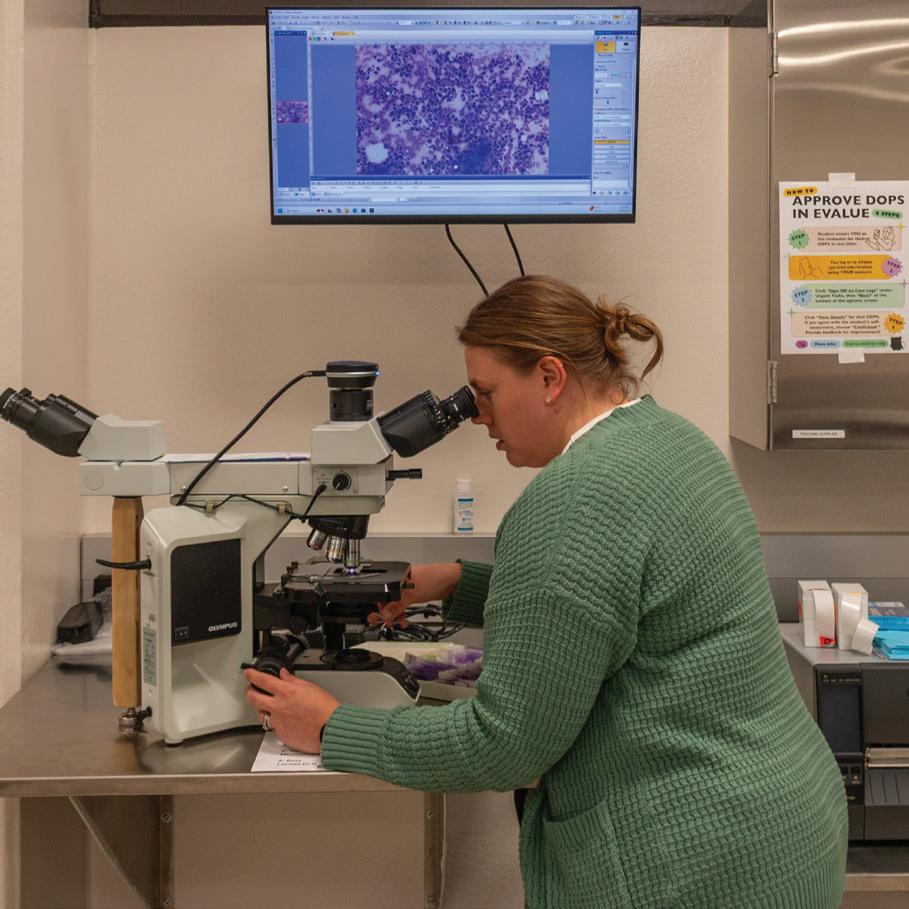
Left Page, Circle Photo: Medical oncologist MacKenzie Pellin reviews a slide in UW Veterinary Care’s state-of-the-art oncology suite.
Left Page, Top Photo: UW Veterinary Care faculty members, from left to right: MacKenzie Pellin, Megan Mickelson, David Vail, Nathaniel Van Asselt, Michelle Turek, and Xuan Pan.
Creating future of cancer care
The SVM and UWVC will continue to balance clinical excellence with scientific innovation, Levine says. One goal is to provide the oncology team with the capacity to enhance collaborations with colleagues at Carbone to drive comparative oncology discoveries that improve health outcomes for both animals and people.
UW Vet Med took a critical step toward doing that by completing recent building projects. In addition to constructing a state-of-the-art, 150,000 square foot teaching hospital — which is home to expanded and enhanced research spaces — a newly renovated oncology suite in the hospital’s south building quadruples the space available to UWVC clinicians to see cancer patients and doubles the hospital’s space for chemotherapy treatment.
The new space allows the oncology team to see more patients and reduce wait times, and it also houses PET-CT, an advanced diagnostic tool that is redefining how diseases are diagnosed and treated in animals.
“Between our campus partnerships and the incredible generosity of our friends and supporters, we are uniquely positioned to redefine cancer care,” Levine says. “We’re honoring our history while creating the future of cancer care, for pets and people, right here at UW-Madison.”
UWVC cancer vaccine trial enters final phase by Jack Kelly
A high-stakes clinical trial being conducted by UW Veterinary Care’s (UWVC) oncology service is entering its final phase as researchers close in on a potential breakthrough vaccine to combat one of the most aggressive types of cancer in dogs.
The Scout Out Hemangiosarcoma trial, which seeks to develop a vaccine against cancer of the blood vessel lining, has now enrolled 54 of 60 total patients. With recruitment nearly 90% complete, the team expects to finish patient accrual this spring. This represents the first randomized multitargeting hemangiosarcoma vaccine trial for dogs in the United States.
The trial investigates whether combining standard chemotherapy with an investigational anti-cancer vaccine can “train” the immune system to recognize and attack remaining cancer cells, offering hope for significantly improved outcomes.
While the trial is nearing its end, its momentum was sparked by early participants like Snoopy, a Shar-Pei mix. In September 2025, Snoopy became the first dog to successfully complete the trial.
Hemangiosarcoma typically carries a devastating prognosis. Even with the standard of care — surgical removal of the spleen followed by chemotherapy — average life expectancy is only approximately four months. Today, following his diagnosis in October 2024 and his participation in the trial, Snoopy is back home living a normal, active life. Snoopy now visits UWVC every month for a booster dose of the vaccine.
“Snoopy’s participation in our clinical trial has brought hope and knowledge to the fight against hemangiosarcoma, paving the way for future canine patients,” says David Vail (Dept. of Medical Sciences), the UWVC medical oncologist and renowned cancer researcher overseeing the clinical trial. He expects results from the trial to be analyzed this fall.
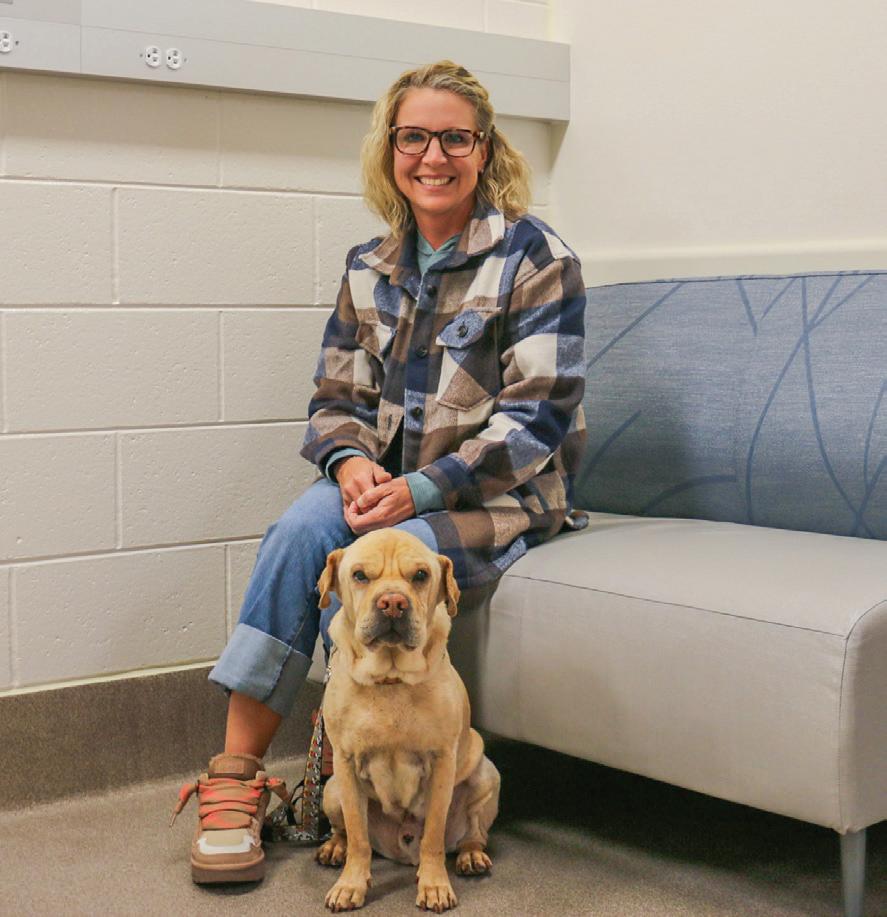
Snoopy in September 2025 became the first dog to successfully complete the trial.
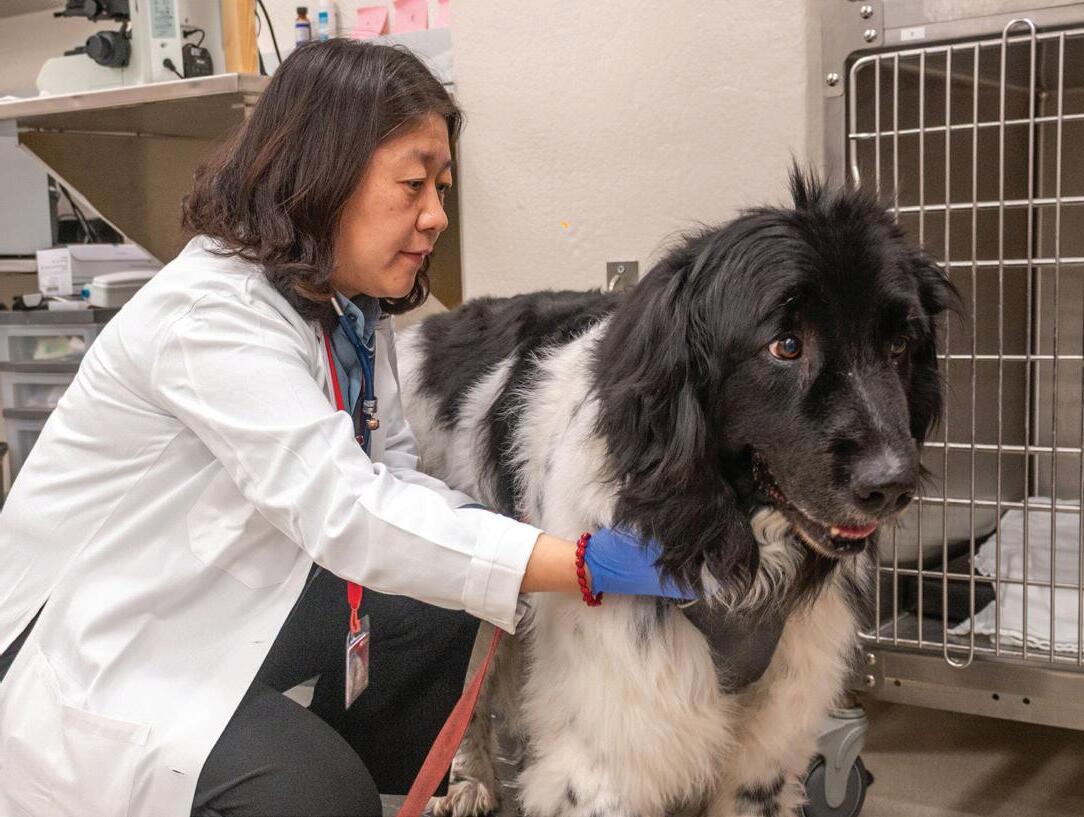
Xuan Pan examines Sigrid, an oncology patient, at UW Veterinary Care.
The next specialists: Comprehensive oncology training at UWVC
by Jack Kelly
Building on its legacy of leading-edge care, UW Veterinary Care’s (UWVC) comprehensive cancer service is shaping the future of veterinary oncology.
This mission begins with School of Veterinary Medicine (SVM) students, who are trained to diagnose cancer in pets and learn about existing treatment options both in the classroom and while working alongside faculty members in UWVC’s state-of-the-art teaching hospital. This hands-on experience allows SVM students to hone their clinical skills and provides valuable lessons about working with pet owners grappling with difficult care decisions for their beloved pets.
But UWVC’s commitment to training the next generation of veterinarians doesn’t end on graduation day. The hospital offers one of the largest oncology residency programs in the country — in addition to residency programs in its numerous other services — allowing early career veterinarians to learn from and work with the hospital’s world-class faculty members.
The oncology service’s integrated model is particularly influential for early career clinicians, says medical oncologist MacKenzie Pellin (’06 DVM’11; Dept. of Medical Sciences), because “our residents are becoming comprehensive oncologists.”
Proximity to UW-Madison’s Carbone Cancer Center is another unique advantage for UWVC oncology residents, says radiation oncologist Michelle Turek (Dept. of Surgical Sciences).
“Our residents benefit from an integrated clinical service, broad subspecialty exposure through our dual expertise, and research involvement,” Turek says. “They are consistently well prepared for board certification and have a strong record of success.”
The hospital — and within it the oncology service — also takes interns to work with its 21 different services. These internships usually last for one year and allow new veterinarians the chance to further their skills.
“At UW Vet Med, we are committed to training the next generation of difference-making veterinarians,” says Dean Jon Levine. “That focus starts with our outstanding veterinary medical students and extends to the impressive slate of residents and interns working in our teaching hospital.”
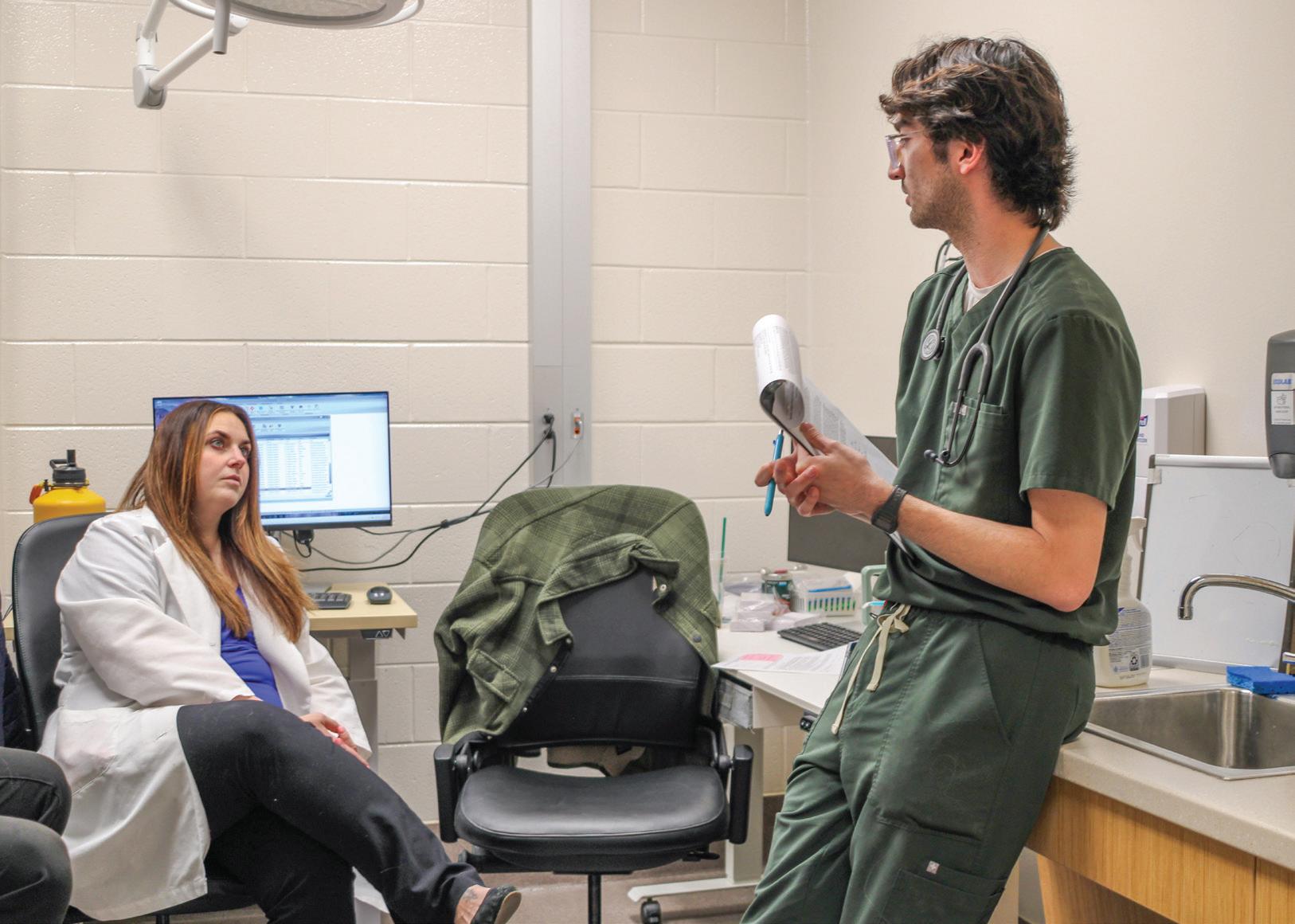
Surgical oncologist Megan Mickelson discusses a patient case with fourthyear student Ethan Elazegui.
Community and collaboration bolster program for Shelter Medicine
by Maggie Baum
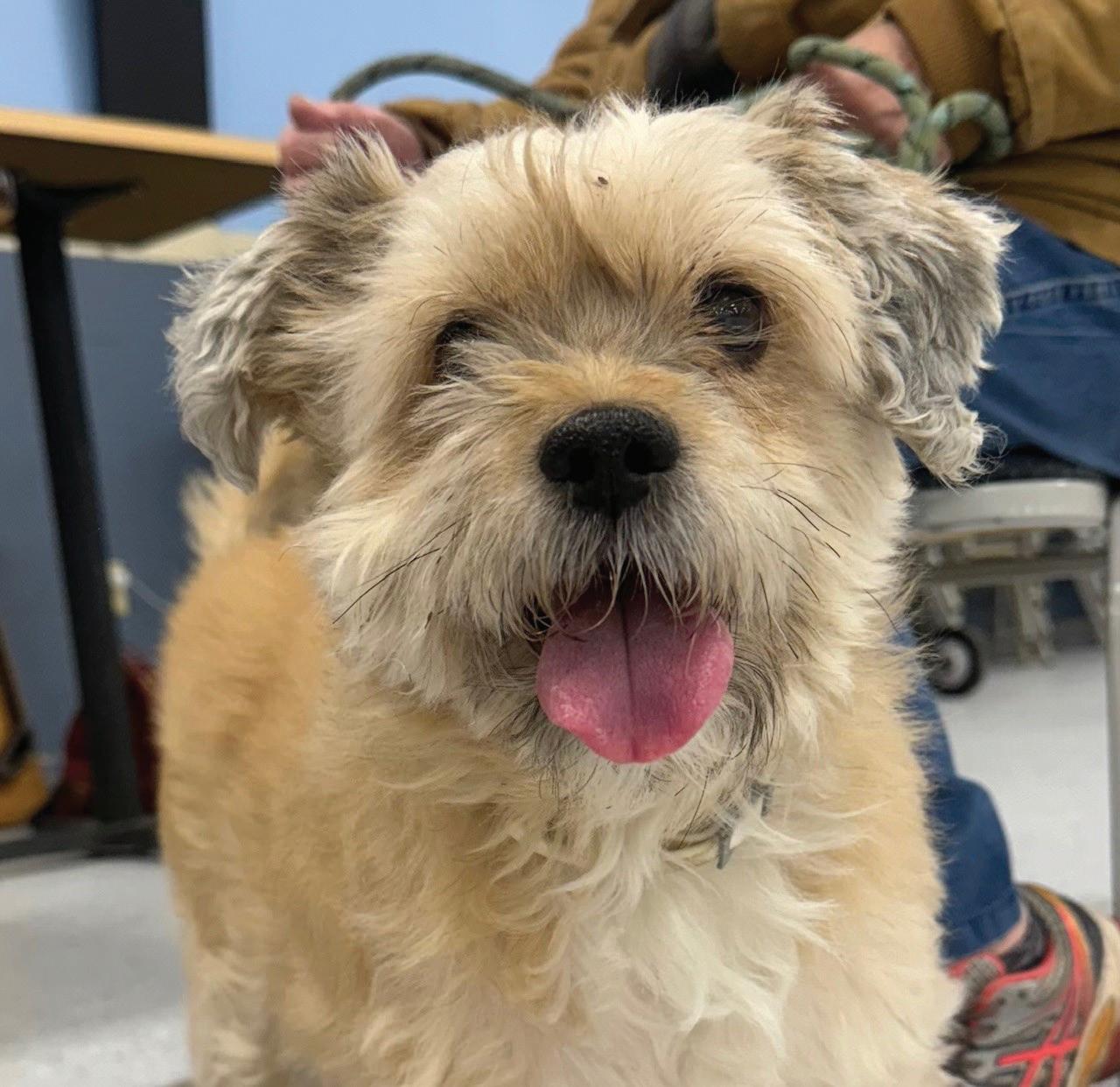
“It’s OK, I’m here, Kipper. Mama’s right here.”
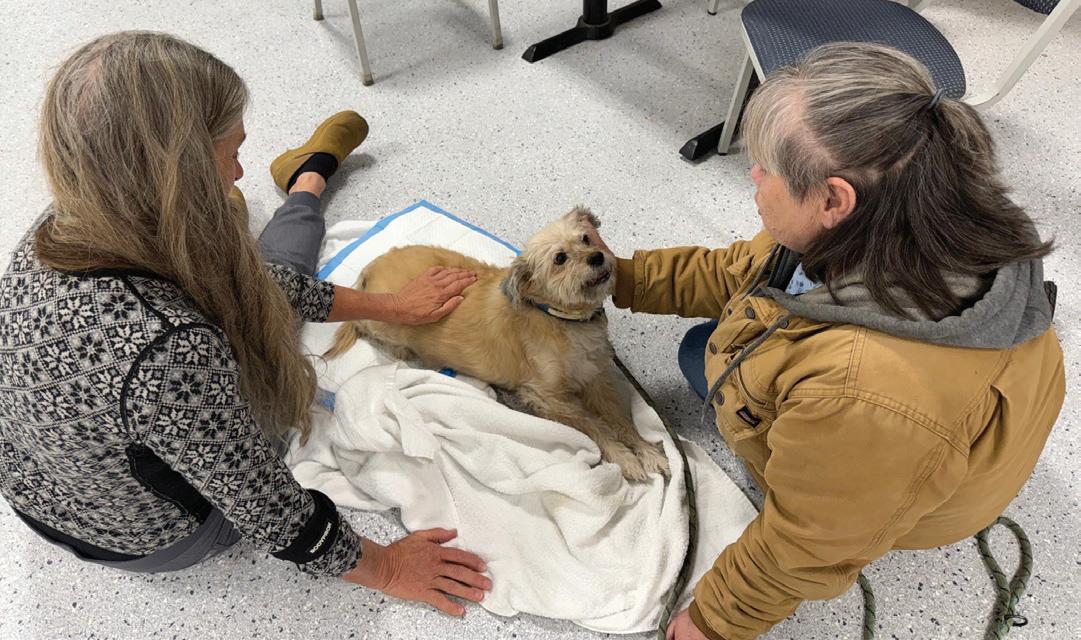
June Shuman’s voice carried across the William Wildcat Tribal Center — the central hub of the Lac du Flambeau (LDF) Reservation in northern Wisconsin — as she comforted her beloved companion, Kipper, who was waking from mild sedation.
The 15-year-old Poodle/Sheltie mix was being treated by a team of veterinarians and veterinary technicians — a mix of representatives from the School of Veterinary Medicine’s Program for Shelter Medicine and Community Engaged Care (UWSMP), the Dane County Humane Society (DCHS), and the Lac Du Flambeau Tribal Pets for Life initiative — gathered last fall to provide spay or neuter surgeries to 20 cats at no cost.
The spay/neuter clinic also provided an opportunity to follow up with a few pets and their owners, including Shuman and Kipper, who were seen a couple months earlier at a firstof-its kind comprehensive veterinary wellness clinic at the tribal center.
Describing how the involved groups initially came together and began to partner with communities like Lac du Flambeau, Sandra Newbury (DVM’03; Dept. of Medical Sciences), director of UWSMP, says it all starts with the importance of the human-animal bond and the desire to keep animals and communities healthy.
“An essential part of our work is to listen and learn what people in any community we work with want and need, and that’s what leads to successful partnership and ensuring access
to care for animals and people who love them,” Newbury says.
The partnership between UWSMP and DCHS stretches back as far as shelter medicine’s founding in 2014. Pets for Life (PFL), a program of Humane World for Animals, is an initiative that operates under the umbrella of local animal welfare organizations or tribal governments. The program connects people to resources in their communities including free veterinary care, spay and neuter surgeries, and pet supplies.
Theresa LaBarge, who serves as PFL coordinator for the Lac du Flambeau community, has been a key partner in establishing and advancing veterinary care for the tribe.
“There is no one better suited than community members themselves to lead and guide what services look like for their pets, their neighbors, and their communities,” LaBarge says.
When Shuman arrived with Kipper that day, LaBarge was among the first to greet her. Kipper made the rounds saying hello to everyone until it was time to see Newbury. At the
Right: Kipper;
Below: Kipper with Newbury and Shuman.
initial wellness clinic last summer, where Newbury first met Shuman and her beloved pet, a sore on Kipper’s backside had gotten bad enough that Newbury offered to take Kipper back to Madison for overnight care. After reassurances from Newbury, Shuman agreed and Kipper made the trip.
“Because of his age, his pain level, and the location of the problem, we knew we could better care for Kipper under anesthesia in a stationary clinic setting,” Newbury says. “DCHS is one of our strongest partners, and serves as our support/referral clinic when animals need a little more than we can do in a temporary clinic setting. Our program has a full time clinical instructor on staff who works with students at DCHS.”
Kipper can be a little feisty when it comes to taking his prescribed medications and allowing Shuman to tend to his irritated skin patches. So, she welcomed the news that this collaborative group of organizations, with the LDF Tribe at its center, is planning to hold more veterinary wellness events — as well as spay/neuter clinics — on a regular basis.
“I’m very glad someone told me about this partnership and Pets for Life or my little Kipper might not be with me,” Shuman says. “He comes to help me if I fall or nudges me when I’m crying. He’s always there for me. And now, if I need extra help with Kipper, I know it’s here in my community.”
Nandita
Chittajallu (DVMx’26)
CULTIVATING COMMUNITY ENGAGED CARE
When describing the UW School of Veterinary Medicine’s (SVM) Program for Shelter Medicine and Community Engaged Care (UWSMP), program director Sandra Newbury (DVM’03; Dept. of Medical Sciences) keeps coming back to a common refrain: “This program works because of community trust. We come together with curiosity to learn about and respond to the needs of the people and animals.”
The program, founded 12 years ago, recently added the “Community Engaged Care” wording to its name, which only adds to the core work with shelters and a long-standing program to deliver house calls in Madison and Milwaukee.
The UWSMP community house calls program began in 2016 as a partnership with Wisconsin Humane Society and Pets for Life, expanding into Madison in partnership with Dane County Humane Society and Pets for Life in 2018. Led by the UWSMP clinical instructor, students on rotation conduct door-to door outreach in several Milwaukee and Madison neighborhoods where veterinary clinics and other pet resources are limited or non-existent. The team provides free wellness care, vaccines, pet food, supplies, and more through veterinary house calls. Free training classes and spay/neuter surgeries are also offered. This model, and the existing partnership with Pets for Life, helped lay the foundation for UWSMP’s community engaged care work with Native Nations and the Lac du Flambeau tribe (see main article).
In addition, education and training as part of the SVM’s core curriculum for veterinary medical students — through rotations, fellowships, and mentorship opportunities — is central to developing future veterinarians with skills and perspectives that emphasize empathy, compassion, and community engagement.
“Throughout my four years of veterinary school, I’ve participated in Rural Area Veterinary Services, a program that provides veterinary care to underserved communities,” says Nandita Chittajallu
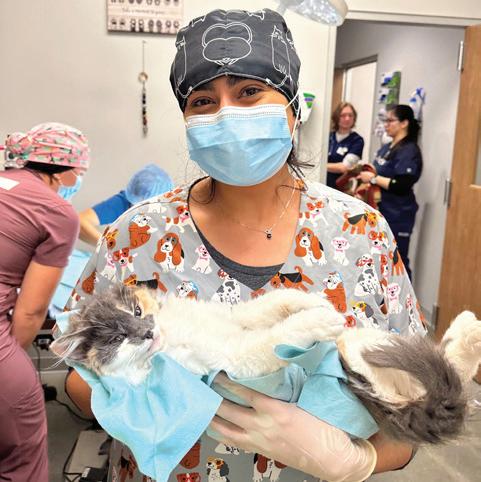
(DVMx’26). “Those experiences taught me that we can’t treat a patient in isolation — we have to understand the environment they live in and the people who care for them in order to provide thoughtful, tailored care grounded in historical context and cultural humility.”
The growth of the UWSMP and expanded opportunities for students are supported in large part by philanthropic organizations, including Maddie’s Fund and Margaret A. Cargill Philanthropies, along with individual donors, such as Guy and Karen Smith, who provided support to help Newbury and her team with Native Nations outreach.
“Community engaged care is about how we thoughtfully engage with all those we serve, how we learn from them, and how we apply what we learn to continue to grow our program,” Newbury says. “From shelters across the world to urban neighborhoods and tribal communities, this circle of education and empowerment is the Wisconsin Idea in action, and it would not be possible without the generosity and commitment of our supporters.”
About Lac du Flambeau
According to their tribe website, the Lac du Flambeau Band of Lake Superior Chippewa Indians has inhabited the Lac du Flambeau area since 1745. The name, which means Lake of the Torches, was bestowed by French traders and trappers who observed their practice of harvesting fish at night by torchlight. The Lac du Flambeau Reservation was officially established by the Treaty of 1854. The area was continually logged and eventually became a tourist destination. Later, the Tribe began bingo and casino operations at the Lake of the Torches Resort Casino with revenue directly supporting economic and social development of the community. Learn more at ldftribe.com
by Maggie Baum
Fostering seamless transitions from classroom to clinical practice
By prioritizing early clinical experiences across all four years of study and aligning teaching practices to current evaluation standards, the School of Veterinary Medicine’s (SVM) new OnWard curriculum ensures students transition seamlessly and productively from the classroom to clinical practice.
“Our investment in education underlies everything else we do,” says Dean Jon Levine. “That’s not just a statement, but an action plan that we foster and support with intention and resources. Our commitment to developing students’ skills and talents in tangible ways is a cornerstone of the UW Vet Med mission to train the next generation of veterinarians and scientists.”
Last year, Liddy Alvarez (Dept. of Medical Sciences) stepped into the newly created role of director of early clinical experiences, serving as a link between SVM students and veterinary partners across the region and the country. Alvarez is primarily responsible for coordinating community-based education opportunities that give students exposure to the kinds of real-world clinical settings they’re likely to practice in after graduation. These experiences also teach students the scope and importance of primary care, including the veterinarian’s role as a first-line, whole-health provider, while also deepening their understanding of continuity of care and the impact of pet health on families.
Early clinical experiences reflect several key pillars of the school’s new curriculum. They are designed to enhance learning by reinforcing what students are studying in the classroom and via self-directed lessons with tangible cases in a clinical setting.
Also, these opportunities are key to helping SVM students sharpen their professional skills: how to communicate effectively with coworkers and clients, lead and work with teams, and understand and navigate the ethics of the profession. Real-world opportunities in a range of clinical settings allow veterinary medical students to see how these skills are utilized by clinicians every day.
“The sooner our students can apply foundational concepts in
actual clinical situations, the more we see — in measurable ways — deeper learning, stronger understanding, and longer retention of knowledge,” Alvarez says. “And when it comes to professional skills such as communication and team management, there is no substitute for observing and practicing in real-world settings.”
To prepare for these experiences, first- and second-year students spend clinical time in UW Veterinary Care’s (UWVC) teaching hospital and at WisCARES, the SVM’s community veterinary clinic that serves community members experiencing financial hardship or homelessness.
As OnWard continues its phased roll out, the goal by August 2027 is for all third-year veterinary students to rotate through several varied, semi-structured weeklong experiences in clinical settings outside of UWVC. Fourth-year students will continue their usual clinical rotations in the teaching hospital, though the length of the clinical year will be extended.
“In addition to nurturing more partnership with private and corporate veterinary practices and other relevant organizations, this greater emphasis on early clinical experiences means that all of us in the UW Vet Med community become more aligned and more connected to the benefit of our students and our clinical teams,” Alvarez says.
Ensuring early clinical experiences help students meet programmatic goals and accreditation requirements also contributes to a seamless transition from classroom to clinical practice. In that respect, the work Alvarez is doing builds on that of Jessica Pritchard (Dept. of Medical Sciences), who began serving as the school’s director of clinical assessment in spring 2023, and recently has been named interim associate dean for professional programs. Pritchard focuses on aligning assessment in clinical rotations with competencies set by the American Association of Veterinary Medical Colleges. She also spearheads the development and implementation of a standardized, competency-based rubric for student evaluations.
“We’re incredibly proud of the structure we’ve built here and
how we are fostering meaningful professional development opportunities for our students,” Pritchard says. “It’s crucial that, at the same time, we ensure our students can meet and exceed the benchmarks and competency requirements of their chosen professions. It’s a comprehensive and holistic approach with student success at the center.”
Regardless of where students are on their educational journey, from just starting their first year to graduation, exposing them to as many experiences and opportunities as possible is a top priority, Levine says.
“The work faculty members and school leadership is doing, including Dr. Alvarez and Dr. Pritchard, centers on ensuring that everyone learning here has meaningful and relevant educational experiences and opportunities on all fronts and at all levels, starting with their first year of veterinary medical school,” Levine says.
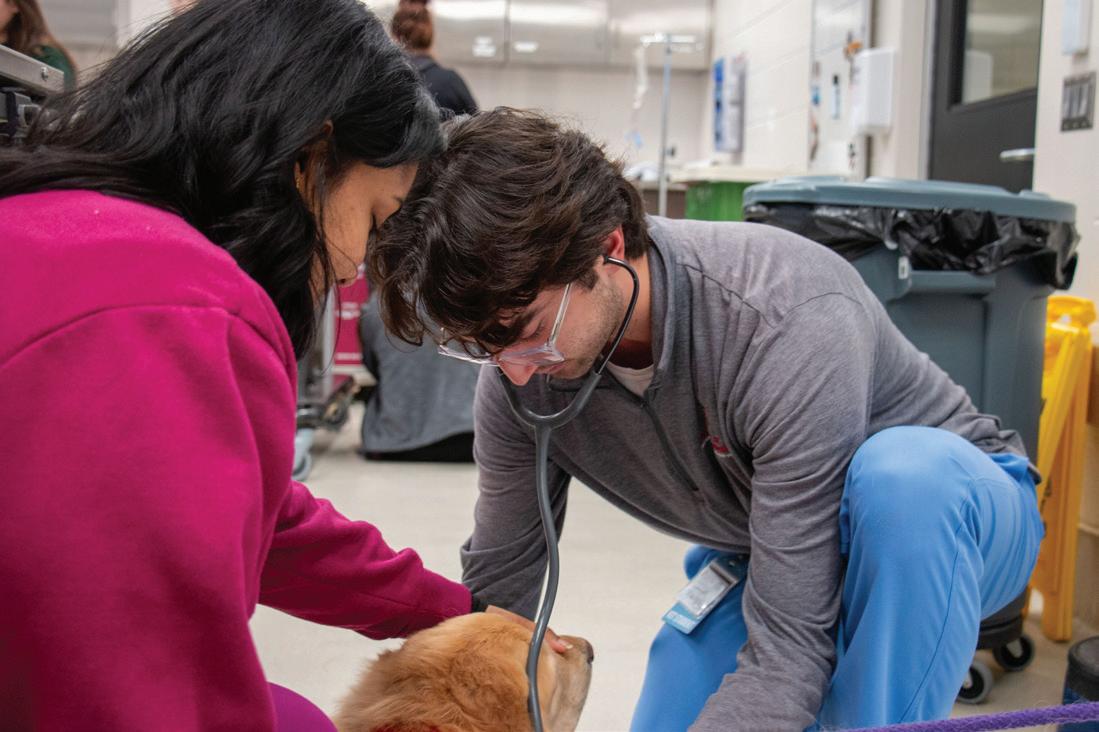
Left: Ethan Elazegui and Himashi Goonesekera (both DVMx’26) examine a patient during an oncology rotation.
OnWard aims to train veterinarians who are clinically prepared, adaptable, and equipped with essential professional skills immediately upon graduation. By aligning educational structure with the realities of veterinary practice and emphasizing applied learning from the start, the program prepares students for success in our complex and evolving field. Our top-notch leadership in academic affairs, along with faculty, curriculum and instructional specialists, and support teams, are doing an incredible job managing our legacy curriculum while continuing the phased roll out of OnWard.” – Dean Jon Levine


Scan to learn more about OnWard
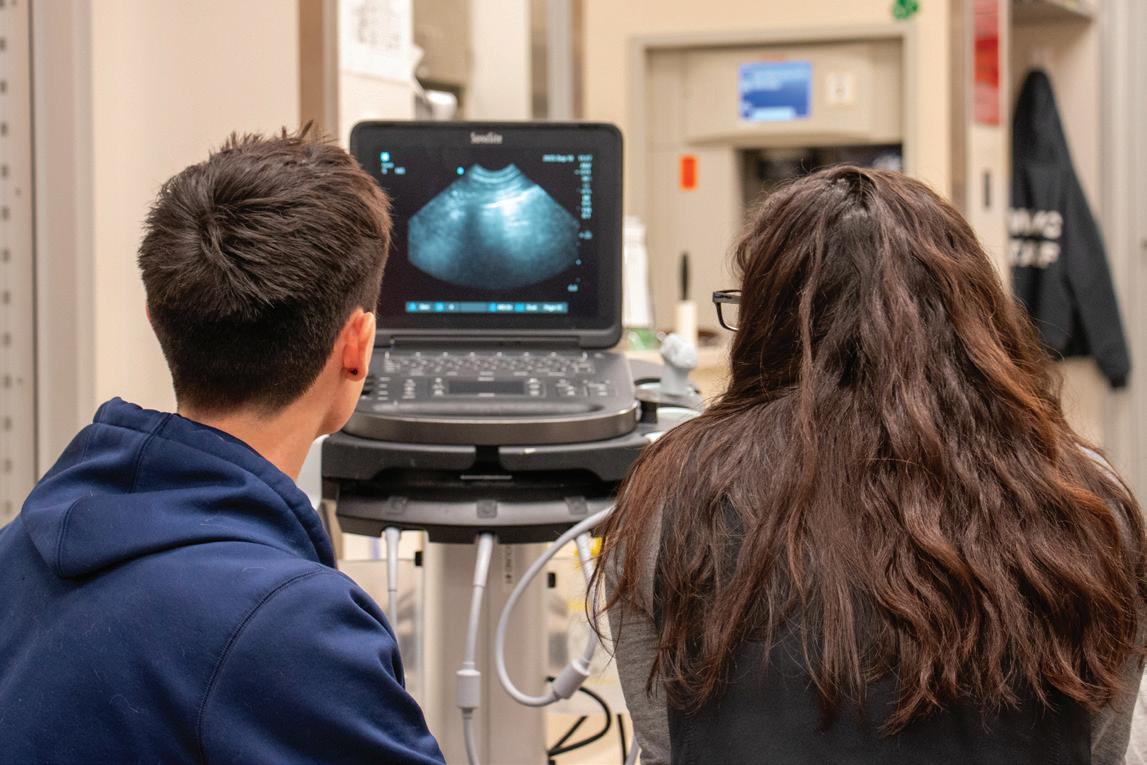
Top Right: Alexander Goskowicz (DVMx’26), and Molly Racette review an ultrasound in the critical care unit.
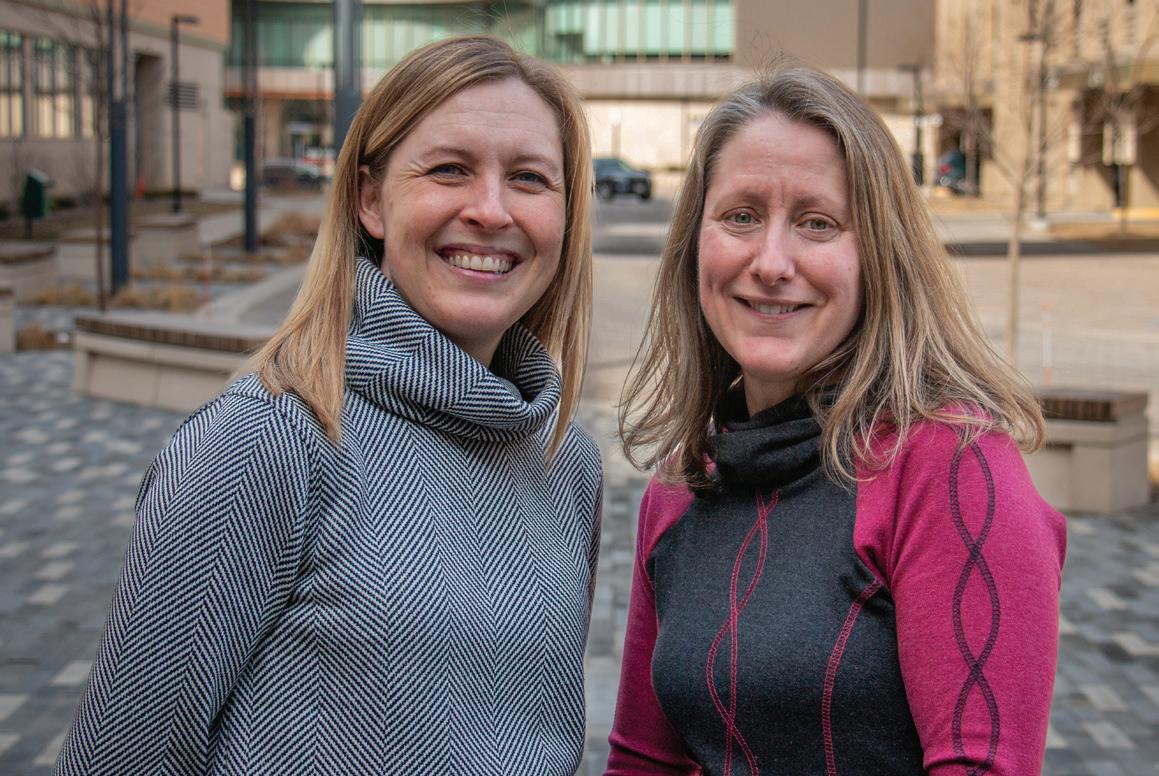
Bottom Right: Jessica Pritchard (left) and Liddy Alvarez (right) oversee the clinical experience for DVM students.
Comparatively Speaking
UW Vet Med researcher targets ticks to curb disease spread
by Jack Kelly
Each year, an estimated 500,000 Americans are diagnosed with Lyme disease — a bacterial infection that can cause rash, fever, extreme tiredness, and joint stiffness, among other symptoms.
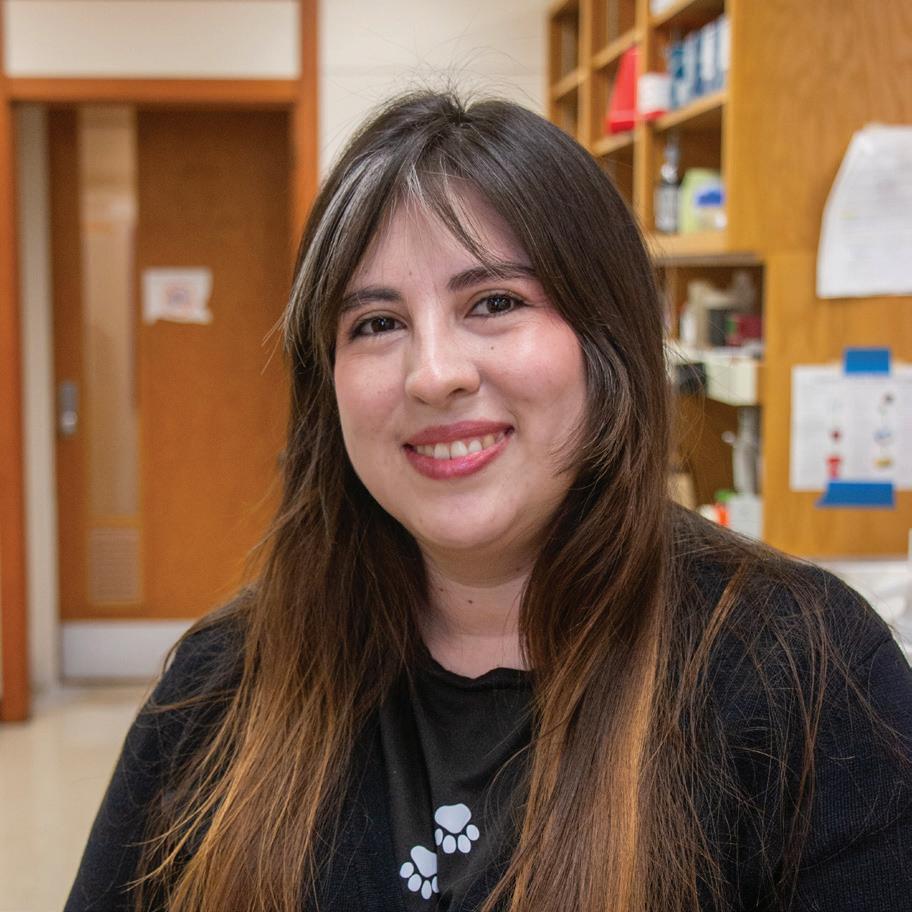
Karen Fuenzalida, a veterinarian and PhD student in the Comparative Biomedical Sciences Graduate Program (CBMS), is among the scientists at the School of Veterinary Medicine (SVM), College of Agricultural & Life Sciences, and the Midwest Center of Excellence for Vector-Borne Disease that is working to curb that number.
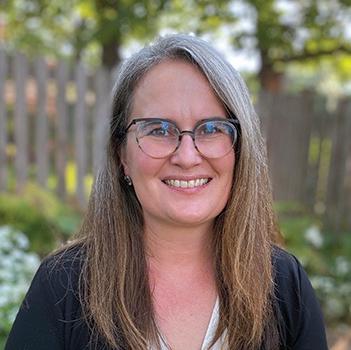
Fuenzalida studies the ectoparasite that spreads the bacteria that cause Lyme disease: the blacklegged tick. She is being mentored by Lyric Bartholomay (PhD’04; Director, CBMS; Dept. of Pathobiological Sciences) and Susan Paskewitz (Dept. of Entomology).
A native of Curicó, Chile, Karen always had an academic interest in parasites. She frequently encountered them while working in veterinary clinical practice, and she studied mites while earning a master’s degree at the University of Concepción. She was awarded with a prestigious, four-year Fulbright Scholarship to pursue a PhD at the SVM.
Through her research, Fuenzalida is investigating ecological aspects of the blacklegged ticks with the goal of improving tick control and ultimately reducing Lyme disease risk. This includes examining key host species and their role in the life and movement of ticks.
One prong of her research involves “dragging” outdoor areas to collect ticks. This is done using a large piece of fabric that ticks will attach to as it is pulled over the ground. These ticks are “ambush predators,” waiting to grab on to a host in backyards and woodland areas in Wisconsin and elsewhere.
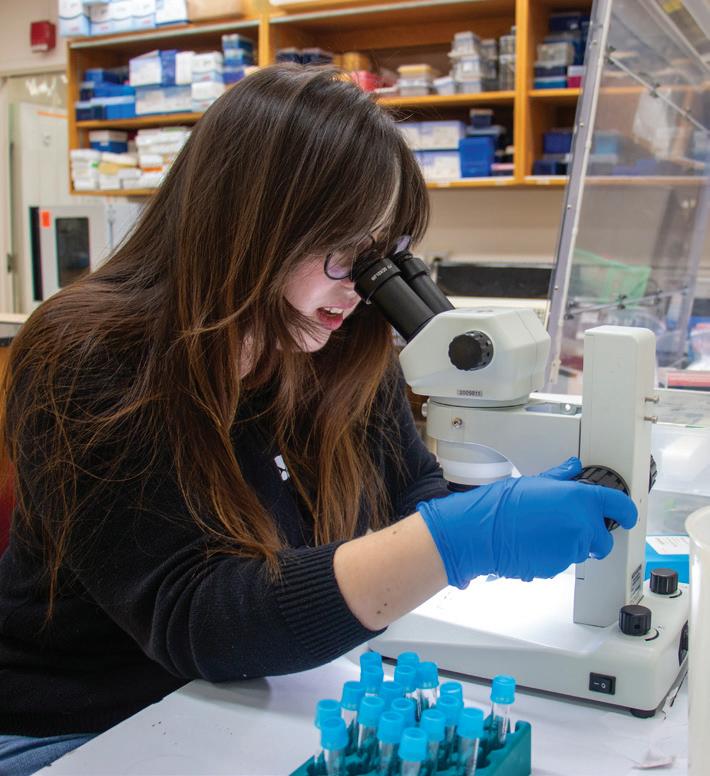
Once the ticks have been collected — particularly when they are nymphs (juvenile ticks) — Fuenzalida performs blood meal analyses. “These tests are important because they help us identify all of the hosts that are sustaining these ticks in a given environment,” Fuenzalida says, which is important for discovering new ways to intervene and prevent Lyme disease.
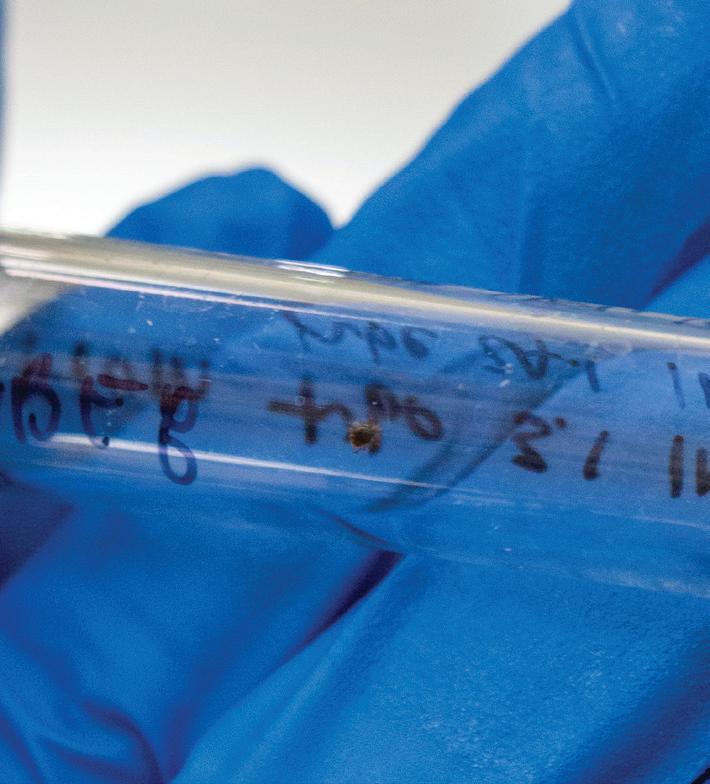
While many animals provide the blood ticks need to survive, not all of them are “competent” hosts for the pathogen that causes Lyme disease, Fuenzalida says. The tests help researchers determine if the ticks are biting animals that often carry large amounts of the bacteria that causes the disease.
Mice, Fuenzalida explains, are very competent “reservoirs” for the bacteria that cause Lyme disease. This means they can acquire the bacteria from the tick, allow it to proliferate in their bodies, and maintain the infection long enough to infect another tick that comes to feed on it. If many ticks are feeding on mice, they are then more likely to spread the bacteria to other hosts, including humans, leading to more disease the next year.
Nymphs in particular pose a threat to humans: “The nymphs are very tiny,” Fuenzalida says. “They are much more difficult to spot than fully grown ticks.”
A second part of Fuenzalida’s work focuses on reducing the tick population by actually removing the parasites from their hosts.
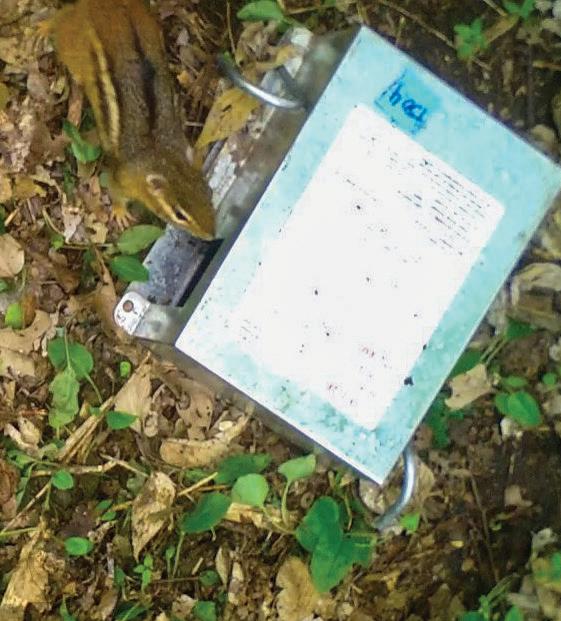
She is analyzing the effectiveness of devices that attract rodents in woodland areas and then kill ticks with specialty pesticides known as acaricides. The “bait boxes,” as the researchers refer to them, are often deployed in urban forests for research purposes but are designed to be used in residential yards as tick control. They include a bait to entice small, tick-carrying rodents to climb into them. Once inside, the animals enjoy a snack while being painted with an acaricide to kill the ticks. The acaricides are not harmful to the animals.
Using motion-activated cameras, she studies the behavior of the rodents interacting with the bait boxes. Fuenzalida and her colleagues are working to refine the design of the boxes to encourage even more animals to interact with them, especially chipmunks and other rodents. They’re also testing whether deploying an external bait outside the box can draw additional small animals into the boxes.
In the long-term, Fuenzalida says, the goal is to deploy these boxes en masse in tick hotspots to help control the spread of Lyme disease and other tick-borne illnesses.
“It’s critical to understand what animals the ticks are feeding on and where those hosts are located,” Fuenzalida says. “Understanding the ecology of this tick is important because of its role in spreading pathogens and viruses that can make people really sick.”
Top Left: Fuenzalida reviews juveline ticks under a microscope.
Top Center: A juvenile blacklegged tick in a test tube.
Top Right: A chipmunk approaches a bait box (Courtesy of Karen Fuenzalida).
From the Director of the Comparative Biomedical Sciences Graduate Program
As we near the end of the 2025-26 academic year, I want to take a moment to recognize the outstanding Comparative Biomedical Sciences Graduate Program (CBMS) students who plan to graduate in May 2026. They were with us for varying lengths of time — as determined by the type of degree they pursued — but two things were consistent across the board: their passion for science burns bright, and they made meaningful contributions to the UW Vet Med community.
The CBMS students currently planning to earn their degree in May include:
• Ryan Anderson (’22), in the laboratory of Susannah Sample (MS’07 DVM’09 PhD’11) — Anderson has pursued the PhD portion of a combined DVM/PhD degree. His research advanced how we study and understand nerve degeneration in late-onset laryngeal paralysis in Labrador Retrievers. Anderson secured a prestigious F30 award from the National Institutes of Health to support his PhD research and the next phase of his training; this fall, Ryan will start with the class of 2030 as a Y1 DVM student.
• Alieu Faburay, under the guidance of Adel Talaat, has pursued an MS degree studying how Mycobacterium tuberculosis bacteria spread in the lungs and other organs, and how the immune system
forms structures, known as granulomas, to contain infections. Using high-tech genetic mapping in the lung, he also examined how gene expression and immune responses differ depending on the severity of disease.
• Fernando Valle, mentored by Doerte Doepfer, pursued an MS degree studying development and implementation of AI models for disease detection in beef cattle. His work involved building a tool to help dairy farmers and cattle ranchers rapidly identify animals with lameness, using video footage and an informed AI tool to detect differences in cattle movement suggestive of mobility issues.
Congratulations to all — and please stay in touch!
Also, I’m pleased to share that the CBMS program continues to draw an excellent pool of applicants: inspiring students here in the United States and from across the globe. We just finished with on-campus interviews for students who will join us this fall to begin their graduate school journeys. I’m looking forward to introducing you to these first-year graduate students, and to celebrating their successes through the degree program, in the coming months and years.
Lyric Bartholomay (PhD’04)
Professor, Department of Pathobiological Sciences
Director, Comparative Biomedical Sciences Graduate Program
Dr. Bernard C. Easterday Professor in Infectious Disease
DVM Badger Den
Bolstering public health in the South Pacific
Sam Emmerich: Army officer, veterinarian, epidemiologist
During the summer of 2024, health officials in American Samoa faced daunting news: a dengue outbreak gripped the neighboring country of Western Samoa, raising fears that the disease would soon once again arrive on the shores of their own beautiful islands.
Dengue can cause flu-like symptoms, including fever, headache, joint pain, and rash, with severe cases sometimes leading to hospitalization and even death. Making matters worse, American Samoa’s warm, damp climate is a perfect breeding ground for the mosquitos that often spread the disease.
The U.S. territory had experienced outbreaks before. So, after a potential case, local health officials reached out to the Centers for Disease Control and Prevention (CDC) to help enhance dengue response in the country, which is home to about 50,000 people.
Enter Maj. Sam Emmerich (’13 DVM’18) and a team of scientists.
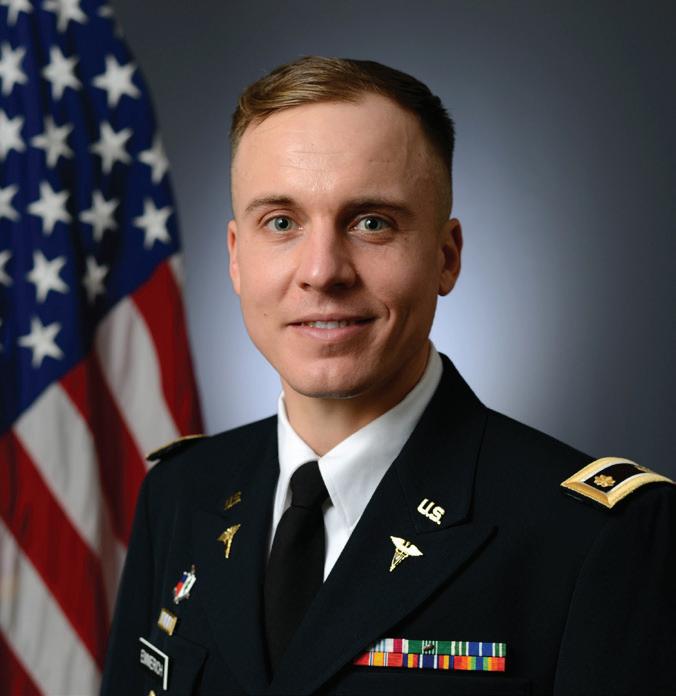
At the time, Emmerich was completing a two-year fellowship with the CDC’s Epidemic Intelligence Service (EIS), working as one of the agency’s “disease detectives.” Alongside an epidemiologist, an entomologist, and a nurse, the Eau Claire, Wisconsin, native deployed to American Samoa for two months for a two-pronged mission to improve disease surveillance and response on the islands.
Emmerich focused on “vector control activities” — essentially, mosquito-proofing residential areas on the island. That work included better hanging of mosquito nets, eliminating mosquito breeding grounds by improving drainage, removing man-made
2025 outbreak
by Jack Kelly
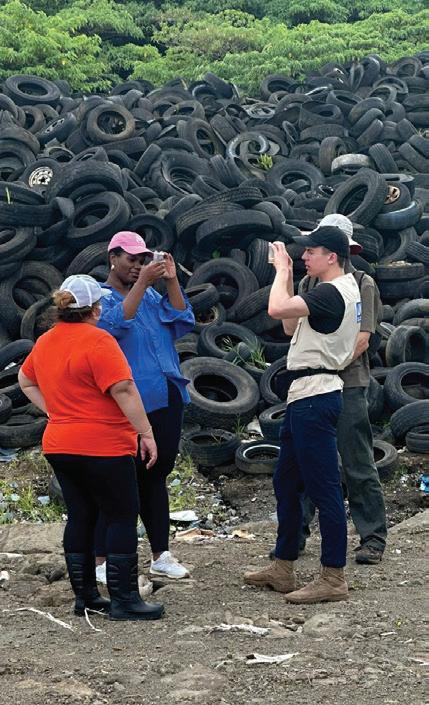
pools of water (like tires and discarded bottles), and spraying insecticides.
“Our major effort for this deployment was to evaluate the insecticide spray techniques to reduce mosquitoes,” Emmerich says. “Eliminating the vehicle that spreads the virus is a really important part of disease prevention during an outbreak.”
The scientists also bolstered monitoring of dengue on the island by assessing the readiness of health care facilities in American Samoa and supporting the implementation of FDA-approved dengue tests in local laboratories. They also developed a “diagnostic algorithm” with the local health department to help improve early detection of the disease.
The tests “are currently being verified in American Samoa,” Emmerich says. “Once they are, the turnaround time for a confirmatory test will drop from weeks — when samples had to be shipped to Hawaii — to 24 hours.”
As Emmerich’s deployment ended, he and his colleagues helped update the island nation’s dengue response plans to reflect these mosquito surveillance and control best practices.
The plan highlights “how an integrated, interdisciplinary strategy, including veterinarians, is an effective approach for increasing readiness for infectious disease outbreaks,” Emmerich says. “Our combined efforts were greater than the sum of our parts.”
The veterinarian was also quick to note that the deployment was successful because of the trusting relationships the CDC team was able to build with local officials.
In July 2025, American Samoan officials declared a public health emergency in response to six confirmed cases of dengue fever on the islands. Four of the affected individuals had recent travel histories, but two did not — a sign that dengue was spreading on the islands, Emmerich says.
The outbreak represents the first challenge for the protocols Emmerich and his team helped implement, he says. As of January 2026, more than 500 cases of dengue had been confirmed in American Samoa and an alert related to the disease remained in effect.
The diagnostic algorithm developed during Emmerich’s deployment is in use while officials look to contain the ongoing outbreak. Additionally, the American Samoa Environmental Health team continues to employ indoor and outdoor insecticide spraying to prevent the spread of disease via mosquitoes. “Preparing for a disease outbreak is foundational to successfully responding to an outbreak,” Emmerich says.
Left: Emmerich works with local officials while deployed in American Samoa.
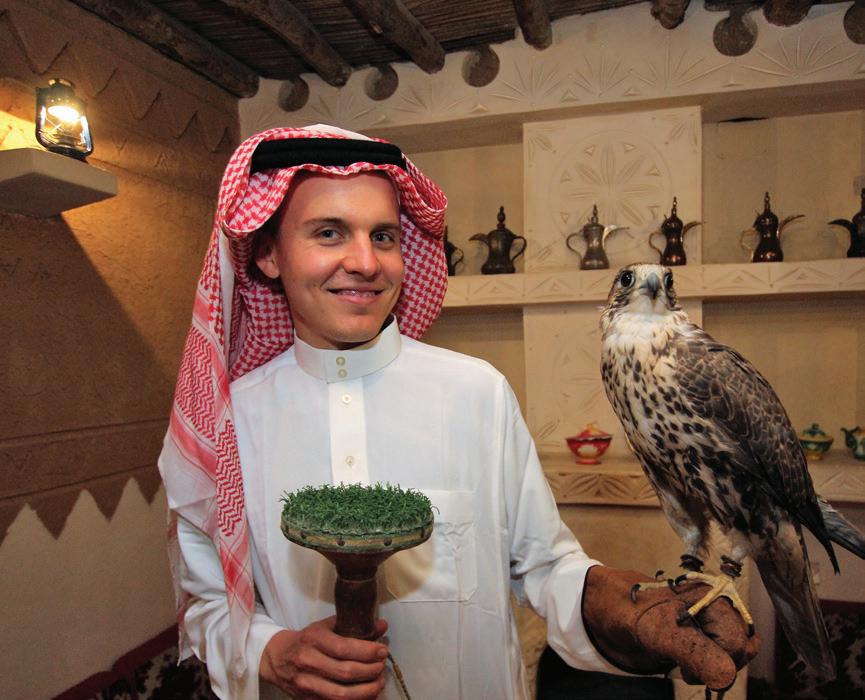
Right: The veterinarian holds a falcon while stationed in Saudi Arabia.
“We didn’t come to help them,” Emmerich says. “We came to join them in a collaborative effort to strengthen dengue readiness in American Samoa.”
Emmerich continues to serve as a Veterinary Corps Officer with the U.S. Army. He credits his interest in public health to the range of experiences the School of Veterinary Medicine exposes students to during their time in Madison. While pursuing his DVM, for example, he heard from an EIS officer who guest lectured about a deployment to Haiti. That helped him chart his own career path, he says.
Graduation from UW-Madison (B.S. in Wildlife Ecology)
Graduation from School of Veterinary Medicine
U.S. Army First Year Graduate Veterinary Education Program (Fort Bragg, NC)
Chief of Public Health (US Military Training Mission to Saudi Arabia (Riyadh, Saudi Arabia)
Public Health Operations Officer, Defense Health Agency (Washington, D.C.)
Aide-de-Camp to the Director of Public Health, Defense Health Agency (Washington, D.C.)
Epidemic Intelligence Service Officer, Centers for Disease Control and Prevention (Washington, D.C.)
Master of Military Art program at Air University (Maxwell Air Force Base, Montgomery, AL)
The sky is the limit for DVMs. View school as learning how to learn and how to interact with other health professionals. You’d be surprised how your education can help advance public health. Veterinary medicine is public health.
- Sam Emmerich (’13 DVM’18) on veterinary students interested in public health work
Dear alumni –
This summer, we’ll be reminding all alumni about the opportunity to become a part of your SVM Alumni Association (SVMAA). We all share a sense of Badger pride, but I also hear from those who have already joined about what they see as the benefits of becoming a member of SVMAA:
• “I want to help the school and the profession be as great as it can be.”
• “Connecting with fellow alumni is a good networking opportunity.”
• “The association helps me feel more connected with what’s happening at the SVM and to engage with school leaders.”
• “My experience at the SVM was life-changing and I want to give back.”
The SVMAA officially began in 2023, building from the informal SVM alumni advisory board, with the goal of including more of our graduates in the conversation about what alumni can do to support one another and the school. Through the years, the alumni advisory board and the SVMAA have:
• Established the SVM alumni awards
• Advised the creation of the school’s alumni-student mentor program
• Launched an SVM alumni store
• Created a newsletter by alumni, for alumni (currently on pause)
• Surveyed alumni for their input on priorities
• Provided input and feedback to Dean Jon Levine and school leadership that helped shape the school’s strategic direction and students’ futures
We’re excited by what we’ve accomplished working together so far and for some great possibilities ahead: creating a class representative program to enhance connections and information sharing; inviting faculty and research leaders to SVMAA meetings to provide CE opportunities and speak on topics of interest such as clinical trials and admissions requirements; working to support current students through activities and scholarships; and solidifying a consistent meeting agenda and slate of topics to share.
Watch your mail for more information, but there is no need to wait until summer to get connected to your alumni association. You can find us online anytime at go.wisc.edu/svmaa
Kristi V. Thorson Chief of Staff
Associate Dean
for Advancement,
Strategy, and Operations
A Message to DVM Alumni
SURI Patient Profile
A foal and a fighter
by Simran Khanuja
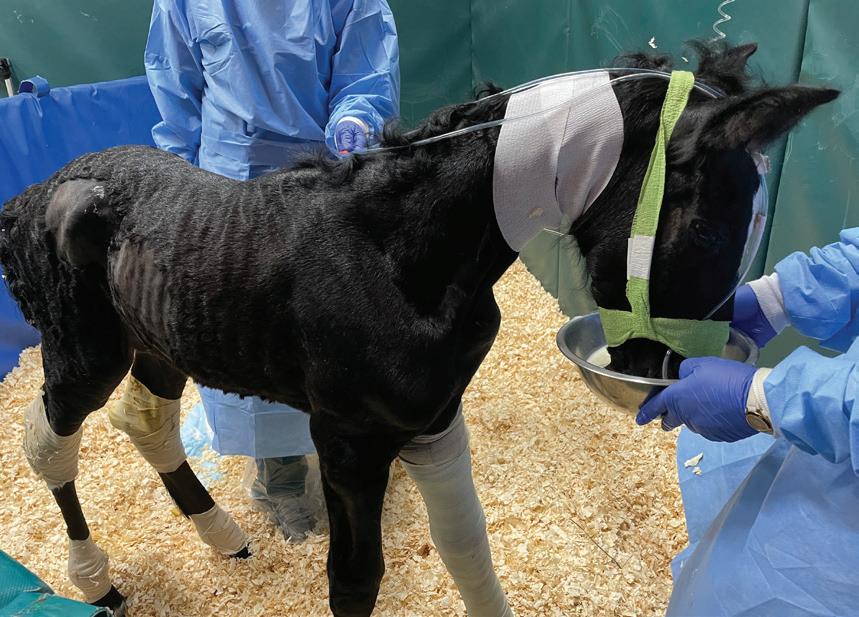
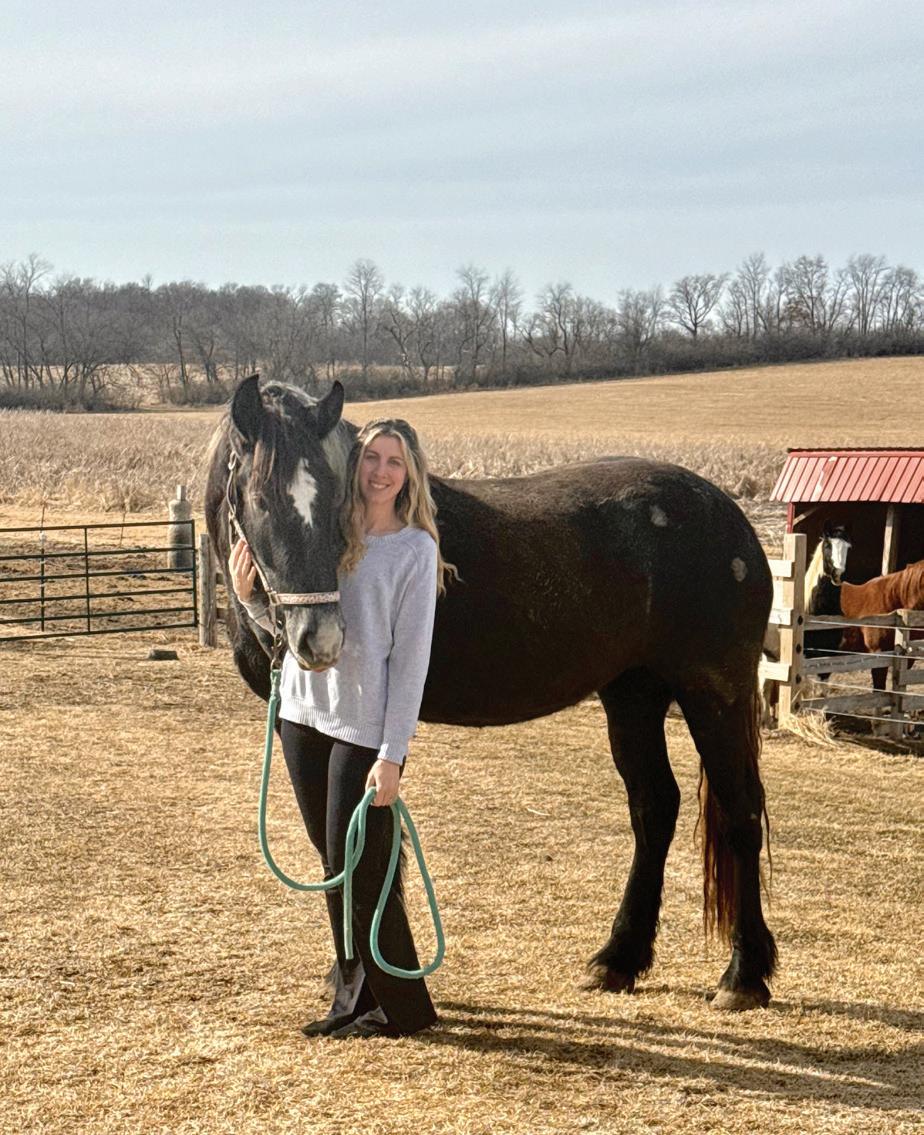
Left: A now fully grown Suri snuggles with her owner, Natasha Flaws.
Right: Suri is fed by UW Veterinary Care staff while recovering.
two hours because she could not safely nurse from her dam.”
Over the following weeks, Suri underwent multiple cast and bandage changes and intensive rehabilitation under the guidance of Kayla Le (Dept. of Surgical Sciences), who performed Suri’s surgery, Holschbach, veterinary students, and residents.
When Suri was born at a farm in Fall River, Wisconsin, in June 2023, she was as healthy and vibrant as any foal – with her striking black coat and a distinctive small star shape on her forehead. But less than a day after birth, Suri suffered a devastating injury: her mother, to ward off other horses, accidentally stepped on her while she was lying down, shattering her front leg.
“I remember getting the call,” says Suri’s owner, Natasha Flaws. “My heart literally stopped. We raced to the barn and sure enough, Suri’s leg was a spaghetti noodle. I will never forget that image.”
Suri was initially seen by School of Veterinary Medicine (SVM) alumna Kathryn Livesey (’10 DVM’14) at Lodi Veterinary Care, who stabilized the foal and presented a difficult choice: immediate surgery at UW Veterinary Care (UWVC) or euthanasia. Flaws and her husband, Ian, chose surgery.
“Ian looked me, then looked at Suri, and reminded me of our commitment and responsibility,” she says. “We felt we owed it to Suri to try.”
Suri’s first few days of hospitalization post-surgery required around-the-clock care, complicated by a case of neonatal maladjustment (or “Dummy Foal”) syndrome, which manifested as seizure-like activity after anesthesia. Medications controlled the seizures, but Suri remained in critical condition for three days.
“In addition to the challenges of Dummy Foal Syndrome, for Suri to learn how to stand and lay down while wearing a full limb fiberglass cast required four of us to safely support and position her,” says Chelsea Holschbach (DVM’14; Dept. of Medical Sciences). “She was hand-reared and pan-fed every
“Internal fixation in large animals is no small feat,” Holschbach says. “The fact that Suri is now full-grown with no apparent signs of lameness is a testament to the great surgical repair she received.”
Once stable, Suri returned home to continue recovery under the supervision of her barn owner Sabrina Freter, director of Madison College’s veterinary technician program. Months of stall rest, hand walking, massage therapy, and time with a seasoned mare named Macy helped Suri transition from hospital back to farm life. Follow-up X-rays confirmed her bones were healing properly, and a second surgery to remove one plate went smoothly.
Flaws is deeply thankful for the care Suri received at UWVC and the expertise of the team at the Morrie Waud Large Animal Hospital.
“I honestly can’t say enough good things about these two incredible doctors,” she says. “Dr. Le did what I thought would be impossible, her skill and precision in the OR unmatched. Dr. Holschbach was a friend and a wealth of knowledge, guiding me through every step of Suri’s care and celebrating every milestone with us. The whole staff was amazing.”
Today, Suri is thriving. She started training in summer 2025 and will resume this spring. Known for her playful, gentle nature, she loves people, scratches, and exploring with her mini pony friend.
One moment that vividly stands out to Flaws is Suri’s first time in the pasture with Macy, after six weeks in her stall and indoor area to recover following her second surgery.
“I just cried,” Flaws says. “We had done it. All of us, together. Suri was walking on four legs, with no cast or bandage, pain free, running, frolicking, whinnying. Happy.”
Fostering Student Success through scholarship
We’re creating the future of veterinary medicine at UW–Madison and your support helps make dreams come true for the next generation of trusted veterinarians and scientists. Our graduates make a difference all over the world: from delivering frontline veterinary care to identifying and treating emerging diseases; from caring for critters in conservation organizations to serving as leaders in academia and industry.
Help build a better future: support the students who will bring our work to the world, advancing health and wellbeing for animals, people, and the planet.
A gift to support student scholarships makes a difference for students and the communities they will serve.
To learn more about existing scholarship funds, or to discuss the possibility of creating a fund, visit vetmed.wisc.edu/giving/student-support.
Or contact: Heidi Kramer, Senior Director of Development 608-327-9136 | heidi.kramer@supportuw.org
2015 Linden Drive
Madison, WI 53706-1102