Student Affairs
Annual Report 2023 - 2024
Annual Report 2023 - 2024
The UW Tacoma community acknowledges that we learn, teach, work and live on the ancestral land of the Coast Salish people. In particular, our campus is situated on traditional lands of the Puyallup Tribe of Indians. We recognize that this is a difficult and painful history, and we understand we must play an active role in remembering, not just what happened to Indigenous communities; post settlement, but also the rich history that existed long before colonization. This land acknowledgement is one small act in an ongoing process of honoring the past while working together with local Tribes to build a more inclusive and thoughtful community.
Dear Colleagues and Friends,
On a recent walk across campus, I saw a class conducting a random sampling exercise. Students were spread across Gillenwater Plaza, gathering data point by data point. It was a vivid illustration that even small, intentional observations can reveal a powerful story.
In Student Affairs, nothing we do is left to chance. Our decisions are rooted in data and driven by a clear focus on student success. We ask the questions that matter: Who is applying to UWT? What are they looking for? Are they finding community and support? How must we shape our work to help them thrive?
Data shows us what’s working and where we need to go next.
This annual report highlights some of our most meaningful data-driven accomplishments. It reflects the dedication of our teams and the support of partners whose investments help us innovate and expand what’s possible for our students.
As we close out the year, I’m grateful for the collective commitment that drives this work. Together, with curiosity and purpose, we will continue creating a campus where every student can thrive and every story has the chance to unfold.
Moving forward together,
Student Affairs work is both rewarding and challenging. Our team is made up of people with diverse backgrounds, but we’re united by a shared purpose and a deep commitment to student success. This past year, a campus partner asked me what it takes to be a leader in Student Affairs. When I asked what sparked the question, the individual smiled and said that whenever she observes our team, it seems like there must be “something in the water” because even when the work is hard, there’s a steady sense of joy in how folks show up.
I’ve thought about that often. We are a team of servant leaders, and student success is the reward that keeps us grounded and energized. I’m proud to work alongside a team that leads with selflessness, adaptability, respect, and compassion - people who show up with care, stay flexible, center community, and make a meaningful difference every day.
Student Affairs champions holistic learning and lifelong success for students. We support students through obstacles and engage them as partners to build an inclusive, community-connected campus. Our collective efforts help students live with meaning and work with impact.
Accountability: We do what we say we will do and accept responsibility for the quality of our work.
Empowerment: We provide students and colleagues with the best tools and guidance we can, so they can be successful and make knowledgeable decisions.
Equity: We use our voices and decisions to create processes, policies and systems that are just, impartial and fair.
Grit: We acknowledge that people and communities can experience hardship, failures and setbacks. We empower our students and one another to see shortfalls as feedback and opportunities for learning and improvement.
Inclusivity: We collaborate with students, colleagues and partners through processes that empower participants and create a true sense of belonging.
Service: We engage others in an open, friendly and responsive way that conveys we are willing to listen and understand each individual’s situation. We respond appropriately and in a timely and professional manner.
Student-Centeredness: We clear the way for students to have a voice in shaping their UW Tacoma experience and ensure that students’ experiences are considered in every conversation and decision of which our team is a part.
Student Affairs fosters diverse generations of leaders, collaboratively creating equitable conditions that nurture students’ academic and personal success.
Enrollment Services
Admissions
Registrar
Student Financial Aid & Scholarships
Veteran & Military Resource Center
Student Life
Disability Resources for Students
Housing & Residence Life
Psychological & Wellness Services
Student Advocacy & Support
Student Conduct & Academic Integrity
Student Involvemvent & Leadership
Student Health
University Y Student Center
Student Planning & Administration
Administration
Facilities
Finance
Human Resources
Marketing & Communications
Student Transitions & Success
Career Development & Education
First Generation Student initiatives
New Student & Family Programs
Pathways to Promise
Pre-Collegiate Programs
The state-legislature–allocated provisos represented the largest new funding source for Student Affairs in 2023–2024. Through a $1.4M state proviso ($776K/year for two years) alongside the baseline 2023–25 investment establishing 6.75 FTE, UW Tacoma entered Year 1: Launch + Impact, building and activating a more holistic system of support that now anchors the university’s equity-driven care infrastructure. This section highlights Year 1 proviso outcomes at the division level; unit sections later in the report provide deeper detail on implementation and program delivery.
Positions Created (6.75 FTE):
• Re-enrollment Specialist
• Social Worker
• Graduate Social Work Intern
• Staff Psychologist / Mental Health Counselor (later repurposed to Title IX Advocate + Health Promotion Specialist)
• Financial Aid & Wellness Educator
• Military-Connected Career Coach
• 0.5 FTE Employer Relations Specialist
• Data Analytics & Assessment Coordinator
With proviso-funded staffing and partnerships, UW Tacoma strengthened access to timely, affirming mental health support and aligned well-being efforts through a shared framework. Students described these supports as life-changing, and for some, life-saving.
• 196 students received on-demand, nowaitlist counseling (Summer/Fall 2023).
• Launched the Husky Health Coalition, integrating well-being, mental health, AOD prevention, and basic needs under a single collaborative framework.
• Expanded pathways to care through LGBTQIA+-affirming, BIPOC-informed, trauma-competent clinician partnerships.
• Planned for Spring 2024: Mental Health First Aid training.
• NCHA context: UWT students report 6% higher serious psychological distress than national peers; suicide risk increases when alcohol is involved.
Proviso investments expanded the safety net that helps students stay enrolled when basic needs or unexpected crises become barriers. Food access, case management, emergency aid, and a stronger digital “front door” worked together to connect students to help quickly and with dignity.
• Case management expanded with a new Case Manager + MSW intern: 85 students served through 150+ sessions.
• The Cupboard (opened Fall 2023): 500 healthy meals provided to 120 students.
• Nourish Mobile Food Bank: Up to 75 individuals/week served on campus.
• HuskiesCare Resource Hub: 4,474 user accounts; 5,000+ visits by Jan 2024.
• Staff trained on new FAFSA systems; 22 students received emergency aid totaling nearly $5,000 (Autumn 2023).
• Need context: 44% of UWT students experience low or very low food security (21% above national average).
Targeted re-engagement supports helped returning learners reconnect with their goals and rebuild momentum, contributing to one of the year’s most significant enrollment gains.
• 46% increase in applications from returning students.
• 96% increase in returning students enrolling compared to the previous winter.
• 4% overall enrollment growth year-over-year.
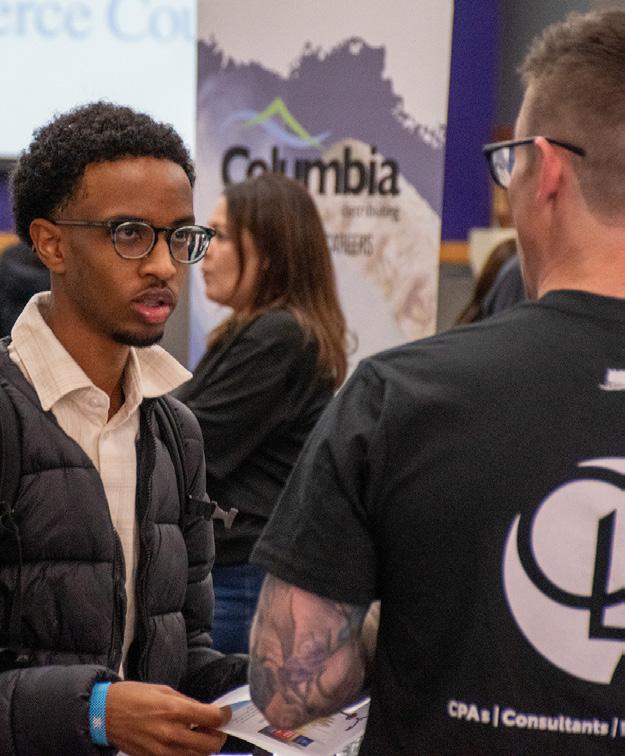
Proviso-funded capacity strengthened career-connected learning and employer engagement, expanding access to internships, coaching, and high-impact recruitment opportunities across sectors, including tailored support for military-connected students.
Career Fairs & Employer Engagement:
• 30% increase in student attendance.
• 2,267 students and 193 employers (record high).
Boeing Day Industry Event:
• 454 students participated.
• 50 same-day interviews conducted.
• 14 confirmed job and internship offers.
Military-Connected Career Support:
• 522 students served.
• 4,407 total coaching and support interactions.
Proviso investments also strengthened the infrastructure behind the work, expanding assessment and analytics capacity so Student Affairs can better understand student needs, track progress, and improve transparency and shared accountability.
• Data Analytics & Assessment Coordinator hired.
• Closed the one-year retention equity gap for firstgeneration students.
• Began development of the Student Affairs Scorecard to support data transparency and alignment with the 5-year plan.
State investment made Year 1 possible. Philanthropic support helps us sustain and strengthen this system of care, so students can continue accessing timely support, meaningful connection, and the resources they need to persist and thrive. If you feel moved to support UW Tacoma students through Student Affairs, we welcome your partnership.
In the sections that follow, units describe how these proviso investments were implemented and how students experienced the supports in practice.
In 2023–24, the Office of the Vice Chancellor, supported by Student Planning & Administration (SPA), served as the operational and strategic backbone for Student Affairs at UW Tacoma. Together, this team helped keep the division moving by coordinating across administration, assessment, communications, facilities, finance, HR, professional development, and strategic planning. In doing so, the VC Office and SPA supported division-wide priorities, strengthened internal systems, and ensured the foundational work behind student services was organized, responsive, and sustainable. SPA also supported the division’s people and infrastructure needs at scale, including operational support for 80+ staff and 170+ student employees, while coordinating closely with campus partners and community collaborators.
Across the year, the VC Office and SPA reinforced division readiness, alignment, and shared accountability in practical ways. The team supported action teams and the strategic plan process, helped plan and coordinate division leadership meetings, and provided steady administrative and operational support that enabled units to focus on serving students. To strengthen preparedness and continuity of operations, the team led emergency planning work that resulted in workstation folders and kits across the division, as well as larger “Big Kits”—including binders, radios, and buckets distributed to multiple offices to support timely response and continuity when needed.
The VC Office and SPA also advanced the division’s long-term capacity for evidence-informed decision-making and transparent reporting. The team supported assessment review, hired new staff aligned with the five-year plan in areas such as data, assessment, and communications, and began developing the Student Affairs Scorecard as a data transparency tool designed to strengthen decision-making and shared accountability across the division. This work reflects a broader commitment to building durable infrastructure, so Student Affairs can clearly understand what students need, track progress, and continuously improve.
In addition to systems and infrastructure, the VC Office and SPA strengthened the people-side of the division’s work. The team created the division’s first Moving Staff Forward Survey to better understand staff experience and guide improvement efforts. The team also updated the professional staff performance evaluation process and materials and continued developing HR resources and tools that support onboarding, day-to-day operations, and consistent supervisory practices. Professional development supports were also strengthened through practical resources for staff growth, including Professional Development Plan templates and certificate materials, curated development resources (including LinkedIn supports), and tools that help supervisors coach and develop staff more consistently across units.
Finally, the VC Office and SPA supported division communications and visibility through ongoing website creation, maintenance, and support across Student Affairs. This included developing the Undocumented Student website as a centralized and accessible place for students to find Student Affairs resources tailored to their needs, reinforcing the division’s commitment to belonging, access, and clear pathways to support.

During 2023–24, Enrollment Services advanced strategic, data-informed enrollment management while strengthening staffing capacity and launching major planning and systems initiatives. The department filled key roles, including the Assistant Director of Financial Aid and Scholarships, Financial Aid Counselor, Financial Aid Outreach Counselor, and TCC (Tacoma Community College) to UWT (University of Washington Tacoma) positions, while the Admissions Counselor search moved into interviews and a Program Coordinator recruitment was set to open soon. To support legislatively funded capacity needs, the team also hired two staff through UTemp Staffing. While UW Tacoma HR was responsive, centralized HR processes slowed timelines (including waits of over a month for position postings), but onboarding for new staff was reported as exceptionally smooth.
Substantial progress was made on enrollment planning and yield strategy. SEM Works was contracted and began campus engagement the week of January 22, 2024; after completing the RFP, identifying a partner, and establishing milestones, SEM Works conducted 20+ campus interviews, facilitated 30 listening sessions with 80+ community members, hosted two webinars, delivered draft enrollment goals, and led a full-day leadership retreat, outlining next steps. In response to an application surge of ~40%, Enrollment Services drafted yield and anti-melt strategies with a finalized plan expected in summer; at the time of reporting, freshmen yield was 12.1% (prior to aid awards releasing) and transfer yield was 49%. Finally, Slate Student Success implementation advanced through the RFP process: review was completed, two finalists were identified, and a final selection was expected by the end of April.
Operations. Admissions Operations strengthened processing capacity, accelerated decision timelines, and advanced workflows that support onboarding and student communications. Even with a 40% increase over the prior year in applications received by November 15, the team processed a higher volume and released more decisions with the same staffing level. Admissions also became the first of the UW campuses to release admission decisions, issuing on December 15 for students who completed applications by November 15. The unit also advanced cross-unit systems work to improve the student experience. Admissions, Financial Aid, Academic Advising, and New Student & Family Programs aligned on communication plans and business process work to strengthen final transcript completion, including addressing transcriptsubmission steps embedded in the NSAR process, with anticipated completion in Summer. Internally, a working group advanced process improvements for managing the Slate inbox, and in partnership with the Registrar, scompleted the residency merge field and status portal page, with related communications still in development to inform students earlier in the enrollment cycle.
Recruitment & Marketing. Admissions Recruitment & Marketing strengthened enrollment pipelines, improved outreach tactics, and advanced the campus visit experience. A Native recruitment specialist helped increase Native student enrollment from 46 to 63 students. The team deepened recruitment partnerships with Halda and Niche, requested Washington College
Bound lists, joined Washington Guaranteed Admissions Program (WAGAP), which supports a college-going culture and guaranteed admission to eligible applicants, and accelerated access to key prospect data by receiving the Seattle applicant list in January (rather than April). Building on a strategic shift made in 2022 to reduce “name buy” spending and focus on converting organic web traffic, Admissions, working with Halda, achieved one of Halda’s highest client conversion rates. The team also identified an opportunity to use the NSC Student Tracker to reclassify 2022–23 inquiries who enrolled at a community college or are not currently enrolled.
The unit also advanced student yield and visitor-facing operations. Admissions Recruitment & Marketing and New Student & Family Programs staff were trained to film and send GoodKind videos, which will be incorporated into communications to all confirmed students. Campus tours transitioned to operate from the Welcome Center, with check-in in the lobby, the exterior door opened to the public, and outdoor A-frame signage purchased through marketing; as of Winter Quarter 2024, daily tours depart from the Welcome Center and the center is fully operational. Following SEM Works feedback, the tour route is being revised to formally incorporate Housing/Residence Life (including a potential Court 17 tour), with final updates planned for May–June 2024.
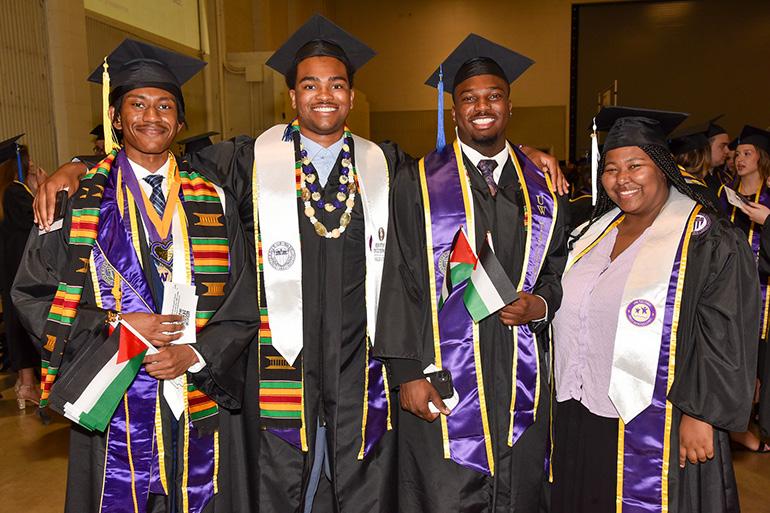
Student & Family Programs advanced the campus visit and newstudent experience while strengthening operations and communications. The Welcome Center opened and became fully operational: daily campus tours shifted to depart from the Welcome Center with lobby check-in, the exterior door opened to the public, and outdoor A-frame signage was purchased; by Winter Quarter 2024, tours were consistently leaving from the Welcome Center. Next steps identified include opening the Welcome Center 8:00 a.m.–4:00 p.m. daily, migrating admissions phone calls from the Enrollment Services
Front Desk to the Welcome Center, and installing updated wall graphics.
The team modernized communications by building key confirmed-student messages in Slate Admissions (with refinement/documentation still underway) and continued improving orientation communications; an effort to incorporate NSAR communications into Slate was explored, though Academic Advising opted not to proceed at this time. Staff moved into the Enrollment Services suite in the Mattress Factory, with space updates still pending. Cross-unit work also advanced to improve transcript completion: Admissions, Financial Aid, and Academic Advising agreed to a communication plan now being built, incorporating newly identified transcript-submission steps within the NSAR process, with anticipated completion in Summer 2024.
Registrar. The Registrar advanced key systems and communications that improve transparency and timeliness for students. In partnership with Admissions Operations, the team completed the residency merge field and the status portal page, while development of the associated communications flow remains in progress. To help students celebrate academic achievement more quickly, UW Tacoma also prepared to take over the Dean’s List release process from UW Seattle for Tacoma students; the team secured access to the necessary tool and began setup for Winter 2024, with everything set for the Dean’s List to run at the end of April for Winter Term Dean’s List recipients.
Student Financial Aid & Scholarships. Student Financial Aid strengthened proactive outreach and student support capacity while preparing for major policy and system shifts. The unit hired a Financial Aid Proactive Outreach & Education Specialist and launched the FA/Wellness Educator position, with staff trained on the new FAFSA systems. In Autumn 2023, 22 students received emergency aid totaling nearly $5,000, helping address urgent financial barriers.
Work to develop an enrollment-focused scholarship awarding model for implementation in 2024–25 had not yet advanced at the time of reporting as the team awaited the hire of a new Assistant Director of Scholarships and Outreach; in the interim, JB and ACA were prepared to begin after the 1/15 priority. The Assistant Director role has since been filled, and model development will begin once training is complete.
Veteran & Military Resource Center (VRMC). The Veteran & Military Resource Center (VMRC) expanded supports for returning adult and military-connected students using proviso funds, PepsiCo grant funding, and donor gifts. The team hosted outreach events on military bases and posts, saw increases in full-time
employment or continuing-education rates among military-connected graduates, and added a dedicated career coach to strengthen career outcomes for militaryaffiliated students.
VMRC also advanced communications, staffing, alumni engagement, and national partnership work. Messaging updates for the WSAC (Washington Student Achievement Council) catalog and military-connected recruitment materials remained in progress, with plans to complete the project through a 4Block partnership; websites/materials were also updated to include a new military branch. With SAFC funding secured for FY 2023–24, VMRC completed hiring for a new Counseling Services Coordinator role (start delayed due to winter break/staffing), with ongoing work planned to build capacity. VMRC maintained its PAVE partnership as 1 of 46 selected campuses, completed the annual national training conference with the PAVE team leader/ practicum student, and received the PAVE contract/ MOU—finalization pending a Boeing funding request to offset membership fees (Chancellor signature required). Finally, VMRC held its first fiscal-year alumni engagement event on March 8, 2024, co-sponsored with Alumni Affairs at the Press Room, with continued work planned to deepen alumni integration into militaryconnected programming.
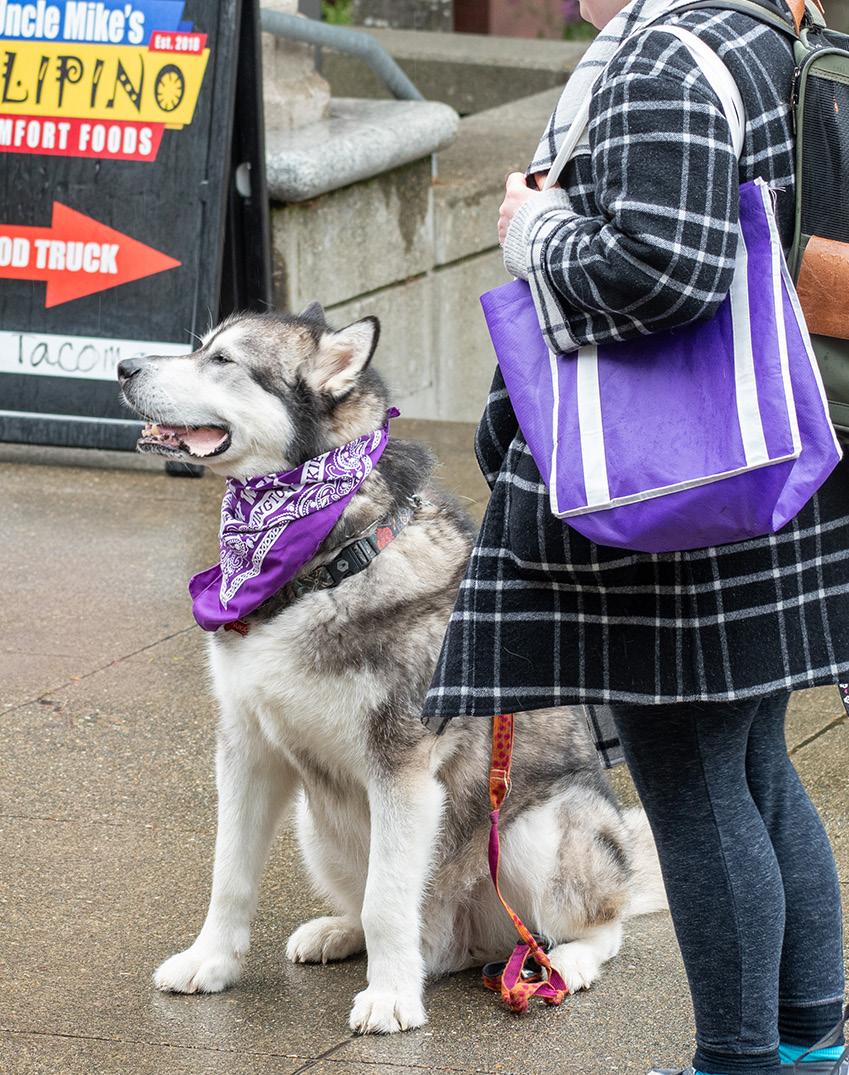
Student Life contributed significantly to the Division of Student Affairs’ mission in 2023–24, advancing student wellbeing, engagement, access, and belonging across its units: Disability Resources for Students, Housing & Residence Life, Psychological & Wellness Services, Student Health Services, Student Involvement & Leadership, Office of Student Advocacy & Support, and the Office of Student Conduct. Senior Associate Vice Chancellor for Student Life Dr. Bernard Anderson was appointed this year to the NASPA (National Association of Student Personnel Administrators) Region V Board as Regional NUFP (NASPA’s Undergraduate Fellows Program) Coordinator. Under his leadership, Student Life strengthened essential services while expanding opportunities for student leadership and engagement. Dr. Anderson also deepened regional partnerships by supporting UW Tacoma student participation in the 2024 Pacific Northwest Black Male Academic Achievement Conference, reinforcing the division’s commitment to belonging and academic success.
Disability Resources for Students (DRS). DRS supported 390+ student visits, engaged 150 faculty/ staff/community members, and approved 49 new accommodation requests. Peer Navigator support expanded this year, and the team delivered major outreach efforts: seven Disability Awareness Month events, a Study Abroad accessibility session, an Open House, and a cultural talk with UW alum Jake Prendez. DRS also collaborated with ASUWT to explore launching a disability-focused advocacy Registered Student Organization (RSO).
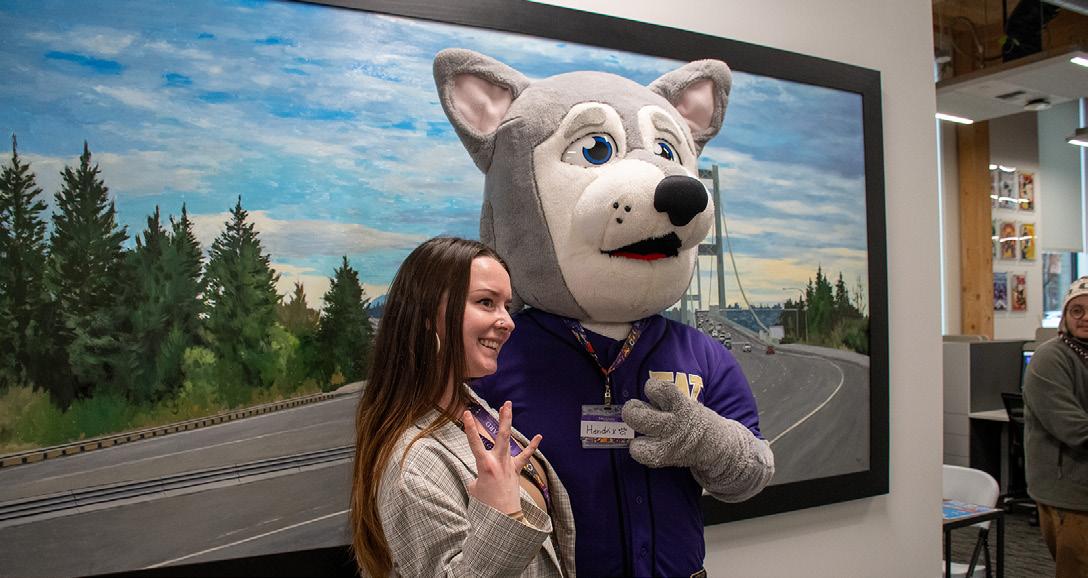
Housing & Residence Life. Housing & Residence Life paused the Living & Learning Community (LLC) program for the year to redesign it, while introducing a new objective to address a three-year decline in housing applications (439 -> 424 -> 416) that has reduced applicant yield and limited HRL’s ability to fill vacancies. Despite this trend, HRL maintained 87%+ occupancy throughout the academic year, the highest level seen post-COVID. The unit enters the next cycle with strong momentum: a capable RA team, expanded marketing and communications capacity, and a newly developed housing application created in collaboration with Admissions and campus partners. The application will go live once Fiscal Services completes its review, and early student interest suggests positive traction. Full application metrics will be available following launch.
Office of Student Conduct and Advocacy (including Basic Needs): The team embedded the Basic Needs Hub in HuskiesCare (which surpassed 5,000 hits), launched a student housing advisory committee, expanded services through the Serving Students Experiencing Homelessness grant, added a full-time Case Manager and three MSW interns, and recruited and hired a Basic Needs Navigator. The team also began developing UW Tacoma’s Basic Needs Strategic Plan, part of WSAC’s statewide effort, to assess student needs and shape a five-year vision, proposing a future campus Basic Needs Center. Additionally, the “Hungry Now, Eat Now” emergency food program was launched and refined, ensuring uninterrupted service to students. The Office of Student Conduct and Advocacy also took on additional WSAC planning work to elevate student needs at the state level, positioning UW Tacoma to be represented when final recommendations moved to the Legislature.
Strengthening Basic Needs & Housing Support: 150+ case-management sessions to 85 students
• Food access usage: nearly 500 Nourish Food Truck visits
• The Cupboard: opened Fall 2023; provided 500+ healthy meals
• Winter quarter indicators of need: 134 first-time Food Cupboard users; 537 repeat visits; students reported two missed meals per week
• Nourish Mobile Food Bank reach: served 350 families and 521 individuals; over one-third were first-time visitors; up to 75 people per week supported on campus
• Housing stability support: subsidized placements, emergency shelter in two Court 17 apartments, eviction-prevention assistance, and individual advocacy
Despite limited housing availability, loss of KOZ prioritization, and property-management challenges, the office sustained comprehensive, holistic support for students facing food insecurity, housing instability, and essential-needs barriers.
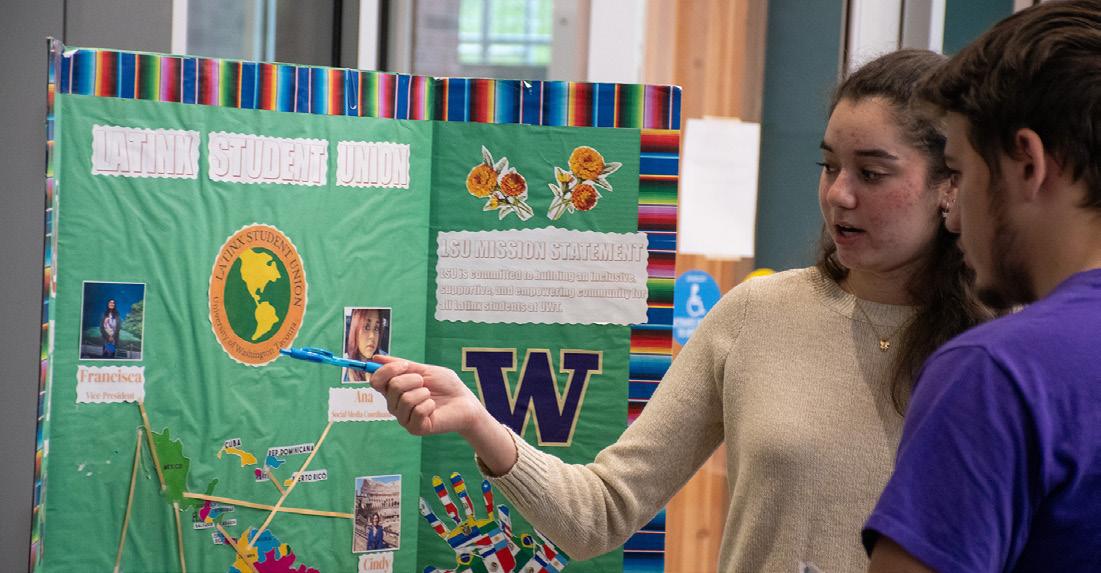
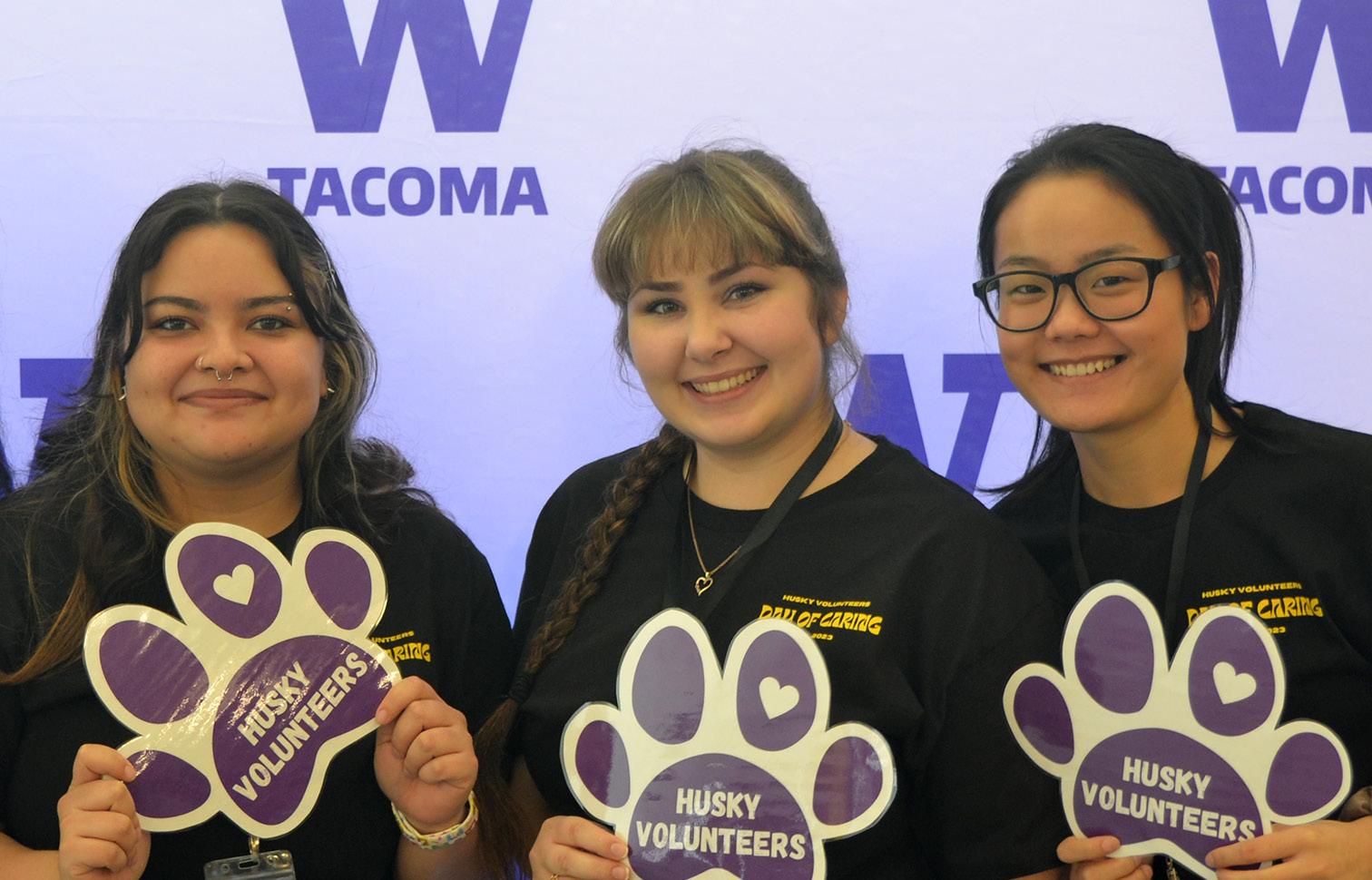
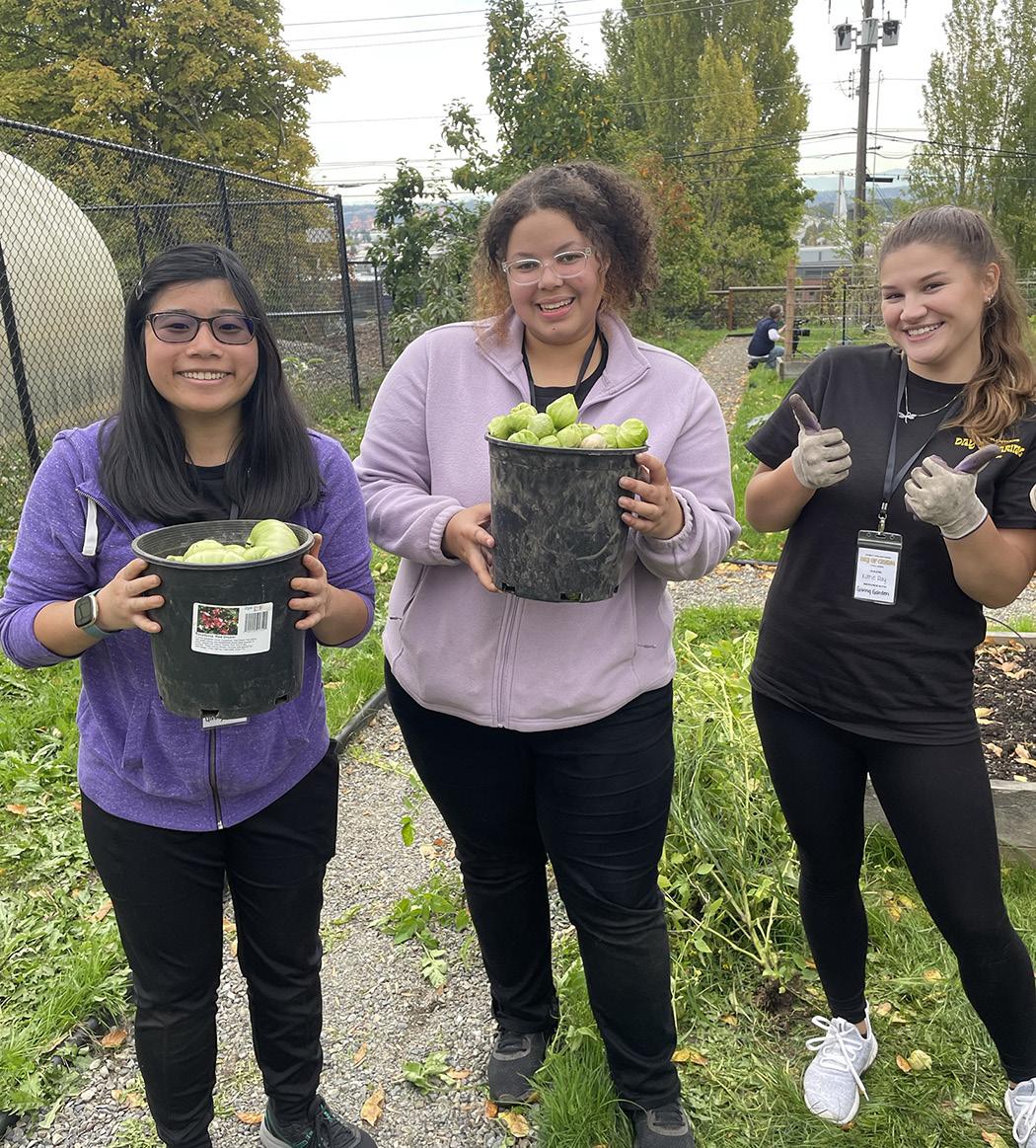
Student Involvement and Leadership & Center for Student Involvement (CSI). In 2023–24, Student Involvement & Leadership strengthened student voice, engagement, and well-being by employing 82–90 student leaders, filling 20 committee seats, involving students in 30 search committees, and ensuring students shaped funding allocations through the Council for Campus Engagement, which reviewed 87 travel requests and 104 event proposals, alongside ASUWT surveys that gathered 600+ student responses on safety, basic needs, wellness, and technology. Student-led work generated 191 submissions and 21 Husky Sustainability Fund projects, while campus engagement expanded through 721 events, 7,879 attendances, support for 62 student organizations, 335 leadership positions, 192 RSO meetings, 2,755 DUBNET logins, 19,700+ CSI/Dawg House impressions, 54–60% Ledger readership, 8,454 volunteer hours, increased Giving Garden participation, and 158 Tahoma West submissions - the highest since 2018. CSI advanced holistic well-being through rising student organizations (52 -> 58 -> 62), 32 leadership trainings, 721 learning-focused events, the launch of the Sustainability Leadership Certificate (32 participants; 4 completers), and a strong employment pipeline with students holding 90 of 104 leadership roles, completing 40,817 work hours, and participating in 25 days of professional training. Welcome Days continued to expand with 177 events (including 100 in the first month), the Husky Help Desk supported 300+ students, CSI completed 22 Husky Sustainability Fund projects, and the Day of Caring engaged 75 students across six community partners; early-quarter engagement remained strong with 44 RSOs involving 1,100+ students in the first two weeks.
Psychological & Wellness Services (PAWS). PAWS provided 56 hours of outreach and served 2,034 students this year, expanding mental-health support and education while responding to shifting patterns
in student engagement. Although group counseling participation declined in Fall 2023 due to scheduling challenges linked to online and hybrid course shifts, enhanced outreach and in-person engagement led to improved Winter participation, with two groups of 5–7 students each. Year-to-date utilization rose from 143 to 177 sessions, and attendance between January and April increased from 62 to 92 year over year, supported by expanded marketing through social media, CSI advertising, UWTLine, campus signage, flyering, and a new drop-in Art Therapy group. PAWS strengthened mental-health literacy across campus through 10 outreach and training sessions reaching 158 participants, including Student Affairs’ Supporting Students in Distress session, education for 16 Pack Advisors and Campus Ambassadors, and Pack Chats for 50 new students. TimelyCare registrations increased from 234 to 292 students (6%) with extensive promotional efforts, though uptake remained modest. PAWS also advanced its doctoral internship toward APA accreditation, securing APPIC approval for national match participation and finalizing the APA site visit scheduled for October 2024. Collectively, these efforts expanded student access, deepened campus awareness of mental-health resources, and strengthened the foundations for high-quality clinical training/services.
Student Health Services. Student Health Services advanced a campus-wide vision that directly links wellness, well-being, and academic success, recognizing that when students, staff, and faculty feel connected, supported, and stable, they are far more likely to thrive academically and personally. The Husky Health Coalition, launched to center holistic wellness at UW Tacoma, has become a powerful platform addressing mental health, alcohol and other drug prevention, and basic needs through stigma-free resources, education, and harmreduction strategies rooted in the SAMHSA Wellness Wheel. Students routinely share that this work “saved my life,” sometimes figuratively - sometimes literally, reflecting on the profound impact of compassionate, accessible care. Coalition efforts intentionally integrate well-being into the campus experience by offering connections, strategies, and activities that strengthen emotional, mental, social, physical, and spiritual health. Comprehensive assessment data, including the UW Tacoma National College Health Assessment (NCHA), continues to shape priorities and guide targeted interventions that promote a positive trajectory for the entire campus community.
Student Transitions & Success (STS) advanced key pathways that help students persist and thrive at UW Tacoma: career readiness, first-generation success, and post-prison education. Across the year, the team expanded careerconnected learning and employer engagement, strengthened first-generation programming and partnerships, and lifted up student stories—including a Paw’d Defiance podcast episode highlighting student success. During 2023–24, Career Development & Education increased student engagement and expanded equitable access to services, while First Gen & Pathways to Promise scaled high-impact opportunities and grew campus visibility for first-generation students. STS also strengthened persistence supports for foster and unaccompanied youth through the Passport Champions Program. Lastly, the Husky Post Prison Pathways (HP3) program was launched, establishing leadership and a steering committee to build post-prison education pathways grounded in trust and partnership.
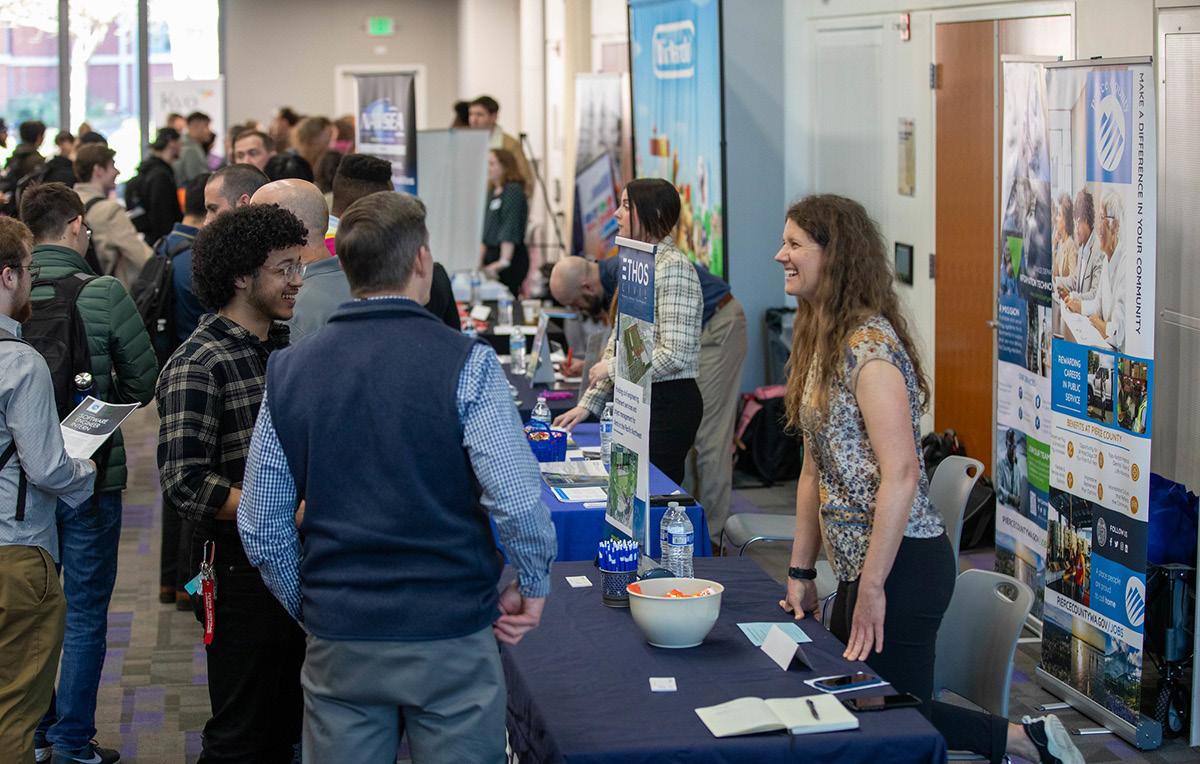
Career Development & Education. During 2023–24, Career Development & Education strengthened career-connected learning, employer engagement, and equitable access to services through expanded programming, peer-led models, and foundational infrastructure. Student engagement increased across multiple areas, including a 21% increase in Winter Quarter drop-in usage, supported by expanded outreach, additional service locations beyond the Career office, and peer-led workshops. Peer Career Coaches were further strengthened through enhanced training and community-building and exceeded programming targets by delivering six peer-led workshops and events. Career fairs reached record levels with 22
tech companies, 43 all-industry employers, and a 30% increase in student attendance, and the unit hosted a Dress for Success event to support students’ professional readiness. The unit also launched a pilot Micro-Internship program, securing 10 employer placements for Spring Quarter and generating interest from an additional 10–15 employers, confirming demand for scalable experiential learning.
Equity-centered initiatives advanced support for firstEquity-centered initiatives advanced support for firstgeneration, Pell-eligible, transfer, and military-connected students through both programming and assessment. Funding secured through AAC&U funding, strengthened collaboration around High Impact Practices, and began developing shared infrastructure between Academic Affairs and Student Affairs. A Qualtrics survey examining internship navigation among first-generation and economically marginalized students yielded 250+ responses across UW Tacoma and Tacoma Community College. Targeted military-connected programming nearly doubled Spring participation (11 to 20 students), while 10 new resources were added to the MilitaryConnected Career webpage with engagement tracking implemented. Foundational systems, including Handshake reporting tools and Career Launch implementation, positioned the unit for data-informed growth in 2024–25.
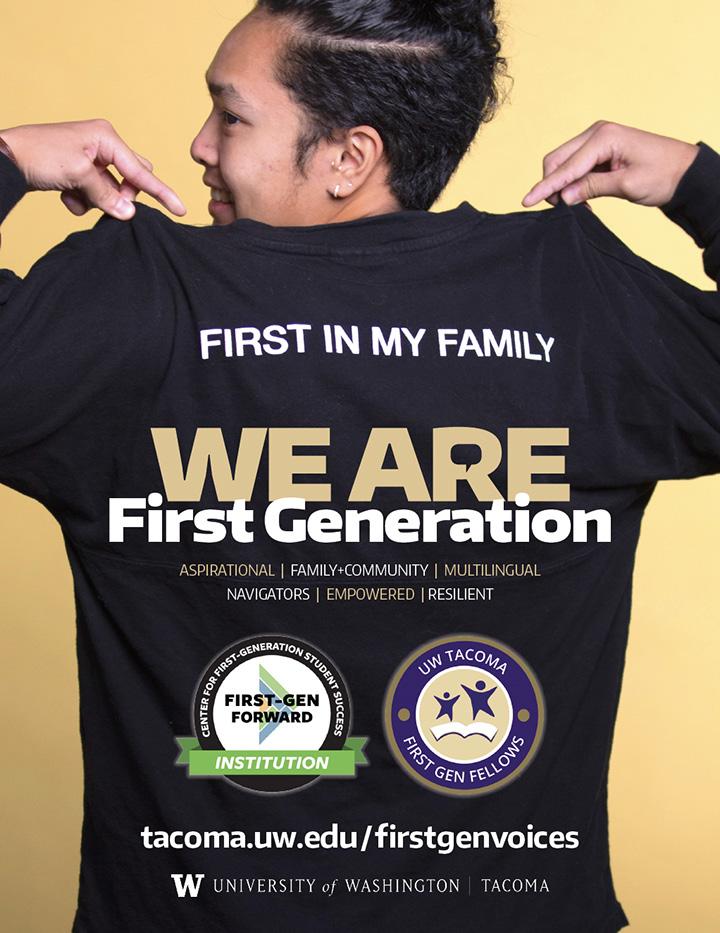
First Gen & Pathways to Promise. The First Gen team expanded student opportunity, strengthened partnerships, and increased campus visibility through scaled programs and targeted pilots. A micro-internship program launched with 100+ applicants and 15 placements, UW Tacoma was recognized as one of 14 institutions nationally advancing First Gen success, and the program received a $2,500 donation from a former First Gen student. Awareness of First Gen programs and resources grew through faculty engagement, signature events, cohort programming, and wordof-mouth outreach; the team exceeded its outreach target by connecting with more than five faculty members in Summer and Fall, resulting in a MultiCare Endowment Fund faculty applicant who employed five First Gen students to conduct food insecurity research. Partnership and presentation requests increased across campus (including invitations from the School of Education; Healthcare Leadership and Nursing; and both BIPOC and non-BIPOC New Faculty Mentoring groups), and applicant numbers tripled compared to Fall 2022, creating capacity pressure as cohort spots filled quickly.
The team advanced program development. The Financial Wellness cohort ran in Fall Quarter with its largest applicant pool to date, though planned designthinking evaluation was postponed due to staffing changes at Sound Outreach and reduced bandwidth from First Gen staffing shifts and new cohort launches; evaluation moved to Spring, with lessons learned already informing pre-college programming and district outreach. Pre-college efforts expanded through a collaboration with Dr. Lorne Arnold and Civil Engineering students to co-design a Civil Engineering DREAM kit (planning began in October; Winter kit-building focused on a storm surge theme), with outreach materials developed, a pilot scheduled with Pierce College’s TRiO ASPIRE program, and a first student demonstration set for July 22, while implementation planning continues around student compensation and streamlining for transport, engagement, and cleanup. Career-connected work moved from concept to implementation through collaboration with Career Development, culminating in the Spring/Summer launch of the Internship Preparation Cohort and Summer Sprint Series, supported by coordination, marketing, and KeyBank grant planning. Internal capacity was strengthened by hiring and onboarding a new Program Coordinator through a committee representing four departments, reinforcing team culture through weekly huddles, events support, group tours, and an end-of-year celebration; one objective remained without a quarterly update due to previously reported capacity constraints.
Husky Post Prison Pathways (HP3). HP3 successfully completed a highly collaborative and transparent search for its inaugural Director, strengthening trust
and partnerships with the HP3 Steering Committee and reinforcing an asset-based, trust-building culture in support of HP3’s mission. The recruitment drew 51 applicants, with 13 interviewed virtually and 4 finalists invited for on-campus interviews; campus presentations were well attended, and 32 stakeholder feedback forms informed the final selection. Although HR process delays prevented the original 1/2/24 hire goal, proactive coordination with HR on position requirements and background checks supported a smooth appointment. The new HP3 Director began on February 8, 2024, and their appointment was recognized in a UW Tacoma homepage story highlighting their Distinguished Alum award. With the Director in place, the HP3 program launched with leadership and a steering committee established.
Passport Champions. In 2023–24, Passport Champions served 44 foster/unaccompanied youth students (+75%) and sustained strong persistence: only 2 stop-outs (Fall to Winter), 3 graduates after Winter, and 2 more on track after Spring (5 total AY24 graduates). The program drafted outreach letters for stop-out/returning students, but re-engagement remained difficult (8–11% email hit rates and outdated phone numbers), shaping a focus on stronger outreach and targeted Champions supports. Capacity-building and student connection efforts
advanced through advisor professional development (HECMA membership; June 2024 St. Louis conference on public benefits/basic needs), peer engagement, and career collaboration. A peer mentor role was developed to support outreach and social engagement. Additionally, the program submitted a SAFC proposal to advance lived-experience employment and student-led programming, with strong student interest. Partnerships with Career Development and First Gen increased career readiness access: 3 Champions students attended Career Fair Prep workshops and 1 secured a Pantry student job after résumé/Handshake support, supported by warm handoffs for Handshake/LinkedIn walkthroughs, priority access to First Gen cohorts, and a dedicated Career Fair student lounge with peer coaching and staff guidance.
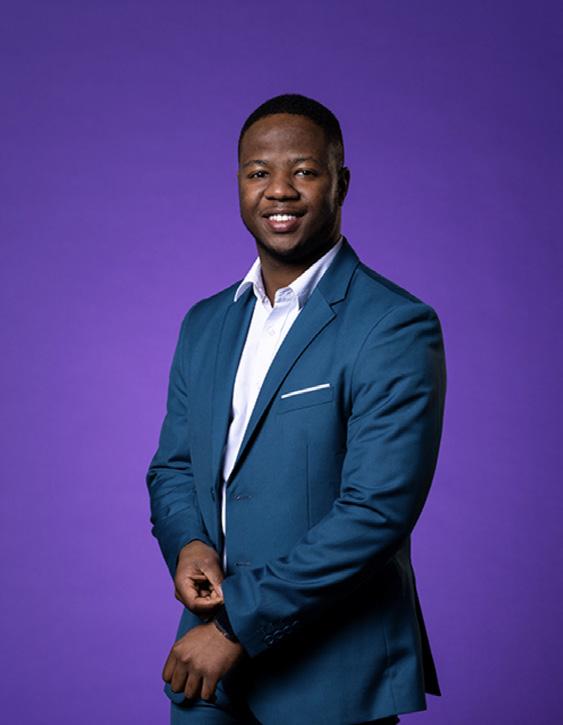
Meet UW Tacoma’s Husky 100. Seven UW Tacoma students who are doing big things and squeezing every drop out of their UW experience.
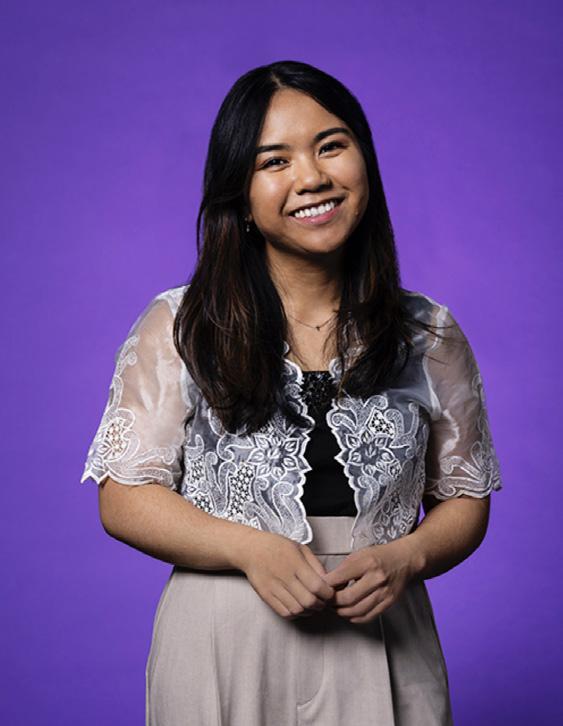

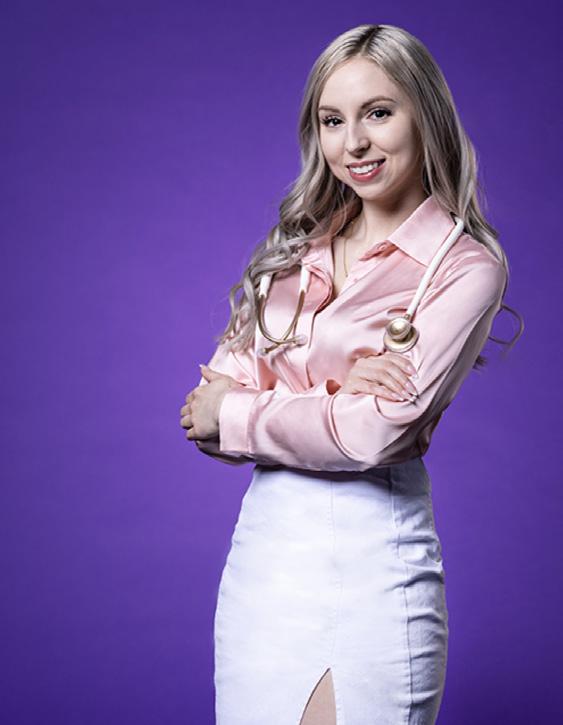
B.A. Psychology
B.S. Biomedical Sciences
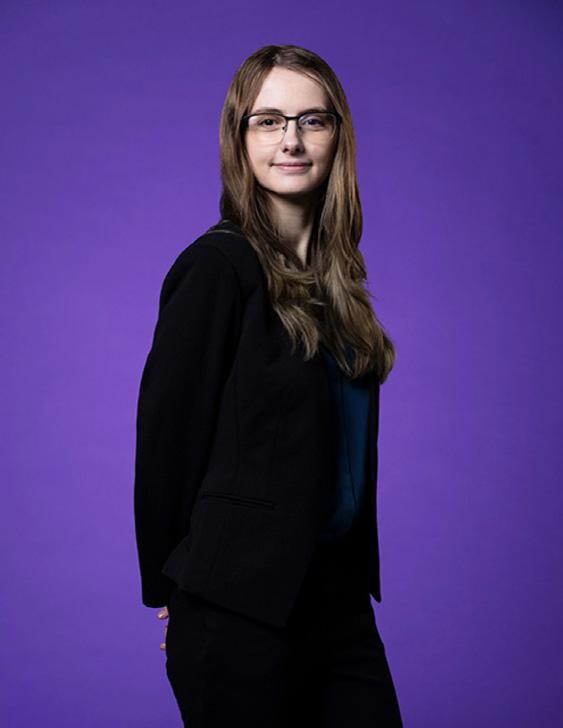

B.A. Psychology
B.A. Social Welfare
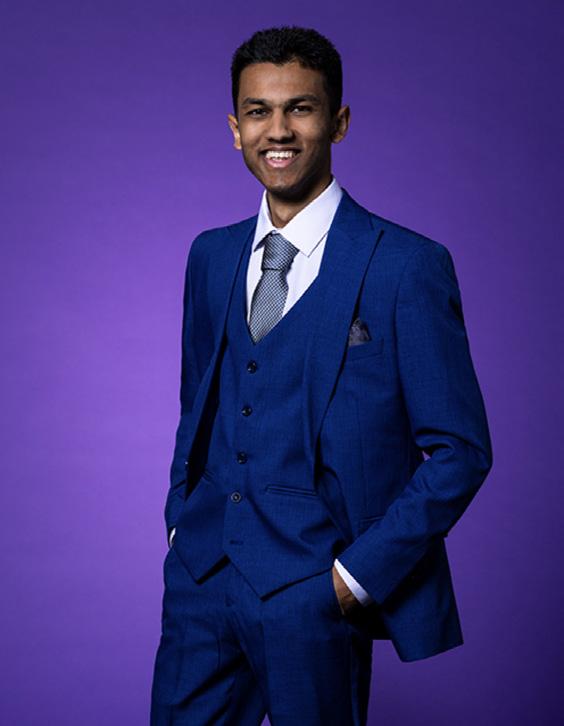
B.S.
B.S, Mechanical
Student Affairs’ strategic plan continued to serve as our compass in 2023-24, helping us focus energy, resources, and partnerships on what matters most: student access, belonging, well-being, and persistence. Across the division, teams strengthened the “front door” to UW Tacoma, refined enrollment and yield strategies, expanded basic needs and wellness supports, and increased career-connected learning and employer engagement. We also advanced a stronger culture of evidence by growing assessment capacity and beginning development of tools that improve transparency and shared accountability.
Looking ahead to 2024–25, we will build on this momentum by getting even clearer and more consistent about what student-centered service looks like in practice, especially in frontline spaces, and by sharing tools and learning that help us support students well in every interaction. We will continue strengthening unit-level KPIs and performance measurement so we can name what’s working, learn quickly, and address barriers with intention. And we will continue investing in the people and systems that sustain this work, strengthening communication, expanding meaningful professional development for supervisors and staff, and creating more intentional opportunities to connect across the division. As we do this, we will continue to lead with kindness and grace, ensuring students and colleagues alike feel seen, supported, and welcomed.