MICROSCOPIC CELLS, BIG BREAKTHROUGHS
Charting New Ground at CRB
Charting New Ground at CRB
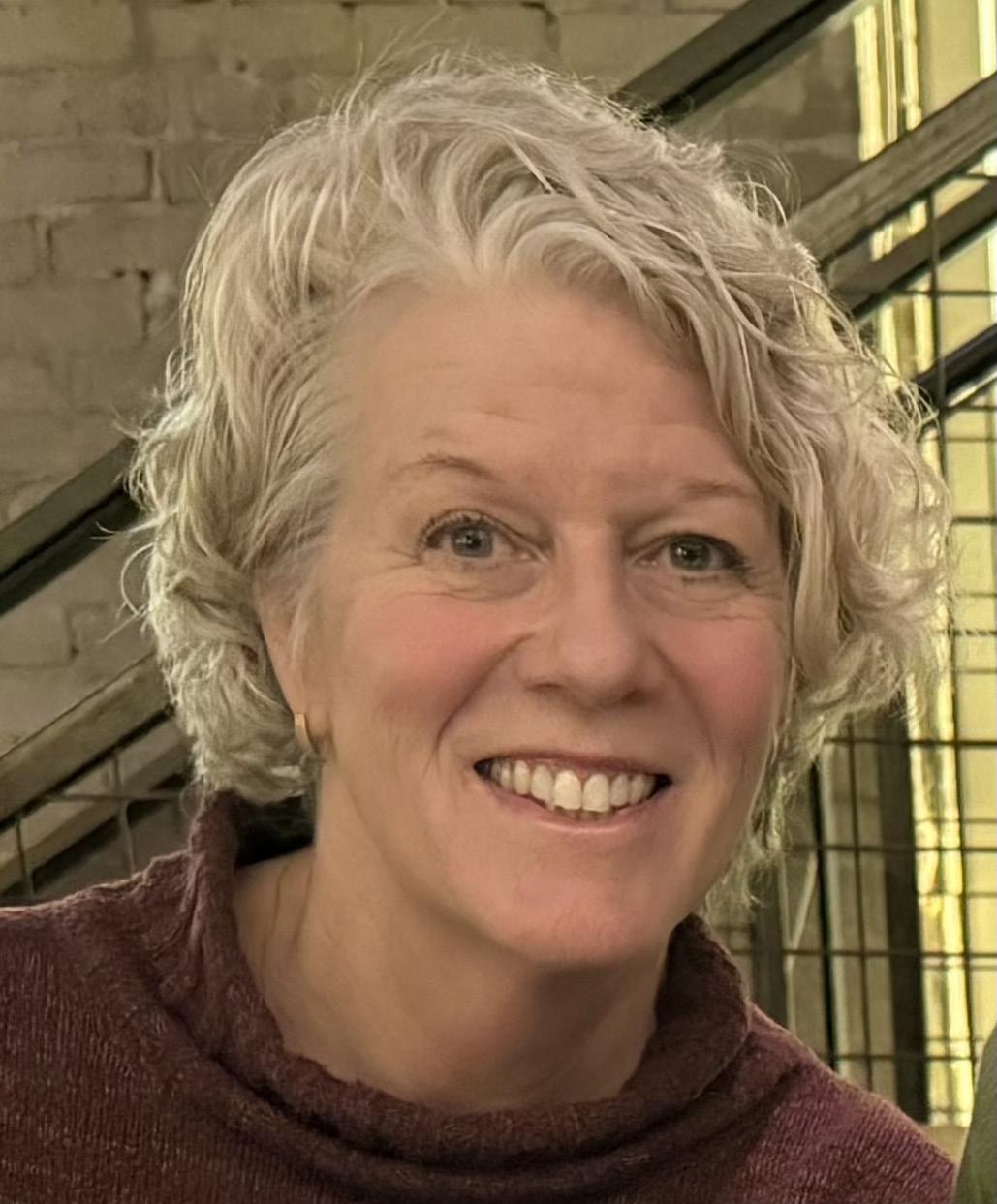
Time flies when you are focused on groundbreaking research. Our last newsletter was in 2023, and three years later we have so many incredible highlights to share. Since 2024, we have welcomed four new full-time faculty members to our department— three new assistant professors and one established, senior-level faculty.
Dr. Roméo Blanc joined CRB as an assistant professor and focuses on investigating aging in stem cells. Dr. Blanc had his first paper published in Nature Aging this past year and hosted his first CRB Distinguished Seminar Series guest. Dr. Abhishek Kumar joined CRB as an assistant professor after 5 years as an Investigator at the Marine Biological Laboratory (MBL) in Woods Hole, Massachusetts. Dr. Kumar specializes in microscopy and image analysis in studying cell interactions. Dr. Kumar has developed a class centered around his expertise in microscopy that will be taught for the first time this summer. Dr. Liz Haynes joined CRB as an assistant professor in 2025. Dr. Haynes was a post-doctoral fellow at UW–Madison, which made for a smooth transition into our department. The Haynes lab
uses multi-scale imaging techniques that allow them to investigate zebrafish. For more information on Dr. Blanc, Dr. Kumar, and Dr. Haynes and their corresponding labs, please visit page 5 of our newsletter.
Additionally, Dr. Ken Poss joined CRB as a professor in 2025. In addition to his work in our department, he is also Director of Regenerative Biology at Morgridge Institute where he uses zebrafish to study tissue regeneration. You can read more on Dr. Poss’s work with Morgridge on page 3 of our newsletter.
Having navigated the challenges that come with higher education, our department has continued to achieve excellence. In addition to welcoming our new faculty, our continuing faculty have had exceptional achievements. Dr. Junsu Kang, an associate professor in our department, won the ISRB Rising Star Award in 2024 and the Vilas Faculty Early-Career Investigator Award in 2025. Dr. Ying Ge was featured in the 2024 Power List as one of the most influential people in analytical science, specifically, as one of the Top 20 Human Health Heroes globally. In 2025, Dr. Beth Weaver received the Vilas Distinguished Achievement Professor Award, Dr. Tim Kamp was awarded the WARF Professorship, Dr. Rupa Sridharan was awarded the Romnes Faculty Fellowship and Dr. Jeff Dilworth was named to the Robert and Nancy Bruce Professorship in Regenerative and Stem Cell Biology. Additionally, I was accepted into the Executive Leadership in Academic Medicine Program (ELAM), completing that program in May of 2025.
Our administrative unit continues to be capably led by Mr. Michael Ferree, who helped us handle the Workday transition this past year with
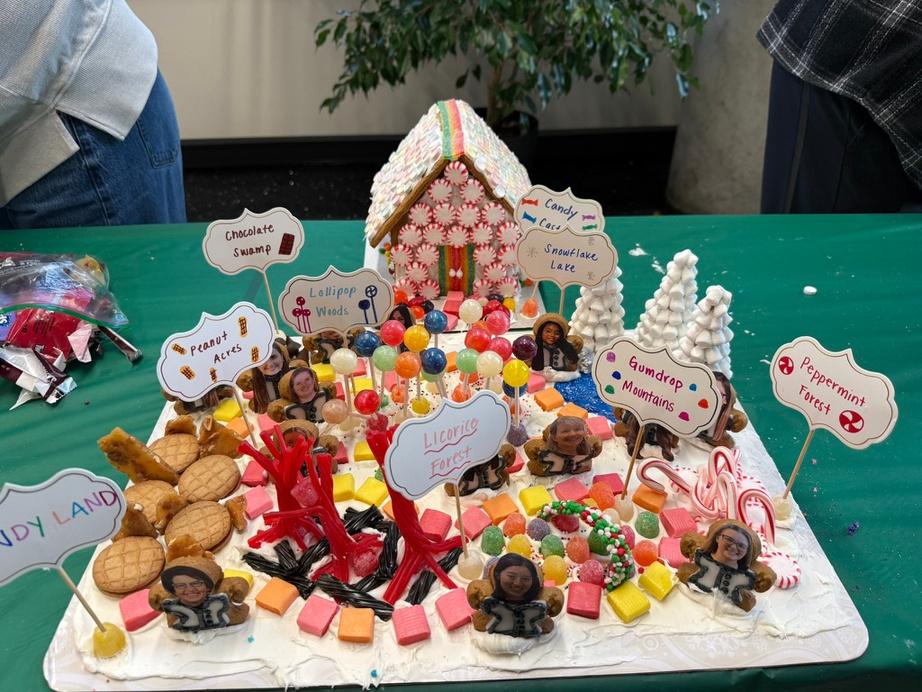
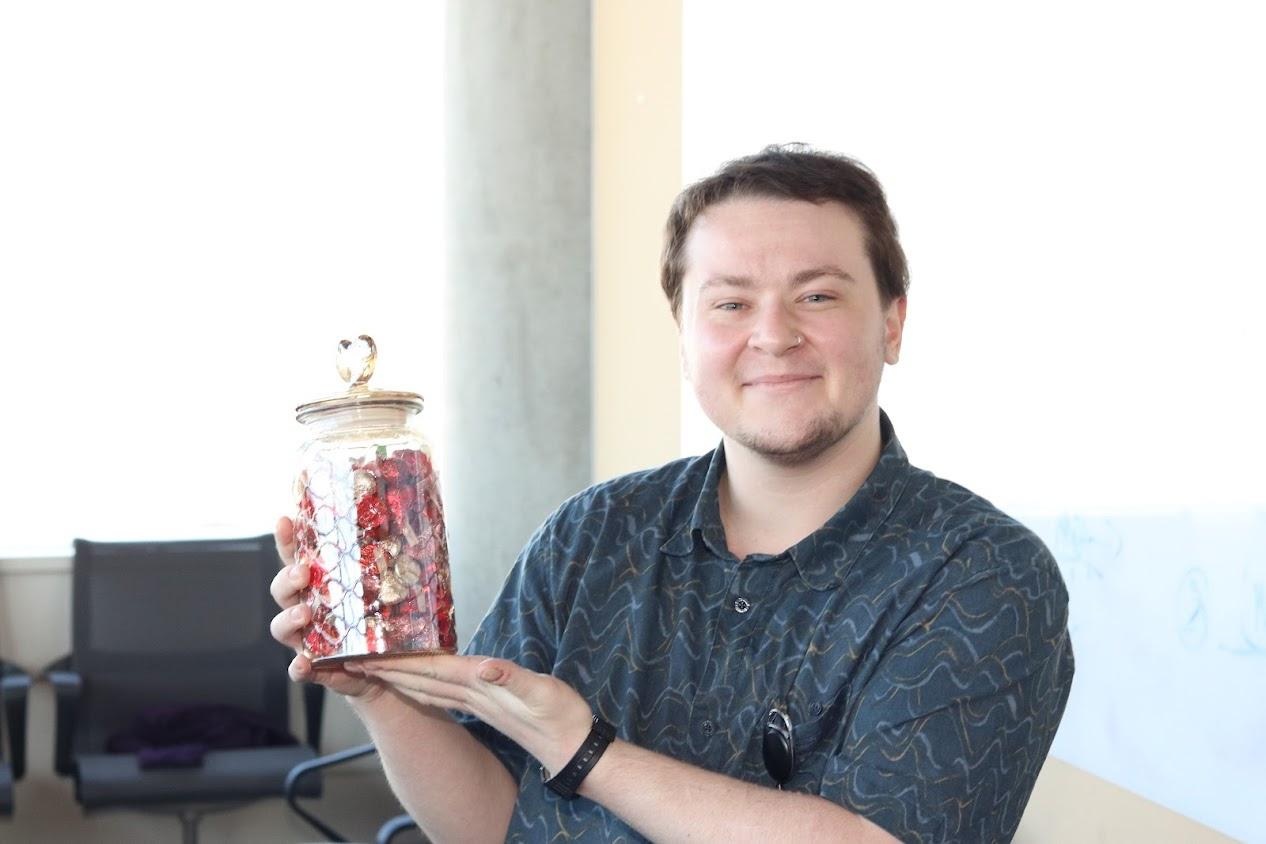
ease (on the outside!). Ms. Carmen Schremp continued her work as the chair’s assistant and excelled with any task that came her way. Mr. Theodore Endres continued to aid CRB with their financial needs as the department accountant, while Ms. Jen Scheuer is our reliable HR partner. Additionally, CRB hired a new office administrator in 2025, Ms. Kate Jakubowski, whose background in research and administration has helped her flourish as she assists students, faculty, and staff with various tasks such as scheduling, communications, reimbursements, and booking travel. Her candy jar at the front desk has also become quite popular with the department!
Looking ahead to next year, we have many exciting announcements and events on our horizon. Dr. Junsu Kang was promoted to associate professor with tenure in 2024, and Dr. Owen Tamplin and Dr. Suzanne Ponik were both promoted to associate professor with tenure this year (2026); all three continue their cuttingedge research in the department.
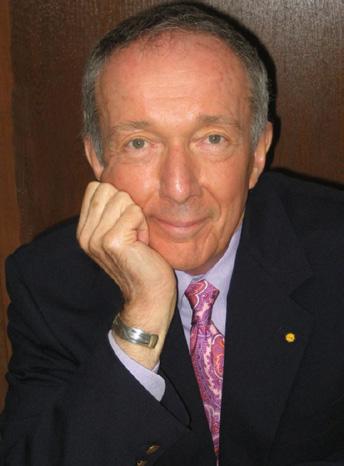
In helping us continue to achieve excellence, we received a generous donation from the Bruce family to help propel our research forward for the next generation. We also received a generous donation from Colin Jefcoate, an emeritus professor in CRB, to help fund our inaugural Undergraduate Summer Internship Program which starts this summer. More news on these to come in next year’s edition.
Best wishes to all for an exciting and prosperous 2026. On Wisconsin!

Dr. Deneen Wellik, PhD
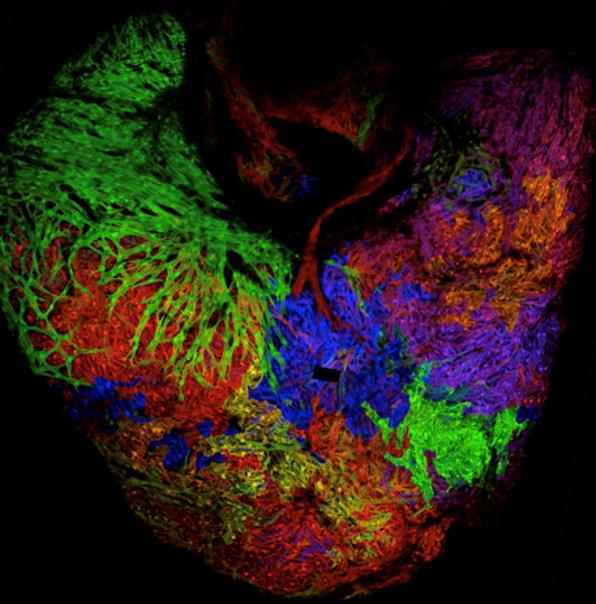
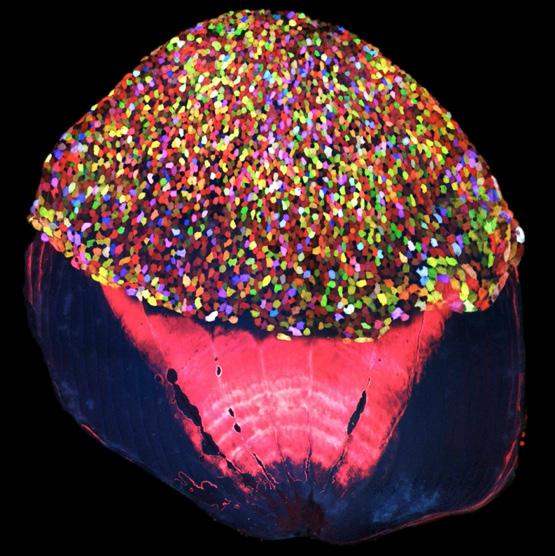
Dr. Ken Poss has made waves with his research on heart regeneration in zebrafish. Joining UW–Madison’s Department of Cell and Regenerative Biology in 2025 as a professor, Dr. Poss is also Director of Regenerative Biology at Morgridge Institute for Research where he leads a team of researchers that explore fundamental mechanisms of tissue regeneration.
In 2002, Poss discovered that zebrafish can regenerate their hearts after major trauma. His group continues this groundbreaking research and is applying it to our understanding of the human body. In 2023, his group discovered that “enhancer elements” dedicated to regeneration in zebrafish can be applied in mammals to boost the regenerative capacity of the heart.
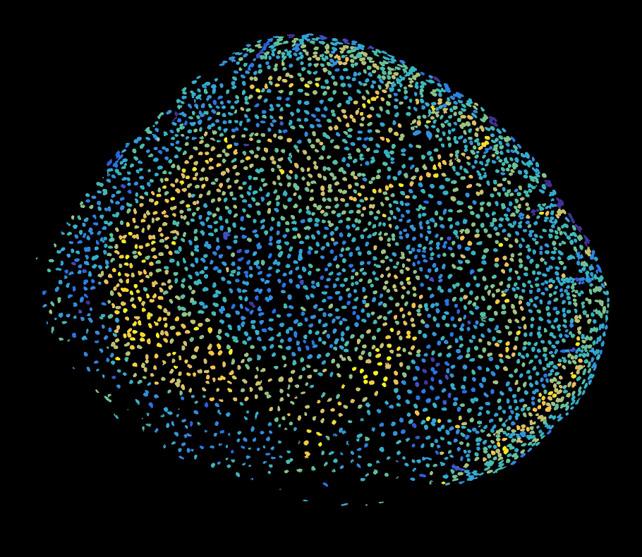
Poss has brought many members of his lab from Duke to UW–Madison, meaning more friendly faces—and fish—can be seen around campus. Poss is based in the Discovery Building, and he has connections all across campus, working closely with other faculty who are based at Wisconsin Institutes for Medical Research and elsewhere. One passion of the Poss group is to use fluorescence microscopy to visualize regeneration at cellular and subcellular levels, an interest shared by Drs. Abhishek Kumar and Liz Haynes, other CRB faculty members.
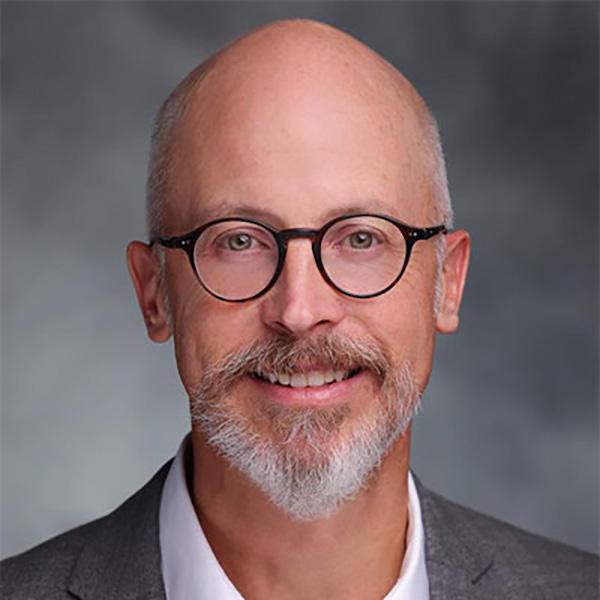
Poss has been at the forefront of groundbreaking work in regenerative biology for decades, and his pioneering investigations into heart regeneration will only increase UW’s stature as a top-tier destination for research in regenerative biology. He is also founding president of the International Society for Regenerative Biology, whose international conference was organized in Madison in 2025 by Poss and other members of CRB.
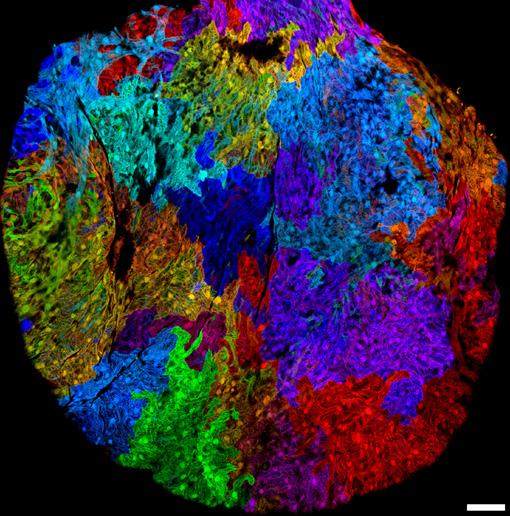
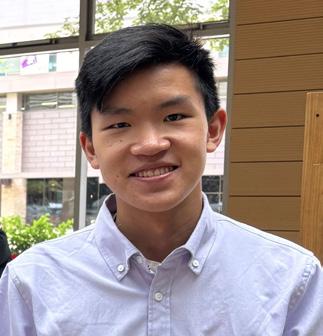
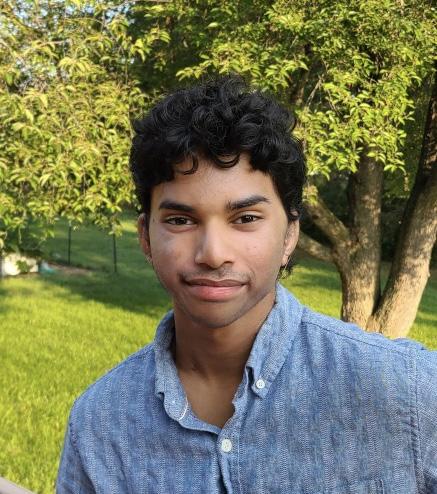
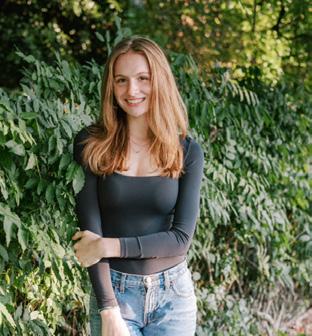
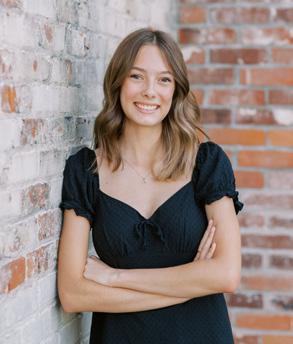
We are excited to welcome Adam Chu (Blanc lab), Anuj Janardhanam (Kumar lab), Caroline Ness (Wellik lab) and Tessa Whitcomb (Ponik lab) as the inaugural class of our CRB undergraduate summer research internship program. During this 8-week program students will conduct research full-time in the labs of CRB faculty and participate in weekly professional development activities. At the conclusion of the program students will present their research to the department. This program is possible thanks to faculty that have contributed to the John F. Fallon Excellence in Research Fund and a generous contribution from Colin Jefcoate and the Jefcoate Family Foundation.
Congratulations to Vu Tran, whose article, “Dual mechanism of inflammation sensing by the hematopoietic progenitor genome,” has been selected as CRB’s 2025 Trainee Paper of the Year. Published in Science Advances, the study shows that hematopoietic progenitor cells sense inflammatory signals through two coordinated mechanisms, one enabling rapid activation of inflammatory genes and another establishing a primed genomic state that facilitates future responses, revealing how these cells dynamically adapt to inflammatory stress. Vu’s work performed in the Bresnick lab represents a significant advance in our understanding of inflammation sensing in hematopoiesis.
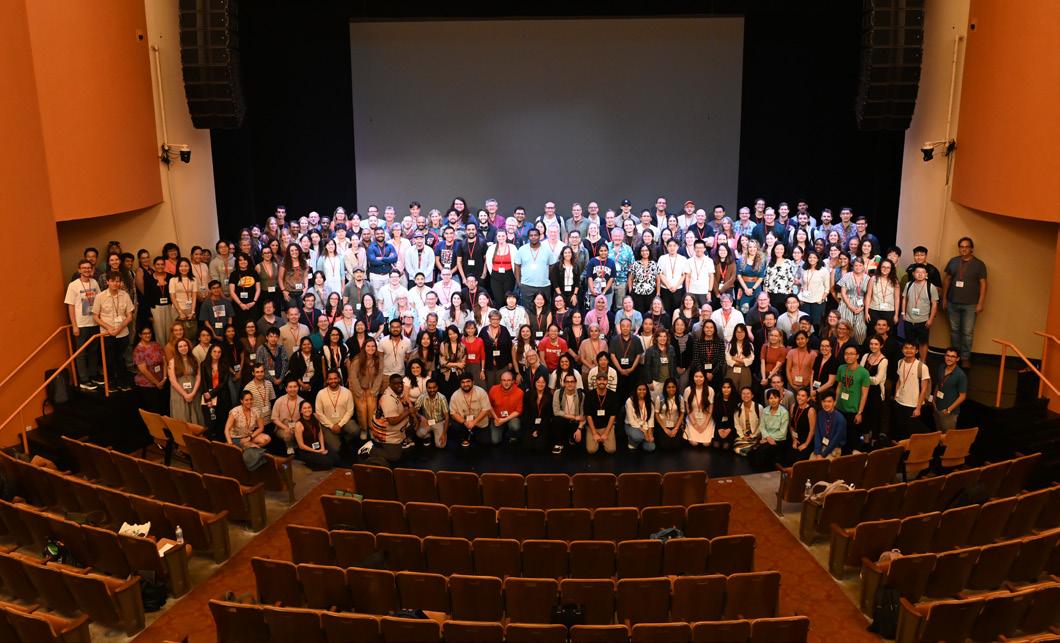
The 2025 International Society for Regenerative Biology (ISRB) Conference took place in Madison, Wisconsin, from August 11–14, 2025. Drs. Phil Newmark, Deneen Wellik (CRB), Ken Poss (CRB), and Junsu Kang (CRB) served as the local organizing committee. The conference featured eight main sessions exploring a wide range of model organisms and diverse tissues/organs. With these vibrant programs, the 2025 ISRB conference served as a hub to gather leading scientists and trainees to discuss groundbreaking research on tissue regeneration and delve into fundamental questions such as the genetic and cellular mechanisms underlying regeneration. CRB faculty’s work on this event led to the conference being a great success!
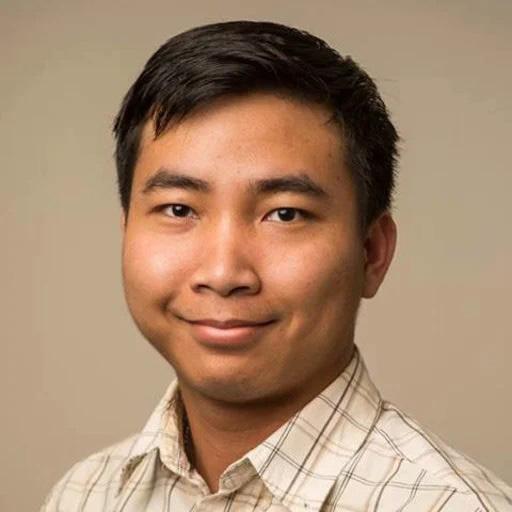
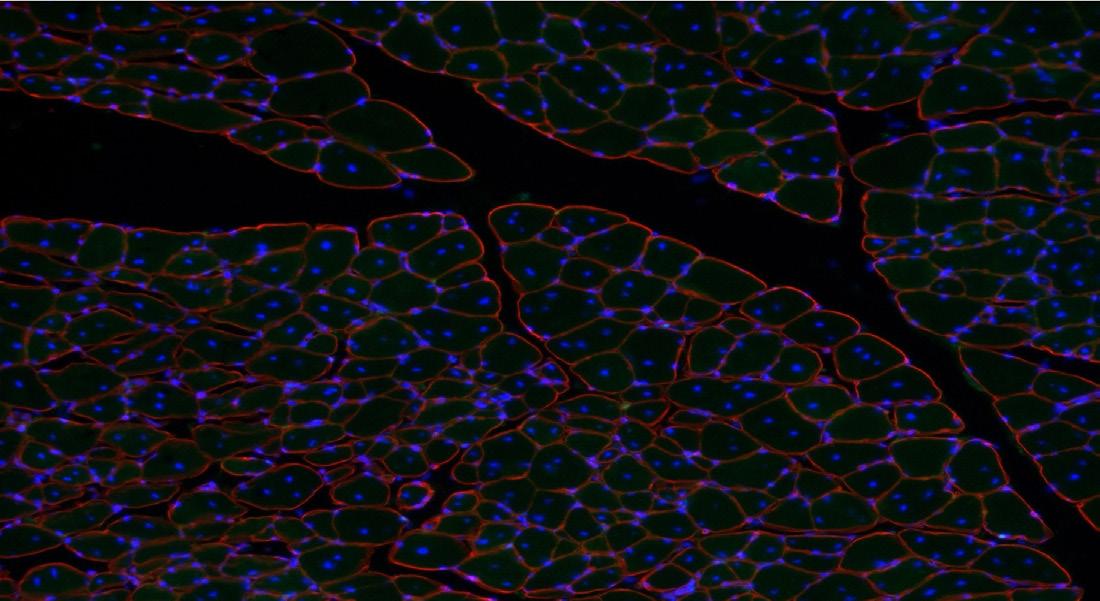
Dr. Roméo Blanc, PhD joined CRB in 2024. The Blanc lab focuses on iron dyshomeostasis and ferroptotic cell death as key drivers of stem cell aging. A central discovery from the lab is that aged muscle stem cells accumulate dramatically more iron than their young counterparts, leading to epigenetic instability and ultimately cell death, a finding with broad implications for regenerative medicine and aging biology.
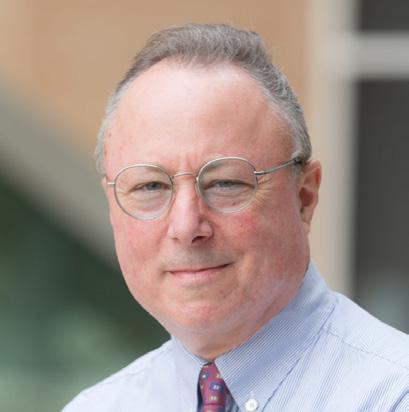
Dr. Abhishek Kumar, PhD joined CRB in 2024. The Kumar Lab focuses on developing advanced optical microscopy systems and image analysis tools to study cell–cell interactions across spatial scales. Their current research emphasizes the use of nanophotonics to enhance the resolution and imaging speed of optical microscopes, coupled with sophisticated image analysis workflows for quantitative measurements. The lab is particularly interested in applying these technologies to investigate the molecular organization of cells and tissues.

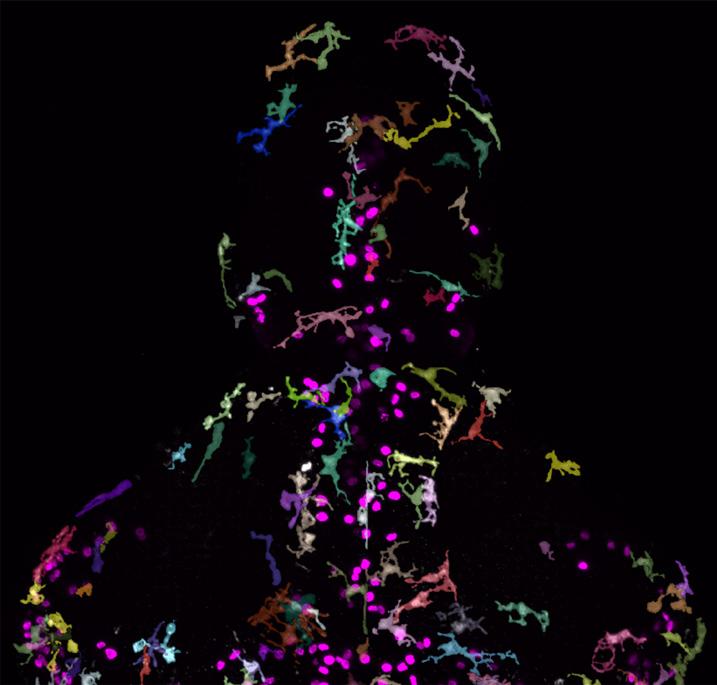
Dr. Liz Haynes, PhD joined CRB in 2025. Her lab investigates how microglia adapt their cell biology to meet the needs of the growing and aging brain. Researchers in the Haynes lab want to uncover the cell biological mechanisms of microglial dystrophy in normal aging and disease. To achieve this, the lab uses multi-scale imaging techniques to get a comprehensive view of microglia across the lifespan of the small vertebrate Danio rerio (zebrafish). The Haynes lab strives to decode the mechanisms of microglial dystrophy and identify ways to maintain a healthy neuroimmune system throughout aging.
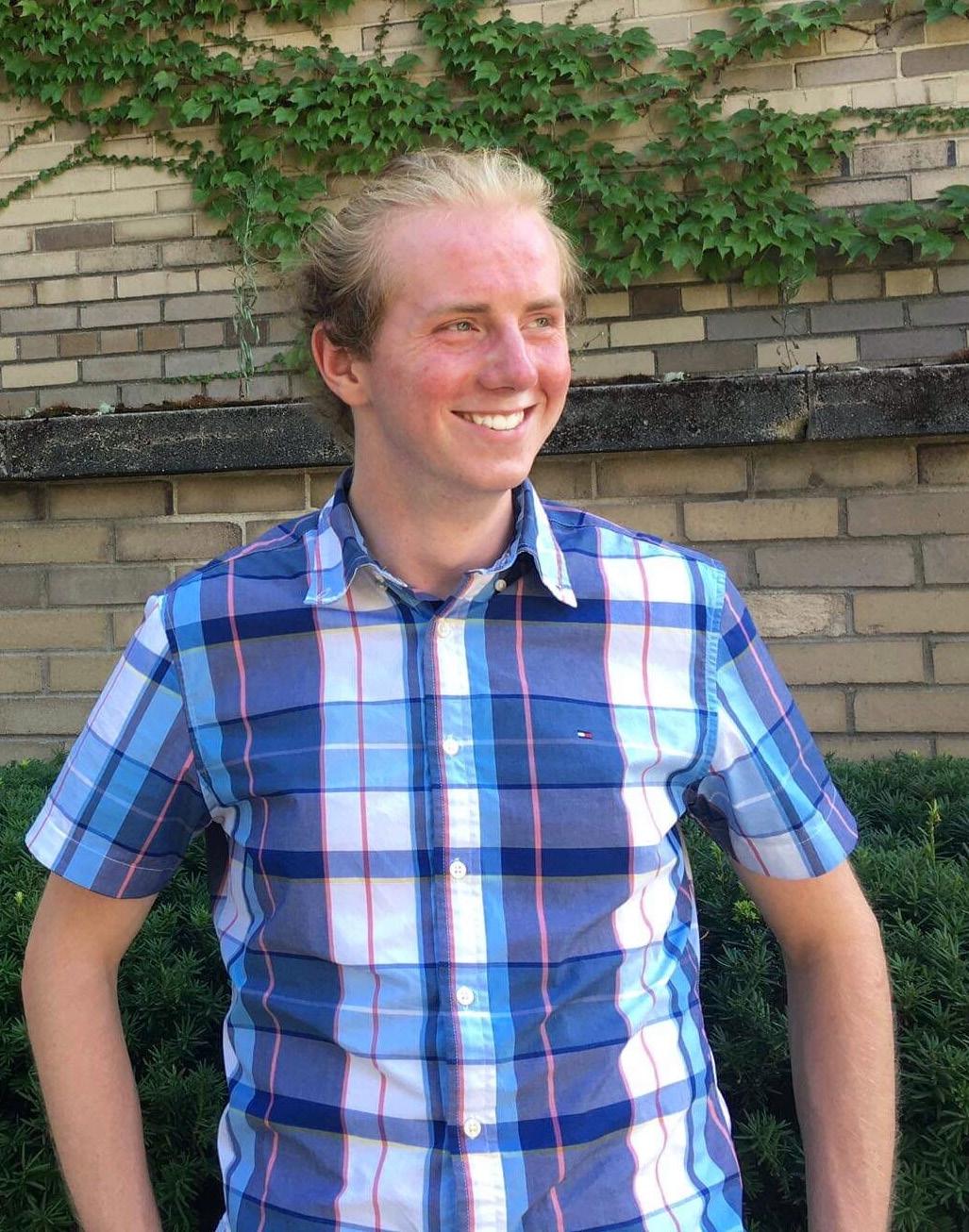
Matthew’s journey in science, fueled by a deep curiosity for biology and passion for teaching, has been shaped by his desire to educate future scientists. As an undergraduate at the University of Wisconsin–Milwaukee,
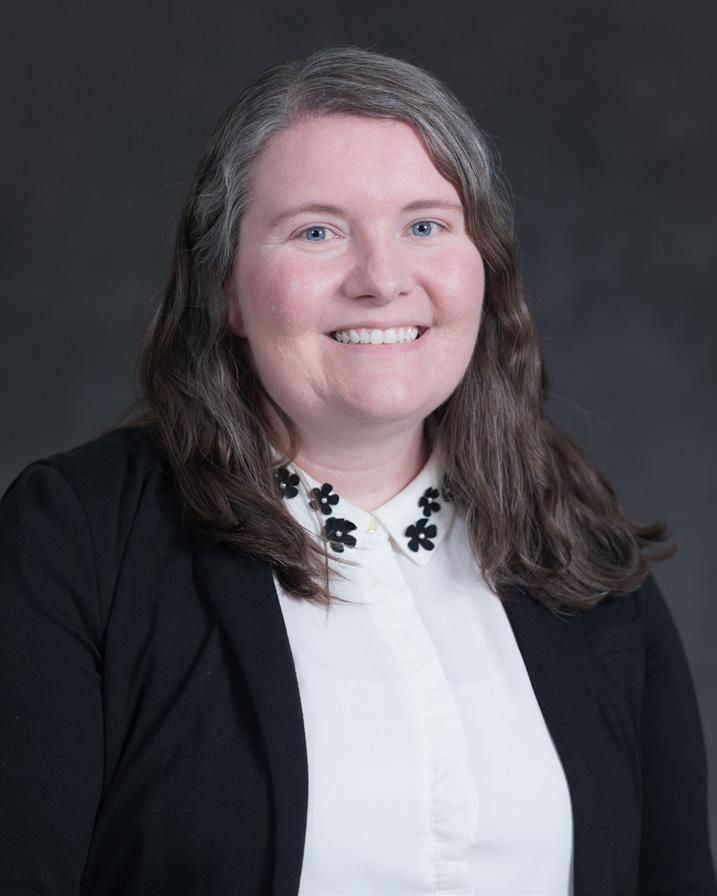
Nicole, a 6th-year graduate student in the Cellular and Molecular Biology (CMB) program, conducts research in Dr. Anita Bhattacharyya’s lab, where she investigates the susceptibility of basal forebrain cholinergic neurons (BFCNs) in Down syndrome (DS, T21). BFCNs are integral to learning, attention, and memory, and are prone to degeneration in DS, Alzheimer’s disease, and other neurodegenerative diseases. However, the mechanisms that lead to degeneration of these neurons are not known. Nicole’s research, using snRNA-seq on postmortem human basal forebrain from both DS and unaffected control samples (aged 0–2 years of age,
he discovered the joy of teaching while working as a Supplemental Instructor for the Anatomy and Physiology courses, where he helped students navigate learning biological concepts. This experience, along with his scientific curiosity, solidified his commitment to both research and education. Now in his fourth year in Dr. Barak Blum’s lab, Matthew is studying the role of Slit ligands in regulating pancreatic islet architecture and function. His research seeks to understand how these signaling molecules contribute to islet organization and insulin secretion, particularly in response to metabolic stressors like obesity and pregnancy. He has presented his research at regional conferences and various UW–Madison events and seminars, where his work has been recognized with multiple poster awards. Alongside his research, Matthew’s dedication to mentorship has continued throughout his graduate career,
having mentored four undergraduate students in the Blum lab, training them in experimental techniques such as RNAscope, immunofluorescence staining, confocal imaging, and image analysis. In 2024, he was selected as a Graduate Student Mentor for the Stem Cell and Regenerative Medicine Center (SCRMC) Summer Undergraduate Research Fellowship (SURF) program. Matthew finds fulfillment in supporting students as they gain confidence in the lab, develop their own scientific interests, and prepare for future careers in research or medicine.
prior to BFCN degradation), reveals that energy metabolism may be dysregulated in DS BFCNs, potentially serving as an early driver of their degeneration. Her future work will focus on validating these findings using stem cell-derived BFCN models and screening potential therapeutics. In recognition of her promising research, Nicole was awarded an F99 fellowship from the National Institute on Aging for her project “Investigating the susceptibility of basal forebrain cholinergic in individuals with Down syndrome.” After completing her PhD, she plans to pursue postdoctoral training in a lab dedicated to exploring early drivers of neurodegeneration.
While the mission and activities of the UW Department of Cell and Regenerative Biology is supported by the great people of the state of Wisconsin and our cuttingedge research, it is only through the generosity of our donors that allows us to fully realize our potential.
Please consider making a gift to the department via the UW Foundation at: https://secure.supportuw.org/ give/?id=a1J5f000004A5l5EAC
Or please contact Dr. Deneen Wellik or Michael Ferree to discuss options.
1111 Highland Ave.
Room 4403 WIMR II
Madison, WI 53705
Phone: (608) 265-3295
Email: info@crb.wisc.edu
Department Chair Deneen Wellik, PhD wellik@wisc.edu
To make a gift by mail, checks may be made out to:
The University of Wisconsin Foundation (please include fund #132587161) and sent to:
UW Foundation U.S. Bank Lockbox Box 78807 Milwaukee, WI 53278-0807
Questions?
Please contact Sara DeTienne; (608) 320-4513; sara.detienne@supportuw.org
Department Administrator Michael Ferree, MBA, CMA michael.ferree@wisc.edu