LUMINESCE
April 10–11, 2026
Scott & Karen Smith Theatre
Dear audience members,
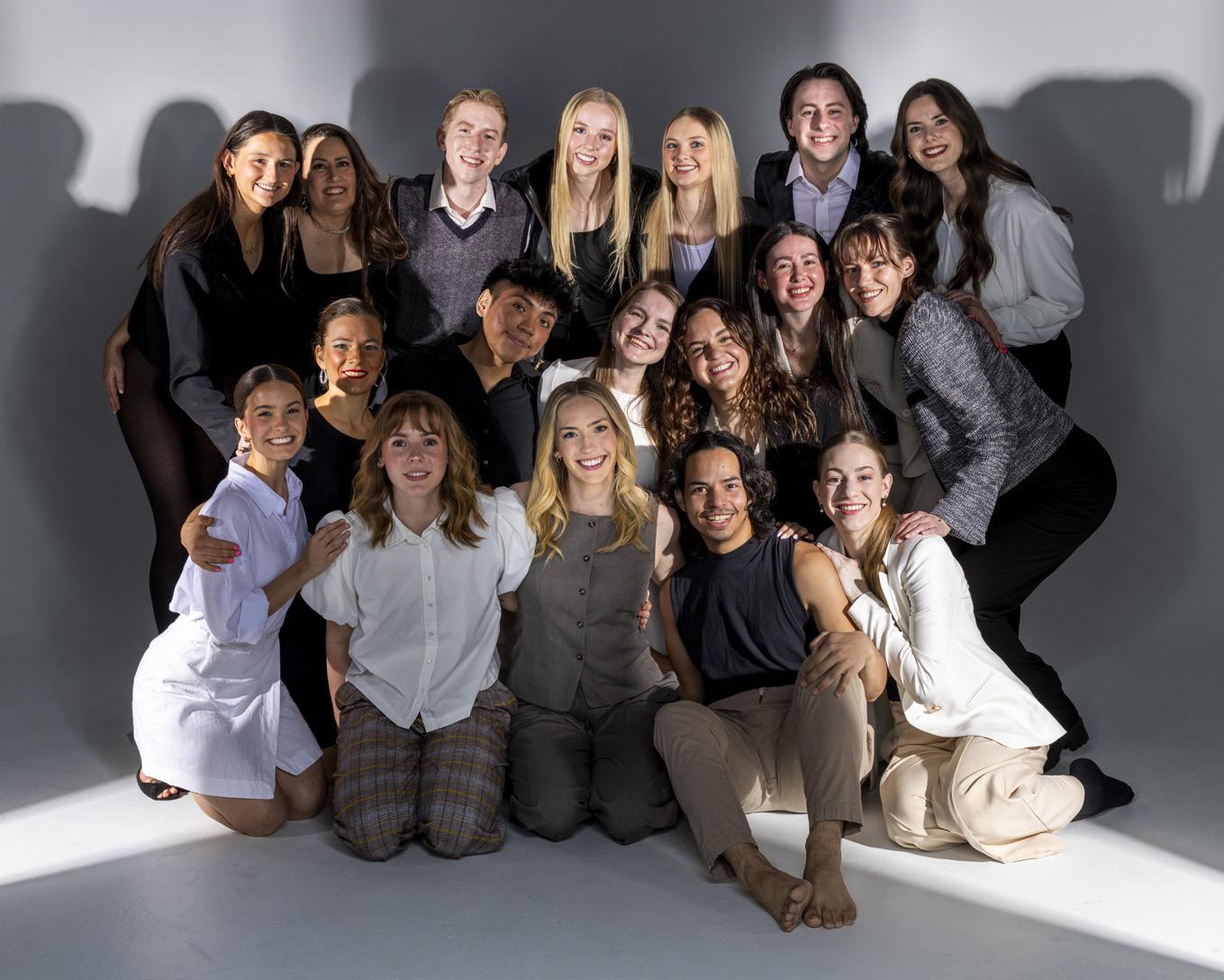
Welcome, and thank you for joining us for Luminesce. We are honored to share this final performance with you as the 2026 senior class of the Utah Valley University Department of Dance. We are especially proud to present this concert as a testament to our four years within the department: years of dedication, growth, and shared experience. It reflects not only our journeys as artists but also the community we have built together – one rooted in support, resilience, and a collective passion for movement. While every piece stands on its own with its own meaning and intention, luminesce (“to emit light”) serves as the unifying thread of the concert, showing that even through uncertainty, challenge, and change, there is a light within each of us that continues to evolve and shine. As a senior class, we approach this concert as both a reflection and a transition. The works presented in this performance span a wide range of ideas, emotions, and perspectives, highlighting each choreographer’s individuality. As an acknowledgment of growth, discovery, and the unique ways each of us has come to understand ourselves as artists, luminesce exists as a broader lens through which this concert can be experienced. This approach allows space for contrast, complexity, and authenticity within the program.
We are extremely thankful for all the individuals who have dedicated their time and talents to make this concert happen, and to the audience for supporting this performance and the arts. We hope that as you experience Luminesce, you find moments that resonate with your own story. Allow yourself to engage with each work on its own terms while also considering the collective energy that brings them together. Whether you feel a sense of connection, curiosity, inspiration, or reflection, we invite you to consider how light exists in these performances, in your own life, and in the communities you are a part of. Thank you for being here, for supporting our journeys.
Enjoy the performance!
With gratitude,
The Senior Class of 2026
PROGRAM
Show A
April 10, 5 P.M. & April 11, 7:30 P.M.
Windows through Realities
Senior Artist: Jeremiah Gay
Music: Limitless and Arwen’s vigil by The Piano Guys, Pathos-Theme by Ludovico Einaudi
Audiobooks: Kiss of Deception by Mary E. Pearson, I’ll Be the One by Lyla Lee, Field Notes On Love by Jennifer E. Smith
Dancers: Mylee Borsella, Claire Jackman, Sophie Jensen Hannah Liechty, Grace Loertscher, Callie Rogers, Nicole Taylor
Can’t Stop This
Senior Artist: Alyssa Olds
Music: You Can’t Stop This by Alex Warren
Dancers: Christian Klingler, Henry Martineau, Veronika Pedchenko, Heather Reavis
Senior Artist: Manny Santos
This Moment is Now . . .
Music: Silver Linings feat. Aimee Norris by Hendyamps Studios, A Thousand Steps by Elori Saxl and Henry Solomon
Dancers: Abbie Cross, Kylie Eckman, Maren Rodgers, Kalia Schmidt, Brianna Winters
Behind the Screens
Senior Artist: Samantha Bicherstaff
Music: Feel Good Inc. feat. De La Soul by Gorillaz, All of Human Knowledge Made Us Dumb by SOFIA ISELLA, Dopamine by Franc Moody
Dancers: Reegan Behunin, Bronwyn Bigelow, Mackenzie Bradley, La Madeleine, Yerik Martinez Hernandez, Nancy McGee, Callie Rogers, Kailey Schuster, Bella Trionfo
And It Was Beautiful . . .
Senior Artist: Antonella Miles
Music: La Boheme by Charles Aznavour, Spiegel im Spiegel by Arvo Pärt
Rehearsal Assistant: Aspen Ahlquist
Dancers: Alisa Allen, Mylee Borsella, Sara Harris, Kaitlyn Korpi, McKenzie Olson, Tessa Trites
Who I Am
Senior Artist: Alyssa Olds
Music: Who I Am by Alex Warren
Dancers: Christian Klingler, Henry Martineau, Veronika Pedchenko, Heather Reavis
When We Were Here
Senior Artist: Andy Sefcik
Music: Romance (The Gadfly Op. 97) by Dmitri Shostakovich, Infra 5 by Max Richter
Dancers: Amelia Dodson, Chloe Kennicott, Cassandra Moon, Natalie Pitcher, Adelyn Rocque, Hailey Wankier, Campbell Ward, Abby Warren
Where We Always Come Back
Senior Artist: McKenzie Olson
Music: Wash by Bon Iver, soloist music composed by McKenzie Olson
Dancers: Alisa Allen, Emilee Cook, Abbie Cross, Melanie Grob, Sara Harris, Sophie Howell, Sophie Jensen, Lindsey Knowlton, Kaitlyn Korpi, Hannah Liechty, Killian O’Brien, Kaylle Pack, Mckelle Rhodes, Kailey Schuster
The
Final Spark
Choreography: Christine Moore
Music: Rich Man’s Frug by New Broadway Cast, composed by Cy Coleman, lyrics by Dorothy Fields
Dancers: Shelby Allgaier, Samantha Bickerstaff, Abigail Brucker, Carmen Cole, Laura Bermann, Emmanuel Diaz Santos, Jeremiah Gay, Lilly Harmer, Brooklyn Johansen, Luciano Lopez, Antonella Miles, Alyssa Olds, McKenzie Olson, Veronika Pedchenko, Andy Sefcik, Emilly Sorensen, Emarie Thomas, Ashley Wilcox
Show B
April 10, 7:30 P.M. & April 11, 5 P.M.
Chattanoogie Shoe Shine Boy
Senior Artist: Carmen Cole
Music: Chattanoogie Shoe Shine Boy by Red Foley
Tap choreography: Chaeli Ashby, Carmen Cole
Dancers: Christian Klingler, Harrison Manesse, Tashara Martin, Kelsie McNeil, Heather Reavis, Nicole Taylor, Emarie Thomas, Tanner Tidwell
Tethered Transcendence
Senior Artist: Brooklyn Johansen
Music: Dancing with the Sky by AJ Peery
Dancers: Emily Buell, Kora Doman, Ashlyn Duckwitz, Kenna Jane Francis, Chloe Kennicott, Lucy Tolman
Cast Across the Bedlam
Senior Artist: Luciano Schroeder
Music: November by Max Richter and Mari Samuelsen
Dancers: Esther Birth, Courtney Carpentier, Tylee Coates, Oliver Estrada-Brown, Melanie Grob, Hailey Her
Beyond
Senior Artist: Abby Brucker
Music: Xylem by John Metcalfe
Dancers: Reegan Behunin, Jordan Burns, Emilee Cook, Abbie Cross, Ashlyn Duckwitz, Zach Facer, Lindsey Knowlton, Kaitlyn Korpi, Jordan Mulyangote, Maycin Powell, Brianna Winters
Now
Senior Artist: Ashley Wilcox
Music: Long Way by Gorgi, This New Life by Colin Stetson, Where Is My Mind? (Cover version) by Lyn Lapid
Dancers: Leah Ahlander, Kylie Eckman, Lily Greenwood, Sabria Jolley, Grace Messenger
KPop Demon Hunters Latin Medley
Senior Artist: Carmen Cole
Music: Selections from Golden, How It’s Done, Soda Pop, Takedown, Your Idol, What It Sounds Like, Free, by various artists
Teaching Assistant: Dexter Ellis
Dancers: Christian Klingler, Harrison Manesse, Tashara Martin, Kelsie McNeil, Heather Reavis, Nicole Taylor, Emarie Thomas, Tanner Tidwell
S&J
Senior Artist: Laura Bermann
Music: Take Care by Beachhouse, Grows Old by Thirdstory
Dancers: Hope King, Jordan Mulyangote
I Found Myself Within a Dark Woods Where The Straight Way Was Lost
Senior Artist: Shelby Allgaier
Music: De Selby Part 1 & 2 by Hozier
Dancers: Mylee Borsella, Mackenzie Bradley, June Frazier, Sophie Jensen, Lily Kocherhans, Kaitlin Korpi, Hannah Liechty, Yerik Martinez, Killian Obrien, Tessa Trites
Circus Beneath the Surface
Senior Artist: Lillian Harmer
Music: This Must Be the Place (Naive Melody) - 2005 Remaster by Talking Heads, Smile Meditation feat. Tyler Duncan by Vulfpeck, Please, Please, Please, Let Me Get What I Want - 2011 Remaster by The Smiths, AGT by Mountain Man
Dancers: Leah Ahlander, Alisa Allen, Sabria Jolley, Grace Messenger, Maycin Powell, Abby Warren
Choreography: Christine Moore
The Final Spark
Music: Rich Man’s Frug by New Broadway Cast, composed by Cy Coleman, lyrics by Dorothy Fields
Dancers: Shelby Allgaier, Samantha Bickerstaff, Abigail Brucker, Carmen Cole, Laura Bermann, Emmanuel Diaz Santos, Jeremiah Gay, Lilly Harmer, Brooklyn Johansen, Luciano Lopez, Antonella Miles, Alyssa Olds, McKenzie Olson, Veronika Pedchenko, Andy Sefcik, Emilly Sorensen, Emarie Thomas, Ashley Wilcox
SENIOR ARTIST STATEMENTS


Shelby Allgaier
As both a supporter and creator of art, I’m often drawn into the display of connection and the human experience. Witnessing the different interpretations of human moments and how that can be transposed to the stage gifts me a deeper understanding of the world’s perspectives. In my own work, I value the acknowledgment of how those who have come before us paved the way in all mediums of art and how I can pay homage to them and their cultural impacts. Telling stories fuels me and, in turn, I hope it fuels the audience.
This piece explores indie artist Hozier’s inspiration behind the creation of “De Selby (Part 1)” and “De Selby (Part 2)” from his album Unreal Unearth. His work explores themes of loss of self and the descent into darkness, which this choreographic piece embodies by examining that darkness and the beings encountered along the way. An ensemble represents figures that carry or impose their own darkness, shaping the environment surrounding the soloist. As the soloist awakens in a state of limbo, her journey of recognizing this darkness and interacting with the ensemble gradually leads her toward a deeper descent and the loss of her sense of self. This work also reflects my choreographic intent to explore the differences and similarities between modern and contemporary dance. In creating this piece, I challenged myself to develop movement that leans more into contemporary styles, while still drawing from modern dance foundations. By using the recognizable musical style and conceptual storytelling of Hozier’s work, the piece creates a sense of familiarity that invites audiences to connect with the narrative, while moments of isolated solo movement contrasted with unison ensemble sections highlight the distinction between the soloist’s personal journey and the gradual shift as she begins to conform to the ensemble.
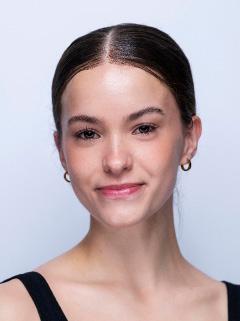
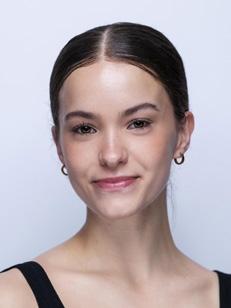
Laura Bermann
As a choreographer and performer, I create work that explores emotional relationships and how they evolve over time. I am particularly interested in how love is experienced, sustained, and transformed through shared history. In my Senior Capstone piece, S&J, I draw inspiration from my parents and their relationship, using movement to reflect the joy, intimacy, and resilience that develop across different stages of life. This work is both a tribute and an exploration, translating personal observation into embodied expression and inviting audiences to reflect on their own connections and shared experiences.
The choreography unfolds through expansive use of space, fluid movement, and partnering to suggest openness, trust, and interdependence. I use weightsharing, continuous motion, and shifts in dynamics to mirror the growth and change within the relationship over time. Developed through improvisation, visualization, and auditory imagery, the movement emerges from emotional intention, allowing the work to feel authentic and rooted in lived experience. Through S&J, I honor my parents’ relationship and the growth, change, and commitment that have shaped it over time.
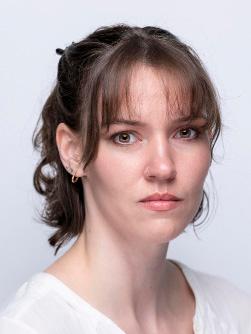
Samantha Bicherstaff
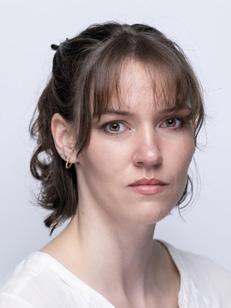
As a choreographer, I am interested in relationships and bringing attention to things that often go unnoticed. Behind the Screens is an exploration of how our relationships with our personal devices and social media change how we connect with and perceive ourselves and others. My intention is to convey a sense of uneasy relatability that invites audience members to reflect about their own relationships with their smart devices by appealing to the near-universal experience of doomscrolling past the point of enjoyment. The research for this piece includes both the physiological and psychological effects of smartphone use. Our brains become chemically wired to crave the constant stimulation of social media, while our psyches seek to fulfill unconscious drives by delving into the depths of algorithm-formulated content. As we become increasingly connected online, we spend more time physically isolated than ever before. As an antidote to this isolation, my creative process prioritizes community building in its generation of movement material. Behind the Screens is the result of a highly collaborative creative process that asks dancers to journal and self-reflect on their own relationships with their smart devices to generate much of its movement material, with a delivery that is equal parts serious and silly.
Abby Brucker
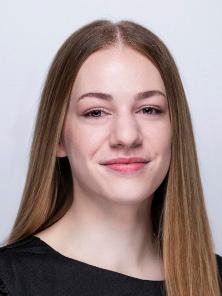
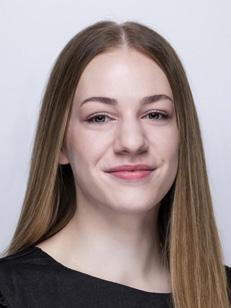
I often find myself feeling disconnected from the world. As an artist, when words fall short, creating art – through performance, choreography, and visual art – becomes the language I use to express who I am.
My piece, Beyond, reflects a personal journey: my own evolution and the process of finding identity and voice. It speaks to the universal experience of feeling lost in the crowd, and the courage it takes to step forward, to stand apart, and ultimately, to transform. Like the journey of a butterfly, Beyond symbolizes that transformative process as both delicate yet powerful.
As I continue to bring more of my work to life, I strive to strengthen my artistic voice and share stories that reflect not only my personal growth, but the potential for transformation.


Carmen Cole
As a choreographer, I want my dancers to know first and foremost that they are loved, important, and special. We are all different for a reason, and you are worth celebrating. Each member in the community is celebrated in the piece Chatanoogie Shoe Shine Boy. I love the song’s fun and bouncy music, the onomatopoeia of the slapping of the shoe shine cloth imitated with clapping hands, and the message of the lyrics. The dance routine mimics these rhythms through multiple styles of movement, including swing dancing, tap, shoe-shine cloth popping, and hand clapping.
I love moving my body to music, and I love to create. I think it is a joy to express oneself in any creative form, and I find my soul is enlarged because of it. I want to share this joy with others while also coming to know and understand people. Everyone has divinity in them and should be loved and respected. I strive for the beauty and creativity of my pieces to be the results of acknowledging both the beauty of the dancers and audience members themselves. KPop Demon Hunters Latin Medley relates the fun, pop culture, and multiple layers of conflict associated with the movie. It conveys the battle between good and evil and the strength of the human spirit to endure and overcome challenges.


Jeremiah Gay
Within the realm of dance, I have strived to include a depth of emotion and wealth of connection to others that I find lacking in this day and age. Dance, to me, has always been an expression of the innermost voice that I could not find any other way to express. As I have studied here at Utah Valley University, I have uncovered new powers to dance, one being the ability to unite others through more than just pretty words or shared ideas. I value the ability dance has to create communication between people that do not know how to elaborate the feelings in their core and use my backgrounds in several dance styles to find ways to share thoughts, feelings, and emotions beyond verbal communication.
My artistic style is as diverse as the number of dance styles I’ve learned, meshing and blending forms of dance and yet holding true to the core what the style may be. I have connected my artistic style in dance to a special connection I have to books. Reading and dance have always been an escape to me. The connection of such two different concepts is a challenge that has both enthralled and frightened me. I am grateful for the opportunity to express how reading can invite people to glimpse other realities through a glimpse of a dancer’s reality.
Lillian Harmer
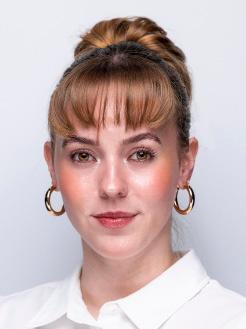
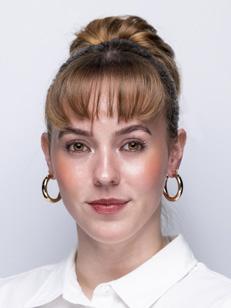
As a multidisciplinary movement artist, my choreographic and performance work is rooted in curiosity, play, and the human experience. I am drawn to spaces where humor meets vulnerability and storytelling is embodied through rich, physical expression. For me, dance is more than an art form; it is a way of being, a practice of presence, connection, and creation. My work often lives at the intersection of movement and narrative, inviting audiences into imaginative worlds that blur the boundaries between reality and absurdity, sincerity and satire. Through bold yet nuanced production choices, I strive to create work that feels alive, layered, and unpredictable.
Collaboration sits at the heart of my creative process. I find inspiration in community and thrive in environments where voices are shared and multiple ideas can coexist. My background in visual art deeply informs my choreographic voice, offering alternative textures and perspectives that shape how I approach movement. I believe dance is both sacred and silly. Through my work, I aim to celebrate the contradictions that make us human and to remind myself, and others, that meaningful art can emerge from joy and the freedom to play.


Brooklyn Johansen
As an artist, I believe confidence is what allows both dancers and audiences to experience the fullness of movement. For much of my life, I doubted myself and often stepped back from the spotlight, which left my dancing muted and my artistry hidden. Over time, through lifting my gaze, embracing small achievements, and allowing myself to take risks, I began to rediscover my confidence. This growth taught me that artistry thrives when we allow ourselves to take up space, to move with authenticity, and to see transformation as an ongoing process rather than a final destination. In learning to value small achievements and risk exploration, I discovered that artistry lives not in being perfect, but in being fully present.
Tethered Transcendence reflects that journey. It explores the fragile balance between freedom and gravity, the yearning to rise, and the tether that holds us down. My choreography asks the dancers to find breath, suspension, the freedom to add parts of themselves, and the courage to yield or resist. It is not about conquering flight, but about embracing the beauty of almost flying, and the fleeting weightless moments that remind us that transformation is possible. As both a dancer and a teacher, I aim to extend this philosophy to others: encouraging confidence in movement, helping dancers discover a deeper understanding of their bodies, and creating an environment where artistry and technique collide. My work serves as a reminder that dance is not only about achieving perfection, but about engaging in a shared journey of growth and believing, even for a moment, that flight is within reach.


Antonella Miles
Artist Statement: As an artist, I have learned how much dance can change the way we view the world and how it allows us to truly express ourselves through art. My work as a choreographer is deeply influenced by the real-world and life experiences. I am constantly inspired by music, which often serves as the foundation for my creative process. Collaboration is essential to me. I love working with dancers to build meaningful pieces that allow them to feel personally connected to the movement. Emotion is at the heart of my work; I aim to create dances that communicate feelings and experiences. I want audiences to not only watch my work, but to feel something, to see their own lives reflected in the movement, and to walk away with a sense of connection. As I continue in the field of dance, I hope to teach others about the importance of dance and its power to transform lives.
My Piece, And It Was Beautiful . . ., was created collaboratively with the dancers. It explores the uncertainty of change and the courage it takes to make difficult choices. At times, these moments can feel lonely, but they often reveal the support and connection that surround us. Even the hardest decisions can lead us somewhere unexpectedly beautiful.
Alyssa Olds
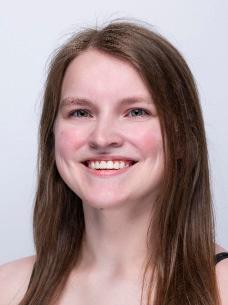
Dance has always been a way I can express myself and connect with others without needing words. The movements allow storytelling, expression of feelings, and creation of beautiful images for the audience. Through my own dancing and choreography, I aim to express something in the movements. For my pieces, I will be showing the dancers perspective through movements. In Can’t Stop This, I wanted to express the joy of dancing in general and the desire of dancers to be seen. There are many solo/duets and the dancers’ suggestions have been taken into account in the choreographic process, allowing everyone’s voice to be heard. In Who I Am, the dancing will show dancers realizing their own worth as they finally see each other. The use of the dancers facings and use of space is utilized to portray this theme. Each dance is an opportunity to storytell, and my pieces aim to share another story – where we always come back.


McKenzie Olson
As a choreographer, I strive to create meaningful connections between my dancers and the audience. My work is rooted in lived experience, both my own and those of my dancers, and is deeply influenced by music. Music has the power to unlock memory, and memory carries emotion. I am fascinated by how even simple, pedestrian movement can evoke something deeply personal in a viewer, reminding them of their own experiences. As I continue my journey in dance, I hope to pursue both performance and choreography, while deepening my understanding of the body through teaching. I believe movement has the power to heal, connect, and restore. Through my work, I aim to create pieces that are transformative and relatable and that allow audiences to see themselves reflected on stage.
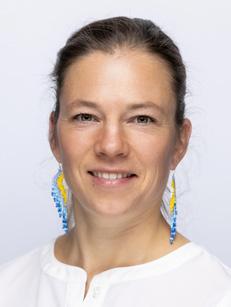
Veronika Pedchenko
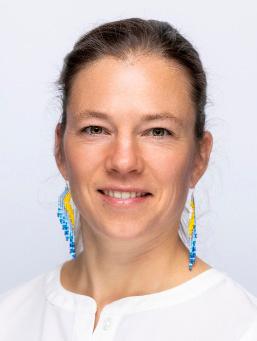
As a ballroom dancer, I use movement as my primary language to express emotion, tell stories, and connect deeply with others. I dance because movement brings me joy, inspiration, and curiosity. Through dance, I explore ideas that are often hidden beneath the surface and translate them into physical expression that an audience can see, feel, and understand. Movement allows me to open my inner world without using words, creating stories through the body rather than through spoken language. I am drawn to dance as a form of storytelling because it communicates emotion, intention, and meaning in a direct and honest way, inviting connection through shared physical experience.
I focus on ballroom dance because of its depth, structure, and expressive range. Ballroom offers a wide variety of styles, each with its own character, rhythm, and emotional quality. Latin dances such as cha-cha, rumba, samba, paso doble, and jive allow me to explore passion, timing, and individuality, while standard dances like waltz, tango, Viennese waltz, foxtrot, and quickstep reflect elegance, tradition, and refinement rooted in aristocratic European history. Dancing with a partner challenges me to stay connected, responsive, and present. The close hold, shared balance, and musical phrasing create a powerful sense of flow and unity that allows musicality and emotion to move naturally through the dancer’s body.
My artistic approach is deeply influenced by my Ukrainian coaches, who believed in me from the beginning and taught me perseverance, discipline, and trust in the process. They encouraged me to keep improving step by step, regardless of whether I had a partner or not, and to believe that growth would eventually bring opportunity. Music is another constant source of inspiration; even when I feel tired, music immediately gives me energy and purpose. I also believe ballroom dance has the power to create confidence, helping dancers become more open, decisive, and self-assured through practice and partnership. Ultimately, my work aims to bring joy, positivity, and connection, both to myself and to the people who experience my dancing. Through ballroom dance, I strive to share joy, build confidence, and create meaningful connections that reflect both my personal journey and the power of partnership and music.
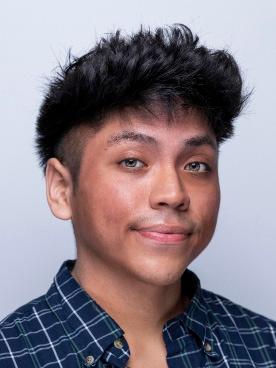
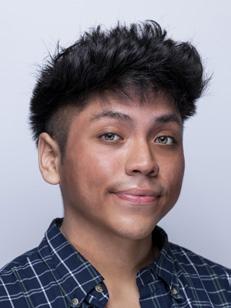
Manny Santos
As a dance artist, my work and ideas come from human experiences, connections, and emotions that are conveyed through human interactions and everyday life. I’ve been so fascinated with how dance is a form that allows that expressivity within the human experience, a language that speaks with the body and has an emotional connection to whoever is viewing. Vulnerability and discomfort are two concepts that I love to play with and coincide with these everyday human experiences. These sensations bring greater value to dance, a value that is important to me and the audience. It brings imperfection to perfection. Good or bad, movement of the body gives such relief of stress and tension that may be held inside. Letting your body move and be free without any worry is a true form of art and something that is of immense value. Within my creative practice, lived experiences are portrayed inside movement that tells a story, speaks loud volumes, and allows the audience to be in this thing with you.
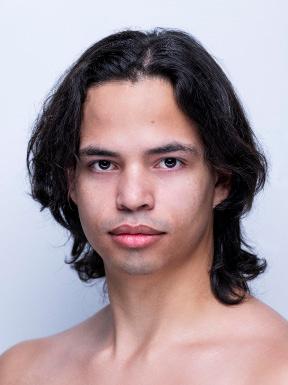
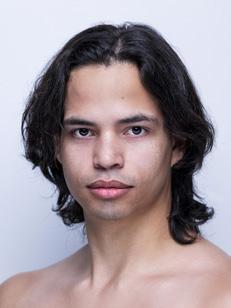
Luciano Schroeder
This choreographic work aims to capture the uneasy sensation of the inevitable arrival of an unpredictably powerful storm, with the helplessness of a lone fisherman far out at sea whose determination keeps them afloat. This will not be my first piece whose intent spawned from a real-world historical event; throughout this dance, I will use Trisha Brown’s Locus Cube and the names of the six fishermen of the Andrea Gail who went missing in a storm in 1991 to generate or inspire most of the movement created in this choreographic work. The crew of the Andrea Gail and their tragic disappearance is incredibly relevant to my work because, according to their last known words at sea, they could see the storm approach and they knew it looked bad, but they had no choice more than to endure after their last transmission, “She’s comin’ on, boys, and she’s comin’ on strong.”
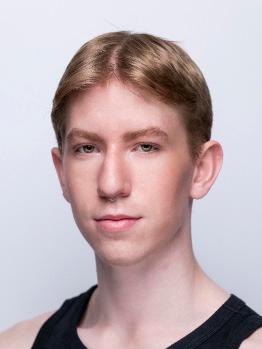
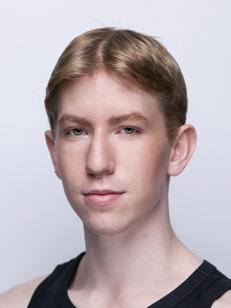
Andy Sefcik
As an artist, I approach performance and my choreographic works as a way to embody stories, characters, and lived experiences. In my childhood, I became quickly enthralled by the freedom and expressivity that dance gave me. It became the language of my body, allowing me to communicate emotions and ideas beyond words.
As a dancer, I view each performance as a testament to my passion for the art form and a chance to share that passion with those around me. My dedication extends to the styles that shape my artistry. I am deeply inspired by contemporary ballet’s ability to combine classical tradition with other styles of dance and music. As a queer dancer, navigating structures of heteronormativity within classical works challenged me to have a broader point of view. I have found a space and voice within contemporary ballet, one where I can honour the tradition of the art form while exploring modernity and innovation. Through this balance, I aim to create work that is deeply personal yet widely resonant. Not only is dance a language, but it is a way to question, reimagine, and expand what the art form can hold.
When envisioning my capstone piece, I wanted to share a story that is both personal and something that others can relate to by exploring the several different ways we say goodbye to someone or something. Having to endure change in our lives is a universal experience that allows the dancers to bring their own stories into the choreography while also examining how, although we may view loss as inherently negative, it can benefit our lives. Perhaps we are bound to something that no longer serves a purpose to us, and the instinct to hold on to it could be hindering us. From a choreographic standpoint, the movement acts as a conversation between the dancers, asking what we are really saying when we let someone or something go, how our body reacts to change and loss, and how this can reflect in artistic expression through devices like repetition, abstraction, and retrograde. It acts as an exploration of the different emotions we feel when faced with loss, manifested through movement and conveying the discomfort that coexists with change.
I hope the audience can find solace in the fact that everyone can relate in some way, especially as I navigate my senior year of college and think of all the people I have had to leave to get to where I am now. As an immigrant to the United States, saying goodbye to those I love has been a recurring theme in my life that never seems to get easier, bringing deep guilt when I must leave the people and things I care for. This feeling persists into my dream to pursue a professional career in dance and move away to achieve my goals, making this piece a celebration of the incredible community and support system I have found in UVU’s dance department over these four years. And while it may not be easy for me to say goodbye, I feel a sense of excitement for the future.

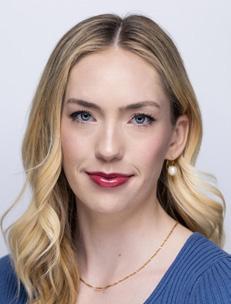
Emily Sorensen
I understand the body as a living, sacred instrument through which we experience and make meaning of the world. Every emotional encounter leaves a physical trace, and the body becomes a vessel of memory, sensation, and desire. Dance allows me to access and express what often exists beyond language, offering a way to reveal inner experience without explanation. Through movement, I transform lived moments into embodied expression, creating work that invites recognition and resonance through shared visceral response. By translating personal experience and emotion into movement, dance transforms what is individual into something shared.
My choreographic practice is grounded in the belief that movement reveals truth. By watching someone dance, we gain insight into their inner world. This understanding shapes both my intent and my process. I create as an effort to be understood, and I value collaboration as a practice of exploration, presence, and respect. Much of my work is built through repetition, allowing dance to function as ritual. In this space, movement becomes an act of reflection and connection, honoring both individual and collective experiences.
Play is central to my work, as both a creative tool and a guiding principle. In a world that often leaves little room for imagination and wonder, dance offers a return to curiosity, joy, and creative freedom. Through play, movement remains flexible, responsive, and alive, fostering vulnerability and connection among performers and audiences alike. I strive to preserve this openness throughout the creative process, believing that play deepens our capacity to engage fully with ourselves and with others. Ultimately, my work honors the body as a sacred instrument, embraces dance as ritual, and celebrates play as a vital pathway to expression, connection, and meaning.


Emarie Thomas
What inspires me most to perform is the hunger to get on stage and demonstrate the range of styles I can do. This semester, I am especially grateful to be part of two ballroom pieces, including a tap and swing-inspired number. Having the opportunity to showcase both ballroom and tap feels inspiring because it challenges me to step outside of my comfort zone while highlighting my versatility as a dancer. Being involved in different genres keeps me motivated and constantly learning.
The two ballroom dances I am in are very different from one another, which makes the experience even more meaningful. One is a K-pop medley inspired by KPop Demon Hunters, featuring a mashup of popular songs that audiences can recognize and sing along to. The other piece, titled Chattanoogie Shoe Shine Boy, blends tap and swing in a more old-school style. What makes them unique is this contrast; one feels modern, high-energy, and current, while the other honors a classic tap tradition. Both are ballroom-based and energetic, yet they represent different eras and aesthetics within dance.
Throughout the creative process, collaboration has influenced me the most. Brainstorming with others, sharing ideas, and listening to different perspectives help shape the final product. I have learned that creating and performing choreography is easier said than done, especially when working with dancers of varying experience levels. It requires patience, clear communication, and a willingness to break movements down step by step. Ultimately, I hope audiences understand how joyful and dynamic ballroom can be. While it can be serious and technical, it is also full of fun, energy, and personality – something I strive to embody every time I step on stage.
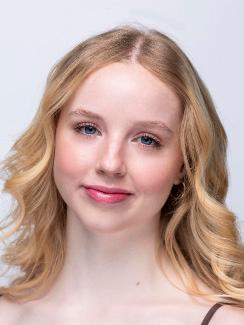
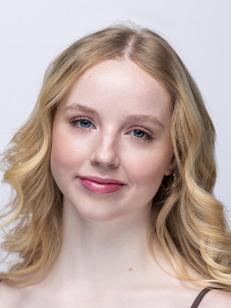
Ashley Wilcox
As a choreographer, performer, and collaborator, I am drawn to the clarity of shape, nuanced effort, and the emotional resonance that emerges through embodied relationships. My work explores the dynamics between dancers — how connections, tensions, and shared experiences become tangible through movement. I approach the studio as a space for intuitive experimentation, balancing structure with spontaneity to uncover authentic moments.
Intentionality drives my process, both in the physicality of movement and in the emotional worlds I invite dancers to inhabit.
In my Senior Capstone piece, Now, I explore the tension between disconnection and presence, inspired by my own journey toward grounding in the moment. The choreography embodies feelings of being stuck, both physically and emotionally, eventually evolving into a state of openness, awareness, and flow. The emotional arc begins unsettled and gradually expands into a more grounded, spacious state. Finding presence is not linear; it ebbs and flows. Now reflects this reality by shifting between moments of presence and disassociation, allowing both states to coexist. Through this work, I aim to create movement that is emotionally authentic, viscerally felt, and visually striking.
Special thanks to our incredible faculty mentors Tyler Schnese, Ang Banchero-Kelleher, Sarah Donohue, Martina Jorgensen, Mary Lyn Keck, Amy Markgraf, Brianna McKelleb, Christa St. John, Kellie St. Pierre, Nichele Woods, and Chris Witt. for your constant guidance, support, and dedication throughout this process.
Thank you to Jennessa Law and the Costume Shop, lighting designer Peter Leonard, and the Noorda Center staff and production crew for helping bring this performance to life.
Donate to support UVU’s Dance Department
Make a direct impact on our dancers’ futures.
Your donation supports vital training and performance opportunities.