
“What I am most proud of in 2025 is not only what we have achieved, but how we supported one another through a demanding year. These achievements position our department for sustained excellence in the years ahead.”
DearMPBPersandFriends,
December31st,2025
Asweclose2025,Iwanttothankeveryoneinthedepartmentfor ayeardefinedbyresilience,creativity,andsharedcommitmentto excellence.Despiteallthechallengesandstress,ourfaculty, trainees,andstaffcontinuedtoproduceimpactfulscience,secure competitivegrants,andadvanceboldideasacrossphysiologyand biophysics.
Facultypublishednumeroushigh-impactstudiesinleading journals,including Nature,Cell,NatureCellBiology,Nature StructureMolecularBiology,PNAS,EMBOJournal, and Nature Communications,spanningmembranebiology,mitochondrial transport,cardiovascularandstructuralbiology.Ourresearch portfoliocontinuedtogrow,highlightedbytheawardofanew BiophysicsT32TrainingGrantand$23Mtotalresearchfunding.
Atthesametime,thedepartmentmadesignificantinvestmentsin people,training,andcommunity.Facultypromotions, national/localhonors,andleadershiprolesreflectedcontinued careeradvancement.Ourtraineesearnedprestigiousfellowships, traininggrantappointments,awards,andfacultypositions. Throughretreatsandsocialgatherings,westrengthened connectionsduringademandingyear,andtogetherraisedover $5,000tosupportourtrainees.Ihopeyouenjoyoursecond departmentnewsmagazine, PULSE:MPBP2025
Lookingaheadto2026,wewillcontinuetosupportinnovative, curiosity-drivenresearch,investinourpeople,andfostercrossdisciplinarycollaboration.Iamdeeplygratefulfortheopportunity toservethisdepartmentandworkalongsidesuchdedicated colleagues.Ilookforwardtoallthatwewillaccomplishtogetherin 2026– theyearoffirehorse!
Thankyouforallthatyoudo.
LingQi,Ph.D.
AndrewP.SomlyoDistinguishedProfessorinPhysiology, Chair
In Fiscal Year 2025, total departmental grant funding reached $23.1 million, representing a $3.1 million increase over FY24 (15%), with NIH funding rising to $19.0 million, up approximately $2.0 million year over year. These gains propelled MPBP to #3 nationally in NIH research funding, continuing a remarkable ascent from #11 (2022), #7 (2023), and #5 (2024).
This achievement is particularly impressive given the highly competitive and uncertain federal funding landscape and reflects the excellence, resilience, and collaborative strength of our research enterprise. Beyond advancing discovery-driven science, this sustained growth directly supports robust training environments for graduate students, postdoctoral fellows, and early-career investigators, underscoring MPBP’s commitment to advancing both scientific innovation and the next generation of scientists.
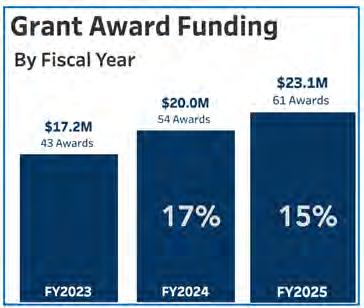
“Achieving ~1517% annual growth in research funding over the past two years is quite remarkable and reflects the exceptional dedication of our faculty, trainees, and staff, and strengthens our ability to advance discovery, train future scientists, and improve human health.”
LING QI, PHD PROFESSOR AND CHAIR
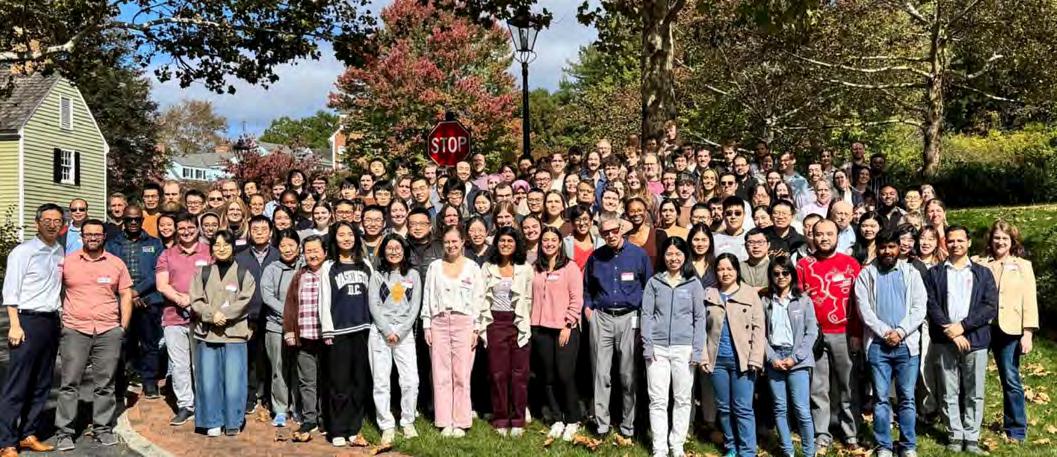
BOAR’S HEAD RESORT, 10/14/25
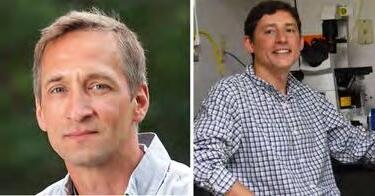
Jochen Zimmer, Ilya Levental and Linda Columbus (Professor, Chemistry) have successfully regained NIH funding
“We are delighted that the training environment of our Biophysics group will be bolstered for the next several years by this Training Grant. This grant will be focused on interdisciplinary cross-training, which we believe has the potential to enhance research programs across the many disciplines represented in our faculty..”
ILYA LEVENTAL, PHD PROFESSOR
fortheMolecularBiophysicsTrainingGrant(MBTG)on theirthirdsubmission,amajoraccomplishmentthat reflectsboththeirpersistenceandthedepthofthe department’sbiophysicstrainingprogram.Kristen Naegle(AssociateProfessor,BiomedicalEngineering)is alsocontributingsignificantlybysteppingintoa leadershiprolefortheMBTG.
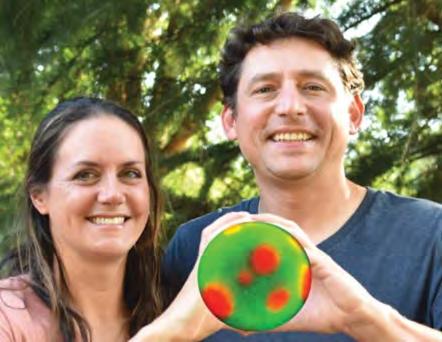
Thetraininggrantwillprovideessentialsupportfor graduatetraineeswhilestrengtheningthedepartment’s educationalandmentoringenvironment.Thisrenewed investmentunderscoresthedepartment’snational leadershipinbiophysicstrainingandrepresentsa significantwinforstudents,faculty,andthebroader scientificcommunity.
“It
is a privilege to help train the next generation of scientists and to support them in their scientific endeavors.”
JOCHEN ZIMMER, PHD PROFESSOR
On January 8, 2025, our colleague Dr. Lukas Tamm, Harrison Distinguished Professor and Director of the Center for Membrane and Cell Physiology, was awarded the UVA Research Mentor Award. This recognition highlights Dr. Tamm’s outstanding dedication to fostering the growth and success of our faculty and trainees.
Dr. Anne Kenworthy has been appointed Vice Chair for Research. Dr. Kenworthy is an internationally recognized leader in membrane biology and quantitative cell biophysics, with a long-standing record of NIH funding, high-impact publications, and collaborative research leadership. In her new role, she will oversee and advance the department’s research mission, support faculty development and interdisciplinary initiatives, and help shape strategic research priorities.
Dr. Gloria Sheynkman has received the 2025 Dean’s Excellence Award for Research, Junior Faculty. This award recognizes outstanding early-career faculty members whose research demonstrates exceptional innovation, impact, and promise. Dr. Sheynkman is a leader in quantitative proteomics and systems biology, with pioneering contributions to protein isoform biology and translational proteomics.
The Department congratulates Zygmunt Derewenda on his election as Fellow of the American Crystallographic Association. This distinction recognizes his outstanding contributions to macromolecular crystallography and structural biology, as well as his leadership and service to the scientific community.
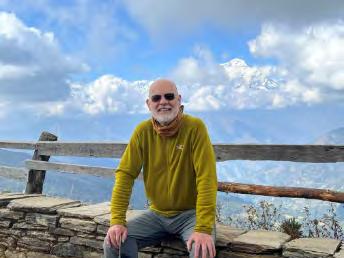
Ebrahim, PhD and Gloria Sheynkman, PhD
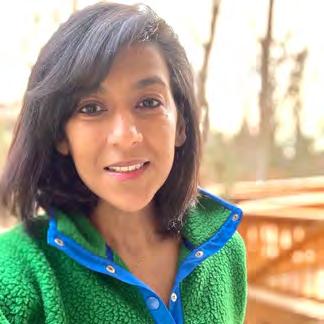
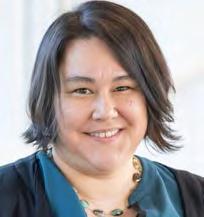
Drs. Gloria Sheynkman and Seham Ebrahim have been appointed as Co-Directors of Graduate Studies (DGS) for the Biophysics (BIOPHYS, DGS: Ilya Levental) and Physiology (PHYS, DGS: Brant Isakson) graduate programs, respectively. Their leadership, scientific excellence, and deep commitment to trainee development will further strengthen the rigor, mentorship, and innovation that define our graduate training programs.
Swapnil Sonkusare, PhD
Awarded Pinn Scholar
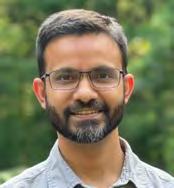
Dr. Swapnil Sonkusare has been named a Pinn Scholar, a distinction that recognizes outstanding research excellence and leadership within the UVA School of Medicine. Dr. Sonkusare is a leader in vascular physiology, whose innovative work has advanced our understanding of microvascular function, ion channel regulation, and the mechanisms underlying cardiovascular disease. We congratulate him on this welldeserved honor and celebrate his continued impact on the field and our department.
Lukas Tamm, PhD and Wladek Minor, PhD
Delivers Keynote Lectures at International Meetings and Kosciuszko Foundation
Dr.LukasTammdeliveredtwokeynotelecturesin2025, highlightinghisleadershipinmembranebiophysics,attheSymposiumofthe UniversityofTennesseeMembraneCenterinKnoxville,Tennesseeandatthe InternationalSymposiumonChromaffinCellBiology.
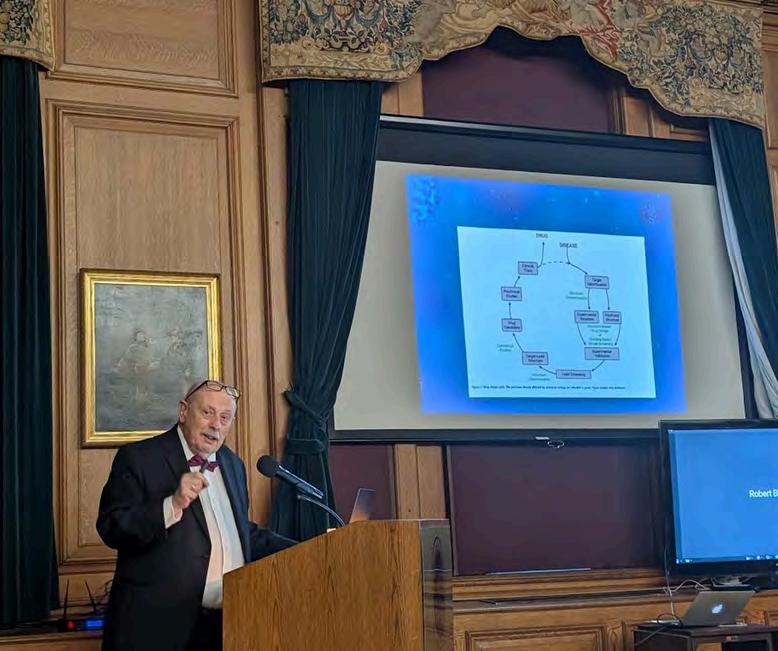
Dr.WladekMinordeliveredathought-provokinglecturetitled“AIinBiomedical Sciences,TheGood,TheBadandTheUgly”attheKosciuszkoFoundationinNew York.TheseinvitedpresentationsreflectDr.TammandMinor’scontinuedimpact onthefieldandtheinternationalrecognitionoftheirwork.
KandiceLevental,Ph.D.and IlyaLevental,Ph.D.
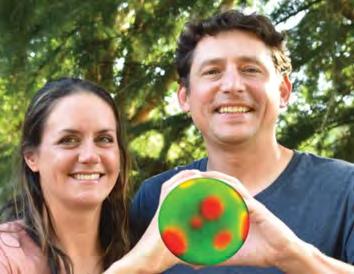
The Levental laboratory has published two complementary studies that redefine our understanding of lipid organization and mechanics in cellular membranes. In a highly impactful paper in Cell, the team uncovered fundamental principles governing lipid and cholesterol distribution across membrane leaflets in mammalian cells. This work resolves a longstanding question in membrane biology by demonstrating how cholesterol preferentially partitions into specific lipid environments, establishing a structural and mechanistic framework for how cells maintain membrane asymmetry. These findings have broad implications for cellular communication, signaling, and membrane trafficking.
In a second study in PNAS, the lab demonstrated that disruption of lipid asymmetry reduces membrane packing density and promotes plasma membrane blebbing, directly linking lipid composition to membrane stability and deformation. Together, these discoveries reveal how lipid asymmetry and protein–lipid interactions serve as central determinants of membrane architecture and dynamics. Collectively, these studies represent a major advance in membrane biology, providing a unified model for how membrane composition shapes cellular function in both health and disease.
Milka Doktorova, Jessica L. Symons, Xiaoxuan Zhang, … Kandice R. Levental, Ilya Levental.
Cell membranes sustain phospholipid imbalance via cholesterol asymmetry.
Cell. 2025 188: 25862602.
Wang HY, Rumin A, ... Levental KR, Levental I.
Loss of lipid asymmetry facilitates plasma membrane blebbing by decreasing membrane lipid packing.
PNAS 2025;122(19): e2417145122
Ilya Levental, PhD, and Anne Kenworthy, PhD
Doktorova M*, Daum S, …, Levental KR, Bacia K, Kenworthy AK*, Levental I*.
Caveolin assemblies displace one bilayer leaflet to organize and bend membranes.
A new study published in PNAS from the Levental and Kenworthy laboratories uncover fundamental mechanisms by which lipid organization and asymmetry govern the physical
PNAS 2025; 122(20):e24170
X. Tian, ... H-w. Ai*.
PEGylated ATPIndependent Luciferins for Noninvasive HighSensitivity High-Speed Bioluminescence Imaging. ACS Chem Bio, 2025.
X. Tian, ..., N. Nishimura* and H-w. Ai*.
An Enhanced Red Bioluminescent Indicator for Responsive Detection of Physiological Calcium Dynamics in Cells and Mice.
ACS Sensors 2025.
behaviorofcellularmembranes.Theauthorsdemonstrate thatcaveolinassembliesbendandorganizemembranesby selectivelydisplacingasingleleafletofthelipidbilayer, ratherthansymmetricallydeformingbothleafletsas traditionallyassumed.Thisasymmetricmechanismprovides anewphysicalframeworkforunderstandingcaveolae formationandprotein-drivenmembranecurvature,with implicationsformechanosensing,signaling,andphysiology.
Ai lab developed a new strategy to enhance bioluminescence imaging sensitivity by engineering a family of PEGylated, ATP-independent luciferins with improved solubility, stability, and in vivo brightness (ACS Chem Bio). These reagents achieve unprecedented brightness among ATP-independent systems, enabling high-speed imaging in vivo, and advancing noninvasive functional imaging. In addition, they engineered an improved red bioluminescent calcium sensor with greater dynamic range and enhanced sensitivity within physiologically relevant calcium concentrations (ACS Sensors). Its red-shifted emission allows deep-tissue imaging, and enables minimally invasive, real-time imaging of neuronal calcium activity.
MOLECULAR PHYSIOLOGY & BIOLOGICAL PHYSICS NEWS MAGAZINE ~ 2025
BrantIsakson,Ph.D.
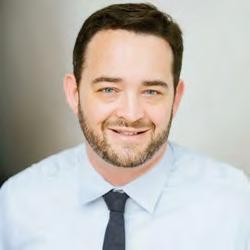
In 2025, the Isakson laboratory published a series of influential studies in leading journals including Hypertension, Arteriosclerosis, Thrombosis, and Vascular Biology, Microcirculation, Comprehensive Physiology, and the American Journal of Physiology family, advancing understanding of how endothelial cells regulate vascular function across multiple organ systems. This body of work spans both primary research articles and authoritative reviews, integrating molecular signaling, channel biology, and vascular physiology.
Together, these studies reveal how endothelial heterogeneity and dynamic signaling pathways shape vascular behavior. The work highlights key transcriptional responses in lymphatic endothelium, identifies how extracellular matrix components such as elastin regulate resistance artery reactivity, and defines critical roles for pannexin channels in both the vasculature and the kidney. Additional findings show how post-translational modifications, including nitrosation of CD36, link endothelial signaling to lipid metabolism and systemic vascular health.
Collectively, these publications position the Isakson lab at the forefront of vascular biology by connecting endothelial cell diversity to physiological outcomes across tissues. This integrated research program provides a unifying framework for understanding vascular regulation in health and disease and points toward new therapeutic strategies for cardiovascular and inflammatory disorders.
Luse MA, Schug WJ, Dunaway LS. ...
Levental KR, Levental I, Cortese-Krott M, Isakson BE.
Nitrosation of CD36 Regulates Endothelial Function and Serum Lipids.
Arterioscler Thromb Vasc Biol. 2025
Jul;45(7):1067-1086
Kreft EA, Juśkiewicz ZJ, Isakson BE.
AP-1 Is an Initial Convergent Transcriptional Response in Lymphatic Endothelium to VEGFC or TNFα.
Microcirculation. 2025;32(8):e70035
MOLECULAR PHYSIOLOGY & BIOLOGICAL PHYSICS NEWS MAGAZINE ~ 2025
Minrui Fan, Chen-Wei Tsai, Jinru Zhang, …, Ming-Feng Tsai & Liang Feng.
Structure and mechanism of the mitochondrial calcium transporter NCLX.
Nature. 2025 646:12721280.
Jim Lu Zhang, Yu-Chen Chang, … Liang Feng & Ming-Feng Tsai.
TMEM65 functions as the mitochondrial Na+/Ca2+ exchanger.
Nature Cell Biol. 2025 27: 1301.
Tu YC, Lee IC, .., Geltser ER, & Tsai MF
Mechanisms of dual modulatory effects of spermine on the mitochondrial calcium uniporter complex.
JBC (2025) 301: 108218
Ming-Feng Tsai, PhD
In2025,Tsailaboratorypublished four landmarkstudiesthatfundamentally reshapeourunderstandingof mitochondrialiontransportandcalcium signaling.Appearingin Nature,Nature CellBiology,NatureStructural&MolecularBiology,and JournalofBiologicalChemistry, thesepaperscombine structuralbiology,biophysics,andphysiologytodefinethe molecularmechanismsofmultiplemitochondrialion channelsandexchangersthatarecentraltocellular metabolismandsurvival.
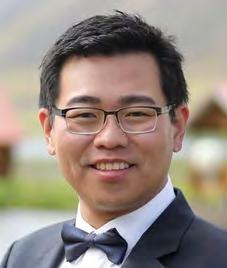
Ina Nature paper,theyreportthefirsthigh-resolution structureandmechanisticanalysisofNCLX,the mitochondrialsodium–calciumexchangerresponsiblefor calciumeffluxfrommitochondria.Usingcryo–electron microscopyandmolecularsimulations,thestudyreveals howNCLXcouplessodiumgradientstocalciumtransport andidentifieskeyconformationaltransitionsthatunderlie itsfunction.Thisworkprovidesastructuralblueprintfora transporterthatplaysacriticalroleinmitochondrialcalcium homeostasisandcellularbioenergetics.
Complementingthisdiscovery,Zhangetal.demonstratein NatureCellBiology thatTMEM65isitselfamitochondrial Na⁺/Ca²⁺ exchanger,resolvingalong-standingcontroversy regardingitsphysiologicalrole.Thestudyshowsthat TMEM65isessentialformitochondrialcalciumextrusion andworksinconcertwithNCLXtofine-tunecalcium signaling.Thesefindingsredefinethemolecularidentityof mitochondrialsodium–calciumexchangeandestablish TMEM65asacentralregulatorofmitochondrialfunction.
Ina JournalofBiologicalChemistry study,Tuetal. uncoverhowthepolyaminespermineexertsdual modulatoryeffectsonthemitochondrialcalciumuniporter (MCU)complex.Theworkrevealsthatsperminecanboth enhanceandinhibitcalciumuptakedependingon concentrationandchannelstate.Thisstudyhighlightshow endogenousmetabolitesdynamicallytunemitochondrial calciumentry.
Finally,Heetal.reportin NatureStructural&Molecular Biology thestructureandfunctionalcharacterizationof thehumanMRS2channel,theprimarymitochondrial magnesiumtransporter.ThisworkelucidateshowMRS2 selectivelyconductsmagnesiumionsandhowitsstructure supportsmitochondrialionicbalance,fillingamajorgapin understandingmitochondrialmagnesiumhomeostasis. Collectively,thesefourpaperspositiontheTsailabatthe forefrontofmitochondrialiontransportresearch.
GloriaSheynkman,Ph.D.
Researchers led by Dr. Gloria Sheynkman, an Assistant Professor in MPBP, have developed Biosurfer—a computational tool that systematically tracks how variations in a patient’s genome and transcriptome lead to disease-relevant protein forms. By analyzing both the human reference genome and long-read RNA sequencing data, Biosurfer identifies protein changes resulting from myriad mechanisms such as alternative splicing and ribosomal frameshifting. This work underscores the importance of thorough protein annotation, aligning with the National Library of Medicine’s mission to equip clinical researchers with reliable bioinformatic tools for research in precision medicine.
He Z, Tu YC, ..., Zhang J, Tsai MF*, & Yuan P*.
Structure and function of the human mitochondrial MRS2 channel.
Nat Struct Mol Biol. (2025) 32: 459–468.
Murali M, Saquing J, Lu S, Gao Z, Jordan B, Wakefield ZP, Fiszbein A, Cooper DR, Castaldi PJ, Korkin D, Sheynkman G. Biosurfer for systematic tracking of regulatory mechanisms leading to protein isoform diversity.
Genome Research. 2025
Ho R, Purushotham P, Wilson LFL, Wan Y, Zimmer J
Structure, function and assembly of soybean primary cell wall cellulose synthases.
Elife. 2025 May 14;13
Górniak I, Stephens Z, Erramilli SK, Gawda T, Kossiakoff AA, Zimmer J
Structuralinsightsinto translocationand tailoredsynthesisof hyaluronan.
Nat Struct Mol Biol. 2025 Jan;32(1):161-171
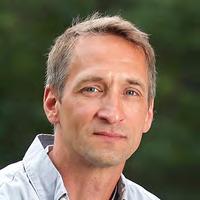
JochenZimmer,Ph.D.
ZimmerLabAdvances
UnderstandingofPolysaccharide SynthesisAcrossBiological Systems
Two recent publications from the Zimmer lab provide major new insights into how cells synthesize and translocate complex polysaccharides, revealing shared principles that span plant and animal biology. Published in eLife and Nature
Structural & Molecular Biology, these studies combine high-resolution structural biology with functional analysis to illuminate how large carbohydrate polymers are assembled and transported across membranes. In the eLife study, the authors present the first detailed structural and functional characterization of soybean primary cell wall cellulose synthases, defining how these enzymes assemble into functional complexes and catalyze cellulose production. This work addresses a longstanding challenge in plant biology by revealing the molecular organization underlying cellulose synthesis, a process essential for plant growth, mechanical strength, and biomass formation. Complementing this work, the Nature Structural & Molecular Biology paper uncovers the molecular mechanism by which hyaluronan, a critical extracellular matrix polysaccharide in animals, is synthesized and translocated across the membrane. The study provides structural insights into how the synthase coordinates polymer elongation with membrane translocation, enabling tailored control of polymer length and composition.
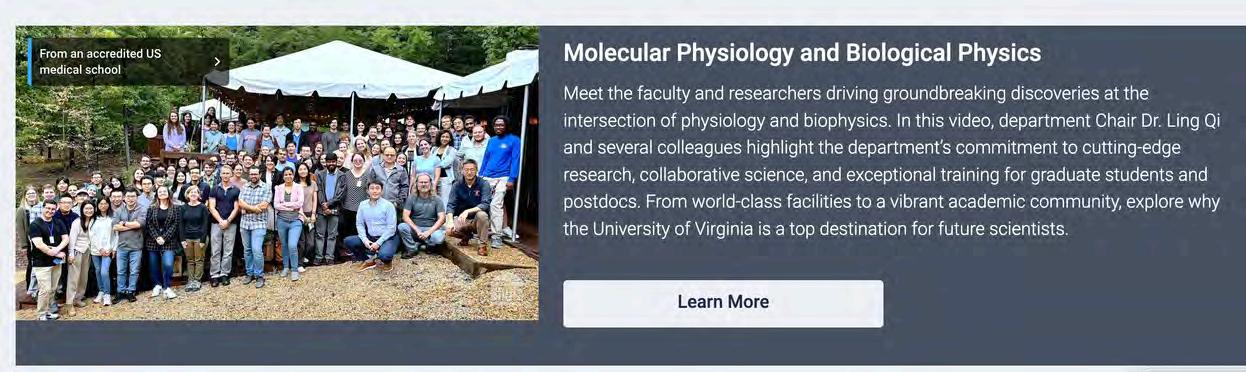
We are pleased to share that our new Department video is now featured on our home page (https://med.virginia.edu/physiologybiophysics/). It highlights the outstanding research, training, and collaborative culture that make our department unique.
Ling Qi, PhD
A new review from the Qi laboratory published in Nature Cell Biology, provides a comprehensive synthesis of current understanding of SEL1L–HRD1–mediated ERAD in mammals. The review integrates recent advances defining how the SEL1L–HRD1 complex governs protein quality control, organelle homeostasis, and tissuespecific physiology, while also highlighting emerging links between ERAD and human disease. By framing ERAD as a dynamic and context-dependent regulatory pathway, the article outlines key conceptual challenges and future directions for the field. This work serves as a foundational resource for researchers studying proteostasis, cell stress responses, and ER-linked disease mechanisms.
AhmadJomaa,Ph.D.
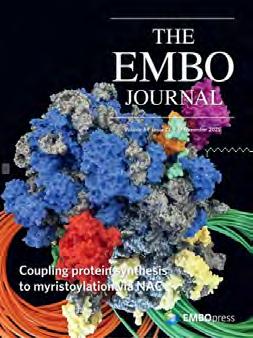
NACcouplesproteinsynthesis withnascentpolypeptide myristoylationontheribosome
Jomaa lab reports in EMBO that NAC, a conserved ribosome-associated factor, plays a direct role in coupling nascent protein synthesis with N-terminal myristoylation, a critical lipid modification. The team show that NAC binds emerging polypeptides at the ribosome and facilitates their presentation to the Nmyristoyltransferase enzyme, ensuring efficient cotranslational myristoylation. This work uncovers a previously unappreciated mechanism by which the protein synthesis machinery coordinates with post-translational modification pathways, with broad implications for understanding how protein targeting and function are regulated at the earliest stages of translation.
Wang, H.H., Buinno, I., Sun, S.S.* and Qi, L.*
SEL1L-HRD1mediated ERAD in mammals.
Nature Cell Biol. 2025. 27 (7): 1063-1073.
Sara Zdancewicz, Emir Maldosevic, Kinga Malezyna & Ahmad Jomaa
NAC couples protein synthesis with nascent polypeptide myristoylation on the ribosome.
EMBO J. 2025. 44: 63206342
MOLECULAR PHYSIOLOGY & BIOLOGICAL PHYSICS NEWS MAGAZINE ~ 2025
Tavakoli, A., Hu, S., Ebrahim, S.*, and Kachar, B*.
Hemifusomes and interacting proteolipid nanodroplets mediate multivesicular body formation. Nature Communications. 2025. 16: 4609
Naydenov, N.G.,..., Ivanov, A.I., Ebrahim, S.
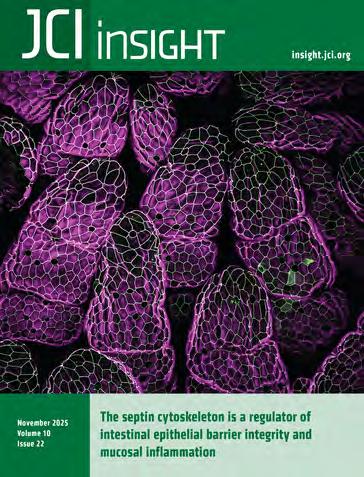
The septin cytoskeleton is a regulator of intestinal epithelial barrier integrity and mucosal inflammation.
JCI Insight. 2025 10 (22): e191538
ResearchersintheEbrahimlaboratoryhave publishedtwoimpactfulstudiesinhigh-profilejournalsthat expandourunderstandingoffundamentalcellularprocesses andtissueintegrity.In NatureCommunications,theteam reportsthediscoveryofapreviouslyunrecognizedcellular structuretheytermthe“hemifusome,”avesicularorganelle identifiedviainsitucryo-electrontomographythatmediates multivesicularbodyformationindependentlyofcanonical proteinmachinery.Thisdiscoverychallengesestablished modelsofvesiclebiogenesisandprovidesafreshframework forunderstandinghowcellssortandprocessinternalcargo.In JCIInsight,thelab’sworkrevealsanunexpectedroleforthe septincytoskeletoninmaintainingintestinalepithelialbarrier integrity.Lossofthisseptincytoskeletalmechanism compromisesbarrierfunctionandincreasessusceptibilityto inflammation,withrelevancetoinflammatoryboweldisease.
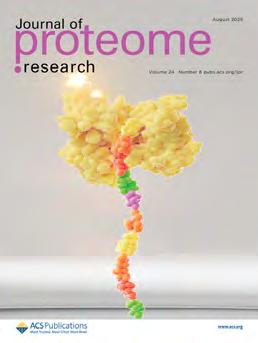
Anne Kenworthy, PhD
New study defines a conserved structural framework for caveolin proteins
The Kenworthy lab and colleagues have published a new paper in Journal of Cell Biology that reveals a shared structural framework underlying evolutionarily diverse caveolin proteins. Led by Research Assistant Professor Bing Han as first author, the study combines structural and comparative approaches to show that caveolins across species adopt a common organizational architecture, providing new insight into how caveolae are formed and maintained at the plasma membrane. These findings establish unifying principles for caveolin structure and function and advance our understanding of membrane organization and mechanotransduction.
NewDetergent-FreePlatform PreservesNativeMembrane ProteinArchitecture
In a new Nature Communications paper, Dr. Huan Bao and colleagues introduce DeFrND, a detergent-free nanodisc system that enables membrane proteins to be reconstituted in native-like lipid bilayers using designer scaffold peptides. By bypassing detergents that can disrupt protein–lipid interactions, DeFrND preserves native receptor complexes and supports integrated structural and functional analyses, including cryo-EM, mass spectrometry, single-molecule FRET, and electrophysiology. This approach provides a powerful new tool for studying membrane protein function in health and disease.
Bing Han, Sarah M. Connolly, Darrin T. Schultz, …, Melanie D. Ohi, Anne K. Kenworthy
Evolutionarily diverse caveolins share a common structural framework built around amphipathic disks.
J Cell Biol. 2025. 224 (9): e202411175
Qian Ren, Jing Wang, Vinay Idikuda, … & Huan Bao.
DeFrND: detergentfree reconstitution into native nanodiscs with designer membrane scaffold peptides.
Nature Communications 2025. 16: 7973
Kraichely K, Sandall CA, Liang B, Kiessling V, Tamm LK
Functionally distinct SNARE motifs of SNAP25 cooperate in SNARE assembly and membrane fusion
Biophys J 2025. 124:637-650
A new study from the Tamm lab published in Biophysical Journal uncovers how distinct SNARE motifs within the protein SNAP25 work together to control SNARE complex assembly and membrane fusion. Using biophysical approaches, the authors show that SNAP25’s two SNARE motifs are not functionally redundant but instead play complementary roles that fine-tune fusion efficiency and stability. These findings provide new mechanistic insight into how SNARE proteins orchestrate membrane fusion, a fundamental process underlying neurotransmission and intracellular trafficking.
Chen JK, ... Gan L.
Nanoscale analysis of human G1 and metaphase chromatin in situ.
EMBO 44: 2658-2694
Tan ZY , Cai S , ..., Gan L. † †
Macromolecular and cytological changes in fission yeast G0 nuclei.
Journal of Cell Science 138: jcs263654
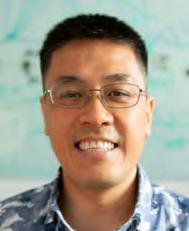
Gan lab has published two complementary studies that provide new insights into the nanoscale organization of chromatin in both human cells and fission yeast, advancing our understanding of genome architecture across cell-cycle and quiescent states. In the EMBO paper, the team presents a high-resolution, in situ analysis of human G1 and metaphase chromatin, revealing distinct nanoscale features that differentiate interphase and mitotic chromosome organization. In a second study, published in Journal of Cell Science, the authors examine macromolecular and cytological changes in fission yeast G0 nuclei, uncovering structural adaptations associated with cellular quiescence. Together, these studies highlight conserved and state-specific principles of chromatin organization across species.
Wladek Minor, PhD
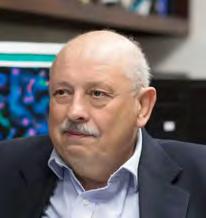
Researchers in the Minor laboratory have published two significant papers advancing computational modeling and Cryo-EM for biomedical research. In Nature Communications, the team introduced PinMyMetal, a hybrid learning system designed to accurately model transition metal binding sites in macromolecular structures. By integrating machine learning with structural biology principles, this platform improves the precision of metal-site annotation, a longstanding challenge in structural determination with important implications for enzymology and drug design. In a complementary publication in Expert Opinion on Drug Discovery, the group reviews recent advances in cryoEM and its expanding role in structure-based drug discovery.
John Bushweller, PhD
Zhang H, ..., Minor W, Wang N, Zheng H
PinMyMetal: a hybrid learning system to accurately model transition metal binding sites in macromolecules
Nat Commun 2025. 16(1): 3043
Rubach P, ..., Wlodawer A, Minor W.
Advances in cryoelectron microscopy (cryoEM) for structurebased drug discovery.
Expert Opin Drug Discov 2025: 1-14
UVA-initiatedresearchhasledtoamajorbreakthroughforpatientswithaparticularly aggressiveformofbloodcancer.TheU.S.FFDAhasapprovedziftomenibforpatients withrelapsedortreatment-resistantacutemyeloidleukemia(AML)carryingmutations intheNPM1gene.
ThetherapybuildsonresearchthatbeganintheBushwellerlabatUVAin2007and offersnewhopetopatientswhopreviouslyhadlimitedtreatmentoptions.Ziftomenib isexpectedtobebothmoreeffectiveandlesstoxicthancurrenttherapies,potentially improvingsurvivalwhilereducingharmfulsideeffects.
TheapprovalhighlightsUVAHealth’scommitmenttotranslatingscientificdiscovery intosafer,moretargetedcancertreatmentsforpatients.
Huan Bao,
Associate Professor Assistant Professor
Four faculty members—Huan Bao, Ahmad Jomaa, Ilya Levental, and Seham Ebrahim—have each received a Maximizing Investigators’ Research Award (MIRA) from the National Institute of General Medical Sciences in 2025. The MIRA program supports investigators with flexible, long-term funding to pursue innovative and high-impact basic science. Collectively, these four awards reflect the breadth and depth of MPBP research, spanning molecular engineering, intracellular organization, membrane biophysics, and mechanobiology.
Huan Bao, PhD is developing designer nanodiscs to probe and reprogram membrane biology. These tools promise to transform how membranes are studied and manipulated in living systems.
Ahmad Jomaa, PhD is focused on unraveling the mechanisms of protein sorting and localization to organelles. His research seeks to define how proteins are accurately targeted within cells, a process essential for organelle identity, cellular homeostasis, and human health.
Ilya Levental, PhD is investigating the functional organization of mammalian membranes. His work addresses fundamental principles that underlie membrane function across tissues and physiological contexts.
Seham Ebrahim, PhD is studying mechanosensing mechanisms at the intestinal surface. Her research sheds light on how physical cues influence tissue organization, barrier function, and intestinal health.
Seham Ebrahim,
Assistant Professor
Together, these four MIRA awards highlight MPBP’s strong commitment to fundamental discovery and its success in securing highly competitive NIH support.
Ling Qi, PhD
This project will investigate the mechanisms by which newly identified human mutations in the SEL1L-HRD1 endoplasmic reticulum–associated degradation (ERAD) complex cause developmental and neurological disease. This study will use knock-in mouse models, cell-based systems, advanced imaging, and high-throughput approaches to define both the causality and molecular mechanisms of these disease-associated mutations. This work represents the first systematic effort to establish SEL1L-HRD1 ERAD as a disease pathway in humans and will provide a critical foundation for future therapeutic strategies targeting ER proteostasis.
The American Heart Association will support the Summer Undergraduate Research Program at the Cardiovascular Research Center. Anchored by PI Brant Isakson, the program will provide valuable research training opportunities for undergraduate students and serve as an important pipeline into the Cardiovascular Training Grant and the Physiology graduate program. This support is particularly timely given recent NIH reductions to other summer undergraduate training programs. Congratulations to Brant and the entire team on this outstanding achievement.
“This award provides a unique opportunity to translate fundamental discoveries in ERAD into a deeper understanding of human disease.”
LING QI, PH.D.
PROFESSOR & CHAIR
“I’m delighted the AHA has chosen UVA for this program, which underscores the quality and depth of our cardiovascular research and training programs.”
BRANT ISAKSON, PH.D. PROFESSOR
“The technologies and the ideas we’re generating are forming the basis of major teambased funding proposals moving forward.”
Ilya Levental, PhD
New NIH grant Awarded to Study Membrane Organization and Signaling
ILYA LEVENTAL, PHD PROFESSOR
“By studying how germ cells sense mechanical cues at the membrane, we aim to reveal fundamental mechanisms governing sperm development and fertility.”
SEHAM EBRAHIM, PHD ASSISTANT PROFESSOR
This project will investigate how protein condensates and ordered lipid domains are biophysically and functionally coupled to regulate T-cell signaling and activation. Building on discoveries that the key signaling adaptor LAT forms biomolecular condensates and associates with cholesterol-rich membrane nanodomains, the study will examine how these two organizational principles interact to control signal propagation at the Tcell membrane. Using integrated biophysical approaches, advanced microscopy, and functional analyses in living T cells, this work aims to define fundamental principles of membrane organization and phase behavior that underlie immune cell activation.
Seham Ebrahim, PhD
Awarded New NIH Grant to Study Membrane Signaling in Sperms
This project will investigate how the membrane protein transmembrane channel-like protein 5 (TMC5) regulates spermiogenesis, a critical stage of sperm development whose disruption leads to non-obstructive azoospermia, the most severe form of male infertility. Using innovative genetic mouse models and advanced imaging approaches, the study aims to define how TMC5mediated calcium signaling and membrane remodeling drive sperm maturation and male fertility. This study will provide fundamental insights into the biology of male fertility and infertility.
MOLECULAR PHYSIOLOGY & BIOLOGICAL PHYSICS NEWS MAGAZINE ~ 2025
AhmadJomaa,PhD NewNSFGranttoStudy CellularDormancyand SurvivalMechanisms
This NSF-funded project will investigate the molecular and cellular mechanisms that enable cells to enter dormancy and survive under adverse environmental conditions. Building on the discovery that ribosomes hibernate on mitochondria in dormant fission yeast, the research will define how this adaptive response suppresses protein synthesis and promotes cell survival during nutrient stress. By integrating advanced structural biology approaches, including cryoelectron tomography and cryo-electron microscopy, with yeast genetics and biochemistry, this work aims to uncover fundamental principles of cellular dormancy and recovery, with broad relevance across biology.
KandiceLevental,PhD
AwardedNCIR21toDevelop
ToolsforProbingMembrane Protein–LipidInteractions
Kandice Levental has received a R21 award from the National Cancer Institute to develop new tools for probing the physical paralipidome of membrane proteins. This project will create innovative approaches to define how specific lipid environments influence membrane protein structure and function, advancing our ability to study membrane biology in health and disease and enabling new strategies to target membrane-associated processes in cancer.
“By
revealing ribosome hibernation as a fundamental driver of cellular dormancy, this highrisk project has been profoundly rewarding and continues to deliver unexpected discoveries.”
AHMAD JOMAA, PH.D. ASSISTANT PROFESSOR
“This
R21 grant has allowed us to develop tools for probing the local biophysical environment around membrane proteins in living cells, and how it evolves in time, space, and during signaling.”
KANDICE LEVENTAL, PH.D. RESEARCH ASSOCIATE PROFESSOR
“This project reshaped our thinking: disease arises from lost molecular context, as tau becomes toxic not by what it is, but by what it binds and where.”
HUAN BAO, PH.D.
ASSOCIATE PROFESSOR
Bao, PhD
Dr. Huan Bao has been awarded the Virginia Commonwealth Health Research Board (CHRB) grant to investigate the membrane biology underlying tauopathies in Alzheimer’s disease. This project aims to define how pathological tau interacts with cellular membranes and disrupts membrane organization and signaling, a poorly understood aspect of Alzheimer’s disease progression. By uncovering membrane-based mechanisms of tau toxicity, the work seeks to identify new conceptual and therapeutic entry points for neurodegenerative disease.
Hong-Yin Wang, PhD
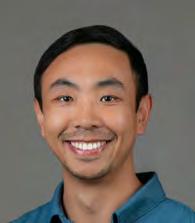
This support from the L.I.F.E. Foundation provides an important opportunity to investigate how disruptions in membrane homeostasis affect neuronal health and function in Alzheimer’s disease. By defining the molecular and cellular mechanisms that link membrane organization to neurodegeneration, this work aims to uncover new insights into disease progression and identify potential avenues for therapeutic intervention. This funding support will allow Hong-Yin to establish a new line of research.
Ling Qi, PhD
Drs. Helen Wang, Iris Sun and Ling Qi have filed a U.S. patent (Application No. 19/410,278) describing innovative therapeutic strategies to modulate the SEL1L-HRD1 ERAD pathway, a central regulator of protein quality control. The invention outlines nucleotide-based approaches, including antisense oligonucleotides and gene-expression modulation strategies, aimed at correcting ERAD dysfunction caused by pathogenic SEL1L variants. This work highlights the translational potential of fundamental discoveries in ER proteostasis and establishes a foundation for developing first-in-class therapies for ERAD-related human diseases.
MugeKuyumcu-Martinez,PhD
FilesPatentApplicationonMicroexon Targeting
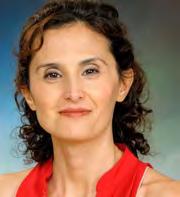
Muge Kuyumcu-Martinez has filed U.S. Patent Application 19/356,782, titled “Microexon targeting for modulation of RYR2 channel activity.” This invention describes a novel strategy for modulating the activity of the cardiac ryanodine receptor RYR2 by targeting microexons, offering a new approach to fine-tune calcium signaling. The work highlights the translational potential of fundamental discoveries in RNA biology and may open new therapeutic avenues for disorders linked to dysregulated calcium handling.
HuiwangAi,PhD
FilesPatentApplicationonbioluminescent imagingforinvivobiology
Ai Lab has filed a formal U.S. patent application (Application No. 19/347,60) covering key aspects of bio-imaging technologies. In addition, its recently developed luciferase technology has been licensed to Voxcan, a company specializing in 3D medical imaging for preclinical animal models of diverse pathologies. These milestones underscore the translational potential of the platform and its growing impact beyond academia.
“This partnership provides an exciting opportunity to combine fundamental biology with translational goals to better understand fibrous dysplasia that may inform future therapeutic approaches.”
JARRED WHITLOCK, PH.D. ASSISTANT PROFESSOR
“This partnership provides a unique opportunity to translate the rapid discoveries in the fields of transcriptomics and proteomics, so that we can unlock better drug targets for cancer and a host of other diseases.”
GLORIA SHEYNKMAN, PH.D. ASSISTANT PROFESSOR
Whitlock, Ph.D. Establishes industry partnership to study rare pediatric skeletal disease
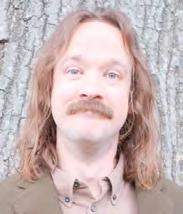
Jarred Whitlock has established a new collaborative research partnership with Magnas Therapeutics to investigate the mechanisms underlying osteoclast maturation and differentiation in fibrous dysplasia, a rare pediatric skeletal disorder. This collaboration will integrate academic and industry expertise to better understand disease pathogenesis and identify potential therapeutic strategies. The partnership highlights the translational impact of MPBP research and its commitment to addressing unmet needs in rare childhood diseases.
GloriaSheynkman,Ph.D. Co-foundsNeosplice Therapeuticstoadvance splice-specificdrugdiscovery
Gloria Sheynkman has recently co-founded Neosplice Therapeutics, a new biotechnology company focused on identifying and developing splicespecific drug targets across a broad range of diseases, including cancer and autoimmune disorders. Neosplice Therapeutics has secured initial investment and is in the process of establishing its first laboratory space. The company is also actively building partnerships with pharmaceutical companies to accelerate translation of its discoveries. This venture highlights the translational impact of fundamental research in RNA biology and its potential to generate new therapeutic strategies.
MOLECULAR PHYSIOLOGY & BIOLOGICAL
Gary Owens, PhD
Gary K. Owens was born and grew up in Clearfield, a small coal mining town in North-Central Pennsylvania. He graduated as salutatorian from the Clearfield Area High School in 1972. He went on to receive his BS, MS, and PhD from the Pennsylvania State University where he trained with Dr. Theodore Hollis in the field of Cardiovascular Physiology and Pathology. He then did post-doctoral training in Experimental Pathology with Dr. Stephen Schwartz at the University of Washington.
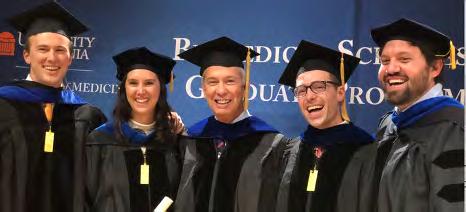
Left to right (2019): Daniel Hess, Alexandra Newman, Gary Owens, Richard (Ricky) Baylis, and Gabriel Alencar
HewasrecruitedtoTheUniversityofVirginiain1982byDr.RobertMBerneand currentlyisaProfessorintheDepartmentofMolecularPhysiologyandBiological PhysicsaswellasProfessorofInternalMedicine,CardiovascularDivision.Heis alsotheDirectorofUVA’sRobertM.BerneCardiovascularResearchCenterthat includes>90PrincipalInvestigator-runresearchlaboratories.Dr.Owensis internationallyrecognizedforhispioneeringstudiesofgenetic,epigenetic,and molecularmechanismsthatcontroldifferentiationandphenotypictransitionsof vascularsmoothmusclecells(SMC),andhowthesetransitionsimpactthe pathogenesisofcardiovasculardiseasessuchasatherosclerosis,heartfailure, andaneurysmsaswellascancer,diabetes,andmetabolicdisease/obesity relatedsyndromes.Hehaspublished>200researchpaperswith>44,000 citations.Thelong-termgoalofhislabistoidentifynoveltherapeuticapproaches thatpromotestabilizationofatheroscleroticlesionstoreducethechanceof spontaneousplaqueruptureandapossibleheartattackorstroke.
Garylovesmountainbiking,dirtbiking,andcatchandreleaseflyfishingfortrout. HefirststartedflyfishingasateenagergrowingupinNorth-CentralPennsylvania. HehasfishedinScotland,Canada,andthroughouttheUnitedStates.Heonce
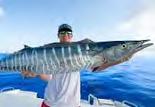
caught a very feisty >15-pound rainbow trout while fishing the Roaring Forks River in Aspen Colorado that had eight artificial flies in its mouth from previous breakoffs. He carefully removed them all while keeping the fish in the water. The fish was very thankful for the free dental work and Gary used the flies he removed for years thereafter. His largest fish was a 7-foot 82-pound WAHOO he caught while fishing from a charter boat in the gulf stream out of Pirates Cove NC.
Stefanie Redemann, PhD
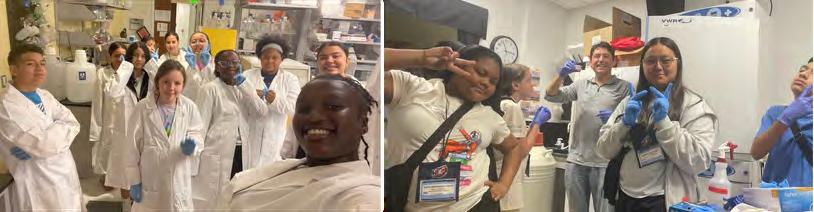
For the past several years, Dr. Stefanie Redemann has played a leading role in our department’s engagement with the Starr Hill Pathways Program. She thoughtfully organized laboratory visits, designed hands-on learning experiences, and ensured that students were actively engaged in exploring scientific concepts. Stefanie helped create an inclusive and inspiring environment that sparked curiosity and broadened these middle-school students’ perspectives on careers in science. Her leadership exemplifies our department’s commitment to mentorship, outreach, and expanding opportunities for the next generation.
Ilya Levental, PhD
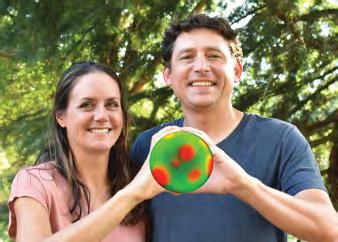
Ilya Levental is a biophysicist whose scientific passion lies at the strange intersection between membrane biology, lipid chemistry, and cell physiology. His interest in lipids and their phases was kindled by his grandma’s terrible soup. Ilya grew up in the Soviet Union, with enduring childhood memories of staring at perfect little circular disks of fat floating on the surface of soup, attempting to coalesce them into a single contiguous phase in a transparent ploy to avoid actually eating the soup. After a serendipitous reunion with lipid phase separation during PhD training in Bioengineering at University of Pennsylvania, and an even more serendipitous meeting with the brilliant and beautiful Kandice Johnson (soon to become his partner in life/science), Ilya became convinced that his life’s passion consisted in understanding how lipids make life happen.
The first step in this journey was a Humboldt Foundation sponsored postdoc at the Max Planck Institute for Molecular Cell Biology in Dresden, Germany, under the advisement of membrane biology pioneer and luminary Dr. Kai Simons. After four enlightening years in Germany, Ilya and Kandice together established their independent lab - the Laboratory for Membrane Biology - at the University of Texas Health Science Center at Houston. After 8 years of successfully launching and establishing their lab, the
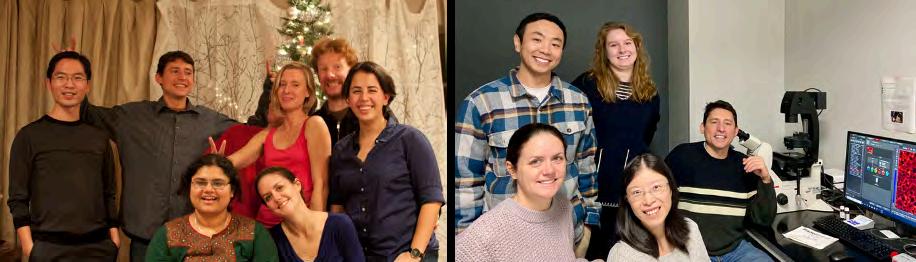
Leventals were recruited to UVA MPBP and have become happily enmeshed into Charlottesville’s scientific, academic, and personal community.
Their research has explored lipid organization in membranes in various contexts, from cation-mediated clustering of polyphosphoinositides (PIPs) to spontaneous liquid-liquid phase separation in isolated cellular membranes. The goal of these investigations is to connect principles and fundamentals discovered through rigorous investigations of simple models with the inherently squishy and complicated living world. Their work combines quantitative biophysical approaches, advanced imaging, and lipidomics to study membrane heterogeneity across scales, from model membranes to living cells. Beyond his scientific contributions, Ilya is a committed mentor and active member of the membrane biophysics community, contributing to training, collaboration, and other efforts to strengthen the field. Ilya is equally passionate about oddball pursuits outside the lab, most significantly his beloved family, but also an abiding love of soccer from playing (and picking up occasionally embarrassing red cards), to coaching (and annoying) both his daughters, to overly intense fandom of his beloved Arsenal Football Club.
Ann Adams, Sr. Grants & Contracts Administrator, is one of our longestserving staff in the department.
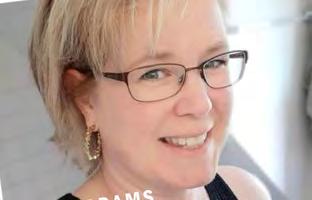
Ann has been a cornerstone of the Physiology department since 1992, dedicating the majority of her career (27 years) to supporting research at MPBP. In 2004, she and Howard Phipps played a pivotal role in shifting the grant submission workload from principal investigators to administrative staff – a change that transformed departmental operations. Known affectionately as a “grant nerd,” Ann has navigated countless policy shifts with expertise and grace. A lifelong resident of Nelson County, she shares her home with her husband, Dennis, and a rotating cast of neighborhood pets – though she’ll be the first to tell you the goat is not her favorite. She and Dennis have four adult children, a daughter-in-law, and six grandchildren.
Hong-Yin Wang,
Ph.D.
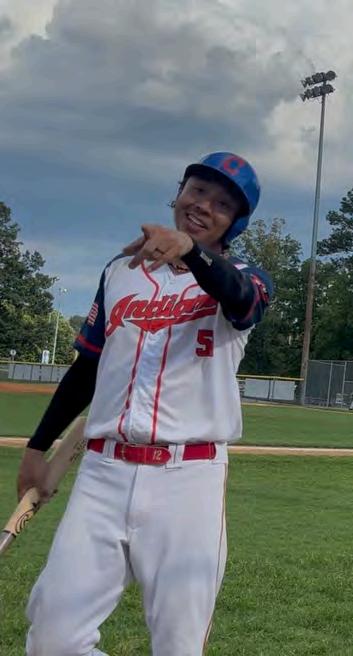
Dr. Hong-Yin Wang and his team, Virginia Revolution, won the championship at the Labor Day Baseball Tournament in Washington, DC, on August 31, 2025. Founded in 2020, the team competes in tournaments across multiple states each year. Hong-Yin often says he loves two games: science and baseball. He approaches baseball like research—analyzing mechanics, testing adjustments, and refining performance through repetition. He also values the camaraderie and teamwork the sport fosters. Reflecting this blend of passions, he titled his faculty seminar “Outfielder Patrolling the Ballpark: Plasma Membrane Dynamics in Cellular Physiology” and designed a Field of Dreams–inspired cover image for his Science Advances publication.
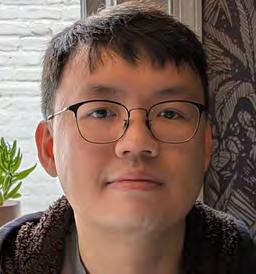
Dr.JonK.Chen(ResearchScientist,GanLab)isastructuralcellbiologistfocusedon understandinghowhumanchromosomesareorganizedinthreedimensionsatthe nanometerscale,wheregeneexpressionisregulated.Hisworkcombinescellbiology withcryo-electrontomographytostudychromatininitsnative,life-likestate,avoiding artifactsintroducedbytraditionalpreservationmethods. Akeytechnicalchallengeisgrowinghumancellsonfragileelectronmicroscopygrids. Toaddressthis,Jonhasleveragedhisinterestin3-Dprintingtodesigncustomgrid carriersthatimprovehandlingandsupportlong-termcellgrowth.Theseinnovations willenablethestudyofchromatinarchitectureacrossabroaderrangeofcelltypes, includingdiseasemodels.
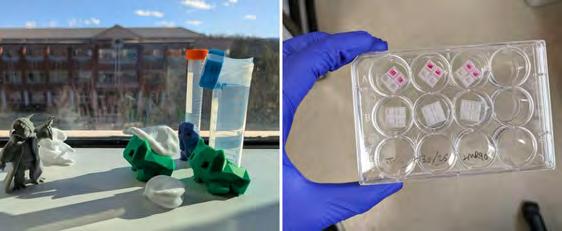
Our Talented Staff
“We are deeply grateful to our staff for their dedication, professionalism, and behind-thescenes work that keeps everything running smoothly. Their commitment and teamwork make our collective success possible every day.”
LING QI, PH.D. PROFESSOR CHAIR
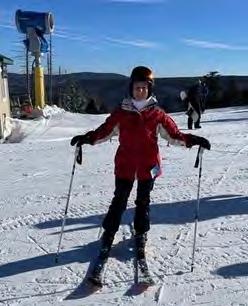
Department Administrator: Pam Acker
Pam enjoys skiing, especially with her grandchildren.
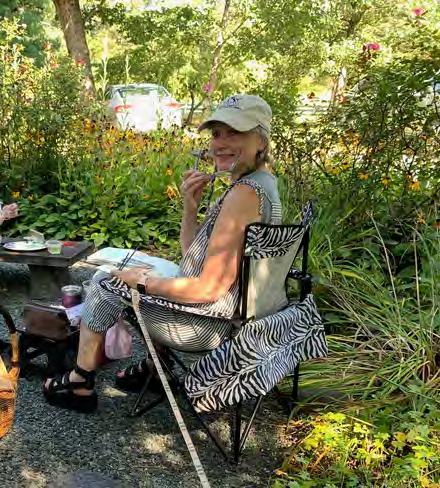
Special Assistant to the Chair: Jennifer Smith
Jennifer enjoys creating artwork, viewing galleries and artist studios. Her art can be seen on Instagram @oneartistslife
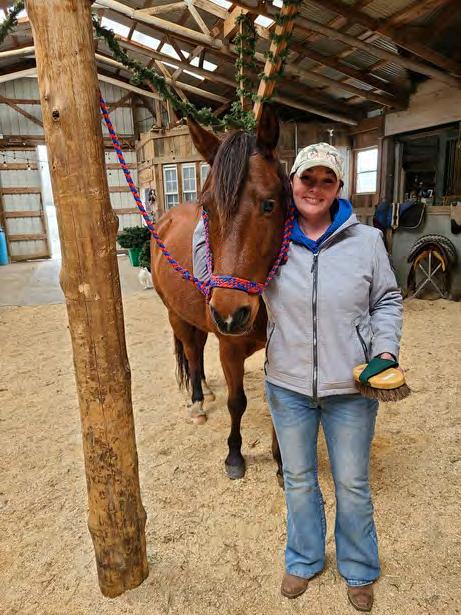
Administrative Generalist: Danielle Knight
When not at work, you’ll usually find Danielle out horseback riding, playing with her dog, or getting creative with crafts like soap making and crocheting. She loves anything that lets her relax and have fun!
Senior Project Manager: Mark Daniels
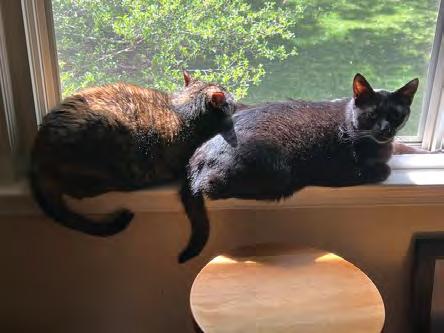
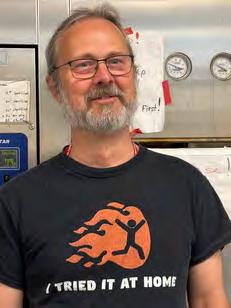
While at home, Mark envies the peace and quiet enjoyed by his cats Squeaky and Harley.
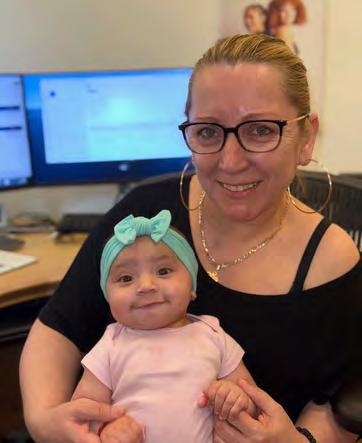
Financial Analysis Manager: Duska Burruss
Duska loves spending time with her little granddaughter who calls her Baka (so far she is able to say Ba).
Financial Analyst: Ashley Grooms
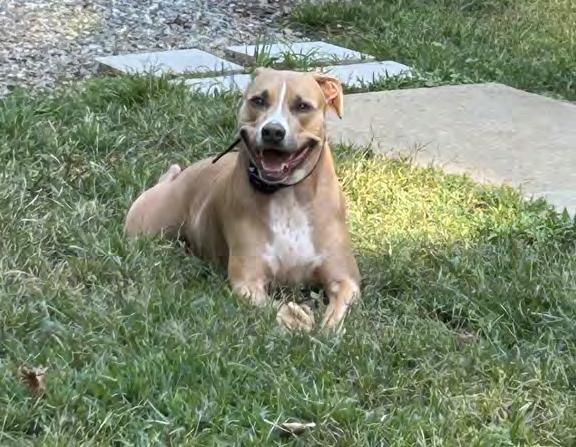
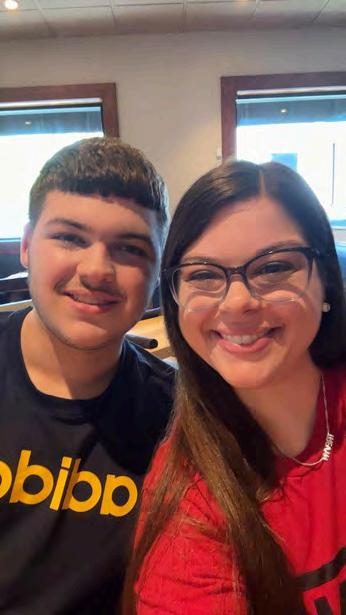
This is my son and I. He is quite literally the best human on earth! Also, my dog River, whom I am absolutely obsessed with!
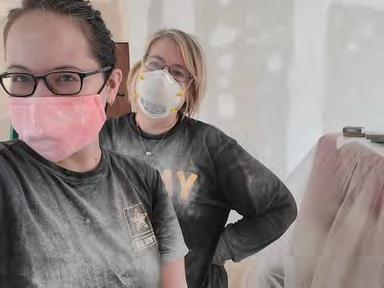
Sr. Grants & Contracts Administrator: Ann Adams
“My husband says Pinterest is a four-letter word —so I recruited backup to prove DIY doesn’t mean ‘Do It Yourself alone’!”
Sr. Grants & Contracts Administrator: Kim Pate
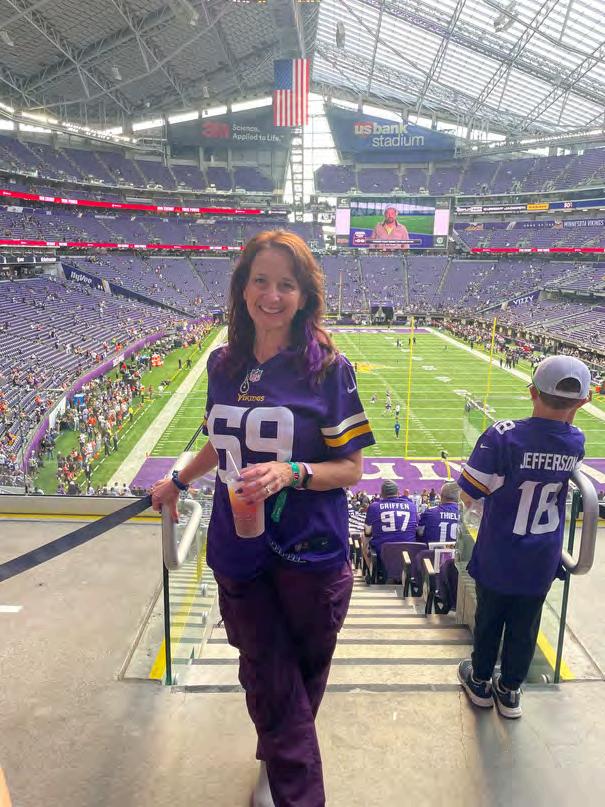
From Minnesota and growing up with season tickets to the Vikings, Kim is a die-hard fan who has seen them play in all of their home stadiums since the inception of the franchise in the NFL.
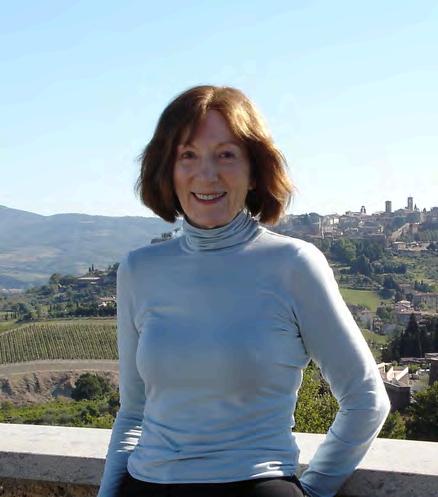
OnMay1,2025,wecelebratedtheremarkablecareerof AvrilSomlyo,PhD,honoringherdecadesofscientific leadership,mentorship,andservice.Colleagues,trainees, andfriendsgatheredtorecognizeherprofoundandlasting impactonsmoothmusclephysiologyandcalciumsignalingresearch.
Dr.SomlyojoinedUVAin1988fromtheUniversityofPennsylvaniaandhasbeena pioneeringleaderincalciumsignalingandsmoothmusclebiologyformorethanfive decades.Sheadvancedx-raymicroprobeanalysisforhigh-resolutionelemental imaginginmusclecellsandhelpedapplycagedcompoundstoachievemillisecond resolutionofsignalingevents.Althoughherresearchwasconductedwithin Physiology,herprimaryappointmentwasinPathologyduringherfirst16yearsat UVA.ShelaterbecameatenuredprofessorinMPBPandoneofitsmostrespected investigators.
Dr.Somlyoauthored274publications,includinglandmarkreviewsinNature(1994) andPhysiologicalReviews(2003),eachcitedmorethan2,000times.Withanhindexof72,herworkhashadlastingimpact.Shealsomentoredmorethan60 graduatestudentsandpostdoctoralfellowswhohavegoneontodistinguished careers.HermanyhonorsincludeanhonorarydoctoratefromtheUniversité CatholiquedeLouvain,theLucianAwardfromMcGillUniversity,theAHACIBAAward forHypertension,andmajorawardsfromtheMicrobeamAnalysisandMicroscopy societies.Sheremainedscientificallyactivethrough2025asaMulti-PIonan NHLBI-fundedNIHgrant.
Dr.SomlyoretiresasoneoftheSchoolofMedicine’smostdistinguishedfaculty members,leavingalegacyofscientificrigor,mentorship,andservicethatwill endureforgenerations.
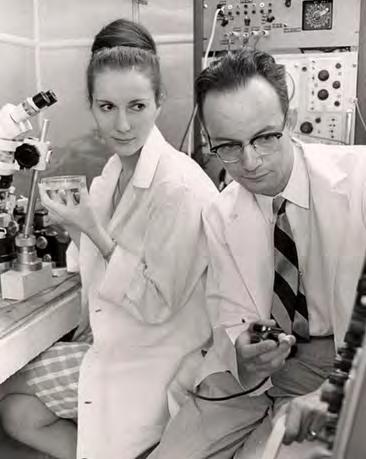
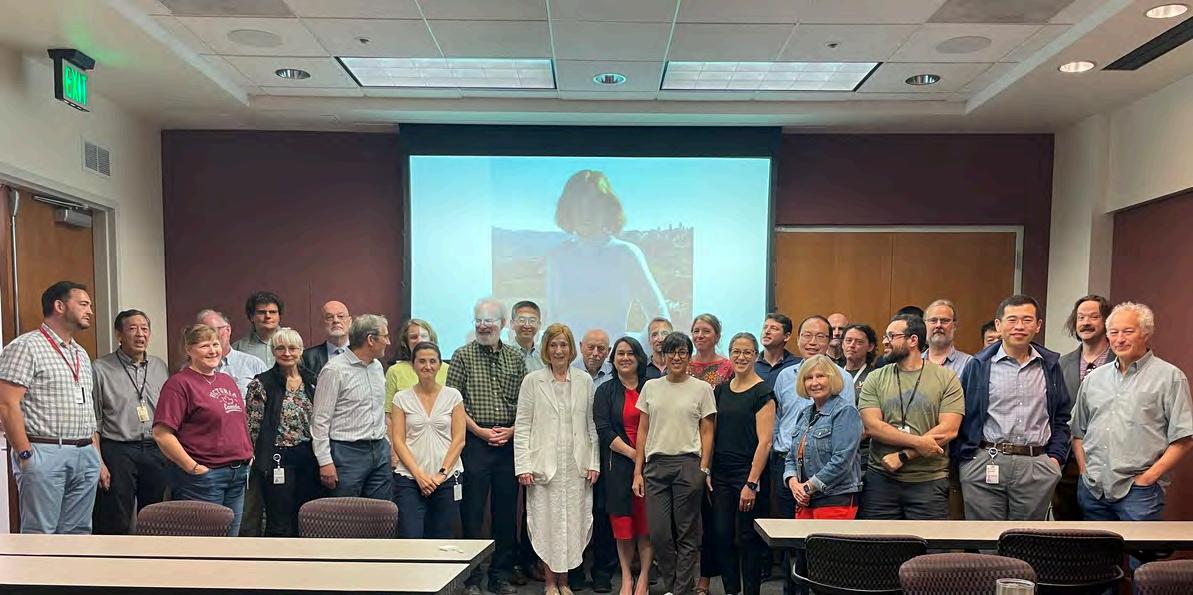
5/1/2025
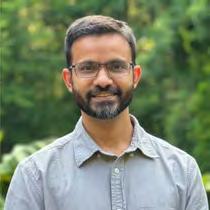
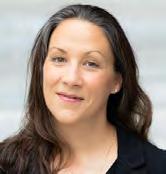
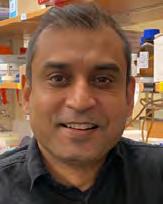
Dr. Swapnil Sonkusare promoted to Full Professor in 2025.
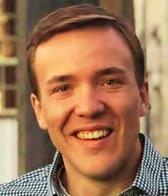
Dr. Rebecca Deaton promoted to Research Assistant Professor in 2025.
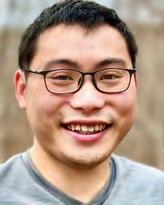
Dr. Sohel Shamsuzzaman promoted to Research Assistant Professor in 2025
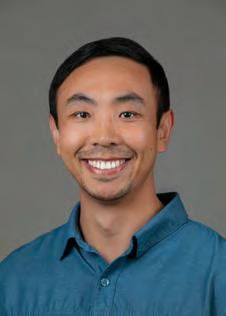
Dr. Luke Dunaway promoted to Research Assistant Professor in 2025.
Dr. Liangguang Leo Lin promoted to Research Assistant Professor in 2025.
Dr.Hong-Ying Wang promoted to Research Assistant Professor in 2025.
"This promotion presents an incredible opportunity to deepen my collaboration with colleagues in the Cardiovascular Center while forging new partnerships within MPBP. I look forward to engaging with fellow department members to explore new perspectives and approaches that will enhance our research and drive meaningful advancements."
REBECCA DEATON, PHD RESEARCH ASSISTANT PROFESSOR
“Mentoring trainees is essential for fostering the next generation of scientists, shaping not only their technical expertise but also their critical thinking, resilience, and creativity. By investing in their growth, we ensure the advancement of knowledge and the continued innovation needed to address future challenges.”
AHMAD JOMAA, PH.D. ASSISTANT PROFESSOR, FACULTY DIRECTOR OF POSTDOCTORAL ASSOCIATION
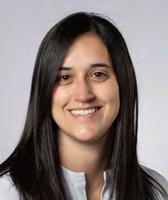
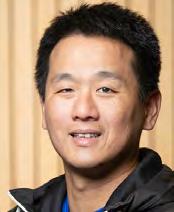
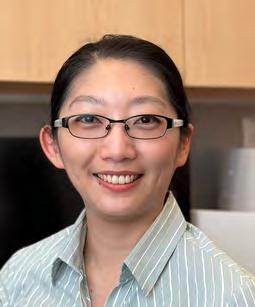
Carolyn Shurer, a former fellow in the Levental lab, is now Assistant Professor, University of Tennessee Knoxville.
Yen-Lin Chen, Sonksuare lab, has accepted a tenure-track Assistant Professor position at LSU Shreveport.
Huilun (Helen) Wang, Qi lab, awarded NIH Pathway to Independence K99/R00 Award from NICHD, as well as a postdoctoral fellowship from Alzheimer’s Association in 2025.
Luke Dunaway, Isakson lab, received AHA Career Development award
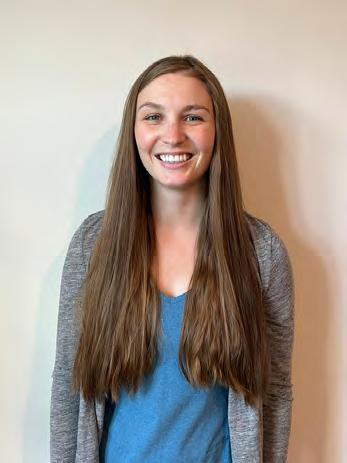
Brooke O’Donnell, Isakson Lab,awarded support through the UVA Cancer Center Fellowship
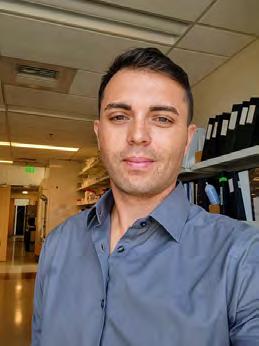
Randall Schirra, Kenworthy Lab, awarded support through the CVRC training grant
MOLECULAR PHYSIOLOGY & BIOLOGICAL PHYSICS NEWS MAGAZINE ~ 2025
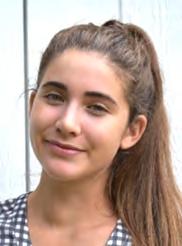
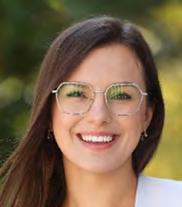
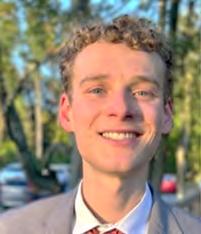
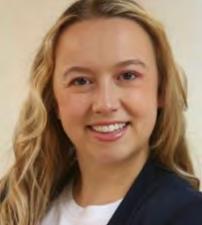
Skylar Loeb (Molecular Physiology, Isakson Lab) was awarded a two-year NIH/NHLBI F31 Predoctoral Fellowship in 2025.
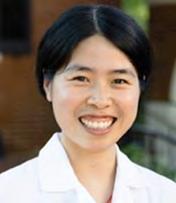
Zuzanna Juskiewicz (Molecular Physiology, Isakson Lab) was awarded a two-year Predoctoral Fellowship from American Heart Association (AHA), 2025.
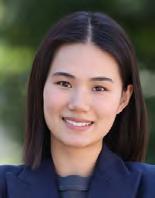
Wyatt Schug (Molecular Physiology, Isakson Lab) was awarded a two-year Predoctoral Fellowship from AHA in 2025.
Victoria Milosek (Molecular Physiology, Owens Lab) was awarded a two-year Predoctoral Fellowship from AHA in 2025.
Linyao (Elina) Zhou (Molecular Physiology, Qi-Sun Lab) was awarded a two-year Predoctoral Fellowship from AHA in 2025.
Wenxuan (Sharon) Zheng (Biophysics, Ebrahim lab) was awarded a two-year Predoctoral Fellowship from the Male Contraceptive Initiative (MCI) in 2025.
Wojciech Dec (Visiting graduate student, Minor lab) received Martha Etter Award at 2025 American Crystallographic Association Meeting and Krystyna Lesiak Fund.
“I’m truly honored to receive this PhD Fellowship award. This achievement reflects not just my individual efforts, but also the exceptional resources provided by our department, and the invaluable guidance of my mentors.”
ELINA ZHOU, PHYSIOLOY, GRADUATE STUDENT
QI-SUN LAB
"I am incredibly grateful to receive this recognition and deeply thankful for the encouragement of the MPBP department and my mentor, Dr. Bao, whose guidance and mentorship have made this opportunity possible."
RILEY LOYD, BIOPHYSICS, GRADUATE STUDENT BAO LAB
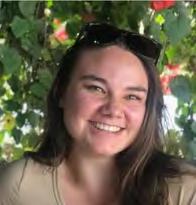
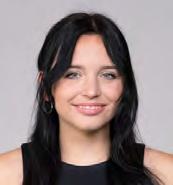
Sara Zdancewicz, Jomaa Lab, awarded support through the Biophysics training grant and won 1 place Short Talk Award at the Virginia Tech (VT) 3 Molecular Biophysics Symposium.
Kristina Wilson, Redemann Lab, awarded support through the Biophysics training grant.
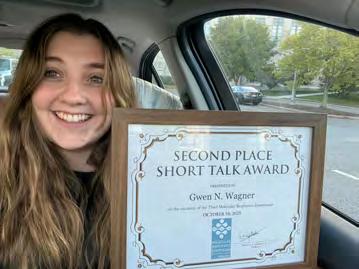
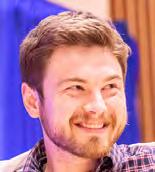
Gwen Wagner, Whitlock Lab, awarded support through the CMB training grant and won 2 place Short Talk Award at the VT 3 Molecular Biophysics Symposium
Riley Loyd, Bao Lab, awarded support through the CMB training grant
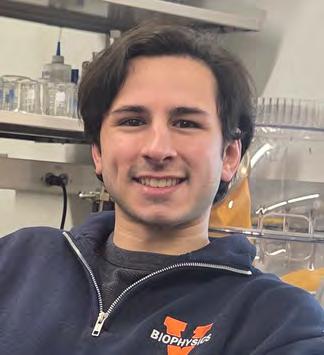
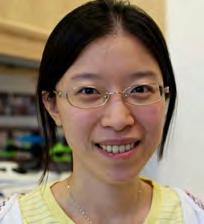
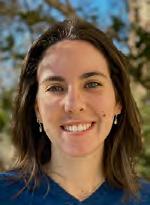
Owen Albanese, Levental Lab, awarded support through the CMB training Grant
Sze Ham (Bena) Chan, Levental lab received F31 fellowship from NIAID
Rachel DeLancey, Kuyumcu-Martinez lab, awarded support through the CVRC training Grant
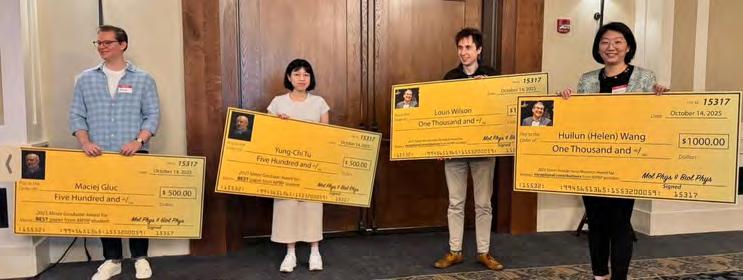
Helen Wang, Qi lab
Louis Wilson, Zimmer lab
2025 WLADEK MINOR GRADUATE BEST PAPER AWARD
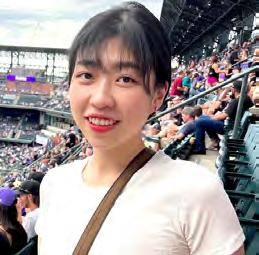
Yung-Chi Tu, Tsai lab
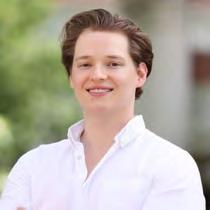
Maciej Gluc, Jomaa lab
2024 MPBP RETREAT BEST TALK PRIZE
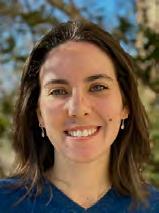
Rachel DeLancey, Kuyumcu-Martinez lab
Tyler Reagle, Levental lab
2024 MPBP RETREAT BEST POSTER PRIZE
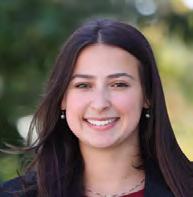
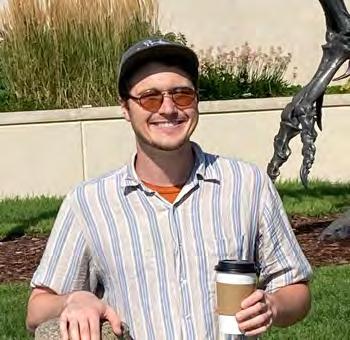
Hannah Cannon, Levental and Kenworthy lab
Luke Dunaway, Isakson lab
“The trainees in our department are a well-spring of energy, enthusiasm, and scientific ingenuity. Their productivity on the bench drives the research in the department, but they are also critical mentors, teachers, and communicator of the impact of our work to the broader biomedical community. We are so proud and appreciative of their efforts, and our support of them will continue far beyond their stay in MPBP!”
ILYA LEVENTAL, PH.D. PROFESSOR DIRECTOR OF GRADUATE STUDIES, BIOPHYSICS PROGRAM
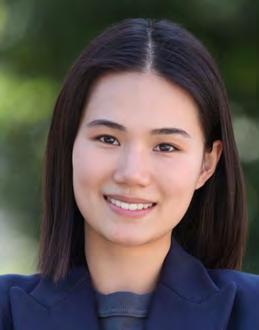
B.S. University of Virginia, 2021
Post-graduate Training, University of Virginia, 2021-2024
Ph.D. Candidate, University of Virginia, 2024-Present
2025-2027 Male
Contraceptive Initiative (MCI) Predoctoral Fellowship
IjoinedtheBIMSgraduateprogramafterearningmy bachelor’sdegreeinBiomedicalEngineeringfromUVA.My earlytraininggavemeastrongquantitativeand interdisciplinaryfoundation,andIwasdrawntoBIMS becauseofitsbreadthofresearchopportunitiesand emphasisonrigorous,curiosity-drivenscience.Through courseworkandrotations,Ibecameparticularlyinterested inbiophysicsandcellbiology,wherefundamentalphysical principlescanbeusedtounderstandcomplexbiological systems.
MygraduateresearchintheEbrahimlabfocuseson understandingtheroleofthetransmembranechannel-like proteinTMC5inspermatiddevelopmentandmembrane biology.Bycombiningmolecularbiology,imaging, biophysicalassays,andstructuralapproaches,mywork aimstouncoverhowmembraneorganizationandcalcium signalingregulatespermiogenesis.Iamespeciallygrateful forthementorshipandcollaborativeenvironmentinthe labandthedepartment,whichhasallowedmetodevelop bothtechnicalindependenceandscientificconfidence. Theguidance,expertise,andsupportI’vereceivedhave beeninstrumentalinshapingmygrowthasascientist, andIlookforwardtocontinuingmyPhDtraininginthis community.
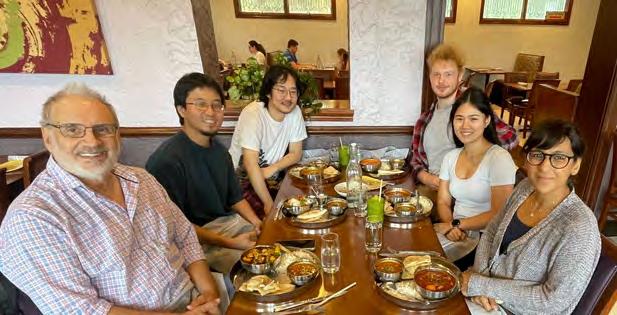
When I started graduate school, I was captivated by the idea of seeing biology happen in molecular detail. Learning cryo-electron microscopy in the Jomaa lab gave me a way to look directly at the molecular machines that build the many proteins our cells rely on. Connecting these snapshots to broader questions in protein synthesis and cellular proteostasis has been one of the most rewarding parts of my training. In particular, my work examines how ribosomes coordinate with protein targeting and quality control factors to ensure newly made proteins reach the right destination and support cellular health.
Along the way, I’ve learned the value of staying open to new ideas, approaches, and collaborations. Together with talented collaborators here at UVA and abroad, we’ve been able to tackle important problems and answer questions that would have been difficult to address alone. I’m grateful for the mentorship and community in MPBP, which have helped me grow as a scientist and prepared me for the next steps in my career. Looking ahead, I’m excited to keep combining structural and molecular approaches to understand how these pathways work and
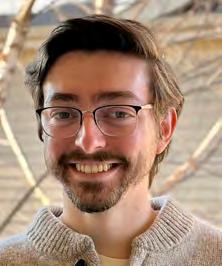
B.S.UniversityofNorth Florida,2018
Post-graduateTraining, MayoClinicFlorida,20192022
Ph.D.Candidate, UniversityofVirginia, 2022-Present
M.S.Universityof Virginia,2025
2023-2025 CMBtraining grant
2024 UVACancerCenter TraineeTravelAward MaldosevicandGora,et al. NatCommun. 2026 Maldosevicetal. SciAdv. 2026
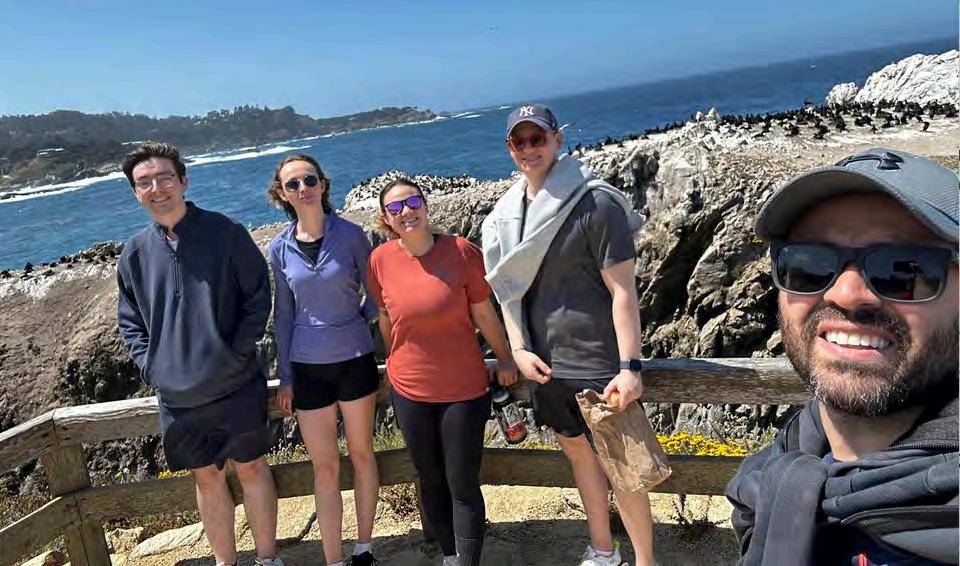
Point Lobos State Natural Reserve
From left to right: Emir Maldosevic, Kinga Malezyna, Sara Zdancewicz, Maciej Gluc, and Ahmad Jomaa
B.S.PekingUniversity HealthScienceCenter, 2016
Ph.D.Universityof Michigan,2021
Postdoc,Universityof Michigan,2021-23
Postdoc,Universityof Virginia,2023-present
2019-2021 AHA PredoctoralFellowship
2025-2030 NICHD K99/R00
2025-2028 Alzheimer’s AssociationPostdoctoral Fellowship
Wangetal. Circulation Research 2022
Wang,LinandLietal. J ClinInvest. 2024
Weis,WangandLinetal. J ClinInvest. 2024
Wangetal. EMBOJ 2026
Trainedasaclinician,Ihavelongbeeninterestedin researchthatnotonlydissectsfundamentalcellular mechanismsbutalsoconnectsdirectlytohumandisease. WhilestudyingERADandproteinfolding,Ibecame increasinglycuriousabouthowdefectsinthispathway mightmanifestinpatients.Thisledmetomovebeyond traditionalmodelsystemsandbeginsearchingfor individualscarryingERAD-relatedmutations.
Byintegratinghumangeneticfindingswithcellbiological approachesandknock-inmousemodels,ourteam demonstratedthatbi-allelicmutationsintheSEL1Land HRD1causecongenitalneurodevelopmentaldisorderand agammaglobulinemiathroughdistinctmolecular mechanisms(JCI,2024a/b).Buildingonthesefindings,I begandevelopingantisenseoligonucleotide-mediated exon-skippingstrategiestorestoreERADfunctionin patient-derivedfibroblasts,translatingmechanisticinsight intoapotentialtherapeuticdirection(EMBOJ2026). Since2025,myworkhasbeensupportedbytheNIH K99/R00PathwaytoIndependenceAwardandthe Alzheimer’sAssociationResearchFellowship. Igreatlyvalueservicetothecommunity,particularly throughmyroleasLeaderoftheDepartmentPostdoctoral Association.Ienjoyedcollaboratingwithfellowpostdocs, organizingprofessionaldevelopmentinitiatives,and helpingcultivateamoreconnectedandsupportive departmentalcommunity.Thisexperiencewasdeeply meaningfultome.Ifeelfortunatetohavecarriedoutthis workinsuchacollaborativeandencouragingenvironment. Iamgratefultothementorsandcolleagueswhohave supportedmethroughoutthisjourney.
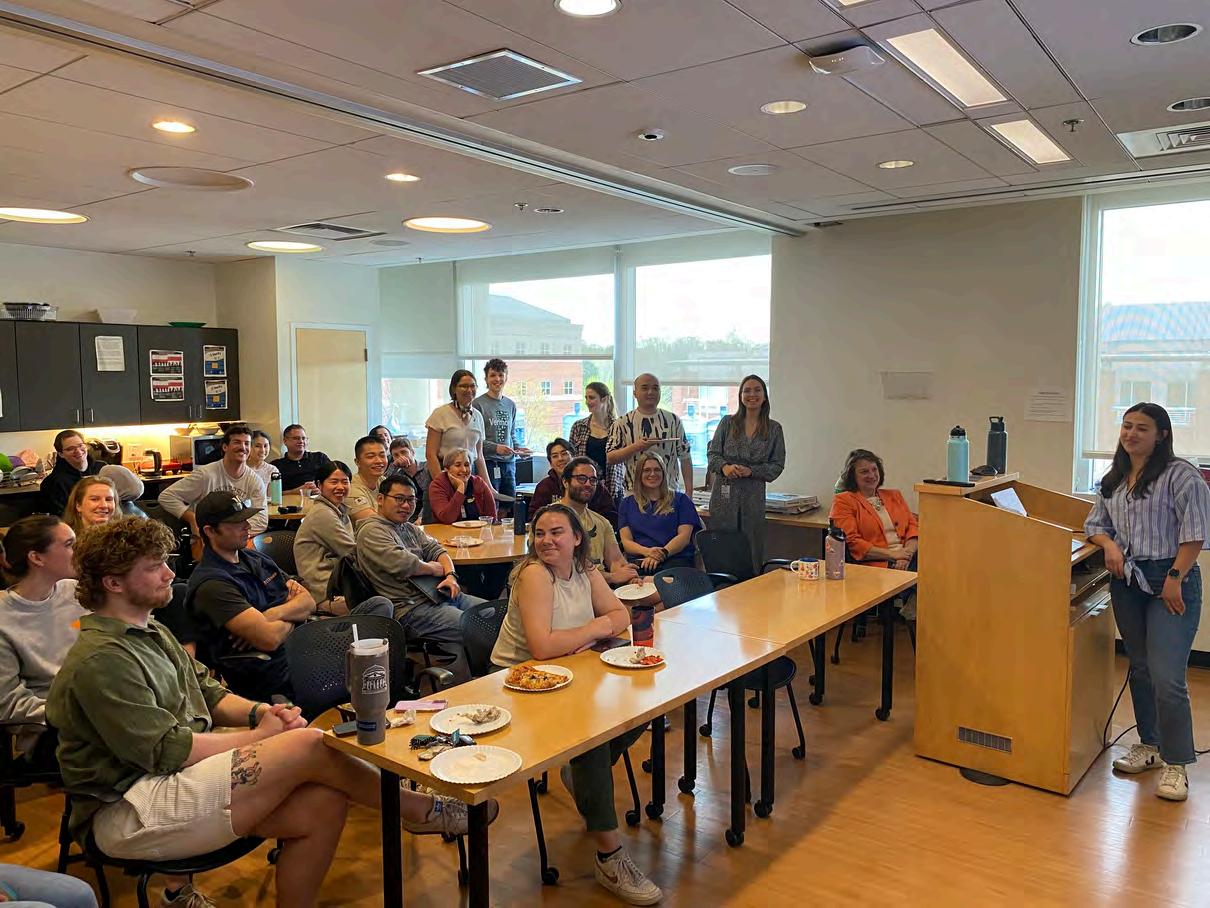
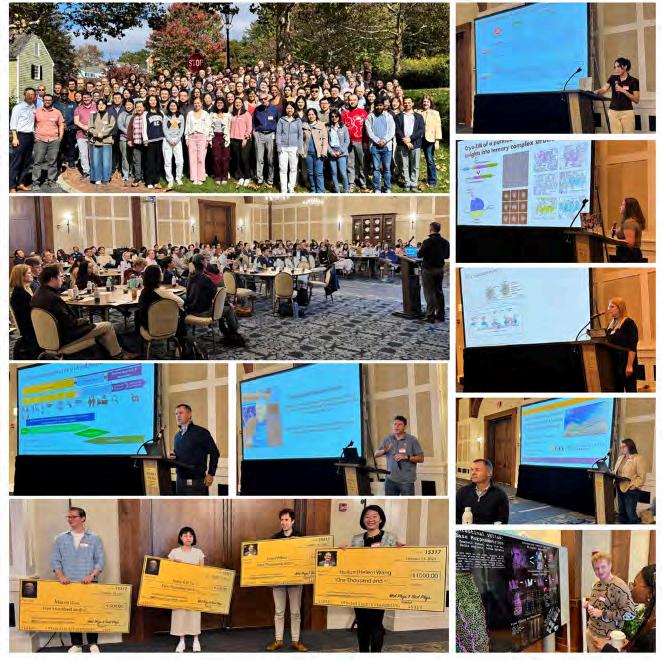
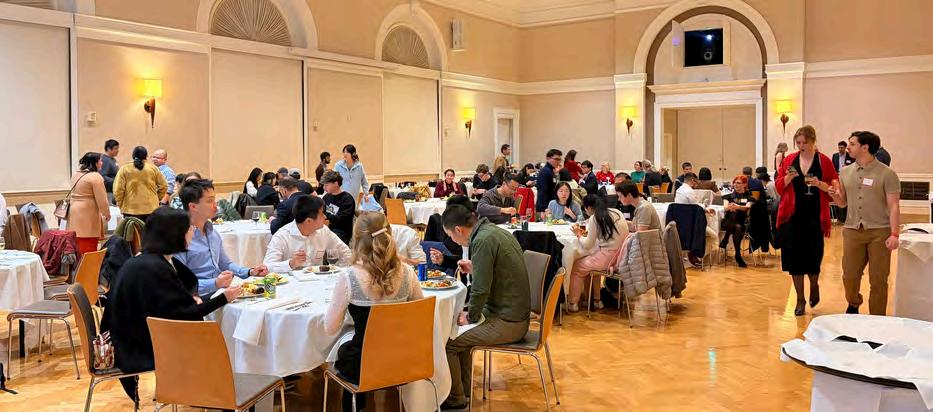
Department retreat at Boar’s Head Resort on Oct 14, 2025 was a great success with 150+ participants. The event showcased exceptional science, vibrant energy, and a remarkable sense of community. For more details, see the feature in Medicine in Motion. The retreat, led by Dr. Anne Kenworthy, was organized by a committee composed of faculty and trainees. The department looks forward to building on the momentum from this event to continue fostering a collaborative and innovative environment.
“Recognizing and rewarding outstanding postdoctoral research is essential to advancing scientific excellence and nurturing the next generation of independent scientists.”
AHMAD JOMAA, PH.D. ASSISTANT PROFESSOR, FACULTY ADVISOR FOR MPBP PA
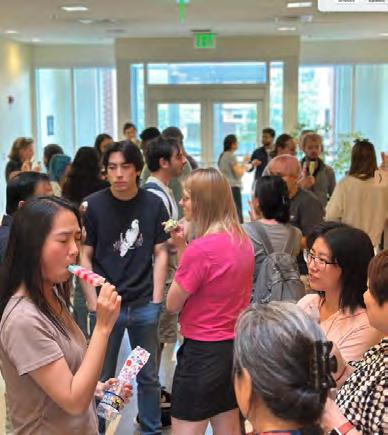
In 2025, the MPBP-PA continued to serve and strengthen the postdoctoral community through a broad range of scientific, interdisciplinary, and social activities. The PA organized seminars spanning diverse topics, hosted two well-attended Ice Cream Social events that fostered informal connection among postdocs, students, and faculty, and contributed to the organization of the MPBP Departmental Retreat by assisting with abstract selection and program coordination. Together, these efforts supported scientific exchange, professional development, and a vibrant sense of community within the department. Postdocs and trainees interested in participating in PA activities or joining the committee are warmly encouraged to get involved.
Chair: Helen Wang (Qi lab); Members: Xiaoqiong We, Mauricio Torres (Qi lab), Tyler Reagle (Levental lab), Hong-Yin Wang (Whitlock lab), Yinghui Wang (Bao lab)
Faculty Advisor: Ahmad Jomaa
Ice scream social
PA monthly meeting PA Committee (2025):
Tamm Postdoctoral Research Award 2025
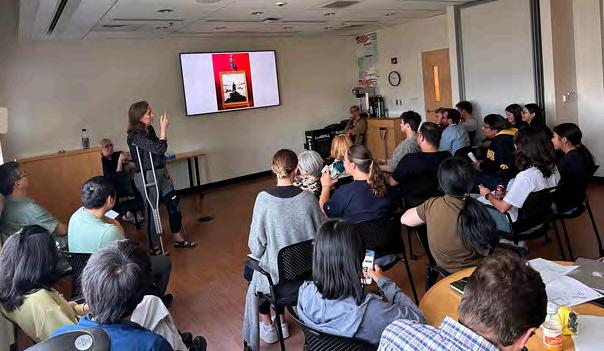
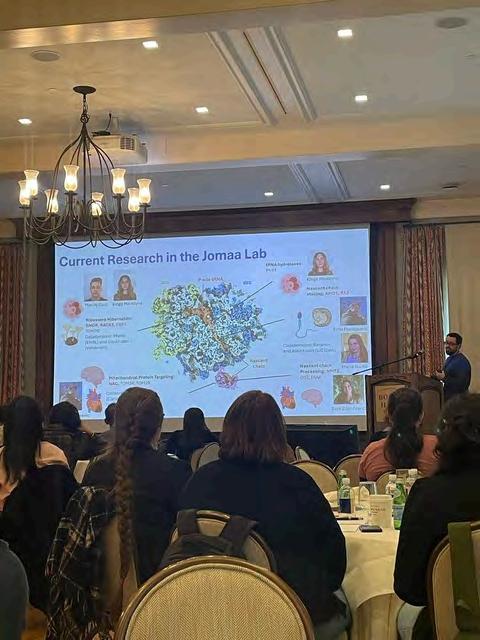
The Center for RNA Science and Medicine recently held its inaugural research retreat, drawing nearly 100 faculty, researchers, and students from over 40 UVA labs to share advances in RNA science and its transformative potential in medicine. Highlights included a student poster session showcasing cutting-edge projects and presentations by Executive Committee members including MPBP Faculty member, Muge Kuyumcu-Martinez. Also presenting was Ahmad Jomaa and Gloria Sheynkman, who attended with their labs. This milestone event fostered interdisciplinary collaboration, sparked innovative ideas, and celebrated the strength of UVA’s RNA research community.
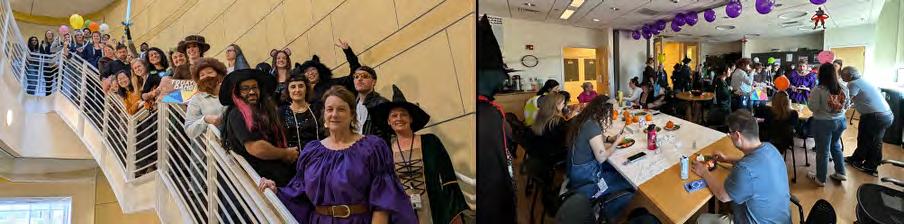
Our Halloween gathering on Friday, October 31, was a blast. Colleagues came together to enjoy festive treats, creative costumes, and plenty of laughs, making it a fun and memorable afternoon for our community. Many thanks to the Jomaa, Kuyumcu-Martinez, and Kenworthy labs for hosting and organizing this event—we truly appreciate your efforts in bringing everyone together.
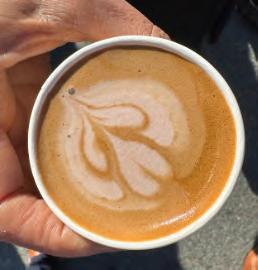
CoffeewiththeChair
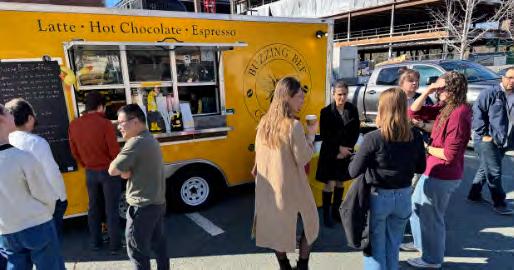
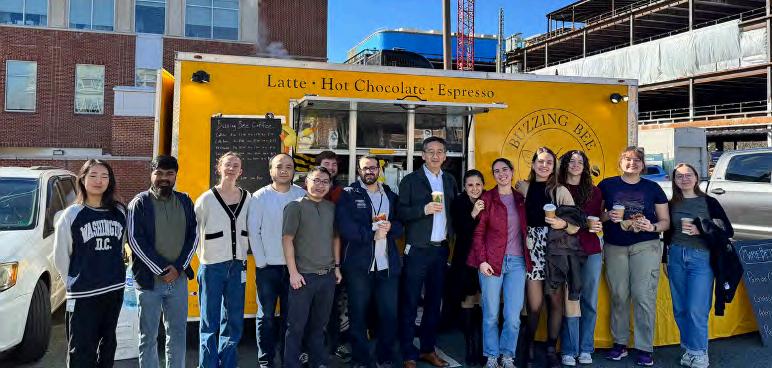
Thankyoutoeveryonewhojoinedmeatthe BuzzingBeecoffeetruckfor“CoffeewithLing”at FontaineonNovember24,2025.Nearly50 colleaguesstoppedbytoenjoycoffee,tea,andhot chocolatewhileconnectinginformallyona beautifulfallday.Itwaswonderfultoseesomany membersofourcommunitytakeamomentto gather,catchup,andcelebratethecollegialspirit ofourdepartment.
Momentsliketheseremindusthatourstrength comesnotnlyfromour researchand achievements,butfrom ourunity,mutualsupport and genuine care for one another. Building a culture grounded in respect, collaboration, and kindness is essential to who we are. When we take time to connect as people first, we strengthen the foundation that allows us to thrive together professionally and personally.
IntegratedMondaySeminarandResearchForum
Tostrengthenscientificexchangeandenhanceresearchtraining acrossthedepartment,alldepartmentalseminarsandresearch forumsarenowheldonMondaysthroughouttheacademicyear.This integratedstructurebringstogetherinvitedexternalspeakers,faculty researchdiscussions,andtraineepresentationsintoacohesive programthatpromotesscientificrigor,cross-disciplinaryinteraction, andprofessionaldevelopment.
The DepartmentSeminars featureinvitedscientistsfromuniversities andresearchinstitutionsaroundtheworld,providingopportunitiesfor collaborationandexposingtraineestodiversescientificperspectives andcareerpaths. TheDepartmentalWorkinProgress(WIP) sessionsshowcaseongoingresearchfrombothPhysiologyand Biophysicslaboratories,encouragingopendiscussion,critical feedback,andcross-laboratoryengagement,followedbyinformal interaction.The ResearchinProgress(RIP) series,organizedthrough theCenterforMembraneandCellPhysiology,highlightstrainee-led presentationstofacultyandpeers,fosteringskillsinscientific communication,hypothesis-driventhinking,andconstructivecritique.
FacultyMeetings
4thWednesdaysoftheMonth
PostdoctoralAssociationMeetings
2ndFridayoftheMonth
FirstFridayFacultyResearchInProgress(RIP) PresentationsamongMPBPfacultyfocusedonresearchandgrant submissions,unpublishedwork,orthesharingofexperiencewitha grantthatjustreceivedaperfectornearperfectscore.
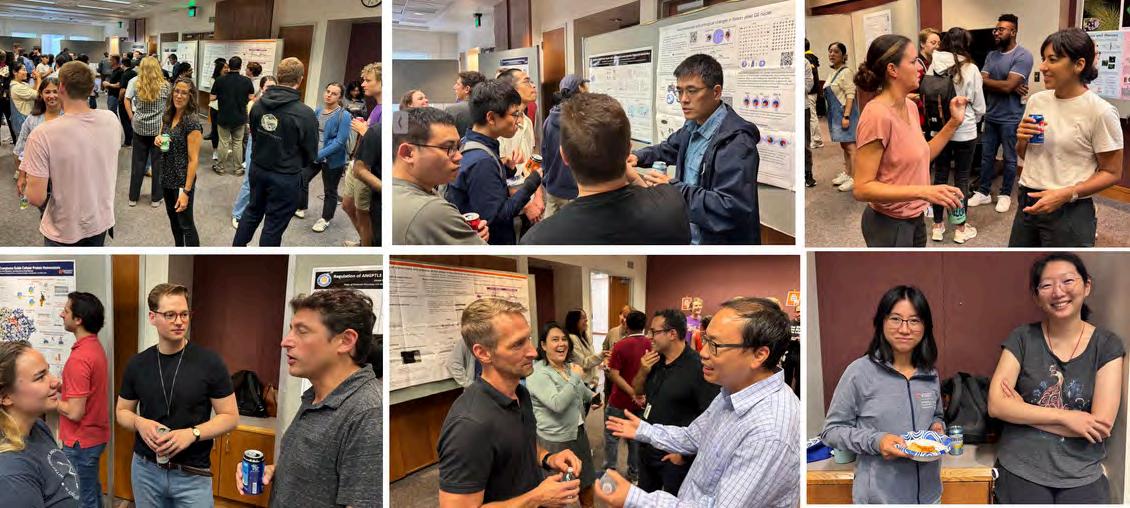
InAugust2025,theDepartmentPAkickedofftheacademicyearwithits annualIceCreamSocialandPosterSession,avibranteventdesignedto welcomeournewgraduatestudentsintothecommunity.Faculty,postdoctoral fellows,andtraineesgatheredforanafternoonofconversation,connection, andcelebration.Theinformalsettingcreatedarelaxedatmospherewherenew studentscouldmeetpotentialmentors,learnaboutongoingresearchprograms, andbeginbuildingrelationshipsthatwillshapetheirgraduateexperience.
Thepostersessionhighlightedthebreadthanddepthofscientificinquiry acrossthedepartment.Currentgraduatestudentsandpostdoctoralfellows presentedtheirwork,offeringincomingstudentsafirsthandlookatthe innovativeresearchunderway—frommolecularmechanismsandstructural biologytophysiologyandtranslationalscience.Theeventnotonlyshowcased scientificexcellencebutalsounderscoredthecollaborativespiritthatdefines ourdepartment.Bypairingscholarshipwithcommunity-building,theIceCream SocialandPosterSessionsetthetoneforayeargroundedindiscovery, mentorship,andsharedpurpose.
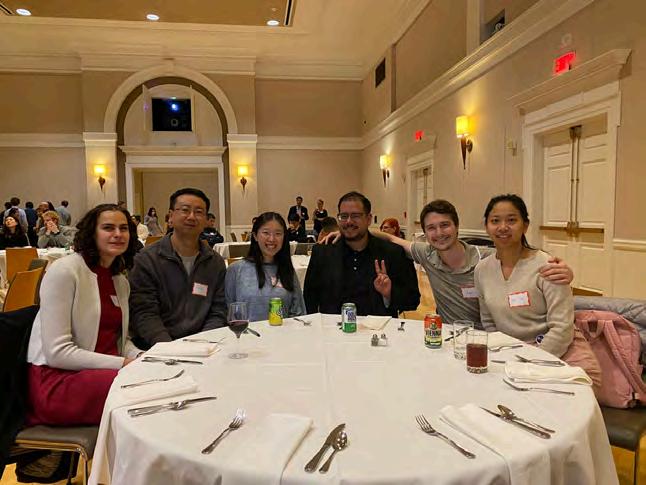
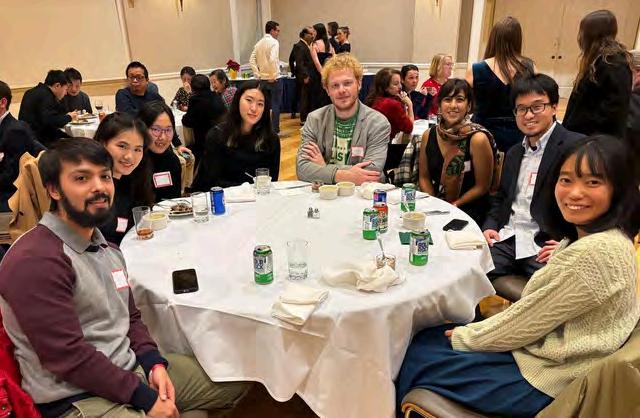
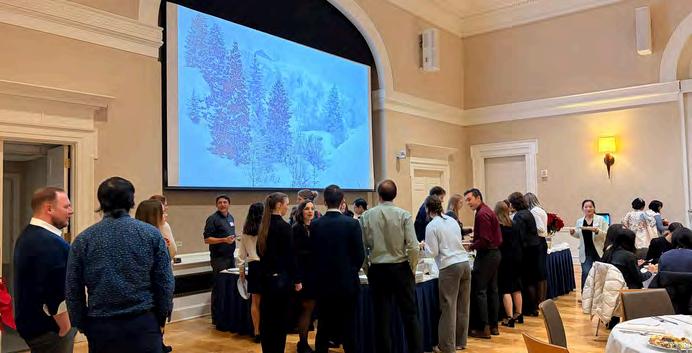
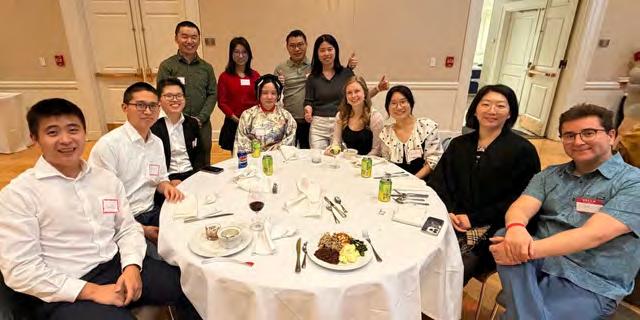
Holiday Party 2025 (12/4, Newcomb Hall)
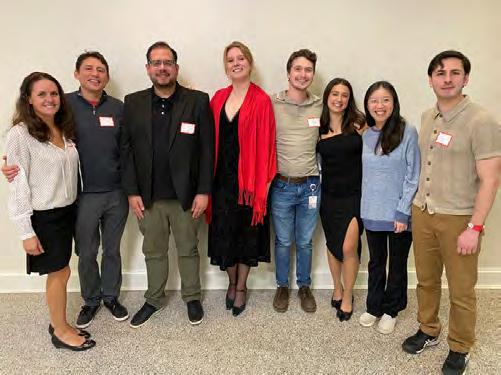
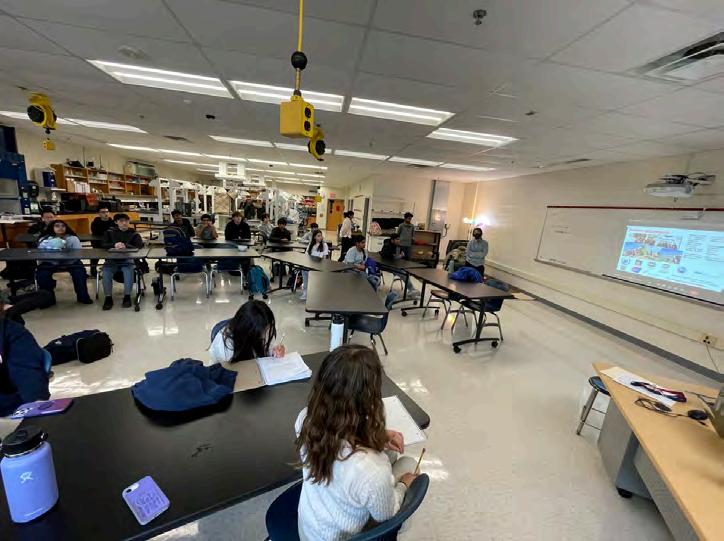
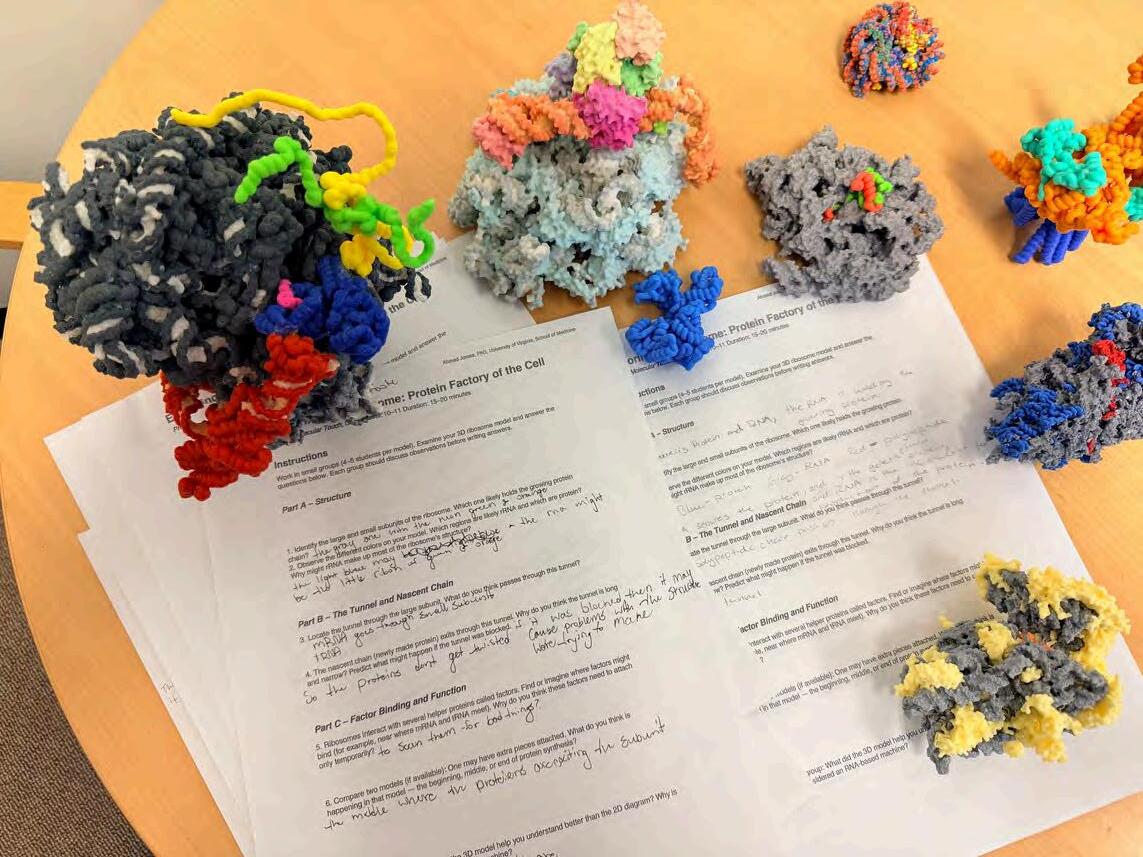
As part of an NSF funded outreach effort (Project Bee / Project Molecular Touch), Dr. Ahmad Jomaa recently led activities introducing high school students to structural biology and protein synthesis. At Albemarle Middle School, he visited three biology classes, giving a brief overview of protein synthesis and the ribosome before guiding students through small‑group work with 3D‑printed ribosome models. He concluded with an introduction to electron microscopy and how structural biology helps visualize molecular machines and their roles in disease.
Dr. Jomaa also delivered a virtual talk to the Neuroscience Society at Thomas Jefferson High School for Science and Technology, providing an advanced overview of his lab’s research on protein synthesis, mitochondrial protein import, and connections to early onset Parkinson’s disease. These outreach efforts aim to engage students with modern structural biology, with plans to expand future events by involving graduate research assistants.
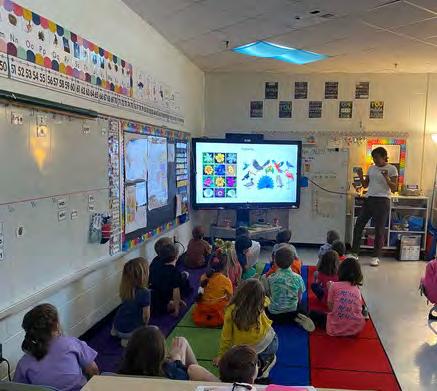
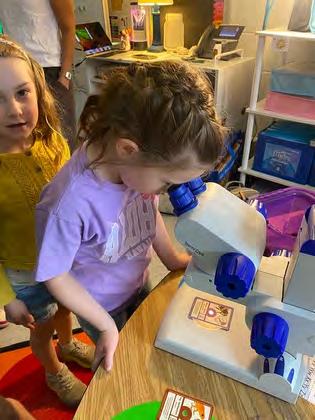
Dr. Seham Ebrahim recently visited Ivy Elementary School with her microscope, bringing hands-on science directly into the classroom. The children were thrilled to look through the lens and discover a hidden world of cells and tiny organisms. Their curiosity and excitement were contagious, with many eager questions about how microscopes work and what scientists do every day. Experiences like this not only spark early interest in science, but also help young students see research as something tangible, accessible, and inspiring.
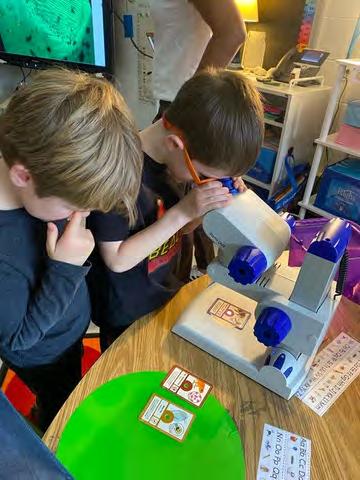
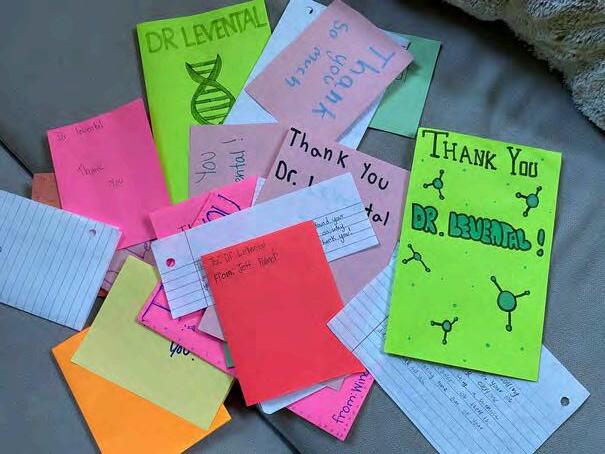
The Levental Lab visited Henley Middle School’s Career Day, sharing insights about scientific careers and hands-on research with curious students. These are the thank you cards they received— thoughtful notes that reflect the meaningful impact their visit had on the students and the inspiration they brought to the classroom.
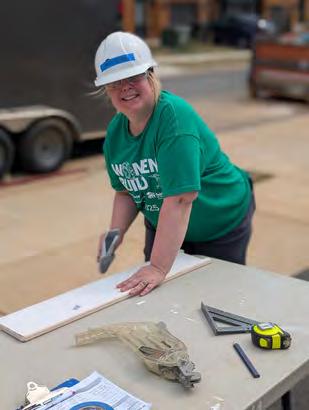
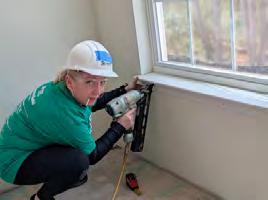
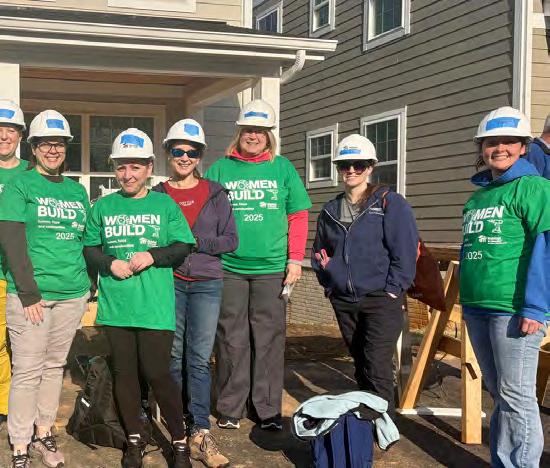
Each year, Duska Burruss organizes volunteers from our administrative staff to participate in Women Build with Habitat for Humanity. They work hard! Their dedication and teamwork reflect our department’s strong commitment to service and giving back to the community.
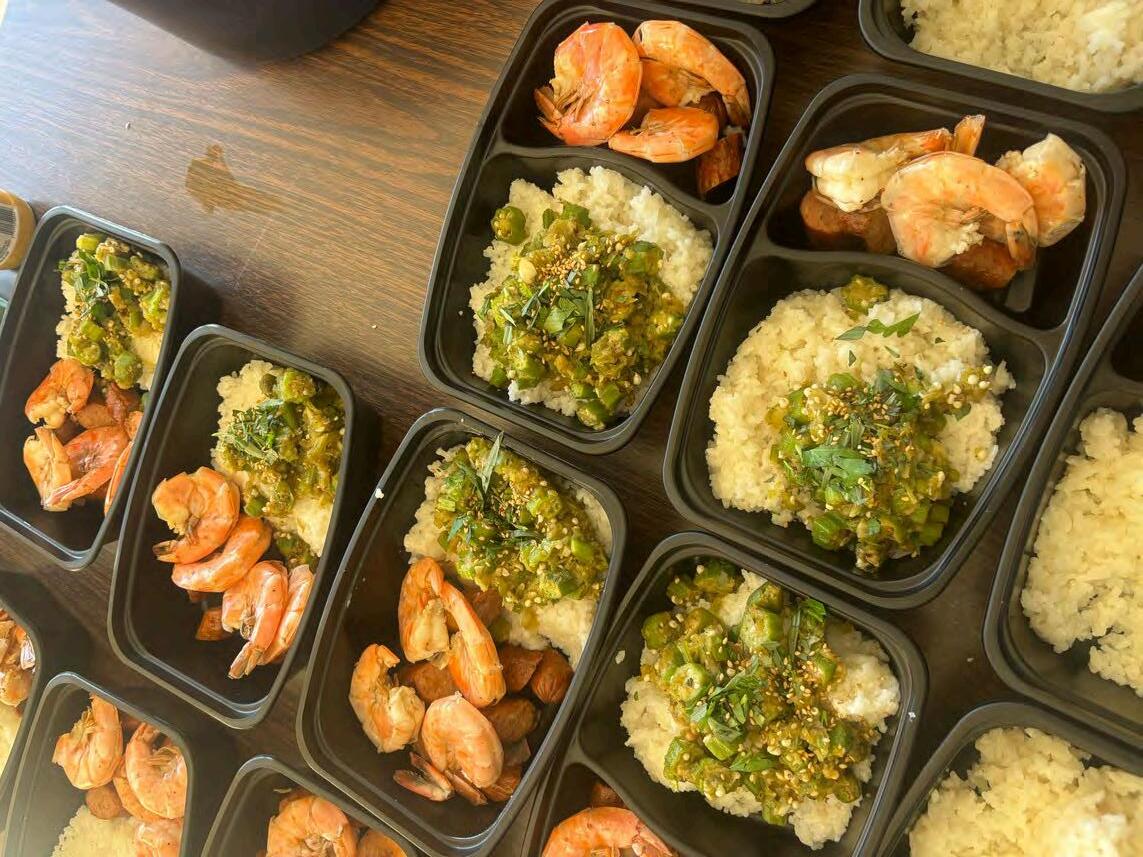
The Whitlock Lab volunteered at the Ronald McDonald House preparing 25 home cooked meals for families staying there while their children are receiving life-saving care at UVA Health Children's hospital.
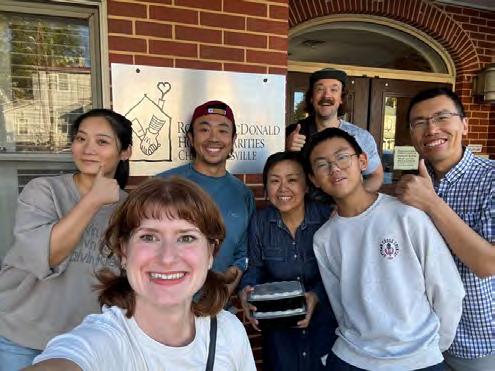
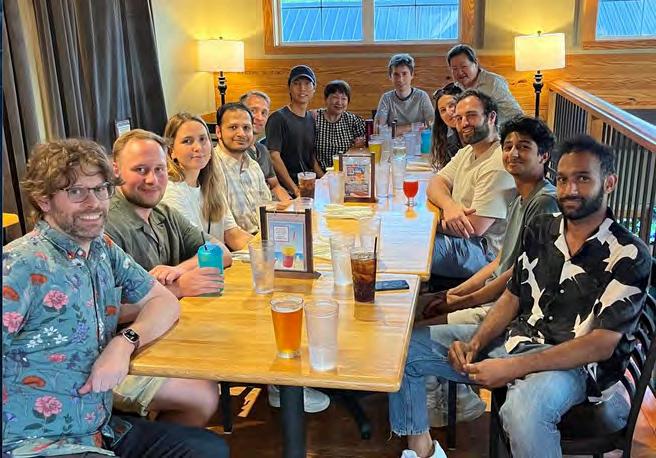
Jomaa lab, 2025
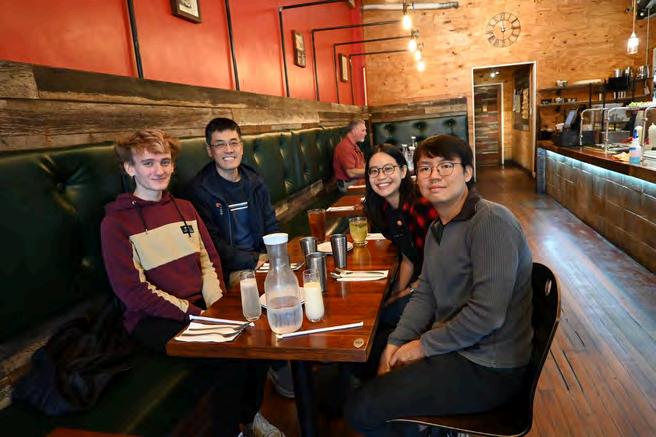
Bao lab, 2025
Gan lab, 2025
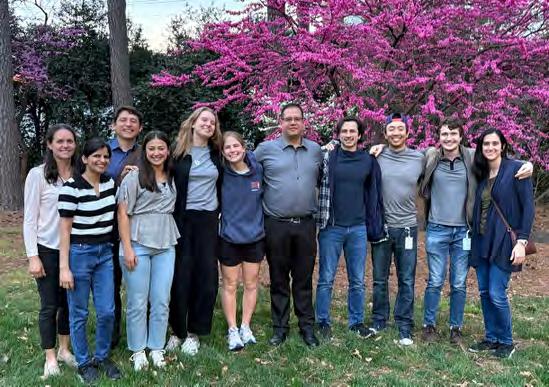
Levental lab, 2025
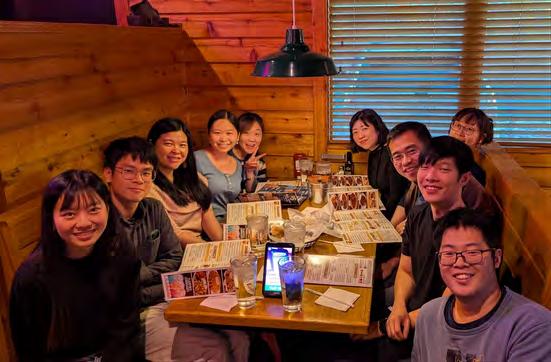
Tsai lab, 2025
Isakson lab, 2025
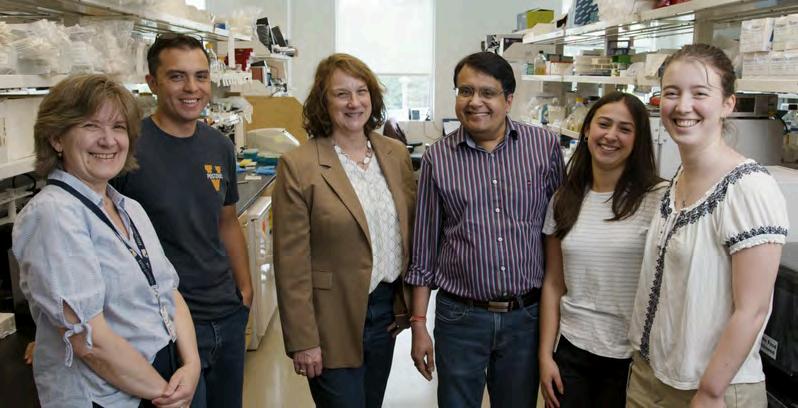
Kenworthy lab, 2025
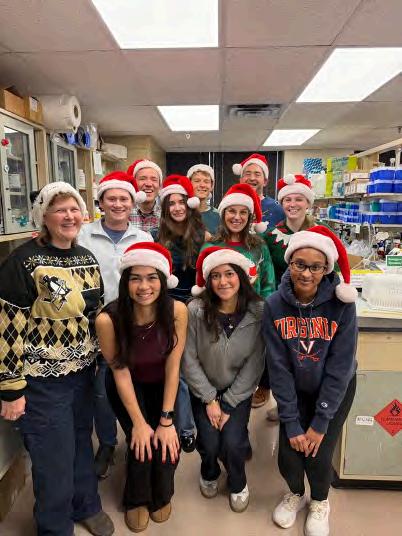
Ebrahim lab, 2025
MOLECULAR PHYSIOLOGY & BIOLOGICAL PHYSICS NEWS MAGAZINE ~ 2025
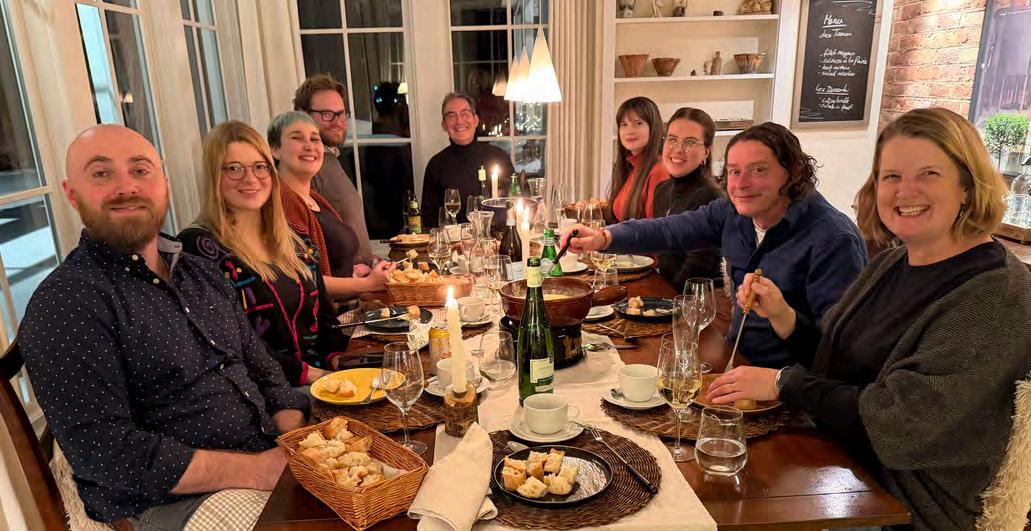
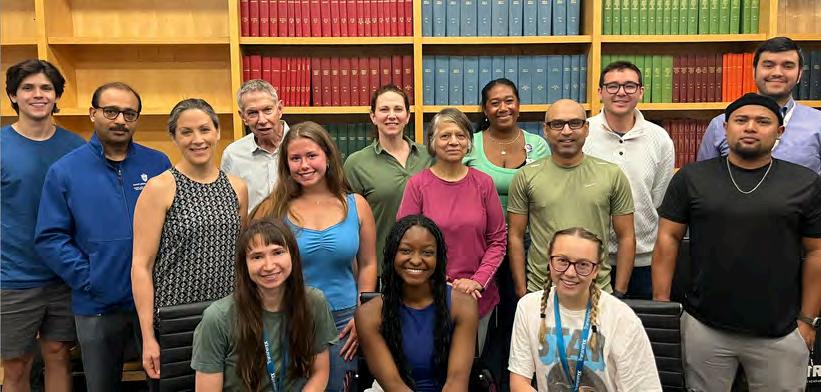
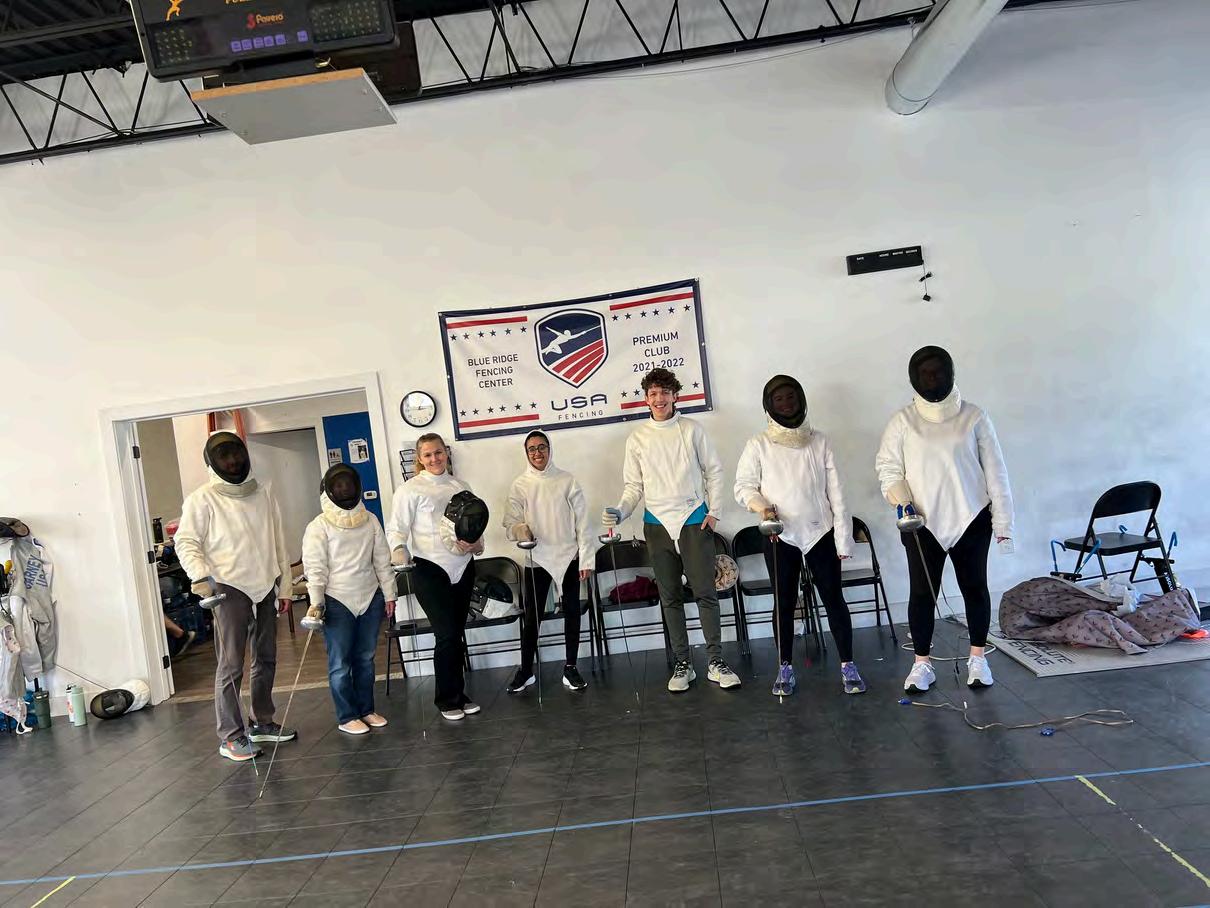
Research programs span membrane/cell biology, metabolism, cardiovascular science, neuroscience, and structural biology.
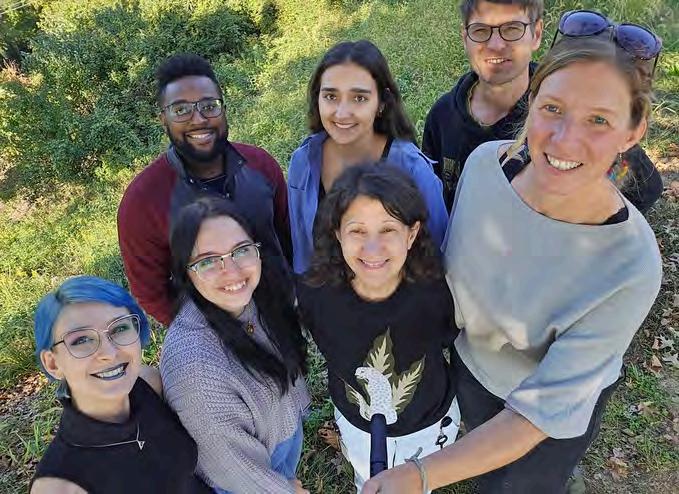
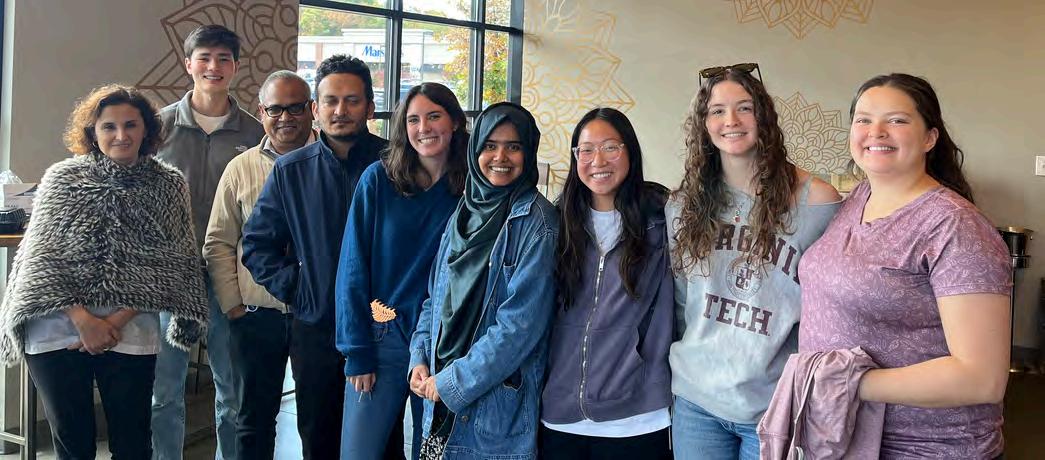
Zimmer lab, 2025
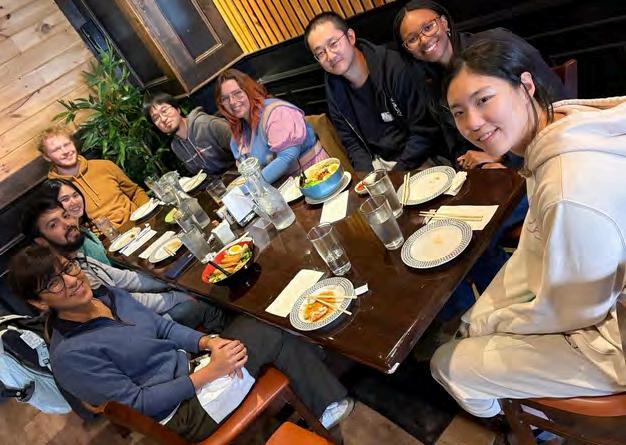
Ebrahim lab, 2025
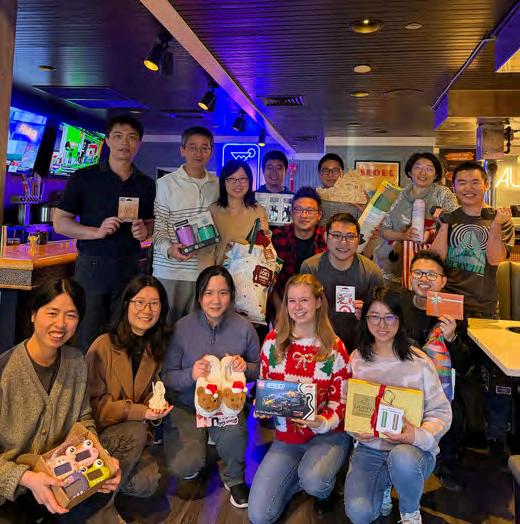
Qi lab, 2025
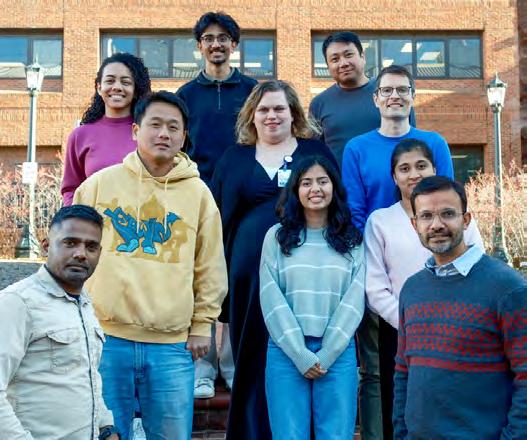
lab, 2025
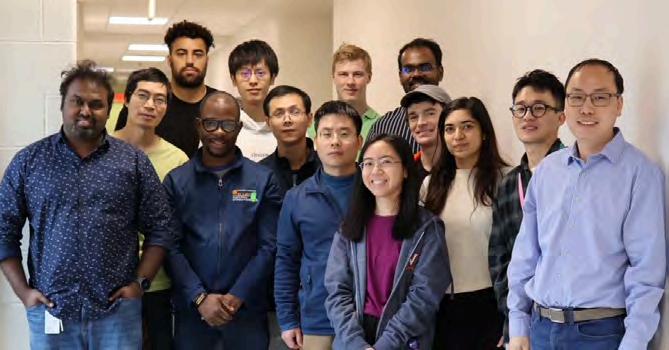
Ai lab, 2025
MPBP laboratories are committed to mentoring the next generation of scientists.
Sathiesh Ponnusamy, PhD Postdoc fellow, Ai Lab
James Gibson, Grad Student Ai Lab
Sharon Zheng Grad Student
Ebrahim Lab
Kyle Butler, Grad Student Ai Lab
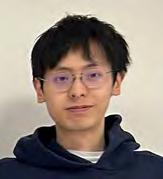
Michael Mao, Grad Student Ai Lab
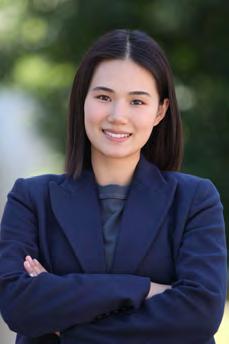
Daiki Kajioka Postdoc, Ebrahim Lab
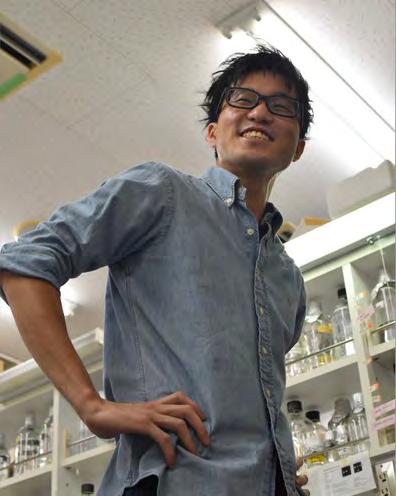
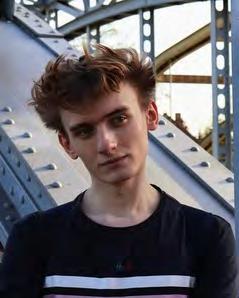
Eryk Kozak Grad Student Gan Lab
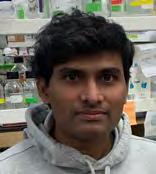
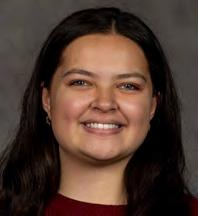
Claire Mueller Grad Student KuyumcuMartinez Lab Santhosh Gatreddi, PhD Postdoc Fellow Jomaa Lab
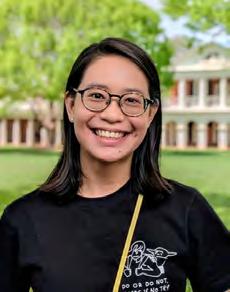
Claris Chong Grad Student Gan Lab
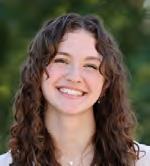
Emma Hendrix Grad Student KuyumcuMartinez Lab
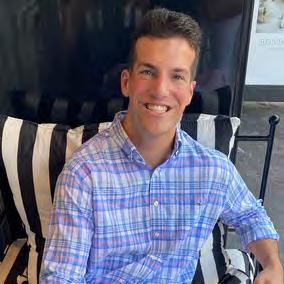
Dillon Dierman Grad Student Bushweller Lab
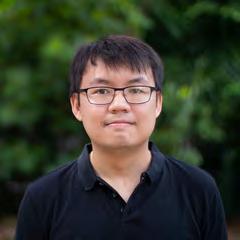
Jon Chen Research Scientist Gan Lab
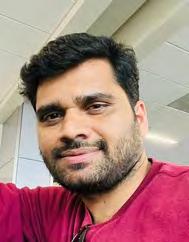
Prabhakar
Thipparthi Res. Scientist
Bushweller Lab
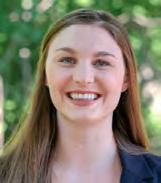
Brooke O’Donnel Fellow
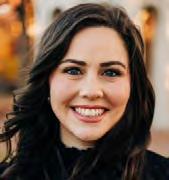
Isakson Lab Madison Williams Fellow
Isakson Lab
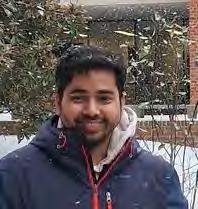
Rahul Kumar Lab Specialist Levental Lab
Owen Albanese Grad Student Levental Lab
Tyler Reagle Postdoc Fellow Levental Lab
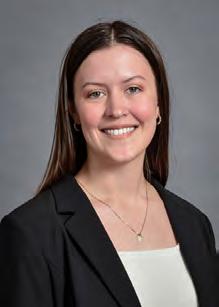
Hannah Bendure Grad Student Levental Lab
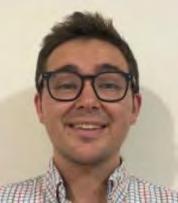
Jonathan Daly Grad Student Owens Lab
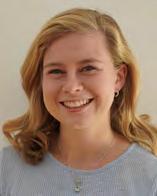
Emily Whitestone Lab specialist Qi Lab
MOLECULAR PHYSIOLOGY & BIOLOGICAL PHYSICS
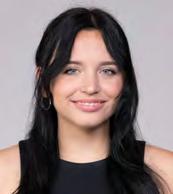
Kristina Wilson Grad Student Redemann Lab
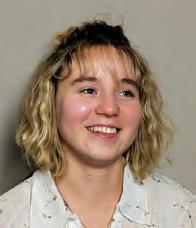
Julia Gilewska Grad Student Redemann Lab
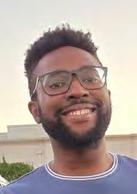
Xavier Horton Grad Student Redemann Lab
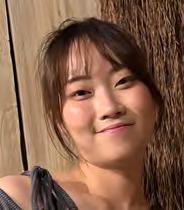
Pei-Jie Lin Lab Specialist Tsai lab
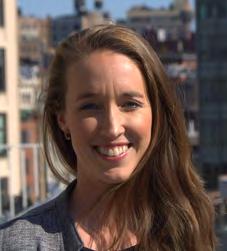
Megan Schertzer, PhD Sr Data Scientist Sheynkman Lab
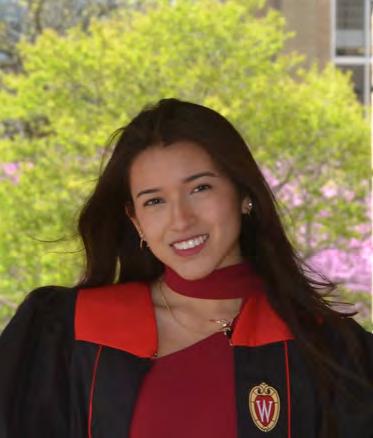
Adriana Perea Bartra Grad Student Sheynkman Lab
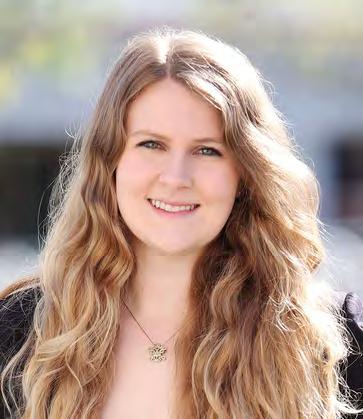
Katelyn Beasley Grad Student Sheynkman Lab
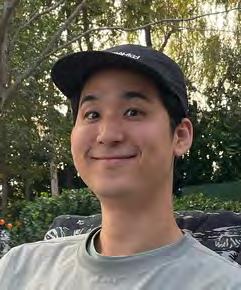
Inseop Chun, PhD Postdoc Tsai Lab
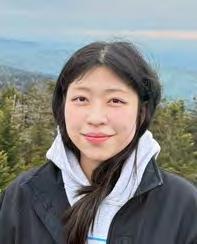
Yung-chi Tu Grad Student Tsai Lab
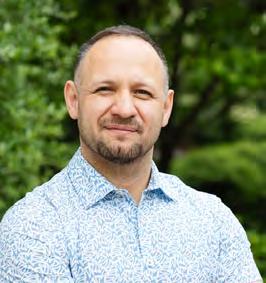
Morteza Abyadeh Sr Scientist Whitock Lab
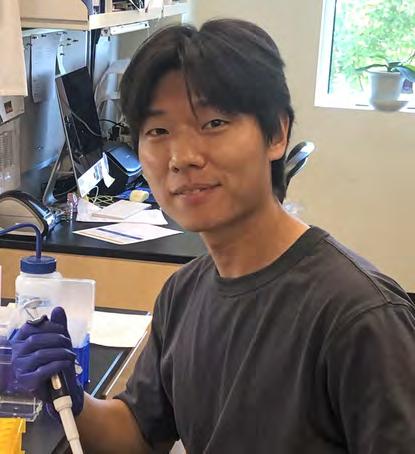
Chaemyeong Lim, PhD Post Doc Zimmer Lab
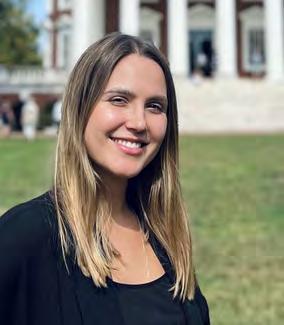
Katarzyna Zymanczyk Grad Student Zimmer Lab
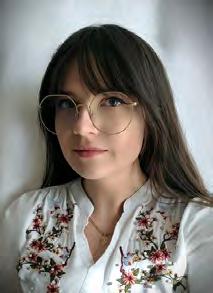
Klaudia Lukow Grad Student Tam Lab
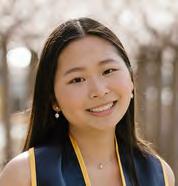
Julia Chen Lab Specialist Tsai lab
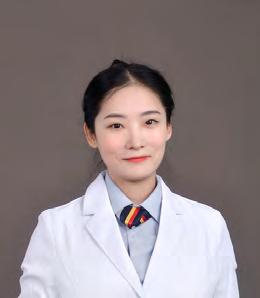
Kun Wang Visiting Scholar Whitlock Lab
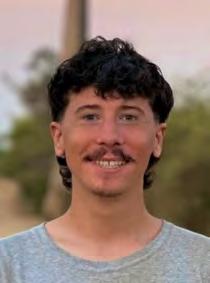
Jacob Berger Lab Technician Whitlock Lab
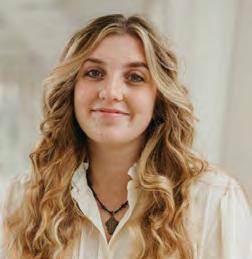
Gwen Wagner Grad Student Whitlock Lab
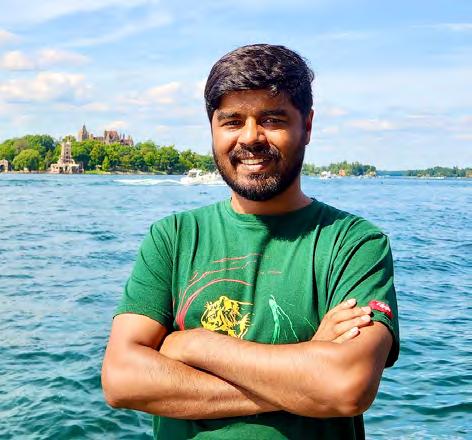
Murad Khan Postdoc Zimmer Lab
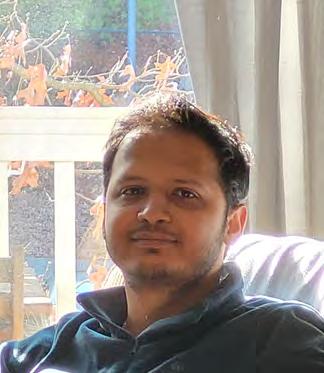
Arunabh Athreyan Postdoc Zimmer Lab
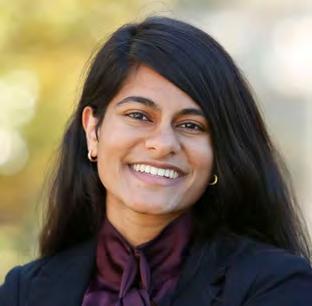
Jessica Rana, Grad Student Zimmer Lab
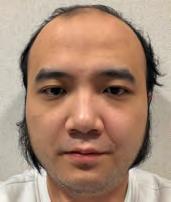
Haoran Yuan Grad Student Zimmer Lab
MOLECULAR PHYSIOLOGY & BIOLOGICAL PHYSICS NEWS
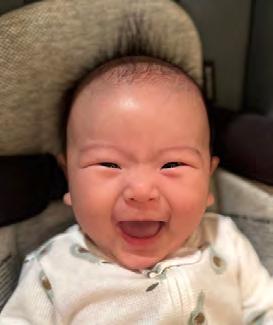
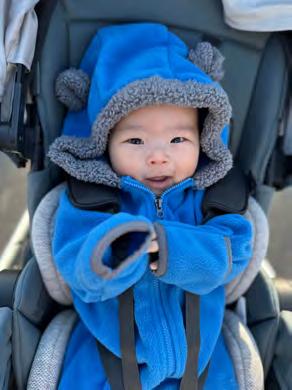
Our department is not only a place of scientific discovery, but also a community that supports one another through important life milestones. Over the past year, several members of our MPBP family have welcomed new babies.We are delighted to celebrate these new arrivals and share in the joy they bring to our community.
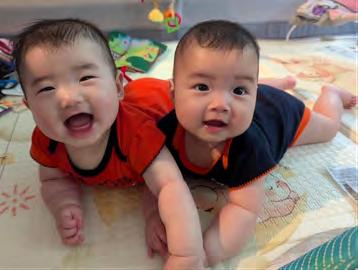
Clara Sun & Carrie Sun, 01/05/25
Bena Chan (graduate student in Levental lab) and Ruoshi Sun are thrilled to share that our daughters, Clara and Carrie Sun, have arrived! They were born on January 5, 2025—two of the Levental lab’s January 5th babies! They’re fraternal twins with different looks and already very different personalities.They’ve filled our days with laughter and love, and we can’t wait to watch them grow up side by side—hopefully as lifelong best friends.
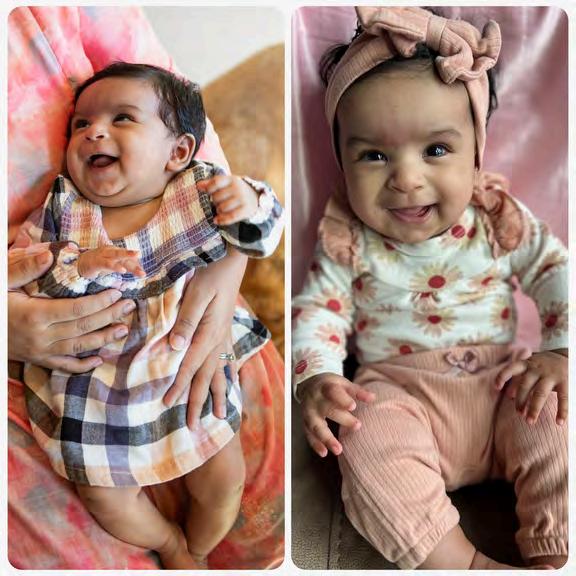
Welcome, Reem Laal Shams-Farid! Born Saturday, 9/13/25, to Drs. Sohel Shamsuzzaman (Research Assistant Professor in the Owens laboratory) and Irtefa Binte-Farid.“Reem” literally means gazelle and derives from a root meaning wild/free. She arrived with a full head of hair (like her big sister) and shares her middle name with her great-grandmother. Reem is already deeply loved by her parents, big sister Reyya, and dog sister Maiya.
Ethan Qi, 10/21/25
Ling Qi and Iris Sun (Associate Professor, Pharmacology) are delighted to share that Ethan Qi joined our family on October 21, 2025. From the moment he arrived, Ethan has been the love of our lives and has already brought immense joy to our family.We are deeply grateful for the many kind wishes and support from our MPBP community as we begin this new chapter.

FEDERAL AGENCIES ($19.0 M)
NIH NHLBI
NIH NCI
NIH NIBIB
NIH NIGMS
NIH NIA
NIH NICHD
NIH Library of Medicine
FOUNDATIONS/STATE ($4.0 M)
American Heart Association
Alzheimer’s Association
American Society for Nephorology
U.S.-Israel Binational Science Foundation
Simons Foundation
Owens Foundation
Commonwealth Health Research Board*
NIH NIDDK
NIH NIAID
NIH NINDS* (New FY25)
NSF*
American Federation for Aging Research
American Diabetes Association
Charlie Landers Foundation Boehringer Ingelheim Fonds
Male Contraceptive Initiative (MCI)*
Alex's Lemonade Stand Foundation for Childhood Cancer
DONATIONS ($5,000)
TSE systems (top donor in 2025)
L.I.F.E. Foundation*
We need your support for our mission in research and education. Please consider donating to our department general fund. Your generous gift is essential to maintaining excellence in our research programs and our efforts to train the next generation of scientists. A gift of our appreciation and notice of your tax deductible donation will be provided. To donate, just visit our website, go to the “Donate” page, and click “Give Today.” If you have any questions, please contact uvahealthgifts@virginia.edu or 434-924-8432. Or just scan this QR code, it will take you to the donation page.
Give today!
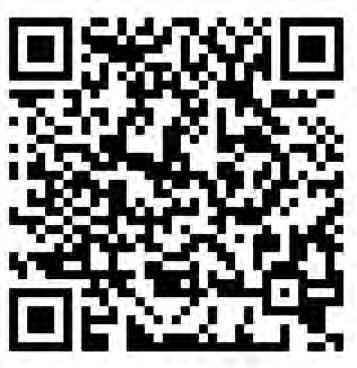
“Your support will drive groundbreaking research, train the next generation of scientists, and advance medical discoveries that improve lives. Join us today in shaping the future—every contribution makes a difference!”
LING QI, PH.D. PROFESSOR AND CHAIR
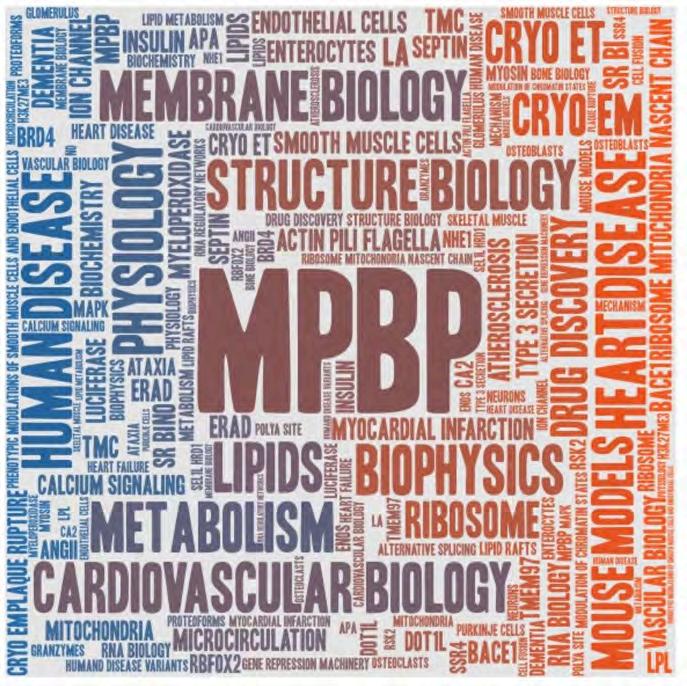
Credited to Jason Li, Biophysics MSTP student
2025DepartmentNewsMagazine
Editedby: Dr.LingQi,DepartmentChair
JenniferSmith,SpecialAssistanttotheChair
Reviewedby:MPBPmembers
Published: February,2026