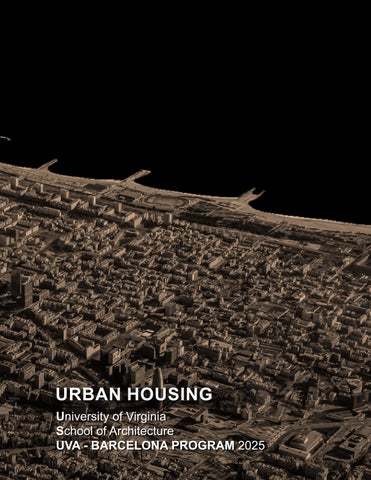
URBAN HOUSING
University of Virginia
School of Architecture
UVA - BARCELONA PROGRAM 2025
BUVa Fall 2025. Barcelona BUVa NEW CONECTIONS
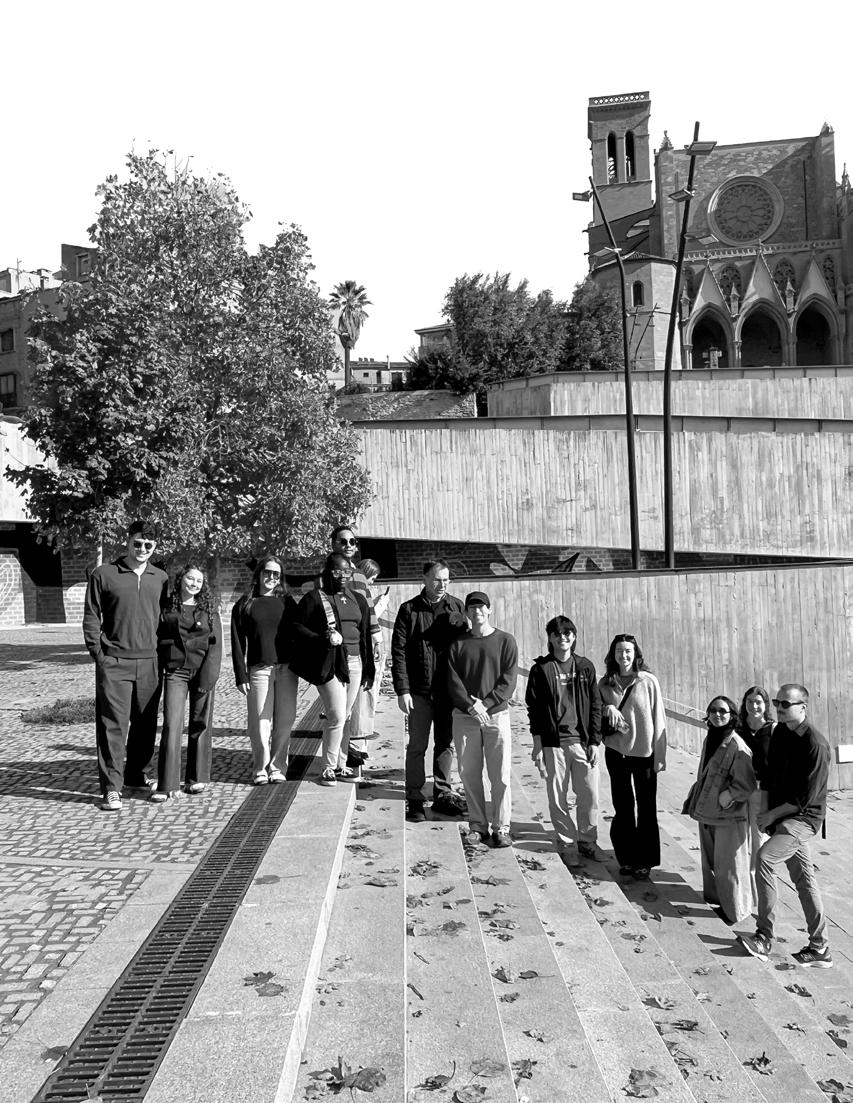
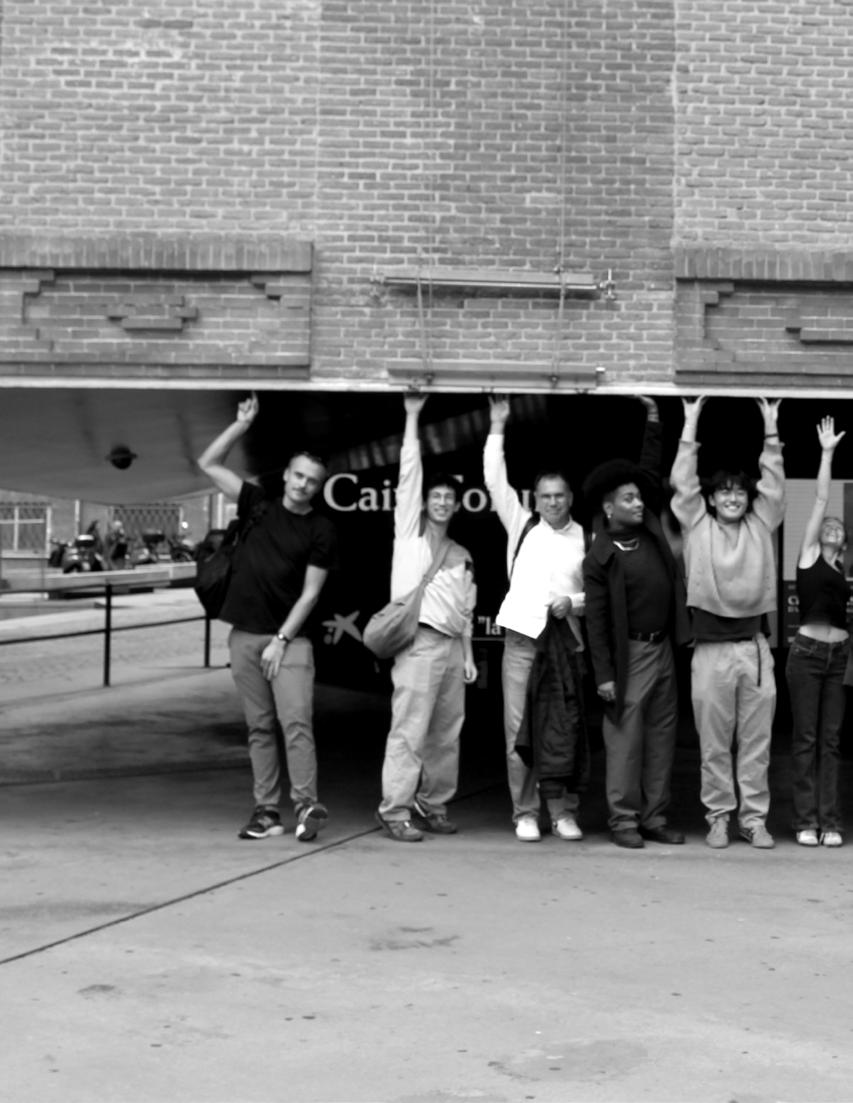
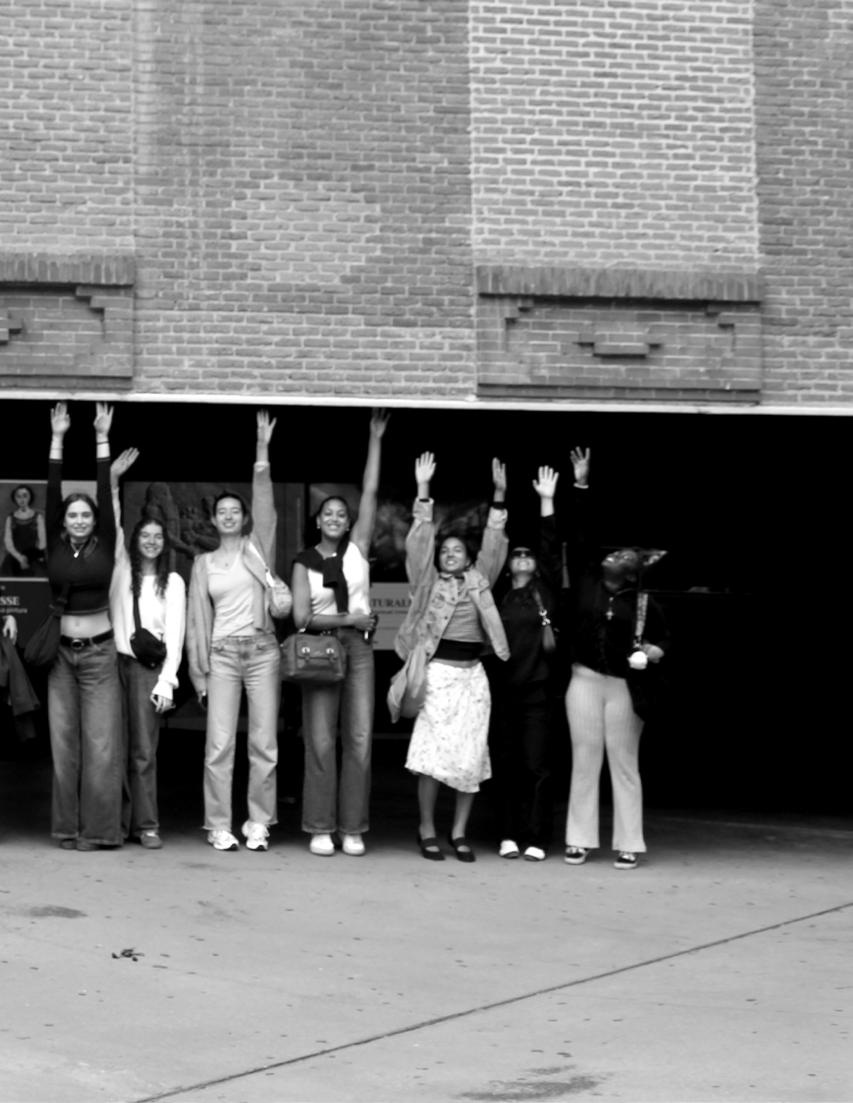
The University of Virginia Barcelona Abroad Program offers students a unique opportunity to spend three months immersed in one of Europe’s most dynamic cultural and urban environments, providing an academic and personal experience that is both deeply transformative and intellectually rigorous. Rooted in the belief that extended time abroad is essential for meaningful engagement, the three months program enables students to live in the city rather than merely observe it from a distance, fostering direct interaction with Barcelona’s everyday life, culture, and urban challenges. After three months, our students stop being tourists in Barcelona and become Barcelona citizens.
Urban Housing
Over the past fifteen years, housing has become one of the most urgent issues facing Barcelona’s residents. The gap between rising housing prices and stagnant salaries, coupled with a fragile job market, has made it increasingly difficult for young people to live independently. The dramatic escalation of rental costs—driven in part by the pressures of mass tourism—has rendered the housing market inaccessible for many. These conditions, intensified by a new wave of immigration, have produced what is now widely referred to as a Housing Emergency Status in the city. In response, the Catalan government recently pledged to construct more than 50,000 units of affordable housing within the next four years. As Aldo Rossi famously wrote in The Architecture of the City, “There is no city without housing.” It is housing that shapes the urban fabric, defines the character of neighborhoods, and provides continuity across the dense metropolitan landscape.
Housing therefore became the central academic focus of this year’s UVA Barcelona Program. Students examined Barcelona’s housing crisis not only as a topic of study but as a lived, spatial reality. Through fieldwork, site visits, mapping exercises, and critical readings, the studio analyzed how architecture, policy, and everyday experience intersect within the city’s residential fabric. Visits to cooperative housing initiatives, municipal planning offices, and historical models of urban growth revealed how Barcelona continues to balance the pressures of tourism, migration, and affordability while striving to maintain inclusivity and social cohesion. By engaging directly with real urban
conditions and hearing from local practitioners, policymakers, and residents, students gained a nuanced understanding of housing as both an architectural typology and a tool for shaping more equitable urban futures.
In this context, the program’s three-month duration proved essential: continuity in place allowed students to move beyond initial impressions and develop a deeper, more critical relationship with their surroundings. The extended immersion fostered independence, adaptability, and cultural awareness, while sustained exposure to the city’s rhythms and challenges encouraged students to reflect on their role as future designers, planners, and global citizens. The result was not only an academic accomplishment, but a transformative experience—one that demonstrated how design thinking, when grounded in lived realities, can contribute to meaningful social change.
Mies Jefferson Lecture
This year’s program also expanded its academic reach through three new lectures connected to the Mies van der Rohe and Thomas Jefferson Medals in Architecture. Students attended two lectures held directly at the Mies van der Rohe Pavilion in Barcelona, delivered by Kate Orff and Andrew Freear, whose work addresses questions of landscape, community, and social responsibility in design. Experiencing their perspectives within the iconic pavilion created a powerful dialogue between contemporary practice and one of modern architecture’s most influential spaces. The lecture series continued in Charlottesville with a talk by Gustav Düsing, establishing a transatlantic thread between Barcelona and UVA. This emerging relationship between the Mies van Der Rohe Foundation and the University of Virginia contributes to making the School of Architecture more visible within the European architectural realm, strengthening academic exchange, and positioning our university within a broader architectural international context.
Manuel Bailo Esteve Professor of Architecture
Director Barcelona Urban Design Program Abroad
URBAN HOUSING
ALAR 8010 - 4010 - Research Studio
Manuel Bailo_Professor of Architecture
Eva Beristianou_Assistant Professor
HOUSING
URBAN HOUSING
On the Shore Line
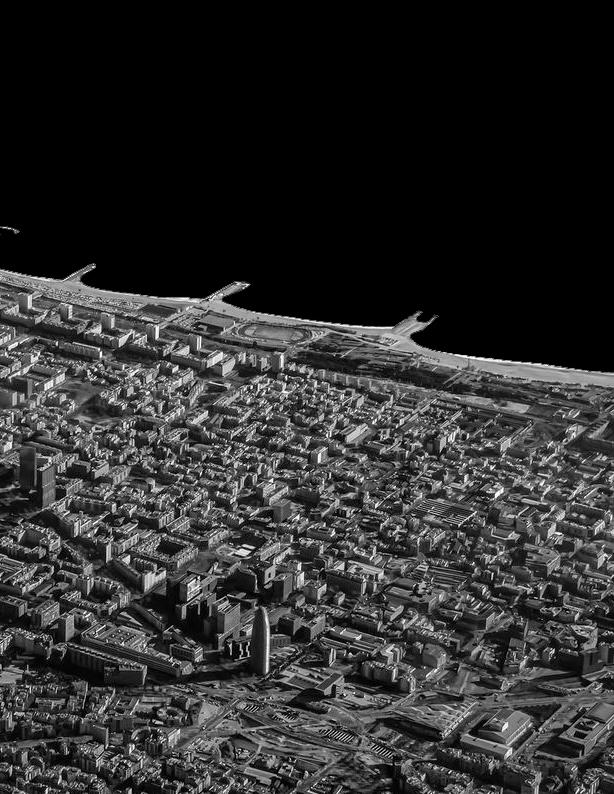
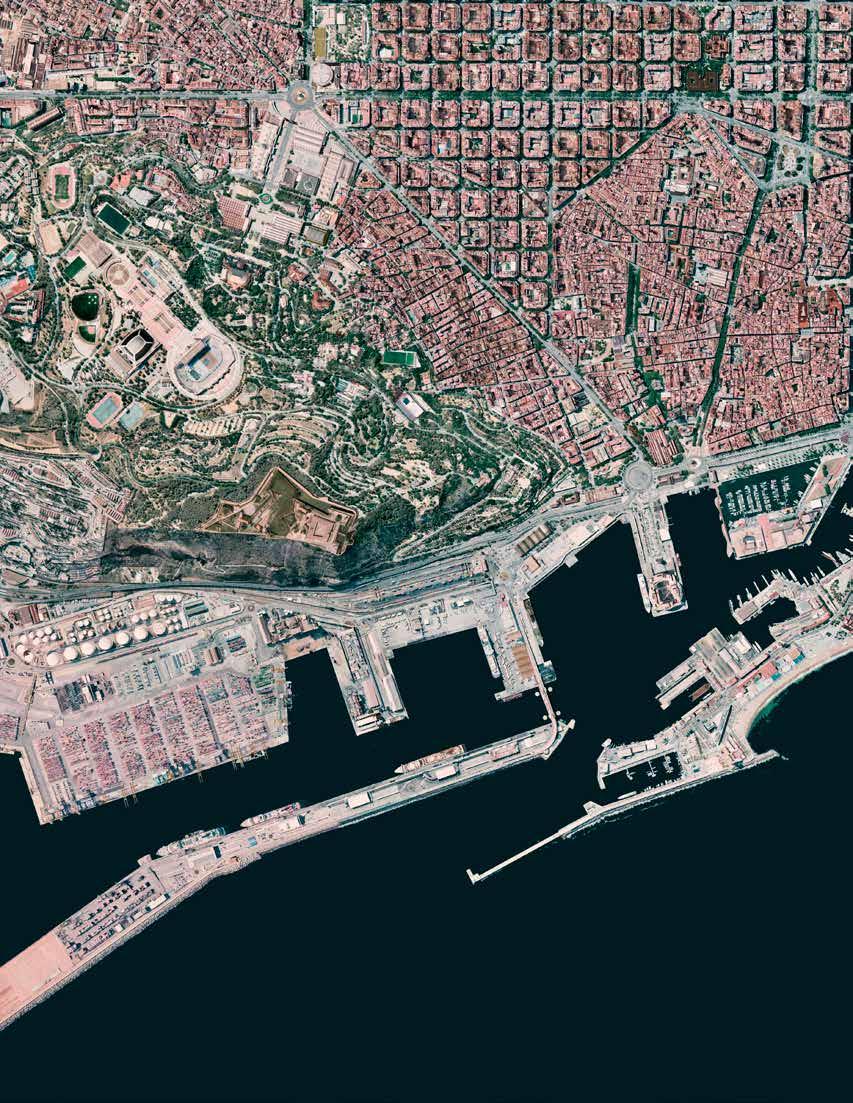
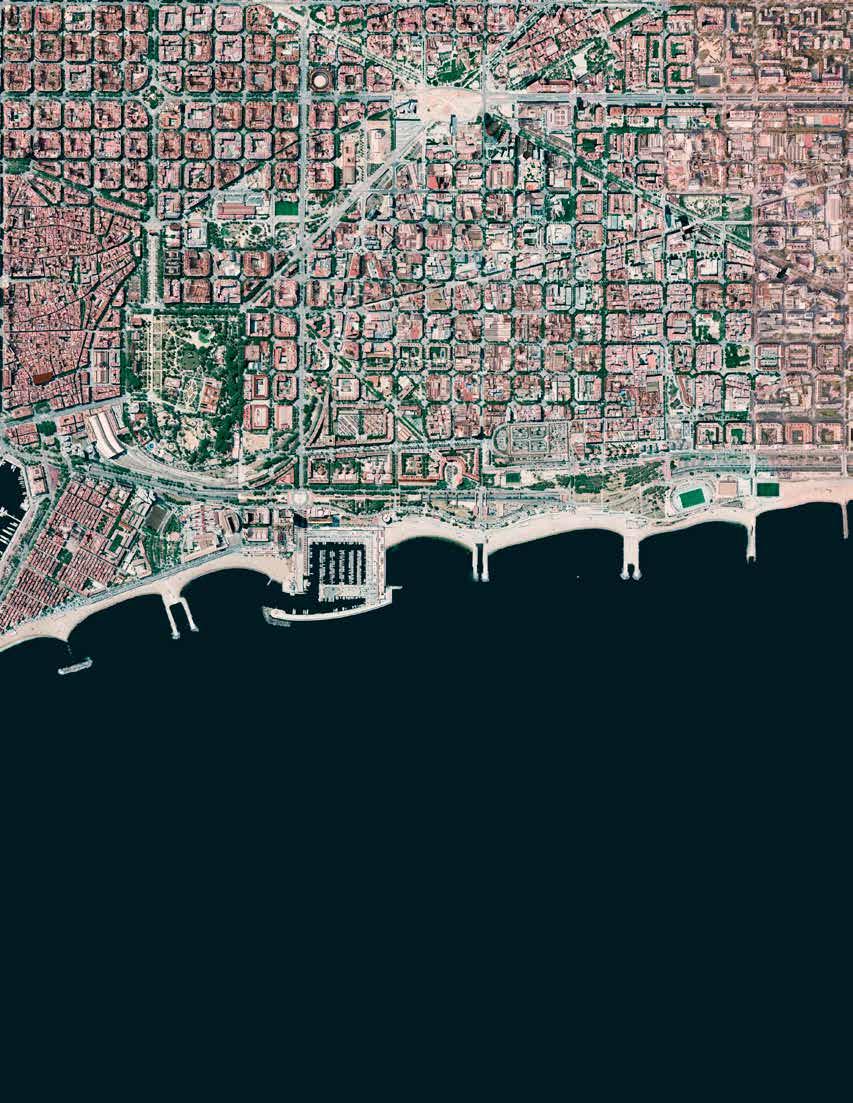
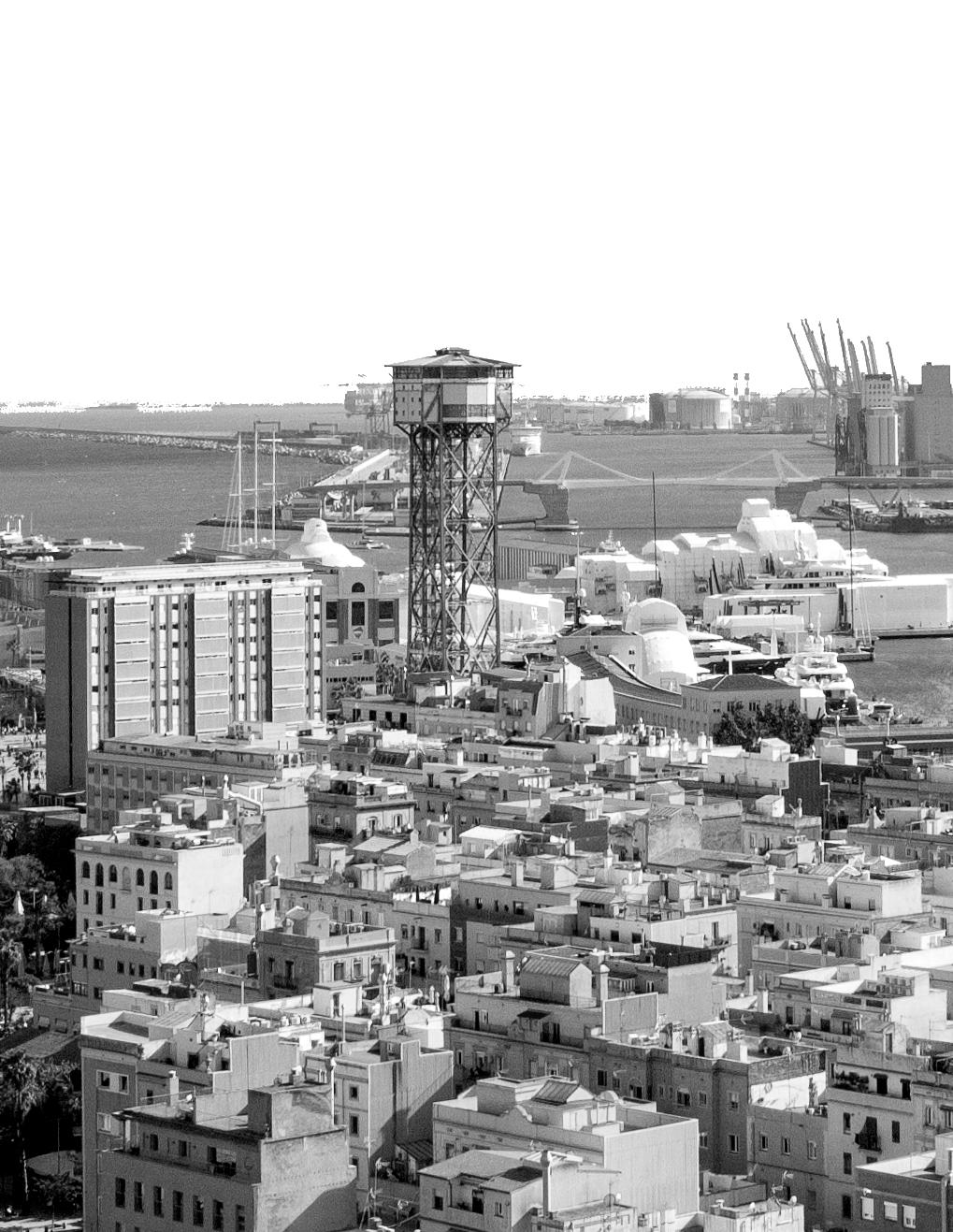
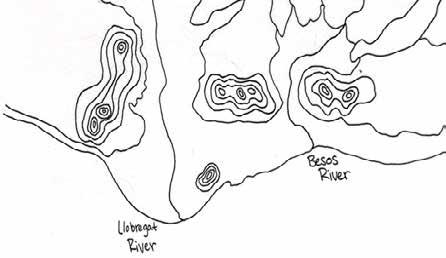
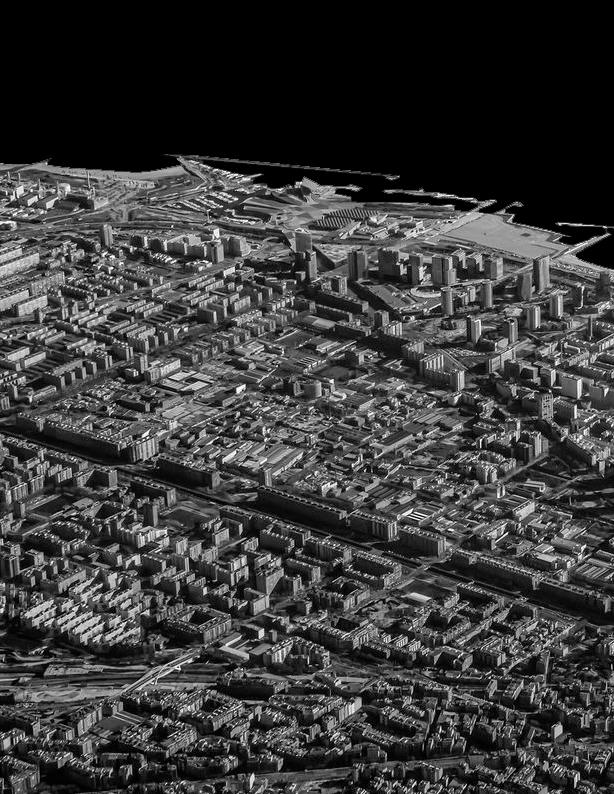
This course focuses on one of Barcelona’s main historical urban topics: the shoreline. Barcelona is defined by four geographic borders. To the north, the Collserola Mountains form the city’s largest park and mark the boundary with the Vallès region. To the east, the Besòs River park provides a key access connecting Barcelona with inland Catalonia and creates a coastal break that divides the city. To the west, the Llobregat River establishes another natural limit, alongside an industrial zone linked to the harbor and currently under redevelopment. Finally, to the south, the beach defines one of the city’s most popular, revised, and rebuilt edges.
The studio will be revisiting and debating contemporary urban and landscape topics in Barcelona that are currently discussed within the architectural realm. Beyond these urban and social issues, the studio will focus on specific areas that help define the city’s shoreline—often blank spaces lacking a clear urban condition. The relationship between the city and the sea has evolved throughout Barcelona’s history and has yet to reach a final form.
To define the Barcelona Metropolitan Shoreline, the studio will focus on several critical sites characterized by urban and landscape friction. These areas of uncertainty and spatial ambiguity carry significant urban responsibility. While varying in scale, they all present opportunities where housing could act as a catalyst for improving the city. Barcelona is a dense city shaped by the interaction of public and private programs, interconnected through public space—an essential aspect of its urban character.
Working on the shoreline means engaging with the intersections of city and geography, where tensions between infrastructure and natural forces are evident. Could these sites, transformed through urban housing projects, help improve Barcelona’s metropolitan shoreline?
1. American versus Europea urban model
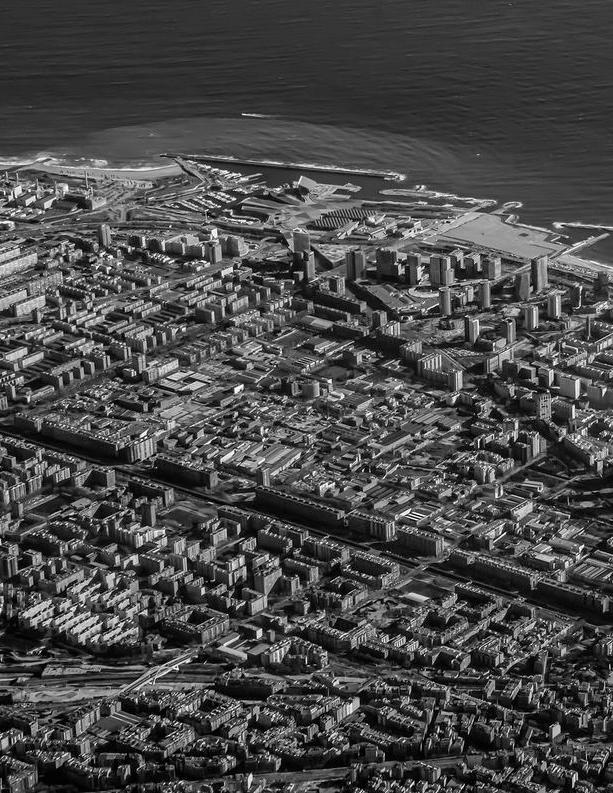
The studio will offer an opportunity to review and better understand two very different urban models. On one side, the American model, based on urban sprawl; on the other, the European model, rooted in density. The American city is characterized by low-density development and clearly segregated zones—residential, commercial, and industrial— each occupying large expanses of land. The automobile is central, serving as the main mode of transportation and linking these separate zones. It is a horizontally expanded model defined by single-family homes and wide roads.
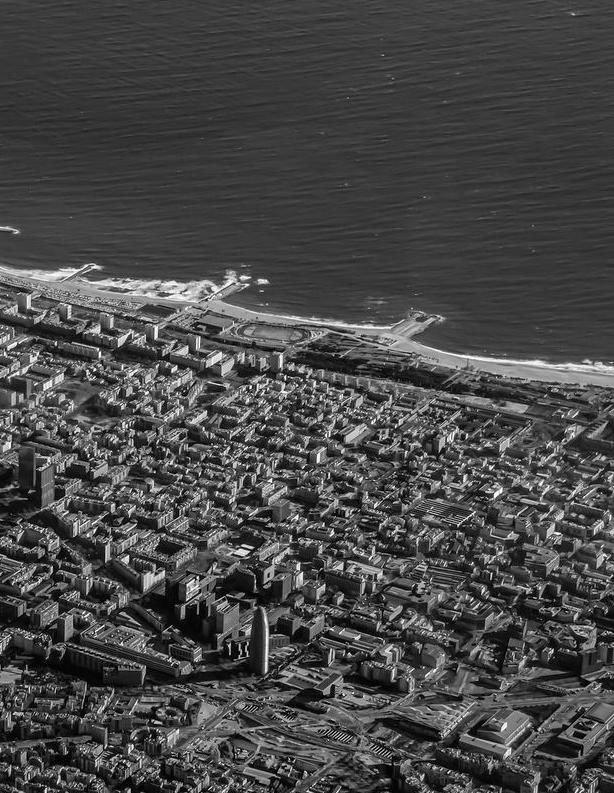
Europe, by contrast, is a small continent where land is considered one of the most valuable cultural assets. It has evolved through a compact urban development model. Barcelona stands as one of the clearest examples of what a dense European city can be. Programs are layered and superimposed on the same site. Mixed-use areas allow for the coexistence of different functions. Public transportation, walking, and cycling are prioritized over cars. Social diversity is encouraged through integrated urban planning.
The European city is understood as a palimpsest—layered and complex—where time and history enrich its cultural depth. It grows vertically in a place where available land is limited, fostering innovation in density and coexistence.
But the European city is, at the same time, architecture. Aldo Rossi articulates this in his seminal book The Architecture of the City, where he writes: “From the contrast between the particular and the universal, between the individual and the collective, the city emerges—and the construction of the city is its architecture.”
This studio will offer the opportunity to use architecture as a tool to continue shaping the city of Barcelona. It will be a chance to explore how housing can contribute to building a better, denser, and more vibrant urban fabric
1. Urban Housing
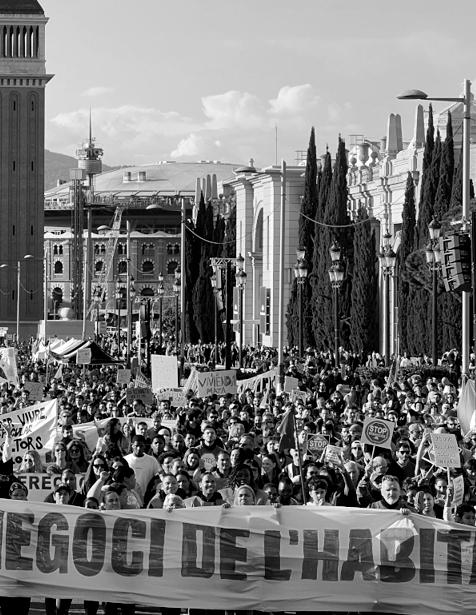
Over the past 15 years, housing has become one of the most pressing issues for the citizens of Barcelona. The gap between rising housing prices and stagnant salaries, combined with a fragile job market, has made access to housing increasingly difficult—especially for younger generations seeking to live independently. The dramatic increase in rental prices, driven in large part by the booming tourism industry, has made the rental market virtually unattainable for many.
This growing social tension, coupled with a new wave of immigration, has led to what is now referred to as a Housing Emergency Status in the city. In response, the Catalan government, under the leadership of Salvador Illa, recently pledged to build over 50,000 units of affordable housing within the next four years.
Continuing with Aldo Rossi’s words in The Architecture of the City: “There is no city without housing.” Housing defines the city and its urban character—it is the fabric that creates continuity within the dense urban landscape.
2. The Harbor Transformation
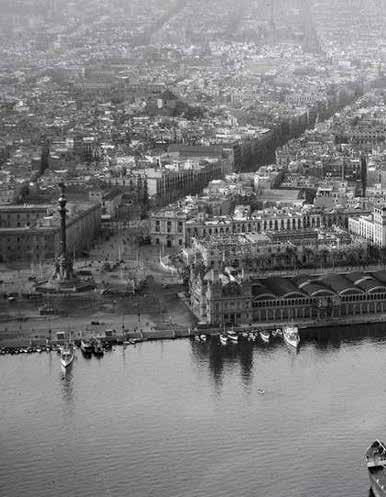
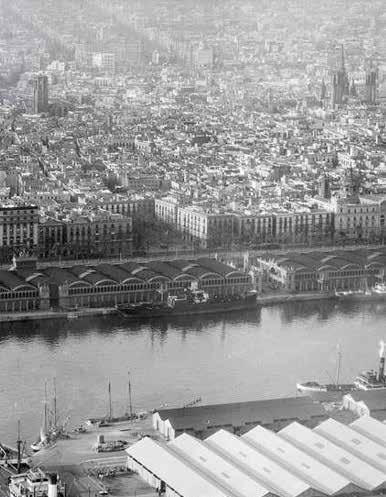
In 1992 during the Olympic games, the head Barcelona architect Oriol Bohigas, planed a new façade for the city. He opened Barcelona to the sea. New beaches, sea-walks and a new public space was discovered in the city. Thanks to his urban strategy, Barcelona changed its relationship with its own environment and landscape. The framed city limited by rivers mountains and sea, had opened its main façade to nature, to the Mediterranean Sea.
Although Barcelona has transformed its relationship with the sea thanks to Oriol Bohigas’s vision, there are still sections of the shoreline that need to be revisited.
This studio, once again, proposes to rethink how the city should meet the sea and to complete certain unfinished stretches of the waterfront. In previous bUVA editions, we have explored other opportunities along the shoreline. This year, we will reinforce and reexamine the connection between the city and the sea by working with what truly builds the dense city—what defines the compact Mediterranean city: housing.
Although Barcelona is already a dense and compact city, there are still underused or undefined spaces that could help strengthen its relationship with the sea.
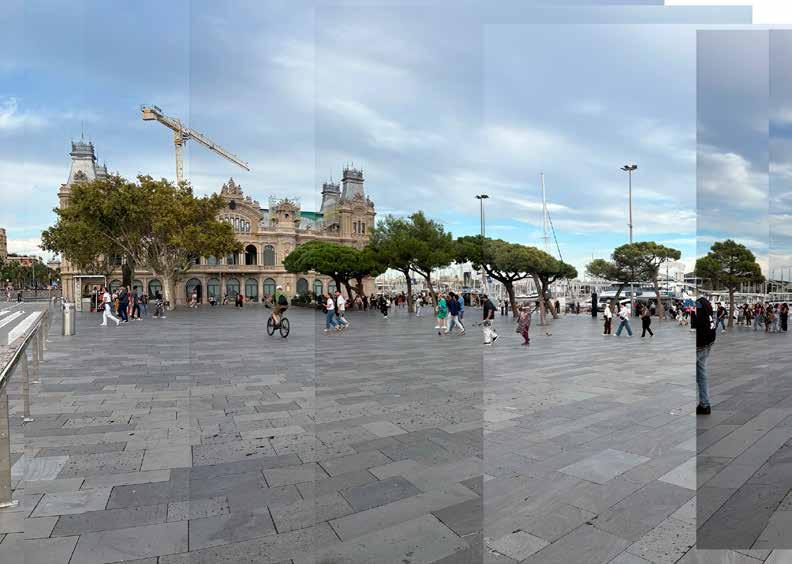
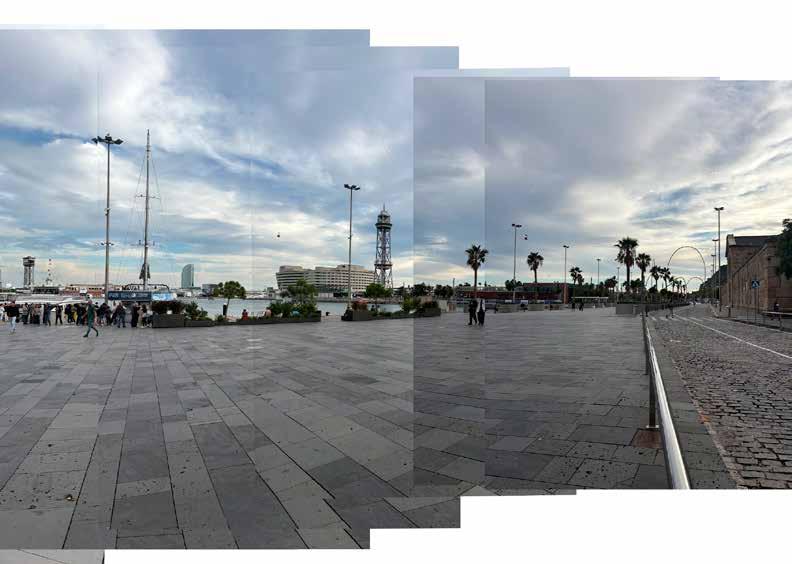
Is the Moll de la Fusta a good public space? Why is it so often empty, lacking public activity? Although it was a celebrated public space in the 1990s, why does it not work today? Does it need more density? Was Solà-Morales’s famous section the right solution, or does it need to be rethought?
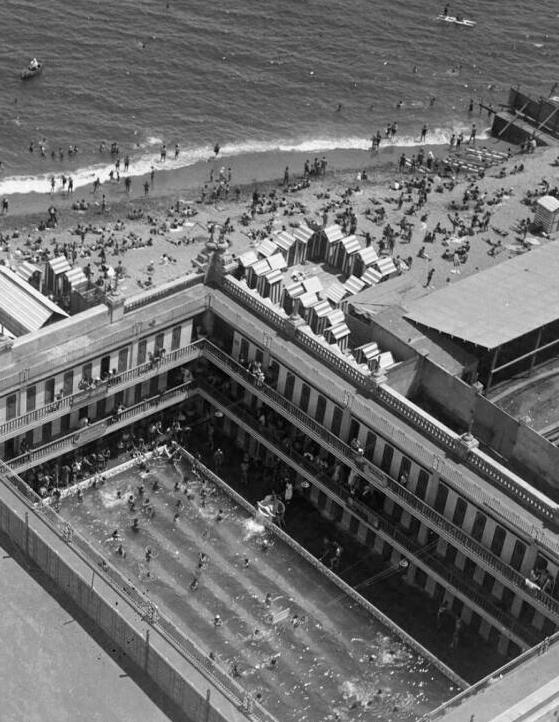
The Urban Beach. The Modern Public Space
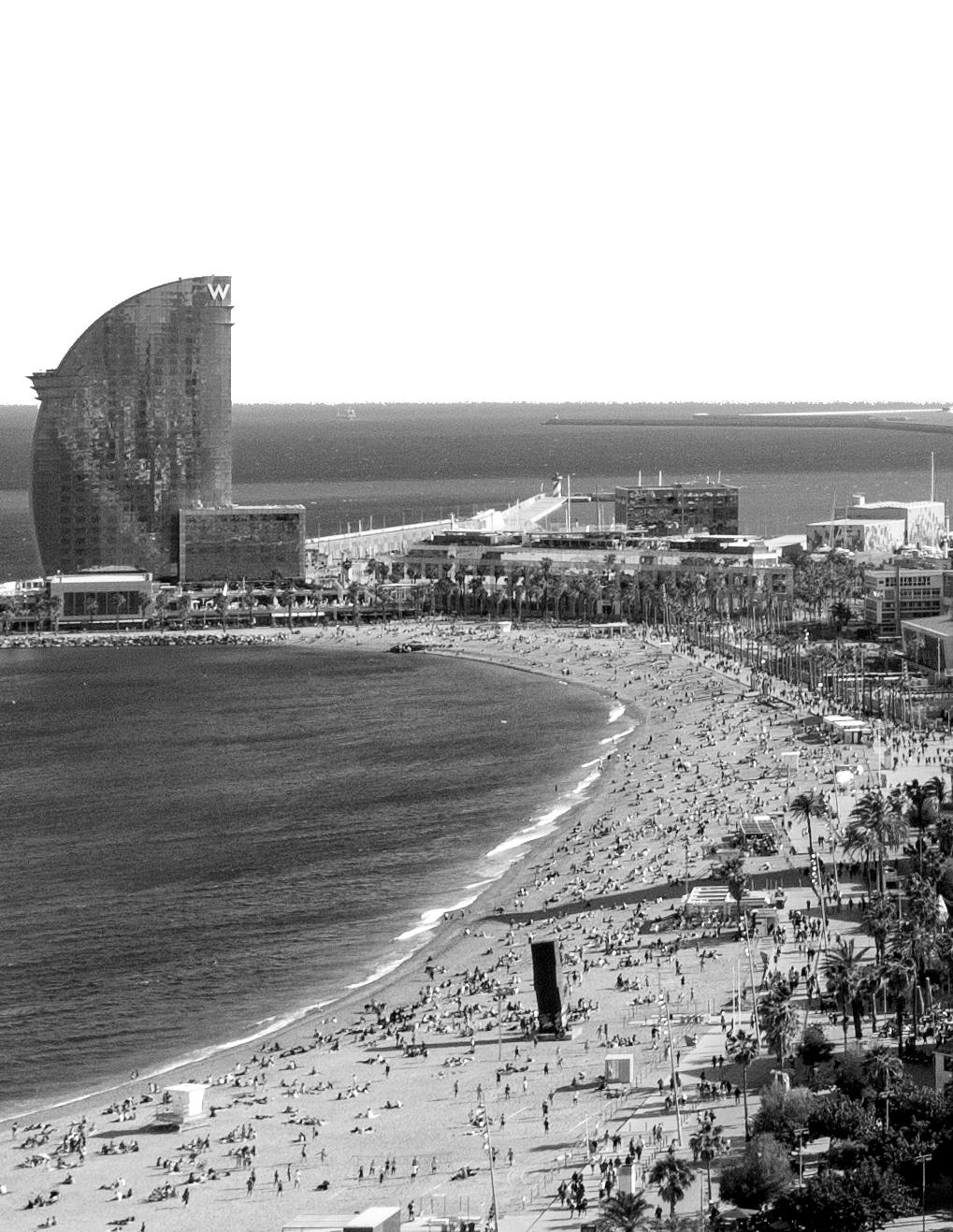
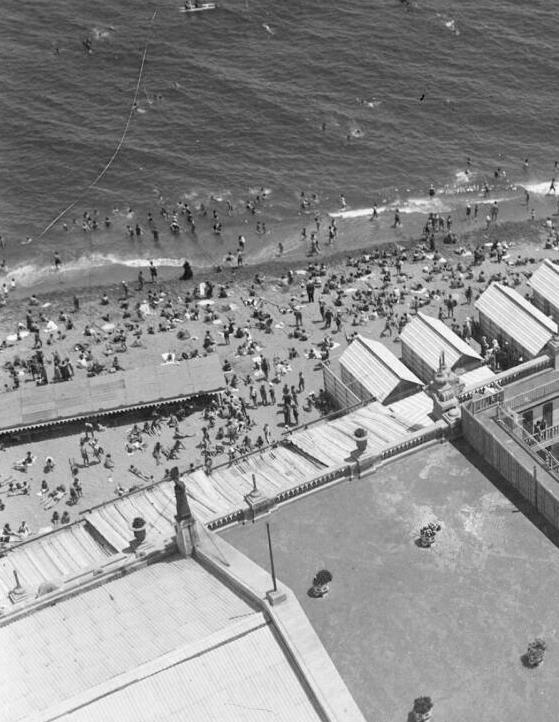
The beach is one of the most successful public spaces of the modern era—arguably the ultimate civic “pleasure” space. It is a unique public realm where citizens gather to enjoy leisure time together. Time, sun, and joy converge in a shared urban experience. The urban beach becomes a threshold where landscape and city blend seamlessly— through the presence of bodies, sun, sand, and sea.
This thin line between nature and the built environment has been redefined continuously, from the founding of Barcelona by the Romans to the present day. The morphological condition of the city has shifted dramatically over time, shaping and influencing the behavior and character of its citizens.
Barcelona has evolved from a dark, dense, and walled city, once enclosed for protection against Mediterranean invasions and conflict, into a light, open city that embraces the landscape—a transformation made especially visible after the 1992 Olympic Games.
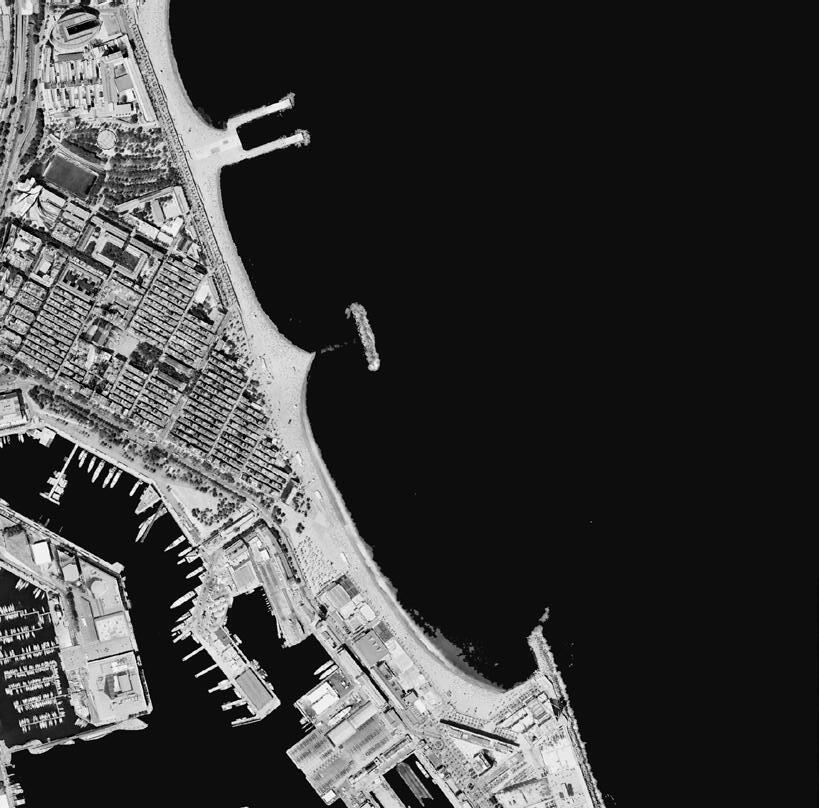
La Barceloneta, the fisher village of Barcelona, was the first neighborhood built out of the walls of the city. This tiny village, organized on a straight narrow grid in front of the sea, although its density it keeps some empty spots facing the beach. How can you fill these parcels?
How can we design a new modern housing dealing with the old typical Barceloneta’s housing?
Since the second half of past century landscape theories are indagating on the dynamics of the city as an ecosystem. How the city feeds and moves? How the interchange of materials and energy can turn towards a closed cycle, a self-sufficient system? It means reflecting on the productive and energetic sphere of the city and how the contemporary urban structure deals with it. A productive city means vitality and complexity, the challenge is integrating the ecological issues with a public use and the productive/metabolic impulse and need.
3. Filling the Gap.
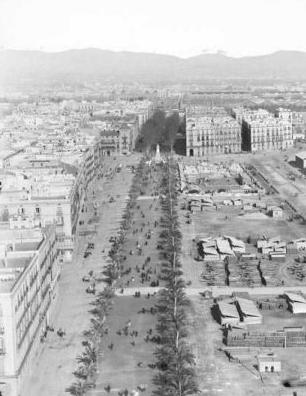
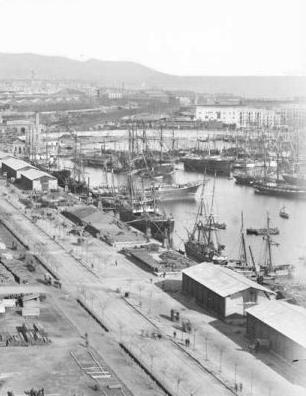
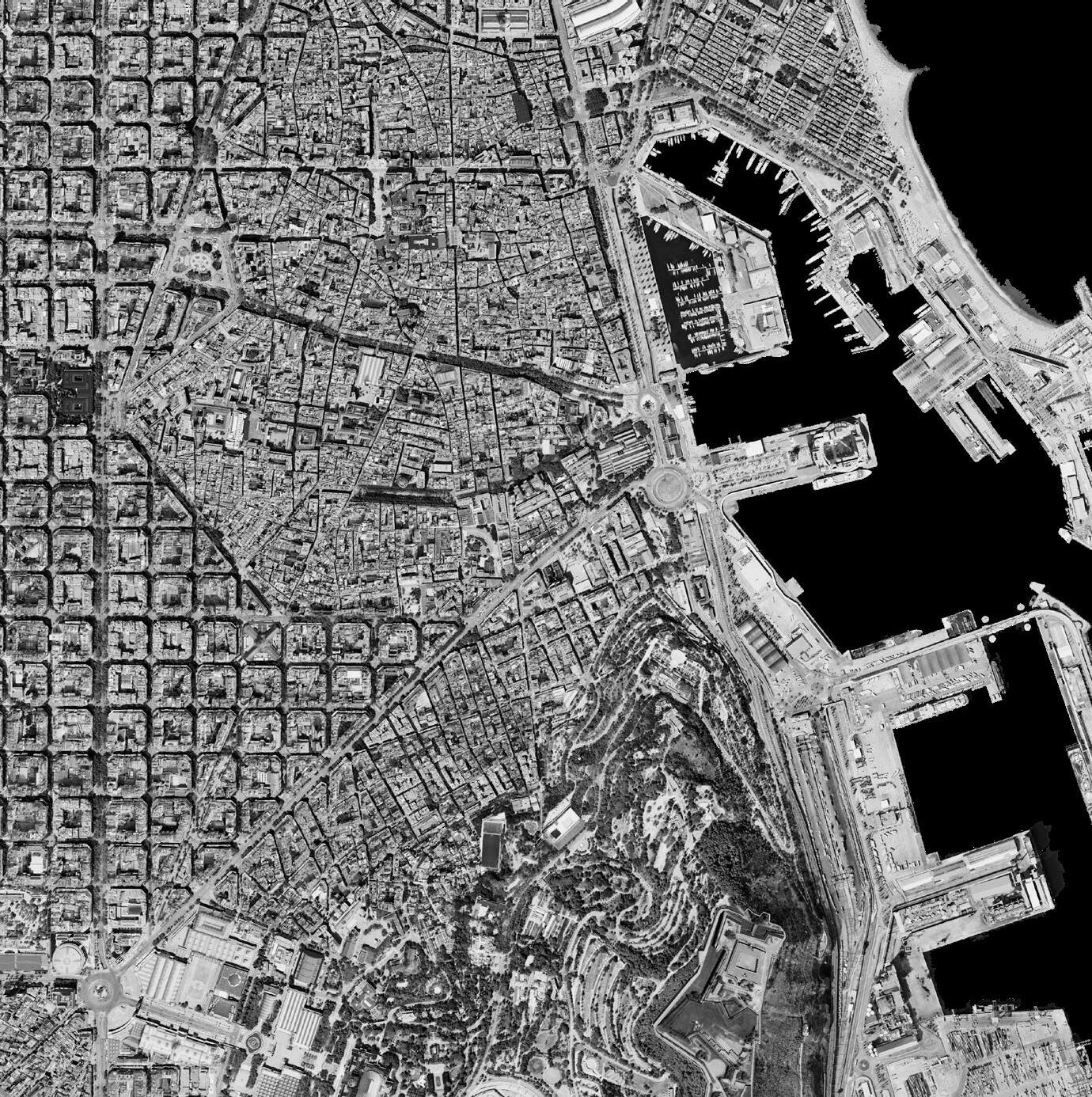
The urban history of Barcelona is a narrative of occupying vacant spaces. The example of Cerdà’s grid illustrates this process: an infinite, abstract junction that connected the villages which had grown around the old walled city.This studio will adopt a similar urban strategy, filling the gaps in the city to help create a denser urban fabric.
Barcelona is distinguished by its rich variety of urban fabrics. Different geometries, linked together, fill the space between the Besòs and Llobregat rivers, and between the Collserola mountains and the Mediterranean Sea. Manuel de Solà-Morales, in his book Ten Lessons About Barcelona, analyzes the construction of the modern city through the study of these diverse urban tissue types. He describes Barcelona as one of the richest urban laboratories in Europe.
The Urbà Barcelona course, taught by Álvaro Clua in our program, will complement this studio by providing a deeper urban understanding of Solà-Morales’ seminal work.
Urban Time. Urban Strategies.
The city grows over time. Designing the city means finding ways to establish urban strategies that can guide its expansion for years to come.
The goal of this studio is to transform a vacant gap into a vibrant, active public space—ultimately creating a better city. We propose five different gaps, and each student will choose one to focus on throughout the semester. These sites vary in scale and present distinct urban design scale requirements.
For each selected site, we will identify the key design moments, the crucial elements—the urban catalysts—that will ensure this latent space contributes meaningfully to completing and enhancing Barcelona’s urban fabric.
4. Tourism and Housing
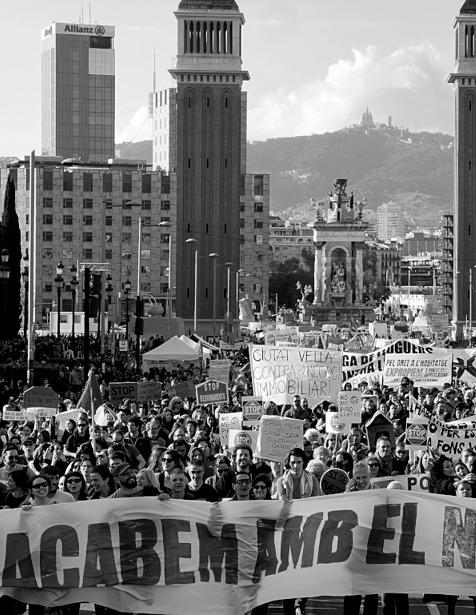
Barcelona is one of the most important touristic destinations in the world. More than 10 million of tourist are visiting the city every year. The tourism has transformed the city but at the same time has recently opened a new debate: how many tourists will the city be able to admit without affecting the day-to-day life of its citizens? The new mayor, Ada Colau, won the final city election proposing new ways to preserve the social and urban environment. For example, the abundant tourism flow has forced the approval of new policies that control the construction of Hotels in the city. Today the city is debating how to define a new Tourism model. How to keep the tourism with its clear earns but keeping the original soul of the city? How can Barcelona not be the new Spanish Venezia overwhelmed by the tourism?
The shore line of Barcelona is one to most popular tourist destinations. Thousands apartments have been transformed into tourist apartments. Airbnb is controlling the lease prices of the city. Students and people with low income are forced to move out of the city. The effects of the gentrification caused by the tourism in this part of the city is an issue to consider in the studio debate.
5. Climate crisis
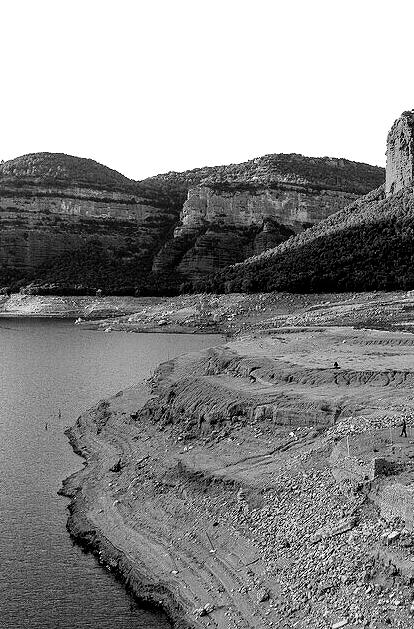
The Mediterranean Sea is also under the effects of Climate Change. The Third Catalan Report regarding the Climate Change pronounces a new water level rise of 1’8m above actual sea level, that will have taken place by the end of this century.
This report predicts deep future problems with potable water in the Mediterranean area. The increase of the temperature will define another climate with a new rainfall index with long dry periods. Today the Company “Aigües de Barcelona” (Water of Barcelona) is building a new modern potable system to prevent dry periods but, how does that effect in the design of a new neighborhood in Barcelona? Any urban action in Barcelona will have to consider the Climate Crisis. Barcelona cannot keep growing without taking care of the poor environmental conditions.
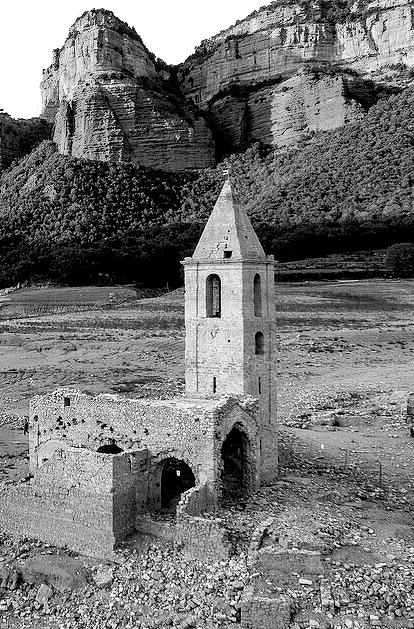
Catalonia is severely impacted by water scarcity. Many cities are experiencing ongoing restrictions on freshwater, which is affecting not only the residents but also the agricultural catalan economy.
The EU (European Union) has denounced the Barcelona Council for the bad air conditions. The EU has demanded the courts to convict Barcelona council to pay a penalty of 1.600 million Euros for its bad policy.
CONNECTIVE RYTHM
COASTAL TRANSITIONS

URBAN MOSAIC


HARBOR HOUSING
MOLL DE CONNEXIÓ
cOASIS
FUSION
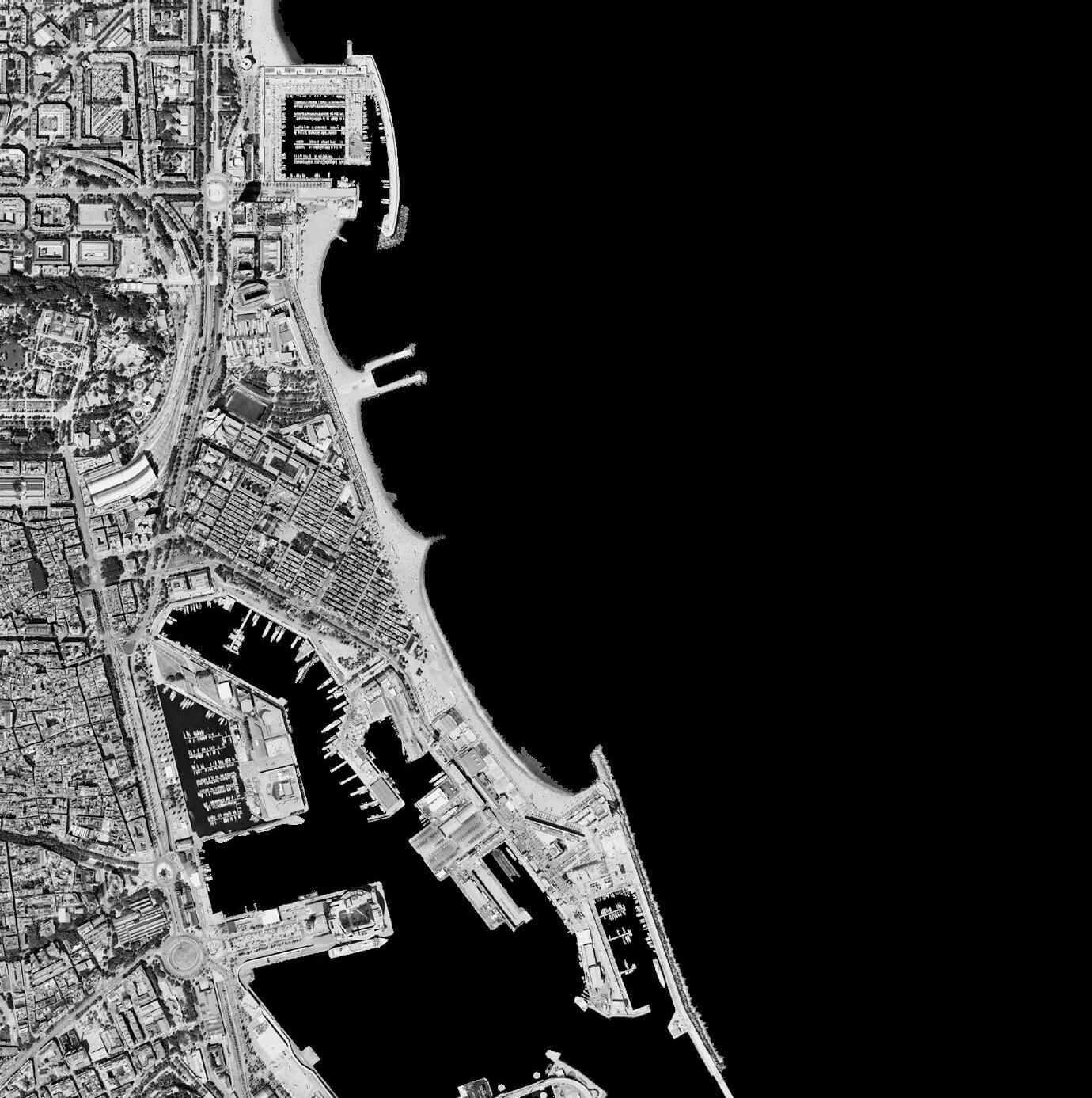
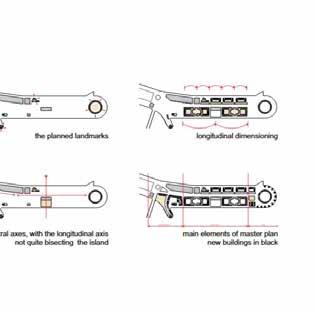
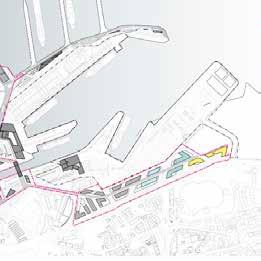
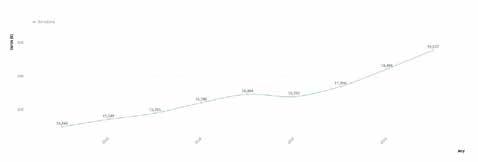
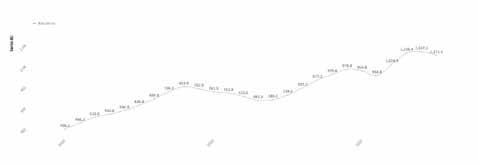
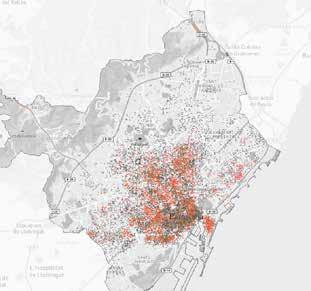
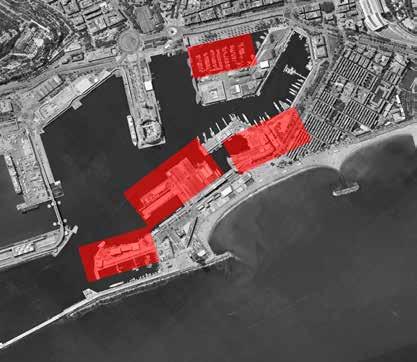
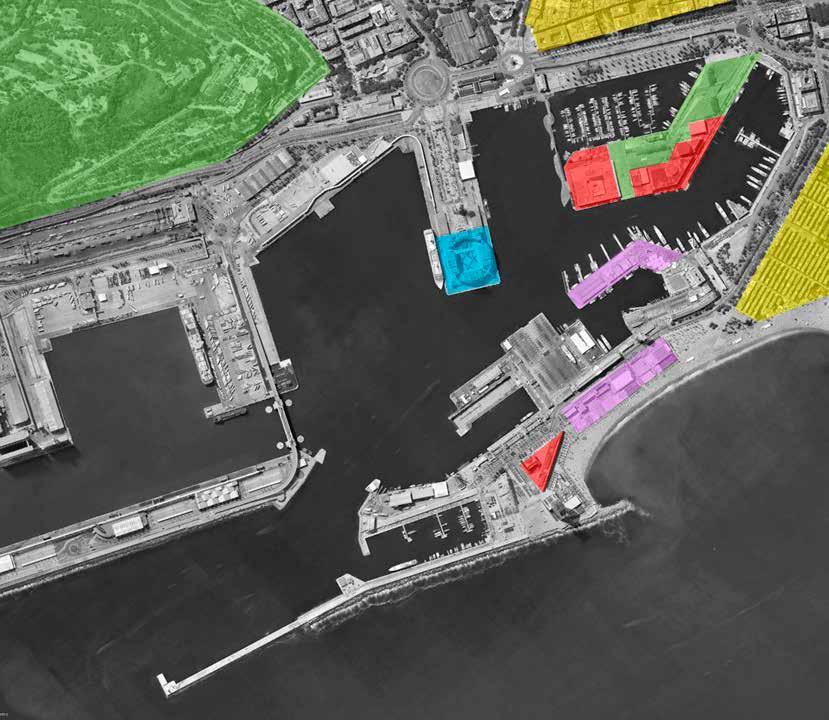
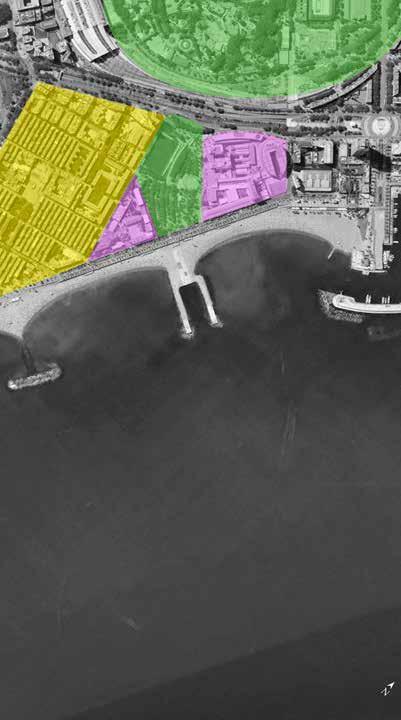
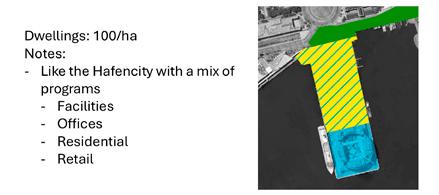
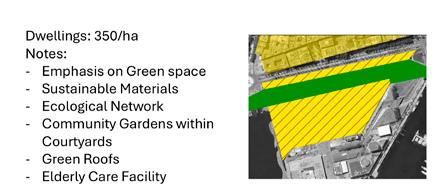
This research explores the integration of housing into Barcelona’s Port Vell as a response to the city’s housing affordability crisis while strengthening the port–city relationship. The methodology combines analysis of housing rent growth and income disparities with an urban study of Port Vell’s historical development, regulatory framework, and existing land uses. Comparative case studies of waterfront redevelopments such as HafenCity and Amsterdam’s Eastern Docklands inform a phased strategy that reorganizes port activities and introduces mixed-use development, sustainable mobility, and green infrastructure.
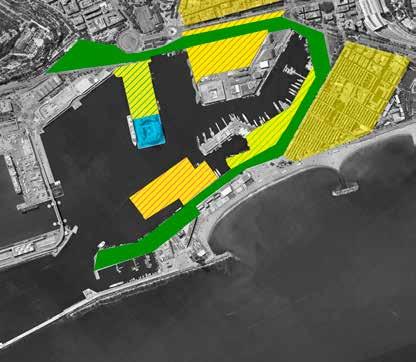
The proposal shows that a phased redevelopment of Port Vell can introduce residential neighborhoods while preserving its maritime and economic identity. Through varied housing densities, mixed-use districts, and targeted residential typologies, the project promotes social diversity and affordability. The integration of green spaces, carbon-neutral standards, and blue-economy-focused business areas supports environmental and economic objectives, concluding that housing in Port Vell can enhance urban cohesion and provide a sustainable model for waterfront regeneration.

HARBOR HOUSING
REINTEGRATING PORT VELL INTO THE URBAN
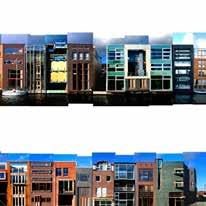
PRECEDENTS
KNSM AMSTERDAM
BORNEO AMSTERDAM
BARCELONA HOUSING CRISIS
HAFENCITY HAMBURG
OLD CITY HARBOR TALIN
1. MOVE INDUSTRIES TO PORT OF BARCELONA AND YACHT ACTIVITIES TO OLYMPIC PORT
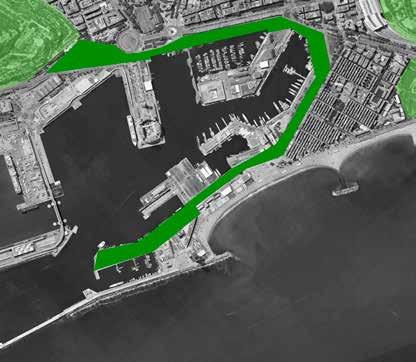
2. ESTABLISH GREEN SPACE TO LAY FOUNDATION OF A CONNECTION
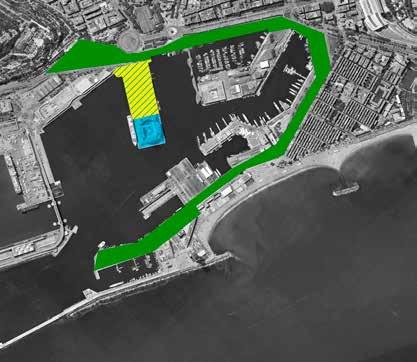
3. BUILD UP A BUSINESS DISTRICT NEIGHBORHOOD LIKE HAFENCITY
4. DEVELOP OTHER RESIDENTIAL NEIGHBORHOODS AND GREEN SPACES



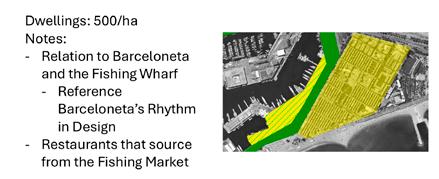
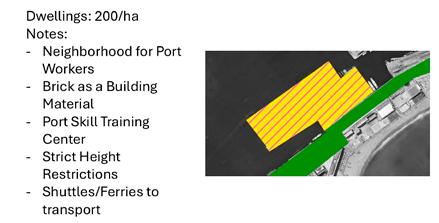
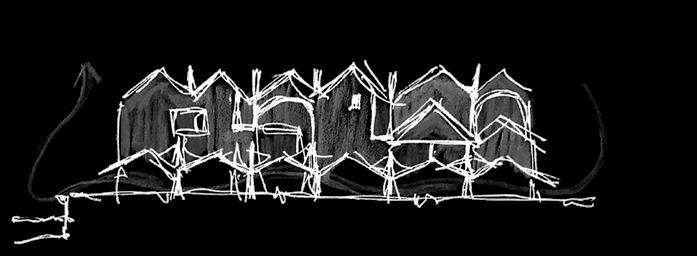
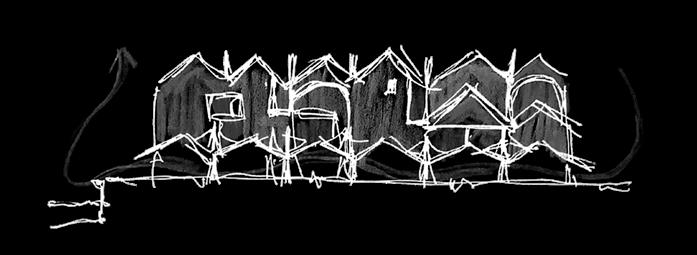
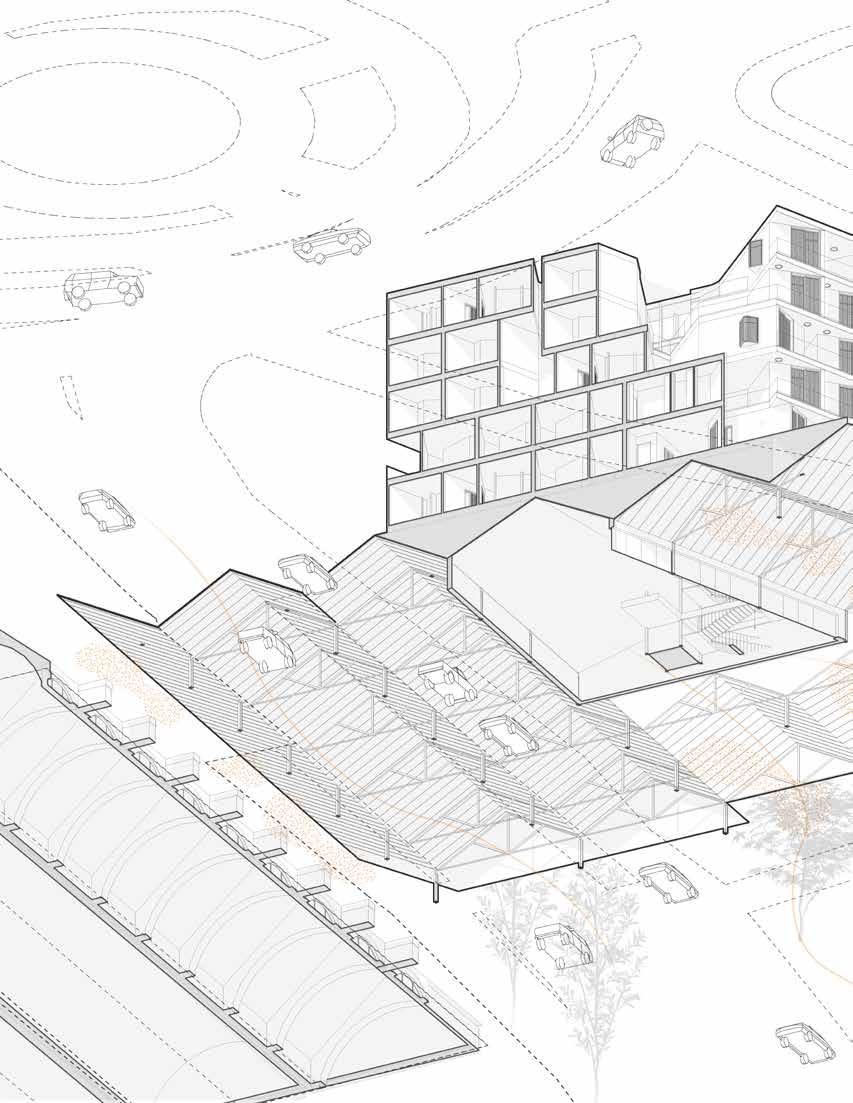
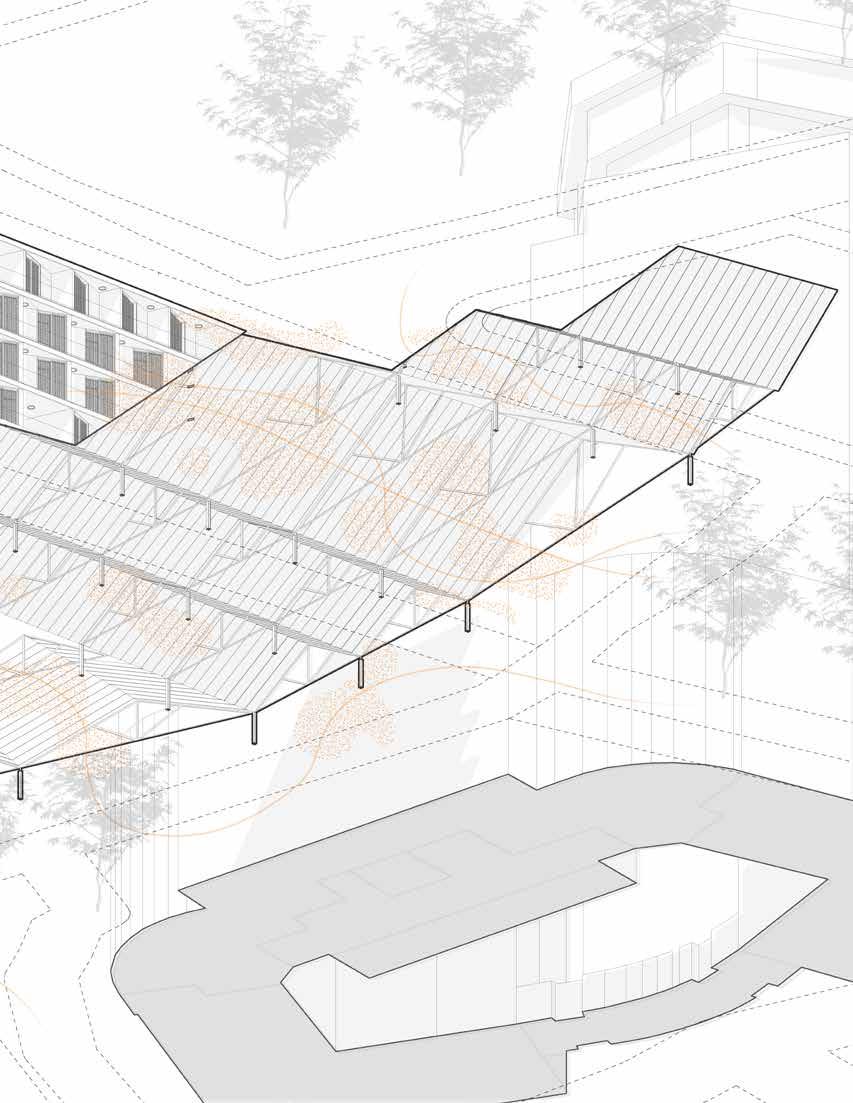
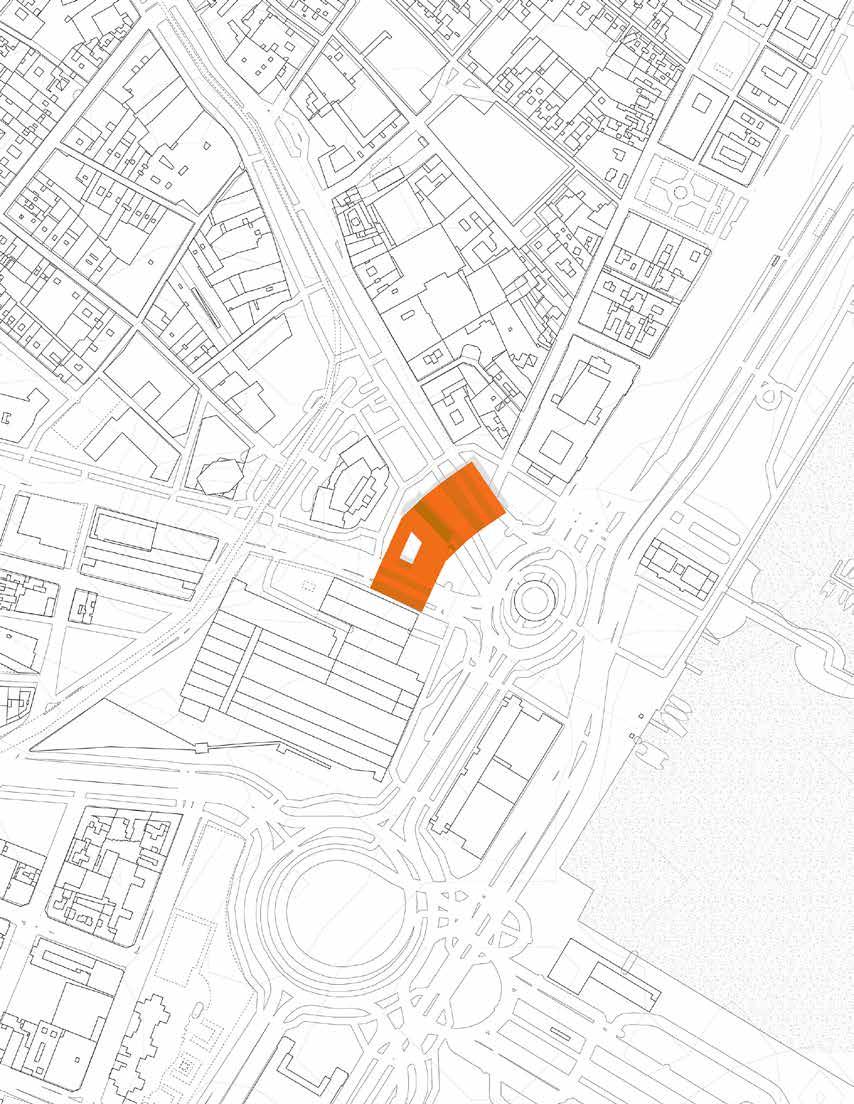
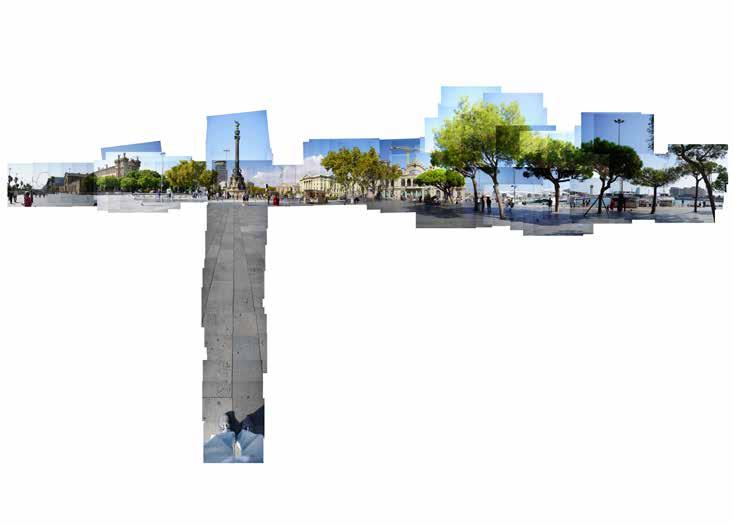
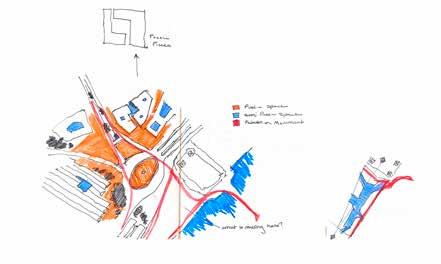
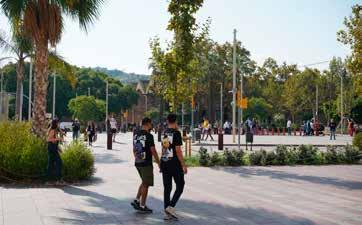
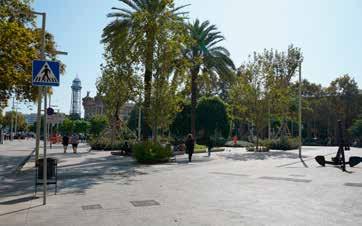
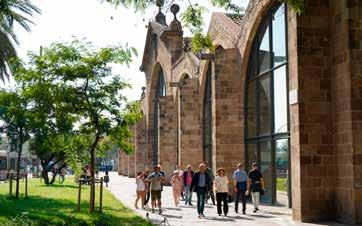
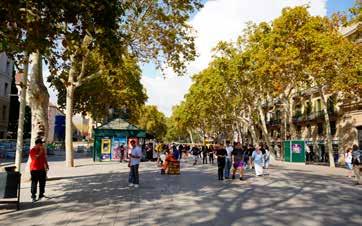
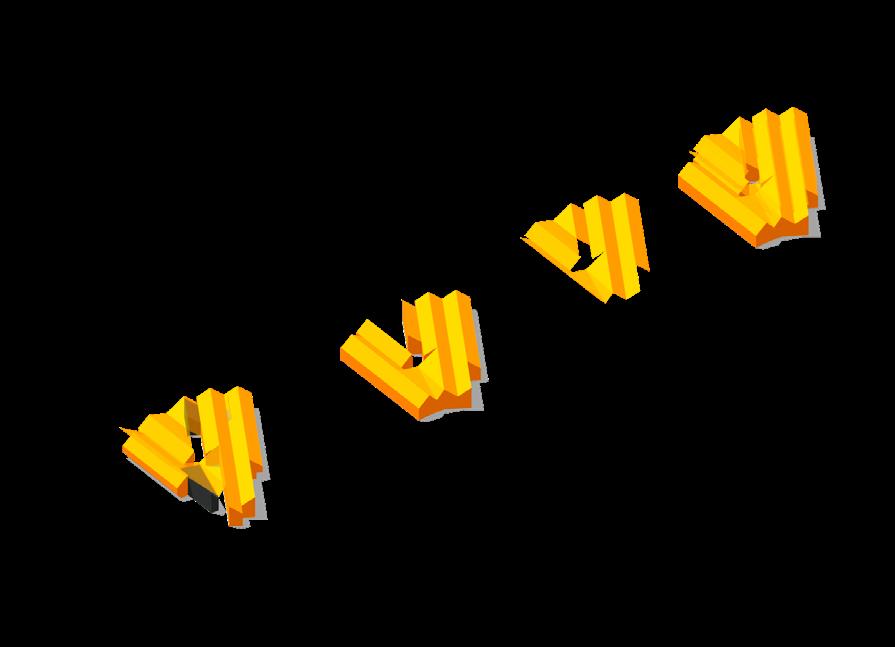
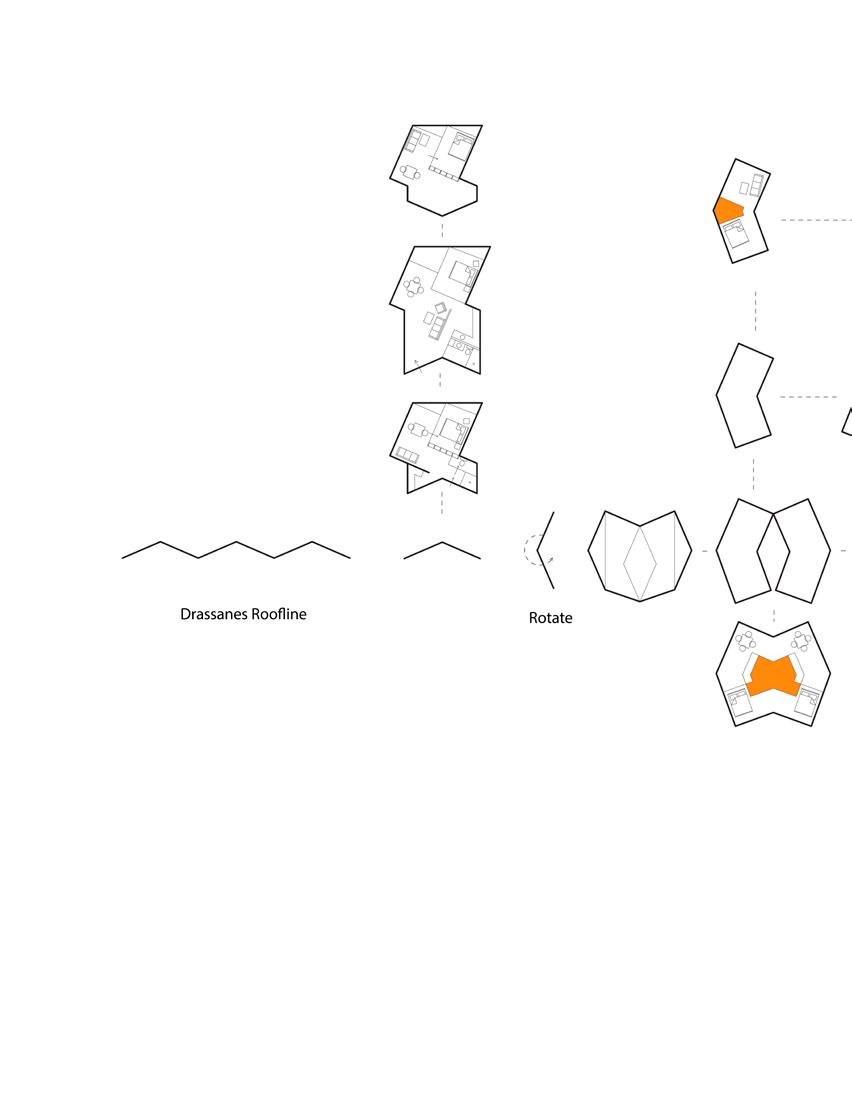
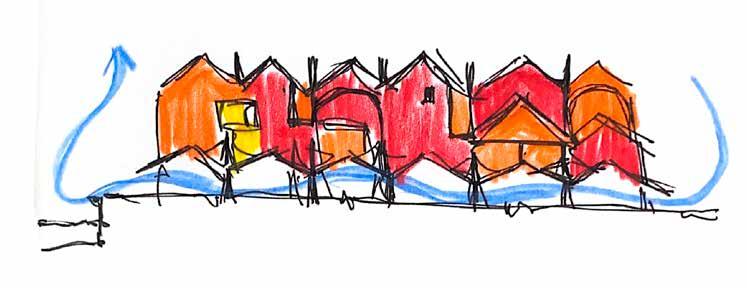
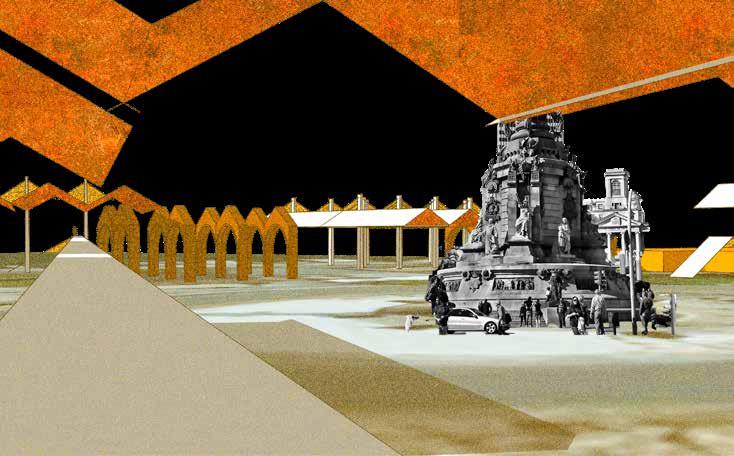
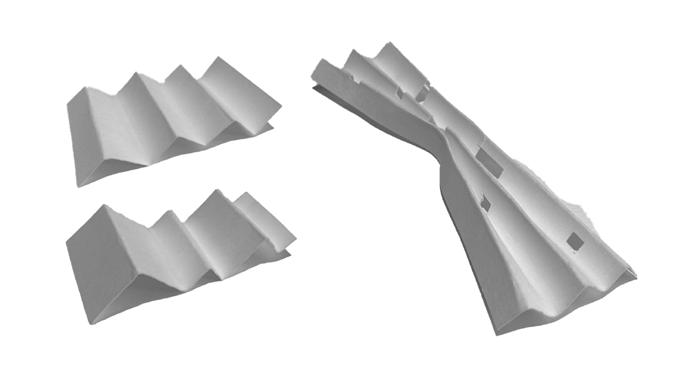
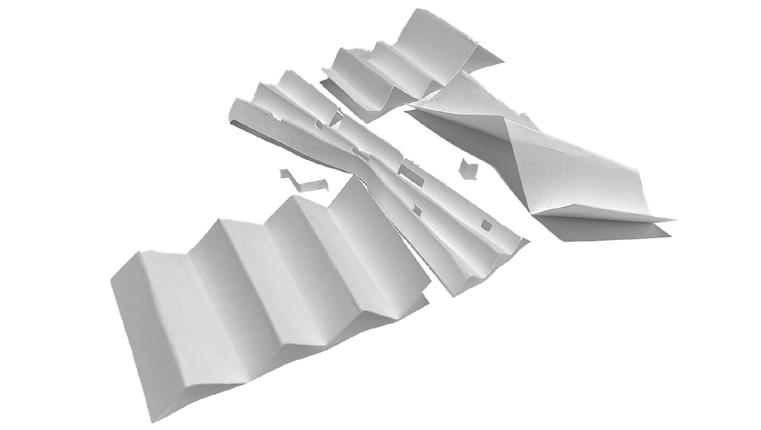
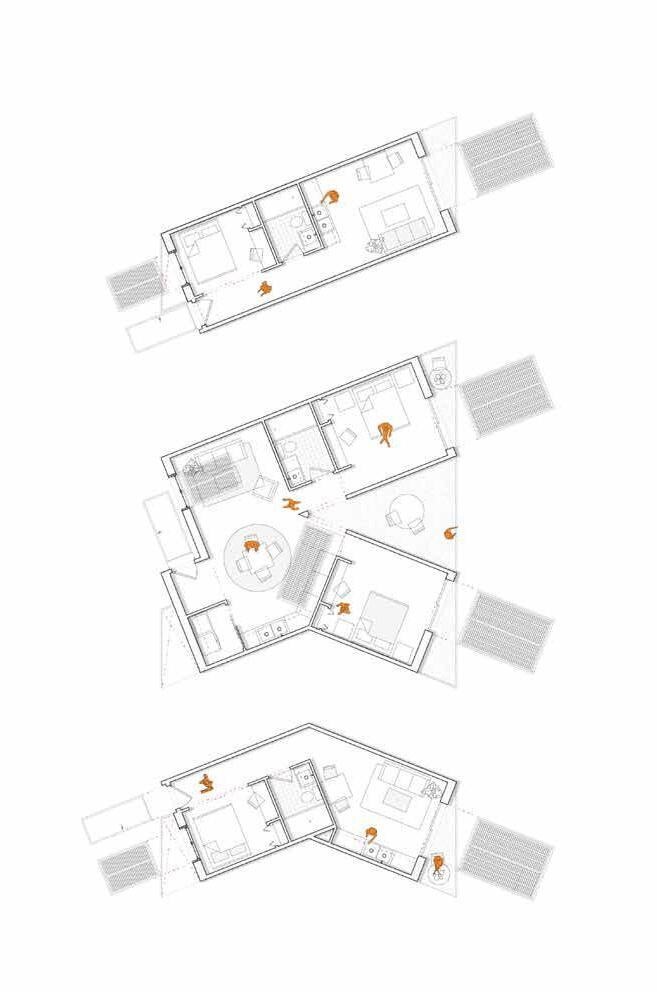
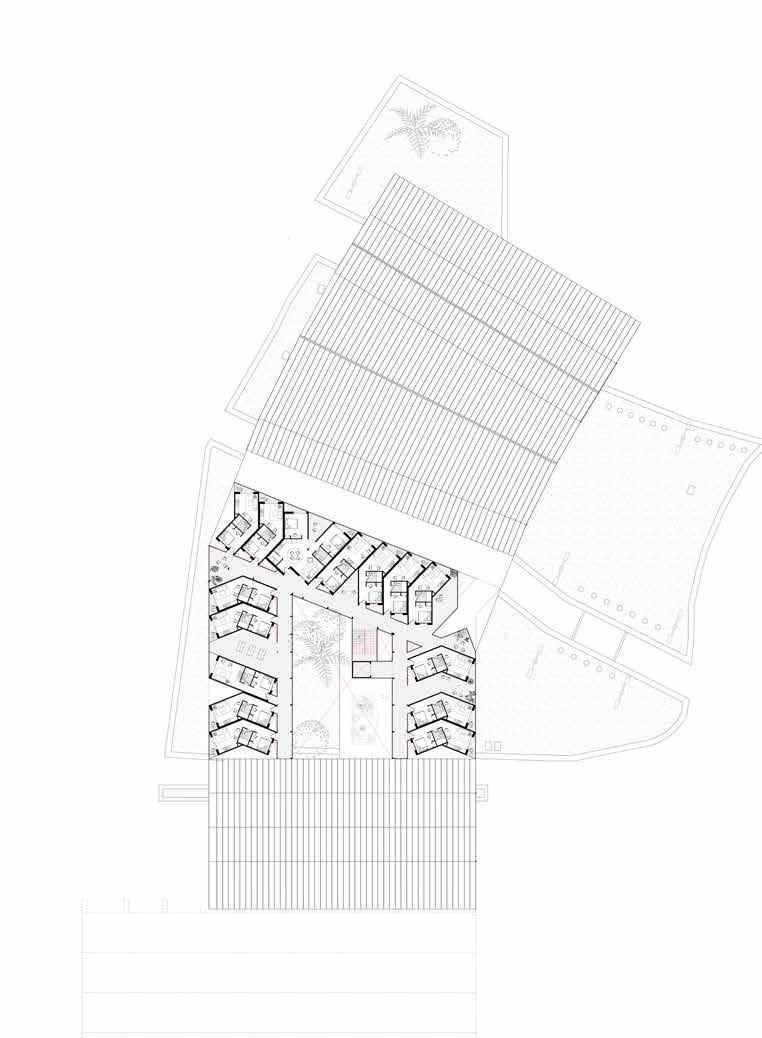
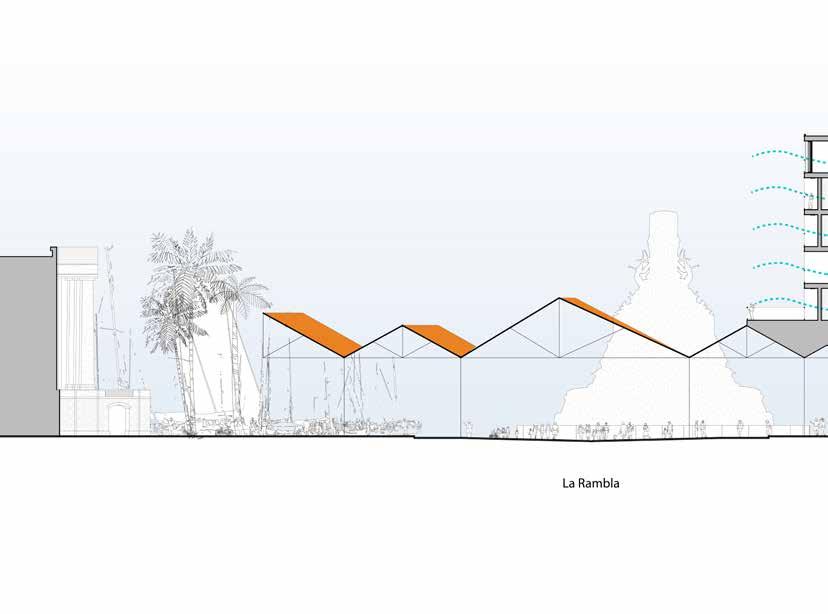
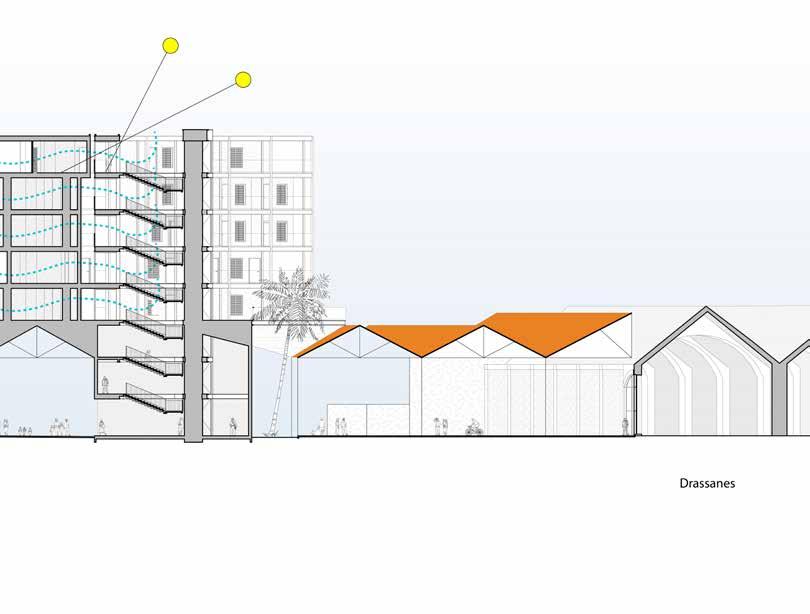
Connective Rhytmns devises a system for housing and public space derived from the formal language of the neighboring Drassanes Royal Shipyards. The project deploys an undulating roof structure across the coastal end of La Rambla—a major pedestrian artery through the heart of Barcelona—providing a shaded moment of pause at the end of the avenue.
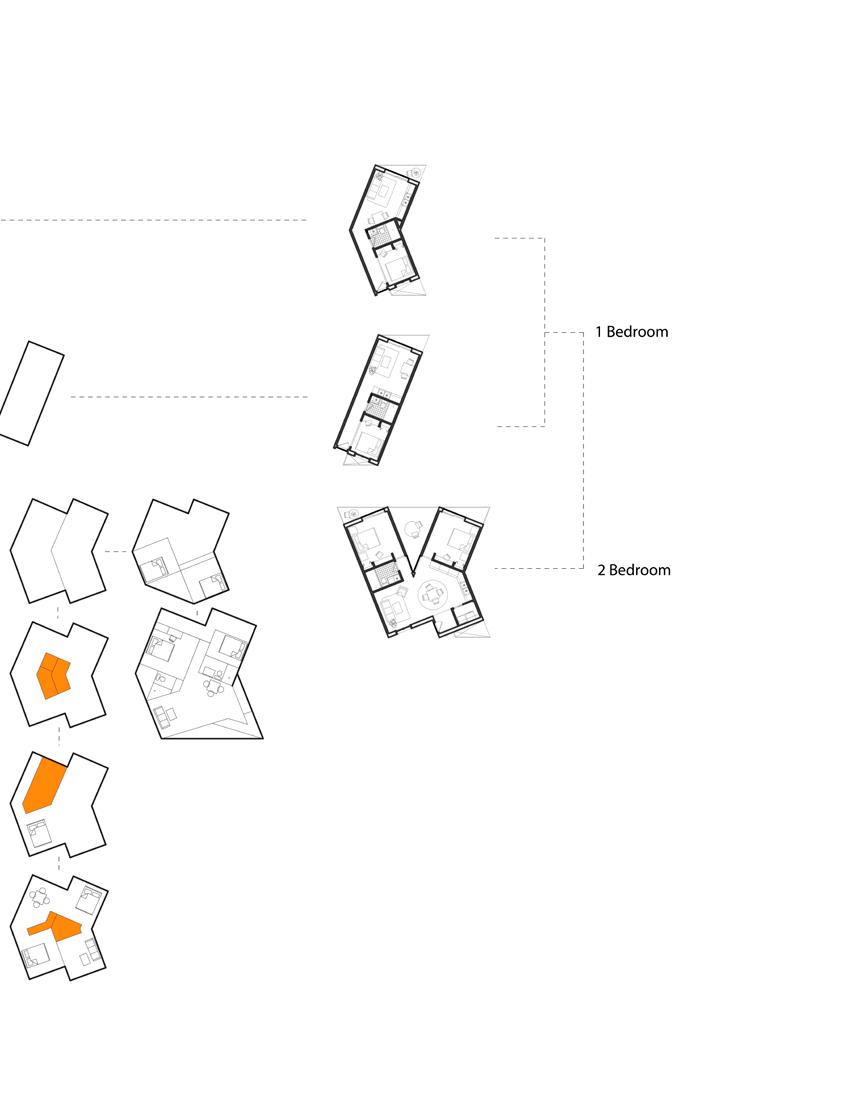
Housing units rise up from above the profile of the roof structure into a private realm above the street level, offering residents a dignified and peaceful living space. The units themselves also derive their design from the profile of the Drassanes roofline. There are three different unit types, two one-bedroom designs, and one two-bedroom design, and their irregular plan layouts allow for dynamic unit aggregation and the creation of an expressive facade. Voids form between the edges of some units which residents can occupy and congregate in.Together, these elements produce a cohesive architectural system that stitches together public and private realms while honoring the site’s historic context..
CONNECTIVE RHYTHM
CONCEPT
CONCEPTS, IDEAS, KEY WORDS

DIAGRAMS
ADDITIONAL
DIAGRAMS/ MODEL PHOTOS
FLOOR PLANS
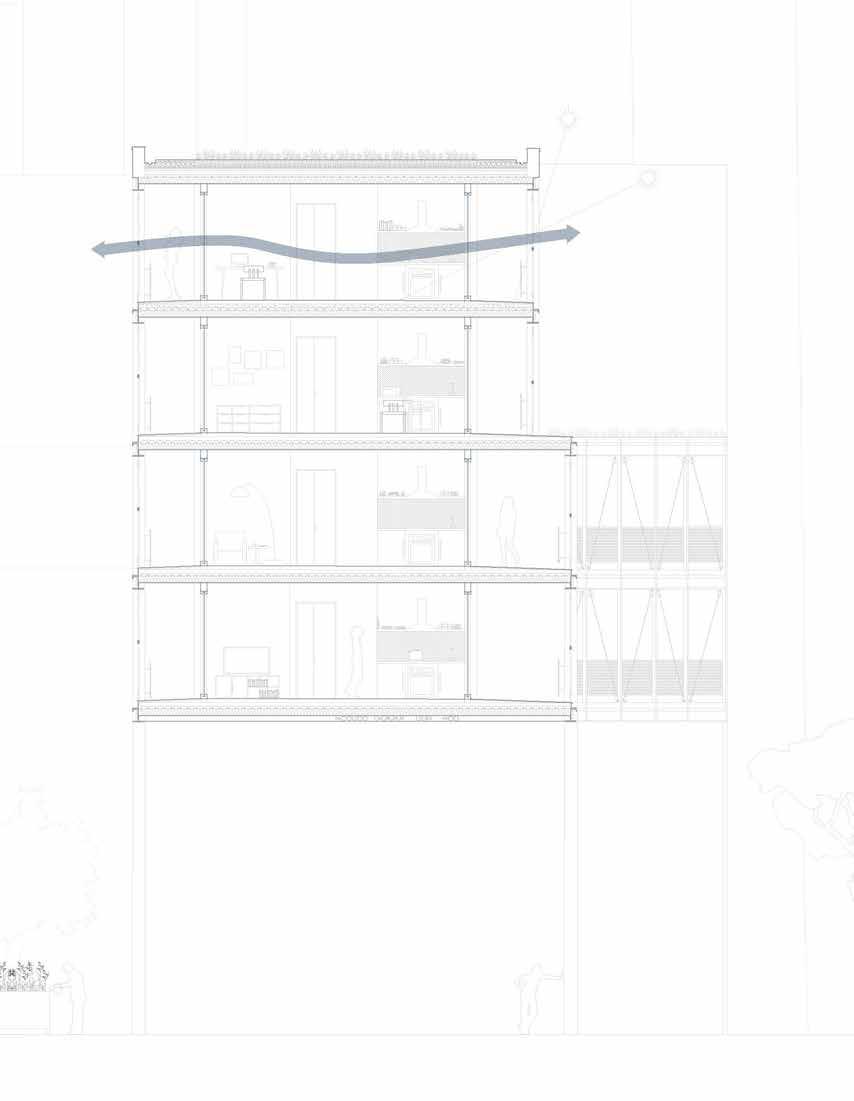
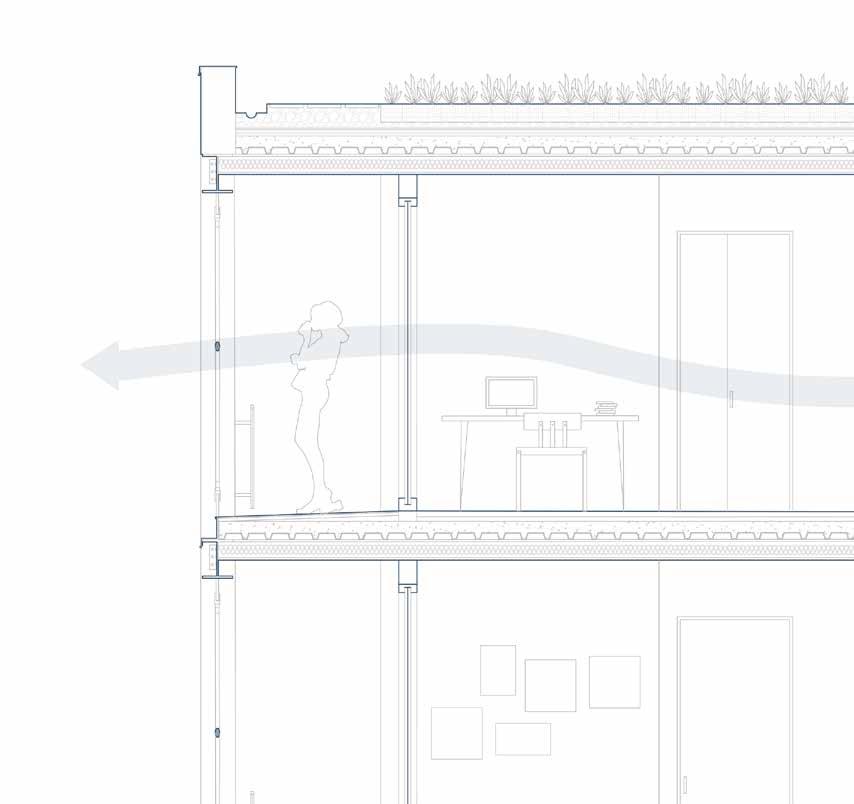
SECTIONS, FAÇADES
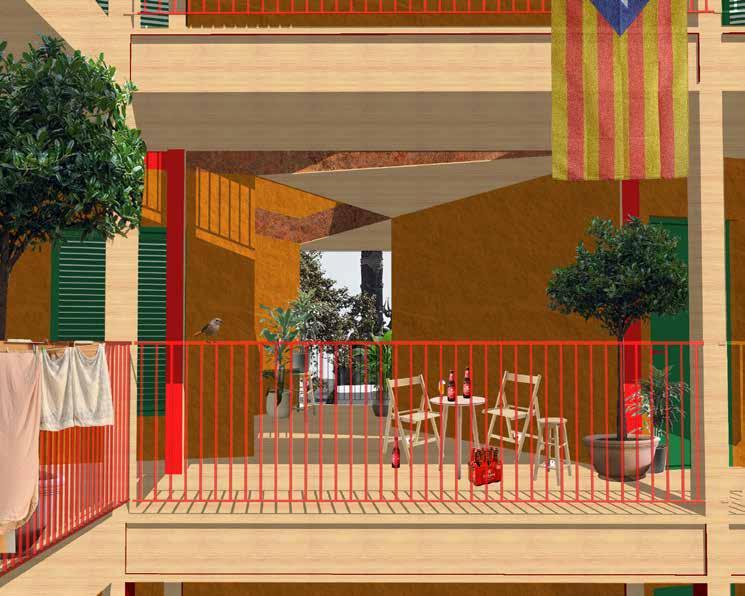
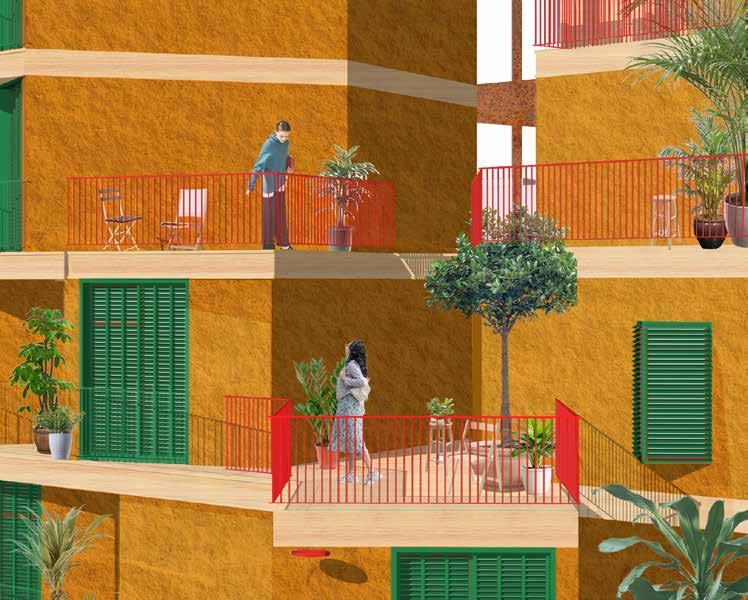
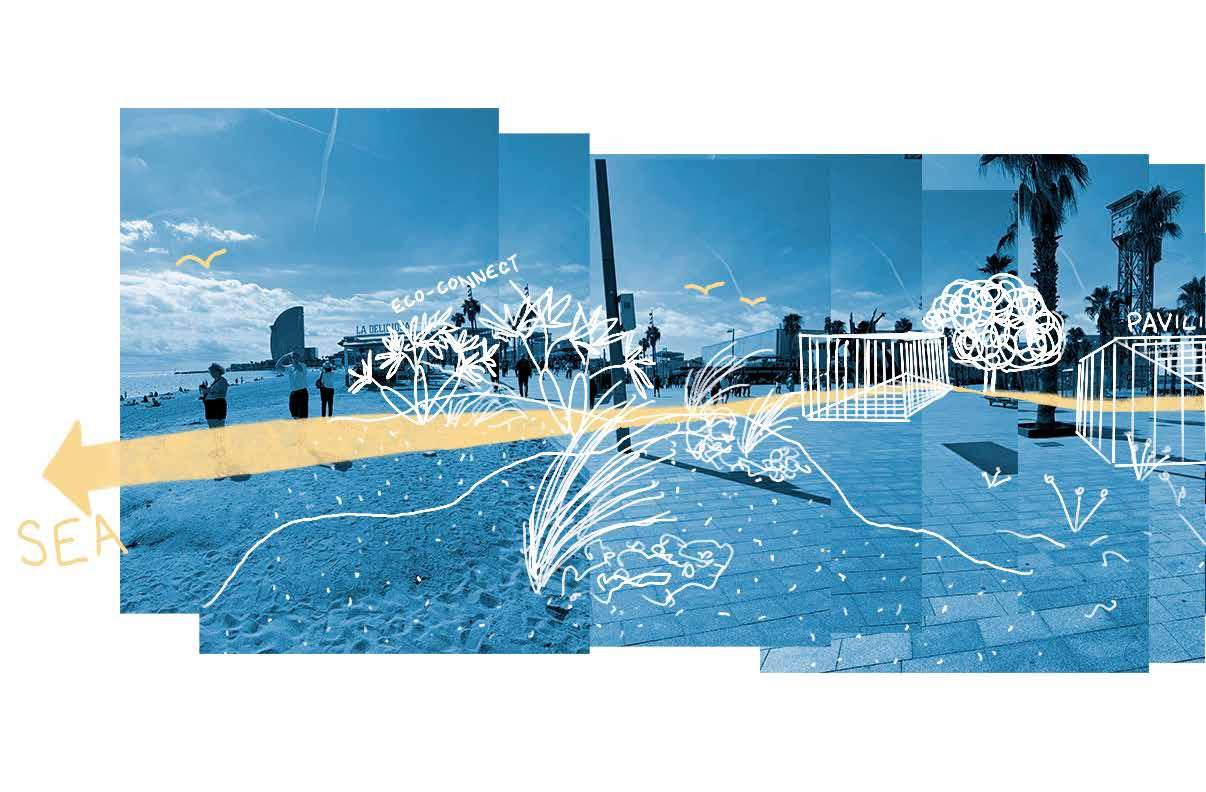
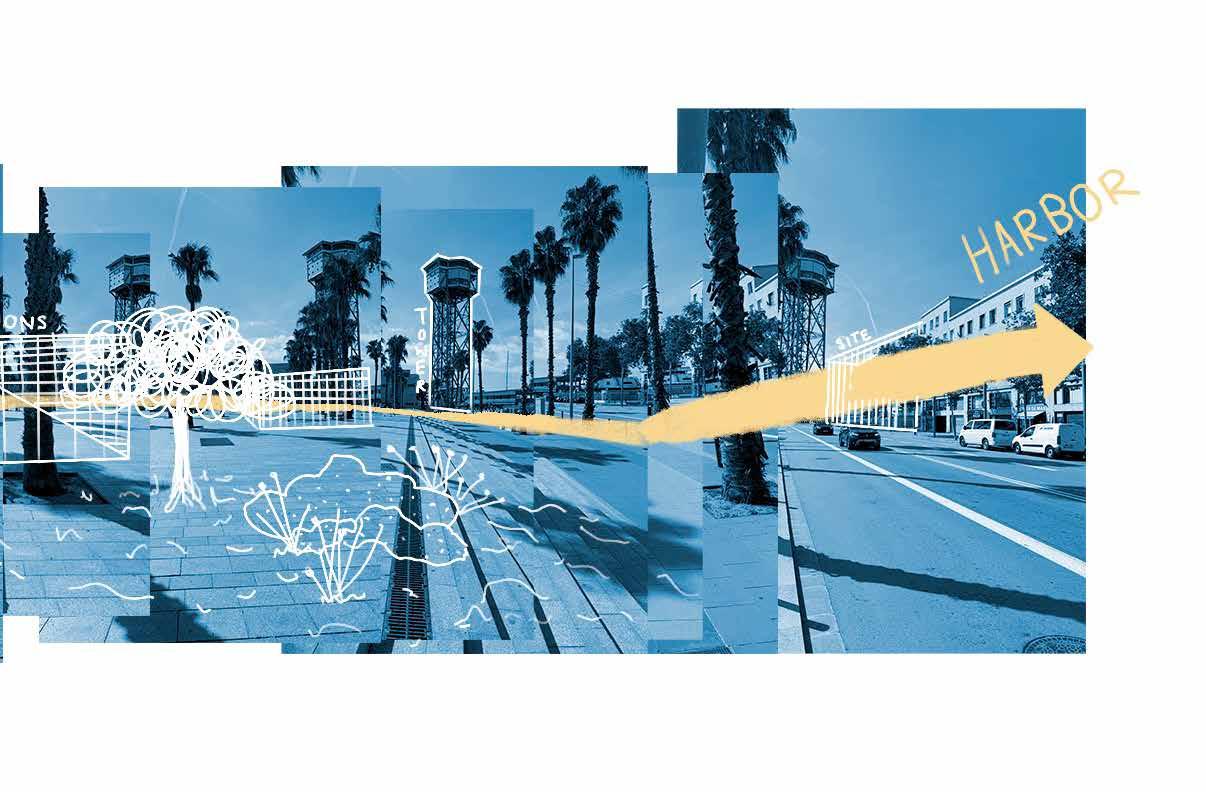
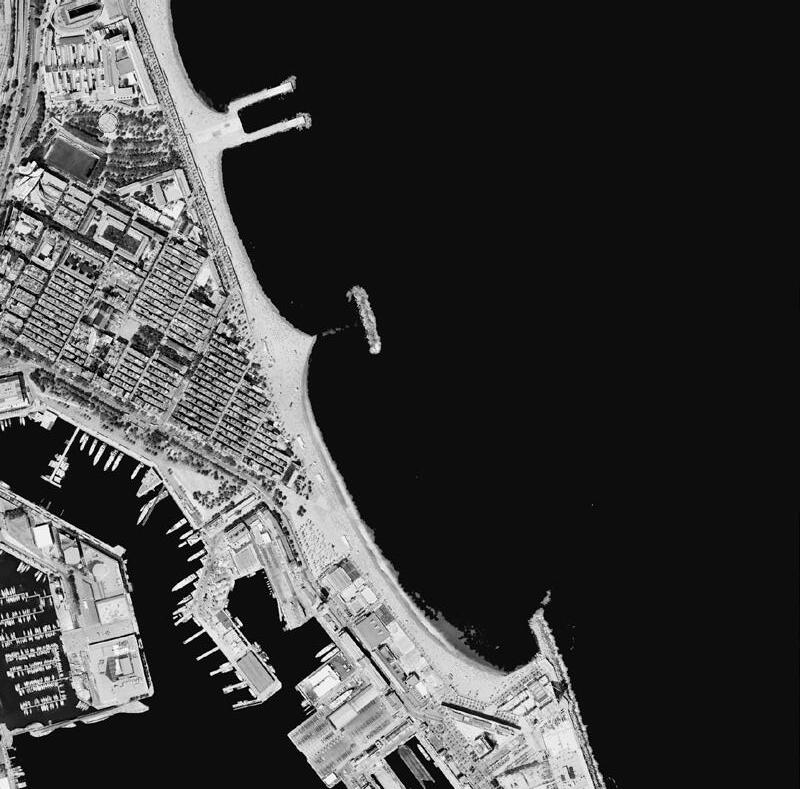
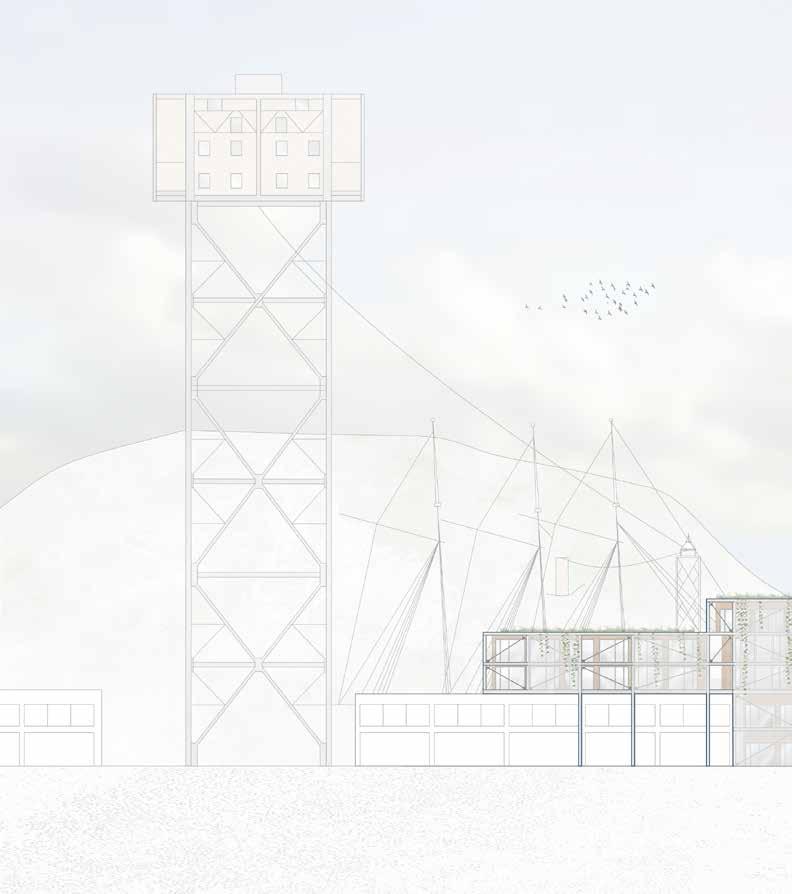
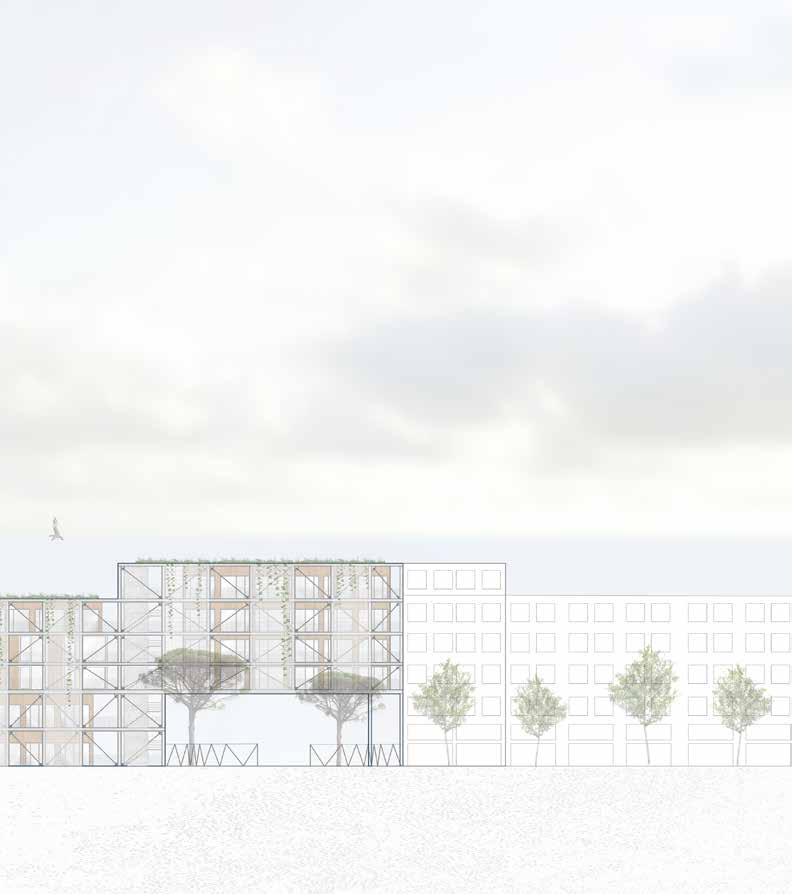
The cOASIS project addresses critical issues identified in the Barceloneta harbor site: lack of shade, limited biodiversity, and most importantly a broken connection between the harbor and sea. This disconnection stems from restricted harbor access and insufficient public amenities along the beachfront.
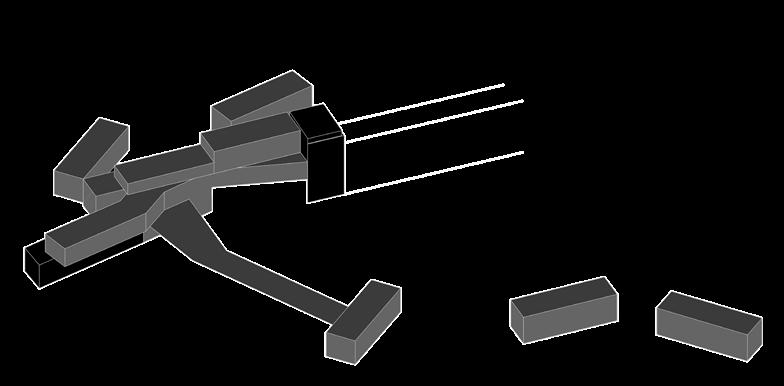
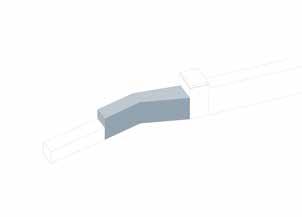
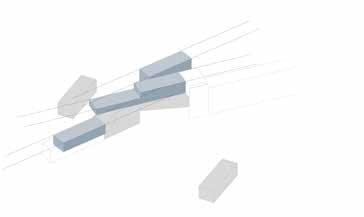
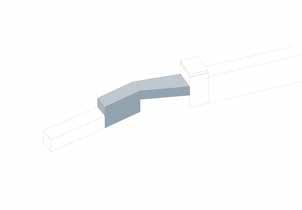
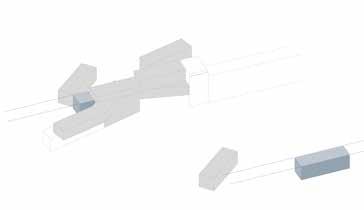
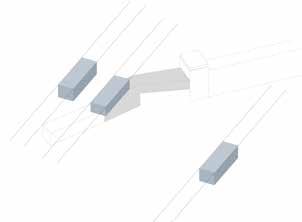
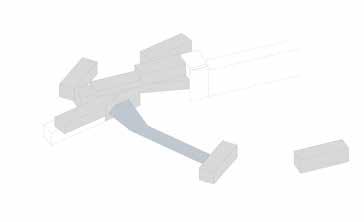
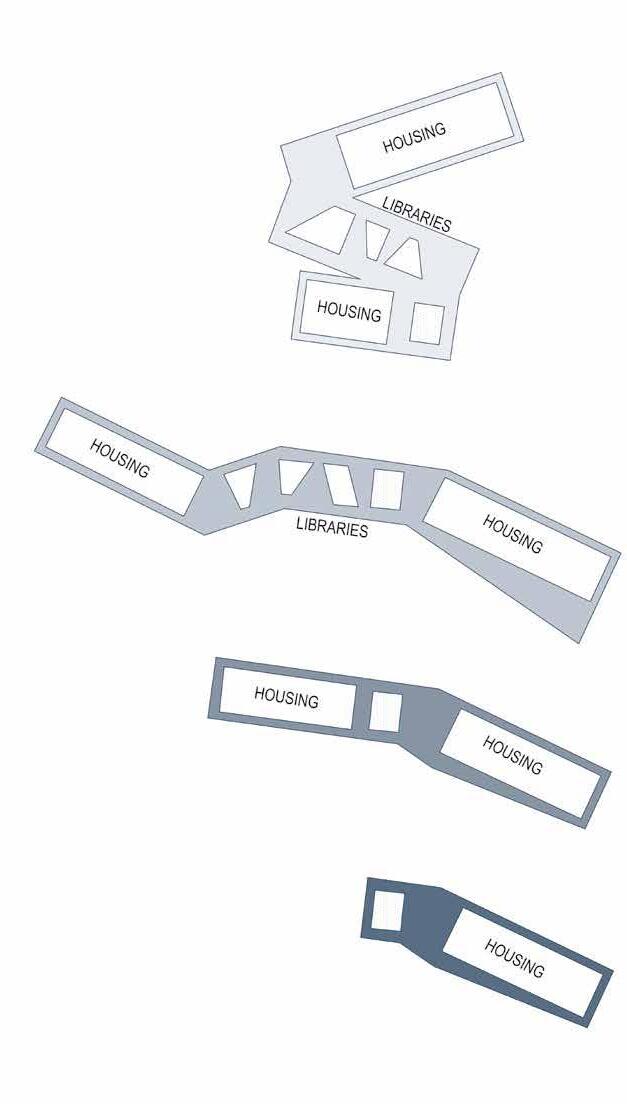
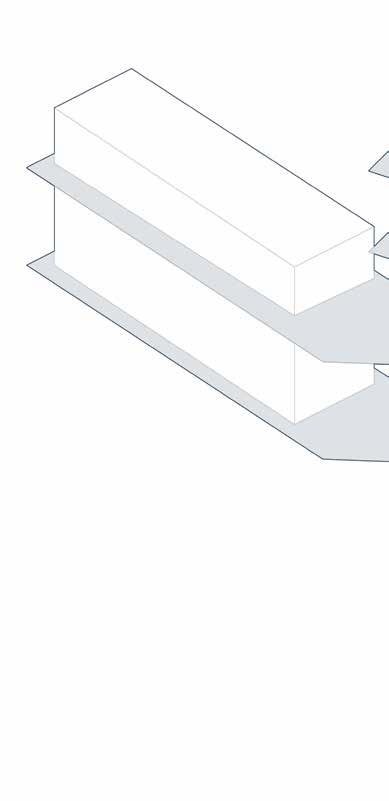
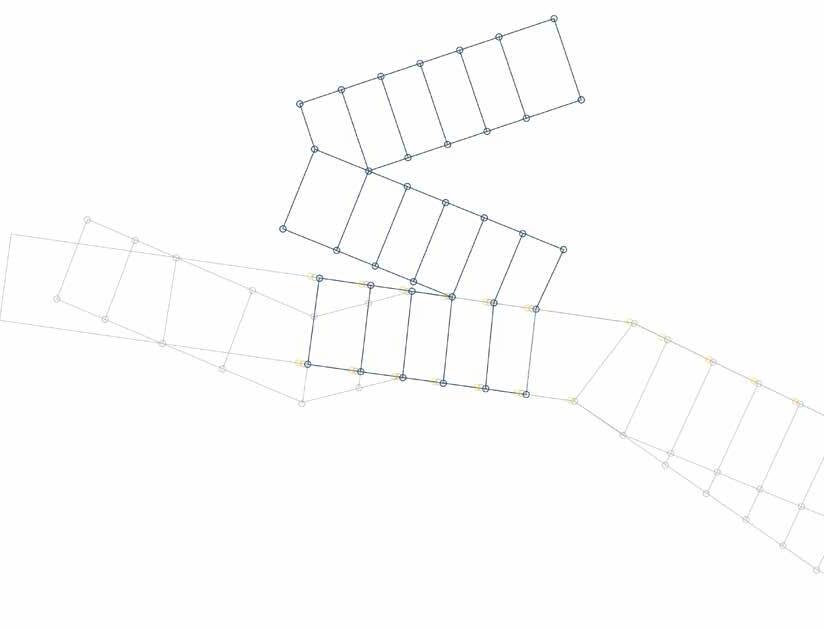
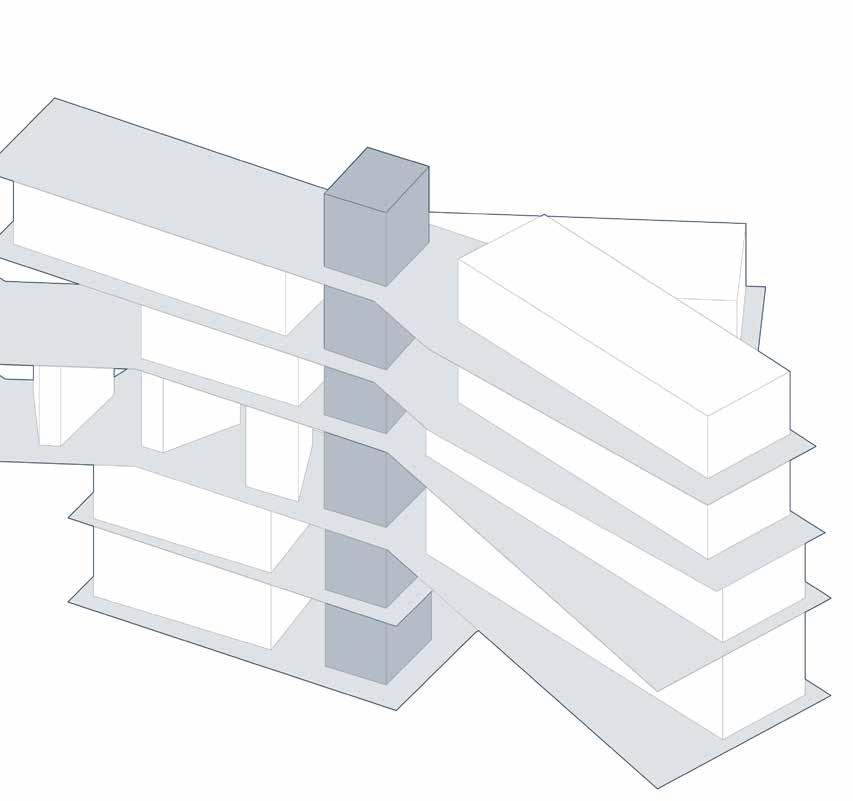
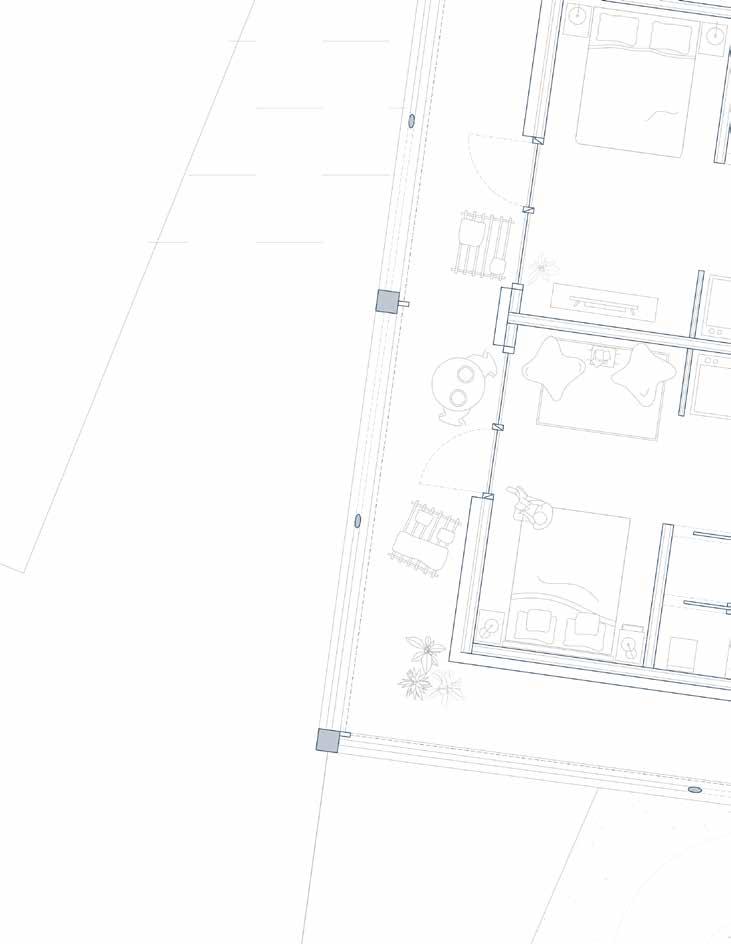
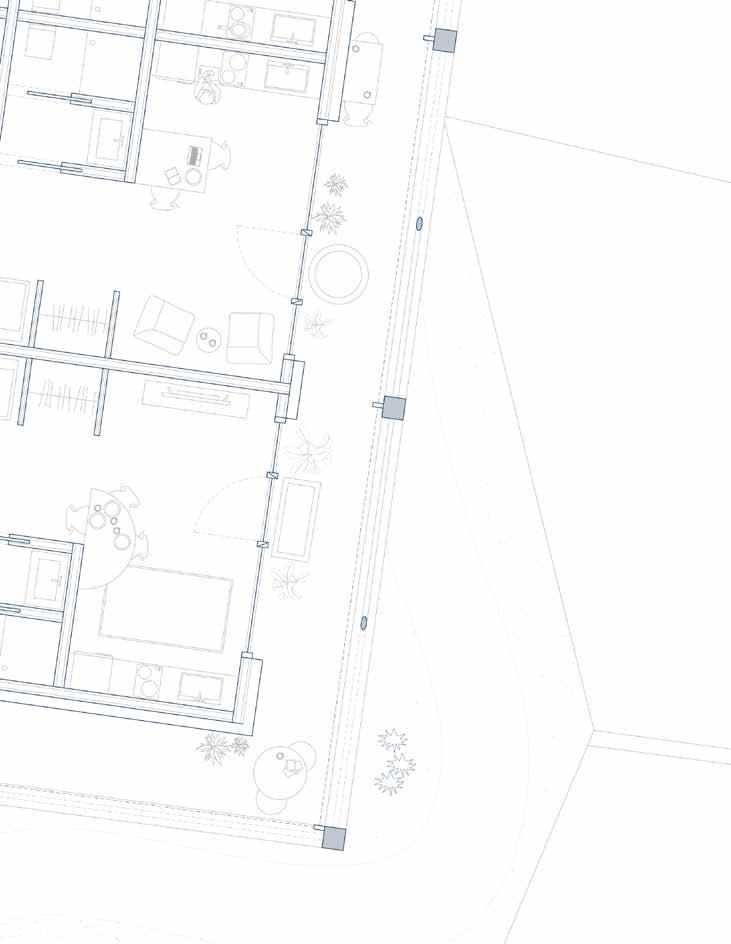
The project repairs this fracture through an integrated approach combining ecological interventions and mixed-use residential development. The housing consists of studio apartments for young adults, organized in rectangular bars that respond to both the existing urban fabric and Barceloneta’s iconic linear typology. As these bars extend beyond the site, they splinter into pavilions on the adjacent plaza, connected to the main housing through a public bridge.
Each pavilion serves a distinct program, with a library functioning as the key public element that bridges private and public realms. Located in the first pavilion and on the housing project’s second floor, the library creates a continuous public promenade linking the harbor and sea. Visitors can now traverse Barceloneta from the public plaza, up to the second-story bridge, through the library and social housing, and onto terraces overlooking the harbor, therefore reconnecting the two bodies of water through a single experiential pathway.
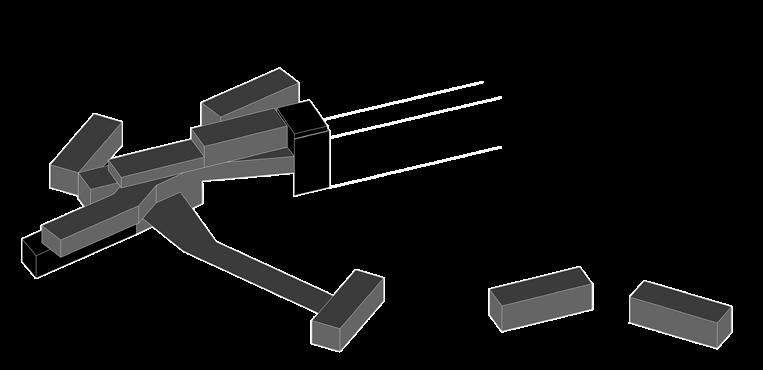
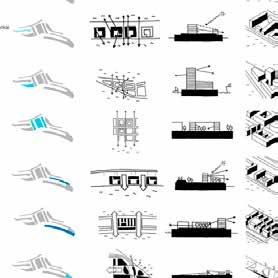
FORM DIAGRAM
CONNECT ANGLE - EXISTING BUILDINGS
LIFT
ANGLE - BEACH EDGE
ANGLE - BARCELONETA BLOCK
CONNECT

ELEVATION
TYPICAL UNIT PLAN
CROSS
COLLAGES
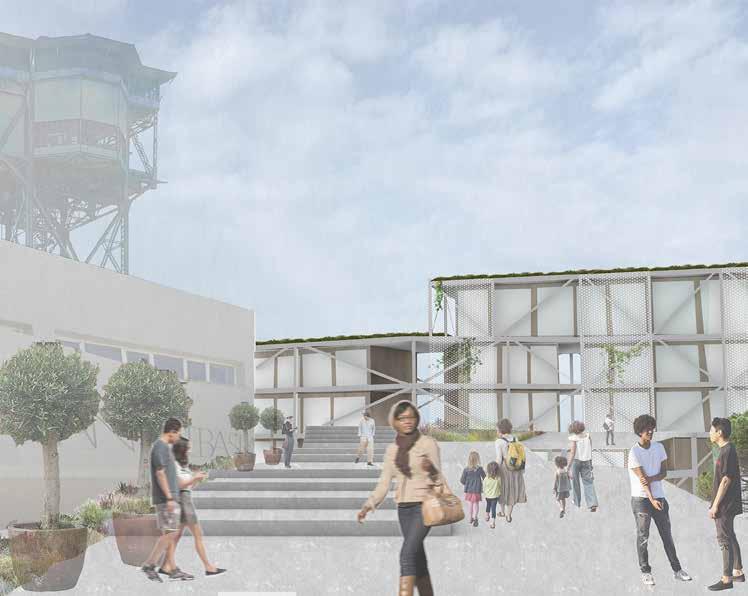
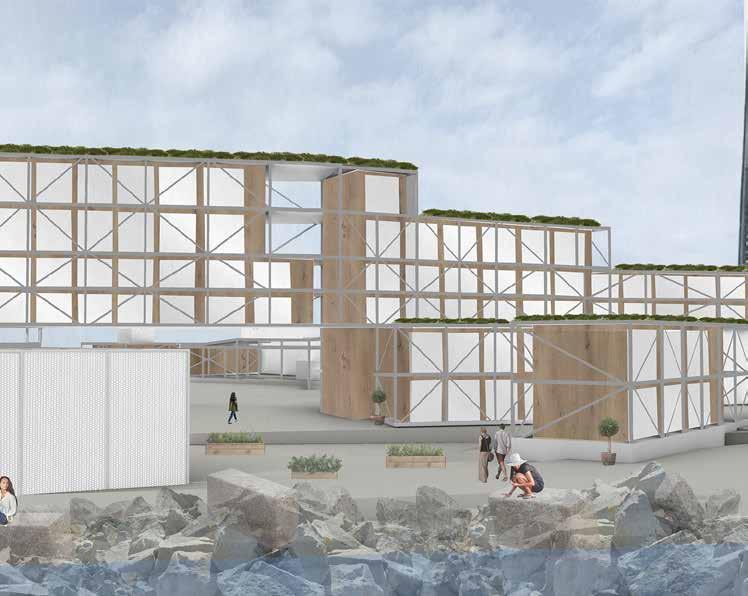
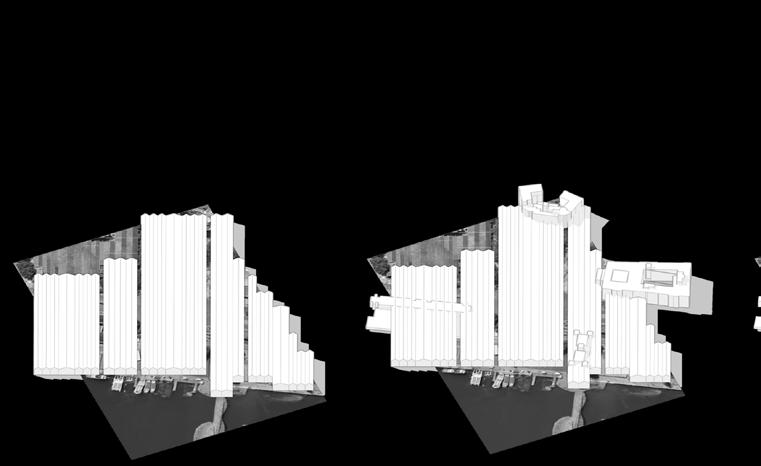
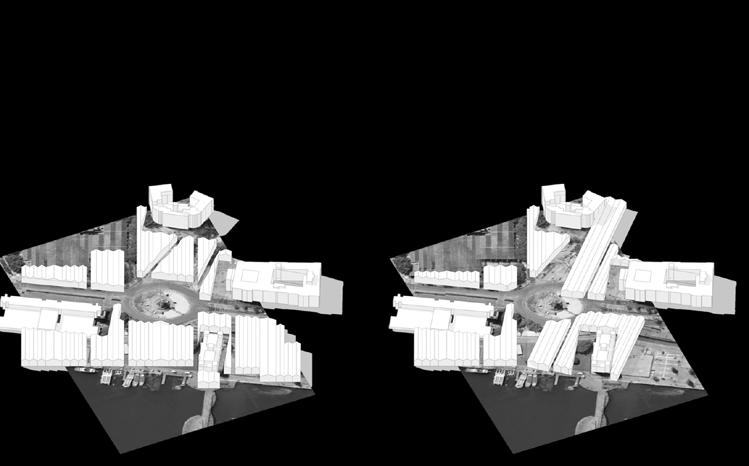
This urban-social housing situated along the Moll de la Fusta area of Barcelona aims to integrate new housing while respecting the surrounding historical and environmental context. The design focuses on enhancing connections between the urban space and the waterfront, situated near the Mediterranean Sea. It addresses both the social and functional needs of residents. It also arranges public and semi-public areas throughout, to maintain existing thoroughfares and to provide accessible green space.
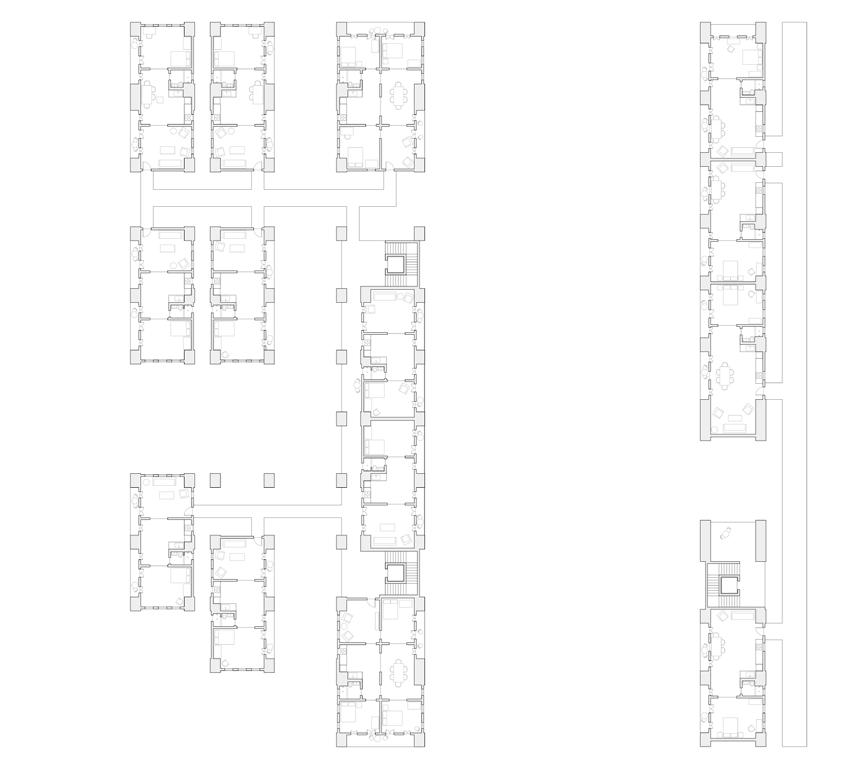
The proposed buildings are strategically positioned to avoid blocking the sea view from existing structures. They are located along blind sections of façades or in alignment with streets, ensuring that sightlines to the sea remain uninterrupted. Additionally, the design leaves sections of the building unbuilt, allowing for the extension of windows and openings in these areas.
Key interventions include extending green corridors, improving pedestrian access, and minimizing car usage. The project balances contemporary needs with the consideration of historical context, creating a sustainable, socially cohesive space that benefits both residents and the broader community.

JEFFREY
SITE:
MOLL DE LA FUSTA
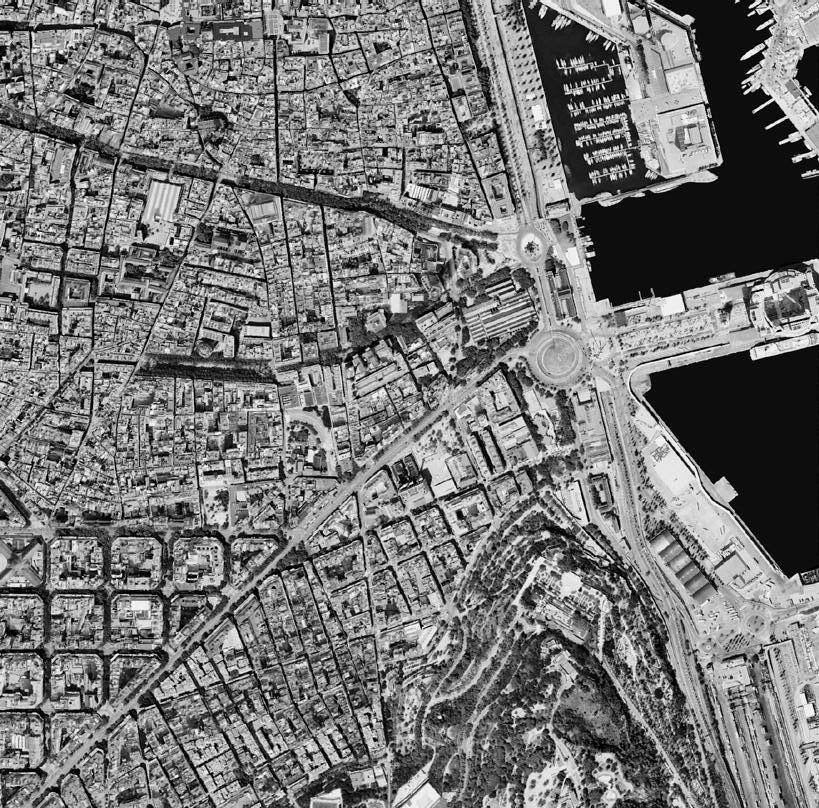
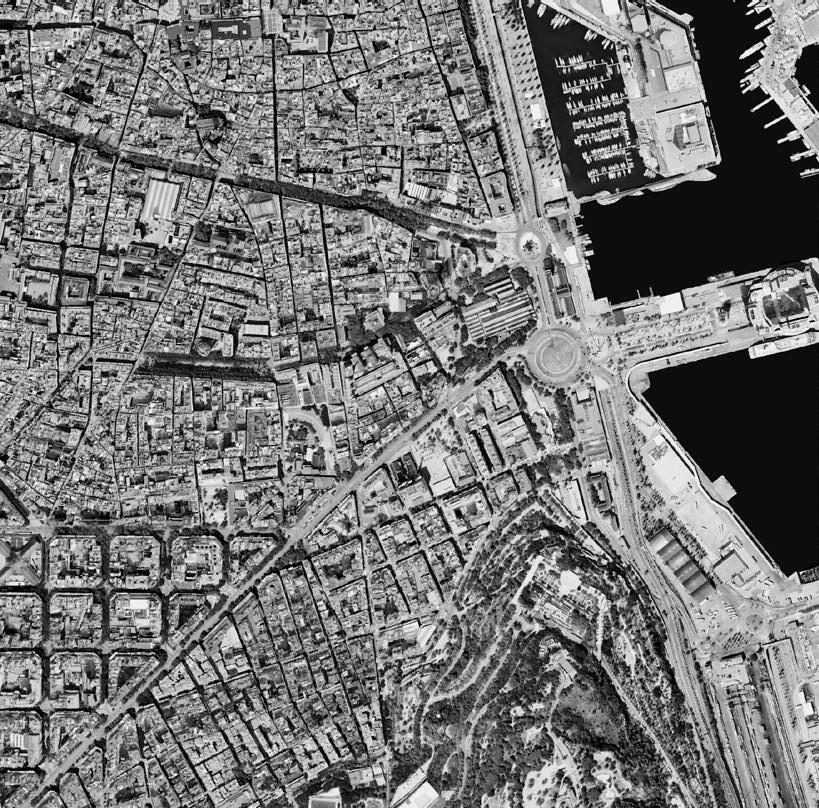
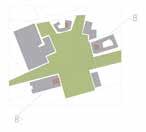
The site is located at the Moll de la Fusta, a significant junc tion between the Old City and the harbor. In addition to a large highway cutting though the site, the Moll de la Fusta hosts Passeig de Colom, an eight-lane road serving as junction between three major thoroughfares. It also sits between Montjuïc and Parc de la Ciutadella, two prominent green spaces in the city.
URBAN CONTEXT
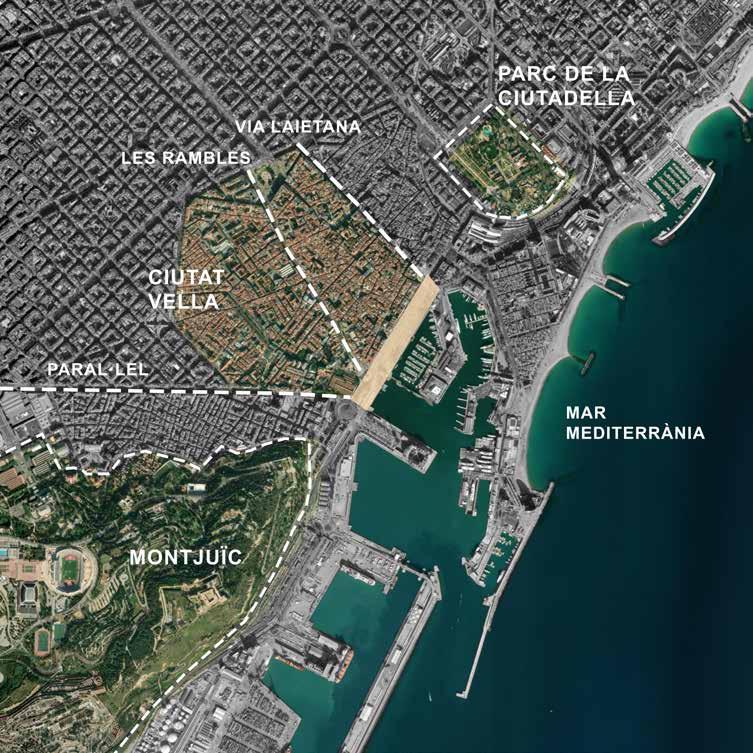
JEFFREY
ENVIRONMENTAL CONTEXT
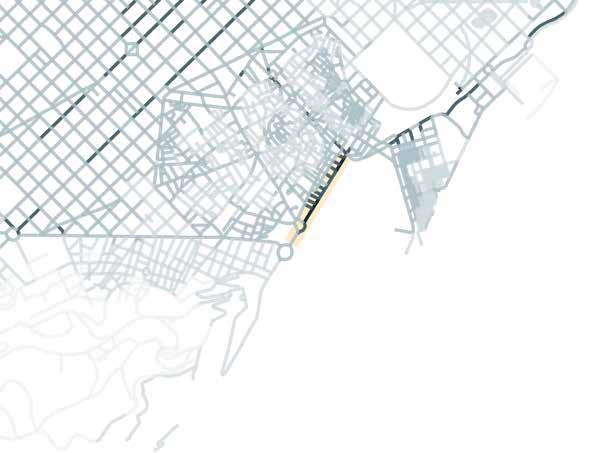
STREET POLLUTION
Due in part to the significant vehicular traffic on the site, the area around the Moll de la Fusta has some of the highest rates of air pollution in Barcelona.
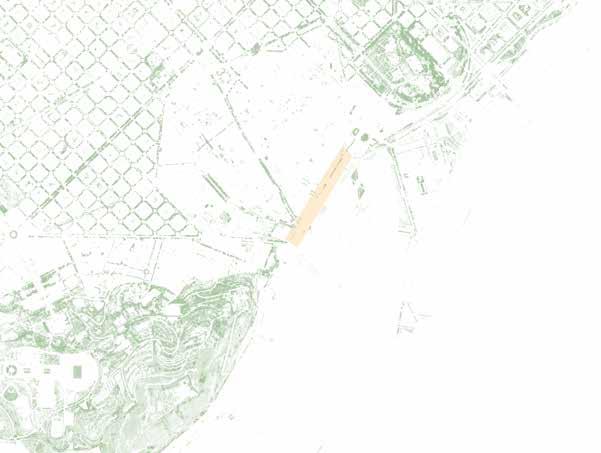
NORMALIZED DIFFERENCE VEGETATION INDEX
The Moll de la Fusta like much of the neighboring old city, is lacking significant vegetation cover. While there are couple species of palm trees lining the promenade, there is a lack of diversity and quantity of plant life in the area stretching between two of the main green spaces in the city.
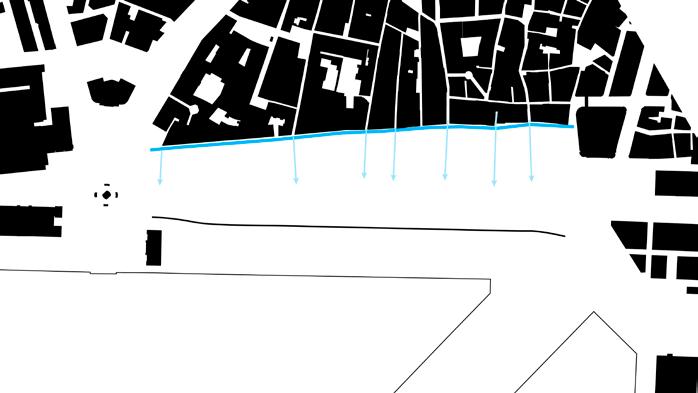
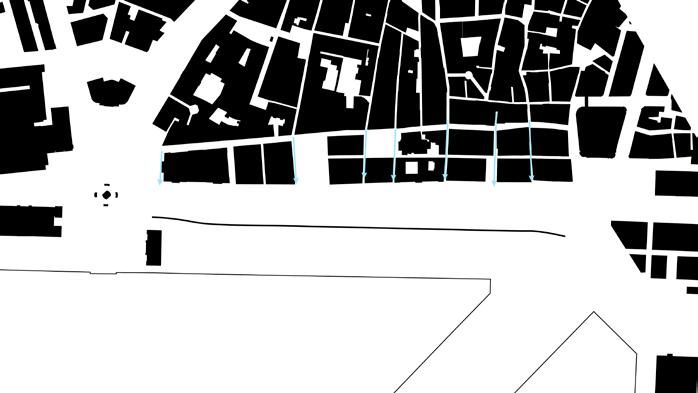
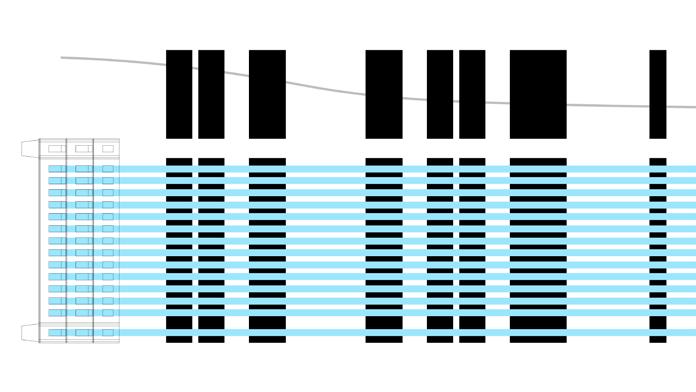
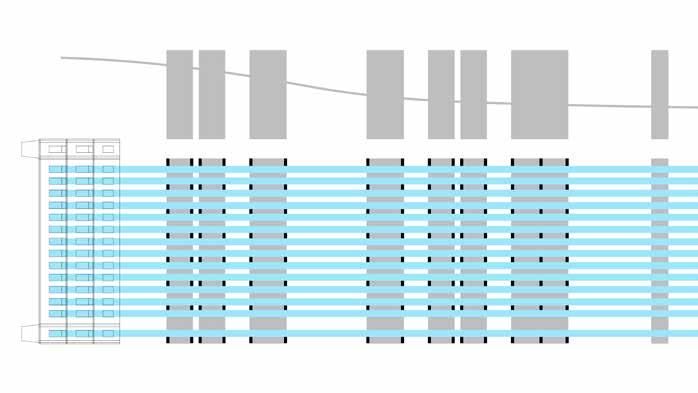
1. EXAMINE EXISTING AXIS & DRAW EXISTING LINES
2. EXAMINE EXISTING EDGE
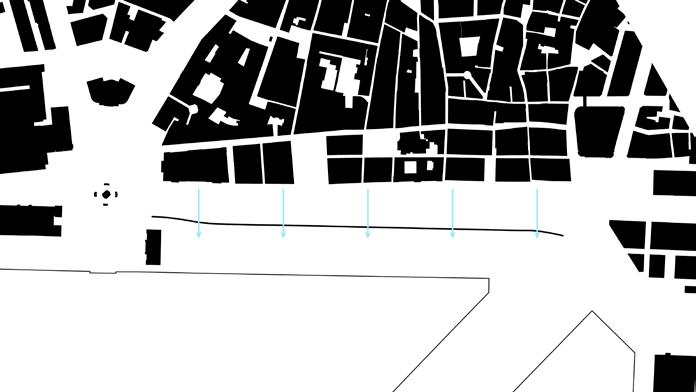
3. REPEAT EDGE
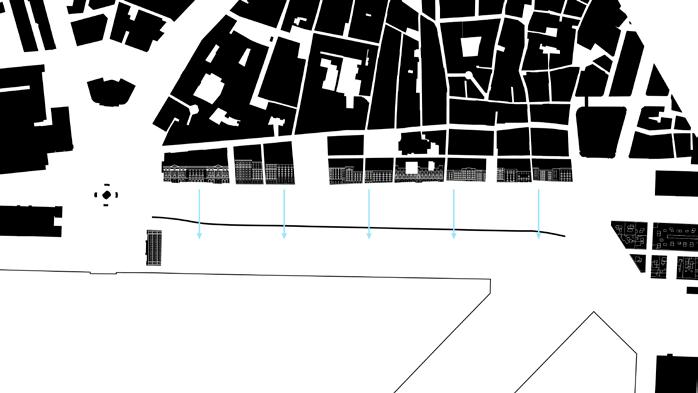
4. DRAW EXISTING FAÇADE
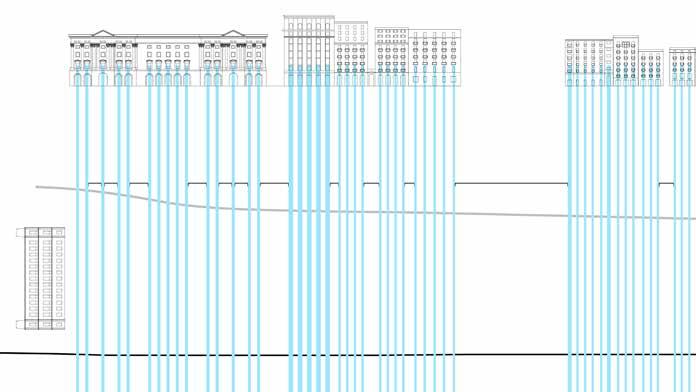
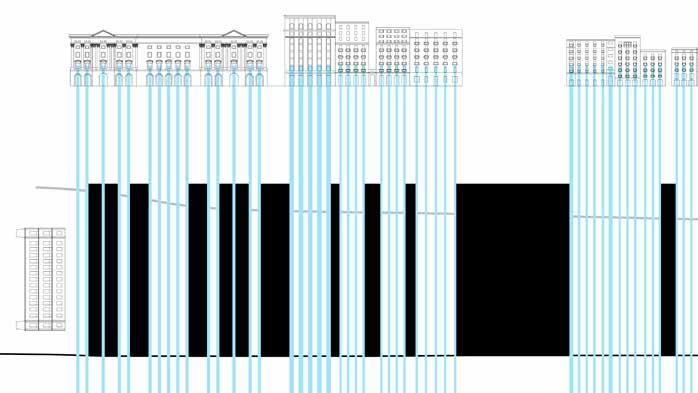
6. M EASURE DISTANCE BETWEEN LINES & FILL IN GAPS GREATER THAN 4M
5. PULL WINDOW LINES
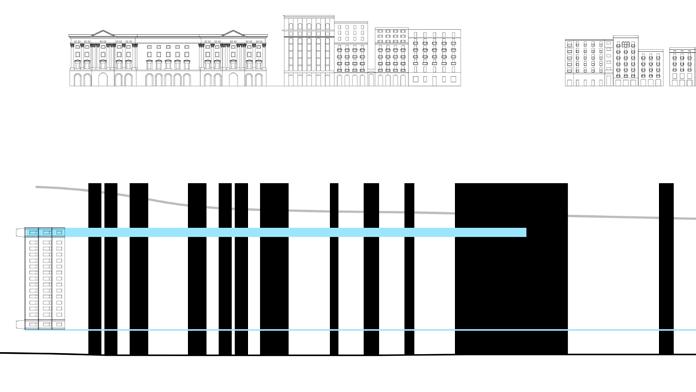
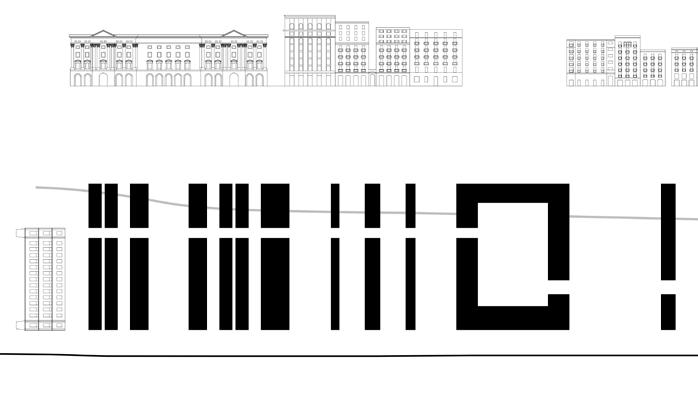
8. USE LINES TO BREAK VOLUMES
7. PULL LINES FROM SIDE
FORM DIAGRAMS
10. USE LINES TO DELINEATE STRUCTURE
9. DRAW SIDE FAÇADE & WINDOW LINES
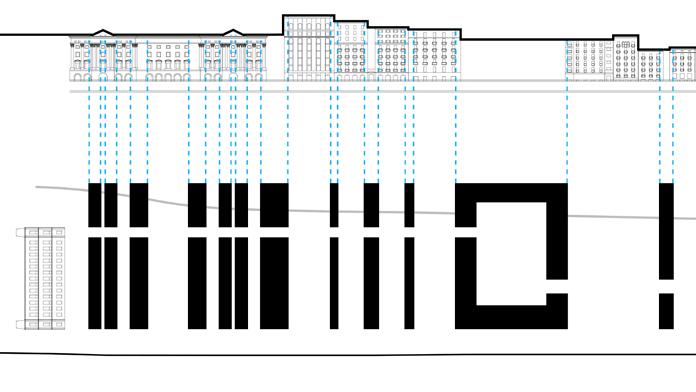
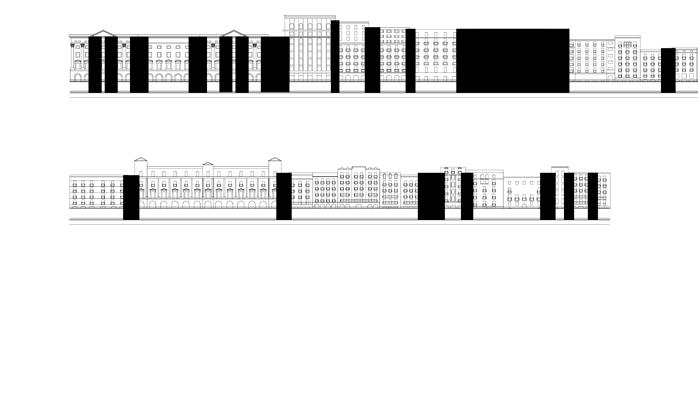
12. APPLY TO NEW BUILDINGS
11. DRAW EXISTING FAÇADE HEIGHT
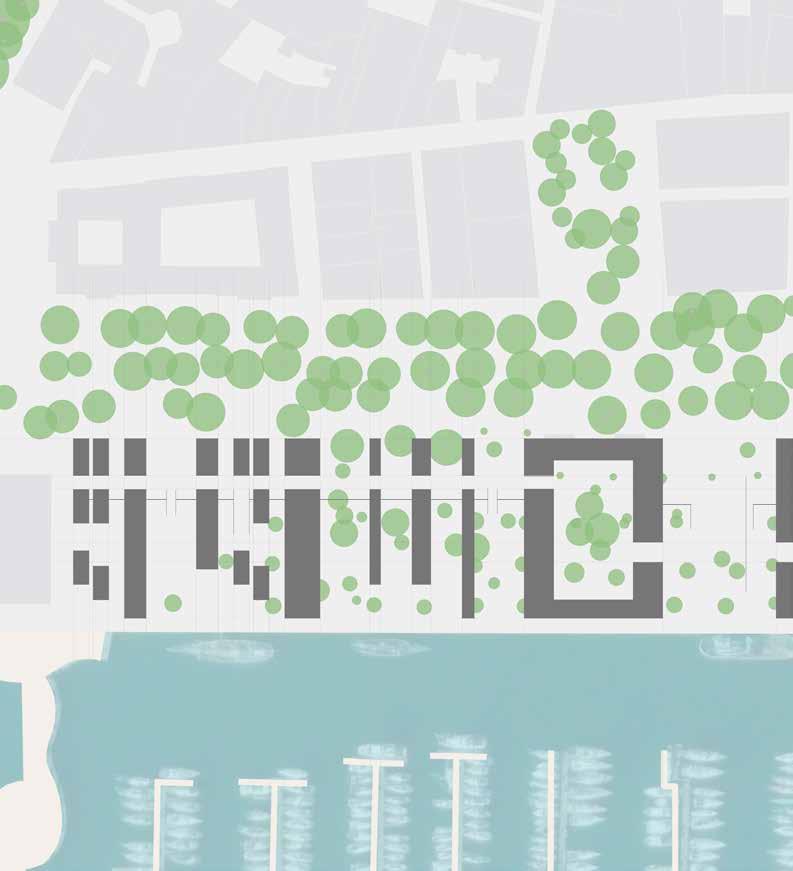
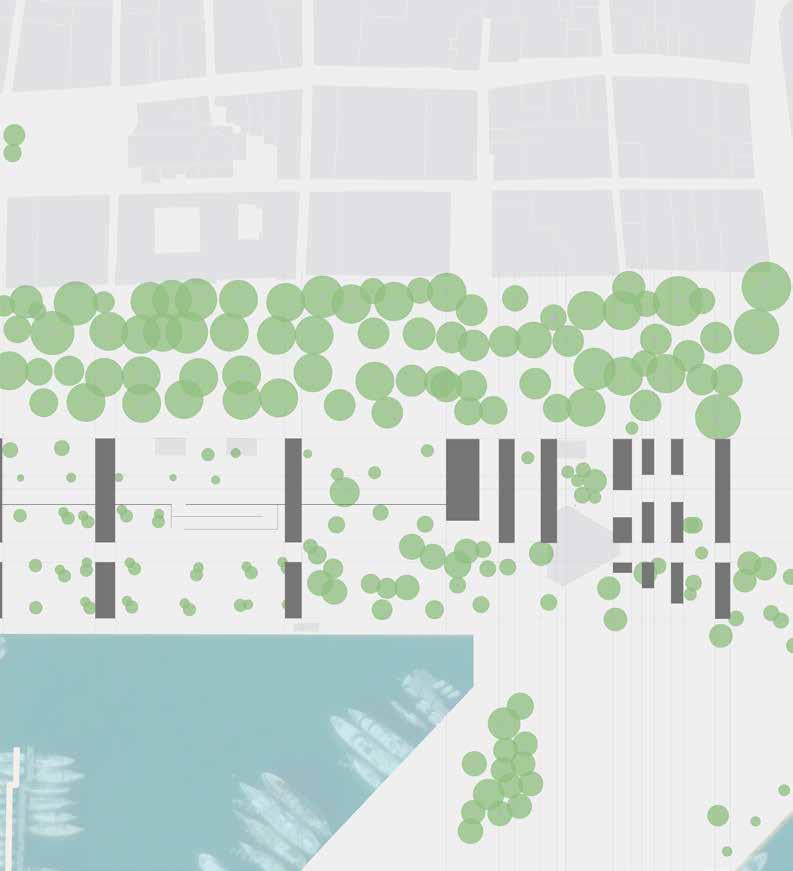

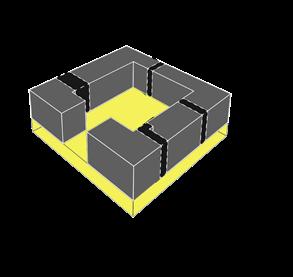
BAR CLUSTER COURTYARD
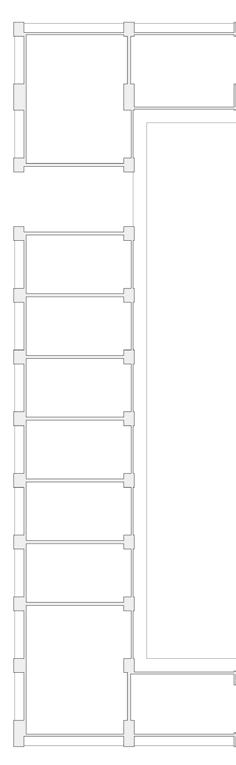

SINGLE BAR
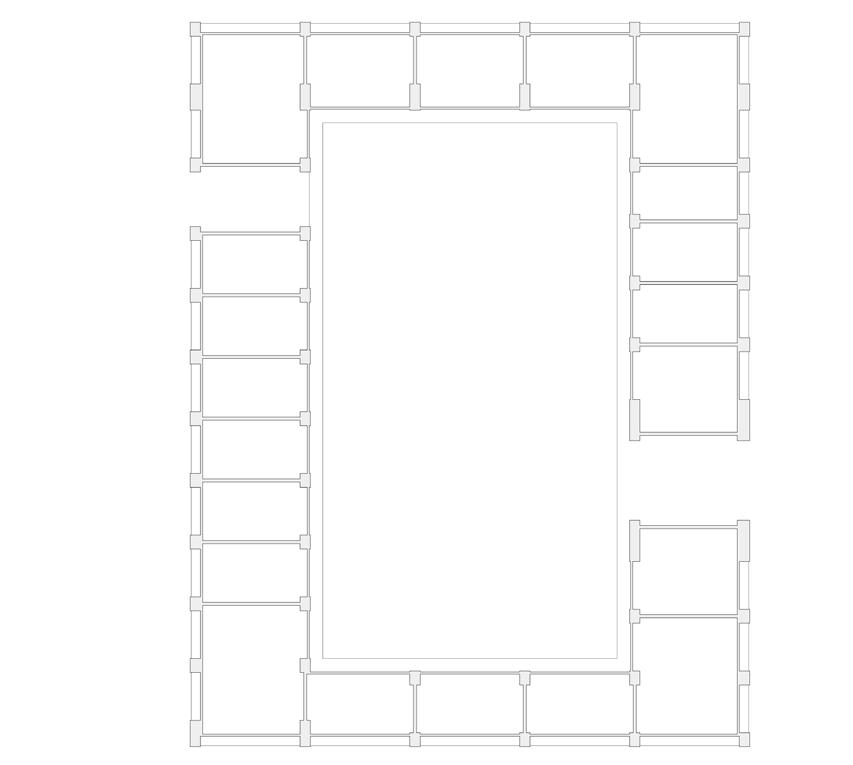
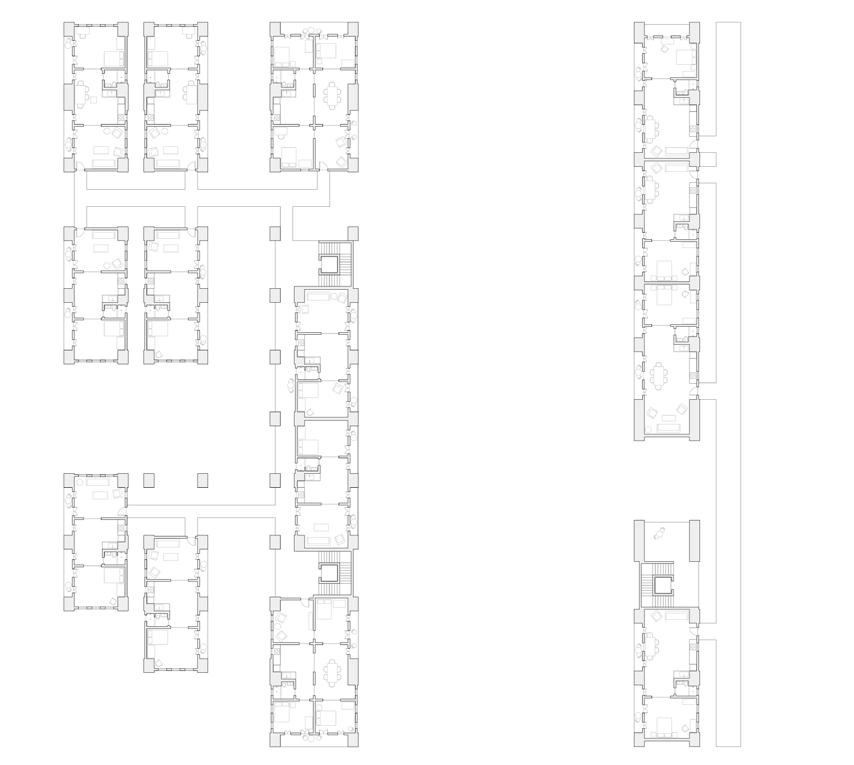
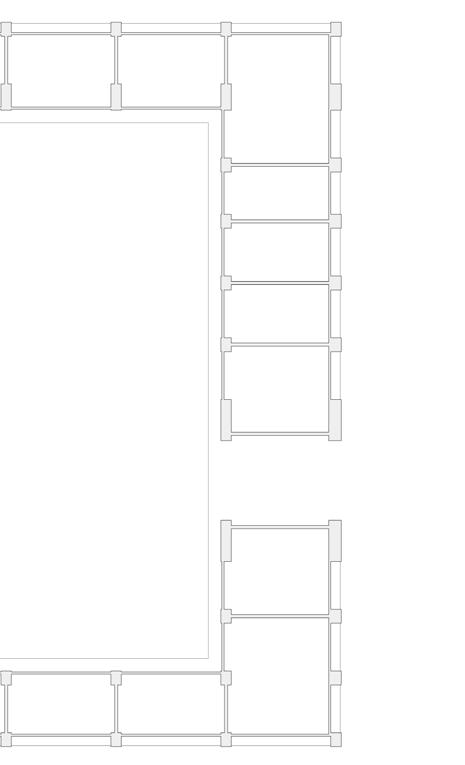
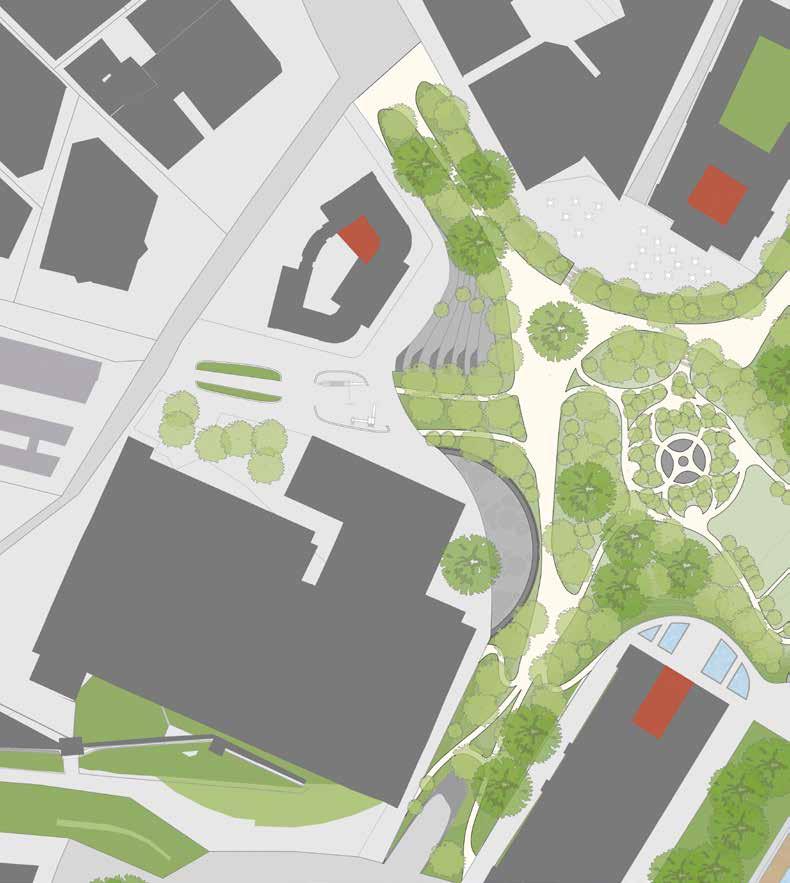
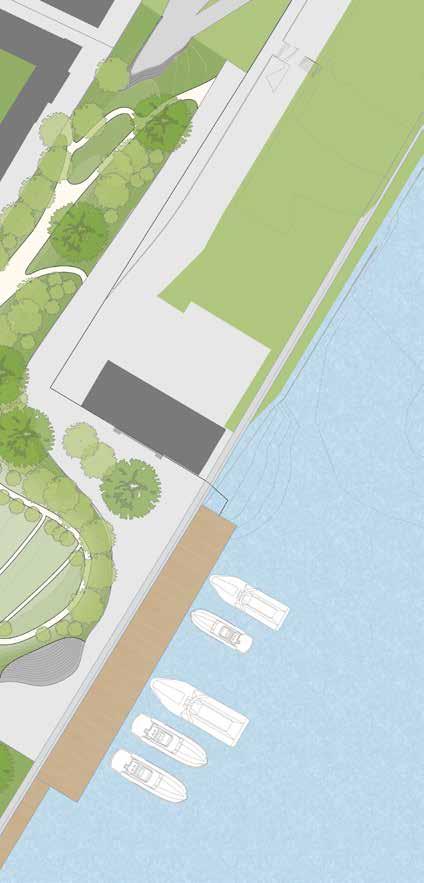
What gives Barcelona its distinct identity is the way the landscape and the sea are continuously framed in relation to the urban condition. Over time, the city has evolved through layers of negotiation between geography, infrastructure, and public life. This iterative process, however, has often produced moments of instability and rupture, resulting in a lack of continuity between the natural landscape and the lived urban environment.
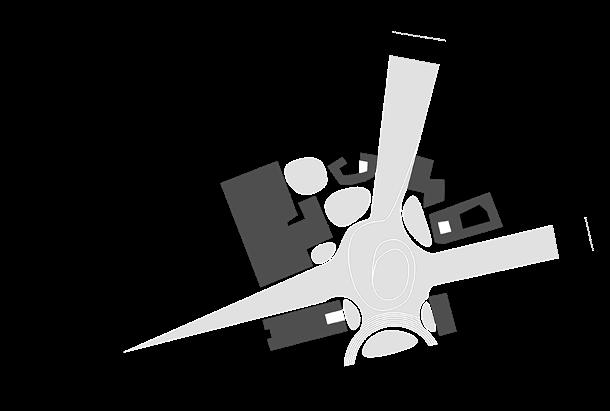
At the threshold between La Rambla and the Moll de la Fusta, this rupture is especially evident. Though these two conditions historically suggest transition and connection between the city and the sea, the space between them no longer supports human occupation or meaningful engagement with the waterfront. Instead, it functions predominantly as a zone of transit; One shaped by vehicular priority and the urgency of movement. The former presence of the Columbus Monument emphasized this condition, operating more as a visual marker than as a groundbased civic space.
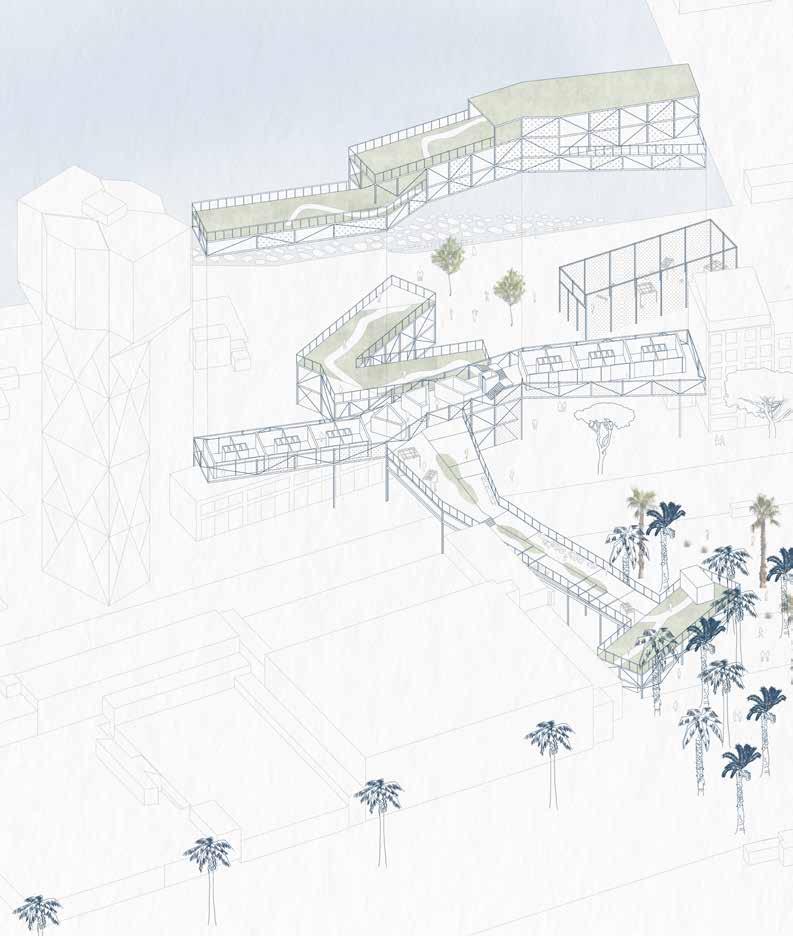
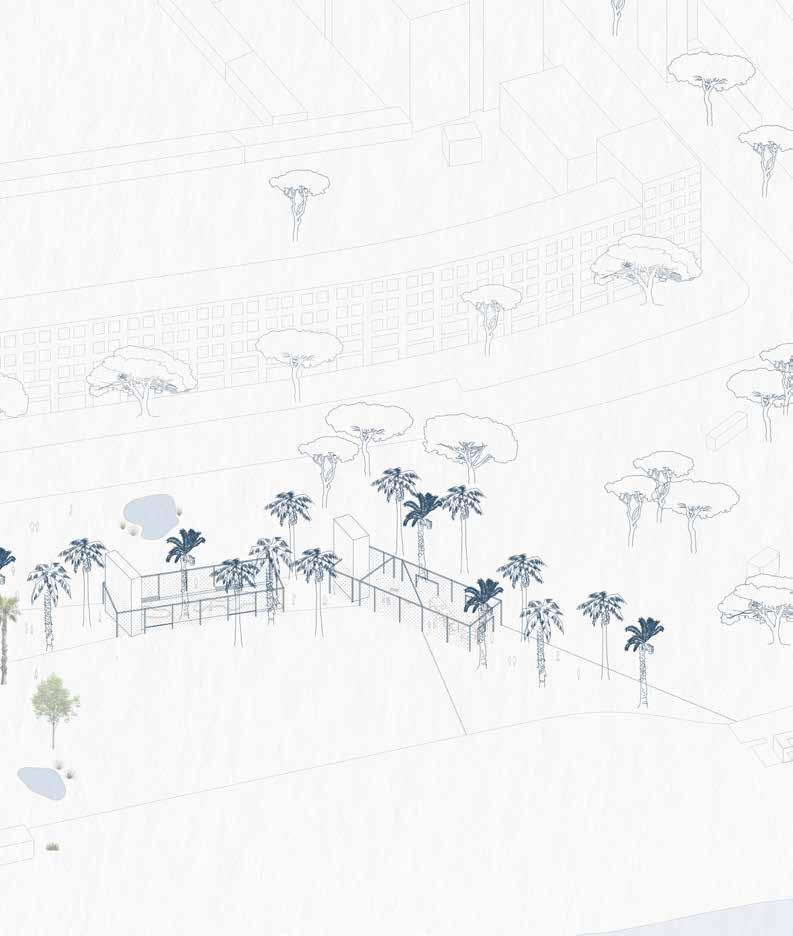
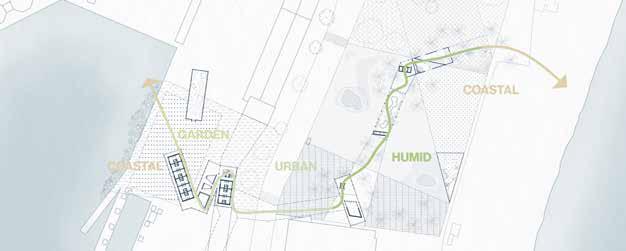
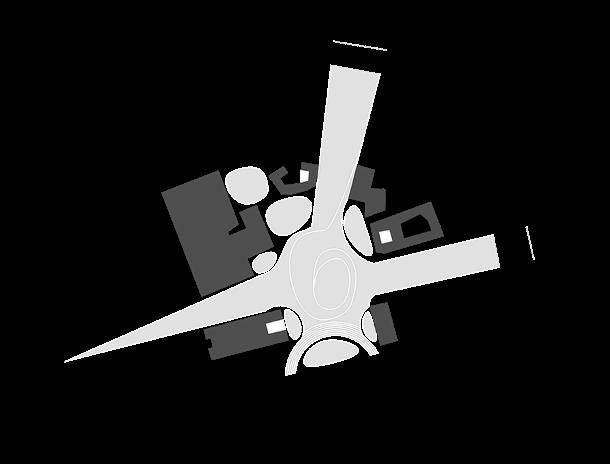
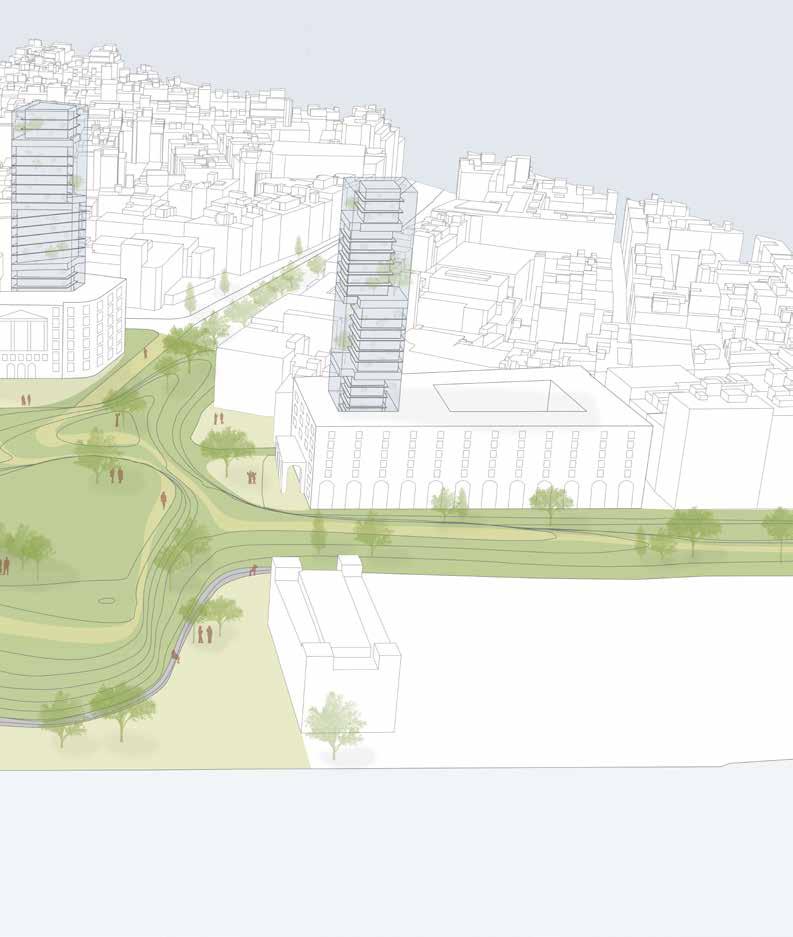
Here, a new urban figure emerges: not as a monument, but as a civic mediator. It transforms the roundabout from a surface of movement into a place of arrival, pause, and gathering. Acting as a hinge between La Rambla, the waterfront, the surrounding urban fabric, Montjuïc, and the Ciutadella, it re-stitches longseparated relationships through topography, occupation, and public life. A large inhabitable mound reshapes the ground plane, allowing the city to rise, fold, and reconnect with the sea through continuous pedestrian movement, play, rest, and framed views.
Rather than reinforcing the dominance of infrastructure and tourism-driven circulation, the landscape prioritizes slowness, inhabitation, and collective experience. It redirects attention from movement alone to presence; inviting the body to occupy the site rather than pass through it. In doing so, the space becomes an active participant in daily life, restoring a civic dimension once lost to traffic and speed.
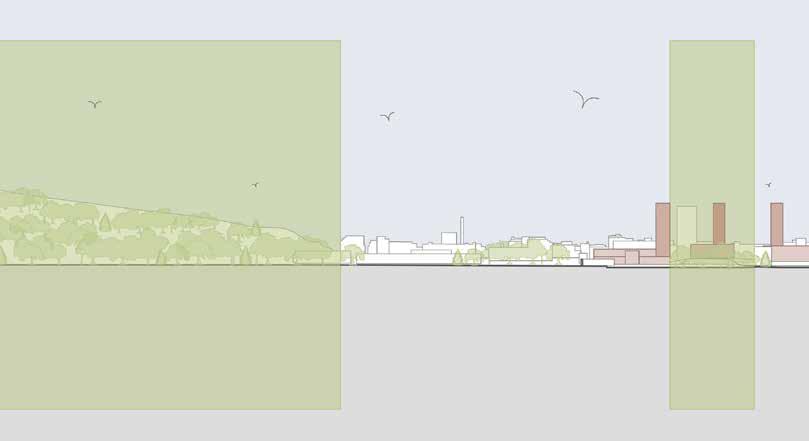
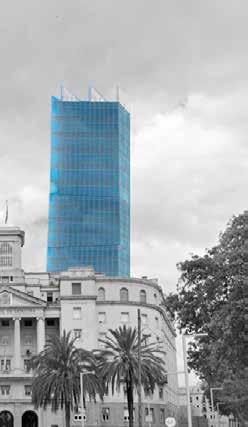
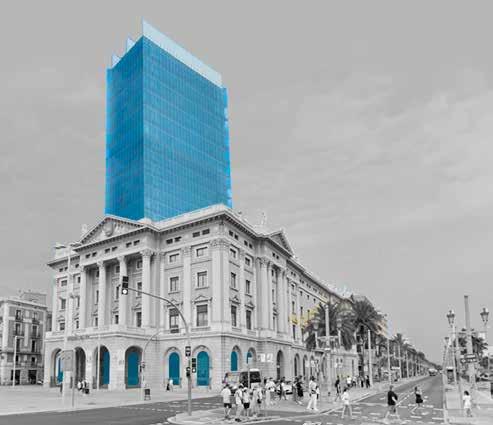
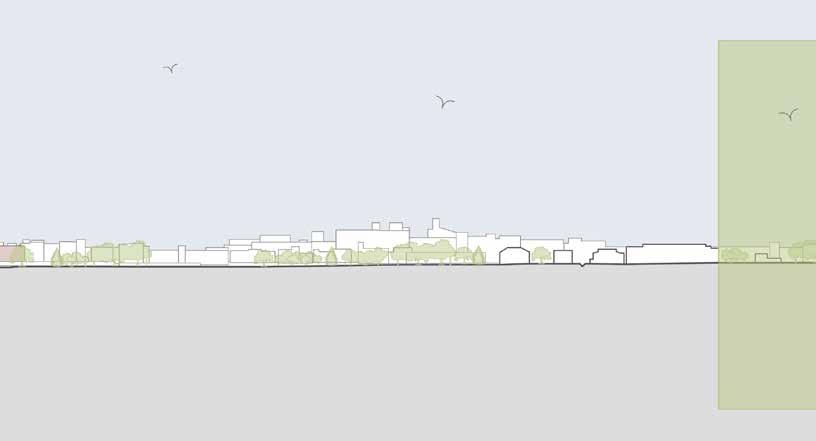
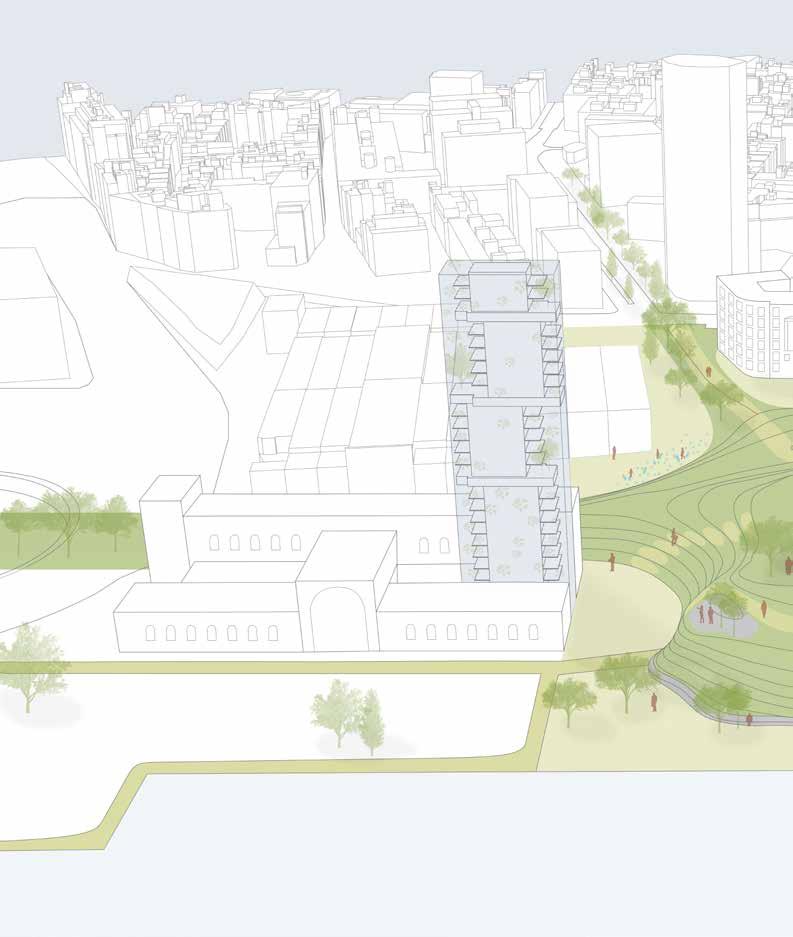
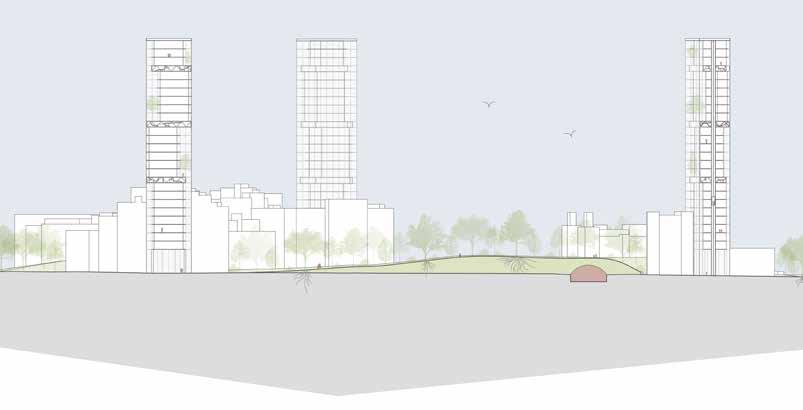
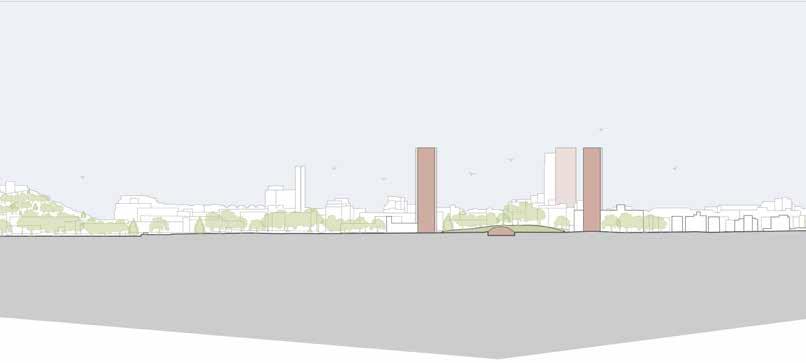
Housing is woven into the intervention through the reclamation of vacant and underutilized structures along the site. New residential volumes are inserted within these existing frameworks, allowing historical fabric and contemporary life to coexist. The three housing structures share a unified height datum, visually aligning them across the site and reframing the perceived elevation of the surrounding landscape. This consistent skyline establishes a dialogue between the intervention, Montjuïc, the Ciutadella, and the broader city, reinforcing its role as a spatial and visual mediator across scales.
COASTAL TRANSITIONS
CONCEPT
INITIAL DESIGN CONCEPTS
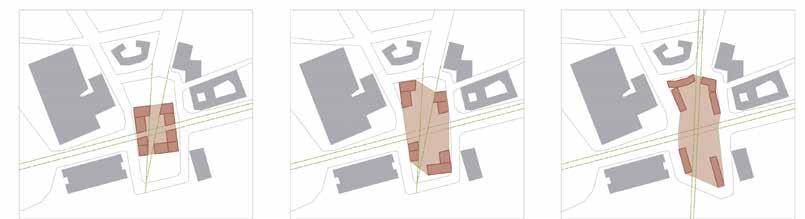

FINAL DESIGN CONCEPT
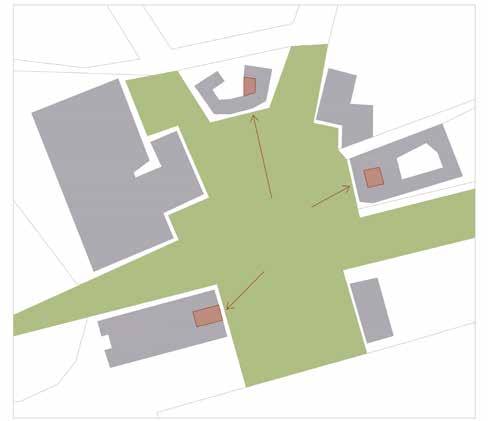
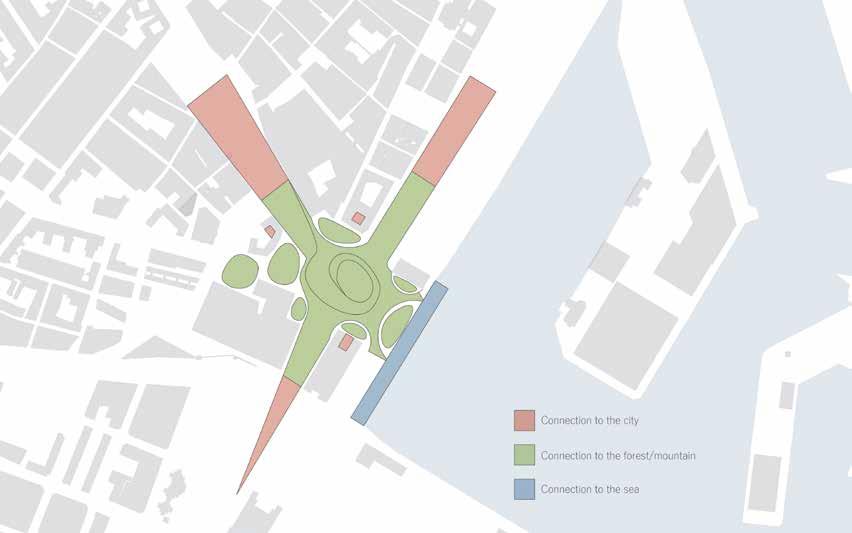
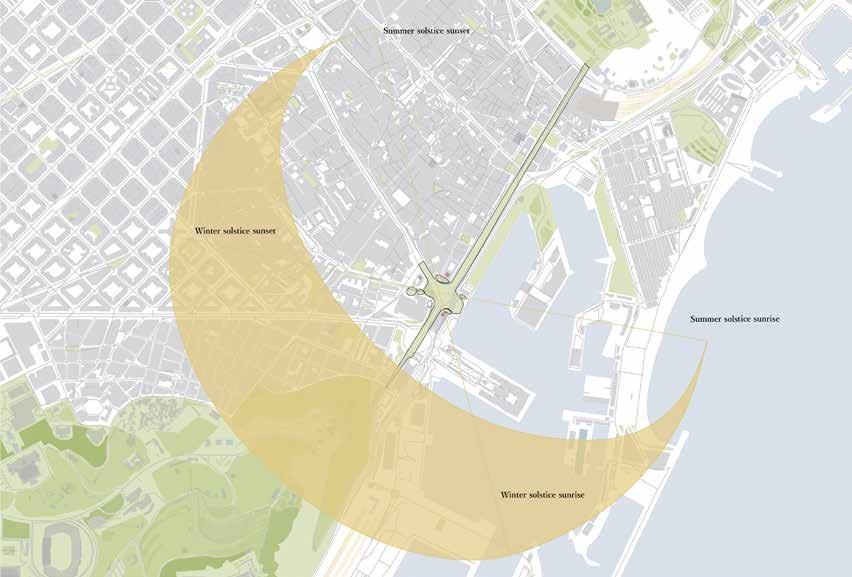
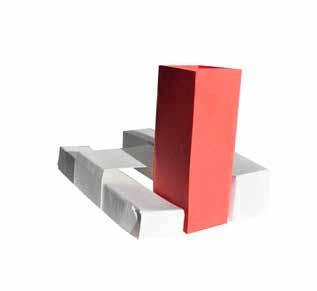
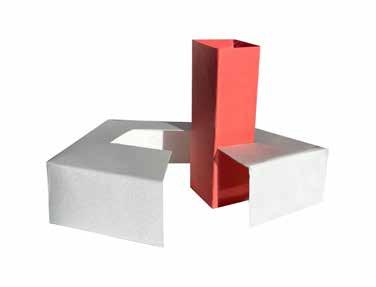
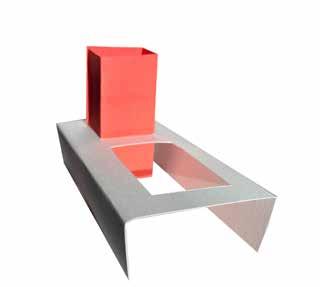
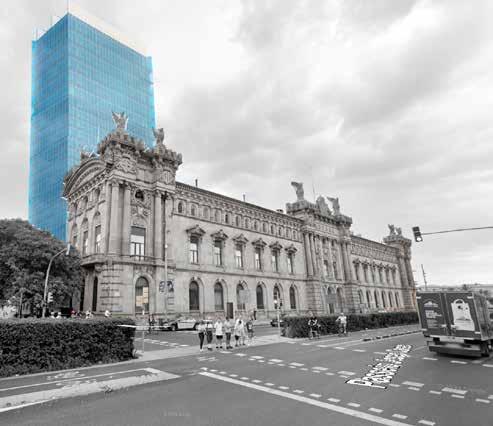
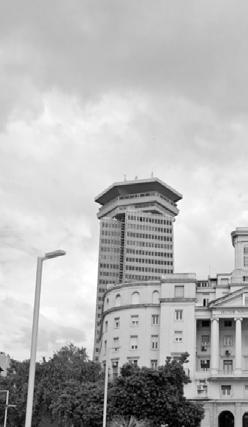
SITE ELEVATION & HOUSING CONCEPT COLLAGES
AXONOMETRIC SITE
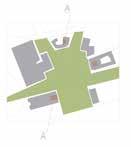
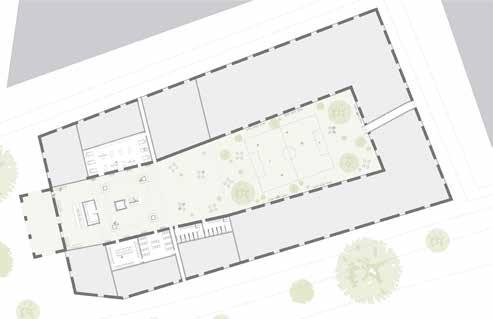
GROUND FLOOR PLAN
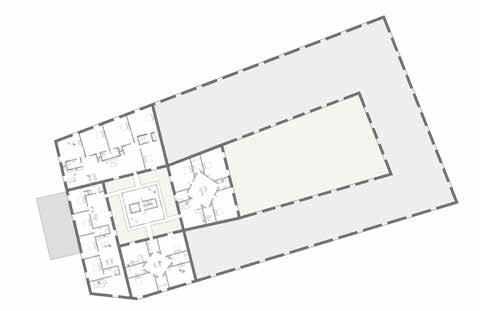
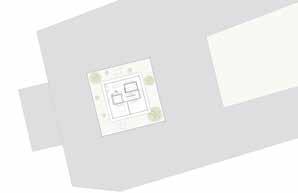
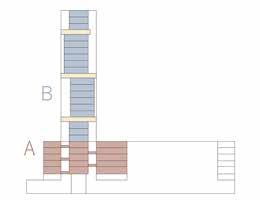
UNIT TYPOLOGIES DIAGRAM
UNIT LAYOUTS A
BUILDING A´ SECTION
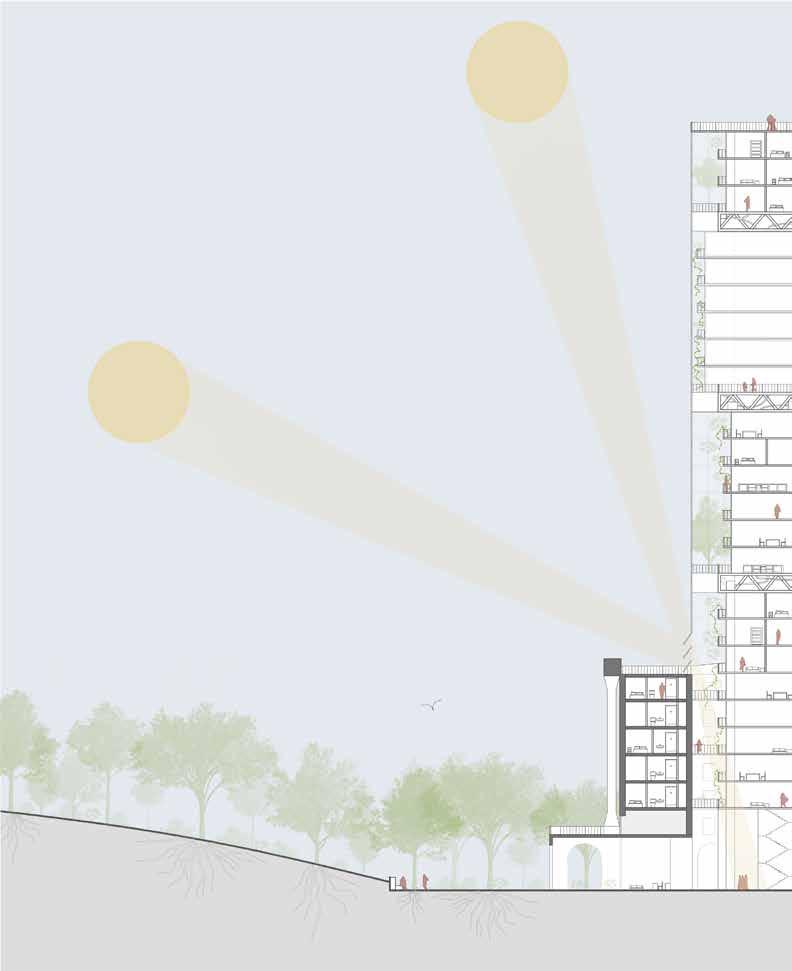
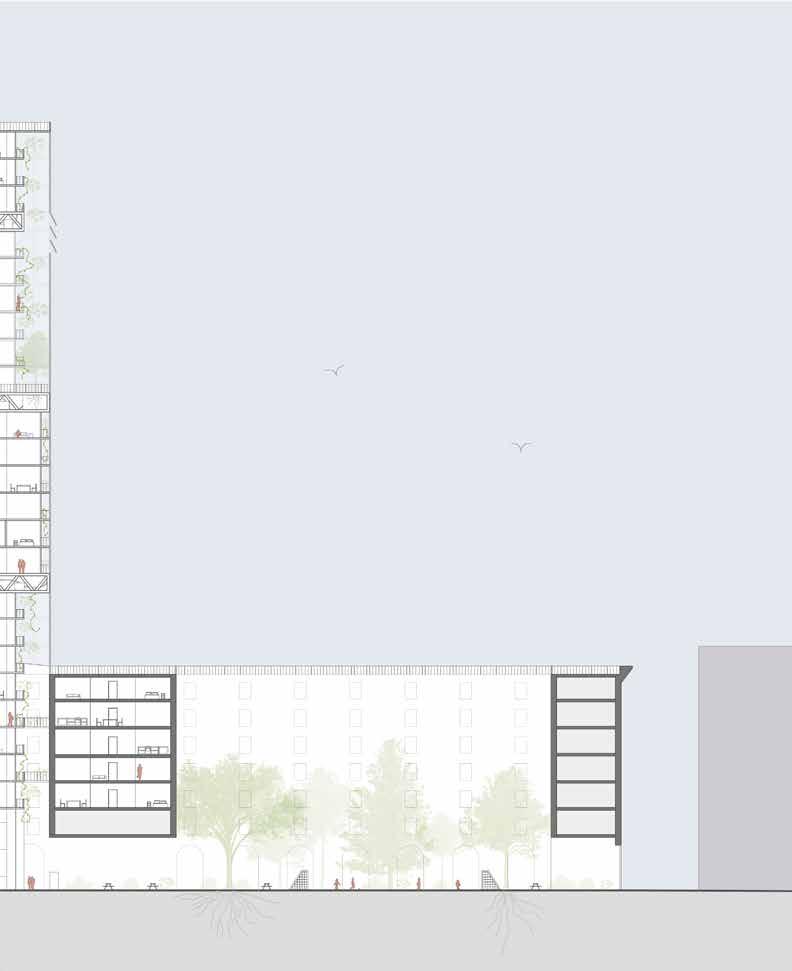
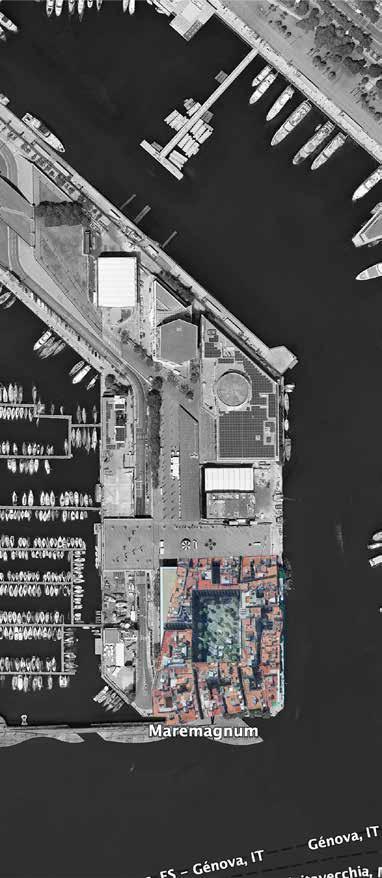
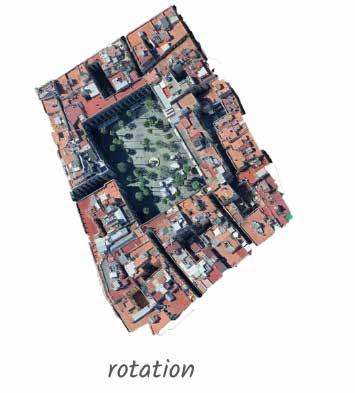
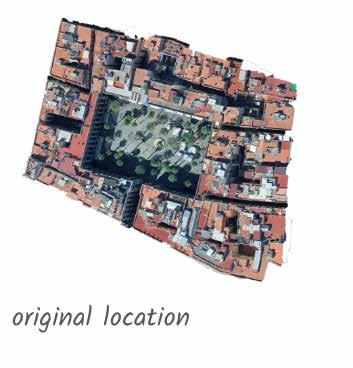
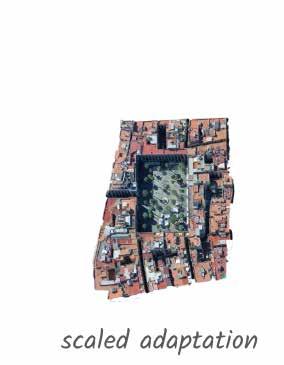
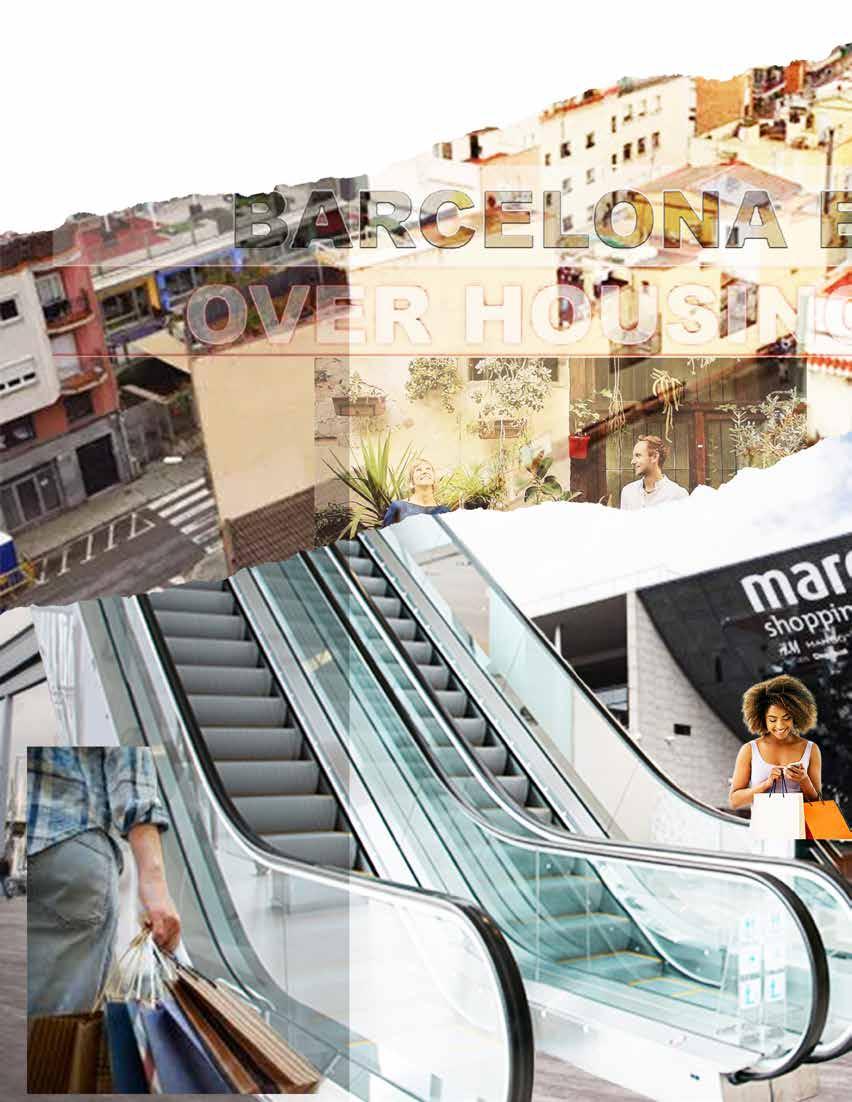
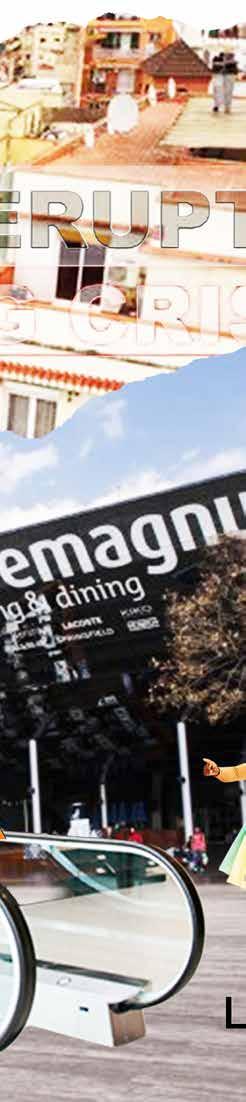
Barcelona has long been shaped by a tradition of mixed use urban living, where housing sits directly above shops and public activity. This pattern is especially visible in the Gothic Quarter, where dense residential life grows from the same ground plane as markets, plazas, and circulation routes. In contrast, the Maremagnum Shopping Center, built in the 1990s as part of the Port Vell redevelopment, stands apart as a singular commercial object, separated from the city’s residential fabric and disconnected from the historic logic that defines Barcelona’s urban character.
This project asks what happens when Barcelona’s historic approach to vertical living is reintroduced to a contemporary commercial structure that lacks it. By placing housing above the existing mall, the proposal seeks to restore continuity between the waterfront and the inner city, repair the spatial divide created by single use development, and bring everyday life back to an area currently defined by tourism and retail. The solution creates a hybrid building that merges housing and commerce, reconnects the site to its urban context, and restore a lived presence where the city has become disconnected from its own traditions.

INTEGRATING LIVING ABOVE THE WATERFRONT
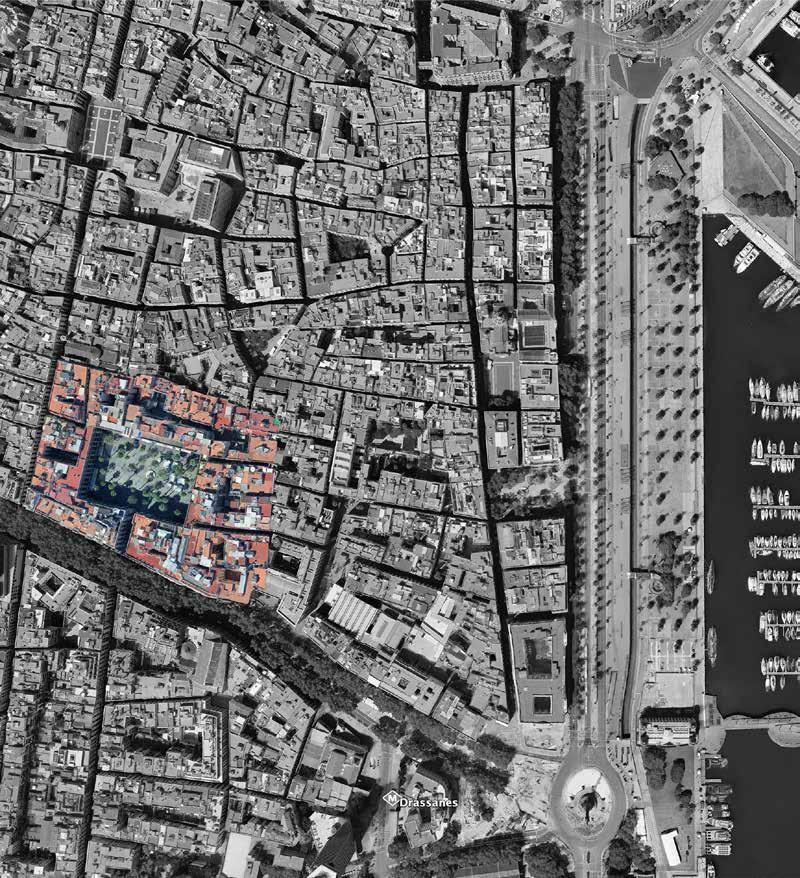
MAREMAGNUM PLANS



PROCESS DIAGRAMS
INITIAL MASSING THE SQUARE
EXTENSION
REFINED GEOMETRY
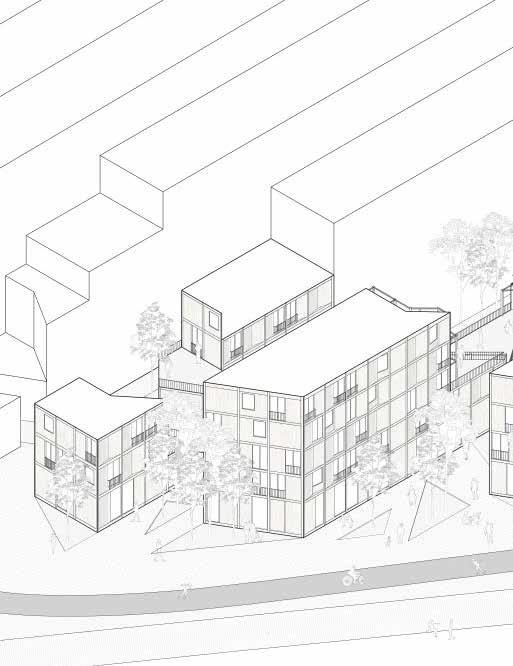
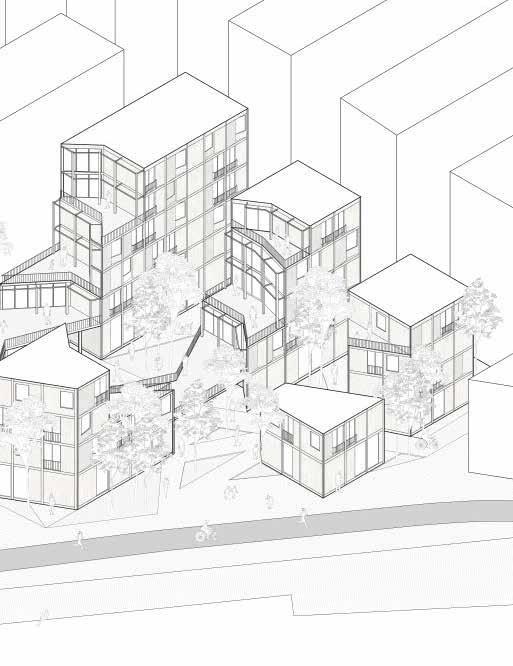
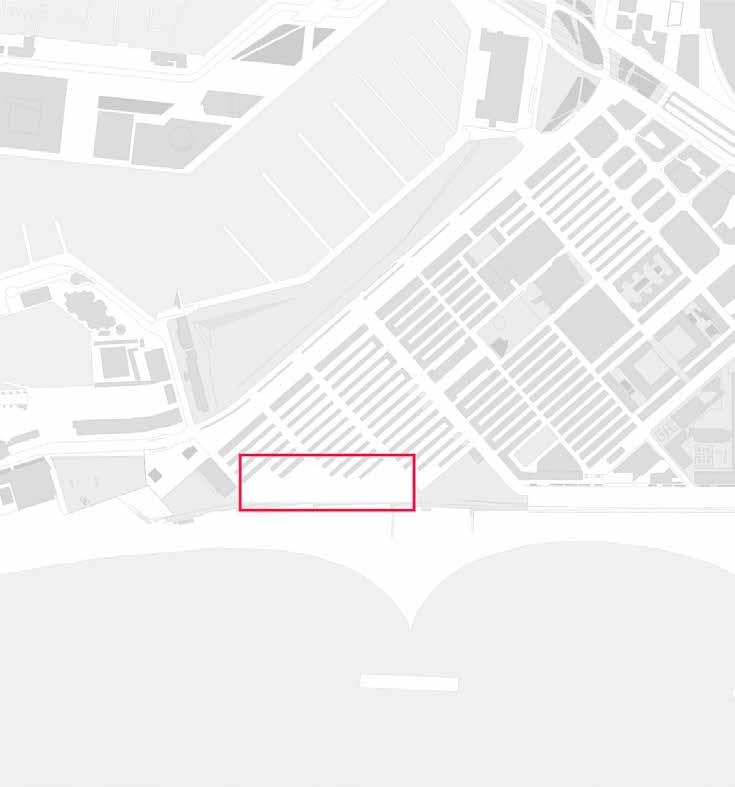
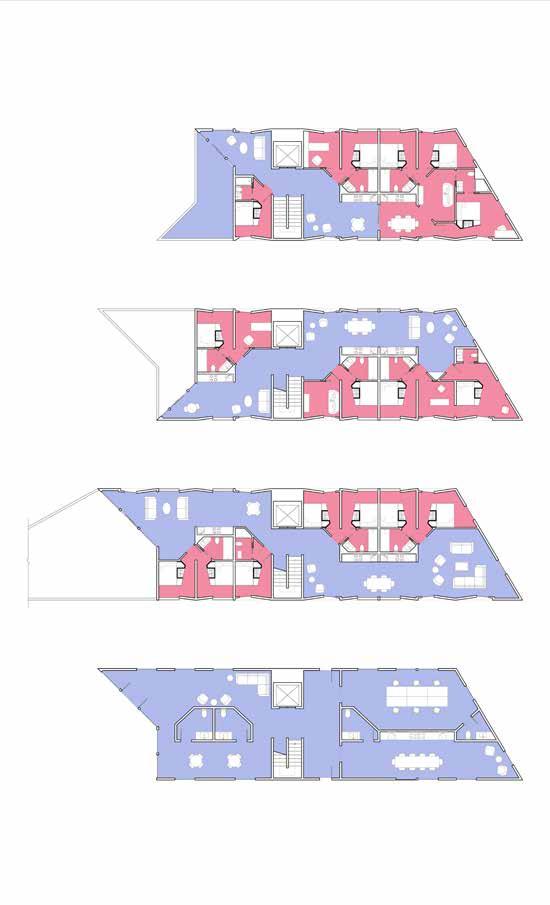
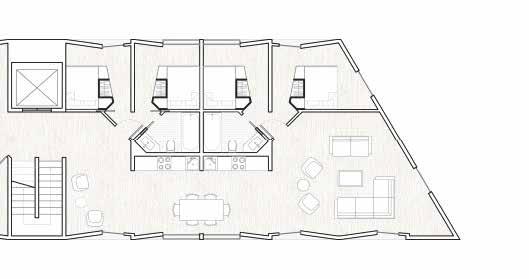
Urban Mosaic utilizes is a social housing projects that utilizes urban strategies across scales to create a cohesive whole that living conditions of residents in Barceloneta.
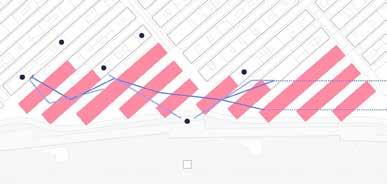
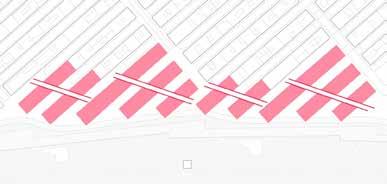
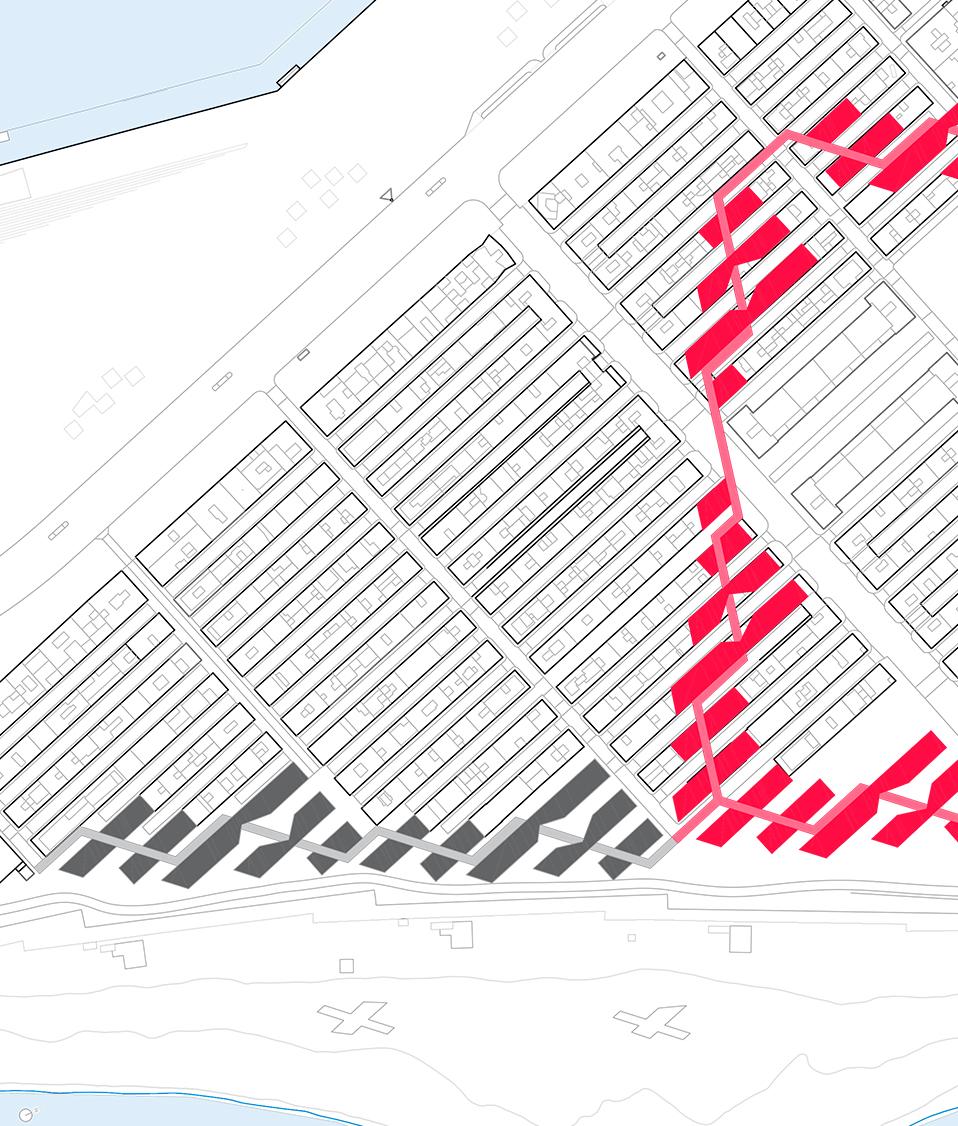
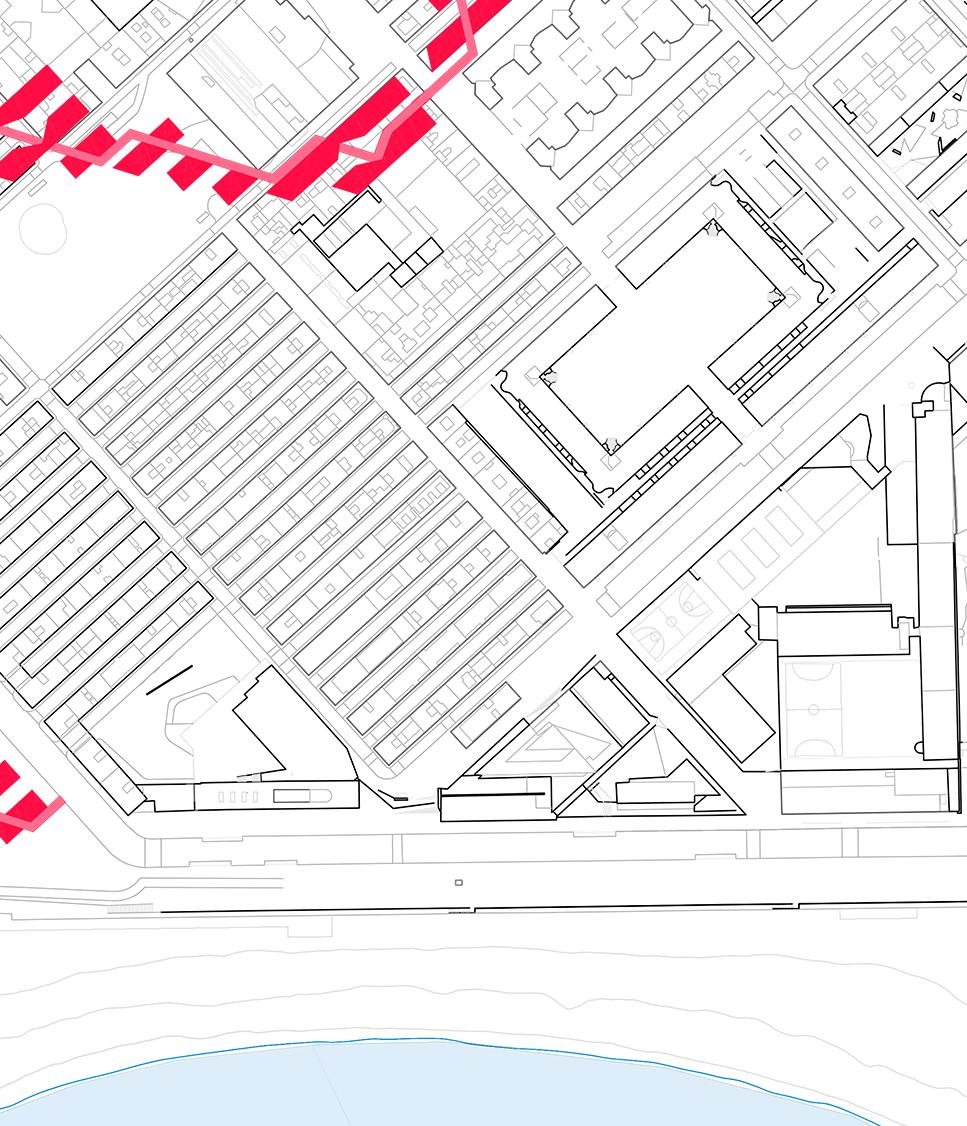
Barceloneta is a neighborhood characterized by its narrow buildings and streets. Staying true to this grid we extended its boundaries even closer to the ocean. However, with this grid arises numerous problems including a lack of public space and natural light. To resolve these issues we integrated a series of cuts into our design to improve these conditions and create new public spaces. The first cut is a desire path through the buildings connecting existing public spaces in Barceloneta, the second is a series of horizontal cuts creating views for the buildings further from the shore and pockets of urban space, the third is a series of vertical cuts creating large communal balconies on each building. These strategies not only resolve the issues of sunlight, ventilation and density, but also bring the focus inward on the residents of Barceloneta rather than the tourists on the beach.
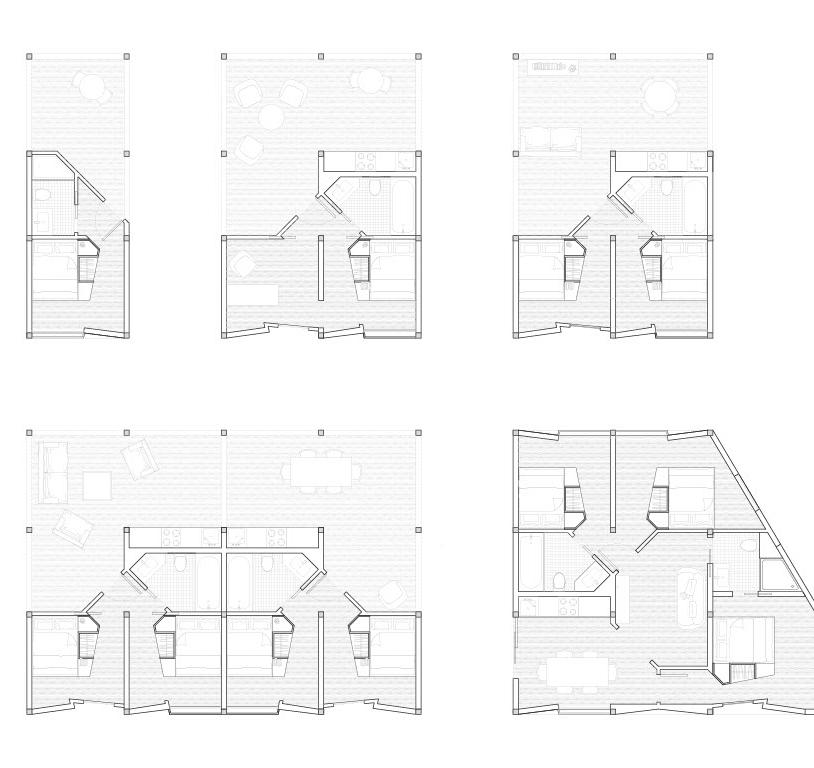
We also reimagined Barceloneta’s existing typology of “half-houses” and “quarter-houses” into more open and flexible plans that could support the needs of social housing. As a result, we eliminated traditional corridors and allowed the common space to become the circulation, creating large open spaces that wouldn’t have been possible otherwise. To accommodate the needs of all residents, apartment units evolve from single units to multi-bedroom family units.
Through these strategies Urban Mosaic reimagines the possibilities that exist within narrow grid of Barceloneta, striving to resolve the critical issues facing the neighborhood.

URBAN MOSAIC
LA BARCELONETA COOPERATIVE HOUSING
PAIGE DEARBORN, KIRA MORAN
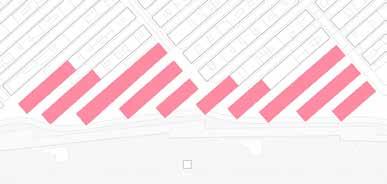
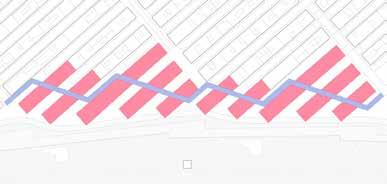
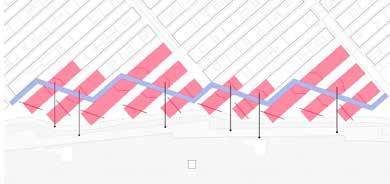
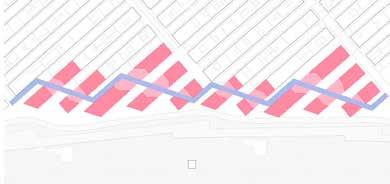
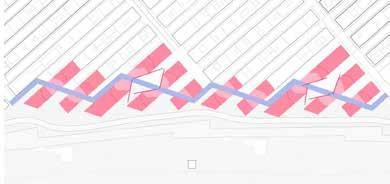
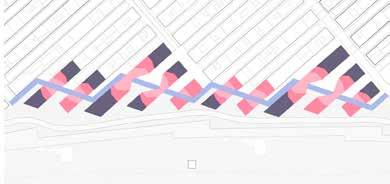
GRID 5. LAYERS 2 + THREE OF CUTS. FOCUS ON PROVIDING VIEWS TO THE SEA
2. PATHS A + B ACROSS THE EXTENDED GRID
6. RESULT OF 2ND + 3RD LAYER OF CUTS
3. CUTS DETERMINED BY PATH A + B
7. 4TH LAYER OF CUTS ADDED, CREATING TWO POCKETS OF PUBLIC SPACE
4. PATH THROUGH THE SITE 8. EXTENDING BALCONIES ACROSS THE
PROGRAM DIAGRAM
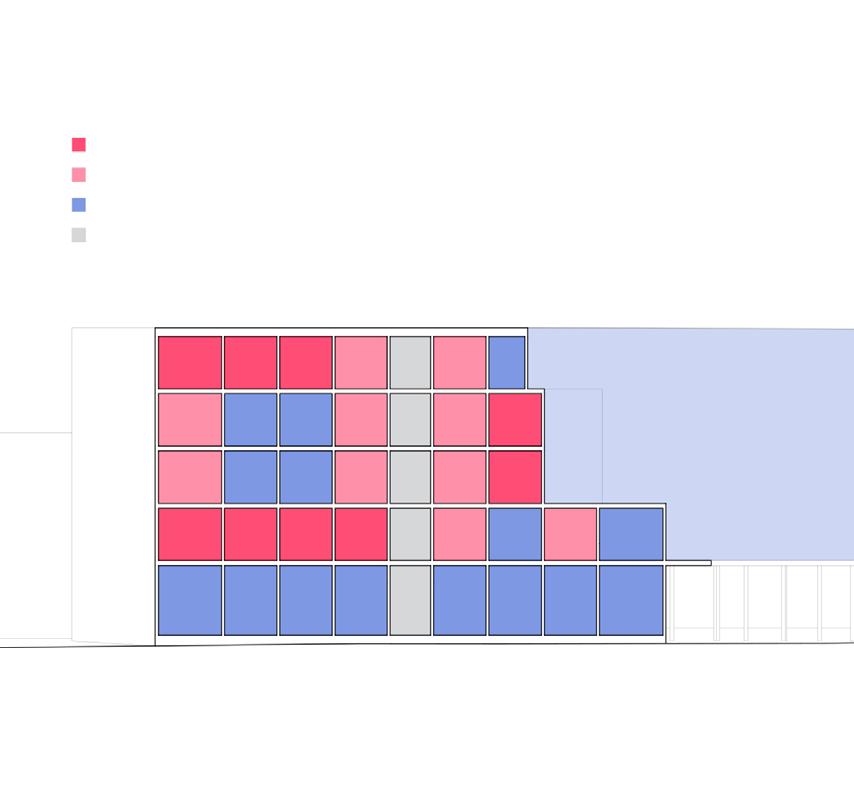
PRIVATE SPACE/UNIT
TRANSITION SPACE BETWEEN PRIVATE + COMMON
COMMON SPACE
VERTICAL CIRCULATION

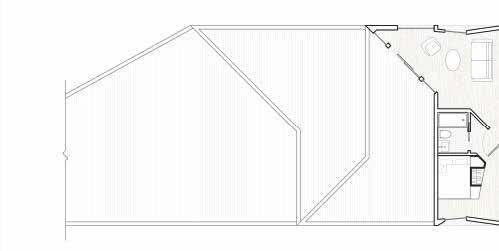
PAIGE
GROUND FLOOR PLAN
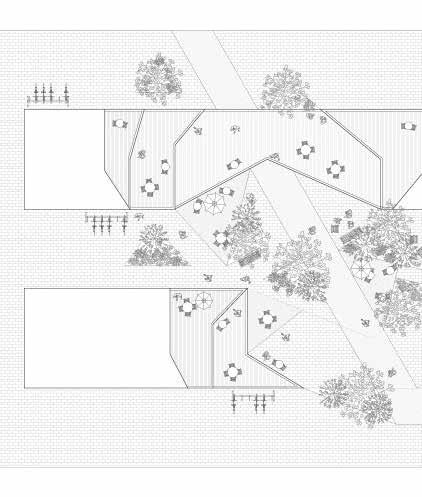
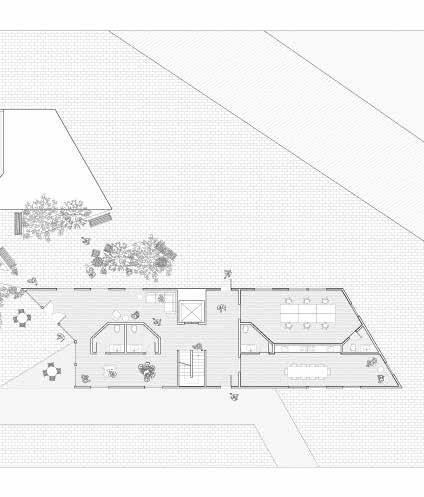
PAIGE DEARBORN, KIRA MORAN FLOOR PLANS
3RD FLOOR PLAN
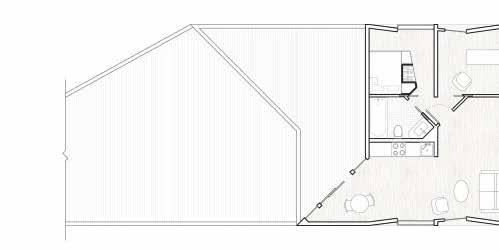
2ND FLOOR PLAN
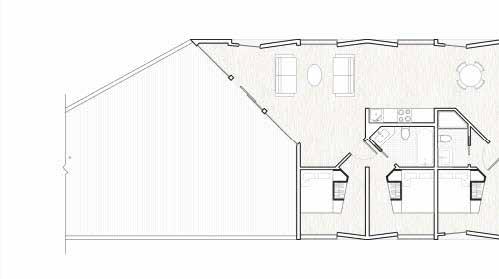
1ST FLOOR PLAN
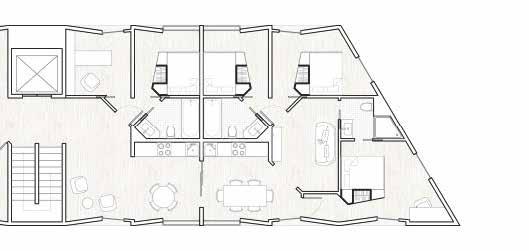
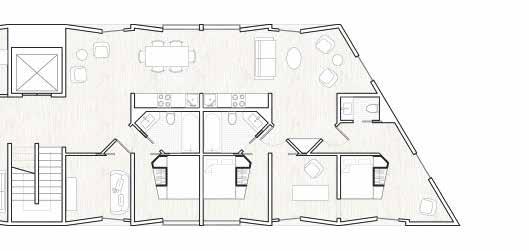

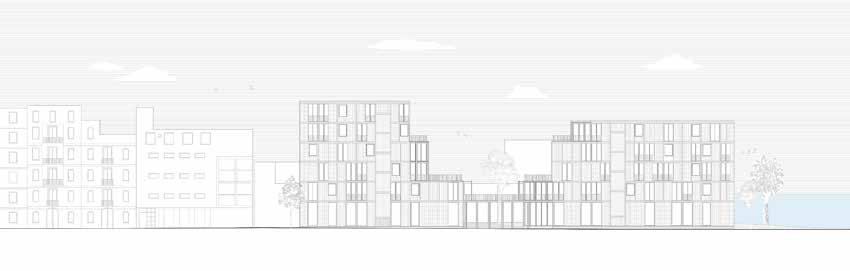
URBAN ELEVATION
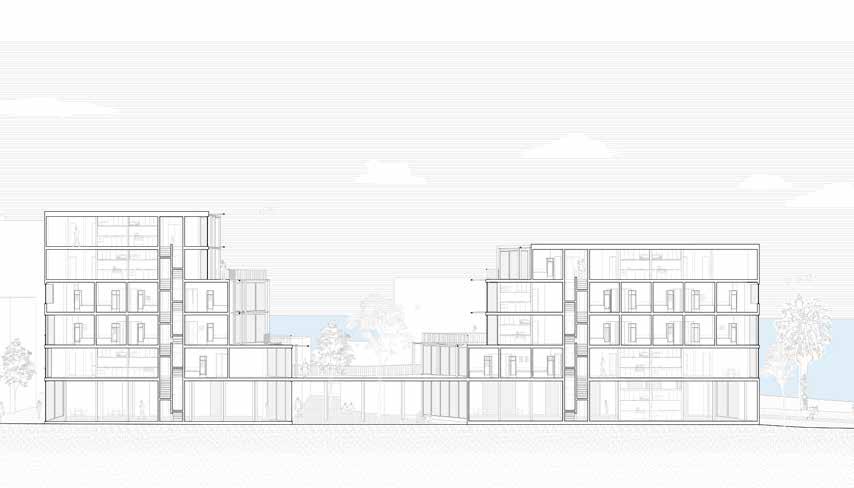
SECTION PERSEPCTIVE
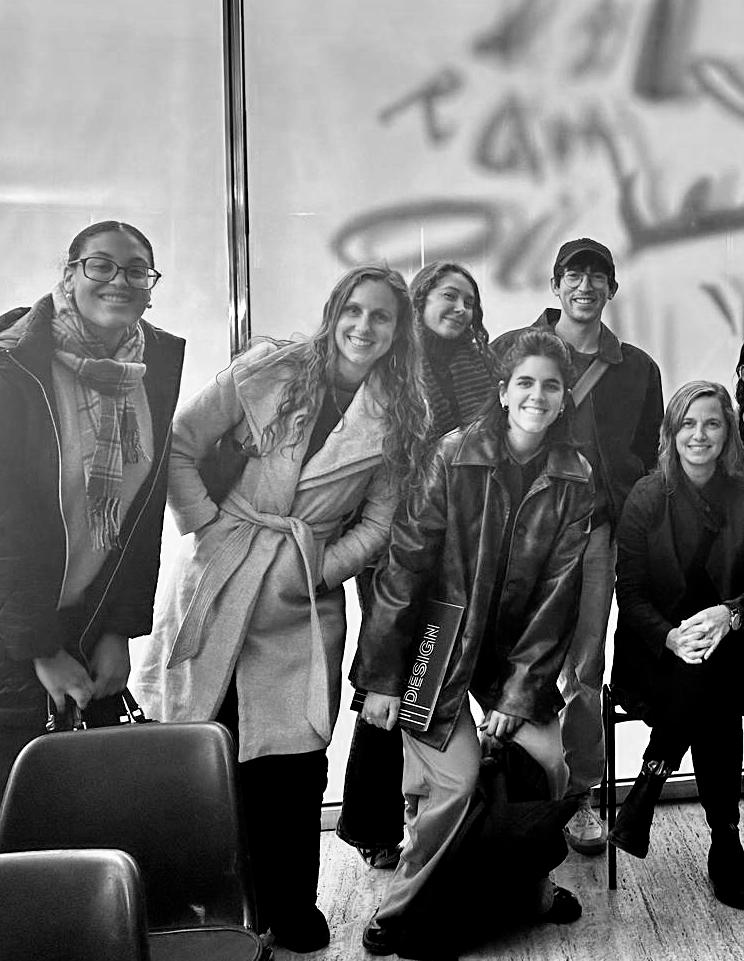
DAYLIFE
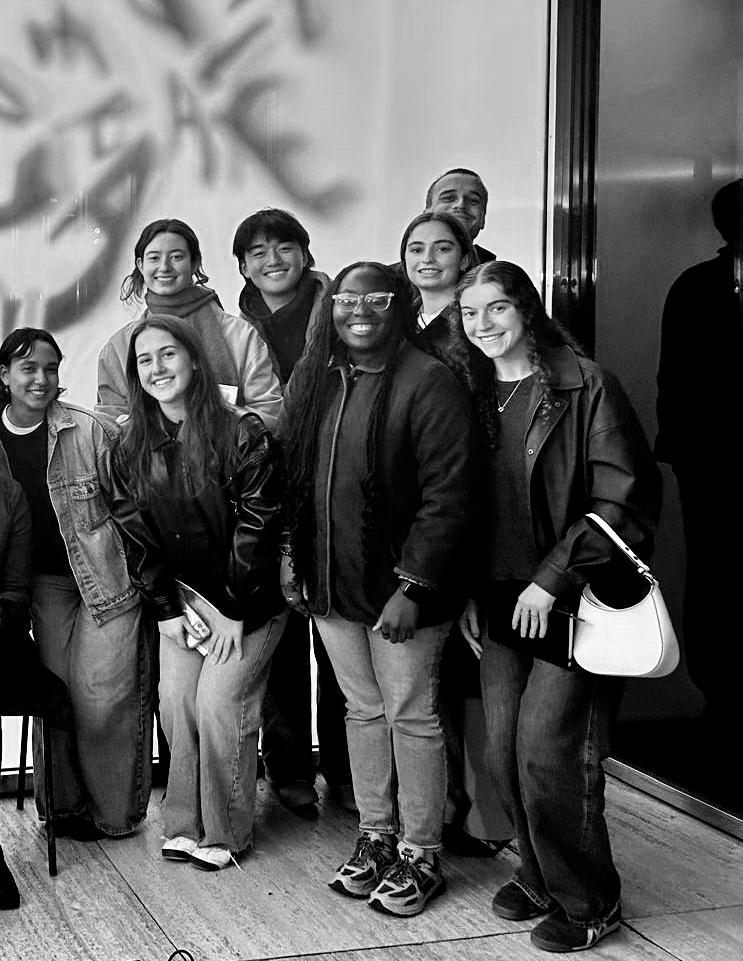
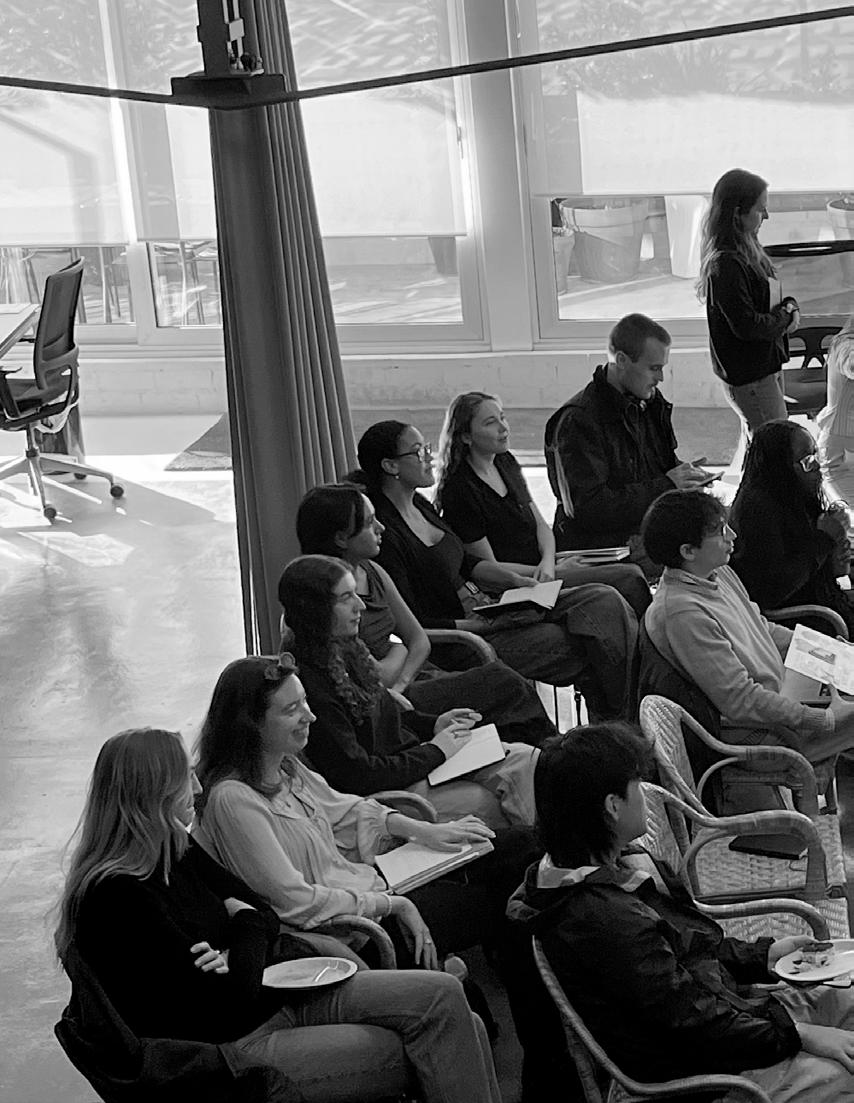
Kate Orff - Scape Studio, with bUVA FALL25 students at her lecture, part of the “Mies Van der Rohe & Thomas Jefferson lectures”
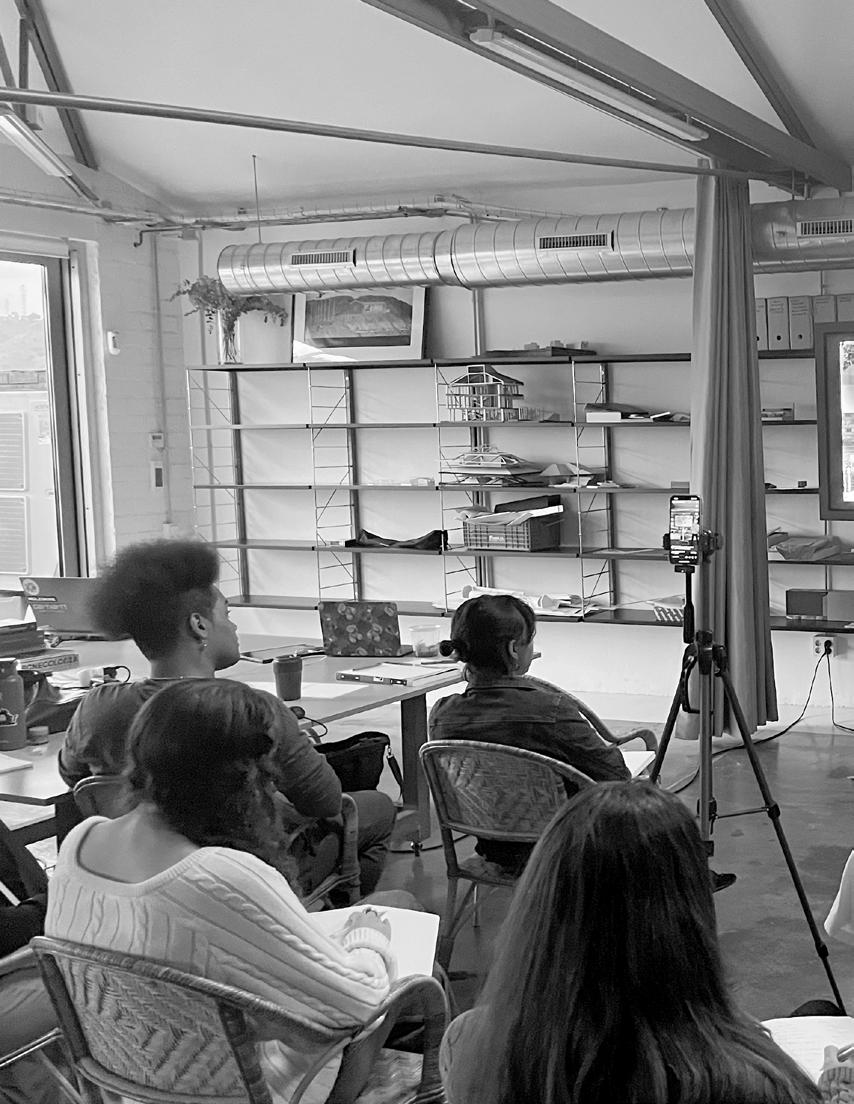
DAYLIFE
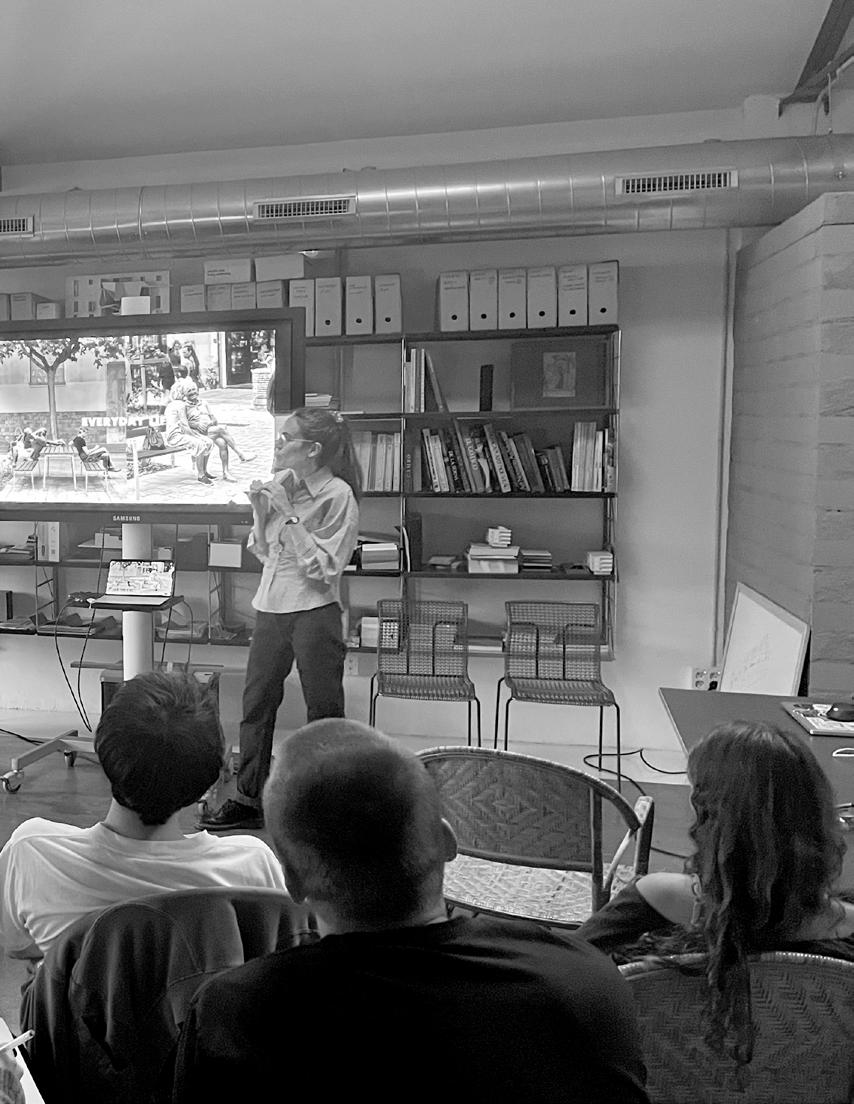
Studio class at Potosi
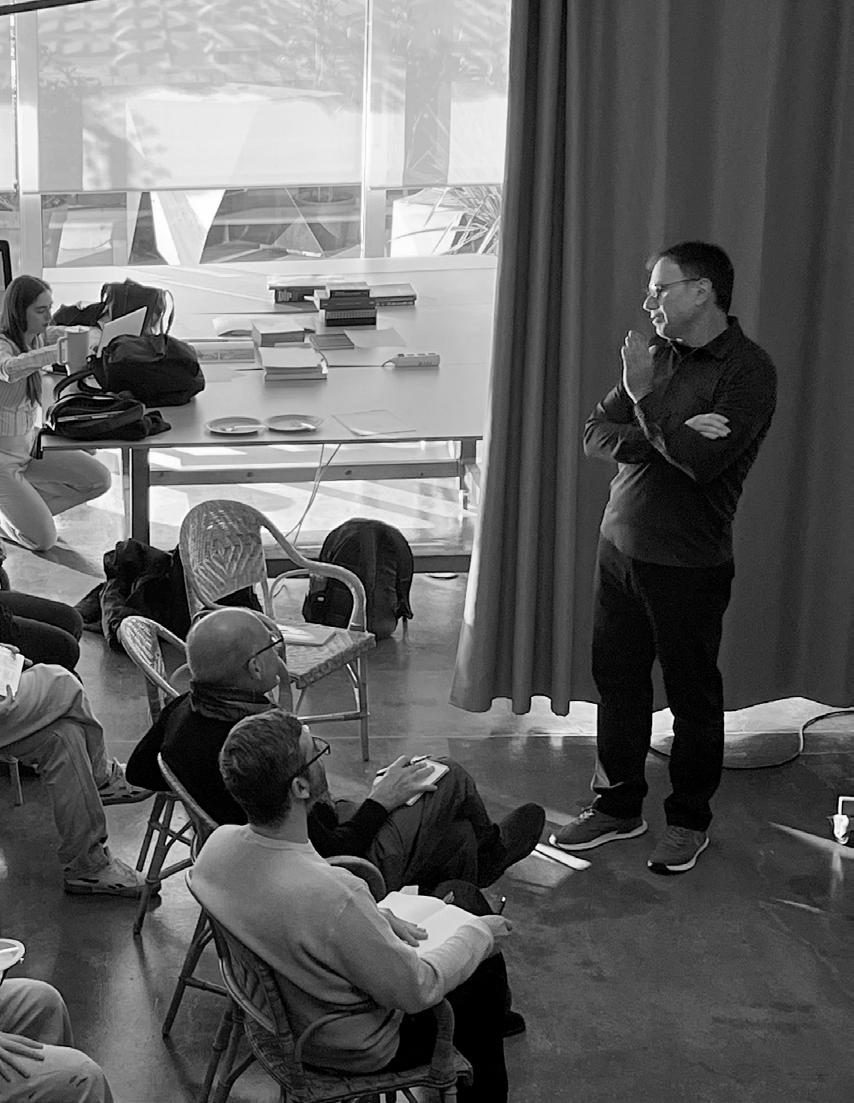
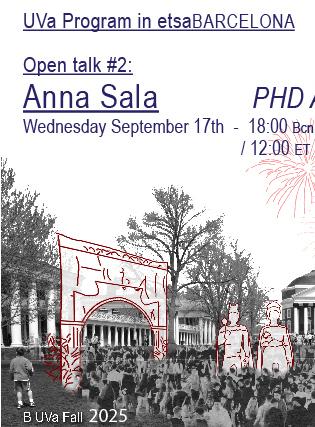
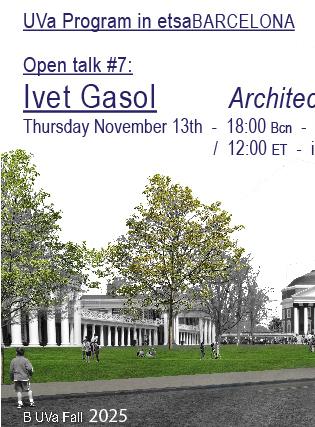
Open talk #7 with Ivet Gasol - Cierto Estudio
DAYLIFE
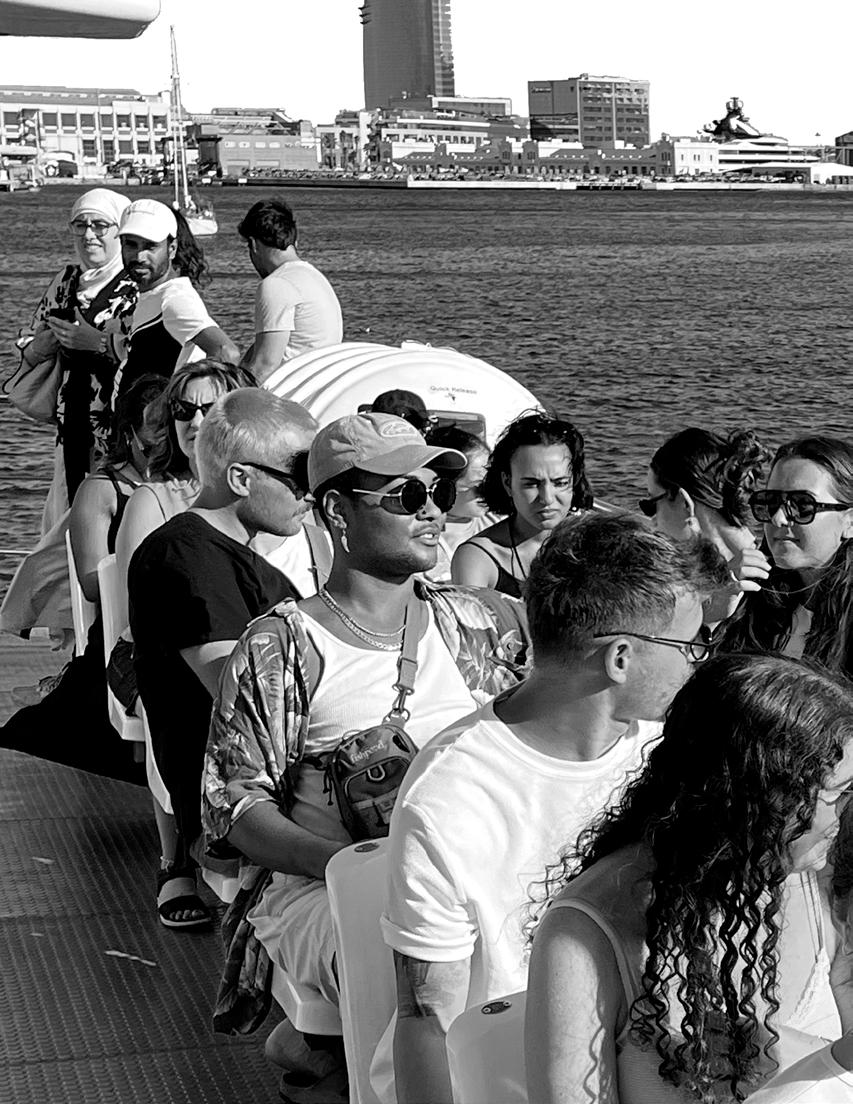
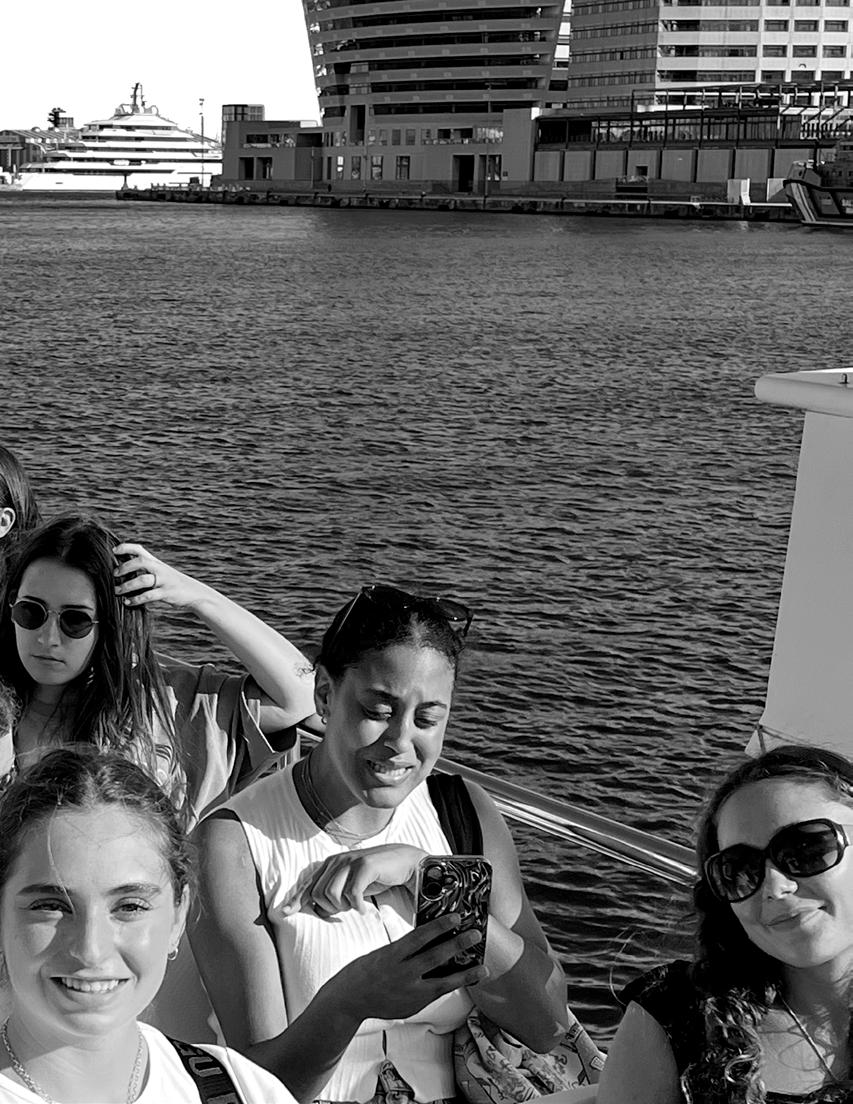
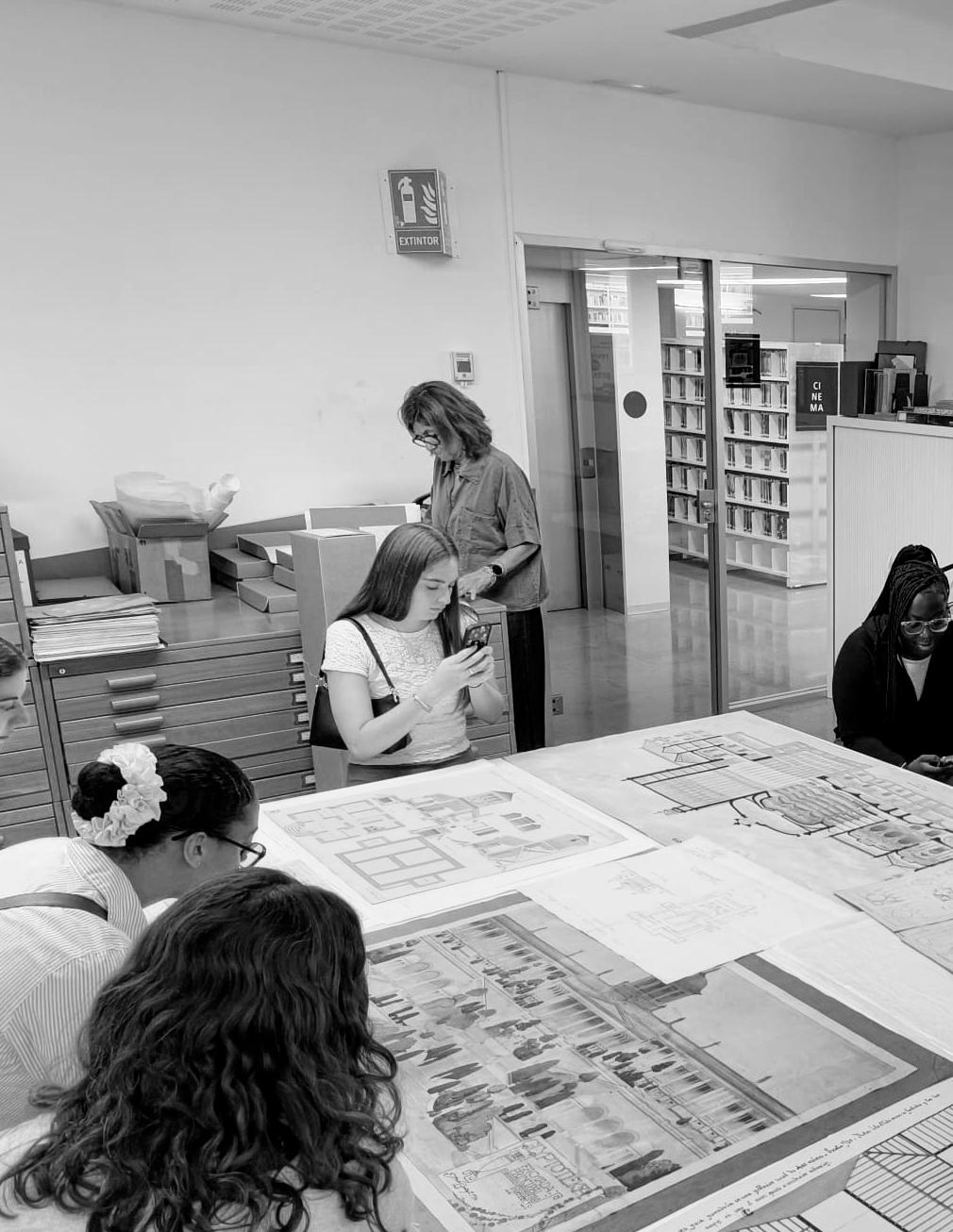
Studio site visit
Port Vell, Barcelona
DAYLIFE
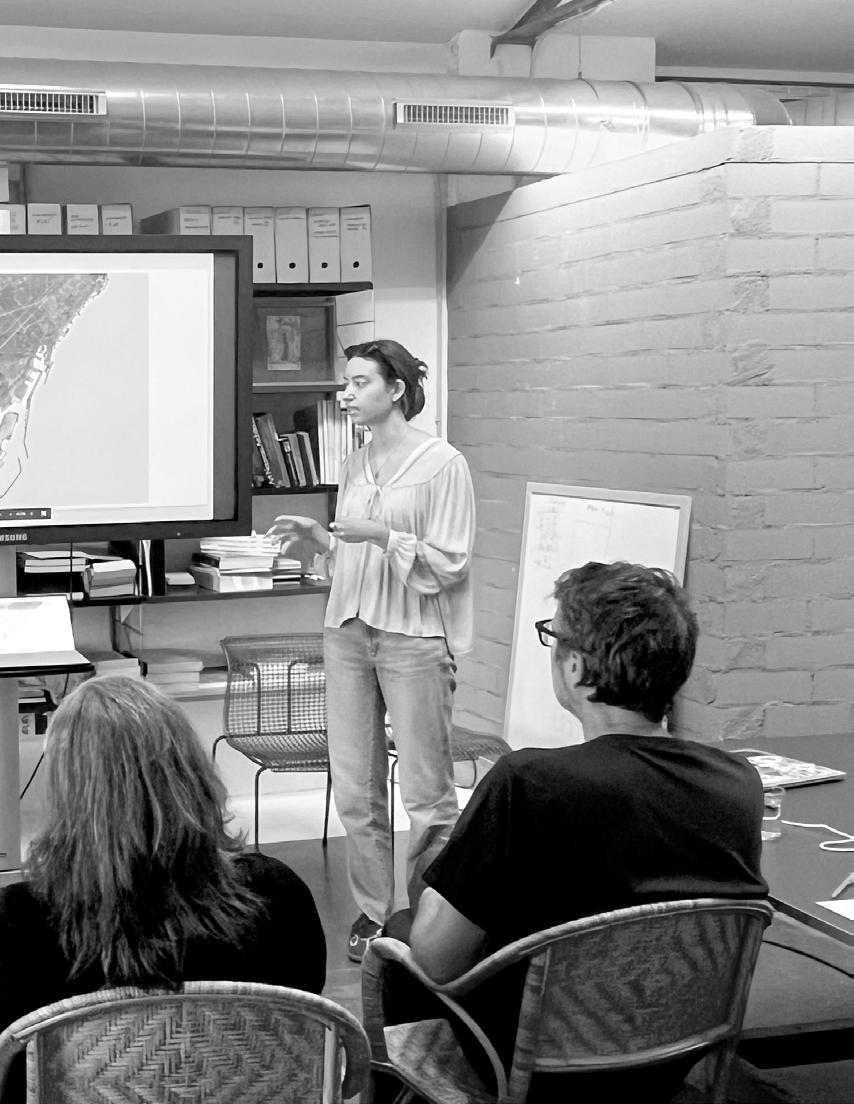
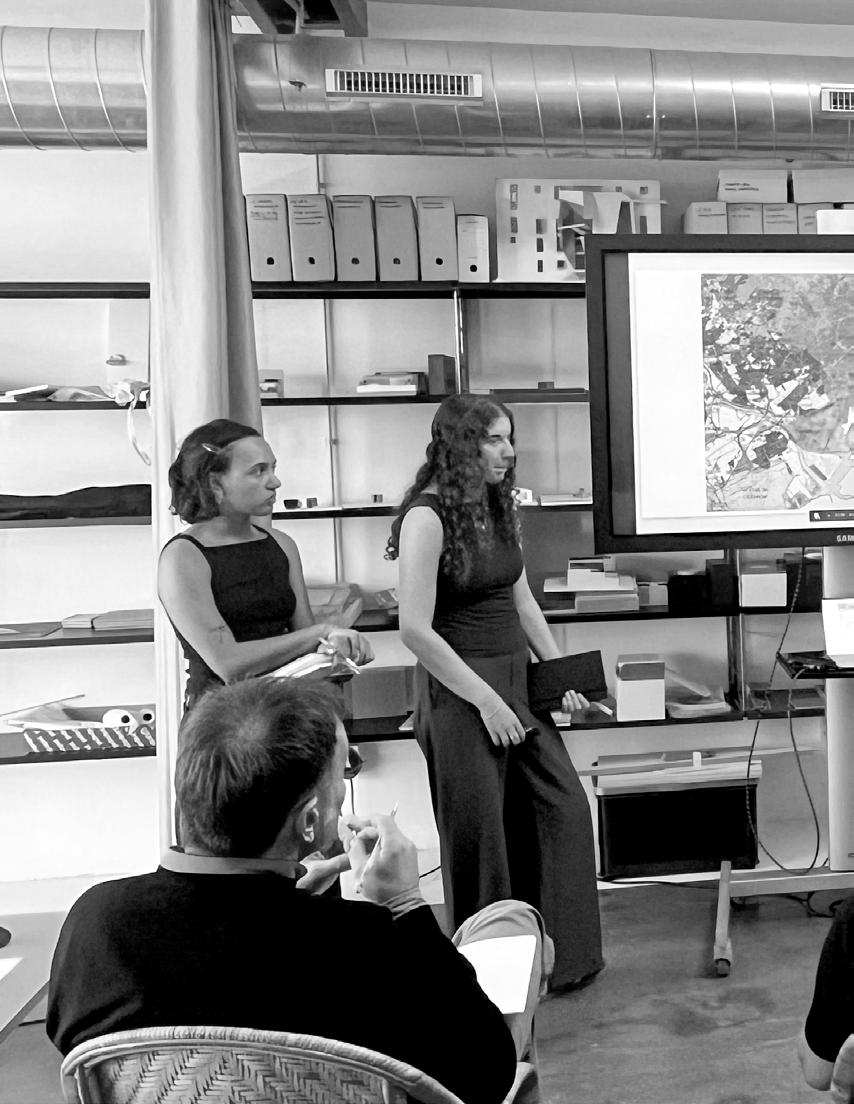
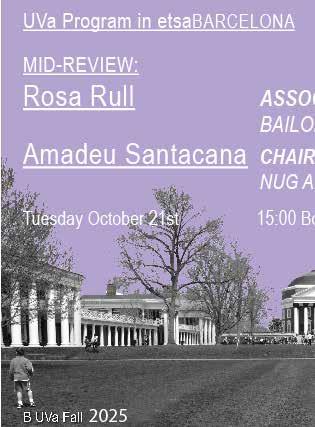
Mid Review at Potosi
Jury: Rosa Rull, Amadeu Santacana
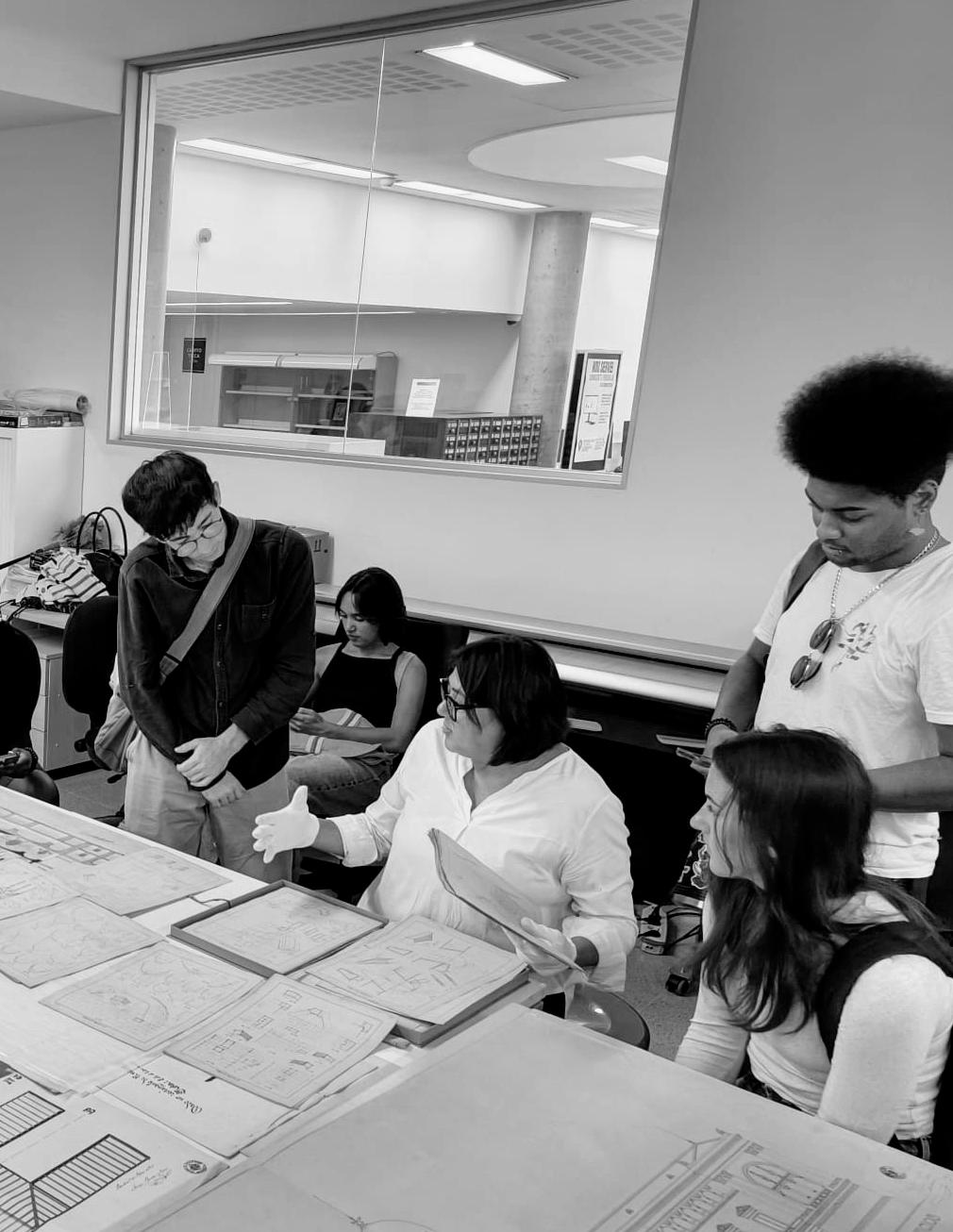
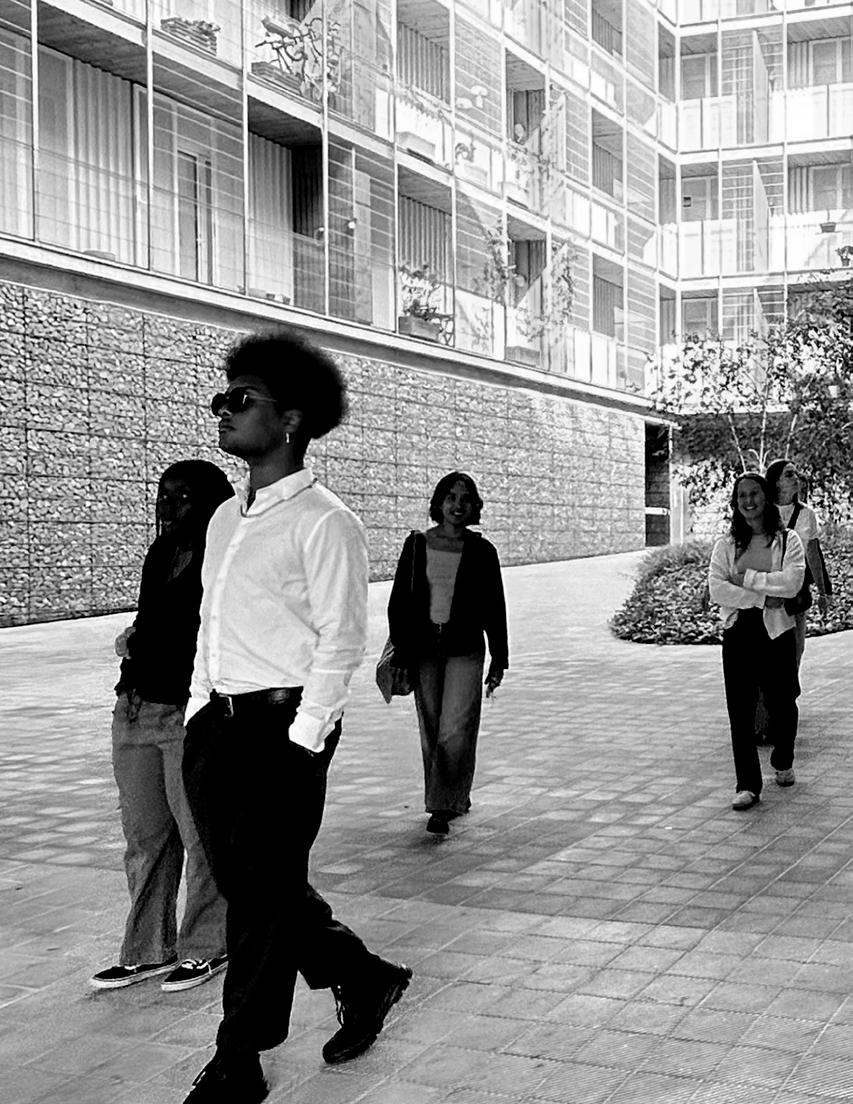
Visit
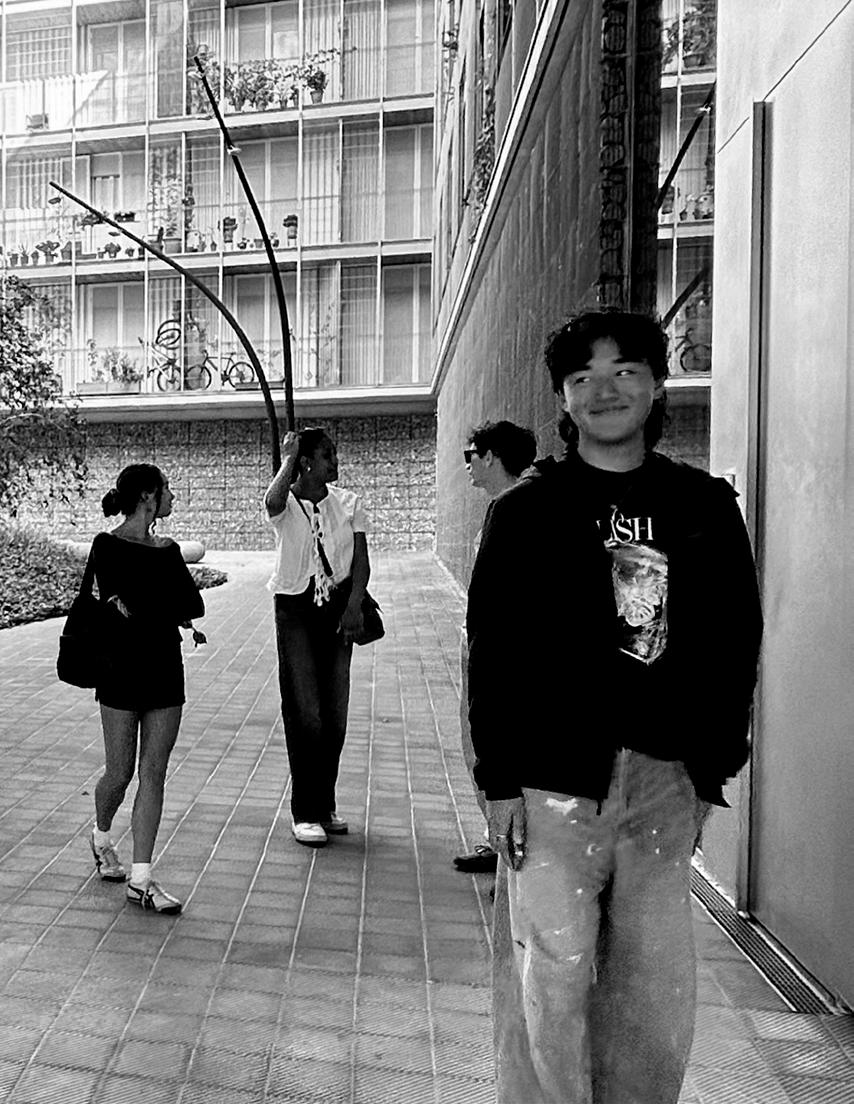
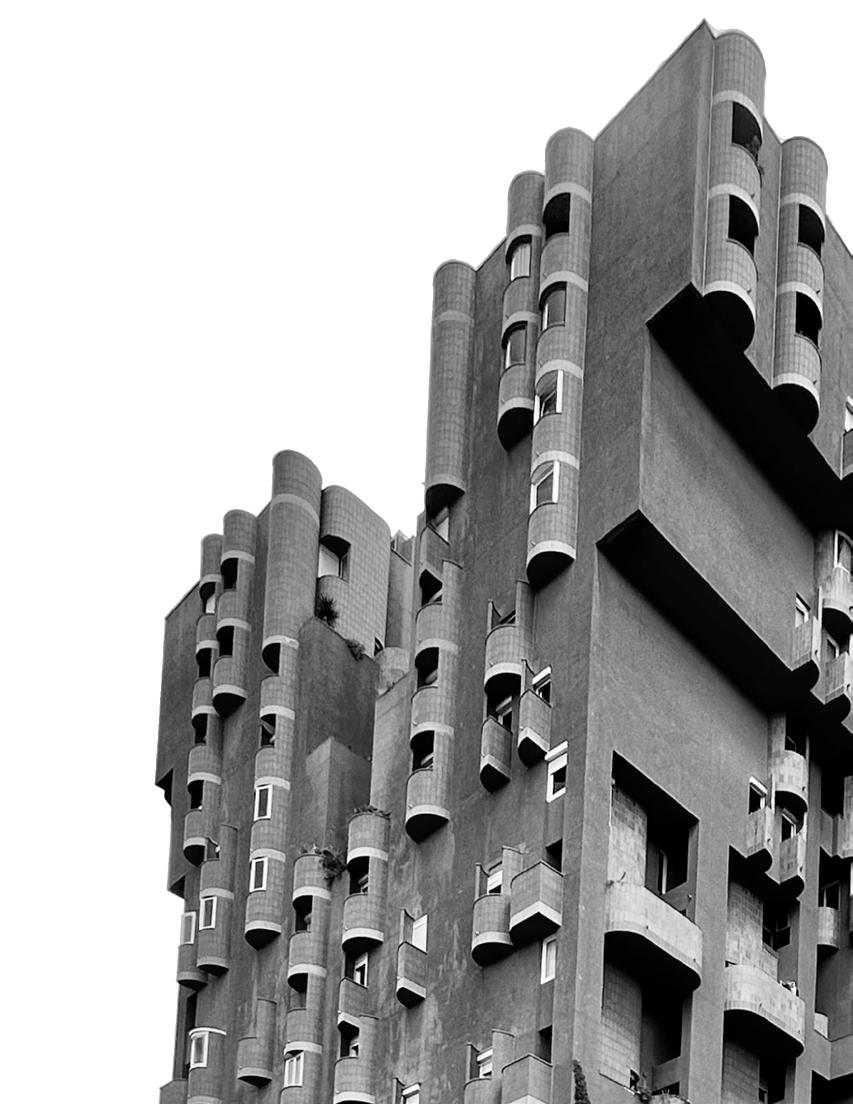
by Ricardo Bofill
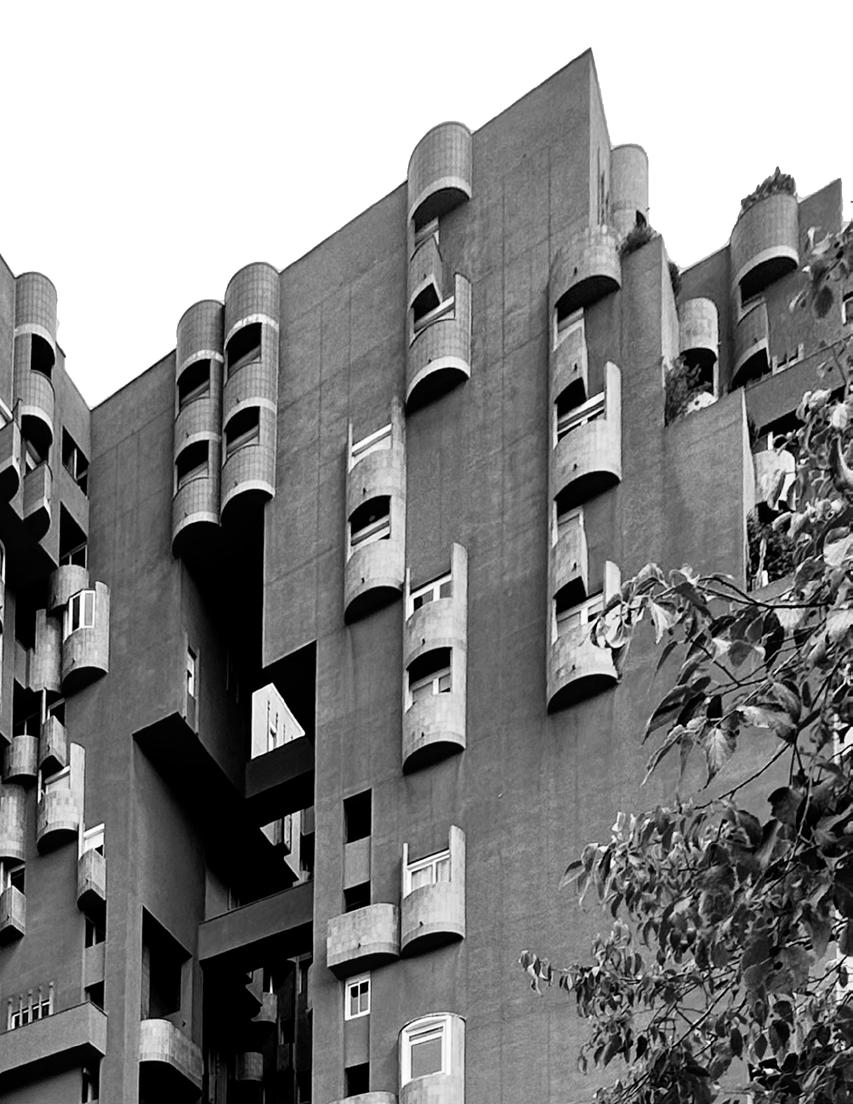
Barcelona visit to Walden 7
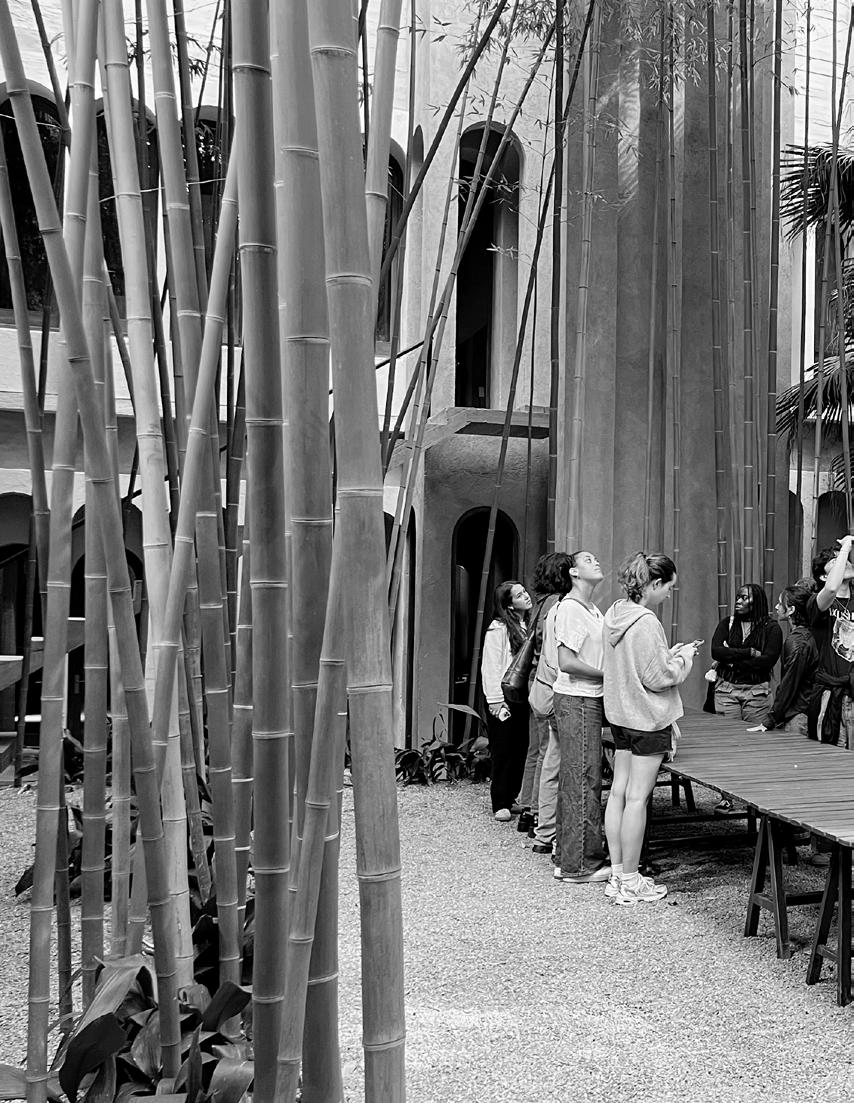
Barcelona visit to The Fabrica
by Ricardo Bofill
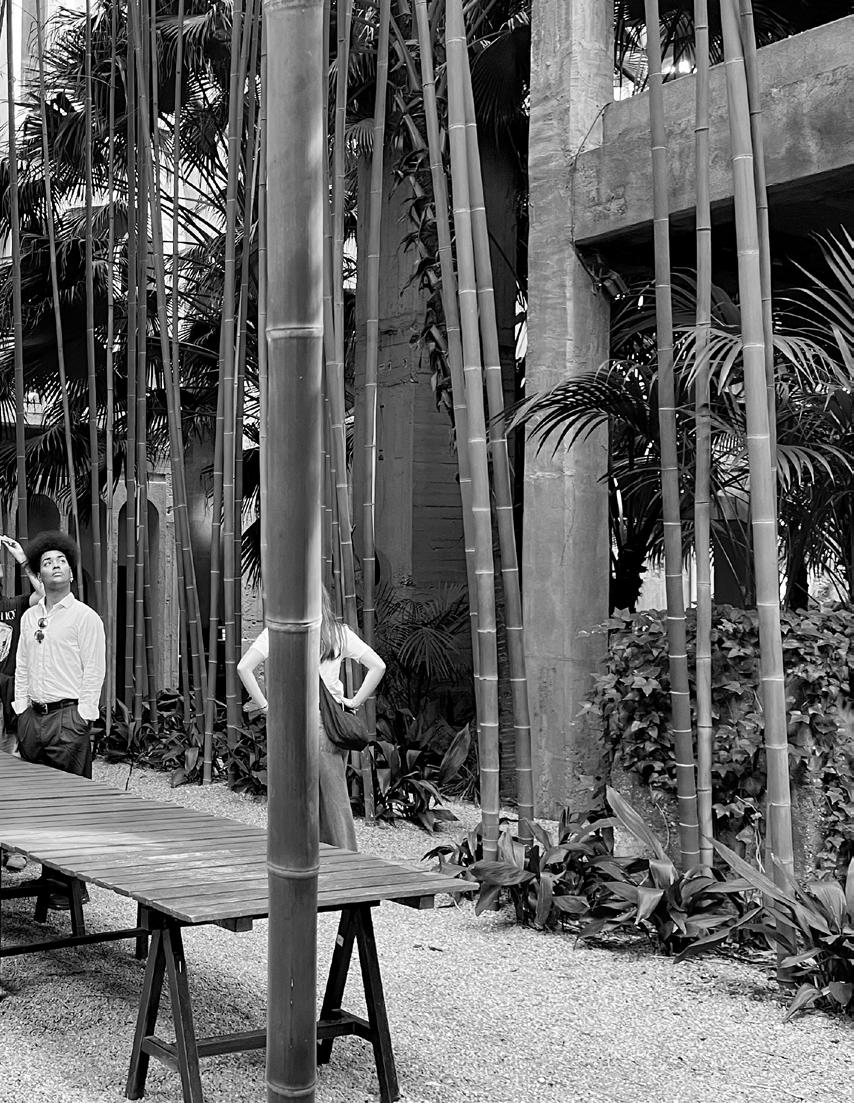
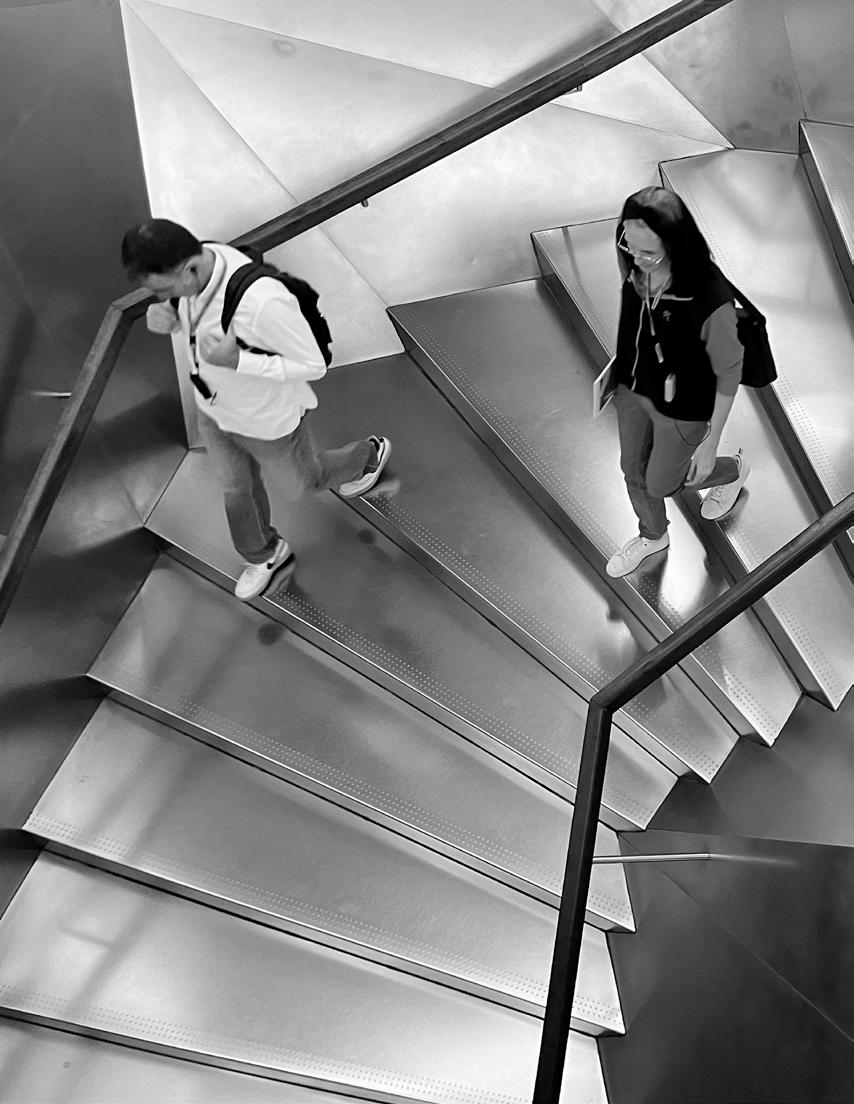
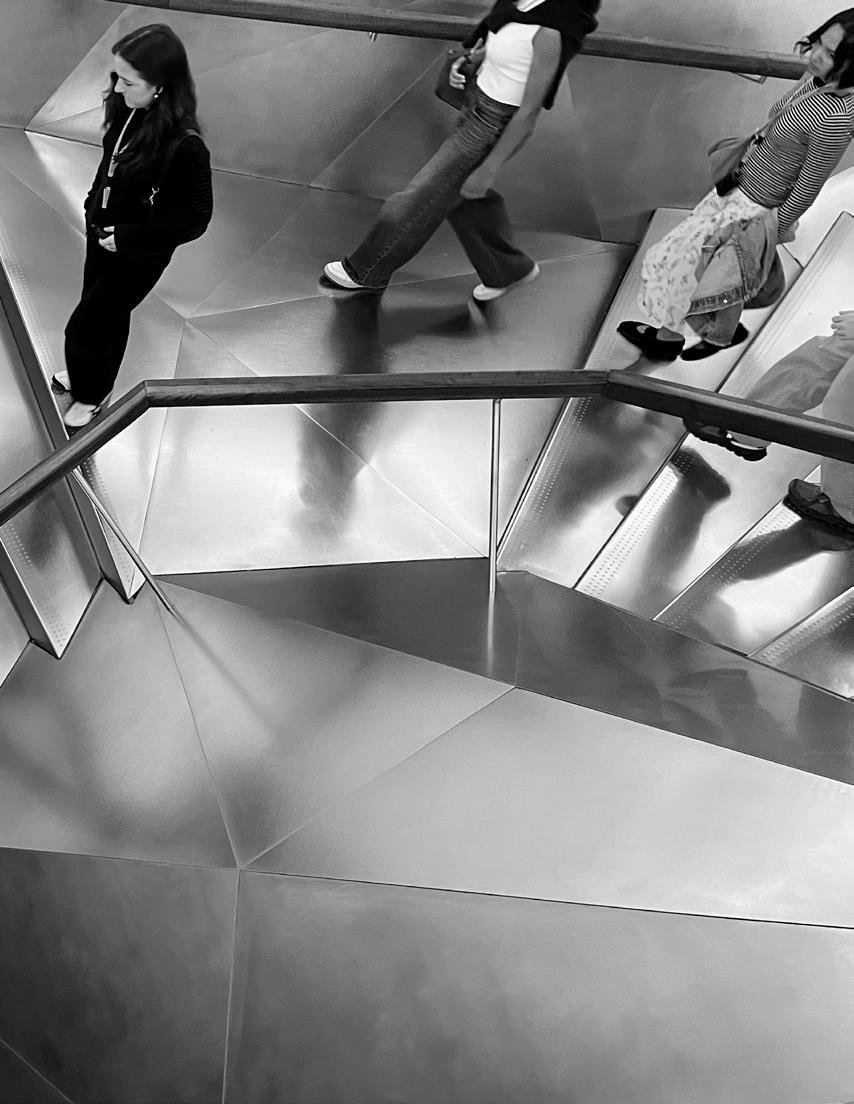
& de Meuron
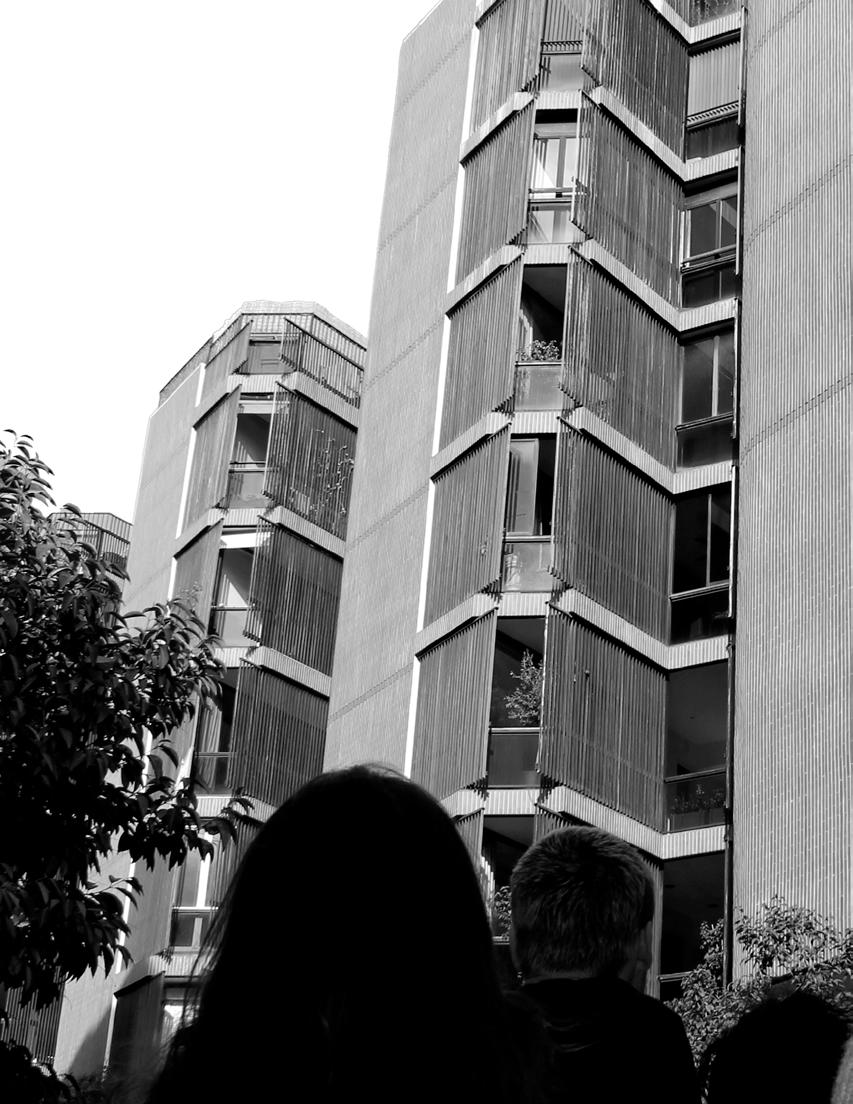
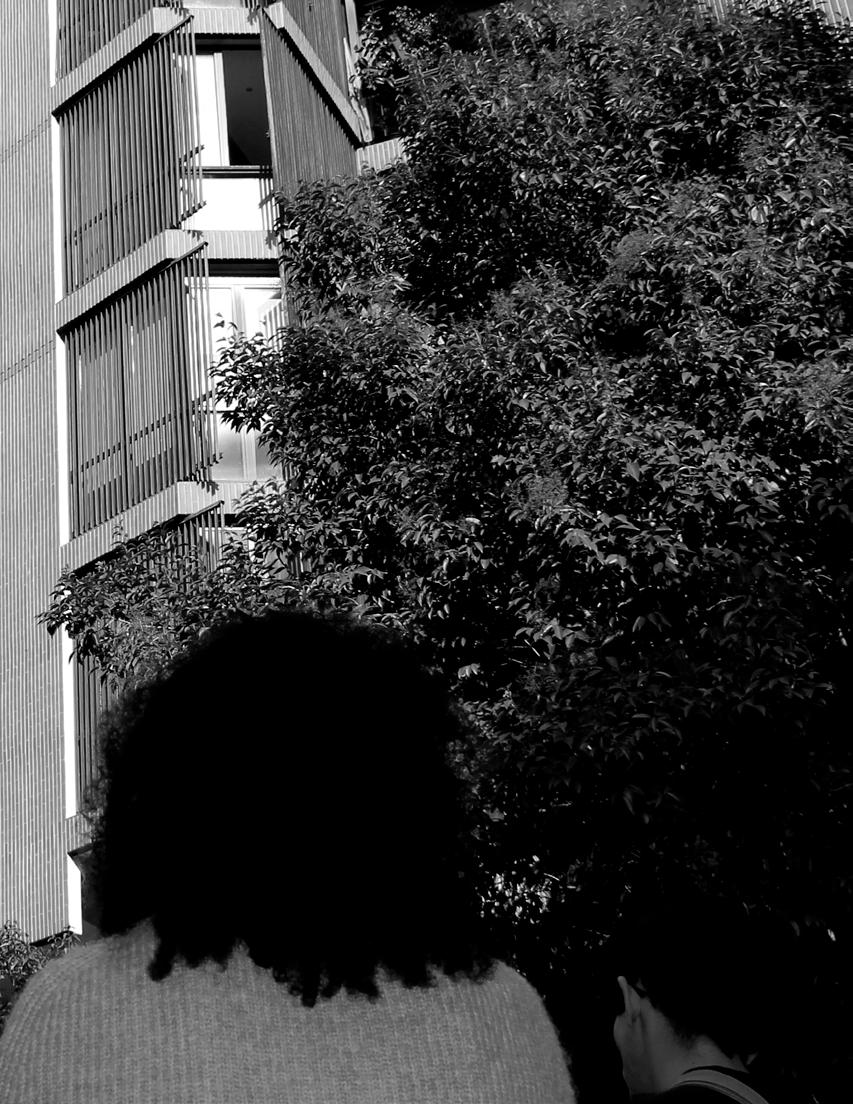
Madrid trip, visit to edificio Girasol by
Antonio Coderch
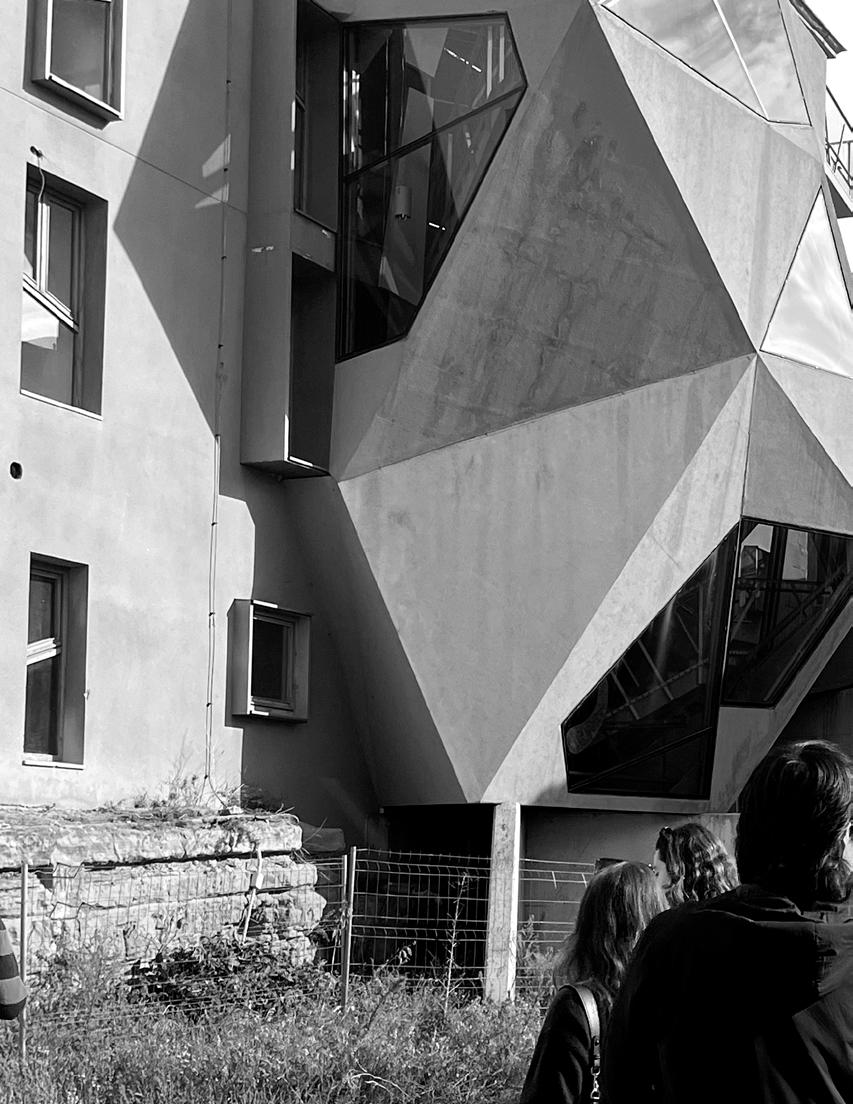
by BailoRull
Facade of the Town Hall of Manresa
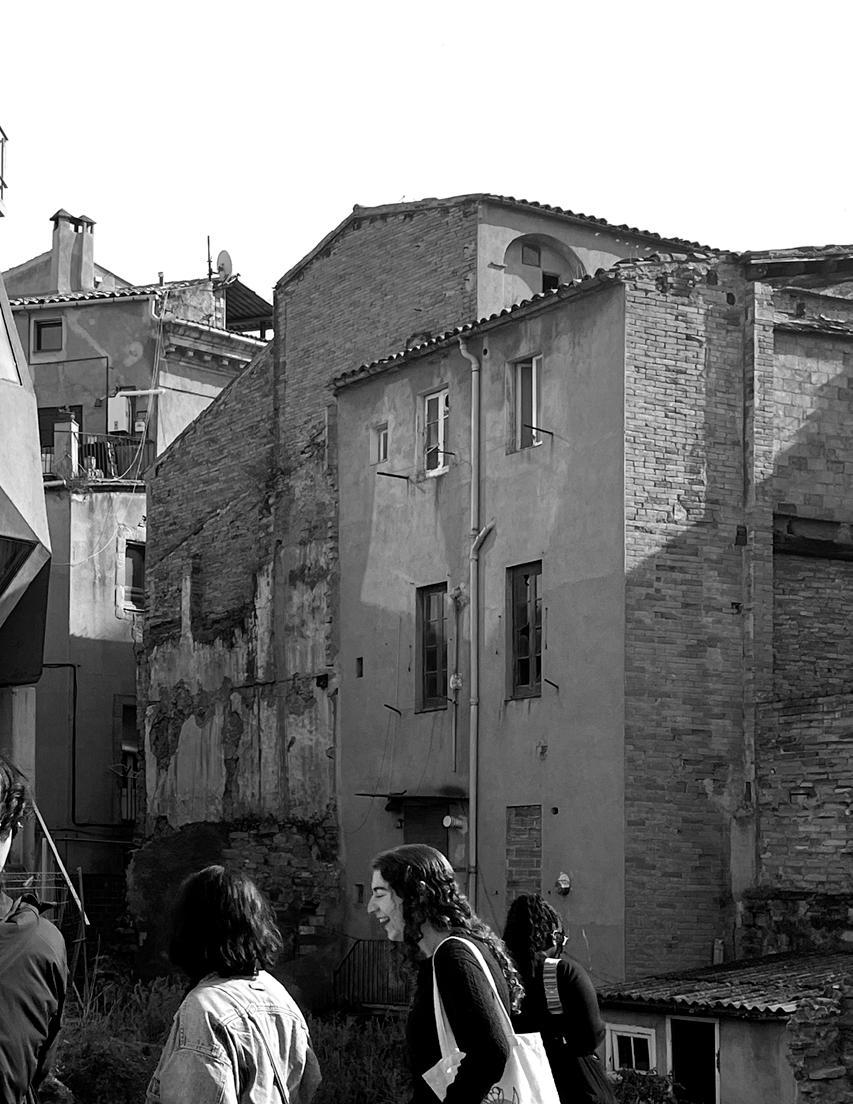
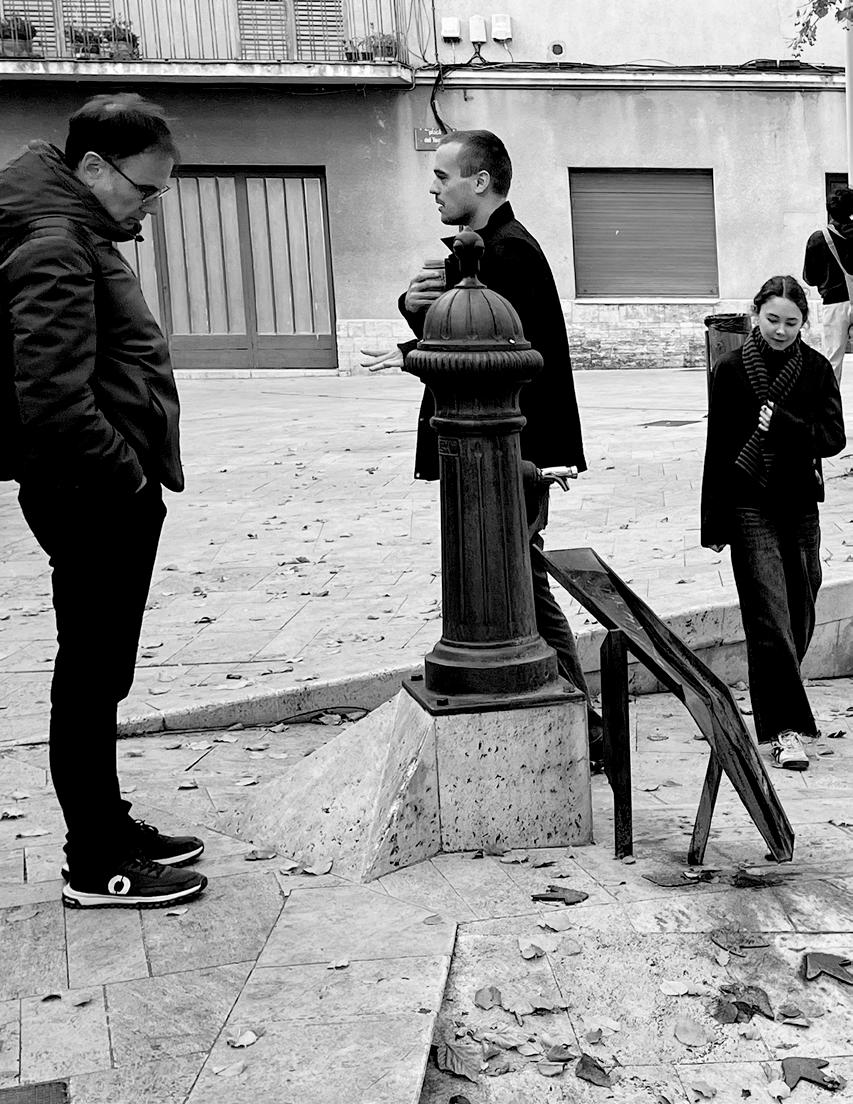
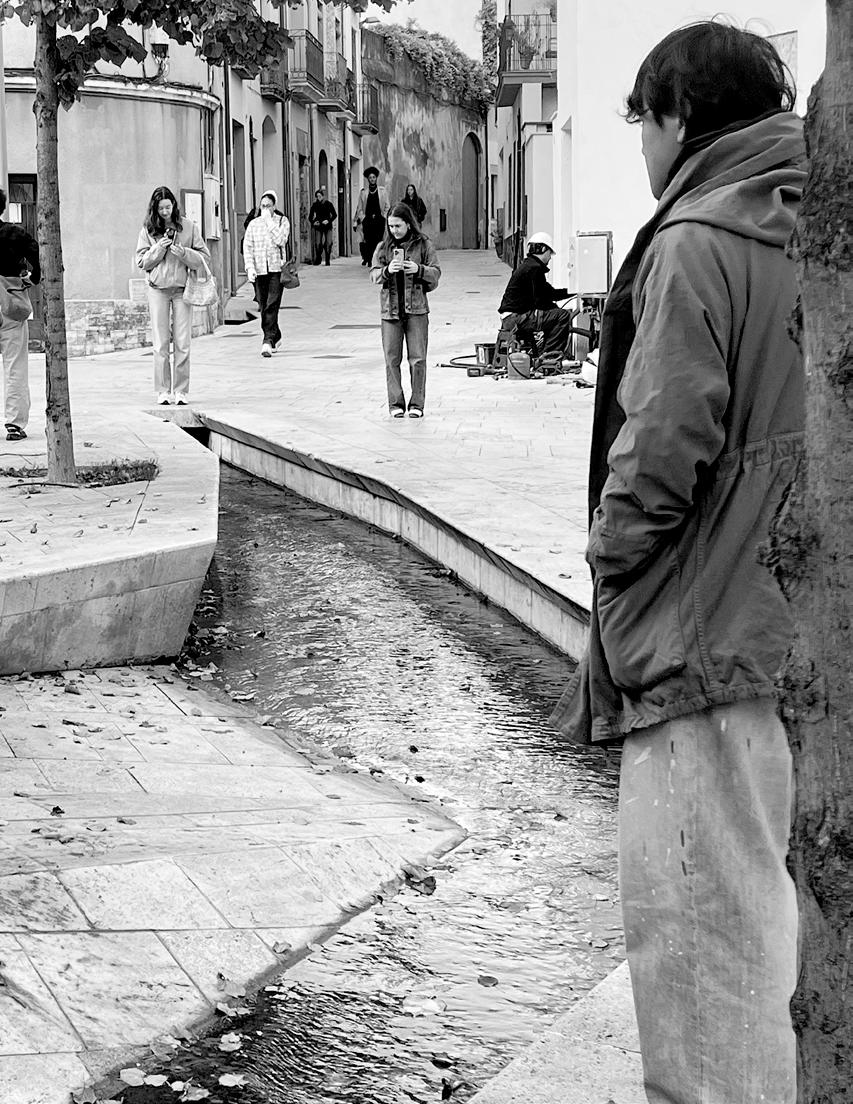
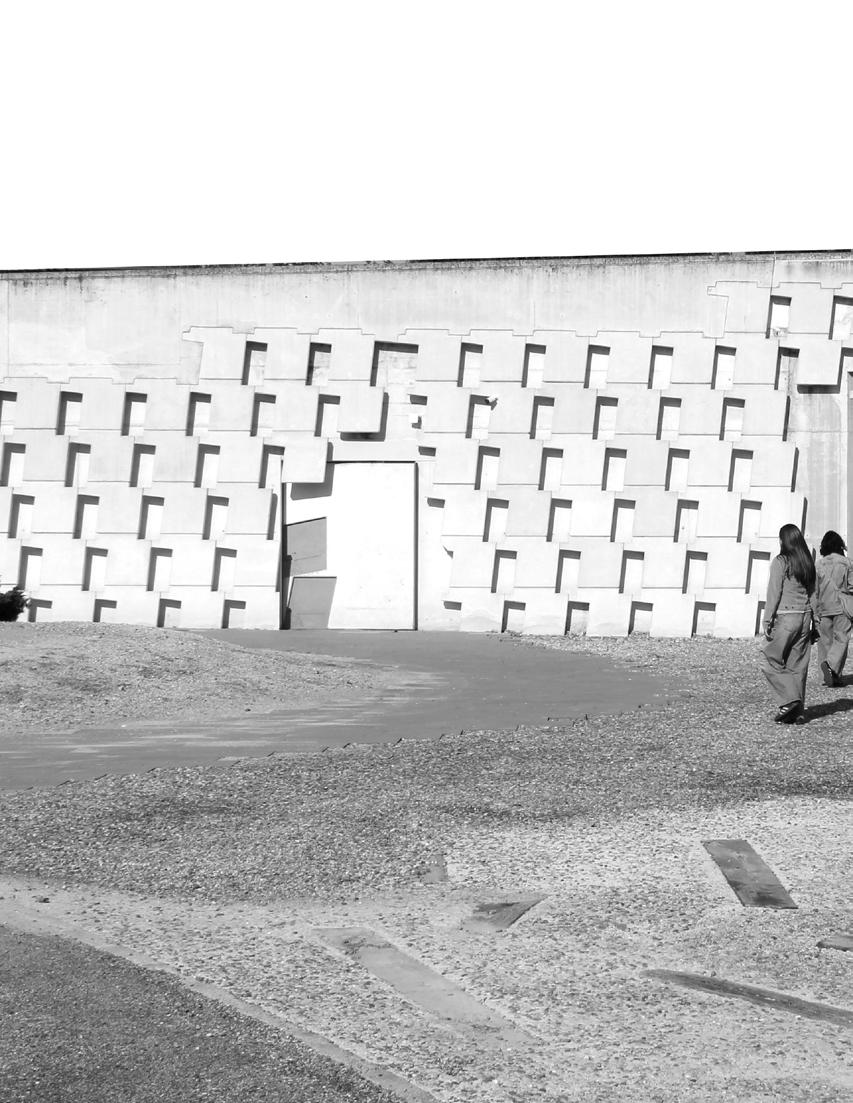
Visit to Igualada Cemetery, by Enric Miralles & Carme Pinós
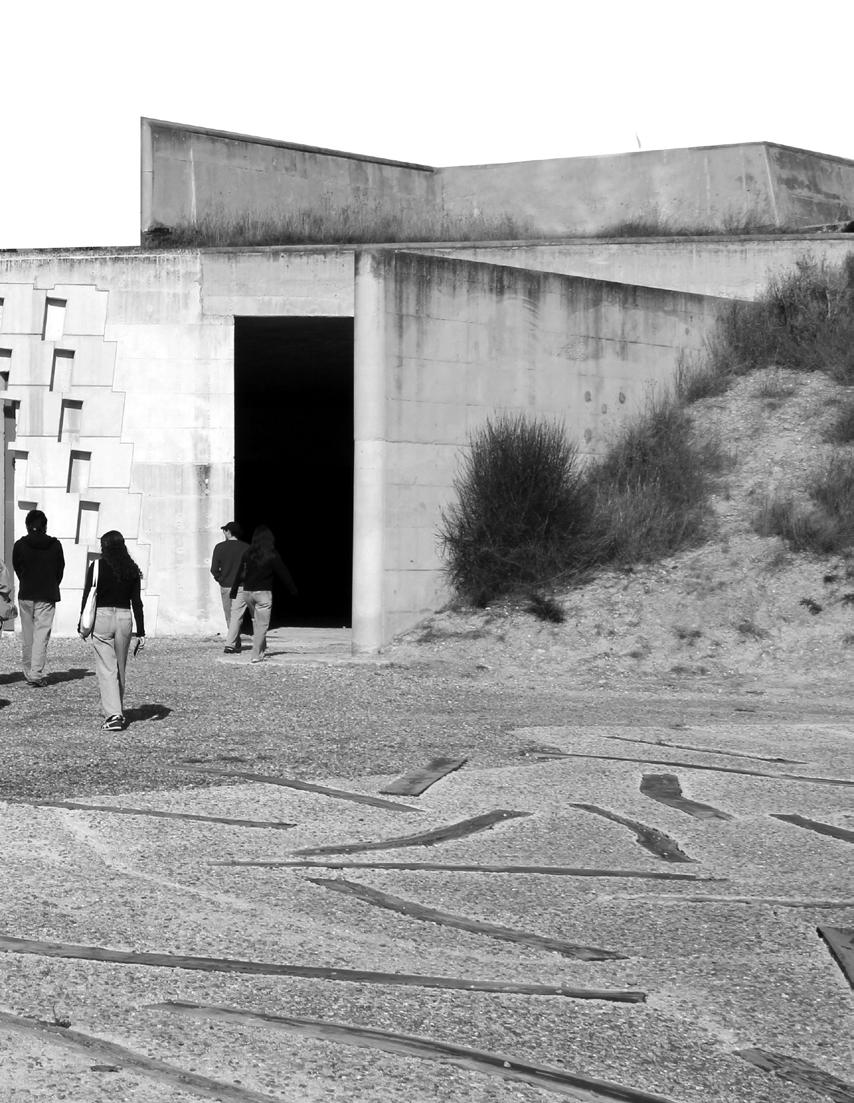
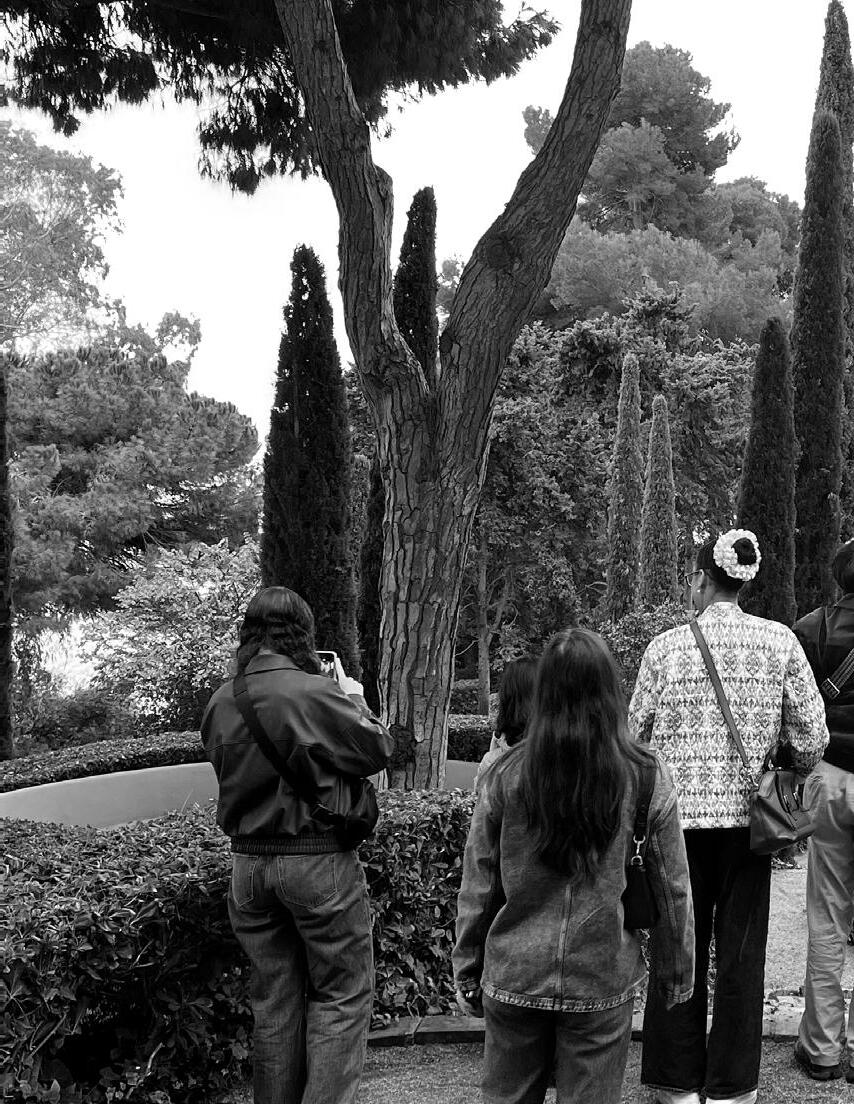
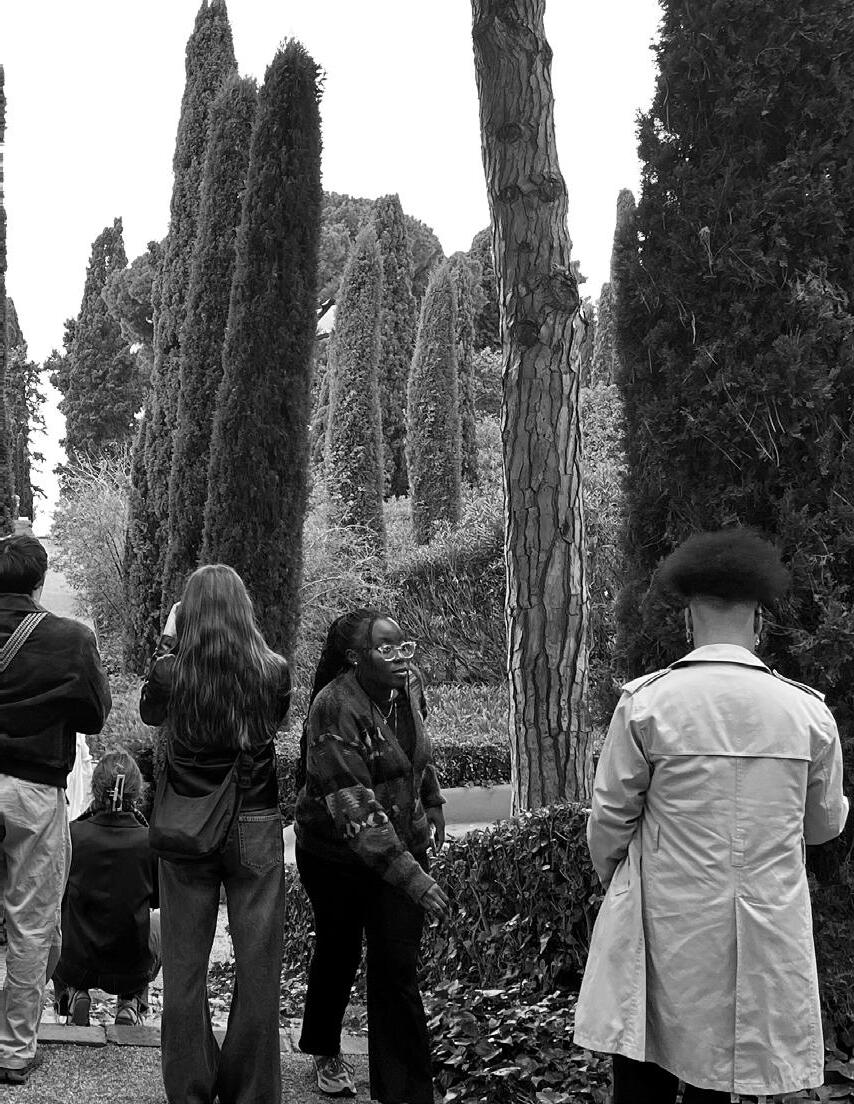
Visit to Santa Clotilde Gardens by Rubió i Tudurí
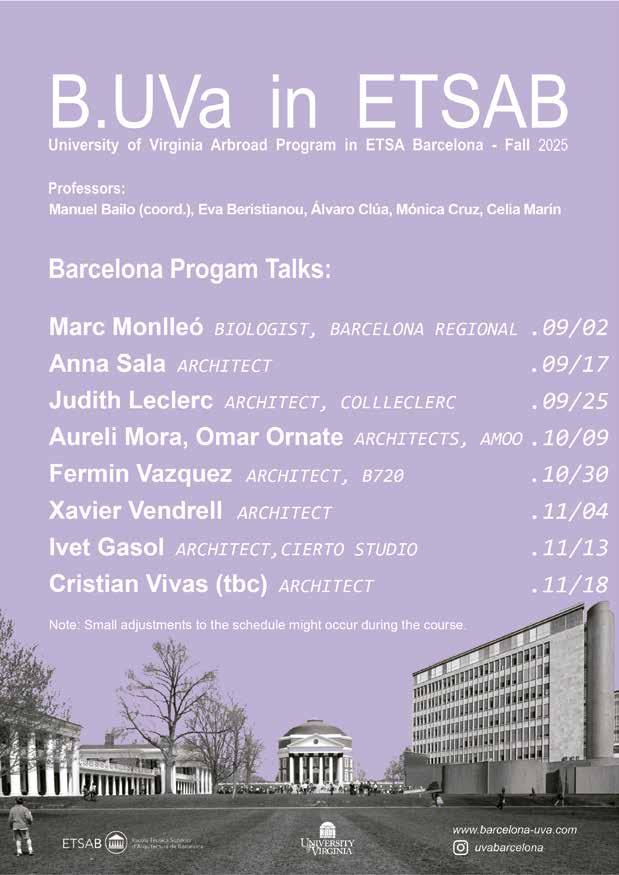
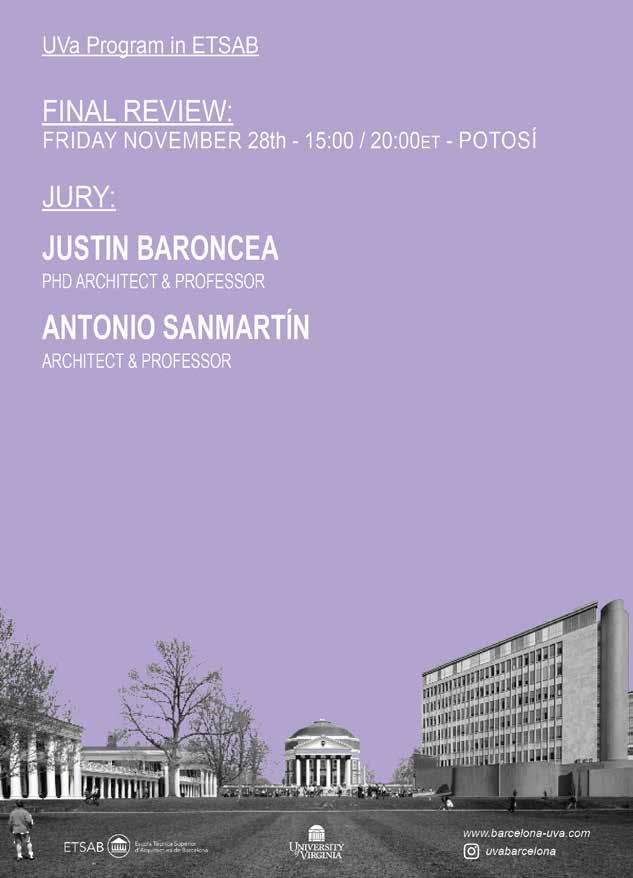
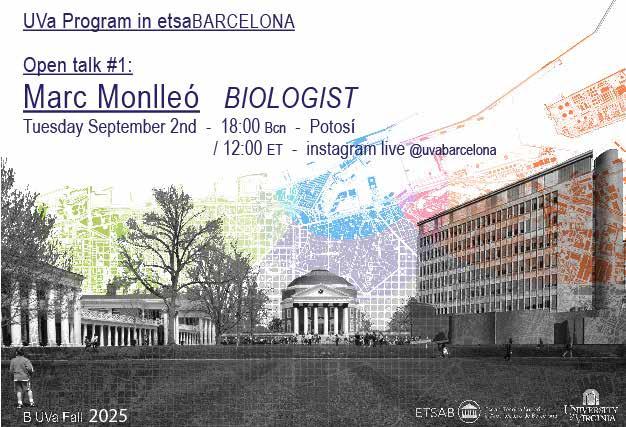
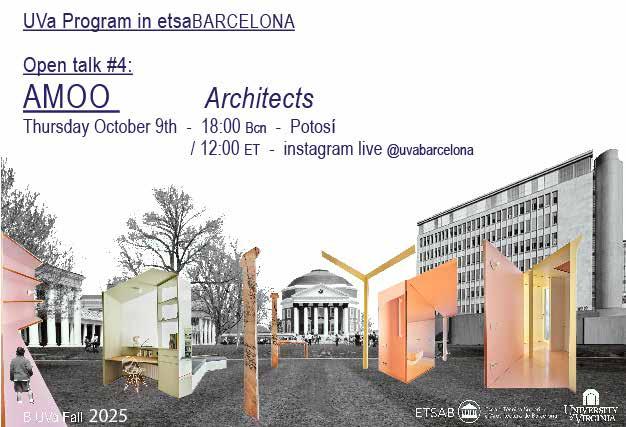
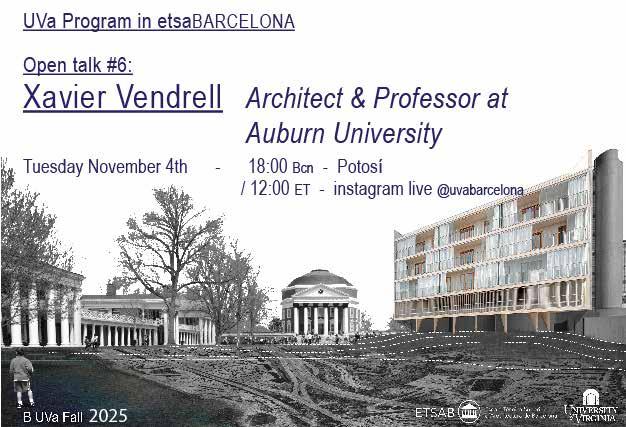
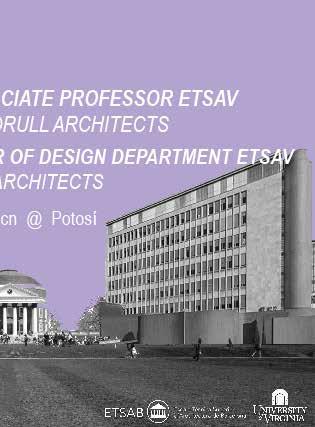
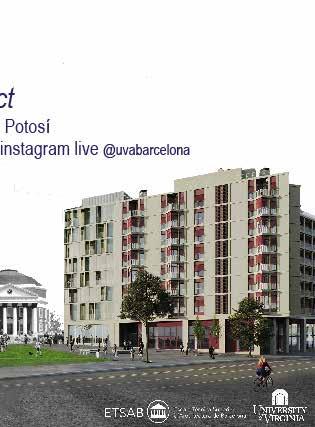
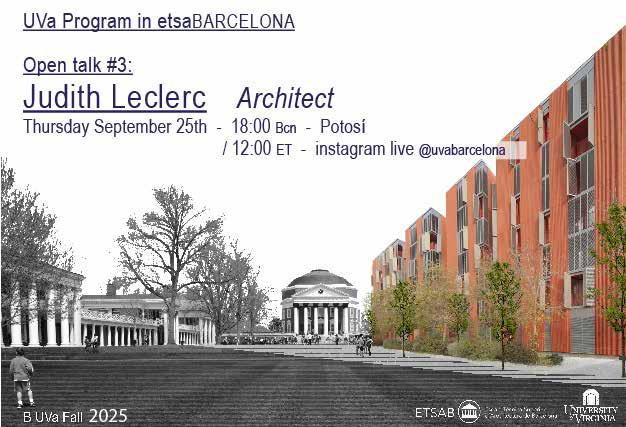
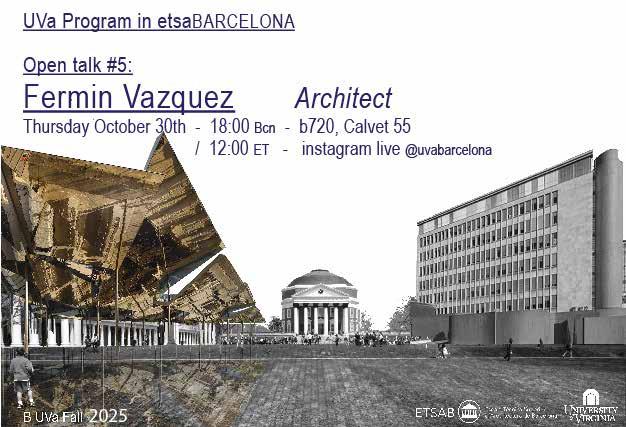
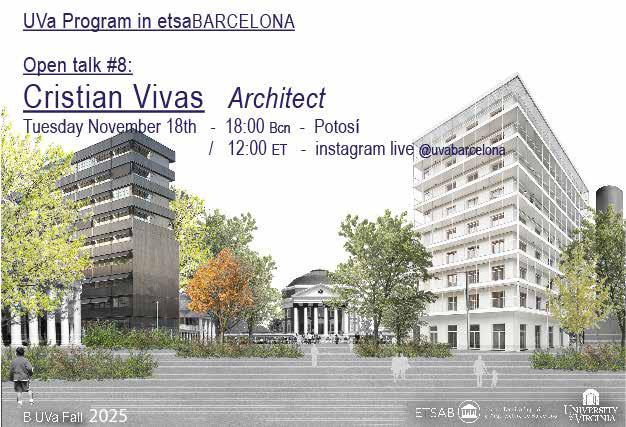
OPEN TALKS
PUBLIC CATALYST
ARCH 5605 - Urban Materiality
Manuel Bailo_Professor of Architecture
Barcelona is internationally renowned as a city where urban design is constantly evolving, and architecture profoundly shapes the way of life. It is a city where the voices of architects have historically played a pivotal role in guiding its development and improvement. The 19th-century Cerdà grid and the city’s transformation during the Olympic Games established Barcelona as a place where architecture is deeply ingrained in its culture. It is both an ancient and modern city, where urban design and architecture form a unified identity.
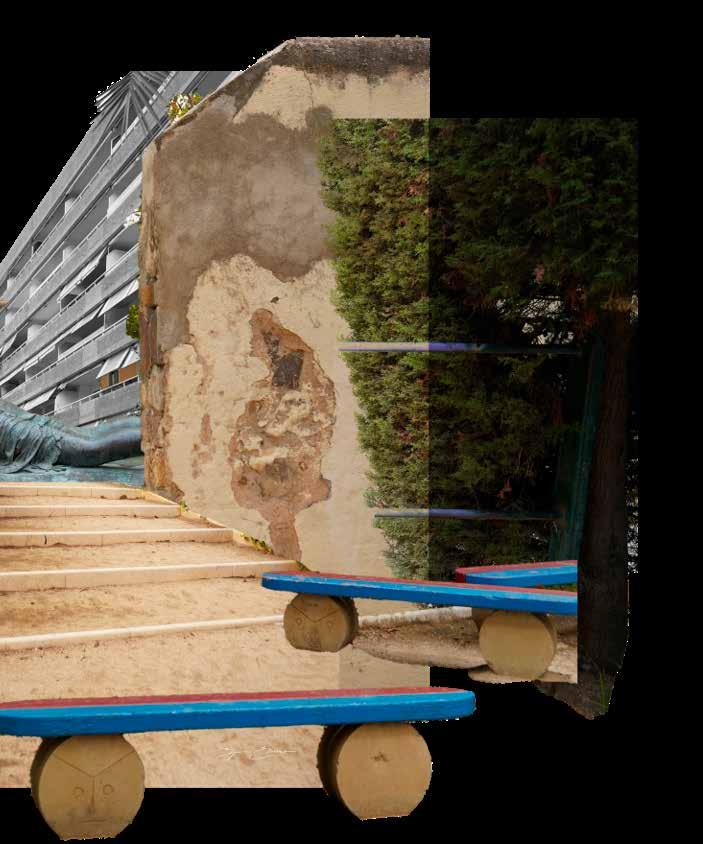
This course focuses on the public realm, exploring how the city has evolved through the design of its public spaces. Students will analyze how public spaces have served as catalysts for urban transformation. The course will introduce students to the city’s scale and landscape design, with an emphasis on materiality. Participants will learn how to use materials and atmospheres to address urban and landscape challenges. Additionally, the course will expose students to innovative urban design and landscape techniques that confront contemporary issues such as climate change and sustainable energy.
The course comprises lecture sessions and studio classes, including desk critiques and presentations. Barcelona will serve as a living laboratory for studying public spaces. The program is divided into two phases. The first phase includes lectures, research, and drawing exercises centered on public space projects completed in Barcelona over the past 40 years. The second phase concludes with a smallscale design proposal for a public space, guided by the principles of Public Catalyst’s theory.
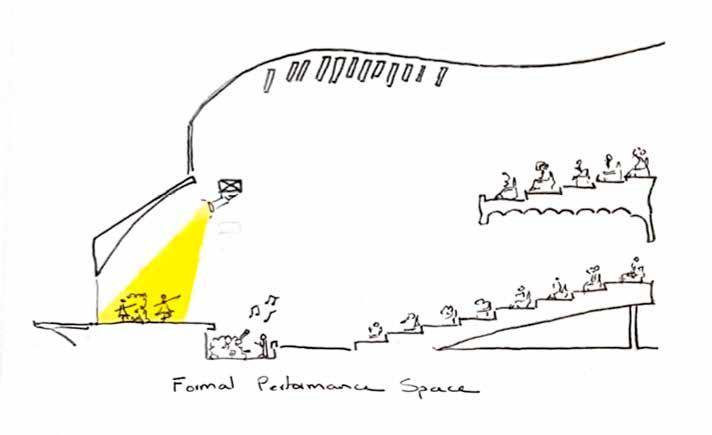
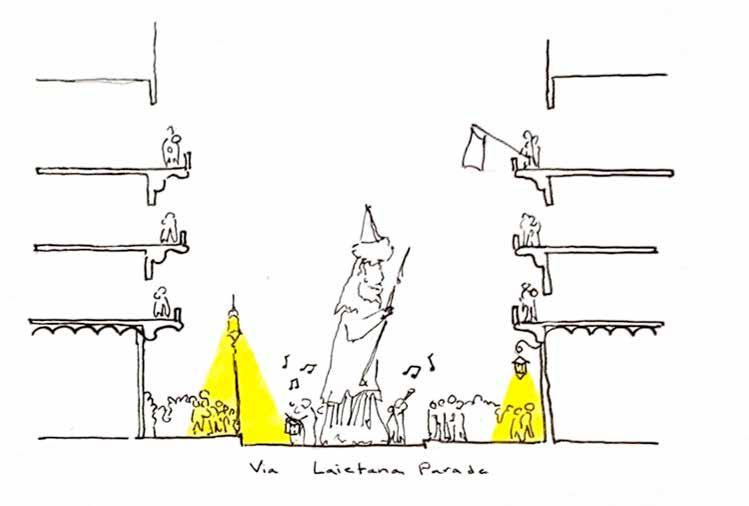
PAIGE DEARBORN, BENJAMIN EDLAVITCH , KATHERIN WERMTER
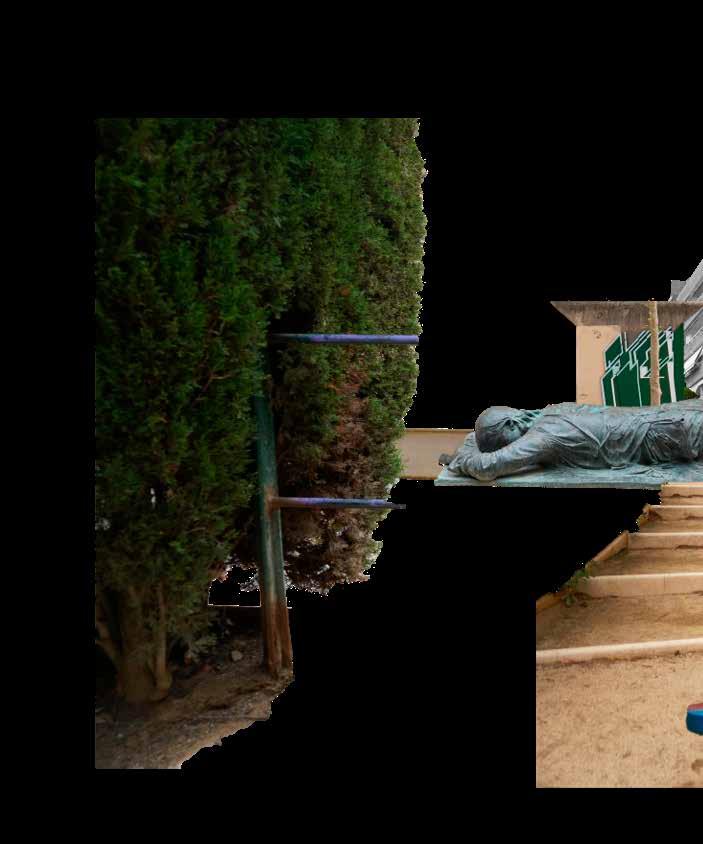
PAIGE DEARBORN, BENJAMIN EDLAVITCH , KATHERIN WERMTER
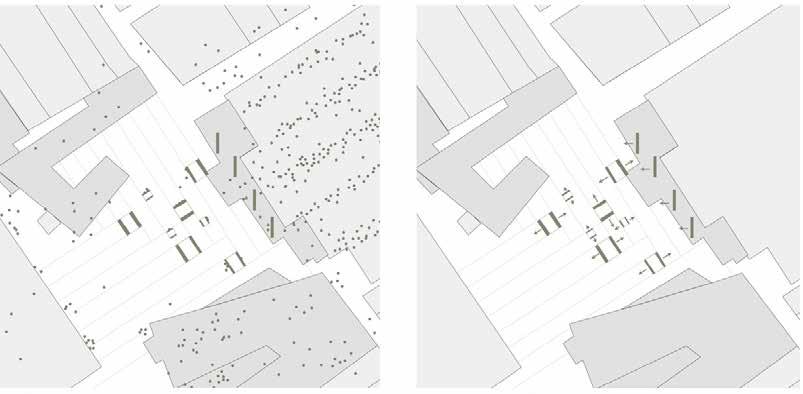
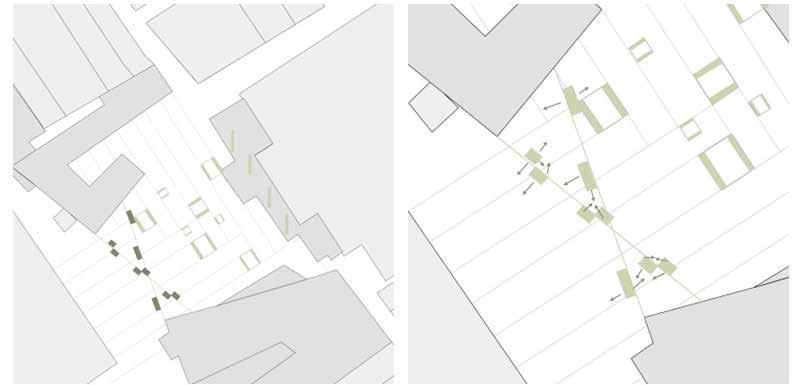
CURRENT USE
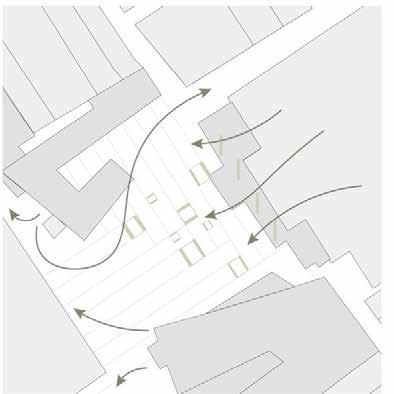
CIRCULATION FLOW
CURRENT SEATING ORIENTATION
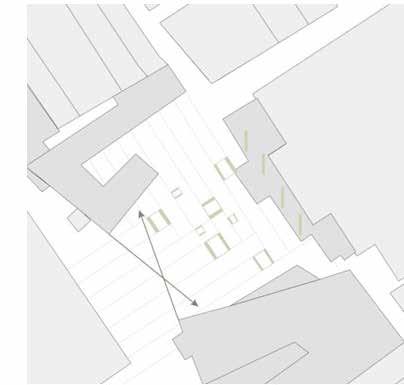
CONTEXT ALIGNMENTS
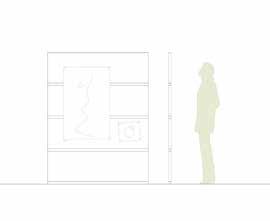
ELEVATION
& SECTIONS

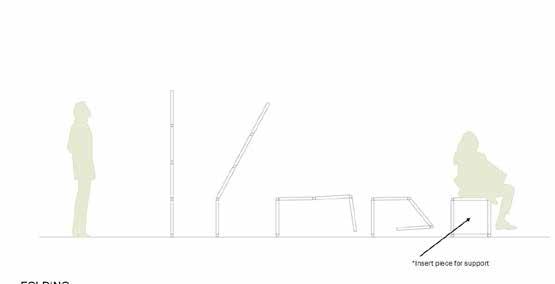

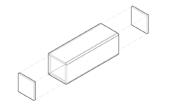
PROPOSED FURNITURE ALLOCATION
POSIBLE FURNITURE EXTENSIONS
CAROLINE CHAPPELL, JEFFREY DILLENBECK, LIV QUINTERO
MODERN CITY - MODERN
ARH 5613 - 501 - Gaudi’s Legacy
Mónica Cruz _Associate Professor
Celia Marín_Associate Professor
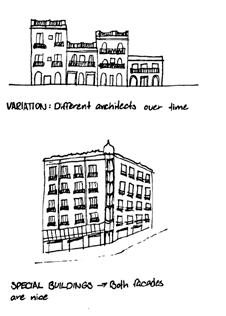
Since the transformation of Barcelona during the fourth quarter of the 19th century the shape of the city was established for the times to come, but the rationalistic lines of the city planning that have defined the organization and structure of the streets were not going to define the image of its architecture and its people.
The rising of Modernisme, with Gaudí’s architecture as a paramount example, sets the beginning of Barcelona’s architectural development, constantly hesitating between breaking new ground or claiming a return to tradition. Through a set of parameters to analyse traditional and contemporary architecture the course seeks to identify the dual complexity of Barcelona’s landscape through the concepts of city and architecture, tradition and modernity, technology and technique, place and context.
The course is organized in a series of lectures and field trips, focusing on the question of this complexity, combining historical approaches with contemporary examples of the most groundbreaking architectural tendencies in the city and their engagement to define a local tradition, even a contemporary one.
The evaluation consists in a series of short assignments related to the field trips and lectures. Bringing a carnet to draw and take notes will help the student to make the most of this experience and have enough material to analyse the buildings for the assignments.
MODERN LIFE
ASHLEY DUHANEY, KIRA MORAN
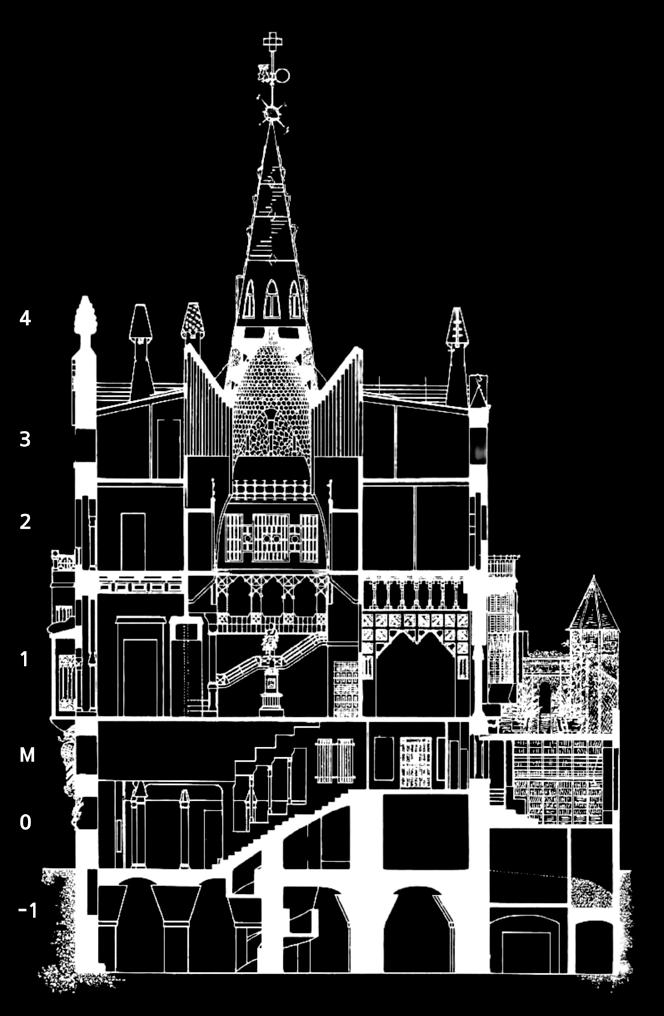
PALAU GÜELL
CASA VICENS
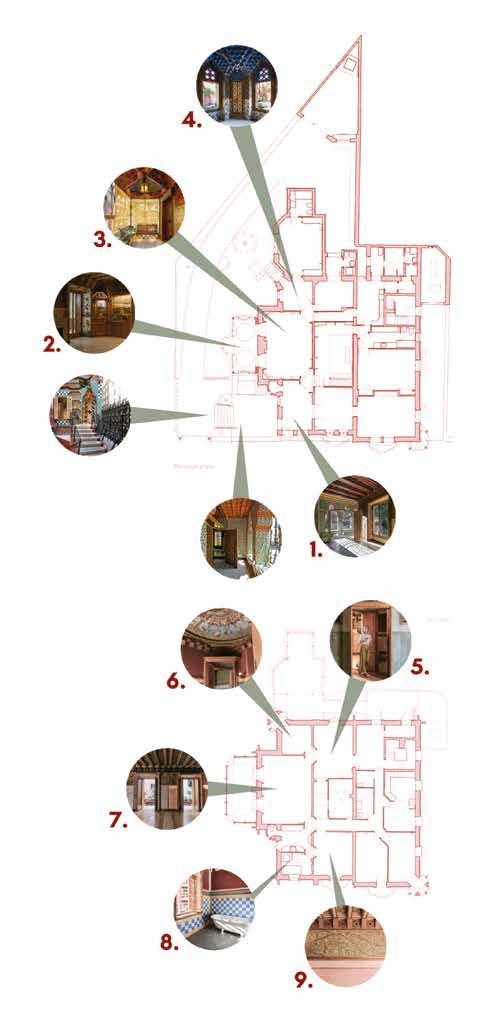
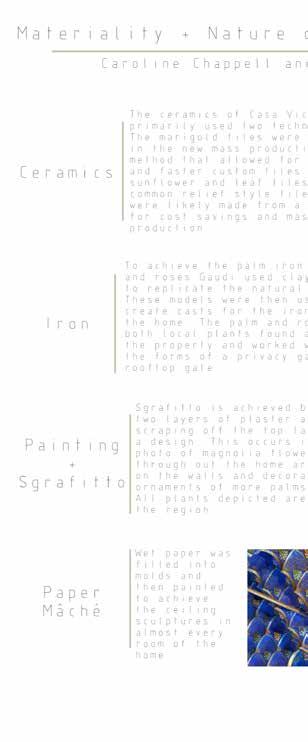

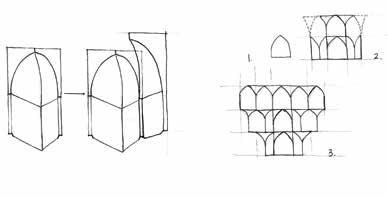
ASHLEY DUHANEY, KIRA MORAN
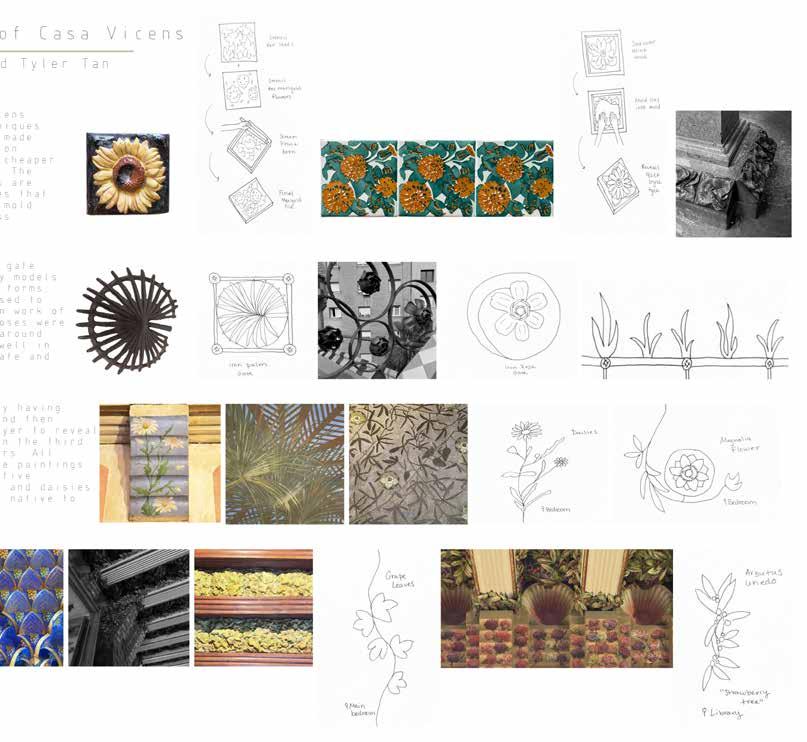
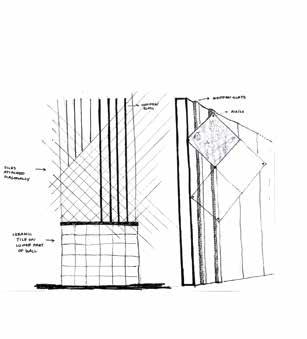
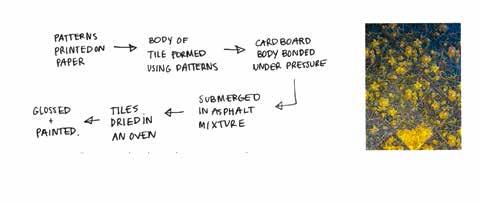
ASHLEY DUHANEY, KIRA MORAN
CAROLINE CHAPPELL, TYLER TAN
CONSTRUCTION OF THE
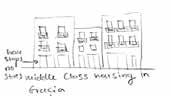
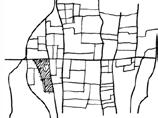
PLAN 5611 - 501 - Barcelona Urban History
Álvaro Clúa_Associate Professor
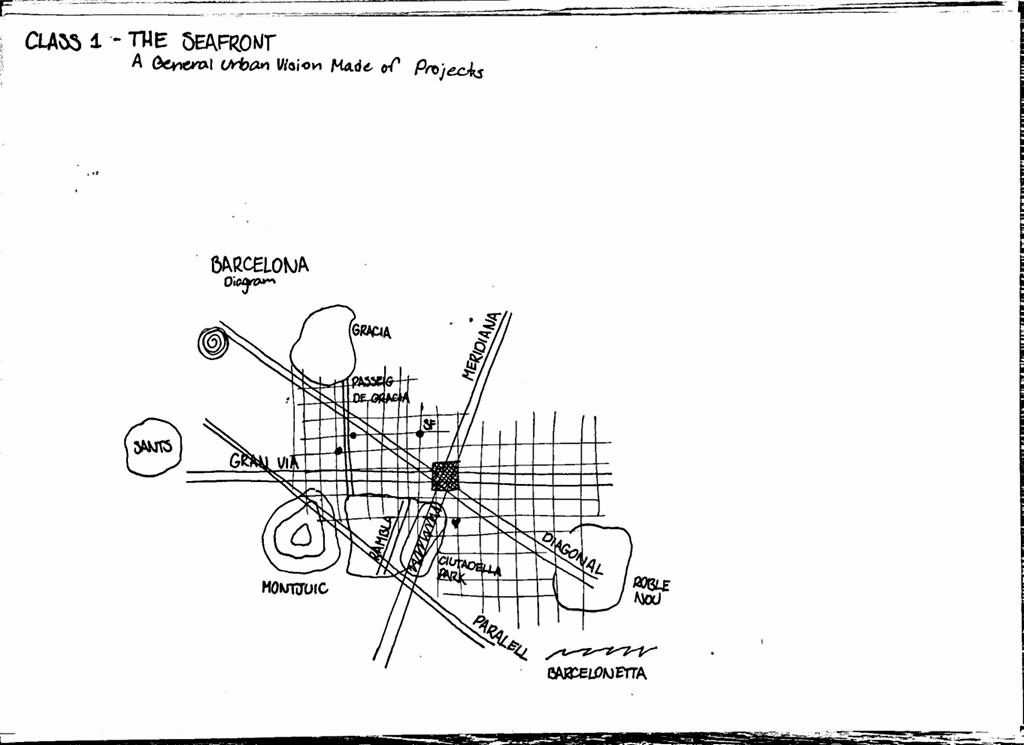
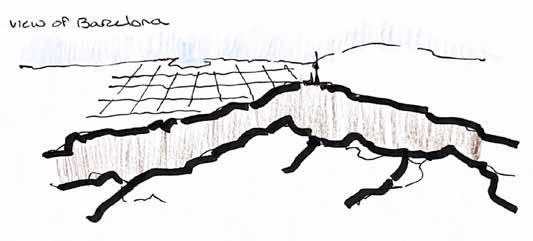
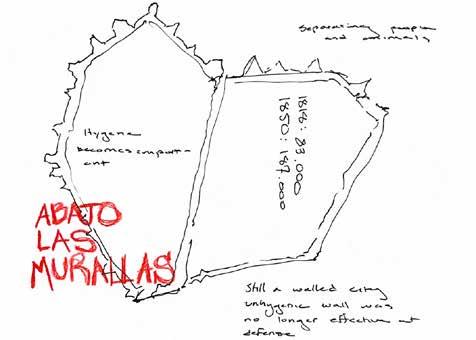
The city of Barcelona is an on-going urban laboratory. Which role play the ideas and settlements, the geography and history in the shaping of the landscape of this metropolitan city?
The module aims to ask this question through a combination of lectures and on-site visits focused on the analysis and discussions of urban places and their landscapes. Each lecture at school consists on the presentation of one or two theoretical topics ended by a final open discussion.
The field trips are part of the theoretical background of the module and tries to give a close up view. This year, students will have the chance to participate on the events related with the International Biennial of Landscape Architecture that will take place in Barcelona.
The final assignment should be an individual, precise and original contribution on any topic related with the course. The students will be evaluated by a final public presentation of 10 minutes’ length and a short paper illustrated by drawings, photographs, visuals and written arguments.
THE MODERN CITY
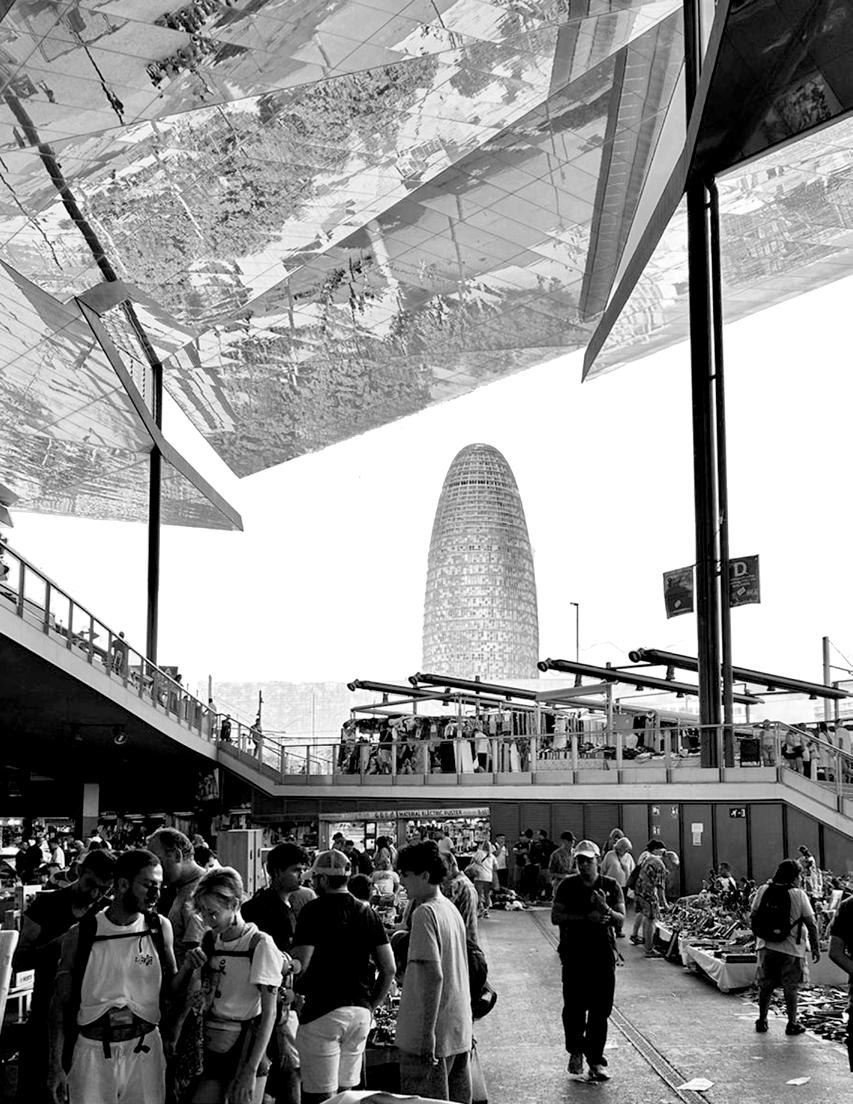

PAIGE DEARBORN
BENJAMIN EDLAVITCH
CAROLINE CHAPPELL
BENJAMIN EDLAVITCH PAIGE DEARBORN
URBAN EXPLORERS
PLAN 5993 - Independent Study
Manuel Bailo_Professor of Architecture
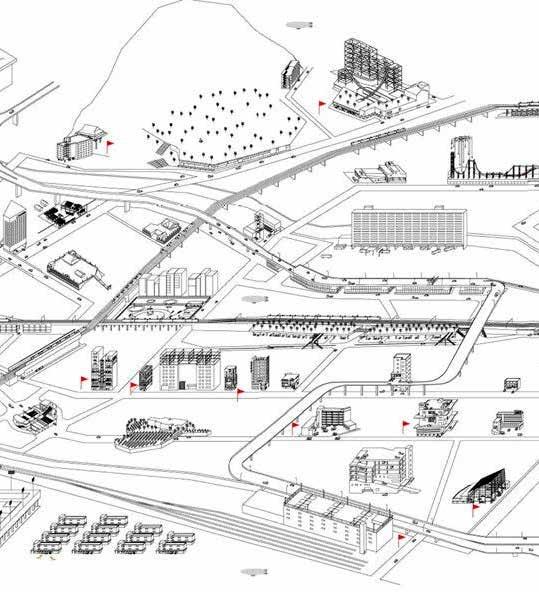
This seminar will help students learn how to become urban explorers. By adopting the perspective of outsiders, you will develop the ability to see the city from a different vantage point, uncovering urban conditions that often go unnoticed.
The course takes full advantage of the abroad semester experience. While living in a new city, navigating unfamiliar spaces, and discovering a different culture, you will be encouraged to focus your curiosity on specific local topics that resonate with your personal interests.
Spending three months in Barcelona offers the ideal context for cultivating an attitude akin to that of architects such as Atelier Bow-Wow, Rem Koolhaas, or Robert Venturi in their research. You will become explorers of your own investigations—guided by intuition and by your lived, physical experience of the city—while simultaneously engaging with seminal texts on urban life. In doing so, you will act as investigators of places and projects, uncovering the contextual forces that shape the city and its form.

THESIS
ALAR 8010 - 4010 - Design Thesis
Manuel Bailo_Professor of Architecture
This seminar provides students with the essential tools to organize and develop an architectural research topic. Taking advantage of the experience of studying abroad, the course uses Barcelona as a living laboratory, encouraging students to engage directly with its spaces, culture, and urban context while focusing on local topics aligned with their personal interests.
Inspired by the research approaches of architects such as Álvaro Siza and Camillo Sitte, students will adopt an exploratory attitude based on intuition, observation, and physical experience of place. Through direct engagement with sites and projects, they will investigate the forces shaping architecture and landscape, developing a deeper understanding of context as a driver of design.
The seminar emphasizes creative analysis and drawing as fundamental research tools. Students will define and refine their topics through visual exploration, using drawing as a method of inquiry to uncover hidden relationships and articulate their investigations, culminating in a focused research conclusion.
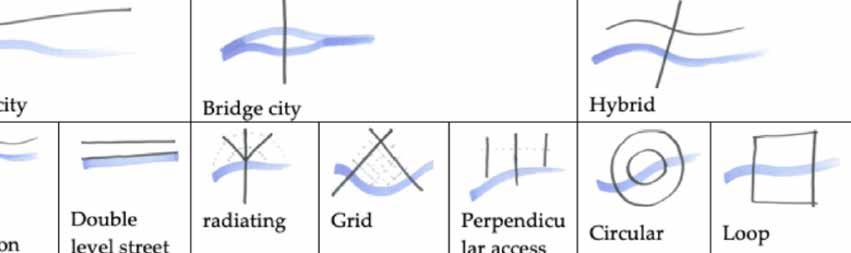
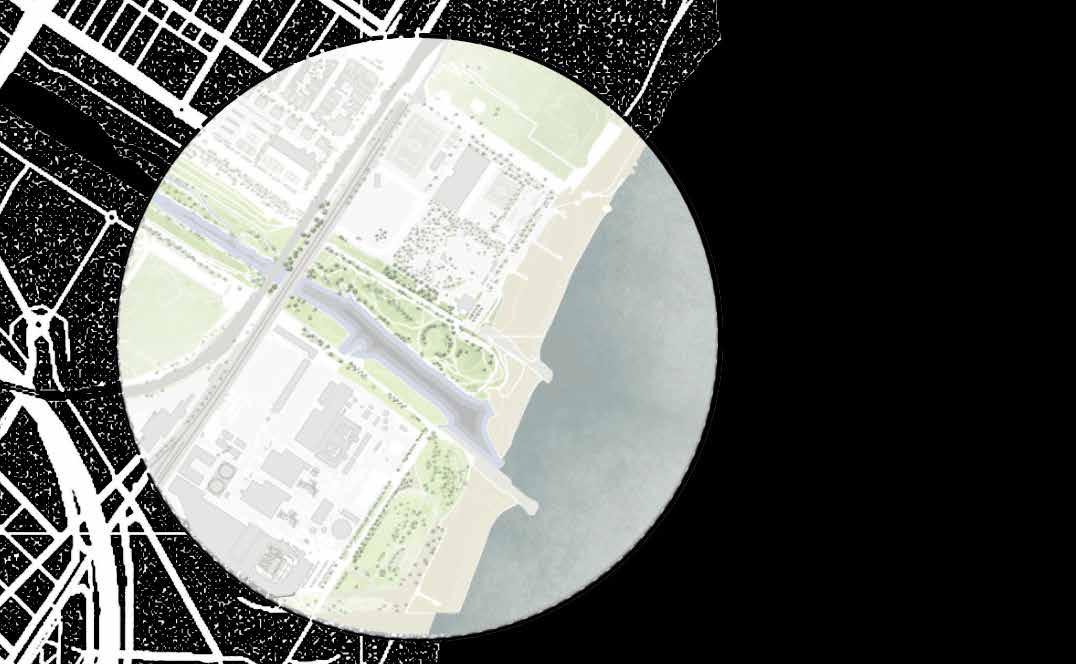
PAIGE DEARBORN
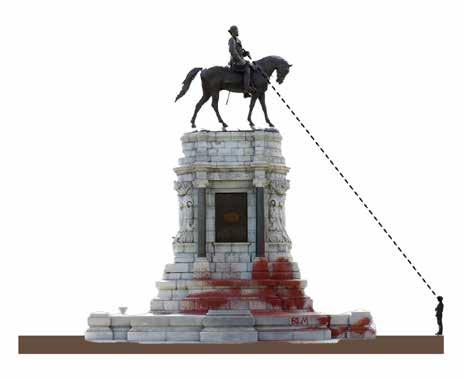
SIGHTLINES COLLAGE I
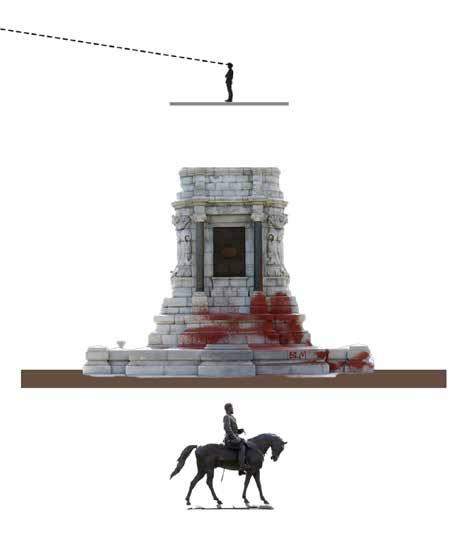
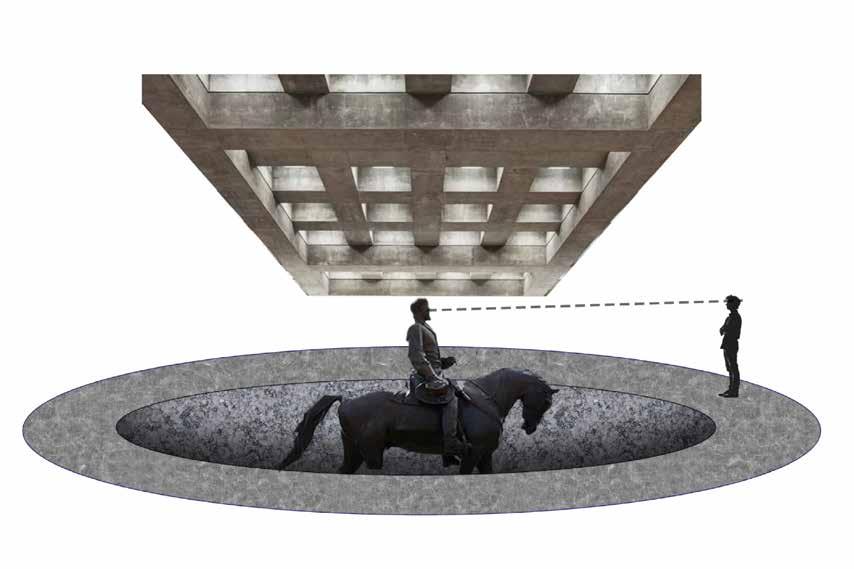
SIGHTLINES COLLAGE
Instructors:
Manuel Bailo
Eva Beristianou
Àlvaro Clúa
Mónica Cruz
Celia Marín
Professor of Architecture
Director of Barcelona Program UVA
Assistant Professor
Associate professor
Associate professor
Associate professor
School of Architecture International Studies Office
University of Virginia