Ju ne 5 - 6, 2 0 2 6 Moody Gardens | Seven Hope Boulevard | Galveston, TX presented by
The University of Texas Medical Branch (UTMB) Department of Pediatrics and Office of Interprofessional Continuing Education
This educational activity is designed for physicians, physician assistants, nurse practitioners, and nurses who care for infants, children and adolescents.
Pediatric Cardiology
Development and Behavioral Pediatrics,
Pediatric Allergy & Immunology
O
ffice of Regulated Nonclinical Studies
Nursing Program Development
Bay Colony Clinic
Neonatology
General Pediatrics
Development and Behavioral Pediatrics
School of Nursing
Welcome to Pedi by the Gulf: 75th Annual Conference on Advances in Pediatrics
Dear Conference Participants,
As we celebrate the 75th Annual Pediatrics by the Gulf Conference, UTMB proudly reflects on seventy-five years of excellence in providing high-quality continuing education to thousands of physicians, nurses, physician assistants, and other medical professionals. This milestone represents more than a number, it symbolizes decades of dedication to advancing pediatric care through meaningful, evidence-based learning.
Our continuing education programs have consistently upheld the highest standards of quality, integrity, and clinical relevance. Each year, we strive to create an environment where medical professionals can expand their knowledge, strengthen their skills, and engage with leaders who are shaping the future of pediatric medicine.
We are honored to continue this tradition of excellence and remain committed to supporting the professional development of those who care for children and families throughout our region and beyond.
We are grateful to the distinguished professionals who have contributed their expertise across the decades, and to you for participating in this landmark 75th-year program.
Warm regards,
Dr. Amyn Jiwani
Dr. Elizabeth Rodriguez Lien Conference Co -Course Director Conference Co -Course Director
UTMB Department of Pediatrics
UTMB Department of Pediatrics
2026 Supporters
Thank You!
We gratefully acknowledge the following companies and organizations for their generous support.
UTMB SUPPORTERS
UTMB Hospital Administration/Nursing
UMB Department of Academic Affairs
UTMB McGovern Academy of Oslerian Medicine
(Ashraf Aly, MD; Sunil Jain, MD)
Gayani Silva, MD, Daeschner Professorship Fund
Sanjeev Tuli, MD, Department of Pediatrics
EXHIBITOR LEVEL
Abbott Nutrition
Angel Medical Supplies
AstraZeneca
BioMarin Pharmaceutical
CSL Seqirus
MaraBio
Mead Johnson Nutrition
Merck
Nutricia North America
Pfizer Vaccines
Pharming Healthcare
SPECIAL THANKS!
Moody Gardens Hotel and Convention Center
Texas Business Theatre
UTMB Printing and Graphics Services
UTMB Interprofessional Continuing Education
UTMB Photography
Visit Galveston
Sanofi Sanofi RARE
Sobi, Inc.
Syndax Pharmaceuticals
Tris Pharma
Nexus Health Systems
Osaic Wealth Management
Shriner’s Children Hospital
University of Houston - School of Nursing
UTMB Psychiatry-CPAN/PeriPAN
Greetings from Galveston Island!
On behalf of Visit Galveston, it is my pleasure to welcome you to the 75 th Pediatrics by the Gulf Annual Conference on Advances in Pediatrics. We are honored to host the physicians, nurses, nurse practitioners, physician assistants and medical professionals who have dedicated their careers to improving the health and well-being of infants, children and adolescents.
Galveston has a long and proud history as a center for medicine, research and innovation. As the home of The University of Texas Medical Branch, one of the nation’s oldest academic health centers and a leader in medical education and groundbreaking research, our island has spent generations advancing healthcare while fostering a spirit of compassion, discovery and service. It is especially fitting that a conference dedicated to pediatric advancement takes place in a community so deeply connected to the medical field.
While you are here, I encourage you to take time to experience all that makes Galveston Island unique. From 32 miles of Gulf beaches and historic architecture to locally owned restaurants, museums, shopping and coastal attractions, the island offers opportunities to relax, recharge and connect outside the conference setting. Whether you are exploring The Strand Historic District, enjoying fresh Gulf seafood or taking in a sunset along the Seawall, we hope your time here is both productive and memorable.
Thank you for choosing Galveston as the host destination for this milestone conference. We are grateful for the important work you do every day and hope you enjoy your time on the island.
Welcome to Galveston, and remember, when you’re here… It’s Always “Island Time”!
Warm regards,
Tony Lyle Executive Director Visit Galveston
Honoring our Past & Present UTMB Pediatrics
CME Conference Course Directors
Board-
C. William Daeschner Jr., M.D., FAAP
Past Chair,
1965and was vice chair of the AAP Future of
University of Texas Medical Branch (UTMB), Galveston, in 1945, and interned at Hermann Hospital, Houston (1945-’46). Dr. Daeschner was captain and flight surgeon in the Air Force -’48.
Dr. Charles William Daeschner Jr., M.D., served as the Chair of the Pediatrics Department at the University of Texas Medical Branch (UTMB) in Galveston, TX, from 1961 to 1990. Prior to this, he was a professor and deputy chief of pediatrics at Baylor College of Medicine in Houston. [1, 2]
Dr. Armond Samuel Goldman
Past Chair,
Dr. Armond Goldman was a prodigy who earned his MD from UTMB at age 23. He interned at the U.S. Public Health Service Hospital in New Orleans, served two years in the U S Army, and completed his Pediatrics Residency at UTMB, where he was Chief Resident. He went on to serve 42 years on the UTMB faculty and was named Professor Emeritus in 2002
A pioneering pediatric immunologist, Dr. Goldman led the Texas Poison Control Center, the Division of Immunology and Allergy in the UTMB Department of Pediatrics, and the Division of ned child burn-
He trained generations of UTMB students and residents in rigorous scientific diagnosis grounded in respect for patients and families. His scientific contributions were extensive: he developed the double-blinded placebo-controlled food-allergy challenge, now a diagnostic gold standard; advanced understanding of hereditary immunodeficiency disorders; and became internationally known for his groundbreaking discoveries on the immune properties of human milk and the health benefits of breastfeeding.
Dr. Goldman served as chair of the Pediatric CME/Alumni Committee and organized several conferences (People in Nutrition", "Recent Advances in Child Health", "Scientific Basis for the Care of Children) in addition to the annual CME conference. "
Karen E. Shattuck, MD
Past Chair, CME Conference Planning Committee (through 2006)
Dr. Shattuck serves as Medical Director of Neonatal Nurseries and Neonatal Transport. She is a Professor in the Department of Pediatrics. She received her undergraduate degree from the University of Texas, and her MD from the University of Texas Medical Branch at Galveston, where she also completed her residency. She completed a fellowship in neonatal-perinatal medicine at the University of Texas Health Sciences Center-Houston.
Dr. Shattuck’s contributions to the conference spanned approximately ten years, and her leadership as chair significantly advanced the conference’s growth.
David Rassin, PhD Director, UT System CME Office from 2005-2009
Dr. Rassin is a Professor of Pediatrics in the Division of Neonatology. He received his undergraduate degree from Columbia University, New York and his PhD from Mount Sinai Graduate School of Biological Sciences of the City University of New York.
As director of the Pediatric Developmental Nutrition and Metabolism
Clinical Laboratory, which provides diagnostic services in inherited metabolic disorders, and neonatal research laboratories, Dr. Rassin has mentored faculty and fellows in pediatric research. His research interests include (nutrition and metabolism of amino acids, central nervous system response to varying amino acid availability, inborn errors of metabolism of amino acids, psychosocial factors involved in the breastfeeding decision, and composition of human milk).
Dr. Rassin has worked closely with several CME course directors to ensure proper accreditation for the annual CME conference. He also worked with Dr. Goldman to generate support from the community to raise funds to bring Marian Wright Edelman, founder and at the time President of the Children's Defense Fund, to speak on campus in 1985.
Janak Patel, MD
Past Chair, CME Conference & Grand Rounds Planning Committee (2006-2019)
Dr. Patel is Clinical Professor of Pediatrics and Director of Department of Infection Control & Healthcare Epidemiology at UTMB. He joined UTMB in 1989 as Assistant Professor in the Division of Pediatric Infectious Diseases of Department of Pediatrics where he served as division director from 1995 to 2021. In 2017, he was appointed as Director of Infection Control & Healthcare Epidemiology. He has participated extensively in patient care, teaching, research and administration, including many in leadership role. Dr. Patel has been the principal investigator or co-investigator in more than 50 clinical and bench research projects funded by the National Institutes of Health, pharmaceutical corporations and other agencies. Dr. Patel has authored more than 100 articles which have been published in peer-reviewed journals and textbooks. Dr. Patel earned his medical degree at the School of Medicine, University of Ibadan, Nigeria. He finished a pediatric residency at the University of Medicine and Dentistry of New Jersey Robert Wood Johnson Medical School in New Brunswick, New Jersey. He completed his fellowship in pediatric infectious diseases at the Children’s Hospital of Buffalo, State University of New York at Buffalo. Dr. Patel is currently an adjunct professor at UTMB Health.
Under Dr. Patel’s leadership, the conference broadened its reach to audiences throughout Texas and surrounding states, resulting in higher attendance and growing interest among pediatric health professionals.
Patricia Rogers, MD
Past Co-Chair, CME Conference Committee (2006-2019)
Dr. Patricia Ann Rogers is a Professor of Pediatrics at UTMB. She joined UTMB Department of Pediatrics in 2004 and has been faculty at UTMB since 1998. Dr. Rogers is board certified by the American Board of Pediatrics. She received her doctorate from the University of Tennessee Center for Health Sciences (School of Medicine) in Memphis, TN. Dr. Rogers completed her pediatric residency at UTMB in Galveston, TX.
Dr. Rogers has a special interest in teaching medical students and residents. She has received numerous teaching awards including two awards for Excellence in Clinical teaching by the John P. McGovern Academy of Oslerian Medicine. In addition to holding the title of Distinguished Teaching Professor, member of the University of Texas Academy of Health and Science education, Dr. Rogers serves as the director of the School Health Program at UTMB.
Dr. Rogers served as co-chair of the conference planning committee and chair of the Grand Rounds committee, alongside Dr. Janak Patel and continues to be a contributing to share her expertise as a member of the planning committee.
Lemuel Aigbivbalu, MD
Past Co-Chair, CME Conference Planning Committee (2019-2024)
Dr. Lem, as he is commonly known, is a Pediatric Infectious Diseases and Pediatric Hospital Medicine Physician whose clinical practice is focused on General Pediatric Inpatient Care, improving the efficiency and quality of care of children hospitalized with common, serious infections such as pneumonia and meningitis and the human immunodeficiency virus (HIV) disease. He received his medical degree from the Central America Health Science University, Belize.
He completed his residency in Pediatrics at Loyola University Medical Center, Maywood, Illinois. He went on to complete fellowship in Pediatric Infectious Disease at the University of Florida Health Science Center, Jacksonville. Upon completing his fellowship, he joined UTMB as an Assistant Professor in the Department of Pediatrics in 2008.
Dr. Aigbivbalu served as Co - chair along with Dr. Amyn Jiwani for five years and continues to serve as an active member of the planning committee since 2009, contributing to the success of the annual conference. His dedication is admired and appreciated.
Amyn Jiwani, MD
Current Co-Chair, CME Conference Planning Committee (2019-current)
Dr. Jiwani received his medical degree from Sindh Medical College in Karachi, Pakistan in 1989. He completed his residency in Pediatrics at the Schneider Children's Hospital at Long Island Jewish Medical Center at the Albert Einstein College of Medicine in New Hyde Park, New York.
He went on to complete a fellowship in Pediatric Cardiology in 1998, as well as a fellowship in Pediatric Echocardiography in 1999 at Schneider Children's Hospital at
Long Island Jewish Medical Center. After finishing these fellowships, he was promoted to the rank of Assistant Professor and Attending Pediatric Cardiologist for the Schneider Children's Hospital, the Jacobi Medical Center, and North Central Bronx Hospital of the Albert Einstein College of Medicine where he served until joining UTMB in 2006.
He was promoted to Associate Professor of Pediatrics in September 2012. Dr. Jiwani is board certified by the American Board of Pediatrics in both Pediatrics and Pediatric Cardiology. He sees patients with acquired and congenital heart diseases from the fetal life throughout adulthood. He enjoys teaching and believes in high quality patient care.
Dr. Jiwani served as co-chair of the conference planning committee with Dr. Aigbivbalu for six years and continues in this role with Dr. Elizabeth Rodriguez Lien. Dr. Jiwani has served on the planning committee since 2009.
Elizabeth Rodriguez Lien, MD
Current Co-Chair, CME Conference Planning Committee (2025-current)
Dr. Elizabeth Rodriguez Lien is an Associate Professor of Pediatrics and is board certified by the American Board of Pediatrics. She earned her Bachelor of Science degree in Chemistry from the University of Texas–Pan American and received her medical degree from the University of Texas Medical Branch (UTMB). She completed her pediatric residency training at UTMB in 2015, served as Chief Resident the following year, and subsequently joined the faculty.
Dr. Rodriguez Lien is actively involved in medical student and resident education, serving as a pediatric clinic supervisor for medical students, Associate Program Director for the pediatric residency program, faculty mentor, and rotation director.
After 10 years in General Pediatrics, her passion for neurodevelopment led her to join the Division of Developmental and Behavioral Pediatrics in 2025. Her clinical practice focuses on the evaluation and management of children with neurodevelopmental disorders, including ADHD, autism spectrum disorder, and related conditions. She also serves as Co-Chair of the Mental Health Committee for the Texas Chapter of the American Academy of Pediatrics, where she is dedicated to advancing mental and behavioral health education for pediatricians.
Dr. Rodriguez Lien has been a member of the Pediatrics by the Gulf Planning Committee since 2018 and is currently serving her second year as Conference Co-Chair.
COURSE DESCRIPTION
This course is designed for pediatric physicians, nurses, and healthcare professionals to address the challenges faced in the diagnosis and treatment of medical conditions of infants, children, and adolescents. It will provide participants with maximal learning experience through didactic lectures interspersed, case studies, with question-and-answer sessions, panel discussions, and workshops of specific interest.
EDUCATIONAL OBJECTIVES/ LEARNING OUTCOMES
At the conclusion of this course, the participant should be able to:
1. Apply pediatric guidelines and evidence-based practice into the care for children who have subspecialty conditions
2. Review public health topics to drive pediatric advocacy practices for the general pediatrician
3. Diagnose, treat, and advocate for children who have mental health conditions in the clinical and educational setting
ONLINE EVALUATION/CERTIFICATE
This syllabus includes instructions for completing the conference evaluation and obtaining a credit or attendance certificate. Instructions may also be emailed after the conference. Please do not attempt to complete the evaluation before the course has concluded.
You must complete the online evaluation and certificate information within 30 days to receive credit.
FRIDAY EVENING FAMILY DINNER
Moody Gardens Hotel Ballroom II
Friday, June 5, 2026
5:30 PM – 8:00 PM
Registered participants and their guests (family) are invited to attend the celebration of the 75th Pediatrics conference dinner in the Moody Gardens Hotel Ballroom II.
This event is free for all attendees and their immediate family
Participants are encouraged to wear 1950’s Sock Hop attire (Optional).
Texas Pediatric Society, Texas Chapter of the AAP Austin, Texas
Tam Dan “Tina” Pham, MD, MBA
Assistant Professor Division of Cardiology Department of Pediatrics
UTHealth Houston, Texas
UTMB Presenters
Pouya Alijanipour, MD
Assistant Professor Orthopedic Surgery & Rehabilitation University of Texas Medical Branch Galveston, Texas
Alvin Camacho, MD
Assistant Professor Department of Radiology Services University of Texas Medical Branch Galveston, Texas
Maria Franco-Fuenmayor, MD
Assistant Professor Division of Neonatology Department of Pediatrics
Co-Director, Preemie Follow Up Clinic
Associate Program Director, Neonatal-Perinatal Medicine Fellowship
University of Texas Medical Branch
Galveston, Texas
Henry Huang, MD
Assistant Professor
Baylor College of Medicine
Director of Interventional Pain and Neuromodulation
Texas Children’s Hospital
Jai Uddasi, MD
Professor & Chief
Health System Operations Director, Heart Center
Medial Director, Cardiac ICU
Pediatric Cardiology
West Virginia University Morgantown, West Virginia
Aalaa Al-Suradi, MD Professor
Department of Ophthalmology
University of Texas Medical Branch Galveston, Texas
Behnaz Darban, PsyD
Licensed Clinical Psychologist
Assistant Professor of Pediatrics
Division of Psychology and Mental Health Department of Pediatrics
University of Texas Medical Branch Galveston, Texas
Martha Ishiekwene, PhD
Assistant Professor of Pediatrics Division of Psychology and Mental Health Department of Pediatrics
University of Texas Medical Branch
Galveston, Texas
Sunil Jain, MD
Professor
Division of Neonatology
Department of Pediatrics
Medical Director Angleton Danbury Campus
Nursery
Medical Director, Premie Neonatal Follow-Up Clinic
Director Neonatal Perinatal Medicine Fellowship
University of Texas Medical Branch
Galveston, Texas
Mark Murphy, DO
Assistant Professor
Division of Infectious Diseases
Department of Pediatrics
University of Texas Medical Branch
Galveston, Texas
Janak Patel, MD
Adjunct Professor
Division of Infectious Diseases
Department of Pediatrics
University of Texas Medical Branch Galveston, Texas
Natalie Royer, DO
Assistant Professor
Assistant Division Director, General Academic
Pediatrics & Urgent Care
University of Texas Medical Branch Galveston, Texas
Hani Serag, MD, MPH
Associate Professor
Department of Public Health & Health Disparities
Director, Division of Global Partnerships
University of Texas Medical Branch
Galveston, Texas
Allyson Mark, MPH
Research Coordinator
Division of Global Partnerships
Department of Population Health & Health Disparities
University of Texas Medical Branch
Galveston, Texas
Thu Mimi Nguyen, PsyD
Assistant Professor
Division of Psychology and Mental Health
Department of Pediatrics
University of Texas Medical Branch
Galveston, Texas
Joseph Ray, MD
Associate Professor
Department of Pediatric Cytogenetics
University of Texas Medical Branch
Galveston, Texas
Hanaa Sallam, MD, PhD
Associate Professor
Division of Global Partnerships
Department of Population Health & Health Disparities
University of Texas Medical Branch Galveston, Texas
Michael Yu, MD
Assistant Professor
Medical Director of ABC
Division of Child Abuse Pediatrics
Department of Pediatrics
University of Texas Medical Branch
Galveston, Texas
Annual Conference on Advances in Pediatrics Agenda
Day 1: Friday, June 5, 2026
Parent Training: ABC’s for the Pediatrician
Perspec ve
Baylor College of Medicine, Texas Children’s
Baylor College of Medicine and Texas Children’s
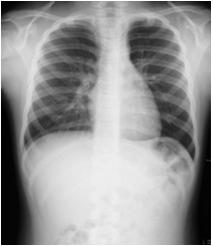
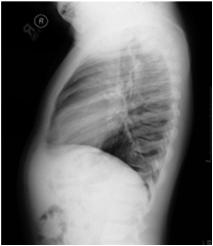
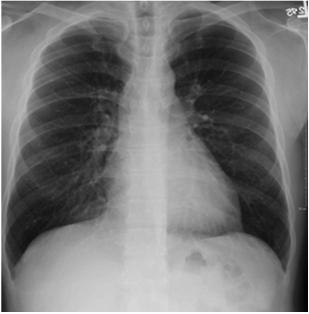
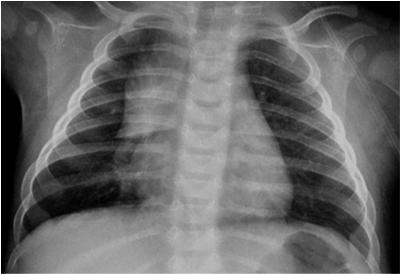
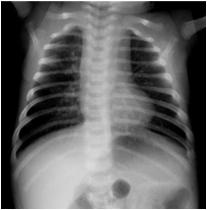
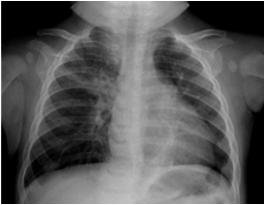
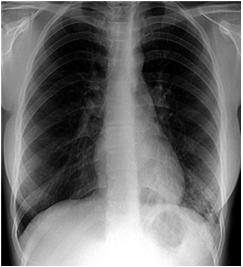
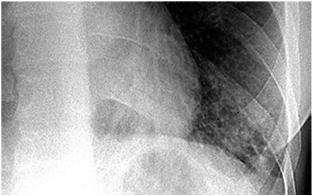
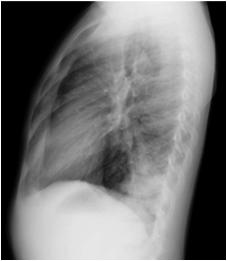
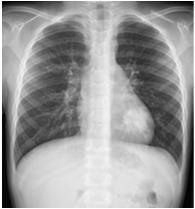
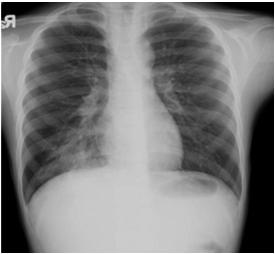
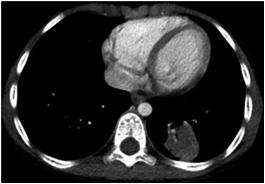
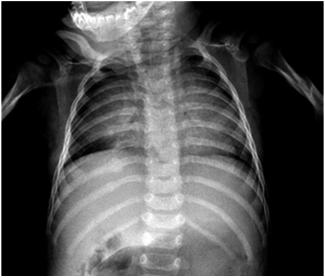
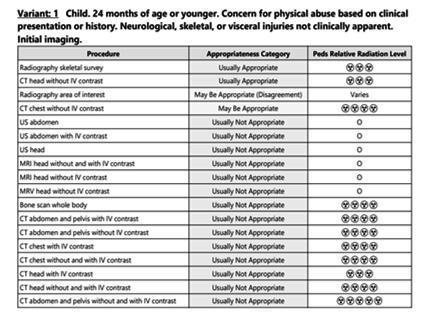
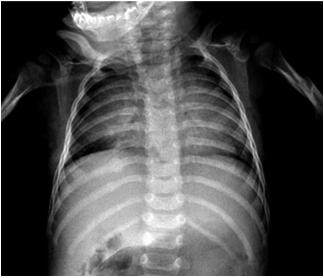
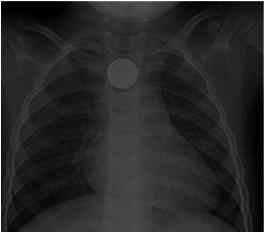
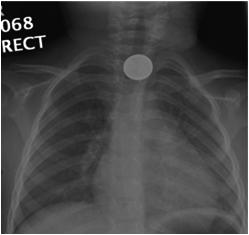
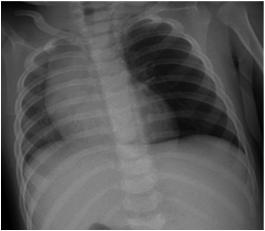
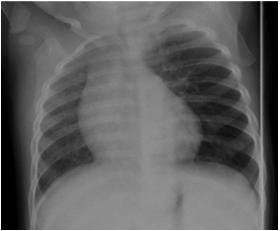
Radiologist’s
Mimickers’
Conference Celebra on Family Event and Recep on “1950’s Sock Hop”
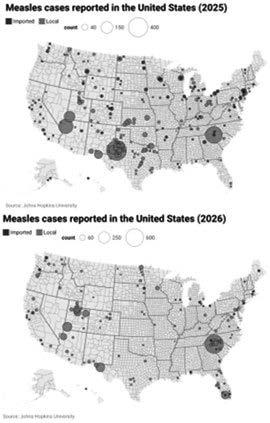
The Current Vaccine Landscape: Uncharted Territory of 2025-26
Janak A. Patel, MD
Adjunct Professor, Division of Pediatric Infectious Diseases
• Department of Pediatrics
• Department of Infection Control & Healthcare Epidemiology
• University of Texas Medical Branch, Galveston
Objectives
1.Identify recent federal and state efforts to change childhood vaccine programs
2.Enumerate impact of these changes to vaccine acceptance and vaccine preventable disease outbreaks
3.Review efforts to halt some of the changes to the vaccine programs
4.Develop a personal response to the vaccination efforts in clinics
ORIGINS
Three dates to remember
FEB / 2025 Executive Order 14212
The MAHA Commission is established under the chairmanship of Robert F. Kennedy Jr. —a formal review of vaccines, fluoridation, and environmental exposures under one umbrella
JUN / 2025 The ACIP shakeup
Thirteen sitting members of the CDC's Advisory Committee on Immunization Practices are dismissed and replaced —bypassing decades of consensusdriven scientific deliberation
LATE / 2025 The posture shifts Federal guidance pivots from evidence-based consensus toward ideologicallydriven directive —the runway for everything that follows in 2026
Conflicts
1. Speaker’s Bureaus for Sanofi and Merck
•RSV antibody products
•Receive financial compensation
•No specific mention of these products in this presentation
The Federal Involvement Pivot
INSTITUTIONAL MEMORY What the ACIP was
Pre-June 2025
Consensus by design
15 VOTING MEMBERS
•Vetted for conflicts of interest before seating
•Recommendations built through public hearings and standing working groups
•Decades of consensus-leaning, evidencegrounded process
•Recommendations triggered insurance coverage and school mandates
Post-June 2025 A reconstituted panel
13 MEMBERS REPLACED
•Replacement panel seated without comparable conflict-of-interest vetting
•Several appointees have publicly questioned the safety of vaccines under their review
•Working-group structure dismantled or unstaffed
One signature. Forty-six percent reduction.
07 / JANUARY 5, 2026
DISEASES TARGETED BY ROUTINE IMMUNIZATION
17 → 11
Six diseases removed from the universally-recommended target list
ROUTINE VACCINES ON THE CHILDHOOD SCHEDULE
13 → 7
Aligned, by stated rationale, with "international consensus" —citing Denmark.
PG. 07
A NOTE ON THE COMPARISON WITH DENMARK Removing the floor, keeping the gaps.
DENMARK HAS Universal healthcare
Every child enters care with continuous coverage. The U.S. does not.
SHARED CLINICAL DECISION MAKING (SCDM)
Six vaccines, reclassified
Moved from "routine" to SCDM —the language shifts the default from "give" to "discuss." Influenza
SCDM is, in practice, a coverage change —not a process change
•Across the prior literature, vaccines moved to "Shared Clinical Decision Making" lose 30–50% of routine uptake within two cycles
•We have just done this to six vaccines simultaneously. The epidemiologic consequences are predictable.
PG. 09
DENMARK HAS Mandatory well-visits
Infant well-child schedules are universally enforced. The U.S. does not have this.
DENMARK HAS Active surveillance
Near-100% disease reporting. The U.S. just deregulated state Medicaid reporting.
What is Shared Clinical Decision Making (SCDM)?
•ACIP makes SCDM recommendations when individuals may benefit from vaccination, but broad vaccination of people in that group is unlikely to have population-level impacts
• In simple language: “This vaccine is up to you to decide if you want it based on how you perceive the risk. It may not benefit everyone. We can discuss the benefits and risks ….’
• Immediate implications for parent: “This vaccine is not that important. I only want vaccines that are really needed.”
TWO ADDITIONAL CHANGES WORTH THEIR OWN MOMENT The birth Hepatitis B vaccine dose, and HPV
Hepatitis B · Birth Dose Universal recommendation revoked FOR HBSAG-NEGATIVE MOTHERS
MAHA argument: "unnecessary" for infants without immediate exposure risk
Removes the safety net for mis-recorded Hep B status and household exposure
Birth-dose uptake has dropped 22% nationwide since the change
HPV · Single-Dose Pivot
From 2–3 doses, down to 1 FEDERAL RECOMMENDATION, JANUARY 2026
Insurance coverage is tied to the federal recommendation 2nd and 3rd doses: >$300 each, no longer guaranteed coverage
Cancer-prevention math walking backward.
Source: KFF, Jan 2026
CONFUSION GALORE
<4 yrs age:
•MMRV as single dose can be given to children in VFC program
•Separate MMR and Varicella in other children
Non-Scientific Presidential Pronouncements: Tremendous Impact on Perception and Policy
•“We want no mercury in the vaccine. We want no aluminum in the vaccine.”
•“The MMR I think should be taken separately. This is based on what I feel,” “It seems to be that when you mix them, there could be a problem. So, there’s no downside in taking them separately. In fact, they think it’s better. So let it be separate.”
•“You have a little child, little fragile child, and you get a vat of 80 different vaccines, I guess, 80 different blends, and they pump it in,”
•“People that work for me, just the other day, two years old, beautiful child went to have the vaccine and came back and a week later, got a tremendous fever, got very, very sick, now is autistic.”
Non-Scientific Presidential Pronouncements: Tremendous Impact on Perception and Policy
•“We want no mercury in the vaccine. We want no aluminum in the vaccine.”
•“The MMR I think should be taken separately. This is based on what I feel,” “It seems to be that when you mix them, there could be a problem. So, there’s no downside in taking them separately. In fact, they think it’s better. So let it be separate.”
•“You have a little child, little fragile child, and you get a vat of 80 different vaccines, I guess, 80 different blends, and they pump it in,”
•“People that work for me, just the other day, two years old, beautiful child went to have the vaccine and came back and a week later, got a tremendous fever, got very, very sick, now is autistic.”
CDC and Science Denial Practices
Media Consumption and Vaccine Hesitancy
• The "New Right" Link: A Johns Hopkins University study published in the journal Vaccine (Gardner et al, April 2026)analyzed survey data and found that people who actively follow "new right" or alternative media sources are more than 2 times as likely to harbor hesitancy toward MMR vaccine.
• Avoidance of Mainstream Sources: Vaccine-skeptical individuals typically distrust authoritative medical and traditional news sources. Instead, they frequently turn to conservative media outlets, alternative health newsletters, online health influencers, or unregulated social media algorithms.
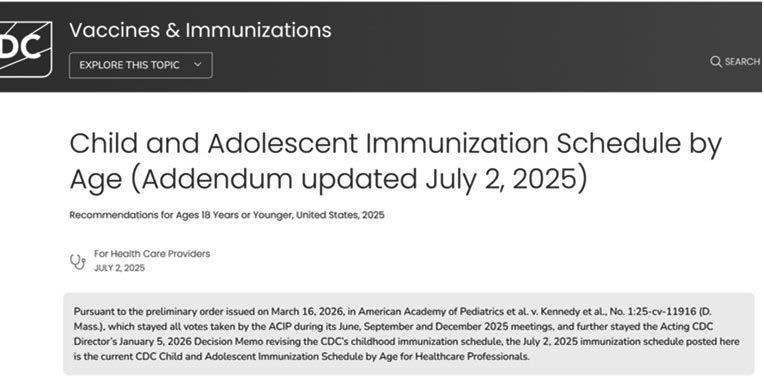
The schedule is reverted to its pre-June 2025 state — and the reconstituted ACIP's votes are invalidated
PLAINTIFFS
AAP, allied medical organizations, and 15 Democrat-led states.
PRESIDING JUDGE
U.S. District Judge Brian Murphy Murphy ruled that Kennedy’s advisors were unqualified, and their appointment and the changes to vaccine recommendations violated federal procedures.
THE PIPELINE IS FROZEN: COLLATERAL CONSEQUENCE No body to recommend
INFLUENZA STRAIN UPDATES
Stalled
Annual strain selection has no functioning recommending body for the 2026–27 season
RSV MONOCLONAL ANTIBODY
Stalled
New product approvals cannot move into pediatric guidance without ACIP recommendation
LYME & PIPELINE VACCINES
Stalled
Pfizer's Lyme vaccine and other pipeline products: no path to school-mandate or coverage tie-in
TEXAS VACCINE EXEMPTION SURGE: 2025-2026 SCHOOL YEAR A statewide trend
YEAR-TO-YEAR RISE IN REASONS-OF-CONSCIENCE EXEMPTIONS
Statewide. Not localized.
The largest single-year increase since the conscience exemption was introduced.
TEXAS 89TH LEGISLATURE · IN FORCE Two bills that rewire the clinic.
The first U.S. pediatric measles deaths since 2015. Both children were eligible for vaccination at the time of infection. Both attended schools in districts with conscience-exemption rates above the herd-immunity threshold.
LIABILITY REVERSAL: THE CHILLING EFFECT Coercion, redefined
Civil Liability · Texas, 2025
$5,000 minimum damages AGAINST PRACTITIONERS DEEMED TO HAVE "COERCED" APATIENT
•"Coercion" interpreted broadly to include "persuasive counseling"
•Definition stretches to omitting any risk listed in the state-mandated sheet In Practice
Defensive medicine, in its purest form
DOCUMENTED IN TMA REPORTING, DEC 2025
•Pediatricians documenting refusals without offering counter-arguments
•Clinical recommendation chilled by litigation exposure
A NEW PUBLIC-HEALTH ARGUMENT Not whether to vaccinate
Parents of infected children were interviewed by national MAHA-aligned groups, suggesting the natural infection was "good for the body."
SOURCE Texas Medicine · 2025 Southwest Outbreak Report.
ARGUMENT SHIFT From whether to vaccinate, to whether the disease itself is harmful.
DISTRIBUTION
Publicly distributed video and social-media campaigns during the outbreak window.
Every frame, flipped.
From the vaccine's safety, to the physician's transparency.
Recommendation Universal —applies to all unless contraindicated Individualized —case-by-case discussion
Provider burden Standardized VIS paperwork Extended counseling & justification.
School entry Directly tied to state mandates Ambiguous; easier to claim exemption
Public messaging "Safe and effective for all." "Depends on your personal health goals."
Three figures to hold
MMR COVERAGE, KINDERGARTNERS
Below the 95% measles herdimmunity threshold. ~300,000 children unprotected in a single cohort.
HEP B BIRTH-DOSE UPTAKE −22%
Chronic Hep B is asymptomatic until adulthood. The cost of this change won't be visible for a generation.
SURVEILLANCE LOST (MEDICAID/CHIP) ~40%
Of U.S. children. States no longer required to report immunization status to HHS.
Suppress publications.
WHAT THIS MEANS IN YOUR CLINIC Three things on Monday morning.
02
Build your SCDM script
You will be giving it many times a day. Have it ready before the visit.
•Lead with strong recommendation
•Acknowledge the SCDM label without abandoning the recommendation
•Practice it with your team
TWO MORE DISEASE SIGNALS Beyond measles
● PERTUSSIS +300%
Whooping cough, 2025 vs. 2020–24 average
Highest morbidity in infants under 6 months. Correlated with falling maternal Tdap and "alternative schedules" that extend the vulnerability window during peak risk.
● POLIO (VDPV) 3
Cases of paralytic polio, 2025 Vaccine-derived poliovirus cluster in NY and FL —unvaccinated young adults. The pivot from wastewater surveillance left counties blind until clinical paralysis was reported.
WHAT THIS MEANS IN YOUR CLINIC Three things on Monday morning.
01
Recommend the gold standard
The AAP and pre-2025 CDC schedule remain the clinical standard of care.
•Document the recommendation
•Document the counseling
•Document the refusal
WHAT THIS MEANS IN YOUR CLINIC Three things on Monday morning.
03
Report. Surveil. Speak up.
Surveillance is now a clinical responsibility, not just a public-health one.
•VAERS, every event
•State registry, while it exists
•Specialty society policy arm
The standard of care holds
The AAP & pre-2025 CDC schedule remain the clinical gold standard
89th Legislature for Kids and Pediatricians
Clayton Travis, MSSW Director of
⚬
⚬ Passed both chambers and signed by the Governor on June 22, 2025.
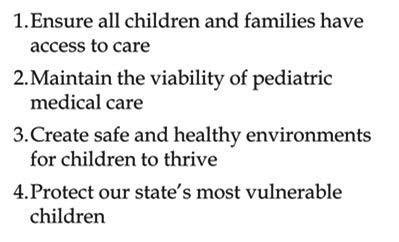
Ensure All Children and Families have Access to Care
Improve timely postpartum depression (PPD) interventions by allowing more frequent screenings during well child exams in the year following delivery.
• HB 3917 (Rose) / SB 2483 (Alvarado): Increases the number of billable screeningsfor postpartum depression from one to four during a child’s well-visit in Medicaid.
⚬ Failed to receive a hearing in the House Human Services Committee; failed to pass.
Maintain the Viability of Pediatric Medical Care
• HB 3794 (Darby): Full independent practice authority for advanced practice registered nurses including nurse practitioners, nurse midwives, nurse anesthetists, and clinical nurse specialist.
⚬ Heard in House Public Health Committee but failed to receive a vote; failed to pass.
• HB 3540 (Harless): Allows pharmacists to provide all vaccinations to children five and older and flu and covid vaccinations to children three and older.
⚬ Passed the House but failed to receive a hearing in the Senate; failed to pass.
Maintain the Viability of Pediatric Medical Care
of
SB 1998 (Huffman): Creates the Pediatric Subspecialty Preceptorship Program to mentor and inspire the next generation of medical students to going into pediatric subspecialties.
⚬ Passed both chambers and signedby the Governor on May 21, 2025.
Ensure All Children and Families have Access to Care
Ensure children diagnosed with behavioral health disorders can obtain care in the setting best suited to their needs by investing in services across the care continuum, including covering intensive outpatient and partial hospitalization services under Medicaid.
HB 2036 (Oliverson): Creates an Intensive Outpatient Programs (IOP) and Partial Hospitalization Programs (PHP) benefit in Medicaid.
⚬ Left pending in House Subcommittee on Disease Prevention and Women’s and Children’sHealth; failed to pass.
• SB 1 (Huffman/Bonnen) Behavioral Health Investments:
⚬ $54M for Youth Mobile Crisis Outreach Teams.
⚬ $380.8M to fully fund the Texas Child MentalHealthCare Consortium.
⚬ $10M for the RuralTexas PediatricMentalHealthAccess Program underHB 18.
⚬ Passed both chambers and signed by the Governor on June 22, 2025.
Maintain the Viability of Pediatric Medical Care
Continue to advocate for adequate payment for expert care.
⚬ Passed both chambers and signed by the Governor on June 22, 2025.
Create Safe and Healthy Environments for Children to Thrive
Heavily regulate burgeoning vaping and illicit drug industries to ensure new generations of youth are not addicted to nicotine and other harmful substances.
• SB 3 (Perry): Prohibits the use, sale, and possession of all consumable hemp products that contained any THC, including delta-8 and delta-9. Passed both chambers and vetoed by the Governor on June 22, 2025.
• SB 1313 (Cook):Prohibits marketing tactics by tobacco retailers that appeal to minors, adds new definitions for “e-cigarette” and “retailer,” and establishes violations as a Class B misdemeanor. Passed both chambers and filed without the Governor’s signature on June 20, 2025.
SB 1316 (Cook): Prohibits e-cigarette advertisements within 1,000 feet of schools and churches. Passed both chambers and signed by the Governor on May 21, 2025.
SB 2024 (Perry): Prohibits e-cigarette products disguised as everyday items such as school supplies and cosmetics and prohibits e-cigarettes that are manufactured in China or contain certain intoxicating substances. Passed both chambers and filed without the Governor’s signature on June 20, 2025.
Create Safe and Healthy Environments for Children to Thrive
Promote resilient families by addressing the non-medical factors that influence the health and well-being of children and parents, including establishing a Medicaid policy framework to better integrate clinical and community services, such as access to healthy foods and safe housing, provided to families.
• HB 26 (Hull): Establishes a pilot program for MCOs to offer and provide nutrition support services, including nutrition counseling and medically tailored meals, for pregnant women diagnosed with chronic health conditions or disease that may contribute to a high-risk pregnancy or birth complication.
⚬ Passed both chambers and signed by the Governor on June 20, 2025.
Create Safe and Healthy Environments for Children to Thrive
Further regulate social media outlets to ensure protection of minors while allowing safe space for children to socialize.
• HB 1481 (Fairly): Prohibits the use of personal communications devices at school during school hours.
⚬ Passed both chambers and signed by the Governor on June 20, 2025.
SB 2420 (Paxton): Requires app stores to employ age verification, obtain parental consent to the use of mobile applications by minors, and provide information from app developers regarding an app’s rating.
⚬ Passed both chambers and signed by the Governor on May 27, 2025.
• HB 31 (Thompson): Addresses
⚬ Passed the House Criminal Jurisprudence but failed to receive a vote on the House floor; failed to pass.
SB 1776 (Miles): Relating to the use of telemedicine services in the juvenile justice system.
⚬ Passed the Senate, failed to receive a hearing in the House; failed to pass.
Protect Our State’s Most Vulnerable Children
Invest in a high functioning child welfare system that prioritizes prevention and child well-being.
• SB 855 (Sparks): Allows medical consenters other than the Department of Family and Protective Services (DFPS) to assume financial responsibility for medical care of a foster care child by an out-of-network provider. Passed both chambers and signed by the Governor on May 21, 2025.
⚬ Passed both chambers and signed by the Governor on June 20, 2025.
Our State’s Most Vulnerable Children
• SB 1 (Huffman/Bonnen): $60 million to implement the Summer EBT program pending no change in the federal cost sharing of the SNAP program.
⚬ Passed both chambers and line-item vetoed by the Governor on June 22, 2025.
Other Relevant Legislation
Questions?
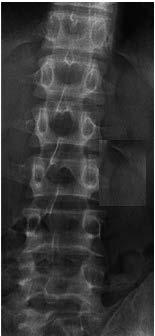
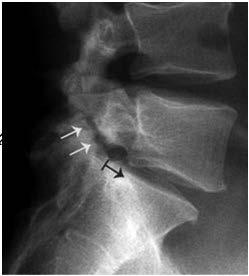
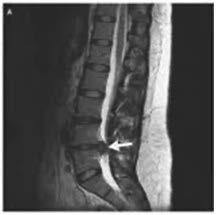
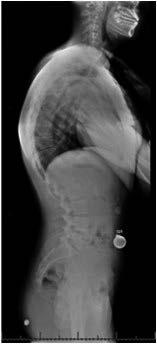
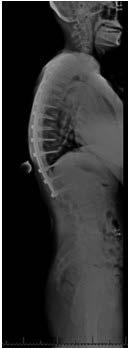
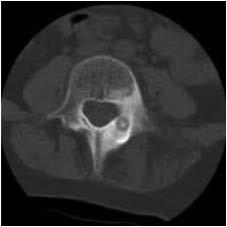
Idiopathic Scoliosis
What Every Pediatrician Should Know
Pediatrics by the Gulf -June 2026
Learning outcomes
Define scoliosis
Perform screening & diagnosis
Identify red flags
Explain management principles
Recognize when to refer
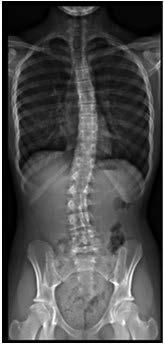
Clinical Vignette
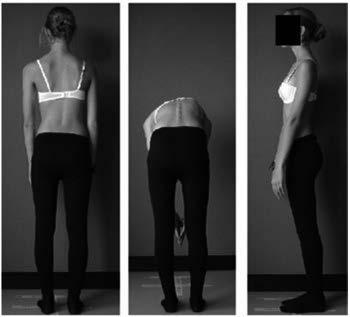
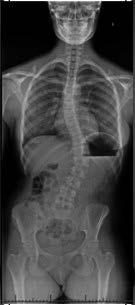
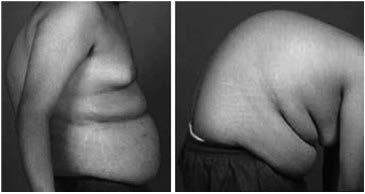
•12 yr old active healthy girl
•Parents noticed asymmetry
•4 past annual check-ups: no scoliosis screening
Idiopathic
Scoliosis
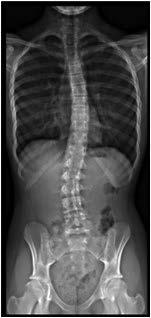
44° curve Too late for bracing
Definition
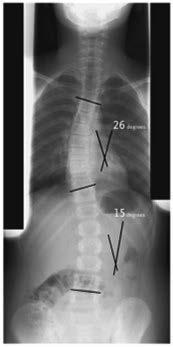
•Cobb angle ≥ 10°on standing x-rays
•No congenital spine, syndromic, or neuromuscular condition
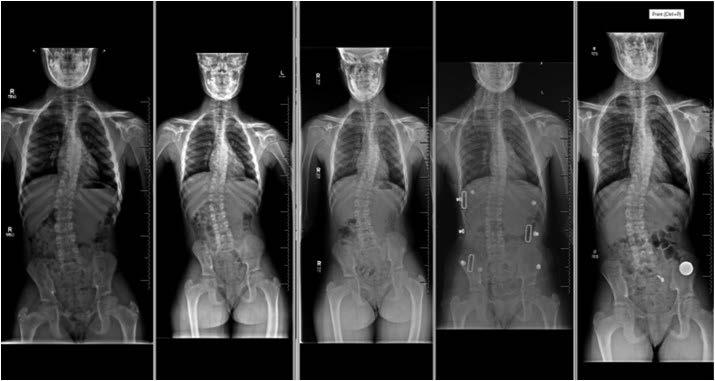
Natural history
Curve size + growth potential
At the end of growth: <20°stable >50°progressive
Pouya Alijanipour MD Assistant professor of Orthopedic Spine Surgery
Screening
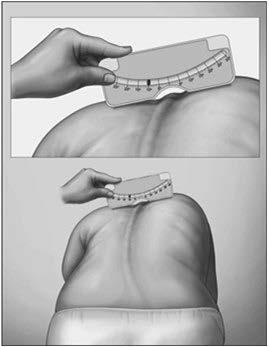
Trunk asymmetry
Bending forward test
Scoliometer≥ 5-7°
Standing x-rays needed
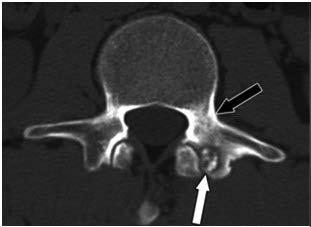
Redflags
•Left thoracic curve
•Pain
•Neuro deficit
•Age < 10 yr
Management
< 20°observe (f/u every 3 months)
20 -40°brace (12-23 hours/day)
>45-50°surgery
Myths
Main symptom: back pain
Small curves not worrisome matter
Stops progressing after adolescence
Refer urgently
Myths
Bracing fixes the curve.
Physical therapy or exercises can cure scoliosis.
Only severe curves need referral.
All scoliosis patients will need surgery.
Key Takeaways
Common but silent
Early detection matters
Refer timely
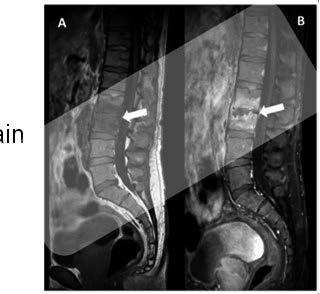
Learning outcomes
•Identify important elements of history and exam
•Recognize red flags
•Apply imaging studies appropriately
•Start initial management of most common causes of pediatric back pain
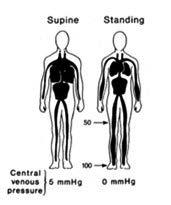
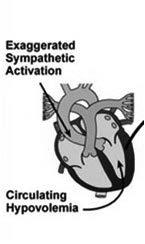
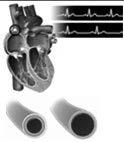
Standing Up is Hard: Recognizing and Managing Pediatric POTS
Presented by:
Tam Dan “Tina” Pham, MD, MBA
Dr. Pham is a member of the Arrhythmia and Pacing (Electrophysiology) service at Texas Children’s Hospital. She specializes in management of cardiac arrhythmias, and management of patients with pacemakers and defibrillators. Dr. Pham also has a special interest exercise physiology and utilizing cardiopulmonary exercise stress testing as a tool to assess a patient’s functional capacity. Her research interest includes developing strategies to increase utilization of exercise stress testing in the congenital population, and cardiac rehabilitation. Dr. Pham strives to promote cardiac fitness to improve the quality of life of those restricted by underlying heart disease. Ultimately, she hopes to build a Cardiac Rehabilitation center at Texas Children’s Hospital. Dr. Pham completed her medical degree at University of Texas Medical Branch in 2012, Residency at Medical University of South Carolina, and Fellowships at Boston Children's Hospital in 2018 and 2019.
Learning Objectives
• Recognize red flags for syncope and when to refer
• Perform initial diagnostic tests such as orthostatic vital signs
• Gain ability to explain syncope to families and counsel lifestyle modifications
Standing Up is Hard: Understanding Pediatric POTS
UTMB Pediatrics by the Gulf | June 5, 2026
Tina Pham, MD Pediatric Cardiology –Electrophysiology & Exercise
Clinical Vignette
15-year-old female
• 6 months of fatigue, daily lightheadedness
• Recurrent episodes of palpitations diagnosed as 'panic attacks'
• Significant school absenteeism, former athlete
• Onset 6 weeks after COVID-19 illness
• Denies syncope; multiple normal lab workups
12 34 56
Case Vignette
16-year-old female with recurrent syncope preceded by lightheadedness, nausea, heart pounding, tunnel vision before loss of consciousness
• Symptoms have been present for 2 years but progressively worsening
• Prior workup: labs (CMP, CBC, TFTs) normal
• Daily fatigue, headaches, brain fog
• Multiple school tardiness and absences
• Quit dance team
• Returns for evaluation due to a severe episode of syncope that resulted in a concussion
Discussion Questions
1 What additional history would you gather?
2 What additional workup is appropriate?
3 4 Do you refer?
Learning Objectives
Discussion Questions
1 Does this sound familiar? 2
Other diagnostic work-up?
Her prodrome is classic, does that reassure you?
What is the next step?
1.Recognize the clinical presentation and evaluation of pediatric POTS and orthostatic intolerance
2.Review the pathophysiology and of POTS and vasovagal syncope
3.Identify red flags, referral indications, and evidence-based management strategies for pediatric dysautonomia
Practical Pearl: Orthostatic vitals, done correctly, are the highest-yield bedside test.
Orthostatic Vital Signs: How To Do Them
Common Pitfalls
•Inadequate rest period before measuring
•Checking BP only —missing HR changes
•Stopping at 3 minutes (too early)
•Wrong cuff size
•Measuring while seated rather than standing Diagnosis
Red Flags & When to Refer
Cardiology Referral
•Exertional syncope
•Abnormal ECG findings
•Structural heart disease
•Family history of sudden death
•Significant arrhythmia symptoms
When
Neurology / Autonomic
•Progressive neurologic symptoms
•Severe functional decline
•Atypical presentations
•Refractory dysautonomia
Other Concerning Features
•Weight loss / eating disorder
•Autoimmune markers
•Persistent hypotension
•Signs of systemic disease
Evidence-Based Management
First-Line: Non-Pharmacologic ★
Increased fluid intake (2–3L/day)
Salt supplementation (2-3g/day)
Grade exercise rehabilitation
Compression garments
Sleep optimization
School accommodations Pharmacologic
Fludrocortisone
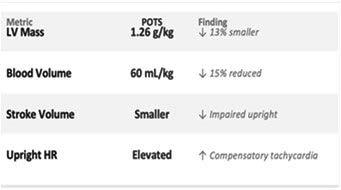
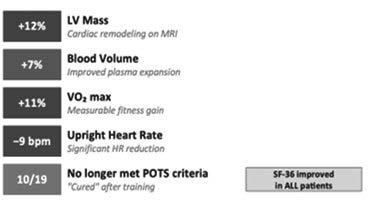
Exercise Training in POTS: The Dallas MRI Study
Baseline: POTS
Case Vignette
Clinical Vignette
16-year-old female with recurrent syncope preceded by lightheadedness, nausea, heart pounding, tunnel vision before loss of consciousness
• Symptoms have been present for 2 years but progressively worsening
• Prior workup: labs (CMP, CBC, TFTs) normal
• Daily fatigue, headaches, brain fog
• Multiple school tardiness and absences
• Quit dance team
• Returns for evaluation due to a severe episode of syncope that resulted in a concussion
Key Takeaways
Volume
Midodrine
Vasoconstriction
Beta
1 POTS is common and often significantly delayed in diagnosis —keep it on your differential.
2 Orthostatic vitals are essential —perform them correctly, and don't stop at 3 minutes.
3 Symptoms are real and physiologic, not behavioral —validate the patient and family.
4 Exercise rehabilitation and hydration/salt are the cornerstone of initial therapy.
5 Know your red flags and refer appropriately to cardiology or neurology when indicated.
DEPARTMENT OF
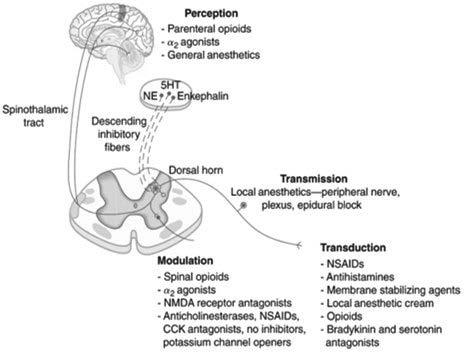
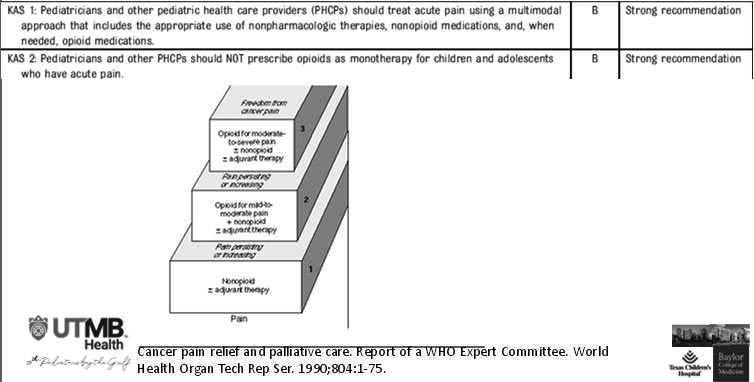
AAP Guideline: Opioid Prescribing for Acute Pain Management in Children and Adolescents in Outpatient Settings
Henry Huang, MD
Director, Interventional Pain and Neuromodulation
Assistant Professor Texas Children’s Hospital
Baylor College of Medicine
h
Financial Disclosures
•I have no relevant financial relationships with the manufacturer(s) of any commercial product(s) and/or provider of commercial services discussed in this CME activity.
Outline
•Discuss the updated, multidimensional definition of pain and nociception processing
•Introduce the 2024 American Academy of Pediatrics (AAP) clinical practice guideline for outpatient acute pain management
•Address clinical challenges, home safety protocols, and casebased applications
h
Updated Definition of Pain from 2020
•Definition of Pain from IASP in 1979: An unpleasant sensory and emotional experience associated with, or resembling that associated with, actual or potential tissue damage
•Definition and accompanied Notes in IASP’s 2020 update:
Pain is always a personal experience that is influenced to varying degrees by biological, psychological, and social factors
Pain and nociception are different phenomena. Pain cannot be inferred solely from activity in sensory neurons
Through their life experiences, individuals learn the concept of pain
A person's report of an experience as pain should be respected
Although pain usually serves an adaptive role, it may have adverse effects on function and social and psychological well-being
Verbal description is only one of several behaviors to express pain; inability to communicate does not negate the possibility that a human or a nonhuman animal experiences pain
Why Pediatric Pain is Challenging
1.Communication Gap:
a.Neonates, infants, and non-verbal or neurodivergent children cannot selfreport
b.Toddlers and preschoolers cannot quantify pain
2.Confounding Factors:
a.Pediatric pain frequently manifests as distress, regression, withdrawal, or aggression.
b.Anxiety and fear mimic physiologic response of pain
3.Flawed Assessment Tools
a.Observational tools are user-dependent with potential implicit bias.
b.Parental anxiety / cultural beliefs can skew caregiver ratings of pain from the child’s actual experience
SN et al. The revised International Association for the Study of Pain definition of pain: concepts,
Raja SN et al. The revised International Association for the Study of Pain definition of pain: concepts, challenges, and compromises. Pain
Raja
Paradox: Overprescribing vs. Under-Treatment
h
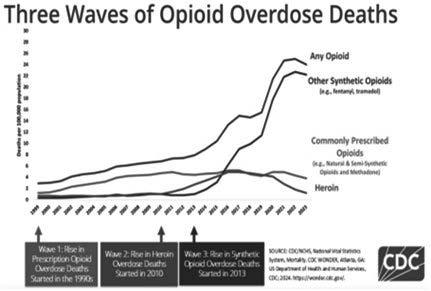
Prescription opioid overdose deaths decreased starting in 2021 due to reduced prescriptions
Fentanyl-related deaths among adolescents 10 to 19 years of age increased by 182% between 2019 and 2021
83.9% of adolescent overdose deaths in that time frame involved IMFs
The First Ever Clinical Practice Guideline For Safely Prescribing Opioids For Treatment Of Acute Pain In The Outpatient Setting
Outpatient pediatric patients under age 21
Inclusions: Minor procedures, acute musculoskeletal injuries, postoperative discharge
Exclusions: Inpatient status, active malignancies, sickle cell vaso-occlusive crises
Definition of Acute Pain: Pain lasting less than 1 month
Equity in Pediatric Pain Management
o Black, Hispanic, and American Indian/Alaska Native children receive less adequate and less timely pain interventions.
o Language barriers disproportionately skew pain assessment
o Need objective, protocol-driven assessment to replace clinical impressions.
Hadland SE et al. American Academy of Pediatrics. Opioid Prescribing for Acute Pain Management in Children and Adolescents in Outpatient Settings: Clinical Practice Guideline. Pediatrics. 2024;154(5)
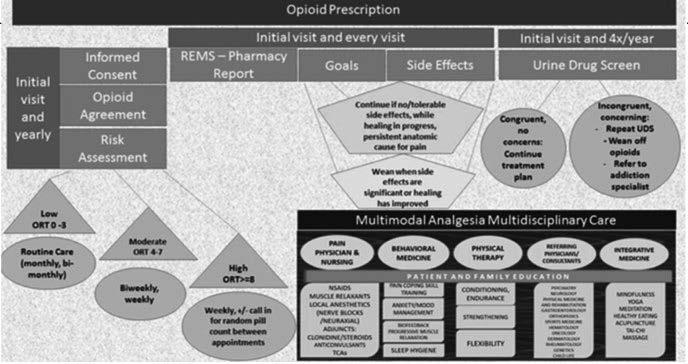
Example of A Multimodal Analgesia Model
Subcommittee also include patient representative!
The Multimodal Analgesia Model
Opioids are strictly an additive, “breakthrough therapy for severe pain
Start considering adjuncts to opioids
Acetaminophen vs. NSAIDS vs. alternating
The Formula: Immediate Release Opioids for 5 days
Weight-based (e.g., 0.1 mg/kg per dose of Oxycodone)
Fixed dosing (e.g., 5 -10 mg Oxycodone)
Obese Patients: Initially dose based on Ideal Body Weight for opioids (Morphine/Oxycodone).
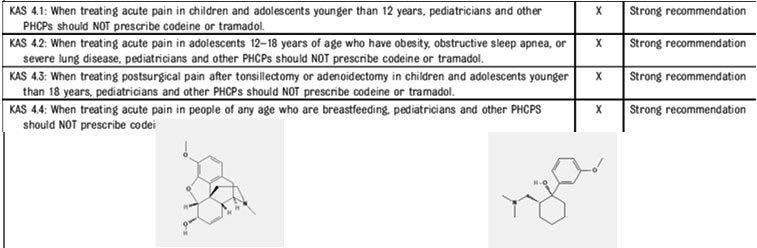
Avoid Codeine and Tramadol in Young Patients
Pharmacogenomics Guiding Health Policy
Enhance Vigilance for Drug Interaction
Synergistic respiratory depression is the primary driver of accidental fatal poly-pharmacy events
Extreme vigilance required if the patient is concurrently taking benzodiazepines, muscle relaxants, or sedating antihistamines
Verify home medication lists explicitly on Check-in and discharge teaching
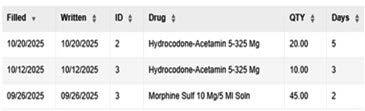
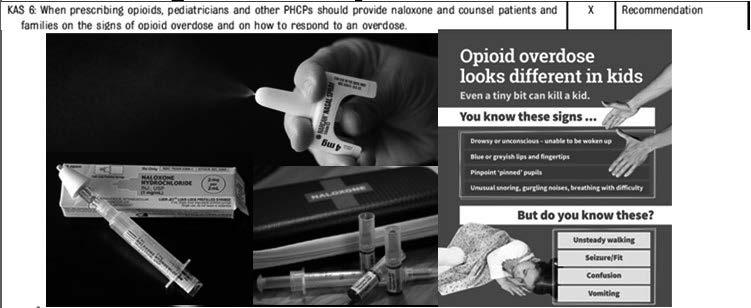
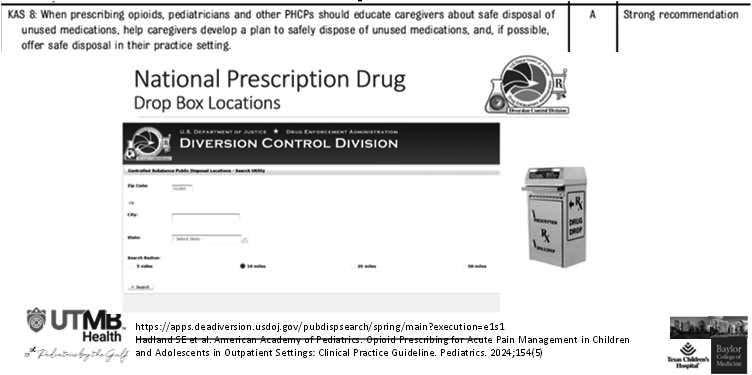
Medication must be kept in a locked box or cabinet out of sight and reach of children and teenagers Direct, adult-supervised administration only. Teens should never hold or dose their own opioids
Prevents accidental toddler poisonings and adolescent diversion
Special Consideration for Acute-on-Chronic Pain
Do not apply acute outpatient opioid tapers to patients with complex chronic pain or palliative needs without consulting their core specialists.
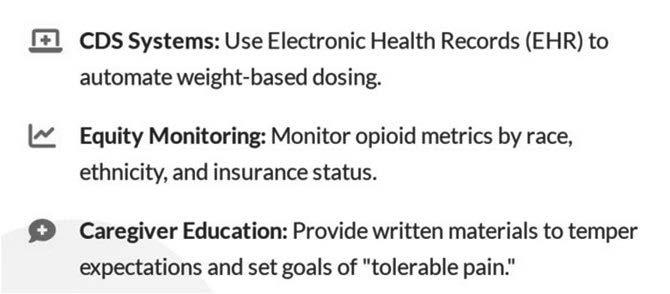
Abrupt, uncoordinated tapers drive patients to alternative, unsafe markets and induce medical trauma –Misuse with IlicitlyManufactured Fentanyl
Strategy: Interdisciplinary communication is mandatory.
•Promising non-opioid analgesia for moderate-severe acute pain for > 18 year-old 19 20 21 22 23 24
Implementation: Monitor, Educate, Intervene
Suzetrigine–New Acute Pain Medication
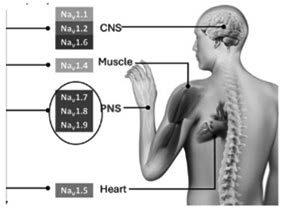
•Selective Voltage Gated Sodium Channel antagonist in peripheral nociceptors and dorsal root ganglion
•No Addiction potential -Not expressed in central nervous system
•Two phase III trial in bunionectomy and abdominoplasty
Compared to placebo
Achieved significant pain difference in 0-48 hours
Faster onset of pain relief
Compared to hydrocodone/acetaminophen
No significant difference
Fewer adverse events than opioid group
Case 1
15-month-old, 10 kg boy with trauma induced supracondylar Humerus fracture with cast as treatment, crying
1.Schedule liquid acetaminophen 15mg/kg Q6H
2.Schedule liquid ibuprofen 10mg/kg Q6H
3.Avoid codeine or tramadol
4.Consider Diazepam liquid 0.1mg/kg Q6H PRN
5.Consider opioids < 5 days limitations (AAP guideline)
a.Liquid oxycodone 0.1mg/kg Q4-6H PRN
b.Liquid Morphine 0.1mg/kg Q3-4H PRN
h P d b y h G l
Case 2
4yo, 20 kg boy with trauma induced supracondylar Humerus fracture with cast as treatment, in pain
1.Schedule liquid acetaminophen 15mg/kg Q6H
2.Schedule liquid ibuprofen 10mg/kg Q6H
3.Avoid codeine or tramadol
4.Consider Diazepam liquid 0.1mg/kg Q6H PRN
5.Consider opioids < 5 days limitations (AAP guideline)
a.Liquid oxycodone 0.1mg/kg Q4-6H PRN
P d b y h G l
b.liquid hydrocodone (7.5mg-325mg / mL) @ 0.135mg/kg Q6H Option 1: no more acetaminophen, use NSAIDS only Option 2: Limited total acetaminophen to 15mg/kg Q6H, with NSAIDS.
Case 3
10yo, 30 kg boy with trauma induced supracondylar Humerus fracture status post closed reduction percutaneous pinning, in pain
1.Schedule acetaminophen 325mg Q6H
2.Schedule ibuprofen 200mg Q6H
3.Avoid codeine or tramadol
4.Consider Diazepam 2mg Q6H PRN –avoid co-administering with opioid
5.Consider gabapentin 100mg TID with titration, SE discussed
6.Consider opioids < 5 days limitations (AAP guideline)
a.oxycodone 0.1mg/kg Q4-6H PRN
b.hydrocodone 0.135mg/kg Q4-6H PRN
Option 1: no more acetaminophen, use NSAIDS only Option 2: Limited acetaminophen to maximum of 15mg/kg Q6H
Case 4
16yo, 50 kg boy with h/o obstructive sleep apnea, trauma induced supracondylar Humerus fracture status post closed reduction percutaneous pinning, in pain
1.Schedule acetaminophen 650mg Q6H
2.Schedule ibuprofen 400mg Q6H
3.Avoid codeine or tramadol
4.Consider methocarbamol vs. cyclobenzaprine vs. baclofen
5.Consider gabapentin 300mg TID with titration, SE discussed
6.Consider opioids < 5 days limitations (AAP guideline)
a.oxycodone 5mg Q4-6H PRN
b.hydrocodone 5mg-325mg Q4-6H PRN
Option 1: no more acetaminophen, use NSAIDS only
Option 2: Limited acetaminophen to maximum of 3000mg / day
Case 5
16yo, 50 kg boy with h/o obstructive sleep apnea, h/o anxiety, h/o prolonged recover from injuries, trauma induced supracondylar Humerus fracture status post closed reduction percutaneous pinning 3 weeks ago, still in pain
1.Schedule acetaminophen 650mg Q6H
2.Schedule ibuprofen 400mg Q6H
3.Avoid codeine or tramadol
4.Consider methocarbamol vs. cyclobenzaprine vs. baclofen
5.Consider gabapentin 300mg TID with titration, SE discussed
6.Strongly recommend chronic pain clinic evaluation for Persistent Post Surgical Pain vs. early Complex Regional Pain Syndrome
•Goal: Rational, equitable, and safe pain management.
•Multimodal is mandatory: Opioids are never standalone therapy
Euliano, T. Y., et al. Essential Anesthesia : From Science to Practice, Cambridge University Press, 2011. ProQuest EbookCentral.
Hadland SE et al. American Academy of Pediatrics. Opioid Prescribing for Acute Pain Management in Children and Adolescents in Outpatient Settings: Clinical Practice Guideline. Pediatrics. 2024;154(5)
Tobias JD, et al. Codeine: Time to Say No. Pediatrics. September 19, 2016.
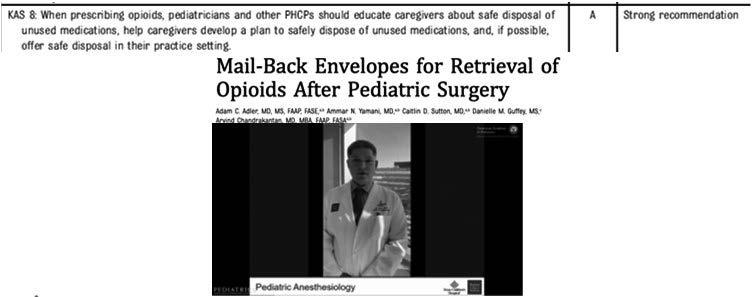
• https://apps.deadiversion.usdoj.gov/pubdispsearch/spring/main?execution=e1s1 Adler et al. Mail-Back Envelopes for Retrieval of Opioids After Pediatric Surgery. Pediatrics Mar
Parent Training ABCs
Bridging Psychology and Pediatrics
Mimi Nguyen, PsyD
h P d b y h G l
Parent Management Training (PMT)
•American Academy of Pediatrics (AAP) Clinical Practice
Guidelines for ADHD
•Recommended as first line of treatment for preschoolers
•Ages 6 –12: PMT + Medication
•Clinical population: ADHD, disruptive behaviors, other childhood related behavioral concerns (e.g., anxiety, sleep problems, toileting)
•Many manualized PMT modified to address specific groups
•Similar strategies and behavioral theorical background
•Differs in format and delivery: one-on-one, seminars, group, etc.
h
Parent Management Training (PMT)
Manualized Protocols
•Parent-Child Interaction Therapy (PCIT) Eyberg, S., & Funderburk, B. (2011)
•Live coaching (one-way mirror and earpiece); competency model
•Average 14-25 sessions
•Incredible Years Webster-Stratton, C. (2012)
•Group-based for parents; video vignettes
•Average 12 sessions
•Triple P (Positive Parenting Program) Sanders, M. R. (2012)
•Average 10 sessions
•RUBI Protocol Bearss, K., Johnson, C., Handen, B., Butter, E., Lecavalier, L., Smith, T., & Scahill, L. (2018).
•Adapted for children with developmental delay
•Average 11 sessions
•Brief Behavioral Intervention (BBI) fromTexas Children’s Axelrad, M. E., & Chapman, S. (2016)
•Average 4-8 sessions
h P
Learning Objectives
1. Understand the theoretical foundations of parent training interventions
2. Understand evidence-based parent training programs
3. Learn how to use and interpret the ABC (Antecedent–Behavior–Consequence) chart
4. Collaboration with psychology/behavioral health clinicians
5. Apply and educate families on behavioral principles during well-child and behavioral visits
Parent Management Training (PMT)
•Evidence-based behavioral intervention
•Parent/caregiver as agent of change
•Coach parents to correct disruptive behaviors through effective use of differential reinforcement techniques and limit settings
•Rooted in operant conditioning –behaviors are influenced by reinforcement/punishment
Behavioral Theories
•Why focus on the caregivers?
Operant Learning Theory
•Behavior is shaped by
•Antecedents (what happens before/the trigger)
•Consequences (what happens after)
•Behaviors are likely to be repeated if reinforced
h
Functions of Behaviors
•4 primary functions
•Avoid demands/tasks
•Attention-seeking
•Access to things/activities
•Self-reinforcing
•Behaviors can have more than one function
h
PMT Strategies
•ABC –functional analysis of behaviors
•Child-directed interaction and active listening
•Differential attention –ignoring and praising (“catch your child being good”)
•Effective commands and limit-settings
•Time-out
•Logical consequences
•Other areas of emphasis: follow-through, consistency, extinction burst, emotional awareness
h
Coercive Parent-Child Interaction
•Patterson’ coercive cycle
(Patterson & Oregon, 1982; Patterson, 2002)
•How behaviors are maintain and worsen
•Goal of PMT is to break this cycle
Function v. Form
•The same tantrum can have completely different function
•Behavior is a form of communication
• Function is the message
•The Message guides the intervention
•Examples:
•Attention-seeking -> active ignoring
•Avoidance tantrum -> follow-through
•REPLACE problematic behaviors
•INCREASE prosocial behaviors and skills
•BREAK ineffective parenting cycles
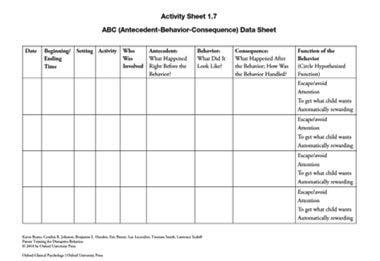
ABC Charting
•Antecedent: what happens before the behavior
•Behavior: specific, observable, measurable
•Consequences: what happened immediately after
Purpose
•Explore forms and functions
•Identify behavioral patterns
•Increase awareness of environmental factors that maintain behaviors
•Explore the function of the behaviors
•Track progress
Start with B
•Help families define behaviors
•Actions that can be observed and counted
•Avoid vague terms: tantrums, outburst, aggression, acting out
•Ask:
•“what does the outburst look like?”
•“what does your child do during the tantrum/outburst?”
h
Consequences
•What happens immediately after
•Asks
•“what happened next?”
•“how did you respond when he hit?”
•“what did you do when he screams?”
•Consequences can maintain or reduce target behaviors
•Examples: instructions, being told “no,” take away the tablet
•Other relevant contextual information:
•Person giving the command
•Place/time of day
•Activities
•Mood
“the Message”
•Avoid
•Attention-seeking
•Getting what I want
•Self-rewarding
Examples
Benefits of ABC in Your Visits
•Help increase parents’ awareness of inadvertent reinforcement
•Provide education on behavior modification –many minor behavioral concerns may be addressed in one visit
•Identify coercive parent-child interactions
•Introduction to PMT as a treatment approach
Data Analysis
•Identify patterns, context (time/date/mood)
•Identify patterns of the parents’ behaviors (coercive cycle)
•Giving in
•Giving up (changing strategies)
•Getting loud
•Form hypothesis:
•The child does [BEHAVIOR] whenever he wants [FUNCTION]
•The [BEHAVIOR] occurs because it results in [CONSEQUENCE] whenever [ANTECEDENT] happens.
Collaboration
Pedi to Psychologists
•FIRST point of contact –trusted relationship with families
•Medical rule-out (e.g., sleep, medication side effects)
•Medication management
•Longitudinal follow-up (e.g., 6mo/annual visits)
References
Psychologists to Pedi
•Behavioral intervention
•Medication adherence
•School coordination
•Family history
•Short-term progress monitoring
doi:10.1111/jcpp.12825 Epstein RA, FonnesbeckC, Potter S, RizzoneKH, McPheetersM. Psychosocial interventions for child disruptive behaviors: a meta-analysis. Pediatrics. 2015;136(5):947-960. doi:10.1542/peds.2015-2577 Gardner
References
disruptive behavior: results of a randomized trial. J Am AcadChild AdolescPsychiatry 2016;55(7):602-609.e3. doi:10.1016/j.jaac.2016.05.001 SelphSS, Brodt E, Dana T, et al. Psychosocial interventions for disruptive behavior in children and adolescents: a meta-analysis. Pediatrics 2026;:e2025072476. doi:10.1542/peds.2025072476 Sibley MH, Bruton AM, Zhao X, et al. Non-pharmacological interventions for attention-deficit hyperactivity disorder in children and adolescents. Lancet Child AdolescHealth 2023;7(6):415-428. doi:10.1016/S2352-4642(22)00381-9 Stewart SM, DiesteS. Elevating the evidence and promoting
Psychiatry 2025;:S0890-8567(25)02189-6. doi:10.1016/j.jaac.2025.11.007 Thomas R, Abell B, Webb HJ, AvdagicE, Zimmer-GembeckMJ. Parent-Child Interaction Therapy: a meta-analysis. Pediatrics. 2017;140(3):e20170352. doi:10.1542/peds.2017-0352 h P
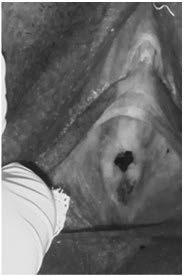
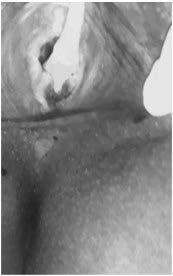
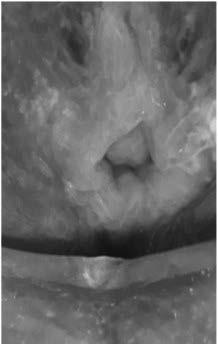
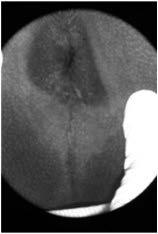
Describe the most important factor in child sexual abuse investigations
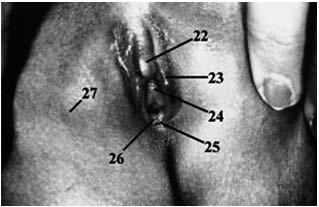
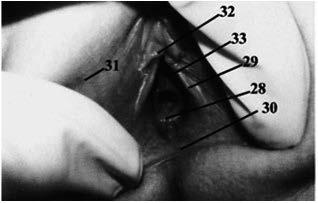
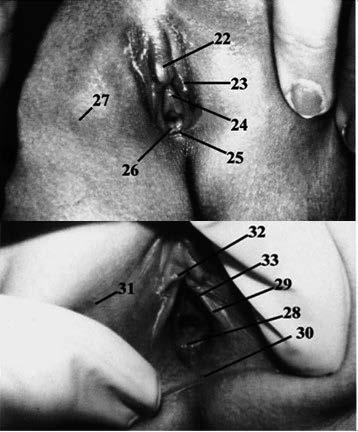
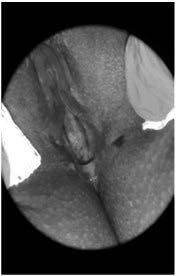
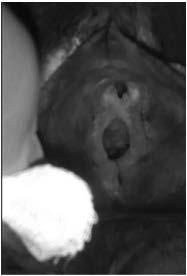
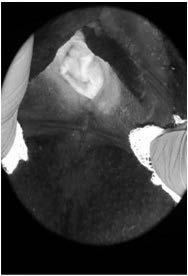
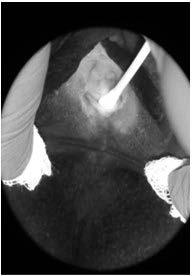
Explain the female anatomy
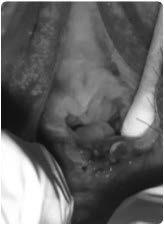
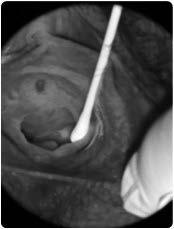
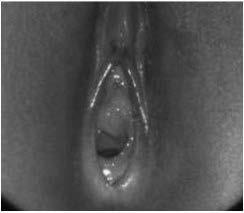
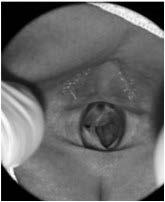
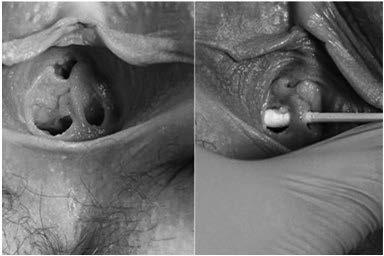
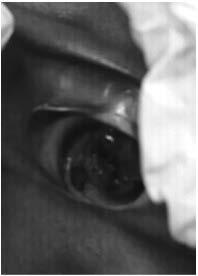
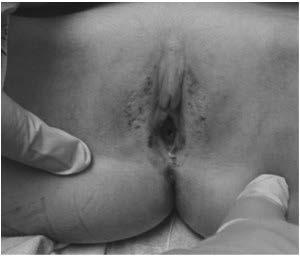
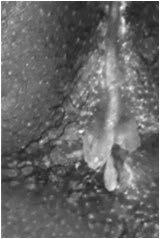
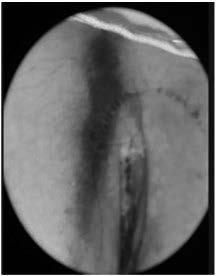
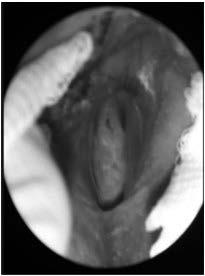
Discuss physical findings that are highly specific for sexual trauma and those that are considered mimickers
1.Explain the most important factor in child SA investigations
2.Teach about the female anatomy
3.Discuss physical findings that are highly specific for sexual trauma and those that are considered mimickers
Trigger Warning: Presentation contains photos of sensitive material that many consider disturbing.
Do pediatric chief residents recognize details of prepubertal female genital anatomy: a national survey (Dubow,
Child Sexual Abuse
2004)
Answers
•Clitoris –22 and 32
•Posterior commissure-25 and 30
•Urethra-24 and 33
•Labia minora-23 and 29
•Labia majora-27 and 31
•Hyrnen-26 and 28
Huge Variation
More variation
Virginity Misconceptions
•Bleeding upon first intercourse
Virginity Misconceptions
•‘Popping the cherry’
Genital Anatomy in Pregnant Adolescents: "Normal" Does Not Mean "Nothing Happened“ (Kellogg, 2004)
•36 pregnant subjects
•Each subjects’ photocolposcopicslides reviewed by doctors for definitive signs of penetration
•Only 2 subjects had definitive findings of penetration
•Of note the following three were normal:
•1 subject who was on her second pregnancy
•1 subject who had a spontaneous abortion
•1 subject who had an elective abortion
Anogenital Findings in Confirmed Victims of Child Sexual Abuse Materials (Dai, 2026) 22 cases with CSAM
Physical Exam
Findings
Septate Hymen
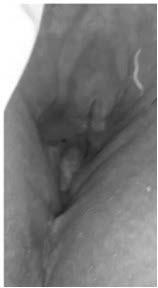
Urethral Prolapse
•‘Boggy mass’
•Commonly caused by constipation
•Treatment: Estrogen cream
•Chronic autoimmune inflammatory condition
•Thin, hypopigmented (“cigarette paper”) plaques
•“Figure 8” distribution around the labia minora and perianal tissues
•Pruritus and superficial fissures
•Treatment: topical corticosteroids
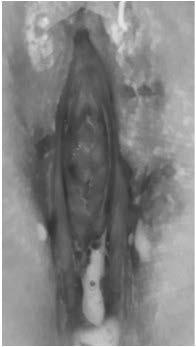
Failure of Midline Fusion
•AKA perineal groove
•Congenital finding
•Presence of mucosa extending along the midline of the perineum to the fossa navicularis
•Typically resolve by puberty.
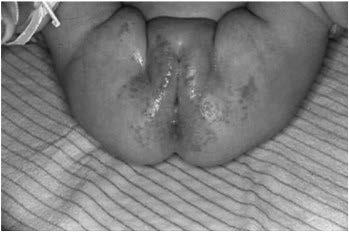
Skin finding-vulvovaginitis
•Most common complaint of looking ‘red down there’
•Common in young children due to underdeveloped genital-anal hygiene practices
•Retained moisture leads to skin breakdown
•Poor aeration
•Localized irritation
Lichen sclerosus
Anal findings
Friable rectal mass
Anal Ulcer
Skin finding-Group A strep
•‘Tender, beefy’
•Treat with standard amoxicillin
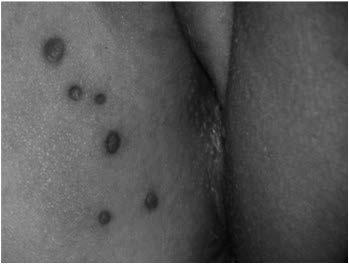
Skin Infection-molluscum, vesicles
•Huge chance of auto inoculation
•Only get worried if there’s mucosal involvement
Other Photo of Interest
Findings Caused by Trauma
•1) Acute trauma to genital/anal tissues
•30. Acute laceration(s) or bruising of labia, penis, scrotum, or perineum
•31. Acute laceration of the posterior fourchette or vestibule, not involving the hymen
•32. Bruising, petechiae, or abrasions on the hymen
•33. Acute laceration of the hymen, of any depth; partial or complete
•34. Vaginal laceration
•35. Perianal bruising or perianal laceration with exposure of tissues below the dermis
•2) Residual (healing) injuries to genital/anal tissues
•36. Perianal scar (a very rare finding that is difficult to diagnose unless an acute injury was previously documented at the same location)
•37. Scar of posterior fourchette or fossa (a very rare finding that is difficult to diagnose unless an acute injury was previously documented at the same location)
•38. Healed hymenal transection/complete hymen cleft-a defect in the hymen below the 3 to 9 o'clock location that extends to or through the base of the hymen, with no hymenal tissue discernible at that location.
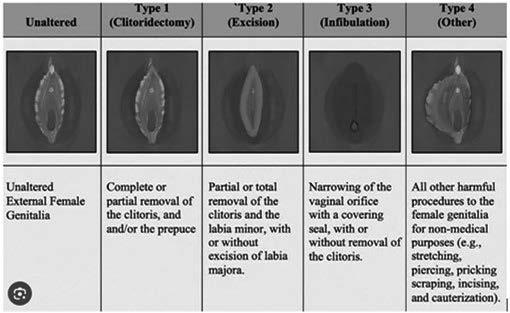
•39. Signs of female genital mutilation (FGM) or cutting, such as loss of part or all ofthe prepuce (clitoral hood), clitoris, labia minora or labia majora, or vertical linear scar adjacent to the clitoris (Type 4 FGM)
•3) Acute trauma to oral tissues
•40. Acute oral trauma, such as unexplained injury or petechiae of the lips or palate, particularly near the junction of the hard and soft palate
Abnormal Hymen
Abnormal Hymen
Posterior Fourchette tear
•Aka Posterior Commissure tear
•Occurs when one’s labia is forcefully stretched
Abnormal Male Exams
Other Abnormal Hymen Photos
Into the Vaginal Vault
Perianal Bruising Penile shaft laceration
Foreign Object Insertion
Sources
•Photos: •Stephens, Carissa. “Types of Diaper Rash: Pictures, Causes, and Treatments.” Medical News Today, MediLexiconInternational, June 2025, www.medicalnewstoday.com/articles/types-of-diaper-rash.
•Visual Diagnosis of Child Abuse: The AAP Resource of Visual Findings of Child Abuse for Medical Providers, 4th Edition.
•All other pictures are from the University of Texas System
12:15 PM
Poster Research Forum
Presented by:
UTMB 3rd Year Pediatric Residents & other members of the pediatric community.
Learning Objectives
• Appraise new knowledge and skills from these poster presentations to improve clinical practice and judgement delivering comprehensive quality care to patients
Index of Abstracts
Poster #1 Abdulrahman Alhanbali MD. Optimizing PDA Management in Preterm Infants, a QI Project
Poster #2 Abdallah Alkhaldi MD Dexmedetomidine Use and Clinical Outcomes in Term Infants with Persistent Pulmonary Hypertension of the Newborn
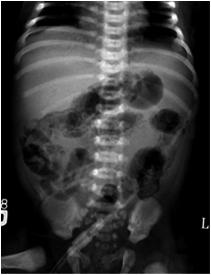
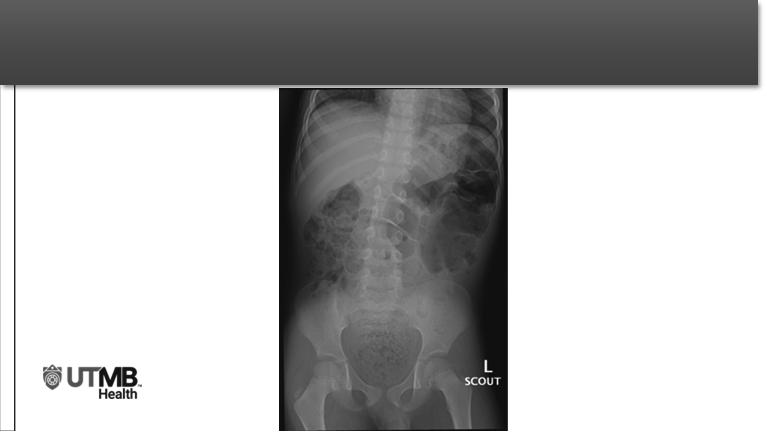
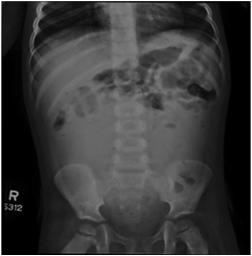
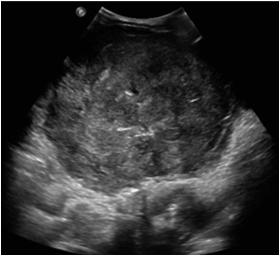
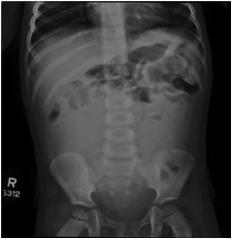
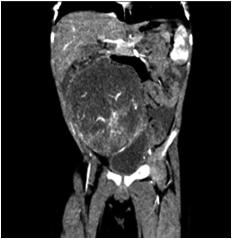
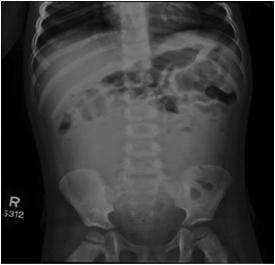
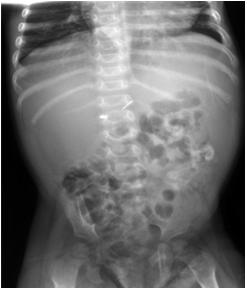
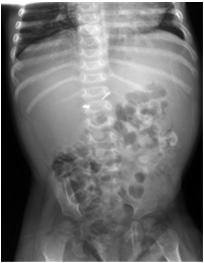
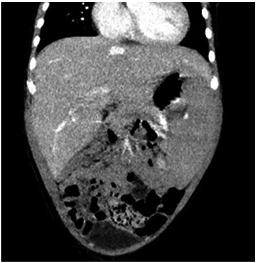
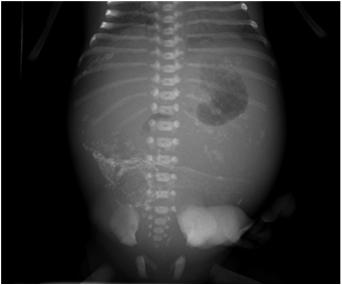
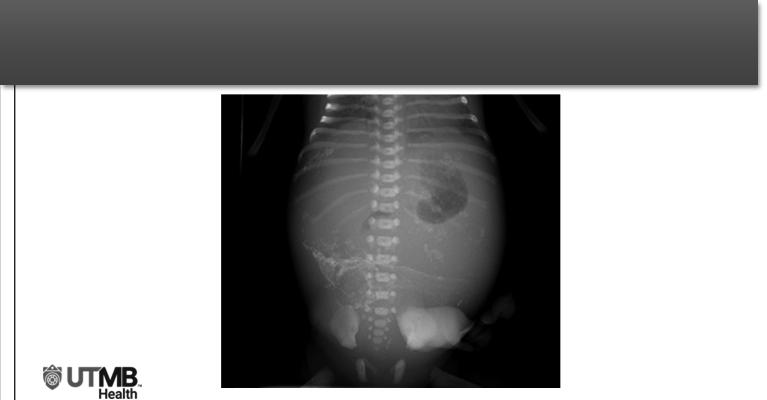
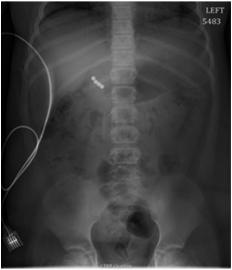
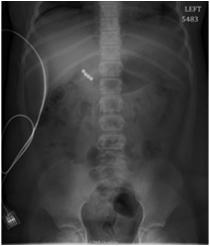
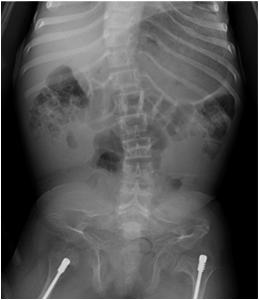
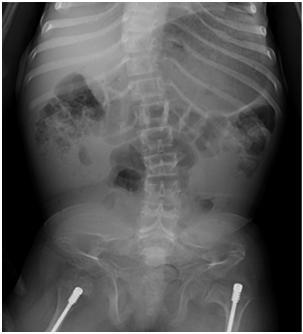
Poster #3 Anoop Chandran MD Pediatric Colonic Volvulus: A Case Study and Diagnostic Considerations
Poster #4 — Saher Fatima DO. Optimizing Specialty Care Access: A Quality Improvement Analysis of Pediatric Allergy and Immunology Referrals
Poster #5 Muhammad Zaid Hamid Hussain MD. Bronchopulmonary Dysplasia in Extremely Preterm Infants: A Comparative Analysis of Two Neonatal Intensive Care Units at Different Altitudes
Poster #6— Sofia Jares Baglivo MD. Utilization of In-Person Spanish Interpreters During Pediatric Rounds: Impact on Family and Healthcare Provider Experience
Poster #7 Aimee Lopez DO To Cry or Not to Cry: A Systematic Review of Infant Sleep Behavior Modifications
Poster #8 Miral Mehyar MD Using Lung Ultrasound for Predicting Bronchopulmonary Dysplasia in Preterm Neonates
Poster #9 — Amir Mubarak MD. Dual Chromosomal Aberrations in a 3-Month-Old Male with Failure to Thrive and Multiple Congenital Anomalies
Poster #10 — Neel Patel DO. Analysis of Immune Mediators in Nasopharyngeal Aspirates of Infants Hospitalized with RSV Infection and Correlation with Disease Severity
Poster #11 Sara Sadiq MD. Concurrent Case of Glucose-6-Phosphate Deficiency and Dehydrated Hereditary Stomatocytosis in a 4-Month-Old Boy
Poster #12 Mariam Siddiqi DO Enhancing Pediatric Residents’ Asthma Control Assessment Through Integration of the Asthma Control Test into the Electronic Medical Record: A Quality Improvement Initiative
Poster #13 Nancy Trinh MD ACE-ing Social Determinants of Health in Pediatric Clerkship
Poster #14 — Keren Shafer. Cochlear Implants and American Sign Language: Debates on Language Acquisition of Deaf Children
Poster #15 — Keren Shafer. From Superstition to Science: The Evolving Understanding and Treatment of Febrile Seizures
Poster #16 Claudia Singarayakumar. Incidence and Factors Associated with Postoperative Pacemaker Placement in Pediatric Patients Undergoing Congenital Cardiac Surgery: A Texas Cohort Study
Poster #17 Hannah Watson. Implementing a Structured Cuddler Program to Enhance Developmental Engagement in the NICU
Poster #18 Sophia Waugh. Language Exposure in the NICU: A Literature Review of Reading Interventions
Poster #19 — Elise Whalen APRN, CPNP-AC, FNP-C. Beyond the Lungs: Integrating Mental Health Screening in Pediatric Pulmonary Hypertension
Poster #20 Kelsea Hansen RN Beyond the Poke: Developing a Peripheral IV Access Pathway to Reduce Pain, Anxiety, and Trauma in Hospitalized Children
Poster #21 Sophia Arriazola Burke RN, CPN. A New Pathway: Improving Communication on Pediatric Patient Decompensation Through Utilization of a PEWS Action Algorithm
Poster #22 Madeleine Allocco. Brain on Wheels: Addressing Barriers to Pediatric Neurodevelopmental Care Through Mobile Clinics
POSTER #1
Optimizing PDA Management in Preterm Infants, a QI Project
Abdulrahman Alhanbali MD University of Texas Medical Branch
Background
Historically, earlyclosure of the patent ductus arteriosus (PDA) was standard practice in premature infants to prevent cardiopulmonary complications. However, recent landmark trials along with the 2025 American Academy of Pediatrics clinical report demonstrate that prophylactic or early active treatment within the first 14 days of life offers no benefit and may paradoxically increase mortality. Consequently, expectant management is now the recommended standard of care. This quality improvement project aims to align our Level IV NICU practices with evidence-based recommendations to safely reduce unnecessary early PDA interventions for infants born ≤34 weeks gestation.
Aim Statement
To increase adherence to the AAP recommended early PDA management practices for preterm infants born ≤34 weeks during the first two weeks of life by 15% within a timeframe of 18 months.
Measures and Interventions
After identifying key drivers, we designed and implemented a series of overlapping PDSA cycles informed by baseline data collected from Jan–Dec 2024. PDSA 1 (Jan–Dec 2025) introduced a standardized local management protocol to establish consistent practice. PDSA 2 (Feb 2026–ongoing) focused on stakeholder engagement via faculty-wide evidence review and EMR integration (EPIC dot phrases). PDSA 3 (Apr 2026–ongoing) deployed point-of-care visual tools and continuous audit and feedback via real-time run charts to promote performance transparency. Our primary outcome was adherence to AAPrecommended PDA management. Process measures tracked explicit pre-treatment documentation and dot phrase utilization. Balancing measures monitored echocardiograms per patient and acute kidney injury (AKI) rates.
Results
Preliminary analyses, while data collection is ongoing, demonstrate meaningful early improvement in system performance. Following PDSA 1, median adherence to appropriate management improved from 80% to 100%. PDSA 2 interventions targeting documentation currently demonstrate peak compliance of 33%, highlighting a key opportunity for continued process refinement. Encouragingly, balancing measures reveal the median echocardiograms per case decreased from 3.8 to 2, with no increased incidence of AKI.
Discussion and Next Steps
Early results indicate that implementing a standardized PDA management protocol for infants ≤34 weeks gestation successfully reduces clinical variation without increasing resource utilization or iatrogenic harm. Future cycles will focus on sustaining adherence and further optimizing clinical reasoning documentation.
POSTER #2
Dexmedetomidine Use and Clinical Outcomes in Term Infants with Persistent Pulmonary Hypertension of the Newborn
Abdallah Alkhaldi MD University of Texas Medical Branch
Background
Persistent pulmonary hypertension of the newborn (PPHN) requires effective sedation to minimize agitation and optimize cardiopulmonary stability. Dexmedetomidine has emerged as an alternative sedative with potential advantages over conventional agents, including preservation of respiratory drive and improved physiologic stability. However, its impact on clinical outcomes in infants with PPHN remains incompletely characterized.
Objective
To compare length of stay (LOS) and clinical recovery outcomes between infants with PPHN managed with dexmedetomidine-based sedation versus conventional sedation.
Methods
In this retrospective cohort study, infants ≥37 weeks’ gestation with PPHN admitted to a single-center NICU were included (July 2015–December 2024). Infants treated prior to July 2020 received conventional sedation (opioids/benzodiazepines), while those treated after July 2020 received dexmedetomidine as part of sedation management. Clinical data were extracted from the electronic medical record. The primary outcome was NICU LOS. Secondary outcomes included time to full feeds and total duration of sedation. Continuous variables were compared using both the Mann–Whitney U test and independentsamples t-test, with statistical significance defined as p < 0.05.
Results
A total of 62 infants were included (23 in the 2015–2020 cohort and 39 in the 2020–2024 cohort). Time to full feeds was significantly shorter in the 2020–2024 cohort compared to the earlier cohort (15.7 ± 13.6 vs 24.4 ± 11.6 days; p = 0.013 by Mann–Whitney U test; p = 0.034 by t-test). Total duration of sedation was also significantly reduced in the later cohort (13.6 ± 16.5 vs 23.9 ± 23.1 days; p = 0.009 by Mann–Whitney U test), with consistent directional findings on parametric analysis. Mean NICU LOS was lower in the later cohort (30.1 ± 25.0 vs 44.2 ± 30.6 days), reaching statistical significance by nonparametric analysis (p = 0.048) but not by parametric testing (p = 0.054).
Conclusion
Infants in the later cohort demonstrated significantly faster attainment of full feeds and shorter duration of sedation, suggesting improved clinical recovery. A concurrent reduction in length of stay supports this trend, although results varied by statistical method. These findings may reflect evolving sedation practices, including dexmedetomidine use, but are limited by the retrospective design and potential confounding by temporal changes in care. Prospective studies are needed to further evaluate these associations.
POSTER #3
Pediatric Colonic Volvulus: A Case Study and Diagnostic Considerations
Anoop Chandran MD University of Texas Medical Branch
Abstract
Colonic volvulus is a rare cause of large bowel obstruction, accounting for 3–5% of adult cases and even fewer in children. Clinical presentation often poses a challenge due to non-specific symptoms that can mimic constipation or gastroenteritis. This case report presents a 9-month-old male child who arrived with acute abdominal distension, fussiness, and refusal to feed. Laboratory findings revealed metabolic acidosis, leukocytosis, and elevated procalcitonin. Abdominal radiography demonstrated the classic coffee-bean sign with absence of rectal gas, and a contrast enema confirmed a complete obstruction with
characteristic bird’s beak deformity at the transverse colon, findings consistent with colonic volvulus. The diagnosis was confirmed intraoperatively. Nonviablesegments of the terminal ileum, cecum, and proximal colon were resected. An ileocolostomy was initially created with wound VAC placement; this was subsequently taken down and converted to an ileocolonic anastomosis with colostomy closure. Followup imaging at 9 weeks was unremarkable. This case highlights the critical role of plain radiography and contrast enema in the early diagnosis of pediatric colonic volvulus and underscores the need for heightened clinical awareness given the condition’s rarity, non-specific presentation, and historically high mortality.
POSTER #4
Optimizing Specialty Care Access: A Quality Improvement Analysis of Pediatric Allergy and Immunology Referrals
Saher
Fatima DO University of Texas Medical Branch
Introduction
Timely access to allergy and immunology care is essential for children requiring specialized evaluation. However, referrals for common allergic conditions that may be initially managed in the primary care setting can contribute to longer wait times and reduced access for patients with complex diseases. This quality improvement project aimed to evaluate referral patterns to Pediatric Allergy and Immunology clinic and identify opportunities to improve referral pathways and support evidence-based management in primary care.
Methods
A retrospective chart review was conducted of referrals to Pediatric Allergy and Immunology clinic over a three-month period in 2022. A total of 300 referral charts were reviewed. Ninety-seven charts were excluded due to incomplete information or inability to assess referral appropriateness, leaving 203 referrals for analysis. Referrals were considered potentially avoidable when no allergy-specific diagnostic testing or specialist-directed intervention was performed and management consisted of therapies commonly initiated in primary care. Referral indications were categorized by presenting condition. Average clinic wait times for new patient appointments during the study period were also assessed.
Results
Of the 203 evaluable referrals, 59 (29%) were classified as potentially avoidable, as no diagnostic testing or specialist intervention was required. The most common referral indications within this group included asthma (n=31), chronic rhinitis (n=30), cough (n=8), urticaria (n=7), and dermatitis (n=7). During the study period, the average wait time for a new patient appointment in the allergy and immunology clinic was approximately three months.
Conclusion
Nearly one-third of referrals reviewed did not require specialty evaluation or diagnostic testing. These findings suggest that clearer referral guidance for commonly encountered allergic conditions may help support initial management in primary care while preserving specialty access for more complex cases. Based on these findings, a guideline-informed referral pathway was developed to assist clinicians in determining when referral to Allergy and Immunology is most appropriate. Future work will evaluate whether implementation of this pathway reduces unnecessary referrals and improves clinic access.
POSTER #5
Bronchopulmonary Dysplasia in Extremely Preterm Infants: A Comparative Analysis of Two Neonatal Intensive Care Units at Different Altitudes
Muhammad Zaid Hamid Hussain MD University of Texas Medical Branch
Background
Bronchopulmonary dysplasia (BPD) remains a significant morbidity among extremely preterm infants. Environmental factors, including altitude, may influence respiratory outcomes. This study compares the incidence of BPD and associated neonatal outcomes between two tertiary-level neonatal intensive care units (NICUs): Foothills Medical Centre (FMC) in Calgary, Alberta, Canada (high altitude ~1,048 meters), and the University of Texas Medical Branch (UTMB) in Galveston, Texas, USA (sea level ~2.13 meters).
Objective
To evaluate and compare the rates of BPD and related neonatal outcomes among infants born at 23–27 weeks gestational age (GA) admitted to FMC and UTMB between 2016 and 2023.
Design/Methods
This retrospective pragmatic cohort study included all infants born at ≤27 weeks GA at both centers. Study subjects were divided into two groups: those born in the Calgary NICU (FMC) and those born at Galveston NICU (UTMB). Maternal and neonatal characteristics, as well as outcomes including BPD (oxygen dependency at 36 weeks corrected GA [CGA]), and death before 36 weeks CGA or prior to hospital discharge, were analyzed. Univariate analysis, logistic regression and propensity score matching were performed.
Results
A total of 984 infants (FMC: n=609; UTMB: n=268) were included in the study after excluding 107 with congenital anomalies (Figure 1). BPD occurred in 79% of surviving infants at FMC and 75% at UTMB (p=0.305) (Table 1). Adjusted analysis revealed higher odds of BPD at FMC (adjusted OR 2.35, 95% CI 1.45–3.84; propensity-matched (PM) OR 2.06, 95% CI 1.27–3.34) (Table 2). Death before 36 weeks GA was significantly lower at FMC (9% vs. 18%, PM OR: 0.50; 95% CI: 0.31–0.82). Composite outcome of BPD or death before 36 weeks GA was higher at FMC (PM OR: 1.76 [95% CI: 1.09–2.86]). Death before hospital discharge was lower at FMC (PM OR 0.55 [95% CI: 0.34–0.88]).
Conclusions
In preterm infants born before 27 weeks of GA, the risk of BPD alone, as well as the composite outcome of BPD or death, was higher in thehigher altitude NICU in Calgary compared to the sea level NICU (UTMB). However, mortality before 36 weeks CGA and before hospital discharge was significantly lower at FMC. These findings highlight the potential influence of altitude and center-specific practices on neonatal respiratory outcomes and underscore the need for further investigation into the environmental and clinical factors contributing to the development of BPD.
POSTER #6
Utilization of In-Person Spanish Interpreters During Pediatric Rounds: Impact on Family and Healthcare Provider Experience
Sofia Jares Baglivo MD University of Texas Medical Branch
Background
Approximately 35.4% of Texans speak a language other than English at home, with Spanish being the most common. Effective communication with families with limited English proficiency (LEP) is essential for equitable pediatric inpatient care. While phone interpretation is widely available, in-person interpreters and bilingual physicians may improve clarity, rapport, and workflow. This quality improvement initiative evaluated differences in family- and provider-reported outcomes between in-person/bilingual communication and phone interpretation during pediatric inpatient rounds at the University of Texas Medical Branch.
Methods
Over a 12-month period, Spanish-speaking families admitted to the pediatric service were surveyed regarding satisfaction, clarity of medical information, emotional support, communication barriers, and comfort expressing concerns. Outcomes were compared between encounters using in-person interpreters or bilingual physicians and those using phone interpreters. Healthcare providers completed a separate surveyassessing communication quality, efficiency, and interaction. Statistical significance was defined as p < 0.05.
Results
Twenty-two families participated (14 in-person/bilingual; 8 phone). Families in the in-person/bilingual group reported significantly higher clarity of medical information (92.9% vs 37.5%, p = 0.021). Overall satisfaction (100% vs 87.5%, p = 0.77), understanding of diagnosis/treatment (100% in both groups, p = 1.0), and emotional support (100% vs 87.5%, p = 0.77) were high in both groups. Communication barriers were infrequent (7.1% vs 0%, p = 1.0). Among 34 healthcare professionals (62.9% residents, 8.6% attending physicians, 25.7% nurses), interpreter use was frequent, with 37.1% reporting daily use and 51.4% several times per week. Satisfaction with communication quality was significantly higher with inperson interpretation (91.2% vs 34.3%, p < 0.001). The most commonly reported barriers to in-person interpreter usewere limited availability (79.4%), workflow challenges (50%), time constraints (38.2%), and lack of awareness of interpreter availability (29.4%).
Conclusion
In-person interpreters and bilingual physicians were associated with improved clarity of communication and higher provider satisfaction compared to phone interpretation. Improved clarity may reflect inherent advantages of in-person communication, including the ability to incorporate nonverbal cues, facilitate real-time clarification, and promote more natural conversational flow during bedside rounds.
POSTER #7
To Cry or Not
to Cry: A Systematic Review of Infant Sleep Behavior Modifications
Aimee Lopez DO University of Texas Medical Branch
Introduction
Up to 30% of infants will have reported sleep problems by parents. Sleep problems could range from difficulties in getting the infant to fall asleep, staying asleep with frequent wake ups and inability to return to sleep without parental help. The burden on parents from this can cause sleep deprivation and mental health impacts. Behavior modifications exist to help infants sleep better. This systematic review aims to assess the certainty of evidence of these modifications’ effect on infant sleep and parental well-being.
Methods
A literature search was conducted using a software code written to extract data from PubMed searches and pull relevant articles based on search criteria. Relevant search terms included “infant sleep”, “infant sleep behavioral modifications”, “sleep training”, “bedtime fading”, “controlled crying”, “graduated extinction”, “behavioral sleep intervention”. A total of 60 studies were found and manually screened for inclusion and exclusion criteria. 7 studies met criteria for inclusion. The studies were assessed using the GRADE framework to assess the certainty of evidence.
Results
Infant behavioral sleep interventions were associated with improved sleep outcomes across all the randomized controlled trials. Sleep onset latency, wake ups following sleep onset, and total number of night awakenings were all reduced. Effect sizes ranged from moderate to large and continued to stay improved at follow up. Maternal mental health showed improvements although with some variability between studies. No increase in emotional harm was noted to the infants. No clear difference was noted between methods of intervention. Using GRADE framework, infant sleep improvements showed moderate level certainty of evidence, with downgrading due to bias and lack of blinding. Maternal mental health had moderate certainty of evidence. Infant objective sleep and infant emotional harm had low certainty of evidence, largely due to lack of power and mixed effects.
Conclusion
Overall, there are few studies truly studying the effectiveness of behavioral sleep interventions on infants. Despite the small number of studies, findings are reassuring that, regardless of intervention, no harm is done, and there are likely benefits in infant sleep patterns and maternal mental health. Future research could focus on larger, morediverse study populations and reducing bias through objective sleep measures that coincide with parental report. Longer studies could be performed to study the long-term effects of sleep interventions on emotional health and development.
POSTER #8
Using Lung Ultrasound for Predicting Bronchopulmonary Dysplasia in Preterm Neonates
Miral Mehyar MD University of Texas Medical Branch
Background
Bronchopulmonary dysplasia (BPD) remains one of the most significant complications of prematurity, leading to short and long-term morbidities, including respiratory and neurodevelopmental impairment. Early diagnosis is crucial for effective management and improved outcomes. Lung ultrasound (LUS) is a non-invasive, real-time diagnostic tool used to evaluate pulmonary aeration. Prior studies suggest that serial LUS may help predict BPD severity by quantifying lung aeration and consolidation.
Objective
To determine whether serial LUS examinations can predict the development and severity of BPD in preterm neonates born at ≤32 weeks’ gestation. Secondary objectives include assessing associations between LUS findings and early clinical interventions such as caffeine administration, postnatal steroid use, and oxygen requirements (including home oxygen), as well as maternal and perinatal factors such as antenatal steroid exposure, chorioamnionitis, duration of membrane rupture, maternal diabetes or hypertension, mode of delivery, demographic characteristics, and neonatal variables such as gestational age, birth weight, and surfactant use.
Design/Methods
This is a prospective cohort study enrolling preterm neonates ≤32 weeks’ gestation admitted to the NICU. To date, 21 infants have been enrolled (n=21). Serial LUS examinations are conducted on days 1, 3, 7, and 14 of life using standardized anterior and lateral lung fields. Each field is scored based on aeration and consolidation patterns as described by Mohamed et al., 2021. Exclusion criteria include congenital or genetic anomalies, pneumothorax, or pleural effusion at the time of enrollment. LUS scores will be correlated with BPD diagnosis and severity (per Jensen criteria). Data will be analyzed using SPSS, and descriptive statistics will summarize baseline characteristics.
Conclusion
Lung ultrasound is a feasible and promising modality for early prediction of bronchopulmonary dysplasia in preterm infants. Incorporating lung ultrasound into routine neonatal assessment may facilitate earlier identification of at-risk infants and support timely clinical interventions.
POSTER #9
Dual Chromosomal
Aberrations in a 3-Month-Old Male with Failure to Thrive and Multiple Congenital Anomalies
Amir Mubarak MD University of Texas Medical Branch
Abstract
We report a 3-month-old male with failure to thrive (FTT), dysmorphic features, and multisystem involvement. Clinical findings included Dandy–Walker malformation, intraventricular hemorrhage, ventricular dilation with concern for left ventricular non-compaction (LVNC), aortic root dilation, and feeding intolerance requiring gastrostomy. Genetic testing identified a terminal deletion at 12p13.33–
p13.32 and duplication at 1q42.12–q44 due to an unbalanced chromosomal rearrangement. This case highlights the value of genomic testing in complex pediatric presentations.
Case Presentation
A term 3-month-old male presented with FTT, developmental delay, and feeding intolerance. His NICU course required respiratory support and gavage feeding. Neuroimaging demonstrated Dandy–Walker malformation and bilateral IVH. Physical exam revealed macrocephaly, dysmorphic features, hypotonia, and pectus deformity. Echocardiogram showed a dilated, hypertrophied left ventricle with decreased systolic function and concern for LVNC. Swallow study demonstrated aspiration, prompting G-tube placement. MRI showed ventriculomegaly and enlarged retrocerebellar CSF space. Rapid trio exome sequencing with CNV analysis identified a pathogenic terminal 12p deletion and distal 1q duplication consistent with an unbalanced rearrangement.
Discussion
Several features, including developmental delay, hypotonia, dysmorphism, and FTT, are consistent with previously reported phenotypes of distal 12p deletions and 1q duplications. However, additional findings in this case expand the known spectrum. Cardiomyopathy with concern for LVNC is not a recognized feature of these CNVs, where cardiac findings are typically structural. Dandy–Walker malformation has not been described in isolated distal 12p deletion or distal 1q duplication, though it has been reported in unbalanced rearrangements involving distal 12p. Similarly, hydrocephalus and aortic root dilation are not established features. Thesefindings expand thephenotypic spectrum associated with these chromosomal regions.
Conclusion
This case demonstrates how unbalanced chromosomalrearrangements can result in complex multisystem disease in early infancy. Early genomic testing in patients with multisystem involvement and dysmorphic features supports accurate diagnosis, informs management, and facilitates coordinated multidisciplinary care. Continued reporting of similar cases is essential to refine genotype–phenotype correlations.
POSTER #10
Analysis of Immune Mediators in Nasopharyngeal Aspirates of Infants Hospitalized with RSV Infection and Correlation with Disease Severity
Neel Patel DO University of Texas Medical Branch
Introduction
Respiratory syncytial virus (RSV) infection is a major cause of morbidity and mortality in infants, elderly and immuno-compromised hosts. Severe disease is believed to result from multiple mechanism(s) including a dysregulated immune response. The objective of this study was to determine immune mediator levels in the nasal mucosal lining fluid by obtaining nasopharyngeal aspirate samples from children with mild, moderate and severe RSV bronchiolitis requiring hospitalization and correlate them with disease severity.
Methods
The study population included children ≤2 years of age admitted to the pediatric inpatient unit between 2023 and 2025 with symptoms of lower respiratory tract infection. Nasopharyngeal secretions were collected from children at the time of admission. RSV-positive patients were retrospectively categorized into threedisease severity groups based on their requirement for oxygen supplementation; mild: less than
<12h of supplementaloxygen; moderate: >12 h; and severe: requiring admission to thepediatric intensive care unit. Additional patient information, including demographic data and other clinical characteristics, was also retrospectively reviewed. 48 different cytokines, chemokines and growth factors were measured by Bio-Plex Pro™ Human Cytokine Screening Panel. Data was analyzed usinga Mann-Whitneytest for each cytokine comparing mild versus moderate+severe samples and mild versus severe alone.
Results
Most of the 48 soluble mediators were detectable in the patients’ NPS samples. Comparison of the mild versus the combined moderate+severe groups identified 21 factors differentially expressed between the two groups. Among them, we identified several which have not previously been reported as associated with increased RSV disease severity, including several growth factors such as Stem Cell Growth Factor and Fibroblast Growth factor. We also found an inverse correlation between disease severity and Leukemia Inhibitory Factor, an immune molecule found to be protective in animal models of RSV infection. Interestingly, the comparison between mild and severe cases identified three soluble mediators distinct from the 21 identified from the moderate+severe group analysis, belonging to a group of interferoninducible genes.
Conclusions
Our study found novel associations between several immune mediators/growth factors and RSV disease severity. We are currently performing further analysis for association of the detected mediators with other parameters of disease, beside oxygen requirements, such as hospitalization length.
POSTER #11
Concurrent Case of Glucose-6-Phosphate Deficiency and Dehydrated Hereditary Stomatocytosis in a 4-Month-Old Boy
Sara Sadiq MD University of Texas Medical Branch
Introduction
Glucose-6-phosphate dehydrogenase (G6PD) deficiency is the most prevalent enzyme deficiency, affecting an estimated 400 million people worldwide. Patients are typically asymptomatic and diagnosed following hemolytic episodes triggered by oxidative stress. Dehydrated hereditary stomatocytosis (DHSt) is far rarer, affecting fewer than 1 per 1,000,000 people, and is caused by increased cation efflux and red blood cell dehydration that reduces cellular flexibility and predisposes to lysis. DHSt typically presents mildly, with chronic hemolysis seen in most isolated cases. Both are inherited hemolytic anemias, but to our knowledge their coexistence in a single patient has not previously been described.
Methods
A 4-month-old male presenting with clinical features of hemolytic anemia underwent a comprehensive hematologic workup, including complete blood count, reticulocyte count, peripheral blood smear review, serum bilirubin, lactate dehydrogenase, direct antiglobulin (Coombs) testing, G6PD enzyme activity assay, hemoglobin electrophoresis, and osmotic fragility testing. Targeted next-generation sequencing was performed to identify pathogenic variants in genes associated with congenital hemolytic anemia, including PIEZO1 and KCNN4.
Results
The patient demonstrated laboratory evidence of ongoing hemolysis, with anemia, reticulocytosis, and elevated indirect bilirubin in the setting of a negative direct antiglobulin test. Peripheral smear showed
features consistent with both disorders, including stomatocytes alongside polychromasia and poikilocytosis. G6PD enzyme activity was reduced, confirming enzymatic deficiency, while molecular testing identified a pathogenic variant supporting the diagnosis of DHSt. The combination of a hexose monophosphate shunt defect with an underlying membrane cation permeability disorder contributed to an earlier and morepronounced clinical presentation than typically seen with either condition in isolation.
Conclusion
This case represents the first reported coexistence of G6PD deficiency and DHSt in a single patient. Clinicians evaluating infants with hemolytic anemia should recognize that multiple inherited hemolytic disorders may coexist, and morphologic findings inconsistent with a single diagnosis should prompt additional enzymatic and molecular evaluation. Accurate identification of DHSt is particularly important because splenectomy is contraindicated given the high post-splenectomy thrombotic risk.
POSTER #12
Enhancing Pediatric Residents’ Asthma Control Assessment Through Integration of the Asthma Control Test into the Electronic Medical Record: A Quality Improvement Initiative
Mariam
Siddiqi DO University of Texas Medical Branch
Introduction
Asthma is a common chronic condition in the pediatric population and accurate assessment of asthma control is essential for management. Current methods, such as the modified NAEPP assessment of asthma control, rely on clinical interpretation without a standardized numerical score. This makes it difficult to track changes in asthma control over time. The Asthma Control Test (ACT) and Childhood Asthma Control Test (c-ACT) are validated tools that provide a quantitative measurement of asthma control and reduce variability associated with clinical interpretation.
Methods
A quality improvement study was conducted in the pediatric resident outpatient clinic at the University of Texas Medical Branch. A pre-implementation survey was distributed to the pediatric residents to assess baseline confidence and familiarity of asthma control assessments. The ACT (ages ≥12) and c-ACT (ages 4–11) were given to patients with asthma, and the completed questionnaires were recorded in the electronic medical record (EMR). Use of these tools was tracked by collecting completed questionnaires. A post-implementation survey was distributed to evaluate changes in pediatric resident confidence, understanding of asthma control and clinical utility of the ACT and c-ACT.
Results
Following implementation, residents reported increased familiarity with the ACT and c-ACT, and confidence in performing asthma control assessments remained high. Use of these tools during the implementation period demonstrated its ability to be incorporated into clinical workflow. Residents also reported that the ACT and c-ACT improved their understanding of asthma control and supported clinical decision-making. The EMR flowsheet was perceived as easy to use and beneficial to workflow.
Conclusion
Implementation of the ACT and c-ACT in the pediatric resident outpatient clinic was associated with improved familiarity and understanding of asthma control. The tools were well received, with improved assessment of asthma control and ease of use within the clinical workflow. These findings support the use
of standardized tools such as the ACT and c-ACT to improve asthma assessment with future efforts focused on improving integration and increasing utilization.
POSTER #13
ACE-ing Social Determinants of Health in Pediatric Clerkship
Nancy Trinh MD University of Texas Medical Branch
Introduction
Social determinants of health (SDOH) are defined by the World Health Organization (WHO) as “conditions in which people are born, grow, work, live, and age, and the wide set of forces and systems shaping the conditions of daily life.” This refers to the environment they live in including physical, behavioral, and social circumstances children are exposed to and how that plays into the overall health outcomes they may have. In the world of medicine, especially preventative medicine, SDOH are important to realize and address. A subset of SDOH are adverse childhood experiences (ACEs) which are traumatic events that occur before 18 years of age, including child abuse and neglect, and household challenges. ACEs include physical abuse, sexual abuse, emotional abuse, physical neglect, mental illness, having an incarcerated relative or household member, and parental separation. Now, it also includes domestic violence and substance abuse in the household. Having an ACE is directly associated with mental illnesses, chronic health conditions, and risky health behaviors later in life. In the United States, 48% of children have experienced at least one ACE. While not all adverse events are traumatic, they should still be screened and recognized by healthcare professionals to address.
Methods
Medical students were given a lecture covering ACEs and resources available in the community. Theyfilled out a survey before an after the lecture, assessing their knowledge and comfort levels.
Results
Students had an average grade of 43% prior to the lecture and 49% after in terms of knowledge assessment. However, their comfort levels had significantly increased from 48% to 78% comfortable screening for ACEs and 20% to 70% able to find resources in Galveston.
Conclusion
Introducing the concept of ACEs is a valuable pillar of medical training. Students were made aware of how to find resources and will hopefully be able to use the same skills to find resources wherever theypractice.
POSTER #14
Cochlear Implants and American Sign Language: Debates on Language Acquisition of Deaf Children
Keren Shafer University of Texas Medical Branch (Student)
Introduction
With 65,000 implants in U.S. children, 118,100 in U.S. adults, and 1 million worldwide since 2022, cochlear implants are a successful neural hearing prosthesis. Yet its history has been marked by heated debates among the medical and deaf communities. To understand the context of these debates, it’s necessary to consider the historical development of deaf education and culture.
Methods
This historical literature review utilizes historical methods in evaluating primary and secondary sources. Sources were identified using historical databases, such as JSTOR and keyword-based searches (Sign Language, Deaf studies, Deaf culture, and Cochlear implants). Historical sources were then synthesized to evaluate deaf culture and education, along with the introduction of the cochlear implant and its impact on language acquisition models in medicine.
Results
Since 1817, early education models centered around religious instruction institutions with sign language built into the curricula. The National Association of the Deaf began in 1880 as a national network to promote and preserve sign language within the community. The American Annals of the Deaf published the Long dictionary of sign language in 1908, which became what is now American Sign Language. Deaf schools and sign language reflect the impact of education on deaf culture through their influence on identity and place of origin. Deaf culture emerged from a shared experience with sign language at the forefront. Thus, the introduction of cochlear implants in the 1980s signaled a potential challenge to cultural practices and what it meant to be deaf. Thelack of research evidence and early treatment models, excluding sign language, created debates that peaked in the 1990s.
Conclusion
Seeded mistrust led to a flood of research demonstrating the risks and benefits of cochlear implants, as well as the utility of sign language alongside oral English. This debate over language acquisition highlights the power of discussion in research and standard-of-care models centered on patient and community preferences.
POSTER #15
From Superstition to Science: The Evolving Understanding and Treatment of Febrile Seizures
Keren Shafer University of Texas Medical Branch (Student)
Introduction
Febrile seizures are the most common neurological condition among infants and children under five years of age. While current understanding of their pathophysiology and management is well established, this was not always the case. Historical perspectives on febrile seizures reveal a progression from superstition to scientific understanding that has directly shaped modern pediatric care.
Methods
Historical methods were used in this literature review to trace the evolution of febrile seizures over time. Primaryand secondary sources, identified through keyword-based search, were analyzed to contextualize shifts in theories and cultural practices.
Results
Epilepsy has been described since ancient times, with early interpretations rooted in a combination of spiritual and medical beliefs. Febrile seizures were not recognized as a distinct entity but rather viewed as age-dependent convulsive events without a defined etiology. Although Hippocrates noted a relationship between fever and convulsions in children, this connection remained poorly understood for centuries. During the 18th and 19th centuries, infantile convulsions were often treated independently of fever, with
interventions ranging from spiritual rituals to bloodletting and purgatives, reflecting limited insight into disease mechanisms. Advancements in medical science in the late 19th and early 20th centuries transformed this understanding. The introduction of the clinical thermometer, the development of germ theory by Louis Pasteur and Robert Koch, and later the application of electroencephalography (EEG) enabled a moreprecisecharacterization of febrileseizures. Thesedevelopments shifted treatment toward targeted, evidence-based approaches, including the use of pharmacologic therapies for seizure management. By the late 20th century, consensus definitions and management strategies were established by the National Institutes of Health.
Discussion
This evolution highlights how scientific advancements have transformed febrile seizures from a misunderstood phenomenon into a well-defined clinical entity. Today, this historical progression informs evidence-based pediatric practice, emphasizing appropriate use of abortive therapies, avoidance of unnecessary interventions, and effective family counseling. Understanding this trajectory underscores the critical interplay between scientific discovery, cultural context, and clinical care in the advancement of pediatric medicine.
POSTER #16
Incidence and Factors Associated with Postoperative Pacemaker Placement in Pediatric Patients Undergoing Congenital Cardiac Surgery: A Texas Cohort Study
Claudia Singarayakumar Texas Tech University Health Sciences Center School of Medicine (Lubbock) (Student)
Introduction
Postoperative high-grade atrioventricular (AV) block remains an important complication after congenital heart surgery and may require permanent pacemaker (PPM) implantation to restore AV synchrony. Prior national data reported PPM placement in 23% of patients with postoperative AV block, but no statewide analysis from Texas has been published. This limits the understanding of regional variation in PPM incidence and the contribution of comorbidities to outcomes.
Methods
We performed a retrospective cohort study using the Texas Inpatient Public Use Data File, a de-identified inpatient database from 2016 through 2024. Pediatric patients aged 0 to 18 years who underwent congenital heart surgery during hospitalization and developed postoperative AV block were identified using ICD-10 codes. Patients with a PPM before admission or those who underwent PPM placement without congenital heart surgery and AV block during the same admission were excluded. The primary aim was to determine the incidenceof PPM placement in patients with postoperative AV block. Secondary aims included identifying conditions associated with PPM placement and length of stay. Fisher’s exact test was used to assess associations between conditions and PPM placement. The Mann-Whitney U test was used to evaluate associations between conditions and length of stay.
Results
A total of 502 hospitalizations met inclusion criteria; 110 patients (22%) underwent PPM placement, while 392 (78%) did not. An increased likelihood of PPM placement was seen with complete AV block (p<0.001) and nonrheumatic aortic valve insufficiency (p=0.009). A decreased likelihood of PPM placement was seen with first-degree AV block (p<0.001), patent ductus arteriosus (p=0.002), tetralogy of Fallot (p=0.005),
hypoplastic right heart syndrome (p=0.044), respiratory failure (p=0.021), apnea (p=0.031), and neonatal hypoxia (p=0.018). Regarding length of stay, pulmonary hypertension (p=0.017) and respiratory distress syndrome (p=0.024) were associated with longer length of stay whereas DiGeorge syndrome (p=0.034) was associated with shorter length of stay.
Conclusion
PPM placement after postoperative AV block was seen in 22% of hospitalizations in this Texas cohort, a rate similar to national data. Cardiac factors were more strongly associated with the likelihood of PPM placement, whereas non-cardiac factors were associated with both PPM placement and hospital length of stay. These findings highlight the importance of considering cardiac and non-cardiac variables when evaluating outcomes in this population.
POSTER #17
Implementing a Structured Cuddler Program to Enhance Developmental Engagement in the NICU
Hannah Watson University of Texas Medical Branch (Student)
Introduction
Developmental care in the NICU is essential for optimizing neurodevelopmental outcomes in preterm and critically ill infants. Prior studies demonstrate that human touch and holding promote physiological stability, reduce stress responses, support bonding, and improve growth parameters. Yet many infants receive limited holding due to medical complexity, clinical instability, and parental availability constraints. This gap highlights the need for a structured approach ensuring all infants, regardless of acuity or family availability, receive developmentally supportive touch. We aim to implement a cuddler program at the University of Texas Medical Branch NICU to ensure at least 50% of eligible infants receive at least 30 minutes of cuddle time during admission.
Methods
This quality improvement initiative will establish a standardized cuddler program with defined eligibility criteria, volunteer training protocols, and documentation systems. First-year medical students will be recruited through targeted outreach and an interest-based selection process and commit to longitudinal program participation through 30 minute cuddle sessions to promote continuity of care. Volunteers will undergo structured training in NICU safety protocols, infant handling techniques, and developmental care principles. Following each session, volunteers will complete standardized documentation of the infant’s medical record number and relevant demographic information. Process measures will track volunteer recruitment, training completion, shift coverage, and documentation reliability. Primaryoutcomes include percentage of eligible infants receiving cuddle time and mean duration of sessions. Secondary outcomes assess physiologic stability during holding, growth parameters at discharge, developmental outcomes, parental satisfaction, and volunteer experience. Balancing measures will evaluate impact on nursing workflow and monitor for safety concerns.
Results
Implementation is currently underway. Data collection will track volunteer participation, infant eligibility, growth, safety, and outcomes to evaluate program effectiveness, feasibility, and sustainability.
Conclusion
This cuddler program provides a framework for enhancing developmental care delivery in the NICU when parents are unable to be present. The initiative supports family-centered care and has potential to improve neurodevelopmental outcomes for vulnerable NICU populations. Ongoing evaluation will inform best practices for integrating volunteer cuddlers into NICU care.
POSTER #18
Language Exposure in the NICU: A Literature Review of Reading Interventions
Sophia Waugh University of Texas Medical Branch (Student)
Introduction
The Neonatal Intensive Care Unit (NICU) exposes premature and medically fragile infants to an environment that is both high in noxious stimulation and low in developmentally appropriate sensory input. Bright lights, mechanical alarms, and frequent invasive procedures activate stress pathways, while the absence of typical positive experiences such as consistent holding, soothing voices, and rich language exposure creates a sensory and language deprivation during a critical window of brain development. The language deprivation coupled with the high stress environment contributes to NICU graduates being more likely to experience language delays in early childhood compared to their nonhospitalized counterparts. This literature review analyzes the influence of reading intervention programs in the NICU on neonatal developmental outcomes and parental involvement in the NICU stay.
Methods
A comprehensive literature search was conducted in MEDLINE through the OVID interface using the terms “Intensive Care Units,” “Neonatal,” “Infant, Premature,” “Infant, Low Birth Weight” as well as “Literacy,” “Reading,” and “Language Development” retrieving 293 articles. Twenty-one articles wereselected based on their useof reading-based interventions in NICU settings, publication within the 2016–2026 timeframe, and availability of full-text access.
Results
Review articles included five pre-post studies, two quality improvement studies, two narrative articles, four randomized trials, four prospective observational studies, and one qualitative study. Three major themes emerged concerning outcomes: increasing intentional spoken words in the NICU environment, parental involvement in the NICU stay, and long-term developmental outcomes for the neonate. This review serves to highlight the potential benefits of the implementation of reading programs in the NICU as they show benefits for language acquisition through enriching the neonatal language environment through consistent, purposeful verbal input and empowering parents with a meaningful, developmentally supportive role during their infant’s NICU stay.
Conclusion
The review underscores a significant literature gap and demonstrates the need for more robust research on non-parental reading interventions involving trained volunteers. Expanding research in this area is essential to determine whether supplemental readers can reliably enhance language exposure, promote developmental benefits, and provide equitable access to early literacy experiences for infants whose parents face barriers to frequent visitation.
POSTER #19
Beyond the Lungs: Integrating Mental Health Screening in Pediatric Pulmonary Hypertension
Pediatric pulmonary hypertension (PH) is a chronic, life-altering condition associated with significant psychosocial burden and impaired quality of life (Wray et al., 2025). Emerging literature emphasizes that mentalhealth needs in PH are frequently underrecognized, with calls for routinepsychologicalassessment and integrated care models (Parker et al., 2022). Despite these recommendations, standardized screening is not consistently implemented across PH clinics. We aimed to evaluate the prevalence of anxiety and depression (AD) and implement systematic screening across a multicenter network using a quality improvement framework (Parker et al., 2025).
Methods
We conducted a prospective, cross-sectional study across 10 centers within the Pediatric Pulmonary Hypertension Network (PPHNet). Patients aged 12–21 years with PH completed validated AD screening tools (Patient Health Questionnaire-9/A and Generalized Anxiety Disorder-7) during routine outpatient visits. Caregivers provided demographic and psychosocial data. Concurrently, participating centers implemented QI-driven workflows to integrate mental health screening processes into clinical care (Whalen et al., 2026). Descriptive statistics and regression analyses were used to assess prevalence and associated factors.
Results
Eighty-eight patients were enrolled (61% female). Overall, 51.7% reported at least mild symptoms of AD. Female patients were more likely to report symptoms compared to males (OR 2.67, p=0.030). No significant associations were observed with disease severity, socioeconomic status, or family factors. Among participants with positive screens, 58.7% received counseling, 21.7% were referred to mental health providers, and 19.6% underwent suicide safety assessment.
Conclusions
Anxiety and depression are highly prevalent among adolescents with PH across multiple centers, reinforcing prior calls to incorporate mental health into routine PH care. A QI-driven, standardized screening approach is feasible to implement in routine outpatient care and improves the identification and appropriate triage of mental health needs. These findings reinforce the importance of integrating psychosocialassessment into standard PH management and support the development of multidisciplinary care models that include behavioral health. Future work should focus on sustaining screening practices over time, evaluating longitudinal patient outcomes, and optimizing pathways for intervention in highrisk populations.
Beyond the Poke: Developing a Peripheral IV Access Pathway to Reduce Pain, Anxiety, and Trauma in Hospitalized Children
Kelsea Hansen RN University of Texas Medical Branch
Introduction
Peripheral intravenous (PIV) access is among the most frequent and distressing procedures experienced by hospitalized children and is commonlyassociated with significant pain, anxiety, and procedural trauma. Negative needle-related experiences can contribute to long-term healthcare avoidance, needle phobia, and increased parental distress. Despite strong evidence supporting multimodal pain mitigation strategies, pediatric PIV placement often lacks a standardized, consistent approach. This quality improvement project aims to develop a Peripheral Intravenous Access Pathway to reduce pain, anxiety, and trauma during PIV insertion in pediatric patients.
Methods
This is an ongoing quality improvement project within the inpatient pediatric setting. A standardized PIV Access Pathway has been developed based on a comprehensive review of current evidence and best practices. Planned pathway components include Child Life–supported distraction techniques, topical analgesia (cold spray), and provider-ordered intranasal anxiolytics when clinically appropriate. The pathway prioritizes a family-centered, developmentally appropriate approach while allowing flexibility to meet individual patient needs. Implementation is planned using Plan–Do–Study–Act cycles supported by staff education and interdisciplinary collaboration.
Results
The PIV Access Pathway is in the development and pre-implementation phase. Educational materials, workflow tools, and stakeholder engagement strategies have been created to support consistent use of the pathway. Baseline data collection and staff preparation are underway in anticipation of implementation.
Conclusion
Next steps include implementation of the PeripheralIntravenous Access Pathway into clinicalpractice and formal evaluation of outcomes. Planned evaluation measures include patient-reported pain perception, patient and family experience, and patient/family perception of pain management during hospitalization. This project represents an advancement in pediatric care by translating evidence-based pain mitigation strategies into a standardized, sustainable clinical pathway aimed at improving the pediatric procedural experience.
A New Pathway: Improving Communication on Pediatric Patient Decompensation Through Utilization of a PEWS Action Algorithm
Sophia Arriazola Burke RN, CPN University of Texas Medical Branch
Introduction
The PEWS tool has the sensitivity to act as an early indicator of patient’s decompensation leading to a critical event (Akre et al., 2010). However, retrospective studies have found limitations with the utility of the PEWS tool due to improper and infrequent scoring (Kowalski et al., 2021). UTMB inpatient pediatric services data also demonstrates an opportunity to improve upon utilization of the PEWS tool regarding proper scoring, frequency of assessments, and clinician communication concerning patient’s change in acuity status.
Methods
An analysis was performed on unplanned transfers from the acute care floor to the PICU due to clinical decompensation from February 2025 to October 2025 in the UTMB Inpatient Pediatric Unit Clear Lake Campus. Data show that nursing staff did not correctly score the PEWS, did not reassess the PEWS score at a defined frequency, and had few documented clinician communications regarding patient acuity. Hospital guidelines has a PEWS Action Algorithm in place that was found to be lacking in threemain areas: (1) not providing a clear guideline for frequency or rescoring, (2) does not define when clinician is needed at bedside to assess, and (3) does not outline an escalation pathway for nursing to utilize if physician team is not present to assess or intervene. A new PEWS Action Algorithm was created to target these areas. PEWS scores, scoring frequency, and clinician communications prior to transfer were abstracted to assess for effectiveness of the new Action Algorithm.
Results
Post-implementation, 9 cases met inclusion criteria. Post intervention data show an increase in inter-rater reliability for PEWS score at time of transfer from 19% to 66.6%. Data show that nurses increased clinician communication regarding patient condition post intervention (M = 4.11, SD = 2.69) when compared to pre-intervention (M = 1.14, SD = 1.21), t(9) = -3.00, p <0.05. Transferred patients had a statistically significant increase in number of PEWS rescores post-intervention (M = 5.12, SD = 1.53) when compared to pre-intervention (M = 2.06, SD = 2.19), t(19) = -3.77, p <0.005. This data indicate that the algorithm was successful in having nursing staff reassess patients who were at higher risk of decompensation more frequently.
Conclusion
This analysis supports the implementation of a standardized algorithm for PEWS scoring. Following an algorithm increases the utility of the PEWS score as a universal communication tool for early detection of clinical instability.
POSTER #22
Brain on Wheels: Addressing Barriers to Pediatric Neurodevelopmental Care Through Mobile Clinics
Madeleine Allocco Baylor College of Medicine (Student)
Introduction
Neurodevelopmental disorders, including autism spectrum disorder, learning difficulties, and developmental delay, are common contributors to health disparities in low-income communities. 1 in 6 U.S. children has a developmental disability, 1 in 36 is diagnosed with autism, and 1 in 26 will develop epilepsy. Prevalence is about 5% higher among children living below 200% of the federal poverty level. The Texas Children’s Mobile Clinic Program (TC-MCP) delivers primary pediatric care across 50 underserved zip codes in Greater Houston, home to about 2 million children, many facing socioeconomic and immigration-related barriers. In Harris County, 65% of children live at or below 200% of the federal poverty level. While TC-MCP has expanded access to primary care, mobile child neurology and neurodevelopmental disability (CN/NDD) services are not available. This study assesses barriers to accessing CN/NDD care among underserved pediatric populations in Houston and evaluates the need and feasibility of integrating CN/NDD care into a mobile clinic model.
Methods
A descriptive cross-sectional needs assessment was conducted among caregivers of children receiving care and healthcare providers at TC-MCP mobile clinic sites. Surveys assessed demographics, neurologic and developmental concerns, awareness and use of community resources, barriers to specialty care, and perceived usefulness of mobile CN/NDD services. Social determinants of health were assessed using validated tools. Medical students administered in-person surveys in English and Spanish. Responses were entered into REDCap and analyzed using descriptive statistics. At analysis, 31 surveys were completed.
Results
Among respondents (n=31), 81.5% of caregivers were born outside the U.S. and 70.4% identified as Hispanic or Latino, with most reporting annual incomes below $40,000. The most common barriers to care were cost (64.3%), transportation (57.1%), and immigration-related concerns (21.4%). Language barriers and difficulty navigating the healthcaresystem werealso reported. Most caregivers indicated that integrating neurodevelopmental services within the mobile clinic would be helpful (63.0% extremely helpful, 33.3% very helpful). Notably, reported neurologic and developmental concerns were lower than expected.
Conclusion
Children served by TC-MCP experience substantial barriers to pediatric neurology and neurodevelopmental care. Integrating CN/NDD services into mobile clinics may improve early identification and access to specialty evaluation for underserved pediatric populations.
:
Annual Conference on Advances in Pediatrics Agenda
Day 2: Saturday, June 6, 2026
- Dr. Rodriguez Lien & Dr. Suggs
8:15 AM
Updates in Pediatric Infectious Diseases - Less is the New Cure
Presented by:
Mark Murphy, D
Dr. Mark Murphy is a pediatric infectious diseases physician at UTMB Health with a passion for providing compassionate, comprehensive care to children and families. He specializes in treating some of the most difficult and complex infections and is committed to helping each child heal with the most up-to-date, evidence-based therapies available. What matters most to Dr. Murphy is listening to patients, families, and care teams. He believes that understanding a family’s story is just as important as understanding the science behind an illness. His goal is to build trust, offer clear communication, and work together to find the best path forward for every child. Whether it’s a rare infection, a prolonged fever, or care after serious infection, his goal is to guide families through challenging times with empathy, expertise, and a deep respect for the strength and resilience of the children being served. Dr. Murphy received is DO from Midwestern University – Chicago College of Osteopathic Medicine and completed his residency in Illinois and his fellowships at Cincinnati Children’s Hospital Medical Center in 2021.
Learning Objectives
Identify evidence-based durations for common pediatric infections and their exceptions;
Recognize low-risk pediatric penicillin allergy labels and refer to allergy/immunology for evaluation and de-labeling
Less Is the New Cure.
OBJECTIVES
Apply current evidence to shorten outpatient pediatric antibiotic courses wheresafe.
Explain how early-life antibiotic exposure shapes the developing microbiome and downstream child health.
Risk-stratify the pediatric penicillin allergy label
Community-acquired pneumonia, otherwise well
Clinical story
Fever, cough, focal RLL crackles on exam
CXR confirms a lobar infiltrate
Well-appearing, no respiratory distress
Tolerating PO, no comorbidities
Chart-labeled “penicillin-allergic” (rash as a baby)
Three reflexes we will challenge 1. “Treat for 10 days.”
2. “More antibiotic = safer.”
3. “Penicillin-allergic —give azithro instead.”
Standard antibiotic durations trace to Constantine’s calendar —seven days in a week, multiples thereof. They were never derived from microbial kinetics, immune clearance, or RCT evidence.
Across infections, modern trials repeatedly show that shorter courses are non-inferior — and sometimes superior —to traditional durations.
“Shorter is better.”
Resistance
Selective pressure on the
C. difficile
Risk rises with each additional antibiotic day, especially with broad-spectrum agents.
more resistancegene carriage.
Adverse drug events
Up to 20% of pediatric ED visits for ADEs are antibiotic-related. Rashes get mislabeled as allergies.
Microbiome harm Pillar 2 in detail — the long-term cost is the underappreciated one
Cost & adherence
Shorter regimens are cheaper, simpler, and finished more often.
Mark Murphy, DO
SAFER —5 days = 10 days of amoxicillin
Design
Double-blind RCT in 6 Canadian EDs
Children with CAP discharged on high-dose amoxicillin
Randomized to 5 days of abx+ 5 days placebo, vs. 10 days abx
No difference in treatment failure, representation, or hospitalization
Half the antibiotic exposure for equivalent outcomes
—short course wins on the
Result
N = 281
Large UK/Ireland 2 ×2 factorial RCT of 824 children with CAP discharged from the ED:
Lower vs higher amoxicillin dose 3 vs 7 days of treatment
Primary endpoint: clinically indicated antibiotic retreatment within 28 days
durations
3 days non-inferior to 7 days for most
Febrile UTI / pyelonephritis
Young children: 7–10 days oral (or IV-to-PO) remains standard
Afebrile cystitis (older girls)
Adolescents and school-age girls with lower-tract symptoms only
SCOUT confirmed shortening to 5 d produced more failures and recurrences
Fox 2020 supports 7 days in selected uncomplicated pyelonephriti.
3–5 days of an appropriate oral agent is reasonable
Consistent with adult IDSA cystitis guidance
Why the difference?
Young kids with febrile UTI = uppertract / tissue-invasive infection. Shorter courses leave a measurable residue
Lower-tract cystitis in older kids behaves like adult UTI
the duration to the depth of
Design
380 children 6–71 mowith CAP already improving
Randomized to more antibiotic vs. matching placebo to reach total 5 vs 10 days
Primary outcome
DOOR/RADAR —a composite that weighs clinical response, adverse events, resistance-gene acquisition, and antibiotic days saved.
Short course had a 69% probability of a more desirable outcome than long course. Clinical response was equivalent; adverse effects and resistance signal favored 5 days.
Take-home
Not just “non-inferior” —net better. The default for outpatient pediatric CAP should be 5 days.
Design
664 children, 2 mo–10 yr, with febrile or afebrile UTI clinically improved by day 5 of standard antibiotics, randomized to 5 vs 10 days total.
Results
Treatment failure: 0.6% (10 d) vs 4.2% (5 d) UTI recurrence by 30 days: 1.2% vs 5.5%
Asymptomatic bacteriuria: 3% vs 9.4%
PROTECT THE MICROBIOME
Why every avoided day matters more in childhood than at any other age.
The microbiome you build before age 3 is the one you keep.
What they did
Newborns with suspected early-onset sepsis randomized to one of three short antibiotic regimens vs. no antibiotic.
What they found
All antibiotic-exposed infants showed reduced diversity Expansion of resistant Enterobacteriaceae
Altered microbial maturation that persisted at 12 months
Population-based and prospective cohorts in British Columbia. Between 2000 and 2014, pediatric antibiotic dispensing fell by
In the prospective CHILD cohortthe dose-response between infant antibiotic exposure and asthma persisted after adjusting for confounders —and was partly mediated by gut microbiome composition.
The microbiome matures in a narrow window
Each antibiotic course during this window:
Reduces diversity for months
Delays acquisition of key commensals (Bifidobacterium, Bacteroides)
Expands resistance genes detectable > 1 year later
May leave durable shifts that influence immune and metabolic programming
Causal in mice STAT model —subtherapeu c an bio permanent metabolic shift Cox, Cell 2014
The signal Three independent lines of evidence -large birth cohorts, EHR studies, and a mechanistic mouse model Antibiotics in the first 24 months are associated with later adiposity, and the effect is dose-dependent
Inflammatory bowel disease
Kronman 2012 (Pediatrics): childhood antibiotic exposure associated with new-onset IBD; risk rises with number of courses. Örtqvist2019 (Gut): fetal and earlylife exposure linked to very-early-onset IBD.
Neurodevelopment (associational)
Aversa 2021 (Mayo Clin Proc): early-life antibiotic exposure associated with later ADHD, learning disability, and behavioral diagnoses, with dose-response. Causation unproven; consistency hard to ignore.
Atopy / eczema
Slob 2020 (EurRespir J): discordant-twin study — within-twin-pair difference in early antibiotic exposure tracks with eczema risk, helping address confounding by indication.
How to talk about this
Acknowledge confounding by indication —sicker kids get more antibiotics. Twin design (Slob) and ecologic data (Patrick) partially address it
10% labeled. >90% aren’t. Delabel.
Delabelingis now the standard of care for low-risk kids.
Isolated rash, especially in a young child during viral
Reaction > 1 hour after dose
Reaction > 10 years ago
GI symptoms only (nausea, diarrhea)
Family history of allergy (not the patient)
Unknown / undocumented reaction
Anaphylaxis (hypotension, airway, multisystem)
Reaction within 1 hour of dose
SJS / TEN / DRESS / AGEP
Serum-sickness-like reaction
Hemolytic anemia, nephritis, or hepatitis from drug
Reaction within last 12 months and incompletely characterized
The label that follows a child for life
of US children labeled penicillin-allergic
tolerate penicillin on challenge MRSA, C. diff, VRE, surgical site infection, longer LOS
The downstream cost A “penicillin-allergic” label pushes prescribers to second-line agents
Broader spectrum, more expensive, more microbiome-disrupting, and often less effective
Direct oral challenge is safe in pediatric
studies
100 ED children with parent-reported low-risk penicillin allergy underwent skin testing + oral challenge. All 100 tolerated penicillin. Labels removed from charts.
Mill 2016 —JAMA Pediatrics
Graded oral provocation challenge in 818 children with suspected amoxicillin allergy. > 94% negative predictive value. Skin testing added almost nothing.
PALACE 2023 —JAMA Intern Med
Adult RCT —direct oral challenge non-inferior to skin test + challenge. 100 /
Key references
Duration —CAP
PernicaJM, et al. SAFER. JAMA Pediatr2021;175(5):475–82.
Williams DJ, et al. SCOUT-CAP. JAMA Pediatr 2022;176(3):253–61. Bielicki JA, et al. CAP-IT. JAMA 2021;326(17):1713–24. Duration —UTI / Other ZaoutisT, et al. SCOUT. JAMA Pediatr2023;177(8):782–9. Hoberman A, et al. NEJM 2016;375(25):2446–56. Hepburn MJ, et al. Arch Intern Med 2004;164(15):1669–74.
Yahav D, et al. Clin Infect Dis 2019;69(7):1091–8. Framing SpellbergB. JAMA Intern Med 2016;176(9):1254–5. SpellbergB, Rice LB. Ann Intern Med 2019;171(3):210–1. Microbiome BokulichNA, et al. Sci TranslMed 2016;8:343ra82. YassourM, et al. Sci TranslMed 2016;8:343ra81. Reyman M, et al. Nat Commun 2022;13:893. Bailey LC, et al. JAMA Pediatr2014;168(11):1063–9. Patrick DM, et al. Lancet Respir Med 2020;8(11):1094–105. Aversa Z, et al. Mayo Clin Proc 2021;96(1):66–77. Cox LM, et al. Cell 2014;158(4):705–21. Delabeling VylesD. Pediatrics 2017;140(2):e20170471. Mill C. JAMA Pediatr2016;170(6):e160033. Shenoy ES. JAMA 2019;321(2):188–99. Khan DA. J Allergy Clin Immunol 2022;150(6):1333–93. CopaescuAM. PALACE. JAMA Intern Med 2023;183(9):944–52. Blumenthal KG. BMJ 2018;361:k2400.
8:45 AM
Infant Nutrition Pitfalls
Presented by: Natalie Royer, DO
Dr. Natalie Royer is an Assistant Professor in the division of Pediatric Urgent Care at the University of Texas Medical Branch – UTMB Health. She earned her Bachelor of Science from Texas Lutheran University. She obtained her Doctor of Osteopathic Medicine from the University of North Texas, Texas College of Osteopathic Medicine and completed her pediatric residency training at The University of Texas Medical Branch. Dr. Royer joined the University of Texas Medical Branch as faculty in 2018 and is board certified by the American Board of Pediatrics.
Learning Objectives
Interpret vitamin D and iron supplementation recommendations for infants and children
Describe the proper techniques for preparing breastmilk and formula for infant ingestion
Explain to parents how to safely start solids in infants, including when to begin highly allergenic foods
Infant Nutrition Pitfalls
Natalie Royer, DO, IBCLC Assistant Professor of Pediatrics
75
Disclosure
•I have no actual or potential conflict of interest in relation to this program/presentation
•I will not be discussing any non-FDA approved or investigational drugs/medical devices
What Could Go Wrong?
•Objectives
•Identify common mistakes parents make when feeding their babies
•Optimize lactation and minimize errors made by health care professionals and parent that might prematurely end breastfeeding
•Discuss responsive feeding and the benefits of learning feeding cues
•Learn how to avoid mistakes while preparing and feeding infants formula
•Identify common food allergens and how to introduce them to babies
•Introduce baby led weaning and which foods to avoid giving to infants
•Discuss required and necessary supplements for infants and children
75
Prenatal Mistakes
Don’t Forget Your PNV
•Every woman of childbearing age who is capable of becomingpregnant is recommended to take 400 mcg of folic acid per day to prevent neural tube defects.
•Women at high risk are recommended to take 4 mg of folic acid per day
•Previous pregnancy with NTD, close relative with NTD, type 1 DM, seizure disorders treated with valproic acid or carbemazepine, and women or partners with NTD
Breastfeeding Mistakes
Does BF Cause Hypoglycemia?
•Risk of breastfeeding being cut short due to hypoglycemia
•Enteral feeds are not the main source of energy for healthy neonates at term
•Small volumes of colostrum should be enough to meet energy demands
75
I’m Not Making Enough Milk!
Do I Need To Give Formula?
Inappropriate Reasons
Belief that colostrum is insufficient until milk comes in
Preventing weight loss and dehydration
Baby could become hypoglycemic
Jaundice
Maternal medications
Quiet a fussy or unsettled infant
Cluster feeding or behavior changes
Mothers need to rest
Sore nipples
75
Response
Small amounts of colostrum are normal and appropriate for the healthy term newborn
Up to 10% is normal, due to diuresis and meconium
passage
Healthy full-term infants don’t become hypoglycemic because of poor breastfeeding
Frequent BF lowers bilirubin levels
Most conditions have BF safe medication options
Teach other soothing techniques
Anticipatory guidance
Moms are more restless when away from their baby
Adjust latch and positioning
When To Supplement
Infant Indications
•Asymptomatic hypoglycemia not responding to appropriate breastfeeding
•Inadequate milk intake
•Significant dehydration
•Weight loss >8-10% by day 5
•Delayed bowel movements (<4 on DOL 4 or continued meconium on DOL 5)
•Hyperbilirubinemia
•Breastfeeding vs breast milk jaundice
•Macronutrient supplementation indicated
75
•Inborn errors of metabolism
Maternal Indications
•Delayed secretory activation
•Primary glandular insufficiency
•Breast pathology or prior breast surgery resulting in low milk production
•Temporary stop of breastfeeding due to certain medications (chemotherapy) or temporary separation of mom and baby with no EBM available
•Intolerable pain during breastfeeding unrelieved by interventions
Sticking to a Schedule
•Responsive Feeding
Watch for baby's cues
Respond quickly and tenderly
Feed baby the correct food for their age
Don't force feed, let them stop when they are full
Focus on being loving and affectionate
Storing BM Incorrectly
•Wash handsbeforepumping
•Store milk in small batches to prevent waste (2-4 oz)
•Rule of 4s:
Breast milk is good at room temperature for up to 4 hours before it needs to be refrigerated
Breast milk can stay in the refrigerator for 4 days
May stay in freezer for 9 months (0F) or deep freezer (-4F) up to 12 months
•Store milk in the back of the refrigerator
75
Cleaning 7Sanitizing
•Take apart all parts of bottles and pump that come into contact withmilk –bottle, nipple, air valve, flanges, valves, membranes, connectors
•Rinse with warm water then wash in one of a few ways:
Wash by hand in wash basin
Wash in dishwasher
Wash in bottle washer
How to Wash Pump & Bottles
Sink
•Wash in wash basin & use bottle specific brush
•Rinse under warm running water and allow to air dry
•Don’t forget to clean basin and bottle brush regularly
Dishwasher
•Place small items in closed-top basket or mesh laundry bag
•Run dishwasher with hot water and heated dry cycle (if it's an option on the machine, if so then no need to sanitize)
Sanitizing
•Only sanitize bottle and pump parts after washing them first
•Either steam in a microwavable bag or a countertop sanitizer
•Boil in warm water for 5 minutes
•Should sanitize once daily for babies <2 months old, preemies, or immunocompromised
•Daily sanitizing isn't necessary for older babies as long aspump parts are washed after each use
Formula Mistakes
How Do I Mix This?
•Ready to feed
Do not add any water, just pour in a bottle and feed
•Liquid concentrate
Follow instructions on bottle
Use safe water source
•Powder formula
Add water to bottle first, then powder Cool formula to body temperature
Test the formula to make sure it isn't too hot
Scoops and Water
Enfamil/Similac Kendamil
Formula Mixing Machines
•New formula dispensing machines (egBaby Brezza) have different setting for different scoop sizes
•Make sure parent has looked up the correct setting for the formula they are using
75
Watering Down Formula
Reusing Formula
•Formula is only good for 1 hour after feeding
•Do not place a partially eaten bottle of formula in the fridge and then feed it again
•Formula can be made in large batches and stored in the refrigerator for up to 24 hours
•Opened canisters of RTF or liquid concentrate can be covered and stored in the fridge for 48 hours before discarding
75
Propping Bottles
•Risk of choking –milk may continue to flow after baby has stopped drinking
•Tooth decay –milk pools in back ofthe mouth causing longer exposure to the teeth
•Ear infections –babies laying flat with the milk pooling can go back into eustachian tubes
•Lack of bonding time during feeding
Putting Cereal in Bottles
•Immature Digestive System
Babies aren't typically ready to digest solids until 6 months, at which time they should be able to eat if off a spoon
•Choking Hazards
Starting thickened liquids too early can increase the risk of gagging or inhaling mixture into lungs
•Sometimes parents water down formula in an effort tosave money
•Babies <6 months of age only require formula or breastmilk for hydration, no need for water or juice
•Diluting formula will decrease the amountof calories the child receives
Starting solids <4 months of age can increase the risk of food allergies
•Overfeeding
Babies can tell how much to eat based on volume –cereal adds extra caloriesto that same volume, therefore causing babies to overfeed and gain wait too quickly
Solids Mistakes
Starting Too Early
75
•Some studies show that starting solids before 4 months of age can increase the risk of food allergies
•Signs of solid readiness: Sitting unassisted or with minimal support
Good head and neck control
Interested in food
Brings things to their mouth
Swallows instead of spitting food out onto chin
Avoiding Allergens
•Landmark LEAP Trial in 2015 –640 babies between 4-11 months who had eczema, egg allergy, or both (increased risk of food allergies)
Group 1 –no peanuts until the age of 5 years
Group 2 –peanuts in diet at least 3 times per week until 5 years of age
•All children underwent a food challenge with peanuts at age 5
•Results
Children fed peanut under 1 year of age had an 86% reduction in peanut allergy compared to children who avoided peanuts
Leap-On study showed that this protection is long lasting
Most Common Allergens
•Cow's milk
•Egg
•Finned fish
•Peanut
•Sesame
•Shellfish (crustacean)
•Soy
•Tree nuts
•Wheat
75
Giving the Wrong Foods
•Honey –risk of botulism
•Added sugars –muffins, flavored yogurt, cookies
•High sodium –some canned foods, processed meats, some frozen dinners
•Sugar sweetened drinks –soda, flavored milk, sports drinks, juice
•Cow’s milk before 12 months –risk of anemia
•Juice before 12 months –no nutritional value
75
Fear of Baby Led Weaning
•BLW is a technique of offering foods to infants that allows them to feed themselves, avoiding traditional purees.
Offer baby small portions of whatever the family is eating (age appropriate) Baby sits with the family to eat
Allow baby to feed themselves (picking it up or preloading a spoon) Don't force baby to finish all their food
Baby learns by doing
BLW Benefits
•Promotes independence
Allows children to feed themselves
•Offers more flavors and textures
Possibly reducing picky eating later on
•Focuses on whole foods
Avoids processed purees in jars or squeeze packs
•Let's babies stop when they are full Listen to their body and possibly prevent obesity
•Helps develop motor skills
Grasping food, using a spoon, chewing and swallowing
Is BLW Safe?
•Possibility for choking
Eating larger foods looks scary, but studies have shown no increased risk of choking with BLW
•Chance of missing out of nutrients
Baby may take a lot of fruits and veggies but miss out on protein, iron, etc.
•Calorie deficit
If baby eats mostly fruitthey may miss out on calorie rich foods required for growth like meat, cheese, etc.
Remaining Safe While BLW
•Sit child in highchair with straps and a footrest
•Serve foods in developmentally appropriate ways
•Watch for gagging and choking
•Know the Heimlich and CPR
Giving Toddler Formula
•Infants should only receive human milk or standard infant formula for the liquid portion of their diet (birth – 12 months)
•Toddlers should have a varied diet with fortified foods. Toddler formulas can be part of that diet but don’t provide a nutritional advantage over a well balanced diet that contains breastmilk or cow’s milk.
•Toddler formulas have been marketed as superior to cow’s milk and necessary for growth and development, which is disingenuous. They should not be on the shelf next to standard infant formula
Giving Plant Based Milks
•Plant based “milks” should not be uses as a substitute for breast milk or infant formula
•Usually has a lower caloric density, lower protein quantity, and aren’t fortified with micronutrients that infants need
•Some contain high levels of phytate, which bind iron, zinc, and calcium.
•Use of such alternative fluids as a major component of the diet has been associated with severe protein energy malnutrition and with growth faltering
Supplement Mistakes
Forgetting Vitamin D & Iron
Vitamin D
•Exclusively breastfed: 400 IU/day
•Formula: if <1 L/day (~34 oz/day)
•Breastfeeding mom: 6400 IU/day
Iron
•Formula is fortified with iron (12 mg/L), but breast milk is low in iron
•Iron in BM is more bioavailable, but breastfed infants should still be supplemented with iron
•Exclusively breastfed: 1 mg/kg/day until iron rich foods are started
Do KidsNeed Supplements?
References
•American Academy of Pediatrics. Prenatal Visit. Aap.org. Published February 13, 2026. Accessed May 3, 2026.https://www.aap.org/en/patient-care/newborn-infant-and-early-childhood-nutrition/newborn-and-infanthealth-assessment-and-promotion/prenatalvisit/?srsltid=AfmBOoraG6PswMOLQ91Pn_imLTDfXReRKSk9PPL1G2kCt3lZzRloCKHi
•Committee on Genetics. Folic Acid for the Prevention of Neural Tube Defects. . 1999;104(2):325327.doi:https://doi.org/10.1542/peds.104.2.325
•Wight NE, Wight NE,StehelE, et al. ABM Clinical Protocol #1: Guidelines for Glucose Monitoring and Treatment of Hypoglycemia in Term and Late Preterm Neonates, Revised 2021. 2021;16(5).doi:https://doi.org/10.1089/bfm.2021.29178.new
•Kellams A, Harrel C,OmageS, Gregory C, Rosen-Carole C. ABM Clinical Protocol #3: Supplementary Feedings in the Healthy Term Breastfed Neonate, Revised 2017. . 2017;12(4):188198.doi:https://doi.org/10.1089/bfm.2017.29038.ajk
•American Academy of Pediatrics. Is Your Baby Hungry or Full? Responsive Feeding Explained. HealthyChildren.org. Published August 13, 2024.https://www.healthychildren.org/English/agesstages/baby/feeding-nutrition/Pages/Is-Your-Baby-Hungry-or-Full-Responsive-Feeding-Explained.aspx
References
•CDC. When,What, and How to Introduce SolidFoods.Infant and Toddler Nutrition. Published December 3, 2024.https://www.cdc.gov/infant-toddler-nutrition/foods-and-drinks/when-what-and-how-to-introduce-solidfoods.html
•National Allergy Council.The LearningEarly About Peanutallergy(LEAP) study. Prevent Allergies.Published2026.https://preventallergies.org.au/the-learning-early-about-peanut-allergy-leap-study/
•Bajowala, MD, FAAAAI S,Kalami, MNSP, RD, CSP V, Ruiz, MD, FAAP R, Rappaport, OTR/L, MS, SCFES, IBCLC K. Introducing Food Allergens to Baby -Solid Starts. Solidstarts.com. Published April 9, 2026.https://solidstarts.com/allergies-babies/?hcUrl=%2Fen-US
•CDC. Foods and Drinks to Avoid or Limit. Infant and Toddler Nutrition. Published December 16, 2024.https://www.cdc.gov/infant-toddler-nutrition/foods-and-drinks/foods-and-drinks-to-avoid-or-limit.html
•FangupoLJ, Heath ALM, Williams SM, et al. A Baby-Led Approach to Eating Solids and Risk of Choking. . 2016;138(4).doi:https://doi.org/10.1542/peds.2016-0772
•Agbim, MD, FAAP I, Waasdorp Hurtado, MD, FAAP C. Baby-Led Weaning: Is It Safe? HealthyChildren.org. Published December 3, 2024.https://www.healthychildren.org/English/ages-stages/baby/feedingnutrition/Pages/baby-led-weaning-is-it-safe.aspx
•Multivitamins –when children eat a variety of foods, multivitamins are rarely necessary
•Vitamin C –best source is fruits and vegetables.No evidence that it prevents kids from catching colds, pertussis, or RSV
•Vitamin A and Cod Liver Oil –doesn't prevent measles or heal the disease
•Probiotics –best way to get them is in a healthy diet and fermented foods (yogurt, kefir, sauerkraut, pickles, kimchi, sourdough, tempeh).Can't drink kombucha and children who are immunocompromised should avoid them
References
•Feeding Cues -IABLE. IABLE. Published January 21, 2025. Accessed May 3, 2026.https://lacted.org/iablebreastfeeding-education-handouts/feedingcues/
•DiMaggio, MD, FAAP D. Tips for Freezing & Refrigerating Breast Milk. HealthyChildren.org. Published February 5, 2020.https://www.healthychildren.org/English/ages-stages/baby/breastfeeding/Pages/Storingand-Preparing-Expressed-Breast-Milk.aspx?_gl=1
•Nelson, MD, FAAP, IBCLC H. How to Clean Your Breast Pump: Tips to Keep it Germ-Free. HealthyChildren.org. Published July 31, 2017.https://www.healthychildren.org/English/agesstages/baby/breastfeeding/Pages/How-to-Clean-Your-Breast-Pump.aspx
•Abrams, MD, FAAP S. How to Safely Prepare Formula with Water. HealthyChildren.org. Published February 25, 2026.https://www.healthychildren.org/English/ages-stages/baby/formula-feeding/Pages/How-to-SafelyPrepare-Formula-with-Water.aspx
•Higuera V, Gill, MD K. Baby Bottle Propping Dangers: Why ItIsn’tWorth theRisk.Healthline. Published August 28, 2020.https://www.healthline.com/health/baby/bottle-propping#risks
•Jana, MD, FAAP L, Shu, MD, FAAP J. Cereal in a Bottle: Solid Food Shortcuts to Avoid. HealthyChildren.org. Published May 14, 2015.https://www.healthychildren.org/English/ages-stages/baby/feedingnutrition/Pages/Cereal-in-a-Bottle-Solid-Food-Shortcuts-to-Avoid.aspx
References
•Cox, MD, FAAAAI A,Pistiner, MD, MMCs, FAAP M. When to Introduce Egg, Peanut Butter & Other Common Food Allergens toa Baby. HealthyChildren.org. Published June 12, 2025.https://www.healthychildren.org/English/healthy-living/nutrition/Pages/when-to-introduce-egg-peanutbutter-and-other-common-food-allergens-to-your-baby-food-allergy-prevention-tips.aspx
•MoilanenBC. Vegan Diets in Infants, Children, and Adolescents. . 2004;25(5):174176.doi:https://doi.org/10.1542/pir.25.5.174
•Porto, MD, MPH, FAAP A, Abu-Alreesh, MD, FAAP S. Vitamin D: On the Double. HealthyChildren.org. Published August 24, 2022.https://www.healthychildren.org/English/healthy-living/nutrition/Pages/Vitamin-DOn-the-Double.aspx
•American Academy of Pediatrics. Vitamin D & Iron Supplements for Babies: AAP Recommendations. HealthyChildren.org. Published 2019.https://www.healthychildren.org/English/ages-stages/baby/feedingnutrition/Pages/Vitamin-Iron-Supplements.aspx
•American Academy of Pediatrics. Nutritional Supplements, Vitamins & Boosting Your Child’s Immunity. HealthyChildren.org. Published April 17, 2026.https://www.healthychildren.org/English/healthyliving/nutrition/Pages/Do-Kids-Really-Need-Vitamins-or-Supplements-to-Stay-Healthy-and-BoostImmunity.aspx
•Kleinman RE, Greer FR. . 8th ed. American Academy of Pediatrics; 2019:163-186.
Thank You!
9:15 AM
Chronic Lung Disease and Oxygen Management
Presented by:
Sunil Jain, MD
Learning Objectives
Dr. Sunil Jain is an Associate Professor of Pediatrics in the Division of Neonatology at UTMB Health. He received his M.B.B.S. from Mahatma Gandhi Institute of Medical Sciences, Sevagram, India. He completed his Pediatric Residencies at the Postgraduate Institute of Medical Education & Research, Chandigarh, India and Southern Illinois University School of Medicine, Springfield, IL. He completed a Neonatal Fellowship at the Royal Women's Hospital & Mercy Hospital for Women, Melbourne, Australia and B.C.'s Children's Hospital, Vancouver & Foothills Hospital, Calgary, Canada.
Apply evidence-informed strategies to safely monitor and wean home oxygen in infants with Bronchopulmonary Dysplasia (BPD) in the outpatient setting
Differentiate clinical scenarios that can be managed in primary care from those requiring referral to pediatric pulmonology
Implement longitudinal respiratory surveillance plans for infants with BPD beyond oxygen discontinuation, including recognition of long-term risks
Home Oxygen Therapy in Extremely Premature Infants with BPD
Sunil Jain, MD UTMB 2026
•
BPD -Need for Home Oxygen
• BPD is the most common morbidity of prematurity ~15,000 infants/year in the US (Am J Respir Crit Care Med 2019)
• Characterized by alveolar hypoplasia and small airway disease
•In-person pulmonary/Neonatal follow-up within 1 month of discharge for:
•Moderate-severe BPD
•Infants discharged on oxygen
•Subsequent visits every 4–6 weeks until off supplemental oxygen (PediatrPulmonol2024) At each visit
•Baseline oxyhemoglobin saturations (SaO2)
•Growth parameters (stable or increasing Z-scores)
•Respiratory symptoms
•Parental report of pulse oximeter alarms
•15–30 minute in-office trial on decreased respiratory support Additional evaluations warranted for
•Growth restriction or poor growth
•Pulmonary hypertension
•Tachypnea
Nocturnal Oximetry & Weaning Challenges
Key finding:
•Frequent occult hypoxemia after weaning (Lancet 2026)
•Nocturnal hypoxemia
•SpO 90% for >5 min
•Common even if parents/MD believe the infant is ready to discontinue O2
•Awake SpO may not predict sleep desaturations (PediatrPulmol2025)
•Nocturnal pulse oximetry
•Should be performed after discontinuation of oxygen
After discontinuation: (J Pediatr2023)
Maintain accessibility to HOT for several months,
•Especially through winter/RSV season
•Monitor
•Growth, development,
•Cardiorespiratory status, and
•Stability of health
Home Monitoring
ATS Recommendation: on HOT (J Pediatr2023)
•Pulse oximetry with memory function (preferred)
•Alerts caregivers to interruptions in oxygen delivery or clinical deterioration
•Useful during illness —may decrease unnecessary ED visits
•Monitor during feeding, sleep, and activity
Limitations/Concerns:
•Frequent nuisance alarms
•Increased caregiver anxiety
•Risk of overreliance on SpO vs. overall clinical assessment
•SpO accuracy decreases <90%
Caregiver training is essential
•When to apply the pulse oximeter
•How to interpret readings
•When to seek medical attention
O2 Weaning Protocol –Stepwise weaning
Stepwise outpatient weaning approach –monthly
•Assess monthly for weaning readiness
•Weaning criteria:
•Adequate growth,
•SpO >95% at home,
•Toleration of wean trial
•Decrease oxygen flow by 50% each month if criteria met
•Nocturnal pulse oximetry study before final discontinuation ATS discontinuation criteria: (J Pediatr2023)
•Children up to preschool age: flow 0.1–0.25 L/min
•School-age and older: flow 0.25–0.5 L/min
•Important: Changes should be made on a weeks-to-months basis —not more quickly
Family Education and Engagement
Inpatient education before discharge:
(Am J ResprCrit Care Med 2019)
•1/4th parents weaned O2 unsupervised without education
Education should include:
•How to use and troubleshoot oxygen equipment
•Recognizing signs of respiratory distress & increased work of breathing
•When to call the provider vs. go to the ED
•Safety precautions
•Fire safety,
•Equipment storage)
Outcomes of Home Oxygen Therapy
• (PediatrPulmonol2022)
• HOT associated with (22 to 26 months)
• • • 1.53)
• •
Summary / Take-Home Points
•HOT is strongly recommended for
•BPD with chronic hypoxemia (ATS) —benefits outweigh harms
•Target SpO
•Home pulse oximetry monitoring is essential
•Appropriate caregiver training
•Structured outpatient weaning protocols with
•Monthly assessments improve outcomes
•Nocturnal oximetry before final discontinuation
•Occult hypoxemia is common
•Family education starting in the NICU reduces duration of HOT
•Screen for
•Pulmonary hypertension and
•Address comorbidities
•Maintain HOT accessibility
•Months after discontinuation,
•Especially through winter (RSV session)
Comorbidities to Address
• (J Pediatr2023)
• • Supplemental O2
• (Pediatr2019)
•
• Consider bronchoscopy if hypoventilation or persistent desaturations
• (J Pediatr2023)
•
•
• (Pediatr2019)
• Specialized neonatal follow-up recommended
• outcomes
10:15 AM
Pediatric Ophthalmology for General Pediatricians
Presented by:
Alaa Al-Suradi, MD
Dr. Alaa Al-Suradi, a highly dedicated and passionate pediatric ophthalmologist, brings a wealth of experience and knowledge to the field of children's eye care. With an Ophthalmology residency completed in Qatar (Well Cornell Medicine), medical school education in Jordan, and two fellowships, one at Medical University of South Carolina and another at Children's National Medical Center (George Washington University) in Washington DC, Dr. Al-Suradi provides exceptional eye care to young patients and adult strabismus. Throughout his educational journey, he has developed an understanding of various ocular disorders and treatment modalities specifically tailored for children. His fellowship focused on advanced training in pediatric ophthalmology, pediatric cataracts. complex eye care cases and surgical skills used to treat these disorders. Dr. Al-Suradi actively engages in research and attends conferences and seminars. Outside of the clinic, he enjoys spending time with family and friends, exploring new cultures through travel, soccer, kitesurfing and advocating for eye health awareness in the community. Dr. Al-Suradi is an assistant professor at UTMB Health in the Department of Ophthalmology and Visual Sciences.
Learning Objectives
Perform and interpret vision screening and red reflex exam at well-child visits per AAP 2023 guidelines
Identify clinical signs of amblyopia, strabismus, leukocoria, and ROP requiring urgent vs. routine referral to pediatric ophthalmology
Apply evidence-based management for common pediatric eye conditions including NLDO, chalazion, and red eye in the primary care setting
Pediatric Ophthalmology for the General Pediatrician
Alaa Alsuradi, MD
Assistant Professor, Department of Ophthalmology | Pediatric Ophthalmologist &
Why Pediatric Eye Health Starts With YOU
1 in 20
children has a vision problem
Topic 1: Vision Screening
of learning is visual 3% of children have amblyopia
of blindness in children is preventable
The pediatrician is the FIRST LINE of defense for children's vision health.
• You see children at birth, 1, 2, 4, 6, 9, 12, 15, 18, 24, 30 months — then annually
• Vision problems at birth to age 8 are in the CRITICAL WINDOW for treatment
• Pediatric ophthalmology relies on you to identify and refer — we are partners
What happens in your office vs. what we do in ours
Vision Screening at Each Well-Child Visit
Birth – 3 Years
Red reflex — every visit
Fix & follow behavior
Pupil symmetry check
Corneal light reflex
Instrument-based screening
3 – 5 Years
HOTV or Lea symbols
Refer if <20/50 at age 3–4
Refer if <20/40 at age 4–5
Cover/uncover test
Stereopsis (Randot)
6 Years & Up
Snellen or ETDRS chart
Refer if <20/30
Refer if 2-line difference between eyes
Annual screening
What Happens in Our Clinic: Cycloplegic Refraction
Why Do We Dilate Children?
• Children have POWERFUL accommodation — the eye flexes its lens to hide refractive errors
• Without cycloplegia, we MISS the true prescription —especially farsightedness (hyperopia)
• Cyclopentolate 1%: onset 30–45 min, wears off in 24 hrs —our workhorse agent
• Atropine 1%: used for high hyperopia or dark irides —longer effect (7–10 days)
• After dilation: retinoscopy or autorefractor, confirmed subjectively
40–60% of referred children ultimately get glasses
Key References:
• Bhatt et al., JAAPOS 2020: 52% received glasses
Instrument screening reduced amblyopia by 37%
Early spectacles improve anisometropic amblyopia
(Spot / Welch Allyn
AAP recommended from
Color vision testing
Instrument screening if needed
Binocular alignment check
IOP if family hx of glaucoma
Normal Refractive Error by Age — When Do We Prescribe?
< 1 yr Hyperopia OK Up to +4.00 D Myopia — refer > -1.00 D Astigmatism — refer > 2.00 D 1–3 yrs Hyperopia OK Up to +3.50 D Myopia — refer > -1.00 D Astigmatism — refer > 2.00 D 3–5 yrs Hyperopia OK Up to +2.50 D Myopia —refer > -0.75 D Astigmatism — refer > 1.50 D > 6 yrs Hyperopia OK Up to +1.50 D Myopia — refer > -0.50 D Astigmatism — refer > 1.00 D
Significant anisometropia
Accommodative esotropia
Glasses may CURE the crossing without any surgery
Amblyopia risk factors
Any refractive error that places the child at risk for lazy eye
Symptomatic child
Headaches, squinting, avoidance of reading or near work
Within normal range for age
Physiologic hyperopia expected in infants — don't over-treat
Symmetric low hyperopia
Both eyes equal, no amblyopia, normal vision for age
No amblyopia or strabismus
Child compensating well, normal acuity on testing
Asymptomatic child
No headaches, no squinting, performing normally at school
Antibiotics PRN Only for acute purulent episodes. Erythromycin or polymyxin-trimethoprim. NOT chronic. No Chronic Antibiotics Does NOT resolve obstruction. Promotes resistance.
Watch for Dacryocystitis
Swelling over sac = URGENT referral. May need IV antibiotics.
When to Probe Procedures & Anesthesia Considerations
LacriCath (Balloon Dilation)
• Balloon catheter through punctum
• Inflated at valve of Hasner
• Used for: failed probing, older children
• Requires general anesthesia (OR)
Anesthesia Risk in Infants
• AAP/FDA warning: repeated anesthesia before age 3 may affect brain development
• Single brief probing: risk extremely low
• Weigh benefit vs natural resolution
• Discuss openly with families
The most common cause of watery eyes in infants
How to Perform Crigler Massage — Teach Every Parent
Steady pressure at the inner canthus, followed by firm downward stroke toward the nose
1 Wash hands thoroughly before massage
2 Locate lacrimal sac: inner corner of eye, just below medial canthus
3 Press finger firmly over sac — apply downward pressure toward nose
4 Stroke firmly downward along side of nose — builds hydrostatic pressure
5 sessions per day
6 Wipe discharge inner to outer corner with clean cloth
Topic 3: Red Eye in Children
Don't miss the diagnoses that can't wait
Alaa Alsuradi, MD
UTMB |
by the Gulf 2026
Red Eye — What Does It Look Like?
haze, tearing, photophobia
Red Eye in Children —Differential Diagnosis
Common & Manageable
Viral Conjunctivitis
URI symptoms, bilateral, lymphadenopathy ve, self-limited
Often QUIET eye. Photophobia. JIA association. Slit lamp essential.
Proptosis
Any eye protrusion = orbital process until proven otherwise. CT orbit + immediate referral.
Ophthalmia
Neonatorum
URGENT referral. Do NOT delay.
Corneal Haziness May indicate glaucoma or serious anterior segment pathology. Do not delay.
Do NOT Use Steroid Drops Never prescribe steroids without slit lamp exam. Risk: herpes, glaucoma, cataract.
Severe Photophobia + Pain Uveitis, corneal ulcer, or acute glaucoma. Slit lamp evaluation urgent.
Uveitis in JIA Silent —no redness in 30% of cases. Annual slit lamp screening in JIA is mandatory.
Ophthalmia Neonatorum Day 2–5 hyperacute discharge. IV ceftriaxoEne. Do NOT delay. NEVR prescribe steroids without slit lamp exam!
Topic 4: Pseudostrabismus vs. True Strabismus
Don't be fooled — and don't miss the real thing
Alaa Alsuradi, MD | UTMB | Pediatrics by
Topic 5: Strabismus
Topic 6: Amblyopia
Amblyopia: Definition, Causes & Treatment
"Lazy eye" — reduced vision not explained by structural abnormality, caused by abnormal visual development during the critical period (birth to age 7–8)
Causes Strabismic:
Refractive (Anisometropic):
suppression
Most common in myopia or hyperopia
Deprivation: Cataract, ptosis, corneal opacity MOST severe — treat immediately
Treatment Options
2. Patching (occlusion) — cover the GOOD eye 2–6 hrs/day (PEDIG: 6 hrs = 2 hrs for moderate)
good eye (Equal to patching for moderate amblyopia)
• Earlier treatment = better outcomes just 7!) • PEDIG 2023: older children respond to treatment
patching • Your role: encourage glasses wear at EVERY visit • Never tell parents 'wait and see' for >3 months • Bilateral amblyopia: both eyes need glasses 3% prevalence in children ~75% if cimprove with treatmentaught early
visual system 'closes’ treat before then!
Alaa Alsuradi, MD | UTMB | Pediatrics by the Gulf 2026
Chalazion vs. Hordeolum — Know the Difference
Topic 7: Chalazion & Hordeolum
Common eyelid lumps — what to do and when to refer
Topic 8: Red Reflex & Leukocoria
A 5-second exam that can save a child's life
May point and drain spontaneously Treatment Warm Compresses daily. First-line for both.
Lid Massage After compress — express gland toward margin
Steroid Injection Triamcinolone if persistent >4–6 weeks.
I&D Definitive. Refer to ophthalmology.
Refer if: no improvement after 4–6 weeks, very large, recurrent, or malignancy suspected
Red Reflex Exam — How, When, and What to Look For
How to Perform
• Dim the room lights
• Direct ophthalmoscope at 0 diopters
• Look THROUGH the pupil for orange-red glow
• Compare BOTH eyes simultaneously
Leukocoria
White/pale reflex cataract, Coats, toxocara, PFV
When to Perform
• Newborn nursery (REQUIRED) months
• Any time parent notices white reflex in photos
• AAP: at EVERY well-child visit
Abnormal Red Reflex — Refer IMMEDIATELY
Absent Reflex Dense cataract, vitreous hemorrhage, total retinal detachment
Smartphone Tip for Parents
leukocoria
• Ask parents: 'Any white glow in photos?'
• CRADLE app (Cambridge) screens leukocoria
• Don't wait for next visit
Asymmetric Reflex Difference in color/brightness between eyes Dark Spots Opacity in lens or vitreous
Leukocoria — Recognizing the White Reflex
by the Gulf 2026
Topic 9: Retinopathy of Prematurity (ROP)
When to Refer to Pediatric Ophthalmology
Vitreous
Pre-Plus
Vessels
Aggressive
Key Takeaways
Screen at EVERY well-child visit --red reflex, corneal reflex, visual acuity
Leukocoria in a photo = same-day referral --do not wait, could be retinoblastoma
Strabismus: constant misalignment = URGENT referral --glasses may CURE accommodative ET
ROP: ensure follow-up after NICU discharge --Plus Disease = treat urgently, same day
Chalazion: warm compresses 4x/day --refer to ophthalmology if no improvement after 4-6 weeks
Red eye: NEVER prescribe steroid drops without a slit lamp exam --risk of herpes, glaucoma, cataract
When in doubt --REFER. We are your partners in protecting children's vision.
10:45 AM
Sudden Death in Athletes
Presented by:
Jai Udassi, MD
Dr. Jai Udassi is a highly accomplished physician, academic leader, and executive healthcare professional with over 30 years of global experience in clinical care, education, research, and healthcare system leadership. His journey began in Dadu, a small town in Sindh, Pakistan, where his determination and hard work earned him an admission to Aga Khan University (AKU). This life-changing opportunity transformed his life and paved way to further training in reputable institutions in USA. He holds Board certification from American Board of Pediatrics in General Pediatrics, Pediatric Cardiology and Pediatric Critical Care Medicine. Dr. Udassi’ s career has been marked by a consistent drive to improve healthcare systems, mentor the next generation of medical professionals, and innovate in clinical and academic arenas. As a global leader in pediatric cardiology and critical care, Dr. Udassi has developed cutting-edge programs, fostered international collaborations, and led impactful research initiatives. His ability to merge clinical expertise with strategic leadership has enabled him to drive organizational growth, improve patient outcomes, and create sustainable healthcare solutions. Dr. Udassi is the Director of Children's Heart Center and the Medical Director of Pediatric Cardiovascular Services at West Virginia University.
Learning Objectives
Identify clinical red flags, family history features, and common cardiovascular conditions associated with sudden cardiac death in athletes
Apply a structured approach to cardiovascular screening and evaluation of athletes with concerning symptoms, abnormal history, abnormal ECG findings, or exertional events
Develop or improve an evidence-based emergency response plan for sudden cardiac arrest in athletic settings, including CPR readiness and AED access
Sudden Death in Young Athletes
Learning objectives By the end, participants should be able to recognize risk, respond immediately, and counsel athletes safely.
•Define sudden cardiac arrest (SCA) vs sudden cardiac death (SCD) in young athletes
•Identify the most important inherited, congenital, acquired, and impact-related causes
•Apply a practical preparticipation and symptom-triggered evaluation framework
Commotio cordis: chest blow during vulnerable repolarization in a structurally normal heart
Primary electrical Long QT, CPVT, Brugada, WPW with rapid AF, idiopathic VF, autopsy-negative SCD.
Unexplained
Modern workup can still be negative; family screening and molecular autopsy matter
Most common causes vary by geography and method
Autopsy-negative sudden arrhythmic death is a major category.
•Historical U.S. registries emphasized hypertrophic cardiomyopathy; contemporary datasets show broader etiologic diversity
•Italy and some European series reported more arrhythmogenic cardiomyopathy, partly due to screening practices and referral/autopsy methods
•Autopsy-negative sudden unexplained death may reflect channelopathy, idiopathic VF, concealed cardiomyopathy, or limitations of postmortem evaluation
•After a death, the diagnostic workup should include expert autopsy, toxicology, family history, molecular autopsy when feasible, and cascade screening
2. Screening and recognition
The first screen is often the history
Preparticipation evaluation: the minimum standard History and physical examination remain the foundation.
• Personal history red flags
Exertional syncope or near-syncope; exertional chest pain; unexplained dyspnea/fatigue; palpitations with exercise; prior seizure-like event during exertion
Family history red flags
Premature sudden death, drowning, unexplained motor vehicle crash, known cardiomyopathy/channelopathy, ICD/pacemaker in young relative
•Exercise is no longer universally prohibited; many genotype-positive/phenotypenegative and selected phenotype-positive athletes can be considered using shared decision-making
•ICD decisions are made for clinical risk reduction -not to enable sports participation alone
Arrhythmogenic cardiomyopathy (ACM/ARVC)
Exercise can accelerate phenotype and arrhythmic risk in susceptible patients.
•Often presents with ventricular arrhythmias, syncope, RV/LV dysfunction, or family history; desmosomal and non-desmosomal genotypes exist.
•High-intensity endurance exercise is associated with earlier expression and increased arrhythmic burden in genotype-positive families.
•Workup: ECG, Holter/event monitor, exercise testing, echo, cardiac MRI, family history, and genetics when indicated.
•Return-to-play is generally more restrictive than HCM when overt ACM or malignant arrhythmias are present.
Anomalous aortic origin of a coronary artery (AAOCA)
A normal ECG does not exclude a lethal coronary substrate.
•Classically associated with exertional syncope, chest pain, or SCD, especially with interarterial/intramural courses.
•ECG and resting echocardiogram may be normal unless coronary origins are deliberately evaluated.
•CTA or CMR defines origin, course, ostial morphology, intramural segment, and proximal narrowing.
•Sports restriction and surgical decisions depend on symptoms, anatomy, ischemia testing, and expert congenital/sports cardiology input.
Refs: 2025 AHA/ACC clinical considerations; Finocchiaro G et al. JACC 2024.
Refs: Lampert R et al. Heart Rhythm 2024; 2025 AHA/ACC sports participation statement.
Primary electrical disease
Structurally normal does not mean electrically safe.
Long QT syndrome
Syncope/seizure with exertion, emotion, swimming, or auditory triggers; QTc interpretation must be careful in athletes.
CPVT
Exercise-or emotiontriggered bidirectional/polymorphic VT with normal resting ECG; exercise testing is key.
Brugada / idiopathic VF
Fever, drugs, genetics, and family history matter; decisions are individualized.
WPW
Risk is highest when accessory pathway conducts rapidly during AF; EP risk stratification may be needed.
Autopsy-negative SCD
Trigger family cascade screening and genetic counseling; do not stop at “normal autopsy.”
Myocarditis
and post-viral risk
The key question is not only “is the athlete better?” but “is the myocardium quiet?”
•Acute myocarditis requires exercise restriction during active inflammation and arrhythmia risk assessment before return.
•Return-to-play typically requires symptom resolution plus normalization/stability of ECG, biomarkers, ventricular function, arrhythmia burden, and often CMR findings.
•Residual scar/LGE may affect risk stratification even after symptoms resolve.
Commotio cordis
A survivable cause if CPR and AED occur immediately
•Sudden VF triggered by a blunt, nonpenetrating chest blow during a vulnerable phase of repolarization.
•Usually occurs in a structurally normal heart; baseball, lacrosse, hockey, softball, and martial arts are common settings.
•Chest protectors reduce but do not eliminate risk; rule changes and softer balls help but are not sufficient.
•Immediate recognition, CPR, and defibrillation are the decisive interventions.
4. Emergency response
The most preventable deaths are response failures
On-field recognition: act before the diagnosis is known
The first responder does not need to identify HCM, AAOCA, or CPVT.
•Do not assume dehydration, vasovagal syncope, concussion, seizure, or
•Agonal respirations are not normal breathing
•AED pads should be on the chest within 3 minutes whenever possible
•Every minute of defibrillation delay lowers survival probability
Emergency Action Plan (EAP): the checklist
A written plan is not enough —it must be rehearsed. People
Equipment
Place
Venue-specific map:
Practice
Annual rehearsal plus just-in-time review before seasons, tournaments, and high-risk events.
Debrief
After
AED program: what leadership must fund
AEDs save lives only if they are reachable, maintained, and used.
•Target time: AED at patient side within 3 minutes of collapse
•Place AEDs at competition sites, practice fields, weight rooms, gyms, and remote athletic venues
15-year-old baseball player struck in chest, collapses immediately. Scenario
Line drive to precordium; immediate collapse and gasping respirations.
Do now Assume VF. Call EMS, start CPR, apply AED. Do not wait for pulse certainty or transport.
Teaching point Commotio cordis survival depends on seconds-tominutes response, not definitive diagnosis.
Leadership implications for schools and health systems
Prevention is a system design problem.
•Adopt a standardized cardiovascular screening workflow and referral pathway for red flags
•Create venue-specific emergency action plans with AED maps and annual drills
•Train high-yield responders: coaches, athletic trainers, nurses, security, front-desk staff and team captains
•Track metrics: AED-to-patient time, drill completion, equipment readiness, documentation of red-flag clearance, and post-event debriefs
•Build equity: access to ECG/echo/cardiology evaluation should not depend on school resources or family income
Take-home messages
What should everyone remember Monday morning?
1 SCD in young athletes is rare but often visible, traumatic, and time-critical
2 Exertional collapse is sudden cardiac arrest until proven otherwise
3 History &physical exam are required; ECG adds value when infrastructure exists
4 An emergency action plan with rapid AED access is the most immediate lifesaving intervention
5 Return-to-play should be diagnosis-specific, sport-specific, and based on shared decision-making
Open for discussion ?
Selected references
Recent, high-yield sources.
•Kim JH, et al. Clinical Considerations for Competitive Sports Participation for Athletes With Cardiovascular Abnormalities. Circulation/JACC. 2025.
•Lampert R, et al. 2024 HRS Expert Consensus Statement on Arrhythmias in the Athlete: Evaluation, Treatment, and Return to Play. Heart Rhythm. 2024.
•Petek BJ, et al. Sudden Cardiac Death in National Collegiate Athletic Association Athletes: A 20-Year Study. Circulation. 2024;149:80-90.
•Finocchiaro G, et al. Sudden Cardiac Death in Young Athletes: JACC State-of-the-Art Review. J Am Coll Cardiol. 2024.
•Drezner JA, et al. Emergency action planning and AED implementation literature in sports settings. British Journal of Sports Medicine. 2009;43(9):702-707
•AHA Guidelines for CPR and Emergency Cardiovascular Care; current AHA updates on high-quality CPR and AED use. PALS Book 2026
Chest impact + collapse = shockable rhythm until proven otherwise.
Refs:
Refs:
11:15 AM
Bright Bodies: Healthy Lifestyle Program for Children
Dr. Hanaa Sallam is an associate professor in the Global Partnerships Division, Department of Population Health and Health Disparities at UTMB Health. She is a Certified Diabetes Care and Education Specialist, a National Diabetes Prevention Program lifestyle coach, and a Master Trainer Select TM. She is the Co-PI of the Chronic Diseases Prevention and Self-Management at UTMB Health. Dr. Sallam received her MD/PhD from the Faculty of Medicine, Suez Canal University, Ismailia, Egypt. Recently, she teamed up with Dr. Hani Serag to establish collaborative agreements between UTMB and Egyptian universities to provide technical support in education and research. Dr. Sallam has over 20 years of experience in clinical and translational research, student mentoring, and patient education. She has over 35 publications in top peer-reviewed journals throughout her career. She received several awards, including the Faculty Research Mentor Award and Excellence in Interprofessional Education Educator Award at UTMB Health.
Dr. Hani Serag is a physician and a public health researcher. He is currently the director of the Division of Global Partnership and associate professor at the Department of Population Health and Health Disparities at the School of Public and Population Health at UTMB Health. He is also an associate professor at the departments of Internal Medicine –Division of Endocrinology, and the Department of Pediatrics, and an associate member of the Graduate Faculty at the Graduate School of Biomedical Sciences at UTMB Health. He is currently the Principal Investigator of the Diabetes Prevention and Control Programs focusing on diabetes prevention and diabetes self-management education. He is also the project director of HIV routine screening at the Emergency department. Dr. Serag's teaching, research, and public health practice interests are health policy and governance, health system policies, health equity, and rights-approach for community empowerment. He has sound experience working in different settings and across cultures. Dr. Serag is the convenor of the UTMB Annual Conference on Migration and Health and the director of UTMB global health sites in the Middle East and North Africa, providing quality training opportunities for UTMB students abroad.
Allyson Mark is a Research Coordinator for the Patient Education Programs and incoming medical student at the Texas A&M College of Medicine. She graduated with a bachelor’s degree in Public Health from the University of Texas at Austin before pursuing her Masters in Public Health at the University of Texas Health Science Center. Allyson is the lead instructor and coordinator for the UTMB Bright Bodies program for children with obesity above the 85th percentile. She has led the first four cohorts of Bright Bodies groups at the University of Texas Medical Branch both on and off the island. Additionally, she coaches several evidence-based chronic disease self-management programs for adults. She is certified to facilitate the Health Coaches for Hypertension program, Geri-Fit, Walk with Ease, Chronic Disease Self-Management Programs (CDSMP), Diabetes Self-Management Programs (DSMP), Toolkit for Active Living with Chronic Conditions, and the Diabetes Prevention Program. She is a Master Trainer, certified by the Self-Management Resource Center, for the Chronic Disease Self-Management and Diabetes Self-Management Programs.
Learning Objectives
Describe the structure and core components of the Bright Bodies pediatric obesity intervention, including eligibility criteria, curriculum domains, caregiver involvement, and program delivery model
Evaluate the clinical and behavioral outcomes associated with implementation of the Bright Bodies program at UTMB
Identify practical considerations, barriers, and opportunities for improving pediatric obesity program implementation in community and clinical settings
Implementing and Evaluatingthe Bright Bodies Program at UTMB
Allyson Mark, MPH
Hanaa S. Sallam, MD, PhD
Hani Serag, MD, MPH
Child Obesity in Texas
•About 35% of school-age children are overweight or
•Obese children have a 50% chance of becoming obese adults
•Obese adolescents have a 70-80% chance of remaining obese as adults
•Knowledge and practice(self-reported behavior and/or lifestyle changes) –n=16
Analysis
•QuantitativeTwo-tailed paired t-test
•QualitativeFocus group discussions with caregivers (n=2) and children (n=3)
Results -1
Results -2
•100% improved 1 or more of the challenges/barriers to their healthy lifestyles.
•100% achieved 1 or more of their goals set during the program.
•69% reported improvements in their daily physical activity level.
•50% reduced daily sugary drink consumption.
•44% improved weekly fruit and vegetable consumption.
•44% reduced weekly fast-food consumption.
•38% eating more vegetables daily.
•19% eating more fruit daily.
•19% reduced the number of sweets in a day.
Conclusions
1.Children and their caregivers have seen noticeable improvements in their children’s and family’s behaviors.
2.Children have a greater willingness to exercise and reduced resistance, with lessons applied to their home physical activity routines.
3.Families experienced psychosocial and confidence benefits from participating in the program.
4.High satisfaction in the program is driven by its accessibility, supportive staff, and community built through the experience.
5.Opportunities for improvement include improved provider referral systems, cooking demonstrations, and video resources for reinforcement.
Quotes -Children (Annie)
(Patrick)
Quotes -Caregivers
We’re not the only ones struggling.”
Before, he used to ask me to eat constantly. Now he’s more in control, more aware.”
“It worked for the whole family… everyone’s trying to do Bright Bodies choices.”
Way Forward
1.Integrate the Bright Bodies program in our UTMB clinical practice.
2.Automate referrals through electronic medical records.
3.Expand the program implementation across UTMB campuses and clinics.
4.Improve the financial sustainability through reimbursement.
5.Conduct multi-site research to assess barriers and facilitators to recruitment and retention and advance practical solutions to address them.
6.Disseminate the program findings.
h
12:30 & 1:30 PM (Building
Skills Workshops 2)
Suicide Safety Planning (Ethics)
Presented by:
Bahnaz Darban, PsyD & Martha Ishiekwene, PhD
is an assistant professor in the Department of Pediatrics and a licensed pediatric clinical psychologist in the state of Texas. She earned her Doctorate in Health Service Psychology from the University of Houston-Clear Lake, completed her clinical residency at Riley Children's Hospital/Indiana University School of Medicine, and pursued a fellowship at Holtz Children's Hospital and the Miami Transplant Institute at Jackson Health System. Dr. Darban specializes in providing evidence-based treatments to address the mental health and well-being of children and adolescents. She utilizes an interdisciplinary approach and collaborates closely with other providers (e.g., pediatricians, nurses, social workers, dietitians, physical and occupational therapists) to deliver comprehensive care tailored to each patient. Common reasons for referral to Dr. Darban include adjustment to psychosocial stressors, anxiety, depression, grief, disruptive behaviors, adjustment to medical diagnoses and health complications, and non-adherence to medical recommendations. Dr. Darban currently practices at the Bay Colony Clinic and the inpatient Pediatric Unit at UTMB Health Clear Lake Hospital.
Dr. Martha Ishiekwene is an experienced Research Assistant. She has a broad research and clinical interest in child and family psychology from a multicultural perspective with topics such as trauma and resiliency. She received both her MA and PhD from Georgia State University in Atlanta, Georgia. She completed her internship and fellowship in clinical psychology from Baylor College of Medicine in Houston, Texas in 2024. She currently is part of the Pediatric Developmental and Behavioral Health team at UTMB Health.
Learning Objectives
Create a family-centered safety plan during a clinical encounter, incorporating core components such as warning signs, coping strategies, and supportive contacts
Efficiently and clearly document the safety plan
Design actionable steps to reduce suicide risk, including supervision, restricting access to lethal means, and determining next steps
Reminders
Personal
Survivors
Attempt
Learning
Obligation
Vicarious
Compassion
Burnout
Professional
•Youth ages 12+: Universal screening
•Youth ages 8-11: Screen when clinically indicated
•Youth under age 8: Screening not indicated. Assess for suicidal thoughts/behaviors if warning signs are present
Passive vs. Active SI
Passive
No motivation to live but doesn’t have a plan to take their life.
•"I wish I could just go to sleep and not wake up".
•"I wish I could just disappear".
•"I just don't want to be here anymore".
•"Sometimes I feel like I'd be better off dead".
•“I wish I could just wander into a fog and just disappear”
•“I wish that the world just ended tomorrow.”
Passive vs. Active SI
Active
No motivation to live, with a plan to end their life
•"I'm going to kill myself".
•“It would be so easy to end my life by ___.”
•"I've been thinking about how to overdose on pills".
•"I've decided to hang myself in the garage tonight".
•“I’m gonnause my dad’s gun”
•“I’m tired”
Passive & Active SI
-Both are serious and require professional support
-Passive SI can escalate to active SI if left unaddressed.
Safety
plan
It is NOT: Mental health intervention requiring advanced expertise To treat suicidality A contract
It IS:
A brief structured task that fits into your medical workflow
The 1st step in the chain
To take 1-2 protective steps
To connect the patient to future care
Resources for parents
Ethical Considerations
Limits of confidentiality PRIOR TO assessing suicide risk
Infringement on the youth’s autonomy in the case of involuntary hospitalization
Respecting the youth's autonomy and involving them in the process as much as possible
Cultural sensitivity (e.g., understanding of MH, help seeking behaviors)
Competence and training
DISPARITIES
• Lethal Means and Culture: Firearm access for Rural and White youth and clinician discomfort with means counseling for these families
• Screening vs. Intervention Paradox: Black patients are screened less often butmore likely to receive an intervention once a risk is identified
• The Completion Gap: Girls attempt more often, but boys are more likely to complete suicide
• Declining Engagement: Boys’ use of safety plans often drops off steadily regardless of their actual risk level
• Systemic Neglect: American Indian and Alaska Native patients have the lowest rates of receiving evidence-based safety interventions (~66%)
The PCP opportunity: <1% of youth coming to primary care are at imminent risk yet 80% of youth who die by suicide visit a PCP in their last yr
ADDRESSING DISENGAGEMENT
• Radical Neutrality: Replace "Good" with "Alright, I'm curious what has helped you stay safe so far?"
Mirror, Don’t Judge: Use their exact words (e.g., "stop the pain") rather than clinical labels.
• The "Least Annoying" Strategy: Offer a menu of options and ask which one they hate the least.
The Proxy Pivot: E.g., "If your best friend felt this way, what would you tell them to watch on TikTok for 5 minutes?".
• Lock box neutrality: Not every family will want/be able to take away firearms fully. Meet families where they are.
• Silence is golden: Wait a few seconds for them to think.
h P d b y h G l
CULTURALLY SENSITIVE SAFETY PLANNING
•Environmental Humility: E.g., Is a "quiet room" or "hot bath" even possible in a one-bedroom apartment with four siblings?
•Rural Connectivity: Adjust "External Supports" for distance, lack of transport, or poor cellular/broadband service
•Chosen Family: Don’t limit supportive adults to biological relatives; let the youth define who is safe
•Reading ability and Developmental stage
•Trauma-informed
STIGMATIZING LANGUAGE OR BEHAVIORS
•From "Non-Compliant" to "Barriers Identified": Focus on access and environment rather than character
•From "Contracting" to "Collaboration": Move away from legalistic promises toward shared crisis management
•From "Manipulative" to "Contextual Distress": Describe the behavior and the intent without the pejorative label
•The Hospitalization Trap: Involuntary ED visits can be traumatic and decrease future help-seeking behavior
Documentation
Patient screened for suicide risk due to [routine screening/behavioral concern/parent report]. Patient [endorses/denies] suicidal ideation. If endorsed: ideation described as [passive/active], with [no plan / vague plan / specific plan] and [no intent / unclear intent / expressed intent]. Patient [does/does not] have access to means (e.g., medications, sharp objects, ligatures, firearms). Additional risk factors include [briefly note: mood symptoms, stressors, prior history if known]. Protective factors include [supportive caregiver, willingness to seek help, future orientation, etc.].
•A brief safety plan was completed, including identification of warning signs, one coping strategy (name the coping strategy), and one supportive adult (name and relationship to the child). Caregiver was informed and agrees to provide supervision and support. Means safety was reviewed, including securing/removing potential hazards. Based on current assessment, patient is considered [low/moderate/high] risk. Plan includes [outpatient referral / same-day behavioral health consult / transfer to ED for further evaluation]. Follow-up arranged within [timeframe], and crisis resources (988) were provided. Patient and caregiver collaborated in developing the plan and verbalized understanding.
VIGNETTE –Adolescent
Let’s build a safety plan for Emma
AFTER DEVELOPING THE SAFETY PLAN
• ASSESS the likelihood of using the safety plan and problem solve
• DISCUSS where the safety plan will be kept and located during a crisis
• EVALUATE if the format is appropriate for patient
• REVIEW the plan periodically
mnishiek@utmb.edu
h
h
Behnaz Darban, PsyD bedarban@utmb.edu
Martha Ishiekwene, PhD
12:30 & 1:30 PM (Building
Skills Workshops 2)
Down the Tube and Beyond: Enteral Nutrition Strategies for NICU Graduate
Presented by:
Maria Franco Fuenmayor, MD
Dr. Franco Fuenmayor is an Assistant Professor in Pediatrics in the Division of Neonatal-Perinatal Medicine at the University of Texas Medical Branch in Galveston, Texas. She obtained her undergraduate degree from the University of St. Thomas in Houston. She is a proud alumna of UTMB where she completed her medical school, pediatrics residency, and neonatal perinatal medicine fellowship. She currently serves as Co-Director of the “Preemie Clinic”, a specialized clinic that follows high risk patients until age 2. Dr. Fuenmayor is a firm believer in the importance and impact of innovation through multidisciplinary teamwork. She enjoys collaborating with her colleagues and trainees to create a widespread culture of teamwork and integration that improves overall neonatal care.
Learning Objectives
Identify evidence-based enteral nutrition requirements for NICU graduates, including energy, protein, micronutrient, and fortification needs after discharge
Apply corrected-age growth assessment and chart selection to accurately evaluate growth patterns and detect early growth faltering
Implement safe, developmentally appropriate feeding plans that address feeding immaturity and dysphagia risk
Down the Tube and Beyond: Enteral Nutrition Strategies for NICU Graduates
Maria Franco Fuenmayor, MD Assistant Professor/Neonatologist
Pediatrics by the Gulf June 6, 2026
Disclosures
•No relevant financial relationships to disclose
•Content reflects current evidence-based practice guidelines
•Discussion of infant formulas/fortifiers does not imply endorsement of any specific brand or product
Learning Objectives
Identify
Identify evidence-based enteral nutrition requirements for NICU graduates, including energy, protein, micronutrient, and fortification needs after discharge.
Apply
Implement
Apply corrected-age growth assessment and appropriate chart selection to accurately evaluate growth patterns and detect early growth faltering.
Implement safe, developmentally appropriate feeding plans that address feeding immaturity and dysphagia risk
Why NICU Grads Are Different
•In 2024, ~3.62 million born in the US, 10.4% were born premature
•Higher risk of faltering growth
•Higher metabolic needs
•Families often overwhelmed
Quick Poll: What’s Hardest About NICU Grad Nutrition?
•Discharged on fortified formula mixed to 24 kcal/oz after beginning feeds at 44 weeks PMA
•Current feeding: Mixed PO + NG feeds
•Family concerns: Frequent emesis, long feeds, fear of pulling the tube
Case 3: Ex-26-Weeker With Mixed PO + NG Feeds
How do you evaluate emesis and prolonged feeds in a 26-week ELBW infant on mixed PO + NG?
How do you support the family’s concerns about NG safety and decide when to adjust the feeding plan or consider escalation?
Case 4: Ex-24-Weeker With G-tube
•GA at birth: 24 weeks and 550g
•Now: 9 months chronological (6 months corrected)
•NICU course:
•Typical micro-preemie course; prolonged respiratory support and went home on oxygen
•Current feeding: 100% G-tube feeds, minimal PO attempts
•Recent issues: 2 pneumonias, coughs with thicker textures
Case 4: Ex-24-Weeker With G-tube
What is your differential for recurrent pneumonias in a G-tube–dependent micro-preemie with coughing during PO trials?
How do you decide whether to continue, modify, or pause oral practice in a 6-month corrected infant with airway red flags?
Clinical Takeaways
•Growth
•Always use corrected age
•Weight rebounds before length, protein is the key driver and micronutrients are needed
•Enteral Nutrition
•Continue fortification if growth is suboptimal (monitor length); reassess often
•Coordination
•Get NICU discharge summary + feeding plan before visit
•Clarify who adjusts feeds if equipment (PCP vs GI vs NICU grad clinic)
•Ensure RD/SLP/OT follow-up for PO progression
•Schedule next PCP visit before family leaves
•Family Communication
•Plain language: “Extra calories help your baby’s brain and body grow after the NICU.”
•Provide written feeding instructions with clear steps for emesis or missed feeds
References
•American Academy of Pediatrics. (n.d.). Nutrition for VLBW infants and newborns. Home. https://www.aap.org/en/patient-care/newborn-infant-and-early-childhood-nutrition/nutrition-for-vlbw-Infantsand-newborns/?srsltid=AfmBOorjB8aNQHpa7LpKhw2GdTQbRfZUVN-SQuZlwefInlpmqDGcOvbL
•Biala, Danna. “Well Care for Formerly Preterm Infants.” American Academy of Pediatrics, 15 Dec. 2023, publications.aap.org/first1000days/module/27506/section/b941fe12-6cf2-410b-9a1aa4f60a054f32?target=module-content?autologincheck=redirected
•American Academy of Pediatrics. (n.d.). Nutrition for Very Low Birth Weight Infants [Module section]. In The First 1000 Days. American Academy of Pediatrics. https://publications.aap.org/first1000days/module/22554/section/4cdffe03-c9bc-4ea4-9cdb-6dcceef79d7c
•Committee on Fetus and Newborn; Hospital Discharge of the High-Risk Neonate. Pediatrics November 2008; 122 (5): 1119–1126. 10.1542/peds.2008-2174
•Duncan TL, Ulugia J, Bucher BT. Association of gastrostomy placement on hospital readmission in premature infants. J Perinatol. 2019;39(11):1485-1491. doi:10.1038/s41372-019-0504-9.
•EmbletonND, Moltu JS, LapillonneA, van den Akker CHP et al. Enteral Nutrition in Preterm Infants (2022): A Position Paper From the ESPGHAN Committee on Nutrition and Invited Experts. J PediatrGastroenterol Nutr. 2023 Feb 1;76(2):248-268. doi: 10.1097/MPG.0000000000003642. Epub2022 Oct 28. PMID: 36705703.
•Salas, A.A., Valentine, G.C., Buck, C. et al. Post-Hospital Discharge Nutrition for the Preterm Infant. Curr
Special shout out to our high-risk infant follow up “preemie clinic” team (OTs, dietitians, nurses, fellows and schedulers) who help us take care of families!
Instructions for Claiming CE Credit
Web -Based Option:
Step 1: Sign in to the UTMB CE website: https://cmetracker.net/UTMB
If you are accessing via your phone and do not see a sign-in option, please click the three horizontal lines at the top right, click “sign in” and scroll down to sign in
Step 2: If you do not already have an account, click “Sign In” to create one.
Step 3: Next click on “My Portal” from the left sided menu, then click on the light blue “Claim Credit” box in the top row of options.
Step 4: Enter the 6-digit CE code provided for your event.
Step 5: You will be directed to a CE Evaluation. After completion, select “Done” which will redirect you back to the UTMB CE website.
Step 6: Choose the type of credit you wish to claim.
Step 7: Enter the total number of credit hours you attended and submit.
Step 8: The process is complete. You can print or download a copy of the certificate now, or anytime in the future by logging in.
Text Message Option: *To use this option, you will need UTMB CME Tracker account. To activate accreditation validation by text:
Step 1: Create a contact: (844) 502-1414
Step 2: S end your email address attached to your portal profile. (*Please note this step is only required the first time you use the text m essage option).
Step 3: Text “Certif” plus the 6-digit CE code provided for your event (e.g., Certif 305982).
Step 4: You will be directed to click a link to credit claiming. The activity code will be prepopulated, or you can add it again if necessary Click submit
Step 5: Proceed to complete the CE Evaluation. After completion, select “Done.”
Step 6: Choose the type of credit you wish to claim.
Step 7: Enter the total number of credit hours you attended and submit.
Step 8: The process is complete. You can print or download a copy of the certificate now, or anytime in the future by logging in.
Galveston, TX
Standing Up is Hard: Recognizing and Managing Pediatric POTS” -
A. Parent Training: ABC’s for the Pediatrician -
B. Pediatric Chest & Abdominal Radiographs: A Radiologist’s Perspec veChild Sexual Abuse: Physical Exam and its Mimickers’
A. Parent Training: ABC’s for the Pediatrician -
B. Pediatric Chest & Abdominal Radiographs: A Radiologist’s Perspec veChild Sexual Abuse: Physical Exam and its Mimickers’