The University of Texas Medical Branch (UTMB Health)
For nearly 135 years, The University of Texas Medical Branch (UTMB Health) has stood with Texas — training the health care workforce of today and tomorrow, working to better understand and treat illness and injury, providing care for Texas families, and innovating new ways to improve health.
A Message From Nursing Leadership
Jerry Mansfield, PhD, MS, RN, NEA-BC, FNAP Vice President and System Chief Nurse Executive
It is a privilege to share the UTMB Health 2025 Nursing Impact Report and to recognize the nurses who shape care and community across our health system each day.
For more than a century, UTMB has served Texas through education, discovery, and patient-centered care. Nursing remains at the heart of that mission.
Throughout these pages, one theme stands out: a shared commitment to Best Care — care that is safe, reliable, and grounded in compassion. Across UTMB, nurses are turning teamwork and innovation into measurable progress in safety, clinical outcomes, and the trust patients place in us.
This year reflects both renewal and resilience for our institution. The new UTMB logo points to a confident future, while the
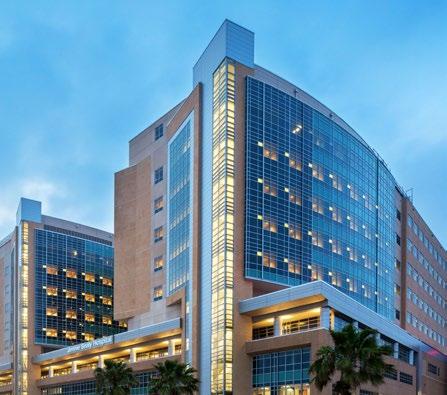
upcoming anniversary of Jennie Sealy Hospital reminds us of the strength that has carried us through generations of change. Together, these milestones reinforce our responsibility to keep advancing the care we provide.
We see that commitment in the way we are reimagining patient experience — strengthening a culture rooted in empathy and respect — and investing in the future of nursing through professional development, academic partnerships, and preparation for our upcoming Magnet journey.
I am deeply grateful for the compassion, expertise, and dedication our nurses bring to their work every day. You improve lives and strengthen trust across Southeast Texas. This report celebrates your impact and the future we will continue building together at UTMB.
Our Values
Integrity
Nurture
Synergy
Passion
Initiative
Respect
Excellence
A Message From Nursing Leadership
Kandice Bledsaw, PhD, RN Chief Nursing Information Officer
When people think about nursing, they often picture the bedside. What is less visible — but equally essential — is the growing network of technology, data, and innovation that supports every moment of care.
It is an honor to share the UTMB Health 2025 Nursing Impact Report and to highlight how nurses across our system are shaping that future in meaningful ways.
Over the past year, we have strengthened the digital foundation of nursing practice. Improvements in documentation and clinical communication, along with better access to real-time information, are reducing complexity in daily work and supporting safer, moreinformed decisions. These efforts are intentional investments that give nurses more time and clarity to focus on patients and families. Innovation at UTMB is grounded in collaboration and our nurses, educators, and clinical leaders are actively partnering to design
solutions that reflect real workflows and needs. This shared work advances quality and safety across the system, ensuring technology enhances care rather than complicates it.
As we continue forward on our Magnet journey, the thoughtful integration of technology and professional nursing practice will remain vital. Building a modern care environment requires curiosity, adaptability, and a commitment to continuous improvement. I am deeply grateful for the insight, creativity, and dedication you bring to this work. The progress reflected in these pages is a direct result of your leadership and your belief that innovation must always serve people first. Because of you, the future of care at UTMB Health is not only more advanced, but more human.
4,000,000
67
300
Clicks saved monthly for nurses by improving the documentation burden and outperforming all Epic organizations for this measure
Nurses joined a newly implemented Nursing Informatics Professional Practice Council to drive clinical informatics solutions design and testing
UTMB School of Nursing students gained Epic access for UTMB clinical rotations, preparing the talent pipeline and easing preceptor workload
100%
Compliance for a system-level evacuation exercise, 67 units successfully documented patient transport needs in less than four hours
1,127
Nursing and ancillary staff will benefit from the successful planning and preparation completed for the clinical communications project
Nursing at UTMB Health: Who We Are
A Conversation With UTMB Health
Associate Chief Nursing Officers
For nearly 135 years, UTMB has stood with Texas — educating the future workforce, advancing discovery, and delivering exceptional patient-centered care. Nursing is central to this mission.
The University of Texas Medical Branch (UTMB Health) 2025 Nursing Impact Report
Who We Are: Deborah Mordecai
Deborah Mordecai, DNP, MS, MA, CNM, CENP
Associate Chief Nursing and Patient Care Services Officer
Women’s, Neonatal, and Pediatrics in The John Sealy Hospital
What led you to UTMB?
“I have a full background in inpatient and outpatient/home care in adult, pediatric, and maternal care. I am a Certified Nurse Midwife and maintain an active credential. I established the first full-scope nurse-midwifery practice in Pueblo, Colo., in 1998, which remains active today. I have a strong background in maternal and pediatric care with experience in both regional and academic centers. UTMB was attractive to me as a safety net hospital with a strong mission to serve our mothers and children in Southeast Texas. The people were so kind and clearly dedicated to their mission.”
How do you engage staff in decision-making at the hospital level?
“We strongly encourage participation in our Shared Governance model, including the unit level. This summer, our NICU staff voted unanimously to begin a staff-precepted model of scheduling. There was a plan to put this off for six months, until January 2026. The chair and co-chair of our Unit-Based Leadership team approached me with this concern and a desire by many staff to begin sooner. I listened to the pros and cons regarding a start date and
reengaged the nurse manager regarding a date. The manager worked with the unit-based leaders to initiate the project with support from another nursing leader. The project remains active and working well overall at this time. Check ins with both day and night shifts will be active in December and January for feedback and suggestions.”
Have you piloted any initiatives that created a substantial impact?
“We have piloted a number of significant projects and initiatives which have resulted in lasting impacts. The conversion of an antiquated model of nursing and physician care for mothers and infants has evolved into a fully-integrated model of family-centered care and achievement of our Baby Friendly Designation. We are currently redesignated until 2030. Our NICU now has 24/7 visitation and overnight accommodations for parents. We established a Milk Bank for our mothers and infants in our new hospital with recent recognition as a Donor Site for the Austin Milk Bank. More than an initiative, the complete rebuilding and expansion of beds and services for our women’s and children’s unit at John Sealy was achieved in January 2024. An additional expansion was added in July 2025 with an additional 14 high-risk maternal and neonatal beds. In 2023, we opened Madi’s Place. This four-apartment complex provides comfortable and accessible accommodations for patients and their families at no cost. Madi’s Place is named after a precious little NICU
patient who did not survive, however Madi and her family have left us a permanent legacy of caring and compassion.
“UTMB joined the Ronald McDonald House of Galveston (RMHG) on February 12 for the second annual Hearts of Love Luncheon, celebrating the partnership that supports families during their child’s medical care. Nursing teams from Women’s and Children’s Services played a vital role in this year’s success, helping increase referrals and ensuring more families receive the comfort RMHG provides. At the time of the event, RMHG was hosting 16 families, with 14 referred by UTMB nurses and care teams. The 20-bedroom home offers shared kitchens, laundry services, an on-site school, and welcoming play spaces—all at no cost to families. Generous community donations, including frequent restaurant-provided meals, help sustain this mission. UTMB is represented in RMHG by me and Maria Tabaracci, UTMB project consultant, Office of the President, whose involvement strengthens this meaningful collaboration.”
Recent campus awards or accolades:
• Top 10 Performer in the inaugural Vizient Pediatric Awards
• Maternal Services recognized as High Performing in the December 2025 rankings for U.S. News and World Report
• Achieved second Baby Friendly Designation, which remains in effect until 2030
• Achieved first endowed fund for the Women’s and Children’s Hospital as the Tracey Santiago Memorial Fund reached the $25,000 endowment status
• The Mother-Baby Units achieved another Always Award in July 2025
What are some system-level initiatives you supported to reduce harm?
“Our CLABSI project was a massive project within the NICU, but we have shared our strategies and actions with our pediatric and adult areas. In 2014, the NICU experienced 15 CLABSI infections with no end in sight. We took a multifaceted approach to identifying root causes and implementing best practice immediately. Careful collaboration with our nursing and physician teams was essential to success. This is pertinent today as we continue to remain CLABSI-free in our pediatric areas. In our NICU, we have experienced one CLABSI per year over the past two years and we were CLABSI-free for over a year previously. Evidence-based practices are embraced by our teams to keep our children and infants safe.
“This year, we have partnered with the state to identify root causes for MRSA/ MSSA colonization in the NICU. This has been a highly-collaborative project with our EVS and Infection Prevention colleagues. We continue to look at ‘the usual suspects’ as well as ‘out of the box’ possibilities as a cause. This is an ongoing effort and we will continue these strong partnerships and the application of evidence-based research as we proceed to reduce or eliminate the colonization rates.”
UTMB Health Galveston Campus, John Sealy Hospital
Who We Are: Christine Wade
Christine Wade DNP, RN, CEN Vice President of Perioperative and Procedural Services
How long have you been with UTMB, and what has your career journey looked like?
“I have worked at UTMB for 13 amazing years. I started my UTMB journey as an ACNO of the Galveston Trauma Center. From that point, I have been given so many incredible opportunities to grow and learn as a leader. I have worked and led teams on various campuses. Currently, in my role as VP of Perioperative and Procedural Services, I have areas of oversight across all four campuses. What a joy my time at UTMB has been, watching nursing grow, practice advance, and leaders emerge.”
What were some of the most significant advancements or focus areas for Perioperative and Procedural Services this year?
“This has been an exciting year in our perioperative and procedural areas. A major focus has been on enhancing clinical competence and professional growth of our nursing staff. Nurses in procedural areas completed numerous certifications, hands-on simulations, and skills validations to ensure readiness for complex procedural procedures. Emphasis on sterile technique, safety checklists, and evidence-based practices helped reduce variation
and reinforce strong quality outcomes. This year, we held our inaugural Perioperative and Procedural Areas Leadership Retreat. During this retreat, we brought all the leaders together for training, networking, and a little fun. Our nursing teams demonstrated exceptional adaptability in managing surging volumes, evolving clinical guidelines, and the ongoing integration of new technologies. Additionally, continuous improvement projects — ranging from turnover efficiency to infection prevention initiatives — highlight our commitment to excellence.”
What are your priorities looking ahead to next year?
“As we look forward to the year ahead, our focus remains on innovation, teamwork, and supporting the well-being of our staff. Strengthening onboarding, mentorship, and cross-training opportunities will ensure that new and experienced nurses continue to thrive in our fast-paced environment. With a strong foundation built this year, perioperative and procedural areas are well-positioned to advance patient care, improve workflow processes, and foster a culture of safety and professional pride. I am so proud of what UTMB does, what we stand for, and the support we receive to provide top-quality care for every single patient who arrives at a clinic, an emergency room, or any procedural area.”
“I graduated from nursing school in Galveston and started at UTMB in 1998. I transitioned to burns care at Shriners Children’s Hospital and worked in pediatric burns care for 10 years. Following Hurricane Ike, I returned to UTMB and helped our Blocker Burn Unit expand care to pediatric patients and then remained at UTMB after Shriners reopened. In the ensuing years I returned to school, completed my MSN/DNP, and became nursing director for the Blocker Burn Unit as well as multiple interim and additional responsibilities. In January 2025, I was promoted to associate chief nursing officer of Jennie Sealy Hospital, where I am in service to the nurses and patients in our acute care floors. I love the culture of resilience and commitment to our community of which my family is very much a part of.”
How do you engage staff in decision-making at the hospital level?
“I frequently round (although not as much as I would like) on staff throughout the hospital. I’m particularly interested in barriers to care, which can range from relatively small to enormous in scope. My favorite part of this role is the interaction between staff and myself as they relay their concerns,
issues, kudos, and feedback. I work daily and meet regularly with the Jennie Sealy leadership team to make sure they feel heard and that concerns are addressed amicably. I also have strong relations with leaders throughout the system and collaborate to ensure that nursing service has what they need in Galveston. In my opinion, my most sacred responsibility is to serve as an advocate for the dignity of our patients and for the safety and security of our nursing staff. As a leader, this led to a great deal of work and some tough but much-needed conversations. I try the best I can to navigate these issues through self-reflection and dialogue with my peers and staff.”
Have you piloted any initiatives that created a substantial impact?
“Over the past 18 months, we (the leadership team) have made several impacts both here in Galveston and systemwide. We have expanded dialysis access services, ECMO services, worked tirelessly on position-control enhancements, including expanding educators, leadership and, of course, staffing — particularly patient care technician (PCT) staff. Under the direction of my colleague Shannon Diaz and our advanced practice clinician (APC) educators we have piloted and are now rolling out a standardized bedside shift handoff across the campus designed to improve handoff communication. I am also a frequent collaborator in root cause analysis (RCA) and active with our informatics team regarding electronic medical record (EMR)
enhancements. Going forward, some of my focus areas include age friendly care and harm reduction campaigns in various patient service indicator (PSI) categories.”
What are some system-level initiatives you supported to reduce harm?
“One of my roles is system lead for central line-associated bloodstream infections (CLABSI) reduction. In that interval, we have reduced system CLABSI significantly across the system. The partnership and lessons learned from previous roles at the unit level have translated well on the system level. This has been a partnership with clinical staff and leaders throughout the system that has been tremendously satisfying.”
UTMB Health Galveston Campus, Jennie Sealy Hospital
The University of Texas Medical Branch (UTMB Health) 2025 Nursing Impact Report
Who We Are: Merry Philip
Merry Philip, DNP, RNC-OB, NE-BC
Associate Chief Nursing and Patient Care Services Officer
Clear Lake and League City Campus
What led you to UTMB?
“I was led to UTMB by a desire to make a broader impact on patients, teams, and the community. The UTMB mission and culture resonated deeply with my belief in advancing nursing practice through compassion, collaboration, and accountability. I wanted to join an organization that values innovation, supports its leaders, and embraces change. UTMB offered the opportunity to lead transformational work, elevate staff engagement, and strengthen quality
outcomes in a growing and dynamic health system. It felt like the right place to grow, contribute, and make a meaningful difference.”
How do you engage staff in decision-making at the hospital level?
“I actively engage staff in decision-making by fostering a culture of transparency, shared ownership, and open communication across all levels of nursing. A key component of this work has been the establishment and strengthening of shared governance, ensuring every unit has a functioning Unit-Based Council that meets consistently and empowers frontline nurses to participate directly in operational and clinical decisions. I regularly round on units, hold leadership forums, and create structured feedback loops so staff can voice concerns, contribute solutions, and see their input translated into action. By involving nurses in policy development, performance improvement initiatives, and strategic planning, I have helped build a collaborative environment where team members feel valued, informed, and invested in outcomes. This approach not only enhances staff engagement but also drives sustainable improvements in quality, safety, and patient experience.”
Have you piloted any initiatives that created a substantial impact?
“One of the most impactful initiatives I piloted was the creation of an Admission, Discharge, and Transfer (ADT) nurse role in March 2024, which originated directly from frontline staff feedback regarding the increasing workload associated with high patient turnover and significant numbers of boarders at both the Clear Lake and League City campuses. In response, I launched the ADT RN pilot to support primary nurses by streamlining key patient flow processes and reducing operational bottlenecks. Since implementation, the ADT nurses have significantly improved throughput efficiency, contributing to a more than 15% reduction in discharge turnaround time from the start of the rollout in April 2024 through October 2024. This initiative not only alleviated workload strain on bedside nurses but also enhanced patient flow, strengthened staff satisfaction and improved overall operational performance.”
Recent campus awards or accolades:
Clear Lake Campus:
• Maintained Comprehensive Stroke Center certification in 2025 with zero findings
• Achieved first Level II Trauma Center in August 2025
• Maintained Level II NICU leveling 2025
• Maintained Level II Maternal leveling 2024 League City Campus:
• Decreased hospital-acquired injuries: League City Campus at 12 months with no CAUTI/CLABSI
• Maintained Level III Trauma Center in June 2025
• Maintained Primary Plus Stroke Center in 2025
What are some system-level initiatives you supported to reduce harm?
“At the system level, I served as the lead for Pressure Injury Prevention and drove a comprehensive initiative that resulted in a 13% reduction in pressure injuries across the organization. I organized and led a Rapid Improvement Event (RIE) that brought together interprofessional stakeholders to identify gaps, standardize practices, and create a unified education plan for all campuses. A key outcome of this work was expanding the role of the Wound, Ostomy, and Continence Nurses (WOCN), granting them the ability to place standing delegated orders and assess Stage 2 wounds associated with incontinence, significantly accelerating clinical response times and improving consistency in care. This systemwide approach strengthened prevention practices, empowered specialized nursing staff, and contributed to a sustained decrease in patient harm.”
UTMB Health Clear Lake Campus
UTMB Health League City Campus
Who We Are: Rosanna Moreno
Rosanna Moreno, DNP, MBA, RN, NE-BC, CPPS, FACHE
Administrator and Associate Chief Nursing Officer
Angleton Danbury Campus
What
led you to UTMB?
“Returning to the UTMB Health Angleton Danbury Campus (ADC) has truly been a full-circle dream come to life for me. As a lifelong Angleton resident, this campus has always held a special place in my heart. I still remember walking these halls as a young student volunteer, inspired by the caregivers I admired and eager to be part of something meaningful. This hospital is woven into the story of my family as well, as both my husband and my youngest son
were born here, making my connection to this community deeply personal.
“I proudly attended UTMB to earn my Bachelor of Science in nursing, which laid the foundation for a career that has now spanned nearly twenty years. I am a proud UTMB alumna and continued my education throughout my career, earning a Doctor of Nursing Practice (DNP) from Boise State University and a Master of Business Administration from the University of Houston-Clear Lake. In addition, I have the privilege of serving as adjunct faculty for Boise State University’s DNP program, where I help support and mentor the next generation of nursing leaders. Over the past two decades, I have committed myself to gaining the knowledge, skills, and leadership experience needed to guide the UTMB Health Angleton Danbury team with excellence. Serving my hometown by ensuring the highest quality and safest care possible is not just a professional responsibility for me; it is a calling that I embrace with purpose, passion, and gratitude. It is an honor to lead alongside a team that lives those values every day.”
How do you engage staff in decision-making at the hospital level?
“Across the Angleton Danbury Campus, we have prioritized staff engagement through structured councils, governance groups, and open communication channels. Examples include the creation of the ADC ED Council for formalized leadership opportunities, the LDRP Professional Governance Council for staff-driven initiatives, and multidisciplinary rounds in Med-Surg/ICU. Staff have been actively involved in interviews, audits, and statewide quality improvement initiatives, ensuring their voices guide practice changes and operational decisions. Communication platforms like GroupMe and visual management boards have further enhanced transparency and collaboration.”
Have you piloted any initiatives that created a substantial impact?
“Several impactful initiatives were piloted across the ADC campus in fiscal year 2025. In the emergency department, the development of a pediatric emergency coordinator enhanced pediatric care and the creation of the
SMARTE Tool to improve handoff and increase safety for our TDCJ patients. In the Med-Surg and ICU areas, the introduction of the Turn Clock and the Pressure Injury Bundle in Epic improved pressure injury prevention, while multidisciplinary plan-of-care rounds helped reduce observation times and length of stay. In Labor and Delivery, establishing permanent charge nurse roles with self-scheduling and creating staff champions for various projects fostered leadership, accountability, and professional growth. In Perioperative Services, transitioning to Pyxis case-ID based charging ensured accurate billing and documentation, achieving full compliance within one quarter and maintaining that standard for the entire year.”
Recent campus awards or accolades:
• Level I Maternal Redesignation
• Texas Ten Step Redesignation
• Best Care Journey to Zero Perfect 10 Award
• Leapfrog “A” Hospital Safety Grade for fall 2025
What are some system-level initiatives you supported to reduce harm?
“At ADC, we have actively supported system-level initiatives to reduce harm through a variety of strategies. In the emergency department, efforts have focused on reducing blood culture contamination to less than 3% and improving early recognition of sepsis. In the Med-Surg and ICU areas, teams implemented Epic bundles for catheter-associated urinary tract infections, central line-associated bloodstream infections, pressure injuries, and falls, complemented by real-time audits and a dedicated Fall Prevention Week. Labor and Delivery improved obstetric risk screening processes and introduced postpartum hemorrhage kits in Pyxis to expedite medication access during emergencies. Perioperative Services strengthened safety by conducting comprehensive audits of sterile processing practices to ensure complete compliance for instrument sterilization, with monthly results tracked in the Joint Commission Tracer application.”
UTMB Health Angleton Danbury Campus
Who We Are: Veronica Kwarteng-Amaning
Veronica
Associate
Kwarteng-Amaning,
PhD, MHA, RN, CCRN, NE-BC
Chief Nursing Officer
Texas Department of Criminal Justice - Hospital Galveston
What led you to UTMB?
“My connection to UTMB began early in life — my mother worked for UTMB for many years and ultimately retired from the institution. Because of this, I grew up familiar with the UTMB mission, values, and reputation for excellence in health care and education. When I began exploring nursing programs during my college search, I visited a UTMB recruitment booth and spoke with representatives who guided me through the admission requirements and opportunities within the School of Nursing. Their support and the strong alignment between UTMB values and my own career goals motivated me to apply. I was accepted into the UTMB School of Nursing, and after graduating, I chose to begin my professional career at UTMB, where I continue to grow as a nurse and leader.”
How do you engage staff in decision-making at the hospital level?
“I actively engage frontline staff by conducting regular rounding to gather their feedback, address concerns, and better understand their day-today challenges. I encourage team members to participate in hospital-level
committees to ensure their voices are represented in operational and strategic decisions. At Hospital Galveston, our Shared Leadership Council plays a key role in empowering staff. Through this council, I collaborate with nursing representatives and interdisciplinary partners to evaluate practice issues, implement improvements, and foster a culture of shared governance and transparent communication.”
Have you piloted any initiatives that created a substantial impact?
“Hospital Galveston has implemented several pilot initiatives that have produced measurable improvements in patient care. One high-impact initiative still underway is the central line lumen cleaning project. This process mirrors our established practices for urethral catheter hygiene — such as navel-toknee cleansing — and extends similar principles to central line maintenance. Using chlorhexidine gluconate (CHG) wipes to thoroughly clean central line lumens has helped standardize care, reduce the bioburden on central lines, and support ongoing efforts to lower central line-associated infection rates. Early outcomes have been promising, and the practice continues to be refined and will be generalized after pilot completion.”
Recent campus awards or accolades:
• Instituted COA to provide supervisory support
• Over 12 months with no CAUTI or CLABSI on several TDCJ units including ICU and 7A
• Zero pressure injuries (stage III, IV, or unstageable) for FY24
• Blood culture contamination less than goal of 3%
What are some system-level initiatives you supported to reduce harm?
“As the system lead for catheter-associated urinary tract infections (CAUTIs), I collaborate closely with Infection Control, EPIC support teams, and multiple stakeholders throughout the UTMB Health System. CAUTIs are among the most common yet preventable health care-associated infections, and our goal is to reduce harm through improved practices, documentation, and timely interventions. Every CAUTI case across the system is reviewed and targeted action plans developed to address contributing factors. This includes identifying workflow gaps, reinforcing best practices, optimizing electronic documentation, and ensuring staff receive ongoing education and support. Through consistent evaluation and system-wide alignment, we continue to make progress toward reducing preventable harm and improving patient outcomes.”
The University of Texas Medical Branch (UTMB Health) 2025 Nursing Impact Report
Best Care: Where Purpose Meets Passion
“Nurses lead the way in making Best Care a reality. Their expertise and compassion ensure every patient receives safe, high-quality care.”
Gulshan Sharma, MD, PhD
UTMB Senior Vice President Chief Medical and Clinical Innovation Officer
At UTMB Health, we have taken major steps to build a system of care that ensures timely, accurate, safe, efficient, and effective treatments. We have launched initiatives to eliminate known unnecessary testing and health care hazards, including hospital-acquired infections, falls, and pressure ulcers. We take reporting of areas of concern within our system seriously and are committed to addressing and resolving findings in an expeditious manner.
Nursing Quality and Safety Outcomes
Nursing quality and safety outcomes reflect a deep commitment to Best Care — care that is evidence-based, reliable, and centered on the needs of patients and families. Nurses across the system play a critical role in translating clinical standards into daily practice, using data, innovation, and collaboration to reduce harm and improve outcomes.
Guided by purpose and strengthened by passion, UTMB Health nurses lead and sustain improvements in key quality indicators, including reductions in health care-associated infections, patient harm events, and preventable complications. These outcomes are achieved through strong interdisciplinary partnerships, frontline engagement in shared governance, and a culture that encourages continuous learning and improvement. By remaining focused on what matters most — patient safety, reliability, and trust — nursing continues to drive meaningful, measurable impacts across the UTMB Health System, ensuring every patient receives the right care, at the right time, in the right way.
Quality, Safety, and Compliance Excellence
UTMB Health teams demonstrated exceptional readiness for CMS and Joint Commission reviews by improving documentation standards, updating practices, and strengthening prevention protocols. These efforts directly enhanced patient safety and compliance.
Preventable harm reductions:
• Blood culture contamination: Reduced to 1.8%, with multiple units reporting zero CLABSIs and zero CAUTIs over a 12-month period.
• Fall prevention: Falls decreased from 20 in FY24 to 16 in FY25, aided by improved signage and integrated Epic tools.
• Pressure injury prevention: Use of pressure injury clocks, improved documentation, and clearer workflows increased prevention consistency.
• Fall TIPS (Tailoring Interventions for Patient Safety) and JHFRAT (Johns Hopkins Fall Risk)
Stroke program excellence:
• Median arrival-to-TPA time: 33 minutes
• Median arrival-to-CT time: 13 minutes
• These results surpass national benchmarks and reflect strong interdisciplinary partnerships.
FY25 UTMB Nursing Strategic Direction — Evaluation
Staff Engagement Quality and Safety
1. Assess goals/outcomes of current professional governance councils.
2. Add additional councils to meet changing needs at UTMB.
3. Discern plan to assess RN engagement; participate in selection of vendor.
1. Appoint nurse leaders to oversee health system level, interprofessional teams, and implement interventions to reduce patient harm.
Patient Experience
Tactics
1. Ensure correct mapping of nursing cost centers for reporting unit-level data for patient experience.
2. Prepare for new Press Ganey survey tool for CAHPS.
Financial Performance
1. Monitor nursing cost center monthly operating reviews per campus.
2. Track rolling 12-month RN turnover and vacancy and compare to national benchmark.
3. Calculate the total cost of harm at UTMB (FY24 as baseline).
Metrics
RN Engagement Survey to be included in all colleague survey, February 2026.
CLABSI (71% reduction)
CAUTI (81% reduction)
HAPI (24% reduction)
Patient Falls and Falls with Injury (10% reduction)
Blood Culture Contamination
Rate (less than 2%)
Compare FY24 to FY25 (% improvement)
Rate the Hospital: 69.76 to 74.84
Recommend the Hospital: 70.68 to 74.84
RN Treat with Courtesy/Respect: 83.79 to 85.03
RN Listen Carefully to You: 74.17 to 76.77
RN Explain in Way You Understand: 73.44 to 75.31
FY25 Rolling 12-month ending August 2025 (national benchmark)
RN Turnover 14.1% (16.4%) NSI*
RN Vacancy 8.0% (9.6%) NSI*
FY24 Total Cost of Harm
$8.013,585 - $11,896,424
FY25 Total Cost of Harm
$7,210,477 - $9,225,053
Net Cost Savings
$803,108 - $2,671,371
Reimagining Patient Experience at UTMB Health
Driven by compassion in practice, a new Patient Experience team is transforming care through empathy, innovation, and human connection.
“Patient experience has long been part of the conversation, but there is now a renewed, elevated focus on it at the highest levels of leadership. It is just as essential as quality and safety, encompassing employee engagement and workforce well-being and signaling how we show up for and serve our communities.”
Stephanie Guzik, MBA, BSN, RN, CHRC Vice President of Patient Experience and Patient Services
The University of Texas Medical Branch (UTMB Health) is reimagining patient care experience by making compassion and connection the cornerstone of its mission.
Through this renewed commitment, the health system’s new Patient Experience team is cultivating a culture where respect, empathy, and excellence define every interaction and inspire trust at life’s most vulnerable moments.
Leading the initiative is Stephanie Guzik, MBA, BSN, RN, vice president of Patient Experience and Patient Services, the first executive position of its kind at UTMB and one that signifies a deep dedication to elevating care across the health system.
Before joining UTMB, Guzik spent much of her 30-year health care career at an academic medical center in Chicago where she held senior leadership roles, working closely with executive, clinical, and operational leaders on complex hospital and health system issues.
She served as the University Compliance Officer and Associate Vice President for Research Compliance and Conflict of Interest at Rush System for Health and previously held the role of Research Integrity Officer. She was also adjunct faculty at Rush University College of Nursing. Her clinical background includes practice as a critical care and interventional cardiology nurse, with specialized expertise in sepsis. Guzik’s vision is supported by a multidisciplinary team designed to make health care easier and more empathetic.
The University of Texas Medical Branch (UTMB Health) 2025 Nursing Impact Report
Building a Team for Connection and Care
Martha McLeod Director of Patient Services
Martha McLeod, director of Patient Services, oversees advocacy, volunteer programs, spiritual care, and language access — critical components of a holistic approach. With over three decades of experience in academic health care and professional services from Bennett Thrasher to PricewaterhouseCoopers, McLeod brings a wealth of expertise in leadership development, customer service excellence, and organizational effectiveness. As a Certified Patient Experience Professional (CPXP), she has been recognized for her commitment to improving patient satisfaction and service outcomes. In addition to this, McLeod was honored by the UTMB Development Board for her contributions during the COVID-19 pandemic and received the Rotary Club of Galveston Healthcare Employee Award in 2025. She will also celebrate her 20-year anniversary with UTMB this year.
“We’re here as an all-encompassing service to support our patients and improve their experience.”
Jennifer Higgs, MSN, RN, CEN Director of Nursing Patient Navigation and Support
Jennifer Higgs, director of Nursing Patient Navigation and Support, focuses on ensuring round-the-clock assistance to patients and families during clinic visits and hospital stays. Dedicating most of her career to UTMB, Higgs began as an Emergency Department nurse in 2004 after earning her BSN from the UTMB School of Nursing. Over the years, she completed her MSN at UTMB and advanced through numerous roles, including Trauma Burns DSRIP educator, clinical educator, and ED nurse manager. Most recently, she served as the director of nursing for inpatient care areas at League City Campus before stepping into her leadership role.
“Health care is really complicated, so we’re trying to make it easier for our patients so that it’s not so complex. They shouldn’t have that burden.”
Amy Madsen Administrative Manager of Patient Services
Amy Madsen, administrative manager of Patient Services, plays a vital role in ensuring smooth, behind-the-scenes operations that directly support patient-centered care. With an extensive background in legal and operations management, Madsen excels at partnering closely with executive teams to lead companywide initiatives, manage complex contracts, and build efficient and people-centered operations.
She believes that every metric and process improvement ultimately represents a human experience — one that can shape lasting impressions. She champions the idea that behind each benchmark is someone with a unique story, and someone deserving of care that is grounded in empathy, respect, and understanding.
“At its heart, the Patient Experience team’s work is about people—ensuring patients and families feel seen, heard, and genuinely cared for—at every step of their journey.”
What’s Next: Elevating Excellence and Compassion in Practice
As UTMB Health continues to expand across Southeast Texas, the Patient Experience team is looking ahead with bold initiatives designed to transform care delivery and strengthen human connection. The focus is on blending innovation with empathy — ensuring that technology enhances, rather than replaces, a human touch.
Among the team’s priorities is utilizing the health system’s new patient experience platform, Wambi, which will integrate quality and safety metrics with real-time feedback on complaints and grievances. This upgrade will allow staff to identify trends faster and respond proactively to patient
needs. Additionally, a new rounding tool powered by artificial intelligence will be implemented internally to help anticipate patient needs based on demographics and clinical factors, ensuring timely interventions and personalized experiences.
The team is also helping to prepare for UTMB Health’s Magnet journey, a multiyear path to achieve and maintain the American Nurses Credentialing Center (ANCC) Magnet Recognition Program designation. They will also — for the first time since 2017 — provide a comprehensive engagement survey to better understand workforce satisfaction and its direct correlation to patient experience.
Guzik further emphasized the exploration of the human experience connection, and the importance of studying how workforce engagement impacts patient perceptions and outcomes. “If you don’t have engaged employees, you’re not going to have a great experience,” she said. “I believe that every employee contributes to supporting these overall efforts.”
With this in mind, the team is also introducing the Compassion in Practice Award, replacing the Always Award. Each quarter, one inpatient and one ambulatory unit will be recognized for consistently delivering care that reflects the UTMB Health commitment to listening, responding, and building trust with patients and families. To celebrate their achievement, the Patient Experience team will visit the winning units with a plaque, banner, and cake to honor their outstanding work.
By aligning these insights with Best Care strategies, the team aims to create a ripple effect — where every interaction reflects compassion, respect, and excellence.
“Our goal is simple but powerful,” Guzik concluded. “To deliver care that patients trust and remember, and to make UTMB the standard for excellence in patient experience.”
UTMB Health Nursing has achieved significant improvement across clinical quality, safety, operational performance, professional development, and nursing practice over the past year. These accomplishments reflect our commitment to Best Care, collaborative practice, and continuous improvement.
Organizational Accomplishments and Impact on Patient Care
Education, Training, and Research
Professional development:
• 40+ hours of CNE offered
• Launch of PCT bootcamps
• Increased participation in conferences and external leadership
• Development opportunities
Research and evidence-based practice:
• Three IRB-approved studies completed
• 25 EBP projects completed across UTMB Health campuses
• Nursing policies streamlined from 175 to 40, improving usability and standardization
Operational Improvements and Workforce Strengthening
• Expansion of cross-training, onboarding efficiency, and clinical readiness, which strengthened unit resilience and reduced staffing gaps
Significant CAUTI/CLABSI reductions:
• Several units experienced extended periods of zero CAUTIs and CLABSIs, reflecting improved nursing vigilance, education, and collaboration between clinical and quality teams.
School
The UTMB innovative Bachelor of Science in Nursing (BSN) Honors Program is committed to preparing prelicensure students to become future health care leaders.
The program integrates leadership training, mentorship, and immersive real-world experiences to empower students to influence health care policy, administration, and clinical practice.
At the core of the BSN Honors Program are three specialized tracks, each offering hands-on learning tailored to students’ leadership interests. Through direct mentorship from faculty and nurse leaders, students gain practical insight into the challenges and opportunities within today’s health care landscape. Participants engage in leadership workshops, specialized training, and networking events with health care professionals, resulting in a well-rounded experience that extends beyond the classroom. Student achievements include published podcasts, conference presentations, research contributions, and active roles in shaping health care policy.
The program has also strengthened the UTMB institutional profile, deepened faculty-student collaboration, and expanded partnerships with health care organizations and nursing associations. Feedback from faculty, health care partners, and policymakers has been overwhelmingly positive, affirming the program’s role in producing graduates who are both clinically skilled and ready to lead.
In an era where strong leadership is essential to health care transformation, the UTMB BSN Honors Program stands as a national model for how academic institutions can cultivate the next generation of nurse leaders.
The University of Texas Medical Branch (UTMB Health) 2025 Nursing Impact Report
The Student Nurse Immersion Perioperative Program (SNIPP)
The Student Nurse Immersion Perioperative Program (SNIPP) is designed to bridge the knowledge, skills, and abilities of BSN students throughout their education in the specialty of perioperative nursing. This collaborative program with UTMB SON and UTMB Health is designed to provide program participants with foundational skills and knowledge related to advancing nurses quickly into their perioperative role.
Multimission benefits:
• The program grows the student’s perioperative skills with each immersion activity provided through didactic, lab, and clinical experiences.
• New graduates can enter the field upon graduation, as the immersive program prepares them for the role while earning their BSN degree.
• At the conclusion of the program, students will become active members of the UTMB Health – Galveston Intraoperative team
Student Nurse Acclimation Program (SNAP)
Student Nurse Acclimation Program (SNAP) is designed to immerse learners in the skills and competencies needed to transition seamlessly into the patient care environment.
Multimission benefits:
• Students gain hands-on clinical experience while simultaneously earning a comparable wage.
• Students connect classroom training with real-world practice while receiving mentorship and guidance from clinical instructors and potential employers.
Why SNIPP and SNAP?
Both Student Nurse Immersion Perioperative Program (SNIPP) and Student Nurse Acclimation Program (SNAP) provide a unique immersive work/study learning experience designed to equip senior-level nursing students, who are currently enrolled in an accredited baccalaureate degree program, with skills and competencies needed for transition into the patient care environment.
• Seamlessly transition from student to professional decreases time and cost associated with orientation of new hires
• Develop a workforce pipeline program to fill needs of the UTMB Health System
• Build long-term partnerships between nursing education and local nursing workforce
“This hands-on experience is invaluable in today’s health care environment, where EHRs are an essential part of patient safety, communication, and care coordination.”
Kandice Bledsaw, PhD, RN Chief Nursing Information Officer
Epic Access at Clinical Sites
Third- and fourth-semester School of Nursing Bachelor of Science in Nursing students rotating at UTMB clinical locations have access to the Epic electronic health record (EHR) system.
Enabling student access to Epic during their clinical rotations provides hands-on experience and gives them a deep understanding of the documentation requirements they will experience as a staff nurse, making them more confident and efficient when they enter the workforce.
The initiative is designed to allow students to be ahead of the game and avoid having to adapt to the system after graduation, giving them more time to focus on patients than struggling with EHR workflows.
“This hands-on experience is invaluable in today’s health care environment, where EHRs are an essential part of patient safety, communication and care coordination,” Chief Nursing Information Officer Dr. Kandice Bledsaw said. “This approach undoubtedly helps graduates transition smoothly into their roles and contribute to improved patient outcomes from day one.”
This collaborative program with UTMB SON and UTMB Health is designed to provide program participants with foundational skills and knowledge related to advancing nurses quickly into their perioperative role.
The University of Texas Medical Branch (UTMB Health) 2025 Nursing Impact Report
Looking Ahead
“Innovation is at the heart of UTMB Health and Nursing. As we embrace new technologies and patient experience strategies, our goal is to ensure that every advancement strengthens the human connection in care. By combining cutting-edge tools with the compassion and expertise of our nursing teams, we are setting a new standard for excellence, one where innovation and empathy work hand-in-hand to transform the future of health care.”
Jochen Reiser, MD, PhD
President of The University of Texas Medical Branch
CEO of the UTMB Health System
As UTMB Health moves forward, nursing remains committed to advancing Best Care — sustaining purpose and igniting passion.