The Service Line, Clarksville Gas & Water, Spring 2026
On the Cover
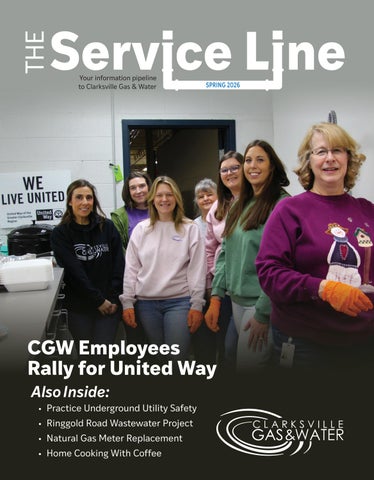
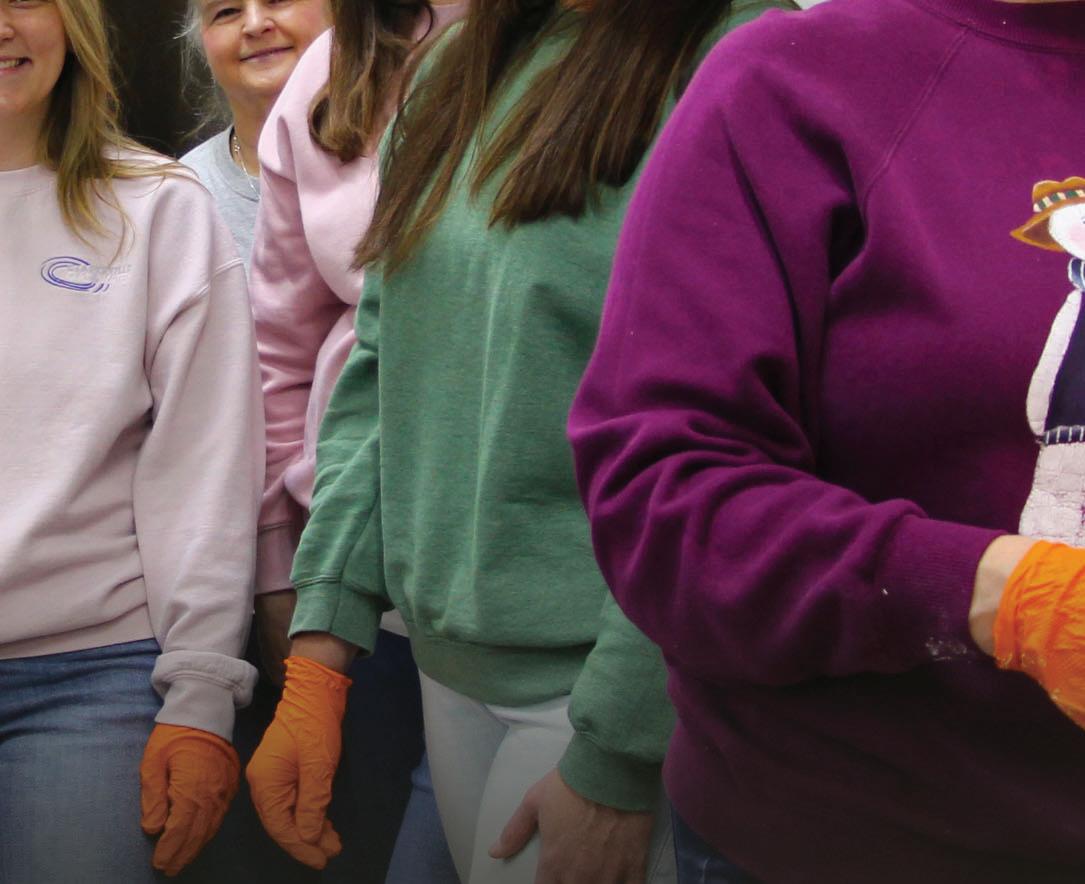
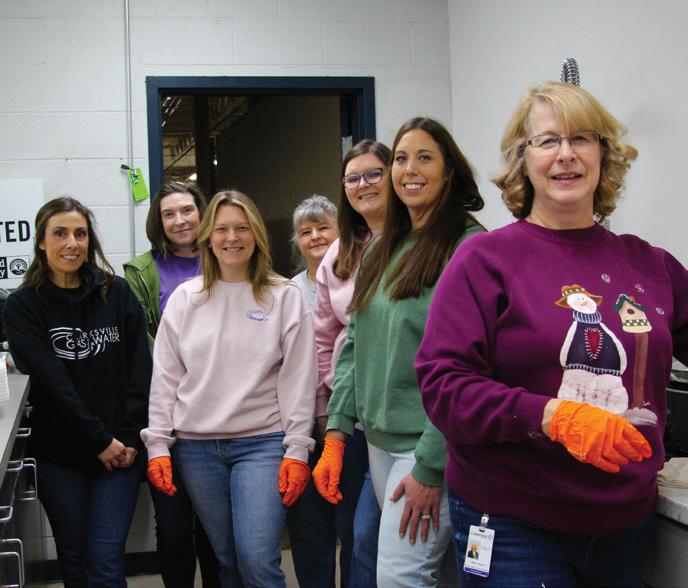
The Clarksville Gas & Water accounting department staff hosted a pancake and biscuit with gravy breakfast for United Way. From left are Meagan Hinton, Carlye Sommers, Lexie Roper, Joyce Harris, Missy Snodgrass, Jessica Biter and Dawn Thomack. PHOTO COURTESY OF CLARKSVILLE GAS & WATER
The new year is off to a great start as we realize significant milestones in our department that will reap benefits eternally.
As most of you may know, the City Council voted near the end of 2025 to place Clarksville Gas & Water under the governance of a Gas & Water Board. Board governance gives customers more say in the company’s customer service policies and future goals. With this change, we remain a publicly owned utility. This is important because it ensures we are directly accountable to the residents we serve, as our customers make decisions regarding service and infrastructure needs.
This governance change also reduces the potential for future short-term politically influenced decisions to conflict with the overall long-term strategic goals of the utility. Customer-representative board governance improves infrastructure stability by ensuring essential maintenance, upgrading aging systems, and planning for future growth and regulations.
It also allows for representation of the entire customer base in business decisions. Under previous city council governance, customers whose services are outside of the Clarksville city limits had no representation in CGW business decisions. State law requires board members to live within city limits, but it allows appointing someone who also has service outside the city, thus providing representation to outside-city customers.
The board comprises five members who are residents within the city and customers of CGW, one of whom is a city councilman. The mayor is a nonvoting, ex-officio sixth member of the board. The mayor, subject to the approval of city council, appoints the board members, who serve five-year terms. All board meetings are open to the public and conducted in accordance
with Robert’s Rules of Order.
I have some more exciting news. Within the first two weeks of the new year, we entered into an interlocal agreement with Pennyrile Regional Energy Agency for the future transportation of natural gas. PREA is in the final stages of developing plans to build and maintain natural gas infrastructure necessary to serve its community. We currently receive 100% of our natural gas through one supplier, from one direction. The PREA infrastructure provides us a second source, from an opposite direction, offering a redundant source of natural gas that ensures stability in our service to you. This project also enhances our access to additional natural gas capacity as demands require.
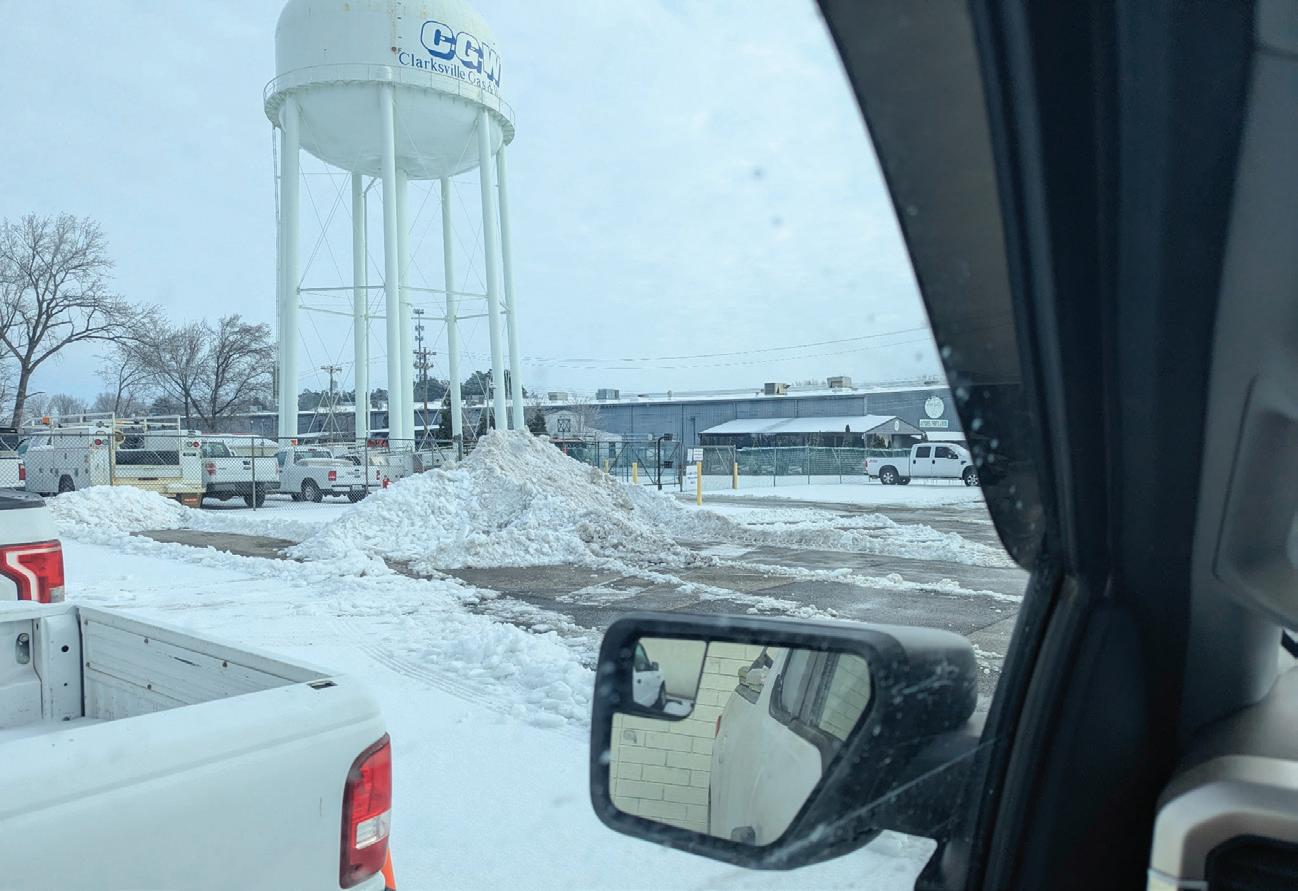
I cannot go without mentioning our exceptional employees. I am especially thankful for their diligence and efforts to maintain our essential services throughout the recent winter storm. It was awe-inspiring to witness their
eager responses to the innumerable calls to help customers, their persistence to toil through the elements and ensure continual operation of the treatment plants, and their determination to ensure customers had service while our offices were closed.
Our CGW family is comprised of the best of the best, and I am proud to be able to work alongside of them as we serve our community.
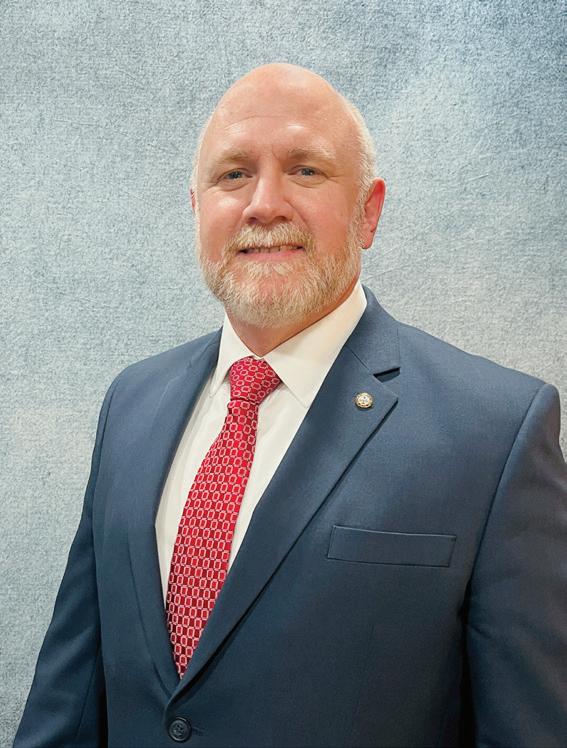
Mark Riggins General Manager
Despite heavy snow, Clarksville Gas & Water crews worked throughout the weather to maintain services for customers. PHOTO COURTESY OF CLARKSVILLE GAS & WATER
Clarksville Gas & Water Rally for United Way
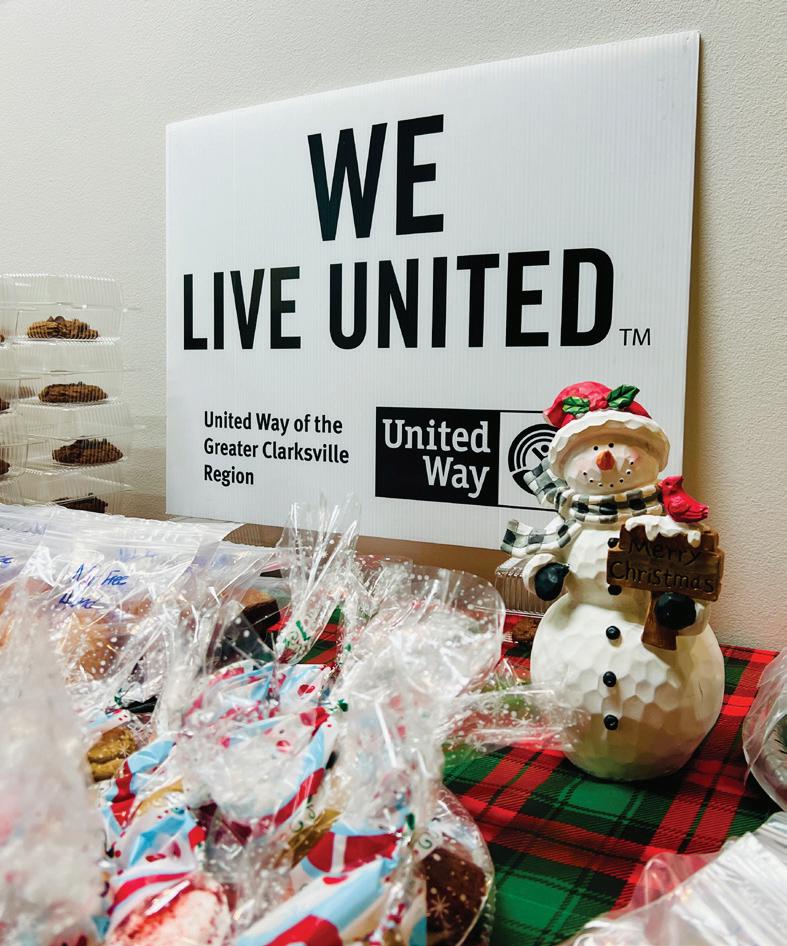
Clarksville Gas & Water employees have been a proud and integral part of Clarksville’s departmentwide United Way campaign for many years, and 2025 proved to be yet another banner year of giving back to the community.
Every fall, the campaign begins with a set department goal based on the previous year’s campaign collection total. Employees contribute funds through payroll deduction, direct donation or fundraisers to contribute to the city’s overall campaign goal. All funds go directly to the local United Way organization.
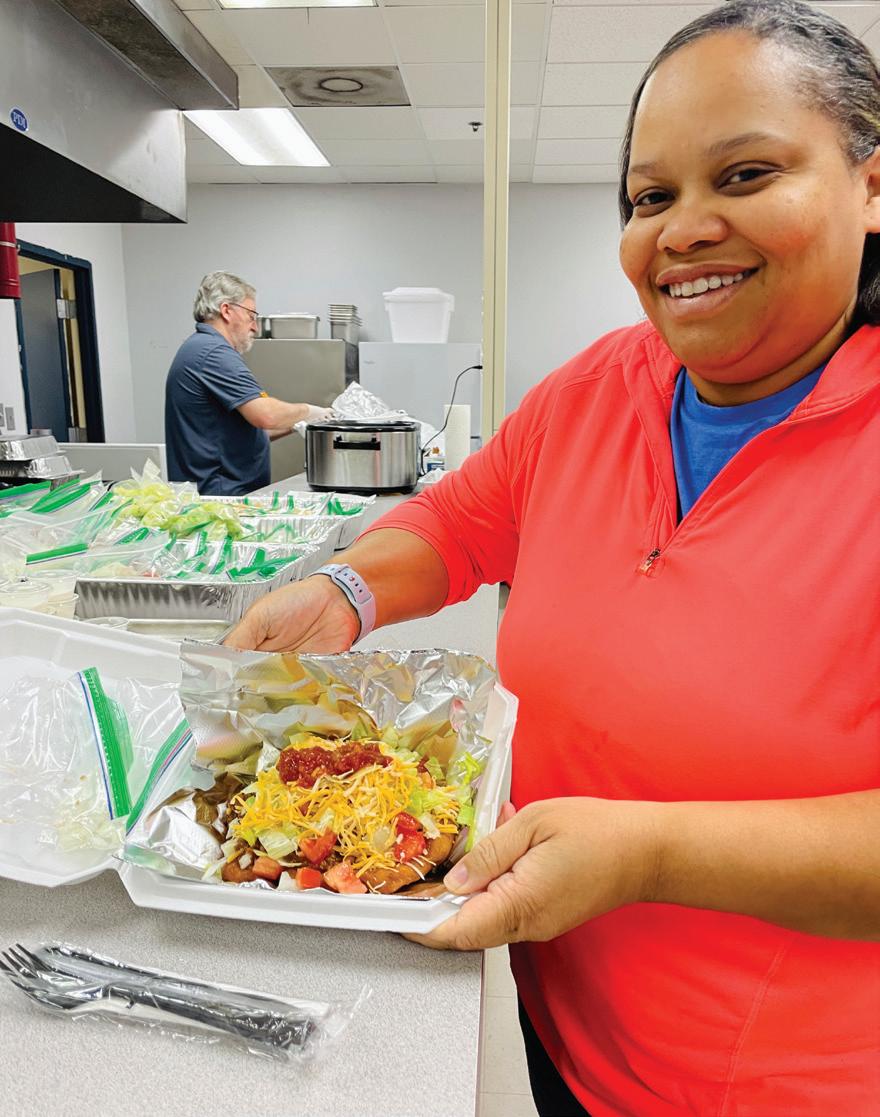
Each year, CGW employees create clever fundraisers to raise contributions, from bake sales and chili cook-offs to pancake breakfasts and fry bread tacos. These friendly competitions make it fun and easy to participate.
In 2025, employees surpassed the $9,620 goal, raising $9,913. This amount contributed to the city’s overall campaign collection of $63,352.
Thank you to everyone who contributed time, talents and dollars to reach the goal. Most importantly, the funds will benefit local nonprofit agencies that offer programs for assistance and services to our residents who are in need.
Learn more about the Clarksville United Way at tinyurl.com/uw-clarksville.
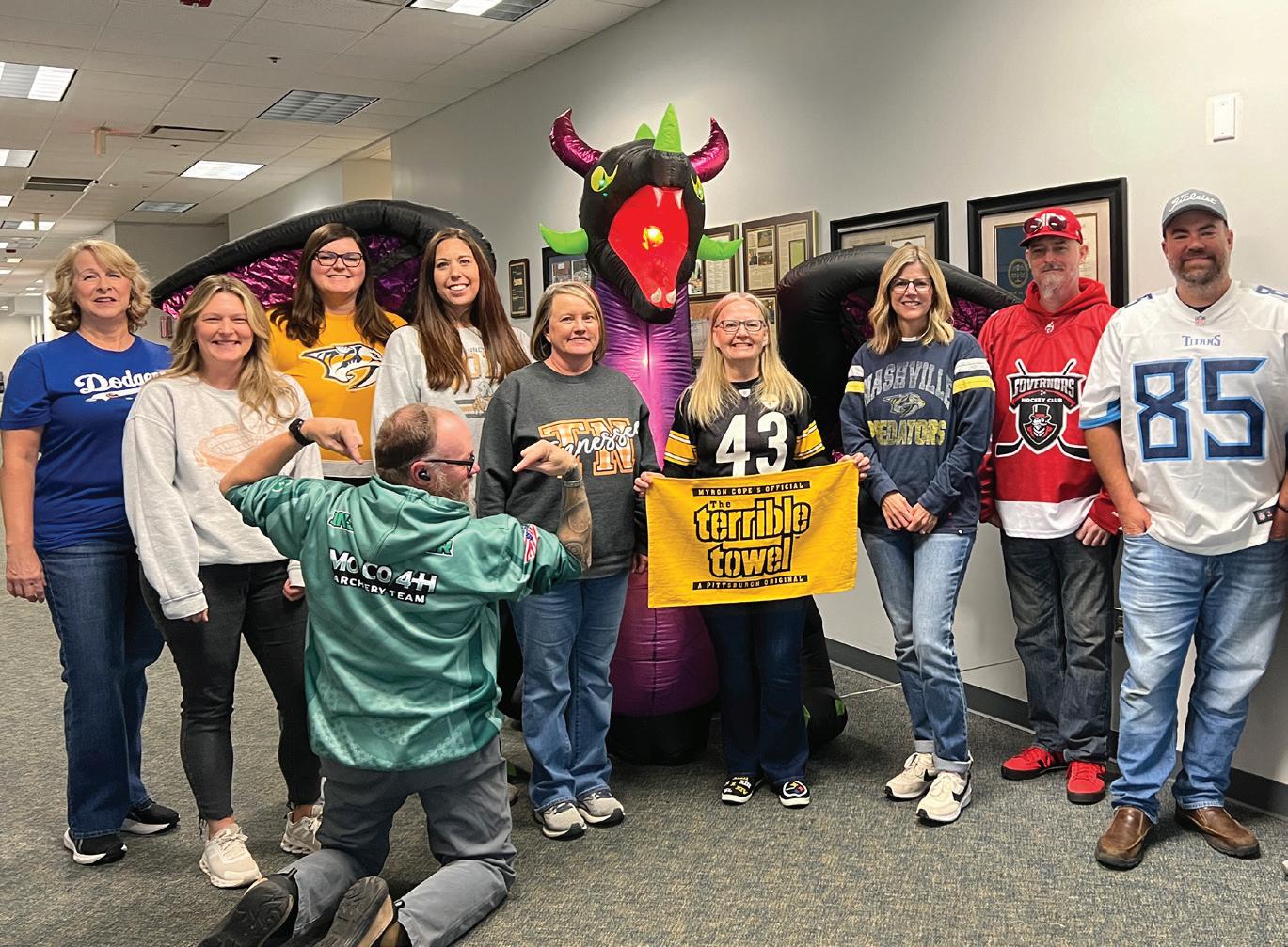
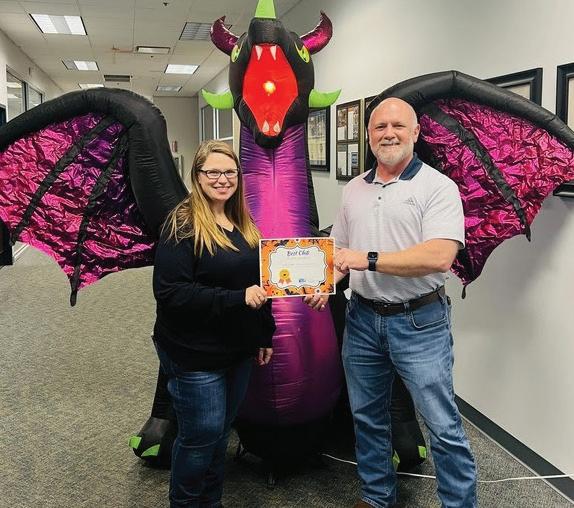
TOP RIGHT: City departments kicked off the fall United Way campaign with Spirit Week. Clarksville Gas & Water employees demonstrated their spirit on “Sports Day” by wearing their fan favorite team jersey. In the back row, from left, are Dawn Thomack, Lexie Roper, Missy Snodgrass, Jessica Biter, Krystal Richardson, Pam Cloud with the “Terrible Towel,” Becky Adams, David Mason and Daniel Byrd. Kneeling in the front is Brandon Thomas.
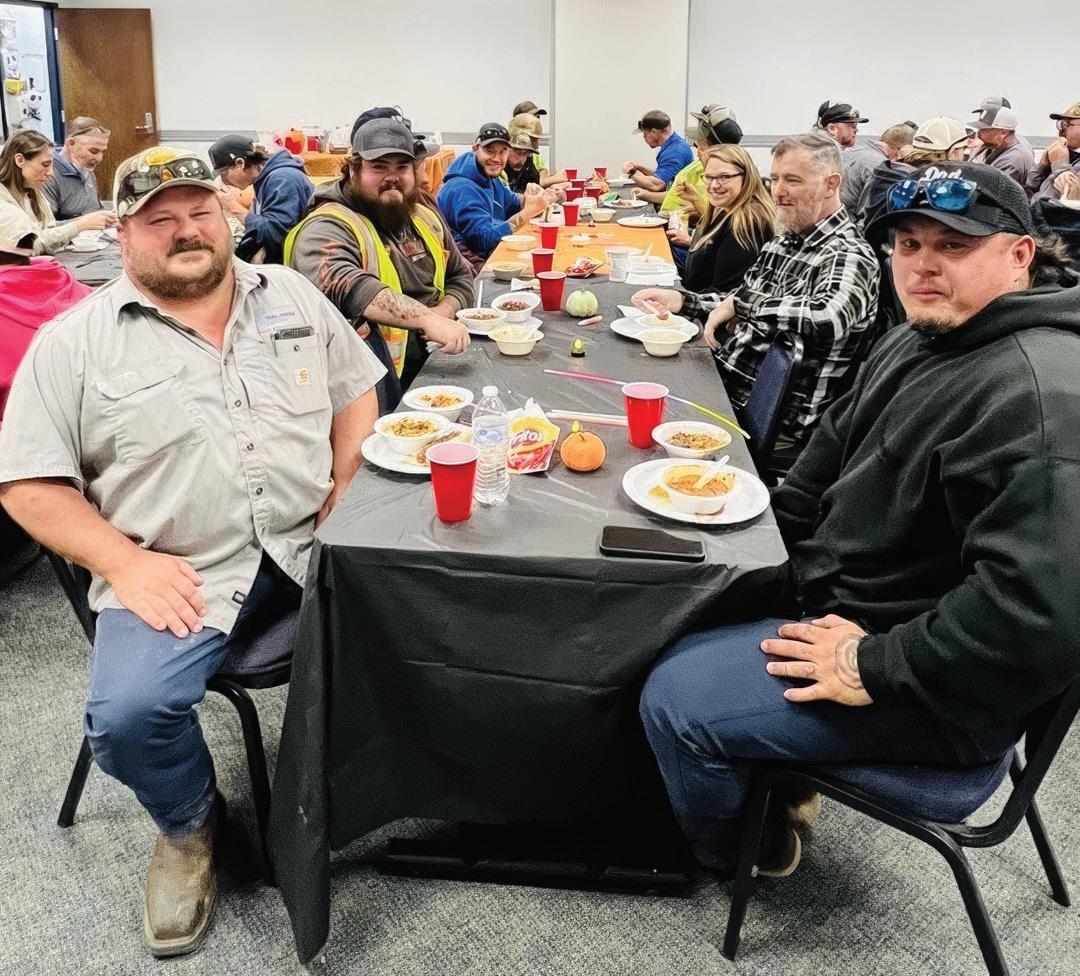
RIGHT: Clarksville Gas & Water employees support the annual Halloween Chili Cook-Off for United Way.
Water Employees
Ryan
Sherry
CLOCKWISE FROM TOP LEFT: The Clarksville Gas & Water team plays broomball during a United Way fundraiser at Ford Ice Center.
Clarksville Parks & Recreation Superintendent Ereka Clark shows off her fry bread taco and support for the CGW United Way fundraiser lunch.
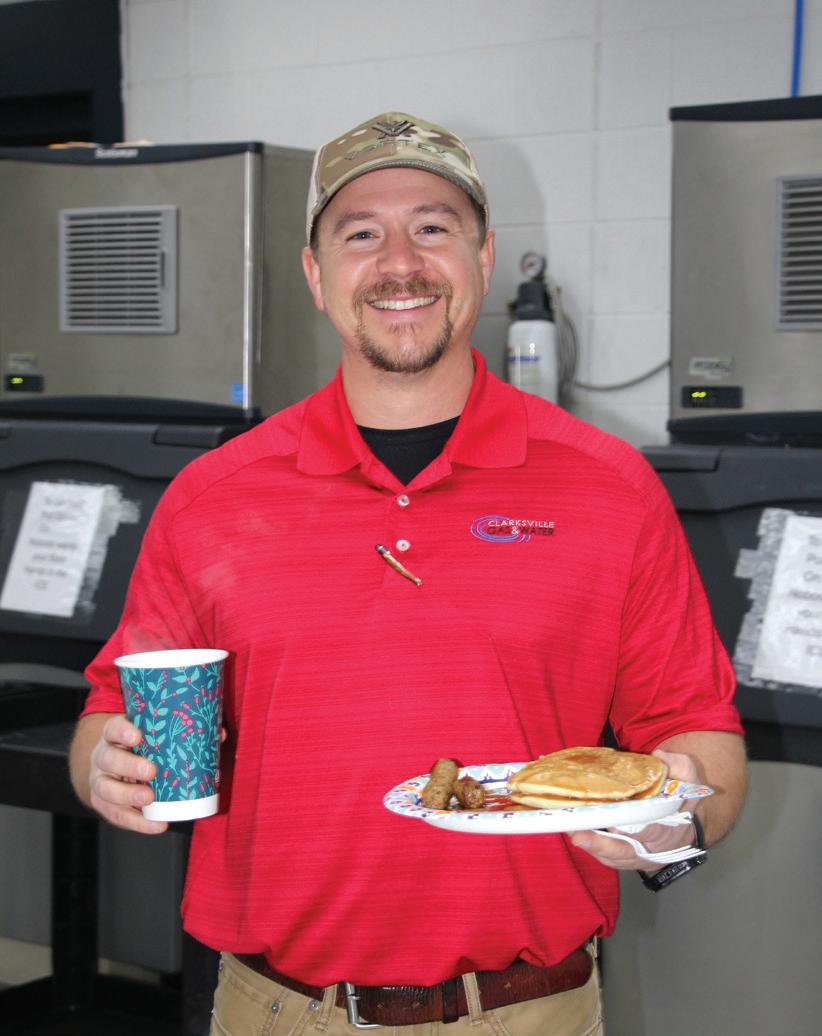
Tucker supports the pancake breakfast hosted by the CGW accounting department for United Way.
Hayes, left, won first place in the United Way Halloween Chili Cook-Off Competition.
Practice Underground Utility Safety
Every excavation project starts with 811
Every year, thousands of utility lines are damaged by excavation accidents that could have been prevented. Whether you’re a homeowner planting trees, a contractor installing a new fence or a municipality upgrading infrastructure, one critical step protects everyone—calling 811 before breaking ground.
Underground utilities, such as electric cables and gas and water lines, keep our communities running. But what you can’t see can hurt you. That’s why Tennessee law requires anyone planning to dig to contact the state’s one-call system. It’s not just smart, it’s your legal obligation.
Understanding the 811 Process
The 811 service exists to prevent excavation damage and keep workers and residents safe. Here’s how it works: Once you submit a locate request—either by phone or online—utility companies send representatives to your property. These
professionals use specialized equipment and detailed maps to identify buried infrastructure.
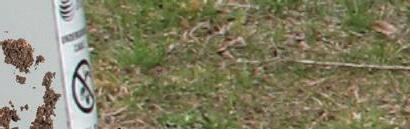
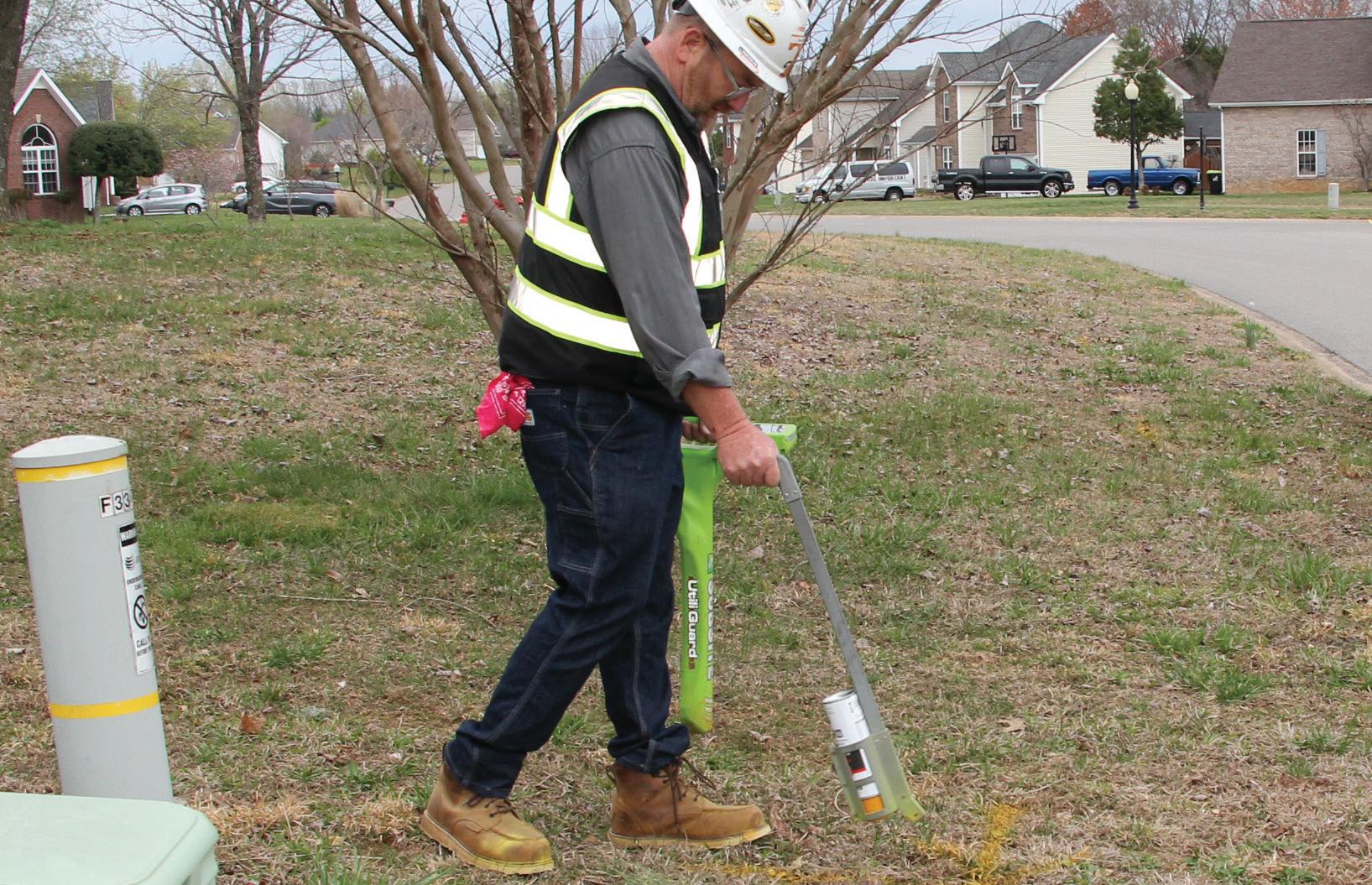
Each utility type gets marked in accordance with a standardized color code. Electric lines appear in red, gas in yellow, telecommunications in orange, water in blue and sewer in green. These color-coded markers, whether flags, paint or stakes, create a visual guide showing where crews or residents should exercise extra caution.
Planning is essential. Since utility companies need at least 72 hours, or three business days, to complete locates, factor this waiting period into your project timeline. Rushing to dig before locates are finished puts lives and infrastructure at risk.
Why Caution Still Matters
Having utility lines marked doesn’t eliminate all risk. The markers indicate approximate locations based on the best
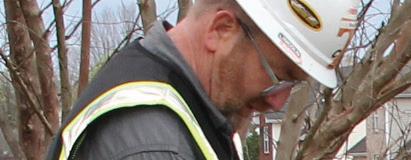
Public Utilities Inspector Daren Vinson locates an underground natural gas line for an 811 request. PHOTO COURTESY OF CLARKSVILLE GAS AND WATER
available information, but they’re not perfect. Underground conditions change over time, and what lies beneath the surface can surprise even experienced professionals.
Multiple factors affect line placement over the years. Soil erosion can expose lines that were once buried at safe depths. Ground settling and temperature fluctuations cause gradual shifts in position. Previous excavation work may have altered the landscape in ways that old maps don’t reflect. These variables mean you could encounter utilities several feet from where markers are placed.
This uncertainty is why the markings come with a tolerance zone. When you see flags or paint, treat the surrounding area— typically within 18 to 24 inches on either side—as a high-caution zone. Switch to hand tools when working in this space. A shovel takes longer than a backhoe, but it gives you control and feedback that prevents catastrophic strikes.
A Hidden Risk: Private Service Lines
One critical limitation of the 811 system: It typically only covers lines up to the meter or service connection point. Everything beyond that—the wiring from your meter to your house, the gas line to your garage, the electrical service to your outbuilding—falls outside the one-call system’s scope.
Property owners bear responsibility for knowing where these private lines run. If you’re unsure about service lines on your property, consult installation records and previous survey work or hire a private locating service. Don’t assume the 811 locate discloses everything beneath your yard.
Best Practices
Safe digging requires more than following locate markers. It demands a methodical approach that accounts for uncertainty. When operating near marked utilities, reduce your equipment’s power and speed. Consider having a spotter watch for signs of buried infrastructure as you work.
Hand excavation techniques, though timeconsuming, provide the best protection in sensitive areas. A shovel gives you tactile feedback that mechanical equipment can’t match. You’ll feel the resistance when your tool encounters something solid, giving you a chance to investigate before causing damage.
Even with all precautions, accidents can happen. If your equipment or tools strike a utility line, stop work immediately. Don’t attempt to assess the damage yourself or fill in the excavation. Contact the affected utility company right away, even if the line appears undamaged. What looks like a minor nick could weaken the line’s integrity or create a delayed failure point.
and municipal crews all share the obligation to protect underground infrastructure. When a utility line is severed, the consequences ripple through the entire community. Power outages can affect businesses and homes, gas leaks can prompt evacuations, and disrupted telecommunications can hamper emergency services.
Municipal utilities invest significant resources in maintaining accurate records and responding to locate requests. But technology and diligence can only reduce risk, not eliminate it. The final layer of protection comes from excavators who treat every dig site with appropriate caution and respect for what lies beneath.
Safe excavation starts with a phone call and ends with careful execution. By making 811 your first step and caution your constant companion, you protect yourself, your neighbors and the vital infrastructure that powers modern life. The few extra minutes spent requesting locates and the additional effort of hand-digging near utilities are small investments compared to the cost of a damaged line or, worse, a preventable injury.
GAS: 19,128
WATER: 20,787
Clarksville Gas and Water received the following 811 tickets from Jan. 1, 2025, to Dec. 31, 2025:
Spring planting season offers Tennessee homeowners the perfect opportunity to enhance their landscapes with beautiful trees. However, successful tree planting requires more than selecting a pretty option at the nursery. Choosing the right tree for the right location ensures your investment thrives while avoiding costly problems down the road.
The single most important factor is understanding mature height and spread. That small sapling may look perfect today, but in 20 years it could interfere with utilities. Before buying any tree, research its expected mature size and growth rate to visualize how it will fit your landscape in years to come.
Underground utilities present important considerations. Tree roots naturally seek
water and nutrients, which means they will grow toward underground pipes and cables. Before any digging project, Tennessee law requires calling TN811 at least three business days in advance. This free service coordinates with utility companies to mark the locations of underground gas lines, water pipes, electrical conduits and telecommunications cables. Once utilities are marked, you can confidently choose planting locations that avoid these critical systems.
While canopy spread and height is important to consider regarding overhead power lines, root spread is often equal to or greater than canopy spread. Large shade trees need adequate space not only above ground but also below ground. Plant trees at least 10 to 15 feet from
marked underground utility lines to prevent root interference. Some species have particularly aggressive root systems that require even more clearance. Ask nursery professionals about root characteristics when selecting trees for areas near underground infrastructure.
Keep areas around all utility equipment clear of vegetation that could limit access for maintenance and repairs. Future utility work could damage or destroy plants that encroach on these areas, wasting your landscaping investment. Similarly, avoid planting near service lines that connect utilities from the street to your home, as these often cross yards at unexpected angles.
Consider your trees’ purpose in the landscape. Do you need summer shade? Year-round screening? Fall color? Match the tree species to your goals and site conditions, including soil type, drainage and sun exposure. Tennessee’s climate supports many excellent native and adapted species that thrive with minimal maintenance.
Proper placement also means avoiding large trees too close to foundations, driveways or sidewalks, where roots can cause damage. Consider sight lines at driveways to maintain safety, and think about how falling leaves or branches might affect pools, patios or neighboring properties.
Working with nature rather than against it creates landscapes that flourish. By carefully selecting trees suited to each location and respecting utility corridors above and below ground, you will enjoy beautiful, healthy trees that enhance your property for decades. Take time to plan before you plant, call TN811 before you dig and watch your landscape investment grow safely and successfully.
National Work Zone Awareness Week
Respect the Zone So We All Get Home
Follow these tips to travel safely through work zones
National Work Zone Awareness Week is an annual spring campaign held at the start of construction season to encourage safe driving through work zones nationwide. This year, NWZAW is April 20-24. Work zones, and the people working in them, are an important part of maintaining and upgrading our systems.
Work zone safety is also part of nationwide efforts led by the Federal Highway Administration and guided by federal regulations. These rules set basic safety requirements for road work areas. For example, agencies are required to track and evaluate safety conditions in work zones. They must also use physical safety barriers in work zones where traffic speeds are high and workers have little or no ability to move out of the way of vehicles.
These efforts have made a difference. The number of work zone fatalities decreased in 2022, for the first time since 2018, according to FHWA. The administration continues to help improve safety in work zones.
Do your part to stay safe and consider the following actions behind the wheel to improve work zone safety for all:
• Pay attention. Be aware of all signs throughout work zones that can indicate reduced speeds, lane changes and other important information. Avoid
distractions such as your cellphone, eating, drinking, the radio, GPS and talking with other passengers.
• Slow down. Obey posted speed limits through work zones. Work areas are often close to travel lanes, so be vigilant and slow down when workers are present.
• Watch for pedestrians and bicyclists. Work zones often restrict where nonmotorized road users can travel and may make their travel more hazardous.
• Give larger commercial motor vehicles space. Narrow lanes, unexpected lane shifts and longer braking distances are challenges for large vehicles. Allow extra space for all large vehicles to safely navigate work zones. Rear-end crashes are extremely common in work zones. Always maintain extra space between your vehicle and the one in front of you.
• Move into the open lane. When approaching lane closures, move into the open lane as soon as possible. Be sure to pay close attention to vehicles
around you that could be in your blind spot and ensure you’re not traveling in someone else’s.
• Research and reroute. Before setting out on the road, research your route. If possible, avoid work zones and use any detours available. If you come across a work zone en route, follow signed detours or view traveler information sources that display active work zones and select alternate routes.
For more information on driving safely, visit ShareTheRoadSafely.gov.
For more on work zone safety, visit workzonesafety.orgs.
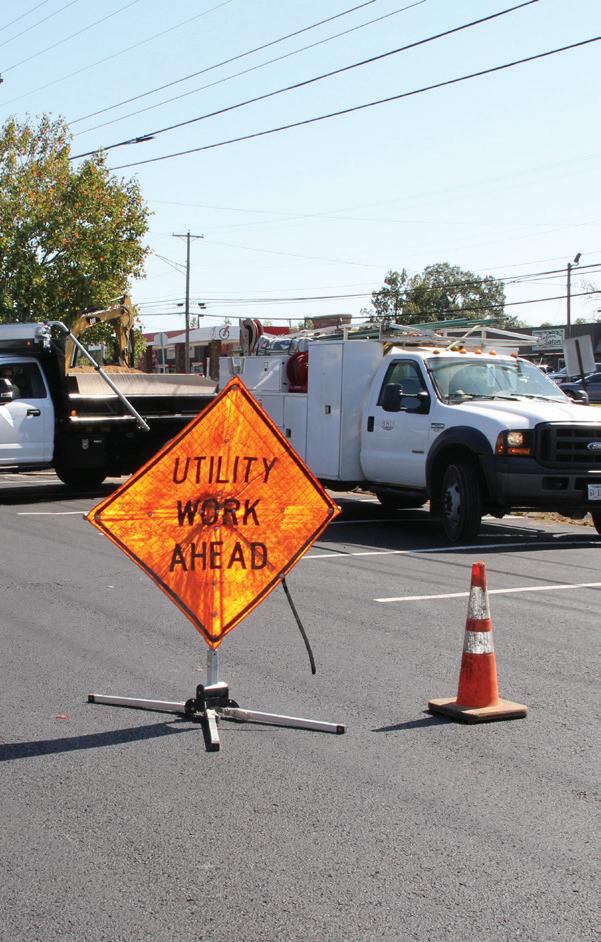
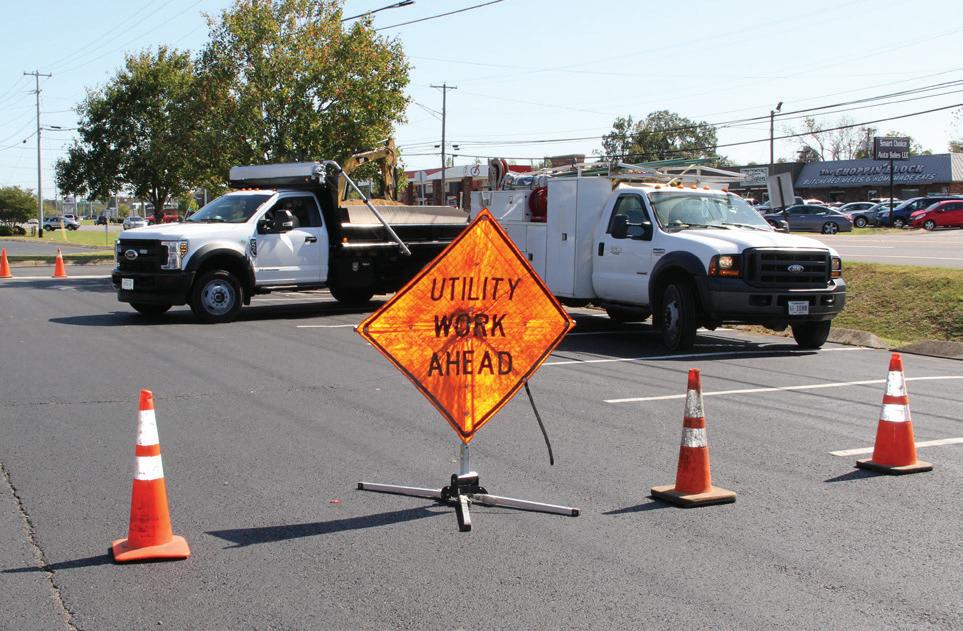
Clarksville Gas & Water trucks are parked behind traffic cones and a sign that warns drivers of utility work ahead.
PHOTO COURTESY OF CLARSKVILLE GAS & WATER
From Drip to
Every day, Americans use an average of 40 billion gallons of fresh water. Around the house, up to 70% of that water is used in landscaping. That’s why saving water outside the home is just as important as inside.
In addition, wastewater charges are based on the amount of water you consume rather than the amount of wastewater you produce. Watering your lawn can lead to higher wastewater charges on your utility bill, even if you do not use all the water you consume in your home.
To avoid high wastewater charges, it is important to be mindful of how much water you use watering your lawn and aim to conserve water wherever possible.
Here are 10 ways you can conserve water outside of your home:
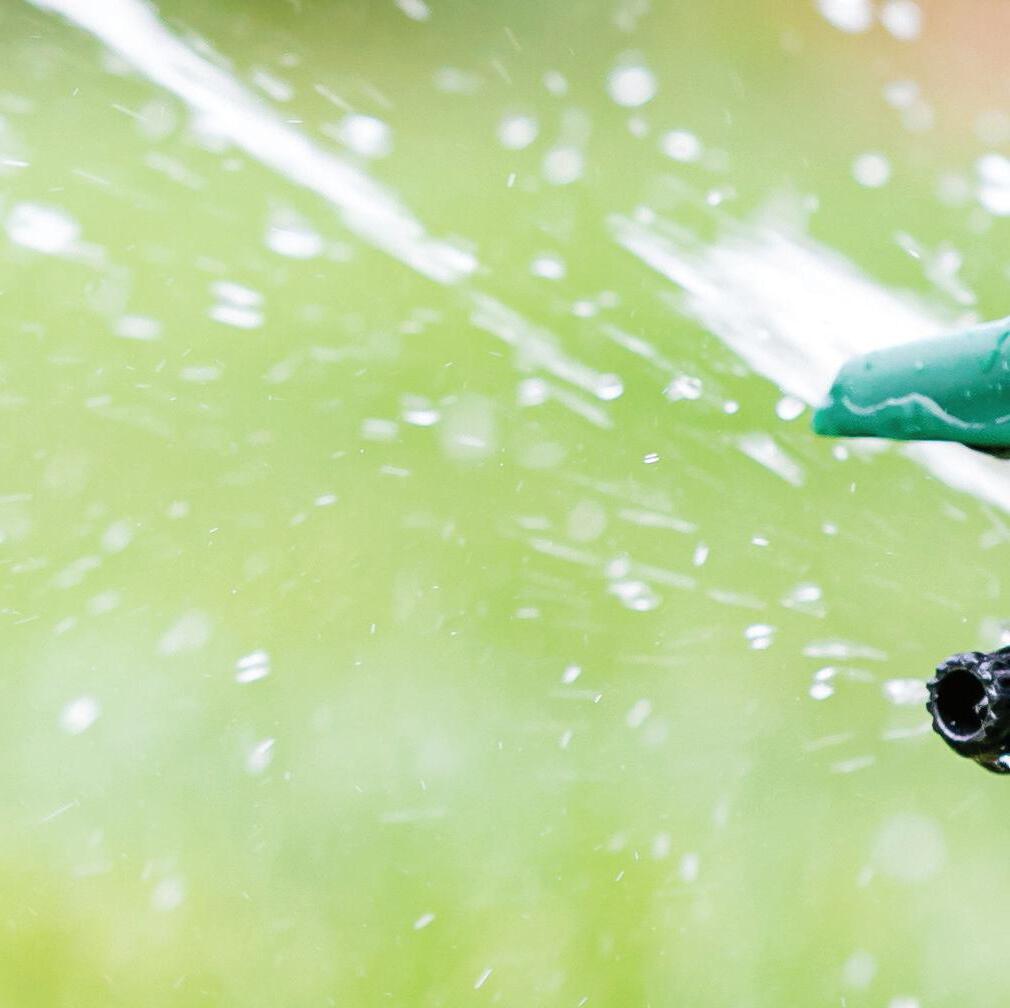
• Garden hose nozzles. The spray from a garden hose nozzle can be directed onto the plants or shrubs that need more water. When you wash your car, use a hose nozzle to turn off the water and potentially save more than 100 gallons.
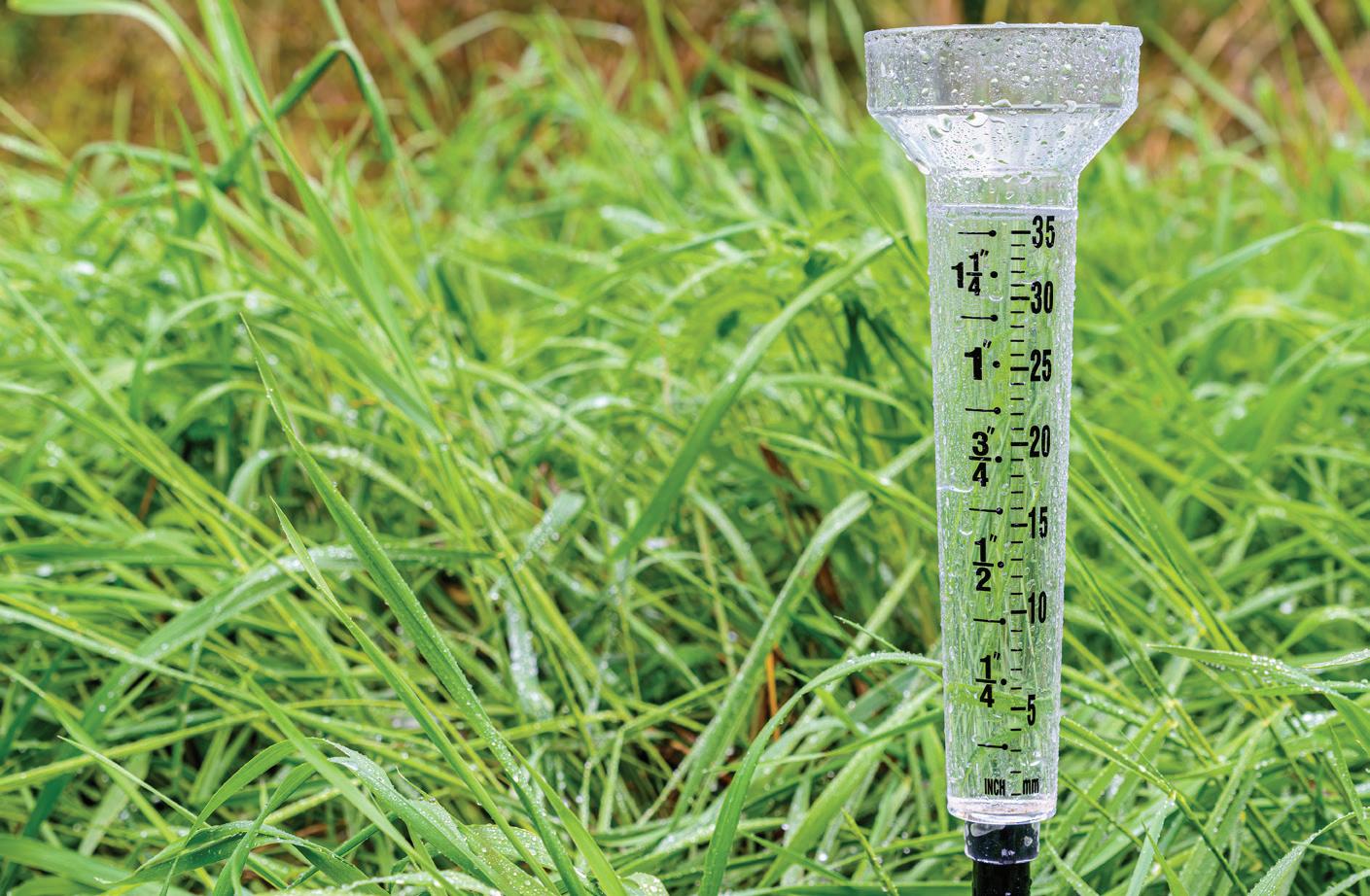
• Rain gauge. Let Mother Nature do the watering for you. A rain gauge is
Simple Ways to Save Water in Your
a low-cost, reliable device for measuring the water your lawn gets from rainfall. You can skip your next watering if you receive an inch or more within a week.
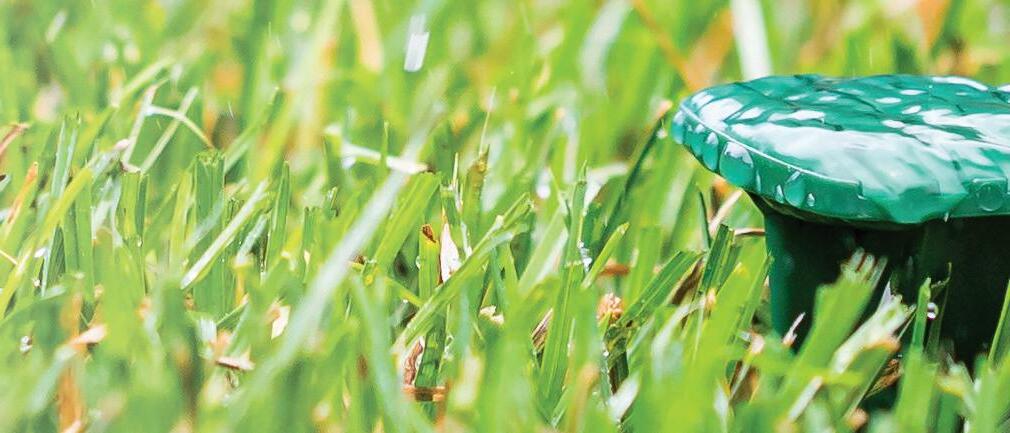
• Soil aerator. This inexpensive tool punches holes in lawns so water will reach the roots rather than run off the surface.
• Sprinklers. Sprinkler timers can shut off your sprinkler after a set amount
of time. Use sprinklers that throw big drops of water close to the ground. Smaller drops of water and mist often evaporate before they hit the ground. Don’t water your lawn on windy days. Sidewalks and driveways don’t need water.
• Shutoff device. Nothing wastes water like sprinklers in the rain. Install a rain shutoff device on your automatic
to Drop
Your Outdoor Spaces
sprinklers to eliminate unnecessary watering.
• Rain barrels. Put the water from your downspout to good use by catching it in a mosquito-proof rain barrel. Plants love rainwater because it doesn’t contain chlorine and is warmer than tap water. Furthermore, using rainwater can help you save water and money on your water and wastewater bill.
• Gutter diverters. A gutter diverter is designed to work with a rain gutter downspout. It has a switch that diverts the water to the landscape or a barrel.
• Rain chains. Rain chains can replace downspouts and channel water into specific locations, such as a basin or a rain barrel. They’re pleasing to look at and slow water down, reducing splashing and erosion.
• Hose bibs. Hose bibs are the faucets outside your home where you connect your garden hoses. We notice leaky faucets indoors, but don’t forget to check outdoor faucets, pipes and hoses for leaks. Replacing a hose washer often fixes leaky garden hose connections.
ADOBE STOCK PHOTOS BY JJ GOUIN, MADSCINBCA
Ringgold Road Improvement
Old pump station set for demolition
In January, the yearlong Ringgold Road wastewater improvement project wrapped up in north Clarksville.
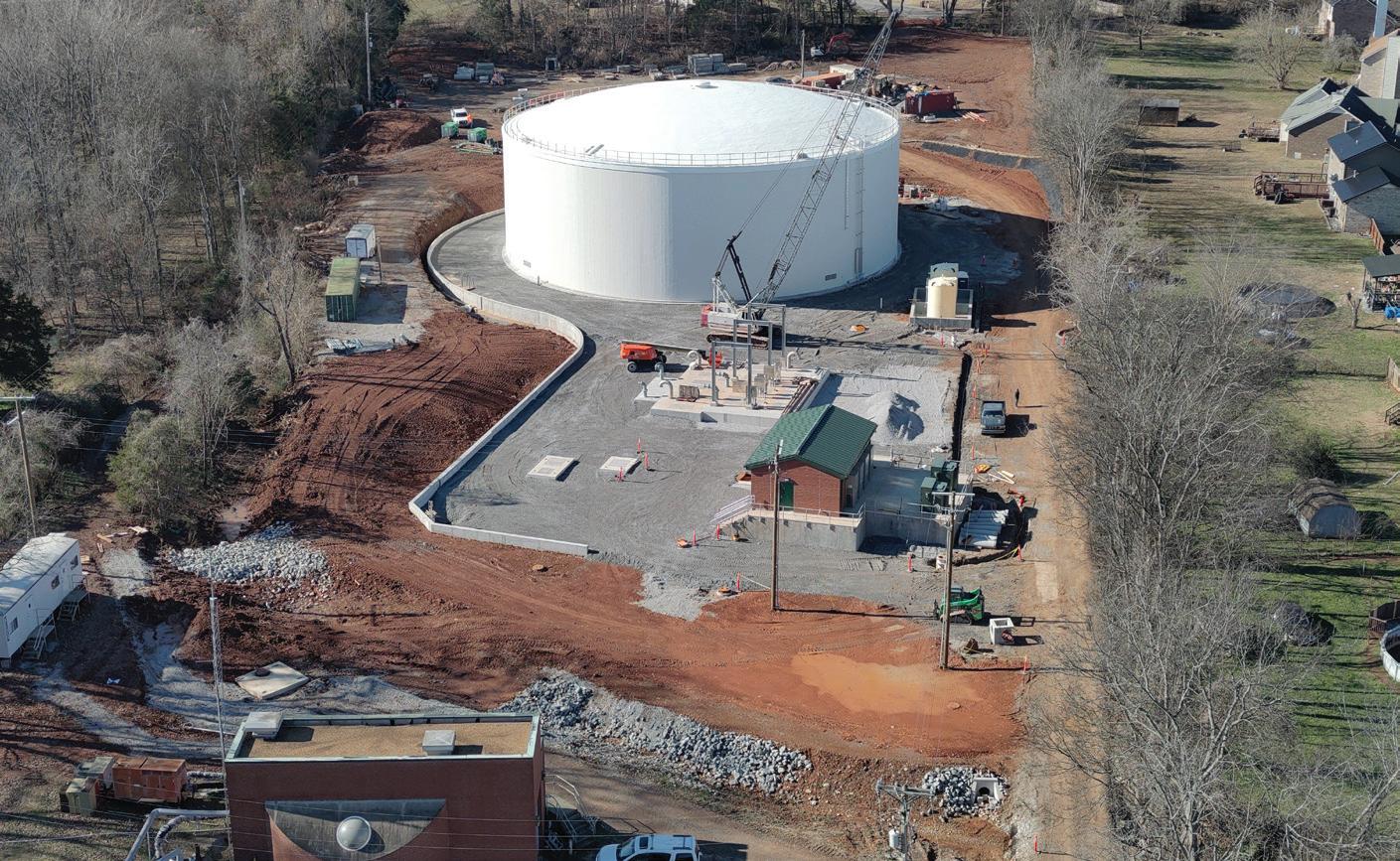
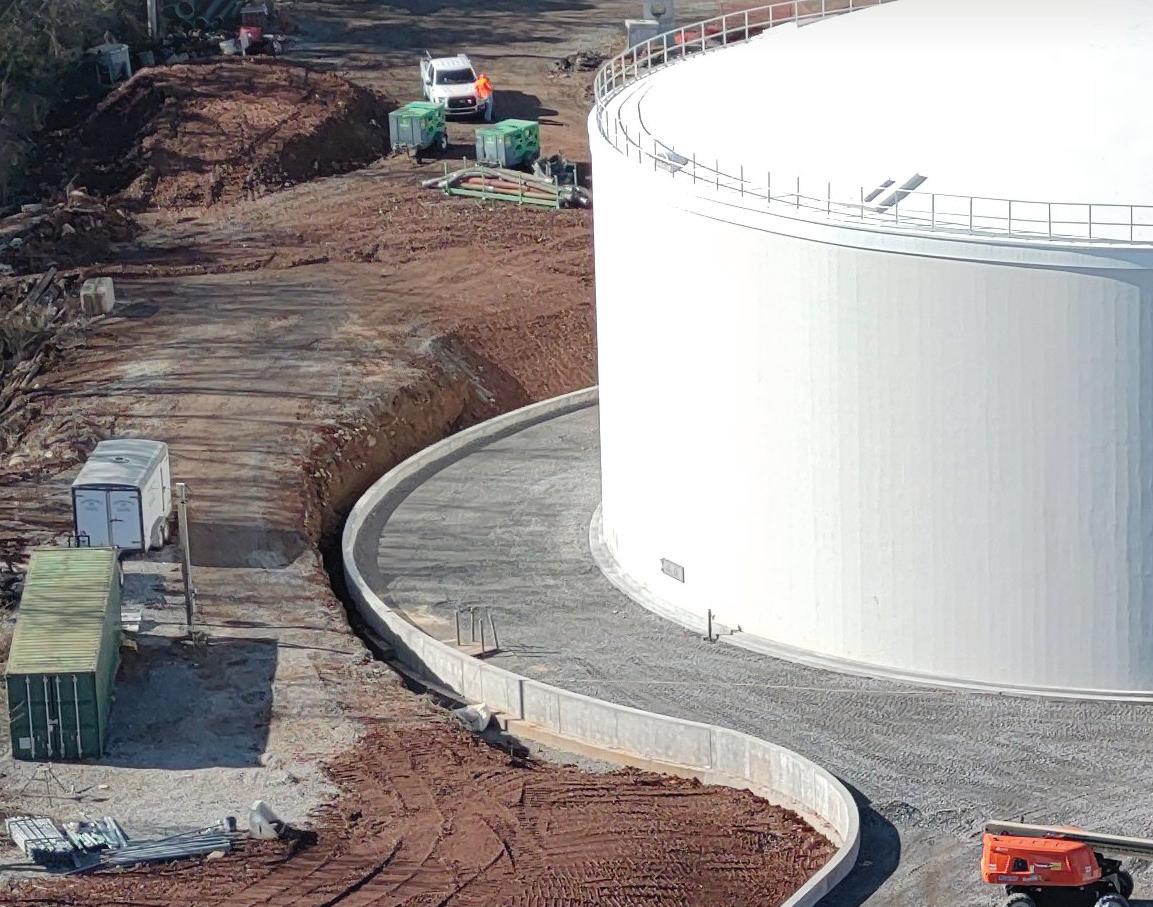
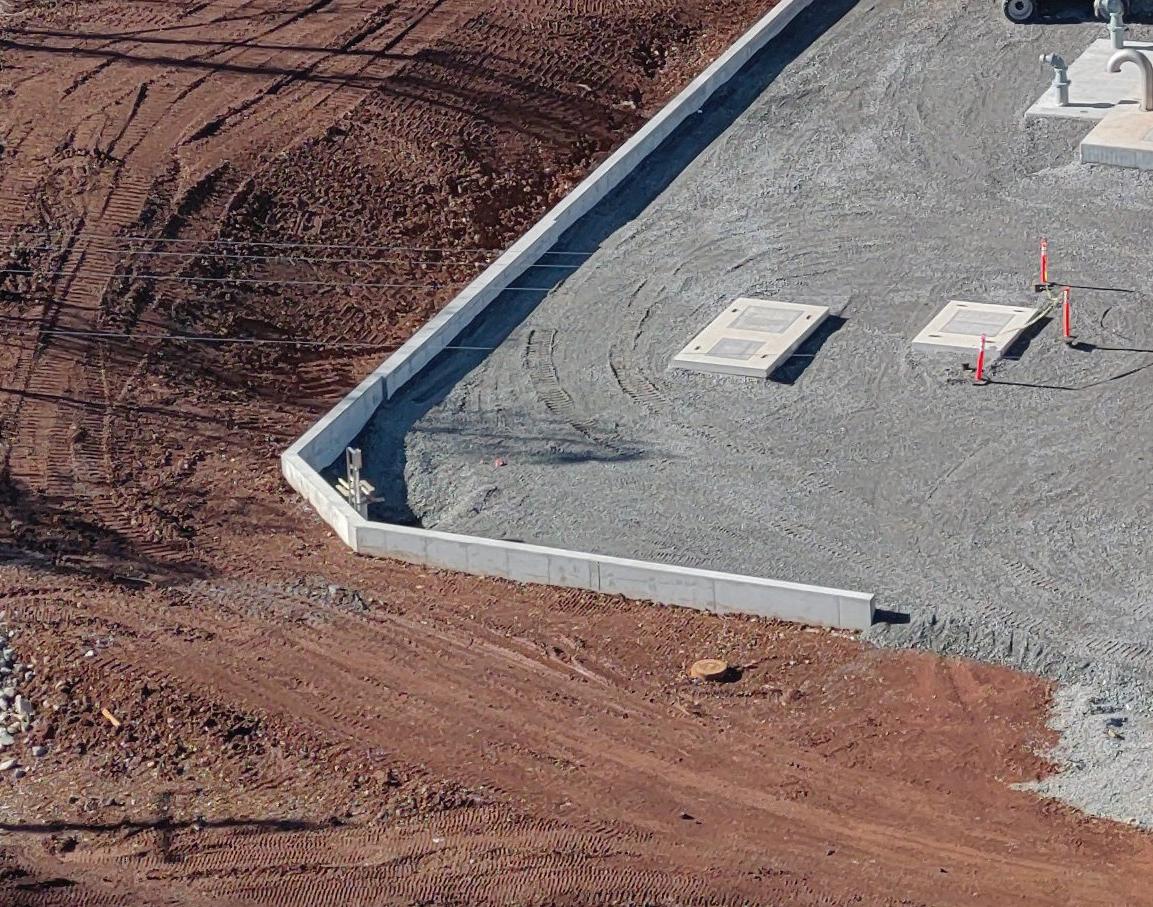
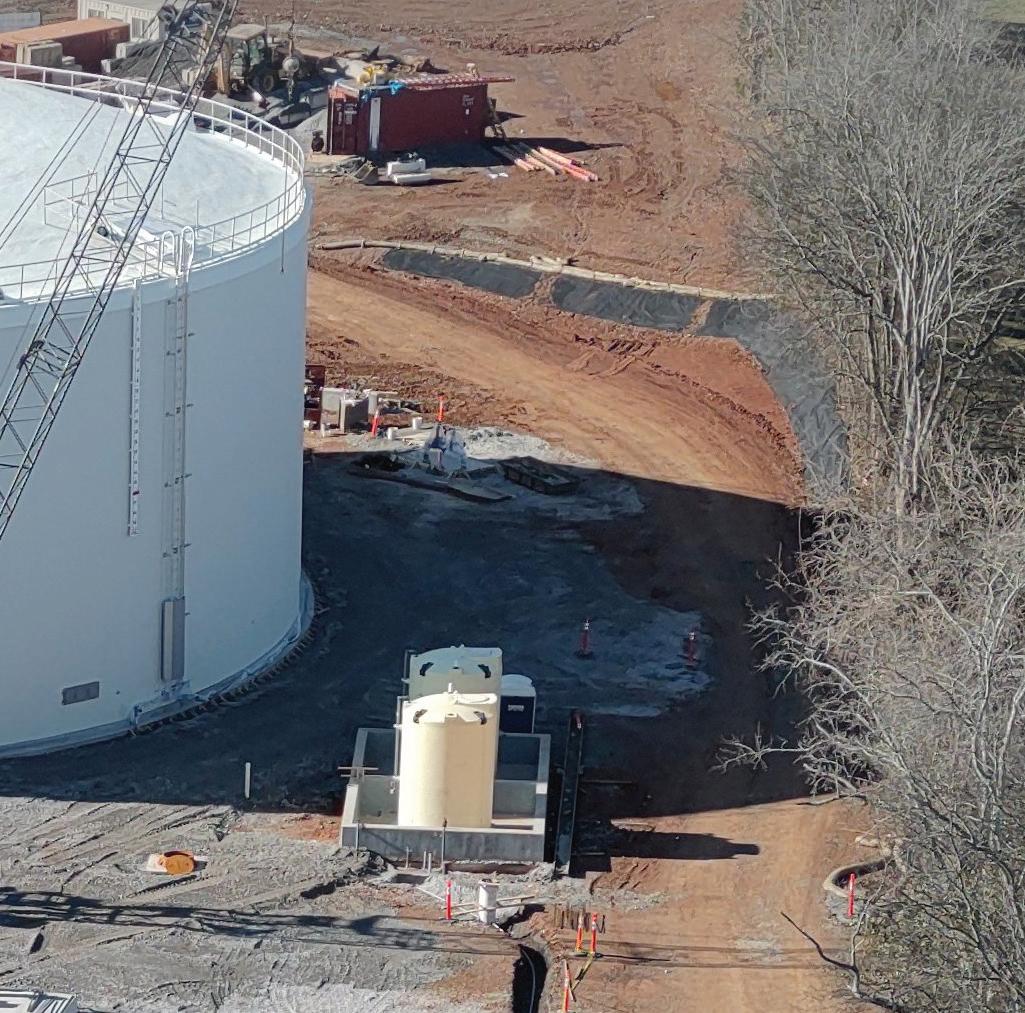
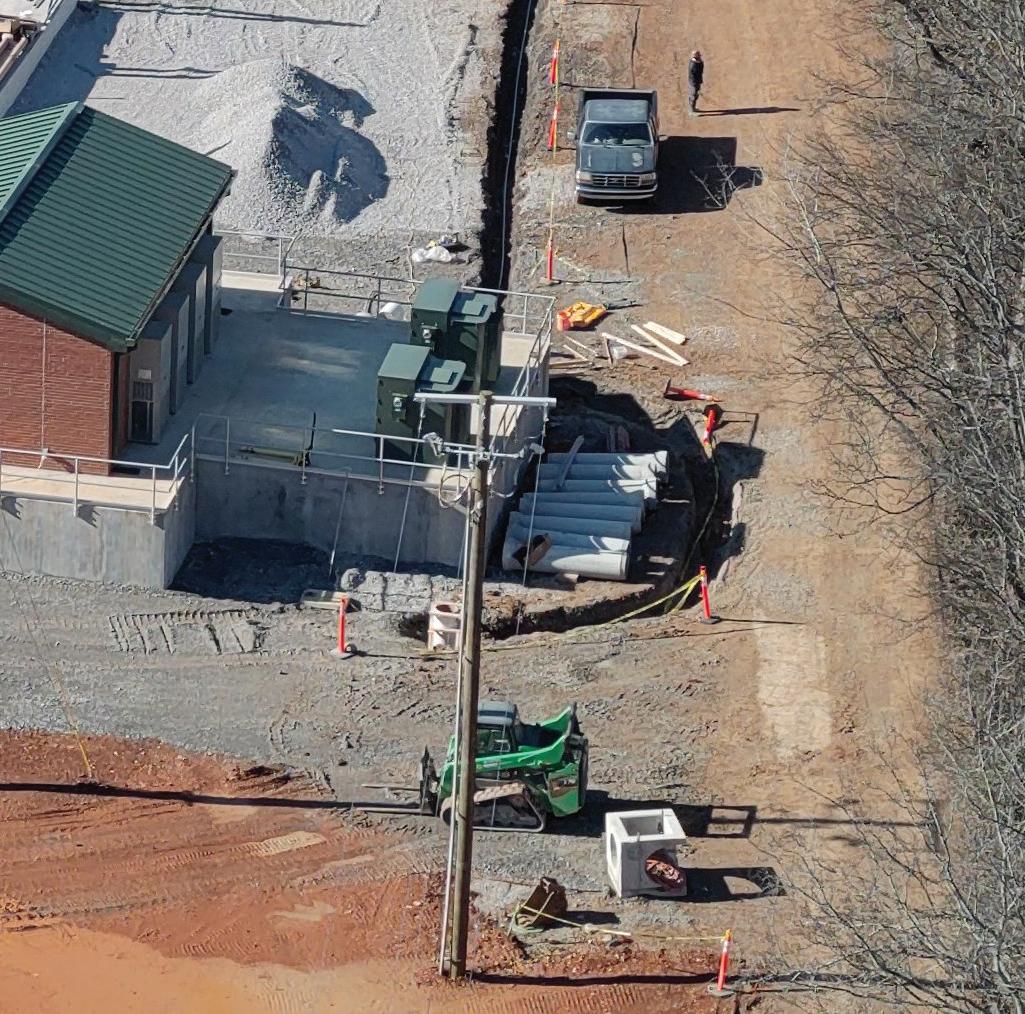
The $26 million project included the construction of a new sewer pumping station and 5 milliongallon equalization storage tank. The pumping station went online in early January and consists of four large submersible variable-speed drive pumps for normal duty, dual electrical feed and an emergency generator. The new EQ tank handles wet weather events and provides redundant storage for emergency conditions.
The site work is ongoing, and the old pumping station that served the Ringgold Road area for more than 40 years is set for demolition.
The planning and design of the new Ringgold Road pump station ensure it is able to meet the wastewater collection needs of current and future growth in the area.
Construction
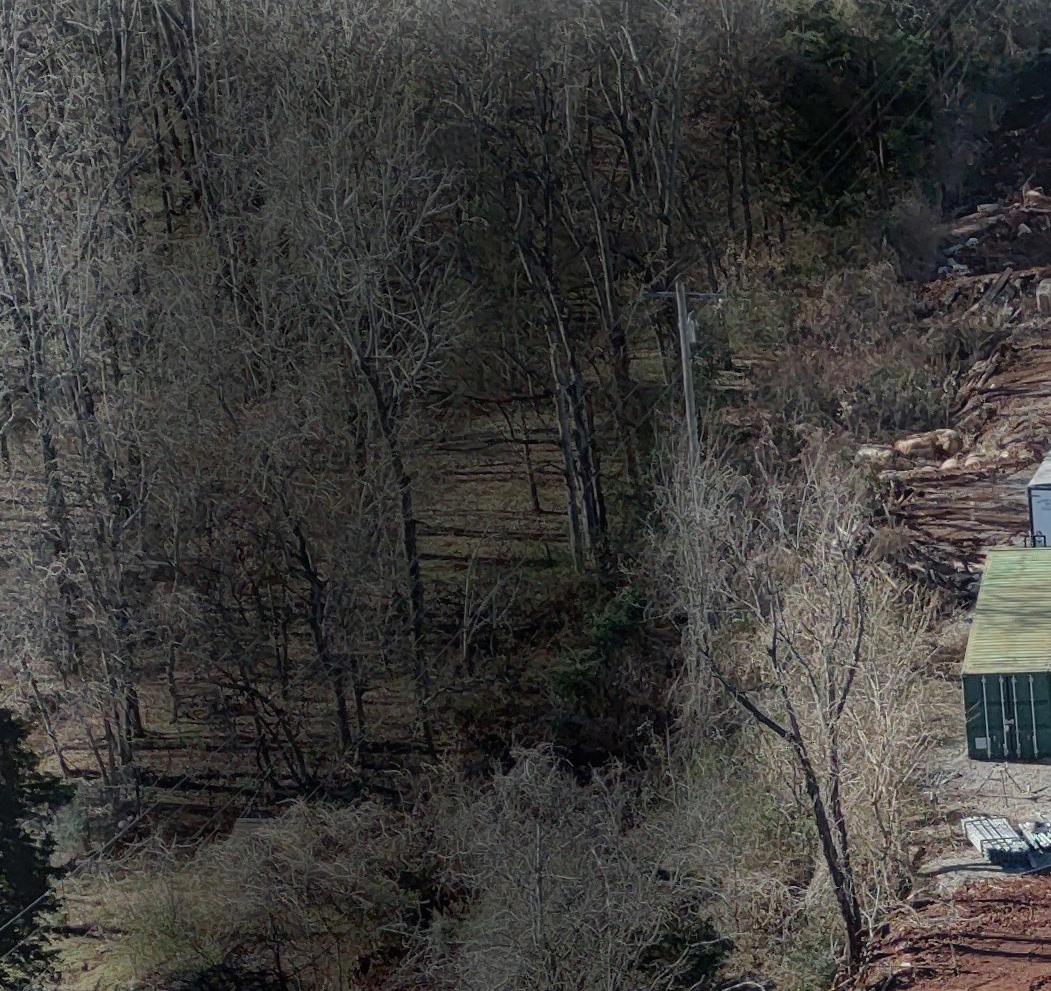
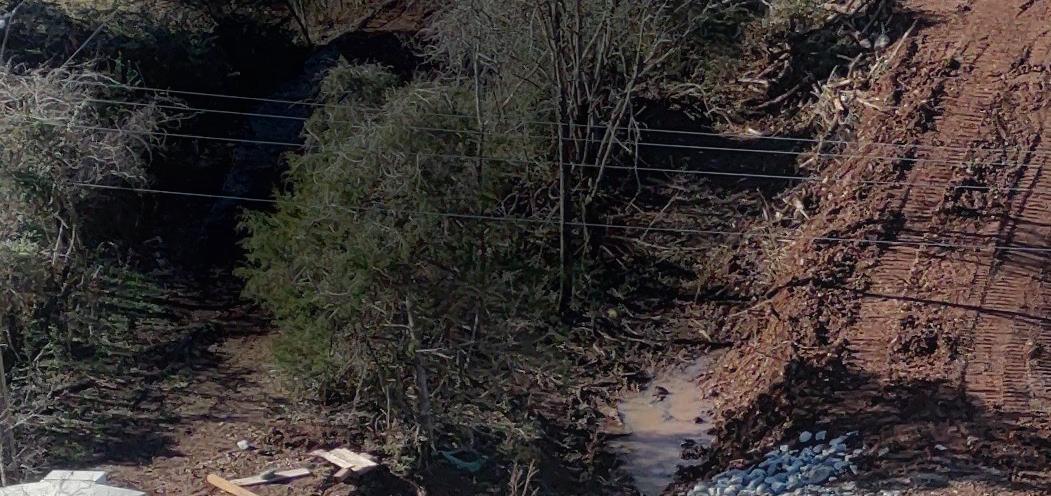
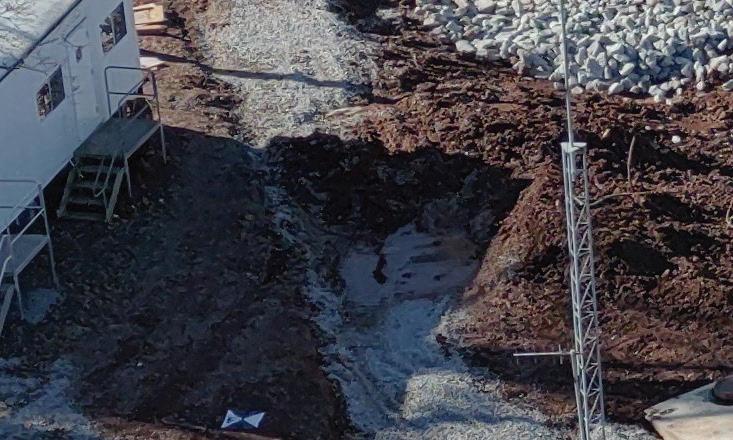
of the Ringgold Road pump station and equalization tank is complete, as seen in an aerial view of the site. PHOTO COURTESY OF CLARKSVILLE GAS & WATER
Wastewater Complete
Provides Neighborly Assistance
Imagine facing frigid winter nights or sweltering summer days without any water, electricity or gas heating. For some Tennesseans, it’s a devastating reality shaped by circumstances often beyond their control. Fortunately, there is a statewide program designed to help those in need manage debt and pay off their bills over a period of time.
Project Help provides assistance distributed through charitable agencies. The funds come from donors who contribute an extra dollar or two on their gas and water bills each month.
Any donation amount is appreciated and can make a
difference. Thank you for helping us help others.
For more information on Project Help, visit cmccaa.com/project-help. To donate, use the QR code to access the donation form.
Fire Hydrant Flushing Maintains Water Quality
Clarksville Gas & Water is committed to delivering the safest and highest-quality water every time you turn on the tap. Our fire hydrant flushing program is one of several processes designed to help us meet that commitment.
Fire hydrant flushing is a routine maintenance process where we open hydrants to allow water to flow for several hours. Flushing is necessary to remove sediment and mineral buildup from water mains and to circulate the water to improve water age, preventing stagnant water problems.
Throughout the year, you may notice water running along the street while a hydrant is flushing. You may also notice some hydrants being flushed are left unattended. There’s no need for alarm—personnel will return to turn them off once the flushing process is finished.
Visit www.clarksvillegw.com to learn more about our fire hydrant flushing program and see a list of scheduled hydrant flushing and testing. Check this list often to learn when hydrant flushing is scheduled in your neighborhood.
If you notice a leaking hydrant not on the flushing schedule, it may need repair. Report it to the customer service department at 931-645-7400.
Residents in the immediate vicinity of an active flushing site may experience temporary discoloration of their water. The discoloration consists primarily of harmless silt and air and does not affect the safety of the water. If you experience discoloration in your water after hydrant flushing in your neighborhood, clear the pipes in your home by running all cold-water faucets for a few minutes.
Thank you for your cooperation as we do the important and necessary job of maintaining the integrity of our water system to continue delivering safe and high-quality water to your home.
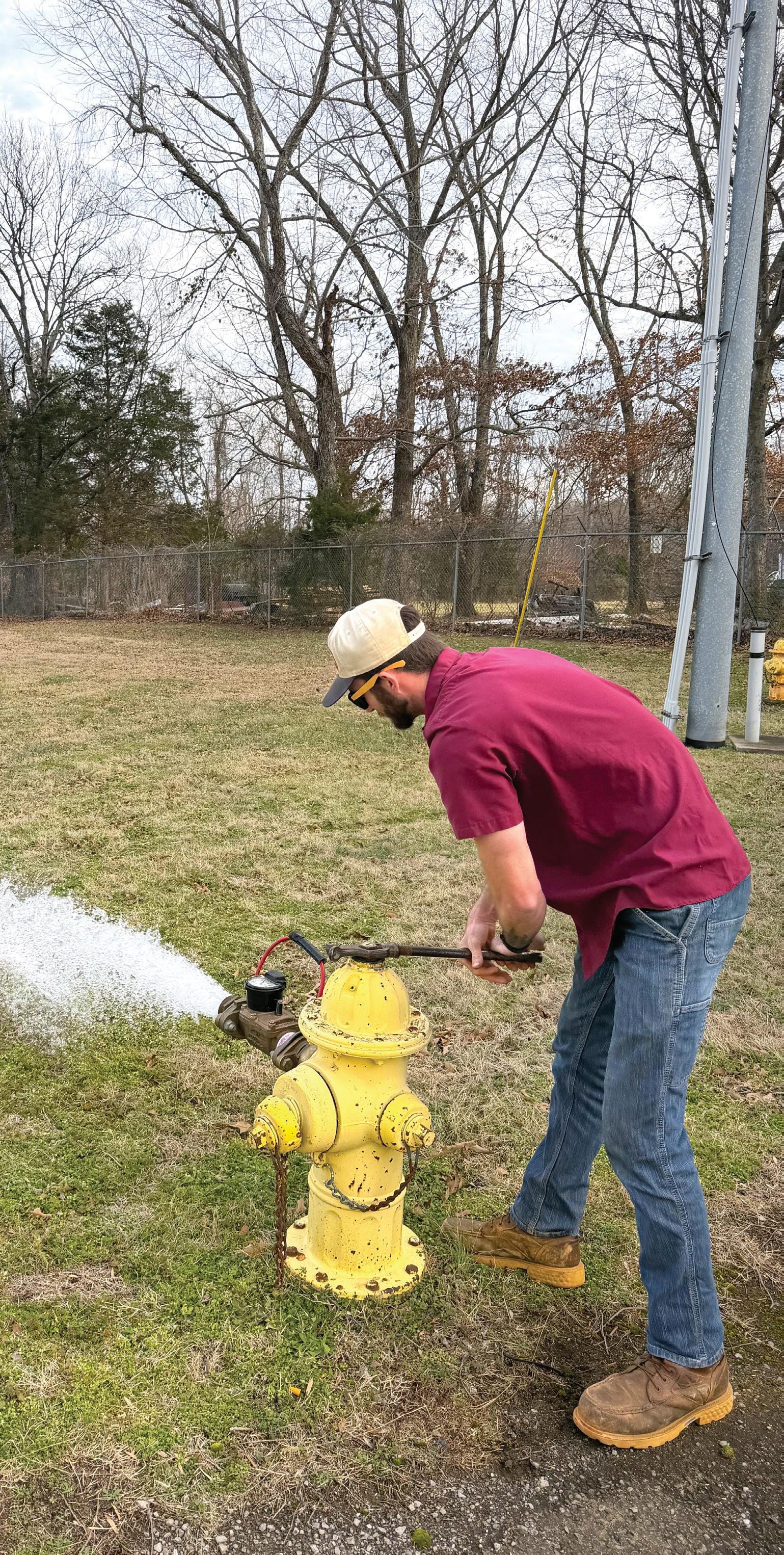
Jonathan Spencer, water distribution and pump/ lift station mechanic II, flushes a fire hydrant during routine maintenance. PHOTO COURTESY OF CLARKSVILLE GAS & WATER
Natural Gas Utility Workers’ Day Observed
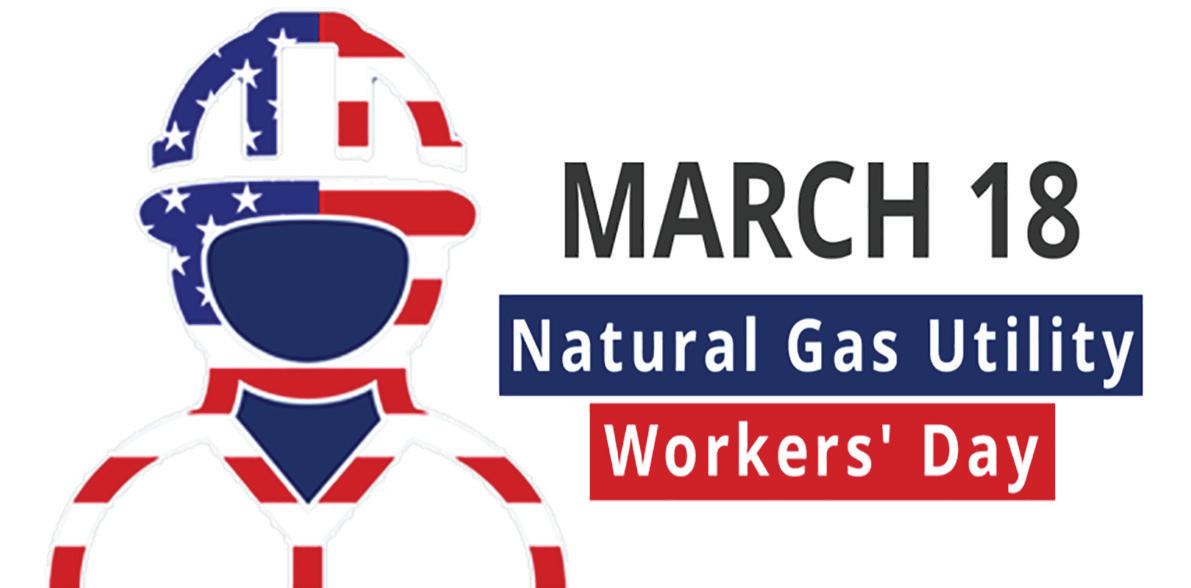
Clarksville Gas & Water celebrates its hardworking Gas Department employees March 18 in observance of Natural Gas Utility Workers’ Day.
On March 18, 1937, in New London, Texas, a tragic school explosion led to the widespread odorization of natural gas and an increased emphasis on safety. The day was later officially designated Natural Gas Utility Workers’ Day.
Safety is a vital aspect to natural gas distribution, and the employees of distribution companies endeavor to make natural gas delivery as safe as possible through employee training, systems inspections and public outreach.
This annual nationwide celebration is a time to build public awareness about the hard work by the employees of the Clarksville Gas Department who safely deliver natural gas to more than 30,000 customers and maintain 990 miles of gas distribution line. Customers recognize the need to access reliable, affordable, safe energy and depend on natural gas service and employees for this need.
“Our great city of Clarksville has some of the most professional, courteous and safety-minded gas utility workers in the world,” Clarksville Gas Manager Troy Jones says. “They strive every day to bring our customer base the most efficient source of energy in the safest manner possible.”
CGW invites everyone to join in supporting natural gas as one of the best energy sources for our country. As the cleanest-burning fossil fuel, natural gas can help us achieve energy security and build a more competitive economy.
“Join us in celebrating our hardworking natural gas utility workers, not only on Natural Gas Utility Workers’ Day, but every day,” CGW General Mananger Mark Riggins says. “I commend them for their attention to detail while operating the gas system with unwavering focus on safety so you and your families can enjoy the benefits of safe and reliable natural gas service at your homes and businesses.”
Learn more about the environmental, safety and cost benefits of natural gas or how your natural gas system works by contacting the Clarksville Gas Department at 931-645-7422 or at clarksvilletn.gov/251/Gas.
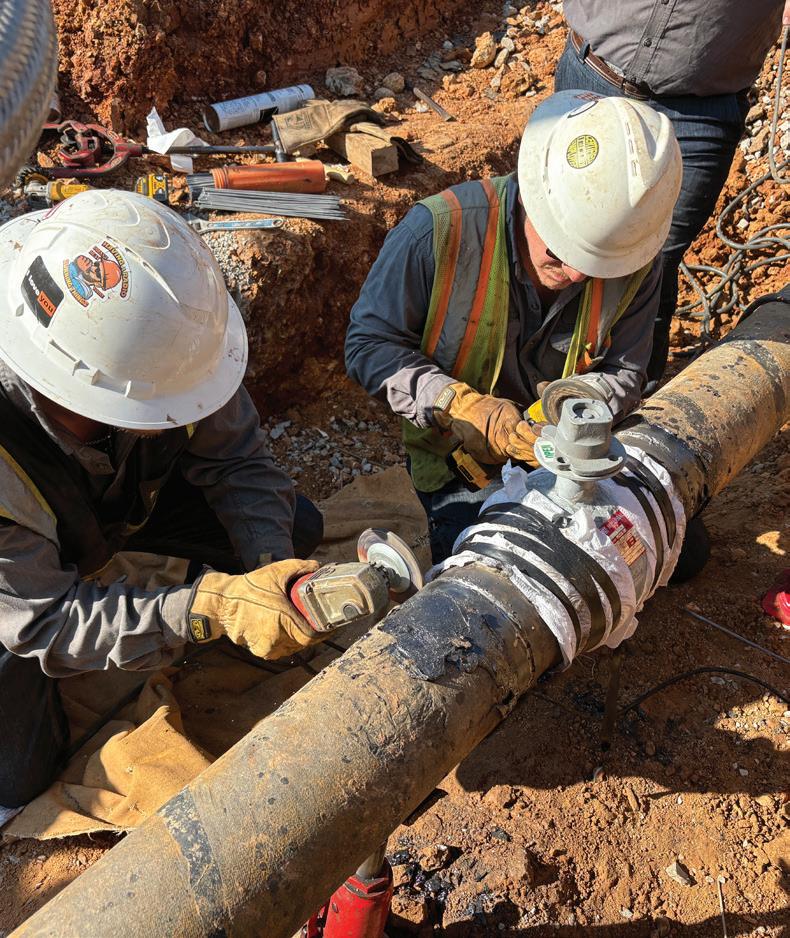
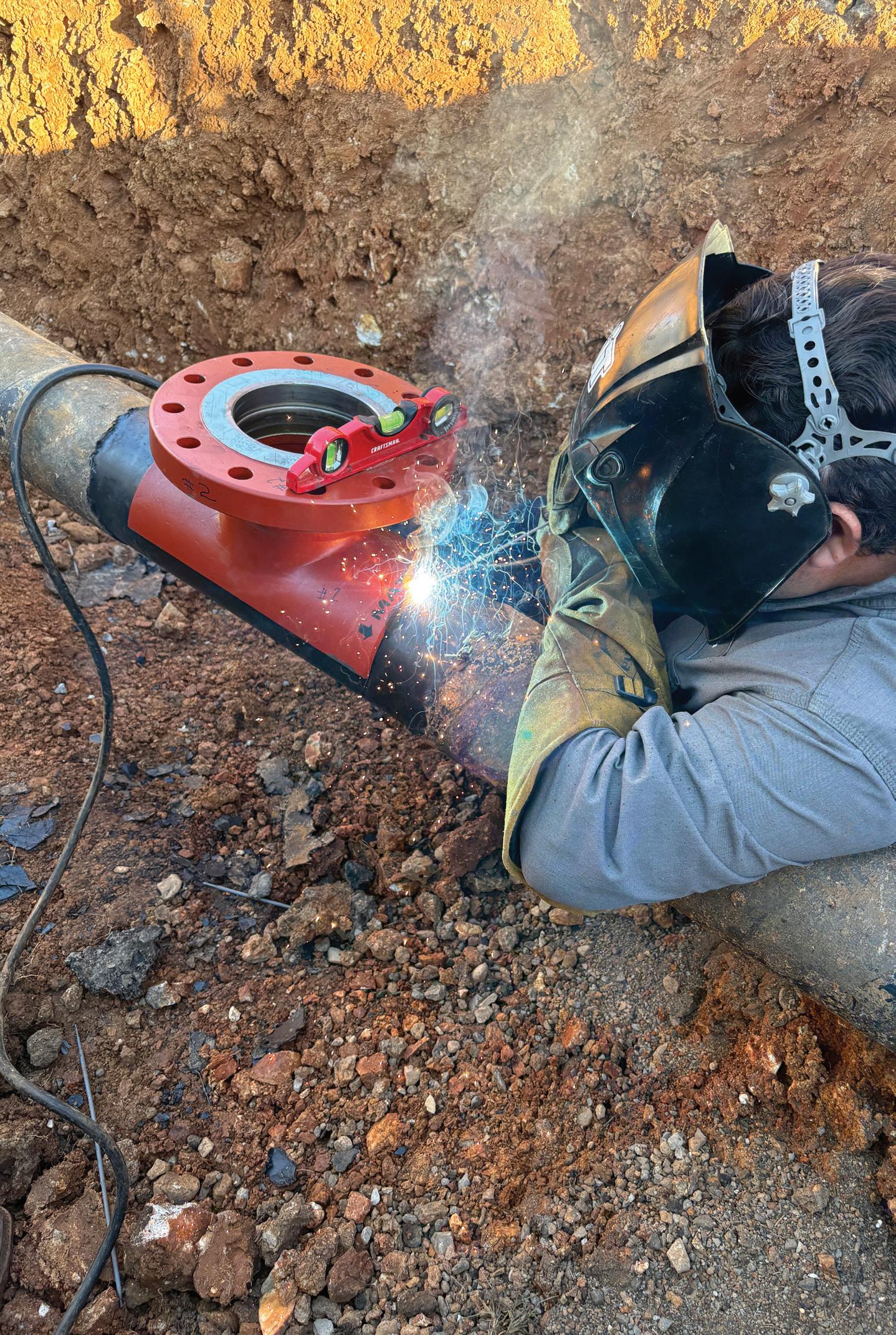
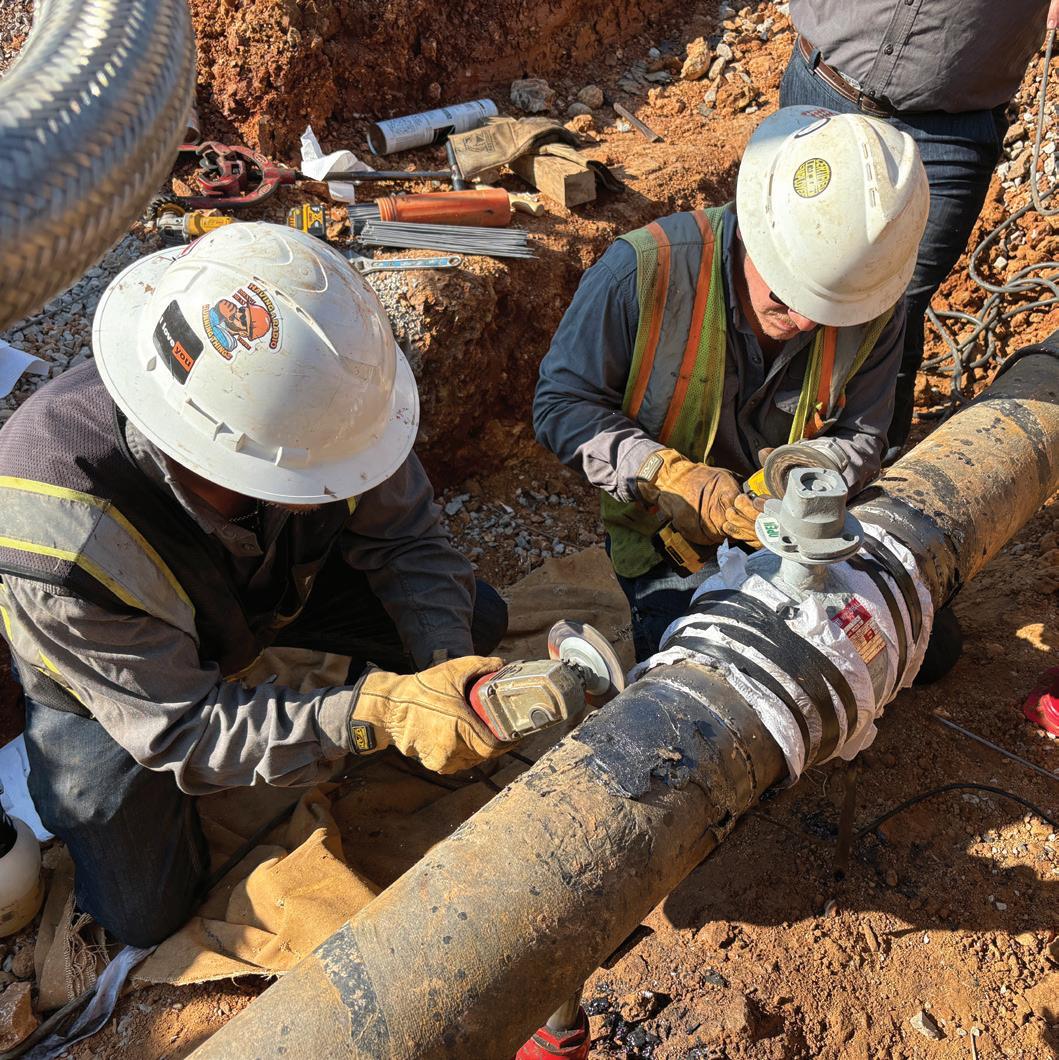
Clarksville Gas & Water welder Stephen Herrell works on a gas pipeline. PHOTOS COURTESY OF CLARKSVILLE GAS & WATER
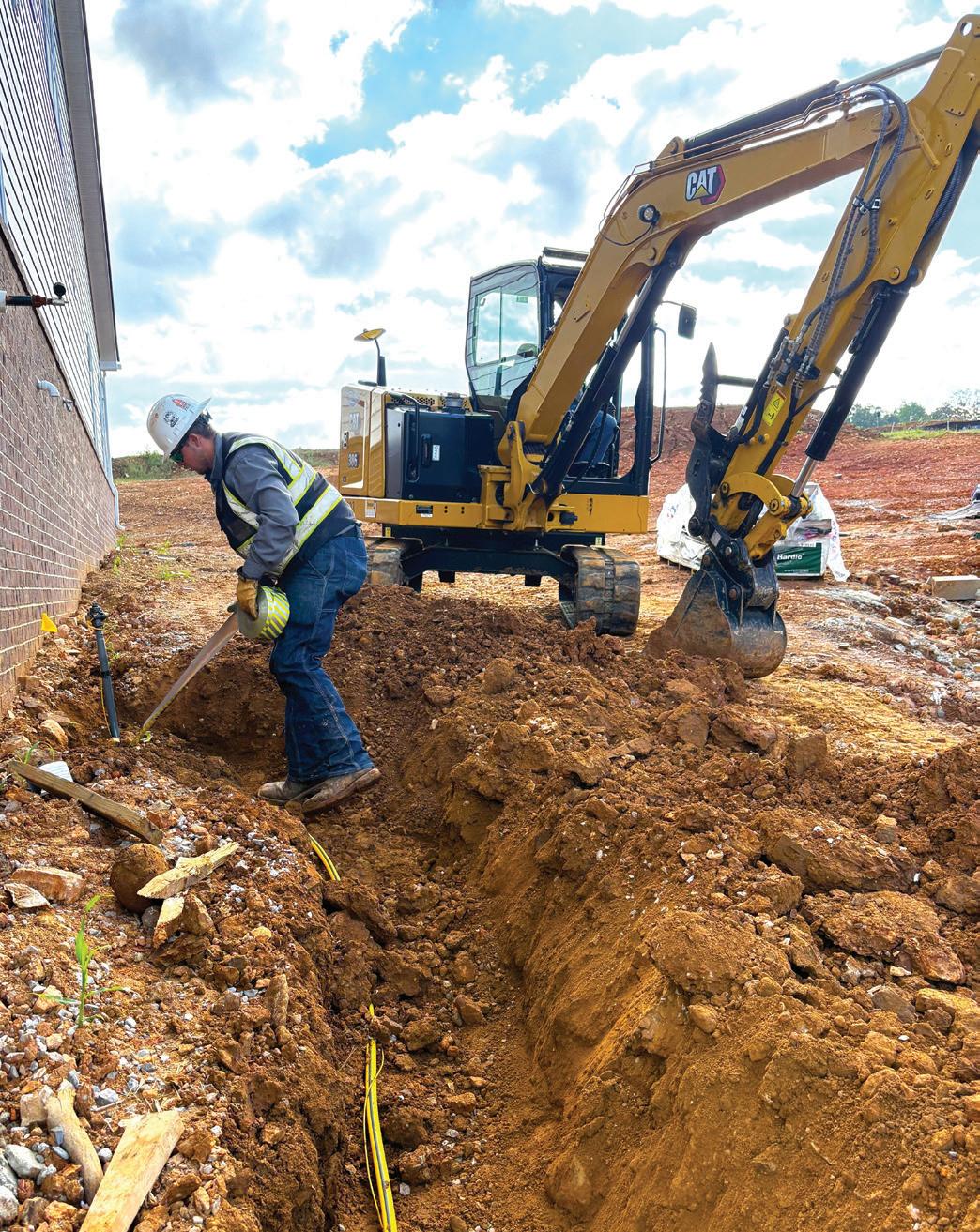
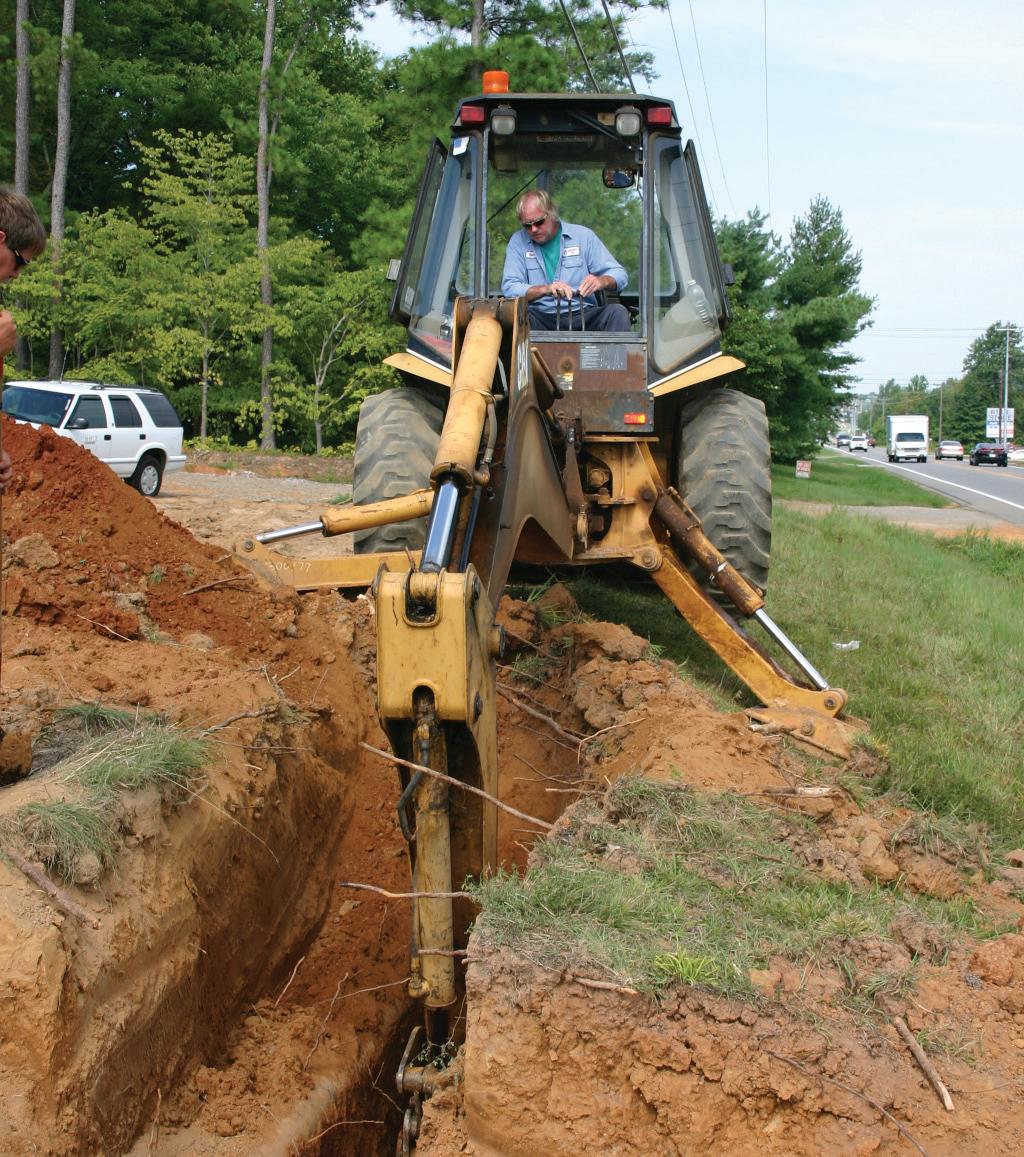
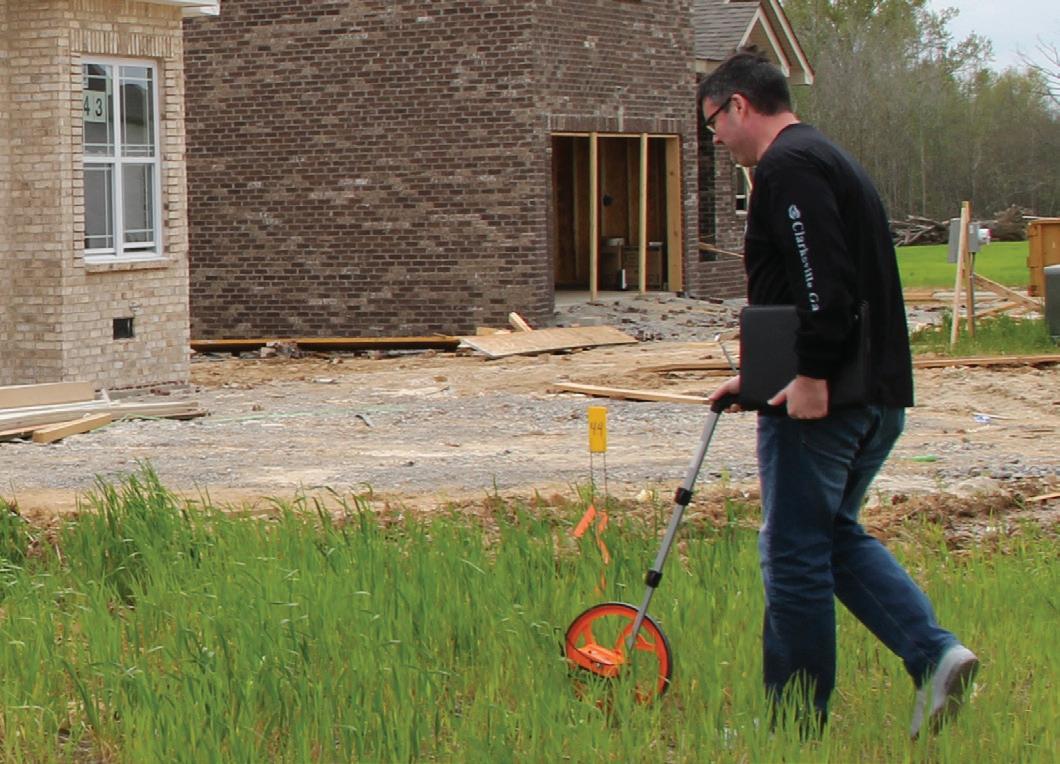
ABOVE: Gas Operations Coordinator Danny Cook surveys a property for a natural gas service line installation. LEFT: Gas Construction Senior Equipment Operator Michael Cayce excavates a trench for a natural gas pipeline.
ABOVE: Jordan Smith, gas construction worker II, installs a natural gas service line. ABOVE RIGHT: Jackson Head and Jordan Smith work on 6-inch natural gas pipeline.
Pipeline Will Increase Natural Gas Supply
Pennyrile Regional Energy Agency agreement brings additional resources to Clarksville
The Clarksville Gas & Water Gas Department entered into a firm natural gas transportation agreement with the Pennyrile Regional Energy Agency in January 2026.
This agreement allows CGW a pipeline connection to receive natural gas from a proposed 53-mile-long natural gas pipeline planned for construction in 2026 by PREA.
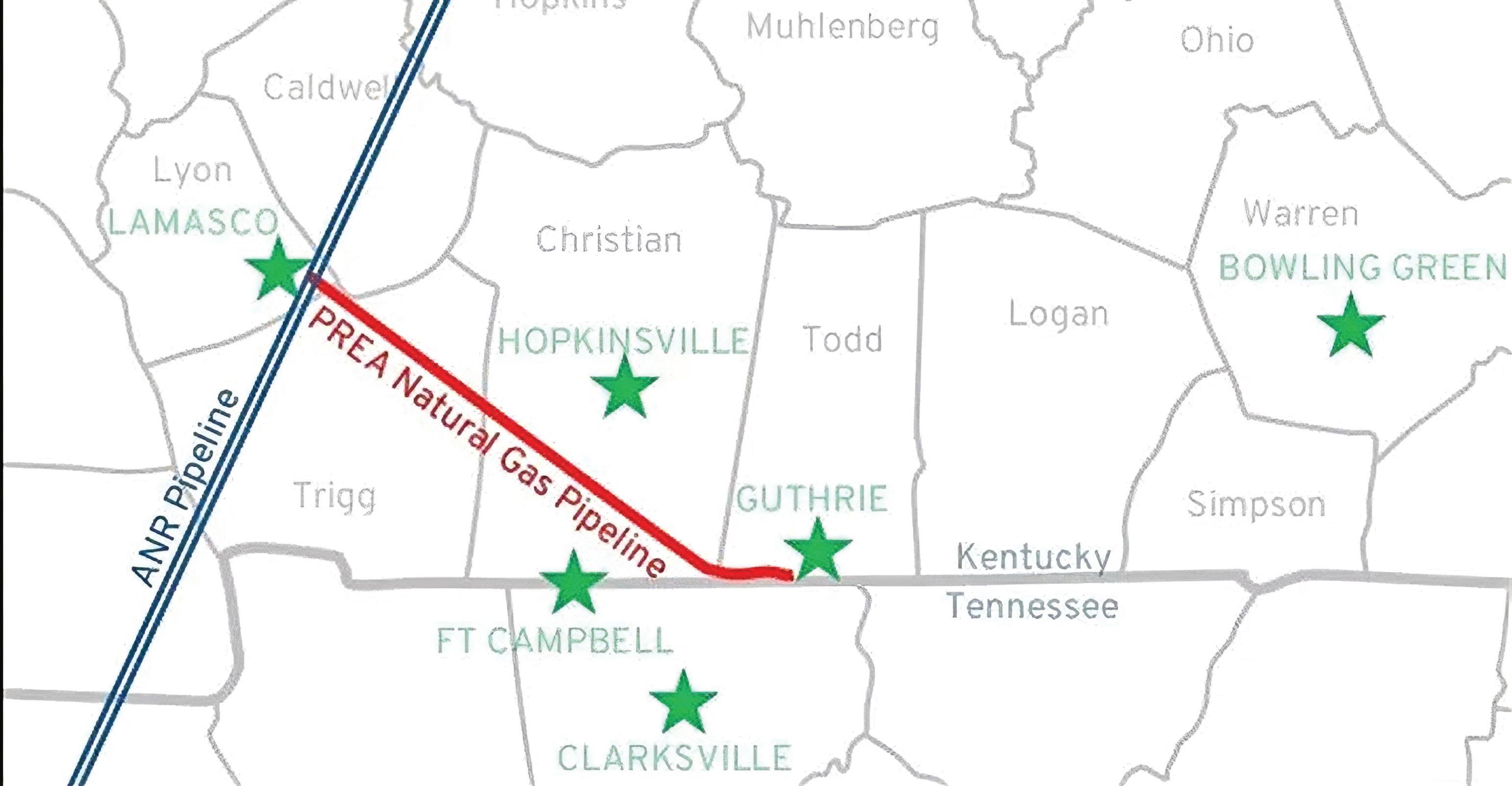
Under PREA plans, the pipeline will connect to an existing 30-inch pipeline owned and operated by ANR Pipeline Company near Lamasco, Kentucky, in Lyon County following the I-24 corridor through Caldwell, Trigg and Christian counties and ending near Guthrie, Kentucky, in Todd County. PREA will operate the new pipeline that will bring a large capacity of natural gas into the region where infrastructure is unavailable, and it will create an additional supply source for current users.
“I am delighted to partner with Clarksville Gas & Water on the PREA pipeline project, and I look forward to developing a new
working relationship with them,” PREA Chairman Easton Glover says. “The addition of the PREA pipeline will bring benefits of additional natural gas capacity to the region, enhanced service for industrial customers and the opportunity for future growth. These benefits are a win-win for Kentucky, Clarksville and Fort Campbell. I’m very proud to be part of this arrangement.”
Execution of this agreement allows the CGW Gas Department to transport 3,000 dekatherm per day of natural gas from ANR, along the PREA pipeline and ultimately to Clarksville.
Under this agreement, Clarksville gains additional benefits. Increased natural gas supply and a strategically located custody transfer point that provides capacity and feed-direction redundancy result in a safer and more capable natural gas distribution system. The proposed alignment of the PREA pipeline will allow Clarksville to achieve this redundancy with minimal upgrades to the existing gas system, reducing costs for ratepayers.
The pipeline will connect to an existing pipeline owned and operated by ANR Pipeline Company near Lamasco, Kentucky, in Lyon County following the I-24 corridor through Caldwell, Trigg and Christian counties and ending near Guthrie, Kentucky, in Todd County. GRAPHIC COURTESY OF
GAS & WATER
Natural Gas Meter Replacement Begins
The staff at Clarksville Gas & Water prioritizes a safe and reliable natural gas system for customers and the community. Maintaining the high level of safety and dependability customers expect and deserve requires around-the-clock monitoring by gas department personnel. We take routine measures to meet or exceed strict federal and state regulations for the safe operation of the Clarksville system from the installation and maintenance of natural gas pipelines to meters that measure use.
The Clarksville Gas Department achieves this goal through its annual natural gas meter replacement program. The program is part of many annual preventive maintenance measures and aims to replace meters that have been in service for approximately 10 years with newly inspected meters to ensure accuracy.
This practice also allows gas technicians to visually inspect the meter assembly and ensure the area around the meter location is clear of debris, plants, shrubs and bushes. There should be a minimum allowance of 36 inches on both sides of the
meter setup and a minimum of 36 inches in front of the meter. Shut off valves must not be blocked or buried.
Technician Inspections
Beginning in March, qualified Clarksville Gas Department technicians will visit various neighborhoods in the service area to replace natural gas meters.
It is not necessary for the customer to be present for the meter replacement, but if no one is available to grant access to relight natural gas appliance pilot lights after the meter replacement, the technician will turn off gas service and lock it off for safety.
The technician will also leave a door hanger at the residence with an explanation of the work done. The customer will be instructed to call the Gas Department at 931-645-7422 for dispatch of a technician to return immediately to restore natural gas service and relight pilot lights. A technician will also be dispatched after-hours by calling 931-645-0116.
CGW employees carry an official city of Clarksville identification photo badge.
You may ask to see their identification at any time, or you may call the main office at 931-645-7400 to confirm their identity.
CGW strives to provide safe and reliable service so families and individuals can enjoy the convenience of natural gas in their homes and businesses. Thank you for allowing us to be your natural gas provider.
Gas technicians are available 24 hours a day to address gas meter problems or if you smell natural gas inside or outside your home or business. Call 931-645-7400 for a gas technician.
How to Report a Gas Leak
Clarksville Gas & Water reminds customers to call the Gas Department office immediately if you smell natural gas in or around your home or business. If the odor is strong, call 911.
Natural gas is odorless, so gas suppliers add a chemical called mercaptan. This chemical has an aroma similar to rotten eggs. Teach your family to recognize the smell of natural gas.
A gas leak could be dangerous. If you smell natural gas:
• Leave immediately and leave the doors open for ventilation.
• Don’t turn electrical switches on or off—or use a flashlight or phone— because an electric spark could ignite the gas, causing an explosion.
• Go to a neighbor’s or safe location and call the Clarksville Gas Department
at 931-645-7422 from 8 a.m. to 4:30 p.m. For after-hours emergencies and on weekends or holidays, call 931-645-0116. If the odor is strong, call 911.
If Children Smell Gas
Teach children what to do while you are away. Instruct children to leave the house and call the Gas Department from a nearby phone if they smell a gas leak while you are out.
Teach children to stay away from the gas range, furnace and other gas-burning appliances. Remind them to keep toys and papers away from appliances, too.
Safety Drills
Practice a safety drill for getting your family out of the house at night in the event of a gas emergency.
Open windows and do not turn lights on or off. Practice the drill in daylight first.
Protect Gas Equipment
Prevent bending and breakage by following the tips below:
• Do not let children swing from pipes or play with flexible connector hoses leading to water heaters or ranges.
• Do not hang things from gas pipes.
• Do not sit, climb or stand on the gas meter.
Communicate
• Never use emails or social media platforms to communicate a natural gas emergency. Only a phone call ensures an agent receives your message in an emergency.
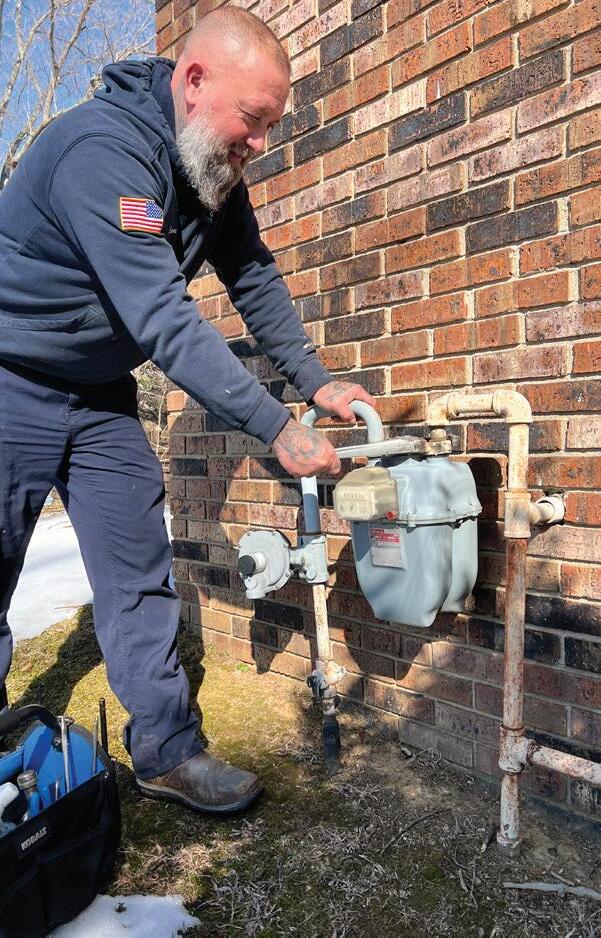
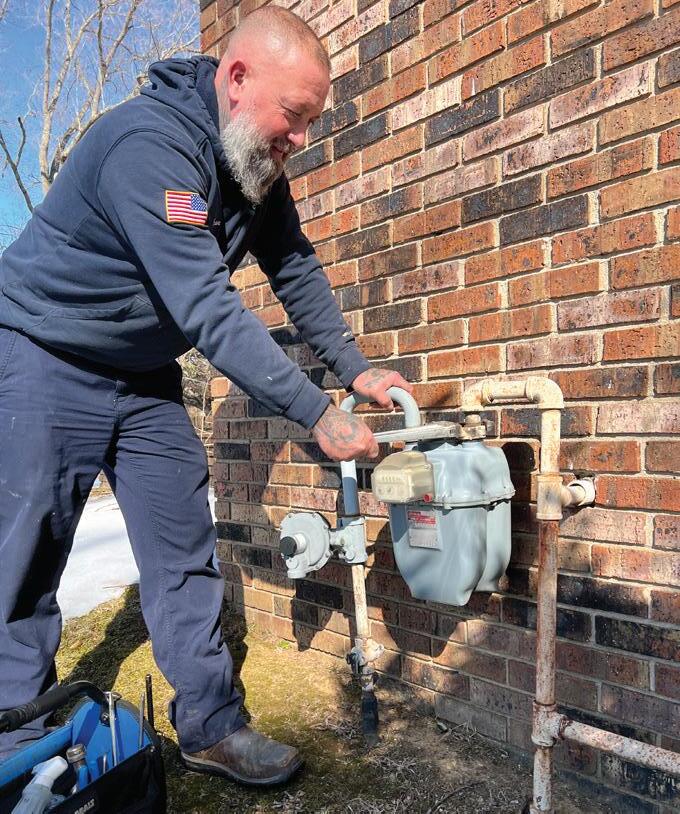
Brian Stites replaces a gas meter. PHOTO COURTESY OF CLARKSVILLE GAS & WATER
Clarksville Gas & Water is looking for skilled and ambitious candidates to join our team of utility professionals.
We offer a competitive salary; a robust benefits package, including employer-paid retirement and holidays; on-thejob training; and various paths for career advancement in a satisfying work environment.
Visit our job opportunities website or scan the QR code to learn more or to apply today.
Gas & Water job openings as of March 2026:
• Water Construction Worker • Wastewater Construction Worker • Wastewater Treatment Plant Operator www.clarksvilletn.gov/gaswaterjobs
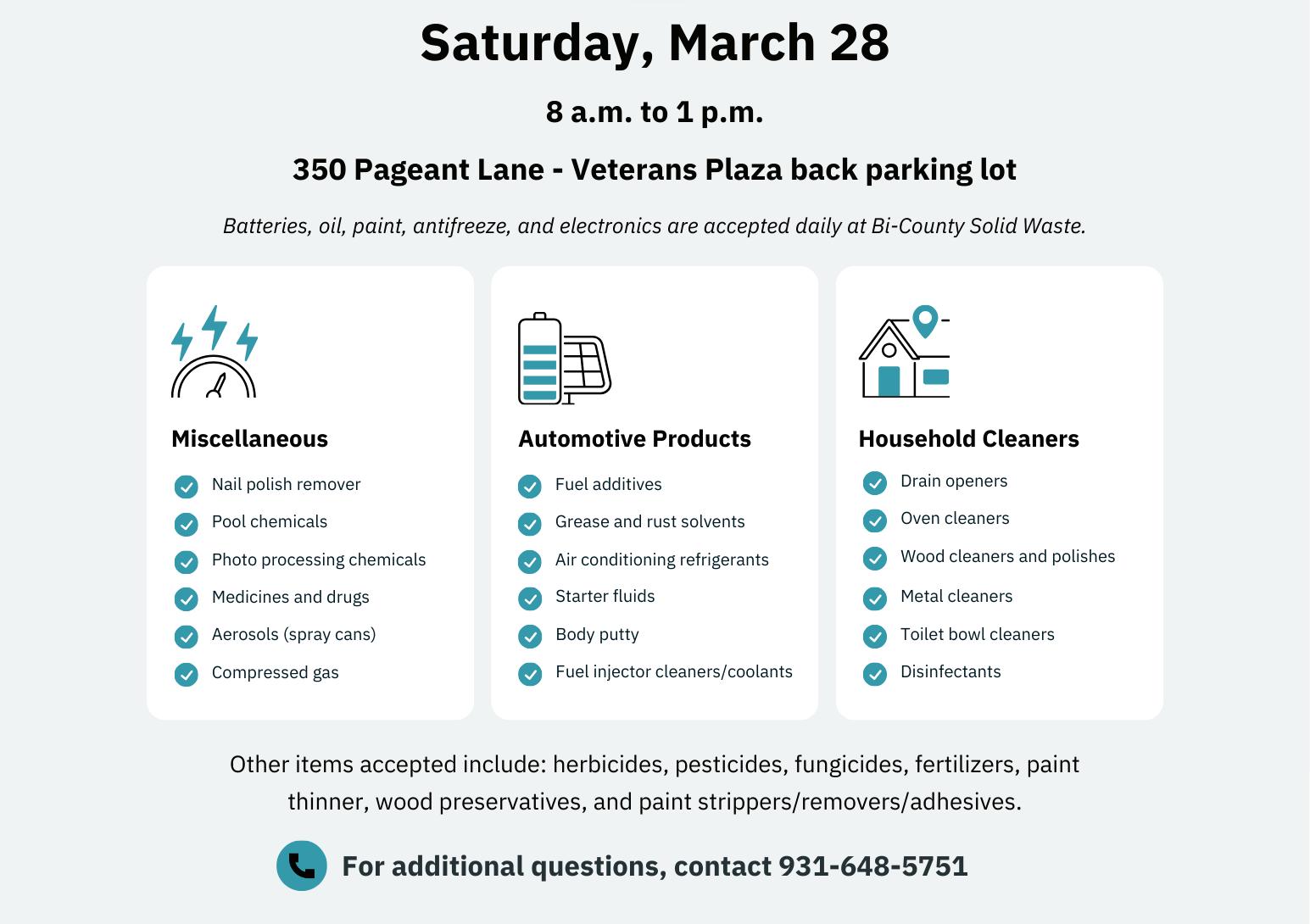
Properly dispose of household hazardous waste at a sponsored waste collection event
Home Cooking WITH COFFEE
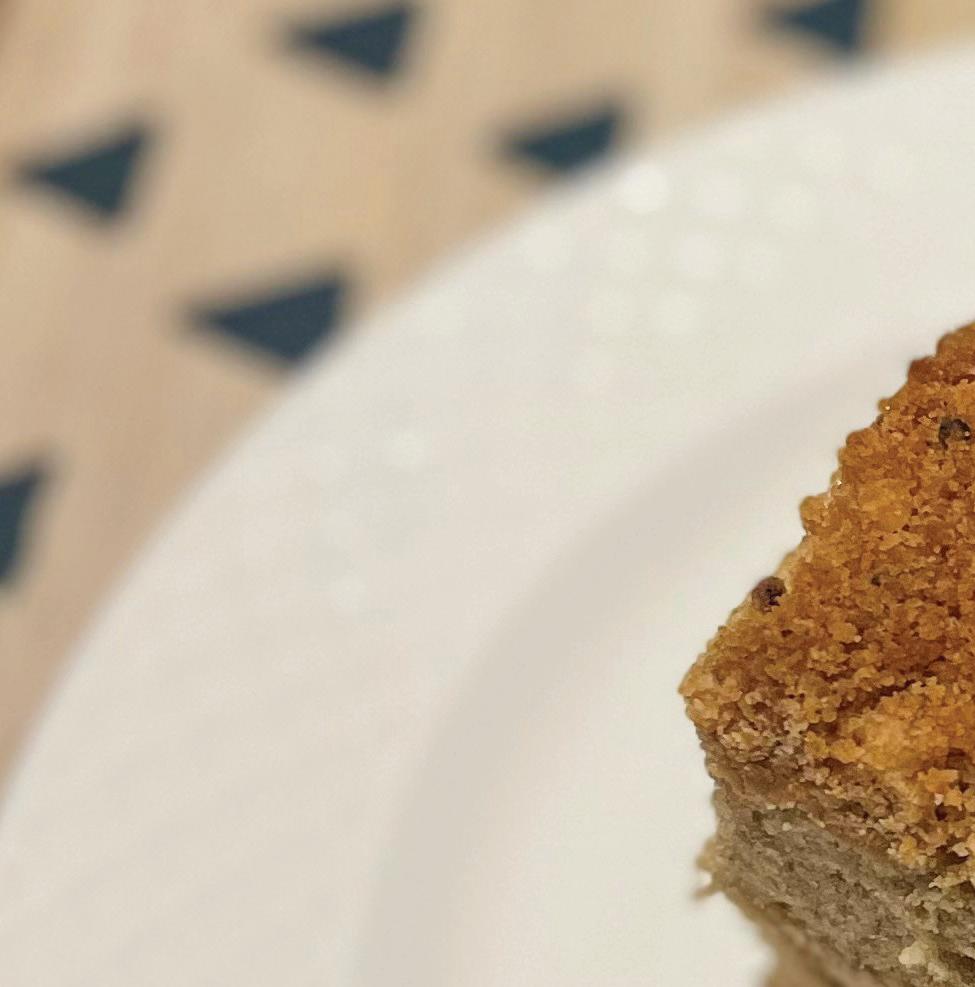
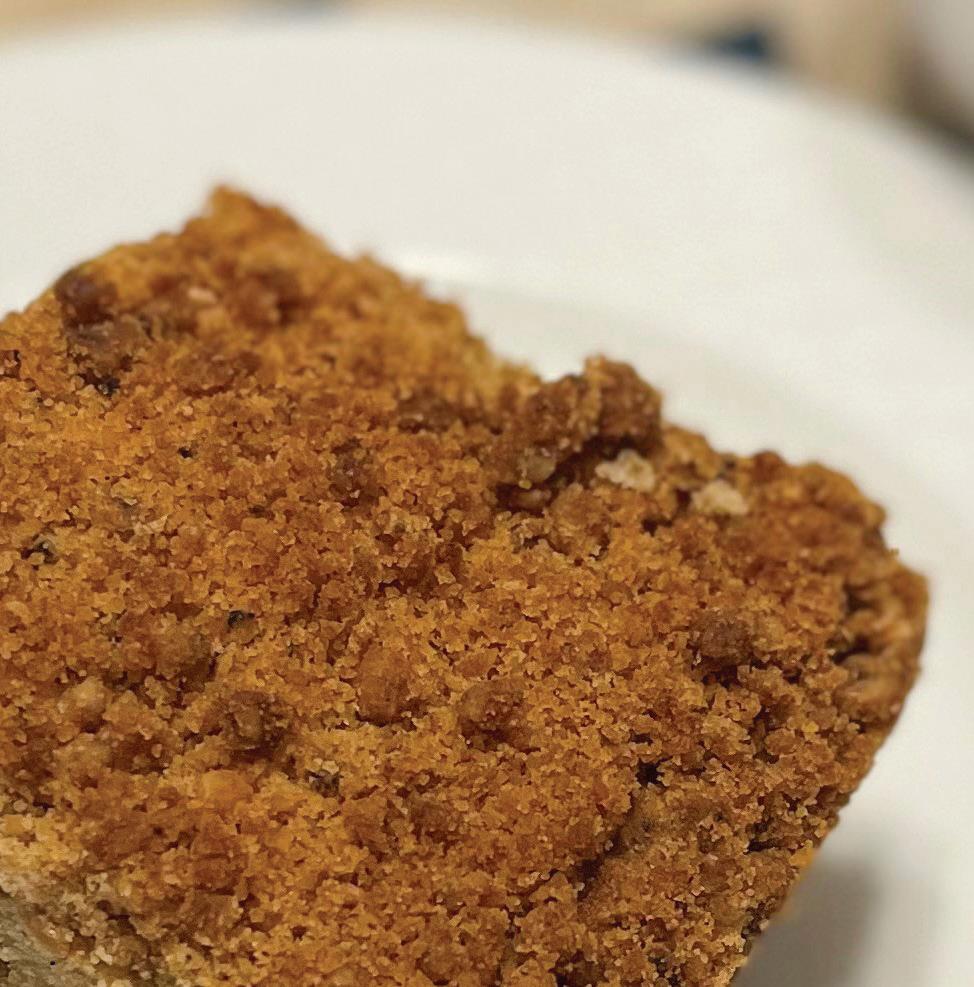
Coffee Coffee Cake
Crumb topping
½ cup all-purpose flour
¼ cup brown sugar
½ teaspoon ground cinnamon
½ teaspoon instant coffee powder
4 tablespoons butter, melted
Heat oven to 350 F.
Spray a 9-by-9-inch pan, and line with parchment. Spray the parchment as well.
For the crumb topping: In a medium bowl, mix the flour, brown sugar, cinnamon, coffee powder and salt. Add the melted butter. Mix until it forms crumbs that you can clump together in your hand.
For the cake: In a medium bowl, whisk together the flour, baking powder, baking
Cake
1¾ cups cake flour
¾ teaspoon baking powder
¾ teaspoon baking soda
½ teaspoon ground cinnamon
½ teaspoon salt
soda, cinnamon and salt. In a smaller bowl, whisk together the coffee and sour cream until smooth.
In the bowl of an electric mixer fitted with the paddle attachment, beat the butter and sugar together until light and fluffy. Add the eggs, one at a time, mixing until each is well-combined. Add the vanilla. Beat until the mixture is light and fluffy. Starting and ending with the dry
½ cup strong-brewed coffee
1⁄3 cup sour cream
1 cup butter, room temperature
1 cup granulated sugar
2 extra-large eggs
1 teaspoon vanilla extract
ingredients, alternate adding the flour mixture and the coffee mixture to the stand mixer. Mix well after each addition. Pour the batter into the prepared baking pan. Top with crumb topping, spreading it evenly. Bake for 45 minutes or until a toothpick comes out clean.
Remove the cake from the oven. Cool for 20 to 30 minutes before cutting and serving.
Sausage Gravy for Biscuits
1 pound ground sausage
2 tablespoons flour
1 cup milk
1 cup water
¼ cup brewed coffee
Salt and pepper, to taste
Brown sausage in a cast-iron skillet. Add flour, and brown. Add milk and water. Simmer for desired thickness. Stir coffee into the mixture. If it’s too thick, add more milk. Season with salt and pepper. Serve over your favorite biscuits.
Coffee Baked Beans
4 slices bacon, chopped
1 sweet onion, chopped
¼ cup vinegar-based barbecue sauce
Heat the oven to 350 F.
28-ounce can baked beans
¼ cup brown sugar
2 tablespoons Dijon mustard
¼ cup brewed coffee
Cook the chopped bacon in a pot over medium heat until browned, about 10 minutes. Remove the bacon with a slotted spoon, reserving the bacon grease in the pan. Drain the bacon on paper towels.
Add the chopped onion to the pot with the bacon grease. Cook for 15 minutes over medium-low heat or until caramelized. Remove the pot from the heat. Add the bacon back to the pot, as well as the remaining ingredients. Mix.
Pour the beans into a greased 8-by-8-inch baking dish. Bake for 2 hours. Let sit for 5 minutes before serving.
Mocha Cupcakes
Cupcakes
1 cup sugar
½ cup brewed coffee, cold
½ cup canola oil
2 extra-large eggs, room temperature
3 teaspoons cider vinegar
Frosting
3 tablespoons milk chocolate chips
3 tablespoons semisweet chocolate chips
Heat oven to 350 F.
3 teaspoons vanilla extract
1½ cups all-purpose flour
1⁄3 cup baking cocoa
1 teaspoon baking soda
¾ teaspoon salt
1⁄3 cup butter, softened
2 cups confectioners’ sugar
2 tablespoons brewed coffee
½ cup chocolate sprinkles
In a large bowl, beat sugar, coffee, oil, eggs, vinegar and vanilla until well-blended. In a small bowl, combine flour, cocoa, baking soda and salt. Gradually beat into coffee mixture until blended.
Fill 12 paper-lined muffin cups three-fourths full. Bake for 20 to 25 minutes or until a toothpick inserted in center comes out clean. Cool for 10 minutes before moving to a wire rack to cool completely.
To make frosting: In a large bowl, melt chips and butter in a microwave. Stir until smooth. Gradually beat in confectioners’ sugar and enough coffee to reach desired consistency. Pipe frosting onto cupcakes, and add sprinkles.
Coffee Dry Rub for Steak
2 tablespoons coarse salt
2 tablespoons instant coffee
2 tablespoons garlic powder
2 tablespoons smoked paprika
1 tablespoon black pepper
1 tablespoon crushed coriander
1 tablespoon onion powder
1 teaspoon chili powder
½ teaspoon cayenne, more or less to taste
Add all ingredients to a medium-sized bowl. Mix well. Once mixed, it can be used immediately. Store leftovers in an airtight glass container.
S’mores
Creme Brulee
1 cup whole milk
3 extra-large eggs, room temperature
2⁄3 cup sugar
1⁄3 cup baking cocoa
2 tablespoons strong-brewed coffee
2 tablespoons butter, melted
Heat oven to 325 F.
2⁄3 cup graham cracker crumbs
1⁄3 cup sugar
2 cups miniature marshmallows
1.55-ounce milk chocolate candy bar, broken into 12 pieces
In a small saucepan, heat milk until bubbles form around sides of pan. Remove from heat. In a large bowl, whisk eggs, sugar, cocoa and coffee until blended but not foamy. Slowly whisk in hot milk.
Place six 4-ounce broiler-safe ramekins in a baking pan large enough to hold them without touching. Pour egg mixture into ramekins. Place pan on oven rack. Add hot water to pan to within ½ inch of the top of the ramekins. Bake 20 to 25 minutes or until a knife inserted in the center comes out clean. Centers will still be soft. Remove ramekins from water bath immediately to a wire rack. Cool for 10 minutes. Refrigerate until cold.
In a small bowl, mix butter and cracker crumbs. Set aside. To caramelize topping with a kitchen torch, sprinkle custards evenly with sugar. Hold torch flame about 2 inches above custard surface. Rotate it slowly until sugar is evenly caramelized. Sprinkle custards with crumb mixture, and top with marshmallows. Using the torch, heat marshmallows until browned. Top with chocolate pieces. Serve immediately or refrigerate for up to 1 hour.
To caramelize topping in a broiler, place ramekins on a baking sheet. Let stand at room temperature for 15 minutes. Heat broiler. Sprinkle custards evenly with sugar. Broil 3 to 4 inches from heat for 3 to 5 minutes or until sugar is caramelized. Sprinkle custards with crumb mixture. Top with marshmallows. Broil for 30 to 45 seconds or until marshmallows are browned. Top with chocolate pieces. Serve immediately or refrigerate for up to 1 hour.
OFFICE
2215 Madison St.
Clarksville, TN 37043
PHONE
931-645-7400
888-800-4020
OFFICE HOURS
8 a.m. to 4:30 p.m. Monday-Friday
EMERGENCY AFTER-HOURS
931-645-0116
4:30 p.m. to 8 a.m. Monday through Friday, Saturday, Sunday and holidays