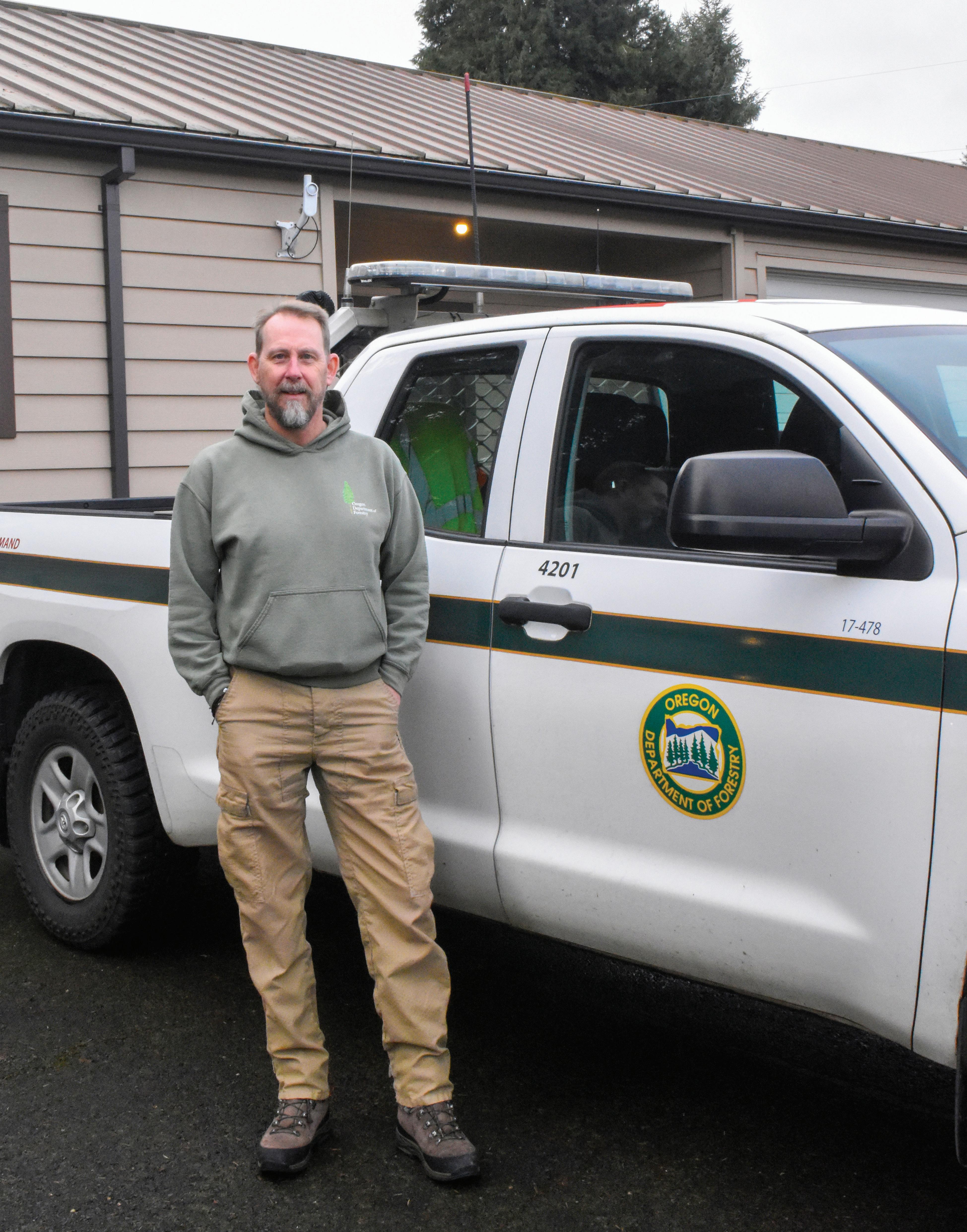
PHOTO BY SCOTT LAIRD



April 2026 • Volume 73, No. 4
CEO Michael Shepard
SENIOR VP OF CONTENT Leon Espinoza
EDITORIAL DIRECTOR Chasity Anderson, CCC
DEPUTY EDITORIAL DIRECTOR
Noble Sprayberry
SENIOR EDITOR Jennifer Paton, CCC
LEAD CONTENT EDITOR Victoria Hampton, CCC
ASSISTANT EDITORS David Herder, CCC; Sable Riley, CCC; Nina Todea, CCC
ASSOCIATE EDITOR
Valeri Saldanha Rosa
PUBLICATIONS PRODUCTION SR. MANAGER
Elizabeth Beatty
SENIOR PUBLICATIONS COORDINATOR
Alyssa McDougle
Ruralite (USPS 397-460) is published monthly for members for $5.73 per year, plus postage, by Pioneer Utility Resources Inc., 5625 NE Elam Young Parkway, Suite 100, Hillsboro, OR 97124—a not-for-profit Oregon cooperative corporation—to serve the communication needs of 46 consumer-owned electric utilities in Oregon, Washington, Alaska, Idaho, Nevada and California. Preferred periodical postage paid at Hillsboro, Oregon, 97123 and additional mailing offices. © 2026 Pioneer Utility Resources. All rights reserved. Reproduction in whole or in part without written permission is prohibited.
Postmaster: Send address changes to Ruralite, 5625 NE Elam Young Parkway, Suite 100, Hillsboro, OR 97124-6454
HOW TO CONTACT RURALITE
Subscription services:
Nonmember subscriptions $15 (U.S.) per year; $25 per year (foreign). Prepayment required. Allow 4-8 weeks for first issue. Be sure to identify which local edition you want to receive.
Address Changes:
Utility members, contact your local utility. Subscribers, call us at 503-357-2105, option 3, or email mailingdept@pioneer.coop.
Back issues:
Back issues and extra copies are $3. Prepayment required. Supply is limited. Be sure to identify edition, month and year. Call first if ordering back issues to check availability.
To contact Ruralite: Ruralite magazine is published by Pioneer Utility Resources, P.O. Box 1306, North Plains, OR 97133-1306; 503-357-2105; email: info@pioneer.coop. For more information, visit pioneer.coop.
DISPLAY ADVERTISING INQUIRIES
American MainStreet Publications
611 S. Congress Ave., Suite 504 Austin, TX 78704
800-626-1181 or 512-441-5200

For supplemental and interactive content, search @Ruralite on your favorite social media sites.
Two words from photographer Bee Bryne have stayed with me since I read this month’s Spotlight feature: Don’t wait.

She was talking about pet photography, but the advice reaches further than that. Bee has watched too many people put off booking a session—telling themselves they have time, that it feels silly, that the dog isn’t perfect enough—only to call her in a panic after a difficult diagnosis.
“You’ll never regret it,” she says, “but you’ll regret it if you don’t.”
That quiet urgency is at the heart of The Tilly Project, an international network of photographers dedicated to capturing the bond between people and their animals before it’s too late. What began in 2021 with one woman’s act of kindness for a grieving friend has become something far larger: a community of photographers who show up, often for little or no pay, in some of life’s most tender moments.
The images they make get framed. They get hung on walls. They get cried over, years later, by people who are deeply grateful someone thought to press the shutter. Read more on Page 12.
The phrase “Don’t wait” also surfaces, in a
quieter way, in our Up Close story about Donnie Fowler.
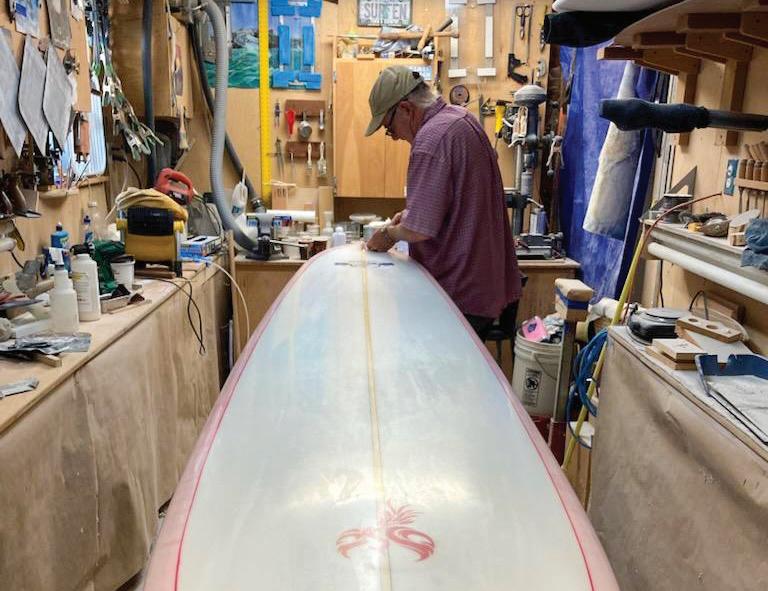
A Brookings, Oregon, resident approaching his 65th birthday, Donnie has spent decades making custom surfboards. He doesn’t do it to make a living but for the joy of it—for friends and family and the simple pleasure of riding something he built himself.
What caught my attention isn’t his technique, though the boards he’s shaped are remarkable. It’s his refusal to hold anything back.
“I don’t want to hoard what I know,” he says. “I want to help people.”
That kind of generosity, freely offering what cost him years to learn, is its own form of not waiting. Read more on Page 10.
Dave LaBelle invites us to slow down and find the visual music hiding in plain sight—in patterns, repetition and the rhythms we walk past every day without noticing. His reader challenge this month is worth accepting.
What are you waiting to do, make or say? April seems like a good time to start.
Reach me at editor@pioneer.coop.
Until next time, Chasity Anderson Editorial Director
A Brookings, Oregon, man learned to make it himself Up Close, Page 10
The Tilly Project offers comfort to grieving pet owners Spotlight, Page 12
In
for
Kitchen, Page 16

Wildland fire supervisor encourages Columbia County residents to prepare and protect their property from the dangers of wildfire
By Scott Laird
Kelly Niles has been helping spread the word about the dangers of wildfire across Columbia County. In a series of presentations to local groups in 2025, Kelly promoted protecting your property by creating a defensible space around your home.
“In the summer, where everything’s dry and ready to burn, wildland fires can get out of hand pretty quickly,” says Kelly, who has been the wildland fire supervisor for the Oregon Department of Forestry in Columbia County for 23 years and works out of the Columbia City office. “So people having defensible space makes a lot more sense in a small county like this where we don’t have a whole lot of resources. Having a defensible space increases the odds of your home still being there when the fire is done.”
A defensible space is a natural or managed area around a home or structure designed to act as a buffer and slow the spread of wildfire, improving the chances homes or other structures will survive a wildfire.
“Educating more people to do these steps makes a big difference, because not only are you taking care of your place, but it also makes you a better neighbor,” Kelly says. “I always tell people, you don’t really ever see a golf course burn because it’s lean, clean and green.”
Kelly believes it’s good for people to be prepared and self sufficient. Columbia County is a big place, very spread out, with lots of trees and limited resources.
“Columbia County covers 35,000 acres,” he says. “Fire can double in size every few minutes and get really big in a hurry.”
ODF has seven permanent staff stationed in the county, and Kelly hires a seasonal crew of 12.
“We have six fire engines with two people per engine to cover the entire county,” he says. “There’s people that think if there’s a fire, the fire department’s going to come—it’s what they pay them for. But, if we get a large fire, there is not enough firefighters here in the county to do that. We don’t have the capacity. This is why defensible space is huge.”
As Columbia County grows, Kelly notes there will be people who don’t have experience living in such a rural setting.
“We have people that don’t want to live in the city anymore, and they want to move out in the country,” he says. “But they
might not know a whole lot about wildfire danger and what they can do for themselves.”
Kelly is the ideal person to help spread the defensible spaces message. He grew up in Eugene and started school to be a structural firefighter, but he found out college wasn’t for him. He joined the military, spending four years in the U.S. Marine Corps.
After the military, he moved to Coos Bay, where he got a job with the Coos Fire Patrol in 1992 before joining ODF. He’s also served as a volunteer firefighter for 20 years with Columbia Fire and Rescue in St. Helens and before that served with Mohawk Valley Rural Fire District in Springfield.
“Each time I’ve moved or got promoted, I’ve joined the local volunteer department,” Kelly says.
Columbia County has not recently been impacted by the kind of large, devastating wildfires that other parts of Oregon has been experiencing.
“We are a bit lucky, because we have a great fire prevention partner here called Mother Nature,” Kelly says, noting the historically wet climate.
But it could still happen, he says.
This past summer, there were about 30 separate wildfires in Columbia County.
“Most people didn’t hear about them,” Kelly says. “We’ve just been very successful in keeping them small.”
As a former volunteer firefighter, Kelly is quick to praise the efforts of the local rural fire protection districts that assist ODF in combating wildfires when they do occur in the region.
“It’s a real good cooperative effort to keep them small,” he says. “But we’ve dodged a bullet a few times.”
In the years Kelly has been involved with fighting wildland fires, not much has changed—except for one big difference.
“The same principles that we’ve been talking about for years still apply,” he says. “The only thing that’s changing—whether people want to believe it or not—is the climate. Climate change is real. The data that we track shows our summers are getting longer, average rainfalls and average temperatures are changing. And it’s not getting better.”
Those stats make defensible spaces all the more important.
“Does it mean your house is going to survive a wildfire?” Kelly asks. “No, but there’s plenty of data out there that it will improve the chances of your house surviving if you follow some simple steps.” n
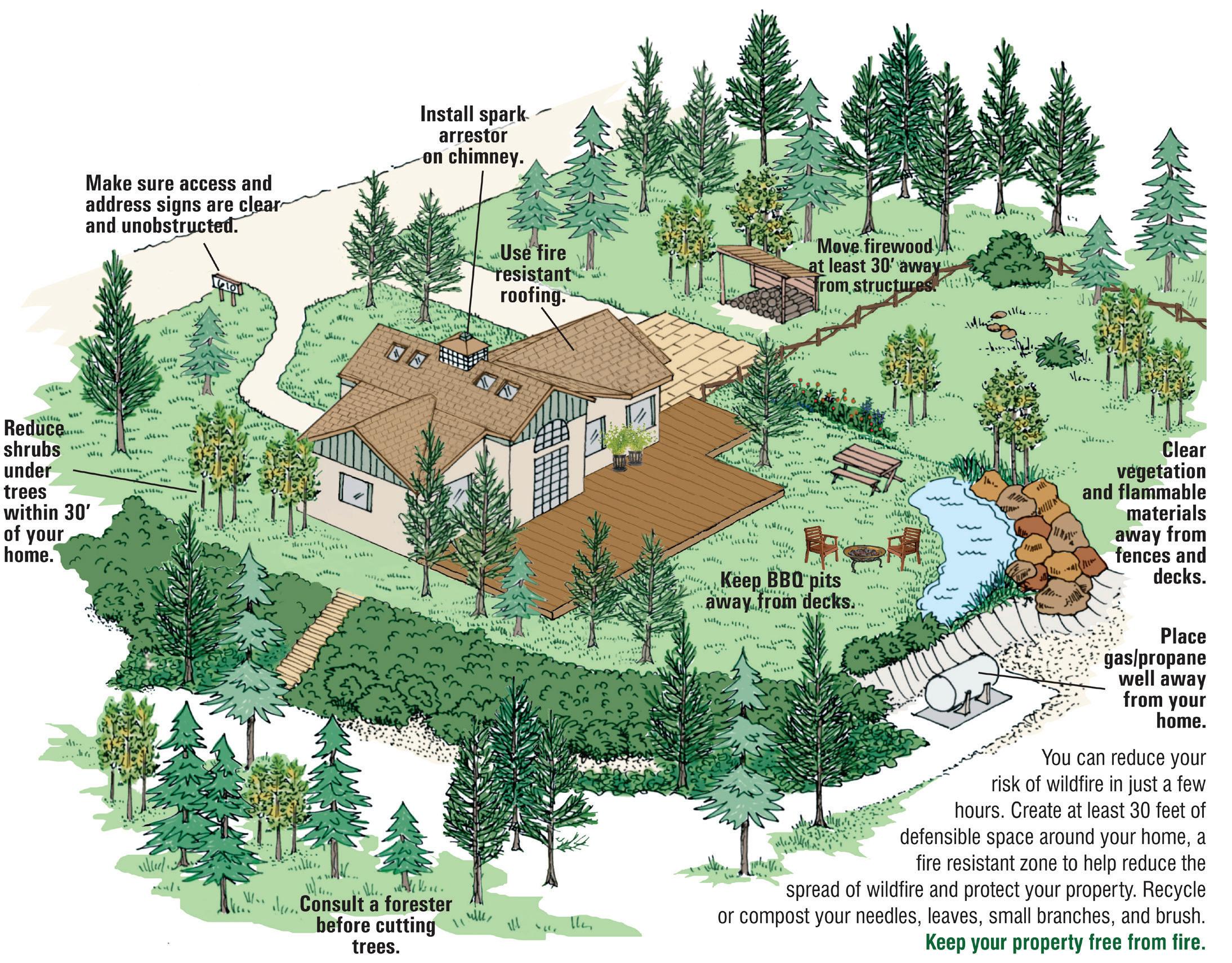
What can you do to help protect your property this spring and create your own defensible space?
“It does not cost a lot,” says Kelly Niles, wildland fire supervisor for the Oregon Department of Forestry in Columbia County.
“You can use most of the tools you already have around your house to do what we’re talking about, or you can rent the equipment you might need for a day. It just requires a little bit of hard labor.”
Columbia Alert Network
Sign up for notifications on critical and time-sensitive information for emergencies occurring in Columbia County by scanning the QR code.
• Make sure your home is clearly marked with a visible address.
• Register for Columbia 911 Citizen Alert Network (CAN) to receive accurate information about weather, law enforcement concerns and evacuation notices. Go to tinyurl.com/ytwmb9tw or scan the QR code.
• Prepare a to-go bag with essentials for evacuation.
Immediate Zone (1-5 Feet)
• Regularly clean gutters of leaves and needles.
• Landscape with nonflammable materials like rock, gravel, sand or concrete.
• Limb up trees and prune

overhanging branches.
• Do not store combustibles against structures, including firewood.
• Do not store anything under decks.
Intermediate Zone (5-30 Feet)
• Remove excess vegetation, including invasive species.
• Remove highly flammable plants and replace with high moisture plants, such as native plants.
• Remove trees closer than 30 feet.
• Keep your lawn mowed.
Extended Zone (30-100 Feet)
• Be wary of ladder fuels, such as shrubs to prohibit fire from spreading upward into trees.
• Consider creating openings or meadows between groups of trees.
Lineworkers
have a dizzying climbing hooks and hot been updated and improved more modern innovations. crews use to stay safe.
climbing been updated more modern crews use
Lineworkers have a dizzying array of gear they climbing hooks and hot sticks, have been around been updated and improved over the years. more modern innovations. Here’s a comprehensive crews use to stay safe.
Lineworkers have a dizzying array of gear they carry and wear to safely do their climbing hooks and hot sticks, have been around since the early days of electricity, been updated and improved over the years. Others, like wireless headsets and more modern innovations. Here’s a comprehensive (though not exhaustive) look crews use to stay safe.
Electric linework is dangerous, and crews use a full outfit of protective equipment to stay safe
Lineworkers have a dizzying array of gear they carry and wear to safely do their jobs. Some items, like climbing hooks and hot sticks, have been around since the early days of electricity, though they’ve been updated and improved over the years. Others, like wireless headsets and arc-rated clothing, are more modern innovations. Here’s a comprehensive (though not exhaustive) look at the tools line crews use to stay safe.
By David Herder
Face shield
Keeping the lights on is dangerous work.
resists burning when exposed to an arc flash.
Face shield
can protect the gloves from being damaged during use and prolong their life.
Hard hat
Eye protection
oltageV
Hard hat
Wireless headset
Utility line crews work near—and with— equipment that can carry thousands of volts of electricity, and linework frequently appears on lists of America’s most dangerous jobs.
Arc-rated and fire-retardant
Neck gaiters
Hoods or hard
Eye protection
oltageV tester
Hard hat
Wireless headset
Hard hat
Hard hats and steel-toe boots give lineworkers extra protection from falling tools, equipment and debris. Lineworkers can also wear insulating helmets that prevent high-voltage shock.
oltageV tester
oltageV
Arc-rated and fire-retardant clothing
Neck gaiters
Hoods or hard hat liners
Shirts
oltageV tester
Every time lineworkers use their highvoltage gloves, they field test them to make sure they are properly insulated. This means doing a visual test to look for discoloration, cuts or holes. Lineworkers can also trap air inside the glove—often by rolling up the bottom to push air into the palm and fingers—to feel and listen for any escaping air.
Pants
Fortunately, today’s lineworkers have many tools to help them stay safe. Typically, lineworkers wear about 50 pounds of gear, with much of it designed to insulate against electrical shock and protect against other hazards.
Rubber sleeves
Fall-protection
Hot High visibility safety
Rubber
Hot stick
There are regional regulation differences on which tools to use and when, so a lineworker’s gear varies from state to state.
Eye protection, like face shields and glasses, can protect lineworkers’ vision from bright flashes if a live wire produces a bright arc.
Shirts
Hot stick
Pants
Rubber sleeves
Hot stick
Hot stick
Fall-protection harness
From hard hats to boots, hot sticks to gloves and even the clothes they wear, lineworkers’ equipment is designed to ensure everyone goes home safe.
Wire tongs
Line hoses and blankets
High visibility safety vest
Wearing insulated gloves helps prevent electricity from finding a path into a lineworker’s body. Sometimes, crews wear rubber sleeves extending further up the arms for additional protection.
High visibility safety vest
High visibility safety vest
Rubber gloves
Despite working hard to prevent them, lineworkers can be exposed to arc flashes—when electric current flows through the air between conductors or flows toward the ground.
Pole tags
There are two types of high-voltage gloves. Type I is made from natural rubber, while Type II is made from synthetic rubber. Type II is more commonly used, as it also offers ozone resistance.
Rubber gloves
One way to steer clear of the danger coming from electric equipment is to physically be farther away and work on lines with poles called hot sticks. These tools date back to the 1910s when early lineworkers fashioned them out of wood. Today’s hot sticks are primarily made of fiberglass, a nonconductive material. Hot sticks are often designed to be able to work with lines carrying more than 100,000 volts. They are commonly 6 to 10 feet long, but some can extend to more than 40 feet.
High visibility safety vest
Hand line and hoist Rubber gloves
Rubber gloves
Hand
Hand line and hoist
Standard fabrics can catch on fire during an arc flash. Lineworkers wear clothes made from fabrics that are either naturally flame resistant or have been treated to prevent ignition.
There are two different safety terms for these clothes. Flame resistant means the clothing will not catch on fire when subjected to heat. Arc-rated clothing
Rail boards with bucket
High-voltage gloves are rated in classes of the amount of voltage to which they have been proof-tested. The lowest rating is Class 00—approved to protect workers from 750 volts of direct current. The highest rating is Class 4, which is proofed for 54,000 volts.
Lineworkers use multiple types of hot sticks to accomplish a wide range of jobs. Some have hooks to grab onto lines, while others have claw-like heads that can open and clasp onto lines. Some are always one length, while others telescope to reach farther away.
Hand line and hoist
If an insulating glove has any leak, cut or pinhole, it opens a path for electricity to shock a lineworker.
To protect these high-voltage gloves, lineworkers often wear an outer pair of leather gloves. The extra layer of leather
Rail boards with bucket lips
Lineworkers spend lots of time up in the air working on power poles and lines. Whether this means climbing poles or using a bucket truck, lineworkers use fallprotection harnesses any time they are working more than 4 feet off the ground. n
Hand line and hoist
Tool holders and buckpacks
Climbing
Climbing hooks
Gear bags
Additional cover up
Steel-toe
Tool holders and buckpacks
Climbing hooks
Gear bags
Additional cover up and PPE equipment
Personal grounding
Climbing hooks
Climbing hooks
Steel-toe boots
Steel-toe boots
Steel-toe boots
Steel-toe boots


Centuries ago, Persians, Tibetans and Mayans considered turquoise a gemstone of the heavens, believing the striking blue stones were sacred pieces of sky. Today, the rarest and most valuable turquoise is found in the American Southwest–– but the future of the blue beauty is unclear.
On a recent trip to Tucson, we spoke with fourth generation turquoise traders who explained that less than five percent of turquoise mined worldwide can be set into jewelry and only about twenty mines in the Southwest supply gem-quality turquoise. Once a thriving industry, many Southwest mines have run dry and are now closed.
We found a limited supply of turquoise from Arizona and purchased it for our Sedona Turquoise Collection . Inspired by the work of those ancient craftsmen and designed to showcase the exceptional blue stone, each stabilized vibrant cabochon features a unique, one-of-a-kind matrix surrounded in Bali metalwork. You could drop over $1,200 on a turquoise pendant, or you could secure 26 carats of genuine Arizona turquoise for just $99.
Your satisfaction is 100% guaranteed. If you aren’t completely happy with your purchase, send it back within 30 days for a complete refund of the item price.
The supply of Arizona turquoise is limited, don’t miss your chance to own the Southwest’s brilliant blue treasure. Call today!
Jewelry Specifications:
• Arizona turquoise • Silver-finished settings
Sedona Turquoise Collection
A. Pendant (26 cts)
$299 * $99 +s&p Save $200
B. 18" Bali Naga woven sterling silver chain $149 +s&p
C. 1 1/2" Earrings (10 ctw) $299 * $99 +s&p Save $200 Complete Set** $747 * $249 +s&p Save $498
**Complete set includes pendant, chain and earrings.



A road trip through Southern Oregon offers much of nature’s best, including forest, calderas and waterfalls. When near Prospect, Oregon, or heading toward Crater Lake National Park, consider visiting Barr Creek Falls.
A three-tier waterfall totaling more than 240 feet tall, it is one of Oregon’s tallest waterfalls.
Spring and early summer can be the best time to visit Barr Creek Falls, as it is when water flows are highest. To visit the falls, visit the Mill and Barr Creek falls trailhead at Prospect State Scenic Area. The easy hike is about 1.5 miles round trip. On their way, hikers pass Mill Creek Falls, a second waterfall more than 170 feet tall.
Barr Creek Falls is just southwest of what was once a cluster of volcanoes known as Mount Mazama. Roughly 7,700 years ago, Mazama had an explosion large enough it caused the summit to collapse on itself, creating a caldera. Just a few hundred feet from the Mill and Barr Creek falls trailhead, visitors can visit Avenue of the Boulders and see ancient, car-sized boulders from the eruption.
When in the area, visit Oregon’s only official national park: Crater Lake. No rivers flow into or out of the 4,000-feetdeep Mazama Caldera. Over time, it collected water reaching depths of almost 2,000 feet and forming Crater Lake. It is the deepest lake in the United States. In part because the water is so pure—fed only by rain and snow—the lake is known for its visibility, where visitors can often see 100 feet deep.
Be sure to check weather reports before heading out for hikes. If you’re visiting Crater Lake, checking the weather is extra important. Crater Lake’s Rim Village has an elevation of more than 7,000 feet, and weather is often significantly different than it is in surrounding areas.
The sun rises and sets at peak travel periods, during the early morning and afternoon rush hours and many drivers find themselves temporarily blinded while driving directly into the glare of the sun. Deadly accidents are regularly caused by such blinding glare with danger arising from reflected light off another vehicle, the pavement, or even from waxed and oily windshields that can make matters worse. Early morning dew can exacerbate this situation. Yet, motorists struggle on despite being blinded by the sun’s glare that can cause countless accidents every year.
Not all sunglasses are created equal. Protecting your eyes is serious business. With all the fancy fashion frames out there it can be easy to overlook what really matters––the lenses. So we did our research and looked to the very best in optic innovation and technology.
Sometimes it does take a rocket scientist. A NASA rocket scientist. Some ordinary sunglasses can obscure your vision by exposing your eyes to harmful UV rays, blue light, and reflective glare. They can also darken useful vision-enhancing light. But now, independent research conducted by scientists from NASA’s Jet Propulsion Laboratory has brought forth ground-breaking technology to help protect human eyesight from the harmful effects of solar radiation light. This superior


lens technology was first discovered when NASA scientists looked to nature for a means to superior eye protection— specifically, by studying the eyes of eagles, known for their extreme visual acuity. This discovery resulted in what is now known as Eagle Eyes
The Only Sunglass Technology Certified by the Space Foundation for UV and BlueLight Eye Protection. the most advanced eye protection technology ever created. The TriLenium ® Lens Technology offers triple-filter polarization to block 99.9% UVA and UVB—plus the added benefit of blue-light eye protection. Eagle Eyes® is the only optic technology that has earned official recognition from the Space Certification Program for this remarkable technology. Now, that’s proven science-based protection.



The finest optics: And buy one, get one FREE! Eagle Eyes® has the highest customer satisfaction of any item in our 20 year history. We are so excited for you to try the Eagle Eyes® breakthrough technology that we will give you a second pair of Eagle Eyes® Navigator™ Sunglasses FREE––a $59.95 value!
That’s two pairs to protect your eyes with the best technology available for less than the price of one pair of traditional sunglasses. You get a pair of Navigators with stainless steel black frames and the other with stainless steel gold, plus one hard zipper case and one micro-fiber drawstring cleaning pouch are included. Keep one pair in your pocket and one in your car.


confidence, knowing your eyes are protected with technology that was born in space for the human race.
Your satisfaction is 100% guaranteed. If you are not astounded with the Eagle Eyes® technology, enjoying clearer, sharper and more glare-free vision, simply return one pair within 30 days for a full refund of the purchase price. The other pair is yours to keep. No one else has such confidence in their optic technology. Don’t leave your eyes in the hands of fashion designers, entrust them to the best scientific minds on earth. Wear your

with absolute
NIKON D810
180mm lens ISO 100 f/6.3 at 1/1600

By Dave LaBelle
Saying something more than once for emphasis is a powerful tool to get attention. It’s true with words, and it can be true with photographs.
While a poet might use repeating words or phrases, photographers and artists recognize the power of repeating forms—objects, lines, tones, shapes or actions—to produce patterns and rhythm.
Repeating tones, lines, shapes or actions in a photograph can produce a visual melody, just as repeating notes in a musical composition creates an audio melody.
For example, while one giant wind turbine alone on a hillside might be eye-catching, hundreds of them working side by side is a very different visual experience. It feels almost otherworldly.
Similarly, one elk walking alone through an open field can be beautiful and serene, but a herd of elk racing across that same field— hundreds of heads and legs kicking up dust or grass—creates a powerful pattern.
Repeating forms in a composition creates patterns and can make your photos come alive with visual music. n
Slow down, make time to notice the patterns around you, from designs found in nature to human-made structures. See if you can capture an image that produces a visual harmony.
Email your best image—just one—with caption information, including an explanation of how it affects you, to gph@pioneer.coop. We may share submissions on our website and social media channels.

Internationally renowned author, photographer and lecturer Dave LaBelle has captured special moments for more than half a century. He has shared photo tips and life perspectives with readers since 2009. For more of his writings, visit davidlabelle.com and bridgesandangels.wordpress.com.

Ready for a fresh take on the summer salad? This cookbook offers reader-recommended options for your table. Try the Breakfast Salad, Hot Chicken Salad, Snicker Salad and much more. More than 250 recipes are in an 8½-by-11-inch indexed book for only $8 (plus $3 shipping for any size order).
TO ORDER BY MAIL:
Submit payment with cookbook title, your name, address and number of cookbooks wanted to:
Ruralite Cookbooks
P.O. Box 1306 North Plains, OR 97133
TO PAY BY PHONE:
Call 503-357-2105 for credit card payments with Visa, MasterCard, Discover or American Express.
TO ORDER ONLINE: Visit www.ruralite.com.
Please allow two to three weeks for delivery.

BY
Nothing brings family together like food, but what are our readers’ favorite dishes? Check out nearly 300 recipes for appetizers, drinks, main dishes and desserts from our 2013 contest. The book is $10 (plus $3 shipping for any size order).
TO ORDER BY MAIL:
Submit payment with cookbook title, your name, address and number of cookbooks wanted to:
Ruralite Cookbooks
P.O. Box 1306 North Plains, OR 97133
TO PAY BY PHONE:
Call 503-357-2105 for credit card payments with Visa, MasterCard, Discover or American Express.
TO ORDER ONLINE: Visit www.ruralite.com.
Please allow two to three weeks for delivery.







By Miranda Boutelle
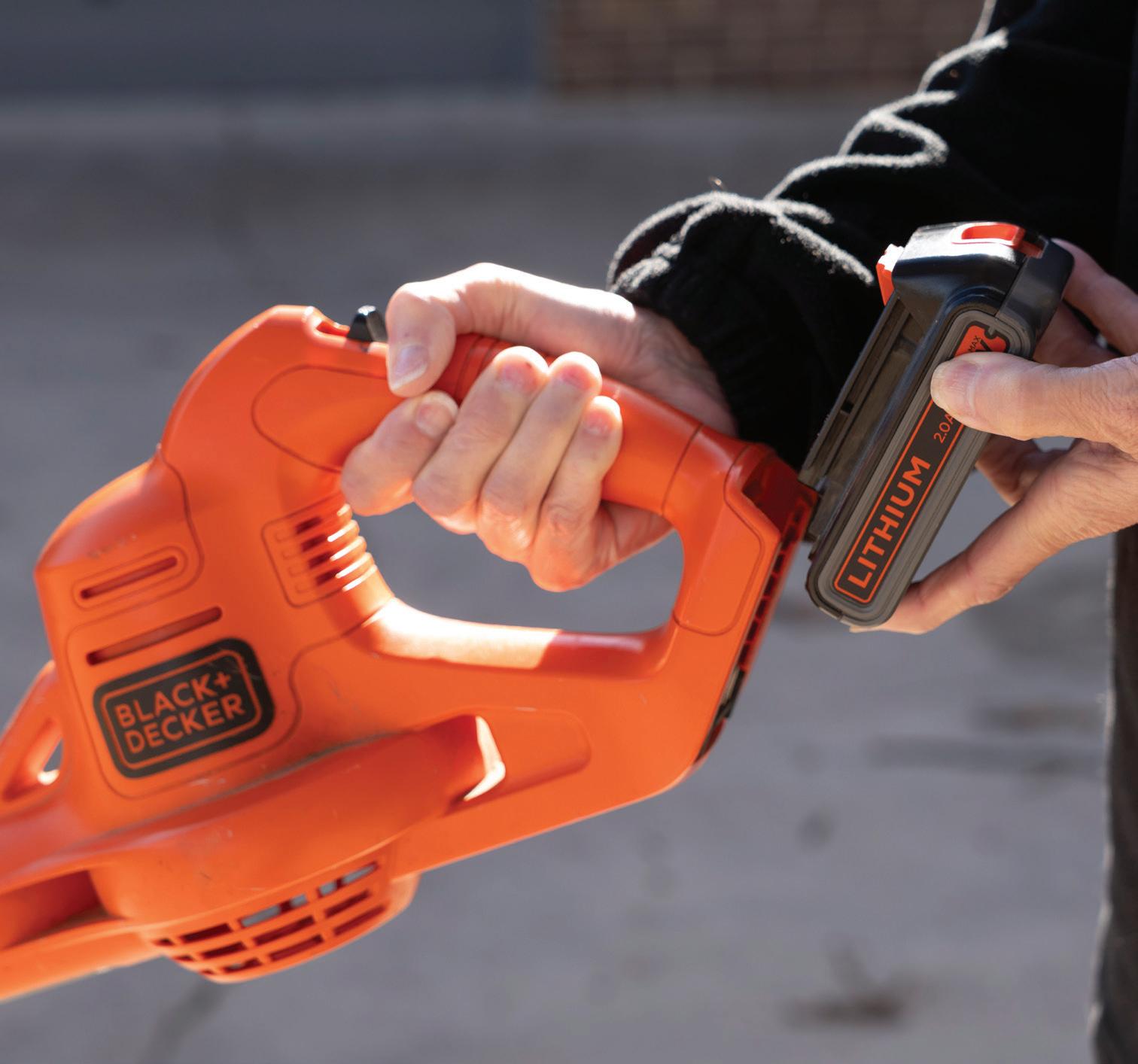
Electric lawn equipment has seen drastic improvements in cost, motor efficiency and battery power in recent years. From hedge and string trimmers to leaf blowers, chain saws, and push and riding mowers, there are lots of options for electric lawn equipment.
Electric equipment is quieter than its gas-powered counterpart and typically needs less maintenance. There’s no more mixing fuel, changing spark plugs or worrying about gas going bad over the winter. Advances in rechargeable battery technology eliminate having to lug around a heavy extension cord to get your work done. Just pop in a battery and go.
Most popular lawn equipment brands offer battery-powered options, along with newer brands that specialize in electric tools. If you need multiple tools, buying the same brand with the same battery type allows you to swap batteries among different pieces of equipment. That also means fewer battery chargers to store or keep on your workbench.
Opt for equipment with brushless motors. They are more efficient, more powerful and have a longer lifespan than traditional brushed motors.
A brushed motor transfers electricity using physical brushes, which can wear down over time. The friction caused by the

brushes makes equipment run hotter and noisier. A brushless motor uses electronic commutation with less friction, which makes it more powerful, extends the lifespan and allows you to get more done on a single charge.
A brushless motor typically costs more but is worth the improved efficiency.
Just as gas-powered lawnmowers require safe storage and handling of gas and oil, battery-powered equipment requires proper maintenance, charging and disposal. Always use the manufacturer’s original charging equipment. Charge batteries on hard surfaces away from anything flammable, and store chargers in a cool, dry place.
Most manufacturers recommend charging batteries only until they reach full capacity instead of leaving them on the
charger until you are ready to use them. This helps prevent damage to the battery from overcharging and heat buildup and reduces potential fire hazards. Unplug chargers when not in use to avoid wasting energy.
Similar to gas and oil, old or damaged batteries should not end up in household garbage and landfills, where they can ignite fires and leak toxic chemicals into soil and groundwater. Instead, recycle them at a big-box store or at a waste management site.
If you’re looking for a quieter, more efficient, lower maintenance lawn care routine, rethink your equipment options and consider electric models. If you decide to make the switch, check with your electric utility or state agency for electric lawn equipment rebates. n
Agriculture
Reinforced custom-sized pond liners (39 cents/sqft). Hay covers, greenhouse covers, any width and length. Truck tarps and more. High puncture and tear strength. Best price guaranteed. Celebrating 43 years in business. btlliners.com. 541-447-0712. 0426
Strong and dependable 20-year-old female ag. graduate (May 2026) of Feather River College seeking ranch hand employment, preferably with cattle. Lilly, 916-717-9981. 0426
Antiques and Collectibles
Buying antiques and collectibles: advertising signs, porcelain signs, gas pumps, beer signs, antique toys, cast-iron coin banks, neon signs and more. Jason, 503-310-3321 or tjabaughman@yahoo.com. 0926
Buying American Indian collectibles, Navajo jewelry, blankets, rugs. CA/AZ baskets and beadwork. Quality paintings of the early Southwest and Americas. Call 760-409-3117 or send photos to amer.ind.baskets@gmail.com. 0526
Buying older baseball cards, collections, from the 1960s and older. Will pay cash or via Paypal. budandvicky@msn.com; 541-430-6900. 0626
WC Collectibles. We buy comic books. Local to Inland Northwest. Willing to travel. WCCollectiblesCheney@gmail.com; 509-496-1835.
Automotive
1970 GMC fleetside short box, new built 383 stroker. Saginaw 4-speed. $18K. Tri city-WA area. 509-830-2511. 0426
1991 HD-FXRSLR 80 cubic inches. Immaculate. Brandywine, cream. Leather saddlebags. Windshield. 13,650 original miles. $6K. 541-263-1009 (leave message); himtns@gmail.com. 0426
1990 Jeep Cherokee Pioneer 4x4. One owner, well cared for. $7.5K. LaGrande, OR. 541-963-2585. 0426
Books, Magazines, Videos
Book restoration. Bibles, cookbooks, cherished family heirlooms. Beautiful work. We give renewed life, more durable than original, to last for generations. 775-537-7066; salacanstudio@gmail.com. 0426
Community Events
Long Creek, OR, Emergency Services Appreciation Dinner, April 25. Live auction items include fire engine, flat utility trailer, Hamley saddle and firewood. Dinner reservations 541-421-3601. Visit cityoflongcreek.org for more info. 0426
Ads 25 words or fewer are $35 a month. An ad of up to 35 words is $50 a month. Contact information is included in the word count. Phone numbers and emails count as one word.
Longer ads may be placed. Contact 503-357-2105 or info@pioneer.coop for pricing.
Ads are for customers of member co-ops, public utility districts and municipals only. Subscribers and nonmembers may inquire about pricing at 503-357-2105 or info@pioneer.coop.
Ads must be direct and in first person, and are subject to approval and editing.
Closing deadlines (in our office): June issue—April 30
If submitting ad by mail, send appropriate payment with your name, address, email, phone number and the name of the electric utility that provides your magazine to: Marketplace, P.O. Box 1306, North Plains, OR 97133. Make check or money order payable to Ruralite.
We accept credit card payments for ads submitted to info@pioneer.coop. Call 503-357-2105 to pay by credit card. Advertisements are accepted in good faith. Pioneer Utility Resources is not liable for interactions between buyers and sellers.
New exhibits. Annual EOU Student Exhibit and Inaugural Ceramics Open Exhibit. Opening April 3 at Art Center East in La Grande, OR. artcentereast.org. 0426
Education
Long Creek Virtual Learning Acellus Academy. Free in OR, online, accredited, K-12 education. Contact Long Creek School for info and to sign up. longcreekschool.com; 541-508-9164. 1226
Farm Equipment
1940s Caterpillar D-2, hydraulic blade up/ down, full canopy, many photos. My late father’s. Diesel engine stuck so asking only $3.5K, OBO. Near Dayton, WA. 208-284-5073.
Water trailer. Around 400 gallons, Homelite pump, on heavy-duty, ex-military trailer. Photos, no title. Pump not started since before COVID-19. Near Dayton, WA. 208-284-5073.
Free Items
Free materials—church/government unite. National Sunday Law. TBSM, P.O. Box 374, Ellijay, GA 30540. tbsmads@yahoo.com; 1-888-211-1715. 0426AR
Help Wanted
Camp hosts/caretakers wanted for the Tucannon River RV Park, a small (33 sites), modern RV Park in rural SE WA on the lower Tucannon River. Prefer active retired couple able to meet and greet, take reservations, pull hoses, mow, general maintenance. RV required, with full hookup provided, plus stipend. 509-382-2759. 0426
The Wheat Lands Communities’ Fair in Ritzville, WA, is currently seeking a reliable and responsible summer groundskeeper/ camp host. Responsibilities include mowing, watering, general maintenance, overseeing the campground and other duties as needed. Would ideally be onsite by early May through late September. Full hookup provided and end-of-season stipend paid. Interested people can contact Dan at 360-521-2495. 0426
Livestock, Supplies
Live bees by Dick Turanski. New large supplier of 5 frame nucs in nuc box. Available 8:30 a.m.-3 p.m. Saturday, May 9. Nucs with your choice of queens as follows: Italians, Carniolans or Buckfast (Buckfast is NEW, starting with a limit of 2 nucs per customer). Introductory low price of $200 per nuc or more than 10 at $195 per nuc. Order via email, to dick.turanski@glorybee.com. Mail checks to RPT & Associates, P.O. Box 41294, Eugene, OR 97404. Deadline for checks must be postdated April 30, 2026. Pick up location in the gravel yard next to GloryBee’s Distribution Center, 29548 B Airport Road, Eugene (directly off Hwy 99). Stop by the pop-up tent to check in. 0426
Miscellaneous
Attention, landowners. Grants available now. Wildland fire fuel reduction service. Steep ground, remote, rocky, small lot, big acreage … no problem. Blue Mountain Defensible Space LLC. Bluemountainbrush@gmail.com; bluemountainbrush.com; 509-399-3473. 1126
Granite cemetery markers at affordable prices. Will ship to most places. For more info: Joe, highdesertmemorials@gmail.com or 541-815-8906, highdesertmemorials.com. 0426
Local commercial fisherman sells summer catch of preserved freshness by blast freezing at sea, gourmet canned tuna on internet. Sept.June. 100% guaranteed the best canned tuna you ever tasted. Original, jalapeno and garlic flavors available. To order: twofisherstuna.com or 206-799-1082. 0526
Nuisance trapper retiring. Selling cage and solid traps for raccoon, skunk, bobcat, squirrel, bird, fox, otter. Also, single and multi-catch mouse traps. Louise, 541-399-4593. 0426
Pets, Supplies
Havanese puppies in Rainier, OR. Hypoallergenic, great for all ages. Raised by our family as quality pets for you. Visit www.happeninhavanese.com or call Rebecca, 503-728-6241. 0426
Thriving turnkey all-inclusive business in Seneca, OR. Bear Valley Store. $425K. Duke Warner Realty, ddwr@ortelco.net, 541-987-2363. 0426
320 acres east of Adel, OR. Borders Hart Mountain views, Steens Mountain and Beaty Butte. Landowner tags, very rural. Reduced price: $145K. For maps: 541-659-1573; thejugglingman3@gmail.com. 0426
Let me help you buy or sell ranch, farm and recreation property in OR. Fourth-generation Oregonian, prior ranch owner. For sale: Deschutes Canyon Mountain views 118 acres Riverfront. $11.9M. John Gill, 541-480-9161; johngill@landandwildlife.com. Land And Wildlife brokerage. 0426
Mobiles to mansions. Cabins to castles. Brookings, OR, area Principal Broker Pat Piper, Century 21 Agate Realty. Helpful. Educated. Caring. 28 years of area experience. 541-251-2152; patpiperbroker@gmail.com.
20 acres for sale in northeastern NV, 10 miles east of Montello. Includes 26-ft. camp trailer, 20-ft. Conex, tools and equipment. $16K. geopup58@gmail.com. 0526
For sale/rent: 20 acres developed land, 3,600sqft. shop with “barndominium” potential. Weddings/events, horse property, RV hookups, creek, views. $575K. Seller financing. Goldendale, WA. 509-378-5886. 0426
“Tiny home,” 2014 Fleetwood single-wide MH. 784 sqft. 14’x56”. 2 bd., 1 ba. Open concept kitchen/living room, partially furnished. Garage included. $30K. 541-444-1394. 0426
Private 10-acre wild tree farm near Sandpoint, ID, with older 3-bd. mobile home, county maintained road, good building sites. $395K. Steve, 208-290-6505. 0526
For sale by owner in Baker City, OR. 2- to 3-bd. home, move-in ready. Many new upgrades. Well on the property. Fruit trees. Mountain view of Elkhorns. Call 307-321-1232 for appointment.
Recreational Rentals
Enjoy your ideal Maui getaway. This updated 2-bd., 2-ba. condo sleeps 4 and features a charming “surf shack” design. Just half a block from a beautiful beach, it’s perfect for morning strolls and sunsets. Plus, you’re steps away from shops and restaurants at Azeka Plaza. tinyurl.com/MauiGetaway. 0526
Ocean view Maui vacation rental. For the months of May-Oct. $210/now $185. One time cleaning $150, 2 TVs, king-size bed, queen-size sofa bed. Beach chairs and umbrellas. Great view. 503-812-6689. 0626
Sunshine and sand—Book your summer dreams at WaveCatcher for 2026. Oceanfront cottage with direct beach access, on the spectacular Central OR Coast. Sleeps 6. Pet friendly. All house amenities. Winter closure Nov.-March. Reservations, info: relax@wavecatcherbeachrentals.com or text 541-740-2846.
Recreational Vehicles
2004 Fleetwood Flair, 34 ft., like new, 2 slideouts, Triton V-10, 5500 Onan, 2 AC. Garaged except when traveling since 3/09. $22.95K. tlhayward@bendbroadband.com. 0426
RV FOUR-A.C.E. 29.2. Immaculate, very livable. Low milage. $25K. New tires. $15K, safety upgrades. Stabilizer/etc. Towing package. Queen walk-around bed. Shower. Oven/microwave. $45.5K. 360-370-5292. Rvtrader.com. 0426 Services
Dawn Till Dusk Masonry. Brick, block, stone and pavers. Small jobs and repairs welcome. dawntillduskconstructionmasonry.com; 541-388-7605; 541-410-6945. License #245760 bonded and insured. La Pine, OR. 0526
Sheidler Bookkeeping. Wrangling those books so you don’t have to. QuickBooks and Xero certified. Valia, 541-519-9005; sheidlerbookkeeping@gmail.com for free consultation. 0726
Blue Mountain Defensible Space LLC Wildfire Fuel Reduction: clearing brush, thinning trees, animal habitat enhancement. Expert service. Grant money available OR, WA, ID. Bluemountainbrush@gmail.com; 509-399-3473; bluemountainbrush.com. 1126
Forest Management and Logging consulting, also do logging jobs too small for larger operators, 50 years of experience in forestry, log marketing and logging management, references available, free on-site estimates. 541-430-6900; budandvicky@msn.com. 0626
Old West Coffins. Simple, dignified, traditional. Pine coffins, made to measure in the USA. Live the cowboy way … leave the cowboy way. oldwestcoffins.com. 530-640-1940. 0426
Situations Wanted
Attractive, active 60-year-old Christian gentleman in Umpqua, OR. Business owner, loves hot rods, smooth jazz, beach. Seeks financially stable, adventurous woman, 40–60. grailgolf@hotmail.com. 0626
Elderly gentleman 6’3”, 175 lbs., seeks educated male 55 to early 60s for companionship in the Gold Beach/Brookings/ Coos-Curry area. No smoking or drinking. I’m open-minded and liberal. I love classical music, art and sci-fi. David, 29917 Harbor Way #742, Gold Beach, OR 97444-9700. 0426
Want to Buy
Gold, silver, coins/currency, buy, sell. Collections wanted. Fair prices paid. 45 years in retail store. Baker City, OR. 800-556-2133; garrymclin@aol.com. 1026
Buying American Indian collectibles, Navajo jewelry, blankets, rugs. CA/AZ baskets and beadwork. Quality paintings of the early Southwest and Americas. Call 760-409-3117 or send photos to amer.ind.baskets@gmail.com.
Old carpenter tools, planes (wood/metal), levels, chisels, slicks, adzes, axes, hatchets, handsaws, old rulers, spoke shaves, wrenches, shipwright tools, old tool chests. 503-659-0009; 971-666-0659. 0426
Any older Corvette 1953-63 any condition, cash. Call or text 702-296-2289 or a62vette@yahoo.com. Even if you’re thinking about selling or just talk. 0426
By Victoria Hampton
In 2021, Josh Sears and his crew were 24 hours into windstorm recovery on a spring day that almost became his last. Outage repairs on a remote stretch of power lines in Western Montana were routine. Yet a hidden danger, sparked by an improperly installed generator backfeeding on a power line, awaited contact.
Josh raised the bucket to make final repairs to a distribution line serving nearby homes. As he reached down to check wires torn from the pole, his hand was electrocuted.
“Electricity is silent until it’s given the potential to show you it’s there,” says Josh, journeyman lineman for Northern Lights Inc., based in Sagle, Idaho.
Josh clung to consciousness as he fought to separate himself from the wire. Within seconds, he was confronted with the aftermath of a near-death experience.
“I didn’t want to look at my hands,” Josh says. “I know what happened. I don’t want to take my gloves off and see what happened.”
Josh was surprised to find his hands intact, marked with only signs of the electricity’s path—eraser-sized burns on each hand.
“This is not a normal scenario, how this played out,” Josh says, reflecting on his recovery. “(Electricity) eats you from the inside out. That’s how electrical burns work.”
Safety is everything for lineworkers like Josh. Continual safety training, essential equipment stocked in utility vehicles and layers of safety gear ensure lineworkers have the skills and tools to keep power flowing and return home safely every day. Yet humancaused dangers pose threats outside of a lineworker’s control.
“We can train them to control electricity, lifting, rigging and grounding, but I can’t control what the general public is doing on the roadways or in work areas,” says Kristin Burge, Northern Lights engineering and operations manager.
What nearly killed Josh was preventable. Following are steps everyone can take to keep lineworkers safe and prevent power interruptions.
Incorrectly installed backup generators pose a life-threatening risk to lineworkers and residents.
“Improperly connected generators can create serious safety risks for lineworkers who may be working to restore power under the
assumption that lines are deenergized,” says Sarah Johnson, chief operating officer for Clatskanie PUD, based in Clatskanie, Oregon.
Backfeed occurs when improperly connected generators feed electricity back into the local power grid. During an outage, lineworkers may not know a downed or damaged power line is receiving power from an external source. This can result in electrocution. Backfeeding can also cause a generator to explode or catch fire, which puts everyone inside or near the home at risk.
To ensure permanently installed standby generators are safe, they need a transfer switch installed by a licensed electrician.
“I know it’s not always financially easy for people, but use the right equipment or, when equipment is faulty, take the time and money to upgrade it,” Josh says. “What they choose to do or not do can have a big effect on us.”
Portable generators should never be plugged into a home’s wall outlet or connected to a building’s wiring. Instead, plug appliances and other devices into the portable generator based on its capacity.
Read all safety instructions before operating a generator. Because of the risk of carbon monoxide poisoning, portable generators need to be operated in dry, well-ventilated areas away from homes or garages. Use proper extension cords and unplug appliances before turning off a portable generator. Before refueling, turn off the generator and allow it to cool.
A meter on the side of a house or a pad-mounted transformer near a driveway must remain accessible to utility crews. Keep utility equipment clear of plants, outdoor decor and structures.
When planting a tree, consider the mature tree’s height and plant a safe distance away from overhead lines. Before removing a tree near a power line, contact the utility for help. Property owners can be held responsible for damaging electrical equipment when felling a tree.
While power poles may seem like an ideal location to advertise a garage sale or mount a satellite dish, attaching anything to them with staples or hardware can snag equipment and clothing.
“That can create a hazardous condition if a lineman needs to climb that pole or work on it,” Kristin says.
Keep clear of substations—the facilities that adjust high-voltage electricity to lower levels to deliver to homes and businesses. Never enter the fenced area or tamper with equipment.
Report anything affecting power equipment to the electric utility. Crews want to know about impacts to power lines and poles, transformers, meters, substations and any electrical equipment.
The public is encouraged to leave damaged equipment alone. For instance, if a tree falls onto power lines and blocks a roadway, call the electric utility for help. Don’t attempt to move or cut the tree or power equipment. There is no way for a person to know if the power line is still energized, so always assume it is. Contacting a live line can be fatal.
When crews are working on nearby power lines, it’s tempting to take the opportunity to ask them questions. Instead, pick up the phone and call the electric utility.
“Coming in the work zone causes distractions to what we’re doing,” Northern Lights Inc. Journeyman Lineman Josh Sears says. “We don’t want to be unfriendly, but at the same time, when we’re in the bucket or up on the poles climbing, it is not a good time to approach the work area.”
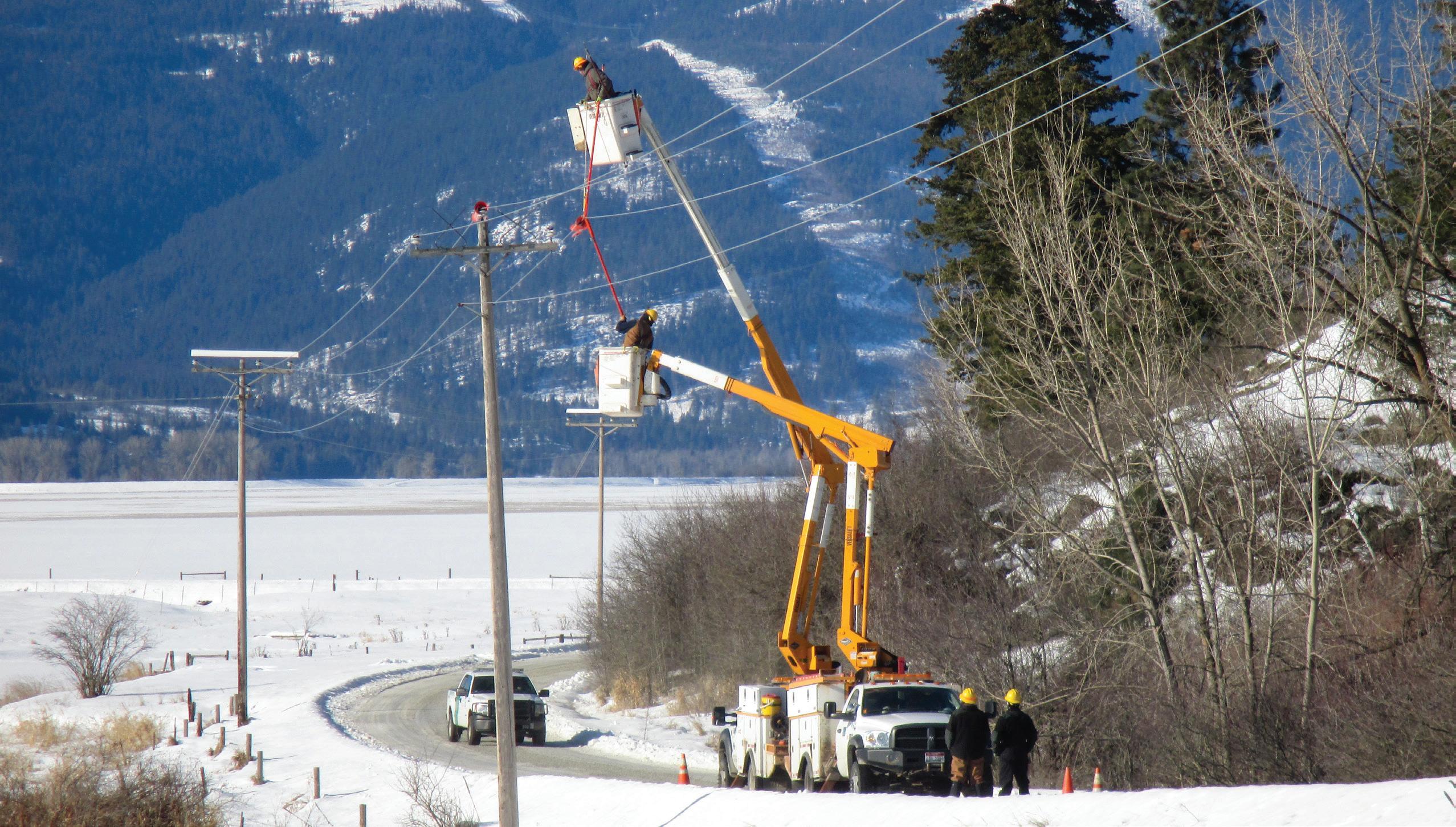
Whether on the ground, climbing a pole or in the bucket, lineworkers are focused on the task at hand during every step of a project. During tailboards, a safety briefing before each project, lineworkers receive crucial information and talk through how they can safely get the job done. Another common sight is crew members in a bucket truck patrolling lines, often assessing damage for grid maintenance and outage restoration.
Instead of interrupting crews, contact the electric utility for more information. Employees are prepared to answer questions and provide updates. Ask about signing up for outage notifications.
“If the member wants to be helpful, tell other people to stay away from it and don’t go anywhere near it yourself,” Kristin says. Stay at least 30 feet away from a downed line, and never drive over one. If a line falls on a vehicle, stay inside and wait for emergency services, unless there is fire or smoke. To exit the vehicle in an emergency, open the door, stand on the threshold with feet together, jump clear of the vehicle without touching it, and shuffle or bunny hop to safety.
Working along roadways and highways is dangerous. Line crews must pay close attention to control electricity and equipment while remaining aware of passing vehicles. Risks increase when drivers speed by, pass too close or distract crews from the task at hand. In some states, drivers are required by law to slow down and move over for utility vehicles. It’s also important to secure pets when crews are working near homes.
“If you see a crew out working, remember to slow down,” Kristin says. “Those are people’s husbands, dads and kids out there working. We need to keep them safe.”
In the best conditions, lineworkers’ jobs are difficult. During severe weather and extended outages, conditions become hazardous. Lineworkers are prepared with the training and equipment they need to safely restore and maintain power. Every person can do their part to keep lineworkers safe by letting them work without interruption or external risks.
“At the end of the day, we don’t want anyone to get hurt,” Kristin says. “We want to keep the electricity on, but we absolutely need to do it safely.” n









































Since the 1360s, when the rst mechanical clocks crowned Italian towers and piazzas, timekeeping has been treated as both science and spectacle. Now that legacy lives on in the Grotto Azzurra Chronograph — a timepiece inspired by one of Italy’s most dazzling natural wonders.
Its deep midnight-blue dial re ects the luminous glow of Capri’s legendary Blue Grotto — mysterious, romantic, unforgettable. Set against a gold- nished band, the look is pure Italian drama: striking, sophisticated, unapologetically bold.
But this isn’t just beauty.
ree precision subdials track seconds, minutes and hours with chronograph accuracy. A reliable movement powers the stopwatch function, while a stainless steel caseback and crown ensure durability. Water-resistant to 5 ATM and tting wrists up to 8 inches, it’s built for daily wear — and second glances.
e Grotto Azzurra Chronograph delivers oldworld Italian romance without the old-world price. Only Stauer makes heritage this attainable. Claim yours today. Because time this captivating shouldn’t wait.
Watch Speci cations:
• Made in Italy
• Precision Chronograph Movement
• Stainless steel caseback, crown, and band










• Stopwatch and chronograph subdials for seconds, minutes, and hours
• Water-resistant to 5 ATM
• Fits wrists up to 8"
Grotto Azzurra


652 Rose Ave.
P.O. Box 69
Vernonia, OR 97064
503-429-3021
Toll free 800-777-1276
westoregon.org
Office Hours:
7 a.m. to 5 p.m.
Closed for lunch from 11 a.m. to noon
Monday through Thursday
BOARD OF DIRECTORS
President Patricia Jordan (District 1 – Jewell, Elsie, Hamlet)
Vice President Jim Buxton (District 3 – Vernonia, Keasey)
Secretary/Treasurer Mark Ludeman (District 7 – Manning, Hagg Lake, Yamhill County)
Paul Seamons
(District 2 – Mist, Apiary, Birkenfeld)
Brett Costley
(District 4 – Vernonia)
Ray Taber
(District 5 – Timber, Buxton)
Jolene Jonas
(District 6 – Chapman, Scappoose)
GENERAL MANAGER
Billi Kohler
CHIEF FINANCIAL OFFICER
Daniel Huggett
ENGINEERING & OPERATIONS MANAGER
Andrew Larson
ADMINISTRATIVE SERVICES MANAGER/HR
Laura Hein
Board meetings are at 5 p.m. the fourth Tuesday of each month. Members are welcome.
Dear Members,
A lawsuit spearheaded by the state of Oregon could equate to a 6% rate increase for West Oregon Electric Cooperative for power supply alone. This combined with other cost pressures we are facing could result in a larger increase overall.
For generations, hydropower from the Columbia and Snake rivers served as the backbone of the Northwest, providing our co-op with affordable, reliable and carbon-free electricity. Today, the management of this vital system is again the target of litigation focused on mandating federal dams to spill more water—directing it over spillways to assist fish passage rather than through turbines to generate electricity—and draw down reservoirs to reduce the amount of electricity the hydroelectric system generates.

In fact, the federal district court in Oregon has issued such an order mandating more spill.
The proposal to drastically increase spillage that advanced in the state’s litigation has not been scientifically proven to help salmon and other fish species. However, the economic and operational consequences are certain: higher costs for your family and an increased risk of blackouts regionally.
These financial pressures and reliability impacts arrive at a time of tightening power supply and the growing risk of not having enough power to meet consumer demand across the West. The flexibility of hydropower is more critical than ever for grid stability.
Recently, I joined other electric co-op leaders in a letter to Gov. Tina Kotek asking that she meet with us to find a balanced path forward—one that honors our commitment to fish recovery without punishing consumers who rely on reliable, affordable hydropower to sustain their communities.
We still believe it’s time to talk and not fight. Too much is at stake for the state of Oregon to stay in the courtroom and leave rural communities behind.
Thank you, General Manager Billi Kohler