
From Summer Camp to Career
Hands-on programs teach students that science is all around them—not just in the classroom
By Jennifer Paton and Sable Riley
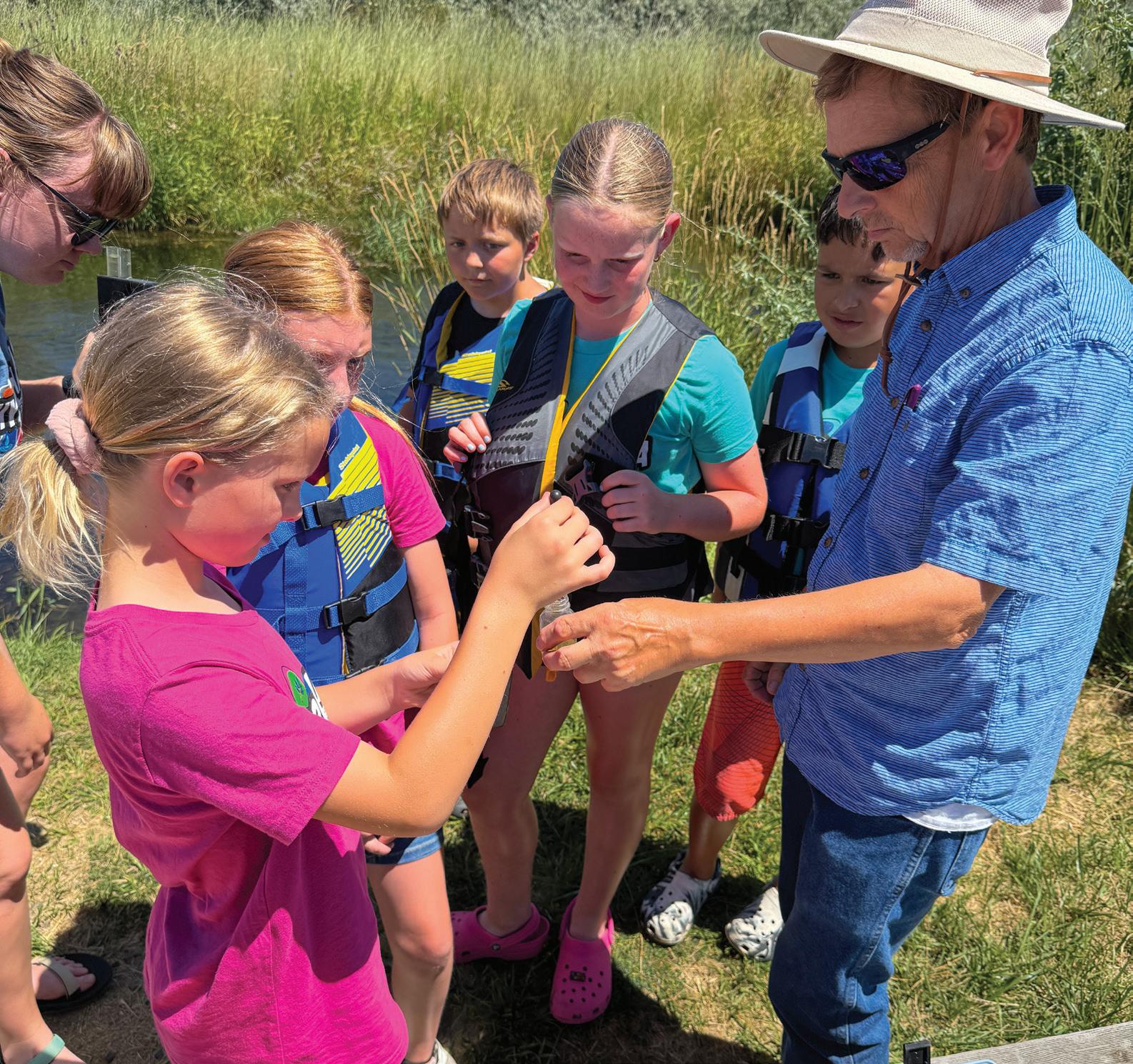
What began in 1998 as a small summer science camp has grown into one of Umatilla Electric Cooperative’s signature youth education programs, introducing thousands of local fourth- and fifth-grade students to the science of water, electricity, renewable energy and the environment through hands-on learning experiences.
The camp, called Hydromania, has become a tradition for many families in UEC’s Eastern Oregon service territory, inspiring curiosity about science, technology, engineering and math fields while helping students better understand where their electricity comes from and the important role hydropower plays in the Pacific Northwest.
Amy Baker has been UEC’s public relations representative since 2016 and coordinates the co-op’s youth programs.
“I believe Hydromania has been successful for nearly three decades because it is truly a community effort,” she says. “Every year, local businesses, industries, educators, volunteers and UEC employees come together to create an experience that
simply wouldn’t be possible without their partnership.”
Amy says Hydromania gives students a chance to experience firsthand Eastern Oregon’s range of industries. Over the years, campers have taken flights from the Eastern Oregon Regional Airport with local volunteer pilots, toured food processing facilities, visited farms to learn about agriculture and irrigation, explored the science behind hydroelectric power, and spent time with UEC line crews and other energy professionals.
“These experiences help students see how science, technology, engineering and math are woven into the work happening throughout our communities every day,” Amy says. “The generosity of our community partners transforms the camp from a week of classroom activities into an unforgettable hands-on learning adventure.”
Amy says the most important lesson taught at Hydromania is that science isn’t confined to a classroom.
“Whether it’s generating electricity, growing crops, treating water, building infrastructure or solving complex engineering challenges, science, technology and

natural resources are deeply connected to the communities where these students live,” she says. “Throughout the week, campers experience firsthand how STEM concepts are applied by the people and industries that keep our region running.”
Along the way, students develop problem-solving skills, learn the value of collaboration and gain a deeper appreciation for the people whose work often happens behind the scenes.
“Perhaps most importantly, Hydromania encourages students to stay curious,” Amy says. “We want them to ask questions, explore new ideas and recognize that they have the ability to solve problems and make a difference. We hope campers leave with a greater understanding of their community and the confidence to imagine themselves as the next generation of scientists, engineers, innovators and community leaders.”
Across the state border in Prosser, Washington, the Tri-Cities STEM Career Academy introduces high school students—sophomores to seniors—to realworld STEM applications through engaging projects and challenges. The academy
Students at Umatilla Electric Cooperative’s Hydromania camp put their scientific skills to the test by analyzing water samples and exploring water quality. PHOTO BY MATT ECKHARDT, UEC

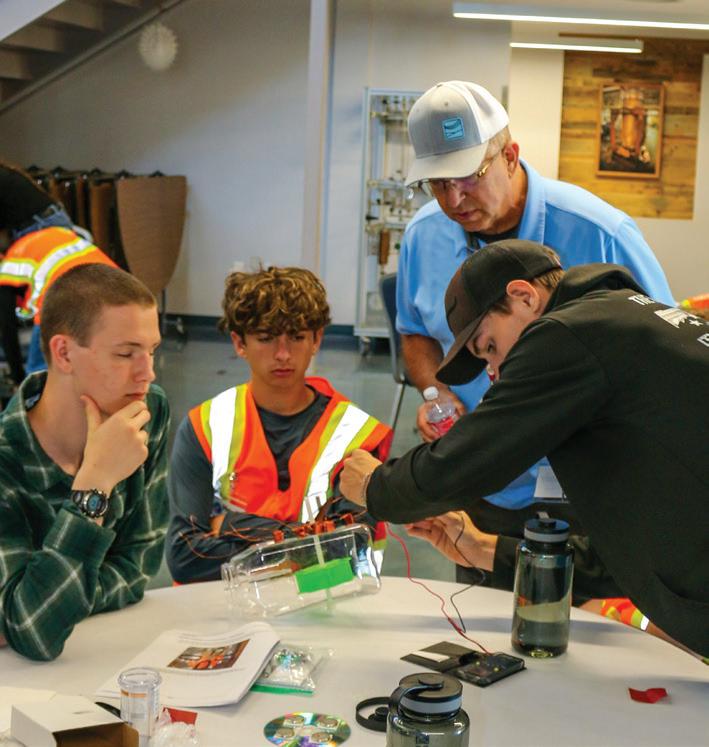
began four years ago as a weeklong education opportunity.
Ron Mitchell, electrical adviser at Benton Rural Electric Association, leads the program’s one-day generator dam project. Students work in teams to design and build small hydropower systems. Using multimeters, they test their turbines under running water, competing to produce the highest electrical output while learning how small design changes can significantly affect performance.
Ron, a fourth-generation electrician, specializes in interior electrical wiring. During the project, he consults with different groups, helps students, answers questions and gives tips.
“The value is in when they go out there into the real world, learning that you have to be able to problem-solve,” Ron says. “You want the kids to be able to think through the steps. The biggest thing they really get out of it is the collaboration and teamwork they get by working with their teammates.”
Ron acknowledges the impact of this program on the next generation of electric utility employees.
“It’s important that we get the new generations coming up exposed to our industry, and hopefully it can be exciting for them,” he says. “The utility industry is headed into the new technology sector, and we need those new forward-thinking minds to move into this industry to help move it into the future.” n
Powering Educational Family Time
Take Your Child to Work Day had been a tradition at Wewahitchka, Floridabased Gulf Coast Electric Cooperative for many years. After a long hiatus, co-op staff was excited to bring back the event this year with a new format.
“We wanted to reimagine the experience so it would be more engaging, educational and memorable for both our employees and their children,” says Kristin Douglas, GCEC vice president of marketing and communications.
In years past, children typically spent the day accompanying their parents during their normal work duties.
“While they enjoyed seeing where their parents worked, we found they often became bored,” Kristin says. “We also tried offering planned activities, but because they took place while employees continued working, many of the children didn’t enjoy being separated from their parents.”
Director of Safety and Training Cole Barfield helped inspire the event’s return after his daughter repeatedly asked if she could come to work with him. That sparked conversations about how the utility could create an experience that allowed families to spend time together while also giving children a behind-the-scenes look at the cooperative.
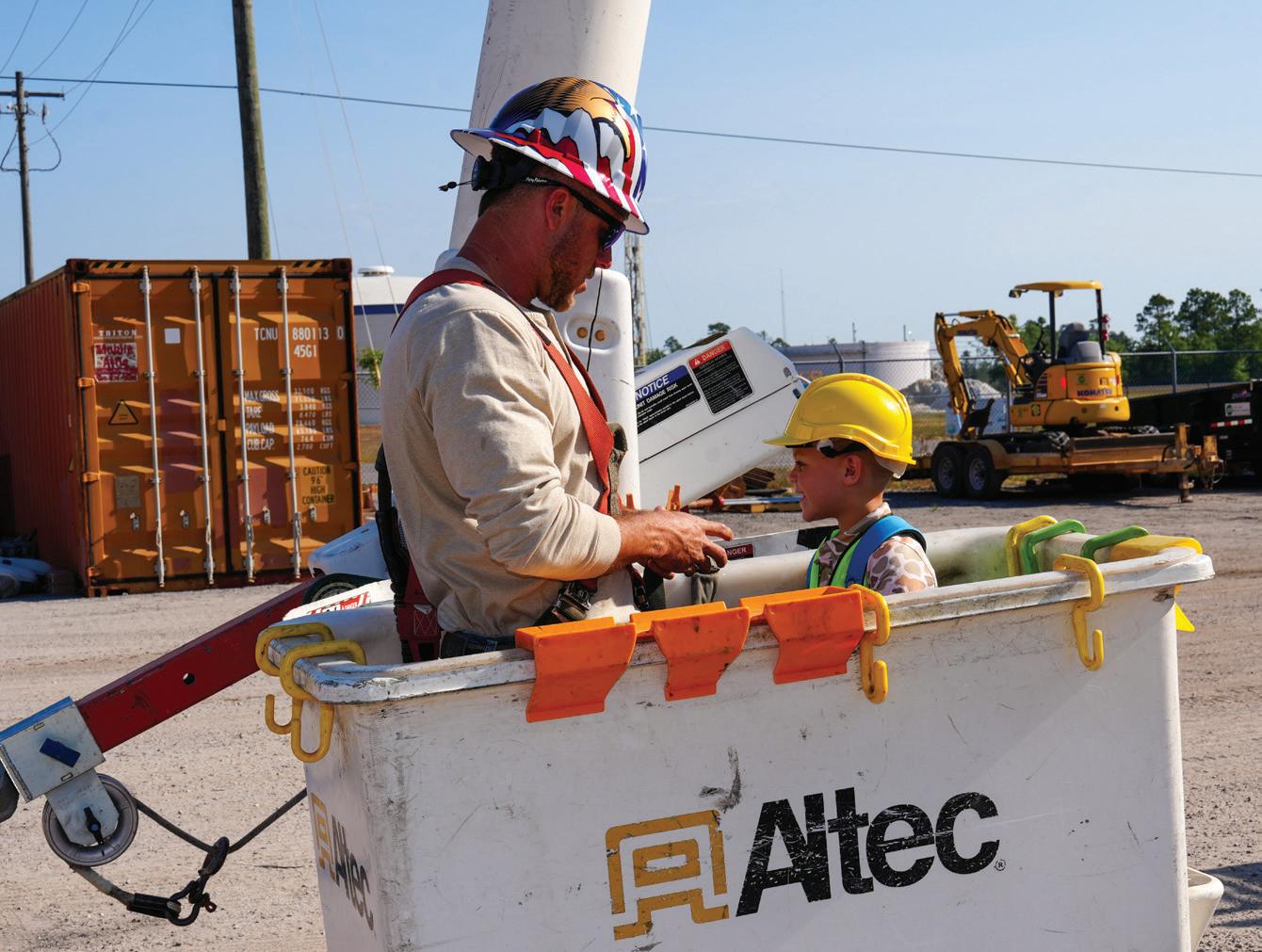
The reimagined event included breakfast, a flag-raising ceremony, bucket truck rides, soft-track rides, a bore demonstration, the opportunity to operate a mini excavator, a pole-top rescue demonstration, a live-line safety demonstration, pizza, an ice cream truck and a souvenir for every child.
“Our goal was to help children better understand the important work their parents do, teach valuable electrical safety lessons and create lasting family memories,” Kristin says. “We hope the children walked away with a greater respect for electricity and an understanding that it should always be treated with care.”
Kristin says staff wanted participants to gain a new appreciation for the men and women who work behind the scenes to provide safe, reliable electric service.
“Whether restoring power after a storm, maintaining equipment or assisting members, every employee plays an important role in keeping the lights on,” she says.
Isaac Madrid prepares his son, Beckham, to be lifted in the air in a bucket truck.
PHOTO BY WES MORGAN
Electrician Ron Mitchell supervises students as they work together to build small hydropower systems at the Tri-Cities STEM Career Academy. PHOTO COURTESY OF BENTON REA
Eastern Oregon Names Its Future
Continued from Page 5
Paul King, of Baker County Planning Department, named the bottleneck first. The county’s biggest challenge, he said, is middle-income housing—the homes for people who already work here. His office rewrote development codes to make infill easier—duplexes and accessory dwelling units, density that keeps Baker’s character.
Commissioner Jake Seavert found one word to describe Union County.
“Housing,” he said. “That’s going to be the buzzword.”
Put it in place, he argued, and you stop losing employers whose workers have nowhere to live. He appreciates that OTEC is on the front line as that demand grows.
State Rep. Mark Owens, who farms near Crane and represents House District 60, brought up water. Eastern Oregon is a closed basin, a high desert that lives and dies on snowpack. The cost of producing a crop is up 5% to 10% by his estimate.
The answer Mark kept returning to was sustainability: Slow down the water, get more than one use out of it and end the boom-and-bust cycles the region already learned the hard way from timber. Reliable, competitively priced power runs straight through that math, he said, because it runs the irrigation that runs farms.
Jeremy Davis, president and CEO of Grande Ronde Hospital and Clinics in La Grande, made the human stakes plain. Keeping care local means a patient has family at the bedside, and patients with their people close by tend to recover faster. The hardest gap to close, Jeremy said, is recruiting providers in the specialties that let families stay home instead of driving hours for care. And power must be there.
“We can’t run the sophisticated equipment we have without knowing that we have reliable power,” Jeremy said.
The hospital plans for the worst and keeps backup ready. Day to day, though, Jeremy said he thanks OTEC and stops worrying.
The arts had a seat at the table, too. Ginger Savage, executive director of Crossroads Carnegie Art Center in Baker

City, made a case for culture.
“We are no longer an extra,” she said. “We’re a necessity to day-to-day life.”
On a single First Friday, she noted, downtown Baker City can draw hundreds of people out to see a show, a connection a rural town cannot otherwise manufacture.
Tim Seydel, vice president for university advancement at Eastern Oregon University, discussed how the next generation learns— hands-on and in the field, where wildfire knowledge is part of the culture.
Morgan Olson, manager of the Kronospan plant in Island City, named the constant under everything: a trained workforce that shows up.
Add it up, and the morning made an argument for housing, water and power. Attendees did not need a keynote to find
its theme—they walked in already carrying one. OTEC’s job was to build the room.
That is the cooperative difference, drawn small enough to see in one morning: A co-op sells electricity into Eastern Oregon, and it also gathers Eastern Oregon into a room where the region can work on what comes next. Nearly four decades later, the same partnership is funding the next chapter, and the next chapter sounded a lot like a region that knows what it needs.
The sixth annual Power Eastern Oregon Summit is already worth circling. If this year was the morning Eastern Oregon said its future out loud, next year is the one where we start building it. The balloon may or may not fly. The work will. We look forward to seeing our community leaders, before the coffee, ready to get started. n
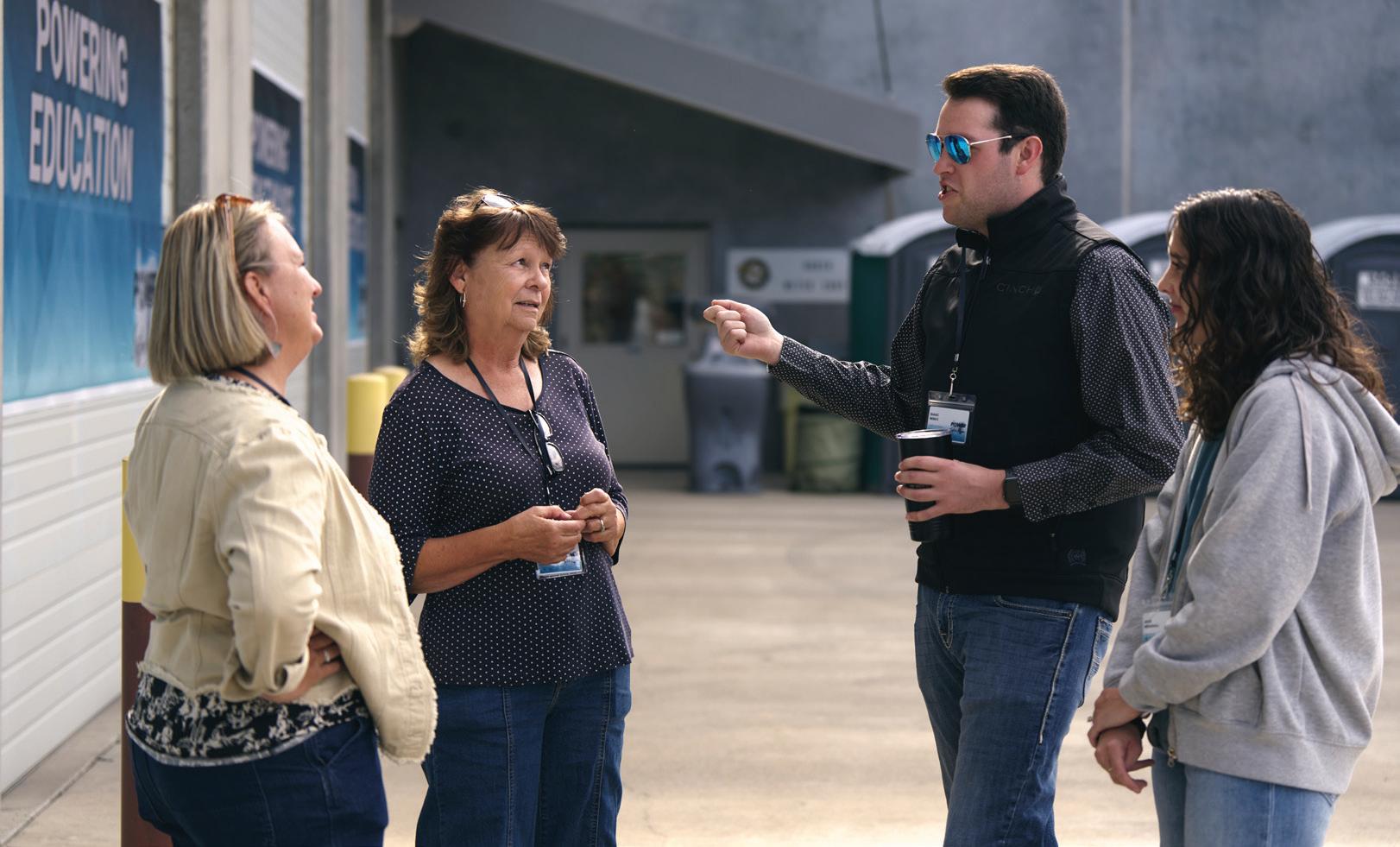
ABOVE: Power Eastern Oregon attendees connect outside OTEC headquarters before the summit’s opening sessions.
TOP: A small group exchanges ideas during a networking break.









High Desert Museum Welcomes Little Wonders Family Night program celebrates 10th year
By Ginger Meurer
The High Desert Museum has welcomed visitors to Bend, Oregon, for exhibitions, wildlife encounters and educational explorations since 1982. For the past 10 years, that invitation has extended to preschoolers who might not otherwise visit.
Through a partnership with NeighborImpact’s Head Start, a program offering free preschool and education and health services to local families, the museum puts on annual Little Wonders Family Nights. This year’s events were April 2 and 9.
Families from the Head Start programs in Bend, La Pine, Prineville, Redmond and Sisters are encouraged to register for the evening, where they join Head Start teachers, museum staff and volunteers for dinner, exhibit browsing and special hands-on activities.
But the best part is, all the families that register—whether they can attend or not—receive a free two-year family membership to the museum, a $310 value. This year’s Little Wonders Family Nights brought in 750 guests.
Museum Executive Director Dana Whitelaw says she and her team are grateful for partners at NeighborImpact Head Start and all of the program’s sponsors.
“Together, we’ve helped create meaningful, shared experiences for families across Central Oregon, ensuring the museum is a place where every child can feel welcome and inspired by our exhibitions, wildlife and shared history,” she says.
NeighborImpact Head Start Director Kim Brown says the museum program is just as vital now as when it started.
“Ten years ago, we believed that every child—no matter their family’s circumstances—deserved to stand in front of a living eagle, touch a piece of obsidian and feel the wonder of discovery,” Kim says. “A decade later, Little Wonders has proven something bigger than we imagined. When community partners come together around our most vulnerable kids, the ripple effects last a lifetime. We are more hopeful than ever about what the next 10 years will bring.”
Fun for the Whole Family
Participating families expressed their appreciation for the program. Stefanie Lester and her children loved Little Wonders Night.
“This was my first year attending, and my kids were so excited to do it,” she says, adding that the animals impressed them the most. “The turtles, otters and snakes, for sure! My oldest got to hold a snakeskin. And, of course, they love the porcupine and bobcat.”
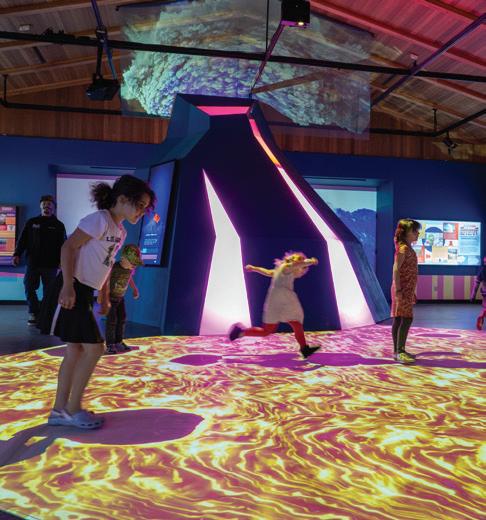
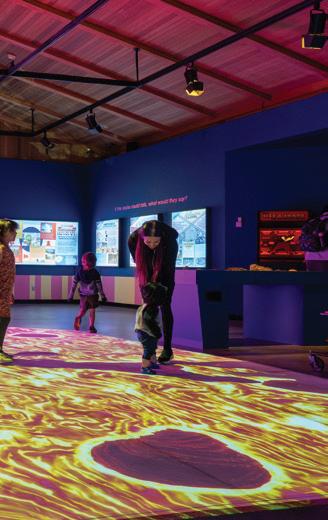
The science exhibits were impressive to others, including a trio of girls spotted skipping through the museum, chanting, “Volcanoes! Volcanoes! Volcanoes!” They were likely excited about “Under Pressure: A Volcanic Exploration,” a temporary exhibit on display through January 2027 that sheds light on the rumbling giants scattered across the planet.
NeighborImpact Director of Marketing and Communications Rachel Haakenson says part of the fun is seeing families taking in the exhibits together.
“One of the most exciting parts for children is running into their teachers and classmates in a completely different setting,” she says. “Seeing familiar faces at the High Desert Museum brings a sense of comfort and connection, but it also adds a new level of energy. Kids get to share discoveries together outside the classroom, and families often connect with each other in more relaxed, informal ways.”
Rachel loves seeing children recognize something they’ve learned in the classroom and then light up when they see it in real life, whether that’s an animal, a landscape feature or a cultural exhibit.
“There’s often a moment when they turn to a parent or teacher and say, ‘I know this,’ and then name it or tell them about it,” she says. “Those moments are powerful because they show learning sticking, and just as importantly, they show families getting to share in that excitement.”
Rachel also likes to see kids take ownership of the space.
Welcomes Young Visitors
“For many families, this may be their first time visiting the museum, and, within minutes, children are confidently leading their parents from one exhibit to the next,” she says. “That sense of belonging is a big part of what makes the experience meaningful.”
The High Desert Museum isn’t just for kids. It attracts regional and national tourists and repeat local visitors of all ages. April’s programming demonstrated a great example of the range, with Little Wonders starting the month and Free Senior Day welcoming visitors ages 65 and older for a day of fun at the end of the month.
Early Days
The High Desert Museum was the vision of Donald Kerr, a young Portland naturalist who spent the ’70s rambling over the Cascade Mountain Range. He loved raptors from the time he was 12, when a teacher brought a live falcon to his classroom. He also raised a wolf pup as a science project.
Donald envisioned a place to “wildly excite and responsibly teach” visitors about the high desert. He shared this dream with anyone who would listen and was told repeatedly that the goal was out of reach. He remained dedicated and gradually won over supporters, including Mike Hollern, who was president of the Brooks-Scanlon timber company and later Brooks Resources. That support resulted in the donation of 135 acres of ponderosa pine forest to the cause.
Donald’s tenacity paid off. He led the museum for 16 years and was instrumental in creating one of the first museums to merge indoor and outdoor wildlife exhibits into an interactive living history program. Over the years, new wings were added, new exhibits opened and visitor numbers grew.
In 1995, Donald was working with a great horned owl when the bird’s talon broke through his glove and scratched his skin. The injury initially seemed minor, but it’s likely the origin of the viral encephalitis that left him unable to continue his work. A year after Donald had to step away from running the museum, the board set out to find a new director and raise funds for a lasting tribute, the Donald M. Kerr Birds of Prey Center, which opened in 2001.
Donald died in 2015. His wife, Cameron Kerr, a self-described lifelong volunteer, was honored at the 2022 High Desert Rendezvous, the museum’s biggest annual fundraiser.
This year’s High Desert Rendezvous is set for Aug. 22. Fundraising helps support museum operations, expansions and programs including Little Wonders. n
For more information, visit highdesertmuseum.org. High Desert Museum
GETTING THERE: The museum is just five minutes south of Bend, Oregon, or 10 minutes north of Sunriver on Highway 97.
ATTRACTIONS: Get close-up views of rescued native wildlife, including river otters, porcupines and birds of prey. Learn how to protect species in the high desert. Chat with costumed historic characters who share tales of life at the turn of the 20th century. Visit an authentic homestead and sawmill from 1904. Learn about Native American cultures and check out fun hands-on programs.
ADMISSION: Daily tickets are $24 for adults, $19 for seniors and college students and $13 for children.
Little Wonders is made possible by the Papé Family Foundation, Ronald W. Naito MD Foundation, Latino Partnership Program, Columbia Bank Community Impact Fund, NewSun Energy and Meta, with support from the Cow Creek Band of Umpqua Tribe of Indians and MDU Resources Foundation.
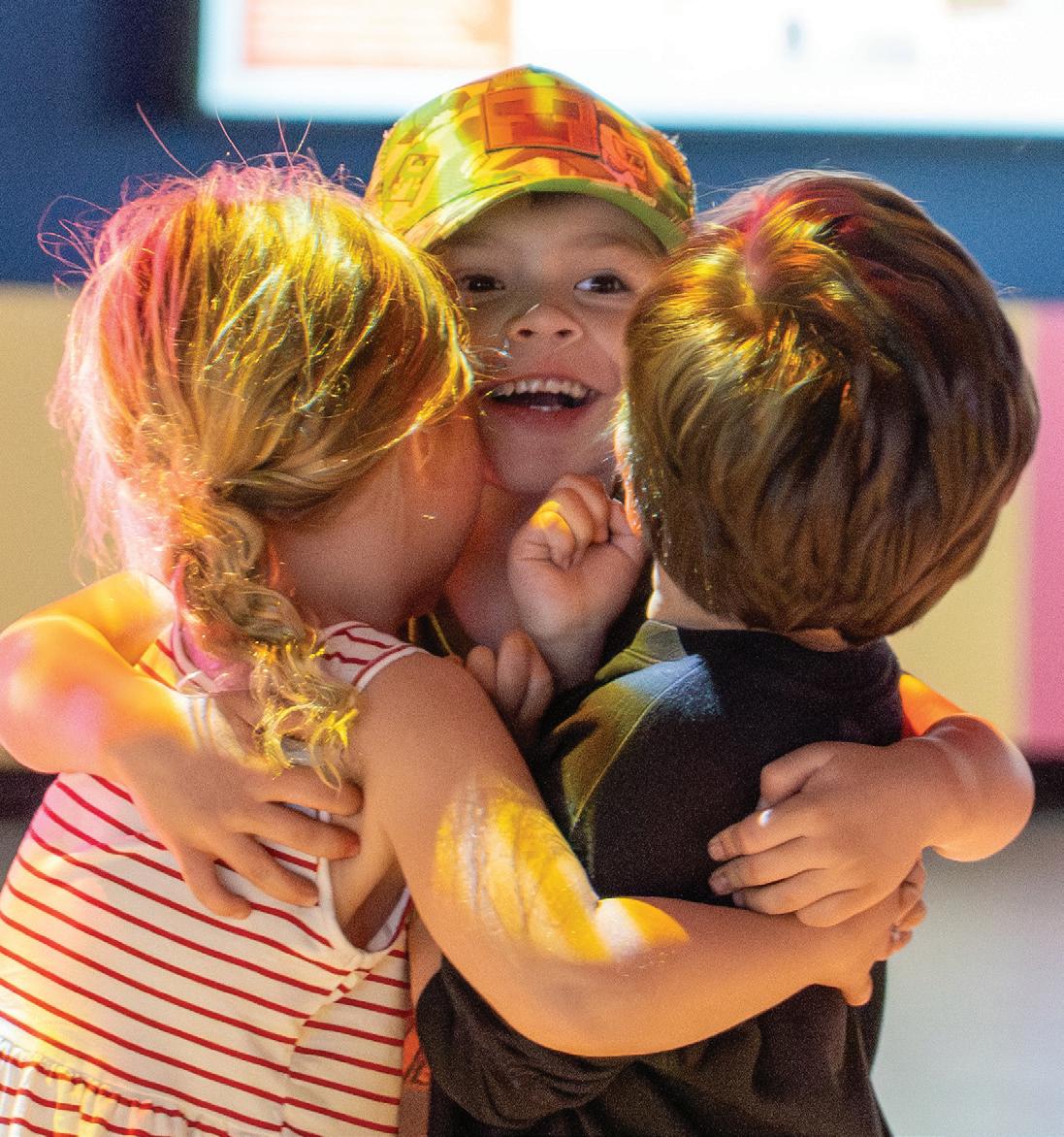
Little Wonders Night is always full of smiles and packed with fun.
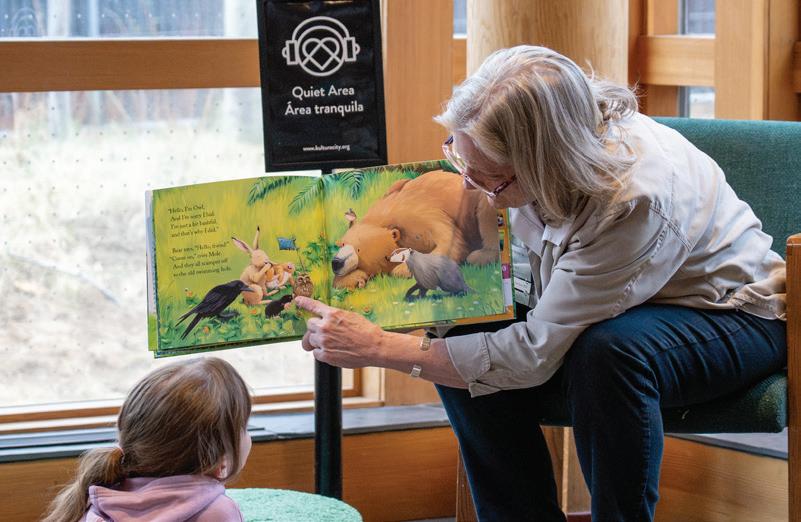
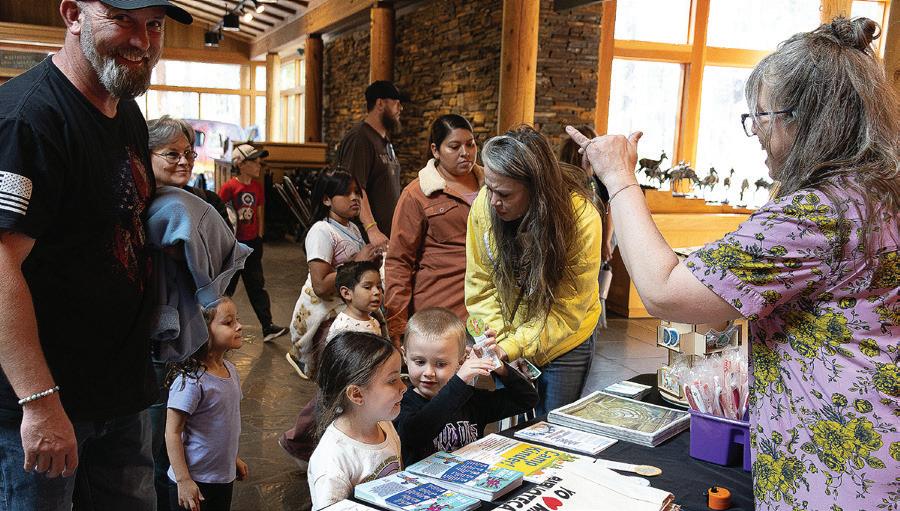
FROM FAR LEFT: Volunteer Marge Trayser reads to a child during a Little Wonders Night at the High Desert Museum. PHOTOS COURTESY OF NEIGHBORIMPACT HEAD START Staff and volunteers distribute information to Head Start families.
PHOTO BY DARRIN UNDERWOOD Children explore “Under Pressure: A Volcanic Exploration” at the museum.

Competition builds Special Olympians’ confidence and fitness More Than
By Ginger Meurer
Medals

The 2026 Special Olympics USA Games brought 3,000 athletes, 1,500 coaches, 10,000 volunteers and 75,000 fans from all 50 states to Minnesota. From June 20-26, athletes competed in track and field, basketball, bocce, bowling, cheerleading, cornhole, flag football, golf, gymnastics, pickleball, powerlifting, soccer, softball, swimming, tennis and volleyball.
Special Olympics’ philosophy is focused on building inclusion, self-esteem and athleticism in people with intellectual disabilities.
Local Special Olympics programs around the country encourage athletes of
all ages and skill levels to strive to reach their maximum potential. While Special Olympics USA Games elevate the cause with a massive event every four years, Special Olympics offers state and regional competitions year-round.
Bringing Home the Gold
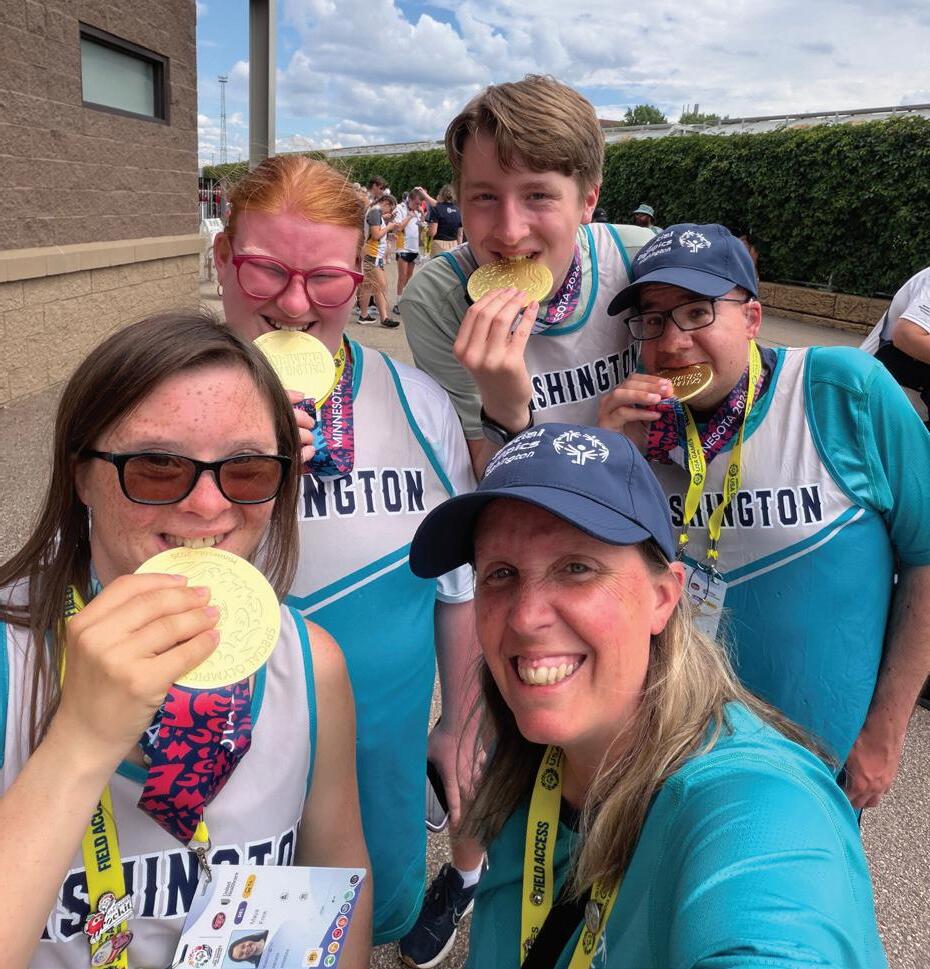
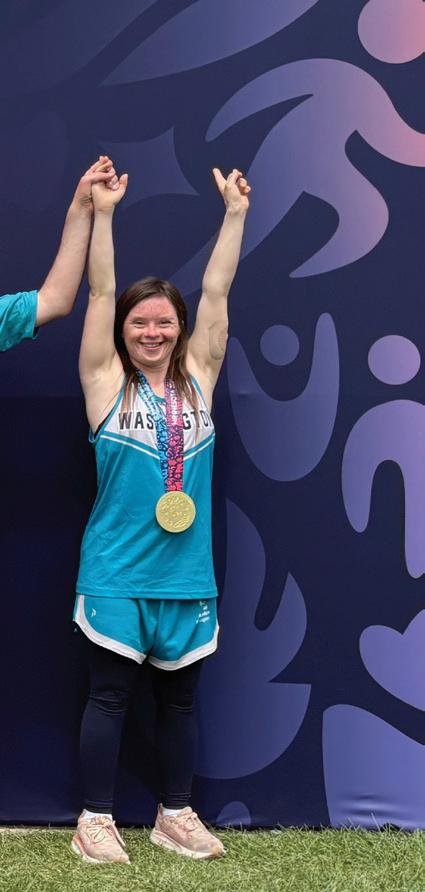
Special Olympian Kevin Short, of Puyallup, Washington, came home from Minnesota with a gold medal for his performance in the 4x100-meter relay and bronze medals for the 200-meter and 50-meter races.
Kevin says he will never forget the thrill of hearing his name announced as one of only two men to represent Washington in track and field.
He says his coach encouraged everyone on the team to walk every day, set fitness goals and track their progress on an app.
“Kevin beat her and everybody else every day on his steps,” his mother, Gina, says.
As part of his training, Kevin walked his neighborhood and racked up an average of 40,000 to 50,000 steps a week. As he walked, people waved and called out to him.
“I was on the news a couple of times, and one of our games was televised on TV, and a lot of people saw that,” Kevin says. “I’ll be out and hear people say, ‘Hi, Kevin!’ There are so many people who know me.”
Kevin appreciates the opportunities Special Olympics provides.
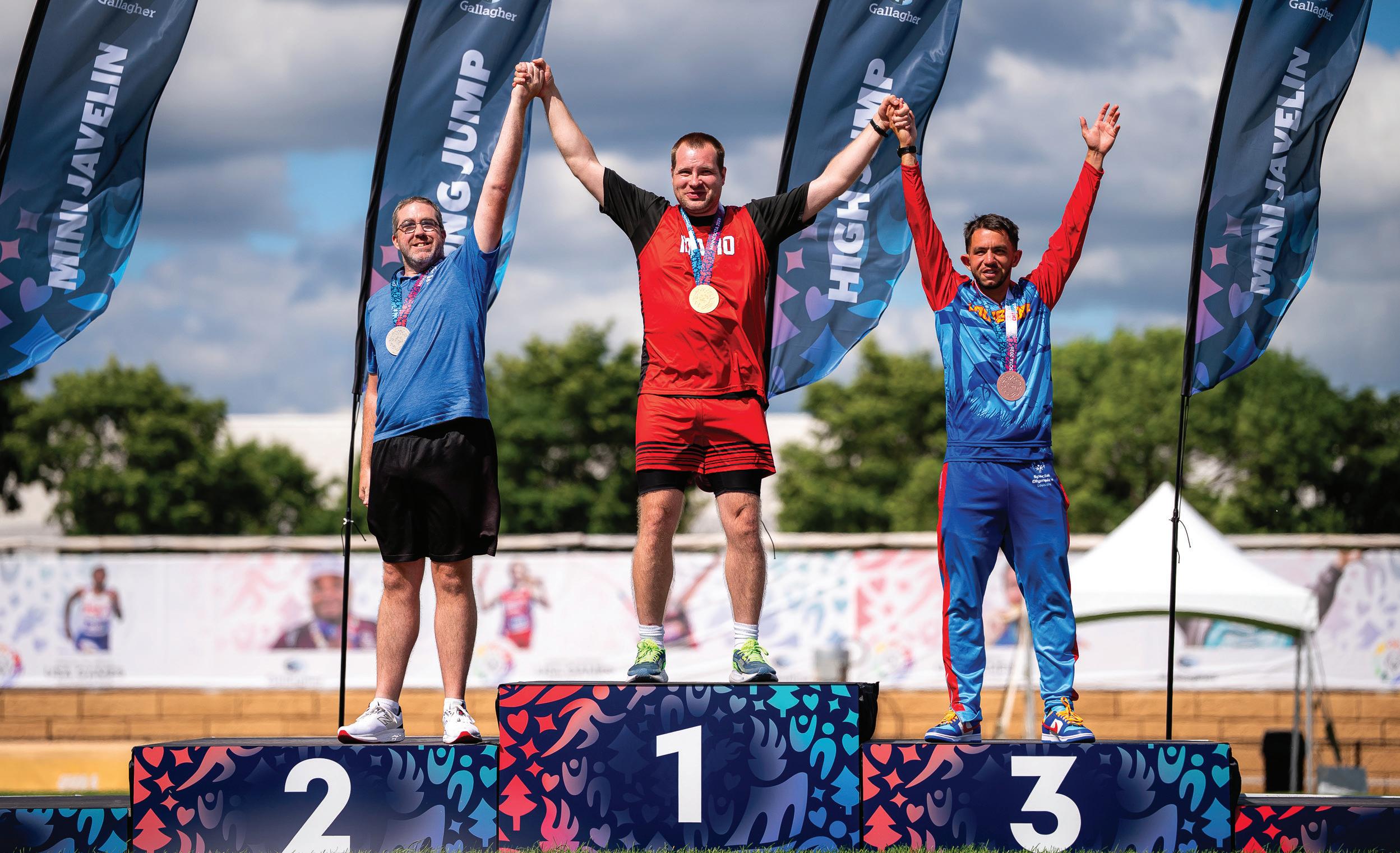
Idahoan Ben Cox, center, holds hands with Daniel Williamson, of Massachusetts, and Jesse Marino, of Louisiana, as they celebrate their achievements at the 2026 Special Olympics USA Games in Minnesota. PHOTO COURTESY OF SPECIAL OLYMPICS

“It’s a chance for me to be able to get out and be myself and be with my friends and have a good time,” he says.
Gina is delighted her son has achieved so much more than doctors predicted. When Kevin was 1, his pediatrician noticed something was off and sent him to a neurologist. The doctor discovered a tumor and scheduled emergency surgery.
“The neurosurgeon came in to see us that night and told us, ‘Your son has a horrible tumor, and he will die from this. If he lives through this, he won’t graduate from high school, he won’t play sports, and you will probably outlive him,’” Gina says. “I remember looking at this little baby in the hospital bed—the baby who to me was a healthy, happy baby just a few short hours ago—and thinking, ‘Is this the last time I’m going to see him?’”
After surgery, chemotherapy and a second craniotomy, the site appeared to be clear of cancer. But three months later, the tumor was back.
“Kevin had seven and a half weeks, five days a week, of full brain and spine radiation,” Gina says. “At the end of the treatment, I asked one of his doctors what I should expect. She looked at me and said, ‘I haven’t had a child survive the total

amount of treatment that Kevin has had, so I can’t tell you what to expect.’ Kevin is a miracle.”
Despite hearing loss and learning challenges, Kevin graduated from high school.
“It was rough,” Kevin says. “They made the predictions saying, ‘You’ll never do this, you’ll never do that, you’ll never be able to hold a job,’ all these different predictions. And I ended up coming out and showing everybody that I can do everything. I adapted and rose to the challenge, and I’ve met so many people along the way.”
“He’s an athlete now,” Gina says. “And he’s a gold medalist.”
Kevin vows to “continue to be positive and live every day like it’s my last. And take every opportunity that comes my way.”
Personal Bests
Boise, Idaho, Special Olympian Courtney Lynch was also given a grim prognosis as an infant.
“I was 1 pound, 7 ounces, and I had to stay in the hospital for 72 days,” Courtney says. “The doctors told my parents, ‘She won’t walk or talk.’”
Today, Courtney can talk. And she
History of Special Olympics
Special Olympics was founded by Eunice Kennedy Shriver. Eunice’s sister, Rosemary, had intellectual disabilities, but she grew up playing sports right alongside her eight siblings, including future U.S. President John F. Kennedy.
Eunice and Rosemary swam, sailed, skied and played football together. But in the late ’50s and ’60s, there were few resources for people like Rosemary.
Eunice became an athlete in college and saw how sports united people from all walks of life. She wanted that for her sister and others like her. So, in 1962, Eunice invited young people with intellectual disabilities to a summer day camp she hosted in her suburban Washington, D.C., backyard.
The goal at Camp Shriver was to explore skills through physical activity. While the family pushed for legislation to increase services for people with intellectual disabilities, Camp Shriver grew. Through the Joseph P. Kennedy Jr. Foundation, Eunice advanced the goal of establishing year-round activities, not just a single summer camp.
In 1965, she called for a nationwide physical fitness program to include a national tournament of athletic contests starting at the local level. In July 1968, the first International Special Olympics Games were held in Chicago.
Today, Special Olympics puts on more than 100,000 games and competitions every year featuring more than 30 sports. The organization serves more than 4 million athletes with the help of 1 million coaches and volunteers in more than 200 accredited programs.
Athletes are selected for the USA Games through a process managed by individual state organizations. Typically, athletes first qualify by winning a gold medal in their sport at a state game. Once the state gets its quota of athletes it can take to the national competition, local committees use a random draw to see who gets to fill those spots. Selection announcements are made well in advance of the national and international competitions, giving athletes a year or even two years to prepare.
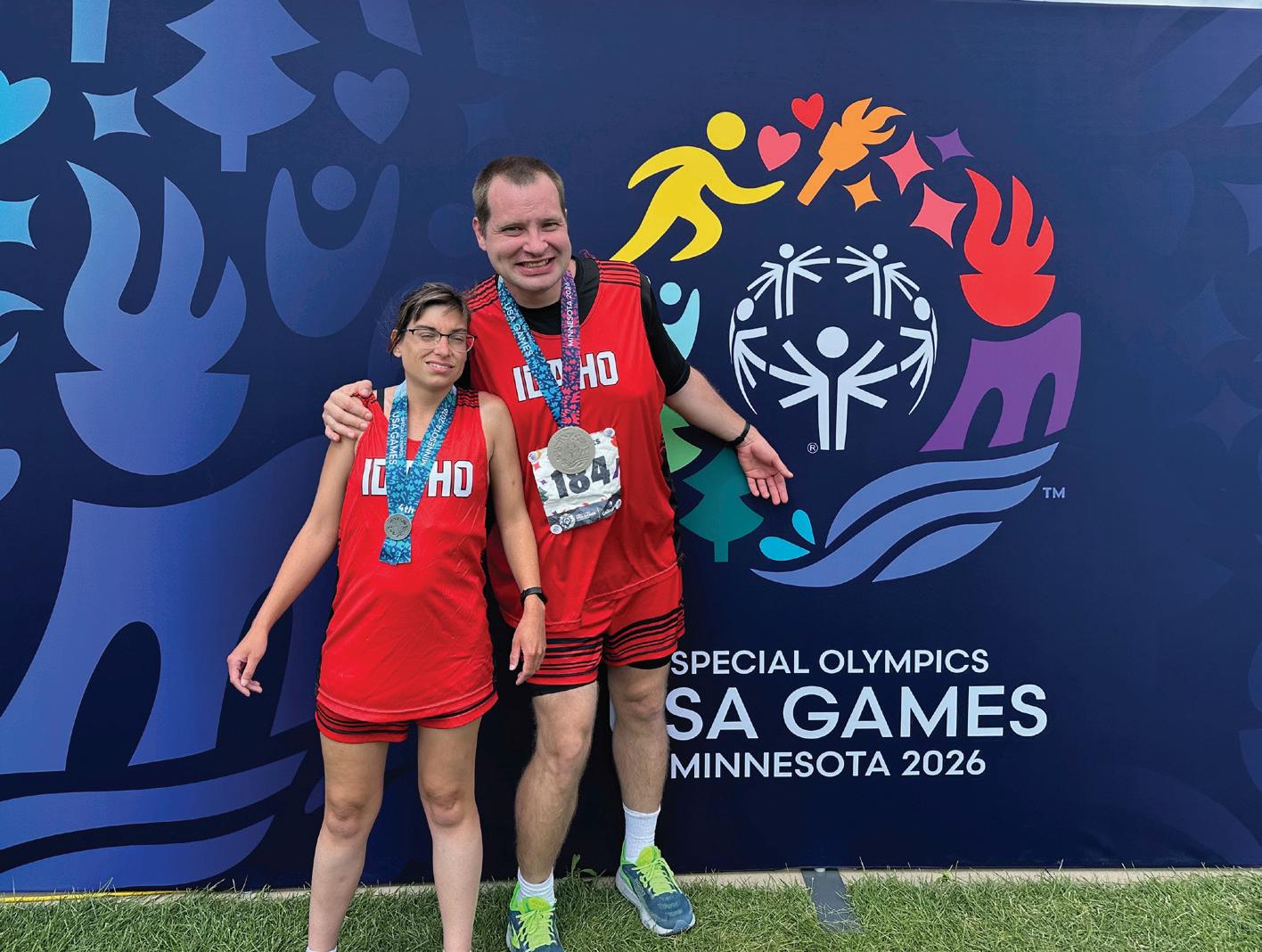
Idaho teammates Courtney Lynch and Ben Cox show off their medals at the 2026 Special Olympics USA Games. PHOTO COURTESY OF BEN COX

doesn’t just walk, she runs. At the 2018 Special Olympics USA Games in Seattle, she ran shorter distances—competing in sprints like the 50-meter dash. She had so much fun at the competition, she decided to train for longer distances.
“I was like, ‘Hey, I want a challenge because I love going for challenges and overcoming them and surprising people and myself on what can I accomplish next,’” Courtney says. “At that point, I was like, ‘Hey, I want to try long-distance running,’ and after that I worked really hard, and it took years, but I worked my butt off, and now I’m competing in the 1,500-meter.”
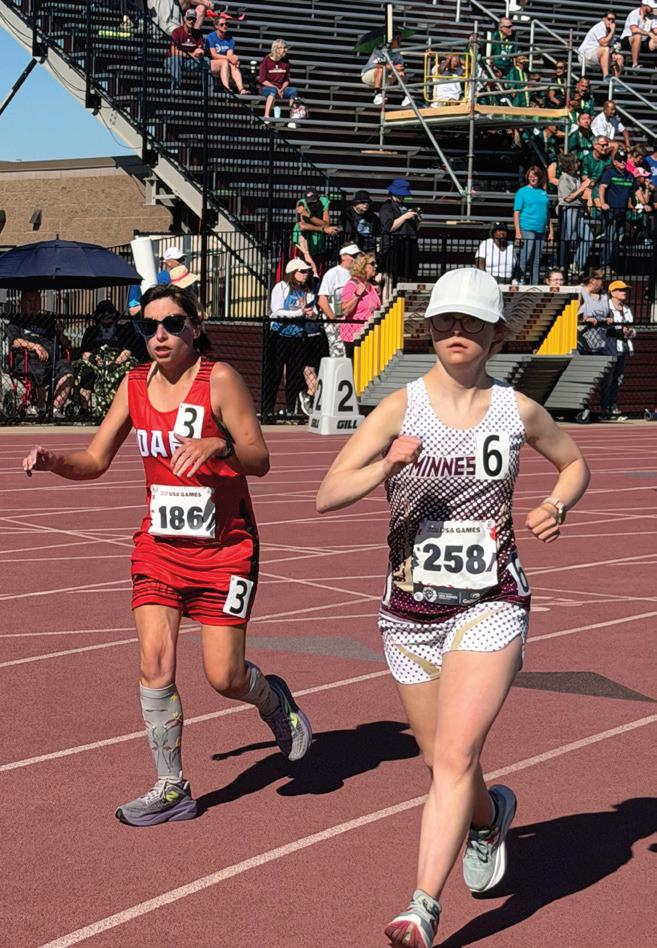
In Minnesota this year, Courtney finished fourth in the 800 meters, sixth in the 1,500 meters and seventh in the 200 meters. But where she placed isn’t what’s important to her. She tracks her performance in personal records.
“When I found out that I was running those distances, I got emotional because there’s people who believed in me, and I needed to believe in myself,” she says.
Courtney says her parents are beyond proud of her.
“They’re blown away,” she says. “There’s stuff they didn’t think that I would ever do, like run a mile. And I’m just blowing them away.”
‘There’s
a Way, Always’
When Ben Cox packed his bags in Minnesota to return home to Meridian, Idaho, he had to make room for his medals, including a gold in shot put and two silver medals in mini javelin and the 100 meters.
“It was great,” Ben says. “It was a very cool experience.”
Ben loves the throwing events that take advantage of strength he says he’s had since he was a child. He was surprised to take a silver in his one running event, saying he’s not really a runner.
“But once I get going, I can go pretty well,” he says.
Ben’s advice to others considering competing in the Special Olympics is to go for it.
“Don’t let your disabilities hold you back,” he says. “You’ve got a will, and there’s a way, always.”
Finding Their Voices
Bend, Oregon, golfer Felicity Woods was one of 65 athletes from Oregon who competed in Minnesota. Felicity started swimming and bowling with Special Olympics in high school. But she was most excited about golf—not just because she shares a last name with one of the sport’s most famous players, but because she loves it all, the competition and challenges.
Felicity earned a gold medal at the 2026 Special Olympics USA Games.
“It just feels like that I’m part of this inclusive group,” she says. “I feel involved and like I’m just out there being very well supported by coaches and volunteers. I’m so grateful to be a Special Olympics athlete.”
Even athletes who don’t qualify for the national-level games love competing in Special Olympics and say the community and the competition make their lives better.

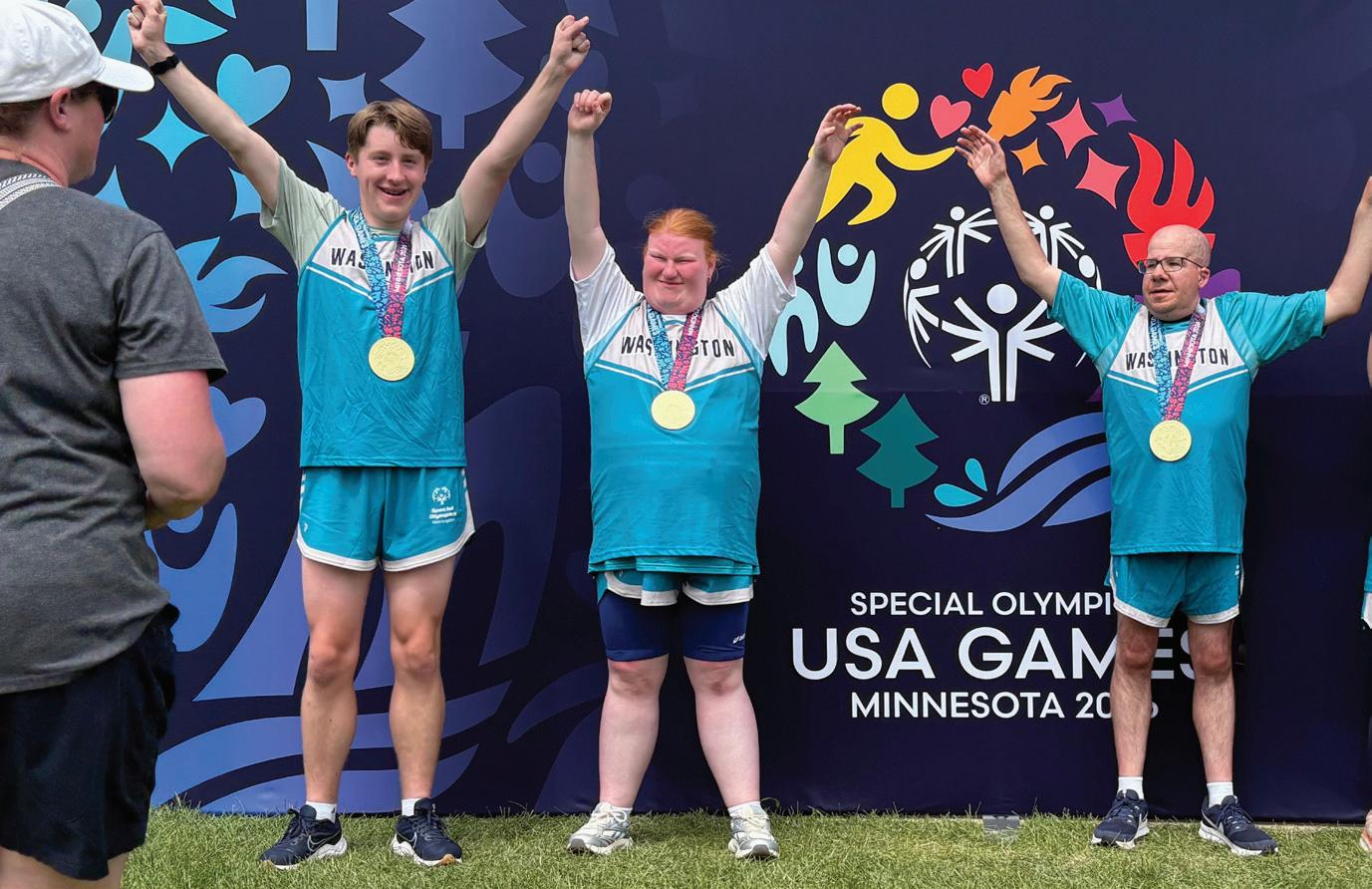
CLOCKWISE FROM ABOVE: The Special Olympics Washington 4x100-meter relay team members “bite” their gold medals in this photo taken with Coach Breanna Gentry at the 2026 Special Olympics USA Games. PHOTO BY BREANNA GENTRY Bend, Oregon, golfer Felicity Woods earns a gold medal at the games. PHOTO COURTESY OF SPECIAL OLYMPICS Washington Special Olympians, from left, Sawyer Wiggins, Abigail McLean, Kevin Short and Maya Frink celebrate their firstplace finishes. PHOTO COURTESY OF GINA SHORT
Megan Gains, of Washington, says competing keeps her healthy and active.
“Special Olympics has helped me overcome social anxiety and make friends,” she says.
Issaquah, Washington, athlete Garrett Utz was at the 2026 USA Games, not as an athlete but as an official. If Garrett’s soccer team qualifies and is selected—like when his team won bronze in the 2018 USA Games—he plays. But when he’s not kicking the ball, he’s blowing a whistle.
Right after the USA Games, Garrett had a little more than a week at home before flying out to officiate at the Unified Football World Cup 2026 in Paris.
“I had enough time to do laundry and repack,” he says. “Being an official, there’s so much I have to bring. I’m looking at my suitcase duffel full to the brim with all my referee jerseys, shorts, shoes, badges, whistles, cards, referee flags—which the Minnesota-St. Paul, TSA thought were selfie sticks at 4:30 in the morning. They’re too fat to be selfie sticks.”
Despite the challenges of traveling, Garrett loves officiating. During downtime, he gets to play tourist. While in Paris, he visited the Eiffel Tower, the Arc de Triomphe and the Louvre.
Garrett enthusiastically recommends Special Olympics to anyone considering getting involved.
“A million percent yes,” he says. “I would say without Special Olympics, I would not have found the voice that I have today. I wouldn’t have the support group that I have and all the friends that I have made through Special Olympics Washington and all the people who work at Special Olympics International and all the people that I’ve met. If there’s anyone—wife, uncle, aunt, brother, sister, son, daughter—who has an intellectual disability, or IDD as we call it, they need to join Special Olympics. Join the movement!” n
Visit 2026specialolympicsusagames.org to view event results from the 2026 Special Olympics USA Games.
Get Involved

To qualify for the Special Olympics, athletes need to be at least 8 years old and diagnosed by a medical professional or agency as having an intellectual disability, cognitive delay, or closely related developmental disability with functional limitations in learning and adaptive skills
Even if you don’t qualify as an athlete, there are plenty of ways to join the cause. You can:
X Join through Unified Sports. Several team sports combine Special Olympics athletes with peers without intellectual disabilities to encourage inclusion.
X Join as a coach. Special Olympics provides training for individuals who meet the requirements and volunteer their time.
X Become a volunteer. Volunteers are needed year-round, and commitments can vary from a single day to as long as you’re willing.
X Help as a Global or Champion Ambassador. Current and former professional and college athletes, Olympians and even musicians and actors who are passionate about using their platform to advance inclusion and champion Special Olympics’ mission are always needed.
To get involved, visit specialolympics.org.

RIGHT: Ben Cox, right, races against Shaun Perez of Rhode Island at the 2026 Special Olympics USA Games. PHOTO COURTESY OF SPECIAL OLYMPICS
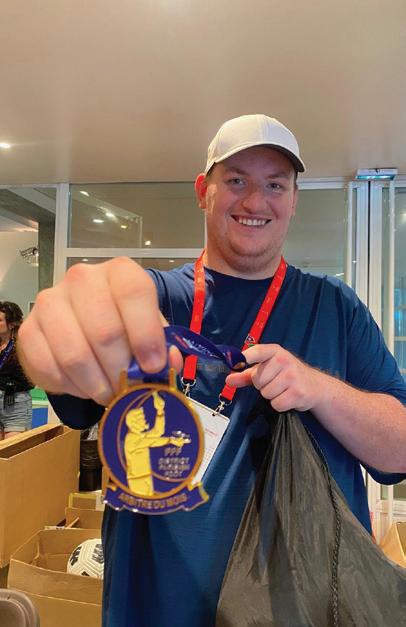
ABOVE: Garrett Utz holds up a medal he was given for officiating Special Olympics soccer in Paris.
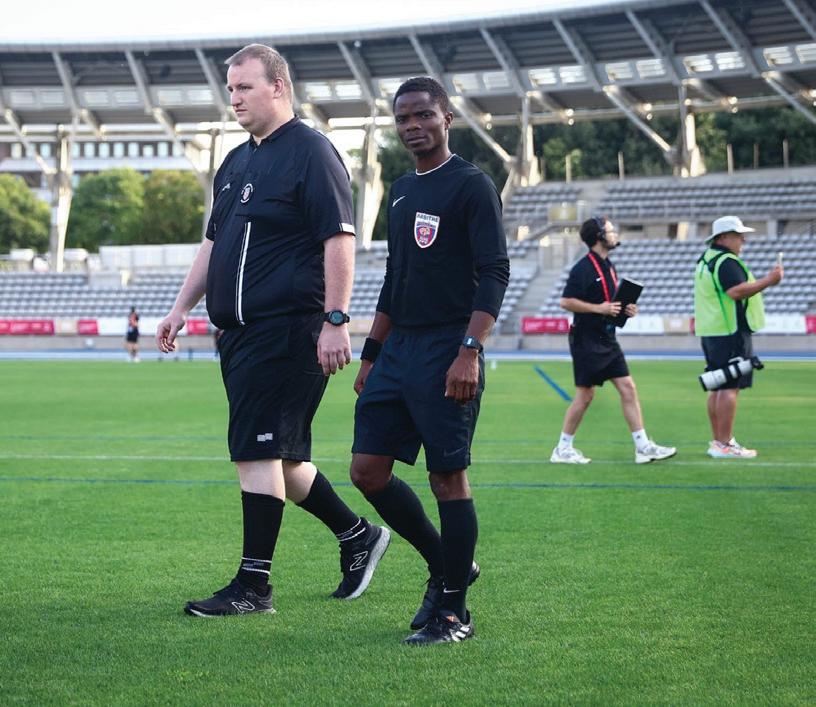
LEFT: Garrett, left, walks with another official at the 2026 Unified Football World Cup in Paris. PHOTOS COURTESY OF GARRETT UTZ
Idahoan Courtney Lynch, left, races Lucy Haughland, of Minnesota, in the 2026 Special Olympics USA Games. PHOTO COURTESY OF SPECIAL OLYMPICS
Effortlessly Sweet
NO-BAKE SUMMER DESSERTS HIT THE SPOT

Lemon Blueberry Trifle
3 cups fresh blueberries, divided 2 15.75-ounce cans lemon pie filling
2 cups lemon yogurt
Set aside 1/4 cup blueberries for garnish.
1 prepared angel food cake, 8 to 10 ounces, cut into 1-inch cubes
8 ounces frozen whipped topping, thawed
In a large bowl, combine pie filling and yogurt. In a 31/2-quart serving or trifle bowl, layer a third of the cake cubes, lemon mixture and blueberries. Repeat layers twice, then top with whipped topping. Cover. Refrigerate at least 2 hours. Garnish with reserved blueberries before serving.
Recipes by Gertrude Treadaway
Five-Minute Fruit Mousse
81/2 ounces (about 21/4 cups)
frozen fruit
2 tablespoons sugar
1 large egg white
Fresh berries and whipped cream for serving
Add frozen fruit to the bowl of a food processor. Process to a rough puree, about 1 minute. Add the sugar, and pulse briefly to combine.
Add the egg white to the food processor. Process until smooth and fluffy and the mixture has lightened in color and doubled or tripled in volume, about 2 to 3 minutes. Spoon the mousse into glasses. Top or layer with fresh berries and whipped cream. Serve immediately or refrigerate for up to 2 hours. The mousse has little sugar and won’t hold for longer than that.
No-Bake Peanut Butter Cup Pie
8-ounce package cream cheese, softened
1 cup peanut butter
1 cup powdered sugar
16-ounce container frozen whipped topping, thawed
10 peanut butter cups, chopped
1 chocolate cookie pie crust
11/2 cups heavy whipping cream
1/2 cup powdered sugar
Use a mixer to beat cream cheese until smooth. Add peanut butter and powdered sugar, and mix well. Carefully fold in whipped topping and stir in chopped peanut butter cups, reserving a few for the topping.
Pour mixture into pie crust. Freeze overnight. When ready to serve, beat cream and powdered sugar together in a large bowl until stiff peaks form. Top pie with whipped cream and reserved chopped peanut butter cups before serving.
Banana Pudding Icebox Cake
2/3 cup malted milk powder
1 pinch kosher salt
2 cups heavy cream
7 ounces vanilla wafers
4 ripe bananas, peeled and sliced about the same thickness as the wafers
Line an 81/2-by-41/2-inch loaf pan with plastic wrap, leaving a fair amount of overhang on all sides.
Add malted milk powder and salt to a bowl. Add a splash of cream, and whisk. Continue this process until you’ve added all the cream. Whip cream until stiff peaks form. Add a single layer of wafers to the bottom of the loaf pan. Top with a layer of whipped cream. Add a single layer of bananas, then top with a layer of whipped cream. Repeat this until you’ve used all the cream, making sure to end with a layer of cream.
Fold the overhanging plastic over the cake. If it doesn’t completely cover the surface, add more plastic wrap. Refrigerate for at least 12 hours or up to 36.
Strawberry Cream Cheese Pie
8-ounce package cream cheese, softened
1 tablespoon lemon juice
1/3 cup powdered sugar
8-ounce container frozen whipped topping, thawed
1 premade graham cracker crust
6 ounces fresh strawberries, washed, hulled and sliced
1/4 cup strawberry jam or jelly, melted and cooled
In a large bowl, use a mixer to beat cream cheese until smooth. Add lemon juice and powdered sugar, and mix to combine. Gradually add whipped topping. Mix to combine, being cautious not to overmix. Spread mixture into prepared crust.
Add strawberries to a medium bowl. Pour cooled but still liquid strawberry jam or jelly over strawberries, and toss them to coat. Add strawberries to the top of the pie.
Refrigerate for at least four hours to allow pie to set. Serve chilled. Store tightly covered in refrigerator for up to five days.
Rocky Road Rice Krispies Treats
2 10-ounce packages miniature marshmallows, divided
3 tablespoons canola oil
5 cups Rice Krispies
5 whole graham crackers, crumbled
11/4 cups salted, roasted almonds, chopped and divided
2 111/2-ounce packages semisweet chocolate chunks, divided
In a microwave on low power, melt one package of marshmallows in oil. Stir until smooth. Stir in cereal, graham crackers, 1 cup almonds and 1 cup chocolate chunks.
Using waxed paper or a lightly greased spatula, press mixture into a lightly greased 9-by-13-inch baking pan. Cool to room temperature.
Melt one package chocolate chunks in microwave. Spread over the top of the pan of treats. Sprinkle with remaining marshmallows, almonds and chocolate chunks.
Cut into bars before serving.
Crafts/Hobbies
My sister, Bonnie, is 78 and has a disability. She started putting doll parts together and making unusual dolls. She ran out of parts. Her last one had a fish head. Please send any unwanted doll parts to Bonnie Speer, P.O. Box 235, Johannesburg, CA 93528-0235.
Margie Mejica
Susanville, California
ISO donations of used bottles of perfume and cologne for a project. Bottles needed from the ’70s, ’80s and ’90s. Any condition. Empty or half-full bottles, bottles with missing caps and bottles with broken spray mechanisms are all OK. Thank you.
Sheri Chitwood
P.O. Box 988 Tillamook, OR 97141
I run a monthly club for creating zines (small, do-it-yourself magazines) at Columbia Gorge Community College. At Zine Club, we use a variety of supplies, but stickers and rubber stamps are the most popular. I’m always on the lookout for more, and if you have extras lying around, I would love to put them with our zine supplies so folks can use them for crafting. Thanks, Danny.
Zine Club at CGCC Library
400 E. Scenic Drive
The Dalles, OR 97058
The Pistol River Friendship Club needs material donations. We use donated fabric—preferably 100% cotton—to handcraft items such as potholders and aprons. These creations are sold to support our community through scholarships for local students and other community projects. Your donation helps us keep giving back. If you’d like to contribute fabric or supplies, don’t hesitate to get in touch with us. We can provide a phone number for more information or for drop-off.
PRFC Volunteers
24252 Carpenterville Road Gold Beach, OR 97444 pistolriverfriendship@gmail.com
Milestones
My dad, Jim Rider, will be 100 years young this month. Funny, sweet and the very best man I’ve ever known. With so many interests, he still takes time to show interest in others. He is helpful and generous to a fault. Though his flying days are long gone, golfing set aside and the Priest Lake fishing trips have turned into admiring the view from our little piece of heaven, there is still a lot of laughter and stories to tell. Having outlived most of his friends and some family, I know he would appreciate any birthday wishes that came his way. Please send them to Jim Rider c/o Joni Cassell, P.O. Box 190, Chattaroy, WA 99003.
Joni Cassell Chattaroy, Washington
Odds
I am hoping to reach anyone who has any pictures, history or information on the old Shoestring School off upper Scotts Valley Road in Yoncalla. The only information I’ve been able to locate is the historical marker across from our driveway. In the historical schools listing pictures, etc., the historical marker is listed, “no pictures available.” My husband’s family has owned the property since the early ’60s, and he purchased it from them. What little was left of a piece of the structure succumbed to the elements over time. If you have anything or know anyone who may have information, please contact me. It would be greatly appreciated. Thanks.
Ange Norris
6939 Scotts Valley Road Yoncalla, OR 97499 outbackange86@gmail.com
Thanks
Thank you to the many contributors who sent photography for my legacy project. I received hundreds of photos to work with, and as I look at them, I thank each participant and say aloud “You are my family now.” From the panoramic mail trucks from the 1920s to the amazing portraits, they are all priceless in black and white.
NJ Bittick Susanville, California
Submitting Requests Is Free
Send your request (no attachments) to readerexchange@ruralite.org or mail to Reader Exchange, 5625 NE Elam Young Parkway, Suite 100, Hillsboro, OR 97124. Fill in the subject line with Reader Exchange.
Acceptance, scheduling and editing are at the editor’s discretion. Single requests only, please. No duplicates. If replying to a reader submission, please only send what is requested.
Submissions are handled first-come, first-served as space allows. We cannot honor every request.
Please affirm you have authorization from all appropriate parties before submitting. By submitting, you indemnify Reader Exchange, Pioneer Utility Resources Inc., its officers, directors, employees, utility clients and insurers from all legal liability incurred by the publication of information.
We no longer accept pen pal requests. You may submit a pen pal request as a Marketplace ad (pricing applies).
When submitting a milestone request, please send it at least two months before the milestone.
Phone numbers are not published. Email addresses are if they are part of the ad, but you must include a postal address.
Requests must include the name and address of the electric utility that provides your magazine.
SpiritualityMee

“I never expected it to be so beautiful that it takes your breath away.”
— Kaya C., on Stauer Opals
In a quaint village, nestled between rolling hills, lived a young woman with a deep appreciation for gemstones. Her grandmother gifted her a delicate cross pendant adorned with opals. The opals shimmered with a mesmerizing play of colors, reflecting hues of blues, greens, and fiery oranges. Her grandmother shared the legend of the opals, believed to bring hope, purity, and luck to those who wore them.
Using this story as inspiration, Stauer brings you the Opal Spirit Cross Pendant. With over 2 total carats of Kyocera lab-created opals set in .925 sterling silver encased in yellow gold, this pendant is a radiant celebration of beauty and craftsmanship. Each opal captivates with a kaleidoscopic dance of fiery oranges blending into oceanic blues, streaked with flashes of vibrant green that seem to come alive with every movement. The shimmering opals are skillfully arranged to create an enchanting, otherworldly glow, embodying the spirit of hope and harmony.
This breathtaking combination of color and craftsmanship is available as a limited availability of only
930 pieces, making it a rare and treasured addition to your jewelry collection. Plus, when you order today, you’ll receive the gold-finished sterling silver chain—a $69 value—absolutely free!
miss your chance to own this exclusive tribute to timeless elegance and meaningful symbolism.
Necklace Specifications:
• 2 1/2 ctw. Kyocera lab opals and DiamondAura® accents
Watch the waves from one of the Lower 48 states’ farthest reaches at Washington’s
Cape Flattery
What Is It?
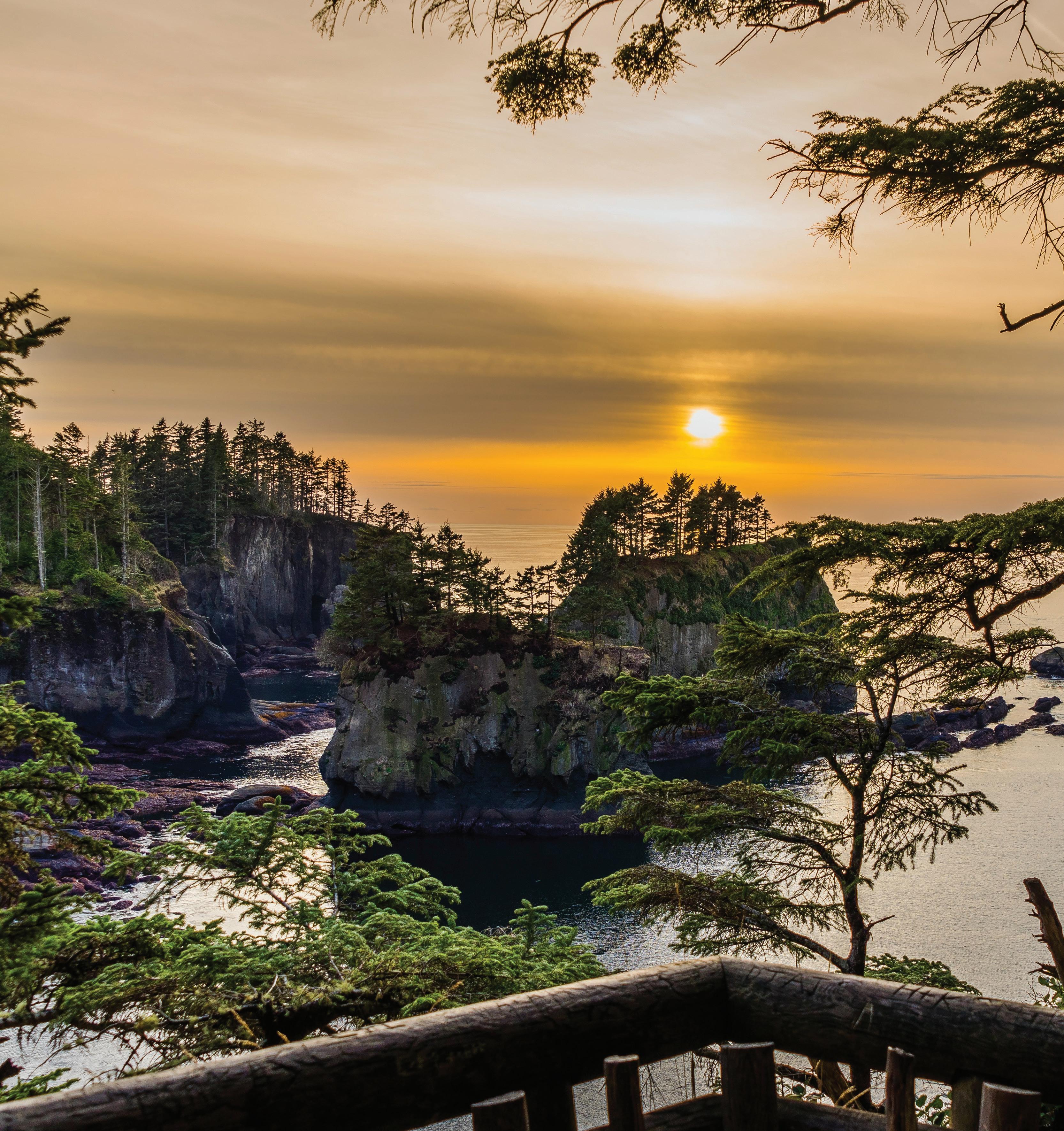
Travel through the peaks and forests of Olympic National Park to reach Cape Flattery, the northwestern tip of the contiguous United States. Watch the Pacific Ocean crash into the cliffs and caves. On clear days, you may even see Canadian mountains in the distance.
Why Flattery?
The cape was given its English name by Capt. James Cook in 1778. While exploring the area, the British explorer thought he would find a bay there. When he did not, he journaled that the cape “flattered (him) with the hopes of finding a harbor.” People already lived in the area when Cook visited—and they still do. The cape is in the Makah Reservation, and visitors need to buy a Makah Recreation Permit.
What You’ll See
After driving along the Olympic Peninsula, visitors need to take an easy 0.75-mile hike to reach the cape’s viewpoints. The hike is largely an earthen trail, with handrails in some sloping sections. The trail has three main viewpoints, offering views into the caves along the shore and out toward Tatoosh Island and its lighthouse.
More Nearby
After visiting the cape, travel down the west side of the Olympic Peninsula and visit the Hoh Rain Forest, which receives almost 12 feet of precipitation each year. The forest is known for its Sitka spruce, red cedar, bigleaf maple and Douglas fir. Travel farther to see Mount Olympus and other peaks in the Olympic Mountains.
More Information
For details about Cape Flattery, the Makah Reservation and necessary permits, visit makah.com.
For more on offerings in Olympic National Park, call 360-565-3130 or go to nps.gov/olym.
ADOBE STOCK PHOTO BY KHOMLYAK

THIS is a Knife!
Inthe blockbuster film, when a strapping Australian crocodile hunter and a lovely American journalist were getting robbed at knife point by a couple of young thugs in New York, the tough Aussie pulls out his dagger and says “That’s not a knife, THIS is a knife!” Of course, the thugs scattered and he continued on to win the reporter’s heart.
EXCLUSIVE FREE
Stauer® Pocket Binoculars
-a $99 valuewith purchase of course, thugs Down Under Knife
Our Aussie friend would approve of our rendition of his “knife.”
Forged of high grade 420 surgical stainless steel, this knife is an impressive 16" from pommel to point. And, the blade is full tang, meaning it runs the entirety of the knife, even though part of it is under wraps in the natural bone and wood handle.
Secured in a tooled leather sheath, this is one impressive knife, with an equally impressive price.
This fusion of substance and style can garner a high price tag out in the marketplace. In fact, we found full tang, stainless steel blades with bone handles in excess of $2,000. Well, that won’t cut it around here. We have mastered the hunt for the best deal, and in turn pass the spoils on to our customers.
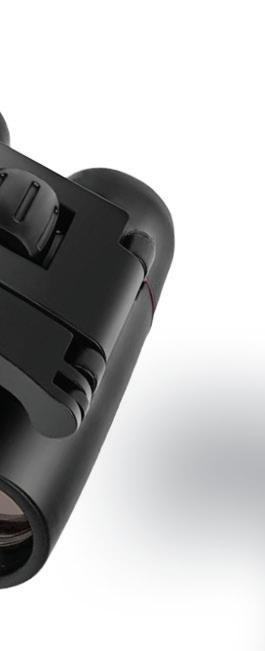
But we don’t stop there. While supplies last, we’ll include a pair of $99, Stauer pocket binoculars and a genuine leather sheath FREE purchase the Down Under Bowie Knife
Your satisfaction is 100% guaranteed. knife in your hands, wear it on your hip, inspect the impeccable craftsmanship. If you don’t feel like we cut you a fair deal, send it back within 30 days for a complete refund of the item price.
Limited Reserves. A deal like this won’t last long. We have only 1120 Down Under Bowie Knives for this ad only. Don’t let this beauty slip through your fingers at a price that won’t drag you under.
Down Under Bowie Knife $249* Offer Code Price Only $99 + S&P Save $150
1-800-333-2045

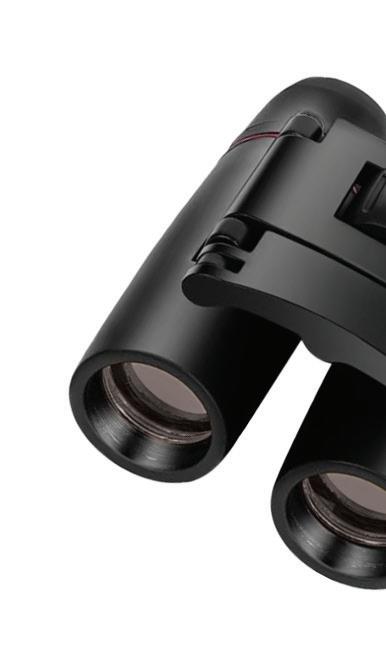
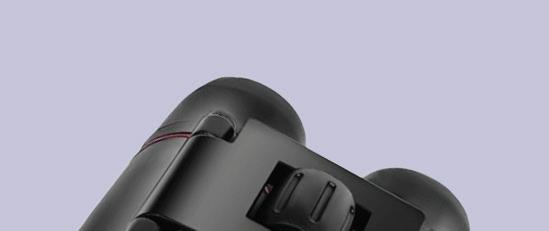


BONUS! Call today and you’ll also receive this genuine leather sheath!

Your Insider Offer Code: DUK458-04 You must use the insider offer code to get our special price.

What Stauer Clients Are Saying About Our Knives
“This knife is beautiful!”
— J., La Crescent, MN
“The feel of this knife is unbelievable...this is an incredibly fine instrument.”
— H., Arvada, CO
*Discount is only for customers who use the offer code versus the listed original Stauer.com price. California residents please call 1-800-333-2045 regarding Proposition 65 regulations before purchasing this product.
• Etched stainless steel full tang blade ; 16” overall • Painted natural bone and wood handle • Brass hand guards, spacers & end cap • Includes genuine tooled leather sheath 14091 Southcross Drive W., Dept. DUK458-04 Burnsville, Minnesota 55337 www.stauer.com
Stauer… Afford the Extraordinary . ®


NIKON D700
180mm lens
ISO: 200 f/5.6 at 1/1000
Story and photo by Dave LaBelle
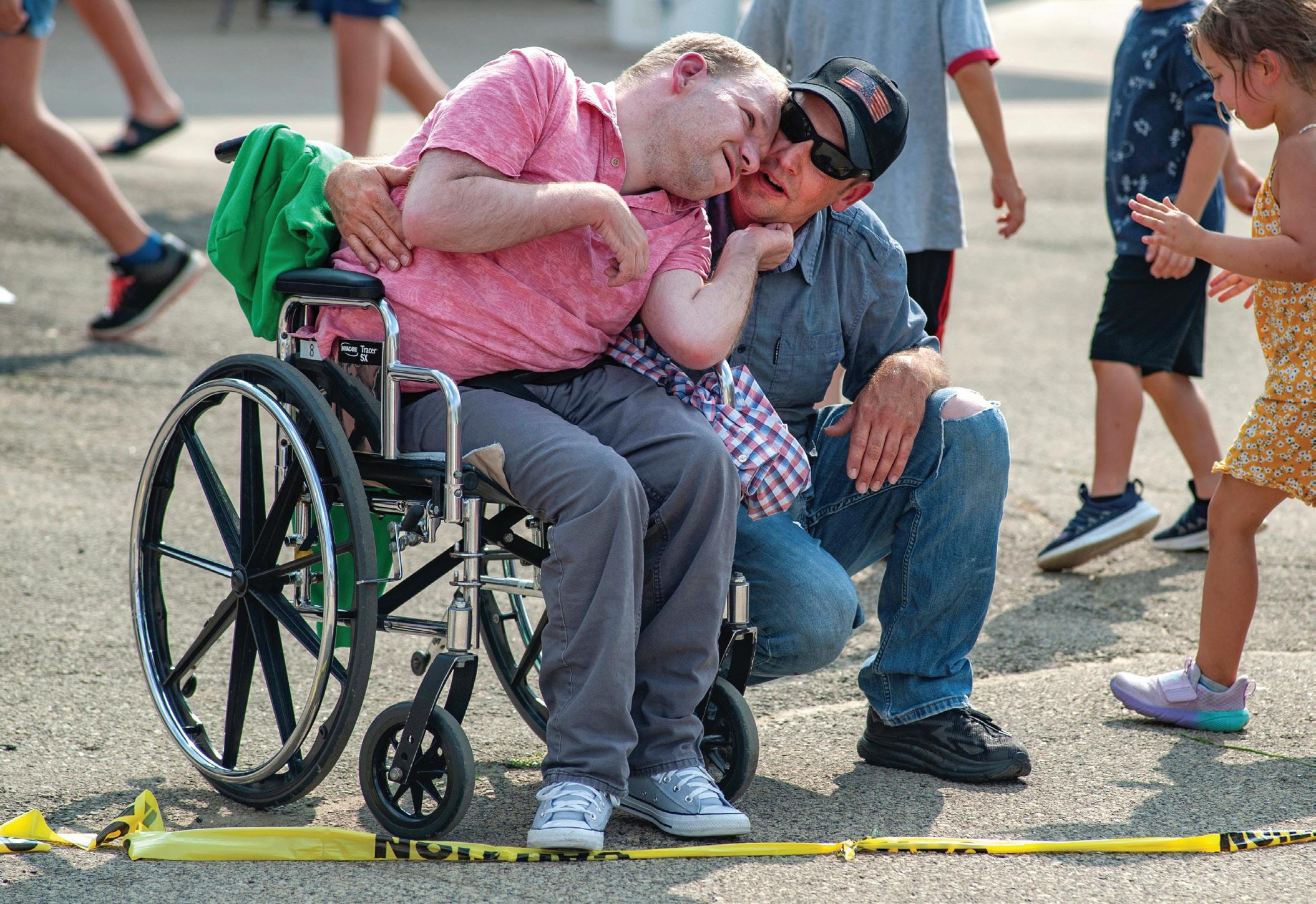
Relationships can be complicated, especially among siblings. While some siblings are inseparable—through shared rooms, vehicles or clothing—others never bond or they drift apart as they grow.
The second of Charles and Jeanetta LaBelle’s children, I have four siblings—two brothers and two sisters—and each relationship is different, changing and evolving through the years.
While every relationship is unique because no two humans are exactly alike, relationships can grow richer with age when we value them and are willing to nourish them.
Sometimes the distance of living in different states or countries makes it tough to maintain close relationships. My youngest sister and brother have stayed in California, while my older sister, middle brother and I have lived in other states for much of our lives. It has been at least 10 years since we’ve been together.
At other times, differing religious or political beliefs and lifestyles become excuses not to nourish sibling relationships.
However, as the years race past and we realize we have less time on this earth, sibling relationships may become more precious. Forgiveness replaces anger, love replaces tolerance, and the sibling who might have been annoying or even harmful becomes a treasured friend.
Throughout my journalistic career, I have witnessed—usually at funerals—siblings come together as strangers, often wishing they had made a better effort to know a brother or sister. n
Bound Love By

While on assignment, I noticed the tender relationship shared by these two brothers, which stirred me to examine the relationships with my own siblings and ask, “What kind of brother am I?”
Reader Challenge
This can be a self-portrait of you and your sibling, or it can be a photograph of other siblings together. Maybe even twins? I have a friend, a twin, who also married a twin. Her husband and brother-in-law are close friends and are about as much alike as two individuals can be. Ironically, both recently underwent similar knee surgeries on the same leg.
If you feel uncomfortable asking to photograph a sibling, blame it on me. Tell them this is an important assignment from a photography teacher, and you need a photo for posterity. You can also use this assignment as an excuse to meet with a sibling. In years to come, family members may be thankful you did.
Email your best image—just one—with caption information, including an explanation of how it affects you, to gph@pioneer.coop. We may share submissions on our website and social media channels.
Photographer, author and lecturer Dave LaBelle has captured special moments for more than half a century, sharing photo tips and life perspectives with readers. For more of his writing, visit davidlabelle.com and his blog at bridgesandangels.wordpress.com.
Seafood Cookbook
Barbecue Halibut Oriental, Crab Enchiladas, Easy Salmon Quiche, Dilled Salmon Fettuccine, Clam Chowder and Salmon Oyster Dip are among the recipes featured in this book from our 1993 contest. The 8½-by-11-inch indexed book is $8 (plus $3 shipping for any size order).
TO ORDER BY MAIL:
Submit payment with cookbook title, your name, address and number of cookbooks wanted to: Ruralite Cookbooks P.O. Box 1306 North Plains, OR 97133
TO PAY BY PHONE: Call 503-357-2105 for credit card payments with Visa, MasterCard, Discover or American Express.
TO ORDER ONLINE: Visit www.ruralite.com.
Please allow two to three weeks for delivery.
Perfect for Potlucks
With more than 200 recipes, this cookbook offers many options for potlucks, family reunions or picnics planned this summer! An added bonus in the back are the recipes from a previous barbecue recipe contest. “Perfect for a Potluck” is an 8½-by-11-inch indexed cookbook for only $10, plus $3 shipping for any size order.
To order by mail:
Submit proper payment with your name, address and the number of cookbooks wanted to Ruralite Cookbooks, P.O. Box 1306, North Plains, OR 97133.
To order by phone: Call 503-357-2105 to pay with Visa, MasterCard, Discover card or American Express.
To order online: Visit www.ruralite.com.
Please allow two to three weeks for delivery.


Got a Story Idea? We Want to Hear It.
Ruralite is a magazine about the people, places and moments that make the region home, and nobody knows those stories better than you. Whether it’s a hidden gem in your community, a local hero worth celebrating or an organization doing great work in your area—we’re listening.
Scan the QR code or visit the link to submit your story idea. Our editors read every submission. Thanks for reading.
Scan the QR code with your smartphone camera or visit tinyurl.com/SendStoryIdeas.
Meet the Wild Bunch
A new co-op program teaches kids smart campfire habits to help prevent wildfires
by Shiraz Mukarram
An 8-year-old child holding a long match kneels by a fire ring at an Eastern Oregon campsite. A parent tends to tasks nearby, and the air smells like warm pine. If Oregon Trail Electric Cooperative has done its job, a line from a song is playing in that child’s head: “This land is precious, so let’s protect it from fire.”
That song is the front edge of a new OTEC program built for the youngest people at any campsite.
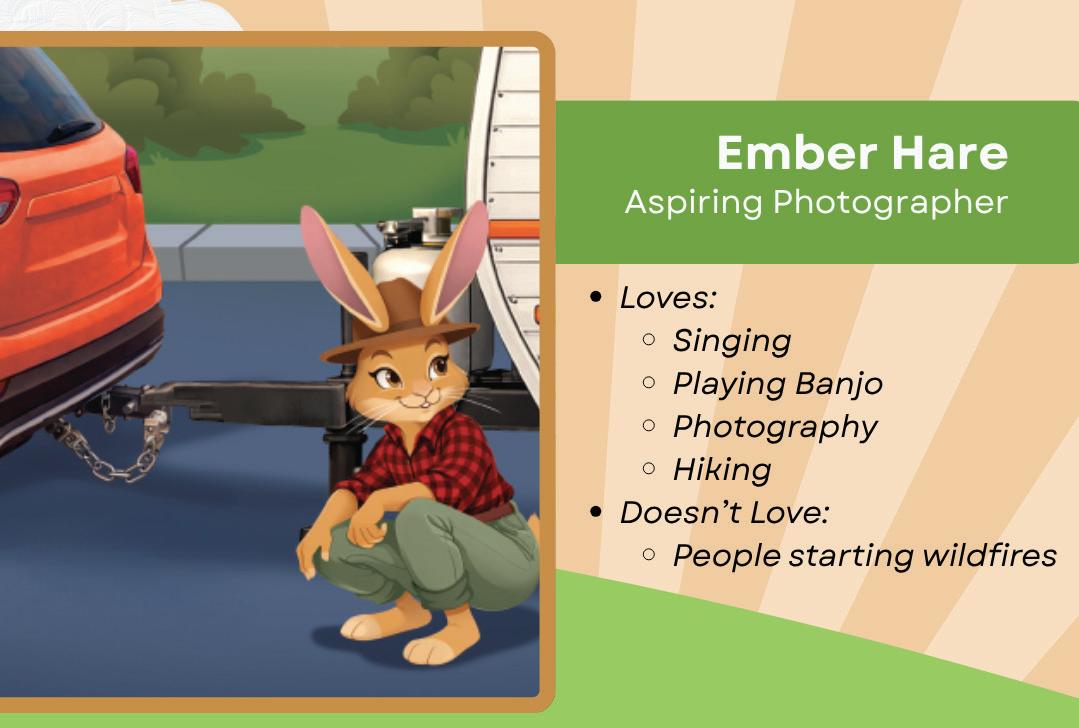
In June, OTEC launched WILD—short for Wildfire Information Learning and Development. The timing coincided with the start of summer vacation and fire season across Baker, Grant, Harney and Union counties. The program’s guides are three friends: Blaze the Bear, who never met a s’more he didn’t like; Cooke the Cougar, who fishes and keeps the water bucket close; and Ember Hare, who sings, plays banjo, takes photos on the trail and cannot stand to see anyone start a wildfire. Together, they are the Wild Bunch. For years, wildfire prevention has been aimed at adults. WILD
turns the message around and hands it to the third-grader.
“The goal was to reach kids in a way their parents could join in easily,” says OTEC Marketing Coordinator Paige Witham, who built the program. “Summer is full of fun that can turn dangerous when one wrong step is taken, and there is real value in giving kids a chance to work alongside their older siblings and parents to prevent wildfires.”
That is the theory of WILD. Eight-year-olds are not too young to learn the rules. They are the ones who remind everyone else. Ask any parent who has been corrected on seatbelt use from a young backseat passenger, and they will tell you a child who learns a rule enforces it with passion.
WILD reaches kids four ways at once, because a child does not learn just one way. Teachers have a name for it—the VARK model. The idea is that learning lands deeper when it arrives by more than one path: something to see, something to hear, something to read and something to do with your hands. WILD was built to hit all four.
First, there is a song. Paige, who has a background in music, wrote and recorded “The WILDfire Song.” It is built like a “Schoolhouse Rock” number, in the hope the words lodge in a child’s head and don’t leave.
Continues on Page 28
Ember Hare and her friends introduce children to wildfire safety through a new program called WILD. ILLUSTRATION
BY ANA RANKOVIC