Ruralite
DOUGLAS ELECTRIC
JUNE 2026


JUNE 2026
Convention highlights outstanding tree farm and small woodlands Page 4






June 2026 • Volume 73, No. 6
CEO Michael Shepard
SENIOR VP OF CONTENT Leon Espinoza
EDITORIAL DIRECTOR Chasity Anderson, CCC
DEPUTY EDITORIAL DIRECTOR
Noble Sprayberry
SENIOR EDITOR Jennifer Paton, CCC
LEAD CONTENT EDITOR Victoria Hampton, CCC
ASSISTANT EDITORS David Herder, CCC; Sable Riley, CCC; Nina Todea, CCC
ASSOCIATE EDITOR
Valeri Saldanha Rosa
PUBLICATIONS PRODUCTION SR. MANAGER
Elizabeth Beatty
SENIOR PUBLICATIONS COORDINATOR
Alyssa McDougle
Ruralite (USPS 397-460) is published monthly for members for $5.73 per year, plus postage, by Pioneer Utility Resources Inc., 5625 NE Elam Young Parkway, Suite 100, Hillsboro, OR 97124—a not-for-profit Oregon cooperative corporation—to serve the communication needs of 46 consumer-owned electric utilities in Oregon, Washington, Alaska, Idaho, Nevada and California. Preferred periodical postage paid at Hillsboro, Oregon, 97123 and additional mailing offices. © 2026 Pioneer Utility Resources. All rights reserved. Reproduction in whole or in part without written permission is prohibited.
Postmaster: Send address changes to Ruralite, 5625 NE Elam Young Parkway, Suite 100, Hillsboro, OR 97124-6454
HOW TO CONTACT RURALITE
Subscription services:
Nonmember subscriptions $15 (U.S.) per year; $25 per year (foreign). Prepayment required. Allow 4-8 weeks for first issue. Be sure to identify which local edition you want to receive.
Address Changes:
Utility members, contact your local utility. Subscribers, call us at 503-357-2105, option 3, or email mailingdept@pioneer.coop.
Back issues:
Back issues and extra copies are $3. Prepayment required. Supply is limited. Be sure to identify edition, month and year. Call first if ordering back issues to check availability.
To contact Ruralite: Ruralite magazine is published by Pioneer Utility Resources, P.O. Box 1306, North Plains, OR 97133-1306; 503-357-2105; email: info@pioneer.coop. For more information, visit pioneer.coop.
DISPLAY ADVERTISING INQUIRIES
American MainStreet Publications
611 S. Congress Ave., Suite 504 Austin, TX 78704
800-626-1181 or 512-441-5200

For supplemental and interactive content, search
Some things travel with us no matter how far we move.
Roger and Heidi Merrill built four decades of their lives around The Playmill, a theater company born inside an abandoned drugstore in West Yellowstone, Montana.
This summer, they’re opening The Playmill’s brand-new home in Island Park, Idaho—a purpose-built theater with electronic stage backdrops, a trapdoor, a restaurant staffed by cast members and dormitories tucked beneath the stage. It is, by every measure, a spectacular leap forward.
Yet, the most memorable line in their story isn’t about any of that. When Roger reflects on leaving the old building, he says, “The Playmill isn’t a building. It’s not about the building. It’s about what we do there and how we make people feel when they come. And that’s all coming with us.”
That idea—that the essential item is never the container but what you put inside it—resonates far beyond a theater company’s move across a state line. It’s the kind of clarity most of us spend years trying to find.
This month’s Spotlight feature on sleep carries a parallel insight. Quoted experts are clear that quality rest isn’t primarily about the latest
gadgets or sleep trackers—it’s about something simpler, yet harder: consistency, intention and protecting the conditions that allow rest to happen.
June also brings one of summer’s great pleasures to the kitchen, fresh sweet corn. This month, Gertrude Treadaway takes the humble ear well beyond butter and salt, with recipes for Mexican street corn, sweet corn chowder, crispy corn fritters and mango corn salsa. They’re the kind of dishes that make you glad summer arrived.
Speaking of arrivals, photographer Dave LaBelle turns his lens this month toward weddings, offering advice for capturing the moments that happen before, during and after the vows. His reminder to watch for quiet, unguarded scenes is a lesson that applies well beyond wedding photography.
Finally, a reminder, the 2027 Ruralite Calendar Photo Contest deadline is June 30. Up to 13 winners each receive $100. Details are on Page 20. I can’t wait to see this year’s entries. Have a story idea from your community you think deserves to be told? I’d love to hear about it at editor@pioneer.coop.
Until next time, Chasity Anderson Editorial Director

The Playmill’s longtime owners move theater company to Idaho Up Close, Page 10
Straight off the Cob In The Kitchen, Page 16
Forestry convention highlights outstanding tree farm and small woodlands
Story and
photos by
Craig Reed
The efforts of the Douglas County and Oregon small woodlands communities are being rewarded this month.
The Oregon Family Forestry Convention and Oregon Outstanding Tree Farmer of the Year Tour events are June 25-27 at Big K Guest Ranch near Elkton.
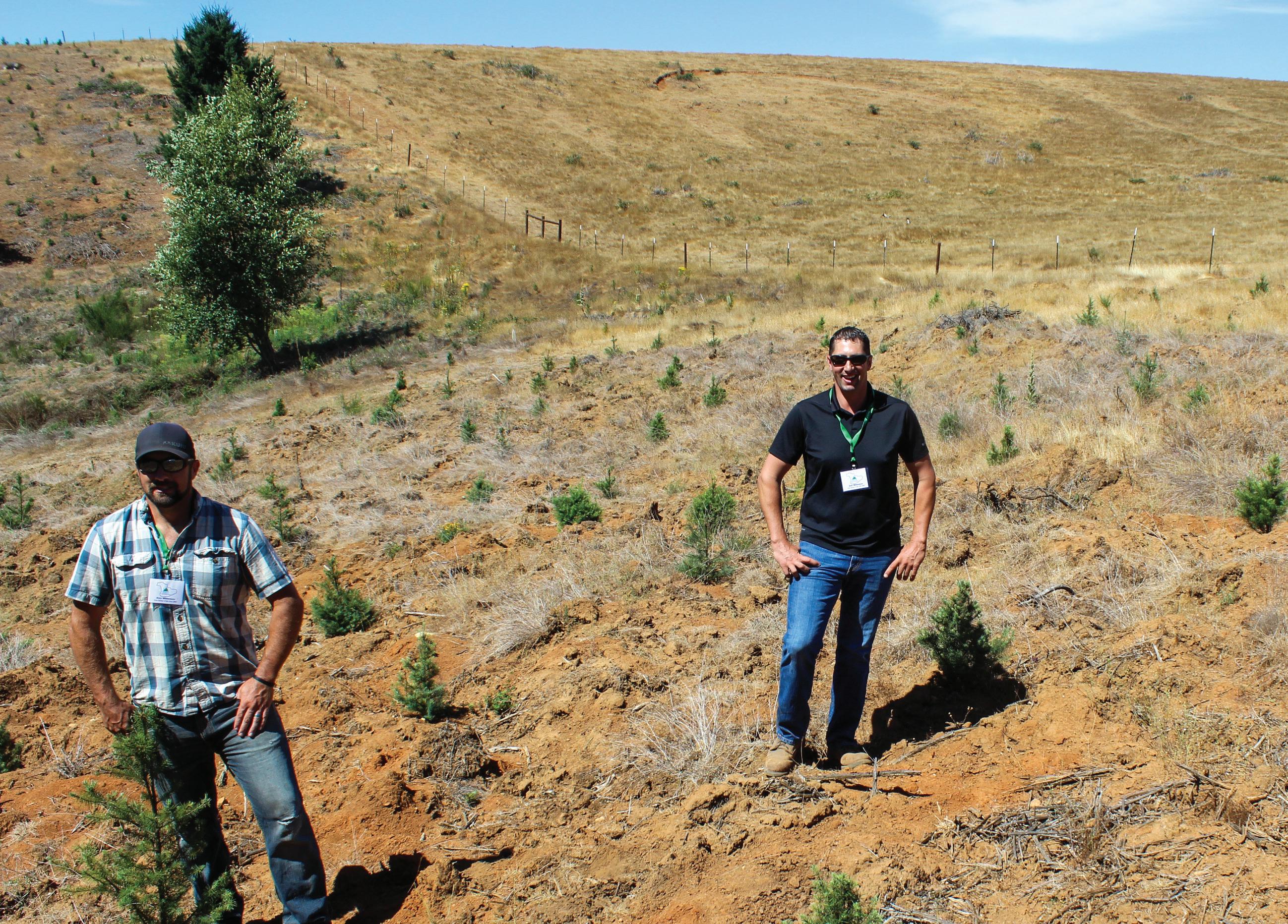
Big K’s Kesterson Family Tree Farm was named Oregon’s outstanding farm in 2025 and is now a finalist for the 2026 West regional small woodlands honor and the 2026 national award.
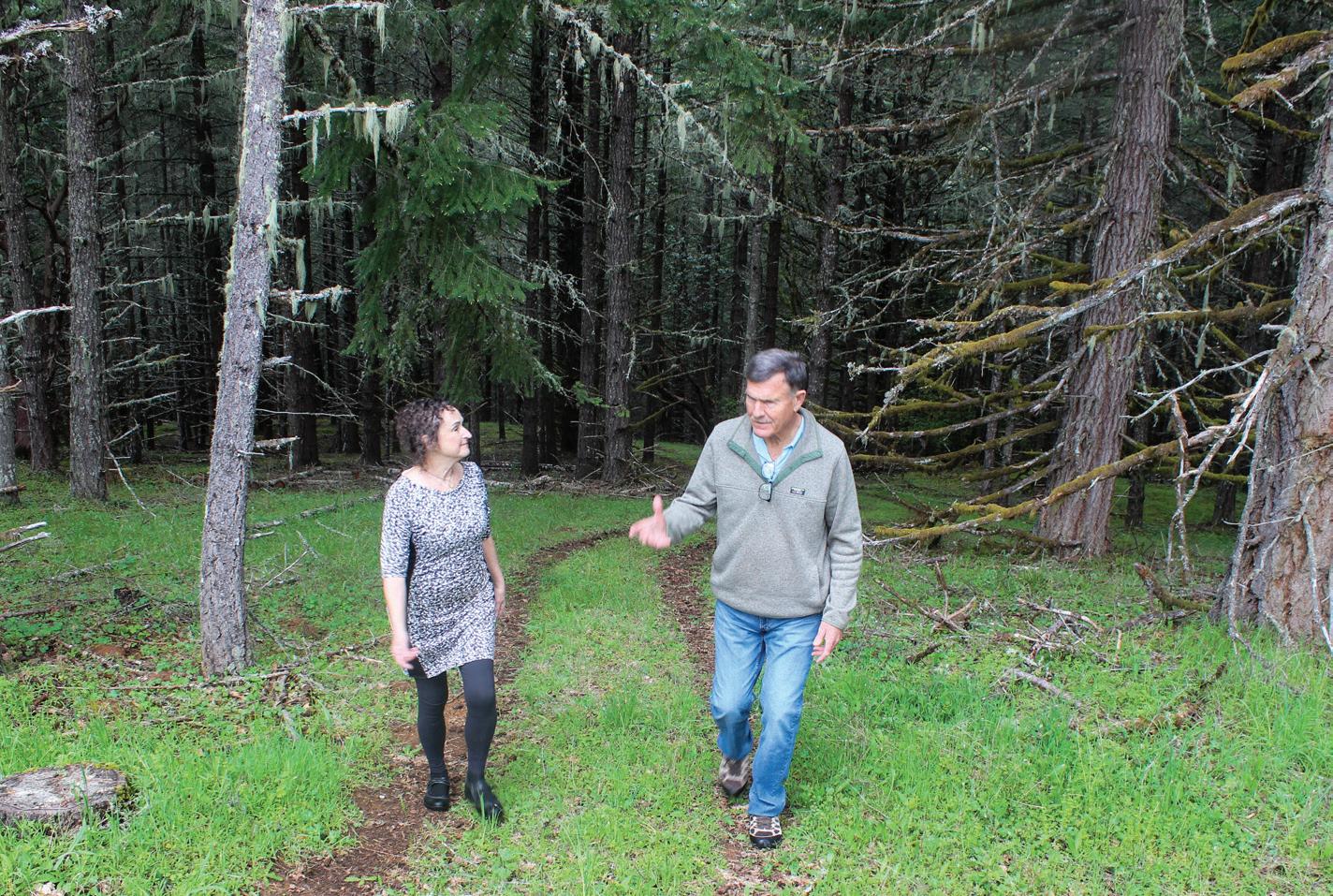
Tami Jo Braz, recent past president of Douglas County Small Woodlands Association, and Dan Newton, president of Oregon Small Woodlands Association, say the Kesterson farm is worthy of the regional and national awards.
“Douglas County has never had a
national tree farm,” Tami Jo says. “The Kesterson family embraces every value of the small woodlands association: stewardship, advocacy, fellowship and education. The Kestersons have done it all. It’s time—it’s past time—for the national honor to come to the timber capital of the world.”
Dan, a forester in Douglas County’s timber industry for 40 years, says he has been impressed with the Kesterson forest and ranch management since he first visited the property along the Umpqua River years ago.
“From the beginning, it didn’t take me long to be thinking national recognition because of the excellent stewardship I saw across their property,” he says.
Tami Jo and Dan have plenty of small woodlands experiences, including touring many properties, so they have the
backgrounds to judge the best of tree farms.
Tami Jo and her husband, Barry, are small woodlands owners in the Oakland area. They bought their property in 1987 and were named Douglas County Small Woodlands Tree Farm of the Year in 2004. Tami Jo has been a chapter board member since 2016. Earlier this year, she completed a two-year term as the chapter’s president.
Dan and his wife, Kathy, have been members of the Douglas County Small Woodlands chapter for 40 years. They own several parcels of timber, and their Yoncalla-area property was named the county’s Tree Farm of the Year in 1993. Dan is a past president of the county’s chapter.
Kesterson Family Tree Farm was named the county chapter’s Tree Farm of the Year in 2023. With Dan helping with paperwork, the Kesterson farm was
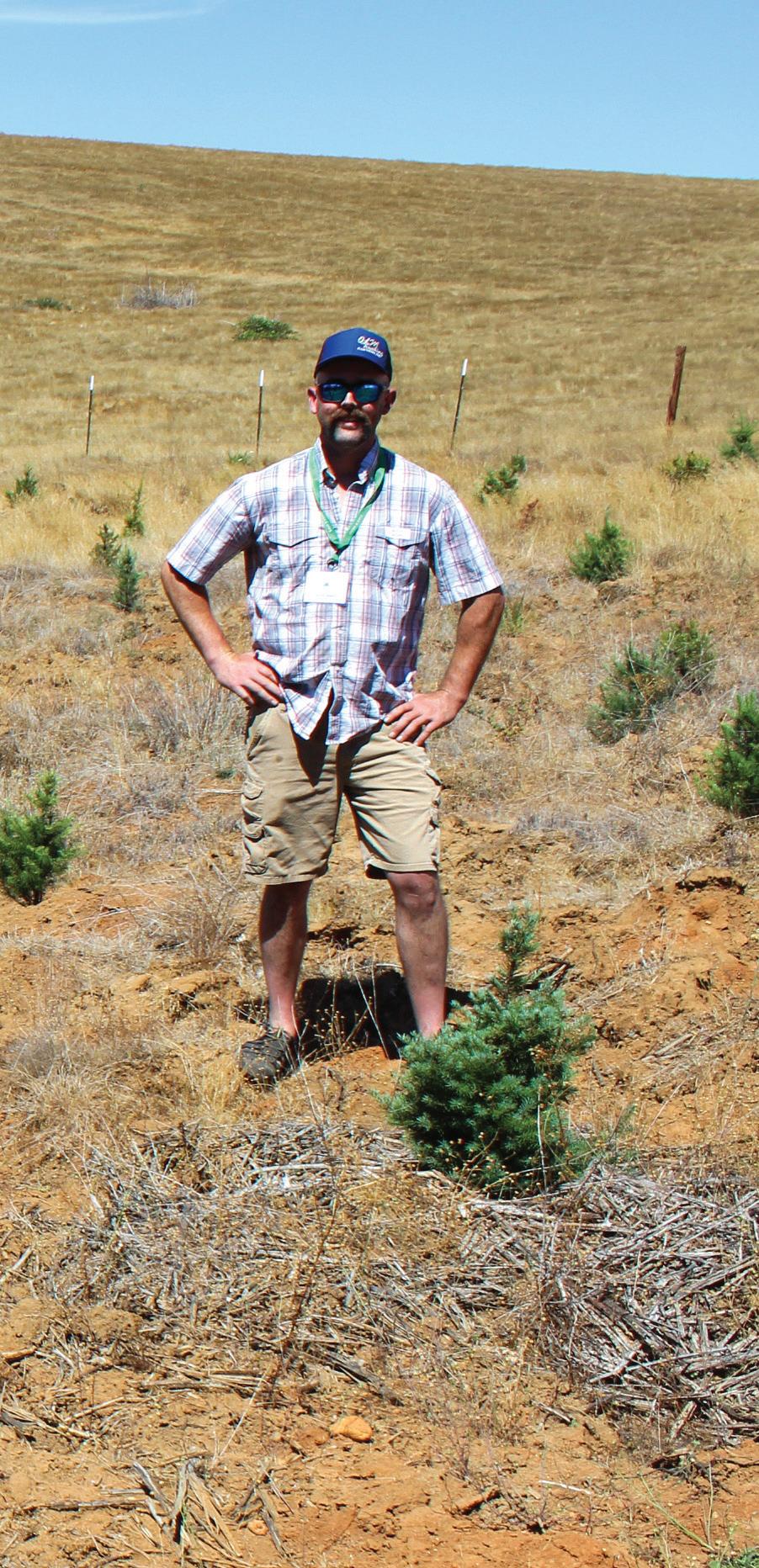
Tree Farm System as the Tree Farm of the Year in 2025 for Oregon,” says Gary Williamson, ranch manager and grandson of Big K Guest Ranch founder Alvin Kesterson. “Our family has been very dedicated to productive and sustainable forest management practices.”
Gary says the tree farm has received a tremendous amount of support from various agencies: Oregon Department of Forestry, Douglas County and Oregon small woodlands associations, Douglas Forest Protective Association and Oregon Department of Fish and Wildlife.
“We’re honored to represent Douglas County, the state of Oregon, the Pacific Northwest and possibly even the United States,” he says.
weddings, corporate retreats and weekend getaways and offered guided hunting and fishing trips for people from all over the world. The ranch lies along 11 miles of the Umpqua River.
certified by the American Tree Farm System and then was named the Oregon Tree Farm of the Year in 2025, earning the honor over five other finalists.
The Kesterson farm is now in the running for the regional and national awards.
“We are honored to host this convention and are very proud to be a part of the Oregon Small Woodlands Association and recognized through the American
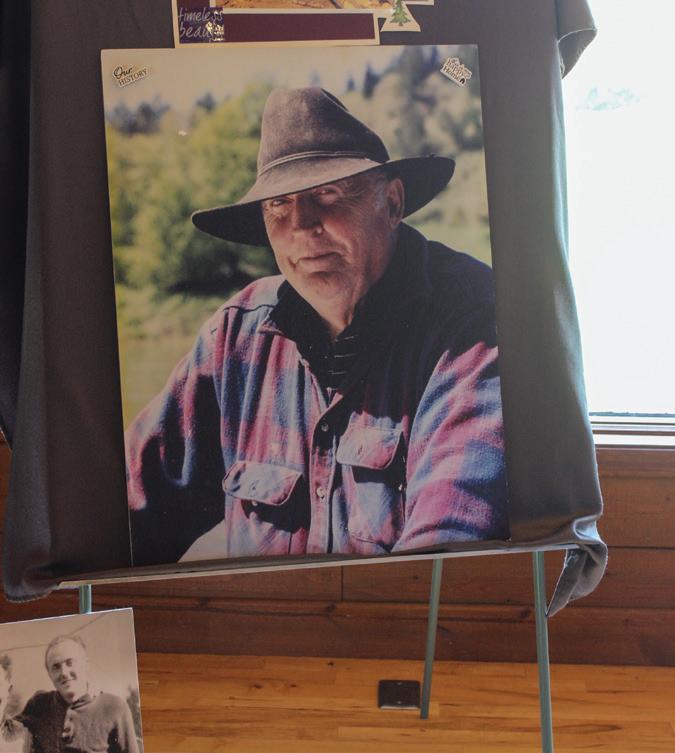
Charles Kesterson bought the ranch’s original 300 acres 118 years ago. Adjoining acreage has been bought over the years, bringing the ranch’s size to 2,200 acres. In addition to 1,500 acres of trees, primarily Douglas fir, the property includes a 1,200-square-foot log lodge, 20 cabins, pasture for cattle and a hunting and fishing guide service.
The lodge opened in 1993, bringing reality to Alvin’s vision of a diversified business. Since then, the Kesterson family and Big K Guest Ranch have hosted
In the nomination document for the regional and national awards, Gary wrote, “For six generations, the Kesterson family has cared for this property, protecting its forests, nurturing its pastures, protecting its waterways and honoring the values that first brought Charles Franklin Kesterson to the banks of the Umpqua River more than a century ago. By their ability to adapt and overcome adversity brought about by changing industries, economic shifts, and evolving land use practices, the family has remained committed to thoughtful stewardship and sustainable forest management.”
Alvin’s grandsons, the family’s fifth generation, brothers Gary and Seth Williamson and cousin Quintin Magee, have worked together to maintain a balance of growing trees, raising cattle, managing wildlife and operating a resort designed for outdoor recreation.
“We’re the heart of timber country here,” Tami Jo says. “This is where it all began. Now this honor should be here for the Kesterson family and its tree farm.” n
As threats to the power grid grow more complex, public utilities are building layers of protection—and asking consumers to help
By Michael Leitman and Jennifer Paton
The North American power grid— comprised of multiple regional grids— is the backbone of modern life. Considered the world’s largest machine, the grid powers homes, businesses and institutions, including hospitals and other critical infrastructure. As the grid becomes more interconnected and digitized, it faces growing threats, ranging from cyberattacks to extreme weather events and wildfires.
Keeping the grid reliable and resilient is essential. Public power utilities are actively involved in national efforts to stay secure.
Infrastructure Protection
Electric utilities and grid operators follow standards set by organizations, such as
the North American Electric Reliability Corp., that mandate protections for critical infrastructure, including:
Cybersecurity measures. Firewalls, encryption and multifactor authentication help prevent unauthorized access to control systems. Regular software updates and vulnerability scans reduce the risk of exploitation.
Physical security. Electric substations and control centers are protected with fencing, surveillance and restricted access. Physical breaches or attacks can be just as damaging as cyberattacks.
Redundancy and resilience. Backup systems and redundant lines ensure power can be rerouted during outages caused by natural events or deliberate attacks. This minimizes disruption and speeds recovery.
“Our grid security is protected by layered safeguards, including cyber, physical and operational security,” says John Luquette, information technology and facilities manager at Tillamook PUD, based in Tillamook, Oregon. “With that, it helps us reduce our risks, identify problems early and respond quickly to situations when conditions change.”
John says cyber- and physical security are treated as core safety functions at the utility, not just IT or facilities responsibilities. All employees play a role.
“The goal is to protect our system, our employees and the public while maintaining safe, reliable service,” he says. “A lot of this comes down to planning, training and coordination across teams and departments.”

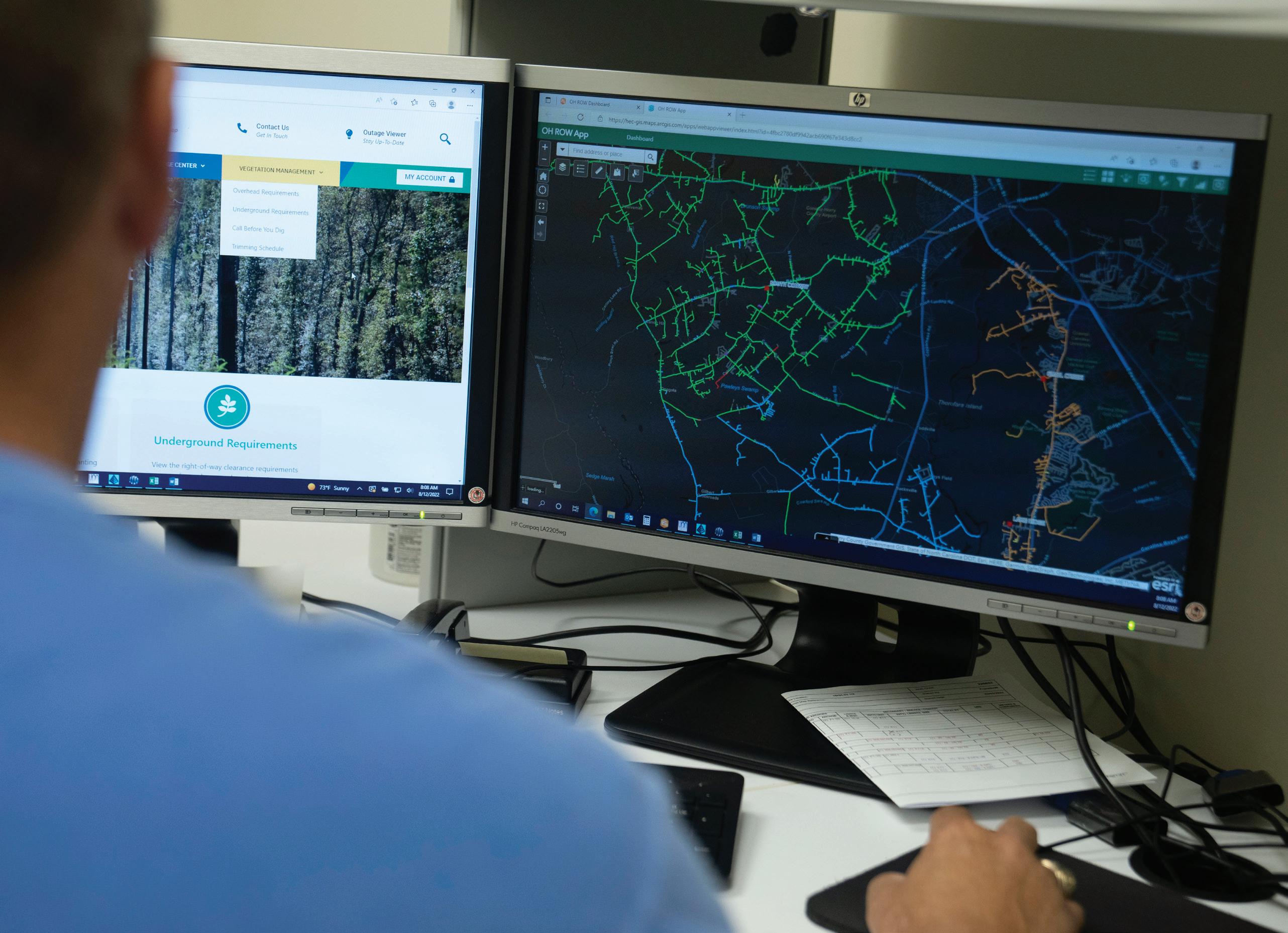

As threats evolve, so do the tools to combat them. New tools—including drones, remote sensors and advanced controls—allow electric utilities to be more effective in monitoring and responding to a variety of grid threats.
“When it comes to newer technology, the biggest benefit for Tillamook PUD is greater awareness and faster response times,” John says. “Improvements in monitoring, automation and data analysis help us spot unusual conditions sooner and respond more quickly when something changes.”
One example is the PUD’s automatic meter reading system, which not only allows the utility to read meters but also provides insight into potential issues in the field.
“We have dedicated staff monitoring this system 24/7 and reviewing daily reports,” John says. “A meter with a single blink can be identified and investigated right away.”
Artificial intelligence can be a powerful technology to enhance these other tools, especially in sifting through large amounts of data or imagery to detect irregularities or patterns. To be effective, AI tools must be well designed, properly trained and incorporated into cybersecurity protections.
Electric utilities invest in hardening their local systems against the growing threat of wildfires, extreme weather events and

other natural hazards. These investments include identifying vulnerable parts of the grid, replacing wooden poles with metal or cement poles, burying lines or adding enhanced technologies that allow greater visibility and control to anticipate and respond to emergency conditions.
Planning for the unexpected is critical.
Utilities and government agencies conduct large-scale exercises to test their readiness for emergencies. One example is GridEx, a biennial event organized by NERC that simulates cyber- and physical attacks on the electric grid. Thousands of participants, from utilities to law enforcement, work together to identify weaknesses and improve coordination.
Scott Corwin, American Public Power Association president and CEO, has participated in these exercises.
“In our industry, exercises are an essential piece of the puzzle when it comes to operating a reliable and resilient electric system,” he says. “Practicing our response to a cyber- or physical attack or a natural disaster gives us an opportunity to collaborate with our industry brethren and government partners to test processes and look for areas of improvement.”
These exercises also provide an opportunity to forge relationships with the people who would interact in the event of a reallife situation.
“This is something we stress to our
members,” Scott says. “It’s important to make these connections during ‘blue sky times’ rather than when a disaster strikes, and exercises are a perfect time to do this."
In terms of preparing their consumers for emergencies, public power utilities— particularly those in disaster-prone regions—take a multifaceted approach.
“They are active on social media, sharing tips, toolkits and information to help their customers prepare for—and live through—outage events,” Scott says. “They also cultivate relationships with the local media to quickly disseminate safety and restoration information.”
One of the best ways consumers can help ensure safe and reliable service is to stay engaged and informed. Keeping contact information up to date, paying attention to outage alerts or safety notices, and reporting issues such as downed lines or unusual conditions help utilities respond faster and more safely.
“During storms or outages, giving crews room to work and following safety guidance is also very important,” John says. “Tillamook PUD offers multiple communication methods for customers, and we make a point of staying active in our community at local events to share the latest information.”
It’s important to be aware of email, text and phone scams that target consumers. Scammers often try to create urgency around payments or service shutoffs to pressure people into acting quickly.
“We encourage our customers to be cautious about unexpected messages or phone calls and to verify requests by contacting our office through official phone numbers before sharing personal information or making payments,” John says.
A secure electric grid isn’t just about keeping the lights on. It’s about protecting public health, economic stability and national security in the communities served by public power utilities.
By combining robust industry standards, rigorous training, cutting-edge technology and consumer awareness, electric utilities help build a grid that is not only reliable but resilient today and in the future. n

By Miranda Boutelle
Saving energy doesn’t have to be expensive or time-consuming. You don’t need to spend thousands of dollars or get the newest technology. There are several steps to reduce your energy use, even on a tight budget.
Here are some low- and no-cost ways to save energy around your home.
Adjusting the thermostat is an easy way to save. Nudge the thermostat a few degrees closer to the outside temperature, especially on extreme weather days. I often hear people say, “I didn’t change anything, and my bill is higher.” On the hottest and coldest days, your HVAC system works much harder and uses more energy to maintain the same temperature. Add an extra layer of clothes or some cozy slippers in the winter and wear lighter layers in summer.

Fix any hot water leaks or dripping faucets. Those tiny drips can add up to big energy waste, not to mention water waste. If you need to hire a pro to fix it, turn the shutoff valve under the sink to stop the leak until you can get it repaired.
Wash clothes in cold water to avoid using the energy required to heat it. Washing on hot or warm settings can really add up, especially if you have a top-load or older washing machine that uses more water.
Adjusting the temperature on your water heater can save energy and money. Depending on the water heater, this can be an easy adjustment or something that requires removing access panels. If you don’t know how, consult a professional.
Air sealing is a do-it-yourself, beginner-friendly project that improves comfort and reduces energy waste. For about $20 and a couple of hours of time, you can fill gaps, cracks and holes to prevent air from leaking in and out of the home. From the inside of the home, seal trim on windows and exterior doors with caulk for $4 a tube. Buy paintable caulk so you can touch it up when it dries, if needed.
A can of spray foam is about $5 and seals gaps around plumbing lines. It’s great for sealing gaps around pipes under sinks and in the crawlspace or basement. Cold air can travel through those spaces, causing drafts and wasting energy. Air sealing these areas gets bonus points for stopping insects and rodents from using these gaps to enter your home.
Spray foam is messy and nearly impossible to get off whatever it touches, so wear disposable gloves and clothes you don’t mind getting dirty, and use drop cloths to protect finished floors. Be careful if you’re working with spray foam overhead. If you get it in your hair, it’s not coming out with anything less than a haircut. Move any items and clean surfaces of dust and debris in areas you intend to seal before cracking open a can. Put the can in a cardboard box to carry throughout the house so you don’t leave a trail of spray foam.
For $10 to $15, you can buy weatherstripping to improve the seal on exterior doors. If you can see light around doors or feel a draft between the door and the door jam when the door is closed, weatherstripping will help.
Try these easy, low- and no-cost improvements to reduce energy waste and improve comfort in your home. n


















By Ginger Meurer
This summer, they’re packing the 62-year-old theater company up for the move into its brand
The original building was never meant to be a theater, Roger says. It started out as a drugstore, bingo parlor and post office. After the 1959 earthquake shook the town, the drugstore’s

In 1964, Lynn Benson and his wife, Fern, were looking for a spot to put on shows near Yellowstone National Park. Seeing promise in the abandoned drugstore, they shoveled out the rubble, set up some chairs and started a theater.
Tourists and nearby residents
productions of musicals and plays featuring casts of college theater students. The actors didn’t just
sing and dance, they served as ushers and sold sodas, popcorn and homemade fudge during intermissions.
John and Trudy Bidwell helped the Bensons run the place, and they bought the theater company from them in 1989. The Merrills bought it in 2005.
Even before they owned the theater, Roger and Heidi were dedicated stage veterans. Roger’s first season at The Playmill was in 1985. Heidi started a year later.
The Merrills were students at Brigham Young University’s Idaho campus and met there, but their relationship didn’t spark until the summer season Heidi joined the theater. They started the season dating other people.
“Through the course of the summer the other relationships kind of fizzled away, and we started hanging out together,” Heidi says. “By the end of June, we were a thing.” Heidi was 20, Roger was 22, and they’ve been at The Playmill every year since.
“What made us stay?” Heidi asks. “Initially the reason that anybody stays there is they just love it so much. My first summer, ’86, was the best summer of my life. I absolutely loved it, and when Roger and I started dating, it just seemed natural to audition again, and we did.”








That’s not to say it was easy.
“There were so many summers that we said, ‘Do we need to move on?’ It was hard, really hard raising little kids and on not very much money,” Heidi says.
Roger says plenty of matches are made at The Playmill. All four of their children found spouses there, too.
“It’s a pretty intense environment up there, and you spend a lot of time together as cast members in rehearsals and performances and living in the same complex,” he says.
In addition to his work at The Playmill, Roger served full time as a theater professor at BYU-Idaho for 25 years and only recently retired to get the new Playmill location launched. All four Merrill children and their spouses help direct, choreograph, keep the books, handle marketing duties and more.
The Merrills have been planning the move for years. Outgrowing the old building and with new parking ordinances, there just wasn’t anyplace in downtown West Yellowstone big enough to accommodate their dreams.
But 20 minutes away, Island Park was booming with room to grow. Between rental cabins, resorts and a new hotel, Island Park hosts as many as 10,000 visitors a night. The Merrills bought land and planned to break ground for a new Playmill building in spring 2020. The COVID-19 pandemic delayed their plans, but they’re on track to kick off the summer season July 1.

The Merrills are excited about the new space, which will feature everything audiences loved about the old theater, plus a few new bells and whistles.
When the cast isn’t at work, they won’t be far away. They’ll be housed in dormitories beneath the stage.
More than 600 actors from 47 states plus Puerto Rico, Canada and Denmark auditioned online for the roughly 30 cast spots available. The Merrills were surprised to find students from top-tier musical theater programs at New York University and the Boston Conservatory among the hopefuls. Some of The Playmill’s alumni have gone on to take roles on Broadway, in national tours and at major regional theaters.
So far, audiences seem ready to make the move. The Playmill has already sold more advance tickets than ever before. For the first time, the Merrills are selling season tickets and even VIP Club 64 memberships.
Audience members are loyal, and the Merrills sometimes get celebrity treatment, like the time a woman spotted Roger outside a show in Times Square and shouted, “Oh, my gosh, it’s that guy! He’s famous!” He looked around to see who she was talking about and realized it was him. Or there was the time a convenience store clerk told them her son’s last wish when he was diagnosed with a terminal brain tumor was to go to The Playmill. They’ll never forget the family from Holland who came so often the Merrills call them “our Dutch grandparents.”
“It’s kind of a responsibility,” Heidi says. “And sometimes it’s a little, wow! That’s been the drive to keep this thing going.”
The Playmill’s future is exciting. But Heidi says leaving the old building was still challenging.



Audiences will still enjoy the intimacy and immersive experience of a thrust-theater setup, but with new perks, including better sight lines, a trapdoor and a second story on stage, which will give actors two levels to make shows like “Newsies” more dynamic. Set backgrounds will be displayed on two giant electronic screens, and productions will be enhanced by new sound systems and lighting. There is also a dedicated “cry room,” where parents can keep tabs on the show while young children who find it hard to keep their seats for the entire length of the show can play dress-up on a tiny stage.
Speaking of stages, guests will find another one inside Steakhouse 64, The Playmill’s restaurant. Named for the year the theater opened, the eatery will be staffed by cast members who provide entertainment as they wait tables. A gift shop and oldfashioned ice cream fountain will round out the offerings.
“It’s going to be a lot of fun,” Roger says.
OPPOSITE PAGE, FROM LEFT: Heidi Merrill takes the stage in a 2010 production at The Playmill. Theater is a family affair for the Merrills and their children and grandchildren. Heidi and Roger take on plenty of acting roles. PHOTOS COURTESY OF ROGER AND HEIDI MERRILL
“It was like leaving a sacred space, leaving our home,” she says. “And our kids really struggled the day we walked out the door. It was really hard. It feels just as much like home as our house.” Roger is convinced that sense of home will come with them.
“What we’ve come to learn over the years is that The Playmill isn’t a building,” he says. “It’s not about the building. It’s about what we do there and how we make people feel when they come. And that’s all coming with us.” n
The Playmill’s 2026 season at its new home is set to include summer performances of Disney’s “Frozen,” “Les Misérables” and “Newsies.” “The Foreigner” is slated for fall 2026, followed by “A Very Playmill Christmas.”
The theater is at 4111 S. Big Springs Loop Road, Island Park, Idaho. For ticket information, visit playmill.com.

By Miguel Rios






Most days, Daniel Lofland is up before the sun. He showers, makes coffee and enjoys a rare quiet hour before helping his two children get ready for school. As an Oklahoma Electric Cooperative employee, Daniel’s workdays can vary wildly. By midmorning, he might be verifying energyefficiency rebates. By afternoon, he could be answering member questions, prepping a safety demonstration trailer or recording an episode of his electric cooperative’s podcast.
It’s a full day, but the routine is predictable. That predictability, Daniel says, helps him protect his sleep.
“I wake up early, so I try to be in bed by 10 p.m.,” he says.
Daniel, an energy-efficiency and solutions specialist, spent nearly a decade as a lineworker. In the electric utility world, being alert matters, especially when daily tasks include driving rural roads, responding to outages or making decisions around live power.
“We prioritize sleep in our house, especially since we’ve got kids,” Daniel says. “In order to be successful in your day, you’ve got to be rested.”
But across America, intentional approaches to sleep are increasingly hard to find. Shift work, long commutes, caregiving responsibilities, on-call schedules and screen time are quietly eroding sleep.
For Curtis Chlouber, an electric cooperative construction foreman, routine is also important for quality sleep, especially in a line of work where safety is crucial.
“When you’re dragging the day after not getting good sleep, you miss little things,” he says. “Every day is a little different, so you have to be ready to adapt and be alert even if it’s something you’ve done a hundred times.”
Curtis wakes at 5:30 a.m. and is on the job by 7 a.m. Some weeks, he has long drives to distant parts of the utility’s service territory before the real work fully begins. After finishing his workday around 4:30 p.m., he heads straight to the gym, then home to help with dinner, baths, homework and bedtime for his three young children. Most nights, he’s in bed by 9 or 10 p.m. Once a week, he’s also on call, which can disrupt his routine.
“The hardest thing is getting called in the middle of the night after you’ve been sleeping for a few hours,” Curtis says. “I take precautions and don’t hesitate to pull over just to walk laps around my car and wake myself up.”
Mikala Jordan, sleep lab supervisor for Mercy Health, says that kind of disruption is common in many occupations, and it interrupts the body’s natural sleep rhythm.
“The main issue with shift workers is they’re not getting that natural sunlight at the normal hours of the day,” she says. “As a shift worker, you might be jumping back and forth between schedules. Or, if you’re on your last shift of the week and you come home, instead of going to sleep, you make yourself stay awake to spend time with family or do other things. But having a set schedule and sticking to it is super helpful to avoid negative long-term effects.”
Taryn Edwards is an executive assistant for Great Plains Sleep Specialist and a sleep lab supervisor. She says sleep disorders are often underdiagnosed in rural areas.
“People just don’t realize that their symptoms are medical issues, or they might not have access to sleep specialists,” she says.
Experts warn the cost of poor sleep is high. Over time, chronic sleep loss is linked to increased risk of heart disease, diabetes, depression, obesity and cognitive decline, according to the National Institutes of Health. Harvard Medical School research also found it raises the likelihood of workplace errors—leading to injuries and motor vehicle accidents.
Taryn says lack of sleep affects people mentally and emotionally, and they may not realize sleep is part of the problem.
“People might be more irritable, forgetful, they can’t think straight or focus,” she says. “Sleep isn’t a luxury. It’s a basic health need. When sleep disorders go untreated, they also affect someone’s family, workplace or school and even other people on the road.
“Thankfully, sleep disorders are very treatable,” Taryn says. “They just rarely get better on their own, so the earlier people address them, the better the outcome.”


Mikala emphasizes simple ways to improve sleep without resorting to expensive or unrealistic measures. Small, practical changes can make a measurable difference.
• Protect the schedule. One of the biggest ways to improve sleep quality is to stick to a schedule as much as possible. Consistency matters, so going to bed and waking up at roughly the same times each day helps reset the body’s internal clock. If an on-call schedule results in unexpected sleep disruptions, Mikala recommends returning to the normal routine as soon as possible.
• Mind the lighting. Bright, cool-toned bulbs and screens in the evening signal the brain to stay alert, so avoid them if possible. Ideally, that means no TV or phone time 30-60 minutes before bed.
• Create a sleep sanctuary. To improve sleep, keep the bedroom dark and cool, and have a comfortable mattress and pillow. Mikala recommends using some sort of white noise—such as a fan or an app that simulates rain or other soothing noises— and sleeping only in the bedroom. That means you’re not watching TV in bed.
“Your circadian rhythm takes awhile to reset,” Mikala says. “If you’re consistent with the changes, I’d say give it about a week before you might start to notice improvements. If you’re still experiencing a lot of sleep issues after making consistent changes, I would definitely seek additional help to make sure there’s not any underlying issues.”
Sometimes, sleep problems aren’t just about habits. Underlying conditions could include narcolepsy and restless leg syndrome. One of the most prevalent sleep disorders is sleep apnea. According to the American Academy of Sleep Medicine, sleep

apnea affects nearly 30 million Americans, and an estimated 80% of cases go undiagnosed.
“Sleep apnea is incredibly common, especially among men,” Mikala says. “Many people put off testing because they don’t want to deal with a CPAP machine, which is the gold standard for treatment.”
CPAP stands for continuous positive airway pressure. The machine helps keep a person’s airway open during sleep.
Ignoring a potential sleep disorder can lead to worse health outcomes down the road. Today, testing options are more accessible than ever. Some patients can complete a sleep study at home, picking up a small device to wear overnight and returning it the next day. Follow-up care and monitoring may be available through telehealth.
“If something feels off, talk to your primary care provider,” Mikala says. “Write symptoms down. Bring a partner who’s noticed changes. Your doctor is there to help, not judge.”
At home, Daniel and his wife are intentional about sleep, especially for their children. That decision grew out of her time as a substitute teacher, when she realized how much students’ days and attitudes were affected by nights of poor sleep.
“Getting a good night’s sleep became priority No. 1,” Daniel says. “It sets us up for the next day. When we’re rested, we can stay focused and stay on task.”
Electric utilities are built on the idea that shared resources strengthen communities. Sleep works in a similar way. Well-rested lineworkers respond more safely and efficiently to outages. Alert drivers make roads much safer. Focused parents and caregivers strengthen families. And focused individuals help communities thrive. n

Lower the thermostat at night. Temperatures at 68 degrees or lower support better sleep.
Use fans. Ceiling or box fans improve air circulation and lower the need for air conditioning. In cooler months, remember to reverse ceiling fans’ direction to distribute warm air.
Dim the lights. Dimming the lights after sunset supports natural sleep rhythms and reduces electricity use. Warm-toned bulbs are also better for supporting sleep.
Keep it dark. A dark, cool bedroom is ideal for better sleep, often meaning fewer lights, appliances and devices running overnight.
Block disruptions. Blackout curtains or thick shades keep outdoor light out and help regulate room temperature, keeping bedrooms darker, cooler and more comfortable.

Mexican Street Corn
4 ears of corn, husked
4 tablespoons mayonnaise
2 tablespoons sour cream
1/2 teaspoon salt
4 ounces cotija cheese, crumbled
1 teaspoon chili powder, divided
1 lime
2 tablespoons fresh cilantro, chopped
Heat grill to medium-high. Grill corn, turning every 2 to 3 minutes until lightly charred all over.
Mix mayonnaise, sour cream, salt and ½ teaspoon chili powder in a small bowl. Brush each ear generously with the sauce. Sprinkle with cotija cheese, remaining chili powder and cilantro. Squeeze lime over the top. Serve immediately.
Unsalted butter
11/2 cups buttermilk
2 large eggs
¼ cup vegetable oil
11/2 cups all-purpose flour
11/2 cups cornmeal
1 cup sugar
Heat oven to 350 F.
11/2 tablespoons baking powder
1/2 teaspoon kosher salt
11/2 cups corn kernels, fresh or frozen
Honey, optional
Grease a 12-inch cast-iron skillet or a 9-by-13-inch casserole dish with butter.
In a large bowl, whisk together buttermilk, eggs and vegetable oil. Add flour, cornmeal, sugar, baking powder and salt. Mix just until combined, then stir in the corn kernels.
Pour the batter into the prepared dish. Bake for 35 minutes or until a toothpick inserted in the center comes out clean. Allow the cornbread to cool for at least 15 minutes before slicing. Serve topped with honey, if desired.
2 ears corn
1 large ripe mango, diced
1 jalapeno, seeded and minced
1/2 red bell pepper, diced
¼ red onion, finely diced
3 tablespoons fresh cilantro, chopped
2 limes, juiced
1 teaspoon salt
Grill ears of corn until kernels have some color. Cut off kernels, and let cool.
Combine corn kernels, mango, jalapeno, red bell pepper, red onion and cilantro. Add lime juice and salt. Toss well. Let sit for at least 15 minutes for flavors to meld. Serve with tortilla chips, in tacos or over grilled fish or chicken.
4 ears corn, kernels cut off
1 pint cherry tomatoes, halved
1 English cucumber, diced
1/2 red onion, finely diced
Fresh basil, torn
3 tablespoons olive oil
2 tablespoons red wine vinegar
1 teaspoon honey
1 teaspoon salt
1/2 teaspoon black pepper
Heat a skillet or grill pan over high heat. Add corn kernels. Cook dry, stirring occasionally, until lightly charred in spots, about 5 minutes. Let cool.
Whisk together olive oil, red wine vinegar, honey, salt and pepper in a large bowl. Add cooled corn, cherry tomatoes, cucumber, red onion and basil to the bowl. Toss to coat. Taste and adjust seasoning. Serve chilled or at room temperature.
3 ears corn, kernels cut off
2 large eggs
2 ounces all-purpose flour
2 ounces Parmesan, grated
2 green onions, thinly sliced
1 teaspoon salt
1/2 teaspoon black pepper
¼ teaspoon cayenne pepper
3 tablespoons vegetable oil, for frying
Sour cream, for serving
Hot sauce, for serving Lime, for serving
In a large bowl, combine corn, eggs, flour, Parmesan, green onions, salt, black pepper and cayenne pepper. Stir until a thick batter forms.
Heat 3 tablespoons oil in a large nonstick skillet over medium-high heat. Drop heaping spoonfuls of batter into the pan, flattening slightly. Cook in batches, being sure not to crowd the pan.
Cook fritters for about 3 minutes per side until deep golden brown and cooked through. Drain on paper towels. Serve hot with sour cream, hot sauce or a squeeze of lime.
6 ears corn
3 tablespoons butter
1 medium onion, diced
3 garlic cloves, minced
2 medium potatoes, diced
3 cups chicken or vegetable broth
1 teaspoon salt
1/2 teaspoon paprika
1 cup heavy cream
4 strips bacon, cooked and crumbled
2 green onions, sliced
Cut kernels off ears of corn. Run the back of a knife down the cobs to extract milky liquid. Reserve kernels and liquid. Melt butter in a large pot over medium heat. Saute onion until soft, about 5 minutes. Add garlic, and cook 1 more minute.
Add potatoes, broth, salt and paprika. Bring to boil. Simmer until potatoes are tender, about 12 minutes.
Add corn kernels and their liquid. Stir in heavy cream, and simmer 5 more minutes. For a creamier texture, blend 2 cups of soup, and stir back in.
Ladle soup into bowls. Top with bacon and green onions.
Sealed Vault Bags full of state silver bars are actually being handed over to the first U.S. residents who find their zip code listed in today’s publication and call before the 21-day deadline to claim the bags full of pure silver
Operators at the National Silver Hotline are struggling to keep up with all the calls.
That’s because Silver Vault Bags loaded with pure .999 State Silver Bars are now being handed over to everyone who beats the order deadline.
“That’s why U.S. residents will be hoarding all the silver bars they can get their hands on before the deadline ends. This comes as no surprise after the standard State Minimum set by the Lincoln Treasury was dropped for everyone who gets the Silver Vault Bags making them a real steal,” said Mary Ellen Withrow, the emeritus (Ret.) 40th Treasurer of the United States of America.
“As executive advisor to the private Lincoln Treasury, I get paid to deliver breaking news. And here’s the best part. This is great news for U.S. residents because the reduced State Minimum set by the Lincoln Treasury is a real steal,” said Withrow.
The only thing residents need to do is find the first 2 digits of their zip code on the Distribution List printed in today’s publication. If their zip code is on the list, they just need to call the National Silver Hotline before the deadline ends.
And here’s the good news. Residents who do are getting the reduced State Minimum set by the Lincoln Treasury of just $558 for each State Silver Vault Bag which is just over $55 for each pristine solid sil -

■ U.S. RESIDENTS CASH IN: Calls are pouring in from state residents who are trying to get their hands on the Jumbo Silver Ballistic Bags pictured above before the deadline ends. That’s because residents who find the first 2 digits of their zip code printed in today’s publication are cashing in on the reduced State Minimum price set by the Lincoln Treasury until the 21-day deadline expires.
ver one quarter ounce bar as long as they call the National Silver Hotline at 1-877- 828 - 8990 before the deadline ends.
Phone lines open at precisely 8:30 A.M. this morning and are expected to be flooded by U.S. residents looking to cash in on the reduced State Minimum set by the Lincoln Treasury to date. That’s why U.S. residents who find their zip code on the distribution list today are being urged to call.
Since this special advertising announcement can’t stop anyone from buying up all the new 2026 Edition U.S. State Silver Bars they can get their hands on, the Lincoln Treasury has not set a limit of how many
Jumbo Silver Ballistic Bags residents can get – these are the bags pictured that contain 100 individual Silver Vault bars each. Everyone who gets these will be glad they did.
“Residents who want to cash in on the reduced State Minimum set by the private Lincoln Treasury better hurry. That’s because after the deadline ends, the State Minimum for these pristine quarter ounce U.S. State Silver Bars set by the Lincoln Treasury will go up to $84 per bar no matter how many bars people get,” Withrow said.
“We’re bracing for all the calls and doing the best we can, but with just hours left before the deadline ends, residents who find the first
2 digits of their zip code listed in today’s publication need to call the National Silver Hotline,” Withrow said.
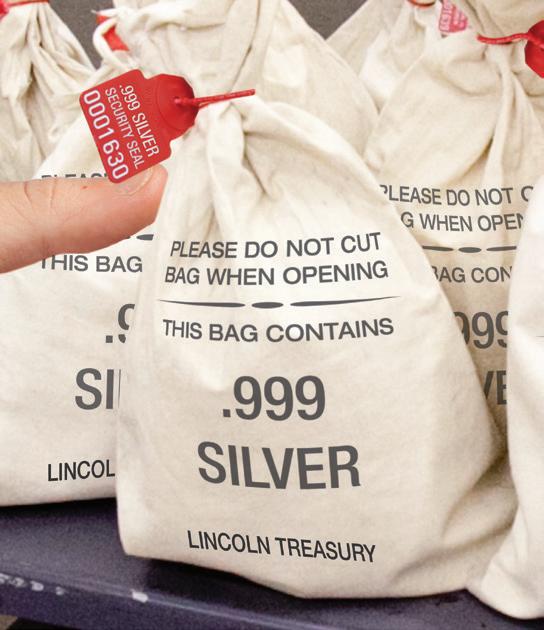
■ SILVER IS SOARING: It’s good news for state residents who get the Silver Vault Bags each loaded with 10 Fractional Reserve one quarter ounce State Silver Bars. That’s because residents are getting the State Minimum set by the private Lincoln Treasury as long as they call before the deadline ends.
Who gets the Silver Vault Bags: Listed below are the zip codes that get to claim the Silver Vault Bags. If you find the first two digits of your zip code below immediately call: 1-877-828-8990 DEPT. SQR482
Alabama 35, 36
Alaska 99
Arizona 85, 86
Arkansas 71, 72
California
91
Colorado 80, 81
Connecticut 06
Delaware 19
Florida 32, 33, 34
Georgia 30, 31, 39
Hawaii 96
Idaho 83
Illinois 60, 61 62
Indiana 46, 47
Iowa 50, 51, 52
Kansas 66, 67
Kentucky 40, 41, 42
Louisiana 70, 71
Maine 03, 04
Maryland 20, 21
Massachusetts 01, 02, 05
Michigan 48, 49
Minnesota 55, 56
Mississippi 38, 39
Missouri 63, 64, 65
Montana 59
Nebraska 68, 69
Nevada 88, 89
New Hampshire 03
New Jersey 07, 08
New Mexico 87, 88
New York 00, 10, 11, 12 13, 14
North Carolina 27, 28
North Dakota 58
Ohio 41, 43, 44, 45
Oklahoma 73, 74
Oregon 97
Pennsylvania 15, 16, 17 18, 19
Rhode Island 02
South Carolina 29
South Dakota 57
Tennessee 37, 38
Texas 75, 76, 77 78, 79, 88
Utah 84
Vermont 05
Virginia 20, 22, 23, 24
Washington 98, 99
West Virginia 24, 25, 26
Wyoming 82, 83
I keep calling and can’t get through: Keep trying. Right now everyone’s looking to cash in on the reduced State Minimum set by the Lincoln Treasury. In fact, we won’t be surprised if thousands of residents order up as many Silver Vault Bags as they can get their hands on before the deadline ends. That’s because the State Minimum set by the Lincoln Treasury has been reduced to just over $55 for each solid silver one quarter ounce bar for everyone who gets the vault bags. And since each Silver Vault Bag contains 10 pristine State Silver Bars for just $558 we’re guessing state residents will be claiming two or more bags while they’re up for grabs. But all those who really want to cash in are taking the Jumbo Silver Ballistic Bags containing 100 State Silver Bars before the deadline ends and the State Minimum set by the Lincoln Treasury goes up to $840 per Vault Bag. In fact the State Minimum set by the Lincoln Treasury is reduced even further for those getting the Jumbo Bags so just be sure to ask the National Silver Hotline operator for your discount. So if lines are busy keep trying.
How much are the Silver Vault Bags worth: It’s hard to tell how much these Silver Vault Bags could be worth since they are in pristine condition, but those who get in on this now will be glad they did. That’s because the State Minimum set by the Lincoln Treasury goes up to $840 per bag after the deadline ends. So you better believe that at just $558 the Silver Vault bags are a real steal for everyone who beats the 21-day order deadline.
Can I buy one State Silver Bar: Yes. But, the reduced State Minimum set by the Lincoln Treasury of just over $55 per bar applies only to residents who purchase a Silver Vault Bag(s). That means only those residents who order a Silver Vault Bag(s) or a Jumbo Silver Ballistic Bag get the reduced State Minimum set by the Lincoln Treasury. All single bar purchases, orders placed after the deadline and all non-state residents must pay the normal state minimum of $84 per silver bar.
Why is the State Minimum set by the Lincoln Treasury so low now: Thousands of U.S. residents stand to miss the deadline to get the silver at the reduced State Minimum set by the private Lincoln Treasury. Now all residents who find their zip code on the Distribution List above are getting the Silver Vault Bags for themselves and all the solid .999 pure State Silver Bars found inside. The price for each Silver Vault Bag after the deadline ends is set to the normal state minimum of $840 which is $84 per bar. But residents who beat the deadline only cover the reduced State Minimum set by the Lincoln Treasury of just $558 for each Silver Bar Vault Bag which is just over $55 per bar as long as they call the National Silver Hotline before the deadline ends at: 1-877-828-8990 DEPT. SQR482 Hotlines open at 8:30 A.M. or go to LincolnTreasury.com/State and enter: SQR482 at the secure checkout
All States listed above are available - States not listed are already sold out ***



DATE NUMBERED IN WHICH THE STATE RATIFIED THE CONSTITUTION AND WAS ADMITTED INTO UNION FRONT










It is time to share your favorite photos for a chance to appear in our 2027 Ruralite calendar. Up to 13 winners are selected, and each receives $100. Photos must be submitted by June 30, 2026. The contest is open to recipients of Ruralite and Currents magazines. Each person may submit up to two photos. Each submission must include:
• Photographer’s name, address and electric utility.
• A short description—otherwise known as a caption—of what is shown.
• Photographer’s email address and phone number.

• JPEG file photos only. Photos must be horizontal (landscape) format and at least 300 dpi at 11 inches wide by 9 inches tall. Vertical photos and any photos created or altered by AI are not accepted. Enter today by visiting tinyurl.com/ruralitecalendar or use the QR code on this page.
Winning Tips
• Use the highest resolution setting on your camera.
• Photograph beautiful places and wildlife.
• Capture scenes full of vivid color.
• Reflect the seasons.
• Make us feel something—awe, joy, etc.

■ NO MONTHLY BILLS: “My wife had an old style help button that came with hefty bills every month and she was embarrassed to wear it because it made her look old,” said Frank McDonald, Canton, Ohio. “Now, we both have FastHelp™, the sleek new medical alert device that our grandkids say makes us look ‘cool’ not old,” he said. With FastHelp, seniors never have to worry about being alone and the best part is there are no monthly bills ever.

■ FLYING OUT THE DOOR: Trucks are being loaded with the new medical alert devices called FastHelp. They are now being delivered to lucky seniors who call the National Rebate Center Hotline at 1-800-833-6408 DEPT. FSTH161 today. Everyone is calling to get FastHelp, the sleek new medical alert device because it instantly connects you to unlimited nationwide help everywhere cell service is available.





■ SENIORS SNAP UP NEW MEDICAL ALERT DEVICE : Instantly connects you to free unlimited nationwide help with no contracts, no deposits and no monthly bills ever. Nothing to hook up. You don’t need a land line or cell phone. It’s ready to use right out of the box. Comes with new cellular embedded technology that works at home or anywhere you go so you are never alone.
Seniors born before 1964 get new medical alert device
The phone lines are ringing off the hook.
That’s because for seniors born before 1964, it’s a deal too good to pass up.
Starting at precisely 8:30am today the PreStore Release begins for the sleek new medical alert device that comes with the exclusive FastHelp™ One-Touch 911 Button that instantly connects you to unlimited nationwide help everywhere with no contracts, no deposits and no monthly bills ever.
“It’s not like old style help buttons that make you talk to a call center, only work when you’re at home and come with hefty bills every month. FastHelp comes with state-of-the-art cellular embedded technology. That means it works at home or anywhere and everywhere cell service is available whether you’re out watering the garden, driving in a car, at church or even hundreds of miles away on a tour or at a casino. You are never alone. With just a single push of the One-Touch E Button you instantly get connected to free unlimited help nationwide with no monthly bills ever,” said Jack Lawrence, Executive Director of Product Development for U.S. based Universal Physicians.
“We’ve never seen anything like it. Consumers absolutely love the sleek new modern design and most of all, today’s instant rebate practically pays for it and no monthly bills ever,” Lawrence said.
FastHelp is the sleek new medical alert device with the best of combinations: a quality, high-tech engineered device that’s also an extremely great value because there are no monthly bills ever. ■
BORN BEFORE 1964:
Use the rebate coupon below and call this Toll-Free Hotline: 1-800-833-6408
EXT. FSTH161
BORN AFTER 1964:
You cannot use the rebate coupon below and must pay $299 Call: 1-800-885-1424
EXT. ADFH0626
BOTTOM LINE: You don’t need to shop around. We’ve done all the leg work, this deal is too good to pass up. With the instant FastHelp rebate, it is a real steal at just $149 and shipping. There are no monthly bills ever.
PROS: It’s the sleek new medical alert device that comes with the exclusive FastHelp One-Touch 911 Button that instantly connects you to free unlimited nationwide help with no contracts or deposits. It connects you to the vast available network of cellular towers for free and saves seniors a ton of money because there are no monthly bills ever making this deal a must have. Plus it’s the only medical alert device that makes seniors look important, not old.
CONS: Consumers can’t get FastHelp in stores until later this year. That’s why it’s so important for seniors born before 1964 to call the National Rebate Center Hotline within the next 21 days. For those who miss that deadline, the sleek little medical alert device will set you back over $300 bucks.
Hurricane Help
“We had two hurricanes recently. I had no electricity for 6 days. I fell, so I pushed the button, and they came right out and picked me up off the floor. I tell many of my friends they need to get FastHelp!” - Virginia, FL
LIFESAVER
“When I got my FastHelp I never thought I’d have to use it, but when I fell and broke my hip it saved my life.” - Harold, OH
Very appreciative of having FastHelp
“I did have an emergency. Help RESPONDED quickly and came in a few minutes.” - Irving, PA
WE LOVE THE PRODUCT
“We bought it outright with no bills ever.” - Rosemary, NY
Safe anywhere
“This little FastHelp device is my guardian angel. I’m so glad my daughter-in-law got it for me.” - Pete, FL
A+ Rating: These are unsolicited consumer feedback from satisfied customers as reported to Universal Physicians.
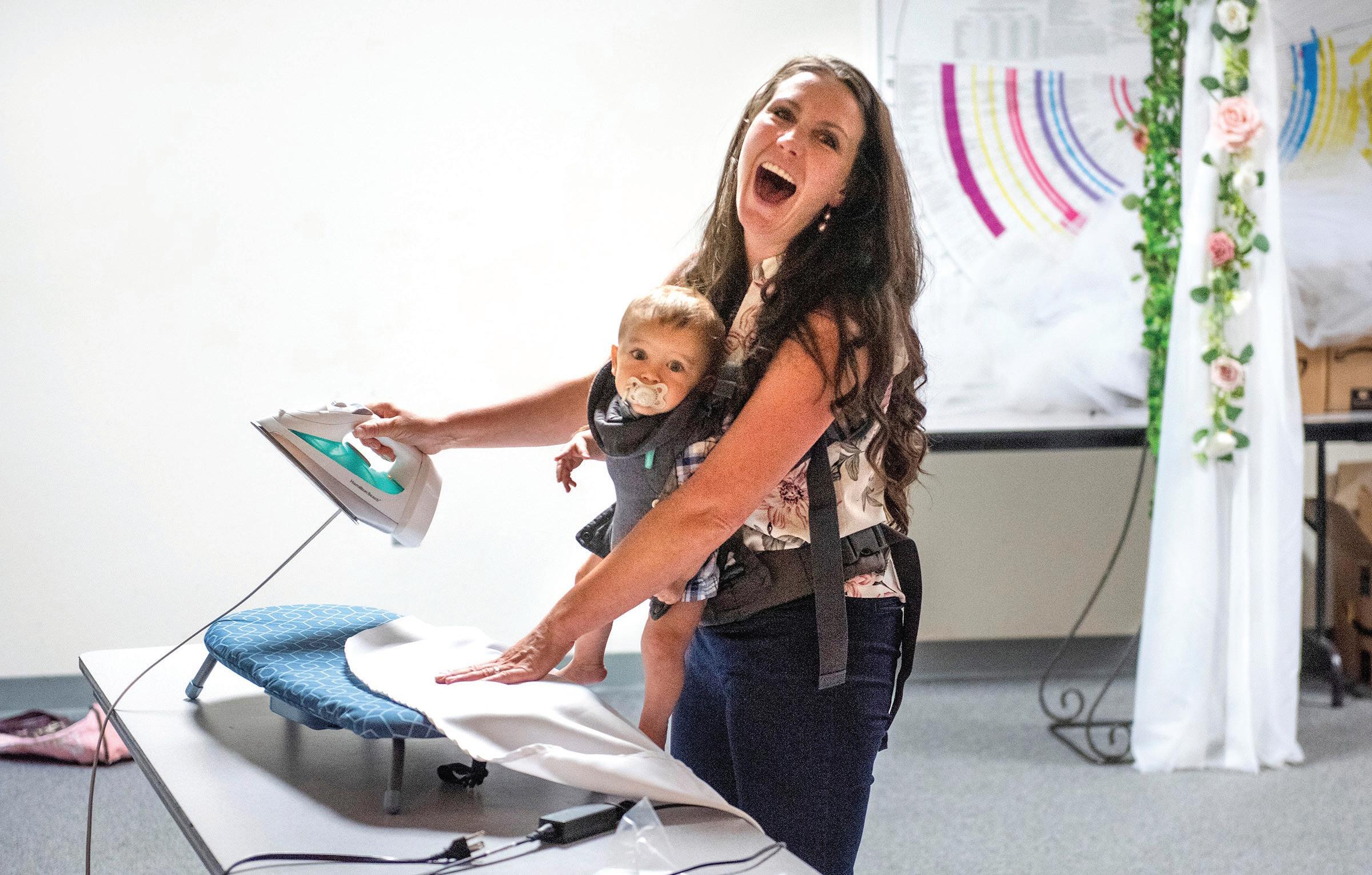
Story and photo by Dave LaBelle
‘I
Wedding bells are ringing, and June is a popular months for couples to tie the knot.
For many photographers—professional and amateur—weddings are a time they are called to make those pictures that forever preserve a couple’s special day.
I’ve photographed many weddings, perhaps too many, in my lifetime. While I have captured some beautiful moments, I have never considered myself a wedding photographer.
When I do get talked into photographing one of these sacred happenings, I agree only if I can make candid pictures and leave group photos and traditional pictures to the wedding photographer. I do what I do, they do what they do and I am careful not to interfere.
When my wife and I photographed weddings together we sometimes alternated duties. One would capture the action while the other did the portraits, like having a play-by-play announcer and a color commentator. At my best, I am the color commentator. I watch for subtle, yet
storytelling moments most don’t see or look for—usually before or after the vows.
Photographing weddings is not unlike covering sporting or political events.
It’s important, if not critical, to know the lay of the land. When possible, attend any rehearsals to scout the best angles to capture the most important (or storytelling) pictures. Often the best pictures from any event happen beforehand, when people are relaxed.
Watch for emotions after the actual event, after the nervousness and stresses of planning are over. As I often remind my students, “BAD is good!” BAD is an acronym for before, after and during an event.
Also, it’s important—if a wedding photographer has been hired—not to overshoot or get in their way. Talk to them first and assure them you’re not there to compete but augment. And finally, don’t miss the kiss. You can miss everything else, but if the couple is counting on you to capture the moment their lips meet, and you miss that photo, it will be hard to live with the disappointment. n
Watching through a small door window, I noticed Lindsey Sabrizio performing double duty—busily ironing her daughter’s wedding dress while watching one of her seven children. Though lacking in technical quality, this real, spontaneous moment captures an important part of the wedding most never see.
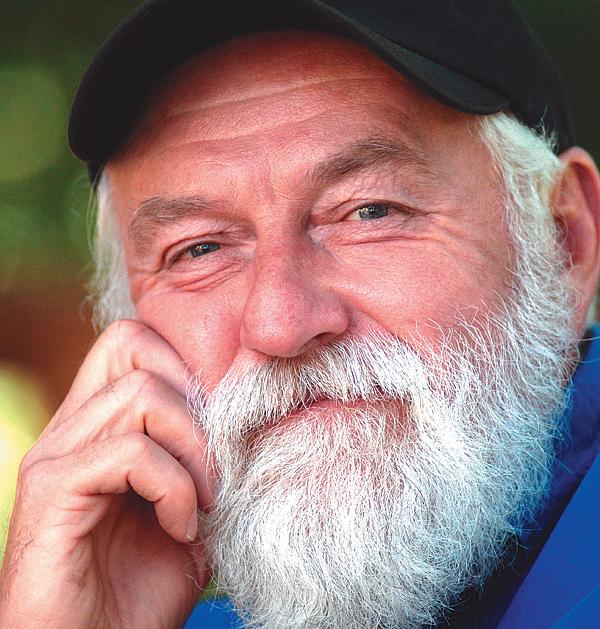
Internationally renowned author, photographer and lecturer Dave LaBelle has captured special moments for more than half a century. He has shared photo tips and life perspectives with readers since 2009. For more of his writings, visit davidlabelle.com and bridgesandangels.wordpress.com.







I am making a huge pin cushion in a large glass salad bowl. I would like to have about an inch of thimbles in the bottom of the bowl but do not have enough for a single layer. If you have any used thimbles you could donate to my project, I will send you a thank-you letter and a photo of the finished project.
Lori Sharpe P.O. Box 185 Trout Lake, WA 98650
My father, Chuck Feehely, turns 90 this month. He is a veteran, loves our country and feels very honored to have served with those who fought for the freedoms we are blessed with here in America. He cannot listen to our national anthem without getting choked up. A stroke paralyzed his right side, and his daily activities are limited. His mind is sharp, and he would enjoy listening to (and sharing with the other residents) stories from people around the world of your military adventures or of people you know. You can send your stories and cards to Chuck Feehely, c/o Post Falls Veterans Home, 590 S. Pleasant View, Room 2114, Post Falls, ID 83854. Thank you.
Patti Luchte Lenore, Idaho
Our mom turns 90 this month. She and Dad loved and supported four children and numerous related and nonrelated grandchildren in the small town of Vernonia, Oregon. They attended almost every sports event their children and grandchildren competed in. Mom now watches her great-grandchildren in their endeavors whenever possible. She had season tickets to Portland Blazers games in her younger years and is still an ardent fan, watching games on TV. She loves to receive mail and is a good correspondent, keeping in touch with loved ones over the years. It would be a wonderful surprise for her to receive birthday wishes. Please send to Kathleen Gwin, P.O. Box 294, Vernonia, OR 97064.
Stephanie Gwin La Pine, Oregon
Maxine Huntsucker, of Baker City, Oregon, is celebrating her 90th birthday this month. Her family would love to help make this milestone extra special by surprising her with birthday cards from friends and readers. Maxine enjoys the simple pleasures of life. She loves visiting the Oregon Coast, watching the deer and squirrels in her yard, and spending time around flowers. She also enjoys collecting painted rocks and appreciates homemade and handcrafted items. If you would like to help brighten her day, please consider sending a card, letter, painted rock or a small, handcrafted piece of art. Cards may be sent to Maxine Huntsucker, P.O. Box 3383, La Grande, OR 97850.
Shannon White Baker City, Oregon
Can anyone use unused stamps from nonprofit request envelopes?
Elaine Fuchigami
8252 N.W. Oxbow Drive Corvallis, OR 97330-2835 lareifu@gmail.com
I would love information on the author of the poem “The Valley of the Kootenai,” by Margaret Woodland Everest. She talks in two of her poems about Hall Mountain in Bonners Ferry and “cottonwoods where my old log cabin stood.” I would love more information about the author and where she lived in Bonners Ferry as a child. Thank you.
Linda Becker 4924 Highway 1 Bonners Ferry, ID 83805
Thank you for an outpouring of birthday wishes for my mother. Going to my mailbox every day became an adventure, and I had debated more than a couple of times about taking the garden cart. My mother was so tickled when she saw all the birthday greetings. These acts of kindness will always be held dearly in our hearts.
Lee Ann Hough Fairbanks, Alaska
Send your request (no attachments) to readerexchange@ruralite.org or mail to Reader Exchange, 5625 NE Elam Young Parkway, Suite 100, Hillsboro, OR 97124. Fill in the subject line with Reader Exchange.
Acceptance, scheduling and editing are at the editor’s discretion. Single requests only, please. No duplicates. If replying to a reader submission, please only send what is requested.
Submissions are handled first-come, first-served as space allows. We cannot honor every request.
Please affirm you have authorization from all appropriate parties before submitting. By submitting, you indemnify Reader Exchange, Pioneer Utility Resources Inc., its officers, directors, employees, utility clients and insurers from all legal liability incurred by the publication of information. We no longer accept pen pal requests. You may submit a pen pal request as a Marketplace ad (pricing applies). When submitting a milestone request, please send it at least two months before the milestone. Phone numbers are not published. Email addresses are if they are part of the ad, but you must include a postal address.
Requests must include the name and address of the electric utility that provides your magazine.
Streaming

Live TV: YouTube TV, Hulu + Live TV, Sling
Sports: ESPN+, Peacock, Fubo
Movies & Shows: Netflix, Disney+, Amazon Prime Video, HBO Max
Free Options: Tubi, Pluto TV, The Roku Channel

Reinforced custom-sized pond liners (39 cents/sqft.). Hay covers, greenhouse covers, any width and length. Truck tarps and more. High puncture and tear strength. Best price guaranteed. Celebrating 45 years in business. btlliners.com; 541-447-0712. 0427
Seeking summer pasture for 20-80 cow-calf pairs. Call 541-519-7068 or 208-880-2518. ID to Eastern OR. 0626
Buying American Indian collectibles, Navajo jewelry, blankets, rugs. CA/AZ baskets and beadwork. Quality paintings of the early Southwest and Americas. Call 760-409-3117 or send photos to amer.ind.baskets@gmail.com.
WC Collectibles. We buy comic books. Local to Inland Northwest. Willing to travel. WCCollectiblesCheney@gmail.com; 509-496-1835.
Buying antiques and collectibles: advertising signs, porcelain signs, gas pumps, beer signs, antique toys, cast-iron coin banks, neon signs and more. Jason, 503-310-3321 or tjabaughman@yahoo.com. 0926
Buying older baseball cards, collections, from the 1950s and older. Will pay cash or by PayPal. budandvicky@msn.com; 541-430-6900.
Classic 1999 Chevy Suburban LT 2WD, immaculate condition, always garaged, maintenance records, original owner, photos available, $12K. tedsbaseball@gmail.com; 503-354-2051. 0626
1966 Corvette coupe, BB. Beautiful, not for everyday driving. $70K. Carl, 509-420-6200.
Books, Magazines, Videos
Book restoration. Bibles, cookbooks, cherished family heirlooms. Beautiful work. We give renewed life, more durable than original, to last for generations. 775-537-7066; salacanstudio@gmail.com. 0626
I have 12 Etude magazines, 1926-27; some covers are missing. Free. I will mail to you. 541-475-6656. Leave your contact information.
La Pine Rhubarb Festival. June 20-21. Free community event featuring more than 140 vendors/food trucks, live music, adult beverages, kids zone and granny rhubarb pies. La Pine Senior Activity Center. More information: 541-536-6237. 0626
Ads 25 words or fewer are $35 a month. An ad of up to 35 words is $50 a month. Contact information is included in the word count. Phone numbers and emails count as one word.
Longer ads may be placed. Contact 503-357-2105 or info@pioneer.coop for pricing.
Ads are for customers of member co-ops, public utility districts and municipals only. Subscribers and nonmembers may inquire about pricing at 503-357-2105 or info@pioneer.coop.
Ads must be direct and in first person, and are subject to approval and editing.
Closing deadlines (in our office): August issue—June 30
If submitting ad by mail, send appropriate payment with your name, address, email, phone number and the name of the electric utility that provides your magazine to: Marketplace, P.O. Box 1306, North Plains, OR 97133. Make check or money order payable to Ruralite.
We accept credit card payments for ads submitted to info@pioneer.coop. Call 503-357-2105 to pay by credit card. Advertisements are accepted in good faith. Pioneer Utility Resources is not liable for interactions between buyers and sellers.
June 5-27: “Earth Verse” Broadside Exhibit (Nick Neely, curator). Art Center East in La Grande, OR. Through June: Ceramics open exhibit and solo exhibit by Jason Hogge. artcentereast.org. 0626
Main Street Union, Oregon, is hosting our annual Family Roots, Blues and Brews from 5:30-8:30 p.m. June 26 and July 31 in our beautiful Union, Oregon, city park. Music by Wasteland Kings and Elwood. There will be vendors and beer available. For more information, call Jana at 541-786-5129.
Education
Long Creek Virtual Learning Acellus Academy. Free in OR, online, accredited, K-12 education. Contact Long Creek School for information and to sign up. longcreekschool.com; 541-508-9164.
Farm Equipment
2007 Deere Gator. 600 hours. Power lift. Cosmetically very nice. Needs carburetor or engine work. Bob, 541-444-7421 or srjhuck@gmail.com. $3.1K, as is. 0626
Miscellaneous.
Attention, landowners. Grants available now. Wildland fire fuel reduction service. Steep ground, remote, rocky, small lot, big acreage … no problem. Blue Mountain Defensible Space LLC. 509-3993473 or Bluemountainbrush@gmail.com; bluemountainbrush.com. 1126
Olympia Steel garage/shed, 15’x30’, still in shipping crates, with engineering plans. Rustic red with white trim. $6.9K, price from Olympia was $17.5K. 310-384-5008; jwk20251@outlook.com. 0626
Granite cemetery markers at affordable prices. Will ship to most places. For more info: Joe, highdesertmemorials@gmail.com or 541-815-8906; highdesertmemorials.com. 0626
Old, clear glass telephone insulators. 150 Hemingray #42, 40 Hemingray #9. Make offer if interested. Mark, Gold Beach, OR. 541-373-9185. 0626
Tygh Valley Fire District, Wasco County, OR. Seeking materials, funds. Needed for firehouse water tender bay addition. Mail: TVRFPD, P.O. Box 213, Tygh Valley, OR 97063. Pools/Spas
2010 Artesian Swim Spa for sale. 7’x14’. Been inside all the time; excellent condition. $5K. 541-954-3884. 0626
Real Estate
Boyers Cash Store & Keylock. Monument, OR. Thriving turnkey business. $500K. 4 Rivers Realty Inc., 541-987-2363 or ddwr@ortelco.net.
320 acres east of Adel, OR. Borders Hart Mountain views, Steens Mountain and Beaty Butte. Landowner tags, very rural. Reduced price: $145K. For maps: 541-659-1573; thejugglingman3@gmail.com. 0626
For sale/rent: 20-acre developed land, 3,600-sqft. shop with “barndominium” potential. Weddings/events, horse property, RV hookups, creek, views. $575K. Seller financing. Goldendale, WA. 509-378-5886. 0626
For sale in Rosarito Beach, Baja, Mexico. 2 lots. 2,153 sqft. each. Valles del Mar. Security, paved streets, lights, utilities ready. $33K, negotiable. 323-386-3613. 0626
$15K, Christmas Valley, OR, townsite. Block 7, lot 6. 1.14 acres, surveyed, photo, street aerial plot; opposite lot on Pine Street. One block long quarter horse race strip. Golf course two blocks away. 503-366-4424. 0626
2014 Fleetwood single-wide MH. 784 sqft. 14’x56”. 2 bd., 1 ba. Open concept kitchen/ living room. $30K. Must have proof of site to purchase. 541-444-1394. 0626
Local cash buyer for all real estate and homes. Any condition or situation. No agents, no repairs, no waiting. Ready with serious offers. AJ, 509-530-1182. 1126
Let me help you buy or sell ranch, farm and recreation property in OR. Fourth-generation Oregonian, prior ranch owner. For sale: Deschutes Canyon Mountain views, 118 acres, Riverfront. $11.9M. John Gill, 541-480-9161; johngill@landandwildlife.com. Land and Wildlife brokerage. 0626
Recreational Rentals
Ocean view Maui vacation rental. For the months of May-Oct. $210/now $185. One-time cleaning $150, 2 TVs, king-size bed, queen-size sofa bed. Beach chairs and umbrellas. Great view. 503-812-6689. 0626
Sunshine and sand—Book your summer dreams at WaveCatcher for 2026. Oceanfront cottage with direct beach access, on the spectacular Central Oregon Coast. Sleeps 6. Pet friendly. All house amenities. Winter closure Nov.-March. Reservations, information: text, 541-740-2846 or email, relax@wavecatcherbeachrentals.com. 0626
Recreational Vehicles
1999 Newmar Dutch Star 38-ft. RV. Diesel. 3126B Catepillar engine. Freightliner chassis. One slide. 95K miles. $10K. 530-616-0388. 0626
Services
Sheidler Bookkeeping. Wrangling those books so you don’t have to. QuickBooks and Xero certified. Contact Valia at 541-519-9005 or sheidlerbookkeeping@gmail.com for a free consultation. 0726
Blue Mountain Defensible Space LLC Wildfire Fuel Reduction: clearing brush, thinning trees, animal habitat enhancement. Expert service. Grant money available: OR, WA, ID. Bluemountainbrush@gmail.com; 509-399-3473; bluemountainbrush.com. 1126
Forest management and logging consulting, also do logging jobs too small for larger operators. 50 years of experience in forestry, log marketing and logging management, references available. Free on-site estimates. 541-430-6900; budandvicky@msn.com. 0626
Old West Coffins. Simple, dignified, traditional. Pine coffins, made-to-measure in the USA. Live the cowboy way … leave the cowboy way. oldwestcoffins.com. 530-640-1940. 0826
Mel’s Furniture Restoration. Repair, rebuild and restore. Rescuing family heirlooms. Serving OR from Bend since 1975. Contact Frank, mfrankspiecker@gmail.com; 541-382-8316.
Situations Wanted
Attractive, active 60-year-old Christian gentleman in Umpqua, OR. Business owner. Loves hot rods, smooth jazz, beach. Seeks financially stable, adventurous woman, 40-60. grailgolf@hotmail.com. 0626
Buying American Indian collectibles, Navajo jewelry, blankets, rugs. CA/AZ baskets and beadwork. Quality paintings of the early Southwest and Americas. Call 760-409-3117 or send photos to amer.ind.baskets@gmail.com. 0826
Gold, silver, coins/currency, buy, sell. Collections wanted. Fair prices paid. 45 years in retail store. Baker City, OR. 800-556-2133; garrymclin@aol.com. 1026
Old carpenter tools, planes (wood/metal), levels, chisels, slicks, adzes, axes, hatchets, handsaws, old rulers, spoke shaves, wrenches, shipwright tools, old tool chests. 503-659-0009 or 971-666-0659. 0626




By Jeffrey Groenewold and Nina Todea
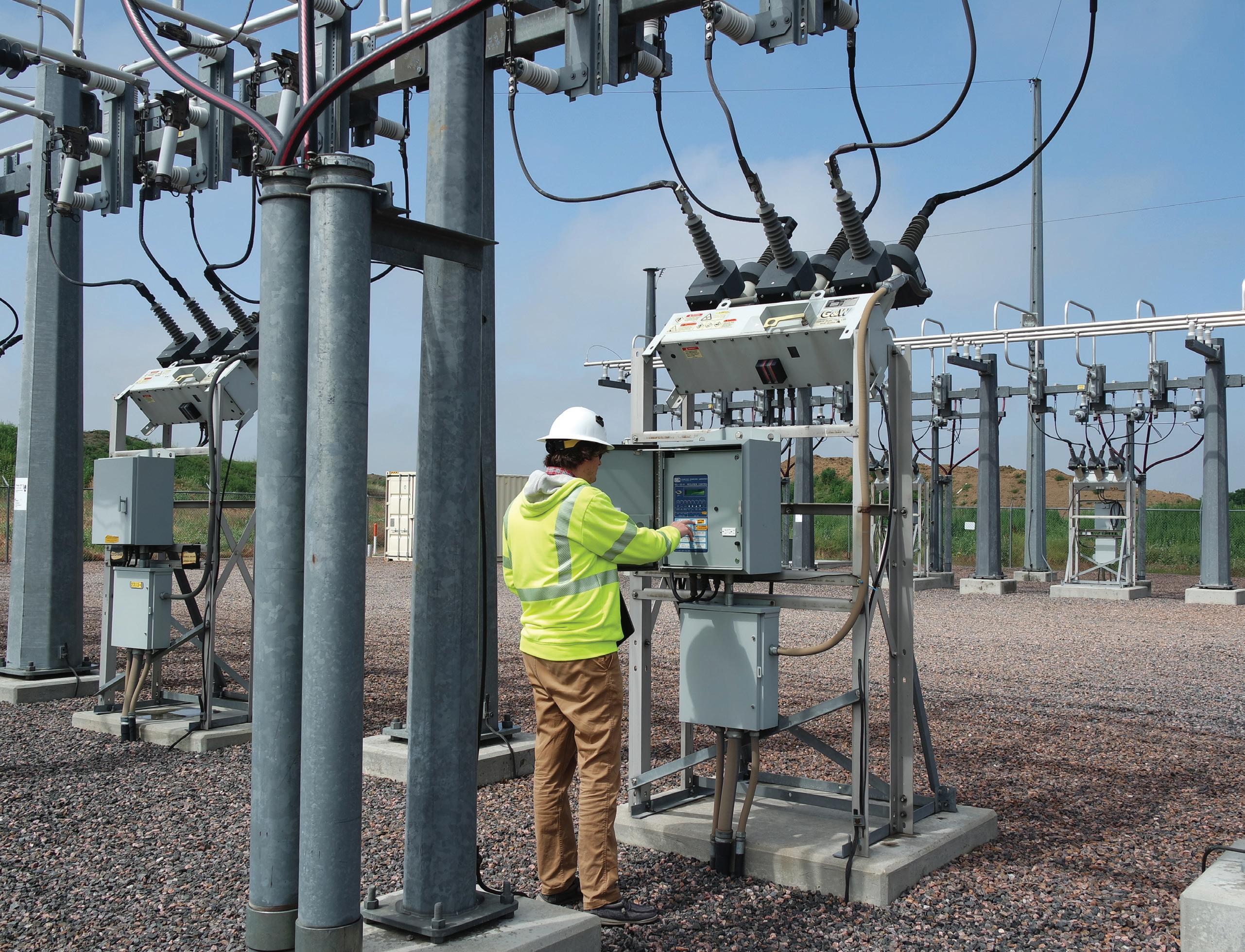
Electric substations sit at the center of power grids and are essential to keeping the lights on across the country. These tall, fenced-in areas filled with metal structures, wires and heavy equipment are found in all communities.
They may not look flashy, but substations are one of the most important behind-the-scenes components of the grid, and electric utility employees continually work to maintain and improve them.
How Substations Have Evolved Substations began as simple switching points that handled basic voltage changes.

Substations take power from highvoltage transmission lines and convert it to the lower voltages distributed on the last-mile power lines you see every day. These lines provide power to homes, farms and businesses. Every light switch, well pump and electronic device depends on a substation doing its job without interruption.
Early designs used bulky equipment and manual controls. Today’s substations use advanced sensors, automated controls and digital communication systems, allowing electric utilities to better manage the grid. These tools help electric utilities respond faster to outages, monitor equipment health and manage energy with more precision.
Substation technicians at Mt. Wheeler Power, based in Ely, Nevada, perform infrared thermal scans using handheld thermal imaging cameras that detect heat variations in substation equipment while it’s energized and operating under normal load. These scans allow the utility to safely inspect connections, breakers, transformers and other critical components without taking them offline.
“During a scan, technicians are looking for abnormal temperature differences— what we call hot spots—that could indicate loose connections, overloaded components or failing equipment,” Mt. Wheeler Power Operations Manager Bill Ricci says. “Electrical equipment often shows signs of
distress through heat long before it fails.”
Scans are typically performed as part of a scheduled maintenance program, but crews also conduct scans during peak load periods, such as during higher summer temperatures, when issues are more likely to appear.
“If a potential problem is identified, it’s documented and evaluated based on severity,” Bill says. “Minor issues may be monitored over time, while more significant concerns are prioritized for repair. In cases where there is an immediate risk of failure, we can take corrective action quickly—often before it results in an outage.”
When a substation faces a major issue— such as storm damage or equipment failure—the impact is immediate.
Communities lose power and Wi-Fi, businesses stall, farms lose time-sensitive operations and emergency service communications can face added strain.
“It’s also worth noting that in the event of a major equipment failure, replacement timelines have changed significantly in recent years,” Bill says. “What used to take a few months can now take a year or more, depending on the equipment.”
These events are a reminder of how central substations and proactive monitoring are to modern life.
“For the communities we serve—many of them rural and spread across a large geographic area—reliability is critical,” Bill says. “Outages can have a significant impact, especially during extreme weather conditions. Preventative maintenance practices, like infrared scanning, help ensure power is delivered consistently and safely, even in challenging environments.”
Many communities add new homes, businesses, irrigation systems and commercial buildings every year. Each addition increases the load on the grid, and electric utilities must build new substations or upgrade older ones to keep pace with growth, technology changes and safety concerns.
Across the country, many substations are reaching or exceeding their intended lifespans. Like many of its neighboring
utilities, Mt. Wheeler Power is mindful of aging infrastructure and challenges that come with it.
“We incorporate modern design standards and technologies into new construction and upgrades, which improves efficiency, safety and long-term reliability,” Bill says.
Modern substation designs use equipment that requires less strenuous maintenance while improving system protection. Smart-enabled protection devices reduce the time needed to identify and isolate electric faults. These advanced monitoring tools give electric utilities better visibility into real-time grid conditions.
Mt. Wheeler Power is in the process of implementing a supervisory control and data acquisition system, what Bill refers to as a “significant step forward” for the utility.
“Once fully implemented, SCADA will provide greater visibility into system conditions such as voltage levels, load and equipment status,” he says.
For the community, these investments lead to quicker response times and improved reliability with fewer outages, better resiliency and steadier voltage.
Modern substations also help electric utilities manage costs. Instead of building miles of new line, a well-placed substation can support growing neighborhoods or rural industries with less construction and lower long-term investment.
In a changing energy landscape, renewable energy systems, electric vehicles, and electrified commercial and industrial operations need modern control points. Modern substations allow electric utilities to integrate these resources without sacrificing reliability. They help manage energy across widespread areas and keep the grid balanced during peak conditions.
Substations serve as the quiet backbone of the electric system. When they operate well, communities thrive. When they falter, everything from daily chores to essential services feel the impact.
While advanced tools make the process easier, Bill emphasizes the basics still matter.
“Good maintenance practices, experienced crews and knowing your
An electrical substation converts electricity to a lower voltage so it can be safely routed and delivered to your home. Because highvoltage power runs through substation equipment, substations are fenced off to keep people a safe distance away. Keep the following safety tips in mind:
X Never release Mylar balloons near substations. If they get caught in the equipment or lines, they can cause power outages.
X Kites, drones or other toys should not be played with near a substation. If you lose a personal item inside the fence, do not attempt to retrieve it. Contact the utility to retrieve it for you.
X Teach children to stay away from electrical substations and never climb their fences.
You can play an active role in keeping the community safe. If you see something, say something. Report suspicious people or objects that do not look like they belong there.

system—especially in a rural service territory like ours—aren’t going anywhere,” he says. “The technology is a tool, but it doesn’t replace boots on the ground.”
Electric utilities continue to invest in these facilities to support safe, reliable and affordable service for everyone. n
Mike Osuna’s granddaughter, Autumn, visits her grandparents in Janesville, California in the spring as nature begins sprouting again. Mike says he keeps this photo of Autumn on his destop so it’s the first image he sees when he logs on in the morning. “She always makes me smile,” he says. PHOTO COURTESY OF MIKE OSUNA
To submit your photo, email a JPEG to photos@pioneer.coop. Include “Before You Go” in the subject line and share a bit about what inspired you to make your photo.



Want a fresh take on salads? More than 250 readerrecommended recipes are listed in an 8½-by-11-inch indexed book for $8, plus $3 shipping for any size order. To order by mail, send payment and number of cookbooks wanted along with your name and address to Ruralite Cookbooks, P.O. Box 1306, North Plains, OR 97133. To pay with Visa, MasterCard, Discover card or American Express, call 503-357-2105.
To order online, visit www.ruralite.org. Allow two to three weeks for delivery.





Douglas Electric Cooperative Inc.
1981 NE Stephens St.
Roseburg, Oregon 97470
Phone 541-673-6616
800-233-2733
Outage 888-420-8826
dec.coop
Officers
President | Terry Nelson
Vice President | Evan Barnes
Secretary | Shirley Cairns
Treasurer | Suzi Armstrong
Director | David House
Director | Darrin Dailey
General Manager
Keith Brooks
Chief Operating Officer
Phil Bigler
Director of Operations
Shawn Filice
Office Manager/CFO
Bill Reinhart
Fire Mitigation Manager
Todd Sherwood
Mission Statement
Douglas Electric Cooperative’s mission is to safely provide affordable, reliable electric and related services that improve our members’ quality of life.
6304

Dear Member,
As summer arrives, so does the potential for extreme weather across Oregon. In recent years, we’ve experienced tripledigit temperatures, dry conditions and an increased risk of catastrophic wildfires. How Douglas Electric Cooperative can respond to extreme conditions may ultimately depend on policymakers in our nation’s capital.
In April, I joined 17 other Oregon electric cooperative leaders in Washington, D.C., to meet with members of Congress to discuss the federal policies shaping safety, reliability and affordability for our members.
One of the key topics was wildfire mitigation. Douglas Electric and cooperatives across Oregon continue to make major investments in vegetation management, system improvements, inspections and other wildfire prevention efforts. We also stressed the importance of practical federal land management reforms, including provisions in the Fix Our Forests Act that would help utilities reduce wildfire risks more efficiently.
Over the past several years, the Federal Emergency Management Agency has been vitally important to Oregon’s electric co-ops, including Douglas Electric. We emphasized the value of the FEMA Reform Act of 2025, which allows co-ops to recover faster, rebuild stronger and restore power without shouldering years of reimbursement delays.
Finally, we outlined the serious implications of Oregon’s ongoing anti-hydropower litigation. We have seen just how important the Federal Columbia River Power System is for keeping electricity affordable and reliable, especially during periods of extreme heat when power demand is at its highest. Hydropower gives us the ability to respond quickly and help keep the lights on when we need them most. The state of Oregon’s actions will raise electricity rates and threaten to increase the likelihood of blackouts in the Pacific Northwest.
As we head into another summer season, we want our members to know that we’ll continue doing everything we can to safely provide reliable and affordable power. The decisions made in Washington, D.C., may feel far away, but they have real consequences here at home, affecting how quickly we can respond to emergencies, strengthen our system and keep power flowing when our communities need it most.
Whether it’s preparing for wildfire season or speaking up for rural communities, we’re proud to advocate for practical policies that protect the safety, reliability and affordability our members count on every day.
Sincerely,
General Manager Keith Brooks OR-10