


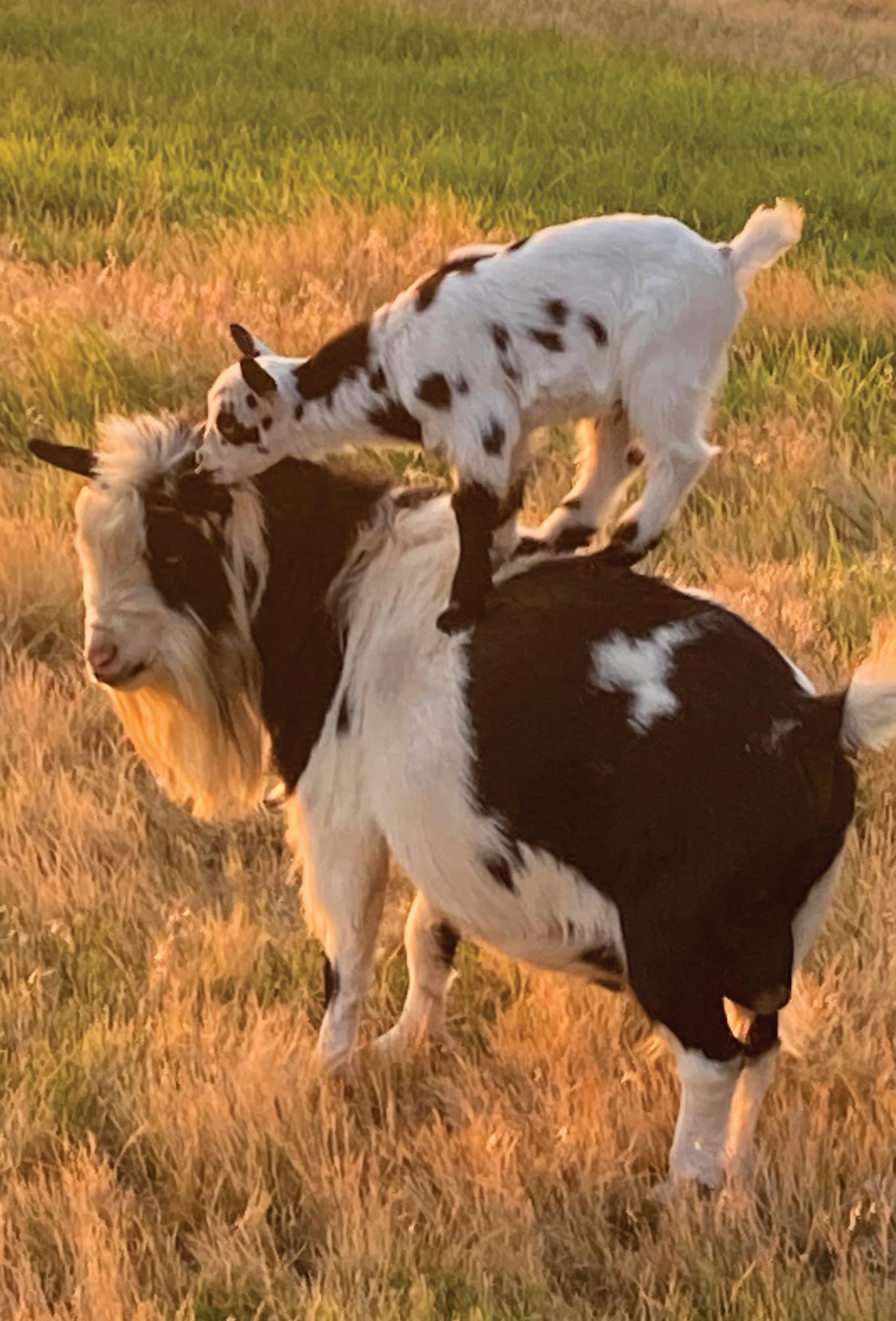
A lone backyard goat kicks off an unexpected journey to a thriving herd-share dairy Page 4



March 2026 • Volume 73, No. 3
CEO Michael Shepard
SENIOR VP OF CONTENT Leon Espinoza
EDITORIAL DIRECTOR Chasity Anderson, CCC
DEPUTY EDITORIAL DIRECTOR
Noble Sprayberry
SENIOR EDITOR Jennifer Paton, CCC
LEAD CONTENT EDITOR Victoria Hampton, CCC
ASSISTANT EDITORS David Herder, CCC; Sable Riley, CCC; Nina Todea, CCC
ASSOCIATE EDITOR
Valeri Saldanha Rosa
PUBLICATIONS PRODUCTION SR. MANAGER
Elizabeth Beatty
SENIOR PUBLICATIONS COORDINATOR
Alyssa McDougle
Ruralite (USPS 397-460) is published monthly for members for $5.73 per year, plus postage, by Pioneer Utility Resources Inc., 5625 NE Elam Young Parkway, Suite 100, Hillsboro, OR 97124—a not-for-profit Oregon cooperative corporation—to serve the communication needs of 46 consumer-owned electric utilities in Oregon, Washington, Alaska, Idaho, Nevada and California. Preferred periodical postage paid at Hillsboro, Oregon, 97123 and additional mailing offices. © 2026 Pioneer Utility Resources. All rights reserved. Reproduction in whole or in part without written permission is prohibited.
Postmaster: Send address changes to Ruralite, 5625 NE Elam Young Parkway, Suite 100, Hillsboro, OR 97124-6454
HOW TO CONTACT RURALITE
Subscription services:
Nonmember subscriptions $15 (U.S.) per year; $25 per year (foreign). Prepayment required. Allow 4-8 weeks for first issue. Be sure to identify which local edition you want to receive.
Address Changes:
Utility members, contact your local utility. Subscribers, call us at 503-357-2105, option 3, or email mailingdept@pioneer.coop.
Back issues:
Back issues and extra copies are $3. Prepayment required. Supply is limited. Be sure to identify edition, month and year. Call first if ordering back issues to check availability.
To contact Ruralite: Ruralite magazine is published by Pioneer Utility Resources, P.O. Box 1306, North Plains, OR 97133-1306; 503-357-2105; email: info@pioneer.coop. For more information, visit pioneer.coop.
DISPLAY ADVERTISING INQUIRIES
American MainStreet Publications
611 S. Congress Ave., Suite 504 Austin, TX 78704
800-626-1181 or 512-441-5200

For supplemental and interactive content, search @Ruralite on your favorite social media sites.
There’s a moment in every apprenticeship when a student realizes the lesson isn’t just about technique—it’s also about trust.
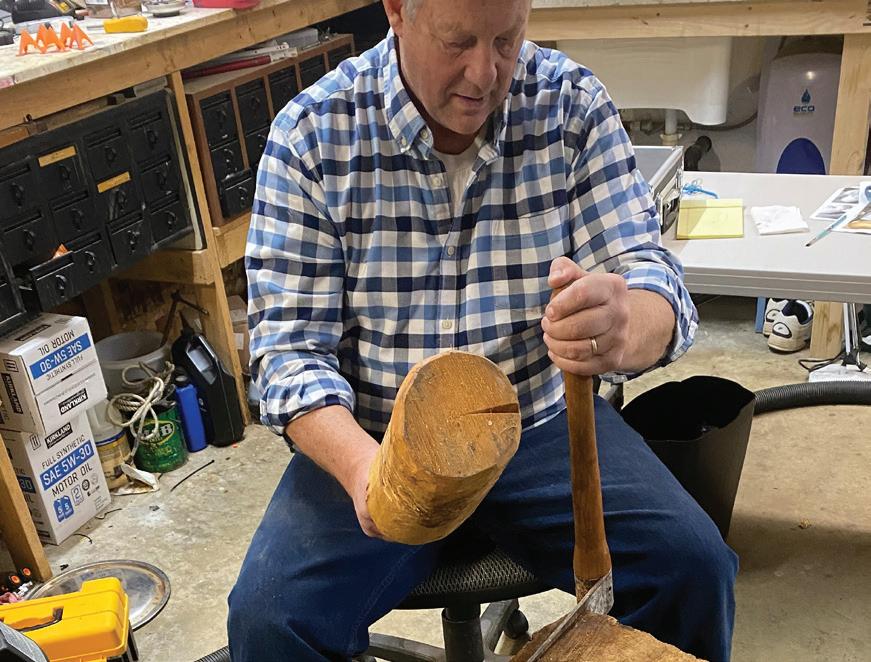
Rick Pass experienced this when he traveled to North Carolina at 62, newly retired, to study duck decoy carving with master carver Vic Kirkman. Eleven days of intensive work led to Rick’s first world carving championship event in Ocean City, Maryland, and from there to five summers studying in Canada with 14-time world champion Pat Godin.
Rick hadn’t carved before retirement. He simply recognized that mastering something meaningful meant finding the right teachers and being willing to learn.
That same spirit of generous mentorship runs through our Spotlight feature on traditional Western arts.
Blacksmith Darryl Nelson, who forged his career from farrier to resident blacksmith at Oregon’s Timberline Lodge, speaks of feeling an obligation to the master smiths who taught him decades ago. Silversmith Beau Compton learned his trade from a mentor who never charged him a dime and now opens his own home and
workshop to the next generation. Saddlemaker Mario Hanel mastered his art through fellowship training. Rawhide braider Steve Harris learned from his brother at 15 and now teaches his 13-year-old daughter.
In each case, knowledge traveled from one set of hands to another—not through textbooks or online tutorials but through the patient, in-person act of showing someone how it’s done.
Dave LaBelle’s photography column carries this message forward in a different way. His reflection on Eva Schloss, Holocaust survivor and Anne Frank’s stepsister, reminds us that some of the most important lessons are passed through personal testimony. Eva spent decades sharing her story so others might learn from it—a form of mentorship that transcends any single craft.
As we celebrate National Women’s History Month, I’m thinking about the mentors who shaped me and the knowledge I have a responsibility to pass along.
Who taught you something that changed your path? Who might be waiting for you to do the same?
Until next time, Chasity
Anderson Editorial Director
Close, Page 10
Page 12
the Kitchen, Page 16
A lone backyard goat kicks off an unexpected journey to a thriving herd-share dairy
Story and photos by Brent ten Pas
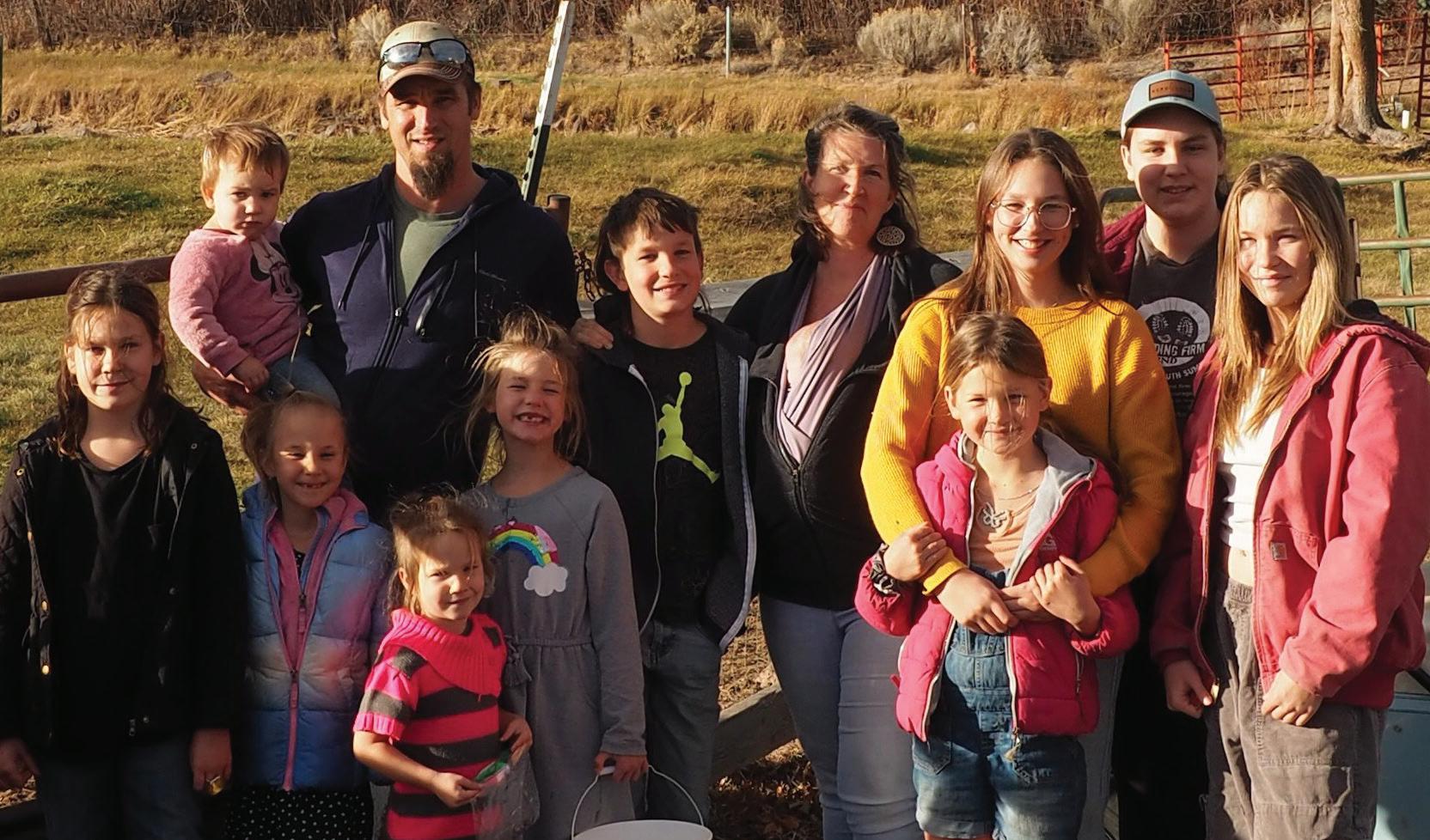
Jeff Severson had no idea when his wife, Lysa, brought home a milk goat in 2009, it would mark the beginning of a life-changing journey for their growing family.
“Lysa wanted raw, digestible milk for our oldest daughter,” Jeff says.
Soon after, they added another goat.
The two backyard milk goats eventually evolved into the Seversons establishing Hope Springs Dairy, 11 miles east of Bend.
Jeff spent 20 years laboring as a carpenter. When the 2008 recession hit, construction ground to a standstill, drying up work in Central Oregon.
He eventually found work with a water-damage remediation company. During this time, the Seversons began selling excess goat milk to friends and neighbors who valued it for its fresh flavor, natural enzymes that aid digestion and its overall benefits for gut health.
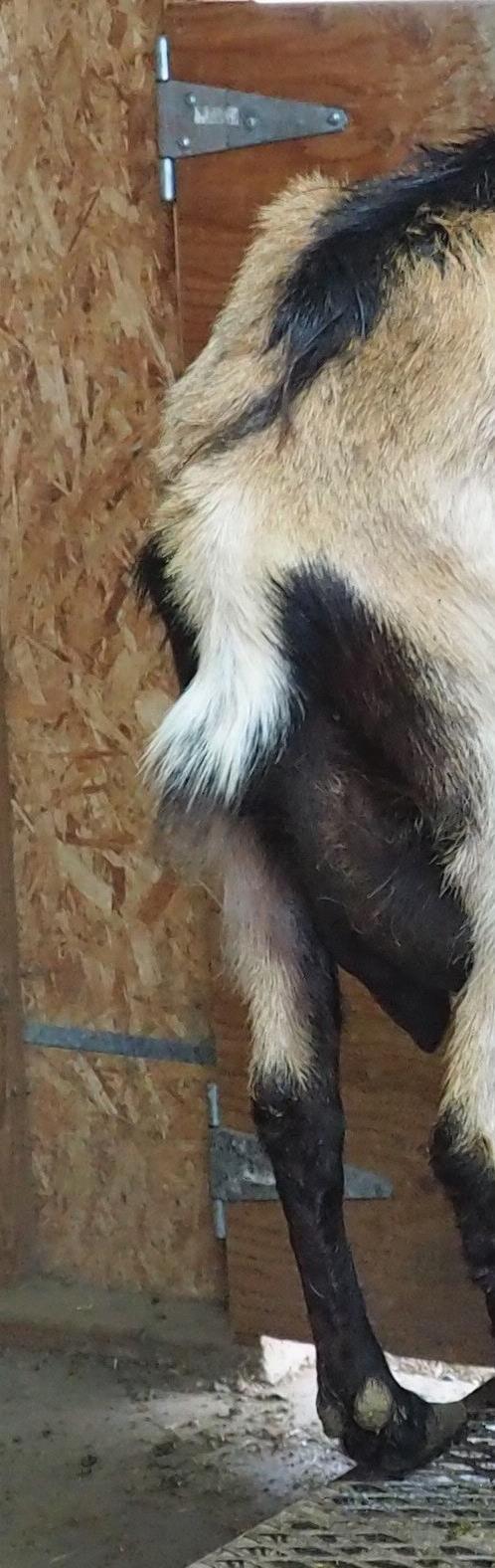
Although catering to a small niche, demand grew—and so did their herd of Nubian goats.
The goats’ rich, high-butterfat milk is prized for its creamy texture and full flavor. It also contains higher-than-average protein, making it ideal for cheese, yogurt and other dairy products.
In 2013, the Seversons reached a crossroads. As their goat herd grew, so did their family. Jeff and Lysa had three young children. Jeff wanted to spend more time with them and watch them grow up.
A conversation Jeff heard between Lysa and a friend marked another milestone. The friend mentioned growing up and not seeing her father much because he was often away for work. Lysa said it was different for her as a child. At any time, she could go into her father’s office and talk to him.
Jeff remembers thinking he needed to move in that direction.
Encouraging him to pursue the entrepreneurial path was Dwight Johnson, founder of Bend Soap Co., who played an integral role in the Seversons’ business odyssey.
“Our buddy Dwight, who sold us our first two goats, said, ‘Why don’t you guys do raw milk? You guys have been doing it for years,’” Jeff says.
With Dwight’s encouragement, the Seversons launched Hope Springs Dairy. The name came about after kicking around ideas and searching for an available domain name. It carries deep meaning for Jeff.
“The Lord knows I was a little short on hope, which is kind of ironic because he’s been building hope into me over the years through some wilderness and disappointments and trials,” Jeff says. “After the end of it, I’m a lot more hopeful than I was.”
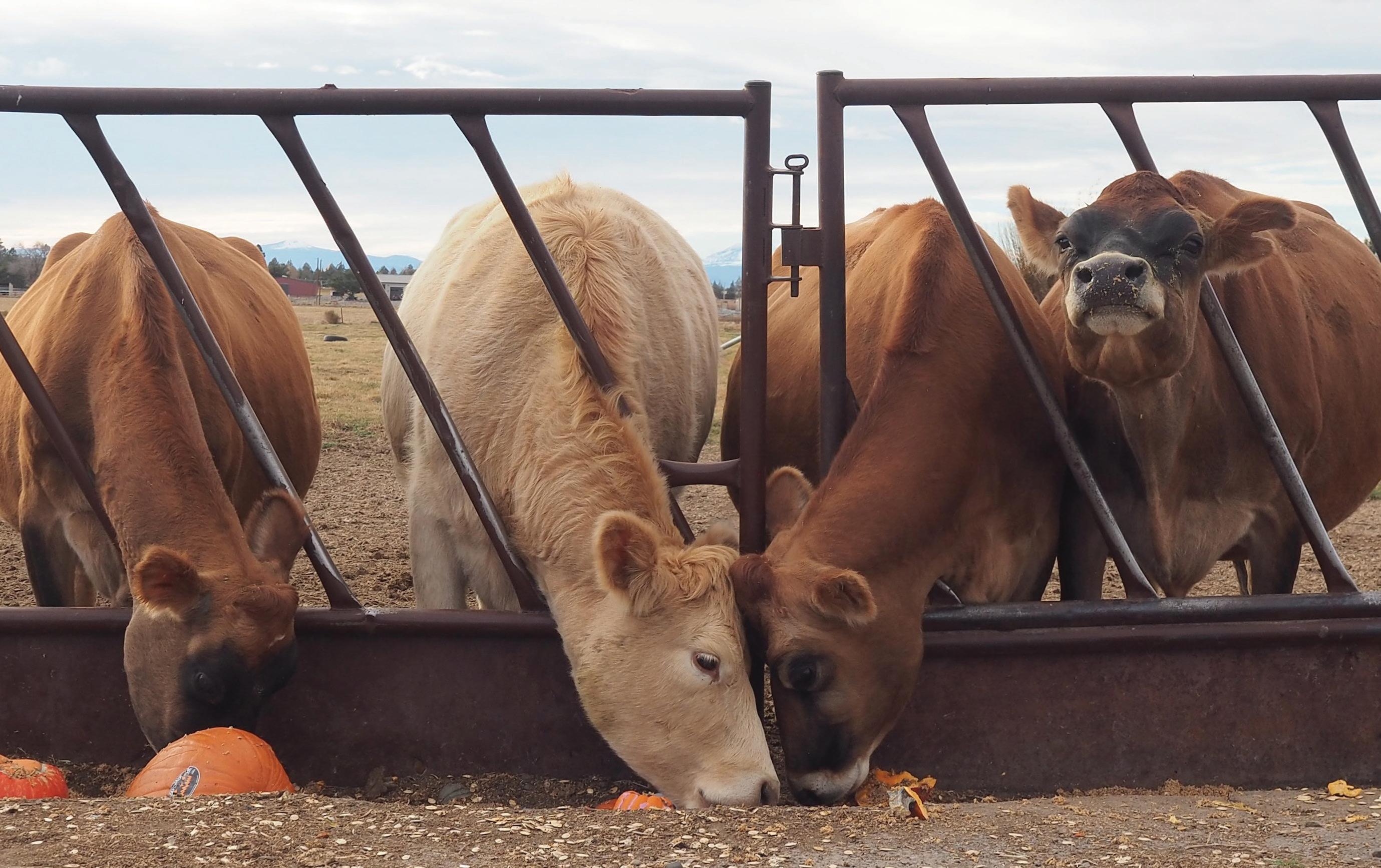
It was a painful start for the business. Six months in, Jeff accidentally shot a nail through his kneecap, which laid him up for a few weeks. Not deterred, the family took on their first Jersey milk cow after hearing community members express a desire for raw cow milk.
Hope Springs Dairy doesn’t own the cows. The Seversons
operate under a herd-share model, in which people collectively buy a share of a cow and sign a legal contract recognizing their ownership. In exchange, they pay a monthly boarding fee that covers everything—from feeding and tending the animals to milking them and delivering each member’s share to nearby pickup sites in Bend, Redmond and Tumalo.
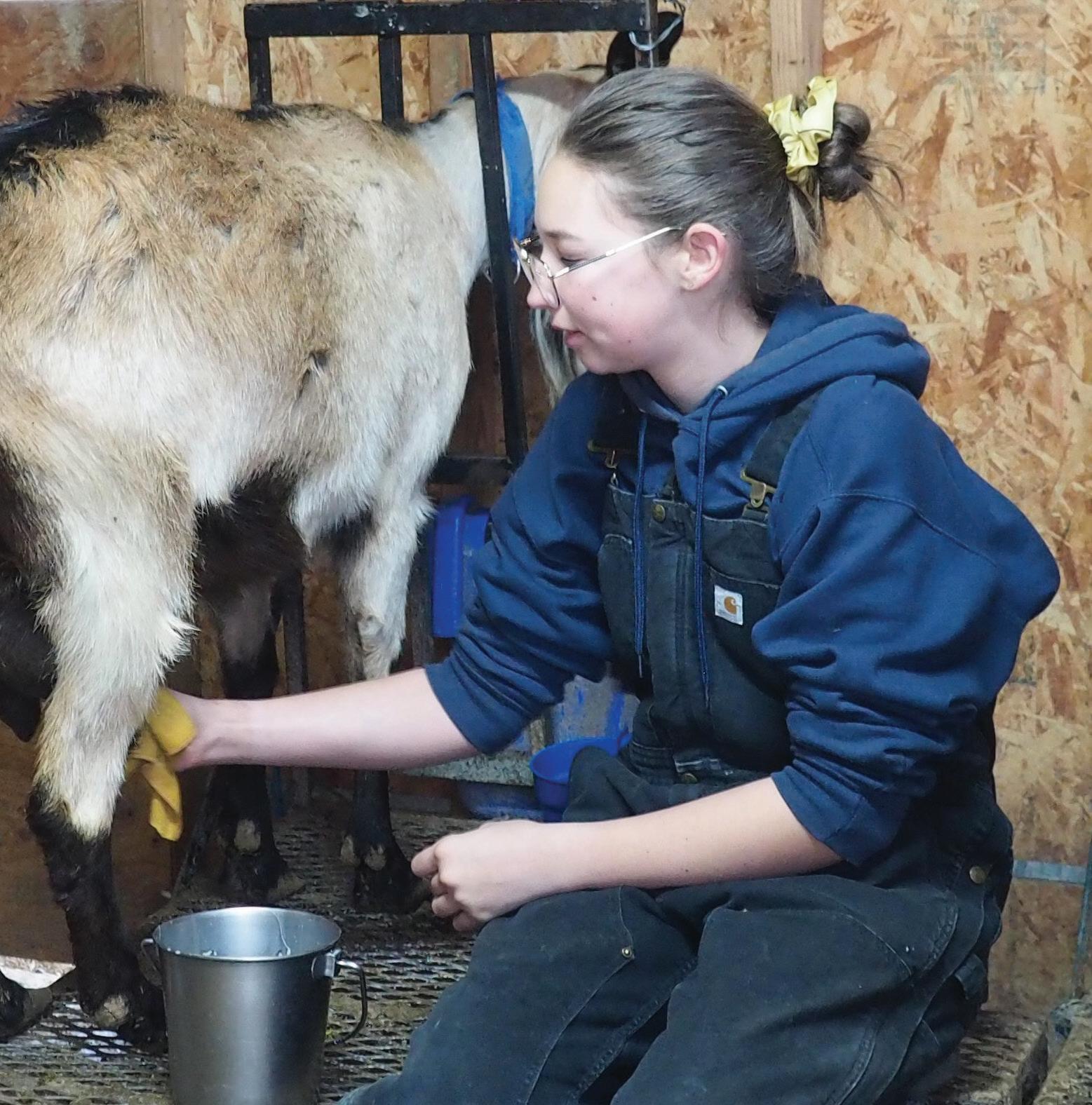
Like many farmers and ranchers seeking to supplement their income, Jeff and Lysa offer tours of Hope Springs Dairy. Anyone can feed the animals, milk a goat and learn about farm life.
Lysa teaches guests how to milk the goats. At the tour’s conclusion, she shares freshly baked cookies and milk to sample.
“People seem to like it,” Jeff says.
Visitors range from local moms looking for activities for their children to tourists from as far away as New Zealand and Texas, who, when visiting Bend, learned about the dairy through information at the Airbnb where they were staying.
As their business has grown, so has the Severson family. Jeff and Lysa have 11 children, including the most recent addition late last year, making Hope Springs Dairy a family affair.
The four oldest help out a few days a week, learning the daily rhythms of milking twice a day, cleaning equipment, feeding and whatever else needs to be done. There are plenty of opportunities for the children to learn the value of hard work and teamwork while spending time together as a family.
The children embrace farm life at varying degrees.
“Depending on who you ask, I’ve got some that say, ‘It’s just the greatest thing ever,’” Jeff says. “And I have some that say, ‘Oh, I can’t believe I’m banished to Podunk, smell like dairy cows and whatever.’ So, they think being a city girl would be so fabulous.”
What Jeff hopes to pass on to his children has little to do with running a dairy—and everything to do with the life it teaches.
“If they go out and scatter and want nothing to do with a milk cow, I know they’ll at least have had a good life where they can see where their food comes from and be part of serving the marketplace, serving people and then just having the farm caring for God’s critters,” Jeff says. “It’s a good thing to have that responsibility.” n
Hope Springs Dairy is at 24356 Dodds Road, Bend. For more information, visit hopespringsdairy.com or facebook.com/HopeSpringsDairy.
By Drew Woolley
If you’re in the market for major appliances, you’ve probably noticed the Energy Star logo. It may appear on the bright yellow EnergyGuide labels that make it easy to compare one
federal rebates, looking for the Energy Star label is still the best way to be sure you’re investing in an efficient appliance that will lower your energy bill without sacrificing performance. But it isn’t the only way to keep track of how much energy your new purchase uses.
Following are ways you can ensure you’re choosing the best new appliances and equipment for your home.
Many appliances in your home or on the market have efficiency benchmarks you


cooling accounts for nearly half of the energy used in most homes, making it an area where greater efficiency can have the most noticeable impact. Much like cars have a miles-per-gallon rating, air conditioners and heat pumps have a seasonal energy-efficiency ratio. A higher SEER rating means a unit is more efficient and uses less energy over the course of a typical season.
You may also run into energy-efficiency ratios. While similar, SEER ratings measure average efficiency over an entire season, whereas EER ratings judge cooling capacity performance during peak periods of extreme hot temperatures.
Clothes washers. Similarly, the modified energy factor accounts for energy and hot water consumed during each wash cycle.
It also accounts for how much moisture the washer leaves on clothes for a dryer to remove. The higher the MEF, the more efficient it is.
If you’re concerned about water use, the water factor is also worth keeping an eye on. Windows. As one of the largest sources of heat gain and loss in a home, the efficiency of windows can’t be overlooked.
If you’re in the market to upgrade, keep an eye on the U-factor, which measures how well a window insulates, and the solar heat gain coefficient, which tells you how much heat the window lets through. Whether you prioritize U-factor or SHGC largely depends on your area’s climate and which direction the windows are facing.
In the market for something specific? Most major household products and appliances have efficiency ratings just like these. Visit the Department of Energy or Environmental Protection Agency’s websites for more information on which ones to look to as a guide for making your own energy-efficient purchase.
Rebates through Energy Star may be a thing of the past, but there are still ways to get help with energy-efficient investments. Rebates established under the Inflation Reduction Act on the state level are still options, but availability depends on where you live. Some states have started offering their own point-of-sale or mail-in rebates, so be sure to check what is available in your area.
In addition, your local electric utility may offer rebates of its own. Many have rebate pages on their websites where you can find forms to save on smart thermostats, efficient HVAC units, heat pumps and more.
Even if direct rebates aren’t available, you may still be able to save by including efficient appliance purchases as part of a qualifying home improvement deductionwhen filing taxes.
The Energy Efficient Home Improvement Credit and Residential Clean Energy Credit expired Dec. 31, 2025, but there is still time to apply the credit to purchases made before that deadline. Some states continue to offer their own tax credits for energy-efficient investments, so be sure to check what is available where you live.
While buying an Energy Star-certified appliance may still be the easiest way to make efficient purchases for your home, it isn’t the only option. By paying extra attention to efficiency ratings for specific appliances and staying on top of rebates and tax incentives in your area, you can cut back on your upfront costs and energy bills over time. n
Whether it’s a label on your new appliance or a logo on the EnergyGuide label, Energy Star certification gives buyers confidence they’re investing in long-term savings. But what does that blue star actually mean?
Energy Star is a program established by the U.S. Department of Energy and the Environmental Protection Agency to help consumers find energyefficient products and reduce their impact on the environment.
To earn the certification, products must perform more efficiently than the average model while providing the same level of performance. But that isn’t where the process ends.
Each product is tested in EPA-recognized labs using standardized procedures to make sure it meets Energy Star requirements. Once testing is complete, a third-party certification group reviews and verifies it before a product gets the Energy Star label.
Earning that certification still isn’t the end. The EPA conducts random, off-the-shelf testing of Energy Star products to make sure they still meet those high standards. If a product fails one of these verification tests, it may ultimately be disqualified and lose Energy Star certification.
Your photo could be on the cover of Ruralite magazine.
Central Electric Cooperative is hosting a Ruralite cover photo contest. We seek dynamic images that capture the culture, community and the natural beauty of our service territory. CEC’s member services team will judge the photos.
The top three winners earn $100, $75 and $50 Visa gift cards, respectively. The winning photo is featured on the cover of Central Electric’s May edition of Ruralite.
X The contest is open to Central Electric Cooperative members only. We strongly encourage youth to participate.
X All photos must be taken within CEC’s service territory.
X Each member can submit up to two original photos.
X Submitted photos must be vertical (portrait) orientation.
X Submissions must be high-resolution, digital images in JPEG format and at least 300 dpi at approximately 8-by-10 inches.
X Each submission must include the photographer’s name and detailed caption information.
X Photos previously published in Ruralite ARE NOT eligible.
X Prints ARE NOT accepted.
X Email cecmemberservices@cec.coop with the subject line “2026 Photo Contest Submission.”
X The contest deadline is March 13.
X By submitting your photos, you give CEC the right to use your images on Ruralite’s cover and on CEC’s social media pages.
Photo Tips
X Make photos around sunset or sunrise. The low light makes for prettier landscapes.
X Include people doing interesting things, such as skiing, snowshoeing, kayaking, hunting, fishing or biking.
X Get close to your subject, but leave room at the top for the magazine’s masthead.
X Only send your best photos.




























































































































Ship























































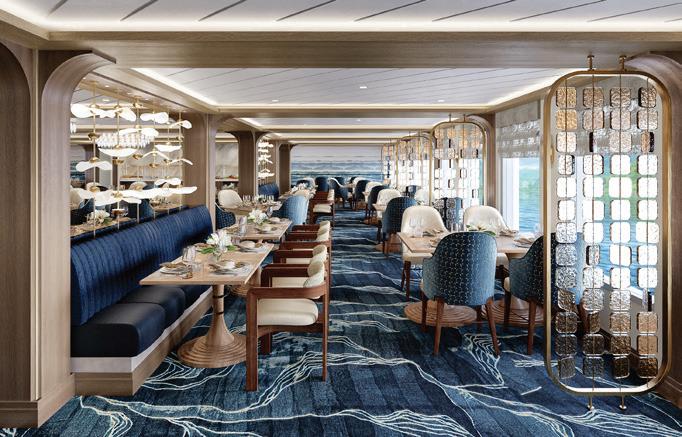
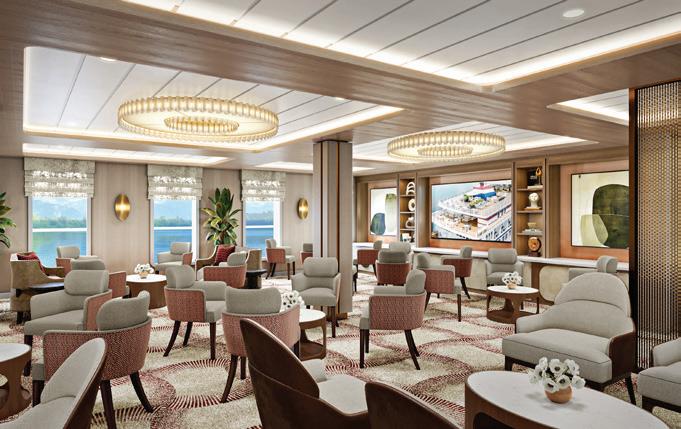
With its innovative design, modern comforts, and guest-focused philosophy, American Encore is not just a riverboat, it’s the finest expression of American river cruising ever built. Designed to host just 180 guests, American Encore features more square feet per guest than any other small cruise ship with the largest staterooms globally.


By Ginger Meurer
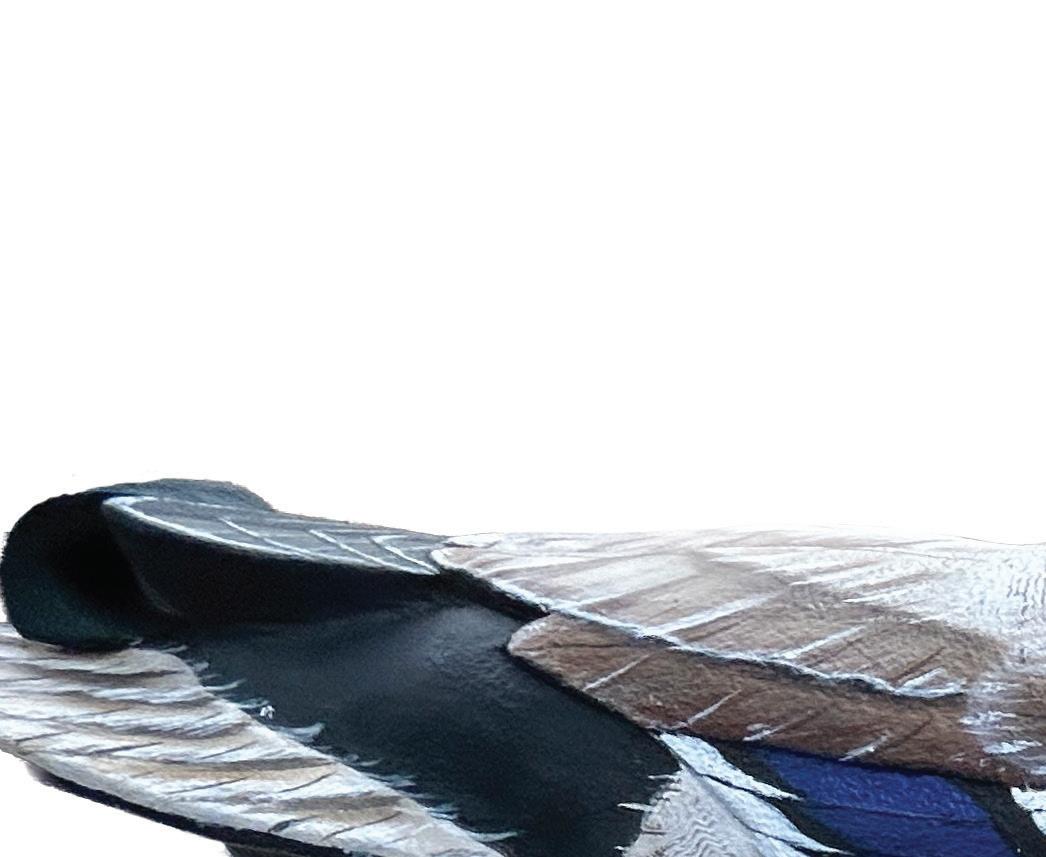
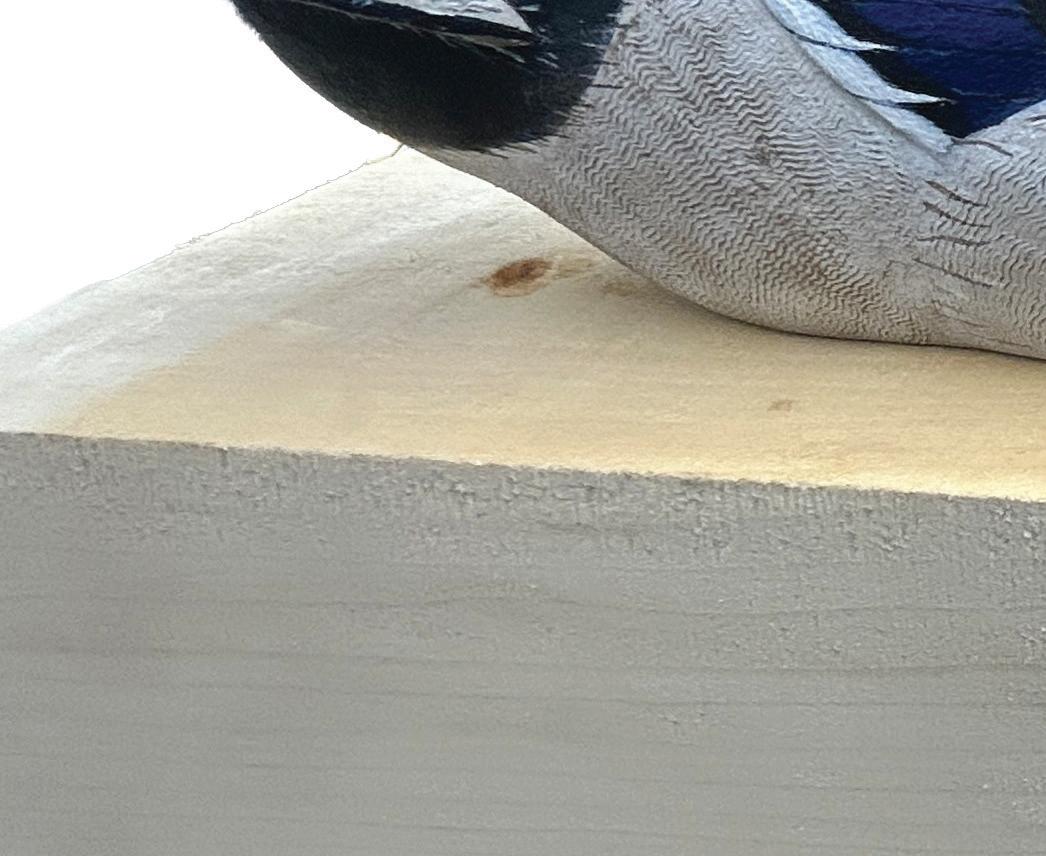
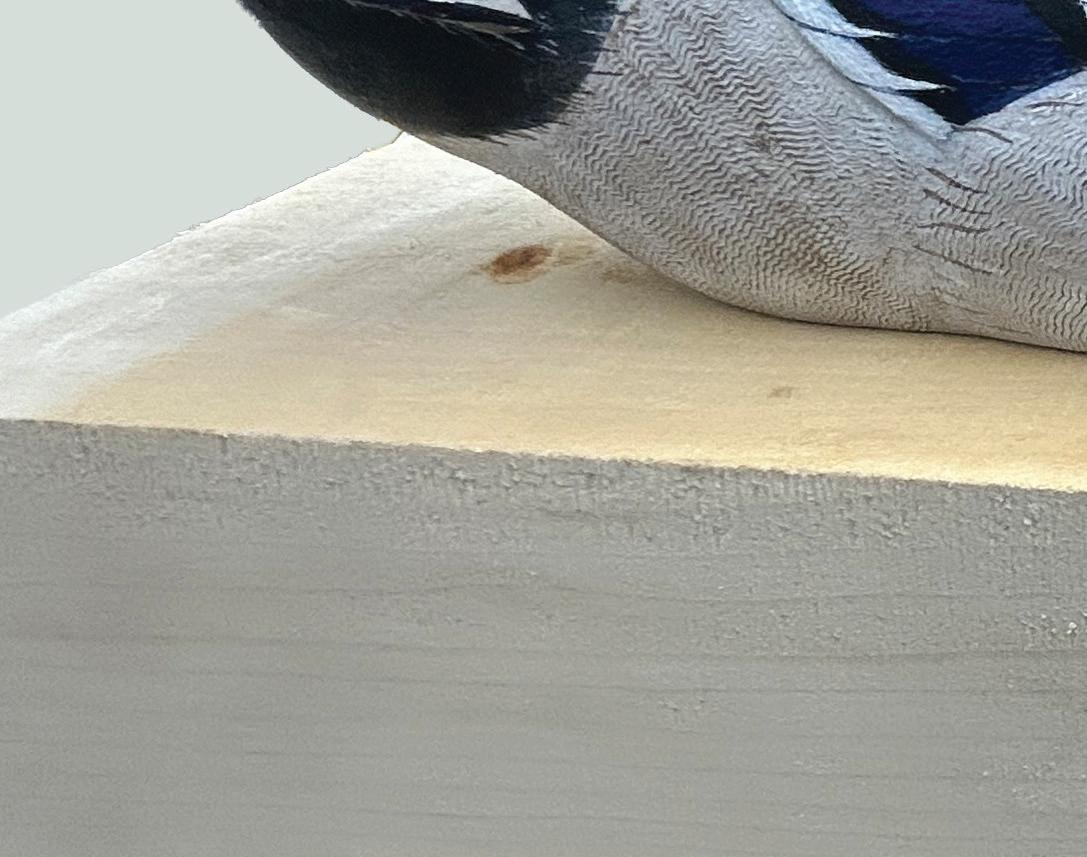
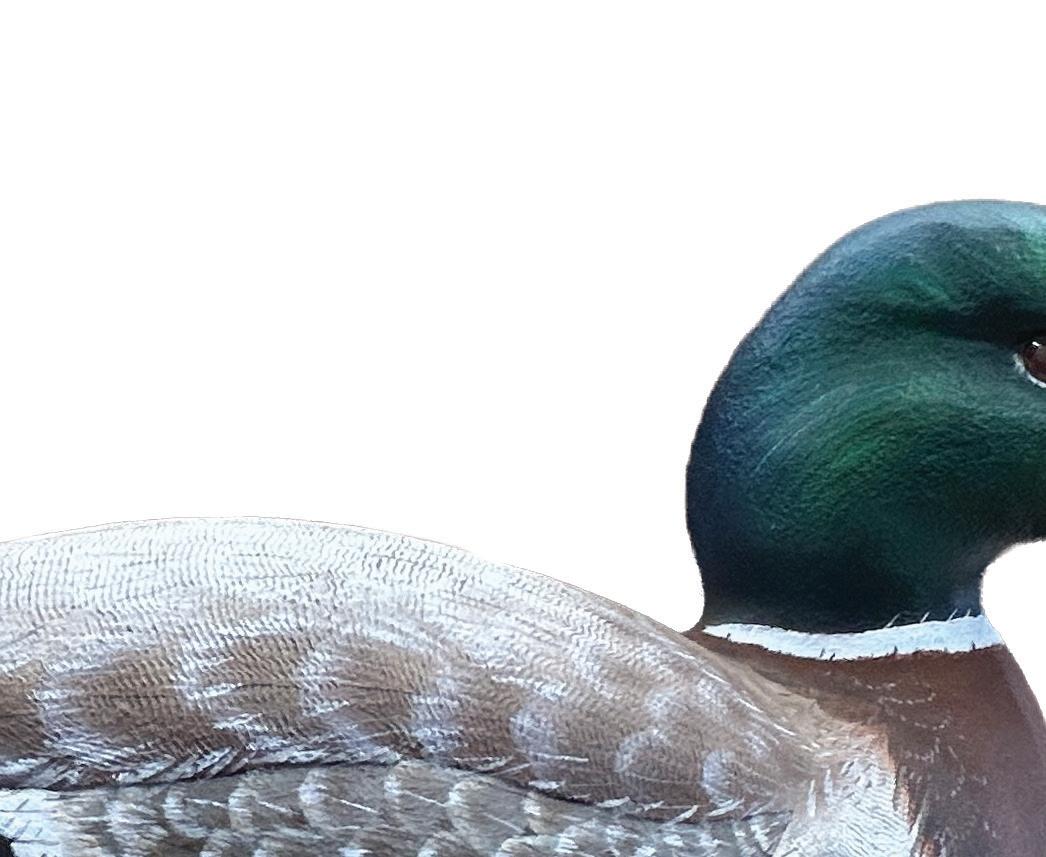
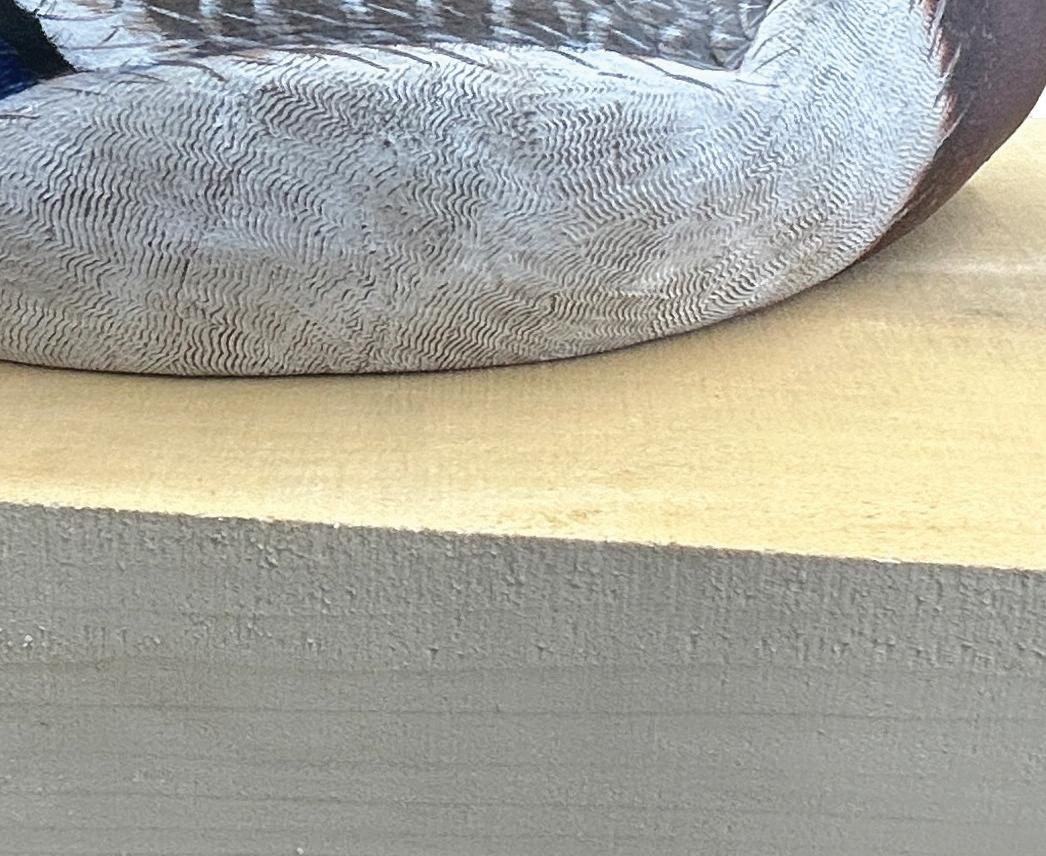
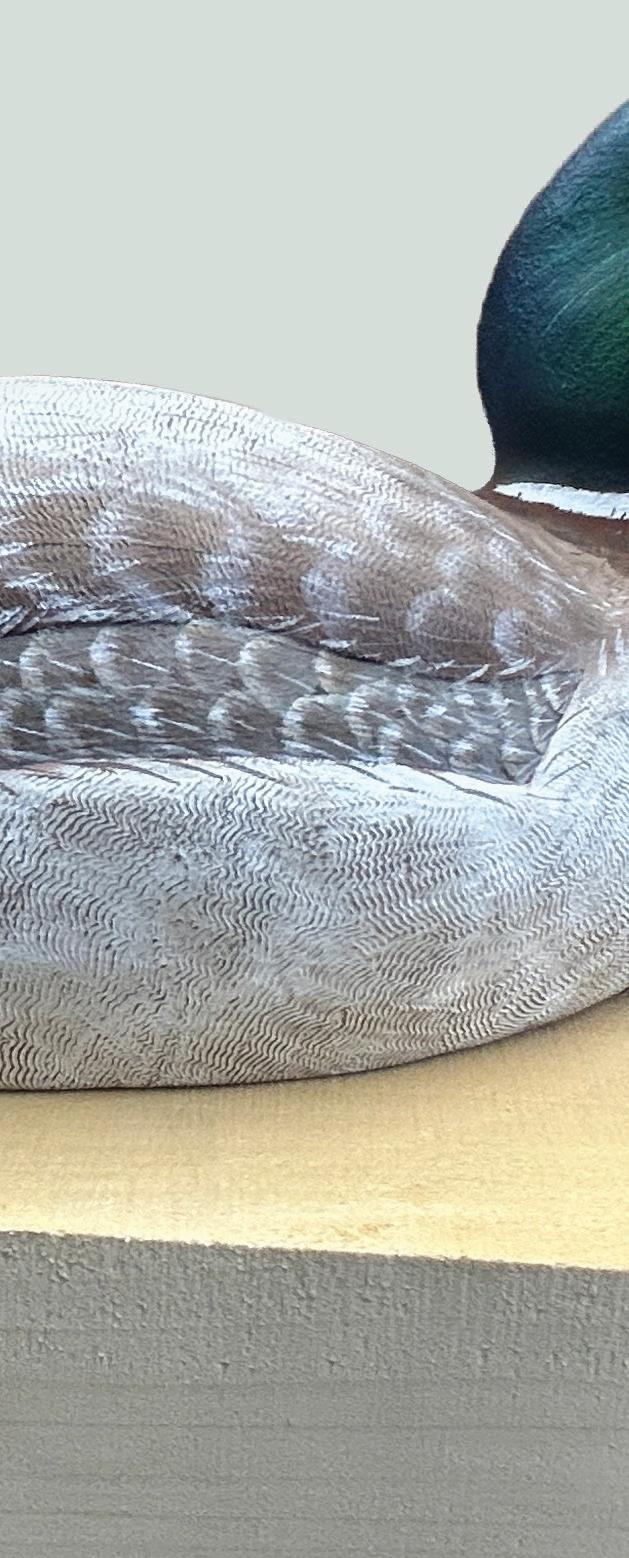
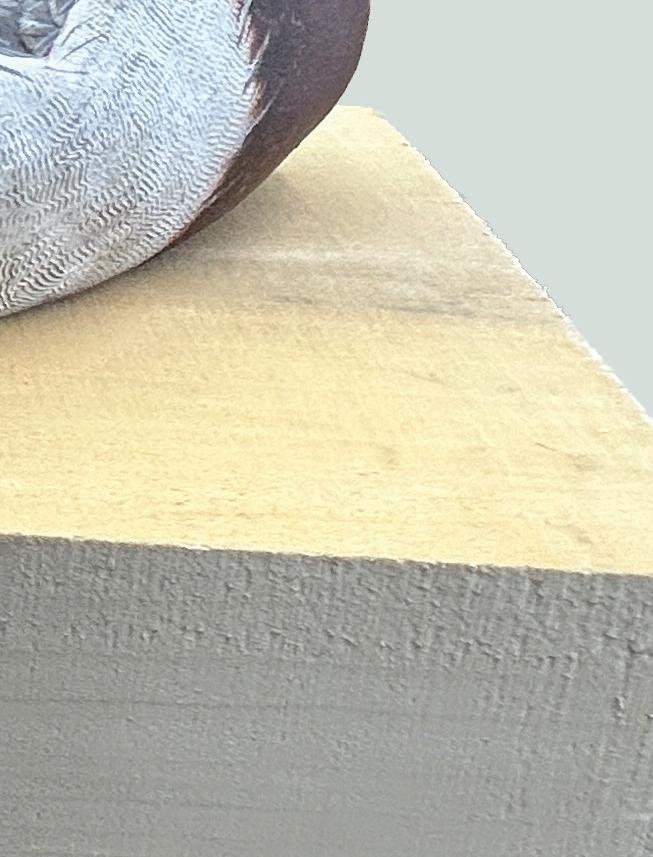
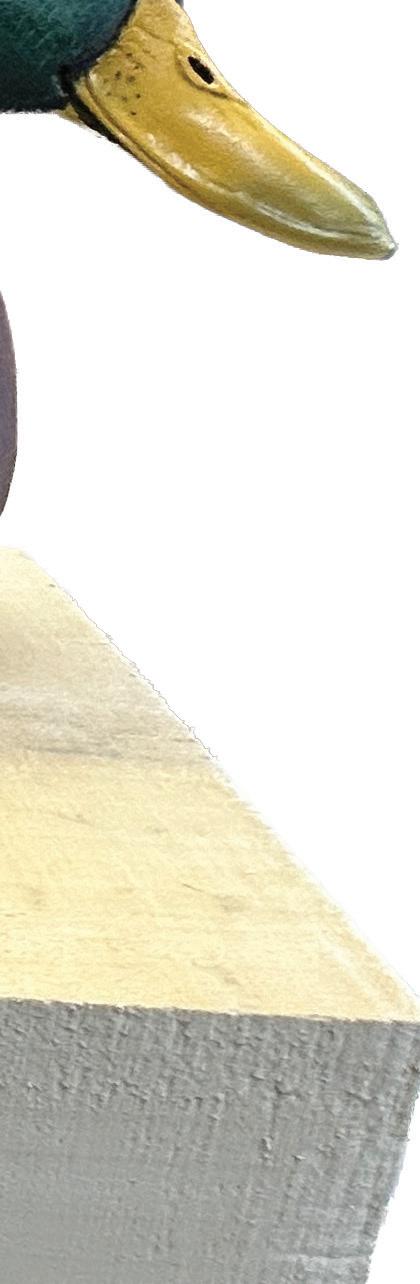
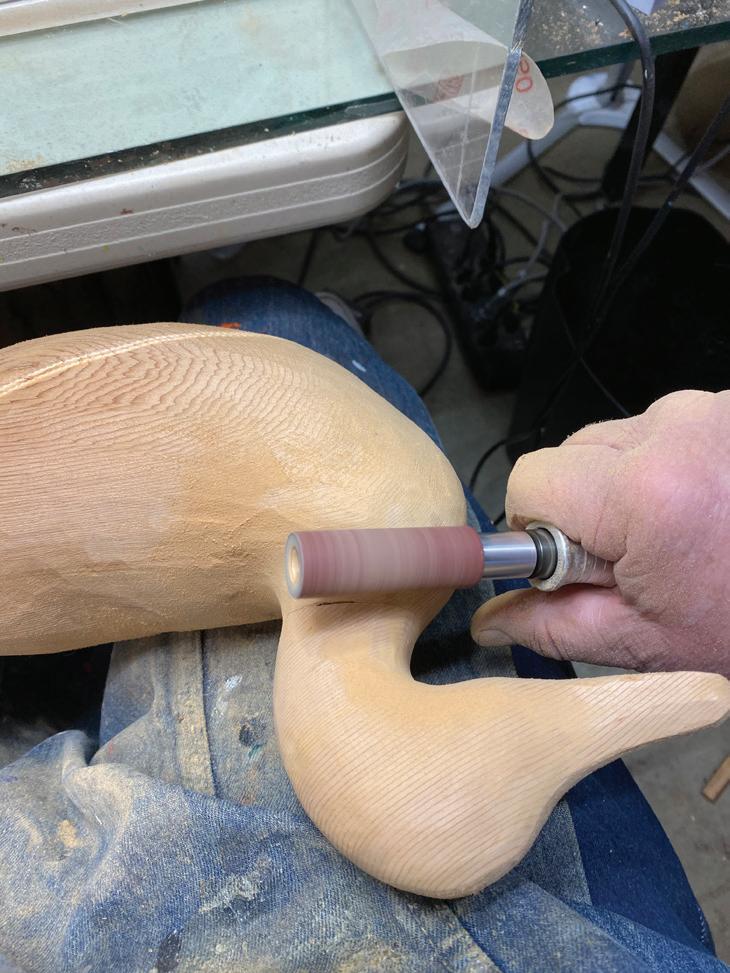
Living along the banks of the Columbia River, inspiration is always nearby for Rick Pass. The Astoria, Oregon, artist handcrafts lifelike waterfowl. While much of his work is destined for a place of pride on the mantel, plenty of his creations have a practical purpose as decoys for duck hunters. He tests them from his dock.
“You have to make sure that they’re floating correctly,” Rick says. “If you throw them in the water upside down, they have to flip upright. Plus, you want to make them light, because you don’t want to be packing around a bunch of heavy stuff.”
Astoria has long been known for waterfowl art.


shipbuilder. He carved birds from salvaged scraps of the western red cedar used for watercraft. When he retired in his 70s, Charles began producing about a dozen decoys a week and selling them for just over $1 each. According to the Ward Foundation, administrator of the waterfowl decoy world championship, Charles made roughly 4,000 decoys from the late 1920s to early 1930s.
Now those vintage creations fetch thousands at auction. A rare Charles Bergman swan sold for $36,650 at Sotheby’s. Legend has it there were once a dozen swans, and Charles’ grandson used to play with them. But Charles’ wife got tired of tripping over them on the porch and chopped up all but three for firewood.
From age 15, Rick could be found fishing, hunting and bird-watching along the Columbia. His other passion was sports. He played basketball in high school, football in college and aspired to be a coach. Back then, coaches also had to be teachers. So, he taught history and served as head coach of the high school basketball team for 14 years. From there, he became a principal and finally superintendent.
“I loved my career,” Rick says. “It didn’t matter whether I was coaching, teaching or an administrator. It was a lot of fun, and I met a lot of people. Hopefully impacted positively a few lives along the way.”









“In fact, if you look at the history of Astoria, there’s a couple of duck decoy carvers whose names come up,” Rick says. “Charles Bergman is the most famous one.”

Born in Finland, Charles sailed the world before settling in Oregon as a
































While teaching, Rick noticed the superintendent’s passion for duck carving. But it wasn’t until Rick retired that he jumped into the art.























“I knew as I was getting closer to retirement that I needed something,” he






says. “And whatever it is, if it’s church or your family or carving or a mixture of those, you have to have something to get up every day.”
To learn, Rick sought out the best.
“I was already 62 when I retired,” he says. “I figured, if I’m going to be any good at this, I’ve got to find my people and learn quickly.”
Rick traveled to North Carolina to study with Vic Kirkman.
“I carved with him for 11 days,” Rick says. “While we were there, he took me to my first world carving championship in Ocean City, Maryland. That was the final spark to see, oh my goodness, the quality of work. Everything from a working decoy to these masterful pieces that sold for a lot of money to sit on shelves.”
While in Ocean City, Rick met more masters, including Pat Godin, who won the world championship more than 14 times. Later, Rick flew to Ontario, Canada, to work with Pat. He spent five summers studying with him in Edmonton.
Rick saves his stock of old-growth red cedar for special occasions and mostly works with tupelo wood. Tupelo trees grow in Carolina and Louisiana swamps. Rick says
the water-submerged tree bottoms are soft wood that’s light and carves easily.
“That’s the preferred wood of 90% of carvers,” Rick says. “Balsa would work, too, but tupelo and bass wood are the two most popular woods. Of course, in the old days you’d carve what you had available.”
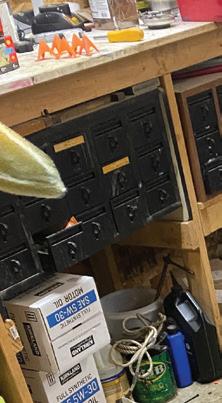
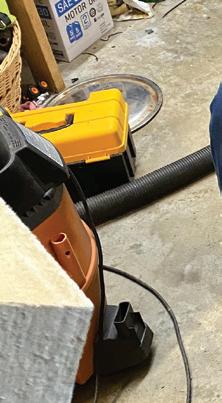
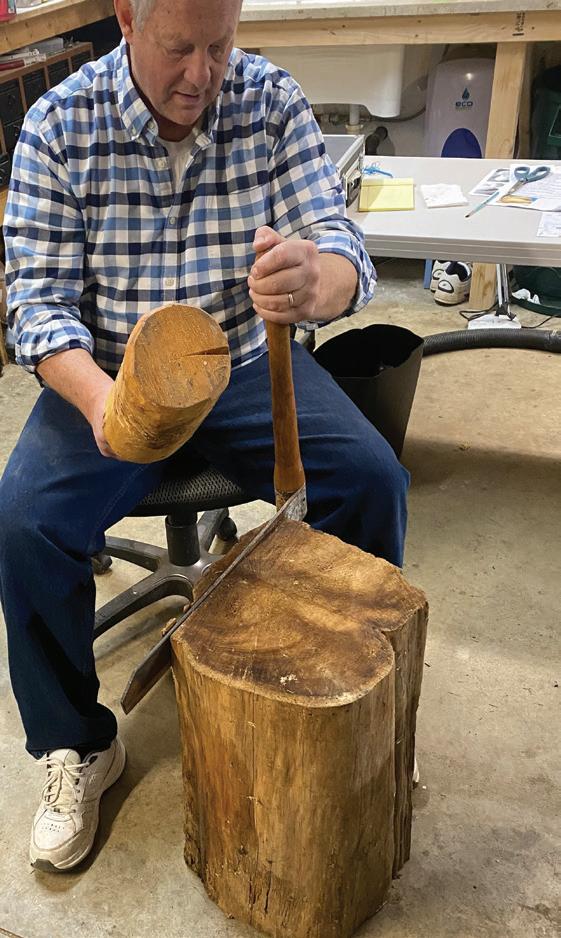
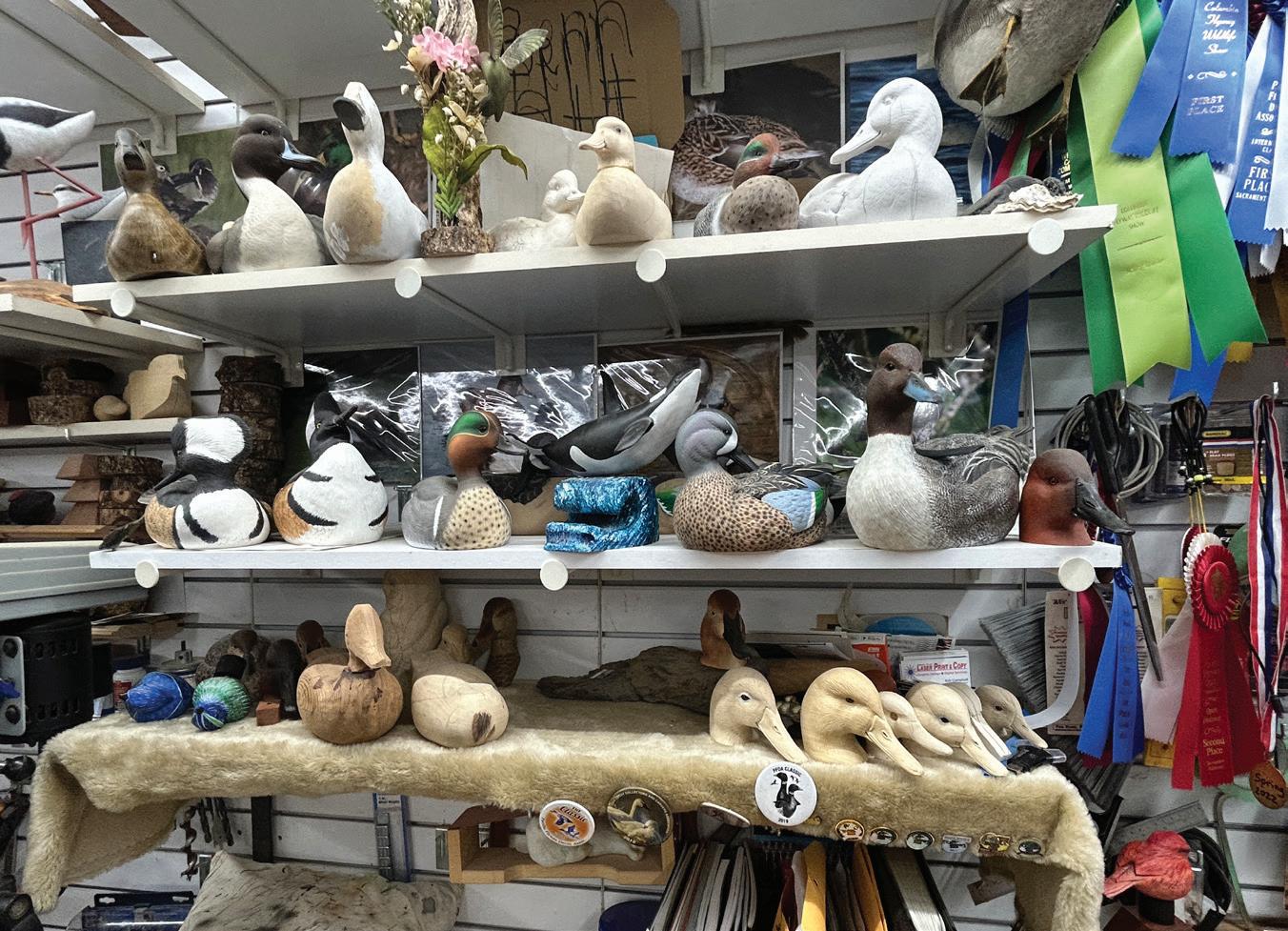
Rick’s shop is packed with wood, carving tools and birds—not just the carved ones.
“When I get to the painting, I always get out a real bird and lay it here and try to match the colors as best as I can,” he says.
Rick’s collection includes taxidermy birds and a freezer packed with frozen fowl. While he bought a few of the specimens, many were acquired as trades for carvings.
Rick sells and trades his decoys and takes his best to competitions. He travels to compete, making sure to attend the Canadian nationals and the Ward World Championships.
“The competition is really about showing our artwork,” Rick says. “Yeah, we do compete against each other, and yes, there are some prizes, but really, it’s the camaraderie and getting to know each other. And finding out, ‘How did you do that?’ And, ‘This is how I do it.’”
Rick doesn’t have to travel far to find camaraderie. There’s plenty at home. Regulars drop by his shop to work, watch him work or just chat.
“People stop by, we create problems, we solve world problems,” he says. “It’s just as much about those kinds of things as it is about carving. A lot of problems are solved in this shop. Once we walk out, the problems are still there in the world. But we do hash them over a little bit.”
Rick worries that decoy carving is a dying art. His sons—a riverboat pilot and a pharmacist—haven’t gotten into it yet. His grandchildren have tested the waters a bit and even gone to competitions. But every year Rick sees fewer carvers.
“People just don’t do it anymore,” he says. “If you’re going to go hunting, you buy your decoys. It used to be if you wanted to go hunting, you made your decoys because you didn’t have the money to buy them.”
Rick plans to stick with the art and with Astoria.
“We’ve had a great life,” Rick says. “I love it here. This is where we grew up, and it’s quite a special place. Our boys went sturgeon fishing, salmon fishing right out there. It’s pretty hard not to love this place.”
By Ginger Meurer
In today’s throwaway culture, traditional Western craftsmanship endures. Area organizations and artisans strive to keep these centuries-old techniques alive.
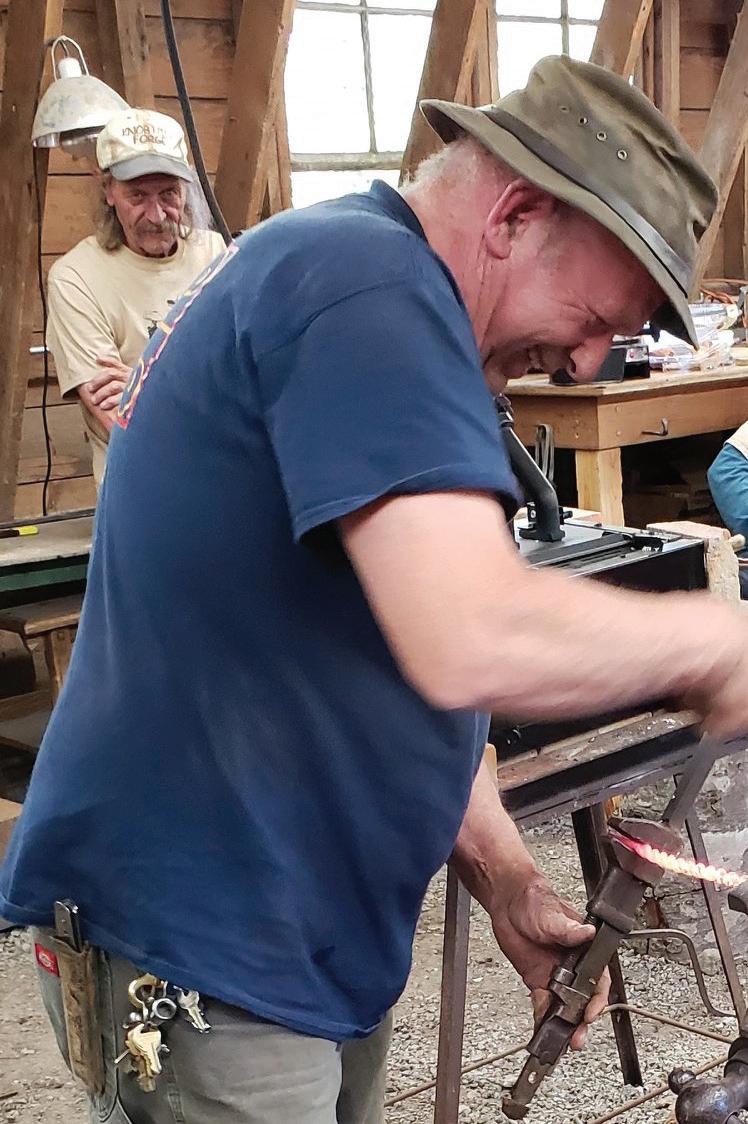
Eatonville, Washington, blacksmith Darryl Nelson started at 19 as a farrier.

“I had wanted to be a vet but didn’t want to do another eight years of school,” he says. “So, I decided I’d shoe horses.”
In farrier class, Darryl met a young man fresh from blacksmithing school in New Mexico who told Darryl about the trade.
“I was quite inspired by what you could do with a little piece of steel,” he says.
Darryl shod horses while building skills in architectural ironwork.
“I found that I enjoyed my time at the anvil more than under the horse,” he says. After 13 years as a farrier, he moved into full-time blacksmithing.
In 1979, Darryl and a group of other artists formed the Northwest Blacksmith Association.
As a cooperative nonprofit, they pool funds and bring in blacksmiths from around the country to teach master classes.
Through the association, Darryl met Russell Maugans, second in a line of resident blacksmiths at the iconic Timberline Lodge on Oregon’s Mount Hood. They began working on projects together. Eventually, Darryl became the lodge’s third resident blacksmith. He continues to perform repairs and craft a line of artistic ironwork sold in the gift shop.
Darryl is also involved with the Cascadia Center for the Arts & Crafts in nearby Government Camp. Every summer at CCAC, former U.S. Forest
Service buildings are packed with artists taking classes in a variety of disciplines, including blacksmithing, glass, jewelry arts, textile and fiber arts, visual arts, printmaking, and even writing.
The big draw for Darryl is Blacksmith Week, which features classes for all levels. There are demonstrations from skilled smiths and hands-on experiences, too.
He says the event has grown considerably since its creation 20 years ago. The national Western States Blacksmithing Conference has been held at the camp twice.
“Usually at Blacksmith Week, we have between 50 and 75 people in attendance,” Darryl says. “For the western states conferences, we literally filled the whole town of Government Camp with 400 smiths from around the country and even had some from South Africa and Australia.”
“We also have group projects where everybody from all levels is encouraged to try their hand,” Darryl says.
Blacksmith Week is mostly about passing on the craft.
“I almost feel an obligation to the master smiths who taught me 50 years ago,” Darryl says. “For centuries, blacksmithing was pretty common. At the same time, there were a lot of closely guarded secrets because it was so common that it was highly competitive. So, for a long time, it was hard unless you were an actual apprentice or in most places, it stayed within a family.”
Darryl’s great-grandfather was a blacksmith who came to America in the late 1800s to forge his own path in business. Because he was not the eldest son, he wasn’t expected to inherit the family shop in Denmark, so he began working in North Dakota.
Shops like his adapted as equine-driven economies turned to tractors and cars. Many
blacksmith shops transitioned into auto shops. When Darryl’s father was growing up, there was still a forging station in the corner.
Darryl’s father left the family trade and moved to Washington to work for Boeing. But Darryl had the support of his family when he chose to take up blacksmithing. He even had a chance to do some forging with his grandfather, and he holds precious the few tools he inherited from him.
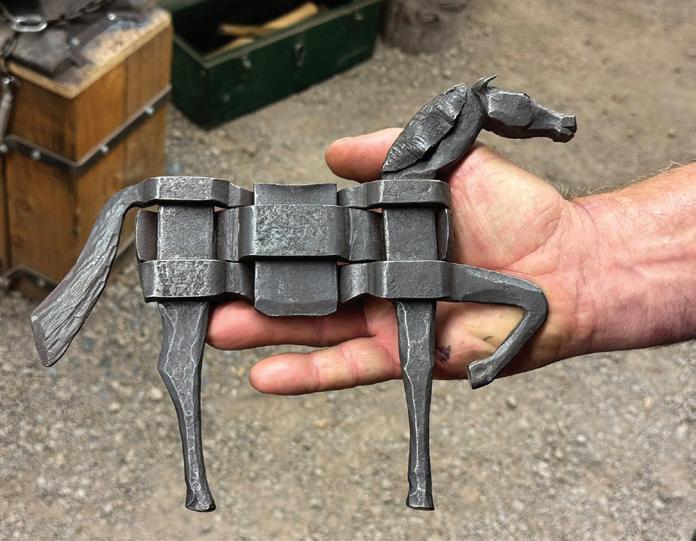
Darryl loves everything about blacksmithing—the fire and the hot steel and “just being able to shape and manipulate something that is as resistant as steel,” he says. He’s known for crafting expressive animal heads, but his favorite thing to make is tools.
“Really, the key thing with blacksmithing is tool making,” he says. “Most of the tools I have that I use daily, I made myself. I love making a tool and then being able to use it to make other things.”
When asked what advice he has for people considering the trade, Darryl laughs.
“We used to tell people, which is probably still fairly accurate, to make sure your wife has a good job. And there’s a lot of female blacksmiths now, too. But one of you had better have a steady job.”
Darryl’s wife, Suzan, has been extremely understanding, he says, and tolerant of the mess he makes.
“They don’t call us blacksmiths for nothing,” he says.
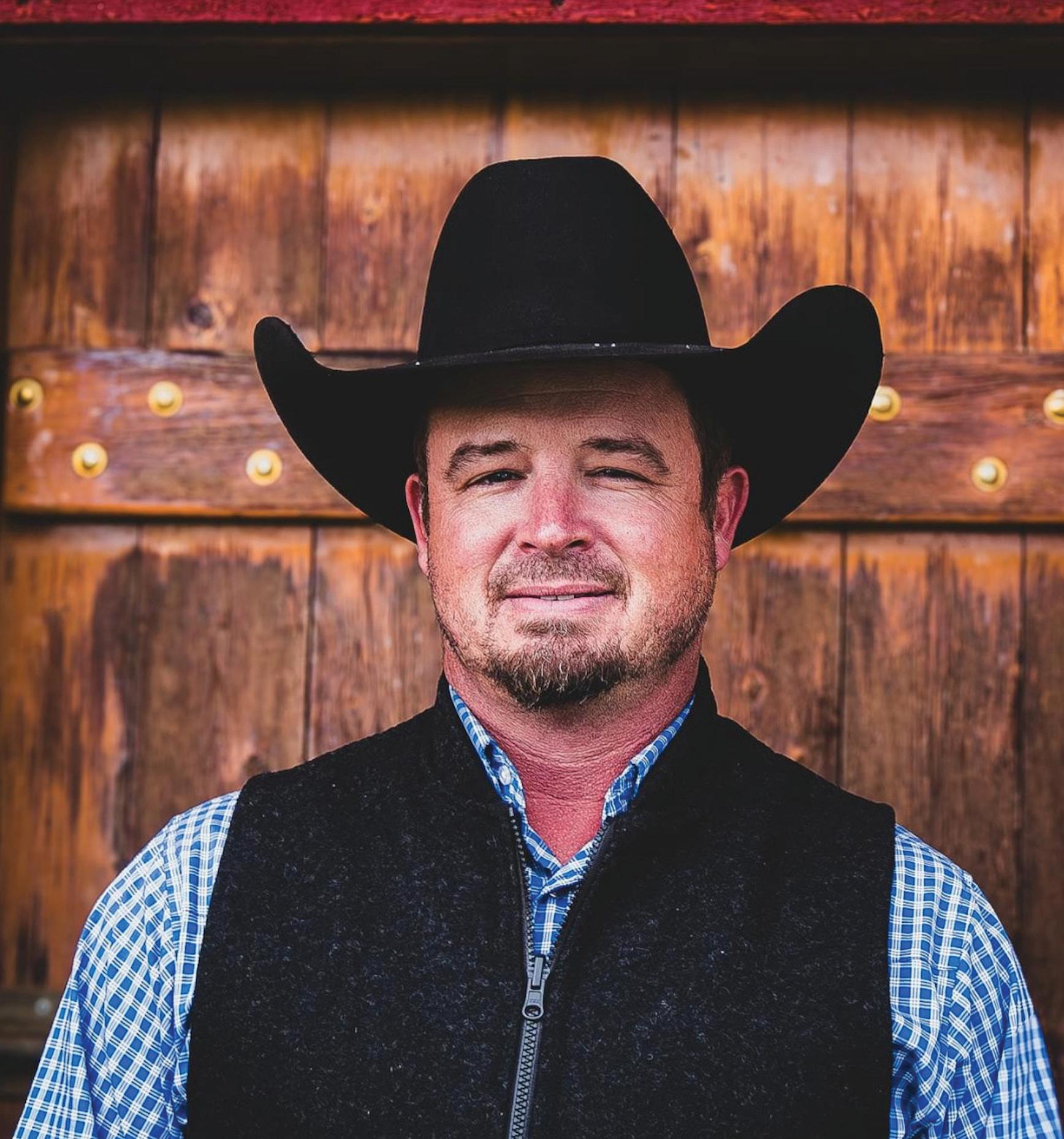
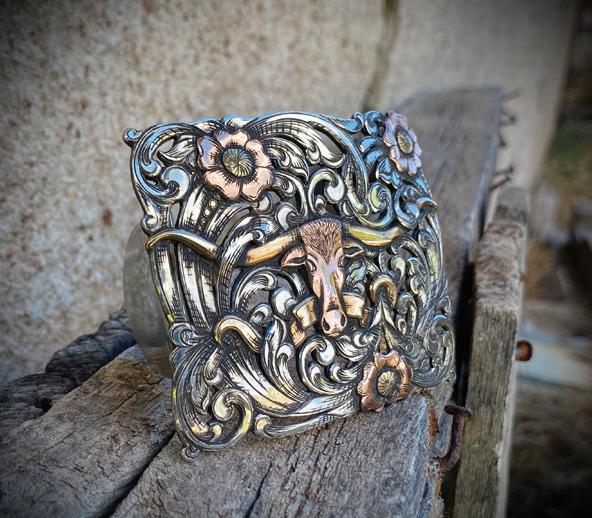
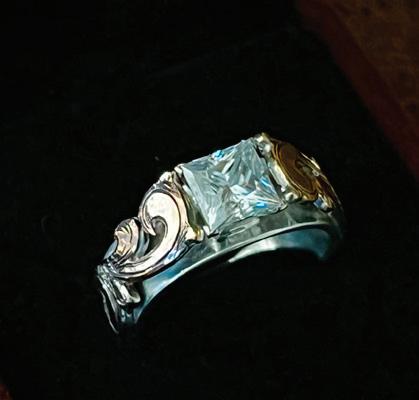
Silversmith Beau Compton is in his second term as president of the Traditional Cowboy Arts Association. He has been a member of the organization for 10 years, but getting in wasn’t easy. It took the Tombstone, Arizona, artist five years of hard work to finally join the ranks.
The small, elite group of master-level artisans formed more than 25 years ago to preserve and honor cowboy arts.
Divided into four traditional disciplines— silversmithing, bit and spur making, saddlemaking and rawhide braiding— members offer an education program with mentorship training to aspiring artists from around the world. The association awards two scholarships annually to help craftspeople participate in the program.
Beau says the old masters were afraid to teach anyone aside from family or apprentices.
“They were scared of anybody taking their glory away, I guess, or their money,” he says.
The Traditional Cowboy Arts Association thinks differently.
“We’re open to discussing and showing new makers anything,” Beau says. “That’s what’s really cool. We don’t have anything to hide. We all just love teaching and just really support it.”
Beau studied with silversmith Mark Drain in Seattle. Then, he headed to Canada to work with Scott Hardy. In both
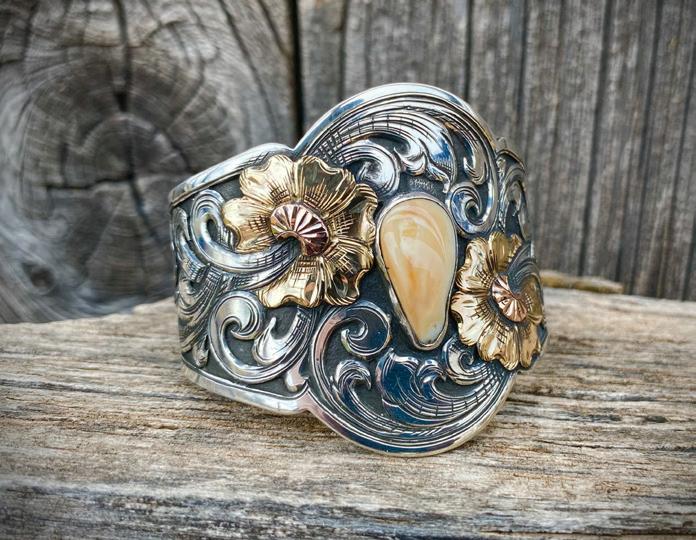
fellowships, the master artisans were kind enough to put Beau up in a spare bedroom and teach him the finer points of the trade.
Beau’s family was active in ranching and professional rodeo, so cowboy arts came naturally.
After graduating in 1997 from high school in Colorado, he contemplated bit and spur making. Marlo, his thengirlfriend and now-wife, had a family connection to Vic Vasquez, an Arizona saddlemaker, silversmith, and bit and spur maker.
“He was very kind to me,” Beau says. “He never charged me anything, and I got to learn from him for about four years before he passed away.”
Vic’s widow gave Beau the first shot at buying the shop.
“I got to buy all his equipment and everything right off the bat,” he says. “I was pretty set up.”
Now, Beau passes on that kindness through the Traditional Cowboy Arts Association. He also opens his home and workshop to several fellowship recipients.
“We have some wonderful donors and supporters who give us that money every year to help further that education,” Beau
says. “It’s only through our generous supporters that we can do that.”
Silversmithing isn’t without its challenges. Lately, the stress has been the skyrocketing price of metals. Beau says the cost has increased significantly since last summer.
“Silver was at $25 an ounce,” Beau says. “It’s up over $80 right now. And gold was around $2,200, and yesterday it was at $4,600. It’s getting very costly. We’re treading water that we’ve never been in. We’ve seen silver hit $50 before, and it’s always come back down. But this just feels different. I’m not so sure that it’s ever going to come back down.
“We’ll do what we have to and flow with whatever change we need to and adapt,” he says. “We’ll be all right. Silver has always been a fun metal to play in, and now it’s like, ‘Wait, this is getting serious.’ We can’t waste any of this stuff anymore.”
Chiloquin, Oregon, saddlemaker Mario Hanel doesn’t advertise his business because he doesn’t need to. He has a threeyear waiting list. Part of the reason that line forms is because Mario is slow but steady.
“This isn’t a factory,” he says. “It’s a one-man shop, and I’m very meticulous. It takes longer than an average saddlemaker for me to build a saddle. The more I learn about making a saddle more functional and aesthetically pleasing to look at, the longer it takes.
“I’ve never focused on production. I was raised around craftsmen, and I was taught that it doesn’t matter how long it takes. The end product is the important thing.”
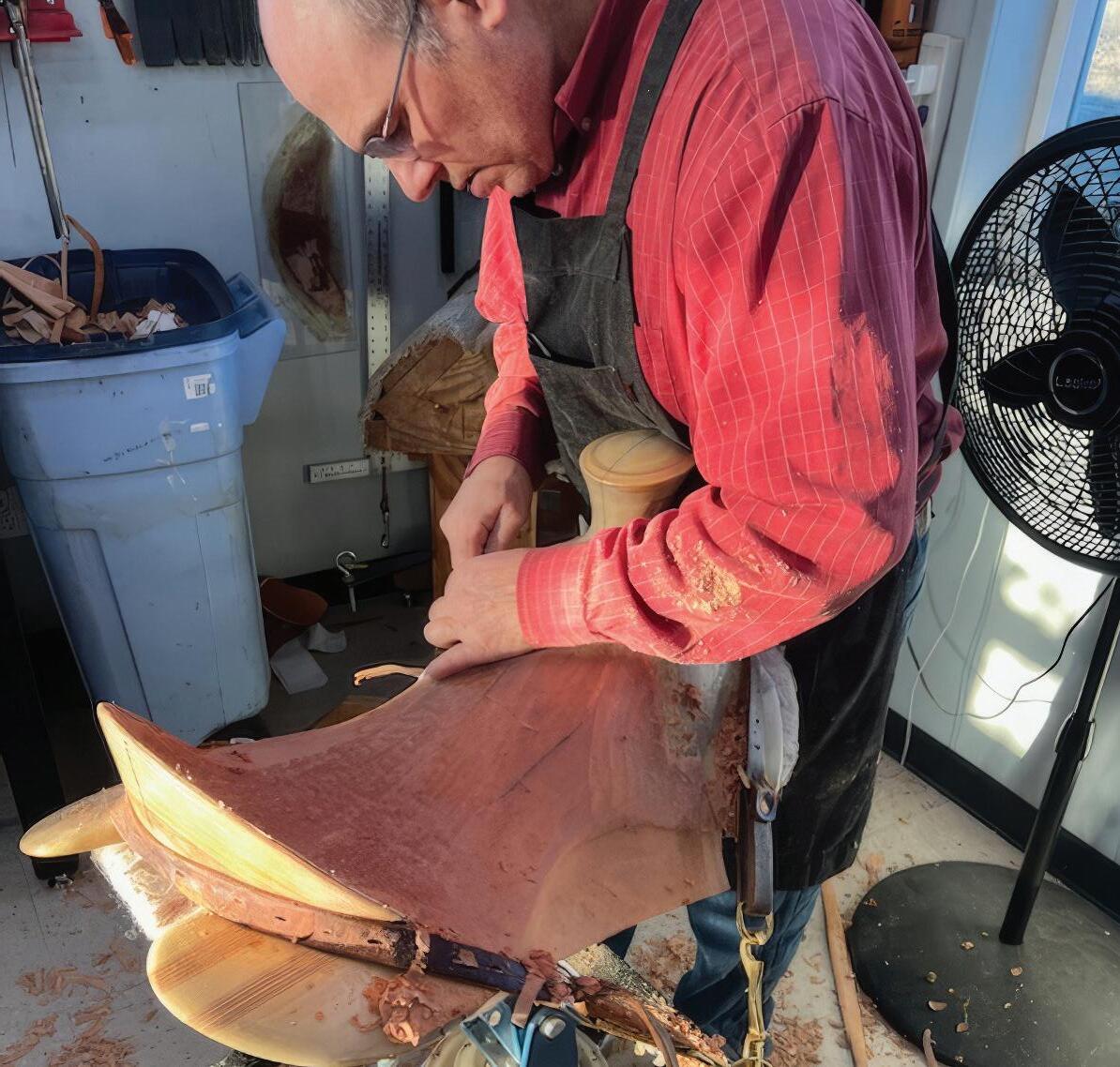
Mario’s work begins at the core as he hand-carves the tree, which is the wood scaffolding beneath the saddle’s leather. Mario mastered tree-making through a fellowship with the Traditional Cowboy Arts Association and training with master craftsman Troy West in Texas.
“Some people will walk up to a saddle and say, ‘Man, that’s a really pretty saddle,’” Mario says. “It’s not just the curving—it’s the lines and shapes and the flow and things like that. There’s a lot more to it. Building a tree to me is a lot like sculpting. You’re actually carving wood into a shape. If your horn isn’t shaped right, it doesn’t work as well. There’s a whole art to it. And that’s what really interests me.”
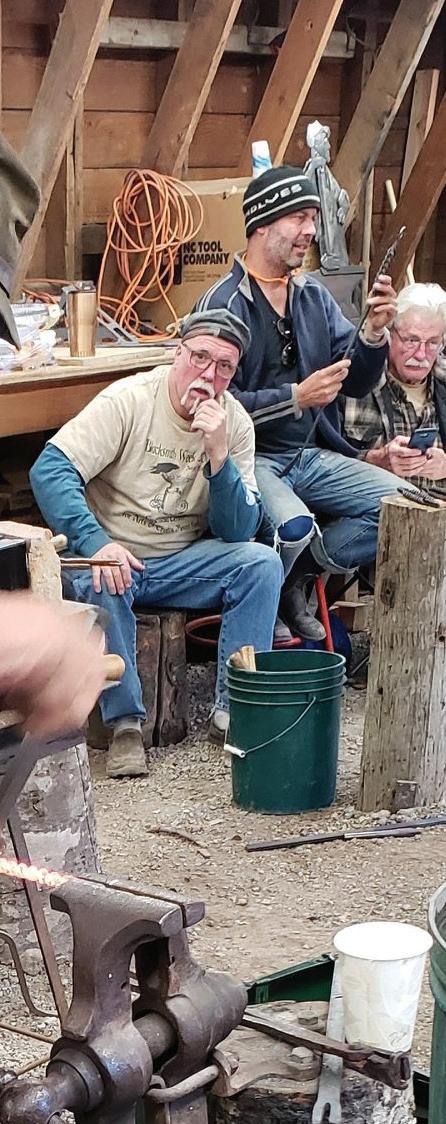
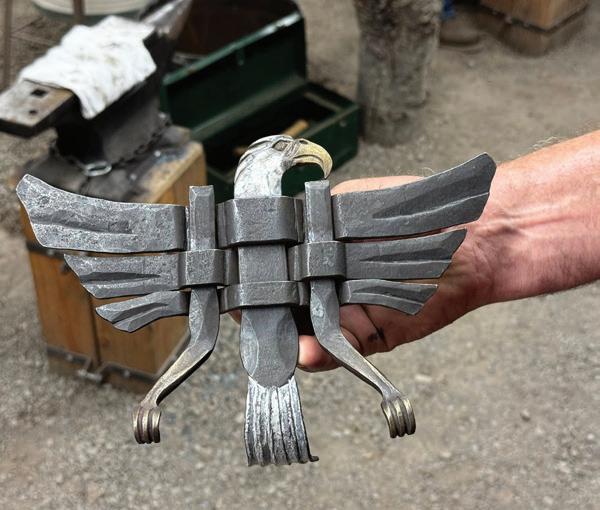
LEFT: Blacksmith
Darryl Nelson demonstrates during Blacksmith Week. While Darryl is best known for creating animal heads, he frequently stretches the limits of the medium with creative sculptures in metal.
COURTESY
And comfort is key for customers who sit in a saddle every day.
“I have customers that go ride on the weekend every chance they get, but most of my customers are making a living at it,” Mario says. “They use it in the rain, the snow, the sun, all those things that are hard on stuff, especially leather.”
Having a pretty saddle is important, but it’s not enough.
“A guy who sits in a saddle all day if the seat’s not right, they’re not going to keep that saddle very long,” Mario says. “You can carve the prettiest flowers in the world, but if it doesn’t work, a cowboy is just not going to hang onto it, and a lot of cowboys are going to hear about it.”
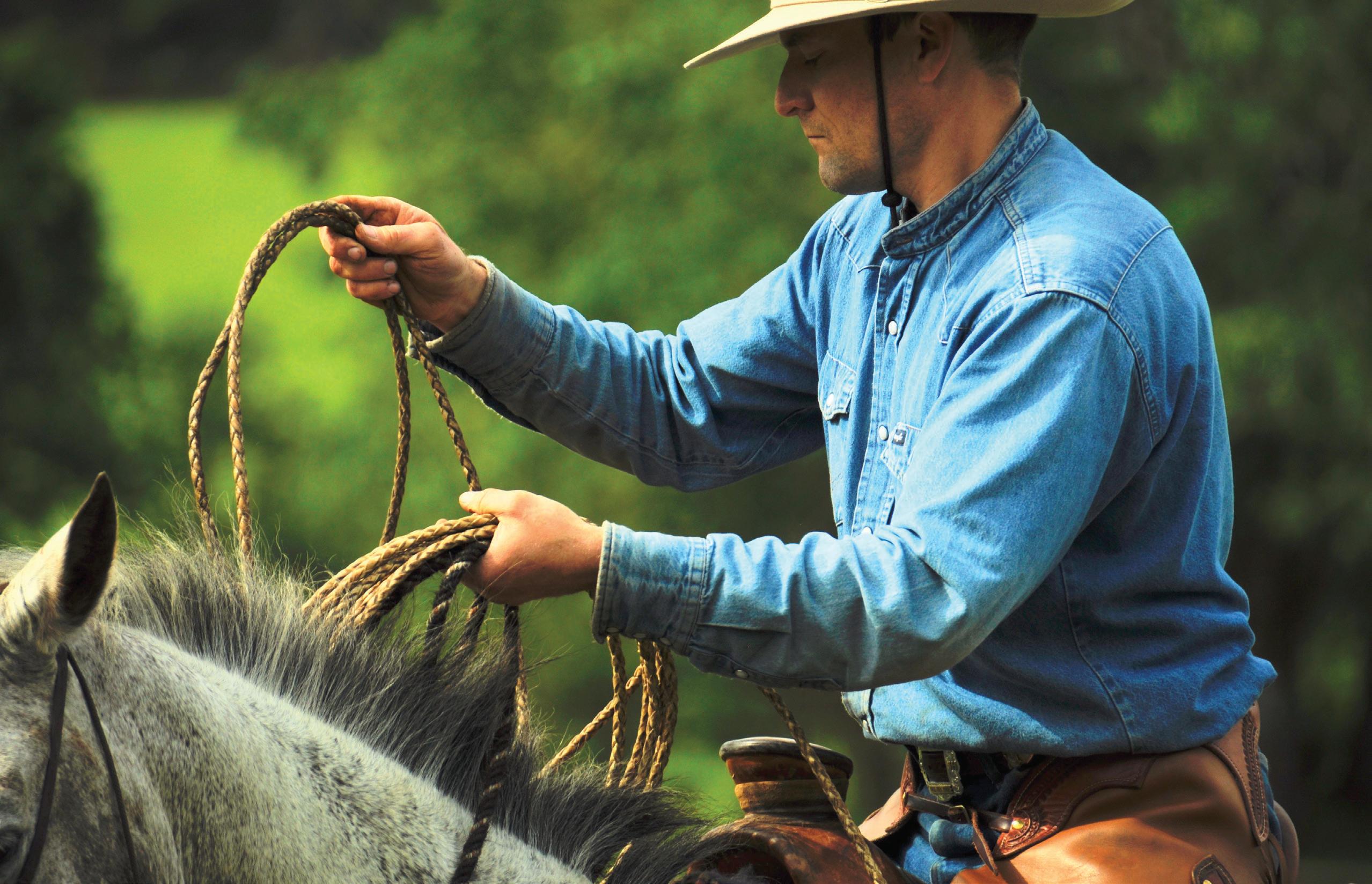
Roseburg, Oregon, artist Steve Harris is a master of the hackamore, a bitless bridle that uses pressure on a horse’s nose, chin and poll, rather than inside the mouth, to guide and control. He and his family raise cattle to produce the rawhide that he braids into elaborate, artistic and functional pieces.
Steve grew up on horseback, riding bareback as long as he can remember.
“I actually am the fourth born in my family, but the third born was a horse,” he says. “He was born to a mare that belonged to my mother out of a stallion that was owned by my grandfather. I always had to
take a backseat to him. He grew up before I did, so he raised me.”
Steve learned to braid from his brother when he was 15.
“He and I got to braiding together, and it was just a treat,” Steve says. “I really loved it.”
He loved it so much he kept at it.
Steve makes and repairs saddles and more, but it’s hackamores he loves.
“I really love making hackamore best because when you’re riding hackamore, it really cleans up all your signals,” he says. “Because you’re just riding the horse. Your signal can be really nuanced or really simple, but it’s the horse you’re riding, not the gear.
“When I was a kid and riding bareback, there was that. I was just riding the horse. I think philosophically that’s influenced me as a saddlemaker and as a teacher and as a horseman. It influences me as a parent and in everything I do.”
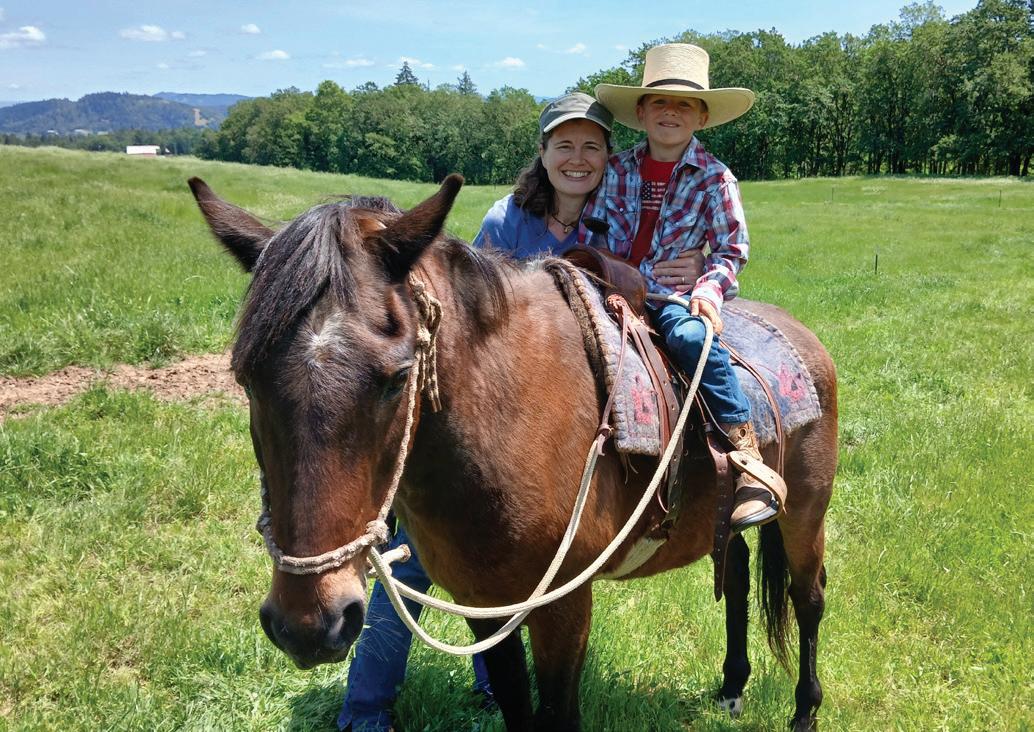
The whole Harris family is involved in the craft, from Steve’s wife, Rebekah, to his 13-year-old daughter and apprentice Caitriona, and his younger children, who make everything from earrings to braided keychains.
Although seemingly simple to the eye, hackamores are intricately designed and crafted for communication between the rider and horse.
“A strand of rawhide is a strand of rawhide, but if you and I put 16 strands of rawhide together, braid them around a core and get the nose button in the right shape, suddenly we’ve got something that talks to a horse in a real nuanced way,” Steve says. “That same volume of rawhide in just one single strip is pretty useless as anything but a dog chew. But if you put the effort it takes into refining all those strands and putting them together just right, you get results that look like magic.” n

Marry Me Slow-Cooker Chicken
4 chicken breasts, boneless and skinless, about 2 pounds
1 teaspoon kosher salt
½ teaspoon ground black pepper
1 tablespoon olive oil
1 tablespoon salted butter
1 cup chicken stock
1 tablespoon cornstarch
4 cloves garlic, minced

¾ teaspoon crushed red pepper, optional
½ teaspoon dried oregano
¼ teaspoon dried thyme
½ cup sundried tomatoes packed in oil, chopped
1 cup heavy cream, warmed slightly
¾ cup Parmesan cheese, grated
1 tablespoon fresh basil leaves, chopped
Season chicken with salt and pepper. Heat olive oil and butter in a skillet over medium heat, then sear chicken for 2-3 minutes per side until lightly golden. Transfer to slow cooker along with any leftover butter and juices from the skillet.
In a bowl, whisk chicken stock with cornstarch, garlic, crushed red pepper, oregano and thyme. Pour the mixture over the chicken in the slow cooker.
Top each chicken breast with chopped sundried tomatoes. Cover. Cook on low for 3-4 hours or on high for 1½-2 hours, until chicken reaches 165 degrees. Remove chicken to a plate, and keep warm. Stir heavy cream and Parmesan into the hot liquid in the slow cooker until smooth. Return chicken to sauce. Spoon sauce over the top, and let rest for 5-10 minutes on warm.
Garnish with basil before serving.
Marry Me Chocolate Cake
18.25-ounce package devil’s
food cake mix
3.9-ounce package instant chocolate pudding mix
2 cups sour cream
1 cup melted butter, cooled 5 eggs
1 teaspoon vanilla extract
2 cups semisweet chocolate chips
Strawberries, optional
Powdered sugar, optional
Heat oven to 350 F. Coat a 10-inch tube pan with nonstick cooking spray.
In a large mixing bowl, combine cake and pudding mixes. Make a well in the center, and add sour cream, butter, eggs and vanilla extract.
Beat on low speed until blended. Scrape bowl, then beat for 4 minutes on medium speed. Mix in chocolate chips by hand.
Pour batter into greased pan, and bake for 50-55 minutes. Let cool in pan for 10 minutes, then turn onto a plate and cool completely. Garnish with strawberries and sprinkle with powdered sugar, if desired.
1 cup drained sundried tomatoes packed in oil, sliced, plus 4 tablespoons tomato oil, divided
1 pound large shrimp, peeled, deveined, tails removed
Kosher salt
Freshly ground black pepper
16 ounces rigatoni or penne pasta
4 garlic cloves, finely chopped
2 tablespoons tomato paste
¼ teaspoon crushed red pepper flakes
2 cups chicken broth
1 cup heavy cream
1 teaspoon Italian seasoning
5 ounces baby spinach
1 ounce Parmesan, finely grated, plus more for serving
Torn fresh basil leaves, for serving
In a large heavy skillet over medium-high heat, heat 2 tablespoons tomato oil. Season shrimp with salt and pepper, to taste. Cook in oil, stirring occasionally, until pink and opaque, about 3 minutes. Transfer shrimp to a plate.
Meanwhile, cook pasta in a large pot of boiling salted water. Stir occasionally, until al dente, according to package directions. Drain.
In the same skillet over medium heat, cook garlic, tomato paste, red pepper flakes and remaining tomato oil. Stir until tomato paste deepens in color, about 1 minute. Add sundried tomatoes, broth, cream and Italian seasoning. Bring to a simmer, scraping up any browned bits. Cook, stirring occasionally, until sauce slightly reduces, about 5 minutes. Add spinach. Cook until wilted, 1-2 minutes.
Add pasta, shrimp and Parmesan. Cook, stirring, until pasta is coated and sauce is glossy. Season with salt and black pepper. Remove skillet from heat. Cover, and let sit 2 to 3 minutes. Stir pasta again to coat.
Divide the mixture among bowls. Top with basil and more Parmesan.
Marry Me Chicken Soup
1 tablespoon olive oil
½ cup yellow onion, diced
2¼ teaspoons salt, divided Pepper, to taste
1 teaspoon garlic powder
1 teaspoon dried thyme
3 tablespoons tomato paste
6 cups chicken stock
1⁄ 3 cup sundried tomatoes in oil, chopped
3 cups shredded cooked chicken
2 cups small-shape pasta, such as orecchiette
½ cup heavy cream
½ cup grated Parmesan cheese
2 cups baby spinach
1 teaspoon red wine vinegar
Heat a large pot or Dutch oven over medium-high heat. Add olive oil, onion, ¼ teaspoon salt and black pepper. Cook for 3-5 minutes, stirring frequently, until the onion begins to soften.
Sprinkle in garlic powder and thyme. Cook for about 1 minute, stirring constantly, until fragrant. Add tomato paste and cook for 30 seconds, stirring constantly.
Pour in chicken stock, scraping up any browned bits from the bottom of the pot. Stir in 2 teaspoons salt and sundried tomatoes. Add chicken, and stir to combine. Cover, and bring to a boil. Once boiling, add pasta. Stir. Cover, and reduce heat to a strong simmer. Cook for 8-15 minutes depending on the pasta type. Stir occasionally, until pasta is just cooked through.
Turn off heat. Add cream, Parmesan cheese, spinach and vinegar. Stir to combine and melt the cheese.
18 ounces ground chicken
2 teaspoons dried oregano, divided
2 teaspoons paprika, divided
½ cup grated Parmesan, divided
Pinch of sea salt
Pinch of freshly ground black pepper
1 tablespoon olive oil
3 garlic cloves, peeled and crushed
5 ounces sundried tomatoes, roughly chopped
¾ cup heavy cream
1 cup chicken stock
½ lemon
Basil leaves, for garnish
Place the ground chicken, 1 teaspoon oregano, 1 teaspoon paprika and ¼ cup Parmesan in a bowl. Add a pinch of salt and pepper. Use clean hands to mix everything together, then roll mixture into 16 meatballs.
In a large, deep frying pan, heat oil over medium heat. Fry meatballs, stirring occasionally, for 10 minutes until golden all over. Remove them to a plate.
Add garlic, sundried tomatoes and remaining dried oregano and paprika. Cook for a few minutes until garlic has softened. Add cream, stock, remaining Parmesan, and additional salt and pepper, to taste. Stir well. Add meatballs, and cook for 5 minutes. Make sure meatballs are cooked through, then remove the pan from the heat.
Squeeze lemon juice and sprinkle basil over the top.
I am in need of yarn to make hats for homeless people and people who are receiving cancer treatments. Leftover yarn is used to make hats for newborn babies. The person who makes these hats is a homebound person on oxygen. This not only gives him an activity, but it also helps those in need. From 2019 to the present, he has made over 2,000 hats. I distribute these hats to the people who need them.
Deb Darr
3550 Sample Road Falls City, OR 97344
I am looking for unwanted stamped post cards, stamp albums, world stamps, old stamped envelopes or any stamps you don’t know what to do with. I’m filling in unfinished stamp albums I inherited from my dad. I would love any you can send. Thank you.
Lori Arola
82162 Red Bluff Road Seaside, OR 97138-5037
Our incredible mother, Elizabeth Gwiazdon (aka Betty), celebrates her 100th birthday in March. She was born in Hawaii and traveled the world with her Army dad and mom. She married a Lt. Colonel in the Air Force and raised 6 amazing children. She has 13 grands, 19 great-grands, and 2 great-great-grands. She started as a secretary for a property management company in the mid ’70s and rose to the ranks of executive director of the Sacramento Apartment Association. She then worked for another tenant/landlord group, taught classes at our local college and then started a consulting business to continue to help educate and mediate tenant/landlord issues. She just retired at 98. She’s been an incredible role model and positively influenced countless people her entire life and career. She is full of life, love and laughter. She’s a fashionista. She dresses every day as if she was greeting the president or the queen of England. We would love to share cards and wishes with her and the family. Please send to: C/O Michele Skupic, P.O. Box 207, Graeagle, CA 96103-0207. My sincerest gratitude.
Michele Skupic Graeagle, California
Odds
Looking for screws for long genealogy books. I need 6 or 8 metal extension screws to hold more pages for each book. Thank you.
Lucile Stecklein
P.O. Box 116 Blackfoot, ID 83221
Camp Elkanah is celebrating its 70th anniversary, and we would love to hear from you. If you were a camper, staff member, dream team member or volunteer, we would appreciate your memories or photos. What were your favorite activities, food or games? You can write a sentence or a book. All will be appreciated. Contact us at the address or email below.
Camp Elkanah
P.O. Box 150
La Grande, Oregon 97850
Email: elkanah@campelkanah.com
Website: campelkanah.com (click on “Share your story”)
I want to thank everyone for all the cards, letters, gifts and flowers. Everything was amazing. Mom received over 320 handmade cards, and kindness and prayers. I cannot express how much it meant. It also was good for residents seeing her get mail.
Susan Mascall
North Powder, Oregon
Thanks to everyone who sent recipes. Reading comments was fun. I started looking forward to getting mail again. I received lots of good-looking cornbread recipes; even the one I had asked for.
Elena Nightingale
LaGrande, Oregon
Send your request (no attachments) to readerexchange@ruralite.org or mail to Reader Exchange, 5625 NE Elam Young Parkway, Suite 100, Hillsboro, OR 97124. Fill in the subject line with Reader Exchange.
Acceptance, scheduling and editing are at the editor’s discretion. Single requests only, please. No duplicates. If replying to a reader submission, please only send what is requested.
Submissions are handled first-come, first-served as space allows. We cannot honor every request.
Please affirm you have authorization from all appropriate parties before submitting. By submitting, you indemnify Reader Exchange, Pioneer Utility Resources Inc., its officers, directors, employees, utility clients and insurers from all legal liability incurred by the publication of information.
We no longer accept pen pal requests. You may submit a pen pal request as a Marketplace ad (pricing applies).
When submitting a milestone request, please send it at least two months before the milestone.
Phone numbers are not published. Email addresses are if they are part of the ad, but you must include a postal address. Requests must include the name and address of the electric utility that provides your magazine.
Instantly connects to free unlimited nationwide help with just the push of a button with no contracts, no deposits, and no monthly bills

■ NO MONTHLY BILLS: “My wife had an old style help button that came with hefty bills every month and she was embarrassed to wear it because it made her look old,” said Frank McDonald, Canton, Ohio. “Now, we both have FastHelp™, the sleek new medical alert device that our grandkids say makes us look ‘cool’ not old,” he said. With FastHelp, seniors never have to worry about being alone and the best part is there are no monthly bills ever.
Seniors born before 1964 get new medical alert device
Nationwide: Demand for new Medical Alert Device soars
The phone lines are ringing off the hook.
That’s because for seniors born before 1964, it’s a deal too good to pass up.
Starting at precisely 8:30am today the PreStore Release begins for the sleek new medical alert device that comes with the exclusive FastHelp™ One-Touch 911 Button that instantly connects you to unlimited nationwide help everywhere with no contracts, no deposits and no monthly bills ever.
“It’s not like old style help buttons that make you talk to a call center, only work when you’re at home and come with hefty bills every month. FastHelp comes with state-ofthe-art cellular embedded technology. That means it works at home or anywhere and everywhere cell service is available whether you’re out watering the garden, driving in a car, at church or even hundreds of miles away on a tour or at a casino. You are never alone. With just a single push of the One-Touch E Button you instantly get connected to free unlimited help nationwide with no monthly bills ever,” said Jack Lawrence, Executive Director of Product Development for U.S. based Universal Physicians.
“We’ve never seen anything like it. Consumers absolutely love the sleek new modern design and most of all, today’s instant rebate practically pays for it and no monthly bills ever,” Lawrence said.
FastHelp is the sleek new medical alert device with the best of combinations: a quality, high-tech engineered device that’s also an extremely great value because there are no monthly bills ever. ■
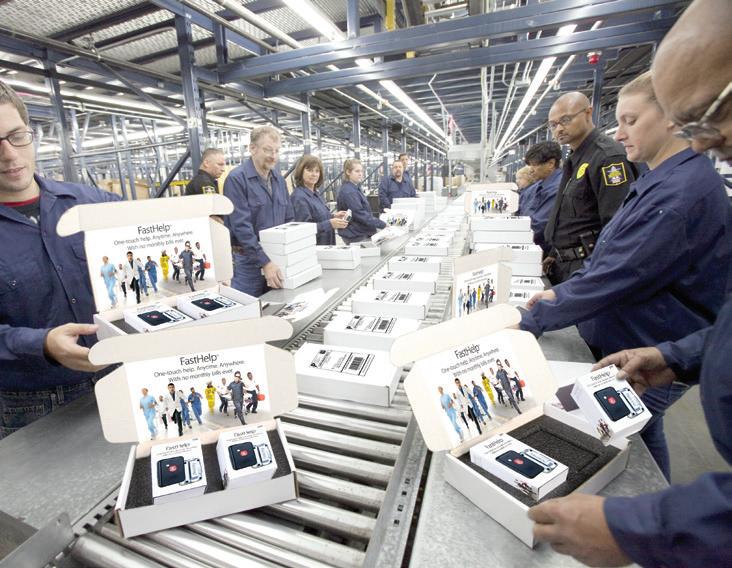
■ FLYING OUT THE DOOR: Trucks are being loaded with the new medical alert devices called FastHelp. They are now being delivered to lucky seniors who call the National Rebate Center Hotline at 1-800-209-4926 DEPT. FSTH138 today. Everyone is calling to get FastHelp, the sleek new medical alert device because it instantly connects you to unlimited nationwide help everywhere cell service is available.
BORN BEFORE 1964:
Use the rebate coupon below and call this Toll-Free Hotline: 1-800-209-4926
EXT. FSTH138
BORN AFTER 1964:
You cannot use the rebate coupon below and must pay $299 Call: 1-800-209-6405
EXT. FSTH138







■ SENIORS SNAP UP NEW MEDICAL ALERT DEVICE : Instantly connects you to free unlimited nationwide help with no contracts, no deposits and no monthly bills ever. Nothing to hook up. You don’t need a land line or cell phone. It’s ready to use right out of the box. Comes with new cellular embedded technology that works at home or anywhere you go so you are never alone.
BOTTOM LINE: You don’t need to shop around. We’ve done all the leg work, this deal is too good to pass up. With the instant FastHelp rebate, it is a real steal at just $149 and shipping. There are no monthly bills ever.
PROS: It’s the sleek new medical alert device that comes with the exclusive FastHelp One-Touch 911 Button that instantly connects you to free unlimited nationwide help with no contracts or deposits. It connects you to the vast available network of cellular towers for free and saves seniors a ton of money because there are no monthly bills ever making this deal a must have. Plus it’s the only medical alert device that makes seniors look important, not old.
CONS: Consumers can’t get FastHelp in stores until later this year. That’s why it’s so important for seniors born before 1964 to call the National Rebate Center Hotline within the next 21 days. For those who miss that deadline, the sleek little medical alert device will set you back over $300 bucks.
Hurricane Help
“We had two hurricanes recently. I had no electricity for 6 days. I fell, so I pushed the button, and they came right out and picked me up off the floor. I tell many of my friends they need to get FastHelp!” - Virginia, FL
LIFESAVER
“When I got my FastHelp I never thought I’d have to use it, but when I fell and broke my hip it saved my life.” - Harold, OH
Very appreciative of having FastHelp
“I did have an emergency. Help RESPONDED quickly and came in a few minutes.” - Irving, PA
WE LOVE THE PRODUCT
“We bought it outright with no bills ever.” - Rosemary, NY
Safe anywhere
“This little FastHelp device is my guardian angel. I’m so glad my daughter-in-law got it for me.” - Pete, FL
A+ Rating: These are unsolicited consumer feedback from satisfied customers as reported to Universal Physicians.
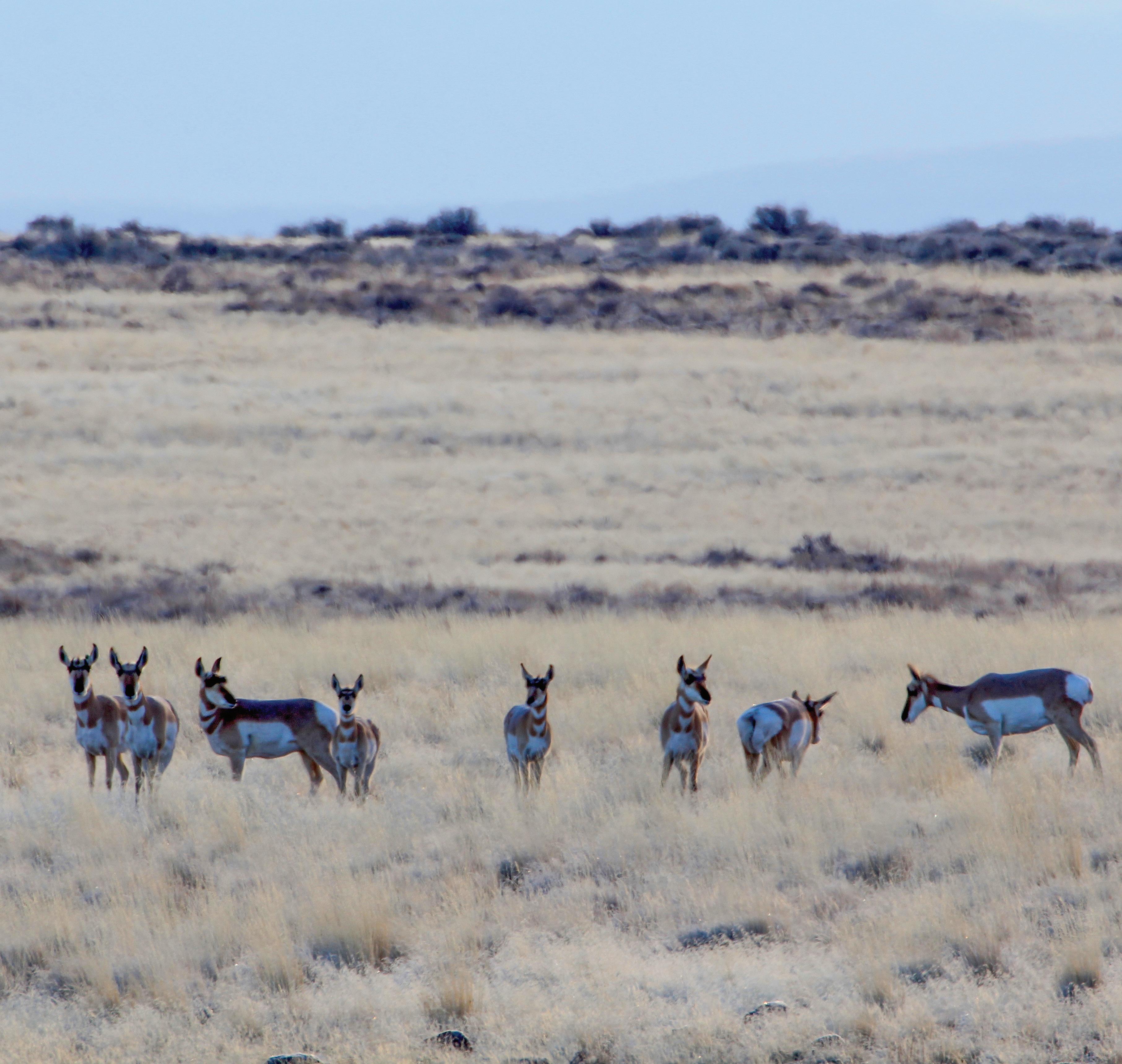
Thousands of pronghorn, deer, bighorn sheep and more roam on hundreds of thousands of acres of wilderness in Northern Nevada at Sheldon National Wildlife Refuge. The refuge—which also has beautiful mountains, dark skies and geological features—was originally established to benefit pronghorn populations.
Pronghorn populations in Nevada rapidly shrunk in the early 1900s. Nonnative animals, such as horses, sheep and cattle, were overtaking the habitat. The Audubon Society and Boone and Crockett Club bought the more than 30,000-acre Last Chance Ranch to create an antelope refuge. In 1936, President Franklin D. Roosevelt enlarged the refuge to nearly 540,000 acres.
Thousands of pronghorn live in the greater Hart-Sheldon area, straddling the Oregon-Nevada border. Pronghorn can run sustained sprints of about 50 mph, making it the fastest North American land mammal. The refuge is also home to bighorn sheep, mule deer and sage grouse. Visitors may even see an American pika, a small herbivorous mammal that looks like a mix of a mouse and rabbit.
The refuge has a rugged landscape ready for those willing to explore it. One popular site is Thousand Creek Gorge, a slot canyon with 500-foot-tall walls. Visitors will likely need to take a moderate hike or have a higher clearance vehicle to get there. Many make their way to Virgin Valley Warm Spring to camp, while others head out to watch the wildlife at Catnip Reservoir.
Sheldon National Wildlife Refuge is very remote. While that can be great for getting away from it all and diving into nature, be sure to have a full tank of gas and carry extra fuel—visitors will be more than 100 miles from a gas station. To learn more, call 775-941-0199 or visitfws.gov/refuge/ sheldon.



By Dave LaBelle
Every calendar month is dedicated to bringing awareness to its own cause or observance, some lighthearted and others profoundly meaningful. October, for instance, is Breast Cancer Awareness Month, yet it also shares space with National Pizza Month. In the United Kingdom, 30 days across May and June are recognized as National Smile Month. And while we might celebrate whimsical Mustache March, the month is also designated as National Women’s History Month, a time to celebrate women’s contributions to history, culture and society.
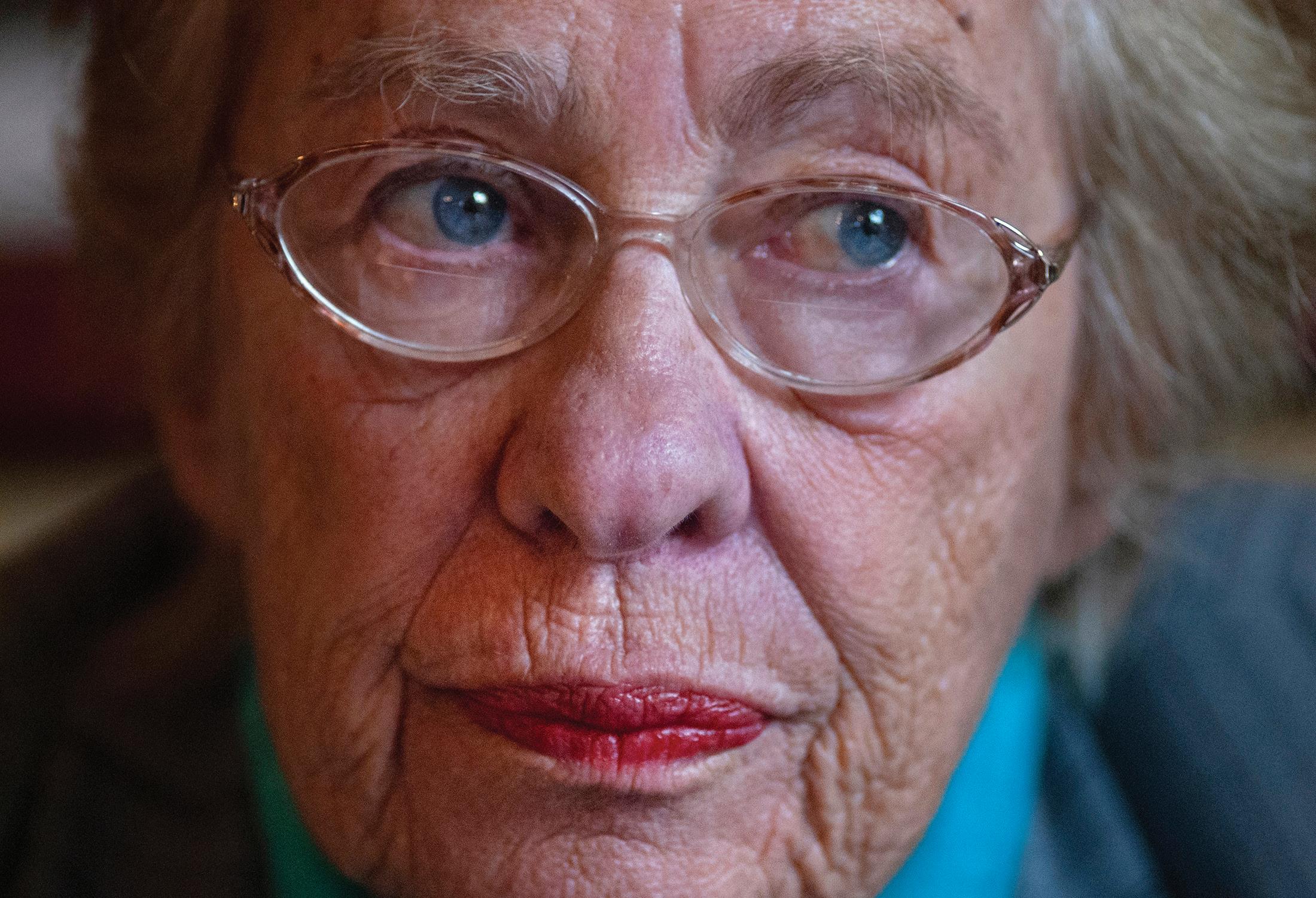
Throughout my career, I have photographed many famous women—movie stars, civil rights figures and humanitarians from all walks of life. In 2011, I photographed Eva Schloss, a survivor of Hitler’s death camps and Anne Frank’s stepsister. Eva died Jan. 3 in London at the age of 96.
Approachable and generous with her time, Eva told her story to audiences for two days. Like Anne, Eva and her family went into hiding from the Nazis, and after two years, they were tracked down, arrested and deported to concentration camps. Eva barely survived Auschwitz, and her brother and father died in captivity.
“The horrors that she endured as a young woman are impossible to comprehend and yet she devoted the rest of her life to overcoming hatred and prejudice, promoting kindness, courage, understanding and resilience through her tireless work for the Anne Frank Trust UK and for Holocaust education across the world,”
While I advocate photographing famous people whenever and wherever you can, don’t limit documenting only those society or fate has shined a light on. Ask yourself, “Is there is a person I admire in my world, a giving soul in my community I can honor?” Try to make a portrait that celebrates their character.
Email your best image—just one—with caption information, including an explanation of how it affects you, to gph@pioneer.coop. We may share submissions on our website and social media channels.
King Charles says in a piece written by Thomas Mackintosh and published by the BBC on Jan. 4, 2026.
Beneath Eva’s positive public face, she shared with me after a lecture that waves of pain linger. I watched for images that might reveal that pain and often shot as tight as possible, usually with a telephoto lens to compress the face, hoping to capture subtle expressions that reveal the pain in her heart. n
To learn more of Eva’s story, check out bit.ly/4qYVuC4 or pick up one of her books, “Eva’s Story: A Survivor’s Tale by the Stepsister of Anne Frank” and “The Promise: The Moving Story of a Family in the Holocaust.”
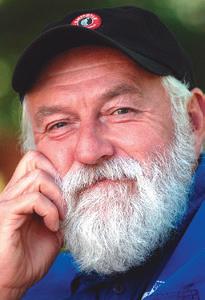
Photographer, author and lecturer Dave LaBelle has captured special moments for more than half a century, sharing photo tips and life perspectives with readers. For more of his writings, visit davidlabelle.com and his blog at bridgesandangels.wordpress.com.































Reinforced custom-sized pond liners (39 cents/sqft). Hay covers, greenhouse covers, any width and length. Truck tarps and more. High puncture and tear strength. Best price guaranteed. Celebrating 43 years in business. btlliners.com. 541-447-0712. 0426
Seeking summer pasture for 20-80 cow-calf pairs. Call 541-519-7068 or 208-880-2518. IDEastern, OR. 0326
Buying antiques and collectibles: advertising signs, porcelain signs, gas pumps, beer signs, antique toys, cast-iron coin banks, neon signs and more. Jason, 503-310-3321 or tjabaughman@yahoo.com. 0326
Buying American Indian collectibles, Navajo jewelry, blankets, rugs. CA/AZ baskets and beadwork. Quality paintings of the early Southwest and Americas. Call 760-409-3117 or send photos to amer.ind.baskets@gmail.com.
1978 Jeep CJ5. 6 cyl. 4 sp. Good condition. New seats and top. $10K. 208-435-4798. 0326
Book restoration. Bibles, cookbooks, cherished family heirlooms. Beautiful work. We give renewed life, more durable than original, to last for generations. 775-537-7066; salacanstudio@gmail.com.
Community Events
Beekeeping Class by Dick Turanski from 9 a.m. to 3 p.m. Saturday, March 28, at the Eugene Mission, 1470 W. 1st Ave., Eugene, OR. Advance registration and payment required. Class limit is 70 people. $50 cash or check only. Checks payable to RPT & Associates, P.O. Box 41294, Eugene, OR 97404. Two teachers will answers your questions: Richard T. Turanski, 55 years of beekeeping, first taught at Lane Community College in 1975; and Mike France, former president of Lane County Beekeepers Association, teacher at Lane County Beekeepers Association. Includes coffee, banana bread and lunch served noon-1 p.m. Park in lot or on the street. Contact for registration by email only, Dick.Turanski@GloryBee.com. 0326
Long Creek, Oregon, Emergency Services Appreciation Dinner. April 25. Live auction items are fire engine, flat utility trailer, Hamley saddle, firewood and more. For dinner reservations, call 541-421-3601. For more information, visit cityoflongcreek.org. 0426
Ads 25 words or fewer are $35 a month. An extended ad of up to 35 words is $50 a month. Contact information is included in the word count. Phone numbers and emails count as one word.
Longer ads may be placed. Contact 503-357-2105 or info@pioneer.coop for pricing information.
Ads are for customers of member co-ops, public utility districts and municipals only. Subscribers and nonmembers may inquire about pricing at 503-357-2105 or info@pioneer.coop.
Ads must be direct and in first person, and are subject to approval and editing.
Closing deadlines (in our office): May issue—March 31
If submitting ad by mail, send appropriate payment with your name, address, email, phone number and the name of the electric utility that provides your magazine to: Marketplace, P.O. Box 1306, North Plains, OR 97133. Make check or money order payable to Ruralite.
We accept credit card payments for ads submitted by email. Send ad to info@pioneer.coop. Call 503-357-2105 to pay by credit card.
Advertisements are accepted in good faith. Pioneer Utility Resources is not liable for interactions between buyers and sellers.
Art Center East’s 49th birthday March Membership Drive. Spring Makers Week, March 23-27: art classes for all ages in La Grande, OR. artcentereast.org. 0326
Farm Equipment
1940s Caterpillar D2, hydraulic blade up/ down, full canopy, many photos. Belonged to my late father. Diesel engine stuck so asking only $3.5K, OBO. Near Dayton, WA. 208-284-5073.
Water trailer. About 400 gallons, Homelite pump, on heavy-duty ex-military trailer. Photos, no title. Pump not started since before COVID-19. Near Dayton, WA. 208-284-5073.
Free materials—church/government unite. National Sunday Law. TBSM, P.O. Box 374, Ellijay, GA 30540. tbsmads@yahoo.com; 1-888-211-1715. 0426AR
Camp hosts/caretakers wanted for the Tucannon River RV Park, a small (33 sites), modern RV park in rural SE WA on the Lower Tucannon River. Prefer active retired couple able to meet and greet, take reservations, pull hoses, mow, general maintenance. RV required, FHU provided, plus stipend. Call 509-382-2759.
Live bees by Dick Turanski. New large supplier of 5 frame nucs in nuc box. Available 8:30 a.m. to 3 p.m. Saturday, May 9. Nucs with your choice of queens as follows: Italians, Carniolans or Buckfast (Buckfast is NEW, starting with a limit of 2 nucs per customer). Introductory low price of $200 per nuc or more than 10 at $195 per nuc. Order via email, dick.turanski@glorybee.com. Mail checks to RPT & Associates, P.O. Box 41294, Eugene, OR 97404. Deadline for checks must be postdated April 30, 2026. Pick up location in the gravel yard next to GloryBee’s Distribution Center 29548 B Airport Road, Eugene (directly off Highway 99). Stop by the pop-up tent to check in. 0426
Granite cemetery markers at affordable prices. Will ship to most places. For more info: highdesertmemorials.com; Joe, 541-815-8906 or highdesertmemorials@gmail.com. 0326
Attention landowners. Grants available now. Wildland fire fuel reduction service. Steep ground, remote, rocky, small lot, big acreage are no problem. Blue Mountain Defensible Space LLC. Bluemountainbrush@gmail.com; bluemountainbrush.com; 509-399-3473. 1126
Animal and human wilderness tracking school materials. Writings, slides, physical displays, teaching materials and books. Enormous collection for anyone interested in tracking. Dave, fairbanksaircraft@comcast.net. 0326
Tulsa 3-stage planetary gear reduction, bought surplus from Link Belt Crane, used as final drive for P&H and LB 100-ton crawler cranes. Best use, 4-ft. tunnel drill using ROTEK turntable bearing, $5K. 6 truck tires, 50% tread, Patagonia mud and snow. LT215/R8516, 60% tread. $600. Ted, 458-910-3727. 0326
Local commercial fisherman sells summer catch of preserved freshness by blast freezing at sea, gourmet canned tuna on internet. Sept.June. 100% guaranteed the best canned tuna you ever tasted. Original, jalapeno and garlic flavors available. To order: twofisherstuna.com or 206-799-1082. 0526
Havanese puppies in Rainier, OR. Hypoallergenic, great for all ages. Raised by our family as quality pets for you. Visit www.happeninhavanese.com or call Rebecca at 503-728-6241. 0426
2010 Artesian Swim Spa for sale. 7x14’ Been inside all the time; excellent condition. $5K. 541-954-3884. 0326
320 acres east of Adel, OR. Borders Hart Mountain views, Steens Mountain and Beaty Butte. Landowner tags, very rural. Reduced price: $145K. For maps: 541-659-1573; thejugglingman3@gmail.com. 0326
Let me help you buy or sell ranch, farm and recreation property in OR. Fourthgeneration Oregonian, prior ranch owner. For sale; Deschutes Canyon Mountain views 118 acres riverfront. $14.9M. John Gill, johngill@landandwildlife.com; 541-480-916. Land And Wildlife brokerage. 0326
Private 10-acre wild tree farm near Sandpoint, ID, with older 3-bd. mobile home, countymaintained road, good building sites. $395K. Steve, 208-290-6505. 0326
Mobiles to mansions. Cabins to castles. Brookings, OR area Principal Broker Pat Piper, Century 21 Agate Realty. Helpful. Educated. Caring. 28 years of area experience. patpiperbroker@gmail.com; 541-251-2152. 0526
For sale/rent: 20-acre developed land, 3,600sqft. shop with “barndominium” potential. Weddings/events, horse property, RV hookups, creek, views. $575K. Seller financing. Goldendale, WA. 509-378-5886. 0326
Boyers Cash Store & Keylock. Monument, OR. Thriving turn-key business. $500K. Duke Warner Realty, ddwr@ortelco.net; 541-987-2363.
10 undeveloped rural acres situated on the Rio Grande River, 28 miles south of Taos, NM. Ideal location for off-the-grid homestead, vacation retreat or permanent residence. Asking $75K. Serious inquiries only: rima.sanders@frontier.com. 0326
For sale by owner in Baker City, OR. 2- to 3-bd. home, move-in ready with many new upgrades. Well on the property. Fruit trees. Mountain view of Elkhorns. Call 307-321-1232 for appointment. 0426
Recreational Rentals
Sunshine and sand—Book your summer dreams at WaveCatcher for 2026. Oceanfront cottage with direct beach access, on the spectacular Central OR Coast. Sleeps 6. All house amenities. Winter closure NovemberMarch. Reservations, information email: relax@wavecatcherbeachrentals.com, or text 541-740-2846 or 541-740-9953. 0326
Oceanview Maui vacation rental. Spring break for the month of March. Was $210, now $185. One-time cleaning: $150, 2 TVs, king-size bed, queen-size sofa bed. Beach chairs and umbrellas. Great view. 503-812-6689.
Enjoy your ideal Maui getaway. This updated 2-bd., 2-ba. condo sleeps 4 and features a charming “surf shack” design. Just half a block from a beautiful beach, it’s perfect for morning strolls and sunsets. Plus, you’re steps away from shops and restaurants at Azeka Plaza. tinyurl.com/MauiGetaway. 0526
Recreational Vehicles
2010 Northern Lite 8-11QSE Classic Series Slide-In-Truck Camper for short-bed trucks. Queen bed, skylight, wet bath, full kitchen, premium wood paneling. Original owner. Needs new Happijacs. $10.5K. Text, 208-301-3732 for photos. 0326
Coleman 17-R trailer. 1 axel, 8 months old, used once, 2K miles. Aljo Starlink post-hitch 27 ft. long, hitch to rear. Old. Good condition and tires. 35-ft. Wildcat Maxx. 8-ft. slide out, 25 years old. Lived in, one owner. 500 miles on tires. Make offers. Ted, 458-910-3727. 0426
2015 Artic Fox 29L Travel Trailer. Stored under awning from 2015-24. Double slide, loads of storage and in very good condition. Clean and ready to go. Can send photos. $28.5K. jeff.bartunek@gmail.com. 0326
Dawn Till Dusk Masonry. Brick, block, stone and pavers. Small jobs and repairs welcome. dawntillduskconstructionmasonry.com; 541-388-7605; 541-410-6945. License #245760 bonded and insured. La Pine, OR.
Blue Mountain Defensible Space LLC
Wildfire Fuel Reduction: clearing brush, thinning trees, animal habitat enhancement. Expert service. Grant money available OR, WA, ID. Bluemountainbrush@gmail.com; bluemountainbrush.com; 509-399-3473. 1126
Looking for woman 25-50 years old. Honest, likes cats, average looking, pleasant. Widow in ID or MT preferred. Would like to meet and see if we are compatible. I’m a retired widower. Christian, firefighter. Bob, P.O. Box 69, Noxon, MT 59853. 0326
Gold, silver, coins/currency, buy, sell. Collections wanted. Fair prices paid. 45 years in retail store. Baker City, OR. 800-556-2133; garrymclin@aol.com. 1026
Buying American Indian collectibles, Navajo jewelry, blankets, rugs. CA/AZ baskets and beadwork. Quality paintings of the early Southwest and Americas. Call 760-409-3117; send photos to amer.ind.baskets@gmail.com. 0526
Old carpenter tools, planes (wood/metal), levels, chisels, slicks, adzes, axes, hatchets, handsaws, old rulers, spoke shaves, wrenches, shipwright tools, old tool chests. 503-659-0009; 971-666-0659. 0326
Wanted: older Corvette 1953-63 any condition, cash. Call or text 702-296-2289 or email a62vette@yahoo.com. Even if you’re thinking about selling. 0326


Hydropower is key to attaining a carbon-free generation future in the Northwest
By Foundation for Water and Energy Education
The Columbia River Basin has more than 370 hydropower projects.
LOCATION OF HYDROPOWER PROJECT
Hydropower projects are located on waterways to generate electricity from falling or moving water. Conventional and pumped hydropower operate with a reservoir that can store water for later use. Run-of-the-river hydropower operates with minimal or no water storage. Often including a dam or weir to help control the flow of water, some projects also support irrigation, flood control, navigation, water supply and recreation activities. Hydro projects range in size from large projects meeting the needs of millions of homes and businesses to micro projects meeting the needs of a single home, farm or business.
Hydropower projects provide the majority of clean, renewable and low-cost electricity in the Northwest. More than 370 projects deliver over 50% of the Northwest’s electric generation capacity in a normal precipitation year. The 16 largest projects account for 62% of the Northwest’s hydropower capacity, and all but one are located on the Columbia and Snake rivers.
Source: Foundation for Water and Energy Education
The unique nature of the Columbia Basin—a 259,000-squaremile area the size of France—enables the force of falling water to power these projects. Rivers and streams from parts of seven states and Canada drain into the Columbia River. At 1,243 miles in length and 2,690 feet above sea level at its headwaters, the Columbia River has the greatest flow of any North American river draining into the Pacific, dropping an average of two feet per mile.
To think about the “force,” or potential energy, of this water flowing downstream, imagine you are on the Columbia River. Average stream flow at The Dalles Dam is about 190,000 cubic feet per second. That’s like taking a football field, filling it with more than three feet of water, and passing it downstream, with another football field of water coming every second. When the
The Columbia River is 1,243 miles long.
ONE-QUARTER of the river’s flow comes from Canada.
The Columbia River falls an average of more than TWO FEET PER MILE before reaching the ocean.
Average annual runoff at the Columbia River's mouth is 192 MILLION ACRE FEET, enough to cover the state of Texas more than one foot deep in water.
In the spring, water flows are the highest when SNOW MELTS into the rivers.
The LARGEST TRIBUTARY to the Columbia is the Snake River, which is 1,036 miles long.
EIGHT NAVIGATION LOCKS at dams on the Columbia and Snake rivers support a 465-mile corridor that ships millions of tons of cargo annually.
Reservoirs at dams divert 6% of yearly runoff to IRRIGATE 8 MILLION ACRES of crops.
Reservoirs store 55 million acre feet of water to provide flood control that SAVES BILLIONS OF DOLLARS in property damage.
CLEAN, GREEN AND AFFORDABLE hydropower helps keep worldwide internet cloud computing services flowing for companies, including Microsoft, Apple, Facebook and Amazon.
Source: Foundation for Water and Energy Education
river flow peaks in spring, more than twice this amount of water flows by The Dalles Dam.
A diverse group of public and private entities owns and operates hydroelectric projects. The 31 federal government projects located on the Columbia River and major tributaries account for the majority of the Northwest’s hydropower generating capacity. The dams are owned and operated by the U.S. Army Corps of Engineers and the Bureau of Reclamation. Bonneville Power Administration markets the power produced by the dams, with proceeds financing construction, operations and maintenance costs.
Public ownership also exists at the local level, primarily via public utility districts, cooperatives and municipal governments. These projects are owned and operated by the local citizens they serve. There are 61 locally owned projects that contribute 22% of the Northwest’s hydropower generating capacity.
Private utilities, often called independent or investor-owned utilities, also own and operate projects. There are 264 private projects that contribute 16% of the Northwest’s hydropower generating capacity.
In addition to producing power, many dams also serve flood control, navigation and irrigation needs.
Hydropower has provided clean, affordable and dependable electricity to the Northwest for generations and continues to play a vital role as the leader in carbon-free, renewable energy. n
Foundation for Water and Energy Education seeks to empower Northwest communities to ensure a resilient clean energy future through hydropower education. For educational resources, upcoming events and hydropower news, visit fwee.org.
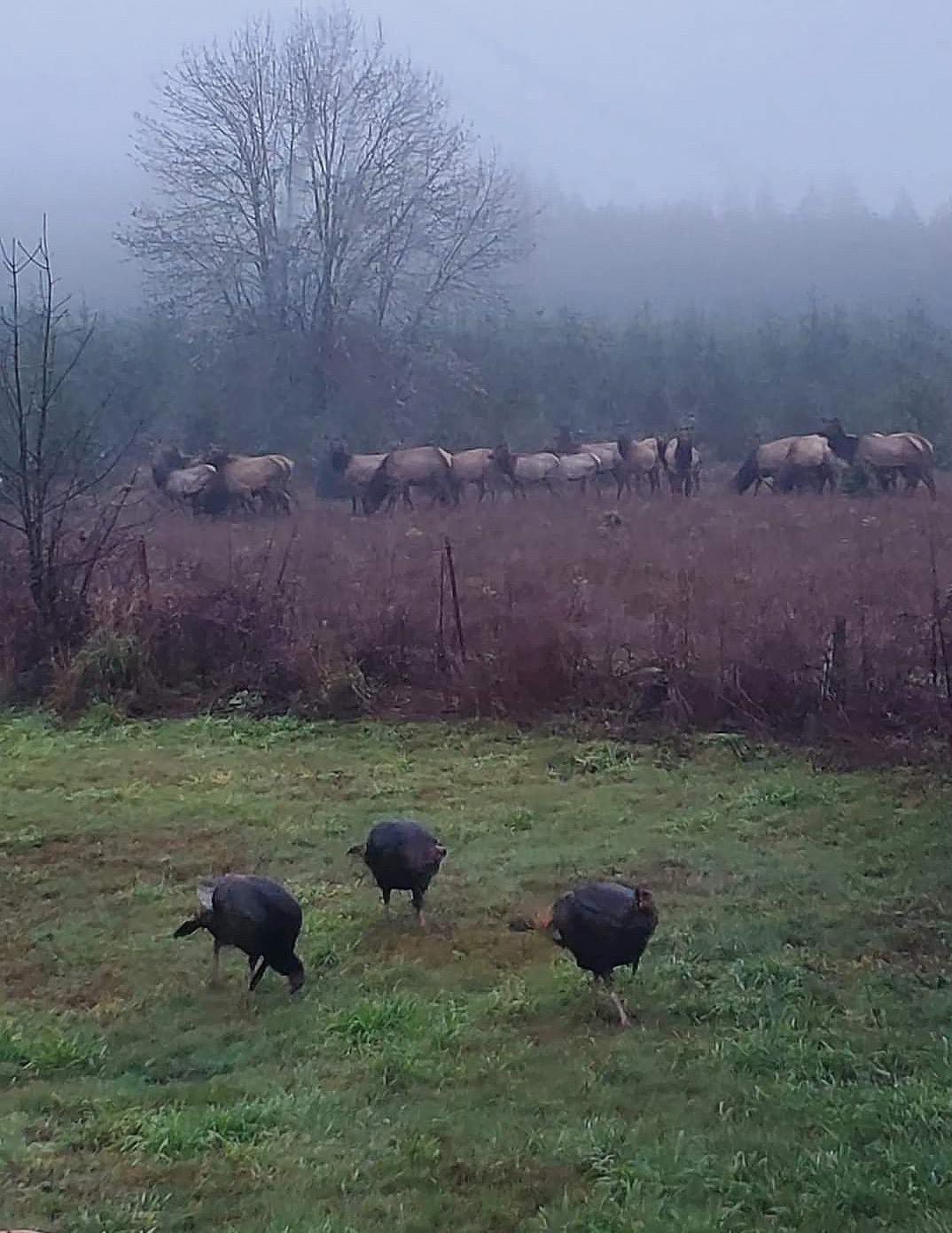
While living in Alsea, Oregon, Michelle Flamez frequently had elk visitors in her yard. On this rare occasion, a few turkeys joined the party. PHOTO BY
To submit your photo, email a JPEG to photos@pioneer.coop. Include “Before You Go” in the subject line and share a bit about what inspired you to make your photo.
Barbecue Halibut Oriental, Crab Enchiladas, Easy Salmon Quiche, Dilled Salmon Fettuccine, Clam Chowder and Salmon Oyster Dip are among the recipes featured in this book from our 1993 contest. The 8½-by-11-inch indexed book is $8 (includes postage).
TO ORDER BY MAIL: Submit payment with cookbook title, your name, address and number of cookbooks wanted to: Ruralite Cookbooks
P.O. Box 1306
North Plains, OR 97133
TO PAY BY PHONE: Call 503-357-2105 for credit card payments with Visa, MasterCard, Discover or American Express.
TO ORDER ONLINE: Visit www.ruralite.com.
Please allow two to three weeks for delivery.

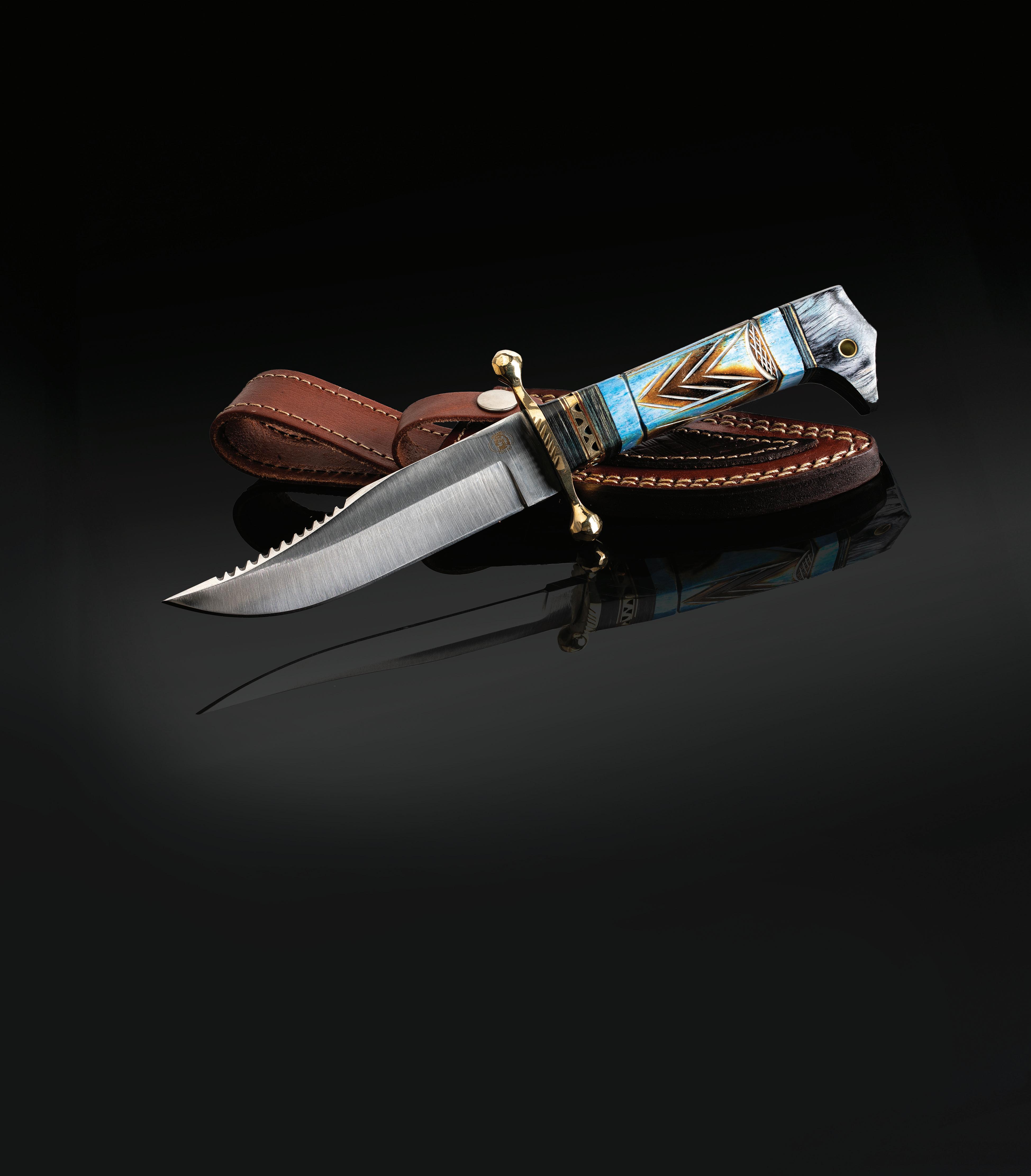
“It’s a beautiful knife with a great blade and a sure grip” — William B. Wilmington, NC
EXCLUSIVE FREE
My friend Sergio is a mixed martial arts fighter. His shoulders are broad. His muscles have muscles. He’s not the kind of person you want to be on the wrong side of.
This manly man has a saying about being tough: You should either know how to fight or look like you do.
The message is simple enough. People spoiling for a fight usually don’t pick the biggest guy in the bar. If you look like someone who shouldn’t be messed with, you likely won’t be. With our Blue Bone Bowie Knife on your hip, that’s exactly the message you’ll send.
As beautiful as it is functional, this knife is 10" overall and features a high-quality 420 surgical stainless steel blade with a serrated spine. The handle is constructed of genuine natural bone with redwood spacers. On the handle you’ll find design work that’s carved by hand, a testament to its craftsmanship.
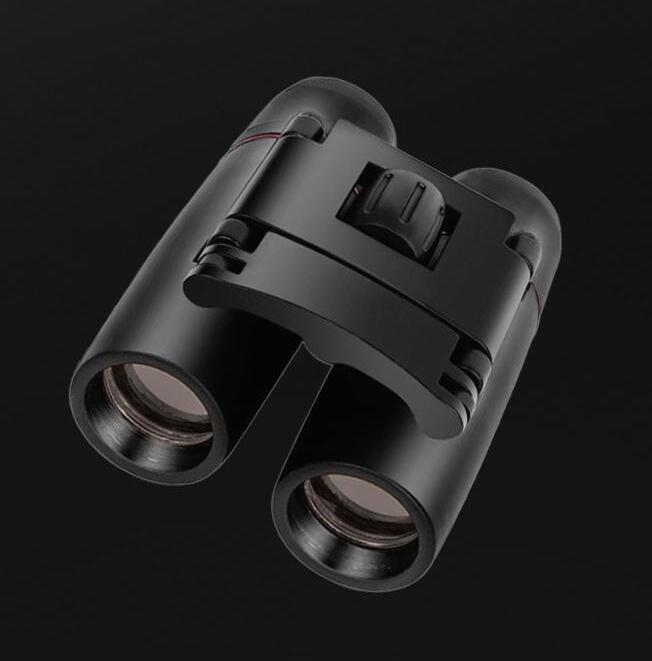
This knife is stick tang, meaning it won’t wimp out when you need it. This knife also features brass hand guards and brass spacers with file work, so you won’t lose your grip. For easy carrying, it comes with a genuine tooled leather sheath. CALL NOW! If you’re one of the rst 700 587 callers for this ad, we’ll throw in a pair of Stauer HD Pocket Binoculars — a $99 value — ABSOLUTELY FREE!
Walk around with the Blue Bone Bowie Knife and you’ll feel a lot safer. I know I do.
Knife Speci cations:
• 10" overall length
•420 surgical stainless steel and stick tang construction
• Genuine natural bone and redwood hand-carved handle
• Genuine leather sheath included
Blue Bone Bowie Knife
Stauer Pocket Binoculars a $99 value with your purchase of the Blue Bone Bowie Knife




$299 $79*+ S&P Save $220
*Special price only for customers using the offer code. 1-800-333-2045
Your Insider Offer Code: BBK162-02
California
Central Electric Cooperative DIRECTORS
Chairman Kip Light, Madras
Vice Chairman Kelly McFarlane, Powell Butte
Secretary/Treasurer Kenneth H. Miltenberger, Alfalfa
Mark Christie, Sisters
Beverly Clarno, Redmond
Boyd Keeton, Tumalo
Sam McKenzie, Prineville
Dan Steelhammer, Bend
Tom Strand, Terrebonne
Attorney Thomas M. Grim
Cable Huston LLP, Portland STAFF
President & CEO
Brad Wilson
Vice President of Finance & Accounting
Shane Morgan
Vice President of Operations & Engineering
Kevin Rohde
Vice President of Information Services
Phillip Franklin
Vice President of Member & Public Relations
Brent ten Pas
Vice President of Customer & Energy Services
Ryan Davies
24-HOUR PHONE NUMBERS:
Call 541-548-2144 or toll-free 800-924-8736.
Mission Statement
The aim of Central Electric Co-op is to make electric energy available to its members at the lowest cost consistent with sound economy and good management.
The board meets the third Thursday of each month at the CEC office, 2098 NW Sixth St., Redmond, Oregon. cec.coop
OR-12
Recent headlines sounded alarms about a looming energy crisis:
“As NW faces rolling blackouts, study says renewable energy may not be enough.”
Oregon Public Broadcasting, Oct. 30, 2025
“‘A 9-gigwatt problem’: Northwest’s soaring energy demand, supply constraints, could spark new power crisis.” Oregonian, Jan. 11, 2026
“Northwest facing power crunch in ‘all scenarios.’” Capital Press, Jan. 26, 2026.
The news coverage points to regional studies showing electric utilities face a long-term resource adequacy issue— having enough dependable electricity available to serve load growth and during periods of peak use, such as extreme weather events.
Various factors are driving this challenge: population and economic growth; electrification of homes, including heating, air conditioning and water heating; and the adoption of electric vehicles.
In addition, new large customers, such as data centers, are placing concentrated and rapidly increasing load requirements on the power system.
Simultaneously, electric utilities are navigating the retirement of coal-fired generation; restrictions on natural gas; a state prohibition on nuclear energy; and ongoing legal and policy actions, including Oregon’s participation in litigation to alter the operations of the lower Snake River dams, which could lead to their removal.
While resource adequacy is a major concern, the need for additional transmission lines and capacity to import and deliver power to high-growth areas adds another complex layer requiring billions of dollars and decades to build.
While Central Electric Cooperative can’t control the region’s energy dynamics, we are taking constructive steps to secure
long-term energy supply for our members.
As a not-for-profit member-owned utility, CEC will continue to rely on the Bonneville Power Administration as a critical partner in providing affordable, clean, renewable energy from the Federal Columbia River Power System. See Page 28 for more details.
Secondly, we continue to explore options to secure additional energy resources to safeguard long-term reliability and affordability for our members as Central Oregon continues to grow.
Those efforts include CEC’s potential participation in a local solar and storage project through its 25-member generation and transmission cooperative, Pacific Northwest Generation Cooperative.
The proposed project is a 40- to 60megawatt solar facility paired with 10 to 40 MW of battery storage. Combined, these resources would help diversify our power supply, enhance grid reliability and manage future cost pressures—particularly when regional power markets are tight.
The project would provide and deliver meaningful local value, creating construction and long-term operational jobs, generating new tax revenue and supporting economic growth within our communities. These outcomes reflect our commitment to member satisfaction, regional prosperity and responsible planning for the future.
Additionally, CEC, through PNGC, secured a long-term power purchase agreement for additional wind generation and is evaluating other potential solar and geothermal resources.
In a rapidly evolving energy landscape where a potential energy shortage looms, CEC is taking prudent, measured steps to ensure the lights stay on—reliably, affordably and responsibly—for decades to come.
President and CEO Brad Wilson