Ruralite
BENTON REA
JULY 2026

JULY 2026
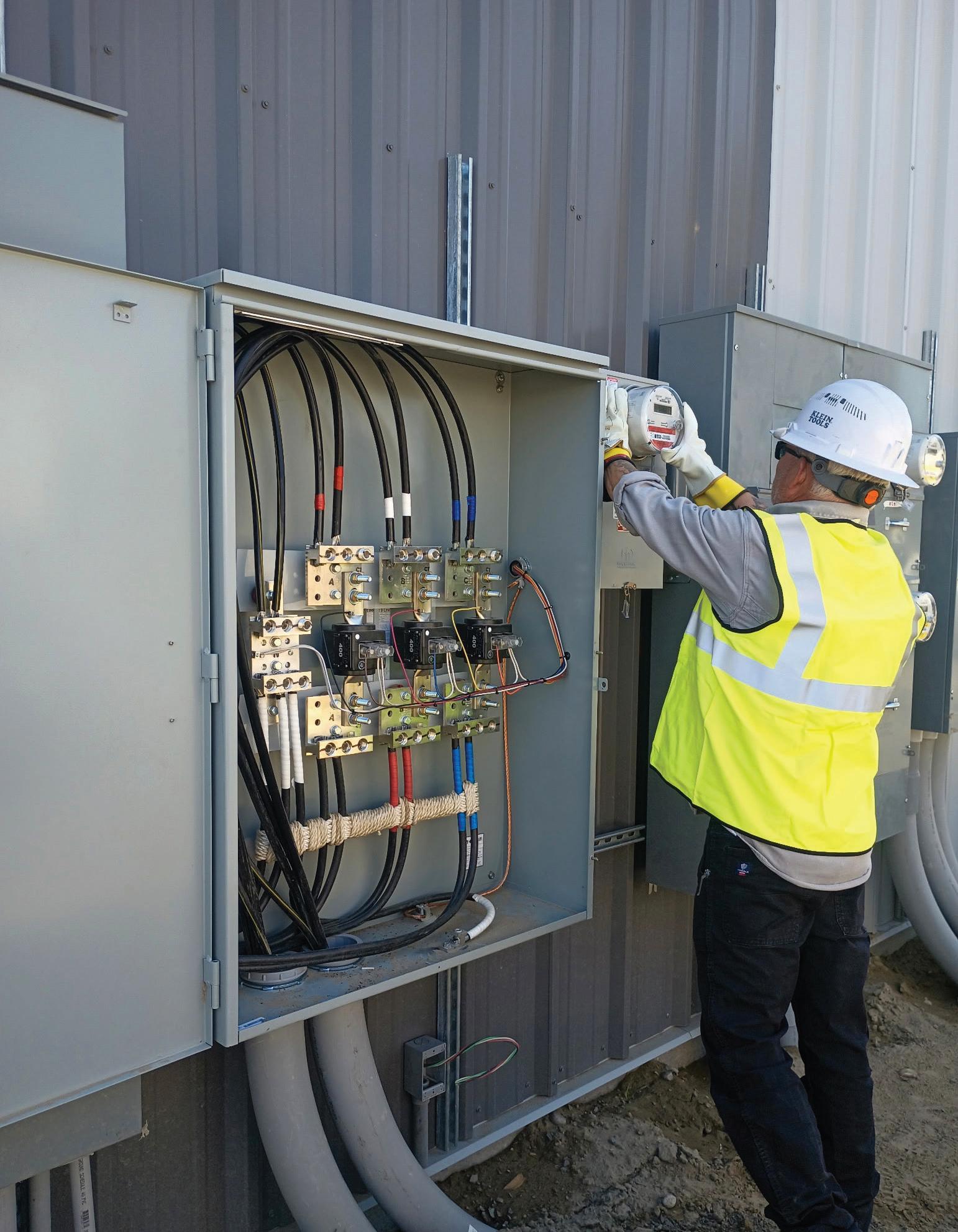
New equipment provides better service for members now and in the future Page 4
ALSO INSIDE >>
Fire-Safe Mode Page 25
Court-Ordered River Operations Raise New Questions About Salmon Migration Page 28
Building a Stronger Cooperative Together Page 32 Meter Foreman/Journeyman
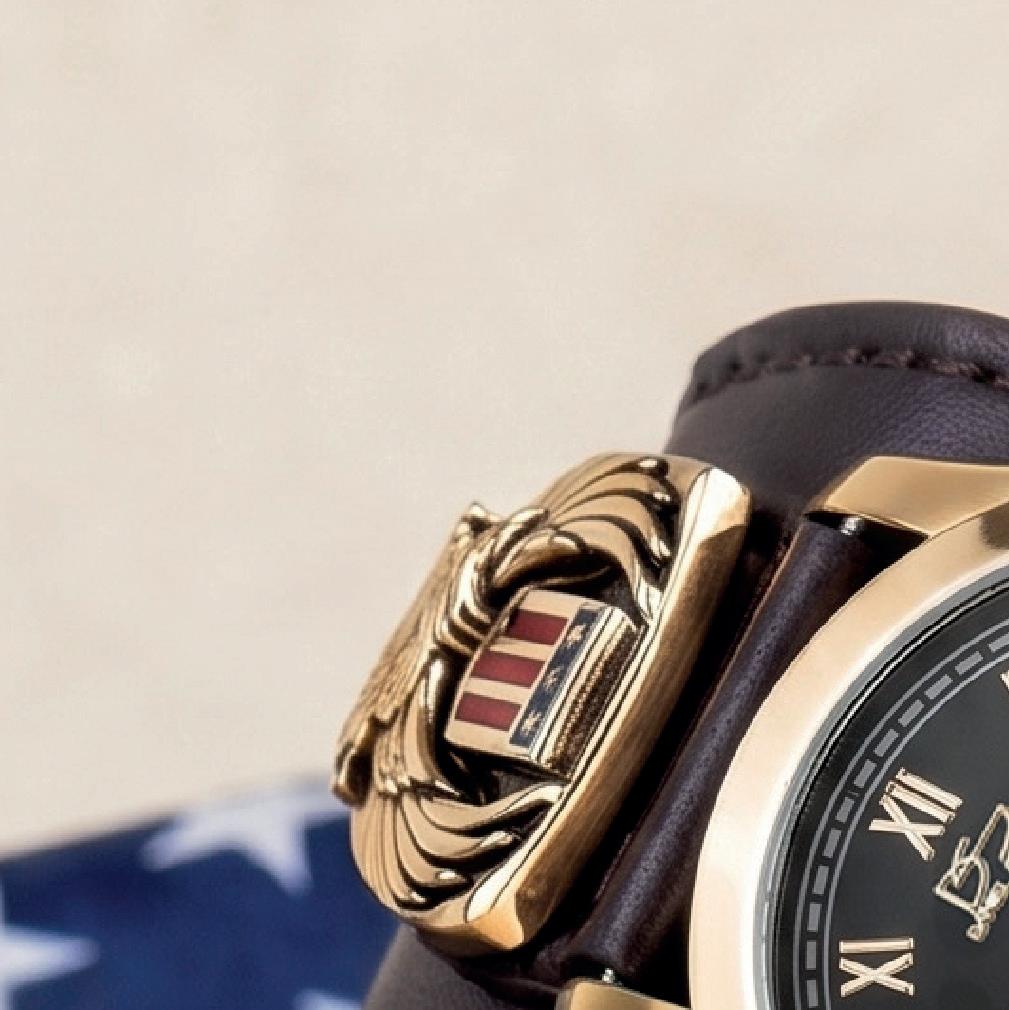










It’s a pride thing - pride in your country, pride in being an American. That’s the spirit behind the Daniel Steiger Patriot Watch, a bold tribute to the strength, freedom, and unwavering values of the good old U.S. of A.
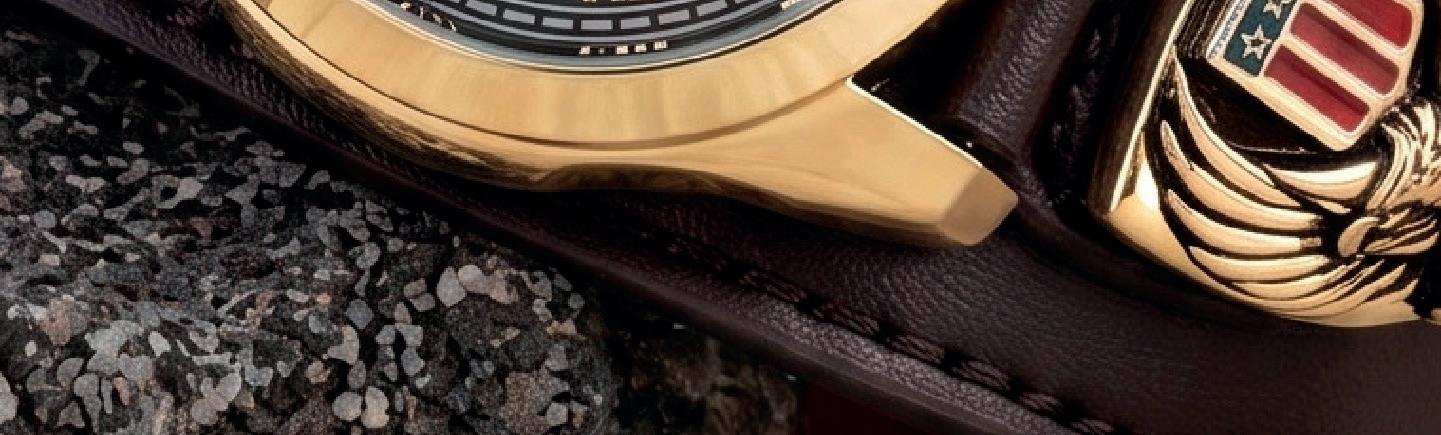
This striking timepiece is expertly crafted from solid stainless steel and enhanced with 18k gold detailing, combining rugged durability with timeless style. A genuine brown leather cu strap secures two prominent medallions featuring the American Eagle, proudly accented with vivid red, white, and blue enamel ag motifs - symbols of courage and country.
The eagle takes center stage once more on the dial, complemented by white hands and a convenient date window, ensuring practical performance meets patriotic pride.


Available now for just $99 plus S&H with promo code RU6USA, the Patriot Watch is a limited-edition design that won’t stick around for long this 4th of July! Call toll-free on 1-800-733-8463 or visit our online store at www.timepiecesusa.com/RU6USA to order yours today.
Stand tall. Wear your pride. The Patriot Watch is built for those who never forget what they stand for.
Watch Speci cations:
• 18k Yellow Gold Finish
• 3 ATMs Water Resistance
• Premium Brown Leather Cu Strap
• 3 Hand, Date Window
• Luxury Stainless Steel Case






July 2026 • Volume 73, No. 7
CEO Michael Shepard
SENIOR VP OF CONTENT Leon Espinoza
EDITORIAL DIRECTOR Chasity Anderson, CCC
DEPUTY EDITORIAL DIRECTOR
Noble Sprayberry
SENIOR EDITOR Jennifer Paton, CCC
LEAD CONTENT EDITOR Victoria Hampton, CCC
ASSISTANT EDITORS David Herder, CCC; Sable Riley, CCC; Nina Todea, CCC
ASSOCIATE EDITOR
Valeri Saldanha Rosa
PUBLICATIONS PRODUCTION SR. MANAGER
Elizabeth Beatty
SENIOR PUBLICATIONS COORDINATOR
Alyssa McDougle
Ruralite (USPS 397-460) is published monthly for members for $5.73 per year, plus postage, by Pioneer Utility Resources Inc., 5625 NE Elam Young Parkway, Suite 100, Hillsboro, OR 97124—a not-for-profit Oregon cooperative corporation—to serve the communication needs of 46 consumer-owned electric utilities in Oregon, Washington, Alaska, Idaho, Nevada and California. Preferred periodical postage paid at Hillsboro, Oregon, 97123 and additional mailing offices. © 2026 Pioneer Utility Resources. All rights reserved. Reproduction in whole or in part without written permission is prohibited.
Postmaster: Send address changes to Ruralite, 5625 NE Elam Young Parkway, Suite 100, Hillsboro, OR 97124-6454
HOW TO CONTACT RURALITE
Subscription services:
Nonmember subscriptions $15 (U.S.) per year; $25 per year (foreign). Prepayment required.
Allow 4-8 weeks for first issue. Be sure to identify which local edition you want to receive.
Address Changes: Utility members, contact your local utility. Subscribers, call us at 503-357-2105, option 3, or email mailingdept@pioneer.coop.
Back issues:
Back issues and extra copies are $3. Prepayment required. Supply is limited. Be sure to identify edition, month and year. Call first if ordering back issues to check availability.
To contact Ruralite:
Ruralite magazine is published by Pioneer Utility Resources, P.O. Box 1306, North Plains, OR 97133-1306; 503-357-2105; email: info@pioneer.coop. For more information, visit pioneer.coop.
DISPLAY ADVERTISING INQUIRIES
American MainStreet Publications
611 S. Congress Ave., Suite 504 Austin, TX 78704
800-626-1181 or 512-441-5200
Some anniversaries demand attention. The nation’s 250th is one of them—a milestone that’s worth more than a long weekend and a fireworks show.
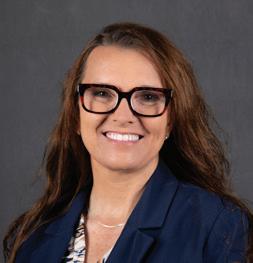
This month, the United States marks a quarter-millennium since the signing of the Declaration of Independence, and we are taking stock of some of the people and traditions keeping that legacy alive.
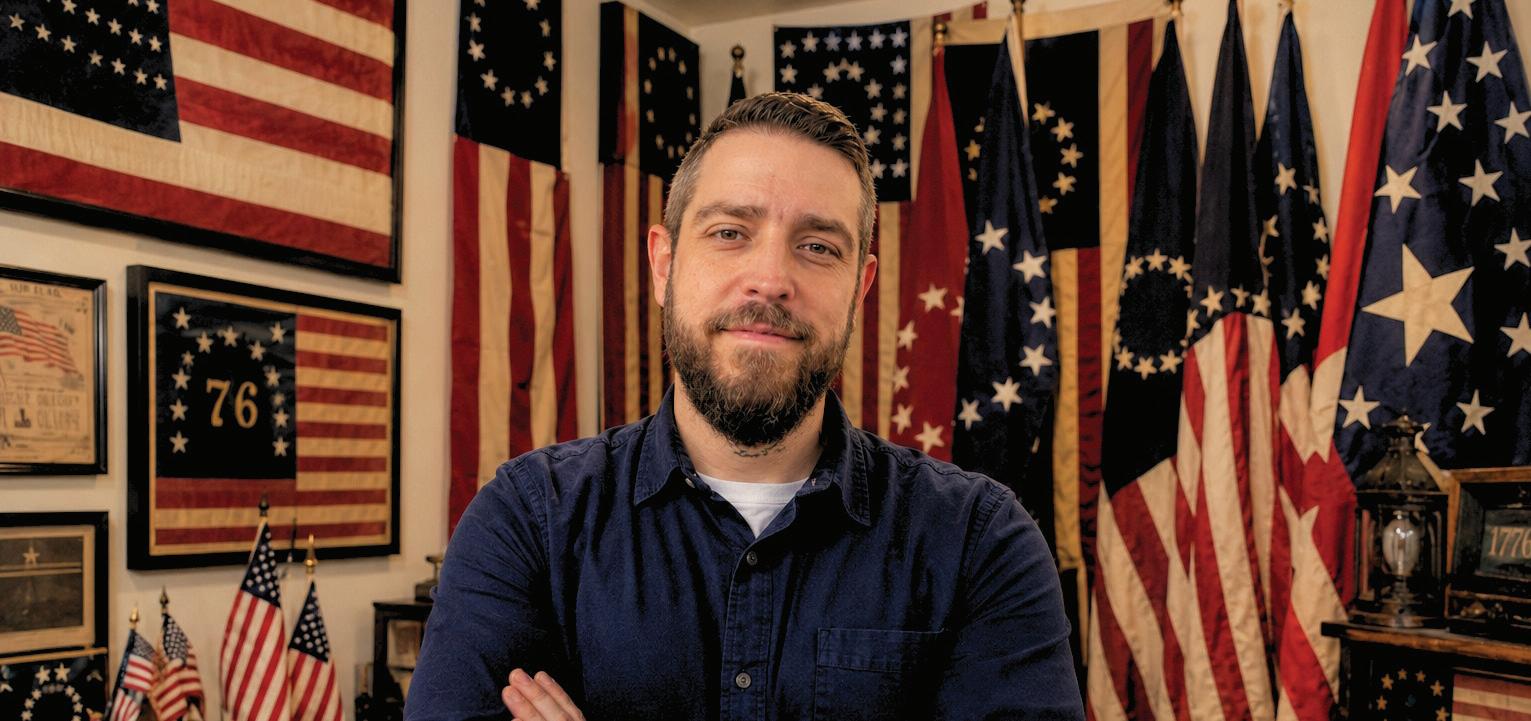
Our Sights & Sounds feature profiles three individuals whose work centers on America’s enduring symbols. Chris Garza, executive director of Troutdale Historical Society in Oregon, has spent decades gathering more than 300 flags, treating each one not as a collectible but as a primary document of American history.
In Wabasha, Minnesota, Preston Cook’s dedication to the bald eagle resulted in a 40,000piece collection of eagle-themed items, a book and a push for the long-awaited official national bird designation by Congress in 2024.
University of Michigan music historian Mark Clague, author of “O Say Can You Hear?,” makes a compelling case that the national anthem isn’t a passive ritual. It’s an active invitation to citizenship and democratic participation.
That spirit of civic engagement runs through the rest of the issue as well.
Dozens of states are contributing items to a
stainless steel time capsule being buried July 4 at Independence National Historical Park in Philadelphia—a deliberate act of confidence that there will be someone worth leaving something for.
Dave LaBelle’s Great Picture Hunt column documents members of American Legion Post 656 in Farley, Iowa, conducting a flag retirement ceremony for 250 worn, unserviceable flags—the kind of quiet, practiced observance that holds things together without making much noise about it.
One of the things worth noting about all these stories is how unremarkable the people in them look on paper: a historian, a collector, a music professor and Legion post members. No one appointed them stewards of the national symbols. They just showed up and kept doing the work.
That, as much as any Independence Day parade, is what 250 years looks like in practice.
Until next time, Chasity Anderson Editorial Director
Got a story idea? We want to hear it.
Scan the QR code with your smartphone camera or visit tinyurl.com/SendStoryIdeas.
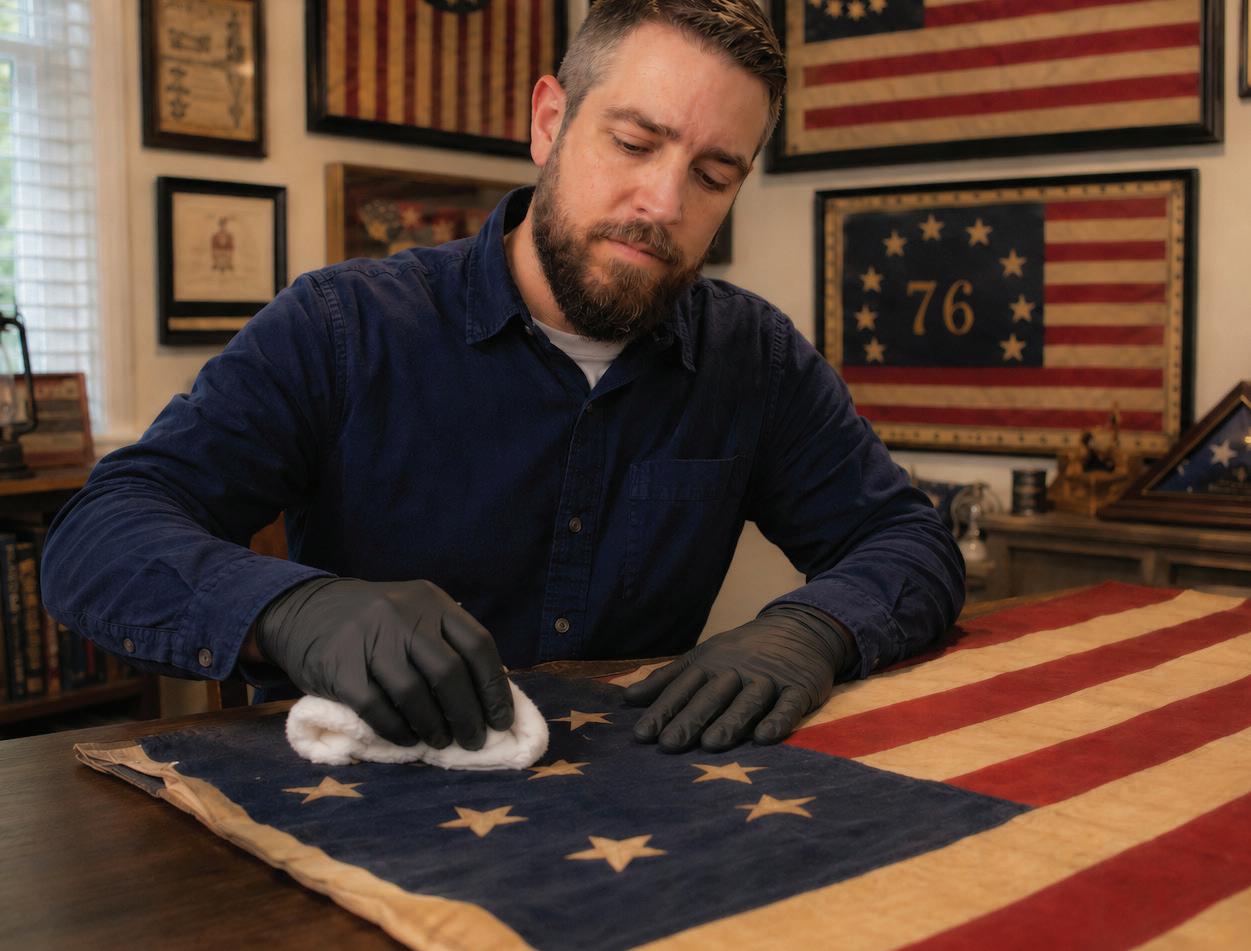
The living expression of America’s most enduring symbols Spotlight, Page 10
Page 16
At Benton REA, providing safe, reliable and affordable electricity is at the heart of everything we do.
As our communities grow and
our electric system demands continue to evolve, we are making strategic investments to modernize our electric grid and ensure it is prepared to serve members for decades to come.
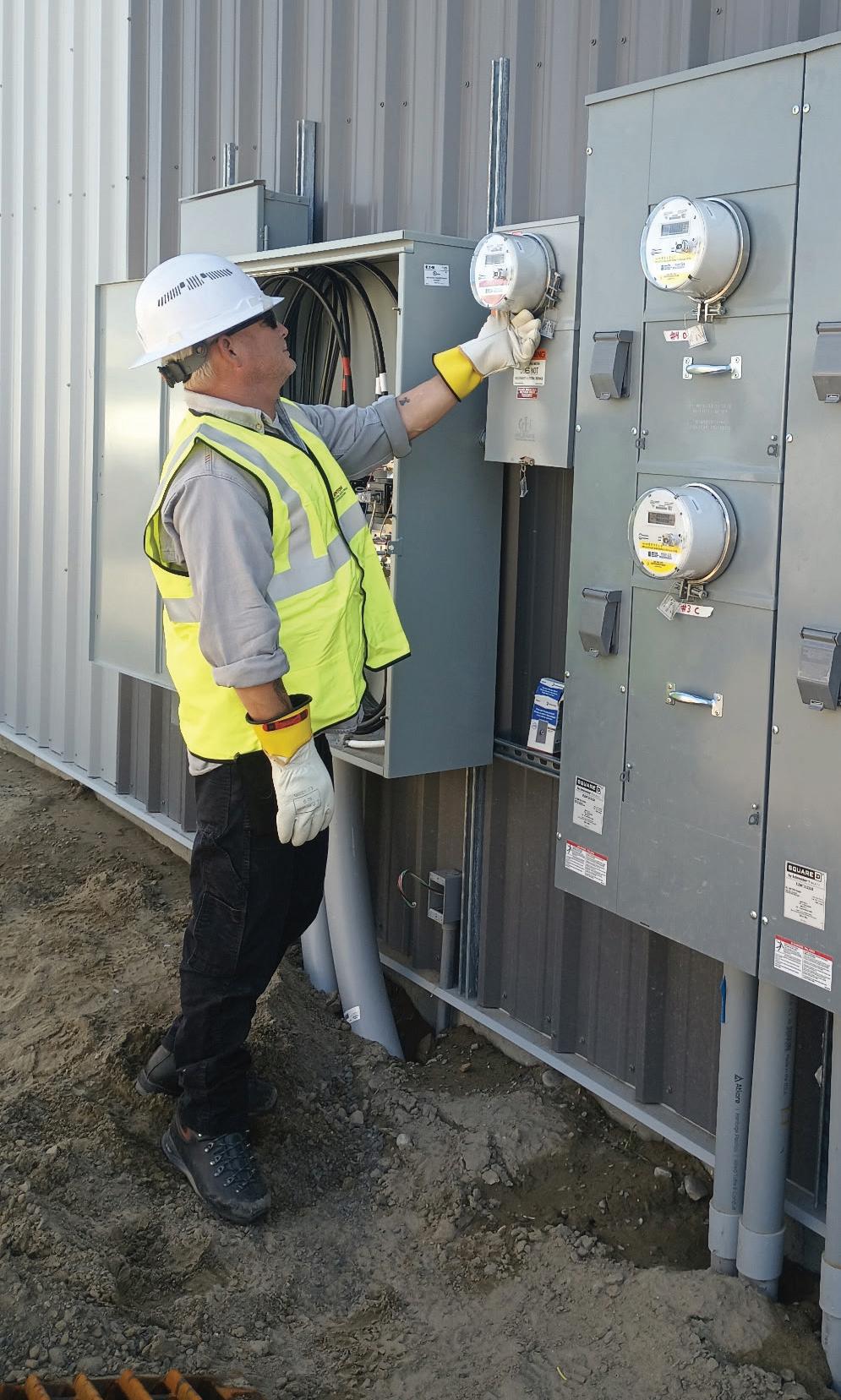
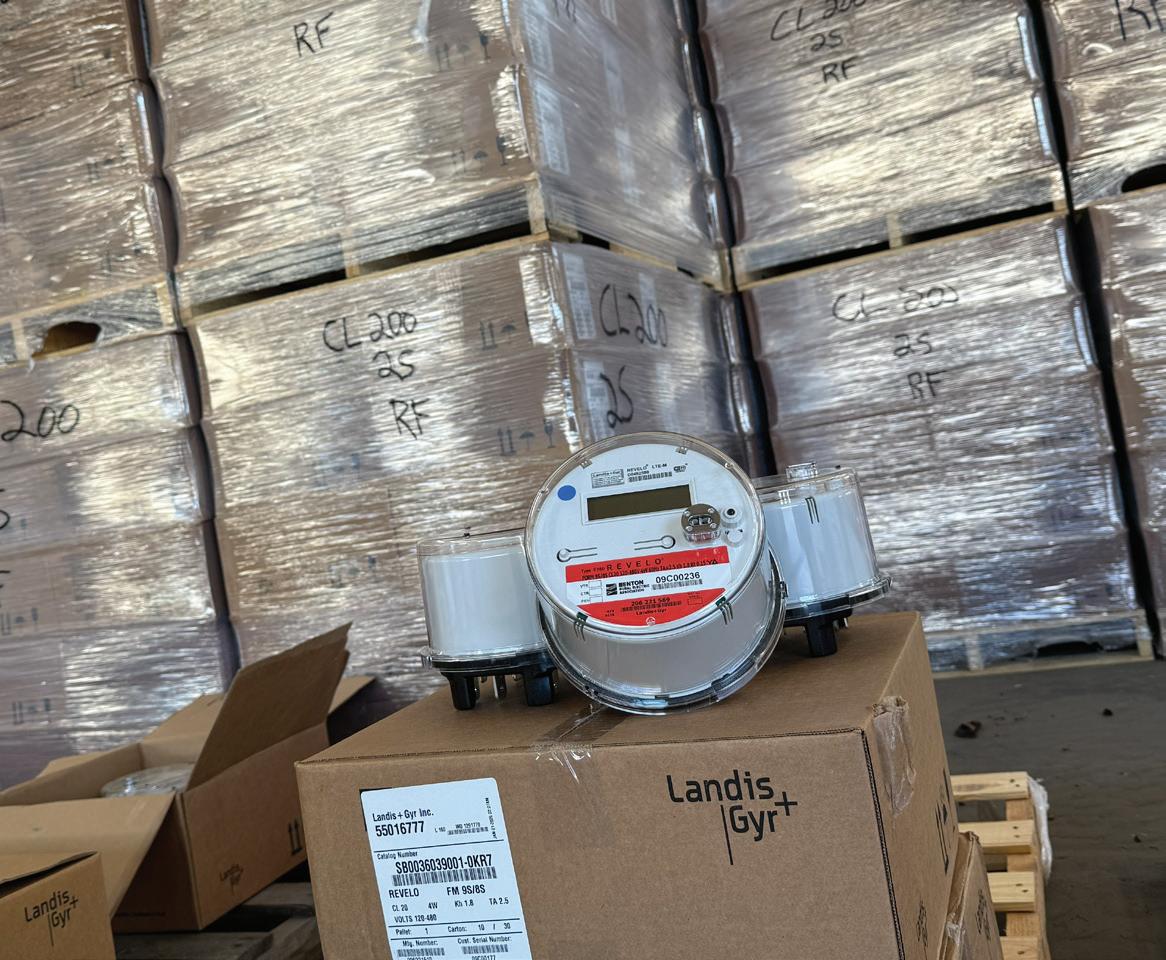
An important part of this effort is our meter replacement project. Over the coming years, Benton REA will replace older electric meters with modernized meters that provide more accurate and timely information about the electric system.
While the physical devices may look similar to what members have today, the technology behind them will help us operate the system more efficiently and respond more quickly when issues occur.
When your power goes out, every minute matters. One of the biggest benefits of these meters is the ability to provide Benton REA with better information about what is happening in the electric system.
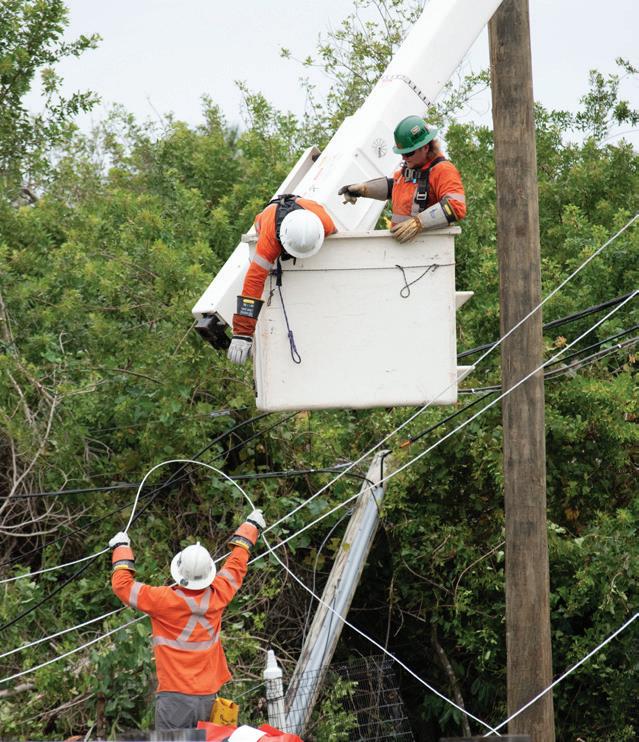
When a power outage occurs, the new meters can help identify affected locations faster, allowing crews to better understand
Foreman/Journeyman
the scope of an outage and respond more efficiently.
This enhanced visibility can reduce the time spent locating problems and help restore power faster. It also helps us see patterns over time, identify recurring issues and make targeted improvements that strengthen reliability for members.
These system upgrades will improve the way Benton REA serves members. Increased access to system information will help us verify service issues, troubleshoot concerns more efficiently and reduce the need for some field visits.
In many cases, information that once required a trip to a location can be reviewed remotely, saving time and allowing employees to focus on serving members. This increased efficiency helps make the best use of resources while maintaining the high level of service members expect.
Our service territory is growing, and members are using electricity in new ways. Homes, farms, businesses and new technologies all place different demands on the electric system. System upgrades provide valuable data to better understand how electricity is being used.
This information supports our longterm planning by identifying areas where infrastructure upgrades may be needed, helping to make informed decisions about future investments. Better planning helps ensure the electric system can continue
to meet the needs of homes, farms, businesses and emerging industries throughout our service territory.
The electric grid is changing. Increased electrification, evolving technology, growing energy demands and higher member expectations require utilities to operate differently than they did even a decade ago.
To continue providing reliable service today and into the future, grid modernization is necessary.
The meter replacement project is one part of Benton REA’s broader grid modernization strategy. Along with upgrading substations, replacing aging equipment, improving system controls and strengthening critical infrastructure, modernized meters help create a more resilient and responsive electric system.
These investments are designed to benefit members by improving reliability, enhancing operational efficiency and helping us make informed decisions about future system improvements.
By modernizing our grid today, Benton REA is helping ensure we can continue delivering the safe, reliable electric service our members depend on—now and for generations to come. n
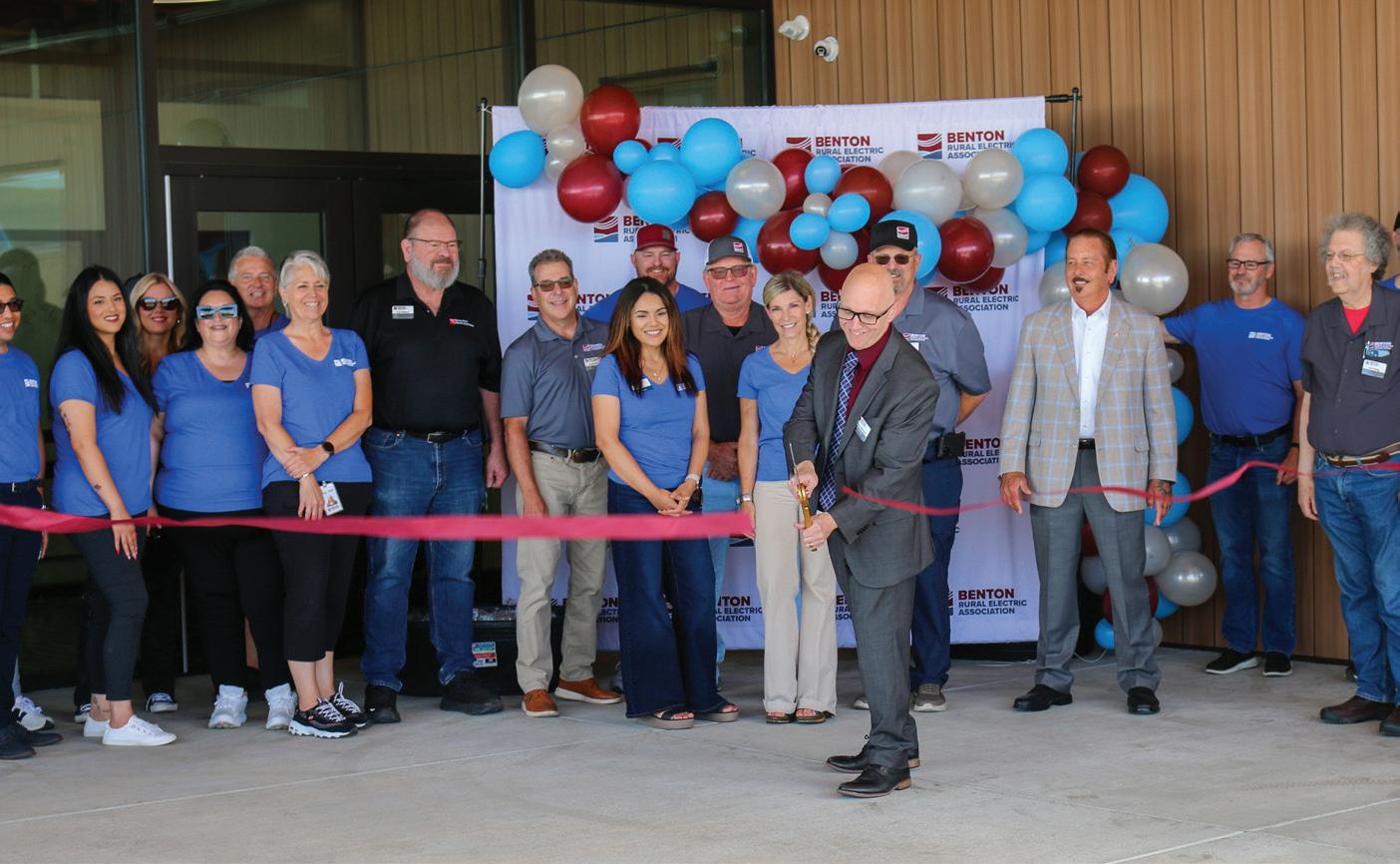
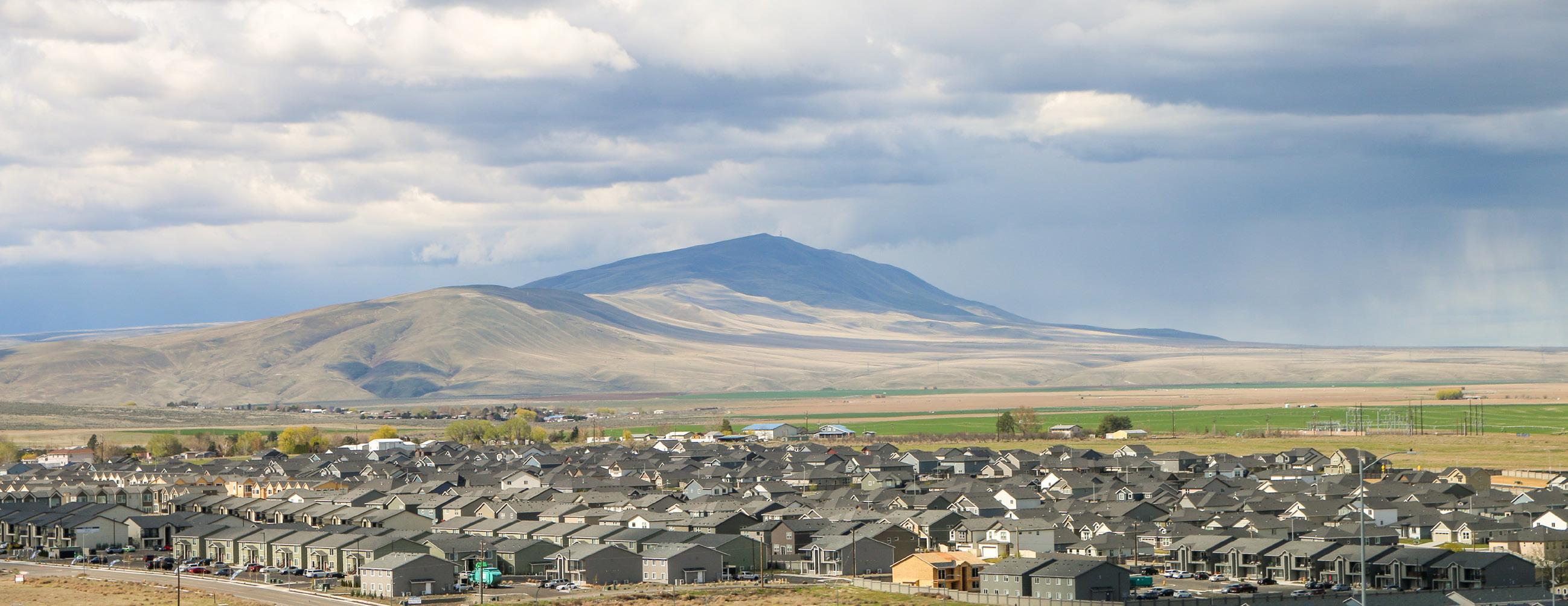
Benton REA was pleased to see so many members at the ribbon cutting of our new West Richland Complex on Saturday, June 20. The new complex will open to the public in late July. We can’t wait to welcome you in!
A field office will remain open in Prosser to continue to provide members in that area with the excellent service they are used to.
By Cathy Cash and David Herder
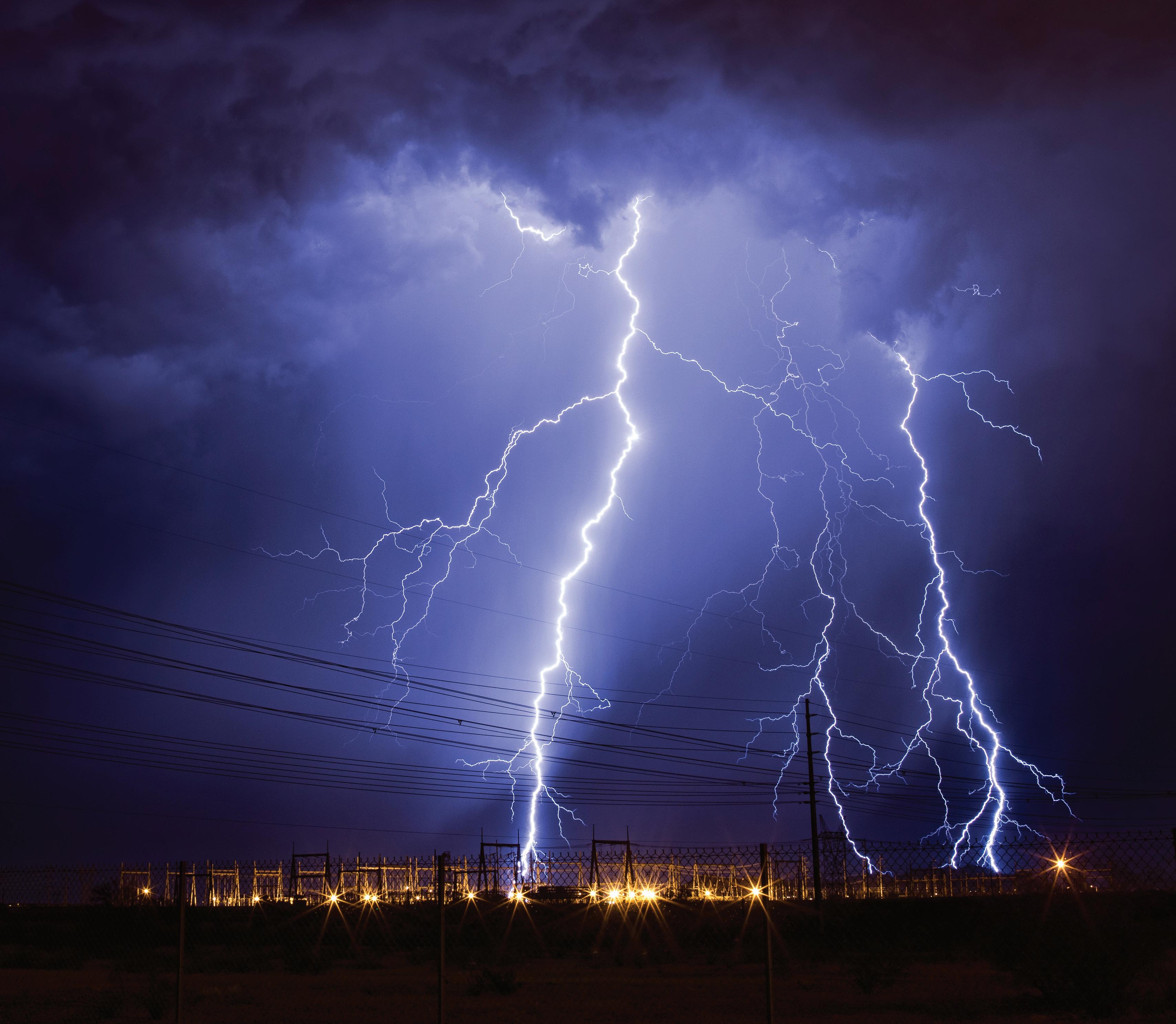
As storm season approaches, electric utilities around the country are working ahead to keep the lights on in the face of wildfires, monsoons, hurricanes and anything else Mother Nature throws at them.
“Electric co-ops are experiencing more extreme weather events all across the country and are busy preparing, planning and forecasting differently than they have in the past,” says Jennah Denney, National
Rural Electric Cooperative Association senior program manager of technology integration. “Even co-ops who’ve yet to see unprecedented events are definitely trying to limit how much of their system goes down and to restore power as fast as they can using automation, technologies and outage data.”
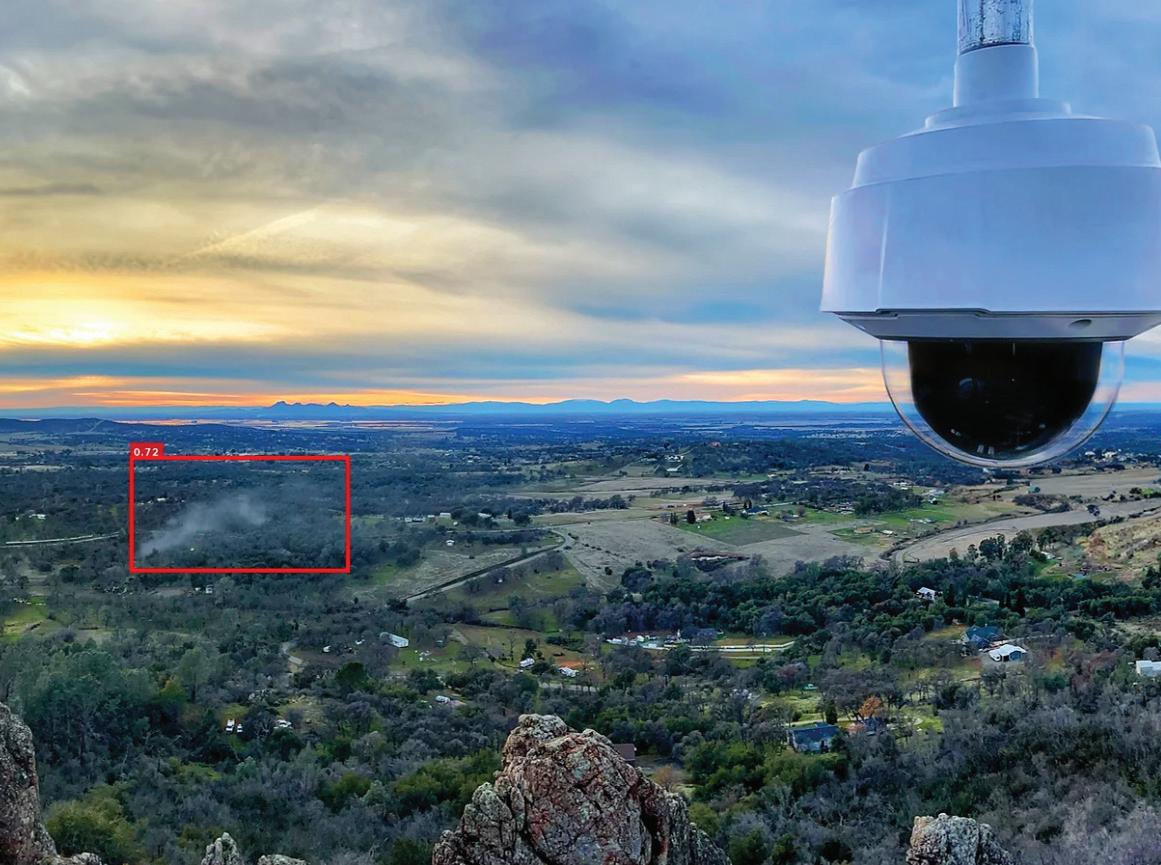
New sensors and weather-risk tools give utilities early warnings and situational awareness of threats like wildfires. Klickitat PUD in South-Central Washington
supports a local program that uses video cameras with software that quickly detects smoke and alerts responders. Other utilities are applying historical outage data to develop weather models to forecast potential crisis spots in their areas.
Automated sensors, communications systems and data analytics allow utilities to monitor their generation, power lines and other vital equipment in real time.
Drones are being equipped with cameras trained by artificial intelligence
to scan power lines and utility equipment and spotlight potential weak spots if severe weather rolls in.
Utilities are also updating their maintenance and vegetation management plans with the help of drone cameras or satellite imagery.
Public power utilities continue to replace aging wooden poles with steel and bury power lines where it’s cost-effective and environmentally sound to combat destruction from wind, floods and wildfires.
Glades Electric Cooperative in Moore Haven, Florida, faces hurricane season annually and has seen an uptick in the number of tornadoes in recent years. To stay prepared for the weather, the co-op has hardened its system by replacing wooden poles with those made of stronger ductile iron.
“We actually have footage of a tornado going through lines that were held up by ductile iron poles, and it all stood,” says Glades Electric Chief Communications Officer Jennifer Koukos. “If that had been prior to those iron poles, that would not have been the case.”
Glades Electric also acquires bids for storm response work before storm season so that when weather strikes, the response
runs quickly and smoothly. The state of Florida has urged utilities to restore more than 90% of their service within three days of a hurricane or other disaster. When more than half of a utility’s grid is without power—as happened to Glades Electric after Hurricane Milton in 2024—a huge response is required
Fortunately, before each storm season arrives, Glades gathers bids from contractors and support staff, including a storm services company that can provide hundreds of contractors with lodging, laundry and food.
In its Hurricane Milton response, Glades received help from more than 300 lineworkers, vegetation management crew members and other support staff, who in turn provided more than 30,000 hours of labor.
Having plans and agreements in place ahead of time ensures electric utilities across the country have everything in place for lineworkers to restore power as quickly as possible after natural and human-made disasters.
Whether it is working to resist damage or increasing response times, utilities are implementing new strategies to stay ahead of the weather. n
After needing to rebuild much of its electric system after 2024’s Hurricane Milton, Glades Electric Cooperative in Florida became eligible for disaster relief reimbursement funds from the Federal Emergency Management Agency.
That reimbursement has not come yet, and it is costing the co-op $30,000 in interest each month.
“We are advocating year-round with state and federal legislators for FEMA and for legislation that will streamline the reimbursement process and reimburse us for interest that we incur,” says Glades Electric Chief Communications Officer Jennifer Koukos.
While federal funds are set aside for repairing electric grids ravaged by weather events, that money is not disbursed immediately. Utilities often need to take out loans to cover the huge costs, and these loans have interest.
However, FEMA does not reimburse utilities for the interest accrued while waiting for FEMA funding. For Glades Electric, interest from the Hurricane Milton response is nearing $500,000.
Utilities around the country are working with legislators to streamline FEMA’s reimbursement process to save utilities—and the people who ultimately pay for the electric service—significant amounts of money. The Fixing Emergency Management for Americans Act of 2025 is a sweeping, bipartisan bill introduced July 23, 2025, as H.R. 4669.
If passed, it would overhaul how FEMA delivers disaster assistance, including modernizing internal systems, cutting red tape and moving money faster after major disasters. The House Transportation and Infrastructure Committee approved it in September, but the full House had not voted on it as of June.
“We’ve been working hard for several years now to get that interest reimbursement component into law,” Jennifer says.
Benton REA’s meter replacement project is underway. Here’s what you can expect.
As Benton REA replaces meters throughout our service area, we want to be sure you have all the facts.
Today, our crews manually read and maintain about 18,000 electric meters. Replacing these aging meters with advanced meters will help Benton REA operate a more responsive system while joining the 72% of utilities nationwide that have already adopted this technology.
Below are answers to some of the questions you may be asking.
Why is Benton REA replacing electric meters?
Many of our existing meters are reaching the end of their service life, and the technology supporting them is becoming outdated. Replacing these meters is an important part of Benton REA’s broader grid modernization efforts, helping us improve reliability, respond to outages more quickly, support wildfire mitigation initiatives, enhance voltage quality, and maintain accurate billing for our members.
How will updated meters benefit me?
The new meters will help Benton REA serve members more efficiently by allowing us to:
• Respond to outages faster, often identifying problems before they are reported.
• Improve overall system reliability and reduce outage duration.
• Support wildfire risk reduction through better system visibility.
• Enhance voltage quality for more consistent power delivery.
• Maintain accurate billing based on actual energy use.
• Reduce some routine on-site visits, allowing crews to focus on maintaining and improving the electric system.
What will this mean for me day to day?
For most members, very little will change—except the reliability of the electric system continuing to improve.
As Benton REA modernizes the grid, members will benefit from enhanced outage response and a more resilient electric system. Over time, the new technology may also support additional tools and insights to help members better understand and manage their energy use.
Do I need to be home for my meter to be replaced?
In most cases, no. Meters are typically located outside the home or business and they can usually be replaced without anyone present.
If special access is required, we will contact you to schedule the installation.
What should I expect during installation?
During the replacement process, your electric service will be interrupted briefly—typically for less than five minutes.
You will receive advance notice before your meter is replaced.
Will my electric bill change?
No. Your electric bill will continue to be based on the amount of electricity you use.
Over time, analog meters can become less precise as they age. New meters provide more accurate readings, helping ensure bills reflect your actual energy consumption. Changes after installation, it is generally the result of improved measurement accuracy.
If you have questions about your bill, Benton REA’s member experience representatives are available to help at 509-786-2913 or support@bentonrea.org.
How will this help during a power outage?
Today, outage restoration often begins when members call to report an outage and crews needing to search to locate the problem.
Better visibility into the system allows crews to identify outages faster, pinpoint the problem area and dispatch crews efficiently. This means less time without power.
Will Benton REA still visit my property?
Yes. Line crews and field personnel will continue to visit properties when needed for maintenance, service requests, inspections, and system improvements. While the new meters reduce some routine visits, they do not eliminate the need for crews to work in the field.
Replacing aging meters is one more way Benton REA is investing in the future of our cooperative. By modernizing our electric system today, we’re strengthening reliability, improving service and ensuring we’re prepared to meet the evolving energy needs of our members for decades to come.
part of Benton REA’s grid modernization project.





watching his grandfathers as a child had a particular impact on him.
Every nation tells stories about itself. In the United States, those narratives are often woven into symbols we encounter every day just as much as they are spoken out loud. It might be a flag folded at a funeral, an eagle stamped onto an official seal or a song sung before a ballgame.
As we celebrate our country’s 250th anniversary, historians, collectors and scholars are all taking a closer look at the symbols we adopted and the meanings they still carry today.
The American flag has always had a special family connection for Chris Garza. Half of his family members can trace their lineage to Maryland’s founders, and almost every
“I kind of idolized them, and they both did their own daily routines of raising and lowering the flag,” Chris says. “They were fun, outgoing guys. But every day, they became very serious when they handled the flag. That really showed me how important it was as a symbol.”
When he was 8, Chris saw an old 13-star flag at a yard sale and had to have it. Looking back now, he suspects he was trying to impress his grandfathers. But it also proved to be the first step in a lifelong obsession. Now the executive director of Troutdale Historical Society in Oregon, Chris has overseen three museums and collected more than 300 American flags in the past 35 years.
The most precious to him is the flag with which one of his grandfathers was meant to be buried. At the last second, his grandmother pulled the flag from the casket and gave it to Chris, who has held it dear ever since. Another favorite is an early flag that represented the southern region of Texas, where much of Chris’ Indigenous family comes from, before the state adopted the design it uses today.
While the American flag’s design has evolved over time, Chris is particularly drawn to the idea that it has served as a unifying image throughout history.
“To me, it is the only thing capable of binding us all together,” he says. “It’s the one thing that is bigger than our differences of religion, politics or race.”
As a historian, Chris also hopes the flag reminds everyone in the United






a call to earn that freedom.
“It’s a symbol of when oppression becomes so strong and rampant that it forces people to step back and reevaluate— to look at life, our government and our communities,” he says. “Sometimes, those things need to change. That’s what the flag means to me, working to change for the better.”
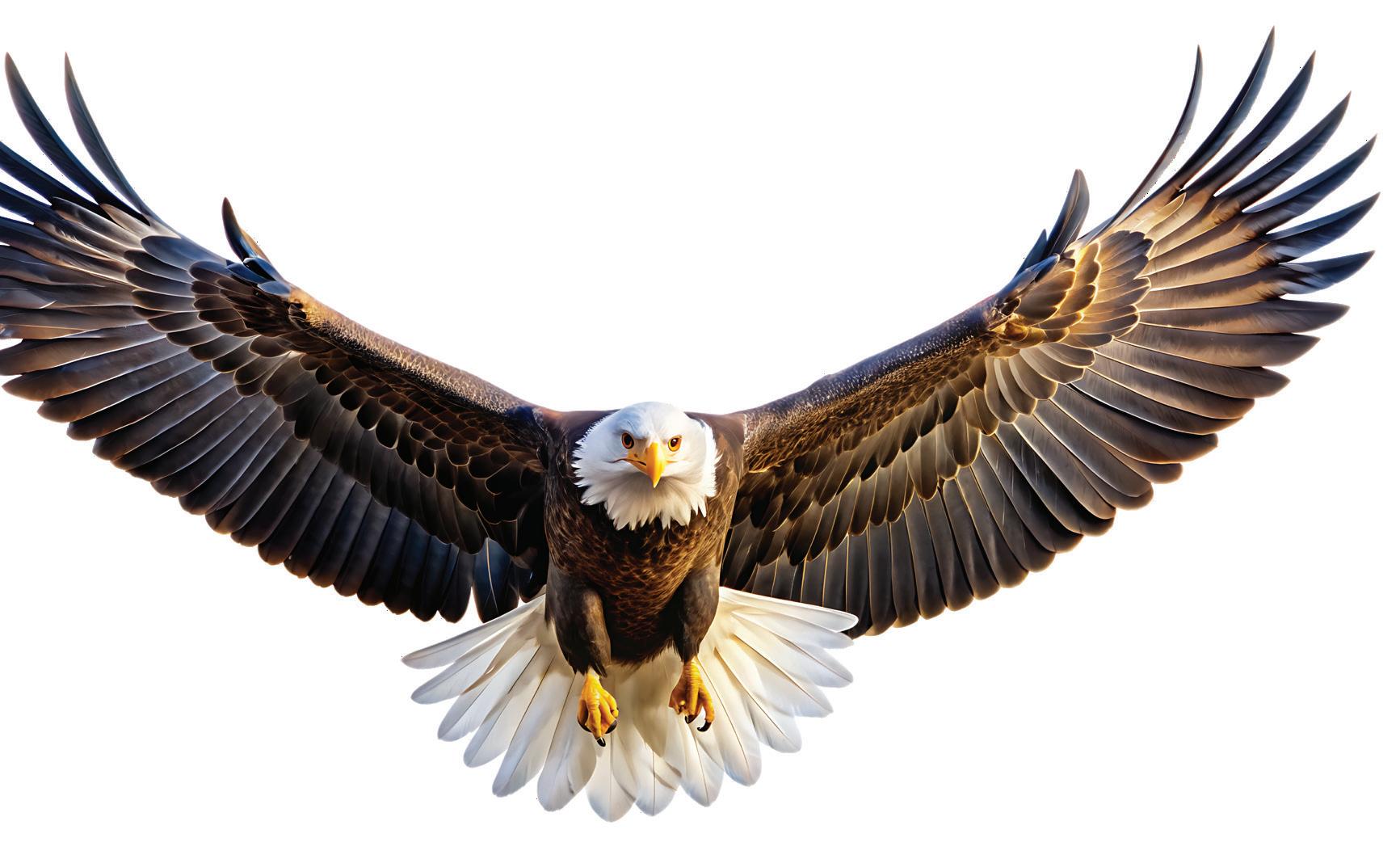
While the nation celebrates its 250th birthday, many Americans may be surprised to learn this is only the second year that one of its most recognizable symbols has been official. In researching his 2019 book, “American Eagle: A Visual History of Our National Emblem,” Preston Cook was shocked to learn the
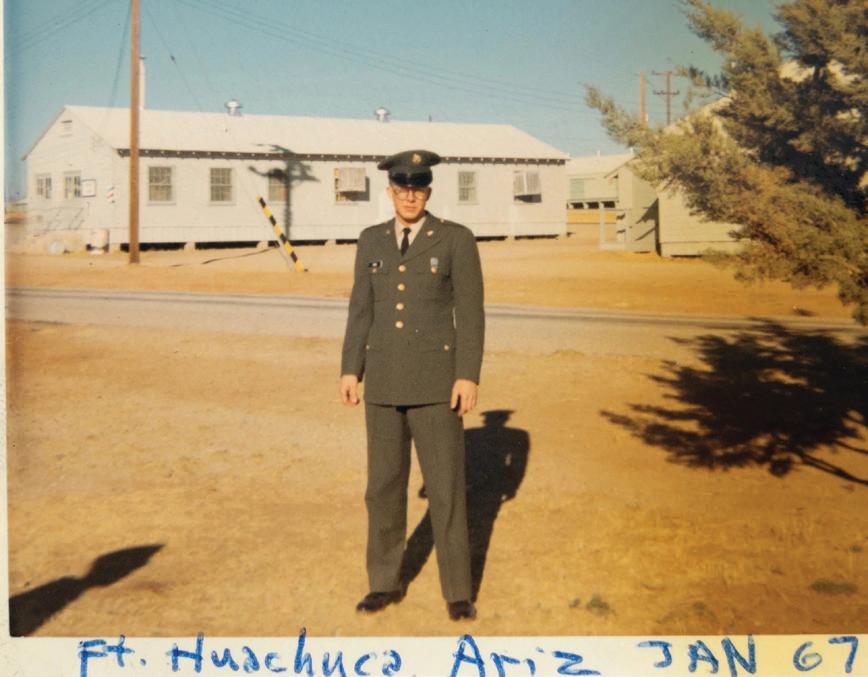
to 1966 when he was drafted into the Army.
“I was issued a uniform that had buttons with the Great Seal on my dress uniform,” Preston says. “Two years later, when I exited the Army, I cut off those buttons with the eagles on them and wear them to this day on my blue blazers. I’ve been wearing them now for 60 years.”
His acquisitions expanded first with postcards and stamps, then later with the help of eBay and a team of pickers around the country who sent him items of interest. Today, Preston’s collection of more than


While lore holds that Betsy Ross designed the first American flag, there is no hard evidence pointing to any single designer. But, as the first seamstress to stitch the flag together, Historian Chris Garza says she may have influenced some of its details.
One of Chris’ favorite stories is when George Washington, a Freemason, approached Ross about making the flag, he suggested the stars have six points, as is common in masonic symbolism. Ross quickly noted that if they wanted to mass-produce the flag, fivepointed stars were much more efficient.
To prove it, she pulled out a small square of fabric, made a few quick folds and one simple cut, and handed him a perfect star. Washington was convinced, and the stars on the flag have had five points ever since.






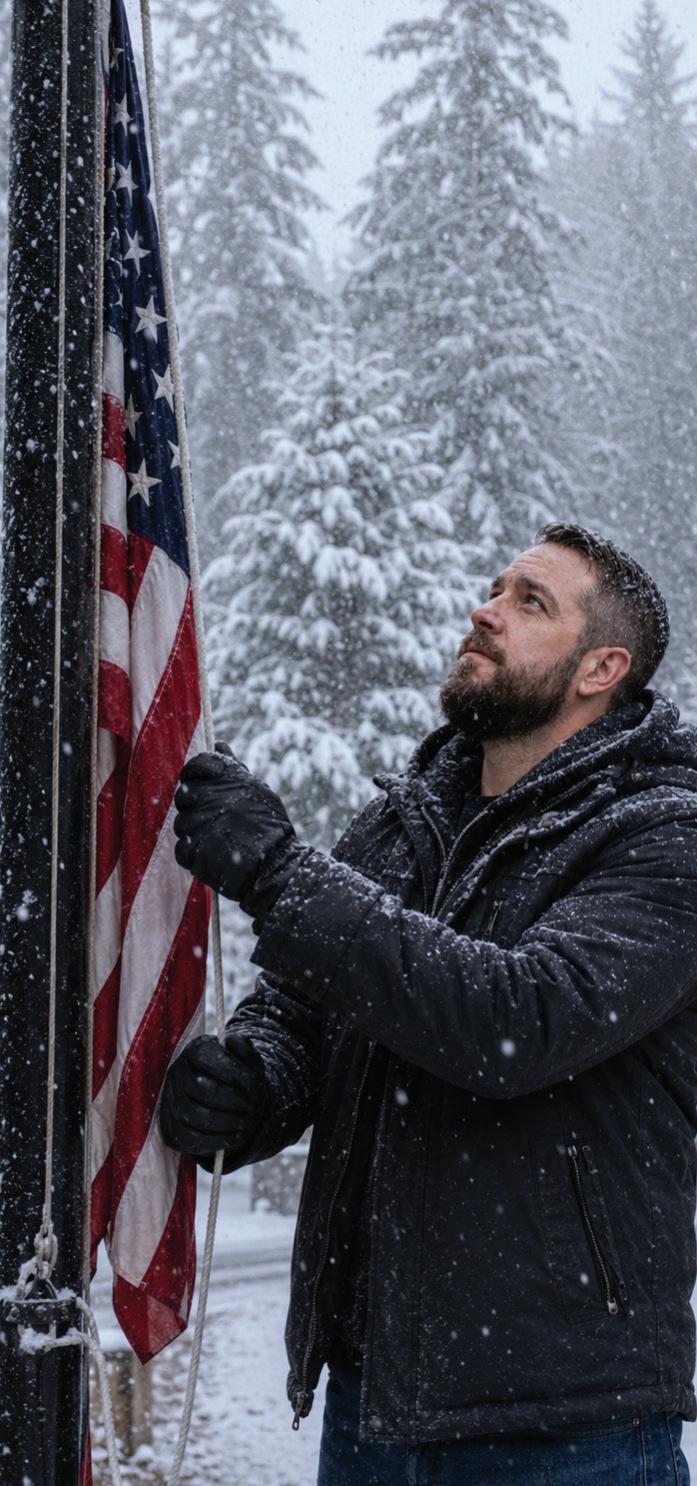
As a flag historian and restorer, Chris Garza, executive director of Troutdale Historical Society in Oregon, regularly encounters misconceptions about flag etiquette. A common one he shared as a child was that the flag must be destroyed if it touches the ground. He can still remember dropping the flag once while lowering it for his grandfather.
“I thought it was the end of my life,” Chris says. “But he pulled me aside and explained that as long as it isn’t tattered, it can always be cleaned and reflown. That moment of relief really stuck with me.”
Another common mistake is flying the flag at night. To maintain respect and visibility, the flag should either be illuminated at night or taken down at sunset and raised again in the morning.
40,000 eagle-themed items is on display at National Eagle Center in Wabasha, Minnesota. It includes historical artifacts, including buttons worn by George Washington and a Civil War knife, as well as pop culture objects, such as sports memorabilia and an Andy Warhol print.
The eagle’s symbolic appeal in so many different settings has always been one of its most interesting features for Preston.
“It’s a symbol people turn to in times of both peace and distress,” he says. “The image of it on the Great Seal has changed from being kind of scrawny and chickenlegged to more of a full-fledged eagle. Around the 1820s, it was first used by political campaigns to show patriotism. So, it has changed over the years, but it’s remained constant throughout our history.”
For centuries, that presence has led many Americans to identify the bald eagle as the country’s national bird. Once his book was complete, Preston turned his attention to putting a bill in front of Congress that would finally make official what everyone had always assumed.
He sent a draft to U.S. Rep. Brad Finstad, whose district includes Wabasha, as well as Sen. Amy Klobuchar. The two coordinated on the bill, which unanimously passed in both houses of Congress before President Joe Biden signed it into law in 2024.
Preston has no doubt the work was worth it. It permanently enshrines what many Americans have long felt about the bald eagle.
“For many years, it was our only living symbol,” Preston says. “If you see one flying or fishing, it’s such an amazing bird. It means so much to so many people. It means freedom and liberty and power and independence and family. People just don’t get tired of seeing it, and I don’t think there’s any other symbol of America that has that kind of enthusiasm.”
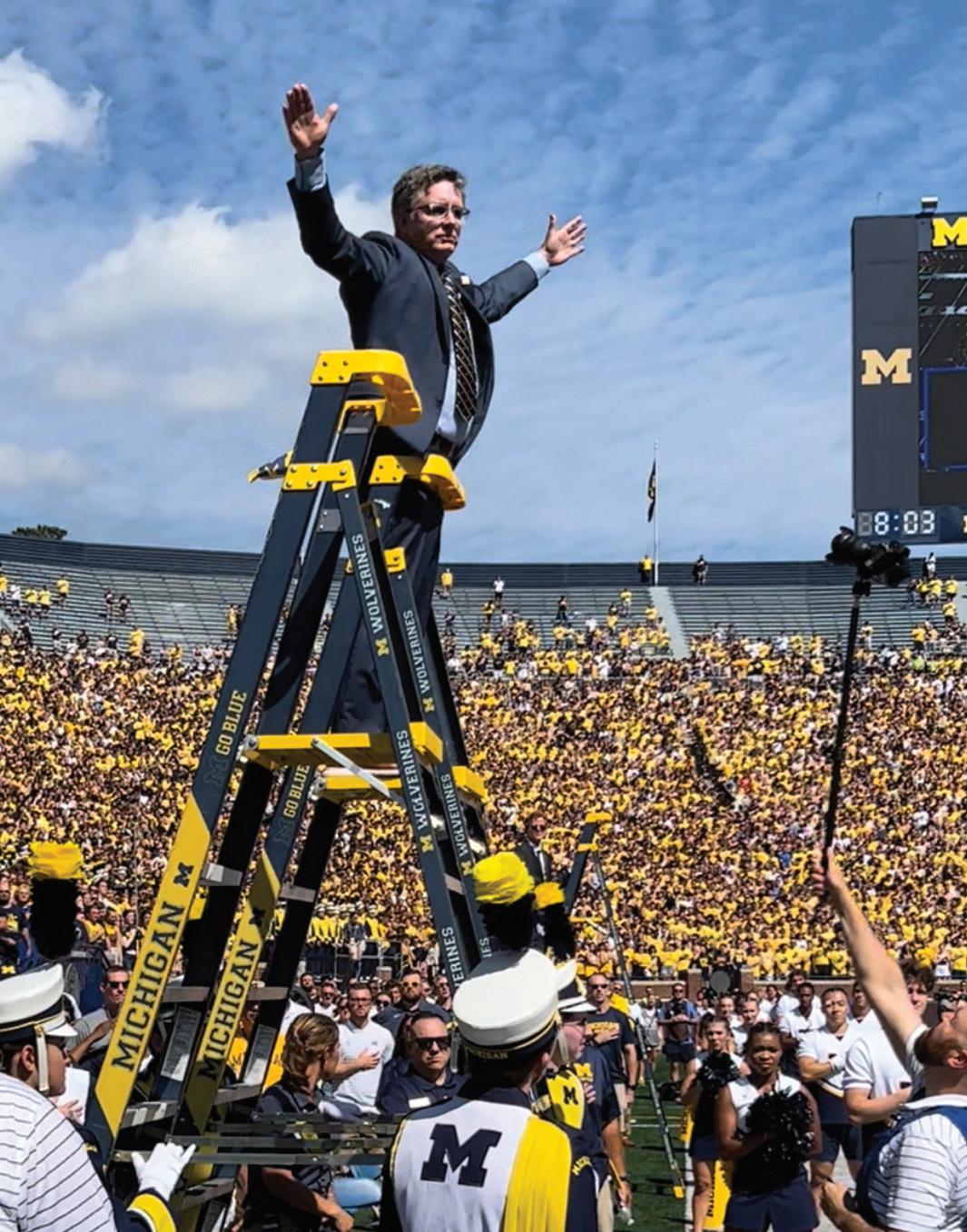
If the eagle is the American symbol that generates the most excitement, Mark Clague believes the national anthem is the most dynamic. As a musician and musical
historian teaching at the University of Michigan for the past 20 years, he has often led an introductory class on American music. His favorite way to kick it off is with Jimi Hendrix’s 1969 performance of “The Star-Spangled Banner” at Woodstock.
“It brings you immediately into some of the complexities around the anthem,” Mark says. “Is there a single, appropriate way to play it? Is it a protest or burning the flag through music? Hendrix was also a member of the 101st Airborne, and aspects of the performance are quite patriotic, so is it saying something more textured?”
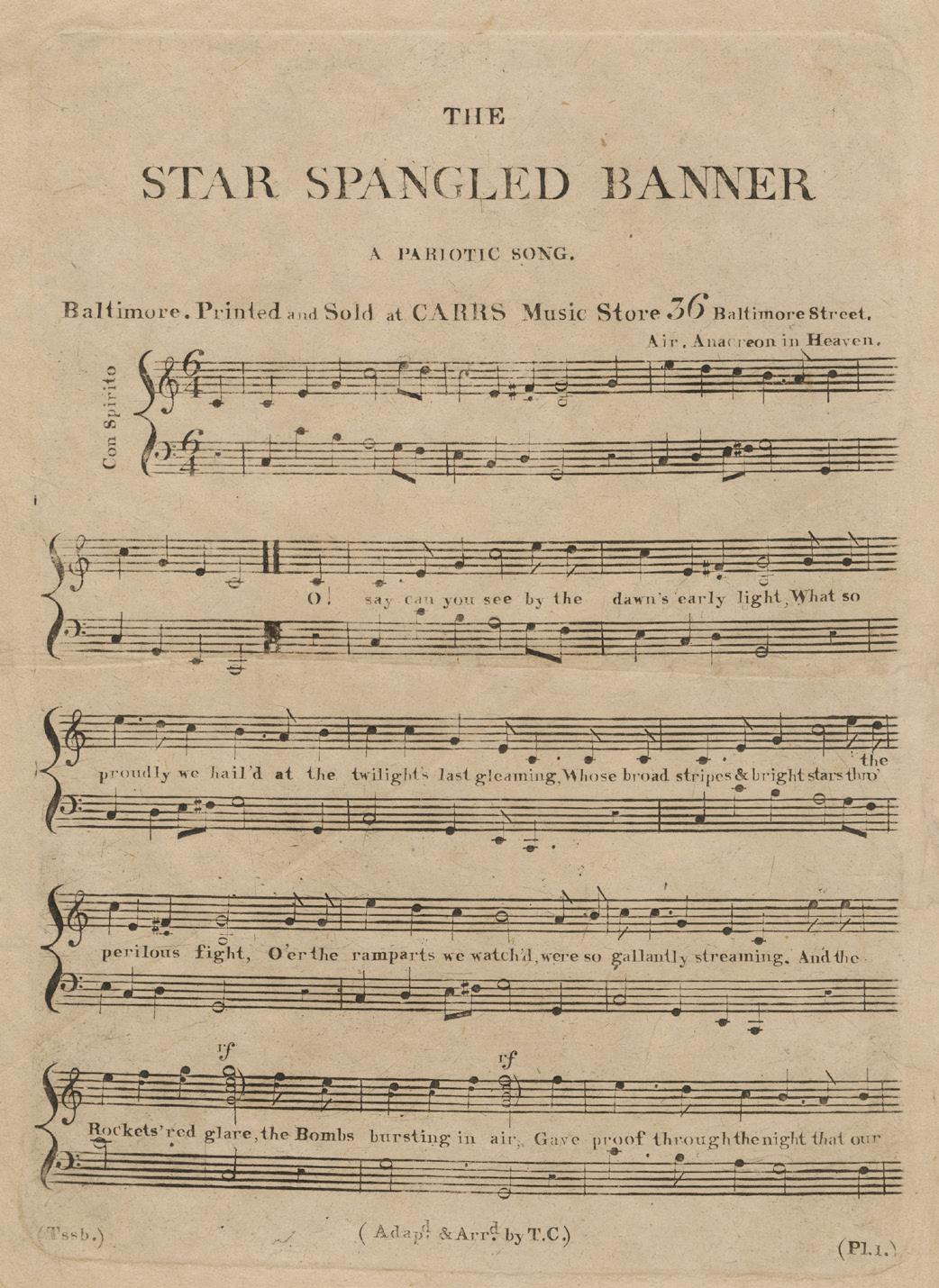
Those questions led him down a rabbit hole that culminated in his 2022 book, “O Say Can You Hear?: A Cultural Biography of ‘The Star-Spangled Banner.’” Francis Scott Key’s lyrics, written after the bombardment of Baltimore’s Fort McHenry during the War of 1812, go on for four verses. Only the first is typically sung for the anthem, building to the final line, “O say does that star-spangled banner yet wave/O’er the land of the free and the home of the brave?”
While it is often performed with an exclamation point at the end, Mark considers the question it asks to be crucial. At the time the anthem was penned, the country had faced some of its worst defeats. Key’s vision of a bold and proud nation wasn’t something he was seeing but a hope for the future.
“Today, I think that question asks us if we are brave enough to live up to that vision,” Mark says. “Do we have the courage to be a country that celebrates liberty and justice for all? I think it has the potential to make the anthem something urgent and contemporary. It’s a verb, rather than a noun.”
When President Herbert Hoover officially signed an act of Congress making “The Star-Spangled Banner” the U.S. national anthem in 1931, it—much like the eagle—was a recognition of something that had already been true for many Americans. The song was used as a recruiting tune for the Union Army in the Civil War and was often treated as a de facto national anthem during the




In some ways, the song is sort of democracy in action. We made the anthem by using it.
Spanish-American War and World War I.
“I think that makes it powerful,” Mark says. “In some ways, the song is sort of democracy in action. We made the anthem by using it. And for the same reason, changing it would be really hard. You could change the law, but it wouldn’t change how people feel.”
The music itself requires the performer to sing the anthem to life with dramatic highs and lows that take the same commitment the lyrics demand. Mark’s hope is that when people hear it, the
— Mark Clague
anthem won’t just serve as a celebration but also a call to action.
“It feels like the anthem is especially urgent right now,” he says. “U.S. democracy has really been built on people getting involved. Voting, sure, but also being informed, volunteering and lifting a hand to help your neighbor. Being patriotic is something you have to do and earn, rather than just something you have. And I think that call to citizenship is one of the coolest things about the anthem.” n
While the roots of the national anthem’s lyrics are decidedly American, the music originated with Anacreontic Society, a musicians’ club in London.
Since the tune struck a chord in the United States, Mark Clague, a music historian teaching at the University of Michigan, estimates there have been more than 600 sets of lyrics applied to that melody, on subjects as varied as farm work, unionization and women’s suffrage.
“It’s interesting to see how many different words fit the melody,” he says. “It really supports the notion that ‘The Star-Spangled Banner’ is not just one iconic thing but kind







By Dianna Troyer
In honor of the United States Semiquincentennial—a fancy name for the nation’s 250th anniversary—each state is contributing to the legacy and future of the country through national and statewide initiatives.
Some states are contributing to a stainless steel time capsule that will be buried July 4 at Independence National
Historical Park in Philadelphia, between the Liberty Bell and Independence Hall.
Others will have booths at the Great American State Fair, scheduled for June 25 to July 10 on the National Mall in Washington, D.C.
Within each state, an America250 Commission has organized events to commemorate the 250th anniversary of the signing of the Declaration of Independence.
According to the America250 Commission’s website, “The journey toward this historic milestone is an opportunity to pause and reflect on our nation’s past, honor the contributions of all Americans, and look ahead toward the future.”
For the time capsule, state commissions feature their residents’ artistry and ideals with the constraint that the objects have to fit into an archival box measuring 6-by-5-by-2 inches.
Here’s a preview of how some states are highlighting their unique contributions to our nation:
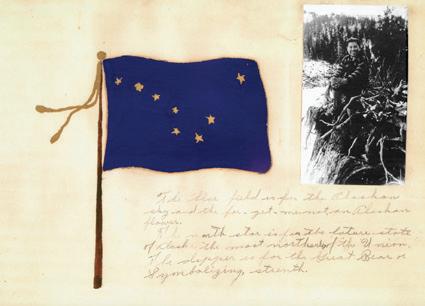
A print of a flag designed by a member of the Indigenous people of the Aleutian Islands represents Alaska. In 1927, Benny Benson, a 14-year-old Unangax orphan, won a contest to design the flag for the then-territory of Alaska.
“The blue field is for the Alaskan sky and the forget-me-not, an Alaskan flower,” he wrote. “The North Star is for the future state of Alaska, the most northerly state in the union. The dipper is for the great bear, symbolizing strength.”
A copy of an 1875 map of New Archangel is also included. After Russia sold the Alaska territory to the United States, the town was renamed Sitka.
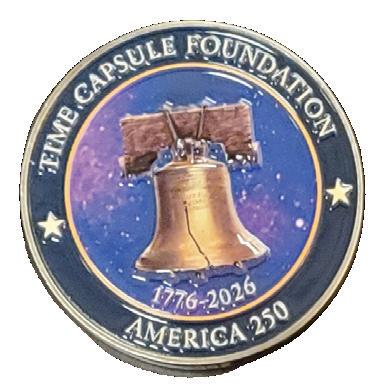
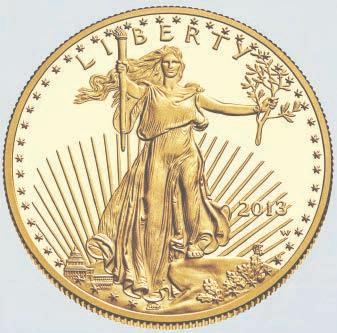
Arizonans provided three coins, two letters and a commemorative copper ingot featuring a stamped Arizona America250 logo for the time capsule.
With laser nano-etching, a stainless steel coin preserves the full text and signatures of the Declaration of Independence and the U.S. Constitution, including all amendments.
“It represents both America’s foundational democratic principles and modern efforts to preserve them for future generations,” according to America250 Arizona Commission. An Arizona quarter, minted in 2008, depicts the Grand Canyon
and a saguaro cactus. A steel America250 commemorative coin features symbolic imagery reflecting freedom, time and civic responsibility.
An archival letter lists the names of the members of the Arizona America250 Commission. Arizona Secretary of State Adrian Fontes also wrote a letter reflecting on Arizona’s civic values, democratic institutions and responsibilities.
On July 4, a family-friendly concert is planned in Los Angeles with major artists and a livestream audience. America250 planners encourage residents to build community by participating in America’s Potluck on July 5, an opportunity for neighbors to join one another to share a communal meal.
At the Great American State Fair, the Florida250 Commission plans to create an old Spanish Fort with coquina brick walls, authentic sounds and cannon fire.
Within the state, the Florida Freedom Tour is traveling in two 18-wheeler trucks hauling the America250FL exhibits from the Museum of Florida History. One exhibit covers the state’s biggest battle during the Revolutionary War, the Siege of Pensacola, a two-month battle in 1781 when the Spanish prevented the British from gaining control of Western Florida.
Idaho’s state gemstone, the star garnet, “represents Idaho’s natural richness and geological heritage. Its distinctive starlike reflection makes it a fitting and
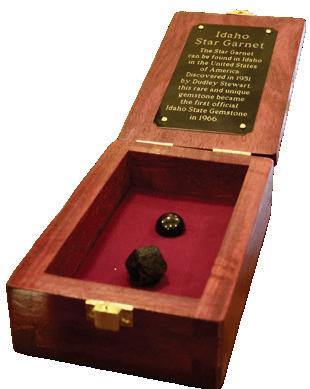
Idaho’s state gem is its contribution to the time capsule.
enduring symbol of the state’s rugged landscape and connection to the land,” according to America250 in Idaho planners.
Along with the gemstone, Gov. Brad Little wrote a letter to future generations, reflecting on Idaho’s history and values.
The Historic New Orleans Collection, at 520 Royal St., will have interactive 3D reconstructions of the defining moments of the American Revolution. Events include the Boston Tea Party, the signing of the Declaration of Independence, victory at Yorktown and treaty signing in Versailles.
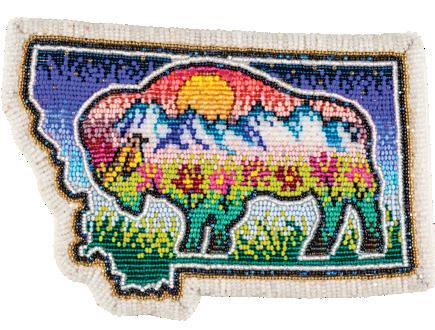
Karis Jackson depicted Montana’s unique traits in beaded artwork shaped like the state.
The Browning artist incorporated the colors of the state flag, the mountains and prairies that define the state’s landscapes, the state flower—the bitterroot—and the state bird—the western meadowlark.
In the center of the design, Karis, an Apsáalooke/Arikara/ Hidatsa artist, beaded a bison. She says it’s “an animal of enduring significance to the Indigenous peoples who have called this land home since time immemorial.”
In Nevada, residents and tribal members are recording oral histories for a podcast and public archive, according to Nevada250 planners.
New Mexico’s pavilion at the Great American State Fair, “will present New Mexico as an intersection of cultures, history, landscape and creativity,” says Daniel Zillman, New Mexico Department of Cultural Affairs communications director.
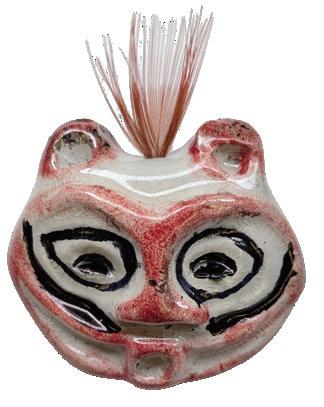
Lillian Pitt, a Warm Springs/Wasco/Yakama artist, made a ceramic pin depicting a tribal petroglyph and pictograph, a well-known
image high on a mountain along the Columbia River.
“Under the oral traditions of tribes along the river, She Who Watches represents Tsagaglalal, a wise and powerful chief who was transformed to stone and continues to keep vigil over her people and the river,” according to the America 250 Oregon Commission.

Among The Charleston Museum artifacts are a .75-caliber “Brown Bess” musket used during the revolution.
Several special exhibits celebrate South Carolina’s role in the American Revolution.
A new exhibit, “Ringleaders of Rebellion,” is at The Charleston Museum, the first museum in the Colonies founded Jan. 12, 1773. Among the artifacts are a .75-caliber Brown Bess musket used during the Revolutionary War.
An immersive Revolutionary War exhibition at the state fair will remain up for several years. A display emphasizes that South Carolina was the first colony to protest tea taxation on Dec. 3, 1773, 13 days before the infamous Boston Tea Party.

Knoxville-based designer Justin Helton created a poster entitled “Original Frontier.”
“From Tennessee’s rich agricultural history to its iconic musical contributions to its role in westward expansion, the Civil Rights Movement and women’s suffrage, the poster represents Tennessee’s part in shaping American culture, economy, and democracy,” according to Tennessee America 250 planners.
ABOVE: The poster “Original Frontier” showcases Tennessee’s music, agriculture and westward expansion.
Gov. Bob Ferguson’s proclamation and Lt. Gov. Denny Heck’s letter will be put in the capsule. The governor wrote about the mission of the Washington State Historical Society. Heck wrote about democracy and finding common ground between Washingtonians. n
For more information about national, state and local celebrations, visit america250.org.


Cucumber and Dill Pasta Salad
1 pound small pasta shells
2 cups cucumber, sliced
¼ cup green onion, chopped
1 cup sour cream
½ cup milk
1 tablespoon chopped, fresh dill weed
1 tablespoon white vinegar
½ teaspoon granulated garlic
½ teaspoon coarse ground black pepper
½ teaspoon salt
Squeeze of fresh lemon juice
Cook pasta in boiling, salted water until al dente. Drain, and rinse in cold water. Transfer pasta to a large bowl.
In a separate bowl, mix sour cream, milk, dill, vinegar, garlic, salt and pepper. Set dressing aside.
Mix cucumbers and onions into the pasta. Pour in dressing, and mix thoroughly. Sprinkle with lemon juice. Cover, and refrigerate at least 1 hour. Stir just before serving.
8 ounces bow tie pasta
½ English cucumber, chopped
1 green bell pepper, chopped
10 ounces cherry tomatoes, halved 1 to 2 shallots, chopped
Dressing
1 lemon, zested and juiced
1 tablespoon red wine vinegar
2 garlic cloves, minced
1 teaspoon dried oregano
1 cup chopped, fresh parsley
2 tablespoons capers, drained and rinsed
½ cup pitted Kalamata olives
1/3 cup feta cheese, crumbled
Pinch kosher salt
Pinch black pepper
¼ cup extra-virgin olive oil
Boil pasta in salted water according to package instructions. Drain, then set aside briefly to cool.
To make dressing, add lemon juice, zest, red wine vinegar, garlic, oregano, salt and pepper to a large bowl. Whisk to combine. While whisking, drizzle in olive oil.
To the bowl with dressing, add pasta, cucumber, bell pepper, tomatoes, shallots, parsley, capers and olives. Toss to coat. Add feta, and toss again gently.
For best flavor, cover and refrigerate for 30 minutes to 24 hours. Give salad a final toss before serving.
Salad
1 tablespoon salt
2 cups mini bow tie pasta
3 cups frozen corn, cooked and cooled
3 green onions, finely diced
½ bunch cilantro, finely diced
Dressing
½ cup mayo
½ teaspoon chili powder
¼ teaspoon paprika
1/8 teaspoon ground cumin
1 teaspoon Sriracha
1 tablespoon finely diced jalapeno
1/3 cup cotija cheese
1 large avocado, diced
½ cup canned black beans drained and rinsed
2 large limes, zested and juiced
¼ teaspoon salt
1/8 teaspoon pepper
Boil 12 cups water in a large pot. Add 1 tablespoon salt. Cook pasta according to package directions. Drain, rinse under cold water for 15 seconds, shake off excess water, and let dry completely.
To make the dressing, whisk together mayo, chili powder, paprika, cumin, Sriracha, ¼ teaspoon lime zest and 3 tablespoons lime juice in a small bowl. Add salt and pepper. Chill until ready to use.
In a large bowl, combine cooled pasta, cooled corn, avocado, onions, cilantro, jalapenos and cheese. Drizzle with dressing, and gently toss. Serve immediately.
Kosher salt
16 ounces rotini
1 large carrot, shredded
1 celery rib, sliced thinly
8 ounces cheddar cheese, cubed
10-ounce bag frozen peas, thawed
½ cup cooked bacon, chopped
1½ cups mayonnaise
1/8 cup sugar
¼ cup white vinegar
1 teaspoon salt
1 teaspoon black pepper
Boil pasta in salted water to al dente. Drain, then run under cold water until cooled.
In a large bowl, mix mayonnaise, sugar, vinegar, salt and pepper. Add pasta and remaining ingredients. Mix well.
Refrigerate for at least one hour before serving.
Salad
Kosher salt
12 ounces pasta 1 pint cherry tomatoes, halved 1 bell pepper, cored and chopped
1 shallot, chopped
6 ounces marinated artichoke hearts
¼ cup pitted Kalamata olives
¼ cup extra-virgin olive oil
2 tablespoons white wine vinegar
2 garlic cloves, minced
1 teaspoon dried oregano
6 pepperoncini, chopped
6 to 8 ounces salami, cut into bite-size pieces
6 ounces mozzarella cheese balls
½ packed cup chopped, fresh parsley
½ packed cup chopped, fresh basil leaves
½ to 1 teaspoon crushed red pepper flakes
Kosher salt, to taste
Black pepper, to taste
Boil a large pot of water over high heat.
In a small bowl, whisk together all dressing ingredients to combine. Set aside.
Generously salt boiling water, then add pasta. Cook until al dente according to package instructions. Drain, and add to a large mixing bowl.
To the bowl with pasta, add tomatoes, bell pepper, shallot, artichoke hearts, olives, pepperoncini, salami, mozzarella, parsley and basil. Pour dressing over pasta, and toss to coat. Serve immediately, or let sit for 30 minutes to soak up flavor.
I have Mother Earth News magazines, 1979-86, plus four specials. Just pay shipping. Leave message or text with contact information. Rick Jaszkowiak
rickjaszkowiak@gmail.com
Challis, Idaho
I make quilts and give them to the care center here in my county. It’s a passion of mine to give back to my community. If any fellow quilter has quilt scraps that I could piece together for lap-size and baby-size quilts, I would greatly appreciate it. I have lots of tops ready to hand quilt but could use help with the batting. Thank you.
Kimberly Cody 298 Basham Lane Troy, MT 59935
I’m in search of a pattern for recliners/lift chair covers. I have a dear friend with health issues and would like to make chair covers for them. If you have a pattern, I would appreciate hearing from you. Thank you.
Pat Moss
P.O. Box 61155
Fairbanks, AK
We have a request for our family member who was recently diagnosed with cancer and has his 84th birthday in early August. We are requesting prayers and support for him as he undergoes chemo treatment. We believe that providing him with birthday cards and words of encouragement would offer valuable reading material during his three-hour treatment. He loves old cars and collecting coins. His wife could also use some encouragement, prayers and support. Thank you and God bless. Send to Dennis and Patricia White, 2108 Verdinal Drive, Las Vegas, NV 89146-3047.
Dawn Lund Rachel, Nevada
My mother will be 94 this month. She survived the death of my father—her one and only love—eight years ago. She raised six children, five girls and one boy. She still manages to sew, which is her passion. My dad even built her a sewing room to accommodate her multitude of different machines. She has a tuxedo cat named Mimi. I know she would absolutely love getting cards for her birthday. Send to Millie Graham, 277 NE Conifer Blvd., No. 6, Corvallis, OR 97330.
Teena Graham Alsea, Oregon
My mom, Jean, turns 80 later this month, and she’d love to hear from you. She shines with kindness and is always sending mail to loved ones and strangers. Now it’s her turn. She loves laughing, silliness and flowers. Any birthday cards would be joyfully enjoyed. Send to Jean Ridle, 702 Kitchen-Dick Road, Sequim, WA 98382. Thank you.
Erin Ridle La Grande, Oregon
We are looking for items or advice for homeschool topics on dinosaurs, American history, chemistry and botany. This is for a homeschooled high school student, Oliver (age 14). Also, we are looking to start a silver coin collection for Sterling (17) and Oliver. Advice on where to buy coupons or even a coin would be great. Thank you.
Hannah, Sterling and Oliver Mills
479663 Highway 95 Sandpoint, ID 83864
Thank you for honoring our dear father, Hugh Whitbread. Three hundred wonderful cards and stories from all over. There were many people thanking him for his service. You gave us all a lot of hope and reminded our family of the good people everywhere.
The Whitbread Family Adams, Oregon
Send your request (no attachments) to readerexchange@ruralite.org or mail to Reader Exchange, 5625 NE Elam Young Parkway, Suite 100, Hillsboro, OR 97124. Fill in the subject line with Reader Exchange.
Acceptance, scheduling and editing are at the editor’s discretion. Single requests only, please. No duplicates. If replying to a reader submission, please only send what is requested.
Submissions are handled first-come, first-served as space allows. We cannot honor every request.
Please affirm you have authorization from all appropriate parties before submitting. By submitting, you indemnify Reader Exchange, Pioneer Utility Resources Inc., its officers, directors, employees, utility clients and insurers from all legal liability incurred by the publication of information.
We no longer accept pen pal requests. You may submit a pen pal request as a Marketplace ad (pricing applies).
When submitting a milestone request, please send it at least two months before the milestone.
Phone numbers are not published. Email addresses are if they are part of the ad, but you must include a postal address.
Requests must include the name and address of the electric utility that provides your magazine.








See an ocean of ice atop fjords and mountains in Southeast Alaska at

One of the world’s largest nonpolar ice fields sits in Glacier Bay National Park and Preserve in Southeast Alaska. Huge glaciers cover mountains and have scraped out fjords, showing the power of nature. As the glaciers have retreated, visitors can study how plants and other life reclaim the newly exposed terrain.
Many visitors start in Bartlett Cove— the only developed area in the park. This is where the visitor center and many services are, along with the start of several trails. Most visitors also take in the park by boat, heading out into the water to see more of the coastline. Visit the National Park Service website or other travel sites to learn about the various tour boats.
Glacier Bay sits at the collision point of the North American and Pacific crustal plates, which led to the formation of the bay’s tall, coastal mountains. The summits foster and form glaciers that, in turn, carve a rugged landscape. Retreating glaciers have left room for a young temperate rainforest to grow.
Glacier Bay is at the northern end of one of the world’s largest temperate rainforests. The Tongass National Forest covers more than 17 million acres across Southeast Alaska. The area gets 70 to 80 inches of precipitation each year, with an average of 228 days of precipitation.
The Glacier Bay visitor center is open daily from May to September. To start planning your trip, call 907-6972230 or go online to www.nps.gov/glba.

























• Rate schedule is based on your current age and is guaranteed for the life of the policy.
• Monthly rates as low as $3.49.
• Coverage is also available for your spouse and other family members.
• Benefits will NEVER be canceled or reduced for the life of the policy if premiums are paid on time.
Policy Form #SRTCV/SRTCV R13 or R17, or #SRTCV90MA in MA














• Rates are based on your children’s or grandchildren’s present age and never increase for any reason.
• Monthly rates as low as $2.17.
• Benefits will NEVER be reduced or canceled if premiums are paid on time.
• Give your children a financial head start right now. Your policy builds CASH VALUE for your family’s needs.
Policy Form #GWL2001 or GWLA001
(Offer may vary, $100,000 coverage not available in all states.) CHOOSE $5,000, $10,000, $20,000, $30,000 OR UP TO $100,000 COVERAGE


Story and photo by Dave LaBelle
There are photographs when published that initiate diverse emotional reactions.
I recall a photograph made of a young man with Down syndrome during a finger-painting class, his hands and face splattered with paint. One of my favorite images of the year, and it was a picture of unrehearsed joy.
After publication an angry reader called, livid the paper was cruel and insensitive to print such a photograph. I called the reader and patiently listened as she referred to the photograph as “disgusting” and “ugly.” Growing impatient, I explained I saw only joy, beauty and innocence. I suggested she take a look into her own heart.
Controversy often rises because an image strikes a nerve, delighting, angering or repulsing us. Photographs can make us uncomfortable, especially graphic war images. Images of violence and killing hurt me deeply, as they should.
I am reminded, for better or worse, each of us brings our past, our unique experiences to photographs we view.
“We nourish images with the intellectual baggage we carry,” the late French photographer Henri
Cartier-Bresson said.
When we are moved emotionally by an image, it’s critical to know the context in which the image is made and shared, and evaluate why it strikes us.
Few things are more sacred or evoke deeper emotion than our flag, our symbol of American sacrifice, loyalty and freedom.
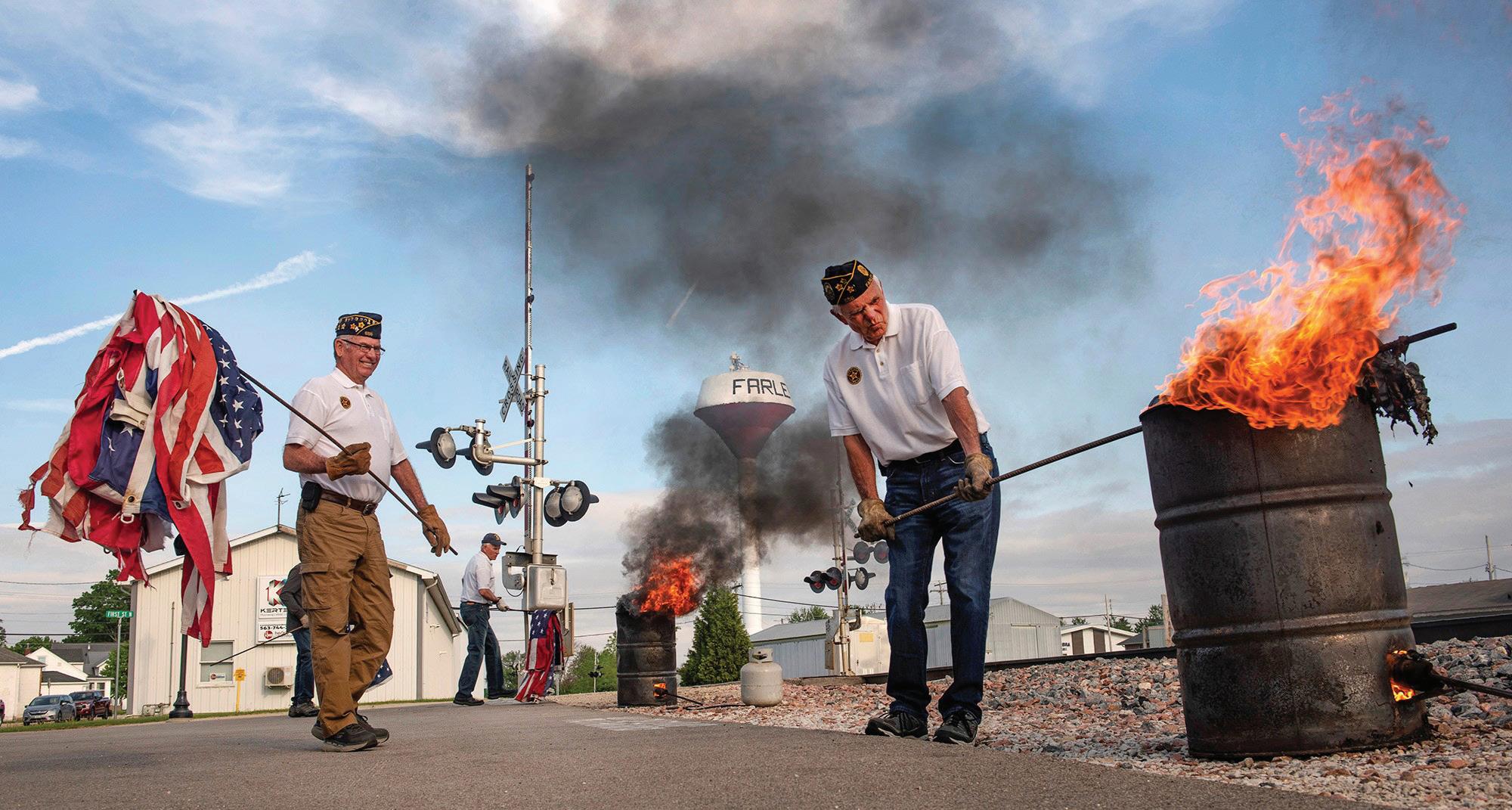
Here, members of American Legion Post 656 in Farley, Iowa, burn discarded weather-torn, unserviceable American flags in a solemn and patriotic ceremony opened with prayer.
Veterans handle and stack the discarded flags with reverent care before torching them in a barrel.
Witnessing the flames curling around the colored cloth, stirred me emotionally in a way that’s difficult to explain. I felt sadness and patriotism, considering those who have given their lives.
By the way, this is a real photograph, not a fantasy image created by artificial intelligence. n

Photographer, author and lecturer Dave LaBelle has captured special moments for more than half a century, sharing tips and life perspectives. For more of his writings, visit davidlabelle.com and his blog, bridgesandangels.wordpress.com.

NIKON D810 32mm lens
ISO 100 f/8 at 1/320
American Legion Post 656 members hold a patriotic ceremony for the disposal of 250 unserviceable flags May 14, 2024, in Farley, Iowa.
See if you can use your camera to capture—not artificially create with AI—a photograph of our beloved stars and stripes. Challenge yourself to capture an image that speaks to how you feel about this sacred emblem.
Email your best image—just one—with caption information, including an explanation of how it affects you, to gph@ pioneer.coop. We may share submissions on our website and social media channels.


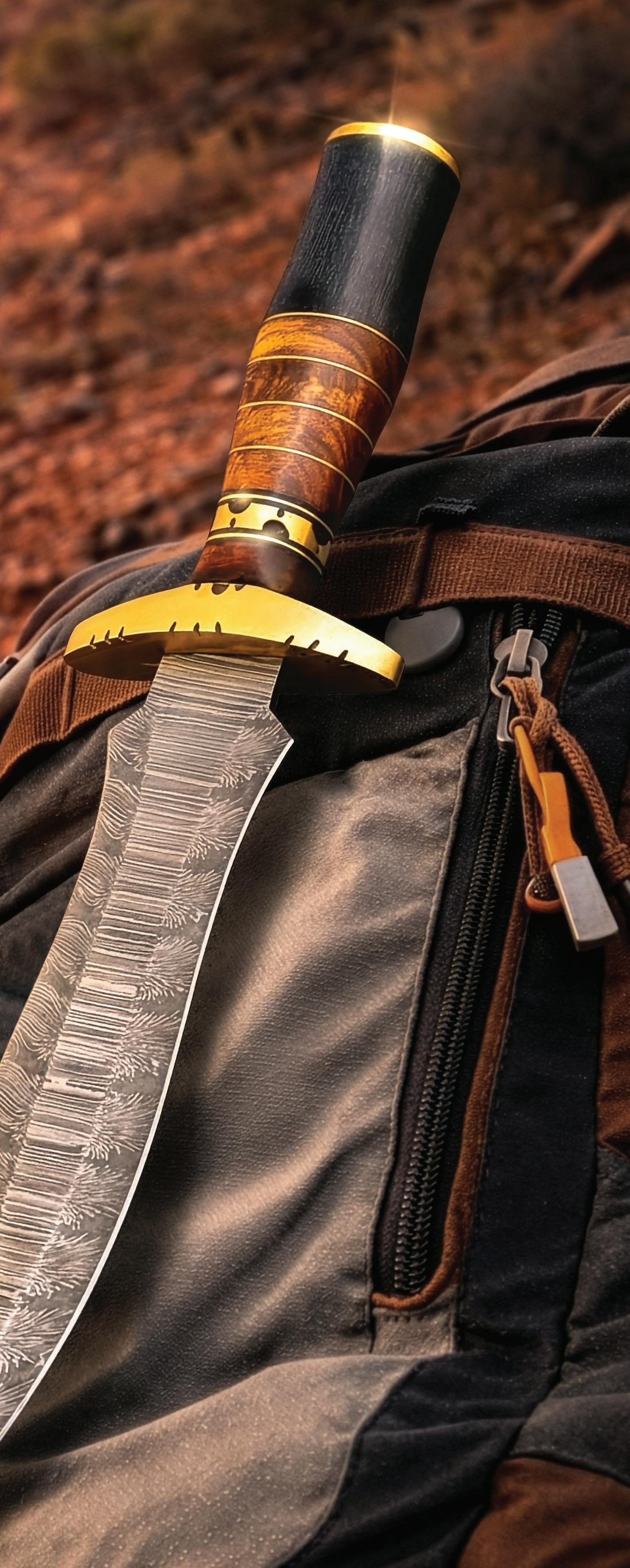
For centuries, Damascus steel has been prized for its strength, beauty and legendary performance. Its distinctive flowing patterns have made it one of the world’s most sought-after blade materials. The problem? Genuine Damascus knives often come with premium price tags. That’s why we created the Stauer Damascus Explorer Knife. Built for adventurers, outdoorsmen and collectors alike, this handsome knife combines rugged utility with timeless craftsmanship. Whether you’re preparing kindling, tackling camp chores or simply admiring its artistry, it’s a blade you’ll be proud to own.






Stauer Pocket Binoculars
a $99 value with your purchase of the Damascus Explorer Knife
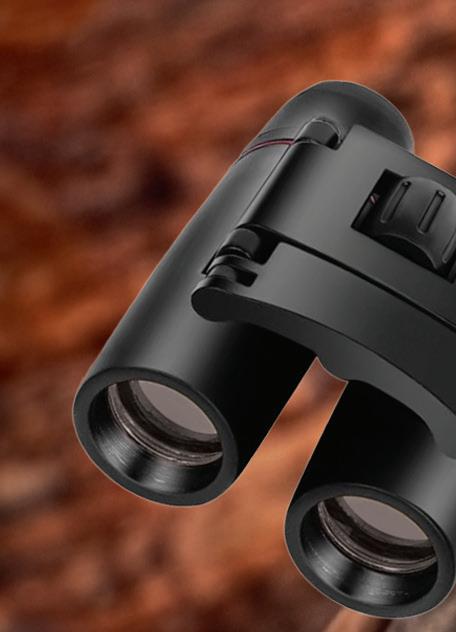

+FREE Binoculars Impossible PriceONLY
The first thing you’ll notice is the striking Damascus steel blade Its signature rippled pattern isn’t just beautiful — it’s the mark of a centuries-old forging tradition. At a full 8 inches long, the blade offers impressive cutting power while maintaining excellent balance and control.
The rich rosewood handle provides a comfortable, secure grip, while the included sheath keeps your knife protected and ready for action. Every detail reflects the kind of quality typically found in knives costing far more.
Thanks to Stauer’s direct-to-you model, we’re able to offer this premium Damascus blade at an exceptional value. But supplies are limited, and once this shipment is gone, we can’t promise another opportunity at this price.
If you’ve been looking for a knife that blends performance, craftsmanship and value, now is the time to act.
*Discount is only for customers who use the offer code versus the listed original Stauer.com price.



• Damascus steel blade
• 8" blade. 13" overall length
• Rosewood handle
• Sheath included

What customers are saying about Stauer knives...
“First off, the shipping was fast and the quality is beyond what I paid for the knife. Overall, I am a satisfied customer!” — D., Houston, Texas




California residents, please call 1-800-333-2045 regarding Proposition 65 regulations before purchasing this product.
You may think you understood the concept of “priceless” jewelry. For years, “priceless” meant “astronomically expensive.” That is, until now ...

Stauer smashes the luxury status quo with the release of our FREE* 200-Carat Lusso Amethyst Necklace That’s right, we said FREE ... as in “priceless.” No charge.* ZERO dollars.* Call now and we’ll send you this impressive helping of genuine amethyst (independently appraised at $295) for FREE. We cut the price 100%. You only pay $24.95, our regular charge for shipping and processing. We’ll even pay you back with a $30 discount certificate –– that’s our Better Than Free Shipping!
A collection of purple perfection. Your Lusso Amethyst Necklace is a 200-carat symphony of smooth purple genuine gemstones. Each gemstone’s shape and translucence ignites the velvety, violet hues. The polished amethysts are hand-strung on double-knotted jeweler’s thread, and the stunning 18" necklace (with 2" extender) secures with a gold-finished lobster clasp.
Too good to pass up. Too good to last long. Amethyst is one of the world’s most coveted gemstones and our supply is extremely limited. We can only offer such an outrageous deal for a short time every few years. Over 30,000 thrilled customers were lucky enough to get this promotion last time.
We only have about 2,500 left in stock. Act now!
Necklace Specifications:
• 200 ctw of genuine amethyst
• Gold-finished spacers
• 18" + 2" length necklace
Lusso Amethyst Necklace:
Lusso Amethyst Necklace (200 ctw) $249** FREE*
*Pay only shipping & processing of $24.95. Special price only for customers using the offer code.

“This necklace is beautiful. I could not believe my eyes ... GREAT!” — Bonnie from Longs, SC
amethyst necklace limited to just the first 2,500 responders to this ad!

Fire-safe mode for electric utilities refers to a system setting that prioritizes wildfire prevention.
This mode involves increasing the sensitivity of power lines' fault protection. The goal is to minimize the chance of sparks from power lines igniting dry vegetation.
Once a fault is detected and power is shut off, utility crews will inspect the lines to ensure safety before restoring power.
While the system aims to prevent wildfires, it also means power outages are more likely during periods of high fire risk.

How long will it take for power to be restored?
This can depend on several factors.
It is our first priority to keep members and employees safe. When an outage occurs, crews are dispatched to find the cause and make repairs, if needed.
The reason for an outage is not always easy to pinpoint. Crews must patrol all lines in the effected area to be sure there is no damaged equipment or downed line that could cause a fire risk. This process can take several hours.




Create and practice an emergency plan that includes at least two evacuation routes.
Build a wildfire-ready kit that includes medications, a flashlight, nonperishable food and water. Consider the needs of all family members—and don’t forget about your pets.
Familiarize yourself with community cooling centers and emergency shelter locations in the event you have to evacuate or if your power is going to be out for an extended period.


Maintain trees and vegetation on your property. Maintain a defensible space to create a buffer between vegetation and your home or structures.
If you believe you have a tree or vegetation growing into a power line or electrical equipment, please contact

Reinforced custom-sized pond liners (39 cents/sqft.). Hay covers, greenhouse covers, any width and length. Truck tarps and more. High puncture and tear strength. Best price guaranteed. Celebrating 45 years in business. btlliners.com; 541-447-0712. 0427
Antiques and Collectibles
Buying American Indian collectibles, Navajo jewelry, blankets, rugs. CA/AZ baskets and beadwork. Quality paintings of the early Southwest and Americas. Call 760-409-3117 or send photos to amer.ind.baskets@gmail.com.
WC Collectibles. We buy comic books. Local to Inland Northwest. Willing to travel. WCCollectiblesCheney@gmail.com; 509-496-1835.
Buying antiques and collectibles: advertising signs, porcelain signs, gas pumps, beer signs, antique toys, cast-iron coin banks, neon signs and more. Jason, 503-310-3321 or tjabaughman@yahoo.com. 0926
2 large boxes of Swarovski crystals. Bought from 1980-90. Passed down to me. Make offer, 541-815-8201. Redmond, OR. 0726
1966 Corvette coupe, BB. Beautiful, not for everyday driving. $70K. Carl, 509-420-6200.
Classic 1990 Jeep Cherokee Pioneer 4x4. Always kept inside. $6.5K. 503-502-8828. 0726
Books, Magazines, Videos
Book restoration. Bibles, cookbooks, cherished family heirlooms. Beautiful work. We give renewed life, more durable than original, to last for generations. 775-537-7066; salacanstudio@gmail.com. 0726
“Earth’s Little Secret,” by AH Miller. Find it on Amazon books. Possibly one of the most important books on staying healthy you will ever read. 0726
Main Street Union, OR, is hosting our annual Family Roots, Blues and Brews from 5:308:30 p.m. July 31 in our beautiful Union, OR, city park. Music by Wasteland Kings and Elwood. There will be vendors and beer available. For more information, call Jana at 541-786-5129. 0726
New works: solo exhibits by OR artists Tess Cahill and Ray Guse. July 10Aug. 29 at Art Center East in La Grande, OR. artcentereast.org. 0726
Ads 25 words or fewer are $35 a month. An ad of up to 35 words is $50 a month. Contact information is included in the word count. Phone numbers and emails count as one word.
Longer ads may be placed. Contact 503-357-2105 or info@pioneer.coop for pricing.
Ads are for customers of member co-ops, public utility districts and municipals only. Subscribers and nonmembers may inquire about pricing at 503-357-2105 or info@pioneer.coop.
Ads must be direct and in first person, and are subject to approval and editing.
Closing deadlines (in our office): September issue—July 31
If submitting ad by mail, send appropriate payment with your name, address, email, phone number and the name of the electric utility that provides your magazine to: Marketplace, P.O. Box 1306, North Plains, OR 97133. Make check or money order payable to Ruralite.
We accept credit card payments for ads submitted to info@pioneer.coop. Call 503-357-2105 to pay by credit card. Advertisements are accepted in good faith. Pioneer Utility Resources is not liable for interactions between buyers and sellers.
Long Creek Virtual Learning Acellus Academy. Free in OR, online, accredited, K-12 education. Contact Long Creek School for information and to sign up. longcreekschool.com; 541-508-9164. 1226
Attention, landowners. Grants available now. Wildland fire fuel reduction service. Steep ground, remote, rocky, small lot, big acreage … no problem. Blue Mountain Defensible Space LLC. Bluemountainbrush@gmail.com or 509-399-3473; bluemountainbrush.com. 1126
Granite cemetery markers at affordable prices. Will ship to most places. For more info: Joe, highdesertmemorials@gmail.com or 541-815-8906; highdesertmemorials.com. 0726
Havanese puppies in Rainier, OR. Hypoallergenic, great for all ages. Raised by our family as quality pets for you. www.happeninhavanese.com or Rebecca, 503-728-6241. 0926
Stay warm and healthy this winter. Custom outdoor saunas built and delivered to you from La Grande, OR. saunahublg.com; 541-805-1318. 0726
Bucks Lake, Plumas County, CA. Five cabin/ vacation home sites located in the gated Norton Meadows Subdivision. The lots range in size from .94 to 1.53 acres and are priced from $47,500 to $84,000. Electricity is available and underground. Septic/well needs to be privately constructed. Walking distance to the Haskins Store, the lake and Bucks Marina. Accessible in the winter using snow machines. Seller will provide financing to qualified buyers. Reasonably priced, an opportunity to build your dream vacation home. Joann (Realtor), 530-864-5337. 0726
Private 20-acre retreat with mature timber, a custom 2019 home, guest quarters, garage, orchard and view. Price reduced to $990K. Bordering timberland, this OR Coast property offers comfort, privacy and country living. Call 541-961-1889. 0726
Let me help you buy or sell ranch, farm & recreation property in OR. Fourth-generation Oregonian, prior ranch owner. For sale: Deschutes Canyon mountain views, 118 acres, riverfront. $11.9M. John Gill, 541-480-9161; johngill@landandwildlife.com. Land And Wildlife brokerage. 0726
Thriving turnkey all-inclusive business in Seneca, OR. Bear Valley Store. $410K. 4 Rivers Realty Inc., 541-987-2363; ddwr@ortelco.net. 0726
CUP approved March 21, 2025. Nonfarm dwelling. ODOT driveway approach construction application permit #100223. Fremont Hwy 31, photos. Silver Lake rural fire protection district. Surveyed, photographs, 4.47 acres, tax lot 19487. Backs BLM. 503-366-4424. 0826
Local cash buyer for all real estate and homes. Any condition or situation. No agents, no repairs, no waiting. Ready with serious offers. AJ, 509-530-1182. 1126
10.69-acre Bridge, OR, property featuring a remodeled manufactured home, usable ground, mature trees, generator backup, storage and Middle Fork Coquille River frontage across the road. Quiet rural living near Myrtle Point and Coquille with fishing, privacy, and small-town convenience for getaway or full-time country living.
USLANDCO, Dan Amos, broker, 541-430-2668. 0726
Ocean view Maui vacation rental. For the months of May-Oct. $210/now $185. One-time cleaning $150, 2 TVs, king-size bed, queen-size sofa bed. Beach chairs and umbrellas. Great view. 503-812-6689. 0826
Sunshine and sand—book your summer dreams at WaveCatcher for 2026. Oceanfront cottage with direct beach access, on the spectacular Central OR Coast. Sleeps 6. Pet friendly. All house amenities. Winter closure Nov.-March. Reservations, information: text, 541-740-2846 or email relax@wavecatcherbeachrentals.com. 0726
Sheidler Bookkeeping. Wrangling those books so you don’t have to. QuickBooks and Xero certified. Contact Valia at 541-519-9005 or sheidlerbookkeeping@gmail.com for a free consultation. 0726
Blue Mountain Defensible Space LLC Wildfire Fuel Reduction: clearing brush, thinning trees, animal habitat enhancement. Expert service. Grant money available: OR, WA, ID. Bluemountainbrush@gmail.com; 509-399-3473; bluemountainbrush.com. 1126
Old West Coffins. Simple, dignified, traditional. Pine coffins, made-to-measure in the USA. Live the cowboy way … leave the cowboy way. oldwestcoffins.com. 530-640-1940. 0826
Dawn Till Dusk Masonry. Brick, block, stone and pavers. Small jobs and repairs welcome. dawntillduskconstructionmasonry.com; 541-388-7605; 541-410-6945. License #245760, bonded and insured. La Pine, OR. 1226
Shop woodworkingspecialties.com for handcrafted OR charcuterie boards, bowls and custom functional art. Bring timeless, familycrafted beauty into your home today. Explore our collections. 0726
Treadmill, brand ECHANFIT. Like new, with manual. Works great. Folds to save space. 541-965-1324, The Dalles, OR. 0726
Want to Buy
Buying American Indian collectibles, Navajo jewelry, blankets, rugs. CA/AZ baskets and beadwork. Quality paintings of the early Southwest and Americas. Call 760-409-3117 or send photos to amer.ind.baskets@gmail.com. 0826
Gold, silver, coins/currency, buy, sell. Collections wanted. Fair prices paid. 45 years in retail store. Baker City, OR. 800-556-2133; garrymclin@aol.com. 1026
Old carpenter tools, planes (wood/metal), levels, chisels, slicks, adzes, axes, hatchets, handsaws, old rulers, spoke shaves, wrenches, shipwright tools, old tool chests. 503-659-0009 or 971-666-0659. 0726




With more than 200 recipes, this cookbook from our 2007 contest offers options for potlucks, family reunions or picnics. As a bonus, extra pages feature previously unpublished barbecue recipes from a 2006 contest. The 8½-by-11-inch indexed book is $10 (plus $3 shipping for any size order).
TO ORDER BY MAIL:
Submit payment with cookbook title, your name, address and number of cookbooks wanted to:
Ruralite Cookbooks
P.O. Box 1306
North Plains, OR 97133
TO PAY BY PHONE: Call 503-357-2105 for credit card payments with Visa, MasterCard, Discover or American Express.
TO ORDER ONLINE: Visit ruralite.com.
Please allow two to three weeks for delivery.
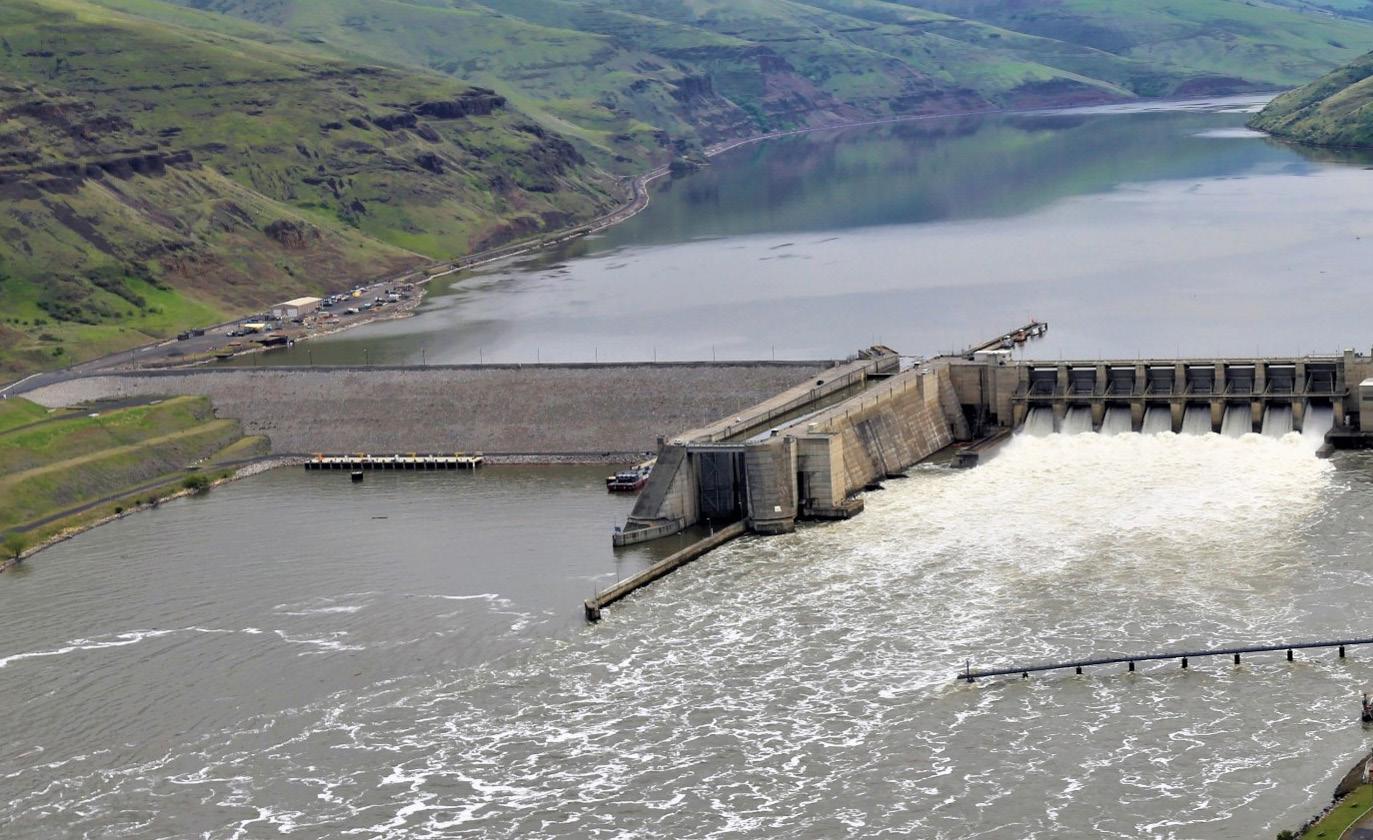
Benton REA is closely following ongoing developments surrounding operations on the Columbia and Snake River hydorpower system, following recent reports that court-ordered changes may be delaying the migration of adult salmon.
As a consumer-owned electric cooperative that receives power from the federal hydropower system, decisions affecting dam operations directly impact on our members. These decisions influence not only fish recovery efforts but also the affordability, reliability and availability of electricity throughout the Pacific Northwest.
Earlier this year, a federal court ordered changes to operations at several Columbia and Snake River dams that require significantly more water to be spilled past the dams rather through turbines used to generate electricity. The intent of the increased spill is to improve conditions for juvenile salmon migrating downstream, even though the effectiveness is disputed.
The litigation involves multiple parties with differing perspectives on how best to achieve salmon recovery. The states of Oregon and Washington are plaintiffs in the case and have advocated for the expanded spill operations now being implemented. The states of Montana and Idaho have joined as
defendant-intervenors, alongside organizations such as the Public Power Council, advocating for river operations that balance the needs of salmon recovery with the continued benefits of reliable, affordable hydropower.
Recent monitoring at John Day Dam and Lower Monumental Dam has raised concerns that these new operating conditions may be having unintended consequences for adult salmon returning upstream to spawn.
According to reports from federal agencies and the Public Power Council, adult Chinook salmon passage at John Day Dam declined sharply during periods of continuous high spill. After emergency adjustments temporarily reduced spill levels, daily fish counts increased, prompting additional questions about how these new operations may be affecting migration.
Hydropower provides the Northwest with reliable, carbon-free electricity at some of the lowest costs in the nation. Benton REA purchases much of its power through the Bonneville Power Administration, which markets electricity generated by the federal hydroelectric system.
When more water bypasses turbines through spill, less electricity is produced. BPA must often replace that lost generation
with more expensive power purchases, increasing costs that ultimately affect utilities and their members. Reduced hydropower generation can also impact system reliability, particularly during periods of high electricity demand.
At the same time, maintaining healthy salmon populations is an important priority for our region. The challenge is finding solutions that effectively support fish while preserving a reliable and affordable electric system for the communities that depend on it.
The Public Power Council and other regional stakeholders have expressed concern that the current spill requirements were implemented before being fully tested at this scale. The recent reports of delayed adult salmon migration reinforce the importance of evaluating operational changes using measurable, scientific results.
Benton REA supports efforts that recognize both the value of salmon recovery and the critical role hydropower plays in serving the Northwest. Decisions involving the federal hydropower system should be guided by sound science and demonstrated outcomes to ensure environmental goals are achieved while maintaining affordable and dependable electric service.
While Benton REA is not a direct party to the litigation, we are actively monitoring developments because of the potential impacts on our members.
Changes to the federal hydropower system can affect future power
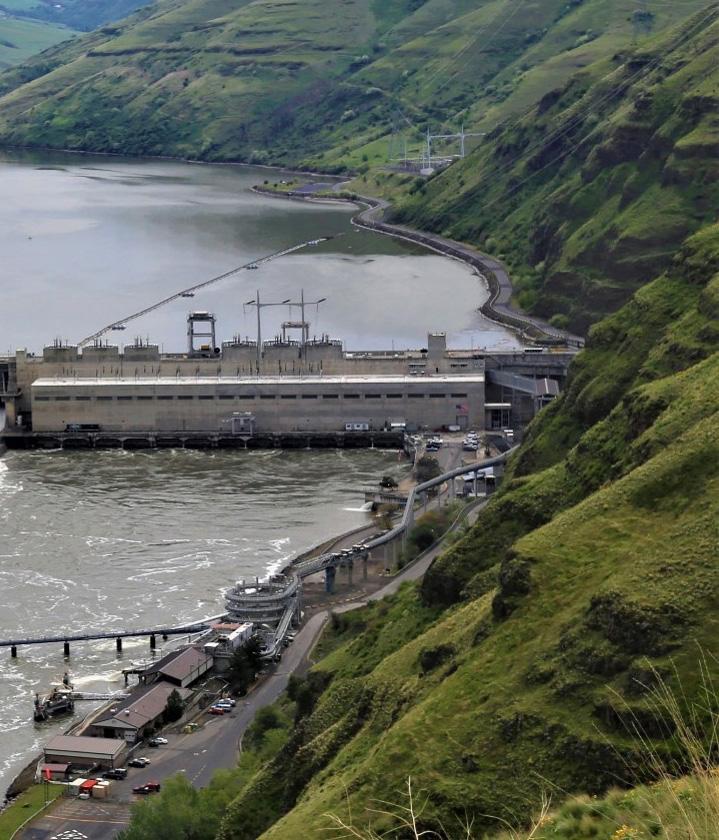
The Snake River is the principal tributary to the Columbia River, draining approximately 107,000 square miles in Washington, Idaho, Oregon, Wyoming, Utah and Nevada. In the 1960s and early 1970s, the federal government built four large dams on the Snake River: Ice Harbor, Lower Monumental, Little Goose, and Lower Granite.
The U.S. Army Corps of Engineers' Walla Walla District owns and operates the four lower Snake River dams, all of which are multipleuse facilities that provide navigation, hydropower, recreation, and fish and wildlife conservation benefits.
Because of their locations, size and ability to help meet peak power loads, these four dams do much more than generate energy--they are key to keeping the system reliable and helping to meet its multiple uses—including supporting wind energy. The Snake River dams lie east of the other federal generators, so they provide a significant technical contribution to transmission grid reliability.
The Lower Snake River system of locks and dams deliver a significant economic benefit to the nation. Barging on the inland Columbia Snake River System moves, on average, 10 million tons of cargo valued at over $3 billion each year. Forty percent of the Nation’s wheat transits through this system. Lower Granite Lock and Dam on the Snake River is one of eight federal dams whose operations are affected by ongoing Columbia River System litigation. Changes to spill operations at facilities like Lower Granite are intended to support salmon migration but also influence hydropower generation, electric reliability and power costs for communities across the Pacific Northwest.
costs, system reliability and long-term energy planning across the region. We remain engaged with our regional partners and will continue to support policies that seek balanced, science-based solutions for both salmon recovery and hydropower operations. Our commitment is to keep members informed about issues that could affect the cooperative and the communities we serve, ensuring that decisions impacting the Northwest's energy future are based on careful analysis, collaboration and proven results. n
Source: Public Power Council
The Public Power Council, established in 1966, is a nonprofit association representing the interests of more than 100 consumerowned electric utilities in Washington, Oregon, Idaho, Montana, Wyoming and Nevada, which collectively serve millions of electricity consumers.
PPC’s mission is to preserve and protect the benefits of the Federal Columbia River Power System for consumer-owned utilities, and is a forum to identify, discuss and build consensus around energy and utility issues. Benton REA is a long-time member of PPC.
For more information, please visit www.ppcpdx.org.
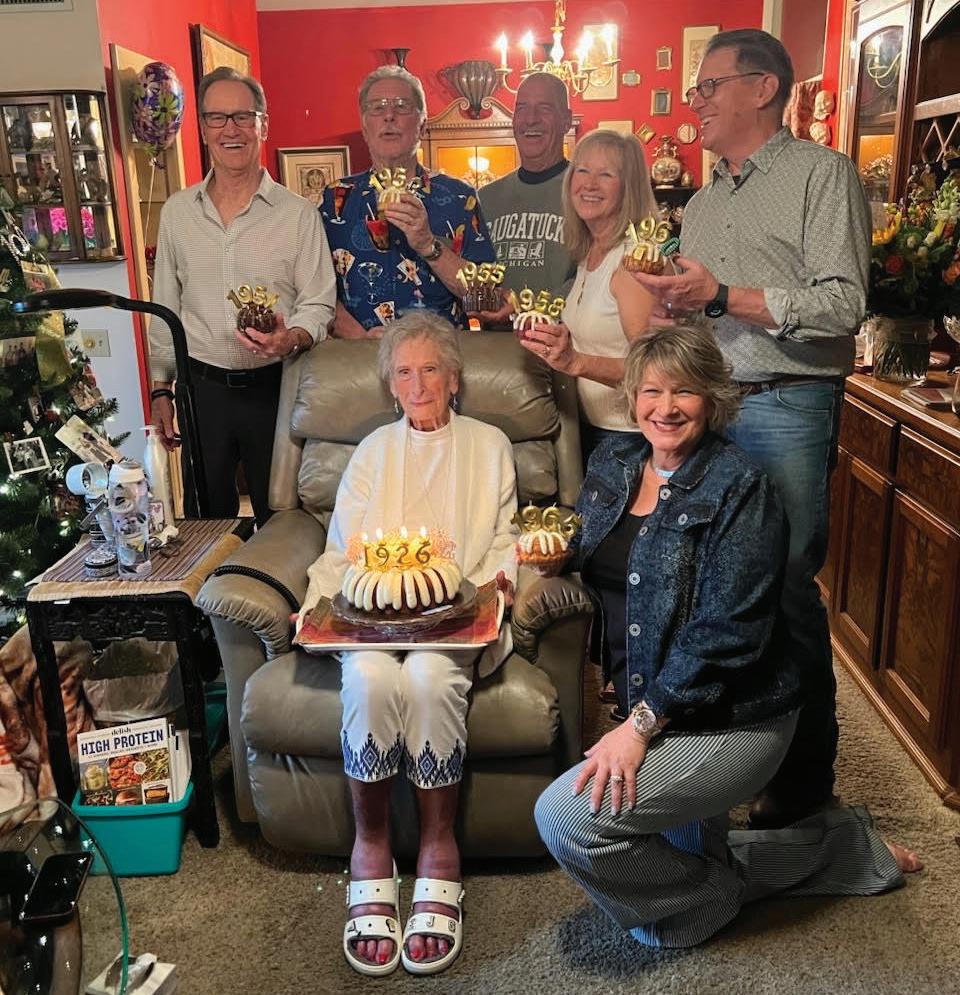
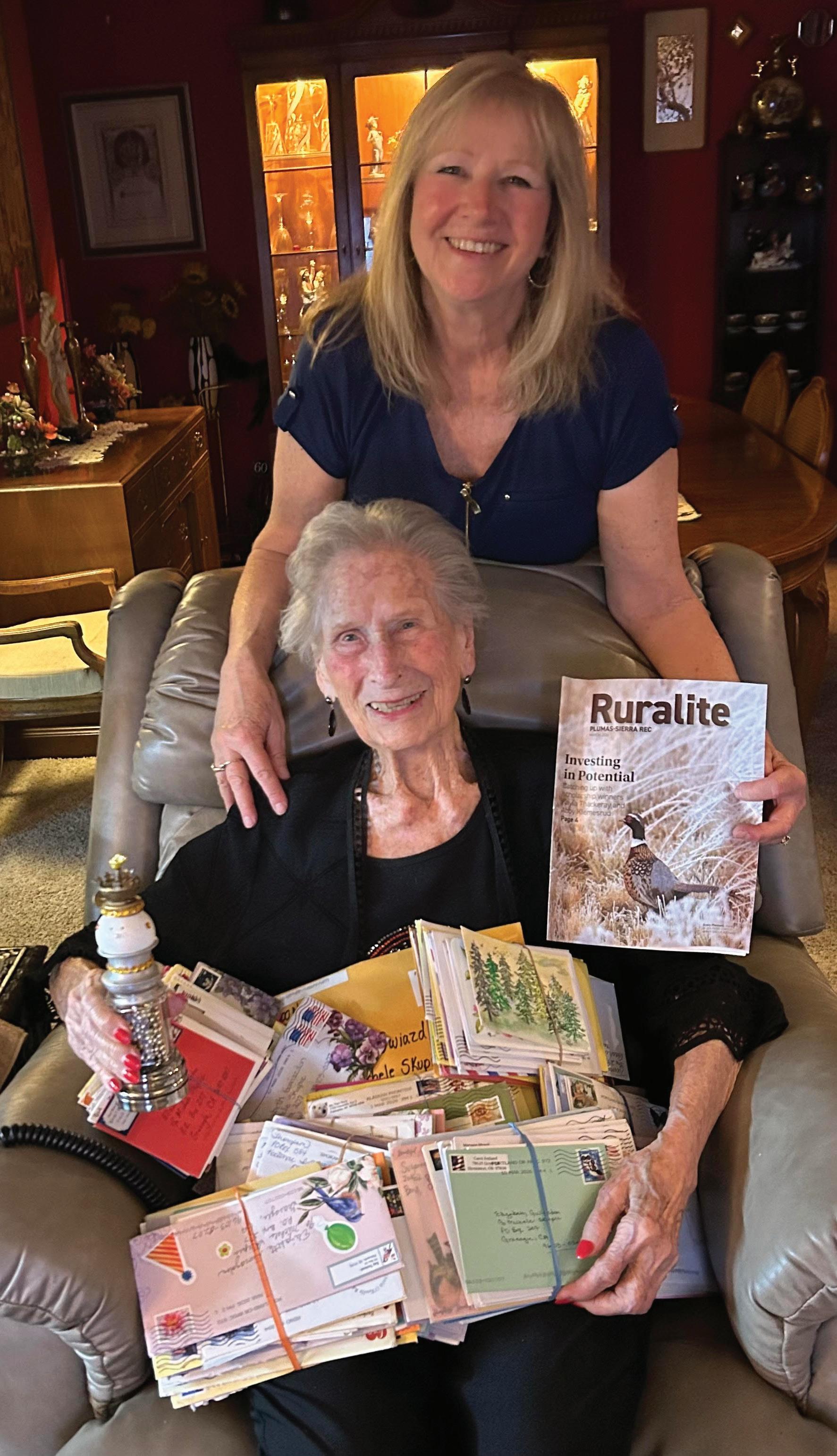
To all the dear Ruralite readers, I can’t begin to tell you how overwhelmed and overjoyed me and my family have been with the outpouring of 100th birthday wishes, blessings and special gifts! The handmade cards are so beautiful and the cards from the “little hands” at Raft River Elementary in Malta, Idaho, and Camas Valley Charter School in Roseburg, Oregon, are just precious—good job teachers! My deepest thanks to each and every one of you for taking the time to celebrate someone you have never met. And you ALL spelled Gwiazdon right! I hope you get this message of sincere gratitude and appreciation for your random acts of kindness that I will cherish for my next 100 years!
With love and blessings, Elizabeth “Betty” Gwiazdon

The sun rises and sets at peak travel periods, during the early morning and afternoon rush hours and many drivers find themselves temporarily blinded while driving directly into the glare of the sun. Deadly accidents are regularly caused by such blinding glare with danger arising from reflected light off another vehicle, the pavement, or even from waxed and oily windshields that can make matters worse. Early morning dew can exacerbate this situation. Yet, motorists struggle on despite being blinded by the sun’s glare that can cause countless accidents every year.
Not all sunglasses are created equal. Protecting your eyes is serious business. With all the fancy fashion frames out there it can be easy to overlook what really matters––the lenses. So we did our research and looked to the very best in optic innovation and technology.
Sometimes it does take a rocket scientist. A NASA rocket scientist. Some ordinary sunglasses can obscure your vision by exposing your eyes to harmful UV rays, blue light, and reflective glare. They can also darken useful vision-enhancing light. But now, independent research conducted by scientists from NASA’s Jet Propulsion Laboratory has brought forth ground-breaking technology to help protect human eyesight from the harmful effects of solar radiation light. This superior


lens technology was first discovered when NASA scientists looked to nature for a means to superior eye protection— specifically, by studying the eyes of eagles, known for their extreme visual acuity. This discovery resulted in what is now known as Eagle Eyes
The Only Sunglass Technology Certified by the Space Foundation for UV and BlueLight Eye Protection. the most advanced eye protection technology ever created. The TriLenium ® Lens Technology offers triple-filter polarization to block 99.9% UVA and UVB—plus the added benefit of blue-light eye protection. Eagle Eyes® is the only optic technology that has earned official recognition from the Space Certification Program for this remarkable technology. Now, that’s proven science-based protection.
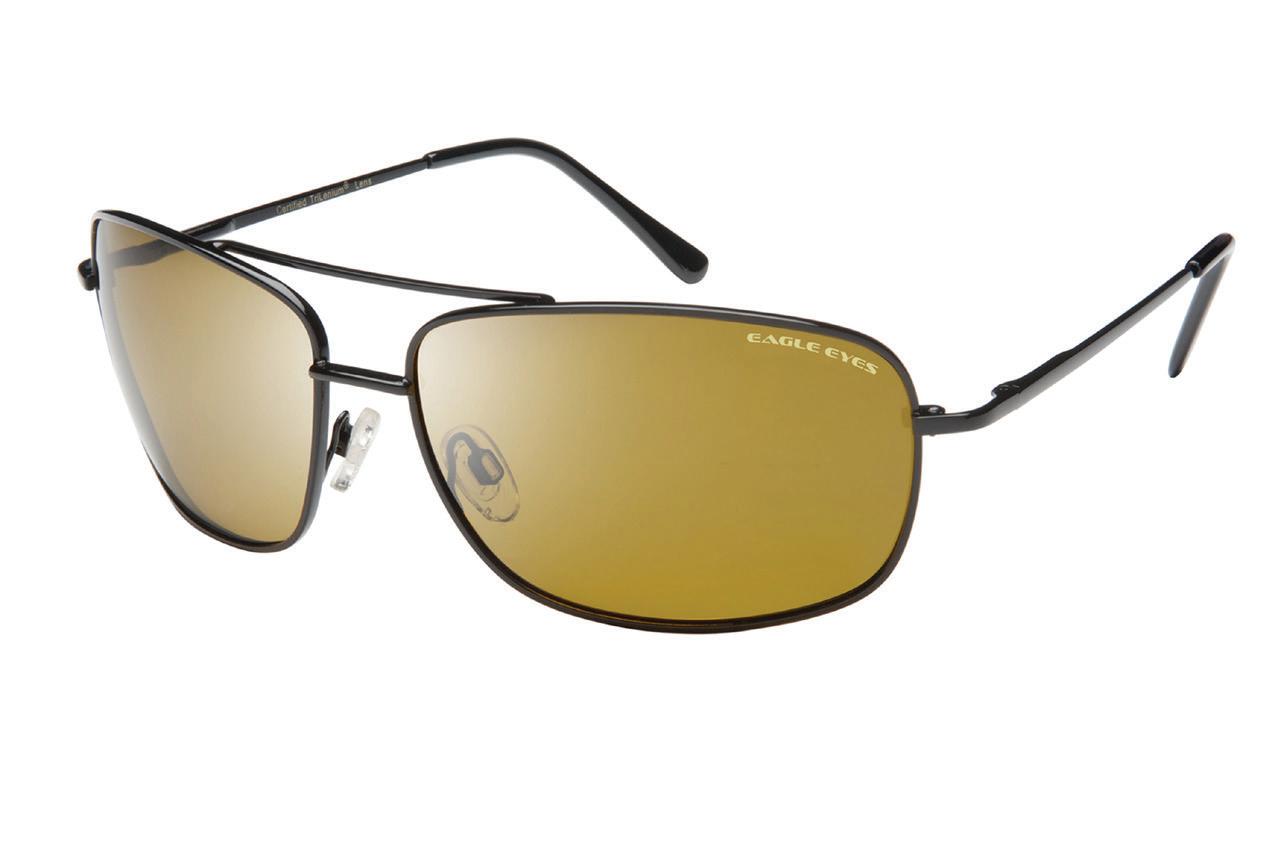


The finest optics: And buy one, get one FREE! Eagle Eyes® has the highest customer satisfaction of any item in our 20 year history. We are so excited for you to try the Eagle Eyes® breakthrough technology that we will give you a second pair of Eagle Eyes® Navigator™ Sunglasses FREE––a $59.95 value!
That’s two pairs to protect your eyes with the best technology available for less than the price of one pair of traditional sunglasses. You get a pair of Navigators with stainless steel black frames and the other with stainless steel gold, plus one hard zipper case and one micro-fiber drawstring cleaning pouch are included. Keep one pair in your pocket and one in your car.

confidence, knowing your eyes are protected with technology that was born in space for the human race.
Your satisfaction is 100% guaranteed. If you are not astounded with the Eagle Eyes® technology, enjoying clearer, sharper and more glare-free vision, simply return one pair within 30 days for a full refund of the purchase price. The other pair is yours to keep. No one else has such confidence in their optic technology. Don’t leave your eyes in the hands of fashion designers, entrust them to the best scientific minds on earth. Wear your Eagle Eyes®

with absolute
West Richland Office
2121 Cooperative Way
West Richland, WA 99353
509-786-2913
Mailing Address:
Report an Outage:
Contact the Office:
Website:
Prosser Office
402 7th St. Prosser, WA 99350
509-786-2913
P.O. Box 1150 Prosser, WA 99350
509-786-2913
509-786-2913 BentonREA.org
Scott Fisher, President, District 6
Mike Freepons, Vice President, District 2
Bill Shibley, Secretary/Treasurer, District 8
Dan Plung, District 1
Vacant Position, District 3
Connie Krull, District 4
Tim Grow, District 5
Ted Wallace, District 7
Ronald Hall, District 9
The board of trustees meets the last Wednesday of each month at 6 p.m., unless otherwise scheduled.
The board agenda for the upcoming meeting is available to members upon request no earlier than six days prior to the board meeting. Minutes of prior board meetings are available to members upon request. To request board agendas or minutes, visit a Benton REA office, call 509-781-6719 or email priorityrequests@bentonrea.org.
Ryan J. Redmond, CEO
Troy L. Berglund, Deputy General Manager
Iris Fawcett, VP of Member Relationships
Andrew Gould, VP of Engineering/COO
Lynn Latendresse, VP of Energy & Finance
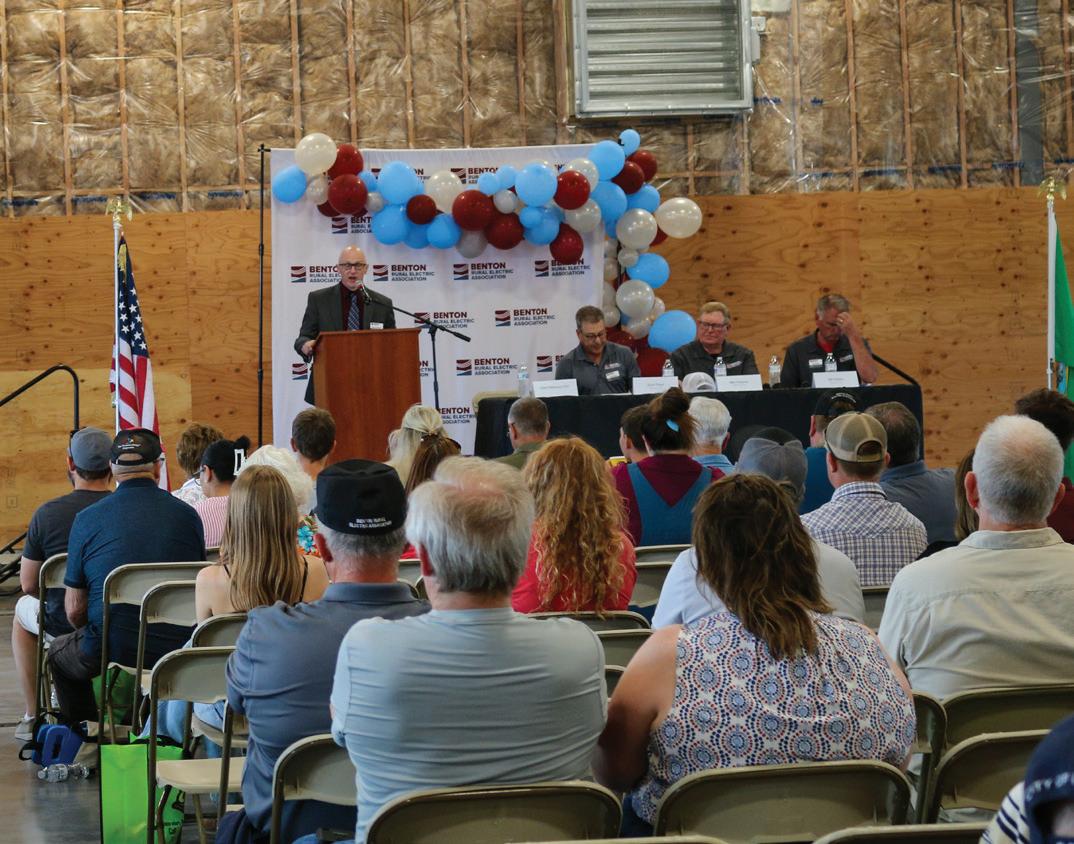
Thank you to everyone who attended Voltage and Connect 2026. It was a pleasure to see so many members come together to participate and learn more about the work being done on your behalf.
One of the highlights of this year’s meeting was giving you the opportunity to glimpse inside our new West Richland Complex. This facility is more than a new building—it reflects our commitment to providing the tools, technology and workspace our employees need to continue delivering safe, reliable electric service to our members for years to come. We look forward to welcoming you back once the facility is fully open.
As we look ahead, one thing is clear: the electric industry is changing rapidly. New technologies, evolving energy needs and increasing demands on the electric grid require us to continuously invest in the system that powers our communities.
Modernizing our electric system isn’t simply about replacing aging equipment—it’s about preparing for the future. From upgraded substations and advanced equipment to modernized meters and smarter grid technology, these investments help us detect outages faster, improve reliability, plan for growth and more efficiently operate our system. They also position Benton REA to meet the needs of new technologies, such as electric vehicles, distributed energy resources, and increasing residential and commercial energy demands.
It’s our responsibility to balance affordability with reliability while making decisions that benefit today’s members and future generations. Every investment we make is carefully considered with those goals in mind.
Thank you for your continued trust and support. Your participation in Voltage and Connect, and your engagement with the co-op, help shape the future of Benton REA. Together, we are building a stronger, more resilient electric system that will continue serving our communities with dependable power today and well into the future.
Ryan J. Redmond, CEO