





A Store Built for Grand Lake Page 18

















SAFETY
Board
President
Vice
Secretary/Treasurer










Every May, Electrical Safety Month serves as a vital reminder of the importance of preventing electrical hazards at home. Electricity powers nearly every aspect of modern life, but if handled improperly, it can pose serious risks, including injuries and property damage.



The Association of Louisiana Electric Cooperatives understands the risks associated with improper electricity use, which is why we’re committed to reminding you to stay vigilant and practice electrical safety year-round. By following key safety practices, you can reduce the risk of electrical hazards and ensure your family stays protected. Here are five essential tips for powering up safely at home:










surge protection, so read the product label carefully. Surge protectors can lose effectiveness over time and should be replaced when damaged or outdated.


1. Be vigilant. Regularly inspect your home’s electrical system, including smoke alarms and carbon monoxide detectors, for signs of damage or outdated components. Electrical fires can start silently and out of sight, making functional smoke alarms and carbon monoxide detectors essential for early detection. Test alarms monthly, and replace batteries annually. Ensure you have alarms installed in key areas of your home, including inside and outside of bedrooms.




3. Practice safe use of power strips. Avoid overloading electrical outlets with power strips that exceed the outlet’s capacity. High-energy devices, such as heaters, microwaves and hair dryers, should be distributed across multiple outlets. Overloading an outlet with “busy” power strips can lead to overheating and create a fire hazard, so be sure to check the power strip’s wattage rating before plugging in items.


2. Use surge protectors. Safeguard your sensitive electronics and appliances with surge protectors. These handy devices help divert excess voltage away from your electronics, reducing the risk of damage or electrical fires. Not all power strips include





4. Don’t mix water and electricity. It may seem obvious, but accidents involving water contact with electrical items happen. Always keep electrical appliances and devices away from water sources, such as sinks, bathtubs or swimming pools. Make sure your hands are dry before touching any electrical switches, devices or appliances. Ground fault circuit interrupters should be installed in areas where water and electricity are typically in proximity, including kitchens, bathrooms and outdoor outlets.



5. Educate family members. One of the best ways to ensure the safety of everyone in your household is to talk about electrical safety. Teach children not to play with electrical outlets or appliances, and ensure they understand the potential dangers of electricity. Create and practice a home fire escape plan that includes electrical safety precautions in the event of an emergency.


Practicing electrical safety at home is essential for protecting your family, property and peace of mind. Remember, electrical safety isn’t just a one-time effort— it’s a year-round responsibility. Taking these steps can help ensure a safer, more secure home for you and your loved ones.


Avoid overloading electrical outlets with power strips that exceed the outlets’ capacity. PEXELS PHOTO BY ZION





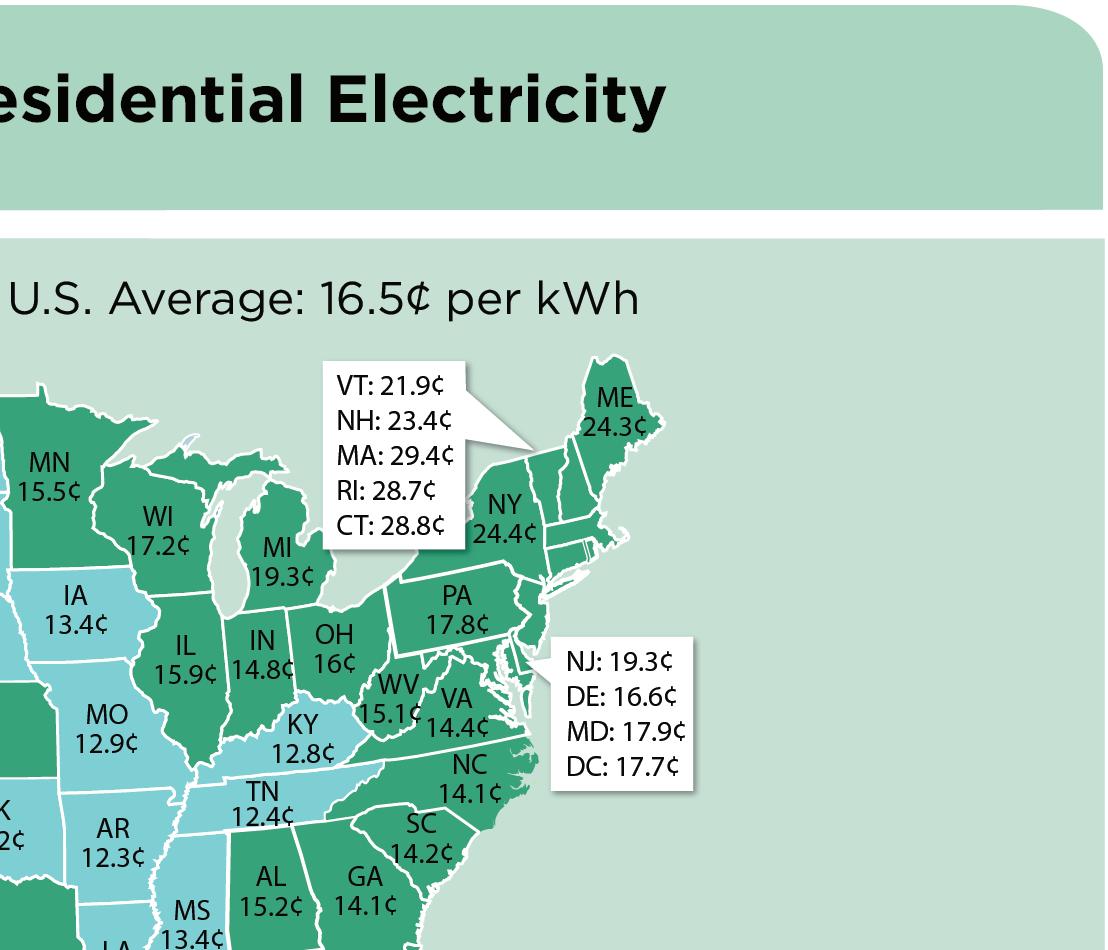


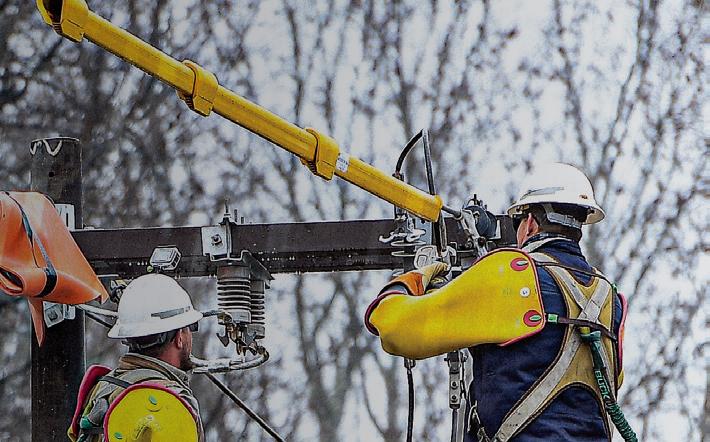
As the threat of wildfires increases nationwide, electric cooperatives are working to mitigate the risk of fires and protect their local systems and communities. Co-ops are:

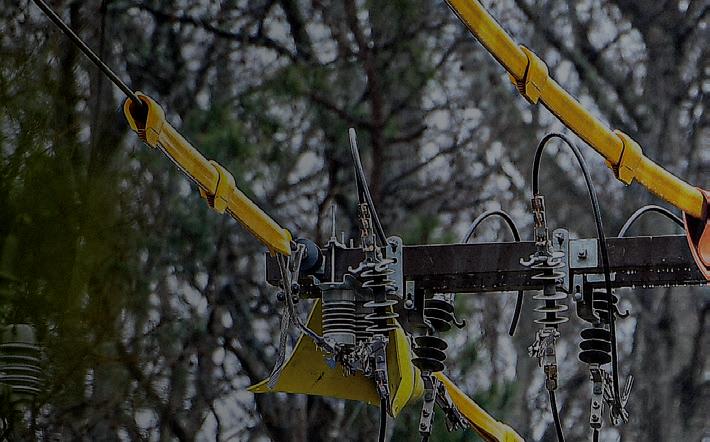
• Deploying advanced technologies, such as power line sensors and advanced imaging cameras, to help detect fires or conditions that lead to them.

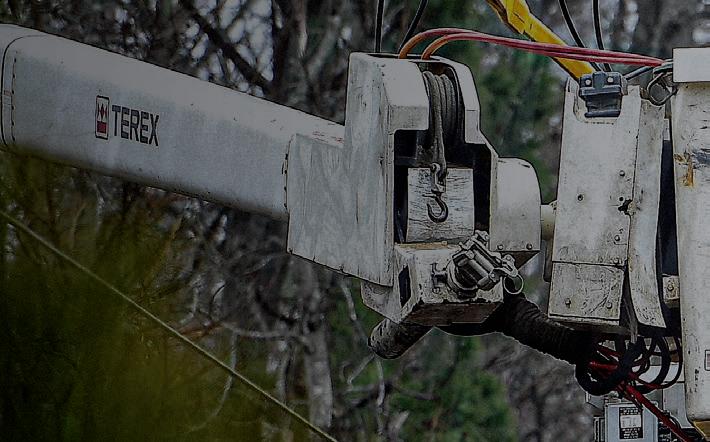
• Proactively managing vegetation near power lines and other electrical equipment to decrease the volume of fuel and slow the spread.
• Advocating for smarter land management policies like the Fix Our Forests Act that would allow co-ops to better maintain power lines on public lands and reduce wildfire risk.











906 N. Lake Arthur Ave.
P.O. Box 1229
Jennings, LA 70546
337-824-4330 • 337-824-8936 (fax)
Branch office:
815 Highway 27, Bell City, LA 70630 337-598-5700
www.jdec.org
STAFF
Michael J. Heinen | CEO
Anya Killmer | Executive Assistant/ Benefits/HR
Eric Gautreaux | Chief Operating Officer
Tara Guinn | Chief Financial Officer
Cade Delcambre | Substations and Metering
Skyler Hebert | Office Manager
Ben Hetzel | Director of Safety/ Member Services
Brennon LaBouve | Engineering Manager
Heath Lemieux | Superintendent
Kain Miller | Superintendent, Jennings
Jonathan Nunez | Superintendent, Hackett
Wendell Thibodeaux | Purchasing Manager/ Warehouse
BOARD OF DIRECTORS
Joseph L. Tupper | President
Thomas Precht III | Vice President
John Berken | Secretary/Treasurer
James Doxey
Byron Hardee
Wilson Dean Landry
Reggie Murphy
Kevin Sonnier
Martin Zaunbrecher
Louisiana Country (USPS 473-180) is published bimonthly by the Association of Louisiana Electric Co-ops Inc., 10725 Airline Highway, Baton Rouge, LA 70816, in partnership with Pioneer Utility Resources.
Annual subscriptions: Members $2.79. Nonmembers $5.
Postmaster: Send form 3579 to 10725 Airline Highway, Baton Rouge, LA 70816.
Periodicals postage paid at Baton Rouge, Louisiana 70821, and additional mailing offices.
Service. Mission. Country. You likely identified immediately—and correctly— these three words describe our nation’s veterans. They also succinctly describe a core co-op ethos.
Veterans are innately motivated to serve. In a similar vein, electric co-ops are guided by foundational principles that put their communities first. After all, electric co-ops were founded to bring electricity to rural areas where there was none. In doing so, they powered local economies and helped them thrive. I believe this close connection to essential missions is why there are so many veterans in the utility industry and why they are such great fits at electric co-ops.
Today’s veterans are highly skilled because many who join the military are either trained in a technology-related discipline or exposed to advanced technology during their military service. Many veterans have skills in disciplines such as engineering, electronics or mechanics, which are all beneficial for the utility industry. Jeff Davis Electric Cooperative is proud to employ several veterans, and we’re especially grateful for their contributions to the co-op and to our community.
Our veteran colleagues joined the co-op equipped with training in leadership and teamwork. While on active duty, service members work closely together because they know their lives depend on the actions of everyone in the unit. This fosters a high level of self-discipline, sense of personal responsibility and focus on excellence.
The utility industry is increasingly complex and undergoing profound transformation. While there are the traditional engineering and vegetation management aspects of utility operations, it now also encompasses technology, cybersecurity and the electrification of the transportation sector and other areas
of the economy.
Veterans are adept at responding to changing conditions and learning and adapting to new technologies, which is essential in our evolving industry.

Working for an electric co-op is more than a job. There is a clear mission in the work—to help our consumer-members and the community. When you work so closely with a community, you can’t help but feel a sense of commitment and responsibility to its members. It’s similar to the sense of duty and responsibility veterans feel in the military. They feel deep, personal responsibility and commitment to their co-op team members and to the members we serve. Veterans are trustworthy and goal-oriented. They want to do right for their co-op and community.
May is Military Appreciation Month and at JDEC, we are grateful to have veterans within our ranks. We are proud to serve them and their families in our community. Beyond words, we demonstrate our deep appreciation through our actions.
At the national level, electric co-ops support the Vets Power Us program aimed at employing and honoring veterans and their families. This effort involves partnering with other electric co-ops across the country along with the Department of Labor, the Department of Defense, the Veterans Administration and others to hire veterans in the energy industry.
This month, I hope you’ll join me in recognizing the sacrifices veterans have made to our great country and the many contributions they continue to make to our wonderful community. Veterans, we salute you!
like potholders, napkins or dish towels near the stove while cooking.


DO ensure you’re using the correct wattage

keep electrical devices away from water to prevent electric shock.

DON’T overload electrical outlets with more devices than the circuit can handle.
If you receive a call from someone stating you have overpaid your energy bill and that you should provide your banking information or a credit card number to receive a refund, hang up because it’s likely a scam.
If you overpay your bill, your cooperative will apply the overpayment credit to your account balance or mail a check. They will not call and request your banking information to issue the refund.
Source: Utilities United Against Scams
Outside factors, such as fuel and equipment costs and extreme weather, can affect electricity prices. But you have the power to control home energy consumption by taking proactive steps to reduce energy use.









The thermostat is one of the best places to lower your energy use, because heating and cooling account for a significant portion of home energy consumption. During winter months, adjust your thermostat to the lowest comfortable setting to reduce energy use. The Department of Energy recommends 68 F or lower.
Plan energy-intensive chores and tasks, such as running the dishwasher or washing clothing, during off-peak energy hours, when the demand for electricity is lower. Off-peak times are early in the morning or late evenings. By scheduling these activities during off-peak periods, you can help keep rates lower, reduce demand and relieve pressure on the grid.


















According to Energy Star, about 20% of heated or cooled air that moves through a home is lost due to lack of proper insulation and air leaks. Ensure your home has sufficient insulation levels, and seal air leaks around windows and doors with caulk and weatherstripping. This is a simple, effective way to lower energy use and improve indoor comfort.
The health of your heating and cooling system is essential for comfort and can greatly impact energy bills. Maintain your system by regularly replacing dirty filters and scheduling annual inspections for maintenance and necessary repairs.





By John N. Felsher
Since the dawn of fishing, anglers have been spinning tales, even an occasional true one. But now they can tell stories of spinning tails that catch more bass.
One hot Louisiana day many years ago, Dad wanted to make a quick fishing trip in the morning before the scorching heat became too oppressive. Of course, I wanted to fish from dawn to dusk, but Dad had the driver’s license. We headed to a pond that everyone called the Ol’ Swimming Hole, but it held big bass.
On hot summer days, swimmers jumped off the bank about 3 feet above water at one corner of the rectangular pond. Next to the bank, a sandbar came up to the shoreline. That’s where Dad and I launched our pirogue into the pond.
We fished for several hours that morning with nothing to show for it. As the morning heat began to rise, swimmers came to cool off. Then, my dad uttered those dreadful words I never wanted to hear.
“We haven’t caught anything all morning,” he said. “Let’s go.”
My immediate standard response was always, “One more cast, pleeeeeaaaassssse!”
Without waiting for Dad’s approval, I
tossed a bright red worm equipped with three exposed hooks and tipped with a propeller on the nose. The worm landed beyond a submerged sandbar that ran parallel to the shoreline. The bait slowly sank to the bottom in the trough between the bar and the bank. Then, I reeled steadily to slowly turn the propeller.
As the lure slipped up the back side of the sandbar, something grabbed it. After quite a fight, I finally lipped a bass weighing nearly 6 pounds. Instantly, red harness worms became my new favorite bait. That fish remained my personal best largemouth for another 30 years.
Long before many people even heard the term Texas-rigged worm, anglers used prerigged harness or propeller worms. They came with two or three hooks protruding from the belly of a straight worm linked together with fishing line. On the nose, a straight wire held several colored metal, glass or plastic beads and what looked like a miniature aircraft propeller.
Few bass anglers still fish with prerigged worms, if they can even find one. Anglers might find some on dusty shelves in the back of old tackle shops, at country general stores or maybe a flea market. However, these worms began to make a comeback of sorts. Now called a tail-spinner worm, it’s a straight worm or similar soft-plastic enticement with a propeller screwed into the tail rather than the nose.
“I started using tail-spinner worms in tournaments and caught a lot of good fish on them,” says Keith Poche, a professional bass angler born and raised in Natchitoches. “I take a simple straight plastic worm or stickbait with a little weight to it. To the back of the worm, I attach a No. 1 or 2 spinner blade with a swivel and a split ring.”
In the old days, most harness worms came prerigged with wire weed guards that snapped over the hooks. Today, most people insert their hook points barely into the plastic worm body. When rigged weedless, a tail-spinner worm can go through most types of entangling cover to get down where lunkers lurk. Some people attach a small split-shot to the line about 12 inches in front of the nose to add casting heft or to fish it deeper.
“I typically throw it weightless with a 5/0 extra-wide gap hook,” Keith says. “I insert the hook into the plastic to make it weedless. I can throw a tail-spinner worm into grass, wood, fallen trees, brush piles or anything else, and it won’t hang up.”
A tail-spinner worm somewhat combines the attributes of spinnerbaits, crankbaits, wacky worms, soft jerkbaits and Texas rigs. The propeller creates vibrations and flash like traditional spinnerbaits, but with a more lifelike silhouette.

When big bass feel the vibrations or see the flash, they investigate. They see something that looks like helpless natural forage, so they attack. Since the worm feels lifelike, a bass might hold onto it longer than a spinnerbait.
“It’s a very versatile but subtle bait,” Keith says. “It’s a finesse technique that combines a spinnerbait with the look of a worm. The blade is just big enough to give off some flash, but not too bulky to chase fish away. The spinner draws attention to the bait and allows a person to fish it a lot faster than a Texas rig. With it, I can cover a lot more water than just working a standard soft-plastic stickbait.”


Because they sink slowly when rigged weightless, tail-spinner worms work best in shallow water with abundant cover like stumps, fallen trees and weed beds. They also work around flooded brush, dock or bridge pilings, riprap or similar places where bass feed in the shallows or near the surface.
Toss it into a sweet spot and let it sink. Steadily reel it just over the bottom or higher in the water so the propeller turns. Occasionally pause the retrieve to let the bait sink a few feet. When passing a stump, log or other object, let the worm sink to the bottom before renewing the retrieve. Bass commonly hit worms as they fall with the propeller still spinning. Some people hop it off the bottom.

“I usually fish the worm in water 5 feet deep or less,” Keith says. “I look for little ditches with slightly deeper water in the back of pockets. Bass use these ditches to migrate into and out of the shallows. I also look for dark spots that could indicate submerged stumps. Let the bait fall, and then slowly start retrieving it to make the blade spin. I’ll bump it forward a little and then let it fall again. Bass hit it aggressively.”
Unlike the old prerigged worms, anglers can easily change colors or propeller sizes on a tail-spinner rig. Experiment with different colors, configurations and retrieves to see what bass want that day.


photos by Colette Boehm
Tammany Trace includes scenic bayou overlooks and long stretches of piney woods and moss-draped oaks. Since its inception in 1992, this 31-mile trail has served as a ribbon, tying together communities across St. Tammany Parish.
Today, the rails-to-trails path is popular with cyclists, runners and walkers, offering a combination of easy accessibility, remote beauty and scenic views. But beyond its popularity for outdoor recreation, the trace’s trailheads combine outdoor recreation, art and local culture in Abita Springs, Covington and Mandeville.
The trailheads are favorite spots for many locals, offering a variety of opportunities for community connections
and outdoor fun. These spots are central to the culture and hubs of activity for these towns. They host weekly farmers markets, local art installations, entertainment venues, special events and more.
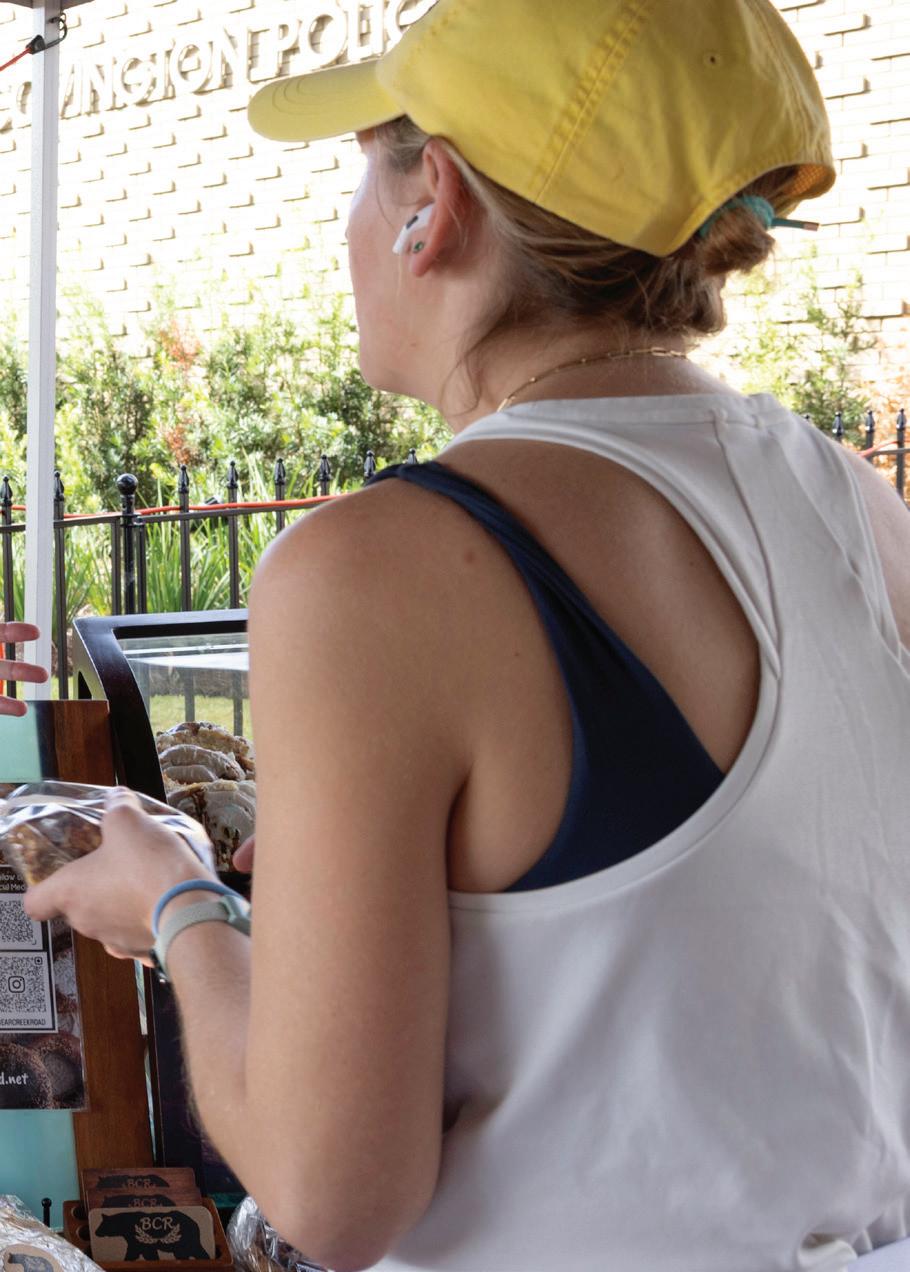
In Covington, a converted depot serves as a trailhead and visitor center. The center features rotating art exhibits, and the site includes a campanile, bandstand and amphitheater. Here, residents enjoy free concerts, arts and crafts markets, festivals and a lunchtime farmers market on Wednesdays. On Saturdays, a market is held just down the trail on the nearby grounds of the Covington Police Department.
The Wednesday and Saturday markets feature locally grown fresh produce,


prepared food and live music. Patrons may also find free samples from a participating local chef.
Jennifer Loos, proprietor of Bear Creek Road, has been operating her home-based bakery in Covington for 11 years. She transitioned from working in commercial kitchens to better balance her family life, and she finds the Covington Saturday Farmers Market to be not only an excellent retail venue but also a community gathering place. She is a vendor each weekend and, like many other regulars, her business is a favorite among local patrons.
Kristen Clinton, who grew up in Mandeville, now lives in Covington and visits the Covington market every weekend with her daughters. In addition to stopping at the Bear Creek booth for waffle mix, they have many other favorite vendors, as well.

“We love the cheese man, Mr. Jesse,” Kristen says. “And then we get waffle mix and a muffin. The waffle mix, we get it every single week. We love it. And the red bean lady over there and the mushroom man. And we always get a balloon, too,” she adds with a smile.
Balloons are a common sight throughout the grounds, as children play while parents shop or stop to enjoy the live music performed under the gazebo.
“They also have all of the fundraiser walks and other events at the trailhead,” Kristen says. “Last weekend, there was a music festival there. There's always stuff going on here.”
Saturdays in Mandeville bring the weekly Trailhead Community Market at the town’s park and renovated train depot, with more than 80 vendors participating. The Mandeville Trailhead and Cultural Interpretive Center are adjacent to the trace and host the Saturday markets as well as free Friday evening concerts and other
special events. The market spaces here offer more than local produce and food. Vendors include craftspeople, entrepreneurs and artists. There are jams and juices, salsas and tamales, plants and paintings.
Nicole Gillies, local artist and owner of Serendipitous Designs in Mandeville, has been exhibiting at the market for 16 years. She sees both loyal customers and longtime friends there.
“This is a really tight-knit little community, and I see a lot of the same people,” she says. “I've had repeat customers for years. We have some people that I see who come out every Saturday. This is a staple for them. My son grew up out here. He’s in college now. At 3 years old, he was out here sitting underneath the table. Now, every time he comes home from college, he comes back out and helps.”
Nicole also welcomes visitors who stop by her booth while they’re out enjoying the Tammany Trace.
“We get a lot of bikers,” she says. “We get a whole lot of people from Fontainebleau State Park too, because we’re the first stop.
Obviously, some of them will ride all the way to Covington, because you can do the whole thing, but we get a lot here.”
The depot site also includes cultural exhibits, a tower and an amphitheater, where live music is enjoyed by patrons relaxing and viewing from a shaded, grassy area next to the trace. The amphitheater also hosts the Mandeville Live! spring and fall concert series.
The Abita Springs Sunday-morning market adds to the variety of activities at this unique trailhead. The one-room Abita Springs Trailhead Museum celebrates the history and culture of Abita Springs with exhibits and photographs. It is open Friday through Sunday, and volunteers are quick to brag about their town and the park that is home to the trailhead.
The park features a historic two-story pavilion, under which rests Princess Abita, a statue commemorating the healing waters the town is known for. There is a water fountain for collecting



that fresh Abita water and a Spirit Stick totem on the site, honoring the town’s history and Choctaw symbology. The trailhead park boasts a playground, splash pad and picnic area.
During the Sunday markets, Gallo D’Oro Farm’s Dan Rinderle, who along with his wife owns a local restaurant, sells his sauces, dressings and vegetable preserves. Garlic, green beans, okra and more fill his table at the market.
“We are a farm—a little 5-acre farm in Abita Springs,” he says. “We grow just enough crops to do what we do here and

then supply what we can for the restaurant. In season, for instance, like if you come and get eggplant, it's fresh off the farm. My wife and daughter make the jellies. Everything else on this table, I make.”
Dan, too, sees local folks each week who have become dedicated customers. He even fills special requests for them.
“Somebody asked me to make honey mustard this week, so I brought it,” he says. “Somebody asked me to make a big jar of carrots.”
These requests come from neighbors and locals who consider markets like these an

important part of what makes the trace’s trailheads so central to life here.
These are also the spots for many popular annual events. From the Not Your Mama’s Gumbo Cook-off in Abita Springs to the Shamrock Sprint and the Rockin’ the Rails Concert in Covington, spring events are only the beginning of a yearlong calendar filled with activities that bring out residents and attract visitors.
Many of those visitors find the outdoor community centers when traveling the trace during a stay at Fontainebleau State Park. This 2,800-acre treasure in Mandeville is Louisiana’s most visited park and, via the trace, is connected to each of these Northshore communities.
The trace’s headquarters in Mandeville is at the Koop Drive Trailhead, which is also a popular local spot for recreation and relaxation. This is home to the Kids Konnection Playground, which is built with inclusion in mind. It includes special features that allow children of all abilities to play together. A green caboose, which serves as the trail’s headquarters, sits on a preserved piece of railroad track and is surrounded by the playground.
In nearby Lacombe, the trailhead is not so much a town center as it is a meditation center. Located in a remote area, this spot is considered one of the trail’s most scenic locations.
A converted railroad trestle, complete with drawbridge to accommodate boat traffic below, spans Lacombe Bayou. The trailhead, with its covered picnic areas on the bayou and a comfort station, provides a picturesque spot for a relaxing break.
While the trailheads serve as community hubs, the trace itself has become an important part of St. Tammany Parish’s economy. Bike shops are located near both the Mandeville and Covington trailheads and offer repairs and deliveries for cyclists in other areas. The local restaurants and shops within walking distance of the trail see traffic from cyclists year-round.
It is clear to see the abandoned railroad corridor from 1992 has become an integral part and a recreational centerpiece of the Northshore communities of St. Tammany Parish. The miles of asphalt, remodeled railroad trestles and repurposed depots now connect communities, residents and visitors in new ways.
Those out for fitness, a scenic ride, a family outing or immersion in local food and culture, find Tammany Trace offers the perfect locations for connecting outdoor enjoyment with community charm across St. Tammany Parish. n
Are you ready to spring into energy savings? When we actively try to reduce our energy use at home, we save on bills and help our communities. Read the efficiency tips below, then search for (and circle) the bolded words in the puzzle.
Spring Energy Tips:
Unplug chargers, gaming systems and other devices. Electronics can consume energy when they’re plugged in, even when you’re not using them.
Open curtains and blinds during the day for natural light instead of using lamps and other home lighting.
Dress for the weather. When it’s chilly, grab a jacket instead of turning up the thermostat
When it’s warm, instead of turning on the A/C, open windows or turn on fans to circulate air.
Turn off lights when you’re leaving the room for more than 5 minutes.





































By Jen Gennaro
If you stand at the counter of JW Hardware in Grand Lake long enough, you’ll notice something unusual for a hardware store: People rarely leave with just what they came for.
At JW Hardware, customers almost always walk out with more than they expected, whether it’s a hard-to-find specialty oil for a tractor, pipe insulation on the eve of a freeze or the name of a contractor who can install a bidet.
Everyone seems to know everyone. Customers walk in and greet the guys behind the counter by name and vice versa. Contractors network informally. Someone might ask about fencing for cattle pastures, while another customer needs plumbing parts for a home repair and detailed instructions on how to do it. Sometimes people just stop in for advice.
It’s exactly the kind of place Jon Norman and Chuck Norrow envisioned when they helped Jon’s parents, owners Annette and Charles Norman, bring JW Hardware to life.
The store opened in April 2022, but the idea had been circulating for nearly a decade. The name itself carries family history, as JW is a name passed down through the Norman family to Jon.
Annette grew up in the area, and her family has deep roots in Cameron Parish. Her father was a rice and cattle farmer, and her grandfather, George McCain, worked as a ship captain. Those ties to land and water stretch back even further—her greatgrandfather, Angus Bouie McCain, owned and operated the Borealis Rex riverboat in the late 1800s and early 1900s, hauling goods to Cameron long before a road connected Lake Charles to the town.
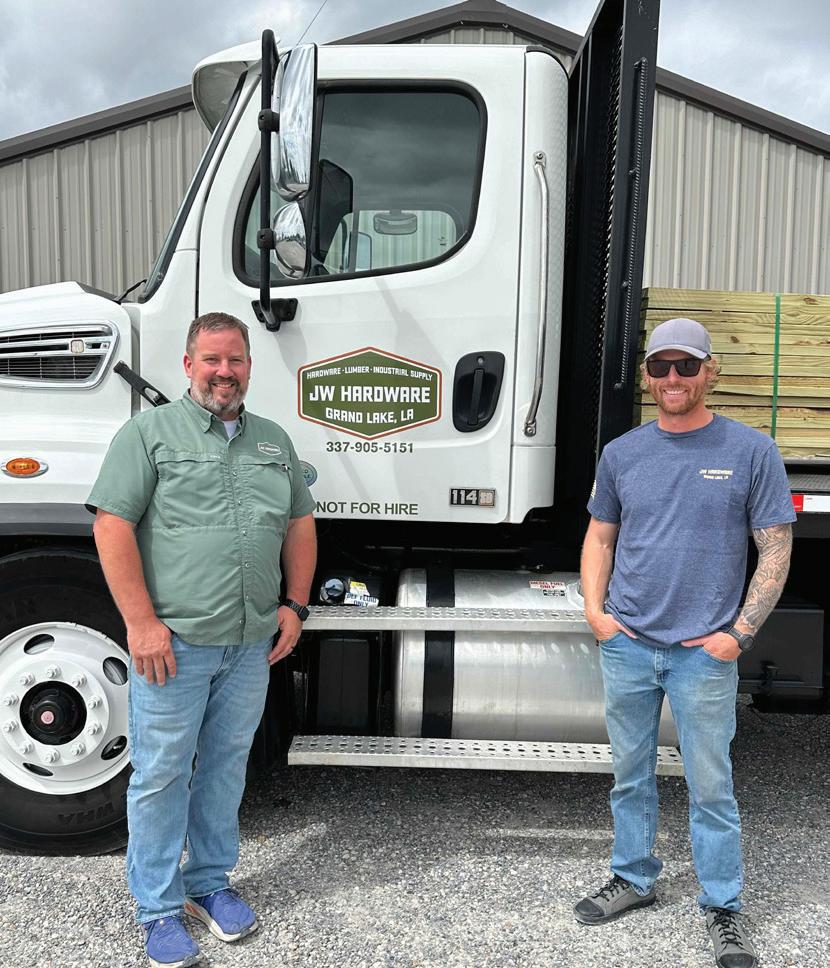
Recently, when Chuck, the store’s general manager, brought JW Hardware’s new lumber truck to show Annette, she laughed at the contrast between her history and her present. He hauls lumber through town now the way her great-grandfather once did by riverboat generations ago.
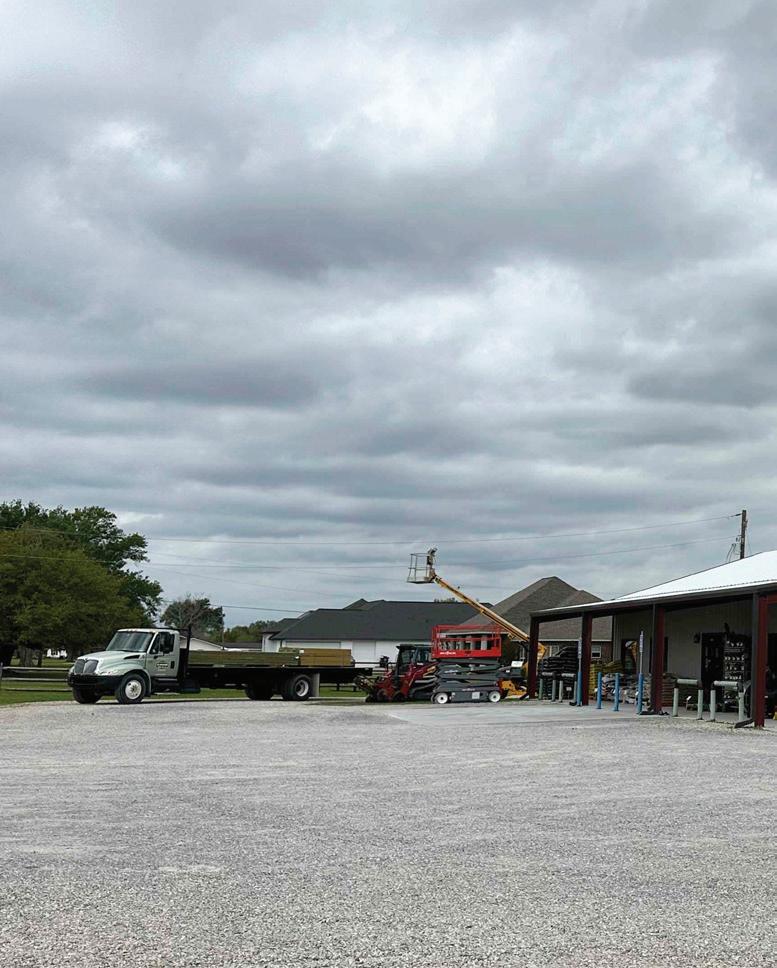
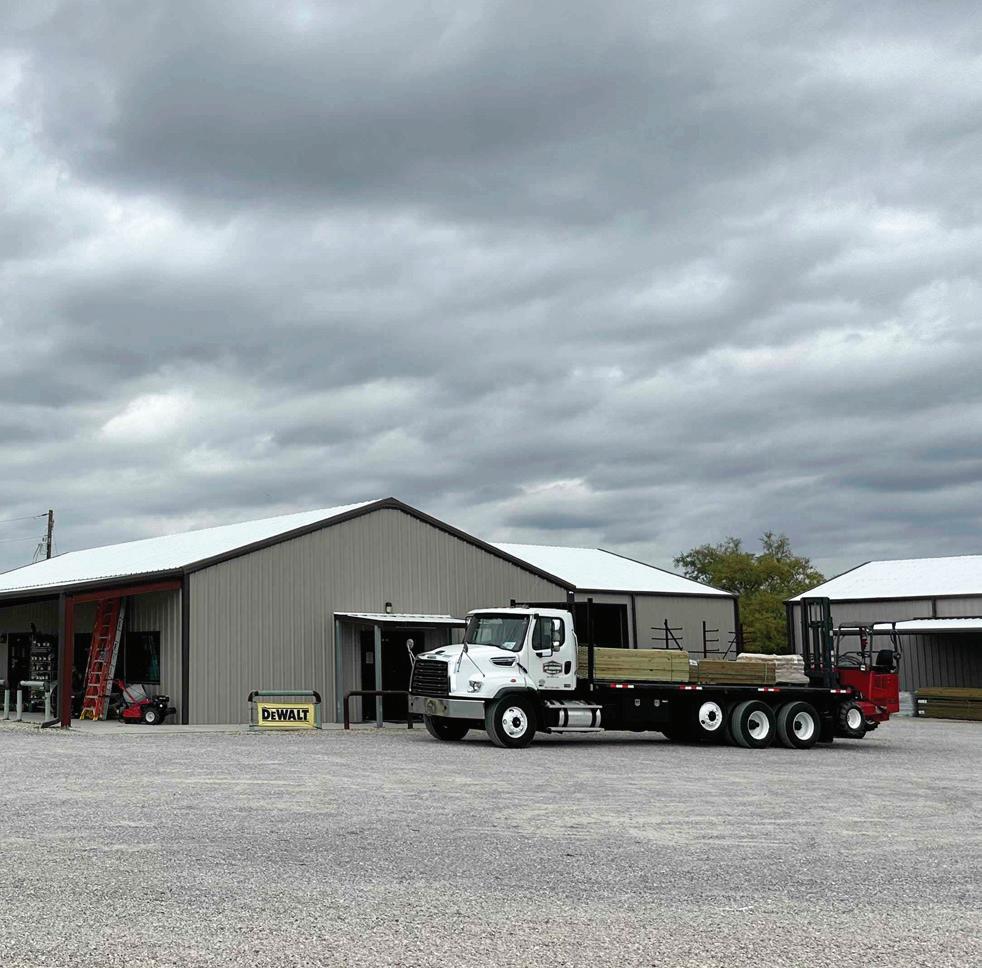
Today, JW Hardware fills a longstanding need in Cameron Parish. It’s the only hardware and lumber store south of Lake Charles all the way to the Gulf, serving residents, contractors and ranchers across the region. In a rural community where going into town can easily mean a 40-mile round trip, that matters.
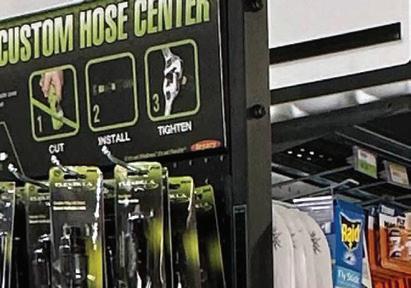
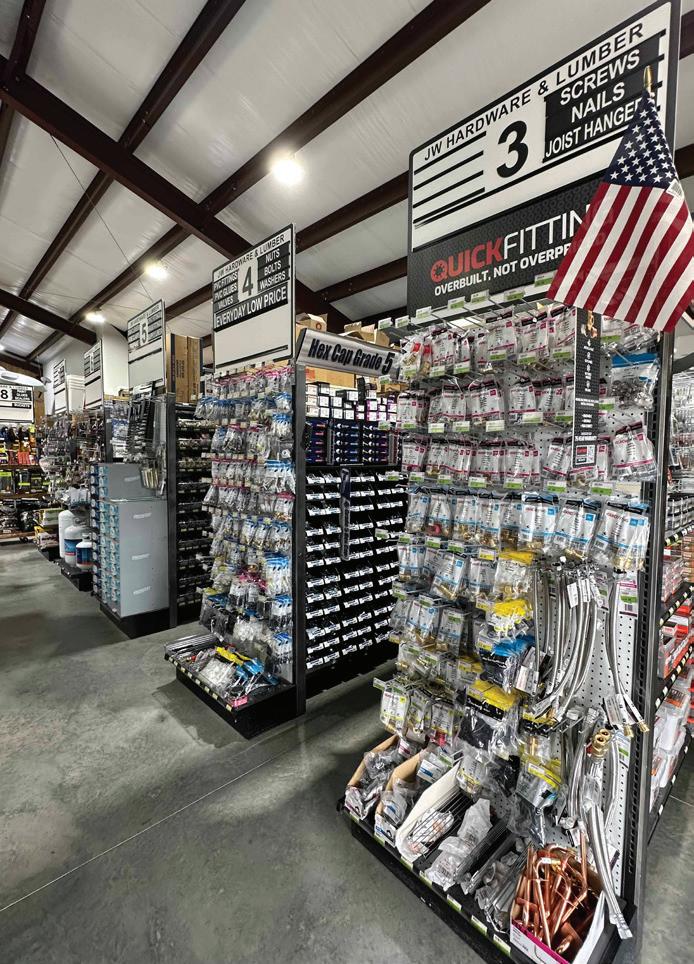
JW Hardware is larger than many expect. The operation includes about 8,600 square feet of space, including a 2,800-square-foot main store and several large lumber barns for overstock. Outside, lumber sheds hold building materials such as sheetrock, insulation and treated lumber. Despite its size, the store is tailored to
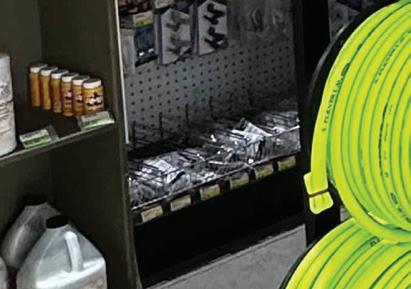
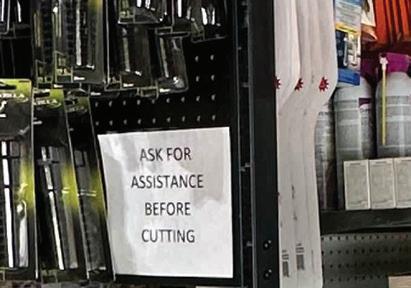
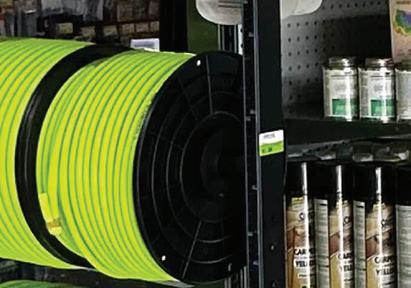
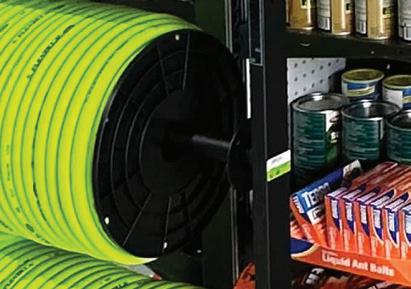
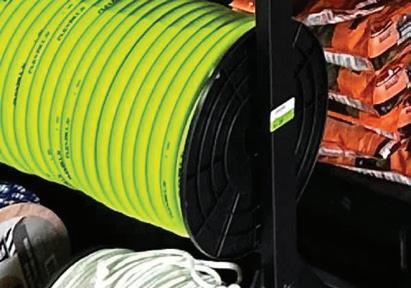
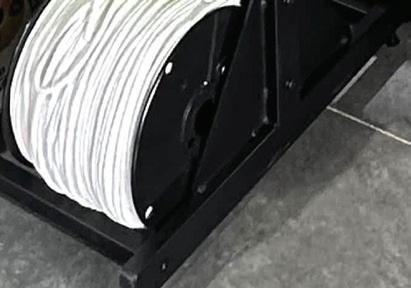
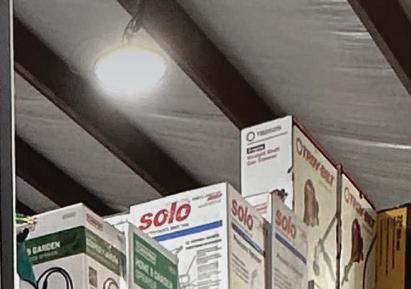
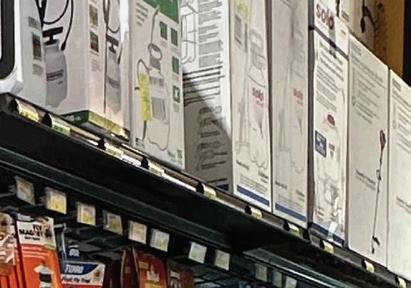
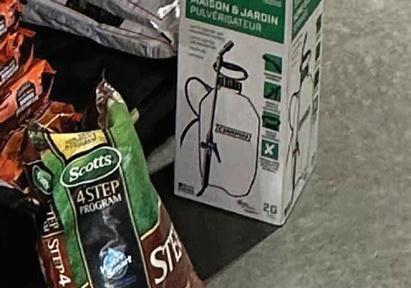
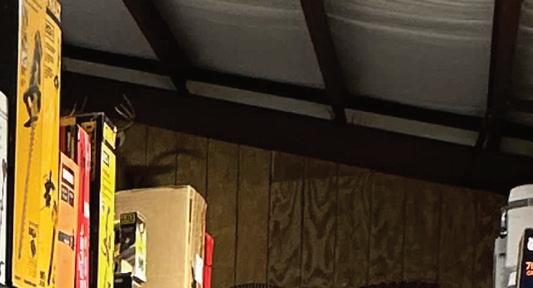
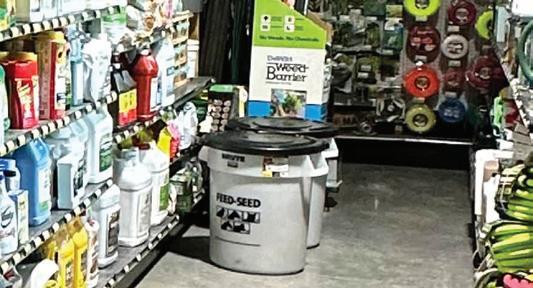
FROM LEFT: JW Hardware is the only Cameron Parish hardware and lumber store between Lake Charles and the Gulf. General Manager Chuck Norrow, left, and Operations Manager Jon Norman run the store, which is owned by Jon’s parents. Inside the store, customers can find a wide range of products, from building materials and tools to livestock supplies.
rural life in Cameron Parish.
“We’ve really tried to focus on the needs of the community,” says Jon, who oversees operations.
That means carrying items designed for life near the Gulf, such as saltwater-treated lumber for coastal conditions, heavy-duty fencing supplies for ranchers and tools built to withstand heat, humidity and salty air.
Customers can also rent equipment such as trenchers, towable man lifts and scissor lifts—tools often needed by local homeowners and contractors for major projects. Demand is growing with a large liquified natural gas, or LNG, plant under construction, which means subcontractors rely on a steady supply of lumber, consumables and jobsite basics such as pumps and hoses.
The store stocks generators, propane tanks, pressure washers, air compressors and major tool brands such as DeWalt and Milwaukee. It also carries automotive supplies, hunting products, livestock equipment and feed for chickens, goats and cattle.
“If it helps somebody not have to go to town, we try to carry it,” Jon says.
Some customers come in expecting to pay higher prices, but Chuck says that’s a misconception. Prices are often the same or lower than big-box stores, especially with lower sales tax.
Chuck, originally from Michigan but living in the area since Hurricane Rita in 2005, brings nearly 30 years of
construction experience, which often proves just as valuable as the inventory.
“When people come in with a project, we can help guide them,” he says.
“Plumbing issues, building steps, repairs—we can help them figure out what they need and how to do it.”
Customers say that kind of service keeps them coming back.
“Very helpful, and you don’t have to walk a mile to the back of the store like a big box store,” one customer wrote in a review. “They have what I need every time and great quality.”
The store also actively supports the community—and in a small town, that often means the school district. Chuck’s six children all attended Grand Lake schools, and JW Hardware frequently supports school athletics and events. The store hosts fundraisers, donates to community causes and helps organize benefits when families face medical emergencies.
“The community has done so much for us,” Chuck says. “We just try to pour back into them in gratitude.”
That commitment hasn’t gone unnoticed.
“These people are very awesome and very willing to help you,” one customer wrote in a review. “It makes me feel at home.”
In a small town, where relationships matter as much as reliability, that may be JW Hardware’s greatest asset in its inventory. n






Whether it’s music, movies or games, streaming and interactive online content is a part of daily life for many. With a little care and planning, you can have the smoothest experience possible. Also, keep in mind the professionals with your service provider are always ready to support you, answering questions and offering information needed to make the right choices. Here are a few items to consider:
Anticipate how you will use your streaming services. When assessing internet needs for streaming, consider the number of people in your household and their activities. Will there be remote work, gaming or multiple streaming services involved? Once your internet use patterns are understood, make sure your internet plan matches your needs.
Take into account the amount of devices. Don’t overlook the number of devices connected to the Wi-Fi network. It’s common for households to have various smartphones, tablets and smart appliances online simultaneously. Remember, each connected device consumes bandwidth, which can affect the performance of all your devices.





Assess your Wi-Fi coverage. Slow streaming can sometimes be attributed to Wi-Fi issues rather than insufficient bandwidth. Evaluate the placement of your router, and consider investing in a mesh Wi-Fi system to ensure comprehensive coverage throughout your home. This can significantly improve streaming performance, especially in larger homes or areas with signal dead zones.
Understand streaming. Streaming involves the continuous transmission of media content from an online server to a digital device. It can include a wide range of content, from livestreams to recorded movies and TV shows. At times, it can seem like an endless stream of content possibilities. However, there are potential bottlenecks, so consider cataloging all the streaming services in use—including online gaming—to make sure you have the internet connection and Wi-Fi setup that’s right for you.
3. 4. 5.
Stay informed about advancements in technology. Streaming technology has rapidly evolved, revolutionizing how we consume media. Stay informed about advancements in streaming services and internet technology to make informed decisions about your streaming setup. For example, image resolution for some movies is now much higher than just a few years ago and requires a faster connection to enjoy. 1. 2.



































While mobile payment apps like PayPal or Venmo make it easy to send and receive money online or through an app on a phone, scammers are also waiting to take advantage. This service becomes an intermediary between your money and whoever is on the other end of a transaction, which can create an added layer of security.
But if a scammer tricks you into sending money, it’s hard to get it back. The Federal Trade Commission notes the risks and offers tips for staying safe.
Don’t send a payment to claim a prize or collect sweepstakes winnings.



Never give your account credentials to anyone who contacts you.
Protect your account with multifactor authentication or a personal identification number.
Before paying, double-check the recipient’s information to make sure you’re sending money to the right person.
If you get an unexpected request for money from someone you recognize, speak with them directly to make sure the request is valid—and not a hacker who got access to their account.
If you find unauthorized payments or think you paid a scammer, immediately report the transaction to the service providing the payment app. Instructions should be available on the service’s website. Also, report the scam to reportfraud.ftc.gov.