





Culture, Community and Creativity
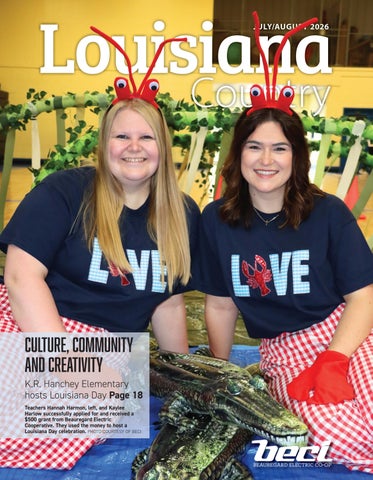
K.R. Hanchey Elementary hosts Louisiana Day Page 18
Teachers
successfully applied for and received a $500 grant from Beauregard Electric Cooperative. They used the money to host a Louisiana

K.R. Hanchey Elementary hosts Louisiana Day Page 18
Teachers
successfully applied for and received a $500 grant from Beauregard Electric Cooperative. They used the money to host a Louisiana











SAFETY
Board of Directors
President
Vice
Secretary/Treasurer


At the Association of Louisiana Electric Cooperatives, our mission is centered on supporting the electric cooperatives that serve communities across Louisiana. As a nonprofit organization, ALEC represents the electric distribution cooperatives that provide reliable electric service to nearly 1 million residents in 50 of Louisiana’s 64 parishes.
Through advocacy, education, communications, safety training and member support services, ALEC works alongside our member cooperatives to help strengthen the communities they serve each day. From governmental and regulatory affairs to employee and director education programs, our resources and support are designed to help keep cooperatives operating efficiently and effectively.
Our member cooperatives include Beauregard Electric Cooperative, Claiborne Electric Cooperative, DEMCO, Jeff Davis Electric Cooperative, South Louisiana Electric Cooperative Association, Panola-Harrison Electric Cooperative and Washington-St. Tammany Electric Cooperative.
One of the most important roles cooperatives play is supporting one another during times of need. Through coordinated storm restoration and mutual- aid efforts, Louisiana’s electric cooperatives work together, and alongside a nationwide network of more than 900 electric cooperatives, to restore power safely and as quickly as possible following severe weather events. This is why, during storm recovery, you may notice crews from unfamiliar cooperatives working in
your community. Those crews are part of the cooperative network answering the call to help neighbors in need.
Electric cooperatives across the country are guided by the same Seven Cooperative Principles, with a shared commitment to service, community and cooperation. At ALEC, we are proud to support the cooperative spirit that continues to power Louisiana communities every day.
“You can’t start rebuilding a community until the power is restored,” says Matt Peters, general manager of South Louisiana Electric Cooperative Association.
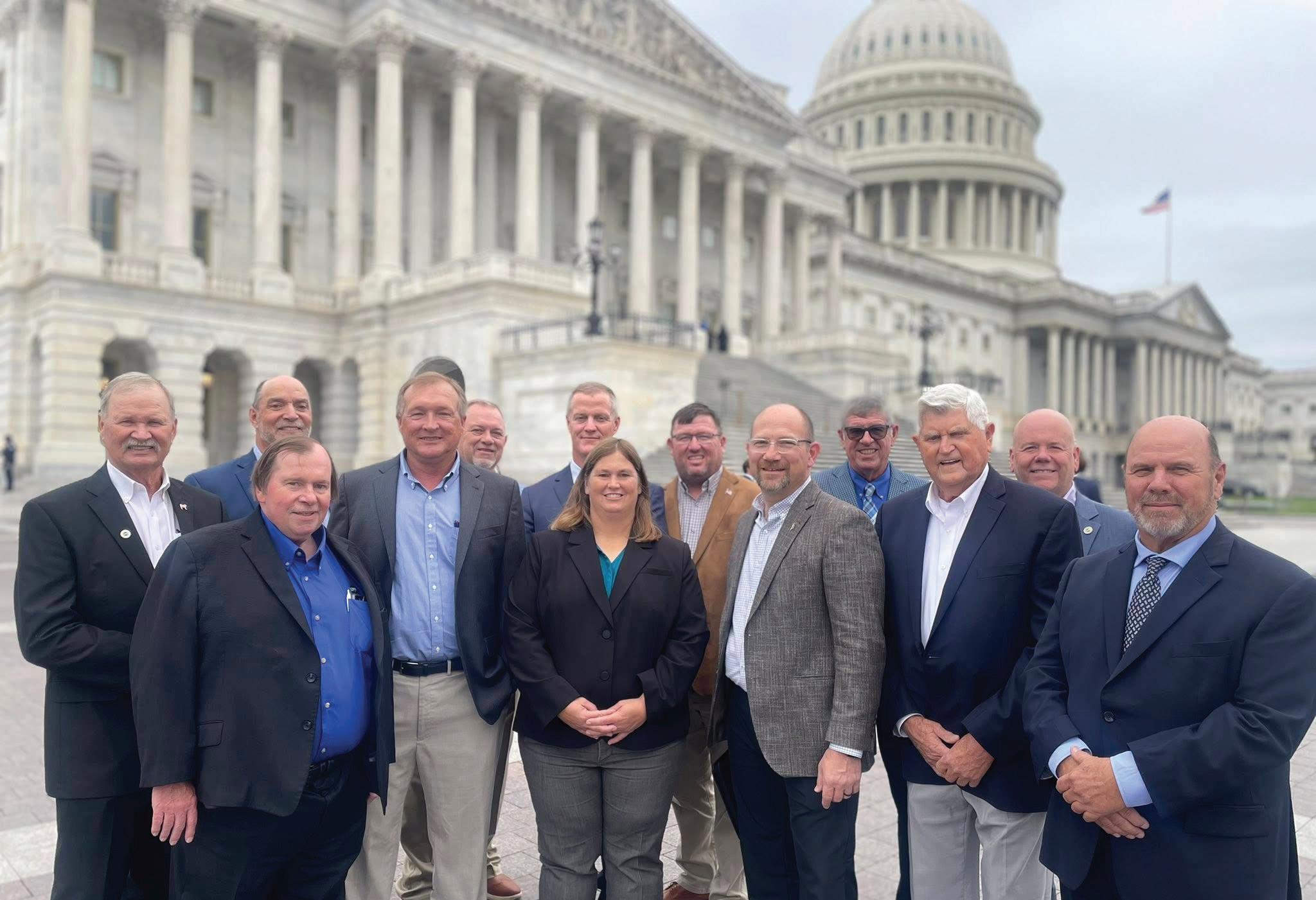
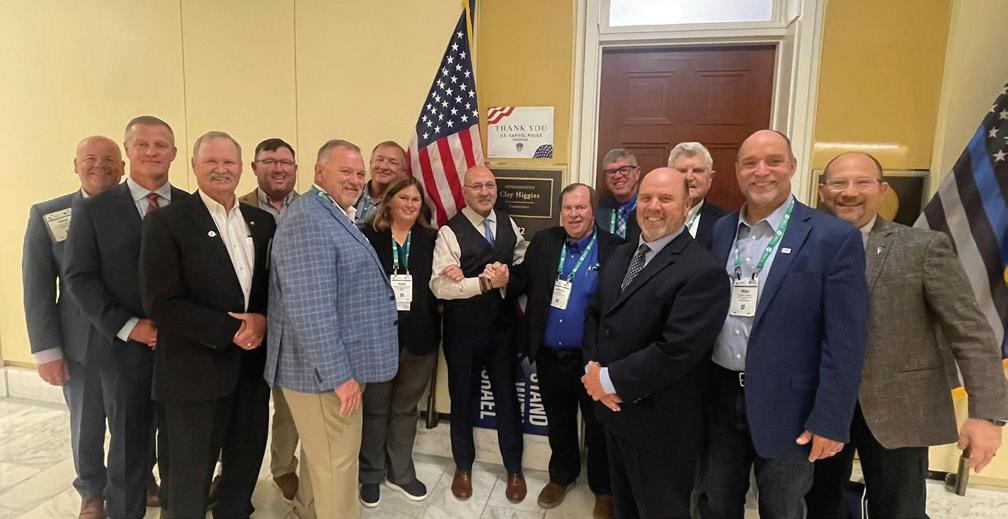
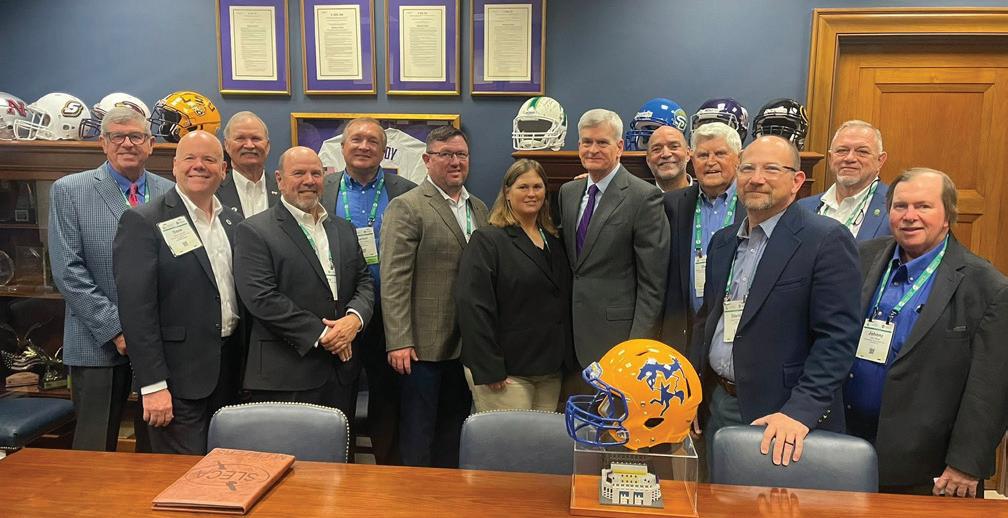
In April, electric cooperative board members and general managers traveled to Capitol Hill to advocate for resources and policy reforms needed to help communities recover after disasters. During meetings with Reps. Cleo Fields and Clay Higgins, cooperative leaders discussed key issues impacting their communities, including FEMA reform to expedite disaster reimbursements, permitting reform, Rural Utilities Service loan funding, and the need for additional resources to restore power and rebuild after major storms.
“When a storm hits, we bring normalcy and hope of rebuilding, but that comes at a cost,” Matt says.
Cooperative leaders continued their advocacy efforts throughout the week, representing the needs of Louisiana’s electric cooperatives and the communities they serve.
“ You can’t start rebuilding a community until the power is restored.”
MATT PETERS, SOUTH LOUISIANA ELECTRIC COOPERATIVE ASSOCIATION GENERAL MANAGER




Donald Bush | District One
Ricky Deggs | District Two
J.R. Hickman | District Three
Alan Dane Slaydon | District Four
Jeff West | District Five
Dan O’Dell | District Six
Doug Sonnier | District Seven
Jeron “Scott” Kyle | District Eight
Tommy Cryar | District Nine
BEAUREGARD ELECTRIC CO-OP LEADERSHIP
Mike Viator | CEO and General Manager
Kelly Lewis | Vice President of Finance and Corporate Services
Bobby Brown | Vice President of Operations and Construction Services
Joe Carriere | Vice President of Engineering
BEAUREGARD ELECTRIC OFFICES
Main office
1010 E. 1st St. DeRidder, LA 70634
Phone: 800-367-0275
Moss Bluff
975 N. Perkins Ferry Road
Lake Charles, LA 70611
Phone: 337-855-6684
www.beci.org
Lately, I have seen on social media and heard folks say, “My lights went off for a few seconds, then came back on,” or “My power blipped.” It is way better than hearing, “My power is off.”
So, what’s going on, and what has changed?
The answer is investment in reliability and better technology. Our reliability team focuses on keeping the lights on and invests heavily in replacing traditional fuses with reclosure switches (reclosures). Both devices protect the system from faults, but they work very differently.
A fuse detects a fault, opens and stays open until a lineworker is dispatched to find the issue, make repairs if needed and replace the fuse, often resulting in an extended outage. A reclosure is an automatic device that detects faults, briefly interrupts power and restores service after a short delay if the fault is clear.
Over the past year, we’ve replaced about 70 fuses with reclosures, with more planned in the coming months. The data shows these devices are working and improving reliability.
When a fault occurs—such as a tree limb touching a line or a squirrel—the reclosure detects the fault current. From there, it opens—or trips—to interrupt power; waits for a preset time; and automatically recloses, reenergizing the line. This process is repeated up to three times.
If the fault is temporary, power is restored quickly. If it’s permanent, the device locks out, keeping the line deenergized until crews make repairs.
Reclosures are important for a few reasons. Most distribution faults—70%-90%— are temporary, and reclosures restore power without human intervention. They also significantly reduce the duration of outages and improve reliability.
For example, two of our most common outage causes are squirrels and falling limbs. With a fuse, power stays off even after the issue clears. It’s a one and done. With a reclosure, the device opens, waits a few seconds and recloses, often keeping the lights on if the fault has cleared. If a limb remains on the line and the fault is still present, the reclosure will lock out and crews will address it just as they would with a fuse.
If a squirrel gets zapped—the most common cause of outages—it causes a fault and the reclosure opens. The squirrel falls to the ground, the fault clears, and the reclosure operates and keeps the power on. This happens way more than most would expect. With traditional fuses, the power stays out until we show up after traveling to the site, look around for a cause, find the poor critter on the ground and then close the fuse to restore power.
One common concern is that these blips cause damaging surges. That is not true. Reclosures restore power at the same voltage, and surges are caused by sudden voltage changes, which do not occur during normal reclosure operations. In fact, these devices are designed to help prevent damage. So, when your lights go off briefly and come back on, that’s a good sign. In years past, those outages would likely have lasted much longer.
This is just one of the ways our reliability team is improving service, and we’re encouraged by the data and positive feedback. We will continue installing reclosures where engineering deems them safe and beneficial while exploring other ways to improve system reliability.
Louisiana Country (USPS 473-180) is published bimonthly by the Association of Louisiana Electric Co-ops Inc., 10725 Airline Highway, Baton Rouge, LA 70816, in partnership with Pioneer Utility Resources.
Annual Subscriptions: Members $2.79. Nonmembers $5. Volume 43, Issue 4
We have shifted our efforts from getting the lights back on to keeping them on— proactive versus reactive. It’s a work in progress.
Beauregard Electric offers its members an opportunity to win the co-op’s Lucky Account Number Contest by publishing four account numbers somewhere on Pages 18-19 of Louisiana Country. The account numbers are listed within the story on those pages, not on the magazine cover. To win, you must locate your account number (listed on your electric bill) on these pages and then contact the co-op. To claim your prize, call 800-367-0275 or 337-463-6221 by Aug. 15.















The safety of our members and employees is a priority at Beauregard Electric Cooperative Inc., especially during storms. When outages occur, our crews work as quickly and safely as possible to restore power.
Before repairing downed lines, crews confirm circuits are deenergized, isolated and properly grounded. Even with these precautions, their lives can still be at risk and sometimes safety depends on you.
Improper use of portable generators can be deadly. Connecting a generator to your home’s wiring or plugging it into a standard outlet can cause backfeeding, sending electricity back through power lines and potentially electrocuting lineworkers or others nearby even when lines appear to be off.
Generator misuse can also put homeowners at risk of electrocution, fire, property damage and carbon monoxide poisoning.
Portable generators are useful during outages, but they must be used safely. These tips could help keep yourself and those around you safe:
• Never connect a generator directly to your home’s wiring unless it is properly equipped for generator use. Backfeeding can injure or kill lineworkers. Have a licensed electrician install the proper connection equipment.
• Always plug appliances directly into the generator. A transfer switch installed by a licensed electrician is required for safe connection to home circuits.
• Use heavy duty, outdoor-rated extension cords that are undamaged and have three prongs. Overloaded cords can cause fires or damage.
• Ensure your generator is properly grounded.
• Never overload the generator. Only power essential equipment.
• Turn off all equipment before shutting down the generator.
• Keep the generator dry and operate it on a dry surface under an open structure.
• Always keep a fully charged fire extinguisher nearby.
• Never refuel a generator while it’s running.

• Follow all manufacturer instructions and never cut corners on safety.
By using generators safely, you protect your family and crews working to restore your power. When we work together, everyone stays safer.
This is general safety information only and is not a substitute for manufacturer instructions, professional electrical advice or local code requirements.

ADOBE STOCK IMAGE AND ILLUSTRATION BY VECTOR_V AND BIOD

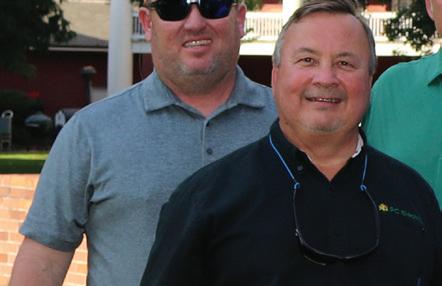
The Association of Louisiana Electric Cooperatives and members hosted the Taste of Louisiana Cookout for elected officials in May. The afternoon was spent at the Capitol meeting with legislators, having meaningful conversations while sharing the cooperative story and ending with some Louisiana home cooking.
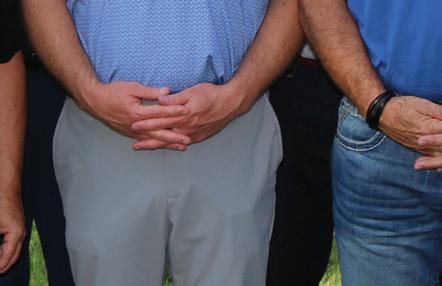


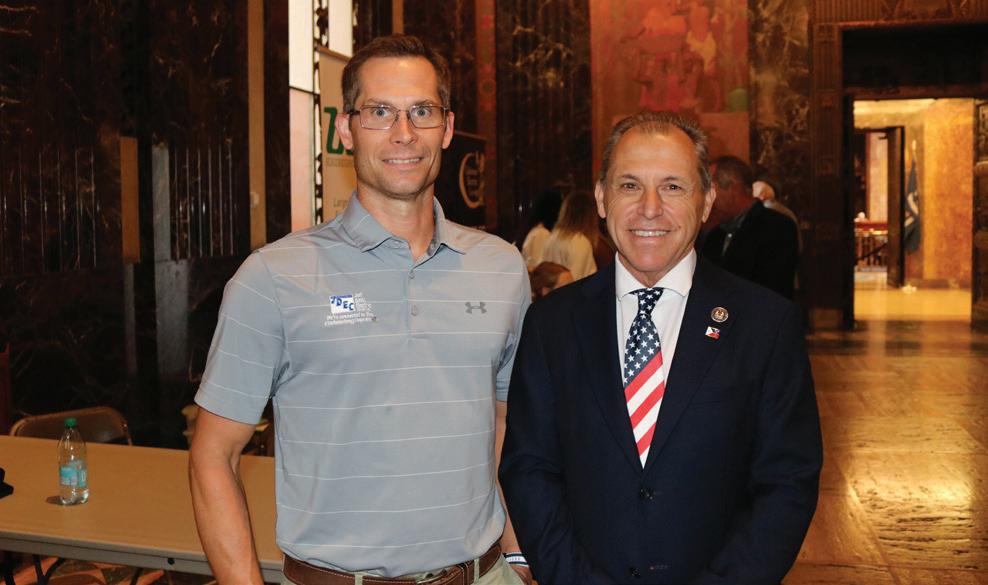
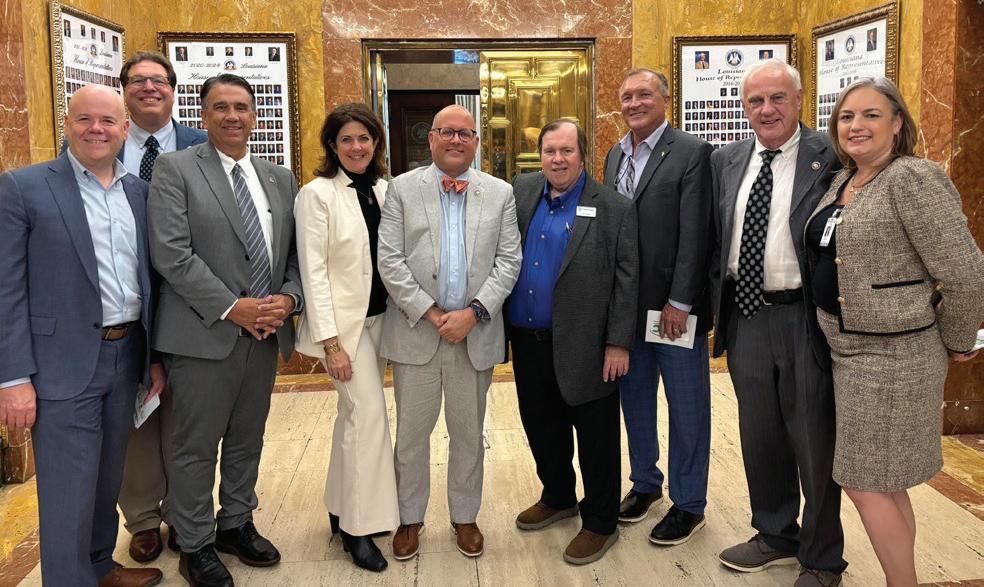
Louisiana co-op leaders discuss issues impacting the communities they serve with legislators in Baton Rouge. From left are state Rep. Brian Leonard Glorioso, WSTE CEO Dane Hocott, state Reps. John Wyble, Stephanie H. Berault and Kim Carver, WSTE Manager of Governmental Affairs Johnny Bruhl, ALEC CEO Aarron Graham, state Rep. Peter F. Egan Sr. and ALEC lobbyist Keli Williams.

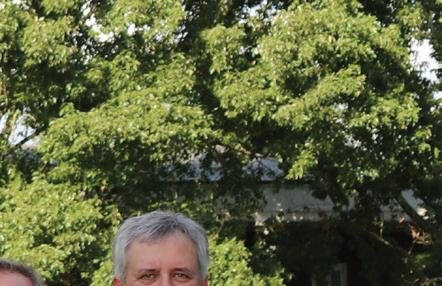
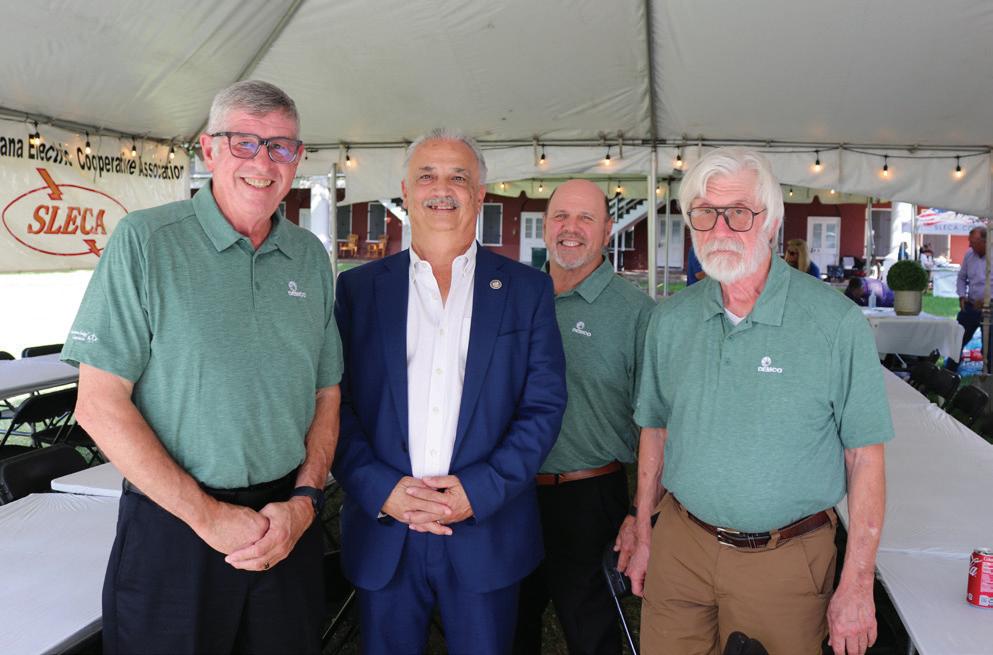
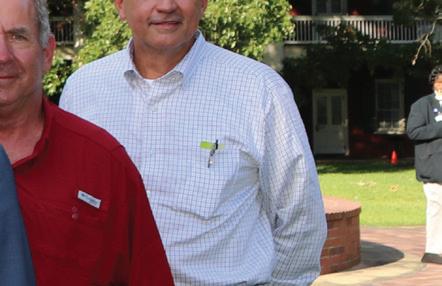
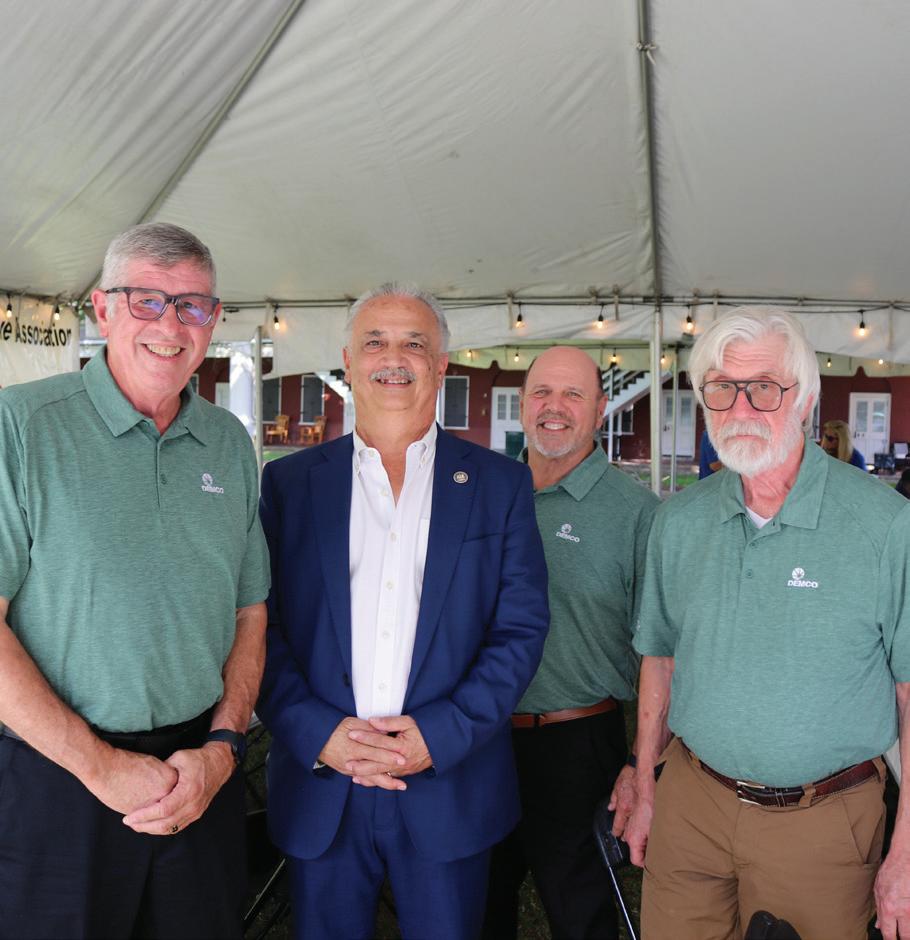
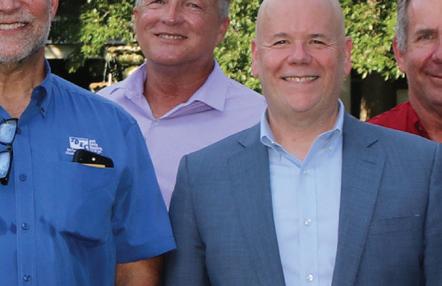
ABOVE: From left are DEMCO Board Director Richard Sitman, state Rep. Daryl Adams, DEMCO Board President Danny Berthelot and DEMCO Board Director Steve Irving. LEFT: Louisiana electric cooperative general managers gather during the Taste of Louisiana Cookout. Pictured, from left, are, back row: Matt Peters, South Louisiana Electric Cooperative Association; Randy Pierce, DEMCO; Mike Marcotte, Claiborne Electric; Aarron Graham, Association of Louisiana Electric Cooperatives; Mike Viator, Beauregard Electric Cooperative Inc.; and Gerald Huffman, Concordia Electric Cooperative. Front row, from left, are Craig Magruder, Pointe Coupee Electric; Ron Repsher, 1803 Electric Cooperative; Mike Heinen, Jeff Davis Electric Cooperative; and Dane Hocott, Washington-St. Tammany Electric Cooperative.



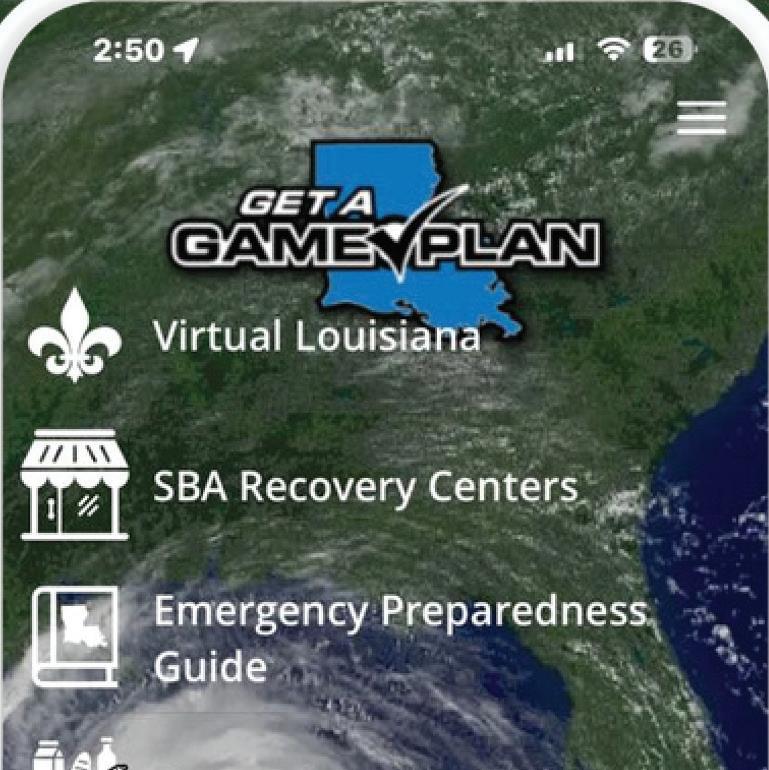


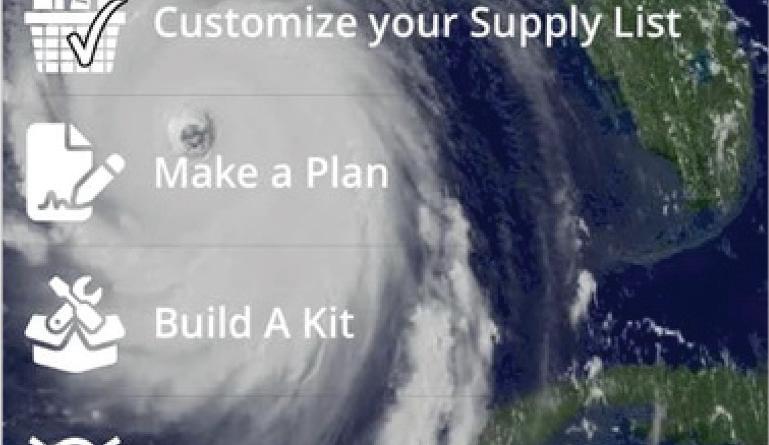





T h e L A G e t A G a m e P l a n A p p i s t h e o f f i c i a l e m e r g e n c y p r e p a r e d n e s s m o b i l e a p p
p r o v i d e d b y t h e L o u i s i a n a G o v e r n o r ’s O f f i c e o f H o m e l a n d S e c u r i t y a n d
E m e r g e n c y P r e p a r e d n e s s (G O H S E P ) .
T h i s a p p a l l o w s L o u i s i a n a r e s i d e n t s t o a c c e s s e m e r g e n c y i n f o r m a t i o n o n t h e g o
a n d g e t p r e p a r e d p r i o r t o a n e m e r g e n c y h a p p e n i n g . U s e r s c a n p r e p a r e
c u s t o m i z e d e m e r g e n c y p l a n s , r e v i e w t h e L o u i s i a n a E m e r g e n c y P r e p a r e d n e s s
G u i d e , a n d g e t u p - t o - d a t e i n f o r m a t i o n a b o u t e v a c u a t i o n s . T h e a p p e v e n a l l o w s
y o u t o n o t i f y f a m i l y a n d f r i e n d s t h a t y o u a r e s a f e i n t h e e v e n t o f a n e m e r g e n c y.
R e a l - t i m e n o t i f i c a t i o n s a r e s e n t d i r e c t l y t o t h e d e v i c e f r o m G O H S E P t o p r o v i d e t h e m o s t u p - t o - t h e - m i n u t e i n f o r m a t i o n f o r r e s i d e n t s I N F O R M AT I O N F R O M - H T T P S : // W W W. G E TA G A M E P L A N . O R G
DOWNLOAD THE APP NOW TO MAKE A PLAN! e d / OWNLOAD r n


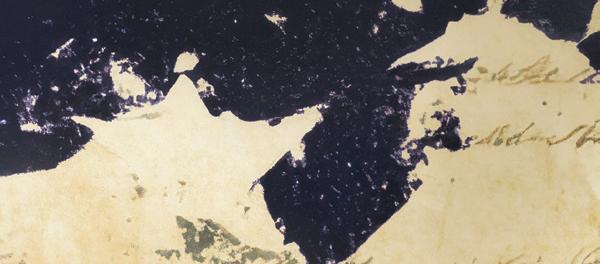



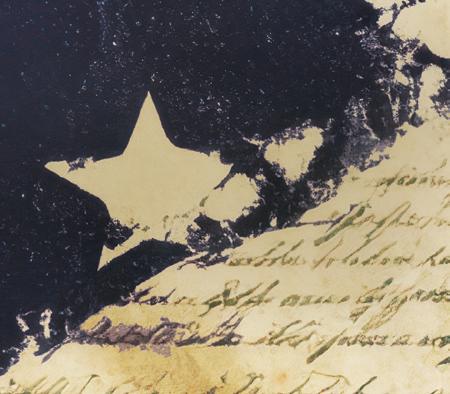





By Drew Woolley










Every nation tells stories about itself. In the United States, those narratives are often woven into symbols we encounter every day just as much as they are spoken out loud. It might be a flag folded at a funeral, an eagle stamped onto an official seal or a song sung before a ballgame.
As we celebrate our country’s 250th anniversary, historians, collectors and scholars are all taking a closer look at the symbols we adopted and the meanings they still carry today.
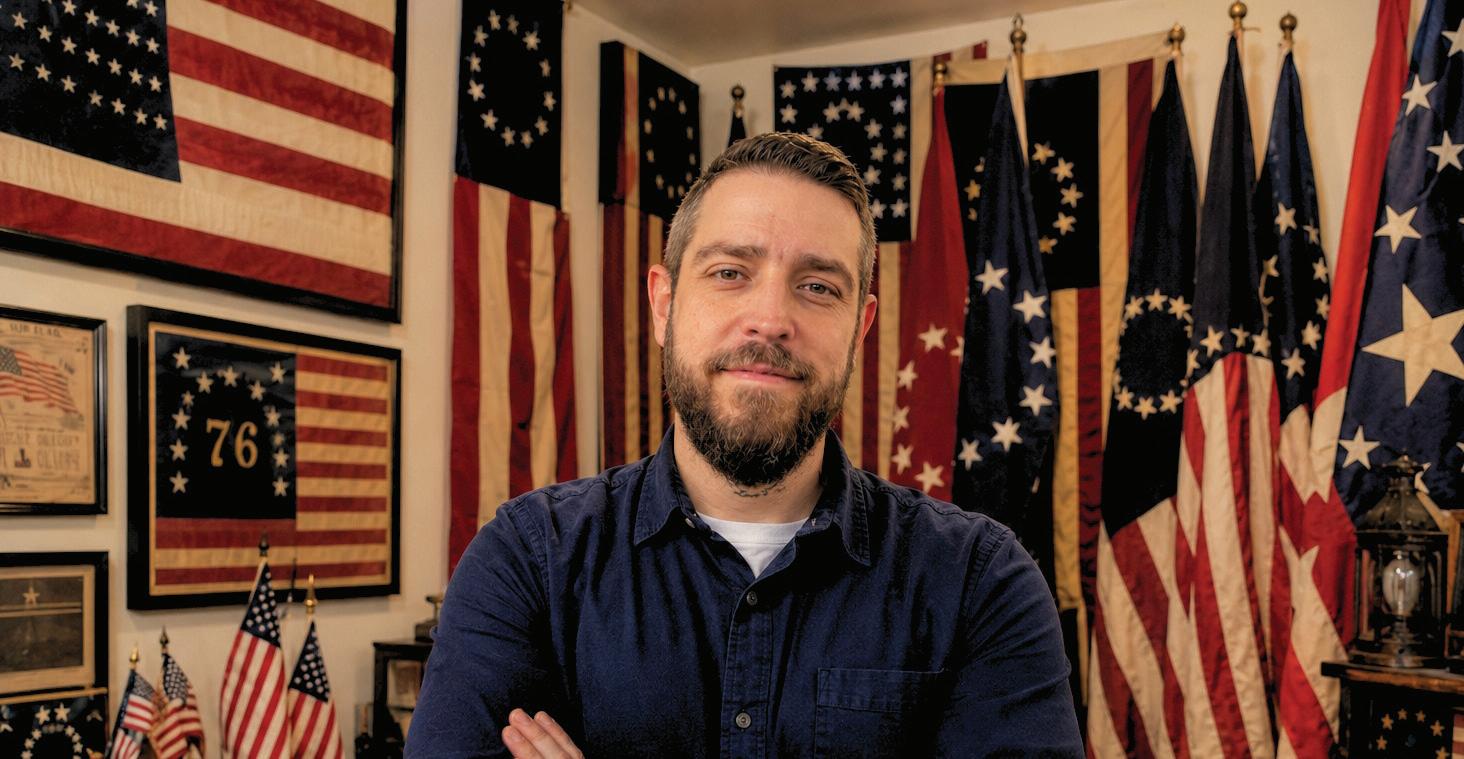
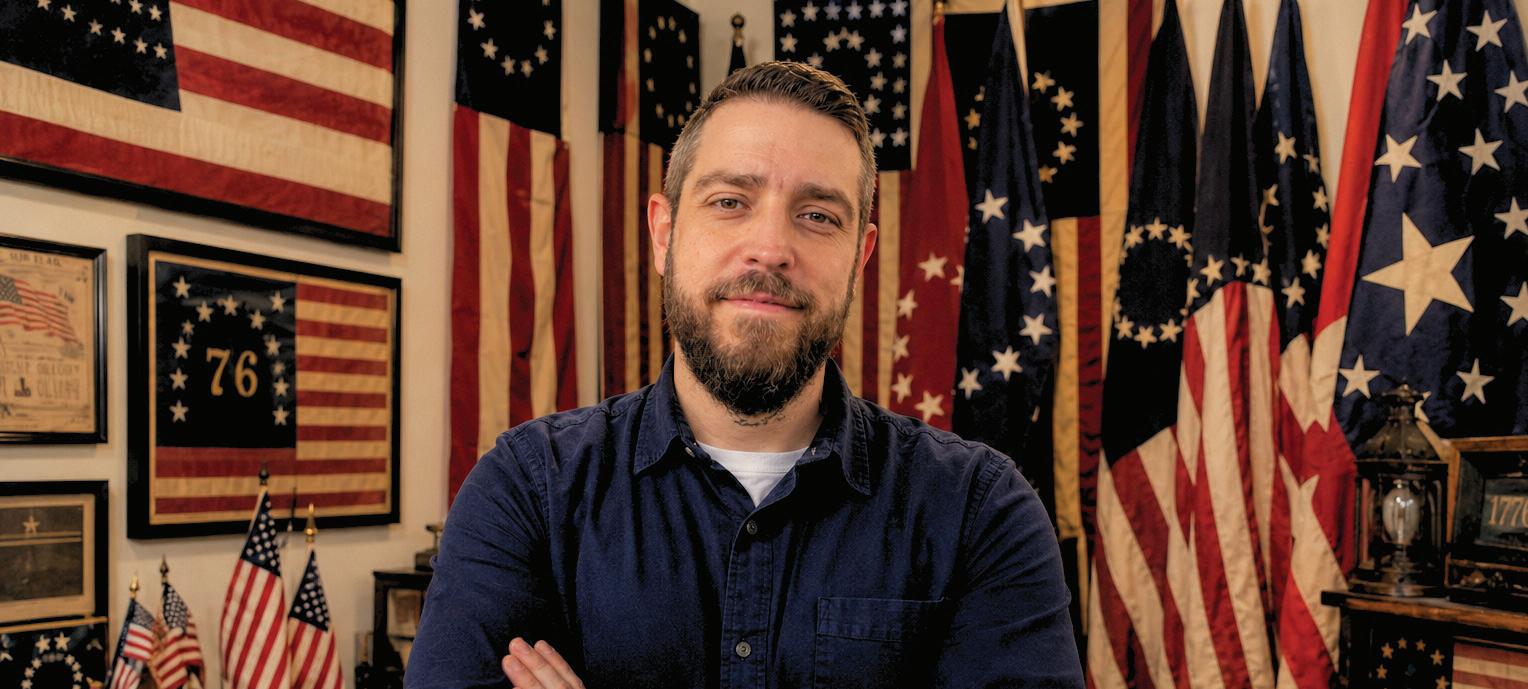
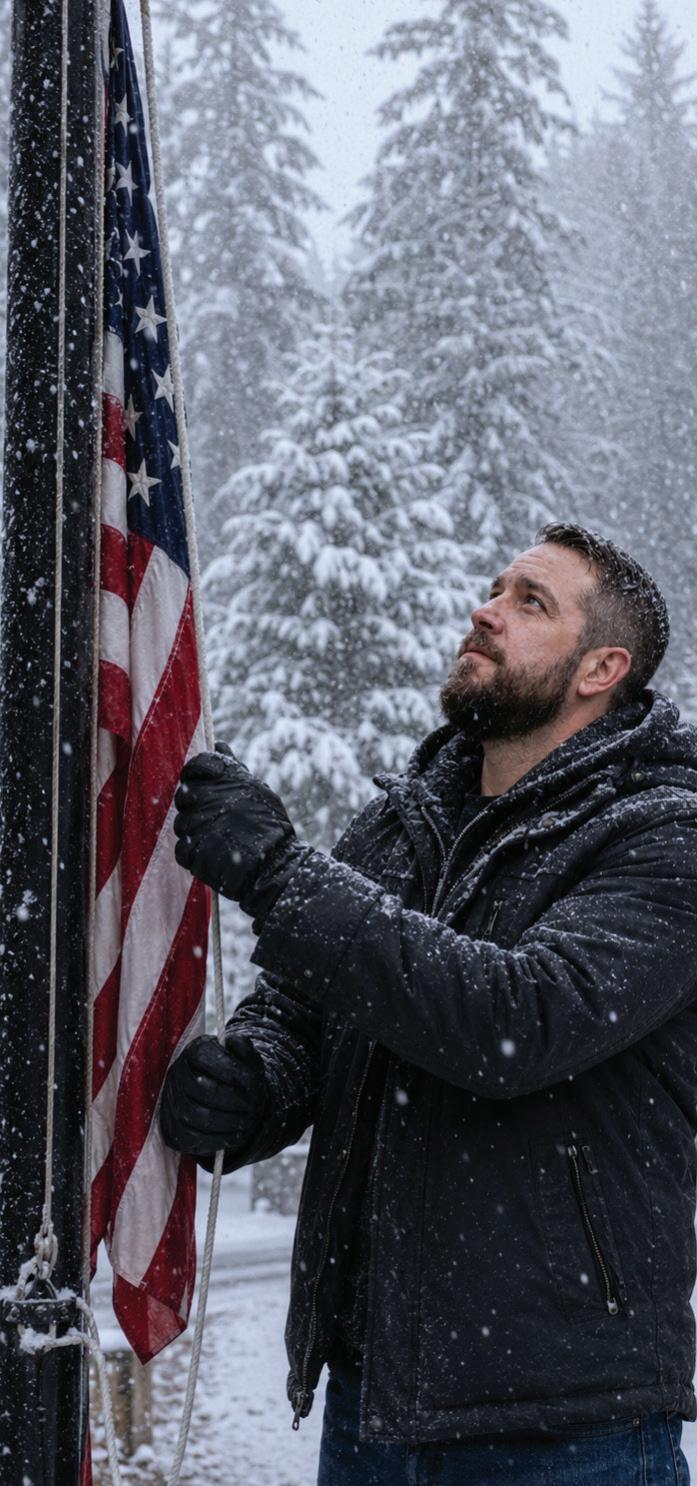
The American flag has always had a special family connection for Chris Garza. Half of his family members can trace their lineage to Maryland’s founders, and almost every




one of them has served in the military. But watching his grandfathers as a child had a particular impact on him.
“I kind of idolized them, and they both did their own daily routines of raising and lowering the flag,” Chris says. “They were fun, outgoing guys. But every day, they became very serious when they handled the flag. That really showed me how important it was as a symbol.”





When he was 8, Chris saw an old 13-star flag at a yard sale and had to have it. Looking back now, he suspects he was trying to impress his grandfathers. But it also proved to be the first step in a lifelong obsession. Now the executive director of Troutdale Historical Society in Oregon, Chris has overseen three museums and collected more than 300 American flags in the past 35 years.
The most precious to him is the flag with which one of his grandfathers was meant to be buried. At the last second, his grandmother pulled the flag from the casket and gave it to Chris, who has held it dear ever since. Another favorite is an early flag that represented the southern region of Texas, where much of Chris’ Indigenous family comes from, before the state adopted the design it uses today.

While the American flag’s design has evolved over time, Chris is particularly drawn to the idea that it has served as a unifying image throughout history.
“To me, it is the only thing capable of binding us all together,” he says. “It’s the one thing that is bigger than our differences of religion, politics or race.”
As a historian, Chris also hopes the flag reminds everyone in the United


























States why the country formed and what it took to get there. It will always be a symbol of freedom. But, for him, it is also a call to earn that freedom.
“It’s a symbol of when oppression becomes so strong and rampant that it forces people to step back and reevaluate— to look at life, our government and our communities,” he says. “Sometimes, those things need to change. That’s what the flag means to me, working to change for the better.”


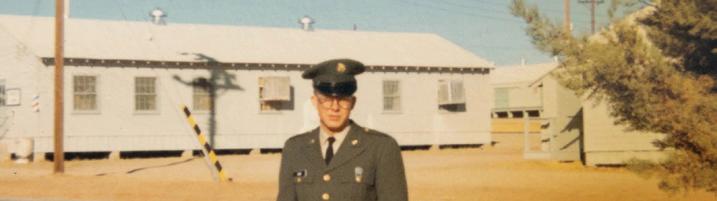
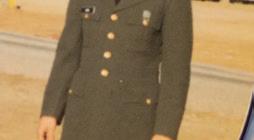
upsetting revelation for someone who had dedicated much of his life to collecting depictions of the American icon, going back to 1966 when he was drafted into the Army.
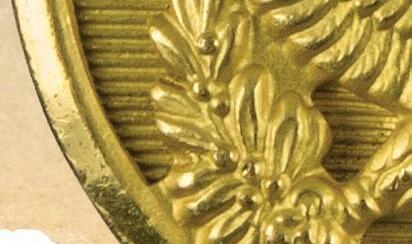
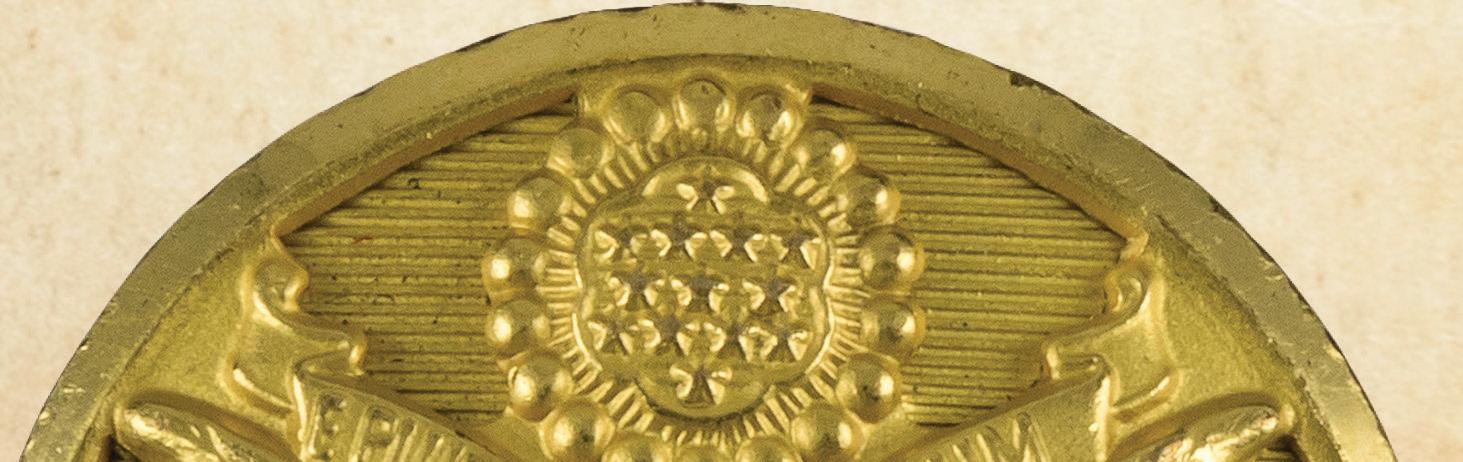
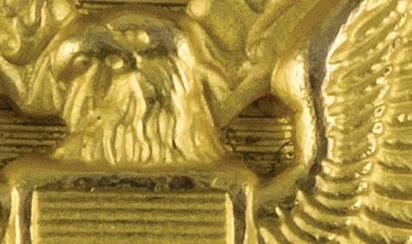
“I was issued a uniform that had buttons with the Great Seal on my dress uniform,” Preston says. “Two years later, when I exited the Army, I cut off those buttons with the eagles on them and wear them to this day on my blue blazers. I’ve been wearing them now for 60 years.”



His acquisitions expanded first with postcards and stamps, then later with the help of eBay and a team of pickers around the country who sent him items of interest. Today, Preston’s collection of more than





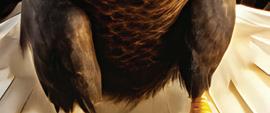
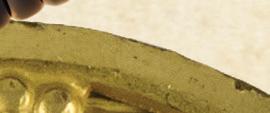
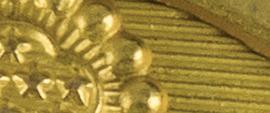
While the nation celebrates its 250th birthday, many Americans may be surprised to learn this is only the second year that one of its most recognizable symbols has been official. In researching his 2019 book, “American Eagle: A Visual History of Our National Emblem,” Preston Cook was shocked to learn the United States had never actually named a national bird.

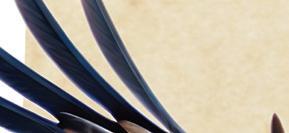











“We had no national bird for 248 years,” he says. “It seemed like I was the only person in the country who knew, because it was such a surprise to everyone I










It was an especially







































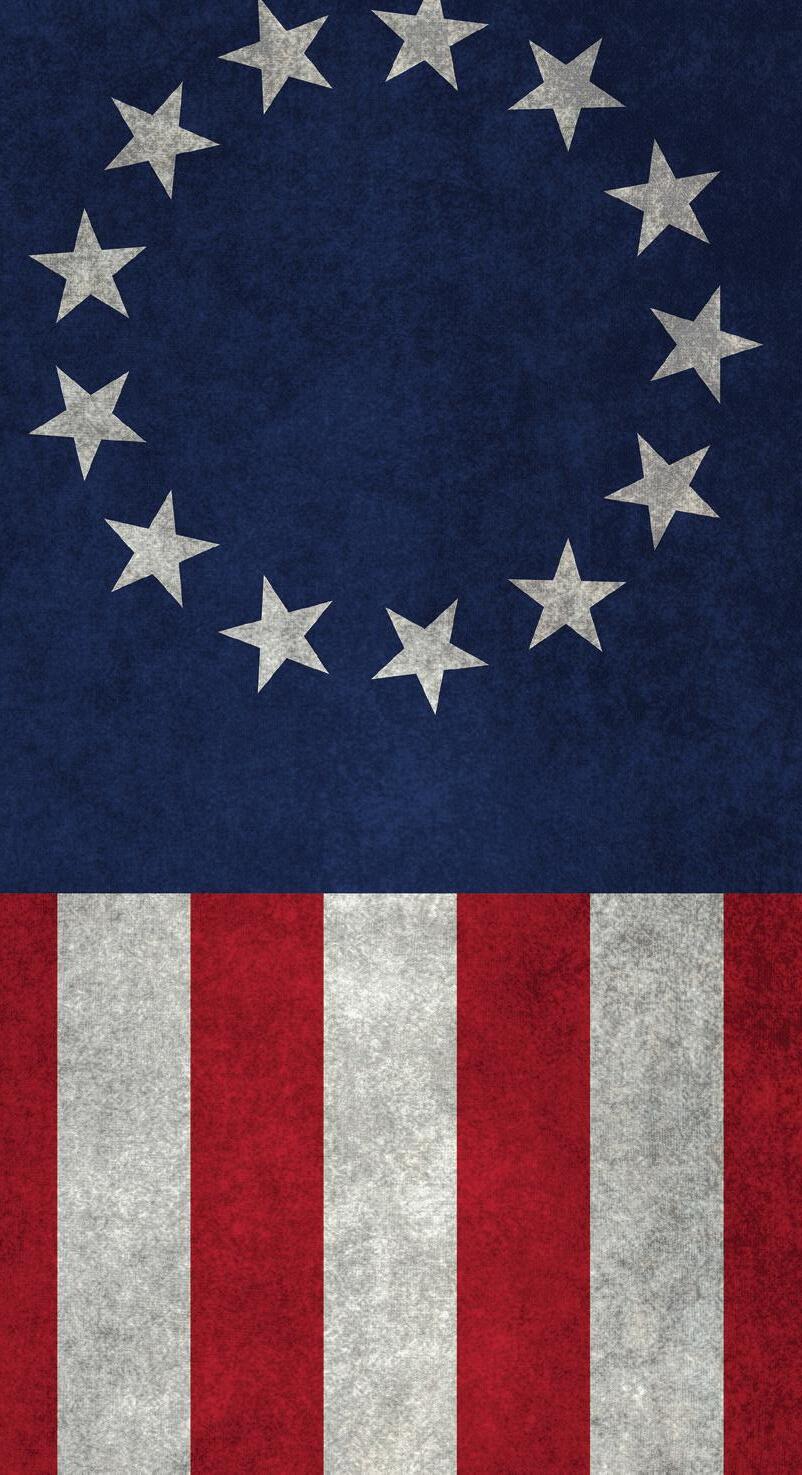






While lore holds that Betsy Ross designed the first American flag, there is no hard evidence pointing to any single designer. But, as the first seamstress to stitch the flag together, Historian Chris Garza says she may have influenced some of its details.

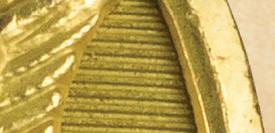
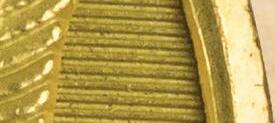

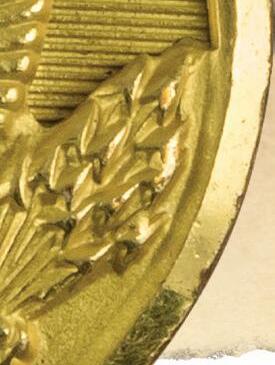

One of Chris’ favorite stories is when George Washington, a Freemason, approached Ross about making the flag, he suggested the stars have six points, as is common in masonic symbolism. Ross quickly noted that if they wanted to mass-produce the flag, fivepointed stars were much more efficient.



To prove it, she pulled out a small square of fabric, made a few quick folds and one simple cut, and handed him a perfect star. Washington was convinced, and the stars on the flag have had five points ever since.





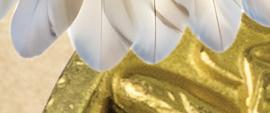
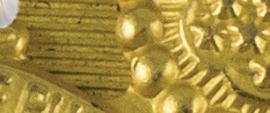
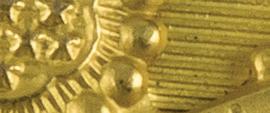
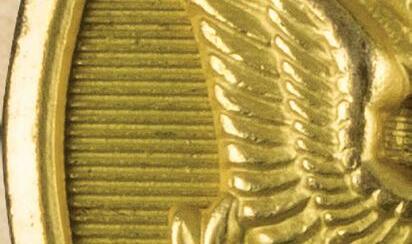
40,000 eagle-themed items is on display at National Eagle Center in Wabasha, Minnesota. It includes historical artifacts, including buttons worn by George Washington and a Civil War knife, as well as pop culture objects, such as sports memorabilia and an Andy Warhol print.
The eagle’s symbolic appeal in so many different settings has always been one of its most interesting features for Preston.
“It’s a symbol people turn to in times of both peace and distress,” he says. “The image of it on the Great Seal has changed from being kind of scrawny and chickenlegged to more of a full-fledged eagle. Around the 1820s, it was first used by political campaigns to show patriotism. So, it has changed over the years, but it’s remained constant throughout our history.”


As a flag historian and restorer, Chris Garza, executive director of Troutdale Historical Society in Oregon, regularly encounters misconceptions about flag etiquette. A common one he shared as a child was that the flag must be destroyed if it touches the ground. He can still remember dropping the flag once while lowering it for his grandfather.
For centuries, that presence has led many Americans to identify the bald eagle as the country’s national bird. Once his book was complete, Preston turned his attention to putting a bill in front of Congress that would finally make official what everyone had always assumed.
He sent a draft to U.S. Rep. Brad Finstad, whose district includes Wabasha, as well as Sen. Amy Klobuchar. The two coordinated on the bill, which unanimously passed in both houses of Congress before President Joe Biden signed it into law in 2024.
Preston has no doubt the work was worth it. It permanently enshrines what many Americans have long felt about the bald eagle.
historian teaching at the University of Michigan for the past 20 years, he has often led an introductory class on American music. His favorite way to kick it off is with Jimi Hendrix’s 1969 performance of “The Star-Spangled Banner” at Woodstock.
“It brings you immediately into some of the complexities around the anthem,” Mark says. “Is there a single, appropriate way to play it? Is it a protest or burning the flag through music? Hendrix was also a member of the 101st Airborne, and aspects of the performance are quite patriotic, so is it saying something more textured?”

Those questions led him down a rabbit hole that culminated in his 2022 book, “O Say Can You Hear?: A Cultural Biography of ‘The Star-Spangled Banner.’” Francis Scott Key’s lyrics, written after the bombardment of Baltimore’s Fort McHenry during the War of 1812, go on for four verses. Only the first is typically sung for the anthem, building to the final line, “O say does that star-spangled banner yet wave/O’er the land of the free and the home of the brave?”
While it is often performed with an exclamation point at the end, Mark considers the question it asks to be crucial. At the time the anthem was penned, the country had faced some of its worst defeats. Key’s vision of a bold and proud nation wasn’t something he was seeing but a hope for the future.
“Today, I think that question asks us if we are brave enough to live up to that vision,” Mark says. “Do we have the courage to be a country that celebrates liberty and justice for all? I think it has the potential to make the anthem something urgent and contemporary. It’s a verb, rather than a noun.”


“I thought it was the end of my life,” Chris says. “But he pulled me aside and explained that as long as it isn’t tattered, it can always be cleaned and reflown. That moment of relief really stuck with me.”




Another common mistake is flying the flag at night. To maintain respect and visibility, the flag should either be illuminated at night or taken down at sunset and raised again in the morning.


“For many years, it was our only living symbol,” Preston says. “If you see one flying or fishing, it’s such an amazing bird. It means so much to so many people. It means freedom and liberty and power and independence and family. People just don’t get tired of seeing it, and I don’t think there’s any other symbol of America that has that kind of enthusiasm.”

If the eagle is the American symbol that generates the most excitement, Mark Clague believes the national anthem is the most dynamic. As a musician and musical



When President Herbert Hoover officially signed an act of Congress making “The Star-Spangled Banner” the U.S. national anthem in 1931, it—much like the eagle—was a recognition of something that had already been true for many Americans. The song was used as a recruiting tune for the Union Army in the Civil War and was often treated as a de facto national anthem during the










In some ways, the song is sort of democracy in action. We made the anthem by using it.

Spanish-American War and World War I.
“I think that makes it powerful,” Mark says. “In some ways, the song is sort of democracy in action. We made the anthem by using it. And for the same reason, changing it would be really hard. You could change the law, but it wouldn’t change how people feel.”
The music itself requires the performer to sing the anthem to life with dramatic highs and lows that take the same commitment the lyrics demand. Mark’s hope is that when people hear it, the





— Mark Clague
anthem won’t just serve as a celebration but also a call to action.
“It feels like the anthem is especially urgent right now,” he says. “U.S. democracy has really been built on people getting involved. Voting, sure, but also being informed, volunteering and lifting a hand to help your neighbor. Being patriotic is something you have to do and earn, rather than just something you have. And I think that call to citizenship is one of the coolest things about the anthem.”


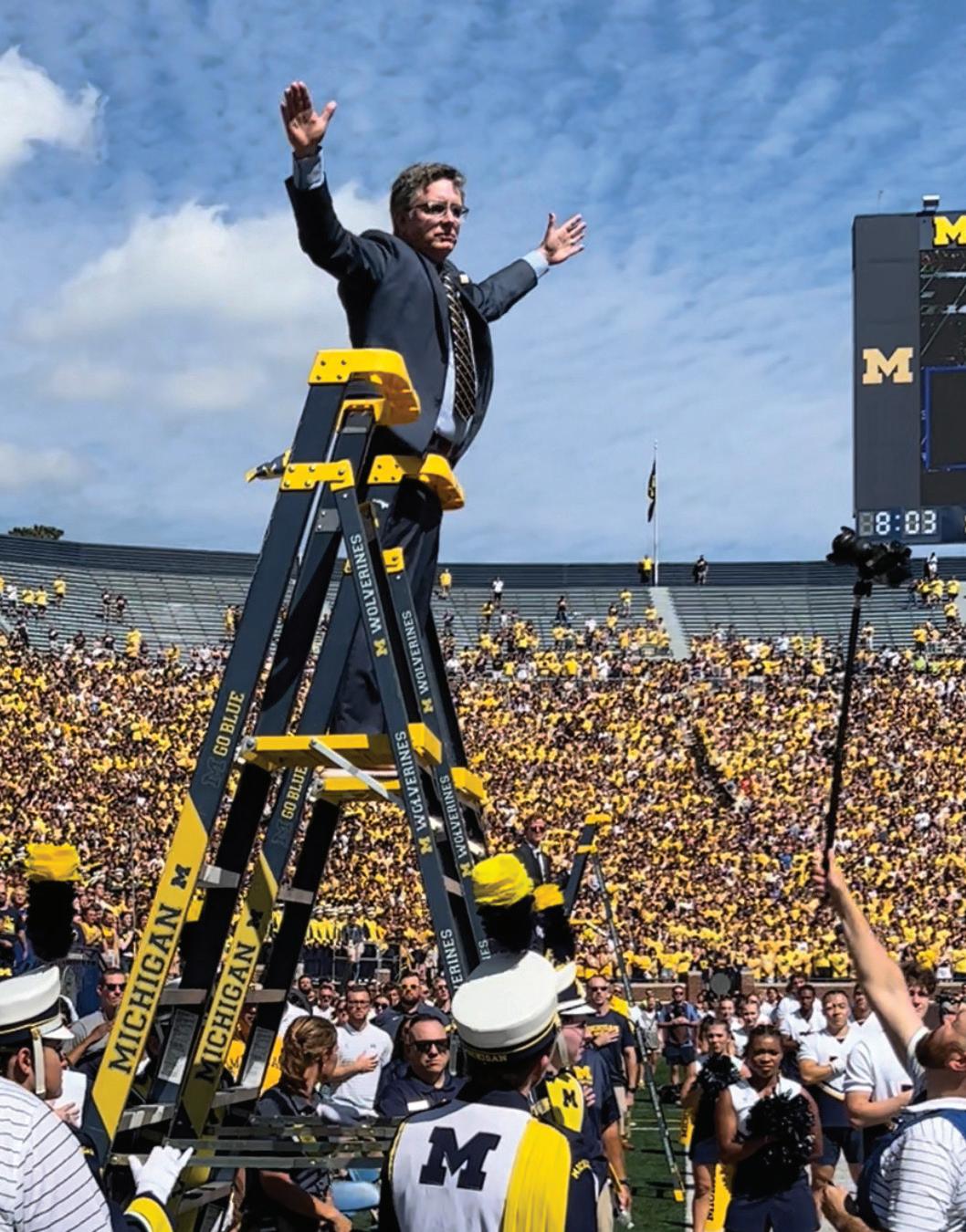


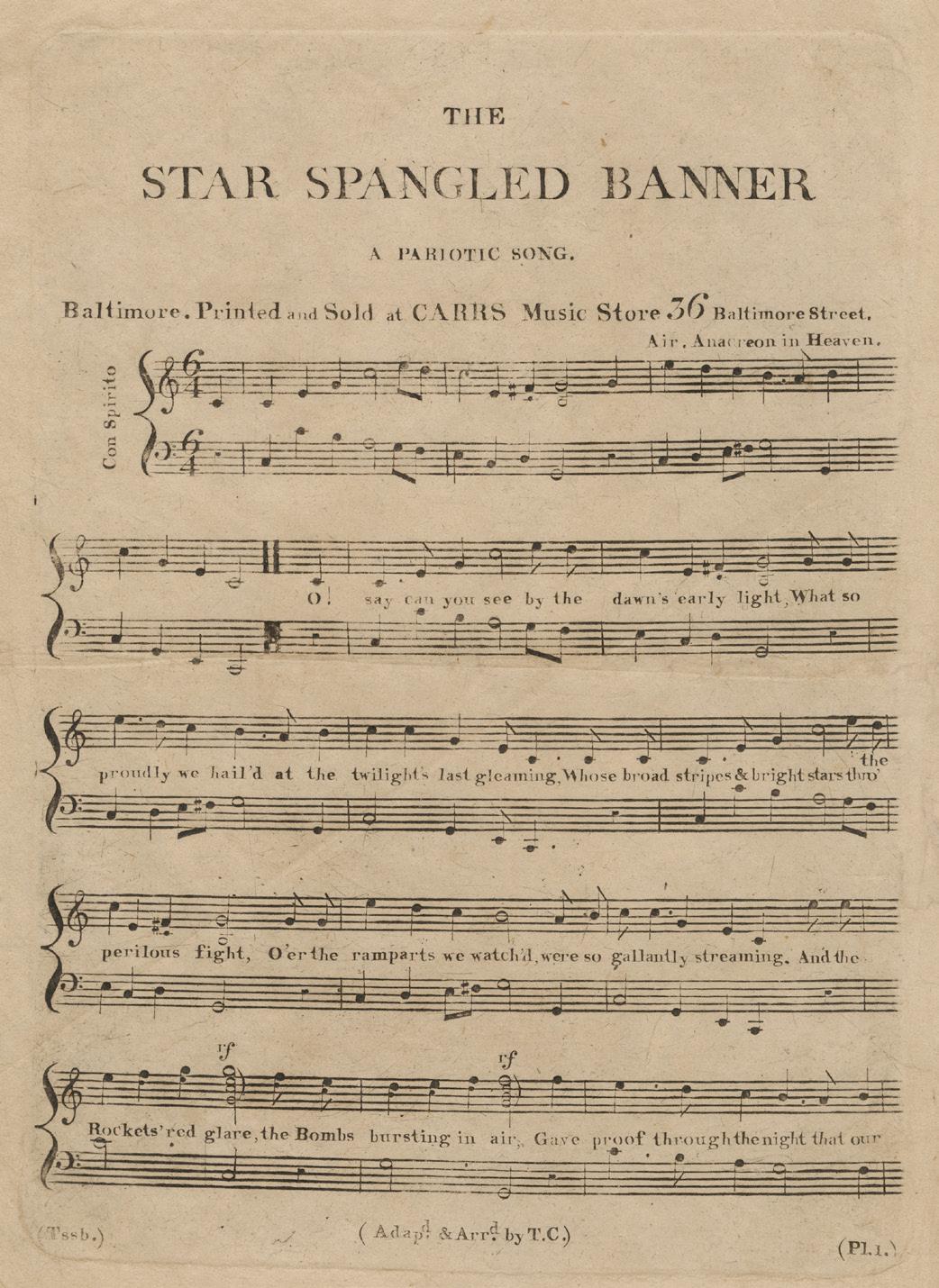
While the roots of the national anthem’s lyrics are decidedly American, the music originated with Anacreontic Society, a musicians’ club in London.

Since the tune struck a chord in the United States, Mark Clague, a music historian teaching at the University of Michigan, estimates there have been more than 600 sets of lyrics applied to that melody, on subjects as varied as farm work, unionization and women’s suffrage.
“It’s interesting to see how many different words fit the melody,” he says. “It really supports the notion that ‘The Star-Spangled Banner’ is not just one iconic thing but kind


















By Dianna Troyer
In honor of the United States Semiquincentennial—a fancy name for the nation’s 250th anniversary—each state is contributing to the legacy and future of the country through national and statewide initiatives.
Some states are contributing to a stainless steel time capsule that will be buried July 4 at Independence National
Historical Park in Philadelphia, between the Liberty Bell and Independence Hall.
Others will have booths at the Great American State Fair, scheduled for June 25 to July 10 on the National Mall in Washington, D.C.
Within each state, an America250 Commission has organized events to commemorate the 250th anniversary of the signing of the Declaration of Independence.
According to the America250 Commission’s website, “The journey toward this historic milestone is an opportunity to pause and reflect on our nation’s past, honor the contributions of all Americans, and look ahead toward the future.”
For the time capsule, state commissions feature their residents’ artistry and ideals with the constraint that the objects have to fit into an archival box measuring 6-by-5-by-2 inches.
Here’s a preview of how some states are highlighting their unique contributions to our nation:
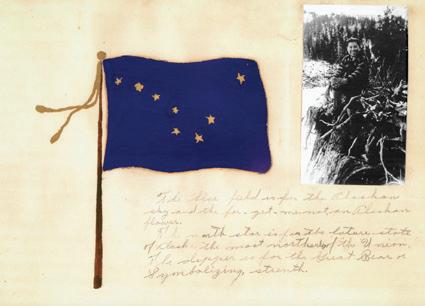
A print of a flag designed by a member of the Indigenous people of the Aleutian Islands represents Alaska. In 1927, Benny Benson, a 14-year-old Unangax orphan, won a contest to design the flag for the then-territory of Alaska.
“The blue field is for the Alaskan sky and the forget-me-not, an Alaskan flower,” he wrote. “The North Star is for the future state of Alaska, the most northerly state in the union. The dipper is for the great bear, symbolizing strength.”
A copy of an 1875 map of New Archangel is also included. After Russia sold the Alaska territory to the United States, the town was renamed Sitka.
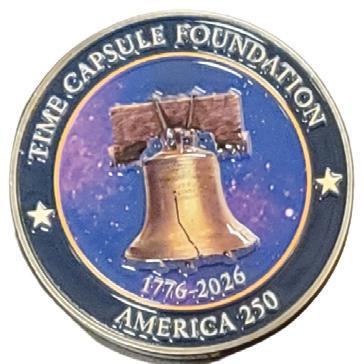
Arizonans provided three coins, two letters and a commemorative copper ingot featuring a stamped Arizona America250 logo for the time capsule.
With laser nano-etching, a stainless steel coin preserves the full text and signatures of the Declaration of Independence and the U.S. Constitution, including all amendments.
“It represents both America’s foundational democratic principles and modern efforts to preserve them for future generations,” according to America250 Arizona Commission. An Arizona quarter, minted in 2008, depicts the Grand Canyon
and a saguaro cactus. A steel America250 commemorative coin features symbolic imagery reflecting freedom, time and civic responsibility.
An archival letter lists the names of the members of the Arizona America250 Commission. Arizona Secretary of State Adrian Fontes also wrote a letter reflecting on Arizona’s civic values, democratic institutions and responsibilities.
On July 4, a family-friendly concert is planned in Los Angeles with major artists and a livestream audience. America250 planners encourage residents to build community by participating in America’s Potluck on July 5, an opportunity for neighbors to join one another to share a communal meal.
At the Great American State Fair, the Florida250 Commission plans to create an old Spanish Fort with coquina brick walls, authentic sounds and cannon fire.
Within the state, the Florida Freedom Tour is traveling in two 18-wheeler trucks hauling the America250FL exhibits from the Museum of Florida History. One exhibit covers the state’s biggest battle during the Revolutionary War, the Siege of Pensacola, a two-month battle in 1781 when the Spanish prevented the British from gaining control of Western Florida.


Idaho’s state gemstone, the star garnet, “represents Idaho’s natural richness and geological heritage. Its distinctive starlike reflection makes it a fitting and
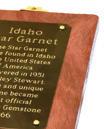


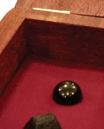



Idaho’s state gem is its contribution to the time capsule.


enduring symbol of the state’s rugged landscape and connection to the land,” according to America250 in Idaho planners.
Along with the gemstone, Gov. Brad Little wrote a letter to future generations, reflecting on Idaho’s history and values.
The Historic New Orleans Collection, at 520 Royal St., will have interactive 3D reconstructions of the defining moments of the American Revolution. Events include the Boston Tea Party, the signing of the Declaration of Independence, victory at Yorktown and treaty signing in Versailles.
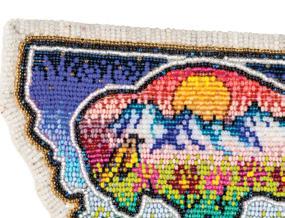
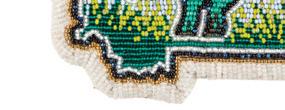
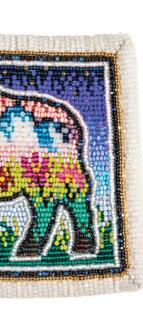
Karis Jackson depicted Montana’s unique traits in beaded artwork shaped like the state.
The Browning artist incorporated the colors of the state flag, the mountains and prairies that define the state’s landscapes, the state flower—the bitterroot—and the state bird—the western meadowlark.
In the center of the design, Karis, an Apsáalooke/Arikara/ Hidatsa artist, beaded a bison. She says it’s “an animal of enduring significance to the Indigenous peoples who have called this land home since time immemorial.”
In Nevada, residents and tribal members are recording oral histories for a podcast and public archive, according to Nevada250 planners.
New Mexico’s pavilion at the Great American State Fair, “will present New Mexico as an intersection of cultures, history, landscape and creativity,” says Daniel Zillman, New Mexico Department of Cultural Affairs communications director.




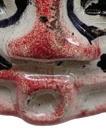

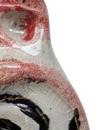

Lillian Pitt, a Warm Springs/Wasco/Yakama artist, made a ceramic pin depicting a tribal petroglyph and pictograph, a well-known
image high on a mountain along the Columbia River.
“Under the oral traditions of tribes along the river, She Who Watches represents Tsagaglalal, a wise and powerful chief who was transformed to stone and continues to keep vigil over her people and the river,” according to the America 250 Oregon Commission.

Among The Charleston Museum artifacts are a .75-caliber “Brown Bess” musket used during the revolution.
Several special exhibits celebrate South Carolina’s role in the American Revolution.
A new exhibit, “Ringleaders of Rebellion,” is at The Charleston Museum, the first museum in the Colonies founded Jan. 12, 1773. Among the artifacts are a .75-caliber Brown Bess musket used during the Revolutionary War.
An immersive Revolutionary War exhibition at the state fair will remain up for several years. A display emphasizes that South Carolina was the first colony to protest tea taxation on Dec. 3, 1773, 13 days before the infamous Boston Tea Party.
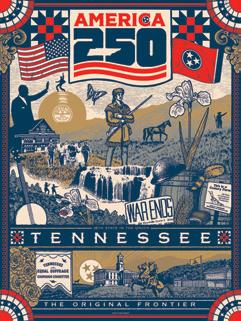
Knoxville-based designer Justin Helton created a poster entitled “Original Frontier.”
“From Tennessee’s rich agricultural history to its iconic musical contributions to its role in westward expansion, the Civil Rights Movement and women’s suffrage, the poster represents Tennessee’s part in shaping American culture, economy, and democracy,” according to Tennessee America 250 planners.
ABOVE: The poster “Original Frontier” showcases Tennessee’s music, agriculture and westward expansion.
Gov. Bob Ferguson’s proclamation and Lt. Gov. Denny Heck’s letter will be put in the capsule. The governor wrote about the mission of the Washington State Historical Society. Heck wrote about democracy and finding common ground between Washingtonians.
For more information about national, state and local celebrations, visit america250.org.


16 ounces breakfast sausage
8 ounces cream cheese
2 cups Colby Jack cheese, shredded
Heat the oven to 400 F.

12-15 jalapenos, halved and deseeded 2 packages of bacon
Cook the breakfast sausage, then drain. Mix in the cream cheese and shredded cheese.
Spoon the cheese mixture into the jalapeno halves, then wrap a piece of bacon around each jalapeno half. Secure the bacon with a toothpick if needed.
Line a baking sheet with parchment paper and place the bacon-wrapped jalapenos on it.
Bake for 25 to 30 minutes or until the bacon is to your desired crispness.
24 ounces garden spiral noodles
14 ounces quartered artichoke hearts
1 cup cherry tomatoes
1 cup deli ham, fresh
1 cup pepperoni, fresh
1 cup mozzarella pearls
1 yellow bell pepper, diced
1 green bell pepper, diced
2 squash, half round slices
1 small jar banana peppers
2 cups Olive Garden Italian dressing
Boil the noodles until done according to packaging.
In a large bowl, mix the noodles with the remaining ingredients. Refrigerate the pasta salad for 2 hours.
¾ cup melted butter
1½ cups brown sugar
1½ cups white sugar
3 eggs
3 tsp vanilla extract
¾ tsp cinnamon
¾ tsp salt
3 tsp baking powder
3 cups flour
3 cups apples, diced
1 cup walnuts, optional
Topping: 1 tbsp sugar and ½ tsp cinnamon
Heat the oven to 350 F and grease a 9-by-13-inch pan. Mix the butter, brown sugar and white sugar. Add eggs, vanilla extract, cinnamon, salt and baking powder to the mixture.
Stir in the flour until the batter is thick, then fold in the apples and walnuts.
Spread the batter into the pan. Sprinkle the sugar and cinnamon mixture evenly over the top of the batter. Bake the blondies for 40 to 45 minutes or until they’re set. Let them cool before slicing into bars and serving.
2 cans Mexican-style corn
1 can whole kernel corn
1 can original Ro-Tel
1 cup Blue Plate mayo
1 cup sour cream
To your liking: cheddar cheese, chopped bacon and jalapenos, garlic powder, salt, pepper and red pepper flakes
In a bowl, mix all the ingredients. Serve with Fritos.
1½ cups water
½ cup active sourdough starter
3 cups bread flour
2 tsp salt
In a bowl, combine the water and active sourdough starter. Add the flour and salt. Mix into a shaggy dough.
Cover the dough and let it rest for 1 hour.
Then, stretch and fold the dough every 30 minutes. Three to four rounds of stretching and folding are needed.
After the final round, let the dough rise until it’s doubled in size, bubbly and slightly jiggly.
Turn out the dough and fold it into a ball, tightening the shape. Place it into a floured bowl. Let it rest at room temperature for 2 hours, then refrigerate overnight.
Heat the oven, with the Dutch oven inside, to 450 F for 30 to 60 minutes.
Flip the dough onto parchment paper and score it with a small knife to make an X on the top. Pick up the dough using the parchment paper and place it inside the Dutch oven— paper and all. Bake the dough, covered for 30 minutes, then uncovered for 15 to 25 minutes or until golden.
Remove the bread from the oven and let cool at least 1 hour before cutting.
Notes from Carlee: Use active, bubbly starter; don’t skip stretch and folds, they build structure; dough should double and get airy before shaping; and cooling prevents a gummy interior.
Chicken leg quarters
Barbecue sauce
BECi “Make it Hot” seasoning
Trim the chicken legs of extra skin. Season the chicken legs with the “Make it Hot” seasoning.
Cook the meat in a smoker pit, on a grill or in the oven until done. For chicken legs, the internal temperature should be 165 degrees. However, it’s highly recommended to cook until the internal temperature is between 175 and 195 degrees since chicken legs are considered dark meat.
Drizzle barbecue sauce over the chicken legs and serve.
Note from Daniel: Smoker pit cooking is preferred.



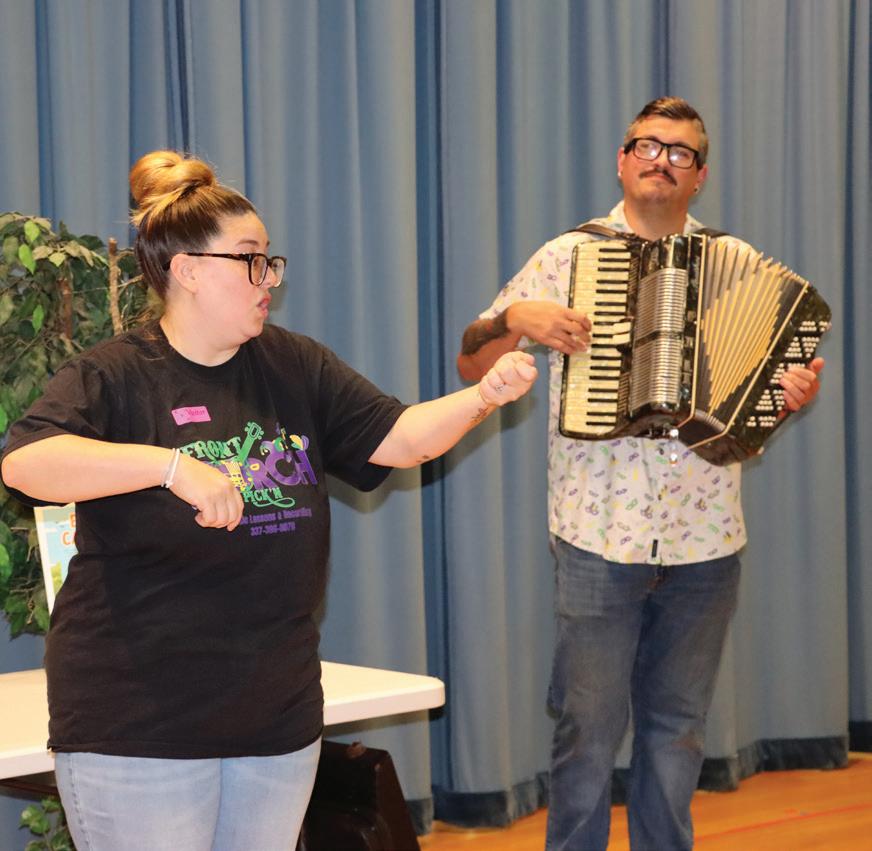
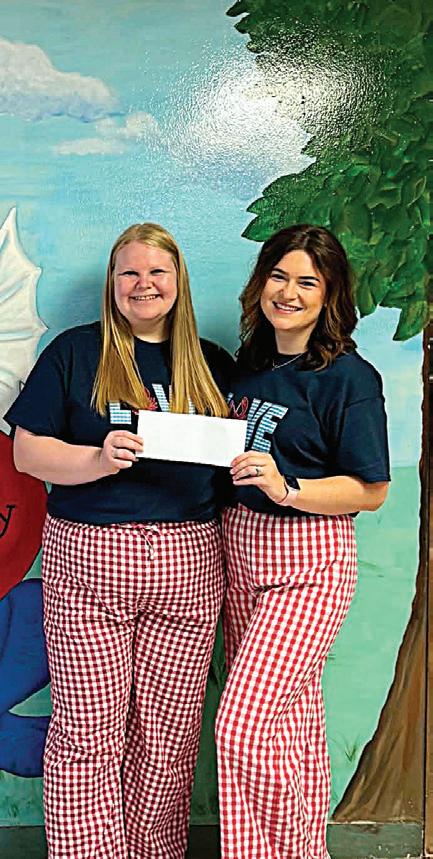


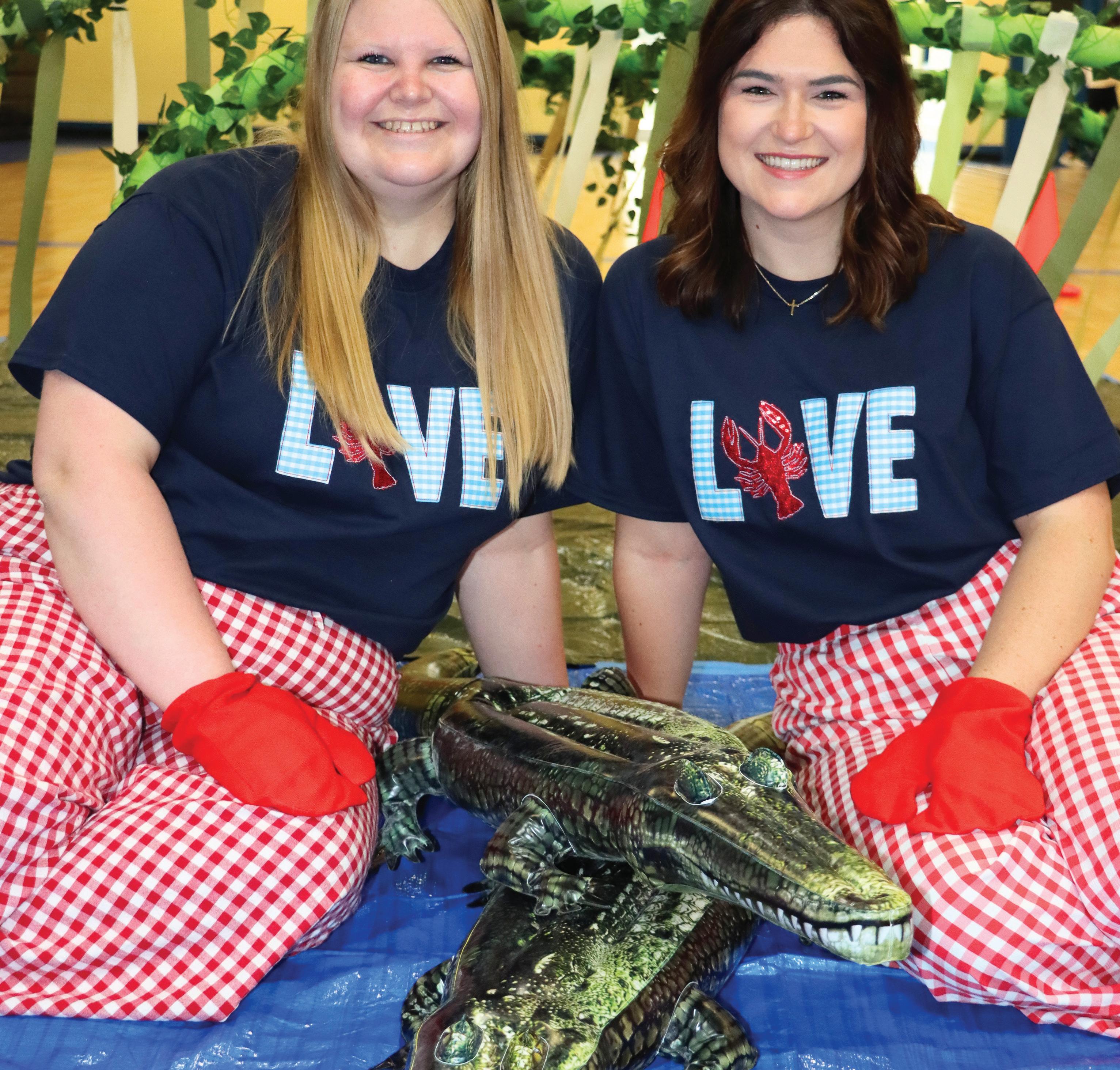
At K.R. Hanchey Elementary, learning goes far beyond the classroom. This past May, students experienced Louisiana’s rich culture thanks to the initiative of teachers Kaylee Harlow and Hannah Harmon, who applied for and received a $500 educational grant from Beauregard Electric Cooperative.
K.R. Hanchey also celebrated another grant recipient this year, as educator Misty Vidrine was awarded funding for a separate project, reflecting the school’s strong commitment to innovative learning. Account No. 161106-001
Through their effort and vision, Kaylee and Hannah brought to life a school-wide Louisiana Day—an immersive celebration designed to connect students with the traditions, history and heritage of their home state.
Centered on fostering cultural pride and hands-on learning, Louisiana Day transformed the school into a showcase of everything that makes Louisiana unique. Students didn’t just learn about their state, they experienced it.
One of the highlights of the day was the lively music of Louisiana performed by local musicians Dylan and Nelli. The duo introduced students to the sounds of jazz, zydeco and Cajun rhythms, creating an interactive experience that had students clapping, dancing and being fully engaged. Their performance brought Louisiana’s musical heritage to life in a way that resonated with every student in the room. Account No. 159454-001

understand one of the state’s most iconic environments. The activity kept students moving, laughing and immersed in the lesson.
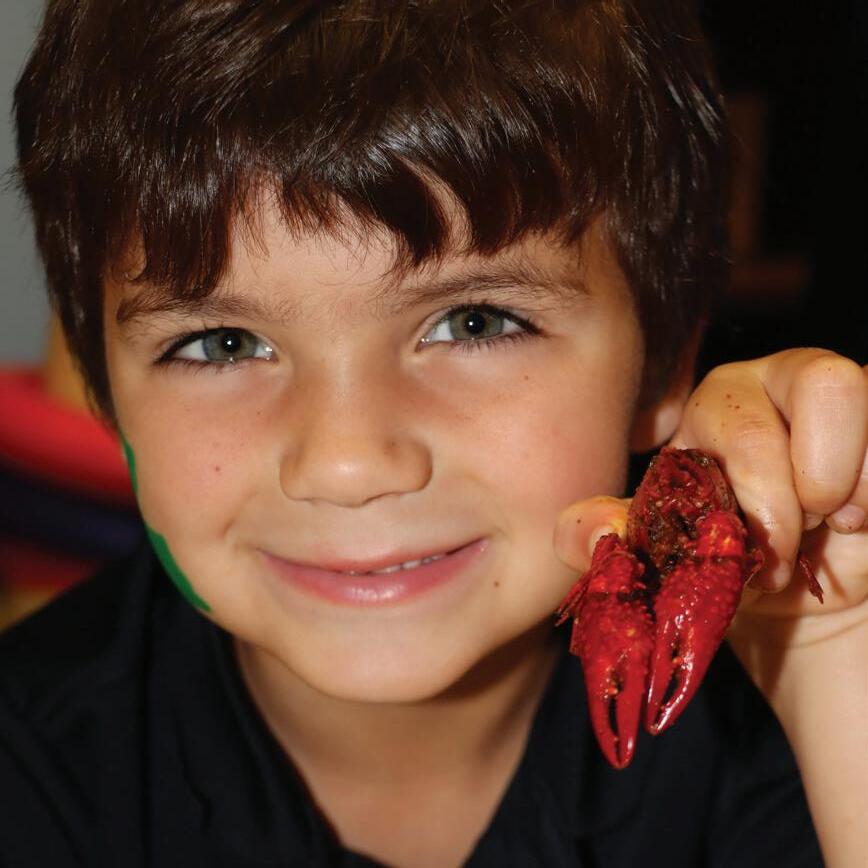
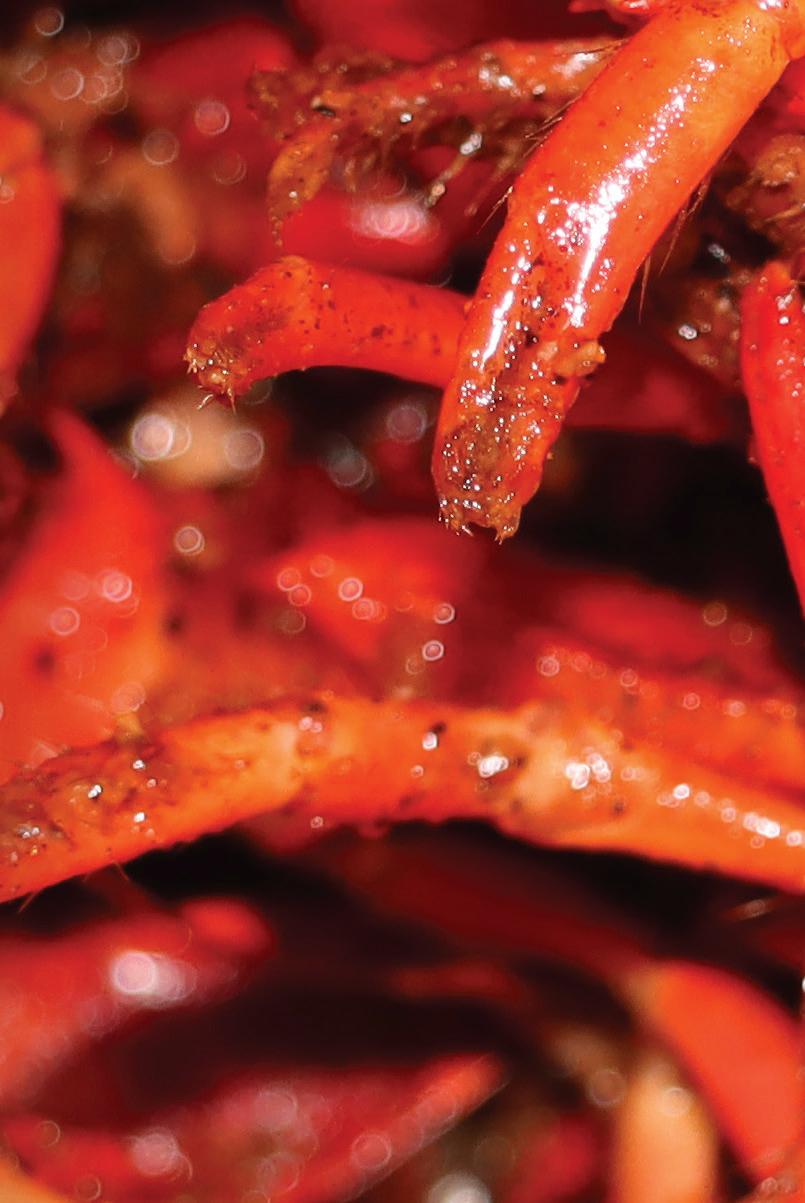
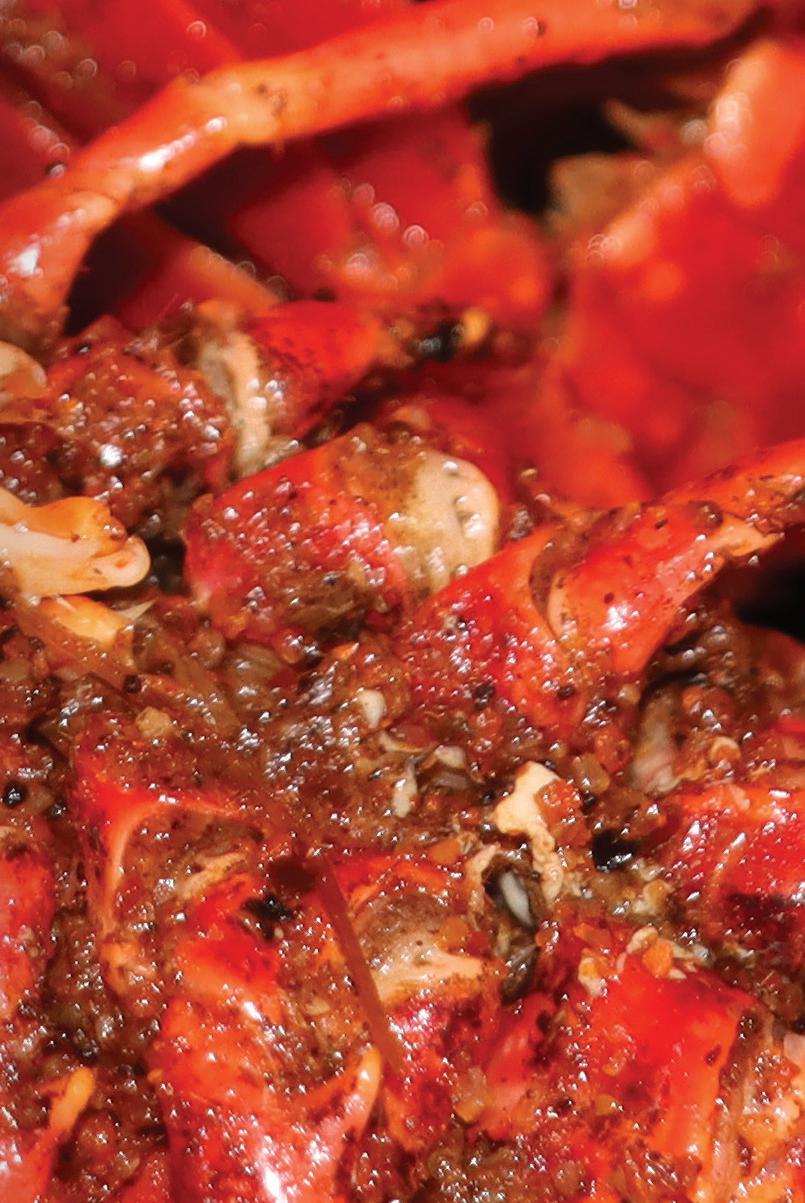
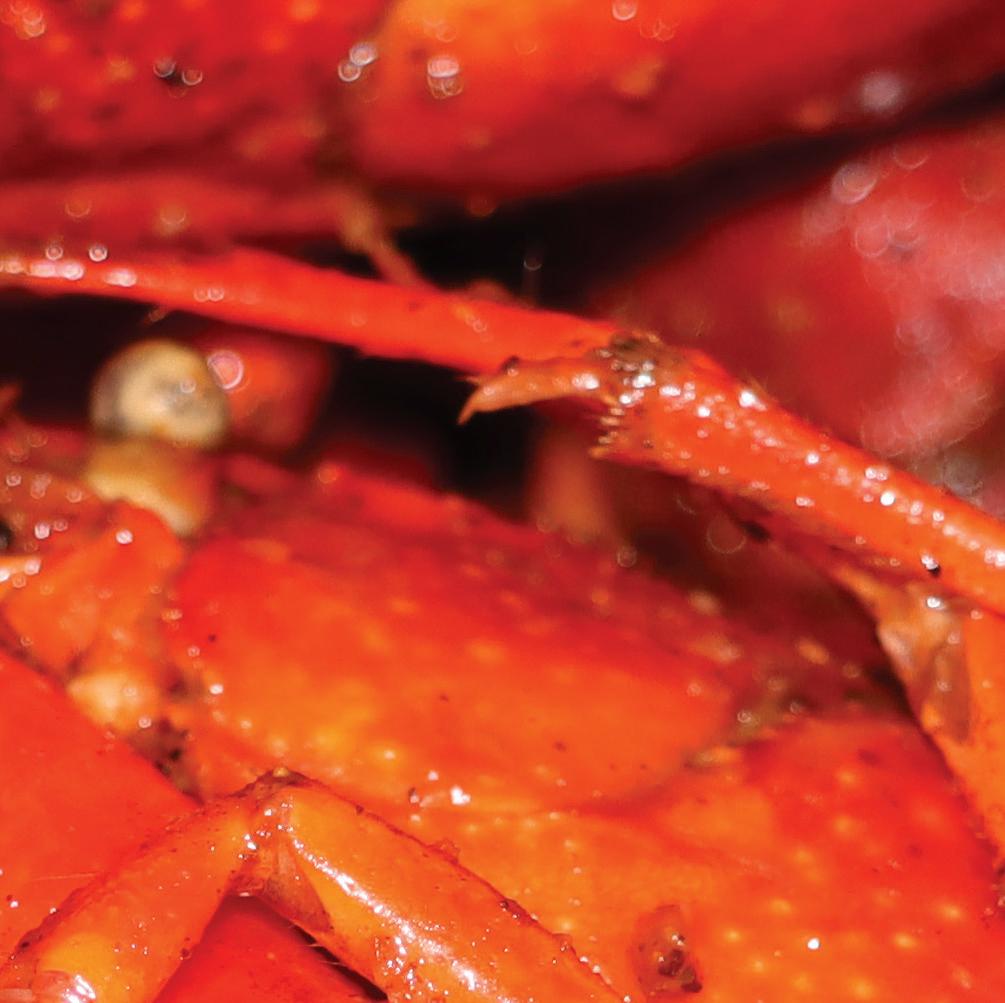
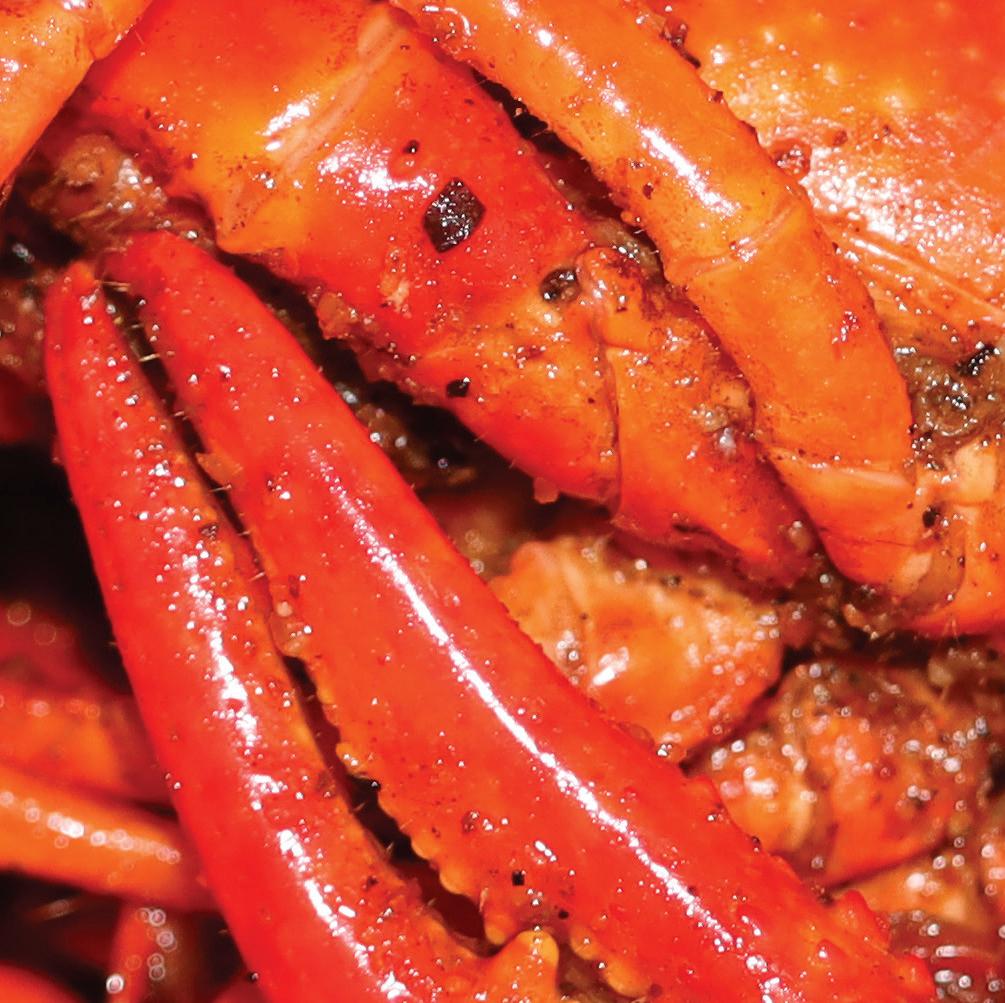
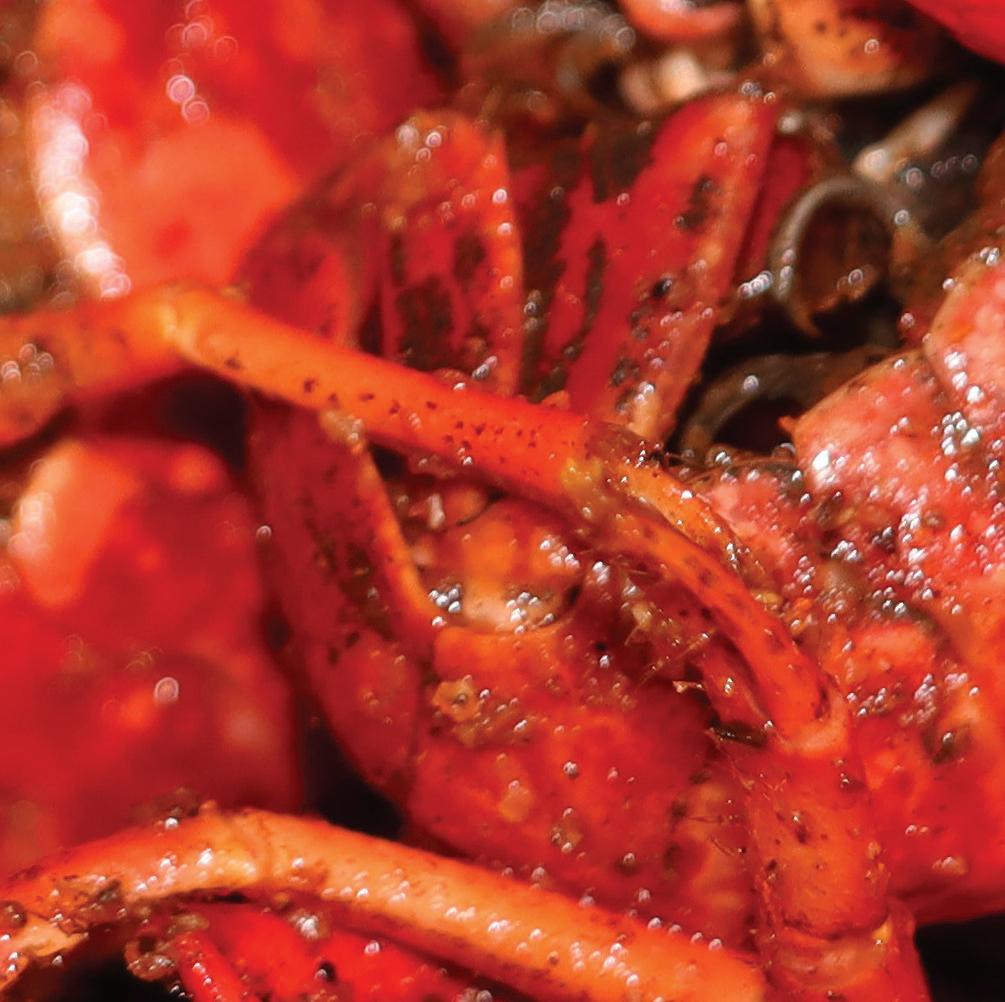
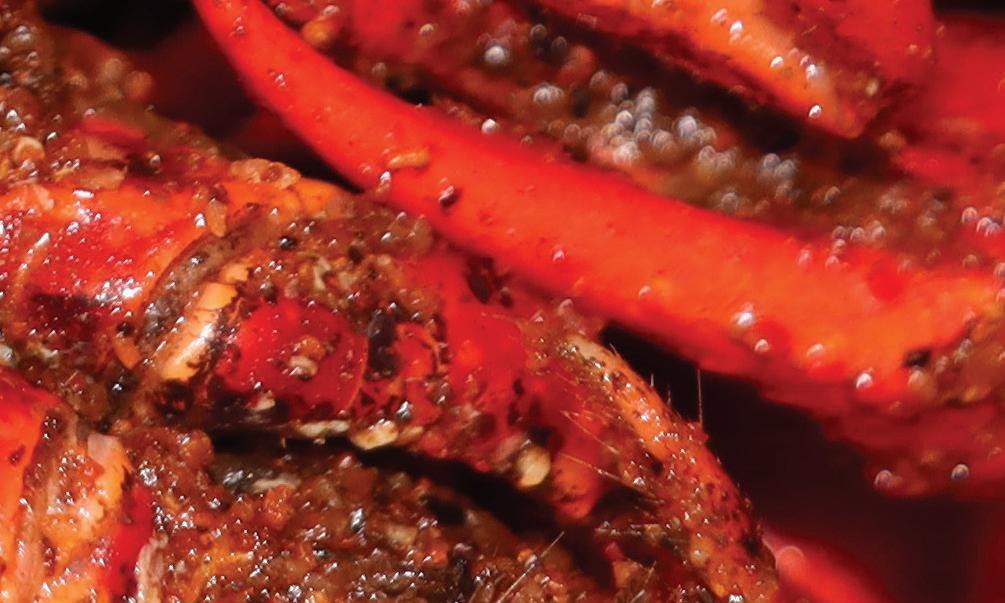
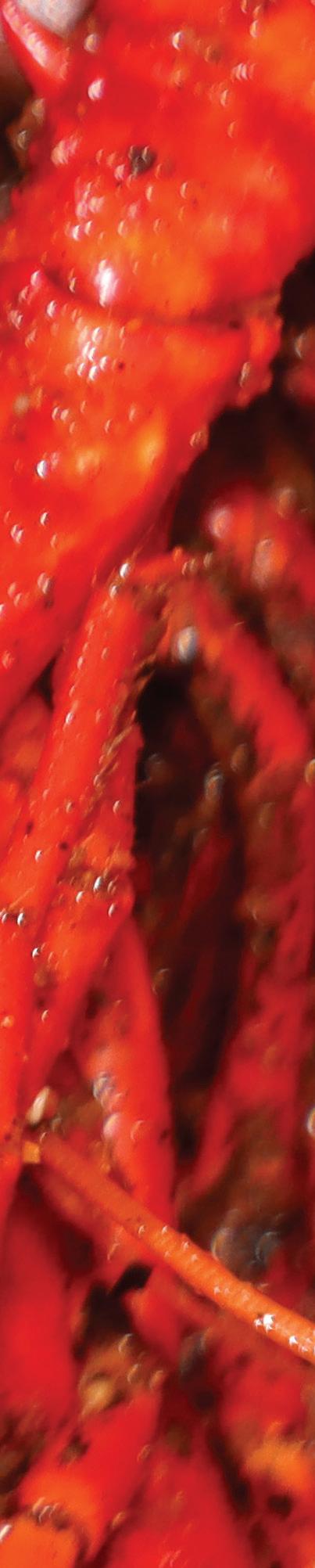
Another favorite of the crowd was a lesson centered around one of Louisiana’s most well-known traditions: eating crawfish.
Students learned about crawfish, including how they are prepared and eaten, and even practiced how to peel and enjoy them. Thanks to a generous donation from local business Crawfish
To Go, each student was able to take part in this authentic Louisiana experience, making the lesson educational and memorable.
Students also took part in an interactive activity that brought Louisiana’s swamps to life. Through an energetic game, students rolled and crawled like alligators, giving them a playful way to experience and
Kaylee and Hannah designed the event with a clear purpose: to provide experiential learning opportunities, support local culture and help students build a deeper connection to the place they call home, while also highlighting local musicians and businesses. Account No. 2744-004
“We wanted our students to feel proud of where they come from,” the teachers said. “By giving them hands-on experiences, we’re helping them connect with Louisiana’s culture in a way that’s meaningful and lasting.”



Thanks to their dedication and willingness to pursue new opportunities for their students, Louisiana Day became more than just an event. It was a celebration of identity, culture and community. Their work reflects the powerful impact teachers can have when they seek out creative ways to enrich learning.
For K.R. Hanchey Elementary students, it was a day they won’t soon forget and a reminder that great ideas often start with educators willing to take the extra step.
































•Rate
•Monthly
•
•
•
•
•Rates
•Monthly














































































































By Cheré Coen










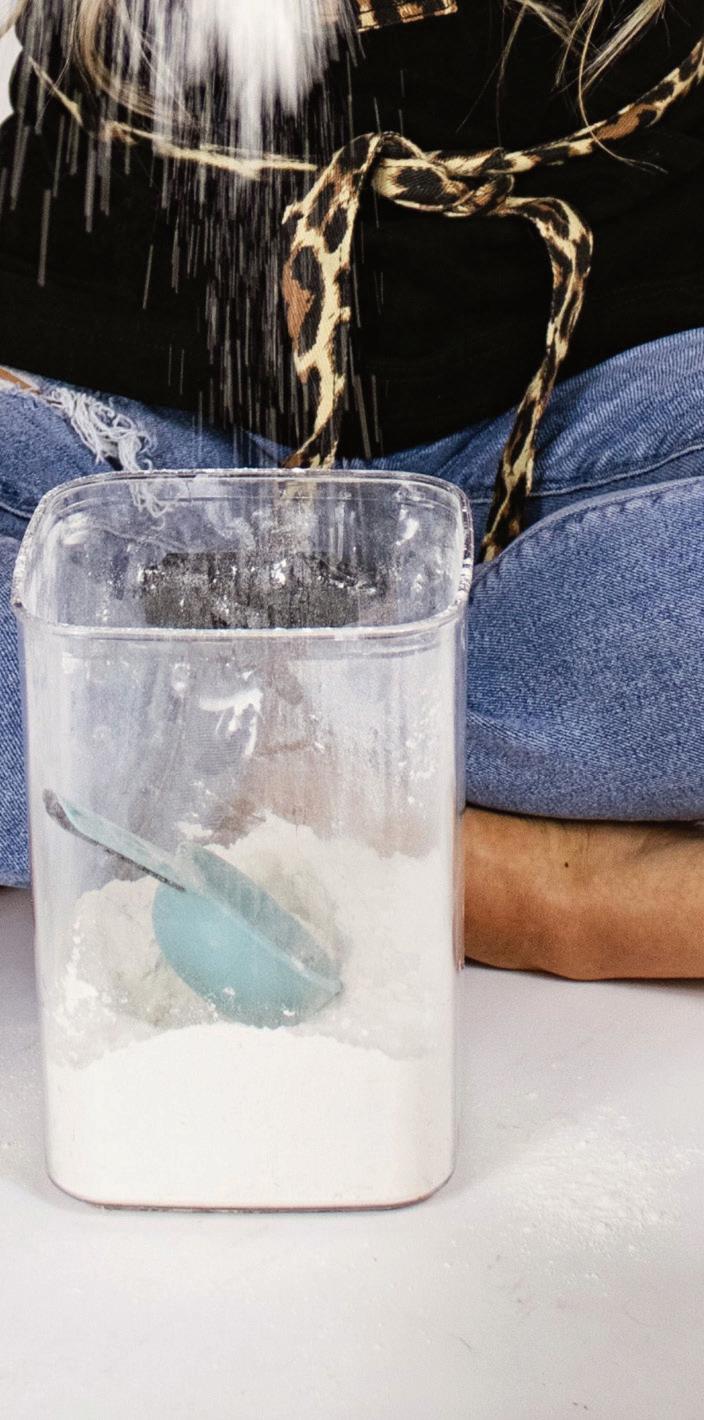
Most bakers know that what goes into the oven may not emerge the way they expect. Life sometimes works that way, too. Bakery owner Paige Ma, of Denham Springs, knows that lesson well—although her baked goods were not the surprise. It all started in 2020 during the pandemic. When the University of Louisiana at Lafayette shut down, Paige had time on her hands from studying microbiology and chemistry.
“I was really bored, and I loved to bake,” she says.
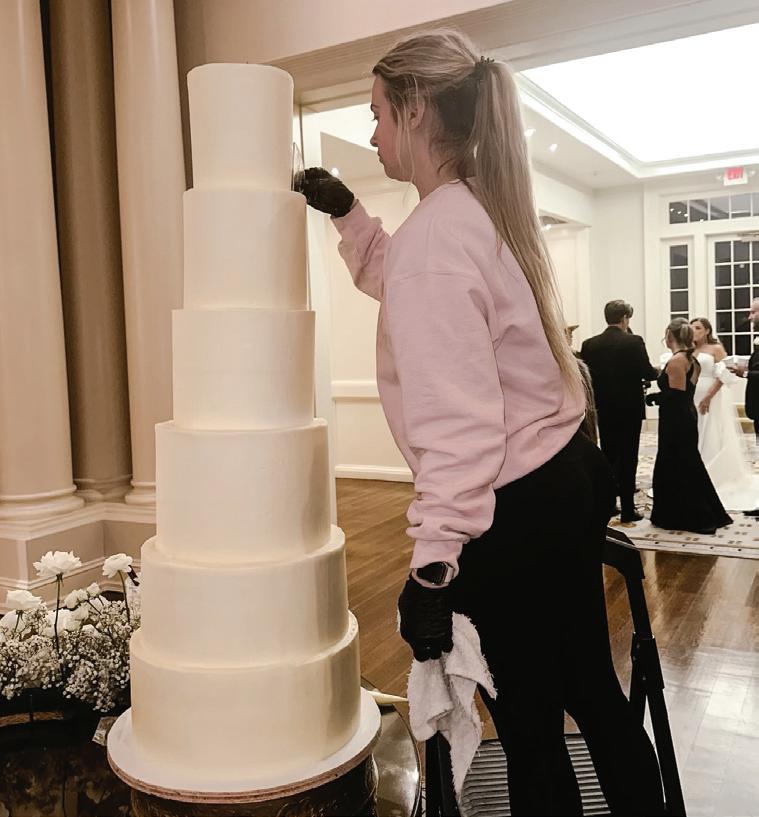
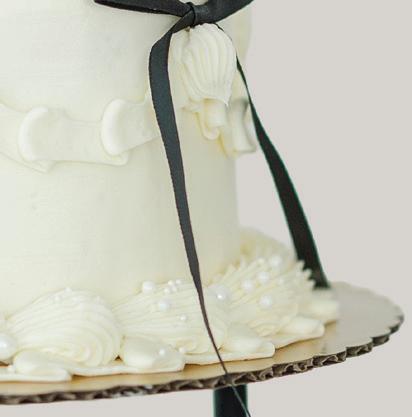
She used her mother’s kitchen to make cakes for her friends, who couldn’t source them from their local bakeries and grocery stores, for special events such as birthdays. Word quickly spread, and Paige suddenly had a side business.
When ULL reopened, she drove to Lafayette for her week of studies, then came home to Denham Springs on the weekends to fill a growing list of baking orders. The orders grew to include macarons and occasional cupcakes, but custom cakes still took center stage.
“I was pretty much known as Cakes From Home,” she says.
Paige began posting her baking prowess on TikTok, including how-to videos for specific recipes and videos about a day in the life and behind-thescenes with a home baker. Her videos became popular and her social media numbers blew up along with her business.
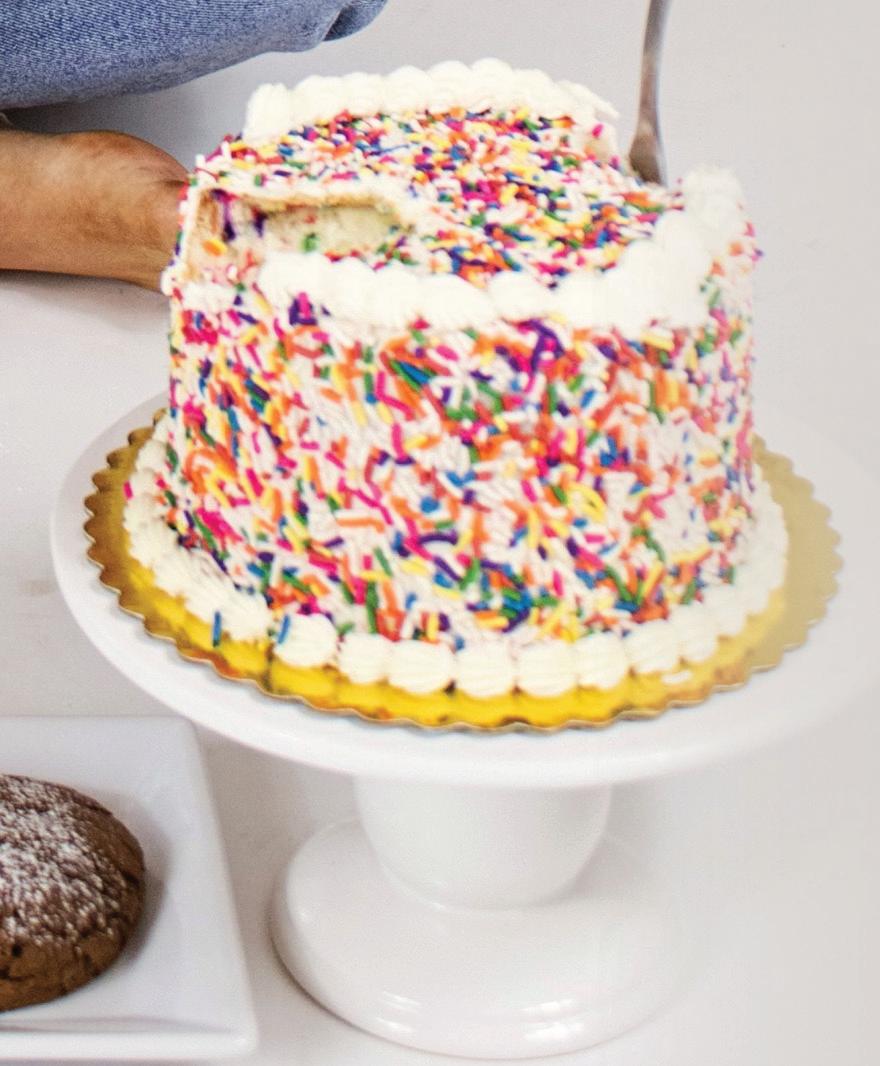
After a few years of juggling school and a home side hustle, the opportunity to open a storefront presented itself. A friend found an established bakery for sale after the owner retired, and Paige took the leap to create Paige’s Pantry. Paige believes that much of her early success stemmed from her 200,000plus TikTok followers.




















“I’d like to say TikTok made my first storefront,” she says with a laugh. “It was the perfect opportunity to step into and open the door.”
Paige missed graduating with a microbiology degree by one class because her “storefront took over,” but she hopes to return to ULL to finish her degree, even though she now knows she no longer wants to pursue that career.
“There’s actually a scientific reasoning behind cooking, so it’s good to know microbiology, but I won’t be doing it,” she says.
Not even a year after opening her first store, another opportunity surfaced. Paige’s accountant saw a place for rent in the Antique Village, an area of Denham Springs that receives good foot traffic and offers a variety of complements to Paige’s Pantry, including a coffee shop across the street.
“I had no intention of moving,” Paige says of the second location. “Opening the first store was so stressful. But it was my dream to have a store in the Antique Village.”
And so, Paige’s Pantry moved into town, allowing customers more square footage plus a larger kitchen and double oven for Paige’s creations. For this incarnation of Paige’s Pantry, she called the shots on store decor and furnishings.
“I was able to make my own decisions,” she says. “It’s so much better.”










she has time. In the summer, she hosts a children’s camp where kids decorate cookies, create a cookie recipe, make cakes and help customers. Many times, they just love following Paige around the store, she adds.


With studies, baking and opening a store, Paige still had time to marry her best friend, Brandon, and be a dog mom to Ammo and Kato. Paige’s TikTok videos show just how much time goes into running a bakery business with a staff of seven and a manager.
“People don’t realize how much work goes into it and how hard it really is,” she says.
For those considering doing the same, she recommends learning every aspect of a business, not just what goes into an oven, because you’ll never know what might come out.
“Make sure you love more than just baking,” she says.

Now 27, Paige has expanded her business to include a variety of cookies, cupcakes, cake pops, lemon bars, Oreo bars and, on the weekends, cinnamon rolls, among other sweet creations. She branched out into serving breakfast and lunch items such as biscuits and croissants, both plain and as breakfast sandwiches, along with lunch classics such as a chicken salad croissant and pimento grilled cheese. The savory items use stock from the bakery.
“I didn’t want to be a lunch place but more a bakery selling baked goods,” she says.
Sharing Skills





Paige’s Pantry also offers a two-hour cake baking class called Piping with Paige when
















July 10–11
Washington Parish Watermelon Festival
Celebrate local agriculture and the parish’s rich watermelon-growing heritage. Activities take place at the Washington Parish Fairgrounds from 8 a.m. to 11 p.m. This year’s festival features stage acts, the traditional watermelon auction and tasting, a car show, a watermelon-eating and seed-spitting contest and live music from Bag of Donuts Friday night and Magnolia Rising on Saturday night. Admission to the festival is free. wpwatermelonfestival.org
July 12
Balloons Over DeSoto
This free-to-enter community event features tethered hot air balloon rides, a spectacular balloon glow and a fireworks display, held at C.E. “Rusty” Williams Airport in DeSoto Parish. Attendees can enjoy children’s activities, food vendors, live music and a virtual reality gaming truck. Gates open at 4 p.m., and festivities run until 10 p.m. Free parking and a free shuttle service are available. discoverdesoto.com
July 24-25
Marshland Festival
This festival, originating more than 30 years ago in the coastal community of Hackberry, has grown into one of Southwest Louisiana’s most beloved celebrations of Cajun and Zydeco music. Held indoors and air-conditioned at Lake Charles Event Center, the two-day festival features local Southwest Louisiana artists alongside nationally recognized performers, delicious food booths, and arts and crafts shopping. Enjoy a cool, festive refuge in the summer heat. visitlakecharles.org
All ages can find something new and exciting around every corner of the state. Filled with rich history, abundant natural beauty and diverse events all year, Louisiana has fun options for everyone.
July 24-25
Bayou BBQ Bash
This Barbecue Competitors Alliance-sanctioned State Championship BBQ competition is held at Second Street and Federal Avenue in downtown Morgan City, hosted by the St. Mary Detachment of the Marine Corps League. Teams from across the state and beyond compete in categories including brisket, ribs and chicken, while the public enjoys live music, arts and crafts vendors, food, and a Kids Q competition. All proceeds benefit Marine Corps League charitable programs in the community. cajuncoast.com
Aug. 8
“I Found the Rougarou!” at Tickfaw State Park
On the second Saturday of every month, Tickfaw State Park invites children ages 6–14 to hunt for the legendary Rougarou lurking somewhere along the park’s trails and common areas. Kids and their families have from 9 a.m. to 4 p.m. to find the creature, snap a photo as proof and return to the entrance station. The fastest finder is crowned that month’s Legendary Hunter of the Rougarou. Day use fees of $3 per person apply; children 3 and younger and seniors 62 and older are free.
lastateparks.com/parks-preserves/tickfaw-state-park
Aug. 27-30
50th Annual Gueydan Duck Festival
Four days of festivities in downtown Gueydan celebrate this event’s golden anniversary. Families travel from across the state to enjoy live entertainment, duck- and goose-calling contests, dog trials, skeet shooting, outdoor cooking contests, and a large carnival. This year’s headliners are country legend Tracy Byrd on Friday, Aug. 28, and Louisiana icon Wayne Toups on Saturday, Aug. 29. duckfestival.org



Want to share a family-friendly event with Louisiana readers? Enter details at tinyurl.com/LouisianaPlanner or scan the QR code with your smartphone camera for easy access. Make sure to submit September/October events by July 31 (due to press deadline). Events are published as space allows.