

By Colette Boehm
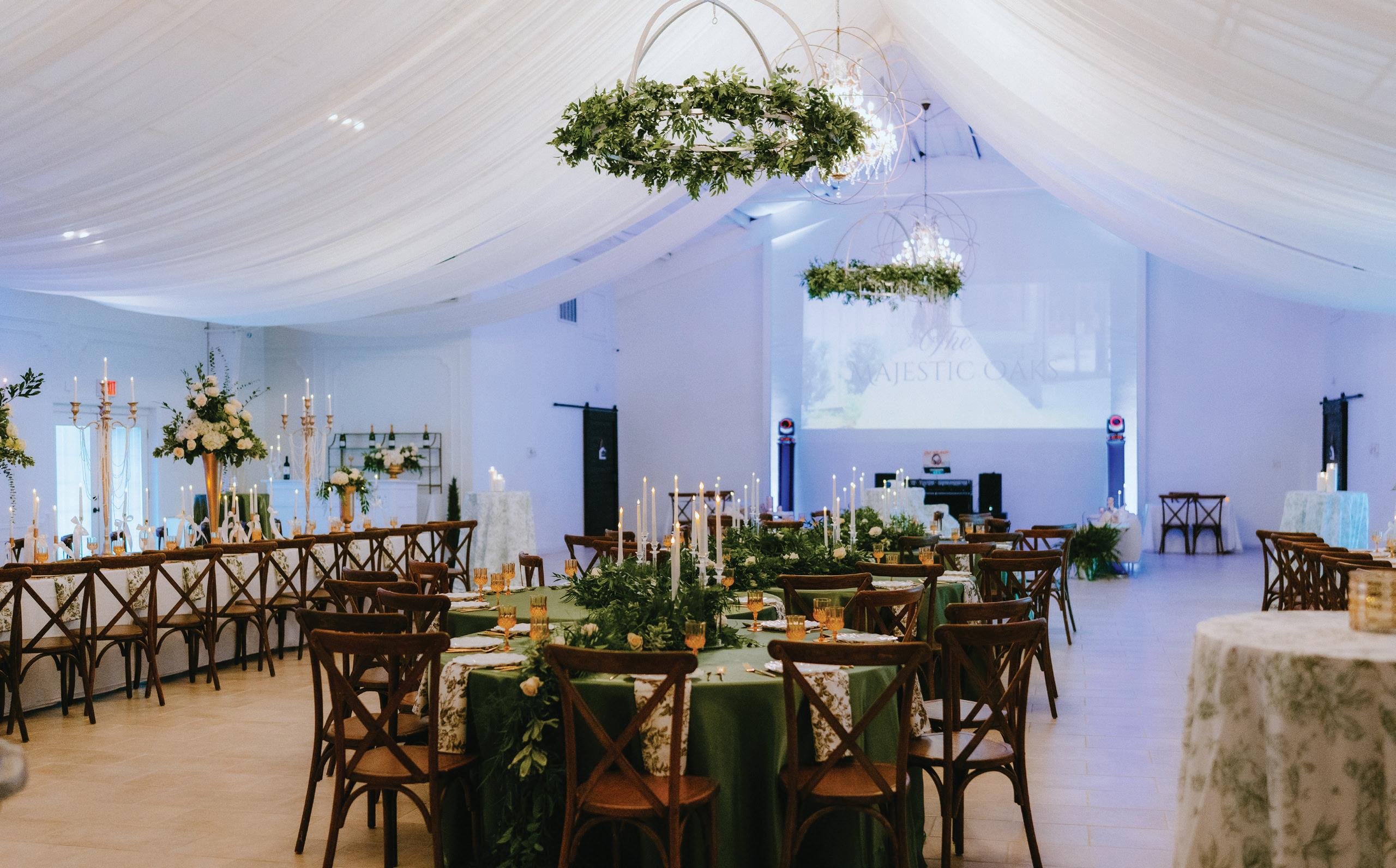
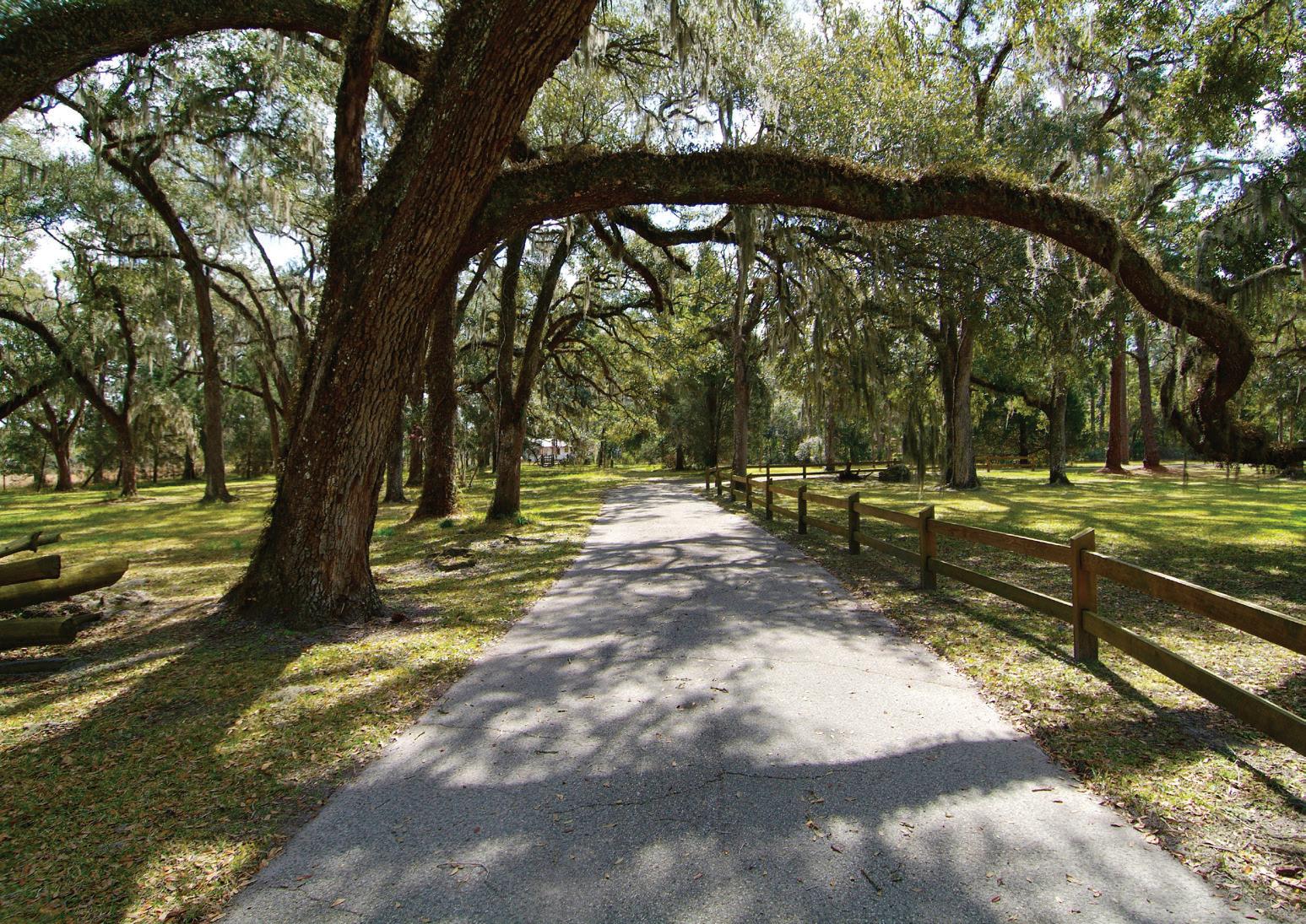
Faith, family, music and memories are all part of Karen Hornsby’s journey to The Majestic Oaks in Vernon. Or, more accurately, her journey back to the 35 acres she owns and operates as a wedding venue.

Karen Hornsby
When Karen was young, the property belonged to her grandparents. It was a place where she made childhood memories just as her father had a generation earlier. Since then, her family has created musical memories on the land, for themselves and
many others. Today, Karen helps couples create their own memories at a wedding venue she runs on the family land.
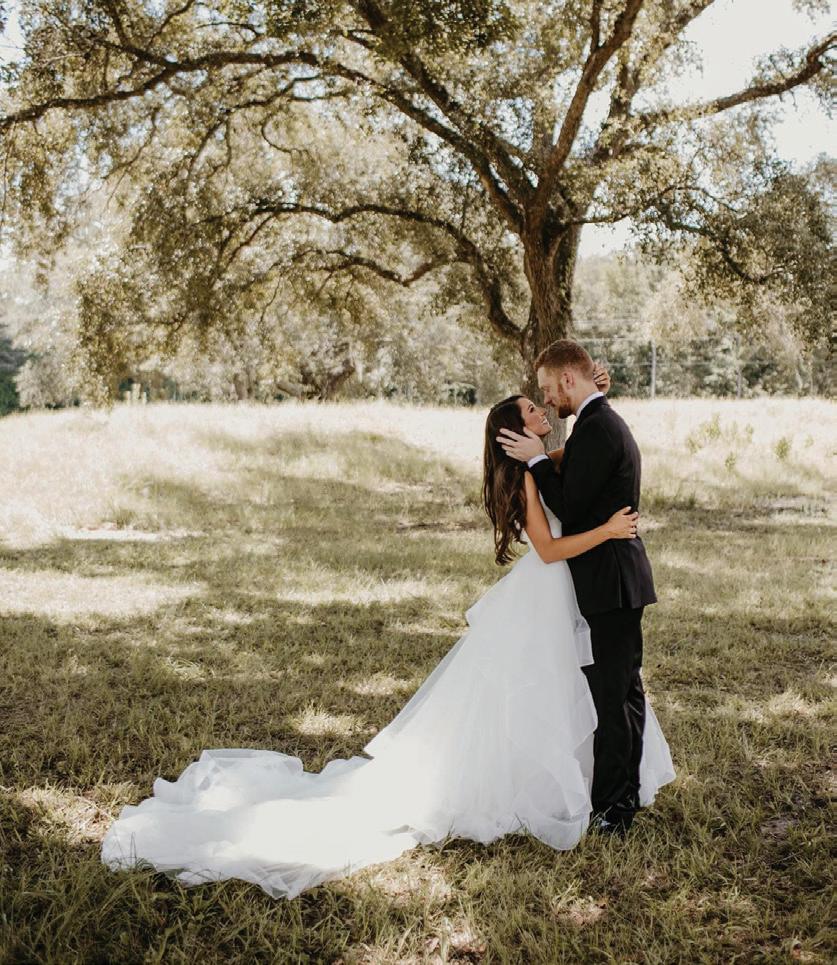
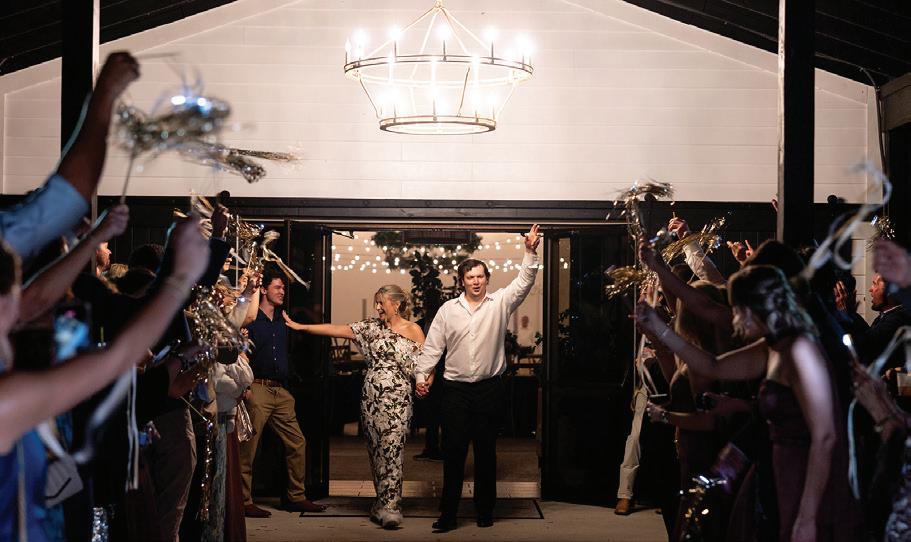
“The biggest thing I’d have to say that I enjoy about The Majestic Oaks is you are providing a space for this couple who are starting on a journey of a life together,” she says. “You see all these smiles and happiness on one of the greatest days of their life. It is a fun thing to see, and to experience family and friends being so excited and celebrating two people they love dearly and the new journey that they’re embarking on together. It is really fun that you’re a small part of making sure that it is celebrated well.”
Celebration Central
Celebrations have long been a hallmark of this land. After a childhood of touring the Southeast on weekends, singing Southern gospel music with her family, Karen says her father decided to create a venue of their own on the family’s land.
Karen says the barn that’s still on the property belonged to her grandparents.
“We’ve kept that there,” she says. “Right in front of that barn was where my dad and his siblings were raised and where I’ve got a lot of memories, as well, from my childhood.
“Dad built a music theater for Christian music artists and a house band, which was



called Gilley’s Place. For 25 years, we had tons of artists—mostly Christian music artists—come in and have concerts there. He also had a house band, and the family would sing there.”
Finding Triumph Through Tragedy
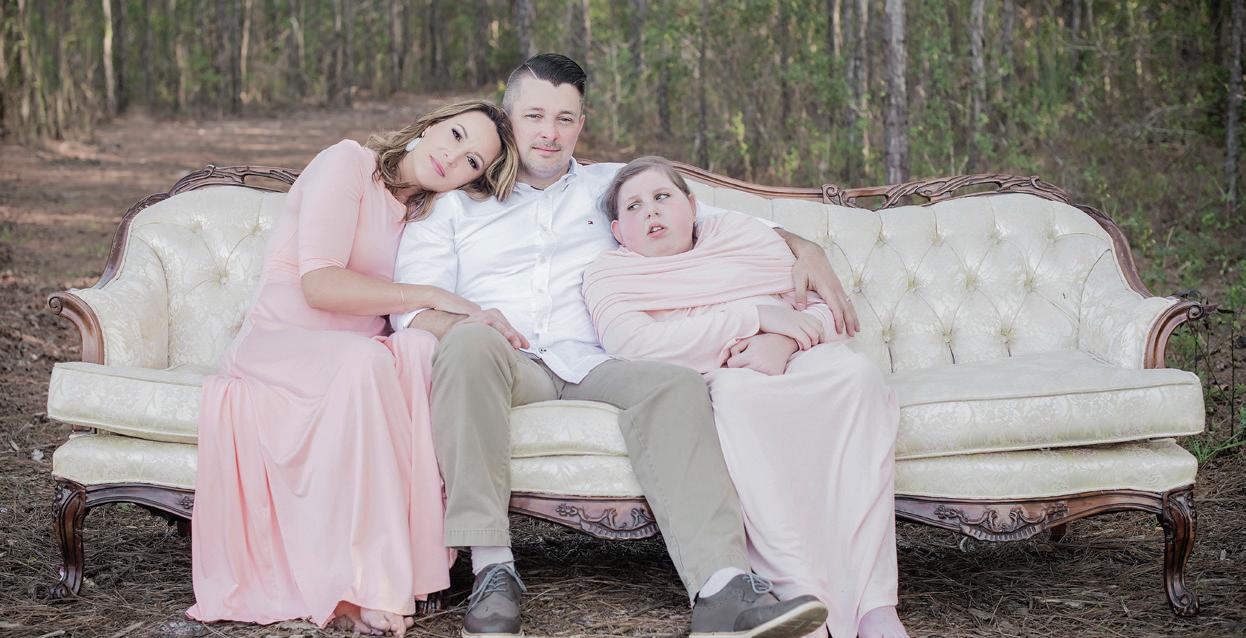
Karen’s musical journey took a turn when she and her husband, Todd, faced the unthinkable. Their 2-year-old daughter, Gabi, was diagnosed with brain cancer. After a year of treatment and referrals to specialists, Karen and Todd were told she would not recover. That’s when Karen began writing.
“I had never written a song in my life,” Karen says. “I was a vocalist. But when you’ve just been told your daughter’s not gonna make it, it’ll pull something out of you that you didn’t know was deep down in your soul. I sat down and wrote my first song I’ve ever written in my life, just bawling my eyes out.”
That song led to connections with celebrities like Brad Paisley and Tim Tebow after Karen landed a spot on ABC’s “Rising Star” singing competition.
“We got that momentum,” she says. “It was great.”

The music, though, was not Karen’s
highest priority. Supporting her family was. Transforming the property in Vernon became a family affair.
“I think the Lord gave me The Majestic Oaks at that season, because Gabi was in hospice at the time, and it’s when my dad got diagnosed with cancer as well,” Karen says.

After facing those health challenges of his own, Karen’s father decided to close that chapter on Gilley’s Place. That’s when Karen, her brother and her niece began to reimagine the property as the popular wedding venue it became.
The Majestic Oaks hosted its first wedding Oct. 1, 2020, six months after Gabi’s death.
Karen says the venture has been a success so far.
“Five and a half years later, we’re still going strong and trying to add to it as much as we can, keep improving and sticking to the new trends,” she says. “We’ve been there long enough now to see some trends come and go. It’s been a fun journey.”
“I knew she was my purpose for that season,” Karen says. “But we are human beings, and, if you’re not careful, you’ll just lose your mind. The Majestic Oaks was that avenue for me. I poured myself into it to help me stay sane and feel like this is something I can do for my family and make something beautiful.

“We were just glad we were able to do something with the place so that we could keep using it. It’s a complete transformation.”


The property has four ceremony venues—an indoor space that can be custom decorated; Under the Oak, a popular spot with a frame of ancient tree limbs; Hilltop Farms, a rolling green pasture; and the blossom-covered arches of the Aisle of Jasmine. There are bride and groom suites and spaces for cocktail hours, receptions and more.



Another addition, a private one, is coming to the property this year.
Karen and Todd are starting construction on a new home for themselves—a full-circle development from Karen’s childhood days of playing in front of the barn. Now, she and Todd, along with the many couples who say their vows and celebrate their marriages there, are beginning a new chapter at The Majestic Oaks.














By Miguel Rios































Most days, Daniel Lofland is up before the sun. He showers, makes coffee and enjoys a rare quiet hour before helping his two children get ready for school. As an Oklahoma Electric Cooperative employee, Daniel’s workdays can vary wildly. By midmorning, he might be verifying energyefficiency rebates. By afternoon, he could be answering member questions, prepping a safety demonstration trailer or recording an episode of his electric cooperative’s podcast.

It’s a full day, but the routine is predictable. That predictability, Daniel says, helps him protect his sleep.

“I wake up early, so I try to be in bed by 10 p.m.,” he says.


Daniel, an energy-efficiency and solutions specialist, spent nearly a decade as a lineworker. In the electric utility world, being alert matters, especially when daily tasks include driving rural roads, responding to outages or making decisions around live power.

“We prioritize sleep in our house, especially since we’ve got kids,” Daniel says. “In order to be successful in your day, you’ve got to be rested.”
But across America, intentional approaches to sleep are increasingly hard to find. Shift work, long commutes, caregiving responsibilities, on-call schedules and screen time are quietly eroding sleep.


For Curtis Chlouber, an electric cooperative construction foreman, routine is also important for quality sleep, especially in a line of work where safety is crucial.
“When you’re dragging the day after not getting good sleep, you miss little things,” he says. “Every day is a little different, so you have to be ready to adapt and be alert even if it’s something you’ve done a hundred times.”

Curtis wakes at 5:30 a.m. and is on the job by 7 a.m. Some weeks, he has long drives to distant parts of the utility’s service territory before the real work fully begins. After finishing his workday around 4:30 p.m., he heads straight to the gym, then home to help with dinner, baths, homework and bedtime for his three young children. Most nights, he’s in bed by 9 or 10 p.m. Once a week, he’s also on call, which can disrupt his routine.
“The hardest thing is getting called in the middle of the night after you’ve been sleeping for a few hours,” Curtis says. “I take precautions and don’t hesitate to pull over just to walk laps around my car and wake myself up.”
Mikala Jordan, sleep lab supervisor for Mercy Health, says that kind of disruption is common in many occupations, and it interrupts the body’s natural sleep rhythm.
“The main issue with shift workers is they’re not getting that natural sunlight at the normal hours of the day,” she says. “As a shift worker, you might be jumping back and forth between schedules. Or, if you’re on your last shift of the week and you come home, instead of going to sleep, you make yourself stay awake to spend time with family or do other things. But having a set schedule and sticking to it is super helpful to avoid negative long-term effects.”
Taryn Edwards is an executive assistant for Great Plains Sleep Specialists and a sleep lab supervisor. She says sleep disorders are often underdiagnosed in rural areas.
“People just don’t realize that their symptoms are medical issues, or they might not have access to sleep specialists,” she says.
Experts warn the cost of poor sleep is high. Over time, chronic sleep loss is linked to increased risk of heart disease, diabetes, depression, obesity and cognitive decline, according to the National Institutes of Health. Harvard Medical School research also found it raises the likelihood of workplace errors—leading to injuries and motor vehicle accidents.
Taryn says lack of sleep affects people mentally and emotionally, and they may not realize sleep is part of the problem.
“People might be more irritable, forgetful. They can’t think straight or focus,” she says. “Sleep isn’t a luxury. It’s a basic health need. When sleep disorders go untreated, they also affect someone’s family, workplace or school and even other people on the road.
“Thankfully, sleep disorders are very treatable,” Taryn says. “They just rarely get better on their own, so the earlier people address them, the better the outcome.”
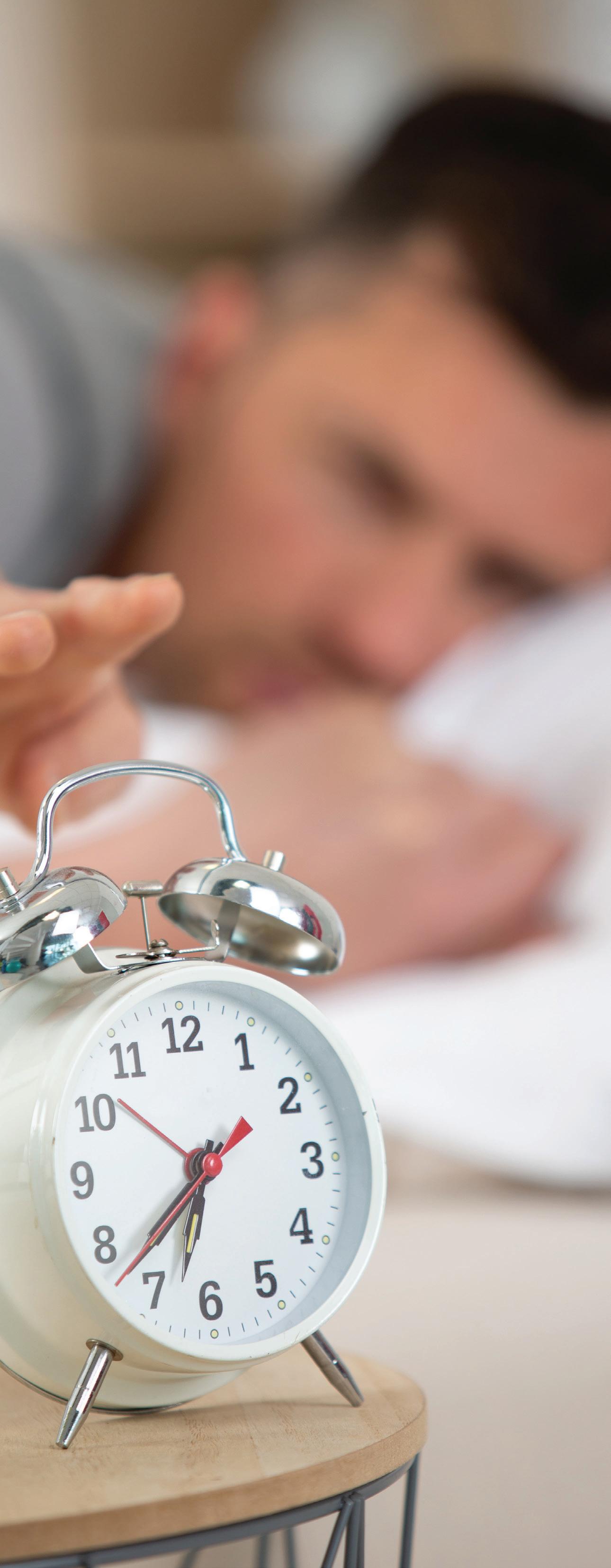
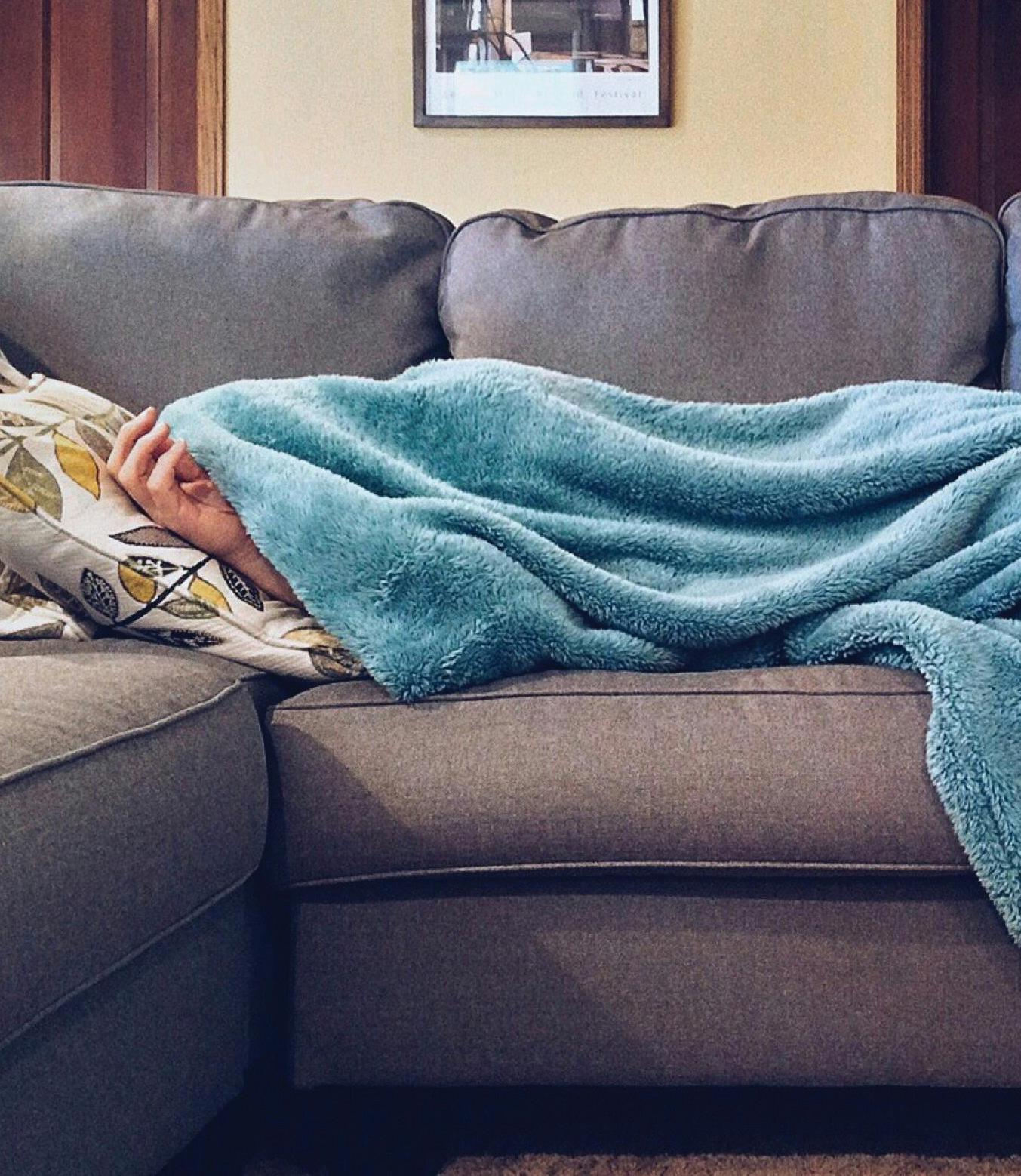
Mikala emphasizes simple ways to improve sleep without resorting to expensive or unrealistic measures. Small, practical changes can make a measurable difference.
• Protect the schedule. One of the biggest ways to improve sleep quality is to stick to a schedule as much as possible. Consistency matters, so going to bed and waking up at roughly the same times each day helps reset the body’s internal clock. If an on-call schedule results in unexpected sleep disruptions, Mikala recommends returning to the normal routine as soon as possible.
• Mind the lighting. Bright, cool-toned bulbs and screens in the evening signal the brain to stay alert, so avoid them if possible. Ideally, that means no TV or phone time 30-60 minutes before bed.
• Create a sleep sanctuary. To improve sleep, keep the bedroom dark and cool, and have a comfortable mattress and pillow. Mikala recommends using some sort of white noise—such as a fan or an app that simulates rain or other soothing noises— and sleeping only in the bedroom. That means you’re not watching TV in bed.
“Your circadian rhythm takes awhile to reset,” Mikala says. “If you’re consistent with the changes, I’d say give it about a week before you might start to notice improvements. If you’re still experiencing a lot of sleep issues after making consistent changes, I would definitely seek additional help to make sure there’s not any underlying issues.”
Sometimes, sleep problems aren’t just about habits. Underlying conditions could include narcolepsy and restless legs syndrome. One of the most prevalent sleep disorders is sleep apnea. According to the American Academy of Sleep Medicine, sleep
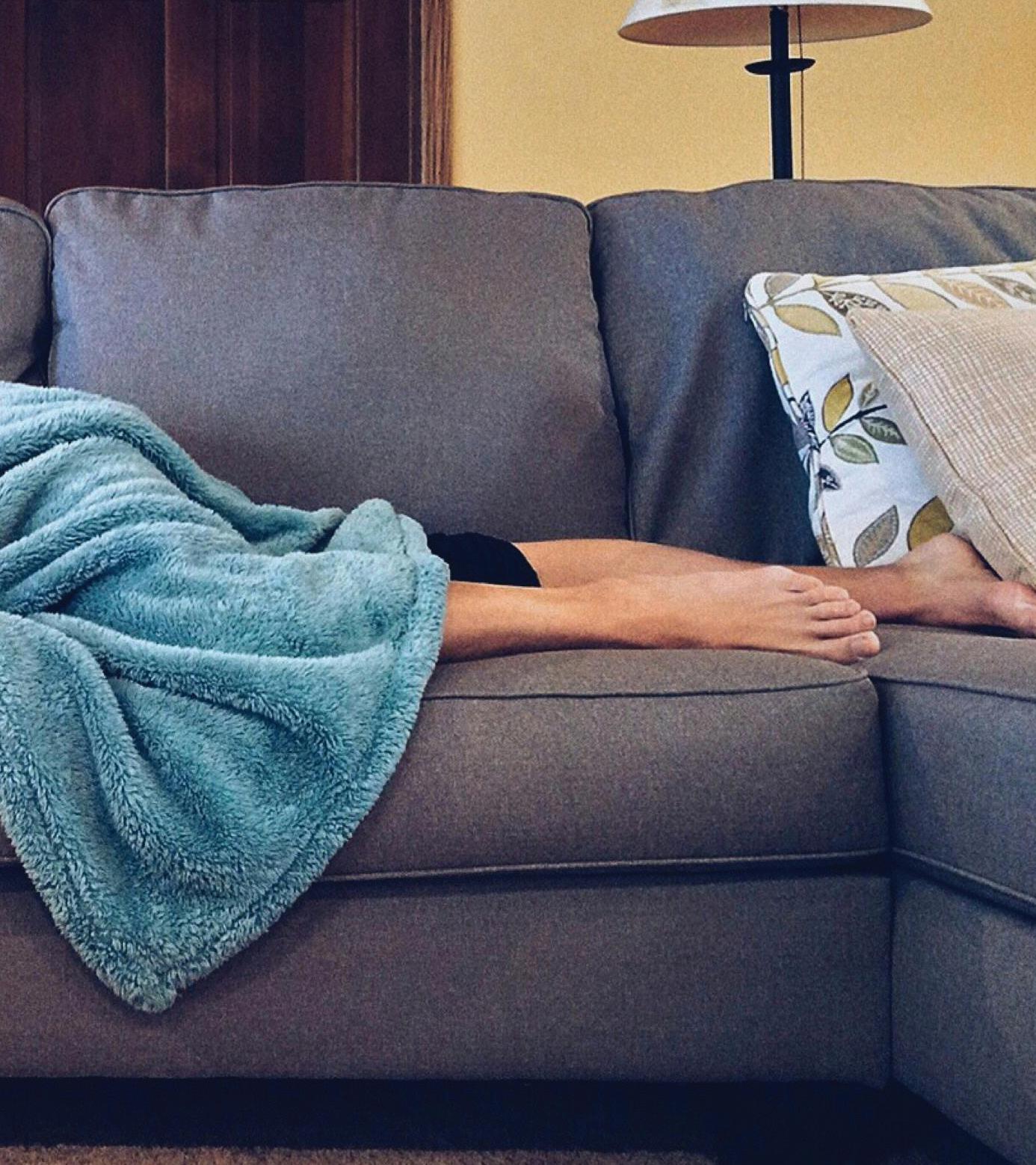
apnea affects nearly 30 million Americans, and an estimated 80% of cases go undiagnosed.
“Sleep apnea is incredibly common, especially among men,” Mikala says. “Many people put off testing because they don’t want to deal with a CPAP machine, which is the gold standard for treatment.”
CPAP stands for continuous positive airway pressure. The machine helps keep a person’s airway open during sleep.
Ignoring a potential sleep disorder can lead to worse health outcomes down the road. Today, testing options are more accessible than ever. Some patients can complete a sleep study at home, picking up a small device to wear overnight and returning it the next day. Follow-up care and monitoring may be available through telehealth.
“If something feels off, talk to your primary care provider,” Mikala says. “Write symptoms down. Bring a partner who’s noticed changes. Your doctor is there to help, not judge.”
Rest Is a Community Resource
At home, Daniel and his wife are intentional about sleep, especially for their children. That decision grew out of her time as a substitute teacher, when she realized how much students’ days and attitudes were affected by nights of poor sleep.
“Getting a good night’s sleep became priority No. 1,” Daniel says. “It sets us up for the next day. When we’re rested, we can stay focused and stay on task.”
Electric utilities are built on the idea that shared resources strengthen communities. Sleep works in a similar way. Well-rested lineworkers respond more safely and efficiently to outages. Alert drivers make roads much safer. Focused parents and caregivers strengthen families. And focused individuals help communities thrive.

Lower the thermostat at night. Temperatures at 68 degrees or lower support better sleep.
Use fans. Ceiling or box fans improve air circulation and lower the need for air conditioning. In cooler months, remember to reverse ceiling fans’ direction to distribute warm air.
Dim the lights. Dimming the lights after sunset supports natural sleep rhythms and reduces electricity use. Warm-toned bulbs are also better for supporting sleep.
Keep it dark. A dark, cool bedroom is ideal for better sleep, often meaning fewer lights, appliances and devices running overnight.
Block disruptions. Blackout curtains or thick shades keep outdoor light out and help regulate room temperature, keeping bedrooms darker, cooler and more comfortable.



Lemon Blueberry Trifle
3 cups fresh blueberries, divided 2 15.75-ounce cans lemon pie filling
2 cups lemon yogurt
Set aside ¼ cup blueberries for garnish.


1 prepared angel food cake, 8 to 10 ounces, cut into 1-inch cubes
8 ounces frozen whipped topping, thawed
In a large bowl, combine pie filling and yogurt.
In a 31/2-quart serving or trifle bowl, layer a third of the cake cubes, lemon mixture and blueberries. Repeat layers twice, then top with whipped topping. Cover. Refrigerate at least 2 hours. Garnish with reserved blueberries before serving.


81/2 ounces (about 21/4 cups)
frozen fruit
2 tablespoons sugar
1 large egg white
Fresh berries and whipped cream for serving
Add frozen fruit to the bowl of a food processor. Process to a rough puree, about 1 minute. Add the sugar, and pulse briefly to combine.
Add the egg white to the food processor. Process until smooth and fluffy and the mixture has lightened in color and doubled or tripled in volume, about 2 to 3 minutes. Spoon the mousse into glasses. Top or layer with fresh berries and whipped cream. Serve immediately or refrigerate for up to 2 hours. The mousse has little sugar and won’t hold for longer than that.
8-ounce package cream cheese, softened
1 cup peanut butter
1 cup powdered sugar
16-ounce container frozen whipped topping, thawed
10 peanut butter cups, chopped
1 chocolate cookie pie crust
11/2 cups heavy whipping cream
1/2 cup powdered sugar
Use a mixer to beat cream cheese until smooth. Add peanut butter and powdered sugar, and mix well. Carefully fold in whipped topping and stir in chopped peanut butter cups, reserving a few for the topping.
Pour mixture into pie crust. Freeze overnight. When ready to serve, beat cream and powdered sugar together in a large bowl until stiff peaks form. Top pie with whipped cream and reserved chopped peanut butter cups before serving.
2/3 cup malted milk powder
1 pinch kosher salt
2 cups heavy cream
7 ounces vanilla wafers
4 ripe bananas, peeled and sliced about the same thickness as the wafers
Line an 81/2-by-41/2-inch loaf pan with plastic wrap, leaving a fair amount of overhang on all sides.
Add malted milk powder and salt to a bowl. Add a splash of cream, and whisk. Continue this process until you’ve added all the cream. Whip cream until stiff peaks form. Add a single layer of wafers to the bottom of the loaf pan. Top with a layer of whipped cream. Add a single layer of bananas, then top with a layer of whipped cream. Repeat this until you’ve used all the cream, making sure to end with a layer of cream.
Fold the overhanging plastic over the cake. If it doesn’t completely cover the surface, add more plastic wrap. Refrigerate for at least 12 hours or up to 36.
8-ounce package cream cheese, softened
1 tablespoon lemon juice
1/3 cup powdered sugar
8-ounce container frozen whipped topping, thawed
1 premade graham cracker crust
6 ounces fresh strawberries, washed, hulled and sliced
1/4 cup strawberry jam or jelly, melted and cooled
In a large bowl, use a mixer to beat cream cheese until smooth. Add lemon juice and powdered sugar, and mix to combine. Gradually add whipped topping. Mix to combine, being cautious not to overmix. Spread mixture into prepared crust.
Add strawberries to a medium bowl. Pour cooled but still liquid strawberry jam or jelly over strawberries, and toss them to coat. Add strawberries to the top of the pie.
Refrigerate for at least four hours to allow pie to set. Serve chilled. Store tightly covered in refrigerator for up to five days.
2 10-ounce packages miniature marshmallows, divided
3 tablespoons canola oil
5 cups Rice Krispies
5 whole graham crackers, crumbled
11/4 cups salted, roasted almonds, chopped and divided
2 111/2-ounce packages semisweet chocolate chunks, divided
In a microwave on low power, melt one package of marshmallows in oil. Stir until smooth. Stir in cereal, graham crackers, 1 cup almonds and 1 cup chocolate chunks.
Using waxed paper or a lightly greased spatula, press mixture into a lightly greased 9-by-13-inch baking pan. Cool to room temperature.
Melt one package chocolate chunks in microwave. Spread over the top of the pan of treats. Sprinkle with remaining marshmallows, almonds and chocolate chunks.
Cut into bars before serving.
NIKON D700
180mm lens
ISO: 200 f/5.6 at 1/1000


Story and photo by Dave LaBelle
Relationships can be complicated, especially among siblings. While some siblings are inseparable—through shared rooms, vehicles or clothing—others never bond or they drift apart as they grow.
The second of Charles and Jeanetta LaBelle’s children, I have four siblings—two brothers and two sisters—and each relationship is different, changing and evolving through the years.
While every relationship is unique because no two humans are exactly alike, relationships can grow richer with age when we value them and are willing to nourish them.
Sometimes the distance of living in different states or countries makes it tough to maintain close relationships. My youngest sister and brother have stayed in California, while my older sister, middle brother and I have lived in other states for much of our lives. It has been at least 10 years since we’ve been together.
At other times, differing religious or political beliefs and lifestyles become excuses not to nourish sibling relationships.

However, as the years race past and we realize we have less time on this earth, sibling relationships may become more precious. Forgiveness replaces anger, love replaces tolerance, and the sibling who might have been annoying or even harmful becomes a treasured friend.
Throughout my journalistic career, I have witnessed—usually at funerals—siblings come together as strangers, often wishing they had made a better effort to know a brother or sister. n

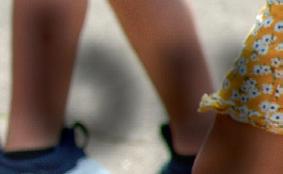

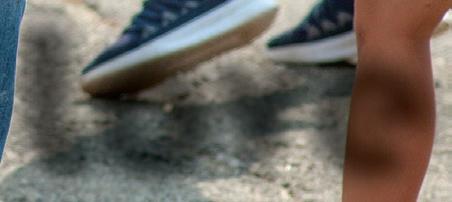


While on assignment, I noticed the tender relationship shared by these two brothers, which stirred me to examine the relationships with my own siblings and ask, “What kind of brother am I?”
This can be a self-portrait of you and your sibling, or it can be a photograph of other siblings together. Maybe even twins? I have a friend, a twin, who also married a twin. Her husband and brother-in-law are close friends and are about as much alike as two individuals can be. Ironically, both recently underwent similar knee surgeries on the same leg.
If you feel uncomfortable asking to photograph a sibling, blame it on me. Tell them this is an important assignment from a photography teacher, and you need a photo for posterity. You can also use this assignment as an excuse to meet with a sibling. In years to come, family members may be thankful you did.
Email your best image—just one—with caption information, including an explanation of how it affects you, to gph@pioneer.coop. We may share submissions on our website and social media channels.
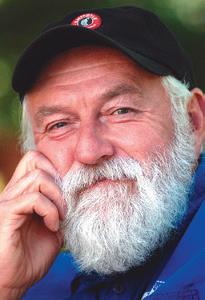

Photographer, author and lecturer Dave LaBelle has captured special moments for more than half a century, sharing photo tips and life perspectives with readers. For more of his writing, visit davidlabelle.com and his blog at bridgesandangels.wordpress.com.






















•
•
•
•
•



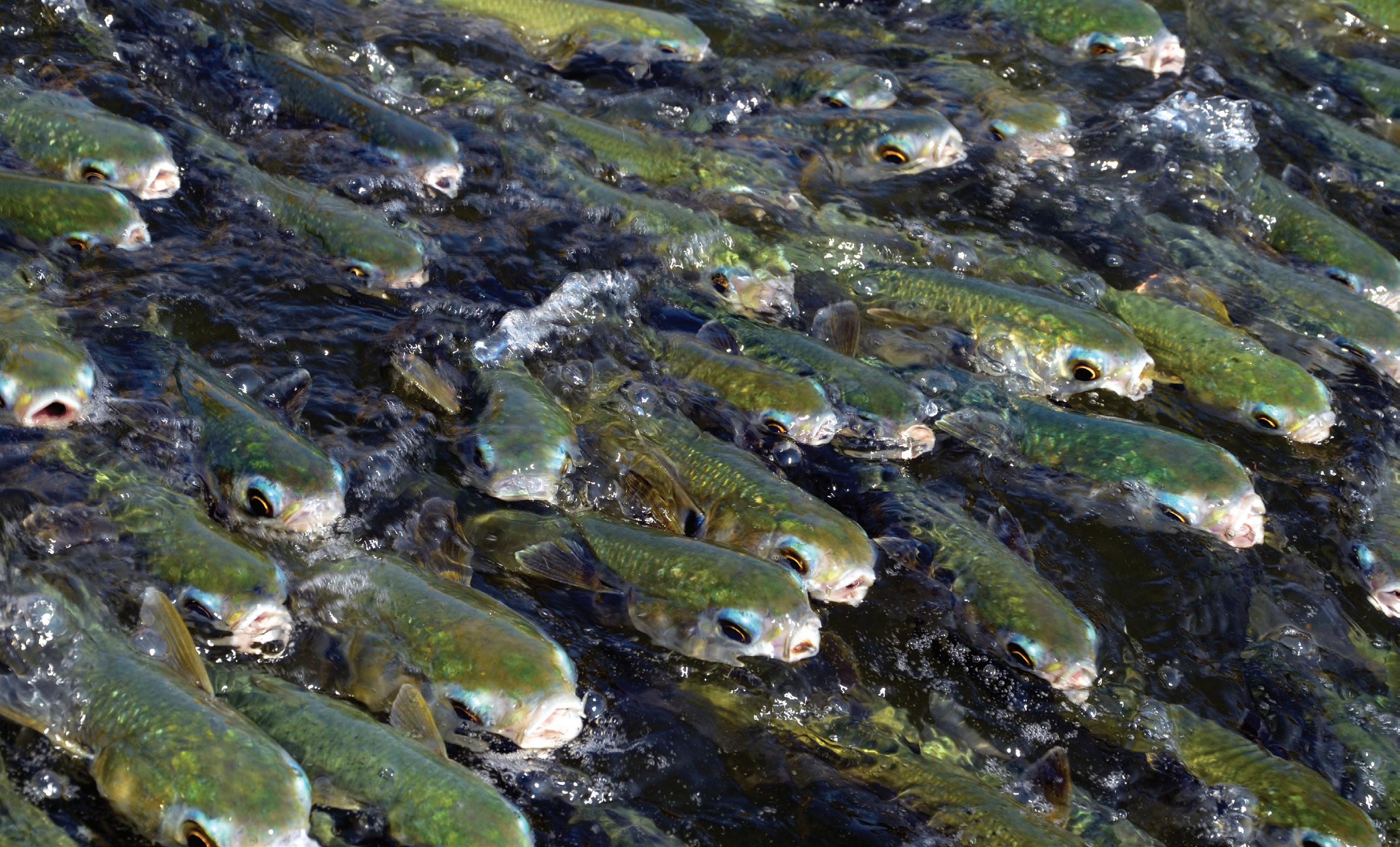
Moments after the float landed next to matted grass in the backwater off the St. Johns River, it disappeared almost as if a rock struck the surface.
“That didn’t take long,” St. Cloud fishing guide Steve Niemoeller says of the time it took to set the hook on a 6-pound bass. “Usually, I fish with wild river shiners. I’ve never fished for bass with mullets before that day.”
Many Florida anglers tempt bass with wild river shiners, also called golden shiners. Native to the Sunshine State, these baitfish provide important natural forage for bass. River shiners can grow to 12 inches long. They make excellent bass bait but can cost a lot of money when bait shops can keep them in stock.
“I’ve caught as many as four dozen mullets in a few throws with a cast net before,” Steve says. “To catch that many shiners would take a long time. To buy that many would cost a lot of money.
“I came back from a saltwater trip one time with some live mullets in the baitwell and decided to use them on my next bass trip. They worked great.”
Although normally found in salty or brackish water, mullets do enter freshwater systems—such as the St. Johns, Apalachicola, Suwannee and other rivers—that flow into saline waters.
Hardy mullets last longer than shiners and can even live in foul water. They remain healthy in a livewell for days.
Mullets can grow to more than 20 inches long and weigh several pounds. Smaller mullets make outstanding bait for large speckled trout, redfish and other salty species. In brackish areas, bass and redfish frequently feed upon the same forage.
“A bass eats the same thing as a redfish,” Steve says. “I’m sure bass eat mullets in the wild. I use 3- to 6-inch mullets hooked
through the lips or under the dorsal fin, through the back. I fish them about 2 to 3 feet under a float with a weedless hook just like when fishing with shiners.”
More streamlined than shiners, mullets usually tempt more bass, although shiners typically entice bigger bass. However, huge bass do gulp small mullets. Bass can more easily swallow a slim mullet than a chunky shiner of similar length.
Few people use mullets for bait in fresh water, so bass won’t expect it.
“Mullets are slimmer than shiners, so bass actually take them quicker,” Steve says. “The first time I used mullets for bass, I fished an area where I had often used shiners. Bass take a mullet as soon as it hits the water, even quicker than when they take a shiner. Sometimes, shiners in the exact same spot might sit there for a while before bass look at them. Maybe bass hit mullets quicker because I offered them something different or the mullets struggled a little differently.”
After your next saltwater adventure, keep a few live mullets to tempt bass. A succulent mullet struggling in the water might prove too tempting for any big, hungry largemouth.
For more information, call Steve Niemoeller at 888-629-2277 or visit bassonline.com.
John N. Felsher is a freelance writer, broadcaster, photographer and editor. He’s written more than 3,500 articles on a wide variety of outdoor topics. Contact him at j.felsher@hotmail.com or through Facebook.












All ages can find something new and exciting around every corner of the state. Filled with rich history, abundant natural beauty and diverse events all year, Florida has fun options for everyone.
Every Saturday
The Cottage Market of Sebring
Join locals from 9 a.m. to 2 p.m. at this perfect place to shop and savor homemade goodness. This market offers fresh treats such as lemonade, cotton candy, kettle corn and baked breads. Also, browse unique finds and handcrafted arts and crafts from local makers. Come hungry, shop happy and support local businesses at this cozy market full of flavor and creativity.
863-458-5279
Aug. 5-9
28th Annual Key West Lobsterfest
Dive into a seafood celebration at this annual festival. Enjoy fresh lobster, vibrant street parties, live music and local flavors in the heart of the Florida Keys. Don’t miss this summer event—perfect for foodies and funseekers alike. keywestlobsterfest.com

Aug. 7

Aug. 8
Living Historian-Led Guided Walk Program
Join us from 10 a.m. to noon for this reenactor-led guided walk program on Fort King Road at Dade Battlefield Historic State Park. The program is free with a park admission fee of $3 per vehicle or a Florida State Parks Annual Pass. bit.ly/4wsMuaU; 850-245-2157

First Fridays at Blue Morning Gallery
Join Blue Morning Gallery for its First Friday Artist Reception, a monthly celebration of creativity. Each month features a new show with fresh works from local artists. Enjoy light refreshments, meet the artists and experience the vibrant energy of the gallery. The event is free and open to the public and often includes live music to set the mood. bluemorninggallery.com; 850-429-9100
Aug. 8
Avon Park Farmers Market
Discover the charm of small-town Florida while exploring local shops inside the historic Jacaranda Hotel. Step indoors and explore a market filled with local farmers, artisans, and food vendors offering fresh Florida produce, handmade goods and delicious bites. With live music and a relaxed community atmosphere, it’s an easy and enjoyable way to spend a Saturday morning—rain or shine. facebook.com/farmersmarketavonpark; 863-235-1414





Aug. 14
Cinemas in the Sand: Goat
Presented by the Santa Rosa Island Authority, this beloved tradition invites locals and visitors alike to gather under the stars, feel the sand between their toes and enjoy timeless movie classics against the breathtaking backdrop of the Gulf Coast. All movies are free to the public and start at sunset in front of the Gulfside Pavilion stage, weather permitting. visitpensacolabeach.com/cinemas-in-the-sand; 850-530-3349

Aug. 16
2026 Triathlon
Starting at sunrise, the event features a scenic open-water swim at Cannon Beach, a bike course along the Overseas Highway and a run through a charming Florida Keys neighborhood. Athletes and spectators enjoy the relaxed island atmosphere, capped off with a post-race party and awards celebration featuring live steel drum music. This is a true Keys-style race experience. gameonraceevents.com/events-2; 561-768-7889
Aug. 20
St. Joseph Bay State Buffer Preserve Guided Tram Tour
The tour begins with a history talk inside the visitor center at 9 a.m. Attendees then proceed to the main gate parking lot (across the street from the visitor center) to board the tram. The tram moves slowly as one of the preserve’s staff members interprets the surroundings while you travel down Treasure and Sandridge roads. Remember to bring anything that makes your ride more comfortable: hat, sunscreen, water, insect repellent, raincoat, camera, binoculars, etc. The tram has no roof, so be prepared for sun or possibly a light shower. The event is not canceled if the rain is light and no lightning is present. While there is no charge for the event, you must reserve your spot to ensure there is adequate seating. For reservations, email sandra.chafin@floridadep.gov or call the number below.
stjosephbaypreserve.org/tram-tours; 850-229-1787

Aug. 22
Early American Pie-Making Class
Join expert volunteers and staff from 1-3:30 p.m. as they teach participants the historic art of early American pie-making with wild berries at Dade Battlefield Historic State Park. Preregister by calling the number below or emailing dadeprograms@floridadep.gov. Event admission is $10 per person, and parking is $3 per vehicle or free with a Florida State Parks Annual Pass.
bit.ly/4y4qbKb; 850-245-2157
Aug. 29
The 52 Saturday Market
This event takes place the last Saturday of every month and is designed to bring locals together. A monthly event, continuing through Oct. 31, the market offers a vibrant space for people of all ages to connect, enjoy and celebrate art and community at The 52 World, 8511 Myslak Way. https://the52.world; 844-561-2497



Every Saturday Parkrun
Every weekend, nearly half a million people at more than 2,000 locations worldwide take part in parkrun—an event for runners and walkers. The Pensacola event takes place at 7:30 a.m. Saturdays at Rec Plex North, on the University of West Florida campus. Children and dogs are welcome. Parkrun is free, but you’ll need to download a barcode and bring it with you in any scannable format to get a time. It only takes a minute, and you only need to do this once, no matter how many parkruns you attend. Register at the link below. parkrun.us/recplexnorth
Aug. 30
Portside Pickle: Dog Days of Summer
The last Sunday of every summer month just got a whole lot more interesting. Dog Days of Summer is happening, and we’re bringing shelter pups to the pickleball courts at Portside Pickle, Pensacola’s pickleball paradise on the waterfront in the heart of downtown Pensacola. Come for the pickleball. Stay for the puppies. Leave with a new best friend. portsidepickle.com; 850-850-4755
Want to share a family-friendly event with Florida Currents readers? Enter details at tinyurl.com/FloridaCurrents or use the QR code for easy access. Make sure to submit the item at least 60 days before the event (due to press deadline). If you own rights to a printquality photo promoting your event, include it with photo credit information.