
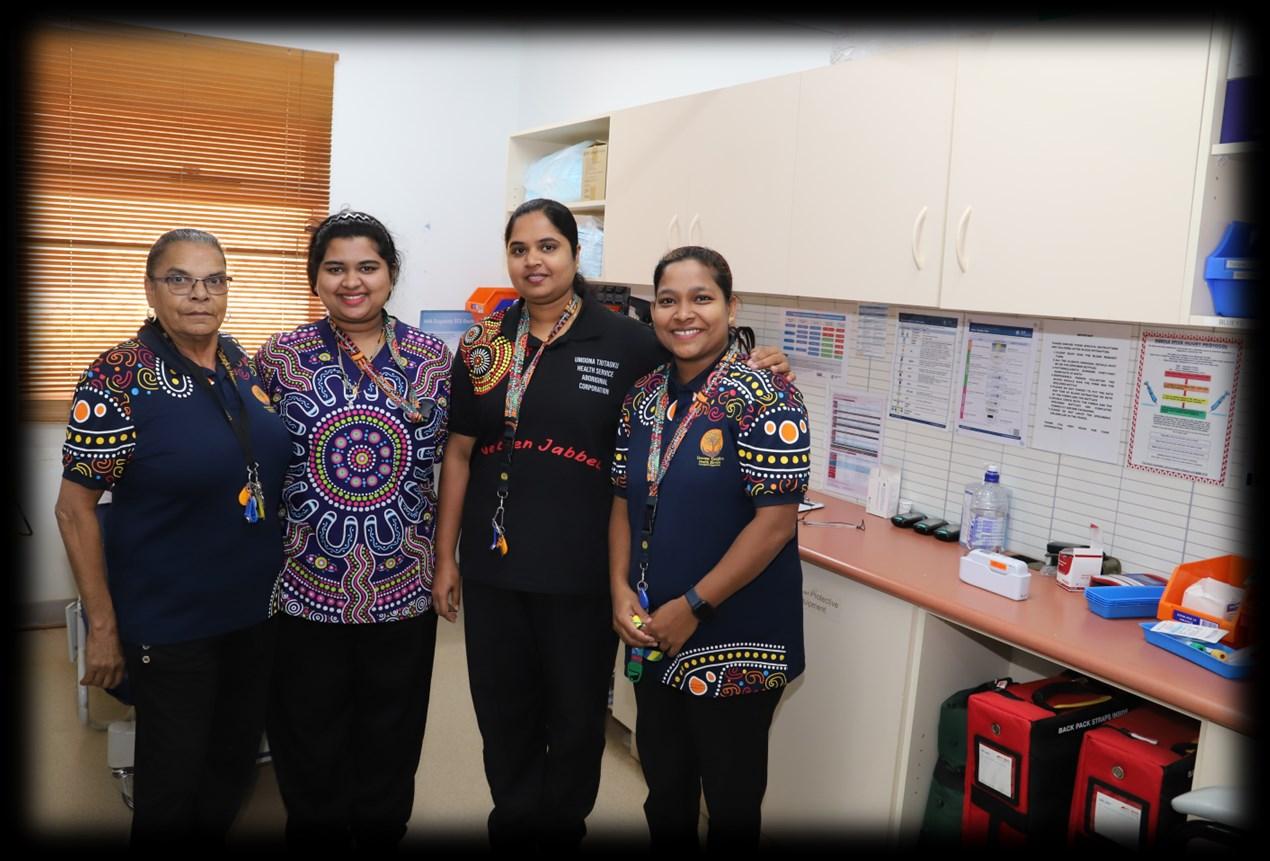
Nurses have been busy with working in the clinic, assisting the locum doctors, visiting midwife, and keeping the children's immunizations up to date.
Success stories:
Last few months, the clinic treated several different wounds, from boils to septic lacerations, but the most successful story is of diabetic foot that for months had been breaking down after multiple attempts to heal. This month, after daily treatment, the foot has finally been healed and requires only weekly reviews to maintain in a healthy state.
Health Checks:
Don’t forget to get your health checks done for this year. Our lovely Health workers and Nurses are ready to do the health checks and you can have $30 vouchers to spend.
Flu season:
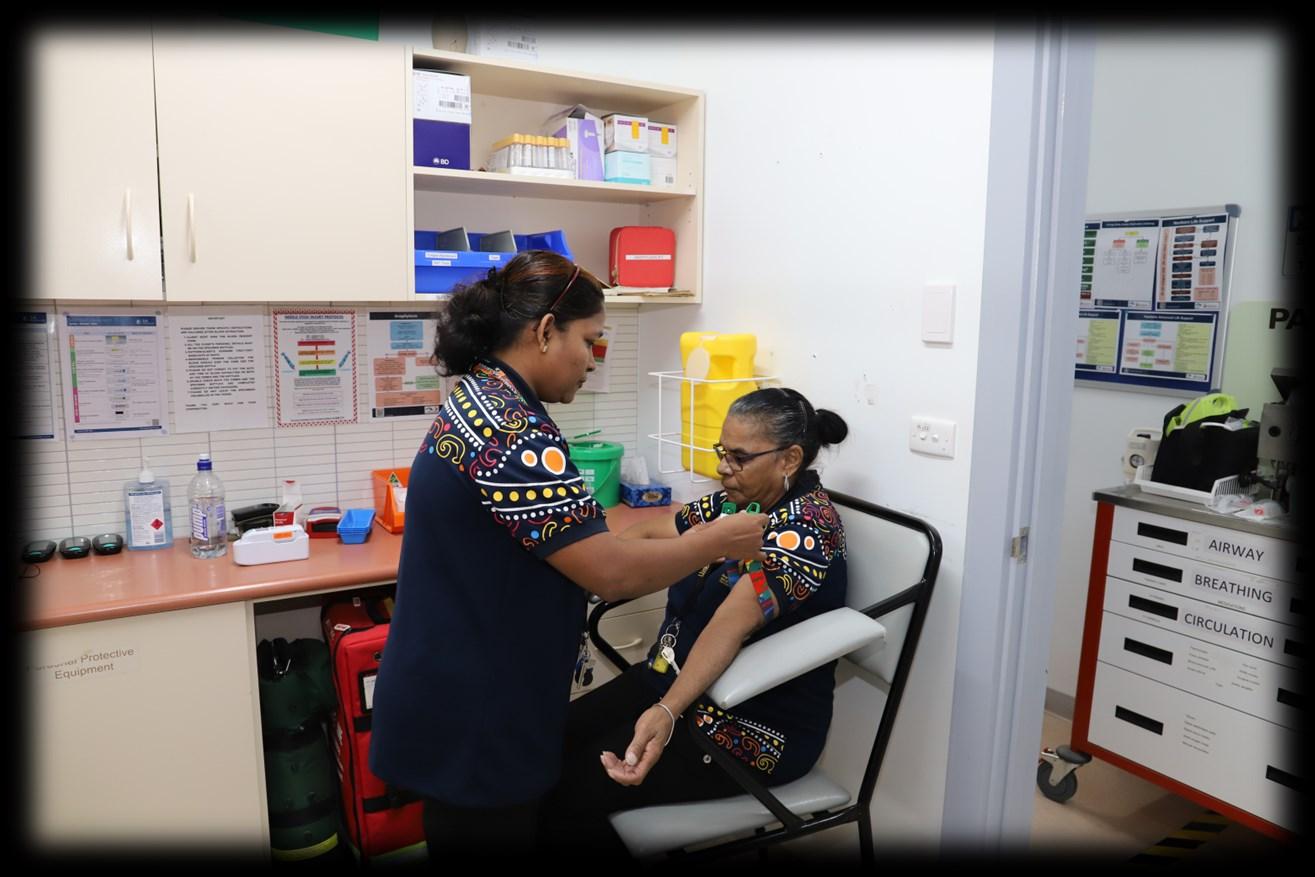
Once again, the Flu season is upon us in the community. Umoona staff have had their flu shots already for this year. The clinic has lots of this year's vaccine on hand, so to stay strong, come and get your flu vaccination today.
Having your Flu shots is a great way of protecting you and your family from the Flu sickness.
World Social Work Day 2025 was observed on Tuesday, 18 March 2025. The theme for 2025 was “Strengthening Intergenerational Solidarity for Enduring Wellbeing.” This theme emphasized the importance of fostering connections and mutual respect between generations to build resilient communities and ensure lasting wellbeing for all. It highlighted the role of intergenerational care and collaboration in creating sustainable societies and acknowledged the shared responsibility of caregiving across all members of communities.
World Social Work Day serves as a reminder of the vital role social workers play in advocating for social change and supporting individuals and communities. It encourages reflection on the profession's impact and the importance of solidarity across generations to address contemporary challenges and build a more equitable future.
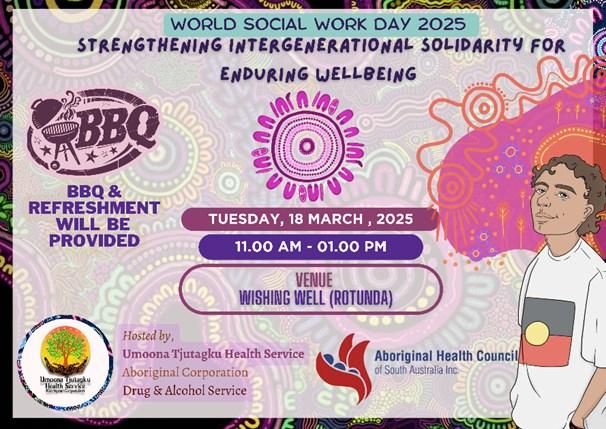
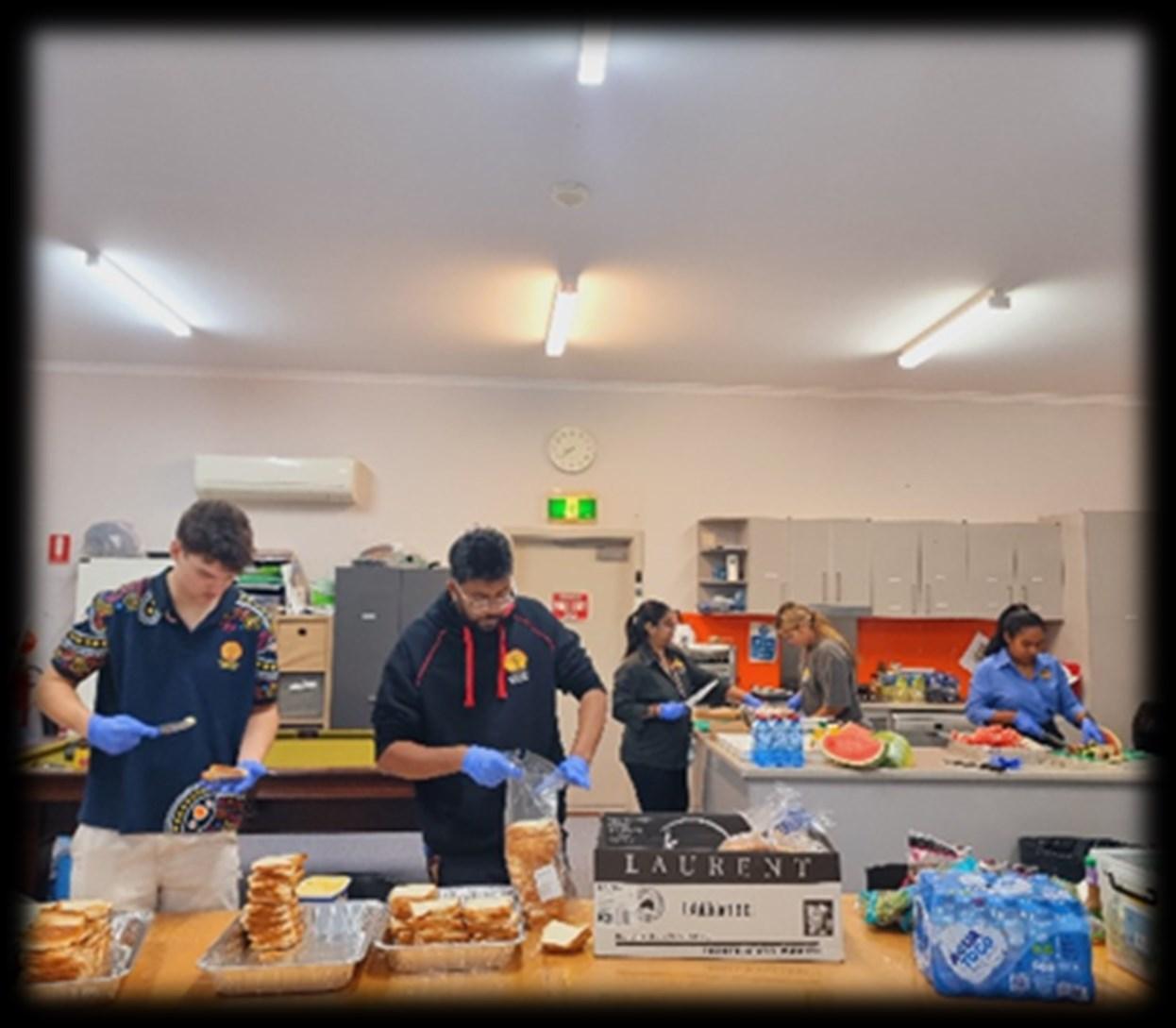
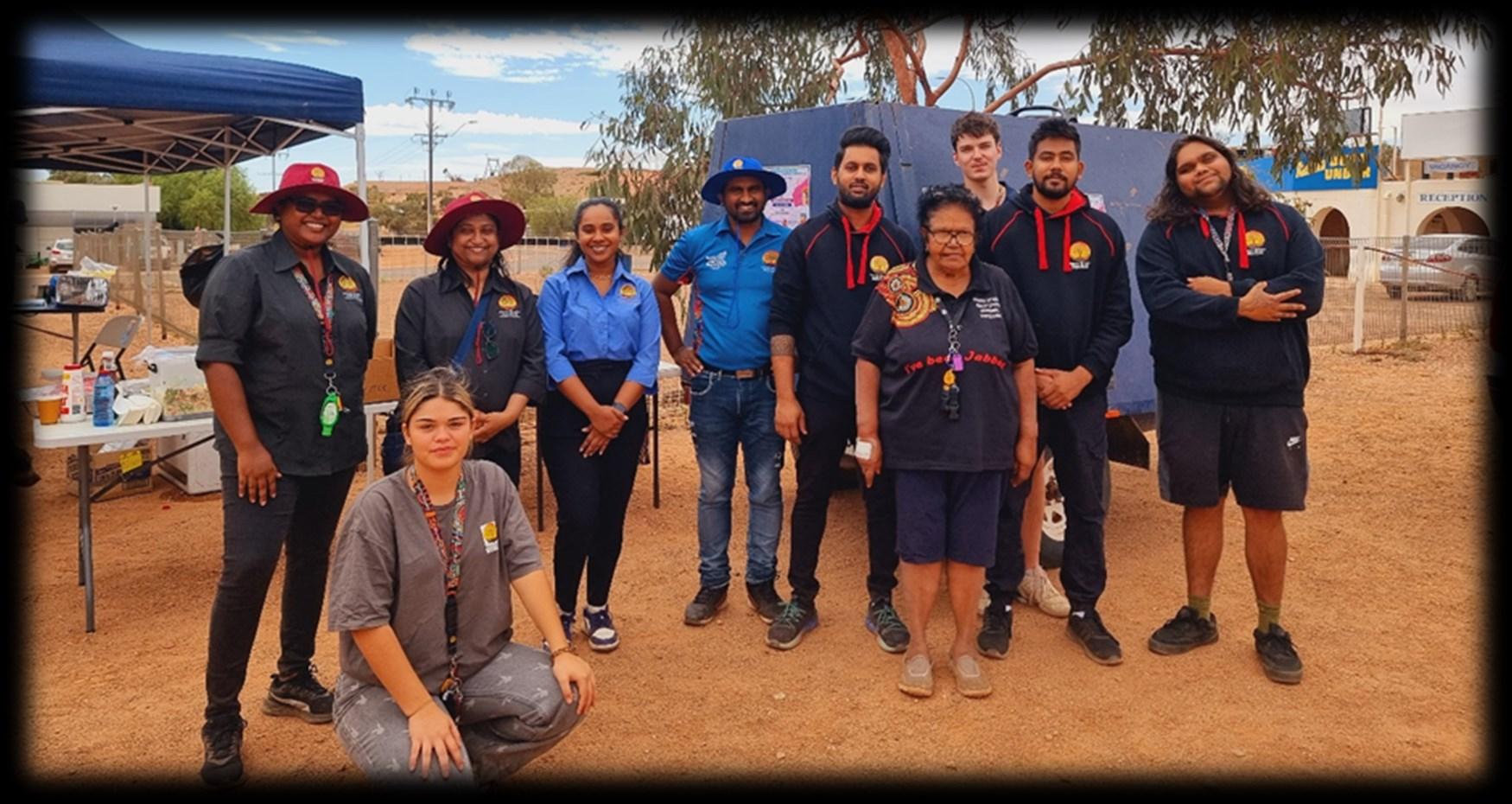
In Coober Pedy, Drug and Alcohol Service Centre in related to Umoona Tjutagku Health Service Aboriginal Corporation (UTHS) organized community event and Ice Workshop on 18 March 2025 emphasizing the importance of community collaboration and support across generations in Aboriginal Communities. UTHS clinic nursing team has been collaborated with heath check-ups of participants. Ambulance SA team and two staff members from Aboriginal Health Council SA voluntary participated for the event. There were 30 clients and all the participants attended with BBQ session, healthy food, and refreshments.
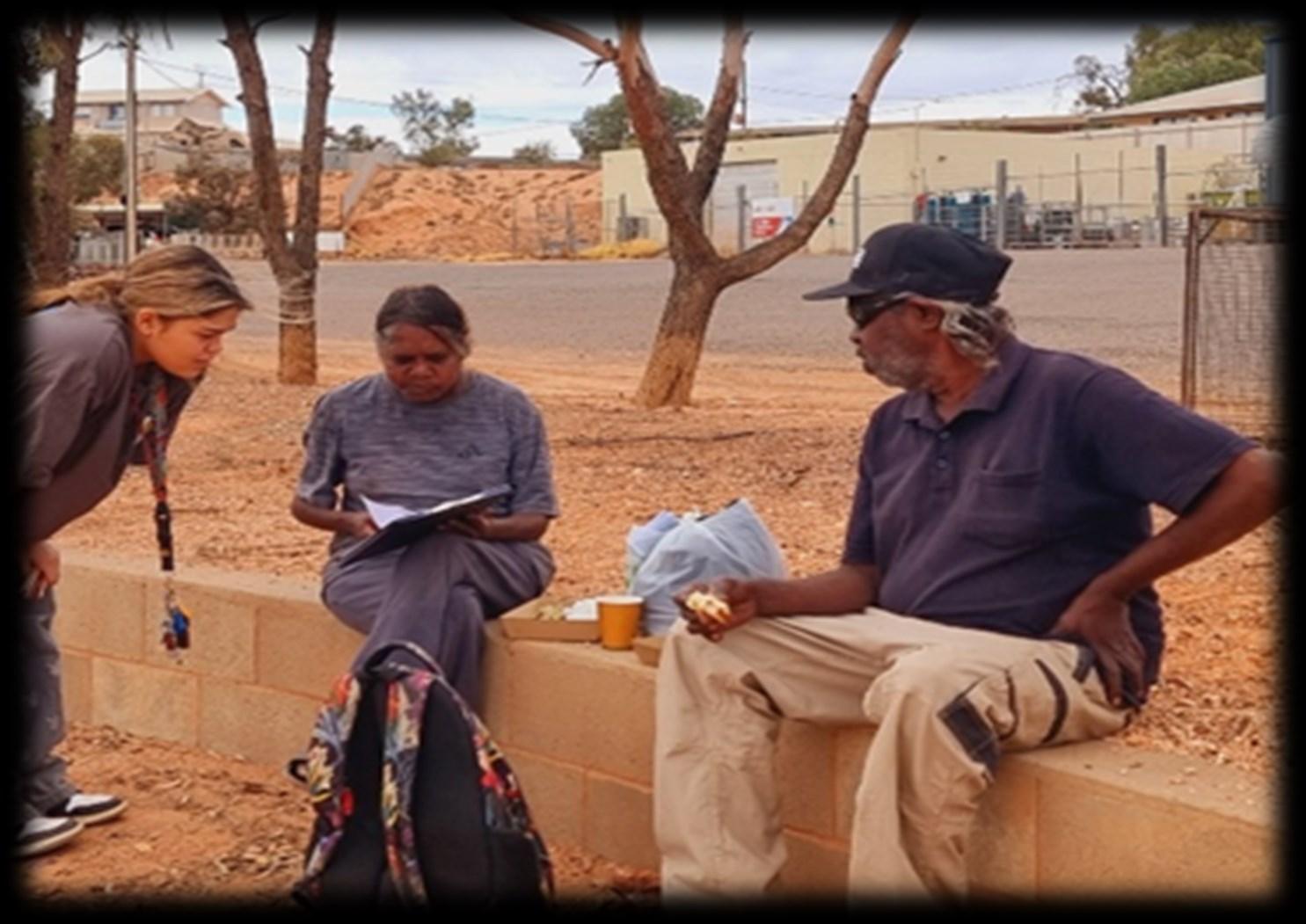
This community event was both educational and beneficial, as it provided an opportunity for clients to engage directly with social workers, nurses, and Aboriginal Health Workers. Held in celebration of World Social Work Day, the event successfully fostered connection, support, and awareness within the community.
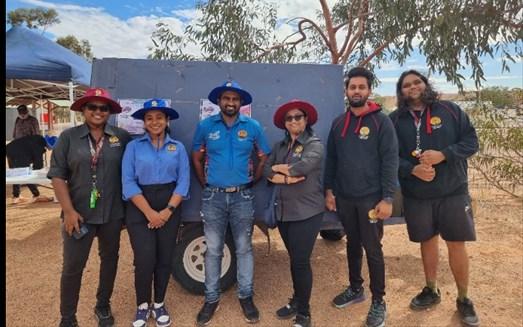
At Umoona Tjutagku Health Service, we are committed to supporting the Social and Emotional Wellbeing (SEWB) of Aboriginal people in Coober Pedy and surrounding communities, including Oodnadatta. Our SEWB programs are culturally safe, community-driven, and focused on healing, connection, and strengthening identity.
We offer a range of regular and outreach programs that bring people together to yarn, create, learn, and support each other in a space of respect and care.
Weekly SEWB Programs – Coober Pedy
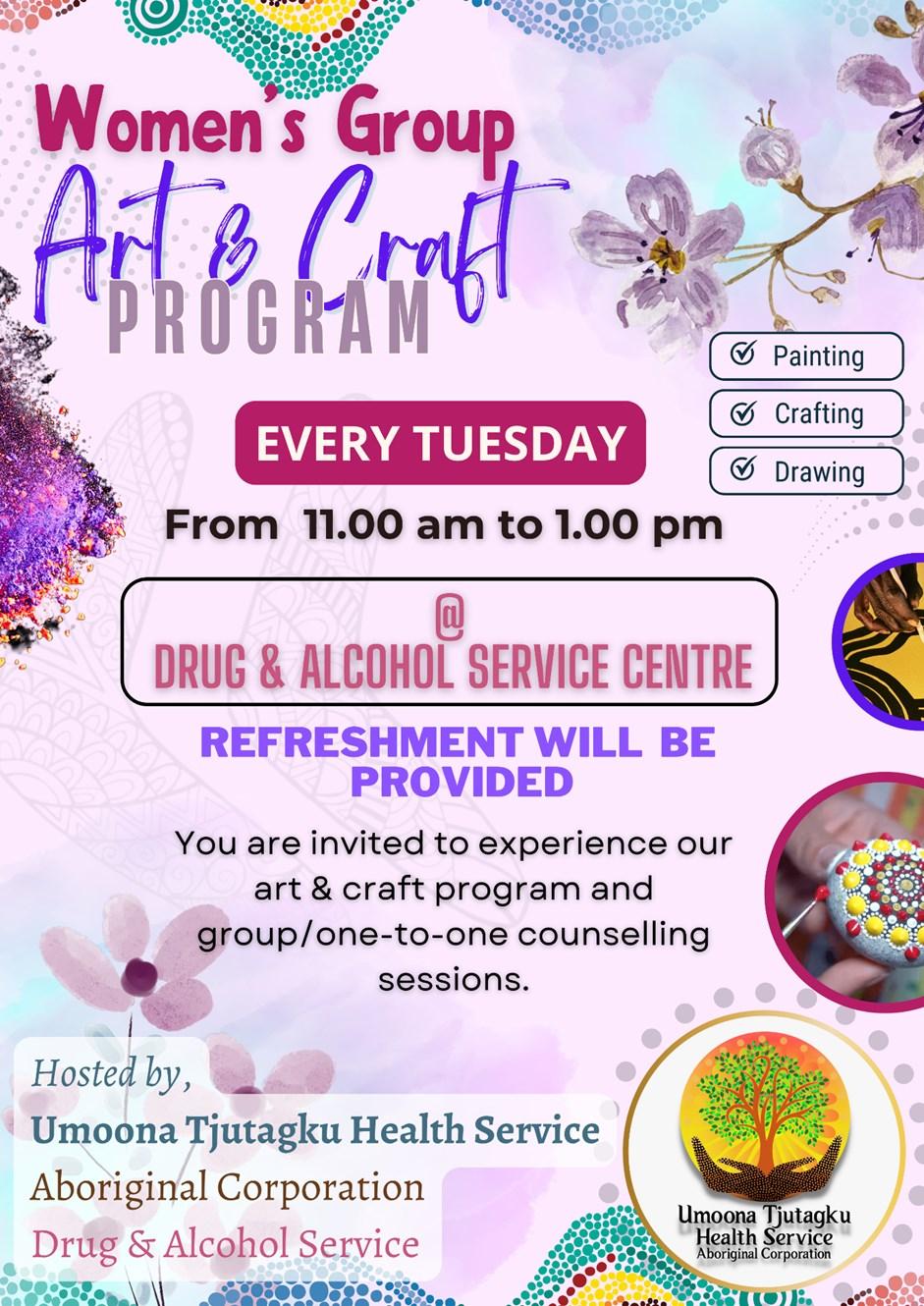
• Women’s Art and Craft Group – Held every Tuesday, this group provides a welcoming space for women to come together, share stories, and express themselves through traditional and modern craft and art-making.
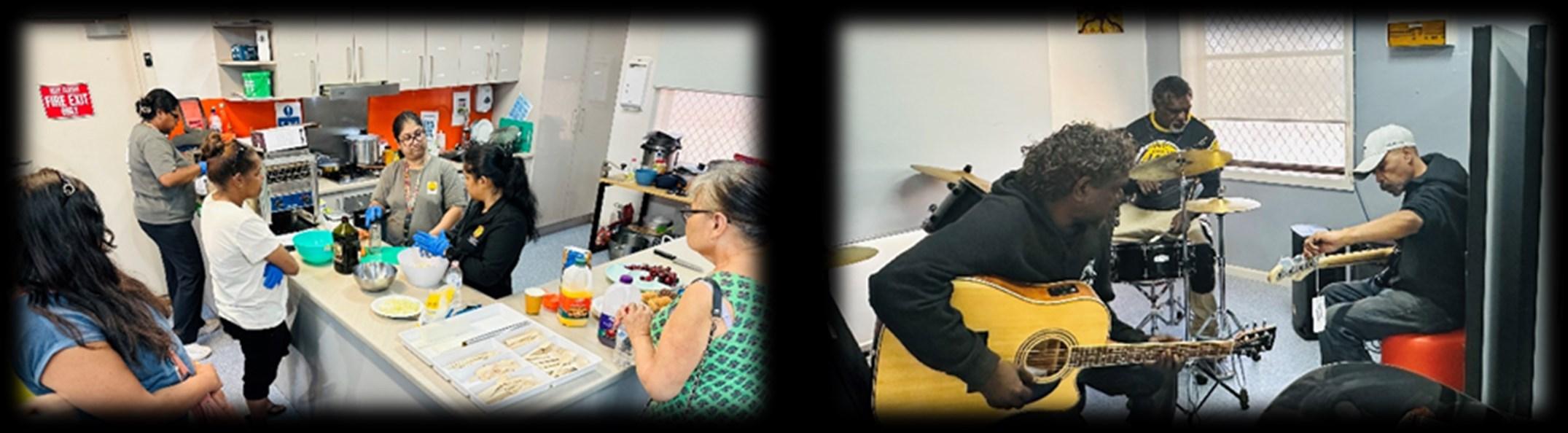
• Women’s Healthy Cooking Program – Every Thursday, women gather to learn about healthy eating, prepare meals together, and take home practical tips for feeding their families nutritious food on a budget.
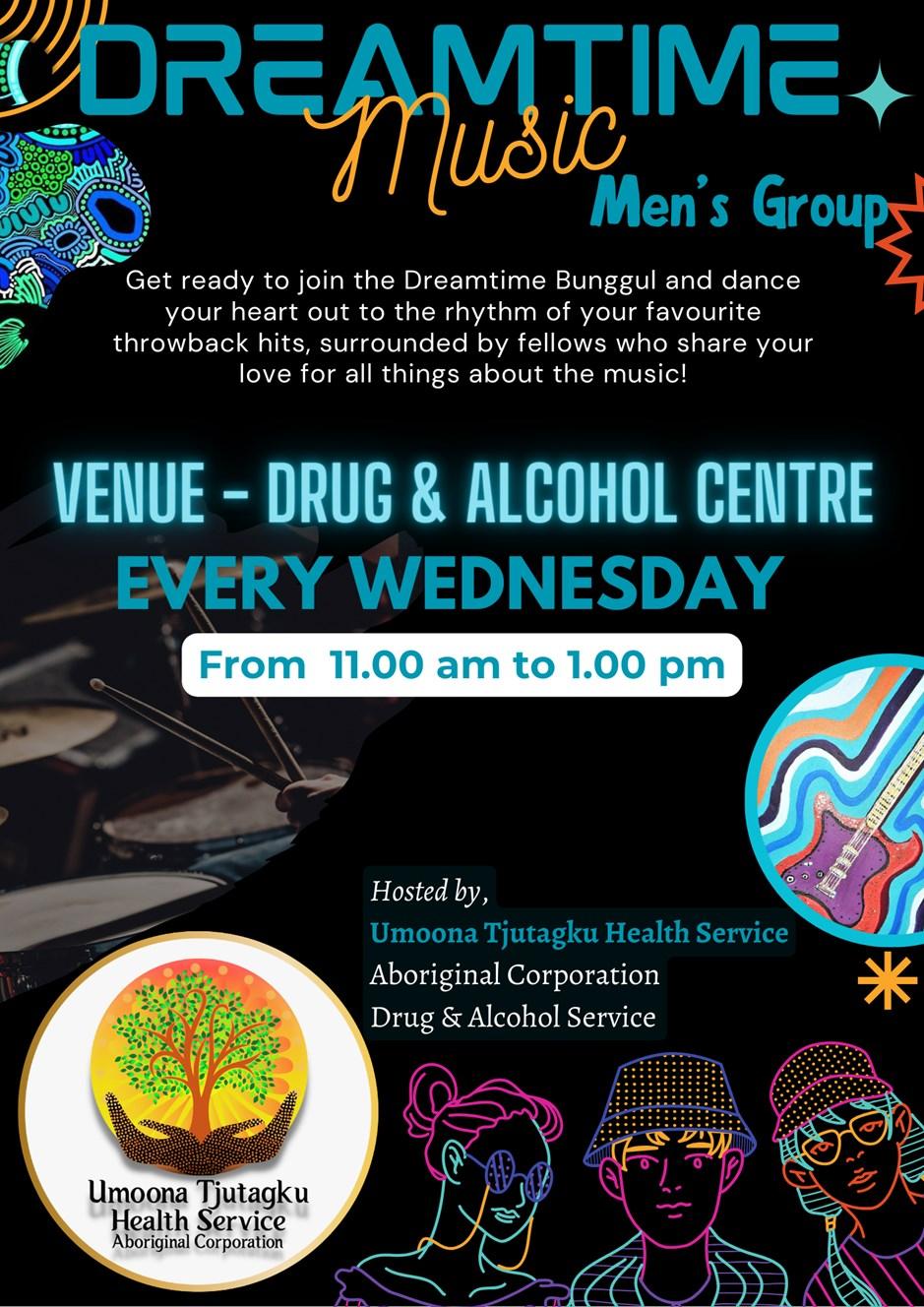
• Men’s Music Program – Every Wednesday, men come together to connect through music playing instruments, singing, and exploring music as a tool for emotional and cultural expression.
Outreach and Monthly Programs
We also deliver monthly workshops and programs focused on topics such as:
• Cultural healing and connection
• Grief and loss support
• Parenting and relationships
Mental health and wellbeing awareness
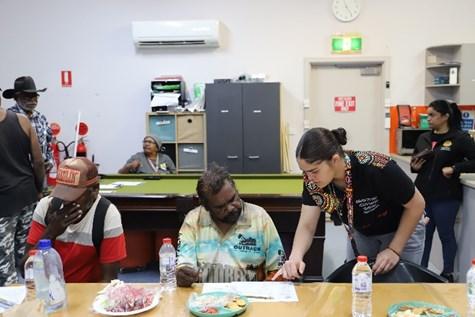
As part of our outreach, we regularly visit Oodnadatta, ensuring clients in remote areas have ongoing access to SEWB support. During these visits, we offer Yarning Circles safe and respectful spaces where community members can come together to talk about what’s going on in their lives, share experiences, and support each other. These circles are grounded in Aboriginal ways of healing and storytelling, and are facilitated by culturally aware staff who listen without judgment.
One-on-One Support from the SEWB Team
In addition to group programs, the SEWB team at UTHS offers individual support for community members who may be experiencing:
• Grief, loss, or trauma
• Mental health issues such as stress, anxiety, or depression
• Drug and alcohol concerns
We’re Here for You!
Whether you're in Coober Pedy or Oodnadatta, UTHS is here to support you in your healing journey. Our SEWB team understands the importance of culture, connection, and community, and we are committed to walking alongside you.
If you or someone you know would like to join a group or talk to someone from the SEWB team, please reach out to Umoona Tjutagku Health Service. Together, we stay strong, connected, and proud.
Contact UTHS Drug & Alcohol Service: 08 8672 5580
✨ Weekly Programs in Coober Pedy
Women’s Art & Craft Group
Every Tuesday
A safe space to connect, share stories, and get creative with craft and artwork.
Women’s Healthy Cooking Program
Every Thursday
Cook and learn together about healthy eating and caring for family through food.
Men’s Music Program
Every Wednesday
Yarn, play music, and enjoy the healing power of music with other men in the community.
Residential rehabilitation is a treatment option where individuals live at a facility and receive counselling, support, and care to help recover from alcohol or drug dependence. There is a range of residential rehabilitation facilities in South Australia including Woolshed Therapeutic Community, Footsteps Road to Recovery, Back On Track Adelaide Residential AOD Recovery Centre, New Roads, Alban Place Integrated Youth Substance Misuse Specialist Service and Tumbelin Farm.
AOD Social Workers at DAS regularly refer clients to these programs. Some clients have successfully completed their rehab programs, while others are in the process of intake assessment.
It’s important for clients to show initiative and a genuine willingness to reduce or manage their alcohol and drug use. When someone expresses an interest in rehab, an AOD Social Worker will provide them with information about the different programs available. Clients can choose the one that best suits them based on factors like location and personal preference.
Once a decision is made, the Social Worker contacts the rehabilitation service to confirm the current referral process and assists in completing the referral application. This includes gathering any required documentation and submitting the application to the selected service.
The intake and assessment process can vary between services. Generally, an intake officer will contact the client to arrange an initial appointment over the phone as it cannot be done inperson due to the long-distance travel. This is usually followed by a second interview for a more detailed assessment. If accepted, the client will be placed on a waiting list and later informed of their admission date.
Most residential rehabilitation programs require a minimum one-week detoxification period before admission. The length of stay varies, but most programs offer at least a 12-week duration to support long-term recovery.
“Successfully breaking free from addiction requires taking it one step at a time

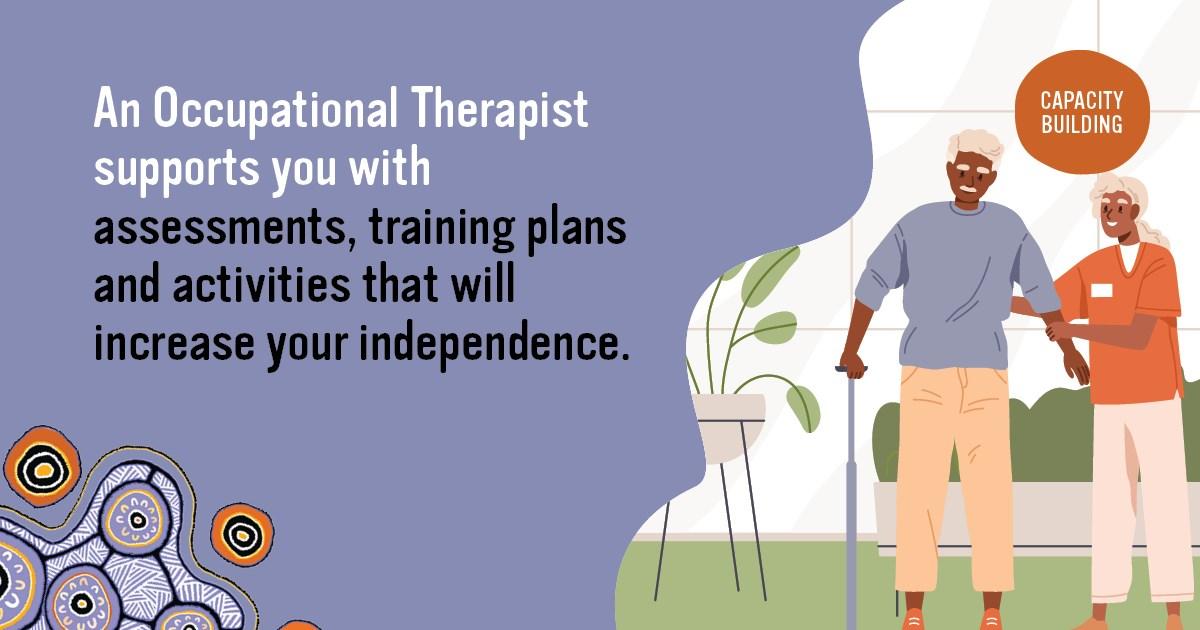

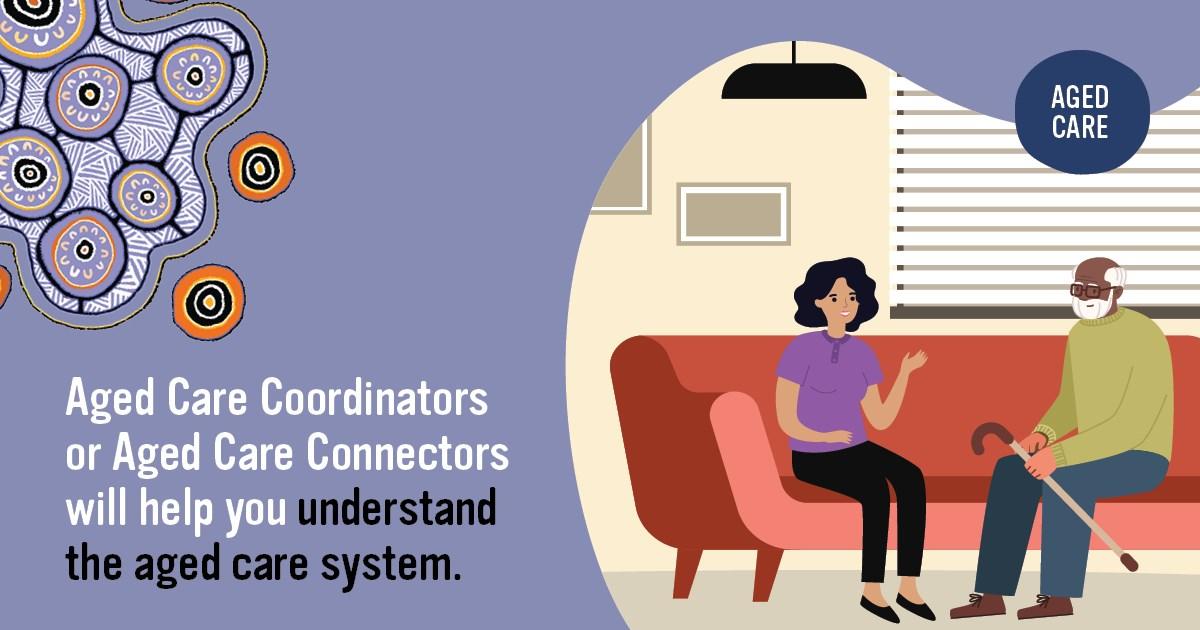
At Umoona Tjutagku Health Service, we believe our Elders deserve the highest level of care and respect. That’s why our Elder Care Support Program is designed to connect older community members with the essential care and services they need to live well and with dignity.
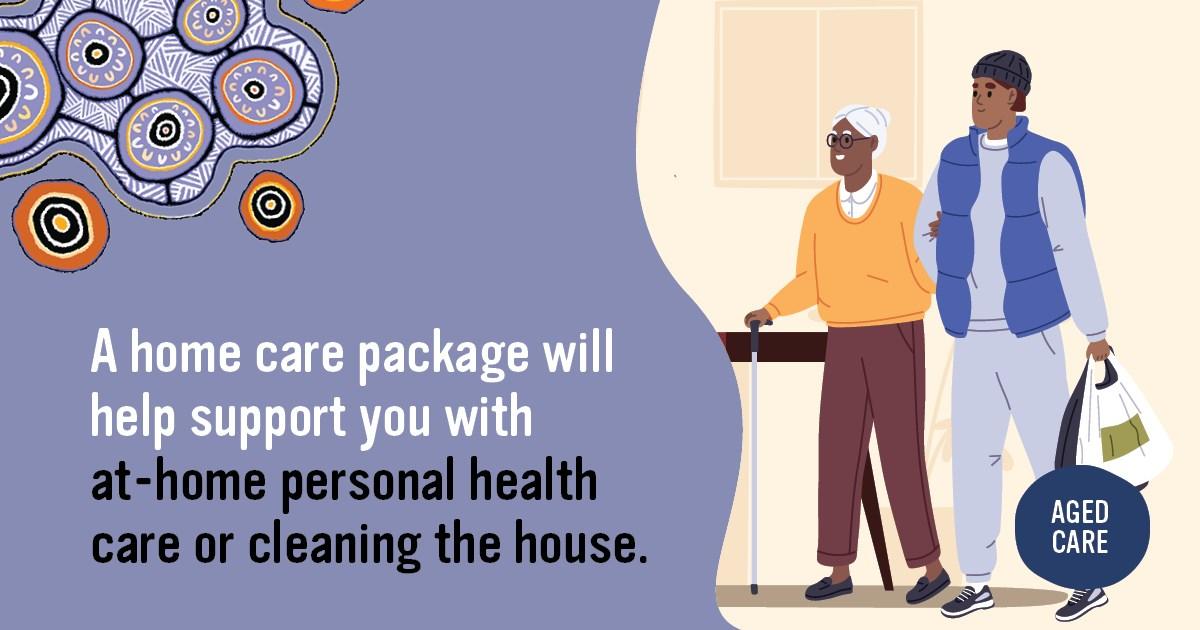
Guided by the My Aged Care system, our team works closely with Elders and their families to provide clear, culturally safe, and compassionate support throughout their aged care journey. Whether you need help accessing home care packages, respite services, or just someone to guide you through the process, we are here every step of the way.
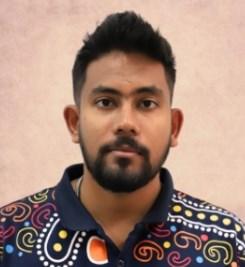
As the Aged Care Support Coordinator is here to provide end-to-end assistance helping older people and their families feel supported and informed throughout the aged care process. Her role includes:
• Pre-Assessment Support: Helping clients identify available services and understand how to access them
• Assessment Guidance: Supporting clients through the aged care assessment process, including interviews and care plan development
• Service Navigation: Assisting with the selection of aged care providers and supporting clients with ongoing care planning
With support, our Elders don’t have to face this journey alone.
Our Elder Care Support Program offers a range of practical services, including:
• Assessment Application Assistance – Help with My Aged Care registration and assessments
• Service Provider Identification – Finding and connecting with the right local aged care providers
• Advocacy and Issue Resolution – Standing beside clients to resolve any care-related concerns
Accessing aged care services offers many benefits that help our Elders live independently and comfortably, including:
• Personalized Support tailored to individual needs
• Improved Wellbeing through health and daily living support
• Family Peace of Mind knowing loved ones are well cared for
• Access to Professional Care such as nursing and allied health
• Cultural Safety, respecting traditions, language, and values
• Connection to Community through social engagement and support
Get in Touch

Anjana Welisarage – Aged Care Support Coordinator at Umoona Tjutagku Health Service
awelisarage@uths.com.au
0886725580
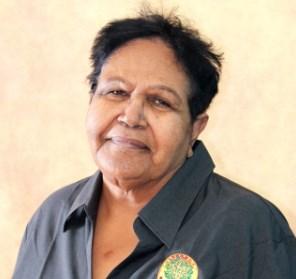
Priscilla Sumner - Aged Care Support Connector at Umoona Tjutagku Health Service
0886725580







Inclusion Australia, the NDIA, and the Department of Social Services (DSS) have launched a new online resource: the Supported Decision-Making Hub
This Hub is a central space for resources and tools that help people make informed decisions about their lives, goals, and supports giving them greater control over what matters most.
The Hub offers resources across 12 categories, including:
• NDIS decisions
• Employment
• Health
• Accommodation
Visit the Supported Decision-Making Hub to explore tools that can help participants take charge of their own decisions.

Following recommendations from the NDIS Review, a new approach to NDIS planning is underway to ensure better and fairer outcomes for participants.
Key highlights of the new approach:
• Participants will no longer need to provide their own reports to access supports saving time and reducing costs.
• Budgets will be more equitable and tailored to each person’s support needs.
Plans will offer greater flexibility in choosing preferred support arrangements.
To kick off this change, the NDIA has:
• Released a Request for Tender to develop assessment tools for adults (16+).
Launched a Request for Information to explore the best ways to assess support needs for children and specific types of NDIS-funded supports.
The NDIA acknowledges this will significantly change the experience for participants and has committed to ongoing community consultation throughout the process.
This change will roll out gradually over five years, ensuring a smooth and thoughtful transition for all involved. In the meantime, most participants will continue using the current planning process.




The NDIA has launched the First Nations Strategy 2025–2030, reaffirming its commitment to a more equitable and inclusive NDIS for First Nations people with disability.
This Strategy is a five-year roadmap that aims to:
• Improve outcomes for First Nations participants, families, and communities
• Embed cultural knowledge and lived experiences into the NDIS
• Reflect First Nations concepts of disability and wellbeing
• Ensure services are culturally safe, community-centered, and coordinated
It’s a bold step toward building a system that truly reflects and respects the diversity of Australia’s First Nations communities.
In partnership with Umoona Tjutagku Health Service Aboriginal Corporation, the NDIA has launched the Remote Community Connector Program a key step in improving support for remote and First Nations communities.
This program aims to:
• Assist with NDIS access and planning
• Act as a cultural bridge between communities and the NDIS
• Connect participants with local and visiting NDIS providers
• Help individual’s ineligible for the NDIS find alternative community supports

Need More Information? Let s Have a Yarn!


If you or a family member has a permanent or significant disability affecting daily life and need help accessing NDIS supports, we’re here to help.
Come by for a friendly chat with our staff, or contact our dedicated Connectors:
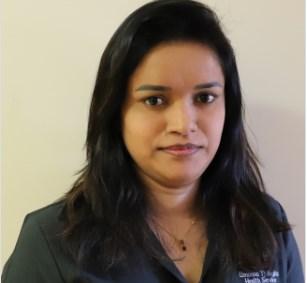
Diluja
Wijayathilaka NDIS Remote Community Connector Coordinator
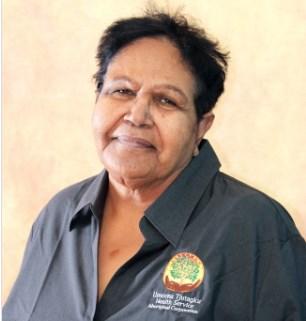
Priscilla Sumner
NDIS Remote Community Connector Phone: (08) 8672 5255



Umoona Tjutagku Health Service Aboriginal Corporation
Inform, educate, perform, model and lead to ensure diversity is
Create & sustain an environment that actively embraces diversity and inclusion by recognising value in the uniqueness
Hold all people associated to UTHSAC accountable for their actions and decisions impacting the achievements of UTHSAC

Utilise the success in diversity to assist UTHSAC becoming a provider and the employer of choice as we lead our communi-
Innovative, responsive and culturally appropriate health services are accessible to Aboriginal people living in the Coober Pedy and surrounding region.

To provide a holistic health care service that achieves positive health outcomes through primary health care intervention as