Department of Psychiatry & Behavioral Sciences
2023 – 25 Biennial Report
Department of Psychiatry & Behavioral Sciences
2023 – 25 Biennial Report


Dell Medical School, as the anchor of The University of Texas Medical Center, is rethinking the role of academic medicine in improving health — with a unique focus on our community.
Created in unprecedented partnership with local taxpayers, Dell Med is advancing the mission of making Austin a model healthy city. By harnessing the power of innovation, technology and collaboration, we are modernizing academic medicine, creating new clinical care delivery models and fostering a thriving research environment.
UT Medical Center builds on the foundation for excellence laid by The University of Texas at Austin and our clinical partners, bringing Austin into focus as a premier destination for health care.
Our vision is defining the future of mental health — because what starts here changes the world.

Train mental health professionals to become 21st-century leaders in the fields of psychiatry and psychology
Provide evidence-based clinical care for individuals and families in our community
Execute cutting-edge basic and clinical research that illuminates the underlying neurobiological causes of psychiatric disorders, transforms clinical practice, and identifies novel treatments
Promote innovation in our training methods, research, and service to our community
Colleagues and Friends,
I am delighted to share with you the Department of Psychiatry and Behavioral Sciences at Dell Medical School at The University of Texas at Austin’s 2023-25 Biennial Report.
Our department continues to make remarkable progress across our mission areas: clinical care, education and research. Metrics measuring our performance across all three pillars have increased significantly over the past two years. In clinical service delivery, we have markedly expanded our footprint both on the medical school campus and in several community settings. We now have a substantial presence across UT Health Austin clinics, Dell Children’s Medical Center, several Ascension Seton sites, as well as at the Austin State Hospital, Integral Care, CommUnity Care, Bluebonnet Trails and Hill Country.
Our educational programs are thriving. We now offer nearly every psychiatry fellowship specialty training opportunity, including the new Forensic Psychiatry Fellowship. Our medical students consistently rate their psychiatry training as top-notch, and our psychology internship and fellowship programs continue to attract outstanding applicants.
Our research programs have exceeded all expectations. In a short time, we have advanced in ranking from 51st to 36th among 120+ psychiatry departments nationwide from the National Institutes of Health for funding. We have also garnered considerable research support from philanthropic sources and other private foundations and government agencies, including the State of Texas. Our investigators continue to secure significant federal, state and philanthropic funding and publish in leading journals.
Our department has grown to 91 full-time faculty, with several positions to be filled. We are delighted by the two new hospitals that are being planned on our campus— the MD Anderson-Dell Cancer Hospital and The University of Texas Medical Center, the latter a specialty hospital which will include a 12-bed inpatient neuropsychiatry unit. We are excited to be part of this thriving enterprise and to continue collaborating closely with our colleagues across clinical and research programs.
These achievements would not be possible without the support of our philanthropic benefactors. We continue to express our gratitude for their contributions to our success. Their commitment helps drive innovation in patient care, education, and discovery, and we look forward to partnering with them—and others who wish to support this vital work—in the years ahead.
Our unwritten department motto is to be “outstanding and nice.” The leadership team has fostered an environment where we work hard, support one another and have fun. I look forward to seeing what is in store for this bright future.
Sincerely,

Charles B. Nemeroff, M.D., Ph.D.
Professor and Matthew P. Nemeroff Endowed Chair
Department of Psychiatry and Behavioral Sciences
Director, Institute of Early Life Adversity Research
Co-Director, Charmaine and Gordon McGill Center for Psychedelic Research and Therapy
Mulva Clinic for Neurosciences


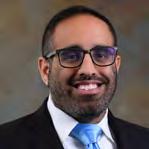
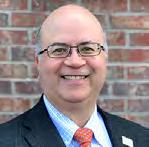
Charles B. Nemeroff, M.D., Ph.D.
Matthew P Nemeroff Endowed Chair
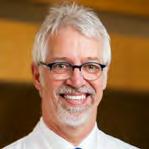
Carol L. Alter, M.D.
Executive Associate Chair

D. Jeffrey Newport, M.D., M.S, M.Div.
Associate Chair, Research

Young Shin Kim, M.D., Ph.D., M.S., MPH
Associate Chair, Child and Adolescent Psychiatry
Rishi Sawhney, M.D.
Associate Chair, Community Psychiatry

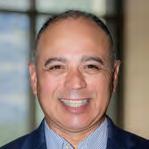
Octavio N. Martinez Jr., M.D., MPH, MBA
Associate Chair of Faculty Academic Affairs

Lloyd Berg, Ph.D., ABPP
Division Chief, Psychology
Eboni Lunsford Ceasar, Ph.D. LCSW-S Director of Social Work
Puja Patel, Ph.D. Director, Pediatric Psychology
Pamela Lopez, M.D. Program Director, Psychiatry Residency
Enrique Ortiz, Jr.
Senior Director, Operations and Strategy Camden Jones
Assistant Director of Education Programs
Regular faculty increased to 91 with the recruitment of 19 talented new members:
Claire Ryan, Ph.D.
David Bender, M.D.
Gabriel Franta, M.D.
Jasmine Thomas, Ph.D.
John "Jack" Borkovich, M.D.
Katie Rose, Ph.D.
Laura Rockman Psy.D.
Manoj Doss, Ph.D.
Mitchell Todd, Ph.D.
Nathan Nevitt, M.D.
Pamela Lopez, M.D.
Patrizia Perazzo, Ph.D.
Radha Helekar, M.D.
Raghu Gandhi, M.D.
Rumeet Gill, M.D.
Samuel Cooper, Ph.D.
Sarah Gojer, Ph.D.
Sharyl Wee, Ph.D.
Shuting Zheng, Ph.D., BCBA
Tania Michaels, M.D.
Alison Hanson, M.D.
2
1
10
4
6
6
Under the leadership of Lloyd Berg, Ph.D., ABPP, the Division of Psychology serves as a vital component of the department, comprising more than one-third of faculty. Psychologists within the division play a central role in advancing the missions of both the department and Dell Medical School through excellence in clinical care, innovative research, transformative education and community engagement.
The division hosts nationally recognized training programs, including an American Psychological Association-accredited predoctoral internship in pediatric and clinical child and adolescent psychology, a competitive postdoctoral fellowship in pediatric psychology and the cutting-edge Integrated Behavioral Health Scholars Program. Across a variety of clinical settings, trainees and faculty deliver assessments and evidence-based interventions to individuals and families across the lifespan.
Faculty in the Division of Psychology lead and collaborate on high-impact research initiatives that address critical issues in mental and behavioral health, ranging from childhood depression and veteran mental health to trauma-informed practices and suicide prevention. The division is also at the forefront of pioneering research on psychedelic-assisted therapies, exploring their potential to treat severe mental health and trauma-related conditions. This work contributes to the scientific understanding of novel treatment modalities and helps shape the future of clinical practice.
Through interdisciplinary collaboration, groundbreaking research that improves lives, the delivery of accessible, person-centered care, and the training of future psychology leaders, the Division of Psychology continues to shape the future of mental health care in Central Texas and beyond. For more information about the division’s work, please refer to pages 19, 23, 26, 27, 28, 29, 30, 31, 32, 33, 34, 36, 37, 39, 41, 42, 43, 44, 53, 59, 65, 66, 67, 70, 72
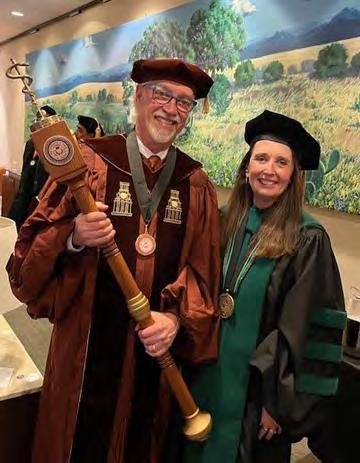
Lloyd Berg, Ph.D., ABPP, served as the Lead Marshal and Macebearer at the Dell Medical School Class of 2025 Commencement Ceremony; received the received the Susan M. Cox, MD Academy Outstanding Educator Award, Cynthia D. Belar Award for Excellence in Health Psychology Education and the Psychology Presidential Commendation Award from the Society for Health Psychology; and became the first Dell Med faculty member to be selected for the prestigious Provost’s Distinguished Leadership Service Academy.
The Social Work Programs, led by Director Eboni Ceasar, Ph.D., LCSW-S, is building a nationally recognized model for integrated behavioral health care. The programs bridge psychiatry, social work and the broader behavioral sciences to offer seamless care delivery, transformative training and forwardthinking systems change. This work is grounded in community partnership, interprofessional collaboration and a shared vision of accessible, person-centered care.
The programs are accomplishing increasing access to high quality care by leading trauma-informed, integrated mental health care, clinical education and workforce innovation across Texas. To support this mission, the program is committed to delivering clinical training and education that has a high impact and prepares behavioral health professionals for real-world, community-integrated care. It also aims to expand innovative service models that focus on collaborative care, trauma recovery, youth and family intervention and maternal mental health. Additionally, the program seeks to integrate social work leadership into the infrastructure of the planned medical district to strengthen interdisciplinary care models and improve population-level outcomes.
In addition to Social Work Programs being integrated into the programs listed, it is also a dynamic training hub, preparing the next generation of social workers through immersive, interdisciplinary experiences. Longstanding collaboration with the University of Texas at Austin School of Social Work supports a robust cohort of Master of Science in Social Work interns placed across the department’s clinical programs, including the Texas Child Health Access Through Telemedicine, the Child Psychiatry Access Network, Perinatal Psychiatry Access Network, the Amplify Center and the Trauma Recovery and Research Center. These students receive advanced training in trauma-informed care, brief intervention models, care navigation and collaborative practice with psychiatry and nursing.
Looking ahead, the Social Work Programs are expanding its clinical education portfolio to include placements within the Bipolar Center at UT Health Austin and the Charmaine and Gordon McGill Center for Psychedelic Research and Therapy. These new partnerships will allow students and trainees to engage in innovative care delivery, research-informed practice and novel therapeutic modalities for mood and trauma-related conditions — positioning social work as a vital component in pioneering mental health care delivery.
For more information about the Social Work Programs’ work please refer to pages 15, 17, 18, 23, 41, 42, 59, 63, 73, 76, 77
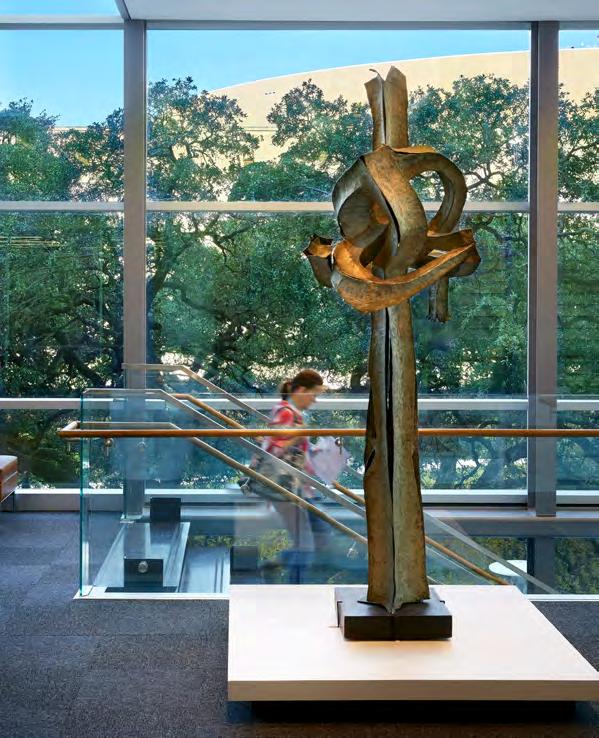
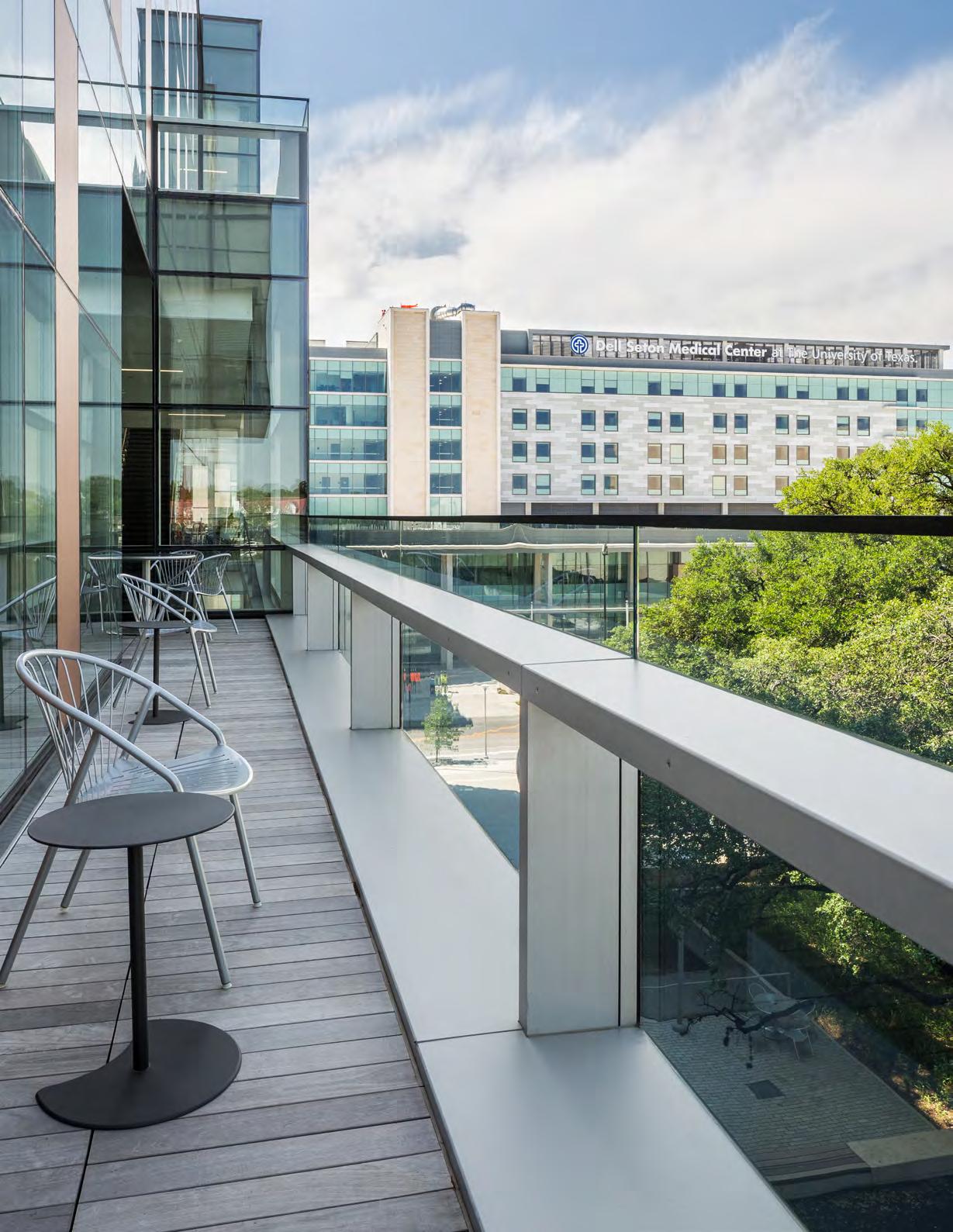

Opened in January 2023, the UT Health Austin General Psychiatry Clinic delivers high-quality mental health care to adults through evaluation, medication management and psychotherapy. Serving patients referred by UT Health Austin and community partners, the clinic provides personalized treatment or consultative guidance to support ongoing care.
A multidisciplinary team of psychiatrists, nurse practitioners and psychologists, offers evidencebased services for patients with complex medical and psychiatric needs. It also serves as a premier training site for psychiatry residents and consultation-liaison fellows, shaping the next generation of mental health professionals.
Support for the clinic drives progress in mental health care, expanding access, advancing clinical training and improving outcomes across the region.
UT Health Austin also provides several additional focused clinical programs. Each builds on the department’s core expertise, including ongoing research and provide learning environments for trainees and medical students.
Trauma Recovery and Research
Psychiatric Consultation and Treatment for Complex Medical Conditions
Women’s Reproductive Mental Health
Bipolar Disorder Center
The Transcranial Magnetic Stimulation clinic offers a specialized Food and Drug Administration-approved option for treatment resistant mood disorders, including treatment resistant depression. This is a non-invasive, non-pharmacologic brain stimulation therapy performed in an outpatient setting without the need for anesthesia or risk of cognitive side effects. Most patients who undergo this treatment for depression experience a 50% reduction in target depressive symptoms. Nick Ortiz, M.D., works closely with fellows, residents and medical students to offer educational and research opportunities within the TMS clinic and has facilitated a 100% increase in this treatment over the past two years. The service is excited to expand in the future to offer treatment for additional psychiatric conditions. Dr. Ortiz also collaborates with others in the department to help further ongoing research in this type of therapy, including in combination with psychedelics as well as delivering it in inpatient psychiatric settings.
The Comprehensive Diagnostic and Treatment Evaluation Program provides specialized services for patients with highly complex psychiatric disorders or treatment-resistant conditions, often in conjunction with medical comorbidities. Each patient is individually evaluated by a multidisciplinary team that includes three faculty psychiatrists, a neuropsychologist, a psychologist and, when appropriate, faculty from internal medicine, neurology or neurosurgery.
Following the individual assessments, the team conducts a consensus conference during which all participating faculty discuss their findings. A comprehensive consensus report is then generated, detailing final diagnoses and treatment recommendations. This report is shared with both the patient and their healthcare provider.
Between September 2023 and August 2025, the program completed 44 evaluations. Patients traveled from across the United States and internationally to participate. To meet growing demand and enhance support for patients, the program expanded its team by adding a neuropsychologist and three additional neurologists.
The program continues to support patients after their evaluations by either integrating them into the department’s clinical practice or referring them to local specialists for ongoing care. Due to high demand, access to the program is currently available by referral only.
“Mental health is so complicated. We struggled for more than a decade to obtain a diagnosis in which we had confidence. The Comprehensive Diagnostic and Treatment Evaluation Program provided by the Department of Psychiatry and Behavioral Sciences at Dell Medical School, the University of Texas at Austin was a critical, first step to make material progress in understanding and treating our son’s mental health. Under the leadership of Charles Nemeroff, M.D., Ph.D., the Program provides for thorough analysis by a multidisciplinary team which is, in our experience, essentially impossible to accomplish on your own. Central Texas is fortunate to have the Program available to its residents.”
— FATHER OF A COMPREHENSIVE DIAGNOSTIC AND TREATMENT EVALUATION PROGRAM PATIENT
Ascension Seton Shoal Creek Hospital provided inpatient mental health care services for patients in crisis and alleviated the burden placed on emergency departments throughout Central Texas. While Shoal Creek closed in June 2025, the department has worked in partnership with Ascension Seton and Acadia to transition the training program and clinical services to Acadia’s Cross Creek inpatient facility as of July 2025.The care team consists of three psychiatric faculty attending psychiatrists and serves as the main training site for both graduate and undergraduate medical education. This includes psychiatry residents (typically in their first, third or fourth years), medical students (second and fourth years) and neurology residents (typically in their final year).
Ascension Medical Group Seton Behavioral Health Outpatient Clinic is a primary outpatient training site for Dell Med’s Psychiatry Residency Program. The clinic served over 3,441 patients between 2023 and 2025. Faculty members, residents and fellows provide general and specialized services in electroconvulsive therapy, geriatric psychiatry and post-traumatic stress disorder treatment.
Consultation-liaison psychiatrists contribute to the community by supporting the psychiatric care of medically ill patients at Dell Seton Medical Center— the region’s only safety-net Level 1 trauma hospital— and at Ascension Seton Medical Center Austin, which provides advanced Level IV obstetrical care and cardiac critical care services.
The team consists of six specialty board-certified consultation-liaison psychiatrists and a parttime, board-certified clinical health psychologist, all of whom serve as department faculty. This multidisciplinary team provides psychiatric consultation across all clinical areas of both hospitals. Their work includes care for patients undergoing heart and kidney transplants, as well as those experiencing neurological, medical and surgical critical illness and injury, burns, heart failure, stroke, addiction, cancer and perinatal health concerns. The team also serves underserved and unhoused populations across the region.
In addition to clinical responsibilities, the team plays a significant role in education. They provide training to medical students, Ph.D. students through the Dell Medical School Integrated Behavioral Health Scholars Program, and residents from psychiatry, family medicine, transitional year programs and neurology, as well as psychiatry fellows.
Honor Received
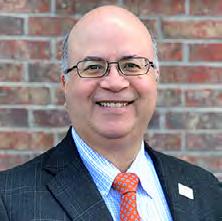
Octavio N. Martinez, Jr., M.D., MPH, MBA, received the Marion Langer Award from the Global Alliance for Behavioral Health and Justice.
Three of the department’s faculty were admitted into the prestigious American College of Psychiatrists.

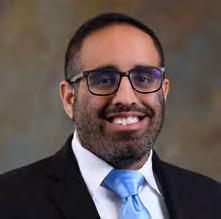
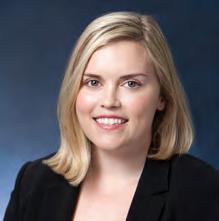
The Department of Psychiatry and Behavioral Sciences at Dell Med continues to deepen its commitment to community psychiatry through statewide initiatives, strategic partnerships and focused workforce development. With support from the Texas Health and Human Services Commission and the Texas Child Mental Health Care Consortium, the department advances innovative, evidence-informed care systems across Central Texas and beyond. Signature efforts include the Austin State Hospital Redesign, the Psychiatric Resident Support Program, the Travis County Diversion Center and the Texas Child Mental Health Care Consortium’s Community Psychiatry Workforce Expansion initiative—reinforcing the department’s investment in sustainable public mental health solutions. As a result of these initiatives the Department has been able to provide faculty and trainees in several community-based settings, including Austin State Hospital and Local Mental Health Authorities such as Integral Care, Bluebonnet Trails Community Services, Central Counties Service and Hill Country Mental Health and Developmental Disabilities Centers, as well as CommUnity Care, a Federally Qualified Health Center.
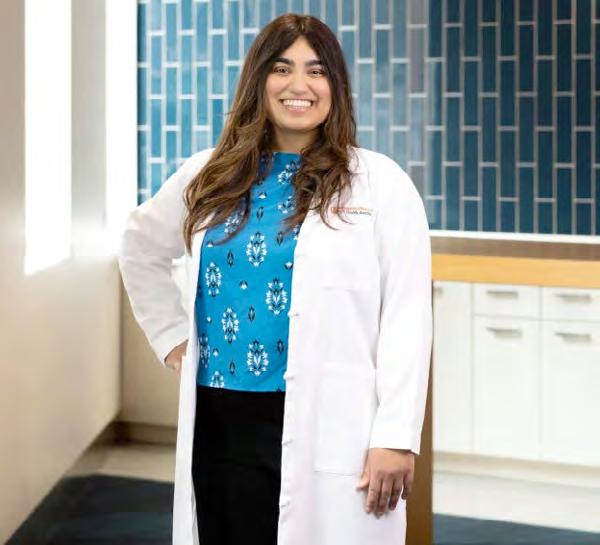
Honor Received
In a landmark achievement, the newly redesigned Austin State Hospital’s ribbon cutting occurred in May 2024 followed by the transition of clinical services to the new hospital building in Fall 2024. The campus's phased redesign resulted from a multi-year partnership led by Dell Med and the Texas Health and Human Services Commission, supported by state hospital leadership, the office of Mayor Kirk Watson, an executive steering committee, and invested community partners to design a state hospital equipped to provide exceptional care for the 21st century.
Austin State Hospital has served as a training site for residents doing their forensic psychiatry rotation, but in 2025, expanded to include general inpatient rotations for medical students, and first- and thirdyear residents. The program is led by Daniel Evans, M.D., Austin State Hospital Chief Medical Officer, and Alexandra Moore, M.D., Austin State Hospital site director and former Dell Med psychiatry resident. Sarah Bovio, M.D. and David Cho, M.D., two other Dell Med psychiatry residency alumni, also serve as faculty at Austin State Hospital.
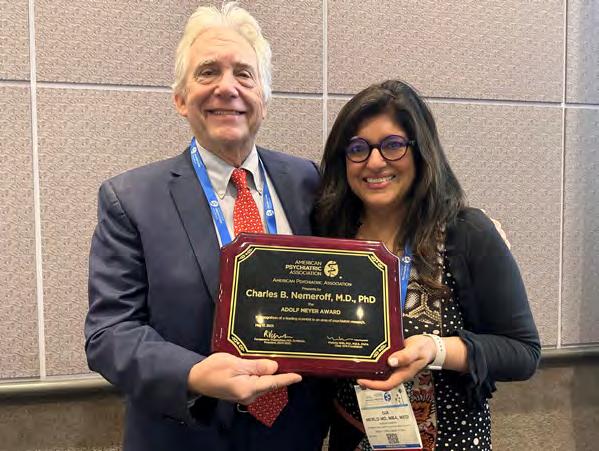
Charles B. Nemeroff, M.D., Ph.D., received the Adolph Meyer award from the American Psychiatric Association in recognition as a leading scientist in psychiatric research.
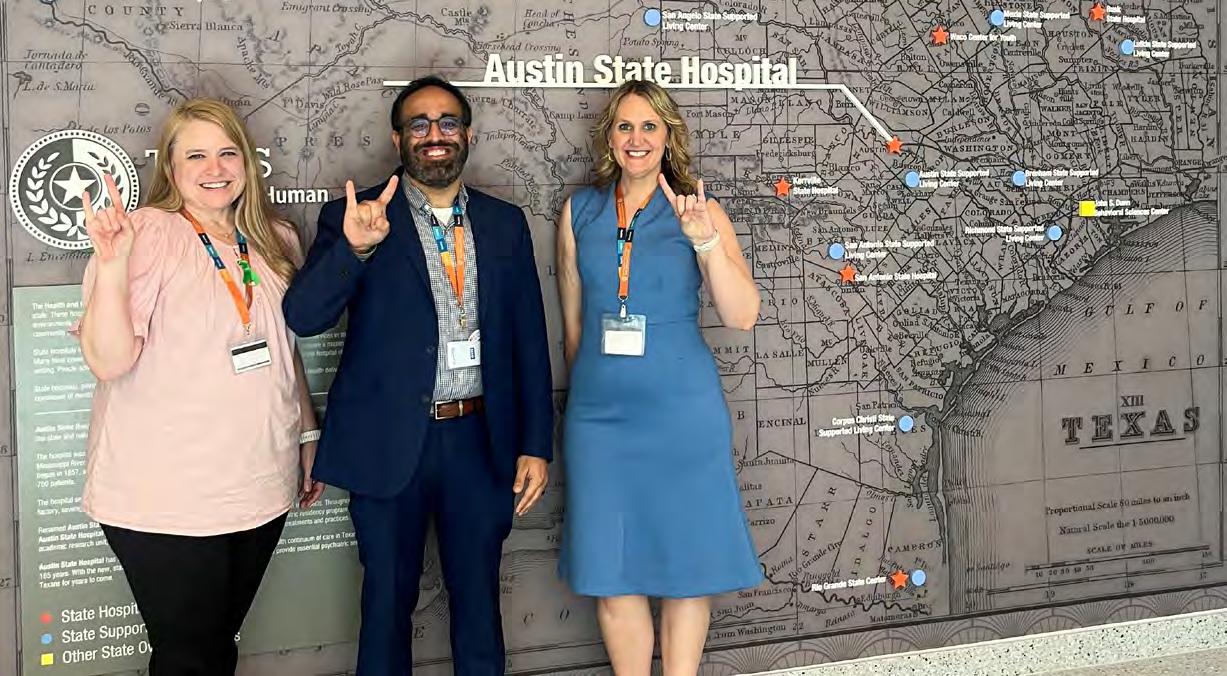
The department continues to invest in community psychiatry workforce development through robust collaborations with local mental health authorities and community mental health agencies across the region.
Dell Med has developed partnerships with Hill Country Mental Health and Developmental Disabilities Centers, Bluebonnet Trails and Integral Care to support greater care collaboration across the continuum of services in Central Texas and expand rotations for trainees with a child and adolescent psychiatry focus.
At Bluebonnet Trails, Child and Adolescent Psychiatry Fellows and adult psychiatry residents, now complete rotations in children’s outpatient services. Michelle LaGrone, M.D., MBA, provides clinical supervision for residents and fellows at Bluebonnet Trails.
Integral Care supports resident education across a broad spectrum of services. Leif Fenno, M.D., Ph.D. and Kaci Thomas, M.D., oversee substance use rotations; Kristin Escamilla, M.D., supervises psychiatric emergency services; Raghu Ghandi, M.D., and Jack Borkovich, M.D., supervise adult residents and child and adolescent fellows at St. John’s clinic and Vijay Gorrepati, M.D., leads the Assisted Outpatient Treatment and RA1SE, an early onset psychosis program. Residents also train at the
Stonegate clinic with Ziyad Nuwayhid, M.D., Chief Medical Officer of Integral Care.
At Hill Country Mental Health and Developmental Disabilities Centers, adult psychiatry residents and child and adolescent fellows rotate in diverse community settings, including San Marcos, Kyle and Fredericksburg, under the leadership of Anuradha Helekar, M.D. This provides vital exposure to rural and semi-rural psychiatry practice and expands access to care.
Additionally, Central Health-affiliated CommUnityCare Health Centers remains a vital clinical partner. Under the leadership of John Swanson, M.D., Ryan Kjome, M.D. and Rishi Sawhney, M.D., second-year resident’s complete rotations at the Black Men’s Health Clinic, David Powell Clinic and in programs supporting individuals experiencing homelessness through CommUnity Care. At Central Health, Ashley Trust, M.D., and Audrey Kuang, M.D., created a new fourth-year advanced community psychiatry rotation for residents.
These partnerships remain central to the department’s vision for improving access to system-oriented, community-rooted psychiatric education. The department is grateful for its partners’ long-standing collaboration and shared commitment to building a strong behavioral health workforce for Texas.
Dell Med has partnered with Travis County in its vision to build an effective behavioral health diversion continuum. Travis County’s recent investments in diversion expands access to Integral Care’s Psychiatric Emergency Services, now open 24/7, which provides walk-in crisis evaluations and the Therapeutic Diversion Program which provides crisis respite for individuals who are justice-involved. Travis County also plans to build a new diversion center facility which is aimed at providing mental health services that will reduce involvement with the justice system.
In collaboration with the Travis County Commissioners Court, Sheriff’s Office, Integral Care, Central Health and other key partners, the department is leading the clinical design of the new diversion center, conducting a process evaluation of the county’s existing psychiatric emergency services and therapeutic diversion programming at Integral Care and supporting the build-out of data governance and data-sharing frameworks for individuals who intersect with both the mental health and justice systems. This includes establishing data use agreements across participating partners and applying data-informed approaches to better understand service outcomes and inform the broader diversion strategy.
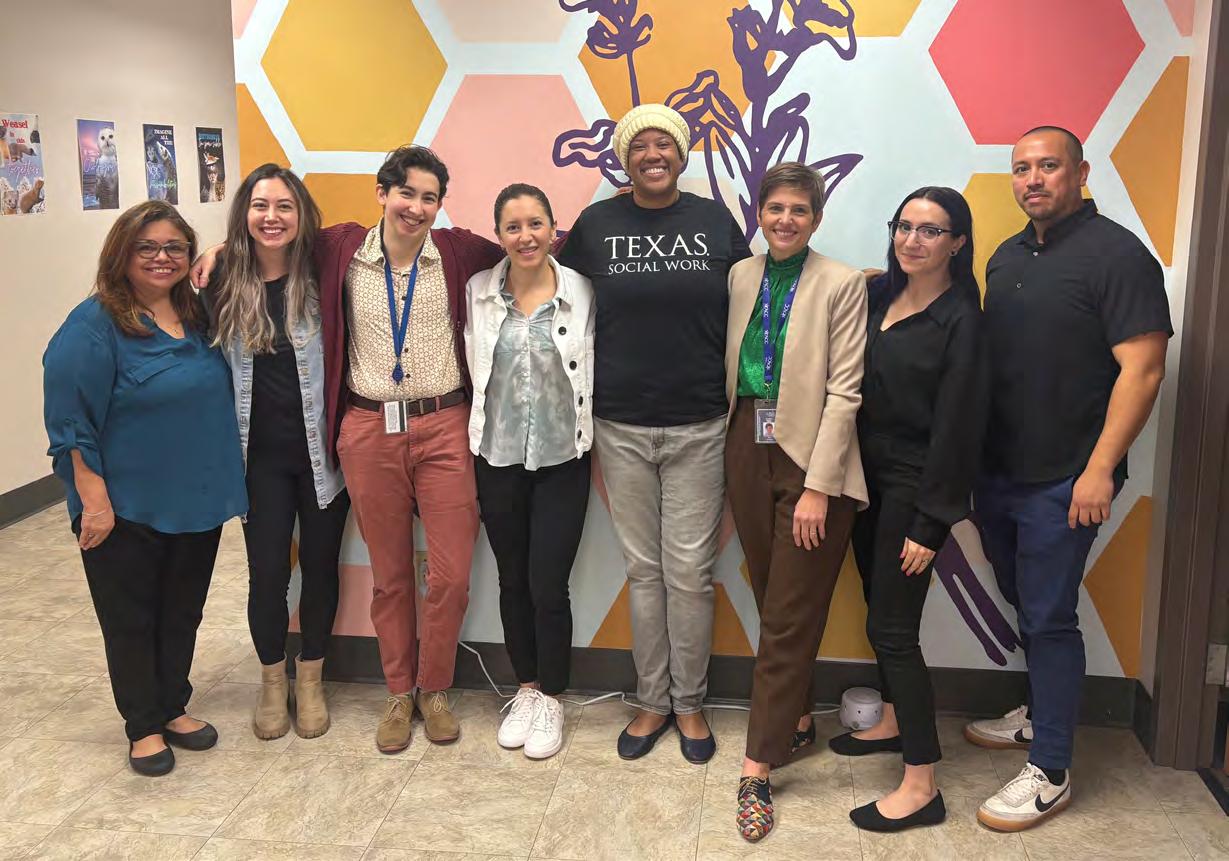
Center staff Katherine
Community College’s Eastview Campus
Led by Executive Associate Chair, Carol Alter, M.D., the Center for Behavioral Health Collaborative Care is a program of the Department of Psychiatry and Behavioral Sciences that addresses the critical, urgent need to improve access to quality health care by working with local, regional and national health systems to advance successful adoption of the Collaborative Care Model.
The Center provides implementation expertise for primary care providers in the Central Texas community and beyond. With the support from the American Rescue Plan Act, the Center has awarded grants to three sites in the Austin area to adopt the collaborative care model: Dell Children’s Medical Center, UT Health Austin’s Amplify Center and CommUnity Care.
The Amplify Center, a program of the Center for Youth Mental Health in the Department of Psychiatry and Behavioral Sciences, launched its pilot phase in January 2023. The site started accepting patients into Collaborative Care in May 2024. Since February 2025, Amplify has been able to accept referrals from the public for patients ages 18 to 29 years old experiencing mental health concerns. Individuals experiencing more complicated symptoms such as psychosis or mania are referred to specialty care providers in town (e.g., Integral Care), and individuals experiencing depression, anxiety or attention symptoms are enrolled in one or more of Amplify's service lines. Between 2023 and 2025, Amplify received $724,100 in financial support, which has been instrumental in expanding access and sustaining program operations.
CommUnity Care built a registry, a required component of the Collaborative Care model, and will establish measurement-based care as a first step for delivering the model to adolescents. Through an additional grant from Central Health, the site is now planning to implement collaborative care with the guidance of the Center.
Dell Children’s launched their pilot project in January 2025 providing the model for their general Pediatric Clinic and focusing on children within their Ambulatory Pediatrics Clinic. Dell Children’s implemented the model throughout early 2025, with the technical assistance of the Center. The site is currently accepting internal referrals for pediatric patients, and has actively established a registry and consultancy structure, and a collaborative care team.
The Center for Behavioral Health Collaborative Care was established through participation in the Lone Star Depression Challenge and funded by a grant from Lyda Hill Philanthropies. Additional support is provided by the American Rescue Plan Act to implement collaborative care in three Central Texas health systems. The Michael and Susan Dell Foundation and St. David’s Foundation partnered with Meadows Mental Health Policy Institute to establish a Technical Assistance Center for the implementation of the Collaborative Care Model.
Employment and Education Coach Testimonials, The Amplify Center:
“In my role as a Supported Employment and Education Coach, I help young people to understand and navigate the unspoken expectations of educational and employment systems. It is such a joy to watch young people use this knowledge to create meaningful change in their lives, developing greater resilience, self-assurance and self-advocacy.”
“As a seasoned clinician with experienced working under a variety of practice models, I can really appreciate the Amplify Center’s dedication to addressing barriers associated with social determinants of health and our client-first approach to working with our youth. The neurodivergent and identity affirming practices that our work is steeped in have allowed our clients to thrive and see positive changes in their lives.”
Over the past two years the Center for Youth Mental Health has specifically focused on launching the Amplify Center and documenting its success. The initial publication can be found here: Cohen, D. A., & Klodnick, V. V., Merola, L. S., Morris, C., Emerson, K., Strakowski, S.M. (2025) An evaluation pilot study of Amplify, a headspace-inspired early intervention clinic. Psychiatric Services.
Inspired by global models like Australia’s headspace and Canada’s new nationwide Integrated Youth Services initiative, Amplify is one of only two clinics of its kind in the United States and the only one in Texas. These models integrate and co-locate mental health, physical health and social services (i.e.,” onestop shop”), and apply stepped care practices to offer a framework for delivering an array of mental health services, linking individuals with more severe mental health concerns to specialty care. The overarching goal of these initiatives is to increase access to early intervention for mental illness to reduce lifelong adverse outcomes typically experienced because of years of untreated illness.
During its pilot phase, January 2023 through January 2025, the Amplify Center screened 162 young adults and provided care to 131. Most participants enrolled with moderate to severe psychological distress, where typical diagnosis at intake was major depression, generalized anxiety and/or ADHD. For 66% of participants, these symptoms interfered with their ability to attend school, hold a job or manage relationships. Most patients engaged with at least two service modalities while enrolled.
With appropriate support, meaningful change is possible. Following participation in the Amplify program, 72% of patients experienced a reduction in mental health symptoms. Among those reporting suicidal thoughts at intake, 85% noted improvement and 68% achieved personal goals related to work or education. Mental health distress significantly declined from enrollment through both 60 - and 180-day follow-ups, while satisfaction with services remained consistently high.
Early outcomes suggest the Amplify model is both effective and scalable, with the potential to address critical gaps in youth mental health care nationwide. Notably, 95% of participants indicated they would recommend the program to a friend—demonstrating strong trust and impact. The program remains committed to expanding access to all young people in need within the community.

The SIMS Foundation is a renowned nonprofit organization committed to supporting the mental health and well-being of musicians, music industry professionals and their families in Austin, the Live Music Capital of the World. Since its founding in 1995, SIMS has connected more than 25,000 members of the local music community to essential mental health and substance use recovery services.
For over a decade, psychiatry faculty and residents from the department have partnered with SIMS to provide direct clinical care to this high-risk and underserved population. In addition to delivering treatment, faculty members have held leadership and advisory roles within the organization and have conducted peer-reviewed research on the mental health challenges faced by musicians. This work aims to better understand the occupational stressors contributing to elevated rates of psychological distress and suicide in the music industry and to inform the development of more effective, targeted interventions.
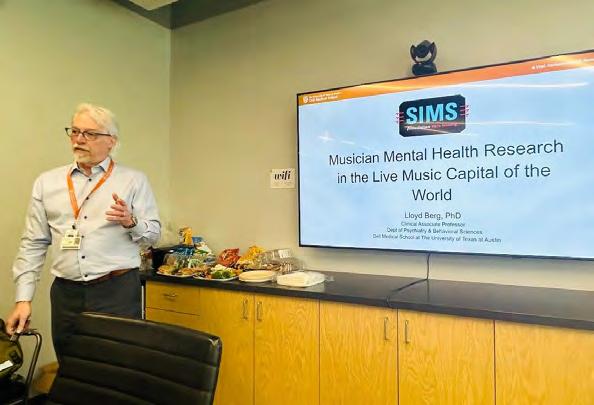
Lloyd Berg, Ph.D., ABPP, presenting on Mental Health Research at the SIMS conference
Alison Engbretson and Fouzia Sheikh, M.S., were awarded the University of Texas President's Outstanding Staff Award, which honors and recognizes the invaluable contributions of outstanding staff and supervisors who have had a significant impact on the university.
The Department of Psychiatry and Behavioral Sciences has rapidly emerged as a national center of excellence in psychiatric and neuroscientific research. Department faculty utilize state-of-the-art research methodologies and technologies to develop and evaluate novel treatments, explore the neurobiology of human behavior and psychiatric disorders and evaluate the effectiveness of mental health care delivery systems. Details on their work is shown in the pages ahead.
The breadth of the department’s research portfolio is expanding at an extraordinary pace. All key indicators of research productivity, including extramural funding,
publications in high impact journals and faculty honors bestowed by professional and scientific organizations, underscore this robust and sustained growth.
Research mentorship is a department priority. For example, the Dell Med Psychiatry Physician Scientist Training Program was recognized by The American College of Psychiatrists for its novel approach, which opens the door for all interested psychiatry residents and fellows to receive state-of-the-art research training.
Autism Spectrum Disorder
Clinical Trial Methodology
Cognition and Cognitive Disorders
Developmental Neuroscience and Childhood Disorders
Functional and Structural Brain Imaging
Genetics, Genomics and Epigenetics
Health Services and Implementation Science
Molecular and Systems Neuroscience
The trajectory of the department’s research funding remains remarkable. Growth in National Institutes of Health research funding, a key indicator of the vitality of the department’s research portfolio, continues apace. In 2024, the department received $9.87 million
Mood Disorders
Neuromodulation
Psychedelic Medicine
Psychopharmacology
Reproductive Psychiatry
Substance Use Disorders
Translational Neuroscience and Neuroimaging
Trauma & Stress
in funding from the NIH, representing a 109% increase over the previous year, climbing from the 51st- to the 36th-ranked psychiatry department in the US. This was the fifth largest increase among all U.S. psychiatry departments.
Faculty in the department continue to earn recognition for their outstanding scientific contributions. Beyond holding leadership roles in national scientific organizations and serving on journal editorial boards and research grant review panels, several members were honored with prestigious individual awards:
Samuel Cooper, Ph.D., assistant professor, received his inaugural NIH award, i.e., a National Institute for Mental Health K23 Career Development Award titled Computational Neuroscience to Decode Higher-Order Fear in PTSD. He received a New and Emerging Children’s Mental Health Research (NECMHR) grant through the Texas Child Mental Health Care Consortium (TCMHCC) for his project Predicting Real-World Symptoms and Behaviors with Neurobehavioral Fear Generalization Measures in Trauma Exposed Adolescents. In addition, he was awarded the Society of Biological Psychiatry’s Travel Fellowship Award and the Cognitive Neuroscience Society’s Postdoctoral Fellowship Award.
Deborah Cohen, Ph.D., MSW, associate professor, received a NECMHR grant through the TCMHCC for her project Comparative Outcomes of a Cognitive Remediation Intervention in Adolescents and Young Adults at Clinical High Risk for Psychosis Versus Those in a First Episode Psychosis Program
Suzannah K. Creech, Ph.D., professor, received a grant from the NIH for her study Testing an occupational stress intervention for harm reduction workers in substance misuse settings
Jennifer Donegan, Ph.D., assistant professor, received the Allen Institute Travel Award. The Allen Institute endeavors to leverage big data, open science, and science principles to solve the biggest mysteries in bioscience.
Manoj Doss, Ph.D., assistant professor, was selected for the Rising Star Award by the Society of Biological Psychiatry. He also received the Heffter Cohen New Investigator Award.
Lief Fenno, M.D., Ph.D., assistant professor, received a Special Presidential Commendation from the American Psychiatric Association, recognizing his exemplary service in confronting addiction from prevention to recovery, the Protégé Award from the Texas Academy of Medicine, Engineering, Science and Technology, and the Society for Biological Psychiatry’s Travel Fellowship Award.
Greg Fonzo, Ph.D., assistant professor, was promoted to full membership by the American College of Neuropsychopharmacology. In addition, he was recognized by JAMA Psychiatry as a Top Reviewer and received the Emerging Scholar Travel Award from the National Network of Depression Centers.
Mbemba Jabbi, Ph.D., assistant professor, served as a standing member of the NIH Review Panel on the Neural Basis of Psychopathology, Addiction and Sleep Disorders.
John Leri, Ph.D., postdoctoral fellow, was inducted into the Alies Muskin Career Development Leadership Program by the Anxiety and Depression Association of America. He also received a NECMHR grant through the TCMHCC for his project Targeted Enhancement of Therapeutic Memory Analogs among Postpartum Women with Posttraumatic Stress Disorder. In addition, he received the Dell Medical School’s Shine Award for Excellence in Research by a Postdoctoral Research Trainee.
Beth Lippard, Ph.D., assistant professor, received the Gerald L. Klerman Young Investigator Award from the Depression and Bipolar Disorder Support Alliance and was elected co-chair of the National Network of Depression Centers’ new task group on alcohol and drug abuse. Within the department, she was appointed Associate Director of the Dell Med Psychiatry Physician-Scientist Training Program.
Erin Logue, Ph.D., assistant professor, received a Research Career Development Award from the Texas Child Mental Health Care Consortium for her project entitled Neurocognitive Function and SelfReported Cognitive Difficulty in Trauma-Exposed Texas Adolescents
Charles Nemeroff, M.D., Ph.D., professor and chair, received the American College of Neuropsychopharmacology’s Paul Hoch Distinguished Service Award, the Society of Biological Psychiatry’s Educator Award and the American Psychiatric Association’s Adolf Meyer Award.
Jeffrey Newport, M.D., M.S., M.Div., professor, received funding from the Department of Defense via Magnus Medica for A Randomized Controlled Multi –Site Trial Evaluation SAINT for Postpartum Depression and was inducted into the Alpha Omega Alpha (AΩA) Honor Medical Society (University of South Carolina School of Medicine Chapter) and the Sigma Chi Scientific Research Honor Society (The University of Texas at Austin Chapter). In addition, he was promoted to Distinguished Fellow by the American Psychiatric Association.
Nicholas Ortiz, M.D., assistant professor, received the Teacher of the Year Award, Mentor of the Year Award and GME Clinical Learning Environment Award from the 2024 Dell Medical School Educational Innovation, Research and Awards Symposium.
Erin Richardson, M.S.N., R.N., was inducted into the Alies Muskin Career Development Leadership Program by the Anxiety and Depression Association of America and was invited to participate in the Marcé Society of North America’s Junior Investigators Colloquium. In addition, she received a Research Career Development Award from the TCMHCC for her project entitled Cognitive Processing Therapy for Perinatal PTSD
Jennifer Siegel-Ramsay, Ph.D., postdoctoral fellow, received the Ruth L. Kirschstein National Research Service Award from NIH for her project titled Neurodevelopment Patterns of Social Reactivity in Youth at Increased Familial Risk for Bipolar I Disorder.
Sarah Schoffstall, Ph.D., assistant professor, received the Distinguished Reviewer Award from the Journal of Deaf Studies and Deaf Education.
Shuting Zheng, Ph.D., assistant professor, received her NIH award, a NIMH R00 Pathway to Independence Award titled Tracking Depression and Associated Modifiable Social-Emotional Factors in Adolescent Girls with Autism.
The department continues to make a significant contribution to scientific literature. During the past two academic years, faculty have collectively authored 188 peer-reviewed scientific publications listed in the National Library of Medicine’s PubMed database. 27, or 14%, of the Department’s 188 publications over the past two years have appeared in the top 2% of scientific journals, defined by an impact factor of 10 or greater.
Peer-Reviewed Publications per Year

Important articles authored by Dell Med Department of Psychiatry and Behavioral Sciences faculty that have appeared in high impact scientific journals during the 2023-24 and 2024-25 academic years include:
Definitional devils and detail: On identifying motivation as an animating dynamic. Behavioral and Brain Sciences [IF: 29.3] 2025; 48: e48. Dell Med Author: Rex Wright
IMPACT: Critically evaluates the idea that motivation is a dynamic that determines behavior, proposing alternatively that motivation may be an emergent property construed through perceived regularities in experience and action.
MDMA and MDMA-assisted therapy. American Journal of Psychiatry [IF: 15.1] 2025; 182(1): 79-103. Dell Med
Authors: Gregory Fonzo, Charles Nemeroff
IMPACT: Describes the presumed neurobiological mechanisms of MDMA, commonly known as Ecstasy, XTC, or Molly, underlying its purported therapeutic effects for PTSD, in addition to public health and policy implications, and future research directions.
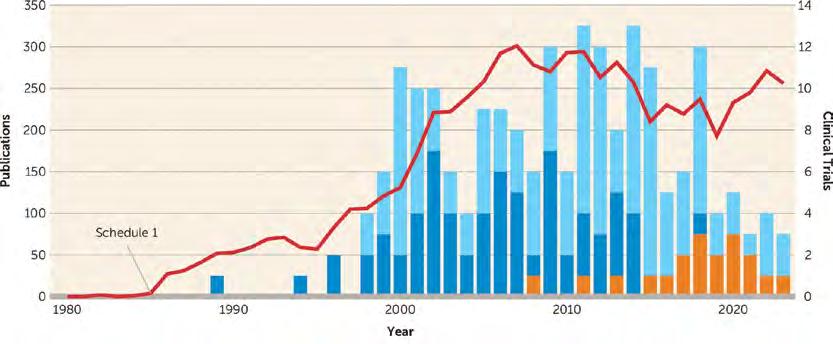
Clinical studies administering MDMA to healthy subjects
Clinical trials of MDMA-AT for psychiatric conditions
Clinical studies of recreational ecstacy users
PubMed-indexed publications
History of clinical studies of MDMA.
A brain-wide map of descending inputs onto spinal V1 interneurons. Neuron [IF: 14.7] 2025; 113(4): 524-38. Dell Med Author: Lief Fenno
IMPACT: Generated a whole-brain map of 26 brain structures that innervate V1 interneurons, inhibitory nerve cells in the spinal cord that contribute to control of movement, providing an anatomical foundation for understanding how brain systems influence motor circuits in the spinal cord.
Latent state and model-based learning in PTSD. Trends in Neurosciences [IF: 14.6] 2024; 47(2): 150-62. Dell Med
Authors: Josh Cisler, Joseph Dunsmoor, Gregory Fonzo, Charles Nemeroff
IMPACT: Presents a novel computational conceptualization of PTSD related to shifts in how individuals form and update internal models of the environment following traumatic events.
Low-Intensity transcranial focused ultrasound amygdala neuromodulation: a double-blind, sham-controlled target engagement study and unblinded single-arm clinical trial. Molecular Psychiatry [IF: 9.6] 2025; doi: 10.1038/ s41380-025-03033-w. Dell Med Authors: Bryan Barksdale, Annamarie DeMarco, Manoj Doss, Charles Nemeroff, Gregory Fonzo.
IMPACT: A novel neuromodulation technique, low-intensity transcranial focused ultrasound, used to modulate amygdala activity, demonstrated for the first time that it can acutely inhibit amygdala function and that repeated inhibition of the amygdala which has therapeutic effects across a wide range of psychiatric disorders. This provides a compelling proof-of-concept for this as a new potential class of neuromodulation therapy for numerous psychiatric and neurological disorders.
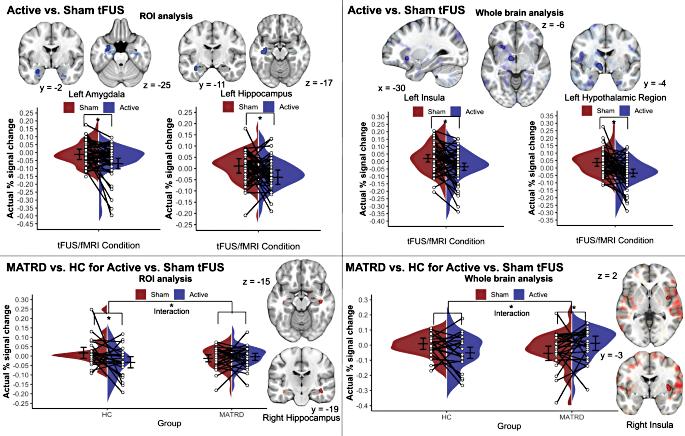
Image depicts the acute inhibitory effect (blue shaded pixels) of transcranial focused ultrasound on left amygdala function. Violin plot below illustrates the effect in individual participants for active (blue distribution) vs. sham (red distribution) administration.
Omics approaches to investigate the pathogenesis of suicide. Biol Psychiatry [IF: 9.6] 2024; 96: 919–28. Dell Med Authors: Mbemba Jabbi
IMPACT: Describes the biological mechanisms that may influence lifetime risk for suicide death in patients with psychiatric disorders and how novel studies of such mechanisms can lead to new diagnostic and therapeutic advances.
Semantic structures facilitate threat memory integration throughout the medial temporal lobe and medial prefrontal cortex. Current Biology [IF: 8.1] 2024; 34(15): 3522–36. Dell Med Authors: Samuel Cooper, Jarrod Lewis-Peacock, Joseph Dunsmoor
IMPACT: Using sensory preconditioning to produce ‘‘threat learning by proxy,’’ this fMRI study reveals that threat memories integrate with and generalize across categories. The amygdala, medial prefrontal cortex and category-selective occipitotemporal cortex show transient generalization, whereas the hippocampus and perirhinal cortex are more durable.
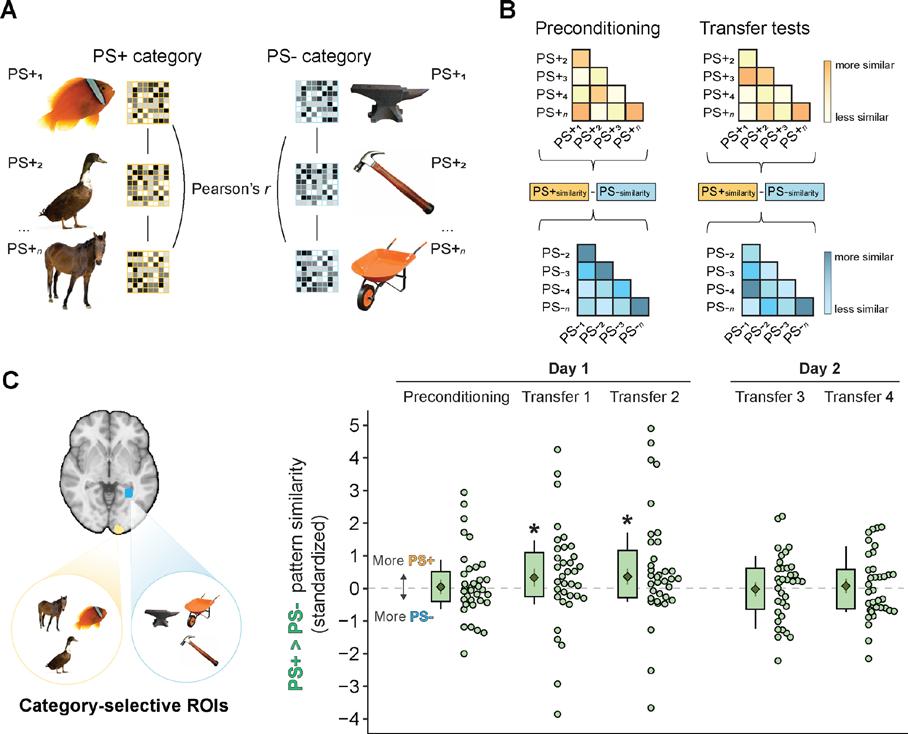
Overview of brain scanning (functional MRI) design in which we test how patterns of brain activity representing different categories (animals, tools) change after a threatening experience (mild electric shock). Here, areas of the brain sensitive to category information showed increased generalized threat patterns at initial test, but this did not persist after 24 hours.
Integrated primary care and mental health service utilization: a meta-analysis. Pediatrics [IF: 8.0] 2025; (in press). Dell Med Authors: Jeffrey Shahidullah
IMPACT: Describes the extent to which primary care clinics with on-site integrated mental health services increases utilization of mental health services compared to usual and/or enhanced usual primary care, finding that youth were 12 times more likely to receive any treatment, 11 times more likely to receive a minimally adequate dose of treatment, and 19 times more likely to receive a full course of treatment.
Decoding threat neurocircuitry representations during traumatic memory recall in PTSD.
Neuropsychopharmacology [IF: 6.6] 2025; 50(3): 568-75. Dell Med Authors: Kierra Morris, Joseph Dunsmoor, Josh Cisler
IMPACT: This study used computational neuroscience analyses to decode traumatic memory brain representations in people with PTSD and demonstrate overlap with more general aversive threat representations.
Unique effects of sedatives, dissociative, psychedelics, stimulants, and cannabinoids on episodic memory: A review and reanalysis of acute drug effects on recollection, familiarity, and metamemory. Psychological Review [IF: 5.4] 2024; 131: 523-62. Dell Med Author: Manoj Doss
IMPACT: Most simple measures of cognition simply find impairments in performance under the effects of psychoactive drugs, but this reanalysis shows that fine-grained measures of episodic memory via computational modelling can discriminate effects between different classes of drugs, including finding occasional enhancements. One of the most interesting findings is that psychedelic agents (unlike sedatives, cannabinoids and dissociative agents) enhance cortical-dependent memories, i.e., familiarity.
An evaluation pilot study of Amplify, a headspace-inspired early intervention clinic. Psychiatric Services [IF: 3.3] 2025; appips20240274. Dell Med Authors: Deborah Cohen, Laura Stevens Merola, Cory Morris, Stephen Strakowski
IMPACT:Outlines the development of the Amplify Center, a young adult specific mental health clinic inspired by international models of integrated youth services, documenting the clinic's year 1 outcomes. Patients preferred treatment via in-person or telemedicine encounters rather than an app. After receiving care, 72% of patients saw reduced mental health symptoms and over 90% were satisfied with care.
Out with the bad, in with the good: a review on augmented extinction learning in humans. Neurobiology of Learning and Memory [IF: 3.2] 2024; 215: 107994. Dell Med Authors: Elizabeth Bauer, Patrick Laing, Samuel Cooper, Josh Cisler, Joseph Dunsmoor
IMPACT:Improving extinction learning can inform how to improve treatment for anxiety-related disorders. Provides an overview of augmented extinction learning strategies in humans, with an emphasis on counterconditioning.
Trauma-informed parenting intervention for veterans: a preliminary uncontrolled trial of Strength at Home–Parents. Journal of Family Psychology [IF: 2.3] 2023; 37(8): 1294-302. Dell Med Authors: Suzannah Creech, Jeremy Saenz
IMPACT:Results show that the Strength at Home Parents intervention, a brief, cognitive behavioral and trauma-informed group with content addressing the confluence of trauma exposure, PTSD symptoms, relationship impairment and parenting difficulties, improves outcomes for veterans and their families.
Changes in ventral prefrontal-subcortical network connectivity during the course of remission from bipolar mania. Journal of Mood Anxiety Disorders 2025; (in press) Dell Med Authors: Jennifer Siegel-Ramsay, Elizabeth Lippard, Jorge Almeida
IMPACT:Remission in individuals with bipolar disorder was associated with more positive changes in prefrontal connectivity over time with thalamus, amygdala and pregenual anterior cingulate cortex compared to those that did not remit. These findings further support ventral prefrontal-subcortical network models of bipolar disorder.
Systems biology dissection of PTSD and MDD across brain regions, cell types, and blood. Science. 2024; 384(6698). doi: 10.1126/science.adh3707 Dell Med Authors: Francis Champagne, Charles Nemeroff, Deanna Ross
IMPACT: Analyses of brain-blood intersections in >50,000 UK Biobank participants were conducted along with fine-mapping of the results of PTSD and MDD genome-wide association studies to distinguish risk from disease processes. Data suggest shared and distinct molecular pathology in both disorders and propose potential therapeutic targets and biomarkers.
Mariel Cannady, PsyD, Garrett Key, M.D., and Blair Walker, M.D. were awarded the GME Clinical Learning Environment Award at the Dell Medical Educational Innovation, Research and Awards Symposium.
Exposure to early life adversity, including child abuse and neglect, is one of the most potent risk factors for the development of both medical and mental health illnesses. The Institute for Early Life Adversity Research, housed within the Department of Psychiatry and Behavioral Sciences and part of Dell Medical School’s Mulva Clinic for the Neurosciences, was established to address this critical public health problem.
The institute has four key priorities. First, it aims to build targeted prevention programs towards the goal of reducing the incidence of early life adversity, thereby preventing the cascade of negative health outcomes associated with early life adversity from starting. Second, it aims to understand the biological and psychological consequences of early life adversity. Preventing and treating the consequences of early life adversity requires understanding how these experiences change the body, brain and mind. Third, it aims to develop new medical and psychosocial interventions to improve clinical care and outcomes. Fourth, it aims to build the world’s best early life adversity research program.
Between 2023 and 2025, the Institute received $3,932,380 in donations, significantly expanding its capacity to provide resources and treatment to patients who have endured childhood trauma.
Major research accomplishments of the past years include the remarkably successful funding of the investigators who comprise the faculty members of the Institute. These new funded projects include a NIMH R01 to Dr. Nemeroff using a multiomics approach in post-mortem brain tissue to identify
unique neurocircuitry signatures of early life trauma, an NIMH R61 and NIMH R01 from Dr. Cisler and Dr. Dunsmoor testing a novel augmentation strategy for exposure therapy and extinction learning in PTSD, and an NIMH R01 from Dr. Fonzo focused on how evidence-based therapy for PTSD alters reward neurocircuitry. Additionally, through funding from the Texas Child Mental Health Care Consortium, faculty membership of the Institute has launched seven new research studies related to early life trauma and mental health. One of these awards was a career development award to Dr. John Leri, a postdoctoral fellow in the Institute. In addition to their extraordinary extramural funding record is their equally impressive publication record. Indeed, it is worth noting that Dr. Nemeroff published an original research report in Science documenting child abuse and neglect related changes in PTSD and MDD postmortem brain tissue.
Selected publications from members of our institute include:
Daskalakis NP, Iatrou A, Chatzinakos C, Jajoo A, Snijders C, Wylie D, DiPietro CP, Tsatsani I, Chen CY, Pernia CD, Soliva-Estruch M, Arasappan D, Bharadwaj RA, Collado-Torres L, Wuchty S, Alvarez VE, Dammer EB, Deep-Soboslay A, Duong DM, Eagles N, Huber BR, Huuki L, Holstein VL, Logue MW, Lugenbühl JF, Maihofer AX, Miller MW, Nievergelt CM, Pertea G, Ross D, Sendi MSE, Sun BB, Tao R, Tooke J, Wolf EJ, Zeier Z; PTSD Working Group of Psychiatric Genomics Consortium**; Berretta S, Champagne FA, Hyde T, Seyfried NT, Shin JH, Weinberger DR, Nemeroff CB, Kleinman JE, Ressler KJ; PTSD Working Group of Psychiatric Genomics Consortium (2024) Systems biology dissection of PTSD and MDD across brain regions, cell types and blood. Science. 384(6698): eadh3707.
The Interpersonal Impact of Trauma Lab, directed by Suzannah Creech, Ph.D., is a multidisciplinary lab dedicated to applied health services and treatment development to directly address and improve psychosocial outcomes in vulnerable populations who have experienced trauma. The lab prioritizes team science in the development and study of novel behavioral interventions to address the impact of trauma on mental health, interpersonal dynamics and community well-being. The lab is actively engaged in numerous research studies including:

Strength at Home – Parents is a randomized clinical trial of parenting training for Veterans with PTSD. The pilot study of this eight-week, clinician-delivered, parenting group showed improvements in parenting behaviors and family functioning, and reductions in parenting stress, parental PTSD symptoms and parental depressive symptoms. The trial is in year two of five and exceeds recruitment goals with 101 Veterans currently enrolled.

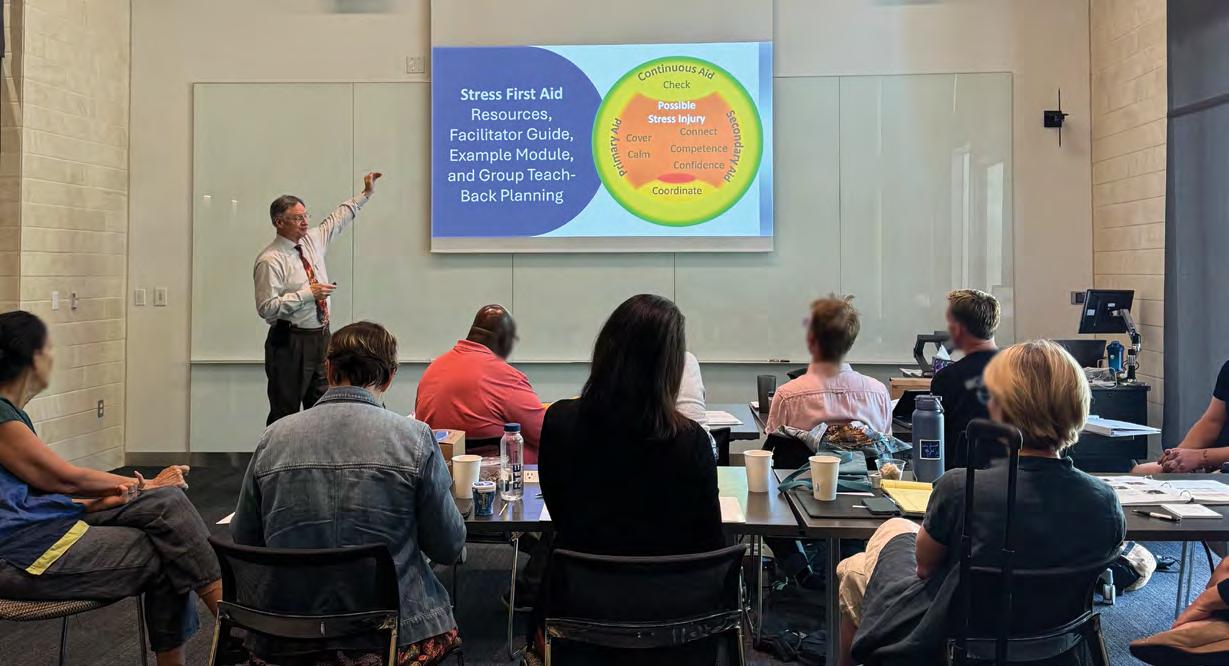
Stress First Aid for the Harm Reduction Workforce (SFA/HRW) is an evidence-based, peer-to-peer, psychological support model that was codesigned for the harm reduction workforce. The pilot study of this twohour peer-facilitated training showed high acceptability, appropriateness and feasibility of this program among this population.
During an extremely high stress time, we saw an increase in observed use of this model and overall work engagement and stability in well-being, coping, secondary traumatic stress, burnout and turnover intention. We are preparing for a Randomized Clinical Trial to expand this model across five states.
Joseph Dunsmoor, Ph.D., laboratory for Learning, Memory, and Emotion continues to pursue cutting-edge neuroimaging research on how the human brain learns to fear and how to control unwanted fears. This clinical
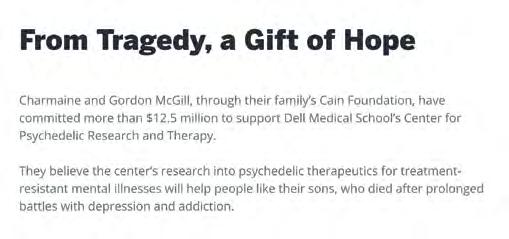
The Charmaine and Gordon McGill Center for Psychedelic Research and Therapy, directed by Gregory Fonzo, Ph.D. and Charles Nemeroff, M.D., Ph.D., aims to advance the application of psychedelics for the treatment of mental health disorders through impactful clinical research. Additionally, the center — the first of its kind in Texas — looks to improve the health of those suffering from severe depression, anxiety, PTSD and substance use disorders through psychedelic-assisted therapy and research focused heavily on military veterans and adults affected by early childhood trauma.
Over the past two years, the Center has experienced rapid growth and advancement of its objectives. Most notable is the pledge of $10 million from Charmaine and Gordon McGill to continue to support the Center’s growth and ongoing clinical and basic science research efforts. In addition, an earlier $1 million endowment from UT System, a Brain Health Endowment also provided by Charmaine and Gordon McGill, was transferred to the Center.
As a direct consequence of this support, the Center has expanded its clinical research portfolio as well as its educational and outreach mission components. Since
translational neuroscience research seeks to understand how fears are encoded in the brain and develop innovative strategies that can inform treatments for anxiety and stress-related disorders by including participants with posttraumatic stress disorder.
Sept 2023, the Center has made substantial progress on three studies of veterans and veteran family members undergoing psychedelic therapy at offsite centers, with two having completed over 50% of target enrollment. The Center also successfully launched and enrolled participants into its first investigatorinitiated clinical trial examining the combinatorial benefit of psilocybin therapy and accelerated theta burst repetitive transcranial magnetic stimulation, an FDA-cleared protocol known as SAINT, for treatmentresistant depression. In addition, the Center has successfully launched and completed enrollment on two commercial studies on psilocybin therapy for anorexia nervosa and psychedelic treatment of postpartum depression, continues to enroll and treat participants as part of a second commercial study on psilocybin therapy for treatment-resistant depression and successfully launched an additional commercial study that is currently ongoing on lysergic acid diethylamide — commonly known as LSD — treatment of generalized anxiety disorder.The Center was also awarded a new grant from the Center for Multidisciplinary Investigation into Novel Discoveries and Solutions and launched its first study in healthy participants examining basic mechanisms of psilocybin on brain function and information processing, with the goal of examining how psychedelic might be used to enhance insight and creativity for human flourishing.
The Center Co-Directors, Gregory Fonzo and Charles Nemeroff, also co-edited and published the first Special Issue on Psychedelics for The American Journal of Psychiatry. In that issue, the Center was wellrepresented as authoring two systematic reviews and the introductory editorial that accompanied the Special Issue.

Psychiatric News article announcing the Special Issue on Psychedelics for The American Journal of Psychiatry co-edited by the Center’s Co-Directors
Drs. Fonzo and Nemeroff also co-authored and published an article on psychedelics for The American Scientist, a bimonthly science and technology magazine published since 1913 by Sigma Xi, The Scientific Research Honor Society.
In the education and training realm, the Center has taken on the support and mentorship of a cognitive neuroscientist research fellow, two graduate students in clinical psychology and neuroscience and a psychiatry research track resident. The research
fellow, Manoj Doss, Ph.D., was recently promoted to the role of assistant professor and will continue to work in the Center. The clinical psychology graduate student, Lewis Leone, successfully defended his dissertation proposal, which focuses on a mixed methods study of ibogaine administration in special operations forces veterans with combat-related mental health issues, including traumatic brain injury and posttraumatic stress disorder.
Of direct relevance to the mental health of Texas citizens, the Center has been involved in informing legislative efforts in Texas geared towards the advancement of psychedelic medicine. This includes providing expert witness testimony to the Texas Senate Health and Human Services Committee on Senate Bill 2308 on the therapeutic potential of ibogaine, an atypical psychedelic (Figure 4). This bill would provide government support and infrastructure for research and drug development of ibogaine for the treatment of opioid use disorder, substance use disorders and traumatic brain injury. Senate Bill 2308 and its companion bill in the House of Representatives, House Bill 3717, were passed into law.
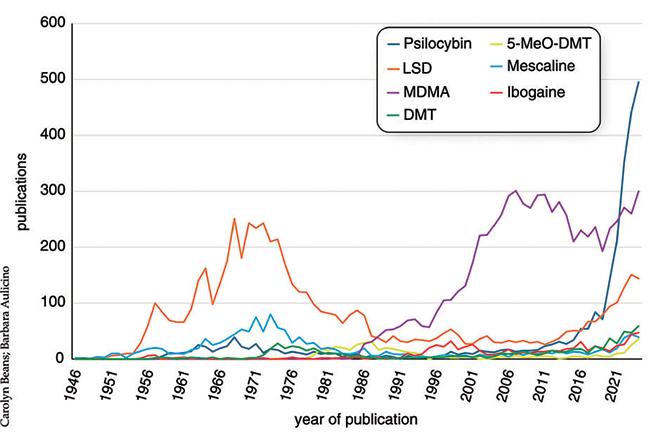
This table presents research papers found in the U.S. National Library of Medicine's PubMed database published since 1946 that mention individual psychedelics. Since the late 1990s, the number of clinical studies of psychedelics published each year has steadily grown.
Graph illustrating the growth of psychedelic research publications over the past 60 years as depicted in The American Scientist article co-authored by the Center’s Co-Directors.
At present, the Center has actively researched, supported or provided psychedelic therapy to over 50 individuals over the past two years, with 100+ additional individuals planned in the coming two years. The positive impact of the treatment afforded by the Center’s efforts is dramatic, and well-illustrated in the patient comments above.
The Molecular Engineering, Design and Discovery Lab is directed by Lief Fenno, M.D., Ph.D., who is both a psychiatrist and neuroscientist. His clinical expertise is in the management of addiction and co-occurring psychiatric illness, while his translational basic research group has deep experience in inventing novel molecular and viral tools for precision neuroscience — with a goal of moving the boundaries of knowledge and treatment approaches at both bench and bedside.
In the last two years, The Fenno Lab has raised nearly $4 million in new research funds from multiple philanthropic foundations, the NIH and the National Science Foundation to support their work, which has
appeared in 10 publications, including in Neuron and Nature Neuroscience, and resulted in two new patent filings that move novel technologies closer to clinical use and commercialization. The group has 11 full-time scientific staff and supports the educational goals of The University of Texas at Austin by providing opportunities for undergraduate students at every level to be engaged with neuroscience and biomedical engineering.
Dr. Fenno’s clinical practice is through Integral Care — Travis County’s safety net mental health provider — and is a core rotation for psychiatry residents to gain experience managing addiction. His clinic began offering long-acting injectable buprenorphine for patients with opioid dependence, making it one of the few training sites in the country where psychiatry residents are exposed to this medication. Dr. Fenno was also appointed national chairman of the American Psychiatric Association Council on Addiction Psychiatry and received a Special Presidential Commendation for his work leading the opioid component of a year-long American Psychiatry Association public health addiction initiative that received more than 4 billion impressions.
Kari Whatley, M.D. and Sussann Kotora, M.D. were awarded the GME Clinical Learning Environment Award at the Dell Medical Educational Innovation, Research and Awards Symposium.
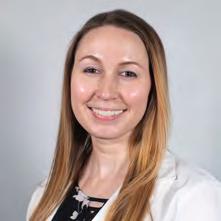
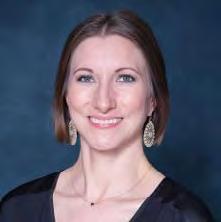
The Mood Addiction Interaction Neuroscience Lab, led by Elizabeth Lippard Ph.D., investigates neural and behavioral mechanisms that contribute to addiction in psychiatric populations, with an emphasis on bipolar disorder and trauma/stress exposure. Notable accomplishments over the last two years include receiving and initiating two new R01s from the National Institute of Alcohol Abuse and Alcoholism. These grants investigate the effects of acute alcohol on neural and behavioral trajectories and predict alcohol misuse over time in youth with bipolar disorder and adults with a history of interpersonal violence/PTSD.
The lab published a study in 2025 as part of a special issue on novel mechanisms of addiction in Frontiers in Neuroscience which identified novel regions of the brain associated with alcohol expectancies and escalation of alcohol problems over time in bipolar disorder. Additionally, the lab published a review article on co-occurring bipolar and substance use disorders in Focus: The Journal of Lifelong Learning in Psychiatry.
Over the past two years, three new graduate students joined the lab. Sophie Buchmaier is starting her third year and Christina Lildharrie and Eve Cullins are starting their second year in the Institute for Neuroscience Program. Over the past year, Christina
Over the past two years, the Neural Circuits and Brain Development Lab, led by Jennifer Donegan, Ph.D., has advanced the understanding and treatment of psychiatric disorders through innovative basic science research. The lab’s work has yielded significant discoveries that deepen insight into the neurobiological foundations of mental illness.
Lildharrie presented a poster as first author at the annual Society for Biological Psychiatry. Sophie Buchmaier, Eve Cullins, and research associates Nadia Bibb, Skyler Lee, Lydia Lovelace and Elice Shin all presented posters as first authors at the annual Research Society on Alcohol Meeting. Nadia Bibb also presented a poster at the Anxiety and Depression Association of America annual meeting.
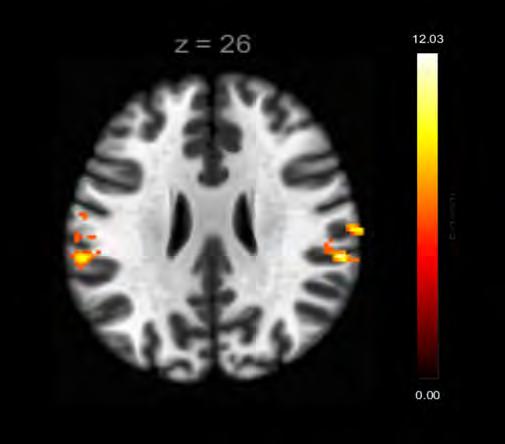
A notable achievement includes a 2023 study published in Nature Communications, which clarified the structure and function of hippocampal circuits involved in psychiatric conditions such as schizophrenia. These findings offer critical insights into the biological mechanisms of mental illness and enable controlled, mechanistic studies not feasible in human subjects—laying the groundwork for the development of targeted therapeutic interventions.
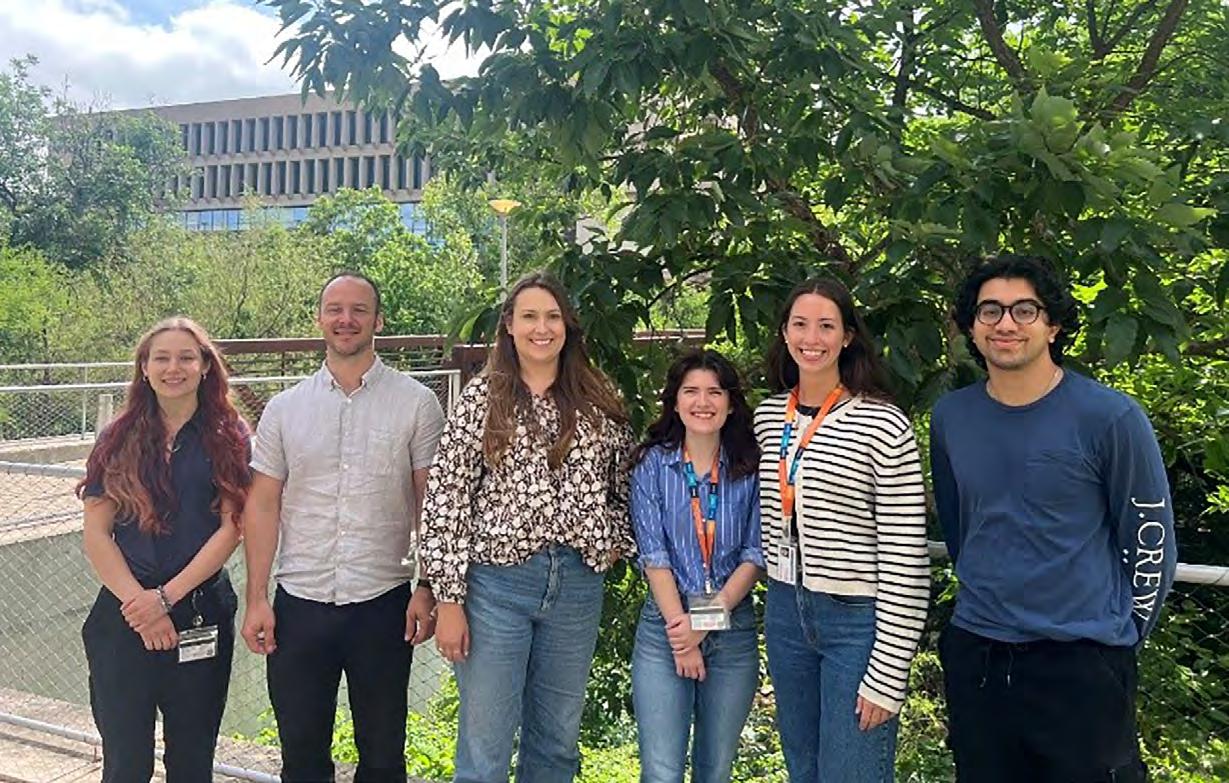
The Neurocircuitry of Trauma and PTSD Lab, led by Josh Cisler, Ph.D., investigates the neurocircuitry and learning mechanisms. impacted by trauma exposure and PTSD. Effort is devoted to identifying novel methods to target these mechanisms during therapy to enhance treatment outcomes. Notable accomplishments of the lab include receiving new NIMH grants that aim to use exercise to enhance fear extinction learning among individuals with PTSD. The lab welcomed a new graduate student, Eve Cullins, into the Interdisciplinary Neuroscience Program, and two new research associates, Mehr Chaudhary and Isabella Alvidres. Postdoctoral fellow
John Leri received a Travel Award from the Anxiety and Depression Association of America. Postdoctoral fellow Elizabeth Bauer accepted a faculty position in the Department of Psychology at the University of Colorado, Colorado Springs. Research associate Hamza Suhail and research assistant Khushi Baheti were both accepted into medical schools. Research associates Paige Broski, Luna Malloy and Ali Arain all presented posters as first authors at the annual Cognitive Neuroscience Society. Research assistant Medha Vadlamudi received a fellowship from UT Austin’s Women in Neuroscience program in two consecutive years.
“To reject one paradigm without simultaneously substituting another is to reject science itself.”
— Thomas S. Kuhn, The
The Clinical Trials Program at UT Health Austin is committed to conducting innovative and groundbreaking research in collaboration with leading biomedical companies. The program engages in both sponsor-funded and investigator-initiated studies, with a focus on advancing treatments for a range of mental health conditions. Current research trials address conditions such as:
• Generalized Anxiety Disorder
• Treatment-Resistant Depression
Bipolar Depression
• Major Depressive Disorder
• Postpartum Depression
Post-Traumatic Stress Disorder
• Adjustment Disorder
To better serve the Central Texas community, the department has developed a registry to support individuals interested in participating in clinical trials. This registry connects community members with research opportunities, allowing them to benefit from the cutting-edge work conducted at the university.
Julie Farrington, M.D. is a board-certified psychiatrist with a specialization in treating anxiety in adults. With over two decades of experience, she currently serves as the clinical trials director in the Department of Psychiatry and Behavioral Sciences at UT Health Austin and acts as a principal investigator on numerous studies. The program is supported by a robust team, including a director of research, clinical research manager, five research coordinators, and a regulatory specialist. This infrastructure enables strong support for both clinical partners and study participants, while maintaining close collaboration with biomedical sponsors. The program has more than doubled in size over the past two years and is expected to continue growing, remaining at the forefront of innovation in psychiatric medicine while serving the local community.
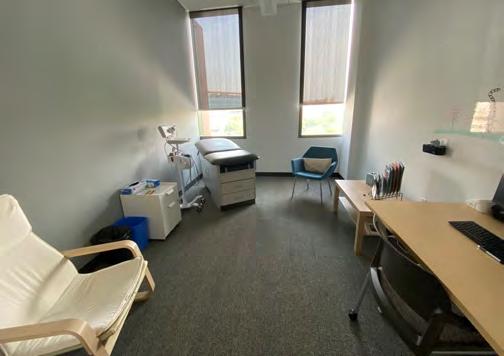
As part of its ongoing commitment to advancing clinical research, the Clinical Trials Program at UT Health Austin has made significant improvements to its facilities to better support clinical trials. Two dedicated dosing rooms have been furnished to accommodate studies requiring precise dosing and session monitoring. These rooms are designed to provide a controlled environment that ensures both accuracy and safety in dosing procedures.
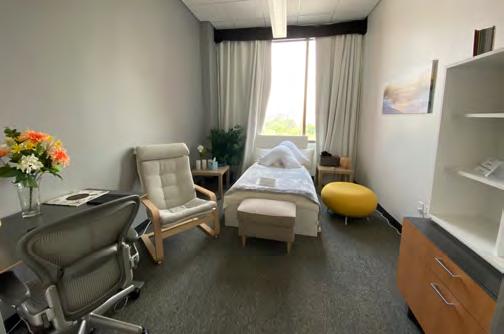
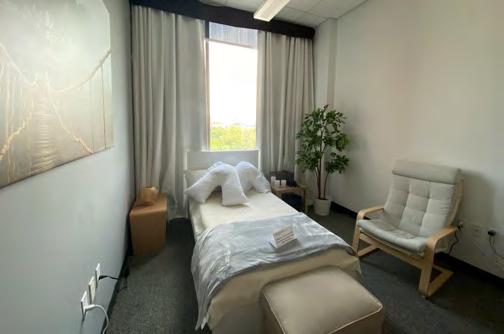
In addition, a dedicated exam room has been established specifically for trial participants. This space is equipped with essential medical equipment and supplies to facilitate thorough examinations and to offer a comfortable environment during participant visits.
The program collaborates with numerous pharmaceutical companies including Johnson & Johnson, Reunion Neurosciences, Alto Neurosciences, LivaNova, Intracellular Therapeutics, MindMed, Neurocrine Biosciences, and Compass Pathways.
These partnerships enable the program to bring the most current and groundbreaking medical research to the Central Texas community, reinforcing its role as a local leader in psychiatric research.
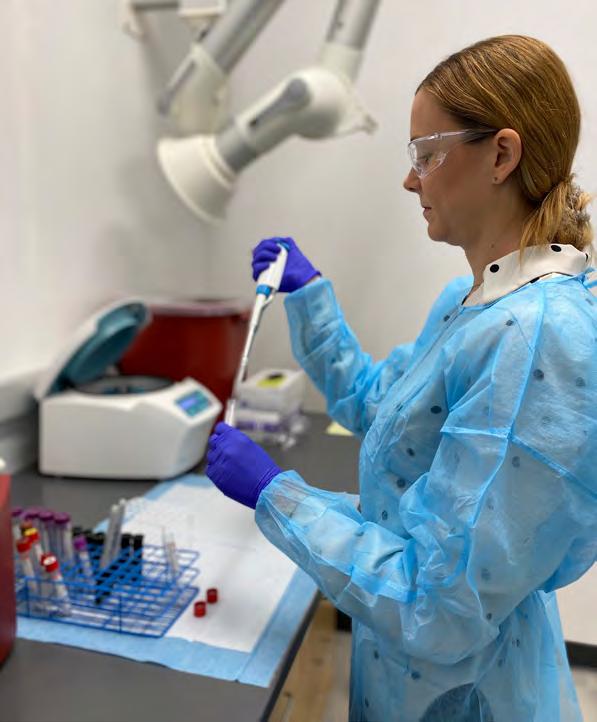
Staff Member Amanda Winchester using a pipette to transfer serum from a centrifuged blood sample for the COMP006 clinical trial.
Suzannah Creech, Ph.D. will be co-piloting a “stress first aid” intervention for frontline addiction workers who face high burnout and limited support, despite their critical role in the opioid crisis.
MindMed VOYAGE
Inclusion: Ages 18–74, generalized anxiety disorder diagnosis, BMI 18–38 kg/m²
Exclusion: Other primary psychiatric disorders, family/personal history of psychotic or bipolar disorders
RECOVER
Inclusion: Long-term major depressive disorder, bipolar depression, failed treatments
SMART-BD
Inclusion: Ages 18–75, bipolar I disorder, current depression
Exclusion: Schizophrenia/psychosis, substance use disorder
J&J MDD
Inclusion: Ages 18–74, major depressive disorder, inadequate antidepressant response
Exclusion: Anxiety disorders, OCD/PTSD/eating disorders, psychotic/bipolar disorders
Re-EMBARC
Inclusion: Ages 18–65, depression/anxiety, willingness to take Sertraline
Emerge
Inclusion: Ages 18–74, major depressive disorder diagnosis, current major depressive episode lasting 8 weeks–24 months
Psychedelic
COMP006
Inclusion: Age ≥18, treatment-resistant depression
Exclusion: Ongoing psychiatric disorders, bipolar/ personality/psychotic disorders
PSILOBSD
Inclusion: Ages 22–76, treatment-resistant depression, willingness to undergo fMRI/EEG/ rTMS/psilocybin therapy
PERPP
Inclusion: Ages 18–65, experienced trauma, willingness to participate in therapy sessions
Rekindle
Inclusion: Ages 18–80, diagnosis of cancer, ALS, MS, Parkinson’s disease, or idiopathic pulmonary fibrosis (IPF)
“As a pharmacist, I see the rising trend in people seeking access to the potential benefits of psychedelic medicines due to either a subtherapeutic response or intolerable side effects with their current psychiatric medication regimen. With continued research, I hope we will be able to one day provide safe, therapeutic, and legal access to psychedelic medicines, improving patient outcomes across a broad section of the population by reducing barriers to access.”
— ASHLEY BLUNT, PHARMD, CLINICAL TRIALS VOLUNTEER
Approximately 25% of American children will experience at least one traumatic event by the age of 16. In response to this critical public health issue, the Texas Childhood Trauma Research Network was established as a statewide collaborative research initiative funded by the Texas State Legislature and overseen by the Texas Child Mental Health Care Consortium. Comprising twelve academic medical centers in Texas, the Network aims to enhance understanding of how trauma affects children and adolescents by analyzing population health outcomes, characterizing risk profiles and evaluating the effectiveness of systems and interventions designed to support affected youth and their families. Charles Nemeroff and D. Jeffrey Newport serve as Director and Associate Director of the Network directly and Jeffrey Shahidullah, Ph.D., serves as Director of research activities within the UT Austin Dell Med node.
Since its inception, the Network has to date enrolled over 3,200 participants in a prospective, longitudinal, multicenter study. The network has demonstrated strong participant retention, with follow-up rates of
66% at six months, 58% at twelve months, 46% at eighteen months and 40% at twenty-four months. These participants have experienced a wide range of traumatic events, including exposure to actual or threatened death, serious injury or sexual violence.
A new component of the Network introduced within the past academic year is the Trauma-Focused Cognitive Behavioral Therapy network. This initiative provides evidence-based treatment to trauma-exposed youth and supports research into treatment outcomes. To date, over 150 participants have been enrolled in this study, with 45 having completed therapy. The study aims to identify patterns in treatment response, assess the durability of therapeutic effects over time and explore factors that influence or moderate treatment outcomes. Therapists across all twelve network sites have received formal training and certification in this type of therapy to ensure consistent, high-quality care. The impact of this therapy is best illustrated by the providers conducting it and the testimonials provided below.
““ Through providing TF-CBT to participants in this study, I saw firsthand how impactful the model was in helping young people and their families process and heal from various traumatic experiences. Many of the youth and young adults I worked with showed notable decreases in anxiety and avoidance, and they were able to reclaim parts of their daily lives that had previously been limited by trauma symptoms. Parents and caregivers often shared that they felt more empowered to support their child and together they developed healthier ways of coping and communicating. It was rewarding to witness participants’ growth in resilience, confidence and overall functioning as they progressed through the intervention.”
– Provider 1
“ As a clinical psychologist providing TF-CBT to youth participating in this study, I have witnessed inspiring changes in the lives of my patients. Each of the adolescents I have worked with entered therapy carrying the weight of overwhelming trauma, ranging from witnessing the violent loss of a parent to surviving abuse and sexual assault. Through TF-CBT, these youth have gained new language for their experiences, learned effective coping and emotional regulation skills and reclaimed a sense of safety and control in their lives. It has been humbling to watch their gradual shift from intense fear and avoidance toward resilience, hope and improved functioning. Although this is hard work, I remind myself each day of the privilege I have: I get to enter their lives, walk alongside them as they share their deepest hurts and witness healing as they share their trauma stories with their caregivers. I am thankful to have volunteered as a therapist for this study.”
– Provider 2
The Network has also leveraged its unique dataset to secure additional federal funding. One such initiative is the National Institute on Alcohol Abuse and Alcoholism-funded study Alcohol Use Disorder and PTSD After Trauma in Adolescents: Prediction of Disease Vulnerability and Response to Treatment (CTAU). This study seeks to identify biological markers associated with Alcohol Use Disorder and Post-Traumatic Stress Disorder in trauma-exposed youth. Since its launch in 2023, the study has enrolled
172 participants and analyzed over 100 bio-samples (genomics, epigenetics, and inflammatory markers), further expanding the network’s contributions to trauma research.
With several peer-reviewed publications and a rapidly growing dataset, the Network is already the largest and most comprehensive study of its kind in the United States.
Rates of depression and suicidal behaviors in Texas children and adolescents surpass those seen nationally. Led by The University of Texas Southwestern Medical Center in Dallas, UT Austin Dell Medical School is one of 12 participating sites in the Texas Youth Depression and Suicide Research Network, funded by the Texas Child Mental Health Care Consortium. The Network is a large longitudinal (10 years) study tracking outcomes of youth 8-20
years old with depression and/or suicidality across Texas. A key component of the study is the delivery of Activ8, a brief behavioral activation intervention to assist youth in goal setting around pleasurable activity scheduling and social engagement. To date, more than 2,300 youth across Texas have enrolled. Data from this study will help inform our understanding of the development and trajectory of youth depression and suicidality and treatment delivery.
The overarching goal of the Fonzo Lab for Translational and Clinical Neuroscience is to understand the neural circuits underlying affective symptoms in stress-related mental health disorders and to modulate the function of these circuits using behavioral, pharmacological and devicebased methods to improve mental health. Key assessment tools for this purpose include noninvasive brain imaging, computational modeling, clinical phenotyping, neuromodulation and artificial intelligence/machine learning (AI/ML). These tools are used to understand how the function of brain circuits are perturbed in mental health conditions including PTSD and major depressive disorder, how evidence-based treatments such as medications and psychotherapy alter neural circuit function to promote therapeutic effects and to use this information to design and test novel intervention methods that might improve treatment outcomes.
Over the past two years, the lab has grown in scope and size, completed key projects and launched new ones. Notable achievements include the receipt of two R01 grants from the National Institute of Mental Health. One project is a collaborative grant with Yu Zhang, Ph.D., at Stanford University School of Medicine which seeks to design and develop AI/ML tools using non-invasive multimodal brain imaging to predict treatment response to antidepressant medications in major depression.
Currently, treatment selection in psychiatry is characterized by a haphazard trial-and-error method, which is inefficient and fails to promptly address the suffering inflicted by this prevalent mental health condition. If successful, this project will provide novel biologically informed methods of identifying who is well-suited to receiving treatment with a common class of antidepressant medications (selective serotonin reuptake inhibitors) and whom is not, thereby allowing for the rapid selection of other treatment options for those unlikely to benefit from this first-line treatment option. The second R01 project seeks to identify therapeutic
mechanisms of trauma-focused psychotherapy for PTSD, the gold-standard evidence-based treatment for this condition. This is a collaborative project with Valerie Rosen, M.D. and Josh Cisler, Ph.D. in the Department of Psychiatry and Behavioral Sciences. This project focuses on the reward circuit, – the parts of the brain responsive to positive or pleasant stimuli – and understanding how trauma-focused psychotherapy changes reward circuit function to promote improvements in diminished positive affect. Symptoms of diminished positive affect are critical to understand mechanistically and address therapeutically in PTSD, as they predict poorer treatment outcomes and greater levels of comorbid substance use and suicidality.
A recently completed project, which was funded by Dr. Fonzo’s 2020 One Mind Rising Star Award, sought to test a novel non-invasive method of neuromodulation — delivery of energy directly to the brain to promote a therapeutic effect — known as low-intensity transcranial focused ultrasound. This method uses low-intensity, high-frequency sound waves to deliver sonic energy to a specific focal point in the brain. This sonic energy alters the function of neurons through mechanosensitive ion channels and is the only available method to directly modulate the function of deep subcortical brain areas critically implicated in numerous psychiatric disorders. In a sample of healthy individuals and those with mood, anxiety and trauma-related disorders, we recently demonstrated that the method can acutely inhibit the function of the amygdala, a brain area known to be hyperactive across these conditions and believed to underlie the exaggerated fear and negative emotional reactivity seen across these diagnoses. When patients had this treatment delivered as a daily intervention for three weeks, we observed a dramatic decrease in numerous symptom outcome measures. This work was recently published in Molecular Psychiatry and has been the focus of several news articles and press releases in the lay media. The lab plans to continue this line of research to understand how to optimize the delivery of this approach for maximal therapeutic effect and to test its efficacy in randomized doubleblind sham-controlled trials.
The Trauma, Neurocognition and Aging Lab, founded and directed by Erin Logue, Ph.D., in honor of her mother, Catherine, is dedicated to improving cognitive outcomes in survivors of childhood trauma and adversity. The lab investigates how early life adversity contributes to long-term risk for cognitive decline.
In 2024, the lab received its inaugural funding—a two-year, $300,000 research career development award from the Texas Child Mental Health Care Consortium. This project aims to assess both objective and perceived cognitive function in participants from the Texas Childhood Trauma Research Network study.
Based at the Norman Hackerman Building on the UT Austin campus, the lab is staffed by a research coordinator and five undergraduate volunteers who are actively conducting cognitive testing and brain imaging. The team remains committed to continued learning, collaboration and securing future funding to advance its mission.
David Heckler, Ph. D was awarded the Susan M. Cox, M.D. Academy Excellence in Teaching Award at the Dell Medical Educational Innovation, Research and Awards Symposium.

David Heckler, Ph. D.
The Young Shin Kim Lab conducts interdisciplinary, community-based and epidemiological research to identify predictors of autism spectrum disorder and other neurodevelopmental disorders, chart their developmental trajectories and translate findings into interventions that improve outcomes, reduce stigma, and inform public policy.
The lab’s landmark prevalence study in Korea revealed far higher rates of autism spectrum disorder than previously recognized and showed that most affected children were unidentified and untreated. This work led to the Sound Schools Project, a city-funded universal screening and intervention program for 7-year-olds, demonstrating how rigorous research can drive systemic change. Building on this foundation, the lab continues prospective cohort studies of ASD incidence and leads genetic epidemiological research to clarify the roles of phenotype, genotype and gene–environment interactions.
The lab also investigates bullying as a predictor of adverse psychiatric outcomes, showing its impact on psychopathology and suicidality. These findings have informed public awareness campaigns and schoolbased interventions across Korea, Chicago and U.S. communities.
The Zheng Lab on Measurement and Mental Health in Neurodevelopmental Conditions focuses on understanding the developmental and behavioral profiles of individuals who are neurodiverse, particularly those with autism, and designing tailored support to promote psychological well-being. Importantly, they are working towards this goal by integrating innovative measures and technologies to capture ecologically valid, multi-modal data to inform treatment individualization and by engaging and collaborating with community stakeholders.
Expanding globally, the lab collaborates with the Navajo Birth Cohort Study and NIH’s ECHO program to examine the effects of environmental exposures on child neurodevelopment, using culturally grounded, community-driven approaches. During the COVID-19 pandemic, the team assessed both prenatal exposure and developmental outcomes in autistic children, identifying risk and resilience factors that inform targeted supports.
Most recently, the lab has applied big data and artificial intelligence to its unique Korean population dataset, developing predictive models for autism spectrum disorder diagnosis and examining incidence trends across more than a decade. A pilot clinical trial is now testing an AI-powered mobile tool to enhance executive function in children, pointing toward scalable, technology-driven interventions.
Through this work, the Young Shin Kim Lab bridges rigorous science and community action, aiming to expand access to early identification, foster effective interventions and ultimately improve the developmental trajectories of children worldwide.
Dr. Zheng’s lab currently has multiple research projects ongoing that are incorporating novel behavioral measures, with a NIMH-funded study focusing on daily social-emotional experiences of adolescent girls with and without autism.
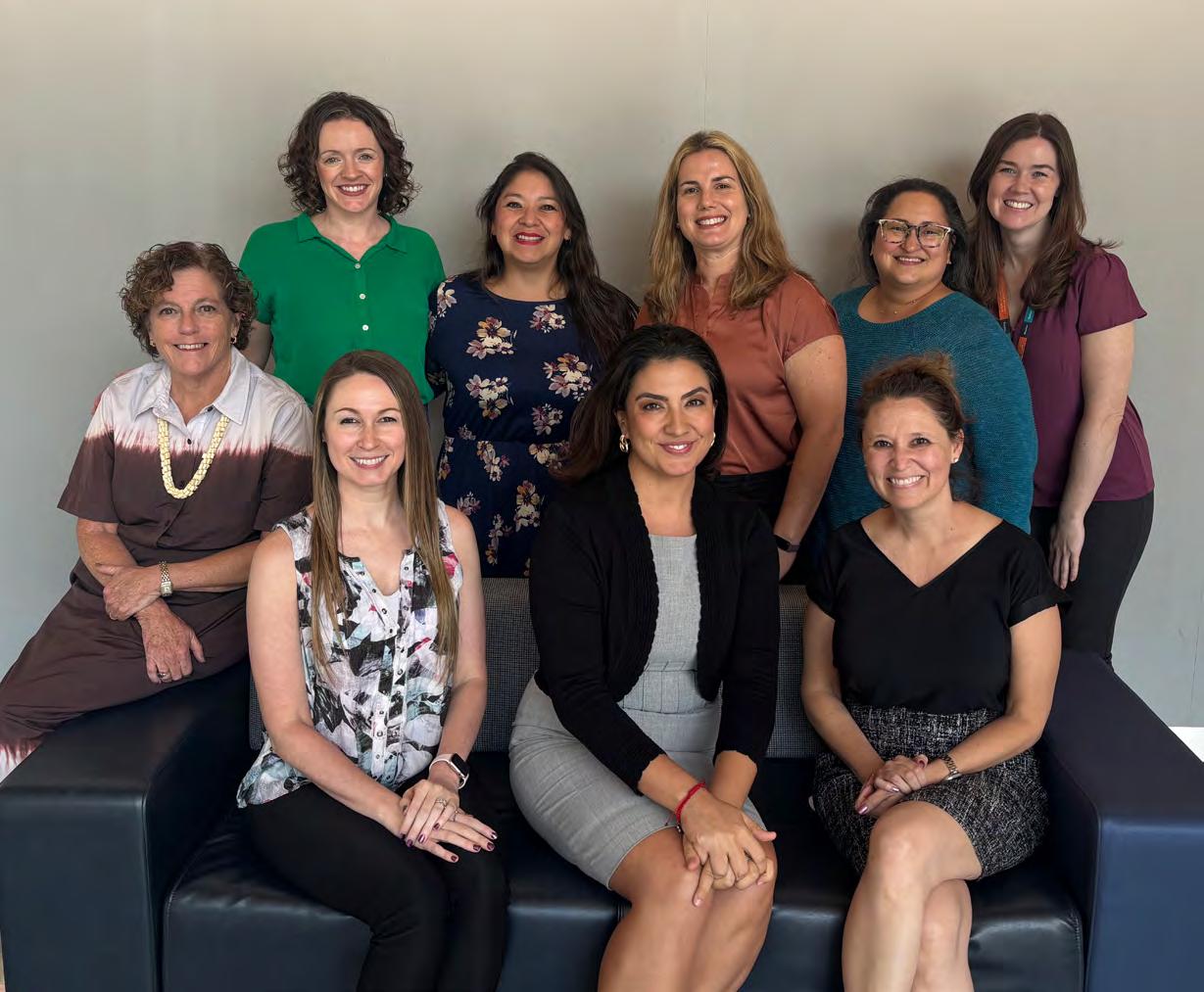
The Department of Psychiatry and Behavioral Sciences is a major contributor to Dell Med’s tenet to educate leaders who transform health and care. The education platform offers comprehensive training opportunities across the psychiatry residency program, psychology internship and fellowship, as well as psychiatry fellowships in specialties such as Child and Adolescent, Addiction, Forensic, Geriatric and Consultation-Liaison Psychiatry. Camden Jones oversees all educational programs.
Additionally, continuing medical education is another way education fosters innovation, research and interdisciplinary collaboration among trainees and faculty. Trainees often identify new opportunities for clinical interventions, consistently demonstrating their commitment to evidence-based care in every patient interaction. They are compassionate, perceptive physicians and the department prides itself in training future leaders in the field of psychiatry and behavioral sciences.
Under the direction of Pamela A. Lopez, M.D., the Psychiatry Residency Program is home to a group of outstanding residents from across the nation and around the world. Rich and wide-ranging clinical experiences, an outstanding Physician Scientist track for emerging researchers and the commitment to resident growth and wellness have all contributed to the program’s rapid expansion in recent years. They received close to 2,000 applicants applying for 12 spots for the 2025-26 academic year.
The curriculum for the General Psychiatry Residency Program is designed to align with the clinical learning goals of each resident as they progress through the competencies, ultimately preparing them for success on the board examination after graduation.
The didactic curriculum, spanning all four years of training, has recently undergone a comprehensive redesign through collaboration between program faculty and leadership. This initiative ensures that residents build knowledge longitudinally across core subject areas. Educational content is organized by disorder and presented in a manner that corresponds with each resident’s current clinical experiences. During the first year, residents focus on common inpatient diagnoses such as depressive disorders, schizophrenia and bipolar disorders. In the second year, the emphasis shifts to more typical outpatient presentations, including sleep-wake disorders, obsessive-compulsive disorders and neurodevelopmental disorders. In the third and fourth years, residents explore a broader range of topics, including eating disorders, dissociative disorders and sexual dysfunction.
In addition to the Physician Scientist Track, the program is actively developing new subspecialty tracks, including the Women’s Reproductive Mental Health Track, the Psychotherapy Track and the Community Psychiatry Track.
Neuroscience is a central focus of the department’s curriculum and is integrated into nearly every content area, ensuring that residents remain current on topics such as psychiatric genetics, neuroanatomy and physiology.
A distinctive feature of the program is its longitudinal forensic psychiatry curriculum, developed in partnership with the UT School of Law. This curriculum culminates in an annual mock trial and represents a unique aspect of the department’s educational offerings. Additionally, residents participate in a longitudinal quality improvement course during the third year, which has contributed positively to several clinical sites.
• The four-year Physician Scientist Track offers residents increasing protected time each year to complete research-focused didactics, execution of a mentored, longitudinal research project, and professional development as an academic psychiatrist.
• The Integrated Behavioral Health Scholars Program offers additional training for fourth year residents including didactic curriculum and clinical practice with emphasis on integrated behavioral health, interprofessional practice and cultural humility.
The Mock Trial Experience for third year residents in coordination with the UT School of Law and second-year law students.
Departmental Scholarly Day showcasing work from all residents and medical students.
• Annual quality improvement training and project development for third year residents.
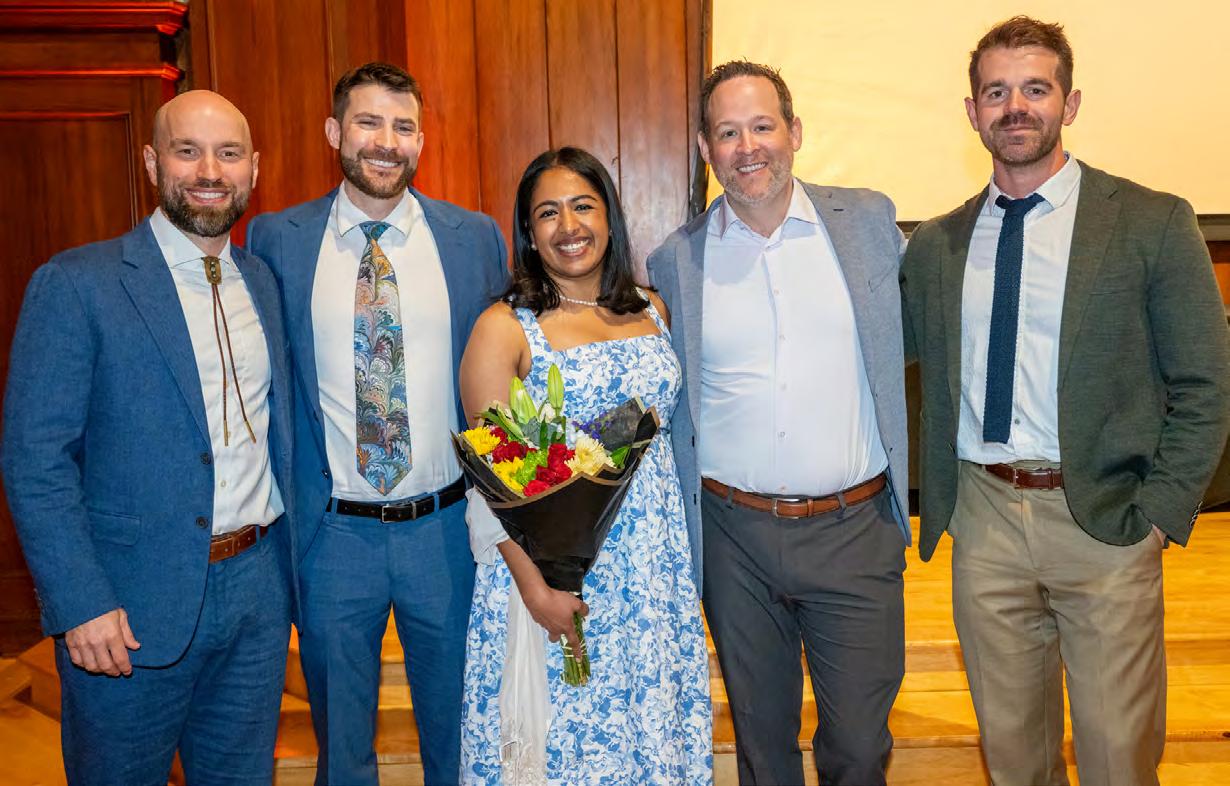
Residents develop a wide range of clinical competencies in their first year of training. Each completes an inpatient psychiatry rotation during which they regularly manage complex and severely ill patients and develop core interviewing, assessing and treatment planning skills for their primary training. After the closure of the program’s longtime inpatient hospital—Ascension Seton Shoal Creek—the coming academic year represents a period of transition as we harness two promising new partnerships with Austin State Hospital and Cross Creek Hospital. All first-year residents also complete rigorous off-service rotations with family medicine, neurology, emergency medicine, pediatrics and internal medicine.
Second-year residents gain a wealth of experience with psychiatry outpatients in child and adolescent, adult and geriatric psychiatry clinics. Primary teaching sites include UT Health Austin, Ascension Seton
Behavioral Health, and the Austin Veteran’s Affairs Clinic. All second year residents also experience Austin’s wealth of community psychiatry offerings through rotations developed in partnership with Integral Care, Bluebonnet Trails, CommUnity Care and Vivent Health.
The third year includes core rotations in consultationliaison psychiatry, emergency psychiatry, forensic psychiatry and addiction psychiatry.
Fourth year residents are given ownership of their schedules and may select from an increasing array of elective opportunities. Electives include in-depth clinical experiences around neuromodulation, community psychiatry and psychotherapy as well as opportunities to build skills as a supervisor in both inpatient and outpatient settings. Rising fourth year residents are encouraged to develop and present new electives to be considered and approved for inclusion in the coming year’s catalog.
Launched in the summer of 2020, the Psychiatry Physician Scientist Training Program, i.e., the Research Track, is designed with flexibility to enable residents with research interests to engage in psychiatric research throughout their residency. Since its inception, the track has enjoyed consistent growth from its inaugural three residents to 15 in 2024–25.
The scope of research track projects spans functional neuroimaging, psychedelic-assisted psychotherapy, perinatal mental health, machine learning, health services research, basic neuroscience and forensic psychiatry. The Physician Scientist Track Open House, affording residency applicants a forum to meet with departmental research faculty as well as current research track residents, is attended each year by dozens of applicants, demonstrating the considerable interest generated by the research track during residency recruitment.
In addition, research track residents are garnering national attention as representatives for the department and Dell Med. For example, during the last two academic years, five research track residents—Chris Demetriades, M.D.; Tuyet Elan, M.D.; Elizabeth Martin, M.D.; Alexander Rasgon, M.D.; and Itamar Shapira, M.D. — were invited to participate in the American Psychiatric Association Research Colloquium for Junior Psychiatrist Investigators. The Research Colloquium, chaired by Charles Nemeroff, is an invaluable resource for early career psychiatrists to access additional mentoring and networking opportunities.
Furthermore, research track residents authored 12 published articles and chapters during the 2023-25 academic years, highlighted by:
Arjun Srivastava, M.D.
The role of resilience in the development of depression, anxiety, and post-traumatic stress disorder after trauma in children and adolescents. Psychiatry Res 2024; 334: 115772
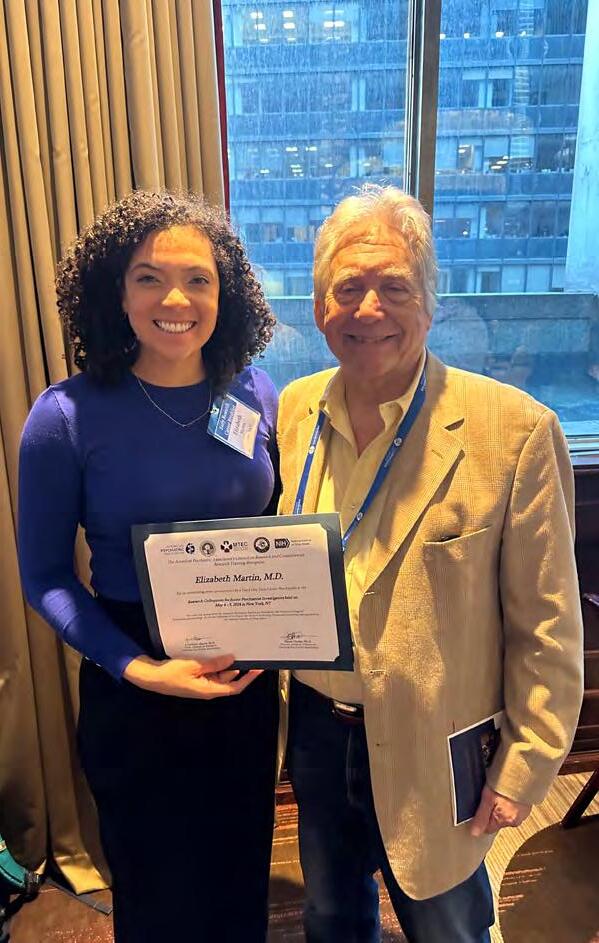
Research Track Resident, Elizabeth Martin, M.D. who received the Outstanding Poster Presentation Award from the American Psychiatric Association Research Colloquium for Young Investigators alongside, Research Colloquium Chair and Department Chair Charles Nemeroff, M.D., Ph.D.
Sean O’Sullivan, M.D., Ph.D.
The use of MRI and TMS in treatment-resistant depression: advances in pediatric applications. Brain Sci 2025; 15(2):194
Bryan Barksdale, M.D., Ph.D.
Low-intensity transcranial focused ultrasound amygdala neuromodulation: a double-blind shamcontrolled target engagement study and unblinded single-arm clinical trial. Mol Psychiatry 30, 4497–4511 (2025). https://doi.org/10.1038/s41380-02503033-w
Since completing the program, the research track’s first graduate, Brad Unroe, M.D., has completed both a Preventative Medicine Fellowship at the Texas Department of State Health Services and a Master of Public Health degree from the UTHealth Houston School of Public Health. The next step in his career is transitioning to a part-time physician at Austin State Hospital, while also serving as a part-time Mental Health Case Reviewer for the State Hospitals Quality Systems Oversight program within the Health and Human Services Commission.
Christopher Demetriades became the second resident to graduate from the Physician Scientist Training Program in June 2025. He is leveraging his training in the research track to co-found a medical artificial intelligence start-up company.
In July 2025, Elizabeth Martin became the first trainee to transition from the psychiatry residency program into the child and adolescent psychiatry fellowship program, while remaining in the research track.
In the Accreditation Council for Graduate Medical Education accredited training program, ConsultationLiaison psychiatry fellows master the knowledge and skills in comprehensive screening, assessment, examination, and treatment of neuropsychiatric problems intersecting with management of acute medical and surgical conditions.
Program Director, R. Garrett Key, M.D., oversees the development of Consultation-Liaison training opportunities across the UT Health Austin/Ascension Seton clinical enterprise. The 2023–24 match cycle will bring Jeff Carroll, M.D. from Louisiana State University in Baton Rouge, LA to the ConsultationLiaison Psychiatry Fellowship for the 2025 academic year. Current graduating fellows, Masooma Javaid, D.O., and Nathan Nevitt, M.D., completed their training in June. Javaid will move to group practice with Mindpath, where she will focus on women’s reproductive mental health, an interest she cultivated as the first participant in the Consultation-Liaison Fellowship Program concentration in perinatal mental health. Nevitt will join our faculty in a teaching role with time divided between the consultation liaison service and inpatient psychiatry at Cross Creek.
The Consultation-Liaison Fellowship faculty continue to expand available clinical settings in which trainees can work, with new opportunities available or developing in kidney transplant, cardiac transplant, long COVID and psycho-oncology.
Christopher Demetriades, M.D., received the Resident Recognition Award from the American Psychiatry Association.
Christopher Demetriades, M.D.
The one-year clinical fellowship in geriatric psychiatry immerses trainees in a variety of settings that span the typical spectrum of geriatric psychiatric care. Fellows rotate through acute care hospitals and consultation settings, outpatient specialty clinics, long-term care facilities, a palliative care unit, an electroconvulsive therapy service and an inpatient geriatric psychiatry unit. This array of high-impact learning experiences is made possible through partnerships with a range of area partners including Austin State Hospital, Caraday Healthcare and UT Health Austin’s Comprehensive Memory Center.
Under the leadership of program director Erica Garcia-Pittman, M.D., DFAPA, DFAAGP, this relatively new fellowship recently completed the training of its inaugural fellow, Brian Donley, M.D., MPH. Dr. Donley, who also completed his residency training at Dell Medical School, flourished in the program, excelling as a clinician, researcher and clinical educator.
In addition to his outstanding performance across his various rotations, he published an important review on bipolar disorder in older adults and provided vital mentorship to Dell Med residents. In recognition of the latter work, he was awarded the Member-inTraining Future Clinician-Educator Award from the American Association for Geriatric Psychiatry.
Fittingly, the program director, Garcia-Pittman, was named Educator of the Year by the same organization. The Geriatric Psychiatry Fellowship is now actively recruiting its next round of fellows while also working to continuously improve its curricular design, faculty development, and assessment systems, bringing to bear the principles of competency-based medical education across its wide-ranging offerings.
The Forensic Psychiatry Fellowship received Accreditation Council for Graduate Medical Education approval in early 2025 and is currently recruiting its inaugural class of two fellows. This program is designed to expand educational opportunities within the Department of Psychiatry and Behavioral Sciences by leveraging strategic partnerships between Dell Medical School and institutions such as Austin State Hospital, Integral Care, the Travis County Sheriff’s Office and Ascension Seton. Its goal is to train forensic psychiatrists equipped to address the critical shortage in Central Texas.
Forensic psychiatrists serve as essential intermediaries between the mental health and justice systems. Their roles may include providing expert testimony in legal cases involving psychiatric issues or delivering vital psychiatric care within correctional settings. The current shortage of forensic psychiatrists has resulted in significant delays in treatment for individuals involved in the criminal legal system and has contributed to extended waitlists for state hospital admissions.
Graduates of the fellowship will be well-prepared to address systemic inequalities faced by individuals with mental health needs in the justice system, ensuring access to appropriate care and support. The fellowship’s curriculum is developed in collaboration with multiple Texas medical schools and is designed to cultivate transformative leaders with interdisciplinary expertise spanning healthcare, law enforcement, and policy.
By promoting cross-sector collaboration and offering comprehensive training, the program aims to empower its graduates to contribute to innovative solutions that improve community mental health. One solution is mental health diversion, which seeks to engage individuals with serious mental illness in psychiatric treatment as an alternative to incarceration.
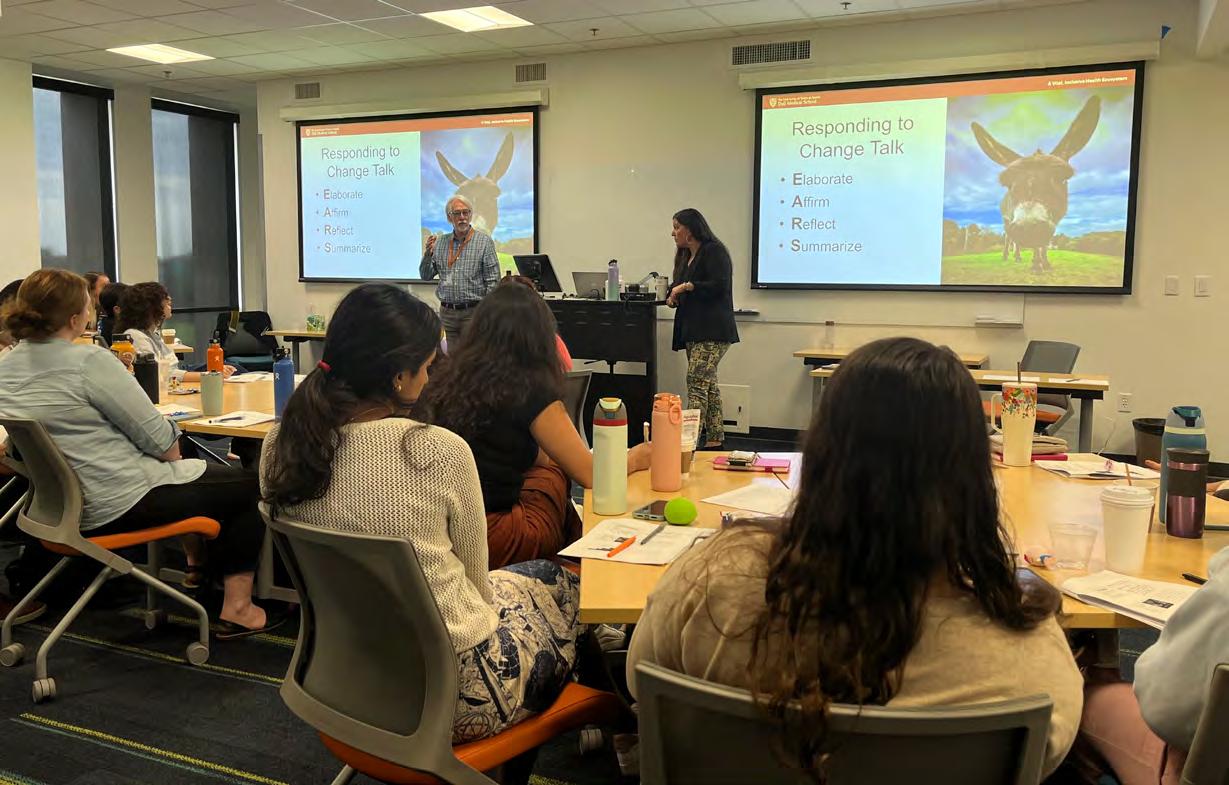
Texas continues to face a critical shortage in mental health services, ranking last in the nation for youth and adult access to care, according to Mental Health America’s 2024 State of Mental Health in America report.
In response to this need, the Department of Psychiatry and Behavioral Sciences launched the Integrated Behavioral Health Scholars Program in 2017 through a strategic partnership with UT Austin’s School of Nursing, the Department of Educational Psychology in the College of Education and the University of Texas at Austin School of Social Work. Supported by a series of federal grants from the Health Resources and Services Administration, the
program aims to train an interprofessional workforce equipped to deliver team-based mental and behavioral health services in underserved Texas communities. Funding for this program has been renewed.
Since its inception 304 psychiatry, psychology, social work and psychiatric nursing trainees have graduated. Notably, 87% of alumni surveyed one-year posttraining report working in medically underserved areas.
In 2024–25, program scholars provided care across 37 community-based clinical sites in the Austin/Travis County region, marking a significant expansion with 10 new training placements added this year.
The department continues its strong relationship with the global Academic Model Providing Access to Healthcare community and the Department of Psychiatry at Benemérita Universidad Autónoma de Puebla in Puebla, Mexico. In Fall 2023, Claire R. Selinger, M.D. and her counterpart in Mexico, Dra. Minou del Carmen Arevalo Ramirez, received a grant called AMPATH/MAPAS Bilateral Innovation Award that provides internal seed-funding program to help support collaborative faculty-led projects that address interdisciplinary health challenges across low-income populations in Mexico with reciprocal learning and application in Central Texas primary care settings. Training over 30 rural primary care providers on six key mental health topics over several months impacted nearly 30,000 patients care in rural Mexico where mental health resources are scarce. After a successful pilot project, the two will offer the telementoring model again in Fall 2025 with an aim to enroll 100 providers. (Photos with descriptions in this Global Health post)
In August 2024, Selinger along with Kristin Escamilla, M.D., launched the inaugural Spanish Language, Healthcare and Culture elective for general psychiatry residents in Puebla, Mexico. Three secondyear residents learned medical Spanish in a language school, taught classes in Spanish at the medical school in introductory psychiatry for medical students, worked in the largest inpatient psychiatric hospital in the state of Puebla and lived with host families. The immersive learning experience strengthened their Spanish speaking skills to better serve patients in central Texas and gave them a deeper appreciation for the similarities and differences between the two neighboring systems. Thanks to its success and a generous gift from a benefactor committed to addressing healthcare disparities in Central Texas, the elective will be offered to psychiatry residents annually for the next five years. (Photos with descriptions in this blog post)
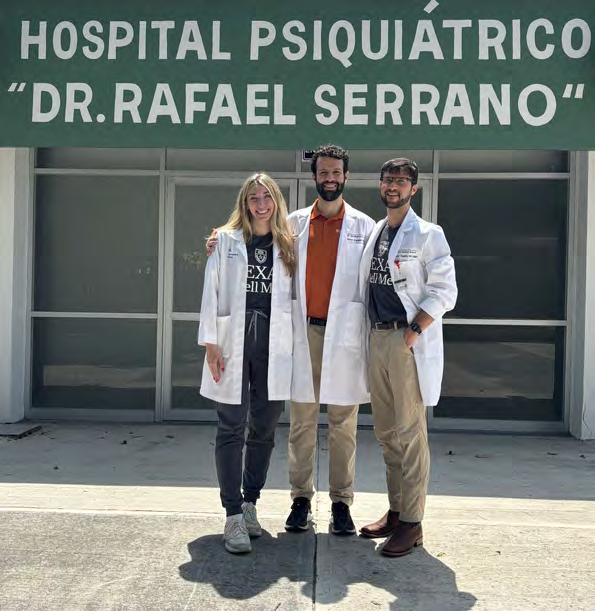
Above: Residents, Hailey Barab, D.O., Itamar Shapira, M.D., and Aaron Snodell, M.D., taught psychiatry to medical students at BUAP, worked in an inpatient psychiatric hospital and lived with host families in Puebla, Mexico while intensively studying medical Spanish for 3 hours a day with a 1:1 tutor.
In March 2025, through a grant from the Lilly Foundation, partners from Puebla, including two psychiatry residents, visited the Department of Psychiatry and Behavioral Sciences and various community sites around Austin to learn about mental healthcare models for patients with depression and diabetes. Through working groups and research mentoring, the delegation returned to Puebla ready to launch a study on treatment of depression in diabetic patients. This visit encapsulates the pillars of global health work: reciprocal movement of knowledge, ideas and people while providing evidence-based, compassionate care to those who need it most.

For more information on AMPATH Global, visit ampathglobal.org
• Para más información en AMPATH México, https://www.ampathmexico.org/
• For more information on Project ECHO (Moving Knowledge, Not People), visit echo.unm.edu
The department continues to educate, inspire and recruit future leaders in the field. Dell Medical School students have increasingly chosen to specialize in psychiatry, drawn by the department’s high-quality clinical experiences and dedicated faculty. In 2024, over 10% of the graduating class matched psychiatry, with four students entering our general residency program. This upward trend persisted in 2025, with more than 11% of the class entering psychiatry and several choosing to remain at Dell Med for their training.
In July 2024, psychiatry became a standalone fourweek clerkship at Dell Medical School, replacing the previous combined clerkship with neurology. This change allowed students to fully immerse themselves in diverse clinical environments, including the Ascension Seton Shoal Creek Adult Inpatient Psychiatric Unit, Dell Children’s Mental Health Unit and the Emergency Behavioral Health Unit at Ascension Seton Medical Center Austin. By July 2025, the department expanded its clinical training sites to include rotations with affiliate faculty at the newly renovated Austin State Hospital and Integral Care Psychiatric Emergency Services. These community partnerships expose students to the wide range of psychiatric services available throughout Travis County.
During the past academic year, fourth-year psychiatry electives continued to serve as a vital recruitment tool. The department hosted 14 visiting students
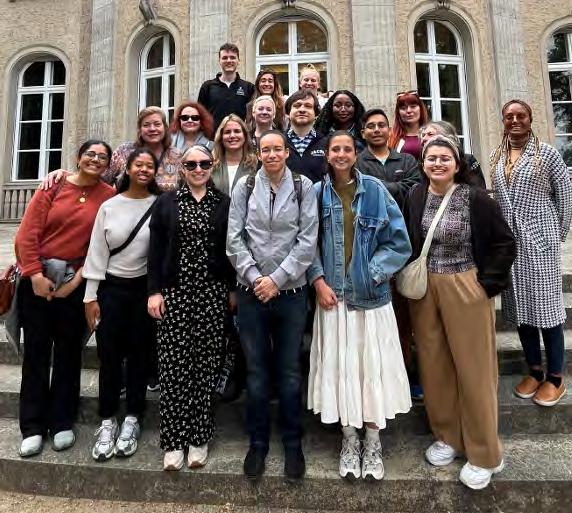
from across the country and successfully matched three of them into the residency program. Senior Dell Medical School students demonstrated strong interest in psychiatry, completing 39 electives in clinical care, research and professional development.
The Undergraduate Medical Education team includes Claire R. Selinger, psychiatry clerkship director and director of undergraduate medical education for psychiatry; Kristin Escamilla, medical student 4 electives coordinator; and Megan Barron, psychiatry undergraduate medical education coordinator. Both Selinger and Escamilla received the Excellence in Specialty Advising Award, an honor voted on by students in recognition of their exceptional support. Selinger received the Innovation in Education Award and Grant for her curriculum redesign project, which introduced active learning seminars. Megan Barron has quickly adapted to her role as education coordinator and has become an invaluable and enthusiastic member of the team.
In May 2025, Selinger and Beth Nelson, M.D., senior associate dean of undergraduate medical Education, accompanied 12 exceptional medical students on a study trip to Berlin, Germany. The group explored the role of the German medical field in the atrocities of the Holocaust, visiting sites such as the Karl Boenhoeffer Inpatient Psychiatric Hospital and Euthanasia Center, Bernberg concentration camp and other memorials. These visits, guided by international experts, provided a profound opportunity for students to confront the dark history of medicine. The trip was made possible through funding from the Center for Medicine After the Holocaust, a nonprofit organization dedicated to educating the medical community about past errors to prevent their recurrence. More information is available at medicineaftertheholocaust.org
Left: Faculty members Claire Selinger, M.D, and Beth Nelson, M.D., are pictured with Dell Medical School students, Samantha Little, Nima Rahman, Emma Ableman, Hailey Kaplan, Emma Lehrer, Chinenye Ogbonnah, Daniel Ramirez, Aquiel Warner, Jaxon “Paige” Bowman, Katherine “KC” Koepp, Anuska Martinez Arguedas and William Austin on a study trip to Berlin, Germany.
The department continues to sponsor a series of in-person presentations covering state-of-the-art subjects in psychiatry and psychology. These lectures feature distinguished speakers from leading institutions facilitating in-depth discussion. Faculty members and trainees are given the opportunity to meet with speakers individually. This forum serves as a moment of unity for the entire department, fostering shared dedication to education and cutting-edge advances in the field. A partial list of presentations in the last two years is shared below.
2023 – 24
• Forensic Evaluation of Asylum SeekersOverview and Lessons Learned
Alisa R. Gutman, M.D., Ph.D. (University of Pennsylvania)
• Collaborations Fostering Precision Medicine and Health Care Delivery in Bipolar Disorder and Major Depression
Mark A. Frye, M.D. (Mayo Clinic)
• Substance Use in Perinatal Individuals
Kimberly A. Yonkers, M.D. (UMass Chan Medical School)
• Positron Emission Tomography in Major Depressive Disorder, Comorbidity and Treatment Resistance
Jeffrey H. Meyer, M.D., Ph.D. (University of Toronto)
• The Elusive Construct of Therapeutic Action
Glen O. Gabbard, M.D. (Baylor College of Medicine)
• Real World Bipolar Disorder - A Case-Based Audience-Response Treatment Journey
Sagar V. Parikh, M.D., FRCPC (University of Michigan)
• Improving Access to Evidence-Based Care for Chronic Pediatric Symptom Management: The Comfort Ability Program
Rachael Coakley, Ph.D. (Harvard Medical School/ Boston Children’s)
• Developing New Antidepressants: One Step Forward, Two Steps Back
Alan F. Schatzberg, M.D. (Stanford University School of Medicine)
• Genomic Insights About the Prenatal Origins of Behavioral Disorders
Daniel R. Weinberger, M.D. (Lieber Institute for Brain Development)
• Extracellular Vesicles as Biomarkers and Cellular Communicators Key to Developmental Origins of Health and Disease
Tracy L. Bale, Ph.D. (University of Colorado)
• The New Spectrum of Tics, Tourette’s Disorder and Related Problems
Barbara J. Coffey, M.D., MS. (University of Miami Miller School of Medicine)
• Late-Onset ADHD- Current Concepts, Controversies, and Clinical Approaches
Anthony L. Rostain, M.D., MA. (Cooper University Health Care)
• Pediatric Anxiety Disorders: Using Neurobiology to Bridge the Gap from Risk to Remission
Jeffrey R. Strawn, M.D. (University of Cincinnati College of Medicine)
• The Impact of Climate Change on Mental Health
Andreea L. Seritan, M.D. (University of California, San Francisco, Weill Institute for Neurosciences)
• Building Community Capacity to Heal Our Communities of Color
Margarita Algeria, Ph.D. (Harvard Medical School)
• Childhood Aggression as a Focus of Psychiatric Attention
Robert Findling, M.D., MBA. (Virginia Commonwealth University)
• Evolution of the Glutamate Models of Psychosis
Bita Moghaddam, Ph.D. (Oregon Health & Science University)
• Course and Treatment of Mood Disorders in Women Across Stages of Reproductive Life
Natalie L. Rasgon, M.D., Ph.D. (Stanford University)
• Genetic Moderators of the Stress Response - From Molecular Discovery to Translational Impact
Elisabeth Binder, M.D., Ph.D. (Max Planck Institute of Psychiatry Munich Center for Neurosciences)
• Molecular Targets and Associated Functional Domains in Schizophrenia
Anissa Abi-Dargham, M.D. (Stony Brook University)
• Narrative-Crisis Model (NCM) of Suicide as a Framework for Suicidal Risk Staging and Prevention Treatment
Igor Galynker, M.D., Ph.D. (Icahn School of Medicine at Mount Sinai)
• Psychedelic Assisted Therapy for PTSD
Leslie A. Morland, PsyD, Ph.D. (University of California, San Diego)
• Psychedelics on the Edge: Experiences in Difficult to Treat Depression
Scott Aaronson, M.D. (Sheppard Pratt and University of Maryland)
• Deep Brain Stimulation for Mood and Anxiety Disorders: Progress, Challenges, and Solutions
Alik Widge, M.D., Ph.D. (University of Minnesota)
• Personalized, Closed-Loop Deep Brain Stimulation for Treatment-Resistant Major Depression
Andrew Krystal, M.D., M.S. (University of California, San Francisco)
• The Cognitive Neuroscience of Schizophrenia: Bridging Cognitive and Neural Mechanisms in Serious Mental Illness
Cameron Carter, M.D. (University of California, Irvine)
• Comorbidity of Disorders of the Brain and Heart: Impact of Sex, Immunity, and Treatment Implications
Jill Goldstein, Ph. D, MPH (Harvard Medical School/ Mass General Research Institute)
• Reconceptualizing Anorexia Nervosa as a Disturbance of Anxiety and Eating Behavior in the Service of Developing More Effective Treatments
Walter H. Kaye, M.D. (University of California, San Diego)
• Neurobiology of Fear Extinction and its Relevance to Psychopathology
Mohammad Milad, Ph.D. (UT Health Houston McGovern Medical School)
• Mechanisms of Depression and Novel Treatments: Recent Insights from Clinical and Translational Science
James Murrough M.D., Ph.D. (Icahn School of Medicine at Mount Sinai)
• Sexual and Gender Minority Adverse Childhood Experiences: Evidence, Implications, and Next Steps
Phillip W. Schnarrs, Ph.D. (University of Pittsburgh)
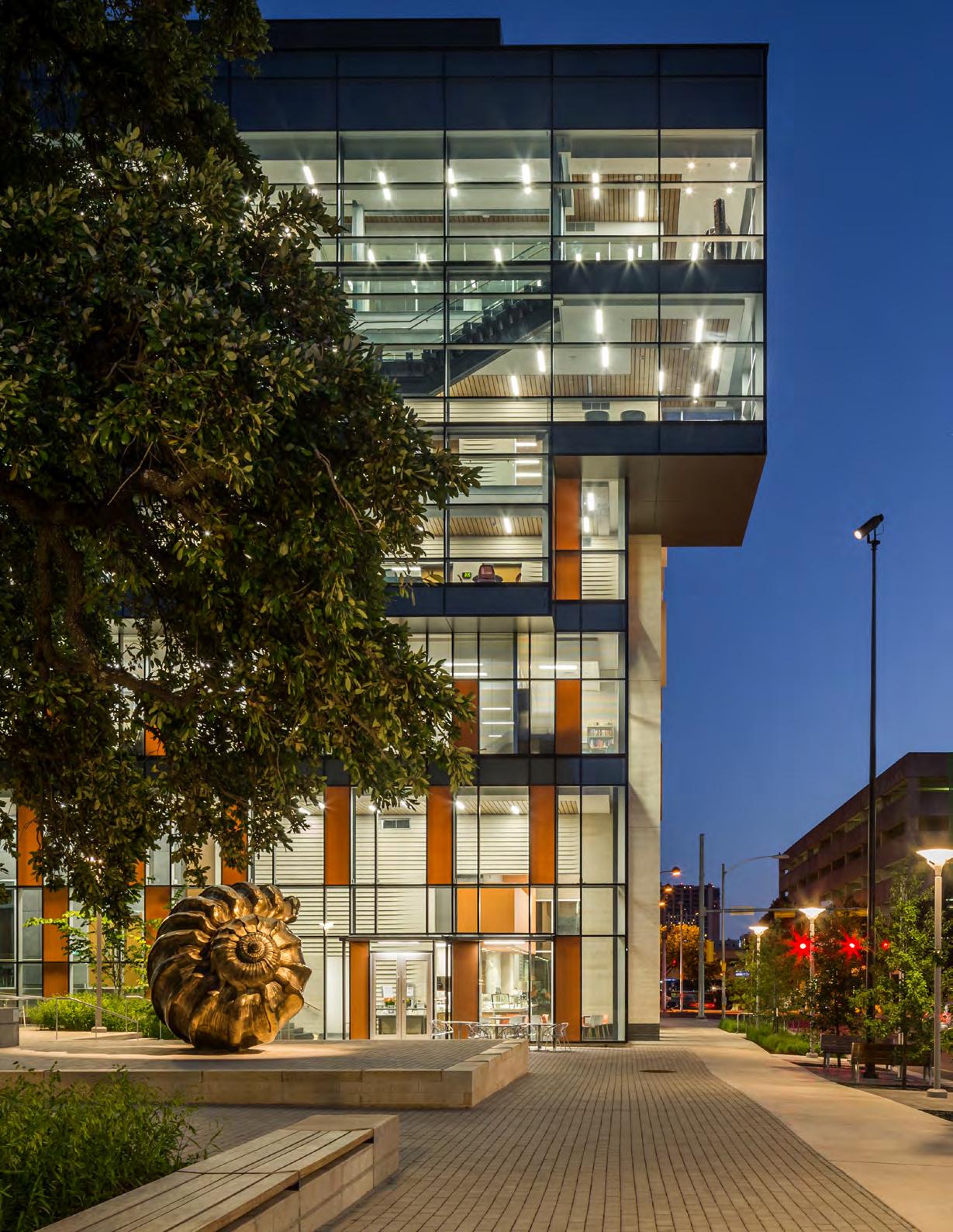
As highlighted throughout the Biennial Report, the department’s clinical programs, educational initiatives and research centers continue to demonstrate excellence across all domains. Yet, the true strength of academic psychiatry often lies in the seamless integration of these three pillars—clinical care, education and research—within unified, multidisciplinary programs. At the Department of Psychiatry and Behavioral Sciences at Dell Medical School, several such integrated programs exemplify this model, including: 1) Trauma Research and Recovery Center, 2) Bipolar Disorder Center, 3) Women’s Reproductive Mental Health of Texas and 4) Child and Adolescent Psychiatry.
These programs not only advance the department’s mission, but also serve as a model for collaborative, patient-centered academic psychiatry and psychology.
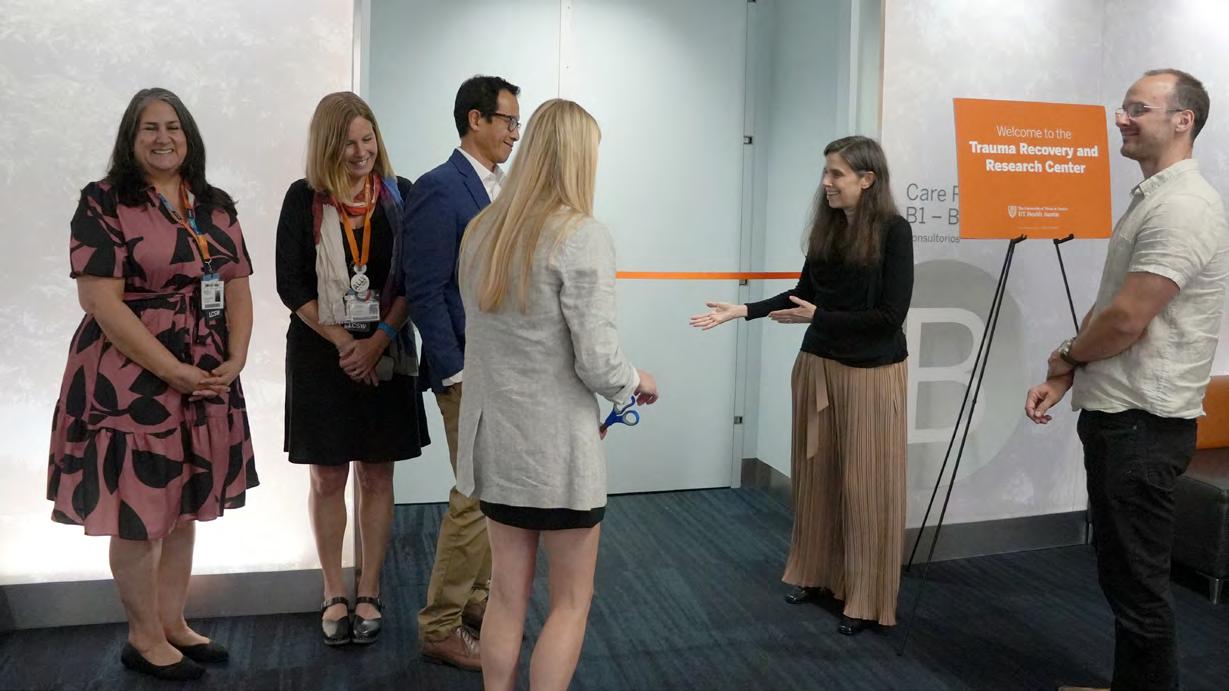
The Trauma Research and Recovery Center offers evidence-based, short-term treatment for individuals experiencing post-traumatic stress disorder and insomnia. The primary therapeutic approach is Cognitive Processing Therapy, which is available in three formats: weekly sessions over 12 weeks, twice-weekly sessions over 6 weeks or a mass model consisting of 10 sessions delivered over a consecutive 2-week period. Additional treatment modalities include Prolonged Exposure Therapy, Cognitive Behavioral Therapy for Insomnia, a brief course of Dialectical Behavior Therapy and medication management during therapy.
The Center serves adults aged 18 and older and addresses a wide range of trauma types, including militaryrelated trauma, sexual trauma, natural disasters, childhood sexual abuse and complex trauma. All clinical staff are trained in trauma-informed care, as well as care tailored to military personnel, police officers and first responders, to foster trust and engagement among these populations.
Clinical outcomes are systematically collected to support program evaluation, with the goal of identifying factors contributing to non-response, assessing the value of adjunctive treatments, and collaborating with PTSD researchers within the department. These efforts aim to develop a streamlined, personalized approach to trauma treatment.
The center would not be possible without the generous donation from the Peltier family, whose support has been vital to the Center’s mission and impact.
Since opening in June of 2024, 294 patients have been evaluated and 89 patients completed at least 8 sessions, including people who are currently in treatment. The following quotes illustrate how life changing treatment at the center can be.
“I believe that Cognitive Processing Therapy is the only therapy that has EVER had this level of depth and efficacy in healing. I never had the results or healing with Cognitive Processing Therapy or traditional therapy, and I'm forever grateful that Dr. Julie Farrington recognized my need for this modality of therapy and helped me get into the TRRC program.”
The Center also plans to incorporate educational opportunities for learners, including psychiatry residents, social work interns, psychology postdoctoral fellows and medical students. Additionally, training in trauma-informed care and motivational interviewing will be offered to community providers.
While the center is not currently engaged in research activities, it is actively laying the groundwork for future research endeavors.
The Bipolar Disorder Center at Dell Medical School’s UT Health Austin is a specialized, multidisciplinary outpatient program dedicated to diagnosing, treating and managing bipolar disorder across the lifespan (typically ages 16–75). Developed using an Integrated Practice Unit model, the Center emphasizes evidencebased, outcome-driven, high-value care and serves as the only specialized bipolar center in Central Texas. The model used by the Center has iteratively evolved over the past seven years, with important adaptations such as telepsychiatry and value-based contracting. Over the past seven years, the Bipolar Disorder Center has delivered approximately 8,500 clinical encounters serving over 700 unique individuals.
Treatment Approach
Care is delivered via a coordinated, multidisciplinary model combining advanced psychopharmacology, evidence-based psychotherapies, novel neuromodulation and biologic interventions. Treatment plans are individualized and integrate medication management with psychosocial treatments such as cognitive behavioral therapy, acceptance and commitment therapy, dialectical behavioral therapy, interpersonal and social rhythm therapy, family therapy, psychoeducation and relapse-prevention strategies. Structured diagnostic assessments and routine symptom measurement are used during intensive treatment episodes.
Clinical Services
The Center provides stepped, flexible care options to meet patients where they are in their illness course. Core services include:
Six-Week High-Intensity Care Program (Flagship)
A tightly coordinated, multidisciplinary outpatient intensive program for individuals with moderateto-severe mood symptoms, recent hospitalization, pregnancy/postpartum needs, complex medication regimens, or functional impairment. Weekly measurement and individualized integrative pharmaco-psychotherapy aim at symptom remission and functional recovery.
Shared Medical Appointments
Group visits that provide individual medical attention in a peer group context to improve access, reduce wait times, and enhance patient education.
Second Opinion / Inter-professional Consultation
In-depth multidisciplinary evaluations for diagnostic clarity and treatment planning; referring clinicians may join case discussions for collaborative care.
Psychotherapy Services
Evidence-based individual and group psychotherapies.
Psychoeducation and Life Goals Programs
Structured group-based psychoeducation to teach early-warning sign recognition, relapse prevention and practical strategies to pursue personal goals.
Individual Medication Management
Evidence-based medication management with access to advanced psychopharmacology options and specialty consultations.
Clinical Volume and Outcomes
Over the past seven years, the Bipolar Disorder Center has delivered approximately 8,500 clinical encounters serving over 700 unique individuals. Approximately 550 individuals have completed the six-week flagship program. The Center documents routine symptom measurement for the intensive program and collects patient feedback as part of continuous quality improvement.
Selected metrics:
Total clinical encounters (7 years): ~8,500
• Unique individuals served: >700
• Completed 6-week program: ~550
• Routine measurement-based care in intensive programs
The Bipolar Disorder Center is an active research hub that bridges clinical care and translational science. Key projects and partnerships include:
BD² Integrated Network (Breakthrough Discoveries for Thriving with Bipolar Disorder)
A longitudinal learning health network integrating clinical and biological data (including neuroimaging and biomarkers) across multiple sites to accelerate discovery and translation. Total award details listed in internal records.
NECTARY (NIMH R01 - Neurodevelopmental and clinical trajectories of youth at risk)
Longitudinal study recruiting offspring at risk for bipolar I disorder with repeated neuroimaging and cognitive batteries.
SMART-BD (PCORI) - SMART trial for bipolar depression
Multi-site Sequential Multiple Assignment
Randomized Trial assessing effectiveness of FDAapproved treatments for bipolar depression; the Center is a feasibility site in a 19-center study.
SAINT
Open-label and controlled investigations of accelerated neuromodulation protocols including SAINT in bipolar depression.
Transcranial Infrared Laser Stimulation pilot studies
Open label trial assessing non-pharmacologic interventions for cognitive impairment in bipolar disorder.
Texas Child Mental Health Care Consortium –Enhancing Value – Based Care for Bipolar Youth and Their Families
This initiative investigates the familial costs of treating youth (14-25 years old) with bipolar disorder to develop sustainable, value-based care models and culturally tailored interventions that enhance wellbeing and access to care.
Industry-sponsored clinical trials
Completed multiple trials with several more in negotiation to expand therapeutic options.
The Center participates in national research and clinical networks to advance best practices and translation, including:
• BD² Integrated Network — multi-site learning health network for bipolar disorder research.
• National Network of Depression Centers — leadership roles in bipolar task forces and neuromodulation working groups.
• Value-based contracting partnerships with UT System and other stakeholders to align care incentives.
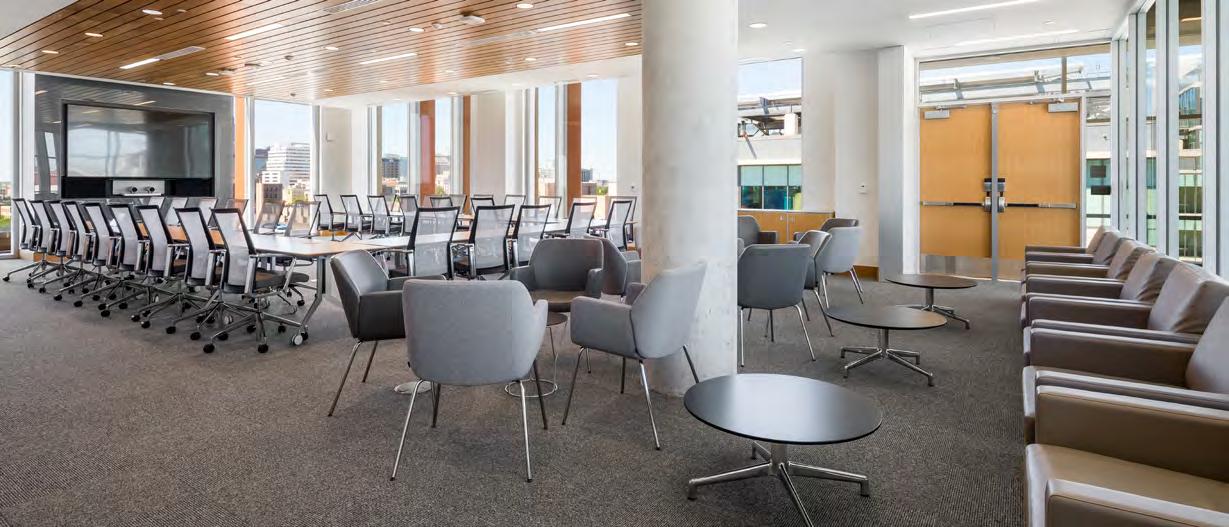
Education and training are integral to the Center’s mission. Activities include clinical rotations, bedside training, didactics, grand rounds, and mentorship for medical students, psychiatry residents, psychology trainees and early-career researchers. The Center provides specialized electives and research training opportunities tied to ongoing projects.
The Center sustains a mixed portfolio of philanthropic donations — with $598,260 in support of training and research between 2023 – 25, federal, foundation and contract funding. Notable awards include BD² Integrated Network funding and several R-level grants supporting longitudinal cohorts, neuromodulation research and clinical trials. The Center also implemented a value-based contract with the University of Texas System Benefits Office to identify and intervene on bipolar disorder in system members.
Multidisciplinary staff: psychiatrists, psychiatrist assistants, psychologists, neuropsychologists, licensed counselors, peer specialists, psychometricians, medical assistants, and trainees.
Jorge Almeida, M.D., Ph.D., is a board-certified psychiatrist and Director of UT Health Austin’s Bipolar Disorder Center. An associate professor at Dell Medical School, he trained in Brazil and completed residency at Brown University and a neuroscience fellowship at the University of Pittsburgh. His research uses advanced neuroimaging to identify biomarkers and improve treatment strategies for bipolar disorder.
Samantha Catanzano, PharmD, BCPP is a certified psychiatric pharmacist with UT Health Austin’s Health Social Work team, specializing in medication management for complex psychiatric conditions. She holds degrees from UT Austin and UT Arlington, completed residencies in pharmacy and psychiatric pharmacy, and serves as a clinical assistant professor at UT Austin. Her research explores psychotropic drug trends, interprofessional care, and wellness in education, alongside active involvement in community outreach and Mental Health First Aid training.
Vijay Gorrepati, M.D., is a certified psychiatrist at UT Health Austin’s Bipolar Disorder Center and assistant professor at Dell Medical School. He specializes in evidence-based treatment for bipolar disorder, integrating medication, therapy, peer support, and consultation. He trained at UT Austin, Texas A&M, and the University of Chicago. His interests include mentalization-based therapy, community mental health and research on innovative treatments and neurocognitive changes in bipolar disorder.
James Jackson Burns, LPC-S, is a licensed professional counselor at UT Health Austin’s Bipolar Disorder Center, specializing in mood, trauma and stressorrelated disorders. He earned his bachelor’s in psychology and Christian studies and a master’s in counseling from the University of Mary HardinBaylor. With clinical training at Central Counties Services and Bluebonnet Trails, he delivers evidencebased therapy and is listed on the international Cognitive Processing Therapy Provider Roster. His research focuses on improving outcomes for adolescents and families with bipolar disorder, including developing a telehealth version of the Life Goals Program.
The Center is also supported by Lena Liu, PA-C, CAQ-Psy, MPAS, a board-certified physician assistant at UT Health Austin’s Bipolar Disorder Center who specializes in caring for individuals with bipolar disorder and co-occurring psychiatric conditions and Deborah Rosales-Elkins, peer support specialist at UT Health Austin’s Bipolar Disorder Center and holds a bachelor’s in Human Services and a master’s in Human Development from Saint Mary’s University of Minnesota. She is one of the first peer support specialists to join the department as well as participate in a clinical environment at UT Health Austin.
Women’s Reproductive Mental Health of Texas specializes in providing patient-centered, evidence-based care for mood, anxiety, trauma-related and substance use disorders during reproductive life events, including pregnancy, postpartum and preconception planning. In addition, this program has emerged as an educational force in the field of reproductive psychiatry and is cultivating a growing research portfolio.
The Women’s Reproductive Mental Health program is led by D. Jeffrey Newport, M.D.,
M.Div. He is a professor and Associate Chair for Research in the department and serves as part of the department’s Executive Committee. His research focuses on women’s mental health with a particular emphasis on the psychobiology of psychiatric illness and substance use disorders during pregnancy and the postpartum period.


Under his leadership, the program has rapidly expanded and is now staffed by three psychiatrists, two psychologists, and an advanced nurse practitioner. New members of the team include:
Patrizia Perazzo, Ph.D. – A graduate of the UT Austin Counseling Psychology Ph.D. program where she earned the June M. Gallesich Dissertation Award, Dr. Perazzo returned to Dell Med to join the Women’s Reproductive Mental Health faculty after completing a postdoctoral fellowship in clinical psychology at the University of Houston. A graduate as well of the Integrated Behavioral Health Scholars Program, she has expertise in delivering culturally responsive integrated mental health care, making her ideally suited to provide mental healthcare at the CommUnity Care antenatal clinic (details below).
Karl Chiang, Ph.D. – Department faculty member since 2019, Dr. Chiang earned his doctorate in psychology at the University of Denver and fellowship training at both Brown University and Washington University Schools of Medicine. He provides evidence-based non-pharmacological treatment for perinatal insomnia and depression and hopes to improve the efficacy of these treatments with clinical research.
Leaders in American reproductive psychiatry, the team also continues to accrue both regional and national recognition:
Priya Kumar-Kaparaboyna, M.D., was selected to serve on the American Psychiatric Association Council on Women’s Mental Health as Early Career Psychiatry representative, sub chairing the Council’s work group for reproductive rights.
Erin Richardson, MSN, RN, and Lisa Boyars, M.D., serve on the Board of Directors for Nurtured TX, former Pregnancy and Postpartum Health Alliance of Texas, as medical director and director-at-large respectively. Nurtured TX endeavors to provide high quality perinatal mental health care, education, and resources.


Dr. Richardson was selected by the National Network of Depression Centers to deliver the perinatal mood disorder portion of the organization’s 2024 Best Practices for Mood Disorders Conference. She has been invited to reprise the presentation at the 2025 conference.
Drs. Richardson and Newport continue to serve as national consultants for Postpartum Support International. Jeffrey Newport, M.D., M.S., M.Div., also serves on Postpartum Support International’s Research Committee.
Dr. Boyars was awarded membership and will be inducted into the American Academy of Psychiatrists at their 2026 annual conference.

Women's Reproductive Mental Health - Texas provides clinical care within a diverse array of settings maximizing the capacity to provide patient-centered care by meeting patients within the clinical context that best suits the individual.
UT Health Austin Perinatal Psychiatry Clinic – Through this outpatient tertiary referral center, the program’s first clinical service, perinatal medication consultation and psychotherapy is offered to women from preconception planning through pregnancy and the postpartum period.
Ascension-Seton Maternal Fetal Medicine Clinic – Dr. Kumar-Kaparaboyna is embedded within this obstetrical clinic providing guidance to pregnant women seeking to manage psychiatric illness as safely as possible.
Central Health-Affiliated CommUnityCare - Dr. Perazzo, the program’s newest team member, is also embedded in an obstetrical clinic, i.e., Women's Health at CommUnity Care, where she provides evidence-based psychotherapy to higher acuity and Primary Care Behavioral Health Consult Services to lower acuity patients. CommUnity Care serves perinatal women who are uninsured or underinsuredin both Spanish and English, with 70% of the caseload being Spanish speaking. The team seeks to transition to a collaborative care model of treatment in the future.
Comprehensive Fetal Care Center at Dell Children’s – The first fetal care center in Texas, Dell Children’s Comprehensive Fetal Care Center opened in May 2021 to serve pregnant women with complex fetal conditions. The Comprehensive Fetal Care Center Perinatal Behavioral Health team, led by Dr. Boyars, joined in 2022. The team, comprised of a perinatal psychiatrist, perinatal psychologist, and a social worker, provides evidence-based care for women and their families throughout pregnancy, delivery and the postpartum period.

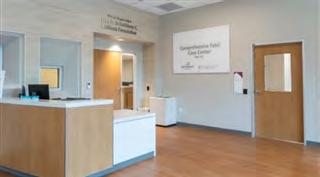
Neonatal Intensive Care Unit at Dell Children’s – Dr. Boyars’ Perinatal Behavioral Health at Dell Children’s Comprehensive Fetal Care Unit also provides outpatient psychiatric care to women whose babies are hospitalized in the NICU in a setting directly adjacent to the NICU. Weekly psychosocial rounds in the NICU are led by psychiatry and psychology faculty so that each family’s unique needs can be addressed. The team has also created a NICU trauma-informed care workgroup to promote healthier environments for families and NICU staff alike.

Texas Perinatal Psychiatry Access Network – Texas Perinatal Psychiatry Access Network – All four prescribers, Drs. Boyars, Kumar-Kaparaboyna, Richardson, and Newport, serve as consultants for the Texas Perinatal Psychiatry Access Network, a program legislatively funded by the Texas Child Mental Health Care Consortium, offering free, on-demand phone consultation services for health care providers serving pregnant and postpartum women experiencing mental health concerns. The program continues to enroll new providers and has recently expanded to offer free, direct psychiatry consultations for patients, when clinically appropriate. As of August 2025, providers have completed 411 peer-to-peer consultations.
Postpartum Support International Psychiatric Consultation Program – Drs. Richardson and Newport serve as consultants providing peer-to-peer telephone-based perinatal psychiatry consultations to providers across North America.
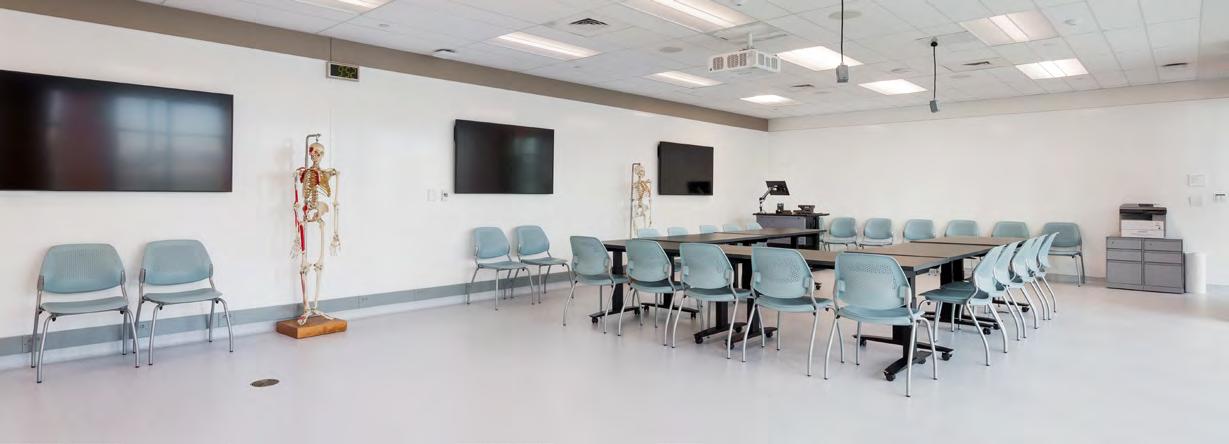
The recently completed 2024-25 academic year was a banner one for Women’s Reproductive Mental Health – Texas' burgeoning educational offerings. Dr. Boyars, in collaboration with Garrett Key, M.D., Director of Dell Med’s Consult-Liaison Psychiatry Fellowship, successfully launched the Consultation Liaison Psychiatry Fellowship Women’s Reproductive Mental Health Track in July 2024. The team was pleased to celebrate in June 2025 the graduation of the first fellow to complete the reproductive psychiatry track, Masooma Javaid, D.O.
Reproductive psychiatry is an increasingly preferred training experience for psychiatry residents as well. Launched in 2020 with two fourth-year residents, during the 2024-25 academic year, perinatal psychiatry elective offerings were extended to second- and third-year residents as well. The breadth of perinatal psychiatry electives available to residents has grown with training experience available in all clinical settings served by the program. Moreover, residents are now completing perinatal psychotherapy electives supervised by Drs. Richardson and Perazzo. During the upcoming 2025-26 academic year, six psychiatry residents will participate in one or more reproductive psychiatry electives Dr. Boyars is now leading the team in packaging these reproductive psychiatry residency electives into a residency Women’s Reproductive Mental Health Track curriculum with training experiences spanning the second through the fourth year of residency. The new residency reproductive psychiatry elective is slated for launch during the 2026-27 academic year.
The program’s educational portfolio at UT also extends outside the Department of Psychiatry and Behavioral Sciences. For example, Dr. Richardson supervises perinatal psychiatry rotations for UT Austin School of Nursing psychiatric nurse practitioner students and provides perinatal psychiatric didactics to the School of Nursing students in their capstone year. During the upcoming 2025-26 academic year, Dr. Kumar-Kaparaboyna, in collaboration with the Department of Women’s Health residency leadership, launched a perinatal psychiatry rotation for all first-year obstetrical residents in the Maternal Fetal Medicine clinic.
Finally, the program also provides opportunities for research training. In addition to numerous resident research electives supervised by Dr. Newport, others are leveraging it to further their research training. Dr. Richardson for example, secured a Career Development Award from the Texas New and Emerging Children’s Mental Health Researchers Initiative. She is conducting a randomized clinical trial studying two Cognitive Processing Therapy delivery approaches for pregnant women with PTSD. This spring, two others, Drs. Chiang and Leri, submitted Texas New and Emerging Children’s Mental Health Researchers Initiative Career Development Award applications that, if awarded, will conduct projects utilizing the program’s patients.

The program’s research portfolio continues to grow as well, with an emphasis on developing a research program focused on examining innovative uses of evidence-based pharmacologic and psychotherapeutic treatments in a historically understudied population, i.e., women across the reproductive lifespan. Current studies include:
Open Pilot Trial of Brexanolone Infusion for Women with PTSD - FDA-approved for the treatment of postpartum depression, brexanolone, a laboratory-produced analogue of allopregnanolone, has never been examined in the treatment of PTSD despite preclinical evidence linking allopregnanolone perturbations to trauma and PTSD. To date, brexanolone infusion in this open trial directed by Dr. Newport, has produced promising results for reducing PTSD symptoms in women, warranting further investigation.
Randomized Clinical Trial of Cognitive Processing Therapy for PTSD during Pregnancy. This Texas New and Emerging Children’s Mental Health Research Initiative Career Development Award project, led by Dr. Richardson, randomly assigns participants, i.e., pregnant women with PTSD, to cognitive processing therapy administered in one of two ways: 1) traditional weekly therapy sessions for 12 weeks, vs. 2) an intensive oneweek protocol of 10 sessions. She has obtained additional support from the Hogg Foundation to include an underserved Spanish-speaking sample of pregnant women with PTSD.
SAINT Transcranial Magnetic Stimulation for Postpartum Depression. The program is one of five sites selected to participate in this randomized clinical trial funded by the Department of Defense. The study will evaluate transcranial magnetic stimulation delivered using the Stanford Accelerated Intelligent Neuromodulation Therapy vs. sham transcranial magnetic stimulation in women with postpartum depression who have not responded to other treatments. Recruitment for this study begins in November 2025.
Led by the inaugural associate chair of child and adolescent psychiatry, Young Shin Kim, M.D., Ph.D., the child and adolescent pillar has seen immense progress over the past two years. There has been an expansion of clinical services to include a new specialty clinic for attention-deficit/hyperactivity disorder, disruptive behavior disorders and mood and anxiety disorders. Urgent care and bridge clinics have been launched to support patients with acute needs.
The research portfolio continues to grow, now including two initiatives funded by the NIH, a research fellowship, philanthropic funding for a research pilot project and an internal grant supporting interdisciplinary collaboration. Next, a clinically integrated research database will be established, to support cross-disciplinary studies with real-world impact.
Additionally, the Child and Adolescent Psychiatry Fellowship, funded by the Texas Child Mental Health Care Consortium, now trains 12 future leaders in child psychiatry. Dell Med Texas Child Mental Health Care Consortium telepsychiatry services continue to reach a broad population of students and families in schools, primary care practices and community mental health clinics across Texas. U.S. News & World Report recognized the collective efforts, ranking Dell Children’s among the top 50 hospitals for behavioral health in its first year of eligibility. The team continues to advance momentum collaboration and work toward becoming a global leader in child and adolescent mental health.
The Child and Adolescent Psychiatry Fellowship Program
The Child and Adolescent Psychiatry Fellowship at Dell Med, funded by the Texas Child Mental Health Care Consortium, continues to thrive and expand each year.Beginning with the 2025–26 academic year, each second-year fellow will participate in a half-day continuity clinic each week at one of the Local Mental Health Authorities.
In June 20, 24, the program celebrated the graduation of Taylor Baskin, M.D., John Byun, M.D., Kevin Hong, M.D., Anand Jayanti, M.D., and Sovan Lek, M.D. As of June 2025, five fellows are graduating: Nicholas Dumlao, M.D., Kiran Jose, M.D., Diana Nguyen, M.D., Shipra Singh, M.D., and Jessie Bangs, M.D. the latter having completed the community track. This track includes dedicated clinical time with Integral Care throughout both fellowship years, as well as secondyear experiences with Texas Child Health Access Through Telemedicine, other Local Mental Health Authorities, advocacy opportunities and communitybased electives.
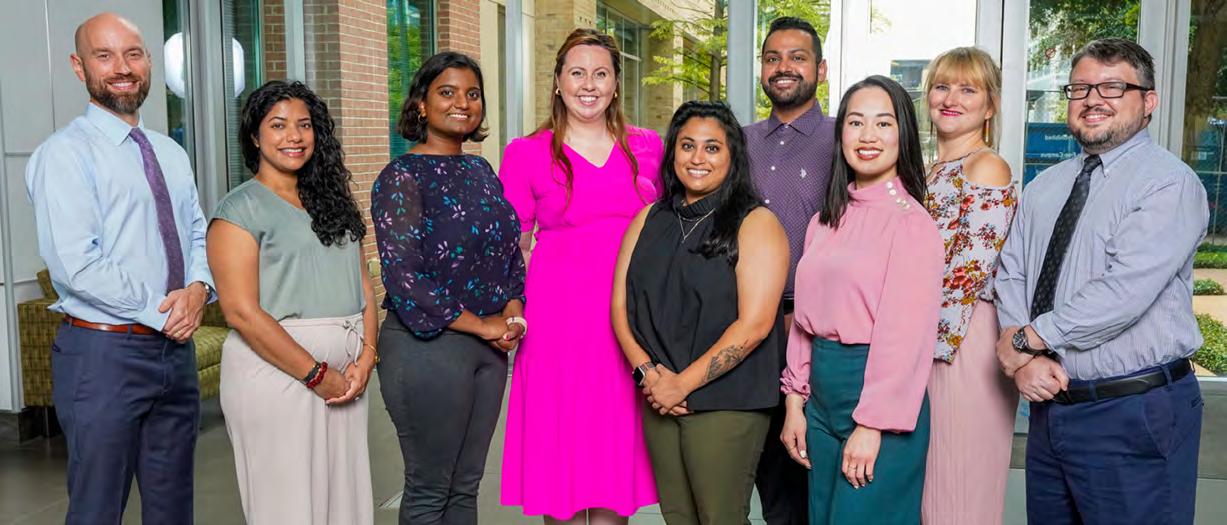
The program received exciting news from the ACGME approving an expansion from five to six fellows per year, effective July 2025. The incoming class includes Rimsha Arif, Jonathan Barron, Zobia Chunara (Community Track), Sheena Johnson, Elizabeth Martin, and Phillip Van.
In September 2025, Anuradha Helekar, M.D., joined the program as Associate Program Director. The program expresses deep appreciation for Eric Gonzales, M.D., service in therole until his departure in January 2025.
Each year, fellows provide care to hundreds of patients and families through rotations at the Texas Child Study Center, the Mental Health Unit, the Consultation Liaison Team and various elective rotations at Dell Children’s Medical Center. They also contribute significantly to the education of medical students and residents.
Pediatric Psychology Education
Psychology Training Director
The Division of Psychology offers several nationally recognized training programs, including a doctoral internship in psychology (six positions annually) and a postdoctoral fellowship (two to five positions per year). These esteemed programs are the result of a strong collaboration between Dell Medical School and Dell Children’s Medical Center, providing trainees with specialized experience in delivering mental health care within integrated medical settings.
Postdoctoral Fellowship
The growing volume of applications and consistently strong match outcomes underscore the program’s excellent national reputation. For the 2023–24 training year, the internship program received 63 applications and successfully matched all six positions with applicants ranked highly by the department.
Interest continued to increase in the 2024–25 cycle, with 75 applications and another successful match with top-ranked candidates. The program remains committed to interdisciplinary education, placing a strong emphasis on integrated didactics, most notably through shared learning experiences with the Child and Adolescent Psychiatry Fellowship.
At the conclusion of their internship year, all interns successfully secured and were prepared to begin competitive postdoctoral fellowships. Over the past two years, two interns remained within Dell Medical School Postdoctoral Fellowship program, while others matriculated into prestigious academic medical centers across the country. These institutions include Stanford University School of Medicine, Cincinnati Children’s Hospital, Johns Hopkins All Children’s Hospital, Michigan Medicine, Children’s Hospital Colorado, Indiana University School of Medicine/ Riley Children’s Health, Texas Tech Health Sciences Center and the Medical College of Wisconsin.
Successful applicants to Dell Medical School’s Pediatric Psychology Fellowship consistently demonstrate strong clinical training and a commitment to excellence. The program welcomed four highly qualified fellows in both the 2023–24 and 2024–25 training years. Three of these fellows were retained as faculty members, reflecting both the strength of the program and its investment in developing future leaders in academic medicine.
Postdoctoral fellows are actively encouraged to participate in supervision and teaching, preparing them to thrive in academic and clinical settings. Over the past several years, the fellowship has provided specialized training in areas including integrated primary care, inpatient consultation liaison, cardiology, neurodevelopmental disorders and clinical child psychology. In addition, fellows are supported in pursuing opportunities for mental health advocacy at the state level, particularly within Texas.
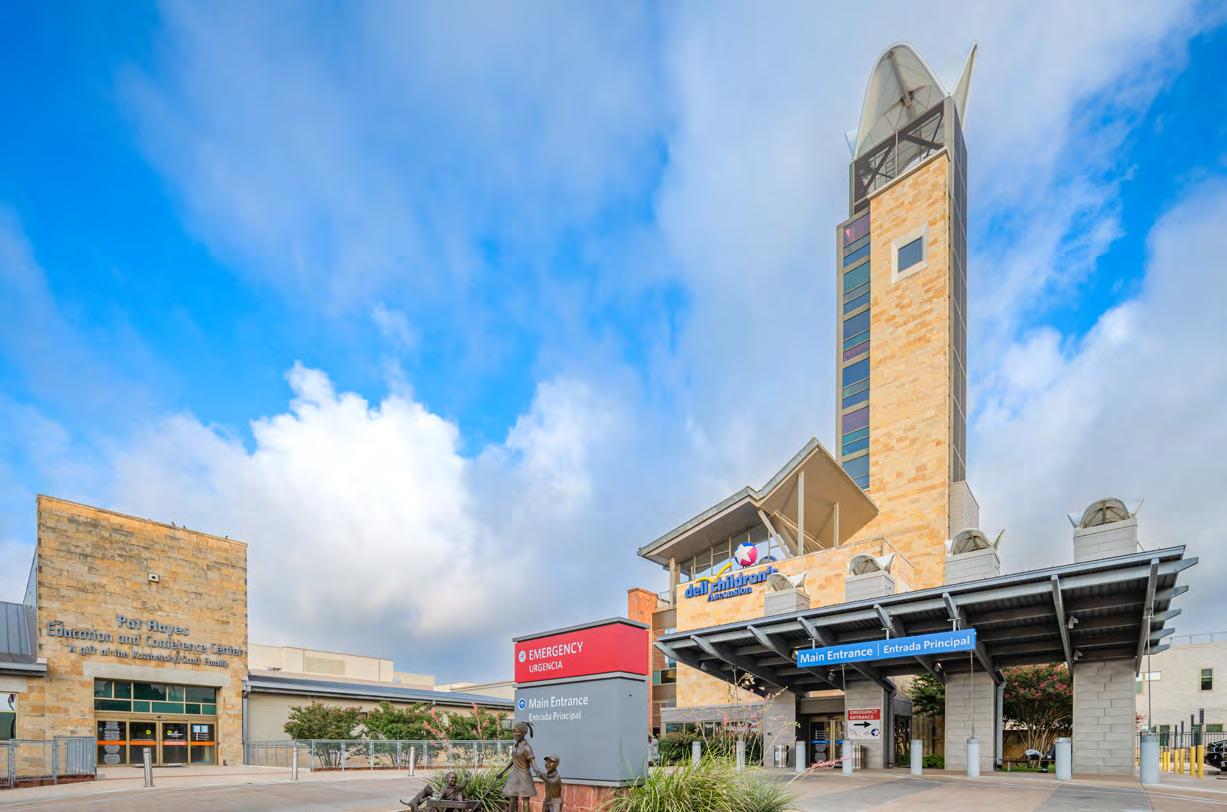
Clinical
Dell Medical School’s Department of Psychiatry and Behavioral Sciences faculty members manage the pediatric behavioral health services at Dell Children’s by offering psychiatric and psychological clinical services and training within the pediatric consultation liaison service, inpatient mental health unit, outpatient mental health clinic and specialty medical clinics.
Dell Children’s continues its commitment to meeting the behavioral and mental health needs of all children and families in Central Texas. Exacerbated by the COVID-19 pandemic, the need and demand for child and adolescent mental health services remains high and continues to rise. The pediatric mental health team works to provide patient and family-centered, evidence-based care for children and adolescents. Their efforts focus on innovative models to meet the
needs of young people with mental health crisis and foster collaboration with community and national partners through its participation with the state program, Texas Children’s Mental Health Consortium.
In 2024 U.S. News and World Report did its first analysis of Best Children’s Hospitals for Pediatric and Adolescent Behavioral Health. 84 hospitals were evaluated and Dell Children’s ranked in the top 50; within the 50, the rankings were not specified. As a mental health service line that is far newer than most of the children’s hospitals ranked in the top 50 this is an impressive achievement and demonstrates our commitment to quality care in behavioral health.
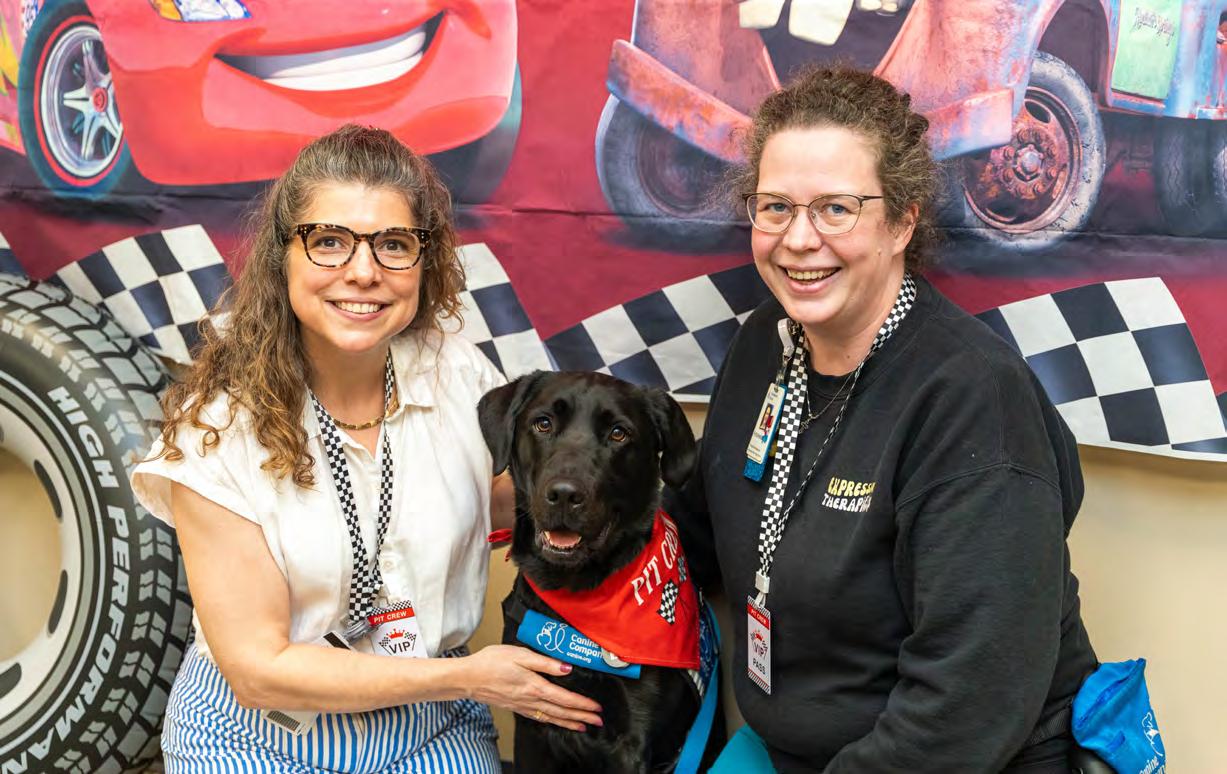
Amid a persistent mental health crisis in Central Texas and nationwide, the Grace Grego Maxwell Mental Health Unit at Dell Children’s continues to provide exceptional inpatient psychiatric care for children aged 6 to 17.
As the only academic inpatient facility in the area, the unit serves a growing population with increasingly complex needs. Despite its modest 24-bed capacity, the team accommodates longer stays and higher acuity cases, helping to relieve pressure on the emergency department. In 2024, the unit admitted 773 patients, marking a historic high for Dell Children’s.
In September 2023, the unit expanded from two to three clinician-led teams for the first time since 2021. It continues to attract passionate staff and serves as a sought-after training site for residents, fellows, and medical students. The past academic year has seen the launch of several long-planned initiatives, including the introduction of Watts, a facility dog who will serve as a therapeutic resource for patients in acute crisis.
The Pediatric Consultation-Liaison Service team provides specialized psychiatry and psychology expertise to support the diagnosis and management of mental and behavioral health conditions in hospitalized patients, in collaboration with other healthcare professionals.
In the 2024-25 academic year, the team said goodbye to several outstanding colleagues and warmly welcomed new members. They secured funding for upcoming scholarly projects, actively participated in multiple interdisciplinary initiatives, including the Trauma-Informed Care Workgroup, and strengthened training opportunities for both residents and fellows. Their dedication to high-quality clinical training was recognized with the Pediatric Psychology Rotation of the Year Award.
In 2024, the consultation liaison team provided care for 458 patients, and as of the end of May 2025, they have already served 263 patients. Looking ahead to the 2025-26 academic year, the team will expand their services to Dell Children’s North, enhance PCRS resident training in inpatient eating disorder treatment through interdisciplinary didactics, initiate multiple quality improvement projects and welcome a new cohort of trainees.
The Texas Child Study Center provides outpatient psychiatric and psychological services to youth ages 2-18. Youth and caregivers begin services through the Triage Clinic where they receive a thorough evaluation to determine an individualized plan of care. Once the initial assessment is completed, youth receive psychiatric care and/or psychological services through various specialty clinics providing empirically supported, “gold-standard” treatments including therapy and assessments. Within the center, faculty also engage in multidisciplinary consultation, training of learners and applied research. The center provides much-needed high quality, evidence-based treatments to underserved populations by accepting a variety of insurances in the Austin area. In 2024, clinicians at the Texas Child Study Center saw 1,573 new patients and conducted 16,933 appointments.
• Parent-Child Interaction Therapy for young children with neurodevelopmental disorders (e.g., Autism, ADHD) and behavioral problems
• Trauma-Focused Cognitive Behavioral Therapy for youth and families with traumarelated concerns
• Cognitive Behavioral Therapy for youth with internalizing problems (e.g., OCD, depression/mood disorders, anxiety/panic)
• Medical Coping for youth presenting concerns related to medical conditions (e.g., pain management, medical adherence, adjustment to medical conditions)
• Parent Management Training for older children with disruptive behaviors. Neurobehavioral assessments for youth with neurodevelopmental concerns (e.g., Autism)

At Dell Children’s Medical Center, pediatric behavioral health services are integrated into over a dozen medical subspecialty clinics, enhancing care for young people by providing preventive and therapeutic health promotion interventions to reduce risk for developing adverse effects related to their disease and corresponding treatments as well as addressing any maladaptive health behaviors. Clinicians include psychologists, psychiatrists and social workers who provide therapeutic support to youth in navigating health conditions. Some medical presentations also require pre-surgical evaluations and psychological assessments to inform medical treatment decisions, which are conducted by the department's team of clinicians. In addition to psychiatric care and cognitive behavior therapy, specialty care can also include hypnosis and biofeedback for pain management. A strong emphasis is placed on incorporating the medical team, family and school to systematically support the adjustment to a medical condition for the youth. As such, family-based care is utilized. In addition to clinical care, clinicians from the Department of Psychiatry and Behavioral Sciences also participate in applied research through investigation of the effectiveness of clinical interventions.
• Adolescent Medicine
• Allergy, Asthma and Immunology
• Children’s Blood and Cancer Center
• Comfort Ability
• Cystic Fibrosis Clinic
• Dermatology
• Developmental Behavioral Pediatrics
• Pediatric Gastroenterology
• Lifestyle Clinic – Primary Care
• Orthopedics
• Otolaryngology (ENT / The Hearing Center)
• Pediatric Headache Center
• Psychogenic Non-Epileptic Events Clinic
• Rheumatology Clinic
• Sleep Medicine (Insomnia) / Sleep Medicine
• Texas Center for Pediatric and Congenital Heart Disease
In addition to clinical services, faculty have been active in scholarly pursuits with over 100 local and national presentations in areas of expertise. Scholarly activity allows the department faculty to lead guidelines and best practice activities while also developing and participating in the cutting-edge evidence-based care.
The Center for Excellence in Autism Spectrum Disorders and Neurodevelopmental Disorders at Dell Medical School and Dell Children’s Medical Center is dedicated to becoming a leading national and international hub for clinical care, research, and training.
An interdisciplinary team, including medical, psychological and allied health professionals— provides comprehensive, evidence-based diagnostic and therapeutic services tailored to individuals with autism spectrum disorders and neurodevelopmental disorders across all stages of life.
The center advances understanding and treatment of these conditions through innovative clinical care, cutting-edge research and training programs designed to prepare future leaders in the field. With a focus on collaboration and a personalized, strengths-based approach, the center is expanding access to care, supporting families and driving global innovation in autism spectrum disorders and neurodevelopmental disorders services.
Dell Medical School is one of 12 institutions participating in the Texas Child Mental Health Care Consortium — a legislatively funded program that leverages the expertise and capacity of Texas healthrelated institutions of higher education to address urgent mental health challenges for children and adolescents. One TCMHCC initiative is the Child Psychiatry Access Network, which provides free, on-demand telephone consultations, referrals and resources for pediatric primary care providers. Dell Med serves 13 Central Texas counties, spanning numerous rural and urban communities.The program has steadily grown its support services for primary care providers in the area, including the addition of SAFETY-A — a crisis-intervention and safetyplanning training program that teaches providers how to support children and adolescents dealing with suicidal thoughts and behaviors.
5,009 Calls (cases)
1,146 Consultations with Psychiatrist
133 CPAN Direct appointments
857 Providers enrolled
275 Clinics enrolled
“I can’t say enough great things about CPAN. The program is just excellent and is helping fill such a vast void in psychiatric help here in Austin. Our need was great before the pandemic and has increased exponentially since COVID. Being able to call CPAN and have a psychiatrist call back within 30 minutes and help create a plan for our patients has been amazing. Our parents have loved the coordination of care and thoroughness. The monthly CME events aid in solidifying a better understanding of treatment options and goals for my patients. Every time I get off the phone with a psychiatrist from CPAN, I literally say out loud that this is the way medicine is supposed to be. A true team effort with the needs of the patients and their families coming first and full support of primary care physicians. It is rare to have a program go above and beyond expectations especially when it seems like practicing medicine is getting more and more difficult. This program could not be easier to use or more effective! Excellent, excellent program.”
— CENTRAL TEXAS PRIMARY CARE PHYSICIAN
Dell Medical School’s Youth Aware of Mental Health program is an interactive, evidence-based curriculum for 8-12th grade students that aims to increase their mental health literacy and awareness. Over five sessions, educators focus on suicide prevention and developing students’ problem-solving skills and emotional intelligence through lectures, discussion and role-play. The program is available at no cost to students at independent school districts and public charter schools. A total of 7,102 students have been served across 335 classes between fiscal years 2023 to 25.
Through the legislatively funded Texas Child Mental Health Care Consortium, Dell Medical School also provides the Texas Child Health Access Through Telemedicine program to students in Central Texas. Dell Med and TCHATT work to identify and assess the behavioral health needs of children and adolescents and support them through telehealth appointments. The program’s therapists use evidencebased, short-term therapy and psychiatrists provide assessments and brief interventions. Dell Med’s program has grown significantly since its inception; it currently serves 84% of districts in its service area and reaches over 424,000 students.
25,432 Therapeutic sessions provided
4,815 Students served
84.3% % of districts enrolled (enrolled: 70; eligible: 83)***
953 School consultations
113.2% % increase in appointments from previous timeframe (9/1/21-5/31/23)
***# of districts enrolled = # of districts with “fully executed MOU
“A student facing academic and behavioral challenges experienced a traumatic event at school, prompting a referral to TCHATT. The parents, emotional and desperate, shared how they’d been dismissed by professionals in the past. TCHATT responded with compassion, connected the family to resources, and ensured the student received needed support. The student said, ‘I feel like a weight has been lifted,’ and the parent added, ‘You have no idea how grateful I am that someone finally helped my child.” — CENTRAL TEXAS SCHOOL COUNSELOR

Community support makes these patient improvements possible. Every gift and every donor expand and celebrate the work to transform mental health care.
Gifts to the Department of Psychiatry and Behavioral Sciences fuel the department to continue improving the mental health of the community and beyond. Donors play a critical role in realizing Dell Med’s mission, and the work detailed in this report is the direct result of shared passion for transforming the world through care.
We hope you consider making a gift to our department in the way most meaningful to you. If you’d like to explore opportunities to get involved, please contact the Office of Development at dellmedgiving@austin.utexas.edu or 512-495-5027.