
Connecting Technology, Education and Discovery with Humanism in Medicine Vol. 13 Issue 3 Jul 2024

Connecting Technology, Education and Discovery with Humanism in Medicine Vol. 13 Issue 3 Jul 2024
The University of Tennessee Graduate School of Medicine warmly welcomed Dr. Guillermo Andres Quiceno as the Internal Medicine Program Director and Vice Chair of Education at UT Graduate School of Medicine (UTGSM) in March 2024. Dr. Quiceno is board-certified in internal medicine and rheumatology specialties. He grew up in Columbia and completed his medical school at CES University in Medellin, Colombia. Afterwards, he attended the University of Miami in partnership with Jackson Memorial Hospital for his Internal Medicine training and then completed a Rheumatology fellowship at the University of Texas Southwestern Medical Center. He was on faculty at UT Southwestern for over 10 years and served as the Rheumatology Fellowship Director.
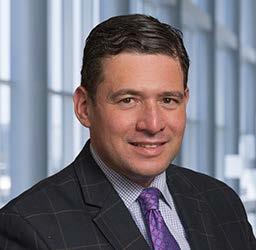
Dr. Quiceno shared that he became interested in medicine at an early age and was prompted by the illnesses affecting friends and family. During high school, a fellow classmate was diagnosed with bipolar disorder, and he was inspired to pursue psychiatry. He started medical school in Columbia directly after high school and chose an
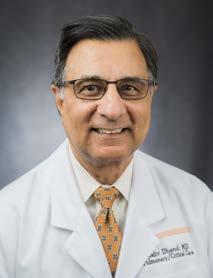
THE RIGHT PERCEPTION: “GET TO VS. HAVE TO”
In clinical medicine, we often work outside “normal” work hours and physical capacity. In such situations, particularly when protracted or sustained, it is easy to become disheartened and lose empathy and compassion. It may seem that there is an endless cycle of demands on one’s time, and our needs may need to be subjugated to the needs of others. We grew up in a culture where it is expected that as professionals, we “have to” do more than can be done within the bounds of reason. I have often wondered if our “have to” culture in clinical medicine is the correct approach to effective patient care. Our work in the service of patients requires constant vigilance. We are expected to “bat a 1,000” every time we are at the plate. Mistakes are not acceptable because they could have serious consequences. We are to sustain this accuracy through long hours in the day and at night, on weekdays and weekends. There is often no respite; the “work culture” is to bear this with fortitude because “giving up” is a sign of vulnerability and weakness.
I am reminded of a dreadful 2-month long, overwhelmingly busy rotation during my Internal Medicine residency. I was mostly
elective in rheumatology because his grandmother had rheumatoid arthritis. During his rotation with Dr. Harvey Brown, he was encouraged and motivated to pursue rheumatology as a specialty because of his clinical skills and compassionate care. Dr. Quiceno has been fulfilled in both internal medicine and rheumatology specialty fields because of the long-term patient relationships.
Since his short time at UTGSM, Dr. Quiceno has already made a positive impact. He has increased involvement in research and has helped develop the monthly Journal Club. He continues to practice clinical rheumatology at UT Rheumatology Associates and teaches in the resident clinic. Dr. Quiceno is hoping to increase the program’s “national footprint” and recognition through research and academic excellence. He is excited about the growth of the hospital and the possibility of adding fellowships programs within the department. Furthermore, he hopes to create and implement a primary care track for residents interested in outpatient medicine. Most of all, Dr. Quiceno is excited to continue working with faculty and staff in the development of resident education.
sequestered in the hospital for the entire time and even though I was a skinny young man, I lost 8 pounds during this rotation. Many of my fellow residents who preceded me on this rotation could not handle the workload, physically or emotionally. I managed to survive the ordeal. I’m confident that many readers of this column have had similar experiences because such occurrences are unfortunately all too common in clinical medicine. In other words, we must fulfill our duty toward our patients and provide them with the best care despite inordinate challenges and unreasonable demands on our time.
While there is no doubt that we will be similarly tested during our careers, we must consider how privileged we are to have such experiences. Physicians make a “real difference” in people’s lives. In retrospect, I would not wish for a similar experience to anyone. Yet, the time I spent on that extremely busy rotation gave me an enormous amount of learning and boundless confidence in my abilities. Having survived such a traumatic experience, I realized that my limits had been tested and I was resilient enough to face the challenges that “Life” had in store for me. I was ready to face the world, inspired by the growth and learning from that challenging experience!
We should be grateful, even under duress, for the opportunity to serve our patients and approach our work with a “get to” instead of a “have to” frame of mind. Besides receiving the gift of everlasting gratitude from our patients, we will derive a lot more pleasure and satisfaction from our work.
It has been just over 4 years since the first Joint Clinical Pathological Conference (Joint CPC) was held as part of the core Internal Medicine Residency Curriculum. This conference series was initiated by Dr. Rajiv Dhand, the Endowed Chair of Medicine, and has been a great success! Each quarterly conference is highly attended both in person as well as virtually from the three primary departments that help put together each conference: Medicine, Radiology, and Pathology. The main purpose of this conference series is to teach each student, resident, and faculty attending how to think critically and assess the data presented in each complex case to develop a solid differential diagnosis before revealing the final diagnosis. This is typically accomplished via biopsy but at times can also be determined simply by certain test results and or imaging that was ordered. The faculty discussant is kept in the dark with a limited amount of information to see how a thorough differential diagnosis is conducted in real time and remarkably, faculty discussants have usually identified the final diagnosis or circled closely. Many people comment afterwards how much they didn’t know beforehand but have learned many useful tips and techniques because of attending these conferences.
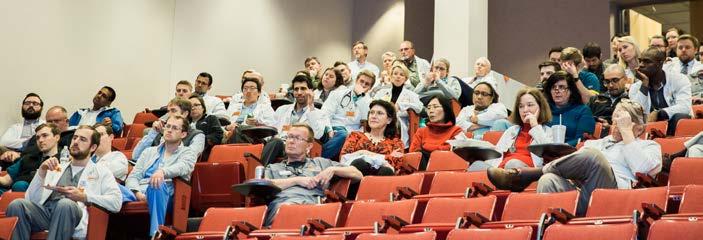
Dr. Rajiv Dhand also initiated the Mini Symposia Conference Series in May - 2022. Each Mini Symposium is presented by 4 internal medicine residents and guided by 1-2 faculty facilitators who are content experts on the topic being discussed. In the past, topics ranged from: Vasculitis, Gastrointestinal Bleeding, Viral Hepatitis, Hemolytic Anemias, and Viral Encephalitis. These conferences are generally well attended in-person with only a few on Zoom. The purpose of the Mini Symposia is to provide the trainers and attendees with a board overview of a subject, allowing for a better perspective for diagnosis and treatment. However, there is room for improvement because each conference’s success depends on both the preparation by the residents and the commentary / guidance by the faculty facilitators.
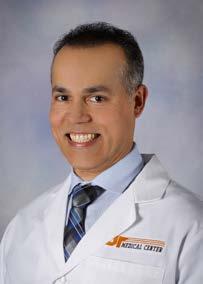
Drawing from his experience across multiple countries and states, it became evident to Dr. Zayas that many patients have a natural preference for physicians who share their culture and language. However, in a diverse institution like UT Medical Center, there are often cultural differences between the patient and physician. These differences can have a significant impact on patient interactions and outcomes which is why cultural competence is a vital aspect of high quality care. He highlights personal experience with Hispanic individuals and how there is a necessary nuanced approach when discussing plans and even how they should be properly greeted as compared to many Caucasian individuals, for example. Understanding these cultural variations helps in delivering care that better resonates with individual patient needs and expectations. As such, adaptability in communication and approach can have a profound impact on satisfaction and treatment efficacy. While Dr. Zayas emphasizes the vital importance of cultural differences in patient care, he does not personally allow factors such as race, skin color, national origin, or religion to play a role in his own decision making when assembling a team to work with. His essential qualities in a team are rooted in expertise and skill. As an athlete himself, a track and field runner, his priority is success and he is willing to work with anyone, regardless of cultural background. Dr. Zayas reminds us that cultural competence and medical expertise work in tandem to provide the highest quality care to our patients in the ever important pursuit of excellence.
• King SA, Jenkins JD, Livesay J, Yune JM, Mannino E, Webb JM, Hill HC, Baljepally R, Daley BJ, Smith LM. Coronary artery calcification and risk of cardiac complication in geriatric trauma population. Journal of the American College of Surgeons. 04/01/2024; 238 (4) : 762-767
• Fogelson B, Baljepally R, Heidel E, Ferlita S, Moodie T, Coombes T, Goodwin RP, Livesay J. Rural versus urban outcomes following transcatheter aortic valve implantation: The importance of the heart team. Cardiovasc Revasc Med. 2024 May;62:3-8. doi: 10.1016/j. carrev.2023.12.005. Epub 2023 Dec 16. PMID: 38135570.
Currently offered as hybrid via Zoom or Microsoft Teams but encouraged to attend in person when able!
• Cardiology Conferences, held weekly on Wednesdays in the Medicine Conference Room for 0.75 hour CME credit.
• Medicine Grand Rounds, held on the 2nd and 4th Tuesdays of each month in the Medicine Conference Room for 1.00 hour CME credit.
• Ethics Case Rounds, held on the 4th Thursday of the month at noon in Wood Auditorium and are available for 1.00 hour CME credit.
• Pulm/HTN Conferences, held on the 2nd Monday of the month at noon in different locations and are available for 1.00 hour CME credit.
The Internal Medicine Residency Program would like to introduce the new chief residents for the 2024-2025 academic year: Steve Ferlita, DO, Emma Zibas, MD, Erin Hamric, DO, & Pavani Gingrich, MD.
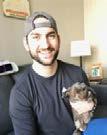
ICU chief: Dr. Steve Ferlita has been appointed the 2024-2025 ICU Chief Resident! He is originally from Tampa, FL though he moved to California for his medical education at the Western University of Health Sciences. His focus is primarily on matters dealing with the ICU and ensuring that there is adequate resident staffing from the different residency programs here at UT Graduate School of Medicine such as internal medicine and anesthesiology. As chief, he meets weekly with the ICU director and nursing staff to discuss any improvements or concerns brought up. His main goals are to ensure smooth transitions between ICU blocks and make sure each internal medicine resident has received adequate proficiency in bedside procedures such as arterial line placement. His personal goal is to become a cardiologist, having recently applied to fellowship!
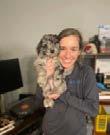
Clinic Chief: Dr. Emma Zibas has been appointed the 2024-2025 Internal Medicine Clinic Chief Resident! She is a Knoxville native and attended East Tennessee State University – Quillen College of Medicine for her medical education. Her primary focus as clinic chief is to make this year a good experience for all the internal medicine interns and residents by providing a simpler, more efficient learning experience in the resident clinic. Continuing on the trend of resident positivity, she is also serving as a representative for fellow residents by ensuring that we have both a great working environment and that the program remains focused on providing learning opportunities for its residents. She plans on becoming a hospitalist physician upon graduation!
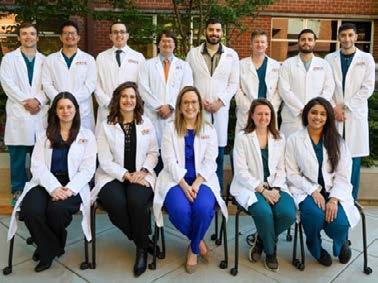
New Internal Medicine Residents
Benjamin Akins, DO – Liberty University, College of Osteopathic Medicine, Lynchburg, VA
Ashley Barbour, MD – The Brody School of Medicine at East Carolina University, Greenville, NC
Isaac Daffron, MD – University of South Carolina, School of Medicine Greenville, Greenville, SC
Kirsten Ferraro, DO – Lincoln Memorial University –DeBusk College of Osteopathic Medicine, Harrogate, TN
Yashaswi Joshi, MBBS – Government Medical College Surat in Surat, India
Paige Lay, DO – Western University of Health Sciences College of Osteopathic Medicine of the Pacific, in Pomona, CA
Sidharth Mahajan, MD – University Health Science Center College of Osteopathic Medicine, Memphis, TN
Soham Nadkarni, MBBS – Lokmanya Tilak Municipal Medical College, Mumbai, India
Nasir Notta, MD – East Tennessee State University, James H. Quillen College of Medicine, Johnson City, TN
Parth Patel, DO – Lincoln Memorial University – DeBusk College of Osteopathic Medicine, Harrogate, TN
Ann Ramberg, DO – Lincoln Memorial University – DeBusk College of Osteopathic Medicine, Harrogate, TN
Tinsley Roberson, MD (PGY-2) – University of Alabama School of Medicine, Birmingham, AL. Prelim Year at Medical College of Georgia, Augusta, GA.
Zachary Spires, DO – Lincoln Memorial University – DeBusk College of Osteopathic Medicine, Harrogate, TN
Abdul Wasay, MBBS (PGY-2) – Shalamar Medical and Dental College, Lahore, Pakistan. Prelim Year at Merit Health Wesley in Hattiesburg, Mississippi.
New Transitional Year Residents
Reza Ayoubi, MD – Georgetown University, School of Medicine, Washington, DC. Plans to begin a Radiology Residency beginning 07/2025.
Aaron Faacks, MD – University of Wisconsin, School of Medicine, Madison, WI. Plans to begin a Radiology Residency beginning 07/2025.
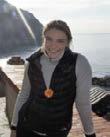
Chief: Dr. Erin Hamric has been appointed the 20242025 Hospital Medicine Chief Resident! She is originally from Pulaski, VA and attended medical school at the Virgina College of Osteopathic Medicine – Carolinas Campus. Her focus this year is to work hard for our internal medicine residents and therefore serve them with their best interests in mind. She aspires to make our hospital medicine rotations more comfortable while still providing an overall great learning experience for our interns and upper-level residents. She is currently thinking of ways to provide more hands-on learning opportunities by incorporating simulation center sessions to become more familiar with common resident procedures, such as central venous line placement. She plans on becoming an outpatient internal medicine physician upon graduation from residency!
Khashayar Fattah, MD – Tehran University of Medical Sciences, Tehran, Iran. Plans to begin a Radiology-Oncology Residency beginning 07/2025.
Manal Hassan, MD – University of Kansas, School of Medicine, Kansas City, KS. Plans to begin a Dermatology Residency beginning 07/2025.
Nicolas Mascia, MD – University Health Science Center College of Osteopathic Medicine, Memphis, TN. Plans to begin a Radiology Residency beginning 07/2025.
Sean Walsh, MD – University Health Science Center College of Osteopathic Medicine, Memphis, TN. Plans to begin a Radiology Residency beginning 07/2025.
New Cardiovascular Disease Fellows
Taylor Beckman, MD: Lincoln Memorial University – DeBusk College of Osteopathic Medicine, Harrogate, TN & Internal Medicine Residency at University of Louisville in Louisville, KY.
Greg Desrosiers, MD: University of Queensland School of Medicine in Australia & Internal Medicine Residency at the University of Tennessee Graduate School of Medicine, Knoxville, TN. He recently completed a Chief Fellow Residency at the NCH Healthcare System in Naples, FL.
Shawna Stephens, MD: Liberty University, College of Osteopathic Medicine, Lynchburg, VA & Internal Medicine Residency at the University of Tennessee Graduate School of Medicine, Knoxville, TN.
New Interventional Cardiology Fellow
Allama Iqbal Medical College in Pakistan & Internal Medicine Residency in 2021 at Marshfield Clinic Health System in Marshfield, WI. He then completed a Cardiovascular Disease Fellowship UHS Wilson Medical Center in Johnson City, NY.
New Pulmonary/Critical Care Fellows
Hemanth Boppana, MBBS: University of West Indies Faculty of Medicine at St. Augustine, Trinidad, and Tobago as well as Internal Medicine Residency at Rochester General Hospital, Rochester, NY.
Mona Dasgupta, DO: Philadelphia College of Osteopathic Medicine & Internal Medicine Residency at John H. Stroger Hospital of Cook County, Chicago, IL.
Ahmad Othman, MBBS: Jordan University of Science and Technology Faculty of Medicine & Internal Medicine Residency at East Tennessee State University.
New Hematology/Oncology Fellows
Jared Reed, MD: Indiana University School of Medicine & Internal Medicine Residency at East Tennessee State University, James H Quillen College of Medicine, Johnson City, TN.
Warner Thomas, MD: University of Tennessee Health Science Center in Memphis, TN & Internal Medicine Residency at the University of Tennessee Graduate School of Medicine, Knoxville, TN.
GRADUATING
Internal Medicine Graduates
Abdallah Assaf, MD: Cardiovascular Disease Fellowship at Baylor University Medical Center, Dalas, TX
Muaz Assaf, MD: 4th Year Chief Resident of Internal Medicine at Loyola MacNeal Hospital, Chicago, IL
Sohiub Assaf, MD: 4th Year Chief Resident of Internal Medicine at University of Illinois Peoria, OSF Medical Center in Peoria, IL
Wellness Chief: Dr. Pavani Gingrich has been appointed the 2024-2025 Wellness Chief Resident! She is originally from Charlotte, NC and went on to attend the St. George’s University medical school in Grenada! Her primary goal as chief is to open up more opportunities for wellness activities and continue to keep our social media page up and running. One of her focuses this year is to start quarterly wellness events and host various other outings such as Book Club and intermural sports. She plans on becoming a hospitalist after graduation though remains interested in possibly specializing in Hematology/Oncology in the future!
Phillip Dougherty, DO: Nocturnist with StatCare in Knoxville, TN
Ashley Gutierrez-Santana, MD: Hospitalist with UTH at UT Medical Center in Knoxville, TN
Salem Karadsheh, MD: Hospitalist with UTH at UT Medical Center in Knoxville, TN
Sonya Khimani, MD: Hospitalist in the Greater Atlanta Area in Georgia
James Loughridge, MD: Primary Care Physician at Advent Health in Chatsworth, GA
Mary-Mc Sarver, DO: Primary Care Physician at Summit Medical Group, Knoxville, TN
Shawna Stephens, DO: Cardiovascular Disease Fellow at UT Medical Center, Knoxville, TN
Natalie Street, MD: Neurology Residency at Baylor College of Medicine, Houston, TX
Warner Thomas, MD: Hematology and Medical Oncology Fellow at UT Medical Center, Knoxville, TN
Martin Valdes, MD: Pulmonary and Critical Care Medicine Fellow at The University of Texas Health Science Center, San Antonio, TX
Transitional Year Graduates
Christopher Harper, MD: Radiology Residency at UT Medical Center, Knoxville, TN
Forrest Kwong, MD: Radiation Oncology Residency at MD Anderson Cancer Center, Houston, TX
Christopher Pearce, MD: Radiology Residency at UT Medical Center, Knoxville, TN
Tucker Roof, MD: Radiology Residency at UT Medical Center, Knoxville, TN
Keaton Rummel, MD: Radiation Oncology Residency at Mayo Clinic, Rochester, MN
Andrew Skipper, MD: Radiation Oncology Residency at Duke, Durham, NC
Cardiovascular Disease Fellowship Graduates
Michael Kopstein, MD: Interventional Cardiology Fellowship at Palmetto General Hospital, Miami, FL
John Taylor, MD: Electrophysiology Fellowship at Brown University, Providence, RI
Justin Harrell, MD: Attending Physician at Methodist Medical Center, Oak Ridge, TN.
Interventional Cardiology Fellowship Graduate
James Livesay, DO: Structural Heart Disease Fellowship at Carilion Clinic, Roanoke, VA
Pulmonary/Critical Care Fellowship Graduates
Nishant Sharma, MBBS: Attending Physician with University Pulmonary Critical Care at UT Medical Center, Knoxville, TN.
Shawnt Tosonian, MD: Attending Physician at Weatherby Healthcare based in Fort Lauderdale, FL.
Elman Urbina Meneses, MD: Attending Physician with University Pulmonary Critical Care at UT Medical Center, Knoxville, TN.
Hematology/Oncology Fellowship Transition
Heidi Worth, MD: Transferring to the University of Alabama School of Medicine (UAB) in Birmingham, AL for her final year of training.
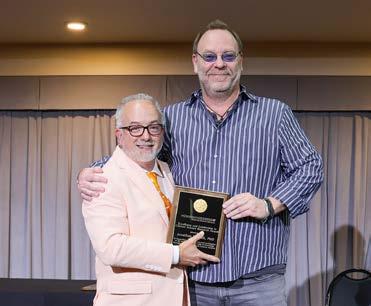
This annual award recognizes a faculty member who exemplifies the spirit of the GSM by upholding and promoting the GSM’s mission to colleagues, residents, students, staff, and the community. This year’s recipient was Dr. Jon Wall, whose service and commitment to the GSM embodies the intent of this important award.
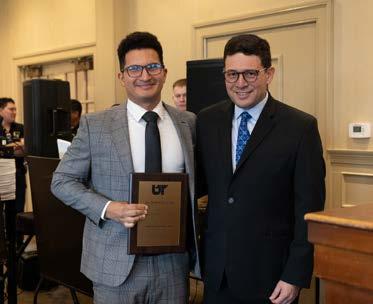
The Rawson Award for excellent teaching and clinical skills was given to Dr. Salem Karadsheh, MD, at the 2024 Department of Medicine Residents’ Awards Dinner. This award is given in memory for Freeman Rawson, MD, who joined the Department of Medicine in 1956 as one of our first teaching faculty and was known for his compassion and expertise. Dr. Rawson passed away in 2003.
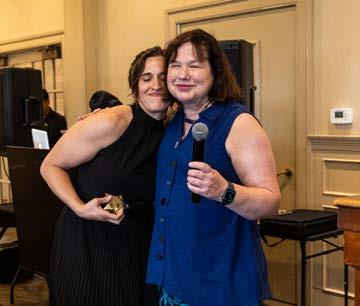
The UT Internal Medicine Center presented the Clinic Star of the Year Award to Dr. Mary-Mc Sarver, DO at the 2024 Department of Medicine Residents’ Awards Dinner. Congratulations to Dr. Sarver on her welldeserved award!
The medical students who rotated through the Internal Medicine department voted to select the residents with the best teaching abilities: Drs. Phil Dougherty, Shawna Stephens, and Muaz Assaf. Special thank you to Dr. Warner Thomas as well for his role as the Medical Student Liasion. These residents were acknowledged at the 2024 Department of Medicine Residents’ Awards Dinner.
In 2018, the Department of Medicine created the Jim Neutens Award for Best Teaching Division of the Year in honor of Dr. Jim Neutens, who retired in 2018 after many years of service as the Dean of the Graduate School of Medicine. Graduating internal medicine residents select the department that made the most impact upon them during three years of residency training. Continuing the break from tradition, this honor went to the Division of Hematology / Oncology.
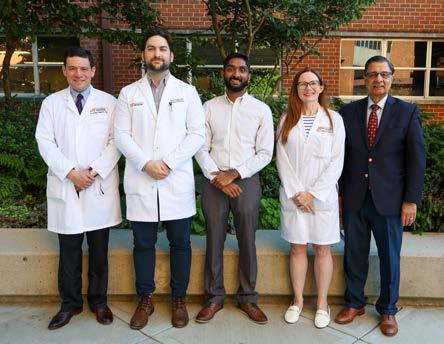
On June 11th, 2024, the Department of Medicine held the 10th Annual Residents’ and Fellows’ Research Contest. A faculty committee reviewed the research papers submitted by Department of Medicine residents and fellows and selected the top three to present at the Research Awards. The audience voted to select the placement of the winners. Dr. Steve Ferlita won first place with “Comparison of Aortic valve calcium scoring on non-gated CT thorax with gated CT utilizing semi-automated measurements,” Dr. Lindsay Rumberger Rivera won second place with ““Implementing evidence-based practices into thrombophilia order sets: A single institution quality improvement project,” and Dr. Akesh Thomas won third place with “Optimal hemodynamic assessment of right atrial pressure and correlation with cardiac and stroke volume index.”
We are excited to welcome Dr. Andrew Dake for his appointment to the rank Clinical Assistant Professor. Dr. Dake completed his medical school at the University of Tennessee Health Science Center in Memphis, Tennessee. He completed a residency in internal medicine at the University of Tennessee Graduate School of Medicine in. Knoxville, Tennessee followed by a fellowship in endocrinology at the Medical University of South Carolina in Charleston, South Carolina. Dr. Dake was Chief Fellow of Endocrinology at the Medical University of South Carolina.
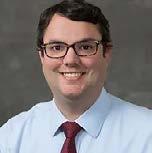
We are pleased to welcome Dr. Patrick Platzer for his appointment to the rank Clinical Assistant Professor. Dr. Platzer completed medical school at Lincoln Memorial University DeBusk College of Osteopathic Medicine in Harrogate, Tennessee. Dr. Platzer completed a residency in internal medicine at the University of Tennessee in Nashville, Tennessee followed by a fellowship in cardiovascular disease at the University of Tennessee in Chattanooga, Tennessee. Dr. Platzer was awarded the Silver Touch Award for Community Service and coordinated a medical outreach trip to Nepal.
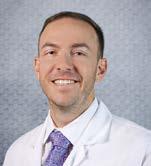
We are excited to welcome Dr. Christopher Scheiner for his appointment to the rank Clinical Assistant Professor. Dr. Scheiner completed medical school at the St. Louis University School of Medicine in St. Louis, Missouri. He completed a residency in internal medicine at Wilford Hall Medical Center in JBSA-Lackland, Texas followed by a fellowship in neuromuscular medicine at the University of California in San Francisco, California. Dr. Scheiner serves as the Director for both the Neuromuscular Electrodiagnostic Lab and Myasthenia Gravis Clinic at the University of Tennessee Medical Center.
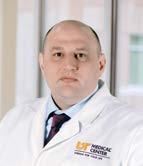
We are happy to welcome Dr. Trevor Hancock for his appointment to the rank Assistant Professor. Dr. Hancock attended Lipscomb University in Nashville, Tennessee for his Master of Science in Biomolecular Science. He completed his PhD in Microbiology at the University of Tennessee in Knoxville, Tennessee. Dr. Hancock was awarded the UTK Student-Faculty Research Grant and UTK College of Arts and Sciences Fellowship.
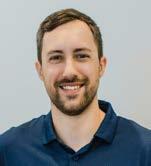
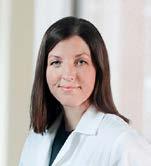
We are pleased to welcome Dr. Laura Spranklin for her appointment to the rank Clinical Assistant Professor. Dr. Spranklin completed medical school at the Lake Erie College of Osteopathic Medicine in Erie, Pennsylvania. She completed a residency in internal medicine at Kettering Medical Center in Dayton, Ohio followed by a fellowship in hematology/oncology at Lehigh Valley Hospital in Allentown, Pennsylvania. Dr. Spranklin was awarded the Touch Pin Award for Community Service at the Lake Erie College of Osteopathic Medicine.
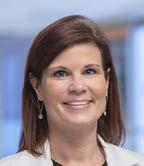
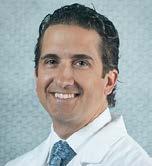
We are thrilled to welcome Dr. Philip Hanneman to the Department of Medicine as Clinical Assistant Professor. Dr. Hanneman completed medical school at Indiana University in Indianapolis, Indiana. He completed a residency in internal medicine followed by a fellowship in pulmonary and critical care at Indiana University. Dr. Hanneman also completed a Master of Science in biology at the Indiana UniversityPurdue University in Indianapolis, Indiana. Dr. Hanneman was Chief Resident of Internal Medicine and Chief Fellow of Pulmonary and Critical Care at Indiana University.
We are happy to welcome Dr. Shaun Ajinkya to the Department of Medicine as Clinical Assistant Professor. Dr. Ajinkya completed medical school at the University of Central Florida in Orlando, Florida. He completed a residency in neurology at the Medical University of South Carolina in Charleston, South Carolina followed by fellowships in Epilepsy and Clinical Neurophysiology/EEG at the Mayo Clinic in Rochester, Minnesota. Dr. Ajinkya was awarded the Resident Scholarship by the American Academy of Neurologists in 2020.
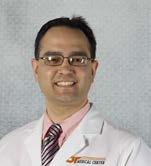
We are excited to welcome Dr. Stacy Tanner to the Department of Medicine as Clinical Assistant Professor. Dr. Tanner completed medical school at Saba University School of Medicine in Saba, Netherlands. She completed a residency in internal medicine at the University of Utah in Salt Lake City, Utah followed by a fellowship in rheumatology at Columbia University in New York, New York. Dr. Tanner was named a finalist in the American College of Physicians Utah Chapter Clinical Vignette Competition in Salt Lake City, Utah.
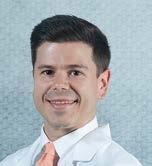
We are excited to welcome Dr. Roger Thompson to the Department of Medicine as Clinical Assistant Professor. Dr. Thompson completed medical school at the Alabama College of Osteopathic Medicine in Dothan, Alabama. He completed a residency in internal medicine at the University of Kentucky in Lexington, Kentucky followed by a fellowship in cardiovascular disease at the University of Tennessee in Chattanooga, Tennessee. Dr. Thompson was awarded the STAR Program Award for Compassion and Excellence in Patient Care at the University of Kentucky.
We are excited to welcome Dr. Linda Meyers to the Department of Medicine as Clinical Assistant Professor. Dr. Meyers completed medical school at the University of Texas Health Science Center in San Antonio, Texas. She completed a residency in internal medicine followed by a fellowship in endocrinology at the Medical University of South Carolina in Charleston, South Carolina. Dr. Meyers was awarded the Texas Super Doctors/Texas Monthly Rising Star three years in a row.
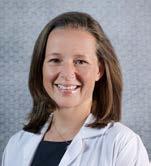
We are thrilled to welcome Dr. Margaret Swanberg for her appointment to the rank of Associate Professor. Dr. Swanberg completed medical school at the Philadelphia College of Osteopathic Medicine in Philadelphia, Pennsylvania. She completed a residency in neurology at Madigan Army Medical Center in Fort Lewis, Washington followed by a fellowship in dementia and behavioral neuroscience at the University of California in Los Angeles, California. Dr. Swanberg was previously Assistant Dean of Clinical Medicine at the Lincoln Memorial University DeBusk College of Osteopathic Medicine and Program Director of the National Capital Consortium Adult Neurology Residency at Walter Reed National Military Medical Center.
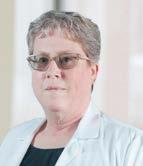
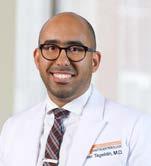
We are delighted to welcome Dr. Omar Tageldin for his appointment to the rank Clinical Assistant Professor. Dr. Tageldin completed medical school at Ain Shams University in Cairo, Egypt and completed a residency in internal medicine followed by a fellowship in gastroenterology and hepatology at Albany Medical Center in Albany, New York. Dr. Tageldin was Chief Fellow at Albany Medical Center and also served as an evidence-based GI social media ambassador.
Ethics Case Rounds are monthly, hospital-wide discussions of morally distressing cases. Cases are de-identified to protect patient confidentiality.
“Sarah” is an 82 y/o lady who was admitted with aspiration pneumonia from the facility where she had lived for more than 10 years. Her medical problems included dementia, hearing loss, diabetes, and newly-diagnosed dysphagia. Her daughter and decision maker, “Cindy”, visited frequently and seemed to care about her. Sarah could sometimes answer simple questions but remained pleasantly confused. She consistently asked for certain foods, for her daughter to visit, and to go home.
Cindy also wanted Sarah to return to the facility where she had lived for so long. She did not want her to have a feeding tube, as eating was a key pleasure for Sarah. However, she was not willing to accept the risk of aspiration as she believed “God will take care of it” if she would just stay positive. She said that she and her mother had similar religious beliefs, which included conviction that God will provide miracles when needed to take care of the needs of His people if they remain resolute in their faith. Unfortunately, Sarah’s facility would only accept her back if she had a feeding tube or was on comfort measures because of risks posed by her dysphagia. Ethics was asked to assist with conflict resolution.
Invoking hope for a miracle may indicate one or more of the following:
• A need to remain generally optimistic in order to cope
• A belief that God will intervene if the speaker is deserving
• A psychological state of denial
• A desire to feel exceptional, singled out by God
Distinguishing the different sources of hope for a miracle can help guide the most supportive response. Recognizing one’s own beliefs and noticing one’s own reaction to hearing “miracle talk” without judgment (for yourself or for the speaker) can make it easier to set them aside. Cultivating a sense of curiosity about the experience, needs, hopes, fears, and expectations of the speaker can generate empathy and check the tendency to dismiss views that differ greatly from one’s own. Pastoral Care is an invaluable resource for these situations.
Together, Cindy and the care team identified her values for her mother’s care: a) having Sarah back at her “home” facility, b) Sarahs’ being able to eat/drink what she likes, c) Sarah’s living as long as she can without pain, d) living in accord with God’s will, e) not thinking or speaking about negative things. Cindy acknowledged that Sarah’s facility would not accept her unless her care plan changed, but said she wasn’t worried because “God always takes care of us”. She believed that steadfast prayers will be materialized; that unwavering belief is rewarded but doubt puts the promised reward at risk.
The team offered the option of allowing the physician to develop a plan of care that reflected the desiderata she articulated. She could choose to be informed about the details of the plan, or she could choose to accept the doctors’ plan without hearing details about the risks involved (e.g., with eating) if that would cause her spiritual distress. Cindy was relieved: she said she didn’t want to hear about the risks involved in her mother’s care plan. However, she specified that the plan could not include a feeding tube or comfort measures.
Once preferences were clarified, another facility was found that was willing to accept Sarah with a pureed diet and limited interventions. Cindy accepted the plan and Sarah was discharged to a new facility.
Comments on this case may be sent to amendola@utmck.edu
References
• DeLisser HM. A practical approach to the family that expects a miracle. Chest. 2009 Jun;135(6):1643-1647. doi: 10.1378/chest.08-2805. PMID: 19497899; PMCID: PMC2821292.
• Shinall MC Jr, Stahl D, Bibler TM. Addressing a Patient’s Hope for a Miracle. J Pain Symptom Manage. 2018 Feb;55(2):535-539. doi: 10.1016/j.jpainsymman.2017.10.002. Epub 2017 Oct 10. PMID: 29030208; PMCID: PMC10182410.
Department of Medicine faculty, residents, and fellows share their knowledge and experience by publishing and presenting across the world. For a list of our most recent accomplishments, visit http://gsm.utmck.edu/internalmed/scholars.cfm.
For information about philanthropic giving to the UT Graduate School of Medicine, Department of Medicine, please contact the Development Office at 865-305-6611 or development@utmck.edu.
If you would like more information about any of the topics in this issue of In Touch, please contact the Department of Medicine at 865-305-9340 or visit http://gsm.utmck.edu/internalmed/main.cfm. We look forward to your input. Thank you.
Alumni, please update your contact information by completing the simple form at http://gsm.utmck.edu/internalmed/alumni.cfm or by calling the Department of Medicine at 865-305-9340. Thank you!
In Touch
Vol. 13 Issue 3: July 2024
Publisher
Rajiv Dhand, MD, Chair, Department of Medicine and Associate Dean of Clinical Affairs
Editor
Annette Mendola, PhD
Administrative Director
Jenny Roark
Contributors
Jenny Roark
Robin Underwood
Rajiv Dhand, MD
Annette Mendola, PhD
Cassandra Mosley
Shawna Stephens, DO
Ashley Gutierrez-Santana, MD
Erin Hamric, DO
Logan Shaver, DO
Design
J Squared Graphics In Touch is produced by the University of Tennessee Graduate School of Medicine, Department of Medicine. The mission of the newsletter is to build pride in the Department of Medicine by communicating the accessible, collaborative and human aspects of the department while highlighting pertinent achievements and activities. Contact Us In Touch
University of Tennessee Graduate School of Medicine Department of Medicine 1924 Alcoa Highway, U-114 Knoxville, TN 37920
Telephone: 865-305-9340
E-mail:
InTouchNewsletter@utmck.edu
Web: http://gsm.utmck.edu/ internalmed/main.cfm
The University of Tennessee is an EEO/AA/Title VI/ Title IX/Section 504/ADA/ ADEA institution in the provision of its education and employment programs and services.
Disclaimer: quotes/ interviews are edited for length and clarity