The Power Behind Narrative Medicine
healing. This practice can lead to more accurate clinical diagnoses, improved provider-patient relationships, and more effective patientcentered care.
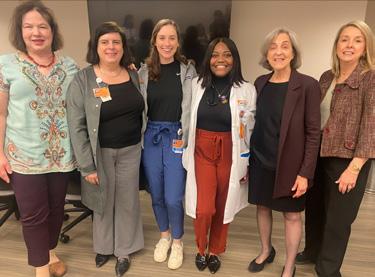
Dr. Charon shared a poem by Philip Larken entitled “Days,”
What are days for?
Days are where we live.
They come, they wake us
Time and time over.
They are to be happy in:
Where can we live but days?
Where can we live but days?
Ah, solving that question
Brings the priests and the doctor
In their long white coats
Running over the field
The Department of Medicine was fortunate to host Rita Charon, MD, PhD, on March 7th. Dr. Charon is a general internist and literary scholar who founded the Narrative Medicine Program at Columbia University with the goal of teaching physicians how to elicit, interpret, and act upon patient stories. Narrative medicine is the practice of using the same skills used in literary analysis to listen to and interpret what patients reveal about their lives and health. Prioritizing patient stories can illuminate the ways physical, social, and psychological elements of people’s lives intersect and thus contribute to illness and
Points of View
WHAT WE LEARNED FROM THE PANDEMIC AND MOVING FORWARD
Audience members participated in their own interpretation of the poem. Patient stories, like poems, have different interpretations based on who is listening. Some audience members thought the priest and doctor running through the fields to a patient’s bedside were a sign of joy, such as in new birth, while others thought it depicted the end of life and death. The poem also highlighted the importance of the physician and patient’s lives being intertwined. Physicians are therfore involved in the major events, such as childbirth and death, but also in day-to-day life.
continued on page 2
Rajiv Dhand, MD, Chair
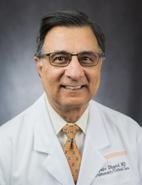
On May 5, 2023, the head of the United Nations World Health Organization (WHO) declared an end to COVID-19 as a public health emergency. Thus, hopefully, the dreadful saga of a disease that swept the world and transformed our lives ended. COVID-19, the disease caused by the severe acute respiratory syndrome coronavirus 2 (SARS-CoV-2), left in its wake a staggering toll of disease and death worldwide with more than 762 million people infected and almost 7 million deaths. Furthermore, several millions of people continue to struggle with the after-effects of the infection on their health (Long COVID).
The WHO declared a public health emergency of international concern on January 30, 2020. Looking back over the past 3 years, many scholars and pundits have wondered what lessons we could
learn from the COVID-19 pandemic. To me, a major question is why the public health system was so unprepared for such a catastrophic event and how can we do better for the next epidemic/pandemic, because it is certain there will be others. The possibility of a flu pandemic had been discussed for many years, but the occurrence of a coronavirus pandemic was also actively considered. In 2017, experts at the Johns Hopkins Center for Health Security published a report about the global spread of an influenza-like illness (SPARSCoV) in the year 2025. The many challenges faced during the COVID-19 pandemic were accurately predicted in scenarios outlined in this report. It is tragic that so many warnings did not lead to better preparedness for the pandemic!
Missteps in the recognition and response to SARS-CoV-2 occurred right from its inception. The origins of the SARS-CoV-2 virus are debated; however, there is a consensus that the pandemic began at the Huanan Seafood Wholesale Market in Wuhan City in the Hubei province of China. The first cluster of cases at the Seafood Market attracted the attention of Dr. Li Wenliang, an ophthalmologist working at the Central Hospital in Wuhan. On December 30, 2019,
continued on page 3
1
D epartment of m e D icine
Connecting Technology, Education and Discovery with Humanism in Medicine Vol. 12 Issue 3 July 2023
Team-Based-Learning
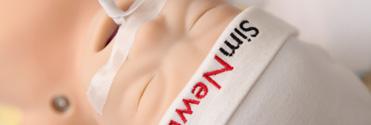
Tuesday mornings are set aside as a time for team-based learning (TBL) for the Internal Medicine Residents. Each resident scheduled on an ambulatory rotation will attend these sessions which include a variety of workshops such as journal clubs and outpatient primary care modules. Residents also spend a considerable amount of time in the SIM center going through advanced cardiac life support (ACLS) mock codes and working on point-of-care ultrasound (POCUS) skills. The TBL curriculum is designed to allow each group to complete each POCUS exam including lung, cardiac, abdominal, and deep venous thrombosis (DVT). During these sessions, a lecture is provided at the beginning where images and cases will be reviewed. Following the lecture, the groups are divided up into groups allowing time to walk through cases with the simulations as well as scanning a patient. Residents really enjoy the POCUS training received during these sessions as it prepares us with the skills needed to perform ultrasound at the bedside of our patients on the floors and in the ICU. Finally, in ACLS training the group will go through different scenarios with SIM Man. These codes are generally ran by our second and first year residents to allow practice and real time feedback prior to life experiences on the wards as the code team.
Congratulations: Dr. Tina Dudney as Interim
Designated Institutional Official
Tina Dudney, MD, was named Interim Assistant Dean for the Graduate Medical and Dental Education programs and Designated Institutional Officer (DIO) of the University of Tennessee Graduate School of Medicine effective January 1st, 2023. Dr. Dudney completed her undergraduate degree at Tennessee Technological University and received her medical degree from the University of Tennessee Health Science Center. She completed her Internal Medicine residency and a PGY4 Chief Resident year at the University of Tennessee Graduate School of Medicine followed by a fellowship in Pulmonary Critical Care Medicine at the University of Utah in Salt Lake City.
After her fellowship she returned to middle Tennessee and established a successful Pulmonary Critical Care and Sleep Medicine practice where she developed a variety of programs and excelled in numerous leadership positions. During this time, she realized she missed the “challenges and rewards” that come with teaching at the graduate medical education level which brought her back to UTMC in 2002. She initially focused on the development of an ICU curriculum and a lecture series for the Internal Medicine residents, during which she recognized the need for a Pulmonary and Critical Care Fellowship.
She envisioned what was needed for Tennesseans in Knoxville and worked tirelessly to establish scholarly activities and recruit the necessary faculty required to start a Pulmonary Disease Fellowship in 2008 and then add Critical Care for a comprehensive Pulmonary and Critical Care Fellowship in 2015. Under her guidance as Program Director and Division Chief, the Pulmonary Critical Care Division has flourished and was awarded the Jim Neutens Award for Best Teaching Division of the Year in the Department of Medicine for five consecutive years (2018-2022) and received an Exemplary Service Award in 2021 for their Covid-19 response.
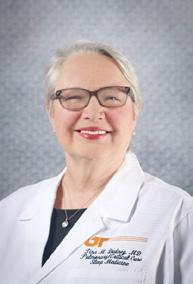
Dr. Dudney’s biggest goal remains to “expand medical education within the graduate school and continue to promote excellence in physician clinical practice and leadership skills, thus providing the foundation for improved access to optimal quality healthcare for Tennesseans.” Dr. Robert M. Craft, Interim Dean of the College of Medicine-Knoxville, stated, “the Graduate School of Medicine is fortunate to have someone with Dr. Dudney’ s extensive clinical, graduate medical education and institutional experience in this role. I am confident that she will build on the legacy of education excellence that Dr. Metheny has established on our campus”. We offer our deepest congratulations to Dr. Dudney in this new role and are very excited for what is to come.
The Power Behind Narrative Medicine
continued from page 1
Dr. Charon’s departing message asked each of us to reflect on our own story of how we ended up in medicine. During this activity, each of the listening participants wrote down their unfiltered story in 2 minutes. Many emotions arose during the activity but left the important impression that we each have a story to share. Dr. Alison Smith, MD and PGY-2 in Internal Medicine shared her story entitled “Day that brought me here,”
I remember my first white coat. It was career day 1995. I was so proud walking into my kindergarten class with my white coat and plastic stethoscope.
I was so unaware of what grief and joy that was to come. I came to know rejection and sacrifice so well. I came to understand hard work. But most of all I came to know the joy that lives with operating in purpose.
Narrative medicine reminds us that we each have a story to tell, and the patient story is an integral component of patient care.
2
Diversity, Equity, & Inclusion Spotlight: Dr. Mohamed Tageldin
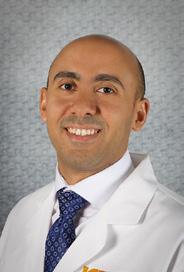
This month, I had the opportunity to talk with Dr. Mohamed Tageldin, a rheumatologist here at UTMC, about his Egyptian heritage and traditions. He is originally from Cairo, Egypt and this city is also referred to as “the Land of the Pharaohs” He completed medical school at the Ain Shams University. Cairo is a city engrained in Egyptian history with many of the pyramids, statues and temples dating back to more than 7000 years old!
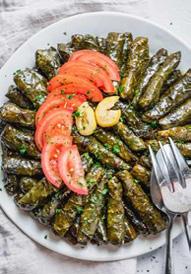
The official language of Egypt is Arabic although most schools begin learning English during 1st grade. According to Dr. Tageldin, the Egyptian culture is a “mix between pharaonic and Middle Eastern culture” with a strong focus on being helpful, generous and charitable. In terms of his favorite Egyptian dish, he enjoys Mahshi grape leaves, which is an aromatic rice seasoned with several green herbs, tomato paste, garlic and onions stuffed into a flavorful lemony brined grape leaf! (see picture 1)
If you find yourself traveling to Egypt, there are undoubtedly many historical sites to visit but Egypt is also home to many beautiful and luxurious beaches and beach resorts along the Mediterranean coast (see picture 2)! In fact, Dr. Tageldin is keen on taking personal trips to these resorts and beaches to relax each year. When asked one fun fact about Egypt/Egyptian culture, he says that everyone there is now a Liverpool FC fan being that Mohamed Salah, one of the best soccer players in the world, is originally from Egypt. With all of this in mind, one thing is for certain; Egypt is sure to be a travel destination bursting with wonder and beautiful landscapes home to a society full of kind, heartwarming people!

Points of View
continued from page 1
the Wuhan/Hubei Center for Disease Control and Prevention (CDC) warned of cases of a mysterious form of pneumonia. That same day, a Beijing laboratory reported a coronavirus in fluid collected from a patient’s lungs in Wuhan. Dr. Li became aware of a chest x-ray from a patient at his hospital that raised the possibility of a SARS-like virus and shared his concerns with fellow physicians on a private “We Chat” thread. This information was leaked and quickly disseminated via the Internet all over China. The Chinese CDC then notified the WHO about the disease outbreak the following day. So how was Dr. Li rewarded for his awareness of an evolving problem? In January 2020, he was summoned by the Wuhan Public Security Bureau and accused of “rumor-mongering” and publishing untrue statements. He received a formal letter of admonition and a threat of prosecution if he continued his behavior. Sadly, Dr. Li developed pneumonia, was hospitalized at the end of January, tested positive for SARS-CoV-2, and succumbed to his illness at the young age of 33 years. In February 2020, the Chinese Supreme Court cleared Dr. Li of the charges brought against him. Had Dr. Li’s observations been taken seriously, a more timely and effective response could have curtailed the spread of the virus at that early stage. Unfortunately, this conflict of science, public health and political expediency was repeated over and over in many countries, including the United States, during the COVID-19 pandemic. There are many valuable lessons to be learned, and I hope that people will heed and implement them when the next pandemic sweeps across the world.
CME OPPORTUNITIES—MARK YOUR CALENDARS!
currently done hybrid with a limited live audience and others joining virtually via Zoom or Microsoft Teams
• Cardiology Conferences, held weekly on Wednesdays in the Medicine Conference Room for .75 hour CME credit.
• Medicine Grand Rounds, held on the 2nd and 4th Tuesdays of each month in the Medicine Conference Room for 1.00 hour CME credit.
• Ethics Case Rounds, held on the 4th Thursday of the month at noon in Wood Auditorium and are available for 1.00 hour CME credit.
• Pulm/HTN Conferences, held on the 2nd Monday of the month at noon in different locations and are available for 1.00 hour CME credit.
3
Scholarly Activity: Pulmonary & Cardiology Fellowship Programs
Rowe SM, Zuckerman JB, Dorgan D, Lascano J, McCoy K, Jain M, Schechter MS, Lommatzsch S, Indihar V, Lechtzin N, McBennett K, Callison C, Brown C, Liou TG, MacDonald KD, Nasr SZ, Bodie S, Vaughn M, Meltzer EB, Barbier AJ. Inhaled mRNA therapy for treatment of cystic fibrosis: Interim results of a randomized, double-blind, placebo-controlled phase 1/2 clinical study. J Cyst Fibros. 2023 Apr 28:S15691993(23)00112-1. doi: 10.1016/j.jcf.2023.04.008. Epub ahead of print. PMID: 37121795
Assaf SN, Assaf AN, Assaf MN, Taylor J, Adam JM, Harrell J, Johnson J. Extracranial Microvascular Complications of Moyamoya Disease Leading to Left Ventricular Systolic Dysfunction. J Med Cases. 2023 Mar;14(3):88-94. doi: 10.14740/jmc4057. Epub 2023 Mar 31. PMID: 37032739; PMCID: PMC10079364
Taylor J, Assaf SN, Assaf AN, Heidel E, Mahlow W, Baljepally R. Obstructive Sleep Apnea as a Predictor of Inducible Atrial Flutter During Pulmonary Vein Isolation in Patients With Atrial Fibrillation: Clinical Significance and Follow-Up Outcomes. Cardiol Res. 2023 Jun;14(3):183-191. doi: 10.14740/cr1491. Epub 2023 May 26. PMID: 37304914; PMCID: PMC10257505.
Kourouni I, Suguness A, Finley J, Josan ES, Dutton K, Tarabichi Y. Reducing Racial Disparities in the Timeliness of Potential Lung Cancer Evaluation With a Novel ApplicationSupported Rapid Outpatient Diagnostic Program: An Interrupted Time Series Analysis. Clin Lung Cancer. 2023 Jun;24(4):339-346. doi: 10.1016/j.cllc.2023.02.008. Epub 2023 Mar 4. PMID: 37002154; PMCID: PMC10225315.
Trindade AJ, Lentz RJ, Gannon WD, Rickman OB, Shojaee S, Vandervest K, Schwartz G, Li GW, Kumar A, Garcha PS, Seeley EJ, Gesthalter YB, Mueller S, Egan JP 3rd, DeMaio AJ, Yarmus LB, Josan ES, Pannu JK, Wayne MT, DeCardenas JL, Bacchetta MD, Maldonado F; Interventional Pulmonary Outcomes Group. Safety and utility of indwelling pleural catheters in lung transplant recipients. Clin Transplant. 2023 Jun 24:e15056. doi: 10.1111/ctr.15056. Epub ahead of print. PMID: 37354125.
Josan E., & Pannu J. Cryotherapy & Cryospray. In: DíazJiménez J.P., Rodríguez A.N., ed. 3. Interventions in Pulmonary Medicine. Springer Nature Switzerland AG; Epub 2023 April 29: Chapter 12, pages 169 - 188. https://doi.org/10.1007/9783-031-22610-6
2023-2024 IM Resident Chiefs: Meet Drs. Shawna Stephens, Jim Loughridge, and Abdallah Assaf
The Internal Medicine Residency Program would like to introduce the new chief residents for the 2023-2024 academic year: Shawna Stephens DO, Abdallah Assaf MD, & Jim Loughridge MD.
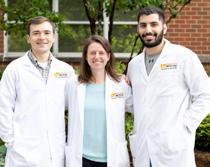
Dr. Stephens will be serving as the inpatient medicine chief.
Dr. Assaf will be serving as the ICU chief.
Dr. Loughridge will be serving as the clinic chief.
Collectively, all three chief residents are continuing to focus on resident wellness.
INCOMING RESIDENTS & FELLOWS:
Zaid Ahmad, MD – Meharry Medical College, Nashville, TN
Aladen Amro, DO – Lincoln Memorial University, DeBusk College of Osteopathic Medicine, Harrogate, TN
Maria Brandel, DO - Lincoln Memorial University, DeBusk College of Osteopathic Medicine, Harrogate, TN
Jacob Daniel, DO - Lincoln Memorial University, DeBusk College of Osteopathic Medicine, Harrogate, TN
Nathan Gaylor, DO - Lincoln Memorial University, DeBusk College of Osteopathic Medicine, Harrogate, TN
Kevin Gurrala, DO - Lincoln Memorial University, DeBusk College of Osteopathic Medicine, Harrogate, TN
Anna Harrison, MD – Florida International University, Herbert Wertheim College of Medicine, Miami, FL
Bita Iman, DO - Lincoln Memorial University, DeBusk College of Osteopathic Medicine, Harrogate, TN
John Mottern, DO – Edward Via College of Osteopathic Medicine, Carolinas Campus, Spartanburg, SC
Taylor Smith, DO - Lincoln Memorial University, DeBusk College of Osteopathic Medicine, Harrogate, TN
Stefan Weston, DO – Alabama College of Osteopathic Medicine, Dothan, AL
Jesse Woodall, IV, DO – William Carey University, College of Osteopathic Medicine, Hattiesburg, MS New Transitional Year Residents
Christopher Harper, MD – University of Tennessee Health Science Center’s College of Medicine, Memphis, TN. Plans to begin a Radiology/Oncology Residency beginning 07/2024.
Forrest Kwong, MD – Oregon Health & Sciences University, School of Medicine, Portland, OR. Plans to begin a Radiology Residency beginning 07/2024.
Christopher Pearce, MD – East Tennessee State University, James H. Quillen College of Medicine, Mountain Home, TN. Plans to begin a Radiology/Oncology Residency beginning 07/2024.
Tucker Roof, MD – University of Tennessee Health Science Center’s College of Medicine, Memphis, TN. Plans to begin a Radiology/Oncology Residency beginning 07/2024.
Keaton Rummel, MD – University of North Dakota, School of Medicine & Health Sciences, Grand Forks, ND. Plans to begin a Radiology Residency beginning 07/2024.
Andrew Skipper, MD – University of Virginia, School of Medicine, Charlottesville, VA. Plans to begin a Radiology Residency beginning 07/2024.
New Cardiovascular Disease Fellows
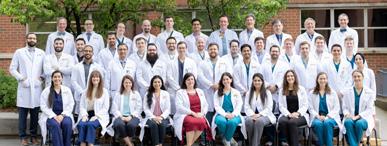
Matthew Bruner, MD: Marshall University, Joan C Edward’s School of Medicine & Internal Medicine Residency at Medical University of South Carolina, Charleston, SC. Currently working as a Hospitalist / Nocturnist at the Department of Veterans Affairs in Charleston, SC.
Ray Dieter, MD: University of Tennessee Health Science Center’s College of Medicine & Internal Medicine Residency at Vanderbilt University Medical Center, Nashville, TN
Ben Fogelson, DO, MBA: Lincoln Memorial University, De-Busk College of Osteopathic Medicine & Internal Medicine Residency at the University of Tennessee Graduate School of Medicine, Knoxville, TN
New Interventional Cardiology Fellow
James Livesay, DO: University of Pikeville, College of Osteopathic Medicine as well as Internal Medicine Residency & Cardiovascular Disease Fellowship Training at the University of Tennessee Graduate School of Medicine, Knoxville, TN.
New Pulmonary/Critical Care Fellows
Brandon Miller, MD: East Tennessee State University, James H. Quillen College of Medicine & Internal Medicine Residency at Medical University of South Carolina, Charleston, SC.
Raghu Tiperneni, MD: Gandhi Medical College and Hospital in Secunderabad, India & Internal Medicine Residency at Rutgers Health / Monmouth Medical Center, Long Branch, NJ.
Ghassan Wadi, MBBS: University of Jordan School of Medicine, Amman Jordan & Internal Medicine Residency at the University of Tennessee Graduate School of Medicine, Knoxville, TN.
New Hematology/Oncology Fellows
Omar Alsharif, MD: University of Tennessee Health Science Center’s College of Medicine & Internal Medicine Residency at the University of Tennessee Graduate School of Medicine, Knoxville TN. Most recent work experience as a Hospitalist for Tennova North, Knoxville, TN as well as the University of Tennessee Medical Center, Knoxville, TN.
Lindsay Rumberger, MD: University of South Florida, Health Morsani College of Medicine & Internal Medicine Residency at the University of Tennessee Graduate School of Medicine, Knoxville TN. Most recent work experience as an Assistant Medical Director and Hospitalist at St. Elias Long Term Acute Care Hospital, Anchorage, Alaska.
GRADUATING RESIDENTS & FELLOWS:
Internal Medicine Graduates
Taylor Chaney, DO: Nephrology Fellowship at MUSC, Charleston, SC
Greg Desrosiers, MD: Chief Resident of Internal Medicine at NHC Healthcare Systems, Naples, FL
Zach Drew, MD: Hospitalist with UTH at UTMC, Knoxville, TN
Ben Fogelson, DO: Cardiovascular Disease Fellow at UTMC, Knoxville, TN
Saffet Guleryuz, MD: Investigational Cancer Therapeutics Fellowship at Cleveland Clinic in Weston, FL
Brandon Morris, MD: Primary Care Physician at Summit Medical - Internal Medicine Associates, Powell, TN
Andrew Nolin, DO: Hospitalist for Ascension Saint Thomas - Rutherford Hospital, Murfreesboro, TN
Marc Oropilla, DO: Hospitalist with UTH at UTMC, Knoxville, TN
Chirag Patel, DO: Hospitalist with UTH at UTMC, Knoxville, TN
Krupa Patel, DO: Hospitalist with UTH at UTMC, Knoxville, TN
Josh Pickett, DO: Primary Care Physician at Faculty Internal Medicine, Knoxville, TN
Mike Rohrer, DO: Hospitalist with UTH at UTMC, Knoxville, TN
Ghassan Wadi, MBBS: Pulmonary & Critical Care Medicine Fellow at UTMC, Knoxville, TN
Transitional Year Graduates
Coleman Churitch, MD: Radiology Residency at UTMC
Luke Maglich, MD: Radiology Residency at UTMC
Chad Meadows, MD: Radiology Residency at UTMC
Madison Shadowens, MD: Radiology Residency at UTMC
Collins Langley, MD: Dermatology Residency at Ochsner, New Orleans, LA
Gabriella Santa Lucia, MD: Emergency Medicine Residency at UTHSC, Memphis, TN
Cardiovascular Disease Fellowship Graduates
James Livesay, DO: Interventional Cardiology Fellowship at University of TN GSM, Knoxville TN
Rachel Goodwin, DO: Interventional Cardiology Fellowship at St. Luke’s Mid America Heart Institute, Kansas City, MO
Elliott Goodwin, DO: Electrophysiology Fellowship at St.
Luke’s Mid America Heart Institute, Kansas City, MO
Interventional Cardiology Fellowship Graduate
George Eigbire, MD: Cardiology Locum at McLaren Northern Michigan in Petoskey, MI
Pulmonary/Critical Care Fellowship Graduates
Nicholas Fuerst, MD: Academic Attending in Pulmonary Critical Care (both inpatient and outpatient) at Prisma Health in Greenville, SC
Milind Bhagat, MBBS: Assistant Professor in Department of Medicine at the University of Minnesota Medical School, Minneapolis, MN
4
Faculty & Resident Awards and Honors
This annual award recognizes a faculty member who exemplifies the spirit of the Graduate School of Medicine by upholding and promoting the GSM’s mission to colleagues, residents, students, staff, and the community. Dr. Dhand’s service and commitment to the GSM embodies the intent of this important award.
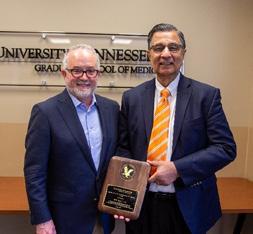
Dr. Rajiv Dhand is the Associate Dean for Clinical Affairs and Chair of the Department of Medicine for the GSM. He has made a significant impact on our academic and medical community since joining the GSM eleven years ago. Prior to his arrival, Dr. Dhand had established himself as an accomplished academic physician, attaining the rank of tenured Professor at the University of Missouri. Despite taking on the role of chairing a large department at UTGSM, he has consistently maintained an impressive pace in his clinical work, teaching, research, and service. Dr. Dhand has delivered over 175 visiting professorships and invited lectures, published 76 peer-reviewed journal articles, secured total career extramural research funding of $3.4 million with $1.6 million obtained since joining UTGSM, and chaired an NIH study section. With numerous editorial appointments, books, book chapters, and executive-level committee roles, Dr. Dhand’s commitment to excellence and dedication to his field are evident.
Dr. Dhand’s impact on the GSM campus extends far beyond his individual achievements. Through his exceptional leadership, mentorship, and vision, he has developed his department into the cornerstone of our academic medical center. While maintaining his own clinical expertise, teaching engagements, and research endeavors; Dr. Dhand has effectively led, supported, and strengthened his department. Under his guidance, the department has witnessed substantial academic growth, transitioning from a focus solely on clinical education to a broader emphasis on scholarly activity and academic excellence, while still upholding its clinical strengths. Moreover, he has fostered the addition of three fellowships within the department, demonstrating his commitment to nurturing and expanding academic opportunities.
“Dr. Dhand has maintained a remarkably steep slope of scholarly activity since he was conferred his MD degree 45 years ago, and his impact on our campus over the past 11 years cannot be overstated. His calm, contemplative and persistent leadership has been literally transformative for his department and our institution”, said Interim Dean Craft.
Rawson Recipients Clinic Star of the Year
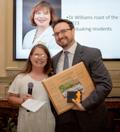
The Rawson Award for excellent teaching and clinical skills was given to Dr. Ben Fogelson, DO, and Dr. Shawna Stephens, DO, at the 2023 Department of Medicine Residents’ Awards Dinner. This award is given in memory for Freeman Rawson, MD, who joined the Department of Medicine in 1956 as one of our first teaching faculty and was known for his compassion and expertise. Dr. Rawson passed away in 2003.
The UT Internal Medicine Center presented the Clinic Star of the Year Award to Brandon Morris, MD at the 2023 Department of Medicine Residents’ Awards Dinner. Congratulations to Dr. Morris on his well-deserved award!
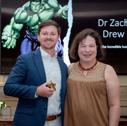
Medical Student Teaching Awards
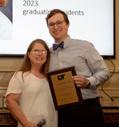
The medical students who rotated through the Department of Medicine voted to select the residents with the best teaching abilities: Drs. Zach Drew, Chirag Patel, Andrew Nolin and Ghassan Wadi. Special thank you to Dr. Greg Desrosiers as well for his role as the Medical Student Liasion. These residents were acknowledged at the 2023 Department of Medicine Residents’ Awards Dinner.
Jim Neutens Award for Best Teaching Division of the Year
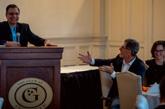
In 2018, the Department of Medicine created the Jim Neutens Award for Best Teaching Division of the Year in honor of Dr. Jim Neutens, who retired in 2018 after many years of service as the Dean of the Graduate School of Medicine. Graduating internal medicine residents select the department that made the most impact upon them during three years of residency training. For the first time since 2018, this honor went to the Division of Cardiology.
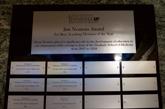
5
UTGSM Spirit Award – 2023
Alumni Highlight: Sam Purkey, MD
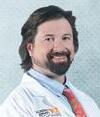
Congratulations to Dr. Sam Purkey for winning the Distinguished Fellow Teaching Award at Allegheny Health Network over this past year during his fellowship training. This not only is a testament to his exceptional abilities but also to our program for providing opportunities and support to hone these skills!
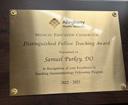
9th Annual Department of Medicine Research Awards
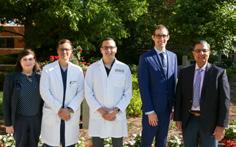
On June 13th, 2023, the Department of Medicine held the 9th Annual Residents’ and Fellows’ Research Contest. A faculty committee reviewed the research papers submitted by Department of Medicine residents and fellows then selected the top three to present at the Research Awards. The audience voted to select the placement of the winners. Dr. Sam Treat won first place with “Feasibility, Safety, and Efficacy of Nebulized Long-acting Bronchodilators versus Short-acting Bronchodilators in Hospitalized Patients with Exacerbations of COPD,” Dr. Ben Fogelson won second place with “Increase in aortic valve mean gradient day after transcatheter aortic valve implantation: ? Role of Mitral Regurgitation,” and Dr. Martin Valdes won third place with “Correlation of Subjective Perceived Activity and Weakness Score (PAWS) with Maximum Inspiratory Pressure (MIP), Maximum Expiratory Pressure (MEP) and Peak Inspiratory Flow Rate (PIFR).”
Faculty Announcements: New Faculty
We are excited to welcome Dr. Bryan Allen West to the rank of Clinical Assistant Professor. He is Licensed by the American Board of Psychiatry and Board eligible in Neurology. Dr. West is a graduate of New York University School of Medicine in New York City, New York. He completed a combined neurology and psychiatry residency at the Medical University of South Carolina and worked as an Associate Clinical Professor in Psychology at Virginia College of Osteopathic Medicine for six years.
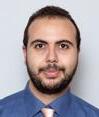
We are excited to welcome Dr. Mahmoud Bayoumi to the rank of Clinical Assistant Professor. He is licensed by the American Board of Internal Medicine and a member of the American Neurogastroenterology and Motility Society. Dr. Bayoumi is a graduate of Cairo University Faculty of Medicine in Cairo, Egypt. He completed his residency in internal medicine at the University of Tennessee Health Science Center in Memphis, TN along with his Master of Public Health and Epidemiology. He completed his fellowship in gastroenterology at University of Arizona College of Medicine in Phoenix, AZ.
Department of Medicine Updates:
New Vice Chair of Administration
We are delighted to announce the appointment of Gary Klipple, MD as interim Vice Chair of Administration for the Department of Medicine effective April 24, 2023.
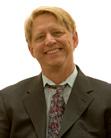
Dr. Klipple completed medical school at the University of Tennessee Health Science Center in Memphis. He completed a residency in Internal Medicine at Brooke Army Medical Center in Fort Sam Houston, TX, followed by a fellowship in Rheumatology at the University of Colorado in Aurora, CO. Prior to coming to UTMCK, Dr. Klipple served as Chief of Rheumatology and Clinical Immunology at the Walter Reed Army Medical Center in Bethesda, MD from 1984 until 1994. Dr. Klipple joined the faculty at the Department of Medicine in October 1994.
Dr. Klipple has been instrumental in organizing Grand Rounds, multidisciplinary CPCs, and mini symposia for the residents. He has worked on research projects with the graduate students and Dr. Zhang in the Biomechanics and Sports Medicine labs.
Dr. Klipple served on the COVID-19 Triage team. He chairs the Academic Appointment Promotion and Tenure Committee and recently served as Chair of the search committee for the Vice Chair of Medicine and IM Program Director. He is very active in re-credentialing many faculty members. He is very effective in teaching and is dedicated to ensuring the success of the department.
New Interim Program Director –Internal Medicine Residency Program
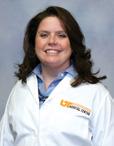
We are pleased to announce the appointment of Janet Lubas, MD as interim program director for the categorical internal medicine residency program effective July I, 2023.
Dr. Lubas completed medical school at the Medical College of Georgia in August, GA. She completed a residency in Internal Medicine at West Virginia University Hospital in Morgantown, WV. Dr. Lubas joined the faculty at the Department of Medicine in September 2017. Dr. Lubas has a significant interest in internal medicine and teaching residents. She has been the associate program director of the internal medicine residency program since July 2018.
Dr. Lubas has significant clinical experience as a primary care physician in clinical practice over 20 years and brings this valuable clinical experience to teaching. She is mainly involved in teaching residents in the internal medicine residency clinic. She is a dedicated educator, is very active in Team-based learning, and is very effective in ensuring success with the internal medicine board examinations by our residents. We wish her even greater success in this new role.
6
Ethics Case Rounds: “Granny Dumping”
Ethics Case Rounds are monthly, hospital-wide discussions of morally distressing cases. Cases are deidentified to protect patient confidentiality.
“Betty” is a 78-year-old lady whose medical history includes COPD and mild to moderate dementia. She lives at home in the care of her son and daughter-in-law. She presented to an outside hospital via EMS with a cough and mild dysuria. She told the ED physician that her son called the police to take her to the hospital “because he didn’t want me there anymore.” After evaluation she was discharged back home via EMS, but family would not allow her in the house. She was then transported to the University of Tennessee Medical Center.
Betty reported she owns the home where she, her son, and daughter-in-law live, but she would like to stay in hospital indefinitely due to the unpleasant environment at home. Physical Therapy recommended Skilled Nursing Facility placement due to her deficits in executive functioning and unsteady gait. Family did not visit and was difficult to reach by phone. When contacted, they insisted she “needs to go somewhere” but would not provide the financial information needed for placement. A report was filed with Adult Protective Services for concerns about financial exploitation.
Unrepresented vs. Abandoned
Unrepresented patients lack decision-making capacity, have no Advance Care Plan, and do not have anyone who can serve as surrogate decision maker. In contrast, “abandoned” patients may or may not lack decision making capacity but do depend on family for some kind of support. Patients may need hands-on care, decision makers, short-term placement, long-term placement, legal assistance, or other services. “The Myth of the Benevolent Family” refers to the expectation that families can and will take care of their members. These assumptions are gendered; women are expected to take an active role in caring for family members, including in-laws, when care is needed, while men are less likely to be expected to provide direct, hands-on care.
There are a variety of reasons that family members who disengage, either intermittently or completely. Caregivers may have self-centered motives for stepping back from a relative, but caregiver exhaustion and inadequate resources at home can cause this as well. Similarly, the relationship the patient had with their caregiving relative can influence that relative’s willingness to care for the patient in the present. The dynamics of each unique family play a role. When patients are abandoned
▪ Recognize that these patients are highly vulnerable
▪ Assess the patient’s decision-making capacity for the relevant decisions
▪ Confirm that the patient’s family is unwilling to engage and document carefully
▪ Work within your state’s law regarding decision-making processes for unrepresented patients
▪ Identify agencies that may be able to address the patient’s needs
▪ Use guardianship only as a last resort
Adult Protective Services declined to open case on Betty. Case management informed the family that the hospital would have to petition the court for a conservator if family would not participate in the discharge process. After that, the son agreed to take Betty home. She had been hospitalized for 6 weeks.
Comments on this case may be sent to amendola@utmck.edu
References
• Morgan, T., Ann Williams, L., Trussardi, G., & Gott, M. (2016). Gender and family caregiving at the end-of-life in the context of old age: A systematic review. Palliative Medicine, 30(7), 616-624.
• Pope, TM. “Five Things Clinicians Should Know When Caring for Unrepresented Patients” AMA Journal of Ethics (2019) vol 21, no 7: E582-586
• Tanne JH. “Granny dumping” in the US. BMJ. 1992 Feb 8;304(6823):333-4. PMID: 1540727.
Presentations, Publications, Awards
Department of Medicine faculty, residents, and fellows share their knowledge and experience by publishing and presenting across the world. For a list of our most recent accomplishments, visit http://gsm.utmck.edu/internalmed/scholars.cfm.
Thank You For Your Support
For information about philanthropic giving to the UT Graduate School of Medicine, Department of Medicine, please contact the Development Office at 865-305-6611 or development@utmck.edu.
If you would like more information about any of the topics in this issue of In Touch, please contact the Department of Medicine at 865-305-9340 or visit http://gsm.utmck.edu/internalmed/main.cfm.
We look forward to your input. Thank you.
Stay In Touch!
Alumni, please update your contact information by completing the simple form at http://gsm.utmck.edu/internalmed/alumni.cfm or by calling the Department of Medicine at 865-305-9340. Thank you!
In Touch
Vol. 12 Issue 3:
July 2023
Publisher
Rajiv Dhand, MD, Chair, Department of Medicine and Associate Dean of Clinical Affairs
Editor
Annette Mendola, PhD
Administrative Director Jenny Roark
Contributors
Jenny Roark
Robin Underwood
Rajiv Dhand, MD
Annette Mendola, PhD
Cassandra Mosley
Shawna Stephens, DO Ashley Gutierrez-Santana, MD Add Erin Hamric, DO Logan Shaver, DO
Design
J Squared Graphics
In Touch is produced by the University of Tennessee Graduate School of Medicine, Department of Medicine. The mission of the newsletter is to build pride in the Department of Medicine by communicating the accessible, collaborative and human aspects of the department while highlighting pertinent achievements and activities.
Contact Us In Touch
University of Tennessee
Graduate School of Medicine
Department of Medicine
1924 Alcoa Highway, U-114 Knoxville, TN 37920
Telephone: 865-305-9340
E-mail: InTouchNewsletter@utmck.edu
Web: http://gsm.utmck.edu/ internalmed/main.cfm
The University of Tennessee is an EEO/AA/Title VI/ Title IX/Section 504/ADA/ ADEA institution in the provision of its education and employment programs and services.
Disclaimer: quotes/ interviews are edited for length and clarity
7
