Dear Biology, Geology, and Environmental Science Alumni, Students, and Friends,
Welcome to the latest edition of the BGE departmental newsletter. As always, this newsletter is one of our favorite ways to stay connected with you and to share the exciting work happening across our programs. This year, I am especially pleased to highlight a new opportunity that will have a lasting impact on our students and our department: the Westbrook Scholarship.
The Howard L. Westbrook Scholarship represents a significant investment in the next generation of scientists at UTC. Designed to support high‑achieving students pursuing degrees in biology, geology, environmental science, and related disciplines, this scholarship provides substantial, renewable funding across all four years of a student’s undergraduate education. Beyond academic excellence, Westbrook Scholars are encouraged to engage deeply with our department through service, leadership, and close faculty mentorship. These are experiences that are central to the strong sense of community we value in BGE.
Scholarships like Westbrook do more than ease financial burdens. They allow our students to fully immerse themselves in research, field experiences, internships, and other hands‑on learning opportunities that define a BGE education.
We are grateful to alumni and friends whose generosity helps make these opportunities possible and strengthens our ability to attract and support outstanding students who will go on to make meaningful contributions to science and society.
In this edition of the newsletter, you will find additional stories highlighting student achievements, faculty accomplishments, and departmental developments. There truly is something here for everyone, and we encourage you to read through it at your leisure.
Thank you for continuing to be an integral part of the UTC BGE family. Your support, engagement, and pride in the department make a lasting difference.
With Warmest Regards, Gretchen E. Potts, Ph.D. Department Head and UC Foundation Professor Gretchen-Potts@utc.edu
NEW HIRES
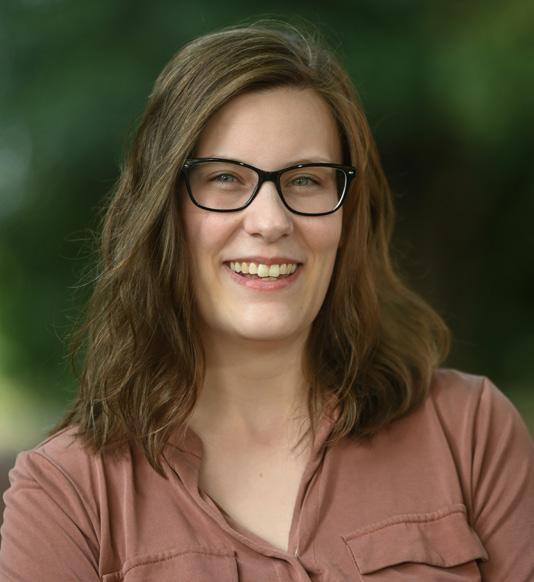
ANNAKA CLEMENT
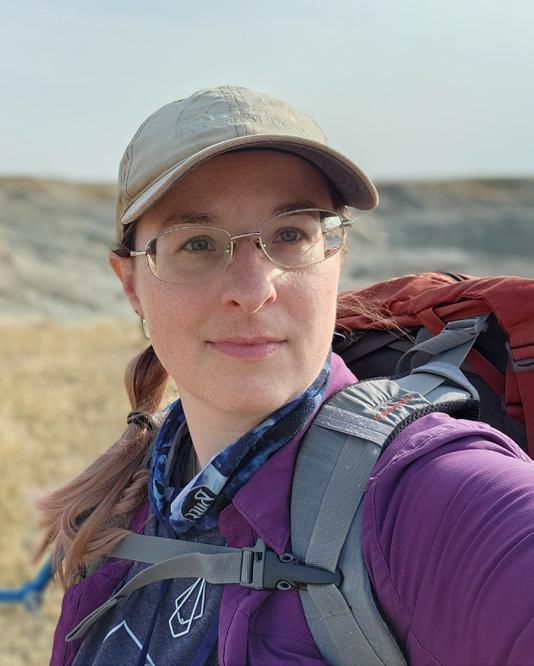
Dr. Annaka Clement is a sedimentologist, stratigrapher, and paleoecologist who joined us from her postdoc at the Denver Museum of Nature & Science, where she worked on a team to create a new method of visualizing ancient landscapes and show Colorado through the last 600 million years.
Dr. Clement combines these specialties in stratigraphic paleobiology, and her research broadly looks at how seafloor organisms and ancient seafloor communities interacted with their physical environment, particularly in the lead up to mass extinctions. Dr. Clement’s current research projects include a study addressing the contributions of environment change and predation pressure on changes in bivalve (clam) shape from low diversity polar regions in the Late Triassic (~220 million years ago), and looking for spatial and temporal patterns of sedimentation and seafloor oxygenation in ancient ocean basins that may have helped buffer ecosystems during the global ocean chemistry changes that often accompany mass extinctions. She is excited to incorporate a lot of local stratigraphy into the latter project.
Dr. Clement is teaching sedimentology and stratigraphy as well as paleontology in the fall of 2026 and is excited to be in the classroom again. She enjoys getting to connect students’ life experiences with geology. Our daily lives intersect with Earth’s history and resources in countless ways, plus we all live on planet Earth!
HOMA SHARMA
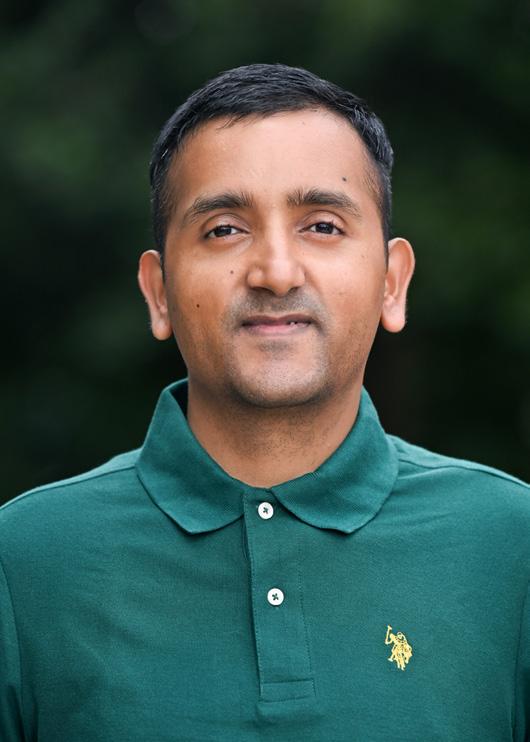
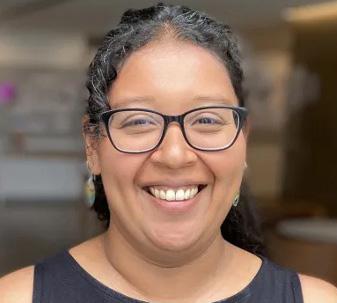
Dr. Homa Sharma is a visiting assistant professor of microbiology who teaches undergraduate biology and microbiology courses in both lecture and laboratory formats. He earned his Ph.D. in microbiology from Alabama State University in 2024, focusing on the anti parasitic activities and mechanisms of mushroom and herbal extracts against Toxoplasma gondii, and completed postdoctoral training in immunology and virology at the National Institutes of Health’s Frederick National Laboratory, where he investigated the molecular mechanisms of HIV inhibition by interleukins in primary immune cells. Dr. Sharma’s research spans parasitology, virology, immunology, and drug discovery, with peer reviewed publications in journals such as Scientific Reports, Frontiers in Immunology, and Parasites & Vectors.
In addition to his research accomplishments, he has extensive teaching and mentoring experience, having guided graduate and undergraduate researchers, supervised NSF REU students, and previously served as a secondary science teacher in Nepal. His work integrates cell based assays, molecular biology, proteomics, and advanced microscopy to explore host–pathogen interactions and identify novel therapeutic strategies.
NEW HIRES
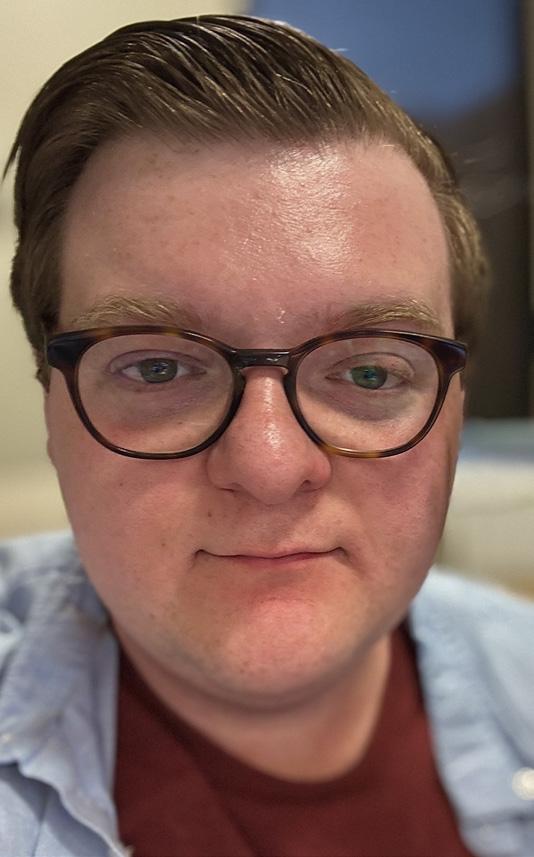
Jackie Box is an accounting specialist who joined the department in June 2025, directly after the retirement of Kelley Locke, a long time member of BGE staff. Jackie was previously an administrative and accounting specialist in the Department of Theatre, from which he also graduated with his bachelor’s degree in Theatre in 2022. He has gained many skills in data science and analytics through his work in tax law and public cost accounting, and he is thrilled to bring those skills to BGE. Some of his innovations include automating expense tracking in internal spreadsheets, digitizing records to save costs of folders and paper, and streamlining internal cost workflows to cope with technological limitations. Jackie is excited to continue learning and innovating within the department.
Outside the office, Jackie is an avid reader (already having read 10 books in 2026). He also enjoys water calisthenics, gardening, and riding his bike downtown. He is currently exploring graduate programs in data analytics and data science to further advance his knowledge and qualifications. He also has an axolotl named Merlin who enjoys sitting under rocks and eating krill.
JACKIE BOX
FACULTY AND STAFF HIGHLIGHTS
CAITLIN JARVIS
Congratulations to Professor Caitlin Jarvis for being the 2025 2026 recipient of the Dr. John R. Freeman Memorial Award. Established in 2004, the award honors Dr. Freeman’s dedication to classroom teaching, personal interest in students, humorous spirit, and love of this department and this institution. The award is given on a regular basis to a faculty member in the department who excels in teaching and working with students.
Professor Jarvis’ contributions to teaching introductory biology laboratories are both substantial and deeply valued by her colleagues. She has supported the University’s general education outcome by coordinating all sections of the introductory laboratory, which serves more than 800 students each semester, and she has developed a new genetics lab in BIOL 1110L, which has significantly enhanced student learning. As part of her exemplary guidance and instruction of graduate teaching assistants, Professor Jarvis provides thoughtful mentorship as they develop their own teaching styles. Her leadership has been transformative, shaping the next generation of educators with care and expertise.
CAS
BGE would like to recognize our faculty who received awards during the CAS Annual Award Ceremony in 2025:
OUTSTANDING TEACHING IN GENERAL EDUCATION
Sarah Farnsley
GRANTS PERSONS OF THE YEAR
Azad Hossain
GRADUATE MENTORS OF THE YEAR
Hope Klug
DR. HOPE KLUG
For over 60 years, UTC has awarded Guerry Professorships to tenured faculty who have distinguished themselves nationally through teaching, research, scholarship and other significant contributions to their respective fields. BGE is very proud that Dr. Hope Klug has been selected as a Guerry Professor for the next five years and will receive a $10,000 stipend each academic year to support continuation and expansion of her work. Congratulations, Dr. Klug!
FACULTY AND STAFF HIGHLIGHTS
JESS SANDERS
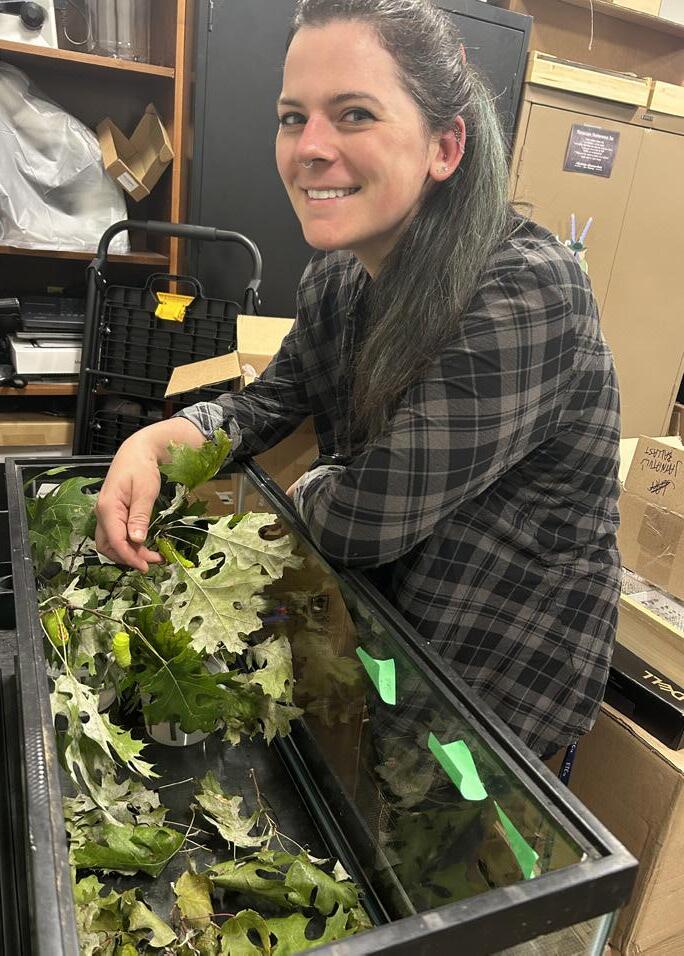
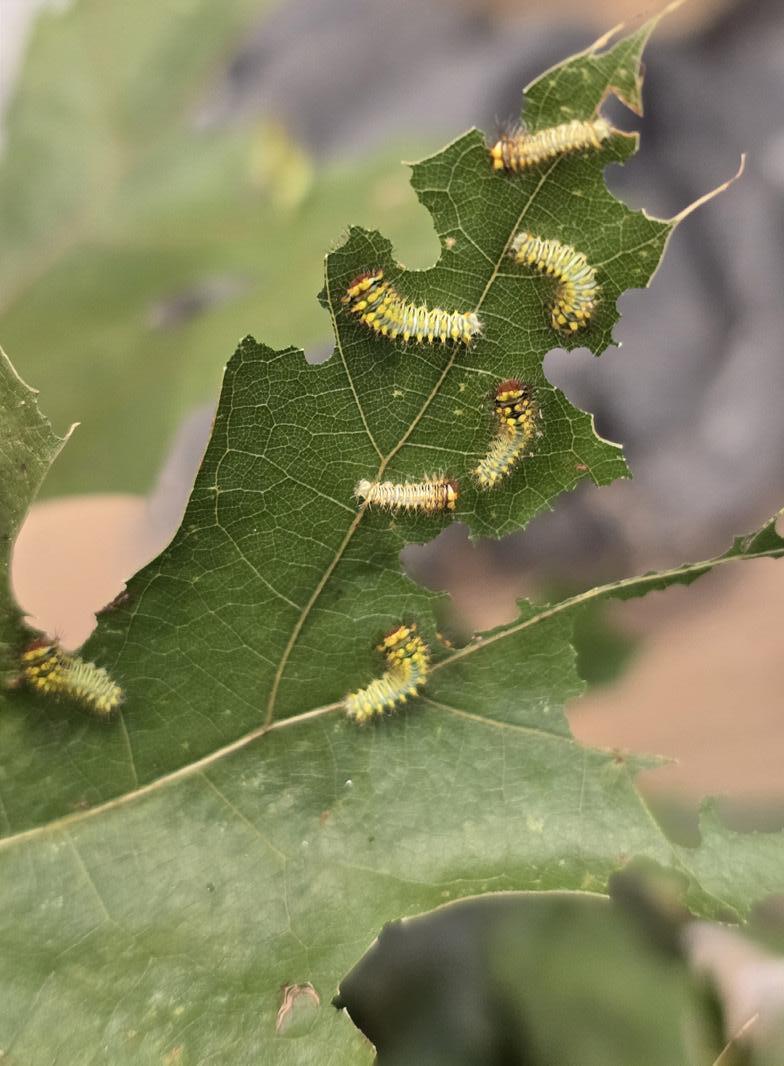
There’s a quiet transformation underway in BGE faculty associate Jess Sander’s office: one that’s equal parts science, patience, and wonder. Last summer, Jess rescued what appeared to be a dying female Polyphemus moth ( Antheraea polyphemus). To her surprise, the moth laid eggs overnight, and about a week later, tiny caterpillars—each no more than half a centimeter long—began to hatch.
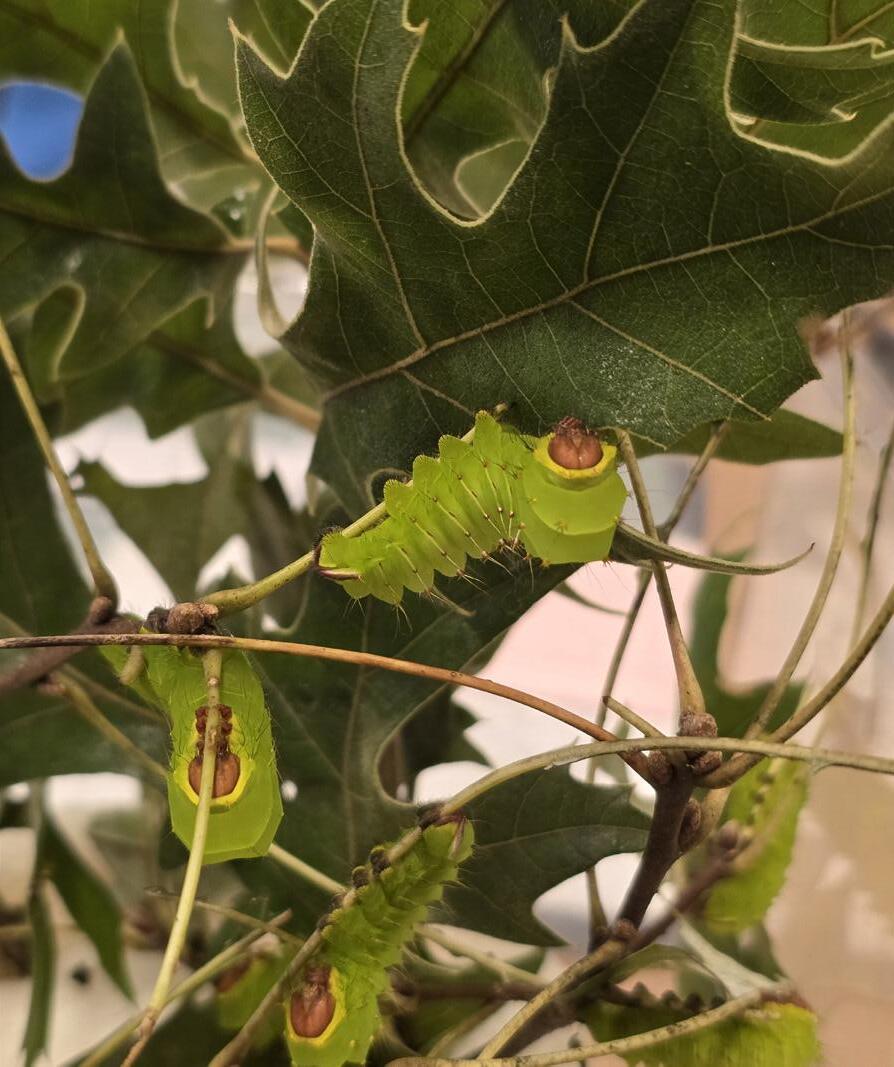
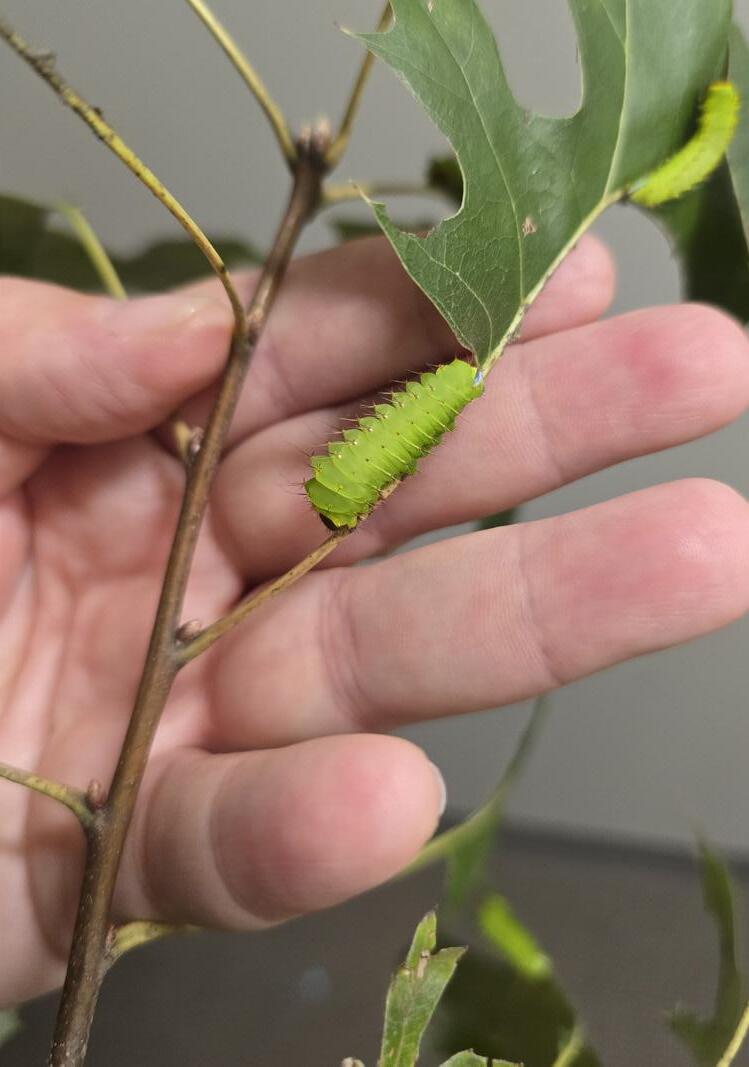
Since then, Jess has carefully reared the caterpillars on fresh oak leaves, tending to their enclosure and watching them grow to nearly the length of her index finger. By early October, many had begun forming cocoons, eventually entering a period of overwintering in a refrigerated environment to mimic natural seasonal cycles. Out of an initial group of around 30 caterpillars, 13 cocoons have successfully made it through the winter—a normal outcome for insects like these, which produce many offspring but experience high mortality rates.
Now, with spring approaching, the moths are ready to emerge. Jess plans to release them both on campus and at home, where they can find mates and contribute to local populations, supporting genetic diversity in the species. Jess has even set up a livestream documenting their emergence.
FACULTY AND STAFF HIGHLIGHTS
Professor Monica Miles’ exemplary contributions to teaching in the BGE department were recognized by the UTC Faculty Senate as she earned the campus wide Teaching Award for Non Tenure Track Faculty for 2025. Professor Miles impacts hundreds of students taking introductory biology courses (as she teaches two of our three introductory courses) and ecology laboratory. Notably, she developed an activity for BIOL 3070 in which students collect and analyze geospatial and ecological data at a local reserve, which strengthens the analytical and critical thinking skills of our students. Professor Miles’ contributions to teaching extend beyond the classroom, as she also teaches animal communication to participants of the annual Wildlife Pilgrimage in the Smokey Mountains. BGE is very proud that Professor Miles’ transformative work has been acknowledged by UTC. Congratulations, Professor Miles!
SERVICE TO THE DEPARTMENT
BGE would like to congratulate our department members who were recognized for their service milestones in 2025:
10 YEARS
Dr. Joanne Romagni
15 YEARS
Dr. Amy Brock-Hon
Professor Kate Kinnear
Professor Nominanda Barbosa
Professor Callie Adams
20 YEARS
Dr. Joey Shaw
MONICA MILES
UNDERGRADUATE STUDENT HIGHLIGHTS
The National Science Foundation (NSF) Research Experiences for Undergraduates (REU) program provides funding for students to spend the summer collaborating on research projects at institutions across the country. BGE would like to highlight three REU stories of our students.
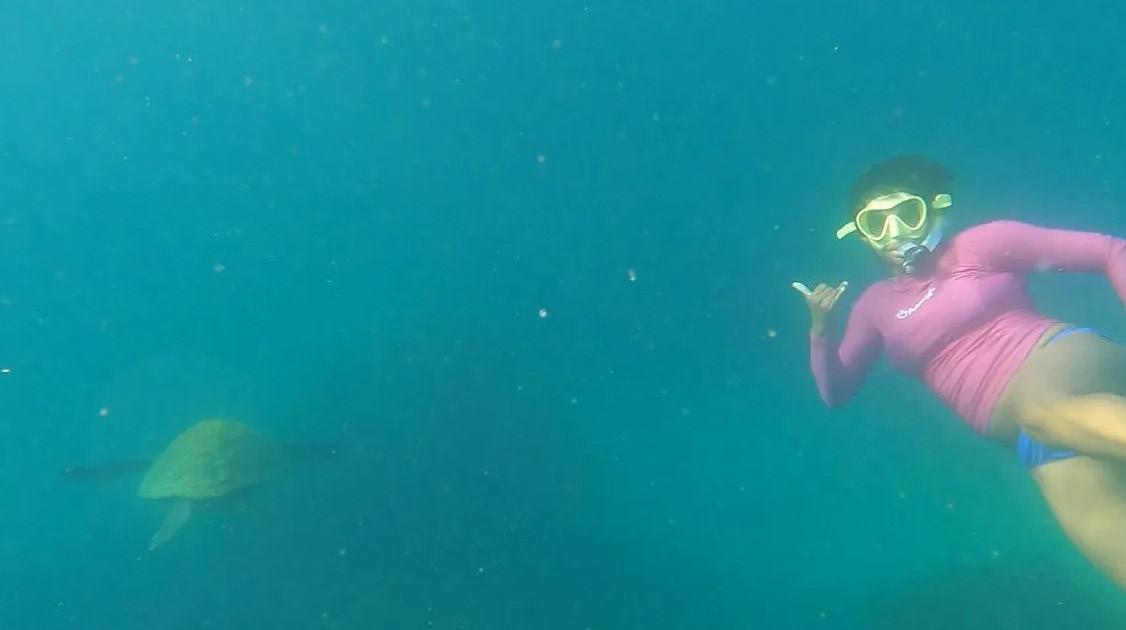
Roseline Gragg spent her research experience immersed in the world of coral biology, combining cutting edge technology with hands on care. Working closely with her lab partner, she conducted 3D imaging of coral specimens twice a week, capturing detailed visual data over time. Using the software Meshlab, Roseline analyzed these images to measure features such as length, diameter, surface area, and volume providing valuable insight into coral growth and structure.
In addition to this work, Roseline contributed to a large dataset of 120 coral skeletons that had been scanned using micro CT technology. Through the software Dragonfly, she helped extract an extensive range of measurements around 20 to 25 variables per specimen ‑supporting her lab partner’s research efforts. Beyond data analysis, Roseline also played an essential role in daily wet lab responsibilities, including monitoring water quality, maintaining tanks, and ensuring the overall health of the corals. Her work reflects a thoughtful blend of technical skill, collaboration, and dedication to marine science.
ROSELINE GRAGG
UNDERGRADUATE STUDENT HIGHLIGHTS
LANDON SCHUSTER
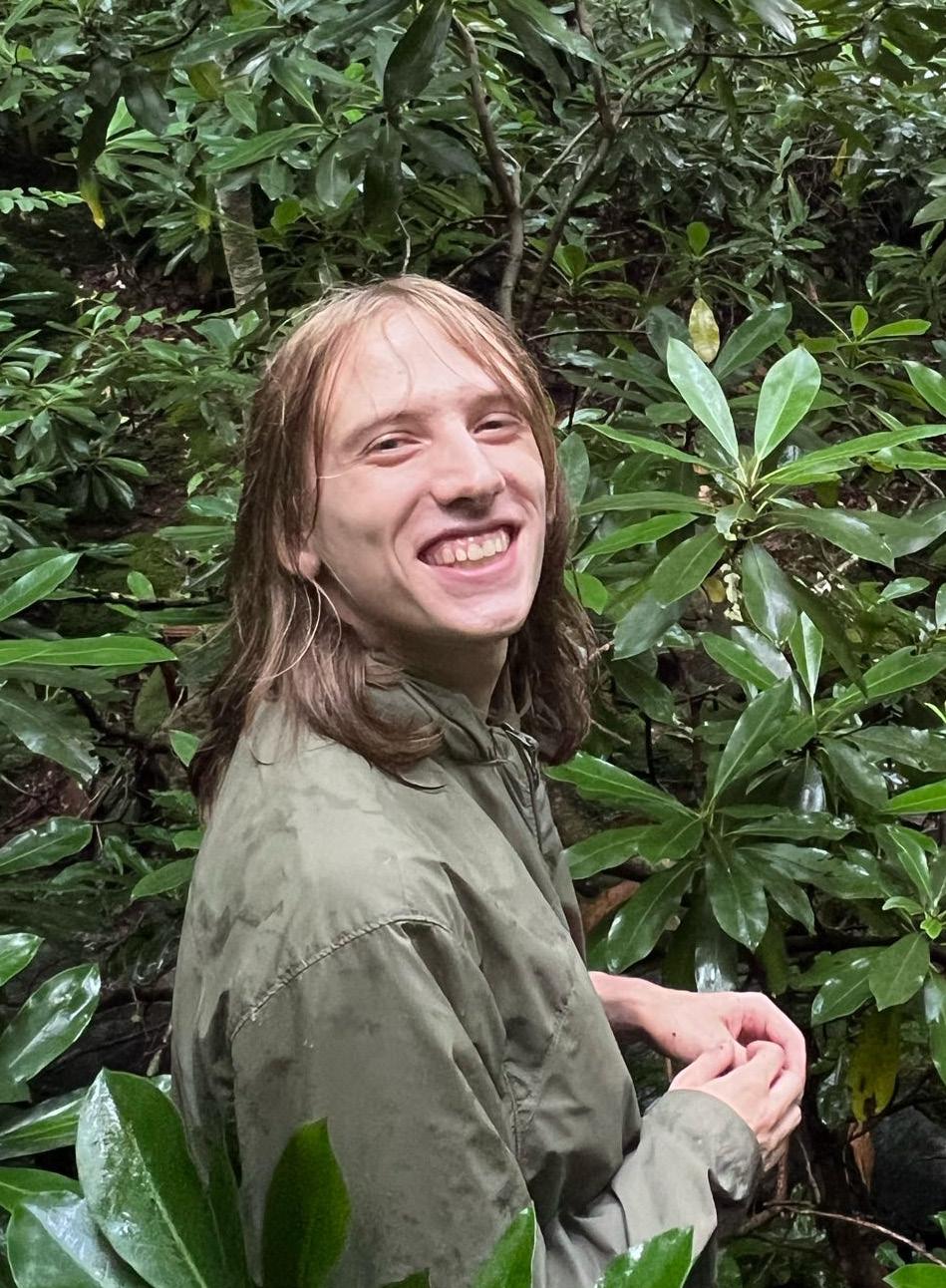
Based on his interest in salamander diversity, Landon Schuster’s research experience took place at the University of Virginia’s Mountain Lake Biological Station. He spent his summer there assessing salamander behavior while documenting various environmental factors of their habitat, such as thermal exposure, air humidity, and soil moisture. Specifically, Landon investigated how salamander behavior differed across and within sites based on thermal exposure and between individuals based on thermal tolerance, and he and his mentor, Dr. Jen Moss, hope to publish this research in the near future.
Through this research program, Landon developed a strong foundation in the research process, from experimental design to data organization and statistical analysis.
He also built valuable technical skills, including programming in R, which have prepared him for future scientific work. Just as impactful were the relationships he formed along the way. Landon remains in close contact with his mentors, who continue to offer guidance as he explores graduate opportunities, and he stays connected with fellow participants through an active group chat that shares everything from conference updates to exciting wildlife encounters.
REBECCA NIX
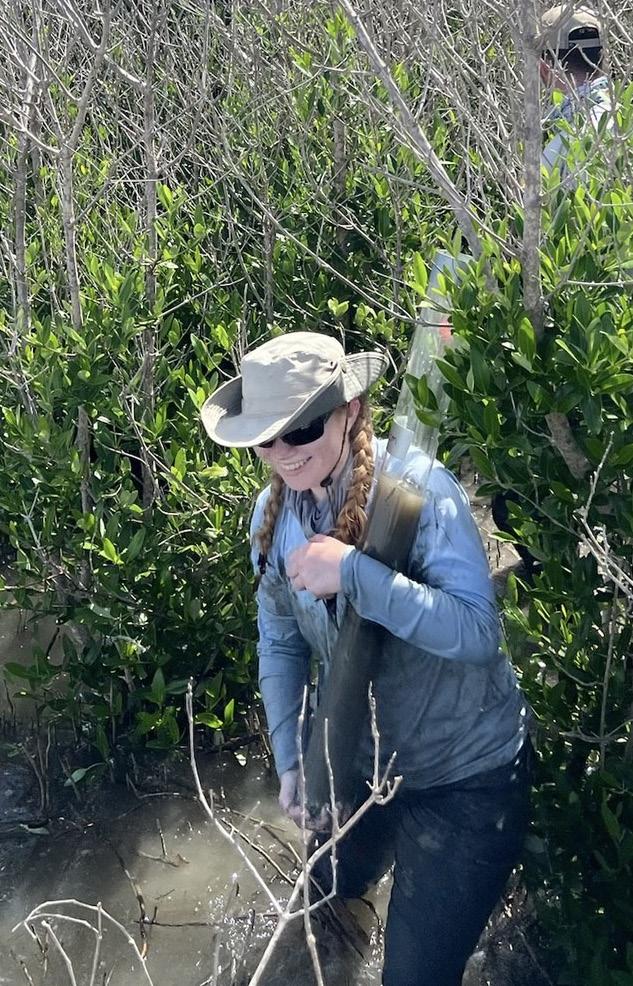
Rebecca Nix is making an impressive impact at the intersection of geology, environmental science, and geospatial technology. A geology major, minoring in geographic information science, Rebecca has developed a strong focus on environmental monitoring, pollution tracking, wetlands science, and GIS based modeling.
During the summer of 2025, Rebecca expanded her research experience through a competitive REU at the Louisiana Universities Marine Consortium, where she worked in a biogeochemistry lab under Dr. Havalend Steinmuller. Her project investigated soil organic carbon stability in encroaching mangrove fronts, simulating the impacts of climate change through increased erosion and salinity. She has already presented this work at LUMCON symposiums and will continue sharing her findings this summer at Gulf Con.
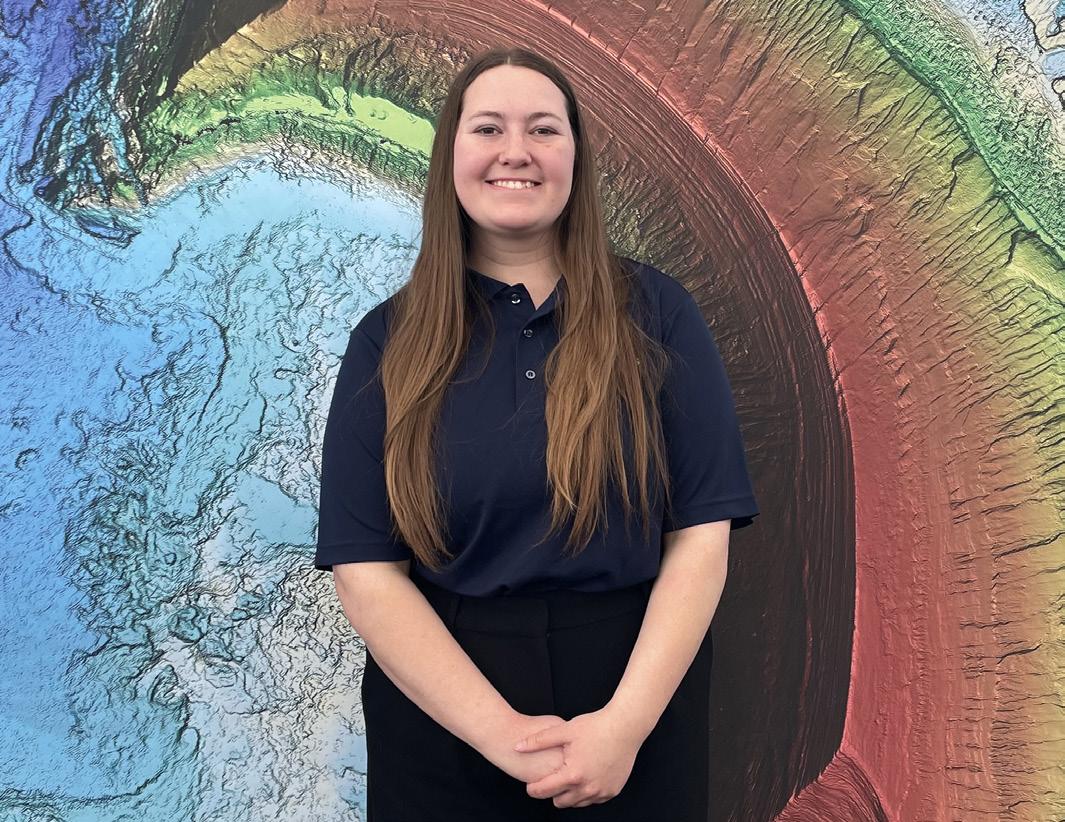
Back on UTC’s campus, Rebecca is contributing to a NASA supported research project with Dr. Azad Hossain, where she helps measure turbidity and chlorophyll a levels in the Tennessee River using both field sampling and remote sensing techniques. In addition to her research, Rebecca is a dedicated campus leader, serving as President of the GIS Club and Secretary/Treasurer of the student chapter of the American Society for Photogrammetry and Remote Sensing. Her work reflects a strong commitment to understanding and protecting environmental systems through innovative geospatial approaches.
GRADUATE STUDENT HIGHLIGHT
ANNA SHERRILL
Research Background and Interest
My research background is heavily remote sensing based; my primary focus is on applying remote sensing to the study of water quality. My interest in remote sensing research really sparked while I was working towards my bachelor's at UTC, specifically during the 2023 24 academic year. At the time, I wasn’t sure what I wanted to do with an environmental science degree, I just knew that I wanted to finish it and get out of school (or so I thought...). Something about sitting in Dr. Azad Hossain’s Intro to GIS course really sparked a new interest within me. Following the introduction class, I immediately signed up to take the remote sensing course the following spring semester. As I gained more experience with remote sensing and GIS throughout course projects and labs, I knew that this was something that I wanted to integrate into my future. At the closing of the Spring 2024 semester, Dr. Hossain announced that he had received a NASA grant to develop water quality models using Landsat 8/9 satellites. He stated that he was looking for students to work on the project with, so I decided to take a leap and express my interest in the project.
“Graduate school was the right answer for me. Having the opportunity to continue working on the project I worked on as an undergraduate position, but in a leadership role is something unique and very rare to find.”
—Anna Sherrill
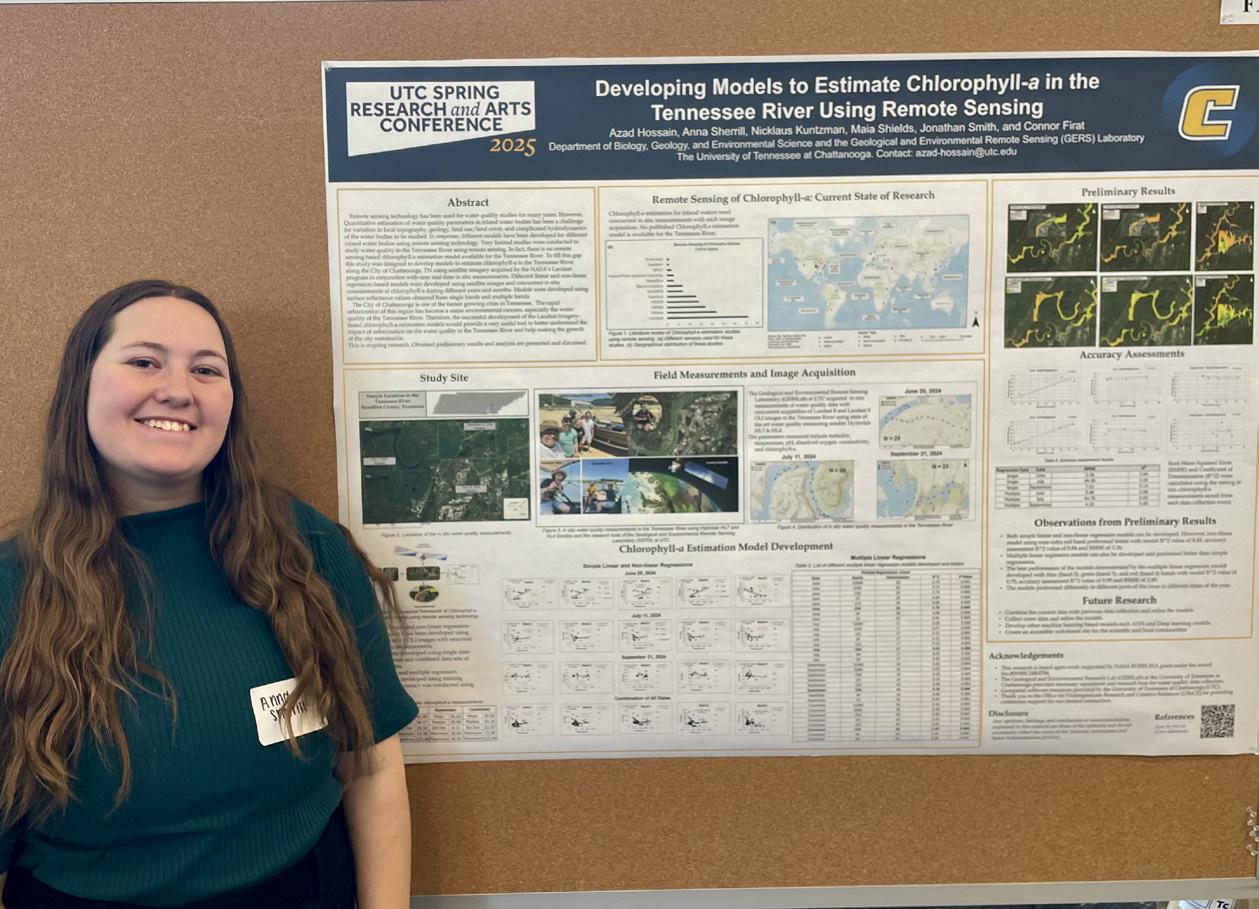
As an undergraduate student, I worked with other undergraduate students to collect in situ water samples, work on a literature review for the remote sensing of chlorophyll a, process satellite imagery, and start working on contributing to the development of chlorophyll a and turbidity estimation models. As we presented our progress at conferences across the nation,
I found a newfound love for remote sensing research, and I knew that I wanted to continue past graduation. Ultimately, graduate school was the right answer for me. Having the opportunity to continue working on the project I worked on as an undergraduate position, but in a leadership role is something unique and very rare to find.
My current research interests are heavily related to remote sensing, such as multispectral imagery analysis, model development, and the remote sensing of complex aquatic parameters such as chlorophyll a. I have also unexpectedly gained an interest in the computer science side of things like learning more about python, APIs, and machine learning. One thing that really interests me about remote sensing research is that I can apply my “toolbox” of unique skills and abilities to complex problems.
GRADUATE STUDENT HIGHLIGHTS
ANNA SHERRILL
Current Research Projects
I have two major research projects currently: the project under the NASA grant and my thesis. My role in the NASA project is to help contribute to the completion of the project at a higher level, while also providing leadership to the undergraduate students. Most of my work within the NASA project has been with the Chlorophyll a side of things. My work has included, applying our currently developed models to hundreds of historic, and current, images through Google Earth Engine and producing a full scale literature review article on existing Chlorophyll a research within inland bodies.
I am in the process of building and preparing my thesis for proposal, which is exciting. I hope my thesis will further contribute to the expansion of the remote sensing of complex, inland bodies of water.
Recent Conference Presentations and Publications
I have been able to attend several conferences to present my work, with the most recent being the 2025 American Society of Photogrammetry and Remote Sensing International Technical Symposium, and the 2025 American Geophysical Union annual meeting in New Orleans, LA. Presenting, and attending, conferences such as these has really helped me grow as a student and a researcher. I am grateful that UTC has opportunities to support students at such conferences; It’s something that students who are interested in research should be able to experience.
Leadership Roles and Experience
I currently hold several leadership positions in both national and university organizations. I am the president of the UTC American Society of Photogrammetry and Remote Sensing (ASPRS) student chapter. I also hold several regional and national positions within ASPRS. I am the second Tennessee state representative, the Mid South region student chapter liaison, and the newly elected Student Advisory Council deputy chair. This organization provides really amazing opportunities for students that are interested in the field of remote sensing, and I invite any students with such interests to join our student chapter!
HIGHLIGHT STORY: RACCOON MOUNTAIN CAVERNS
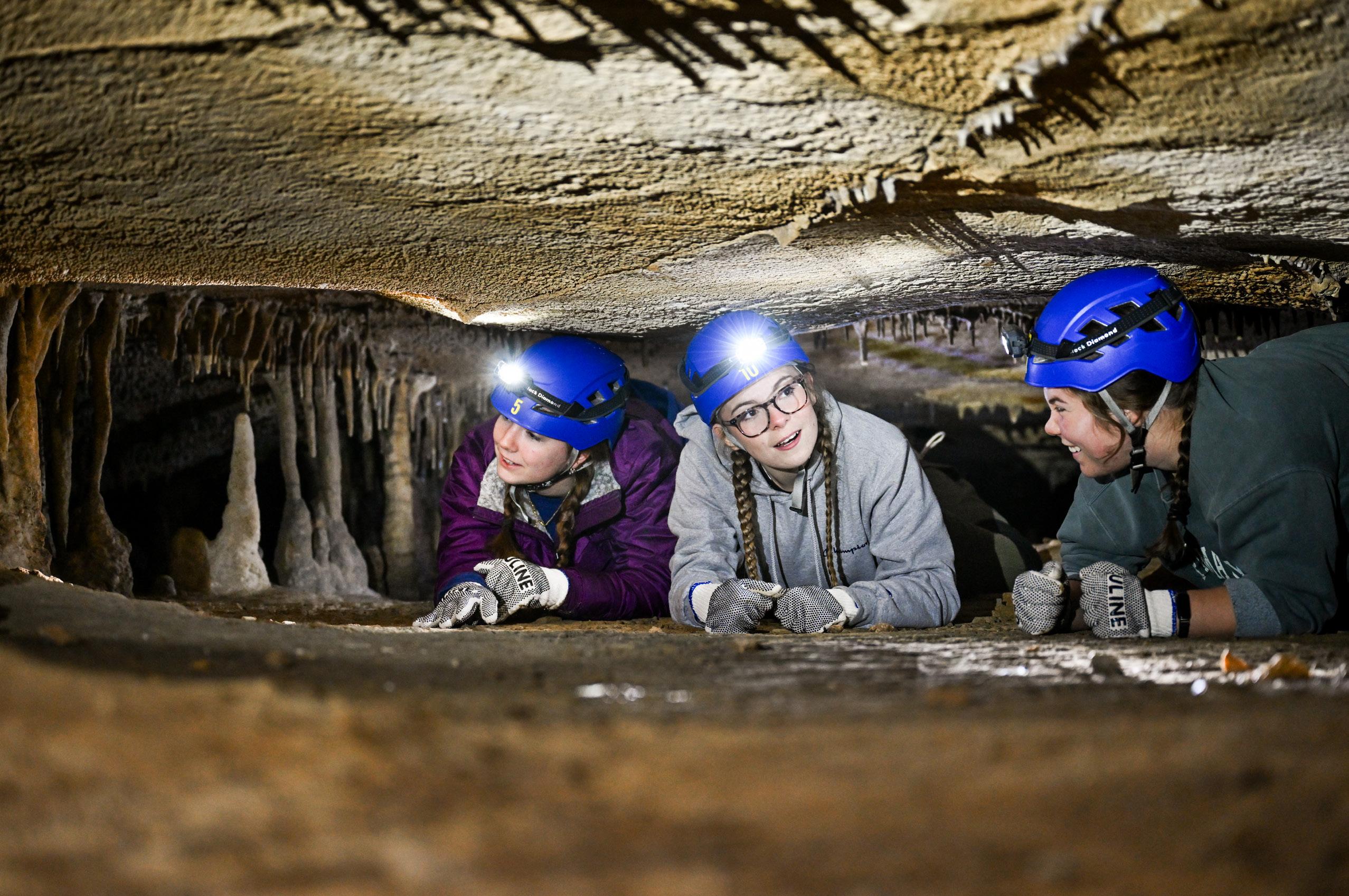
For those who enjoy the dark stillness and unique environment of the underground, then one of the newest donations to the university is something to be excited about. In late November 2024, Dr. Steve Perlaky donated Raccoon Mountain Caverns to UTC.
Since then, BGE faculty and students have been learning about and exploring our new underground classroom and research site. In just over a year, multiple BGE faculty have explored and engaged in discussions about its use in classes and research. Since its donation, students that have experienced the caverns to expand on learning in the classroom, these include students in courses such as the freshmen first year experience MOCs Explore Chattanooga course, Hydrology, Introduction to Geophysics, and the new interdisciplinary Introduction to Cave Geology and Biology course.
Current research in the cave includes Dr. Elizabeth Olson’s monitoring of cave water chemistry and hydrology of the karst system.
Her work has already included several students and requires navigating the wild portion of the cave to obtain data from installed sensors and collectors.
The donation of Raccoon Mountain Caverns to UTC gives our department an advantage to train our students in karst settings which are unique geological and ecological environments common to our region. Tennessee has the most caves than any other state, and in our region, Chattanooga is central to caving and cave exploration. By training our students and doing research in the caverns, our students become well versed in the importance of understanding this special underground environment for the purpose of making better decisions for our community.
New and exciting opportunities are ahead for research and learning at the caverns. This distinctive educational setting is something only a handful of institutions can provide their students, and we plan to take full advantage of it.
WILDLIFE REHABILITATION
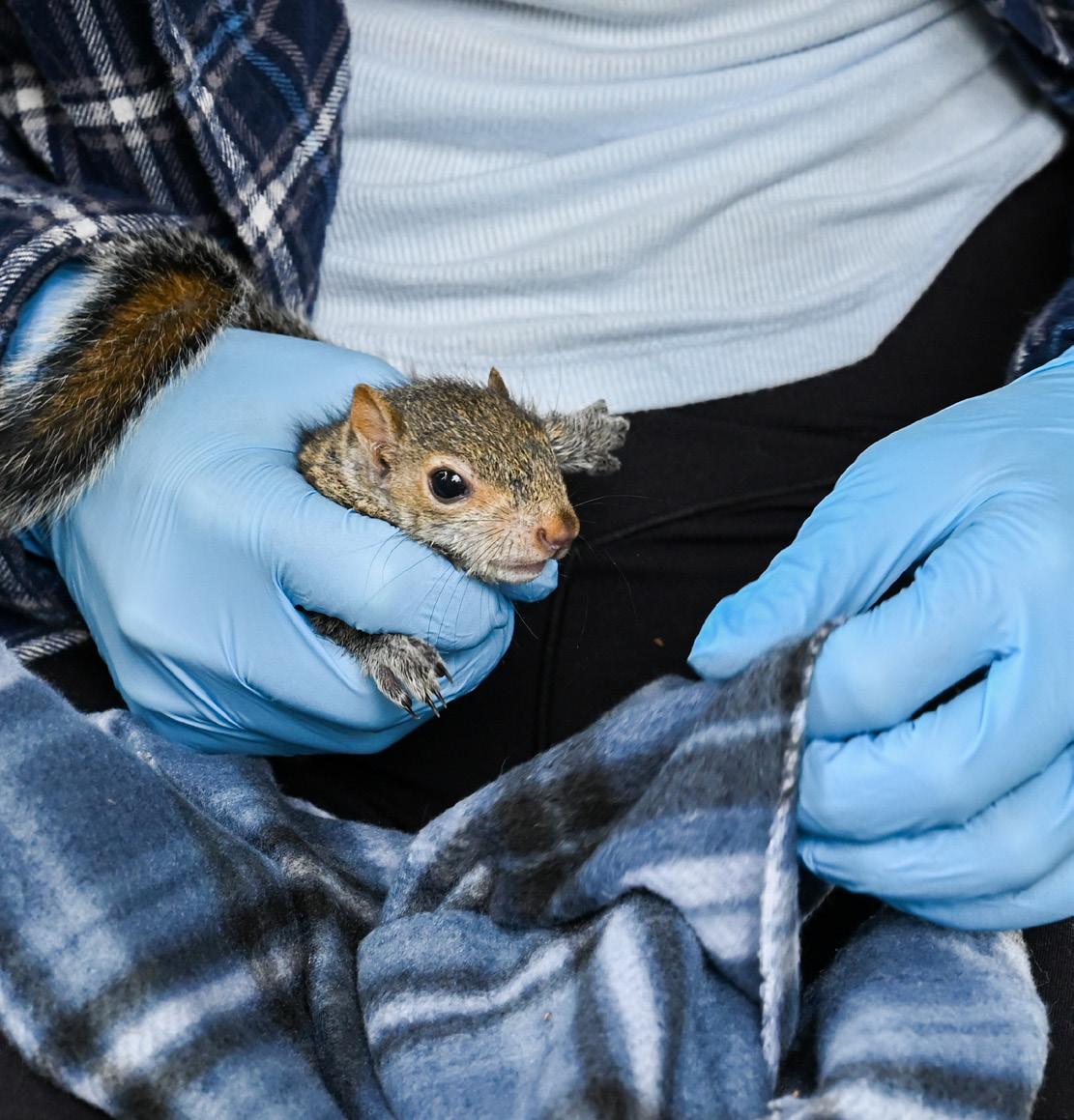
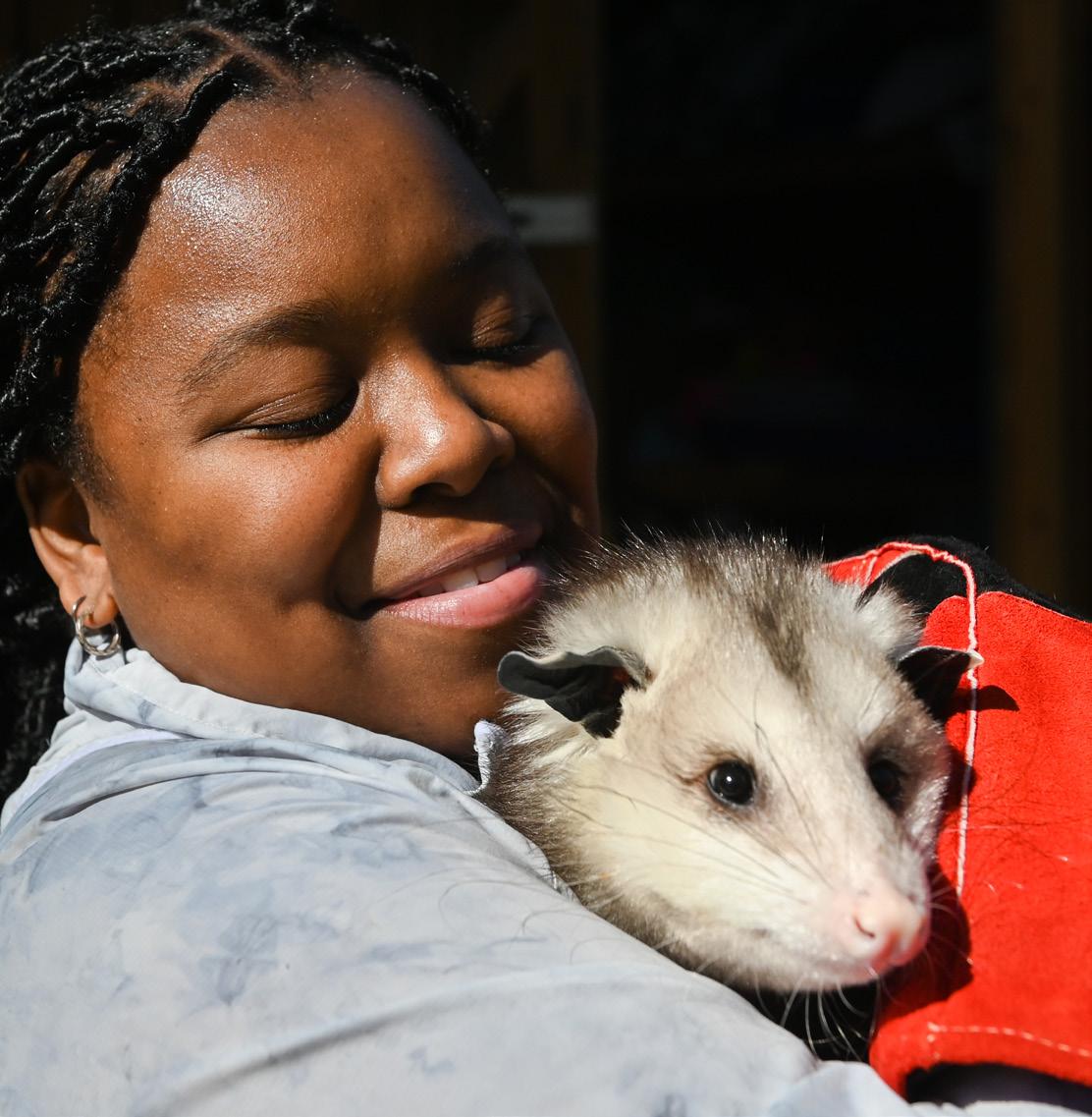
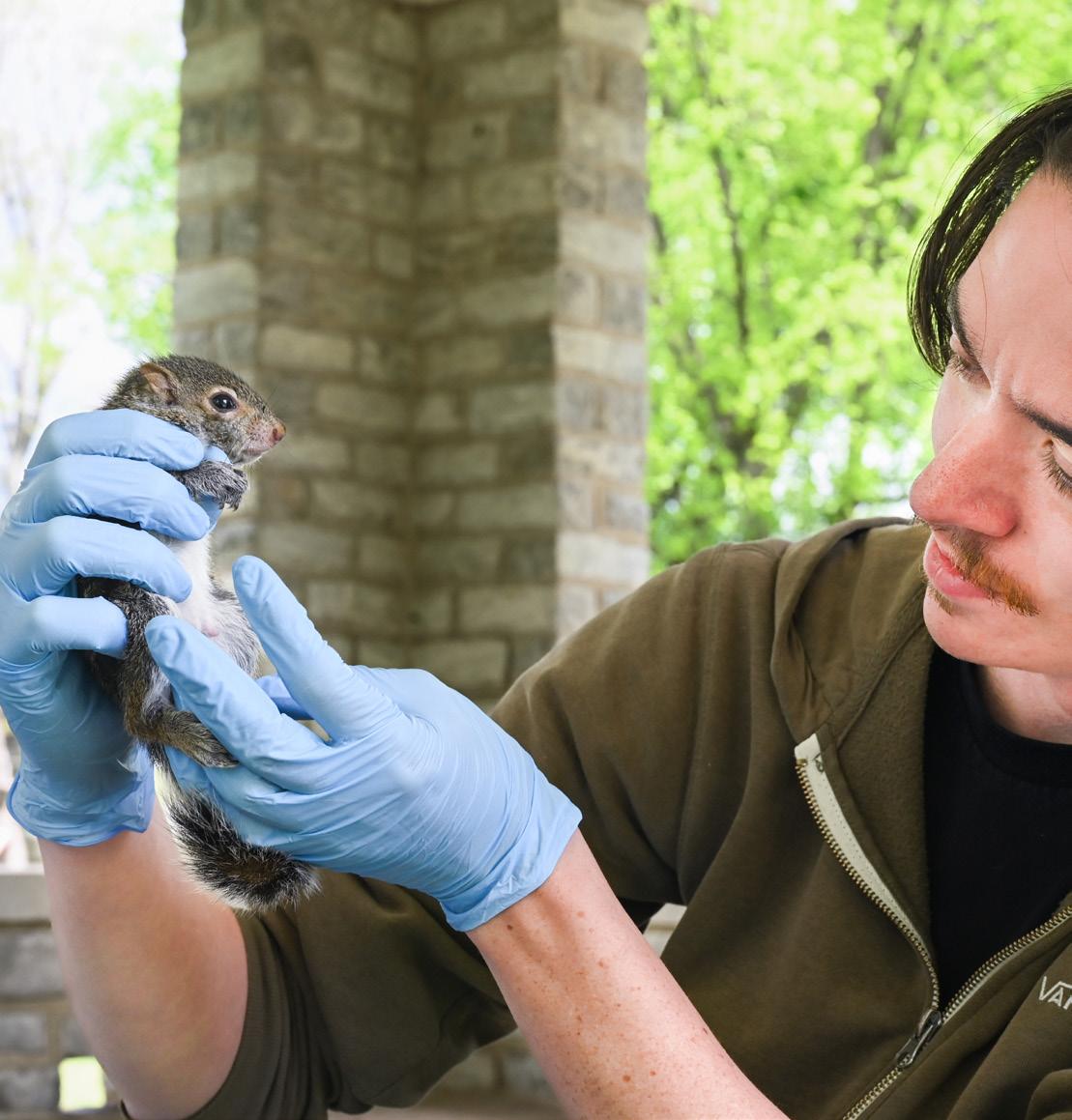
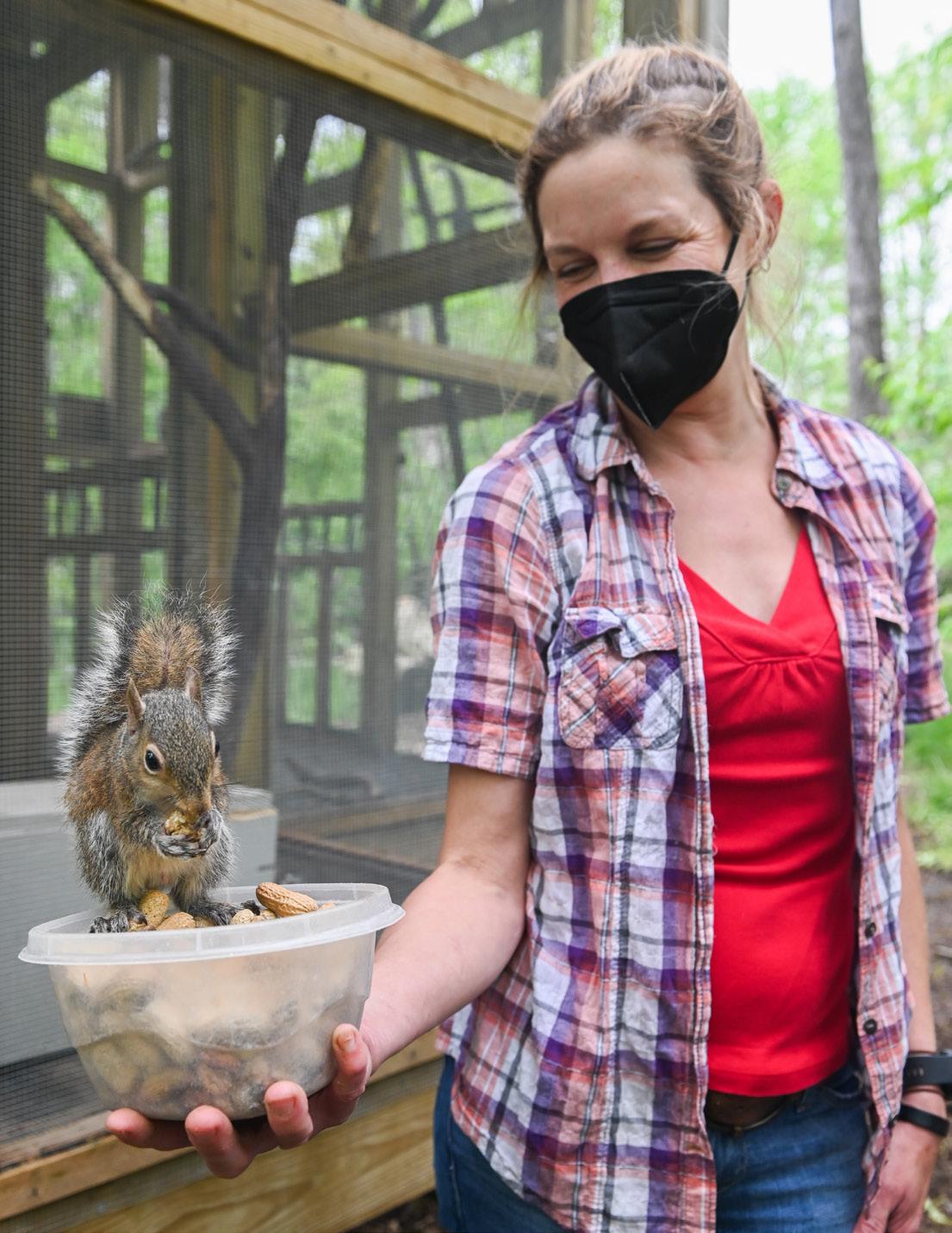
Professor Kate Kinnear teaches a course on Wildlife Education and Rehabilitation (BIOL 4335) in which students study the natural history, ecology and rehabilitation of native wildlife species, as well as humane resolutions to common conflicts with humans.
ALUMNI UPDATE
JESS MORALES VALENZUELA
“The opportunities I had at UTC of working with students in both the academic and field settings taught me how to adapt, communicate, and meet students where they are—lessons I carry with in my own teaching.”
— Jess Morales Valenzuela
Jess Morales Valenzuela completed a master’s thesis in environmental science at UTC in 2025. Jess’ research took her to South America, where she studied the behavior of the degu, a social rodent found only in Chile. To get to Chile, Jess secured a competitive position funded by a National Science Foundation grant to UTC and several smaller grants from UTC and professional societies. In addition to completing her thesis research,
Jess contributed to multiple side projects, trained other students participating in the program, and communicated effectively with the people in the local community where she worked. In this way, Jess helped build a program that will benefit future students. While presenting Jess with a graduate student award, Dr. Loren Hayes (Jess’ thesis advisor) commented that “As a testament to her leadership and organizational skills, Jess ran the show when I was not in Chile and in many ways, when I was there as well.”
After completing her thesis, Jess was hired as a laboratory instructor at Swarthmore College, an elite small, liberal arts college in Pennsylvania. Jess’ roles include assisting in the development, preparation, and instruction of laboratory sections and assist in student support. She credits two experiences during her master’s program – teaching introductory biology laboratories and training students in Chile – as having the greatest impact on her and facilitating a smooth transition into her new role. “The opportunities I had at UTC of working with students in both the academic and field settings taught me how to adapt, communicate, and meet students where they are—lessons I carry with in my own teaching.”
CONNECT WITH US!
BGE SOCIALS
We are always interested in hearing from our past students. Please let us know if you have had a life changing event, from getting married and having a baby to landing the best job ever! We’ll share your news with fellow alumni and friends via future newsletters. You can visit our website and fill out the Al umni Infor matio n Form
The BGE department also seeks to keep linked with our graduates via other avenues. Our newsletter is only one way to do this. We have a strong presence on social media channels, including Facebook and Instagram. Whether you’re a recent graduate wanting to stay connected to job opportunities, a current undergraduate looking to connect to a student organization or a high school student wanting to learn more about our programs and student activities, we have created a space for you to get news and ideas! We love hearing from our followers and hope you will share news and questions with us! Check out our channels below:
DEPARTMENTS
Geology: News from our geology division with job announcements for alumni
Instagram: @geolog yutc
Facebook: UTC G eolog y
Environmental Science: News from our environmental science division
Instagram: @utchat tanoogaesc
STUDENT ORGANIZATIONS
EDGE: A sustainability and environmental awareness group
Instagram: @ utcedge
Facebook: EDG E
Geology Club: Promoting interest in geology through hosting lectures, field trips and other activities
Instagram: @utc geology
Tribeta: BGE Honor Society
Instagram: @utc .tribeta
UTC Pre-Dental Society
Instagram: @utcpredent
BGE Department: News across the BGE and fields of biology, geology and environmental science
Instagram: @bgedepar tment
Facebook: Department of Biology, Geology, and Environmental Science
UTC Pre-Medical Society
Instagram: @utcpremed
Wildlife Zoology Club: Advancing the science and practice of wildlife and wildlife conservation
Instagram: @ wildlifezoolog yclub
Facebook: UTC W ildlife and Zoolog y Club
Women in Natural Sciences (WINS):
Focusing on female representation in biology, geology, physics, environmental science and chemistry
Instagram: @utc wins
OUR STUDENTS NEED SUPPORT!
We appreciate the support that you, our alumni and friends, have given us in the past. We would appreciate any new support you might be able to give this year. Gifts to the department may be addressed to one of three funds that our department has set up. To make a gift to a specific program, please earmark your donation to the “BIOL/ESC Gift Fund.” or the “GEOL Gift Fund.”
Two years ago, we established two new gift giving funds. The first memorializes our dear colleague, Dr. Mark Schorr. Gifts to the “Dr. Mark Schorr Memorial Fund for Graduate Students” will help support our MS ESC graduate students. Created last year, the “BGE Teaching Enhancement Fund,” will help faculty expand our teaching capacity and implement new developments in our different disciplines.
Thank you for considering a gift to one of these important funds. Donate here.