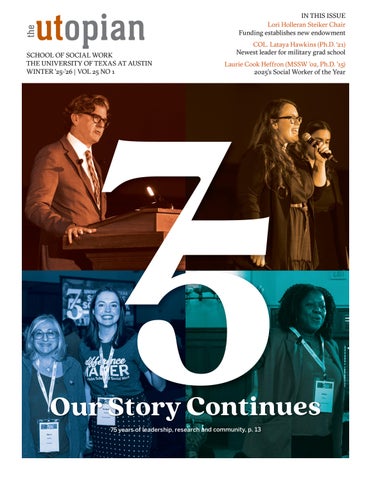
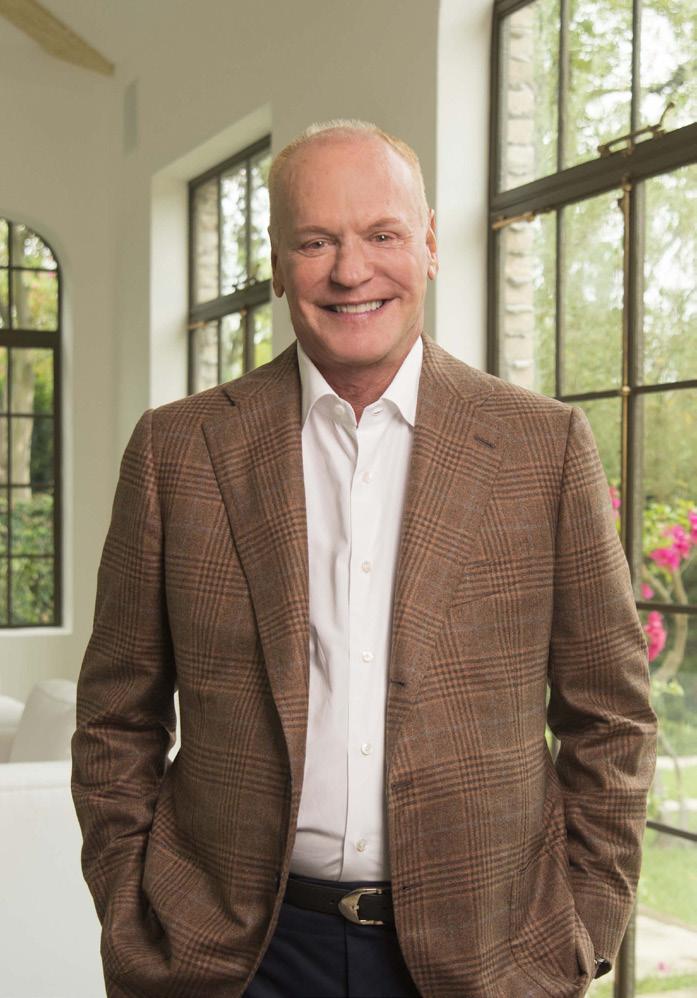
"The world needs us and UT Social Work remains ready to respond."
When you need someone to listen, to walk beside you, to fight for you — when you need someone who truly sees you — you need a social worker.
Social workers lead where the stakes are highest: in hospitals and schools, on military bases, in soup kitchens and counseling centers, in boardrooms and on park benches. They show up wherever people, families, and communities need advocacy, care and hope.
The need for social workers has never been more urgent. Texas alone will require 34,000 additional social workers to keep pace with population growth. Today, 91 counties across the state lack even a single licensed clinical social worker.
With great need comes great opportunity — the opportunity to confront the challenges before us, to develop solutions and to transform lives.
Our story began in 1950, when Lora Lee Pederson recognized the need for formal social work education in Texas. Seventy-five years later, UT Social Work stands as the state’s flagship school and is ranked among the nation’s top ten schools of social work.
We are scrappy and tenacious — nimble, efficient and impactful.
We punch above our weight, rank consistently among the most productive research units on the Forty Acres, and maintain a campus footprint far larger than one might expect.
Our ten research institutes and centers set the standard among our peers. They advance knowledge and practice across critical domains, including addiction, aging, disability, housing, child and family well-being, health
and behavioral health, medical humanities, social policy, and well-being for veterans, military personnel, and their families.
Our work doesn’t just study problems — it solves them.
In our 75th year, we welcomed more applicants than ever before, with nearly a 30% increase in applications.
Nearly half of our incoming class are first-generation college students — the highest proportion at UT — and I am deeply proud of this milestone. As a first-generation college graduate myself, I know the transformative power of education — not only for students, but for families and communities, for generations to come.
As we grow, we remain committed to excellence and efficiency. Our graduation rates consistently rank among the best on campus, reflecting our dedication to preparing students to transform lives without delay.
Our 75th year is not a resting point — it is a launchpad. For decades, this school has written chapters defined by vision, compassion, courage, and transformation. The next chapters are being written now by our faculty, students, alumni, donors, partners and friends.
Texas needs us. The world needs us. And UT Social Work is ready to respond.
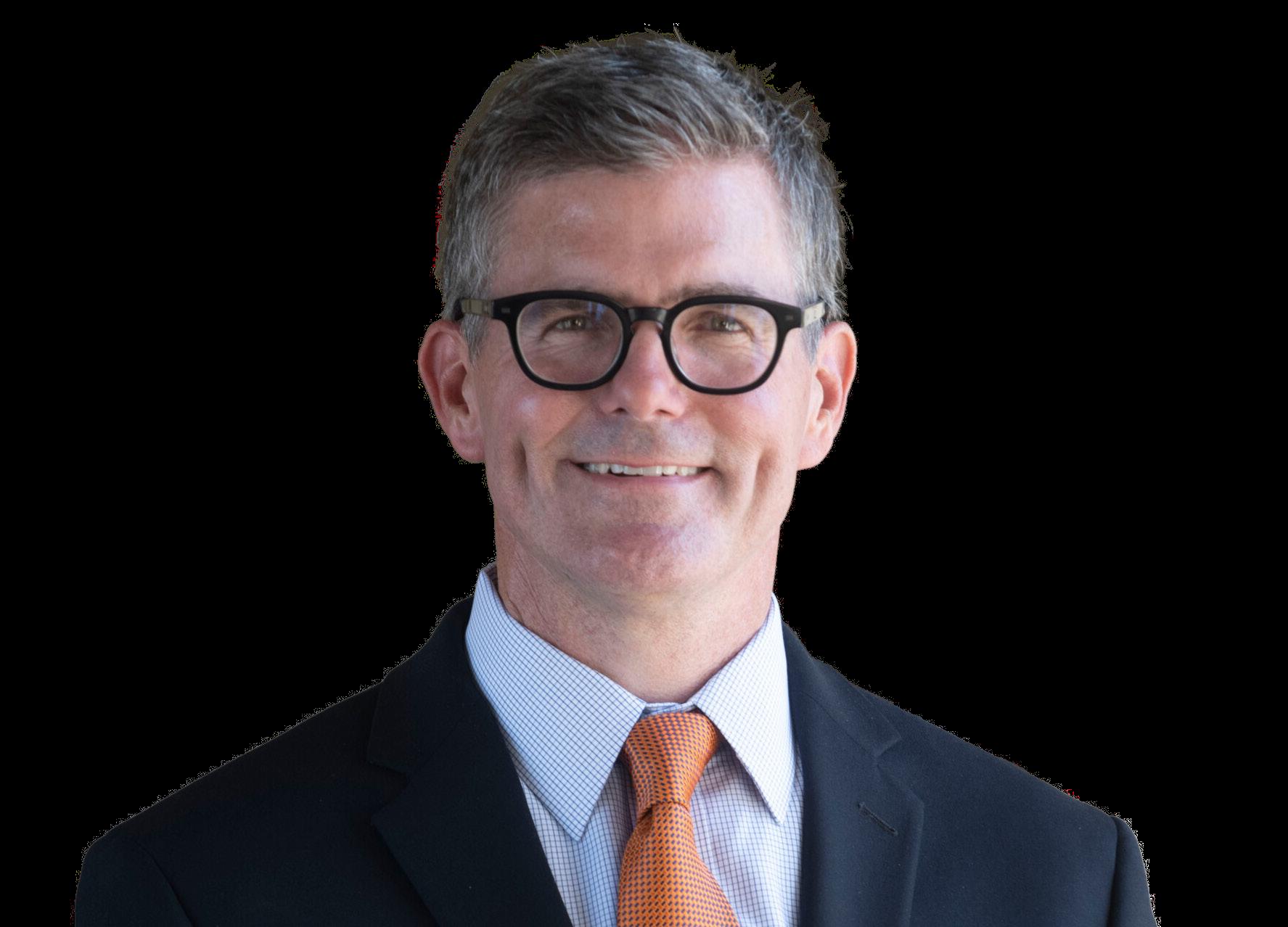
Allan Cole, Dean
Hook 'Em Horns!
01
People News
Recognizing new faces, thanking retiring faculty and staff and highlighting student excellence
TABLE OF CONTENTS
03
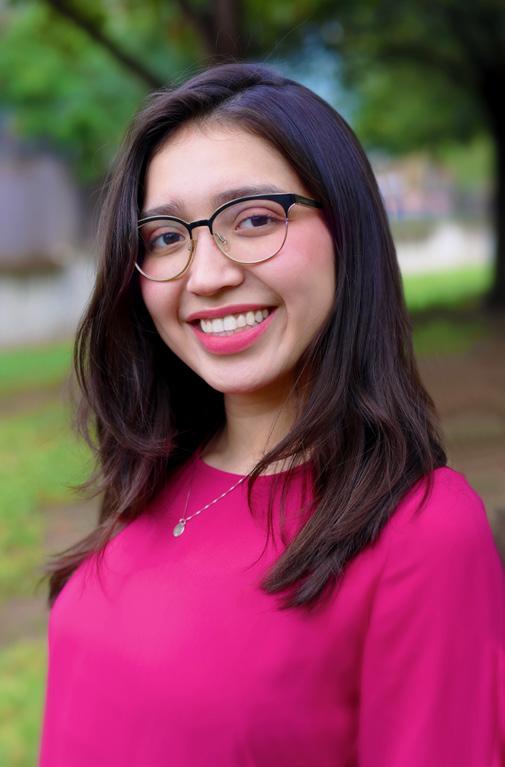
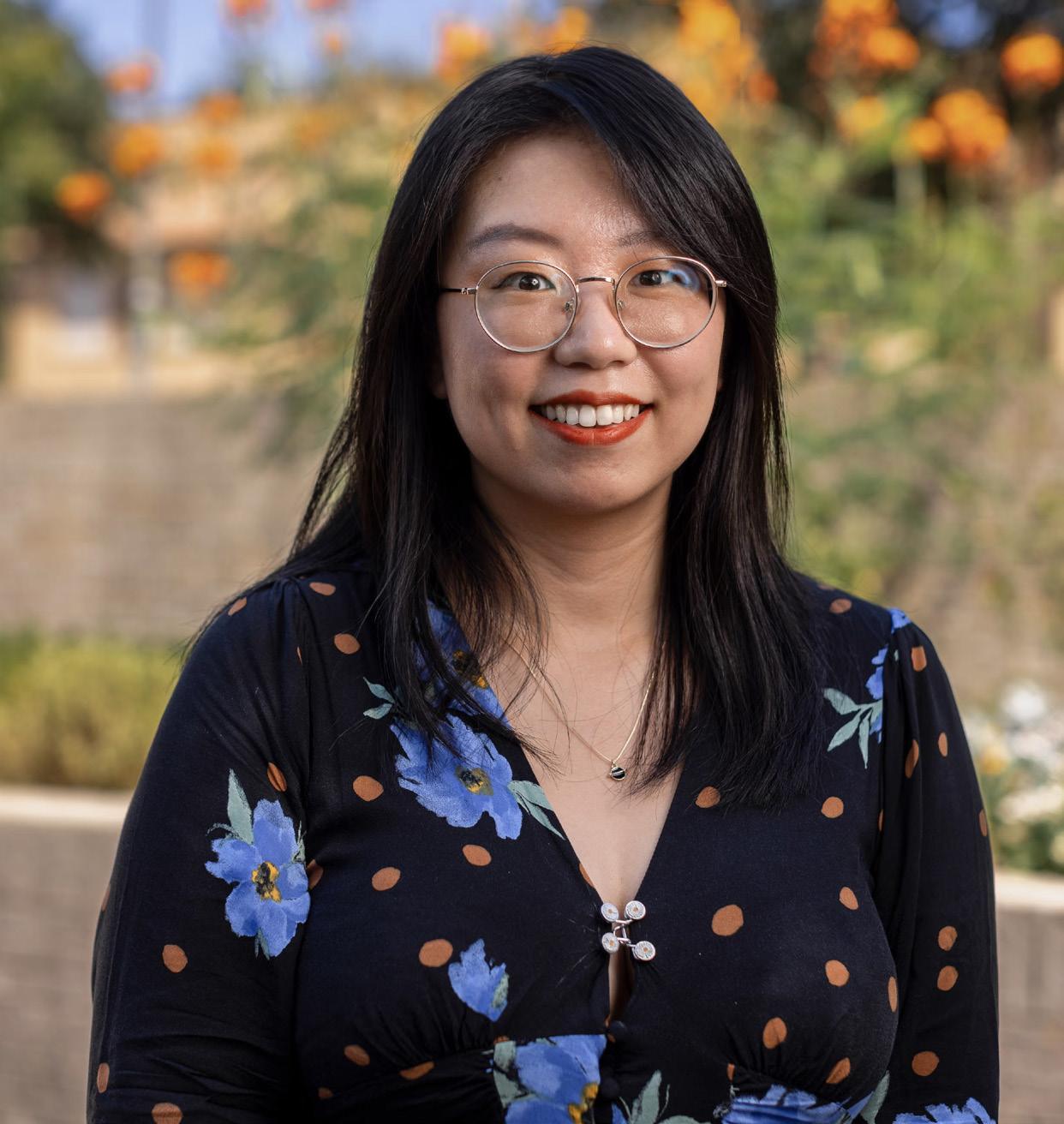
Xiaoyi Zeng
The third-year doctoral student is leading research on aging & dementia.
05
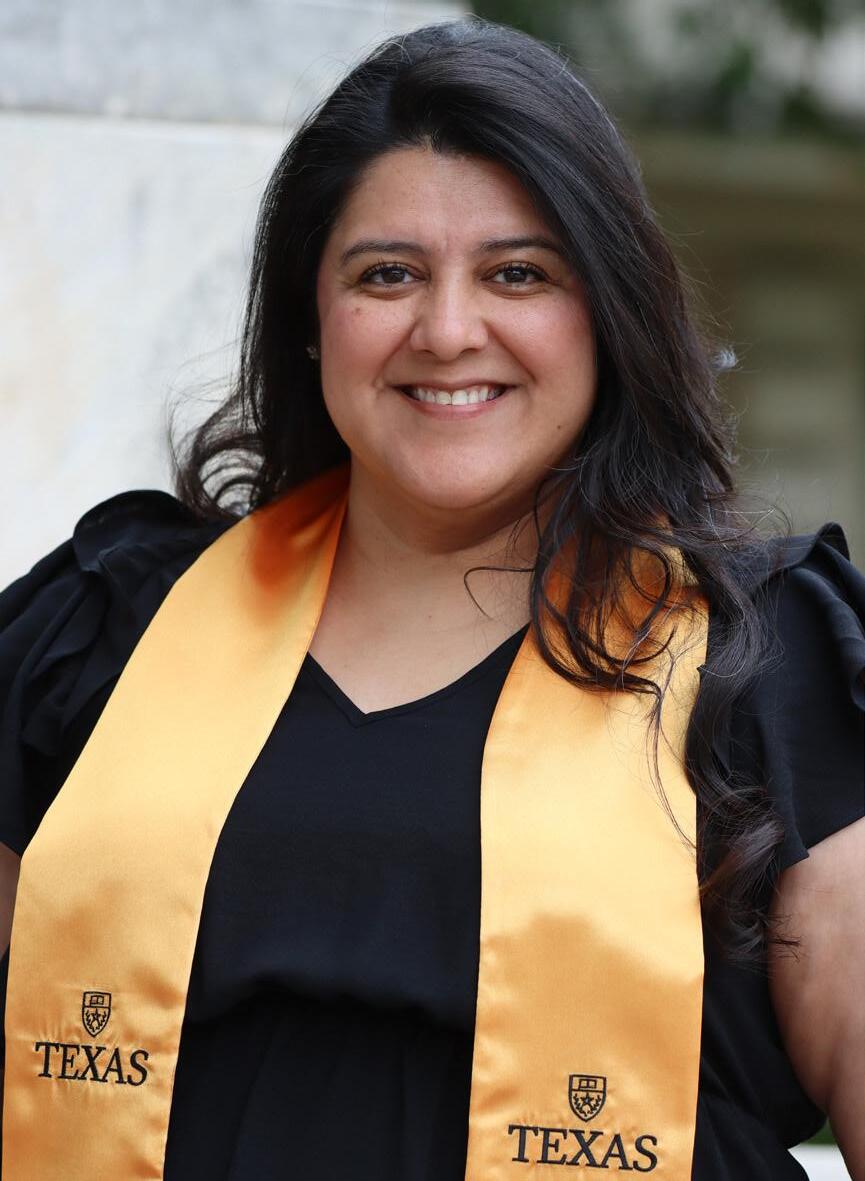
Lori Medeiros
Combining advocacy and experience, this MSSW student fights for pediatric care.
09 Catherine Cubbin
UT Social Work professor recognized for excellence in doctoral education
21
Military Social Work
The institute for Military and Veteran Family Wellness brings social work to military families.
23
Global Engagement
From Ireland to India and beyond, UT Social Work is creating impact around the world.
10
DiNitto Center
Erin Cantrell mentors students both in college and as they start their careers.
17
Big Questions with Dean
Cole
Dean Cole addresses new initiatives and programs at UT Social Work.
07
Lori Holleran Steiker Chair
A new gift creates permanent endowment to study substance abuse and recovery.
PEOPLE NEWS NEW FACES
UT Social Work welcomes several new faces to our faculty and staff.
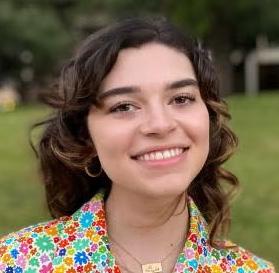
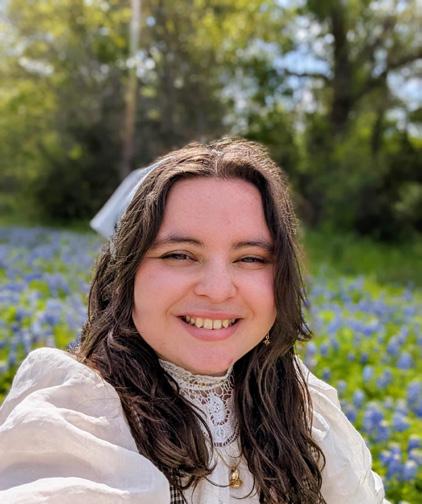
Jessica Chester Events Program Coordinator O!ce of Professional Development
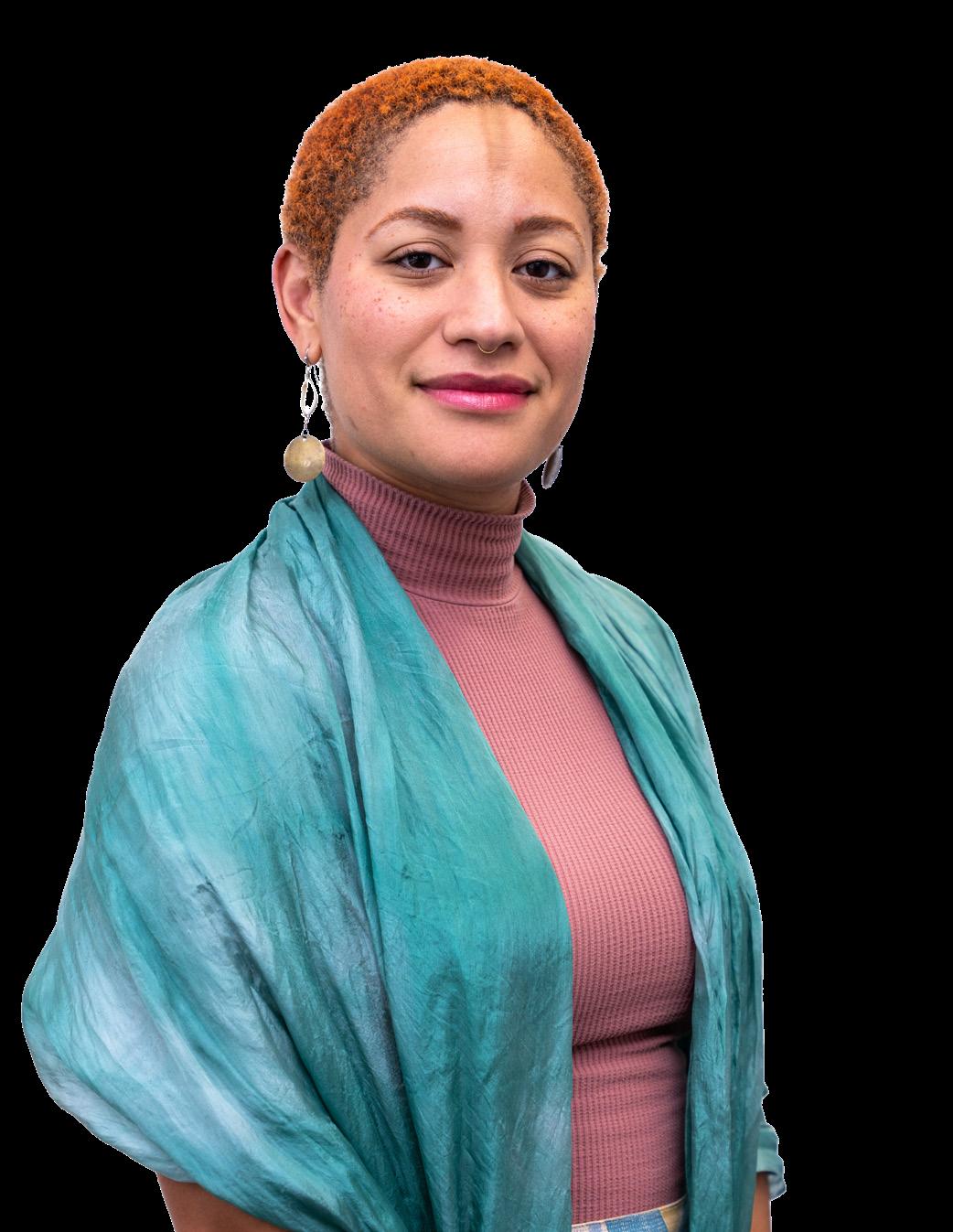
Jaime Fuentes Balderrama Assistant Professor UT Social Work
Caroline Lewin
Senior Administrative Program Coordinator Texas Center for Disability Studies
Carrie Mullins
Social Science/Humanities Research Associate III Texas Center for Disability Studies
Hope Ricketts
Senior Academic Program Coordinator UT Social Work
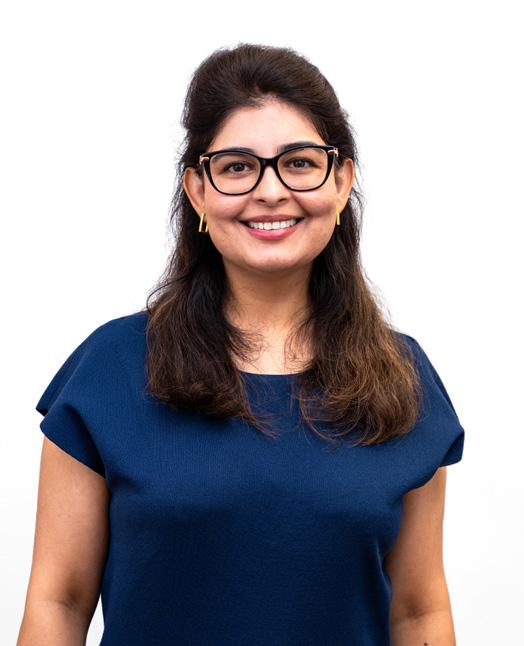
Noor E. Sehar Rana
Senior Administrative Associate UT Social Work
Mia Villarreal Associate Academic Advisor
UT
Social Work
PEOPLE NEWS STUDENT HIGHLIGHTS
UT Social Work celebrates the achievements and contributions of our students.
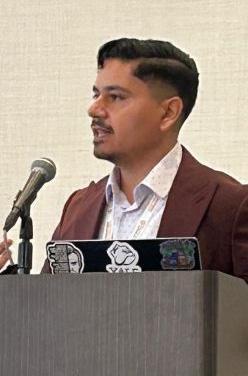
Hector Chaidez Ruacho
Hector Chaidez Ruacho, a third-year doctoral student at UT Social Work, published a first-author paper on Spanishspeakers access to mental healthcare. The publication, entitled “Mental Healthcare Utilization Among Spanish-Speaking Hispanics in the Aftermath of COVID-19 and a Continuously Changing System,” was published in the Journal of Racial and Ethnic Health Disparities in October 2025. Hector also was an invited presenter at the 2025 Council on Social Work Education Annual Program Meeting to share his research.
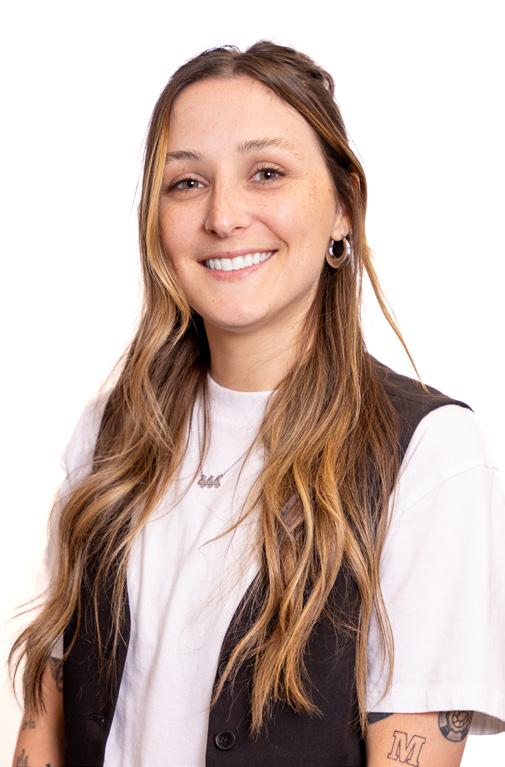
Mandee Logsdon & Priscilla Gary
MSSW students Mandee Logsdon and Priscilla Gray both of whom are Maxwell Scholars within the School of Social Work are taking their practicums in Travis County’s Transformative Youth Justice program. Led by the Hon. Denise Hernandez in County Court at Law #6, the court-led youth diversion program utilizes a holistic community-centered approach to provide participants with developmentally appropriate support, intervention, and mentorship.
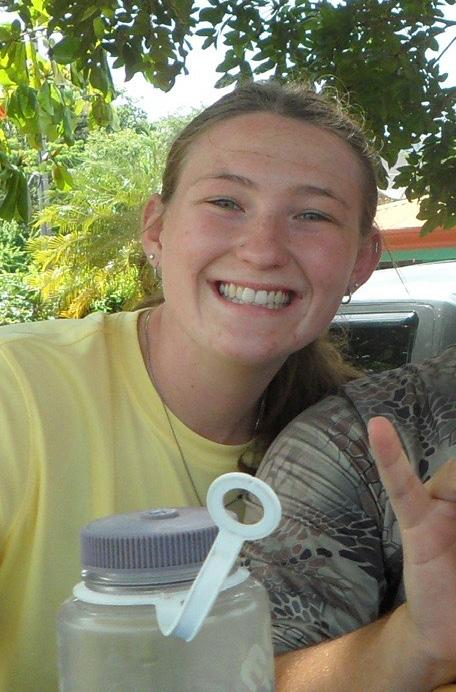
Madison Palmer
Five BSW students recently participated in Projects with Underserved Communities (PUC), a long-standing collaboration between UT Social Work and the Cockrell School of Engineering. Since 2009, PUC has engaged nearly 300 Longhorns in projects across four continents, serving more than 18,000 people.
This past summer, five BSW students participated in four projects across India, Greece, Costa Rica and Jamaica. BSW student Madison Palmer, who was a part of the Costa Rica project, said “Without engineers, projects like PUC would not be physically possible. But without social workers, they might not center the client. Both perspectives are essential and together, they make programs like PUC not only effective, but transformative.”
Doctoral
Hector Ruacho
Madison Palmer Priscilla Gary
Mandee Logsdon
XIAOYI ZENG, THE CONNECTOR
From clinic to community, third-year doctoral student Xiaoyi Zeng connects older adults, caregivers and neighbors.
Doctoral student Xiaoyi Zeng still remembers the heartbreaking moments inside the exam rooms at Mount Sinai Hospital in New York — when older adults and their families first learned of a dementia diagnosis. As a social worker at the Alzheimer’s Disease Research Center, she sat beside Chinese-American older adults during clinical interviews and memory evaluations, and, when the results were clear, delivered the words no one is prepared to hear: “I’m sorry … you have dementia.”
Outside the exam rooms, her work in community senior centers and immigrant neighborhoods revealed another part of the story. Many older adults told her they felt lonely, excluded, and unsure of their purpose. “It broke my heart,” she said. “Aging shouldn’t feel hopeless. It should feel positive, supported, and valued.”
"Aging shouldn’t feel hopeless. It should feel positive, supported, and valued."
Those experiences and conversations reshaped her path. Zeng realized that supporting older adults requires more than clinical efforts; it also requires strengthening the neighborhoods and communities they depend on every day.
This realization propelled her into her doctoral studies at UT Austin, where her work now focuses on developing neighborhood interventions and community initiatives that support the well-being of people living with dementia and the care partners who stand beside them.
Mentorship and Momentum
At UT Social Work, Zeng’s primary mentor is Dr. Yuanjin Zhou, a scholar in geriatric social work. Their collaborative projects, including fall-risk management interventions for people with dementia, aligns with Zeng’s broader pursuit of improving physical, mental and cognitive well-being across aging populations.
Throughout her doctoral training, Zeng plans to continue building a research agenda rooted in community-based participatory methods and centered on populations historically underrepresented in dementia research. By bringing their voices, experiences, and needs into study design and implementation, she hopes to promote agingin-place and reduce disparities.
“UT Social Work has been the ideal place to build this work, and the support I’ve received has been tremendous.” Zeng recalls, “Here, doctoral students are treated like junior faculty. People are eager to learn about you and learn about your research. They want to celebrate all your little milestones in life and do everything to support you to succeed.”
p Students review material during supervision.
LANDMARK LCSW PROGRAM CREATED THROUGH INNOVATIVE FOUNDATION GIFT
Susan and Anthony Wood Postgraduate Scholarships for LCSW Workforce Development address Texas's critical shortage of licensed social workers.
Twenty-seven UT Social Work graduates will become LCSWs thanks to the new Susan and Anthony Wood Postgraduate Scholarships for LCSW Workforce Development made possible by a significant gift from the WoodNext Foundation.
The program addresses Texas's critical workforce gap: 97% of counties are designated Mental Health Professional Shortage Areas, with demand for mental health professionals exceeding supply by 27% statewide — projected to reach 36% by 2036.
critical step forward in that mission," said Dean Allan Cole. "Our graduates are remarkable — they're passionate, innovative and committed to making the world better. This investment ensures that financial barriers won't prevent them from reaching their full potential as licensed clinicians when Texas communities need them most."
Under this new program, students will have the opportunity to pursue their LCSW license in Texas with the costs of supervision, testing and test materials covered. q
Each of these 27 clinicians will serve hundreds of Texans throughout their careers, creating a multiplier effect for communities across the state. The two-year program provides complete support for the licensure pathway: 100 hours of board-approved clinical supervision, monitoring toward the required 3,000 supervised work hours, exam preparation materials, exam fees and a $3,300 stipend.
"One of our goals has long been to make debt and financial burden less of an issue for students every year, and these scholarships represent a
The WoodNext Foundation — the philanthropy of Roku CEO and founder Anthony Wood and his wife, Susan — makes grants and investments that advance human progress and remove obstacles to a fulfilling life. WoodNext funds initiatives in Texas and nationwide that address mental health, homelessness, economic opportunity, youth services, cardiovascular and neurological conditions, physical sciences, disaster recovery, and nature conservation.
The new scholarships demonstrate how strategic partnerships can address urgent public health needs. By aligning a public institution's research and educational mission with private philanthropy's capacity for targeted investment, the program creates sustainable pathways for graduates to serve communities across Texas. It's a model that addresses documented workforce gaps, preparing licensed clinicians to serve thousands of Texans.
LORI MEDEIROS (BSW ’25) EXEMPLIFIES ADVOCACY
MEETING OPPORTUNITY
When advocacy meets opportunity, an advocate can go back to school.
A mother of two and a current MSSW student at UT Social Work, Medeiros likes to joke that she is one of the “most experienced” peers in her cohort. The witticism is selfdeprecating in nature, but it comes with a kernel of truth: Medeiros has the life experience that sets her up as a student leader.
Born and raised in Austin next to the Forty Acres, Medeiros grew up in a home believing one day, someone in her family would go to UT.
Now on the path to get her MSSW degree, she’s locked onto a clear target of becoming a pediatric hospice social worker.
She had originally planned on being a stay-at-home parent, but after reflecting on her life experience, homeschooling her kids during COVID, and dealing with a partner’s cancer diagnosis, Medeiros started to reconsider how to use her experience to serve families – and who would be the member of her family to finally attend The University of Texas at Austin.
“UT is a top 10 school,” she said. “And if I’m going to go get a social work degree, why not go big?”
She had a heart for service, a history in advocacy, and a readiness for impact. All she needed was a friend to say the “right” five words: “Lori, just go to school.”
“We can’t help people if we don’t inform ourselves,” Medeiros said.
“If you care about making the world better, social work — especially at UT Austin — can change the world.”
Peanut: Daniel's Story
Before taking classes and starting her practicums, Medeiros was already a seasoned pro at advocating for change.
In 2015, her son, Daniel Pressley — aka “Peanut” — sustained a traumatic brain injury called shaken baby syndrome (SBS). As Medeiros was attempting to navigate the medical system as a young mother, she realized quickly that she was overwhelmed in the “chaos” of trying to triangulate care for her child, as well as trauma-informed emotional care for her family.
“I didn’t know what services existed or how to access them,” Medeiros said. “And it made me realize that if I didn’t know what services were available, how many other people wouldn’t know either?”
When Peanut was recommended to move into hospice care for end-of-life treatment, Medeiros was reluctant, assuming that hospice solely meant “death, sadness and an ending.” During her experience in hospice and palliative care though, under the assistance of social workers, Medeiros realized “how much help I actually needed.” It was with the work of social workers that Peanut’s passing became “a beautiful transition” and Medeiros realized her calling.
“If I can help people get to where they need to be, they won’t suffer as much,” Medeiros said. “People need to be privy to resources, and they need support in difficult times. That was when I first felt like I needed to be an advocate and in pediatric hospice care.”
Through that tragedy, Medeiros made it her focus to prevent child abuse with an emphasis on ending SBS. Mederios and Peanut’s story also played a role in advocating for the passage of SB 316, a bill passed by the Texas Legislature that requires the Health and Human Services Commission to create a SBS brochure and mandates that hospitals, birthing centers, and midwives present the information to new parents.
With her voice and Peanut’s story, she presented to local community groups, high school students, transition homes for young men who had been previously incarcerated, as well as jails and detention centers for young men and women.
Lori's Future
Fast forward to 2025. Informed by her past and passionate about her future, Medeiros is actively preparing for a career in pediatric hospice work.
To expand on her skills, Medeiros deliberately chose practicum placements that strengthen her skills with children’s psychology, trauma response, and language. She chose to do school social work in
Austin ISD for her practicums, first serving at Galinda Elementary to refine her bilingual capacity. For her master’s practicum, she’s at Patton Elementary in Austin ISD, where she helps students process emotions and trauma, and she’s sharpening her ability to meet kids where they are.
“Impulsiveness in children can come from not being grounded,” she noted. “Trauma or other factors can play a significant role in behavior and understanding where that root behavior comes from is so critical into understanding a child going through major life changes.”
Since starting her practicums, she said her knowledge in cultural understanding and relationship building has grown significantly. Medeiros said her experience lets her see how socioeconomic status, language barriers, parenting stress, and inflected trauma shape behavior — and how grounded, compassionate responses change outcomes.
“Even how parents process things changes how children process things,” she said. “Cultural competency matters when helping children and their families.”
Support the Finish Line
As a single mom herself, Medeiros has noted how much assistance she’s received in getting her degrees. She also notes how important financial assistance has been in addition to emotional assistance.
A recipient of the Texas Advance Commitment, and scholarships like the Betty Louise Vesowate Endowed Scholarship and the Kerr Family Pay It Forward Endowed Scholarship in Social Work, Medeiros has been able
to pay for school and bills, allowing her to focus on becoming a skilled social worker. Without that support, it would have been “impossible” to return to school, but these resources have built up Medeiros on her journey.
“UT was one of the few schools that allowed funding if you met the requirements,” she said. “And staff has helped me through the process step by step, making it all possible for me to be the best social work student I can be.”
Medeiros also noted the emotional and community-based support she’s received through UT Social Work, specifically the professors and administrators who offer the kind of encouragement that “turned a big university into a small, familial community.”
“They know me by name, they celebrate my progress, and write letters of recommendations that open doors,” said Medeiros. “I’ve never needed to ask for extensions, but professors gave accolades, told me they were proud of me, and supported my life.”
Even leaders like Dean Allan Cole and Associate Dean Rebecca Gomez take time to connect, she said, which has “squashed” impostor syndrome and made her feel like she belongs on the Forty Acres. Add in student peers that treat Medeiros like a regular colleague, practicum supervisors that encourage her, and a full support system that helps her develop, and she’s ready for the future.
“I can pull this off because UT and UT Social Work provide so many opportunities,” she said. “All you have to do is take them.”
p
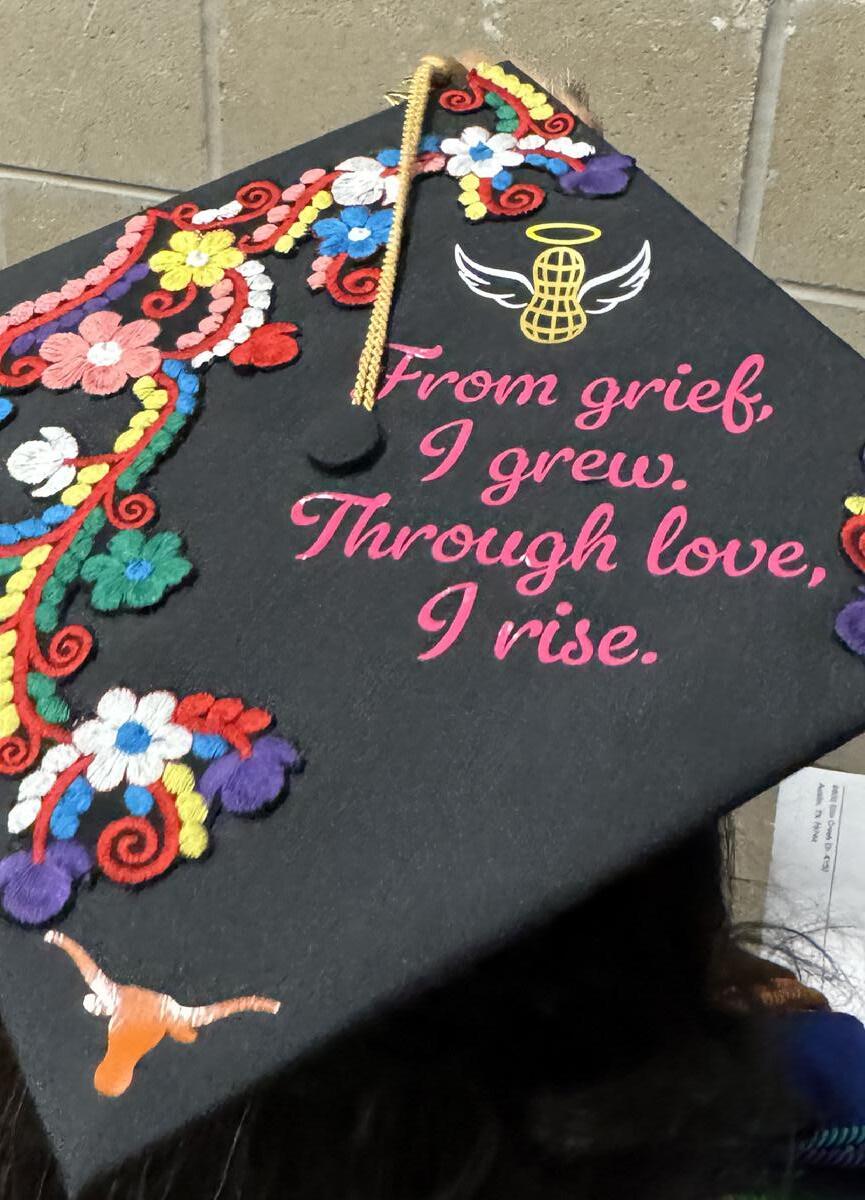
Medeiros honored her child Daniel "Peanut" Pressley on her graduation cap, a testament to her journey as a pediatric hospice worker.
p Lori Medeiros poses for graduation photos ahead of her May 2025 BSW graduation ceremony.
UT SOCIAL WORK ESTABLISHES THE LORI HOLLERAN STEIKER ENDOWED FACULTY CHAIR IN SUBSTANCE USE AND RECOVERY
The University of Texas at Austin School of Social Work announces a transformative $3.5 million gift from Revolution Recovery (formerly known as Austin Recovery) to establish the Lori Holleran Steiker Endowed Faculty Chair in Substance Use and Recovery.
This endowed chair will provide permanent support for excellence in research, teaching and programming focused on substance use, recovery and well-being. In addition to establishing the chair, the gift provides
essential seed funding to develop a recovery high school and long-term family support programs — initiatives that UT Social Work will lead in collaboration with partners across the University and throughout the community.
t Lori Holleran Steiker was a distinguished faculty member, beloved colleague, and nationally recognized leader in the recovery field.
The new chair is named in memory of Lori Holleran Steiker, Ph.D., a distinguished faculty member, beloved colleague, and nationally recognized leader in the recovery field. Her pioneering work, deep compassion and tireless advocacy profoundly shaped adolescent recovery efforts on campus and across the nation.
“Lori Holleran Steiker personified excellence, and her legacy is rightfully recognized with this new chair,” said Allan Cole, dean of UT Social Work. “She was the teacher that teachers aspire to be, the researcher that researchers aspire to be, and the authentic and courageous individual we all aspire to be. Her leadership in research, education and advocacy related to substance use disorders will continue to impact innumerable lives.”
Mary M. Velasquez, Ph.D., will serve as the inaugural holder of the Lori Holleran Steiker Chair. Velasquez currently serves as the Centennial Professor in Leadership for Community, Professional and Corporate Excellence and as the director of the Health Behavior Research and Training Institute, a nationally renowned center specializing in the development and dissemination of health behavior interventions.
A behavioral scientist with more than 20 years of continuous funding from the National Institutes of Health and the Centers for Disease Control and Prevention, Velasquez has conducted groundbreaking research on integrated primary care, screening and brief intervention, fetal alcohol spectrum disorders, alcohol and drug misuse, prenatal health, HIV prevention, and smoking cessation.
human flourishing that Lori championed throughout her life.”
“We are so pleased to be able to make this gift to UT Social Work,” said Seth Winick, Revolution Recovery board chair. “Our board can think of no better partner to lead the way for the recovery high school and its integrated youth and family support programs. This investment ensures Lori’s groundbreaking adolescent recovery work continues. It strengthens recovery research and benefits the next generation of practitioners.”
Holleran Steiker served UT Social Work for 24 years as the Steve Hicks Professor of Addiction, Recovery and Substance Abuse Services and as associate director of education and training at the Addiction Research Institute. She also held appointments in the Dell Medical School Department of Psychiatry and Behavioral Sciences and the School of Undergraduate Studies, where she served as director of instruction, engagement and wellness. She passed away on Sept. 22, 2024, after living for several years with metastatic cancer.
“I had the privilege of being one of Lori's mentors early in her career and chairing her promotion committees,” Velasquez said. “Watching her soar as a scholar and leader was one of the great joys of my professional life. She touched so many with her brilliance, generosity, and heart. Being named to a Chair that bears her name is an honor that carries deep personal meaning for me.”
"Lori Holleran Steiker personified excellence, and her legacy is rightfully recognized with this new chair. She was the teacher that teachers aspire to be, the researcher that researchers aspire to be, and the authentic and courageous individual we all aspire to be."
Allan Cole, dean of UT Social Work
“It is an understatement to say how honored I am to be the inaugural holder of a chair named in memory of my wonderful friend and colleague, Dr. Holleran Steiker,” said Velasquez. “The work she led — and the work we continue to advance today — around substance use, recovery and behavioral health is among the most important that social workers undertake. I am eager to help expand our school’s impact through this new opportunity.”
Dean Cole added, “No one is more appropriate for serving as the inaugural holder of this chair than Dr. Velasquez. A consummate researcher, wise teacher, and exemplary leader, she embodies the commitment to healing and
Looking ahead, Dean Cole emphasized the profound impact this gift will have on young people and families across Texas. “We envision creating an innovative model for adolescent recovery — one integrating education, health care and recovery support for teens and their families. This program will provide life-saving access to recovery education and holistic care across our state. At the same time, it will prepare generations of compassionate educators, clinicians, researchers and social workers who will continue to change lives through meaningful and transformative work.”
This gift will advance recovery, healing and hope for families and communities throughout Texas and beyond.
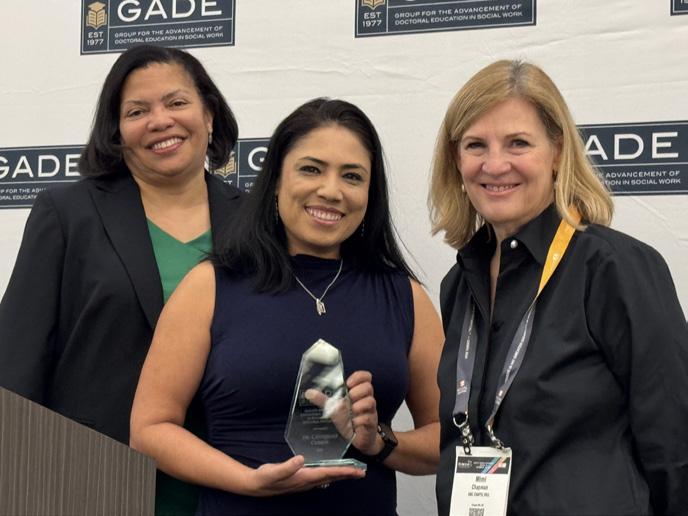
DR. CUBBIN WINS 2025 FACULTY AWARD FOR EDUCATIONAL LEADERSHIP IN SOCIAL WORK DOCTORAL EDUCATION
The Group for the Advancement of Doctoral Education in Social Work (GADE) announced Dr. Catherine Cubbin as the recipient of the 2025 Faculty Award for Educational Leadership in Social Work Doctoral Education.
Cubbin, who serves UT Social Work as the Clara Pope Willoughby Centennial Professor in Community Safety, specializes in mentoring doctoral students in quantitative methods, specifically to better inform health and social policy. She recently stepped down as the longest-serving associate dean for research in the history of UT Social Work, during which time funding levels tripled. During her term, she also secured the school’s first-ever T32 award funded by NIH and mentored dozens of impactful doctoral graduates.
“We produce world-class researchers and educators at UT Social Work, and our success is inseparable from the high-quality leadership and mentoring found within our doctoral program,” said Allan Cole, dean of UT Social Work. “Professor Cubbin is among the most effective mentors and leaders in doctoral education, and I am pleased that she is being recognized for her important contributions to our school, the academy, and the larger social work landscape.”
Established in 2016, the GADE Faculty Award for Educational Leadership in Social Work Doctoral Education is given to a current or former faculty member at a member institution who has made significant contributions to advancing doctoral education in the field of social work. Faculty distinguished by this award display a strong commitment to doctoral education and a demonstrated record of advancing doctoral education at the national or
international level.
The award is the newest accolade in Cubbin’s accomplished career. In 2021, she was inducted into the American Academy of Social Work and Social Welfare. She also won the Outstanding Graduate Teaching Award from the Graduate School at UT Austin in 2022 and was named in the top 30 of “Best Scientists –Social Sciences and Humanities” at UT Austin in 2023 by Research.com.
“I am honored with this recognition from GADE, but I am even more
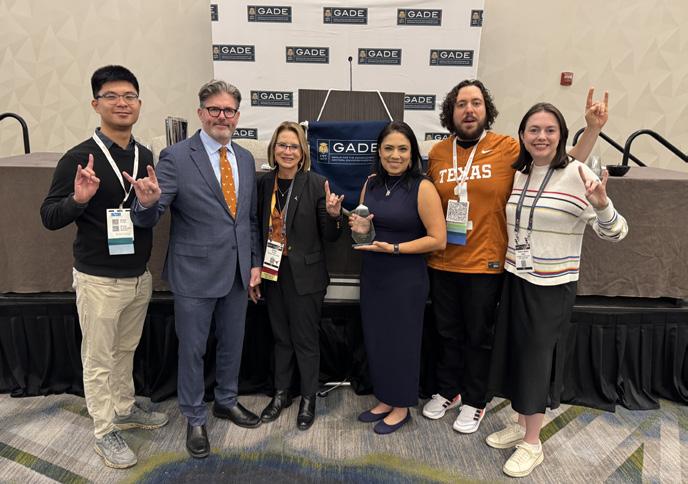
p Yessenia Castro, middle, accepts the award on Cubbin's behalf.
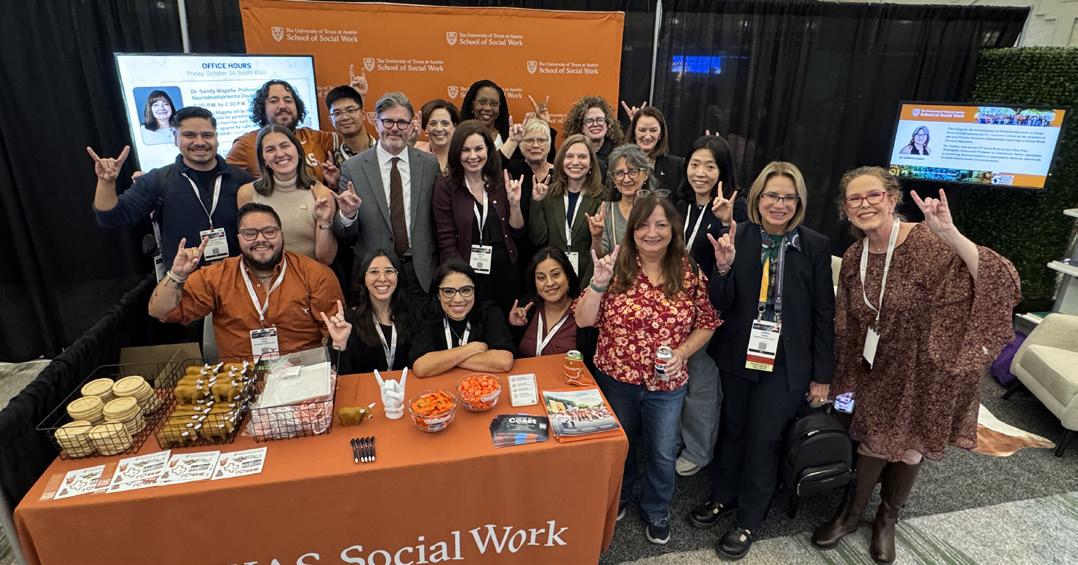
p Faculty and doctoral students celebrate Cubbin's award during the Council on Social Work Education annual program meeting.
excited with the recognition of the incredible research, education, and relationships we develop through our doctoral program,” said Cubbin. “This award reflects the successes that our students achieve, and more importantly, the impact that our
doctoral program generates. There has never been a more important time to build up reliable, scholarly and rigorous research in doctoral education, and it is a joy to mentor the next generation of leading scholars.”
Cubbin was recognized at the annual
GADE/CSWE Doctoral Networking Breakfast during the Council on Social Work Education Annual Program Meeting in Denver on Friday, Oct. 24, 2025. Dr. Yessenia Castro accepted the award on Cubbin’s behalf.
FROM PLACEMENT TO PURPOSE: HOW THE DINITTO CAREER CENTER IS RESHAPING CAREER SUPPORT
Since stepping into her role in April 2024, Erin Cantrell has brought a fresh vision to the DiNitto Career Center — one rooted in purpose, adaptability and connection.
As director of the DiNitto Career Center and Alumni Relations at The University of Texas at Austin School of Social Work, Cantrell is leading a transformation that redefines career support not as a destination, but as a lifelong journey.
u Erin Cantrell leads the DiNitto Career Center and serves as director of alumni relations.
Building on a Legacy
She's building on a strong foundation laid by Jennifer Luna, who established the DiNitto Career Center in November 1995 as the first career center in the country dedicated specifically to social work students. That focus remains distinctive: while most universities offer generalized career services, UT Social Work provides licensure study materials, tailored career coaching and — notably — career support for alumni indefinitely, a level of service rare even at UT Austin.
“I approach things from a strengthsbased and holistic perspective,” says Cantrell, a certified Clifton Strengths coach and life design practitioner. “Everyone is coming in at different stages in their life, from different backgrounds and entry points to social work. It’s about where are you and where would you like to be?”
Guided by this emergent career and life design model,
the DiNitto Center now offers programming that reflects the evolving needs of students and alumni.
From the Career Exploration Series and Policy Connect networking events to Clifton Strengths workshops, the Center is building reciprocal relationships across the UT Social Work community — connecting students, faculty, staff and alumni in meaningful ways.
Cantrell’s approach draws inspiration from frameworks like “Designing Your Life: How to Build a Well-Lived, Joyful Life” and “Emergent Strategy: Shaping Change, Changing Worlds.”
She encourages students to identify what “lights them up” in their work and to embrace exploration at any life stage. “My hope is that I encourage students to seek out the opportunities in any situation in their job search, versus searching for work from a fear-based mindset,” she says.
continued on next page u
Looking at the Data
Under her leadership, the Center has expanded its partnerships across campus — from the LBJ School to the University Writing Center — and deepened its data collection efforts to better understand post-graduation outcomes. That data collection is already yielding insights. Average starting salaries for 2024 graduates reached $52,500 for BSW students and $61,871 for MSSW students. The Center tracks not just where graduates land, but how quickly: half of 2024 BSW graduates secured positions within their first month, while MSSW graduates found roles across a slightly longer timeline, with 26% employed within one month and 59% within two months.
Recent employment data from 20212024 graduates shows the breadth of sectors where social workers are making an impact: mental health, higher education, medical social work, military and veteran services, child welfare and criminal and juvenile justice lead the field. The Center is also tracking emerging trends, including rising interest in
private practice and group practice, increased pursuit of LCSW licensure and expansion into corporate sectors like employee assistance programs, human resources and philanthropy.
Growing the Network
Perhaps most significantly, Cantrell has launched the School’s first Alumni Association Board — a ninemember “think tank” for alumni relations. Meeting twice yearly, the board brings together alumni across degree programs, practice concentrations and locations nationwide. “The image that comes to mind is the mycelium network that connects roots of trees in a forest,” Cantrell says. “We’re branching out to a larger network of social workers.”
As UT Social Work prepares for 2026, the DiNitto Career Center is inviting faculty, staff and alumni to become Career Services
Champions — whether by guest teaching, recommending speakers or co-creating new career readiness resources. It’s a call to action rooted in the belief that every career path is unique, and every member of the community has a role to play in
shaping it.
Cantrell models this philosophy herself. Her participation in Social Work’s Got Talent — where she performs as a singer — reflects her commitment to embracing multifaceted identities. “I am also an artist. I am also a performer,” she says. “Hopefully that encourages others to embrace that we are all multifaceted. Social work is part of our students’ and alumni’s identities, but hopefully emboldening others to embrace the ‘I am a social worker AND...’ mentality.“
p
The DiNitto Center hosts "A Day In The Life of a Social Worker" for students on Oct. 15, 2025.
FORMER FACULTY AMONG NEWEST NASW PIONEERS
Former UT Social Work faculty members John McNeil and David Springer are among the newest class of Social Work Pioneers, as designated by the National Association of Social Workers Foundation.
The NASW Pioneers program, founded in 1994, recognizes the “select few chosen to join the ranks of social workers who have explored new territories and built outposts for human services around the country.”
Drs. McNeil and Springer now comprise a total of 22 NASW Social Work Pioneers with ties to The University of Texas at Austin. This group includes two Pioneers who are on UT Social Work’s current faculty: Cynthia Franklin, the Stiernberg/ Spencer Family Professor in Mental Health, and Diana DiNitto, Distinguished Teaching Professor and the Cullen Trust Centennial Professor in Alcohol Studies and Education.
“When you think of excellence, leadership and mentorship in social work, you think of John McNeil and David Springer, two exceptional humans who have made enormous contributions to our practice and to our school,” said Dean Allan Cole. “Each has made transformative contributions to our profession, and their recognitions are well-deserved. On a personal note, Professor McNeil and Dean Springer have served as trusted mentors and confidants to many faculty members at UT Social Work, myself included. I am filled with gratitude for the impact that they have created in their work, and
I appreciate the NASW Foundation for recognizing their extraordinary accomplishments.”
McNeil, who passed away in 2023, served UT Social Work as the Louis and Ann Wolens Centennial Chair Emeritus in Gerontology. During his 45-plus years as a social worker, McNeil served in the United States Air Force for 25 years, achieving the rank of colonel, and in academia as a leader in research for the next 20 years.
His nomination noted his academic successes and his successful military career, where he made many national and international contributions to the development and administration of social work and mental health services across 80 U.S. Air Force installations in the United States and abroad. His ability to scale social work best practices through leadership and training across multiple countries benefited countless service members in the U.S. military.
Springer, who currently serves as dean of the College of Social Work at Florida State University, started as an associate professor with tenure at UT Social Work in 1997, and served the University in various roles — including associate dean for academic affairs at UT Social Work — until 2023.
His nomination noted his work as a licensed clinical social worker and nationally recognized scholar, where Springer has dedicated his nearly four-decade career to advancing well-being and strengthening communities at the intersection of clinical practice, public policy, and community development. He has led transformative initiatives in juvenile justice reform, crime reduction, mental health policy, and community resilience — anchoring social work values in interdisciplinary systems of care and governance.
p David Springer, at top, and John McNeil, bottom, are among the newest members of the NASW Social Work Pioneers.
UT Social Work celebrates
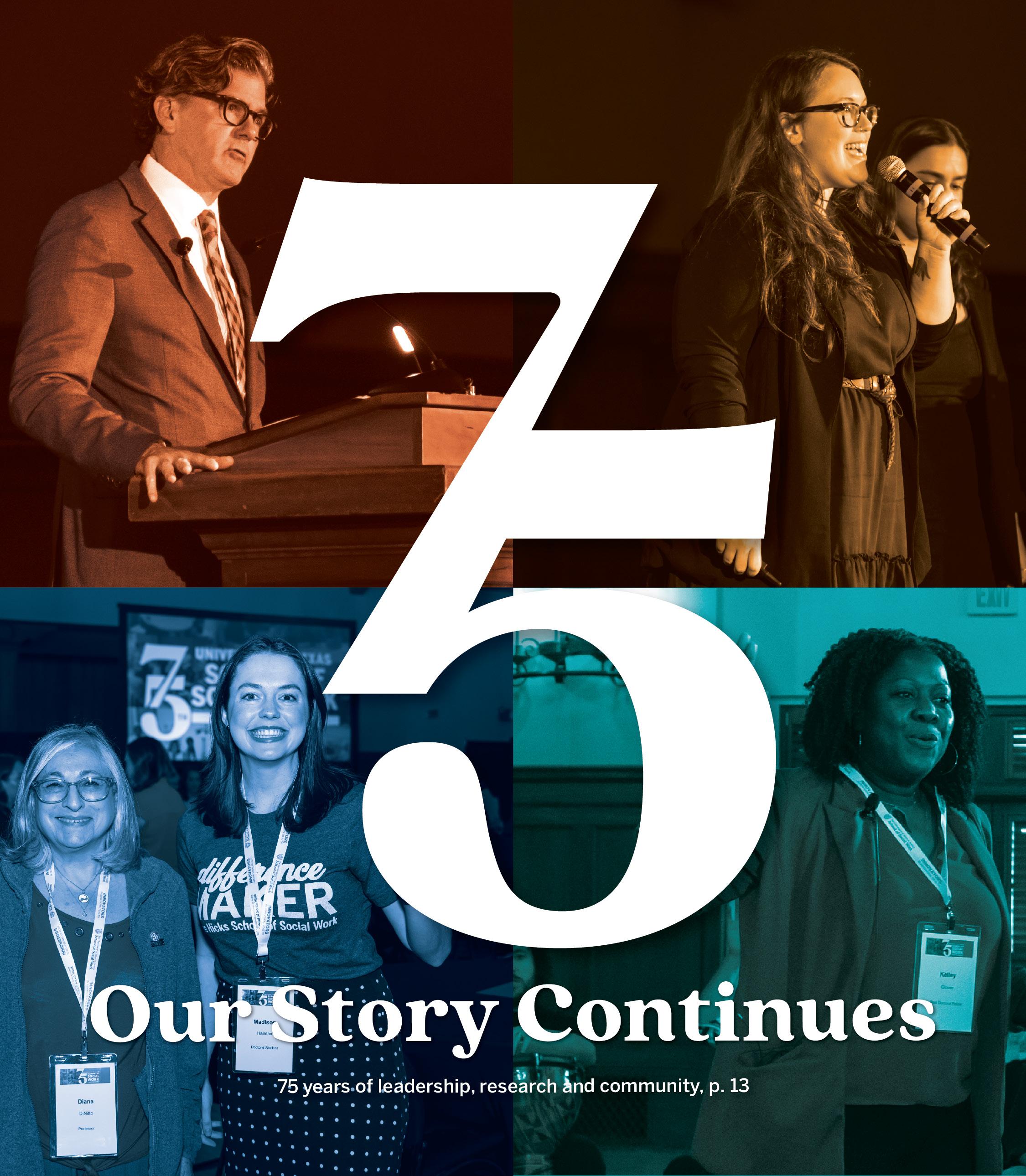
A standing-room-only crowd of UT Social Work community members and partners gathered on the Forty Acres as The University of Texas at Austin School of Social Work marked its 75th anniversary with a full-day symposium, celebrating the many ways social workers lead.
The event spotlighted UT Social Work’s legacy of leadership in practice, policy, research and education, as well as the ways that it impacts lives through health and behavioral health, global engagement, and the arts and humanities.
State of the School
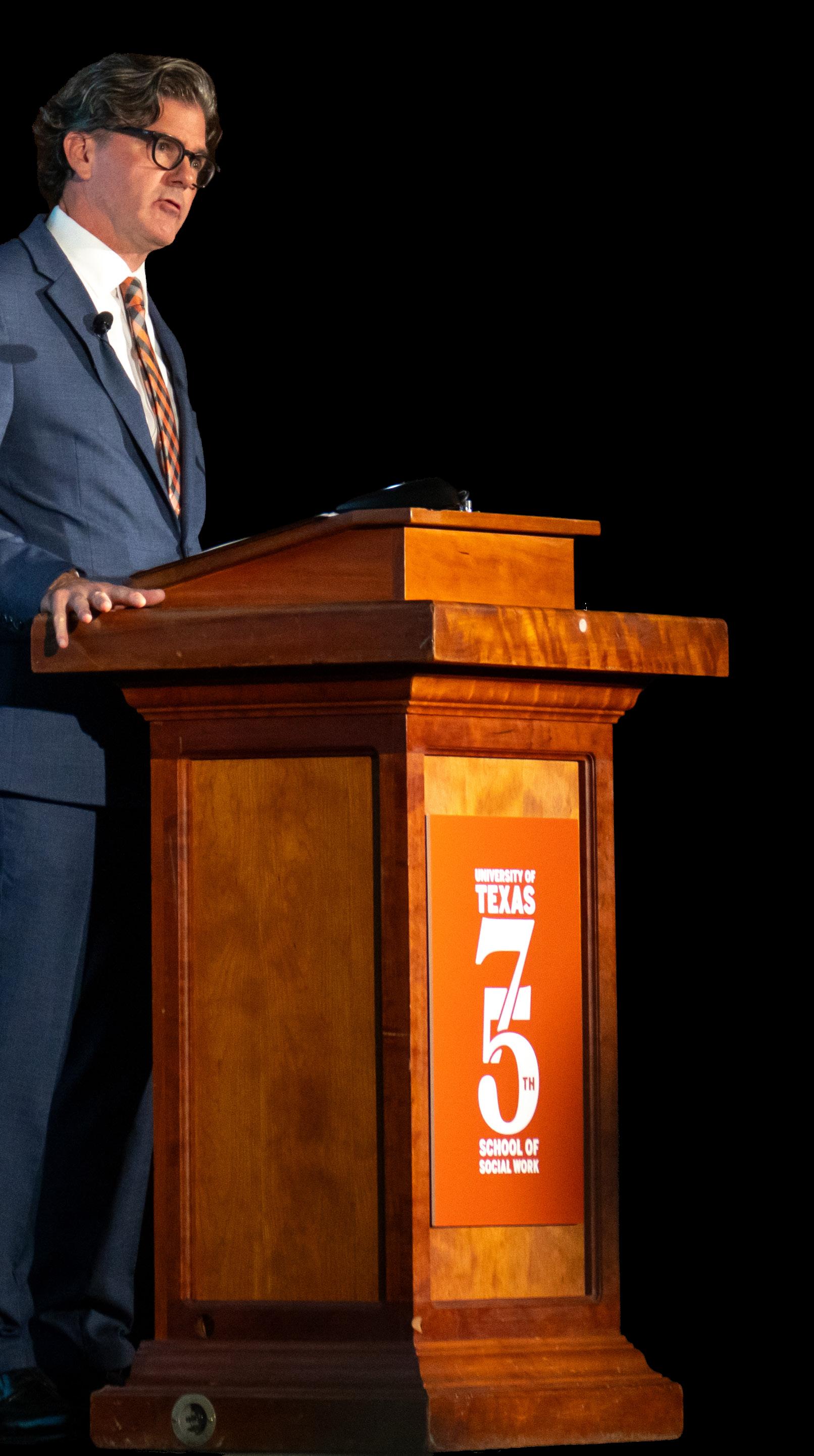
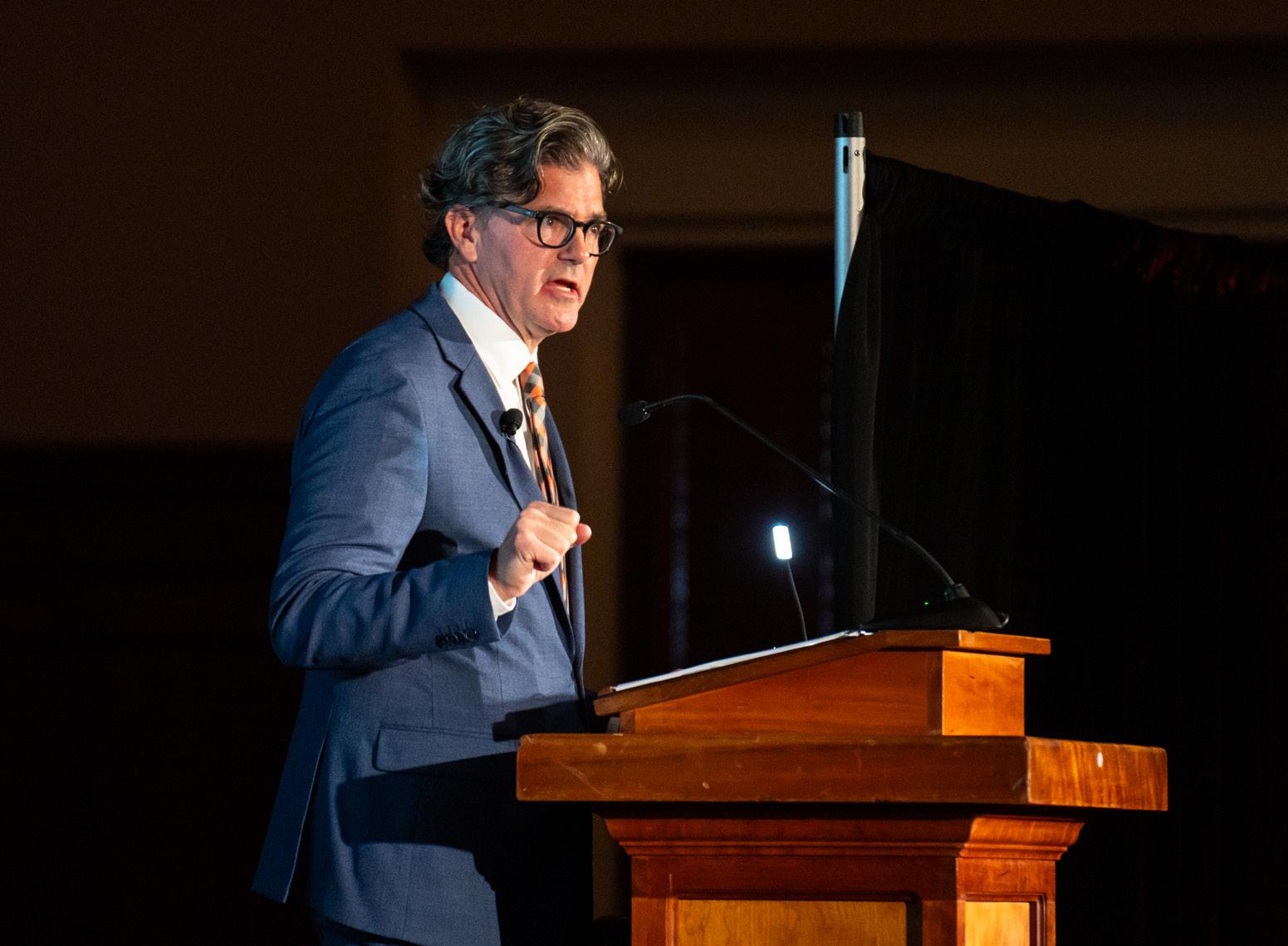
Dean Allan Cole opened the day with a State of the School address to faculty, staff, students, alumni, advisory board members and community leaders. Present among the audience members were UT President Jim Davis, as well as numerous deans and university-wide leaders.
Dean Cole’s speech highlighted the innovative practices and accomplishments of UT Social Work’s faculty and staff, underscoring why the School continues to rank among the nation’s top social work education programs.
“Our vision remains anchored in rigorous science and social science
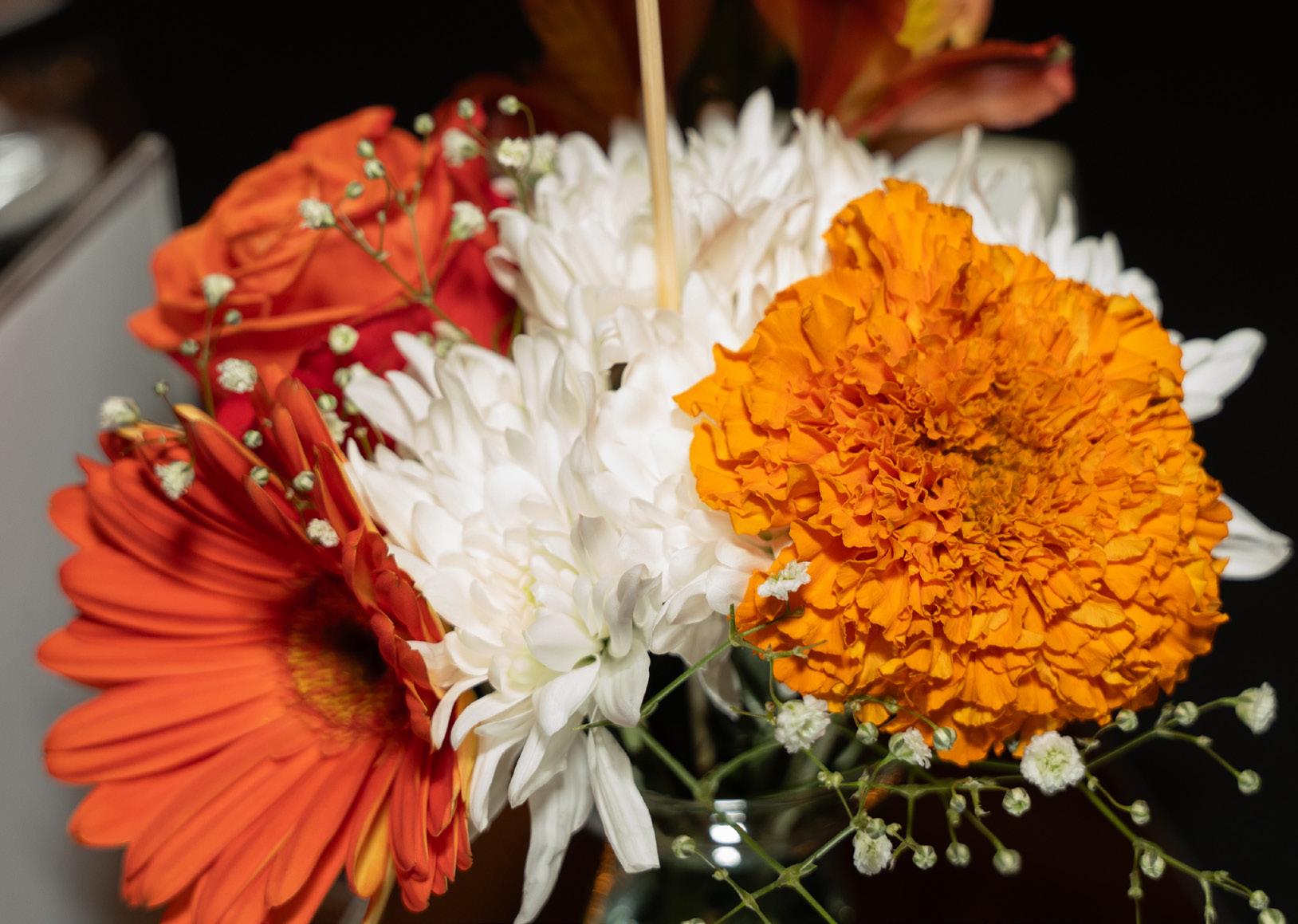
A floral centerpiece display from the anniversary celebration.
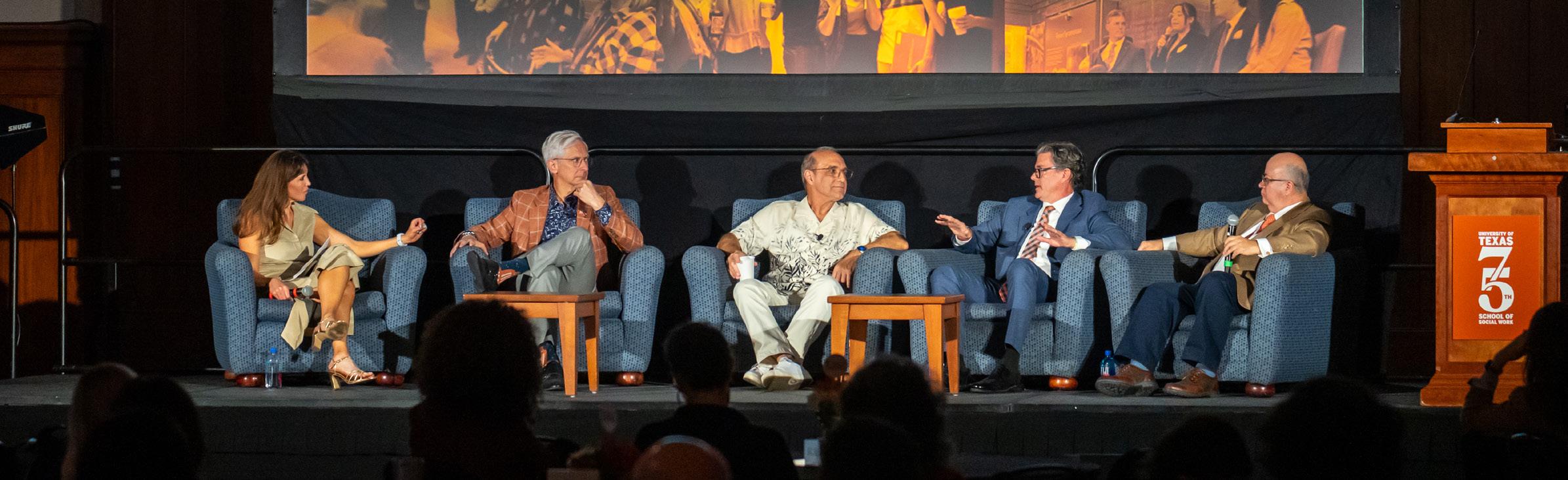
From left: Rebecca McInroy, Art Markman, Bob Duke, Dean Allan Cole and Octavio Martinez record a live episode of the KUT/NPR podcast "Two Guys On Your Head" during the 75th Anniversary celebration.
— in evidence-based practice and critical inquiry. And yet it’s also tethered to the humanities and the arts,” said Dean Cole, encouraging attendees to share the School’s stories and support its mission.
Students were a central focus of the address, as Dean Cole noted record enrollment at UT Social Work alongside UT Austin’s all-time highs in applications and student performance. He emphasized that the School of Social Work is a leader in graduation rates among colleges and schools at UT Austin and is increasing its four-year graduation rate while also serving the highest proportion of first-generation students on the Forty Acres.
“You are why we are here,” Dean Cole told the students. “Our students are smart, yes, but they are compelling, visionary, and refreshingly practical.”
Celebrating Innovation Through Partnerships
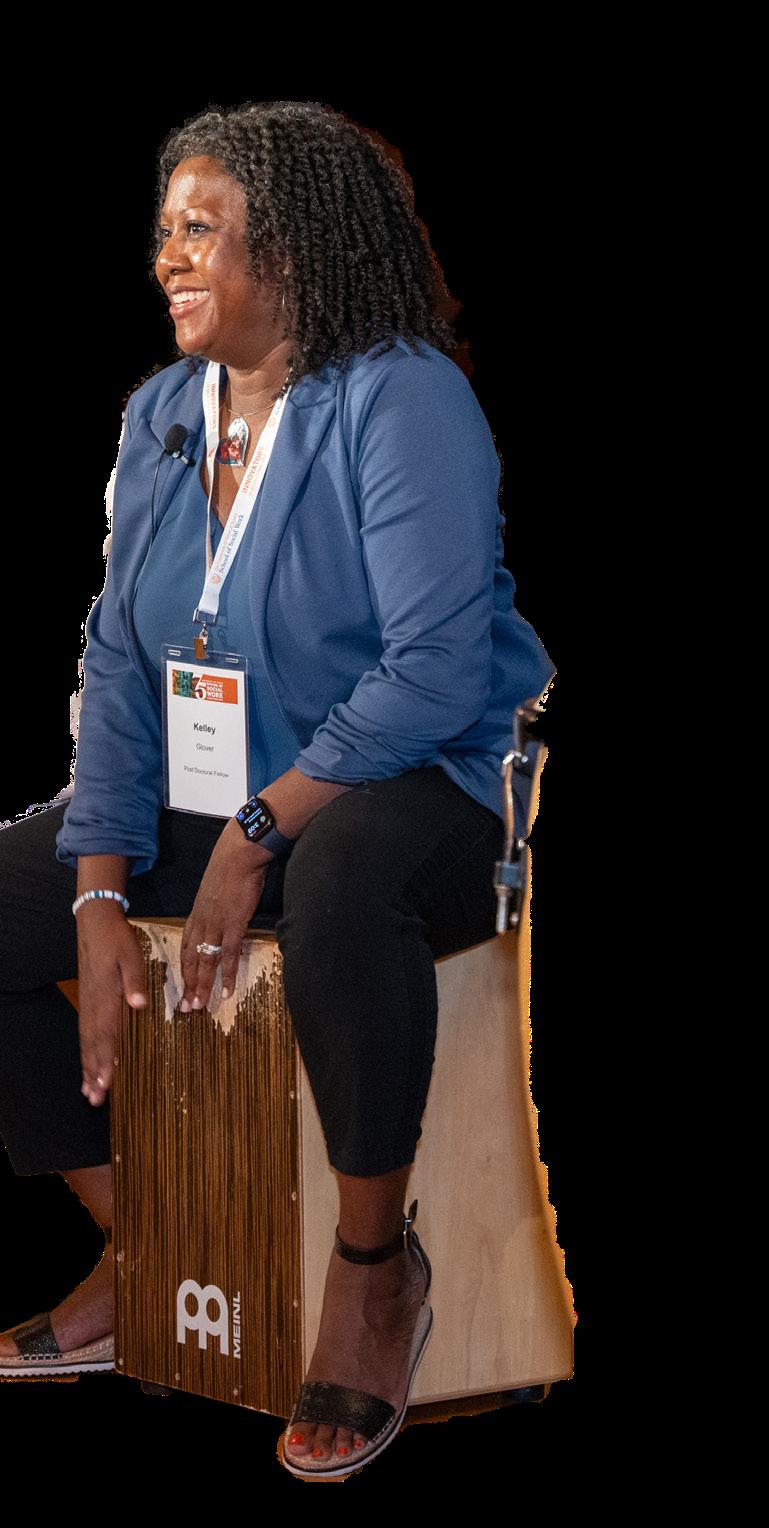
Additional highlights from UT Social Work partnerships included presentations by Dell Medical School’s Dr. Greg Wallingford on the human side of patient care, and an interactive musical experience with Dr. Kelley Glover, postdoctoral fellow at the Hogg Foundation for Mental Health, on drumming and somatic healing.
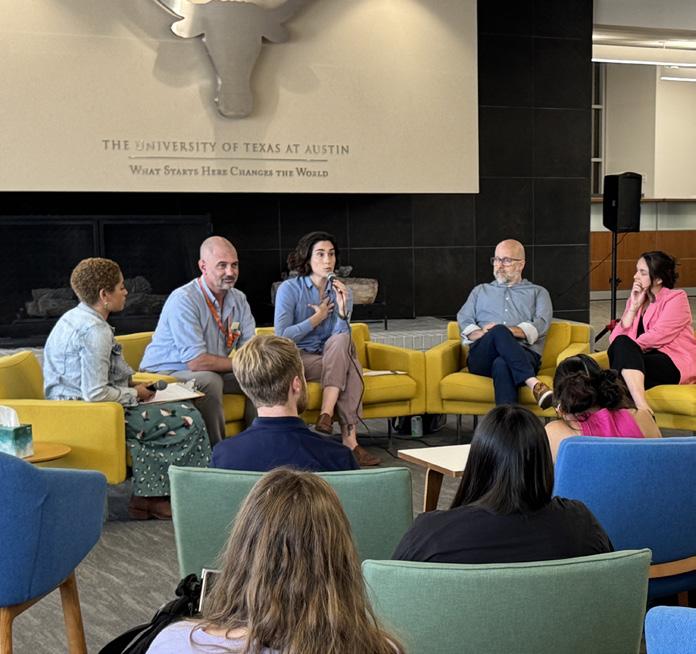
Award-winning NPR executive producer Rebecca McInroy also moderated a live recording of KUT’s popular “Two Guys on Your Head” podcast and show with hosts Drs. Art Markman and Bob Duke discussing the intersections of mental health, psychology and social work. Dean Cole and Dr. Octavio Martinez served as guests for the recording.
Spotlight on Student-Led Solutions
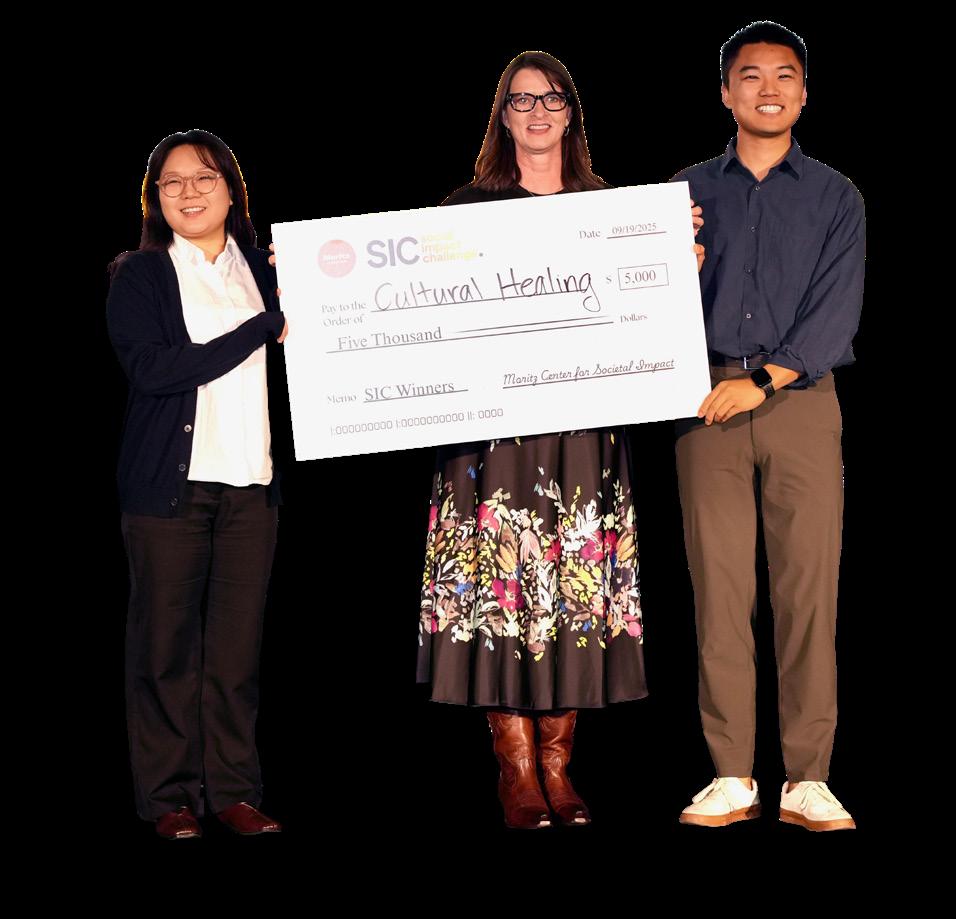
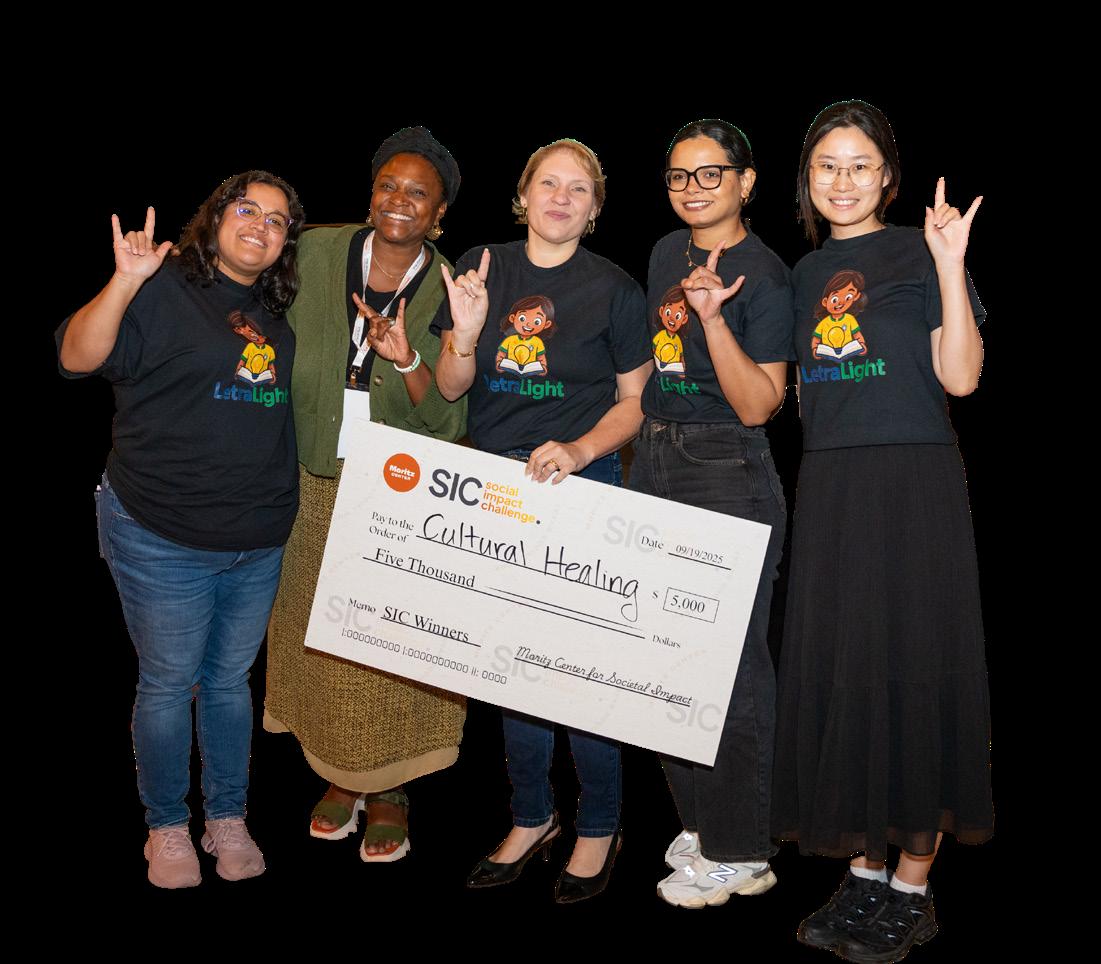
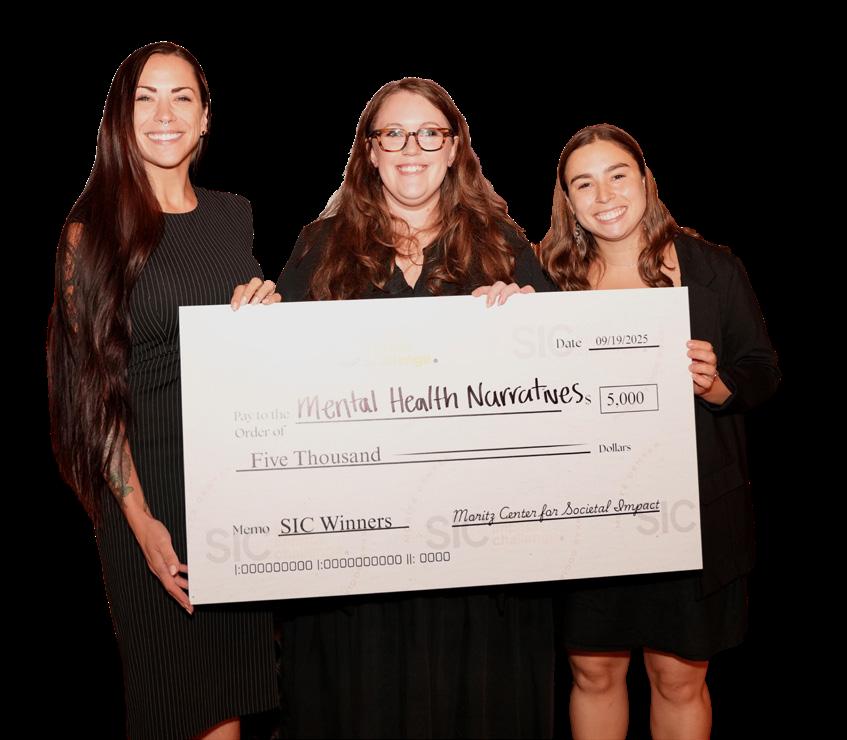
The symposium concluded with a student pitch competition hosted by the Moritz Center for Societal Impact, which supports community-driven projects that advance behavioral and mental health through the arts and humanities.
Four teams from across five colleges and schools on the Forty Acres competed for two prizes of $5,000 each to support community-based projects that advanced mental and behavioral health efforts through the arts and humanities. A suprise gift ultimately funded all four projects.
Art as Advocacy
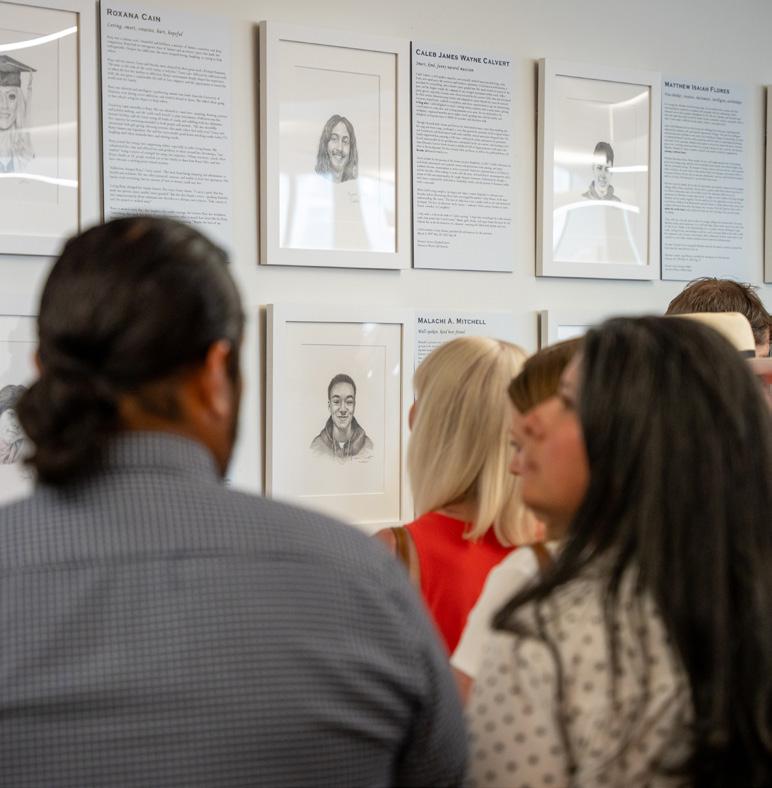
The day concluded with the opening of the “Into Light — Drug Addiction: Real People, Real Stories,” an art exhibition that drew a crowd of family members and individuals who have lost loved ones to substance misuse. The exhibit works to remove the stigma of addiction through portraiture and personal stories.
Looking Ahead
In celebrating 75 years of leadership in social work, UT Social Work remains focused on preparing practitioners and scholars to lead in addiction, aging, disability, housing, child and family wellbeing, health and behavioral health, medical humanities, social policy, and support for veterans and military families. Our work continues to shape responsive systems, strengthen communities, and expand opportunities for connection, care and wellbeing — across Texas and beyond.
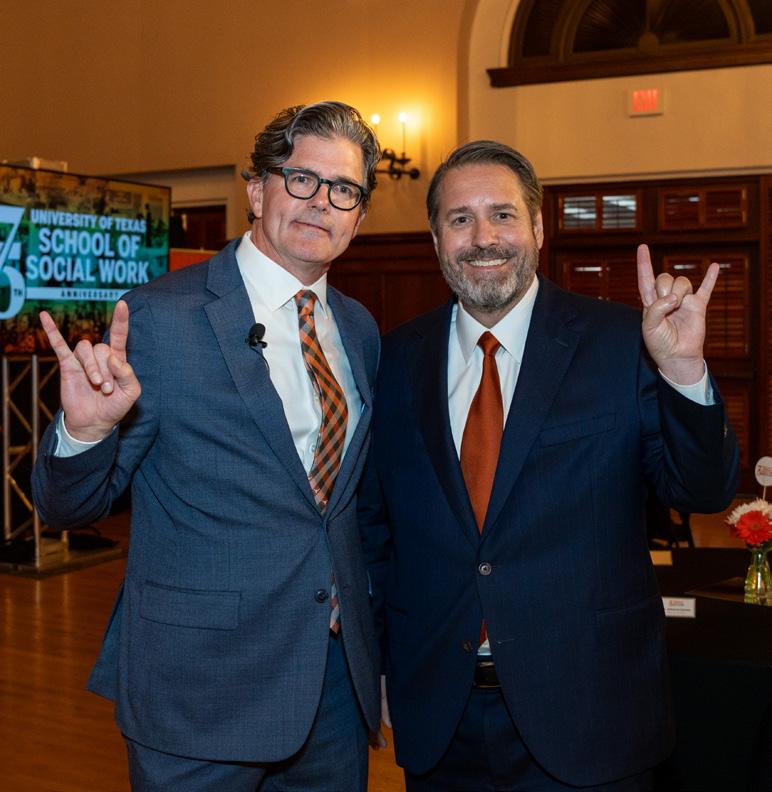
UT Austin president Jim Davis flashes a Hook 'Em with Dean Allan Cole at the State of the School address.
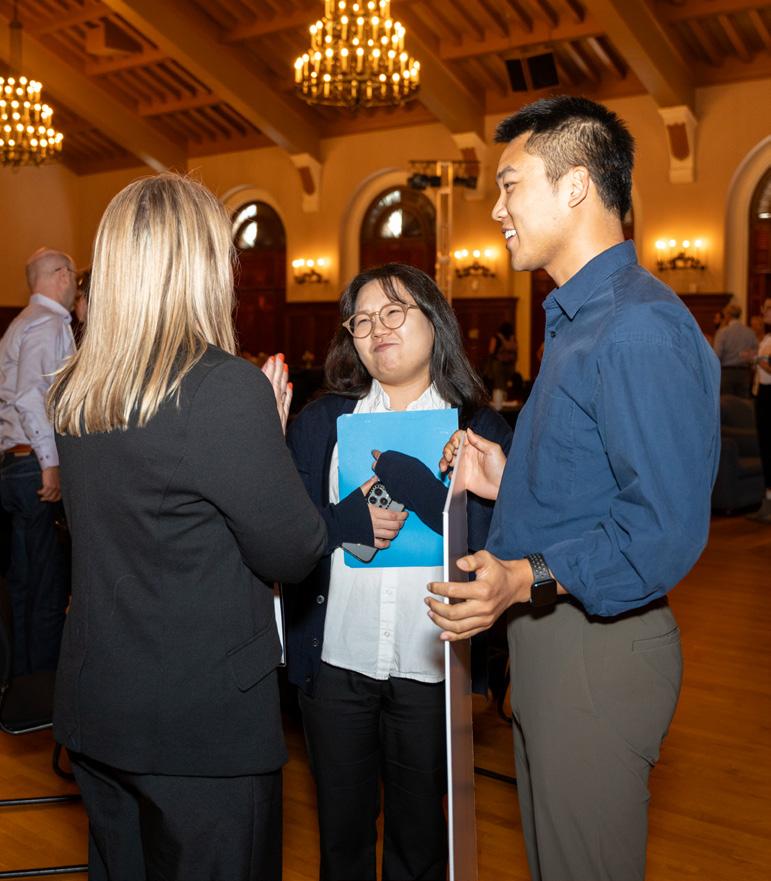
Students interact during the 75th Anniversary celebration at the Texas Union.
The "Into Light" art exhibit opens at Walter Webb Hall to cap the event.
NAVIGATING COMPLEXITIES WITH DR. JAIME FUENTES BALDERRAMA
It doesn’t matter whether he’s staring at a statistics analysis or trying to pick up new music by ear –Jaime Fuentes-Balderrama has a knack for making the complex become understandable.
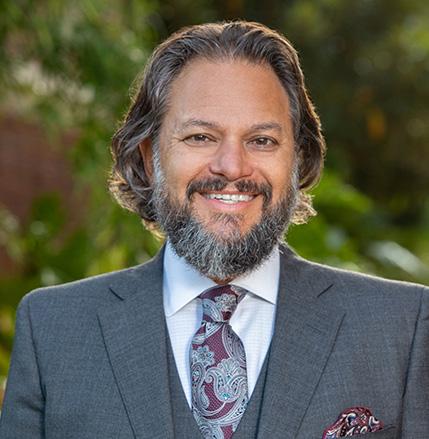
Following a national search, Dean Allan Cole appointed FuentesBalderrama as assistant professor of social work (tenure-track). For Fuentes-Balderrama, it’s a validation of his work as a multinational social worker and academic researcher.
"Being raised in Mexico allowed me to recognize and appreciate differences as aspects that make each culture unique," he said. "I quickly learned that I could do positive things for other people and share my best of myself and help people find their way towards a path of well-being."
Fuentes-Balderrama brings eight years of teaching experience at both undergraduate and graduate levels, including as a post-doctoral
fellow at Texas Social Work. He also brings more than ten years of clinical experience through his work in multiple countries.
After graduating from Universidad Iberoamericana in Mexico City, Fuentes-Balderrama served in Chicago at a primary needs center, assisting in clinical work for Spanishspeaking households, specifically families from Mexico.
There, he began to wonder how he could effect change on a larger scale, specifically in serving parents in Hispanic families, which led him to complete his Ph.D. and start a research career.
“Although not every problem can be solved, we can reduce culture gaps, research in innovative ways, and find solutions to make parenting and families better," he said.
As a psychologist with expertise in child and family wellbeing, evidencebased parenting interventions, and family dynamics, FuentesBalderrama brings demonstrated ability for teaching and mentoring on research methods and modeling, as well as statistical analysis.
His research interests include evidence-based practices and clinical efficacy of parent training interventions, pre-existing family strengths and parenting practices, and the development and well-being of children and adolescents.
“Fuentes-Balderrama has made invaluable contributions to our community life through his
strong character, high degree of professionalism, consistent kindness, and collaborative spirit, all of which serve to strengthen not only what we do but how we seek to do it,” said Dean Cole. “Our school’s faculty ranks among the best of the best nationally and globally. Adding Fuentes-Balderrama will further expand our school’s reach and impact in many ways that improve lives.”
“One of my primary goals as an educator is to equip students with the knowledge, skills, and statistical foundations necessary to navigate the complexities of social work research and practice,” said FuentesBalderrama. “It’s an incredible honor to do that at an institution like The University of Texas at Austin, and I look forward to building on innovative research, improving the lives of families, and developing new generations of social work scholars.”
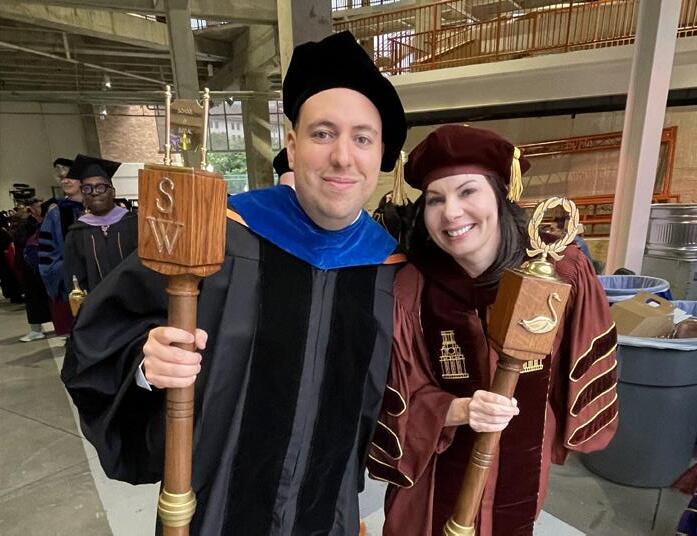
p Jaime Fuentes Balderrama, left, holds a ceremonial mace ahead of UT's commencement ceremony.
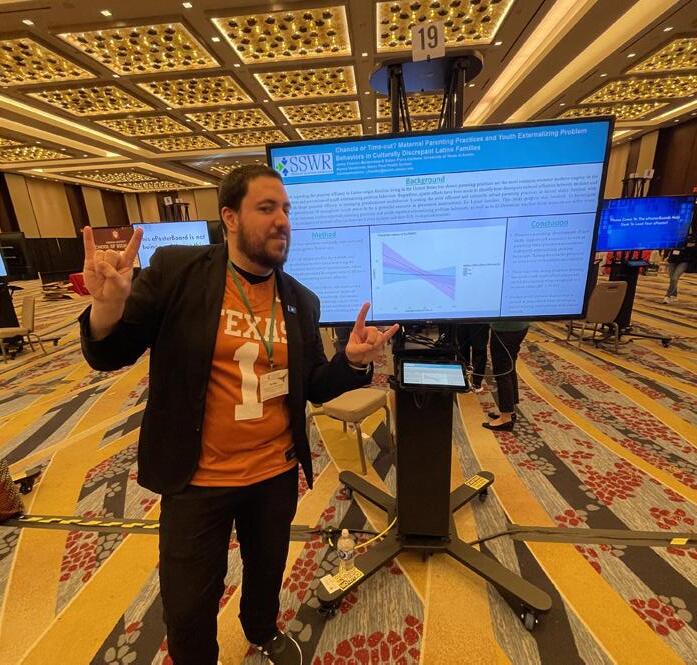
p Fuentes Balderrama, dressed in his signature football jersey, presents a research poster at the SSWR annual conference.
BIG QUESTIONS with Dean Allan Cole
1You’ve described health, behavioral health, and leadership as the “three-legged stool” of UT Social Work’s future. How do you define leadership as part of the school’s mission?
The School of Social Work at The University of Texas at Austin prepares leaders who transform lives. That is our mission.
We educate students to lead with values and excellence — whether in direct practice, policy, research, or education. Our graduates lead in C-suites and soup kitchens, in boardrooms and on neighborhood benches. Thoughtful, reflective and values-driven leadership strengthens every setting and advances our mission.
To fulfill this charge, we recruit and appoint faculty — and admit, educate and launch graduates — who value innovation and ingenuity; who lead by example; and who know how to build relationships, support people and navigate complex systems for lasting impact.
As artificial intelligence and other technologies rapidly reshape society and human experience, UT Social Work is leading by equipping our faculty, staff and students to use emerging technologies in pursuit of positive, meaningful goals. At the same time, we are committed to ensuring these tools are used ethically — remaining person-centered, client-focused, and grounded in our core values.
Transforming lives requires the ability to truly see people — their strengths, their potential and their capacity to change their own lives and the lives of others for good. Texas Social Work prepares leaders who see in all these ways.
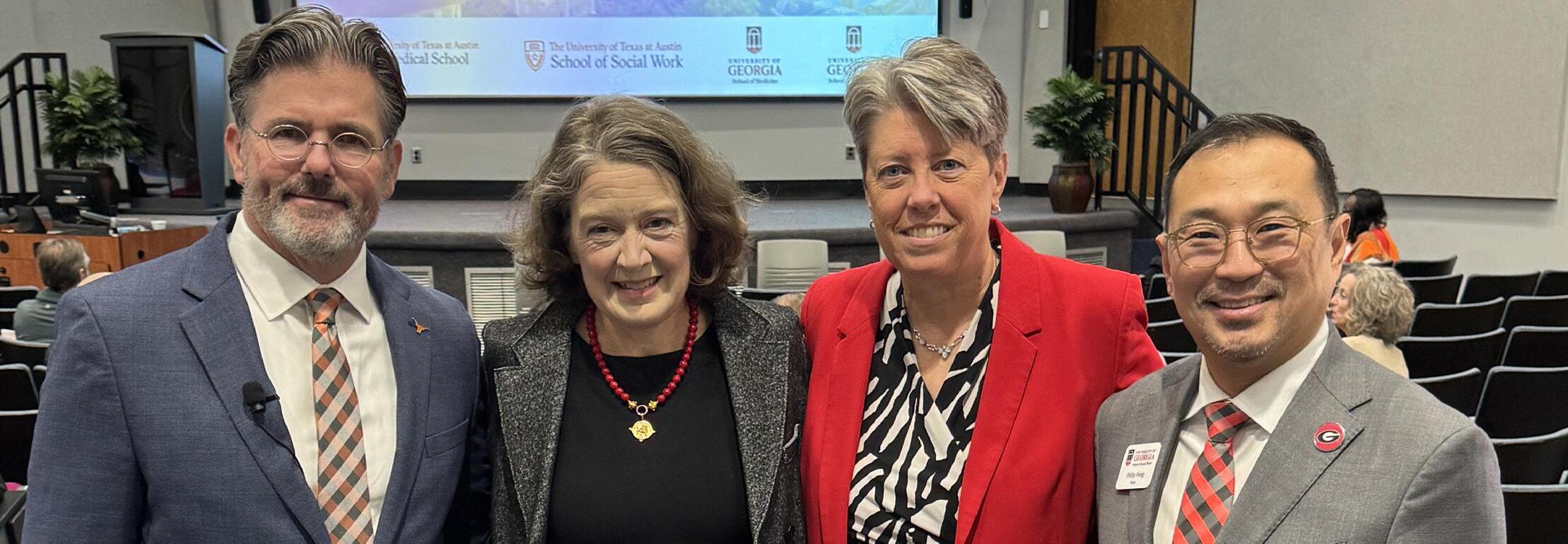
q Dean Cole meets with faculty at the University of Georgia to discuss how UT Social Work leads in medical humanities.
2
What role do partnerships play in successful leadership, such as UT Social Work’s collaborations with Dell Medical School and the Hogg Foundation for Mental Health? Are others taking notice?
Our partnerships with Dell Medical School and the Hogg Foundation for Mental Health are central to our mission and impact. They position UT Social Work as a leader in building the health and behavioral health workforce in Texas and beyond, while improving access, delivery and outcomes across a broad landscape of need and opportunity. These collaborations are mutually beneficial and deeply enriching. We are stronger — and more effective — when we work together. Nationally, UT Social Work is helping lead efforts to integrate the humanities and their values into both social work and medicine.
Our success with UT partners has sparked interest from institutions across the country. In November, I was honored to speak with colleagues at the University of Georgia, including leaders from its Schools of Social Work and Medicine. Georgia has recently launched a medical school and will open a nursing school next year, and our conversations around interprofessional education and health partnerships have been both productive and energizing.
We are expanding our reach in health, behavioral health, leadership and the medical humanities — and there are exciting opportunities ahead.
3 Speaking of mentoring and leading, how is UT Social Work viewed nationally for its leadership?
We're viewed favorably. In matters of leadership, we are partnering with schools of social work nationwide, and these relationships strengthen not only our institutions, but the profession as a whole.
We are collaborating with our colleagues at the University of North Carolina, the University of Chicago, the University of Washington and Boston College, among others. These connections promise to enhance research and teaching, expand global engagement, and deepen our national impact. UT Social Work welcomes opportunities that help transform lives for good.
Dean Cole stands with fellow UT Social Work faculty and staff at CSWE APM 2025.
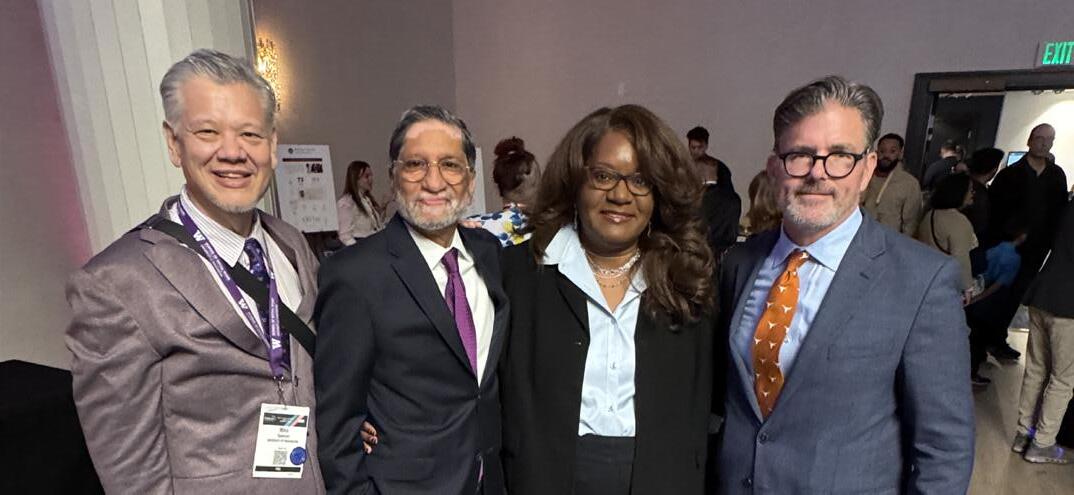
L to R: Dean Michael Spencer (Washington), Dean Gautam Yadama (Boston College), Dean Ramona Denby-Brinson (North Carolina) and Dean Allan Cole gather at CSWE APM.
L to R: Dean Cole poses with Elizabeth Weeks, J.D., interim vice provost for academic affairs at the University of Georgia; Shelly Nuss, MD, MACP, inaugural dean of the Georgia School of Medicine; and and Philip Hong, Ph.D., dean of UGA Social Work, following a speech.
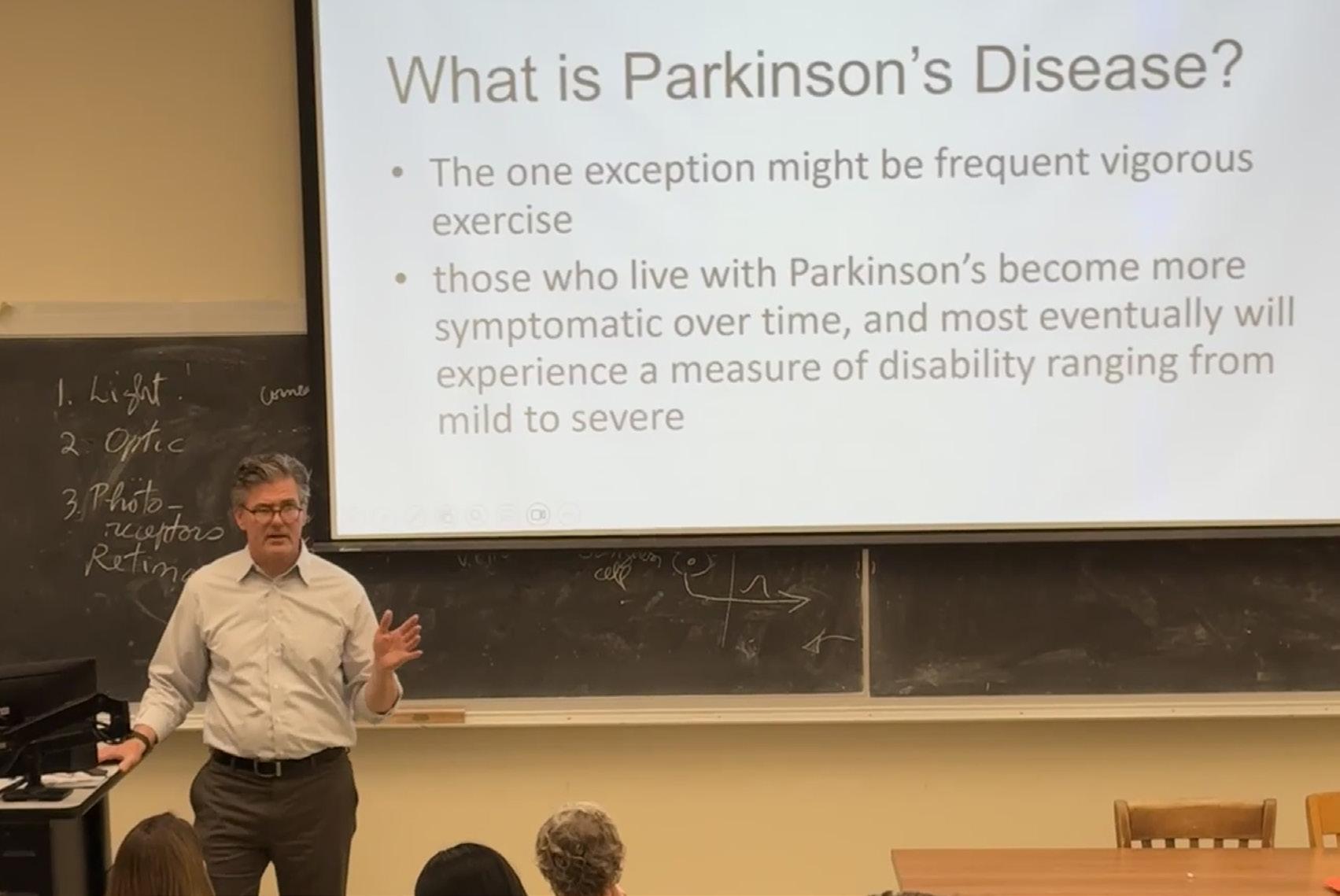
You recently joined the national board of advisors for the Parkinson’s Foundation. Tell us about that work.
It is a profound honor to serve an organization so deeply committed to individuals and families affected by Parkinson’s disease.
As someone living with Parkinson’s — and as a scholar focused on chronic illness — I am proud to support a mission that touches so many lives, including my own.
Since 1957, the Parkinson’s Foundation has invested more than $474 million in research and clinical care. The organization serves approximately one million Americans living with Parkinson’s disease, with nearly 90,000 new diagnoses each year.
As a board member, I work alongside other leaders to help guide the Foundation’s strategic direction — advancing research, improving care, and moving us closer to a cure. Social work plays a critical role in this effort, and I am committed to ensuring that perspective remains central to our strategy.
5
During the school’s 75th Anniversary celebrations, you issued a call to action. How can alumni and friends help UT Social Work achieve its goals?
As we enter the next 75 years of our history, I ask for three commitments.
First, share our story. Be our champions — and hold us accountable. This helps us pursue excellence and create lasting impact.
Second, support our faculty and students. Financial resources allow us to attract and retain exceptional educators and students whose influence reaches across Texas, the nation and the world.
Finally, partner with us in preparing leaders — smart, ethical, visionary leaders who listen, see, and act with courage and compassion. Society needs these leaders now more than ever.
I often say, and truly believe: If we can dream it, we can do it.
We are 75 years young. UT Social Work has already written chapters filled with vision, courage, compassion, and transformation. The next chapters are being written now — by our faculty, students, alumni, and by you, our partners and friends.
Dean Allan Cole guest lectures in an undergraduate class about Parkinson's disease and social work's role in medical humanities.
BONUS
What music are you listening to and playing these days?
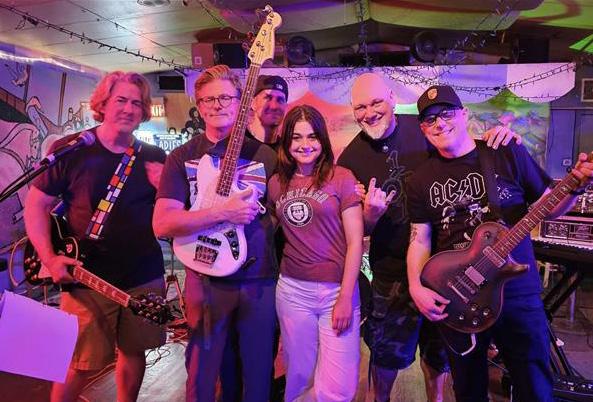
Lately, I’ve been playing classic heavy metal with my School of Rock friends — including a recent show at the Spiderhouse Ballroom featuring songs like “Doctor, Doctor” by UFO, “Man on the Silver Mountain” by Rainbow, and “Symphony of Destruction” by Megadeth.
I’m also loving my time with JAMBS, a band my daughter and I formed with friends. We play regularly around Austin, including a monthly residency at the Carousel Lounge and shows at the Cactus Café. Our sets include covers like “Colors” by the Black Pumas and “She Talks to Angels” by the Black Crowes — along with an increasing number of JAMBS originals.
BIG QUESTIONS with Dean
Dean Cole speaks to a full house during the State of the School address at the UT Social Work 75th Anniversary celebration.
q The JAMBS, one of Dean Cole's bands, has a regular residency at the Carousel Lounge in Austin.
Allan Cole
INSTITUTE FOR MILITARY AND VETERAN FAMILY WELLNESS STRENGTHENS SUPPORT FOR MILITARY AND VETERAN FAMILIES
p IMVFW recently welcomed COL. Dr. Nathan Keller, LCSW, pictured center, for a special lecture at UT Social Work.
Building Resilience Before Crisis Strikes
The Institute for Military and Veteran Family Wellness (IMVFW) addresses the full spectrum of challenges military and veteran families face, from behavioral health to social support. Its mission is to transform research into practical, evidence-based solutions that strengthen the health and well-being of service members, veterans, and their families.
IMVFW’s impact extends through the doctoral and MSW students it attracts and mentors, as well as its partnerships with the Department of Defense, the VA, and a broad network of national and local military- and veteran-serving organizations. As military and veteran families navigate new challenges, IMVFW continues to expand and strengthen programs and create support networks designed to sustain families through every transition.
From Research to Real Impact
IMVFW’s current initiatives reflect its commitment to turning research into meaningful, real-world change.
One initiative is the REACH Peer Support Study: Funded by the Department of Defense, examines how peer support influences mental health and quality of life through an eight-week, curriculum-based program designed for military spouses at Fort Hood.
Another initiative is the Military & Veteran Spouse Wellness Survey: a first-of-its-kind study assessing spouse wellbeing across eight dimensions, identifying critical gaps to inform future programs and policy initiatives.
Another, the Veteran Spouse Network, offers free, evidence-based programs that foster connection and wellbeing through peer support, education, and communitybuilding for military and veteran spouses and families.
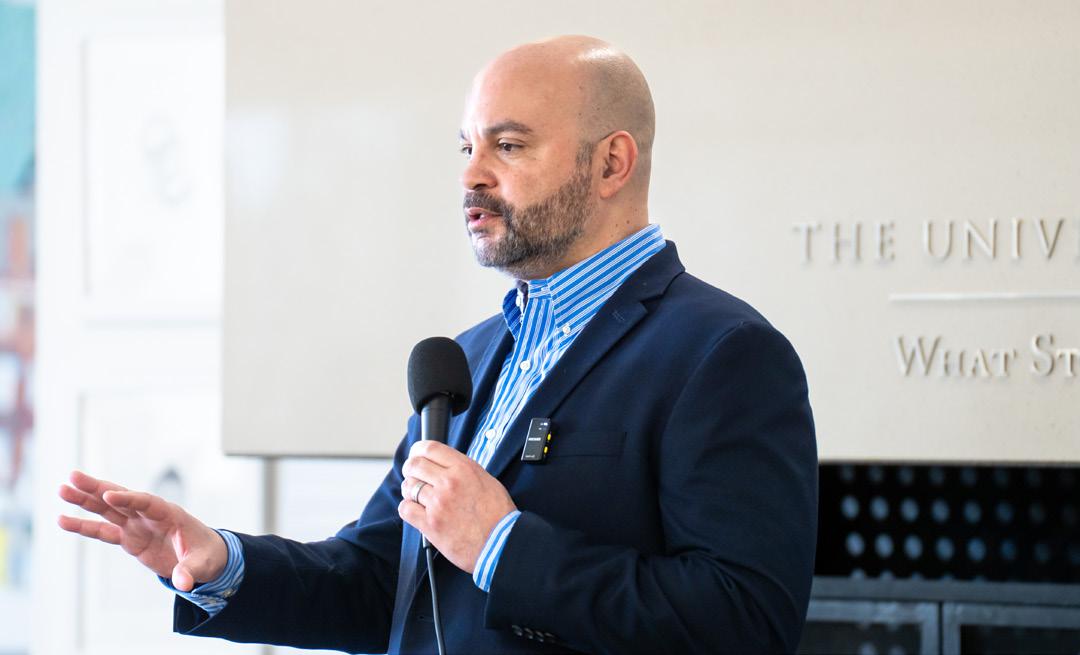
“We study what military and veteran families actually need, build peer support programs that strengthen their support systems, and connect them to effective local and national resources,” said Dr. Elisa Borah, IMVFW director. “Our goal is to conduct research that creates evidencebased programs that truly support military-connected families.”
National Funding for Suicide Prevention
The institute's work has also attracted national attention and funding through its Veteran Spouse Network (VSN). Most recently, Face the Fight, a national initiative founded by USAA, Reach Resilience, and the Humana Foundation to prevent veteran suicide, awarded $16.5 million in grants to 27 organizations as part of more than $42 million distributed across 83 suicide prevention projects nationwide. This support comes amid an urgent reality; the rate of veteran suicide is nearly 60% higher than the national average, and the second leading cause of death among veterans under 45.
Through this funding, the Veteran Spouse Network (VSN) will expand its provision of free, evidence-based suicide
prevention trainings, empowering military and veteran families to recognize early warning signs and take action to prevent crises.
To date, VSN has delivered suicide prevention trainings to over 1,250 participants, including individuals who may have completed more than one training component. Among surveyed participants, 78% reported increased knowledge about crisis warning signs and confidence in assessing risk and intervening. According to dynamic data modeling, Face the Fight projects 6,500 lives to be saved by 2032.
Valuable National Partnerships
This fall, Dr. Nathan Keller — a licensed clinical social worker, retired Army colonel, and longstanding IMVFW collaborator — delivered UT Social Work's Distinguished Speaker lecture on the field of military social work and the extensive leadership role that social workers play in the military ecosystem. Keller highlighted the complementary values at the core of military service and social work.
“The military focuses on structure, discipline and achieving the mission,” Keller explained. “Social work emphasizes empowerment, empathy and transforming individual lives.” While the tools differ — one rooted in command hierarchies, the other in therapeutic relationships — both are grounded in shared commitments to loyalty, duty, respect, and service to others.
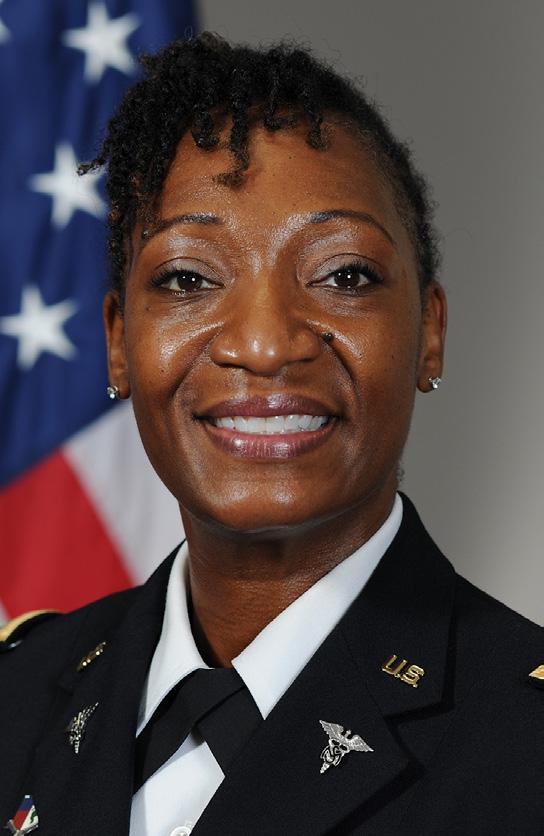
In another example, UT Social Work recently celebrated the appointment of COL Dr. Lataya Hawkins (Ph.D. ’21), LCSW-S, BCD, to dean of the Graduate School at the U.S. Army Medical Center of Excellence at Fort Sam Houston in San Antonio. In this role, she leads one of the military’s most comprehensive allied health education systems.
Hawkins oversees 13 graduate programs in partnership with three universities, all of which rank in the top 15% nationally. In November 2024, she was promoted to full colonel, joining an elite group of only 10 full colonel social workers across the Army.
“My relevancy doesn't come from the uniform,” Hawkins reflected on her time at UT Social Work. “It comes from how I show up in the world — the impact you make on the world.”
Military Social Work Practice
UT Social Work offers a certificate in military social work practice. The program equips students with specialized skills to serve military-connected communities, including an in-depth understanding of military culture, the unique challenges faced by this population, culturally responsive
care practices, and navigation of complex military and veteran health systems. The certificate prepares students to do impactful, high-stakes work — where informed care, cultural competence, and evidence-based practice can meaningfully improve outcomes for military and veteran families.
p
COL. Dr. Nathan Keller, LCSW gives a special guest lecture to social work students on the history of military social work and the opportunities of the military's future.
p Dr. Elisa Borah, pictured above, leads the IMVFW as its director.
OFFICE OF GLOBAL ENGAGEMENT BUILDS PARTNERSHIPS THAT SPAN CONTINENTS
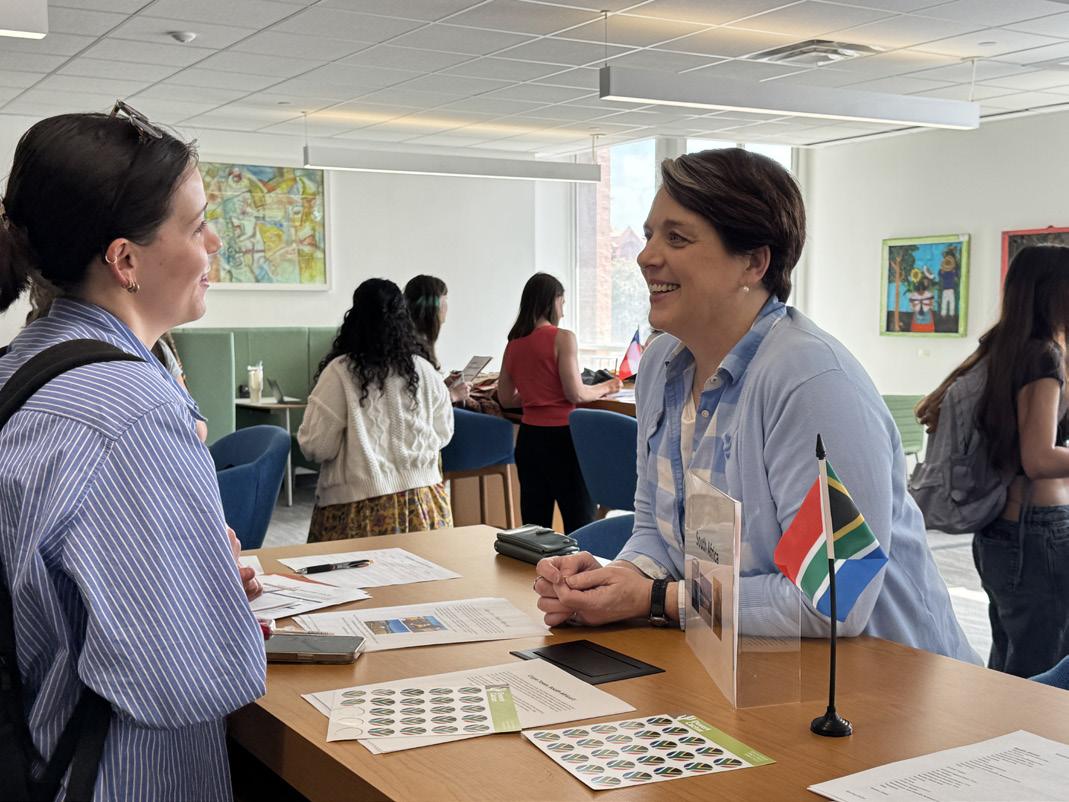
p Noel Busch-Armendariz, director of the office of global engagement, speaks with a student during an OGE fair.
The Office of Global Engagement offers students, faculty and staff opportunities for global research, academic exchange programs and practicum education. The mission is clear: strengthen the School's priorities by fostering strategic partnerships on campus and internationally, cultivate a thriving community of international students and scholars, and create opportunities for Longhorns to connect with peers and institutions worldwide.
“Social workers address society's greatest challenges at home and abroad,” said Dr. Noël Busch-Armendariz, associate dean for global engagement. “When a member of our social work community engages globally, we believe they leave to learn and return to lead.”
With more than 40 years of international experience — including living or collaborating on projects in Albania,
Dubai, England, India, Ireland, Lebanon, Scotland and South Korea, as well as Romania as a Peace Corps volunteer — Busch-Armendariz leads the Office of Global Engagement with a collaborative, restorative and reciprocal approach. This philosophy drives the work of the global engagement team that currently spans four continents — from long-standing partnerships in India and Estonia to a new Signature program launching in Northern Ireland. The team also includes Tanya Voss, assistant dean for global engagement, and Caitlin Sulley, director of operations.
This fall's International Education Week at UT Austin offered a chance to showcase how those partnerships prepare students for the challenges ahead — and revealed what's next for our students and the program.
Systems Thinking in Action
Through Projects with Underserved Communities (PUC), nearly 300 Longhorns from UT Social Work and the Cockrell School of Engineering have collaborated on community-based projects across four continents since 2009. In early November, Farya Phillips, Ph.D., joined an interdisciplinary team of faculty and students at the President's Award for Global Learning showcase to present findings from a summer research project in Tamil Nadu, India.
Over the summer, students partnered with Church's Auxiliary for Social Action, a nonprofit, to develop protocols for engaging with rural communities and evaluate the long-term effects of three earlier PUC initiatives. The team evaluated a children's library built in 2021 in the village of Kallathupatti, now serving 3,000 residents with tutoring, lessons and educational resources. They also assessed a housing project for a nomadic community launched in 2015, created community engagement protocols to guide future service-learning effort and produced a documentary on service-learning and a book of community stories capturing the legacy and resilience of local residents.
“The showcase was more than a presentation — it's a celebration of what happens when students listen deeply, collaborate across disciplines and learn from the communities they serve,” Phillips said.
An Estonian Partnership Comes Full Circle
What began with an unexpected email in 2014 has fundamentally shaped how Diana DiNitto, Ph.D., understands resilience. DiNitto answered a call for someone to teach in Tallinn University's social work doctoral program.
"Now more than ever, it's vitally important that we educate our students about different ways to find solutions to our common problems."
Tanya Voss, assistant dean of OGE
Her first semester sparked connections that have endured across six visits and more than a decade. DiNitto taught policy and research to doctoral students from multiple countries, co-supervised a dissertation that received a national award from the Estonian Research Council — the first time a social work student had received that recognition — and witnessed how social work revitalized across the Baltic states following the restoration of independence in 1991.
This April, the collaboration comes full circle. Two of DiNitto's Estonian colleagues will present at UT Social Work as part of an Erasmus grant partnership between Tallinn University and UT Austin — the first time the Estonian faculty have visited Texas. Merike Sisask, Ph.D., a public health researcher specializing in mental well-being and suicide prevention, and Karmen Toros, an expert in child protection, will discuss their work and the evolution of social work since the restoration of independence.
“Seeing social work thrive following Soviet occupation, seeing students successfully defend their dissertations and make their own contributions — I am so glad I answered that email,” DiNitto said.
From Texas to the Troubles
In late October, UT Social Work and the Office of Global Engagement hosted “Constructive Dialogue, Poetry and Social Imagination,” featuring four distinguished Irish writers from the Seamus Heaney Centre at Queen's University Belfast. Novelist Glenn Patterson, poets Leontia Flynn and Dawn Watson, and visual artist Rachel Brown shared their experiences of growing up during Northern Ireland's decades-long conflict. Robert Hull, Consul General of Ireland, Austin and Jenny Browne,
p Students gather for a photo while taking part in an international project in Oxaca, Mexico.
a former Michener Center Fellow, State of Texas Poet Laureate (2018), and Distinguished Fulbright Scholar of Creative Writing at Queen’s University in Belfast (2020) collaborated with OGE to bring this dialogue to campus.
The conversation reflected themes central to UT Social Work's “From Texas to the Troubles,” the Office of Global Engagement’s Signature program, launching in summer 2026. The program will immerse students, faculty, and staff in Austin, Dublin and Belfast as they study constructive dialogue and leadership in divided societies, working with community leaders and practitioners shaped by the Troubles.
Learning Across Borders
These partnerships extend beyond special initiatives into ongoing practicum opportunities. The Office of Global Engagement coordinates semester-long internships for graduate social work students in Santiago, Chile; Oaxaca, Mexico; Wellington, New Zealand; Cape Town, South Africa; and with the United Nations High Commissioner for Refugees in Geneva, Switzerland and Budapest, Hungary.
“Now more than ever, it's vitally important that we educate our students about different ways to find solutions to our common problems,” says Tanya Voss, assistant dean for global engagement.
“We all need moments that widen our horizons. Experiences reveal how art, nature and movement — even in the midst of our most pressing social challenges — can transform conflict and open space for authentic, constructive dialogue across difference. With Dean Cole’s vision and global engagement as a priority of the School, we are committed to deepening these transformative opportunities for our students, faculty, and staff, while extending them to our alumni and life-long learners so that our entire community can grow in this work together,” Busch-Armendariz said.
COL. Lataya Hawkins (Ph.D. ‘21) Leads Education in the U.S. Army
COL. Dr. Lataya Hawkins, LCSW-S, BCD, now serves as dean of the Graduate School at the U.S. Army Medical Center of Excellence (MEDCoE) at Fort Sam Houston in San Antonio — a role that places her at the helm of one of the most comprehensive allied health education systems in the military.
A doctoral alum of The University of Texas at Austin School of Social Work, Hawkins now oversees 13 graduate programs in partnership with three universities, including the MSW program with the University of Kentucky and the physician’s assistant program with the University of Nebraska Medical Center. Baylor University also confers degrees in healthcare professions through the center. Every program ranks in the top 15% nationally, according to US News and World Report. Her appointment is a milestone for military social work — and a moment of pride for UT Social Work.
Hawkins enlisted in the Texas Army National Guard in 1990 as a medic and later commissioned as a military intelligence officer. After earning her MSSW from the University of Houston, she transitioned into the Medical Service Corps as a social work officer. She was mobilized shortly after for the Global War on Terrorism, serving at Fort Belvoir, Virginia, and later at Walter Reed Army Medical Center. Her career spans a deployment to Iraq, a one-year assignment to Korea, various leadership roles in behavioral health, and a two-year fellowship in Child and Family Practice.
In November 2024, Hawkins was promoted to full colonel in the United States Army — joining an elite group of only 10 full colonel social workers across the entire Army. Her promotion reflects both her distinguished service and the growing recognition of social work as a strategic
leadership discipline within military healthcare. Her doctoral research at UT Austin focused on moral injury — a concept still emerging in military circles. Moral injury occurs “when individuals behave in ways that go against their moral code,” she explained, citing examples such as harming the elderly, women or children as part of war. Her research highlighted historical practices like cleansing ceremonies among Native American tribes, which helped warriors reintegrate into their communities. She noted that “individuals with moral injury trauma have higher rates of suicidal ideations and suicides than individuals with threat to self or others trauma.” She also emphasized the importance of leadership in preparing soldiers for the moral trauma often associated with combat, particularly the “struggle to reconcile behavior with who you believed you were.”
Hawkins leads a system designed to prepare future allied health professionals to care for the operational force — from prolonged care in war zones to managing their own anxiety in combat while caring for our soldiers. “Our role is to train the Army’s future allied health professionals,” she said, “We get our Ph.D.s and doctorates to come back to the school house to train our own.”
In the military, allied health professionals are clinical social workers, physician assistants, registered dietitians, hospital administrators, anesthesia specialists, and rehabilitation therapists trained to deliver care in highpressure environments, including combat zones and field hospitals, often with limited resources and under extreme conditions.
She also leads with a service mindset, encouraging a culture of shared purpose. In November, her team will volunteer with the Fort Sam Houston Vogel Resiliency Center to distribute food to military-affiliated families.
“To whom much is given, much is required,” she said. “We need to operate as a team, have dialogue about what
we’re working on, and lift each other up.” Always asking, she added, “How do we bless others?”
Reflecting on her time at UT Social Work, Hawkins recalled a moment of humility and growth. “Dr. (Cynthia) Franklin told me (I was an LTC), ‘The hardest thing for you will be that you’ve already had a level of success in the Army, but
you will be a student here. How will you accept that and find success?’” she said. “I had to figure out who I was without the security of my uniform.”
She added, “My relevancy doesn’t come from the uniform. It comes from how I show up in the world — the impact you make on the world.”
Laurie Cook Heffron (MSSW ’02, Ph.D. ’15) named 2025 Social Worker of the Year
The National Association of Social Workers, Texas Chapter recognized two-time UT Social Work alumna Laurie Cook Heffron as its Social Worker of the Year.
The award honors a member of NASW Texas who exemplifies the best of the profession’s values and achievements. According to the NASW Texas, the Social Worker of the Year “demonstrates outstanding leadership, advocates for clients, and takes risks to achieve outstanding results,” and has “superb accomplishments in the practice of social work.”
This marks the third consecutive year that NASW Texas has named a UT Social Work alum to one of their annual awards. In 2023, NASW Texas named Shane Whalley (MSSW ’03) as Social Worker of the Year and in 2024, they awarded Ruth Fagen-Wiley (Ph.D. ‘95) a Lifetime Achievement Award.
“Our alumni are among the best researchers, educators, and leaders you will find, and they lead where stakes are high,” said Dean Allan Cole. “Laurie Cook Heffron exemplifies what is best in social work and in The University of Texas at Austin. We are proud of her, and we celebrate her contributions being recognized with this award.”
Cook Heffron currently serves as an associate professor and as the director of the Social Work Program at St. Edward’s University in Austin, Texas. Prior to her career at St. Edward’s University, she worked as a researcher at UT Social Work’s Institute on Domestic Violence and Sexual Assault, contributing to projects related to the needs of human trafficking survivors, sexual assault forensic exams, statewide prevalence of intimate partner violence, and violence and abuse among refugees and immigrants.
Her work as an educator, a researcher, and a practitioner continue to address intersections between violence, abuse, exploitation, and migration, as well as the multiple ways that migration and immigration policy shape abuse and violence.
“As social workers, we blend theory, research and action with the ultimate goal of transforming systems to support human wellbeing, and I appreciate the role the UT School of Social Work played in training me for a career in social change, specifically working to improve research, policy, practice, and education around immigrant survivors of violence, abuse and exploitation,” said Cook Heffron.
In an online release, NASW Texas described Cook Heffron as “not only visionary, but also deeply human,” in her contributions to social work.
“She makes those around her feel seen, heard, and valued, modeling what it means to be a social worker every day," it continued. "This award honors her extraordinary contributions and the enduring legacy she continues to build.”
IN MEMORIAM
UT Social Work mourns the loss of cherished members of our community and honors their legacy.
Steve Hicks
The University of Texas at Austin School of Social Work mourns the passing of Steve Hicks in January 2026. A generous donor and longtime friend of the School, his vision and philanthropy impacted the lives of social work students Hicks believed in the power of social work to change lives, and he acted on that belief. His gifts helped shape UT Social Work, opening doors for students to pursue their calling without the weight of substantial student debt.
“We lost a true friend to UT Social Work,” said Dean Allan Cole. “Steve Hicks understood that people are called to this profession, not merely trained for it. His generosity reduced financial barriers and affirmed that social workers are worthy of support as they dedicate their lives to supporting others. Steve believed in the transformative power of this work, and I will always be grateful for his friendship and for the vision that has shaped UT Social Work in profound and lasting ways. That legacy will live on in every student we serve.”
Steve Hicks' legacy is woven into the fabric of The University of Texas School of Social Work. Through the students he supported, the faculty he empowered, and the innovations his generosity made possible, his influence will endure for generations.
The values he championed continue to shape the school and the communities it serves. Gifts in his memory will go towards the Steve Hicks Scholars and Fellows Endowment, specifically aimed at reducing financial barriers for social work students.
Dr. Donna Rolin
Dr. Donna Rolin, 50, passed on July 7 due to complications from nonalcoholic steatohepatitis. Rolin joined the School of Social Work in 2017 when she became co-director of the Institute on Domestic Violence and Sexual Assault. She also served the UT School of Nursing as a clinical associate professor and the director of their psychiatric mental health nurse practitioner program. She often collaborated across the Forty Acres on projects with UT Social Work, the School of Nursing, and Dell Medical School, including several efforts that focused on patients who are survivors of domestic violence and trafficking.
Ronald Massey
Ronald William Massey, 81, passed away after relocating to a senior living facility in Houston from a long-term illness. His career as a social worker started with serving in the Peace Corps in 1967 and ended with his retirement from the School of Social Work at UT Austin in 2010. He enjoyed helping others, traveling, gardening, and getting together with longtime friends. He was preceded in death by his parents William and Setna Massey and is survived by his brother Neal Massey and several cousins and their families. Scan the QR code to make gifts online and to see the full obituary.
Steve Hicks
Donna Rolin
Ronald Massey
NEWS FROM OUR ALUMNI
Wendy M. Berlinrood, Ph.D., LCSW-C (MSSW '68) recently became president of a coordinating council in her greater community in Maryland. Dr. Berlinrood started her career in clinical social work at UT, and went on to set up a private practice for 50 years in Maryland. She retired 10 years ago. "This position has allowed me to bring together all of my education, clinical and organization skills that began at UT," she said. "Thanks for a wonderful career. It still goes on."
Eileen Ann Krampitz, LCSW (BSW '82, MSSW '86) passed away on Nov. 16, 2025. Along with being a devoted mom & "Granny," Eileen dedicated her heart to her work as a licensed clinical social worker. She worked as a front-line case worker for CPS, led a therapeutic team at a residential treatment center, managed foster care agencies & finished her career as a crisis counselor at Stony Point High School in Round Rock, Texas. A celebration of her life was held on Jan. 10, 2026, in The Woodlands, Texas.
Laura Halliday Grulke (MSSW '89) was given the St. David's Healthcare Service award for 35 years of excellence at St David's Rehabilitation Hospital.
Julie Baker (BSW '91) is the vice president of operations for the Alamo Bowl, where she orchestrates the Bowl’s Community Festival of Events and directs every aspect of game day. She joined the Alamo Bowl in 1997 and has held her current role since 2002. On Dec. 30, she helped deliver her 29th Alamo Bowl game, a thrilling overtime game between TCU and USC.
We always want to hear from our alumni! If you have news to share, send an email to utopian@utlists.utexas.edu.
Jan Wenig (MSSW '97) was elected president of the Strategic HFC Board in January 2025. Directors are appointed by Travis County Commissioners Court to pursue their mission of building more quality a"ordable housing throughout Travis County.
Thad Frye (MSSW '02) presented "Brainspotting in Sports Performance: Empowering Athletes with SelfRegulation" at the Alliance of Social Workers and Sports 11th Annual Social Work in Sports Symposium in New Orleans. Thad has a practice called "Performance Brainspotting" where he works with athletes, musicians and creatives utilizing Brainspotting to address performance anxiety, focal dystonia and writer's block.
Colette Neis Von Hanna (MSSW '10) completed her doctorate of ministry degree in Land, Food and Faith Formation from Memphis Theological Seminary in 2025.
Jacob Huereca (MSSW '12) was chosen for the Community Builder Award in New Braunfels, Texas, on April 22, 2025.
Caroline Lawless-Bosarge (MSSSW '15) earned her LCSW designation. She is a therapist with LifeStance Health, Jacksonville, Florida.
Hannah Songer (BSW '18, MSSW '21) began a role as a social worker at HCA Houston Healthcare Kingwood.
Lataya Hawkins, Ph.D., LCSW-S (Ph.D. '21) was named Dean of the MEDCoE (US Army Medical Center of Excellence) Graduate School.
Taylor Williams, LMSW (BSW '23) began a new role as a mental health therapist at Kind Therapy Austin.
Matt Riley (MSSW '24) started a new role as a mobile crisis clinician at Easterseals PORT Health in Virginia.
Nicole Bernal, LMSW (MSSW '25) started a new position as a clinical mental health professional at the Travis County Juvenile Probation Department.
Hetty Borenstein (MSSW '25) began a new position as behavioral health collaborative care manager at CommUnityCare Health Centers.
CORRECTIONS: A previous edition of the Utopian misstated the title of Michele Hanna (Ph.D. '05), who was appointed as the new editor-in-chief of the Journal of Social Work Education. She is a professor at the University of Denver Graduate School of Social Work.