FULL CIRCLE
PREVIEW WHAT’S INSIDE!
+ EMILY SPREEMAN FEATURE + Q&A W/ CHRIS BRANSCOME + INTERNATIONAL REF TRIP + MORE!

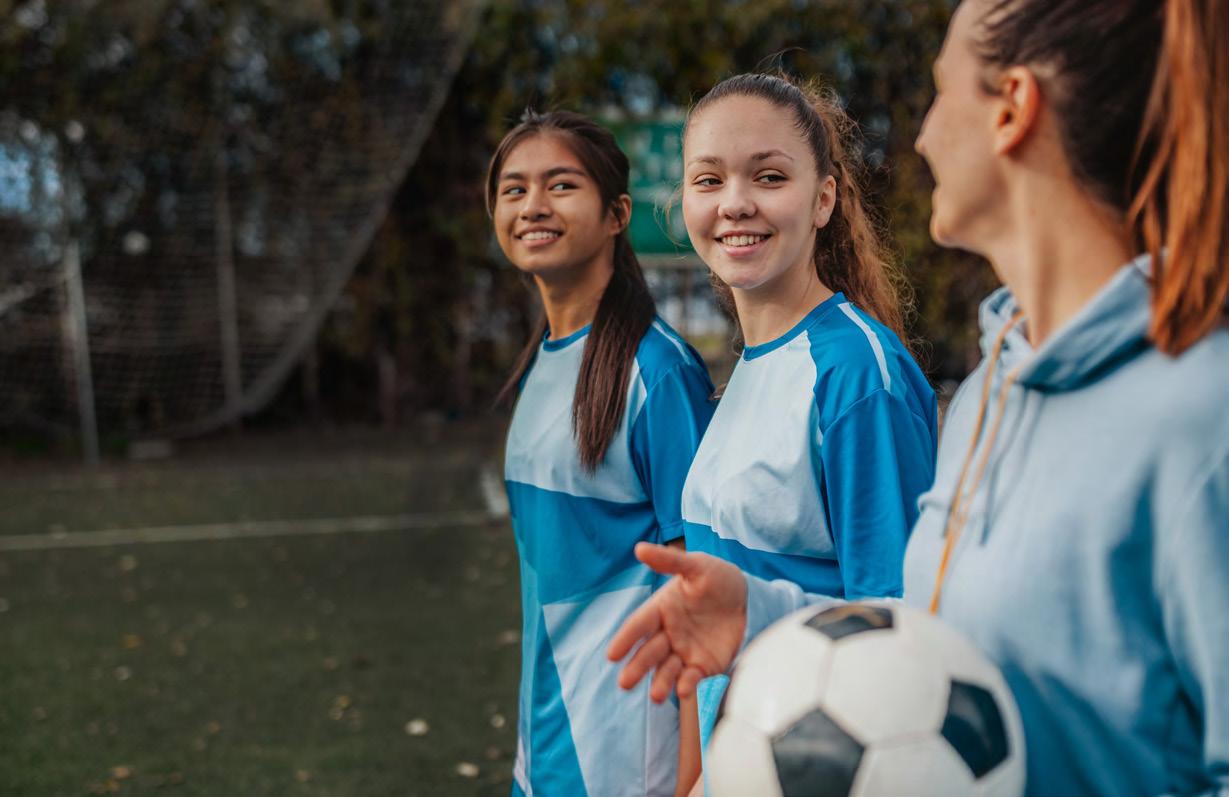
They have dreams. Together, we can make them come true.
With New York Life’s Golden Futures Awards, children ages 5–16 can enter to win a $1,000 award to help bring their dreams to life.
Learn more
LATEST NEWS
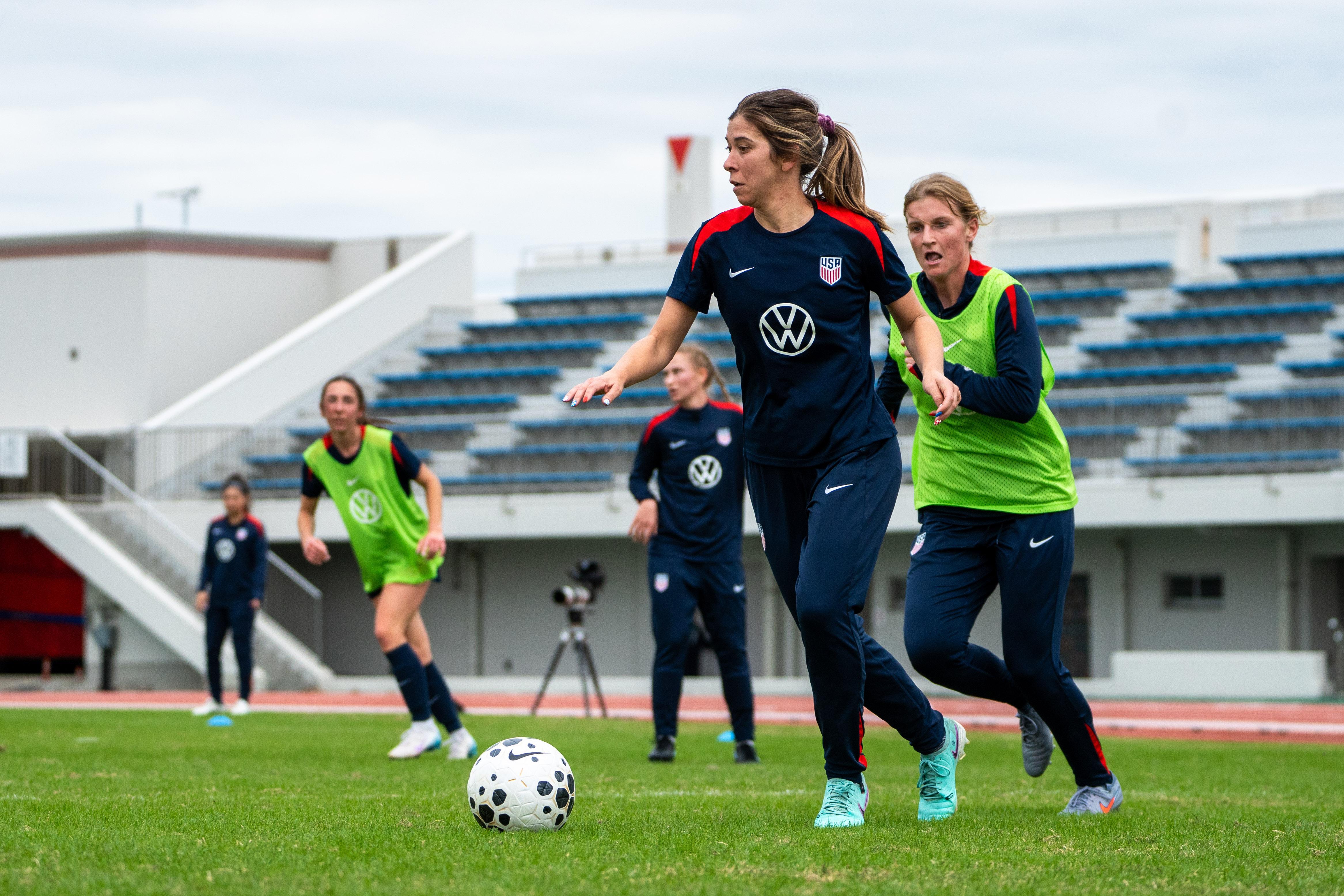
EMILY SPREEMAN BLAZING A TRAIL IN DEAF SOCCER
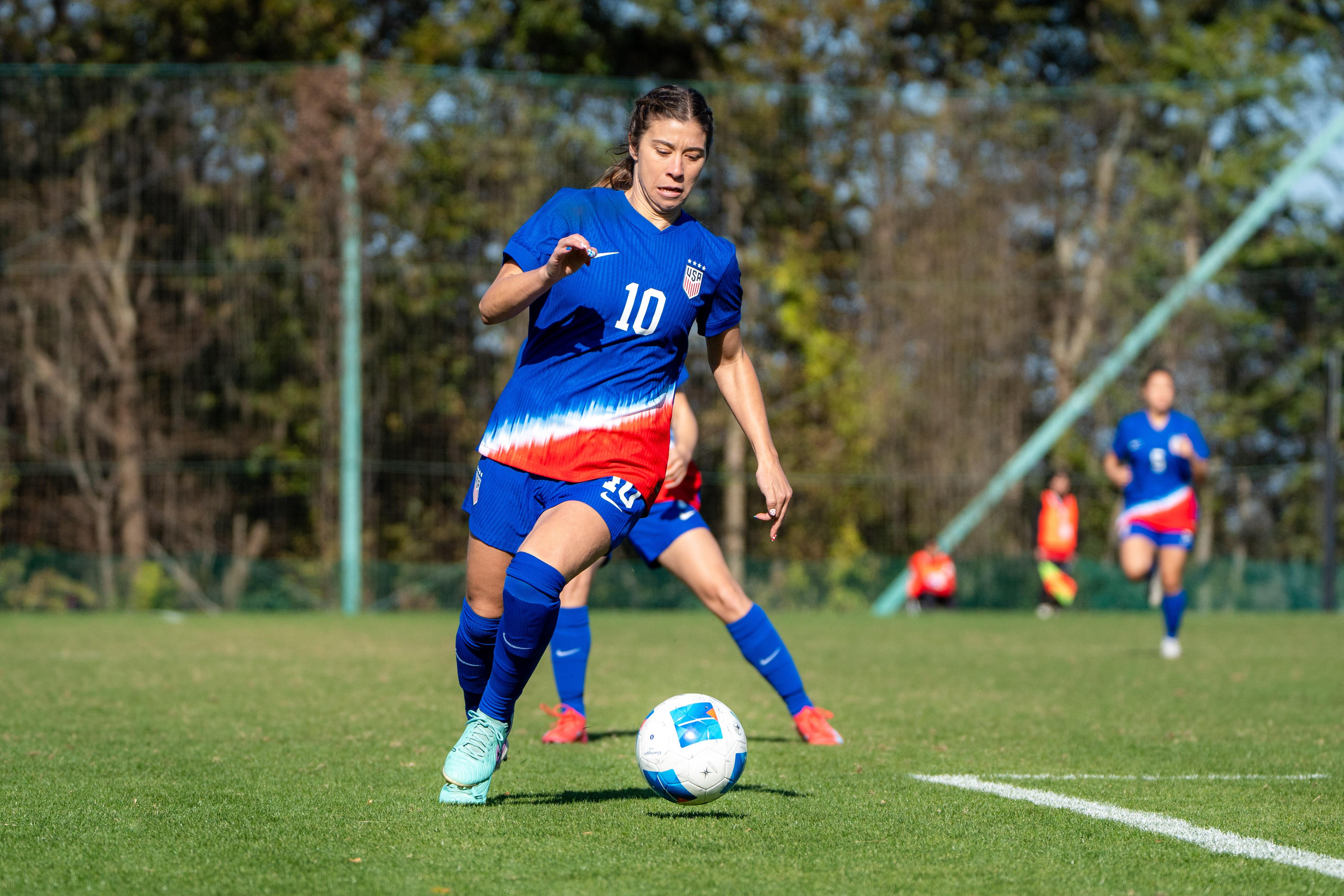
If you ask her to look back on her career and choose moments that stand out, it might take Emily Spreeman (née Cressy) a few minutes. As a California native, Spreeman represented the United States on the global stage for nearly two decades before retiring in late 2025.
For most, goals and trophies would be hard to top. But for Spreeman, a two-time Deaf World Cup Champion and three-time Deaflympic Gold Medalist, the free clinics the United States Deaf Women’s National Team hosted for the deaf and hard of hearing community are what she holds most closely.
“Those experiences meant so much more than anything that showed up on a scoreboard,” Spreeman said. “Being able to give back, connect, and create opportunities for kids who might not always feel seen or included, that’s what truly sticks with me.”
Spreeman, who was born deaf herself, learned of her impairment early. Those clinics resonate so much with her because she shares a connection with the people that attend them. Deafness always has and will be a part of Spreeman’s life, but it’s never come close to stopping her on the soccer field.
Along with her teammates throughout the years, Spreeman credits her parents for being supportive and encouraging her to work hard and chase her goals.
“They always emphasized that even though I was deaf, I belonged on that field just like everyone else,” Spreeman said.
And she did.
Spreeman joined the Eagles Soccer Club during her early youth years as the club attempted to make its mark in a competitive Southern California landscape. She grew with her teammates as they all learned how best to
Spreeman scored 50 goals for the U.S. Women’s Deaf National Team
play with each other. As time passed, the team started to experience more and more success. Then, in 2004, it reached the top.
Having qualified for the US Youth Soccer National Championships, the Eagles made the cross-country trip to Orlando, Fla., to com pete against the best teams in the country. All that time Spreeman and her teammates spent learning how to coexist prepared them for the challenge. After winning their first two group stage games against teams from New Jersey and Michigan, the Eagles dropped the third to Oklahoma’s Edmond Soccer Club that set up a rematch for the National Championship. Even though the first meeting ended in a loss, it proved to be important. Having a chance to scout the opponent allowed the Eagles to flip the script in the final and take home the club’s first-ever national title.
Then, three years later, they did it again.
While the Eagles were able to maintain plenty of roster continuity — including Spreeman — new players like Amanda Lisberger, who would earn an invite to join the Korean Republic National Team Pool for the 2011 FIFA Women’s World Cup, helped strengthen a team that had already proven itself amongst its peers.
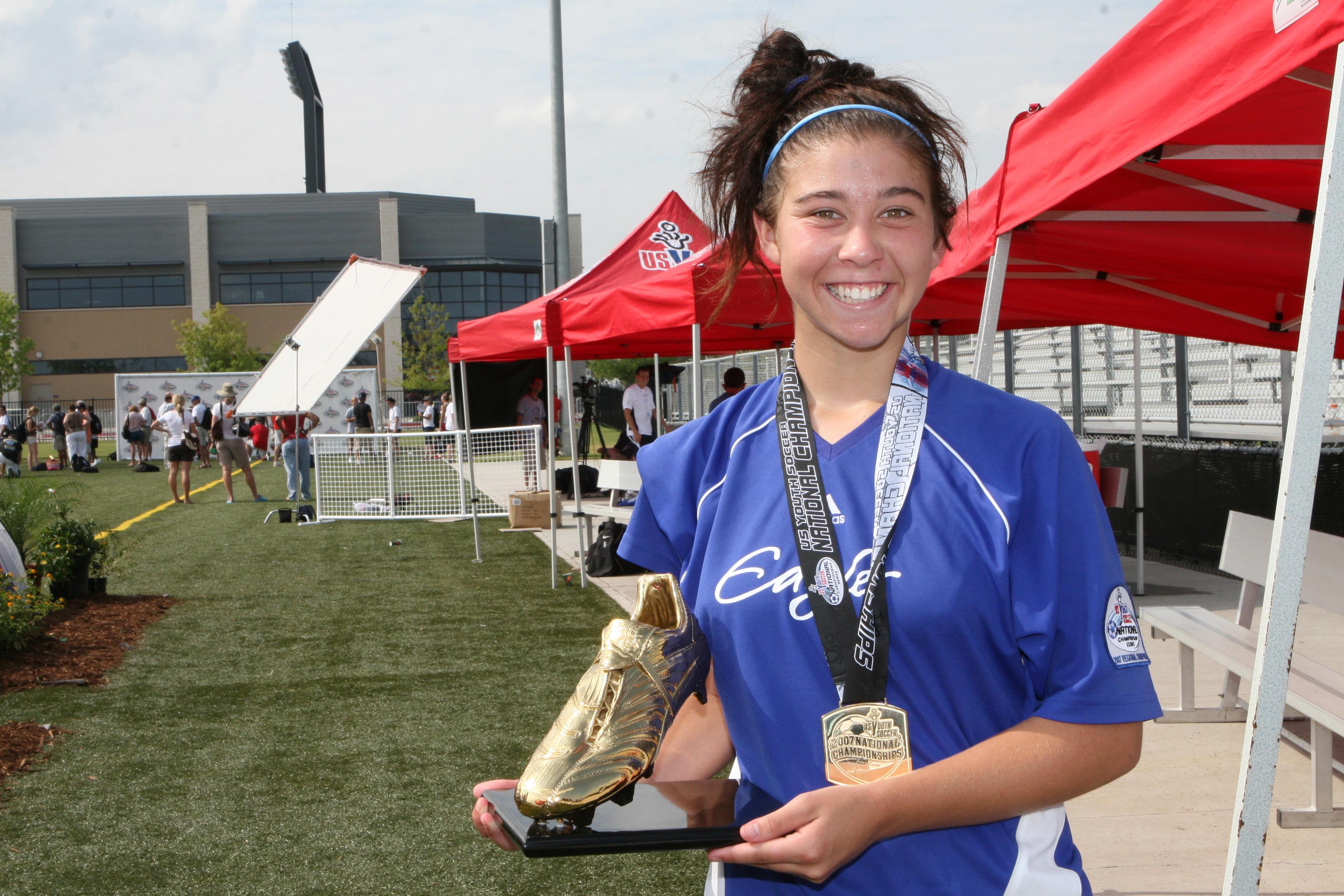
Spreeman’s role at the 2007 US Youth Soccer National Championships — the Eagles’ second triumph — earned her the Golden Boot award as the event’s top goal scorer.
“Winning two US Youth Soccer National Championships wasn’t just about the trophies, it felt like validation,” Spreeman said. “All the early mornings, long drives, tough training sessions, and sacrifices finally had something tangible attached to them. It was proof that the work we did mattered.
“The Golden Boot made it even more special. Scoring goals is always exciting, but earning that recognition on a national stage gave me confidence. It made me believe I could be a difference-maker in big moments — not just a contributor.”
In between the two titles with US Youth Soccer, Spreeman was growing her legend elsewhere. In 2005, she
LATEST NEWS
tried out for — and made — the U.S. Women’s Deaf National Team at just 15 years old. It was a completely different experience than what she had been used to with the Eagles Soccer Club.
“Walking into that environment, I immediately felt a sense of pride,” Spreeman said. “Not just as a player, but as a person. It was bigger than soccer. It was about identity, representation, and being part of something that meant so much to so many people.
“Communication was naturally at the center of everything. Whether through sign language, visual cues, or just heightened awareness, there was a deeper level of connection and intentionality. Everyone was fully present. It changed my perspective on the game. It reminded me that soccer can be a platform for inclusion, pride, and connection beyond just wins and losses. That first camp wasn’t just about earning a spot; it was about finding a new kind of belonging.”
Spreeman went on to start all six matches for the team during its gold medal campaign at the 2005 Summer Deaflympics in Australia — the first event of its kind for women.
She also participated in US Youth Soccer’s Olympic Development Program (ODP) with Cal South, where she was teammates with Alex Morgan. Together, the two goal scorers helped lead their team to the 2006 ODP National Championship.
ODP, which put Spreeman and Morgan up against the best players from every region, helped both players grow. It forced Spreeman to sharpen her technical skills, think quicker, and become more consistent. Competing against players of that level raised Spreeman’s standard, too.
“Training and competing with players like Alex... It showed me what was possible and gave me a clearer vision of what the next level required,” said Spreeman. “There were definitely signs that Alex Morgan had something special. Even at a young age, she had an incredible instinct around goal. She made smart runs, stayed composed in big moments, and had this quiet confidence about her. She was competitive in the best way — she wanted to improve every day and never seemed satisfied.”
Instead of returning to the Deaf National Team, Spreeman elected to step away for a few years and pursue a collegiate career at the University of Kansas in 2007. It was another welcome change.
“It felt like entering a whole new world, faster, stronger, and more demanding in every way,” Spreeman recalled. “The biggest adjustment was the pace and physicality. Everyone at that level was a standout player in their own right, so the margin for error was much smaller.”
Spreeman elected to redshirt and acclimate to the program during that first year in Lawrence. It had pushed her to mature quickly — both as an athlete and person. But after just one year on the sidelines, Spreeman was ready to be back on the field and play.
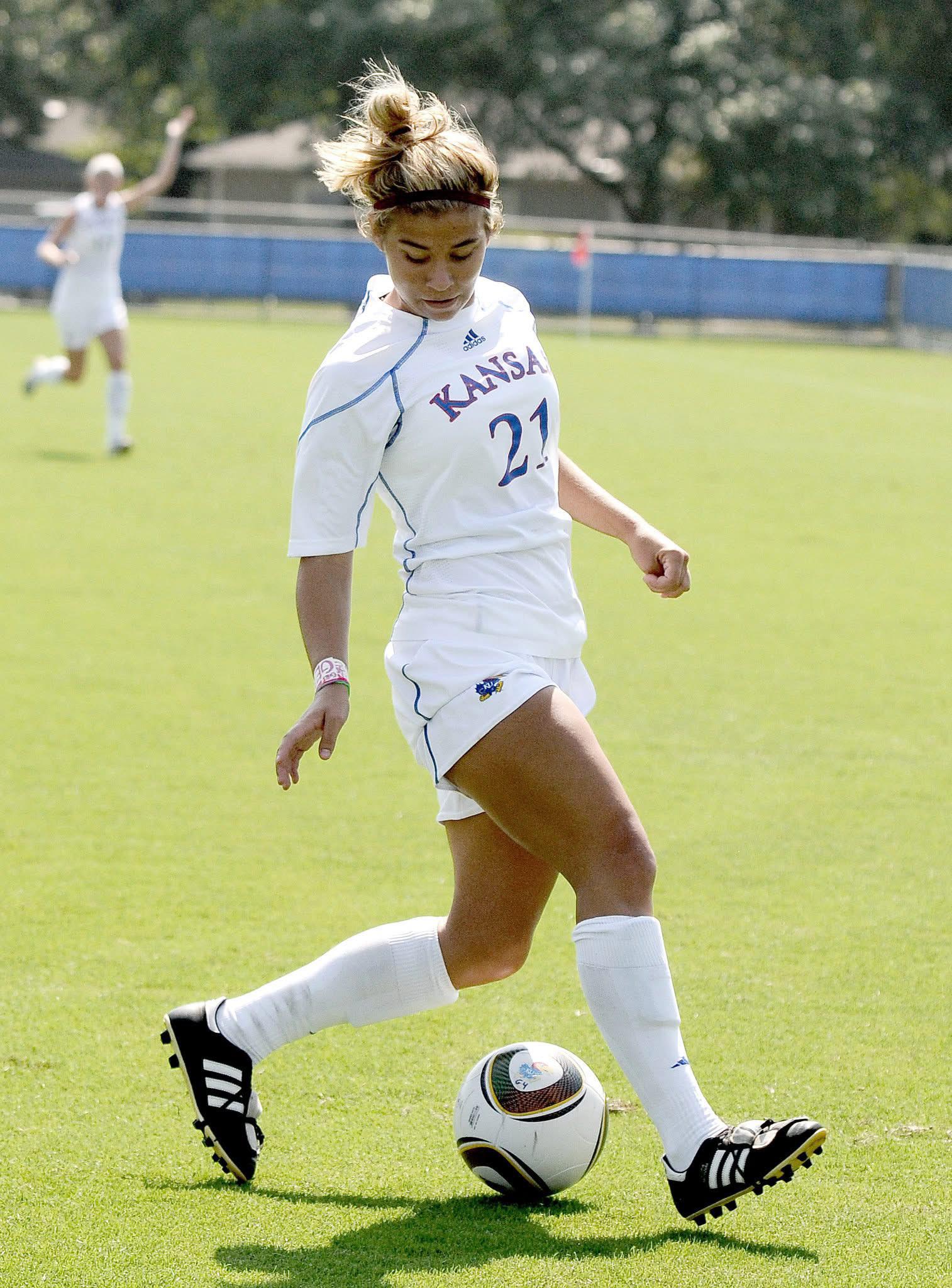
During her redshirt freshman season in 2008, she appeared in all 23 matches, scored eight goals, and was named the Big 12 Rookie of the Year. As an encore, Spreeman again featured in every match in 2009 and tallied 12 goals. She ended her career at Kansas with 23 goals and six assists in 60 matches.
After her three years with the Jayhawks, Spreeman was nearing her return to the Deaf National Team, but first won two United States Adult Soccer Association (USASA) National Championships with Eagles in 2010 and 2011 to bring her tally to four.
By the time Spreeman made it back to camp, new faces were all around her. Two — Kate Ward and Sydney Andrews — had experienced their own share of success, as both had Deaf World Cup Championships and Deaflympic gold medals to their name. Both were well aware of what Spreeman brought to the team, though.
“I heard so much about Emily — this young phenom from the 2005 Deaflympics,” Ward remembers. “She was a legend before she returned.”
Then, Spreeman did return and made an immediate impact. She helped lead the United States to the 2016 World Deaf Championship — her first — and earned both the event’s Golden Boot and Golden Ball. A few years later, Spreeman and her teammates won gold at the 2022 Deaflympics. They continued their winning ways in 2023, when the team won its third World Deaf Championship. Spreeman had again been named both the Golden Boot and Golden Ball recipient and then later that year received the inaugural U.S. Soccer Female Deaf Player of the Year Award. To Ward, those honors were deserved.
“She put our team on her back in one of our group games in Malaysia at the 2023 World Deaf Football Championships,” she said. “We were down 1-0 and just not playing very well against our biggest rival at the tournament, Poland. It was a moment where she seemed to will us to a win through sheer determination and grit — scoring two goals in the second half to lead us to a 2-1 win.”
Spreeman did a lot of scoring. The following year, against Australia, she scored a record-setting six goals in a single match, passing Carli Lloyd, Michelle Akers, and former ODP teammate Alex Morgan, who had each
LATEST NEWS
scored five during a game for a U.S. Women’s National
Then, the Spreeman, Ward and Andrews trio decided that the 2025 Deaflympics would be the last time they put on the
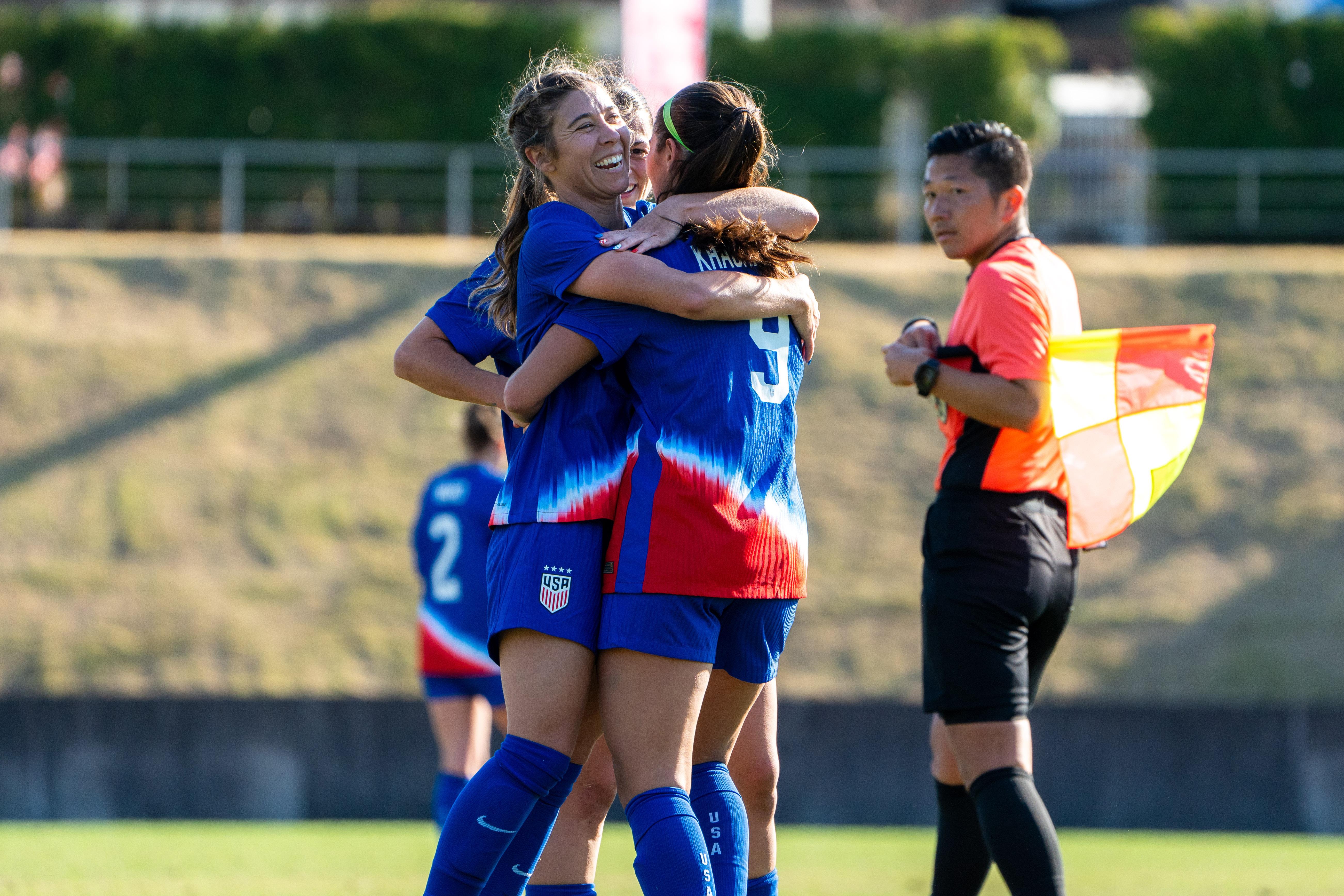
For a team that only knew how to win, it was no different. They finished off a dominant stretch with a win against host country Japan, in a match where Spreeman scored twice to reach a record 50 goals for the Deaf Women’s National Team. The last goal she scored ended up being her favorite. With the team up 2-0, Spreeman got away from her defender and headed home a cross from Gracie Fitzgerald. man got away from her defender and headed home a cross from
“It felt like all the hard work, dedication, and years I had put into the game really paid off,” Spreeman said about the goal. “It was a special way to close that chapter of my life, and it’s a moment I’ll always remember.
“Representing the United States meant everything to me. It was an incredible honor to wear the jersey and represent not only my country, but also the deaf community. Every time I stepped on the field, I felt proud knowing I was playing for
And Spreeman was. Many of the younger players on the Deaf National Team have followed the footsteps of her, Ward, and Andrews. Some, like Chelsey Tumey and Josephine Blazic, are involved with the Olympic Development Program. Passing the torch is important for Spreeman.
“If my journey can inspire other deaf athletes to believe in themselves and chase their goals, then that’s really special,” she said. “Growing up, opportunities and role models in the deaf sports community weren’t always as visible, so knowing that younger players can look at my path and see what’s possible means a lot.”
Ward, who remembers having to bring her own white shirt, black shorts, and soccer ball during her first few training camps, agrees.
“I hope that our impact stretches beyond our team’s achievements on the field, and that we are defined by the passion, commitment, and care we put into leaving this game in a better place for the next generation.”
Photo Credit: Joy Marshall / U.S. Soccer
While Spreeman — and Ward and Andrews — have hung up their cleats, they continue to advocate for disability soccer. There may not be anyone better suited for the job, either. The Deaf Women’s National Team has never lost — going 44-0-1 since beginning in 2005 — and that trio was part of many of those wins. Ward, who is the Executive Director of Programming & Partnerships for USA Deaf Soccer, Vice Chair of the Disability Soccer Committee, and a member of the U.S. Soccer Board of Directors, remains just as busy now as she was in her playing days.
And for Spreeman? There’s one thing she wishes more people knew about deaf athletes.
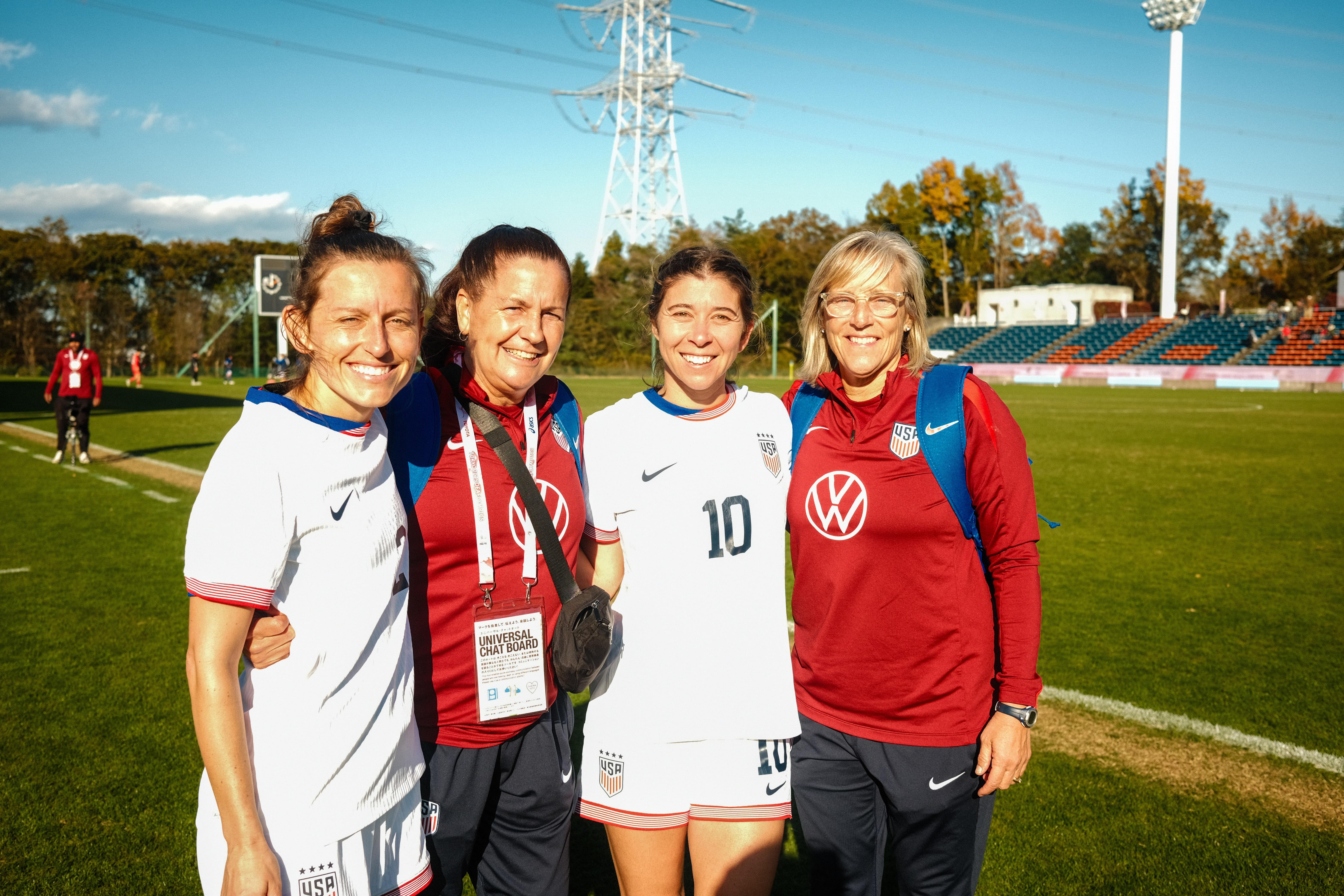
Photo Credit: Joy Marshall / U.S. Soccer
FIND YOUR EVENT PHOTOS

LATEST NEWS
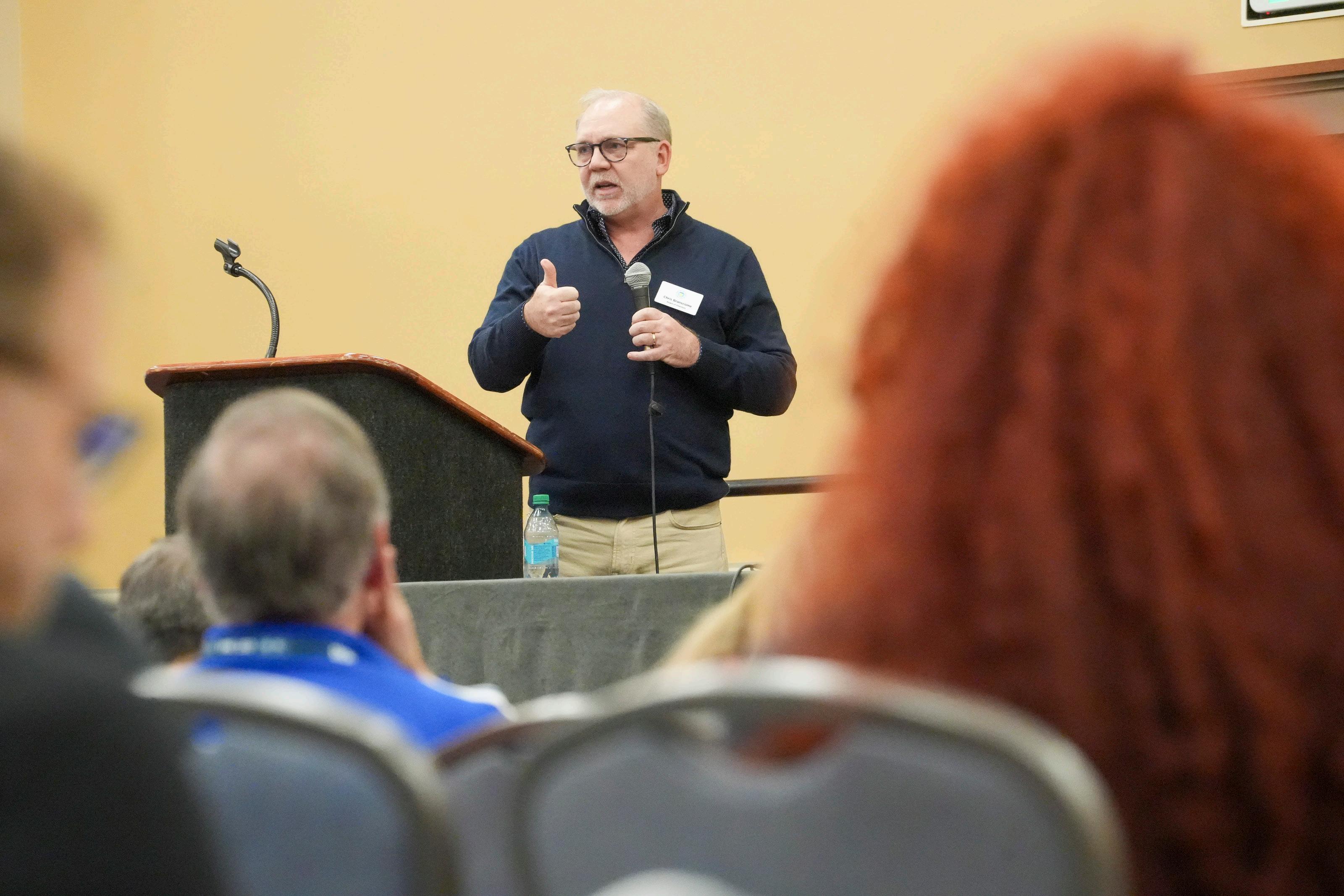
Q&A WITH CHRIS BRANSCOME ON PREPARING FOR WORLD CUP GAMES
Philadelphia is one of 11 U.S. cities preparing to host games during the 2026 FIFA Men’s World Cup. Eastern Pennsylvania Youth Soccer CEO Chris Branscome has been involved from the start in bringing the event to Philly, and we talked to him about the bid process, preparations and excitement that goes into hosting World Cup matches.
With a background in US Youth Soccer that includes time as a player, coach, national staff member and state association leader, Branscome also discussed the advancement he’s seen in the game and culture, and the major opportunity that awaits in 2026.
What has your role been with Philadelphia Soccer 2026 and when did you begin working with the group?
Going back to 2017, when it was first announced that there would be a bid put in between the U.S., Mexico and Canada, I immediately got involved. I’m on the advisory board of the Philadelphia Convention and Visitors Bureau, so we were immediately on the phone with each other saying, “We’re going to do this, right?”
So yes, from the very beginning I was part of that with the CVB. Then, when we formally became a bid committee, from 2018 to 2022, there was the formal bid period. I was officially part of that, and Eastern Pennsylvania [Youth Soccer] was one of the founding members of the bid, along with the Philadelphia Eagles, the Philadelphia Union and the CVB.
When we won the bid and were announced in June 2022, we transitioned into a host committee as Philadelphia Soccer 2026. I’ve had a lot of different names and formal and informal titles over the years, but we jokingly call me the “Chief Soccer Guy.” I’ve been director of soccer operations at one time or another, but I think “soccer guy” works, as well as being an advisor.
During the bid, what was that process like and how confident was the group that Philadelphia would be chosen?
We were always confident we would be in the mix. We feel very strongly about the city and our hospitality industry,
Brazil, France and Croatia will play in Philadelphia
the stadium, the participation of the Philadelphia Eagles. We had government support. So, we had everything that that was necessary, but we were never going to take it for granted because we didn’t get it in 1994.
We worked hard right up until the last day. I believe it was June 15, 2022, when we had a few thousand people in Love Park right outside City Hall. We had the big screen TVs, and we had two sets of speeches ready, but we felt very strongly that we would be giving the positive one to the audience that day.
Did the fact the World Cup will be taking place during the 250th anniversary of the signing of the Declaration of Independence become part of the pitch to Philadelphia hosting? And what does that all happening at once add to the experience this summer?
Philadelphia is the birthplace of the United States, and everything happened at Independence Hall on the Fourth of July, 1776.
Having both events concurrently was always something at the forefront of our presentation and how we wanted to show the world what a great city Philadelphia is. I must add that the city also has the Major League Baseball AllStar Game, and we’ve got the PGA Championship. The Fourth of July is always a big event here, but this is the big one. And when we presented everything to FIFA, we certainly played up that aspect of it. How could we not?
It’s going to be a real special day because there are only two games that day, and we feel pretty sure that the focus will be on the Philadelphia game. We have all these great celebrations. They just announced that Pope Leo is going to be getting the Liberty Medal, which is a big thing that Philadelphia does every year. I don’t know that he’s coming to the city, but he is a Villanova graduate like me, so I’d love to have the Pope come home for that day. We’re pretty sure the president will put that on his agenda to pop in for the afternoon.
So, it will be very busy. I think we’re going to tear our hair out leading up to the event, but after it’s all over, we’re going to know it was it was absolutely the right thing to do and will be remembered for a long time.
Were cities able to request certain game dates, or was getting a game on July 4 just by chance?
The overall sense of the semi quincentennial having to be a part of our pitch, and with July 4 being an important day... We did not intentionally try to ask for a game that day, but I think FIFA just kind of heard loud and clear that would be a special thing to do.
What has been the most interesting aspect of bringing the games to Philadelphia and planning for the World Cup?
My perspective is certainly going to be about how the game is affected. As I’ve said to the rest of my colleagues at Philadelphia Soccer 26, “Let’s not forget the soccer in the soccer tournament.” They are, as they should be, looking at it as a major citywide, national event, but I don’t want to forget that it is the world’s most important soccer tournament, and that’s important for all of our players and fans — to see this spectacle in their home stadium in their home city because there’s nothing like it.
LATEST NEWS
I’ve been fortunate enough to have been at a World Cup in a foreign country. So, I get it. A lot of other people are not going to understand it until it happens. That’s something I’m thankful for and happy that my neighbors and the Philadelphia citizenry are going to get to see something that I know is special. I hope that they adopt the sport in the same way. We’re going to create new fans for sure, but, of course, I want to make sure we create some new players, coaches and referees along with it.
During the bid process, FIFA came to Philadelphia, and I was on a panel with several other city leaders. I remember the fire chief, the police chief, people from city council, and I’m sitting up there with them. When the question was asked, “What does this mean to you?” I said, “Well, it means everything.”
And that answer still holds true today. The most important thing was that all those people I was on stage with — who had maybe never thought about soccer in any other way than a game kids play in the neighborhood — they were now learning about the size and scope of international football and what this event can mean to a city financially and socially. They were now aware, so I would not be re-describing our world and our culture to someone in the same way anymore. I knew that they were going to get it, and they do. It’s way different now than where we were eight years ago when this all started.
Will you have a role during the games, or will you get to be in fan mode?
I think that’s yet to be determined. Eastern Pennsylvania Youth Soccer is a partner in this, and we will participate in the fan festival. We’re helping to make sure there’s a very fun and active soccer presence there, so it’s not just food trucks and music and beverages. We want to make sure it’s family friendly and that kids have something to do. We know when you put some kind of cool, fun interactive game, kids and adults want to join in. So, we’ll be doing that for the 39 days of the fan festival.
There are things we’re doing as a state association to make sure our fans and members are engaged in different ways, and I’ve been active in the planning and working with other groups on protocol, fan engagement, and the activity of the different associations. Ivory Coast is training here at Subaru Park, so how do we engage with that group? We have Brazil, France, Ghana, Croatia, Ecuador, Haiti, so all those different cultural groups from within our area, as well as when those fans come in.
What I end up doing on a game day, I don’t know yet, but I really wouldn’t mind just being a fan for the day because we work in this sport every day and it’s hard to separate ourselves from the management and administration of soccer. I look forward to those moments where I can be a fan like everybody else. I do have some tickets to the local games. Fortunately, I’m also going to go see the U.S. play in Los Angeles. I’m definitely going to take part like a fan where and when I can.
Of all the countries playing a game in Philadelphia, is there one you’re most looking forward to seeing or think will really connect with everyone around the city?
We’ve got big teams like Brazil, France and Croatia coming. That’s awesome, right? So, I think that’s going to
create some new fans for people. I experienced the Brazilians at the French World Cup in 1998, and it’s just so fun. My wife and I got swept into an impromptu celebration at a Brazilian bank that was near our hotel and that was so much fun. I know something like that’s going to happen here, and that’s why I keep trying to tell people those things — the impromptu celebrations from the fans — will pop up. There’s going to be some kind of organized event that all the supporter clubs will do that will be great, too. But it’s when you randomly walk into a restaurant and you find the French fans, the Croatian fans, the Brazilians — that’s going to be a blast.
I am going to see France play. I already got tickets for that one because I just think they have a great team, an entertaining team, and we don’t even know who they’re playing yet. I’m just looking forward to the overall excitement and other people joining into the culture we already know and however else we can help or entertain or educate. That’s one of the other things we’re trying to do — I just want everyone to get out and watch the games, celebrate with whoever at home, get your clubs together and find a watch party.
From your viewpoint as CEO of EPYSA, is there any specific impact you’d like to see from the event?
It’s interesting for me because this is my 50th year in the game. I started playing in 1976, and Pele had just come to America. So, I’m a child of that era and that soccer boom. We’ve had some others along the way — the1994 World Cup, of course, and MLS starting. And then the 1999 and 2003 Women’s World Cups. Then when Beckham came and then when Messi came. This is clearly one of those milestone moments, and we’ll look back and ask, “What did we do? What did we make happen out of that?”
I didn’t think 50 years ago that I’d be sitting here in this role and having this part in the game. To me, there’s that opportunity for some other young boy or girl that just enters the game this year. Or for the ones that just started it and think, “OK, there’s so much more opportunity than I thought I would ever have.” Soccer was kind of looked down on in 1976, but we’re now part of the culture. Soccer is accepted. We’re one of the largest youth sports in the country. We have MLS and the NWSL.
All that being said, yes, I want to see the growth of the game. What boom is going to be created so that five years from now, when we host the Women’s World Cup, what milestones will we see how we’ve really changed the trajectory of the sport and how we were able to grow?
We’re a more mature soccer country than in 1994, but I think we’ve kind of plateaued a little bit and things have changed in our world. So, how do we take this moment and really shoot for higher goals and how do we get more kids into the game?
We’re really focusing on the 5- to 9-year-olds — kids that may not have considered it, but they’re going to be watching this with their parents. Maybe they’ll see all that fun the Brazilians might kick up when they’re here. How could you not get a little excited about that? They may say, “I want to play this game like those guys.” So, that’s the most important thing to me.
We’re naturally going to get more kids. But how do we take advantage of that? How do we make it more than an organic blip and turn it into a long-term opportunity and really grow the game? My lasting wish is that we really,
LATEST NEWS
truly develop more fans of the game, more kids that want to play it. Our role is to make sure that we show that you can play at any level and there’s a place for you. We’re going to accept you, and you can play this game as long as you want to. You can be a fan of the game as long as you want to.
We had our annual meeting two weeks ago, and the message I gave everybody is: “Do not turn any child away this year. Your goal is to find a place for every child that wants to play soccer. Don’t use reasons or excuses, like ‘We did sign-ups in April. We already bought our uniforms.’”
We’re going to have things in place where we’re there to help. If you need a grant to help buy some more uniforms, or you need our staff to come in and train these new volunteer parents that need to coach in order to have a team. We want to make sure that you can’t say no this year. You have to say yes because if we turn one away, we may have turned that kid or that family off forever. And that’s not the opportunity that we’re looking for. We have to be much more positive about this. The harder work will come later when more kids want to join, but now’s the time to get ready for it.
Looking back at your journey, can you explain what your role was when you worked at the US Youth Soccer national office?
My professional goals were to work in sports. There was really no professional soccer by the time I was graduating college in the late 1980s. I worked mostly in college sports right out of school. My first entry really into professional soccer was the American Professional Soccer League as director of operations for the A-League for a full season. From there, I became the general manager of the Chicago Power in the indoor league — the NPSL — and then left Chicago to go to the Philadelphia KiXX when we were a brand new start-up team in the NPSL in 1995.
I was back in the college world for a little after that, and that’s when I went to US Youth Soccer in 2002. I was director of marketing and communications, and it was really a brand-new department. I was given the opportunity by executive director Jim Cosgrove to grow it and really turn it into something. They weren’t doing the things that you see today, at all.
We brought in more staff. We redeveloped the website, and we started the television show on Fox Soccer Channel. We brought the sponsorship in house, and we were able to sell a variety of really great sponsorships to some great partners that allowed us to expand what we could do as a national organization. We really focused on the branding, and we wanted people to know who US Youth Soccer was on a national scale.
What I gained during that time was an understanding of what soccer was like in all 50 states. What is soccer like in Alaska and Hawaii? I didn’t know until I met those people. Soccer in Idaho, Montana, Maine, New Hampshire, North Texas… I gained a better appreciation of what everybody was dealing with and the focus on growing the game — how we all communicate and interact with each other to try to move things forward in this country.
My time at US Youth Soccer was definitely important and special in my development as a person, as a professional
and certainly with all the different friendships and colleagues that I developed in that time, and so many of them still last today.
Now as CEO for EPYSA, what do you think is the biggest benefit of working alongside that group of state association leaders?
I think there are multiple benefits. On a personal level, it is the people you come in contact with and make friendships on a personal and professional level. I can say I literally have friends in every state of the country right now. If I was to pick up and leave and go somewhere else, I know there’s people I could turn to in just about every state.
I have benefited from some of the different people, professionally. Things that they bring to the table in the discussions, and I’ve had several great conversations over time with, you know, people from various states and parts of the country. Those set the table for things that I know and have learned. The benefit is just all that experience, and those conversations help me navigate this job and help form my theories and thoughts on how we should grow the game and be stewards of the game. And perhaps that’s the biggest benefit as a lifelong soccer player, coach, parent, administrator — I get to have a hand in shaping the current status of the sport, as well as what it’s going to be the for the future when I step aside.
Just yesterday, I was in in New York City, and I met with the British Consulate because of events that are going to take place in Philadelphia and some things that we’re going to do. Why would a youth soccer administrator meet with the British Consulate? Well, there’s a lot of good reasons why, and having that opportunity is a benefit. We can grow the sport in other ways, and I think what we’ve done here with the World Cup is the obvious example to take youth soccer to a new level. We can have influence in a city or region from a cultural aspect, as well as a sports aspect. I think that benefits the kids and the families in a larger sense. Maybe we’re not in the same breath as the Philadelphia Eagles, Sixers, Flyers, Phillies or Union, but we’re in the room in those conversations. We’re in the room in those planning sessions. And I think that is what’s elevated the sport.
Tying in what you’ve seen in the past to what you expect this summer, what do you think will be the biggest change for a foreign fan who was here in 1994 compared to what they will see in 2026?
I think one of the obvious things that foreign fans will notice when they come to America this time, as opposed to 1994, is that the American soccer fans are as knowledgeable as they are. They will see kids or adults walking the streets in jerseys of their favorite teams and players, whereas if they came in 1994, we didn’t even have great access to buy those kind of things. You didn’t have the ability to watch games. Today, we can see soccer on TV constantly.
We have soccer fans of all ages who are knowledgeable and they outwardly show it. And you’ll see American kids running around in Vini Jr. shirts when the Brazilians are here or Mbappe shirts or Luka Modric shirts. Visitors are going to be surprised to run into somebody on the street and say, “Oh, you live here? We thought you might be someone who traveled from home like we did.” Back in 1994, that really wasn’t the case. And I think a lot of the Americans that went to the games wanted to see the spectacle of this event, just like you might go to an Olympics. They weren’t going because they were soccer fans because we had a very small soccer culture at the time.
LATEST NEWS
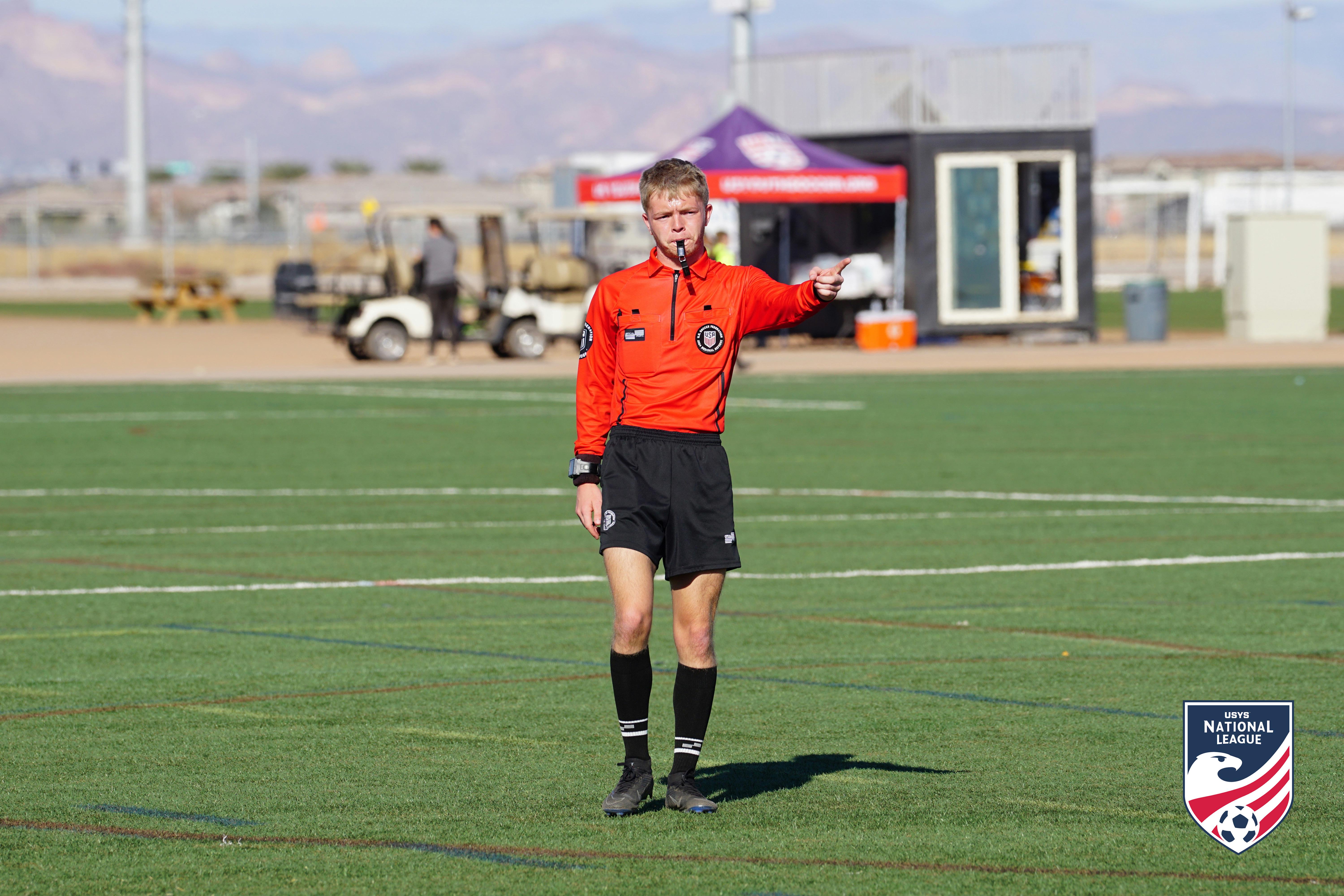
US YOUTH SOCCER BRINGS 4
REFEREES ON INTERNATIONAL TRIP
Two years after its first-ever international trip for referees, US Youth Soccer once again sent a contingent abroad.
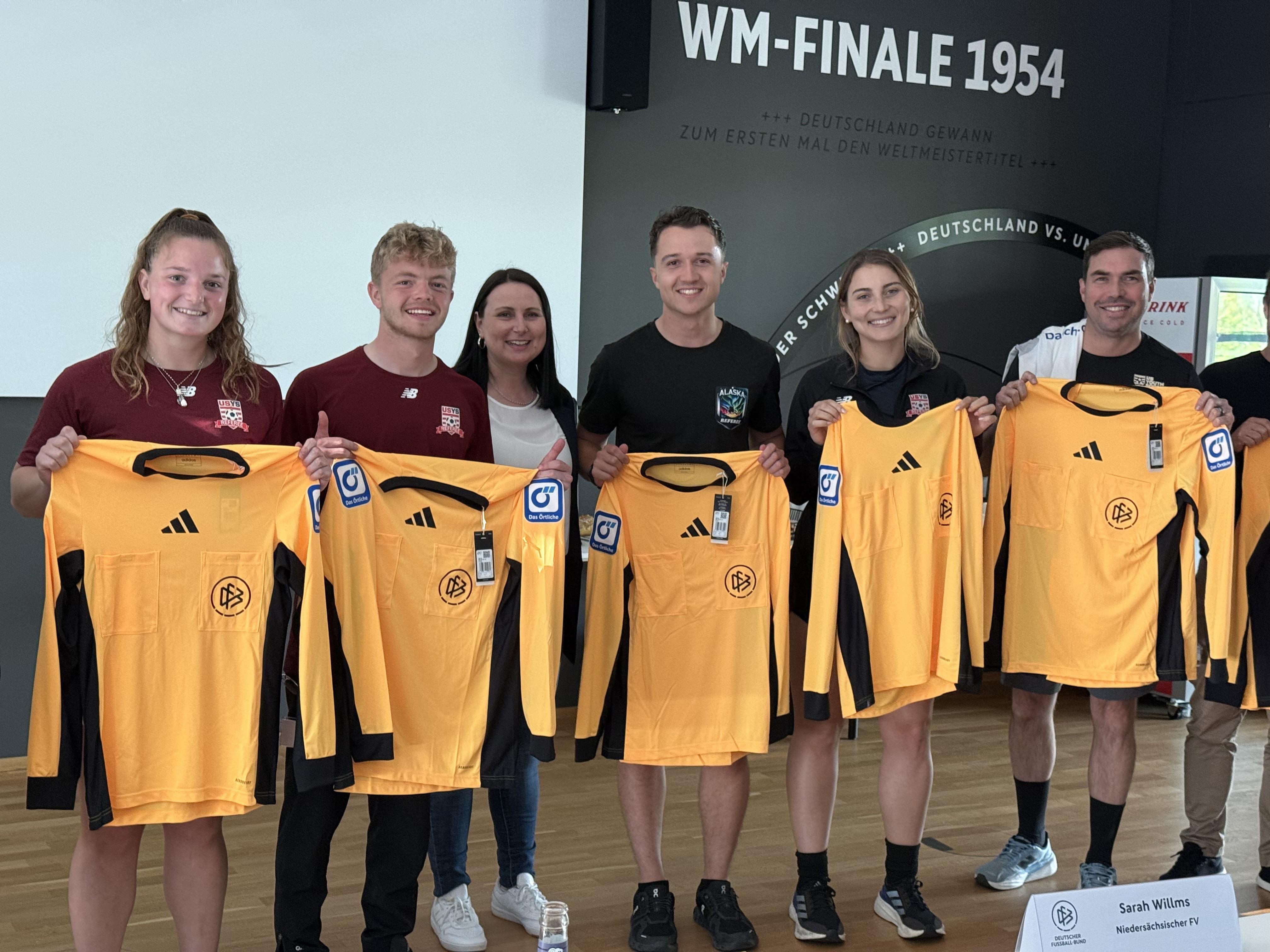
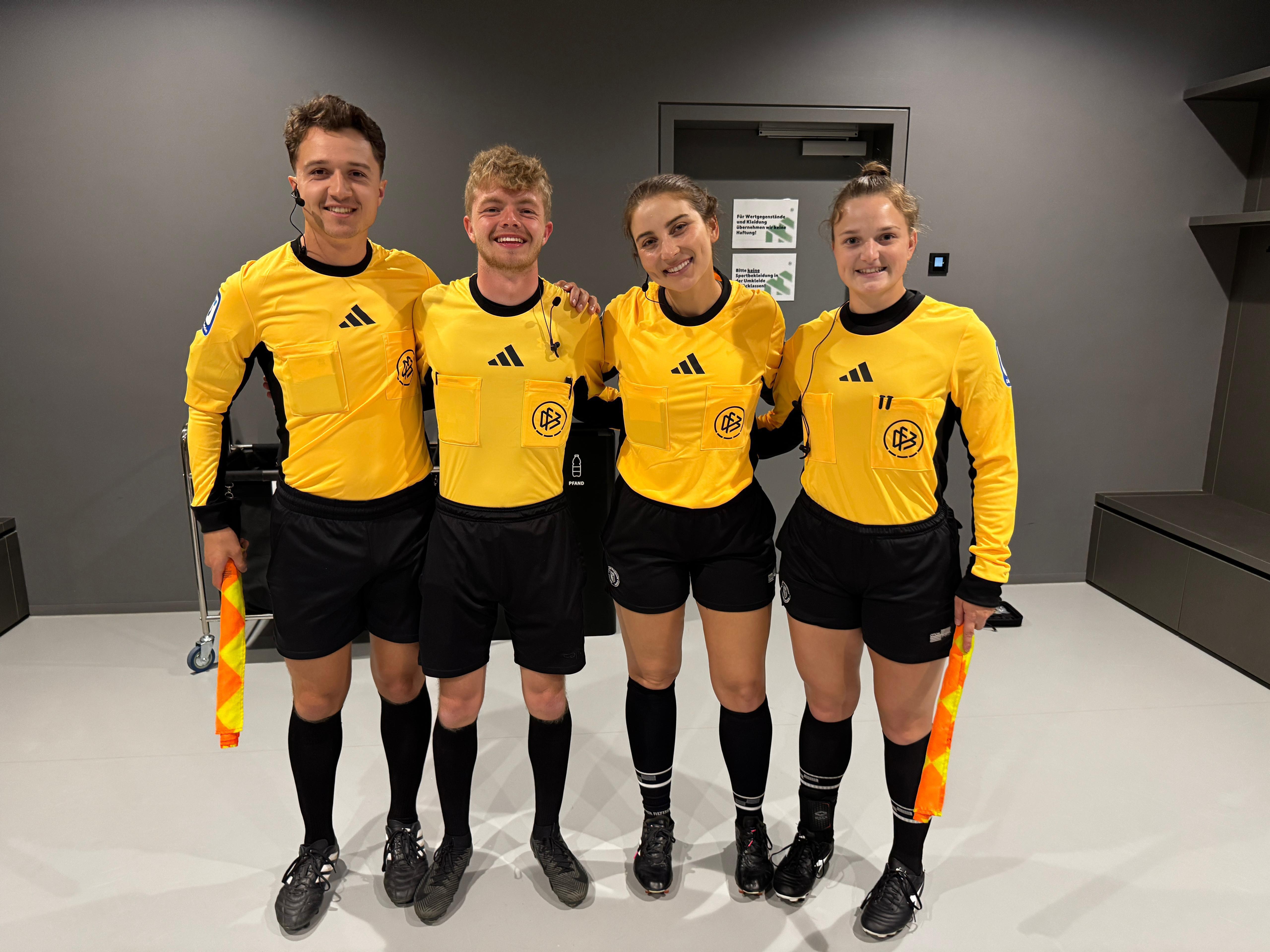
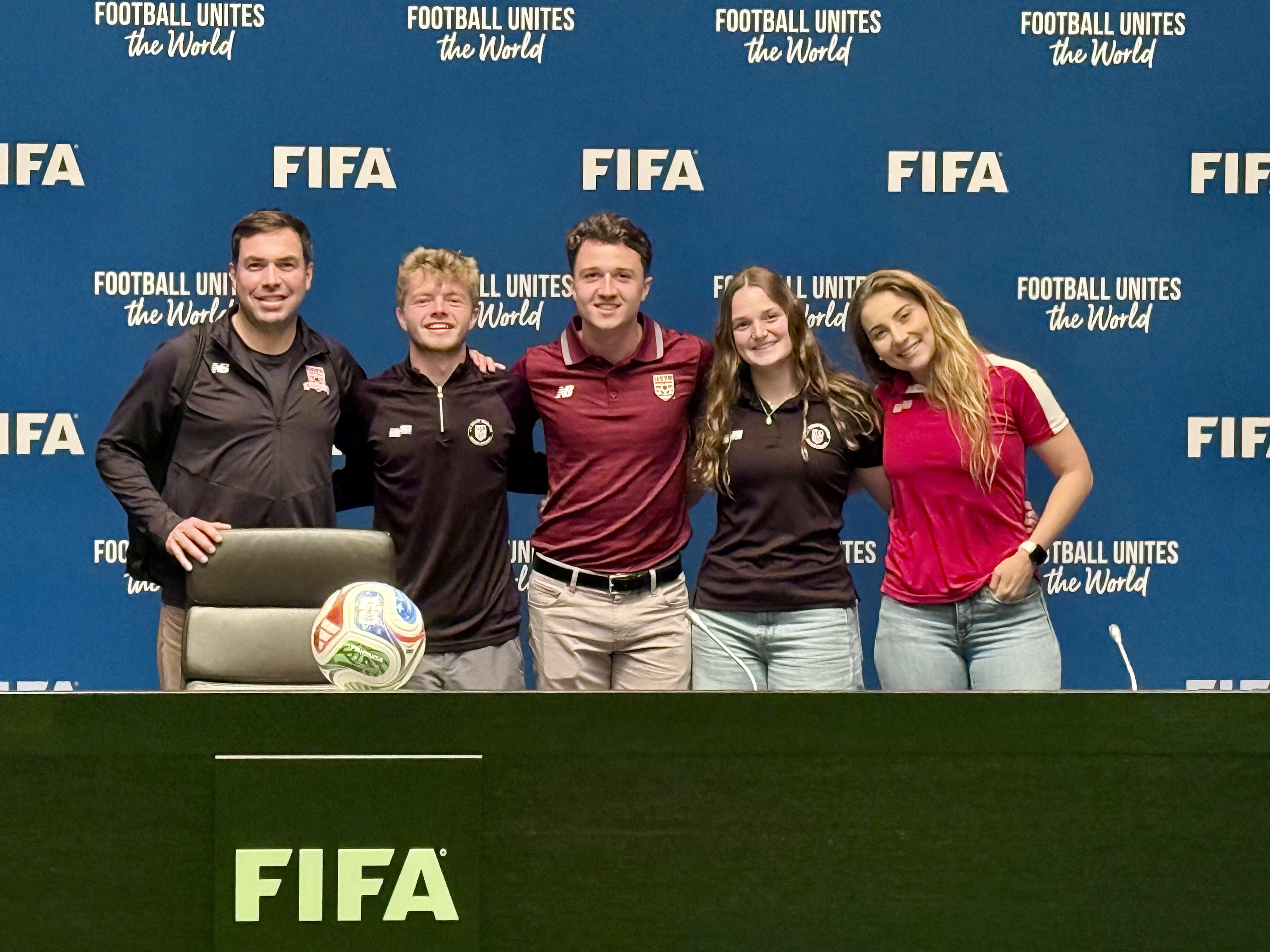
Four officials – Audrey Atwell (Virginia), Jade Mallea (Florida), Koen Ross (Washington), and Shawn Westerfield (Ohio) – were selected to attend this year’s trip, which included visits to Germany, France, and Switzerland from April 14-22.
“We were so excited to be able to provide this opportunity for these exceptional referees in recognition of their contributions and great examples set, both on and off the field,” said USYS General Manager of Referee Development Daniel Radford. “Audrey, Jade, Koen, and Shawn have all been incredible ambassadors for US Youth Soccer throughout the years and we were happy to give them this one-of-a-kind opportunity to continue their officiating journey.”
International trips have long proven to be highly impactful for players and coaches within US Youth Soccer ODP, and Radford said it’s a great opportunity to offer similar experiences to deserving referees.
“The results of US Youth Soccer’s referee programming continue to shine,” Radford said. “Many of the officials who went on the previous international trip to London have become U.S. Soccer National Referees and now work in high-level collegiate and professional games just two years later. The future remains bright and we look forward to where and what this trip and its future experiences will launch for these referees.”
Atwell has been officiating for the last five years and has experience in numerous competitive leagues, such as USL-W, USL-2, and UPSL. She was named the 2024 Virginia Youth Female Referee of the Year and was recently selected as a U.S. Soccer Regional Referee.
Like Atwell, Mallea is a U.S. Soccer Regional Referee and officiates matches of all competition levels. She was selected to travel to Japan last year as part of the U.S. Soccer Women’s Initiative Program and refereed at the Sanix Cup. Mallea also previously played in the US Youth Soccer Olympic Development Program before focusing on her officiating journey.
Ross’ refereeing career started at a young age. He has officiated at US Youth Soccer’s Far West Regional Championships and is currently working on attaining his regional badge after recently graduating from the University of Alaska Fairbanks.
Since Westerfield first started refereeing eight years ago, he has earned U.S. Soccer Grassroots and Regional certifications. He has officiated more than 100 matches at both the amateur/semi-professional level and across NCAA Divisions I, II, and III. Westerfield even went above the call of his officiating duties two years ago while on site at an event to assist in saving the life of a spectator in distress.
All four have officiated multiple US Youth Soccer events, including the National Championships.
During the trip, the referees attended a Bundesliga match and toured the DFB (German Football Association) Headquarters. They also visited the VAR Facility in Cologne, the National German Football Museum in Dortmund, and the FIFA Museum and Headquarters in Zurich.
Ross, Westerfield, and Atwell also had the opportunity to officiate a men’s professional match. To see highlights of the game, click here.
“We were thrilled to be host young, aspiring referees from the United States,” Moiken Wolk, DFB Director of the Referees Department, said. “This was a great opportunity for people from different countries to combine their love of the game with unique experiences in Germany that will spur tremendous growth and development toward a future in high-level officiating.”
In addition to the educational experiences, each of the four officials received an official German referee kit and had the opportunity to meet and be alongside international referees and referee leaders, coaches, and mentors.
“It’s truly inspiring to see the National Office and US Youth Soccer Europe creating this opportunity for talented referees to come to Germany, learn from one another, and share knowledge and experiences,” said USYS Europe General Manager Sebastian Korst. “Bringing together referees from youth, amateur, and professional levels creates a unique environment for growth, connection, and development. This exchange will undoubtedly be an unforgettable experience and an important step in shaping the next generation of referees.”