Warming a Calf Cheyenne Reid, Reganne Briggs, Melanie Heaton, Rebekah Esplin, and David Secrist
Calves born in the winter or spring are often exposed to harsh weather and environmental conditions. After birth, calves may become chilled due to cold temperatures or not being dried off promptly. When calves are cold, you may see them shivering to increase muscle heat production; their body will start to move blood away from the extremities to the core to reduce heat loss. However, a chilled calf may be experiencing hypothermia. There are two types of hypothermia.
Types of Hypothermia Exposure Hypothermia •
•
Cause: Exposure hypothermia occurs through gradual heat loss in a cold environment due to respiration, evaporation, inadequate hair coat, body flesh, or weather protection. Affected animals: It affects all livestock, especially young, old, and thin animals.
Calves born in harsh weather and environmental conditions can experience hypothermia and may require warming to increase their body temperature to a steady 100 °F to 102 °F.
Immersion Hypothermia Cause: Immersion hypothermia occurs through rapid heat loss due to a wet, saturated hair coat. • Common situations with calves include the following: o Born wet with uterine fluids. o Born in deep snow or wet ground. o Falling into a creek or being soaked by heavy snow or rain and experiencing chilling winds. Depending on the severity of the weather or other environmental factors, calves may experience different degrees of hypothermia, which have different signs and symptoms. •
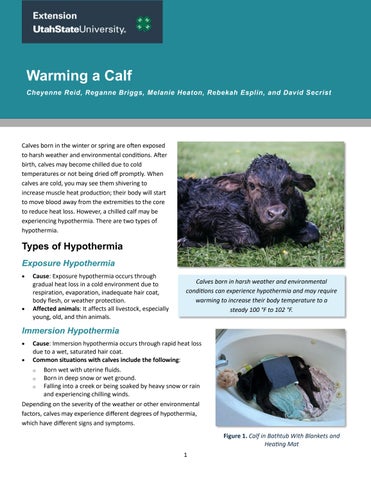
Figure 1. Calf in Bathtub With Blankets and Heating Mat 1