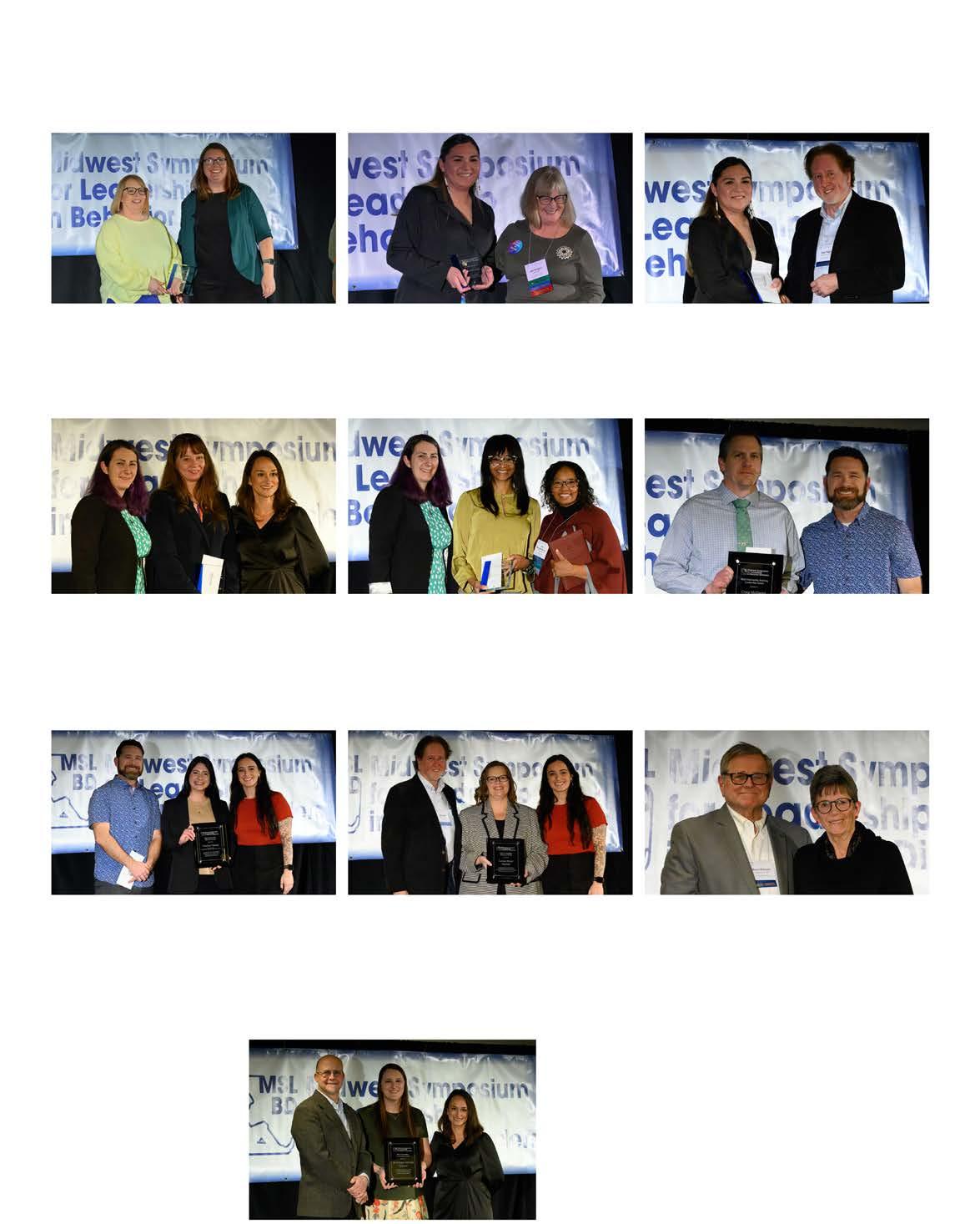
Growing Great Writers Using FBAs to Create Learning Environments
Seclusion Ban and Restraint Regs
Chalk and Gavel
Sticky Notes A Note Never Sent
Overland Park, KS
https://mslbd.org/autism-conference/
Join us for the 2026 Richard L. Simpson Conference on Autism, October 15-16 in Overland Park, Kansas, as we explore Trauma-Informed Practices for Children and Youth with Autism in Rural Environments. This year’s conference brings together educators, practitioners, and advocates to share practical strategies, research-based approaches, and real-world insights across a broad range of topics. Attendees will also have valuable opportunities to connect and collaborate with colleagues dedicated to supporting individuals with autism.
https://mslbd.org/symposium-conference/ Eighth Annual Richard L. Simpson Conference on Autism October 15 & 16, 2026
Rethinking Behavior welcomes proposal and manuscript submissions; for information visit www.mslbd.org or email rethinkingbehavior@mslbd.org
Technology as a Teaching Tool Making Learning Visible for Students
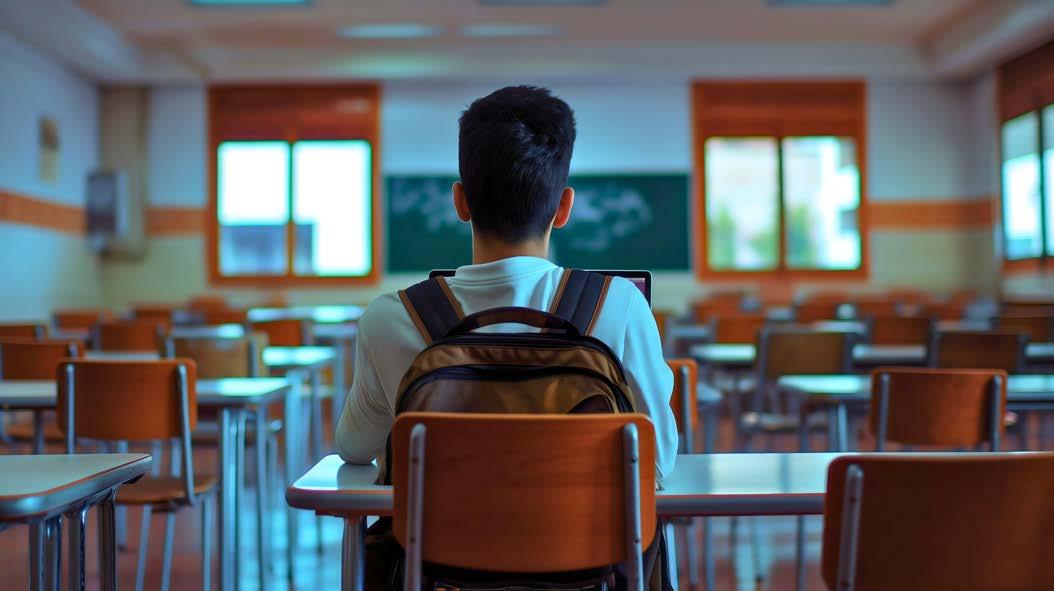
The use of technology in the classroom is often viewed as a double-edged sword. Many educators understandably worry about the use of technology and its impact on student learning during the school day. Technology, such as tablets, laptops, and smartphones, has the potential to be a distraction competing with student attention, but can also provide access to information and multiple learning opportunities. When technology is used intentionally, it can become a highly effective tool for teachers to support behavior, learning, and independence (Boyle & Kennedy, 2019). Importantly, the key is not the extent of the use of technology, but the effective use of technology to make the learning process more visible.
Some students struggle when only given verbal directions. Teachers may find themselves giving the same instructions, such as “Start your worksheet” or “Raise your hand if you have a question,” repeatedly throughout the school day. However, these instructions may be challenging for students who have difficulty with attention, language processing, or organization skills. Additionally, teachers may feel burnt out giving the same instructions throughout the day. Technology can be used to bridge this gap in meeting student needs and helping them understand classroom expectations. The student can have a clear and concise understanding of classroom expectations by watching and learning from examples, rather than relying solely on verbal instructions.
Students may be able to start and finish assignments with less teacher assistance
when they are exposed to visual supports through technology. Students can review a video, a checklist, or a visual aid, as needed, instead of waiting for a teacher to repeat instructions. This change fosters immediate engagement and develops long-term independence. Short video models or demonstrations are one instance of this. Video models that instruct students on how to finish a task, adhere to a routine, or exhibit appropriate classroom behavior can be recorded by teachers. Students may then watch the video before beginning an activity and revisit it if they need a reminder. Students may become less confused and begin with teacher prompts after they see a clear demonstration of the procedures.
Another easy-to-use yet powerful tool and effective support is a timer. Time management, switching be-
tween activities, and maintaining focus are some challenges for students requiring behavioral support. The amount of time students have to finish an assignment can be clearly indicated by visual timers on a table or computer screen. This helps reduce uncertainty and allows students to prepare for transitions rather than being surprised when an activity ends abruptly.
Technology can also support students in monitoring their own behavioral progress. Some classrooms use simple digital checklists or self-monitoring tools allowing students to track whether they are staying on-task, following directions, or completing assignments (Scheibel et al., 2023). When students take an active role in monitoring their own behavior, they often become more aware of their actions and more motivated to meet expectations. Importantly, technology can make learning feel more manageable. When tasks are unclear, students may avoid them or disengage altogether. Breaking down tasks into smaller, visible steps can reduce frustration and help students achieve success. When expectations are clear, students are more likely to engage and persist in tasks.
One of the most important benefits of technology in the classroom is that it can help students become more independent (Augustine, 2026). Teachers of students with behavioral or developmental needs often provide frequent reminders and prompts throughout the day. While these prompts can be helpful, students may become reliant on adult support to start tasks or follow routines. Technology can serve as a consistent guide that students can rely on instead of waiting for adult prompts. A video demonstrating how to begin an assignment, a digital checklist outlining the steps of a task, or a visual schedule showing the order of activities may support students in completing work independently. Over time, these supports may reduce frustration for both students and teachers while building students’ self-confidence.
Many students are already comfortable using technology in their daily lives, which can make these supports feel natural rather than different or stigmatizing. When used appropriately, technology can meet students where they are and provide support in ways that feel familiar. Of course, technology alone is not a solution to all challenges teachers face. Effective instruction, strong relationships, and thoughtful classroom man-
agement remain essential. Technology should never replace good teaching. Instead, it should be used as a tool to strengthen and support the work teachers are already doing. When used intentionally, technology can help teachers clarify expectations, provide consistent models, and provide opportunities for students to practice skills in ways that are engaging and accessible. It can also help students who struggle with traditional instruction by presenting information in ways that are easier to understand.
As educators continue to explore how technology fits into their classrooms, it may be helpful to shift the conversation slightly. With the rapid usage of tools such as artificial intelligence (AI), educators are also being introduced to new ways to support instruction, individualize learning, and increase engagement. MSLBD is continuing to provide educators with opportunities to learn about these emerging tools and how they can be used effectively in classrooms for teachers and students. Rather than asking whether technology belongs in the classrooms, we might ask how it can be used to support learning and behavior in meaningful ways. With thoughtful use, technology can move beyond being a potential distraction and become a powerful teaching tool. Thus, it can be used to help students understand expectations, develop independence, and build the skills they need to thrive inside and outside the classroom.
References
Augustine, J. J. (2026). Initial efficacy of video-enhanced activity schedules to decrease challenging behavior and increase appropriate behavior for children with autism (Publication No. 32165973) [Doctoral dissertation, University of Missouri-Columbia). ProQuest Dissertation & Theses Global.
Boyle, J. R., & Kennedy, M. J. (2019). Innovations in classroom technology for students with disabilities. Intervention in School and Clinic, 55(2), 77–70.
Scheibel, G., Zimmerman, K. N., & Wills, H. P. (2023). Increasing on-task behavior using technology-based self-monitoring: A meta-analysis of I-Connect. Journal of Special Education Technology, 38(2), 146–160.
John Augustine and Aimee Hackney, Issue Editors
TEACHERS STUDENTS RESEARCHERS
EDUCATORS PARENTS
CALL for ARTICLES
What stories can you share with our readers? What do today’s educators need to know and need to do?
What’s working for you and what isn’t?
What are you learning about education?
What experiences can you share that will inform, challenge, or encourage our readers?
What are you, your colleagues, your students, and support staff succeeding in, looking for, responding to, or struggling with?
ReThinking Behavior publishes several different types of articles related to the education of students with EBD and other challenges, educators, students, support staff, families, and communities.
• Voices – Personal stories, experiences, perspectives, and opinions
• Features – Articles on important topics, advancements, practices, or programs
• Strategies – Evidence supported strategies and interventions
• Policies – Legal updates, issues, cases, and implications
• Media – Reviews of podcasts, books, films, documentaries, television, news, websites, publications, blogs
• After Hours – Fiction, poetry, humor, and art
For examples of various types of articles, see our back issue on our website. If you have an idea or topic for an article, contact John Augustine, johnaugustine@mail.missouri.edu
Don’t Hesitate – our team will guide and support you all along the way.
INNOVATORS
Lauretta Bender
An American Neuropsychiatrist
By Robert Zabel and Reece L. Peterson
Long before there was a field of special education or evidence of effective interventions, Lauretta Bender was at the forefront of understanding and treatment of children with “pervasive developmental disorders.” In her time, these children were often referred to as having “childhood schizophrenia.” Bender was among the first to consider neurological, rather than social/ environmental causes of children's mental disorders. In 1938, she designed the Bender Gestalt Test, a widely used screening test of children's neurological function and developmental disorders, which is occasionally used today.
“Lauretta Bender was among the most influential… researchers of her day, and by the late 1930s she had developed a view that childhood schizophrenia is a pervasive psycho-biological disorder affecting every area of functioning. By 1940, Bender had further refined this concept, and she suggested that childhood schizophrenia involves a genetically determined maturational lag occurring at the embryonic level of development. In other words, a lack of appropriate differentiation of embryonic structures and functions sets the stage for pervasive disruption of all developmental functions if some sort of crisis occurs that precipitates the actual disorder. These precipitating crises might occur before birth, in infancy, or during early childhood. Neither in her work, nor in her review of other research, was Bender able to find consistent evidence pointing to social or environmental causation.” (Rizzo & Zabel, 1988, 147-148)
Lauretta Bender was born in Butte, Montana in 1897. Although she repeated 1st grade three times due to
Lauretta Bender was among the first to consider neurological, rather than social/ environmental causes of mental disorders in children.
learning problems, she was valedictorian of her high school class after her family moved to Los Angeles. Following high school, she moved to the Midwest, where she completed a bachelor’s degree in 1922 and a master’s degree in 1923 at the University of Chicago. She then went on to complete a Doctor of Medicine (MD) at the University of Iowa in 1926. These were remarkable achievements at a time when few women earned college degrees, let alone medical degrees.
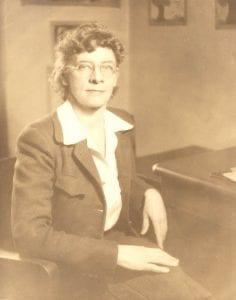
Photo courtesy of Brooklyn College Archives
Following medical school, Bender completed internships at the University of Chicago and at Johns Hopkins University. She then completed advanced study in Amsterdam before joining the Child Psychiatry faculty at Johns Hopkins University in 1930.
During her time at Johns Hopkins, Bender crossed paths with Leo Kanner, who is credited with identifying and describing “early infantile autism,” which was by 1943 referred to as the “Kanner Syndrome.” Bender and Kanner even shared case studies of patients they had in common. (For more about Kanner, see his Innovator profile in ReThinking Behavior Fall 2025.)
While working at Johns Hopkins, Bender met the Austrian psychoanalyst, Paul Schilder, a recent emigre from Vienna, where he had been influenced by Sigmund Freud and his psychoanalytic theories. In 1930, Bender moved with Schilder to New York to work at Bellevue Hospital, a public psychiatric hospital. Bender and Schilder married in 1936 and had three children. Tragically, Schilder was killed in a car accident in 1942.
Another well-known colleague of Bender at Belleview was David Wechsler who developed the widely used Wechsler Intelligence Scale for Children (WISC) in 1949. Its latest editions are in widespread use today. Belleview Hospital was home to one of the first special education classrooms for students we would identify today as having emotional or behavioral disorders. Pearl Berkowitz and Esther Rothman were teachers in those classrooms and colleagues of Bender (See the Fall 2024 issue of ReThinking Behavior for more on Berkowitz and Rothman). In their classic 1960 textbook, The Disturbed Child: Recognition and Psychoeducational Therapy in the Classroom, they referred to Bender as “a pioneer and one of the foremost authorities in the field.” Berkowitz and Rothman’s description of Bender’s view of the nature of childhood schizophrenia is remarkably like current views of the neurodiverse nature of autism today.
“Investigators like Lauretta Bender…believe that schizophrenia is a biological phenomenon determined before birth, probably by hereditary factors, and activated by some physiological crisis like puberty, severe illness, or birth itself…a clinical entity which manifests pathology in all areas of behavior and which functions through the central nervous system…Although the schizophrenic child cannot make progressively mature adaptations, he nevertheless frequently shows a precocity or talent for an adaptational process far beyond his years and on a high artistic level…Schizophrenic children, therefore, may appear to be retarded in some areas and overdeveloped or precocious in others.“
“According to Bender…precocity or spurts of development found in schizophrenic children are merely evidence of uneven growth patterns. Thus, some children are regressive, retarded, inhibited, autistic, withdrawn, physically underdeveloped, and overly concrete in their thinking. These children are demonstrating “developmental lags” in their maturation process. On the other hand, there are children who are precocious, overactive, overdeveloped, highly articulate, overrelated to others, and excessively abstract in their thinking. These
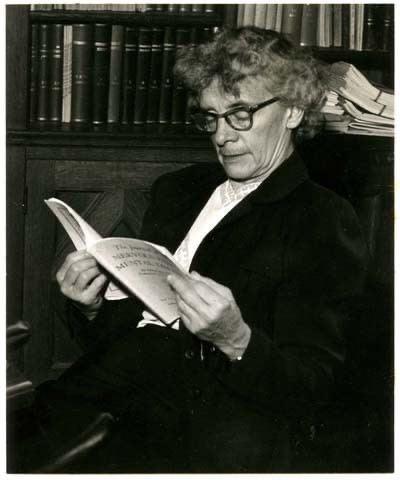
Photo courtesy of Brooklyn College
Bender in Amsterdam 1926-1927.
children show spurts of development. While some schizophrenic children go through phases of both extremes of behavior, most show a mixture of these extremes. (Berkowitz & Rothman, 1960, pp. 12-13).
“Lauretta Bender also opposed Freudian views of childhood disorders. According to Freud and others, childhood anxiety stemmed from early hostility and aggression. Bender observed that childhood anxiety, aggression, and hostility were often caused by frustration or developmental issues.” (Alchetron, 2024)
In 1954 Bender moved to Creedmoor Psychopathic Hospital in New York, where she continued to conduct research and develop treatments for children with psychiatric disturbances. She remarried at age 70 to a history professor at New York University, who passed away five years later. Bender died in 1987 at age 90.
As is often the case for pioneers, views of Bender’s legacy have been affected by evolving perspectives about some of her interpretations and treatments for mental disorders.
Bender and other early innovators were troubled by what they viewed as the solitary, miserable lives of children they encountered in institutional settings and were motivated to find treatments that could improve their lives. During her career, Bender studied and reported on the use of electroconvulsive shock therapy (ECT), insulin-shock therapy, anti-psychotic drugs (e.g. Thorazine), and hallucinogens (LSD). Little was known about these treatments at the time. She and other researchers openly shared the nature of their research, attempted interventions, and results. Bender concluded that none of these treatments seemed to have beneficial therapeutic effects.
Later, these studies have been criticized heavily. At the time Bender was conducting her research (1920s to the early 1960s), there were no established Institutional Review Boards (created in the 1970s) to assure the protection of human subjects, and no requirements for informed consent. They were experimental and innovative at the time, but likely would be considered unacceptable today.
We can expect that some of our current “state of the art” perspectives and interventions will advance and change over the coming years. Individuals such as Lauretta Bender, a pioneer and innovator in identifying neurological disorders, have contributed to a variety of advancements in our current understanding and treatment of childhood disorders.
References
Alchetron, Oct. 02, 2024. Lauretta Bender - Alchetron, The Free Social Encyclopedia
Berkowitz, P, H. & Rothman, E. P. (1960). The disturbed child: Recognition and psychoeducational therapy in the classroom New York: New York University Press. p.12-13.
Rizzo, J. V., & Zabel, R. H. (1988). Educating children and adolescents with behavioral disorders, Boston: Allyn & Bacon.
Robert Zabel, emeritus professor, Kansas State University, robertzabel@gmail.com and Reece L. Peterson, emeritus professor, University of Nebraska Lincoln, reecelpeterson@gmail.com.
INNOVATORS
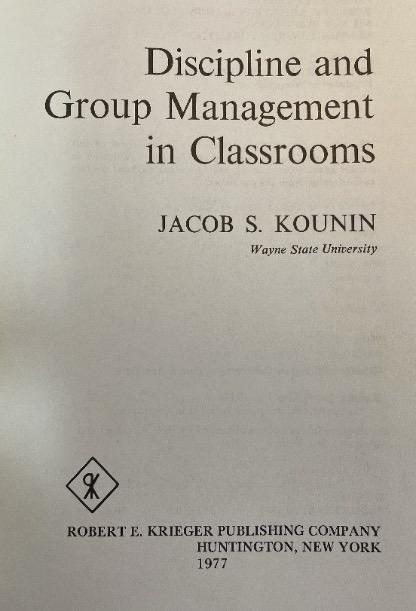
Jacob Kounin
An Ounce of Prevention
By Robert Zabel and Reece L. Peterson
Jacob Kounin was among the first to empirically study how teachers’ classroom behavior affects student behavior and learning. Although it is unclear how he began, Kounin devoted his career to this topic. An educational psychologist, Kounin obtained his doctorate at Iowa State University and worked most of his career at Wayne State University in Detroit, Michigan. He was born in 1912 and passed away in 1995.
Among the first to identify which teacher behaviors prevent undesired student behavior and which have the opposite effect.
In the 1960s and 70s, Kounin studied teachers’ behavior management techniques across a variety of classroom settings. He and colleagues filmed and analyzed hundreds of student-teacher interactions during individual seat work and group recitation in elementary classrooms (Kounin, 1967; 1970). As a result, Kounin and colleagues identified and named a series of skills or techniques employed by effective teachers which prevented or diminished student behavior problems and produced higher rates of student work involvement and lower rates of student off-task behaviors. When teachers didn’t demonstrate these skills, distracting and disruptive student behaviors often escalated and spread to other students. Koun-
Although Kounin’s early work was done before widespread implementation of special education in schools, he also applied his previous findings to managing students with emotional disturbances in regular classrooms. That study concluded that teachers who were effective in managing the behavior of typical students were also relatively successful with students with emotional disturbance (Kounin, Friesen, & Norton,1966).
Prior to this, the primary focus of work with children and youth was either to understand and address the intra-psychic forces affecting the student, or to
Teacher Behaviors that Increase Student Engagement and Achievement
Enthusiasm – Zeal used to gain and keep student engagement.
Group Alerting – Circulating the classroom, alerting students they might be called upon, using group recitation.
Momentum – Starting activities promptly, keeping them moving with comfortable pacing, and bringing them to efficient closure.
Overlapping – Multi-tasking by engaging with more than one activity, student, or group.
Proximity Control – Moving closer to distracted or disruptive students.
Ripple Effect – Calling attention to one student for misbehavior, causing classmates to follow suit.
Smoothness – Effective handling of multiple transitions such as changing tasks, seating, or location.
Variety and Challenge – Minimizing satiation or boredom from repetitive redundant activities.
With-it-ness – Awareness of what’s going on in the classroom and communicating that awareness to students.
address individual student behavior with strategies from the developing field of behavior modification. Kounin focused on the elements of the classroom ecosystem - especially on how specific teacher behaviors directly influenced student behavior. He believed that focusing on prevention was key to effective classroom management and student learning.
Although there is no evidence that Kounin was aware of Frank Hewett’s “Engineered Classroom” (first published in 1968), or that Hewett was aware of Kounin’s work (published in 1970), there were some parallels in their thinking. They both focused on the structure and organization of the classroom and the behaviors of teachers to create improved behavior and learning for students.
Today the broad term “classroom management” encompasses all of Kounin’s strategies as well as other components such as rules, clear expectations,
Teacher Behaviors that Decrease Student Engagement and/or Increase Behavior Problems
Dangles – Continuing to present new material, review the lesson, and talk when the students are ready to move on.
Flip-flopping – Abruptly moving from one activity to another and back.
Jerkiness – Lacking smoothness, continuity, and organization in instruction.
Over-Dwelling – Spending more time or attention than necessary.
Satiation – Ignoring evidence of student boredom, resistance, and misbehavior.
Stimulus-bound – Being distracted from relevant activities which then distracts students.
consistent routines, and other techniques teachers use to create positive and productive learning environments, foster student engagement, and minimize disruptions. Arguably these initial efforts to understand classroom management by Kounin were the precursors to modern “multi-tiered systems of support“ which focus on classroom and school systems designed to prevent and mitigate undesired student behavior while promoting desired student behavior and achievement.
References
Hewett, F. M. (1968). The emotionally disturbed child in the classroom. Allyn and Bacon, Inc.
Kounin, J. S. (1967). An analysis of teachers’ managerial techniques. Psychology in the Schools, 4, 221-227.
Kounin, J. S. (1970). Discipline and group management in classrooms. New York: Holt Rinehart & Winston.
Kounin, J. S., Friesen, W. V., & Norton, A. E. (1966). Managing emotionally disturbed children in regular classrooms. Journal of Educational Psychology, 57(1), 1-13.
Robert Zabel, Professor Emeritus, Kansas State University. robertzabel@gmail.com, and Reece Peterson, Professor Emeritus, Univ. of Nebraska-Lincoln, reecelpeterson@gmail.com.
In Canada’s ongoing conversation around inclusive education, the prevailing image is often a child with exceptional needs sitting beside their peers in a mainstream classroom. Inclusion, in this sense, is measured by proximity. But for many students – especially those on the autism spectrum – mere placement isn’t enough. Without meaningful support, sensory considerations, and genuine belonging, the experience can be anything but inclusive (Lord, 2020).
I’ve seen this reality firsthand – not only as a teacher but as a mother. My son is autistic, with a co-occurring ADHD diagnosis. After years of frustration, unmet needs, and heartbreaking experiences in a conventional school setting, I made the difficult decision to resign from my teaching position and homeschool him. While homeschooling offered flexibility and safety, it came at a cost. Meaningful social experiences were difficult to create, and despite our best efforts, we became increasingly isolated. Friends and neighbors – unsure of how to respond to our situation – gradually withdrew. The loneliness was palpable. Eventually my husband and I decided to move back to his family farm in Northern Alberta. I accepted a position teaching in a one-room schoolhouse on a rural Hutterite colony where they would allow me to bring my children with me. What we found there wasn’t just a change of environment–it was a complete reimagining of what education, community, and inclusion could be. And most importantly, it was where my son began to thrive.
Research shows that families raising children with autism in rural areas often navigate a lack of formal services–no occupational therapists, no speech pathologists, no behavior specialists. But what they do have, according to Hoogsteen and Woodgate (2013), are deep relational networks that offer “safety and familiarity” and a strong sense of community.
That rings true here. On the colony, we have no educational assistants, no specialists, and no substitute teachers. I’m the sole educator for students ranging from Kindergarten to grade 12. When I’m sick, school is cancelled. But the lack of resources has demanded
something I believe many urban systems lack - authentic inclusion through relationships, rhythm, and purpose.
We are surrounded by open fields and trees. These natural spaces are part of our learning environment, just as much as books and chalkboards. Here, students play together across ages, help in the communal kitchen, walk home if they have forgotten something, hurt themselves or feel sick, and participate in seasonal tasks that ground them in real life.
Inclusion is more than placement –it’s about belonging.
In this setting, inclusion isn’t a checklist or a program. It’s something more organic. My son is not seen as the “autistic student.” He’s just another child in the group–known, valued, and supported. There are no aides trailing him, no pullout spaces or separate sensory rooms, and no special schedules created just for him. And yet, the day remains deeply structured–woven into the collective rhythm of the colony. Meals, worship, chores, and lessons unfold in predictable patterns, offering a calm and familiar framework for all students. The children, raised in this shared rhythm, intuitively recognize when someone needs space or support. They know my son. They’ve watched him navigate moments of overwhelm and witnessed his many moments of brilliance.
What’s most beautiful is how naturally he is invited to participate in everything–from group math lessons to feeding baby lambs. He’s not placed alone in a hallway or isolated in a separate room. Instead, he’s a reading buddy to the younger students and the go-to tech expert when the computer glitches. The little boys light up when they ask him ques-
tions about his areas of deep interest–topics he can discuss with a level of detail that surprises even the adults. When the school day ends, his friendships continue: he’s invited to help with farm chores and welcomed into homes for afternoon snacks while I prepare for the next day. Inclusion here isn’t orchestrated – it’s lived. It’s practical, relational, and rooted in shared trust and mutual respect.
One of the most profound changes I’ve seen is in my son’s ability to self-regulate. In his previous school, he often needed breaks – but accessing them required adult permission or supervision. Frequently, they were denied due to lack of resources. The result? Meltdowns, shame, and mistrust (Lord, 2020).
Now, when he begins to feel overwhelmed, he simply steps outside. He walks alone outside, breathes the northern air, and paces back and forth until he’s calmed down. Then, when he’s ready, he comes back in. Calm. Re-centered. Ready to learn. This isn’t just a break – it’s a life skill. He’s learning how to listen to his body and make proactive choices that work for him.
And beyond regulation, he’s learning through real contribution. He helps clean up after meals in the
Without meaningful support, sitting in the classroom can feel anything but inclusive.
kitchen, set up and clean up the classroom every day, garden, and tend to animals. These aren’t token tasks – they’re part of community life. Following multi-step instructions, using fine motor skills, understanding cause and effect – these are embedded into the everyday.
Another powerful moment came during a science unit on propulsion. We built matchstick rockets, and my son took on the role of teacher for the younger students. He explained the concepts behind the rockets with excitement and clarity. When the school board came to visit, he and another student demonstrated the project. The first set of rockets failed to launch. A year ago, this kind of disappointment would have triggered a full shutdown – tears, refusal to engage, and days of lingering emotional fallout. But not this time. The two students calmly excused themselves, went outside, built a second set, and tried again. When those also failed, they hypothesized that the shafts weren’t sealed tightly enough. My son stayed after the demonstration, answered questions from board members, and spoke with a growth mindset I had never seen in him before. Later, he did take some quiet time to reset – but there was no outburst, no despair. Just curiosity, reflection, and a renewed desire to learn more.
The changes we’ve seen extend beyond the classroom and into community celebrations. In previous schools, Christmas concerts were a source of intense stress for my son. Participation often required extensive bribery and emotional coaxing, and even then, he would typically stand stiffly in the row of children, fingers in his ears, scowling at
the sound and movement around him. This year was different. He helped build the stable and manger for the nativity set, took part in crafting costumes, and played a leading role in the production. Not only did he participate – he flourished. He even improvised a humorous line during the performance that had the audience laughing, and stayed afterward to enjoy refreshments and visit with families. Though he was ready to leave a bit earlier than most, the transformation was remarkable. There were no meltdowns, no tension – just pride and joy.
Bronfenbrenner’s (1979) ecological systems theory reminds us that children develop in nested systems: family, school, community, society. In our little schoolhouse, those systems aren’t separate – they’re interwoven. Education doesn’t stop when the bell rings because there is no bell. It flows from the kitchen to the classroom to the garden. It’s all connected. And for my son, this cohesion has created something invaluable: predictability, safety, and joy. This is also, in many ways, Universal Design for Learning (UDL) in action – without the label (Meyer, Rose, & Gordon, 2014). Students are able to engage in multiple ways, express their knowledge practically, and experience learning in meaningful contexts. While we lack formal programs, what we have is authenticity, flexibility, and an unwavering commitment to each child.
I’ve seen firsthand that proximity alone doesn’t create connection.
havior consultation (Hoogsteen & Woodgate, 2013). We do what we can–seeking private support when possible, borrowing tools from online forums, adapting as best we can. But the truth is: we shouldn’t have to choose between community and services.
Of course, this model has its challenges. As the only teacher, I carry the weight of instruction, planning, behavior support, and administration. There’s no one to consult with down the hall when a student hits a roadblock. And though our community provides an incredible sense of belonging, it doesn’t replace the need for speech therapy, occupational therapy, or be-
My son’s experience shows that inclusion is not about where you sit. It’s about whether you are seen, heard, and understood. It’s about routines that make sense, tasks that matter, and people who care. This little school has been a refuge for him – and for me. But small schools like ours are vulnerable. Without systemic support, even the most inclusive environments can break under pressure. That’s why I believe we need policies that recognize and build on the strengths of rural schools – not force them to fit urban molds (Lord, 2020).
To strengthen rural inclusion models like the one described here, I offer several reflections drawn from my personal experiences as both a teacher and a parent. These are not research-based strategies, but insights shaped by what I have witnessed in our small school community. From my perspective,
one possibility would be to establish dedicated rural outreach teams that could bring specialists such as speech-language pathologists, occupational therapists, and behavioral consultants – directly into remote schools. Another step that could help might be for teacher preparation programs to recognize and include community-based inclusive practices, such as those embedded in small or communal schools, as valid and effective models of support. Incentives for professional collaboration through mobile teams or telehealth platforms could also make a difference. Finally, in my experience, it seems especially important that educational policy respect and uphold culturally embedded routines and teaching methods, which often align naturally with the needs of neurodiverse learners (Meyer et al., 2014).
Inclusion, at its heart, is not about integration into systems – it’s about integration into life. My son is learning, yes – but he is also growing, laughing, helping, and becoming. He is accepted not in spite of who he is, but because of who he is. Here, in this one-room schoolhouse nestled in the northern prairie, he has found a place where he is not just educated – he is embraced. And that, more than anything, is where he thrives.
Note:
This article reflects my personal experiences and observations as a mother and educator in a rural one-room schoolhouse. The recommendations provided are not intended as universally applicable strategies, but as reflections from lived experience that may resonate with others navigating similar contexts.
My son’s experience shows that inclusion is not about where you sit. It’s about whether you are seen, heard, and understood.
References
Bronfenbrenner, U. (1979). The ecology of human development: Experiments by nature and design. Harvard University Press.
Hoogsteen, L., & Woodgate, R. L. (2013). Embracing autism in Canadian rural communities: The lived experience of parenting a child with autism in a rural area. Australian Journal of Rural Health, 21(3), 178–182.
Lord, P. (2020). Access to inclusive education for students with autism: An analysis of Canada’s compliance with the United Nations Convention on the Rights of Persons with Disabilities. Canadian Journal of Disability Studies, 9(5), 328–346.
Meyer, A., Rose, D. H., & Gordon, D. (2014). Universal design for learning: Theory and practice. CAST Professional Publishing.
We asked several master teachers this question. Here are some words of wisdom that they shared.
It is all important. The data helps us make better decisions. The data validates the work. The data lets you see the growth that you can’t feel. Shins covered in bumps and bruises from 50 kicks feel about the same as shins bruised by 25 kicks, but,
holy cow, that line graph tracking aggression is a thing of beauty!
– Anne Baptiste, Learning Academy Teacher, Educational Service Unit 7, Columbus, NE, abaptiste@ esu7.org
The most helpful evidence (data) to me in my teaching practice falls into a few key categories:
• Formative Assessment Data: This is by far the most crucial. Daily observations, quick checks for understanding (e.g., exit tickets, thumbs up/ down, brief quizzes, student whiteboards), and student work samples provide immediate insights into what students understand and where they are struggling. This data directly informs my next steps in instruction and allows for timely interventions.
• Student Self-Reflection and Feedback: When students can articulate their learning process, challenges, and successes, it provides invaluable qualitative data. Asking students what they found difficult, what strategies helped them, or what they’d like more support with helps me understand their individual needs and perspectives.
• Engagement Data: While not always quantifiable, observing student participation in discussions, their level of focus during activities, and their willingness to take risks provides important clues about their interest and connection to the material. A decline in engagement can signal a need to adjust my teaching approach or content.
• Summative Assessment Data (with caveats): While less immediate than formative data, welldesigned summative assessments (tests, projects, essays) provide a broader picture of mastery over time. However, I view this data as a starting point for deeper analysis rather than an end in itself. I look for patterns in errors, areas of common misunderstanding, and individual growth throughout a unit or grading period.
The data that is most important to me is our daily behavior data collection sheets. They drive everything we do.
– Barbara J. Gross, ESU 5 Behavior and Autism Consultant, Beatrice, NE, bgross@esu5.org
Our school/program uses a very specific behavior card where we track operationally defined behaviors for each student. With this information and data, I can track specific behaviors, when they occur, identify trends and look for patterns. This data gives me the information I need to provide individualized IEP goals and helps drive my instruction for each student to target missing skills.
– Sallye Vanderplas-Lee, K-2 Primary Teacher, La Vista, NE, slee@esu3.org
For me, academic screening data is the most helpful. I spend the first few weeks doing targeted assessment of my students to see exactly where they are in the areas of reading, math, and written expression. I try to chunk this process up and make it as engaging as I can so that students give their best effort and I can really see what’s up. Analyzing this data can sometimes be a bear, but I find that when I’m able to really pinpoint the children’s academic needs down to the discrete skills they are missing, I’m able to develop a strategic teaching plan for the year that is “no fluff” and allows my students to make meaningful progress in the curriculum.
Some of the most important data or evidence to me is the return rate of my students going back to their public school. I teach in a contracted setting. My goal is always to get kids transitioned back to their neighborhood school!
– Carrie Fairbairn, Special Educator 3-5, LaVista, NE, cfairbairn@esu3.org
The evidence that is most helpful to me are practical applications that I can implement quickly and with relative ease.
– Janet Burgess, Facilitator, Temporary Alternative Placement Center, North Kansas City School District, MO, burgessjanet@yahoo.com
Teachers, Your Help Is Needed!
ReThinking Behavior is looking for people to share their experiences as educators. Please consider sharing your own experiences and insights about your work or your after-work.
In one or two pages (or whatever it takes), answer one of these questions:
• Who was your most memorable student? What did you learn from that student?
• How did you end up as a special education teacher? What led you to this profession and your current position?
• What are the things that motivate you to continue to do what you do?
• What are the biggest obstacles to your success as a teacher? How have you overcome those obstacles?
• What are your passions for your time and activities outside of work?
• What is the funniest thing that you have encountered in your work at school?
• Is there a person who has served as a mentor for you personally or professionally? Who was that, and how or why was that mentorship important?
• Do you have a story to share about your experience as an educator?
Email your article idea or outline to Reece Peterson, reecelpeterson@gmail.com and Thanks for sharing.
FYI: Your comments can be published anonymously if requested.
In-School Solutions: Restructuring ISS with Restorative Practices
By Janet Burgess
Suspension practices have proven to be clear predictors of student drop-out rates, lower graduation rates, and poor post-secondary outcomes (Florida MTSS, 2022). They serve to alienate students from the very support they need to investigate and correct their behaviors. Often when students return to school following a suspension, they are placed into their same programming with no instruction, conference, or needed support.
Schools have made significant progress in developing alternatives to out-of-school suspensions. These alternatives include restorative practices, paying attention and addressing early warning indicators, Positive Behavior Support Programs, access to mental health services in schools, mentoring, peer mediation, and parent partnering (Brakebill, 2023; Hannigan & Hannigan, 2022).
In-school suspensions (ISS) have been a traditional consequence for student behavior that attempts to alleviate the negative consequences of out-of-school exclusionary consequences. In-school suspension keeps students in the school building but is also isolating. Traditionally, ISS has been a punitive practice. In this model, students get in trouble and are sent to a room on campus as punishment. They might complete homework or do assignments, but the main point is they’re separated from their peers.
However, traditional ISS programs can do little to affect positive behavior changes unless they are structured in a way that directly addresses the function of the negative behaviors, alternatives to those behaviors, repairing the harms resulting from the behavior, and the restoration of the relationships harmed. Sadly, many ISS programs are not structured in this manner.
Alternatively, we have developed an In-School Solutions program as an alternative to in-school suspension. After implementing this program for 5 years, we have found that our In-School-Solutions program can be an effective strategy for students because it involves teaching students about their behavior and alternative behaviors that can effectively get their needs met. Let me present this program to you.
What is In-School Solutions?
In our In-School-Solutions program students engage in a structured program to address several aspects of the specific behavior that resulted in the referral. The administrator, In-School Solutions staff, and student work together to create a behavior improvement plan that includes instruction, reflection, and restorative components to address and correct the behavior. In-School Solutions requires
• a solid and consistent structure or system for handling school misbehavior in the school-wide setting,
• the effective and cooperative collaboration between administration, referring staff, and InSchool Solutions staff, and
• the expectations of shared responsibility for all students and that students assigned to In-School Solutions remain a part of the school community and therefore, are everyone’s concern.
Instructional Component
The instructional component of In-School Solutions begins soon after a student’s behavior has created a problem and a referral has been made. Students first read about and research the definition and/or
description of the problem behavior and the consequences of that behavior, both inside and outside school, and as a juvenile and as an adult. We incorporate the behavior improvement instructional packets from Advantage Press (2018) in our instruction. These packets cover a wide variety of behaviors for elementary and secondary age groups in categories such as detention/suspension, character education and leadership, negative behaviors and attitudes, bullying, good choices, motivation, truancy, and misconduct related to bus behavior, gambling, and technology.
The discipline lessons/packets from Advantage Press provide a catalyst for change. The approach is positive and non-punitive. Specifically, each discipline learning packet/lesson provides:
• Information to help students understand why they misbehave
• Suggestions on why and how to change
• Short stories about other students making similar mistakes (learning from example)
• Implications of unacceptable behavior (short and long-term effects)
• Questions for students to answer about their wrongdoing and the program text they read
• Goal-setting opportunities to jump-start the improvement process
These packets have generally covered most of the behaviors we’ve encountered. However, if presented with a behavior not included, we turned our instruction into a research project. We had students research the consequences faced outside of school and as adults when engaging in the same behavior. Students seldom consider the long-term consequences of their behavior outside of school. Students are also encouraged to have a discussion with our resource officer concerning the behavior and its consequences. This not only provides information from a reliable source, but it also helps to improve relationships between the student and law enforcement.
Reflective Component
The reflective stage in the behavior education process instructs students on the basic functions of behavior and teaches them to identify which function was driving their problem behavior. We have found that students often had no idea why they did what they did or do what they do. A deep dive into the functions of attention, escape, acquisition, and sensory stimulation enables the students to better understand themselves and their behaviors. These activities help students become aware of the why behind their behavior, accept that they have certain needs (as related to the function), and eventually figure out how to meet those needs without engaging in problematic behavior.
Our instruction then leads to the process of identifying alternative behaviors. Students brainstorm ideas for alternative behaviors with or without the help of a trusted adult. This process has enabled students to learn to ask for help to address their needs. For example, if the function of the behavior is gaining attention from an adult, the student might request a mentor to eat lunch with or check-in and check-out with every day. If the function of the behavior is to escape, the student might ask for a fast pass so they can take a break when feeling overwhelmed.
At the end of the instructional and reflective components, the student prepares a product of their choosing to summarize and present their learning. This can be in the form of an essay, poster, poem, rap, drawing, power point, or other creative expression. The student is limited only by their imagination, but must include the description, consequences, behavior function, and alternative behaviors.
Restorative Component
A very important part of In-School Solutions is investigating the harms done because of the problem behavior. Our students often think that if there was no physical injury there was no harm done. Leading students through an exploration into various harms and who is affected by the problem behavior can be
After implementing this program for 5 years, we have found that our In-School-Solutions program can be an effective strategy for students.
a very eye-opening experience. Our students tend to be quite egocentric- seeing things only from their own perspective. Investigating harms with a trusted adult can help students see the widespread effects of their behavior.
The second part of the restoration process is learning how to repair the harms done and relationships hurt and then to move on. This can be done in a variety of ways, depending upon the behavior and the situation. We often request that the student make apology to the person or persons harmed in the form of a letter. A written apology carries more weight and requires more thought than a verbal apology. A student may perform community service duties to repair harms done to property or work created for staff because of their behavior. If the behavior arose out of a conflict with another student, mediation may be appropriate. Restoration is about allowing the student to “clean their own side of the street,” which can be difficult, but is a necessary part of the process.
Re-entry Conference
Once the student has completed their behavior improvement plan, they have a re-entry conference either with the staff person who referred them for the problem behavior, if appropriate, or with the administrator. During this conference, the student presents their product as a review of what they learned about the behavior and either reads their apology letter or discusses the alternative activities in which they engaged to repair harms. This is the opportunity for the adult and student to repair their relationship by
each working to understand the viewpoint of the other and to establish respectful boundaries in the classroom or school.
The final pieces in our In-School Solutions program are the three- and ten-day check-ins. It is important to follow up with the students and the educators on how things are going and if any additional supports are needed. The In-School Solutions staff calls the student in for a private conversation with after three days back in the school mainstream and then again ten days later. At the same times, the staff also follows up with the teacher with whom the student had issues. This follow-up maintains the relationship with the In-school Solutions staff and ensures the teachers and students that they can continue to get support. It shows that the concerns of both parties are valid and places the emphasis on the continued building of community within the school.
In conclusion, please keep in mind that a good InSchool Solutions program is only one part of a school disciplinary program. It is of utmost importance that the events leading up to a referral for disciplinary action are handled in an appropriate and consistent manner. The school should have a school-wide Positive Behavior Support System in place to teach and reinforce behaviors at all levels. An In-School Solutions program should be just one part of a strong over-all process for handling student misbehavior.
References
Brakebill, A. (2023). The consequences of suspension and what schools can do instead.
Florida MTSS (Multi-Tiered System of Supports (2022). Effects of suspension on student outcomes fact sheet.
Hannigan, J.D., & Hannigan, J. E. (2022). Don’t suspend me!: An alternative discipline toolkit. Corwin.
Janet Burgess, MSLBD Master Teacher; Facilitator, Temporary Alternative Placement Center, North Kansas City School District, burgessjanet@yahoo.com
Don’t Stop Believing
Keys to Effective Self-Contained Programs for Students with EBD
By Stacy Slabaugh
It was only 8:17 a.m. when Jackson hurled his chair across the classroom. By 8:20, he was under the table, screaming that he hated everyone and wanted to go home. This wasn’t new. In fact, this was day three of the school year, and Jackson had already had two crisis removals. He was only in second grade. His trauma history was extensive, his trust in adults was nonexistent, and his academic skills were far below grade level. The general education classroom simply wasn’t built for what Jackson needed. But what if there was a program that was?
Teaching students with Emotional and Behavioral Disorders (EBD) in self-contained classrooms requires a well-structured and intentional approach. While the goal of special education is to support students in the least restrictive environment (LRE) and promote as much independence as possible, there are situations in which students require a high level of behavioral and emotional supports to succeed. In these cases, a self-contained classroom is designed to provide intensive, individualized support which can be a critical component of a student’s educational plan. These programs typically serve students who struggle to access learning in the general education setting due to significant behavioral, emotional, or mental health challenges. Self-contained classrooms offer smaller student-tostaff ratios, highly structured routines, and targeted instruction focusing on both academics and social-emotional learning (SEL).
However, the demands of teaching in these environments are intense. These settings often come with high levels of stress, frequent behavioral crises, and elevated rates of teacher burnout. Many educators find themselves overwhelmed by the constant need for crisis management, individualized behavior planning, legal compliance, and the pressure to demonstrate student progress. This combination of emotional exhaustion and professional strain has contributed to a national shortage of special educators, particularly in programs serving students with EBD. The emotional toll and lack of support have created a crisis in the field, with schools struggling to recruit and retain qualified staff to support some of our most vulnerable learners.
Research highlights the importance of highly structured environments, consistent positive reinforcement, trauma-informed practices, and explicit SEL instruction as key elements for building effective, sustainable programs (Gersib & Mason, 2023; Bettini et al., 2020). When implemented intentionally, these components not only improve student outcomes but also protect educators from burnout by creating predictable, supportive systems. This article provides
These behaviors are not acts of defiance; they are often manifestations of unmet needs.
a summary of best practices for managing self-contained programs, fostering student growth, and creating environments that are sustainable for both students and staff.
The Emotional Toll on Educators
Educators working in self-contained classrooms often experience emotional exhaustion due to highstress environments, difficulty managing behaviors, and professional isolation (Bettini et al., 2020). The unpredictability of student behaviors can create a cycle of burnout, making it essential to establish support systems for teachers. For example, a teacher may begin the day with a clear plan, only to be derailed by aggressive outbursts, property destruction, or elopement behaviors that require immediate crisis intervention. These frequent disruptions take a toll not only on instructional time but also on the emotional well-being of the educator. In addition to burnout, many educators in these settings experience secondary traumatic stress, the emotional toll from hearing or witnessing the traumatic experiences of their students. Over time, repeated exposure to students’ trauma histories can mirror the symptoms of post-traumatic stress, including anxiety, hypervigilance, and emotional numbness. Without access to strong administrative support, consistent team collaboration, and ongoing professional development, even the most dedicated teachers can feel defeated and alone in their efforts. This cumulative stress can lead to compassion fatigue and emotional withdrawal, ultimately contributing to high turnover rates, increased vacancies, and a shortage of experienced educators in these critical roles.
Student Challenges and the Need for Structure
Additionally, student outcomes in these programs vary, with some achieving significant progress while others struggle with behavioral regulation. Without clear, structured interventions, students may experience increased disciplinary actions and limited academic growth (Mitchell et al., 2019). Students in self-contained settings often carry layers of trauma, mental health diagnoses, or developmental delays that affect their ability to access learning in traditional ways. For instance, a student with a history of neglect and anxiety may exhibit refusal behaviors, shutting down or hiding under a table when faced with academic demands. Another student may become physically aggressive when asked to transition between tasks, due to sensory or emotional regulation difficulties. These behaviors are not acts of defiance; they are often manifestations of unmet needs. Without targeted strategies rooted in trauma-informed care, behavioral skill-building, and relationship development, these students are at risk for ongoing exclusion, academic failure, and further dysregulation.
There Is Hope: Key Strategies That Transform Self-Contained Classrooms
Supporting students with EBD doesn’t have to come at the cost of educator well-being. Research has identified nine core components that not only improve student outcomes but also help teachers better manage the emotional and logistical demands of this work. When implemented intentionally, these strategies have the power to transform self-contained programs into environments where students thrive and teachers feel supported, empowered, and equipped to meet their students’ complex needs.
1. Creating a Highly Structured Classroom Environment
Students with EBD often struggle with emotional regulation, impulse control, anxiety, and difficulty transitioning between tasks or environments. Many have experienced trauma or inconsistent caregiving,
which makes unpredictability and change especially triggering. As a result, these students require a classroom environment that feels safe, consistent, and highly predictable.
A structured environment helps reduce anxiety and prevent behavioral escalations by offering clear routines, expectations, and visual supports. Visual schedules posted at student eye level show the sequence of daily events using both pictures and words, helping students anticipate transitions and reduce uncertainty. For example, a magnetic schedule board with labeled icons (e.g., “Morning Meeting,” “Math,” “Movement Break,” etc.) allows students to see what is coming next and even participate in managing their own schedule.
Consistent routines, such as starting every morning with a calm check-in, predictable work cycles, and clear start/end signals help create rhythm and comfort. Students know what to expect, and that predictability makes the environment feel safe.
Clear behavior expectations, posted visibly and referred to often, should be taught explicitly through modeling, role-play, and reinforcement. For instance, expectations like “Keep hands and feet to self,” “Use kind words,” and “Ask for help” can be reinforced through daily social stories or morning meetings.
2. Implementing Effective Reinforcement Systems
Effective reinforcement systems include:
• Individual behavior charts with daily goals, smiley faces or points earned for meeting expectations
• Classroom economies, where students earn tokens or “Buzz Bucks” to spend in a classroom store
• Positive note home systems that reinforce desired behaviors with family involvement
The goal isn’t compliance; it’s creating a structured foundation where students can learn to regulate,
build trust, and develop skills in a supportive environment. Teachers who implement these systems consistently find that their classrooms become calmer, more productive, and easier to manage over time.
3. Developing Proactive and Positive Strategies
Students with EBD often struggle with trust, self-esteem, emotional regulation, and a history of negative school experiences. Many have faced frequent punishment or exclusion, which can lead to a heightened sensitivity to criticism and a resistance to traditional disciplinary approaches. These students are more likely to respond positively to environments where they feel valued, safe, and in control of their choices. Building relationships and focusing on strengths rather than deficits is essential for helping them grow socially, emotionally, and academically.
Proactive strategies, including positive reinforcement and restorative practices, are more effective than punitive measures (Mitchell et al., 2019). Encouraging students through praise, rewards, and clear expectations fosters a sense of ownership over their behavior. Teachers should focus on developing students’ self-regulation skills rather than solely relying on disciplinary consequences.
For example, token economies allow students to earn points or tokens for meeting specific behavior goals, which they can exchange for preferred items or privileges. A behavior contract might outline three individualized goals for a student, such as “ask for breaks appropriately,” “keep hands to self,” and “complete work during independent time,” with rewards tied to meeting those expectations daily. Class-wide reinforcement systems, such as earning marbles in a jar for group success or class “Bucks” to spend on Fun Friday activities, create a sense of community while reinforcing positive behavior.
When students are taught and acknowledged for what they’re doing well, rather than only corrected for what they’re doing wrong, the entire classroom climate improves. These positive approaches cre-
Key Strategies That Transform Self-Contained Classrooms
1. Creating a Highly Structured Classroom Environment
Students with EBD often have deficits in recognizing, expressing, and regulating emotions. Many lack the foundational social skills needed to navigate peer interactions, handle frustration, or resolve conflicts appropriately. These challenges can lead to frequent misunderstandings, emotional outbursts, and damaged relationships with both peers and adults. Because students with EBD often have not learned these skills through observation or experience, they require intentional, direct instruction, just like they would for academic subjects.
Explicit instruction in SEL helps students develop coping skills, problem-solving techniques, and interpersonal relationships (Bettini et al., 2020).
Embedding SEL instruction into daily routines and academic lessons supports student growth and helps reduce behavioral incidents. Schools should implement evidence-based or research informed SEL curriculum such as Second Step, Zones of Regulation, Skillstreaming, or Superflex, that break complex emotional and social concepts into concrete, teachable lessons.
Teachers can also support SEL by incorporating modeling, role-playing, and guided practice. For example, if a student struggles with losing games during recess, a lesson might include role-playing how to react to disappointment and offering sentence starters like “I feel frustrated, can I take a break?”
When students are taught and acknowledged for what they’re doing well, rather than only corrected for what they’re doing wrong, the entire classroom climate improves.
These conversations help build awareness, reflection, and alternative strategies for next time.
Over time, consistent SEL instruction, both formal and informal, can help students with EBD build emotional insight, improve relationships, and experience fewer behavioral disruptions.
5. Using Applied Behavior Strategies with Fidelity
One of the most critical components of successful EBD programming is the use of applied behavior strategies with consistency and fidelity. Students with EBD often exhibit complex behaviors that can escalate quickly and vary widely across settings and staff. Without a coordinated, data-driven approach, even the most well-intentioned behavior supports can fall apart. Common breakdowns include inconsistent staff responses, incomplete data collection, or behavior plans that are too vague or not individualized.
In addition to formal lessons, pre-correction in reminding students of expectations before a potential problem arises, is a powerful preventative tool. Before transitioning to a loud assembly, a teacher might say, “Remember, if it feels overwhelming, you can raise your hand for a break or ask to sit near the exit.” This helps students mentally rehearse appropriate responses and feel prepared.
Teachable moments are also critical. When a student has a conflict or becomes dysregulated, it’s important to process the situation afterward, not just add consequences. This might sound like, “What were your thoughts or feelings when you pushed your chair?” followed by, “What else could you have done when you felt that way or had those thoughts?”
Behavior interventions should be individualized and based on data-driven decisions. Conducting Functional Behavior Assessments (FBAs) can help determine the root causes of behaviors, leading to the development of effective Behavior Intervention Plans (BIPs; Gersib & Mason, 2023). These plans should be specific, practical, and directly tied to the student’s function of behavior. They must also be realistic for classroom implementation. If a plan is too complex or time-consuming, it’s less likely to be used consistently.
Ensuring consistency across all staff members is crucial for successful implementation. All adults working with the student – teachers, paraprofessionals, related service providers – should receive training on the behavior plan, know their roles, and use the same language, prompts, and reinforcement systems. A shared understanding prevents confusion and minimizes the chance of inadvertently reinforcing the wrong behavior.
Strategies such as differential reinforcement (e.g., reinforcing alternative or incompatible behaviors),
antecedent modifications (like adjusting the environment or task demands before problem behaviors occur), and crisis intervention techniques (such as de-escalation strategies or safety plans) should be integrated to support students with significant behavioral needs.
To prevent failure in this area, systems should establish clear procedures for plan development, implementation, and review. This includes:
• Regular check-ins or fidelity checklists to ensure the plan is being followed
• Ongoing data collection and progress monitoring
• Team meetings to review effectiveness and make necessary adjustments
• Professional development focused on behavior principles and intervention techniques
When applied behavior strategies are implemented with fidelity, they become powerful tools, not just for reducing challenging behaviors, but for teaching students more adaptive ways to get their needs met.
6. Promoting Classroom Engagement and Motivation
Students with EBD often struggle with attention, task initiation, and sustained effort, especially when faced with tasks that feel irrelevant, overly challenging, or disconnected from their interests. When students are not meaningfully engaged in the learning process, the likelihood of disruptive behaviors significantly increases.
Keeping students actively engaged in learning reduces the likelihood of disruptive behaviors. Incorporating hands-on activities, movement breaks, and opportunities for student choice fosters motivation and participation (Mitchell et al., 2019). Lessons should be structured to meet diverse learning needs while maintaining high expectations.
Strategies such as cooperative learning encourage peer connection and collaboration, giving students opportunities to practice communication and team-
work. Project-based instruction allows students to take ownership of their learning by working on meaningful, real-world tasks aligned with their strengths and interests. Assistive technology, such as text-to-speech software, visual timers, or interactive whiteboards, can increase access and engagement for students who struggle with traditional learning formats.
Other engagement strategies include offering choice boards, where students select how they demonstrate their understanding (e.g., poster, slideshow, skit), or integrating interest-based topics into reading and writing assignments. When students feel a sense of autonomy, relevance, and success in the classroom, their motivation increases, and challenging behaviors often decrease as a result.
7. Intentionally Building and Nurturing Relationships
Strong, intentional relationships are the foundation of any successful classroom but for students with EBD, they are essential. These students often come from backgrounds where trust in adults has been broken, or they have experienced trauma that makes them hypervigilant, withdrawn, or reactive. They may interpret correction as rejection and struggle to believe that adults genuinely care about them. Because of this, educators must take proactive steps to build meaningful connections rooted in consistency, empathy, and respect.
Building strong relationships with students is a foundational element of effective self-contained classrooms. Establishing trust, maintaining open communication, and using trauma-informed practices create a safe and supportive learning environment (Suarez, 2016). When students feel valued and respected, they are more likely to engage positively with their education. Educators should prioritize developing rapport through one-on-one check-ins, personalized goal setting, and providing emotional validation to students experiencing challenges.
Additional strategies include greeting each student by name at the door, celebrating small wins (even if
they aren’t academic), and creating space for students to share their voice through interest surveys, classroom jobs, or reflection journals. Consistent, calm responses to misbehavior also reinforce the message: “I’m here for you, even when things are hard.” Over time, these interactions help build the kind of trust that allows students to let their guard down and invest in both relationships and learning.
Relationship-building isn’t a one-time task, it’s a daily practice. In a self-contained classroom, where students often cycle through highs and lows rapidly, it’s the consistent presence of a caring adult that can make all the difference. When students believe their teacher is a safe, stable, and supportive person, they are far more likely to respond positively to correction, persevere through challenges, and begin to rewrite the narratives they’ve carried about themselves and school.
8. Creating Proactive Safety Plans and Crisis Protocols
In classrooms serving students with EBD, safety must always be a priority. While proactive strategies, relationship-building, and positive behavior supports can reduce the frequency of outbursts, behavioral crises may still occur especially when students feel overwhelmed, unsafe, or emotionally dysregulated. Anticipating these moments and having clear, compassionate plans in place is essential for protecting both students and staff while preserving a positive, trauma-informed environment.
Educators must have clear crisis intervention plans, including staff roles and safety procedures. For example, schools should develop individualized “Crisis Plans” outlining signs of escalation, preferred de-escalation strategies, and when to remove the student or evacuate the space. Staff assignments during a crisis should be pre-determined such as who escorts the class, who stays with the student, and who contacts admin or support personnel.
Regular drills and debriefing sessions help refine responses to crisis situations (Suarez, 2016). After an
By prioritizing student needs and teacher well-being, schools can create environments where students with EBD thrive.
incident, teams should conduct calm, reflective debriefs to discuss what went well, what could improve, and how to support the student’s recovery. This promotes staff learning, cohesion, and continuous improvement in crisis response.
Additionally, compliance with legal and ethical guidelines ensures that interventions prioritize student dignity and minimize trauma. This includes adhering to district and state policies around restraint and seclusion, documenting incidents thoroughly, and ensuring that responses are always the least restrictive necessary to maintain safety.
Preventative strategies are just as vital. Implementing de-escalation techniques, such as speaking in a calm tone, offering limited choices, or reducing sensory input, can stop crises before they escalate. Classrooms should also include structured sensory breaks like a quiet corner with noise-canceling headphones, stress balls, or a rocking chair and safe spaces, where students can remove themselves voluntarily when they feel overwhelmed.
When staff are well-trained, crisis plans are clear, and students are taught how to access support before reaching a breaking point, the entire classroom environment becomes safer, more stable, and better equipped to support long-term behavioral growth.
9. Preventing Burnout and Sustaining Success
Teacher well-being is essential for maintaining a successful self-contained program. Setting clear boundaries, such as leaving at contract time and taking lunch
breaks outside of the classroom, helps prevent exhaustion (Bettini et al., 2020). While the needs of students with EBD can feel urgent and constant, it’s important for educators to remember that most student behavior is not personal. These behaviors are often rooted in trauma, skill deficits, or unmet needs and recognizing this can help staff maintain emotional distance and respond with empathy rather than frustration.
Getting involved in a professional organization such as the Midwest Symposium for Leadership in Behavior Disorders (MSLBD), engaging in self-care activities, and utilizing professional development opportunities can sustain educators in this challenging role. Whether it’s attending a conference, participating in a book study, or connecting with other educators facing similar challenges, professional growth and community are powerful tools in combating isolation and burnout.
The goal isn’t just compliance, it’s creating a structured foundation where students can learn to regulate, build trust, and develop skills in a supportive environment.
Many school districts now offer wellness programs that include free gym memberships, mindfulness apps, wellness challenges, or flexible mental health days. Educators should also take advantage of Employee Assistance Programs (EAPs), which often provide free or low-cost access to counseling services, legal consultations, and other support resources designed specifically for employee well-being. These services are confidential and can be a lifeline for staff navigating the emotional demands of this work.
Encouraging staff collaboration, mentorship programs, and providing access to mental health re-
sources are key to fostering longevity in this demanding field. When teachers feel seen, supported, and empowered to set boundaries, they are more likely to stay and thrive in roles that make a lasting impact on some of the most vulnerable students in our schools.
Building effective self-contained programs requires structure, relational support, and research-based strategies. By prioritizing student needs and teacher well-being, schools can create environments where students with EBD thrive. Educators must remain committed to refining their approaches, supporting one another, and believing in the impact of their work.
References
Bettini, E., Gilmour, A. F., Williams, T. O., Leko, M. M., & Kefallinou, A. (2020). Special education teacher well-being: What we know and need to know. Remedial and Special Education, 41(1), 3–14.
Gersib, J. A., & Mason, S. (2023). A meta-analysis of behavior interventions for students with emotional-behavioral disorders in self-contained settings. Behavioral Disorders, 48(4), 269–283.
Mitchell, B. S., Kern, L., & Conroy, M. A. (2019). Behavior interventions for students with EBD: Preventing problems, responding effectively. Psychology in the Schools, 56(8), 1265–1281.
Suarez, M. (2016). Trauma-informed practices for children and adolescents. In C. A. Malchiodi (Ed.), Creative interventions with traumatized children (pp. 41–60). Guilford Press.
Stacy Slabaugh, MSLBD Master Teacher and Social Emotional Resource Teacher, Sunnyside Elementary, Olathe, KS, slslabaugh@olatheschools.org
By Jessica Hagaman and Torri Ortiz Lienemann
Students with identified behavior disorders frequently exhibit co-occurring academic needs in addition to their well-documented behavioral needs. Many of these students experience significant academic underachievement, usually across multiple academic skill areas, including writing, reading, and mathematics. In some cases, their academic needs can undermine the potential impact of interventions designed to address their behavior. For example, students who lack the skills necessary to successfully perform an academic task are more likely to engage in inappropriate or avoidance behaviors.
Of all the academic skill areas, writing is a particularly complex task comprising multiple skills that can be especially difficult for students with behavioral needs. Specifically, writing requires students to engage in multiple cognitive processes such as generating ideas, planning and organizing thoughts, holding multiple pieces of information in their minds (e.g., using their working memory), sustaining focus while adhering to grammatical rules, and effectively communicating with their audience. But in addition to these cognitively demanding tasks, successful writing also requires students to manage emotional and physical demands such as frustration or anxiety that might arise during the writing process, maintain attention to the task at hand, and engage in the physical act of forming letters or typing (Harris & Graham, 2018).
Luckily, the Self-Regulated Strategy Development (SRSD) model has been identified as an effective, evidence-based practice (National Center on Intensive Intervention [NCII], 2016) to teach writing. SRSD has received the highest rating of strong evidence from the Institute of Education Sciences (IES) and multiple meta-analyses have identified SRSD for writing instruction as having the strongest impact among writing interventions (Graham, McKeown et al., 2012). Studies have demonstrated that SRSD is effective across a variety of populations, including students with disabilities (e.g., learning disabilities, ADHD, behavior disorders; Ennis & Jolivette, 2014), and across multiple settings, including more restrictive settings such as juvenile justice facilities (Pitzel et al., 2024).
What is SRSD?
SRSD is an instructional framework that consists of six flexible, recursive stages, typically used to teach a specific mnemonic strategy. It emphasizes explicit instruction to help students develop and apply key self-regulation skills (e.g., self-monitoring, goal-setting) alongside targeted academic strategies. This structured approach and use of mnemonic strategies helps students systematically develop important skills while lightening their cognitive load. For students with behavioral needs, SRSD easily pairs with behavior plans and aligns with other techniques that are frequently used to address behaviors, such as the use of high-probability (High-P) requests, choice-making, and token/reinforcement systems (Lipschultz & Wilder, 2017). See Table 1.
SRSD Implementation
In the following paragraphs we will go through the SRSD model, stage by stage, focusing on how to teach the opinion writing mnemonic strategy, T -topic sentence, R -Reasons, E - Explain and E - Ending (TREE; Harris, Graham, Mason, & Friedlander, 2008). Because the writing process involves more than just the genre-specific components, TREE is paired with a writing process strategy; P – Pick my idea, O – Organize my notes, W – Write and say more (POW; Harris et al, 2008). These two mnemonics, POW + TREE, are commonly taught together when using the SRSD framework to teach opinion writing and POW can later be paired with other writing strategies when transitioning to new genres such as narrative or informative.
Stage1: Develop and Activate Background Knowledge
This first stage of SRSD requires teachers to evaluate students’ background knowledge before beginning any instruction. Teachers should determine whether students possess the prerequisite skills and background knowledge to use the selected strategy before introducing the strategy. While teachers often already know this information from working with students on a regular basis, if the teacher is unsure,
Table 1: Stages of SRSD
SRSD Stage Example with TREE Strategy
1. Develop Background Knowledge
2. Discuss It
3. Model It
4. Memorize It
5. Support It
Teacher explains the key elements of a good essay: topic sentence, reasons, explanations, and an ending.
Students learn the meaning of each TREE component - T: Tell what you believe, R: Give three or more reasons, E: Explain each reason, E: End with a strong conclusion.
Teacher discusses why writing is important and what qualities good essays have.
Students and teacher analyze sample essays, identifying TREE components.
They discuss why including reasons and explanations strengthen the argument.
Students set a goal for strategy use with teacher support (e.g., include all TREE elements).
Teacher models planning, writing, and editing an essay using the TREE strategy.
Teacher models think aloud: “What am I being asked to do? I’m supposed to read this prompt the teacher gave me and write an essay. Okay, I’ll use my TREE strategy. I need to state my topic clearly. What do I believe about this?”
Students practice memorizing the TREE acronym (T: Tell what you believe, R: Give three or more reasons, E: Explain each reason, E: End with a strong conclusion).
During guided practice, students use graphic organizers with TREE prompts.
Teacher provides feedback and scaffolding, gradually reducing support as students gain confidence.
For students with emotional/behavior needs, integrating High-P tasks is an appropriate way to scaffold.
6. Independent Performance
Students independently use the TREE strategy to plan and write opinion/persuasive essays.
They self-monitor their use of the strategy and reflect on their performance.
a task analysis can be performed (Table 2). This task analysis identifies and defines the skills necessary to use the strategy and then determines whether the student has already developed the necessary skills. In addition, when working with students who have behavior intervention plans, the task analysis can help identify which skills associated with the strategy are potentially High-P requests (i.e., those skills and associated requests that can be sequenced in a way that students are most likely to complete when requested) and which are low-probability, (Low-P) requests. The teacher can then use this information to help plan instruction (Table 3).
When determining whether students have the prerequisite skills, teachers can ask students to produce a baseline writing sample. For example, when teaching opinion writing using TREE, an appropriate opinion prompt might be: Do you think students should have homework every day? Write an essay to your teachers telling your opinion and providing reasons to support your opinion. After the teacher has determined that students have the necessary prerequisite skills and background knowledge and baseline data has been collected, the teacher will begin to introduce the specific steps of the strategy.
Table 2: Task Analysis for POW and TREE Strategies
Strategy Steps Required Skills or Knowledge
P – Pick my idea To read and respond to a provided prompt To pick an idea or position based on choices To choose a clear opinion (for opinion writing)
O – Organize my notes To use TREE (or other genre specific strategy) to structure argument To use the graphic organizer
To brainstorm and generate multiple ideas and details
W – Write and say more To write To sustain attention
To demonstrate basic editing and revising skills To demonstrate spelling, punctuation, grammar, and sentence structure in writing
T – Topic sentence To clearly state opinion in one sentence
R – Reasons To generate and organize multiple (3 or more) reasons to support the identified opinion
E – Explanations To add an explanation for each reason with supporting details or examples
E – Ending To create a summary To leave the reader with final thought(s)
Table 3: Examples of High-Probability and Low-Probability Tasks
Task Category
High-Probability (High-P) Tasks
Low-Probability (Low-P) Tasks
Examples
• Write your name at the top of the page.
• Circle, star, or write your opinion or choice from the writing prompt.
• Identify 3 linking words from the provided list.
• Write the 3 linking words on the graphic organizer.
• Write a sentence using a sentence stem (e.g., “I think” or “I believe”).
• Complete the sentence stem: “In conclusion, ...”
• Respond to “Would you rather” questions:
○ Would you rather have a pet dragon or a robot?
○ Would you rather have a million dollars or be a famous superhero?
• Use opinion starters:
• Pizza is better than tacos because...
• A beach vacation is better than a mountain vacation because…
• If there could only be one season, what would it be and why?
• Use a graphic organizer to write 2-3 words/ideas supporting your viewpoint.
• Generate supporting reasons for your opinion.
• Write the topic sentence.
• Transfer ideas from the graphic organizer to a written draft
Stage 2: Discuss the Strategy
In the second stage of the SRSD model, teachers will help students understand the steps of the POW and TREE strategies and the purpose of the strategies. The teacher should explain the strategy as a tool to help them write better. In this stage, students are introduced to graphic organizers, posters, and other visual supports that will be used when initially learning the strategy. An important component of this stage is obtaining student “buy-in.” Getting students to buy in and commit to using a strategy is extremely important. If students are not committed to learning and using a strategy, it is unlikely that they will use the strategy, which is ultimately one of the goals of SRSD.
Once students understand the benefits of the strategy, teachers should guide them in setting performance goals (Figure 1). Graphing progress towards
this performance goal is important, especially for students with behavior disorders who might already use token reinforcement or tally systems associated with pro-social or other specific behaviors. In SRSD, graphing progress serves the purpose of not only reinforcing behavior, but also developing self-regulation. Graphing creates a visual that allows students to see the changes in their performance, serves as a way to direct behavior to specific outcomes (e.g., get more parts in an essay next time), and provides measurable outcomes of each written attempt. Graphs are an effective way to illustrate student progress towards their self-determined goals, therefore demonstrating the relationship between increases in performance, the use of effective strategies, and effort. For example, teachers may ask the student to graph the number of story/genre elements present in written samples over time to show improvement.
Figure 1. POW Strategy
2. TREE strategy
Topic Sentence Reasons
Three or more
Explanations
Ending
Wrap it up right
TREE Strategy
Students can compare their current performance with their previous baseline data to see concrete evidence of their growth.
Graphing and goal setting also serve as self-regulation strategies, and feedback serves to reinforce performance and shift mindsets related to writing. Specifically, students might lack a clear understanding of why their writing is rated or scored in a specific way, ultimately concluding that there were external, uncontrollable reasons for a lower score, such as luck or that the teacher doesn’t like them. However, graphing performance can help students see that internal factors within their control–such as effort and the use of appropriate strategies–can lead to meaningful improvements in performance, thereby reinforcing more accurate and positive beliefs about themselves as writers and learners.
Stage 3: Model the Strategy
Systematic modeling is a critical component of effective strategy instruction, much more than simply going through the steps of a strategy. Good modeling allows students to see the thought processes of a skilled learner, helping them understand what to do and why each step matters. Explicit modeling helps reinforce that using a strategy is not a passive process, but requires active thought, intention, and effort.
In SRSD, explicit modeling occurs as a think-aloud. The teacher verbalizes their thought process while explicitly modeling the writing process, typically across multiple sessions or lessons. The teacher will show how to use both the POW and TREE strategies while also modeling self-regulation to show how to use the strategy steps, self-evaluate throughout the
Figure
Connecting words (First, Second, Finally)
Ending
Explanation
Reason 3
Explanation
Reason 2
Explanation
Reason 1
Topic Sentence
process, cope when frustration occurs, and reinforce positive outcomes. Teachers should consider modeling the kinds of self-statements they hear from their students to help them see that alternative self-talk that might be more appropriate for perseverance. For example, if a student frequently voices frustration when given a writing prompt, the teacher might also model this by saying something like: “Ugh, I hate when my teacher asks me to write. And this writing prompt isn’t even interesting, and I don’t want to write about these topics!”
Then the teacher would model how to work through these thoughts by saying something like: “Wait. I learned that strategy that was supposed to make this easier. So, maybe I’ll try using the strategy… Okay, I’ll get out my graphic organizer so I’m ready and have all my materials. And the graphic organizer has the steps of the TREE strategy, which will help me stay on task.”
Once the teacher has modeled the entire writing process (e.g., planning, writing, editing, evaluating an essay for essential components), they should begin to incorporate the student/s into guided practice.
This can look like the teacher offering opportunities for students to suggest next steps (e.g., which step of the strategy comes next? How did you know?) or appropriate solutions (e.g., what could I say to myself to keep going and not get too frustrated?), but at this stage the teacher should still maintain control over the strategy use. This gradual participation ensures students remain engaged and builds momentum towards Stage 5, where students will begin practicing the strategy and working towards confident, self-regulated writing (Figure 2).
Stage 4: Memorize the Strategy
Memorization of the strategy should be facilitated as much as possible. If students do not memorize a strategy, they are less likely to use the strategy and more likely to spend valuable cognitive resources trying to recall the steps rather than focusing on the task at hand (e.g., planning for an essay). Facilitating memorization can be as simple as starting every class period with a quick review or quiz on the strategy steps. We recommend beginning and ending every SRSD lesson with a quick opportunity to practice
Figure 1: Essay Parts Graph
T Topic Sentence
R Reasons
E Explanations
TREE Graphic Organizer for Planning an Opinion Essay
Reason # 1
Reason # 3
Explanation # 1
Explanation # 2
Explanation # 3
Linking word
E Ending
Linking word
Linking word
Linking words: First, Number one, Also, Second, In addition, Next, Third, Another, Finally, For example, In sum.
Figure 2: Graphic Organizer
or engage in memorization activities. For some students, interactive activities such as chants or tossing a soft ball while stating the steps of the strategy can be engaging. These types of activities can enhance retention while promoting active participation in the learning process.
Stage 5: Support the Strategy
The support stage of teaching a strategy is a collaboration between the teacher and student. At this stage, students should know the steps of the strategy; however, they will still require guided practice in using the strategy before achieving mastery. This stage uses scaffolded instruction and a gradual release approach to help students learn to use the strategy independently. During this stage the teacher and students practice using the strategy together. At first, the teacher provides full support, guiding students through all the steps of the strategy. As students become more comfortable and confident with
the strategy, support is systematically reduced, and more responsibility is shifted to the students.
This is the longest phase of instruction when using SRSD and progress through this stage depends on the needs of each student. The teacher should gradually decrease support, adjusting instruction based on student readiness while continuing to guide as needed. At this stage, supports such as graphic organizers can help students remember the steps of the strategy. However, if possible, prompts and graphic organizers should be faded as students gain fluency with the strategy. The result of this stage should be independent use of the strategy.
Stage 6: Independent Performance
At this stage, students should be ready to use the strategy independently. Therefore, the teacher’s job now shifts to monitoring student performance and ensuring proper and consistent use of the strategy.
When using the TREE strategy, the independent performance stage is reached when the student can plan, write, edit, and revise an opinion essay with limited or no assistance from the teacher.
Other Considerations
It should be noted that motivation and emotions are also important factors in strategy instruction. Helping students reframe their attitude toward a task and their views about success (e.g., that it can be something within their control rather than dependent upon outside factors such as luck) is an important part of strategy instruction. This is especially important for students with behavioral issues who can already bring negative self-perceptions or experiences to academic tasks. When implementing strategy instruction, teachers should observe whether student attitudes toward writing and confidence in their abilities improve. Using open-ended questions can help determine whether a strategy has positively influenced student perception of a task or their mindset. For example, asking questions such as “What do you say to yourself before you start writing something?” or “What should you do if you start to feel frustrated?” can provide a teacher with insight into the student’s mindset.
In many cases, students will automatically share their feelings about a task before beginning. For example, when we introduced the TREE strategy using SRSD to a sixth-grade student, he initially said “I
SRSD has received the highest rating of strong evidence from the Institute of Education Sciences and multiple meta-analyses have identified SRSD as having the strongest impact among writing interventions.
Of all the academic skill areas, writing is a particularly complex task comprising multiple skills that can be especially difficult for students with behavioral needs.
hate writing. It’s stupid and it makes me so angry.” However, over time, he started to say things like “I guess I can use my strategy for this.” or “I know, before you remind me, I have a strategy I can use.” While he said these things with a heavy sigh or rolling his eyes, it still suggested there had been a small but significant shift in his approach to writing tasks and a meaningful step towards fostering a more positive mindset and improved academic performance.
Final Thoughts
The POW and TREE strategies, when taught using an effective framework for strategy instruction such as SRSD, can be extremely effective for elementary, middle, and high school students with and without behavior needs. Teaching a strategy such as TREE helps to break down a larger task, supports the development of self-regulation and appropriate goal-directed behaviors, and increases academic performance. While TREE is a strategy for opinion writing, it can be extended into secondary grades to support argumentative writing. In addition, the same SRSD framework can be used to teach other strategies focused on writing genres such as narrative or informative (e.g., writing from source texts) or other academic areas (e.g., reading comprehension, math). In sum, the TREE strategy, taught with a writing process strategy such as POW, can be an effective way to improve student writing and develop their self-regulation skills.
References
Ennis, R. P., & Jolivette, K. (2014). Using self-regulated strategy development for persuasive writing to increase the writing and self-efficacy skills of students with emotional and behavioral disorders in health class. Journal of Special Education, 40, 26–36.
Graham, S., McKeown, D., Kiuhara, S., & Harris, K. R. (2012). A meta-analysis of writing instruction for students in the elementary grades. Journal of Educational Psychology, 104(4), 879–896.
Harris, K. R. & Graham, S. (2018). Self-regulated strategy development: Theoretical bases, critical instructional elements, and future research. In R. Fidalgo, K.R.
Harris, & Braaksma, M. (Eds.), Design principles for teaching effective writing: Theoretical and empirical grounded principles (pp. 119–151). Brill.
Harris, K. R., Graham, S., Mason, L. H., & Friedlander, B. (2008). Powerful writing strategies for all students. Paul H. Brookes Publishing.
Hinshaw, S. P. (1992). Academic underachievement, attention deficits, and aggression: Comorbidity and implications for intervention. Journal of Consulting and Clinical Psychology, 60, 893–903.
Lane, K. L., Harris, K. R., Graham, S., Driscoll, S., Sandmel, K., Morphy, P., Hebert, M., House, E., & Schatschneider, C. (2011). Selfregulated strategy development at Tier 2 for secondgrade students with writing and behavioral difficulties: A randomized controlled trial Journal of Research on Educational Effectiveness, 4(4), 322- 353.
Lipschultz, J., & Wilder, D. A. (2017). Recent research on the high-probability instructional sequence: A brief review. Journal of Applied Behavior Analysis, 50(2), 424-428.
National Center on Intensive Intervention [NCII] (2016). Academic interventions tool chart. U.S. Dept. of Education, Office of Special Education Programs.
Pitzel, A., Sanders, S., Jolivette, K., Hackney, A. J., & Virgin, A. S. (2024). Self-regulated strategy development: Connecting persuasive writing to self-determination for youth in juvenile justice facilities. Exceptional Children, 90, 255-273.
Jessica Hagaman, Instructor at Midland University and Co-Founder of HL Education LLC, Omaha, NE jessica@hleducation.org, and Torri Ortiz Lienemann, Co-Founder, HL Education LLC, Princeton, NE Torri@ hleducation.org
By Lawrence J. Altman and Katherine A. Graves
In November of 2024, the United States Department of Education (ED), along with the Office of Special Education and Rehabilitative Services (OSERS) and the Office of Elementary and Secondary Education (OESE), published a guidance document, “Using Functional Behavioral Assessments to Create Supportive Learning Environments.” While there has been significant restructuring and leadership change in the ED, the guidance published and the information to follow is still very accurate and very relevant for working with kids with or at risk for emotional and behavioral disorders.
What Is a Functional Behavioral Assessment?
“Functional behavioral assessment (FBA) is used to understand the function and purpose of a child’s specific, interfering behavior and factors that contribute to the behavior’s occurrence and non–occurrence for the purpose of developing effective positive behavioral interventions, supports, and other strategies to mitigate or eliminate the interfering behavior.” (OSERS)
Common Characteristics of a Functional Behavioral Assessment
• Description of Behavior: An FBA should include clear, specific, measurable, observable, and objective descriptions of the child’s behavior.
• Data Collection: Collect and analyze direct data (e.g., the occurrence of behaviors through classroom observations). Indirect data should also be collected and analyzed (e.g., interviewing teachers about when the behavior does and does not occur).
• Function–Based Behavior Review: Once data are collected, they should be analyzed to determine: triggering antecedents (A) – the events that happened before the behavior occurred, the behavior (B), and consequences (C) – the events that take place immediately after the behavior occurs, that maintain or reinforce the inappropriate behavior. The data analysis helps to determine
Example of an FBA and Behavioral Plan in Action
An FBA may show that a student who repeatedly call other students inappropriate names during recess may be doing so because the student wants to develop friendships but is unaware of how to get the attention of peers in a positive way. By identifying the function/purpose of the behavior (which in this example may be the student trying to gain peer attention/make friends) and developing a behavioral plan that teaches the student social skills and provides the student with opportunities to practice social skills, the student can then engage with classmates using appropriate strategies, gain positive peer attention, and develop friendships.
the behavior’s purpose (e.g., to gain attention, avoid an activity, or access a preferred activity).
• Skill Development: After analyzing the data, the resulting information should be utilized to identify which of the student’s social, emotional, or academic skills must be further developed to improve behavior.
Principles That Support the Effective FBAs and Behavior Intervention/ Support Plans
Following the completion of an FBA, Behavioral Intervention Plans (BIPs) or Behavioral Support Plans (BSPs) are often created for the student. The plans are helpful to support the student and help educators develop a learning environment that addresses the student’s needs. Accordingly, the following principles should be considered:
• An FBA can be useful for any student whose behaviors interfere with learning. It allows for the discovery and understanding of why a student’s behavior occurs and the environmental conditions that may be connected. Thus, FBAs can be used and subsequent BIP/BSPs can be developed
to provide support and services that address environmental issues related to student behavior.
• When incorporating FBAs and BIP/BSPs, educators can proactively address interfering behaviors through a tiered prevention model. Prevention is always preferable to reaction as it enables educators to get ahead of problems before they reach a level of threat to the safety of the student or others in the school community.
• So that an FBA can be effective, it must be developed with a collaborative partnership between educators, parents, and students during the
planning, implementation, and review process. Parents know their child’s learning history and can provide valuable insight and feedback about their child’s behavior in the assessment phase as well as during the planning and intervention phases. Including the student in the FBA process can improve the likelihood of success. It provides insight, from the student’s perspective, into a behavior’s cause and probable purpose. Students can serve as team members to discuss and inform planning that will maximize improvements in their behavior.
Example of an FBA and Behavioral Plan in Action
During morning transition periods of the school day, such as moving from class to class, a student with an IEP engages in name calling of other students, cursing, and intentionally bumping into peers. The school's hall monitor provided all students with reminders of appropriate behaviors and expectations, and teachers facilitated class discussions about the importance of using kind words and treating each other respectfully when transitioning between classes. While the student's actions have not caused any safetyrelated concerns, other students have become annoyed, and the school staff want to prevent anything more confrontational from occurring.
The IEP Team, which includes the student's parents, convened and decided to conduct an FBA. Together, the IEP Team created a description of the behavior that is objective, clear, specific, measurable, and culturally and linguistically responsive. Then, the IEP Team determined the indirect and direct data the school-based IEP Team members would collect. Finally, the IEP Team decided on a timeline for collecting data and scheduled a follow-up IEP Team meeting to review and analyze the data collected.
The school-based IEP Team members – which consisted of a school counselor, special education and general education teachers, and a paraprofessional – collected data on when the student's behavior occurred, when it did not occur, and how frequently the behavior occurred. After collecting the data, the IEP Team reconvened to analyze the data, which also included reviewing the student's attendance records, reflecting on conversations with the student, and listening to and discussing insight from the student's parents. The IEP Team determined that the student's behaviors occurred only during morning transition times and on days when the student arrived late to school The IEP Team hypothesized that the function of the student's behavior was to obtain adult attention. With this information, the IEP Team, which includes the student's parents, developed a behavioral intervention plan (BIP) to support on-time arrival to school, including strategies to support the student on late arrival days, such as check-ins with a trusted adult within the school, teaching the student appropriate ways of asking to meet with an adult, and intentional relationship building between selected adults (e.g., the hall monitor) and the student. The BIP became part of the student's IEP, and the IEP Team decided to reconvene within three months, or earlier if needed, to determine if the BIP needs any revisions.
Using FBAs to Support Students with Disabilities
IEP teams can use FBAs to obtain a better understanding of a student’s behavioral needs and then determine behavioral interventions that support a Free Appropriate Public Education (FAPE). Research shows that using positive, proactive strategies such as FBAs and developing behavioral intervention plans can reduce the rates of discipline and improve educational outcomes for students with disabilities (Hirsch et al., 2023; Walker et al., 2018). This is critical because the document, “Using Functional Behavioral Assessments to Create Supportive Learning Environments,” included data showing that students with disabilities receive higher rates of discipline and removal from school than their non–disabled peers. One way to prevent this disparate treatment of students with disabilities is to take a proactive approach.
November 2024 Guidance Document
As explained in the document, “Using Functional Behavioral Assessments to Create Supportive Learning
The goal is to use FBAs to create learning environments with limited use of student removal from the learning environment.
Environments,” an FBA is a process for identifying factors that contribute to concerning student behaviors. Schools tend to be overly reliant on exclusionary discipline when dealing with inappropriate student behaviors. Educators must have a better understanding of how students’ lived experiences (e.g., peer pressure, poverty, social media, discrimination, trauma) impact behavior to avoid exclusionary practices. When students are removed from the learning environment, they miss critical opportunities for academic and behavioral support. Further, exclusionary discipline can have long–lasting negative impacts on students and their parents, such as decreased academic achievement and increased absenteeism, dropout tendencies, family stress, and increased involvement in the juvenile justice system (Nese et al., 2021; Noltemeyer et al., 2015; Zeng et al., 2019).
The guidance document also described data showing that the negative impact of suspensions and expulsions impacted some groups of students more than others. To illustrate, black boys and girls, white boys, boys of two or more races, and students with disabilities attending public schools were overrepresented in school suspension and expulsion data when compared to other groups. The research highlighted in the document confirmed that one’s perception of student behavior could be the result of implicit bias rather than a student’s actual behavior. Accordingly, to create an inclusive and supportive learning environment for all students, schools must address implicit bias and how it influences perceptions of student behavior.
The publication opines that the use of FBAs has evolved. In the past, FBAs were only for students
with disabilities who received services through an IEP. Now, FBAs are used as a strategy to support students with or without disabilities. Data collected through an FBA can help educators create a more positive and proactive approach to teaching and learning. They should be used as strategies to support any student whose behaviors interfere with learning. Proactive use of FBAs can help educators create more appropriately inclusive, developmental, and educational experiences.
How the Federal Agencies Developed this Guidance
In developing the publication, agencies conducted listening sessions with “stakeholders.” The stakeholders included parents, educators, administrators, advocates, and researchers who review student behavioral data. The sessions revealed that FBAs were most typically conducted in response to safety–related concerns, such as aggressive behaviors. However, there are essential benefits to conducting FBAs regarding any behaviors that interfere with learning, rather than strictly safety–related behaviors. This suggests the need to expand the use of FBAs.
cies, protocols, and procedures to meet a stated goal (Arif & Smiley, 2004). The first step in the model is to determine the goal to be achieved. The goal is to use FBAs to create learning environments with limited use of student removal from the learning environment. Step Two of the Baldrige model is to meet and discuss strategies and methods with stakeholders to meet the goal. Step three is to create and implement policies, protocols, and procedures so that the goal can be achieved. The fourth Baldrige step is to achieve the goal of using FBAs to create learning environments with limited use of removing students from the learning environment.
Using FBAs to respond to non–safety–related behaviors instead of waiting for unsafe student behaviors allows schools to take steps toward prevention. The United States Secret Service urges school administrators to use this approach following the Threat Assessment Model (U.S. Secret Service National Threat Assessment Center, 2024). The Secret Service is a proponent of using this model before violence in the form of self-harm or acts of violence against fellow students or staff occurs.
Further Guidance and Clarification
Too many students are removed from their schools for inappropriate behavior, with little to no attention given as to what caused the disruptive behavior.
Although using FBAs for students with and without disabilities is evolving, the ED believes that further guidance and clarification are needed. The guidance document clarifies that FBAs should be utilized more frequently to understand behaviors that interfere with learning and to form better, more appropriate instructional strategies/interventions. Three crucial guidance points for a student with a disability or suspected of having a disability are suggested:
1. How an FBA can identify appropriate instructional strategies and interventions.
2. How consent would be required prior to an FBA.
Although not all resources were identified, the guidance used in creating the publication on effective use of FBAs uses concepts from at least two outside guidance models. To illustrate, meetings with stakeholders are a process used in the Malcolm Baldrige Model, a four–step process leading to creating poli-
3. An FBA cannot be used to delay or deny an evaluation for a student suspected of having a disability.
The guidance document was published so that schools could learn how to effectively use Function-
al Behavioral Assessments to create what they referred to as a Learning Environment. Too many students are removed from their schools for inappropriate behavior, with little to no attention given as to what caused the disruptive behavior. The document provides needed information about the use of FBAs that, if fully implemented with fidelity every time for all students, can reduce disruptive student behavior, reduce the need for exclusionary practices, maintain a safe school environment, and improve educational outcomes for all students. School administrators are urged to be proactive (not reactive) by using FBAs and BIPs/ BSPs to provide every child with interfering behaviors a successful learning environment.
References
Arif, M., & Smiley, F. M. (2004). Baldrige theory into practice: a working model. International Journal of Educational Management, 18(5), 324–328.
Hirsch, S. E., Lewis, T. J., Griffith, C. A., Carlson, A., Brown, C., & Katsiyannis, A. (2023). An Analysis of Selected Aspects of Functional Behavioral Assessments and Behavior Intervention Plans. The Journal of Special Education.
Nese, R. N., et al. (2021). Moving away from disproportionate exclusionary discipline: Developing and utilizing a continuum of preventative and instructional supports. Preventing School Failure: Alternative Education for Children and Youth, 65(4), 301–311.
Noltemeyer A. L., Ward R. M., Mcloughlin C. (2015). Relationship between school suspension and student outcomes: A meta–analysis. School Psychology Review, 44, 224–240.
U.S. Department of Education (2024). Using Functional Behavioral Assessments to Create Supportive Learning Environments.
U.S. Secret Service National Threat Assessment Center (2024). Behavioral Threat Assessment Units: A Guide for State and Local Law Enforcement to Prevent Targeted Violence.
Walker, V. L., Chung, Y.–C., & Bonnet, L. K. (2018). Function–Based Intervention in Inclusive School Settings: A Meta–Analysis. Journal of Positive Behavior Interventions, 20(4), 203–216.
Zeng, S., et al. (2019). Adverse childhood experiences and preschool suspension expulsion: A population study. Child Abuse & Neglect, 97, 104149.
Lawrence J. Altman, Adjunct Professor, Avila University, and Retired Lead Compliance Officer, Special Education, Kansas City Missouri Public Schools. ljalaw@sbcglobal.net and Katherine A. Graves, Assistant Professor, Special Education and Rehabilitation Counseling, Utah State University, Logan, katherine. graves@usu.edu
Federal Bill Bans Seclusion and Regulates Physical Restraint
By Reece L. Peterson and Katherine A. Graves
In December 2025, the US House of Representatives and the US Senate reintroduced bipartisan legislation to protect students from dangerous restraint and seclusion practices. The bill, titled the Keeping All Students Safe Act (H.R. 6617 KASSA), was sponsored by numerous members in both Houses of Congress and across both parties. A long list of over 58 professional organizations, including the Council for Exceptional Children and the National Association of School Psychologists, have endorsed this bill.
If enacted, the bill will prohibit any school from receiving federal taxpayer funds if it secludes children. Seclusion is defined in the bill as the “involuntary confinement of students in a room or area from which they cannot leave.” The bill would ban dangerous restraint practices that restrict children’s breathing, including prone and supine restraints. It also prohibits schools from employing physical restraint of children, “except when necessary to protect the safety of students and staff.” The bill would set aside
funds to provide grants to schools to train school personnel to address inappropriate or dangerous student behavior using evidence-based practices. Without federal legislation such as the Keeping All Students Safe Act, the use of physical restraint and seclusion in schools remains a state issue.
A similar bill with this title has been introduced in the US Congress each Congressional term since 2003. However, these bills have not passed in both houses of Congress. It is unclear whether this bill will pass this Congressional session. However, some things have changed since the last bill was introduced, which might make its passage more likely:
• Mounting research shows that not only is seclusion ineffective in changing or calming dangerous student behavior, but both it and physical restraint procedures can be traumatizing and interfere with ongoing learning.
• Research shows that schools that frequently employ restraint or seclusion are not using evidence-based practices to prevent or mitigate inappropriate student behavior, leading them to resort to these practices.
• Several states have already passed policies banning seclusion in schools. At least 11 states have legislation banning seclusion, and others may have administrative policies banning seclusion (Hackney et al., in press; Kern et al., 2024; Munson, 2022).
• In recent years, the US Department of Justice investigated complaints alleging student rights violations by several school districts related to the use of physical restraint or seclusion. In each case they investigated, they found violations of rights and required the schools to discontinue the use of seclusion, among other requirements (Peterson et al., 2025).
• Additionally, the US Department of Education’s Office for Civil Rights has investigated complaints of civil rights violations and found that schools were improperly using physical restraint and seclusion in violation of students’ rights. These
investigations required a wide range of remedies, including re-evaluating students, assessing trauma caused by these practices, and providing compensatory time and services, among other measures (Peterson et al., 2025).
For additional information –
The Keeping All Students Safe Act Bill of 2025 KASSA Fact Sheet
Press Release with a list of supporting organizations
References
Hackney, A. J., Graves, K. A., & Mansfield, M. E. M. (in press). Unsettled standards: Examining state laws on restraint and seclusion. Behavioral Disorders.
Kern, L., George, H. P., Evanovich, L. L., Hodnett, J. M., & Freeman, J. (2024). A review of U.S. policy guidance and legislation on restraint and seclusion in schools: Considerations for improvement. Exceptional Children, 90(4), 353–460.
Munson E. (2022, October 27). U.S. regulates restraint, seclusion in hospitals. Why not schools? Hearst Newspapers
Peterson, R.L., Van Acker, E., & Stewart, D. (2025, October). Federal investigations of school districts’ use of physical restraint and seclusion procedures. Online. Journal of Disability Policy Studies
Reece L. Peterson, Professor Emeritus, University of Nebraska-Lincoln, rpeterson1@unl.edu and Katherine A. Graves, Assistant Professor, Special Education and Rehabilitation Counseling, Utah State University, Logan, katherine.graves@usu.edu
MEDIA Podcast
Review of Chalk and Gavel
By Sandy Shacklady-White
Have you ever wondered how the courtroom influences the classroom? Chalk and Gavel is a podcast dedicated to exploring how law shapes education policies and practices. Join former educators and now education professors, Dr. Chris Thomas, J.D., Ph.D. and Dr. Jamie Kudlats, Ph.D. as they interpret complex legal concepts and case studies into accessible knowledge for teachers, school administrators and others connected to the field. The biweekly podcast stands out as an informative and empowering resource for those seeking clarity and practical guidance on legal issues affecting students in the K-12 education system.
Started in 2023 and now with over 50 episodes, Chalk and Gavel is devoted to demystifying how educational law influences day to day decisions and broader school policy. Thomas is a former school attorney who brings unique insight into the gaps educators often face when needing to understand legal frameworks and implications. Kudlats is a former math teacher and middle school principal who brings his school experiences to the discussions with Thomas and any guests they interview. The hosts combine their backgrounds to engage in genuine discussions about matters that affect students’ welfare.
The podcast focuses on many legal issues, including but not limited to, student discipline, free speech, parental rights, student privacy, religion in schools, teacher rights, discrimination, and special education.
One of the podcast’s strengths is in its approachability due to its conversational, straight-forward style. Thomas and Kudlats appear to carefully select which cases to feature in each episode so that the listen-
er hears information relevant to real-world school challenges. Each episode flows from the sharing of essential case knowledge to exploring its varied implications to the school setting. The 30-60 minute episodes begin with a short five minute “Bell Ringer’ segment to chat on a current event or issue within education law. Then it moves into a deep dive into a significant school law case and connects that information with high-level takeaways to a broad range of listeners, from policy makers to district administrators to classroom teachers.
Ep. 30 Inclusion and Students with Disabilities
In this episode, the hosts cover an interesting case of a young student with disabilities whose parents were not too pleased with his school’s determination of how much inclusion in the general education classroom was appropriate. This case wrestles with the messy intersection of parent, school, and student rights, namely: How much say schools should have in determining the placement of students with disabilities; How much say should parents have; How involved should the courts get; and Who gets to decide? This is P. ex rel Mr. and Mrs. P. v Newington Board of Education, a case about the Least Restrictive Environment provision in the IDEA.
Ep. 26 Teacher Speech Rights and Social Media
When can a school discipline a teacher for their social media use? What happens when a teacher’s problematic tweets go viral? Imagine waking up to an email detailing a teacher’s history of retweeting and commenting on some rather controversial posts. That’s exactly what happened to a West Virginia school board’s communications director when one of the district’s high school teacher’s Twitter activity sparked a firestorm in the community. In this episode, the hosts dive into the case of Durstein v. Alexander, a legal battle that challenges the boundaries of free speech for educators and explores what happens when personal beliefs collide with professional responsibilities.
Ep. 41 Inappropriate Goals and Inadequate IEPs
What happens when a student with a disability graduates high school with a 3.4 GPA but is unable to read? When does an Individualized Education Program provide a Free and Appropriate Public Education as required under the Individuals with Disabilities Education Act? Are you ready for another round of special education acronym bingo? This is the case of William A. v. Clarksville-Montgomery County School System, a case involving whether or not a school failed to provide a free and appropriate public education to a student who graduated without the ability to read.
Ep. 50 Tinker v. Des Moines with Mary Beth Tinker
In honor of their 50th episode, the hosts interview Mary Beth Tinker who was one of the plaintiffs in the famous 1969 Supreme Court Case that centered on First Amendment Rights for students. Tinker shares her story and talks about how she has spent her life advocating for children’s rights.
In addition, the hosts have created a Teaching Guide. The guide is primarily meant to be used in college courses but could easily be used in professional learning sessions in schools. The guide is a spreadsheet of the available episodes. It has a summary of each episode, key concepts, suggested curricular connections,
Book
Review of Sticky Notes: Memorable Lessons from Ordinary Moments
By Janet Burgess
“Even the small things, like a sticky note, can make a huge difference.”
“Mostly, you never get to know your impact.”
Matt Eicheldinger, a former middle school teacher, draws from real-life classroom moments, reflecting on the humor and heart of simple moments. He
key takeaways and discussion questions for further inquiry. It can be explored by the chronological order of the episodes or by topic areas such as student behavior & discipline, student expressions, or parental rights & responsibilities.
Chalk and Gavel is highly recommended for anyone interested in student well-being, educational law and current issues in our schools today. The hosts demystify confusing legal frameworks and make the information understandable and relevant. The use of actual cases makes the abstract more relatable. Listeners will gain confidence in their knowledge of school law and feel better equipped to meet both legal and student needs in their roles in the K-12 educational realm.
Sandy Shacklady-White, Consultant, Pennsylvania Training and Technical Assistance Network (PaTTAN), Malvern, PA, sshackladywhite@pattankop.net
appeals to teachers, parents, and anyone who values everyday acts of kindness.
Sticky Notes: Memorable Lessons from Ordinary Moments by Matt Eicheldinger is a teacher’s heartwarming collection of memories of his students and the lessons he learned from each one. As a beginning teacher, one of Echeldinger’s mentors suggested he write re-
flections on his lessons. Though he did not continue with this suggestion, he did develop a habit of jotting notes on stories from his sixth-grade classroom. Later in his career, he began to review these notes and found more than lessons - he found treasure.
Each story is engaging and emotionally deep. The stories range from moments of personal loss to quiet, beautiful observations of human connection, often centered around small, seemingly insignificant events. What makes these stories impactful is how they reveal the richness that exists within such moments, and how fleeting but profound our experiences can be. These stories also celebrate the miracle of connection that can exist between a teacher and student.
While the tone varies from story to story, Sticky Notes has a consistent, quiet and reflective quality. It invites readers to slow down and consider the small things in life– the quiet moments that often go unnoticed but are, in fact, the ones that shape us the most.
Overall, Sticky Notes Is a light read with a lingering message. The lessons shared “stick” with the reader long after the book is finished.
Janet
Burgess, MSLBD Master Teacher; Facilitator, Temporary Alternative Placement Center, North Kansas City School District, burgessjanet@yahoo.com
Words of the Year!
In December, dictionaries and other organizations around the world reveal their “Words of the Year” – the terms that shaped how we talk, message, search, etc.
“Slop” is the Webster 2025 Word of the Year
The American Dialect Society and Merriam-Webster both selected slop as the Word of the Year for 2025. Creepy, zany, and demonstrably fake content is often called “slop.” The word has proliferated online, thanks to the widespread availability of generative artificial intelligence.
(AP Illustration / Peter Hamlin)
“6 7” is the Dictionary.com 2025 Word of the Year
For teachers, the numbers six and seven have taken on a new significance this past year. If you’re the parent of a school-aged child, you might be feeling vexed at the sight of these two formerly innocuous numerals- 6 7(pronounced six seven) and often associated with a gesture of raising hands up and down. It may have originated from a music video and/or callout of a basketball player’s height, but no clear meaning has been identified. Nevertheless, its use has skyrocketed and shows no sign of abating. The 6-7 meme is described as “annoying” and “like a plague” by Wikipedia and has been as an example of “slop” or “brain rot”.
One parent said, “My kids have been doing it for a while...thankfully, we (parents) have just about successfully made it uncool!” Another parent in a different part of the country said, “We’ve certainly got it here! Our 7-year-old, Levi, was having a little identity moment with his friend: ‘Are you a 6 7
liker or hater?’
Friend: ‘Hater. You too, right?’
Levi: ‘Yeah, definitely.’ Of course, the day before Levi was saying it with his younger brother, hand motions and all. I see it much the same way as when we quoted movies when I was growing up. Our parents probably thought we were insane - randomly shouting phrases from movies. But it meant something to us because we saw those movies together. In much the same way, I speculate that 6 7 is just a bit of social bonding. You say it because you want to see if others know the meme, and you get socially reinforced when they say it right back.”
“Brain Rot” was the 2024 Word of the Year.
Appearing as early as 2004, brainrot refers to the effects of spending too much time-consuming low-quality content on social media. The term also refers to the low-quality content itself. It was named word of the year by Scientific American and the Oxford University Press.
A Note Never Sent
Dear __________,
You won’t see this letter. Maybe that is for the best, but I needed to write it.
Today my eyes lingered on your empty seat after the final bell. You always pushed your chair back too far. I often asked you to push it in. You rarely did. Maybe that summed up our relationship. I hope not.
I want to say this clearly: I never expected you to be perfect. I did expect honesty, which you gave me in your own unique way. You told your own truth with your jokes and with your colorful language. You told your truth with your anger, your anxiety, and sometimes even your joy. I realize now it took me awhile to learn how to hear that truth.
When you left yesterday I thought I’d see you back here. Now today, I learned you’ll be at another school. I was mad at you yesterday; I can admit that now. I guess not only at you. I was mad at myself for not knowing what to do or maybe at the system for not supporting you. I wish I knew it would be our last day together. I would have tried harder
to tell my truth through kindness and grace rather than anger.
If you ever read this, I hope you believe me when I tell you that you mattered here. You were not a problem; you were a presence. A full and complex presence, but an important presence. I will miss that.
Wherever you go next, I hope you are a presence there, too.
Sincerely,
Mr. __________
Author – Anonymous Teacher
Midwest Symposium 2026 Awards
Joining the Master Teacher Group
Jenna Mattox, Education Service Unit 7, Columbus, NE; Anne Baptiste, co-chair Master Teacher Project
Victoria Volk, Little Wound Middle School, Porcupine, South Dakota, Jan Burgess, co-chair Master Teacher Project
Doctoral Stipend
Melissa Hullett, Clemson University, South Carolina; Dr. Nichole Grasley Boy, Awards Committee Member; Melissa Hullett, Doctoral Stipend Recipient; Dr. Robin Ennis, Doctoral Committee Member
Stephania Lashawn Jackson, Texas A & M University; Dr. Nichole Grasley Boy, Awards Committee Member; Stephania Lashawn Jackson, Doctoral Stipend Recipient; Dr. Lisa Bowman-Perrott, Faculty Member
Victoria Volk, Little Wound Middle School, Porcupine, South Dakota, Victoria Volk & Mike Paget, MSLBD Awards Committee Member Commitment
Outstanding Educator Award
Natalina Gannon, Summit Academy, Special School District of St. Louis County Missouri; James Hogan, Awards Committee Member; Natalina Gannon; Dr. Katherine Graves, Submitted the Nomination
Outstanding Advocacy Award
Leanne Bauer, Muskegon High School, Muskegon, Michigan; Mike Paget, Awards Committee Member; Leanne Bauer;Dr. Katherine Graves, Submitted the Nomination
Craig McDaniel, Tri City Day School, Haysville Kansas; Craig McDaniel & James Hogan, Awards Committee Member
Unsung Hero Award
Dr. Mary Jo Anderson, Overland Park Kansas; Reece Peterson, MSLBD Founding Member; Mary Jo Anderson
Outstanding Leadership Award
Dr. Kristine Jolivette, University of Alabama, Tuscaloosa Alabama
Pictured: Dr. Howard Wills, Awards Committee Member; Dr. Sara Sanders, Colleague of Dr. Jolivette accepted the award on her behalf; Dr. Robin Ennis, Submitted the Nomination
RE THINKING Behavior
CONFERENCES
2026 Richard L. Simpson Conference on Autism
October 15 & 16, 2026
Overland Park, KS
2027 Midwest Symposium for Leadership in Behavior Disorders
February 25-27, 2027 Sheraton Crown Center, Kansas City, Missouri
Call for Breakout & Poster Proposals 2027 Symposium Submit before June 15, 2026
Call for MSLBD Award Nominations For details see MSLBD website
For the Outstanding Educator –Autism Award Submit Before August 20, 2026
For the following awards Submit before November 1, 2026: Outstanding Leadership to the Field Outstanding Educator Outstanding Building Leadership Outstanding Advocacy
Midwest Symposium for Leadership in Behavior Disorders