
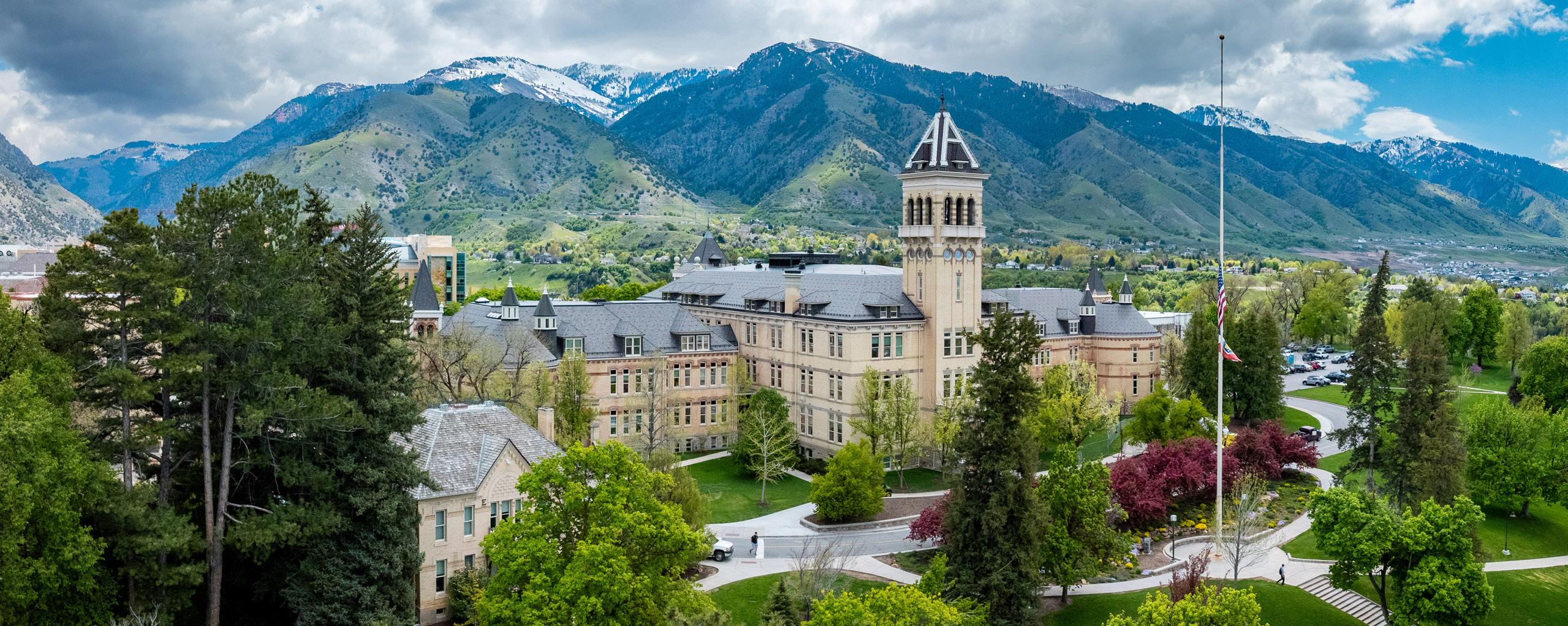
The 2025 Year in Review reflects a simple truth: the library does its best work in partnership. Whether we are focusing on student success, research excellence, statewide reach, or our own library organizational innovation, every accomplishment detailed in this report is rooted in collaboration with faculty, students, staff, campus leaders, and community partners who share a commitment to learning, discovery, creativity, and community.
Today’s academic library is far more than a destination for information. It is a gathering place, a catalyst, and a trusted collaborator. Together with campus colleagues, we are helping students build the skills they need to thrive in our rapidly changing world; supporting researchers as they tackle complex, interdisciplinary questions; extending Utah State University’s reach to communities across the state and around the globe; and modernizing our systems, spaces, and services to meet the evolving needs of all Aggies.
Our shared focus on people unites our efforts. Whether we are piloting new technologies, reimagining teaching and learning, supporting cutting-edge research, or simply providing spaces and opportunities for human engagement, our work is guided by the needs of the whole person—and by the real experiences of 21st-century students, faculty, and communities. I am deeply grateful to our library team and our many partners, including our donors, for their creativity, generosity, and dedication. This report tells a story of collective impact—and of what is possible when collaboration is at the heart of a library’s vision.
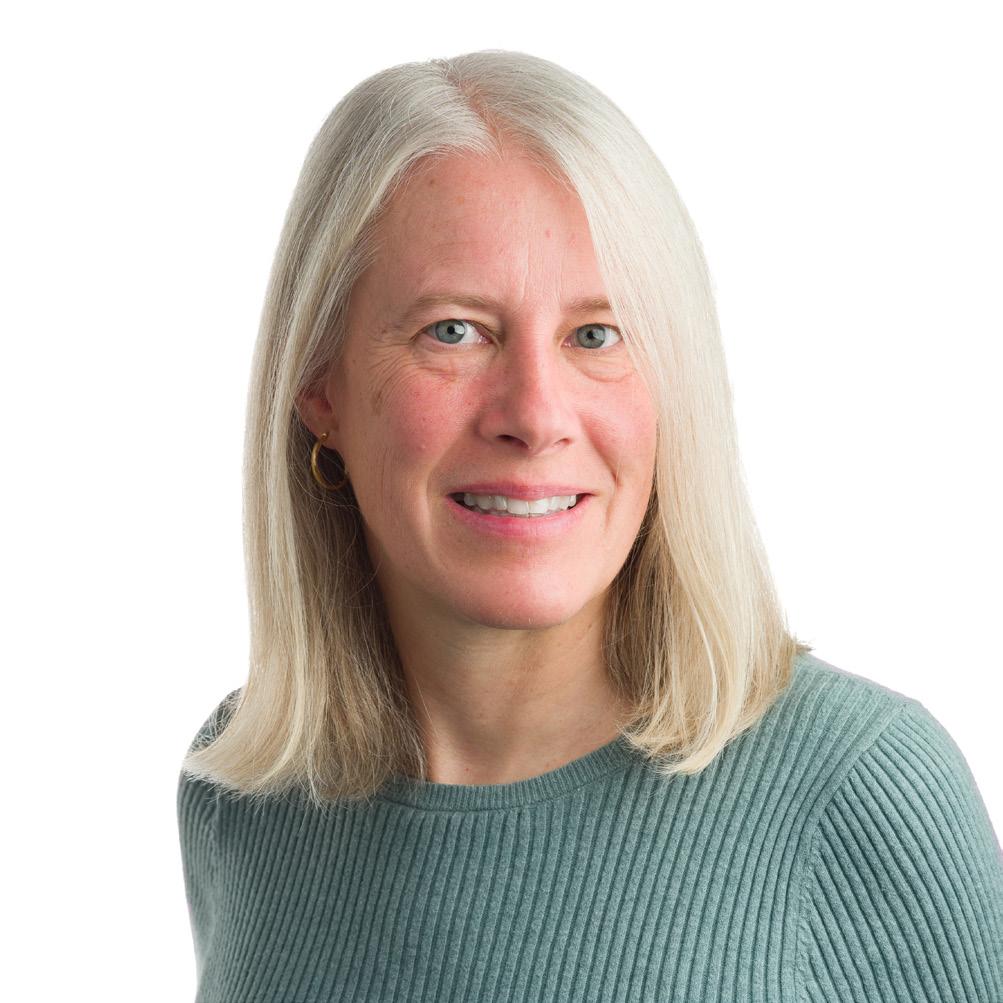
Jennifer Duncan, Dean of Libraries
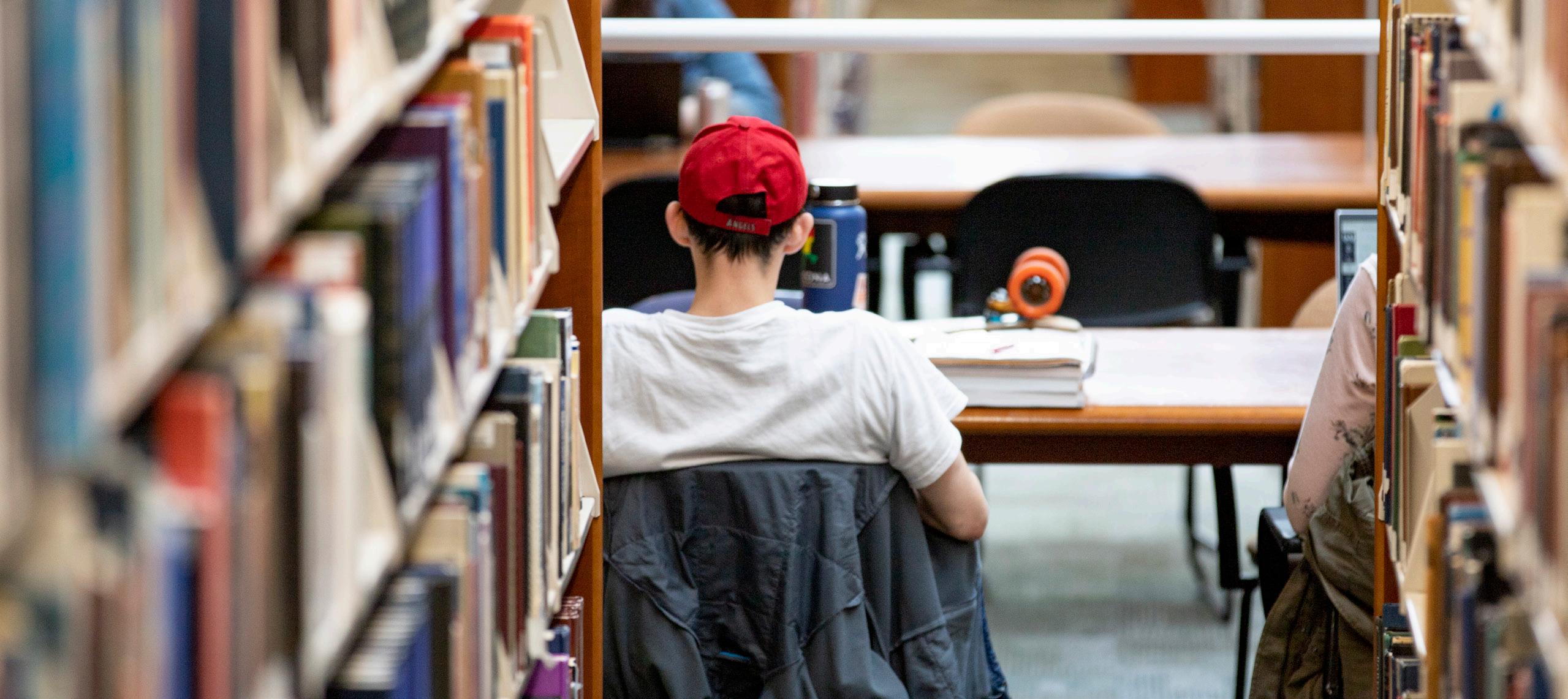
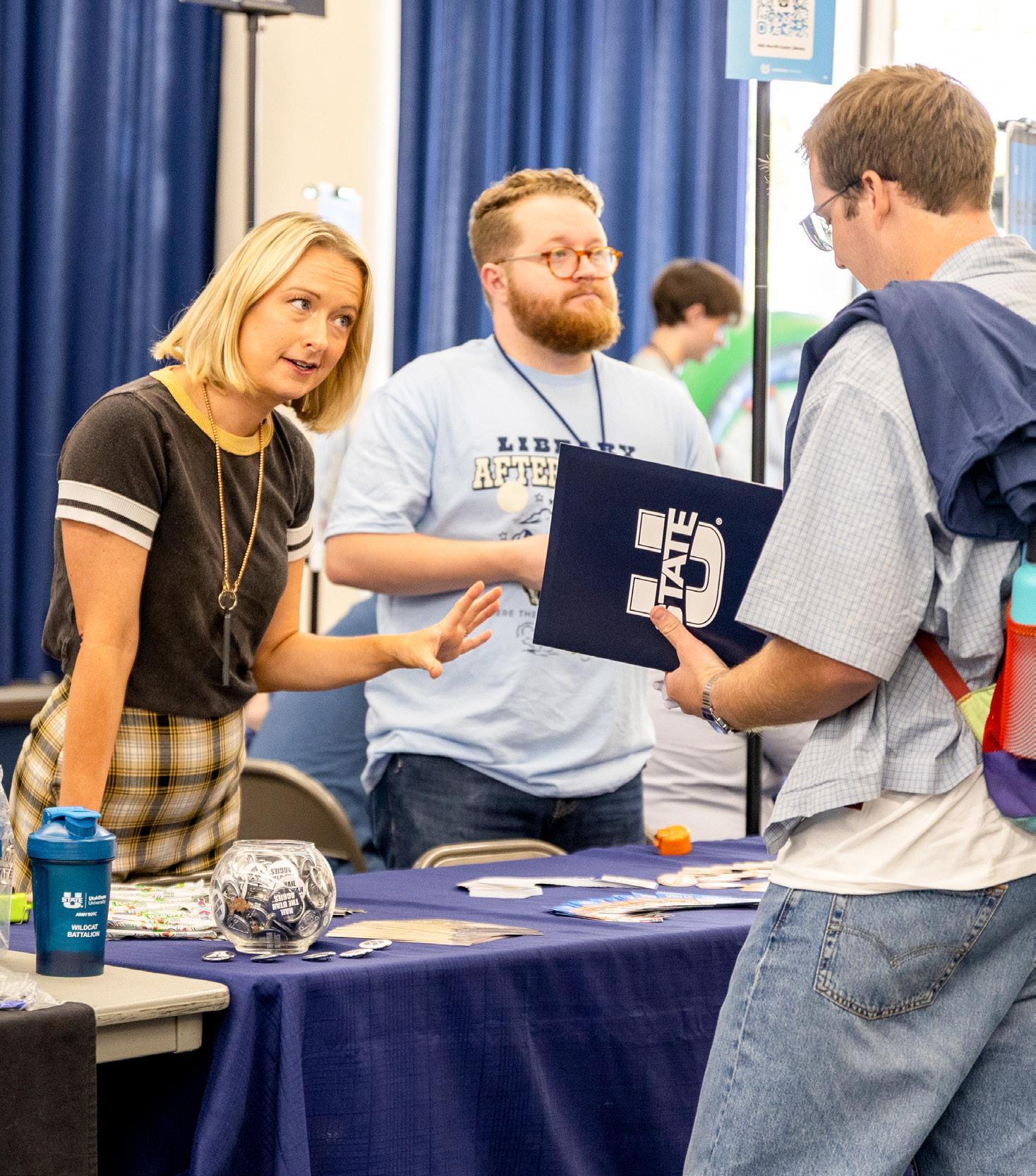
During Summer 2025 orientations, First-Year Experience Librarian Katie Strand connected with more than 500 parents and family members of incoming students across ten sessions. Her presentation introduced the library as an essential partner in helping students thrive from their first day on campus, addressing three core questions:
1. How can USU Libraries help students save money?
2. How can USU Libraries support students academically?
3. What social opportunities does the library provide for students?
By highlighting freely available electronic textbooks, access to innovative technology, research guidance, and community-building events, Strand’s sessions helped families see the library as both a practical resource and a welcoming space that not only attracts students to USU but also supports their retention and success.
This year, the library expanded outreach to under-served student populations, including student veterans and members of the Disabled and Neurodiverse Aggies (DNA) club—through engagement and programming.
In partnership with the Veterans Resource Office, Outreach Librarian Katie Luder presented at a Lunch and Learn session highlighting library services, research support, and stress-relief resources for student veterans. Luder hosted the event in the Veterans Resource Office, a familiar and comfortable setting, which helped reduce barriers to participation. By meeting students where they are and emphasizing remote access to resources, the library strengthened its connection with this community.
Recent survey results highlight the library’s success in creating a welcoming space for all students.
Of respondents who expressed a clear opinion, nearly all (99.6%) reported feeling welcome.
Instruction Coordinator Dory Rosenberg and Luder also facilitated library space for the Disabled and Neurodiverse Aggies (DNA) club to host evening “body-doubling” study sessions—an accessible, low-pressure environment that promotes focus, accountability, and connection.
Together, these initiatives demonstrate the library’s commitment to the success of all students through connection, access, and belonging. By responding to the needs of veteran students and neurodiverse students, the library helps remove barriers to retention and cultivates an accessible environment where all Aggies can thrive.
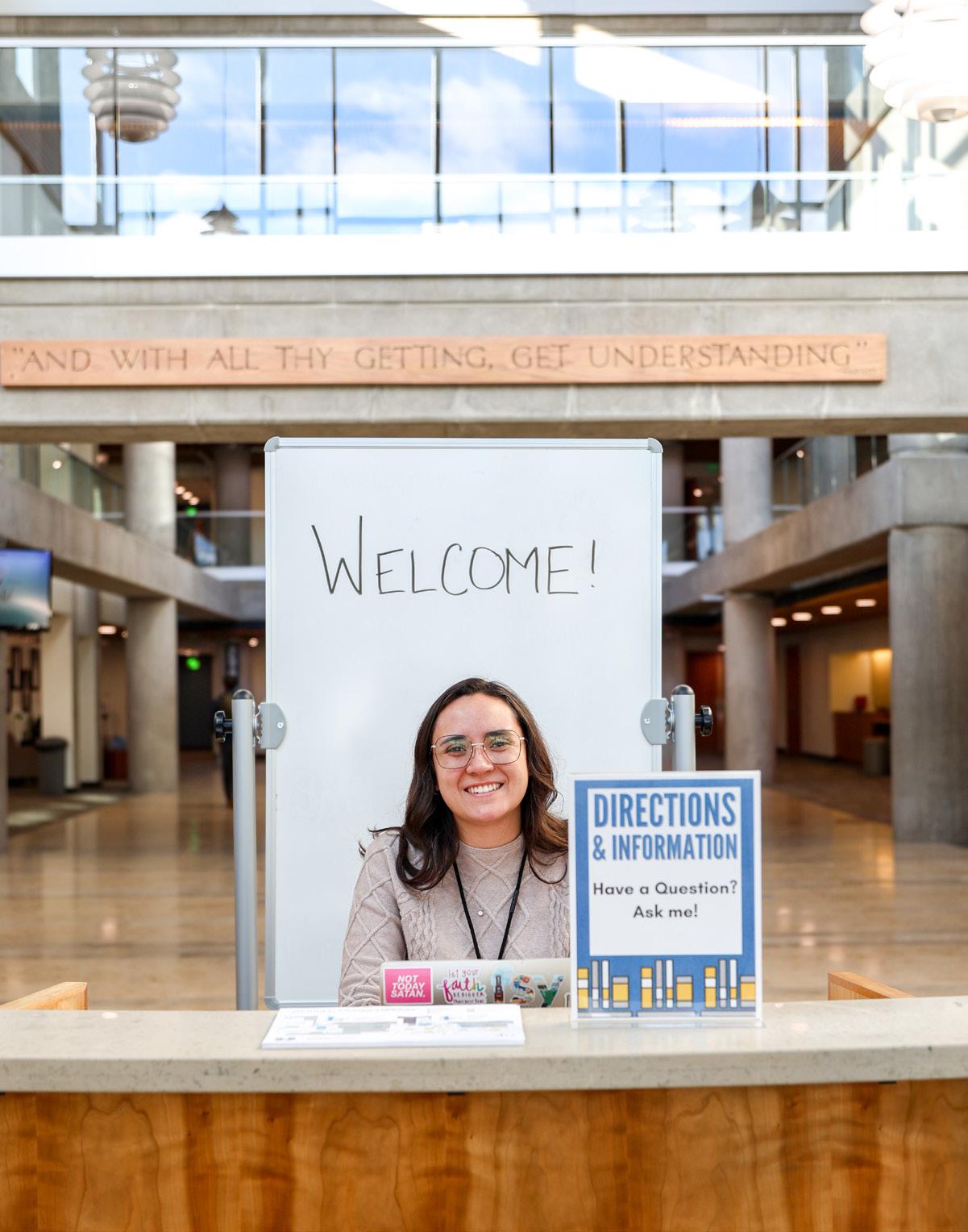
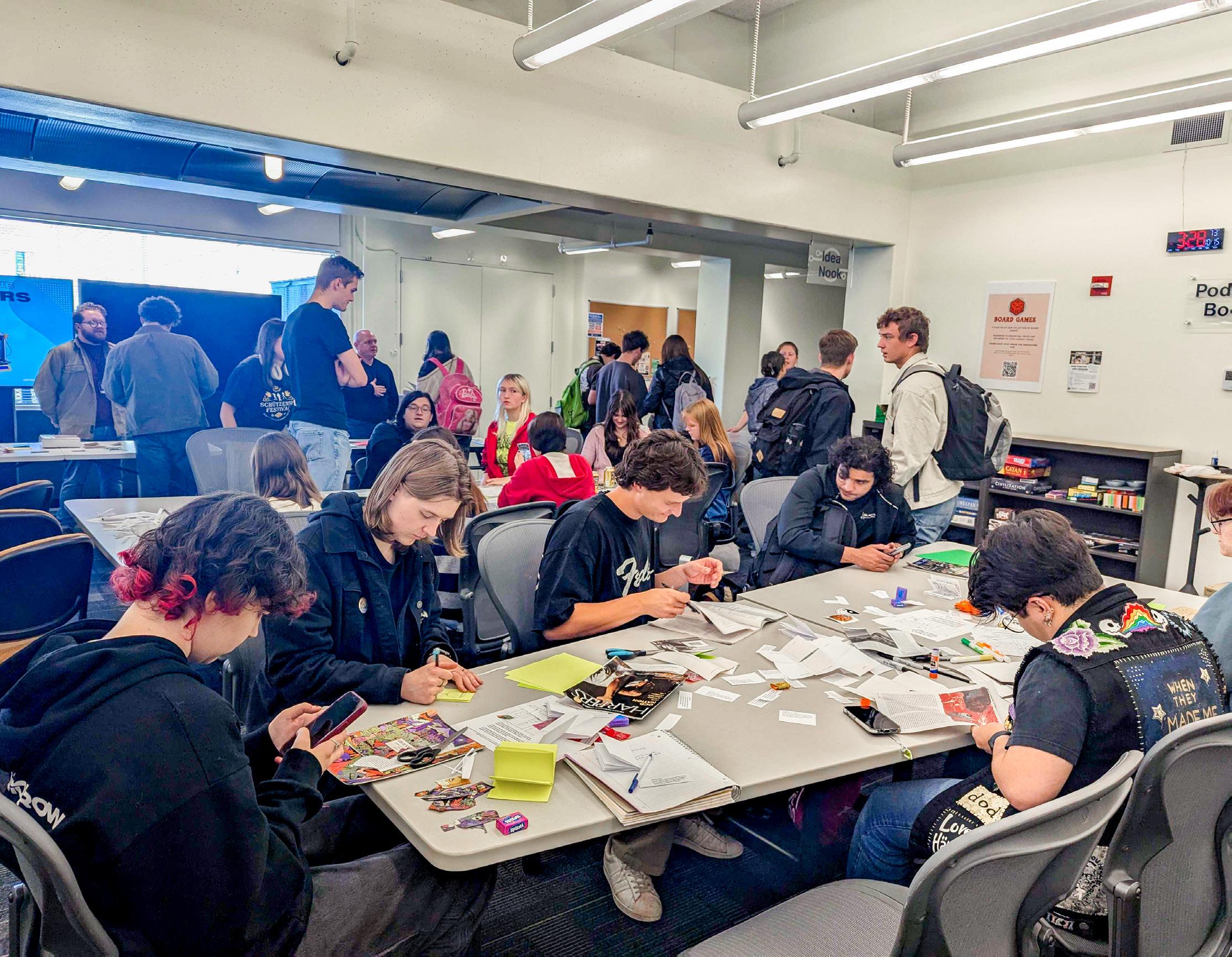
In Fall 2025, USU Libraries led Zines and ’Za, an interactive, hands-on event designed to spark creativity and community through zine-making. Hosted in partnership with Dr. Adena RiveraDundas from the English Department, the program invited students and faculty to learn, create, and connect over pizza, art, and conversation— transforming the library into a space for creative exploration.
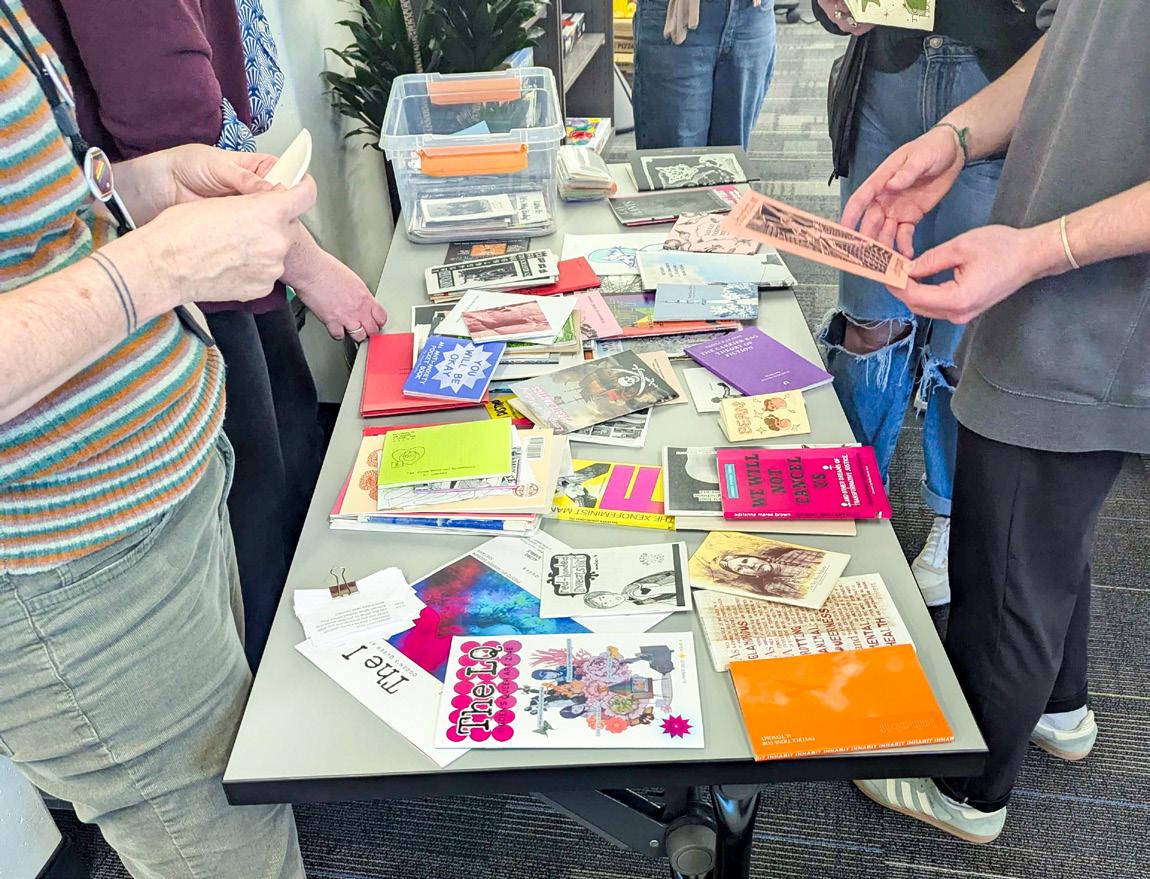
Using materials provided by the Library’s Innovation Hub, more than 60 participants learned how to create zines—small, self-published booklets traditionally used to share personal stories, ideas, and social commentary. Attendees also had the opportunity to browse zines from the library’s Special Collections as well as selections from Dundas-Rivera’s extensive personal collection, gaining insight into zine culture as both an artistic and historical medium.
The event offered a welcoming, low-pressure environment where participants could experiment, reflect, and express themselves while engaging with faculty and peers outside the classroom. Students explored topics individually meaningful to them— from academic interests to social issues—blending creativity with self-directed learning.
By offering an approachable, hands-on experience, Zines and ’Za demonstrated how USU Libraries

In 2025, USU Libraries delivered 1,325 consultations and 341 instruction sessions, reaching every academic department and college at USU. Librarians supported more than 7,500 unique student interactions, and connected with 14,000+ people through outreach events.
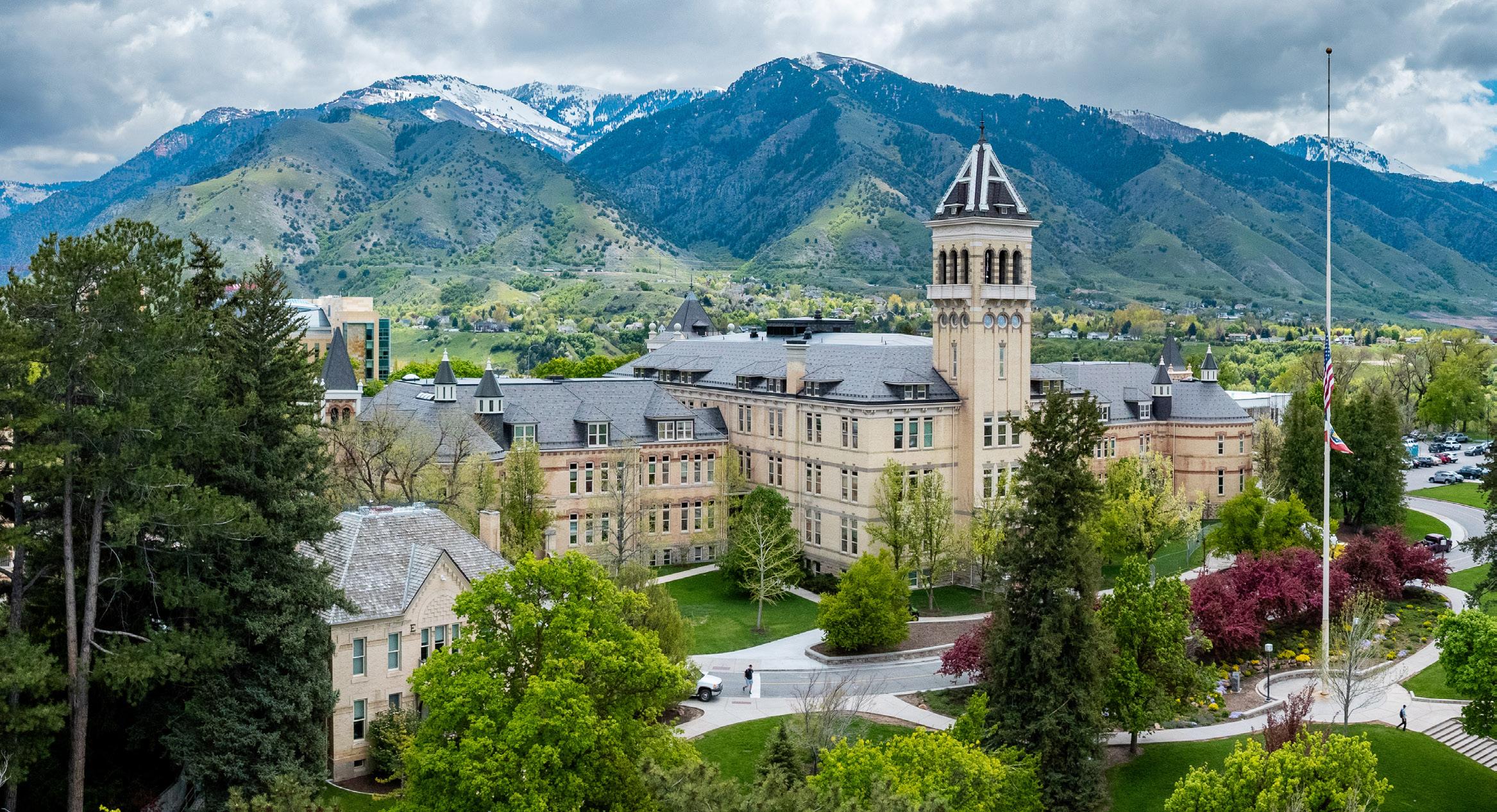
The Merrill-Cazier Library plays a central role in advancing graduate student success through working with programs like Camp Completion, a three-day intensive writing retreat developed by the College of Education and Human Services to support doctoral candidates as they are actively writing their dissertations or dissertation proposals. Hosted in the Merrill-Cazier Library, the program provides a focused and supportive environment for sustained progress and scholarly engagement.
During the 2025 retreat, participants benefited from uninterrupted writing time paired with individualized research support from librarians. Library faculty delivered workshops on advanced search techniques, literaturereview organization, and effective citation management, while also providing personalized consultations tailored to each student’s research needs. This real-time guidance helped participants navigate research barriers and maintain momentum with their writing.
By anchoring Camp Completion within the library’s space and expertise, the program ensures that graduate students receive not only the time and structure required for sustained writing, but also the expert mentorship essential for confidently producing rigorous and wellsupported dissertations.
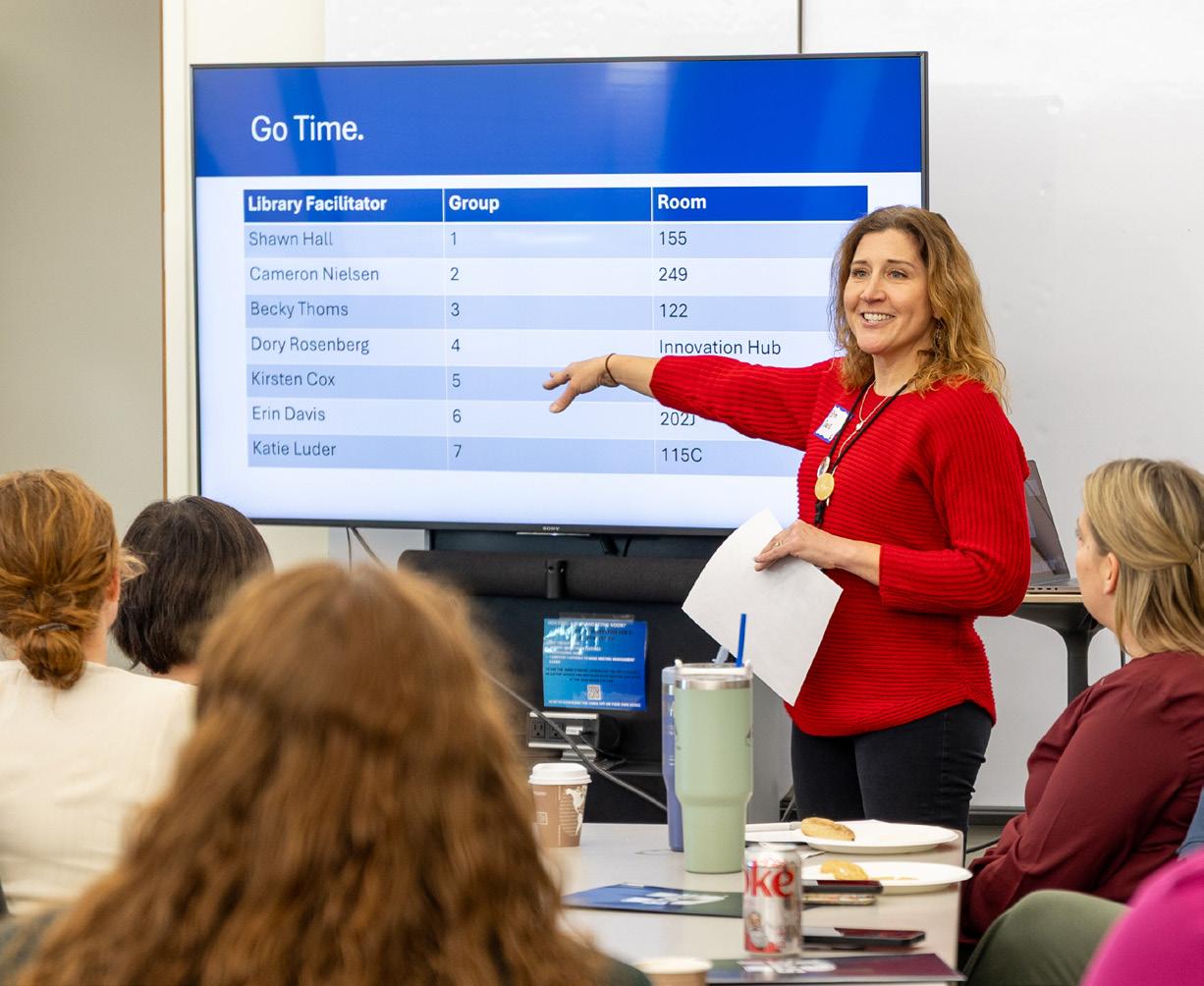
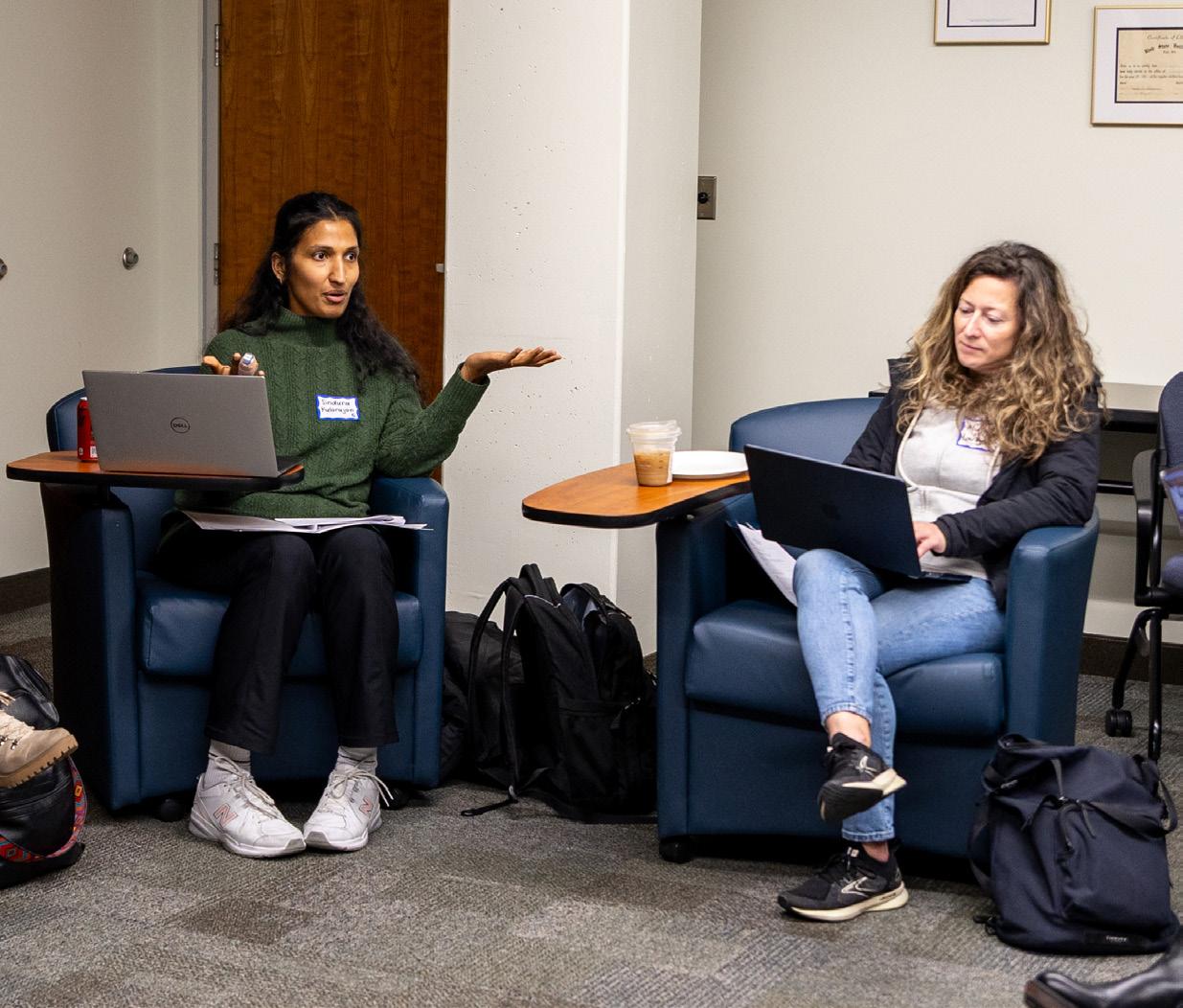
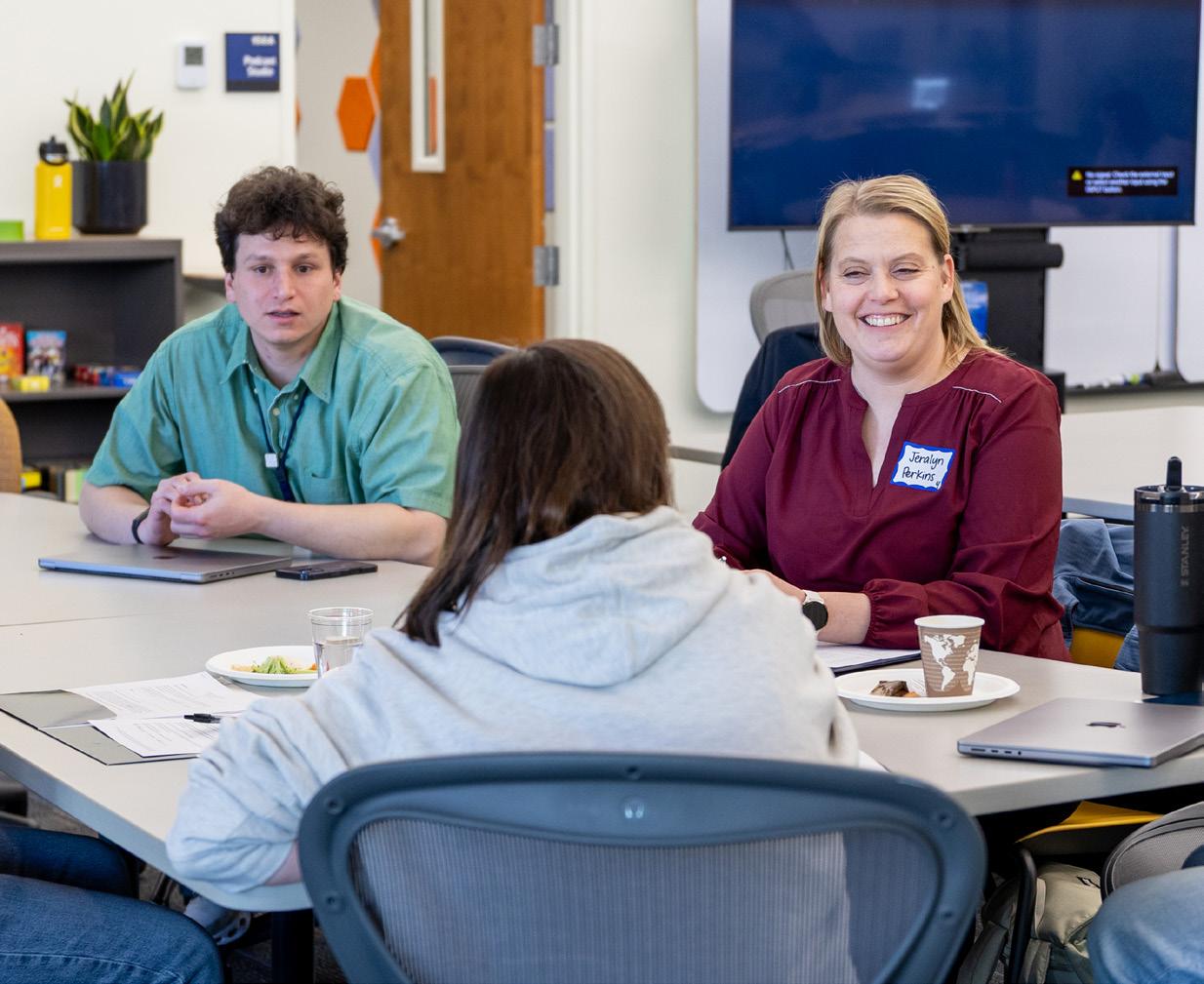
As partners in student learning, a team of library liaisons facilitated a faculty workshop in the library’s Innovation Hub, in which 21 faculty and instructors engaged in collaborative assignment redesign. Instructors worked in small, multidisciplinary groups, alongside librarians and instructional designers, to provide feedback on each other’s assignments.
The theme for this workshop was integrating technology effectively into assignments, including podcasts, digital exhibits, GIS, website creation, VR and others. Librarians showcased a new toolkit that provides resources on how to integrate these technologies, as well as how to collaborate with the library Innovation Hub in providing access and support. This dynamic event helped instructors modernize their curriculum and improve learning opportunities for students to learn research skills in authentic, interesting ways. In the words of one workshop participant:
“Thank you for continuing to provide an avenue for instructors to improve their teaching! It’s fun to have this work happening outside of academic departments where you can work with a mix of people from across campus.”
This event reflects the library’s ongoing commitment to supporting innovative teaching and enhancing student learning across the disciplines.
Scan the QR code to explore teaching guides and student resources on incorporating multimedia and digital tools into course assignments.
libguides.usu.edu/ integratingtechnology
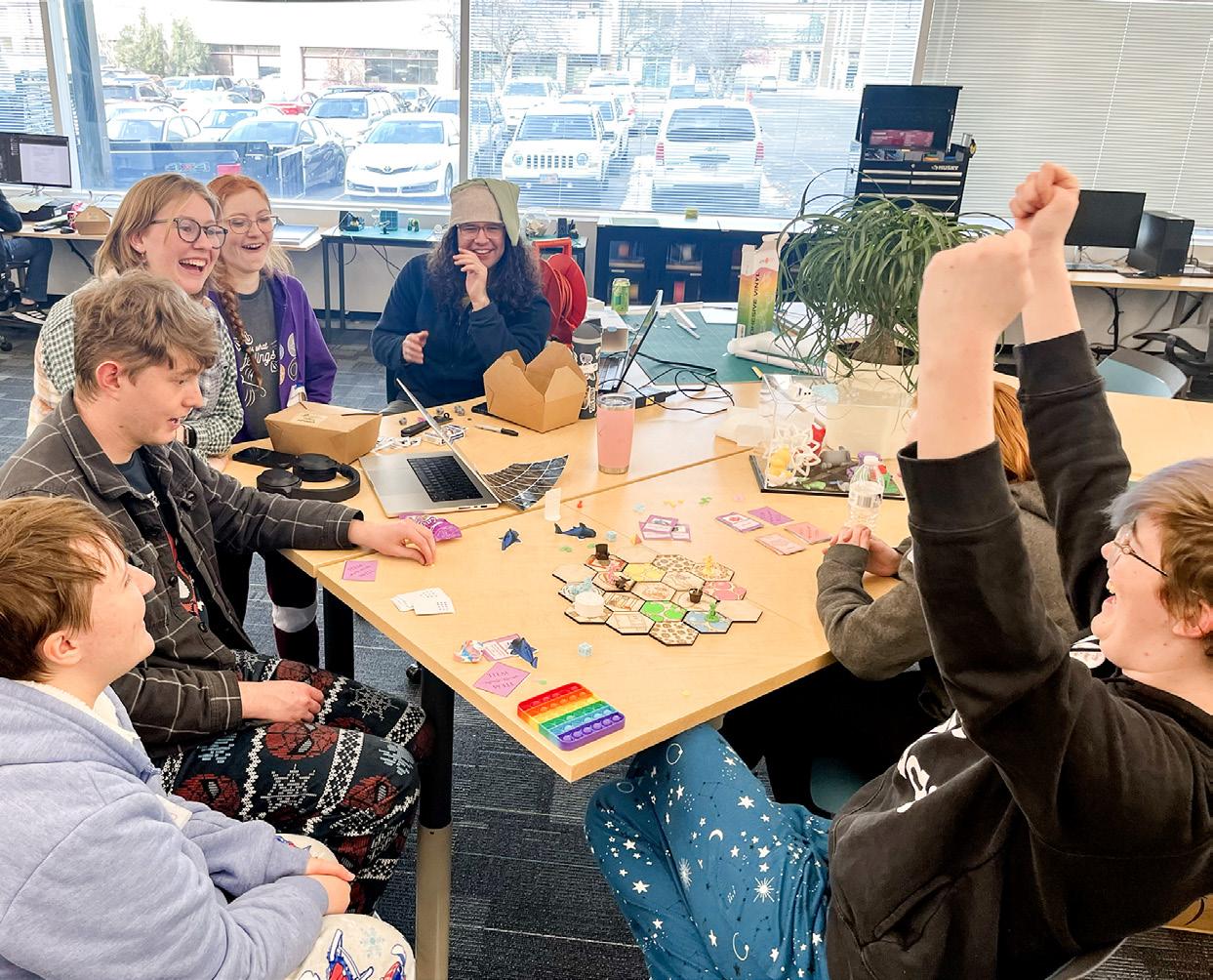
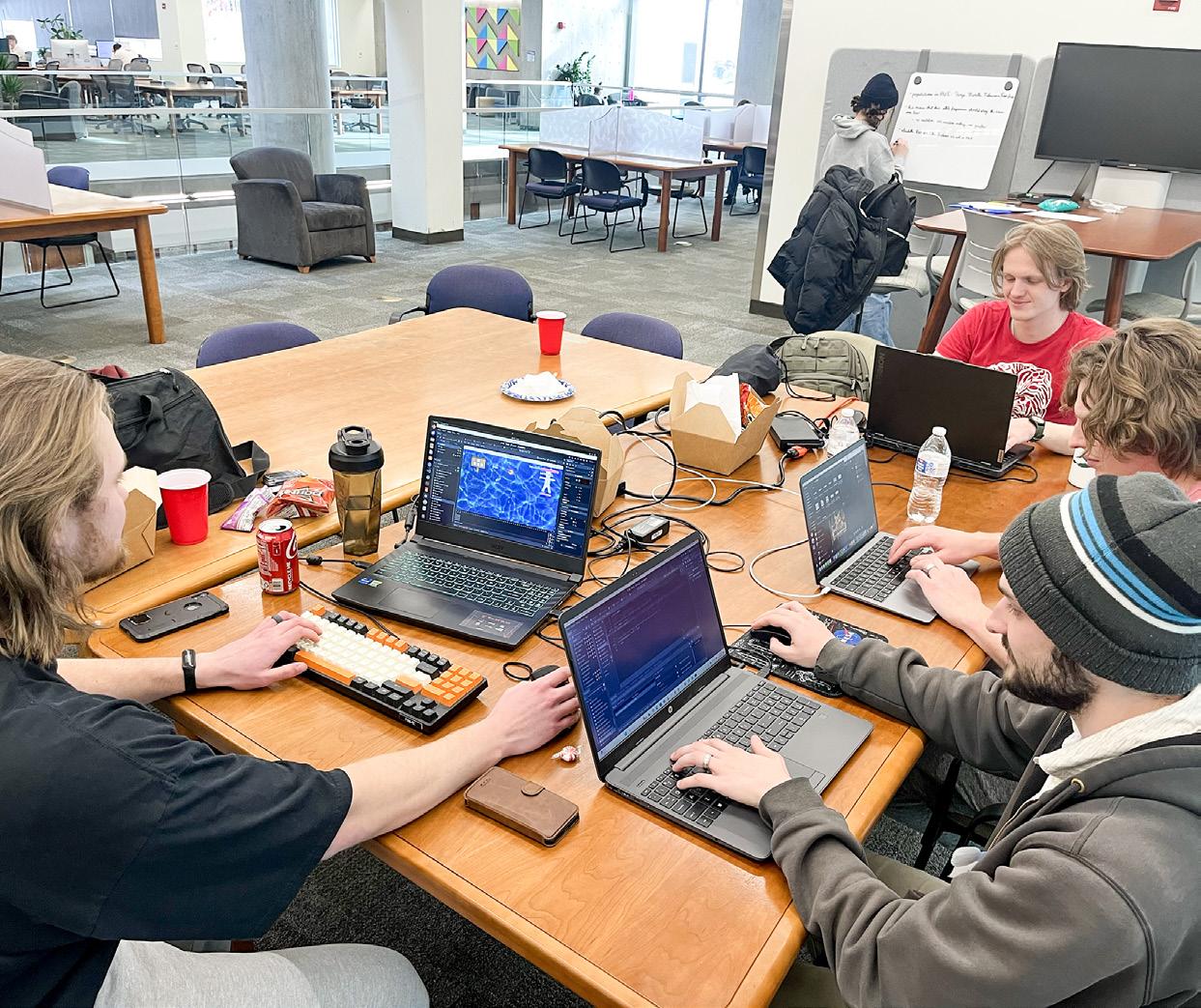
In January 2025, USU Libraries in collaboration with the Computer Science Department hosted the annual Global Game Jam, a 24-hour creative marathon that invited students from across disciplines to collaborate on designing video games, board games, and logic-based experiences. Working in teams, participants brainstormed, developed, and presented their games using the library’s Innovation Hub— a space equipped with cutting-edge technology and software such as 3D printing, VR, soldering irons, sewing, and more.
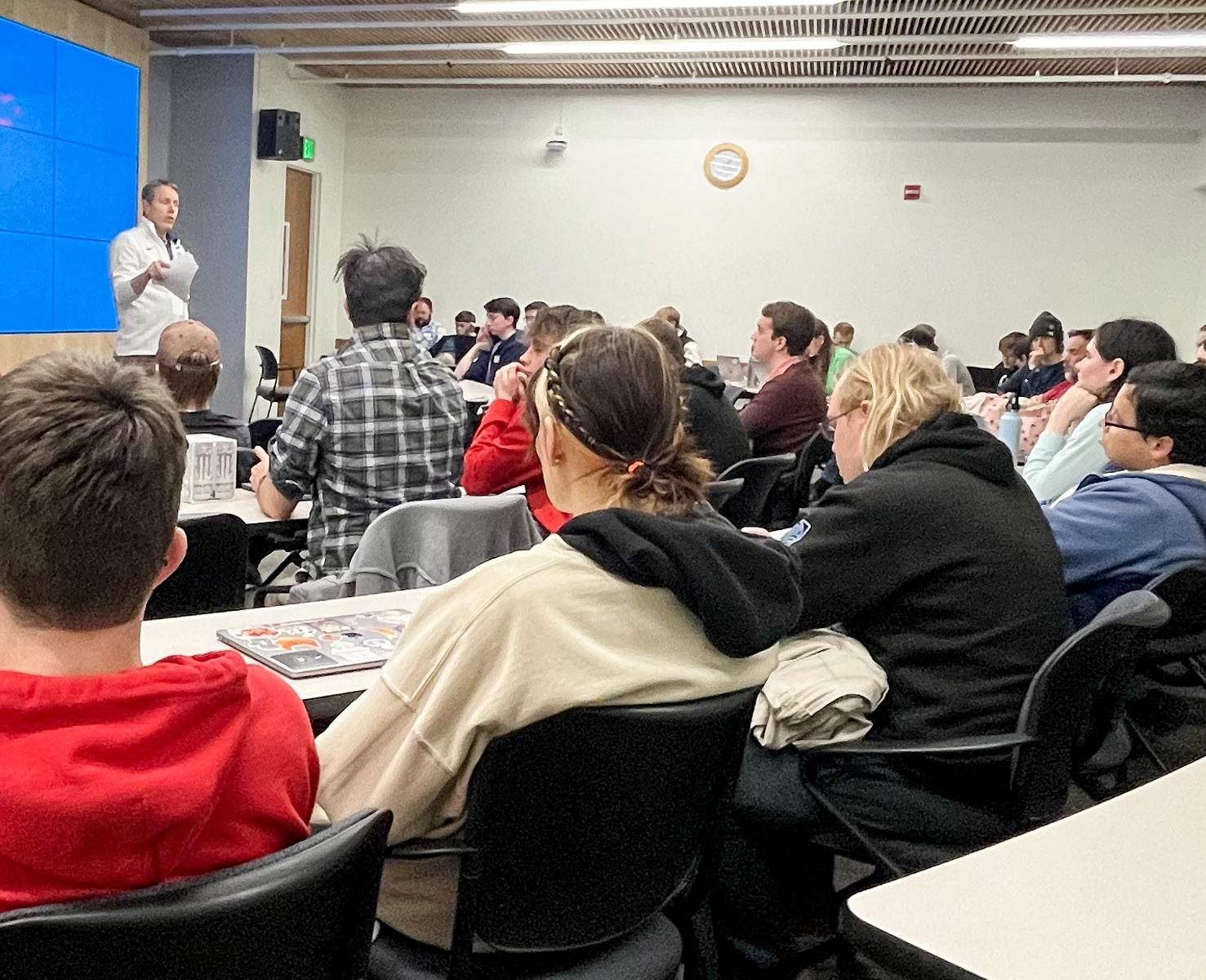
The event began with team formation and guidance from faculty and industry speakers, encouraging participants to blend technical skills with real world design and problemsolving. Over the course of the jam, students explored coding, digital art, sound design, and interactive narrative. By providing a space for experimentation, collaboration, and technical exploration, the Global Game Jam highlights how USU Libraries support student success and the integration of emerging technologies into academic life. This partnership showcases how creative, cross- disciplinary experiences can prepare students for innovative futures.
An open scholarly communication system—and global accessibility to USU’s research—are essential to fulfilling our land-grant mission. Free and accessible research fosters collaboration, increases citations, and strengthens USU’s reputation as a leader in innovation. Our Collections & Resource Sharing Program works to increase openness and accessibility through the subscription agreements we negotiate.
Librarian Stephanie Western plays a central role in advancing our efforts to increase openness through negotiating with publishers, analyzing costs, evaluating publishing trends, and working closely with campus researchers to meet their needs. Recently she has been identifying ways to redirect funding from traditional subscriptions toward open dissemination, actively pursuing transformative, or “read-andpublish,” agreements with select publishers. This helps the library advance the strategic goal to “Elevate Research Expenditures and Impact” by investing in infrastructure that promotes open access and empowers researchers at every career stage.
These contracts help transition scholarly publishing from subscription-based models to systems where publishers are fairly compensated for open access publishing services. An open, affordable, and sustainable system helps USU serve the public good through wider access to meaningful, impactful research.
helped offset nearly $279,000
in article processing charges for USU faculty in 2025, reducing out-of-pocket publishing costs for our researchers.
In January 2025, the USU Libraries and Office of Research collaborated to offer access to Covidence, a software platform designed to streamline and enhance the process of conducting systematic reviews.
Year One By the Numbers: 167 USU researchers executed 126 Covidence projects in collaboration with 112 external partners.
Systematic reviews are a pivotal part of advancing research across a wide range of disciplines. These reviews are essential because they provide a comprehensive and unbiased synthesis of existing research, helping to identify reliable patterns and support evidence-based decision-making, policy development, and the application of robust findings.
By funding access to Covidence, the USU Libraries and the Office of Research have significantly enhanced the research capabilities of USU faculty, staff, and students, enabling them to produce more comprehensive, accurate, and reproducible systematic reviews. With additional support from the Office of the Provost, we will further expand Covidence access in 2026.
Many USU researchers have already benefited from using Covidence to streamline and organize their research projects. Yin Liu, an Associate Professor in the College of Education’s Human Development & Family Studies Department, used Covidence to help organize a systematic review exploring the effects of socially engaging activities on health and wellbeing outcomes for persons living with dementia and their family caregivers.

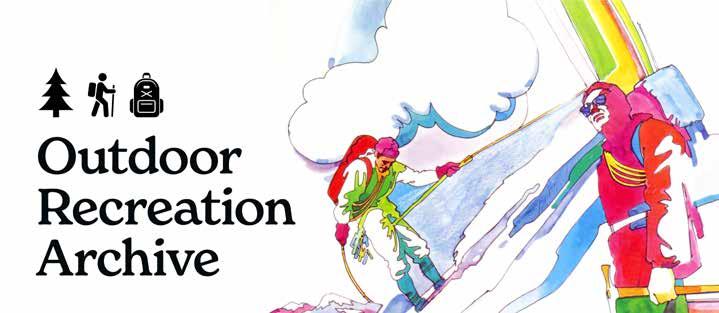
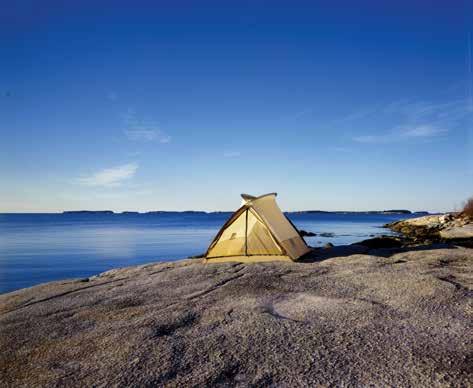
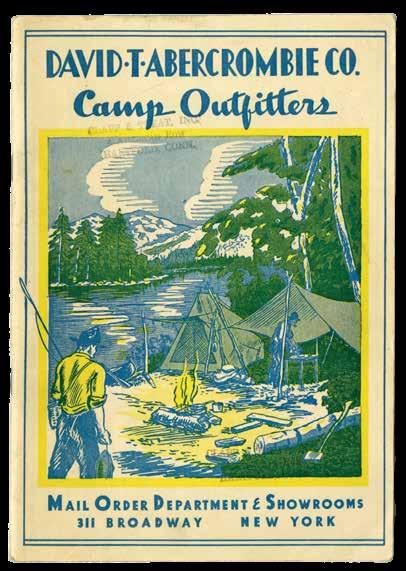
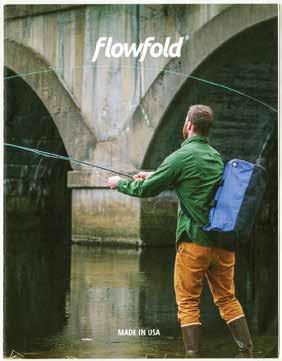
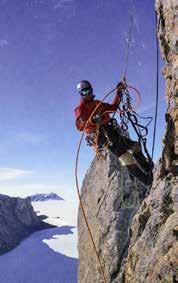
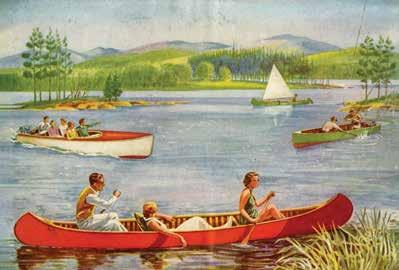
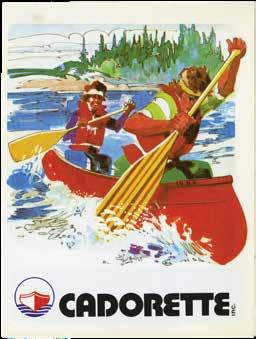
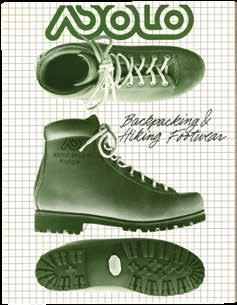
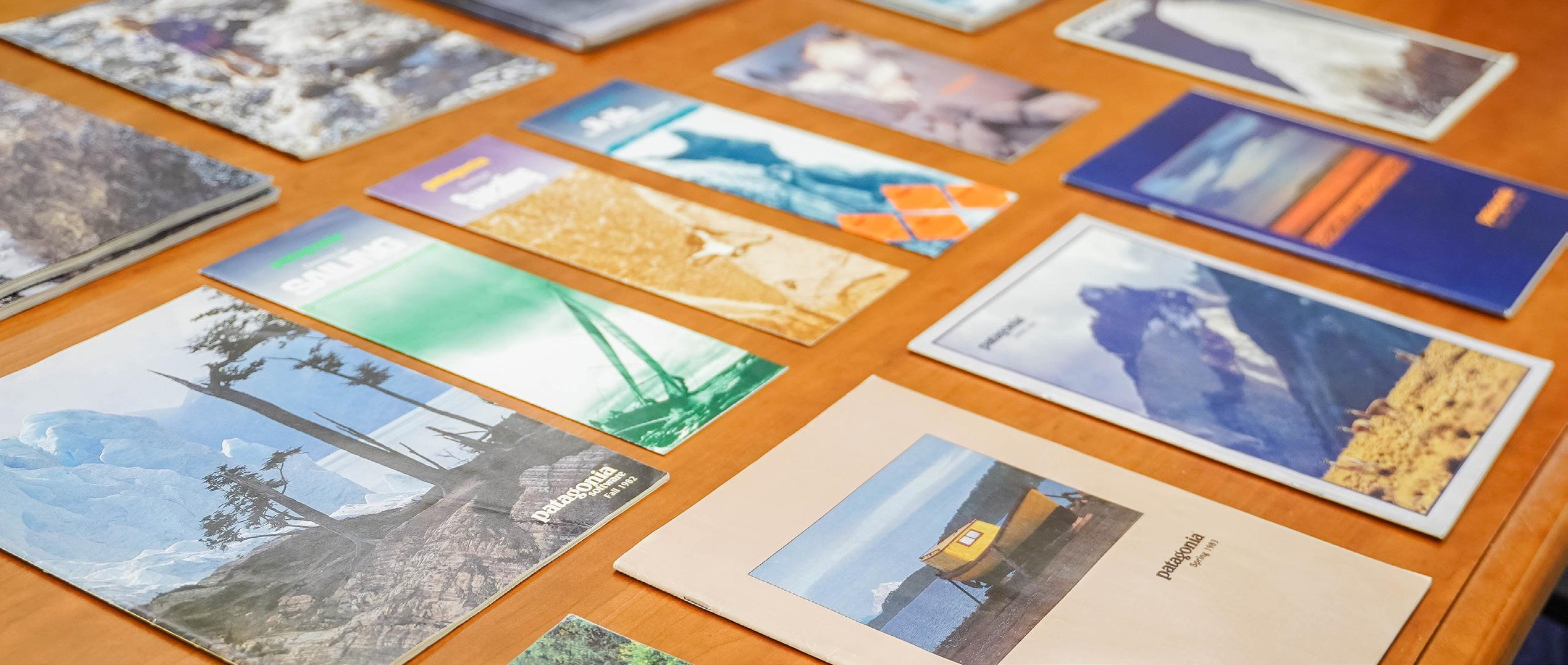
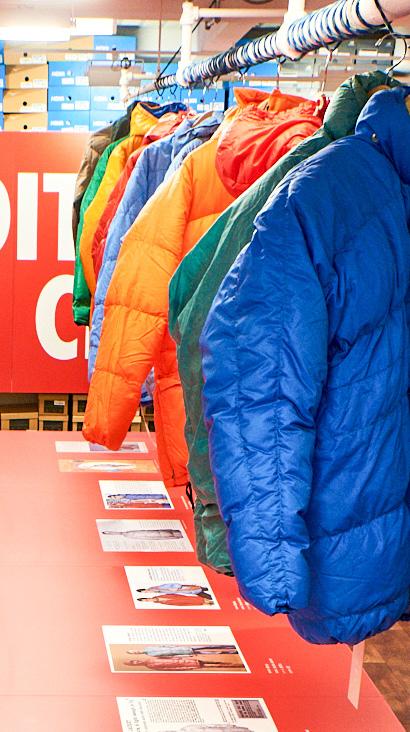
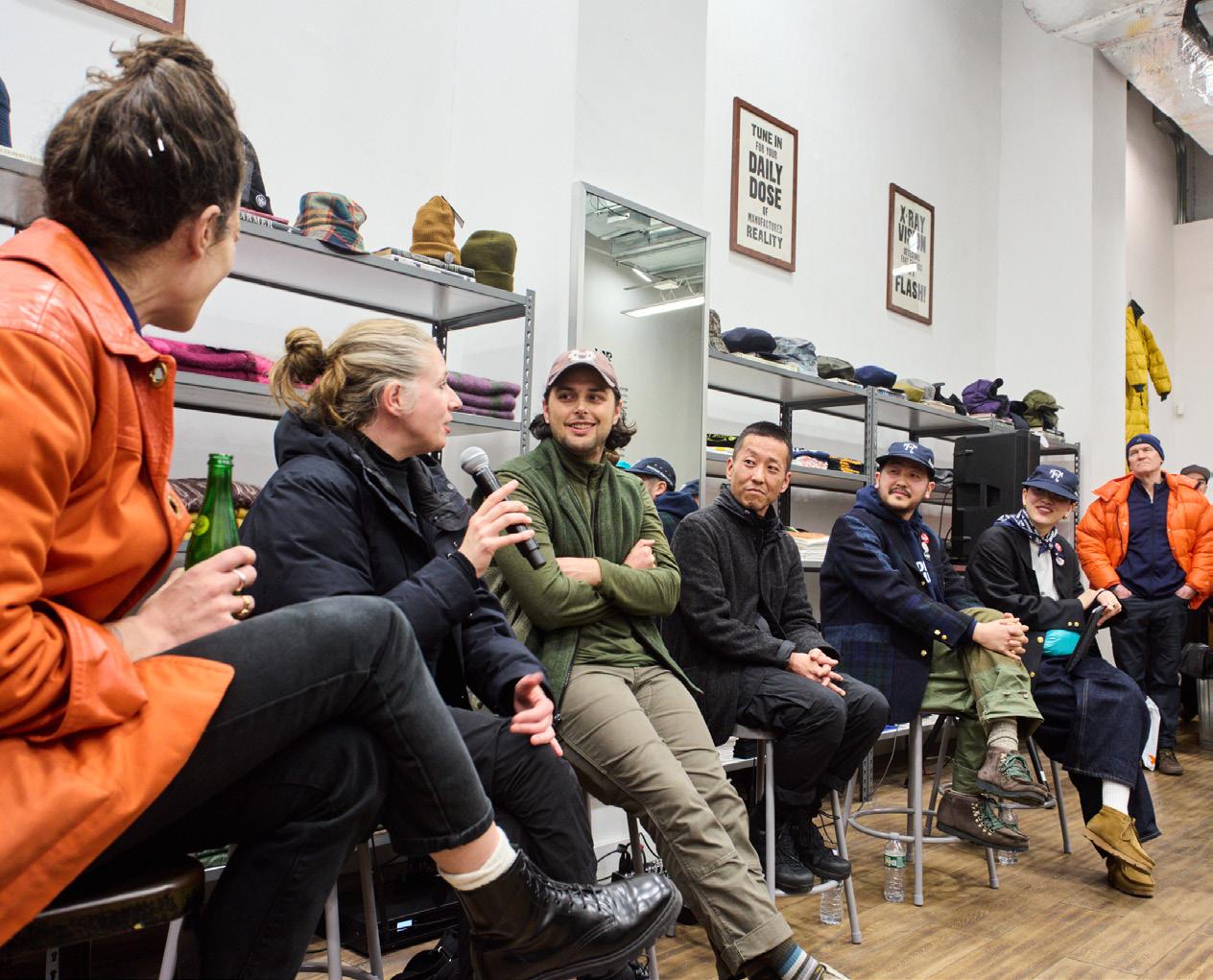
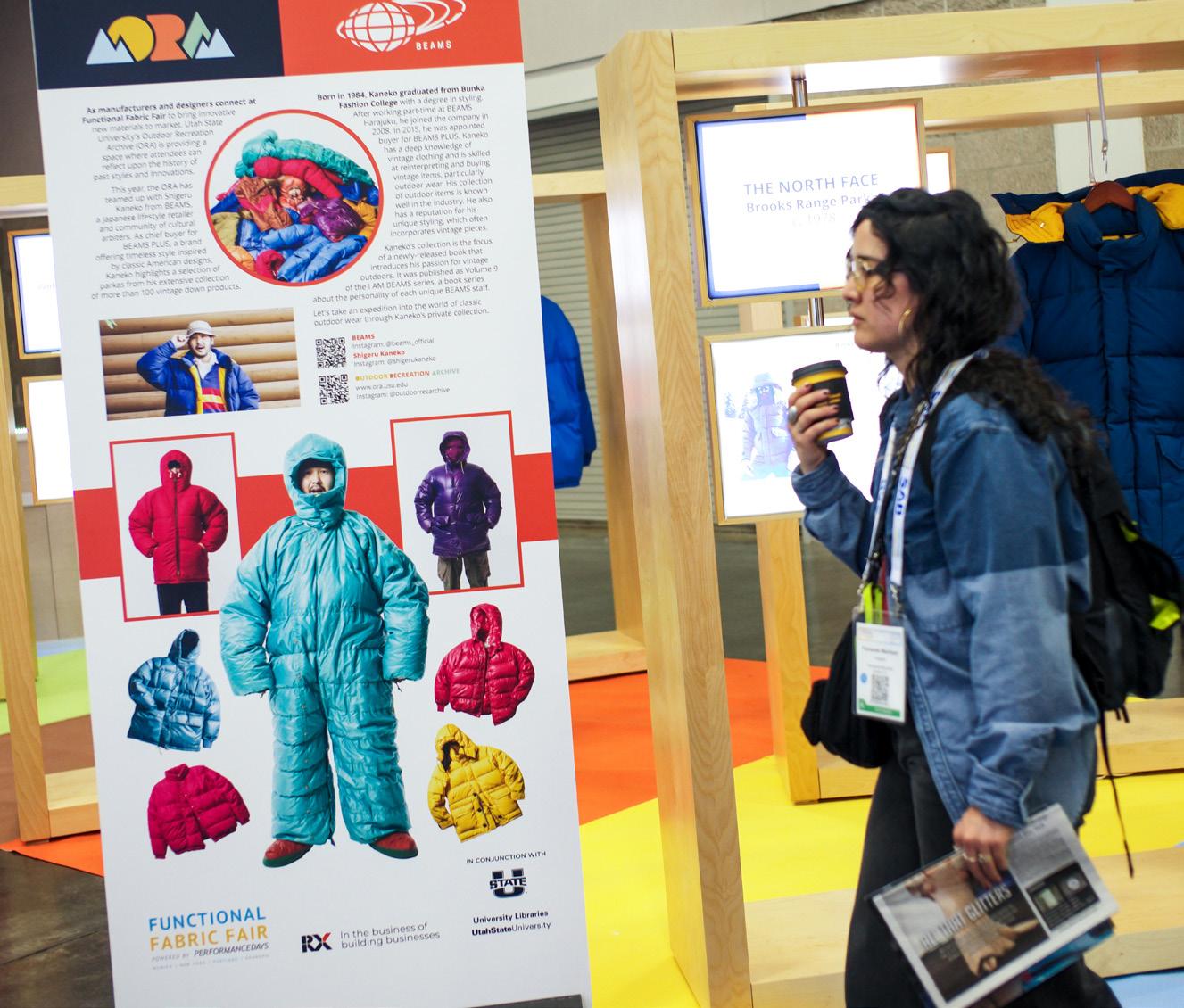
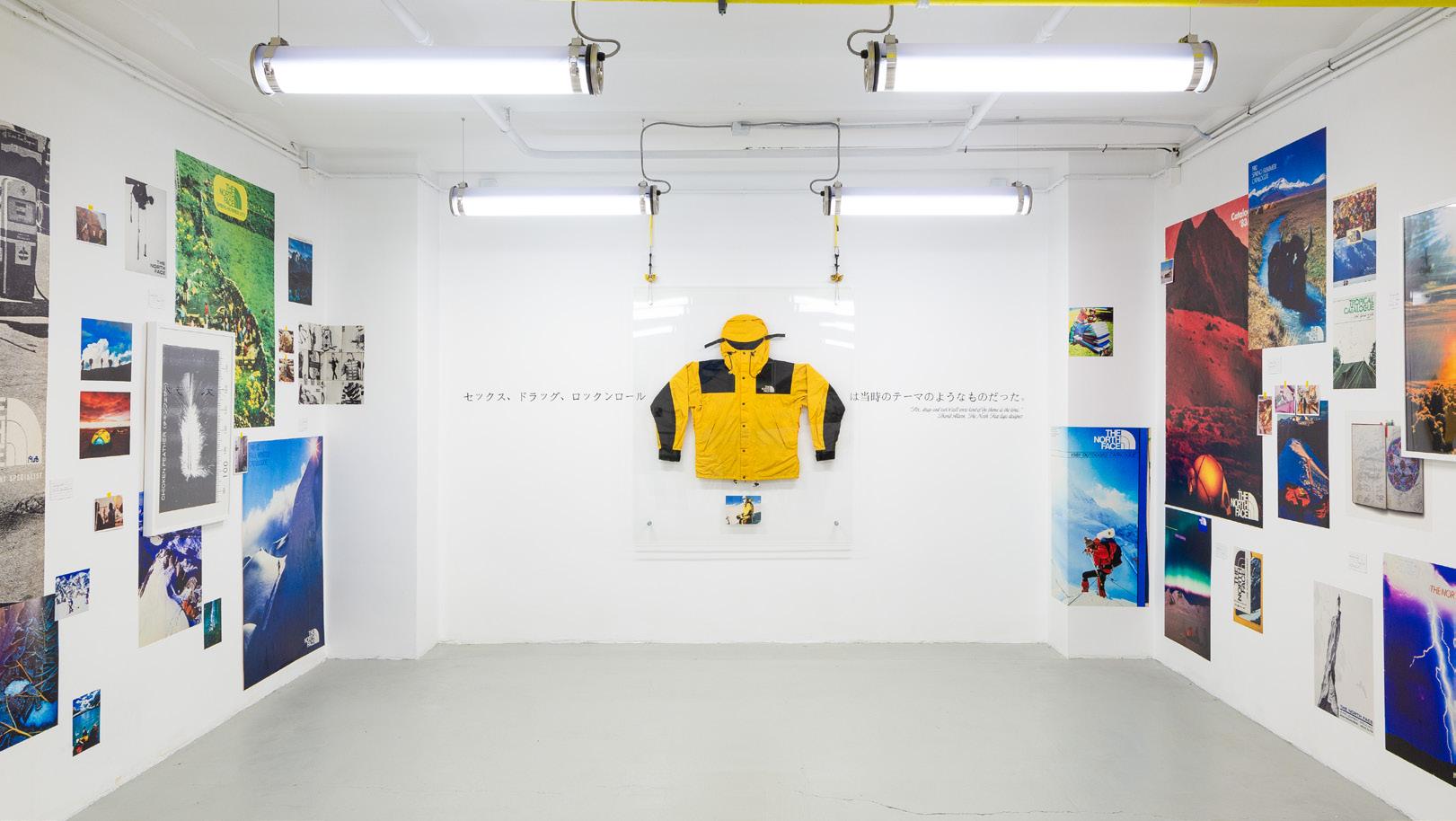
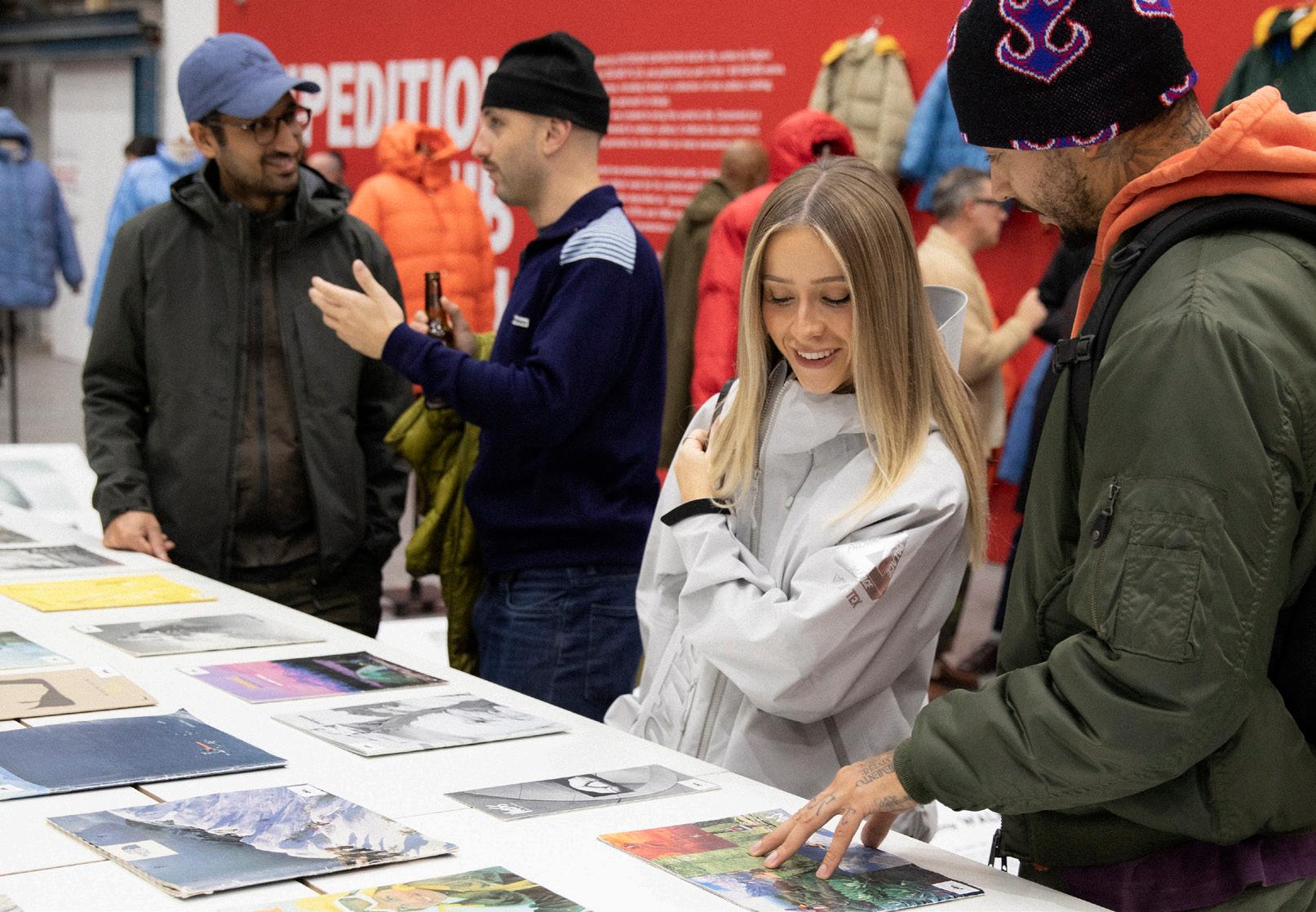
The Outdoor Recreation Archive (ORA) celebrated its most successful year with expanded industry partnerships, a major book release, and significant media attention. The ORA, under the leadership of Archivist Clint Pumphrey in collaboration with Chase Anderson from the Quinney College of Agriculture and Natural Resources, continued to strengthen its industry ties by hosting design teams from The North Face, Nike, Goldwin, Outdoor Research, and Buck Mason. Exhibitions at outdoor industry trade shows such as Functional Fabric Fair (Portland), Switchback Show (Nashville), and Performance Days (Munich) showcased the archive’s work, while collaborations with French magazine Useless Fighters and Japanese fashion brand Beams led to additional events in Paris, Tokyo, London, and New York.
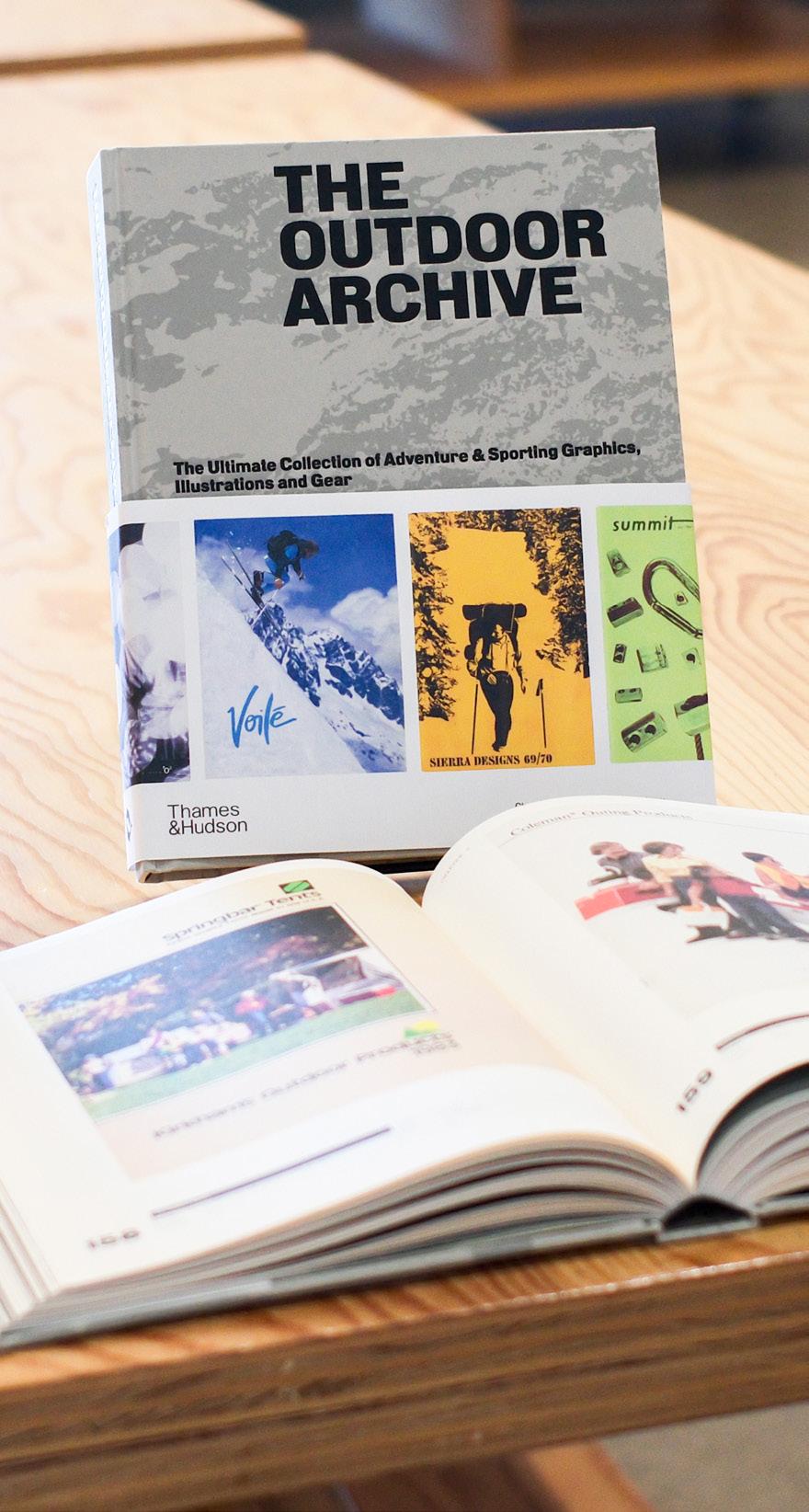
The Outdoor Archive, a book documenting the collection’s historical catalog cover imagery, launched in the U.S. in May and globally in June. The book is the culmination of four years’ work that showcases USU’s collections and began when London publisher Thames & Hudson approached ORA staff in 2021.
These efforts generated significant media coverage including features in Japan’s Popeye and England’s Monocle magazines. A standout achievement was the Articles of Interest podcast’s seven-part “Gear” series, pitched by ORA staff to creator Avery Trufelman, who later visited the archive on an ORA research fellowship. The series, prominently featured the ORA and was ranked #7 on The New Yorker’s best podcasts of 2025. This momentum carries into 2026 with exhibitions planned in Portland, Maine, and Osaka, Japan.
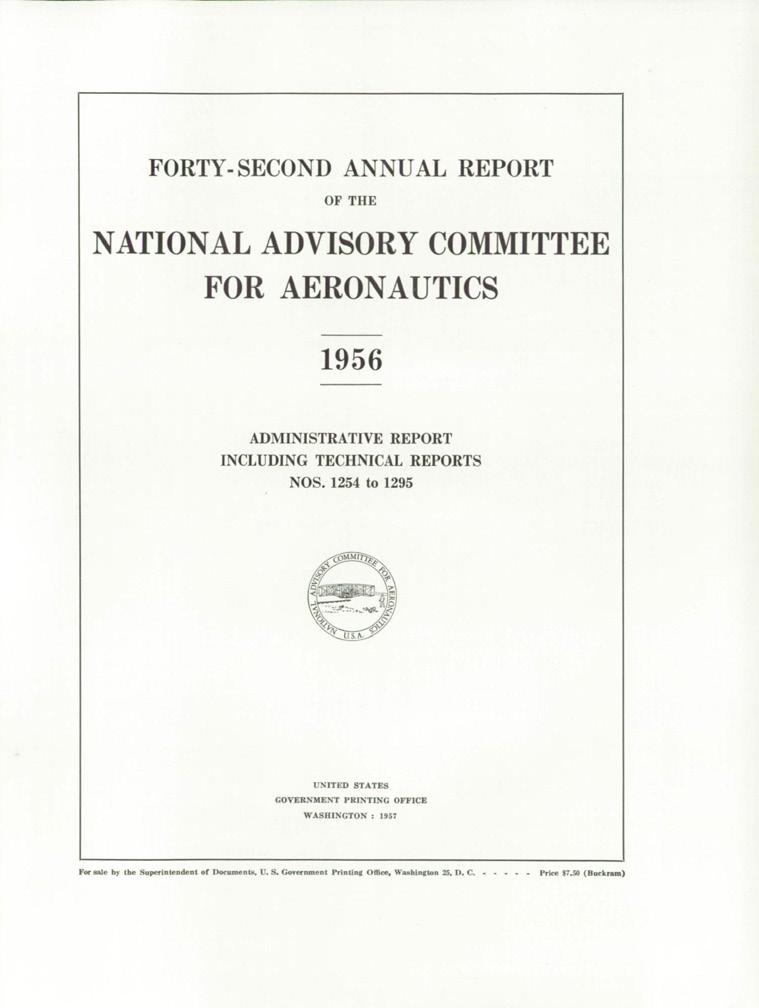
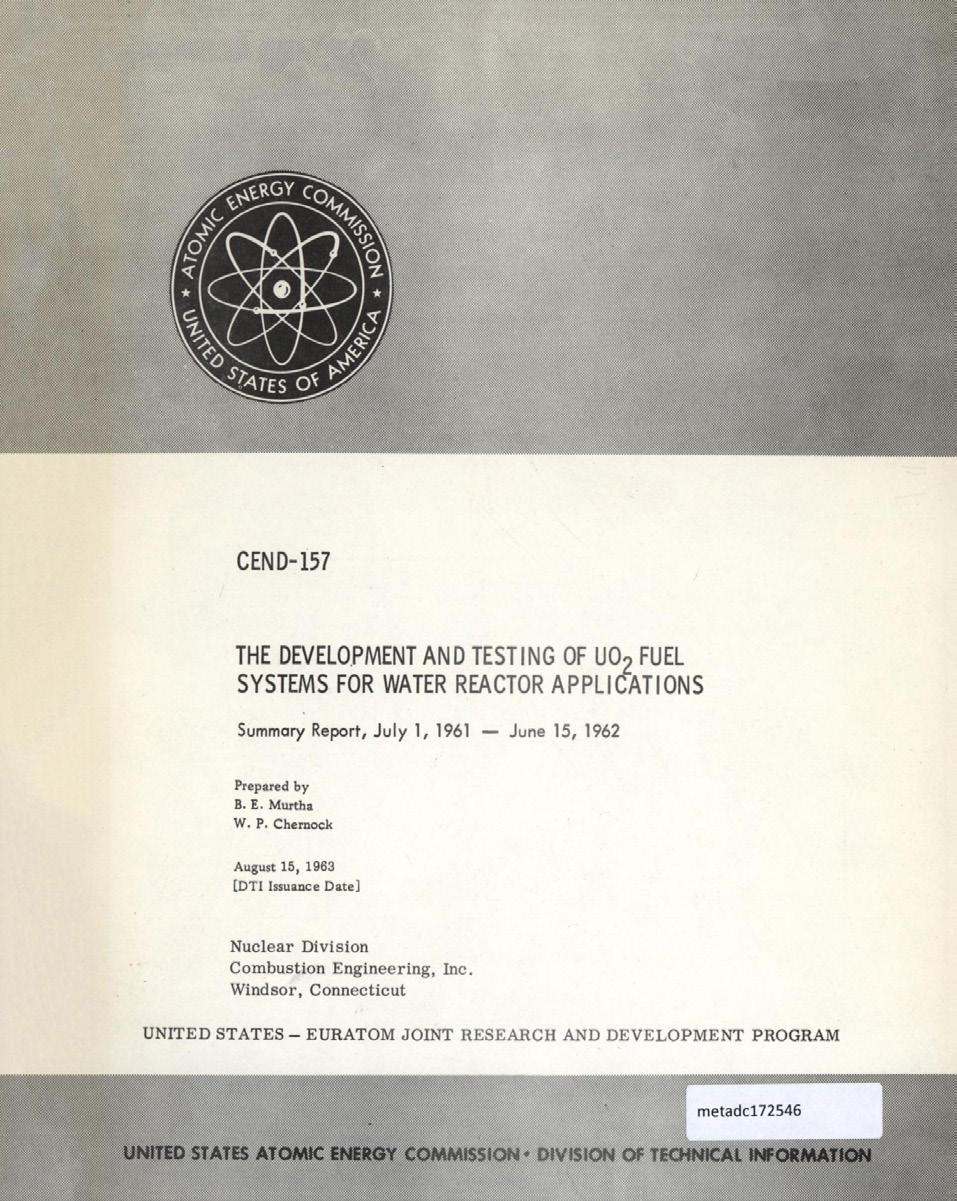
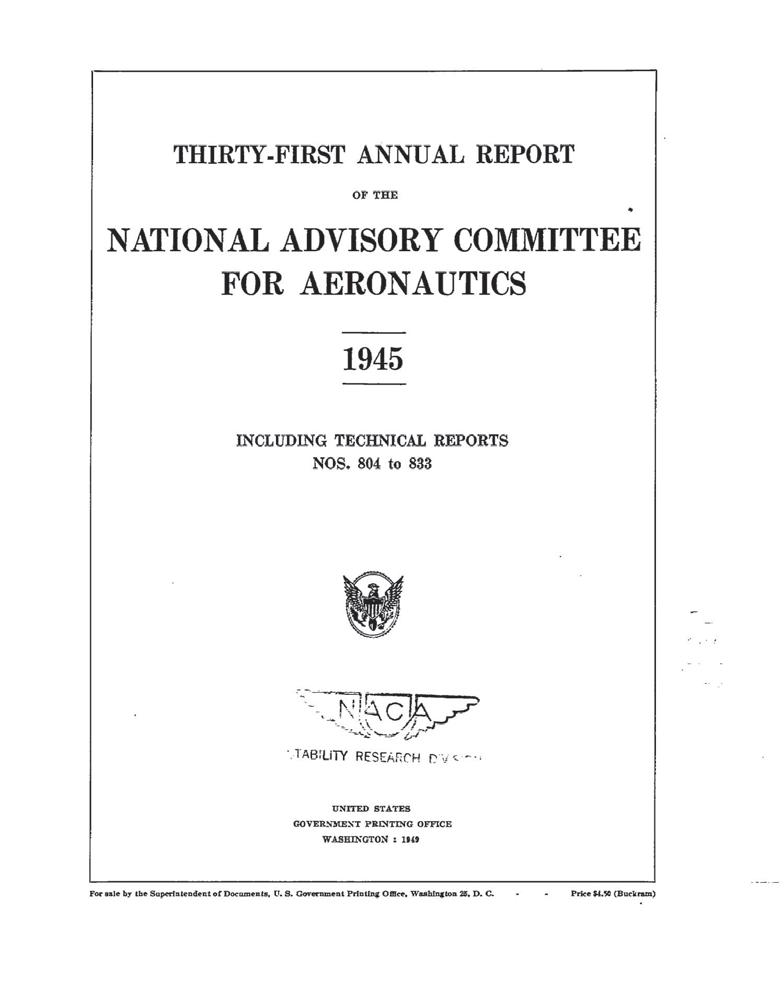
Associate Librarian Jen Kirk is leading national efforts to preserve and make accessible a vital yet chronically under-discovered category of research output: U.S. federal technical reports. These reports—containing original data, experimental methods, and early-stage innovations—rarely appear in formal publications yet document decades of publicly funded science.
For more than 15 years, USU Libraries has been an institutional member of the Technical Report Archive and Image Library (TRAIL). In 2025, Kirk was elected Vice Chair/Chair-Elect of the consortium. TRAIL has digitized and described more than 100,000 technical reports from agencies such as the Atomic Energy Commission and the
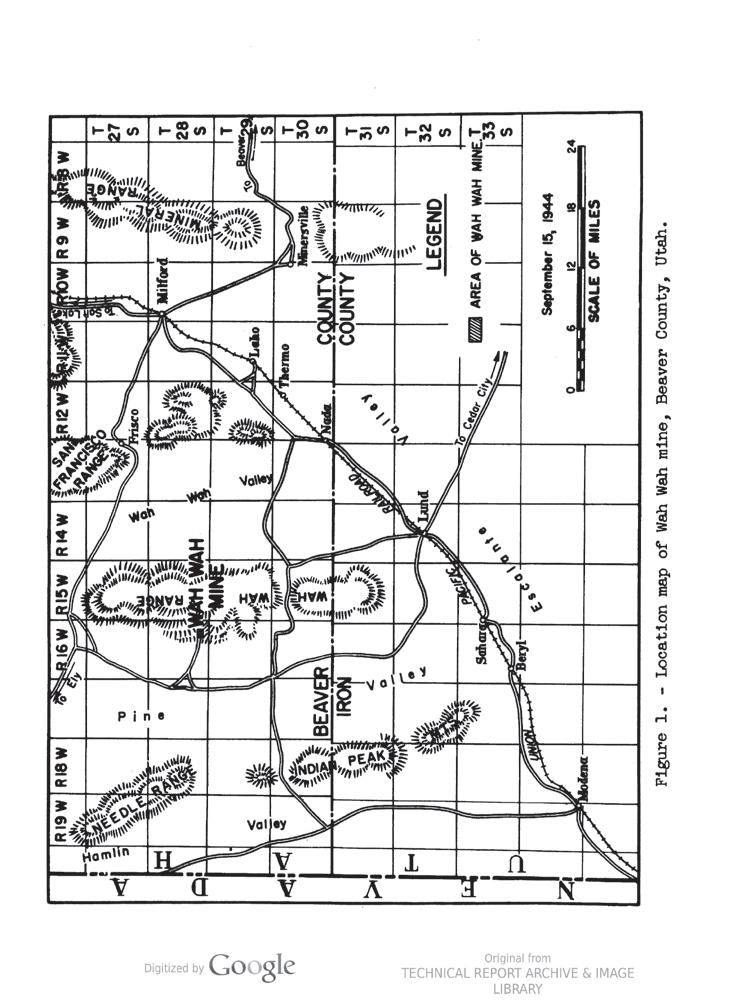
National Advisory Committee for Aeronautics (NACA), making them freely available to scholars, engineers, and the public.
Kirk, alongside colleagues from the University of Arizona, Princeton, MIT and others, is extending this work into new territory. She is part of a twoyear pilot project with JSTOR’s Seeklight to test AIgenerated metadata for more than 20,000 microcard reports from the 1940s–1960s. Her expert evaluation of the AI’s output is shaping best practices for responsible metadata generation and improving discoverability of historic reports across search platforms. Through Kirk’s leadership, USU Libraries is advancing preservation, access, and innovation in government funded information.
Curiosity, The Undergraduate Research Journal of Utah State University, is a collaboration between USU Libraries’ Connor Murphy in the Research & Publishing Impact Unit and the Office of Research. The journal provides an online, mentor-reviewed platform for undergraduates to share their scholarly and creative work across all disciplines—including research articles, short stories, poetry, photography, films, and other creative projects. Produced by students with faculty guidance, Curiosity follows an open-access working-paper model that fosters transparency and broad visibility.
This initiative reflects the shared goals of USU and the undergraduate research program: to strengthen students’ communication and writing skills, promote collaboration, and cultivate innovation. By investing in publishing infrastructure that supports scholars at every career stage, the library helps ensure that student research reaches a global audience.
The journal’s first two issues collectively featured 10 articles, and were downloaded more than 5,000 times by readers worldwide.
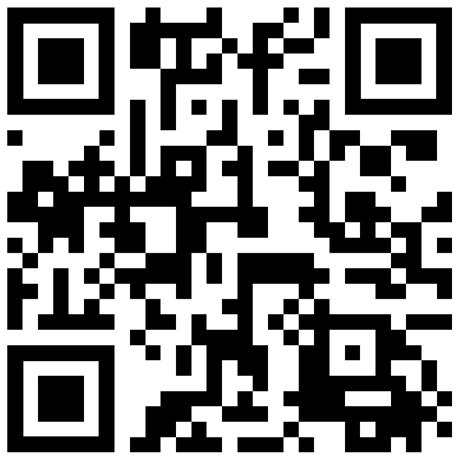
Scan the QR code to explore research articles, short stories, poetry, photography, films, and more works authored by USU’s undergraduates. digitalcommons.usu.edu/curiosity
Advent, D. (2025). Theses on the Metaphors of Digital-Textual History [Brief Reviews of Books and Products]. Journal of Librarianship and Scholarly Communications, 13(1).
Anderson, C. & Pumphrey C. (2025). The Outdoor Archive: The Ultimate Collection of Adventure & Sporting Graphics, Illustrations and Gear. Thames & Hudson.
Cox, K. (2025, Feb. 12). What can ChatGPT do in the library? Katina Magazine.
Diekema, A., Hopkins, B., Fagerheim, B., Patterson, B. & Schvaneveldt, N. (2025). Hearing from Working Nurses: Incorporating Real-World Knowledge Practices into the Framework to Better Instruct Tomorrow’s Healthcare Professionals. In M. Willey & S. Libson (Eds.), Teaching information literacy by discipline: Using and creating adaptations of the framework. Association of College and Research Libraries.
Ozburn, L., Duncan, J., and Lundstrom, K. (2025). Reconciling differences in opinion: methods and tools for aligning shared goals and values. In A. Koziura & A. Tureen (Eds.) Making Values Based Decisions in the Academic Library. Association of College and Research Libraries. Association of College and Research Libraries.
Ozburn, L., Harris, M. W., & Lundstrom, K. (2025). Using assessment as a tool for relationship-building: Proving need, gaining traction with your strategic goals, and demonstrating a dedication to equity. In A. Pappalardo (Ed.), Proceedings of the 2024 Library Assessment Conference (November 6–9, 2024, Portland, OR). Association of Research Libraries.
Ozburn, L., LaSure, J., Sundt, A., & Woolcott, L. (2025). Assessment as change management: Facilitating consensus, decision-making, and culture change through a scaffolded approach to ILS review and selection. In A. Pappalardo (Ed.), Proceedings of the 2024 Library Assessment Conference (November 6–9, 2024, Portland, OR). Association of Research Libraries.
Strand, K., Kirk, J., & Daybell, P. (2025). Seamless Transitions: enhancing information literacy through collaborative professional development. Proceedings of the Ninth Annual European Conference on Information Literacy, Bamberg, Germany.
Thompson, S., Stein, A.K., Chapman, J., Junus, R., & Woolcott, L. (2025). Measuring the impact of digital collections: Digital Content Reuse Assessment Framework Toolkit. Information Technology and Libraries.
Woolcott, L., Kirk, J. P., Payant, A., Skeen, B., Kochan, C., & Pumphrey, C. (2025). Uncovering connections: structuring a realignment process for an academic library. Library Management, 46(3/4), 268-285.
Berry, S., Kirk, J.P., Strand, K., & Pumphrey, D. (2025, May 11). Building Connections: Enhancing Primary Source Literacy and Student Success through Canvas Modules [Conference presentation]. Conference of the Conference of Inter-Mountain Archivists (CIMA), Boise, ID, and Virtual.
Berry, S. Lundstrom, K., & Pumphrey, D. (2025, April 4). Supporting the digital lives of students: A collaboration between archivists and teaching librarians [Conference poster presentation]. Academic and College Research Libraries (ACRL) conference, Minneapolis, MN, United States.
Berry, S. & Pumphrey, D. (2025, Nov. 17). The Hidden Curriculum: Digital Organization as a Literacy Skill Lightning Talk [Conference presentation]. Digital Library Federation (DLF) Forum, Denver, CO, United States.
Berry, S. Pumphrey, D., & Kirk, J. (2025, Sept. 30). Supporting the Digital Lives of Students [Conference presentation]. Florida Virtual Campus Organization and the Professional Development Alliance. (Invited)
Berry, S., Boyer, M., Davis, D., McCormack, A., McGuiness, L., Offtermatt, M., & Oines, H. (2025, April). Now and Again: Case Studies in Archival Remediation [Conference presentation]. Conference of the Conference of Inter-Mountain Archivists (CIMA), Boise, ID, United States.
Berry, S., Payant, A., & Pumphrey, D. (2025, Aug. 8). Preservica Migration [Conference presentation]. Mountain West Digital Library (MWDL) Annual Meeting, Salt Lake City, UT, United States.
Berry, S., Pumphrey, D., & Payant, A. (2025, May 2). Migration conversation: Another Preservica update from USU Libraries [Conference presentation]. Conference of the Conference of Inter-Mountain Archivists (CIMA), Boise, ID, United States.
Berry, S. (2025, ongoing). Eating the Past [Radio show]. Utah Public Radio.
Camacho, L., Davis, E., Holliday, W., Larsen, D. & Swanson, E. (May 2025). “Refitting, Redesigning and Refreshing: Mid to Late Career Academic Librarians Panel Discussion.” Utah Library Association, St. George, UT.
Cox, K., & Nacer, Y. (2025, May). Leveraging technology and bite-sized projects to drive OER adoption [Conference presentation]. Library Publishing Forum, Online.
Daybell, P., & Chesley, A. (2025, May 13-15). All the president’s papers: exorcising the ghost of university archives [Conference presentation]. Utah Library Association (ULA) Annual Conference, St. George, UT, United States.
Daybell, P., & Woolcott, L. (2025, May 13-15). Come on in, the archive’s fine: how USU Libraries dove into archival outreach [Conference presentation]. Utah Library Association (ULA) Annual Conference, St. George, UT, United States.
Finch, E. & Murphy, C. (2025, April 24). Down With the Tyranny of Bean Counting: Setting Goals and Measuring Outcomes with USU’s IR [Conference presentation]. Southern Miss Institutional Repository Conference, Hattiesburg, MS, United States and online.
Finch, E. & Western, S. (2025, March). Artificial Intelligence in Research [Virtual workshop]. SOAR Sessions workshop series, University of Southern Mississippi, Hattiesburg, MS, United States.
Imre, A.; Martin, P.; Nichol, J., & Western, S. (2025, June). Navigating the Unknown [Conference presentation]. Greater Western Library Alliance (GWLA) Annual Meeting, Reno, NV, United States.
Kinzer, J. (2025, Jan. 25). Amplifying voices: The power of oral histories in community engagement [Invited talk]. Cache Valley Unitarian Universalist Church, Logan, UT, United States.
Kinzer, J. (2025, April 10). Hidden heroes: Honoring and preserving memory through oral histories [Invited talk]. Veterans and Caregivers Conference, Bear River Association of Governments, Logan, UT, United States.
Kinzer, J. (2025, Oct. 14–17). Listening as care: Oral history, music therapy, and cultural memory [Conference presentation]. Oral History Association Annual Meeting, Atlanta, GA, United States.
Kinzer, J. (2025, Oct. 18–21). Resonant care: Music, memory, and occupational folklore [Conference presentation]. American Folklore Society Annual Meeting, Atlanta, GA, United States.
Kochan, C. & Leon, L. (2025, Sept. 19) Continuity in Excellence: Effective Resource Sharing Succession Planning? [Conference presentation]. Northwest Interlibrary Loan and Resource Sharing Conference, Eugene, OR, United States.
Kochan, C. & Western, S. (2025, June). There is no bigger boat: Creating a dynamic collection development strategy for turbulent waters [Conference presentation]. Greater Western Library Alliance (GWLA) Annual Meeting, Reno, NV, United States.
Luder, K., Sundt, A., Petersen, L., & Szobody, S. (2025, May 13-15). Problem solving through play: Using Lego Serious Play to kickstart library planning, service design, and user research [Conference presentation]. Utah Library Association (ULA) Annual Conference, St. George, UT, United States.
Luder, K, & Gudiño, E. (2025, May 13-15). What They Don’t Tell You About Outreach: A Practical Testimony from Outreach Librarians at Academic Institutions [Conference Presentation]. Utah Library Association (ULA) Annual Conference, St. George, UT, United States.
Maloy, B., Crockett, A., Davis, E., Lowe, A., & Schill, J. (May 2025). “Library Outreach: Challenges & Opportunities.” Utah Library Association, St. George, UT.
McCormack, A., Arredonodo, Z., Daybell, P., & Kirk, J. (2025, May). Alternatives to the Tenure-Track Market [Panel discussion]. Rocky Mountain and Medieval & Renaissance Association, Logan, UT, United States.
Miller, G., Davis, S., Frank, N., Broeder, K. Pumphrey, D., Benson, A., Onuf, R., & Cadwalader, J. (2025, Sept. 27). State Historical Records Advisory Board (SHRAB) Working Session [Conference presentation]. Council of State Archivists (CoSA) Annual Meeting, Salt Lake City, UT, United States.
Nielsen, C. (2025, Aug. 12). ‘Lateral thinking with withered technology’: Teaching research skills in an era of information anarchy [Conference presentation]. 11th Annual Digital Pedagogy Institute Conference, online.
Pumphrey, C. & Anderson, C. (2025, March). Genesis: Useless Fighters x The North Face [Panel discussion]. Words Sounds Colors & Shapes, Paris, France.
Pumphrey, C. & Anderson, C. (2025, May). Expedition Club [Panel discussion]. Beams Harajuku, Tokyo, Japan.
Pumphrey, C. & Anderson, C. (2025, May). Classic Outdoor Stories [Panel discussion]. Bunka Fashion College, Tokyo, Japan.
Pumphrey, C. & Anderson, C. (2025, June). The Outdoor Recreation Archive: Preserving the History of the Outdoor Industry [Trade show presentation]. Switchback Trade Show, Nashville, TN, United States.
Pumphrey, D. (2025, Feb. 19). Digital project planning [Invited talk]. Utah State Historical Records Advisory Board and the Utah Division of Archives & Records Service, online.
Pumphrey, D. (2025, May 2). Organizational structures for archival work [Guided discussion]. Conference of Inter-mountain Archivists (CIMA) Annual Conference, Boise, ID, United States.
Rovegno, K., Strand, K., Luder, K., Davis, E., Street, C., McGee, A., Wells, R., & Leimkuehler, R. (2025, Aug. 24-27). Impactful Approaches to Belonging and Community in University Archives [Conference presentation]. Society of American Archivists ARCHIVES*RECORDS 2025 Conference, Anaheim, CA, United States.
Rovegno, K., Chesley, A., & Bingham, M. (2025, April 30-May 2). All the Presidents’ Papers [Conference presentation]. Conference of Inter-mountain Archivists (CIMA) Annual Conference, Boise, ID, United States.
Strand, K., Luder, K., & Rovegno, K. (2025, Feb. 16). Archival Adventures: A First-Year Quest Through Campus History [Conference Session]. First Year Experience Conference, New Orleans, LA, United States.
Strand, K., Kirk, J., & Daybell, P. (2025, September) Seamless Transitions: enhancing information literacy through collaborative professional development [Conference Session]. 9th European Conference on Information Literacy, Bamberg, Germany.
Strand, K., Hall, S., Petersen, L., & Szobody, S. (2025, September). From Fragments to Cohesion: Developing a sustainable online course for foundational information literacy instruction [Poster]. 9th European Conference on Information Literacy, Bamberg, Germany.
Western, S. & Woolcott, L. (2025, May 13-15). ABC—It’s Not Easy as 1-2-3: Revitalizing Your Academic Library Collection Development Strategy [Conference presentation]. Utah Library Association (ULA) Annual Conference, St. George, UT, United States.
Woolcott, L., Kirk, J., LaSure, J., & Heaton, R. (2025, Sept. 5) The librarian is in(volved) in the migration [Workshop session]. Utah Library Association Fall Workshop, Salt Lake City, UT, United States.
Woolcott, L., Skeen, B., and Kochan, C. (2025, May 13-15). Full Stack Library: A Process for Reorganizing a Collections-focused Academic Library Department [Conference presentation]. Utah Library Association (ULA) Annual Conference, St. George, UT, United States.
Conference of Inter-mountain Archivists (CIMA) Archival Project Award for USU’s Outdoor Recreation Archive. This award recognizes an archival project worked on by an archivist, group of archivists, repository, or organization which has provided significant benefits or impacts to its community, the archival profession, or the intermountain region.
Caro, S., Chiewphasa, B., & Kirk, J. (2025). Disasters: The Stories We Share [Exhibition]. New Mexico State Library, Santa Fe, NM, United States.
Daybell, P. (faculty liaison). Magic and Astrology: Shakespeare’s Inter-connected World. (2025, April 2– May 31). Ella Gardener McQuarrie Hatch Memorial Library, Merrill-Cazier Library, Utah State University, Logan, UT.
Daybell, P. (faculty liaison). Playing Religion: Games in Latter-day Saint Culture. (2025, January 1 – March 15). Merrill-Cazier Library, Utah State University, Logan, UT.
Pumphrey, C. (2025, November 11-13). Keeping Warm in the Outdoors. Functional Fabric Fair Trade Show, Portland, OR.
Pumphrey, C. (2025, June 16-18). Kamp Kit: A History of Outdoor Gear. Switchback Trade Show, Nashville, TN.
Pumphrey, C. (2025, March 7-28). Genesis: Useless Fighters x The North Face. Words Sounds Colors & Shapes, Paris, France.
Rovegno, K., Chesley, A., & Berry, S. (2025, August) Animals at USU. Merrill-Cazier Library, Utah State University, Logan, UT.
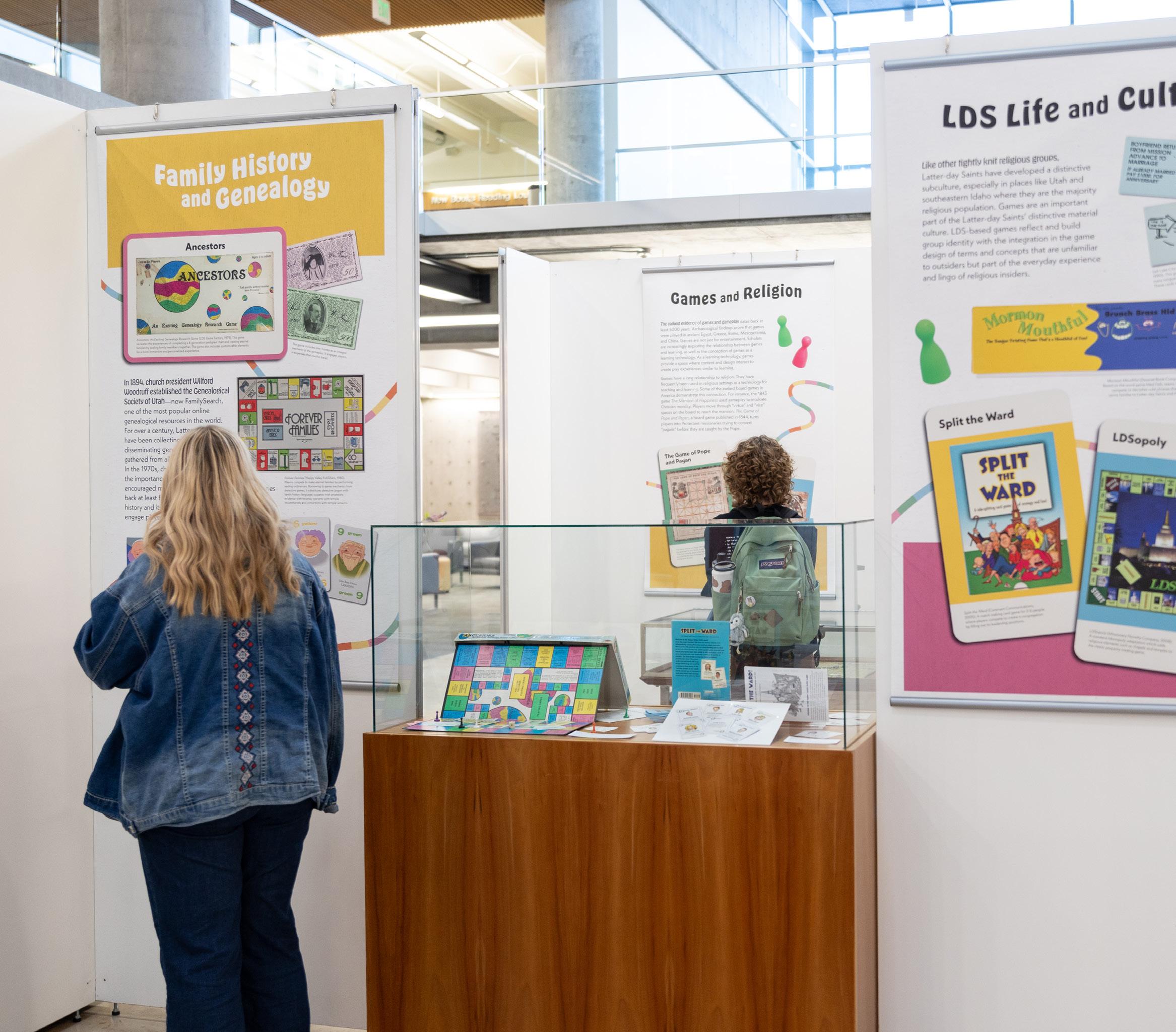
of
explore select items from Special Collections & Archives.
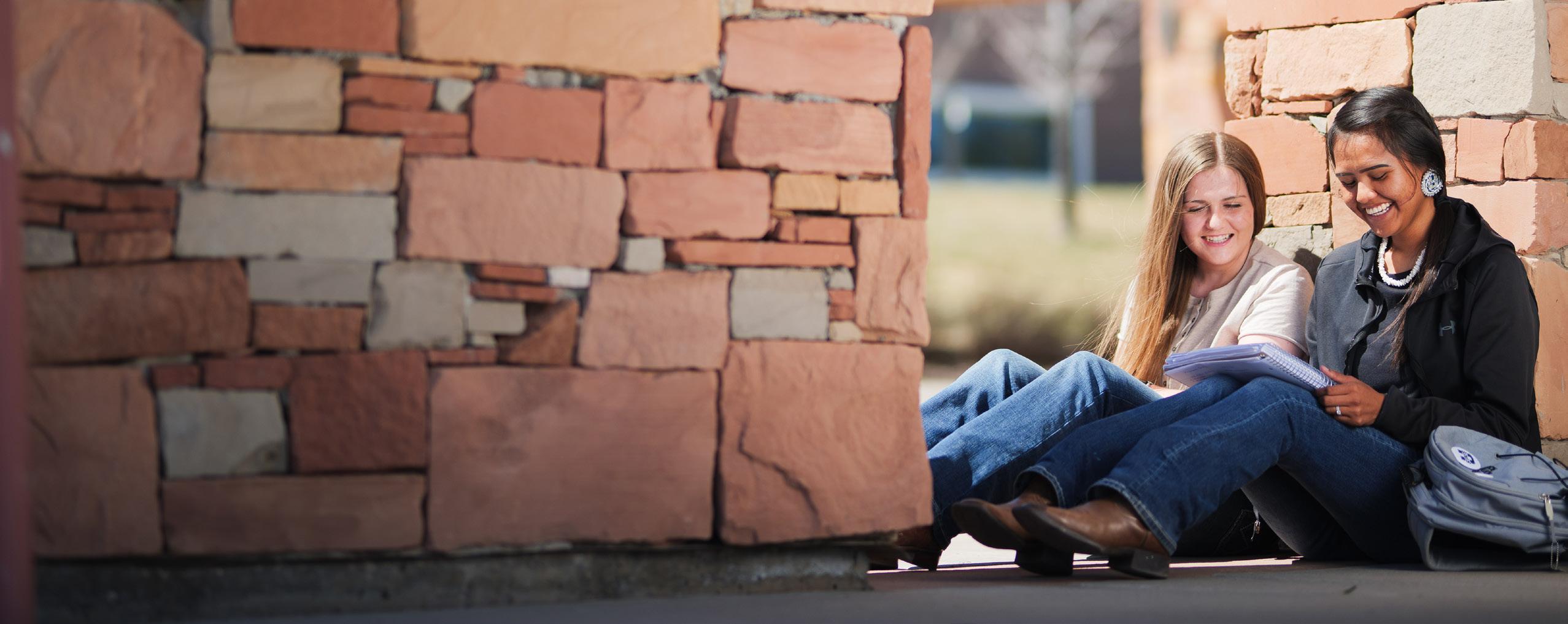
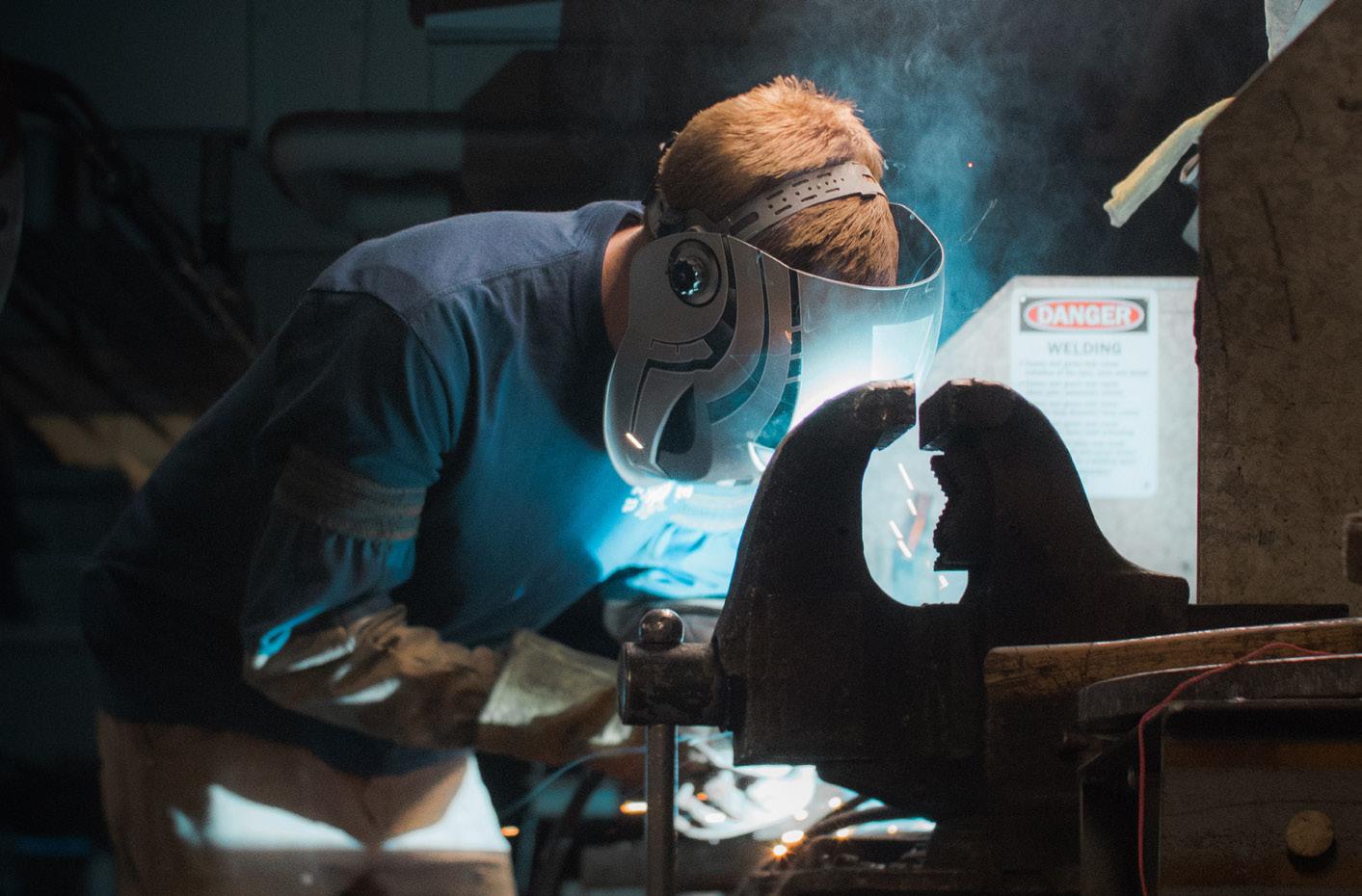
The American Welding Society database includes 480+ standards, manuals, and codes to support handson welding and engineering training.
Welding Technology is one of USU Eastern’s signature programs, offering both an associate’s degree and a certificate. Students and graduates regularly compete in state, national, and international skills competitions, earning awards at every level. The program plays a vital role in supporting Utah’s manufacturing sector and consistently prepares students for highdemand, well-paying technical careers.
To strengthen this curriculum, the Library and Learning Center (LLC) at USU Eastern recently expanded its resources for welding students and faculty. The LLC acquired new collection materials, including the American Welding Society database—an essential resource for current welding standards, codes, and techniques. Previously available only in print in a single classroom, this digital collection is now accessible to welding students and instructors across the entire USU system.
The LLC also showcases hands-on collaboration with the program. Welding faculty designed and fabricated a heavily used scooter rack for the building demonstrating the real-world application of their skills. Additionally, the LLC’s Special Collections & Archives recently received donations of historic welding equipment and artifacts that the LLC will preserve and display, helping our welding students connect their craft’s past with its evolving technologies.
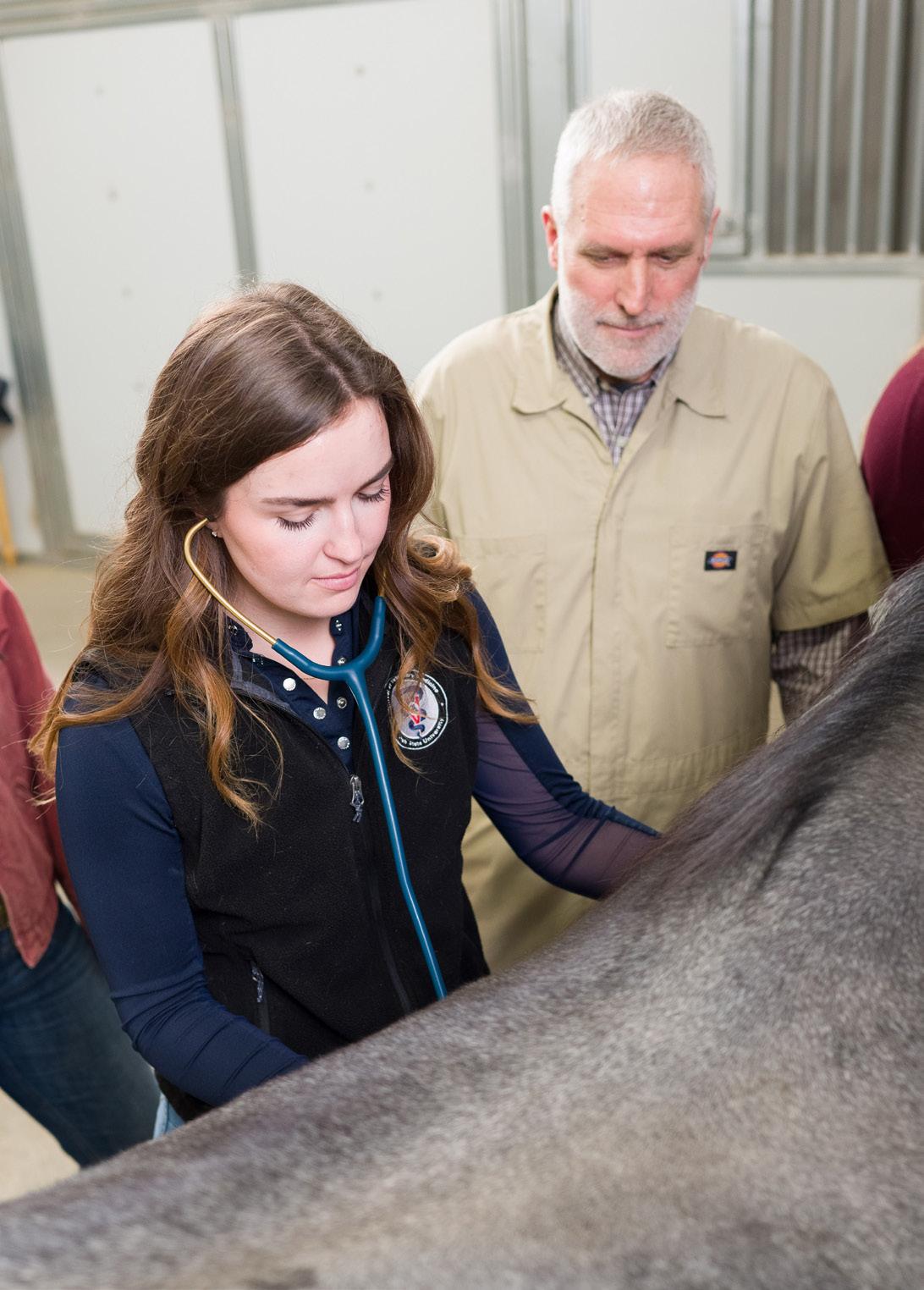
Since its founding in 2012, the School of Veterinary Medicine has relied on a strong partnership with USU Libraries to build the information infrastructure needed for a rigorous, research-centered DVM curriculum. From the outset, Agriculture Librarian Sandra Weingart worked closely with faculty to identify essential journals, books, and databases required to support teaching, clinical preparation, and student research. The degree program supported a dedicated budget line for library resources— an investment that continues today.
Fourth-year veterinary students are now completing clinical rotations in practices across Utah and around the Intermountain West. To support this distributed model, USU Libraries provides seamless remote access to essential veterinary databases, electronic journals, and evidencebased tools—ensuring students can access trusted information wherever their training takes them.
“During the time our students are off campus with their host veterinary practices, access to electronic library resources will play an essential role for the continued development of their expertise delivering high quality evidence-based patient care that will be documented through regular submission of clinical case reports reviewed by our faculty.”
Dean Dirk Vanderwal of the College of Veterinary Medicine -
Over the years, the library’s partnership with the college has deepened. Library faculty and staff regularly serve as simulated clients to help students practice communicating effectively with animal owners. Most recently, Sandra collaborated with Dr. Allison Willoughby to develop a four-hour instructional unit on Evidence-Based Veterinary Medicine, ensuring students gain the skills to evaluate research critically and make informed clinical decisions.
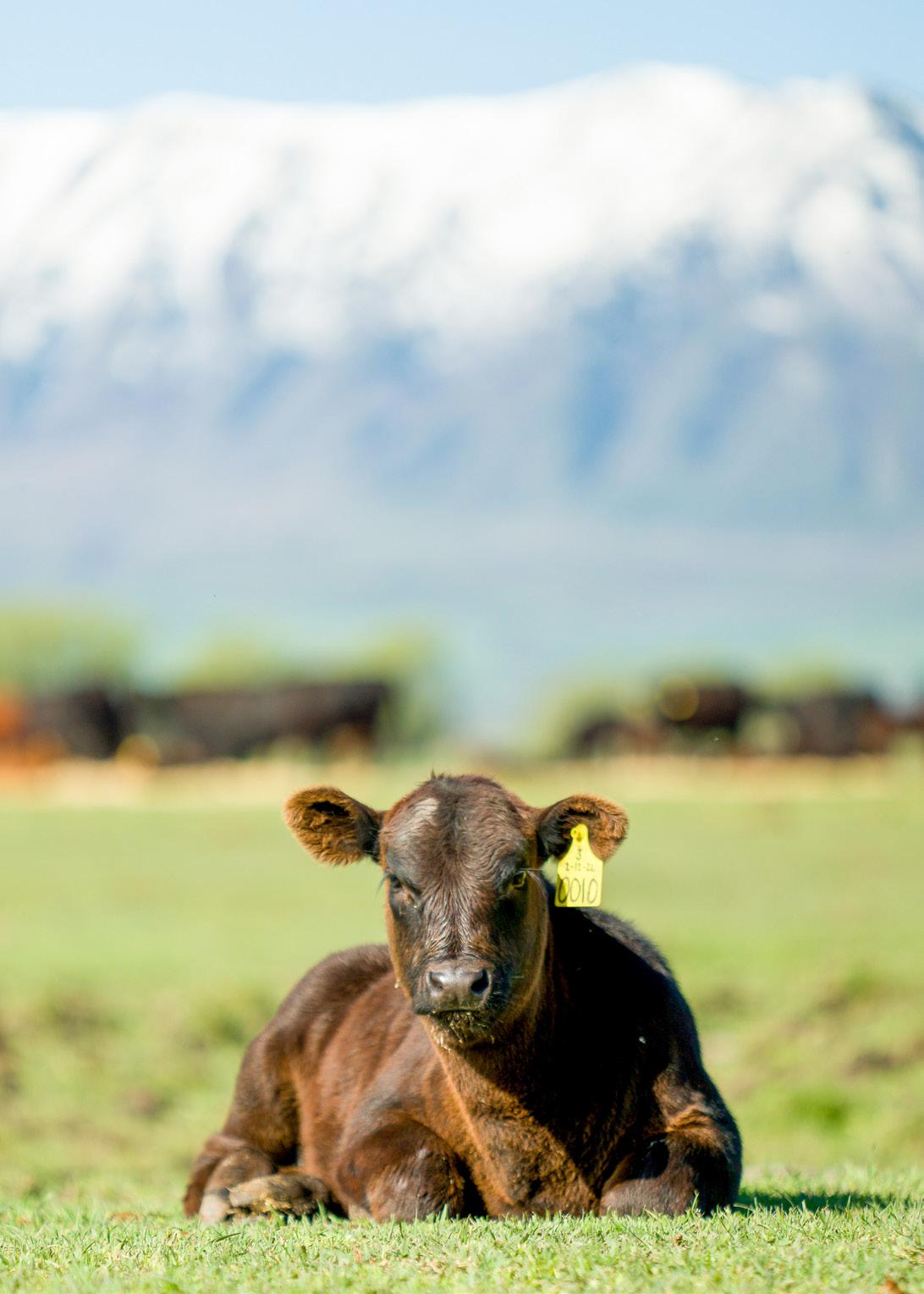
The Library and Learning Commons at USU Eastern partnered with USU Extension and 4-H to bring Carbon County kids a hands-on adventure in technology and creativity through the Tinker Tech Program. Students ages 7–15 explored 3D design and printing from the ground up, learning essential skills in problem-solving, machine care, safety, and iterative design. The program launched earlier in the summer with a custom t-shirt design workshop, giving participants an introduction to digital design and showing them how to transform an idea into wearable art.
By the end of the program, every student had designed and printed their own unique 3D projects—ranging from simple shapes to multipart builds with connecting segments—while discovering just how fun and empowering technology can be. Tinker Tech was more than just a fun summer activity, serving as a meaningful bridge between the university and the community. The Tinker Techs developed foundational skills in design, fabrication, and creative thinking that will support their growth in school, future careers, and lifelong learning.
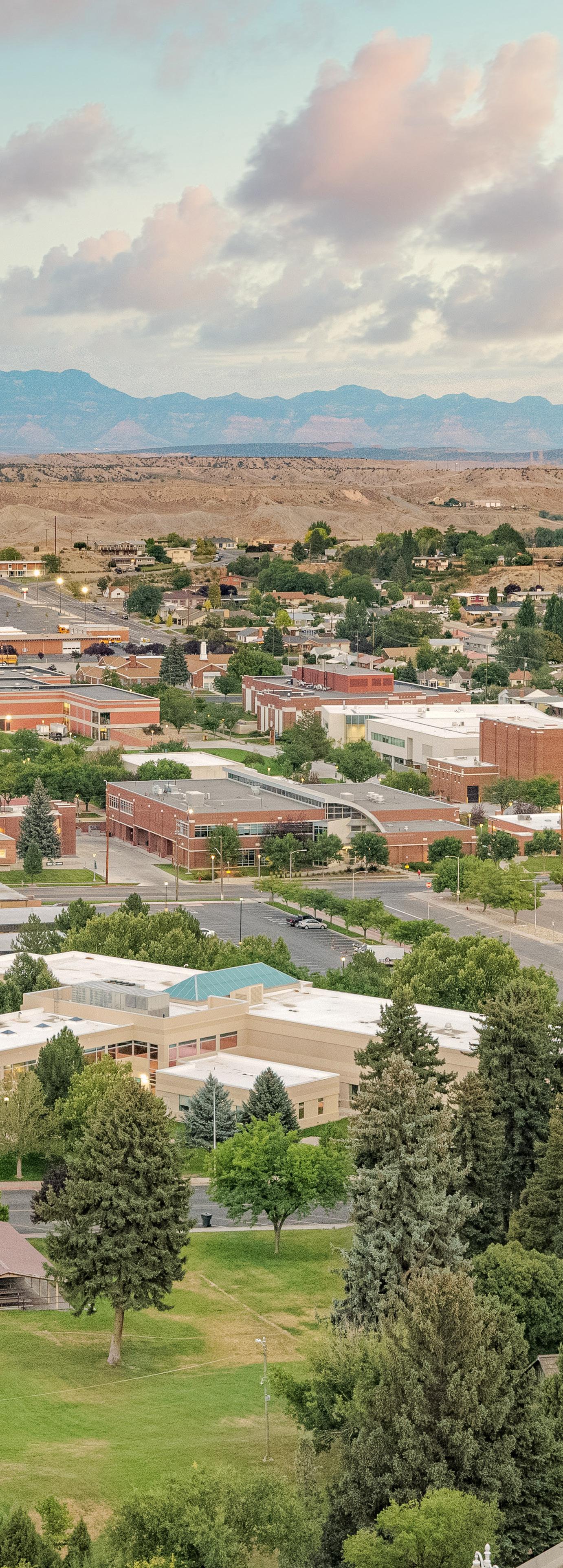
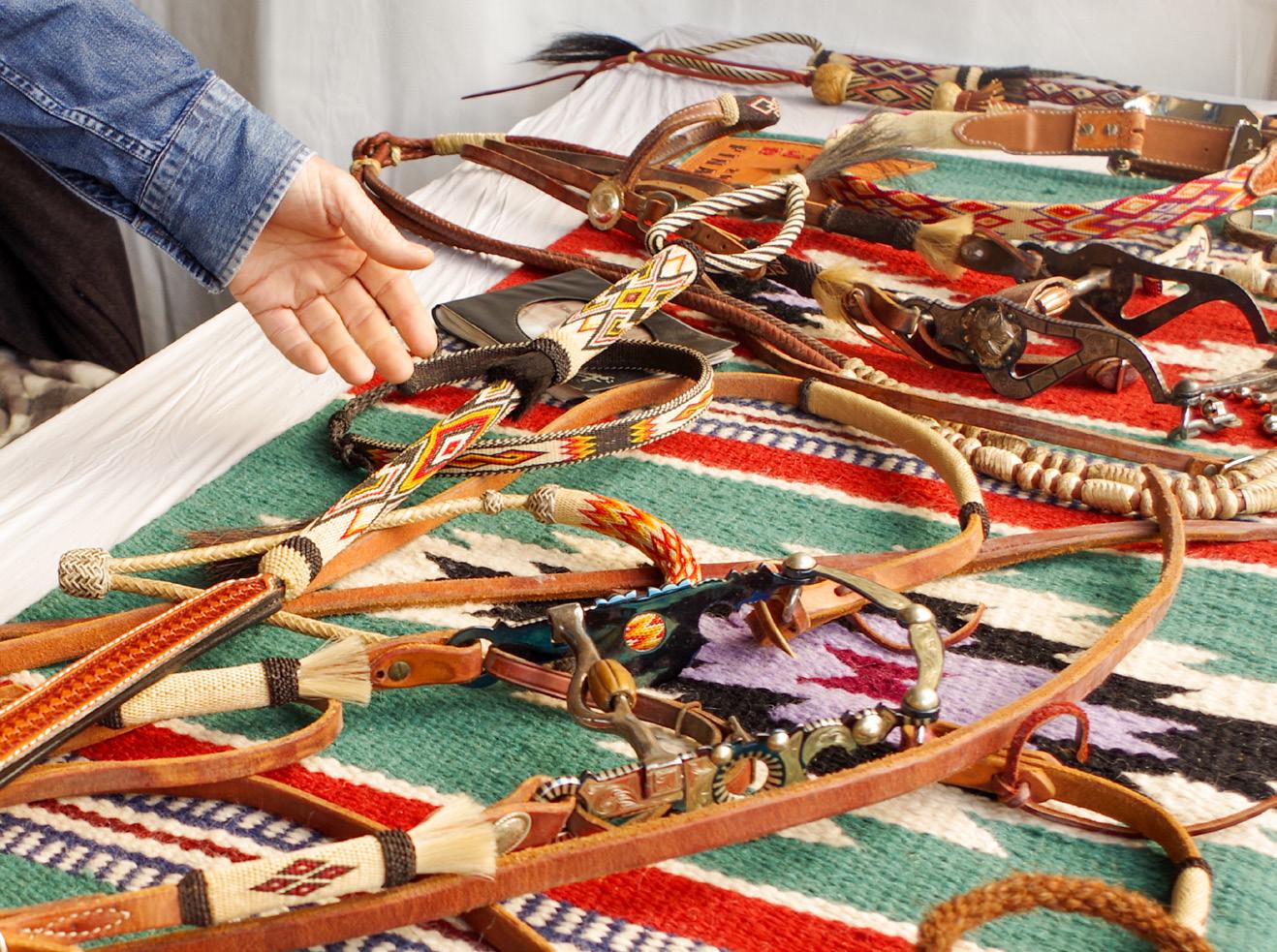
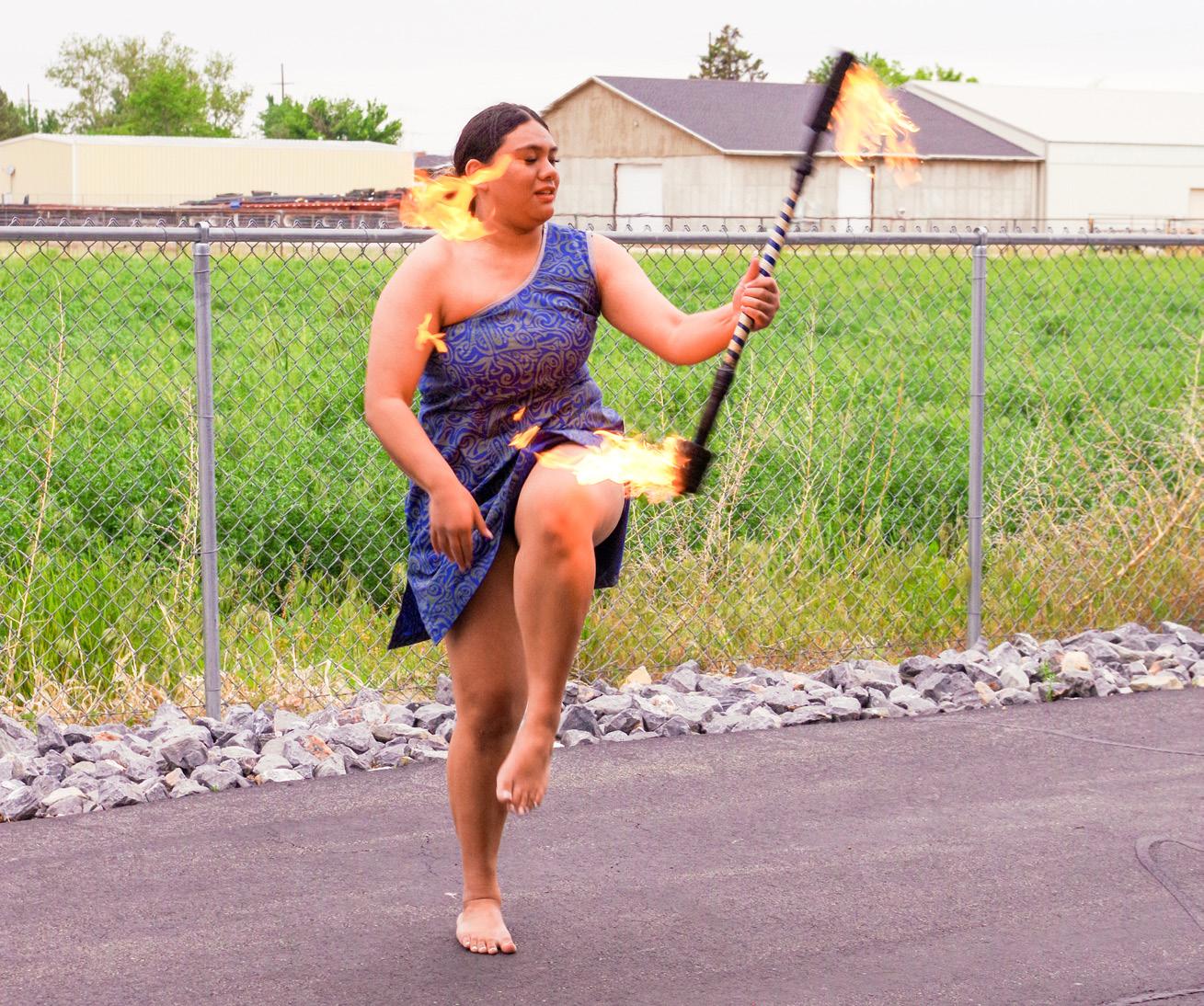
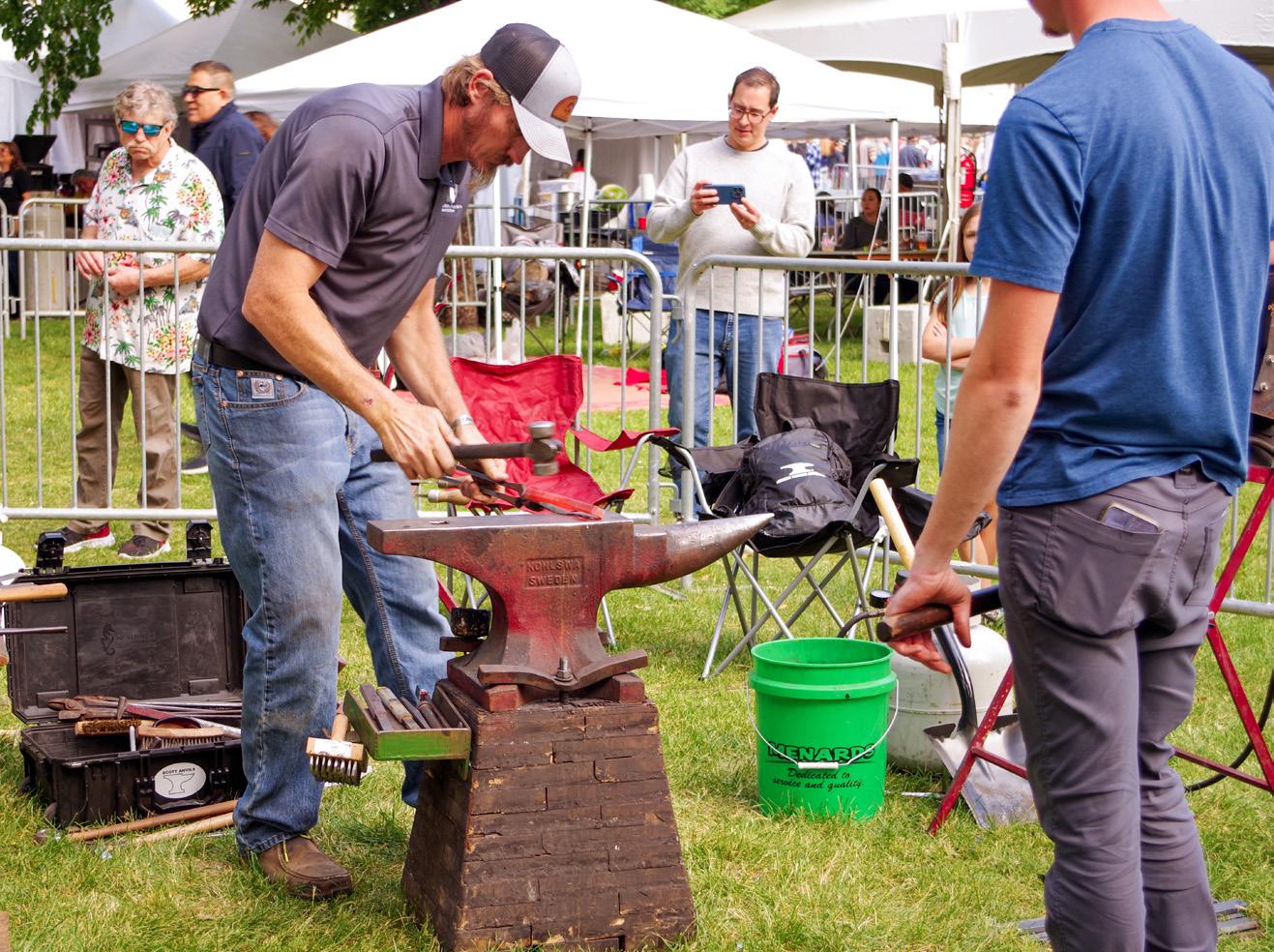
Living Traditions in Utah: Voices and Oral Histories documents the people, partnerships, and practices that sustain Utah’s public heritage festivals, from Salt Lake City’s Living Traditions Festival to World Refugee Day in Logan and the Cache Valley Latino Festival. Led by USU Archivist Joe Kinzer, the project records and preserves firsthand narratives from artists, organizers, and community leaders, capturing how these celebrations nurture belonging, cultural exchange, and visibility across the state.
The project has produced recorded interviews, time-coded transcripts, and standardized metadata for longterm preservation in the Fife Folklore Archives. These oral histories illuminate intergenerational transmission, grassroots organizing, and collaboration among civic, cultural, and educational partners. The growing collection will support teaching, exhibitions, community programming, and future festival documentation across Utah.
Public heritage festivals function as living classrooms where communities share music, foodways, crafts, and stories that strengthen social fabric. This project preserves those voices and models of collaboration, ensuring that the insights of culture bearers and local organizers inform statewide cultural policy and future outreach. By linking documentation from Logan to Salt Lake and beyond, Living Traditions in Utah expands the reach and impact of the Fife Folklore Archives while advancing access, representation, and community engagement across Utah.
The USU Libraries took a transformative leap this year, migrating our work to two new critical operational systems—EBSCO’s FOLIO/EDS library services platform (LSP) and the digital preservation system Preservica.
An LSP is an integrated system that powers essential library functions like cataloging, collection search and discovery, circulation, acquisitions, and electronic resource management. Built on open-source code and an API architecture, EBSCO’s FOLIO/EDS platform offers flexibility, interoperability with campus systems, and a vibrant support community.
The new platform is not only more cost effective but also streamlines staff workflows, simplifies tracking and maintenance, and enhances user discovery across the library’s 2 million physical items and 4.8 million electronic resources.
Digital preservation systems like Preservica are essential for safeguarding scholarly output, institutional records, and cultural heritage materials that are an increasingly larger component of USU’s Special Collections & Archives. As technologies evolve, systems like Preservica protect digital assets from obsolescence, using built-in tools to ensure long-term accessibility and file integrity. Automated workflows and cloud-based solutions reduce manual effort and help the libraries more reliably and effectively steward our digital content. For the first time, this means that USU Libraries are prepared to secure the future of digital collections while supporting research, institutional memory, and public access—core to USU’s mission as a land-grant institution.
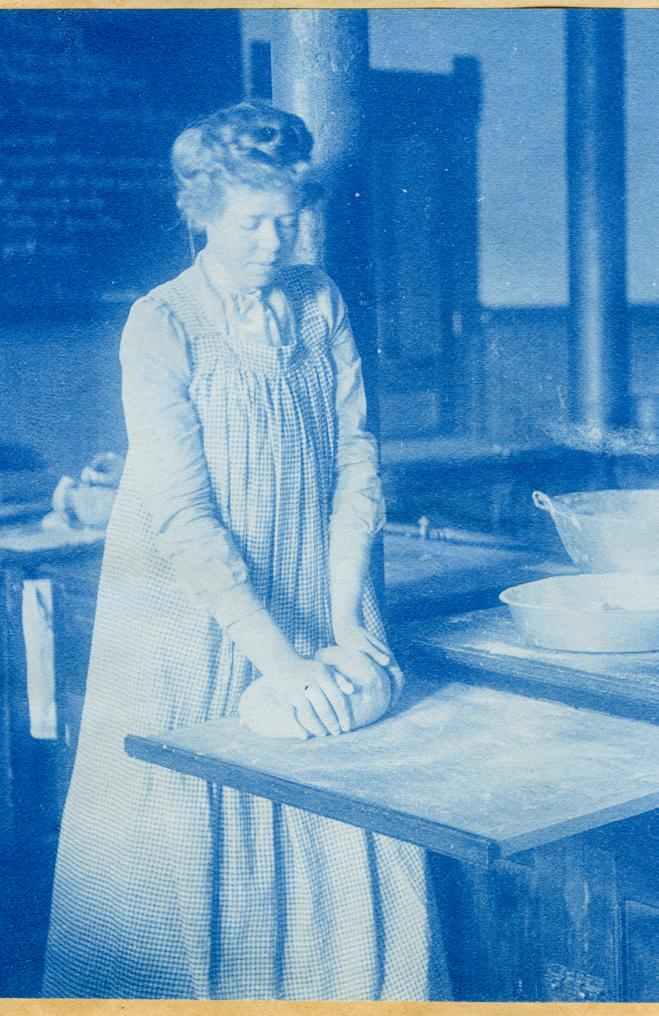
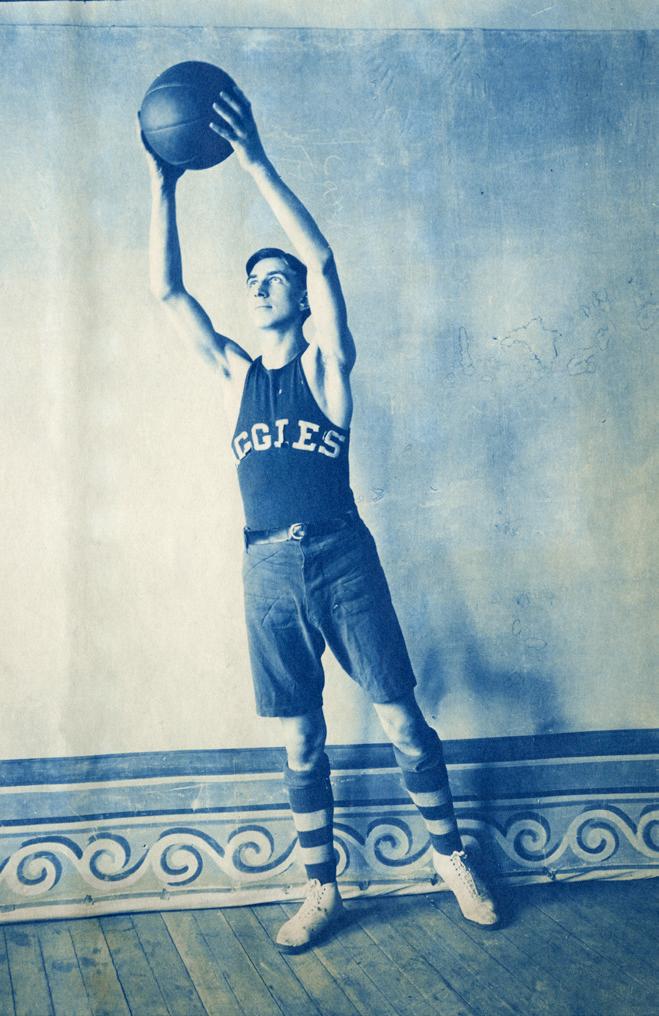
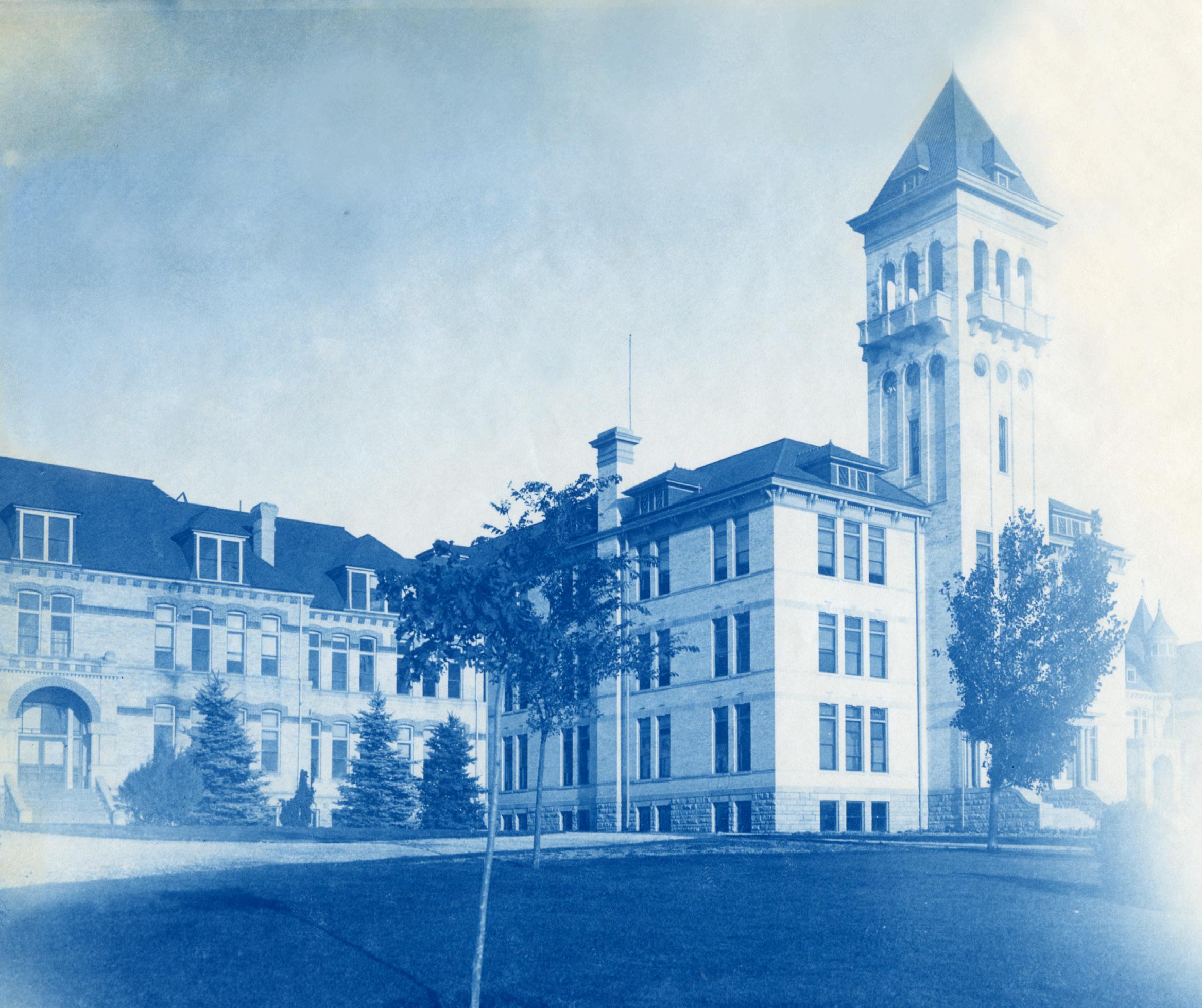
The Agricultural College of Utah cyanotypes collection consists of 2,608 cyanotypes dating from 1896 to 1916. These images document the Agricultural College of Utah (now Utah State University) and show students, faculty, classroom scenes, buildings and grounds, events, experiment stations, athletics, student projects, agriculture, and scenes from around Logan.
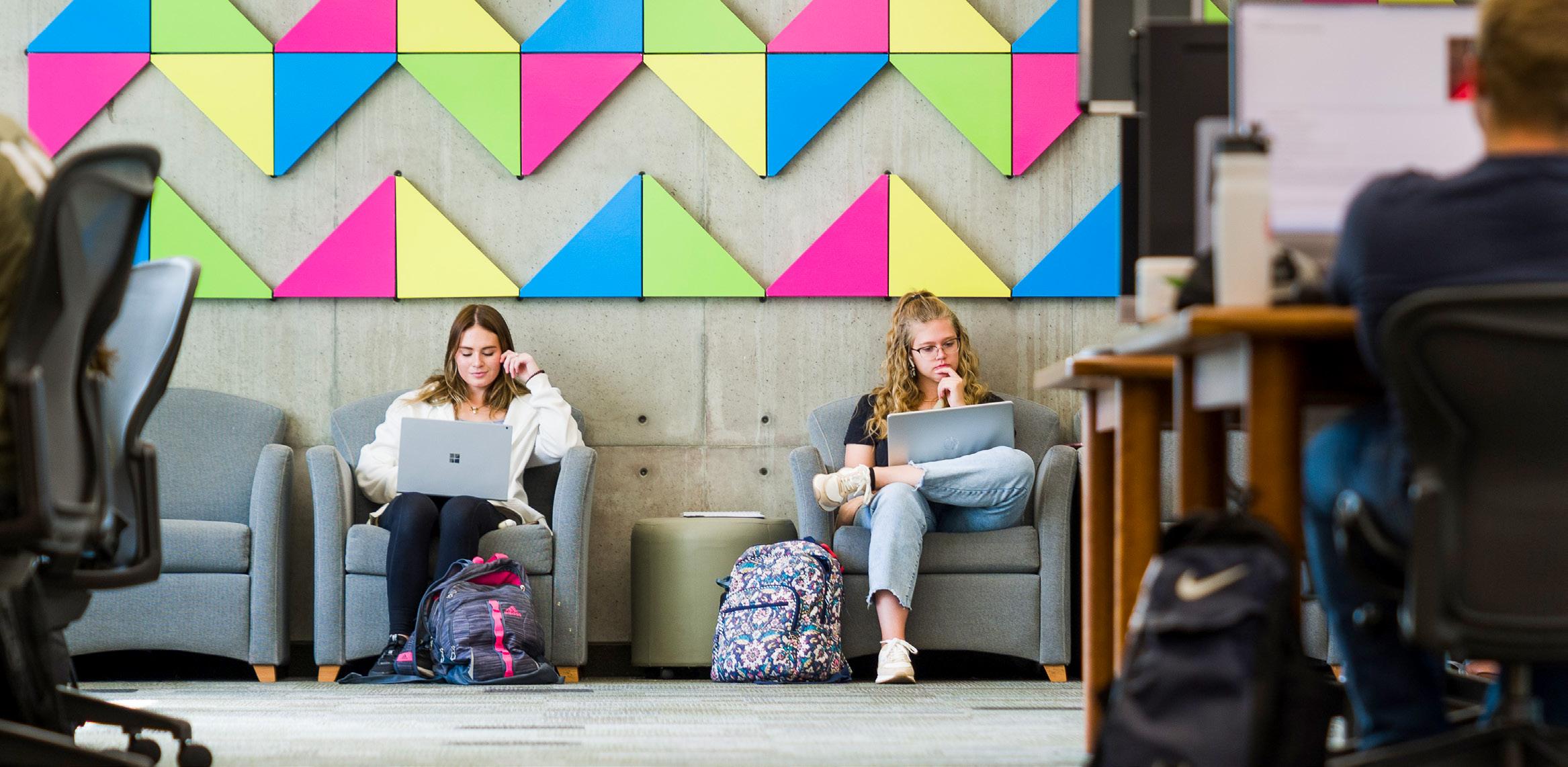
In late fall 2025, USU Libraries surveyed students about how they use and experience the library. With more than 2,300 responses, initial results point to strong student satisfaction with library spaces, services, resources, and technology. More insights to come!
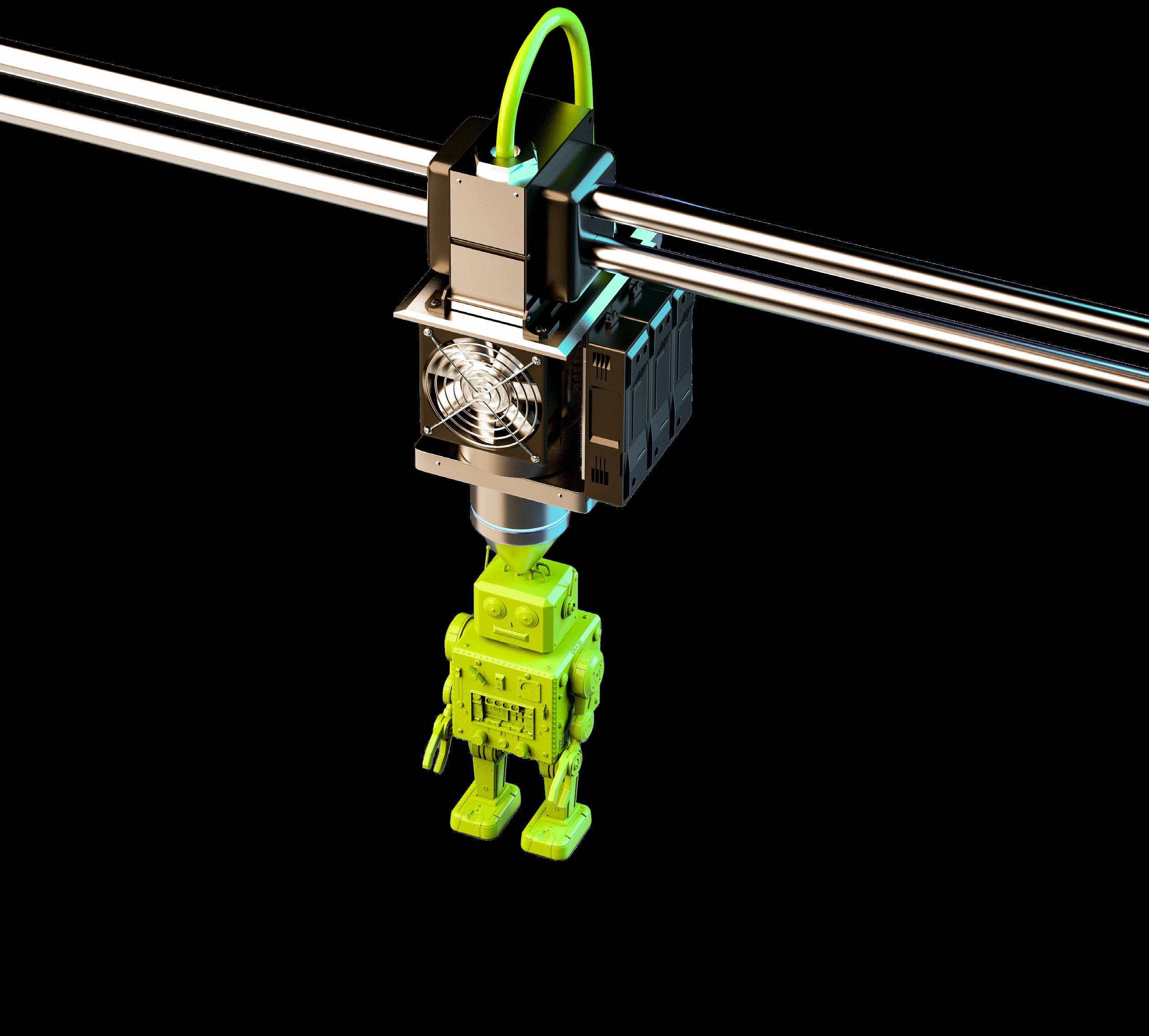
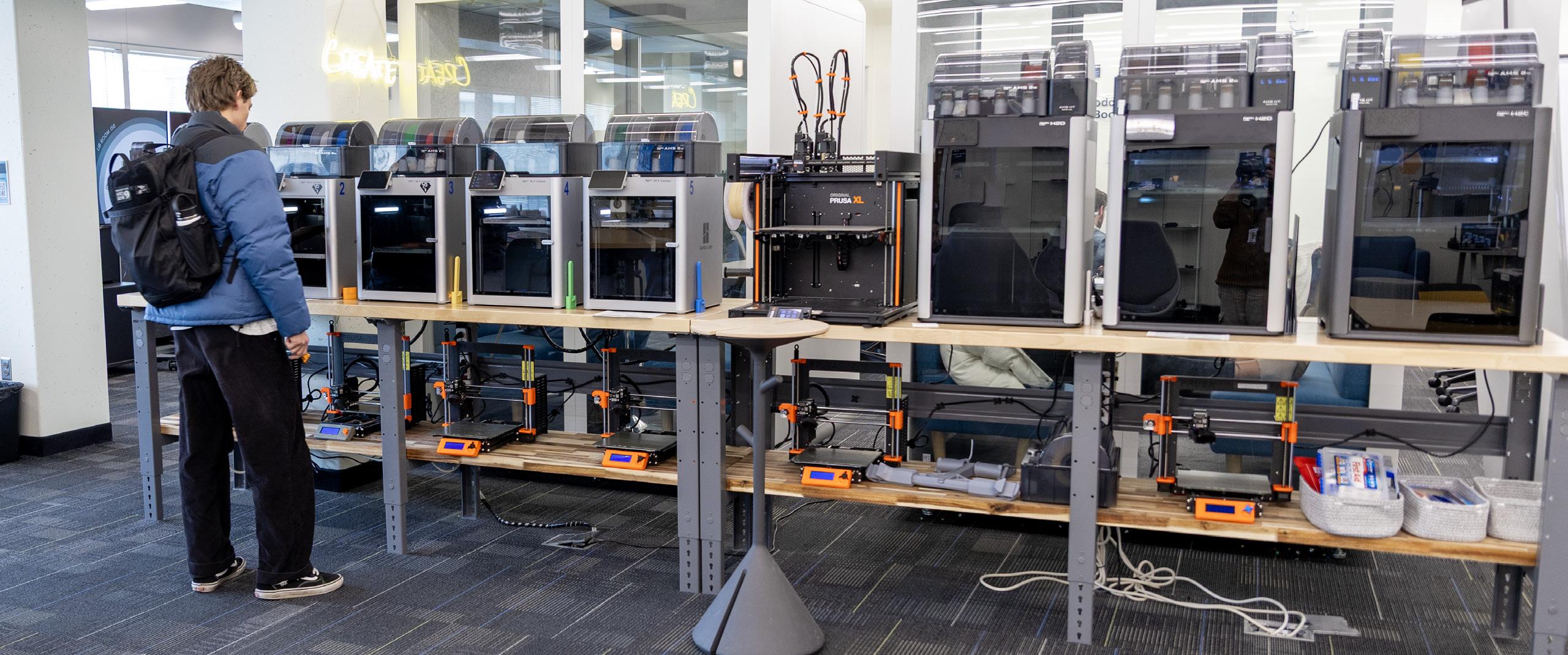
In response to the evolving academic and research needs of USU students, faculty and staff, librarians Kirstin Cox and Kacy Lundstrom collaborated with Central IT to expand and upgrade the technology resources in our Innovation Hub. Among these shared resources are two new large-format 3D printers, enabling the printing of larger and more complex models. To meet increasing demand, the total number of 3D printers grew from eight to twelve, ensuring timely access to the printers for stakeholders across the university.
Across library service points, students and faculty used our loanable technology 6,736 times in the last academic year.
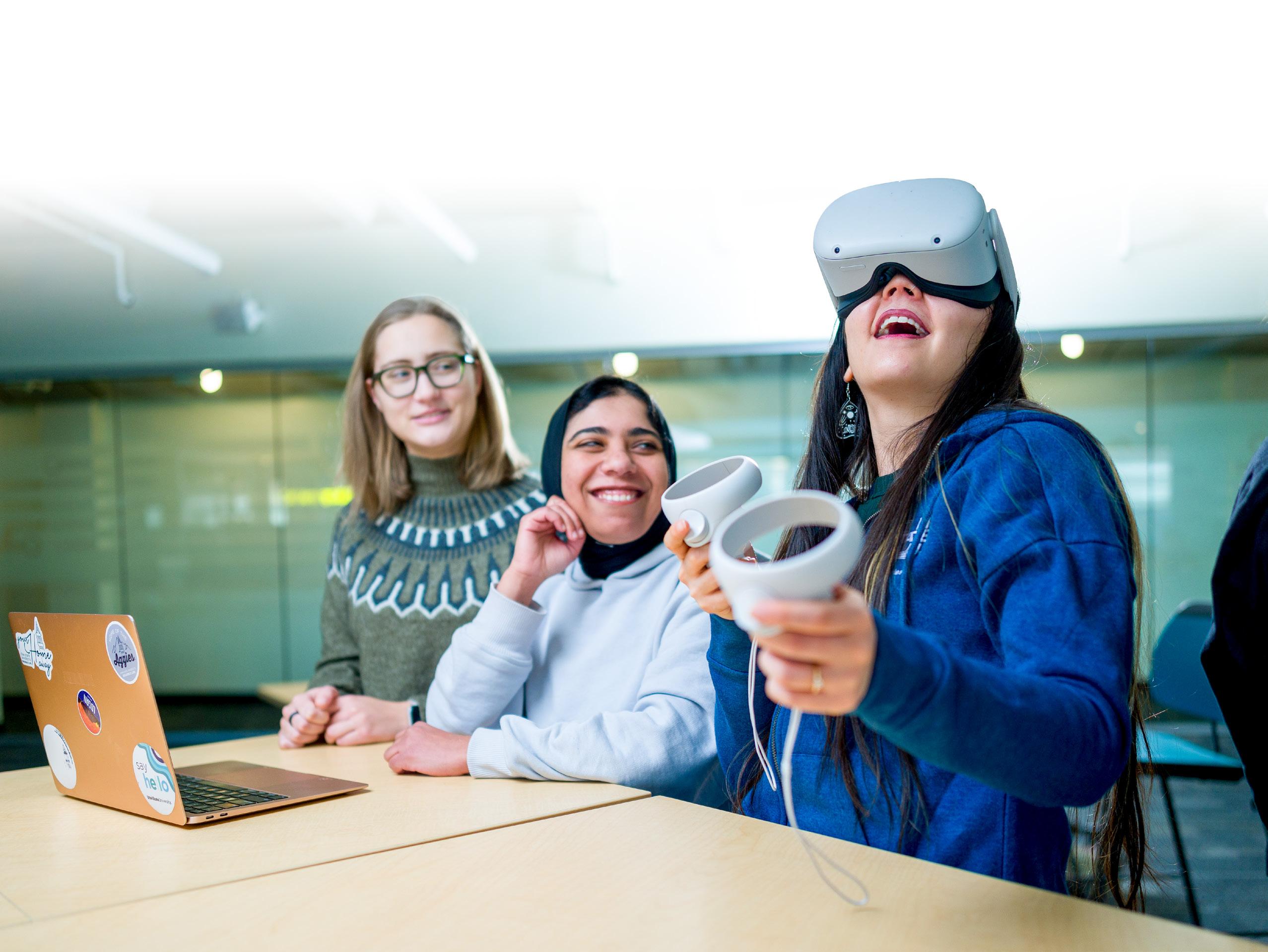
The multimedia room was also upgraded to support development of video podcast series and video recording for classes and academic work. In addition, the library replaced all virtual reality devices with the new Meta Quest 3 headsets to provide a more immersive learning experience in classes.
To further strengthen research support, the library purchased NVivo qualitative analysis software, now available in the Hub’s Digital Scholarship room, providing tools for coding, organizing, and analyzing qualitative data. Finally, a new largeformat printer (plotter) was added to the Hub services to facilitate the printing of research posters and other large-scale materials.
Go viral with your next hot take*
*virality not guaranteed
Elevate your water bottle with custom stickers.
Friendships made! (then maybe broken)
Access specialized software to ace your next project.
Print out the next “Trader Joe’s Coming Soon” poster. coming soon!
Make your next Halloween costume as unique as you!
How strong is your stomach? Ride roller coasters from the comfort of campus.
No one will hear you cry in our silent study booths.
(note: they will see you)
3D print your own fidget toy for when class gets boring.
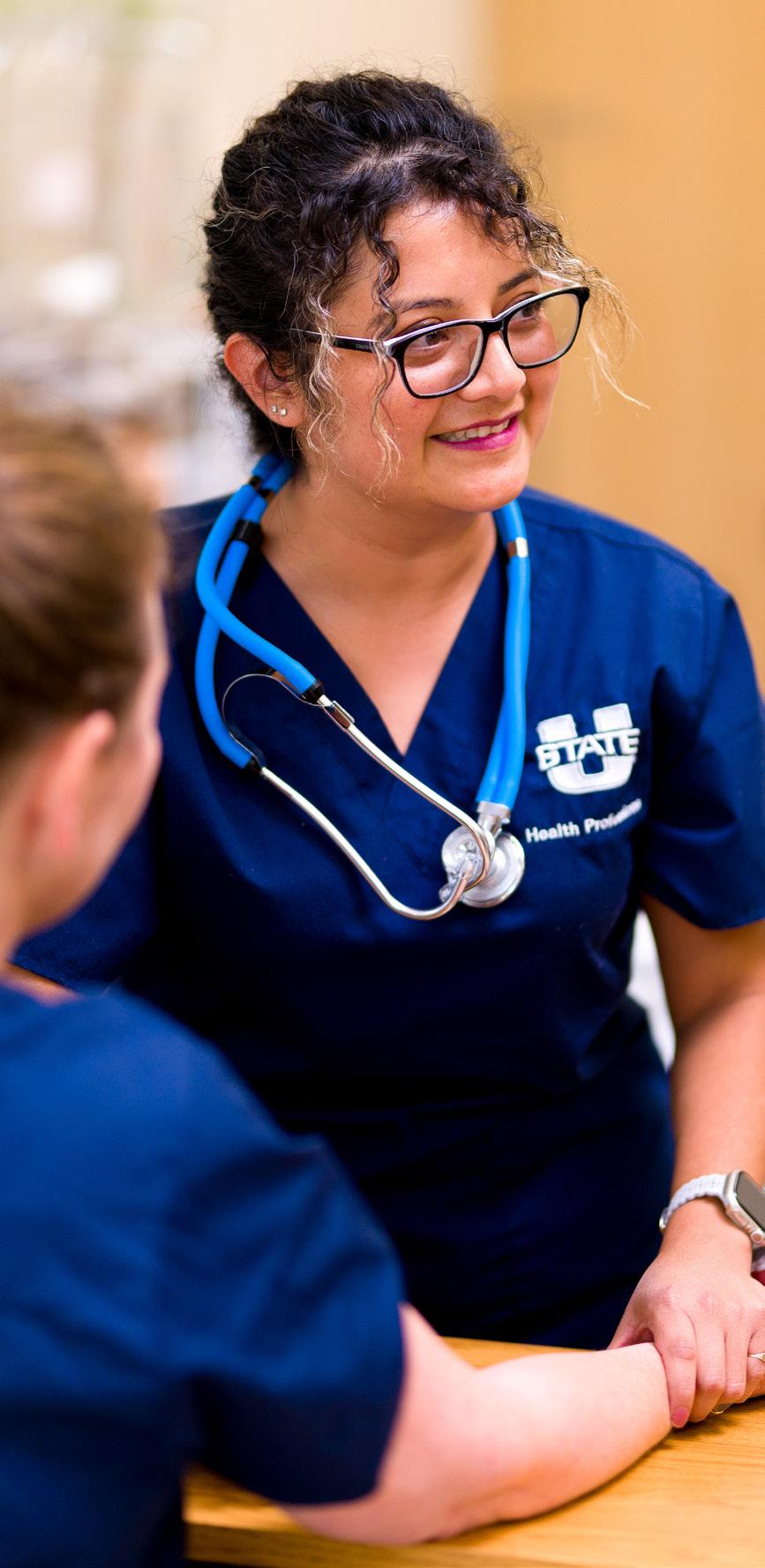
Developing durable and adaptable workforce skills is a core tenet of the library’s instruction program, and learning from USU alumni furthers this goal. Toward this end, the library collaborated with the Department of Nursing connecting the first cohort of the USU Bachelor of Science in Nursing program to a statewide research project analyzing how working nurses assess medical information on the job.
The research found that nurses realize that they struggle to balance the heavy demands of their daily work with the skills needed to apply sophisticated evaluation criteria in an evidence-based clinical setting. The research team developed actionable steps to improve training nurses to seek and find evidence-based information using resources they would have access to after leaving their universities, and these suggestions were shared with the USU Nursing program.
Continuing to explore these findings, Department Head Britt Fagerheim co-authored a book chapter addressing the duality of the role of librarians in higher education to prepare students for their current academic work, while also preparing students for their future professional work, and the methods by which the library’s instruction program can address both needs.
Scan to read “Hearing from Working Nurses: Incorporating Real-World Knowledge Practices into the Framework to Better Instruct Tomorrow’s Healthcare Professionals.”
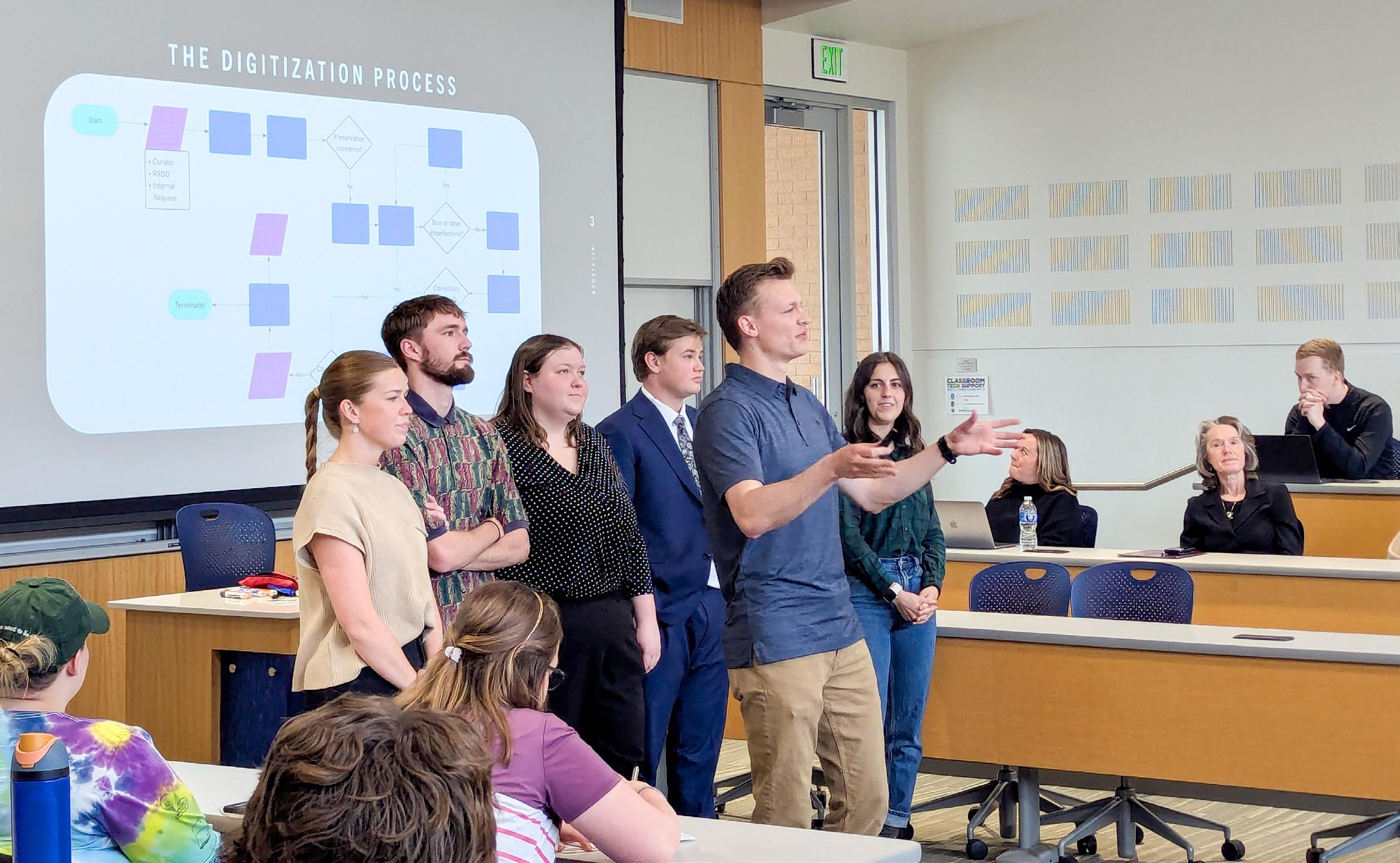
The library partnered with Operations Management (MGT 3700), a core practicum class in the Huntsman School’s Operations & Supply Chain Management minor, during the spring and fall semesters. Groups of 7–8 students analyzed and assessed processes in a range of real world library operations. These experiences gave students the opportunity to see how real processes function outside the classroom.
By watching how the library organizes, plans, and implements its work, students gained a deeper understanding of the systems and decisions that are necessary to provide our library services. This practical experience helped students connect academic concepts to real-world outcomes and see how data, collaboration, and process design play out in practice.
Collaborations such as these play a critical role in helping students enter the workforce with practical insight and give them a stronger sense of how their education translates to professional environments.
“The access you have provided to our students at the Huntsman School of Business has been the cornerstone of their learning. Allowing them to step out of the classroom and into your ‘Gemba’ to see operations in action has been a transformational experience for hundreds of future business leaders.”
Mike Dixon, Associate Professor of Operations Management -
Library Experiential Learning
Opportunities Propel Students
Toward Post-Graduate Success

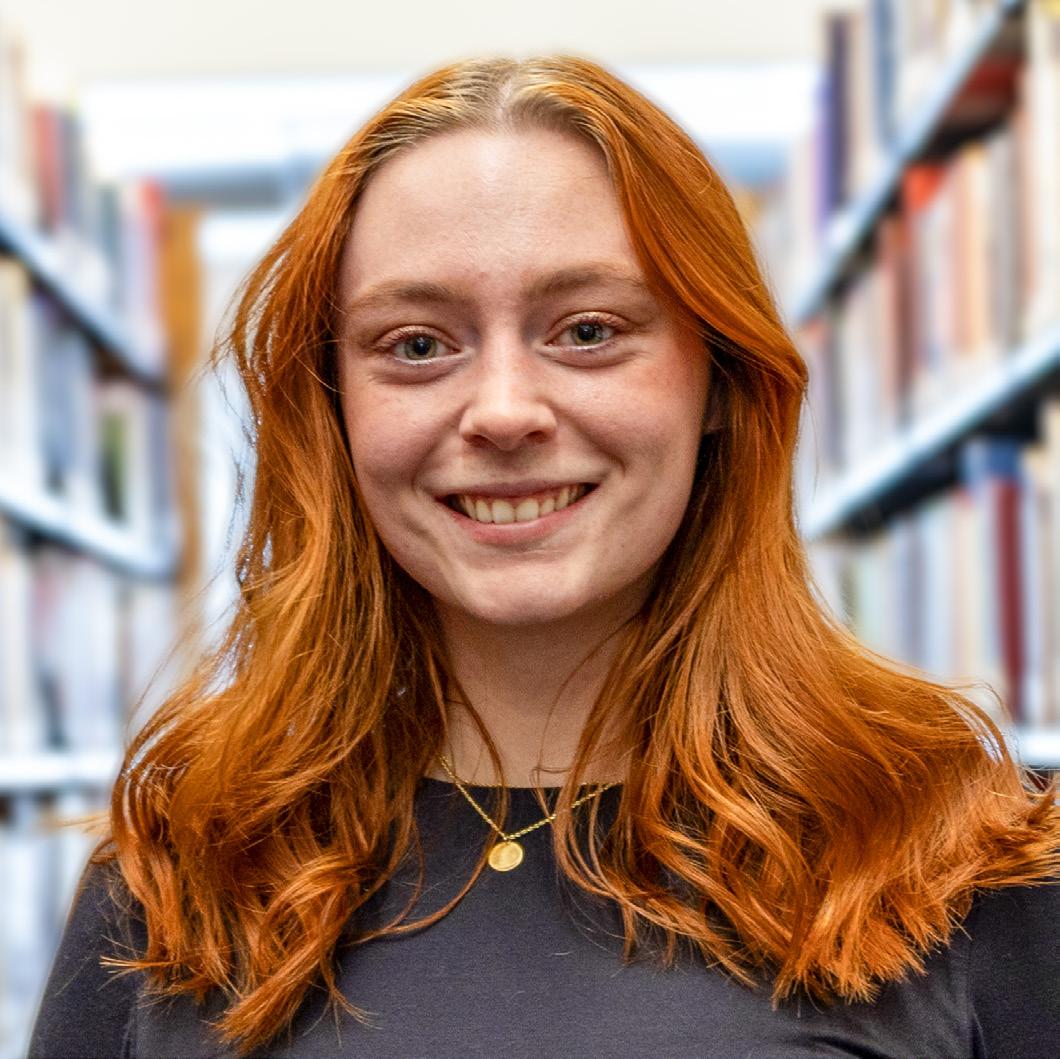
In Summer 2025, the USU Libraries partnered with the College of Arts and Sciences to offer a graduate assistantship focused on open science and publishing. The assistantship was made possible with funding from the Space Dynamics Lab. Adelynn Shirts, a third-year student in the Master of Data Analytics program, joined the libraries’ Research Support team in July and immediately began making valuable contributions to a variety of projects.
As the 2025 Small Satellite Conference got underway, Adelynn stepped in to support the library’s digital collection by uploading and providing quality control processes for all conference proceedings, developing programmatic workflows to streamline and improve the process. In addition to her work with the conference, Adelynn contributes to ongoing copyright and data services initiatives, using her programing skills to assist with permissions tracking, metadata cleanup, and repository management.
Adelynn also supports the capture of USU authors’ open access publications using automation, data extraction, and structured metadata processes to improve the accessibility and visibility of openly available research within the institutional repository, strengthening the libraries’ efforts to support transparent and equitable scholarly communication.
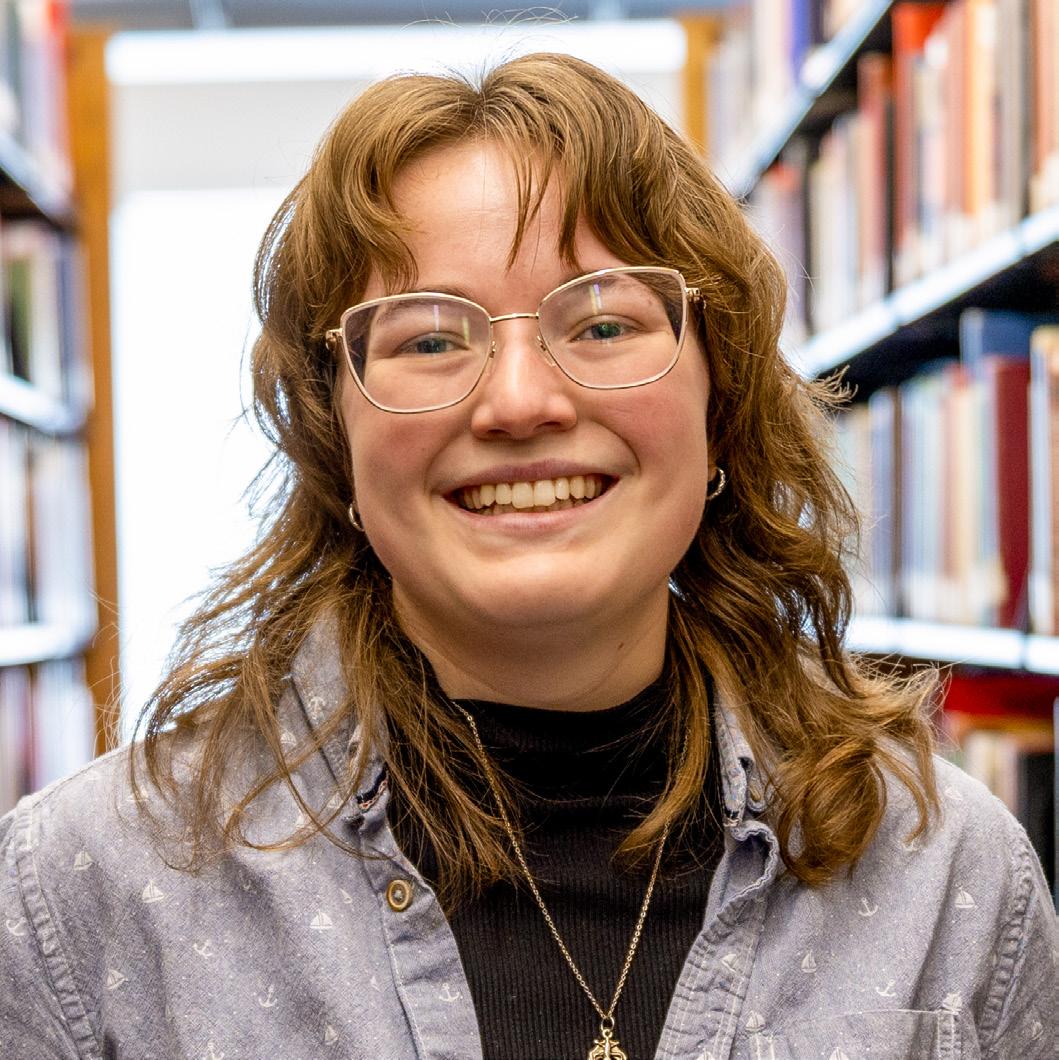
Sadie Olsen joined USU Libraries as a first-year undergraduate student assistant supporting the government information collections in 2022, and her work has become an integral part of her academic development. What began with basic inventory tasks has grown into specialized contributions, including copy cataloging new federal documents from national databases and assisting researchers in the Special Collections & Archives Reading Room.
Over the course of her time at USU, Sadie has described more than 20,000 Congressional Hearings from the Government Publishing Office’s National Collection—work that requires accuracy, persistence, and a deepening understanding of how government information is organized and accessed. These responsibilities have sharpened her research abilities, strengthened her communication skills, and given her the confidence to work independently in complex information environments.
In 2024, Sadie was recognized as one of the library’s Mehdi Heravi Scholars, an honor awarded to students who demonstrate exceptional performance and academic excellence. An English major pursuing a Museum Studies Certificate, she has deepened her interest in archives through coursework in Archival Research (ENGL 5300) and Archives Management (HIST 4945). After graduating in Spring 2026, she plans to pursue a master’s degree in English Literature with a focus on late Victorian British literature—building on the experience, skills, and professional foundation she gained through USU Libraries.
University Libraries
3000 Old Main Hill
Logan, UT 84322-3000
Mission
We support all people in discovering, creating, and sharing knowledge and diverse perspectives.
Vision
We strive to be the University’s nexus for curiosity, collaboration, and community.