Utah State University, Logan, Utah
Week of April 27, 2026
Utah State University, Logan, Utah
Week of April 27, 2026
By Avery Truman STATESMAN EDITOR
It’s been over 100 days since Utah State University
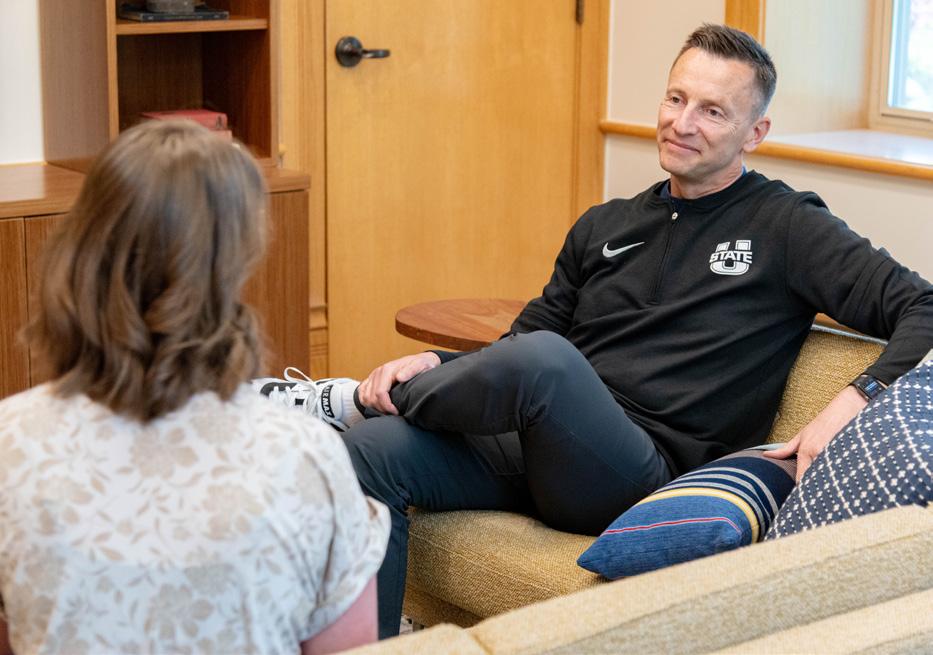
President Brad L. Mortensen’s inauguration on Jan. 16, and from dance sessions to performing “The Scotsman” at PoBev, he said interacting with students is a top priority.
About a month after his inauguration, on Feb. 17, Mortensen sent an email to USU employees outlining key goals surrounding operation, statewide campuses, extension and leadership title adjustments.
“There’s more that we can do to remove barriers from our students to help them progress,” Mortensen said in an interview with The Utah Statesman. “We’re just at this critical time in higher education, and we have the chance to reprove all the values that are in it. I think that we can really move the needle on student success at Utah State.”
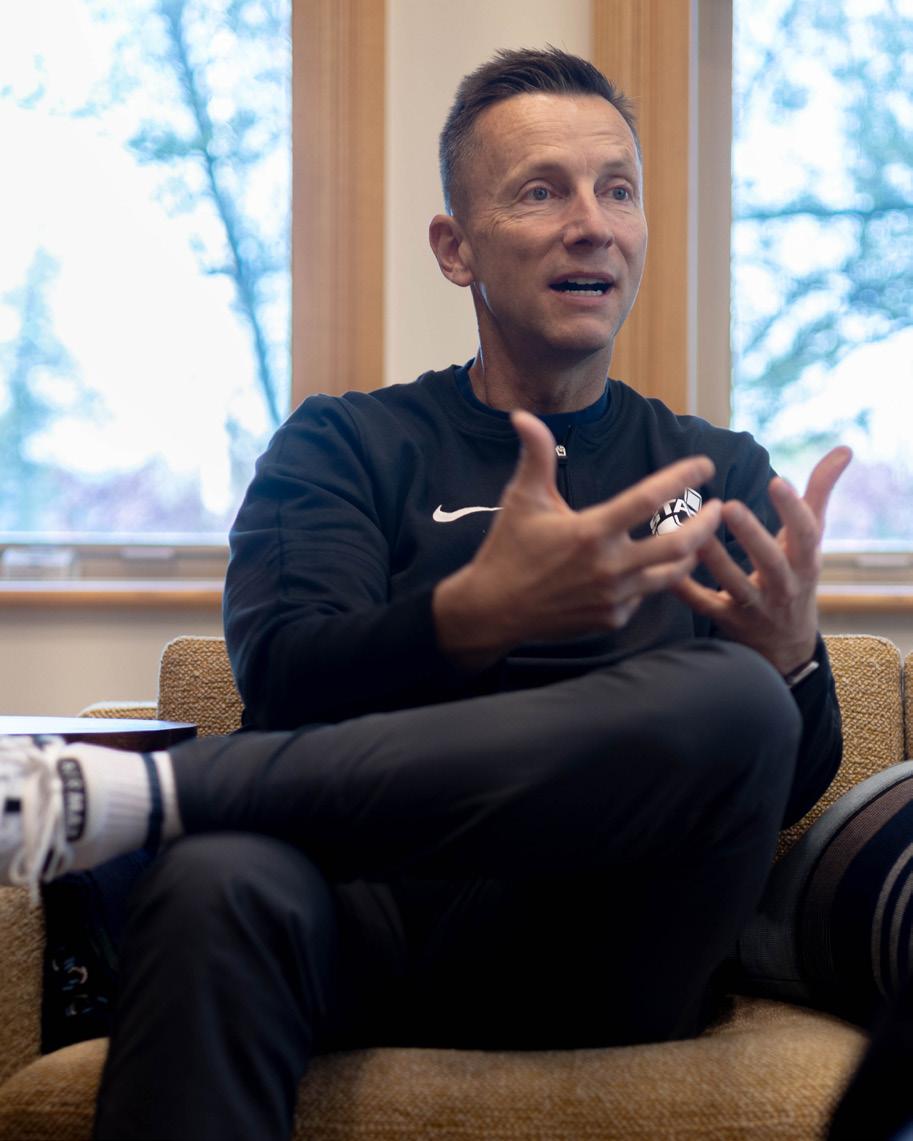
“I still have a lot to learn, but people have been so welcoming, more than I could have imagined or even asked for,” Mortensen said. “I just feel really lucky to be here and still feel that way every day.”
Mortensen said he remembers running up Old Main Hill to make it to class. Luckily, running is a hobby of his, and he has completed over 20 marathons.
“It surprised me how much it would mean to people that I was an alum,” Mortensen said. “That was important to me, but I didn’t realize how important that would be to other folks.”
“Statewide-ing” beyond the Logan campus
Mortensen said leaning into the statewide mission is one of the most important parts of his strategic plan — so much so that he’s coined the term “statewide-ing,” a verb used to describe the action of focusing on USU campuses beyond Logan.
“On the statewide campuses, there’s just a deep individual impact connection there that’s just a little bit different,” Mortensen said. “That has made a big impression on me to help realize we have this responsibility to make both parts — all parts — of the university be successful.”
Kristian Olsen, the deputy vice president of residential campuses, said this is the first time he’s seen a university president put so much emphasis on the statewide mission.
“Students in the statewide system often feel disconnected from USU,” Olsen said in an interview with the Statesman. “They’re many hours away from the main campus, but we have a president that is trying to create a structure and a system that says, ‘No matter where you are getting your USU education, you’re an Aggie.’”
Mortensen is the first USU president in recent history to attend an athletic event at USU Eastern, according to Olsen, who is based in Price.
“He cares about us as much as he cares about the students where his office resides,” Olsen said. “He’s spent a lot of time in statewide for his first 100 days. It’s pretty impressive the amount of time that he’s already spent.”
Brandon Sorensen, the 2025-26 USUSA President, said statewide is the hidden power of the university. Sorensen joined Mortensen on a tour to the statewide campuses shortly before inauguration.
the faculty and the staff do be the part that really shines about the university.”
For Mortensen, building trust comes with developing relationships within the community and being his authentic self.
“Building that deep trust is going to take time,” Mortensen said. “On the surface level, I think we’re getting there, but it’s going to take longer to get to that deeper, bonded kind of trust that I think we need to be successful.”
USU Chief of Staff Jessica Oyler, who has worked with Mortensen for seven years at Weber State University, said watching Mortensen get involved with students from day one was a rewarding part of the transition.

The return to Mortensen’s alma mater
The first 100 days of Mortensen’s presidency have been packed with events and meetings that kept him busy, but for him, it’s also been a time of reflection and nostalgia on his time as a USU student.
“It still doesn’t seem like it was that long ago that I was a student going to class,” Mortensen said.
Being the president of his alma mater is a surreal feeling, according to Mortensen, who said his favorite study spot as a student was in Champ Hall under the photo of Frances Winton Champ. The area, which used to be open to students, is now where Mortensen’s office resides.
“Most of the time that he’s not in office, he will be in town halls across the state,” Sorensen said in an interview with the Statesman. “He uses these times to meet these campuses that people really never interacted with, and I think that’s one of the things that stood out on that tour, was the amount of people that go, ‘We’ve never had the president visit us.’”
Restoring trust in the president’s office
Mortensen said one of his main goals is to restore trust and confidence in the work that happens in the USU President’s Office.
“When things are going good, people don’t think about it too much,” Mortensen said. “If there are too many things in the headlines, then it’s just a distraction from the great work, so I want it to just be like a well-oiled machine and let the great work that the students and
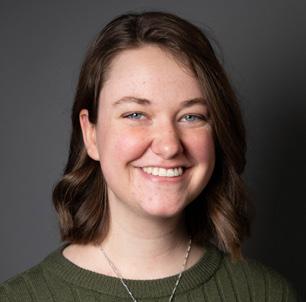
Avery Truman is the managing editor of The Utah Statesman, where she has worked since her first semester at Utah State University in 2022. She is struggling to come to terms with her impending graduation but knows the newspaper will be left in good hands.
— avery.j.truman@usu.edu
By Mia Nielsen STATESMAN REPORTER
Graduating Utah State University senior Laney Haines didn’t want to sacrifice her analytical side or her creative streak. In marketing, she found what she said is the perfect intersection of her interests.
“I was originally a psych major because I’m really interested in the way people think,” Haines said. She decided psychology didn’t provide the creative outlet she was looking for and switched to marketing.
“I chose it because I really loved art, and I also really like business,” Haines said. "You also have to think about the psychology behind things in order to market effectively.”
During her time at USU, Haines participated in the Huntsman Marketing Association, or HMA, the Stephen R. Covey Leadership Center, the Women in Business Association and Alpha Chi Omega.
“I think the school does a really great job with the clubs that they have. They pour a lot of money into the clubs, specifically in the Huntsman,” Haines said. "I've made so many friends and connections through them, and I think the clubs have honestly prepared me for the real world more than some of my classes have.”
Cassidy Creech, a professional practice assistant professor in marketing and strategy, is the faculty adviser for HMA.
“She's been in our marketing club for some time now, and she's done extraordinarily well,” Creech said. Creech said he hopes students like Haines leave HMA with technical skills they can translate directly into successful careers, connections and confidence.
“They should leave with a little bit of swagger, knowing that they belonged, that they've accomplished hard things, that they can do amazing things and that they have something to offer in the real world,” Creech said.
During Haines’ time in HMA, students competed in teams to present an event marketing strategy to Next Meters, a Cache Valley-based water meter company. Haines' team took first place.
“Laney’s team developed a go-to market strategy for a proprietary system that Next Meters had, and this was specifically a strategy that they tailored for the hospitality industry,” Creech said. “It was a really exciting new way of helping the client to access a new category of customers that they hadn't been able to reach before.”
According to Creech, Haines' team created remarkable value for the company by tapping into the voice of hospitality.
Haines said her experience with HMA and a venture marketing class with Russell Fisher has helped her feel the most prepared for the workforce.
"If you're ever thinking of becoming an entrepreneur or doing something in that space, Russell Fisher will break down everything you need to know about wanting to be an entrepreneur, launching your own business, branding,” Haines said.

She also recently visited Fiji, alongside 40 other students, with the Covey Leadership Center.
The group was split in half and went to two separate remote villages, where students taught local youth principles from Covey’s “7 Habits of Highly Effective People.”
“We stayed in a house with a family, and they cooked us their meals every night, and we would go to the farm and farm with them,” Haines said. “They would teach us how to weave baskets and their traditional dances. It was such a rewarding experience.”
Haines eventually hopes to start her own marketing consulting firm. After graduation, she intends to gain experience working for another firm.

Mia Nielsen is a sophomore studying plant science and journalism. When she’s not writing, she enjoys live music, driving up Logan Canyon and daydreaming about moving to Spain.
Barker Alyssa Caywood
Colvin
Martin
McNeill
Moore
Nielsen
Peterson
Shelite
Ferraro

By Bailey Daniels STATESMAN SENIOR REPORTER
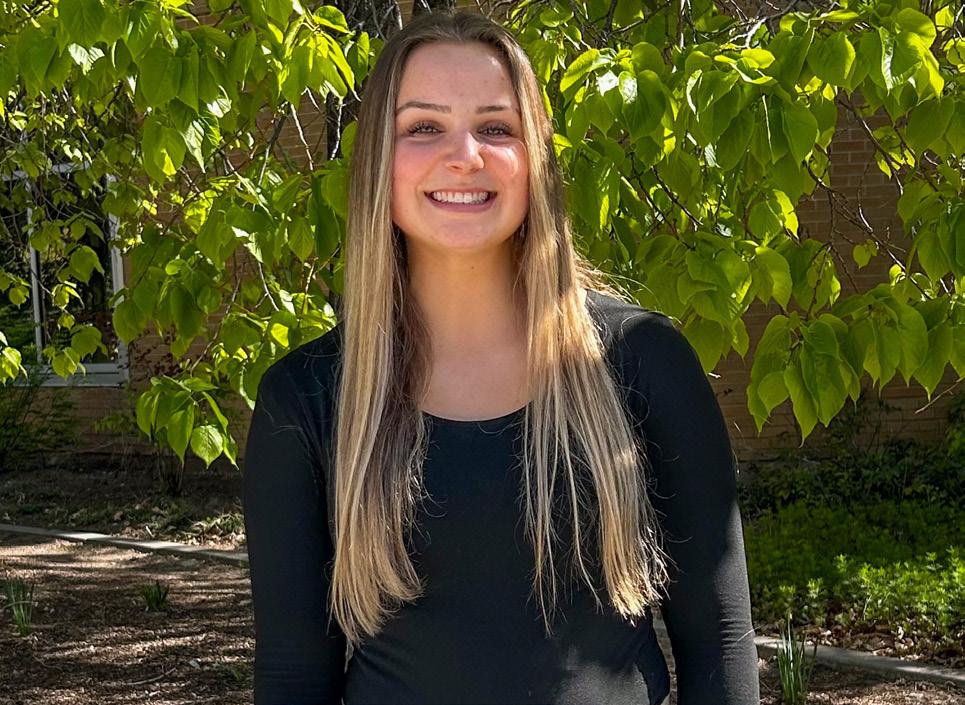
As graduation nears, Utah State University senior Brooklyn Danner is looking back at her time at the university, from being a student to a co-founder.
Originally from Houston, Danner shared that she always wanted to go to school in Utah.
“I came up my senior year and toured USU with my dad. I just fell in love with the campus,” Danner said. “Everyone was so friendly. Everyone was talking with the tour guide on tour, and they knew everybody.”
Danner will be receiving her bachelor’s degree in computer science. For the past two years, she has been working at the USU ASPIRE Engineering Research Center on software for electric vehicle chargers.
She is also an ambassador for USU, leading tours for potential students, just like the tour guide who originally inspired her to attend. Instead of taking classes her senior year, she has been in a program called Sandbox, where students are given 15 credits to start a business. The business Danner has co-founded with her cohort is called Optile.
“It’s software for physical therapy clinics. The average clinic loses, like, $50,000 a year just from patients rescheduling. If someone moves their appointment, then it leaves behind a whole hour that they can’t fill,” Danner said. “We go in, and we fill those appointments. When someone moves, we backfill. We know the patient's
availability, we know the clinic’s availability, and we match them together.”
After graduation, Danner plans to move down to Vineyard and work on the business full-time.
Chad Mano is a professional practice associate professor in the USU College of Engineering and someone Danner stated had a big impact on her during her college career. Mano shared a specific instance that stood out to him while having her as a student.
“Brooklyn shattered her wrist when she fell while walking backwards giving a tour to prospective Aggies,” Mano wrote in an email to The Utah Statesman. “Over a
year later she got a black eye and broke her nose. When she told me both stories she did so with a big smile on her face like it was no big deal.”
Mano said he thinks being a great presenter and very intelligent technically can be a rare combination, especially among computer science majors. Despite this, he believes her to possess both.

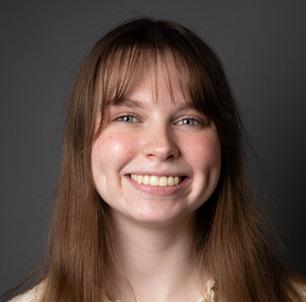
Bailey Daniels is a senior studying technology systems. She loves Lana Del Rey, sweet treats and all things whimsical.
— bailey.daniels@usu.edu
By Jillian Peterson STATESMAN REPORTER
Recitation leader and Aggie Math Learning Center contributor Nathan Estes is graduating with a major in mathematics and statistics and a minor in American Sign Language. Estes originally came to Utah State University to study physics, but after one semester, he decided to make a switch.
“I realized what I liked about physics was the math and statistics, so I decided to switch over to the math program, and I’m glad I did because the math department here is fantastic,” Estes said.
While not participating in undergraduate research in a traditional way, he was still able to do research for the university.
“I did some data analysis for the Aggie Math Learning Center, so while not formal research, it was a great opportunity to apply what I was learning in my classes to real-world data,” Estes said.
The data Estes collected was used to build a dashboard that visualizes traffic to the center to help directors gauge needs for future growth and hiring.
Estes was also involved as an undergraduate by becoming a statistics recitation leader.
“I have really enjoyed getting to work with a lot of different students. I’ve also found that teaching content helps me make sure that I fully understand the material so I can teach it,” Estes said.
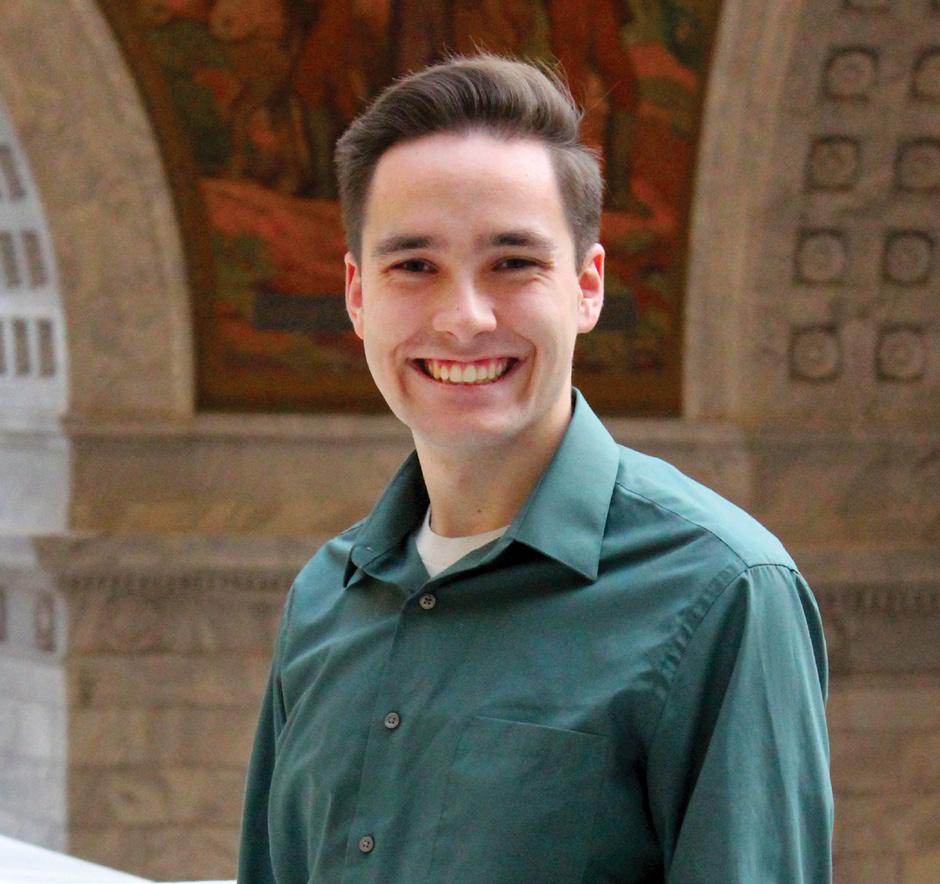
Nathan Estes
While in this role, Estes explained, he has enjoyed the collaboration between students and professors.
“It’s been a fun networking opportunity, and as a people person, it’s just a fun social environment,” Estes said.
Estes was assigned to work for Jenny Clements, a mathematics and statistics lecturer, who said he has been a phenomenal recitation leader.
“He is extremely bright. He picks up on new information very quickly,” Clements said.
Clements added that she appreciates his motivation to help students.
“He’s very personable and friendly, and I feel like he creates a safe space for students to learn,” Clements said.
In addition to this work, Estes also became a certified ASL interpreter.
“I did ASL in high school and thought it was really cool,” Estes said. “Then, I spent some time down in Texas and met a bunch of people down there in the ASL community.”
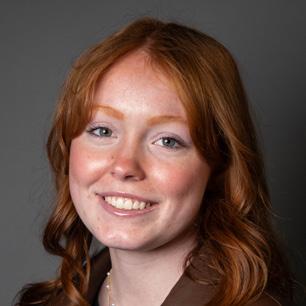
Jillian Peterson is a sophomore studying communication and media. She is a big fan of concerts, snowboarding and the Taco Bell drive-thru.
By Essence Barnes STATESMAN SENIOR REPORTER
When Carli Mano arrived at Utah State University, she wasn’t sure what she wanted to study. Four years later, they’re graduating with a degree in visual arts and a passion for printmaking that helped them find both community and purpose.
“I took the intro printmaking class when I was just a general arts major,” Mano said. “I had really, really enjoyed it, and I felt like it was a really good community there, so I wanted to keep going.”
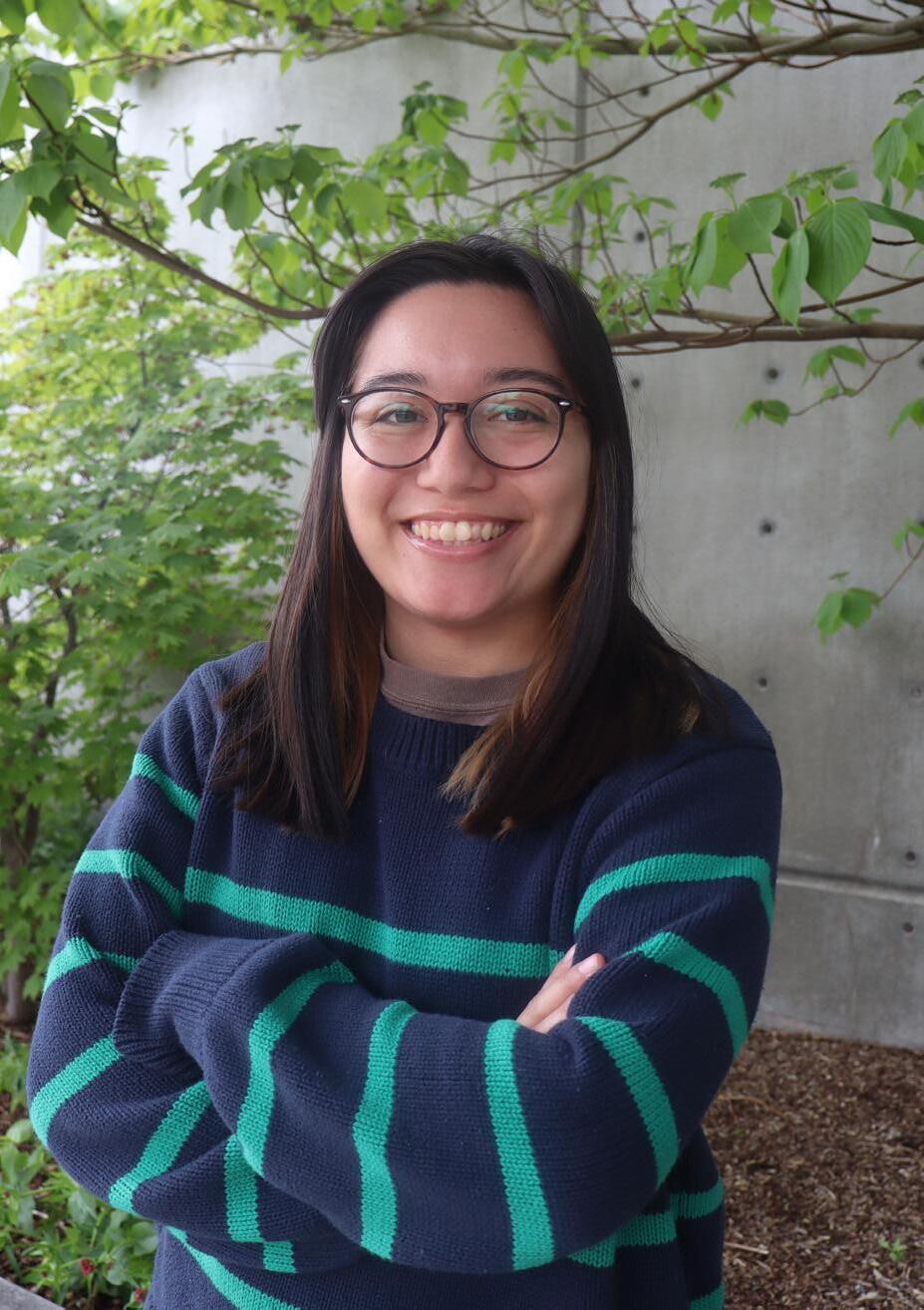
Mano quickly became enamored with the process of transferring artwork from a matrix like wood, metal or screen onto another surface like fabric or paper.
“How I like to explain it is it’s kind of like old school stuff, like things that not a lot of people are doing anymore,” Mano said. “My focus has mostly been in relief printing, so I do wood and linoleum carvings.”
She continued to take higher-level courses before being encouraged by her professor to apply for a Bachelor of Fine Arts with an emphasis in printmaking.
“Bachelor of Fine Arts is the more professional degree that lets you do, like, graduate programs,” Mano said. “I
do, at some point, think I want to go to graduate school.”
One of the professors who had an impact on Mano was Holland Larsen, the printmaking studio manager and instructor for the USU College of Arts & Sciences. Larsen taught Mano in a few different printmaking classes and described their skills and passion as “something to be reckoned with.”
“Carli has this amazing quiet confidence that I rarely see in students,” Larsen said in an interview with The Utah Statesman. “She’s proficient in all of the different techniques that we do in printmaking, but her specialty that her thesis work was on was multiple reductive relief printmaking.”
Mano’s thesis capstone was a series of reductive relief woodcuts that tell the story of her family and took four semesters to complete.
“My whole project was about telling a piece of the Japaneses American story, referencing stories that I grew up hearing of my family and also referencing old photographs,” Mano said. “The story I’m telling is revolving around the era of World War II, which was a really hard time in Japanese American history.”
Mano said her great-grandparents were forced to leave their home in California after the bombing of Pearl Harbor, when Executive Order 9066 forced the removal of “all persons deemed a threat to national security.” Many of those people were Japanese Americans.
“They left everything behind, sold everything they had for like cents on the dollar ... my great-grandparents and two little kids in a truck driving out to Utah, and they lived in a chicken coop. That’s all they had,” Mano said. “My grandpa talks about how his dad says they were never able to get ahead again.”
Larsen said the way Mano blended personal, historical and familial research into their own style and color palette made a significant impression on her as an educator.
“It’s not very often that I’ve had a student that can make work that is so serious and emotional,” Larsen said. “But then gets done with her work and starts making very light-hearted work that’s more like who she is in the dayto-day.”
Mano described herself as reserved and anxious in high school but was able to find community and come into her element in the USU Art & Design Department.
“One thing that I always like to say is that I feel like I found my people,” Mano said. “The art school has been the most welcoming place ever. I feel like I’ve made more friends than I ever have in the rest of my life, and I think some of these friends I’ll probably keep for a really long time, even after school.”
Larsen was a witness to Mano’s growth, saying they excelled as a natural leader with an inviting and silly personality.
“I think people say this all the time, but she’s a really great leader in, again, the kind of quiet, calm way,” Larsen said. “The other BFA students that are not younger than her but not graduating yet definitely, I think, look up to
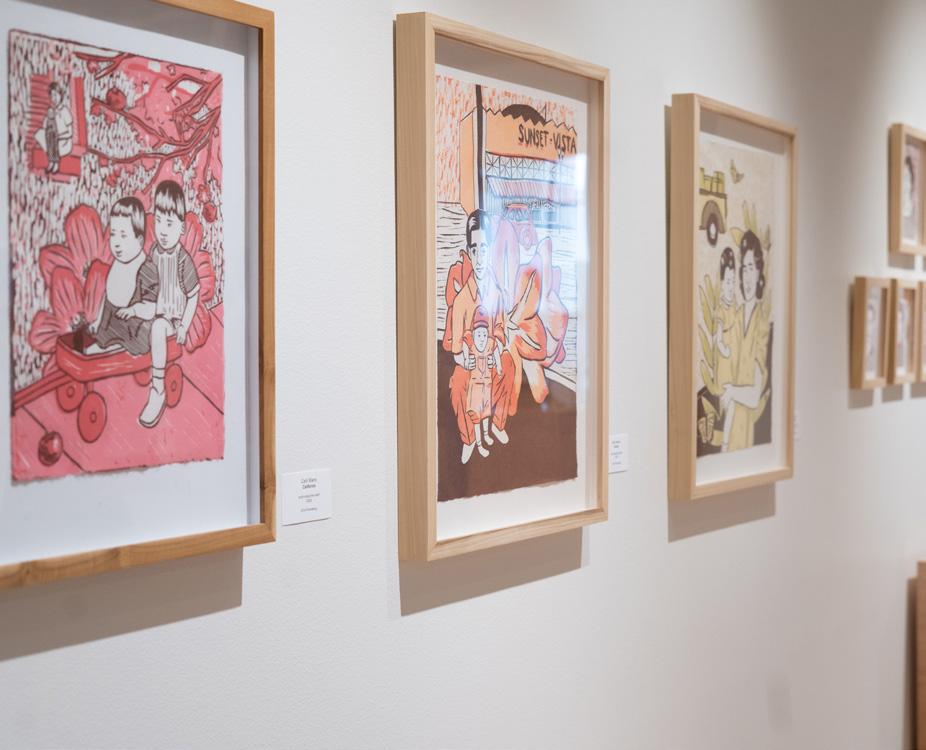
her and are in awe of the work that she does because of her work ethic.”
Throughout their time at USU, Mano also worked at the Nora Eccles Harrison Museum of Art as a museum attendant and visitor services supervisor. Being surrounded by art and a supportive team has inspired her to pursue work in both the printmaking and museum fields after graduation.
As they look ahead to life after college, Mano said their time at USU has been defined by discovery and connection, built one carefully carved layer at a time.
“I would say the best thing that I’ve had is, one, the community and two, exploration,” Mano said. “College is a big time to explore what you want to learn and who you want to be, and I think that USU has really given me a good chance to do that.”

Essence Barnes is a third-year student majoring in journalism who enjoys reading, writing and storytelling.
— essence.barnes@usu.edu
By Jayke Martin STATESMAN REPORTER
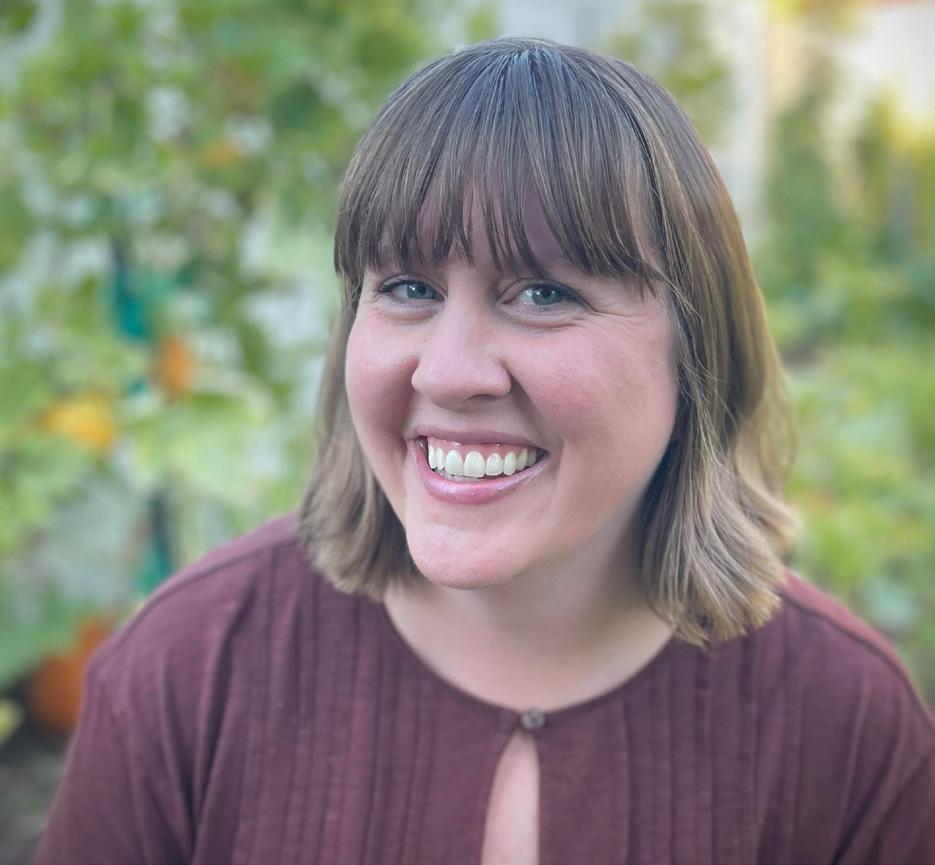
Utah State University student Alisa Fawn McArthur is graduating after building a path through history, folklore and museum studies while balancing family responsibilities, work and nonprofit leadership.
McArthur, a history major with a folklore minor and museum studies certificate, began her college education at Salt Lake Community College, where she earned associate degrees in history and English before spending 10 years living in the United Kingdom.
“The love of history has always been there and felt clear, and it just made sense when I came back to pursue that,” McArthur said. “It wasn’t until I started to wonder what a career with my passions looked like that I discovered that there was a museum study certificate at Utah State.”
After returning to Utah, McArthur considered finishing her degree at another university but said the experience did not fit her needs as a nontraditional student.
“They were not quite as supportive and flexible of a nontraditional student who has children and works multiple jobs,” McArthur said.
She later transferred to USU, where she said she found stronger institutional support.
“Every single adviser I have ever spoken to has been so
supportive of me and my situation and so encouraging,” McArthur said.
McArthur balanced her studies with raising four children, working part-time for an online school and helping run a nonprofit organization called Nourishing Kin, which
focuses on folk traditions and ancestral practices tied to Northwestern European heritage.
“It’s been exhausting,” McArthur said. “I’m ready to catch my breath.”
At USU, McArthur completed a museum internship in Centerville, where she collected oral histories and helped build a Women’s History Month exhibit focused on local women’s stories. The project drew nearly 600 visitors across six events, compared to the typical 100 visitors per month for the museum, McArthur said.


Jayke Martin is a junior studying journalism with a minor in theater. She loves reading and meeting new people.
— jayke.martin@usu.edu

By Alyssa Caywood STATESMAN REPORTER
Passion”, “drive” and “responsibility” are three words natural resources peer adviser and Utah State University Wildlife Society Vice President Sophie Peterson used to describe graduating wildlife ecology senior Kennedy Price.
“Kennedy is a real go-getter,” Peterson said. “I look up to her.”
Price, a wildlife ecology and management major, said her four years at USU were shaped not only by the academic aspect of her classes and studying but by the connections she built through campus involvement.
“Kennedy is an amazing student who has taken advantage of all the opportunities at Utah State to enhance her education,” said Price’s academic adviser Stephanie Myers.
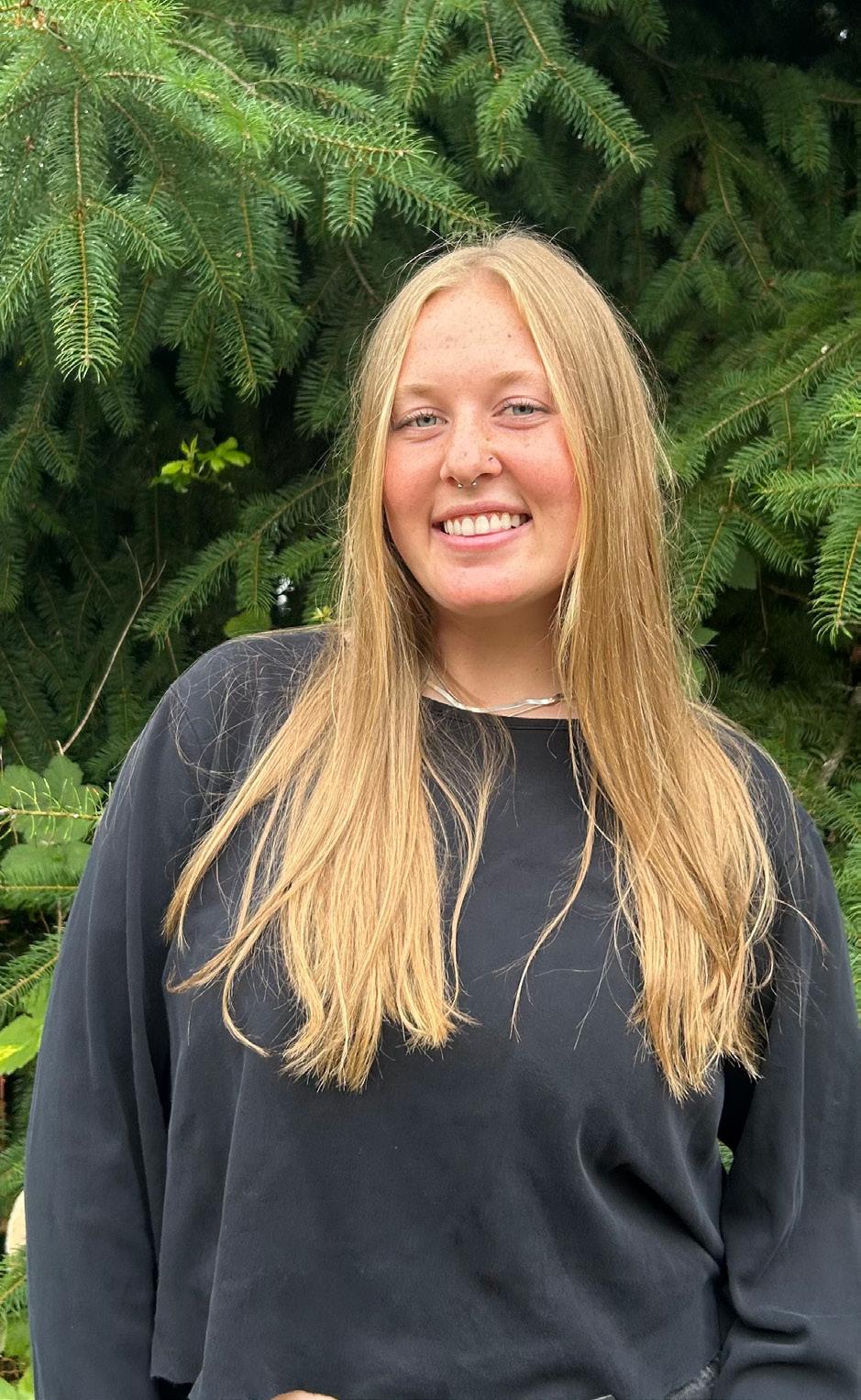
Natural Resources Student Council president and the natural resources representative on the Honors Student Advisory Board.
“Being able to work with her has been great,” peer adviser and Wildlife Society board member Ashley Starr said. “We both want to do all of the things that we can and being able to support each other while we do those things and help each other out has been great.”
Participating in these experiences opened up many opportunities for Price to get involved with her college and build new relationships.
“I got to meet a ton of new people,” Price said. “I really formed a super deep connection with the culture of my college.”
Through these experiences, she was also able to make an impact on other people’s lives by helping them better their college experience, according to Myers.
“Kennedy has an ability to relate to people and to set them at ease when they come in,” Myers said. “She seems to be able to problem-solve and create opportunities and solutions to pretty much anything that she comes across.”
These skills helped her build close friendships and act as a mentor to her peers and friends.
“Kennedy is one of my inspirations here at college” Peterson said.
Price’s involvement also extended to hands-on responsibilities. She helped care for animals housed in the Natural Resources Building, including a salamander, lizard and frog — a role she said she’s especially proud of.
“I was in charge of the cool animals that everyone likes to come see,” Price said.
Through her involvement and her leadership roles, Price said she gained more than just experience. She said she developed stronger time management skills and a broader perspective.
Price has always loved animals. Before she decided to dive into wildlife ecology, she was originally interested in becoming a veterinarian. She said she found her path after discovering opportunities to work with wildlife in natural environments.
“I found out you can monitor wildlife in their natural environment and help make it better for them,” Price said.
Outside the classroom, Price said one of the most memorable parts of her experience was the annual
Logger’s Ball hosted by the S.J. & Jessie E. Quinney College of Agriculture & Natural Resources. This event, inspired by post-logging season celebrations, brings students together each November for live music, activities and community.
“It’s like the more the merrier,” Price said. “Everyone just comes, and it’s super fun.”
Price plans to continue her education by pursuing a master’s degree at Northern Illinois University.
“I know that the program that she’ll be involved with for her master’s degree will be better because Kennedy is a part of that,” Myers said.
As she prepares to graduate, Price encourages incoming students to take advantage of campus opportunities early.
“Go to every basketball game,” Price said. “Just get involved. It totally changed my college experience.”
Looking back, Price said the university’s community stands out most.
“I think Utah State is super fun,” she said. “The culture and atmosphere on campus — that’s what makes it.”
Alyssa Caywood is a first-year student at USU studying journalism. She loves anything outdoors from backpacking to snowboarding to water skiing. She loves to write and is stoked to be working with the Statesman. — alyssa.caywood@usu.edu
After her first year and getting used to college, Price said she immersed herself in campus life. She has taken on many roles, including participating in student government, leading clubs and working as a peer adviser. She became president of the USU Wildlife Society and represented natural resources students as both the
By Emma Barker STATESMAN REPORTER
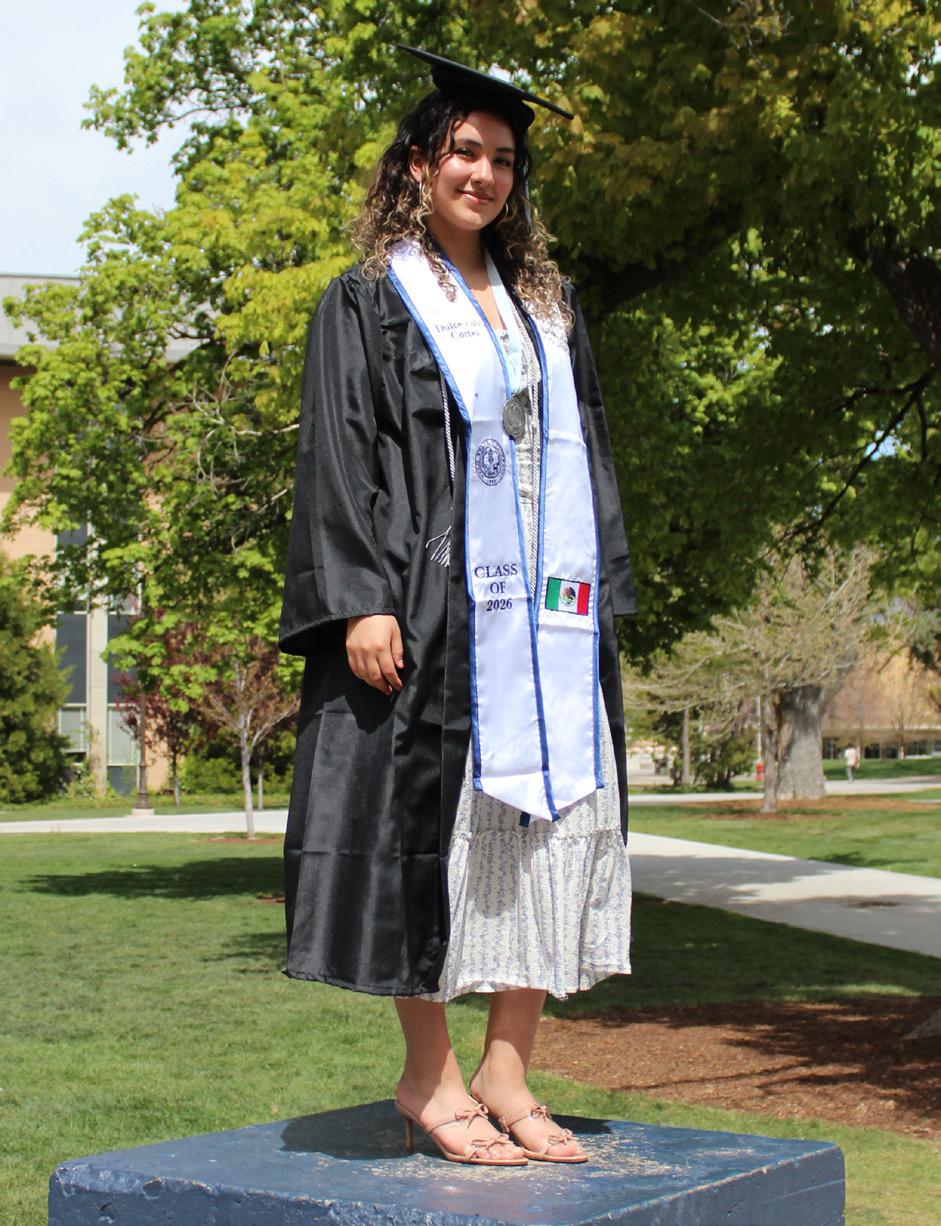
Dulce Cortez will cross the graduation stage at Utah State University on May 1 with a bachelor’s degree in psychology and human development and family studies. She finished the degree in three years while working full-time. In the fall, she plans to start pursuing a master’s degree in special education. For Cortez, her graduation as a first-generation student also symbolizes changing the cycle and earning a degree for previous generations.
“They’re going to live their life through me — the life they weren’t given the opportunity to live — just to show them that it is possible for people like us Latinas to get degrees,” Cortez said.
In the audience of Cortez’s graduation will be her mother, Fabiola Perez, who sold her home in California and moved to Logan seven months ago just to be at the ceremony.
“It feels like I achieved one of my biggest goals in life,” Cortez said. “It just feels like a dream come true.”
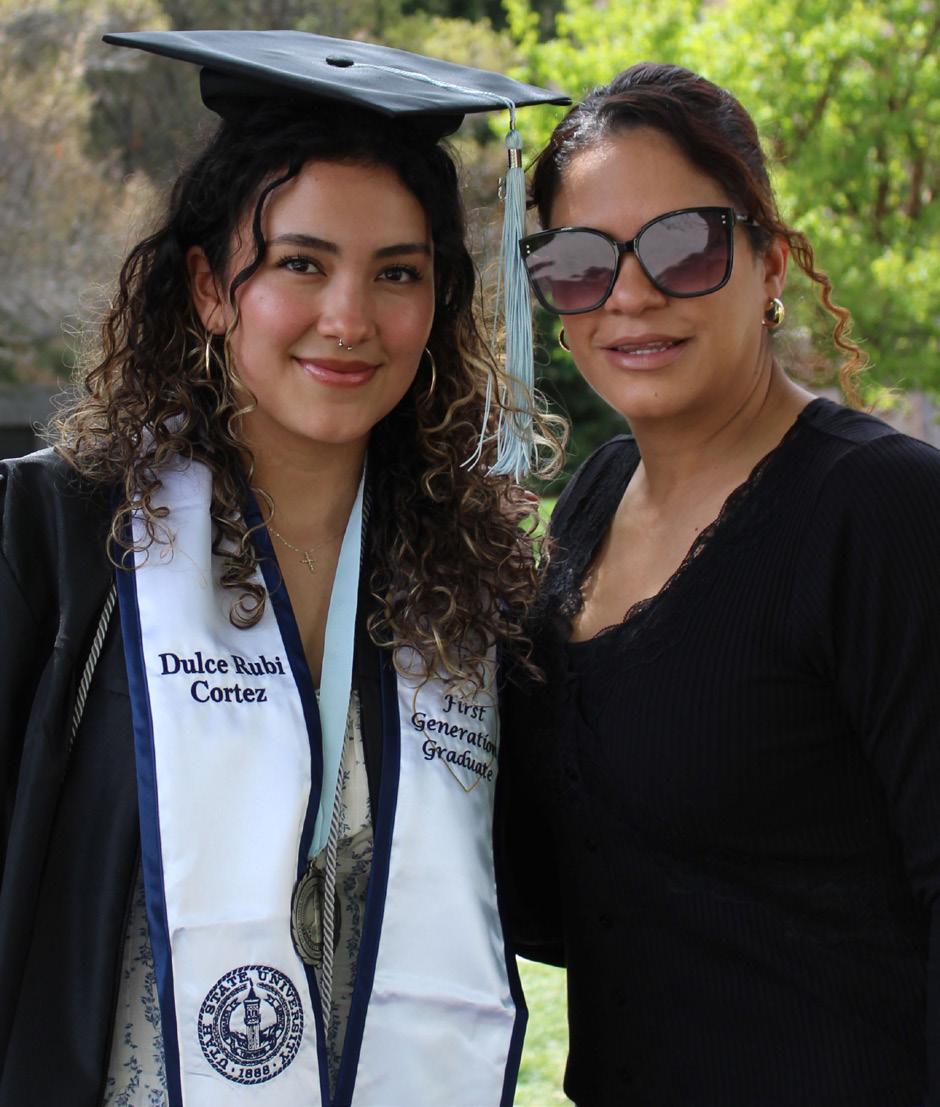
shifts to clean the entire clinic — mopping floors, sweeping — and sent whatever extra she could to Cortez for school.
“I did it with love,” Perez said. “It wasn’t something I was ashamed of. I was proud of doing whatever it took.”
While Cortez was growing up, her mother enrolled her in soccer, volleyball, piano and science programs. She always worked, Perez said, and always pushed for better opportunities.
“I always knew she needed to be out there making a difference,” Perez said. “She came to this world to save me.”
The advice Perez passed down stayed with Cortez through all her hardships. Cortez said it was her motivation to keep going when things were hard. The first was “ponte las pilas” — put your batteries in, get it done. The second was, “You stand as one but come as 1,000,” meaning the people who came before you are always in the room.
“My ancestors who crossed borders, who have been killed, who have been tortured, for me to get this opportunity — this degree is not only for me. It’s for them,” Cortez said.
“She loves the clients she works with, and you can definitely tell she cares about what she is doing,” Lewis wrote. “She is great at reflection and deciding what to do to help make the situation better.”
Cortez applied to USU’s special education graduate program and was accepted. She plans to become a boardcertified behavior analyst at Opal.
Cortez said her experience as a first-generation Latina student shaped the way she shows up for her students and the families she works with.
“When there’s a family of color who comes in looking for ABA services, I feel so close to them,” she said. “I am here for you. If you need translation, I am here. If you need support, I am here.”
Through every essay and discussion board written on her phone, Cortez said she kept showing up for the same reason: She was not doing this alone.
“She was always the loudest one cheering in the background,” Cortez said of her mother. “I’ve never noticed anybody else because she was always the loudest one there.” Cortez wanted to break the cycle, not only for herself, but for who comes after her.
“I wanted to break that cycle and make a new one so that way my future kids can continue that new cycle,” Cortez said. “I am so lucky that they have worked every day, so many hours, to help me pay for this future.”
For Cortez, May 1 was never just her day. Her grandmother, who helped raise her alongside Perez, is in California receiving chemotherapy for leukemia and cannot be there in person. Cortez said when her name is called, all three of them will cross that stage together in spirit.
“She always tells me, ‘We did it together,’” Perez said. For other first-generation students just starting out, Cortez’s advice is to approach it with love, not stress.
“If you even have that itch of going to school, it’s because you’re meant to go,” she said. “You belong there. Just because you’re different from everyone else doesn’t mean you can’t do it — if anything, it means you can do it 10 times more.”
Cortez grew up in South Central Los Angeles, raised by Perez and her grandmother. These are the two women Cortez said gave her every opportunity they never received. Perez crossed the border from Mexico at 11 years old and raised Cortez as a single mother. When scholarships left them with a gap in funds, Perez stayed after her dental office
Cortez worked full-time as a registered behavioral technician throughout her degree. She moved and completed her full-time coursework online to balance both. She became drawn to applied behavior analysis, or ABA, after working as a paraprofessional at Providence Elementary, where she was able to watch a board-certified behavior analyst build individualized programs for students in her class.
“I really liked how dedicated they are to every kid and their needs,” Cortez said.
Kylee Lewis, clinical director at Opal Autism Centers in Logan, has worked with Cortez across two clinics.
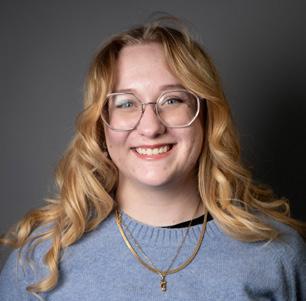
Emma Barker is double-majoring in journalism and communications and sociology. When she’s not reporting, she enjoys spending time with her dog and husband, thrifting and attempting to keep her sourdough starter alive.
— emma.barker@usu.edu
By Rory McNeill STATESMAN REPORTER
Over the past four years, Utah State University aviation student Korbin Kane has taken advantage of every opportunity to excel as a student and help lift up all those around him. From helping to lead the USU Flight Team to national competitions to recruiting new students to come to Logan, Kane has been a leader and an example for the university across his entire collegiate career, according to his parents and professors.
Kane’s passion for aviation has been lifelong. Since he was a kid, Kane has dreamed of taking to the skies and traveling the world, doing everything in his power to make that dream come true.
“His journey started when he was four years old. He looked up, and that’s when he knew he wanted to be a pilot. It’s very rare that someone that young knows they want to be something and then follows through with it with every fiber of their being,” said Kane’s father Thomas Kane. “Korbin’s passion helps him be dedicated to his craft. Every waking moment goes towards his craft and becoming a pilot.”
In addition to his own interest, Korbin Kane comes from a family of pilots. His grandfather and uncle were both pilots for the United States Air Force, and his cousin is also
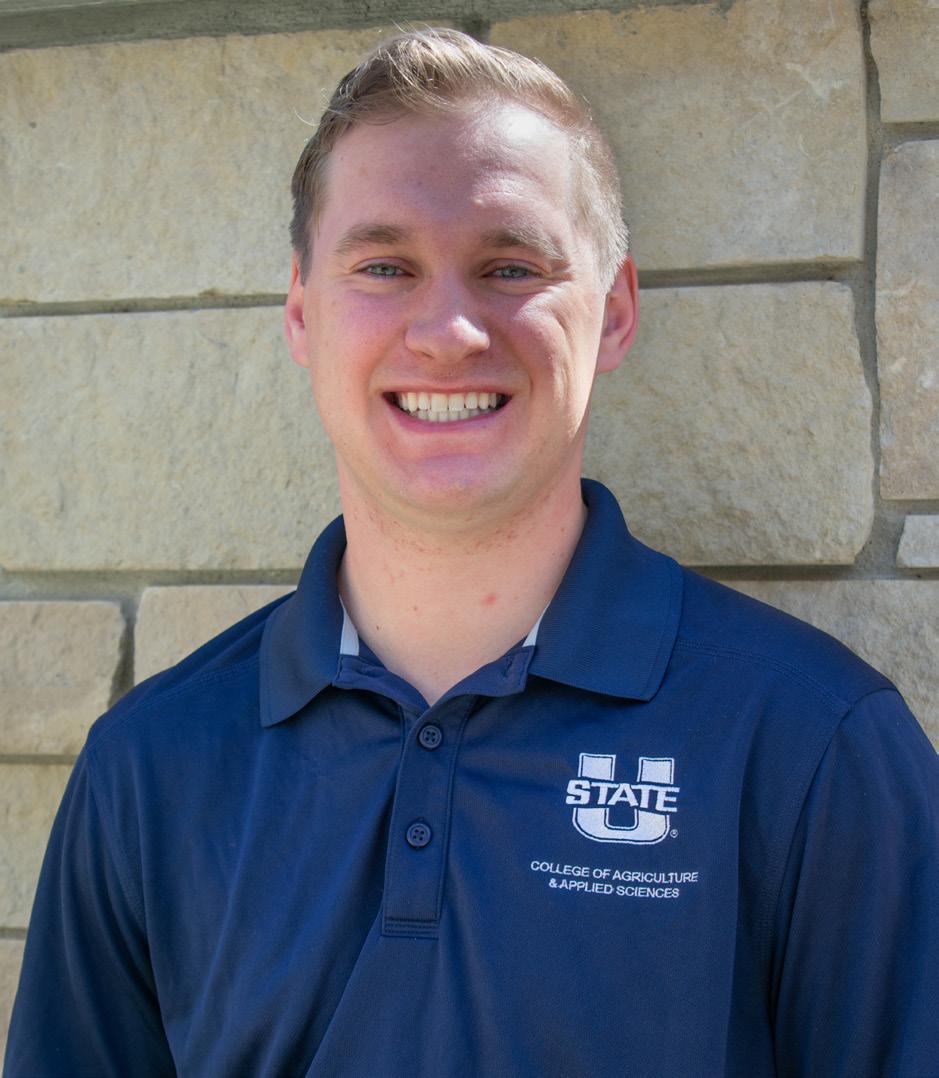
a graduate of USU’s aviation program. Kane said these examples helped solidify his goals of becoming a pilot and guide him through the process.
While working through the aviation program, Kane has helped USU’s Flight Team prepare for and succeed in regional flight competitions, as well as prepare for the upcoming national competition. The team competes against other aviation programs from around the country in various events, from ground scenarios and tests to flying skills.


Rory McNeill is a sophomore from Rocklin, California studying mechanical engineering.
— rory.mcneill@usu.edu


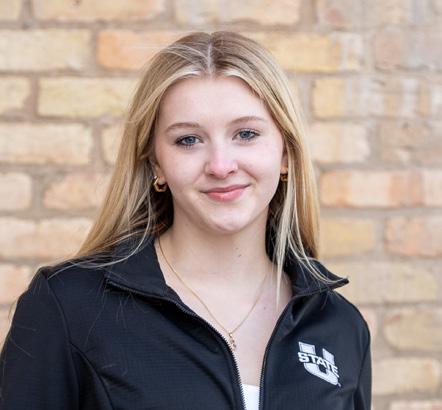

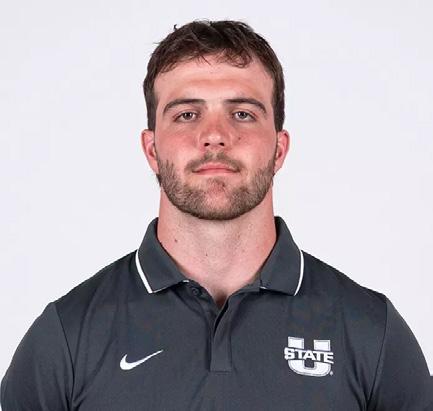
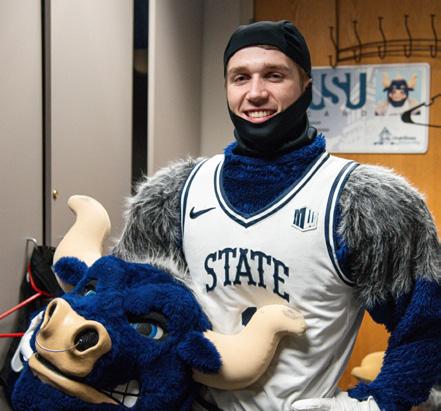
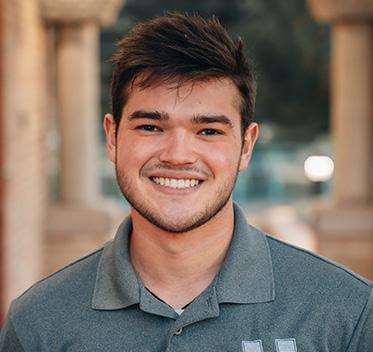
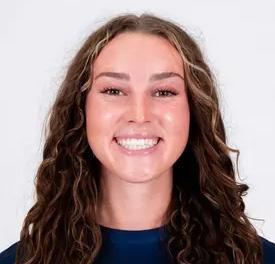
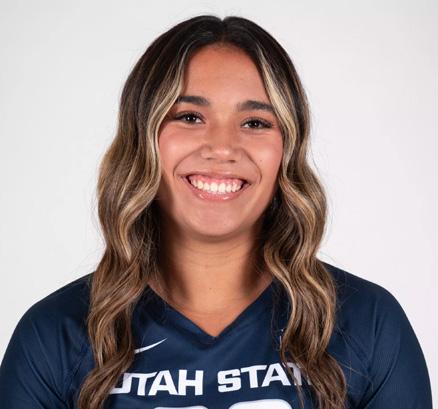
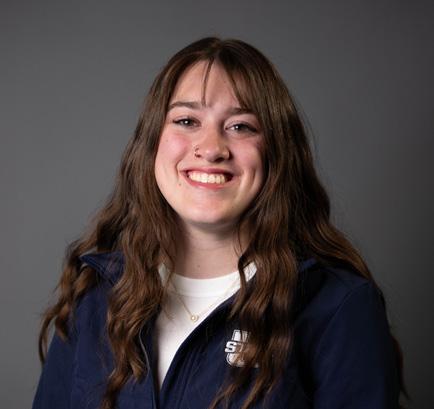
The Utah Statesman has highlighted 50 Influential Aggies each year since 2015.
The individuals were nominated by students, faculty, staff and the campus community, then selected by our editorial board. The Utah Statesman staff is privileged to honor these people for their contributions to Utah State University.
To view the 50 Influential Aggies from past years, visit usustatesman.com/50-aggies.




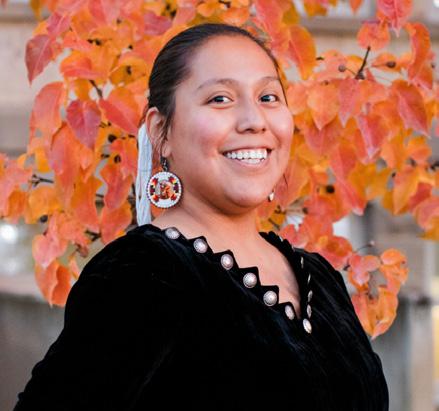



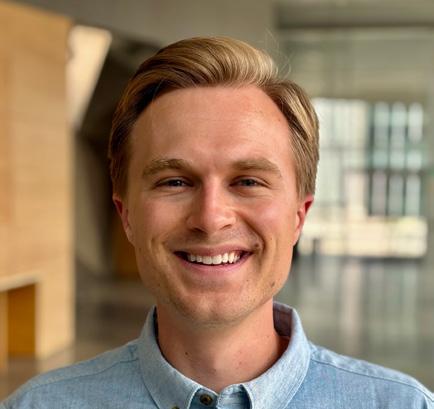
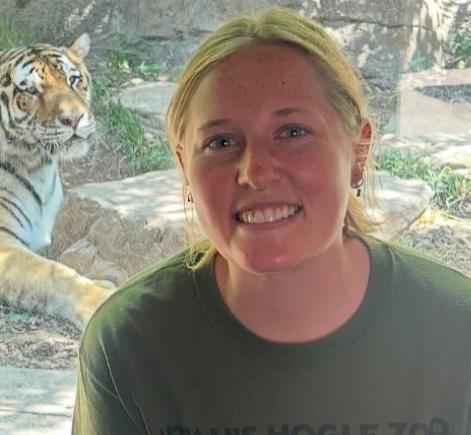
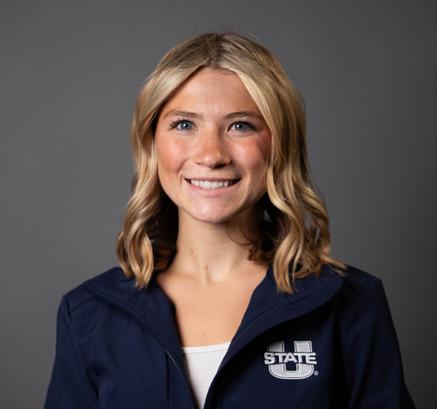












By Emma Shelite STATESMAN REPORTER
In the modern landscape of college athletics, loyalty is a rare currency. With the transfer portal offering a quick exit and coaching carousels spinning faster than ever, seeing a player stay in one uniform for more than four years is an anomaly. For Broc Lane, the decision to remain a Utah State University Aggie through three eras of head coaches and countless roster shifts wasn’t just about football. It was about the community he found.
Now, as the Chandler, Arizona native prepares for a potential career in the NFL, he looks back on a legacy defined by consistency, academic rigor and a “full circle” connection with his final head coach.
When Bronco Mendenhall accepted the head coaching position at Utah State, he wasn’t just inheriting a roster. He was inheriting a player he had known since that player was a teenager. The connection between the two is a rare bit in college sports. Back in 2020, Lane was the freshman dorm roommate of Mendenhall’s son Breaker Mendenhall.
At the time, Bronco Mendenhall was coaching at the University of Virginia. Through his son, he began to hear stories of a tight end in Logan. Years later, while coaching at the University of New Mexico, Mendenhall found himself on the opposite sideline, game-planning against the very athlete he had heard so much about as a parent.
“I learned about Broc, really as a parent of a son who’s playing on Utah State’s team,” Mendenhall said. “Never in a million years did I imagine that I would now be coaching at Utah State at some point and that Broc would still be here.”
Mendenhall described Lane as an “exceptional human being” and a “foundational element” for any program.
To the coach, Lane represents the bridge between the program’s past and the disciplined culture Mendenhall is currently establishing in Cache Valley.
Lane’s journey began in 2020, a year defined by the global pandemic and massive shifts in the NCAA. While many of his peers sought new opportunities elsewhere as coaches came and went, Lane stayed put.
“It’s been a lot,” Lane said, reflecting on the various head coaches who ran the program differently. “Some people don’t like the culture change, but I enjoyed all the different players I got to meet and get to be a part of.”
His time on the field was not without its trials. Lane battled through numerous injuries. However, his commitment to showing up never wavered. Kendra Gilmore, the head football athletic trainer at USU, witnessed this resilience firsthand.
“Broc is one of those guys who works hard every day,” Gilmore said. “He faced a lot of adversity in his time
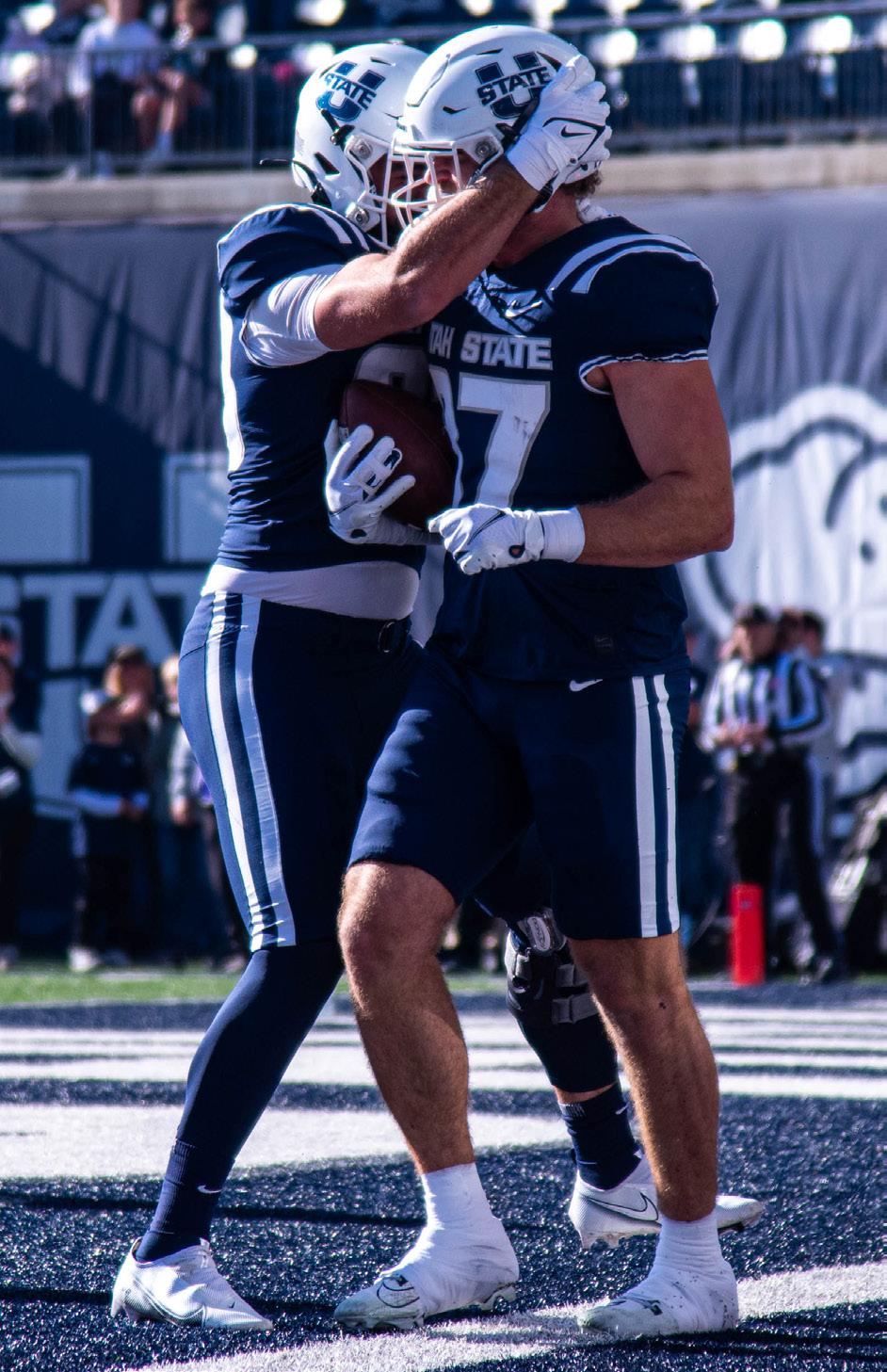
that I’ve known him here, and he handled it so well. Even if he couldn’t do what the team was doing, he would always show up and root for them, cheer for them and do what he could.”
For Gilmore, Lane wasn’t just another student-athlete on the training table. He was a mentor to the younger tight ends and a constant source of support for the staff.
“He made a difference in my life,” Gilmore said. “He is part of what makes me want to do what I want to do, which is to work with athletes like him and people like him.”
The “student” half of the student-athlete equation was something Lane took just as seriously as his routes on the gridiron. After majoring in exercise science for his undergraduate degree, Lane pushed himself further by pursuing a Master of Business Administration. The transition from undergraduate studies to a master’s program while playing Division I football was a significant hurdle. Lane said while his undergrad years felt manageable, the master’s program required a total shift in discipline.
“It was tough balancing both,” Lane said. “I went from doing maybe an hour or two of school a week to doing an hour or two of school a day, which was definitely a little bit of a shock for me.”
Whether Lane was in the film room or the library, he was focused on being a well-rounded representative of the university. When asked why he chose Utah State in the first place, Lane points to the very thing that keeps many people in Logan: the pace of life. Coming from the fast-paced environment of Arizona, the mountains offered a sanctuary.
“I just love the small town,” Lane said. “I love the mountains right on me, feeling all mellow up there. It was a spot where I could just focus on school and football and not have too many distractions.”
That focus has led him to his current “Plan A,” training for a shot at the NFL. As he awaits invitations for tryouts, he remains the same fiery competitor Mendenhall describes, yet he is grounded by the degrees he worked so hard to earn.
“I’m working for that opportunity and praying that it works out,” Lane said.
As Mendenhall looks to the future of Utah State football, he said he sees Lane as the blueprint. He wants players who represent the values of Cache Valley, players who are tough, physical and sportsmanlike, but above all, grateful.
“Broc has the character, he has the talent, he has the experience,” Mendenhall said. “But more importantly, he’s the type of person that you’d like to have as a foundational element when you’re building a program.”
Lane’s legacy at Utah State is not just written in the stat books but in the culture he helped sustain through half a decade of change. He leaves Logan as a two-time graduate, a mentor and a loyal Aggie who truly “left it all on the field.”
“I was really lucky and fortunate to be his coach,” Mendenhall said.
Emma Shelite is a senior pursuing a bachelor’s degree in communications and journalism. Her writing is fueled by Dr Pepper and an extroverted personality.
— emma.shelite@usu.edu
Everyone is welcome - come learn and celebrate with us!
Throughout the school year, Center for Community at Utah State University hosted events bringing students and community members together to connect, learn, and celebrate long standing traditions.










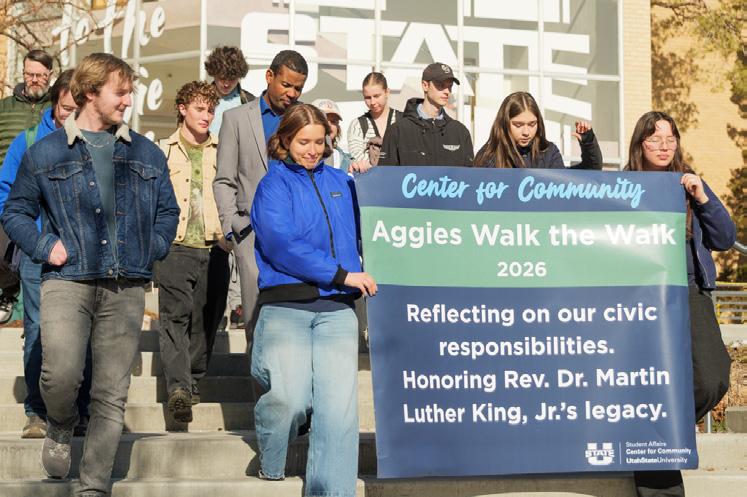

April 27, 2026
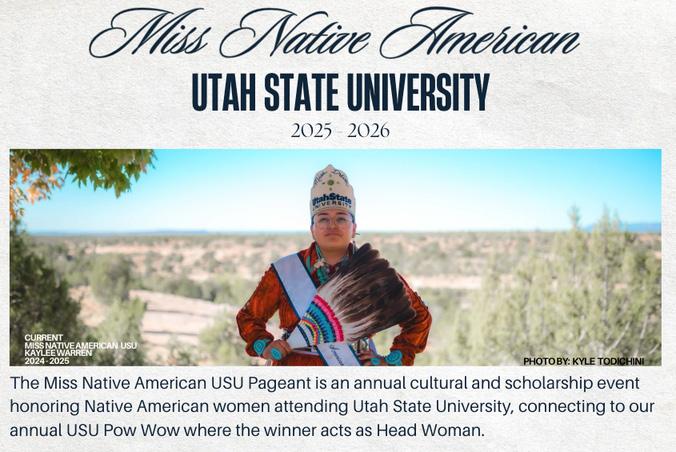



Our work continues beyond one event or one semester Visit our website to explore events planned for the 2026–2027 school year and join us as we continue celebrating community and long standing traditions at USU
Come celebrate at our 6th Annual Juneteenth Community BBQ
Everyone’s welcome, and it ’s completely free!
Interested in volunteering? We’d love to have you! Email us at community@usu.edu
Questions? Call us at (435) 797-0446
We're here Monday–Friday, 8:00 AM to 5:00 PM TSC 227 and 314 Friday, June 19, 2026, at Bridger Park in Logan, Utah 5:00 p.m. to 8:00 p.m.

Half-read books, full schedules and a gentle nudge to keep turning the page
If you were to look at my nightstand right now, you would learn two things very quickly. First, I have excellent taste in books.
Second, I am incredibly good at almost reading them. There’s a stack — not decorative, not curated, just a working pile of good intentions. On any given night, it includes “Where the Deer and the Antelope Play,” “Lose Well,” “The Perilous Adventures of the Cowboy King” and, somewhat optimistically, “Bag of Bones.”
It’s still on the nightstand.
I bought “Bag of Bones” after hearing it had been banned in some Utah schools. There’s something about being told not to read something that makes it feel more necessary. Not urgent, necessarily, but important in a quieter, more stubborn way.
I haven’t finished it.
But it’s still on the nightstand.
I come by that honestly. Both of my parents were librarians at different points in their lives. Books weren’t decoration in our house. They were how you learned things. How you understood people. How you made sense of the world. How you escaped.
My dad, especially, read with purpose. He had stacks too, but his were finished, annotated, underlined. He had a particular interest in Theodore Roosevelt, the plight of the Boston Red Sox and the Douglas DC-3. I’m certain every book ever written about these subjects passed through our house at some point, each one read cover to cover, notes taken, opinions formed.
He finished books to understand the world.
I start them to keep up with it.
Somewhere in my stack is a worn copy of “Hatchet.” I read it countless times growing up, fully convinced I could survive in the wilderness if the moment ever called for it. Back then, finishing a book felt inevitable. You started, you finished, you moved on.
Now, it’s different.
Not worse. Just … fuller.
There are more tabs open these days. More things pulling for your attention. College turns into careers. Deadlines into responsibilities. The list of things to finish gets longer and the time to finish them gets shorter.
So sometimes, things stay in progress. Still on the nightstand. And yet, every once in a while, one sticks.
For me this year, that was “Big Two-Hearted River,” a short story by Ernest Hemingway written in 1925.
North of Sun Valley, Idaho, up in the Sawtooth Range, there are stretches of water that don’t ask much of you. Small streams. Cold water. The kind of place where you cast, wait and hope for tight lines, but you’re just as content if nothing bites.
You stand there anyway. You listen to the water move. You

stay longer than you planned. This read felt like that.
If you’ve spent any time with Hemingway, you know the rhythm. Sparse. Deliberate. Nothing wasted. The kind of writing and the kind of place that reminds you not everything meaningful needs to be rushed to completion to matter.
I finished that one. Not because I set out to but because I didn’t feel the need to hurry.
That same feeling is what keeps me coming back to “Where the Deer and the Antelope Play.” Nick Offerman — yes, Ron Swanson — writes like someone who understands that paying attention is sometimes more important than making progress. A chapter here, a few pages there. It lingers.
And then there’s “Lose Well.” Chris Gethard — whose work, from his public access variety show to “Beautiful/ Anonymous” podcast, leans into something honest: Most of life is trial and error. Trying, missing, adjusting, trying again. Not always clean. Not always finished.
I didn’t finish that one either. But I didn’t need to. Which is where I’ve landed.
We put a lot of emphasis on finishing. Finishing school, finishing projects and finishing strong. There’s value in that. There’s pride in seeing something through.
But not everything meaningful needs to be completed to matter.
Sometimes, the value is in what you carry with you. A sentence. An idea. A shift in perspective. Something small that stays, even if the bookmark never makes it to the last page.
Sometimes, it’s enough that it’s still on the nightstand. Which brings me, inevitably, to “Oh, the Places You’ll Go!”
For the record, I have finished this one. It turns out I can finish books. They’re just usually about 50 pages long and written for people much wiser than they get credit for.
It’s quoted often this time of year and for good reason. Not because it promises a straight path but because it makes room for the stalls. The in-between places. The moments where progress doesn’t look like progress at all.
And still, you keep going.
I’ve said this enough that it’s followed me around a bit, but I mean it every time:
I would challenge you ...
Not to finish everything. That’s not realistic. And it’s not really the point.
But to pick one thing. One book, one project, one idea you’ve been carrying and see it through. Not quickly. Not perfectly. Just intentionally.
I’m planning to do the same.
Because as much as I believe not everything needs to be completed to matter, some things are worth finishing. So no, I didn’t finish most of these books. They’re still on the nightstand.
But maybe one of them won’t be for much longer.
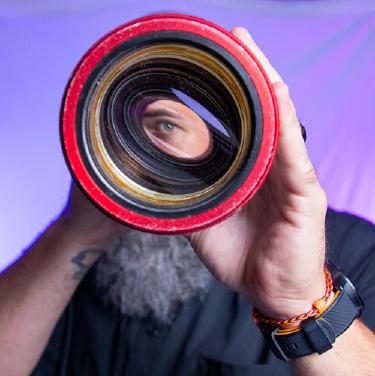
John Zsiray is a 2005 graduate of USU with a growing stack of almostfinished books on his nightstand. He still believes one more fish — and one more chapter — are within reach.
— john.zsiray@usu.edu







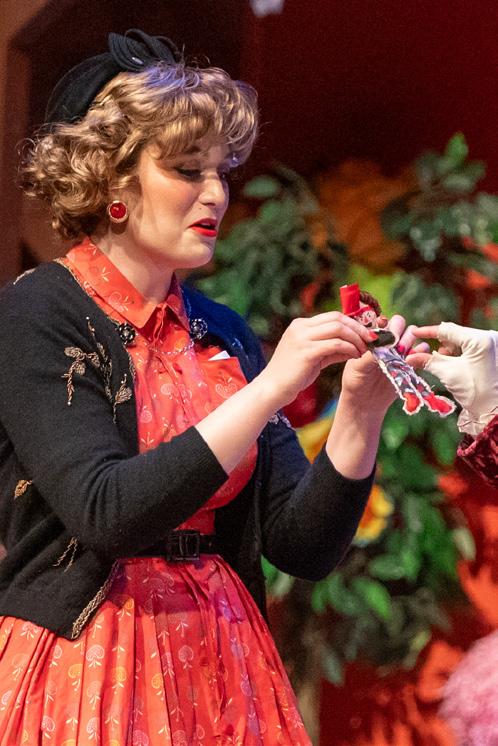
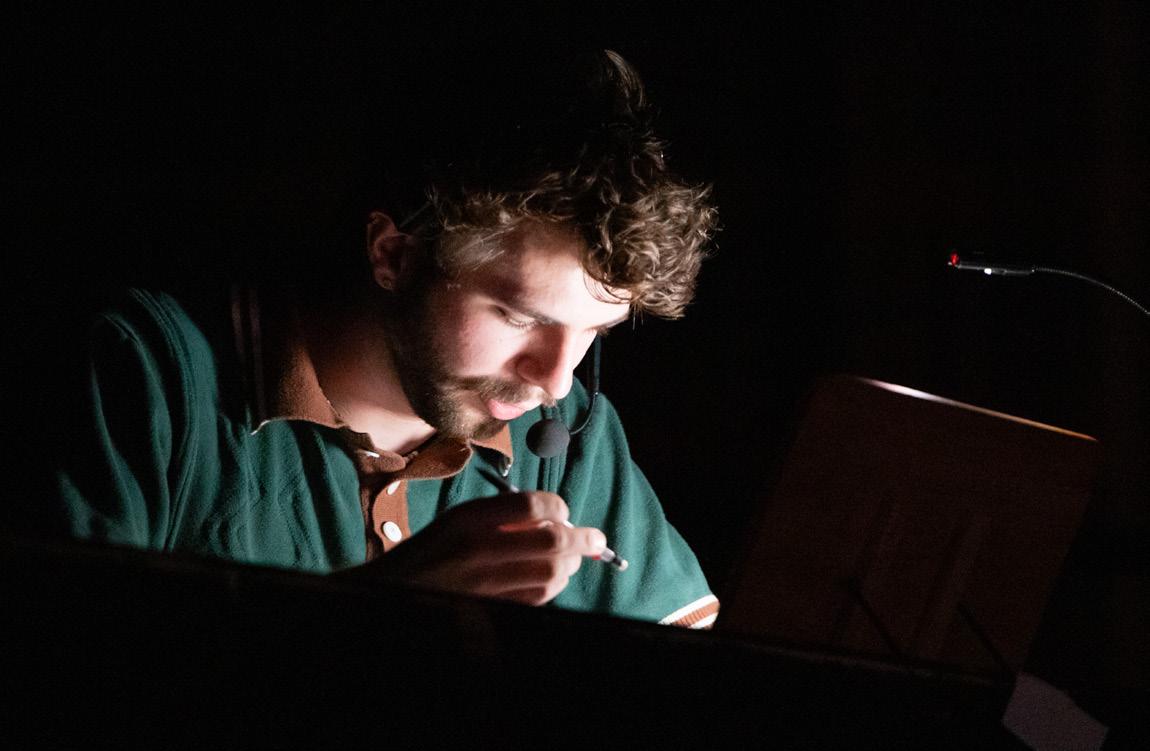
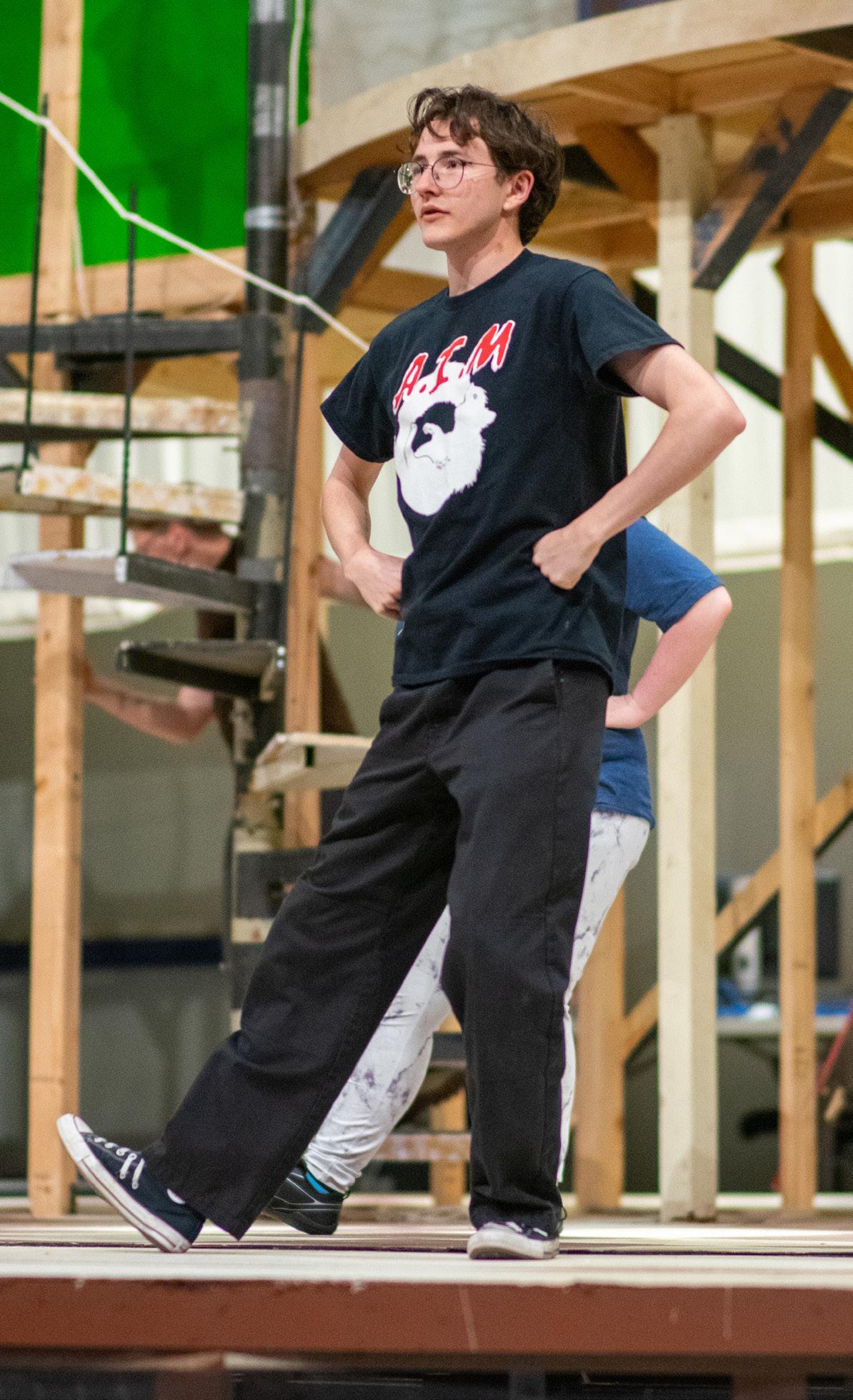
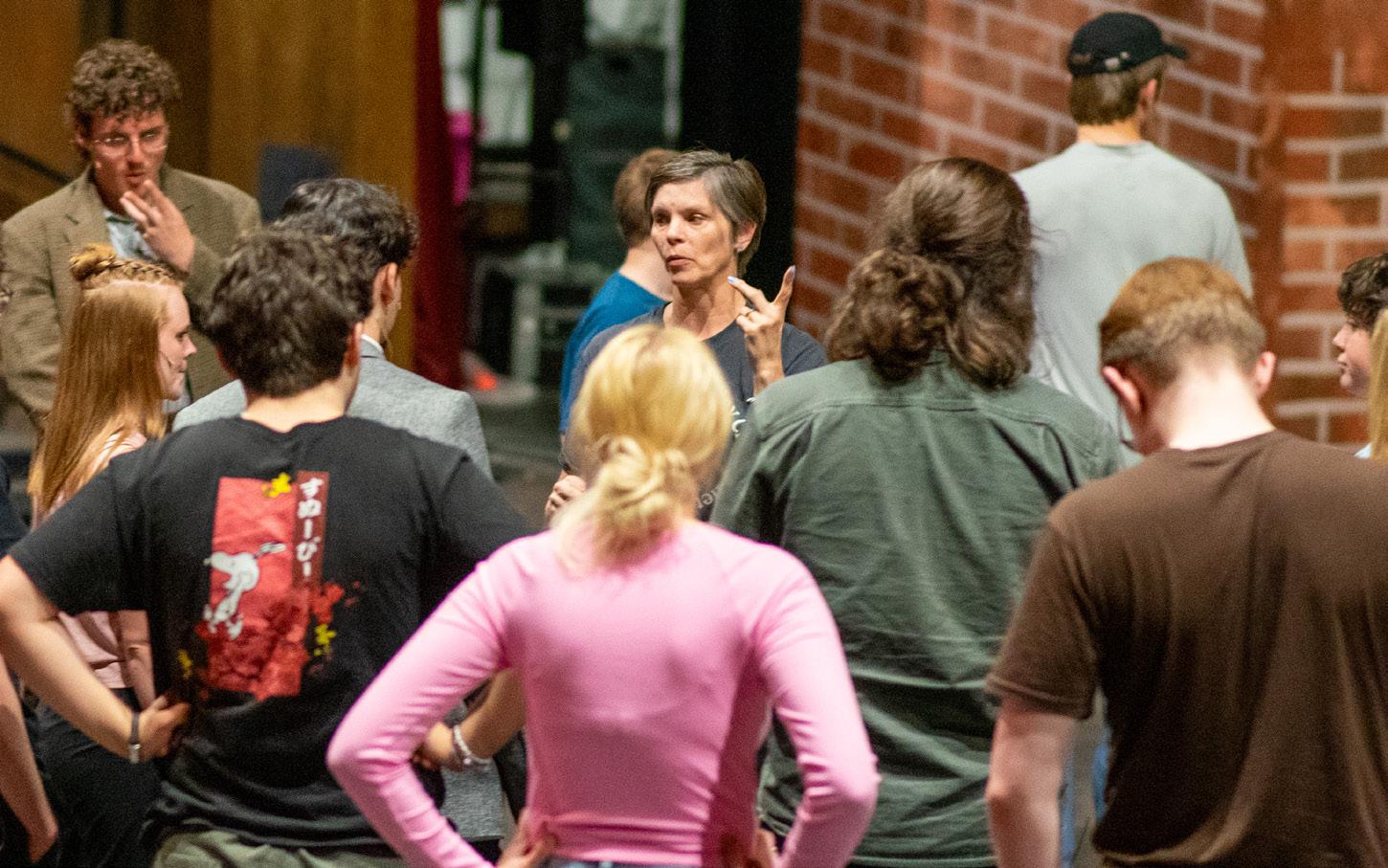
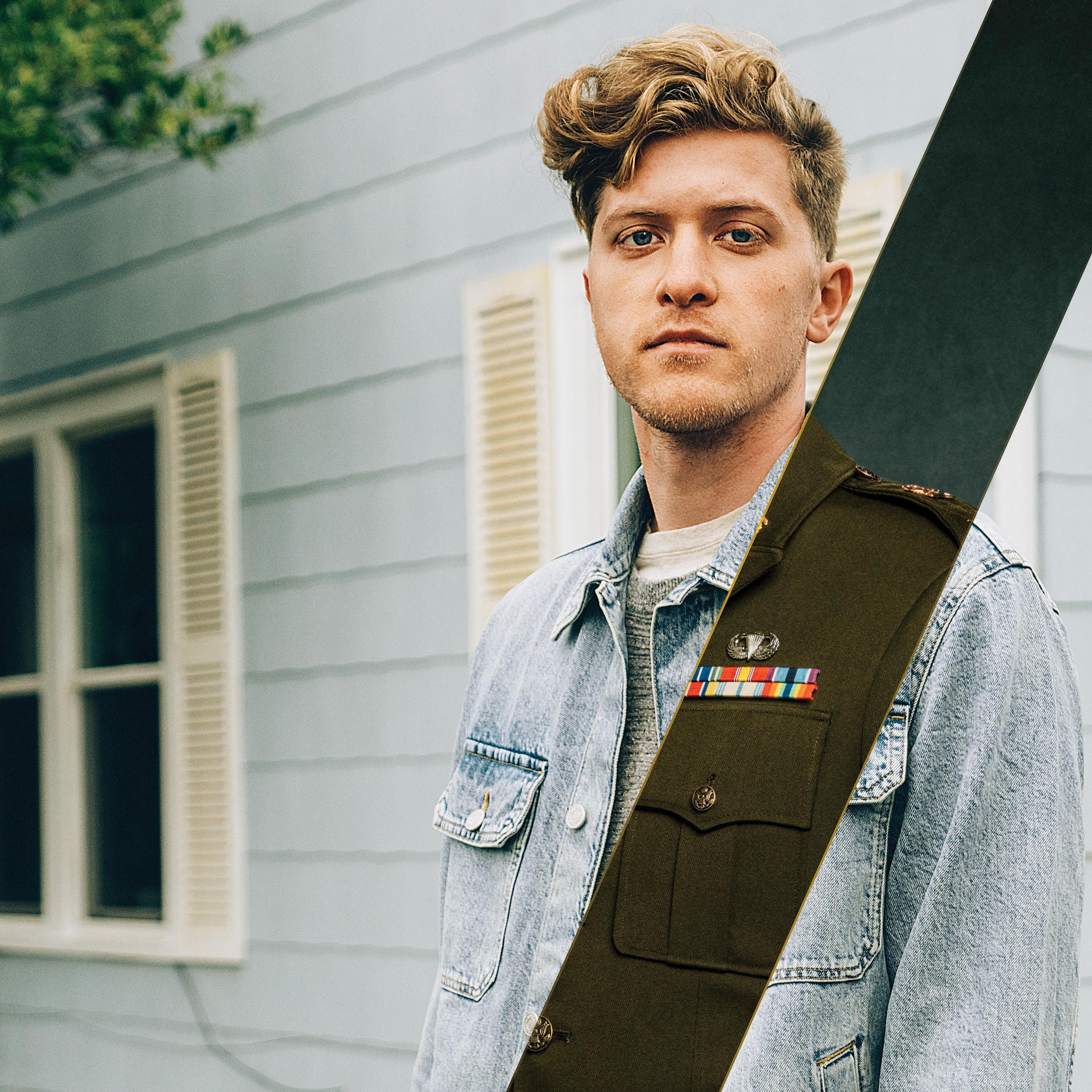
Dane Johnson is the senior photographer for the Statesman in his third year with USU Student Media. He has photographed sports, concerts, nature and everything else under the sun — or snow — across Cache Valley. He enjoys working with the talented photographers of the Statesman and documenting the people and moments that make USU special.
Senior Photographer Spotlight









Last week’s solution:


Sudoku puzzles are provided by www.sudokuoftheday.com.