
G E O S C I E N C E S
G E O S C I E N C E S
Utah’s higher education landscape underwent significant changes this past year In 2025, higher education was a top priority for the Utah Legislature, and the passage of House Bill 265 set in motion restructuring efforts across the state’s universities in response to mandated 10% across-the-board budget cuts and strategic reinvestment to earn these resources back over three years At Utah State University, this legislation coincided with the early and unexpected departure of President Cantwell, contributing to a period of uncertainty for faculty, staff, and students alike
To address ongoing financial pressures, USU introduced a voluntary separation incentive program, enacted a series of programmatic changes, and undertook a substantial reorganization of its academic colleges
I’m pleased to report that the Department of Geosciences has emerged from this process as strong as ever, albeit in a new academic home. We are now part of the newly formed S.J. and Jessie E. Quinney College of Agriculture and Natural Resources (QANR), the result of a merger between the former College of Agriculture and Applied Sciences and the Quinney College of Natural Resources Our previous home, the College of Science, has joined with the College of Humanities and Social Sciences to create the new College of Arts and Sciences, an organizational model found at many peer institutions
Looking ahead, the future is bright for USU Geosciences With most of the university’s Earth scientists now housed under one roof in our new college, QANR, new opportunities for interdisciplinary research, collaboration, and innovation are already emerging We anticipate growth in our graduate and undergraduate programs and expect to report additional departmental restructuring efforts within our new college in the coming year
Stay tuned!
Dennis Newell
Interim Department Head
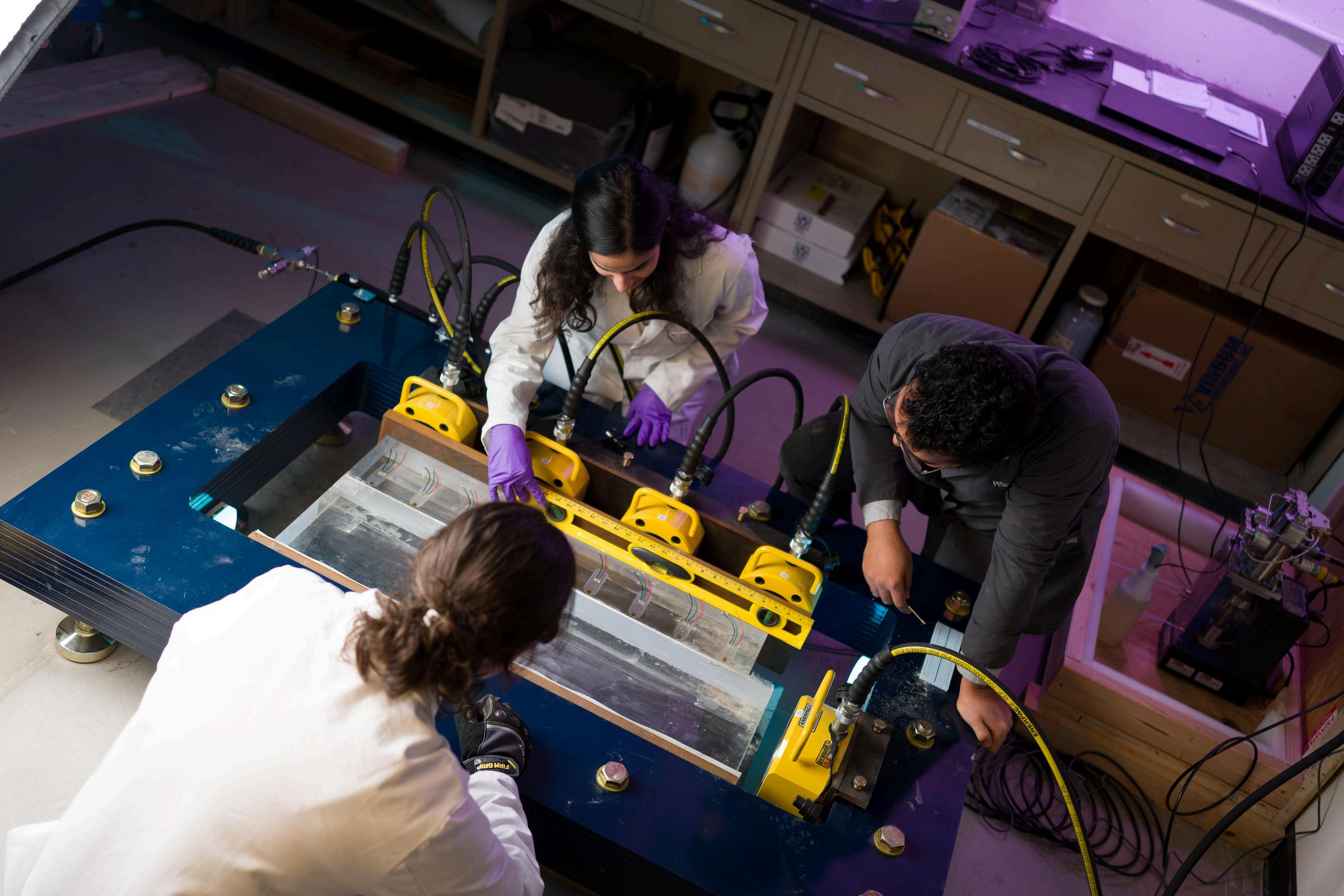
The major updates to the Rock Deformation & Earthquake Mechanics Lab are thanks to generous contributions from the Jones Fund for Research.
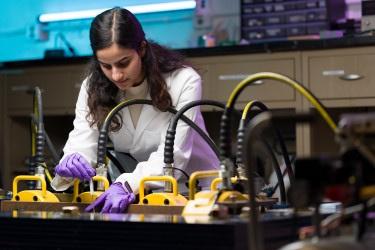
The large-format "BigBiax" apparatus has new and improved ability to conduct pressurized experiments under pore-fluid pressures of up to 15 MPa, which allows us to better simulate shallow crustal conditions at depths of up to 5-8 km in fault zones and notably subduction zones
We recently procured a GCTS SDS-150 servo-hydraulic direct shear apparatus, which will allow us to conduct very precise experiments on rock and soil samples to determine their frictional strength, stability, and earthquake potential under very shallow (a few meters) to conditions resembling depths of 10 km or more This apparatus will be used in the research projects of at least 3 students in the earthquake science team, including on projects that focus on the Wasatch fault zone in our own backyard, as well as to characterize the behavior of the Japan Trench subduction zone in the context of the 2011 Tohoku-Oki earthquake
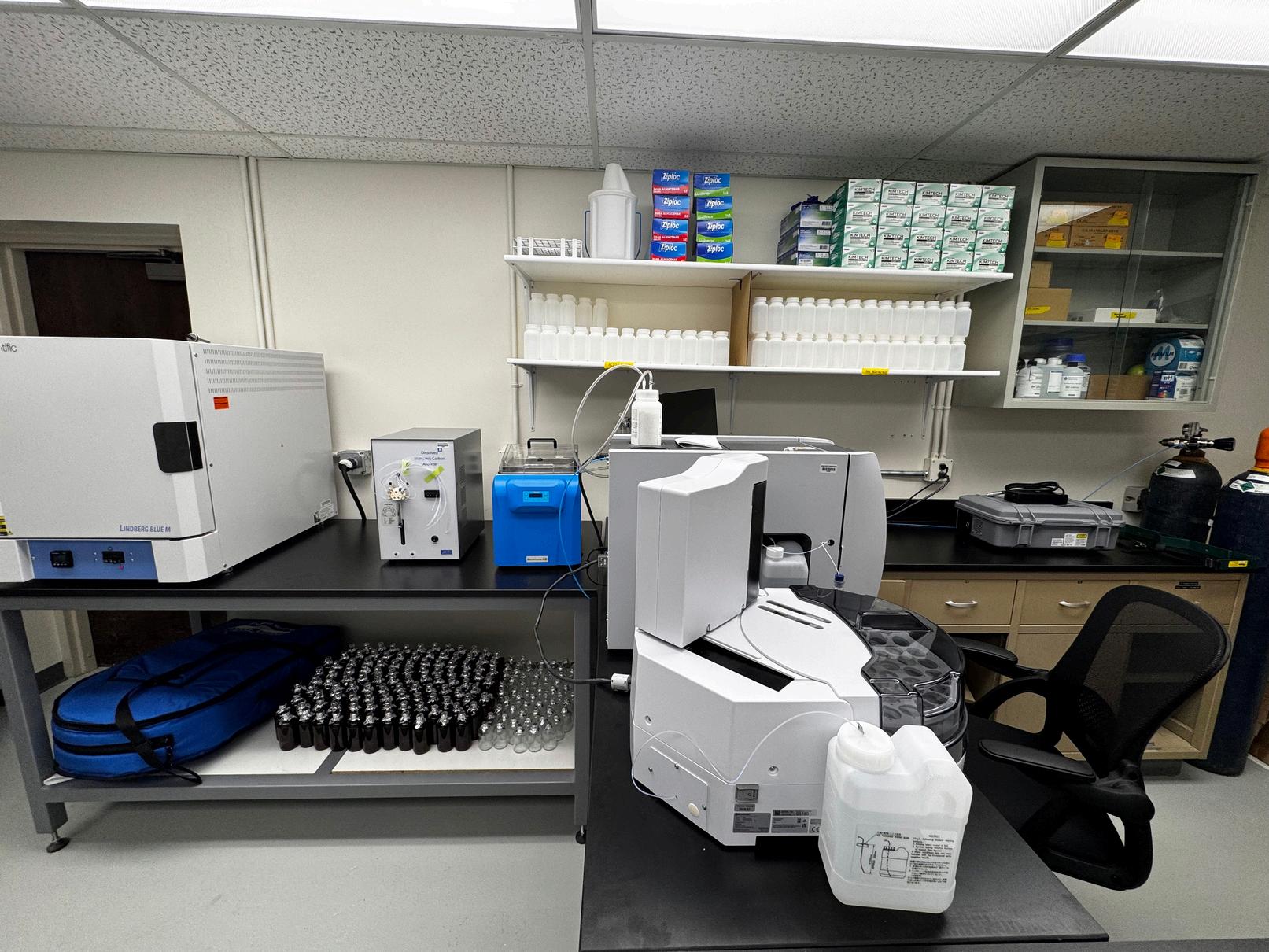
hn Biogeochemistry Laboratory in the USU Geosciences nt was developed over the 2024-2025 academic year renovations. The Biogeochemistry Lab analyzes carbon in a ecosystems and in different forms and materials (e.g. soil, The laboratory is currently equipped with a Shimadzu Total Carbon (TOC) analyzer (TOC-LCPH), a Li-Cor Dissolved Carbon (DIC) analyzer (LI-7815), a Horiba Aqualog, a Li-Cor oxide (pCO2) analyzer (LI-7815), a Li-Cor Smart Chamber, a oustic doppler system (RS5 system with Hydroboard II Micro), g/Blue M Muffle Furnace, a HarvestRight Scientific Pro freeze d multiple Eureka sondes (Manta+35) with sensors for ure, conductivity, pH, optical dissolved oxygen, turbidity, ll-a, and colored/fluorescent dissolved organic matter (CDOM/fDOM)
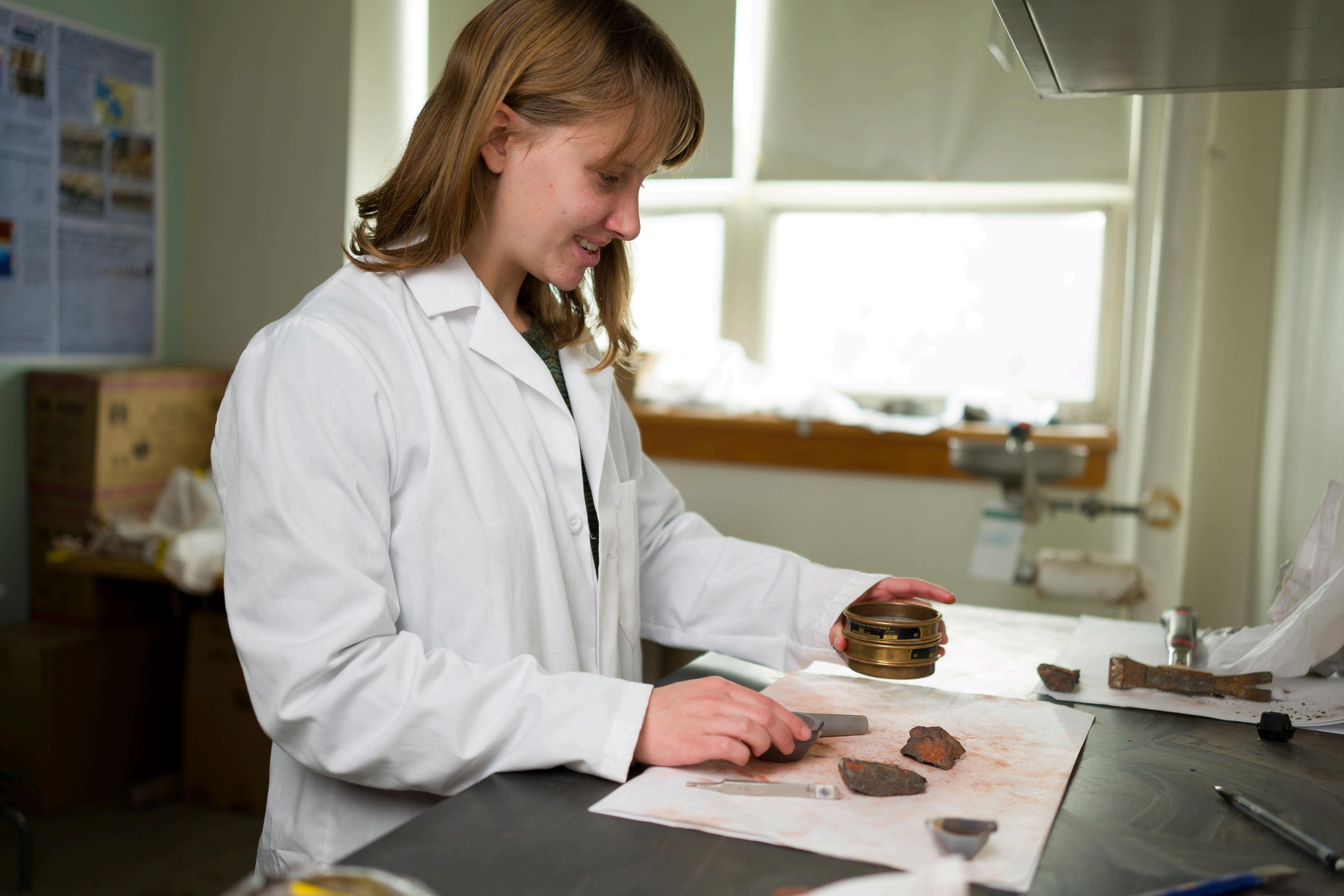
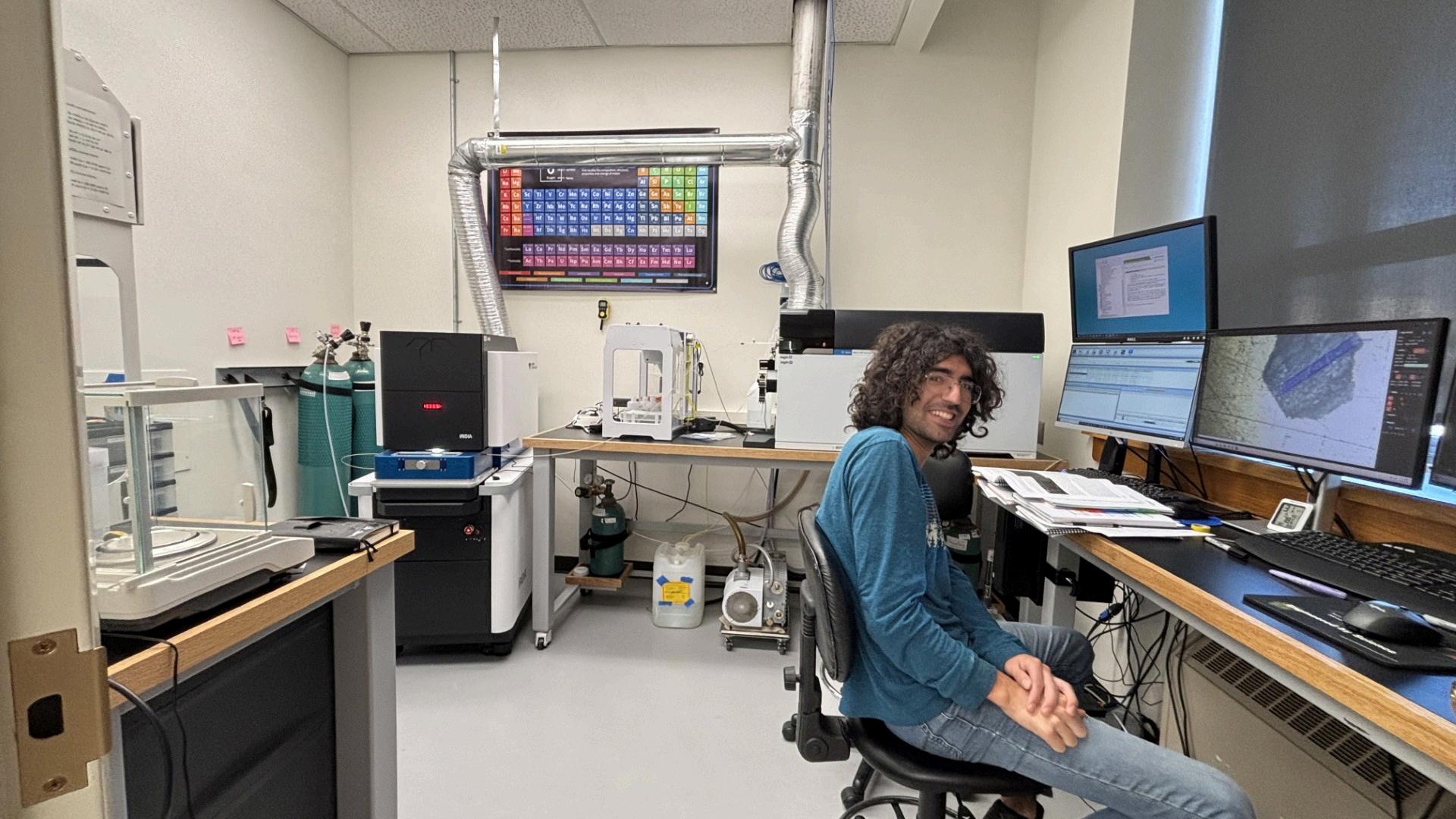
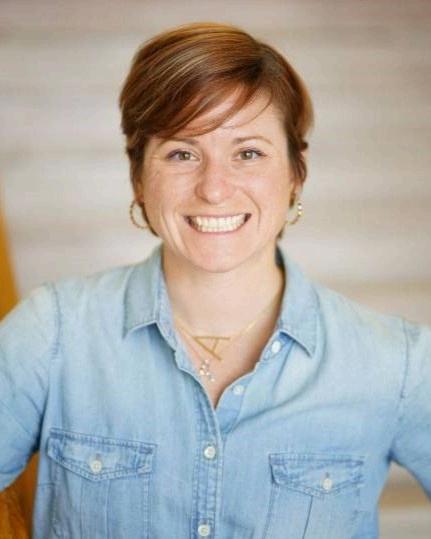
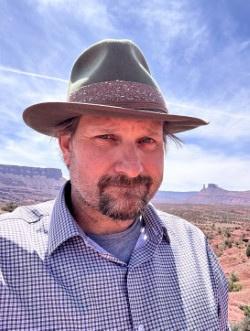

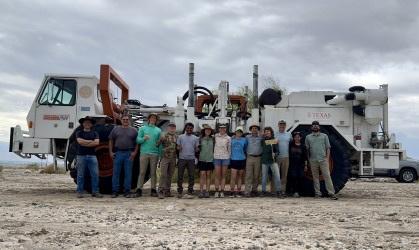
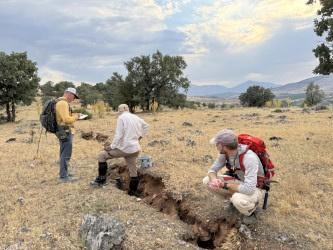
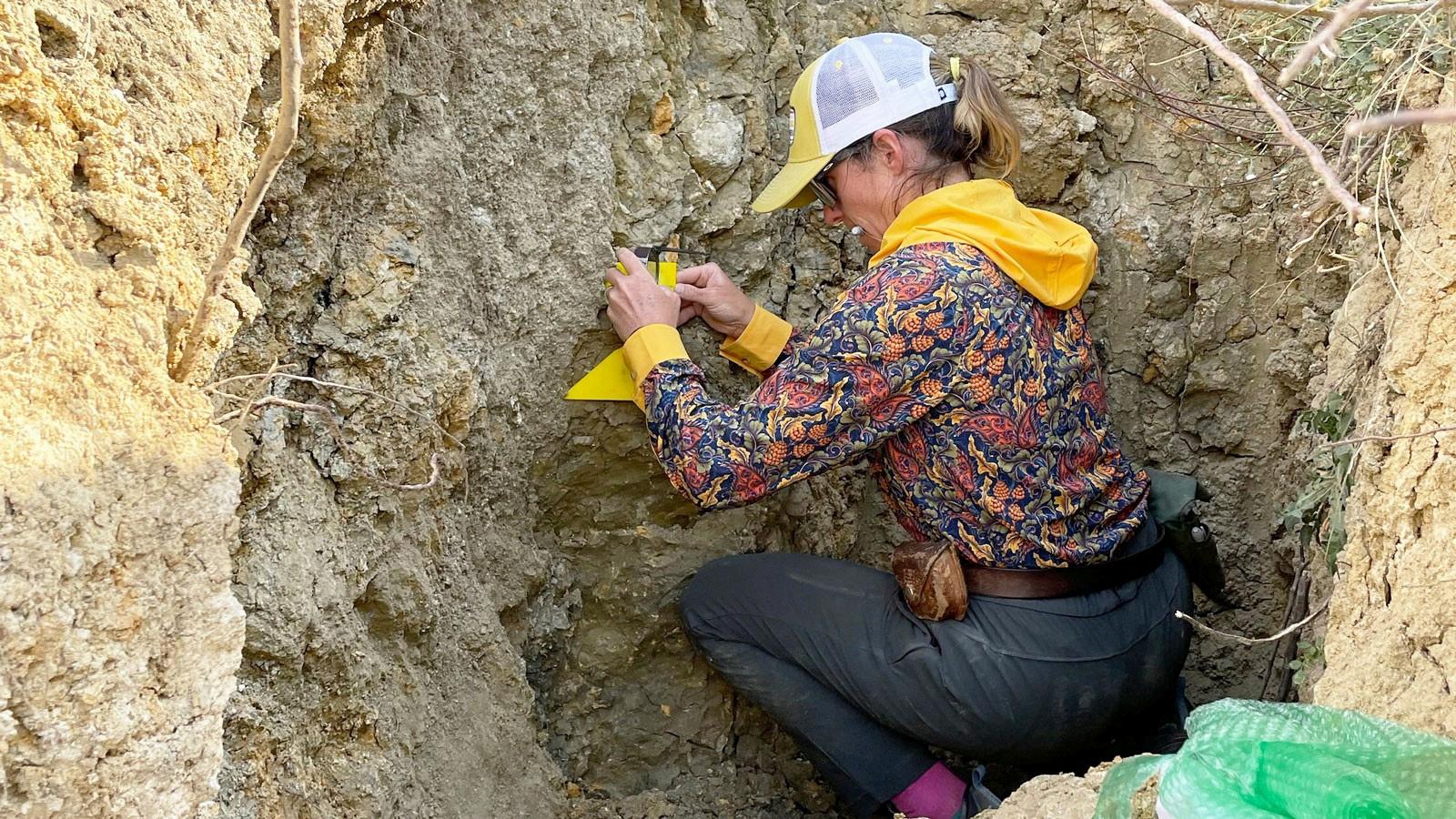
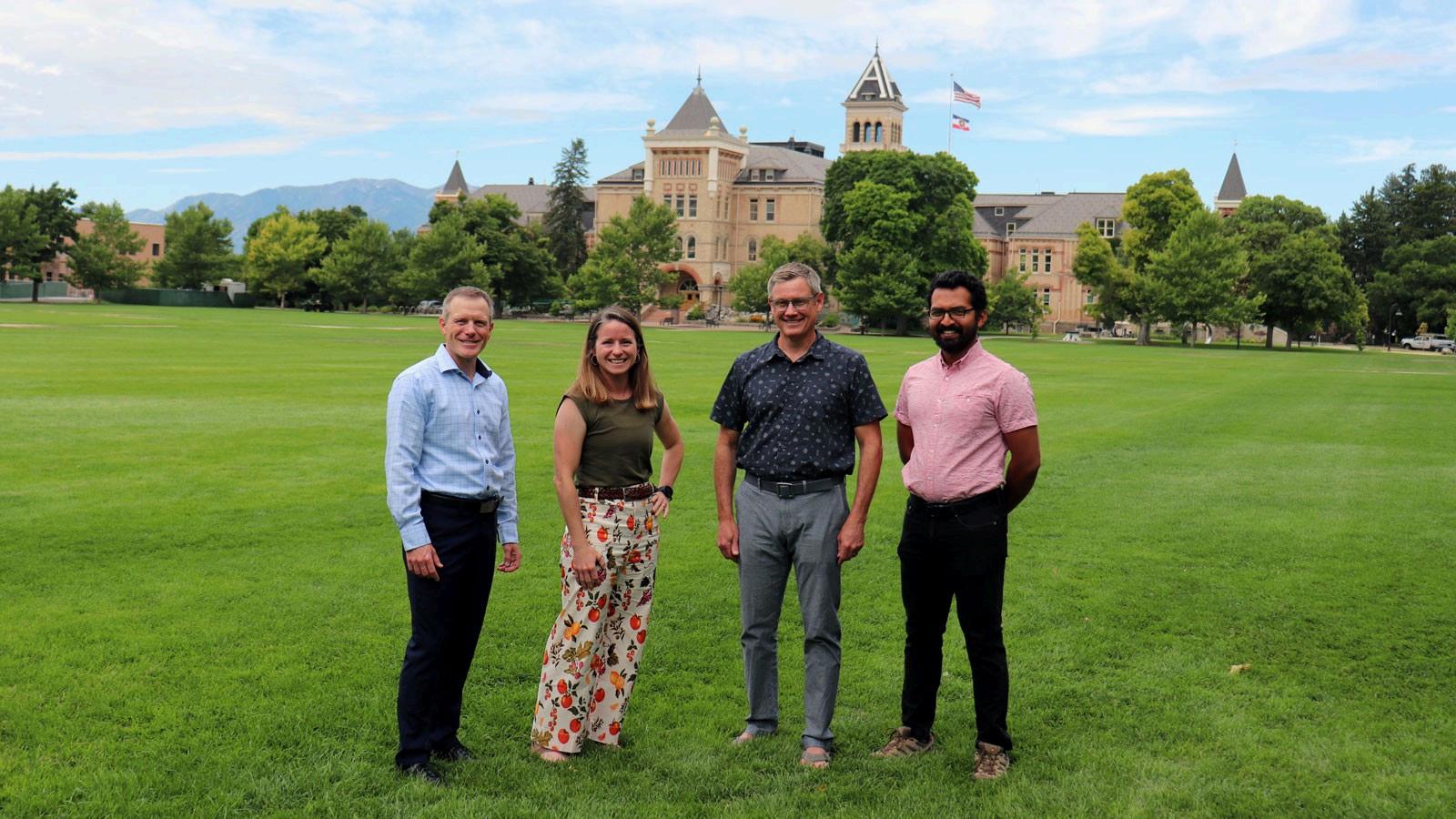
Faculty in the Department of Geosciences are leading a 5-year $23 million National Science Foundation Frontier Research in Earth Sciences (FRES) project that’s breaking new ground in how we study earthquakes Led by Professor Alexis Ault, the team includes co-investigators Brady Cox (Civil & Environmental Engineering), Srisharan Shreedharan and Dennis Newell (Geosciences), and collaborators from Brown University, Cal State Fullerton, and several Turkish institutions The project –Bridging Geoscience and Engineering to Interrogate Seismic Cycle Processes in the Earthquake Critical Zone – showcases USU’s national leadership in earthquake science and engineering.
The team is focusing on what they call the earthquake critical zone, the uppermost kilometer of Earth’s crust where earthquake energy, rocks, fluids, and human infrastructure intersect to drive hazards Using two natural laboratories, the southern San Andreas fault in California and Turkey’s Çardak-Yeşilyurt fault, which ruptured in the devastating 2023 Kahramanmaraş earthquake sequence, the team will examine how fault zone materials evolve before, during, and after earthquakes By combining fieldwork, laboratory experiments, numerical modeling, and geophysical observations, the researchers are connecting the physics of earthquakes underground to the shaking and damage we experience at the surface
What makes this effort especially exciting is the deep collaboration across disciplines and across USU USU geoscientists and engineers are co-developing shared field-based, experimental, and modeling tools to improve seismic hazard assessments and infrastructure resilience The project is providing hands-on research opportunities for graduate and undergraduate students, as well as postdoctoral fellows, and deepens international collaboration with Turkish scientists Together, the team is working to advance earthquake science while building knowledge that can help communities become more resilient to future seismic events

Article by Mary-Ann Muffoletto
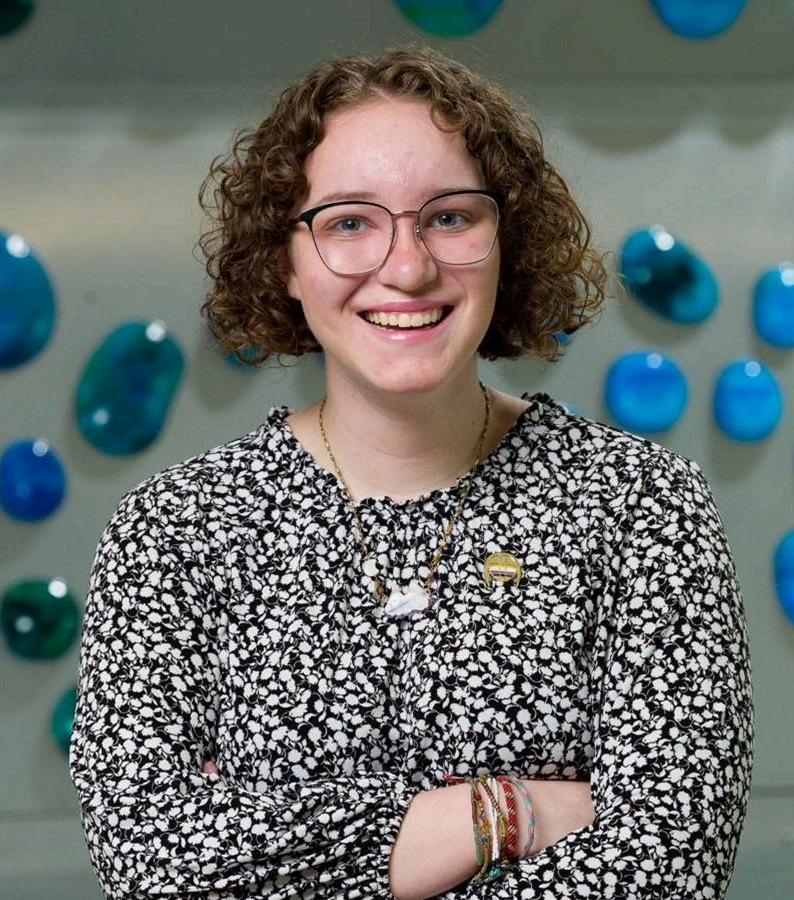
Undergraduate Research Fellow and USU Honors scholar Michelle Norman, who will graduate this spring with a bachelor’s degree in geology, can usually be found outside perched, somewhere remote, on a precarious outcrop Since their first semester at Utah State, Norman has conducted geochemistry and stratigraphy research on 500-million-year-old limestones outside Delta, Utah, with guidance from Department of Geosciences faculty mentor Carol Dehler
Pairing geochemistry and extensive field research over the course of three summers, Norman has uncovered inconsistencies with the carbon isotope values preserved in these limestones Their research suggests these carbon isotopes do not show a snapshot of the ancient carbon cycle, as previously hypothesized, and instead show secondary fluid flow
To conduct this research, Norman was awarded College of Science funding, along with a USU Undergraduate Research and Creative Opportunities grant and a Peak Summer Undergraduate Research Fellowship They presented findings
from this research at two national geology conferences and numerous USU research and outreach events
Norman was also named the College of Science's Peak Prize Undergraduate Researcher of the Year for 2025 Inspired by their mathematics minor, Norman serves as a recitation leader for the Department of Mathematics and Statistics. When not engaged in research or academics, they hike, rock climb, run, watercolor, read, play D&D and plan to undertake skiing. Following graduation, Norman will enter a doctoral program in geology at the University of Utah In this program, they will be reconstructing ocean oxygen in roughly 539-million-year-old carbonates and shales in Nevada
“These sediments preserve the transition between squishy, exoskeleton-lacking organisms in the Ediacaran to the exoskeleton-bearing organisms in the Cambrian,” Norman said “These include the trilobites I’ve been researching as an undergrad”
Norman said their research experiences at Utah State have been integral to their success with the fellowship program “In applying for smaller grants and learning how to communicate my science to a wide audience, I felt prepared for the NSF application,” they said “I have absolutely adored the support and encouragement of my department, Honors and the Office of Research as I have completed my research I’m really excited for this next step in my scientific career ”
From Utah State Today, April 18, 2025
Sapana Regmi came to us after completing her Bachelors in Geology from Tribhuvan University in Nepal She joined Utah State University (USU) in Fall 2023 to pursue her MS in Geology in Srisharan’s Rock Deformation and Earthquake Mechanics research group, as his first graduate student Sapana has excelled academically and in her research, all while transitioning from a field-based background to an experimental geophysics-intensive project in a new cultural environment
Her MS research focused on understanding fault zone behavior through frictional deformation experiments. Over the last two years, she investigated how the grain size of quartz gouge affects fault stability, a critical factor in earthquake recurrence Her meticulous experiments, often spanning over 10 days each, have revealed that finer grains may lead to more unstable, earthquake-producing, fault zones
Sapana’s scientific curiosity and achievements extend beyond her thesis She received the prestigious 2024 GSA Research Grant and the Allan V Cox Award to study the frictional mechanics subducting sediments at the Cascadia margin She has also mentored undergraduates and actively participated in outreach and leadership as co-president of the USU Nepalese Student Association
Now with her USU MS in hand, Sapana has moved to Austin, Texas to pursue a PhD at the University of Texas Jackson School of Geosciences, where she hopes to deepen her research into earthquake hazards Sapana has demonstrated tremendous growth and a strong work ethic during her time at USU, and we expect to see her becoming a leading voice in earthquake science
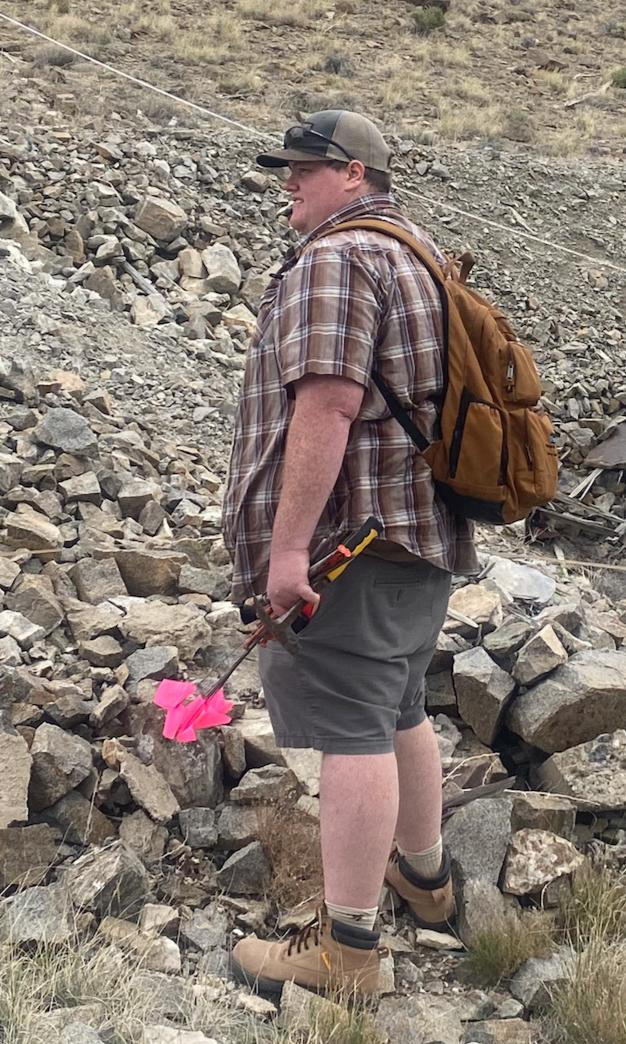
For those who can locate it on a map, Ririe, Idaho is known for a few things: potatoes, the south fork of the Snake River, and world-class bimodal volcanism What it isn’t (yet) known for is as the birthplace of 2025 USU Geology alumnus Colton Thacker
If you ask any Geosciences Department staff or faculty member, instructor, or graduate teaching assistant to name their most enthusiastic undergraduate student ever, odds are that the majority will mention Colton His engagement with course material, sense of humor, and unabashed joy for learning meant that there was never a dull moment in the classroom However, rather than alienating his classmates by asking numerous detailed questions, Colton’s influence helped solidify his classmates into a tightly knit, mutually supportive, and successful student cohort From the very beginning of his undergraduate career, Colton demonstrated insatiable curiosity for all areas of geology, but nothing brought a gleam to Colton’s eye like shiny minerals and ore deposits.
Even before metal commodity prices soared to historic levels, economic geology was the only geology career goal for Colton, and his drive to succeed in the mining industry pushed him to take every opportunity to gain experience and knowledge Colton leveraged his strong performance in Igneous and Metamorphic Petrology into an undergraduate laboratory technician position where he processed basalt samples from International Oceanic Discovery Program Expedition 391 Next, he lobbied faculty members for the resurrection of the long dormant Ore Deposits course, which was offered after a six-year hiatus in Spring 2025 Between semesters, Colton moved up the summer internship ladder from a small-scale cement mine to one of the largest copper mines in the US, where his strong performance led to a full-time offer at the Freeport McMoRan Baghdad Mine Although we’ll miss Colton’s loud and infectious laughter pouring out from the Oldham Room, we ’ re hopeful that the mining industry pipeline he’s helped establish will lead other USU undergraduates to career success
Brooklyn Dib, MS, Using Luminescence of Quartz Temper from Archaeological Pottery to Infer Wildfire Intensity in the Southwestern US (Dr Tammy Rittenour)
Lindsay Gordon, MS, DREAM Pilot Project: Analysis of Groundwater Development at Six Villages in Ethiopia (Dr. Tom Lachmar)
Emily McDermott, MS, Geochemical and Stratigraphic Characterization of the Morrison Formation and Cedar Mountain Formation Contact in the Island Park Quadrangle, Uintah County, Utah (Dr Ben Burger)
Sapana Regmi, MS, Role of Grain Size on Fault Friction and Seismogenesis (Dr Srisharan Shreedharan)
Emma Tombaugh, MS, Evaluating Uplift at the Leading Edge of the Yellowstone Hotspot – A Study of the Shoshone River Drainage (Dr Joel Pederson)
The Geo Advisory Board and our Industry Council are alumni and friends who visit us, receive updates, provide advice and advocacy, and interact with our students The Advisory Board considers all aspects of our department's mission, while the Industry Council focuses on training in our undergraduate program Advisory Board
Ben Belgarde--Geosyntec Consultants
Paul Inkenbrandt--Utah Geological Survey
Al Jones--Browning Foundation
Steven Kerr--Millcreek Mining Group
Mike Lowe--Utah Geological Survey
Karen Merritt--Cache County School District
Craig Nelson--Western GeoLogic LLC
Dan Rogers--Amsted Industries Inc
Sarah Springer (chair)--Central Plateau Cleanup Co
Industry Advisory Council
Chris Ballard--Rio Tinto
Faye Geiger--Occidental Petroleum Corporation
Stefan Kirby--Utah Geological Survey
Skyler Sorsby--WSP Global
Laura Symmes--Practical Mining LLC
Christopher Tressler--Coconino County
Cianna Wyshnytzky--Bureau of Reclamation