New Year, New Swimmers
Not
ADAPTIVE AQUATICS: BUILDING CONFIDENCE TO TEACH EVERY SWIMMER Leading Families Into a Safer, Stronger Swimming Season
Not
ADAPTIVE AQUATICS: BUILDING CONFIDENCE TO TEACH EVERY SWIMMER Leading Families Into a Safer, Stronger Swimming Season
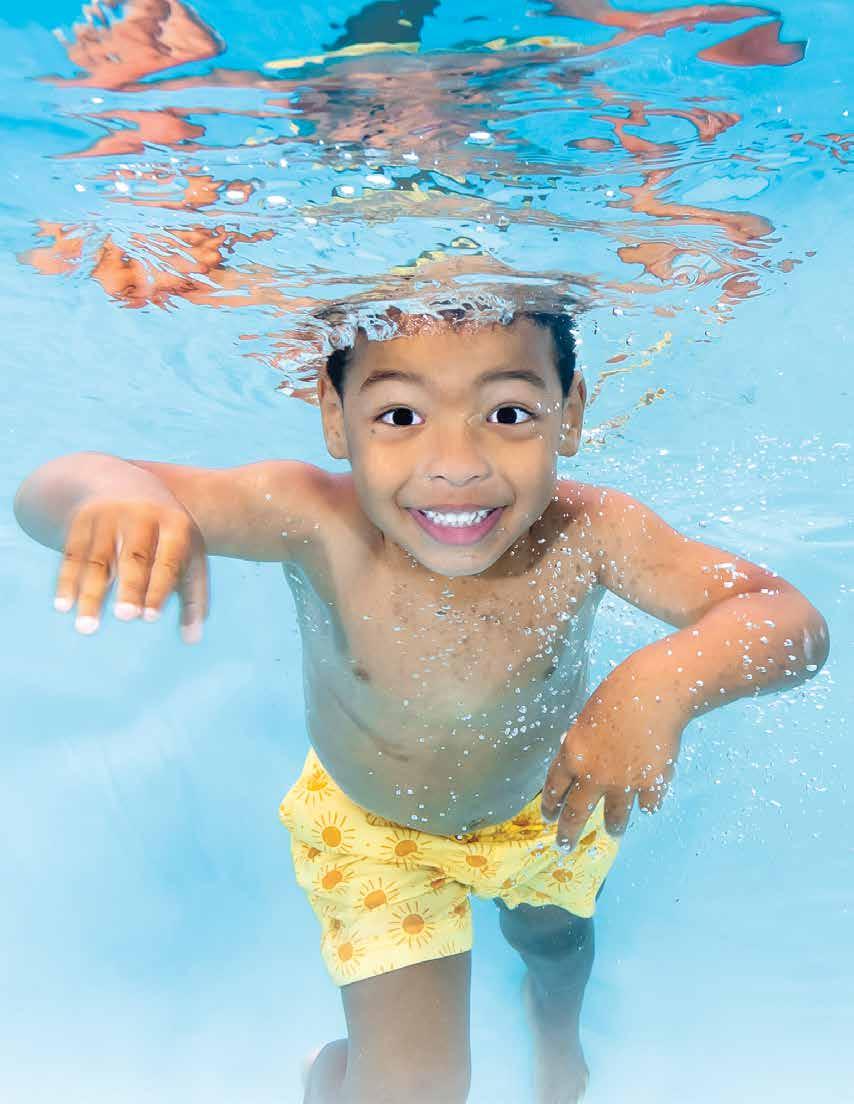
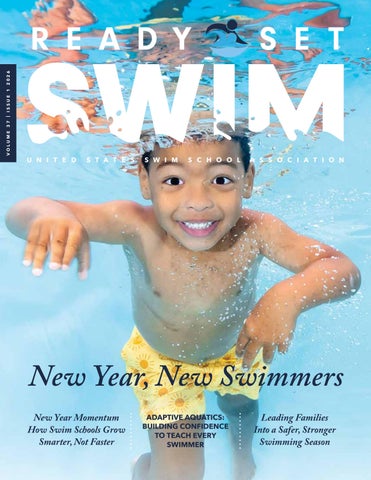
image and cover image thanks to Flashpool Productions www.flashpoolproductions.com
ASSOCIATION HEADQUARTERS
4815 E. Carefree Hwy., Suite 108-480 Cave Creek, AZ 85331
480.837.5525 usssa@usswimschools.org usswimschools.org
Executive Director
Lisa M. Zarda, CAE, CNAP
Editor
Jessica Zimmer
ASSOCIATION OFFICERS
President
Rose Cholewinski, SwimAmerica – Davis
Vice President
Micha Seal, Watermelon Swim
Treasurer
Debbie Sayers, DolFUN SWIM Academy
ASSOCIATION DIRECTORS
Lori Klatt America’s Kids Swim School
Melissa McGarvey British Swim School
Brittany Moog Bitty Bubbles Swim School
Susie Van Ekeren Wisconsin Swim
Academy
Hello Friends – I just completed my Year Compass (yearcompass.com) with several friends and colleagues in this association.
WOW. We accomplished a lot both personally and professionally. Our conversation was rich and vulnerable and loving and emotional and heartfelt. If you are not familiar with the Year Compass, I encourage you to download a free version, review your year, sit by yourself or gather with some friends and set intentions for the upcoming year – it’s powerful. One of the exercises that resonates with me was to choose a word for the year. After lots of exploration, I landed on “Stillness”. I am learning, in my mature age, that being busy needs to be properly balanced with stillness in order for me to serve. I am the first person to say “yes” to an invitation for coffee, walk, volunteer, start a community project, or make a phone call. In the midst of chaos, I am learning I also need stillness to sit in gratitude for all that I have and all that is possible….with people. For many of us, stillness might be difficult but give it a chance. Try it. Be still and pay attention to what bubbles up for you.


ROSE CHOLEWINSKI President US Swim School Association
Designed to help swim instructors elevate their approach with children under 3. Created by a team of seasoned experts with over 115 years of combined experience, this program shares trauma-free best practices to build comfort, confidence, and success in swim lessons. Regularly refreshed with the latest research, it's a valuable opportunity to sharpen your skills and grow as an instructor.
*FORMALLY KNOWN AS THE INFANT/ TODDLER WORKSHOP

Saturday March 14th

Part 1: Elevating Your Teaching Style
Saturday March 21st
Saturday March 28th
Part 3: Integrating Child Development Into Your Les sons SAVE THE DATES!
Part 2: Accelerated Learning by Fostering Stronger Connections

As swim school operators, you are united by a shared mission: keeping children and adults safer around water while building sustainable, thriving businesses. Looking to 2026, one truth is increasingly clear, that growth does not happen by accident. It happens when strong marketing and effective sales work together to bring new swimmers through the door and into lessons.
Too often, marketing and sales are treated as separate, or worse, competing functions. In reality, they are two sides of the same growth engine. Marketing creates awareness, trust, and demand. Sales converts that interest into enrollment and longterm relationships. When both are aligned and intentional, swim schools grow more consistently, more predictably, and more profitably.
WHY MARKETING MATTERS MORE THAN EVER
Parents today have more choices, more information, and higher expectations than ever before. Marketing is no longer just about promotions or seasonal campaigns. It’s about telling your story, building credibility, and showing families why your swim school is the best choice for their child.
Effective marketing ensures that when a parent realizes their child needs swim lessons, your school is the one they already trust.
USSSA strengthens your marketing by elevating the professionalism of the entire swim school industry. Through association standards, safety-focused education, and shared best practices, USSSA gives member schools a credible story to tell. When a school highlights its USSSA membership, it signals to parents that the program is committed to safety, quality instruction, and continuous improvement, key factors parents care about when choosing a swim school.
WHY SALES CANNOT BE AN AFTERTHOUGHT
Marketing may open the door, but sales is what brings families inside. Every inquiry whether it’s a phone call, email, text, or online form is a moment of truth. How your team responds determines whether interest turns into enrollment or disappears.
Strong sales systems help parents feel confident, supported, and guided through what can feel like an emotional decision. Safety, trust, and clarity matter just as much as pricing or schedules.
USSSA membership provides a powerful third-party validation that enrollment teams can reference when answering parent questions or addressing concerns about safety, instructor training, and program quality. It helps sales staff move conversations from “Why should I trust you?” to “How do we get started?” more quickly and confidently.
As we prepare for 2026, swim schools that intentionally strengthen both marketing and sales will be best positioned to grow even in competitive or uncertain markets.

LISA M. ZARDA, CAE, CNAP Executive Director US Swim School Association


A new year brings something swim schools love: fresh motivation. Families are setting goals, looking for structure, and choosing activities that feel meaningful. For many parents, “learning to swim” lands near the top of that list because it’s not just another class. It’s a life skill.
So how can swim schools take advantage of this momentum, not only to bring in new swimmers, but also to keep them confidently progressing all year long?
Let’s break down the enrollment and retention strategies that work best at the start of the year, and how to make them sustainable through every season.
WHY JANUARY IS A PRIME TIME FOR SWIM SCHOOLS
New Year’s resolutions aren’t only about fitness. They are about confidence, safety, and progress. Parents are actively looking for:
• Activities that build real skills
• A predictable weekly routine
• Programs that help their child succeed and feel proud
• Safe, structured environments
Swim lessons check every box.
That means your marketing message for January doesn’t need to be fancy. It needs to be clear. Swimming is a skill that sets children up for success. Families want a fresh start, and you offer one.
Continued on next page...
HELPING NEW FAMILIES SAY “YES”
New swimmers often come with big feelings: excitement, fear, curiosity, hesitation, and hope. The strongest enrollment strategies focus on reducing uncertainty and making the first step easy.
Lead With the “Why”
Parents enroll when they understand the purpose behind the program. Your messaging should consistently reinforce:
• Swimming is a life-saving skill
• Confidence grows through small wins
• Lessons build independence
• Skills develop best with consistency
Use plain language. Parents don’t need “aquatic pedagogy.” They want to know:
Will my child be safe? Will they learn? Will they be supported?
Make Your “First Touch” Experience
Exceptional
Enrollment starts long before a family steps into the pool. Make it easy to take action:
• Fast response time on calls and emails
• A simple “Getting Started” page on your website
• Clear class levels and expectations
• Transparent pricing and scheduling
If a parent is interested but confused, they don’t usually ask again. They just click away. This is the time of year to tighten up every first interaction.
Offer a Smooth Onboarding Plan
Your onboarding is where enrollment becomes a relationship.
Consider:
• A welcome email that explains what to bring, where to go, and what to expect
• A “first lesson” guide for nervous swimmers and nervous parents
• A short orientation video
• A “meet your instructor” moment, even if brief
Families feel loyal when they feel prepared.
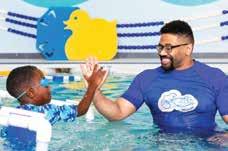
JANUARY SWIMMERS INTO YEARLONG SWIMMERS
Here’s a truth many swim schools experience. Enrollment is easier than retention. Retention is what stabilizes revenue, strengthens staffing, and builds long-term trust.
Retention begins on Day 1.
Set the Expectation: Progress Takes Consistency
Many families don’t realize that swim lessons aren’t a “two-week skill.” They imagine a quick transformation.
You can reduce early drop-offs by setting a simple expectation:
• Skills build in stages
• Every child learns at a different pace
• Weekly practice creates the best results
• Progress is measured in confidence, not speed
This helps families stay committed when progress feels slow.
Celebrate Small Wins Early and Often
When swimmers feel successful, parents stay enrolled.
Make sure your team:
• Notices progress (“Today they floated for three seconds longer!”)
• Celebrates bravery (“They went underwater without hesitation!”)
• Uses positive, specific feedback
• Shares one “win” at the end of each lesson
Parents don’t only want results. They want reassurance. And kids want recognition.
Keep Families Informed About the Path Forward
Families are more likely to quit when they don’t understand what’s next.
Retention improves when you clearly show the progression:
• What level are they in now?
• What skills are they working on?
• What comes next?
• When do they level up?
Even a simple progress tracker or periodic evaluation builds trust and reduces the “Are we getting anywhere?” doubts.
Train Your Team While You Build Momentum
In many swim schools, the early months of the year can feel like a “slow season,” especially compared to summer enrollment peaks. But slow seasons aren’t a setback. They’re an opportunity. When the schedule has a little extra breathing room, your school can focus on something that directly impacts both enrollment and retention: staff development.
Because here’s the truth.
Parents may enroll because of marketing, but they stay because of the experience.
And the experience comes from your people.
Well-trained instructors and front desk teams create:
• Consistent lesson quality across shifts and locations
• Stronger swimmer progress and fewer plateaus
• Better behavior management and confidence-building strategies
• Clearer communication with families
• Fewer complaints and higher referrals Training also supports your staff retention because people stay longer when they feel confident and supported.


A New-Year Training Plan That Works
This season is ideal for:
• Refreshing teaching techniques and lesson structure
• Improving communication between deck teams and families
• Strengthening customer service and enrollment calls
• Aligning your team around standards, safety, and professionalism
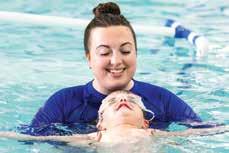
This is also a great time to leverage professional development opportunities through the US Swim School Association, including:
• USSSA Education Courses to sharpen skills and create consistency
• The Certified Fundamental Swim Instructor Program (CFSI) to build instructor confidence and elevate your school’s credibility Training isn’t just internal improvement. It can also become part of your school’s message:
“Our instructors are trained, supported, and committed to swimmer success.”
That’s something families trust.
NEW YEAR MESSAGE: THE MOST POWERFUL THING YOU CAN SAY Families are looking for a fresh start, and swim schools provide one unlike any other.
When you highlight enrollment and retention this season, make sure your messaging lands on what matters most:
SWIM LESSONS ARE A CONFIDENCE-BUILDING JOURNEY, AND CONSISTENCY IS THE KEY. And when you build your team during the slow season, you’re doing more than preparing for spring and summer. You’re creating a school culture where swimmers thrive and families stay.
QUICK ACTION CHECKLIST FOR SWIM SCHOOLS THIS QUARTER
F Refresh New Year messaging with a focus on safety and confidence
F Tighten your enrollment process (response time, clarity, onboarding)
F Communicate what progress looks like and why consistency matters
F Celebrate swimmer wins to strengthen retention
F Use the slow season to train and align staff
F Leverage USSSA education courses and the CFSI program to strengthen instruction



Every swimmer deserves a safe, welcoming place to learn and every instructor deserves the tools to teach with confidence, compassion, and skill.
That’s exactly what the newly revised Adaptive Aquatics Course delivers.
Formerly known as Special Abilities
Online, this updated course was redesigned to better support today’s instructors and swim schools as they work with swimmers who may need extra support. Whether you’re brand new to adaptive instruction or you’ve been teaching for years, Adaptive Aquatics offers a meaningful, practical learning experience that strengthens your teaching and enriches the way you connect with swimmers and families.
A STRONG FOUNDATION FOR NEW INSTRUCTORS
For instructors just beginning their adaptive aquatics journey, this course provides a clear and supportive introduction to working with diverse learners. It helps instructors feel more prepared, not just with techniques, but with the confidence to approach each swimmer as an individual.
A FRESH PERSPECTIVE FOR EXPERIENCED TEACHERS
Even seasoned professionals will find value in this course. Adaptive Aquatics
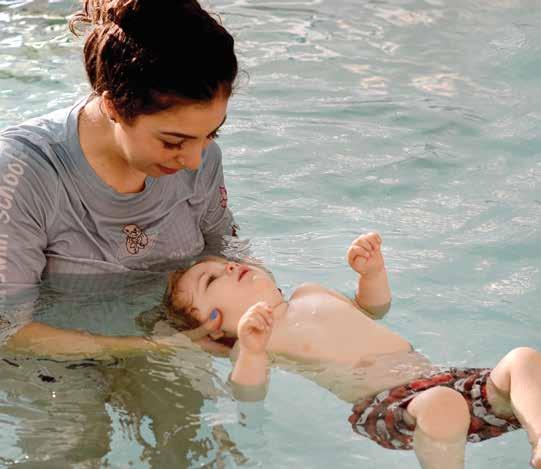
encourages instructors to reflect, update, and expand their approach to teaching swimmers with different needs and learning styles. It also reinforces key concepts such as thoughtful lesson planning, family communication, and creating consistent routines that support success in the water.
BUILT FROM FEEDBACK IN THE SWIM COMMUNITY
The revised Adaptive Aquatics Course was shaped by feedback from swim schools and instructors because the best education comes from real-world experience. The result is a course that’s more relevant, practical, and aligned with what instructors need when teaching swimmers who require different types of support.
At its heart, Adaptive Aquatics is about more than instruction. It’s about inclusion.
The course encourages meaningful conversations and inclusive practices that help swim schools build environments where all swimmers feel safe, respected, and capable. It provides guidance on how to create a positive experience not only for swimmers, but also for their families and support networks.
When instructors feel equipped, swimmers feel empowered and that’s how every swimmer can succeed.
You can purchase the Adaptive Aquatics Course for you and your team directly from your USSSA dashboard.
Adaptive Aquatics Course
$32.00 (Members Only Course)


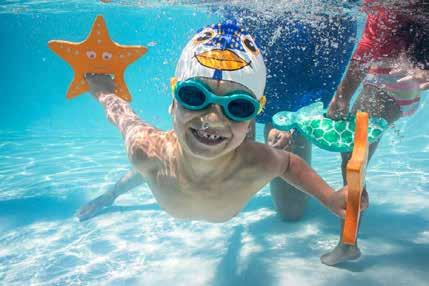
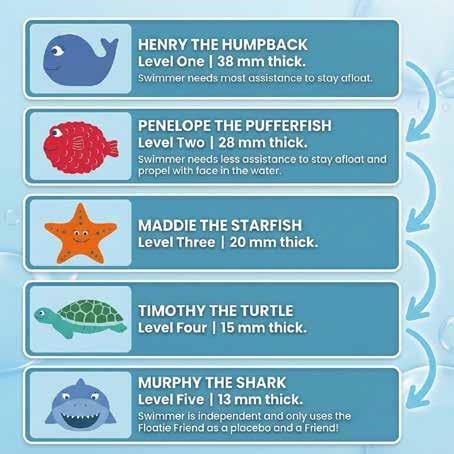
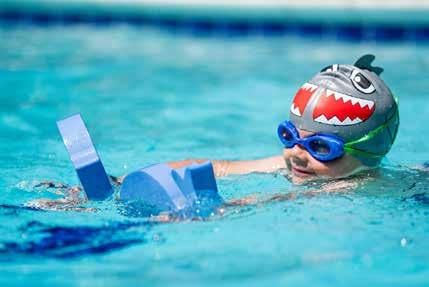

For kids, the water is an adventure and every adventure deser ves a friend Floatie Friends™ are hand float s that make time in the pool even more fun while supporting real swimming skills. They help children explore, kick, float, and breathe with confidence, building on what they’re already learning with their instructors
More than just float s, they turn practice into play. Each splash, each laugh, and each tiny victory reminds kids that swimming is about joy, independence, and the thrill of progress. With Floatie Friends™, every child can feel capable, fearless, and ready for the nex t adventure in the water.


THE 12 WEEK YEAR: GET MORE DONE IN 12 WEEKS THAN OTHERS DO IN 12 MONTHS
BRIAN P. MORAN & MICHAEL LENNINGTON
This book flips the idea of annual goal setting on its head. Instead of thinking in 12-month cycles, it teaches you how to plan and execute goals in 12-week sprints—dramatically increasing focus, urgency, and results.
Why it’s a great read: Perfect for January, it helps you turn big resolutions into clear, time-bound actions with built-in accountability and momentum.a must-read for anyone looking to do meaningful, innovative work.

BJ FOGG
Created by a behavioral scientist from Stanford, this book is about how small, easy-to-do habits can lead to big transformation. It focuses on positive reinforcement and systems that work even when motivation wanes.
Why it’s a great read: It’s ideal for January when many people struggle with maintaining resolutions. Tiny Habits makes change feel accessible and lasting.

In this personal and empowering memoir, TV producer Shonda Rhimes shares how saying “yes” to the things that scared her for one year transformed her life and career.
Why it’s a great read: If you’re looking to stretch outside your comfort zone this year, Year of Yes is funny, vulnerable, and deeply inspiring—especially for women and creatives.
Continued on next page...

ECKHART TOLLE
This modern spiritual classic centers on the idea that true peace and clarity come from fully living in the present moment. It offers insight on how to quiet the mind and detach from the stress of past/future thinking.
Why it’s a great read: If your resolution involves mindfulness, calm, or inner growth, this book helps reset your mental and emotional baseline for the year ahead.

JEFF OLSON
This book explores how small daily disciplines—often easy to overlook— compound over time to create extraordinary results in health, wealth, and personal growth.
Why it’s a great read: It’s motivating in a subtle but powerful way. Ideal if your goal is to build consistency without overwhelm.





BILL BURNETT & DAVE EVANS
Created by two Stanford professors, this book applies design thinking to life planning. It encourages curiosity, prototyping ideas, and building a life that feels fulfilling—not just productive.
Why it’s a great read: For those reassessing their career, lifestyle, or purpose in the new year, this book offers a structured yet creative way to explore possibilities.








Providing learn-to-swim scholarships to underprivileged children to make them






For decades, 3rd Level Consulting & Swim Consultant have been trusted partners for USSSA Members



Your accurate business valuation is not guesswork – it is based on a deep understanding of our industry and hundreds of completed transactions You get both the technical value and the market value of your business.
Testimonial: “We did not have the bandwidth or knowledge to generate or negotiate multiple offers. The 3 Level team MORE than paid for their Sale Success Fee in a higher sales price.”
Your Start-Up, Growth or Expansion goals become our mission. Our team has the knowledge and experience to save you time, money and risk through every stage of your project.
Testimonial: “We needed to cut down the development time frame of our project. The 3rd Level professionals were able to get to the heart of the matter at each stage to accelerate the process.”
As we step into a new year, we also step into a new opportunity, to reflect, reset, and recommit ourselves to the mission that unites us across the United States Swim School Administration: saving lives through water safety education, building confidence, and creating lifelong swimmers. We leave 2025 behind with gratitude. It was a year that challenged us to adapt, innovate, and remain steadfast in our purpose. Across the country, swim schools, instructors, and administrators continued to show resilience, creativity, and heart. Families trusted us with what matters most: their children’s safety, and that trust is something we carry forward into the new year with pride and responsibility.
Now, as we welcome a fresh start, our focus turns to what lies ahead: new swimmers, new families, and new ways to reach them.
A NEW YEAR IS A NEW BEGINNING FOR FAMILIES AND FOR SAFETY
January may feel far removed from outdoor pools and splash pads. Summer seems like a long way away. As swim professionals we know the truth: the swimming season starts now. The choices families make in winter and early spring determine how prepared their children will be during the “swimming months” ahead. This is where our message must be clear and compelling: Swim lessons are not seasonal activities.
Continued on next page...
BY ROSE CHOLEWINSKI SWIM AMERICA -DAVIS
They are life skills that need to be visited on a consistent basis. If you don’t use the skill, you lose the skill. As leaders in aquatics, we have an opportunity, and an obligation, to help families shift their mindset. Swimming isn’t just a summer pastime. Swimming is a year-round investment in safety, confidence, and independence. The new year provides the perfect moment to reframe that conversation.
NEW SWIMMERS REQUIRE NEW THINKING
Reaching today’s families requires us to think beyond traditional marketing and embrace fresh, creative ideas. Parents are inundated with messages about their children and what’s important. What stands out now is authenticity, education, and community impact.
As we enter this year, I encourage swim schools across the country to ask bold questions:
• How are we telling our water safety story?
• Are we meeting families where they already are digitally, emotionally, and culturally?
• Are we relying on emails, newsletters, social media OR are we picking up the phone and inviting families to participate and enroll? Check out Outgrow by Alex Goldfayn!!
• Are we showing parents why swim lessons matter, not just when to enroll?
Some of the most effective strategies going forward will not feel like marketing at all. They will feel like
service. Educational social media campaigns that explain drowning prevention. Parent-focused workshops or short videos that demystify swim readiness. Partnerships with pediatricians, schools, community centers, and childcare providers. Stories, real stories, of confidence gained, fears overcome, and lives protected. When we lead with purpose, enrollment follows.
Water safety must remain at the center of everything we do. As an industry, we have made progress, but the work is far from finished. Drowning remains a leading cause of accidental death among young children, and that reality demands action, not complacency. The new year is the ideal time to elevate water safety from a seasonal reminder to a year-round priority. Families are setting goals, creating routines, and making commitments. We should be part of those conversations and become part of their routine. Swim schools are uniquely positioned to be trusted voices. Trusted,

Water safety must remain at the center of everything we do.
not only teaching children how to swim, but educating caregivers on supervision, barriers, and layered protection. When we promote swim lessons, we are promoting peace of mind. We are promoting preparedness. We are promoting life.
Summer success is built in winter. Children who begin lessons now enter the warmer months stronger, safer, and more confident. Parents who plan ahead avoid waitlists, rushed decisions, and unnecessary risk.
As leaders, we can help families see the value of starting early:
• Skill development takes time.
• Consistency builds confidence.
• Prepared swimmers enjoy the water more safely.
By positioning swim lessons as part of a family’s New Year Resolution for health, education, and wellness, we shift the narrative from “optional” to “essential.”
This new year is not just about growth in numbers; it’s about growth in impact. Every new swimmer represents a life touched, a family empowered, and a community made safer.
As President of the United States Swim School Association, I am inspired by the dedication I see across our industry. The coming year invites us to lead boldly, communicate creatively, and stay anchored in our mission. Let us leave last year behind with appreciation and move forward with intention. Let us welcome new swimmers with innovation and care. Let us continue to champion water safety as a national priority.
The future of swimming begins now. And together, we are ready to lead families and continue to make learning to swim essential.
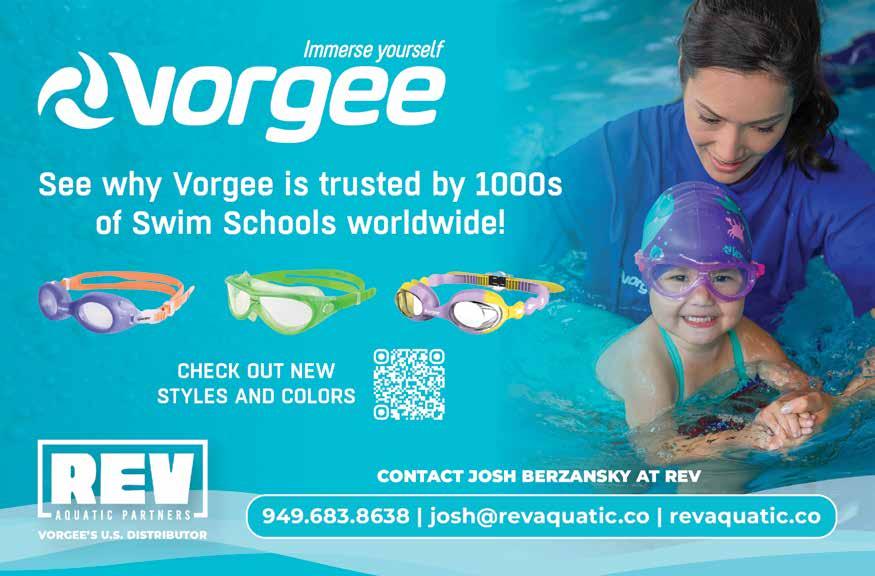



Social media is no longer optional— it’s essential. It’s how families find your classes, how students stay inspired, and how your business builds community.
Parents scroll Instagram and Facebook, teens connect on TikTok and get help on YouTube, and past students follow your success stories.
With the right social media ideas, you can:
• Boost class enrollment
• Retain students year after year
• Recruit and inspire staff members
• Keep your gym, school, or studio top of mind
STAYING SOCIAL HELPS CLASS BUSINESSES THRIVE YEAR-ROUND Social media keeps your business visible outside of the busy enrollment seasons.
Picture these moments:
• A parent sees your team’s video of kids conquering their first competition, then goes to your website to learn more.
• After visiting your gym or studio’s open play day, a parent, grandparent, or guardian later spots a targeted Facebook ad for classes and enrolls their child.
• A teen scrolling TikTok finds a highlight video of one of your coaches walking through the evolution of teaching a new skill and convinces their parents to look into your rates.
• A past student sees a throwback clip and reaches out to see if you have volunteer hours or open positions they can apply for.
Continued on next page...
BY ICLASS PRO
These moments aren’t just happy accidents—they start with smart, intentional social media strategies.
WHY YOUTH ACTIVITY CENTERS CAN’T IGNORE SOCIAL MEDIA
On average, Americans spend 2+ hours a day on social platforms making them one of the best ways to connect with families and students, attract staff, and support activities and skill building programs year-round.
Regular, audience-focused posts aren’t optional—they’re essential.
7 STEPS TO START BUILDING YOUR SOCIAL MEDIA STRATEGY
In this guide, we’ll cover seven important steps you can take to build a successful social media plan for your All Star cheer gym, swim school, dance studio, or gymnastics program.
The good news? You don’t need a Gen Z social guru on staff to succeed. With the right strategy (and this guide), you’ll learn how to:
✅ Craft content that engages every core audience.
✅ Repurpose what already works.
✅ Build campaigns that leave lasting impressions.
From branding basics to active engagement tactics, this guide will help you launch a winning social media strategy.
1. BUILD A STRONG SOCIAL MEDIA FOUNDATION
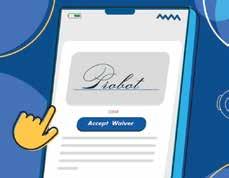
Photo Waivers & Privacy
Sharing real student photos and videos is a powerful way to build excitement, but always make a point to secure
signed waivers first. This protects your business and helps build trust.
As a general rule, parents and guardians have more peace of mind about photos or cameras around their youth if your organization details policies in writing about who will be in charge, where and when photos or videos are permitted to be taken, how the photos will be screened, and how they are used for marketing or social media.
Privacy laws can vary greatly in different cities, states, and countries. Always seek professional legal advice about best practices when creating photo waivers and agreements.
iClassPro’s online registration via the Customer Portal helps youth activity centers collect agreements and waivers!
Think of your socials as the “billboard” and your website as the “front desk” of your online operations. The majority of your social posts should link back to other elements of your business’ website such as registration, trials, or class and program info.
Use the same logos, colors, core images, and tone of voice across all of your social media platforms so families recognize you instantly whenever they run across your content.
SEO for Profiles
Add your organization’s location and address to social profiles in designated fields or your description. If it’s not clear what you do at your facility from your business name alone, include that detail too.
Parents often search terms like “dance studio near me” or “gymnastics in [city]” when they’re looking for a place to enroll. To appear near the top of those results, you want to keep local SEO keywords in mind for socials as well as your website.

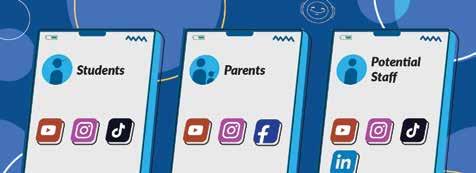
As a general rule, different generations use social media in different ways. Combine this with the specific features each platform excels at, and you start to form a strategy around which content will perform best on each platform.
Parents/Guardians (Decision Makers):
• Facebook → announcements, testimonials, events
• Instagram → reels of classes, registration reminders
• YouTube → safety explainers, FAQs, facility tours, coach highlights
Students (Future & Current):
• TikTok → fun challenges, training clips, skill leveling, behind-the-scenes
• Instagram → “day in the life” and highlight reels
• YouTube → safety tips, at-home tips, tutorials, event highlights
Staff & Instructors:
• LinkedIn → job postings, culture stories
• TikTok/Instagram → staff spotlights, team content
Community Building:
• Private Facebook groups for teams and for parents to connect
• LinkedIn groups for current and past instructors
BONUS: Platform Power Tips for Social Media Beginners
A single picture can be creatively dispersed across all your platforms. But to really use social media effectively, you need an understanding of what each platform does best.
• TikTok: Content under <30 seconds, use trending sounds, tap into challenges.
• Instagram: Reels target reach (more eyes); Stories are best for engagement (more action).
• Facebook: Optimal platform for groups, events, and targeted ads.
• YouTube: Ideal for longer storytelling, playlists, and sharing testimonials.
• LinkedIn: Highest impact with recruitment and leadership content.
3. SEASONAL SOCIAL MEDIA IDEAS FOR YOUTH ACTIVITY CENTERS
When coming up with ideas for social media posts, it’s important to match your content to the season and what’s likely going on in your audience’s life.
Let’s break it down!
Fall Content Themes:
Fall is all about fresh starts. Share content that ties into back-to-school transitions—like enrollment reminders, new staff introductions, or tips for balancing school with after-school activities. Hosting a fall festival, open gym, or open swim event? Highlight it on your socials to draw in families looking for fun seasonal activities.
Winter Content Themes:
Winter is the perfect season to spread warmth. Share heartwarming student stories, holiday greetings, and recital or showcase highlights. Get involved in the community with food or toy drives and spotlight your efforts online. To drive business, advertise parties. Promote gift cards or certificates as an opportunity to “give the gift of gymnastics/cheer/ swim/dance.”
Spring Content Themes:
Spring is a season of growth—both for your students and your program. Feature student spotlights, especially for those preparing for auditions, competitions, or college applications. As parents begin planning summer activities, create excitement with countdowns to special sessions, showcase your summer camp options, and remind families of end-of-season enrollment opportunities too.
Summer Content Themes:
Summer brings extra free time for students, giving you more chances to showcase your programs. Post videos or photos of impressive skills. Connect those achievements to bigger life skills like focus, determination, or discipline for parents who may be prioritizing resume or application building over other activities. If your program offers job shadowing, internships, or
leadership opportunities, share that content to attract older students and demonstrate long-term value.
4. CREATE CLEAR CALLS TO ACTION WITH YOUR SOCIAL POSTS
Every post should guide your audience to the next step. Make the purpose obvious and easy to act on.
Add a Link to Follow
Links are the simplest way to drive action—connecting people directly to your website and resources.
• Register Now – Give your audience a one-click path to sign up.
• Apply Now – Show why working at your activity center is the right fit, then point potential staff to the application.
• View More Testimonials/ Reviews – Share a testimonial or review page geared toward new student or staff recruitment.
• Join Our Community – Build your groups on Facebook or LinkedIn by inviting people who follow your page to join.
• Learn More – Share details about programs, blog posts, or important documents.
Pro Tip: Use a free link shortener (e.g., https://app.bitly.com) to keep posts clean and simple.
with Callouts
If your goal is engagement or reach (and your account already has an active following), use action-driven prompts:
• Like/Follow – Great to gain followers or get engagement for an extended social campaign with multiple posts.
• Tag or Mention – Invite followers to tag your page or a friend in response to your post. Perfect for challenges and storytelling campaigns.
• Leave a Comment – Spark conversation by asking a question, prompting guesses, or encouraging story-sharing.
• Share This Post – When promoting an event, goal, or challenge, ask your audience to help spread the word. Combine with a link for added impact.
Pro Tip: Reinforce your callout in the graphic (e.g., “Tag a friend who can match this skill!”) to boost engagement. For children’s activity centers with strong skill-based programs, iClassPro’s skill trees can be a real game-changer! Track student skill evolution and celebrate milestones with ease! Visit our skills page to learn more!
5. BALANCE FRESH CREATIONS & REPURPOSED CONTENT
Posting consistency matters more than volume. Even one post per week can work if it’s intentional. While most sources would suggest a minimum of 2 or 3 posts a week, we would argue that it’s more important to set a schedule you can commit to.
Social media should be a thoughtful, yet fun outlet for sharing information about your organization—not a source of stress.
• Create fresh content – Post something fresh and unseen at least every few weeks to make it more difficult for your followers to tune you out.
• Leverage existing assets: Repurpose your blog posts, newsletters, videos, photos as short post topics with a link to more information.
• Encourage user-generated content: Ask families to tag or caption your photos and join contests or challenges.
6. CREATE & POST YOUR SOCIAL CONTENT LIKE A PRO Create your social media content (graphics, post text, etc) in advance.
Use a tool to schedule posts weekly, monthly, or quarterly—then adjust as needed for real-time events and ideas. Use themes like #MotivationMonday or #ThrowbackThursday to create consistency and keep planning simple.
Review post metrics after a week to gauge response. Each quarter, identify 2–5 top performers and repurpose or model new posts after them to maximize results.
7. USE AI TOOLS TO BOOST YOUR CREATIVITY
AI won’t replace your efforts to build a comprehensive social media strategy. It won’t write more consistently than your own voice, but it can help you generate and improve on ideas.
It’s ideal for helping you brainstorm, organize your thoughts into plans, and saves time in creating first drafts.
Try using AI to:
• Generate trending post ideas.
• Repurpose uploaded blogs, newsletters, or photos into multiple posts.
• Build storytelling or teaser campaigns for parents/ guardians, students, and staff.
• Map out a posting calendar tailored to your goals.
Data Security Reminder: Never upload sensitive info (like rosters, financial data, or personally identifying information and images) into free AI tools. Always check how your data will be used before using a new tool. For safer options, consider paid AI tool accounts with stronger security and features.
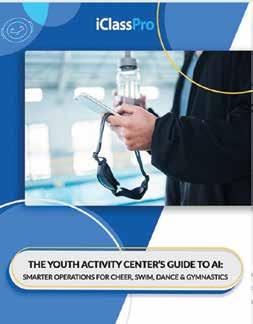
Could you use a little help with AI for your swim program? We’ve got you covered!
Access the Youth Activity Center’s Guide to AI : https://www.iclasspro.com/youthactivity-center-guide-to-ai
Conclusion: Start Creating a Social Media Plan for Your Gym, School, or Studio!
With a thoughtful strategy, your team can use social media to:
✅ Reach parents where they scroll
✅ Create moments of action
✅ Recruit high-quality staff
✅ Boost enrollments with urgency and social proof
✅ Stay top-of-mind year-round
✅ Build a thriving community of families, students, and staff
Pair these tactics with your broader marketing efforts and business goals, and you’ll create a social presence that sparks excitement, earns trust, and drives growth.
So put on your creative thinking cap to start sharing more of your story on social media!
FOR MORE DETAILS, VISIT: USSWIMSCHOOLS.ORG/EVENTS


FEB 19 – 20
2026 SPRING WORKSHOP THE BROADMOOR COLORADO SPRINGS, CO



MARCH 5 - 6
CERTIFIED POOL AND SPA OPERATOR (CPO) COURSE VIRTUAL

MARCH 14
CREATING NEXT LEVEL BABY TEACHERS WORKSHOP - PART 1 VIRTUAL

MARCH 21
CREATING NEXT LEVEL BABY TEACHERS WORKSHOP - PART 2 VIRTUAL
MARCH 28
CREATING NEXT LEVEL BABY TEACHERS WORKSHOP - PART 3 VIRTUAL

MAY 1 - 4
4TH INTERNATIONAL SWIM
SCHOOLS SPECTACULAR – (ISSA) CASCAIS, PORTUGAL
A3 PERFORMANCE
AQUAMENTOR
COUNSILMAN-HUNSAKER
EVERY CHILD A SWIMMER
INNOVATIVE PRODUCTS UNLIMITED
NEPTUNE BENSON, XYLEM
O2C BRANDS (GREEN SPROUTS)

POOLCORP COMMERCIAL AQUATICS
PROVEN PROMOTIONS
SBR SPORTS INC. (TRISWIM)
SNYDER INSURANCE SERVICES, INC.
SPORTS ENGINE MOTION
SWIM INFLUX
VORGEE USA
3rd Level | p16
A3 Kids | p9
Aqua Mentor | p27
Career Plug | p4
CES | p34
Counsilman-Hunsaker | p15
Every Child A Swimmer | p14
Flashpool | Inside Front Cover
FINIS | p12
Green Sprouts | p27
iClass Pro | p20
IPU | p30
Jackrabbit Swim | p6
Neptune Benson | p42
Paddock | p10
Poolcorp | p30
Proven | p43
Risk Management | p28
Splash About | p2
Starfish Aquatics Institute | p33
Tri Swim | p19
Vorgee | p19
Worldwide Swim | p37
We are excited to celebrate the achievements of those who have recently become Certified Fundamental Swim Instructors! Passing the CFSI exam is a significant accomplishment, reflecting your expertise and dedication as swim instruction professionals. We are proud to have you in our community and look forward to your continued contributions and commitment to excellence in swim education!
OLIVIA BROWN
Nitro Swimming Cedar Park, TX
LARKIN COUPAR
Nitro Swimming Leander, TX
GARRETT COUPAR Nitro Swimming Leander, TX
KHLOE DOUGLAS Nitro Swimming Cedar Park, TX
IRENE JIN
Nitro Swimming Cedar Park, TX
AMANDA MAJOR Nitro Swimming Bee Cave, TX
HAYDIN ODEAN
Nitro Swimming Cedar Park, TX
JOY ROORBACH
Shore Swim School Cape May Court House, NJ
COLTON STILL
Nitro Swimming Cedar Park, TX
JESSICA VENTURA
Swim With Gills, LLC Hobe Sound, FL
KRISTOPHER WOLLNEY
Nitro Swimming Bee Cave, TX
SAVANNAH WOODS
Nitro Swimming CedarPark, TX
We’re excited to announce our updated USSSA Member Referral Program, designed to reward you for helping our community grow!
We’ve heard time and time again that USSSA members are the reason other schools join! Your referrals make a real difference, and that’s why we’re making it even easier (and more rewarding) to invite others in!
Any learn-to-swim program can join the USSSA, including for-profit swim schools, nonprofits, backyard programs, and community-based lessons and organizations.
Earn $100 Credit for Every Successful Referral!
HERE’S HOW IT WORKS:
• Invite a swim school or learn-toswim program to join the USSSA
• The new member uses referral code REF100 and gets $100 off their first-year membership
• When completing their application, they must put your name under Personal Referral
• Once they join, you earn a $100 USSSA credit
• Earn $100 for every successful referral with no limit!
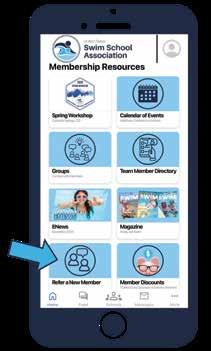
Pro Tip: While chatting with a potential new member, open your USSSA App (be sure you are logged in) and click “Refer a New Member” to pull up a QR code that takes them directly to the USSSA member application page for quick and easy access.
Use Your $100 credit(s) for:
• Membership Dues
• Conference Registrations
• Virtual Seminar Registrations
• Educational Courses
Here are some great benefits new members receive through USSSA. We also encourage you to share your own experiences when referring a school so they can hear firsthand how the association has helped your business grow:
• A nationwide network of swim school owners and instructors
• Professional development through conferences, seminars, and webinars
• Access to training materials, research, and best practices
• Increased visibility through the USSSA online directory and marketing tools
• Support on marketing, HR, safety, administration, and curriculum
• Our FREE mentorship program that connects swim school professionals for guidance, support, and real-world insight
• Member discounts from sponsors and industry partners
If you’re attending an aquatic event and need marketing materials to share, reach out to our team. We would love to help you represent USSSA and make it easy to refer schools on-site!
POWERED BY POOLCORP COMMERCIAL

SUPPLIER TO MEET ALL
Poolcorp Commercial Aquatics is your complete solution for swim school aquatics products. Backed by decades of experience and a team that lives and breathes commercial aquatics.
WE PARTNER WITH OVER 150 COMMERCIAL VENDORS , ENSURING WE CAN MEET EVERY NEED : TOYS
NOODLES, KICKBOARDS, FLOATING ANIMALS, CANOES EQUIPMENT FILTERS, PUMPS, HEATERS, VFDS, CONTROLLERS
LIFEGUARD SAFETY & RESCUE FIRST AID, SPINE BOARDS, RESCUE TUBES, GUARD CHAIRS MAINTENANCE SUPPLIES
AUTOMATIC VACUUMS, BRUSHES, POLES, VACUUM HOSES
STOCKING LOCATIONS NEAR YOUR FACILITY FOR PICKUP OR DELIVERY ABILITY TO STOCK THE PRODUCTS YOU NEED CLOSE TO YOUR BUSINESS
300+
STOCKING LOCATIONS, LOCAL DELIVERY & SUPPORT

Culture shows up in the small, daily behaviors people experience at work.
You see it in how leaders speak to their teams and how decisions get made. You also see it in how problems are handled when something goes wrong. Some organizations talk about culture as an abstract concept. Strong organizations treat it as a responsibility that requires clarity, consistency, and care. Every meeting and conversation either strengthens the culture or weakens it.
CULTURE MATTERS BECAUSE IT SHAPES TRUST AND EXECUTION. It also influences how quickly people learn and improve. It affects whether people speak up early or stay quiet until issues get worse. Culture also shapes whether customers get a reliable experience or an inconsistent one. It determines whether employees see their work as meaningful or simply a transaction. A great culture does not appear by chance. It shows up when leaders make conscious choices about how they will lead and what they will allow. If you want a great culture, it must be a culture by design.
Continued on next page...
BY JOHN SPENCE
ACROSS INDUSTRIES, HEALTHY CULTURES SHARE RECOGNIZABLE PATTERNS.
People understand why the work matters. Values are explained in simple, observable behaviors that guide how to treat one another. Feedback is consistent and focused on improvement. Psychological safety is intentional. Growth is expected and supported. These patterns show up in organizations that perform well over long periods of time.
You can see this in several wellknown companies and in many I have worked with directly. A respected hospitality group teaches financial literacy, writes vivid visions of the future, and uses simple routines that guide service and leadership. Netflix built high performance around talent density, candid conversations, and strong accountability. WD-40 uses “learning moments” to encourage honesty and reinforce that mistakes are opportunities. A diversified industrial company expects managers to lead with moral love, respect, and long-term stewardship. Their approaches differ, yet the leadership mindset is remarkably similar in practice.
1. A Healthy Culture Starts With Purpose.
People want a clear reason their work matters. Purpose becomes practical when it guides decisions and helps people see the significance of their contribution.
2. Strong Cultures Also Turn Expectations Into Simple Routines.
That hospitality group relies on service recipes. Netflix uses direct, context-rich feedback. These routines look different, but they lead to the same outcome. People know how to act because expectations are visible and repeatable, and leaders teach them carefully. Over time, routines reduce friction and give people a sense of stability that supports better execution.

3. Psychological Safety Is Another Essential Element.
People need the freedom to raise concerns and tell the truth without worrying about negative consequences. In my coaching work, I have seen teams communicate more openly when leaders acknowledge their own mistakes, ask for help, and thank people for raising tough issues. These simple behaviors tell people the truth is welcome. They also reinforce that accountability is the highest form of respect.
4. Systems Play a Major Role in Culture.
Hiring, promotion, development, and recognition need to reward the behaviors the organization claims to value. If the systems point one way and the culture message points another, people will follow the systems. That is why WD-40 evaluates leaders on how they treat people and why the hospitality group looks at how well managers teach, coach, and protect standards. They designed their systems to match their culture, so people have no doubt what “great” looks like there.
5. Leadership Behavior Brings Everything Together.
Culture strengthens when leaders are a living example of the culture they want to create. They communicate early and often. They listen with full attention. Great leaders make decisions with calm reasoning and address behavior problems quickly and fairly. They recognize good work in personal, specific ways. Few things erode a culture faster than a leader who ignores the standards they expect others to follow.
ANY LEADERSHIP TEAM CAN MOVE TOWARD A HEALTHIER CULTURE BY FOCUSING ON A FEW PRACTICAL ACTIONS.
1. Start by clarifying purpose and defining the behaviors that express your values. Use plain language. Test those expectations with your team. If people cannot explain them easily, refine them.
2. Then identify the routines where culture shows up most frequently Many teams start with one-onone meetings, feedback, decision communication, and customer interactions. Write simple checklists for each and teach them.
3. Model psychological safety by being open about your own learning Recognize people who live the values. Ask employees how they experience the culture and make visible adjustments based on what you hear.
Culture strengthens when leaders bring intentional effort day after day. It does not require grand programs or complicated frameworks. It requires leaders who show up with clarity, fairness, and genuine care. When leaders behave that way over time, people feel respected and trusted. At its core, a great culture is built when leaders treat people with dignity while expecting their best. That combination creates a place where people can do work they are proud of.
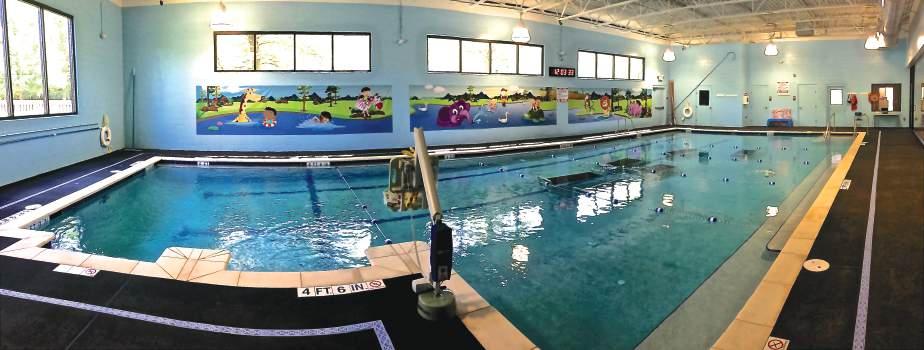
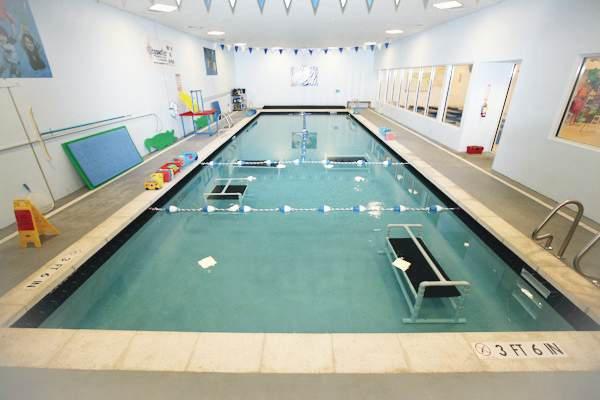

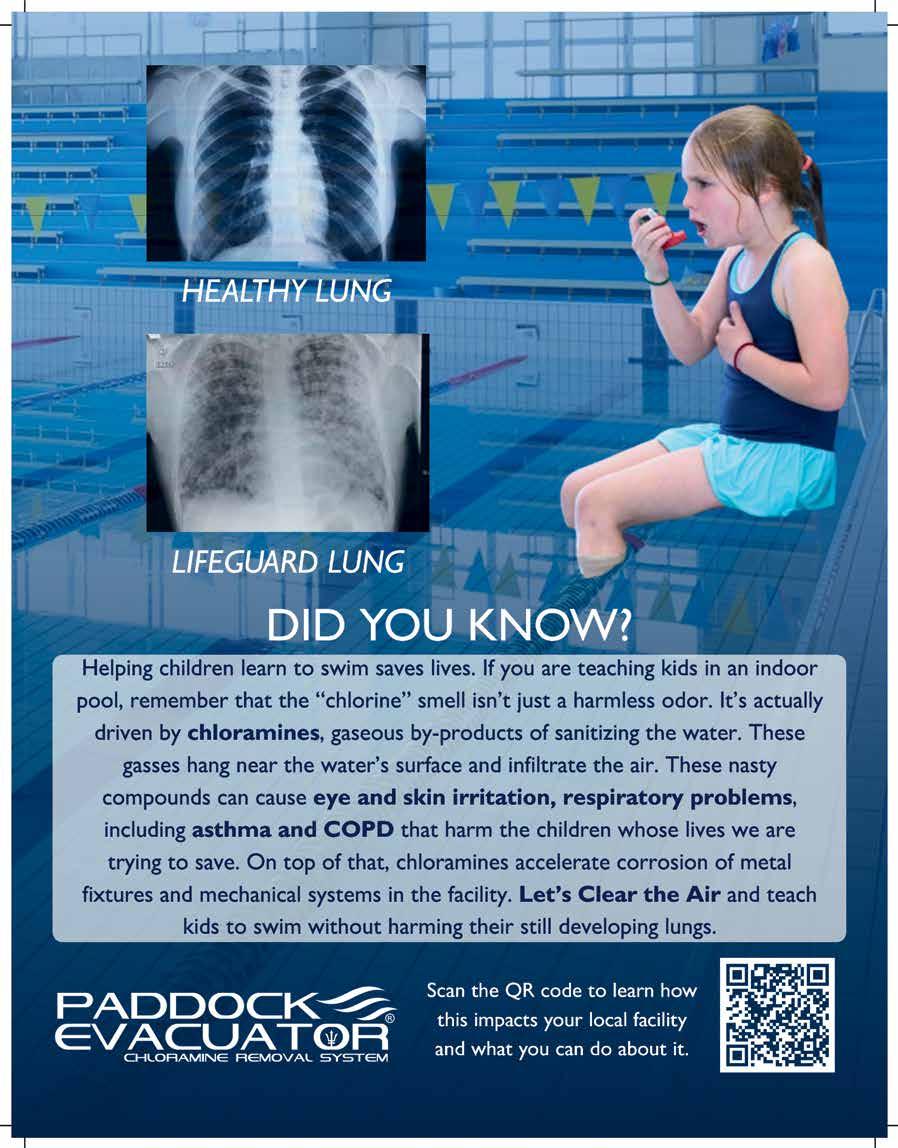
Proven swim school treatment systems since 1983 including:
UV • Saline • Ozone • Chemistry Controls • Drinking Water-Grade ltration
Wirelessly control your pump room including water chemistry, UV, Heaters.
Choice of leading USSSA Swim Schools!
Proven on-Site Support and Service throughout the US via the SSD™ Network .
Experts in new construction design and renovation treatment programs. Call us today for your FREE on-site evaluation!
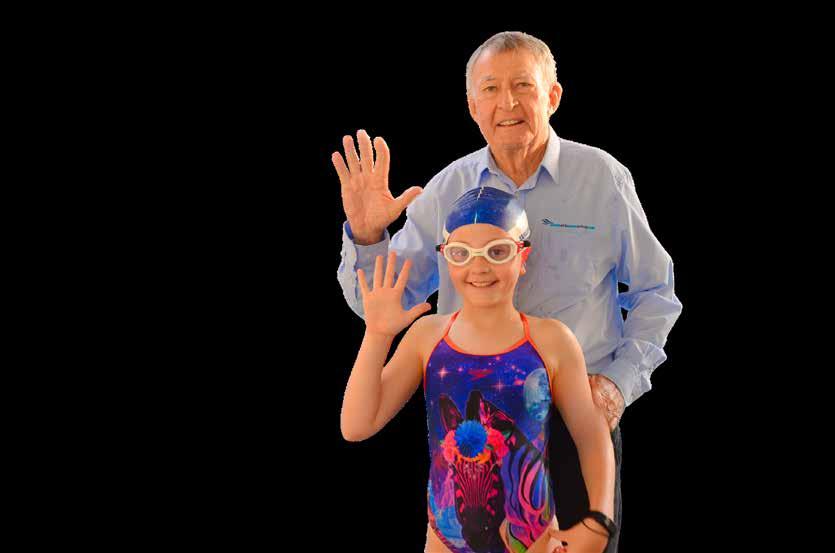
Laurie Lawrence is one of Australia’s most respected and influential figures in swimming education.
With more than 50 years of experience as a coach, educator, and advocate for water safety, Laurie’s impact extends far beyond elite sport. His philosophies on learning to swim have shaped generations of swimmers, teachers, and swim schools, both in Australia and internationally.
FROM ELITE COACHING TO LEARN-TO-SWIM EXCELLENCE
Decades of experience in the swimming industry led Laurie to create World Wide Swim School, an online platform supporting swim schools and teachers worldwide. It shares his proven methods, practical experience, and focus on safety and technique, providing a consistent framework for high-quality learn-to-swim programs and extending his influence globally.
Continued on next page...
BY LAURIE LAWRENCE WORLD WIDE SWIM SCHOOL
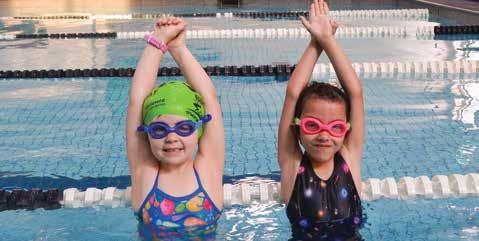
At the heart of Laurie Lawrence’s approach is a simple but uncompromising principle: every activity must be completed properly. Laurie believes that allowing poor technique in early swimming lessons wires incorrect movement patterns into a child’s brain. Once these patterns are established, they become increasingly difficult to correct as the child grows older.
From around the age of 4, children begin to develop greater control over their fine motor skills. Laurie sees this period as critical for establishing correct neuromuscular patterns. Even in under 4 programs, parents are encouraged to help guide their child’s legs into a straight, fast flutter kick. This early exposure helps develop the efficient kicking action required for effective propulsion later on.
As children progress to lessons without their parents, they should already be familiar with this straight-leg, fast kicking action. Laurie strongly believes that if children are permitted to kick or move their arms incorrectly, their brains will continue to reinforce those patterns. For this reason, he prefers children to swim short distances with excellent technique rather than longer distances with poor form. Quality always comes before quantity.
Water familiarisation forms the foundation of Laurie’s methodology. Beginners should always be taught in water where they can stand, helping
them feel safe and in control. Overhandling frightened children is avoided, as it can increase fear rather than build confidence. When support is required, teachers are encouraged to use a gentle, reassuring touch that allows children to feel the buoyancy of the water.
Clear routines for entering and exiting the pool help create predictability and trust. Confidence is developed through games, positive reinforcement, enthusiasm, and patience. Laurie places strong emphasis on building and maintaining trust, particularly with timid children. As confidence grows, children are gradually introduced to deeper water activities, allowing them to explore buoyancy in a controlled and supportive environment.
Encouraging independence is a key goal at this stage. Children are supported to try tasks on their own whenever possible, reinforcing selfbelief and competence. Throughout this process, water safety education for both children and parents remains a constant priority.
Breath control is introduced before bubbles or submersion. Laurie is clear that a child’s head should NEVER be forced underwater.
Teachers use demonstrations, imaginative play, and games to encourage children to place their face in the water voluntarily. Eyes and ears should be submerged, and breath control is gradually developed to around ten seconds. Laurie also encourages children to become comfortable submerging their face without goggles, promoting confidence and adaptability.
Submersion must always be voluntary. Initial attempts are best performed while holding the teacher’s hands, the pool edge, or a kickboard. Games such as picking up rings or ducking under lane ropes help make submersion enjoyable and stress-free. Children are taught how to recover safely to a standing position, beginning in shallow water before transitioning to deeper areas.
Floating is introduced once children are comfortable in the water. Kickboards are often used to assist early front and back floating attempts, helping children find balance. Laurie prefers that both front and back floating patterns are established for approximately 10 seconds before propulsive actions are introduced. This ensures children understand buoyancy and body position before learning to move through the water.

Propulsion is built upon strong floating and kicking foundations. Laurie structures freestyle and backstroke around a strong six-beat kick, using short distances to develop effective technique. Shallow ledge kicking is particularly useful, as it encourages a straight-leg action and limits excessive knee bend.
A correct streamline position is established early, with arms positioned behind the ears and the chin gently tucked. Children are taught correct hand entry and exit, an effective catch and pull, and an accelerated push through to the leg. Relaxed arm recovery is practiced through repetition and demonstration. Simple instructions, consistent practice, and clear examples of good technique are essential, especially for beginners.
Laurie Lawrence’s methodology is centred on progressive teaching and the careful development of strong foundation skills. Each stage of the learn-to-swim journey supports the next, with the goal of developing a quality swimming stroke that will last a lifetime.
1. The learn-to-swim process should follow a clear and logical sequence: water familiarisation, breath control, submersion, floating, propulsion, and learning to breathe, with water safety skills underpinning the entire process. Skipping steps or rushing progression compromises technique and confidence.
2. Central to Laurie’s philosophy is his belief in short distances swum with good technique rather than long distances with poor technique. This
approach supports the development of correct muscle memory, which becomes increasingly difficult to change as children grow older.
3. Frequent exposure to the water is key for beginners. Laurie encourages parents to support formal learn-toswim lessons with regular, relaxed play opportunities in the water. These experiences reinforce learning, build confidence, and help children develop lifelong comfort and competence in aquatic environments.
Through this structured and proven approach, Laurie Lawrence has shaped swimmers who are not only technically sound, but confident, safe, and prepared for a lifetime in and around the water.
Want more? Get more information at https://worldwideswimschool.com/ swim-schools/usssa/
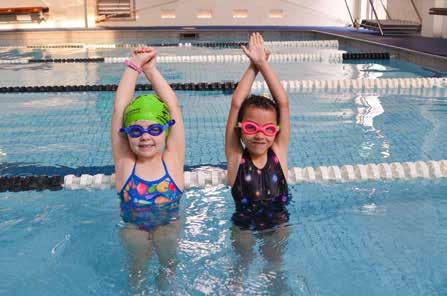




Colorado springs, co feb 19 - 20 , 2026
Experience the iconic Broadmoor Resort in Colorado Springs! A five-star destination surrounded by mountain views
Exclusive hotel rate: $175 per night for a luxurious room and accommodations
Designed for everyone in your swim school owners, managers, and instructors alike
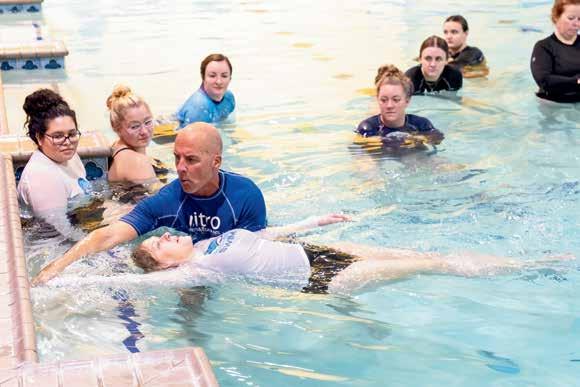
In-Water Sessions to refine and elevate your teaching techniques hands on
Actionable insights on swim instruction, business growth, customer service, and more Engaging sessions led by respected industry leaders
Collaborative learning that sparks ideas and solutions you can implement right away


Valuable networking with peers who share your goals and challenges
Meet and connect with sponsors offering innovative tools, technology, and resources to support your success








Pat Henneberry
Keynote Speaker
Best Selling Author

Charlie Houchin Swimmingly

Jacob Siegel Superhero Swim Academy
Traci Brown

Body Language Expert Angie Baker Aqua Pros Swim School
Keynote Speaker

Alexa Gerk
Jim Montgomery Swim School
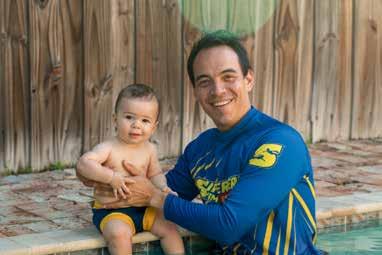
Leighann Day North Jersey Aquatics Club
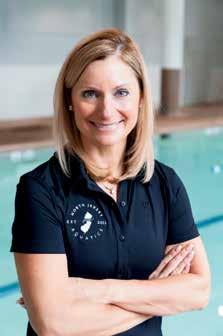

Andrew Kline SafeSplash

Sal Ulloa Premier Swim Academy
BY ALVARO G. MENDOZA COMMERCIAL ENERGY SPECIALISTS, INC.

IT’S A NEW YEAR AND WE WANTED TO MAKE SURE THAT WE WERE SETTING UP OUR SCHOOL FOR THE GREATEST POSSIBLE SUCCESS. COULD YOU PLEASE HELP US PRIORITIZE WHAT WE SHOULD BE DOING TO PROVIDE THE BEST SAFETY AND COMFORT FOR OUR PATRONS.
Welcome back to our “Ask the Expert” feature designed to assist you with issues related to swimming pool water, mechanical equipment, space conditioning, and code compliance. Ask a question, and we will try to answer to the best of our ability.
Happy New Year, and we know that a strong commitment is the first step in achieving excellence in your operations. Many of the highly successful operations integrate a step-by-step action plan, sometimes the simplest way to look at this is shortterm, mid-term, and long-term goals.
SHORT TERM: WHAT NEEDS TO BE DONE ON A DAILY BASIS.
• Pool Testing: Most Health codes require a minimum of one daily pool water test, which should be compared to the chemistry control system. You DO have one of those, right? (If not, implementing a reliable system, optimally with alert notification and digital data logging, should be job one).
One manual water test per day is bare minimum as many health department (DOH) codes, including the Model Aquatic Health Code (MAHC) recommend or require more frequent testing, down to every two hours, so please check with your local codes before setting a strategy.
• Equipment Room Safety Check:
One should walk their equipment room at least once a day, checking for things such as water leaks, filter soiling (is pressure differential <10PSI), pump noises, alarms on control systems, UV dosage, heater flow and temperatures, etc.
– Do your heaters have the correct flow? This can be confirmed via two (influent and effluent) thermometers and a flow meter) and can save money on heating and prevent expensive repair or replacement down the road.
– Does your UV system have the correct output to keep the odors under control, or does it need to be cleaned or serviced?
• Pool - Wet Room Safety Check:
One should also walk their pool room before opening the facility to patrons, checking for things such as proper water level (middle of the skimmer, or continuously skimming on the gutter), absence of floating debris or oil slick on pool surface, clean water level tiles, and most importantly – air quality. Are there noxious odors in the room, and are your eyes and nose affected by the air quality?
MID-TERM: WHAT NEEDS TO BE DONE EVERY ONE-TWO WEEKS.
• Additional Water Testing: One should also test for additional parameters such as combined chlorine
(irritation occurs above 0.04 PPM), calcium, alkalinity, and phosphates. While chlorine and pH are important, they do not impact water balance like calcium and alkalinity do, which is to protect your pool finish, heaters, pumps and valves from premature degradation. Water that is low in calcium and alkalinity is common as the city water that you fill you pool with is traditionally low in these, and one must make corrections on a periodic basis to prevent undersaturated or “hungry” pool water. Imagine the extreme financial hardship of being forced to refinish your pool because of a DOH mandate or when parents or kids complain that their feet are getting scuffed up.
• Manual Water Balance: Once you conduct calcium and alkalinity testing, one can purchase proper amounts of chemicals and manually correct the water balance to maintain a neutral Langelier or Ryznar balance (ask us for assistance if you don’t know how to handle this.) As an alternative to this entire process, one could utilize a calcium-based chemical instead, which also commonly includes some inherent alkalinity adjustment as well, and this chemical treatment alternative helps provide balanced water as a byproduct of chlorination.
LONG-TERM: WHAT NEEDS TO BE DONE MONTHLY, SEMI-ANNUALLY, AND ANNUALLY.
• Preventive Maintenance on Heaters: Pool heaters are vital to a swim school operation, and even a short-term loss of service can cause costly lesson cancellation for an afternoon, a day or two or more. Heaters not only need correct flow on a minute-by-minute basis but also need to be cleaned out and serviced 1-2x per year to make sure that the exchangers are clean, the pool flow and gas pressures are correct, and that the venting is properly releasing the potentially harmful Carbon Monoxide exhaust.
• Preventive Maintenance on UV: UV lamps surround passing water with light that help inactivate harmful
chlorine resistant bacteria and pathogens, while also neutralizing combined chlorine compounds that cause eye and skin irritation. As the lamp surfaces get soiled with the same oils, etc. that soil your water line tile, the output (as displayed on your readout) lowers, making them less effective. Simple cleaning if the output ever drops below 45 mJ will keep your instructors and patrons healthier and happier. The lamps also have a finite life of 10-20 months depending on your make, model, and application, so professional maintenance to check voltages and replace lamps on an periodic basis is paramount.
Is there a need for continual improvement to your systems? The swim school industry is getting more competitive every day, and newer pools are utilizing better water quality equipment, more monitoring and alert notification to catch and correct issues, and can provide a more consistent and more pleasant environment for instructors and patrons. New technologies also help remediate a fecal accident to CDC guideline in minutes instead of hours and assure the safest possible environment for all, so this might be a consideration for some schools.
While swim lessons may be the product you’re selling, pool room air and water is the medium, and folks have a history of going elsewhere if lessons are constantly cancelled, their eyes are irritated, the water is itchy or ugly, or the air hurts their lungs.
A solid commitment to review your control of the basics described above can help you keep your facility in peak operating condition. Also, a realistic look at the state of your facility compared to others in the market and help you budget and plan for continual improvement to keep pace with an ever-improving industry. Let us know if we can help you in any manner and we’ll provide additional information or answer any questions you might have.
Please feel free to forward your questions and comments through the USSSA office, or directly to me via email at amendoza@ceswaterquality.com.
Best Regards, Alvaro G. Mendoza
Filtration, disinfection, and circulation solutions trusted since 1956
Scan the QR code to learn how we can help your facility:
• Minimize downtime
• Lower operational costs
• Enhance bather experience
• Deliver clean and clear water
• Protect against chlorine-resistant pathogens
• Save water, chemicals, energy, and space







JUMP IN SWIM ACADEMY
Cori Latousek Kirkland, WA
LIVE2SWIM
Dylan Elkind Brookfield, CT
PACIFIC BLUE SWIM LESSONS
Nicole Dayton Penryn, CA
SAFE 2 SWIM
Brianna Searcy Graniteville, SC
SWIM LESSONS BY WATERSCAPE
Brooke Locke Amarillo, TX
SWIM MECHANICS - COLUMBUS
Barb Cunningham Columbus, IN
SWIMRVA
Debbie Kelo Richmond, VA

Professionalism isn’t just about appearances it’s about the consistent practices that keep a school running at its best. For this issue, we asked our Board of Directors to share the one habit or system that has given them the biggest professional edge in running a high-performing swim school.
If you could give one piece of advice to another swim school owner looking to grow enrollments this year, what would it be— and why?
Strong enrollment growth
built
At Watermelon Swim, we are intentional about how our brand shows up in the community. We focus on credibility and consistency by leading water safety education, partnering with hospitals and trusted organizations, and participating in conversations that matter to families long before they are actively searching for swim lessons. That approach changes the enrollment dynamic. When families already understand who you are and what you stand for, the conversation shifts from “Why should we choose you?” to “How do we get started?” A strong brand reduces hesitation, shortens decision time, and increases follow-through, creating sustainable enrollment growth without relying on constant promotions or increased advertising spend.
MICHA
SEAL WATERMELON SWIM
Parents have more options than ever when it comes to their children’s activities, but time and money are real constraints. To stand out, swimming must be positioned as a service they can’t get anywhere else. That doesn’t happen by simply hiring someone and hoping they “figure it out”, that’s just not realistic.
Hire intentionally and train professionally. Your team needs more than passion; they need the skills to truly support families. That means training in customer service, empathy, and how to confidently handle questions and objections—helping parents understand that swimming isn’t just a choice, but a responsibility.
Just as importantly, anything promised during the enrollment conversation must be backed up through the entire customer journey. Consistent, well-trained service is what builds trust, drives retention, and turns families into referrals.
Strong service doesn’t happen by accident. It’s built through investment and that investment is what will drive sustainable growth in 2026.
MELISSA MCGARVEY
BRITISH SWIM SCHOOLS
Obsess over making it ridiculously easy for a parent to say “yes
Why this matters:
Most swim schools don’t lose enrollments because parents don’t want lessons—they lose them because the process feels confusing, slow, or overwhelming. Parents are busy, emotional buyers. They’re worried about safety, consistency, and whether their child will actually learn. The school that removes friction wins.
• One clear call to action everywhere
• Clarity beats perfection: Clearly explain, If parents have to dig, they will bounce
• Fast follow-up = more enrollments
• Reduce decision fatigue: Fewer class options, clearer pathways.
At the end of the day, growth isn’t about louder marketing—it’s about removing obstacles. The easier you make enrollment feel, the faster your program fills.
SUSIE VAN EKEREN
WISCONSIN SWIM ACADEMY
The fastest, most sustainable way to grow enrollments is to keep the families you already have. To do this, you need to invest in instructor quality, consistent communication, and clear progress milestones so parents see and feel the value of staying enrolled. This takes a concentrated intention with a plan. When families trust the outcomes and feel connected to your mission, they not only stay longer—they become your most effective marketing channel.
From there, growth comes through intentional engagement. Leverage those satisfied families by encouraging referrals, such as “Refer a Friend” coupons, sharing real progress stories, and maintaining a visible presence in your community and online. Consistent follow-up with waitlists—while not easy, it is well worth the investment of time and can be somewhat automated with your CRM—combined with seasonal outreach and clear onboarding for new families, ensures that interest turns into enrollment and enrollment into long-term commitment, creating a lifetime of loving and learning to swim.
DEBBIE SAYERS
DOLFUN SWIM ACADEMY
If I had to give one piece of advice, it would be to focus on how parents feel, not just what you offer.
Parents enroll because they want their child to be safe, confident, and happy in the water—not because of lesson formats or pricing. When your messaging clearly shows that kids gain confidence, independence, and real water safety, families connect faster and are more likely to enroll and refer others. Look at your current customers as your current sales team!
LORI KLATT
AMERICA’S KIDS SWIM SCHOOL
IF I COULD GIVE ONE PIECE OF ADVICE TO ANY SWIM SCHOOL OWNER LOOKING TO GROW ENROLLMENTS
THIS YEAR, IT WOULD BE THIS: STOP CHASING “MORE LEADS” AND START BUILDING A GROWTH FLYWHEEL THAT MAKES FAMILIES STICK, SMILE, AND SHOUT YOUR NAME FROM THE BLEACHERS.
First, obsess over retention because the easiest enrollment to “gain” is the one you don’t lose, and a loved-on family is a loyal family. Then make referrals ridiculously easy and fun, because parents trust parents way more than they trust ads. At the same time, fix the leaks in your enrollment process, tighten your communication, simplify sign-ups, and remove every “wait, what do I do next?” moment because even excited families will bounce if the path feels messy or slow. Finally, get crystal clear on what you’re known for and train your front desk team like they’re your secret sales squad (because they are). That first phone call or front desk hello? That’s not “admin” that’s marketing with a human heartbeat. When retention, referrals, clarity, and experience work together, growth becomes consistent, not seasonal, and your swim school starts to feel less like hustle and more like momentum.
BRITTANY MOOG
BITTY BUBBLES SWIM SCHOOL
One powerful way to grow enrollments is to focus on visible progress, not just lessons.
When parents can clearly see what their child is learning and achieving through simple milestones, regular updates, or small celebrations, they feel more confidence that their investment is working. That confidence leads to stronger retention, more referrals, and fewer pauses in enrollment. Schools that don’t just teach progress but actively show it create higher perceived value which can lead to more referrals, attracting more families.
LISA ZARDA USSSA
CHECK OUT THE BOOK OUTGROW, ALEX GOLDFYN AND $100M MONEY MODELS, ALEX HORMOZI.
Both give great importance to personal connections, phone calls, follow up, tracking, upselling correctly, confidence in the call and the importance of the swing.
ROSE CHOLEWINSKI SWIMAMERICA AND SWEET PEAS, DAVIS