Building momentum
2025 IMPACT REPORT




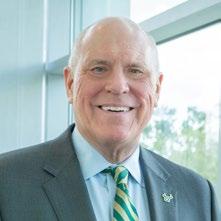
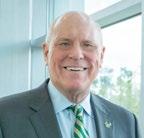
This past year marked my first full year as dean of the Muma College of Business, a year defined by building momentum. From day one, our focus has been clear: to unite our strong internal team with rich relationships across the university and the business community toward a vision that will accelerate progress and expand impact.
We kicked off 2025 by launching a new 10‑year strategic plan, the culmination of insights and collaboration from hundreds of faculty, staff, students, alumni, and business leaders. This plan is more than a document; it’s our guidepost for future growth and a shared commitment to action. Each of our seven schools has now built its own action plan aligned to this overarching strategy, ensuring that our priorities are activated with discipline, clarity, and accountability.
One of the year’s signature milestones was the launch of the School of Management, a strategic step to meet growing demand for the management major and to elevate our high‑performing faculty in the discipline. This new school strengthens our undergraduate and graduate pathways and positions our students—and our region—for what’s next.
We also brought two powerhouse programs together: hospitality and sport/entertainment management. The merger created the School for Hospitality and Sport Management, a faculty‑driven effort designed to strengthen world‑class educational programs and address industry needs across two interconnected disciplines. With experienced leadership and deep industry ties, the school is poised to continue the momentum it has built—expanding opportunities for students and advancing workforce innovation in one of Florida’s most dynamic sectors.
Our commitment to lifelong learning took another major leap forward with the opening of the Center for Executive and Leadership Education. The center connects organizations to research‑based insights and custom learning experiences, serving leaders at every career stage while strengthening the bridge between academic knowledge and business practice across Tampa Bay and beyond.
Along the way, several programs earned national honors and top rankings, reflecting the quality of our faculty and the momentum across our graduate and professional offerings. These recognitions reinforce what we see every day: teams who set ambitious goals, execute with focus, and deliver outcomes that matter for students, employers, and our community.
We are proud of all that has been accomplished over the past year. The groundwork we have laid—the strategic plan, our school innovations, and our investment in executive and leadership education—has set the stage for even greater achievements to come. Thank you to our faculty and staff, students, alumni, partners, and friends for your energy and engagement.
Together, we are building momentum—and we are just getting started.
David W. Blackwell, Ph.D.
Lynn Pippenger Dean, University of South
Florida Muma College of Business
STRATEGIC PLAN, 2025-2035
The Muma College of Business empowers learners to achieve their dreams, creating value through the knowledge generated and shared by our highly engaged hub of innovative students, faculty, sta and business leaders.
The Muma College of Business will become the acclaimed partner of choice for learners, scholars and leaders from the business community.
Learn broadly and deeply
Practice open-mindedness
Collaborate with the community
Nurture creativity and innovation
Think and act entrepreneurially
Lead positive change ethically

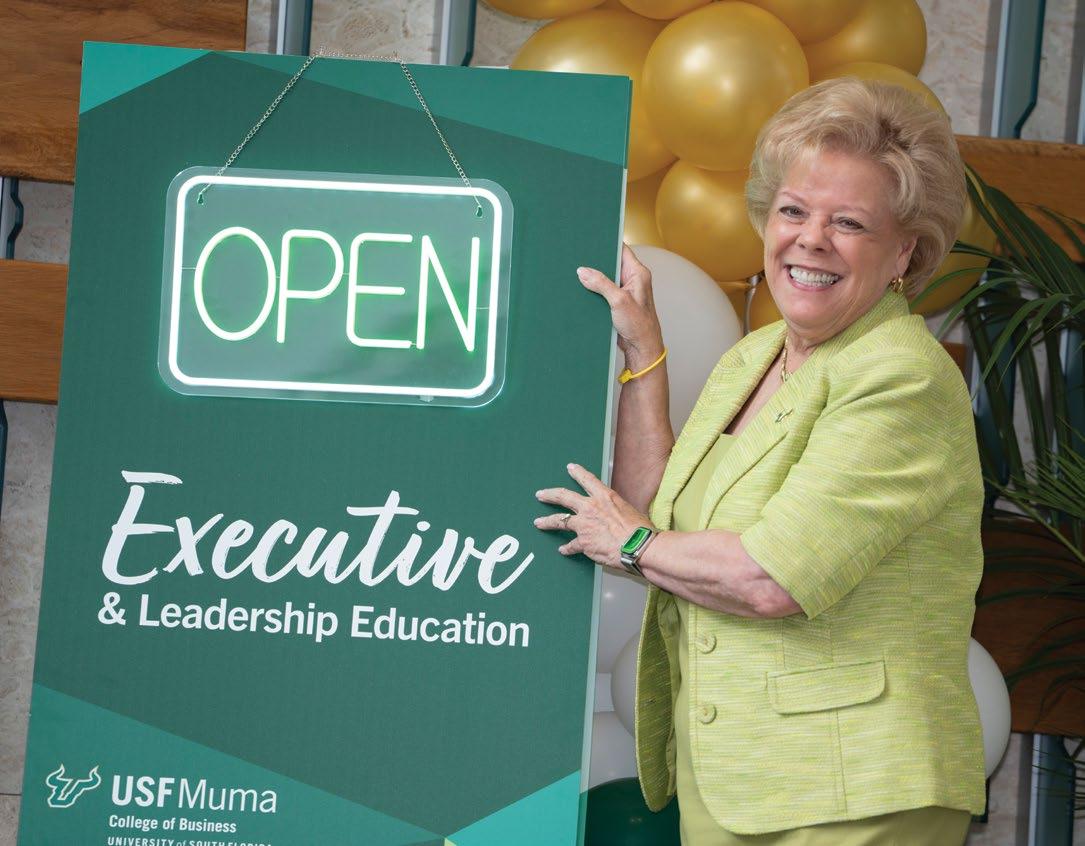
The University of South Florida Muma College of Business launched its new Center for Executive and Leadership Education in fall 2025, offering national caliber leadership training to corporate leaders and executives in the Tampa Bay region.
About 100 business and community leaders attended the launch celebration for the new center. Speakers shared how the center would fill a regional need for high level leadership education and custom corporate training programs.
“This center advances our mission to empower learners to achieve their dreams and to serve as a highly engaged hub for business leaders at every stage of their education,” said David Blackwell, the Lynn Pippenger Dean at the Muma College of Business.
“The pace of change has never been faster, and executives need relevant, research backed insights that they can immediately apply to their work.”
Housed within USF’s business college, the center will be located at the Kate Tiedemann School of Business and Finance on the St. Petersburg campus.
With global corporate training spending surpassing $360 billion annually and leadership development ranked as a top organizational priority, the center will act as a critical bridge between academic knowledge and business practice.
“Today is about momentum. It’s about the bold vision we have for executive and leadership education at USF. And it’s about what we can build together that no single company, no single
college, no single leader could do alone,” said Jon Kaupla, associate dean and executive director of executive and leadership education.
The center will partner with organizations to design custom education programs, and in 2026, unveil a suite of open enrollment programs for mid level, senior and executive leaders seeking to enhance their skills and advance their careers.
USF President Rhea Law said the center will deliver a world class curriculum to help executives better respond to challenges and opportunities.
“We want to provide current and emerging executives with the tools and insights that will enable them to successfully navigate constantly evolving challenges,” she said.
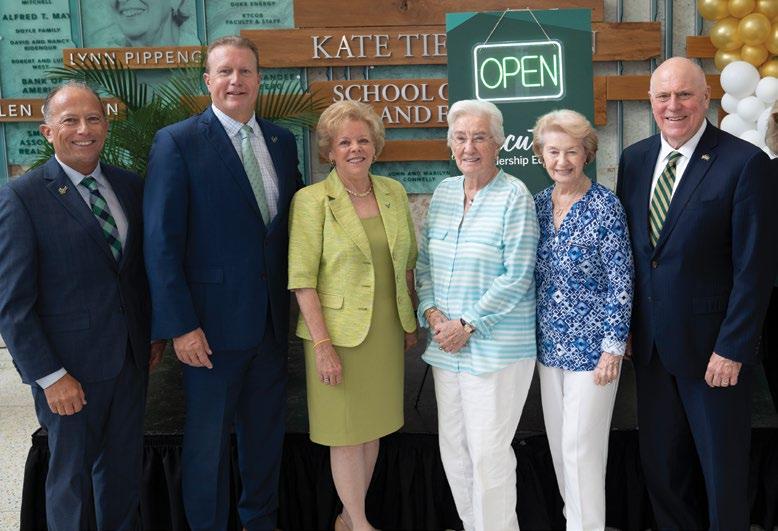
President Law also announced a $3 million gift from Kate Tiedemann and Ellen Cotton, benefactors of the Kate Tiedemann School of Business and Finance, to support a robust start for the center. “Kate and Ellen helped make this important and needed initiative a reality, and we are extremely grateful for their support.”
Blackwell announced that USF was invited to join the University Consortium for Executive Education (UNICON), a prestigious global consortium of executive education centers based at top business schools. Member schools include Stanford, Harvard, MIT Sloan and Wharton.
C.J. Mintrone, executive vice president at PNC Bank and a member of Muma’s Executive Advisory Council, said traditionally companies have flown their executives to academic institutions out of state for leadership development.
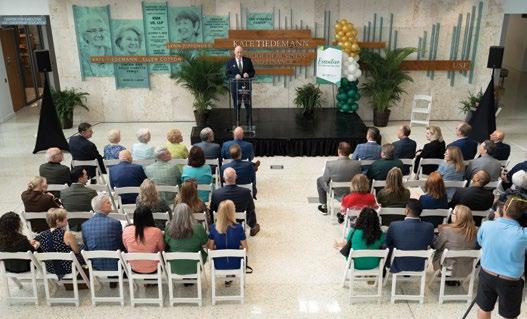
He said that “playbook” doesn’t make sense. “USF is not new to this space. The faculty here have been teaching and shaping executives for years. That expertise is already here, anchored in Tampa Bay,” Mintrone said.
The new center will offer regional companies something other big name academic institutions can’t deliver — a real understanding of the industries, the culture, and the opportunities unique to this region, he said.
The team leading the center includes Kaupla, retired Bank of America executive Bill Goede, and academic director David Howard, who is coordinating programming in conjunction with dozens of business faculty and executive leaders.
“I have had the privilege of working with a variety of organizations over the years through Bank of America,” said Goede. “As a part of this center, I am thrilled to continue working with many of these organizations to co create solutions as they invest in their leadership teams.”
To show the caliber of executive education to be produced, the center started its first webinar series, “Executive Edge: The Six Dimensions of Modern Leadership,” in November. The monthly lunchtime series will run through April, and interested participants can register for free on the center’s website.
At the end of the 30‑minute kickoff event, university leaders turned on a neon green ‘OPEN’ sign to declare the center “open for business.”
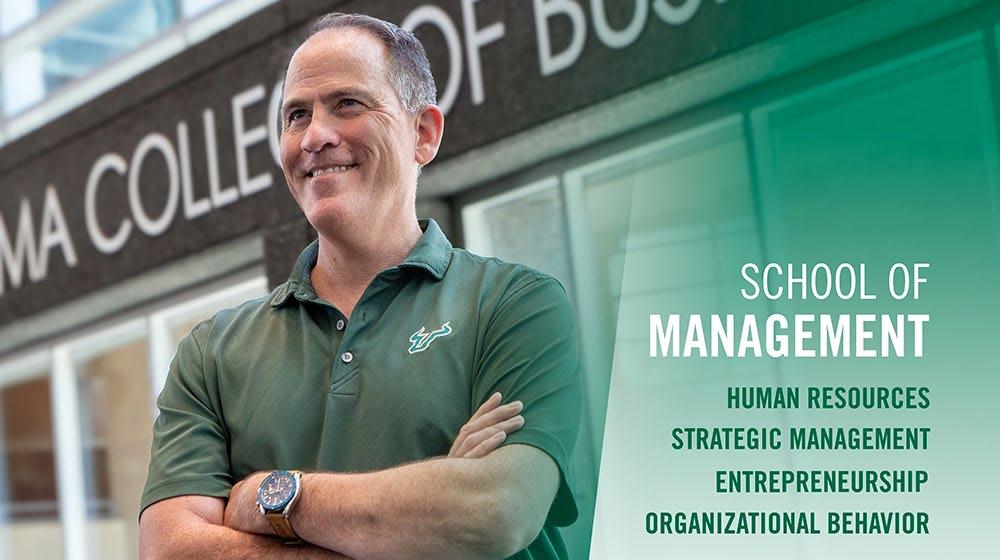
The Muma College of Business created a new school in fall 2025 specific to the management discipline.
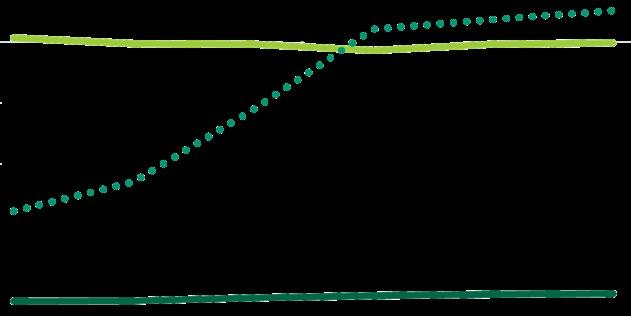
The new school is fueled by its growing demand for the management major. Since 2020, the college saw management majors jump by 44%, climbing from 799 to 1,147, in just four years.
The School of Management is the business college’s seventh school, with the six others specializing in accountancy, finance, hospitality and sport management, risk management, marketing and information systems.
The restructure brings the college’s existing management related programs and management faculty — those specializing in areas such as strategy, organization behavior, human resources
and entrepreneurship — under one academic roof.
“Elevating our management discipline into a distinct school makes perfect sense,” said David Blackwell, the Lynn Pippenger Dean at the Muma College of Business. “It leverages our high performing management faculty and will grow industry partnerships, enable executive education, and establish an identity with the management field among our students, faculty and alumni.”
“It also helps students feel like they are part of something bigger,” he said.
Having a separate school aligns with the college’s strategic plan, Powering Dreams: 2025 2035, which aims to foster outstanding student learning, produce impactful research, and cultivate collaboration among
community partners, and build the college’s brand and reputation.
A separate school raises the School of Management’s visibility with increased opportunities to collaborate with alumni, academic colleagues and industry leaders through advisory councils, conferences and workshops.
Blackwell appointed management professor Ed Tomlinson, to lead the school as its interim director.
Tomlinson, who has taught a wide range of courses in organizational behavior and human resource management, said the new school offers a variety of programs within the management discipline that students can tailor to fit their career aspirations.
“A distinct school of management allows us to capitalize on our world
class faculty, and bring together management scholars from various management disciplines to help students prepare for the challenges they’ll face in their future careers,” said Tomlinson.
The school houses USF’s undergraduate programs in management, global business and entrepreneurship, as well as master’s programs in management and entrepreneurship. USF’s Nault Center for Entrepreneurship and the Bishop Center for Ethical Leadership also became part of the new school. The school also plans to grow its undergraduate and graduate programs in human resource management.
There is a growing demand for students with a bachelor’s degree in management.
According to CareerSource Florida’s 2024‑2025 Regional Demand Occupations List, there are over 850 listings for human resource positions and over 1,000 listings for management analysts.
“The new school’s courses of study are designed to optimize student career success so that when they graduate, they have a great job to land in, and they’re prepared for these challenges and rigors as they embark upon their career,” Tomlinson said.
To receive updates on future USF School of Management activities, sign up here.
Two closely tied industries — tourism and sport management — joined forces at USF’s Muma College of Business.
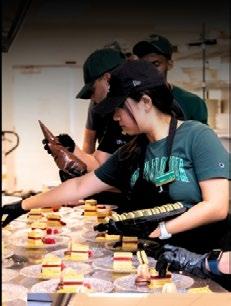
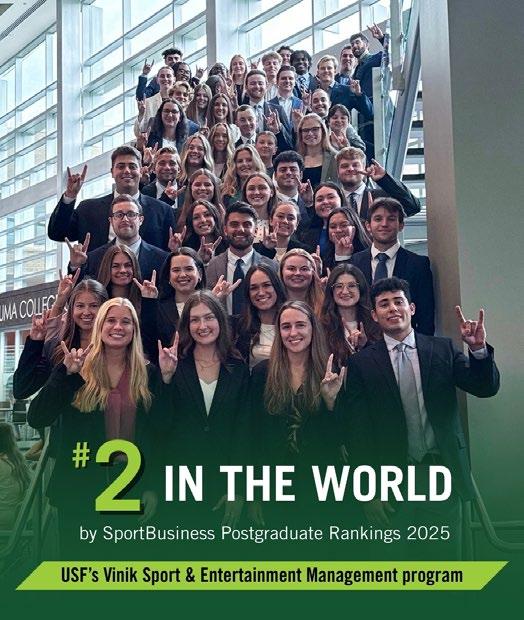
Academic leaders announced the merger of the Vinik Sport & Entertainment Management program with the college’s school of hospitality to form the new School of Hospitality and Sport Management.
“This strategic integration creates a dynamic academic alliance,” said David Blackwell, the college’s Lynn Pippenger Dean. “It combines the strengths of both programs to enhance our curriculum, advance research initiatives, and prepare our students for multi faceted careers in sport, entertainment, hospitality and tourism.”
The merged school launched in fall 2025 and Blackwell appointed Michelle Harrolle as interim director of the school. Harrolle is also the director of the Vinik Sport & Entertainment Management program.
In the works for more than a year, the merger provides students on all three campuses a more extensive range of career pathways and a global perspective on the interconnectedness of these industries.
“The new school creates a powerhouse of research and training in sports, hospitality and tourism,” said Brooke Hansen, associate director of the School of Hospitality and Sport Management. “Sports tourism accounts for one quarter of the world’s tourism industry, and we have a strong corner on that market here in the Tampa Bay region.”
Other benefits include:


• Greater flexibility for students to tailor their academic paths and specialize in their areas of interest
• Opportunities for interdisciplinary studies and research addressing complex challenges within the sectors
• Joint conferences and events
• More connections with industry partners and opportunities for internships and collaborative projects.
The new school also houses USF’s Brewing Arts Program, an online certificate program taught by hospitality professor, Joe Askren.
Future generations of Tampa Bay residents will have a brighter financial outlook, thanks to a new partnership between the University of South Florida Muma College of Business and Grow Financial Federal Credit Union.
The new Grow Financial Literacy and Planning Clinic at USF will provide financial education resources to students, high school teachers and the greater Tampa Bay community.
Over the past five years, Tampa Bay has consistently ranked among the worst in the nation for managing household debt when compared to metro regions of similar size. This clinic seeks to change that.
“At Grow, our mission is to serve people, not profit,” said Thomas Feindt, CEO of Grow Financial. “And by partnering with USF on this initiative, we continue our commitment to making things grow — people, communities, money and dreams. We look forward to empowering students to build brighter financial futures with the knowledge, skills and tools this clinic will provide.”
Through this partnership, Grow Financial plans to commit up to $1.8 million to the clinic over the next four years, and its team members will actively participate in the clinic’s activities.
Housed in USF’s Kate Tiedemann School of Business and Finance, the
“At Grow, our mission is to serve people, not profit. And by partnering with USF on this initiative, we continue our commitment to making things grow — people, communities, money and dreams. We look forward to empowering students to build brighter financial futures with the knowledge, skills and tools this clinic will provide.”
— Thomas Feindt, DBA ’25, CEO of Grow Financial
clinic will work closely with several USF programs and will be led by a professor overseeing student coaches majoring in personal financial planning. These students will deliver workshops, speak to high school classes, and offer one on one coaching sessions covering topics such as budgeting, debt management, credit and home loans.
“This clinic aligns perfectly with our strategic priorities to serve our community and foster student success,” said David Blackwell, Lynn Pippenger Dean of the Muma College of Business. “We are proud to partner with Grow to power dreams — not only for USF students, but for the countless lives that will be changed in learning to make sound financial decisions.”
The idea for the clinic was inspired by law school legal aid clinics, said Timothy Greer, director of USF’s personal financial planning program.

“This will give students real world experience while serving their communities,” said Greer. “We wanted to create a similar opportunity that allows students to develop their professional skills while addressing a real need for financial education.”
For Grow Financial, this initiative reflects their long‑standing commitment to serving the local community. They continuously work to support people by forging meaningful relationships and investing time, energy and resources in the Tampa Bay region. Knowing how important financial literacy is to making smart, informed decisions, Grow Financial is proud to partner with USF in providing accessible resources and opportunities to students.
The clinic features collaborations with several organizations and programs at USF, including the Gus A. Stavros Center for Free Enterprise and
Economic Education, which will host workshops for teachers focused on integrating financial literacy into the K–12 curriculum. These resources support compliance with new state requirements to increase personal financial literacy education in public high schools.
“This partnership with Grow Financial is a wonderful example of how collaboration with the business community can expand opportunities for our students and improve lives throughout the Tampa Bay region,” said Gary Patterson, director of Kate Tiedemann School of Business and Finance.


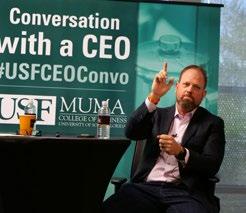
CEO Casey Ellison shares entrepreneurial journey and passion for revitalizing historic spaces
Ellison was the featured speaker at the Conversation with a CEO event hosted by the USF Muma College of Business.
USF and Neptune Flood’s 2024 flood survey reveals increased consumer awareness
The annual survey offers vital insights into homeowners’ viewpoints on flood insurance nationwide, highlighting significant shifts in risk perception, barriers to insurance adoption, and consumer preferences.
‘State of the Region’ researchers reveal how Tampa Bay measures up against peer communities
The complementary reports serve as a roadmap for local and state legislators, public and private business leaders, and community organizers to improve the region’s economic health and growth.
High schoolers explore stocks, fintech and investments at USF’s finance camp
In its second year, the Bulls Finance Summer Camp covers topics like personal finance, investments, corporate finance and fintech through a mix of interactive lectures, collaborative projects, and industry tools.
CEO Elodie Dorso talks leadership lessons and the importance of health care access
Dorso was the featured guest at Thursday’s Conversation with a CEO event. She is the CEO and president of Evara Health, one of the nation’s largest community health centers.
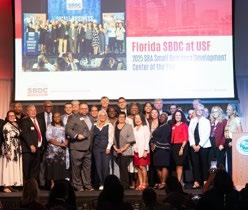
The Florida SBDC at USF won the statewide Small Business Development Center of the Year Award for 2025 from the U.S. Small Business Administration
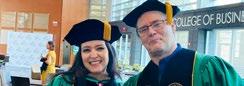
From classmates to soulmates: Three years, two degrees and one happily ever after Jacqueline Benavides and Kyle Kelly met in 2022, the first year the online DBA program was offered at USF. The program gave them a path toward academic growth and, unexpectedly, toward each other.
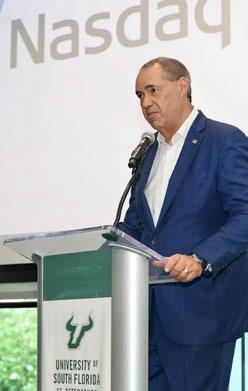
USF and Tampa Bay Wave launch 2025 FinTech|X Accelerator cohort
Now in its fourth year, the FinTech|X Accelerator has become a premier launchpad for high potential, early stage fintech companies. It is designed to help startups accelerate growth, attract investment and scale innovative solutions that are reshaping the future of finance.
Women in Business
Summit inspires resilience, collaboration at USF Sarasota-Manatee
The half day program, presented by Bank of America, featured keynote speaker Lisa Krouse, president and CEO of First Tee and former chair of the Greater Sarasota Chamber of Commerce, along with panels of executives, educators and community leaders.
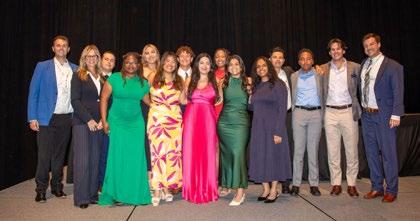
USF’s Gamma Iota Sigma Delta Beta chapter wins national Bowers Award
The Delta Beta chapter — founded in spring 2023 — became the youngest chapter in the organization’s history to receive the top collegiate chapter award.

Alumni spotlight: Jared Knisley puts DBA research into practice with merger acquisition Knisley entered the DBA program struggling to understand how to scale his small company, Fizen Technology. His research helped him find those answers.
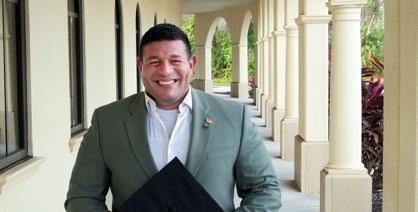
From abandoned to accomplished: Angel Torres overcomes an ‘insane’ childhood to walk at graduation
At 40, Torres will graduate with a master’s degree in management — the first in his family to earn a college degree and one of the many firsts for the veteran whose life is marked by abandonment, poverty, abuse, and paralysis.
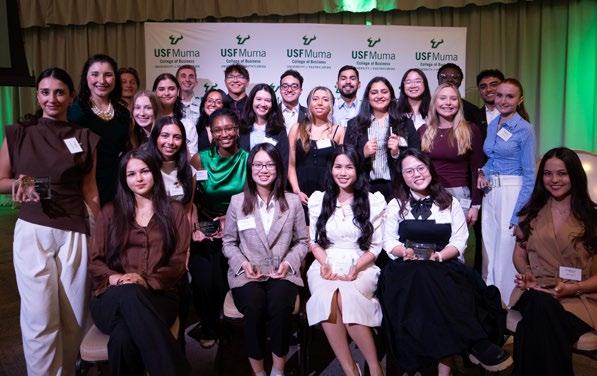
The USF Muma College of Business celebrated its top undergraduate and graduate students in April for its annual 25 Under 25 awards program. Six executives outside the college served as judges, evaluating applicants for excellence in academics, leadership, professional development and service.
First generation students, immigrants and changemakers from all walks of life comprised the 2025 class of honorees.
Despite growing up in a remote Puerto Rican countryside with limited educational opportunities, Claudia De Jesus is now an incoming global markets analyst for the Royal Bank of Canada Capital Markets. At USF, she led Phi Chi Theta to a top 3 national chapter ranking and connected Investment Club students with mentors and positions with top employers.
Anastasiya Bulhakova escaped the war in Ukraine as a high school senior, serving as a translator for English‑speaking medics and American volunteers who were helping refugees. She graduated in December as a King O’Neal Scholar with a perfect 4.0 grade point average.
Spring finance graduate Joshua Streitmatter volunteered more than 450 service hours for local and international causes and raised $45,000 to help burn victims, while also winning USF’s real estate case competition two years in a row and working for Eschenbaugh Land Company.
The other honorees included Smriti Amar, Minh Anh Bui, Jaden Bramelus, Lucy Foust, Minh Ha Pham, Ivan Hernandez, Jazlynn Hirschhorn, Kegan Hood, Tabitha Hung, Rylee King, Ceren Kocak, Aakif Lalani, Ver’Shanti Lamb, Emilie Leyva, Wendi Masis, Linh Nguyen, Jacob Park, Anna Sartes, Eric Torres, Laura Vargas, Iryna Vasko and Amber Woolverto.
Business Analytics and Information Systems: 511 Entrepreneurship and Innovation: 80 Finance: 963 Global Business: 108 Hospitality Management: 105
Information Assurance and Cybersecurity Management: 35 Management: 420 Marketing: 571
Personal Financial Planning: 44
Risk Management and Insurance: 31
Supply Chain Management: 97

Comparison Accountancy and Analytics: 457 Advertising: 22 Artificial Intelligence and Business Analytics: 30
College of Business
University
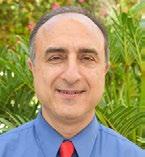
Ehsan Sheybani, professor in the School of Information Systems and Management on the Sarasota Manatee campus, was named the USA winner of the 2025 Sahlgrenska Global Health Hackathon.

Lu Kong, assistant professor in the School of Information Systems and Management, received the 2024‑ 2025 Muma Outstanding Teaching Award.

Jacqueline Reck, the Robert Keith Professor in the Lynn Pippenger School of Accountancy, was reappointed by the Board of Trustees of the Financial Accounting Foundation to serve on the Governmental Accounting Standards Board. Her second term extends through June 2032.
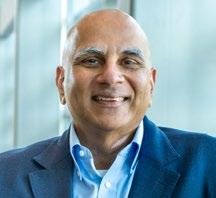
Munir Mandviwalla was named director of USF’s School of Information Systems. A prolific design science researcher focused on digital transformation, his work has generated over $10.3m in funding from Fortune 500 companies.
Randy Anderson, a leading real estate scholar and investor, became USF’s director of real estate programs in July.
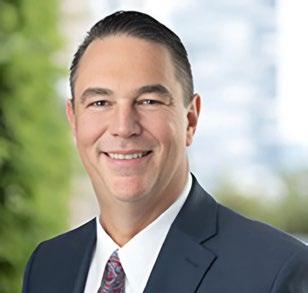
Senior instructor
Mike Sinclair named Chapter Advisor of the Year by Delta Sigma Pi, the nation’s largest co ‑ed business fraternity.
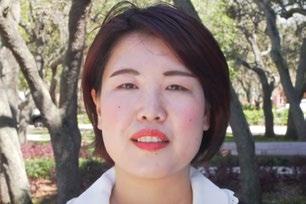
Tingting Zhang, an associate professor in the School of Hospitality and Sport Management, received the 2025 WLP Dr. Kathleen Moore Faculty Excellence Award for the Sarasota Manatee campus.


Tengteng Ma, assistant professor in the School of Information Systems, received the 2024 Editorial Contribution Award and the 2024 Author Service Award from the Electronic Commerce Research Journal and the 2024 Meritorious Reviewer Award from INFORMS Journal on Computing.

Falling for “fake” phishing: USF study finds smarter way to train employees to thwart phishing scams
Companies often send out simulated (or “fake”) phishing emails to its employees to see who take the bait and click. Those who fall for the simulated scam usually get an on the spot lesson meant to help them catch suspicious messages next time.
These phishing simulations — called embedded training because once users fail, they are sent into training mode — are widely considered a “best practice” in the cybersecurity anti phishing industry.
But new research co led by University of South Florida’s Muma College of Business faculty finds that approach might not be the best way to help employees learn from their mistakes.
The study published in MIS Quarterly, was co authored by Dezhi Yin and Matthew Mullarkey from USF’s Muma College of Business, Gert Jan de Vreede from Stevens Institute of Technology, and Moez Limayem, president and professor at the University of North Florida, who will start as USF’s ninth president in 2026.
“Giving feedback only to the people who clicked the ‘fake’ phishing email misses a big opportunity,” said Yin. “We found that employees learn better when everyone — even those who didn’t fall for it — gets a follow up message explaining the phishing test.”
This new research identifies two shortcomings of embedded training:
• The instant feedback can be limited in reach. Only those who got duped are given training, while those who passed may end up falling for a real phishing attack later.
• Catching employees at the exact moment of failure, called “just in time” training, can be counterproductive. This on the spot training can cause negative reactions in employees who feel exposed and may get defensive.
Instead, the researchers recommend taking a non‑embedded approach. By providing feedback to everyone after the entire simulation is over, the exercise turns into a broader and more positive learning opportunity.
food, not gym memberships, motivates frontline workers to be at their best, USF study reveals
When it comes to motivating employees to be at their best, new research reveals frontline workers, such as cashiers and retail clerks, prefer perks involving food and outings over health benefits and gym memberships.
Co authored by Dipayan Biswas, who holds the Frank Harvey Endowed Professor of Marketing, the comprehensive study examined five different categories of company sponsored wellness benefits — food, social, mindfulness, physical and health — to see which ones resonated with employees in customer facing jobs.
Free meals and events, such as happy hours or a company picnic, go a long way in inspiring workers to provide better customer service.
Published in the Journal of Marketing Research, the study found that wellness programs involving food and social gatherings led workers to feel more valued and develop a greater sense of indebtedness to their employers.
Those employees are more likely to care about their company’s well being and pay back their organizations in improved job performance, service quality and customer assistance. And better customer service translated into generating higher sales for the retailer.
“The recommendations for any business, small or large, is when you’re having these wellness programs, the ones that foster nourishment and connection have stronger downstream effects on customer‑related positive effect,” Biswas said.
Biswas said the research showed that food had the most impact, followed by social gatherings. Mindfulness activities, such as having a meditation room, also saw positive consequences. Physical and health wellness benefits, such as a flu‑shot drive or a gym membership, saw the least impact.
Biswas said the idea for the study grew out of the growing popularity of company‑sponsored wellness programs. More than 90% of companies worldwide have some form of wellness programs and are on track to spend over $90 billion a year.
The article is based on five studies including a pilot study, field studies, a preliminary sales study at a large European supermarket chain in the Nordic region that showed wellness benefits involving food, social and mindfulness resulted in higher annual sales, as well as an internal meta analysis.
The other study authors were Stephanie Noble from the University of Tennessee, Dhruv Grewal from Babson College, Riley Krotz and Carl Philip Ahlbom from Florida State University, and Jens Nordfält from the University of Bath.


When it comes to giving feedback, especially to bosses, employees want their voices heard. Some crave more coaching. Others seek a better leader‑team connection. Still others pine for managers who inspire, while practicing patience.
But leaders shouldn’t rush to change their behaviors too fast, according to new research from the University of South Florida. If change happens too quickly, skepticism may arise, and employees are likely to believe it’s too good to be true.
Published in the Academy of Management Journal, the authors found that employees see quick change in response to feedback as less authentic than gradual change.
“For leaders, sometimes it’s not enough to just change. We have to consider how it might also be perceived, and people believe that true change takes time,” said Danbee Chon, assistant professor of management.
The results are from three studies where Chon and co authors Ovul Sezer (Cornell University) and Francis J. Flynn (Stanford University) examined how leaders respond to employee concerns. The first study surveyed 205 doctoral students from research universities. The other studies sampled over 2,000 employees using leadership action plans written by real executives in response to 360 degree feedback.
Conventional wisdom suggests managers should make swift changes in response to feedback, to show employees
that their concerns have been taken seriously. But surprisingly, the opposite seems to hold true.
The study’s findings showed:
• Leaders who jump too fast to change their behaviors are seen as less authentic, even when employees ask for those changes
• Employees viewed managers who make swift changes as less sincere, while a slower, gradual rate rings true
• The “authenticity penalty” is especially strong when the change is difficult
• Genuine change is what keeps employees speaking up
Chon noted that the study’s conclusions relate to voluntary feedback concerning a leader’s behavior. The authors believe that changes in response to feedback related to other concerns, such as routine business operations, may yield different results, because such changes may not require “changes in the leader’s core sense of self.”
Chon said they do not recommend leaders always take a slow approach to a change in behavior. Instead, consider the trade‑ offs when deciding which approach makes the most sense.
“When change is easy, leaders who change rapidly may be viewed as less authentic, but more responsive — enabling employees to feel seen and heard,” she said. “Authenticity is one — important, but nevertheless, one — facet of leader evaluations.”
Despite growing awareness of fake online reviews, a new research article finds that consumers still overwhelmingly trust what they read — even when they shouldn’t.
The article, “The Illusion of Authenticity in Online Reviews: Truth Bias and the Role of Valence,” was recently published online in the premier journal Information Systems Research.
The research investigates a key question: Are consumers naturally skeptical of online reviews, or do they tend to believe them? The answer lies in what psychologists call a “truth bias” — the tendency to assume information is truthful unless there’s strong evidence otherwise.
“Our research is among the first to examine how consumers make real or fake judgments of online reviews,” said Dezhi “Denny” Yin, an associate professor in the USF School of Information Systems and one of the article’s co authors. “A better understanding of the consumer perspective is critical, as it is consumers who are the ultimate target of review manipulation.”
Other co authors include Samuel D. Bond of the Georgia Institute of Technology and Han Zhang of Georgia Tech and Hong Kong Baptist University.
The research conclusions are derived from five experimental studies conducted between 2018 and 2023, in which Yin and his co authors gave study participants a collection of reviews and asked them to classify each review as “real” or “fake.”
Even when told in advance that half the reviews were fabricated, participants consistently classified the majority of reviews as real.

In one example, participants were shown 20 restaurant reviews and told that only 10 of the reviews were authentic. All the reviews were presented on a single screen, making it easy for participants to go “back and forth” to calibrate their judgments. Nonetheless, they still classified an average of 11.38 reviews as authentic.
“This illustrates the power of truth bias in this context,” Yin said.
The researchers also explored how the tone of reviews — positive or negative — affects perceptions of authenticity. Real world data from a variety of online platforms shows that negative reviews are more likely to be fake than positive reviews.
However, participants in the studies were substantially more likely to trust negative reviews than positive reviews.
“Our findings suggest a striking contrast between reality and perception,” Yin said.
The research has significant implications for platforms and marketplaces that rely heavily on consumer reviews. The researchers argue that relying on users to “report” suspicious content is largely ineffective. Instead, platforms should prioritize identifying and mitigating fake negative reviews and labeling potentially fraudulent content.
They also suggest that interface design can play a role in reducing deception, for example, by grouping positive and negative reviews separately or providing rating based sorting tools.
Yin and his co ‑authors also hope to inspire more research that builds on theories of deception and consumer psychology to combat misinformation in the digital marketplace.

Do elaborate and in depth reviews help persuade online consumers to buy a product?
Conventional wisdom says yes. More details — positive or negative — give potential buyers more to deliberate on, and thus, carry more weight in a consumer’s decision making process.
That’s why high quality reviews often get top billing on a product’s page — an effort to entice online shoppers to go with the “wisdom of the crowd.”
But new research published in Management Information Systems Quarterly reveals — surprisingly — that consumers’ use of online reviews in decision‑making might not be as deliberative and logical as commonly believed.
“Reviews that get more exposure can substantially and automatically shape consumers’ purchase decisions,” said Dezhi Yin, an associate professor in the School of Information Systems, who co authored the study.
“Review exposure holds more sway than review elaborateness, and this difference is even greater for negative reviews than positive reviews,” he said.
The article “Deliberative or Automatic: Disentangling the Dual Process Behind the Persuasive Power of Online Word of Mouth,” was published online on March 1 in MIS Quarterly, a premier journal included among the top 24 business journals compiled by the University of Texas at Dallas.
Yin said the study’s nuanced findings offer important practical implications for review platforms, product manufacturers and retailers on how to better showcase online reviews.
Researchers recommend review platforms and online retailers do the following: Reconsider the effectiveness of highlighting the top reviews. Currently the most helpful reviews appear as top reviews based on the intuitive belief that they are most relevant for consumers. However, that strategy might be misguided because reviews with higher exposure are more persuasive, Yin said.
When giving consumers the option to see more reviews, Yin suggests only showing additional reviews and not
repeating the top reviews to reduce undue, additional exposure of the same reviews.
When designing the display of reviews, online retailers should consider how often reviews are seen.
Yin also urged retailers to take a balanced approach when dealing with an increasing number of reviews.
The researchers conducted two controlled experiments using positive and negative reviews for a hypothetical online purchase of a compact and foldable wireless mouse. Each study involved positive and negative reviews of the mouse; the reviews were designed in such a way that participants needed to weigh elaborate product details versus repeated exposure before reaching a purchase decision, allowing researchers to assess consumers’ unconscious trade offs.
Aside from Yin, the article’s co authors include Zhanfei Lei from the University of Massachusetts Amherst and Han Zhang from the Georgia Institute of Technology.
$1.5m
Bellini Center for Talent Development awarded 2025 Distinguished Program at Suitable Pathways Conference. in business scholarships awarded in 2025.
Over Business Honors Program in the state.
in the nation executive MBA, ranked by Fortune.
public part-time MBA program
U.S. News and World Report ranks USF No. 38 nationally, No. 25 among public universities and No. 2 in Florida in its 2025 Best Business Schools directory.
>95% placement for first generation Corporate Mentor Program students.
AIS research rankings
for graduate entrepreneurship
For 2026, Entrepreneur magazine and The Princeton Review ranked the graduate program at No. 11 in the country, No. 7 among public universities, and No. 2 in the South. The undergraduate program is No. 24 overall and No. 14 among public universities in the Top Schools for Entrepreneurship Studies for 2026
in the nation MS in Information Assurance and Cybersecurity Management ranked by Fortune
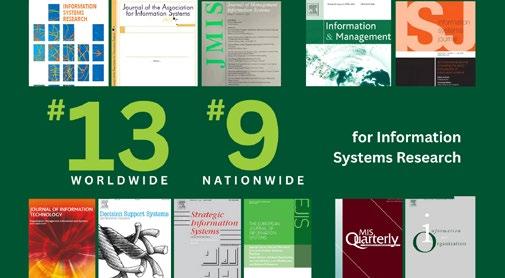
The Muma College of Business ranked No. 13 globally, No. 9 in the nation and first in Florida as a top producer of premier information systems research in the AIS research rankings measuring top publications from 2020 to 2024.
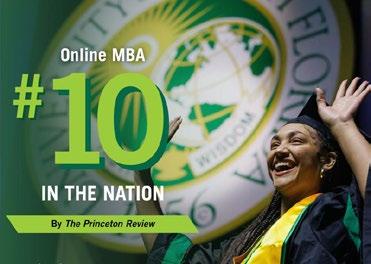
Online MBA program ranked No. 10 in the nation, No. 7 among public universities and No. 1 in Florida on the Top 50 Online MBA Programs for 2025 by The Princeton Review
U.S. News and World Report ranks the online MBA program among No. 16 in the nation, No. 12 among public universities, and No. 28 for veterans, according to the annual survey of the 2025 Best Online Programs.
University of South Florida
Muma College of Business
4202 E. Fowler Ave., BSN 3403
Tampa, Florida 33620