FTC Talks Advertising, Pricing Regs with NIADA
By Jeffrey Bellant
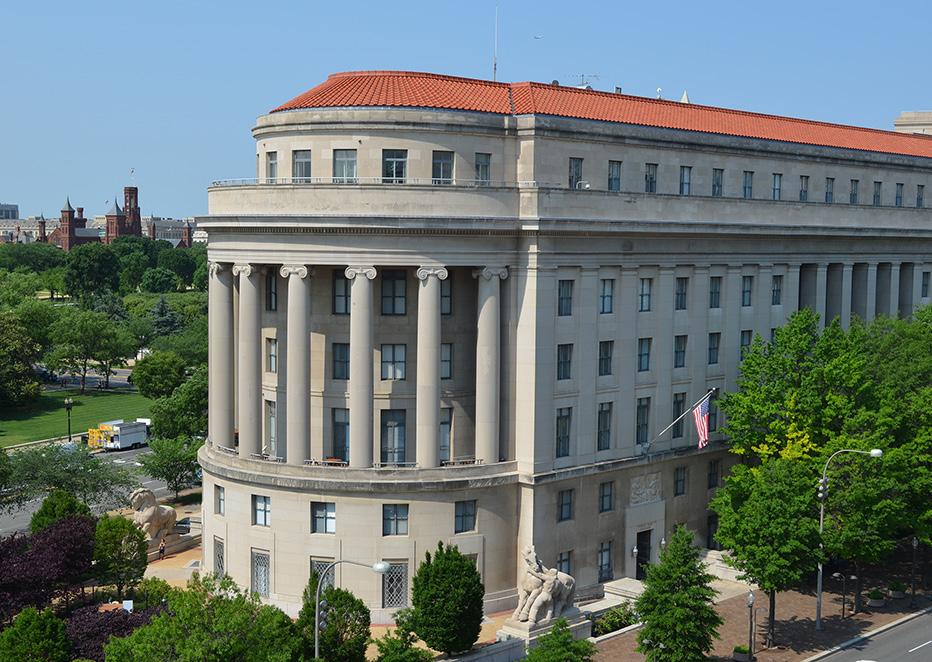
Auto dealers were put on notice in March when the Federal Trade Commission sent letters to 97 auto groups nationwide “warning them that the prices they advertise must be the total price—including all mandatory fees—that consumers will be required to pay.”
The FTC called on dealers to review their advertising and pricing policies and explained its reasoning in a March 13 announcement on its website.
“The Trump-Vance FTC is committed to preventing auto dealers from misleading consumers with low advertised prices and then adding on mandatory fees at the end of thd purchasing process,” said Chris Mufarrige, Director of the FTC’s Bureau of Consumer Protection.
“The FTC will remain focused on monitoring auto dealerships to ensure that the market functions efficiently and competitors are transparently competing on price.”
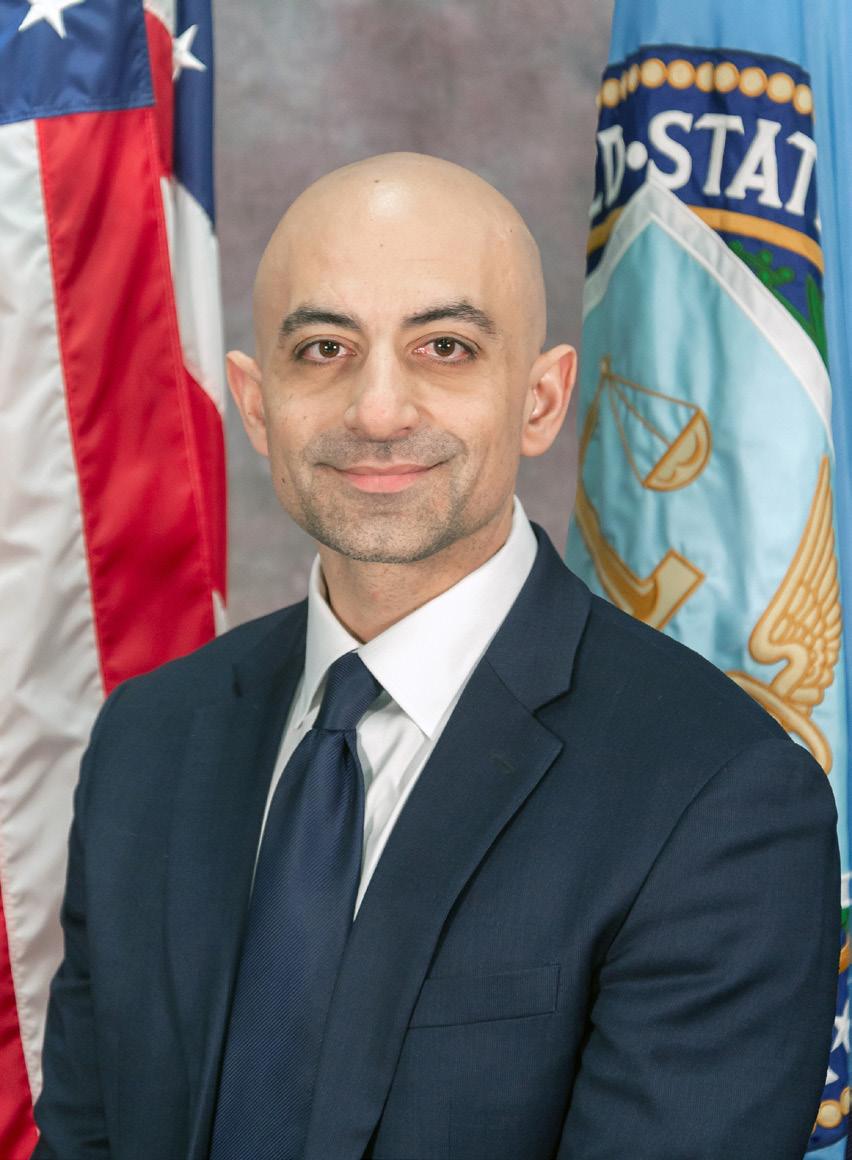
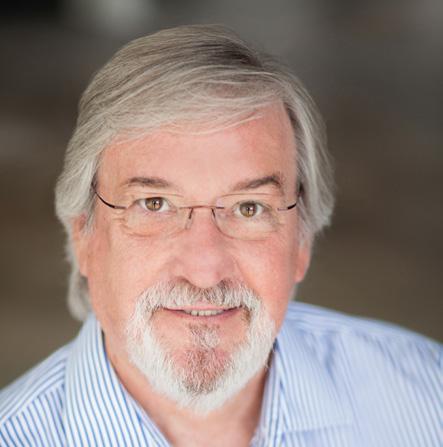
Mufarrige, who once had worked at a familiy auto dealership, recently joined Patrick O’Brien, NIADA director of government relations and compliance, on a webinar to discuss issues relating to the announcement and to the FTC Safeguards Rule.
Mufarrige said pricing transparency is central to the mission of the FTC and its Bureau of Consumer Protection Division.
O’Brien added that NIADA has received “lots of positive feedback” in response to the FTC letters.
“Our members embrace this type of market conduct policing,” he said. “We believe, frankly, the market works best when you have a level and competitive playing field and this type of policing of market con-
duct is exactly how you get there.”
However, dealers have asked – if they see market misconduct in their community or industry – is there a formal process for them to share that information with the FTC for potential follow-up.
Mufarrige said there are multiple avenues to do this, from working through NIADA to get those complaints directly to the FTC or reporting issues at reportfraud.ftc. gov.
O’Brien raised concerns about problems when there are state fees that might be allowed but conflict with federal laws.
Mufarrige said, broadly speaking, there doesn’t seem to be any conflicting laws like that, although there may be some “nuanced examples or patterns that might present some tension.”
However, if there were a case where state law conflicts with federal law, then “federal law wins,” he
said.
“In this instance, the expectation under federal law is the total price that’s advertised reflects all mandatory fees that a consumer will have to pay in order to purchase the vehicle,” Mufarrige added.
O’Brien said since advertising transparency is the “crux of the issue,” he asked that if a dealer was using a third-party platform to advertise his cars, who is responsible for ensuring that the price reflected on the platform is accurate, particularly in cases where the platform is at fault for the problem?
This could be a case of a typo, failure to update the platform or pricing, etc.
Mufarrige said if the dealer is the one responsible for putting wrong information out there, he would be responsible. If the third-party platform made the mistake, it would be at fault.
“Along those lines,” O’Brien said,


“Does the FTC recognize any grace period in the sales date and the point at which the vehicle is no longer advertised as available, before the dealership is considered out of compliance?”
For example, if a sold car drives off the lot, is there a grace period for the time it takes to pull that car off the online site?
Mufarrige said if a car is sold, the system should be able to take the car down from the website quickly. If you sell a car on a Monday, it should be pulled off the site that day or the next day, he said.
O’Brien said the other big issue that drives a lot of dealers’ concerns and questions involves doc fees. While only mandatory fees like sales taxes, title, registration, etc., may be excluded from the price, does it mean that doc fees should be included in the overall price?
O’Brien said there has been some confusion based on who is asked.
Continued on page 3



Used Car News
5/18/2026
FTC – Continued from page 1
“The (answer) is unequivocably ‘yes,’” said Mufarrige. “If it’s a fee that dealers require consumers to pay, then it should be reflected in the total price. That principle governs regardless of the name of the fee that the dealer gives to it, whether it’s a doc fee, a service fee or paperwork fee.
“These are all fees that a dealer is not required to make the consumer pay, so that’s the key.”
Mufarrige promises that the FTC will be issuing answers to FAQs in the coming months, addressing dealers’ concerns regarding these issues.
O’Brien added that the webinar was not intended as legal advice and that dealers should also always confer with a legal or compliance expert.
O’Brien also spent time during the webinar discussing issues connected to the FTC Safeguards Rule, which requires financial institutions “falling under FTC oversight to develop, implement and maintain a comprehensive information security program to protect consumers’ sensitive financial information.”
It is designed to prevent data breaches, identity theft and misuse of customer information.
It applies to dealers as financial institutions when they arrange financing with lenders, offer buy-here, pay-here financing, lease vehicles or
In Memorium
Longtime auto industry veteran Allen Lentsch died on April 10, 2026, in Lilydale, Minn., surrounded by family.
He was born on Dec. 12, 1941, in Webster, S.D., to Carl and Ida Lentsch. He graduated from Roslyn High School in 1960.
Allen married Joyce Vrchota on May 11, 1963, in Eden, S.D. Together they had three daughters: Deborah, Dawn, and Tamara.
Lentsch served in the U.S. Army for three years, where he was stationed at a Nike site in Minnesota and worked in missile defense.
Lentsch worked for Prudential for 20 years while also remodeling and building homes.
He built one of the first passive solar homes. He later served as Execu-
collect and transmit customer financial data to lenders.
Covered information includes nonpublic information such as credit applications, social security numbers, income information and credit reports.
Dealers must have an information security program. That should set forth how your dealership is complying with the rule.
“If you are investigated by the FTC, one of the first documents they will are going to seek is your written security program,” O’Brien said.
That should also include a designated qualified individual responsible for the information security program. It could be an employee, an affiliate or service provider.
“Most importantly, that individual should have the ability to manage security systems,” he said.
Their responsibility includes overseeing implementation and enforcement; managing risk assessments; monitoring safeguards; and reporting annually to senior management or ownership.
Dealers should conduct a risk assessment to identify and assess risks to customer information from internal or external threats to system vulnerabilities to effectiveness of existing safeguards.
Dealers must limit access to customer information to authorized personnel, from things like unique user credentials, secure password
requirements and terminating access when employees leave.
Dealers must also encrypt customer information when transmitting over external networks and storing sensitive information on devices or servers.
The training of employees (done at least annually) and awareness are required, about things like phishing attempts, for example. Requirements also include service provider oversight, such as due diligence before hiring vendors and contract provisions requiring safeguards and ongoing monitoring of vendor compliance.
Dealers should have an incident response plan, which requires the FTC to be notified when there is a breach which affects more than 500 people. This would require notification of FTC within 30 days, report details of the breach and submit the report through the FTC systems. Many states also have similar reporting systems.
The designated individual for security must provide an annual written report that includes the overall
security program status, risk assessment findings, testing results, security incidents and recommendations for improvements.
Consequences of not following the Safeguards Rule include FTC enforcement actions, civil penalties, mandatory compliance reporting reputational damage and data breach liability.
tive Director of the Minnesota Used Car Dealers Association and went on to found Northland Auto Enterprises in 1990, where he developed innovative programs for car dealers nationwide.
Lentsch also led the Northland IADA, including Minnesota and North Dakota for several years starting in 1990.
He helped build one of the first Habitat for Humanity homes and had the honor of meeting Jimmy Carter in St. Paul.
After the death of his first wife, he met and married Barb on Dec. 21, 1997.
With that marriage Lentsch gained a son and daughter: Mark and Michelle.
With Lentsch’s love of travel and
experiencing different cultures, they were fortunate to visit all fifty states and every country in Europe.
Family said Lentsch “always had a smile on his face, a twinkle in his eye, and he was able to find beauty in everything.”
He was dearly loved and he will be greatly missed.
Allen also served on the board of Sterling Bank for several years and was a council member for Feed My Starving Children in recent years.
Lentsch held multiple patents for various devices.
Lentsch is survived by his wife, Barb Lentsch; his children, Deborah Lentsch, Dawn (Doug) Canon, Mark (Pam) Canedy, Tamara (Derrell) Polk, and Michelle (Kevin) Lettow; 16 grandchildren; and 8
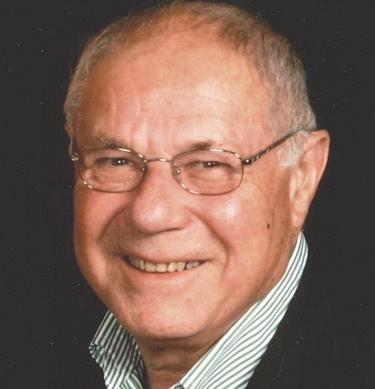
great-grandchildren. He is also survived by his siblings: Janice Schneider, Muriel Hintz, Lester Lentsch, and Dan (Yvonne) Lentsch. A service to celebrate his life was held on May 4, at Trondhjem Lutheran Church in Lonsdale.
Chris Mufarrige
News Briefs
Drugs Trafficked at Car Dealership
Jose C. Rivera, 37, of Manchester, Conn., was sentenced in U.S. District Court in Hartford to 66 months of imprisonment and three years of supervised release for narcotics trafficking and firearm possession offenses, announced David X. Sullivan, U.S. Attorney for the District of Connecticut.
According to court documents and statements made in court, in 2024, the FBI’s Northern Connecticut Gang Task Force and New Britain Police Department investigated a drug trafficking organization, headed by Wilfredo Ortiz, that was operating out of Supreme Automotive, a car dealership located on Main Street in New Britain.
The investigation included the use of court-authorized wiretaps, physical and electronic surveillance, and several controlled purchases of narcotics, primarily cocaine, from Ortiz and other members of the conspiracy.
During the investigation, law enforcement identified Nelson
Alejandro-Capo as a supplier of cocaine to Ortiz. Alejandro-Capo, using co-conspirator Eli Samuel O’Farrill-Fernandez as a middleman, supplied Ortiz with approximately six kilograms of cocaine.
On Oct. 10, 2024, Alejandro-Capo met with Rivera at Rivera’s former residence in Rocky Hill.
On Oct.26, 2024, Rivera was intercepted over a wiretap talking with O’Farrill-Fernandez and discussing the purchase of 100 grams of cocaine.
Rivera, Ortiz, O’Farrill-Fernandez, and several other members of the drug trafficking organization were arrested on Nov. 14, 2024.
In association with the arrests, investigators conducted court authorized searches of Supreme Automotive and residences and other locations connected to the organization.
As a result, investigators seized more than five kilograms of cocaine, more than 200 grams of fentanyl, approximately 30 grams of heroin, a kilogram press, seven firearms, ammunition, approximately
$75,000 in cash, and 26 vehicles.
A search of Rivera’s Rocky Hill residence revealed approximately 206 grams of fentanyl, approximately 278 grams of cocaine and drug processing materials.
They also found a loaded handgun and an additional gun magazine, and $13,364 in cash.
On Nov. 25, 2025, Rivera pleaded guilty to one count of conspiracy to distribute and to possess with intent to distribute controlled substances, and one count of possession of a firearm in furtherance of a drug trafficking crime.
Released on a $150,000 bond, he is required to report to prison on July 6.
Ortiz, Alejandro-Capo, and OFarrill-Fernandez pleaded guilty and are currently serving prison terms of 135 months, 144 months, and 120 months, respectively.
Used Car Dealer Arrested
A Detroit used car dealer, who was also a chamber of commerce president, was arrested after being stopped driving an alleged stolen vehicle.
Mark Watts, owner of Quality Auto Sales in Detroit, is also the president of Lathrup Village Chamber of Commerce, located in a Detroit suburb.
Watts was charged with three counts of receiving and concealing a stolen motor vehicle and one count of license plate forgery.
Police raided his home May 4 in Lathrup Village and took Watts into custody. Several bags of evidence were removed from the home while tow trucks took multiple cars, according to WXYZ-TV.
The investigation began less than two weeks ago after officers in nearby Southfield conducted a traffic stop of a car that Watts was driving.
Officers said the car had been reported stolen and had a fraudulent registration.
It was impounded and Watts and a passenger were released at the scene.
During the raid at Watts’ home, officers recovered 15 firearms and documents believed to be associated with altered vehicle titles.
Three vehicles were seized, and one vehicle allegedly had a stolen license plate. Officers also raided Watts’ store.
Detectives found two additional vehicles that were allegedly stolen and re-tagged.
Watts was given a $25,000 personal bond and a May 18 court date.
Financial News
5/18/2026
Recent CFPB Report Shows Shift in Agency Strategy
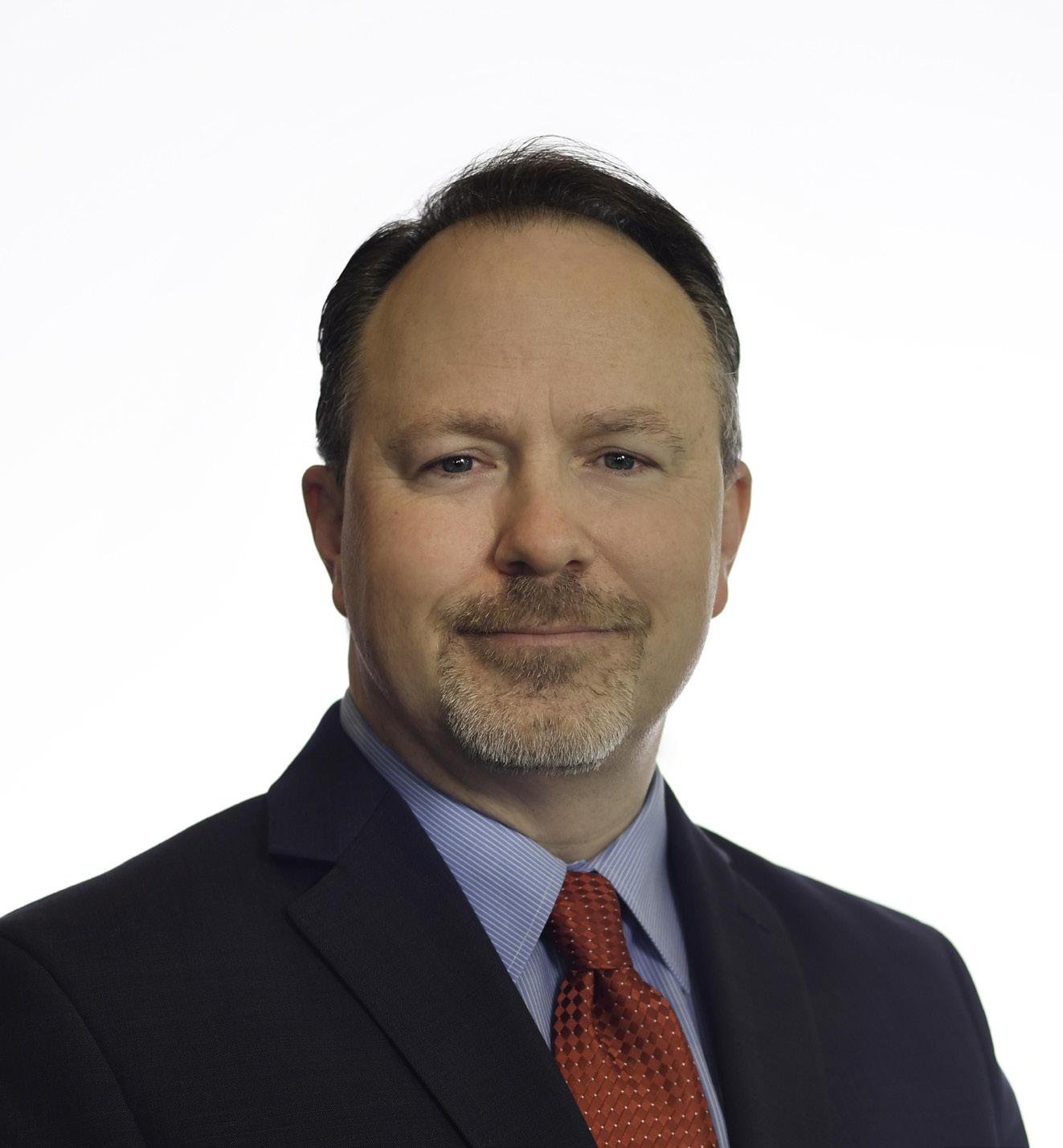
By Eric L. Johnson
The Consumer Financial Protection Bureau recently released its Semi-Annual Report to Congress covering activity from October 2024 through the end of 2025. This report represents the work of the CFPB under the leadership of Acting Director Russ Vought.
If you’re a dealer or an auto finance company, this report is worth your attention—not because it introduces sweeping new rules but because it details the meaningful shift under the CFPB’s new leadership in how the CFPB is approaching regulation, supervision, and enforcement. Here’s a brief summary of the 80-page report and what this shift means for dealers and finance companies.
Shift Toward Deregulation
The biggest takeaway from the report is simple: the CFPB is pulling back. Under the acting director, the CFPB has made it a priority to reduce what it sees as “overreach” by its prior leadership. This reduction in overreach is reflected in several ways in the report where the CFPB describes how it: (i) withdrew over a dozen proposed and final rules; (ii) withdrew nearly 70 guidance documents; and (iii) closed numerous investigations, terminated or modified over 20 final orders, and dismissed or withdrew from nearly 20 actions filed under prior leadership that it claims represented an expansion of the CFPB’s mandate.
The compliance expectations coming from the CFPB may feel less aggressive in the short term, but don’t mistake that change for a free pass. The federal laws and regulations (like the Truth in Lending Act and Regulation Z, the Equal Credit Opportunity Act and Regulation B, the Fair Credit Reporting Act and Regulation V, etc.) are still in place—the CFPB is just being more selective about how it enforces these laws and regs.
Supervision Is More Targeted and Focused
The CFPB reports that it is also focused on identifying and remedying tangible harms that are clearly within the CFPB’s statutory authority and on collaborative efforts with entities to resolve problems so that there are measurable benefits to consumers. To that end, it has closed out 76% of its supervisory actions (nearly 1,500) and a substantial majority of its outstanding open examinations. Its examinations are now targeted and significantly scaled down, focusing on
the CFPB’s priority areas like redress to servicemembers, credit reporting violations, fraudulent overcharges and fees, intentional discrimination, and actual fraud and loss by consumers. In other words, examinations aren’t going away; they’re just becoming more focused.
So, if you’re subject to examination by the CFPB, you can expect exams to zero in on clear consumer harm, servicemember protections, and issues that fall squarely within the CFPB’s authority. This leadership is placing less emphasis on novel or expansive legal theories.
Enforcement is definitely being reined in. As noted above, the CFPB has dismissed or withdrawn from nearly 20 enforcement actions and modified or terminated over 20 prior orders but continued cases that clearly align with its new enforcement priorities (especially servicemembers and their families and veterans). These actions signal a move away from aggressive, “test case” enforcement and novel legal theories.
What does this mean for dealers and finance companies? Well, there is a lower risk of headline-grabbing enforcement theories, greater predictability in how laws may be applied, and more opportunity to resolve issues collaboratively with the CFPB. Even with this shift, however, enforcement is still very real, especially where there is clear consumer harm.
Fair Lending: A Major Policy Shift
Fair lending is one of the most important developments in auto finance. In the fair lending arena, the CFPB no longer uses the disparate impact theory of liability (i.e., the “effects” test) in its supervision and enforcement and no longer consults with financial institutions regarding special purpose credit programs that rely on race, national origin, or sex. Instead, it prioritizes combatting intentional discrimination only and debanking.
As you may know, historically, indirect auto finance (dealer markups, pricing discretion, etc.) has been heavily scrutinized under disparate impact theories. This shift could reduce fair lending risk tied to statistical disparities in credit underwriting and pricing. It could also change how federal regulators evaluate dealer participation programs and alter expectations around monitoring and controls. However, folks aren’t off the hook completely as intentional discrimination remains strictly prohibited and will be enforced.
Even in a deregulatory environment, the CFPB is still active in rulemaking. Several items are especially relevant to auto finance. One is the Personal Financial Data Rights (Section 1033) rule. The CFPB is reconsidering who can access consumer financial data, what fees may be charged for data sharing, and data security and privacy requirements. This rule could affect parties’ integrations with data aggregators, digital retailing platforms, and fintech partners. Another major rule change is under the ECOA/Reg. B, which eliminates decades-old disparate impact from enforcement of the ECOA, clarifies the prohibition on discouraging prospective applicants, and establishes new restrictions on special purpose credit programs.
The CFPB finalized the rule on April 22, as proposed, with only clarifying edits. The new rule will become effective on July 21 and could significantly reshape fair lending compliance frameworks, especially in auto finance.
Compliance Burden May Decrease but Not Disappear
In the report, the CFPB explicitly states that its robust deregulatory agenda will reverse regulation overreach, reduce unjustified regulatory burdens, and streamline and clarify existing regulations. After years of onslaught by the CFPB, that’s welcome news to dealers and finance companies. However, it comes at a price.
States Are Stepping In (and Up) to Fill the Gap
While not the primary focus of this particular report, the broader trend is clear: state regulators and attorneys general are becoming more active. One section of the report describes 14 pending state AG and regulatory actions asserting claims under state authority (thanks to the Dodd-Frank Act) to enforce federal consumer financial laws and state law. And don’t forget our friends at the Federal Trade Commission who have recently taken an interest in how dealers are advertising their vehicle prices and want to ensure that the advertised prices reflect the actual cost to consumers.
Bottom Line
The CFPB is not going away; it’s just changing its priorities. For auto dealers and finance companies, the environment is shifting from broad, aggressive enforcement to targeted oversight focused on clear consumer harm.
That shift creates opportunity but also potential risk if you misread the moment. The smart move is to stay disciplined, stay compliant, and stay informed. While the federal tone may be softer, scrutiny—especially from the states—is only increasing.
*Eric L. Johnson is a partner in the Oklahoma office of Hudson Cook, LLP.
© CounselorLibrary. Based on an article from Spot Delivery. Single print publication rights only to ”Used Car News.”
Auction News
WAAC Honors Best Auctioneers, Ringmen and Teams
MEMPHIS — In a crowded field with many talented auctioneers and ringmen competing, Toya McLeod of Southlake, Texas, was named the 2026 World Automobile Auctioneer Champion. Graci Sherman of Lubbock, Texas, was the winner of the Ringman competition, and Blake Walker (Tennessee) and Donnie Marr (Alabama) were crowned champions of the Team competition. The 2026 World Automobile Auctioneer Championship (WAAC) was held May 1st at Dealers Auto Auction Memphis in Eads, Tenn.
The event drew more than 75 competitors from across the country.
“Hosting the WAAC at Dealers Auto Auction Memphis was an honor—and this year’s competition delivered the energy, excellence, and camaraderie that define our industry,” said John Swofford, DAA VP of Auction Operations. “Congratulations to the 2026 champions and
thank you to everyone who helped make it unforgettable, including the competitors, judges, and sponsors.”
The second place Auctioneer was Sixto Paiz, the second place Ringman was Cody Long and the second place Team was McLeod and Wade Pierce. Third place Auctioneer was Tommy Bellamy, Ringman was Devon Chin and the team included Chris Elliot and Ryan Reed.
“The NAAA extends its sincere thanks to Dealers Auto Auction Group and the entire DAA Memphis team for hosting an outstanding WAAC,” said NAAA Executive Director Paul Lips. “From operations to hospitality, their professionalism and commitment were evident at every turn. We are also grateful to our judges, sponsors, volunteers, past champions, and competitors—each played a vital role in making the 2026 WAAC a memorable and suc cessful celebration of our industry.”











Let Auto Assign do the heavy lifting, automatically routing vehicles to the best-fit auctions based on your custom rules. Faster decisions. Better results.
Retail Markets
5/18/2026
CALIFORNIA
Marcos Esquivel, owner, Esquivel Auto Depot, Rialto, Calif.
“I’m a second-generation car dealer. My father started it in 1989. I got my sales license in 2007 and in 2009 I opened up my store.
“I just opened my second location—at this one we keep 25 units and at the primary location we average 110 units. I usually sell about 50 a month, with the new location.
“I spend about $1,200 on reconditioning. It’s a lot more complicated here in California. We have our own shop. Dealers who don’t have their own shop better have a good relationship with about 10 other shops.
“I’d say our customer’s average down payment is around $2,100.
“I do the simulcasts and I go to traditional auctions in
person, including Manheim and ADESA. For the digital platforms I use ATV.
In-lane makes up 75% of what I buy, and online 25%. I’m so close to the auctions. It’s a 15-minute drive to one, and 20 minutes to the other. If they were even 30 minutes away, I’d probably be 90% online.
“Before COVID I wasn’t using a lot of transportation companies, I was just using my own crew. Now I use transportation companies and I have less liability and we’re all working together.
“With our state’s lemon law, if the car is returned dealers can charge a restocking fee, a maximum of $750. It used to be at the point of sale consumers could buy the option for two-day return. Now, they automatically grant the consumer the option of three days to return and 250 miles.


Somewhere you’ve got to get the finance companies and dealers to work together because you get that loan processed and then three days later you have to unwind all that.
“The last car I sold was a 2022 Chevy Silverado with an LT 4X4 package. The consumer was going to finance and had done the applications then all of a sudden, he said ‘what kind of discount do I get if I just liquidate and pay cash.’ He blindsided us. It was like $35,000 out the door.”
UTAH
Robby West, owner, West Auto Sales, Tooele, Utah
“I’ve been in business 15 years. I started with one store, added two. But I’m back down to two now.
“We usually keep about 250 cars on hand. Front line and re-con. So, it’s about 200
front line. Last year we averaged 100 sales a month.
“Our sales are about 40 percent cars, 40% SUVs and 20% trucks.
“We spend about $1,300$1,400 on reconditioning. We have repair shops at both locations. When I started up, I didn’t have my own shop, it was tough.
“The average downpayment is $1500ish for subprime, prime is just what they want to put down. We do very little buy-here, payhere. Our association’s past president Nick Markosian did a lot of BHPH.
“The funny thing is I hadn’t been to an auction in person in probably five years and I just started going in person because we were so short on cars. My son buys online for us.
“The biggest problem I see when someone calls the association for help and I get

Compiled by Ed Fitzgerald
involved is when the dealers are just getting off the ground, they don’t do any back-end like sell warranties and they don’t have a company to sell it for them. They just sell a car, make a thousand bucks and then move on.
“They’ve got to learn the back-end products as soon as possible. It’s hard to stay in this business without that. The thing I tell them is if you sell a $10,000 car you might make a thousand bucks on that, but sell a warranty you make a thousand bucks and it doesn’t cost you anything until you sell it.
“In Utah they wanted to raise the dealer’s bond from 50 grand to $200,000 but that got shot down. Everyone’s talking about the fees, the association is keeping an eye on that.
“The last car we sold was a Honda Civic.”





Wholesale Markets
5/18/2026
MICHIGAN
Sarah Miller, general manager, America’s Auto Auction - West Michigan, Wayland, Mich.
“This year is our 30th year. We have 12 lanes and eight are active.
“We’re running anywhere from 1,000 to 1,200 cars, although this week (May 8) we’re running about 950.
“We are probably about 60% dealer volume and 40% lease. We have gained more institutions; I feel that our lease consignment has increased.
“Our conversion rates have been right around 65% to 70%.
“Dealers in the lanes have said it’s just been tougher for them to purchase cars. You know, the dollar amount has been higher. I think retail lots have been slower. Gas prices have really thrown off buyers right now. It’s been
crazy.
“We’re still selling cars. Our GM product has been much better. But anything that you’re paying more for gas to drive, that’s where we’re having a little bit of an issue. EVs have picked up a little more. We’ve actually not been doing horrible with those. They’ve actually been doing pretty decently.
“In the lanes, we’re getting about 300 dealers. It’s about the same amount online, as well. We love to see people’s faces in the lanes. I mean, I don’t care how the car gets sold, as long as it gets sold. But I like having dealers in the lanes, being able to put a name to a face.
“The average price across the block really came up with GM Financial (volume). We’re probably around $15,000, in that range. I think the rise in prices is both because of the value of
the type of cars and overall demand. If a dealer wants it, they’re going to pay all the money for it, and honestly, they’re probably not making a lot in retail.
“On April 24, we celebrated our 30th anniversary sale. It was wonderful. We actually sold 800 cars that week. It was an awesome sale.”
PENNSYLVANIA
Clint Weaver, general manager, America’s Auto Auction – Harrisburg, Mechanicsburg, Pa.
“The (May 7) sale was good. We ran about 1,025 or so and sold about 720, so that’s a 70% sale.
“Over the past 45 days it’s been pretty strong. I’m starting to feel a shift in the market. I don’t know if it’s gas prices or because retail is a little slow. Pickup trucks are a little soft and that has to do with gas prices, obvi-
ously. The nice cars are still doing strong; the edgier stuff is soft.
“We have six lanes but we’ll recycle the lanes throughout the sale. We’ll run cars through some, then some in-ops; we change them up throughout the day.
“Today we had 359 dealers in the lanes and about 400 online. In Harrisburg, that’s one thing we pride ourselves on is keeping the lanes packed with people. It’s a relationship business and it can be hard to build them on the internet.
“In the lanes, they’re all saying it’s slowing down a little bit. That’s coming from the dealers. It’s coming from the warranty companies. It’s coming from the floorplans. The average price in the lanes is normally about $8,000, but today we were a little stronger, it was about $9,200. But we’re usually be-

Compiled by Jeffrey Bellant
tween $7,000 and $8,000.
“We do a specialty sale to start the spring, we did that a few weeks ago, which was our anniversary sale. For a specialty sale like that, we get some motorcycle buyers that wouldn’t normally come and some RV buyers. We also do heavy trucks and equipment, along with some classic cars.
“The sale went well. Usually the RVs were the strongest lane but they weren’t this year. We still sold 70%, but we usually sell 90%.
“Classic Cars and powersports kind of stole the show.
“Between all three categories we ran about 250 units.
“Every last Thursday for that sale, normally, we’ll run about 40, but now some consignors don’t want to wait for the monthly sale so they don’t miss the market and they’ll run during the regular weekly sale.”





JUNE 2026


ADESA Boston
JUNE 5, 19
508-626-7000
ADESA Charlotte JUNE 11, 25
704-587-7653
ADESA Chicago JUNE 19
847-551-2151
ADESA Cincinnati/Dayton
JUNE 23
937-746-4000
ADESA Golden Gate
JUNE 9, 23
209-839-8000
ADESA Indianapolis JUNE 9, 23
317-838-8000
ADESA Kansas City JUNE 9, 23
816-525-1100
ADESA Lexington JUNE 4
859-263-5163
ADESA New Jersey
JUNE 11, 25
908-725-2200
ADESA Salt Lake JUNE 16
801-322-1234
ADESA Tulsa JUNE 12
918-437-9044
Columbus Fair
JUNE 3, 24
614-497-2000
Manheim Atlanta JUNE 11, 17, 25
404-762-9211
Manheim Baltimore Washington JUNE 16
410-796-8899
Manheim Dallas JUNE 3, 16, 17
877-860-1651
Manheim Denver JUNE 17
800-822-1177
Manheim Detroit JUNE 11
734-654-7100
Manheim Fredericksburg JUNE 18
540-368-3400
Manheim Milwaukee JUNE 3, 17
262-835-411436
Manheim Minneapolis JUNE 10
763-425-7653
Manheim Nashville JUNE 2, 3, 30
615-773-3800
Manheim Nevada JUNE 26
702-730-1400
Manheim New England JUNE 23
508-823-6600
Manheim New Jersey JUNE 3, 17
609-298-3400

Manheim Atlanta
JUNE 11
404-762-9211
Manheim Dallas
JUNE 16
877-860-1651
Manheim Milwaukee
JUNE 17
262-835-4436
Manheim Nashville JUNE 3
615-773-3800
Manheim Nevada JUNE 26
702-730-1400
Manheim Palm Beach JUNE 3
561-790-1200
Manheim New Orleans
JUNE 3, 17
985-643-2061
Manheim Orlando JUNE 2, 9, 16, 23, 30
800-822-2886
Manheim Palm Beach JUNE 3, 4
561-790-1200
Manheim Pennsylvania
JUNE 5, 11, 12, 19, 25, 26
800-822-2886
Manheim Phoenix JUNE 4, 18
623-907-7000
Manheim Pittsburgh JUNE 17
724-452-5555
Manheim Riverside JUNE 2, 4, 16, 18, 30 951-689-6000
Manheim Seattle JUNE 24
206-762-1600
Manheim Southern California JUNE 11, 25
909-822-2261
Manheim Tampa JUNE 11, 25
800-622-7292
Manheim Texas Hobby JUNE 11, 25
713-649-8233
Manheim Atlanta
JUNE 11
404-762-9211
Columbus Fair
JUNE 3
614-497-2000
Manheim Dallas JUNE 16
877-860-1651
Manheim Milwaukee JUNE 17
262-835-4436
Manheim Nashville JUNE 3
615-773-3800
Manheim Nevada JUNE 26
702-730-1400
Manheim Orlando JUNE 9, 23
800-822-2886
Manheim Palm Beach JUNE 3
561-790-1200
Manheim Pennsylvania JUNE 11, 25
800-822-2886
Manheim Phoenix JUNE 4, 18
623-907-7000
Manheim Riverside JUNE 4, 18
951-689-6000
Manheim Seattle JUNE 24
206-762-1600
ADESA Boston JUNE 5, 19
508-626-7000
ADESA Charlotte JUNE 11, 25
704-587-7653
ADESA Golden Gate JUNE 23
209-839-8000
ADESA Salt Lake JUNE 16
801-322-1234
Columbus Fair JUNE 24
614-497-2000
Manheim Dallas JUNE 17
877-860-1651
Manheim Fredericksburg JUNE 18
540-368-3400
Manheim Milwaukee JUNE 3
262-835-4436
Manheim New England JUNE 23
508-823-6600
Manheim New Jersey JUNE 3, 17
609-298-3400
Manheim Orlando JUNE 9, 23
800-822-2886
Manheim Pennsylvania JUNE 12, 26
800-822-2886
Manheim Pittsburgh JUNE 17
724-452-5555
Manheim Seattle JUNE 24
206-762-1600
Manheim Southern California JUNE 11, 25
909-822-2261
Manheim Pennsylvania JUNE 11, 25
800-822-2886
Manheim Riverside
JUNE 4, 18
951-689-6000
Manheim Seattle JUNE 24
206-762-1600

Manheim Atlanta JUNE 17
404-762-9211
Manheim Dallas JUNE 16
877-860-1651
Manheim Milwaukee JUNE 17
262-835-4436
Manheim Palm Beach JUNE 3
561-790-1200
Manheim Pennsylvania
JUNE 11, 25
800-822-2886
Manheim Riverside JUNE 4, 18
951-689-6000
5/18/2026
Disconnected Jottings From
Tony Moorby
Moving from Tennessee to South Carolina caused a hiatus in a few things; acquaintances, local banking, the ease of shopping in certain places that one gets used to, over time. Then there’s the question of doctors; used to be there was only one who knew you upside down and sideways, handing off to a specialist only under the direst of circumstances. Now there’s one for every medical discipline from coughs and colds to cutting you open. They all have their own systems for tracking your progress or otherwise and invite you to disgorge your medical history into a database that most share with other medical entities. Sounds good in principle. The practice is fraught with all kinds of frightening occurrences, up to and including your data’s security.
All that aside, you have to virtually rebuild your support systems to see you through everyday life. That includes the dentist. I’ll admit that it’s been more than a couple of years since I graced a dentist with my gaping maw. Ironically you get into a spiral of denial; it’s been so long there will be something nasty to put right so you put it off, so something nasty is more likely, so you put it off. So it goes until needs must.
In my case it was a toothache – not just a dull, background burr – a full on, press the sinuses into your brain, burrowing, burning from my neck to the top of my cranium! Just touching the tooth would rile the nerves to riotous rictus. My neighbors recommended a new, modern practice to accommodate my misery. They reacted to

By Myles Mellor
my plight with remarkable alacrity, agreeing to see me the next day. I don’t really know what I was expecting; dentists’ offices are normally secreted in the anonymity of a large office building. This was the office of “Dental Arts”; a freestanding building in the style of Lowcountry Modern architecture, surrounded by its own landscaping.
The massive, two-story reception area with graceful fans and fabulous modern artwork looked more like a film set for one of those southern love stories. The ‘waiting room’ chairs would have done justice to a Swedish museum and the receptionist greeted me with one of those southern, limpid drools, “Why, hello. How may I brarten your smarl today?”
This ‘frontispiece’ guarded a minotaur’s maze of
offices and rooms for whoknows-what and machinery that must have cost a king’s ransom. The themed artwork (which I would happily have stolen) tempered the terror chambers with sunsets over the marshes and wildlife at the water’s edge. All framed to put you at ease. The staff did too; the nicest, most polite assistants, and the dentists, themselves complimented the cool ‘greige’ colors of their surroundings. I was still at ease paying the bill to an account clerk with the winningest smile.
The best outcome was that the offending tooth, along with its pain, was gone, in a trice. No fuss or bother. A quick jab to numb the gum and a gentle yank to oust the offending gnasher. The relief was instant and I was as pleased as Punch.
Of course I was invited
back to assess the necessary work still to be done to overcome the lack of discipline in keeping up the cleanings and check-ups. It’s a bit like looking after cars. You can spend on maintenance or pay for inevitable repairs. I can assure you that maintenance is less painful.