GM Begins New Era at Hudson’s Detroit
By Jeffrey Bellant
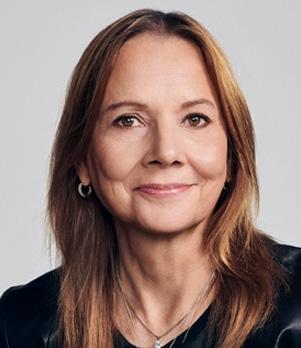
DETROIT – General Motors CEO
Mary Barra last month welcomed the Automotive Press Association into the company’s new global headquarters in the Hudson’s Detroit building on historic Woodward Avenue.
Barra said the opening of the new HQ on Jan. 12 brought back memories of the old J.L. Hudson’s Department store, which occupied the same site up until 1983.
The discussion during the APA event touched on a range of issues, from tariffs to EVs and how the company has responded to the challenges.
“The minute we heard the word
But Barra said people talked more about tariffs than the regulatory changes, which she said were even more significant, when you consider that GM was headed to 50% EVs by 2030.
The Trump administration dropped even bigger regulatory news this month when it revoked the Obama era “Endangerment Finding,” massively rolling back climate regulations.
But Barra pointed out that GM will continue to be agile with its vehicle offerings, no matter the regulatory environment.
“We have a really strong EV portfolio that we’re still committed to and we have a very strong combustion engine portfolio, so we can
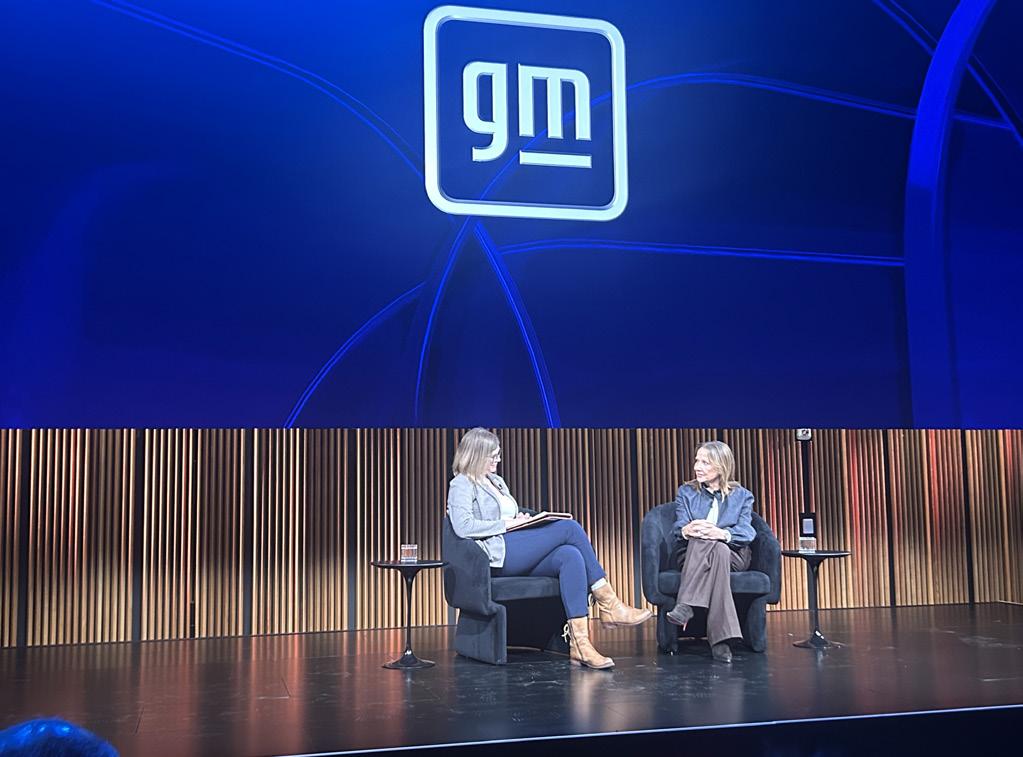
‘tariffs,’ we started planning,” Barra said. “So, the day tariffs were announced, we already had a playbook that we had done quite a bit of work on. You know, one of the things, I think, that last year really demonstrated, I hope you saw it as well, is the flexibility and the agility of General Motors.”
an EV, it’s 80% likely they’re going to buy another EV,” Barra said. “So, we’re using this period to maintain our EV portfolio, but to really work on the technologies, whether it’s the battery propulsion system, or whether it’s rolling out the next generation of a software defined vehicle.”
“We’re also trying to be very thoughtful about what we do from a hybrid and a plug-in hybrid perspective,” she said.
Speaking of technology, AI will play a big role as well.
GM announced plans to bring eyes-off driving to market in 2028, debuting on the Cadillac Escalade IQ electric SUV.
Overseas, GM continues its efforts
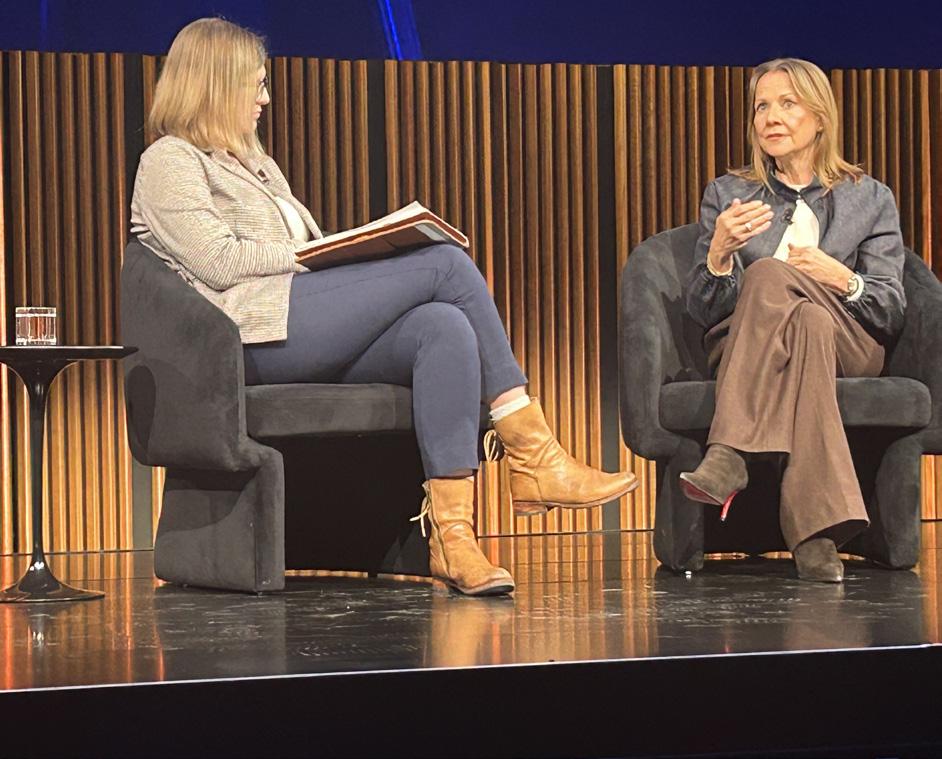
meet the customers where they are,” Barra said.
EVs will still have a future, but it will be consumer driven, depending on the growth of a robust charging infrastructure and, of course, vehicle affordability.
“And, you know, one of the statistics we see is, once someone buys
in China, Barra said.
“Well, I think the China restructuring is very much on track, and I think the team exceeded the plan that we had,” she said.
“You know, we are the only Western automaker in China with our joint venture, that grew share last year.
“So, I think that we’re well positioned there.”
“I think Detroit is doing really well, and I think you can’t underestimate the grit of people in Detroit,” Barra said. “You look at what this city has to offer, great restaurants, you know, our entertainment. I mean, this is special city.”






Compliance News
2/23/26
Senator Launches Probe into Auto Lending, Repossessions
By Jeffrey Bellant
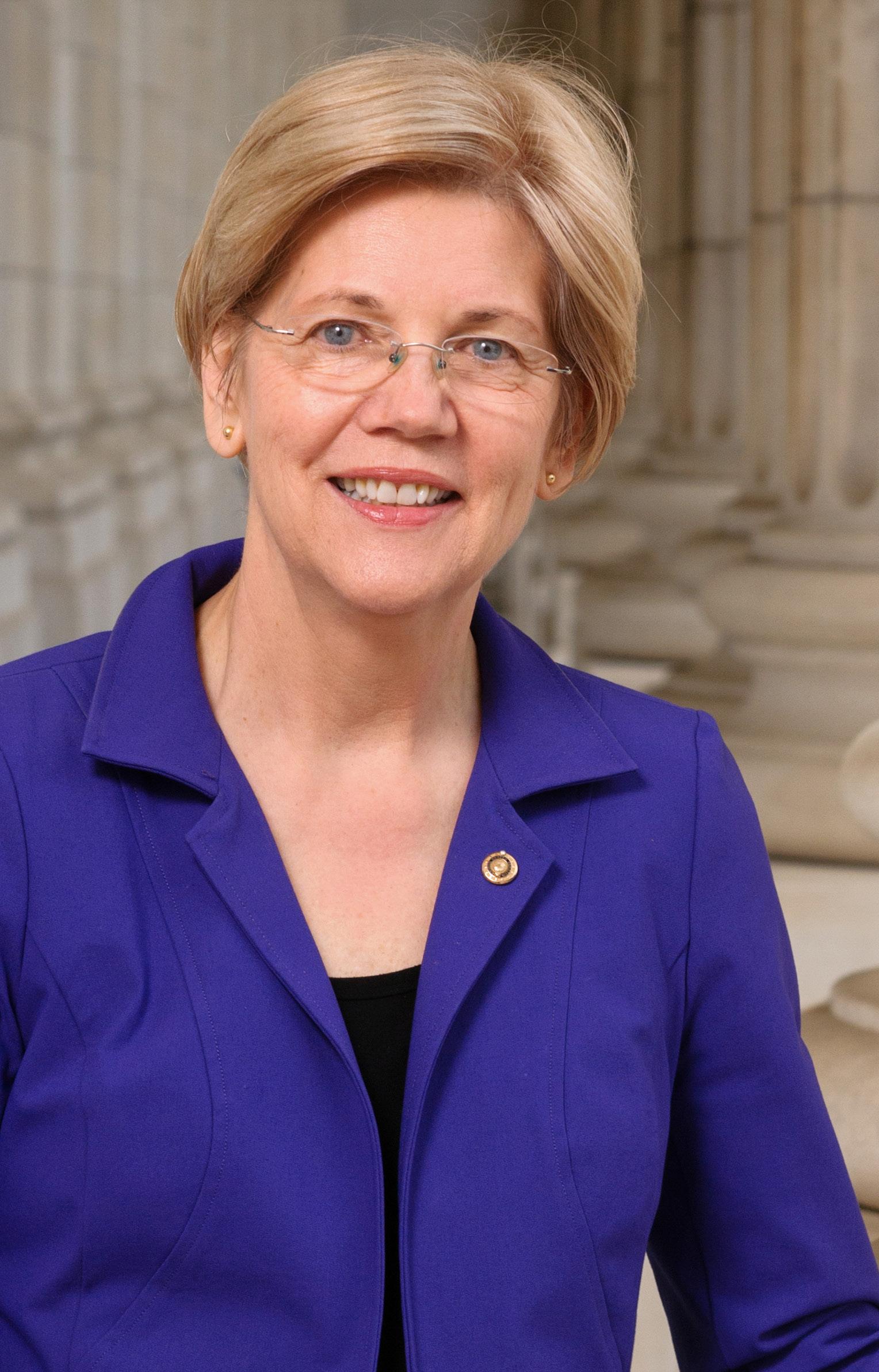
NIADA, along with 11 other industry groups, received an inquiry Feb. 4 from Sen. Elizabeth Warren (D-MA), ranking member of the U.S. Senate Committee on Banking, Housing, and Urban Affairs, requesting data on auto repossession rates.
Some industry officials are now responding.
Warren launched a probe into the auto lending and repossession industries to seek information on “harmful anti-consumer practices as auto repossessions skyrocket to levels not seen since the 2008 financial crisis.”
Warren sent letters to the major players in the industries, seeking data about errors in repossession practices. Warren is launching the probe as “Donald Trump’s attacks sideline the Consumer Financial Protection Bureau (CFPB), which has historically conducted oversight and taken action to protect Americans from illegal auto repossessions.”
Sen. Warren sent the letters requesting information to the American Recovery Association; major auto lenders including Chase Auto, Capital One, Toyota Financial Services, GM Financial, Ally Financial; the National Independent Automobile Dealers Association (NIADA); major Buy Here Pay Here auto servicers including CarHop, DriveTime, Byrider, America’s Car Mart; and the American Financial Services Association (AFSA).
“Car repossession is a devastating disruption to someone’s life— and it is inexcusable when that repossession is in error,” wrote Warren.
“While the Consumer Financial Protection Bureau (CFPB) has historically engaged in oversight of illegal auto repossessions, the Trump Administration has kneecapped the agency’s ability to protect consumers from auto repossession errors,” she wrote.
“To understand the impact of these actions by the Administration, I write to request information on (the company’s) practices to avoid errors and information on errors from the last four years.”
The AFSA responded on Feb. 12, hitting back on Warren’s premise in a release on its website.
“In a letter received by AFSA, Senator Warren contends that there is something wrong with repossession activity, and that consumers suffer,” AFSA stated in its response.
“All stakeholders agree that vehicle repossession is disruptive to consumers.
“But Senator Warren’s letter overlooks how existing laws provide ample remedies for faulty repossession.
“Consider the case of Adrianna Shelton, a consumer living in Waynesboro, Virginia. She financed a vehicle that was later repossessed in error.
“She sought compensation for the wrongful repossession and won [Shelton v. Marshall, 724 F.Supp.3d 532 (2024)].
“The court noted that a wrongful repossession creates tort liability for the creditor and repo staff, as well as liability under the Fair Debt Collection Practices Act and Uniform Commercial Code Article 9.
“The vehicle Ms. Shelton purchased cost $6,000. The court granted Ms. Shelton:
• $6,423.28 in actual damages
• $3,000 for emotional distress
• $1,000 in statutory FDCPA damages
• $410.96 in statutory UCC damages
• $28,239.84 in punitive damages (3x the actual damages for the tort claim)
“Neither industry, consumers, nor policymakers are indifferent toward the risk of wrongful repossession. Vehicle finance companies do all they can to reduce the risk to zero, but errors occur from time to time.
“As shown in the case of Ms. Shelton, existing law protects consumers whose vehicles are repossessed in error.
“The availability of these remedies helps protect consumers and incentivize vehicle finance companies to work with consumers to avoid repossession and ensure that all repossession activity is lawful.
“The system is working.”
The NIADA issued a statement in response to the letter from Senator Warren:
“On February 4, NIADA received a letter from Senator Elizabeth Warren requesting data on auto
repossession rates. NIADA staff is reviewing the request and will respond to the Senator.
“As the leading advocate and voice of the independent automobile dealer in Washington, D.C., NIADA will continue its work to educate lawmakers on the important role and contributions independent dealers make to local economies across the country while advocating for a commonsense regulatory framework,” NIADA stated in its letter.
At press time, NIADA had not issued a further response to Warren, though it was expected to issue one this month.
• What steps the company takes to ensure that its agents only tow the correct vehicles;
• What steps the company takes to identify and address wrongful repossessions;
• What practices and policies are in place for when a consumer and a company disagree about the legality of a repossession; and
• Data and trends on the prevalence of repossessions – including wrongful repossessions–in the company or industry.
The Senator requested written responses to these questions no later than Feb. 16, 2026.
The Senator asked the recipients to provide the information on repossessions, including on the following topics:
In Memoriam
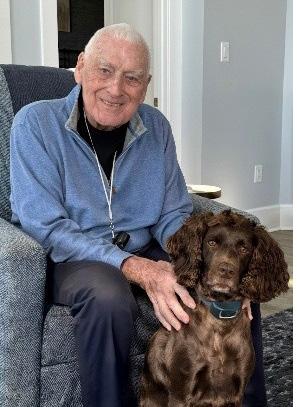
Henry M. Stanley, Jr., an icon in the wholesale auto auction industry and longtime supporter of NAAA, passed away peacefully at his home on February 3, 2026. Born August 25, 1936, in Sinking Springs, Ohio, Henry lived a life defined by hard work, integrity, leadership, and generosity.
Bob McConkey, CEO of McConkey Auction Group, talked about Stanley when he received the NAAA Pioneer award last fall.
Stanley’s father originally sent him to auction school and Stanley later attended one cattle sale, before learning about the emerging industry of auto auctions, McConkey said.
He hit the road as an auto auctioneer and in 1960 worked as ringman and later as auctioneer at Capital Auto Auction in Columbus. He later bought the sale and rebranded it as Ohio Auto Auction, initially selling 14 cars, according to NAAA.
In 1987, he and his wife, Patty, sold the auction and retired to Florida, but soon after, they returned to the business.
In 1989, he and Patty purchased
Fort Knox Auto Auction, renaming it Carolina Auto Auction, which grew into one of the largest independently owned auto auctions in the Southeast.
Stanley spent five decades in the business and was behind the block for more than 1 million auto sales.
Stanley served as president of the NAAA and was inducted into the NAAA Hall of Fame in 2013.

Henry and Patty also helped establish scholarships through the NAAA Warren Young Sr. Scholastic Foundation and supported Auction Academy, helping to train the next wave of auction leaders.
After a melanoma diagnosis in 2016 cost him his vocal cords, he battled back—with support from Winship Cancer Institute of Emory—and in 2017, he and the StanleyAutenrieth Auction Group launched a fundraiser that raised over $1 million for cancer research.
“I have grown to respect him more than anyone else in this industry,” McConkey said. “He always said his word is his bond.”
He lived by that principle throughout his life.
Stanley could not attend last fall’s ceremony, so his son Eric Autenrieth, another NAAA past president, went up, saying it was “truly an honor” to accept the award on behalf of his dad.
“He had the courage to dream big and the drive to make it happen,” he said.
Because of that drive, the Carolina Auto Auction is now the largest independent auto auction in the Southeast.
But he didn’t stop there, Autenrieth said. Stanley went in to successful auction ventures in Charleston, South Carolina and Fort Wayne, Ind. He was an early ServNet member and one of the first to embrace technology, “back when most were trying to learn how to double click.”
“Today, with this Pioneer award, his legacy continues,” Autenrieth said. “He is deeply honored.”
Stanley loved spending time with his family, especially boating with his grandchildren, traveling with Patty, watching wildlife at their Colorado home, golfing, and cheering on the Ohio State Buckeyes. He was known for his generosity, kindness, and unmistakable presence.
Compliance News
2/23/2026
Keeping Watch on Federal Regulatory Agency Actions
By Michael A. Benoit*
From Spot Delivery’s January/ February edition
You may have noticed that we changed the name of this article from CFPB Watch to Federal Watch.
Our purpose is to more accurately describe the content that we include each month, especially because the CFPB has not given us much to report to you in these pages in the last year.
Other than the name change, you should notice no difference. This article will continue to be where it has always been—at the end of each issue—and will continue to cover what it has always covered—the most recent federal developments of interest to those in the auto sales, financing, and leasing world.
For our first report of the new year, we’re covering developments from the Federal Trade Commission, the Federal Deposit Insurance Corporation, the Consumer Financial Protection Bureau, the Department of Justice, the Federal Reserve Board, and the White House.
FTC to Hold Workshop on Consumer Data. The FTC will host a free, public workshop on February 26, 2026, to help the agency understand and measure consumer injuries and benefits that may result from the collection, use, and disclosure of consumer data.
The workshop will be held online and in person in Washington, D.C. Specifically, the workshop panels will discuss: (1) quantifying informational injuries and the potential benefits of consumer data collection and use; (2) impacts of data breaches on consumers and efforts to minimize injuries; (3) costs and benefits of behavioral and contextual advertising; and (4) measuring consumers’ privacy preferences, beliefs, and decisions.
FDIC Allows Vehicle Manufacturers to Establish Bank s. On January 22, the Board of Directors of the FDIC approved deposit insurance applications submitted by Ford Motor Company to establish Ford Credit Bank and General Motors Company to establish GM
Financial Bank. Both banks will be Utah-chartered industrial banks.
The FDIC’s news release states that the banks’ proposed business models will focus on providing automotive financing products nationwide, primarily through the purchase of retail installment sales contracts from independent dealers.
FDIC Amends Guidelines for Appeals of Material Supervisory Determinations. On January 22, the Board of Directors of the FDIC approved amendments to the agency’s Guidelines for Appeals of Material Supervisory Determinations.
The guidelines provide the process by which insured depository institutions may appeal material supervisory determinations made by the FDIC.
Under the new guidelines, the FDIC is replacing the existing Supervision Appeals Review Committee with the Office of Supervisory Appeals, an independent, standalone office within the FDIC.
The Office of Supervisory Appeals will be the final level of review of material supervisory determinations, independent of the divisions that make supervisory determinations.
The office will be staffed by reviewing officials who are hired externally and may include former government officials, former bankers, and other former industry professionals.
Each panel will include at least one reviewing official with bank supervisory experience and at least one reviewing official with industry experience.
The FDIC will notify institutions once the office is operational.
Agencies
Withdraw Joint Statement on Consideration of Immigration Status Under ECOA. On January 12, the CFPB and the DOJ withdrew their joint statement issued on October 12, 2023, regarding the implications of a creditor’s consideration of an individual’s immigration status under the Equal Credit Opportunity Act.
The 2023 joint statement advised creditors that “unnecessary or overbroad reliance on immigration status in the credit decisioning process, including when that reliance is based on bias, may run
afoul of ECOA’s antidiscrimination provisions and could also violate other laws.”
The agencies withdrew the 2023 joint statement primarily to avoid any conflict with the express language of the ECOA and its implementing regulation, Regulation B.
The ECOA and Reg. B generally permit creditors to consider an applicant’s immigration or citizenship status where “necessary to ascertain the creditor’s rights and remedies regarding repayment.”
The agencies’ notice of withdrawal states that “[t]he joint statement’s exclusive emphasis on the risks of [considering an applicant’s immigration or citizenship status], however, may have created the misimpression that ECOA or Regulation B prohibit or otherwise limit the consideration of immigration or citizenship status by a creditor evaluating an application for credit.
Not only would such a limitation be inconsistent with Regulation B, but the illustrative scenarios described in the joint statement may also create confusion as to how creditors may consider immigration status while managing credit and compliance risks.”
For example, one of those illustrative scenarios described in the joint statement “suggests that applying a blanket underwriting policy for certain groups of noncitizens may constitute discrimination in violation of ECOA if not strictly necessary for assessing the creditor’s ability to obtain repayment or meet legal obligations.”
According to the agencies, “this example could be read as positing a bright-line, one-size-fits-all approach to underwriting noncitizens as necessary for ECOA compliance.
There is no such requirement in ECOA or Regulation B, and focusing exclusively on compliance risks ignores that creditors may legitimately use additional information in particular circumstances to fully assess underwriting risks related to providing credit to those without lawful status or who are otherwise unauthorized to work in the United States.
A credit applicant’s immigration or citizenship status may present underwriting risks that typical assessments of financial capacity alone will not fully resolve.
As Regulation B acknowledges,
this is something creditors may legitimately consider.
To the extent the joint statement suggested, or could be read to suggest, that the practices it describes are presumptively discriminatory in violation of ECOA, such a presumption would not be supported by ECOA or Regulation B.”
For more information on this topic, see the article written by Nikki Munro.
FTC Warns Companies About Potential Violations of Consumer Reviews and Testimonials Rule. On December 22, the FTC sent warning letters to 10 companies concerning potential violations of the agency’s Trade Regulation Rule on the Use of Consumer Reviews and Testimonials, which was effective on October 21, 2024.
The rule prohibits certain specified unfair or deceptive acts or practices involving consumer reviews or testimonials.
The rule, among other things, prohibits: selling or purchasing fake or false consumer reviews or testimonials and celebrity testimonials; and providing compensation or other incentives conditioned on the writing of consumer reviews expressing a particular sentiment, either positive or negative; company insiders, including officers or managers, from writing reviews or testimonials without clearly disclosing their relationships to the company; creating a company-controlled review website that falsely purports to provide independent reviews; certain review suppression practices; and selling or purchasing fake indicators of social media influence, such as followers or views generated by a bot.
The FTC’s letters notify the companies of their specific noncompliant conduct and require them to immediately stop such practices and take remedial action.
The letters do not reflect a formal determination that the companies have violated the rule but state that, “[s]hould the FTC receive additional reports of noncompliance following [the letter], it could result in further legal action, including the filing of a federal lawsuit, in which a court could impose civil penalties of up
Used Car News
Federal – Continued from page 5
to $53,088 per violation.”
CFPB and FRB Increase Reg. Z and Reg. M Dollar Thresholds. The CFPB and the FRB increased the dollar thresholds in Regulation Z (Truth in Lending) and Regulation M (Consumer Leasing) for exempt consumer credit and lease transactions.
The Dodd-Frank Act provides that the dollar amount thresholds for the Truth in Lending Act and the Consumer Leasing Act must be adjusted annually by any annual percentage increase in the Consumer Price Index.
Based on the annual percentage increase in the CPI as of June 1, 2025, the protections of TILA and the CLA generally will apply to consumer credit transactions and consumer leases of $73,400 or less in 2026.
However, private education loans
residential real property are subject to TILA regardless of the loan amount.
President Issues Executive Order on AI. On December 11, President Trump issued an Executive Order to establish a policy to “sustain and enhance the United States’ global AI dominance through a minimally burdensome national policy framework for AI” and prohibit state AI laws that conflict with this policy.
The EO explains that the policy is necessary to avoid “excessive” state regulation of AI that “creates a patchwork of 50 different regulatory regimes that makes compliance more challenging,” as well as to avoid state AI laws that require entities to “embed ideological bias within models” by, for example, banning “algorithmic discrimina-
The EO tasks the U.S. Attorney General with creating an AI Litigation Task Force that will challenge state AI laws inconsistent with the new federal policy.
In addition, the EO tasks the Secretary of Commerce, among other federal appointees, with identifying existing state AI laws that conflict with the policy set forth in the EO, as well as laws that should be referred to the AI Litigation Task Force. According to the EO, this “evaluation of State AI laws shall, at a minimum, identify laws that require AI models to alter their truthful outputs, or that may compel AI developers or deployers to disclose or report information in a manner that would violate the First Amendment or any other provision of the Constitution.”
The EO directs federal regulators to withhold certain state funds if states enact state AI laws,

or enforce state AI laws already in place, that conflict with the federal AI policy. The EO also mandates the Chairman of the Federal Trade Commission to issue a policy statement on the application of the FTC Act’s prohibition on unfair and deceptive acts or practices to AI models.
The policy statement must “explain the circumstances under which State laws that require alterations to the truthful outputs of AI models are preempted by the [FTC Act’s] prohibition on engaging in deceptive acts or practices affecting commerce.”
*Michael A. Benoit is a partner in the Washington, D.C., office of Hudson Cook, LLP.

Vehicles priced to sell






Retail Markets
GEORGIA
David Mosley, owner, Cherokee Auto Group, Canton, Ga.
“We’ve been in business 19 years. We have two outlets, in Canton and Jasper.
“We sell a lot of commercial vehicles. And the collector stuff is a different aspect. Then we’ve got the run-ofthe-mill vehicles.
“For reconditioning, we spend about a couple grand. We outsource a lot of work and then we have guys who come in and do work for us. If you get a good mechanic you’ve got to treat them like a family member.
“We attend a lot of the collector car auctions. And we buy a lot of stuff online. I know people say you’ve got to see it in person but personally I’ve had really good luck with buying online. And then there’s the time I’ve saved instead of running
around hours on end trying to get something.
“I don’t really worry about the model year of the car; I go by the miles.
“We sold a little Karmann Ghia the other day. And then I sold a batch of commercial vans. The guy had bought one van from me and he said, ‘hey, if you get any more let me know.’ Well, I got 10 and he bought all of them.
“COVID didn’t change much of how we do business. We were already doing a lot online, so it wasn’t much of a pivot.
“It’s nice when customers have been checking things online first. With our type of inventory, we have a lot of lookie-loos and those can burn your day up quick.
“Right now, we’ve got about 100 vehicles on eBay. We sell about 50-60 a month (over both locations). We try hard to keep our website
current and work on it just about every day we are in office.
“Thanks only to the good Lord above we have been selling vehicles like clockwork year in and year out.”
NEW MEXICO
Paul Cervantes, owner, Albuquerque Auto Outlet, Albuquerque, N.M.
“We’ve been in business for a little over 30 years. Our dealership was founded in the mid-1990s, and we’ve served multiple generations of our customers.
“I think 2026 will continue the shift toward disciplined inventory acquisition, smarter reconditioning, and stronger compliance cultures. Margins are tighter than the pandemic years, but well-run independent dealers who focus on reputation, collections discipline, and customer relationships
will continue to outperform. Technology will keep improving processes — but fundamentals like underwriting, service capability, and trust will matter more.
“Roughly speaking, our mix tends to run 50–55% SUVs and crossovers, 25–30% trucks, and 15–20% cars and sedans, depending on seasonal demand and availability.
“We purchase from auctions regularly. We use a hybrid approach, buying in person and online. Being onsite is valuable for condition assessment. Online (has) expanded sourcing reach and efficiency.
“We offer buy-here payhere as part of our business model, along with financing from outside lenders. We use GPS and starter-interrupt devices responsibly and in compliance with applicable laws, primarily as risk-
Compiled by Ed Fitzgerald
management and locationrecovery tools.
“On average, our down payments tend to fall in the $1,500–$2,500 range.
“We operate our own fullservice reconditioning facility. Our average reconditioning cost typically ranges from $900 to $1,500.
“We generally maintain an inventory of 50-75 units on hand, and our monthly sales volume typically averages 25–40 units, depending on seasonality and credit mix.
“New dealers should have strong ethics and conservative underwriting.
“A recent sale that comes to mind was a 2014 midsize SUV with around 120,000 miles, purchased by a repeat customer whose family has bought multiple vehicles from us over the years.” (Cervantes was a 2025 Quality Dealer finalist).


Let Auto Assign do the heavy lifting, automatically routing vehicles to the best-fit auctions based on your custom rules. Faster decisions. Better results.
Wholesale Markets
2/23/26
IDAHO
Kyle Egbert, general manager, Dealers Auto Auction of Idaho, Nampa, Idaho.
“Things are going pretty well. We’re a stand-alone location battling for every car sale.
“We’re running about 450 to 475 units which is comparable to last year at this time. We might be a little down in registration, but our sales percentage in January ended around 70%, which is killer.
“Our whole month of February is our ‘Tax Refund Sale,’ where we give away money after each sale.
“We typically draw a couple hundred dealers in the lanes and anywhere from 200 to 300 online.
“For dealers, (the retail side) is a really mixed bag. The market in December was unusually good for franchises and independents.
But January slowed down a little, but we’re starting to see some of that tax money and the public is starting to appear (at dealerships), ready to spend some money.
“Our average price on the block is between $8,000 and $9,000. That’s so consistent.
“We run about a 2/1 mix of dealer to commercial/fleet/ repo consignment. Repos have been pretty steady.
“We also have a powersports/RV sale on the first and third week of each month. For our RV/powersports sale, which is online, we’ll use a sixth lane with video for that sale.
“We’re running 40 every time we have that sale. It’s a little bit of everything, though we’re seeing more side-by-sides, four-wheelers, snowmobiles and jet skis. But the majority of that is campers, trailers, bumper pulls, etc.
“We run a GSA sale once a month. They tend to be heavy on passenger vehicles, but they’ll also be a hodge podge, from half-ton pickups to passenger vans, etc. We also facilitate a GSA Guam sale, which might run every other month.
“We’ve got our 25th anniversary sale coming up on Wednesday, March 25. We’re excited for the giveaways and festivities. We’ll have a of vehicles. Our goal is to have close to 1,000 rigs that week.”
IOWA
Sean McNeal, owner of Plaza Auto Auction in Mt. Vernon, Iowa.
“We just closed a handful of partnerships with some fleet/lease/repo companies. So that (segment) has really picked up steam.
“Dealer consignment is still hit or miss. But in Jan-
uary we had four straight sales where the temperature was below zero, and we’re a night sale, so that tends to be a tough battle.
“As soon as this weather broke, we were getting 120+ dealerships represented at each sale online and in-lane.
“We’re still holding steady since the fleet/lease/repo has offset the (dip) in dealer consignment. We also have a party sale at the end of the month which is pretty consistent.
“At that party sale, we’ll serve the dealers food, which they like considering we are a night sale.
“So, generally, we’ll run 200 at that party sale and about 150 for the smaller sales.
“Now we’re running 40 to 50 lease/repo every week. It’s all about building oneon-one relationships with these banks and credit
Compiled by Jeffrey Bellant
unions. It’s lots of Zoom meetings, since they’re in Texas, Florida, Salt Lake City and California.
“Now that we’ve added more fleet, it’s hard to say what the average price is (on the block). It’s probably from $7,000 to $10,000 – in that range.
“I really love working with banks, being that independent we can offer service the way other (bigger auctions) can’t. That’s our challenge and we love that.
“Our sales percentages have been between 50% and 60%. Starting in April, we’ll run our powersports sale. That runs once a month from April to October. We have two or three featured dealers that run boats, campers, bikes, side-by-sides, that kind of stuff. Now you’ve got a little bit of that inventory coming back into the fold.”


MARCH 2026


Manheim Atlanta
ADESA Boston
MARCH 13, 27
508-626-7000
ADESA Charlotte
MARCH 5, 19
704-587-7653
ADESA Chicago MARCH 27
847-551-2151
ADESA Cincinnati/Dayton
MARCH 3, 31
937-746-4000
ADESA Golden Gate
MARCH 3, 17, 31
209-839-8000
ADESA Indianapolis
MARCH 3, 17, 31
317-838-8000
ADESA Kansas City
MARCH 3, 17, 31
816-525-1100
ADESA Lexington
MARCH 12
859-263-5163
ADESA New Jersey
MARCH 5, 19
908-725-2200
ADESA Salt Lake
MARCH 24
801-322-1234
ADESA Tulsa MARCH 13
918-437-9044
Columbus Fair
MARCH 4, 11
614-497-2000
MARCH 5, 18, 19
404-762-9211
Manheim Baltimore Washington MARCH 24
410-796-8899
Manheim Dallas MARCH 11, 24, 25
877-860-1651
Manheim Denver MARCH 25
800-822-1177
Manheim Detroit MARCH 19
734-654-7100
Manheim Fredericksburg MARCH 26
540-368-3400
Manheim Milwaukee MARCH 11, 25
262-835-411436
Manheim Minneapolis MARCH 18
763-425-7653
Manheim Nashville MARCH 10, 11
615-773-3800
Manheim Nevada MARCH 6 702-730-1400
Manheim New England MARCH 3, 31
508-823-6600
Manheim New Jersey MARCH 11, 25 609-298-3400

Manheim Atlanta MARCH 19
404-762-9211
Manheim Dallas
MARCH 11, 24
877-860-1651
Manheim Milwaukee MARCH 25
262-835-4436
Manheim Nashville MARCH 11
615-773-3800
Manheim Nevada MARCH 6 702-730-1400
Manheim Palm Beach MARCH 11 561-790-1200
Manheim New Orleans
MARCH 11, 25
985-643-2061
Manheim Orlando
MARCH 3, 10, 17, 24, 31
800-822-2886
Manheim Palm Beach MARCH 11, 12
561-790-1200
Manheim Pennsylvania
MARCH 5, 6, 13, 19, 20, 27
800-822-2886
Manheim Phoenix MARCH 12, 26
623-907-7000
Manheim Pittsburgh MARCH 25
724-452-5555
Manheim Riverside MARCH 10, 12, 24, 26
951-689-6000
Manheim Seattle MARCH 4 206-762-1600
Manheim Southern California MARCH 5, 19
909-822-2261
Manheim Tampa MARCH 5, 19 800-622-7292
Manheim Texas Hobby MARCH 5, 19 713-649-8233
Manheim Atlanta MARCH 19
404-762-9211
Columbus Fair MARCH 11
614-497-2000
Manheim Dallas MARCH 11, 24
877-860-1651
Manheim Milwaukee MARCH 25 262-835-4436
Manheim Nashville MARCH 11
615-773-3800
Manheim Nevada MARCH 6 702-730-1400
Manheim Orlando MARCH 3, 17, 31
800-822-2886
Manheim Palm Beach MARCH 11 561-790-1200
Manheim Pennsylvania MARCH 5, 19
800-822-2886
Manheim Phoenix MARCH 26
623-907-7000
Manheim Riverside MARCH 12, 26
951-689-6000
Manheim Seattle MARCH 4 206-762-1600
Manheim Pennsylvania MARCH 5, 19
800-822-2886
Manheim Riverside MARCH 12, 26 951-689-6000
Manheim Seattle MARCH 4 206-762-1600
ADESA Boston MARCH 13, 27
508-626-7000
ADESA Charlotte MARCH 5, 19 704-587-7653
ADESA Golden Gate MARCH 3, 31 209-839-8000
ADESA Salt Lake MARCH 24
801-322-1234
Columbus Fair MARCH 4 614-497-2000
Manheim Dallas MARCH 11, 25
877-860-1651
Manheim Fredericksburg MARCH 26
540-368-3400
Manheim Milwaukee MARCH 11
262-835-4436
Manheim New England MARCH 3, 31 508-823-6600
Manheim New Jersey MARCH 11, 25 609-298-3400
Manheim Orlando MARCH 3, 17, 31
800-822-2886
Manheim Pennsylvania MARCH 6, 20
800-822-2886
Manheim Pittsburgh MARCH 25
724-452-5555
Manheim Seattle MARCH 4 206-762-1600
Manheim Southern California MARCH 5, 19 909-822-2261

Financial Services*
Manheim Atlanta MARCH 18
404-762-9211
Manheim Dallas MARCH 11, 24
877-860-1651
Manheim Milwaukee MARCH 25 262-835-4436
Manheim Palm Beach MARCH 11
561-790-1200
Manheim Pennsylvania MARCH 5, 19
800-822-2886
Manheim Riverside MARCH 12, 26 951-689-6000
2/23/2026


























































Tony Moorby Disconnected Jottings From
Used to be, that hosting a Super Bowl party involved having a couple of buddies and their wives over to squeeze on the sofa with chips, dip and beers arrayed on the coffee table between you and the telly.
There was time for a quick stretch during the halftime show which extended to some cheerleading entertainment along with a singer and a band.
Depending on the quantity (and quality?) of beers consumed, one would collapse on said sofa in time for chili and more beer to either celebrate or commiserate at the end of the game.
Fast-forward to today’s prep, which in our case, started a month ago.
Our Super Bowl parties have grown in number of guests to over fifty and so the amount of food to sa -
tiate that many appetites is voluminous, to say the least.
I’ve mentioned before that we both love to cook and entertain, so it’s an opportunity to show off our latest culinary capabilities.
Don’t get me wrong; we provide the backbone of nice things to eat – a side of poached salmon covered in thinly sliced cucumber ‘scales’ for the Seattle supporters, a northern clam chowder for those from New England and a pile of other stuff for those agnostics, like me, who care more for the food than the final result of the game.
It’s an impressive spread, if I do say so myself.
However, Terry, who couldn’t boil water when we first met, is entirely responsible for producing

By Myles Mellor
two cheesecakes, two jambalayas, roast beef sliders, a raft of chicken wings, pasta salads, Maryland crabcakes and steamed jumbo shrimp.
Ally has played the sous chef part while I’ve been running to and from the grocery store.
Oh! And the liquor store!
Add to all this, the stuff that some of our guests will bring and our cup will overflow!
Their generosity is legend in our community along our cul de sac.
Throughout the year we all find excuses to entertain and be entertained; games nights are a monthly distraction, quizzes and various card games also provide get-togethers.
Quite a few of our neighbors own pontoon boats which provide fabulous ‘platforms’ for warm
weather meanders around our connected lakes.
Two years ago we didn’t know a soul.
Today these folks have introduced us to their friends and families, some of whom travel from all over.
I’ve travelled to fortyeight of our fifty states and I’m still having my mind broadened by the fascinating visitors who come here.
Putting on a big party is a lot of work when everything is made from scratch but it’s not just worthwhile, it’s more of an acknowledgement of what we think of our friends and neighbors. They, in turn would do anything for us at the drop of a hat.
No one is on their own here as each have their own talents; from pickleball to painters and bocce
ball to builders, everyone gets involved and has a blast.
I’m about to fire up a couple of Big Green Eggs for BBQ and wings so I’m outta here till next time.
No doubt we’ll find a Winter Olympics excuse to party.






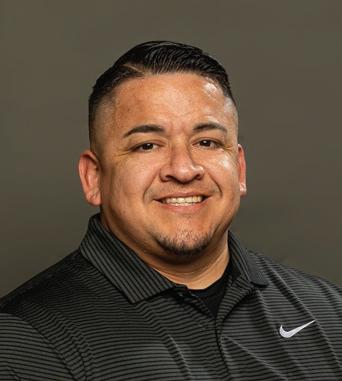
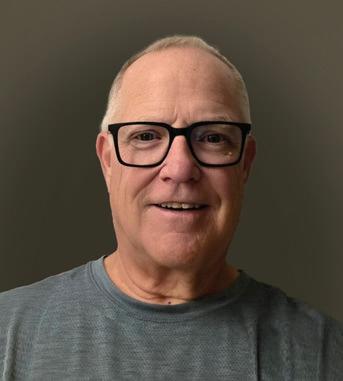
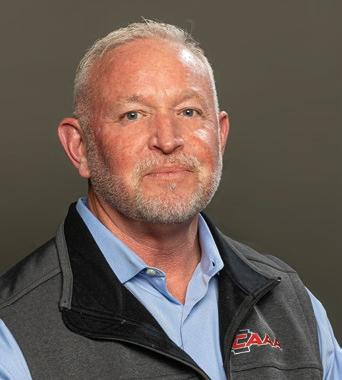
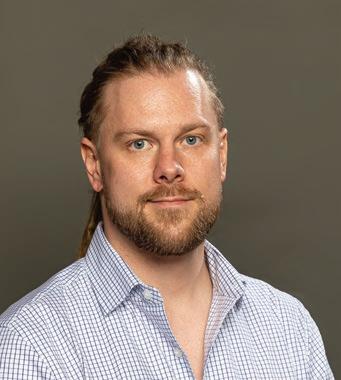

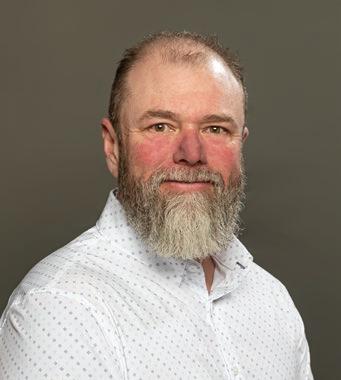
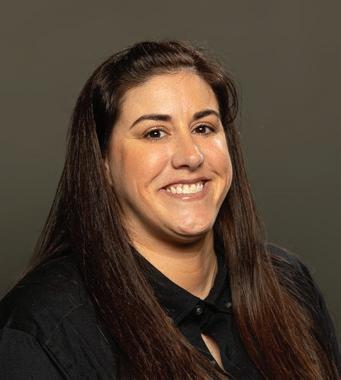
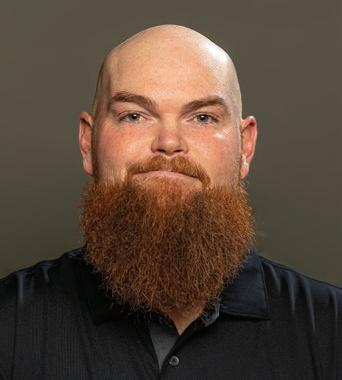



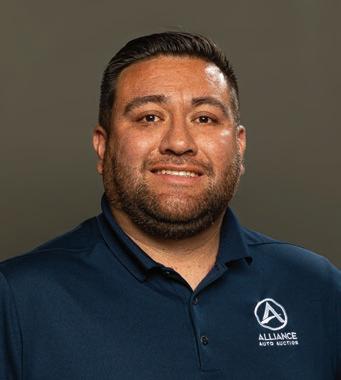
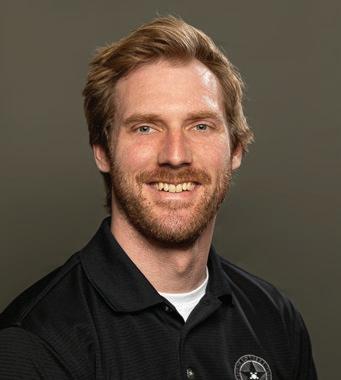
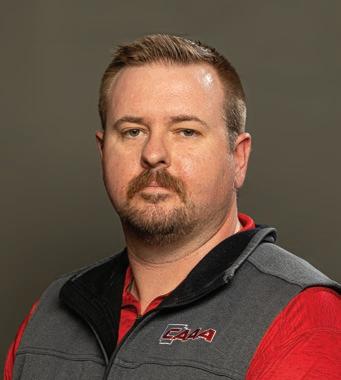
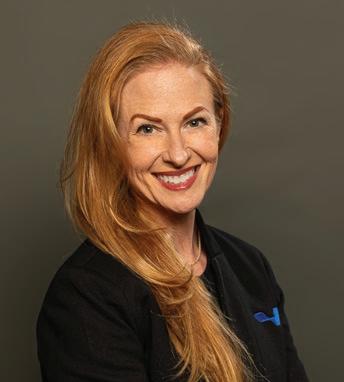
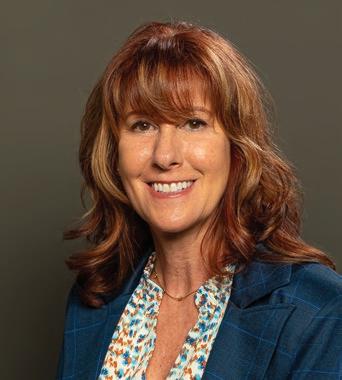
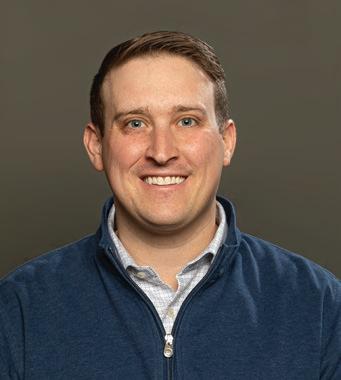
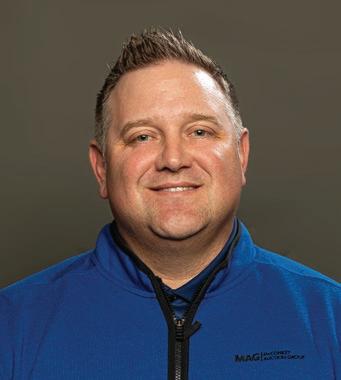
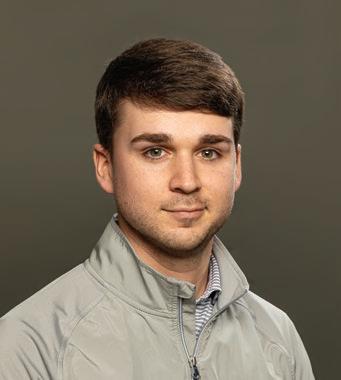
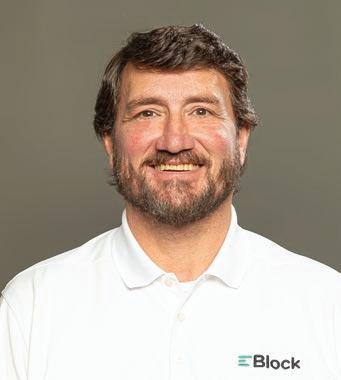
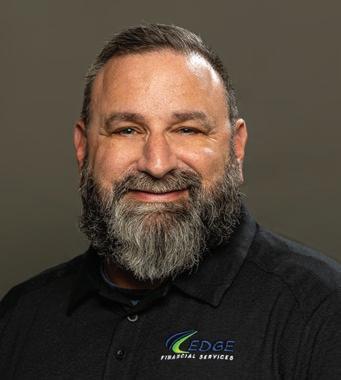

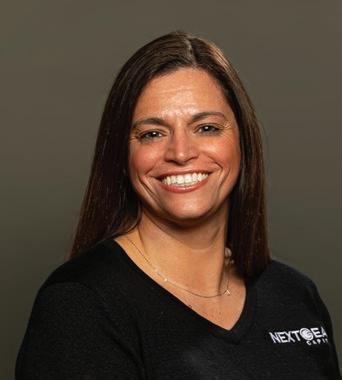
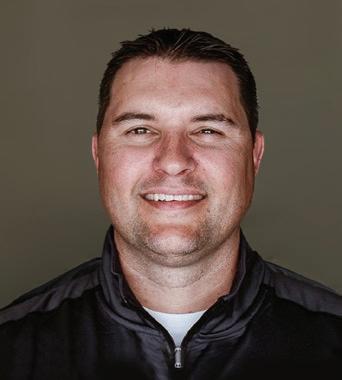
Cole Bailey Akron AA Kayla Morrow Akron AA
Oscar Gonzalez Alliance AA – Dallas
Jerome Hoskins Auction Edge
Mike Lynch Manheim Maryland
Omar Cardoza Big Valley AA
Nick Apicella Carolina AA
Keith Foster Carolina AA
Colby Kennedy Central Arkansas AA
Chris Phares Central Arkansas AA
Tanner Litowski Central AA
Nancy Strait Cox Automotive – DealShield
Adam George Cox Automotive – Manheim
Matt Almond MAG | McConkey Auction Group
Ricky Witcher DAA Oklahoma City
Kara Goritz EBlock - Inland Empire
Mark Hopkins EBlock - Flint
Brian Pesses Edge Remarketing LLC
Travis Grubb Exeter Finance
Frank Lingle III Greensboro AA
Blake Isham Indiana AA
Brandon Lennick MAG | McConkey Auction Group
David Moore Metro AA - Phoenix
Brandy Hunt NextGear Capital
JC Gaughan Northeast Pennsylvania AA
Laura Robbins Velocicast
Garrett Seay Thoroughbred AA
Dave Stolt Avis Budget Group




Discover our growing inventory of late model cars, trucks, and SUVs tailored to meet your business needs.
• Green Light & Yellow Light Vehicles: Enjoy peace of mind with the 21-day Copart Wholesale Arbitration Policy
• Red Light Vehicles: Sold as-is
Why Choose Us?
• Free Condition Reports
• Clean title vehicles brought to you by our partners at Bridgecrest • AI-Powered Damage Highlights • Streamlined Dealer Registration via AuctionACCESS