supports a Culture of Consent
USC has built an approach to sexual assault prevention predicated on a multi-layered series of educational components. All students are required to take online asynchronous training in sexual assault prevention annually; undergrads receive supplemental facilitated education through 120 minutes of live discussions in years 1, 2, and 3 the Consent and Healthy Relationships (CHR) curriculum. A total of 13,000 undergraduates participated in 722 discussions this past academic year (2024-2025).
Prevention education and community outreach continues to be a cornerstone of Campus Health, with The Confidential Advocacy, Resources and Education Support Center (CARE-SC) Office in USC Student Health working with student organizations, cultural centers, fraternity and sorority leadership programs, and the LGBTQ+ Center to increase awareness, skillbuilding, and consent culture.
Services for 24/7 support for survivors is available through the Confidential Advocates services. Advocates can arrange for accompaniment and travel to Sexual Assault Response Teams services and advise on reporting options, which are handled through a survivordirected and trauma-informed lens Phone 24/7 213-740-9355 (WELL).
https://sites.usc.edu/clientservices/
The Office for Civil Rights Compliance (OCRC) also provides in-person and virtual training and prevention education programming across the university, for students, faculty, staff and affiliates, which can be tailored to a school, unit or organization's needs
Information provided in OCRC programming includes but is not limited to: the Policy on Prohibited Discrimination, Harassment, and Retaliation (the Policy); the related Resolution Processes; university community members' rights and responsibilities under the Policy; who Designated Employees are, including in the healthcare context; how to make a report; as well as available supportive measures and resources.
Resources for reporting include the front door for reporting concerns: report.usc.edu. https://ocrc.usc.edu/
Consent & Healthy Relationships Prevention Education Modules
https://sites.usc.edu/pems/
Academic Year: 2024-2025
Y1: Trojans Respect Consent CHR1
231 sessions, 4,477 students trained
Focus: Bodily autonomy, affirmative consent, power dynamics
Learning Objectives: Define boundaries, communication for consent, recognize power impacts
Y2: Healthy Relationships CHR2
256 sessions, 4,448 students trained
Focus: Relationship respect, rights, responsibilities, and expectations
Learning Objectives: Respectful communication, accountability, healthy conflict
Y3: Trojans Act Now CHR3
235 sessions, 4,075 students trained
Focus: Upstander behavior, prosocial responsibility
Learning Objectives: Identify harmful norms, intervene safely, model upstander actions
Total: 722 sessions
Survey feedback and data received from Qualtrics pre and post surveys (2 for each PEM) Compliance data from the USC Registrar and cross-referenced with attendance marked in TrojanLearn As of June 29th, 2025
Consent & Healthy Relationships
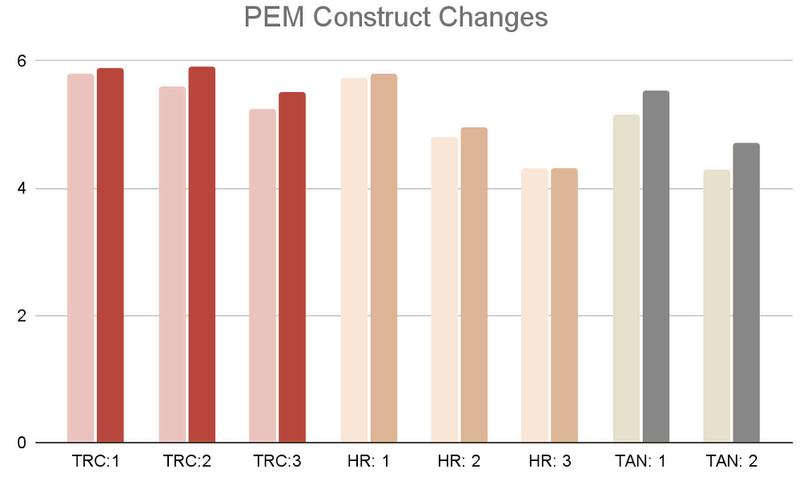
Pre/Post Survey Changes
https://sites.usc.edu/pems/
Academic Year: 2024-2025
After completing each module, students were more likely to positively endorse questions related to:
Trojans Respect Consent
Bodily Autonomy
"I feel confident in my ability to give, withhold, and revoke sexual consent.”
Healthy Communication
“I am confident in my ability to communicate my boundaries.”
Impacts of Power/Consent
“Recognizing and addressing power imbalances within relationships is crucial for a healthy relationship.”
Healthy Relationships
Respect and Responsibility
“Respect is an important element in establishing and maintaining a healthy relationship (e.g. Romantic, friendships, familial)”
Respectful Communication
"Engaging in healthy conflict with a romantic partner leads to personal growth and increased understanding within a relationship.”
Trojans Act Now
Modeling upstander behaviors
"I believe it is important for bystanders to intervene when they witness a potentially harmful situation.”
Prosocial Upstander
“I have the necessary tools and skills to safely intervene a situation where someone might need help.”