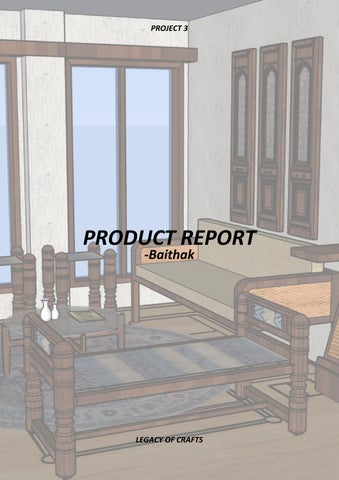
PRODUCT REPORT -Baithak

1.Introduction
2.Material Composition
3.About The Craft
4.Craftsperson
5.Product
6.Marketing Potential
7.Conclusion
8.Authentic Referencing
1. INTRODUCTION
STUDENT INTRODUCTION-

Salutations.
Hi I am Uruvi Prakash. I'm a third-year student majoring in interior architecture design at the Indian Institute of Art and Design, New Delhi.
I like to read books, create videos, and go on local explorations with my friends while I'm not in school. I've had an incredible experience thus far as a member of the Fashion Society in college.
Making myself a better person is one of my short-term objectives; in the long run, I want to work in furniture design.
Jamshedpur, Jharkhand, is where I was born. Because my family enjoys traveling, I have seen a lot of art and crafts around India. Despite having a career in engineering, my family is quite artistic. At the moment, I reside in Kolkata, West Bengal.
ELEMENT PICKED-
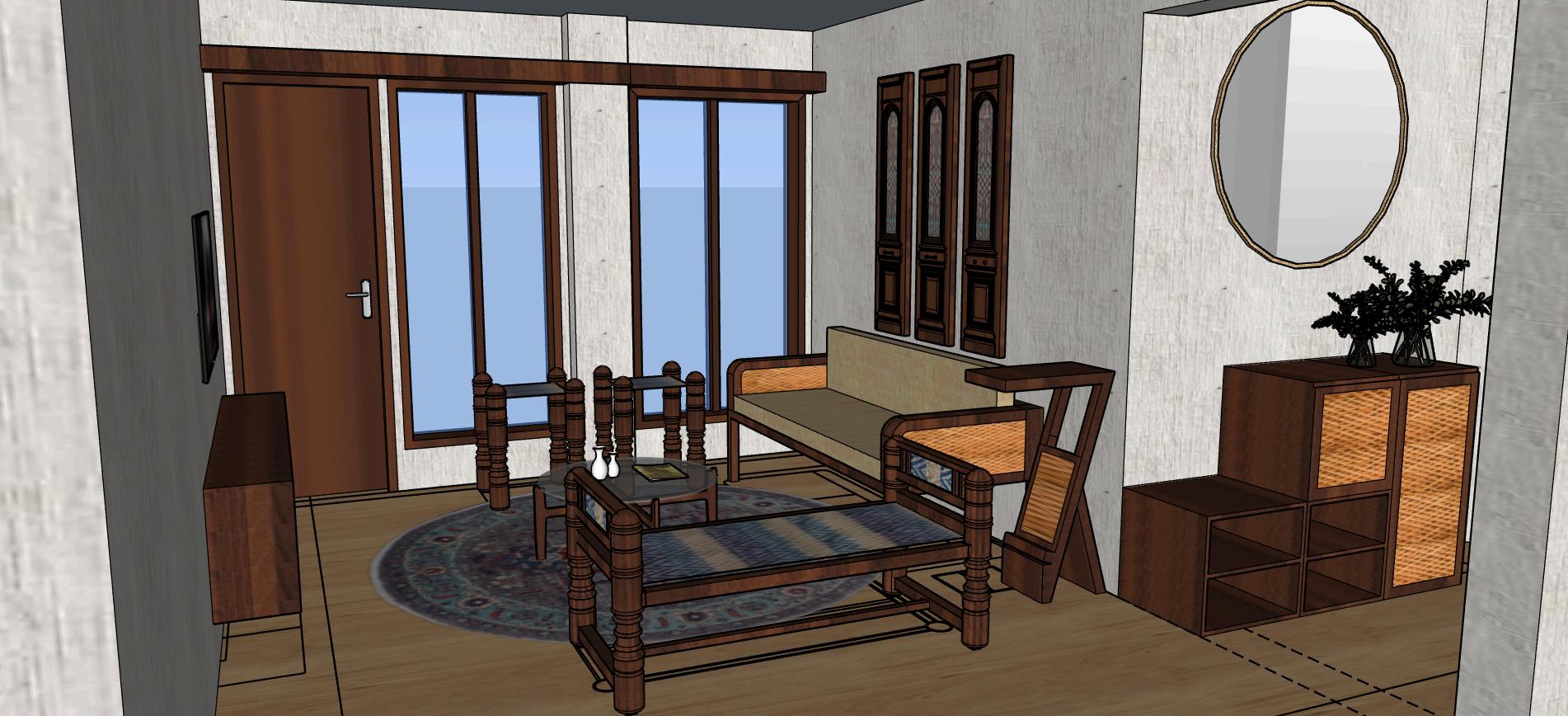
The component I chose for this project is Baithak/Charpai from the Level 4 3BHK apartment project we completed, Life In A Metro. Because the project's goals—"bringing the traditional modern aspects into a space forming a bridge between generations"—aligned with this project Legacy of Crafts' objectives, which include "exploring the aspects of traditional hand crafting that promote Sustainability and the Ecosystem that Craft production creates around it," the selected element is from this Level 4 project.
A space based on the word "AQUATIC" was the goal of the second Level 4-Good Vibes Only project, which did not meet the standards of the Legacy of Crafts project.
JOURNEY FROM INITIAL TO FINAL PRODUCT-
INTIAL CONCEPT-
The Initial concept consisted of a picture of a khatiya used in rural areas.A classic piece of furniture, the khatiya is valued for its durability, simplicity, and cultural significance. The objectives of this project was to focus on the existing traditional and sustainable crafts of india and its ability to support modern manufacturing.
An iconic and age-old piece of furniture with a rich cultural past, especially in South Asia, is the khatiya (also known as the charpai). Originating thousands of years ago, it exemplifies the simplicity and inventiveness of traditional handicraft. Preserving the traditional craft that can connect the modern world was a brilliant concept.
The idea of a design that can support modern production was further enhanced by learning more about how a khatiya operates and the skills used to make this furniture. The crafts included in this furniture are-
Woodwork - wood cutting
Woodwork - wood joineries
Wood Lathe work
Charpai Weaving
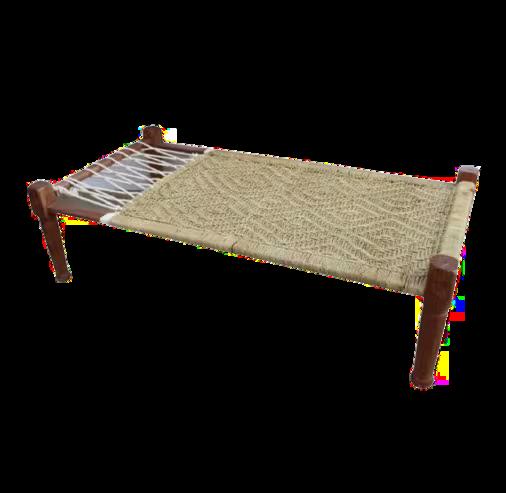
CHARPAI
INITIAL INTENT FOR THE FURNITURE-
In an effort to revive the lost art of khatiya creation, the furniture would be made using the methods used to make one.
Taking into account the furniture's placement within the three-bedroom apartment, it would be accessible from both the living room sitting and the foyer/entrance area. It would be beneficial to reduce the amount of screws and other fastening tools used to assemble the furniture rather than using wood joineries.
PRODUCT EVOLUTION- Design Iterations
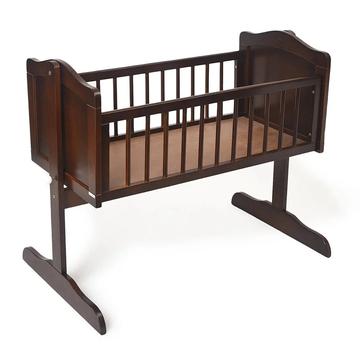
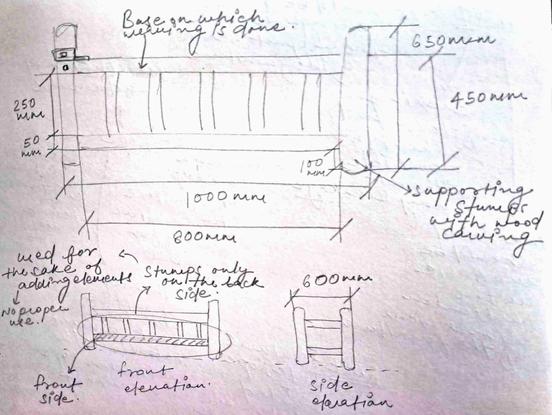
INITIAL DESIGN PROPOSAL OF THE BAITHAK
When the furniture was first designed, it resembled a cradle with the vertical membranes from the leg rests to the seat rails on which the weaving is supposed to be done. It turned out that this design was a waste of material and did not significantly improve the product's stability, support, or even appearance.
Keeping the original craft of lathe work used in making the khatiya
NOTE-The work done on this design proposal is not shown in a correct manner
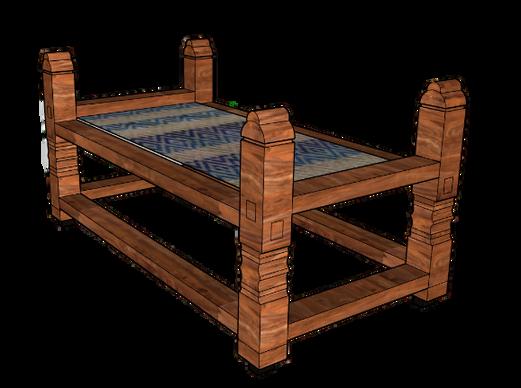
SECOND DESIGN PROPOSAL
The seat rails are not alligned in one level but at different levels
Exposed tenon and mortise joinery to keep the traditional joineries from khatiya making
Among the various modifications made to the second design concept was the addition of raised legs to create a specific spot for sitting on the furniture. The previous design proposal's leg rest was retained.
There were numerous flaws in this design because, while raising the legs gives the furniture a sense of separation, it does not add to the overall design. Additionally, the leg rest at the bottom of the legs would not be used as a leg rest but rather would create uncomfortable conditions, and the lathe on the baithak's legs is not displayed correctly because a lathe makes any surface cylindrical rather than cubic.
Making adjustments to the lathe's design and operation that aid in installing wood joineries for improved stability
Making an H-stretcher to give the furniture a sturdy base

FINAL DRAFT
The seat rails are not alligned in one level but at different levels Stretching the legs upward and constructing an arm rest with woven texture
Exposed tenon and mortise joinery to keep the traditional joineries from khatiya making
This design concept included numerous adjustments to preserve the furniture's aesthetic qualities while also enhancing the stability and sustainability of the design as a whole. Since it addressed all of the original intentions for this furniture, this design was the last iteration of the prototype.
PRODUCT EVOLUTION- Challenges
SIMPLE PRODUCT-The furniture from the three-bedroom apartment seemed like a straightforward design option at first because it didn't seem particularly unique; thus, the ergonomics and anthropometry features were what made it remarkable.
INTENTION-While the workability in the three-bedroom apartment was the main emphasis of my aims for this furniture, reviews of it tended to concentrate on its marketing and workability.
CHARACTERISTICS OF CHARPAI-It was difficult to study the khatiya and apply its features— wood joinery, lathe work, and charpai weaving—to this furniture, but it was done.
2. MATERIAL COMPOSITION
SHEESHAM WOOD- Structure of the product
Native to the Indian subcontinent, sheesham wood, often called Indian Rosewood (Dalbergia sissoo), is a very beautiful and resilient hardwood. Because of its robustness, inherent beauty, and ease of workability, it is frequently used for furniture, floors, cabinets, and artistic carvings.
The design makes extensive use of sheesham. Sheesham is used to make the product's membranes, which are what give it stability.
COTTON ROPE-for weaving
Because of its inherent qualities and comfort, cotton rope is a common material for weaving on charpais. It is often used for both traditional and modern charpais, delivering a blend of strength and comfort.
Sheesham Wood
Cotton Rope
PROPERTIES-
SHEESHAM WOOD
PROPERTY
Physical Properties
Mechanical Properties
DETAILS
Density-700–800 kg/m³ (medium-high), excellent strength-to-weight ratio.
Grain- Smooth, interlocking, visually appealing patterns.
Moisture Resistance-Inherent, but prolonged exposure may cause warping.
Hardness-High Janka rating, resists dents and scratches.
Tensile Strength- Excellent for structural use like beams and frameworks.
Elasticity- Moderate flexibility, resists breaking.
Shock Resistance- Absorbs impact, ideal for frequent-use furniture.
Aesthetic Properties
Natural Polish-Achieves a luxurious shine when polished.
Grain Pattern-Unique and decorative.
Aging-Ages well with proper care, retaining its luster.
Resistance Properties
Workability
Environmental Aspects
Termite and Pest Resistance- Naturally durable.
Weather Resistance-Suitable for indoor and outdoor use.
Shaping and Carving-Easily molded into intricate designs.
Finishing-Smooth finish, accepts stains, oils, and varnishes well.
Sustainability- Plantation-grown, eco-friendly.
Biodegradability- Breaks down naturally, reducing waste.
PROPERTIES-
COTTON ROPE
PROPERTY
Physical Properties
DETAILS
Material- Natural cotton fibers, soft and supple.
Density -Lightweight, ~1.5 g/cm³.
Look -Typically white/off-white, various patterns (braided/twisted) and diameters.
Texture -Smooth and soft, gentle on hands.
Mechanical Properties
Functional Properties
Usage-Specific Properties
Strength- Moderate tensile strength for light to medium-duty use.
Elasticity- Limited stretch, sufficient for static applications.
Abrasion Resistance-Prone to fraying with prolonged use.
Load Capacity-Best for light to medium loads; strength depends on diameter and weave.
Biodegradability- Eco-friendly, fully biodegradable.
Absorption-High moisture absorption; weakens when wet.
Heat Resistance-Burns but does not melt under high heat.
Chemical Resistance- Susceptible to damage from acids.
Adaptability-Easy to knot, ideal for macramé, crafts, and decor.
Comfort-Soft, suitable for hammocks, clothing, and pet toys.
Sturdiness-Strong indoors but deteriorates with moisture and UV exposure outdoors.
SOURCINGSHEESHAM
WOOD
ASPECT
Natural Forests
DETAILS
Habitat-Found in tropical/subtropical riverine regions (e.g., Ganges, Yamuna).
Climate-Thrives in 10–40°C, 500–2,000 mm rainfall, up to 1,500 meters elevation.
Plantations
Harvesting
Processing
Challenges in Sourcing
Sustainable Practices
Cultivation-Prominent in Indian states like Madhya Pradesh, Uttar Pradesh, Punjab.
Agroforestry- Grown alongside crops for economic value and soil improvement.
Sustainability- Ensures renewable wood supply, reducing strain on natural forests.
Age-Harvested at 20–30 years for optimal quality.
Selective Logging- Mature trees cut selectively for sustainable practices.
Season- Harvested in dry season to minimize environmental damage.
Debarking and Sizing- Logs are debarked and cut into usable sizes.
Drying- Seasoned (air or kiln-dried) to reduce moisture and prevent warping.
Grain Sorting- Classified by quality, grain patterns, and intended use.
Deforestation- Overharvesting and illegal logging impact sustainability.
Pests- Issues like borer beetle infestations affect wood quality.
Regulations- Stricter environmental laws implemented to ensure sustainable practices.
Certification- FSC or eco-certifications promote ethical sourcing.
Reforestation-Efforts to replace harvested trees.
Community Involvement- Local communities benefit through plantation management programs.
CONSIDERATIONS FOR LOCAL VS. GLOBAL SOURCING SUSTAINABILITY
Although wood sourced locally frequently has less of an impact on the environment, it can not have the same sustainability certifications as wood sourced internationally. To guarantee ethical forestry practices, global sourcing should give preference to suppliers who have earned certification from groups like the FSC.
GOAL
For short purchases or small-scale initiatives, local sourcing is best. For large-scale, superior, or specialized needs, global sourcing is preferable.
BUDGET AND COST
Because local wood requires less money for imports and transportation, it is typically less expensive.With better quality or processing, imported wood may be worth more.
SUPPLY CHAIN TRUSTWORTHINESS
Local sourcing reduces the danger of worldwide disruptions like shipment delays or geopolitical problems.
SOURCING-
STAGE
1. Cultivation of Cotton
- Planting
- Development & Harvesting
- Handling
2. Preparation of Cotton Fibers
- Cleaning
- Carding
DESCRIPTION
Cotton seeds are sown in warm climates (e.g., India, China, USA) in spring.
Cotton bolls mature in 5–6 months and are harvested manually or mechanically.
Raw cotton is sent to ginning facilities to separate fibers from seeds.
Fibers are cleaned to remove seeds, dirt, and debris.
Fibers are aligned and straightened into slivers (continuous threads).
- Spinning Slivers are spun into yarn, the main component of rope.
3. Rope Manufacturing
- Twisting
- Braiding (Optional)
Multiple yarn strands are twisted to form rope, determining its strength and flexibility.
Braided for added durability and smoother texture in some ropes.
- Finishing Ropes may be cut, dyed, or treated for specific purposes (e.g., water resistance).
4. Packaging & Distribution
- Local Markets
- International Export
5. Sustainability Concerns
- Organic Cotton
- Fair Trade
6. Challenges in Sourcing
- Environmental Impact
- Supply Chain Dependency
Cotton rope is packed and sold directly to customers or businesses.
Premium ropes are exported for use in industries like construction, crafts, and agriculture.
Made from pesticide-free cotton, reducing environmental impact.
Ensures fair payment to farmers, improving livelihoods in cotton-growing areas.
High water usage and pesticide reliance mitigated by sustainable practices.
Availability and quality affected by global demand and local farming conditions.
COTTON ROPE
CONSIDERATIONS FOR LOCAL VS. GLOBAL SOURCING
The choice between buying cotton rope locally and internationally is influenced by a number of criteria, including availability, affordability, quality, and sustainability.
PRICE
The product may cost more if it is manufactured on a small scale, but local sourcing frequently has lower overheads like transportation or import duties. Because of economies of scale, global sourcing may be less expensive for large orders.
SUSTAINABILITY
Because local sourcing requires less transportation, it usually has a smaller environmental impact. Additional certifications may be required for global sourcing in order to guarantee ethical and sustainable production.
QUALITY
Direct quality control is made possible by local sourcing. International providers might have state-of-the-art processing facilities and continuously provide high-quality goods.
REQUIREMENTS FOR VOLUME
For urgent, smaller-scale needs, local sourcing is best.
For long-term, large-scale procurement, global sourcing works better.
GOAL
For projects that are environmentally concerned or community-based, local sourcing works effectively. For projects requiring specialist or large-volume materials, global sourcing is preferable.
MATERIAL PROCESSING-
STAGE
1. Harvesting
- Felling
- Transport
2. Initial Preparation
- Debarking
- Sizing
3. Seasoning (Drying)
- Air Drying
- Kiln Drying
4. Cutting and Shaping
- Sawing
- Planing
- Shaping
5. Treating and Preserving
- Chemical Treatment
- Optional Staining
- Sealing
6. Assembly and Joinery
- Cutting Component
- Joinery
DESCRIPTION
Mature Sheesham trees (20–30 years) are felled using manual or mechanical tools.
Logs are transported to sawmills or processing facilities.
Outer bark is removed to expose raw wood and prevent pests.
Logs are cut into slabs or manageable lengths based on usage.
Logs naturally dried with proper ventilation over weeks/months.
Controlled drying in kilns reduces moisture to 6–8% for furniture-grade wood.
Wood is cut into precise shapes and sizes using sawmills or precision tools.
Surfaces are smoothed to ensure uniform thickness and remove sharp edges.
Hand tools or CNC machines create ornamental designs or furniture pieces.
Anti-fungal and anti-termite treatments improve durability.
Enhances or alters the wood's natural color.
A sealing layer is applied to protect wood from environmental damage.
Specific parts (e.g., panels, frames, legs) are cut from prepared wood.
Traditional (mortise-and-tenon, dovetail) or modern (screws) methods are used to assemble parts.
SHEESHAM WOOD
MATERIAL PROCESSING-
STAGE
1. Harvesting Raw Cotton
DESCRIPTION
- Manual/Mechanical Harvesting Cotton bolls are collected and sent to processing facilities.
- First Cleaning Removes seeds, leaves, and debris at the cotton gin.
2. Ginning
- Fiber Separation Cotton lint is separated from seeds.
- Baling Cleaned fibers are baled and sent to spinning mills.
3. Carding
- Alignment of Fibers Fibers are aligned and straightened into a continuous sliver.
- Residual Cleaning Removes remaining impurities for uniform strands.
4. Spinning
- Drawing Slivers are stretched for strength and consistency.
- Twisting into Yarn Fibers are twisted into yarn via ring or open-end spinning.
- Plying (Optional) Multiple yarn strands are twisted together for stronger ropes.
5. Dyeing (Optional)
- Color Treatment Yarns are dyed using natural or synthetic dyes.
- Fixing Treated to prevent color fading or bleeding.
6. Rope Construction
- Twisting Single or multi-strand twisting forms the rope structure.
- Braiding Yarns are woven into a braided pattern for smoother, elastic ropes.
7. Completing
- Cutting and Sizing Ropes are cut to required lengths.
- End Treatment Ends are sealed to prevent fraying.
- Coating (Optional) Ropes are coated for added strength or water resistance.
SWOT ANALYSIS-
STRENGTH
- Durability
- Aesthetic Appeal
- Hardness & Strength
- Workability
- Eco-beneficial
- Pest Resistance
WEAKNESS
- Cost
- Availability
- Climate Susceptibility
- Slow Growth Rate
- Uneven Grain Patterns
OPPORTUNITY
- Sustainable Materials
- Market Expansion
- Home Décor
- Government Initiatives
- Other Product Uses
THREAT
- Illegal Logging
- Competition
- Environmental Regulations
- Climate Change
- Market Volatility
Highly resilient, ideal for furniture and long-lasting products.
Rich grain and color range from golden-brown to reddish-brown with darker streaks.
Robust hardwood, supports heavy weights.
Easy to carve and shape despite hardness.
Renewable resource when responsibly sourced.
Naturally repels termites and wood-boring insects.
More expensive due to high quality and demand.
Limited to regions like India and Pakistan, increasing shipping costs.
Susceptible to warping, swelling, and cracking in extreme moisture or humidity changes.
Long maturity period limits supply replenishment.
Grain irregularities may not suit certain designs or production needs.
Growing demand for renewable materials supports Sheesham use.
E-commerce opens access to international markets for high-quality furniture.
Rising interest in handcrafted, unique, and luxury furniture.
Certifications like FSC boost market trust and desirability.
Opportunities in niches like small wooden objects, sculptures, and musical instruments.
Unsustainable practices lead to tree population decline and deforestation.
Cheaper alternatives like teak and mahogany threaten Sheesham's market share.
Stricter laws may increase compliance costs and complicate sourcing.
Affects growth patterns and availability, disrupting supply chains.
Political or economic instability impacts price and supply.
SHEESHAM WOOD
ITS IMPACT ON THE PRODUCT’S SUCCESS
Sheesham wood can considerably boost the success of furniture by improving its aesthetic appeal, durability, and market positioning. Additionally, it may result in improved brand recognition and larger profit margins. However, pricing and supply chain management must carefully take into account its increased cost, sourcing difficulties, and reliance on sustainable practices.
SWOT ANALYSIS-
COTTON ROPE
STRENGTH
- Natural Material Biodegradable and eco-friendly, appealing to environmentally conscious markets.
- Softness & Flexibility Comfortable handling; ideal for crafts, décor, and pet accessories.
- Versatility Wide uses: furniture, upholstery, macramé, gardening, yachting, and light climbing.
- Absorbency Suitable for wet environments due to high liquid absorption.
-Easy Dyeing Readily absorbs dyes, enabling a variety of colors for decorative purposes.
-Cost-Effective Affordable compared to synthetic alternatives, suitable for mass production.
WEAKNESS
- Durability Degrades faster than synthetic ropes under UV, wetness, and friction.
- Limited Strength Unsuitable for heavy-duty or high-stress applications.
- Prone to Rotting Mold and mildew weaken the rope in prolonged damp conditions.
- Low Resistance to Abrasion Wears quickly in abrasive or high-use settings.
- Shrinkage Contracts when exposed to moisture, affecting reliability in certain applications.
OPPORTUNITY
- Sustainability Trends Growing demand for biodegradable, eco-friendly materials.
- Craft & DIY Markets Popular in macramé, home décor, and other DIY projects.
- Eco-friendly Packaging Ideal for artisanal and sustainable packaging solutions.
- Marine & Outdoor Uses Fits light-duty marine, camping, and decorative needs.
- Customization Easy to modify in color, thickness, and length for various industries.
- Eco-friendly Textiles Increasing use in sustainable fashion, interior design, and wellness products.
THREAT
- Synthetic Competition Superior durability and strength of nylon and polyester ropes threaten market share.
- Environmental Impact of Cotton Farming High water and pesticide usage undermine eco-friendly perception.
-Market Volatility Price fluctuations due to weather, supply chains, and global farming conditions.
-Rot in Harsh Conditions Vulnerability to mildew and deterioration in wet environments damages reliability.
- Consumer Preference Shifts toward longer-lasting, low-maintenance synthetic materials.
ITS IMPACT ON THE PRODUCT’S SUCCESS
Cotton rope can significantly improve the success of a piece of furniture by incorporating comfort, style, and environmental consciousness. It is an excellent option for a rising market of customers that value sustainability and style since it is ideal for producing designs that are comfortable, decorative, and sustainable. Its adaptability, affordability, and aesthetic appeal make it a great material for a variety of woven furniture styles, even though its longevity may be limited in highstress applications.
ECONOMIC FACTORS-
1. Cost of Sheesham Wood
2. Availability & Sourcing
3. Global Trade Dynamics
4. Market Demand & Economic Trends
- Quality: Higher quality (fewer flaws) costs more.
- Processing: Sawing, drying, finishing, and treatments increase costs.
-Size & Availability: Larger trees or limited availability raise prices.
- Sustainability & Certification: Certified sustainable wood (e.g., FSC) may be more expensive.
- Geographic Availability: Primarily sourced from India, Pakistan, and Nepal.
- Sustainability Issues: Deforestation and unsustainable harvesting can cause supply fluctuations.
- Supply Chain Factors: Transportation issues from rural areas can increase costs.
- Import/Export Trends: Major imports by North America, Europe, and Asia. India is the primary exporter.
- Demand Growth: Increased global demand for Sheesham wood products, especially in Europe and the US.
- Trade Laws & Regulations: Import/export taxes and restrictions can impact pricing and availability.
- Global Supply Chain & Logistics: Shipping issues and global events can affect trade costs.
- Demand: Driven by premium furniture and sustainable products.
- Luxury & Custom Furniture: Sheesham wood is preferred for highend, custom, and luxury items.
- Cultural Preferences: Strong demand in South Asia for religious items and furniture.
- Economic Sensitivity: Economic downturns can reduce demand for expensive furniture, while growth increases it.
- Sustainable Sourcing: Growing demand for certified Sheesham wood from responsibly managed forests.
5. Sustainability & Certification
- Ethical Sourcing Premium: Certification adds cost but increases market access, especially in eco-conscious regions.
SHEESHAM WOOD
ECONOMIC FACTORS-
FACTOR
Cost of Cotton Rope
Material Costs
Processing Fees
Import/Export Trends
Tariffs/Trade Regulations
Supply Chain Factors
Seasonality
Economic/Consumer Demand
Market Demand and Economic Factors
Demand in Key Industries
Industrial Use
Crafting & DIY
DESCRIPTION
Price of raw cotton affected by supply, demand, and weather. Cotton prices impact cotton rope costs.
Costs associated with converting raw cotton into rope.
China and India are major exporters; demand in developed markets and eco-friendly regions drives prices.
Tariffs, export restrictions, and trade policies can impact prices and availability.
Costs affected by logistics, shipping, and disruptions in the global supply chain (e.g., fuel costs, natural disasters).
Cotton availability varies by season, affecting prices and supply, particularly in off-seasons.
Economic growth in emerging nations may increase demand for cotton rope, while downturns may decrease demand.
High demand in industries like décor, maritime, outdoor, and DIY, with eco-friendly appeal boosting interest in sustainable cotton rope.
Maritime, outdoor, and industrial sectors use cotton rope, though synthetic alternatives may compete in some areas.
Growing demand for cotton rope in DIY projects like macramé, wall hangings, and furniture, driven by interest in handmade and ecofriendly products.
COTTON ROPE
ECONOMIC FACTORS-
FACTOR
Manufacturing Costs
Spinning & Twisting
Dyeing & Treatment
Transportation & Handling
Market Segments
Availability of Cotton Rope
Cotton Production
Manufacturing Capacity
Sustainability & Certification
Global Trade Dynamics
DESCRIPTION
Cotton fibers spun into yarn and twisted into rope, incurring costs for labor, energy, and equipment.
Dyeing and treatment for color or durability increases labor, chemical, and quality assurance costs.
Shipping costs impacted by rope weight, size, and international freight charges.
Premium cotton rope for décor or maritime uses is more expensive than industrial or agricultural rope.
Availability of raw cotton varies by weather (e.g., droughts, floods) and agricultural priorities (e.g., shifts to other crops).
Rope availability impacted by manufacturers' capacity and supply chain disruptions.
Organic cotton demand may limit supply of conventional cotton, raising prices and affecting availability.
International trade, demand, and supply chain impact cotton rope availability and pricing.
3. ABOUT THE CRAFT
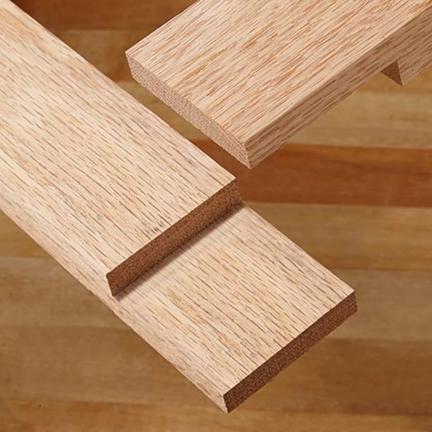
Crafts included to make this productWood Joinery- Woodwork- The process of joining two or more pieces of wood to create a sturdy structure is known as wood joinery. It is essential to construction, carpentry, and furniture production. The choice of joinery technique has a significant impact on the final product's strength, longevity, and look.
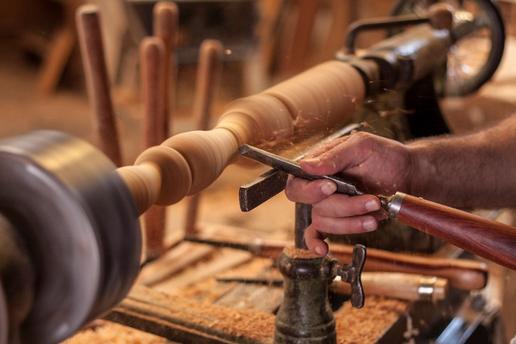
Wood Lathe Work-With wood lathe work, you can shape, carve, or smooth a piece of wood on a lathe machine to make bowls, spindles, pens, furniture parts, and ornaments.
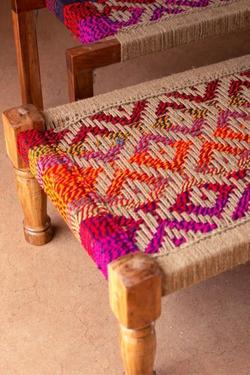
Charpai Weaving-The ancient traditional craft of charpai weaving, also called khatiya or manji weaving, is connected to the production of charpais, which are portable, lightweight mattresses that are widely used throughout South Asia, particularly in rural areas. The sleeping surface of the charpai is beautifully woven from natural fibers, ropes, or synthetic threads, and is supported by a wooden or metal frame.
HISTORY
WOOD JOINERY - WOODWORK
PERIOD
Ancient India (c. 3000–500 BCE)
KEY DEVELOPMENTS
Initial Steps- Use of lashings and pegs in furniture, storage chests, and watercraft.
Wooden Chariots-Advanced joinery like mortise and tenon for chariots and royal furniture.
Maurya & Gupta Periods (c. 300 BCE–500 CE)
Medieval Period (500–1500 CE)
Colonial Era (1500–1947 CE)
Post-Independence Era (1947–Present)
Development of Joinery- Advanced woodworking techniques and use of metal in furniture.
Wooden Architecture- Beams, columns, and carvings in temples, palaces, and sculptures.
Temple Architecture-Wooden elements with advanced joinery (mortise and tenon, dovetail, lap joints).
Delhi Sultanate & Mughal Periods- Refined joinery, intricate carving, and latticework with inlays.
European Influence- Fusion of Indian craftsmanship with European styles.
British Raj- Use of modern carpentry tools; mortise and tenon, finger joints, and dovetail techniques.
Indigenous Craftsmanship- Revival of traditional joinery in handcrafted furniture from regions like Rajasthan and Kashmir.
Handcrafted Furniture-Blend of ancient techniques with modern tools for luxury furniture and heritage restoration.