Food Sciences
Book Written By Uqbah
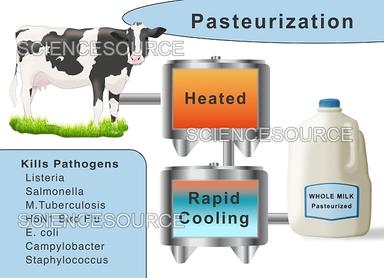
Heating kills bacteria by weakning proteins and damaging cell membranes
Pasteurization is the process of heating food or drinks briefly to kill harmful bacteria without changing taste or nutrients. It makes food safer and last longer, like milk or juice.
Mixing ingredients causes chemical reactions that make food rise or thicken. Mixing ingredients can cause chemical reactions that make food rise through the production of gases
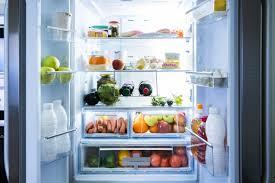
Cooling is the process of lowering the temperature of food to slow down chemical activity.This helps preserve freshness.
How Science can solved the problem
Advantages and Risks
Even though cooking makes food safer, it also carries some risks if not done properly.Cooking food at very high temperatures like deepfrying or burning can create harmful substances that may affect health.There is also a risk of food poisoning if cooked food is left out too long.
Cooking food makes it safer and healthier to eat because the heat kills harmful germs that can cause illness. When food is cooked, it becomes softer and easier for the body to digest. Cooking also improves the taste, smell, and looks of food. Cooked food is also more healthier for you.
How science affects the world
Chemical changes in cooking involve transforming the food’s molecules into new substances, so the change cannot be reversed. These changes often produce new flavors, colors, textures, or smells.Understanding Chemical changes help familys cook healthy meals because they learn that heat transforms food in ways that improve safety, nutrition and taste.
Physical changes in cooking involve altering the shape, size, or shape of food without changing its chemical structure. Examples include chopping, mixing, boiling, steaming, freezing, or melting. These changes make food easier to get ready, cook, digest, and store.
Science helps improve food quality, storage, and safety by controlling bacteria, enzymes, and chemical changes in food. Methods like refrigeration and freezing slow down microbial growth and chemical reactions.
Everyday cooking uses science in many ways to make life easier and safer. For example, boiling or baking food applies heat to kill harmful bacteria, keeping meals safe to eat.Refrigeration and freezing slow bacterial growth, while methods like steaming or pressure cooking save time and preserve nutrients.