BUFFALO - ITHACA - ROCHESTER - SYRACUSE
Volume Thirty-two, Issue Two March-April 2026


Volume Thirty-two, Issue Two March-April 2026
Right now, this is exactly what we need! There is nothing quite like the uplifting feeling of being surrounded by thriving plants. The journey to spring always brings with it the anticipation of new and exciting additions: “What’s new this season?” While this is a familiar question, for us, every moment spent in the early-spring greenhouse feels like a fresh discovery. Watching seedlings emerge from the soil, and the first blossoms appear in baskets, is exhilarating—each moment is an opportunity to see the world anew.
This spring, gardeners will encounter genuinely new plants, some of which may appear familiar but have been significantly improved. Keep an eye out for petunias that bloom repeatedly without deadheading, million bells with enhanced disease resistance, and weigelas that flower continuously throughout the season. Sometimes, the best innovations are subtle improvements—richer colors, stronger growth habits, and countless small enhancements that make your garden even better.
Our nursery will be stocked with the most reliable plant brands for 2026. Among these, the American Beauties collection stands out as our fastest-growing group of ‘new’ plants. This invaluable partner helps gardeners easily select native plants suited to our region and is committed to educating the community about the importance of integrating native species into garden environments. Additionally, this year brings a wide array of new annual flowers, with contributions from renowned breeders such as Selecta, Ball, and Oglesby—names at the forefront of innovation in this field.
Be sure to look for the distinctive purple containers from First Editions Plants, showcasing the best new introductions. David Austin Roses remain as stunning as ever, especially the Literary Collection—it’s gorgeous! Other highlights include Bushel & Berry, Bloom-ables, Raymond Evison, Goodness Grows, all the AAS Selections, Heritage Perennials, and the consistently impressive offerings from Bloomin Easy. With so many new and improved plants to choose from, this spring promises more than longer days and warm soil; it brings a bounty of beautiful additions for your garden. While you wait, research these breeders online and create your own list of must-have plants.
To ask us about weddings in the garden, photo sessions, or any other garden-related question, contact us at 585-637-4745 or kkepler@rochester.rr.com
It is our greatest desire to provide our customers with top quality, well-grown plant material at a fair and honest price. We will strive to provide an unmatched selection of old favorites and underused, hard-to-find items, along with the newest varieties on the market. We will eagerly share our horticultural knowledge gained from years of education and experience. Lastly, we offer all this in a spirit of fun and lightheartedness.




PUBLISHER/EDITOR: Jane F. Milliman
MANAGING EDITOR: Christine Green GRAPHIC
Cathy Monrad
Brian Eshenaur
Kieley Tabone
CONTRIBUTING WRITERS:
WARRINER | LIZ MAGNANTI ELISE WILLIAMS | CAROL ANN HARLOS | CHRISTINE GREEN COLLEEN O’NEILL NICE | CATHY MONRAD
1501 East Avenue, Suite 201, Rochester, NY 14610 585/733-8979
e-mail: info@upstategardenersjournal.com upstategardenersjournal.com
The Upstate Gardeners’ Journal is published six times a year. To subscribe, please send $20.00 to the above address. Magazines will be delivered via U.S. mail and/or email (in PDF format). We welcome letters, calls and email from our readers. Please tell us what you think!
We appreciate your patronage of our advertisers, who enable us to bring you this publication. All contents copyright 2026, Upstate Gardeners’ Journal
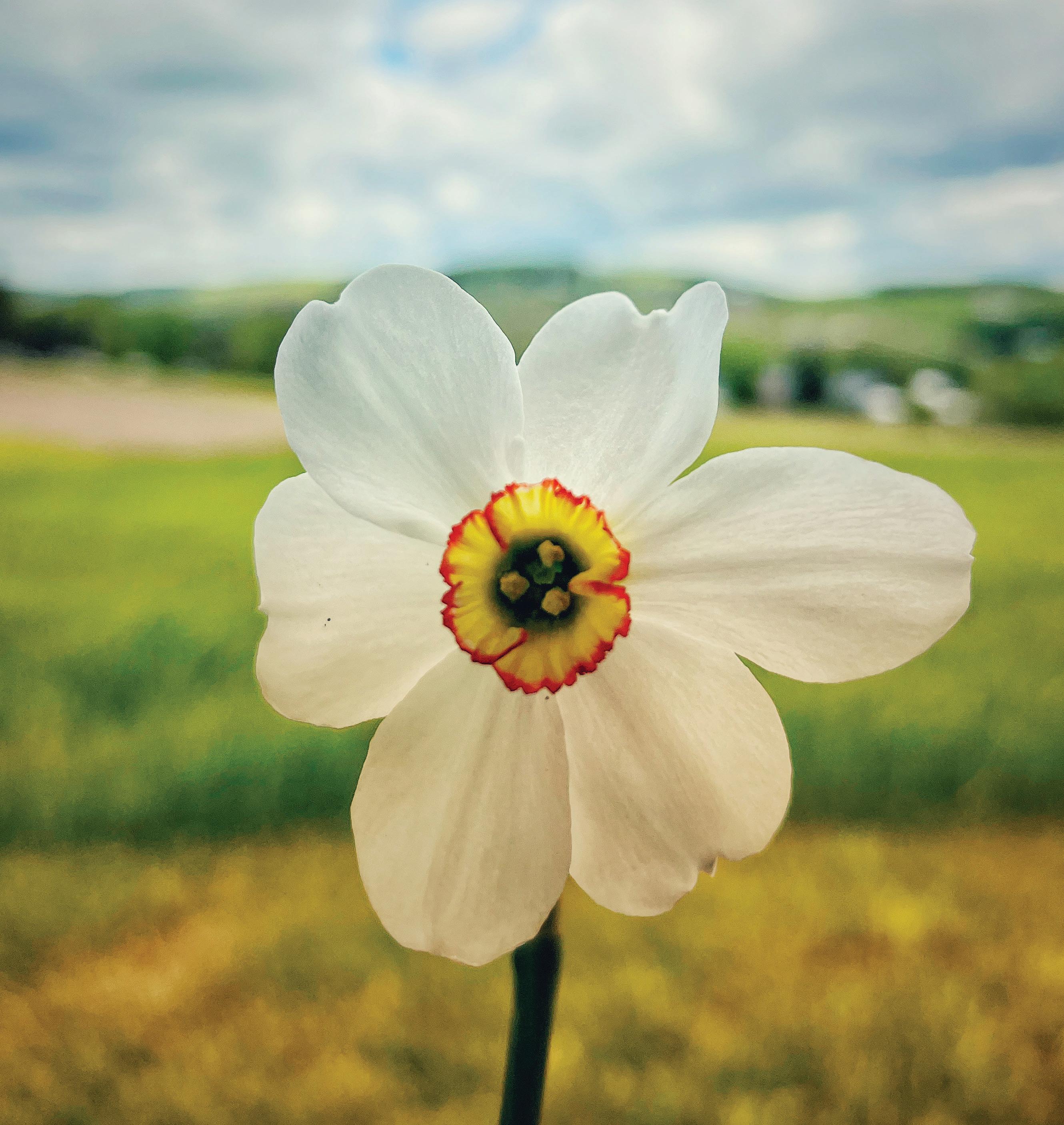
On the cover: Narcissus poeticus or poet’s daffodil in Jasper, NY by Bonnie Warriner

SUBSCRIBE! Never miss another issue to our area’s guide to everything gardeners want to know! Get the UGJ delivered to your door six times a year for just $20.00. SAVE! Subscribe for 2 years for $38.00.
TO GIVE AS A GIFT, simply check the gift option and add your name. We’ll send a notice and start the subscription.
PREFER TO PAY WITH CREDIT CARD? Subscribe or renew by phone—585/733-8979—or on our website. upstategardenersjournal.com
1501 East Ave, Ste 201 Rochester, NY 14610
585/733-8979
Last March I took a trip with my best friend to New Orleans. I’ll never forget taking that first walk around the city after arrival—the sun was out, people were wearing shorts, and the flowers were blooming. A week down south during the spring was just what I needed. It reminded me of the springs I spent in Virginia before I moved here twenty-five years ago. While the rest of the year I wasn’t thrilled to live below the Mason-Dixon line, spring made up for the blistering hot summers and the snowless winters. I can vividly remember returning from the hospital after my daughter was born in Williamsburg in April 2001. The irises were blooming and the tulips were already fading. I don’t think that little newborn ever wore long sleeves or long pants until we moved up north to the Rochester area.
While upstate New York springs are a little less dramatic, they are lovely in their own right. Just read Bonnie Warriner’s article about spring ephemerals; it will surely get you excited by the region’s delicate, pretty little plants and flowers that remind us that the snow is gone, and we can bask in the sunshine once again.





By Elise Williams
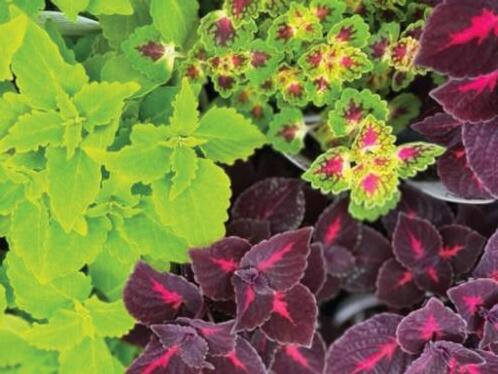
Color trends do not stay confined to the indoors. For 2026, several major brands have announced their colors of the year, and Terra Nova nurseries in Canby, Oregon, has paired each selection with complementary plants, creating curated palettes sure to transform any garden into a vibrant retreat.
Valspar’s Warm Eucalyptus, a muted green, finds harmony in texture-driven choices including brunnera ‘Alexandria’, pulmonaria ‘High Contrast’, athyrium ‘Pewter Lace’, and heuchera varieties such as ‘Green Spice’ and Little Cuties ‘Shimmer’. Its silvered and patterned leaves accentuate the color’s earthy, grounded presence.
Glidden’s Warm Mahogany, a deep red-brown, is amplified through richly colored selections like heucherella ‘Redstone Falls’, heuchera ‘Fire Alarm’ and Norhern Exposure ‘Red’, begonia T Rex ‘Stardust’, and heucherella ‘Solar Eclipse,’ each bringing saturated depth to garden compositions.
“Plants and colors share the ability to shape the way spaces feel,” Pavlich says. Terra Nova demonstrates how thoughtfully assembled living elements matched with any color scheme can make outdoor landscapes feel connected, balanced, and inviting.
The ROC Home & Garden Show & Sale returns March 21–22, 2026, at the Joseph A. Floreano Riverside Convention Center in downtown Rochester. Produced by the Rochester Home Builders’ Association (RHBA), the annual event brings together homeowners, gardeners, DIY enthusiasts, and anyone looking for fresh ideas for their surroundings.
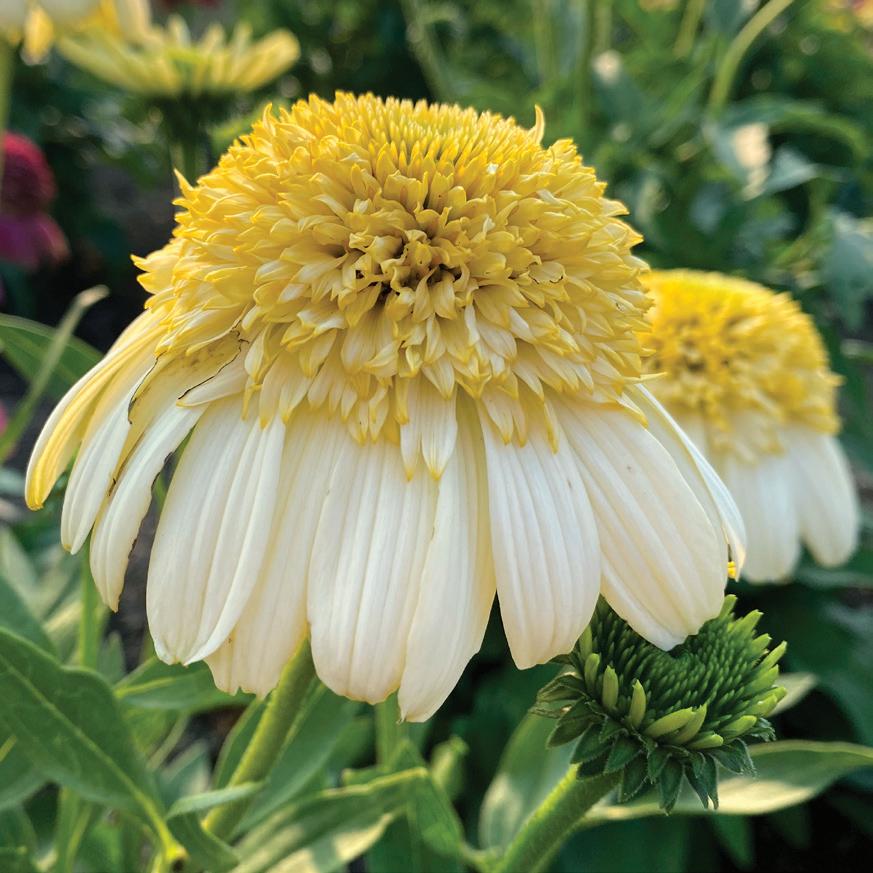
ABOVE: Echinacea ‘Fried Egg’. Photo courtesy Terra Nova Nurseries; terranovanurseries.com
Perhaps the most anticipated is Pantone’s 2026 pick, Pantone 11-4201, Cloud Dancer. It embraces an understated elegance, as the airy white reflects a broader desire for simplicity and visual quiet. Terra Nova answers with twenty varieties that mirror the hue through delicate blooms, subtle variegation, and palecast textures.
“Cloud Dancer’s calming character naturally aligns with Terra Nova’s 2026 companion plant selections,” says Chuck Pavlich, director of new product development at Terra Nova Nurseries.
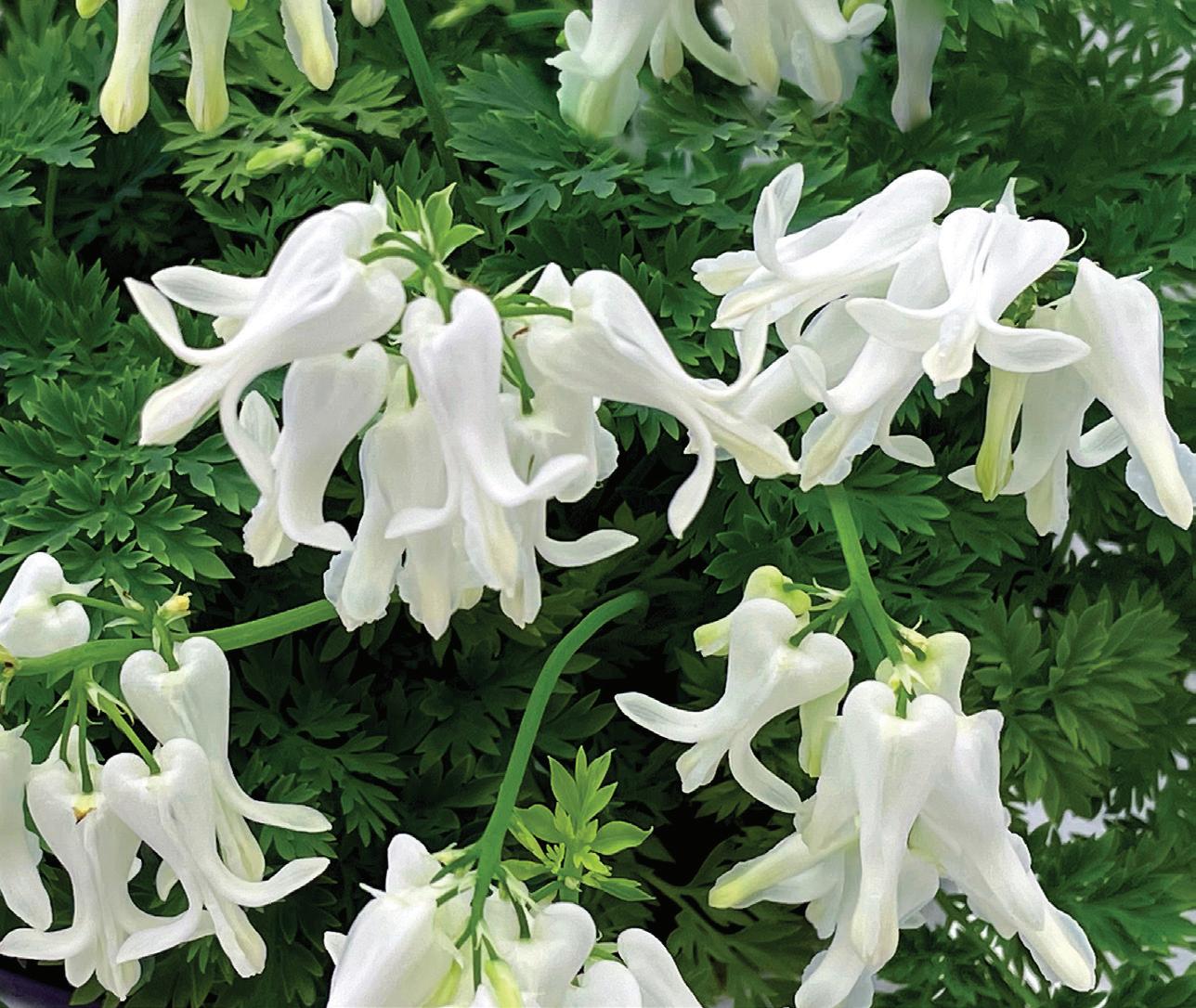
Among them are ajuga Nova ‘White,’ dicentra ‘Amore Titanium’, echinacea ‘Fragrant Angel', leucanthemum ‘Mt. Hood,’ penstemon Nova ‘Pearl’, and thalictrum Nimbus ‘White’. The collection layers bright whites, soft ivories, and luminous accents suited for containers, borders, and larger plantings.
Beyond Pantone, Terra Nova also developed pairings for three major North American paint brands’ picks: Dutch Boy’s Melodious Ivory, Valspar’s Warm Eucalyptus, and Glidden’s Warm Mahogany.
Melodious Ivory, a gentle neutral with beige undertones, is reflected in varieties such as Echinacea ‘Fried Egg’, Acanthus ‘Whitewater’, Agastache Poquito ‘Butter Yellow’, and Sedum ‘Peach Pearls’, all of which enhance its inviting charm.
With more than 200 exhibitors, the show features specialists in remodeling, landscaping, roofing, solar energy, cabinetry, outdoor living, and more. Attendees can explore new products, compare services, and speak directly with local experts about projects ranging from simple updates to full renovations. Live demonstrations and on-site consultations offer practical insight and inspiration.
Whether you’re planning a backyard overhaul, researching sustainable upgrades, or simply curious about emerging design trends, the ROC Home & Garden Show provides a welcoming setting to gather ideas, make connections, and envision what’s possible for the spaces you call home. rochomeandgardenshow.com
The Gnome Roam at RMSC Cumming Nature Center transforms a stretch of the Helen Gordon Trail into a playful winter quest. From mid-December through March 31, visitors follow a roughly quarter-mile path through the woods, discovering cleverly placed gnome displays tucked among trees, bridges, and boggy overlooks. Stops along the route include spots such as Belcher’s Bog, Troll Bridge, and Eagle Nest, each adding a bit of storybook wonder to the snowy landscape.
Designed as a self-guided experience, the trail is accessible for a casual winter walk and is included with general admission. A map is available at the Nature Center front desk to help guests navigate the route and
locate each hidden scene. The seasonal event offers a lighthearted way to explore the outdoors during the colder months while enjoying the quiet tranquility of the Bristol Hills. rmsc.org/exhibits/gnome-roam
The National Garden Bureau (NGB) has unveiled its picks for the 2026 “Year of the” program, showcasing six plants that promise to contribute color, dimension, and ambiance to gardens and homes across North America. From early spring bulbs to vibrant perennials, these selections are as eclectic as they are unique—perfect for bringing distinctive natural beauty both indoors and out.
Year of the Crocus—Bulb
Crocus are tiny heralds of spring, often bursting through late-winter snow in cheerful shades of white, yellow, and purple—some even featuring striped or feathered patterning. A delicate waxy coating shields their slender blades and petals from frost, allowing them to appear while much of the garden still rests. Their early arrival offers a much-needed food source for awakening insects, and over time these small florets multiply into colorful carpets that feel like a secret celebration of warmer days ahead.
Year of the Impatiens—Annual
Impatiens bring simple appeal to tucked-away corners, filling low-light areas with saturated reds, pinks, oranges, and purples. Traditional varieties favor shelter from direct sun, while New Guinea types do well in brighter spots with surprising stamina. Their velvety blossoms and signature “touch-me-not” seed pods— which pop open at the slightest tap—add whimsy, personality, and dynamism to beds and containers, reminding gardeners why impatiens have been beloved for generations.
Year of the Hot Pepper — Edible
Hot peppers ignite both garden beds and kitchen counters with lively energy. Their pods—from milder jalapeños with a bit of bite, to fiery habaneros, and beyond—shine in bold, warm color schemes, each one signaling a different degree of heat. Some are elongated and tapered, others squat or twisted, creating a visual array of shapes and sizes. Beyond their vibrant aesthetic, hot peppers offer endless culinary flair—from fresh salsas and roasted sides to pickled snacks—adding zest and panache to any plate.
Year of the Ficus — Houseplant
Ficus make a striking impression indoors— their lustrous, sculptural leaves and dramatic forms commanding notice. From fiddle-leaf figs to sophisticated rubber plants, each variety brings a sense of refinement and vertical interest, transforming
overlooked corners into verdant sanctuaries. Adaptable and forgiving, these plants flourish in indirect light with steady moisture, offering both refreshing greenery and natural air-purifying benefits that elevate interiors with ease.
Year of the Sedum—Perennial Sedum, or stonecrop, are succulent gems that thrive in sundrenched locations, bringing effortless refinement to rock gardens, borders, or container displays. Their fleshy, water-holding foliage forms a textured base for small late-season accents, which offer rich autumnal hues as surrounding plants fade. Low-maintenance and highly drought-resistant, these perennials reward gardeners with enduring interest and subtle brilliance, creating serene green pockets that require minimal care.
of the Azalea — Flowering Shrub
A zaleas turn springtime gardens into vivid tapestries, spanning soft pastels to deep crimsons and coral-like oranges. Both deciduous and evergreen types provide layered structure, while their profuse blooms create depth and movement in shaded beds or woodland borders. Their fragrant flowers offer a sensory delight, making these shrubs a cherished favorite for gardeners seeking lasting seasonal impact in both formal or naturalistic landscapes.
These six “Year of the” plants spark inspiration for indoor and outdoor arrangements offering adaptability, versatility, and character wherever they are introduced. Each selection transforms ordinary living spaces into captivating showcases of growth and seasonal cadence. With mindful placement, every area invites discovery and quiet enjoyment throughout the year. ngb.org/2026-year-of-plants
Elise Williams is a Rochester-based writer who always takes time to stop and smell the roses—and of course, the lilacs.












Story and photos by Bonnie Warriner
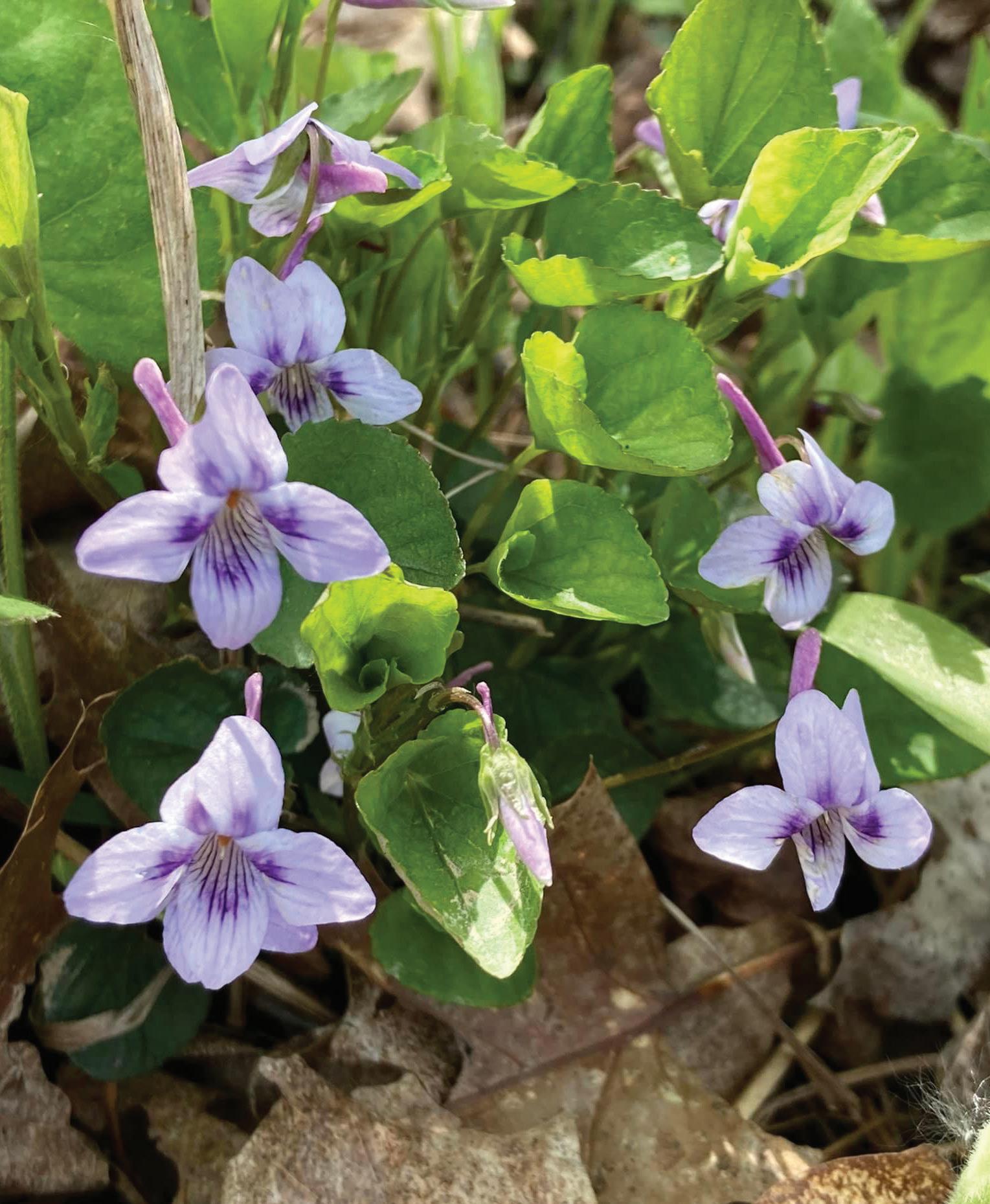
ILEFT: Viola rostrada (longspurred violet)
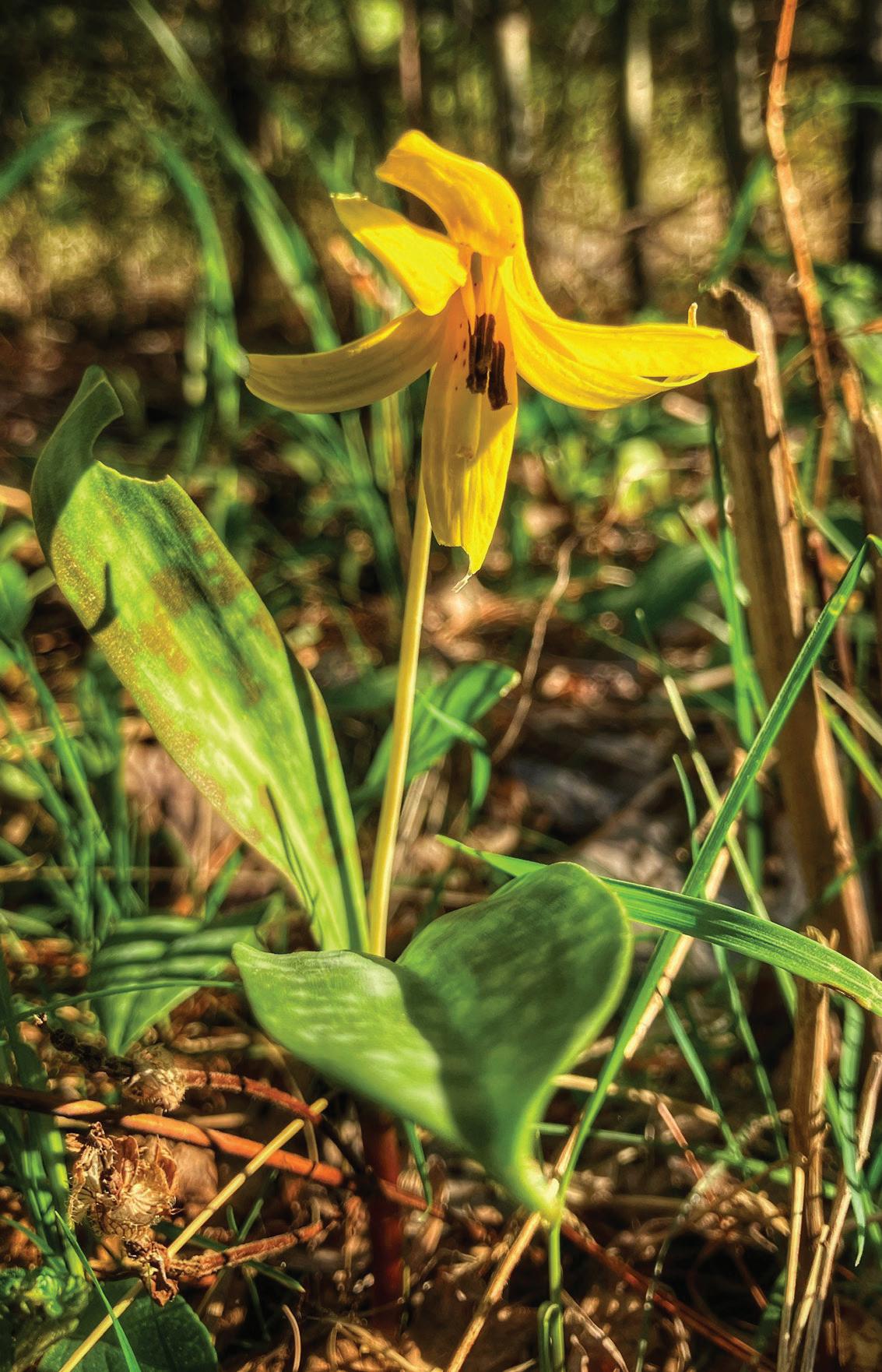
RIGHT: Erythronium americanum (trout lily)
t’s midspring, and I am once again waking up to birdsong in the morning, welcoming the dancing daffodils along the hillside garden, and I eagerly await the night song chorus of peepers from the lower pond and farm field ditch. But if I were to pick the one thing that makes me giddy with anticipation this time of year, it is the blooming of spring ephemeral flowers.
that the woods of our farm contain a delectable array of ephemerals, with one or two that I had never found before in all my visits to my special public lands.
To everything there is a season,
And now it’s time
To look among Last autumn’s fallen leaves
For the magical spring ephemerals
The word ephemeral means “lasting a very short time,” and indeed, to catch the bloom time of these flowers, you must be able to pick up the signs, clear your schedule, and dash to their choice location of growth, or you will miss them entirely. For years I had my special spots, state forests for the most part; and though I diligently tracked the timing, alas, sometimes I could not get away to walk the woods in time. How fortunate I am, today,
That bloom before
The leaf canopy makes shade up in the trees.
If you want to dive deep into finding ephemerals, you should plan on visiting the same location several times over a period of a few weeks, as they don’t all come at once. I can remember my first spring on the farm. I was delighted to find mayapples and trillium, two of the more well-known ephemeral flowers. These two also tend to last a bit longer and can often be found in conspicuous drifts. But it wasn’t until I lived on the farm, and took daily walks, that I began to discover just how many of these springtime beauties were tucked among the fallen leaves of the woodland floor. I am not going to get into the nitty

gritty of the science, but these all bloom at different times, for different lengths, with their own unique set of habitat characteristics.
Now, I invite you on a walk through my forty acre woodland, where we will discover the magic of the ephemeral flower. Let us imagine, for the sake of maximum bloom sharing, that our encounters are all combined into one literary walk together today. The sky is clear, and, as is the timing of ephemerals, the sun shines through the budding trees before leaf-out. The easiest access to the woods is a few feet from my favorite reading window, where I look out each day to observe the beauty of nature and the antics of my goats, of course. I hope you don’t mind, but we will most likely be accompanied by a cat or two, and my goat Gertie, who is very respectful of the ephemerals. To my delight, she prefers to munch on the invasive barberry that I really must get to eradicating. But today, we search for flowers.
We begin our walk at the base of a north facing hill,
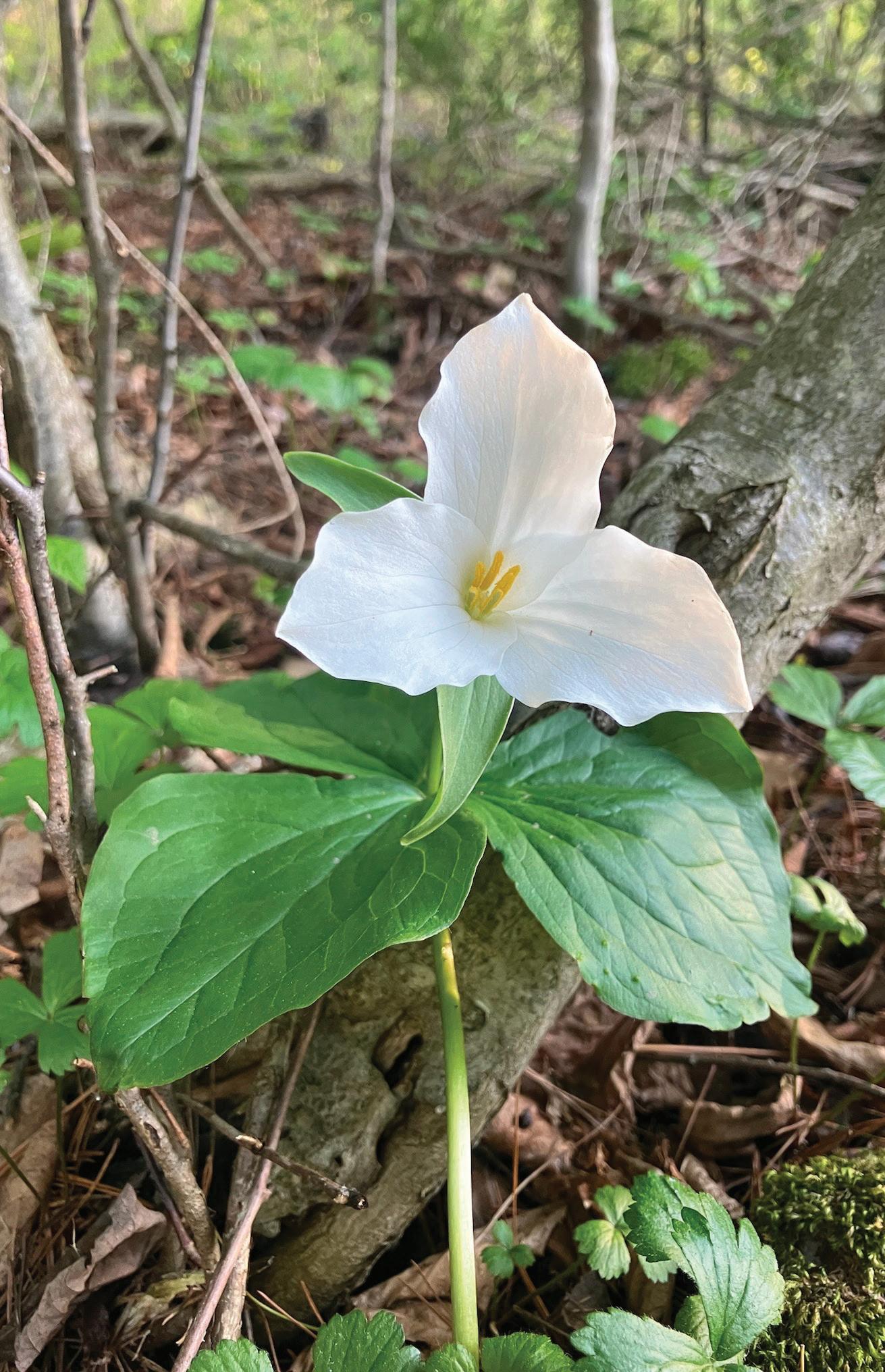
just inside the tree line. It is quite steep, but well worth the exertion of climbing. As we enter what is primarily deciduous woods—think red oaks, hophornbeams, red and sugar maples, for the most part, with a smattering of white pines—I spot a fleshy dark green stalk near a downed tree, with three pointed leaves evenly spaced around it in a whorl. Rising above the whorl, a white, three-petaled flower nods, its three green sepals a sharp contrast between each petal. A few paces beyond is the same flower, a bit more open, this one facing upwards, revealing golden stamens and pistils in its throat. Trillium grandiflorum (great white trillium), which, I’m sure your botanical use of Latin can deduce is named for having plant parts in groups of three, is an eye-catching ephemeral, and can often be seen from quite a distance when in bloom. I’ll caution you though, as much as we love to bring blooms back to enjoy, that trillium is, in many areas, a protected species. Additionally, because each plant only sends one bloom up for a short time,
picking it can set back the plant several years to gain the energy to bloom again, if ever. So we take in the beauty with our eyes only.
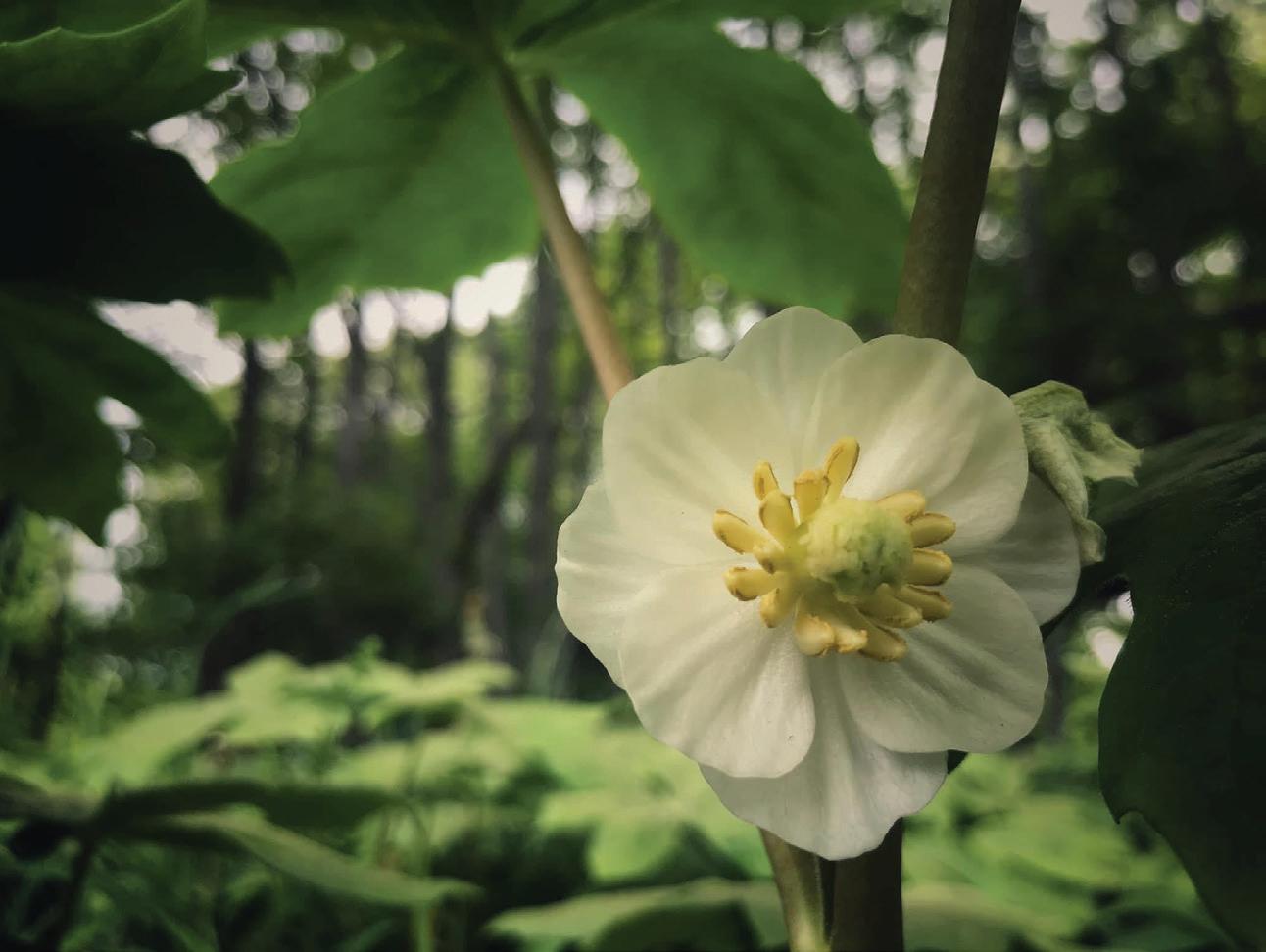
At the top of the hill the woods flatten out for the most part, and we turn east to walk along an old logging trail, venturing deeper into the woods. Here the woods change slightly to incorporate eastern hemlocks, and the ground is a bit more wet. It is in these woods I have encountered several large colonies of mayapples (Podophyllum peltatum), a mass of lime green mobbed together with their umbrella-like leaves. Most ephemerals are best enjoyed by getting down to their level, and mayapple is a prime example. To even see their flower, we must get down on our hands and knees, for the flower appears on the stem under the leaf, and resembles a delicate apple blossom.
A side perk to these ephemeral walks is seeing the woods wake up in other ways: fiddleheads of ferns, tree buds and blossoms, and then the parts of nature past, like fallen oak galls and seedheads that persist through winter. As a steward of the woods, I am also hypervigilant of any invasive species that exist or that have crept in since I last walked. Invasives often sprout or leaf out before most native plants, making early spring the best time to be aware of these plant invaders.
The flat area of the woods extends along a field that we primarily plant to corn, and I enjoy walking the edges between woods and field to see what grows in the in between. One spring when my husband was plowing, he pointed out a purple colored mass on the edge of the field. To my delight it was a clump of violets, of which the farm has several different species. This one I had never seen before, however. Viola rostrada or longspurred liolet is a lavender flower with a darker purple–lined throat that extends back into a long nectar spur.
TOP:
Podophyllum peltatum (mayapple)
BOTTOM:
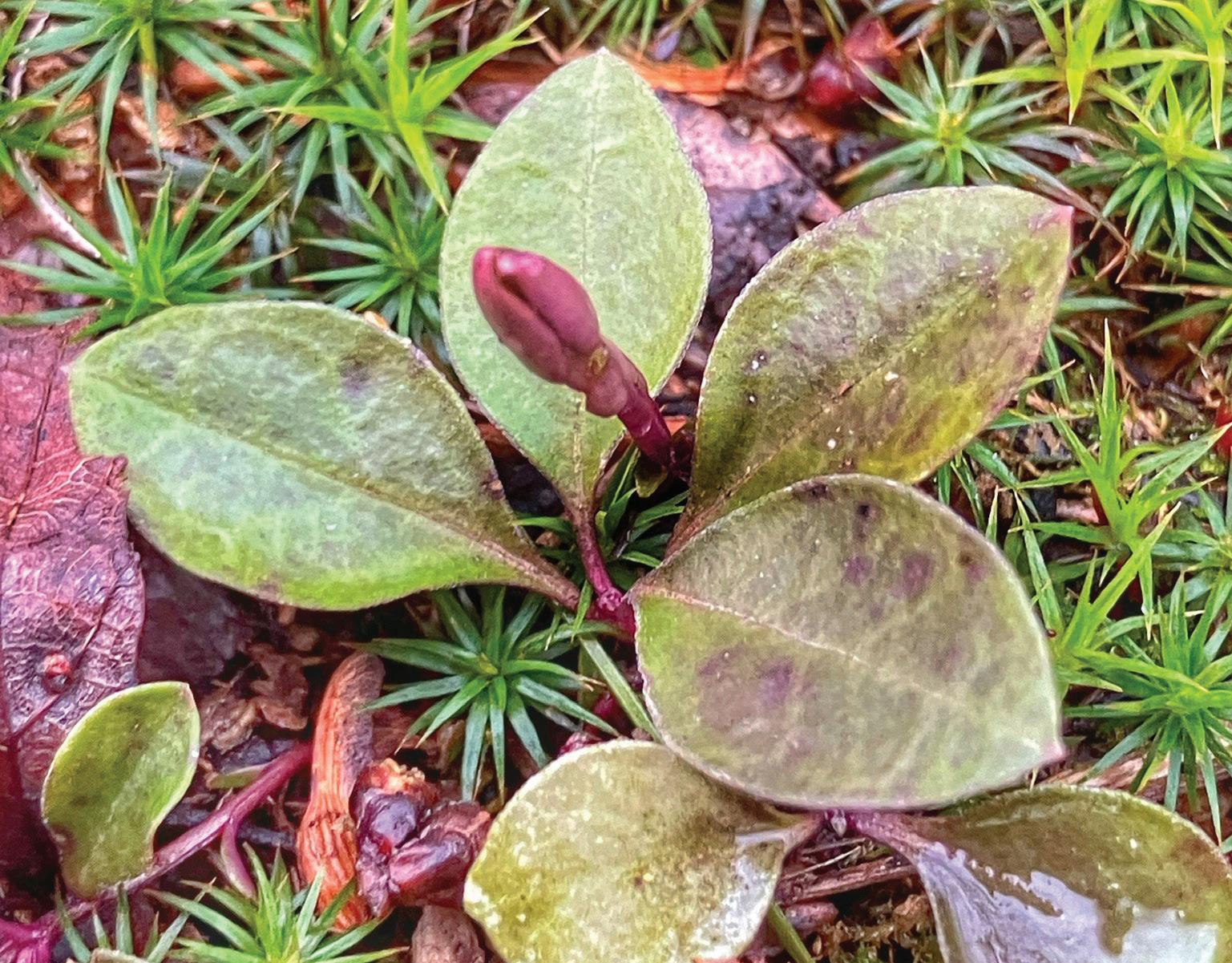
Budding Polygala paucifolia (fringed polygala/gaywings)
As we walk, take note of bits of green, these are often later blooming ephemerals, or the foliage of the late summer asters, which we will enjoy discovering in a few months’ time. Towards the top of the slope, I pause beneath a sizable Red Maple; here is a spot I haunt often for an ephemeral I had never encountered before. Little rosettes of shiny leaves grow between patches of moss, and at their center, deep pink blooms in the most peculiar shape- best described by their common name I think, Gaywings. Polygala paucifolia (Fringed polygala) is a delightful, and very brief blooming ephemeral flower, and this particular spot boasts at least two dozen blooms at once, with a tapering of one to two a day after their peak bloom.
As we loop back through the woods to descend towards home, there is one last flower I wish to show you. Exiting the woods you see it first, a mass of yellow trout lilies in the grassy flat. When we first moved to the farm, this area was thick with brambles, and we cut them back that fall in anticipation of building our home there. The next spring, however, the cleared land showed a mass of blooming trout lily (Erythronium americanum). Of course, the location of the house was shifted for this botanical treasure. The leaves of the trout lily are a most conspicuous speckled pattern, and I see them all over the farm. But to produce a bloom, the plant must have two leaves, and this can take up to seven years, as well as specific site conditions.
Ah, what a joy a morning of bloom discovery can be, and today was no exception! Surely we missed a bloom or three, and I’ll challenge you to look closely next time at what might seem to be just leaves in a waking woods. For the fleeting beauty of ephemeral flowers are for the observant eye, and the plant lover who enjoys lingering among the trees.
Bonnie Warriner is a horticulturalist and budding flower farmer with a love for capturing beauty in pictures and words. You can find her among the wildflowers and goats on her family’s 150 acre farm in Jasper, New York.










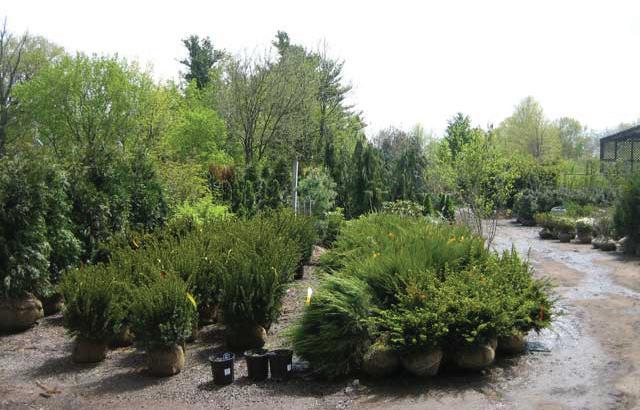
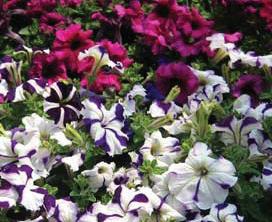
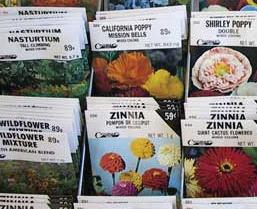
First-time visitors are often surprised— by our variety, quality, and how much we care about their success.
Yes, you’ll find vegetable plants, garden plants, and houseplants you can trust. But you’ll also discover native plants, fountains, and distinctive gifts—and people who love helping you imagine what’s possible in your garden.
We’re a community-owned cooperative, open to everyone, built on shared knowledge and a genuine desire to help gardeners thrive.



This year the Seed Savers Exchange (SSE) is more than a half century old. It continues its mission of preserving seeds and sharing the fascinating stories of the immigrants who grew them. SSE is the largest non-governmental seed bank in the country, striving to keep seeds safe and viable while promoting diversity. The seed bank contains more than 20,000 unique varieties at its headquarters in Decorah, Iowa. The nonprofit’s 2026 online catalogue (seedsavers.org) features vegetable, flower, and herb seeds.
SSE also facilitates a totally online seed swap called the Exchange (seedsavers.org). Here gardeners (listers) from all over the country offer openpollinated, non-hybrid seeds from their own gardens. In addition, SSE contributes more than 4,000 varieties from its own seed bank to the Exchange.
The seeds on the Exchange (also apple scions, potatoes, sunchokes, vegetative alliums and grape cuttings) can be accessed by simply setting up an account with your email and a password. Once logged in, you can explore six categories. Take time to browse 14,079 vegetables; 362 flowers; 358 fruits, berries and nuts; 59 grains; 115 herbs and spices; and a miscellaneous category with 43 listings.
Exchange while others have offered seeds for forty years.
At the Exchange, you order directly from the lister of the seeds. Once you put in your request and receive the seeds, you grow the plants in your garden. The seeds you save can be shared with family, friends, and neighbors to further expand distribution to multiple locations. Seeds eventually become regionally adaptive while creating more resilient communities. If you choose, you can then offer your seeds on the Exchange in a subsequent year and continue the tradition to increase the number of sources for that particular seed.
According to SSE, “participants in the exchange have saved thousands of rare heirlooms from extinction by connecting with new seed stewards to carry on seed saving traditions to the next generation. This grassroots seed-saving community is saving and sharing America’s gardening heritage for future generations. The more people that participate, the stronger it will be.”
TOP: An iconic cottage garden plant, Hollyhocks (Alcea spp.) can be propagated from seed indoors or out. Start seeds indoors six to eight weeks before the last spring frost or wait until frost has passed and directly sow seeds outdoors.
All listings describe the plant, what state it is grown in, USDA hardiness zone, contact and payment information for the lister and even some photos. Today 316 listers on the Exchange share unique seeds to preserve diversity. Some gardeners are new to the
Detailed information about buying and selling on the Exchange is explained on the website and is worth reading. You can also watch the “how to” video. Who knows, maybe you will discover a seed that connects you to your ancestral heritage. Then you can continue the tradition of growing it for your children and grandchildren to enjoy.
So, if you choose to share your seeds with gardeners online or just purchase a few packets of unique seeds for your own garden, the Exchange is a seed lovers dream.
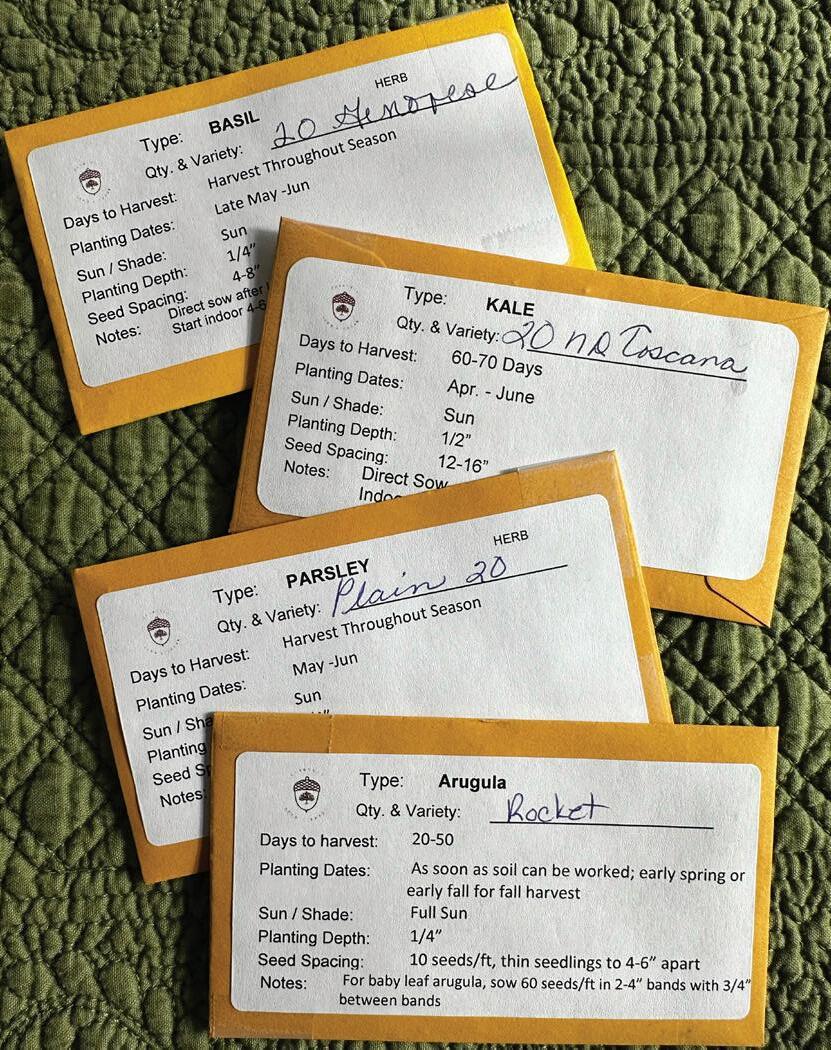
INSET: Free seed packets at the Clarence Public Library are clearly labeled and ready for planting. Additional planting instructions can be found near the seed table.
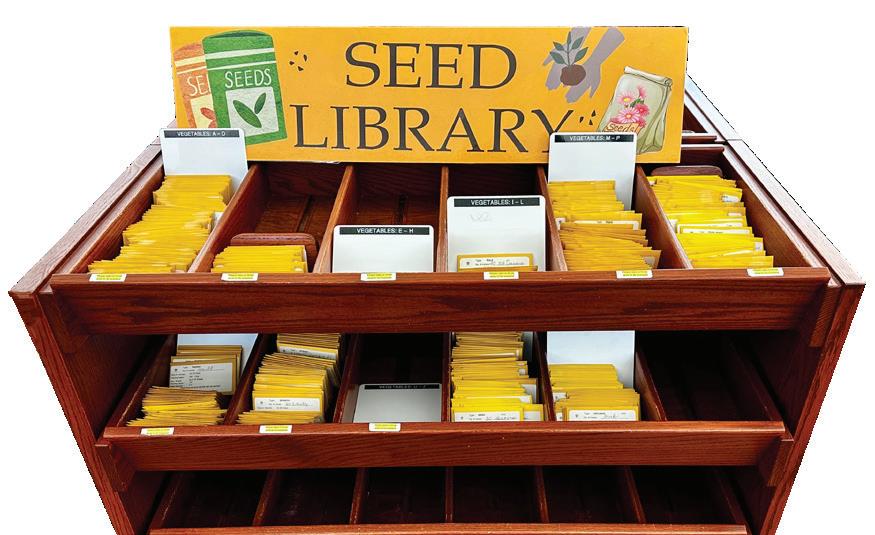
BOTTOM: The stocking of the Seed Library at the Clarence Public Library begins with vegetable seeds. I stopped in on a cold day in late January to find several seed packets for my own garden including parsley, arugula, kale, and basil.
INDIGENOUS SEED KEEPERS
allianceofnativeseedkeepers.com
Bertie County Seeds had a humble beginning in 2018, starting out in an apartment in Richmond, Virginia. Beth Roach and Frank “Fix” Cain, both Native American farmers, have been planting seeds for some time. Roach is vice chair of the Nottoway Indian tribe of Virginia’s Tribal Council and co-founder of the Alliance of Native Seedkeepers. Cain has been actively working on developing a seed bank. The alliance, formed by two Monacans, a Nottoway, and a Tuscarora, is dedicated to the mission of restoring ancestral seed varieties and creating seed farming jobs within tribal nations. The seed sanctuary holds ancestral seeds from members’ own and other Native communities. These seeds are not for sale. The Native American farmers believe that familial seeds should first be widely available within their communities of origin before being accessible to anyone else. Committed to working with fellow Indigenous communities, the couple set up shop on the ancestral lands of the Tuscarora in Colerain, North Carolina. The store serves as a hub for e-commerce, education, community-building, and sustainability. The 2026–2027 season will be its seventh year in operation. As Native seedkeepers, they are dedicated to helping communities rediscover and reclaim their culinary traditions that have nourished people for generations. They believe everyone should have access to high quality seeds while ensuring their prices remain fair and accessible (generous seed packets are $2). Peruse the online store offering 438 veggie, 57 herb, and 69 flower seeds. As part of their mission to promote sustainable agriculture and food sovereignty, they donate thousands of seed packets each year to both tribal and non-tribal communities.
The Path is a nonprofit organization in Estancia, New Mexico, whose mission is focused on seed preservation and distribution. Through education, Grandmother Flordemayo gets people to think about “where their food comes from.” According to Lee-Ann Hill, lead seed keeper at The Path, “simply put, we need to preserve the seeds, as they are a living library. Seeds that have been adapted for the different soils and climate of an area, with all their qualities and characteristics, are the results of generations of meticulous care and dedication. If we keep these seeds alive, we are keeping our heritage alive.” The Path offers free seeds to anyone interested in helping grow corn, beans, squash or grains.
Many seed libraries have sprouted up over the years in local public libraries across Buffalo, Rochester, and Syracuse. They distribute free seed packets to library patrons including flower, vegetables, and herb, some even offering fruit seeds. Most libraries in the list below
limit the number of seed packets to four per person, while others allow five, six or ten packets. A few libraries have no limit. Several of the libraries restock their seeds in March or April, while others have seeds available all year long. For continued success of all the seed libraries, patrons are encouraged to donate seeds back to the library throughout the season when they harvest seeds from their own garden. Be sure to check your library’s website for current information about availability. Many libraries post information on their Facebook and/or Instagram pages as well. This year, make it your goal to give back twice as many seeds as you “borrow.”
Buffalo, New York
Audubon Public Library
buffalolib.org/locations-hours/audubon-branch Vegetable, herb, and flower seeds are available all year.
Boston Free Library
buffalolib.org/locations-hours/boston-free-library
Seeds are available all year. It is first come, first serve.
Buffalo and Erie County Public Library
Central/Downtown
buffalolib.org/locations-hours/central-downtown-buffalo
Patrons can borrow up to four packets of vegetable, fruit, herb, and flower seeds per year.
Clarence Public Library
buffalolib.org/locations-hours/clarence-public-library
Patrons may borrow up to four packets of vegetable, herb and flower seeds per year.
The Garden Friends of Clarence helps sort and prepare the seeds for distribution all year long.
Concord Public Library
buffalolib.org/locations-hours/concord-public-library
Patrons may borrow up to five seed packets per person. Vegetable, herb, and flower seeds are available all year.
Elma Public Library
buffalolib.org/locations-hours/elma-public-library
Patrons may borrow up to ten free seeds packets. It is first come, first serve.
Hamburg Public Library
buffalolib.org/locations-hours/hamburg-public-library
Hamburg Library Seed Share is located in the “Little Library” outdoor box. It is first come, first serve.
Lancaster Public Library
buffalolib.org/locations-hours/lancaster-public-library
Patrons may borrow up to four seed packets per growing season.
Orchard Park Public Library
buffalolib.org/locations-hours/orchard-park-public-library
The seed libraries are located inside the library in the “Book Nook” and outside in the “Little Library” outdoor box. Volunteers appropriately named the “Seedlings” prepare seed packets for March/April distribution.
Rochester, New York Chili Public Library chililibrary.org
Seeds are available all year long with no limit. According to library director Jennifer Lowden, “In 2025, 1,849 seed packets were borrowed while the library experienced an increase in seed donations back.” The Lions Club of Chili is a generous supporter of its seed library.
Gates Public Library gateslibrary.org
Seeds are available all year long and usually replenished in the spring. The seed library is upstairs next to elevator doors.
Hamlin Public Library
hamlinlibraryny.org/services
Patrons may borrowup to five seed packets. Seeds are available all year.
Henrietta Public Library hpl.org
Patrons may borrow up to six pre-filled seed packets. The seed library is located on the second floor at the beginning of the adult nonfiction section. The library has partnered with the Henrietta Garden Club.
Irondequoit Public Library irondequoitlibrary.org
Patrons may borrow up to five seed packets. Vegetable, herb, and flower seeds are available starting in March.
Ogden Public Library (Spencerport, NY) ogdenfarmerslibrary.org/seed-library.html
Patrons may borrow up to five seed packets. Seeds are available all year long with a relaunch in March.
Parma Public Library (Hilton, NY)
parmapubliclibrary.org
There is no limit to the number of seed packets per patron. The seed library is located in the center reading lounge.
Scottsville Free Library
scottsvillelibrary.org
There is no limit to the number of seed packets per patron. The seed library is located in main area of library.
Webster Public Library
websterlibrary.org
There is no limit to the number of seed packets per patron. The seed library is located near the returns desk.
Syracuse, New York Petit Branch Library onlib.org/locations/city-libraries/petit-branch-library
Patrons may borrow up to five seed packets. Request the seed box at the reference desk. Flower, vegetable, herbs, and native plant seeds are available.
Baldwinsville Public Library
onlib.org/locations/suburban-libraries/baldwinsvillepublic-library
Patrons may borrow up to three seed packets. The seed library is near the circulation desk.
Manlius Library
manliuslibrary.org
There is no limit to the number of seed packets per patron. The seed library is located near the new books shelves.
National Seed Vault ars.usda.gov/plains-area/fort-collins-co/center-foragricultural-resources-research
The National Laboratory for Genetic Resources Preservation (NLGRP) in Fort Collins, Colorado serves as a primary backup for American agriculture. It stores millions of seeds, animal genetics, and microbes to protect against disasters and support ongoing research. It was established by the US Department of Agriculture (USDA) in the 1950s. Bar-coded white pouches fill ceiling high shelves in endless rows. It is estimated that billions of seeds fill 600,00 seed packets.
International Seed Vault seedvault.no
Svalbard Global Seed Vault is located deep inside a mountain on the Norwegian island of Spitsbergen. Its primary mission is to secure the world’s crop diversity by providing long term storage for duplicate seeds. The facility has the capacity to store 4.5 million different varieties of crops. As of June 2025, nearly every country globally safeguards over 1.3 million seed samples. A virtual tour of the Seed Vault is available on its website so unauthorized personnel (gardeners) can get a glimpse of the most important room in the world!
Colleen O’Neill Nice is a horticulturalist who is passionate about plant propagation and enjoys nurturing her garden in Clarence, New York.



















African Violet & Gesneriad Society of WNY meets the third Tuesday of the month, September–August, at 7 p.m., Greenfield Health & Rehab Facility, 5949 Broadway, Lancaster. avgswny@gmail.com.
Alden Garden Club meets the second Wednesday of the month (except July and August) at 7 p.m., Alden Community Center, West Main St., Alden. New members and guests welcome. Plant sale each May. 716-937-7924.
Amana Garden Club meets the second Wednesday of the month (except January) at Ebenezer United Church of Christ, 630 Main St., West Seneca. Visitors welcome. 716-844-8543, singtoo@aol.com.
Amherst Garden Club meets the fourth Wednesday of the month (except December, March, July, and August) at 10 a.m., St. John’s Lutheran Church, Main St., Williamsville. New members and guests welcome. 716-836-5397.
Bowmansville Garden Club meets the first Monday of the month (except June, July, August, and December) at 7 p.m., Bowmansville Fire Hall, 36 Main St., Bowmansville. New members and guests welcome. For more information, 716-361-8325.
Buffalo Area Daylily Society. East Aurora Senior Center, 101 King St., East Aurora. The society is a friendly group who get together to enjoy daylilies. Plant sales in August. Open gardens, June–August. Facebook.
Buffalo Bonsai Society meets every second Saturday at 1 p.m. at ECC North Campus, STEM Bldg., 6205 Main St., Williamsville. Picnic/Auction; 9/14, (Rochester) Penjing Bonsai; 10/12, Mark Arpag; 11/9, Suiseki with Sean Smith. buffalobonsaisociety.com.
East Aurora Garden Club meets at noon on the second Monday of each month, except January. The club meets at Nativity Lutheran Church, 970 E. Main St., East Aurora (just west of the 400 Expressway exit). The club’s objective is to stimulate, create interest, and promote education on horticulture, the art of gardening, flower arranging, and environmental conservation; and to promote the beautification of surrounding areas. For more information about the club or membership call 716-912-1589.
Federated Garden Clubs NYS–District 8. Nancy Kalieta is the director; nancyk212@aol.com. gardenclubsofwny.com.
Forest Stream Garden Club meets the third Thursday of the month (September–May) at 7 p.m., Presbyterian Village, 214 Village Park Dr., Williamsville and other locations. Summer garden teas and tours available. Ongoing projects include beautification of the Williamsville Meeting House, garden therapy at a local nursing home, youth gardening, and Victorian Christmas decorating. eileen.s@markzon.com.
Friends of Kenan Herb Club meets the third Monday of the month at 2 p.m. at the Taylor Theater. New members are always welcome. kenancenter.org/ herb-club.
Garden Club of the Tonawanda meets the third Thursday of the month at 6:30 p.m., Tonawanda City Hall, Community Room. Facebook.
Garden Friends of Clarence meets the second Wednesday of the month at 7 p.m., September–June, Town Park Clubhouse, 10405 Main St., Clarence. gardenfriendsofclarence@hotmail.com.
Gardens Buffalo Niagara open gardens on Thursdays and Fridays in July starts Thursday, July 11. Explore the beauty of gardens spread out in Erie and Niagara counties. Visit gardensbuffaloniagara.com/
open-gardens-buffalo for more details and location information.
Hamburg Garden Club meets the second Wednesday of each month (except July and August) at 10 a.m. at the VFW Post 1419, 2985 Lakeview Rd, Hamburg. Events include a June plant sale and July and August field trips. New members and guests are welcome. Contact lonabutler4@gmail.com.
Kenmore Garden Club meets the second Tuesday of the month (except July, August, and December) at 10 a.m., Kenmore United Methodist Church, 32 Landers Rd., Kenmore. Activities include guest speakers, floral designs, and community service. New members and guests are welcome. songnbird@ aol.com.
Ken-Sheriton Garden Club meets the second Tuesday of the month (except January) at 7 p.m., St. Mark’s Lutheran Church, 576 Delaware Rd. Kenmore. Monthly programs, artistic design, and horticulture displays. New members and guests welcome. 716833-8799, dstierheim@gmail.com.
Lancaster Garden Club meets the second Wednesday of the month (except January, July, and August) at 7 p.m., St. John Lutheran Church, 55 Pleasant Ave., Lancaster. All are welcome. Facebook.
Lewiston Garden Club meets the fourth Monday of the month. See website for meeting information, lewistongardenfest.com/garden-club.html or contact at PO Box 32, Lewiston, NY 14092.
Niagara Frontier Botanical Society meets the second Tuesday of the month September through May at 7:30 p.m. (except April) at the Harlem Rd. Community Center, 4255 Harlem Rd., Amherst. Entrance is on the north side of the building. Meetings are open to the public.
Niagara Frontier Orchid Society (NFOS) usually meets the first Tuesday following the first Sunday, September–June, Botanical Gardens, 2655 South Park Ave., Buffalo. niagarafrontierorchids.org.
Orchard Park Garden Club meets the first Thursday of the month (except July and December) at 11:30 a.m. at St. John’s Lutheran Church, 4536 South Buffalo St., Orchard Park. Contact Diana Szczepanski at 716674-8970 for membership information. Guests are always welcome.
Ransomville Garden Club meets the third Wednesday or Saturday of the month at 5:45 p.m., Ransomville Community Library, 3733 Ransomville Rd., Ransomville. Meetings are open to all. Activities include community gardening projects, educational presentations, and June plant sale. bbonnie2313@gmail.com.
Silver Creek-Hanover Garden Club meets the second Saturday of the month at 11 a.m., Silver Creek Senior Center, 1823 Lake Rd. (Rte. 5), Silver Creek. schgardenclub2010@gmail.com
South Towns Gardeners Meets the third Friday of each month (except January) at 9:30 am. Location is the American Legion Post, 5784 Ellis Road, Orchard Park 14127, NY. New members welcome!
Springville Concord Garden Club Meets the first Friday of the month at 10 a.m. at the Concord Senior Center, 40 Commerce Dr., Springville. Meetings feature guest speakers on a variety of gardening and related topics. Annual July Garden Walk. Guests are welcome.
Town and Country Garden Club of LeRoy meets the second Wednesday of the month (except February) at 6:30 p.m., First Presbyterian Church, 7 Clay St., LeRoy 14482. Prospective members and guests are welcome. Contact: leroynygardenclub@gmail.com. Facebook: facebook.com/GardenClubLeRoyNY.
Town and Country Garden Club of Williamsville generally meets the second Thursday of the month from 2–4 p.m. at the Ransom Oaks Community Club House, 101 Ransom Oaks Dr., East Amherst.
Some meetings are held off site for garden tours and special events. The club maintains a garden at the Clearfield Library, 770 Hopkins Rd. Membership brochures with program information are available in the library. For information, contact Lanscombe@ roadrunner.com.
Tropical Fish Society of Erie County meets the third Tuesday of the month at 7:30 p.m., Lake Erie Italian Club, 3200 South Park Ave., Lackawanna. tropicalfish-club-of-erie-county.com
Western New York Herb Study Group meets the second Wednesday of the month at 7 p.m., Buffalo and Erie County Botanical Gardens, 2655 South Park Ave., Buffalo. Facebook.
Western New York Honey Producers, Inc. Cornell Cooperative Extension of Erie County, 21 South Grove St., East Aurora. wnyhpa.org.
Western New York Hosta Society. The WNYHS was formed to encourage members to appreciate hostas and to provide them with access to quality new varieties. The group meets three times a year at the East Aurora Senior Center, 101 King St., East Aurora. wnyhosta.com.
Western New York Hosta Society Breakfast Meetings are friendly get-togethers the first Saturday (winter months only) at 10 a.m., Forestview Restaurant, Depew, wnyhosta.com.
Western New York Iris Society meets at the Julia B. Reinstein Library, 1030 Losson Rd., Cheektowaga, at 1:30 p.m. on the first Sunday of each month.
Western New York Rose Society meets the third Wednesday of each month at 7 p.m. St. StephensBethlehem United Church of Christ, 750 Wehrle Dr., Williamsville. Check the Facebook page or website for meeting content: wnyrosesociety.net.
Youngstown Garden Club meets the second Wednesday of every month at 7 p.m., First Presbyterian Church, 100 Church St., Youngstown. Facebook.
BECBG: Buffalo & Erie County Botanical Gardens, 2655 South Park Ave., Buffalo, NY 14218. 716/827-1584; buffalogardens.com.
REIN: Reinstein Woods Nature Preserve, 93 Honorine Drive, Depew, NY 14043. 716-6835959; reinsteinwoods.org.
F Ongoing: Feed the Fish, 9:30 a.m. Regular admission for the day is included after the event. All tickets must be purchased ahead of time online. Check online for all dates. BECBG
Ongoing: Orchids After Dark, 6 p.m. on select days. See the beautiful blooms of the Orchid Exhibit after the sun sets. Check online for all dates and ticket prices. BECBG
March 7: Woods Walk—Seasonal Changes, 11:00 a.m. This is a guided nature hike to search for signs of the changing season. No registration required. REIN
March 7: 33rd Annual CCE Rural Workshop, 9 a.m.–3:00 p.m. The Rural Landowner Workshop is a regional program involving several agencies that provide educational information and outreach to landowners. The program will be held at Pioneer Central High School located on County Line Road in Yorkshire, NY. There is a cost for this program and pre-registration is required. For more information or to register contact Lynn Bliven at lao3@cornell.edu or 585-268-7644 ext. 18; or visit allegany.cce.cornell. edu/events.
Through March 9: begins January 22 and runs through March 9. Exciting pops of color will breathe even more life into the lush greenhouses this winter thanks to the return of the Orchid Exhibit. This expansive collection features hundreds of tropical flowers. Cost included with admission. BECBG
March 12–15: Plantasia Garden & Landscape Show, 10 a.m. this year’s theme is “A World in Bloom.” The Event Center features gardens and vendors, and the Artisan Hall features a wide variety of unique artisans and educational organizations. Fairgrounds Event Center and Artisan Hall, 5820 South Park Ave., Hamburg, NY 14075 plantasiany.com
March 14: The Epic Journey of the Monarch Butterfly, 11:00 a.m. Discover how monarch butterflies complete a multigenerational migration spanning thousands of miles without even having made the trip before. Registration required; call 716-683-5959. REIN
March 16 Bare Root Barn Season Opening. Turnbull Garden Center will celebrate their thirty-fifth season in retail with the opening of The Bare Root Barn the week of March 16. Please visit turnbullgardencenter. com for specific opening information.
March 20: Electrical Hazard Awareness Training, 8:00 a.m.–3:00 p.m. Learn how to minimize your risk and gain the knowledge and training needed to recognize and avoid electrical hazards. Cost of attendance is $65. For more information, contact the Draves Arboretum office at 585-547-3341 or register online at dravesarboretum.org.
March 21: Nature Journals, 10:00 a.m. Students will create a Pinterest-worthy nature journal and experiment with media like collage, watercolor, and pencil drawings. There are different journaling techniques to record a next walk, backpacking trip, or vacation. Students can bring their own journal or cost is $5 per journal, free for Friends members. Registration required; call 716-683-5959. REIN
F March 28: Family Nature Quest: Woodpeckers, 10:00 a.m. This is a quest to find signs and sightings of the many woodpeckers that call Reinstein Woods their home. Registration required; call 716-683-5959. REIN
April 4: Woods Walk: Spring Ephemerals, 1:00 p.m. These woodland plants race to bloom before the shade forces them to wait another year. Maybe walkers can spot some along the trails, but even if they don’t, there’s always so much to see in the woods. No registration required. REIN
F April 11: Birding for Kids, 10:00 a.m. Learn tips and tricks for spotting birds in the woods and try out binoculars on a guided walk. Registration required; call 716-683-5959. REIN
April 18: Decoding Animal Skulls, 2:00 p.m. Take a close look at animal skulls to discover how teeth, eye placement, and bone shape reveal how animals eat, hunt, and survive. Registration required; call 716-683-5959. REIN
April 25: Fabulous Fungi, 11:00 a.m. Join a mushroom enthusiast on this beginner-friendly walk as we attempt to identify as many mushrooms as possible. For ages twelve and older. Registration required; call 716-683-5959. REIN
June 20–21: GardenFest 2026, The annual GardenFest will be on Saturday June 20, and Sunday June 21 on Canter Street in historic Lewiston, NY. The free event will feature multiple nurseries, vendors, landscapers, and gardeners.
T July 17–18: Ken-Ton GardenTour-Night Lights, 8:30–11 p.m. kentongardentour.com
T July 18-19: Ken-Ton Garden Tour-Day Tour, 10 a.m.-4 p.m. kentongardentour.com
Adirondack Chapter, North American Rock Garden Society (ACNARGS) Meetings are open to all. Check the current newsletter on the website for meeting location: acnargs.org or Facebook.com/acnargs.
Auraca Herbarists, an herb study group, usually meets the second Tuesday of the month at noon, Cornell Botanic Gardens, Ithaca. Brown bag lunch at noon followed by the program. and herb of the month. Field trips during the growing season. All are welcome. Contact: Pat Curran, pc21@cornell.edu.
Elmira Garden Club meets the first Thursday of the month, April–December, at 6 p.m., 426 Fulton St., Elmira. Annual plant sale, workshops, monthly meetings, local garden tours and community gardening services. Karen Coletta, 607-731-8320, Facebook.
Finger Lakes Native Plant Society meetings are usually on the third Tuesday of the month September to May. The organization is dedicated to promoting the appreciation of native flora and holds free public field trips and indoor programs, plus provides members a newsletter, seed exchange, native plant sale, and December celebration of native plants. flnps.org, info@flnps.org.
Windsor NY Garden Group meets the second and fourth Tuesdays of the month at 10 a.m., members’ homes or Windsor Community House, 107 Main St., Windsor. windsorgardengroup.suerambo.com.
7th District Federated Garden Clubs New York State, Inc. meets the first Wednesday of the month. 7thdistrictfgcnys.org.
African Violet and Gesneriad Society of Rochester meets the first Thursday of the month September–November and March–May, 7–9 p.m. at Messiah Lutheran Church, 4301 Mt. Read Blvd., Rochester. December and June meetings are social events TBD location. Contacts: Douglas Burdick, 585-313-8674, dburdick@msn.com. Barb Festenstein, 585-461-1673, barbfestenstein@aol.com.
Bloomfield Garden Club meets the third Thursday of the month at 11:45 a.m., Veterans Park, 6910 Routes 5 & 20, Bloomfield. Visitors and prospective new members welcome. Marlene Moran, 585-924-8035, Facebook.
Bonsai Society of Upstate New York meets the fourth Tuesday of the month at the Brighton Town Park Lodge, Buckland Park, 1341 Westfall Rd., Rochester. 585-334-2595, Facebook, bonsaisocietyofupstateny. org.
Conesus Lake Garden Club announces its campaign for new members. Meetings are held March through December at the Watershed Education Center, Vitale Park, Livonia at 7:00 p.m. The primary missions of the club are civic beautification and scholarships for Camp Stella Maris and Livonia Central School. Inquiries can be made to Eleanor Dober, President at: emd_sjd@yahoo.com.
Country Gardeners of Webster This club is for those who like to dig in the dirt, smell the roses, learn about the birds and bees, take a walk in the park, eat, drink, and be merry, or live in Webster. They meet the second Monday of the month. Contact Elaine at 585350-8270 to try this fun-loving club out.
Creative Gardeners of Penfield meets the second Monday of the month (except July and August) at 9:15 a.m., Penfield United Methodist Church, 1795 Baird Rd., Penfield. Visitors welcome. Contact 585385-2065 or 09green17@gmail.com if interested in attending a meeting.
Fairport Garden Club Meets the third Thursday evening of the month (except January, February, March, and August) in members’ homes or in the Perinton Ambulance building. Educational topics are presented through speakers, workshops, local tours, and community gardening i.e., Planter at Johanna Perrin School. fairportgc@gmail.com, fairportgardenclub.com.
Finger Lakes Daylily Society members garden in west-central NY, covering an area from Batavia to Syracuse and the Southern Tier. Meetings are held in Rochester or the Canandaigua area. There are generally four regular Saturday meetings held in February, March, May, and September. Visitors and prospective new members are welcome to attend. Contact Deb Lawrence for information, binxers1@ yahoo.com.
Friends of Ellwanger Garden meet all season long on Tuesday mornings. To volunteer at the garden, please contact Cindy Boyer at 585-546-7029, x12 or cboyer@landmarksociety.org.
Garden Club of Brockport meets the second Wednesday of every month at 7 p.m., Jubilee Church, 3565 Lake Rd., Brockport. Visitors can learn gardening tips from knowledgeable speakers, make garden ornaments through hands-on classes, and explore beautiful local gardens. For more info please email gardenclubofbrockport24@gmail.com.
Garden Club of Mendon meets the third Tuesday of the month, 10 a.m.–1 p.m., Mendon Community Center, 167 North Main St., Honeoye Falls. Members work on community gardens and gather new ideas in a casual, social environment. 585-624-8182, joanheaney70@gmail.com.
Garden Path of Penfield meets the third Wednesday of the month, September–May at 7 p.m., Penfield Community Center, 1985 Baird Rd., Penfield. Members enjoy all aspects of gardening, new members welcome. gardenpathofpenfield@gmail. com
Gates Garden Club meets the second Thursday of the month (except July and August) at 6:30 p.m., Gates Town Annex, 1605 Buffalo Rd., Rochester. New members and guests welcome. gatesgardenclub@ gmail.com
Genesee Region Orchid Society (GROS) meets the first Monday following the first Sunday of the month. Meetings are held at 6 p.m. at the JCC on Edgewood Dr. in Brighton. Please see the website for information, geneseeorchid.org.
SAVE THE DATE…
June 13: Shaw Guild Garden Tour, The annual Shaw Guild Garden Tour offers a self-guided tour of private gardens in Niagara-on-the-Lake. This is a ticketed event with prices starting at $25.00. Visit shawguild.ca/garden-tour for more information.
Canandaigua Botanical Society meets for in-person botanical events. See website for event schedule. canandaiguabotanicalsociety.blogspot.com
Color Pittsford Green meets on the third Wednesday of the month, 6:45–7:45 p.m. via Zoom. All are welcome. colorpittsfordgreen.org
Genesee Valley Hosta Society meets the second Thursday of the month, April–October, at Look Up Park, 3850 East Henrietta Rd, Henrietta. Contact 585-889-7678 or sebuckner@frontiernet.net, or visit geneseevalleyhosta.com for more information.
Greater Rochester Iris Society (GRIS) is an affiliate of the American Iris Society, meets on a Sunday
during the months of March, April, September, and October at 2 p.m., St. John’s Episcopal Church Hall, 11 Episcopal Ave., Honeoye Falls. Public welcome. Plant Sales, guest speakers or location visits, Volunteer Opportunities. Honeoye Falls. 585-2660302, thehutchings@mac.com.
Greater Rochester Perennial Society (GRPS) meets the first Thursday of each month at 7 p.m., Twelve Corners Presbyterian Church Fellowship Hall, 1200 South Winton Rd., Rochester, except in summer when it tours members’ gardens. Lectures are held virtually, and garden tours are being scheduled. See website or Facebook for updates. cap704@ frontiernet.net, rochesterperennial.com, facebook. com/GreaterRochesterPerennialSociety.
Greater Rochester Rose Society meets the first Tuesday of the month at 7 p.m. on Zoom January, February, and March Email j.chorder@gmail.com for meeting link. Questions: 585-694-8430. Facebook: Greater Rochester Rose Society.
Henrietta Garden Club meets the second Wednesday of the month, except May-August and December. at 6:30 pm at The Henrietta Town Hall, Lower level, 475 Calkins Rd. Henrietta. Handicap accessible. Guests and nonresidents are welcome. Call 585-442-8634or Sites.google.com/site/henriettagardenclub.
Hilton Garden Club Meetings are the third Tuesday of the month from February-December. At the Hilton Baptist Church, 50 Lake Ave from 7-9 p.m. Meetings are offsite in July and August. Facebook: The Hilton Garden Club.
Holley Garden Club meets the second Thursday of the month at 7 p.m., Holley Presbyterian Church. 585638-6973.
Hubbard Springs Garden Club of Chili meets the third Monday of the month at 6:30 p.m. at the
Chili Community Center, 3237 Chili Ave., Rochester. dtoogood@rochester.rr.com
Ikebana International Rochester Chapter 53 meets on zoom February to April at 10 a.m. the third Thursday of each month. Beginning in April, meetings are in-person. There are no meetings in December and January. Attendees will participate in an ikebana workshop, enjoy fellowship with your own brown-bag lunch, and have a short culture program following lunch. Ikebana International is a non-profit cultural organization whose objective is to stimulate and perpetuate the study of ikebana (the Japanese art of flower arranging) and related arts throughout the world. In-person meetings are at First Baptist Church, Hubbell Hall, 175 Allens Creek Rd., Rochester. rochesterikebana@gmail.com, ikebanarochester.org.
Kendall Garden Club meets the first Wednesday of the month at 7 p.m., Kendall Town Hall. 585-370-8964.
Klemwood Garden Club of Webster meets the second Monday of the month at 7 p.m. (except January and February) in members’ homes or local libraries. Accepting new members. 585-671-1961.
Lakeview Garden Club (Greece) meets the second Wednesday of the month (except January and February) at 7 p.m., meeting location varies depending on activity. Meetings may include a speaker, project or visits to local garden-related sites. New members always welcome. Contact, Darlene Markham, dmarkham@rochester.rr.com.
Newark Garden Club meets the first Friday of the month at 1 p.m., Park Presbyterian Church, Newark. Guests are welcome.
Pittsford Garden Club meets the third Tuesday of the month at 10:30 a.m. at the Spiegel Center on Lincoln Ave. in the Village of Pittsford. The club usually
meets in Room 18, but visitors should confirm at the front desk. New members are always welcomed. Annual plant sale on the third Saturday in May, parking lot behind the library. pittsfordgardenclub@ gmail.com
Rochester Dahlia Society meets the second Saturday of the month (except August and September) at 12:30 p.m., 2025 Rochester Dahlia Society Show and Sale Sept. 13-14 Aldersgate Methodist Church, 4115 Dewey Ave.; details at rochesterdahlias.org Visitors welcome. See website for up-to-date information concerning meetings and shows. 585-865-2291, Facebook, rochesterdahlias.org.
Rochester Herb Society meets the first Tuesday of each month (excluding January, February, and July) at noon, Pittsford Community Center, 35 Lincoln Ave., Pittsford. Summer garden tours and day trips. New members welcome. rhs.est1971@gmail.com
Rochester Permaculture Center meets monthly to discuss topics such as edible landscapes, gardening, farming, renewable energy, green building, rainwater harvesting, composting, local food, forest gardening, herbalism, green living, etc. Meeting location and details: meetup.com/ rochesterpermaculture.
Seabreeze Bloomers Garden Club meets the fourth Wednesday of the month (except January) at 7 p.m., location varies depending on activity. Meetings may include a speaker, project, or visit to local gardenrelated site. Monthly newsletter. New members welcome. Meetings are currently canceled, contact Bonnie Arnold with any questions. Bonnie Arnold, 585-230-5356, bonniearnold@frontiernet.net.
Stafford Garden Club meets the third Wednesday of the month (except December and January) at 7 p.m., Stafford Town Hall, 8903 Morganville Rd. (Route 237), Stafford. All are welcome. 585-343-4494.
Flowers, nursery stock, vegetable plants, fruits and vegetables, and much more! FLOWERS FOR:
sales • Business decor • Home planting and decoration • Mother’s Day gifts
BUY • PLANT • ENJOY
CONSIGNMENT AUCTION —April 18, 9 am: Tools, equipment, hay, straw, small animals, poultry, trees & shrubs 2026 SEASON —April 24–July 10: Tue. and Fri. 10 am
AUCTIONS— July 13–Sept 25: Mon. 11 am; Wed. and Fri. 10 am Sept 25–Oct 30: Tue and Fri. 10 am
SPECIAL FLOWER AND NURSERY AUCTIONS: Mother’s Day: May 5 & 8 at 10 am • Memorial Day: May 22 at 10 am
PLANTS AND FLOWERS
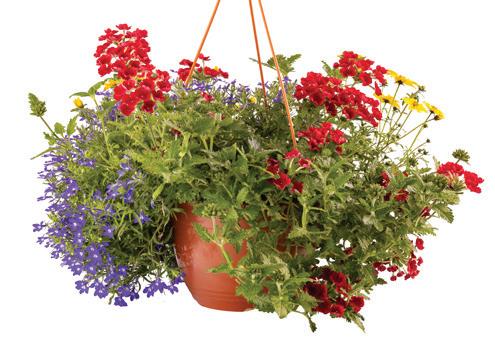
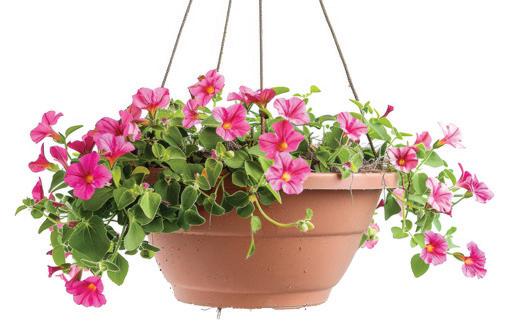
Spring season begins with flowers consisting of hanging baskets (including many specialty baskets), annual and perennial potted flowers, bedding plants, attractive pre-planted urns and planters, nursery stock, and many varieties of vegetable and herb plants.
Auctioneering by Caleb Nicodemus: 585-322-6331. Call for more information
Orleans Produce Auction is here to serve wholesale buyers including grocery stores, farm markets, roadside stands, restaurants, other wholesale and retail establishments, and home processing and home cooking needs. Our homegrown fruits and vegetables, flowers, and fall ornamentals are grown mostly by local family owned farms.

















Urban Agriculture Working Group (UAWG) meets via Zoom on the third Thursday of the month at 7 p.m. UAWG is a collection of gardeners, community gardens, and individuals who garden/farm in the city or support such activities. UAWG offers a Spring Conference each year and sponsors the Urban Gardens ROC garden crawl in the fall. In addition, the group advocates for City policies that make urban gardening more accessible for people who want to grow fresh vegetables for themselves or their neighbors. If you are interested in getting on the email list, contact Mallory Hohl, mdh286@ cornell.edu. You do not have to live in the city to participate.
Victor Garden Club meets the second Wednesday of the month (except January and February) at 6 p.m. New members welcome. Meeting and location details: victorgardenclubny2.com, victorgardenclub. org.
The Webster Arboretum. 1700 Schlegel Road, Webster. thewebsterarboretum.org
Williamson Garden Club. On-going community projects and free monthly lectures to educate the community about gardening. Open to all. 315-524-4204, grow14589@gmail.com, growthewilliamsongardenclub.blogspot.com.
BFF: B-friendly Farm and Garden, 2755 Penfield Road, Fairport 14450. 585-424-4476; broccolotreeandlawn.com.
CCE/GC: Cornell Cooperative Extension, Genesee County, 420 East Main St., Batavia, NY 14020. 585-343-3040, ext. 132; genesee.cce. cornell.edu.
S/O Ongoing Fridays & Saturdays: Lunch time with Lili, 11:30 a.m.–2p.m. Gardeners and plant enthusiasts can participate in exclusive, online flash sales of orchids and carnivorous plants from Bergen Water Gardens. In April and May a few sales will feature lotus plants. bit.ly/BergenSale
Ongoing: Wander & Wonder Walks, Friday mornings 9–10 a.m. Takes place at the FLCC Muller Field Station at the south end of Honeoye Lake. MFS staff and friends take the channel trail loop, noting seasonal changes with a fresh perspective of an ever-changing special guest. Free to attend. No registration required.
March 5: Garden Talk “Raised Gardens” with Master Gardener Roberta T., Noon–1:00 p.m., Raised gardens can be a lot of work to pre-plan and set up, but they are worth the effort. Learn about what soil gardeners need for what plants and a nifty way to water. Registration required. This is a hybrid event, join online or in-person at the Genesee CCE office. CCE/GC
March 10: Preparing your Garden for Spring Planting, 7 p.m. As important as the right plants are, they can’t do ALL the work for a gardener. A thriving garden takes planning and care. Take a moment to plan ahead to help set your garden up for a successful season with Master Gardener Wendy Mendola.
April 2: Garden Talk “Creating a Cutting Garden” with Master Gardener Connie B. Noon–1 p.m. Learn all about the dos and don’ts of creating a garden space dedicated solely to growing flowers for bouquets and arrangements. Registration required. This is a hybrid event, join online or in-person at the Genesee CCE office. CCE/GC
T April 12, 19, 26, & May 3: Durand Eastman Park Arboretum tour, 2-4 p.m. The Master Gardeners of Monroe County Cooperative Extension, in conjunction with Monroe County Parks, will lead public tours of the historic Durand Eastman Park Arboretum this spring. Become familiar with the park’s highlights and history. The route will traverse moderate hills and wooded trails, so please dress accordingly. There is no charge. Meet at the kiosk on Zoo Rd. (off Lakeshore Blvd.) next to the park maintenance center. The tours will last 2 hours. Contact info: John (585) 278-7743 or jn429@cornell. edu Tour Registration Link: pub.cce.cornell.edu/ event_registration/main/events_landing.cfm?event= DurandToursSPRING2026_226
April 14: Lawn Care and Management, 7 p.m. Carl Schimenti, the Urban Environmental Specialist for the Cornell Turfgrass Team, teaches lawn care basics such as grass type, water needs, and weed control with pre- and post-emergents, fertilizing do’s and don’ts and mowing tips. turf.cals.cornell. edu
April 18: Pressed Flowers, 10–11:30 a.m. Learn how to layer natural dried cuttings with your choice of an 8”x10” glass framed piece of art or three bud vases with artsy and fun dried flowers at Broccolo Lawn and Landscape in Fairport, NY. Cost of attendance is $35.00. Register online. BFF
April 18: Spring Consignment Auction, Expect fruit tree, maple and oak trees, flowering trees and shrubs as well as lawn and garden equipment, small animals and poultry. Orleans County Produce Auction, 12590 Ridge Rd., Albion, NY 14411, auctioneer Caleb Nicodemus, 585-322-6331
April 25: Bird house with a Living Roof, 10–11:30 a.m. Decorate a wooden bird house with live plants for use in your garden or your house with Broccolo Lawn and Landscape in Fairport, NY. All materials will be provided, and cost of attendance is $45. Register online at BFF
F May 2: Two-gether time Kids Wood Plaque, 9:00–10:00 a.m. Using transfers, cover a 12” painted wood circle for an abstract or structured design. Make it for yourself or give it to Mom for Mother’s Day. All materials are provided for this one- of -a- kind creation. Ages 8 and up with adult present. Cost of attendance is $35.00, register online. BFF
May 5 & 8: Mother’s Day Plant Sale and Nursery Auction, Expect a variety of hanging baskets, flowers, vegetable plants, flowering trees, shrubs, and much more. Orleans County Produce Auction, 12590 Ridge Rd., Albion, NY 14411, auctioneer Caleb Nicodemus, 585-322-6331
May 7: Garden Talk “Native Bees & How You Can Help” Noon–1 p.m., New York is home to more than 400 native bee species. They are important pollinators for gardens, crops, and natural environments. In this class students will learn about some of our native bees, and how you can help them around your home by creating a welcoming habitat. Registration required. This is a hybrid event, join online or in-person at the Genesee CCE office. CCE/GC
S May 9: The Webster Arboretum’s 26th annual plant sale, 8 a.m.–Noon. For sale: perennials from standard to common, annuals, dwarf conifers, geraniums, dahlia and more. Find the uncommon, unusual and odd plant at this sale. thewebsterarboretum.org
May 12 Companion Planting with Kasha Grisley, Master Gardener, 7 p.m. Companion planting is a gardening practice where plants are grown together for mutual benefit, such as deterring pests, attracting beneficial insects, improving soil health,
and maximizing space. This natural method can lead to stronger, more productive crops by creating a balanced and supportive garden ecosystem thewebsterarboretum.org
May 16: Ontario Garden Club Plant Sale, 9:00 a.m.–Noon. The Town of Ontario Garden Club hosts their annual plant sale on Saturday, May 16 at the Casey Park Lodge, 6551 Knickerbocker Rd, Ontario, NY 14519. Only cash or check payment is accepted.
S May 16: Spring Garden Gala, 10 a.m.–1 p.m. Genesee County Master Gardeners for their annual Spring Garden Gala. Plant sale featuring a selection of perennial plants and houseplants, Chance Auction, and Garden Garage Sale. Plant sale starts promptly at 10:00 am. Held at 420 East Main Street, Batavia. 585-343-3040, ext. 132. CCE/GC
May 16: Bloomfield Garden Club Plant Sale, 9:00 a.m.–1:00 p.m. The Bloomfield Garden Club’s 52nd Annual Plant Sale will be on Saturday, May 16 at the Bloomfield Historical Academy Building. The sale features annuals, hanging baskets, herbs, gently used garden shed items, and our home grown perennials. Proceeds support our many charitable and garden projects. The public is invited. For more information, contact Laurie O’Mara 585-406-3457; 8 South Ave., Bloomfield, NY 14469.
May 22: Memorial Day Special Sale and Nursery Auction, Expect a variety of hanging baskets, flowers, vegetable plants, flowering trees, shrubs, and much more. Orleans County Produce Auction, 12590 Ridge Rd., Albion, NY 14411, auctioneer Caleb Nicodemus, 585-322-6331
F June 6: Two-gether Time Kids Windchime and Pot, 9:00–10:00 a.m. A fun, hands-on class where kids become artists. Kids color and assemble their own wind chime and paint a pre-stenciled pot. Kids will pick flowers to plant in the pot. Ages five and up with adult present Cost of attendance is $25.00, register online. BFF
June 13: Mini-conference on pollinators and native plants, 10 a.m.–Noon. The Duryea Room, Seymour Library, East Ave., Brockport. Meet and Greet:10–10:30 a.m. Welcome and Workshops: 10:30 a.m.–Noon. Wrap up: Noon-12:15 p.m. Fee: None. Donations accepted. Capacity: Limited to 50 participants. Reserve your space by contacting Gary Skoog at skoogfarm@rochester.rr.com.
REGULAR CLUB MEETINGS
African Violet and Gesneriad Society of Syracuse. The chapter meets at 7:00 p.m., on the second Thursday of the month, September to December and March to May, there are no meetings in January or February due to weather conditions. The meeting place is Pitcher Hill Community Church, 605 Bailey Road, North Syracuse. More information is available on the chapter website (avsofsyracuse.wixsite.com/ avgss) or via email penny.moore.bs@gmail.com
Baldwinsville Women’s Garden Club meets the first Thursday of each month except January at St Marks’ Lutheran Church in Baldwinsville at 7 p.m. The club plants the village flower barrels, raises money for the village flower hanging baskets, maintains the Pointe Garden, donates Arbor Day trees to schools, and gets involved in village improvement projects. Perennial sale yearly on Memorial Saturday morning in the village. See more information at Facebook, Women’s Garden Club of Baldwinsville.
Bonsai Club of CNY (BCCNY) meets the first Saturday of the month 10 a.m.–12 p.m., Pitcher Hill Community Church, 605 Bailey Rd., North Syracuse. Contact Dave Taylor, daveturf1@yahoo.com or 315395-3018. cnybonsai.com, Bonsai Club of CNY on Facebook.
Cazenovia Garden Club usually meets the first Tuesday of the month at 10:15 a.m. at the Cazenovia Public Library. With an active membership, their objective is to stimulate interest in horticulture, develop skills in the beautification of community and home, and create awareness of national and local conservation issues. Meetings feature guest speakers and field trips are planned throughout the year. For more information contact cazgardenclub@ gmail.com.
Central New York Orchid Society meets the first Sunday of the month, September–May, St. Augustine’s Church, 7333 O’Brien Rd., Baldwinsville. Dates may vary due to holidays. 315-633-2437, cnyos. org.
Fairmount Garden Club meets the third Thursday of the month (March–November) at 6:30 p.m., Camillus Senior Center, 25 First St., Camillus. Speakers and community projects. All are welcome. tooley.susan@yahoo.com.
Federated Garden Clubs NYS–District 6. 315-481-4005, dist6fss@gmail.com.
Gardening Friends Club meets the third Tuesday of the month, March–December, at 6:30 p.m., Wesleyan Church, 4591 US Route 11, Pulaski. 315-2981276, Facebook: Gardening Friends of Pulaski, NY, VicLaDeeDa@frontiernet.net.
Gardeners in Thyme (a women’s herb club) meets the second Thursday of the month at 7 p.m., Beaver Lake Nature Center, Baldwinsville. 315-635-6481, hbaker@twcny.rr.com.
Habitat Gardening in CNY (HGCNY) meets the last Sunday of most months at 2 p.m. Liverpool Public Library, 310 Tulip St., Liverpool. HGCNY is a chapter of Wild Ones: Native Plants, Natural Landscapes; wildones.org. Free and open to the public. hgcny. org and ourhabitatgarden.org. Subscribe to the free e-newsletter by emailing info@hgcny.org.
Home Garden Club of Syracuse usually meets the first Tuesday morning of the month. Members are active in educating the community about gardening, horticulture, and floral design and are involved with several civic projects in the Syracuse area. New members welcome. homegardenclubofsyracuse@ gmail.com, homegardenclubofsyracuse.org.
Koi and Water Garden Society of Central New York usually meets the third Monday of each month at 7 p.m. See website for meeting locations. 315-4583199, cnykoi.com.
The Men and Women’s Garden Club of Syracuse meets on the third Thursday of each month at 7p.m. in the Reformed Church of Syracuse, 1228 Teall Ave., Syracuse. Meetings feature activities and/or guest speakers on gardening-related topics. The club also plans tours for its members. Members maintain gardens at Rosamond Gifford Zoo and
Ronald McDonald House plus host annual flower shows. Regular club meetings at the church will take place in the months of March, April, May, August, September, and November. More information at facebook.com/MWGardenClubOfSyracuse and mwgardenclubofsyracuse@gmail.com
Southern Hills Garden meets the third Tuesday of each month (unless otherwise noted), February through November at the LaFayette Firehouse, 2444 US Route 11, LaFayette, NY. Meetings usually begin at 7:00 pm. Offsite meetings typically have an earlier start time. Guests are welcome and membership is open to anyone interested in gardening. For info regarding meetings or membership, please email Kathie Forrest at kathiepforrest@gmail.com
Syracuse Rose Society meets the second Thursday of the month (except December) at 7 p.m., Reformed Church of Syracuse, 1228 Teall Ave., Syracuse. Enter from Melrose Ave. Club members maintain the E. M. Mills Memorial Rose Garden, Thornden Park, Syracuse. Public welcome. syracuserosesociety.org.
Seneca County Community Garden Club members meet on the first Wednesday of each month at the Seneca Falls Recreation Center, 35 Water St., Seneca Falls, NY $20 individual/ family plots available. New members always welcome, and you don’t have to be a Seneca Falls resident to join.
O March 8: Free National Webinar: Rethinking Horticulture with Real Ecology presented by Joey Santore, 7–8:00 p.m. Hosted by Wild Ones National, this webinar examines how inherited garden aesthetics shape native plant landscapes.Visit hgcny. wildones.org/events for more information.
March 13: Apple Tree Grafting Workshop, 6–9 p.m. Cost is $75. For more information, please visit CCE Oneida County’s Website cceoneida.com and check out upcoming events or call 315-736-3394 ext. 125.
March 17: Combining Native and Other Plantings with Mary Schalk, 7:00 p.m. Mary Schalk discusses combination planting with Southern Hills Garden Club at the LaFayette Firehouse, 2444 US Route 11, Lafayette, NY. For more information, contact Kathie Forrest kathiepforrest@gmail.com
March 28: Fruit Tree/Berries Seminar, 9 a.m.–1 p.m. This event is hosted by CCE Oneida County Master Gardeners; cost is $30. For more information, please visit CCE Oneida County’s Website cceoneida.com and check out upcoming events or call 315-736-3394 ext. 125.
March 28: Habitat Gardening for Life by Janet Allen, 2:00–3:00 p.m. Caring for our yards is the most direct way we care for the earth. President of Wild


Ones HGCNY, Janet Allen, will present Habitat Gardening for Life at the Men and Women’s Garden Club of Syracuse booth at the NYS Fairgrounds Expo Center (Booth 1304). Home & Garden Show 2026, 581 State Fair Blvd, Syracuse, NY, 13209
March 28: Creating a Butterfly-Friendly Landscape by Janet Allen, 3:00–4:00 p.m. This class teaches some simple things gardener can do in their landscaping that benefits not only butterflies, but other insects and people, too! President of Wild Ones HGCNY, Janet Allen, will present Creating a Butterfly-Friendly Landscape at the Men and Women’s Garden Club of Syracuse booth at the NYS Fairgrounds Expo Center (Booth 1304). Home & Garden Show 2026, 581 State Fair Blvd, Syracuse, NY, 13209
March 29: Hyper-Local Garden Design by Sarah Sutton, 1–3:30 p.m. This talk will cover how gardeners can intentionally connect yards to local ecosystem types. This is a hybrid event, Registration required for virtual attendance only. Liverpool Public Library, 310 Tulip St, Salina, NY, 13088.
April 21: The Birthplace of the Modern American Peony with Carol Bradford, 7:00 p.m. Carol Bradford presents on modern American peonies with Southern Hills Garden Club at the LaFayette Firehouse, 2444 US Route 11, Lafayette, NY. For more information, contact kathiepforrest@gmail.com.
Deadline for calendar listings for the next issue (May-June 2026) is April 10, 2026.
Please send your submissions to calendar@upstategardenersjournal.com.










































By Carol Ann Harlos
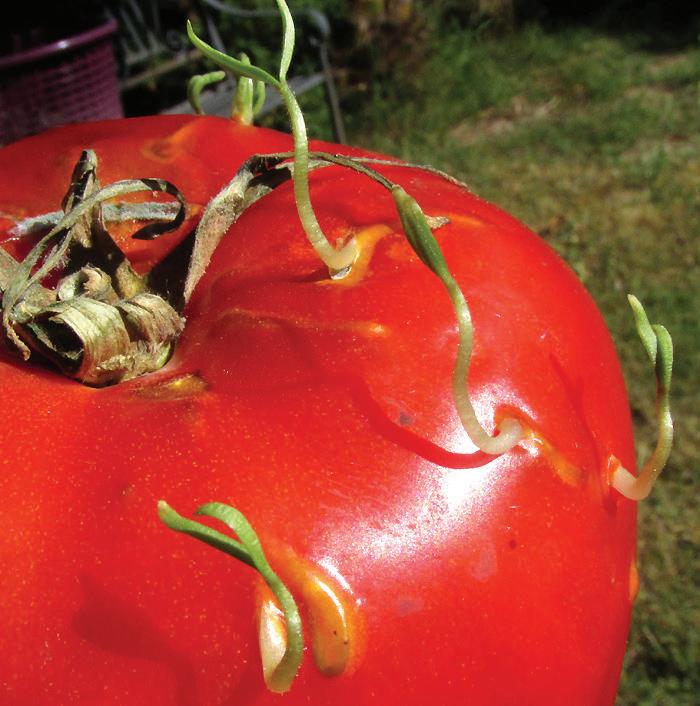
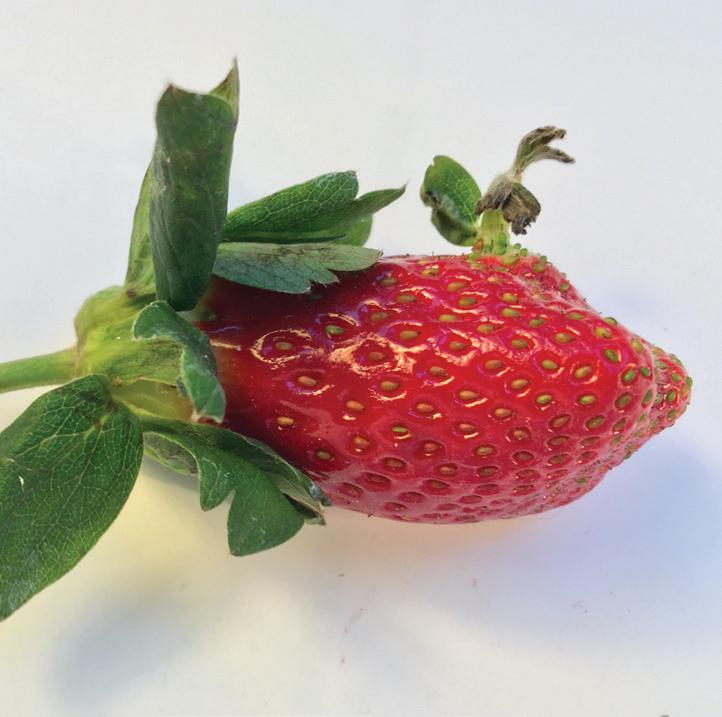
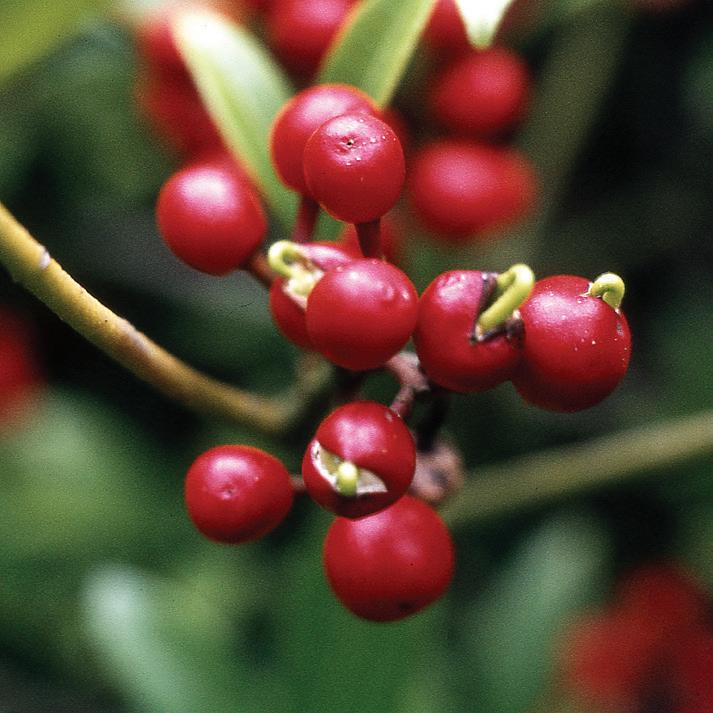
Have you ever cut into a pepper and found a pepper growing inside? How about a tomato?
Vivipary means “live birth.” In the animal world it means giving birth to offspring that grow in the female’s body. (Thus we humans are viviparous.) In plants vivipary is a condition that occurs when the plant’s seeds begin to germinate before they are separated from the parent fruit. In order to succeed seeds need to spread out from each other so they don’t compete.
In most plants a hormone, abscisic acid, stops germination from occurring until after the fruit decays or the seeds are dispersed. Sometimes there isn’t enough hormone produced due to growing or harvesting conditions. Vivipary can occur in tomatoes, peppers, mangroves, citrus fruits, corn, strawberries, avocados and many other plants. In corn it may occur when the kernels have lost about 80% of their moisture and then it rains. Germination occurs from all the individual corn kernels … quite a sight!
Is vivipary bad? (I admit it’s fun to see.) Vivipary can be a problem for producers where it is often caused by growing conditions we cannot control. An example of this is vivipary in pecans. If pecans germinate before they are harvested there will be no pecans to sell. Growers thin out pecan fruits to reduce the chance of this happening.
LOOK FOR VIVIPARY IN THE FOLLOWING FRUITS:
- Apples – it is most common in ‘Pink Lady’ and other high-moisture-content varieties
- Citrus fruits – when overripe
- Corn – when kernels are dry and then get wet
- Peppers – these sprouted seeds can be planted! I did it.
- Pumpkins and other squash – you probably have seen this.
- Tomatoes – these sprouted seeds can be planted too!
- Strawberries – seeds are on outside of the fruit so vivipary is easy to see and you’ll see lots of tiny leaves. The strawberry fruit doesn’t even look like a strawberry!
Vivipary in plants is seldom helpful with the exception of tropical mangroves. When their fruit decays and the developed seedling falls it is able to root and develop rapidly.
Fascinating!
MIDDLE:
By Liz Magnanti
As the days get longer and warmer, the sound of bird songs will start to fill the air. Birds will sing to attract a mate and soon the nesting process will begin. Nesting takes place in a variety of spaces: tall grassy fields, trees and shrubs, along shorelines and inside hollow spaces, to name a few. Birds that nest inside hollow spaces are called “cavity nesting” species and there are several that you can attract to your yard with the help of a bird house.
International: Paul Danese
When picking out a bird house, there are lots of options to choose from! Believe it or not, not all bird houses are the same. There are certain features to look for when selecting a bird house for your space and depending on what species you are trying to attract, they can have very different features. In general, most cavity nesting birds prefer a house that is securely mounted to something stationary. Mounting a bird house on a pole allows for this and also allows it to be baffled against predators that might try to climb the pole and empty its contents. Baffles are barriers added to bird houses, feeders, and feeder setups to keep intruders out.
Having a cleanout is what I would consider the most important thing when selecting a bird house. Being able to open it up to clear out the contents, at least once a year, is very important. One feature that is not needed on a bird house, however, is a perch. Perches can leave the house susceptible to predators like raccoons, squirrels, and even Blue Jays and Grackles, which may try to get into the house to raid it.
Wrens are some of the simplest and smallest birds that can be attracted to a bird house. With their size being so small, they can fit inside a house that has an opening entrance hole of 1” to 1 1/8” in diameter. Wrens are not particularly picky when it comes to selecting a place to nest. I have heard stories of wrens nesting in mailboxes, shoes, even the pockets of clothes left outside to dry. There are even multiple forums online dedicated to wrens roosting in unusual places. Wrens are cavity nesters who will actively search out bird houses, even if they are hanging from a tree and swaying in the wind. Wrens will build a nest made of many small sticks. Sometimes, you may find a bird house has a few scattered sticks in it, but no nest was fully formed. This is most likely from a Wren. The males are known to start multiple nests in various cavities and then the female he attracts will select the final nesting place and finalize the nest building, which includes lining the nest with soft materials.
Chickadees are another small bird that you can attract to your backyard with a bird house. They can fit into a house that has an opening of 1 1/8” or larger. The chickadee has a preferred nesting material of moss. The hole size of 1 1/8” is also important because it is too small of a hole for a House Sparrow to fit inside. House Sparrows are an introduced cavity nesting species that have a bad reputation of taking over the nest sites of other species. This sometimes includes destroying the eggs or nestlings of other birds.
Bluebirds are a songbird that requires a house with an entrance hole of 1 1/2” to fit inside. These brightly colored birds are one of the first songbirds to begin to nest in the spring. They are often found in a habitat of open grassland or fields surrounded by trees. Tree Swallows will also use the 1 1/2” nesting hole and live in this same habitat, so don’t be surprised if you see some inspecting houses in this type of habitat! Tree Swallow nests consist of grasses and a lot of feathers on top, while Bluebirds have a nest made just of long grasses.
Nuthatches and Woodpeckers will also nest in bird houses occasionally. They tend to prefer tree cavities, but will nest in houses, especially those that are mounted on trees ten feet high or higher. All of our Woodpecker species will nest in a house or cavity. Woodpeckers are considered “primary cavity nesters,” meaning they will excavate their own nesting sites. They don’t build a nest but will lay their eggs on the soft wood chips made during excavation.
It’s not only songbirds that will nest in houses either! Other birds like Wood Duck, Hooded Merganser, Screech Owl, and American Kestrel will also nest in houses if they are placed in the right habitat. These houses are larger—for example, a Screech Owl house has an entrance hole of 3” in diameter and should be over a foot tall.
When attracting birds to your bird house, it doesn’t take much work besides the maintenance. There is no need to fill them with food or nesting material—the birds will take care of that on their own. The most important thing is making sure to clean the house out at least once a year. Late August or September is usually a great time for this. The house can also be cleaned out throughout the season once the young have fledged if the bird has multiple broods, or rounds, of young per year. In our area, make sure your bird houses are out by April for your best chance at success in attracting a nesting bird.
Liz Magnanti is co-owner of the Bird House in Brighton.

Great Gardens Start at Galley’s! Thousands of Beautiful Annuals • Hanging Baskets • Perennials Herbs • Vegetable Plants • Gardening Supplies
Clinton Street (between Harlem & Union) (Gardenville) West Seneca, NY 14224 (716) 822-9298
1922
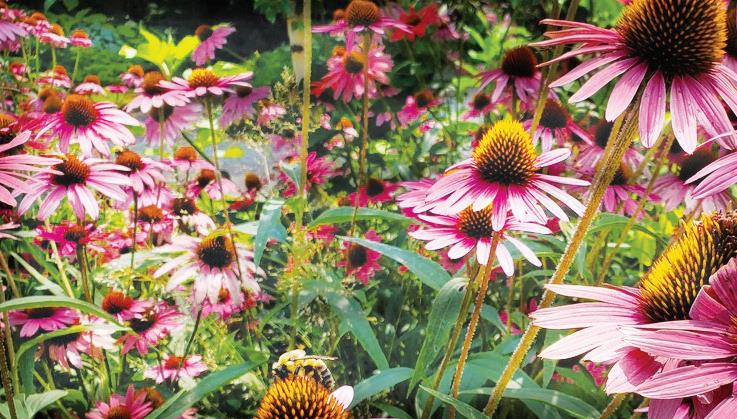
A workshop for gardeners celebrating butter ies, bees, birds and native plants. Saturday, June 13, 2026


MAXSEA combines the best of nature and technology. We blend the finest natural seaweed with important secondaries, micronutrients and the purest plant foods available.
The resulting complexes are remarkably effective, easy-to-use concentrates that dissolve instantly and completely in water... for fast acting, immediate results. In solution,

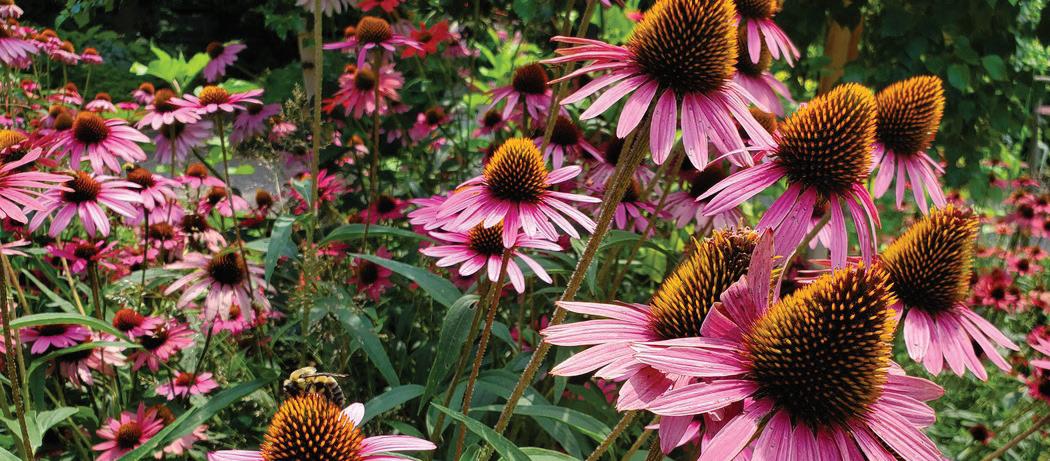
LOCATION e Duryea Room
Seymour Library 161 East Ave., Brockport
SCHEDULE
Meet & Greet: 10–10:30am
Welcome & Workshops: 10:30am–noon
Wrap up: Noon–12:15pm
ADMISSION
Free; donations accepted
LIMITED TO 50 PARTICIPANTS
Reserve your space today— Contact Gary Skoog: skoogfarm@rochester.rr.com

MAXSEA's natural brown granules turn dark seaweed green and have the fresh, clean aroma of the sea... a pleasure to use and completely safe for the environment.
Professional growers and home gardeners alike tell us our MAXSEA plant foods are the finest available anywhere. We're very proud of that.
Find a retail dealer location near you by visiting: www.maxsea-plant-food.com Interested in becoming a dealer? Contact your Sales Rep: Tom Suffoletto / Toms Greenworks 716-225-6891 / tom@tomsgreenworks.com
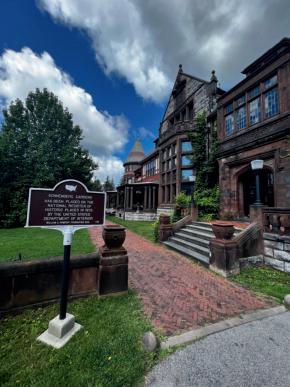
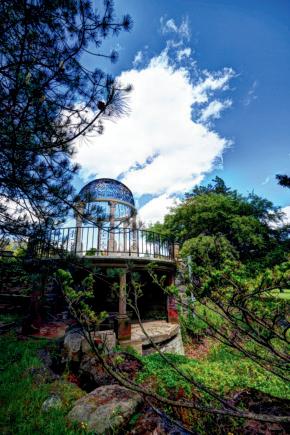
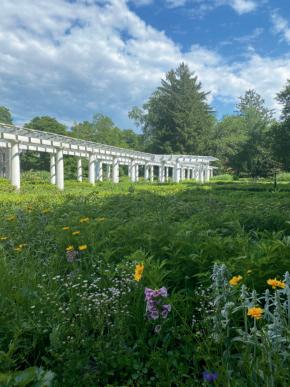

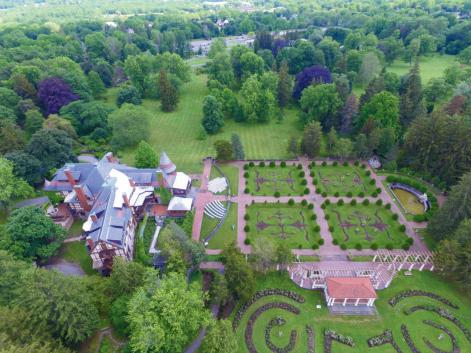
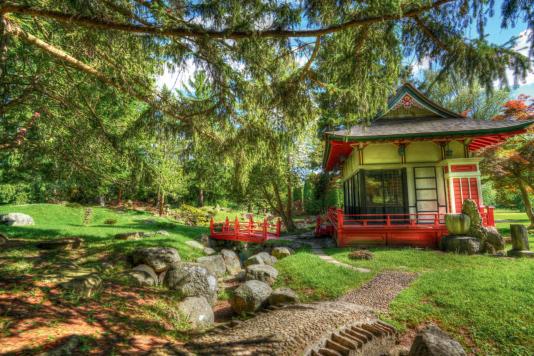
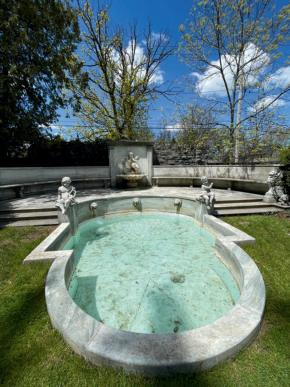
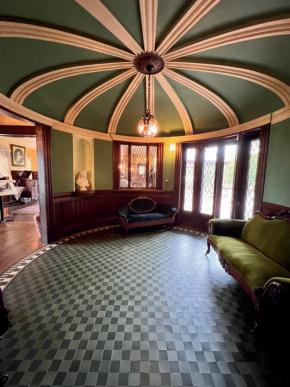
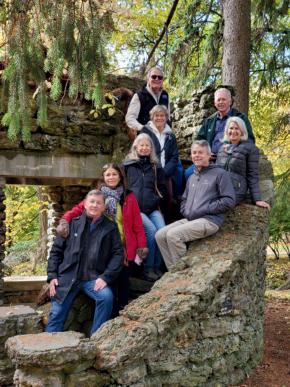

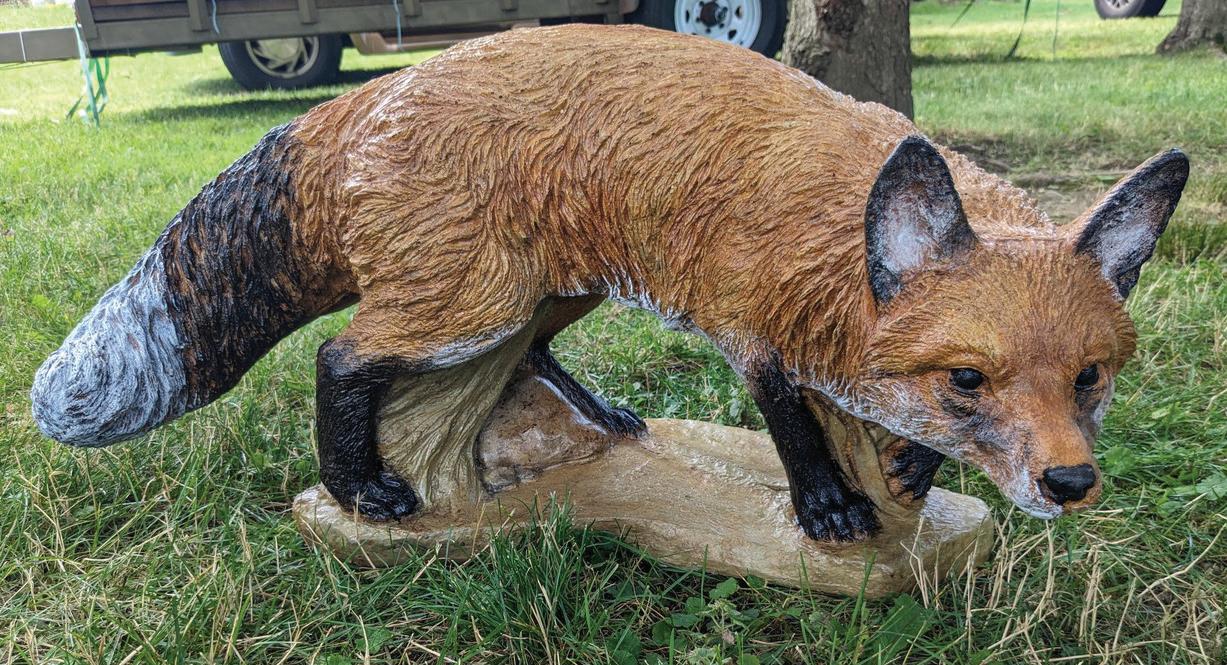











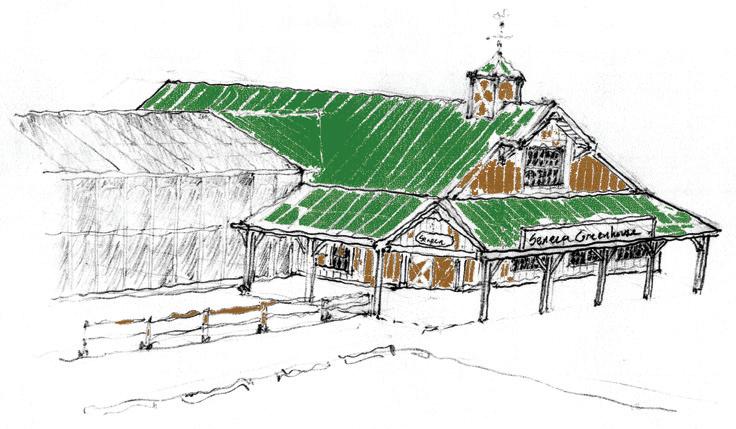








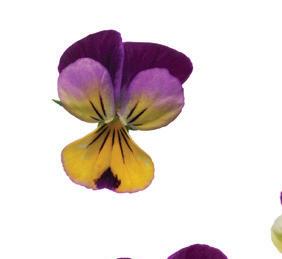



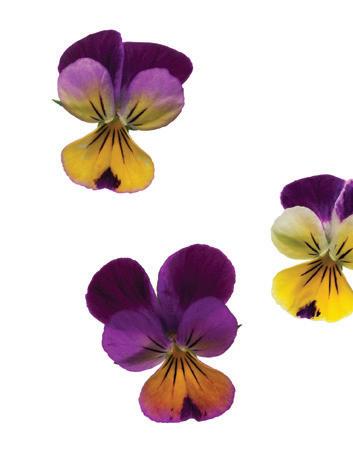








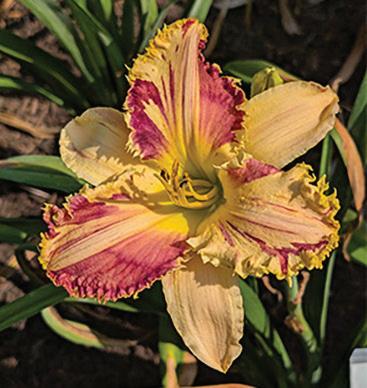
By Cbristine Green
Spring green is a color like no other. All those tiny buds on the trees and the little crocuses popping up here and there boast that special once-a-year color that means that winter is truly over. In celebration of this special season here’s a very green springtime recipe.
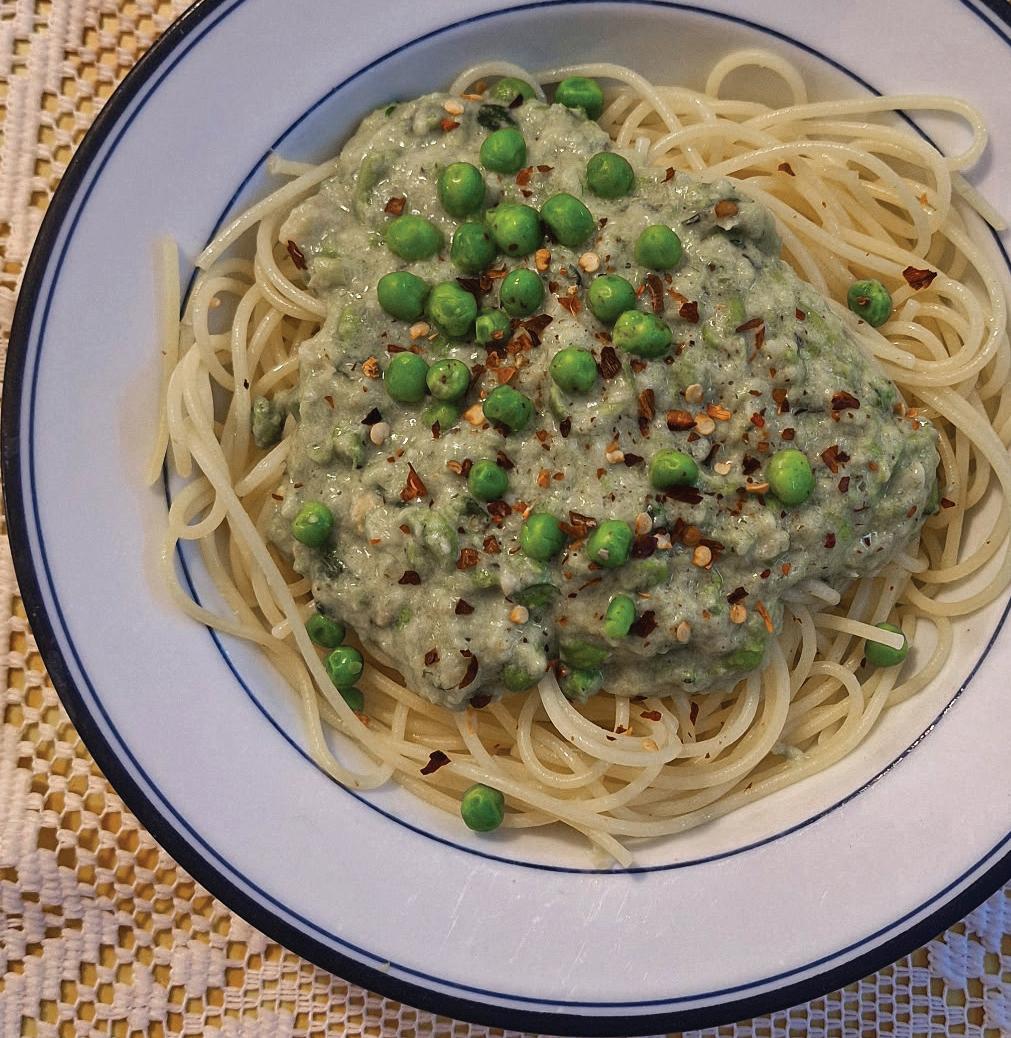
INGREDIENTS
1 lb. pasta of your choice
2 tbs. olive oil
1 bunch (6–8) green onions or scallions, sliced thin
5 cloves garlic, minced
4 cups frozen then thawed peas with pearl onions (reserve 1/4 cup for garnish)
1 cup half and half or heavy cream
1/4 cup white wine or chicken/veggie stock
1/2 stick unsalted butter
1 cup grated parmesan cheese

AHS DAYLILY DISPLAY GARDEN
Open for regular hours
July 2 through August 9
Thursday thru Sunday, 10am to 5pm or any other time by appointment
Closed Monday–Wednesday and 4th of July
Group tours are welcome
Gift certificates available for purchase on site, mail, or thru website 557 Sand Hill Rd Caledonia • 860.378.4742 QBDAYLILYGARDENS.COM
SALE—Buy one, get one free on select varieties Clip this ad for a $5 discount.
1. While the pasta is cooking, sauté scallions and garlic in olive oil in a dutch oven over medium heat for about 3–4 minutes until soft but not browned.
2. Add thawed peas, half and half or cream, and wine or broth to the pot and stir until warmed through but not boiling.
3. Blend with an immersion blender or add to a blender and blend until smooth.
4. If using a blender add the sauce back to the warm pot. Add the butter and parmesan cheese until well incorporated.
5. Add some warm pasta water if you want a thinner sauce.
6. Serve over pasta, chicken, or fish and garnish with the reserved peas and onions and a sprinkling of lemon zest.

PURE, NATURAL, LOCAL HONEY. Award-winning small scale apiary by Lake Ontario. SeawayTrailHoney.com 585-820-6619
DAYLILIES. Daylilies are outstanding, carefree perennials. We grow and sell over 225 top-rated award-winning varieties in many colors and sizes in our Rochester garden. We are also an official national daylily society display garden. We welcome visitors to see the flowers in bloom from June to September. Call 585/461-3317.


















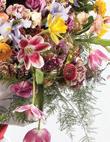






By Cathy Monrad
Foam golf ball
3 foot long, 5/16 inch diameter green landscape stake
2 1/2 inch common nails, about 35 or 40
Multi-purpose adhesive like E6000
Multi-surface spray paint in purple color of your choice
TOOLS
Water-based marker
Exacto knife
Tweezers
Hammer or mallet
DIRECTIONS
1. Use marker to fill in flat end of garden stake. Before the ink dries, press the end of stake against golf ball to mark where to cut hole for garden stake.
2. With knife, carefully cut along the mark, about 5/8 inch deep, using a sawing motion. Try not to cut beyond the mark—the ball needs to fit snugly on the stake. Use tweezers to pull out excess foam.
3. Test the hole depth by pushing in sthe take. If deep enough, proceed to next step. If not, adjust depth by using tweezers to pull out more foam.
4. Find the dimple at the top of the golf ball opposite stake hole and push in a nail about 1/4 inch deep. Push another nail into ball about two or three dimples away from first nail. Repeat, adding nails in this fashion all around ball, leaving at least a two dimple buffer around the hole you created on the bottom.
5. When you are happy with the look, remove nails.
6. Apply a tiny bit of adhesive to each nail end and push back into the nail holes previously created.
7. Let dry for at least eight hours before painting.
8. Follow instructions on can to paint the allium. Let dry completely.
9. Use a hammer or mallet to pound stake into ground. Insert allium onto stake.
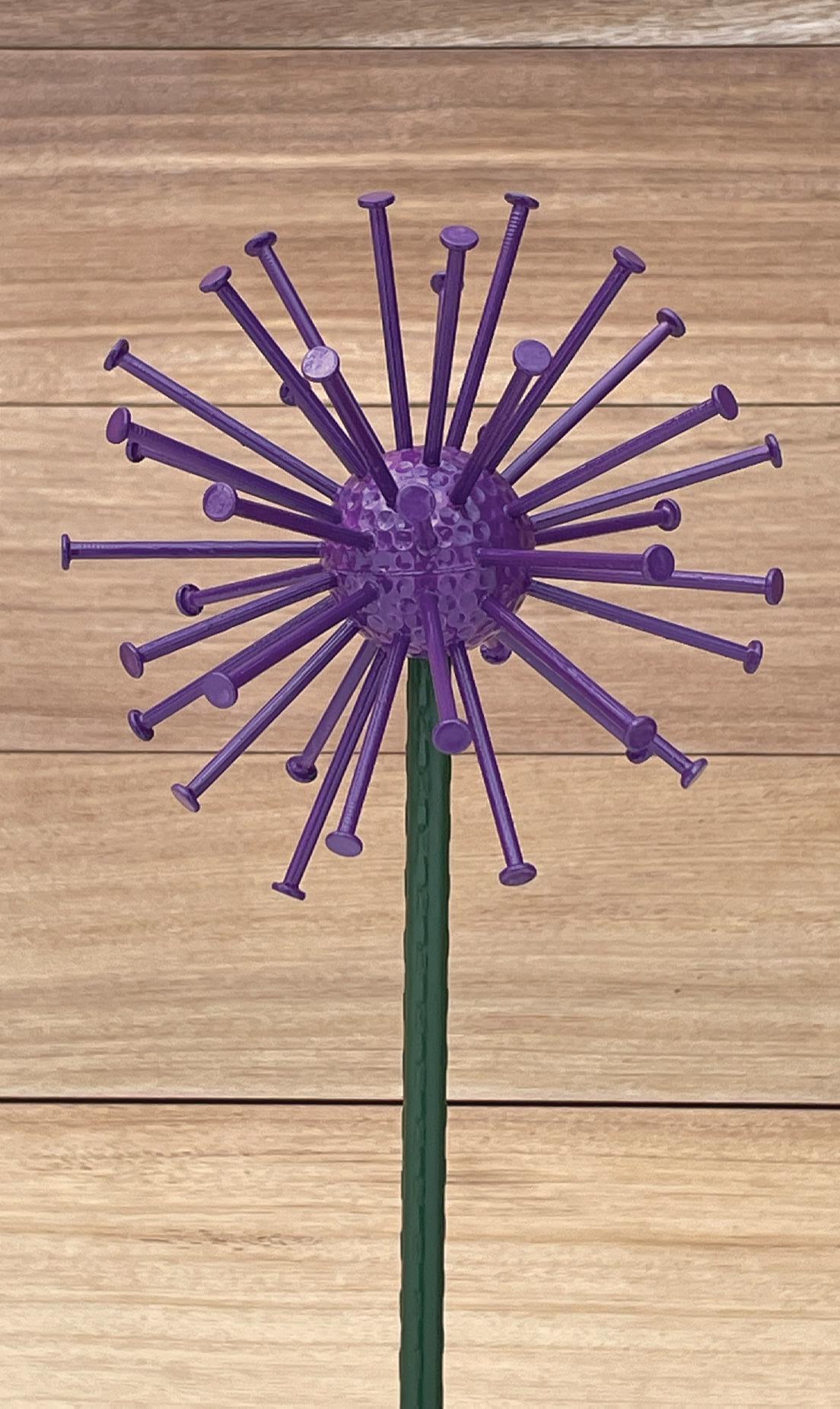

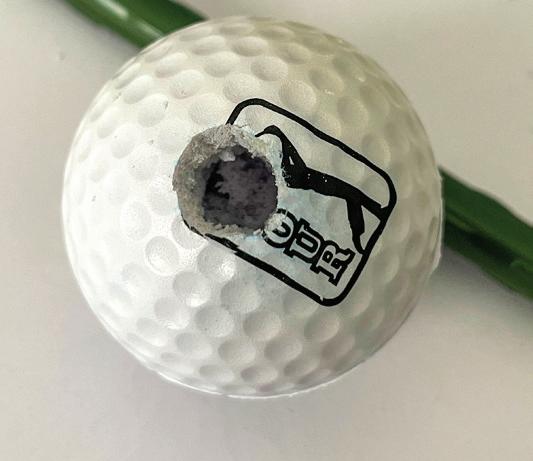

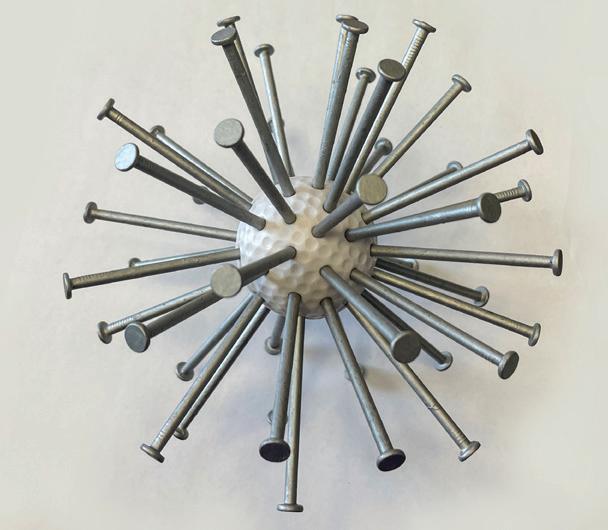
THURSDAY, MARCH 12, 2026
11 am: Spread Beauty with Flowers
Dorothy Julius, Along Gardens Path
Noon: Do or Don’ts of Pruning in your Home Landscape—Steve Sypniewski, Lifetime CNLP
1 pm: Sustainable Lawns in Five Steps
Vicky Jancef, SUNY Niagara
2 pm: Sustainable Container Gardening
Kathleen Contrino, CW Native Botanika
3 pm: Native Habitat for Butterflies and Caterpillars—David O’Donnell, Eastern Monarch
Butterfly Farm
4 pm: Growing Bamboo: Taming the Dragon
Clark Janson, CNLP, The Barefoot Gardener
FRIDAY MARCH 13, 2026
11 am: Water Features for the Homeowner—
Jacob Rybak, Northwood Waterscapes
The letters CNLP after a speaker’s name indicate that he or she is a Certified Nursery & Landscape Professional
Noon: House Plant Propagation
Johanna C. Dominguez, Put A Plant on It
1 pm: Spring Garden Maintenance
Lyn Chimera, Lessons in Nature
2 pm: Native Grasses —
Ken Parker, CNLP, Masterson’s Garden Center
3 pm: Plants to Never Grow in Your Garden
Carol Ann Harlos, Master Gardener
4 pm Growing Roses Organically
Steve Styn, Consulting Rosarian
5 pm Buffalo Style: Creating Quirky One-of-a-Kind
Gardens That Break All the Rules
Jim Charlier, JCharlier Design
SATURDAY MARCH 14, 2026
11 am: Health Tips for Your Landscape Plants
Steve Sypniewski, Lifetime CNLP
Noon: So, You Want Landscaping Lighting Phil Colarusso, Luminated Landscapes
1 pm: Gardening on a Dime in Less Time
Lyn Chimera, Lessons in Nature
2 pm: House Plant Care
Julie Hughes, CNLP, McKinley HS Horticulture Dept.
3 pm: Large Trees for Large Spaces
Tom Draves, Drave’s Arboretum
4 pm: Cut Flower Gardening – Perennials and Annuals— Tom Mitchell, SUNY Niagara
5 pm: Build a Bed, Fix the Soil, and Get Growing
Sally Cunningham, Author
SUNDAY MARCH 15, 2026
11 am: Conifers in My Garden
Barbara Evans, Master Gardener
Noon: Tips to Make Garden Maintenance Easier
Tom Mitchell, SUNY Niagara
1 pm: Unkillable Plants
Nora Saintz, CNLP, Gardenette
2 pm: Plant Installation 101
David Clark, CNLP, Horticulture Speaker
3 pm: Growing Cannabis and How to Turn the Plant into Medicine—Melissa Moore, CNLP, SUNY Niagara
All seminars take place in the large seminar room located to the left of the concession stand.
24