
MARCH 23-25 | 2026

MARCH 23-25 | 2026
MARCH 23-25 | 2026
A workshop to discuss regional and international cooperation to advance public health diplomacy.



I am excited to announce the Second Public Health Diplomacy Summit, to be held March 23-25, 2026, at the University of Memphis, with the theme “Regional and International Cooperation to Advance Public Health Diplomacy Among the Schools and Programs of Public Health.”
The summit will focus on bringing together stakeholders including academicians, civic society members, diplomats and other partners across the world to advance the field of Public Health Diplomacy. This summit aims to draw upon the success of the 2024 summit where “Public Health Diplomacy” was established as a new field within public health.
This summit aims to address regional and international competencies, skills and knowledge that is required by public health practitioners, and students in areas of consensus building, negotiations, communication and leadership, especially in an era of uncertainty, complexity and unpredictability.
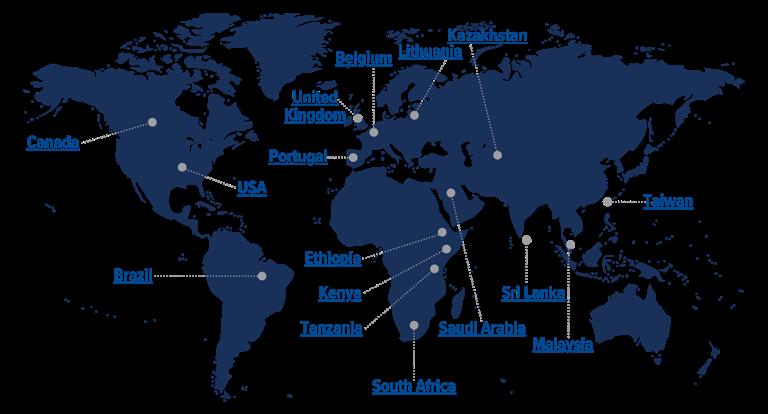
I am honored to welcome participants from the Global Network for Academic Public Health (GNAPH) and its member associations including the Association of Schools and Programs of Public Health (ASPPH), Association of Schools of Public Health European Region (ASPHER), Association of Schools of Public Health Africa (ASPHA), South-East Asia Public Health Education Institution Network (SEAPHEIN), Asia-Pacific Academic Consortium for Public Health (APACPH), Alianza Latinoamericana de Salud Global (Latin American Alliance for Global Health) and representatives of the Academic Alliance of the World Health Summit, European Health Union Fellowships Program, and other key representatives from Belgium, Brazil, Canada, Ethiopia, Kazakhstan, Kenya, Lithuania, Malaysia, Portugal, Saudi Arabia, South Africa, Sri Lanka, Taiwan, Tanzania, United Kingdom and of course, the United States.
As an ongoing effort of the Public Health Diplomacy Lab at the University of Memphis School of Public Health, along with collaboration with ASPPH and in close partnership with GNAPH, this summit advances the goal of creating a public health diplomat workforce.

Ashish Joshi, PhD, MBBS, MPH Dean and Distinguished University Professor

To achieve excellence in public health education and research while promoting greater community impact in local, national and global settings.
To advance health and well-being of all populations while engaging Communities, and being an Anchor institute, offering innovative academic programs, driving Research-based solutions, supporting Entrepreneurship and innovation while remaining Student-Centric (CARES).
Faculty, staff and students wholeheartedly adopt the University’s motto — Ascending to Excellence. Similarly, the School of Public Health’s values are:
to adapt ourselves to changes in health needs and priorities of the population in a rapidly changing environment.
student success beyond earning an academic degree to encompass having a successful and impactful professional career in public health.
opportunities for cutting-edge, impactful research that expands the field of public health and responds to the needs of the community.
to become a trusted resource for public health needs of our local community, the residents of Tennessee and beyond.
Multidisciplinary field that enables its practitioners to effectively communicate, facilitate, negotiate and build consensus using systems thinking, evidence based, community-informed approaches, based on equity-focused and human-centered values to improve health and well-being for all.
Joshi et al (2025), Front Public Health

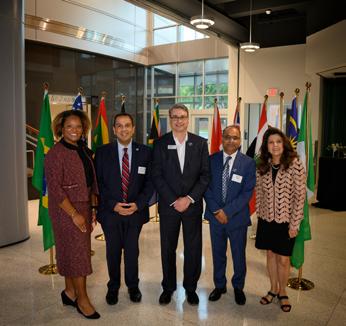
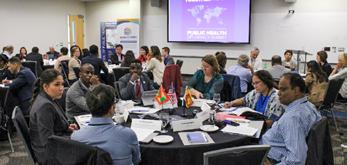
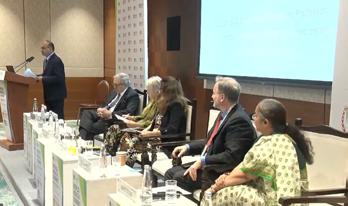
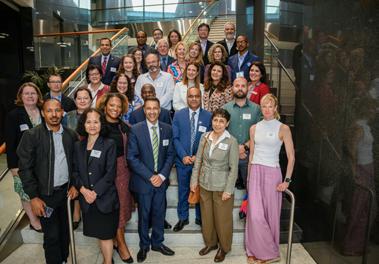
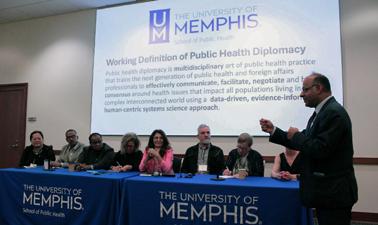
In 2024, the University of Memphis School of Public Health (UofM, SPH) launched a Public Health Diplomacy Lab — the first of its kind in the country. These local and global strides connecting the UofM with partners near and far are part of the SPH strategy to address health issues and access to health care while gaining insight from others.
The Public Health Diplomacy Lab will bring together multiple stakeholders including governments, international organizations, non-governmental organizations and academic and research institutions.
Launched Public Health Diplomacy Lab
Established Public Health Diplomacy Steering Group
Inaugural Public Health Diplomacy Summit
Launched Public Health Diplomacy Website
Published findings of Public Health Diplomacy Summit
UofM SPH Public Health Diplomacy Lab participates in World Health Alliance Summit held in New Delhi
Dean Ashish Joshi presented at the Public Health Diplomacy: Global session at the ASPHER 2025 Deans’ and Directors’ Retreat in Berlin, Germany
International Public Health Diplomacy Advisory Group established
First Issue of the Quarterly Newsletter “PH Diplo” published
Participation at the UNGA80 ECSA-HC Science Diplomacy Summit, N.Y.
Public Health Diplomacy Lab at UofM joined the Health Diplomacy Institutional Network
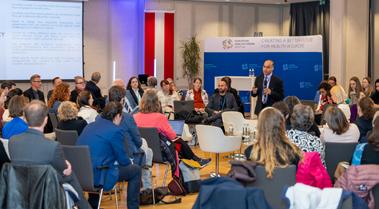
Participated in the Workshop on Public Health Diplomacy with the Young Forum Gastein at the European Health Forum Gastein (EHFG) in Austria organized by the Association of Schools of Public Health in the European Region and the Association of Schools and Programs of Public Health
Graduate assistants from UofM SPH were represented at the Public Health Diplomacy Lab at APHA 2025 held in Washington, D.C.
Second Quarterly Newsletter “PH Diplo” published
Published a paper on “Health diplomacy training, pedagogical approaches, and skills assessment: a scoping review”
Dean Ashish Joshi participated in the Public Health Diplomacy Workshop at the Healthcare and Sustainability Conference, Nazarbayev University, Astana, Kazakhstan
FEBRUARY 2026
Dean Ashish Joshi attended the 76th ECSA-HC Health Ministers Conference in Eswatini (Southern Africa) and signed the initiatives MOU advancing regional cooperation on health systems, workforce development and education through partnering to enhance research, education and cross-cultural understanding.
Second Public Health Diplomacy Summit

Dr. Laura Magaña, President and CEO, ASPPH, Washington, D.C.
Dr. Ashish Joshi, Dean, School of Public Health, University of Memphis, Memphis Tenn., ASPPH
Dr. John Middleton, President of GNAPH, United Kingdom
Robert Otok, Director of ASPHER, Brussels, Belgium
Dr. Tiruneh Baye, Technical Officer for Public Health Workforce Development at the Africa CDC
Dorothy Biberman, Senior Director of Global Engagement and Executive Initiatives at the Association of Schools and Programs of Public Health (ASPPH)
Dr. Antonio Sarría-Santamera, Professor and Chair of the Dept. of Biomedical Sciences; Director of the PhD in Global Health at the School of Medicine of Nazarbayev University, Astana, Kazakhstan
Prof. Ashraf El-Metwally, Professor of epidemiology and public health at King Saud bin Abdulaziz University for Health Sciences (KSAU-HS) in Riyadh, Saudi Arabia
Ambassador Luís de Almeida Sampaio, President of the Strategic Council of Coimbra Health, Member of the Executive Committee of the Academic Alliance of the World Health Summit (WHS)
Dr. Josep Figueras, Director Emeritus of the European Observatory on Health Systems and Policies, Ambassador for the European Health Union Fellowships program
Dr. Shawna Novak, Executive Director of the Canada International Scientific Exchange Program (CISEPO)
Dr. Kun-Hsien Tsai, Associate Chair, Department of Public Health, College of Public Health, National Taiwan University, Taiwan, ASPPH
Dr. Erica Kastrup, Cooperation Advisor, Researcher at the CRIS Center for International Relations in Health of the Oswaldo Cruz Foundation, Brazil, ALASAG
Dr. Woldekidan Amde, Researcher, University of the Western Cape School of Public Health, South Africa, ASPHA
Dr. Rajendra Surenthirakumaran, Dean and Professor, Faculty of Medicine, University of Jaffna, Sri Lanka, SEAPHEIN

Prof. Dr. Ramunė Kalėdienė, Head of Department of Health Management, Lithuanian University of Health Sciences, Lithuania, ASPHER
Dr. Rodrigo Reis, Assistant Vice-Provost and Director, Office of Public Health, Washington University in St. Louis, Mo., ASPPH
Dr. Matthew Brown, Sergio Vieira de Mello Endowed Chair in the Practice of Post-Conflict Diplomacy, School of Diplomacy and International Relations, Seton Hall University, South Orange, N.J. William Yotive, Senior Education Officer for the World Federation of United Nations Associations, New York, N.Y.
Dr. Henrique Barros, President of the Board of the Institute of Public Health of the University of Porto (ISPUP), President of the Association of Schools of Public Health in the European Region (ASPHER)
Dr. Olagoke Akintola, Director of SOPH, University of the Western Cape School of Public Health, South Africa
Dr. Ntuli A. Kapologwe, Director, East, Central, and Southern Africa Health Community (ECSA-HC), Global Health Diplomat, Tanzania
Prof. Dr. Wah-Yun Low, Honorary Professor of Psychology at Universiti Malaya in Kuala Lumpur, Malaysia.
Prof. Margaret Kaseje, President of Association of Schools of Public Health in Africa (ASPHA) Professor, Tropical Institute of Community Health and Development, Kenya
Professor Paul Barach, Thomas Jefferson University, UNC and Imperial College London, Chair, Accreditation Board, Agency for Public Health Education Accreditation (APHEA)
Dr. Kamiar Alaei, Chairman and Professor of global health policy at California State University, Long Beach (CSULB), External Evaluator at the University of Oxford
Dr. Marian Levy, Associate Dean, Public Health Practice & Community Engagement, University of Memphis, Memphis, Tenn.
Dr. Xinhua Yu, Professor of Epidemiology, Program Coordinator Epidemiology, University of Memphis, Memphis, Tenn.
Dr. Diana Ruggiero, Professor in the Department of World Languages and Literatures at the University of Memphis and co-chair of the engaged scholarship faculty network, Memphis, Tenn.
Dr. Beverly Tsacoyianis, Associate Professor of History, University of Memphis, Memphis, Tenn.
Dr. Gretchen Peterson, Professor, Department of Sociology, University of Memphis, Memphis, Tenn.
Dr. Maryam Karimi, Director of Research and an Associate Professor in the School of Public Health, University of Memphis, Memphis, Tenn.
MONDAY, MARCH 23
Location: Lobby
FedEx Institute of Technology
365 Fogelman Drive, Memphis, TN 38152
6-7:30 PM | RECEPTION
Welcome Remarks by:
Dr. David J. Russomanno | Executive Vice President for Academic Affairs and Provost, University of Memphis
On behalf of University of Memphis
J.W. Randolph | Deputy Commissioner for Public Health Infrastructure, Tennessee Department of Health
On behalf of Tennessee Department of Health
Dr. Bruce W. Randolph | Interim Director and Health Officer, Shelby County Health Department
On behalf of Shelby County Health Department
Dr. Laura Magaña | President and CEO, ASPPH
On behalf of ASPPH
Robert Otok | Director of ASPHER
On behalf of ASPHER
Dr. Ashish Joshi | Dean
Distinguished University Professor of School of Public Health Host and Organizer
Day 2
TUESDAY, MARCH 24
Location: Michael D. Rose Theatre and Lecture Hall
470 University Dr, Memphis, TN 38111
8-8:45 AM | Breakfast
8:45-9 AM
Opening Remarks: Dr. Laura Magaña
9-9:05 AM
Remarks: Dr. John Middleton
9:05-9:15 AM
Overview of Public Health Diplomacy: Dean Ashish Joshi
9:15-10 AM | Session 1
A Paradigm Shift from Global Health Diplomacy to Public Health Diplomacy
Panelists: Matthew Brown (USA), Rajendra Surenthirakumaran (Sri Lanka), Kun-Hsien Tsai (Taiwan)
10-10:45 AM | Session 2
Public Health Diplomacy: Lessons Learned and Opportunities Ahead
Panelists: Luís de Almeida Sampaio (Portugal), Erica Kastrup (Brazil), Shawna Novak (Canada)
10:45-11 AM | Break
11 AM-NOON | Session 3
Health Security and Public Health Diplomacy in an African Context
Panelists: Woldekidan Amde (South Africa) Olagoke Akintola (South Africa), Margaret Kaseje (Kenya), Tiruneh Baye (Ethiopia), Ntuli A. Kapologwe (Tanzania)
12-12:45 PM | Session 4
Advancing Public Health Diplomacy in Europe: ASPHER Perspective
Panelists: Robert Otok (Belgium), Ramunė Kalėdienė (Lithuania), Henrique Barros (Portugal)
12:45-1:45 PM | LUNCH
1:45-2:45 PM | Session 5
Engaging Public Health Students and Practitioners in Applied Public Health Diplomacy Initiatives
Panelists: Antonio Sarría-Santamera (Kazakhstan), Ashraf El-Metwally (Saudi Arabia), William Yotive (USA), Rodrigo Reis (USA), Woldekidan Amde (South Africa), Ramunė Kalėdienė (Lithuania)
2:45-4 PM | Session 6
Discussion
Panelists: Laura Magaña (USA), Josep Figueras (Belgium), Erica Kastrup (Brazil), Robert Otok (Belgium) and Ashish Joshi (USA)
6:30-9 PM
Dinner: Owen Brennan’s
6150 Poplar Ave, Memphis, TN 38119
Day 3
WEDNESDAY, MARCH 25
Location: School of Public Health Robison Hall
3825 Desoto Ave, Memphis TN 38152
8-8:45 AM | Breakfast
Location: Michael D. Rose Theatre and Lecture Hall
470 University Dr, Memphis, TN 38111 (South Lobby)
8:45-9 AM
Welcome and Opening Remarks by: Dr. Laura Magaña
Summary of Previous Day: Robert Otok
9-9:45 AM
Exploring Experiential Learning Opportunities for Students in Public Health Diplomacy
Panelists: Matthew Brown (USA), Luís de Almeida Sampaio (Portugal), Ramunė
Kalėdienė (Lithuania), Erica Kastrup (Brazil), Olagoke Akintola (South Africa), Rajendra Surenthirakumaran (Sri Lanka) and Antonio Sarría-Santamera (Kazakhstan)
Moderators: Dean Ashish Joshi and Dr. Laura Magaña
9:45-10:15 AM
Launch of the Executive Program: “Public Health Diplomacy in Practice”
10:15-10:45 AM | Facilitation
10:45-11 AM | Break
11 AM-NOON Way Forward
Identify specific actions to move forward with the public health diplomacy work. Report to the whole group.
Moderators: Paul Barach (USA), Rodrigo Reis (USA), Shawna Novak (Canada), Erica Kastrup (Brazil)
NOON-12:15 PM | Closing Remarks by Dean Ashish Joshi
12:15-1:30 PM | Lunch
1:30 PM | Adjourn
1:30-2:30 PM | Optional Tour
Dixon Gallery and Gardens 4339 Park Ave, Memphis, TN 38117

Dr. Laura Magaña is President and CEO of the Association of Schools and Programs of Public Health (ASPPH) and the founding President of the Global Network for Academic Public Health (GNAPH). Under her leadership, ASPPH has advanced academic public health through new initiatives like the data center and academic public health leadership institute, and has expanded its global reach. Dr. Magaña has over 35 years of experience in transforming public health education globally, including as Dean of the School of Public Health at the National Institute of Public Health in Mexico. She has authored 90 academic publications focused on education and technology in public health.

Dr. Ashish Joshi is the Dean and Distinguished University Professor of the School of Public Health at the University of Memphis. An accomplished innovator, entrepreneur, educator, researcher, and administrator, he has a rich background in working across 12 countries with a diverse range of stakeholders including community organizations, academic institutions, and policymakers. Dr. Joshi’s expertise lies in population health informatics, where he merges his training in clinical medicine, public health, and informatics to develop technology-enabled interventions aimed at improving population health. He has led significant research efforts, securing nearly $25 million in grants and successfully completing over two dozen projects in various countries. His dedication to advancing public health through innovative research, education, and community engagement continues to make a significant impact globally.

Dr. John Middleton is the new President of the Global Network for Academic Public Health (GNAPH) in Washington, DC. Middleton is a Honorary Professor of Public Health at Wolverhampton University and Visiting Professor of Public Health at Derby University in the UK. He is also the Past President of the Association of Schools of Public Health in the European Region (ASPHER) and Past President of Faculty of Public Health (FPH) UK. John was Director of Public Health for Sandwell in the West Midlands of England for 27 years. His professional interests are community safety, community development, climate breakdown and environmental protection. In another life he is a blues harmonica player with Doctor Harp’s Medicine Band.

Robert Otok serves as the Director of the Association of Schools of Public Health in the European Region (ASPHER) network, overseeing the organization’s strategic objectives and achievements. Otok is involved in various structures and projects within the ASPHER network, showcasing his commitment to public health. Otok has been instrumental in advancing public health initiatives and collaboration. Otok’s contributions include authoring several publications in the field of public health. Otok’s contributions include authoring several publications in the field of public health, contributing to the academic discourse, and engaging in research and education at Maastricht University in Maastricht, Netherlands.

Dr. Tiruneh Baye is a medical doctor and public health professional with expertise in workforce development, leadership and health systems strengthening. Dr. Baye earned his Doctor of Medicine from St. Paul’s Hospital Millennium Medical College and a Master of Public Health from the Addis Continental Institute of Public Health. With experience spanning clinical practice, community-based programs and technical leadership, Dr. Baye has served as Technical Advisor for Workforce Development with the UK Health Security Agency, supporting the Ethiopian Public Health Institute (EPHI) and Africa CDC in building resilient health systems. He currently works as a Technical Officer for Public Health Workforce Development at the Africa CDC, focusing on strengthening the competencies of public health professionals across the continent.

Dorothy Biberman is the Senior Director of Global Engagement and Executive Initiatives at ASPPH, where she oversees global health partnerships, strategic communications, and the climate change and health initiative. With 15 years at ASPPH, she has supported public health practice, policy, and education. Dorothy holds an MPH from George Washington University and a BS in biology from Brandeis University, and she completed Peace Corps service in Belize. She is also Certified in Public Health.

Dr. Antonio Sarría-Santamera is a professor and Chair of the Department of Biomedical Sciences at the School of Medicine of Nazarbayev University, in Astana, Kazakhstan where he is the Director of the PhD in Global Health. He has led capacitybuilding collaborations across Europe, Central Asia and Latin America. His work focuses on health systems strengthening, with a special focus on primary healthcare, implementation science and improving chronic disease prevention and care. He has contributed to international policy initiatives and interdisciplinary research programs, linking evidence, education and health reform.

Dr. Ashraf El-Metwally is a professor of epidemiology and public health at King Saud bin Abdulaziz University for Health Sciences (KSAU-HS) in Riyadh, Saudi Arabia. Prof. Ashraf got his PhD in Epidemiology from the University of Tampere, Finland. He earned the academic title of Docent in Finland in the year 2016. Prof. Ashraf has contributed to more than 100 publications in peer reviewed medical journals and book chapters. Prof. El-Metwally research interests include clinical and populationbased epidemiology, pharmaceutical research, pain and musculoskeletal diseases, medical questionnaires validation, systematic reviews, and meta-analysis. He was honored by some research and teaching awards including the “Young Investigator Award” from the British Society of Rheumatology (2006), “First Prize for best research” from the British Pain Society (2007) and “President Award for Best professor researcher” from KSAU-HS (2021).

Ambassador Luís de Almeida Sampaio is a senior Portuguese diplomat with over 40 years of distinguished service in international relations, global security and health diplomacy. A graduate in Law from the University of Coimbra, he has represented Portugal in key posts including Ambassador to NATO, Germany, Algeria, Serbia and the Czech Republic. His career highlights include leadership in conflict prevention, development cooperation and promoting global health agendas across multilateral platforms.

Dr. Josep Figueras is a Director Emeritus of the European Observatory on Health Systems and Policies and currently serves as Ambassador for the European Health Union Fellowships program. He was the founding director of the Observatory and, in addition to his work with the World Health Organization, has served major multilateral organizations such as the European Commission and the World Bank. He has served as a policy advisor in over forty countries across the European region and beyond.

Dr. Shawna Novak is the Executive Director of the Canada International Scientific Exchange Program (CISEPO) and a global health physician–scholar with over 25 years of experience in health systems strengthening, global health diplomacy, and peace building. Her work sits at the intersection of healthcare, education, and innovation, with a focus on advancing access to care in conflict-affected and resourcelimited settings and in multipronged approaches to resilience and social cohesion. She is currently a faculty member at Harvard Medical School, an affiliate faculty member at the University of Memphis, an associate faculty member at Ariadne Labs (Harvard T.H. Chan School of Public Health), and an adjunct professor at the University of Toronto.

Dr. Kun-Hsien Tsai is an Associate Chair and Associate Professor in the Department of Public Health at National Taiwan University in Taiwan. He holds a PhD in Entomology from National Taiwan University, a Master’s in Biology, and a Bachelor’s in Biology from Tunghai University. His research encompasses public health and entomology.

Dr. Erica Kastrup is an advisor for South-South cooperation at the Center for International Relations in Health at Oswaldo Cruz Foundation (CRIS/ FIOCRUZ) in Brazil. She holds a master degree in Global Health and Health Diplomacy and a PhD in history of sciences and health from Fiocruz. Her primary research focus is on health, foreign policy and South-South cooperation in Brazil. Dr. Kastrup is currently the co-editor of the publication Health Diplomacy and Global Health from the research group on international relations and health at CRIS/FIOCRUZ. Also, she collaborates in educational programs and technical cooperation projects, especially with African countries.

Dr. Woldekidan Amde is a senior researcher at the School of Public Health, University of the Western Cape, South Africa with expertise in sociology, development management, and public health. His work focuses on health policy, capacity development, and social determinants of health. He coordinates the doctoral program, teaches a postgraduate module, and is on the Executive Board of the Association of Schools of Public Health in Africa.

Prof. Dr. Ramunė Kalėdienė
Prof. Dr. Ramunė Kalėdienė is the Head of the Department of Health Management at Lithuanian University of Health Sciences and President of the Lithuanian Public Health Association. She has served on various Lithuanian health committees, contributed to COVID-19 management, and is involved with the European Public Health Association and the Central, Eastern Europe and Baltics Health Policy Network. She was Dean of the Faculty of Public Health from 2002-2022, established key Master’s programs, and serves as an expert for the Accreditation Agency for Public Health Education for the EU. Prof. Kalėdienė has authored over 400 scientific publications and received the Knight’s Cross of the Order of the Lithuanian Grand Duke Gediminas in 2022 for her contributions to health policy.

Dr. Rodrigo Reis is an Assistant Vice-Provost and Director at the Office of Public Health at Washington University in St. Louis, Missouri. Dr. Reis research primarily focuses on the intersections of the built environment, public health, sustainability, and active living. His extensive experience includes collaborations with the Brazilian Ministry of Health, PAHO, and the National Physical Activity Plan in the U.S. Previously a professor at the Pontifical Catholic University of Paraná, he has coauthored significant studies for the Lancet Physical Activity Series and the Urban Design, Transport, and Public Health series. Dr. Reis has contributed to international projects like Project GUIA, the IPEN Network, and the HULAP project, and has been pivotal in developing and implementing public health initiatives and physical activity courses across Latin America and beyond.

Dr. Rajendra Surenthirakumaran
Dr. Rajendra Surenthirakumaran is a professor of Community Medicine and a Dean of the Faculty of Medicine at the University of Jaffna, Sri Lanka. His research focuses on social determinants of health, health systems, aging and palliative care. He has been with the University of Jaffna since 2004 and was previously Head of the Department of Community and Family Medicine. He is President of the Sri Lanka Public Health Education Institutions Network, a member of SEAPHEIN and GNAPH and holds the TIPH award for 2021.

Mr. William Yotive is currently the Senior Education Officer for the World Federation of United Nations Associations where he is responsible for organizing WFUNA’s Model UN programs around the world which includes conducting trainings on how to accurately simulate a wide range of UN bodies, including all the main UN Organs as well as some Subsidiary organs and Specialized Agencies. Mr. Yotive also served as the Curriculum Director for the WFUNA summer youth program in the Republic of Korea that focused on teaching students at the primary, intermediate and secondary level about the Sustainable Development Goals.

Dr. Matthew Brown is a Sergio Vieira de Mello Endowed Chair in the Practice of PostConflict Diplomacy, School of Diplomacy and International Relations at Seton Hall University. Dr. Brown served as the Deputy Director for Program Quality in the U.S. Department of State’s Bureau of Global Health Security and Diplomacy (GHSD), supporting PEPFAR, a $6 billion initiative across 55 countries that has saved over 25 million lives. From 2021 to 2023, he was the Deputy Country Director for CDC Ethiopia, leading a $100 million PEPFAR program. Previously, he served as the Deputy Health Attaché in the U.S. Embassy Beijing during the COVID-19 pandemic and as the Director of the China Office for NIH Fogarty International Center. Dr. Brown is a recognized leader in global health security and diplomacy and has over 50 peer reviewed publications in the field, including academic partnerships with the University of California, San Diego, the Uniformed Services University of the Health Sciences, and is currently serving as a Dean’s Visiting Scholar at the University of Memphis School of Public Health.

Dr. Henrique Barros is Full Professor of Epidemiology at the University of Porto since 1999. He launched the Master Programs in Public Health, Epidemiology and Sociology and Health as well as the doctoral program in Public Health at the University of Porto and the doctoral program in Global Public Health (program director), a joint program with University NOVA of Lisbon, financed by the Portuguese Research Foundation (FCT) Dr. Barros is currently also a member of the Executive Commission of the National Ethical Committee for Clinical Investigation (CEIC), President of the Institute of Public Health, University of Porto in Portugal, President of the Association of Schools of Public Health in the European Region (ASPHER). He has developed research in national and international projects, in areas such as clinical and perinatal epidemiology, cardiovascular, infectious and cancer diseases.

Dr. Olagoke Akintola is currently a member of the Editorial Board of Frontiers in Public Health as Associate Editor of Public Mental Health Specialty. He is also an Associate Editor of two Afro-centric Journals: Journal of Community Systems for Health and Annals of Public Health. Additionally, he is a member of the Public Health Association of South Africa (PHASA), the International AIDS Society and the Canadian Coalition for Global Health Research (CCGHR), Economists for Full Employment and the International Association for Feminist Economics (IAFFE), Nebraska, USA.

Dr. Ntuli Angyelile Kapologwe is the Director of the East, Central, and Southern Africa Health Community (ECSA-HC) in Tanzania and is a highly accomplished professional with extensive expertise in health systems management, reproductive health, health financing, public, and international health. He earned his Medical Doctor degree from the University of Dar Es Salaam, followed by a Master’s degree in Public Health from Tumaini University in Tanzania. Dr. Kapologwe furthered his education with executive training at the Swiss Tropical and Public Health Institute, where he obtained an MBA in International Health Management. He also holds a Post Graduate Diploma in Strategic Leadership from Aalto University in Finland and the Uongozi Institute in Tanzania.

Professor Dr. Wah-Yun Low is Honorary Professor of Psychology at the Faculty of Medicine, Universiti Malaya, Kuala Lumpur. Prof. Dr. Low is the President Emeritus of the Asia-Pacific Academic Consortium for Public Health and President of the Malaysian Association for Scientific Research in Psychiatry. She is a Fellow of the Academy of Sciences Malaysia. Currently, she is also the Editor-in-Chief of the Asia-Pacific Journal of Public Health (APJPH).

Professor Margaret Kaseje is the President of ASPHA (Kenya) and a professor of health policy and planning and international health. Prof. Kaseje has contributed to community health, health policy, and public health research. She has authored articles emphasising community-based health care, adolescent, maternal and child health, and health system strengthening. In collaboration with the Kenya Ministry of Health and its partners, Prof. Kaseje has been instrumental in the development of guidelines, manuals, and training materials for health professionals. Her contributions have played a role in enhancing health services and promoting the adoption of evidence-based practices across sub-Saharan Africa.

Dr. Paul Barach is a public health leader, physicianscientist, and expert in health systems improvement, disaster preparedness and patient safety. Dr. Barach is Board Chair of the Agency for Public Health Education Accreditation (APHEA), where he leads efforts to strengthen quality assurance and accreditation standards for public health education across Europe and beyond. In this role, he works closely with academic institutions and policymakers to advance excellence in public health training and workforce development. He leads initiatives on disasters and emergencies with the Association of Schools of Public Health in the European Region (ASPHER). His work focuses on building resilient health systems, improving preparedness, and integrating emergency response capabilities into public health education and practice globally. With more than two decades of experience spanning clinical medicine, academia, and global health, Dr. Barach has advised governments, universities, and international organizations on health system transformation, quality improvement, and crisis response. His work emphasizes translating evidence into policy and practice to strengthen population health outcomes and health system resilience.

Dr. Kamiar Alaei serves as the Chairman and Professor of global health policy at CSULB, an External Evaluator at the University of Oxford and the PI of the over $10 Million federal grant to develop new interdisciplinary degree programs on Public Health Informatics and Technology (PHIT). Dr. Alaei earned five graduate (including two doctorate) degrees in medicine, health policy, epidemiology, international health, and international human rights law at prestigious universities such as Harvard and Oxford with full scholarship. He has also earned an advance certificate on Artificial Intelligent in Healthcare from MIT. Dr. Alaei co-founded several telehealth education programs in conflict zones such as Iraq and also in Syria to help over 500 internally displaced medical students to continue their education remotely in Syria free through students’ smartphones. Dr. Alaei is currently leading over 200 physicians to provide telehealth abroad for peaceful human right advocates pro bono.

Dr. Marian Levy is the Associate Dean for Public Health Practice & Community Engagement and a Professor of Social & Behavioral Sciences at the University of Memphis School of Public Health. She earned her doctorate from UCLA and is a Registered Dietitian and Fellow of the Academy of Nutrition and Dietetics. Dr. Levy leads initiatives in health equity, academic equity and public health workforce development. She has served on NIH review panels, received multiple awards including the Ruby R. Wharton Outstanding Woman Award and the Doris Spain Distinguished Service Award, and was named to the University of Memphis 2023 Class of PI Millionaires.

Dr. Xinhua Yu is Full Professor, an epidemiologist with additional training in medicine and statistics, and the coordinator of the epidemiology program. He is an expert in large health data analytics and health informatics. Dr. Yu’s current research focuses on health disparities, epidemiology of aging, determinants of health care utilization and epidemiological methods. He is also interested in applying quantitative methods to examine public health diplomacy and assess public health policy impact across nations.


Dr. Diana Ruggiero is Full Professor in the Department of World Languages and Literatures at the University of Memphis and co-chair of the engaged scholarship faculty network. Since joining in 2012, she has taught a range of courses, including Spanish for the Hospitality Industry and Spanish for Healthcare. Dr. Ruggiero emphasizes practical language skills and community engagement, developing resources like “Corazón y Mente” to support Latinx mental wellness.
Beverly Tsacoyianis is an Associate Professor in the History Department at The University of Memphis, specializing in the modern Middle East with a focus on disability, migration, trauma, and gender. She authored the 2022 CHOICE Academic Title Award-winning book Disturbing Spirits: Mental Health, Trauma, and Treatment in Modern Syria and Lebanon. Dr. Tsacoyianis teaches courses on modern and Islamic history, the Ottoman Empire, and the ArabIsraeli conflict.
Dr. Gretchen Peterson is a Professor of Sociology and the Graduate Studies Coordinator at the University of Memphis. She earned her PhD from the University of Arizona in 2000. Her research focuses on the sociology of sports, gender, emotions, and social psychology, with recent work on adult recreational activities.
Dr. Maryam Karimi is the Director of Research and an Associate Professor in the School of Public Health. In addition to her academic roles, Dr. Karimi served as the Associate Director of Public Health and Environmental Sustainability at the Sustainable Smart Cities Research Center within the School of Engineering at UAB.















PubMed | Public health diplomacy: summary of the methods and outcome of the 1st University of Memphis School of Public Health Diplomacy Summit
SSPH+ | An Agenda for Public Health Diplomacy in an Age of Populism