Uno-X Mobility
EV charging growth and heavy-duty milestone
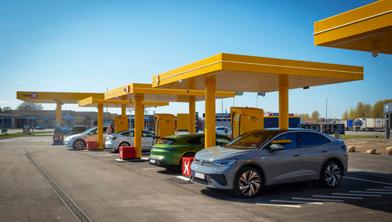
Expanded the EV charging network for both personnel and heavy-duty transport across Norway and Denmark, with increasing utilisation and positive customer feedback.
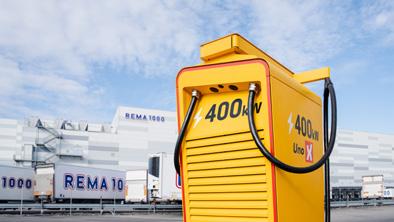
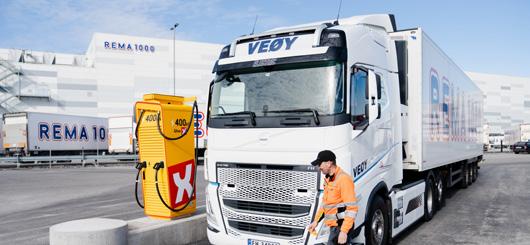
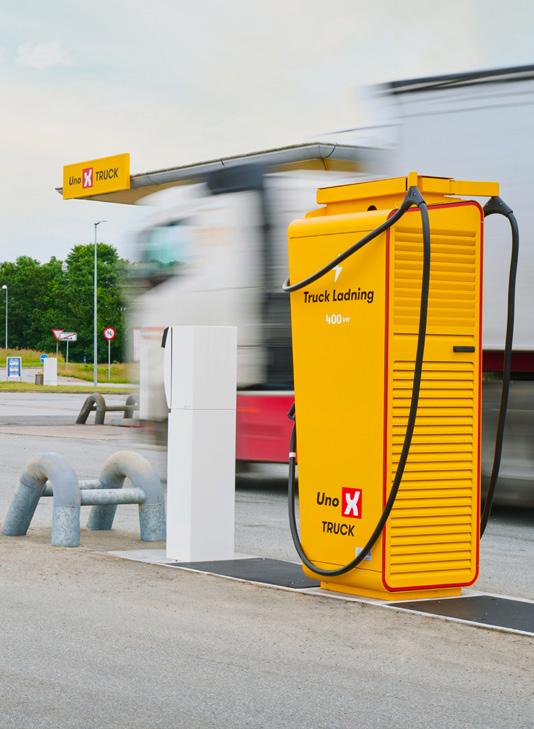
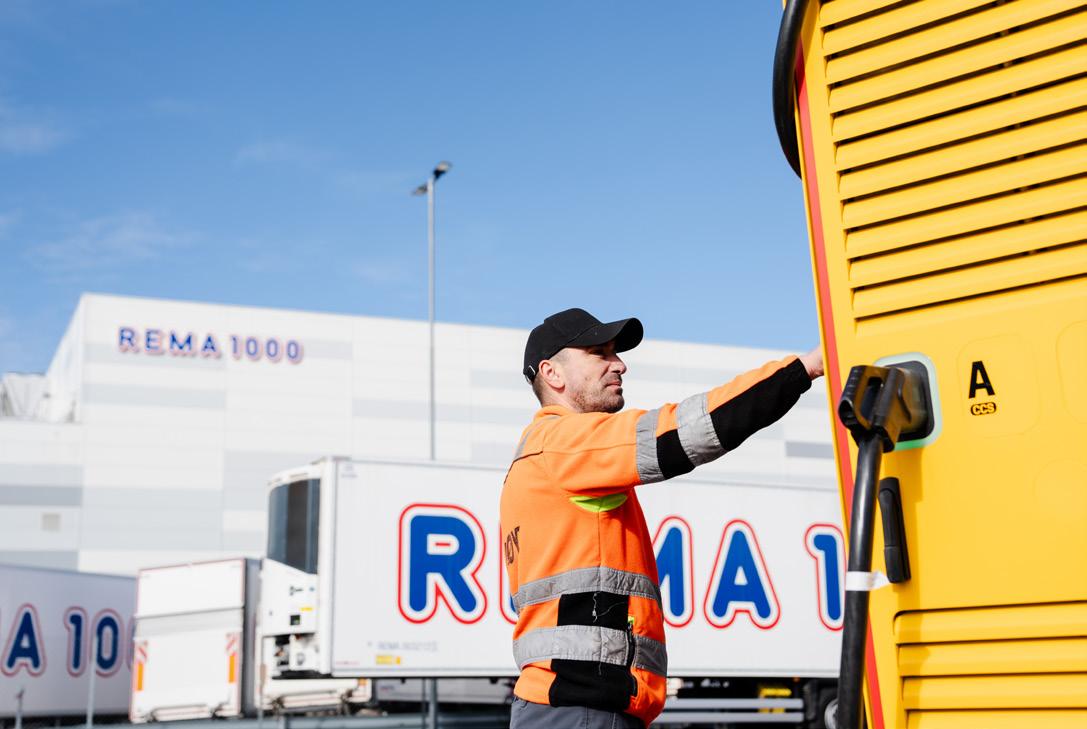
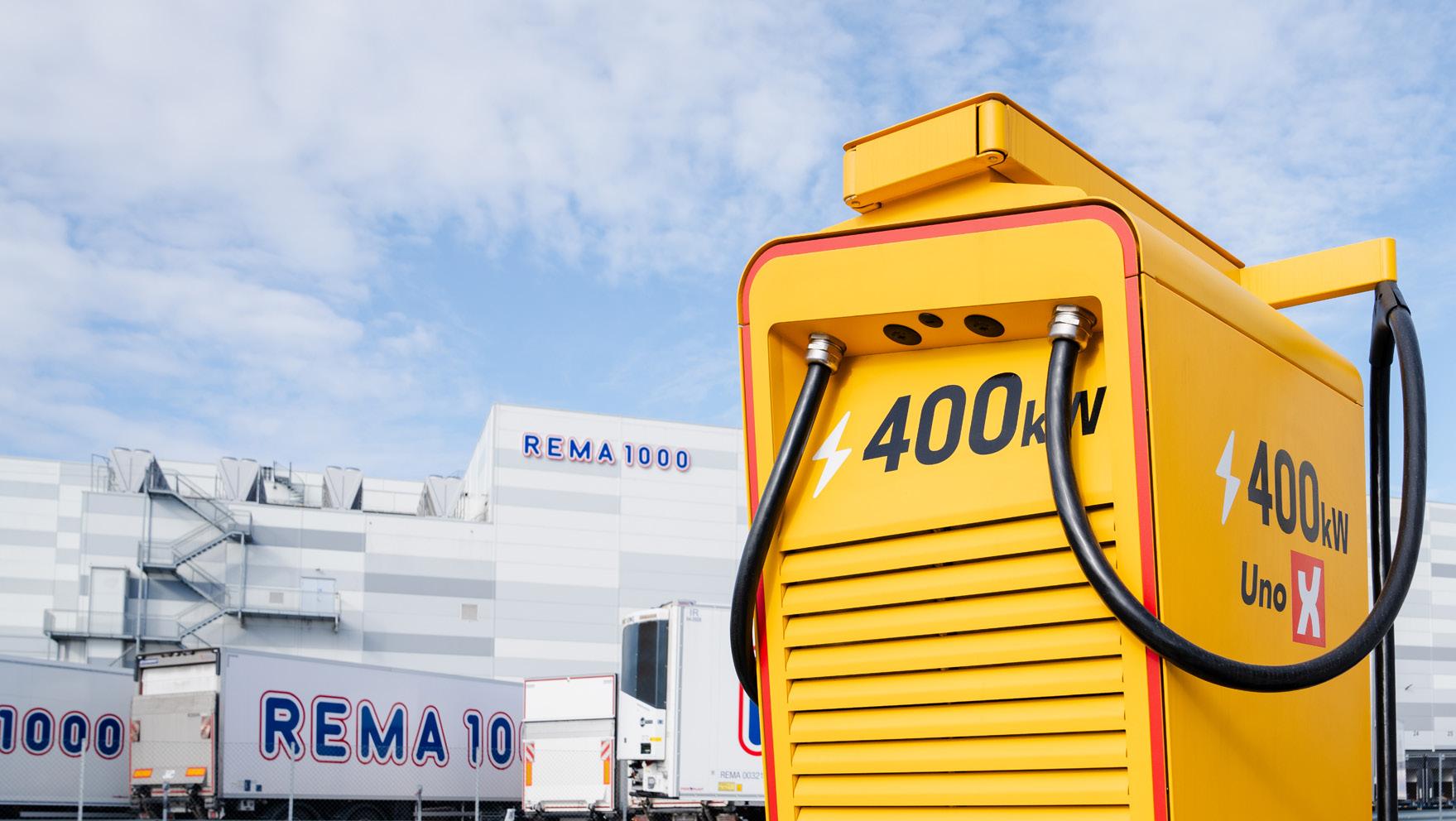
Opened our first megawatt charger for heavy-duty transport in Horsens, at REMA 1000 distribution center.
Liquid fuel performance in a declining market
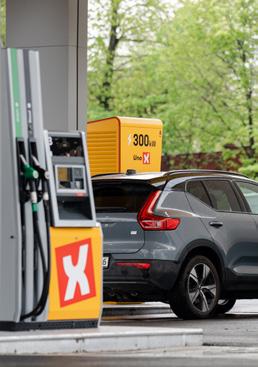
Strong operational performance in liquid fuels in both Norway and Denmark despite continued market decline.
EV charging
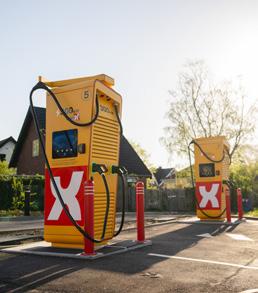
Further expanded the Uno-X charging network, acquired Elton, a digital charging platform, and started assessing opportunities for the Uno-X EV charging concept beyond Norway and Denmark.
Car wash operations brought into Uno-X Mobility
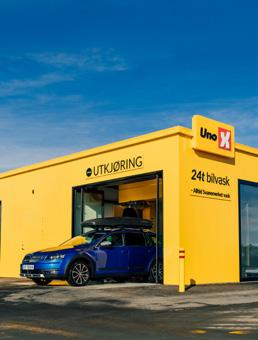
Took over operations of 52 automated car wash facilities in Norway from Reitan Convenience and rebranded them to Uno-X.
Cycling achievements at WorldTour level
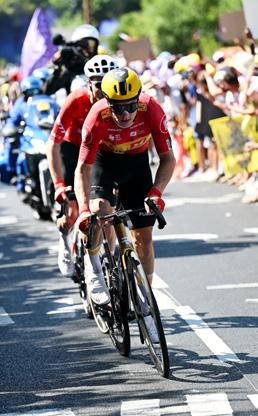
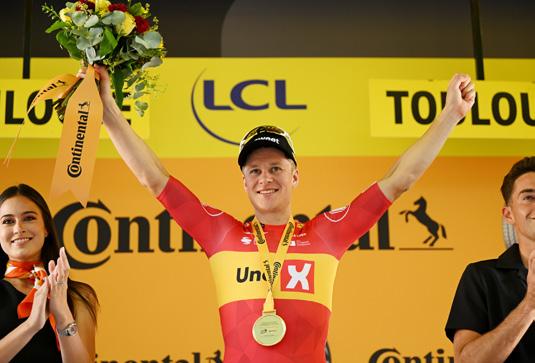
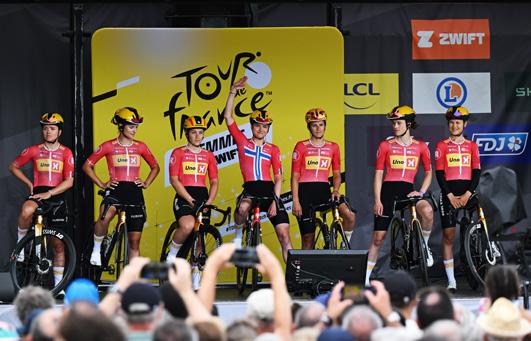
Celebrated a Tour de France stage win for the men’s team and achieved UCI WorldTour status, bringing the men’s team up to WorldTour level alongside the women’s team.
Dear stakeholders,
2025 was a year of continued uncertainty. Geopolitical tension, shifting energy markets and cost pressures affected businesses and households across Europe. Our job remains the same. We deliver solutions that are simple, efficient and fairly priced. That is what Uno-X Mobility is built on, and it will remain our priority.
The shift to lower-emission transport is moving forward, but at different speeds across markets and customer groups. We are building and scaling EV charging infrastructure to make the transition easier in practice, and to help accelerate the shift to lower-emission transport. Charging sites are often established at REMA 1000 and Reitan Convenience locations, as well as at existing Uno-X sites.
Throughout the year, we strengthened cooperation across Reitan Retail to move faster and deliver a better customer experience. We focus on the right locations and flexible solutions, so customers can charge where it fits their day.
In Norway and Denmark, we delivered strong operational performance in markets with declining liquid fuel volumes and increasing electrification of road transport. Norway is further along, as the transition started earlier. Across both countries, we continued to expand our EV charging offering and invest in infrastructure, including solutions for heavy-duty transport. In Denmark, we reached an important milestone with the launch of our first megawatt charger for heavy-duty transport in Horsens, co-located with REMA 1000. In Norway, we strengthened our digital capability through the acquisition of Elton Mobility, the company behind the EV charging app Elton. We also added 52 car wash sites to our operations. The sites were transferred from Reitan Convenience Norway and integrated into Uno-X Mobility. Together, these steps strengthen our offer and show our ability to execute and integrate new activities with quality.
Uno-X Mobility Cycling remains a key part of who we are. It is a long-term commitment, and it carries real engagement across the organisation. In 2025, both
the men’s and women’s teams moved forward, and the season brought results that made many of us proud. The men’s team reached UCI WorldTour status and won a stage in the Tour de France. For us, cycling is more than sport. It reflects the mindset we value: daily effort, teamwork and long-term thinking. It strengthens our identity and helps us promote healthy, active choices in the communities we are part of.
Looking ahead, we will stay disciplined in how we grow. We have started to explore opportunities beyond Norway and Denmark as part of Reitan Retail’s longterm ambition. This work is still early. Our approach is clear: we will grow only where we can offer a reliable experience and build strong local partnerships that match our standards and values.
What will not change is our focus on the customer. We will keep solutions simple and efficient to use. We will do what we say and act with high ethical standards. And we will keep improving, step by step, every day.
Thank you to our owners, colleagues, partners and customers for your trust and support throughout 2025.
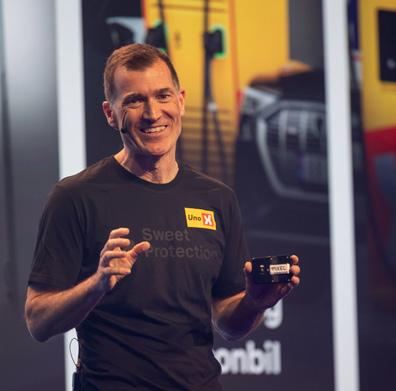
What will not change is our focus on the customer. We will keep solutions simple and efficient to use
Vegar Kulset CEO, Uno-X Mobility
We meet everyday mobility needs through a portfolio of offerings and initiatives:
• Liquid fuel for private and business customers in Norway and Denmark
• Ultrafast EV charging for passenger vehicles, often co-located with REMA 1000 and 7-Eleven
• Charging solutions for heavy-duty transport, developed for high power and operational use
• Automated car wash facilities
• Lubricants and related services through our lubricant businesses in Norway and Denmark
Uno-X Mobility is one of four business areas in Reitan Retail, alongside REMA 1000 in Norway and Denmark, and Reitan Convenience. We operate in Norway and Denmark under the Uno-X brand.
Our mission is to develop and promote solutions for future mobility. We ensure safe and reliable access to liquid fuels, which remain an essential part of transport in our markets. At the same time, we have made significant progress in the transition towards electrification and have built a growing EV charging business in both Norway and Denmark. We are scaling charging infrastructure for both passenger vehicles and heavy-duty transport, with a clear ambition to take a leading role in heavy-duty electrification.
Guided by the values and success factors from the REITAN mindset, we focus on simple, efficient solutions at the right price, delivered with high ethical standards and strong local execution.
• Professional cycling through Uno-X Mobility Cycling
We operate in two mature and competitive liquid fuel markets, alongside fast-growing markets for electric mobility services. Norway is among Europe’s leaders in passenger EV adoption. Denmark is at an earlier stage, but EV uptake is increasing and charging infrastructure continues to expand. For Uno-X Mobility, EV charging for passenger vehicles and heavy-duty vehicles are key growth areas as the transition to loweremission mobility progresses.
Our background
Uno-X has a long-standing presence in Scandinavian mobility markets. Over time, we have developed from a primarily liquid fuels-based business into a broader mobility platform, combining liquid fuels, EV charging, car wash facilities, lubricants and professional cycling.
Texaco and Norsk Hydro is established

REITAN acquires Hydro Texaco in NO and DK with operations under the YX og Uno-X brands
Uno-X Mobility becomes a separate business area in REITAN

Uno-X establishes a professional cycling team

Uno-X expands its cycling team with a women’s team at WorldTour level.

Uno-X Nordic Swan ecolabelled car wash launched
Brand strategy unified around Uno-X
Shell 7-Eleven in Denmark becomes Uno-X 7-Eleven, with Uno-X taking over fuel and car wash
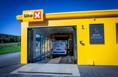
Uno-X took over 52 car wash sites in Norway from Reitan Convenience Hydro Texaco is established

Uno-X Mobility Cycling men’s team secures WorldTour licence from 2026

Uno-X Mobility sharpens its focus through separate companies for unmanned fuel, dealer-owned stations and lubricants
7-Eleven
of
Uno-X Mobility Cycling takes its first stage win in the men’s Tour de France Uno-X ultrafast EV charging opened in NO and DK





We provide easy and efficient access to liquid fuels across Norway and Denmark. In a changing energy landscape, liquid fuels will remain an important part of everyday transport and a critical societal function for households and businesses for many years to come. Our focus is operational quality, security of supply and efficient solutions for customers.
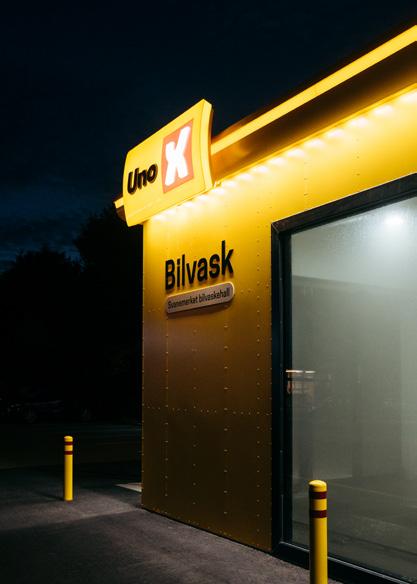
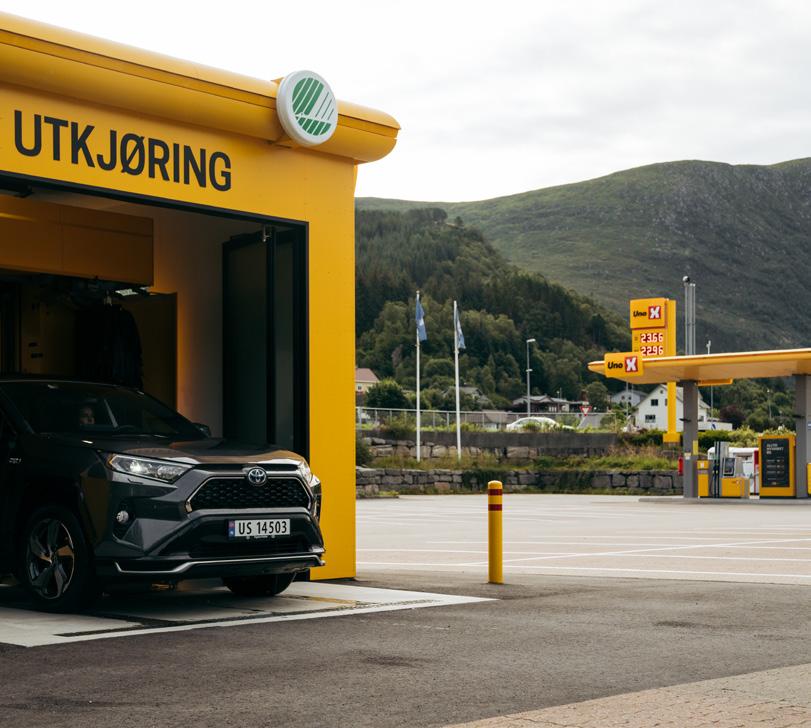
Our automated car wash facilities are a growing part of our everyday mobility offering. We focus on consistent quality, environmental safeguards, reliable operations and a simple customer journey. The concept strengthens our network and complements our liquid fuel and EV charging locations.
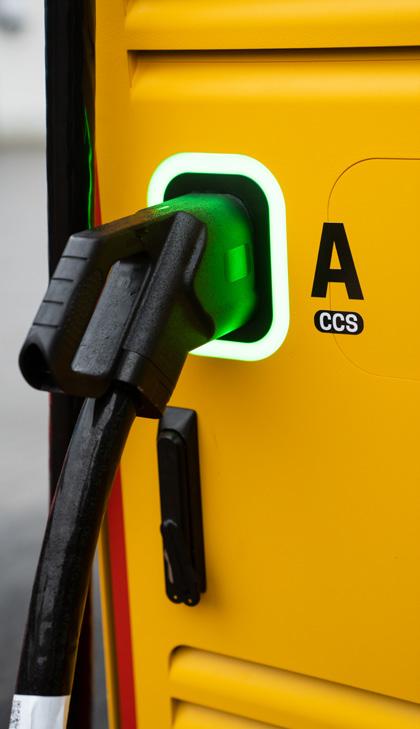
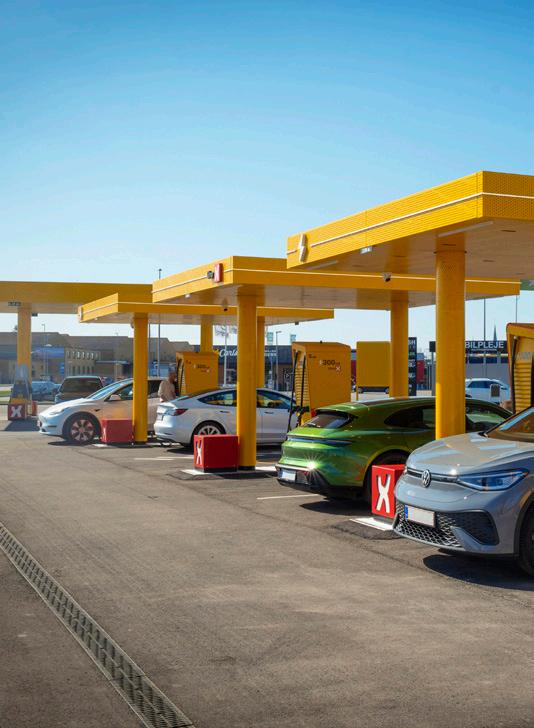
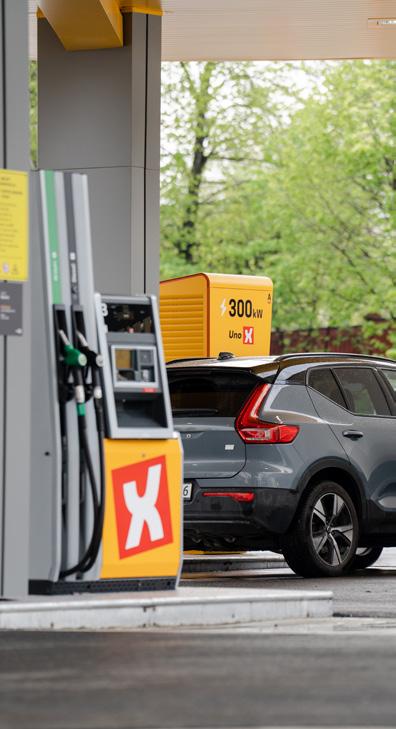
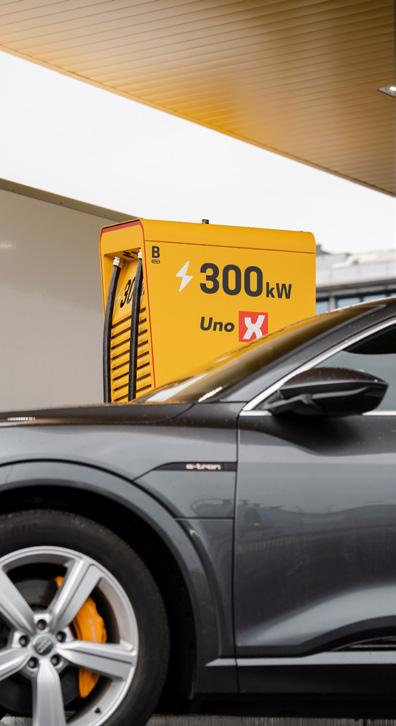
Ultrafast EV charging is a key growth area for Uno-X Mobility. We are building a growing network across Norway and Denmark as part of Reitan Retail’s everyday customer offering. With charging speeds of 300 kW or more, the concept is designed to make charging simple, reliable and accessible, with many locations co-located with REMA 1000 and 7-Eleven.
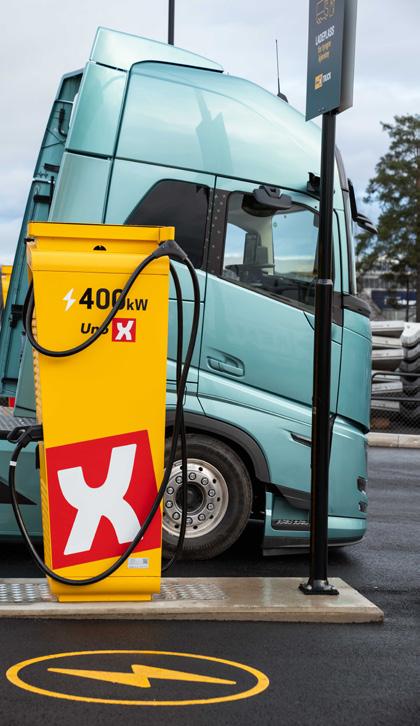
Uno-X Mobility aims to take a leading role in developing the market for heavyduty EV charging and accelerating the electrification of road transport. Our charging locations are designed to make charging simple and efficient for customers, with high power output, space and accessibility suited to larger vehicles. We develop infrastructure in collaboration with customers to meet real logistics needs and support the transition over time.
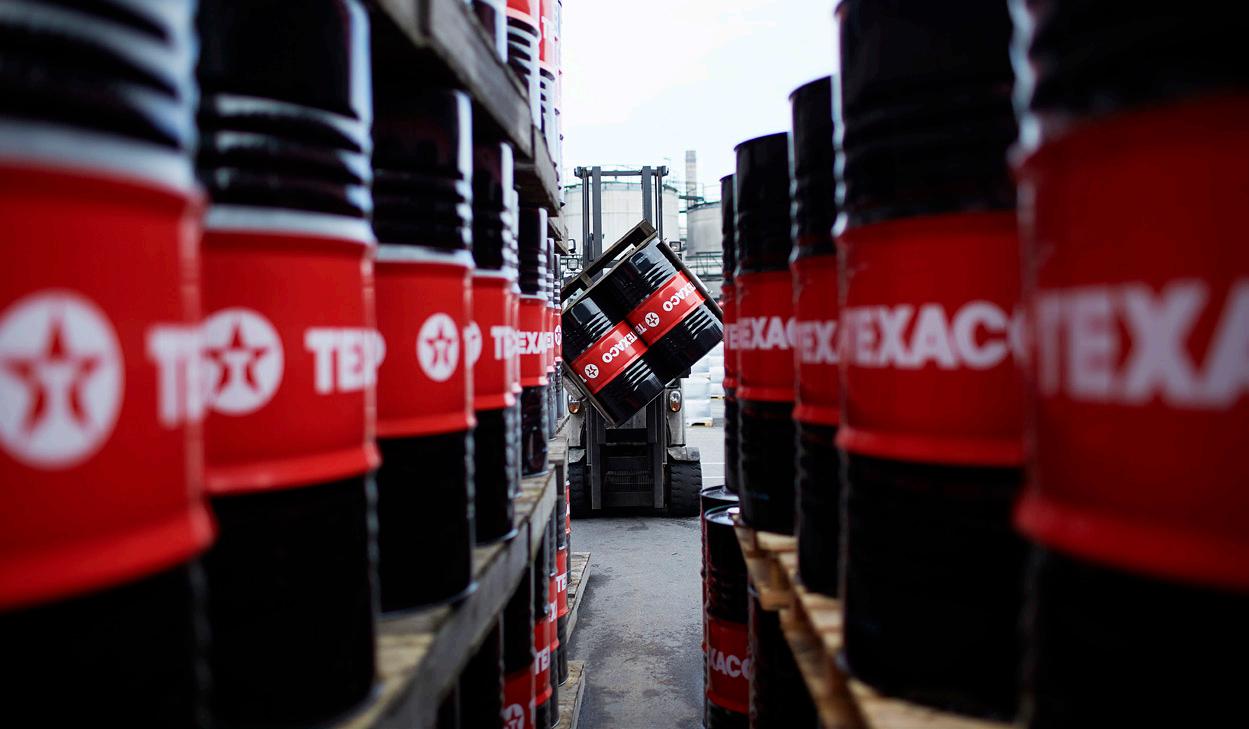
While lubricants make up a small part of Uno-X Mobility’s overall operations, this business area is important to business-to-business customers in sectors such as automotive, transport and industry to which we supply a range of lubricant products and related services. Our main supplier is Scanlube, a Gothenburg-based manufacturer in which Uno-X Mobility holds a 50 percent ownership interest. Scanlube produces Texaco-branded lubricants under licence from Chevron Texaco, supporting high-quality products that meet strict industry standards.
Uno-X Mobility Cycling is an important part of our ambition to promote future mobility. Competing at the highest level in the world, the team is built on a values-based culture and serves as an ambassador for everyday cycling and active lifestyles, while also creating engagement and shared pride across Reitan Retail.
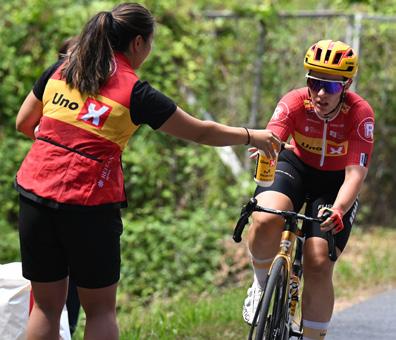
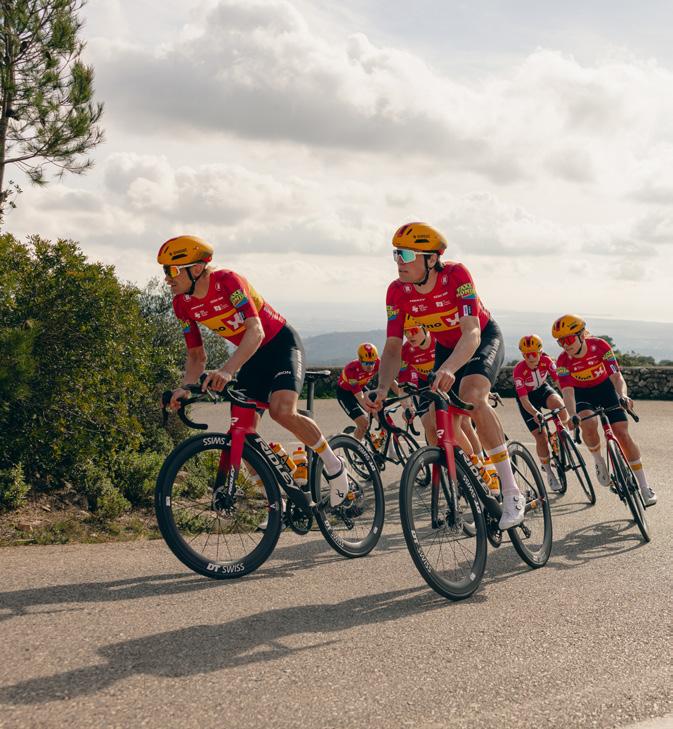
Organised jointly at Reitan Retail level, these partnerships are rooted in shared values and a values-based performance culture. They connect Uno-X to environments where ambition, discipline and continuous development can inspire across arenas and contribute positively to society.

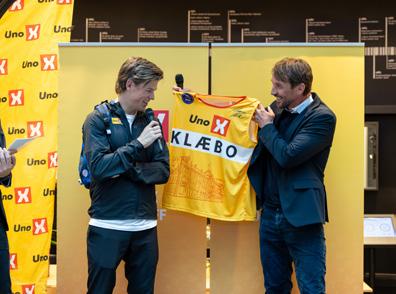
Uno-X’s longstanding partnerships with MOT Norway and MOT Denmark are rooted in shared values such as courage, inclusion and responsible choices. The collaborations reflect a shared belief in young people and in the importance of building safe environments, positive role models and confidence for the future.
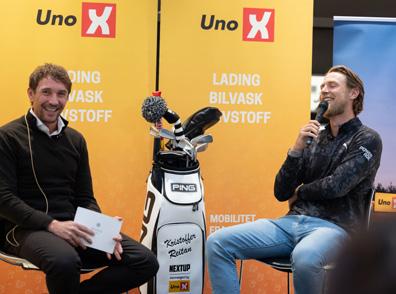
Uno-X’s golf partnerships are rooted in shared values such as precision, commitment and high standards. Through collaborations in the golf arena, such as Kristoffer Reitan and NextUp golf team, the partnerships create engagement across relevant audiences.
Uno-X’s longstanding partnership with cross-country skier Johannes Høsflot
is rooted in shared values such as hard work, humility and continuous improvement. The collaboration creates engagement across relevant audiences and reflects a values-based performance culture.
by geopolitical tensions, energy market volatility and accelerating regulatory developments.
Electrification is emerging as the main pathway for road transport in Norway and Europe, particularly in the passenger segment and increasingly also for heavy-duty transport. Uno-X Mobility supports this development and aims to take a leading role in enabling the electrification of heavy transport through targeted investments in EV charging infrastructure.
Uno-X Mobility is one of four business areas in Reitan Retail and operates in Norway and Denmark under the Uno-X brand. Our mission is to develop and promote solutions for future mobility. The company offers liquid fuel, EV charging, automated car wash facilities and lubricants. Uno-X Mobility also owns and operates a professional cycling team with both men’s and women’s teams.
We are guided by the REITAN philosophy, a cultural foundation that shapes how we run our businesses. At the core of this mindset are trust in the individual, clear responsibility, and common sense.
2025 was another year marked by geopolitical uncertainty and conflict. Uno-X Mobility delivered strong performance in line with our plans. We maintained an important societal role by ensuring secure access to liquid fuels for transport, while expanding infrastructure for EV charging that supports the shift towards lower-emission mobility. We did so in a complex and changing environment, shaped
Uno-X Mobility remains technology-neutral and focused on delivering what the market needs. Across all activities, we prioritise practical, efficient and accessible, in line with customer needs and the direction of regulation.
At year-end 2025, Uno-X Mobility comprised the following companies:
• Norway: Uno-X Mobility AS (parent company), Uno-X Mobility Norge AS, Uno-X Smøreolje AS, Uno-X Mobility Cycling AS
• Denmark: Uno-X Mobility Danmark A/S, Uno-X Smøreolie A/S
The group also holds interest in:
• 50% of Skanol A/S (liquid fuel logistics, Denmark)
• 50% of Scanlube AB (lubricant production, Sweden)
• 50% of Samtank A/S (liquid fuel storage, Denmark)
Head offices are in Oslo, Norway and Søborg, Denmark.
Our offerings to the market include:
• Liquid fuel sales to private and commercial customers
• Ultrafast EV charging for passenger vehicles
• Ultrafast EV charging for heavy-duty transport
• Automated car wash facilities
• Lubricant sales to business customers
Our network includes sites co-located with REMA 1000 and 7-Eleven, providing convenient access to mobility services. We also supply lubricants to business customers in selected markets beyond Norway and Denmark.
Uno-X Mobility operates in two mature and competitive liquid fuels markets, where volumes are gradually declining and competition remains strong. At the same time, electrification is accelerating and creating new customer needs and infrastructure requirements. Norway is ahead in passenger EV adoption, while Denmark is progressing steadily, and both markets are in an early phase of heavy-duty electrification.
Car wash is also an important part of our everyday mobility offering and a market where we have built scale and operational capability.
Across our portfolio, customer expectations are shaped by convenience, uptime and reliable service, whether they refuel, charge or wash their car.
The transition to lower-emission mobility is influenced by volatile energy markets, evolving regulation, and grid capacity and connection availability. This shapes our priorities: safeguarding security of supply in
liquid fuels while scaling EV charging as our main growth priority. We also continue to strengthen our car wash operations to support our everyday mobility offering and meet customer demand. These market dynamics are reflected in our risk profile and inform how we plan investments, operations and compliance across the portfolio.
Uno-X Mobility is exposed to risks linked to energy markets, infrastructure, regulation and the broader transition in the transport sector. Our most significant risk, and at the same time our biggest opportunity, is the pace and direction of the shift towards new energy forms. We manage this by protecting security of supply in liquid fuels while scaling EV charging with disciplined investments and a strong focus on operational uptime.
Volatility in oil and electricity markets can affect procurement costs, customer behaviour and margins, and we mitigate this through market monitoring, sourcing arrangements and pricing practices.
We are also exposed to evolving national and European regulation, which we follow up through internal processes and close coordination with Reitan Retail.
Operational disruptions, including equipment failure, site incidents and supply chain interruptions, are managed through preventive maintenance, clear routines, partnerships and business continuity planning.
Financial risks such as currency, credit and liquidity are handled through forecasting, credit assessments and conservative financial governance.
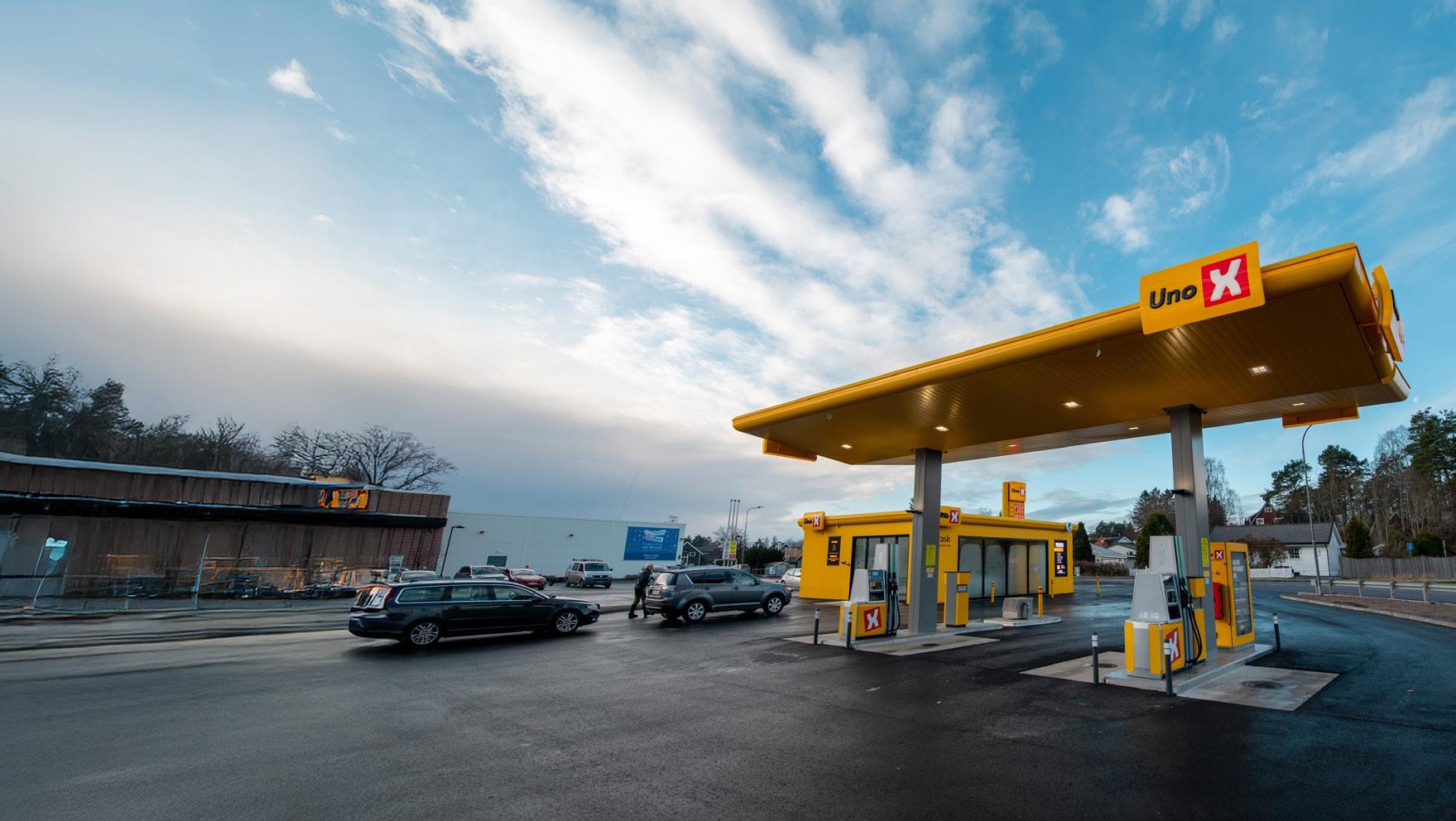
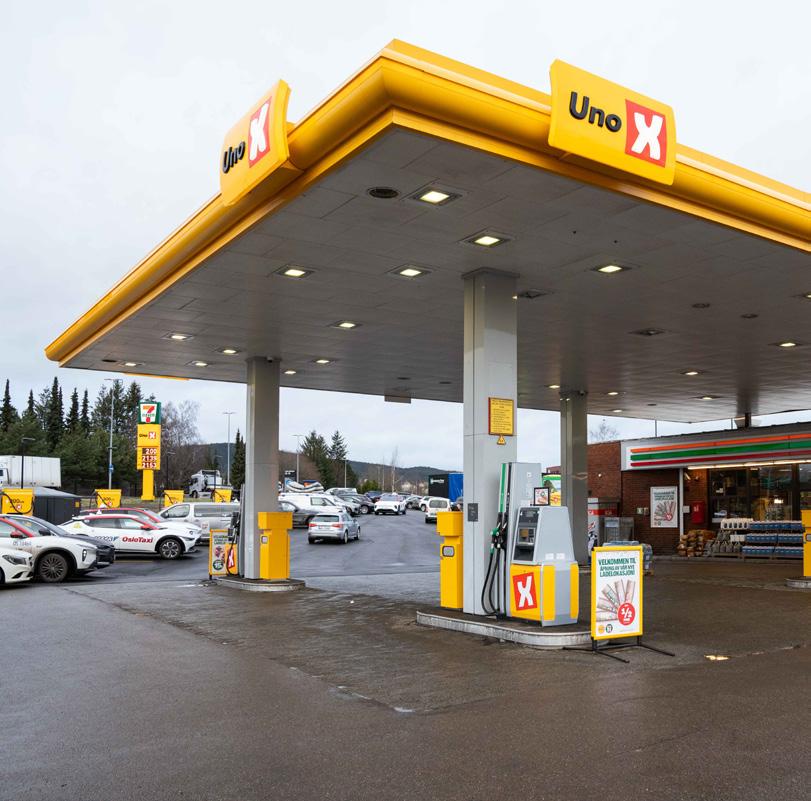
Uno-X Mobility provides easy and efficient mobility services for road transport, including liquid fuels, electricity and automated car wash facilities
Climate-related risks are informed by a climate risk analysis conducted in 2023 based on the recommendations of the Task Force on Climaterelated Financial Disclosures (TCFD). The analysis remains relevant for Uno-X Mobility and highlights material transition and physical risk factors affecting the business.
Supply chain risk is reduced through responsible sourcing and supplier follow-up aligned with Reitan Retail’s procurement approach, supporting compliance with the Norwegian Transparency Act and strengthening our ability to identify and manage sustainability risks in the value chain.
Uno-X
Norway remains at the forefront of electrification in Europe, with the highest share of electric passenger vehicles and growing interest in heavy-duty electrification. In 2025, Uno-X Mobility expanded its EV charging network across the country, including dedicated infrastructure
for heavy-duty vehicles. The acquisition of Elton Mobility strengthened our ability to simplify charging experiences through digital tools, complementing our physical network. Despite declining volumes in the liquid fuel market, we delivered solid operational results and continued to serve customers reliably. We also expanded our car wash offering through the integration of 52 sites from Reitan Convenience.
Denmark is progressing steadily with electrification, although the market is at a different stage compared to Norway. In 2025, Uno-X Mobility delivered strong financial performance across our Danish operations despite a contracting liquid fuel market, while continuing to invest in EV charging infrastructure. A key milestone was the launch of our first megawatt charger for heavy-duty transport in Horsens, co-located with REMA 1000 distribution centre. Site development continued at strategically important locations, combining conventional and new energy solutions to meet evolving customer needs.
Our lubricants business is a smaller part of Uno-X Mobility and serves business customers from our operations in Norway and Denmark. We supply mainly Texaco-branded lubricants produced under licence from Chevron, and the business continued to deliver good results in 2025.
Uno-X Mobility Cycling remains an important part of our broader mobility ambition and a strong platform for engagement and brand visibility. In 2025, the men’s team won a stage in the Tour de France and achieved UCI WorldTour status, joining the women’s team at WorldTour level. The
teams continue to inspire interest in cycling and contribute to pride and engagement across the organisation.
The financial statements have been prepared in accordance with the International Financial Reporting Standards (IFRS) as endorsed by the European Union. The separate financial statements of the parent company have been prepared in accordance with provisions of simplified IFRS, provided in the regulations to the Norwegian Accounting Act, section 3-9, subsection 5.
Uno-X Mobility’s revenue was NOK 16,981 million in 2025, a decrease from NOK 19,591 million in 2024. Total fuel volume sold (measured in 1,000 m³) in 2025 was 1,390 compared to 1,560 in 2024, corresponding to a decline of 10.9 percent. Revenues declined in 2025 compared to 2024, primarily driven by lower volumes. The average Brent Spot price was approximately USD 69 per barrel in 2025, compared to USD 81 in 2024. Earnings before interest, tax, depreciation, and amortisation (EBITDA) amounted to NOK 1,456 million (NOK 1,083 million), while operating profits were NOK 716 million (NOK 293 million). Profit before income tax was NOK 610 million (NOK 241 million). Profit for the year amounted to NOK 477 million (NOK 189 million). Results for 2025 improved compared to 2024, reflecting a continued solid development in fuel operations, despite lower fuel volumes.
The decline in fuel volumes in 2025 was primarily driven by increased cross-border leakage to Sweden, loss of volumes related to portfolio
changes, and intensified competition in the Norwegian market. In Denmark, volume development earlier in the year was impacted by the integration of a new station portfolio.
At year-end 2025, the number of mobility locations increased to 728, compared to 710 the year before. The growth was driven by an expansion in ultrafast EV charging locations for both personell and heavy-duty EVs, reflecting continued portfolio development.
Total assets as at 31. December 2025 were NOK 9,840 million (NOK 9,797 million), while liquid assets as at 31 December 2025 were NOK 157 million (NOK 126 million). Net interest-bearing debt ex. lease liabilities was NOK 223 million (NOK 778 million), and investments in non-current assets were NOK 628 million (NOK 834 million). Equity at the end of the year was NOK 4,333 million (NOK 4,072 million), which gives an equity ratio of 44 % (42%).
Cash flow from operations amounted to NOK 1,908 million (NOK 1,167 million). EBITDA was NOK 1,456 million (NOK 1,083million).
The difference between cash flow from operations and EBITDA is mainly due to changes in working capital. Changes in working capital resulted in a cash flow of NOK 461 million (NOK 107 million). In the view of the board of directors, the group has a solid financial position. In accordance with Section 2-2 of the Norwegian Accounting Act, the Board confirms that the prerequisites for the going-concern assumption exist and that the financial statements have been prepared based on a going-concern basis.
Uno-X Mobility has its core business in trading of oil products and is consequently exposed to risk relating to oil price changes. Liquid reserves and available credit facilities are of considerable importance to the group’s liquidity situation. The limits of the credit facilities available to the group vary according to its outstanding receivables and inventories. Consequently, its access to debt financing varies largely with the fluctuations in its need for working capital. The group’s revenue consists of sales to private, commercial and industrial customers. The group has established routines for credit assessment and continuous follow-up of individual customers. In addition, subsidiaries have reduced their risk for losses on accounts receivable using credit insurance. Historically, defaults and losses on accounts receivable have been low, the group experienced a loss of NOK 20 million in 2025 (NOK 21 million) on its accounts receivable. In the Danish subsidiaries, the procurement of oil products is mainly settled in USD, while the procurement of oil products in Norway is mainly settled in NOK. Uno-X Mobility seeks to limit exposure related to ownership interests in foreign operations by adjusting the composition of the debt portfolio to reflect the importance of the individual currency and country in relation to the group’s total activities.
Note 3 - Financial risk management provides a more detailed description of the group’s financial risk and sensitivity to changes in oil prices, interest levels and currency rates.
Responsibility is embedded in how we operate, from daily decisions to long-term planning. Our efforts are aligned with Reitan Retail’s
Responsibility Strategy, which provides a shared direction across the group. It is structured around four key themes:
• Environment: reducing emissions and enabling lower-carbon solutions
• Health: promoting safety, well-being and healthy choices
• People: fostering inclusion, development and strong values
• Value Chain: ensuring ethics, transparency and accountability in supply chains
Each theme includes shared ambitions and common KPIs within the Reitan Retail governance framework. Uno-X Mobility contributes through concrete activities described throughout this report, including infrastructure investments, health and safety, people development, responsible sourcing and climate-related risk management.
Where relevant, provisions for environmental obligations are recognised in the balance sheet in accordance with applicable accounting standards and good accounting practice. In 2025, we took further steps towards CSRD-aligned reporting on a voluntary basis, although Uno-X Mobility is not subject to the directive. Progress is monitored through our climate accounts and a set of sustainability KPIs, supported by established reporting and follow-up processes.
Uno-X Mobility is committed to minimising its environmental footprint while continuing to provide reliable mobility solutions in Norway and Denmark. The company complies with Norwegian biofuel blending
mandates and Denmark’s greenhouse gas reduction obligations, contributing to lower emissions in line with national regulations. To support the transition to electric mobility, Uno-X Mobility continues to expand its EV charging infrastructure, with a focus on ultrafast charging for both passenger and heavy-duty vehicles. Uno-X Mobility also operates automated car wash facilities, in line with applicable environmental regulations for water consumption, chemical use, and energy efficiency, with further improvements implemented where feasible. Selected car washes in Norway are certified with the Nordic Swan Ecolabel.
Our people are at the heart of Uno-X Mobility. The way we work is anchored in the REITAN mindset: trust in the individual, clear responsibilities, and simple, common-sense ways of working. Our philosophy places decisionmaking close to the people doing the work, encouraging ownership, customer focus, and a proactive culture throughout our organisation.
We are guided by eight core values and eleven success factors that influence how we lead, collaborate and create value. The REITAN mindset is outlined in the book Our philosophy. Our values and success factors are practical tools for leadership, culture building and business development. We actively invest in building a strong workplace culture through gatherings, such as team development programmes and individual leadership journeys. In addition, selected managers are offered the opportunity to participate in programmes at REITAN´s value academy for leaders, group-wide development initiatives that deepen understanding of our values and support long-term people development.

We foster an inclusive and engaging work environment where everyone is assessed based on competence, personality and potential, regardless of gender, age, religion, sexual orientation or ethnic background. Diversity and inclusion are integrated into recruitment and development practices, and we strive for gender balance in the final stages of recruitment and leadership appointments.
At year-end 2025, Uno-X Mobility had 284 employees across Norway and Denmark: 112 in Norway, 129 in Denmark and 43 dedicated to Uno-X Mobility Cycling. Overall, 66 percent of employees were men and 34 percent were women. As of 31 December 2025, the Uno-X Mobility executive management team comprised six members: five men and one woman.
Uno-X Mobility does not tolerate discrimination or harassment, or anybehaviour that is perceived as threatening, offensive or degrading. We comply with the Norwegian Equality and Anti-Discrimination Act and follow the group-wide direction set by Reitan Retail on inclusion and diversity. Each legal entity within Uno-X Mobility is responsible for fulfilling the activity and reporting requirements under the Act (aktivitets- og redegjørelsesplikten), where applicable.
One measure used to monitor and follow up on the working environment is regular employee feedback. In Norway, we conduct an annual Great Place to Work survey covering topics such as well-being, team dynamics, safety, inclusion and leadership culture. In Denmark, employee views are captured through the statutory workplace assessment (arbejdspladsvurdering, APV), which is conducted every three years. Overall scores are strong, and the results are reviewed and
Our eight values:
• We stick to our business model
• We keep high moral standards
• We are committed to be debt-free
• We encourage a winning culture
• We are positive and proactive
• We talk with each other, not about each other
• The customer is our ultimate boss
• We work for fun and profit
followed up through relevant departments in each operating company to drive continuous improvement.
Employee well-being is a clear priority. All employees have access to health and accident insurance and are offered voluntary medical checks. To reduce the risk of work-related strain, we provide ergonomic equipment such as height-adjustable desks and offer free flu vaccinations.
We promote physical activity and healthy routines in everyday life. This includes support for gym memberships, participation in team-based
activities such as weekly cycling, and opportunities to take part in events such as the annual Birkebeinerrittet mountain bike race. Our sponsorships and ownership of Uno-X Mobility Cycling also help inspire a more active lifestyle across the organisation.
Beyond the workplace, we build engagement through our public presence and sponsorship activities coordinated by Reitan Retail. This includes long-standing involvement in sports such as cross-country skiing and golf.
Uno-X Mobility Cycling is a key initiative that supports this ambition. The team competes internationally and promotes cycling as part of future mobility, while strengthening internal pride and reinforcing a culture of engagement, health and sustainability.
Total sick leave, including long-term absence, was 1.7% in 2025. No lost-time injuries were recorded for employees in 2025.
Environment health and safety
Environment, Health and Safety (EHS) is a key topic for Uno-X Mobility, reflecting the nature of our activities across liquid fuel stations, EV charging infrastructure, car wash facilities, lubricants and liquid fuel depots. Our aim is to avoid harm to people and the environment in our operations.
We operate in accordance with national EHS requirements in both Norway and Denmark and have robust routines in place to manage risk, ensure compliance and protect employees, contractors and customers. Our approach includes preventive maintenance, regular training, site
inspections, emergency preparedness and reporting. These efforts are embedded in operational planning and monitored through local EHS functions and group-level oversight.
Beyond our core operations, our professional cycling team operates in a high-performance environment where health and safety risks cannot be fully eliminated. The team manages these risks through systematic medical monitoring, transparent follow-up of illness and injury data throughout the season, and preventive measures to reduce the likelihood and severity of injuries.
Uno-X Mobility AS is governed by a Board of Directors appointed by Reitan Retail. The CEO reports to the Board, and each subsidiary is led by a Managing Director responsible for operational delivery and strategic execution. We maintain high ethical standards through our Code of Conduct and Supplier Code of Conduct. A third-party whistleblowing channel enables employees and external parties to report concerns confidentially. Anti-corruption requirements are embedded in policies, routines and training, and are followed up through management processes and internal controls.
We work systematically with responsible business conduct in the value chain. Our approach is guided by the Reitan Retail Responsible Procurement Policy and Uno-X Mobility’s High-Risk Commodities Policy, supported by supplier requirements, screening and follow-up. Reporting under the Norwegian Transparency Act is published annually on www. unoxmobility.com and covers Uno-X Mobility and the operating companies in Norway and Denmark as well as Uno-X Mobility Cycling.
Our reporting builds on established methods, including the GHG Protocol for greenhouse gas accounting, and is being aligned with CSRD requirements. Governance also supports structured risk management and consistent reporting, including the use of the TCFD framework as a basis for assessing climate-related risks and opportunities.
Directors’ and officers’ liability insurance is in place for the Board of Directors and executive management.
Uno-X Mobility will continue to play a key role in enabling the transport transition. We will grow where we can deliver real value, through operational quality, strong partnerships and simple, effective customer experiences.
Based on our current plans and assumptions, the Board of Directors expect Uno-X Mobility to continue to deliver solid long-term value creation for our owners. At the same time, all forward-looking statements involve uncertainty, and actual outcomes may differ due to factors such as market developments, competitive dynamics and regulatory change.
We believe that practical progress, grounded in customer needs and executed well every day, is the most powerful way to drive change. By staying true to our values and our mission, we aim to create lasting value for customers, society and Reitan Retail.
As part of Reitan Retail’s strategic ambition, Uno-X Mobility has begun exploring potential opportunities for our EV charging concept outside Norway and Denmark. This work is at an early stage but builds on strong customer reception and operational experience in our home markets.
Following the balance sheet date, continued conflict in the Middle East has contributed to oil prices remaining volatile at an elevated level, adding to uncertainty in global energy markets. This has also affected fuel prices in the markets where Uno-X Mobility operates, increasing the company’s working capital requirements and affecting cash flow. If the situation persists over time, it could also affect long-term fuel availability and market conditions. Uno-X Mobility is monitoring developments closely.
Oslo, 5 May 2026
Vegar Kulset
CEO Uno-X Mobility
the board
At Uno-X Mobility, our mission is to develop and promote solutions for future mobility, and sustainability is a integrated part of how we do this.
As a key player in the Norwegian and Danish mobility markets, we integrate sustainability considerations into our strategy and operations as the transport and energy systems continue to change. Our sustainability work is anchored in Reitan Retail’s responsibility strategy, which is structured around four focus areas: Environment, Health, People and Value Chain. These areas guide our sustainability reporting, governance and actions, and are adapted to reflect Uno - X Mobility’s activities across
liquid fuels, EV charging, automated car wash and lubricants. By aligning our business with these focus areas, we aim to reduce negative impacts, strengthen our social contribution and ensure our operations remain robust in a changing regulatory and market landscape.
This sustainability statement describes how our mission, values, and strategy are integrated with responsible and forward-looking business practices.
sustainability issues most relevant to our business. The information is based on available internal data, reasonable estimates, and management’s best judgment at the time of publication.
The sustainability information in this report covers the same boundary as the consolidated accounting group in the financial statements. The reporting period is aligned with our financial year.
General basis for preparation and sustainability statements
The sustainability information in this report has been prepared on a voluntary basis by Uno-X Mobility. As the company currently is not within the scope of mandatory reporting requirements under the CSRD, the disclosures presented do not represent full compliance with CSRD or the European Sustainability Reporting Standards (ESRS).
The purpose of these disclosures is to enhance transparency towards customers, partners, and other stakeholders, and to provide insight into the
The report includes information on impacts, risks, and opportunities across our value chain. Selected disclosures reflect insights from supplier risk assessments, scope 3 emissions estimates, and other material value chain issues identified through ongoing due diligence work.
Uno-X Mobility is committed to enhancing the company’s sustainability disclosures in line with evolving regulatory requirements, stakeholder expectations, and internal developments.
Time horizons:
The following time horizons are used for assessing impacts, risks, and opportunities:
• Short-term: 1 year
• Medium-term: 1–5 years
• Long-term: more than 5 years
Use of estimates and proxies:
Some disclosures rely on estimates and assumptions, particularly in areas where complete data is not yet available, such as scope 3 emissions. Sectoral data and proxy indicators have been used where applicable. While these estimates are considered decision-useful, they may be subject to a degree of outcome uncertainty.
Changes from prior reporting periods:
This report marks a significant shift in our sustainability reporting approach, transitioning from reporting in accordance with the GRI Standards in 2024 to a ESRS-inspired framework in 2025. As this is the first reporting cycle under the new framework, certain disclosures may not be directly comparable with information from previous reporting periods, and some historical data may be unavailable.
In 2025, we conducted a formal double materiality assessment (DMA) with support from KPMG, building on the preliminary assessment conducted in 2024. As a part of this process, we have renewed our stakeholder engagement activities to validate and prioritise the sustainability information most relevant to our stakeholders. This work forms the foundation for the disclosures presented in this report.
The report includes information on impacts, risks, and opportunities across our value chain
The role of the administrative, management and supervisory bodies in relation to sustainability Uno-X Mobility operates as one of four business areas within Reitan Retail, beside REMA 1000 Norge, REMA 1000 Danmark and Reitan Convenience. Governance of sustainability-related matters follows the group’s decentralised model, where each business area is responsible for implementing Reitan Retail’s overarching responsibility strategy in a manner aligned with our operational context and risk landscape.
At Uno-X Mobility AS, the administrative and management responsibilities are carried out by the CEO and the executive management team, with sustainability oversight embedded in our leadership structure. The CEO holds overall responsibility for sustainability performance. The sustainability director (CSO) is responsible for providing strategic and technical sustainability input across planning processes, risk management, and reporting, ensuring alignment with Reitan Retail’s broader sustainability priorities and compliance obligations.
The board responsibility
The Board of Directors of Uno-X Mobility AS has ultimate responsibility for approving the overall business strategy, including the integration of sustainability priorities and risk assessments. Sustainability disclosures, including this report, are reviewed and approved by the board prior to publication.
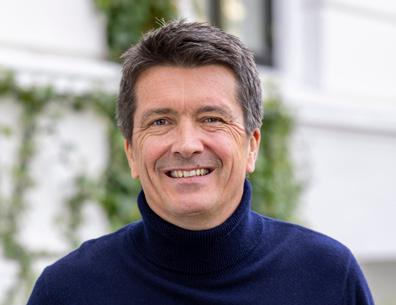
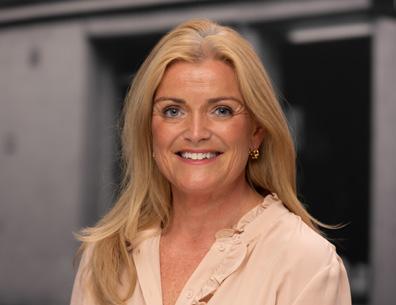
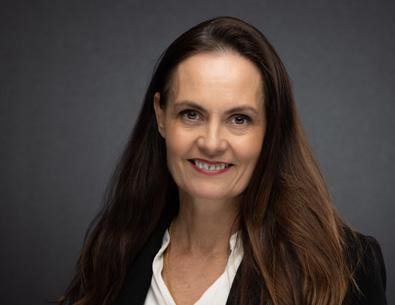
The board is consists of people with extensive experience within the sector, and include market-, supply chain- and environmental knowledge, covering Uno-X Mobility’s key sustainability-related impacts, risks and opportunities.
Management of impacts, risks and opportunities
Uno-X Mobility AS is the parent company, while responsibility for operationalising the strategy and business model sits with the operating companies in Norway and Denmark, as well as the cycling team. In line with national legislation and a formal agreement with union representatives in Norway, employee representation is therefore exercised at the operational level, where day-to-day decisions are made, rather than at the holding company level.
The managing director and management team in the operational companies are responsible for integrating sustainability considerations into decision-making across business operations, investments, and risk management. As sustainability is an integrated part of operations, sustainability-related topics are regularly addressed in management meetings, including follow-up on climate targets, energy transition measures, supply chain compliance, and regulatory developments.
Information provided to and sustainability matters addressed by the undertaking’s administrative, management and supervisory bodies
The board is informed of key developments related to sustainability through periodic updates provided by the CEO and executive management team. Sustainability topics are addressed at board level when they are linked to strategic priorities, investment decisions, or regulatory obligations. These may include developments related to climate change and the energy transition, human rights in supply chain, regulatory compliance, and other relevant sustainability information.
The table on the right outlines the different governance roles and how they receive, act on, and report sustainability information. This structure ensures that sustainability matters can be raised by anyone, at any level, and be acted upon where operational responsibility lies. The decentralised model enables early identification and structured escalation of material sustainability matters, supporting timely decision-making, transparent reporting, and the practical integration of sustainability into strategy and operations.
As of the reporting period, we do not have incentive schemes directly linked to sustainability-related performance indicators.
Employees report safety, environmental, and other sustainability-relevant observations, forming the basis of the company’s sustainability data and informing escalation through line management.
Subsidiary managing directors are responsible for sustainability at the operational level, with all employees encouraged to raise relevant concerns or opportunities.
Sustainability is overseen by the CEO and group management, with the CSO coordinating the operational agenda and the financial function responsible for sustainability data and reporting. Performance, risks, and material issues are monitored at management level and reported to the board.
The board oversees strategy, risk, and sustainability through structured reporting and escalation. Employee representatives are included at subsidiary board level.
1 The executive management team comprises the managing directors of each operating company, together with the chief executive officer, chief financial officer, chief sustainability officer/chief communications officer and chief development officer of the parent company. It provides overarching management across the operating companies.
Statement on due diligence
Embedding due diligence in governance and organisation
• GOV-1
• GOV-2
• GOV-3
• GOV-5
• S1-1
• S2-1
• G1-2
Engaging with stakeholders / cooperation in remedy
Identifying and assessing adverse impacts
• SBM-2
• S1-2
• S2-2
• IRO-1
• SBM-3
Taking action
• S1-4
• S2-4
Tracking effectiveness
• S1-5
• S2-5
• GOV-1
• GOV-2
• GOV-3
• GOV-5
• E1-1
• E2-1
• G1-2
• SBM-2
• IRO-1
• SBM-3
• E1-3
• E2-2
• E1-4
Risk management and internal controls over sustainability reporting
Sustainability reporting at Uno-X Mobility is overseen by the CFO and follows the same governance pathways as financial reporting. Uno-X Mobility is part of Reitan Retail, which sets group-wide sustainability data requirements and reporting procedures. Common templates, definitions, and reporting calendars are issued by Reitan Retail, enabling consolidation, comparability and alignment across business areas. This group-level coordination ensures that internal controls over sustainability information are consistent and scalable.
The reporting process is centrally managed, with input from relevant departments including operations, procurement, HR, and communications. Data is collected through a combination of internal systems and manual processes and reported using standardised templates to ensure consistency across entities. Validation includes internal cross-checks, plausibility assessments, and management-level review. Where estimates or external data are used, underlying assumptions are documented to ensure transparency.
In addition to the CFO-led reporting structure, Uno-X Mobility has a dedicated CSO who provides expert support on sustainability matters. The CSO contributes to quality assurance and interpretation of sustainability
The reporting process is centrally managed, with input from relevant departments including operations, procurement, HR, and communications
data and supports alignment with Reitan Retail’s responsibility strategy. This role is also reflected in our governance structure for sustainability.
In addition, our climate accounting is independently reviewed by a third party (PwC) as part of the assurance of Reitan Retails climate accounts.
Uno-X Mobility is a business area within Reitan Retail, operating in Norway and Denmark under the Uno-X brand. The company’s mission is to develop and promote solutions for future mobility. We provide mobility services primarily related to road transport through a network of liquid fuel (petrol and diesel) locations and EV charging infrastructure for both passenger and heavy-duty transport. We also provide automated car wash facilities. In addition, we supply lubricants to a broad range of commercial customers.
Uno-X Mobility also owns and operates Uno-X Mobility Cycling, a professional cycling team consisting of both a men’s and women’s team.
When it comes to liquid fuels Uno-X Mobility operates as a purchaser, supplier, distributor, and retailer. Within Uno-X Mobility, the supply business plays a pivotal role in procuring and sourcing liquid fuels for our own mobility locations, as well as dealer-owned locations where we act as suppliers. Additionally, in Denmark, our bulk business supplies private and business customers with heating oil and transportation fuel.
The sourcing process involves utilising both our own storage depots and third party-operated facilities. To optimise the efficiency of our storage
depot operations, we have established throughput agreements with third-party storage depots. These agreements enable suppliers and distributors of liquid fuels to use the existing infrastructure provided by other industry participants, fostering a streamlined and efficient storage depot network.
Furthermore, we ensure that the liquid fuels supplied comply with national product regulations by incorporating biofuel blending. Liquid fuel retailers are eligible to meet the biofuel mandate (Norway) or CO2 displacement requirements (Denmark) and must be registered in accordance with excise duty regulations. Our compliance extends to both national product regulations and excise duty requirements for the volume of liquid fuels sold through our own mobility locations, as well as other liquid fuel locations we supply.
Our strategy is built on enabling the transition to electrification of road transport and low-emisson while delivering reliable and cost-effective services for private and business customers. We aim to maintain a leading position in the Norwegian and Danish mobility sector. Currently, approximately 12% share of energy sold comes from renewable energy (biofuel and electricity). This is expected to increase along with the transition to low-emission road transportation.
Uno-X Mobility has several roles in the downstream
liquid fuels value chain. We source refined fossil fuels and biofuels from external suppliers, store them in a mix of owned and third-party depots, and distribute them to our retail locations or deliver them directly to customers. In the EV sector, we build and operate ultrafast EV charging infrastructure and purchase renewable electricity using Guarantees of Origin. Our car wash facilities are designed with a focus on water efficiency and high environmental standards according to national requirements. For lubricants, we source finished products for sale to business customers.
As part of the energy transition, we continue to fulfil a critical societal role by ensuring stable and secure access to liquid fuels for road transportation in Norway and Denmark. This includes supporting essential transport, logistics, and emergency services, as well as meeting the ongoing needs of private and commercial customers. Simultaneously, we are scaling up EV charging infrastructure, including ultrafast solutions for passenger and heavy-duty vehicles. This dual approach ensures that we meet current mobility needs while accelerating the shift toward a more sustainable, electrified road transport.
In 2025, we reviewed our strategic priorities considering the updated double materiality assessment (DMA). The results confirmed and reinforced our existing strategic direction, particularly the focus on energy transition, reducing greenhouse gas emissions, responsible
sourcing, and the resilience of the business model in a rapidly evolving regulatory and technological landscape. These areas remain firmly embedded in our strategic planning and risk management processes. Our strategy addresses both short-term priorities, such as operational efficiency and infrastructure rollout, and medium-term to long-term goals, including diversification of mobility offerings, renewable energy sourcing and reducing emissions across own operations and our value chain.
Our value chain includes upstream and downstream activities. Key partners include suppliers of liquid fuel, electricity, and equipment, transport and logistics providers, and retail site operators.
Number of employees by region
*Includes employees from multiple countries employed on our
Uno-X Mobility recognise that transparent and ongoing stakeholder engagement is essential for responsible business conduct and value creation. Our stakeholder engagement processes are designed to ensure that the interests, expectations, and concerns of key stakeholder groups are continuously integrated into strategic and operational decision-making. We maintain strong, ongoing dialogue with stakeholders across our value chain, including customers, suppliers, authorities, and civil society.
Own employees, as a key stakeholder group, include employees across operations in Norway and Denmark, as well as employees in Uno-X Mobility Cycling. Feedback from workforce dialogue has directly influenced the company’s strategic focus on workplace safety, site ergonomics, infrastructure design, and organisational development.
Workers
Affected value chain workers includes not only the working conditions of those working on our site, but also the working conditions and other potential human rights impacts on those further down our supply chain. Especially for high-risk areas such as fuel sourcing and procurement of EV chargers. Stakeholder engagement with suppliers has helped shape
Stakeholder group Main topics of interest
Customers Quality, EV charging availability, product prices
Employees Workplace health and safety, career development, values-based culture, diversity and equality
Suppliers Responsible sourcing, compliance with SCoC, risk assessments
Regulatory authorities Biofuel regulations, remaining barriers to the deployment of EV charging infrastructure, implementation of ETS2
Engagement channels
Surveys, customer service feedback, digital platforms
Surveys, summits, training, dialogue, digital communication
Supplier audits, negotiations, dialogue, onboarding process, due diligence follow-up
Regulatory input through membership in industry associations, formal consultations, compliance reporting, bilateral dialogues
Industry associations Regulatory input, low-emission mobility Active memberships in Drivkraft Norge, Grønt Landtransportprogram, Drivkraft Danmark and Mobility Denmark
Owners Strong long-term financial and ESG performance, transition risk management
Financial institutions Financial performance, risk management, climaterelated reporting
Non-governmental organisations (NGOs)
Human rights, emissions reduction, responsible business conduct, knowledge sharing
Research institutions and communities Research that helps accelerate the transition to low-emission transport
Local communities Environmental impacts, local operations, cycling initiatives
Board meetings, reporting, climate and financial disclosures
Bilateral meetings, updates, financial and climate disclosures
Summits, dialogues, collaboration through sustainability initiatives
Dialogue with research institutions on relevant projects. Collaboration with SINTEF under the Reitan Retail agreement, coordinated across Reitan Retail by Reitan Retail Innovation. University-level student projects
Community dialogue, environmental compliance procedures, cycling events
our understanding of material social impacts and informed the development of internal policies and responsible sourcing strategies. Their perspectives are considered as part of ongoing business practices and decision-making.
How stakeholder views inform our strategy
Overall, stakeholder insights play a key role in shaping Uno-X Mobility’s strategic priorities, including our materiality assessment, climate transition strategy, and approach to responsible procurement. Specific examples include:
Customers: The 2025 Traction reputation survey shows that the Uno-X brand has a strong and growing reputation across quality, price, climate efforts, and ethics in Norway and Denmark, reinforcing the case for continued investment in EV charging.
Suppliers: Stakeholder engagement supports the ongoing refinement of our responsible sourcing practices and informs priorities and decisions related to supply chain management.
Regulators: Dialogue with public authorities and industry associations in Norway and Denmark helps us stay aligned with national climate targets and adapt our priorities to evolving regulatory requirements for the low-emission transition.
These engagement processes help ensure that our strategy remains aligned with stakeholder expectations and generally confirms Uno-X Mobility’s strategy on ongoing transition toward low-emission and more responsible mobility, in line with societal demands and regulatory developments.
The company’s material impacts affect both the environment and people. For instance, GHG emissions from our value chain contribute to climate change, while procurement practices may affect human rights and working conditions in producing countries. These impacts are linked to our core business model and are addressed through measures such as expansion of EV charging infrastructure, responsible sourcing, and strengthened supplier engagement.
The financial effects of these impacts are already observable and aligned with trends anticipated in our existing plans. Scope 1 and 2 emission reductions are linked to energy efficiency and operational improvements, while scope 3 emissions remain high due to continued liquid fuel sales. Over the medium to long term, Uno-X Mobility expects continued revenue growth from ultrafast EV charging operations, gradually replacing liquid fuels. This revenue shift will drive higher capital investment in EV infrastructure.
The company’s material impacts affect both the environment and people
Uno-X Mobility’s resilience to sustainability-related impacts, risks and opportunities is built through a mix of long-term investments, solid day-to-day practices and close follow-up of external developments. The company has an investment plan to support the transition to low emission road transport, allowing it to adjust its offering as technology, regulation and market expectations change. Health and safety are followed up through established systems that support safe and stable operations. Uno-X Mobility also stays in close contact with regulators, industry associations and interest organisations to keep track of sustainability developments and adapt as requirements evolve.
The following table summarises the material sustainability topics identified:
Description of the processes to identify and assess material impacts, risks and opportunities
In preparation for reporting under the CSRD, Uno-X Mobility applied a structured four-step process to identify and assess material sustainability-related impacts, risks, and opportunities. The process was based on the double materiality principle defined in ESRS 1. As part of this work, the company received advisory support from KPMG to update the 2024 double materiality analysis (DMA) in 2025, aiming to align more closely with the latest ESRS requirements and evolving stakeholder expectations.
Methodologies and assumptions applied
The process used a combined impact-financial materiality scoring model aligned with ESRS 1. Industry-specific ESG risk frameworks, regulatory expectations, and internal strategic priorities were used to identify and assess relevant topics. Topics were prioritised using a severity–likelihood matrix for impact materiality, and a likelihood and magnitude model for financial materiality. Dependencies on natural and social capital were considered alongside actual and potential impacts. Materiality thresholds were defined based on internal criteria developed in line with ESRS 1 guidance.
Step 1: Understanding the business context and identifying relevant sustainability topics
The process began with mapping Uno-X Mobility’s business model, value chain, and operational footprint across Norway and Denmark. These included activities related to liquid fuel sourcing, distribution and sale, operation of EV charging infrastructure and electricity sales, automated car wash services, and lubricants. The mapping covered upstream and downstream business relationships and geographic areas with heightened risk. Topics were identified using sector-specific sustainability risk databases and stakeholder expectations.
Step 2: Identifying and assessing material impacts, risks and opportunities
Each topic was assessed using a double materiality lens:
• Impact materiality considered the actual and potential effects on people and the environment, assessing them based on their scale, scope, likelihood and irremediability.
• Risks and opportunities were assessed based their likelihood and the financial magnitude on our financial position, performance or cash flows in the short, medium or long term.
Topics were classified as material or non-material based on combined scores, and results were validated against pre-defined thresholds.
Step 3: Engaging stakeholders to validate the assessment
To validate the assessment and ensure stakeholder relevance, Uno-X Mobility engaged KPMG to facilitate a structured stakeholder process. This included interviews with selected suppliers, NGOs as well as, internal workshops with employees. A table-top analysis was also conducted to assess risks associated with key suppliers, using publicly available information to evaluate potential exposure. This engagement helped confirm that the prioritised topics reflected both internal risk perspectives and external expectations.
Step 4: Integrating results into strategy, risk management and reporting
The outcome of the DMA confirmed Uno-X Mobility’s existing strategic direction and priorities. It forms the basis for the company’s sustainability reporting under the ESRS architecture, replacing the previously used GRI-based structure. The identified material topics also support Uno-X Mobility’s responsible procurement approach, including human rights due diligence aligned with OECD guidelines, the Norwegian Transparency Act and Reitan Retail’s policies. In addition, the DMA provides a foundation for developing internal sustainability KPIs, targets and action plans, which are followed up across business units and linked to the company’s strategic objectives.
The process drew on data from internal reporting systems, supplier screenings, stakeholder consultations, and industry benchmarks. The assessment covered all operating entities under our financial control in Norway and Denmark. Key assumptions were reviewed with management and external advisors to ensure consistency and relevance.
The identification and assessment of climate-related impacts, risks, and opportunities at Uno-X Mobility builds on the double materiality process, with a focus on GHG emissions across scopes 1, 2 and 3 (see Gross scopes 1, 2, 3 GHG emissions). The climate impacts were considered based on current and projected emission levels, product use, and transition pathways.
The outcome of the DMA confirmed Uno-X Mobility’s existing strategic direction and priorities
In addition, specific climate-related considerations were incorporated into a scenario-based risk assessment described in Description of processes to identify and assess material impacts, risks and opportunities
When identifying and assessing matters related to pollution, a screening of the company’s value chain was conducted to identify actual and potential pollution-related impacts. As Uno-X Mobility does not engage in refining, processing or manufacturing, the assessment focused on downstream fuel combustion, using fuel sales data, combustion profiles and emission-factor methodologies. While we have not engaged in direct dialogue with affected communities, consultations were conducted through internal and external dialogue. Impacts were assessed through their potential effects on air quality and public health, particularly in high-traffic areas.
The assessment focused on material use in capitalintensive infrastructure assets by analysing the volume and type of materials, their sourcing context, and the environmental footprint of components with high embedded emissions or extraction-related impacts. The analysis included procurement data, project documentation, and reference emissions-factors. As part of the assessment, we engaged with our supplier
of EV charging equipment to obtain information on material composition, sourcing practices and supplychain transparency to better understand upstream impacts associated with charging infrastructure.
Identification of impacts, risks and opportunities related to governance focused on where integrity and responsible conduct risks could arise across operations and sourcing. The assessment considered anti-corruption, ethical behaviour, political transparency and responsible procurement and was based on a set of defined criteria reflecting the nature and structure of our activities and business relationships. The sector context was also relevant.
While the fuel and mobility sector in Scandinavia is tightly regulated, it is nonetheless subject to increasing scrutiny regarding responsible sourcing and transparency, especially in relation to fossil fuel supply chains and the use of critical materials in EV technology. Risks were further analysed based on the structure of transactions, distinguishing between activities under direct control and those carried out through third-party relationships or intermediaries.
Disclosure requirements covered by the undertaking’s sustainability statement
See Appendix 1 for full index on disclosure requirements included in the sustainability statement.
Climate change is the most material environmental topic for Uno-X Mobility, both in terms of GHG emissions from the liquid fuels we sell, and the transition risks we face as the transport sector shifts towards low-emission solutions. Our climate
ambition is aligned with Reitan Retail’s group target to achieve carbon neutrality in own operations and reduce value chain emissions by 43% by 2030. The long-term goal for Reitan Retail is to reach net zero by 2050.
Actual negative impact: GHG emissions from sourcing and combustion of liquid fuels
Uno-X Mobility’s scopes 1 and 2 emission are limited, originating primarily from operating our liquid fuel locations and EV charging locations as well as car wash facilities. Most of our total emissions are indirect (scope 3), arising from the production and use of the liquid fuels we sell. As such, our climate impact is closely tied to our product portfolio and the broader energy transition within the transport sector.
Actual positive impact: Enabling transition to low emission road transportation
Uno-X Mobility plays an active role in the transition from fossil fuels to more renewable energy in road transport. This includes the development of ultrafast charging infrastructure for both passenger and heavy-duty vehicles in Norway and Denmark. Supported by committed owners and a strategic focus on electrification, the company is positioned to contribute positively to climate change mitigation. By expanding customer access to simple and effective EV charging alternatives, we aim to help reduce GHG emissions from road transport and support the broader shift away from fossil fuel dependency.
Financial risk: Declining markets for liquid fuels in road transportation
The overall market for fossil fuels for road transport in Norway and Denmark is in decline, with consumption having fallen significantly over the past five years. This trend is largely driven by stricter environmental regulations and national and EU-level policies that promote electrification. To a lesser extent, other renewable energy sources in road transport such as biofuels, biogas and e-fuels.
Financial opportunity: Renewable energy in road transportation
A potential ban on the sale of new vehicles powered by fossil fuels and the gradual phase-out of internal combustion engines, is expected to increase demand for low- and zero-emission energy for road transport.
As a market actor involved in the sale of fossil fuels in Norway and Denmark, Uno-X Mobility will adapt to this transition. We are shifting investments from fossil fuel infrastructure towards renewable energy, with a particular focus on expanding our EV charging network for both passenger vehicles and heavy-duty transport. This strategic shift can position us to benefit from emerging market opportunities in the low-emission transport sector.
The transition plan outlines Uno-X Mobility’s strategic pathway toward supporting a low-carbon economy in alignment with the Paris Agreement and the EU objective of achieving climate neutrality by 2050. The plan focuses on expanding renewable energy offerings for road transport and preparing for the long-term phase-out of fossil fuels. It reflects a broader shift in our business model from liquid fuel sales to the development and operation of EV charging infrastructure.
As part of Reitan Retail, we have adopted the following group-wide climate targets:
• Achieve carbon neutrality in own operations (scopes 1 and 2) by 2030
• Reduce emissions in our value chain (scope 3) by at least 43% by 2030, compared to the 2022 baseline, and reach net-zero by 2050
• Increase the renewable energy share in energy sold for road transport to at least 30% by 20301
To achieve these targets, Uno-X Mobility has defined the following key decarbonisation levers:
• Investments in EV infrastructure for both passenger and heavy-duty transport
1 Calculated in accordance with the methodology set out in the EU Renewable Energy Directive III (RED III)
• Blending biofuels in liquid fuels in line with regulatory requirements in Norway and Denmark
• Purchasing Guarantees of Origin for purchased electricity, both sold and for own use
• Dialogue with industry associations to address decarbonisation barriers
• Screening and dialogue with key suppliers to identify decarbonisation opportunities
The strategic climate targets adopted by Uno-X Mobility reflect overarching ambitions set by Reitan Retail, aligning with the overall direction of EU climate policy and the objective of supporting a 1.5°C transition.
Separately, the EU Emissions Trading System for road transport and buildings (ETS2) is expected to accelerate the shift toward net-zero by 2050 by putting a price on emissions from fossil fuels used in road transport, buildings, and certain industrial sectors, thereby increasing cost pressure on fossil fuels across Europe. The ETS2 is scheduled to take effect from 2028.
In addition, the target of reaching 30% renewable energy share in energy sold for road transport by 2030 is based on the EU-wide ambition under the Renewable Energy Directive (RED III), which applies across all transport modes. While biofuels contribute to emissions reductions, particularly in Norway, where blending mandates are more
ambitious, we do not increase biofuel blending beyond what is required by regulation. Our primary contribution beyond regulatory requirements lies in the large-scale development of EV charging infrastructure for both passenger and heavy-duty vehicles. The relevance of the 30% target will be reassessed in 2026, given that a substantial share of renewable energy in road transport is driven by regulatory biofuel blending mandates in Norway.
While the long-term net-zero goal by 2050 remains in line with the EU Climate Law, our short- and medium-term trajectory will continue to be adjusted in response to regulatory developments and emerging sector-specific decarbonisation pathways.
Uno-X Mobility faces locked-in emissions from both passenger and heavy-duty road transport, in particular from the continued use of vehicles with internal combustion engines. While the passenger car market is mature and most new cars are electric, a large share of existing fossil-fuel vehicles will remain in use throughout their lifetime. The heavy transport segment is less mature, and here Uno-X Mobility can play a more active role by nudging adoption through the rollout of charging infrastructure tailored to the needs of heavy-duty vehicles.
For biofuels, the climate impact varies depending
on feedstock and production methods. Uno-X Mobility aims to favour feedstocks with higher emission reduction potential, while recognising that sourcing may also be influenced by availability, price and regulatory conditions. Denmark applies a CO2 displacement requirement, while Norway applies a biofuel blending mandate for road transport. However, these regulations also imply limits on biofuel blending, as biofuels remain more expensive than fossil fuels.
Alignment with financial planning and business strategy
The transition plan was fully embedded in the company’s business strategy and investment decisions in 2025. The expansion of EV charging infrastructure was prioritised in capital allocation, and operational planning was aligned with decarbonisation goals. Climate considerations were also integrated into the updated supplier risk assessment and procurement practices, particularly for high-risk products and regions.
The transition plan is reviewed at least annually by the management team and reported to the board, with progress also disclosed in the annual sustainability report. Adjustments to actions and targets are made based on new regulations, market developments, and stakeholder input, in line with a principle of continuous improvement.
As part of the TCFD analysis conducted in 2023 and reviewed in 2025, we identified potential climaterelated hazards, including temperature rise, extreme weather events, and more unpredictable rainfall and snow. The assessment considered high emission scenarios (e.g., 4°C warming) and analysed the potential exposure and sensitivity of our physical assets to these hazards. Risks were mapped across our operations and critical upstream and downstream parts of the value chain.
The analysis also addressed transition risks and opportunities associated with a scenario limiting global warming to 1.5-2°C. This included identifying potential transition drivers such as changes in regulations, carbon pricing mechanisms, technological change (e.g. EV adoption), and evolving customer preferences. The exposure of our business model to these drivers was assessed, with particular attention to the pace of fossil fuel demand decline and opportunities in EV charging infrastructure and digital innovation.
Both scenarios were assessed for the whole value chain across short-, medium-and long-term time horizons, with a focus on their financial and strategic implications. The analysis confirmed that our current
strategic direction remains robust in the face of identified climate-related risks and opportunities. It has strengthened the foundation for ongoing climate action and risk governance across the organisation.
As part of the TCFD-analysis, Uno-X Mobility assessed the robustness of the strategy and business model. The results of the resilience analysis confirmed that while the low-emission scenario presents clear risks to fossil-fuel related revenues, it also creates significant opportunities for growth in EV charging and the sale of renewable electricity. Our current strategy, centred around large-scale investments in ultrafast EV charging infrastructure for both passenger cars and heavy-duty vehicles, was found to align well with long-term needs in a decarbonising transport sector.
As of 2025, Uno-X Mobility has not yet adopted a single, consolidated climate change policy. However, climate-related objectives are embedded in several documented policies, strategic decisions, and operational frameworks across the organisation. These collectively support emission reductions through low-emission transport and strengthen regulatory
preparedness in line with the energy transition.
Climate-related commitments are also articulated through Reitan Retail’s responsibility strategy and Uno-X Mobility’s internal action plans.
Selected climate-relevant policies and practices
• EV company car policy: A mandatory requirement that all newly acquired company cars must be fully electric. This policy applies company-wide and directly contributes to scope 1 emissions reduction. The managing director of each company is accountable for policy implementation.
• Biofuel compliance and sourcing procedures: Operational controls were in place to ensure full compliance with national regulations, thereby supporting lower GHG emissions from sold liquid fuels. Head of procurement in each company is accountable for implementation.
• Supplier onboarding and Supplier Code of Conduct (SCoC): Sustainability requirements, including climate-related expectations, were integrated into procurement processes and contract terms for selected supplier categories. The head of procurement in each company is accountable for implementation of SCoC in contracts.

Because climate benefits and regulatory treatment do not always align, Uno-X Mobility’s policy is to apply a cautious approach to sourcing biofuels. We assess raw materials carefully and apply a zerotolerance policy for palm oil and soy oil in biofuels. Biofuels are certified and third-party verified in line with the regulatory requirements in Norway and Denmark. We also maintain close dialogue with suppliers to reduce fraud risk in the supply chain, particularly in relation to used cooking oil from Asia and animal fat residues from the USA. Suppliers have informed us that they avoid certification schemes suspected of fraudulent activity.
Actions and resources in relation to climate change policies
In 2025, Uno-X Mobility implemented a range of targeted actions to support our decarbonisation levers as outlined in the transition plan. These actions contributed to reduce GHG emissions, support the shift to low-emission road transport, and enhance internal capabilities for climate governance and regulatory compliance.
EV charging network expansion
Established 29 new ultrafast EV charging locations and 223 new charging plugs, bringing the total to 103 locations and 633 charging plugs across Norway and Denmark
Heavy-duty EV charging expansion Increased number of charging locations for heavy-duty vehicles from 10 in 2024 to 13 in 2025, and charging plugs from 36 to 66
Company car policy compliance
Renewable electricity sourcing
Contribute to reduce scope
3 emissions by 43% by enabling EV adoption
Biofuel compliance
Implemented company car policy and raised EV share in company car fleet to 38%, from 23% in 2024
All electricity sold at charging locations covered by guarantees of origin, while 95% of electricity used in operations is covered by guarantees of origin, up from 93% in 2024
Ensured full compliance with national biofuel and emissions reduction requirements in Norway and Denmark
Contribute to reduce scope
3 emissions by 43% by enabling EV adoption
Reduce scope 1 emissions, contributing to carbon neutral own operations by 2030 2030
Reduce scope 2 and 3 emissions and supports carbon neutral own operations and 43% total GHG reductions 2030
Contribute to scope 3 emissions reductions from sold fuels, in line with regulatory requirements Ongoing
Resources allocated
In 2025, Uno-X Mobility prioritised climate-related actions in both our operational and financial planning. The following resources were allocated:
• Capital investments in EV charging infrastructure for both passenger and heavy-duty vehicles.
• Operating expenses for advisory services, emissions accounting systems and reporting tools.
• Human resources, including dedicated ESG staff for data management, due diligence and stakeholder dialogue.
Monitoring and follow-up
The progress of each action is tracked through Reitan Retail’s KPI scorecard, which covers a broad set of indicators, including sustainability metrics reported by all business areas, including Uno-X Mobility. Progress is also followed up through regular internal reporting routines, including management reviews and annual reporting processes.
Targets related to climate change mitigation and adaptation
The targets outlined in the transition plan are primarily based on the group-wide targets set by the Reitan Retail. Uno-X Mobility has adopted these targets and assessed their viability through the decarbonisation levers in the transition plan. Uno-X Mobility has provided input on operational priorities
and implementation considerations of the targets.
To complement Reitan Retail’s overarching targets, Uno-X Mobility included the target of 30% renewable share in energy sold for road transport, which is being operationalised in the investment plan.
To further operationalise the transition plan, Uno-X Mobility targets approximately 2 500 EV charging plugs across 400 locations by 2030. This target is reflected in the overall business plan. To track progress and implementation capacity, Uno-X Mobility monitors the following operational indicators. The figures presented are year-end 2025 figures:
• Number of EV charging locations: 103
• Number of EV charging plugs (simultaneous charging capacity): 633
• Number of heavy-duty EV charging locations: 13
• Number of heavy-duty EV charging plugs (simultaneous charging capacity): 66
Progress toward climate targets is monitored annually through Uno-X Mobility’s climate accounts and relevant KPIs, as part of Reitan Retail’s reporting framework. Performance data is reviewed by the executive management team and reported to the Board of Directors. Actions and investment priorities are adjusted when needed based on performance and changes in external conditions, such as policy and regulatory developments.
Targets and progress as of 2025
12% Renewable share of energy sold increased from 2022 -24% Reduction in scope 1, 2 and 3 from 2022
Energy consumption and mix
Uno-X Mobility operates in activities that fall within sectors regarded as high climate impact sectors. We therefore report energy consumption and mix in line with the disclosure requirements applicable to such sectors.
Energy consumption own operations
The table to the right summarises the company’s total gross final energy consumption in 2025, measured in megawatt hours (MWh), across own operations in Norway and Denmark. This includes energy used in the operation of the company’s locations, fuel depots, offices and storage facilities, as well as liquid fuel and electricity used for company cars.
All figures are reported using the same organisational boundary as for scope 1 and 2 GHG emissions. Data is collected from utility invoices and reports from suppliers.
Compared with last year’s reporting, the share of renewable and non-renewable energy is now calculated using a market-based rather than a location-based approach, in accordance with the reporting standard.
Energy intensity
Energy intensity is calculated as total energy consumption divided by revenue. Revenue figures are consistent with IFRS-based financial statement (note 6).
energy consumption in own operations per net revenue1
Uno-X Mobility reports gross GHG emissions across scope 1, 2, and 3 in accordance with the GHG Protocol Corporate Standard. Emissions are expressed in metric tonnes of CO₂ equivalents (tCO₂e), using Global Warming Potential (GWP) values based on the IPCC Fifth Assessment Report (AR5).
The reporting boundary includes all entities under our consolidated accounting group. All data are presented using 2022 as the base year, in alignment with climate targets.
1 For Uno-X Mobility, revenue-based metrics should be interpreted with caution, as reported revenue is materially affected by fluctuations in oil prices and currency movements. As a result, changes in revenue may not necessarily reflect changes in operational activity, energy volumes sold or sustainability performance. For the reporting period, total revenue has been used as the calculation basis, as liquid fuel and EV charging currently account for the majority of Uno-X Mobility’s business activities and revenue base.
2 Increase due to more and better data compared to base year. However, change not material to justify updating base year.
Biogenic CO₂ emissions are not included in scopes 1, 2, or 3 totals and no carbon credits, GHG removals, or allowances are included in gross GHG calculations.
No scope 1 emissions fall under regulated Emission Trading Schemes (ETS), and the share of ETS-regulated emissions is 0%.
Scope 1 emissions
Scope 1 includes only combustion emissions from company-owned and leased vehicles. There are no process or fugitive emissions. Reductions since 2022 are due to expanded electrification of the fleet under Uno-X Mobility’s EV policy. Emissions are calculated using actual liquid fuel consumption and standard EU emission factors.
Scope 2 emissions
GHG intensity per net revenue1
1 For Uno-X Mobility, revenue-based metrics should be interpreted with caution, as reported revenue is materially affected by fluctuations in oil prices and currency movements. As a result, changes in revenue may not necessarily reflect changes in operational activity, energy volumes sold or sustainability performance
Scope 2 emissions related to the consumption of purchased electricity and district heating across offices, mobility locations, car wash facilities, and EV charging infrastructure.
Two approaches were used:
Location-based method
Emissions calculated using the location-based method apply national grid emission factors for Norway and Denmark. In 2025, we observed a 44% decrease compared to the previous year. This reduction is primarily driven by:
• An increased share of renewable energy in the national electricity grids in the countries where we operate
• Updated emission factors in Denmark
In Denmark, national reporting requirements have changed, replacing the previous single national emission factor with geographically differentiated factors based on location. This methodological update has contributed to the year-on-year reduction.
The market-based method reflects our procurement strategy for electricity, including the purchase of electricity backed by Guarantees of Origin. In 2025, market-based emissions decreased by 25% compared to the previous year.
The reduction is primarily driven by a higher share of electricity covered by Guarantees of Origin.
Scope 3 emissions
Scope 3 emissions represent more than 99% of Uno-X Mobility’s total GHG footprint. All significant scope 3 categories are included.
The most significant source of emissions is Category 11 –
Use of sold products, primarily related to the combustion of liquid fuels sold to customers. This category accounts for the vast majority of downstream emissions.
Our scope 3 emissions accounting includes all volumes released from excise duty-registered storage depots. This ensures that all relevant volumes subject
to national fuel regulations and excise duties are included in our climate reporting.
Within scope 3:
• Upstream emissions represent approximately 25% of total scope 3 emissions, primarily related to purchased fuels, biofuels, electricity production, and transportation.
• Downstream emissions represent approximately 75%, largely driven by end-use combustion of fuels.
From 2024 to 2025, scope 3 emissions decreased by 10%, primarily due to reduced fuel volumes following continued electrification trends and a declining liquid fuel market.
Excluded emission categories include 8 Upstream leased assets, 9 Downstream transportation and distribution, 10 Processing of sold products, 12 Endof-life treatment of sold products, 13 Downstream leased assets, 14 Franchises and 15 Investments as they are not significant. This is because Uno-X Mobility does not engage in leasing of assets, franchising or hold significant investments outside of the consolidated accounting group. In addition, Uno-X Mobility does not process the products and sells it directly to consumers for consumption, hence no significant downstream distribution or end-of-life treatment.
Methodology and data sources on climate accounts GHG emissions are calculated using a combination of primary activity data and emission factors from CEMAsys AS, DEFRA, IEA, and national authorities. Activity data include liquid fuel volumes, electricity consumption, and supplier-specific inputs where available. Scope 3 estimates are updated annually for significant categories using the most recent data. Emission factors are selected for regional relevance. Calculations are supported by a dedicated carbon accounting platform.
Our emissions accounting includes all volumes released for consumption from excise duty-registered storage depots. This ensures that all relevant volumes subject to national liquid fuel regulations and excise duties are included in our climate reporting.
While not part of the GHG emission calculations under Gross scopes 1, 2, 3 GHG emissions, Uno-X Mobility provides the following context on liquid fuel sourcing:
• Uno-X Mobility purchases refined fossil fuels derived from crude oil on international markets, without engaging in extraction or refining activities.
• Biofuels included in our products are sourced from external suppliers in accordance with national blending mandates or CO2 displacement
requirements. These biofuels may be produced from various feedstocks and originate from different regions globally, and origin information is tracked through supplier declarations and compliance documentation in in line with applicable regulatory requirements.
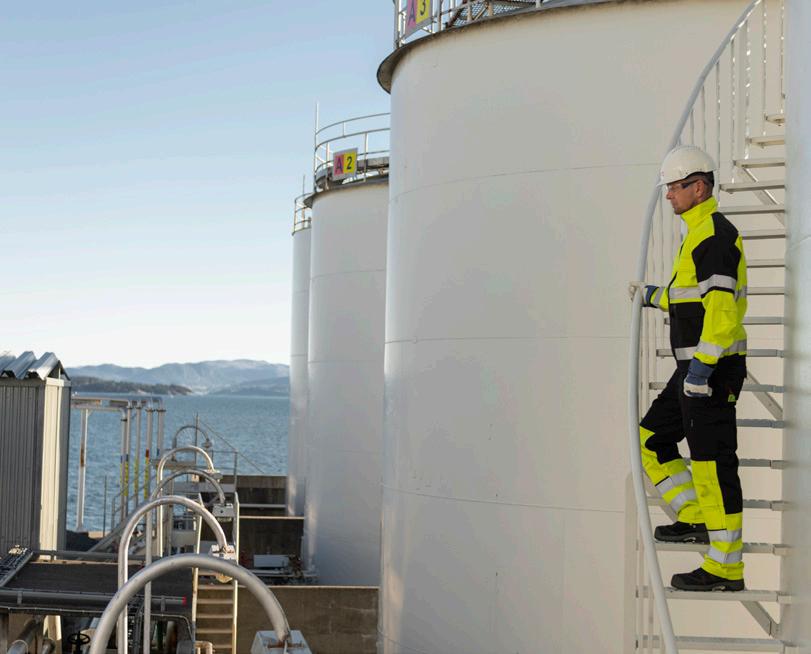
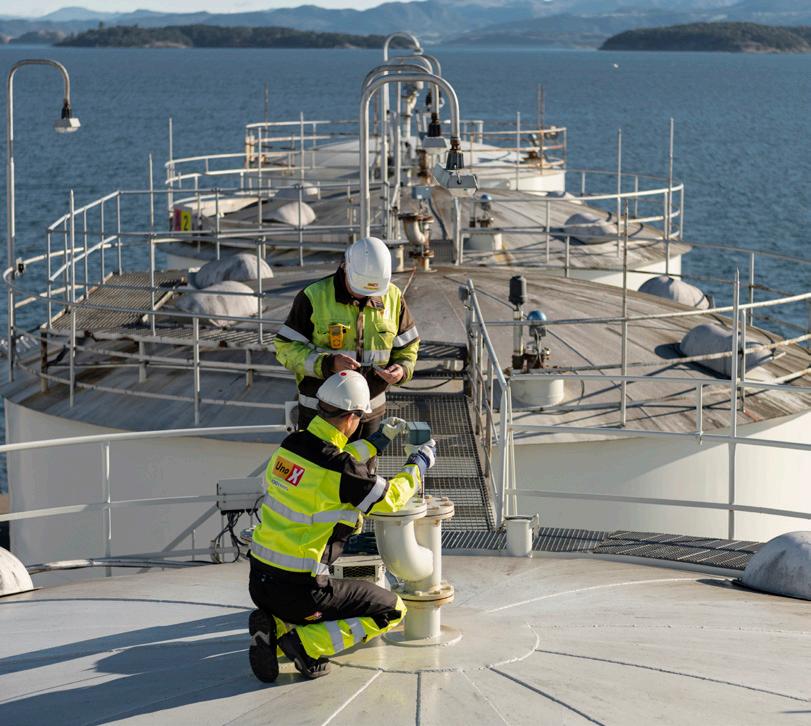
Pollution can have serious consequences for ecosystems, human health, and environmental quality. While our business model does not involve industrial processes typically associated with large-scale emissions of pollutants, Uno-X Mobility acknowledges our role in air pollution resulting from combustion of the liquid fuels we sell.
We do not currently have a dedicated policy on air pollution, but the topic is addressed through our broader environmental and climate-related work.
Our approach to pollution focuses on supporting the transition to low-emission road transport rather than directly reducing pollutant emissions. As air pollution from the combustion of sold liquid fuels occur outside the company’s own operations, Uno-X Mobility’s role is mainly to support the shift towards low-emission road transport through the development of EV charging infrastructure and the provision of charging services.
Pollution of air occurs downstream in the value chain and relates to air pollutants such as nitrogen oxides (NOx), sulphur oxides (SOx), and particulate matter (PM), which are released during end-use of fossil fuels by customers.

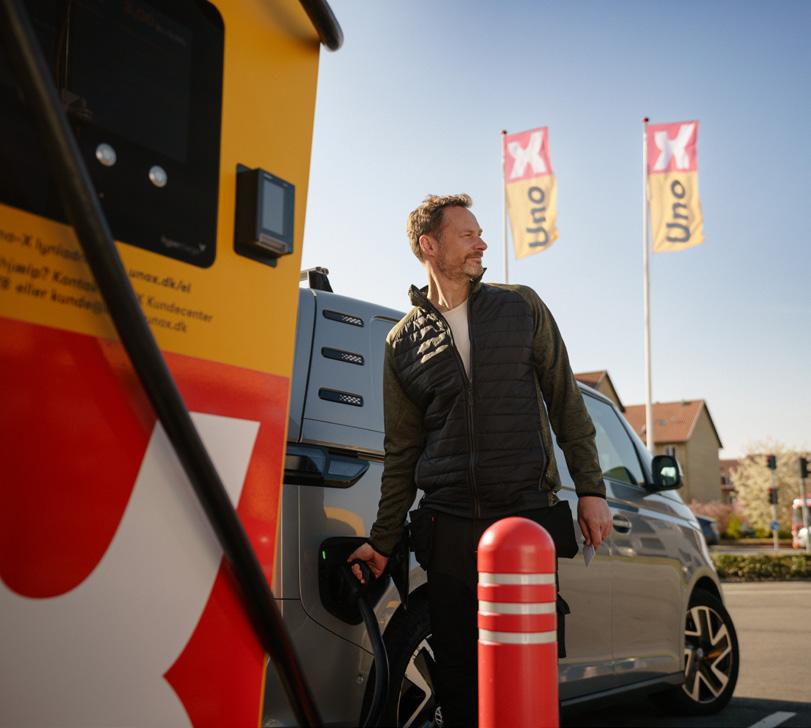
The key actions to reduce pollution are broadly the same as those described under action to mitigate climate change, as they all relate to phasing out fossil fuels in favour of other, more sustainable alternatives. Mainly, ongoing compliance with biofuel regulations reduces NOx and PM on volumes of liquid fuels sold in Norway and Demark, while investments in the expansion of EV charging infrastructure are expected to reduce air emissions as EVs gradually replaces fossil-fuelled vehicles.
Uno-X Mobility has not defined specific quantitative targets for reducing air pollution. However, our targets of increasing the renewable energy share sold for road transport to 30% by 2030, and the expansion of EV charging infrastructure, will contribute to reduced air pollution from the combustion of sold liquid fuels.
We have estimated the total emissions from combustion of fuels sold based on annual sales volumes. Calculations of air emissions are based on emission factors from Statistisk Sentralbyrå (SSB) and density data from Drivkraft Norge. The emissions are calculated on the assumption that all fuel sold from fuel stations is used by passenger cars and all fuel sold at truck stations is used for heavy-duty transport. To enable year-over-year analysis, 2022 has been used as the base year.
The decrease in these pollutants from 2024 is mainly due to lower volumes of liquid fuels sold. For SOx emissions specifically, the large changes are affected by the decreased sale of Marine Gas Oil (MGO) in Denmark which has significantly larger SOx emissions than other fuel types.
Estimated downstream air pollutant emissions from sold liquid fuels:
Efficient use of natural resources and circular management of materials are essential to reducing environmental pressure and supporting the transition to a low-carbon economy. While Uno-X Mobility does not engage in resource-intensive industrial production, we rely on technical infrastructure such as EV chargers, car wash equipment, liquid fuel pumps and building materials, which involve the use of materials and components with environmental impacts across their life cycle. Particularly the large investments in EV charging infrastructure makes the topic material. Our approach focuses on extending the useful life of assets, improving material efficiency in procurement, and collaborating with suppliers to enable reuse and recycling.
Actual negative impact:
Resource use and circularity in infrastructure and equipment
The company’s infrastructure and technical equipment depends on the use of construction materials and electronic components that may contribute to the depletion of natural resources. These impacts arise across the full life cycle, from procurement and installation to operation, maintenance, and end-of-life treatment.
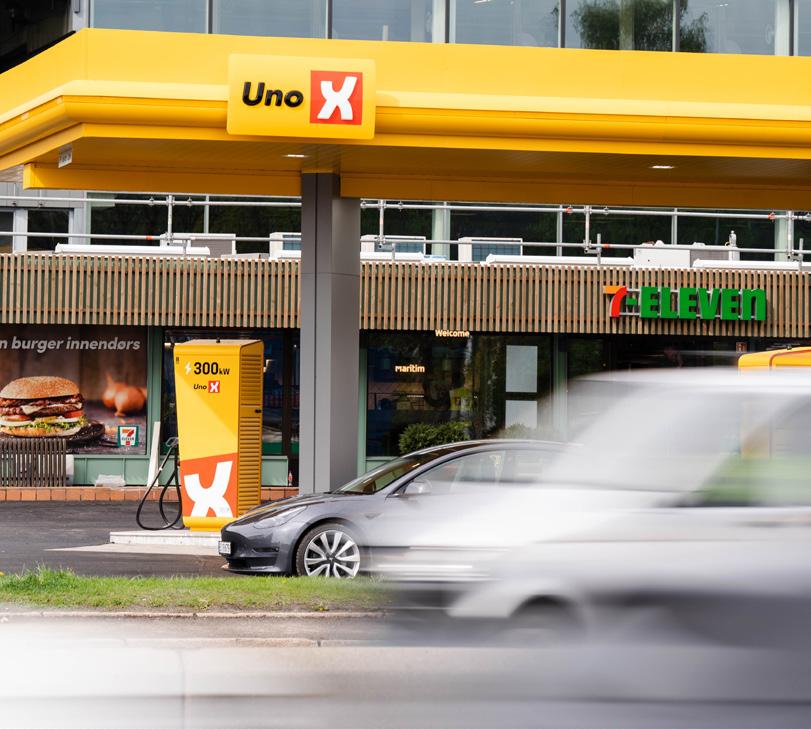
Policies related to resource use and circular economy
Policies and expectations related to resource use and circular economy are reflected in key governance documents and procurement practices. In each company, the managing director is responsible for implementation of the following policies:
• Reitan Retail Responsible Procurement Policy: Defines expectations for ethical and sustainable sourcing, with an emphasis on transparency, traceability and risk-based due diligence.
• Uno-X Mobility Supplier Code of Conduct: Requires suppliers to comply with applicable environmental legislation and promotes efficient and responsible use of resources, including energy and water. Suppliers are expected to minimise environmental harm and support responsible practices across the value chain.
Uno-X Mobility does not currently have a standalone policy dedicated specifically to resource use or circular economy. However, related principles are embedded in procurement routines, infrastructure planning and operational practices.
Actions and resources related to resource use and circular economy
Uno-X Mobility places strong emphasis on supplier selection, prioritising long equipment lifetimes, traceability in the supply chain and deliverability. Charger specifications are selected with future needs in mind, including higher power levels, to avoid premature replacement and the risk of stranded assets. While no specific time-bound actions have been taken apart from ongoing procurement of EV charging infrastructure, Uno-X Mobility’s approach to circularity is built on the following three pillars:
1. Responsible and future-ready supplier selection: Uno-X Mobility collaborates with selected EV charger suppliers whose products are designed for long lifetimes and include recyclable components. Supply chain traceability is a key criterion, particularly regarding critical materials and delivery capability. The focus on high-power chargers ensures the infrastructure can accommodate future demand, reducing the need for early replacement and avoiding stranded assets.
2. Reuse of existing infrastructure: Existing assets such as underground tanks, signage, and control systems are reused wherever technically and regulatorily feasible during upgrades and
conversion projects. Reuse decisions are based on technical standards, environmental requirements, and safety assessments. This reduces the need for new material inputs and minimises construction-related waste.
3. End-of-life treatment: Decommissioned technical equipment is handled in accordance with national regulations and, where relevant, through authorised waste contractors. This supports compliant waste handling and facilitates recycling where possible.
These pillars are integrated into procurement, infrastructure planning and operational practices.
Uno-X Mobility has not yet established specific quantitative metrics or targets related to resource use and circular economy.
Uno-X Mobility places strong emphasis on supplier selection, prioritising long equipment lifetimes, traceability in the supply chain and deliverability
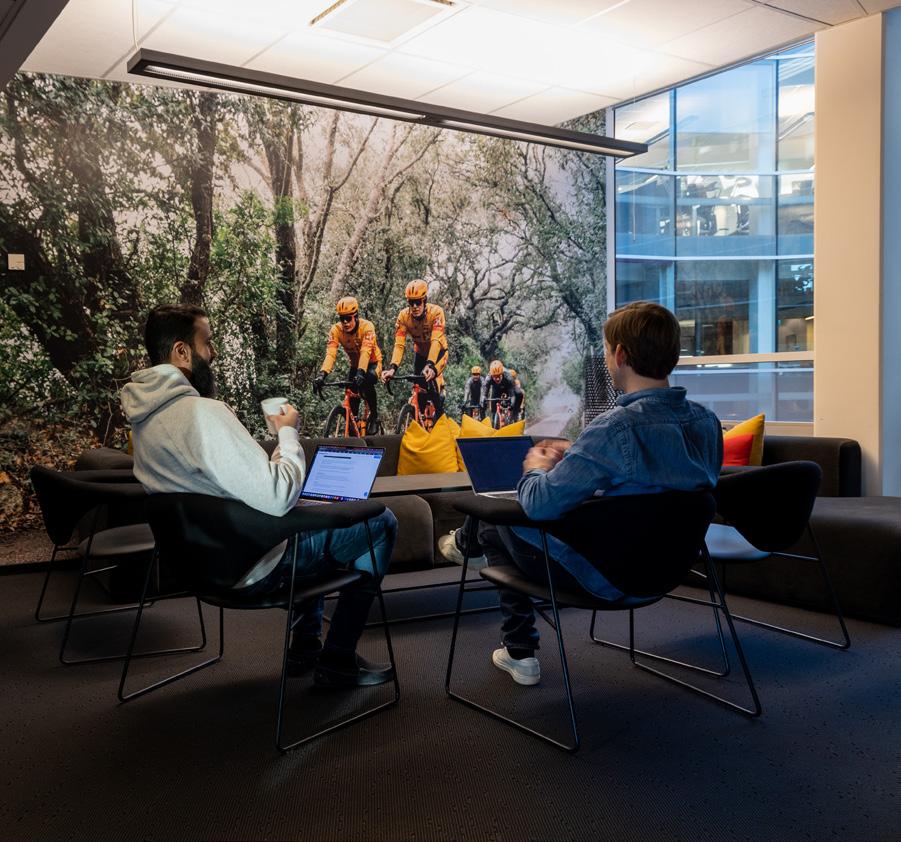
Our workforce is crucial to Uno-X Mobility’s ability to deliver on our mission to develop and promote solutions for future mobility. Our approach is rooted in the REITAN-mindset, with a strong belief in the individual, trust-based leadership and a values-driven culture where the distance between responsibility and action should be short. We aim to foster a workplace characterised by trust, clear expectations, equal opportunities and healthy relationships, where people are given the support and responsibility needed to grow and contribute. This includes promoting safe working conditions, employee well-being, development and engagement, while fostering an inclusive workplace where recruitment, training and career development are based on competence, personality and potential. Our approach is aligned with Reitan Retail’s broader ambitions related to equality, diversity and work-life balance.
Although Uno-X Mobility’s employees are primarily office-based, some employees also spend time at operational locations. Company employees are therefore exposed to occupational health and safety risks related to the operation of fuel locations, car wash facilities, EV charging locations and storage depots.
With established safety routines and management systems, the handling of liquid fuels and chemical substances still presents inherent risks to workers and the surrounding environment. Potential incidents include for example spills, fires, or exposure to hazardous substances, which may lead to work-related injuries or ill health.
Uno-X Mobility has the potential to generate positive social impact by promoting diversity and inclusion across our workforce. We aim to provide inclusive recruitment and development opportunities across roles with varying qualification requirements. Career development and talent programmes are designed to be inclusive and open to all employees.


Material impacts, risks and opportunities and their interaction with strategy and business model
Uno-X Mobility’s strategy and business model both shape and are shaped by material impacts, risks and opportunities related to our own workforce. Our own employees primarily work in administrative and support functions across the group’s operating companies, including Uno-X Mobility Cycling.
Our business model, particularly its focus on safety, shapes how we manage risks and opportunities for our own employees. In parallel, our workforce strategy, including inclusive recruitment and competence development, supports operational resilience and helps deliver our long-term business goals.
Diversity and equal opportunities are promoted through accessible recruitment practices, which aim to attract candidates from different backgrounds and education levels. Health and safety are also integrated into training, procurement, and infrastructure routines overseen by Uno-X Mobility personnel, ensuring safe working conditions for both employees and contractors.
Uno-X Mobility’s approach to managing impacts on our own workforce is rooted in the REITAN mindset, which forms the basis of the company’s culture, values and
ways of working. In practice, people-related principles and practices are developed and implemented within the operating companies and aligned with local regulations. The People Policy serves as a common document that summarises key principles and established practices across Uno-X Mobility’s operations in Norway and Denmark, including Uno-X Mobility Cycling. The approach is further supported by the Code of Conduct and occupational health and safety management systems. Local managing directors in the operating companies are responsible for ensuring that relevant principles and practises are implemented in their respective organisations, while the Code of Conduct is implemented as a binding standard across all entities.
The People Policy serves as a common summary of shared people-related principles and established practices across Uno-X Mobility’s operating companies. For the purpose of this policy, key commitments are grouped into four overarching principles relevant to Uno-X Mobility’s approach to workforce management:
• Recruitment: Fair, structured and inclusive hiring practices ensure equal opportunities, transparent employment terms, and alignment with our values. While role requirements vary across the business, recruitment is intended to be objective, transparent and based on relevant qualifications and experience.
• Training: Competence development is supported through a range of initiatives, including structured onboarding introducing the REITAN mindset and values, role-specific instruction, and leadership programmes.
• Communication: Internal dialogue is open, accessible and respectful, with defined behavioural expectations and appropriate channels for feedback and whistleblowing.
• Care: The policy places strong emphasis on employee health, safety, well-being, and inclusion. Systems are in place to prevent discrimination, harassment, and operational risks, including through preventive maintenance and emergency preparedness.
Uno-X Mobility’s policies and practices are informed by:
• The REITAN mindset
• Applicable local laws and regulations
• The UN Guiding Principles on Business and Human Rights
• The ILO Declaration on Fundamental Principles and Rights at Work
• The OECD Guidelines for Multinational Enterprises
As part of Reitan Retail, Uno-X Mobility follows a clear group-wide position on non-discrimination, diversity and inclusion applied across all business areas. At Uno-X Mobility, we promote an inclusive workplace and equal opportunities for all, regardless of gender, ethnicity, age, disability, religion, sexual orientation, or other protected characteristics. In line with this position, leaders are expected to foster inclusion and ensure equal opportunities in all recruitment and development processes.
Processes for engaging with own workforce and workers’ representatives about impacts
Uno-X Mobility’s operating companies in Norway and Denmark, as well as Uno-X Mobility Cycling, engage regularly with employees and their representatives to understand and address actual and potential impacts related to working conditions, inclusion, and health and safety.
Engagement takes place through both day-to-day dialogue and more formal structures, adapted to local legal requirements, established practices and organisational context, supported by a values-driven culture rooted in the REITAN mindset:
Operating companies: Employee dialogue takes place through day-to-day interaction, direct feedback channels and formal processes in line with
local legal requirements and established practices. In Norway, the annual Great Place to Work survey provides structured employee feedback, while in Denmark, statutory workplace assessments (arbejdspladsvurdering, “APV”) provide a formal basis for employee input.
Uno-X Mobility Cycling: Employee dialogue takes place through close day-to-day interaction, direct feedback and internal communication channels.
A third-party whistleblowing system is also available in relevant languages and allows anonymous reporting of concerns related to ethics, discrimination, and workplace behaviour. All reports are handled confidentially. The whistleblowing channel (described in Processes to remediate negative impacts and channels for value chain workers to raise concerns) allows for confidential and anonymous reporting of concerns, including discrimination, harassment, labour rights violations, or health and safety risks.
Employees are also encouraged to raise concerns through multiple informal and formal channels, including:
• Immediate supervisors/leaders
• Local HR departments
• Elected employee representatives
• Safety delegates for health and safety issues
Responsibility for employee engagement processes lies with the managing director of each operating company, supported by HR and line management. Input from employee engagement is used to improve workplace practices, including onboarding, leadership development, and safety culture.
Processes to remediate negative impacts and channels for own workforce to raise concerns
Processes are in place for employees to raise concerns and for relevant workforce-related matters to be followed up. Reported matters are handled in line with internal procedures and with due consideration for confidentiality and fair handling. Where relevant, measures may be taken to address the issue and support appropriate follow-up. Uno-X Mobility seeks to ensure that employees can raise concerns in good faith without adverse consequences.
Effectiveness is monitored through:
• Tracking of case volume and categories
• Internal reporting to leadership
Where relevant, follow-up dialogue may take place with those involved, and lessons learned may inform updates to practices, training or internal guidance
Taking action on material impacts on own workforce, and approaches to managing material risks and pursuing material opportunities related to own workforce, and effectiveness of those actions
Workforce-related impacts at Uno-X Mobility are mainly addressed through management systems and day-to-day routines. Diversity and equal opportunities and occupational health and safety are integrated into people management and operational activities, with ongoing improvements driven by feedback, surveys, certifications and systematic follow-up.
Diversity and equal opportunities – ongoing actions:
• Integration of equal opportunity principles into recruitment, onboarding and leadership practices
• Continuous follow-up of employee feedback through surveys and dialogue
• Use of survey results and workplace assessments to identify and address improvement areas
Environment, health and safety (EHS) – ongoing actions:
• Application of ISO-certified management systems and documented procedures where relevant
• Ongoing risk assessments, training and updates to safety documentation
• Emergency preparedness drills and site-specific protocols
• Systematic handling of incidents, near misses and deviations reports to drive preventive improvements
Professional cycling is a high-performance sport that carries inherent risks. Despite positive developments at international cycling governing body (UCI), race organiser and team level to improve safety standards, it is not possible to eliminate the risks associated with competition and training. Managing these risks in a structured and transparent manner is therefore a key priority for the team.
A central responsibility of the medical team is the systematic recording and monitoring of illness and injury data throughout the season. In 2024, we collaborated with Queen’s University Belfast, where a PhD researcher conducted an independent analysis of our data prior to publication. The findings were published in the British Journal of Sports Medicine, making Uno-X Mobility the first professional cycling team to publicly disclose comprehensive illness and injury data for an entire season.
This initiative has contributed to increased awareness and transparency within the sport. Following our publication, the UCI has initiated a project to collect and publish comparable health data across professional cycling.
Diversity and equal opportunities and occupational health and safety are integrated into people management and operational activities, with ongoing improvements driven by feedback, surveys, certifications and systematic follow-up
Resources and coordination
Responsibility for managing workforce-related impacts is integrated into relevant functions, including HR, operations and EHS, with overall follow-up by the leadership teams in each operating company. Dedicated EHS managers in both Norway and Denmark support safety work across storage depots and mobility locations. Training, documentation and monitoring support consistent practices, legal compliance and ongoing improvement.
Targets related to managing material negative impacts, advancing positive impacts, and managing material risks and opportunities
Uno-X Mobility has defined targets to reduce material negative impacts and enhance positive impacts. These targets are aligned with Reitan Retail’s groupwide sustainability goals and integrated into our annual planning and performance processes.
Occupational health and safety
To address operational safety at mobility locations offering fuel, EV charging, car wash, and at storage depots, we aim to:
• Maintain zero harm to people across all operations.
Diversity and equal opportunities
To strengthen inclusion and advance equal opportunities, we aim to:
• Achieve a stable gender balance of 40–60% across the organisation within 2030.
The targets are operationalised by local leadership teams in Norway and Denmark. Insights are used to track progress, identify barriers, and inform local action planning. Where relevant, adjustments to recruitment, onboarding, training, or safety procedures are made to ensure alignment with targets and improve outcomes over time.
As of year-end 2025, Uno-X Mobility employed a total of 284 employees across operations in Norway and Denmark, and Uno-X Mobility Cycling. Employee characteristics are given by headcount as of 31.12.2025.
• Contract type: The majority of employees hold permanent contracts. Temporary contracts are primarily used to meet short-term operational needs, such as seasonal work or project-based tasks.
• Working hours: Most roles are full-time. Part-time employment is used to a very limited extent.
• Employment status: Employees are mainly directly employed by Uno-X Mobility’s legal entities. We do not rely on agency workers in core operations.
The adjusted employee turnover excludes the cycling team, as this part of the business differs significantly from the rest of Uno-X Mobility and naturally has higher turnover, which would otherwise inflate the figures. In addition, the adjusted 2024 numbers exclude employees from the Ipart facility that was shut down in 2024, resulting in a one-off effect of 44 employees leaving the company.
We aim to maintain zero harm to people across all operations
Diversity metrics
Uno-X Mobility operates in a sector historically characterised as male-dominated and recognises the importance of improving gender balance and promoting diversity across our workforce.
The number of key management personnel includes roles with significant financial or strategic impact on the company, regardless of whether they involve people management responsibilities.
Health and safety metrics
We track and follow up on all work-related injuries across our operations, including the Uno-X Mobility Cycling team. All employees, including those working in operating companies in Norway and Denmark and the cycling team, are covered by a health and safety management system (100%). The system is tailored to the specific employee group, so that it fits their health and safety risks. Uno-X Mobility Norge AS maintains annual ISO 9001 certification for the fuel storage depot operations. Additionally, Uno-X Smøreolje AS in Norway and Uno-X Smøreolie AS in Denmark are certified under both ISO 9001 and ISO 14001.
The tables on this page show the health and safety metrics for the operating companies in Norway and Denmark. As the cycling team faces different health
and safety risks and are covered by a different system, the health and safety performance metrics are treated separately.
We track and follow up on all work-related injuries across our operations, including the Uno-X Mobility Cycling team
In 2025, the overall injury burden was 1.72 injuries per athlete per year for the women’s team, with a mean time-loss of 5.9 days. For the men’s team, the corresponding figures were 0.98 injuries per athlete per year and a mean time-loss of 2.7 days.
It should be noted that the women’s team data includes one severe injury resulting in several months of absence from training and competition, which significantly influences the average time-loss figure.
Injury data includes both operational incidents and athletic injuries sustained by professional cyclists, all of whom are employed by Uno-X Mobility Cycling AS. These are reported together to ensure completeness, but are disaggregated for clarity, as the nature of risk and preventive measures differ significantly between operational and athletic contexts.
Uno-X Mobility does not currently report systematically on gender pay gap. An overarching principle is that pay levels should reflect responsibility and role, regardless of gender.
We did not identify or receive any substantiated complaints related to human rights or labour rights violations within our own workforce in 2025.

Uno-X Mobility rely on a wide network of suppliers, contractors, and service providers across our operations in Norway and Denmark. While most business relationships are concentrated in low-risk contexts, parts of the value chain, particularly in fossil fuel sourcing, may involve risks to workers’ rights and working conditions.
Uno-X Mobility’s value chain includes workers in logistics, transport, storage, distribution and supplier value chains related to fossil fuels, biofuels and infrastructure such as EV chargers. In parts of these value chains, there may be risks related to working conditions, fair treatment and human rights. These may include health and safety, insecure employment arrangements, long working hours, limited social protection, discrimination and inadequate wages. In some supply chains, there may also be a risk of more serious labour rights violations. The impacts identified are primarily systemic and reflect broader industry and geographic conditions.
Contracted and subcontracted workers performing installation, maintenance and servicing at Uno-X Mobility’s fuel locations, EV charging locations, car wash facilities and storage depots may be exposed to occupational health and safety risks. These may include exposure to liquid fuels, chemicals, high-voltage equipment and moving vehicles. The risks are mainly linked to technical and operational work carried out on-site and are addressed through safety procedures, supplier requirements and preventive maintenance.
This section outlines our approach to managing impacts on non-employees in our upstream and downstream value chain, including governance, grievance mechanisms, and progress towards responsible sourcing practices.
Material impacts, risks and opportunities and their interaction with strategy and business model
The production of fossil fuels, biofuels, EV chargers and electricity takes place in supplier value chains, where workers are employed by suppliers, not by Uno-X Mobility. In addition, the company relies on suppliers and contractors for the operation and maintenance of its locations and infrastructure.
Fossil fuels are sourced from suppliers in generally lower-risk regions, including the North Sea region and Europe. During 2025, Uno-X Mobility received more detailed supplier information regarding the origin of the crude oil underlying its fossil fuel supply. This has strengthened the basis for the company’s assessment of value chain risks and risk levels in the fossil fuel supply chain. Biofuels may involve complex and often international value chains. Information on origin is available in line with regulatory requirements. EV chargers consist of a range of components and may also involve complex value chains, while electricity for EV charging is procured separately and supported by Guarantees of Origin. Uno-X Mobility also engages suppliers and contractors for construction, maintenance and other technical services at retail and charging locations, and at storage depots.
Affected value chain workers include:
• Operations and maintenance (O&M) partners working at Uno-X Mobility locations, subject to relevant health and safety requirements and routines in each country
• Contractors involved in construction, upgrades and technical maintenance at fuel and EV charging locations, car wash facilities, as well as storage depots
• Workers in the supply chain for fossil fuels and biofuels, EV chargers and other infrastructure components and various chemicals
Potentially vulnerable groups across these categories may include migrant workers and subcontracted labour. The impacts identified are primarily systemic, reflecting conditions in broader industries and geographies rather than direct incidents linked to Uno-X Mobility.
Uno-X Mobility’s approach to managing impacts on workers in the value chain is based on Reitan Retail’s Responsible Procurement Policy, Uno-X Mobility’s
Supplier Code of Conduct, and Uno-X Mobility’s HighRisk Commodities Policy. Together, these documents set expectations related to human rights, labour standards, health and safety, and ethical business conduct. In each company, the managing director is
responsible for implementation of these policies.
This Reitan Retail group-level policy sets out the overall principles for responsible sourcing. It requires risk-based due diligence, supplier assessments and follow-up measures to prevent, reduce and address negative impacts on workers’ rights. The policy is aligned with the OECD Guidelines for Multinational Enterprises and supports compliance with the Norwegian Transparency Act. It applies across supplier relationships.
Uno-X Mobility’s Supplier Code of Conduct is based on Reitan Retail’s Responsible Procurement Policy. It sets minimum ethical and legal requirements related to areas such as forced labour, child labour, working hours, freedom of association and non-discrimination. It is included in selected supplier agreements and applies across geographies and sectors.
This policy sets specific expectations for sourcing of fossil fuels, biofuels, lubricants and chemicals. These categories are considered higher risk due to potential exposure to human rights issues, health and safety risks, and environmental harm. The policy requires enhanced due diligence for relevant suppliers.
Processes for engaging with value chain workers about impacts
Uno-X Mobility engages with value chain workers through suppliers and service providers, and with contracted workers performing tasks at our own locations.
Indirect engagement takes place through supplier onboarding, risk assessments, contract reviews and follow-up dialogue as part of our due diligence processes. These activities are intended to identify and address actual and potential adverse impacts on value chain workers, particularly in higher-risk areas such as logistics, subcontracted services, fuel- related supply chains and EV-related procurement. More information on this process can be found under Management of relationships with suppliers . Responsibility for implementing and following up compliance in these processes lies with the head of procurement in each company, supported by the procurement function. Relevant insights are escalated to senior management when material risks are identified.
In addition, Uno-X Mobility has direct contact with contracted workers performing work at the company’s locations, such as maintenance, technical services and infrastructure-related work. Work carried out at Uno-X Mobility’s locations is subject to relevant health and safety requirements and routines.
These engagement practices form part of the company’s broader responsible sourcing and health and safety work and support ongoing monitoring and follow-up where needed.
Processes to remediate negative impacts and channels for value chain workers to raise concerns Key suppliers are contractually required to comply with Uno-X Mobility’s SCoC, which includes expectations related to fair working conditions, health and safety, and human rights. In cases of alleged breaches, we engage with the supplier to investigate the issue, request documentation, and agree on corrective actions. Where necessary, we may escalate the matter within the supplier organisation, require independent audits, or as a last resort discontinue the business relationship. For high-risk commodities, additional due diligence and follow-up measures are applied, as outlined in our HighRisk Commodities Policy.
To assess the effectiveness of these measures, we follow up on agreed actions and verify implementation where possible, particularly for high-risk cases.
Whistleblowing and grievance channels
Uno-X Mobility’s formal third-party whistleblowing channel is accessible via our public website and is intended for use by our own workforce, suppliers, and other stakeholders. This includes value chain workers,
who may report concerns anonymously. The channel is managed by an independent third party to ensure impartiality and confidentiality.
In addition, we encourage suppliers to maintain accessible workplace-level grievance mechanisms, particularly in high-risk sectors. We assess the existence of such channels as part of supplier onboarding and monitoring.
The whistleblowing channel is governed by a strict non-retaliation policy, and we are committed to continuously improving accessibility and awareness of grievance mechanisms among affected stakeholders.
and pursuing material opportunities related
Uno-X Mobility’s approach to managing risks and impacts is grounded in human rights due diligence. This includes supplier screening, ESG assessments, onboarding criteria and follow-up mechanisms intended to identify and address actual or potential adverse impacts on workers in the value chain. These processes are informed by supplier data, regulatory standards, industry benchmarks and insights from stakeholder engagement.
Action Status 2025
Implementation of the High-Risk Commodities Policy
Implementation of the EcoVadis platform
Expected impact and scope Time horizon
Strengthened due diligence for suppliers of fossil fuels, biofuels, lubricants, and chemicals, including risk screening and enhanced follow-up. Targeted risk mitigation in highimpact supply chains. Focused on upstream procurement. 2025
Sustainability performance assessments covering labour practices, human rights, environment, and ethics applied to all suppliers. More efficient riskbased insight into supplier practices, enabling prioritisation of follow-up. 2025
and monitoring
The effectiveness of actions is monitored through supplier follow-up, contract compliance and performance reviews. Risk exposure and supplier performance are followed up through tools such as EcoVadis. Resources used in this work include procurement and sustainability personnel, digital systems and due diligence tools.
Targets related to managing material negative impacts, advancing positive impacts, and managing material risks and opportunities
Uno-X Mobility’s target of zero harm to own workforce also extents to O&M workers working at our locations. In 2025, no incidents to O&M workers working at our locations where recorded (zero in 2024).
For other value chain workers, supplier risks mapping has been strengthen through the integration of the supplier portfolio into the EcoVadis platform. This coverage includes all Tier 1 suppliers across operations in Norway and Denmark and provides a basis for future follow-up and target-setting. Current supplier risk data provides a starting point for tracking trends and prioritising action on material topics such as working conditions, occupational health and safety, and human rights.
Uno-X Mobility uses supplier risk scores and follow-up outcomes as credible proxies for the perspectives of value chain workers. These insights help guide prioritisation and supplier engagement and can be used to inform target-setting going forward. Performance against these emerging targets will be tracked through the EcoVadis platform and lessons learned will be used to refine our approach.
In 2025, Uno-X Mobility updated its supplier risk assessment methodology by introducing EcoVadis as a tool to support ESG screening and follow-up. This replaced the 2024 approach, which relied mainly on internal risk mapping and document reviews, and introduced a more standardised, externally benchmarked assessment across environment, labour and human rights, ethics, and sustainable procurement. As a result, supplier risk classifications in 2025 are more granular and data-driven and are not directly comparable with 2024 figures due to the change in methodology.
All active suppliers were assessed during the year, resulting in 100% coverage of the supplier base.
Operating in a tightly regulated sector with global and complex supply chains, responsible business conduct is a core part of how Uno X Mobility runs its business and creates value.
Actual
At Uno-X Mobility we foster a strong ethical culture across our operations, rooted in the REITAN mindset and supported by a clear CoC, accessible training, and values-based leadership. These measures help promote integrity, fairness, and responsible decision-making throughout the organisation. By embedding ethical and valuesbased expectations into daily operations, we reduce the risk of misconduct and strengthens employee trust, stakeholder relationships, and long-term organisational resilience.

Uno-X Mobility operates within a large and complex global supply chain, where limited transparency and traceability in certain segments may hinder effective oversight. Without sufficient due diligence, there is a risk of non-compliance with responsible sourcing standards and potential linkage to adverse social or environmental impacts, such as labour rights violations or unsustainable practices, including deforestation, high lifecycle emissions, or harmful land-use change.
Uno-X Mobility actively participate in industry associations and public policy forums at national and EU levels to support the development of low-emission and more sustainable road transport. By engaging on topics such as renewable fuels, access to electricity and grid capacity, and tariff structures suitable for charging, particularly for heavy-duty vehicles, we aim to contribute to fact-based policymaking. In addition to industry dialogue, we collaborate with non-_governmental organisations such as ZERO in Norway to strengthen our approach to climate action and responsible sourcing.
Operating within complex global supply chains, particularly in liquid fuel trading and procurement, exposes us to the risk of corruption and bribery. Such practices may occur in interactions with suppliers, intermediaries, or third parties, especially in higher-risk jurisdictions. If not properly mitigated, these risks can lead to unethical conduct, legal violations, and loss of stakeholder trust.
Business conduct policies and corporate culture
Our ethical commitments are anchored in our Code of Conduct (CoC), applicable to all employees and representatives of the company, and guided by the REITAN mindset.
The CoC outlines clear expectations related to anti-corruption, fair competition, conflict of interest, responsible use of data, and respectful workplace behaviour. It is actively promoted through mandatory onboarding and internal communication, ensuring that ethical principles are embedded into daily operations.
To support transparency and accountability, we maintain a third-party whistleblower mechanism, described in Processes for engaging with value chain workers about impacts. This channel accommodates reporting from both internal and external stakeholders.
Beyond whistleblowing, we follow an internal procedure to handle business conduct incidents, including allegations of corruption or bribery. Responsibility for handling such matters lies with relevant management, and cases are escalated as necessary.
Uno-X Mobility’s anti-corruption commitments are aligned with international frameworks, including the
United Nations Convention against Corruption, and are implemented in internal practices and supplier requirements.
To promote responsible conduct beyond our own operations, we apply a Supplier Code of Conduct (SCoC) covering international standards on human rights, environmental protection, and anti-corruption. This is reinforced by Reitan Retail’s Responsible Procurement Policy, which provides a common framework of our due diligence practices.
As outlined in Workers in the Value Chain, potential impacts in the supply chain are an inherent risk Uno-X Mobility faces as part of our operations. As such, supplier due diligence is integrated into purchasing and supplier management routines across all operations. All employees involved in procurement or supplier relations follow a standardised procedure that includes pre-qualification, risk categorisation, and ongoing evaluation.
All new suppliers undergo an initial screening in EcoVadis IQ prior to onboarding. Based on their sector and country risk profiles, suppliers identified as elevated risk are required to complete the EcoVadis “Vitals” questionnaire as part of an enhanced due diligence process. This assessment
covers 21 criteria across four key areas: Environment, Labour & Human Rights, Ethics, and Sustainable Procurement, and requires the submission of supporting documentation. The results are used to inform approval decisions and determine whether the supplier may be accepted, requires risk mitigation measures, or whether an alternative supplier should be considered. For suppliers deemed critical to our operations, the more comprehensive EcoVadis “Ratings” assessment may be used. This involves a detailed evaluation of the supplier’s sustainability performance across the same four areas, carried out by qualified EcoVadis analysts.
By implementing EcoVadis, we have established a consistent framework for assessing ESG risks and following up supplier improvements over time. This complements our ongoing compliance efforts under the Transparency Act, including documentation review, targeted due diligence, and direct follow-up with suppliers identified through our annual risk assessment.
Uno-X Mobility has zero tolerance for corruption and bribery. In 2025, we maintained our anti-corruption practices to address integrity risks associated with procurement, fuel sourcing, and partnerships, particularly in complex supply chains and crossborder transactions.
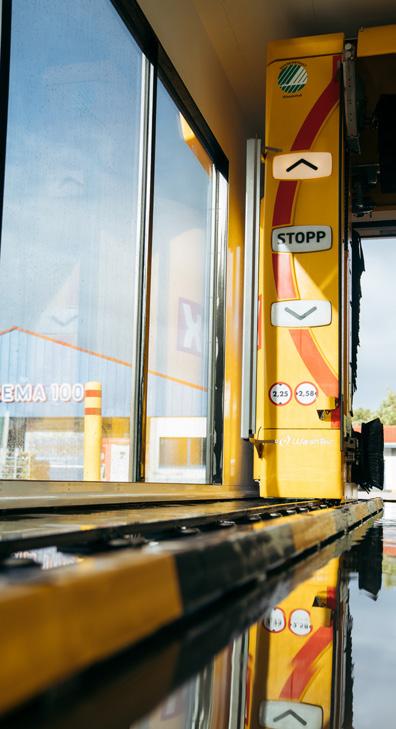
Our approach is grounded in:
• Uno-X Mobility’s CoC, based on the REITAN mindset, which outlines expected behaviour for all employees and explicitly prohibits all forms of corruption, bribery, facilitation payments, and conflicts of interest
• SCoC, requiring key suppliers and third parties to adhere to similar anti-corruption standards
• Reitan Retail’s Responsible Procurement Policy, which supports risk-based due diligence and integrity screening in supplier relationships
• The Uno-X Mobility High-Risk Commodities Policy that defines enhanced due diligence requirements for suppliers of fuels, lubricants, biofuels, and associated chemicals
This is followed up through integrity screening of suppliers and business partners, including compliance checks during onboarding and renewal processes. The third-party whistleblower mechanism also allows for confidential reporting of concerns related to corruption or misconduct.
Findings from investigations are reported to senior management or escalated to the board where appropriate, ensuring oversight and accountability.
In 2025, zero confirmed incidents of corruption or bribery across operations in Norway and Denmark were recorded. There were no convictions or fines related to violations of anti-bribery or corruption laws during the reporting period.
No breaches of internal anti-corruption conduct were identified, and no disciplinary actions, contract terminations, or legal proceedings were initiated or concluded in relation to corruption or bribery.
Uno-X Mobility contributes to public policy discussions related to the transition to low-emission road transport. The input focuses on framework conditions that affect our operations and customers, including renewable fuel requirements and EV charging infrastructure.
Our main channel for policy dialogue is through industry associations. In 2025, we participated in established sector forums in Norway and Denmark, including:
• Drivkraft Norge and Grønt Landtransportprogram
• Drivkraft Danmark and Mobility Denmark
Through these forums, we contribute to joint,
sector-wide input on national energy and mobility policies. In addition, we engage in limited, transparent dialogue with public authorities when relevant to our operations, typically on the implementation and practical impacts of regulation. Our input primarily relates to:
• Predictable and effective regulation for renewable fuels, including sustainability criteria
• Reducing barriers to the roll-out of ultrafast EV charging for both passenger vehicles and heavyduty transport
• Sector dialogue on ETS21, through our participation in relevant industry associations
Our engagement is governed by internal procedures designed to ensure alignment with our values, legal compliance and transparency. We do not make financial contributions to political parties, candidates or election campaigns in any country where we operate.
Our engagement is governed by internal procedures designed to ensure alignment with our values, legal compliance and transparency
1
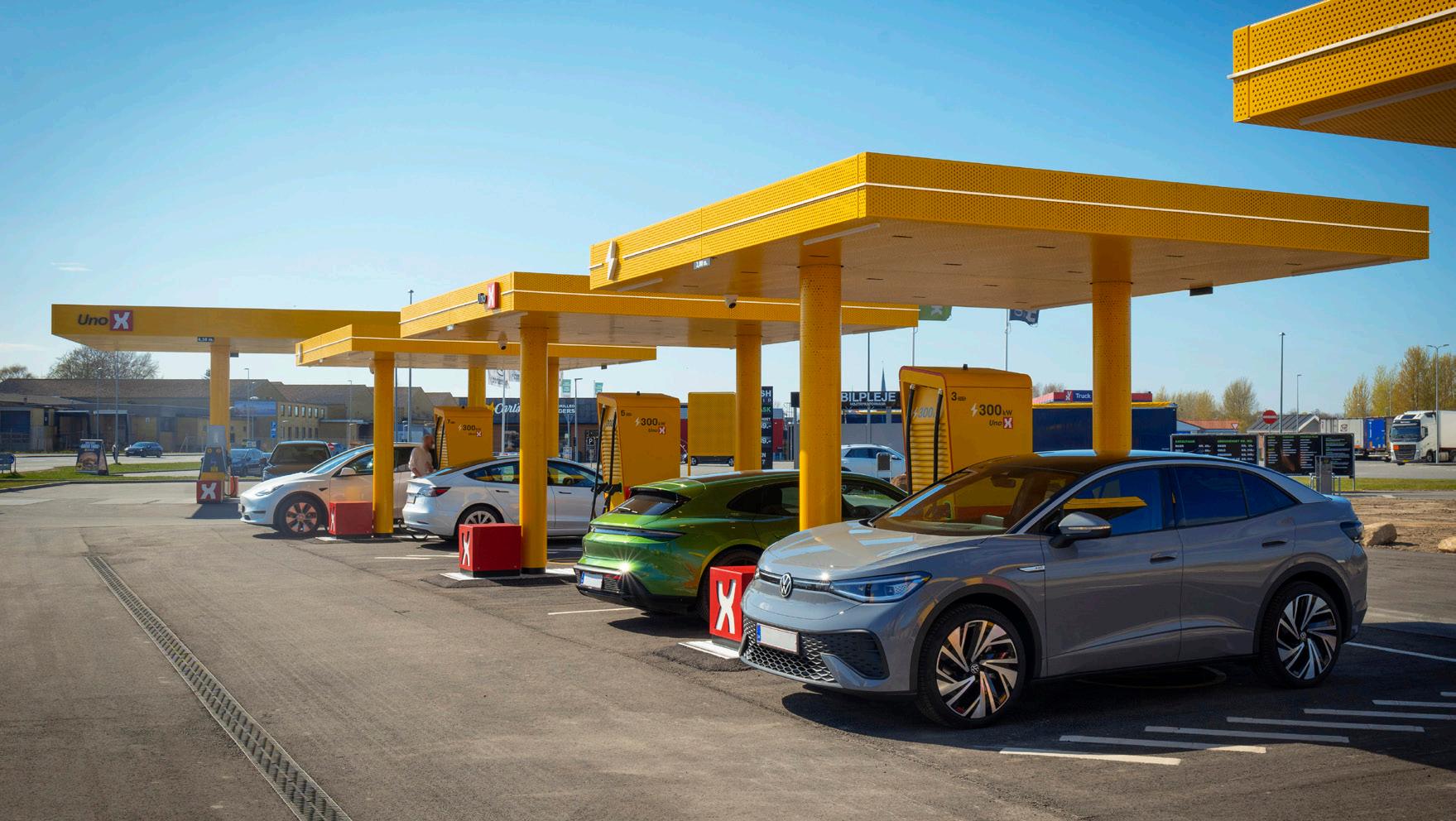
Note 3 – Financial risk management
Uno-X Mobility is a group consisting of the trade companies Uno-X Mobility (Norway and Denmark) and Uno-X Smøreolje (Norway and Denmark).
The parent company, Uno-X Mobility AS is registered and domiciled in Norway, and its head office is located in Oslo. Uno-X Mobility AS is 100 percent owned by Reitan Retail AS. Odd Reitan Private Holding AS is the group’s ultimate parent company. Reitan Retail AS’ head office is located in Oslo. Uno-X Mobility AS is included in the consolidated financial statements of Reitan Retail AS.
Note 2 – Accounting policies
The principal accounting policies applied in the preparation of these consolidated financial statements are set out in the respective notes more general principles are discussed below. These policies have been consistently applied to all the years presented, unless otherwise stated.
2.1 Basis of preparation
The consolidated financial statements of Uno-X Mobility AS have been prepared in accordance with IFRS® Accounting Standards as issued by the International Accounting Standards Board (IASB) and endorsed by the EU, and the additional requirements of the Norwegian Accounting Act, effective on December 31, 2025
The consolidated financial statements are prepared under the historical cost convention, as modified by the revaluation of land and buildings, financial assets and financial liabilities (including derivative instruments) at fair value through profit or loss.
The preparation of financial statements in conformity with IFRS requires the use of estimates. Furthermore, the application of accounting principles requires management to exercise judgment. The areas involving a higher degree of judgment or complexity, or areas where assumptions and estimates are significant to the consolidated financial statements are disclosed in Note 4 - Critical accounting estimates and judgments
The consolidated financial statements are prepared under the going concern assumption.
2.2 Consolidation
2.2.a Subsidiaries
Subsidiaries are all entities (including structured entities) over which the group has control. The group controls an entity when the group is exposed to, or has rights to, variable returns from its involvement with the entity and has the ability to affect those returns through its power over the entity. Subsidiaries are fully consolidated from the date on which control is transferred to the group. They are deconsolidated from the date that control ceases.
2.2.b Associates
Associates are companies in which the group has significant influence but not control. Significant influence normally exists where the group has between 20 and 50 percent of the voting rights. Investments in associates are included using the equity method.
2.3 Foreign currency translation
Items included in the financial statements of each of the group’s entities are measured using the currency of the primary economic environment in which the entity operates (‘the functional currency’). The consolidated financial statements are presented in Norwegian krone (NOK), which is the group’s presentation currency.
Foreign currency transactions are translated into the functional currency using the exchange rates prevailing at the dates of the transactions or valuation where items are re-measured. Foreign exchange gains and losses resulting from the settlement of such transactions and from the translation at year-end exchange rates of monetary assets and liabilities denominated in foreign currencies are recognised in the income statement. Foreign exchange gains and losses that relate to working capital are classified as operating profit/loss. Currency items related to financing activities are included in net financial income (expenses).
37 Note 1 – General information
The consolidated financial statements of Uno-X Mobility AS were approved by the company’s Board of Directors on 5 May 2026.
2.4 New and amended standards adopted by the group
Uno-X Mobility has applied the following standards and amendments for the first time for its annual reporting period commencing January 1, 2024:
• Amendments to IAS 1, “Classifications of Liabilities as Current or Noncurrent” and “Non-current Liabilities with Covenants”
• Amendments to IFRS 16, “Lease Liability in a Sale and Leaseback”
• Amendments to IAS 7 and IFRS 7, “Supplier Finance Arrangement”
These amendments do not have a significant impact on the group’s consolidated financial statements
2.5 New standards and amendments to / interpretations of existing standards that are not yet effective and not have been early adopted by the group
IFRS 18 Presentation and Disclosure in Financial Statements was issued in April 2024, replacing IAS 1 Presentation of Financial Statements. IFRS 18 introduces new requirements for presentation within the statement of profit or loss, including specified totals and subtotals. Furthermore, entities are required to classify all income and expenses within the statement of profit or loss into one of five categories: operating, investing, financing, income taxes and discontinued operations, whereof the first three are new. The standard requires disclosure of management-defined performance measures, subtotals of income and expenses, and it also includes new requirements for aggregation and disaggregation of financial information. The standard will be effective on January 1, 2027.
Identified impacts on Uno-X Mobility’s financial statements so far from IFRS 18 are, as follows:
• Share of profit of an associate and a joint venture will be classified in the investing category within the statement of profit or loss
• Foreign exchange differences will be classified in the category where the related income and expense from the item giving rise to the foreign exchange difference is classified.
• A new disclosure for management-defined performance measures will be added to the financial statement
Further impacts will be disclosed as the implementation project progresses.
The group has its core operations in the market for sale, distribution and marketing of petroleum products.
The group’s activities involve various financial risks: market risk (including currency risk, fair value interest risk, floating interest risk and price risk), credit risk and liquidity risk. The group’s overall risk management plan focuses on the capital markets’ unpredictability and represents an attempt to minimize potential negative effects on the group’s financial performance. The board of directors approves the principles for overall risk management, and provides guidelines for specific areas such as currency risk, credit risk, use of financial derivatives and use of surplus cash.
3.1 Market risk
3.1.a Currency risk
The major part of the group’s operations is located in Scandinavia, and the group is exposed to currency risk in several currencies. This risk is particularly related to Danish kroner. Currency risk arises from future trading transactions, assets and liabilities recognised in the balance sheet, and net investments in international operations. This risk is still limited, as our operational units mainly have their income and cost and keep their accounts in local currency. The group has investments in foreign subsidiaries, where net assets are exposed to currency risk in foreign currency translation. We try to limit this exposure by ensuring an overall debt portfolio composition that to the greatest possible extent is adapted to the individual currency’s and country’s relative importance in the group’s activities.
The effect of a 10 percent change against the Norwegian krone is shown in the table below. The effects are calculated on the basis of the group’s net assets (liabilities) in each currency at 31 December 2025.
Balance sheet items in currency -10% + 10%
Currency gain (loss) -18 18
Effect on equity -183 183
3.1.b Price risk
The prices of oil products follow an international market. Because of turnover in stock, we are exposed to price changes. It is company policy not to hedge against such changes. This can have a significant impact on the individual annual accounts.
Our products are subject to price changes due to fluctuations in the international market and strong price competition in our market. With close monitoring and frequent list price changes in line with cost developments, we have managed to keep our margins at a satisfactory level.
3.1.c Interest risk
Since the group has no major interest-bearing assets, its profits and cash flows from operating activities are mainly independent of fluctuations in the market interest rates.
The group’s interest risk is related to borrowings, lending and bank deposits. Loans with floating interest represent an interest risk for the group’s cash flow. The effects are calculated on the basis of the group’s net interest bearing receivables (liabilities) at 31 December 2025.
Interest -5%-point +5%-point
Effect on interest income -7 7
Effect on equity -5 5
3.2 Credit risk
Historically, defaults and losses on accounts receivables have been low in the Scandinavian market. However, the group also has a considerable turnover relating to customers. In such cases, we perform a thorough analysis of the credit quality of new customers, and corresponding routines have been implemented for assessment of existing customer relations. A certain credit risk also arises from committed transactions with customers and derivatives and deposits with financial institutions. Counterparties in derivative contracts and financial deposits are limited to financial institutions with high creditworthiness.
3.3 Liquidity risk
The group operates in a market with high turnover. Cash flows are high and relatively stable, but volatile within a week/month. The group manages its liquidity risk by ensuring a sufficient amount of cash in combination with sufficient headroom on its undrawn borrowing facilities.
Management monitors the group’s liquidity reserves (consisting of various borrowing facilities (note 25 and cash (note 21)) through rolling forecasts based on expected cash flow. Management follows its liquidity reserves separately for each main currency (NOK and DKK).
The table below specifies the group’s borrowings into relevant maturity groups based on the remaining period at the balance sheet date to the contractual maturity date. The amounts disclosed in the table are the contractual undiscounted cash flows. Balances with less than 12 months maturity equal the balance sheet amounts, as the discounting effect is insignificant.
31 December 2025 <1 yr 1-2 yr
3.4 Risk related to financing and capital structure
The group’s ambition regarding financing and capital structure is based on REITAN’s value principle no. 3: “We shall be debt-free.” This entails that the parent company should be debt-free, while the group seeks an optimal business solution within the framework of appropriate risk management.
This value principle is operationalised by the board of directors in REITAN, who has established decision rules for each individual business area. The decision rules define the scope for financing alternatives and capital structure. The decision rule for Uno-X is that its debt should not exceed 1.5 times EBITDA. Financing is resolved within each individual business area, as long as the capital structure is within the scope defined by the decision rules.
The board is authorised to approve arrangements beyond the decision rules for each business area.
In order to improve capital structure, the group may adjust its investment level, exploit available credit facilities, sell financial investments or adjust the amount of dividend paid to shareholders.
Gearing ratios, expressed as net borrowings divided by total assets and as net borrowings divided by EBITDA before FIFO, are shown in the table below.
3.5 Assessment of fair value
The fair value of financial instruments traded in active markets (such as securities available for sale or held for trading purposes) is based on quoted market prices at the balance sheet date. The quoted market price for financial assets is the current bid price. For financial liabilities, the current sales price is used.
The fair value of financial instruments that are not traded in an active market is determined by using valuation techniques. The group utilises various methods and makes assumptions based on the prevailing market conditions at the balance sheet date. For ong-term liabilities, quoted prices
for the actual instrument or for a similar instrument are used. Other techniques, such as the discounted value of future cash flow, are used to determine the fair value of other financial instruments. The fair value of nterest rate swaps is calculated as the present value of the estimated future cash flows.
The accounting value of accounts receivable and payable is assumed to equal the fair value of these items. The fair value of financial liabilities (calculated for note purposes) is estimated by discounting future contractual cash flows with the group’s alternative market interest for similar financial instruments.
Estimates and judgments are continually evaluated and are based on historical experience and other factors, including expectations of future events that are believed to be reasonable under the circumstances.
4.1 Critical accounting estimates and assumptions
The group makes estimates and assumptions concerning the future. The resulting accounting estimates will, by definition, seldom equal the related actual results. The estimates and assumptions that have a significant risk of causing a material adjustment to the carrying amounts of assets and liabilities within the next financial year are addressed below
4.1.a Environmental liabilities
The group purchases, stores and sells products based on petroleum. We have introduced routines to ensure regular environmental inspections, in order to assess costs incurred for environmental restoration and handling our environmental liability.
Every year, the group calculates environmental restoration liabilities. The calculations make use of accumulated knowledge and specific information for each service station, e.g. age, number of tanks, and a specific assessment of the stations’ environmenta conditions and environment factors such as distance to sources of drinking water. These estimates are uncertain average judgments of expenses and time of settlement. External experts assist to various degree in the calculation of these estimates
See also note 24.
4.1.b Asset retirement obligations
The group has in some cases assumed a liability to reestablish properties/locations used for energy activities to its original condition when the activities at a service station cease. When entering such contracts, a liability corresponding to the present value of expected reestablishment costs is entered in the accounts. Similarly, the cost of the right of use asset is increased and depreciated over the expected lease period. The estimate, which is recognized in the balance sheet as a liability and an asset, is continuously object for revaluation.
The present value of the reestablishment cost is determined by considering all assumptions and uncertain estimates which are included in the present value of expected reestablishment cost. These include the asset’s economic life, cost of reestablishment, discount rate and rate of inflation.
See also note 24.
4.1.c Leases
The group has a significant number of leases that are recognised in the balance sheet. In accordance with IFRS 16 - Leases, assessments must be made of the rental period, discount rate and recognition of any option periods. The assessments involve a considerable degree of estimates and assumptions, and these may be different from the actual future rental conditions.
See also note 15 and note 27
39
Note 5 - Segment reporting - geographical
Note 9 - Salaries and personnel costs
and
For defined contribution plans, the group pays contributions to
expense when they are due.
or
A defined benefit plans typically define an amount of pension benefit that an employee will receive on retirement, usually dependent on one or more factors such as age, years of service and compensation. In addition to funded defined benefit plans funded through insurance companies, the group also has unfunded pension liabilities covered by operations.
The liability recognised in the balance sheet in respect of defined benefit pension plans is the present value of the defined benefit obligation at the end of the reporting period less the fair value of plan assets. The defined benefit obligation is calculated annually by independent actuaries using the projected unit credit method. Actuarial gains and losses arising from experience adjustments and changes in actuarial assumptions are charge d or credited to equity in other comprehensive income in the period in which they arise
Both the Norwegian and the Danish subsidiaries have mainly defined contribution plans.
As at 31 December 2025 the group has defined contribution
in
and
members. Uno-X Mobility in Norway is obligated to provide an occupational pension scheme in accordance with the Mandatory Occupational Pension Act. The company’s pension scheme satisfies the requirements of the Act.
Key management compensation
Key management personnel, also referred to as the executive management team, comprise the chief executive officer of Uno X Mo bility, Vegar Kulset; the chief financial officer of Uno X Mobility, Thomas Bakke; the chief sustainability officer and chief communications officer of Uno X Mobility, Torild Bråthen; the chief development officer of Uno X Mobility, Bo Bendixen; the managing director of Uno X Mobility Danmark and Uno-X Smøreolie, Elo Andersen; and the managing director of Uno X Mobility Norge and Uno-X Smøreolje, Thor Kristian Korsvold
The table below outlines the compensation paid to key management personnel (excl. CEO) for 2025
The CEO is entitled to severance pay equal to twelve months of the annual base salary from the expiry of the notice period. A ny severance pay entitlement is conditional upon the CEO waiving the employee protection rights under local law and is applied in situations where the resignation is requested by the company. The CEO’s own resignation will not trigger severance payment, and the severance payment is also forfeited in cases of summary dismissal from the company.
The group has not paid any remuneration to the Board of Directors in 2025 (NOK 0.0 million in 2024). The Chairman has no other bonus or special compensation on termination of office.
As of 31 December 2025, there are no loans to executives, directors, shareholders or related parties.
The group has not provided any guarantees on behalf of executives, directors, shareholders or related parties. There has not been any significant purchase or sale of goods or services between group companies and executives, directors, s hareholders or related parties.
Fees to auditors
Note 12 – Income tax
The tax expense for the period comprises current and deferred tax. The current income tax charge is calculated on the basis of the tax laws enacted or substantively enacted at the balance shee date in the countries where the company and its subsidiaries operate and generate taxable income. Deferred income tax is recognised on temporary
is not accounted for if it
from
or
in a transaction
business combination that at the time of the transaction affects neither accounting nor taxable profit or loss. Deferred income tax is determined using tax rates (and laws) that have been enacted or substantively enacted by the balance sheet date and are expected to apply when the related deferred income tax asset is realised or the deferred income tax liability is settled.
Deferred income tax assets are recognised only to the extent that it is probable that future taxable profit will be available against which the temporary differences can be utilised.
Deferred income tax assets and liabilities are offset when there is a legally enforceable right to offset current tax assets against current tax liabilities and when the deferred income taxes assets and liabilities relate to income taxes levied by the same taxation authority on either the
and tax payable
Goodwill
Goodwill arises on the acquisition of subsidiaries and represents the excess of the consideration transferred over the group’s interest in net fair value of the net identifiable assets, liabilities and contingent liabilities of the acquiree at the time of acquisition.
For the purpose of impairment testing, goodwill acquired in a business combination is allocated to each of the CGUs, or groups of CGUs, that is expected to benefit from the synergies of the combination.
Goodwill impairment reviews are undertaken annually or more frequently if events or changes in circumstances indicate a poten tial impairment. The carrying value of goodwill is compared to the recoverable amount, which is the higher of value in use and the fair value less costs to sell. Any impairment is recognised immediately as an expense and is not subsequently reversed
Software and rights
Separately acquired software and rights are shown at historical cost. software and rights are acquired in a business combination are recognised at fair value at the acquisition date. Software and rights have a finite useful life and are carried at cost less accumulated amortisation. Amortisation is calculated using the straight-line method to allocate the cost of software and rights are over their estimated useful lives of 4 - 5 years
Impairment of non-financial assets
Assets that have an indefinite useful life – for example, goodwill or intangible assets not ready to use – are not subject to amortisation and are tested annually for impairment. Assets that are subject to amortisation are reviewed for impairment whenever events or changes in circumstances indicate that the carrying amount may not be recoverable
An impairment loss is recognised for the amount by which the asset’s carrying amount exceeds its recoverable amount. The recoverable amount is the higher of an asset’s fair value less costs to sell and value in use. For the purposes of assessing impairment assets are grouped at the lowest levels for which there are separately identifiable cash flows (cash-generating units). Non-financial assets other than goodwill that suffered impairment are reviewed for possible reversal of the impairment at each reporting date
Property, plant and equipment is stated at historical cost less depreciation and impairment. Historical cost includes expendi ture that is directly attributable to the acquisition of the items.
Subsequent costs are included in the asset’s carrying amount or recognised as a separate asset, as appropriate, only when it is probable that future economic benefits associated with the item will flow to the group and the cost of the item can be measured reliably. All other repairs and maintenance are charged to the income statement during the financial period in which they are incurred.
The asset retirement obligation is recognised as part of the acquisition cost of the asset. The estimate may be changed as a result of renewed judgment. Such changes are recognised as an increase or reduction of the asset’s carrying amount. If the reduction is greater than the asset’s carrying amount, the excess amount will be recognised in profit and loss. If the carrying amount is increased, the company will consider whether his is an indication of impairment according to IAS 36.
Land is not depreciated. Depreciation on other assets is calculated using the straight-line method to allocate their cost or revalued amounts to their residual values over their estimated useful lives, as follows:
Buildings 10-25 years
Fuel pumps and tanks – fuel stations 5-25 years
Fixtures - fuel stations 5-10 years
Equipment - charging stations 5-15 years
Fixtures - charging stations 20 years
Vehicles 5-18 years
Furniture, fittings and equipment 3-5 years
IT-eqipment 3-5 years
The assets’ residual values and useful lives are reviewed, and adjusted if appropriate, at the end of each reporting period. An asset’s carrying amount is written down immediately to its recoverable amount if the asset’s carrying amount is greater than its estimated recoverable amount.
Gains and losses on disposals are determined by comparing the proceeds with the carrying amount and are recognised within ‘Net other gains (losses)’ in the income statement.
The group has no restrictions on property, plant and equipment. Fixtures includes fuel-pumps and tanks at the stations.
The group has not recognised any significant impairments in 2025 or 2024.
Note 15 – Right-of-use assets - continued
Right-of-use assets
The group measures the right-of-use asset at cost, less any accumulated depreciation and impairment losses, adjusted for any remeasurement of lease liabilities The cost of the right-of-use asset comprise:
• The amount of the initial measurement of the lease liability recognised
• Any lease payments made at or before the commencement date, less any incentives received
• Any initia direct costs incurred by the group. An estimate of the costs to be incurred by the group in dismantling and removing the underlying asset, restoring the site on which it is located or restoring the underlying asset to the condition required by the terms and condit ions of the lease, unless those costs are incurred to produce inventories.
The group applies the depreciation requirements in IAS 16 Property, Plant and Equipment in depreciating the right-of-use asset, except that the right-of-use asset is depreciated from the commencement date to the earlier of the lease term and the remaining useful life of the right-of-use asset.
The Group applies IAS 36 Impairment of Assets to determine whether the right-of-use asset is impaired and to account for any impairment loss identified
Recognition of leases and exemptions
At the lease commencement date, the group recognises a lease liability and corresponding right-of-use asset for all lease agreements in which it is the lessee, except for the following exemptions applied:
• Short-term leases (defined as 12 months or less)
• Low value assets
For these leases,
Firstcycling
None of the group's associated companies are listed.
Summarised financial information for the associated companies
Interests in joint operations
The
Lubricants
Ipart ApS Hammel, Denmark
Trade and other receivables are adjusted for provision for impairment in accordance with the expected credit
for
receivables,
group uses its historical experience, individual assessments and forwardlooking information. Impairment for
consolidated statement of profit or loss and updated at each reporting date
Note 19 – Trade and other receivables -
osses is recognised in
Note 21 – Cash
Asset retirement obligations includes the obligation to return property and land to its original condition by the
Environmental
includes expenses related to the removal of contaminants that have arised as a result of operations in Uno-X.
Borrowings are recognised initially at fair value, net of transaction costs incurred. Borrowings are subsequently carried at amortised cost; any difference between the proceeds (net of transaction costs) and the redemption value is recognised in the income statement over the period of the borrowings using the effective interest method.
Fees paid on the establishment of loan facilities are recognised as transaction costs of the loan to the extent that it is probable that some or all of the facility will be drawn down. In this case, the fee is deferred until the draw-down occurs. To the extent there is no evidence that it is probable that some or all of the facility will be drawn down, the fee is capitalised as a pre-payment for liquidity services and amortised over the period of the facility to which it relates.
Borrowings are classified as current liabilities unless the group has an unconditional right to defer settlement of the liability for at least 12 months from the balance sheet date.
The parent company has the following loan agreements as of 31 December 2025
Working capital and facility agreement
Uno-X Mobility AS and DNB entered into a credit and corporate account agreement in 2010 with collateral in subsidiaries, receivab les and inventories, the latter limited to Norwegian subsidiaries only. The agreement includes an overdraft facility of NOK 1‚400 million, limited to a percentage of the group’s outstanding receivables and the Norwegian companies’ inventories. The parent company is the owner of the facility. The group’ s net deposits (borrowings) are presented in the parent company’s accounts.
Subsidiaries’ deposits (drawing) are presented as deposits (receivables) for the parent company. The amount as of 31 December 2025 is included in Note 25 – Borrowings under ”Bank overdrafts – current assets”.
All subsidiaries are members of the credit and corporate account agreement and have provided an on -demand guarantee as collateral for Uno-X Mobility AS and its obligations according to the working capital facility agreement.
The following financial covenants apply to the credit facility in Uno-X Mobility:
Time of measuring
Equity share are measured excluding IFRS 16 leases. EBITDA is adjusted for IFRS 16 lease payments. During 2025 Uno-X Mobility AS was in compliance with these covenants.
exposure of the group's
to interest rate changes and the contractual re-pricing dates at the end of the reporting period are as
The financial covenants for receivables/debt (working capital ratio) are reported monthly. Other covenants are reported quarterly.
During 2025 and 2024 Uno-X Mobility AS was in compliance with these covenants, and there is significant headroom also going forward
The lease liability is recognised at the commencement date of the lease. The group measures the lease liability at the present value of the lease payments for the right-to-use the underlying asset during the lease term that are not paid at the commencement date. The lease term represents the non-cancellable period of the lease, together with periods covered by an option either to extend or to terminate the lease when the group is reasonably certain to exercise this option.
The lease payments included in the measurement comprise of:
• Fixed lease payments (including in-substance fixed payments), less any lease incentives receivable
• Variable lease payments that depend on an index or a rate, initially measured using the index or rate as at the commencement date
• Amount expected to be payable by the group under residual value guarantees
• The exercise price of a purchase option, if the group is reasonably certain to exercise that option
• Payments of penalties for terminating the lease, if the lease term reflects the group exercising an option to terminate the lease.
The lease liability is subsequently measured by increasing the carrying amount to reflect interest on the lease liability, reducing the carrying amount to reflect the lease payments made and remeasuring the carrying amount to reflect any reassessment or le ase modifications, or to reflect adjustments in lease payments due to an adjustment in an index or rate.
The group does not include variable lease payments in the lease liability. Instead, the group recognises these variable lease expenses in profit or loss.
The discount rate used to calculate the present value of future rental payments is the lease's implicit interest rate, if available. The lease's implicit interest rate is not available for most of the group's eases. In such cases, the lessees marginal loan rate is used, which consists of a base rate and a credit premium. The base rate is a market rate based on a combination of the tenant's home country and the term of the lease. The term is ass igned to one of three maturity intervals, either 1-5 years, 5-10 years or over 10 years. Interest rates of 2, 4 and 10 years are used for the three intervals respectively. Credit premiums correspond to market credit premiums for companies with similar credit ratings as tenants. Credit rating is determined through individual credit assessment of the individual tenant. Interest expenses related to the lease obligations are recognized as a separate line in the income statement. The group presents its lease liabilities as separate line items in the statement of financial position.
Note
Note 30 - Trade and other payables
Uno-X Mobility has some leases with subsidiaries of Reitan Eiendom and REMA 1000. Following the implementation of IFRS 16, the cost of leases recognised is presented as depreciation of the right of use asset and as interest expense on the lease liability. The following categories of leases with related parties has been identified.
• Uno-X Mobility Norge AS leases land for some self-service stations and storage facilities from subsidiaries of Reitan Eiendom and REMA 1000 Norge with a total rental payment in 2025 of NOK 70 million (2024 NOK 79 million). The agreements have a total lease liability as of 31 December 2025 of NOK 74 million (2024 NOK 331million).
• Uno-X Mobility Danmark A/S leases land for some self-service stations from REMA 1000 Denmark with a total rental payment in 2025 of NOK 42 million (2024 NOK 36 million). The agreements have a total lease liability as of 31 December 2025 of NOK 136 million (2024 NOK 139 million).
• During 2025, a number of lease agreements previously held by Reitan Convenience as sublessor were transferred to Uno-X Mobility Norge AS. Consequently, the amount of lease agreements with related parties recognised in the balance sheet has been significant ly reduced.
Balance sheet at 31 December - equity and liabilities
Balance sheet at 31 December – equity and liabilities
Statement of changes in equity
Statement of changes in equity
Uno-X Mobility AS is the group’s parent company. The separate financial statements of Uno-X Mobility AS (the parent company) have been prepared in accordance with the simplified IFRS pursuant to the Norwegian Accounting Act, section 3-9, subsection 5 (“Regulations on simplified use of international accounting standard”) issued by the Norwegian Ministry of Finance on February 7, 2022
Applying the simplified version of IFRS to the parent company accounts means that valuation rules and accounting policies applied in the consolidated accounts also apply to the parent company, Uno-X Mobility AS. See the group accounting policies for further information. A simplified application of IFRS enables the financial statements and note information to accord with the Accounting Act. The financial statements and notes for the parent company have been organised in accordance with the Accounting Act, with the exception of the comprehensive income statement, which follows IFRS.
Note 2 - Total
Note 3 - Salaries and personnel costs
group contributions in accordance with other provisions of the Act. This means that any dividends and group contributions given or received by the parent company are entered in the accounts the year before the decision to give or receive such dividend or group contribution is made. This also applies to any tax effects relating to such transactions.
Note 5 - Net financial items
As of 31 December 2025, the parent company had 5 active members in its plan (4 as of 31 December 2024). The parent company’s pension costs in 2025 were NOK 3 million (NOK 1 million in 2024). The company’s net pension liability at 31 December 2025 was NOK 0 million (NOK 5 million as of 31 December 2024). Uno-X Mobility AS is obligated to provide an occupational pension sheme in accordance with the
The company’s pension scheme satisfy the requirements of the Act.
management
The CEO is entitled to severance pay equal to twelve months of the annual base salary from the expiry of the notice period. A ny severance pay entitlement is conditional upon the CEO waiving the employee protection rights under local law and is applied in situations where the resignation is requested by the company. The CEO’s own resignation will not trigger severance payment, and the severance payment is also forfeited in cases o summary dismissal from the company.
Reconciliation of Norwegian nominal statutory tax rate to effective tax rate
The group has not paid any remuneration to the Board of Directors in 2025 (NOK 0.0 million in 2024). The Chairman has no othe bonus or special compensation on termination of office.
As of 31 December 2025 there are no loans or guarantees to executives, directors, shareholders or related parties, nor as at 31 December 2024. Fees to auditors
The parent company had audit fees of NOK 1.1 million exclusive of VAT in 2025 (NOK 0.9 million in 2024).
The parent company has the following loan agreements as of 31 December 2025: Working capital and facility agreement
Uno-X Mobility AS and DNB entered into a credit and corporate account agreement in 2010 with collateral in subsidiaries, receivab les and inventories, the latter limited to Norwegian subsidiaries only. The agreement includes an overdraft facility of NOK 1‚400 million, limited to a percentage of the group’s outstanding receivables and the Norwegian companies’ inventories. The parent company is the owner of the facility. The group’ s net deposits (borrowings) are presented in the parent company’s accounts. Unused credit facilities are at floating rates and mature within a year. Subsidiaries’ deposits (drawing) is presented as deposits (receivables) for the parent company.
All subsidiaries are members of the credit and corporate account agreement and have provided an on -demand guarentee as collateral for Uno-X Mobil ty AS and its obligations according to the working capital facility agreement.
The following financial covenants apply to the credit facility in Uno-X Mobility:

Opinion
We have audited the financial statements of Uno-X Mobility AS, which comprise:
• the financial statements of the parent company Uno-X Mobility AS (the Company), which comprise the balance sheet as at 31 December 2025, the income statement, comprehensive income, statement of changes in equity and statement of cash flow for the year then ended, and notes to the financial statements, including a summary of significant accounting policies, and
• the consolidated financial statements of Uno-X Mobility AS and its subsidiaries (the Group), which comprise the balance sheet as at 31 December 2025, the comprehensive income statement, statement of changes in equity and statement of cash flow for the year then ended, and notes to the financial statements, including material accounting policy information.
In our opinion
• the financial statements comply with applicable statutory requirements,
• the financial statements give a true and fair view of the financial position of the Company as at 31 December 2025, and its financial performance and its cash flows for the year then ended in accordance with simplified application of international accounting standards according to section 3-9 of the Norwegian Accounting Act, and
• the consolidated financial statements give a true and fair view of the financial position of the Group as at 31 December 2025, and its financial performance and its cash flows for the year then ended in accordance with IFRS Accounting Standards as adopted by the EU.
Basis for Opinion
We conducted our audit in accordance with International Standards on Auditing (ISAs). Our responsibilities under those standards are further described in the Auditor’s Responsibilities for the Audit of the Financial Statements section of our report. We are independent of the Company and the Group as required by relevant laws and regulations in Norway and the International Ethics Standards Board for Accountants’ International Code of Ethics for Professional Accountants (including International Independence Standards) (IESBA Code), and we have fulfilled our other ethical responsibilities in accordance with these requirements. We believe that the audit evidence we have obtained is sufficient and appropriate to provide a basis for our opinion.
Other Information
The Board of Directors and the Managing Director (management) are responsible for the information in the Board of Directors’ report and the other information accompanying the financial statements. The other information comprises information in the annual eport, but does not include the financial statements and our auditor’s report thereon. Our opinion on the financial statements does not cover the information in the Board of Directors’ report nor the other information accompanying the financial statements.
Based on our knowledge obtained in the audit, it is our opinion that the Board of Directors’ report
• is consistent with the financial statements and
• contains the information required by applicable statutory requirements.
Responsibilities of Management for the Financial Statements
Management is responsible for the preparation of financial statements of the Company that give a true and fair view in accordance with simplified application of international accounting standards according to the Norwegian Accounting Act section 3-9, and for the preparation of the consolidated financial statements of the Group that give a true and fair view in accordance with IFRS Accounting Standards as adopted by the EU. Management is responsible for such internal control as management determines is necessary to enable the preparation of financial statements that are free from material misstatement, whether due to fraud or error.
In preparing the financial statements, management is responsible for assessing the Company’s and the Group’s ability to continue as a going concern, disclosing, as applicable, matters related to going concern and using the going concern basis of accounting unless management either intends to liquidate the Group or to cease operations, or has no realistic alternative but to do so.
Auditor’s Responsibilities for the Audit of the Financial Statements
Our objectives are to obtain reasonable assurance about whether the financial statements as a whole are free from material misstatement, whether due to fraud or error, and to issue an auditor’s report that includes our opinion. Reasonable assurance is a high level of assurance, but is not a guarantee that an audit conducted in accordance with ISAs will always detect a material misstatement when it exists. Misstatements can arise from fraud or error and are considered material if, individually or in aggregate, they could reasonably be expected to influence the economic decisions of users taken on the basis of these financial statements. For further description of Auditor’s Responsibilities for the Audit of the Financial Statements reference is made to: https://revisorforeningen.no/revisjonsberetninger
Oslo, 5 May 2026
PricewaterhouseCoopers AS
State Authorised Public Accountant
In connection with our audit of the financial statements, our responsibility is to read the Board of Directors’ report and the other information accompanying the financial statements. The purpose is to consider if there is material inconsistency between the Board of Directors’ report and the other information accompanying the financial statements and the financial statements or our knowledge obtained in the audit, or whether the Board of Directors’ report and the other information accompanying the financial statements otherwise appear to be materially misstated. We are required to report if there is a material misstatement in the Board of Directors’ report or the other information accompanying the financial statements. We have nothing to report in this regard. 2 2
Gladengveien 2
0661 Oslo
© Copyright Uno-X Mobility AS 2026
Norway
Uno-X Mobility
Gladengveien 2
N-0661 Oslo unoxmobility.com
Uno-X Mobility Norge
Gladengveien 2
N-0661 Oslo unox.no
Uno-X Smøreolje
Gladengveien 2
N-0661 Oslo olje.unox.no
Uno-X Mobility Cycling
Gladengveien 2
N-0661 Oslo unoxteam.com
Denmark
Uno-X Mobility Danmark
Buddingevej 195
DK- 2860 Søborg unoxmobility.dk
Uno-X Smøreolie
Buddingevej 195
DK- 2860 Søborg lube.unox.dk