unLTD APRIL 26 Connecting business across Sheffield City Region #97
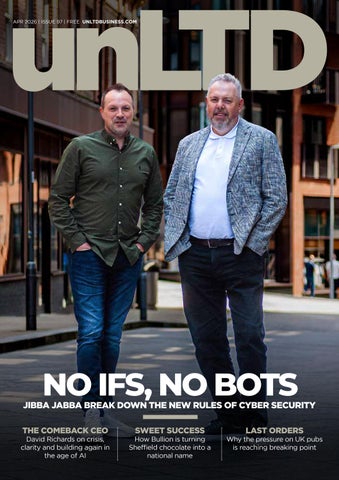
JIBBA JABBA BREAK DOWN THE NEW RULES OF CYBER SECURITY
THE COMEBACK CEO
David Richards on crisis, clarity and building again in the age of AI
SWEET SUCCESS
How Bullion is turning Sheffield chocolate into a national name
LAST ORDERS
Why the pressure on UK pubs is reaching breaking point
2 COURSE
SUNDAY - THURSDAY
Here’s
what our customers say
Simoda have been brilliant for us. They’re not like the usual IT support companies - really approachable, easy to talk to, and their support is never a hassle to use. Everything just feels smoother with them. Would happily recommend to anyone.” “
Contents
Hello, and welcome to the April issue of unLTD Business Mag.
In keeping with spring’s sense of fresh energy and momentum (it's amazing what a few extra hours of light can do for the soul), it’s been anything but a quiet news month since we last spoke. The announcement that Sheffield has been longlisted for UK City of Culture dovetailed nicely with news of a planned £45m revamp of the Crucible Theatre. It means snooker will be staying home, while bigger audiences will be able to enjoy the world-class productions on our doorstep. You can read more on that, along with the other key developments, in our Agenda section.
Turning to the local business scene, I grabbed a coffee with IT experts Jibba Jabba to hear how AI – along with a whole raft of incoming legislation – has fundamentally changed the cyber security game, and why businesses need to be aware. Get yourselves up to speed by flicking over to the cover feature on page 26.
From phishing to pints, we settled into the Dog & Partridge snug (a personal favourite) to hear from landlord Conor Smith about the pressures facing pubs across the country, and why your local could be the next to close if something doesn’t change soon. A sobering thought indeed.
Elsewhere, we speak to entrepreneurs building a chocolate empire, hear from MBE-recognised tech founders on scaling billion-pound businesses and meet young racing talent with ambitions of reaching Formula 1.
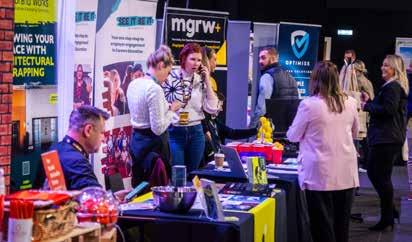
We also have a few additional details confirmed for our upcoming business expo at Magna. I'd recommend getting your stand booked in early as it’s shaping up to be a busy one.
Enjoy the issue, and we will be back with you in May.
CONTENTS
26: NO IFS, NO BOTS
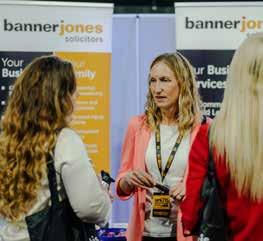
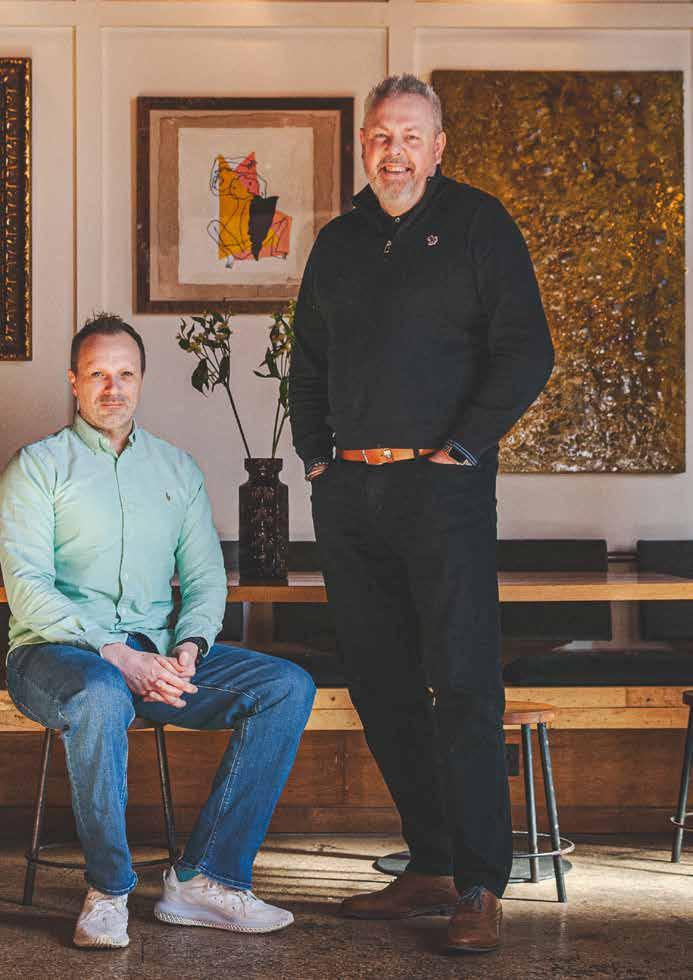
Cyber just got (even more) serious. With AI changing the lansdcape and government-led regulation incoming to ensure businesses are properly protected, Jibba Jabba’s Ash Harris and Rich Davies sat down with unLTD to talk us through the latest developments and the importance of getting up to speed before it’s too late.
22: THE INSIDE TRACK
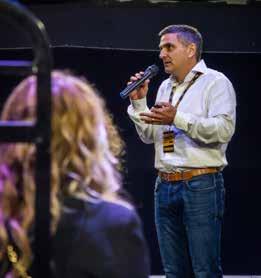
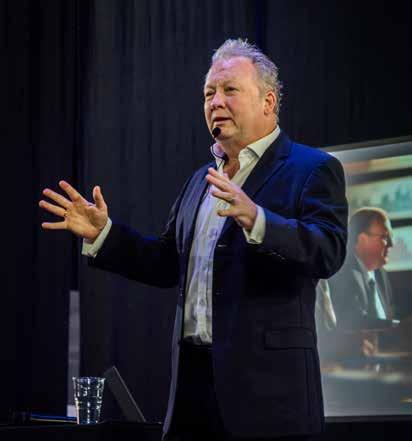
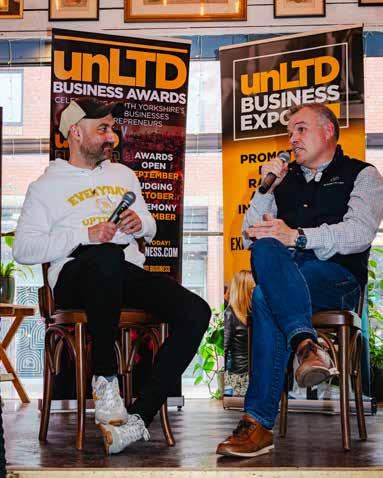
Recorded live at The Forum last month, David Richards MBE joined our podcast host James Marriott for a candid conversation spanning Silicon Valley, WANdisco’s rise and fallout and his return to Sheffield. Here some key takeaways on leadership, scrutiny and some potentially uncomfortable truths on AI’s impact on the workplace.
32: SOAPBOX: PUBS ON THE BRINK
At Dog & Partridge, landlord Conor Smith can proudly claim to run one of the city’s most-loved traditional pubs – but a busy bar doesn’t tell the full story. He explains how rising costs, tight margins and mounting pressure mean even busy pubs are operating on a knife edge, with little room for error and even less support.
EDITORIAL
EDITOR
Joe Food
Joe@unltdbusiness.com
ONLINE
Ash Birch
Ash@unltdbusiness.com
DESIGN
Marc Barker ADVERTISING
Joseph Food, Editor. unLTD
48: SWEET SUCCESS
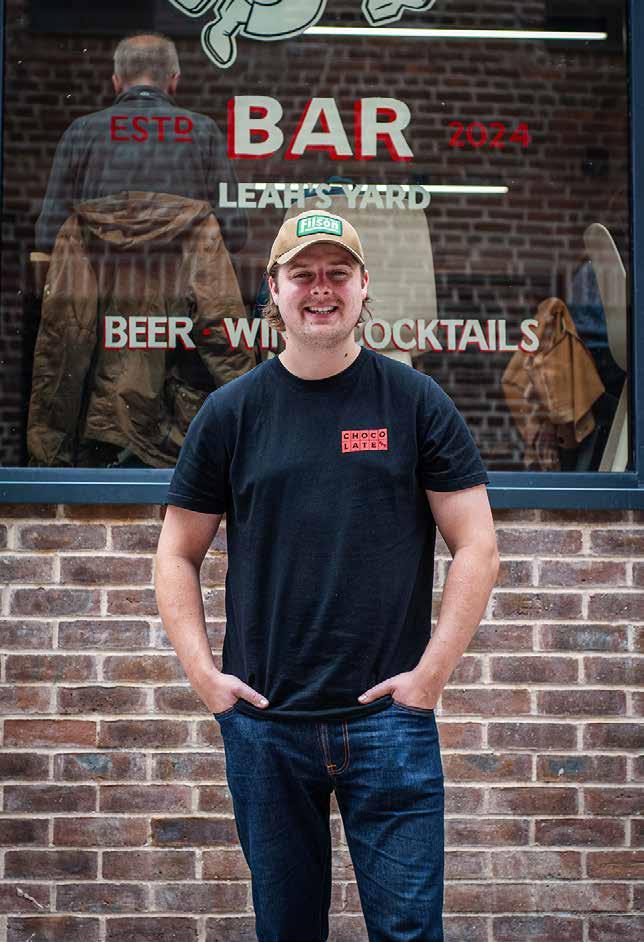
Local entrepreneur Max Scotford has taken Bullion Chocolate from small hand-roasted batches to a growing portfolio of bricks-and-mortar sites, with London open and York and Nottingham to follow. We meet South Yorkshire’s Willy Wonka to hear how his business is built on sharing the craft and process behind proper chocolate.
Phil Turner
phil@unltdbusiness.com
07979 498 034
Nick Hallam
nick@exposedmagazine.co.uk 07843 483536
FINANCE
Lis Ellis accounts@ exposedmagazine.co.uk
CONTRIBUTORS
Dan Bumby
Steve Brown
Wendy Ward
Jill White
THREE WAYS TO GET INVOLVED Agenda
JOIN THE CLUB
The unLTD Business Club is thriving – with a whole raft of new offers from our partners now included for 2026!
At unLTD Business Magazine, our mission has always been clear – to connect, support and celebrate the South Yorkshire business community. Now, we’ve taken that commitment even further with the launch of the unLTD Business Club – an exciting new membership initiative designed to give local businesses of all sizes more opportunities to grow, collaborate and thrive.
And this month we have unveiled four new benefits for all our members:
⚫ 20% off your bill at all True North venues (Monday to Friday) with a True North Business Card
⚫ 1 hour free photoshoot with Marc Barker Photography
⚫ 1 branded polo shirt from We Do Workwear (any size/colour)
⚫ 25% discount on the day delegate package and room hire from PJ Taste
… with much more to come!
So whether you’re a growing SME looking for meaningful networking opportunities, an entrepreneur wanting to stay ahead of the curve, or a larger organisation seeking strategic
brand exposure, unLTD Business Club offers a range of benefits tailored to meet your goals.
We’re open for signups now – with immediate access to a host of benefits depending on your subscription tier.
Why Join?
It's about more than just perks – it’s about being part of a community. Members will benefit from the power of local connections, increased visibility through South Yorkshire’s leading business publication and insider access to some of the region’s most anticipated networking events.
Whether you’re looking to raise your profile, grow your network, or simply stay up to speed with the region’s dynamic business landscape, this is a platform to support your ambitions.
Get Started Today
Visit unltdbusiness.com/ businessclub to sign up or email phil@unltdbusiness. com for more information on Business Partner opportunities. Let’s grow together – join the unLTD Business Club today.
BUSINESS CLUB MEMBER
£10/month or £99/year (plus VAT)
Designed for professionals who want to network and engage more actively:
⚫ Priority access to all unLTD Business Breakfasts, Socials and other events – free of charge
⚫ Monthly e-newsletter
⚫ A guaranteed print copy of unLTD Business magazine
⚫ 10% discount on exhibition stands at the unLTD Business Expo
⚫ 20% off your bill at all True North venues (Monday to Friday) with a True North Business Card
⚫ 20% off your bill at all True North venues (Monday to Friday) with a True North Business Card
⚫ 1 hour free photoshoot with Marc Marker photography
⚫ 1 branded polo from We Do Workwear (any size/ colour)
⚫ 25% discount on the day delegate package and room hire from PJ Taste
BUSINESS PARTNER
Tailored packages available
Benefit from all the benefits of a Business Club Member as well as promoting your brand through our digital platforms and print magazines… our premium tier for businesses looking for strategic exposure and deeper engagement:
⚫ Monthly print advertising and editorial features in unLTD Business magazine and on unLTDbusiness. com
⚫ Social media promotion via LinkedIn
⚫ Opportunity to co-host networking events with the unLTD team
⚫ PLUS… All Business Club member benefits
BUSINESS SUBSCRIBER
£2.50/month (plus VAT)
⚫ Ideal for readers who want to stay informed, this entry-level tier ensures you receive:
⚫ A guaranteed copy of unLTD Business magazine each month
⚫ Monthly e-newsletter featuring news, insights and upcoming events
CULTURE’S COMING HOME?
Sheffield has been longlisted for UK City of Culture 2029, placing the city firmly in contention to showcase its creative strengths on a national and international stage.
One of nine locations across the UK to be selected, Sheffield will now receive £60,000 to develop a full bid, with the overall winner due to be announced later this year.
The city’s reputation as a creative hub has been building steadily. Recent additions, from podcast festivals to new gallery spaces, sit alongside a long-established grassroots scene and globally recognised output. From music and film to gaming, performance and visual art, Sheffield’s cultural offer continues to outperform expectations.
It is also an increasingly important economic driver. Nearly 25,000 people work in the creative sector across the city region, contributing
more than £1bn each year. Culture is now playing a more central role in long-term planning, influencing skills development, education, regeneration and the city’s international profile.
The longlisting reflects a number of major projects already under way. These include Harmony Works, a new hub for music education, and Events Central, a proposed cultural industries space on Fargate. Investment is also continuing across Sheffield Museums, alongside wider development in Castlegate and ongoing growth in the media and digital sectors.
A defining feature of Sheffield’s bid is its emphasis on being community-led. Rather than a top-down programme, the approach focuses on collaboration, bringing together residents, artists, organisations and businesses to help shape the vision for 2029.
The proposed themes – Our Voice, Our Place, Our People –reflect an ambition that reaches beyond the city centre, spanning neighbourhoods across all seven hills and reinforcing Sheffield’s identity as a city of makers, innovators and storytellers.
We are incredibly proud that our city has been longlisted for UK City of Culture 2029. Sheffield inspires and our city has always been powered by creativity. We don’t just put culture on a stage, we live it, make it and share it with the world. Grown from the ground up, our culture shaped by everyone that calls Sheffield home.”
CLLR TOM HUNT, LEADER OF SHEFFIELD CITY COUNCIL
CULTURE
CLUB:
A SNAPSHOT OF SHEFFIELD’S OFFER
• Creative industries in South Yorkshire have grown at a faster rate than the wider economy in recent years, particularly in digital, gaming and content production.
(South Yorkshire MCA)
• Sheffield has produced more UK chart-topping artists per capita than most UK cities, with acts such as Arctic Monkeys, Pulp and Self Esteem contributing to its global profile.
(PRS for Music)
• It records higher-than-average arts engagement compared with similar core cities, with strong attendance at live music, festivals and independent venues.
(Arts Council England)
• The city is home to over 200 cultural organisations and venues, ranging from major institutions like Sheffield Theatres to grassroots spaces.
(Sheffield Culture Collective)
• The creative and digital sector contributes over £1bn GVA annually to the regional economy.
(Sheffield City Region Local Industrial Strategy)
CAPITAL GAINS FOR THORNBRIDGE
Popular local brewer Thornbridge has expanded into the capital with the opening of a new pub in central London.
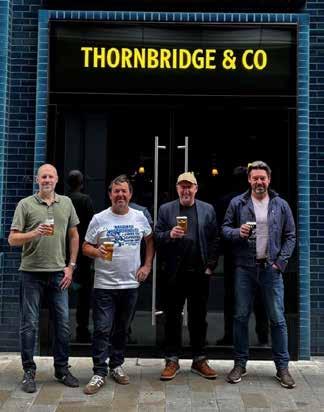
The Wild Swan, located on Fetter Lane in Holborn, marks the first London site for Thornbridge & Co and the fifth venue in its growing portfolio. The move represents a significant step for the business, which has built a strong following in Sheffield and across the region.
The new opening brings Thornbridge’s quality-led pub offer to the capital, with a focus on cask ales, considered design and an all-day hospitality experience. A rotating selection of beers from Thornbridge Brewery will sit alongside guest brews from other independent producers, as well as a curated keg range, wine list and food menu.
A bespoke stained-glass installation forms a centrepiece of the venue, adding a distinctive visual identity. The Wild Swan has also achieved BREEAM Excellence certification, making it the only pub in the UK to reach the sustainability standard.
Jamie Hawksworth, director at Thornbridge & Co, said the opening had long been an ambition. “Establishing a site in the capital has been a key goal for us, so it is incredibly rewarding to see that vision realised.”
Co-director Simon Webster added that the aim was to create a venue rooted in both quality and character.
Thornbridge & Co is a joint venture between Thornbridge Brewery and Pivovar. The brewery, based in the Peak District, has been producing beer since 2005 and exports to more than 40 countries.
DWP JOINS WEST BAR IN LANDMARK OFFICE DEAL
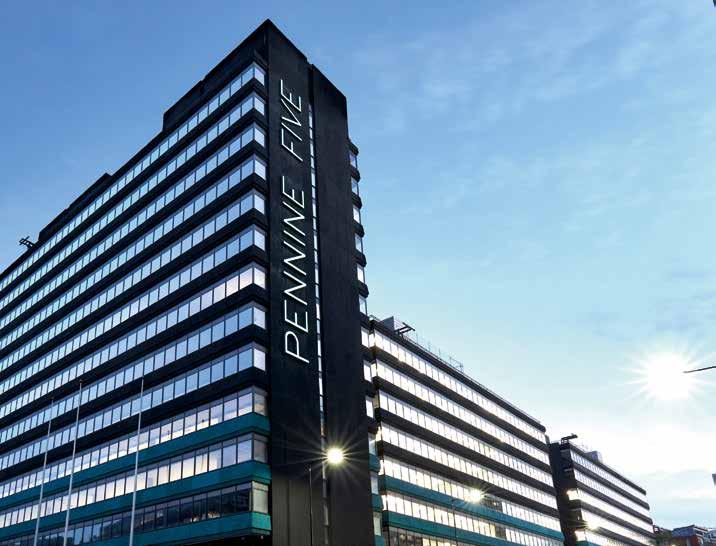
Sheffield City Council has agreed a major lease with the Department for Work and Pensions at No.1 West Bar Square, which will see the 100,000 sq ft office building fully occupied. Part of the wider West Bar scheme led by Urbo and Legal & General, the deal represents the city’s largest office transaction in several years.
SOUTH YORKSHIRE FACES CHALLENGE IN NET-ZERO PUSH
South Yorkshire must retrofit more than 600,000 homes to meet net-zero targets, according to a report from the South Yorkshire Sustainability Centre, which also warns that rising demand could overload half of local substations. It adds that smart traffic systems could cut Sheffield’s air pollution by 21 per cent, while calling for a transition that reduces inequality and supports skilled jobs.
SHEFFIELD UNIVERSITY RECOGNISED AMONG WORLD’S MOST INTERNATIONAL INSTITUTIONS
The University of Sheffield has been ranked 46th most international university globally and 16th in the UK by Times Higher Education for 2026. The ranking reflects its strong global research partnerships, international reputation and diverse staff and student community, underlining the institution’s continued focus on collaboration and global engagement.
YORKSHIRE WOMEN REPORT LOWEST MENOPAUSE SUPPORT IN WORKPLACES
Women in Yorkshire and the Humber are the least supported at work during menopause, with 45% saying they feel supported compared with 59% in London, according to a survey of 1,000 UK women. The study also found that just 44% feel comfortable discussing menopause at work, while only 18% report having a formal workplace policy.
HALLAM SHORTLISTED IN NINE CATEGORIES AT NATIONAL STUDENT AWARDS
Sheffield Hallam University has been shortlisted in nine categories at the 2026 Whatuni Student Choice Awards, including University of the Year. The awards are based on student feedback, recognising areas such as teaching quality, facilities and support. The university is also nominated for its costof-living support, with winners set to be announced in May.
Agenda
REGION SET TO BENEFIT FROM NORTHERN GROWTH STRATEGY FUNDS
Sheffield and South Yorkshire are set to receive up to £135m in new investment as part of the Government’s Northern Growth Strategy, with funding aimed at housing, defence and economic development.
Sheffield City Council said the package includes £85m from a new City Densification Fund and a further £50m through the Government’s Defence Growth Deal. The region will also be able to bid into a wider £1.5bn national fund intended to accelerate housing delivery.
The announcements form part of a broader strategy positioning northern cities as drivers of national growth.
Alongside direct funding, the Government has outlined plans for a UK Steel Strategy, expected to offer support for an industry that remains central to South Yorkshire’s economy, and a roadmap towards further fiscal devolution, giving regional leaders greater control over how funding is allocated.
While the Council has welcomed the investment, questions remain around how quickly funding will be released and how far it will go in addressing longstanding challenges around housing supply and infrastructure.
A significant share of the funding is expected to support Sheffield’s longterm ambition to increase
city centre living. Plans are already in place for around 5,000 new homes across key sites including Furnace Hill, Neepsend, Moorfoot and the Station Campus. These developments form part of a wider target of 20,000 new homes in the city centre, largely focused on brownfield land.
Elsewhere, the proposed Innovation Spine and Don Valley Corridor aim to strengthen links between Sheffield and Rotherham, connecting advanced manufacturing sites, research institutions and new residential areas. Local leaders argue that improving east–west connectivity across the region will be key to
FOOD FESTIVAL RETURNS FOR LANDMARK YEAR
Sheffield Food Festival will return this spring for its 15th anniversary, bringing three days of food, drink and entertainment to the city centre.
Running from 23 to 25 May, the free-toattend event will once again take over key locations including the Peace Gardens, Town Hall Square, Fargate and Millennium Square. Organisers have also confirmed an expanded footprint for 2026, with Orchard Square and Leah’s Yard joining the programme to create a broader, citywide atmosphere.
Billed by Observer Food Monthly as the UK’s ‘foodie hotspot’, the festival has become a staple of Sheffield’s events calendar, attracting thousands of visitors each year. This milestone edition promises an extended line-up of traders, alongside live music and family-friendly activities. Returning favourites include Caribbean Fusion, known for its Jamaican street food, and Yee Kwan Ice Cream, the Sheffield-based brand specialising in East Asian-inspired flavours. Kelham Island’s Taco Trailer, Paradiso Artisan Tiramisù and Vietnamese coffee specialist Nam Song will also feature, alongside international
offerings such as Canadian poutine from Spuds & Bros and Italian barbecue from La Porketta.
Drinks will be provided by local and regional names including Thornbridge Brewery and Reggae Rum Shack.
Elsewhere, a second music stage hosted by The Fargate pub and interactive elements such as Yard Ball and Lizzieland will add to the festival experience.
The event will also provide opportunities for emerging food businesses, with dedicated pitches aimed at supporting new traders.
Noemi Antonelli, managing director at Swans Events, said: “Celebrating 15 years of Sheffield Food Festival is a real milestone. From foodies to families, there’s something for everyone – and we’re proud to showcase the best of Sheffield’s vibrant food culture.
“This year feels especially exciting as the festival grows beyond its footprint, with other city centre locations joining the celebrations with their own activities – creating a real buzz across the city and making it a truly shared Sheffield experience.”
Sheffield’s food scene spans more than 1,600 businesses, with one of the UK’s highest proportions of independents in the sector. Areas like Kelham Island have become recognised culinary hubs, complementing fast-growing street food and sustainable dining culture that attracts tens of thousands of visitors each year.
unlocking further investment and job creation.
Transport remains a central issue. The long-discussed Northern Powerhouse Rail project is expected to improve links between Sheffield, Manchester and Leeds, although timelines and delivery commitments have shifted repeatedly in recent years. Within South Yorkshire, plans to expand public transport provision include upgrades to the Supertram network, a new stop at Magna Science Adventure Centre, and initiatives such as free bus travel for young people. Taken together, the funding signals continued Government focus on regional growth outside London. However, as with previous rounds of investment, the impact will depend on delivery, coordination and the extent to which local priorities shape how the money is spent.
Stripping back the biggest business stories – what happened, who’s involved and why it matters to our region.
SNOOKER TO STAY HOME DUE TO EXCITING CRUCIBLE PLANS
What’s the story?
Plans for a £45m transformation of Sheffield Theatres’ Crucible are moving forward, positioning the iconic venue for a new era while strengthening its role as the long-term home of the World Snooker Championship.
The proposed redevelopment of the Grade II listed building is being described as a once-in-a-generation investment in one of the city’s most recognisable cultural assets.
What’s going to happen?
At the heart of the plans is a more flexible auditorium, designed to adapt to different uses. Capacity could increase by up to 50% for certain events, while a new ‘in the round’ format would allow productions to fully surround audiences.
The venue would also retain the ability to return to its traditional layout, ensuring it can continue to host snooker alongside theatre and other large-scale events.
The wider scheme aims to expand the Crucible’s potential, opening up new opportunities for programming, collaboration and year-round use.
Who’s footing the bill?
The £45m project is expected to be funded through a combination of public and private investment, including up to £35m from national and local government, with further backing from philanthropic sources.
The redevelopment is closely tied to Sheffield’s broader regeneration ambitions, with the Crucible positioned as a key cultural anchor within the city centre.
During construction, the Crucible and Tanya Moiseiwitsch Playhouse would close temporarily, with activity continuing at the Lyceum, the Montgomery and on tour.
What else has been said?
Prime Minister Keir Starmer reacted to the news by saying: “I’m delighted this £45 million of funding will support the venue to continue to develop world-class theatre and stay host to the famous World Snooker Championships for many years to come.”
Cllr Tom Hunt added: “This proposal is a major vote of confidence in Sheffield’s future.”
Agenda
INVESTMENT SECURED TO SUPPORT NEXT PHASE OF GROWTH AT LOCAL PUBLISHER
Sheffield-based media and publishing group
Blind Mice Media, the company behind unLTD Business, Exposed Magazine and Meze Publishing, has secured strategic investment to support its continued expansion.
Digital entrepreneurs Andy Holliday and Andy Pritchard, founders of higher education search platform FindAUniversity, have taken a minority stake in the business and joined the board. They will work alongside existing directors Phil Turner and Nick Hallam, as well as Meze Publishing director Paul Cocker, to help guide the group through its next phase of development.
The investment arrives at a significant point in Blind Mice Media’s growth journey. In recent years, unLTD has worked at broadening its offering beyond print, establishing a busy events programme that includes regular networking events, an annual awards ceremony and a flagship business expo. The brand continues to strengthen its position as a platform for South Yorkshire’s business community.
At the same time, Exposed Magazine has seen notable growth across its digital channels, building a larger and more engaged online audience, while Meze Publishing is advancing its international sales and distribution strategy, exploring new markets and evolving its publishing model to support a wider range of authors.
Holliday and Pritchard bring experience in scaling multimillion-pound digital publishing businesses, alongside expertise in events and audience development. Their appointment is expected to support further innovation across the group’s portfolio.
Phil Turner, managing director of Blind Mice Media, said: “This opportunity has come at exactly the right time for the business. We have been looking closely at how we grow and refine our internal and external processes. Bringing in investment and experience of this calibre gives us both confidence and momentum.
“Just as importantly, Andy and Andy are an excellent cultural fit. They understand what we are building and where we want to take it. I am confident they will help us strengthen our services, unlock new opportunities and support our team as we enter this next chapter.”
With Jill White of Andy Hanselman Consulting
HAVING A LAUGH
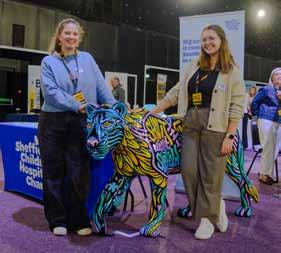
Sheffield Hospitals Charity’s ‘Chuckles for Charity’ returned to Steamworks, delivering laughs and vital funds thanks to four brave souls: Dominic NG, Safiya Sayeed, John Henshall and Martin Havenhand. We loved you all.
As a judge for the second year, it was a tough call, but bravo Martin, you just edged it. And a special mention to Chloe Wells from the charity, organiser extraordinaire. Just how does she do it?!
Then a dash across Sheffield, with a quick stop at Triple Point’s 7th birthday before heading to Crookes. Great to hear from Mel and Brian, the brothers from last season’s Race, sharing highlights and lowlights. Sheffield Hospitals Charity and Roundabout were out in force once again.
An early start followed at Magna for the Get up to Speed business breakfast. Hosted by Alex Gardner, it was a privilege to hear from a panel of AI practitioners. I learned a lot. I made my exit just before the arrival of almost 3,000 school pupils, all being inspired by the region’s manufacturers. It keeps getting bigger and better. Great work, Work-wise.
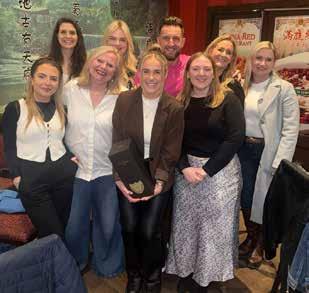
The early start was followed by a late night at Paces Charity’s first China Red Banquet, hosted by Kelvin Quick. After excellent food, it was time for karaoke. Who knew those rooms were tucked away upstairs?
A girls’ trip to Norfolk meant I missed 3D Connect, but I hear Roz Davies and Lian Noriega White stunned everyone at the Green Estate. Charlie Elliott and Michael Jervis also received fantastic feedback.
Back just in time for the Women of the Cutlers dinner at Cutlers’ Hall, where we were wowed by keynote speaker Karlie Thompson. What a story.
Follow Jill at uk.linkedin.com/in/jilltywhite or find Andy Hanselman Consulting at andyhanselman.com.
LET’S GET DOWN TO BUSINESS
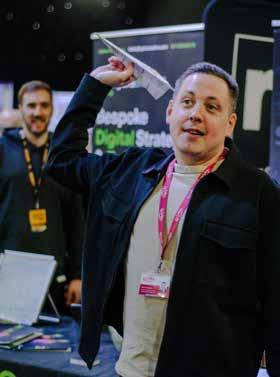
South Yorkshire’s must-attend business event is back – bigger, bolder and with plenty of exciting new additions.
The unLTD Business Expo returns on Wednesday 14 October – and it’s shaping up to be a key date in the South Yorkshire business calendar.
Held again at Magna, this year’s event promises even more reasons to get involved – whether you’re looking to exhibit, network or simply explore the region’s vibrant business community.
Following the success of the last three expos, this year's event is set to scale up in every sense. With expanded workshops, curated talks and a host of new entertainment zones, attendees can expect a full day of insight, connection and inspiration, with more programme details still to be announced.
“We’ve always focused on making the expo a useful and enjoyable experience,” says unLTD director Phil Turner. “This year, we’re doubling down on that – creating more things to do, more opportunities to connect and ensuring visitors are engaged from start to finish.”
Exhibitors will benefit from face-to-face access to hundreds of potential customers, collaborators and decision-makers from across South Yorkshire. With over 60,000 businesses in the region, the Expo is the perfect place to showcase your products and services – or discover what others have to offer.
And for attendees, it’s completely free to visit. Alongside the exhibition stands, there’ll be expert-led workshops, insightful panel sessions and plenty of extras designed to keep energy high throughout the day.
Among the highlights announced so far are three dedicated speed networking sessions running across the day, offering structured, fastpaced opportunities to meet new contacts and spark conversations – ideal for making meaningful
connections in a short space of time. There’s also a special 3D Connect: unLTD Business Expo edition, hosted by Andy Hanselman. This lively session brings together business leaders who are ‘Unknown in Sheffield, But Succeeding Outside Of It’, sharing honest insights, real stories and practical takeaways on growing successful businesses beyond the city – including Tom at IntelliAM, with more speakers to be announced.
For those looking to sharpen their marketing skills, a live social media post build will take place on stage, where a marketer creates a full week of content in real time. Expect practical guidance on writing effective hooks, understanding algorithms, choosing visuals and crafting strong calls to action – all designed to demystify content creation.
New for this year is the Chef Demo & Drinks Stage, in collaboration with Roisters. This will feature live cooking demonstrations from the event catering team, alongside a talk from Andrew Lofthouse, The Northern Wine Guy, and a panel discussion exploring the events industry.
With more sessions and speakers still to be revealed, this year’s Expo is shaping up to offer even more opportunities to learn, connect and get inspired.
As ever, spaces are limited and stands are booking up fast. Exhibitor slots are allocated on a first-come, first-served basis – so early booking is strongly advised to avoid missing out.
So, whether you’re a start-up, SME or established brand, this is an unmatched platform to raise your profile, meet new contacts and be part of something that celebrates and champions the region’s thriving business scene.
Book your stand or register your place today at
IN A NUTSHELL:
Date: Wednesday 14 October 2026
Venue: Magna
Time: 9.30am – 3pm
Entry: Free to attend
WHAT’S ON:
• Over 60 local exhibitors
• Expert talks and practical workshops
• Speed networking sessions throughout the day
• 3D Connect special session with Andy Hanselman
• Live social media post build session
• Chef Demo & Drinks Stage with Roisters
• New entertainment zones
• A full day of insight, ideas and connections
Stands are first come, first served –book now at expo.unltdbusiness.com
Agenda
SOLID FOUNDATIONS
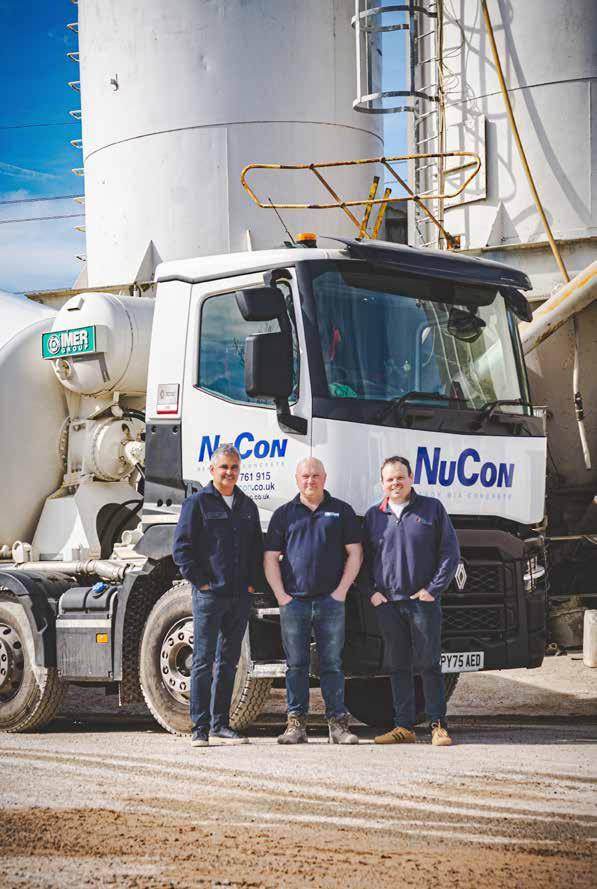
Three Sheffield businessmen have joined forces to invest in a long-established South Yorkshire concrete supplier, bringing together complementary expertise to drive its next phase of growth.
Nu-Con, which has been supplying ready-mixed concrete across Rotherham, Sheffield, Barnsley and Doncaster for more than two decades, was acquired in early 2025 by a trio of local figures –Arnie Singh, founder of City Taxis and now chief commercial officer at Veezu; Tim Banks, managing director of GBanks Construction; and Tom Rusling, director at Ackroyd & Abbott.
For Tim, the opportunity came about through his day-to-day work in the construction sector. “The owner of Nu-Con came to me and he was wanting to retire,” he explains. “I said I’d see if we could get the right investors together and work something out to buy the company.”
That set in motion a collaboration built as much on long-standing relationships as on commercial logic. Tim has known Arnie since his teenage years, while Tom was a more recent connection through a construction project. Together, the three saw an opportunity to combine their respective strengths.
“I’ve been working with concrete all my professional life,” says Tim, whose background is in piling and foundations. “Arnie’s built companies up and expanded them quickly, and
Tom’s got a lot of contacts through property and land. That’s why we thought the three of us would work well.”
The business they acquired already had strong foundations (if you’d forgive the pun). Originally established around 30 years ago with a single wagon, Nu-Con has grown steadily and now operates a fleet of seven, serving projects of all sizes across the region.
Its appeal lies partly in that flexibility. “We do the full range,” says Tim. “Some days we’ll supply a metre for a garden slab, and other days we’ll be doing a 200-metre pour for a factory floor.”
Since taking over, the new owners have focused on strengthening quality, investing in technology and modernising operations. A key milestone has been achieving BSI accreditation – a rigorous process that verifies consistency and performance.
“It was about a year-long process,” Tim explains. “They test your concrete, you’ve got to have proper systems for where materials come from, and you’re constantly recording and proving the quality.”
Alongside this, the company has introduced a new automated batching system, allowing mixes to
be controlled digitally and improving both accuracy and efficiency. Fleet investment is also under way, with plans to replace older vehicles on a rolling basis.
Despite these upgrades, Nu-Con’s positioning remains deliberately personal. “It’s a smaller company, so our selling point is looking after customers,” Tim says. “When you call, you’re speaking directly to us –not a call centre in another city.”
That hands-on approach extends to how the business manages its workload. Rather than overcommitting, the team prioritises reliability and long-term relationships. “We don’t take on too much work,” he adds. “If we can’t do it, we’ll say so and arrange another day. It’s about giving a good service every time.”
Like many in the construction supply chain, Nu-Con is operating in a challenging market. Demand remains uneven, with housebuilding slower than anticipated and competition for work intensifying.
“Just finding new clients and getting the work is probably the hardest thing at the moment,” Tim says. “People are quite loyal to their existing suppliers, so building those relationships takes time.”
To address this, the company is investing in business development, including the appointment of a dedicated sales representative to strengthen its presence across the region.
Looking ahead, the trio are already considering further expansion, potentially acquiring additional plants to extend their geographic reach. The model is deliberately strategic, ensuring coverage without compromising quality.
“Concrete will only travel a certain distance before it starts to set,” Tim explains. “So the idea is to grow in a way where those areas connect, and you can build efficiencies as you go.”
For now, though, the focus remains on building on Nu-Con’s legacy – combining decades of local experience with fresh investment and ambition. As Tim puts it, “we’re investing each year and just taking it forward step by step.”
FluidOne
BY STEVE BROWN, MD, FLUIDONE
BUSINESS IT - SHEFFIELD
FIVE PRACTICAL WAYS BUSINESSES CAN ACHIEVE AFFORDABLE PRODUCTIVITY
For many businesses, improving productivity often feels tied to major investment. In reality, some of the biggest gains come from removing hidden inefficiencies, strengthening the tools you already use and simplifying the way your IT environment operates. For fast-growing organisations, these small, smart changes can unlock momentum without stretching budgets.
Here are five practical steps to help organisations stay productive without unnecessary cost.
1. Reduce supplier fragmentation
When IT responsibilities are split across multiple providers, delays and blurred ownership can quickly follow. A single trusted partner helps
streamline accountability, improve response times and keep systems aligned with your business goals. It also frees leaders to focus on growth rather than chasing suppliers.
2. Optimise your Microsoft licensing As teams evolve, licences can easily drift out of sync with how people actually work. A simple review often uncovers unused features, duplicated tools or opportunities to simplify plans, improving value without reducing capability. For many SMEs, this is one of the quickest ways to reduce spend while boosting productivity.
3. Introduce AI in a structured, low-risk way AI does not need a business-wide rollout from day one. Starting with a small group,
measuring impact and expanding gradually allows organisations to adopt AI in a controlled, cost-effective way. This approach helps teams build confidence early and ensures investment is guided by real-world results rather than hype.
4. Strengthen your security fundamentals
Preventable security incidents remain one of the most expensive causes of downtime. Clear visibility, consistent controls and proactive monitoring help keep risk low and productivity uninterrupted. For businesses scaling quickly, getting these basics right early avoids costly disruption later.
5. Ensure your IT support model scales with you
As businesses grow, their IT needs grow quietly with them. Regular check-ins with your managed service provider help ensure performance, security and value remain aligned. A scalable support model means your technology never becomes a barrier to innovation or expansion.
At FluidOne, we bring these elements together through a single, accountable partnership that keeps businesses secure, efficient and optimised. Our focus is helping ambitious organisations turn technology into a driver of sustainable growth, not a source of complexity.
The Inside Track: David Richards MBE
REAL INSIGHTS FROM THOSE WHO MAKE THINGS HAPPEN
In the latest instalment of The Inside Track, recorded live at The Forum in Sheffield, James Marriott sat down with tech entrepreneur David Richards MBE for an eye-opening discussion about everything from building a billion-pound company to navigating one of the most complex fraud cases in recent UK tech history. Richards reflects on leadership, resilience and why he now sees business as a “hobby”, revisiting Richards’ journey and looking ahead to an AI-driven future that he believes will reshape every industry.
DAVID RICHARDS MBE
Two years ago, I asked you to introduce yourself in a single line. Can you remember what you said?
I would have probably said that I was a recovering CEO.
That is exactly what you said. So two years on, how would you describe yourself now?
I was asked to introduce myself today and actually said exactly that. So I would probably say I am a recovering CEO and now I invest in companies.
Take us back to the beginning. What did you want to be growing up?
I wanted to play for Sheffield Wednesday. I wanted to open the batting for England and captain Sheffield Wednesday. I was really into sport when I was growing up.
Did you always know you would go into business?
I didn’t really know what it was, but I have always been entrepreneurial. I was always interested in how businesses worked, how people make money and how leverage works. I learned a lot from people around me rather than from being in an office.
You spent time in Silicon Valley during the dot-com boom. What was it really like?
Yes, the differences are so extreme that it is hard to explain. I lived in a small community where everybody was a millionaire and there were billionaires around you. The technical skills, the business expertise and the scale of capital meant things were happening there that could not happen anywhere else.
I
WANTED TO PLAY FOR SHEFFIELD WEDNESDAY. I WANTED TO OPEN THE BATTING FOR ENGLAND AND CAPTAIN SHEFFIELD WEDNESDAY. I WAS REALLY INTO SPORT WHEN I WAS GROWING UP.
Before WANdisco, were there any setbacks?
Yes. There were exits that were not as good as they should have been. I sold a business and I regret it, because that product went on to become far more valuable. So there were ups and downs before WANdisco.
WANdisco became a major success story. When things later went wrong, when did you realise?
We had hired someone who was doing extraordinarily well, closing really big deals. We had all the controls in place, sales operations, financial controls, auditors. But the level of impersonation was off the charts. I cannot go into everything, but it involved impersonating dozens of people. I ended up uncovering it and we brought in investigators.
What is it like being under public scrutiny when people do not know the full story?
Unless you have been through it, you do not know what it is like. You cannot say anything, but the press can speculate. You have to pay attention to it because you cannot ignore it completely, but you also have to ignore it. You learn to not pay attention. You also learn who your friends are.
How did you process the responsibility of it happening on your watch?
Your responsibility is to employees first and foremost, and secondly to shareholders. I took that very seriously. I could sit there with my head held high that I had done everything I possibly could. I asked myself if there was anything else I could have done and the answer was no. This was a highly sophisticated, highly complex fraud.
Has that experience changed you?
Yes, I do feel different. I am very busy, but it feels more like a hobby to me. I am doing all the things I enjoy. What I will not do again is manage people. That is where all the problems start. I am happy to advise, to invest and to help, but I do not want to manage.
You returned to Sheffield after years in California. Why?
My kids were born in California, but my daughter decided she was going to study in Sheffield. We came back, bought a house and then COVID
The Inside Track: David Richards MBE
WHAT USED TO TAKE MONTHS CAN NOW BE DONE INCREDIBLY QUICKLY. YOU CAN GO FROM AN IDEA TO A BUSINESS PLAN TO A WORKING PROTOTYPE IN A VERY SHORT SPACE OF TIME USING AI TOOLS
happened. I ended up living here and we started a restoration project that took a couple of years.
You could have stepped back completely. Instead, you are more active than ever. Why?
This is my hobby. My hobby is doing business. We could see that artificial intelligence was going to come and what impact it was going to have, and I wanted to be part of that.
You have spoken a lot about AI. How significant is the change?
AI is going to impact every industry, in every country, in every segment. It is going to be much bigger than the dotcom boom. Around 40% of white collar jobs are going to be replaced and it is going to happen quickly.
What does that look like in practice?
What used to take months can now be done incredibly quickly. You can go from an idea to a business plan to a working prototype in a very short space of time using AI tools. We are now modelling companies that need far fewer people to get to product market fit.
SCAN THE QR CODE TO LISTEN TO THE FULL INTERVIEW
ON THE UNLTD BUSINESS PODCAST
Tell us about the Digital Forge. When we came back to Sheffield, we felt there were two problems. The level of capital available and access to expertise. The Digital Forge is about creating an environment where companies can access both, particularly deep tech startups.
You have been linked with football ownership. Any plans there?
Football clubs cost too much money now. You either need to be a multi billionaire or have a fund behind you. I would be happy to help someone buy a club, but I would not want to lead it.
What comes next?
We are going to try and build an AInative venture studio and create a large number of companies. With AI, you can do more with less.
Finally, if you could introduce one law, what would it be?
Tech companies should have to disclose what they are doing with user data, particularly in relation to training AI. People have been contributing to these systems without really knowing it, and that is not right.
With AI making cyber threats smarter and regulation raising the bar, Jibba Jabba’s Ash Harris and Rich Davies explain how they’re helping businesses cut through the jargon and ensure they don’t get left behind.
WORDS: JOSEPH FOOD PHOTOGRAPHY: MARC BARKER
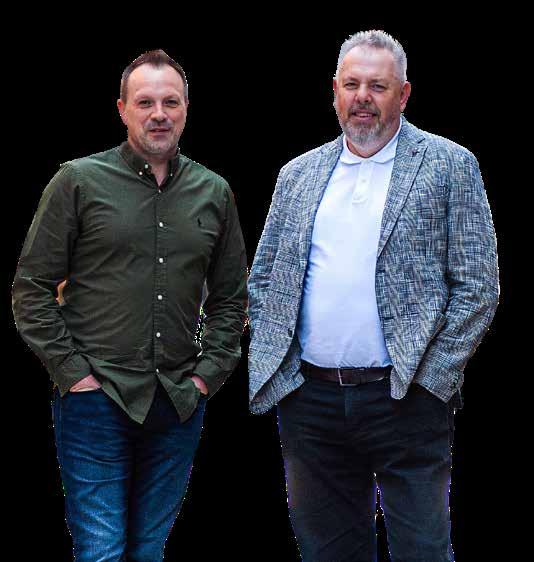
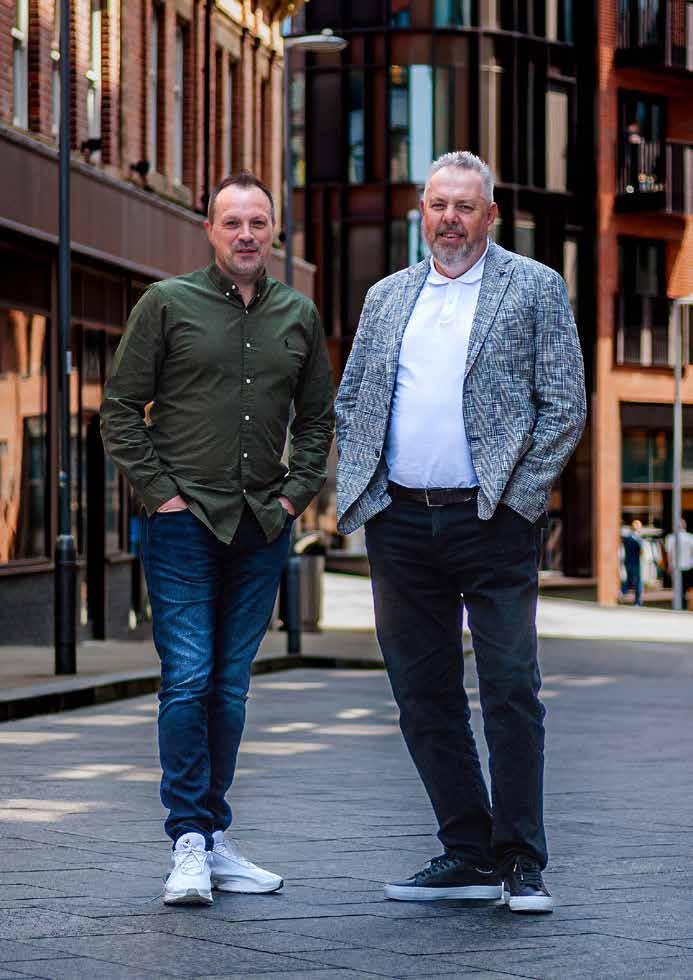
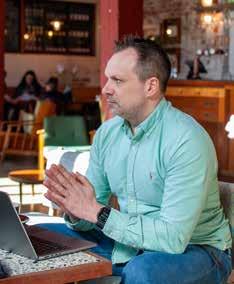
On a sunny spring morning, unLTD meets Ashley Harris and Rich Davies in the café space at Victoria in Neepsend. Both are working away on their laptops and, despite admitting to being horrendously busy, the mood lifts as soon as the coffees arrive. Laptops are closed, the banter starts flowing and the fun anecdotes follow. They are an easygoing duo – very much take-them-as-you-findthem by nature.
In many ways, that neatly reflects the ethos behind Jibba Jabba. There is nothing corporate or grand about the way Ash and Rich come across. No rehearsed buzzwords, no attempt to mystify what they do. And in a sector that can still feel overloaded with jargon, that matters. Because while IT and telecoms may be their trade, what Jibba Jabba is really selling is clarity, trust and the confidence that someone reliable is at the other end of the phone when things go wrong.
That human approach has always been part of the company’s story, but there is a reason it feels especially timely right now. Cybersecurity is no longer the specialist concern it once was, not something businesses can afford to file under ‘deal with later’. In fact, it will soon be a legal obligation to be up to scratch.
As Ash explains, cyber is no longer being driven by voluntary action.
“Businesses are going to have to put cyber in, not out of choice. Usually it’s one of three things. Either they’ve had an issue, their suppliers or customers require it, or if they’re in a regulated industry, the regulators are going to insist on it.”
And that pressure is only heading one way. With the Cyber Security and Resilience Bill coming down the track, cyber is fast becoming more than good practice or sensible risk management. It will be a legal must. For many firms, that is the real shift. This is no longer a once-ayear box-ticking exercise or something leadership teams can push down the chain.
That matters because cybersecurity has often been sold as either a distant threat or a purely technical exercise. In reality, it is now something far more immediate. For data-heavy businesses in particular, the exposure is obvious. Accountants, solicitors and other firms handling sensitive personal and commercial data are storing exactly the kind of information attackers want. And when a breach happens, the consequences go well beyond lost files or disrupted systems.
Ash is clear that the damage is often broader and more human than people realise. The real impact, he says, is not just operational. “It is reputational, internal and deeply stressful for the people caught up in it. That is why the conversation is changing. This is not just about firewalls and passwords anymore. It is about resilience, governance and accountability. This is now a board-level responsibility.”
Rich gives a striking example of an unnamed logistics company that had already done much of what it was supposed to do. It had certifications in place and was close to ticking further boxes. But all it took was a social engineering attack, an old password
THIS IS NOT JUST ABOUT FIREWALLS AND PASSWORDS ANYMORE… THIS IS NOW A BOARD-LEVEL RESPONSIBILITY.”
and the absence of two-factor authentication. “That’s the scary kind of stuff that’s happening,” he says. “Somebody got hold of a password, didn’t set two-factor auth right, and the impact was catastrophic.”
That is the reality of the current threat landscape. It only takes one weakness, one gap, one moment of human error.
That said, neither of them is interested in leaning too hard into fear. Yes, the risks are real. Yes, they believe many businesses are still more exposed than they realise. But the answer is not to terrify people into buying expensive solutions they do not need.
Ash is particularly clear on that point. “A lot of the cyber things businesses need to do, the basics, it’s actually just configuration,” he says. “It’s just changing the way they do things. A lot of cyber is sold on fear and all the rest of it, but actually a lot of it is config.”
That is a useful corrective in a sector where complexity is often used as a sales tool. Microsoft 365, for example, may already include tools and settings that businesses are underusing or not using at all. The bigger challenge is often changing habits, tightening policies and making sure responsibility sits at the right level in the business.
That same regulatory shift is also changing the IT industry itself. Ash believes increasing compliance demands will raise standards and
make it harder for less robust providers to survive. “Our industry is becoming regulated,” he says. “We’re getting ahead of all the requirements. We’re ISO 27001 certified, because if you’re asking clients to take cyber seriously, you’ve got to hold yourself to the same standard. The big thing is, it’s going to cut out the cowboys.”
Keeping up with those requirements is already taking a significant amount of time internally, he adds, and that burden will only increase. In practice, that may help expose the gap between firms that have built proper systems and those still operating on shortcuts and patchwork fixes.
Still, strip away the acronyms, and there’s some refreshingly simple advice from Rich for businesses to lay secure foundations: “Use two-factor authentication. Stop sharing passwords. Review old equipment and legacy systems. Put basic training, backups and sensible protections in place. None of that makes for a flashy pitch, but it is often where the real difference lies.”
That practical mindset also
shapes how they talk about AI. For Ash, AI is not some distant concept that might transform business one day. It already has. “It’s been amazing for us and my workflows,” he says. “Used well, it is a serious productivity tool.”
But again, there is a flipside. The same tools helping businesses work smarter are also making cyber threats more sophisticated.
“The biggest problem with AI now is people are using it to phish and hack clients,” he says. “A hacker can now use AI to generate thousands of emails, different copy, people’s language style. So it’s not only now a phishing email – it’s actually written in that person’s style of language.” In other words, the technology may be evolving fast, but so too is the need for human judgement to monitor it.
That is perhaps why, at its core, Jibba Jabba is built on relationships. Rich, who is often the face of the company out in the market, talks about networking in simple terms.
“It’s literally growing relationships,” he says. “You meet someone, you find out a bit more – the dog’s name, the kid’s name, what football
SUSTAINABLE ENERGY & SOLAR PANEL SPECIALISTS
Sheffield Renewable Services – your local solar energy company, specialising in solar panels, battery storage and renewable energy systems. We deliver complete energy solutions for homes and businesses, designed for efficiency, performance, and long-term savings.
Arrange a personalised home visit to assess your property and design the right renewable energy solution for you.
SOLAR | EV CHARGERS | HEAT PUMPS
SCAN THE QR CODE AND GET A GET A SOLAR QUOTE IN 60 SECONDS
172 DOBCROFT RD, SHEFFIELD S11 9LH
TEL: 0114 201 0351
EMAIL: INFO@SHEFFIELDRENEWABLES.COM
OPENING HOURS
MON–FRI: 8AM–6PM SAT: 9AM–4PM
team they support – and build a rapport from there. Make it genuine rather than transactional.”
Ash sees it similarly. “One of my biggest bits of advice is just make time for everyone you meet. They could be an admin person or the owner of the business, it doesn’t matter. They could move to another company, or they might recommend you later on. You never know when or how it might back around, so it just comes down to having respect.”
That attitude seems to run through the business. They have deliberately avoided a model where customers are funnelled through layers of support while downtime mounts. In a field where service can quickly become faceless, that accessibility is part of what sets
ONE OF MY BIGGEST BITS OF ADVICE IS JUST MAKE TIME FOR EVERYONE YOU MEET. THEY COULD BE AN ADMIN PERSON OR THE OWNER OF THE BUSINESS, IT DOESN’T MATTER... YOU NEVER KNOW WHEN OR HOW IT MIGHT BACK AROUND, SO IT JUST COMES DOWN TO HAVING RESPECT.”
them apart.
There is a cost to that approach. Ash admits that honesty and integrity can sometimes be the long way round. “It could slow growth, because we’re not after every quick sale,” he says. “We’re not after margin. What’s important is finding the right client. Working with a client is a partnership. They’re trusting you with their IT, which no business could run without.”
But that also seems to be the point. Growth may come more steadily, but it lasts. Much of their new business comes from firms that have been let down elsewhere and are now looking for something more dependable.
That feels like the real heart of the Jibba Jabba story. Yes, they are operating in a fast-changing market. They are thinking about AI, cybersecurity, compliance and future growth, including what a bigger Sheffield presence might eventually look like. But the through-line is simpler than that. In a world where technology is becoming more complex, more regulated and more central to how every business operates, they are trying to make it feel understandable and manageable again with a key message not to ignore: this is no longer optional, so don’t get left behind.
www.jibbajabba.co.uk
UNLTD MEETS CONOR SMITH, DOG & PARTRIDGE LANDLORD
IT’S NOT JUST ONE THING GOING UP. IT’S EVERYTHING MOVING TOGETHER. AND IT ALL GOES BACK OUT AGAIN AS FAST AS IT COMES IN.”
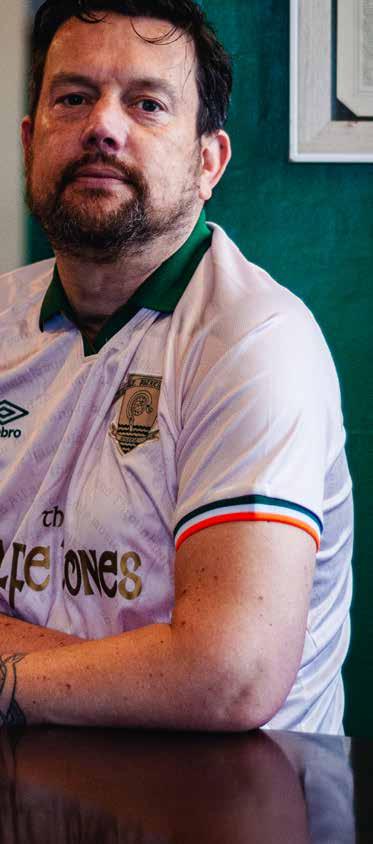
It’s early afternoon on Friday. Dog & Partridge has been open for roughly 10 minutes, and already there’s a steady stream of punters trickling through its doors. Perhaps this should come as no surprise – it’s a sunny day, after all – and the longstanding Trippet Lane establishment is going for its third consecutive ‘Best Traditional Pub’ accolade at next month’s Exposed Awards.
However, as landlord Conor Smith explains, being busy isn’t enough to stave off the fears that keep him up at night as a business owner. “The problem is, even for pubs getting the footfall, you’re only ever two or three weeks of bad trade from serious difficulty. It’s a precarious situation – and that’s putting it mildly.”
“The margins just aren’t there like they used to be,” he continues, waving in another group of lunchtime punters.
“People look at a full pub and assume it’s thriving. But once you strip it back, it’s a very different picture.”
The reasons stack up quickly. Some are familiar – energy, suppliers, wages – but the issue is how they land all at once. “It’s not just one thing going up. It’s everything moving together. And it all goes back out again as fast as it comes in.”
That last point matters. Turnover is not the same as profit, but much of the system treats it as if it is. Conor describes pubs as “tax collectors” – a line he half laughs at, but doesn’t take back.
VAT sits at the centre of that frustration. At 20%, it remains out of step with countries that have reduced rates for hospitality. “It’s one of the highest in Europe. Other places have cut it to support the trade. Here, it’s stayed where it is.”
For independent operators, there is a second problem. Even where there are industry bodies pushing for change, they do not always reflect businesses like his. “A lot of it is geared towards the bigger groups. Independents are a huge part of the trade, but we’re all separate. There’s no real collective weight behind us.”
Despite a clear commitment to paying fair wages, staffing has become more complicated – particularly since changes to national insurance. “It pushes you towards splitting hours between more people, which then affects consistency and how settled your team is.”
None of these decisions sit in isolation. They shape the experience for customers and, ultimately, the price of a pint.
“There’s a limit to what people think a pint should cost. You hear or read about it all the time – ‘it’s only gone up a few pence’. But that’s not how it works in practice.”
A small increase at source rarely stays small by the time it
reaches the bar. “You end up adding 20p, not 3p. But people have read the headline, so they think you’re overcharging.”
Pubs become the visible end of a much longer chain – the point where frustration lands, even if the causes sit elsewhere.
Competing on price alone is not realistic in that context. The focus instead is on what happens once people are through the door. “You’ve got to give people a reason to be here. It’s about how they’re treated, how the place feels, whether they want to stay.”
There are limits to that approach. A well-run pub still operates within the same cost structure as everyone else, and some of the biggest pressures sit just ahead.
Business rates are the one that keeps coming up. A temporary relief scheme has kept bills manageable, but only for now. “In three years’ time, if it goes back to where it was, I won’t be able to afford it. It’s as simple as that.”
If that scenario plays out across the sector, the effects will not be isolated. “You’ll see a lot of independents go. Chains will start cutting sites as well. It won’t just be one type of pub.”
At that point, the conversation moves beyond individual businesses. Jobs, suppliers and local spending are all tied into the same ecosystem – and all would be affected.
The tax issue surfaces again. Money kept within a business tends to be reinvested – in staff, equipment, upkeep. Money taken out as dividends is different. “Tax that, by all means,” he says. “But if you want businesses to survive, you’ve got to let them build something first.”
Alongside tax and rates, there are long-standing pressures within the trade itself. The ‘beer tie’ is one of them, requiring some tenants to buy stock from landlords at above-market rates. “You’re paying rent, and then you’re paying over the odds for your product as well. It just squeezes everything further.”
Attempts to loosen those arrangements have not always worked in practice and need revisiting. “They’ve found ways around it. Shorter agreements, different terms. It doesn’t always give you the freedom it’s supposed to.”
Taken together, the direction of travel is clear. Not a sudden collapse, but a gradual thinning out – fewer independents taking on pubs, more stepping away when the numbers stop working.
“A lot of people will look at it and think, is it worth the risk? And if they’ve got another option, they’ll take it.”
For readers, the message is straightforward. “Use independent places. If you want them to be there, you’ve got to go to them.”
Not everyone is looking for what a pub offers, and that is unlikely to change. “If someone’s happy staying in with a few cans, they’re not your customer anyway. That’s fine.”
The concern sits with those who do value pubs but may not realise how narrow the margins have become.
“Every bit of spend matters more now. It all adds up.”
The bottom line is not empty pubs being the issue, but a model under strain. Costs continue to rise, pricing has limited room to follow and policy has yet to catch up with the reality on the ground.
“If things don’t change, it will look very different in a few years. It won’t happen all at once. But it will happen.”
@dogandpartridgesheffield
Richard Bland on turning ideas into impact for South Yorkshire
manufacturers
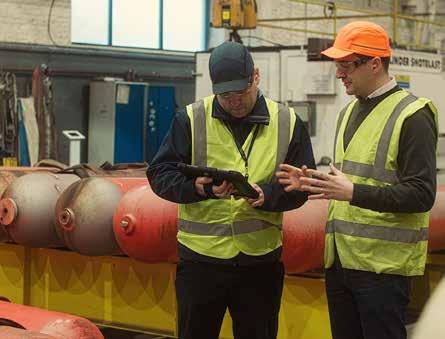
For all the talk of innovation, the reality for many manufacturers is more complicated. Time, cost and risk often stand in the way of trying something new, particularly for SMEs already operating under pressure.
That is precisely the gap Business Sheffield and partners have been working to bridge through the Innovation in Action programme – a hands-on initiative designed to help manufacturers test new technologies, solve real operational challenges and, crucially, do so without the usual barriers.
At the centre of it is Richard Bland, the Innovation in Action programme manager, who has spent more than a decade working across South Yorkshire’s advanced manufacturing landscape.
“I started working with partners across the region looking at the potential for an innovation district to help realise the full economic potential of regional assets,” he explains. “We were keen to make sure it wasn’t just about the big players. We wanted SMEs to have a strong voice and to help shape and benefit from how things moved forward.”
STARTING WITH REAL PROBLEMS
Rather than leading with technology, Innovation in Action begins with the day-to-day challenges manufacturers actually face.
“The starting point has been, let’s identify a real issue that’s common to the manufacturing community,” says Richard. “Then let’s work together to develop solutions and try them out in practice.”
This approach first took shape
through a pilot focused on energy costs and carbon reduction, at a time when rising bills were putting significant strain on businesses. From there, the model evolved into a structured programme built around discovery, solution design and live trials.
Fifteen manufacturers from across South Yorkshire took part in the latest cohort, each contributing a relatively modest £1,000. In return, they accessed around £5,000 worth of support, alongside expert guidance, peer learning and the opportunity to test multiple technologies.
The aim is simple – to remove the perceived risk of innovation.
“Many SMEs were saying innovation was too costly, too timeconsuming or too complicated,” Richard explains. “We’ve created a way of addressing those concerns and de-risking adoption.”
FROM WORKSHOPS TO THE FACTORY FLOOR
The programme begins with intensive discovery workshops, where businesses map out their processes, identify pain points and prioritise opportunities. From there, a network of regional tech providers is brought in to propose solutions.
A ‘marketplace’ event allows manufacturers to explore these options before selecting which technologies they want to trial. Those trials are then deployed over several months, ranging from quick demonstrations to longer-term integrations tracking machine performance or workflow improvements.
In total, the current programme
has delivered 31 separate tech trials across the 15 participating businesses.
Importantly, there is no one-sizefits-all approach.
“Most manufacturers have tried two or three technologies,” says Richard. “It’s not about one solution solving everything. It’s about tailoring the approach to each business while still addressing shared challenges.”
COLLABORATION AS THE DIFFERENTIATOR
While the technology itself is important, the real standout feature of Innovation in Action is its collaborative model.
Throughout the programme, manufacturers, tech providers and industry mentors come together regularly to share progress, challenges and insights. These sessions are structured around key themes such as process efficiency, machine optimisation and growth.
For Richard, this peer-to-peer learning has been one of the most powerful outcomes.
“The highlight has been the collaboration and shared learning,” he says. “Not just between manufacturers, but also for the tech providers, who’ve been able to evolve their own products through the experience.”
That cross-sector exchange is already opening up new opportunities. In one example, a tech company specialising in AI-driven operational tools for catering and retail has successfully adapted its platform for manufacturing environments. In another, a traditional Sheffield knife maker is exploring
new service-based revenue streams with the help of tailored digital tools.
SUPPORTING CHANGE, NOT JUST TECHNOLOGY
One of the more unexpected lessons from the programme has been the importance of change management.
Alongside its three core themes, Richard says that a fourth has emerged organically – the need to bring people along on the journey.
“We’ve recognised the importance of making sure businesses take their teams with them. Getting that buy-in is critical to making innovation stick.”
Dedicated sessions on change management, supported by experienced mentors, have helped participants navigate this oftenoverlooked aspect of transformation.
A REGIONAL APPROACH WITH WIDER IMPACT
Although rooted in Sheffield, Innovation in Action is very much a South Yorkshire initiative, supported by the South Yorkshire Innovation Programme (SYIP), industry leaders, and businesses across all four local authorities actively involved.
There is, however, an ambition to go further.
“We want strong representation from across the region,” says Richard. “There’s significant manufacturing strength in Barnsley, Doncaster and Rotherham, and we’re keen to bring more of those businesses into future cohorts, combining industry knowhow with innovation capabilities, to unlock new opportunities.”
The programme is also closely aligned with wider economic priorities.
“It directly delivers on the region’s
ambition for a more productive, resilient and competitive business base,” Richard adds. “It aligns with South Yorkshire’s innovation-led Growth Plan and supports longterm economic development by fostering mutually beneficial working relationships between our manufacturers and our rapidly growing, dynamic tech cluster.”
SO… WHAT’S NEXT?
Following strong feedback, and early signs of productivity improvements from participants, plans are already underway for the next iteration of Innovation in Action, subject to securing ongoing funding. The intention is not simply to repeat the model, but to refine and expand it, co-designing future challenges with manufacturers to ensure continued relevance. “The whole programme has been about iterating and evolving,” Richard says. “We’ve done a lot right, but there’s always more we can build on.” For South Yorkshire’s manufacturing community, that iterative approach feels fitting. Innovation, after all, is rarely a single leap – it is a process of testing, learning and improving. And through programmes like this, that process is becoming more accessible, more collaborative and, ultimately, more effective.
A TEAM EFFORT
The Innovation in Action programme was delivered by: Richard Bland - Innovation Growth Advisor, Business Sheffield
Gordon Macrae - Innovation consultant, makingwayves.org
Andy Sorsby - Business Growth Specialist, South Yorkshire Mayoral Combined Authority (SYMCA)
Martin McKervey - Director AESSEAL & Vulcan Engineering Ltd
For every great idea in the voluntary sector, there is a long list of things that need to happen behind the scenes. Wendy Ward’s CIC – Set Up and Go! course is designed to make sure those details are not what hold people back.
There is a particular kind of business owner Wendy encounters time and again. They arrive not with a five-year plan or a polished pitch deck, but with something far more immediate – an idea rooted in lived experience or a desire to fix something that is not working.
“I deal with accidental business owners every day,” she says. “These are people in the non-profit sector who set up organisations with charitable purpose. They don’t necessarily set up the business side of them because they’re not always business people.”
Wendy, founder of Let’s Save, has built her Sheffield-based
consultancy around exactly this space – where social purpose meets the often less glamorous realities of governance, compliance and funding.
Her original business focused on cost management, helping organisations reduce overheads. Then Covid hit, buildings emptied, and demand fell away almost overnight. Instead of waiting for it to return, she asked her clients a direct question: what do you actually need?
“The answer was money. So I had to learn bid writing and support. I’ve created my consultancy out of what my clients want.”
What they want, more often than not, is funding. Just as important, however, is getting the structure right first.
It is a gap she sees repeatedly across South Yorkshire’s growing community of charities, social enterprises and community interest companies. There is no shortage of energy or intent, but the infrastructure behind those ideas can be fragile or missing altogether.
“Grant funding is so competitive that you don’t want to give them a chance to put you on the no pile. Funders will check eligibility before they even read what you want them to fund. Have you got a bank account in your name? Have you got two signatories? Have you got the right policies? If not, you’re out before you’ve even started.”
This is where her CIC – Set Up and Go! course comes in. Developed towards the end of 2024 and now running in cohorts, the
eight-week programme is designed to take founders from early idea through to a fully structured, fundable organisation.
Wendy delivers the sessions live, working through each stage alongside participants. The first weeks focus on fundamentals – choosing the right structure, understanding whether a CIC is appropriate, and completing the registration process properly.
“I always check out that a CIC is right for them, because it’s not right for everybody. There’s no point in somebody coming on a course, setting up a CIC, paying me money to help them, and it’s wrong for them.”
That upfront honesty is part of the appeal, even if it can be a reality check. For those who continue, Wendy shifts the focus to readiness – not just the paperwork, she explains, but the mindset behind it.
“People say, ‘We’ll do that when
we get the money’. No. Because when you get the money, you’ll be so busy delivering that you forget the safeguarding policy, or the right signatories on the bank account. My advice: do the boring stuff first.”
It is a phrase she returns to more than once – the boring stuff. Policies, procedures, governance, compliance. The elements that rarely feature in the origin story of a social enterprise, but which often determine whether it survives.
Across the eight weeks, participants build out these foundations while also developing a business plan, exploring income streams and preparing funding applications. By the end, they are in a position to move quickly if an opportunity arises.
“They’ll have something that is compliant, legally set up and as fundable as possible. They’ve got a real springboard. A funding bid underway, the policies and
YOU NEED PEOPLE SINGING OFF THE SAME HYMN SHEET. THAT’S WHERE THE POWER IS –BRINGING PEOPLE TOGETHER FOR ONE COMMON CAUSE.”
procedures in place, and they’re ready to deliver.”
The cohort model is a deliberate choice. Alongside the formal content, there is space for discussion, shared experience and, increasingly, collaboration.
“People end up helping one another. By the back end of the course, I sort of step back a bit and they start advising each other.”
That sense of collective effort reflects the wider ecosystem Wendy operates in. Her work sits alongside organisations such as South Yorkshire Community Foundation and the South Yorkshire Funding Advice Bureau, and she is quick to signpost clients to them.
Part of that signposting also involves connecting clients with a trusted network of specialists – accountants, HR advisers, marketing support – many of whom she has worked with for years. Wendy’s own background
I ENJOY THE BUZZ OF A FRESH IDEA. THE FACT THAT IT’S GOING TO MAKE A DIFFERENCE.”
helps explain that emphasis on relationships. Before moving into consultancy, she spent two decades in recruitment, a career that sharpened her instinct for matching people with the right opportunities. It all comes back to that broader philosophy – one that runs through her work with early-stage CICs. Success is not just about securing funding or even completing the paperwork. It is about building something that fits, that lasts and connects with the people around it.
At the heart of that is clarity. Wendy pushes participants to define not only what they want to do, but where it is heading.
“The first questions I ask are, what’s the exit plan? How will you know when it’s been successful? What’s the postcode of the sat nav? Where are we going?”
Without that, even the most wellintentioned project can drift.
“You just wander about not knowing what you’re doing. You need people singing off the same hymn sheet. That’s where the power is – bringing people together for one common cause.”
It is that moment – when an idea starts to take shape as something more concrete – that still gives her a sense of momentum and has kept her in the non-profit sector since 1992.
“I enjoy the buzz of a fresh idea. The fact that it’s going to make a difference.”
Across South Yorkshire, that impact is tangible – in services filling gaps and organisations sparked by one person deciding to act. Wendy’s role is to make sure those beginnings are built to last, not just get off the ground.
“Just because it’s not for profit doesn’t mean it’s not a business.”
To find out more about setting up a CIC or joining the course, contact Wendy at wendy@letssave.biz
TRUSTED TO DELIVER
Wendy doesn’t work alone. Alongside her CIC – Set Up and Go! course is a network of trusted partners who understand both the non-profit landscape and the day-today realities behind it.
ZOE WADSWORTH
Marketing Strategy Consultant
Zoe Wadsworth is the founder of Ask Zoe, an award-winning business and marketing strategy consultancy based in South Yorkshire. After her previous business was halted by the Covid pandemic, she rebuilt from the ground up, growing Ask Zoe into a fast-expanding consultancy recognised for its agility and innovation.
She works closely with business owners through one-to-one consultancy, strategy days and group coaching, helping them achieve sustainable growth through clear, insight-led marketing. With a strong focus on impact, giving back and kindness, her work has earned national recognition, including a Business Growth of the Year award.
askzoe.co.uk
BECKY STEVENSON
Business Improvement Consultant and Strategist
Becky Stevenson supports organisations to strengthen the foundations that keep them running effectively. With a focus on operations, systems and processes, she helps non-profits move away from constant firefighting and towards more structured, sustainable ways of working.
Her approach combines consultancy, strategy and hands-on support – not only identifying what needs to change, but helping implement those changes in practice. Having worked with hundreds of organisations, she brings both experience and a clear commitment to helping purpose-led teams operate more effectively.
beckystevenson.co.uk
SAMANTHA NICHOLSON
Manager, Oakleigh Accounting
Samantha Nicholson supports CICs with the financial structures and processes needed to operate with confidence. Her work spans bookkeeping, payroll, year-end accounts and corporation tax, alongside CIC-specific requirements such as CIC34 and confirmation statements.
She also helps organisations establish financial systems for funding monitoring and reporting, as well as developing or reviewing finance policies. Working alongside Wendy’s course, her role is to ensure that the financial side of a CIC is clear, compliant and built to support long-term sustainability.
oakleighaccounting.co.uk
LOW CARBON GRANT
Scan the QR code to watch how Excel Martial Arts saves £5,000 yearly with Business Sheffield’s Low Carbon Grant
Full eligibility criteria available on website: www.sheffield.gov.uk/business/businesssupport/local-growth-fund-low-carbonproject lowcarbonproject@sheffield.gov.uk
Up to £30,000 to cut your business energy costs
• Sheffield businesses can access an energy survey plus a grant of up to £30,000 to reduce energy use and lower carbon emissions.
What you could use the grant for
• LED lighting upgrades
• Energy efficient heating, insulation or ventilation
• Solar panels or renewable energy systems
• Energy efficient machinery or equipment
www.welcometosheffield.co.uk/business/ or scan the QR code to discover more
Up to £12,500 to boost productivity and modernise your business
• Access expert advice and grant funding of £5,000–£12,500 (or £2,500–£5,000 for digital innovation) to invest in equipment, technology and process improvements.
What you could use the grant for
• New machinery or production equipment
• Digital systems that streamline operations
• Software, IT or digital tool upgrades
• Automation of manual processes
Scan the QR code to watch Ekspan: £1m turnover increase supported by a Productivity Grant
Full eligibility criteria available on website: www.sheffield.gov.uk/businessproductivity-and-digitisation-grant-scheme businessproductivityEOI@sheffield.gov.uk
Funding and support to take your business Funding and support
The story of how Austin Fletcher helped shape the transformation of a much-loved Woodseats youth club
Words: Joseph Food Photos: @marcabarkerphotography
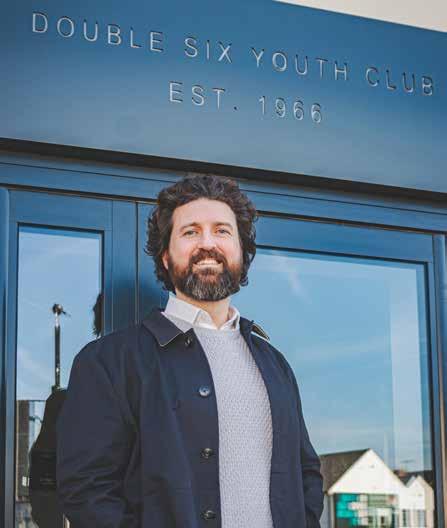
When Austin Fletcher became involved in the transformation of Double Six Youth Club in Woodseats, the potential was obvious. So was the significance.
Double Six is one of those buildings that means something to people. It has been in use as a youth club since 1966, but its story stretches back to 1895, when it first opened as Scarsdale Primitive Methodist Church. Over more than a century, it has remained a constant presence – clearly visible at a busy crossroads leading into the area’s main hub – evolving alongside the community it serves.
As such, helping bring it into a new era was always going to matter.
“There is something nice about working on a job that’s in an area you’re familiar with,” says director Wayne Fletcher, who grew up not far from the building in Norton. “When the opportunity first came up, I knew I wanted to get involved in the project.”
For the Sheffield consultancy, the role covered project management, quantity surveying and, later, contract administration as the work progressed on site. In practical terms, that meant helping steer the scheme from ambition, through design to delivery, putting the right team
around it and making sure the project kept moving in the right direction.
What stood out from the outset was the scale of the opportunity. The news of how the club had received £1.5m from the Youth Investment Fund attracted coverage ranging from Look North to the BBC News website. There was already a clear
vision for the youth club and what it could become, but that needed shaping into a scheme that could be properly developed and delivered.
“There was a lot of work to do when we came on board,” says Wayne. “The project had just been granted planning permission, so it was in the early stages of design. We then needed to build the remainder of the design team to be able to develop and complete the design, before going out to tender, all in a very small amount of time.”
From that point on, the focus was on creating something that would serve the club far better in the long term. Like many older community buildings, Double Six needed more than a cosmetic refresh. The aim was to make it warmer, more practical and less expensive to run, while also giving users a better overall space.
“One of the biggest things was reducing their maintenance and heating
THERE IS SOMETHING NICE ABOUT WORKING ON A JOB THAT’S IN AN AREA YOU’RE FAMILIAR WITH.”
costs,” he explains. “It was very cold in there, and it was costing them an absolute fortune just to try and keep it running.”
As work progressed on site, the realities of refurbishing a building of this age inevitably came into play. Opening up the structure revealed a number of hidden issues –from areas of asbestos that required careful removal to sections of timber that had deteriorated over time. There were also elements of the roof that needed more extensive work than first anticipated, along with long-standing issues around water ingress.
“With old buildings of this nature, there is always an element of risk and a need for a good contingency,” he says. “You can only find out so much with surveys. Once you start opening the building up, that’s when you really find out what you’re dealing with.”
Rather than allowing those
discoveries to knock the project off course, the team took a measured approach – addressing issues as they arose while keeping a close grip on programme and budget.
That careful handling helped ensure that, despite the complexities, the project stayed aligned with its original aims.
That challenge has now been answered through a package of improvements designed to make the building more efficient and more sustainable over time. Upgraded insulation, a new heating system and a substantial solar PV array all play their part in making the club more economical to operate.
Yet the success of the project is not just about what has been replaced or repaired. Wayne is particularly proud of how the building has been rethought to make better use
AUSTIN FLETCHER
of the space available.
“For me, one of the big positives is how the architect has managed to improve the usable space in the hall and kitchen area,” he says. “They’ve introduced a new lobby with a stair and passenger lift while also including a mezzanine above; it gives the club so much more useable space and you don’t feel like you’ve lost much of the ground floor. It works brilliantly, credit to Matt Beaumont at Evans Vettori.”
That balance between improvement and character runs through the whole scheme. Accessibility has been strengthened through the addition of a lift and new staircase. Internally, the layout now works more flexibly. Externally, the building has a renewed presence without losing the qualities that made it familiar in the first place.
There is obvious pride, too, in the details that help preserve its identity. Original slate was retained on the roof where possible, while the stainedglass facing Chesterfield Road has been opened up again. The signage has been repainted, new lights added and it now feels far more visible and confident on one of Woodseats’ best-known corners.
The transformation extends beyond the building itself. Outside, the upgraded multiuse games area has quickly become one of the project’s most immediate success stories, offering a practical, high-use space that young people have taken to straight away.
“That was one of the big ‘non-negotiable’ items,” Wayne says. “The club’s leader, Richard Hay, told us that whatever we do, the project has to include for a new MUGA. Apparently it is in use every day now.”
And that pretty much gets right to the heart of it. For all the planning, coordination and technical expertise involved, the real measure of success
IT IS GOING TO HAVE SUCH A POSITIVE IMPACT ON THE LOCAL COMMUNITY, AND WE'RE REALLY PLEASED TO HAVE PLAYED A PART IN THAT.”
is simple: are people using it, enjoying it and getting something from it? In the case of Double Six, the answer already appears to be a resounding yes.
The timing feels right, too. Woodseats has seen a steady sense of momentum in recent years, with fresh energy around the area and a growing sense of confidence in the local community. A renewed youth club in the middle of that feels like an important addition.
Listening to Wayne talk about the project, what comes across most clearly is that this sort of work is never purely about bricks, costs and programmes. On paper, Austin Fletcher’s involvement sat across project management, quantity surveying and contract administration. In reality, it also meant guiding people through a major oneoff undertaking and helping give shape to something they cared deeply about.
“It’s a once-in-a-lifetime development for the trustees,” he says. “They rely on us to help them through it, especially the tough times when things don’t always go to plan. These types of projects can often mean you end up putting more time into it as a result, but to see the project complete and the positive impact it has on the local community makes it all worth it.”
That kind of perspective matters on community-led projects. For the organisations behind them, the stakes feel personal as well as practical. The end result has to work, not just as a building, but as a place with a future.
The opening event offered a chance to step back and see that in real terms. After all the meetings, planning and construction work, the focus shifted to the people who would use the building and shape its next chapter.
“When you see the trustees
who’ve put a lot of time and love into the club over the years, and Richard, who attended the youth club himself as a child, making a speech, it is quite emotional,” he says. “It’s brilliant they’ve now got the facility they desperately needed.”
Now up and running and already attracting strong interest, Double Six begins its next phase in far better shape than before. For Wayne and everyone involved, that is something worth being proud of.
“It wasn’t an easy project for anyone at times, but collectively as a team, we worked hard to ensure the brief was met and the project was successfully completed. It is going to have such a positive impact on the local community, and we’re really pleased to have played a part in that.”
IF YOUR HIRING APPROACH IS ONLY APPEALING TO ONE GENERATION, YOU RISK CREATING AN ECHO CHAMBER RATHER THAN A HIGH-PERFORMING AND VARIED TEAM.”
RECRUITING ACROSS GENERATIONS
With five generations now active in the workforce, businesses that broaden their hiring approach are gaining a competitive edge. Becki Ashley, partner at Inclusive Consulting, explains how to stay ahead when it comes to effective recruitment.
Why is recruiting across generations becoming such a priority for businesses?
For the first time, five generations are working side by side. This creates a real opportunity to bring together different perspectives and experiences. But if your hiring approach only appeals to one generation, you risk creating an echo chamber rather than a highperforming and varied team.
The strongest businesses actively widen their lens – not just because it is inclusive, but because it leads to better decisions, stronger performance and a more resilient workforce.
Are businesses still getting caught out by age bias?
Yes, and often unintentionally. We still hear language such as “young and ambitious” or concerns about someone being “too experienced”. In most cases, what businesses actually want is the right attitude, adaptability and impact –qualities that are not tied to a particular age.
The risk is that decisions are made based on assumptions rather than evidence. When the focus shifts to skills, behaviours and potential, the talent pool becomes broader and stronger.
What does a strong multi-generational team look like in practice?
It is about balance. Individuals bringing fresh thinking and new approaches work alongside those with deeper commercial awareness or technical experience. This combination allows ideas to be challenged, refined and strengthened, while knowledge is shared and developed.
Diversity of thought drives innovation – but it only happens when businesses avoid hiring people who think, act and approach challenges in the same way. When organisations move away from hiring in their own image, they build stronger, more effective teams.
At Inclusive, we have worked with companies that were initially hesitant to
bring in talent outside their usual scope. Over time, many have recognised the value of taking that broader approach.
There is a lot of talk about generational differences – how much should businesses pay attention?
It is a fine balance. General trends can be useful in helping businesses appeal to a broad audience, but over-reliance can lead to a one-size-fits-all approach. Assuming early-career candidates prefer digital communication, or that more experienced professionals are motivated solely by pensions and stability, can lead to missed opportunities. In practice, there is often more alignment than businesses expect. Salary, company culture and, increasingly, flexibility consistently emerge as priorities across all demographics.
What practical changes can businesses make to attract talent across all generations?
There are several simple but effective shifts:
• Start with outcomes, not assumptions Define what success looks like in the role and the skills needed to deliver it. This keeps the focus on capability
rather than profile.
• Review how roles are positioned Language shapes who applies. Messaging should be clear, inclusive and reflective of what the business genuinely offers.
• Offer multiple ways to engage Some candidates apply quickly and digitally. Others want more detail and conversation before making a move. A strong process accommodates both.
• Be clear about your employee value proposition
Whether it is progression, stability or flexibility, clarity builds trust and resonates across age groups.
• Create space for different perspectives in hiring decisions
Diverse interview panels help challenge assumptions and reduce bias.
How important is flexibility when appealing to a multi-generational workforce?
It is one of the most significant drivers currently. Flexibility is not just about hybrid working – it includes how people structure their work, develop professionally and balance priorities. This will look different for everyone, regardless of age.
Businesses that offer greater flexibility and autonomy tend to attract and retain a broader talent pool.
And ultimately, what is the commercial impact?
Better hiring leads to stronger teams and improved performance. Experienced employees bring knowledge and guidance, while new perspectives challenge thinking and drive change.
Bringing both together supports stronger succession planning and more consistent performance over time.
Need help with your next hire?
Give the Inc Consulting team a call on 0114 303 5720 or email hello@ incconsulting.co.uk.
DO WHAT YOU LOVE
MEET THE MAKERS, CREATORS AND FOUNDERS WHO’VE TURNED THEIR PASSIONS INTO LIVELIHOODS
Max Scotford has turned a small-batch chocolate venture into a growing multi-site business, with locations in London and further expansion planned for York and Nottingham. But while the footprint is widening, he tells unLTD how the foundations of the brand remain firmly rooted in Sheffield.
Words: Joseph Food Photography: Marc Barker
It’s clear, sitting inside Chocolate Bar at Leah’s Yard, this isn’t just another run-ofthe-mill city centre café. The age range is far more varied than your usual hipster spot, it’s got a sense of playfulness running through it, and everything revolves around one thing that you might associate more with Brussels than Sheffield – chocolate.
For Max Scotford, that’s exactly the point.
What started as a hobby – roasting cocoa beans by hand, figuring things out batch by batch – has grown into something much bigger. Bullion Chocolate runs out of a factory in Kelham Island, and Chocolate Bar
now has a growing footprint that stretches from Sheffield to London’s Tower Bridge and, soon, York and Nottingham. But the core idea hasn’t shifted: make proper beanto-bar chocolate, and get more people to care about it.
We meet in the Leah’s Yard site, a space that feels intentionally different. It’s not trying to compete with the city’s coffee heavyweights even though the flat white I’m drinking more than hits the spot. Instead, it leans into chocolate as an experience – something Scotford admits was a bit of a gamble.
“There was no market research. It was just like, let’s have a go and see if it works,” he says. “But we were confident in what we could offer as a café-bar.”
WE’RE ONE OF A SMALL NUMBER OF COMPANIES IN THE UK ACTUALLY MAKING CHOCOLATE FROM SCRATCH, AND IT’S SUCH AN INCREDIBLE, VISUAL PROCESS.”
That instinct has paid off. The concept here – build-your-own hot chocolates, theatrical toppings, boozy additions, a menu that shifts with the seasons – has been refined over time, and it’s now the blueprint for expansion. London came next, followed by plans for York and Nottingham, each site slightly adapted to its surroundings but rooted in the same idea: make craft chocolate accessible.
It hasn’t all been smooth. Max is candid about the early risk. Funding the Leah’s Yard opening meant pulling together Kickstarter money, savings and even Bitcoin – all in, with wages to cover and no guarantee it would land.
“It was like an all or nothing,” he says. “But Sheffield backed us from the off and we
DO WHAT YOU LOVE
now feel part of the furniture in this hub of independents.”
That pressure still informs how the business grows. There’s a clear sense that each new site has to earn its place. Nottingham, for example, made sense not just because of the space, but because the city centre has the busy footfall. York, meanwhile, taps into tourism and its historic links to chocolate. These aren’t random pins on a map – they’re calculated steps.
If Sheffield was about building a loyal base, London forced a rethink. There, Bullion couldn’t rely on brand reputation. It needed something visual, something immediate. Enter the now-viral marshmallow topping – torched, oversized and tailor-made for TikTok.
One influencer video racked up hundreds of thousands of views in a day, and suddenly queues followed. Weekly takings jumped dramatically, and the Chocolate Bar concept evolved again –more theatre, more customisation, more reasons to stop scrolling and step inside.
But underneath the spectacle is something more grounded, and Max is quick to bring it back to the product itself.
Everything is made from bean to bar in Sheffield. No palm oil, no unnecessary additives – just cocoa beans and cane sugar. It’s a level of control and transparency that’s still rare in the UK, where most high street chocolate leans heavily on mass production.
That gap between perception and reality is something he’s constantly working against.
“I think the undervaluing of the product,” he says, when asked about misconceptions. “People see £6.50 for a chocolate bar and think it’s expensive, but they don’t always see everything that goes into it – where the beans are from, the people growing them, the weeks it takes to make. If you compared it to something like wine or coffee, where people are happy to spend more for quality, it starts to make more sense. It’s just about getting people to understand what they’re actually paying for.”
That’s where Chocolate Bar plays a different role to Bullion itself. If Bullion is the product – black and gold packaging, high-end gifting – then Chocolate Bar is the gateway, a way of “drip feeding” the craft chocolate story without overwhelming people.
It’s also why the space works so well in the evening. Open late, alcohol optional, it’s become a kind of middle ground –somewhere to meet, read, work, or just enjoy a delicious drinking chocolate and soft serve combo in peace.
RAISING THE BAR: CHOCOLATE IN NUMBERS
The UK chocolate confectionery market is worth around £6–7bn annually, making it one of the largest in Europe. (Statista, 2024-2025)
The UK is among the top chocolateconsuming countries globally, with average consumption estimated at 7–9kg per person per year. (Statista, 2025) Chocolate remains a resilient “affordable luxury” category during economic downturns (Mintel, 2023–2024)
“Accessible is probably the best word,” he says. “If we can get people through the door, then over time they start to understand what goes into it. That’s the aim really.”
And that accessibility is what underpins the next phase. More sites, yes, but also something bigger back home.
The long-term ambition isn’t just expansion for expansion’s sake. It’s about Sheffield itself.
Max talks about creating a proper visitor attraction – an interactive chocolate space in the city centre where people can see the process, take part in workshops, understand what goes into making chocolate from scratch in a fun way. Something part museum, part factory, part experience.
“I’d like to put Sheffield on the map for craft chocolate,” he says simply. “We’re one of a small number of companies in the UK actually making chocolate from scratch, and it’s such an incredible, visual process. We’re hugely proud of what we do, where we’re from and going to continue shouting about it.”
chocolate-bar.co.uk @chocolatebaruk
Exploring the ideas reshaping society for the better – and meeting the South Yorkshire innovators leading the charge.
ROUNDABOUT
Emily Jones, Fundraising Manager at Roundabout
Could you tell us a bit about Roundabout and what you do?
Roundabout is South Yorkshire’s youth homelessness charity, supporting more than 500 young people aged 13 to 25 every day who are experiencing, or at risk of, homelessness.
We provide a wide range of tailored support, from prevention and outreach to accommodation, education, employment and life skills. Every young person’s journey is different, so our approach is personalised, helping them build the confidence, stability and independence needed for a brighter future.
What drew you to the organisation?
I joined Roundabout nearly eight years ago after coming to Sheffield for university and, like many people, never quite leaving. Before that, I had worked across a range of charities, from large national organisations to small grassroots teams, but I was always drawn back to work that felt personal and hands-on.
When I started, we were supporting around 150 young people a day. That is now more than 500, plus their children, which shows both the scale of need and the importance of being here. It also reflects how Roundabout listens, adapts and responds to young people’s needs.
One of the things we are most proud of is that, because of that work, there are now no under25s sleeping rough in Sheffield and Rotherham. That is a huge achievement and comes down to
the commitment of an incredible team who support young people through some of the hardest moments in their lives and help them build something brighter.
As a charity, you support more than 500 young people aged 13 to 25 every day in Sheffield and Rotherham. How do you measure the impact of the support you provide?
At a basic level, we track key outcomes such as young people moving into safe and stable accommodation, engaging in education, training or employment, improving their mental health and wellbeing, and developing the skills needed for independent living. These indicators help us understand the tangible progress young people are making on their journey out of homelessness.
However, impact for us is also about distance travelled and individual progress. Many of the young people we work with have experienced significant trauma, so even small steps, such as attending appointments, building confidence, reconnecting with services or learning practical life skills, are meaningful milestones. We capture this through personalised support plans, regular reviews and ongoing conversations with young people about their own goals and experiences.
We also place strong emphasis on listening directly to young people. Their feedback helps shape and improve our services, ensuring what we do remains relevant, effective and responsive to their needs.
What are the greatest challenges you face today?
One of the biggest challenges we face at the moment is securing continuous, multi-year funding. With ongoing cost of living pressures and shifting priorities within both the corporate and grant-making landscape, we need to ensure our services are not only sustained but can grow in line with demand. Having stable, longer-term funding allows us to plan properly and provide the consistency and certainty that young people rely on.
Another key challenge is the availability of suitable accommodation. We are always in need of more flats and houses for young people to move into, so we can support them into safe, stable homes and help them take the next steps towards independence.
At the same time, we are seeing the impact of wider economic pressures very clearly. When times are tough, more people need our support, from families under strain to young people who can no longer remain at home, to those facing barriers accessing timely mental health support. Even people in fulltime work are increasingly relying on food banks, which reflects the scale of the challenge.
How do you see Roundabout’s work evolving in the next five years?
As we look towards our 50th anniversary in 2027, we see Roundabout’s work continuing to grow in response to rising demand, while also becoming increasingly focused on prevention and earlier intervention. As pressures across housing, mental health and the cost of living continue, we expect more young people and families to need support, and we want to be in the strongest possible position to respond quickly and effectively.
A key priority will be expanding our accommodation and support offer, ensuring we have enough safe, suitable homes for young people when they need them. Alongside this, we will continue to strengthen our wraparound support, from mental health and wellbeing to education, employment and independent living skills, so that every young person has the tools they need to build a stable future.
We also see a growing opportunity to do more preventative work, reaching young people earlier and helping to stop homelessness before it begins. That means working even more closely
with schools, families and partner organisations across the region.
At the heart of it all, our focus will remain the same: listening to young people, adapting to their needs and making sure no one is left without support. As we grow, we want to stay true to what makes Roundabout effective, being responsive, flexible and rooted in the real experiences of the young people we support.
How can local businesses or readers support what you do?
Local businesses and individuals can support Roundabout in a variety of meaningful and practical ways, and we are always keen to build partnerships that work for everyone involved.
One of the simplest ways to get involved is by taking part in or supporting our events, which are a vital part of our fundraising activity throughout the year. Businesses can also choose to adopt Roundabout as their chosen charity, creating a longer-term partnership that helps us plan ahead and deliver more consistent support for young people.
We also welcome those who can volunteer their time or expertise, or consider joining us
as a trustee, helping to shape the strategic direction of the charity. Many organisations support us by sharing their skills, networks and professional connections, which can open up valuable opportunities for the young people we work with.
As a smaller charity, we are able to take a very personal and tailored approach to partnerships. That means we can work with businesses to create a plan that aligns with their goals, whether that is fundraising, staff engagement or corporate social responsibility.
We also offer talks and workshops for staff teams, helping to educate, break down stereotypes around homelessness, and build genuine understanding and engagement with the work we do. These sessions can be powerful in shifting perceptions and sparking long-term involvement.
Ultimately, supporting Roundabout is not just impactful for young people, it can also bring real value to businesses through staff engagement, team building and meaningful community impact. And at the end of the day, you will know you are helping to ensure no young person is sleeping rough in your city.
roundabouthomeless.org
Artificial intelligence has moved rapidly from experimentation to expectation.
Across every industry, organisations are exploring how AI can drive efficiency, automation, insight and competitive advantage. What was once considered emerging technology is now firmly positioned as a core part of modern business strategy.
However, beneath the excitement sits a growing and often underestimated challenge. The ambition for AI is accelerating far faster than the global infrastructure required to support it. We are seeing this play out daily, as businesses grapple with constraints around capacity, cost and control just as their AI plans begin to take shape. Infrastructure conversations have shifted significantly over the past eighteen months. Where discussions once centred on cloud migration or server refresh cycles, they now focus on GPU availability, memory shortages, volatile pricing and uncertainty around long-term scalability. These pressures are already shaping
how, where and whether AI projects can move forward.
As Laurentiu Bacalu, Head of Infrastructure at Simoda, explained during our latest Today in Tech podcast:
“The infrastructure requirements for AI haven’t just increased, they’ve blown up. And it’s no longer just the average enterprise competing for resources. The biggest players are gathering huge amounts of infrastructure for their own AI builds.”
This concentration of demand is directly impacting the wider market. Supply chains are under strain, key components are harder to source, and price increases have become common across memory, GPUs, CPUs and storage. For many organisations, the challenge is not a lack of ambition, but a lack of certainty around what infrastructure will be available, when it will arrive and how much it will cost.
What often surprises businesses is that these pressures are not limited to smaller organisations. Even
hyperscale
cloud providers are experiencing capacity constraints in certain regions and services. Public cloud still plays an important role in AI adoption, but it is no longer a guaranteed shortcut to instant scale or unlimited compute.
At the same time, we continue to see a high number of AI initiatives struggling to progress beyond proof of concept. Many of these projects begin with enthusiasm but without clearly defined outcomes, realistic infrastructure planning or the right protection strategies in place. AI requires far more than simply deploying a model. It demands careful consideration of where workloads should live, how data is governed and how platforms are protected over
time.
The question of where AI workloads should run has become increasingly complex. Public cloud remains attractive for flexibility and speed, but rising costs, data sovereignty requirements and regulatory pressures are forcing organisations to reassess their approach. For many, a hybrid or distributed model is emerging as the most practical solution, combining public cloud services with private cloud or onpremises environments that offer greater control.
This shift is especially relevant in the UK, where data sovereignty and compliance are playing a growing role in technology decisions. Organisations want assurance that their data remains within national borders while still having access to the scale and performance required for AI workloads. We’ve been working closely with customers to help them strike that balance and design infrastructure strategies that align with both business goals and regulatory realities.
Another area often overlooked in the rush towards AI adoption is resilience. AI platforms represent a significant investment in data, time and intellectual property. Without proper backup, disaster recovery and protection in place, a single incident can result in lost progress and increased costs. In our experience, the lack of robust protection is a contributing factor in why so many AI projects fail to reach production. That’s why we partner with purpose-built,
immutable backup solutions such as Vawlt and Object First to protect high-value AI environments from disruption or attack.
Despite these challenges, a more positive story is emerging. Organisations are beginning to recognise the importance of early planning, realistic roadmaps and informed decision-making. Instead of rushing into AI adoption, they are asking better questions and seeking partners who understand both the technology and the constraints that come with it.
The most important message for organisations considering AI today is that the infrastructure challenge is not a temporary issue. Demand continues to grow, supply remains competitive, and planning horizons are extending further into the future. Early engagement, clear outcomes and informed infrastructure choices are essential.
AI remains a powerful opportunity for businesses willing to approach it with care and clarity. With the right planning, infrastructure and partners, it is entirely possible to overcome today’s challenges and build AI platforms that are secure, scalable and ready for what comes next. At Simoda, that is exactly what we help our customers do.
To learn more about how Simoda helps organisations design, build and scale AI platforms in a constrained world, scan the QR code
A prime central location in the heart of Sheffield, Pennine Five is just minutes from the city’s best amenities and transport connections, and benefits from over 390 secure car parking spaces.
Comprising five distinctive blocks arranged around a unique central plaza, Pennine Five offers highly flexible accommodation ranging from 3,229 sq ft (300 sq m) to over 100,000 sq ft (9,290 sq m).
With flexible leases and versatile floor plates, Pennine Five is designed to adapt to your business. Speak to our team to find the right solution for you.
chat about a space for you!
START AS YOU MEAN TO GO ON
Insights from Sheffield Technology
Parks Incubator Manager,
Rose Tran, after seven years’ supporting earlystage tech founders in the city.
Sheffield’s tech startup landscape is continuing to grow and that’s something we’re seeing first-hand at Sheffield Technology Parks.
The Cooper Project, our tech incubator, is now consistently oversubscribed, with a particularly high number of applications coming in towards the end of 2025. It’s a really positive sign. More people are exploring entrepreneurship, beginning their startup journey, and looking for support to move their ideas forward.
At the same time, we’re
seeing applications at very different stages - from early ideas based mainly on assumptions, through to more developed concepts that have already been tested with customers.
After nearly seven years of working closely with earlystage founders, one thing is clear: the startups that are really able to progress tend to get the same fundamentals right from the beginning.
1. Start with the problem, not the product
One of the biggest things
we emphasise is that a business should start with the customer problem and the market - not the product. Most startup failures are not down to execution, but because the founder has kicked off with the wrong thing, spending months and months building a product before even speaking with customers.
A business only grows if it solves a real problem that customers genuinely want to get rid of. When founders are clear on that from the beginning, it makes
everything else easier - from shaping the product to understanding how to reach the market.
We often see that founders who have experienced the problem themselves, or who have worked in the industry, have a deeper understanding of the pain points. That can be a strong advantage.
But it’s still important to validate those assumptions. Speaking to potential customers early - even before building anything - is one of the most important steps. It helps founders understand whether the problem is real, who it affects, and whether the problem is frequent, painful, and urgent enough that someone would actively look for a solution.
2. Think about viability and growth early on
Not every good idea becomes a sustainable business. At an early stage, founders don’t need to have everything figured out, but they do need early signals that what they’re building is scalable, commercially viable, and that it has room to grow.
Ideas that struggle to gain traction are often those that don’t solve a meaningful problem, are based mainly on assumptions, or don’t clearly stand out from what already exists.
One of the most common patterns we see is founders focusing heavily on building the product, without testing whether there is real willingness to pay. Interest and positive feedback are encouraging but they’re not the same as demand. Something can be a real problem, but are your customers willing to live with it, rather than pay for a solution to get rid of it?
3. Mindset and commitment really matter At this stage, ideas will naturally evolve, and sometimes change completely - this doesn’t
mean something has gone wrong, it’s a sign founders are learning. That’s why mindset is so important. Founders need to be open to the ‘fail fast’ concept: learning, adapting, and responding to feedback from the market.
We often describe the founder journey as a rollercoaster. There will be ups and downs, and people need to be prepared for that.
Commitment plays a big role. Building a startup takes time, energy and focus. It requires consistency and persistence, as well as an awareness that there may not be income for some time while the business is developing. The founders who progress are usually the ones who keep showing up, testing, and learning, even when things feel uncertain. Being in the right environment can also make a big difference. Connecting with other founders who are on a similar journey can be really motivating, and it creates a space where people can share openly, learn faster, and support each other.
4. Recognising when you’re not quite ready
Not everyone is ready to join a programme like the Cooper Project straight away - and that’s completely fine. Some of the common signs we see include founders not being clear on the problem they want to solve, or not having spoken to potential customers.
In other cases, people may have too many other commitments to dedicate the time and focus needed, or they may still be approaching the idea more as a hobby than something they want to grow seriously.
These aren’t barriers, they’re just signals that more time may be needed to explore the idea, validate the problem, and prepare for the next step. The founders who benefit most from our programmes are usually those
who come in with a clear problem, early validation, and the readiness to act on what they learn.
5. AI is accelerating startups, but not replacing the basics
AI is having a big impact on how startups are being built. It’s making it much easier for founders - especially non-technical ones - to create prototypes and start testing ideas quickly. What used to take weeks or months can now often be done in hours. This is lowering the barrier to entry and allowing more people to explore startup ideas and learn from the market much earlier. But while AI is speeding things
up, it doesn’t replace the fundamentals.
The risk is speed without direction. Founders can end up with a working product, but limited evidence that it meets any market demand. We’re seeing more prototypes and products coming to fruition, but not necessarily more ideas that have been properly validated with customers.
Understanding the problem, speaking to customers, and learning quickly from feedback are still the most important parts of building a successful business.
6. Building on the right foundations is key It’s really encouraging to
see more people in South Yorkshire taking the step into entrepreneurship. Programmes like the Cooper Project are there to support tech founders who are ready to take their ideas further - to develop, explore and grow them within a structured environment.
For those at an earlier stage, there is a wide range of support available across the ecosystem, from informal meetups like Startup Social to structured programmes such as the TechForge Accelerator.
The key to starting up, is to start with strong foundations: understand the problem, stay close to your customers, and be open to learning as you go.
As racing driver Rowan CampbellPilling’s fresh face appears on the Teams call, there’s a sense that, despite this being the first time we’ve met, I already know him.
WORDS:
ASH BIRCH
His name has driven a number of office conversations over the last year – whether that’s on the back of a PR campaign, conversations with business oweners who are sponsors – or, as Rowan would quickly correct, ‘partners’ in his GB3 journey – or even interns who remember the 19-year-old from school. Which, admittedly, wasn’t all that long ago.
The point is, he seems to get everywhere at the moment – he just happens to do it at close to 200mph, and with a serious amount of skill.
We’re speaking while Rowan is down in Wokingham, in the middle of simulator preparation ahead of a crucial run of testing. Despite proudly flying the flag for South Yorkshire in this year’s GB3 Championship, much of his life right now is spent chasing marginal gains wherever they can be found.
For Rowan, speed itself has never really been the intimidating part. What has taken more getting used to, as he steps up into GB3 machinery for the 2026 season, is
everything happening around it.
“The hardest part for me has been the mental side of things,” he says. “Physically, I’ve been strong – the training, the fitness, the strength – all of that’s good. But mentally, everything is happening so much faster.”
That increase is far from marginal. It’s seismic. Having driven both last year’s GB3 car and the latest model, he describes corners that once demanded braking and downshifting now being taken flat, at speeds pushing 160mph.
“It is outrageous,” he says. “You’re going into corners much, much faster than you’re used to… your brain’s working overtime.”
It’s not just about learning – it’s often about unlearning.
“You almost have to undo what you already know about a track and then go again,” he explains. “That’s what makes it mentally very tough.”
Around him, a strong team and stable of partnership has grown steadily – driven less by strategy
What followed was a steady climb through the ranks, culminating in becoming the youngest ever British champion in 2021 – a milestone that reflected not just talent, but growing discipline.
“The further up you go, the more is needed,” he says. “More training, more sim work, more focus on diet –everything.”
That shift has changed his relationship with racing.
“It feels the same, but different,” he explains. “There’s so much more work going into it now… and because of that, when you get a result, it means more.”
Standing on the top step of the podium is no longer just about the race weekend – it is the culmination of everything that came before it.
“The more work you put in, the more reward you feel.”
Like most drivers climbing the single-seater ladder, Formula One remains the ultimate goal. But Campbell-Pilling is clear about how he wants to get there.
and more by word of mouth, with one introduction leading naturally to another.
“Luckily for us, Sheffield’s full of good, honest people.” He tells us.
Campbell-Pilling’s journey into motorsport began long before singleseaters and simulators.
“I started on two wheels,” he says. “Little electric trials bikes… I think that’s where I first found my love for competing.”
He was three or four years old at the time. The story, he insists with a cheeky smile, begins not with his parents – but with Father Christmas.
By the age of seven, he was already a European champion. Soon after came karting, and with it a new obsession: speed.
“That’s where I found the adrenaline,” he says. “How fast can I take this corner? At that age, you’re fearless.”
That fearlessness did not immediately translate into success.
“I remember getting lapped in my first race,” he admits.
I’D LOVE TO BE A FORMULA ONE DRIVER – IT’S WHAT I’VE WORKED MY WHOLE LIFE FOR"
“I’d love to be a Formula One driver – it’s what I’ve worked my whole life for,” he says. “But I wouldn’t want to go there if I wasn’t going to be competitive.”
“I race to win… I wouldn’t want to turn up knowing the best result possible is P12.”
That mindset shapes how he views the traditional stepping-stone route through the sport.
“There has to be a plan,” he says. “As long as there’s a plan, I wouldn’t be against it – but it has to lead somewhere.”
For now, that destination is still a few years away.
“Realistically, it’s about a four-year journey,” he says. “And I genuinely see no reason why we can’t get there… to fly the flag for Sheffield and South Yorkshire.”
In the immediate term, though, the focus is firmly on the season ahead –and by his own admission, words are struggling to keep up.
“My vocabulary isn’t big enough to tell you how excited I am,” he says.
“It’s just this buzzing feeling.”
With races across some of Europe’s most iconic circuits alongside a strong British calendar, the opportunity is clear. More importantly, so is the motivation.
“We’ve got an amazing team… amazing people around us,” he says. “To be able to bring them along on the journey and fly the flag for Sheffield – that means everything.”
EMMA TOOGOOD-WORTHAM MEZE PUBLISHING
Tell us about your business – sell yourself!
I work at Meze Publishing, a boutique cookbook publisher based in Kelham Island. We specialise in creating beautiful books for restaurants, brands, home cooks and influencers who have a story to tell and recipes to share with the world.
Meze has been going since 2013, and I joined the company in 2019 as a salesperson, working on our successful line of regional cookbooks, which began with The Sheffield Cook Book that you might remember. Since then, we have pivoted towards working more closely with individuals, focusing on creating their dream books and making them available in national and independent shops across the UK, Europe, North America and Australia.
What distinguishes your approach from the competition?
We often describe ourselves as a ‘hybrid’ publisher. What we offer is not traditional self-publishing –where little support is provided to bring a product to market – nor is it conventional publishing.
Authors invest in publishing with us, but in return receive higher royalties per book sold than they would through traditional routes. They also retain far more creative control over the style, design and content.
Over the years, we have worked with authors who have turned down traditional deals that came with restrictions such as ‘everything must be cooked in an air fryer’ or ‘every recipe must use five ingredients’. That approach does not suit everyone’s brand. We listen closely to our authors. They understand their audience and what they want from a book. While we provide guidance on market trends and ideas, the final vision remains theirs.
What is the key ethos underpinning what you do?
Staying true to each author’s vision is at the heart of what we do. We have worked with a diverse range of people over the years, and I am always looking out for cuisines we have not yet published.
Our director and designer, Paul, works closely with authors to create bespoke and striking covers. That attention to detail makes a real difference in retail, as the books stand out for their design as much as their content.
What are some common challenges you face, and how do you address them?
The cookbook market is highly saturated, with some very wellknown names supported by large teams and, often, accompanying television programmes. As a result, we have to be creative.
We focus on getting copies into the hands of influencers with engaged food audiences, securing spots for our authors on emerging podcasts, and sharing strong content with magazines and newspapers in the hope of coverage. Without a large marketing budget, building relationships with journalists, influencers and retailers is essential. Once people see the quality of our books, they tend to keep an eye out for future titles.
We have also launched a Cookbook Club in partnership with local event space The Victoria. Our first event features author Maisam, who will discuss her baking journey, from Bake Off to publishing her first book. Guests can sample her baking and receive a signed copy of the
RECIPES FROM THE HEART, FOR A HEARTWARMING SEASON
SAM NIXON BY
COOK BOOK CLUB
Our first event with The Victoria takes place on 5 July. Tickets are £25 and include the talk, samples and a signed copy of the cookbook. More information is available at thevictoria.com. mezepublishing.co.uk @mezepublishing Buy tickets for their first social at The Victoria by scanning the QR code
book. Collaborating with local businesses like this is a great way to connect authors with new audiences.
Any exciting developments on the horizon?
For me, 2026 is about ensuring our books reach wider audiences and are more accessible. I recently attended London Book Fair, which is always a busy but valuable opportunity to meet printers and distributors.
We had a particularly positive meeting with a new distributor who could significantly expand our reach across Europe and, in time, globally. That is an exciting prospect for the business.
Where would you like the business to be in five years’ time?
I would like to see continued growth, including bringing in another full-time colleague in sales and retail. That would allow us to maintain the level of service our authors and retail partners expect while continuing to expand.
We also have some major projects launching this year, and I would hope that at least one will gain recognition in national book awards.
How can people get involved with what you do?
Publishing is a fantastic industry, although opportunities outside London can be limited. We offer internships across all areas of the business, giving people the chance to experience the full process of creating a book.
If you are interested in publishing your own cookbook but are unsure where to begin, we are always happy to talk you through the process. You can call me on 0114 275 7709 or email emma@ mezepublishing.co.uk.
CHARITY STEP UP FOR LITTLE LUNGS
COULD YOU JOIN IN THE BIG WALK 2026?
The University of Sheffield is calling on the South Yorkshire community to take part in the Big Walk 2026, raising vital funds for pioneering research into children’s lung disease.
Taking place on Friday 3 July, the annual event will see participants tackle either a 20 or 30-mile route through the Peak District, with all proceeds supporting the development of advanced imaging technology designed to transform paediatric respiratory care.
The research, led by scientists at the University’s Insigneo Institute, focuses on radiation-free MRI scanning techniques that allow clinicians to safely and accurately assess children’s lungs in real time. The technology is expected to significantly improve how conditions such as asthma and cystic fibrosis are diagnosed and monitored,
particularly in younger children who are unable to complete standard breathing tests.
Respiratory illness in children remains a significant but often under-recognised challenge. Around one in 11 children in the UK has asthma, while more than 11,000 people live with cystic fibrosis. In addition, one in three premature babies is at risk of developing chronic lung disease.
Professor Jim Wild, executive director of the Insigneo Institute, said the new approach could be a step change in treatment. “As the scan does not use radiation, it can be repeated safely to track changes in a child’s lungs over time. This allows clinicians to better understand whether treatments are working and make more informed decisions much earlier.”
For families, the impact of
uncertainty can be profound. Zoe Merryclough, whose son Tamlin was born prematurely at 27 weeks, described the experience as overwhelming. “There are so many monitors and alarms, and you do not always know what is causing changes in oxygen levels,” she said. “Having a clearer way to understand what is happening inside a baby’s lungs would make an enormous difference.”
Last year’s Big Walk raised more than £100,000 for neurological research, and organisers are hoping to build on that success in 2026. Thanks to the support of local donors Graham and Sue Royle, all funds raised up to £75,000 will be matchfunded, doubling the impact of every donation.
The event is open to students, staff, alumni and members of the public, with participants encouraged to gain sponsorship as they
prepare for the challenge. Elenna Williams, Big Walk lead at the University of Sheffield, said: “Every step taken will help us reach more children and families affected by serious lung conditions. This research has the potential to change lives.”
Registration is now open, with a discounted early bird rate available for those who sign up before 31 March.
To find out more about the Big Walk and register your interest, scan the QR code:
NEW CHARITY BOOK TO NOMINATE ‘STEEL CITY SURVIVORS’
Do you know someone who deserves acknowledgement for their resilience or determination?
Sheffield residents are being invited to nominate individuals whose lives reflect resilience and determination for a new charity book celebrating the city’s enduring spirit.
Author and historian Neil Anderson has launched Steel City Survivors, a project that will spotlight people who overcame difficult starts, faced repeated setbacks and built meaningful lives while remaining rooted in Sheffield.
The book will focus on a generation that came of age during the economic challenges of the 1980s and early 1990s, highlighting those who chose to stay and shape their futures in the city.
Anderson, who has spent more than 15 years documenting Sheffield’s social and cultural history, has already interviewed a wide range of figures from across business, sport, politics and the arts. Contributors include musician Richard Hawley and Nick Banks of Pulp.
However, he is keen to ensure the project captures lesser-known stories as well as recognisable names. “Some will be familiar, many will not,” he said. “This is about recognising people who kept going when others might have stopped, and making sure their stories are not overlooked.”
To support that aim, members of the public are now being encouraged to submit nominations, helping to identify individuals whose experiences might otherwise go unheard. Nominations are open until the end of April.
The project is funded by Sheffield businessman David Slater, whose own journey reflects the themes at the heart of the book.
All profits from Steel City Survivors will go to Roundabout, the South Yorkshire charity supporting young people at risk of homelessness.
To nominate, visit neilandersonmedia.com. Nominations close on 30 April 2026.
APPLICATIONS
Is this a job you love or hate? Are you quite good at it, but find it takes up a lot of your time? Do you feel properly prepared every time you apply? Do you have previous applications to refer to, and key attachments saved so you’re not searching for them each time?
Funders ask different questions about what funding you need and why. Often, these questions are similar, so it’s useful to create some core answers that you can tweak depending on the word count and how the question is phrased. I’m not a fan of copy-and-paste applications or using AI for funding bids – you wouldn’t send the same covering letter for every job, would you? That said, there are some standard sections you can prepare in advance: who you are, what you do, who your beneficiaries are, the need for your work, and the impact the funding will have.
You’ll also be asked for supporting documents to prove eligibility – such as your constitution, accounts or recent income and expenditure, and sometimes a bank statement or cashflow forecast. Having these to hand makes the process far more efficient and reduces the time each application takes.
Getting “bid-ready” is something I love to support people with. Whether you’re a new start-up or an established organisation, having professional attachments and wellprepared answers gives you a valuable head start when applying for funding.
If you’d like support with bid writing, business planning or funding strategy, get in touch: Wendy Ward, Let’s Save Consultancy Services 0772 948 1010 / wendy@letssave.biz
SYIP is a £3 million programme supporting organisations across the region to innovate and grow; develop new ideas, improve processes, access new markets, and launch new products.
You can access funding and support tailored to your organisation’s needs, and the stage you are at in your innovation journey:
DISCOVER DEPLOY DEVELOP
“I want to innovate, but I don’t know what’s out there”
“I know what I want and it’s available ‘off-the-shelf’”
“I know what I want, but there’s no solution on the market”
Experiment in the Digital Media Centre MakerLab and CreatorLab. Learn how to innovate at funded workshops. Access funding to implement an innovative business solution.
Work with sector specialist academics to develop a bespoke innovative solution tailored to your unique needs.